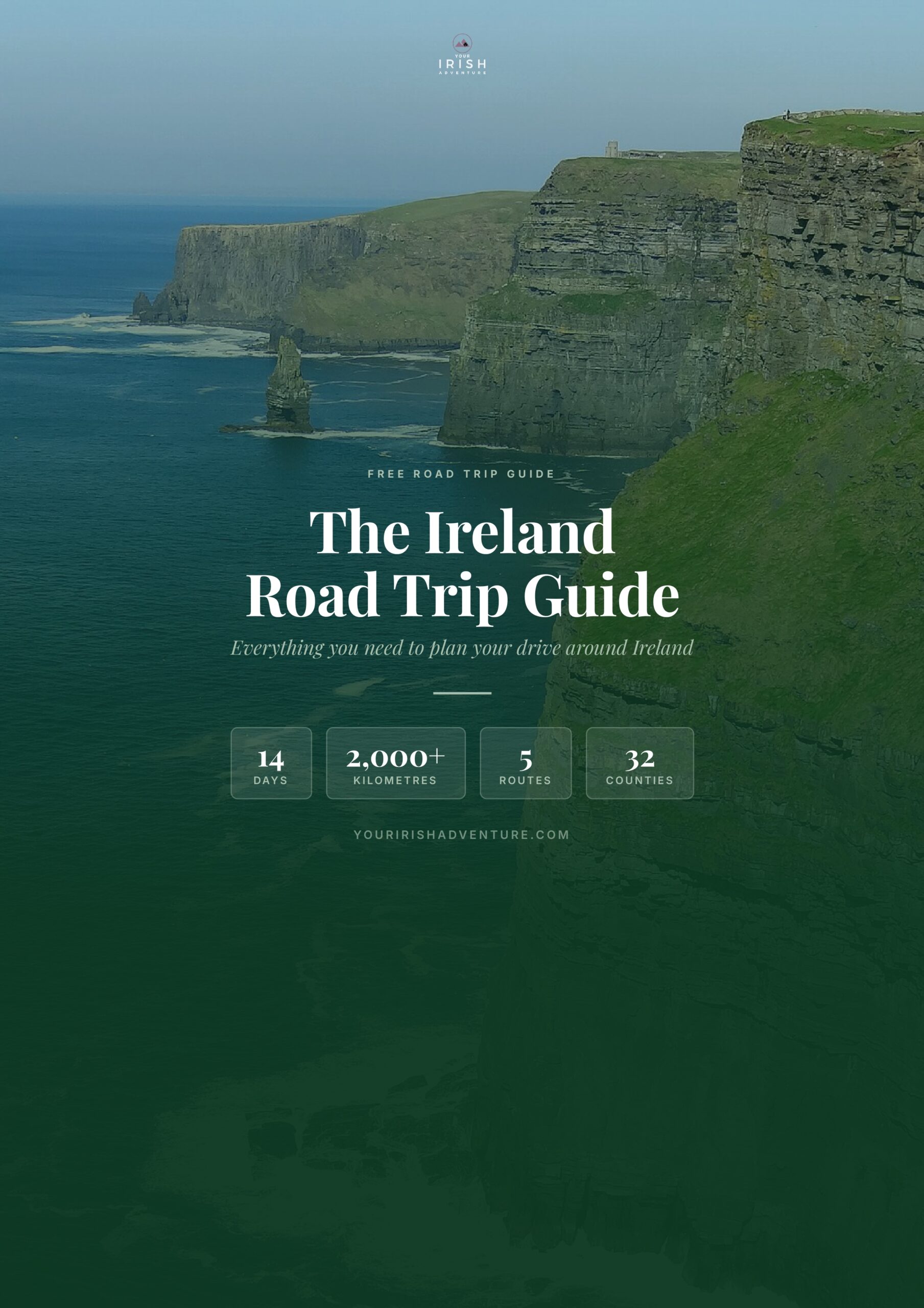
We pulled out of Dublin on a grey September morning, eager to make the most of our 14 days in Ireland, the city giving way to open countryside within twenty minutes, and that feeling hit immediately, the one that reminds you why you travel in the first place.
This is a full 14 days in Ireland itinerary built from a real two-week trip around the island, covering everything from Kilkenny’s medieval laneways to the wild Atlantic edge of Connemara and the kingdoms of Kerry.
You’ll find a day-by-day plan with honest drive times, where to stay each night, and straightforward advice on what’s actually worth your time.
More guides for your Ireland trip:
- 10 Days in Ireland: The Ultimate Itinerary
- A Weekend in Dublin, Ireland: The Perfect 2 Day Itinerary
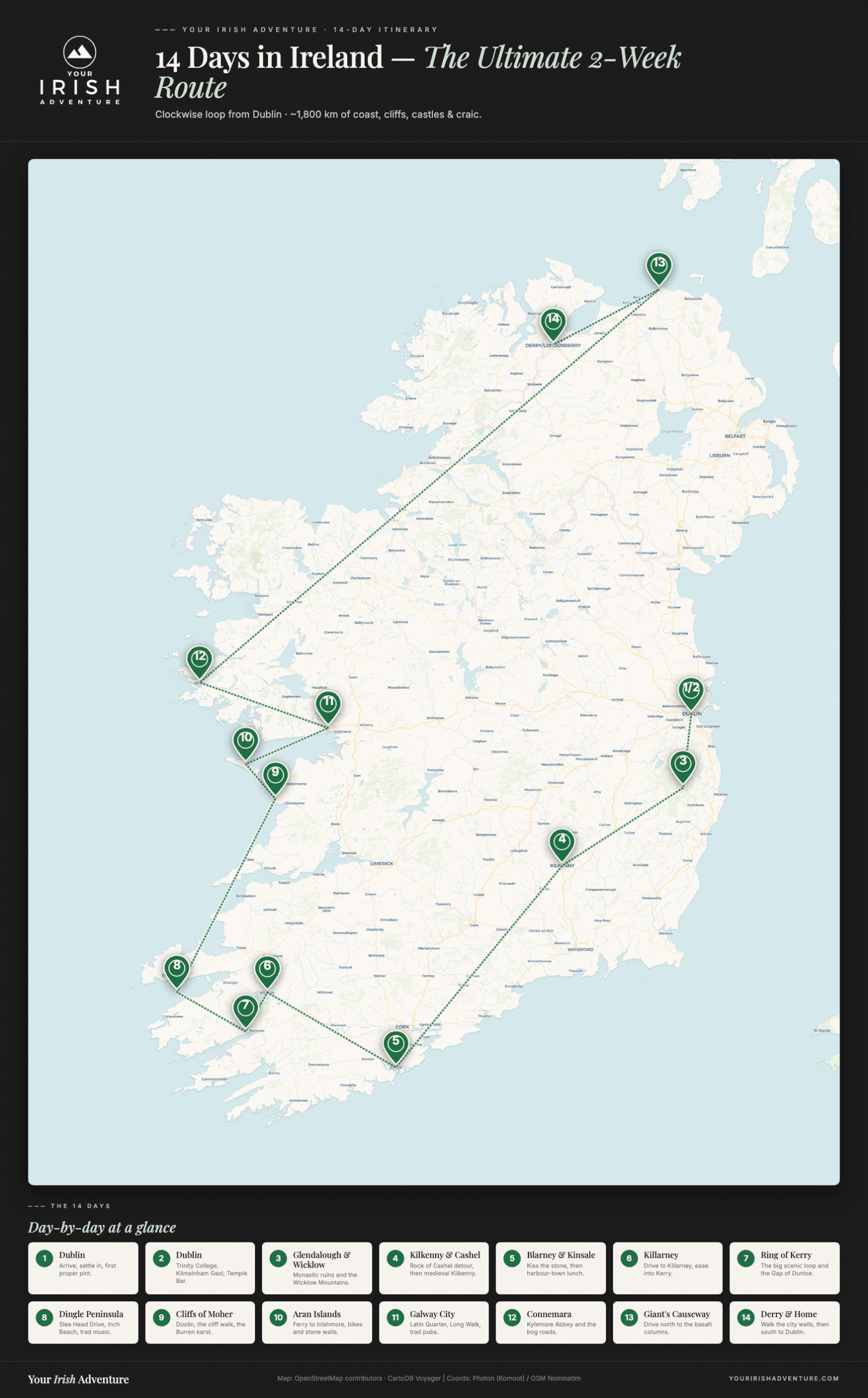
This two-week route starts and ends in Dublin, loops clockwise through Kilkenny, Tipperary, and Galway, traces the wild Atlantic coast through Connemara and Kerry, then cuts back up via Cork and Northern Ireland before finishing where you began.
A car is essential for most of this. Public transport will get you between the main cities, but the smaller stops, coastal roads, and countryside detours that make this trip special are only really accessible with your own wheels.
How to Plan Your Ireland Road Trip
Before you hit the road, there are a few things worth sorting out, and the biggest one is the car itself.
If you’re coming from North America, the most important thing to know is that Ireland drives on the left.
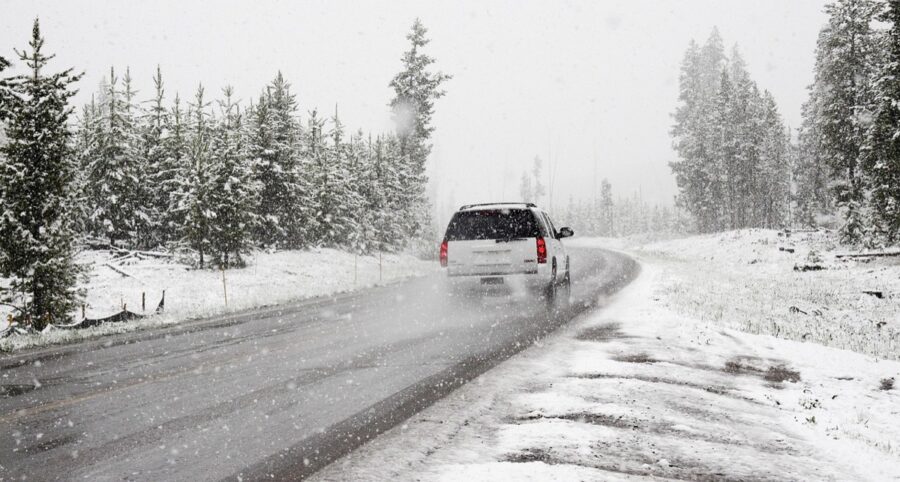
That takes about a day to feel natural on motorways, but the rural roads are a different story.
Outside the main cities, you’ll regularly encounter single-track lanes where two cars can barely pass each other, and those lanes lead to some of the best spots on this entire route.
Take it slow, use your mirrors, and don’t be shy about pulling into passing places.
You’ll get the hang of it.
We rented a campervan for our trip, but for most visitors a standard hire car is the simpler, more flexible choice, and it’ll handle everything on this route with ease.
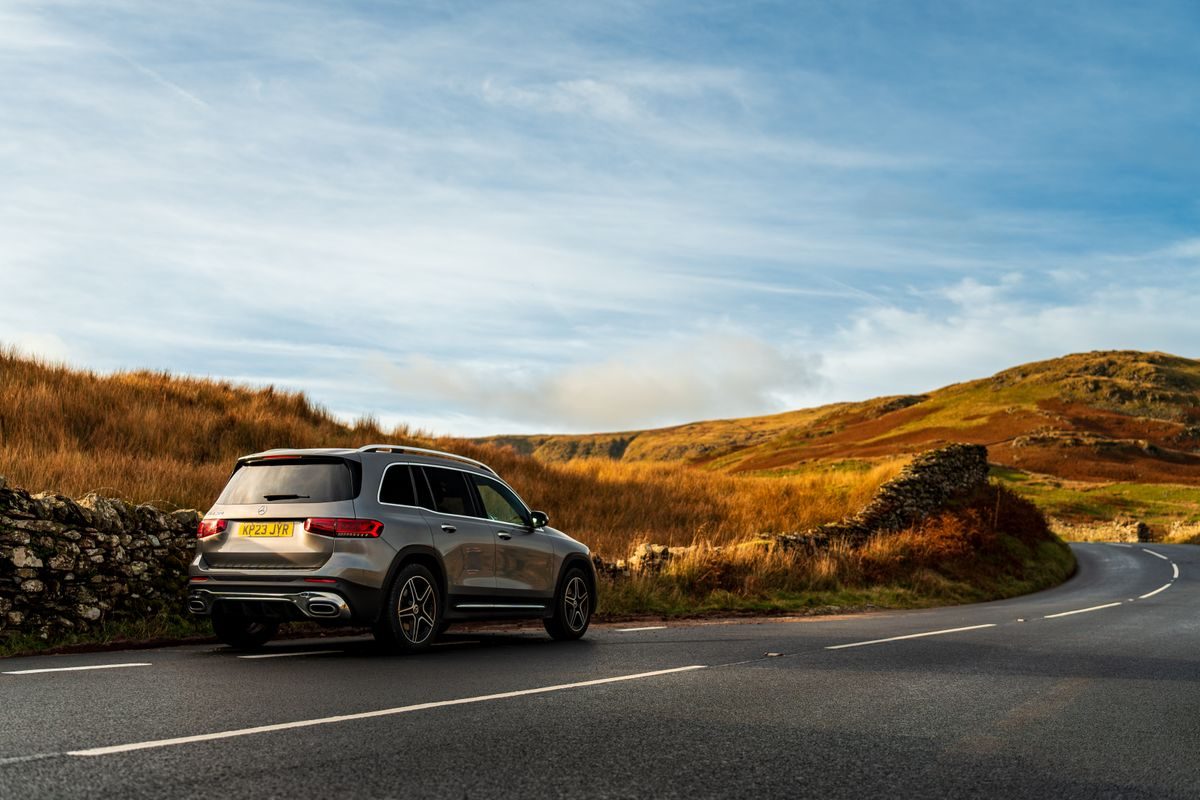
We recommend checking DiscoverCars to compare rental rates across multiple companies before you book.
For flights, Dublin is the obvious entry point and has the most connections from North America and Europe.
Shannon Airport in County Clare is worth considering if you want to start further west, putting you closer to Limerick, the Cliffs of Moher, and Kerry right from day one.
Belfast is another option if you’re planning to include Northern Ireland at the start rather than the end.
On timing: we travelled in late September and found it close to ideal.
The summer crowds had thinned out, prices were lower, and the light was beautiful.
May, June, and September are the sweet spots.
July and August are busy everywhere, prices spike, and the coastal roads get congested.
If you can travel in shoulder season, do it.
If you’d rather not drive at all, coach tour operators like CIE Tours and Trafalgar run fully guided two-week Ireland packages that cover much of this same ground, worth knowing about if driving on the left isn’t something you want to deal with.
The Perfect 14 Day Ireland Itinerary
Below you’ll find a great 14 day itinerary for Ireland including some must-see stops and some places that we checked out and loved that are a little off the radar, but still definitely worth a visit.
Day 1: Arrive in Dublin
Your first day is mostly a travel day, so keep expectations realistic and just ease in.
Pick up your rental car at Dublin Airport, get your bearings, and head into the city.
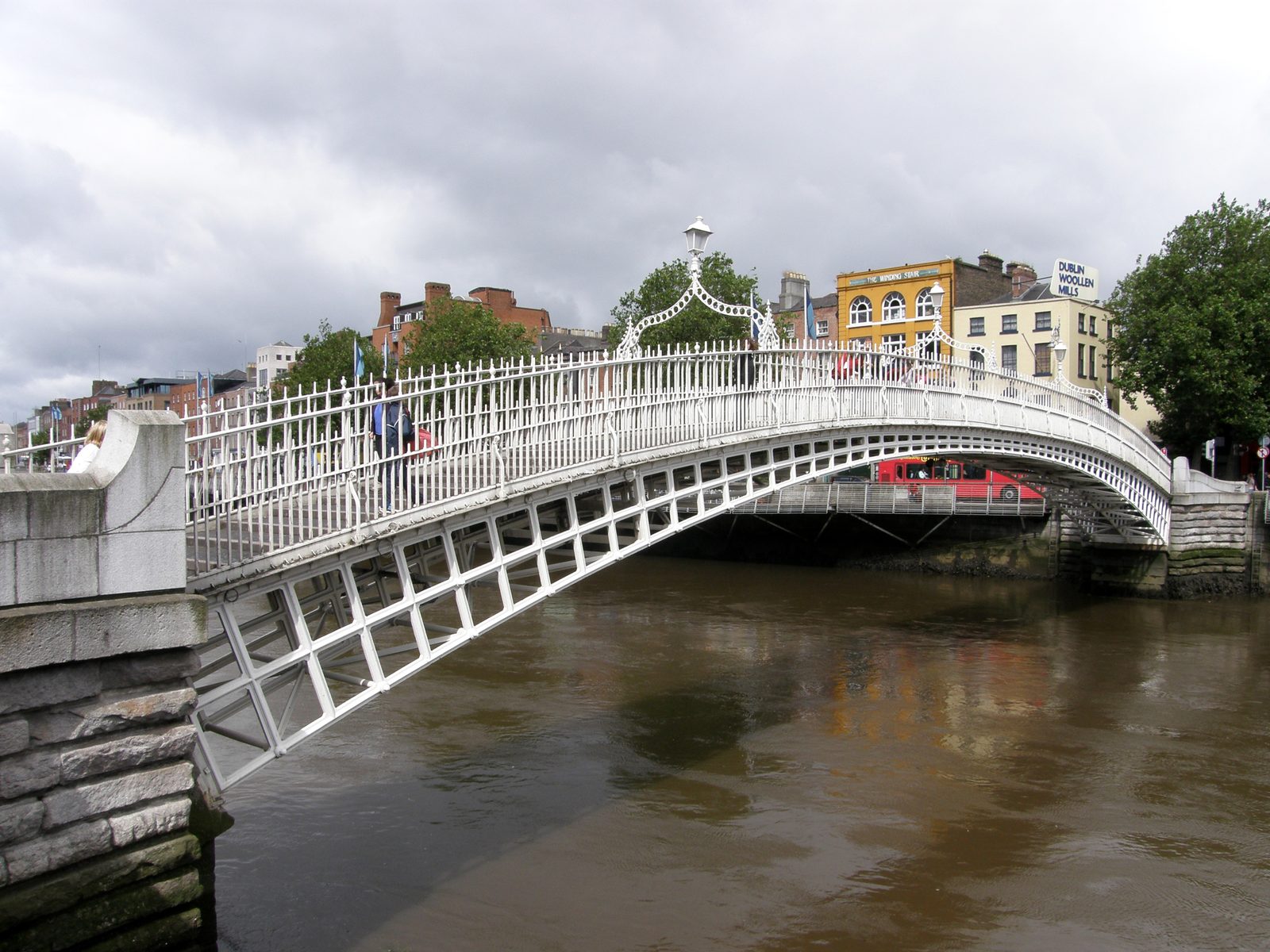
Parking in Dublin city centre is expensive and the streets are busy, so if your hotel has parking, use it. Otherwise most central hotels will point you to the nearest multi-storey.
For your first night, the Temple Bar area is the obvious starting point. Yes, it’s touristy. Yes, the pints cost more than they should.
But there’s something right about starting a trip to Ireland here. The cobblestones, the trad music spilling out of pubs, the noise and the energy.
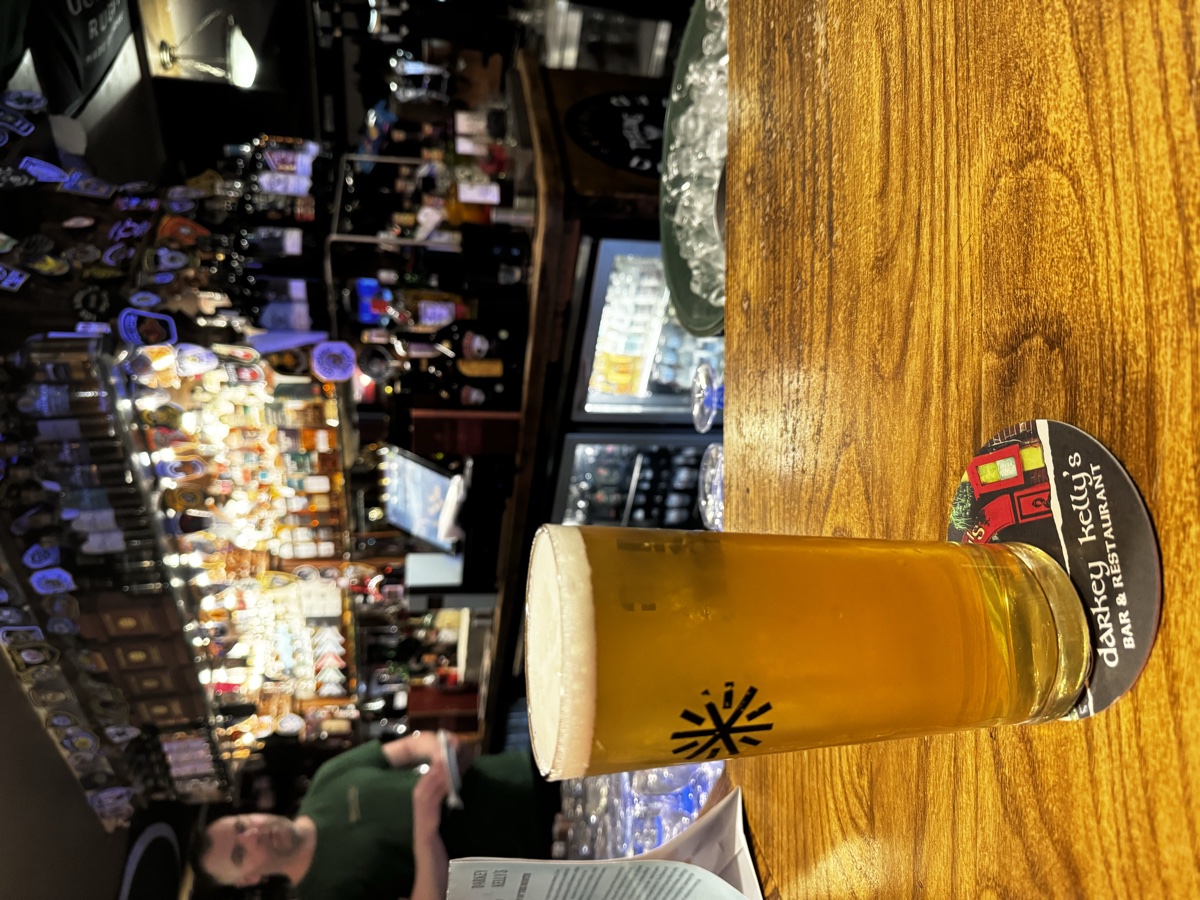
We hit Darkey Kelly’s on Fishamble Street on our arrival night and it delivered exactly what we needed after a long travel day.
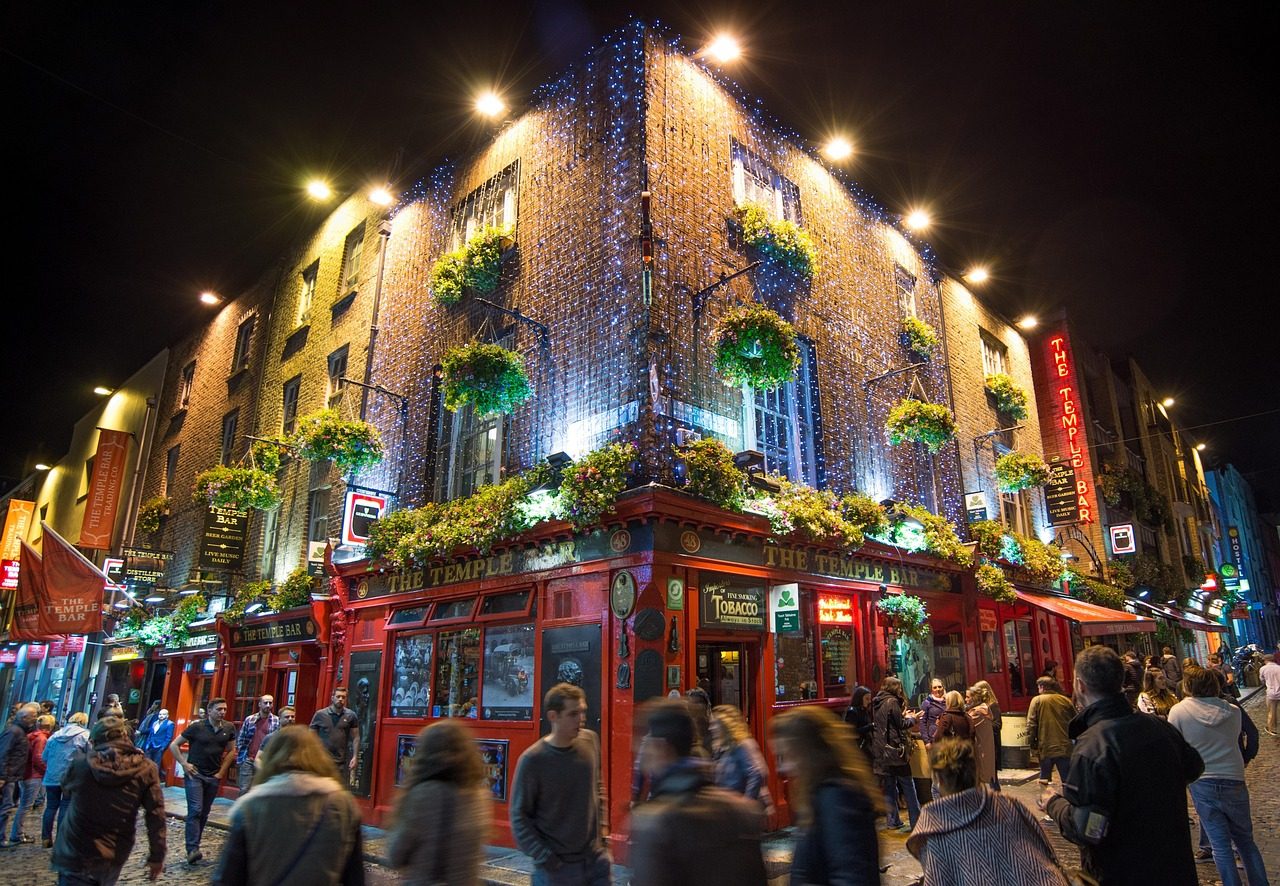
Work your way through a few pubs, order something to eat, and just let the city settle around you. Don’t try to cram in sightseeing on day one.
If you want a proper introduction to the streets, the history, and the stories behind the area, an evening walking tour is a great way to get oriented without having to navigate yourself.
Click here to book a highly-rated evening walking tour of Dublin.
For accommodation, a mid-range hotel in the city centre puts you walking distance from everything. Search mid-range Dublin hotels on Booking.com and filter by Temple Bar or city centre. You’ll find solid options in the €120 to €180 per night range.
Where to Stay in Dublin
Best Tours of Dublin
- Original Dublin Walking Tour
- Dublin: Guinness Storehouse Entry Ticket
- Dublin: Book of Kells, Dublin Castle and Christ Church Tour
Day 2: Explore Dublin

Start your morning at Trinity College. The campus is free to walk around, and even without a ticket, Parliament Square and the Campanile are worth the short detour.
If you want to see the Book of Kells, book your ticket well in advance online. The queues without a reservation can eat up an hour you don’t have, and the illuminated manuscript itself is impressive up close.
Spend mid-morning walking the city centre. The Liffey Boardwalk is a nice stretch, and the area around Grafton Street gives you a feel for the everyday rhythm of the city without costing anything.
In the afternoon, head west to Kilmainham Gaol. This is one of the most historically significant sites in Ireland, tied directly to the 1916 Rising and the executions that followed.
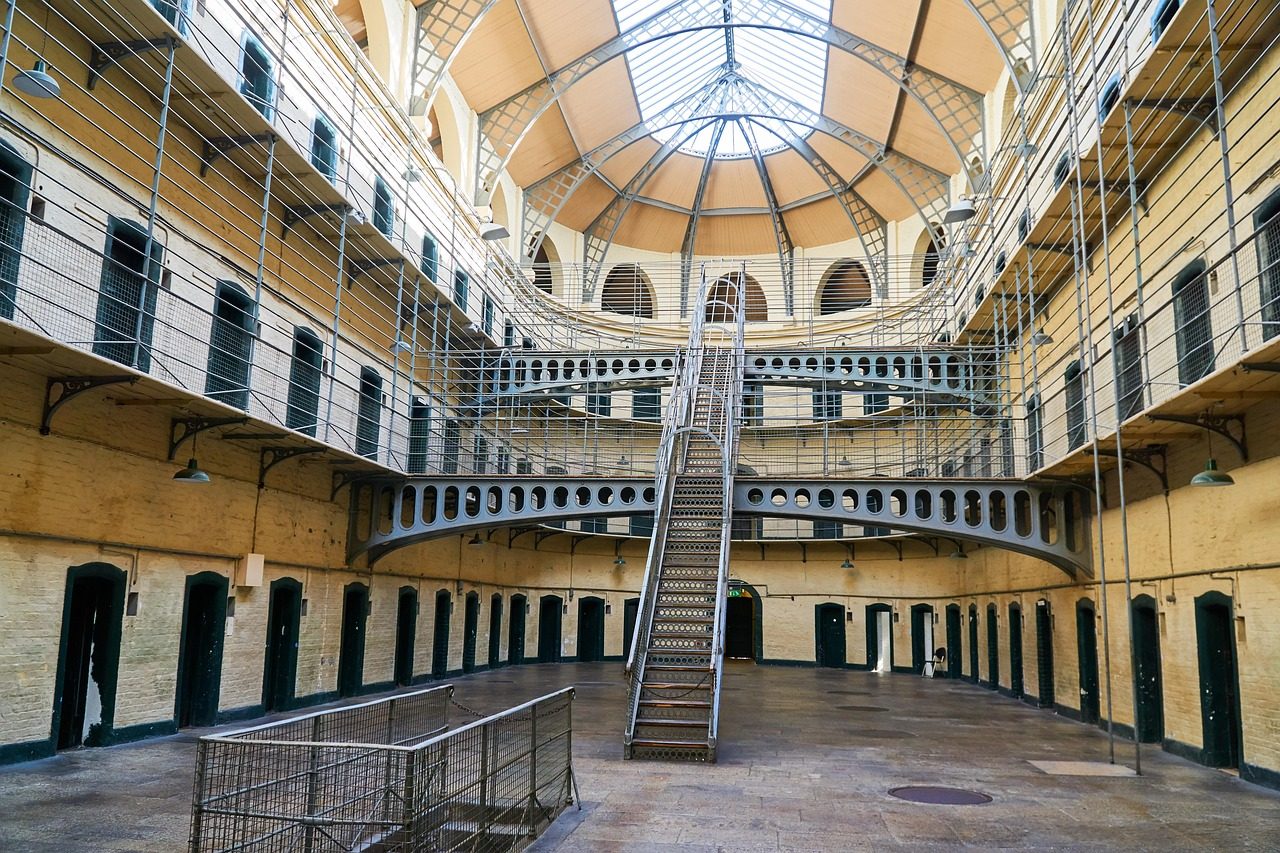
The guided tour is the only way in, and it covers the history in real depth.
Click here to book a highly-rated guided tour of Kilmainham Gaol.
One caveat: Dublin is expensive. Lunch, a coffee, and an afternoon beer can add up fast, so budget at least €60 to €80 per person for food and incidentals across the day, not counting entry fees.
For your second night, search Dublin city centre hotels on Booking.com. Staying central means you can walk back after dinner without needing a taxi.
Day 3: Glendalough and the Wicklow Mountains
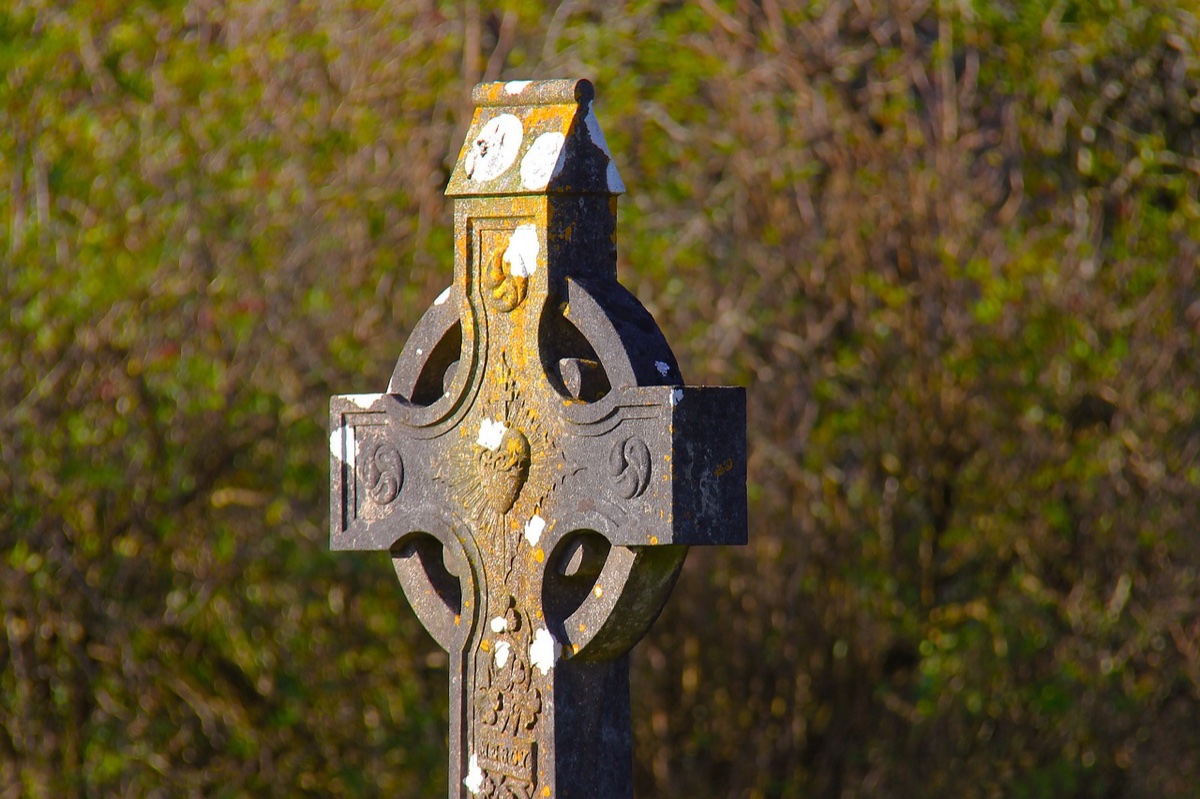
County Wicklow is just an hour south of Dublin, and it feels like a completely different world.
The Glendalough monastic settlement sits in a glacial valley between two lakes, with 6th-century ruins, a round tower, and walking trails that fan out in every direction.
Arrive early if you can. The valley gets busy by mid-morning in summer and autumn, and the lakeside walk is worth doing without a crowd around you.
Give yourself at least three to four hours here, including the Upper Lake loop trail.
If you’d rather not drive, you can get here easily on a guided day tour from Dublin. Click here to book a highly-rated Glendalough day tour from Dublin.
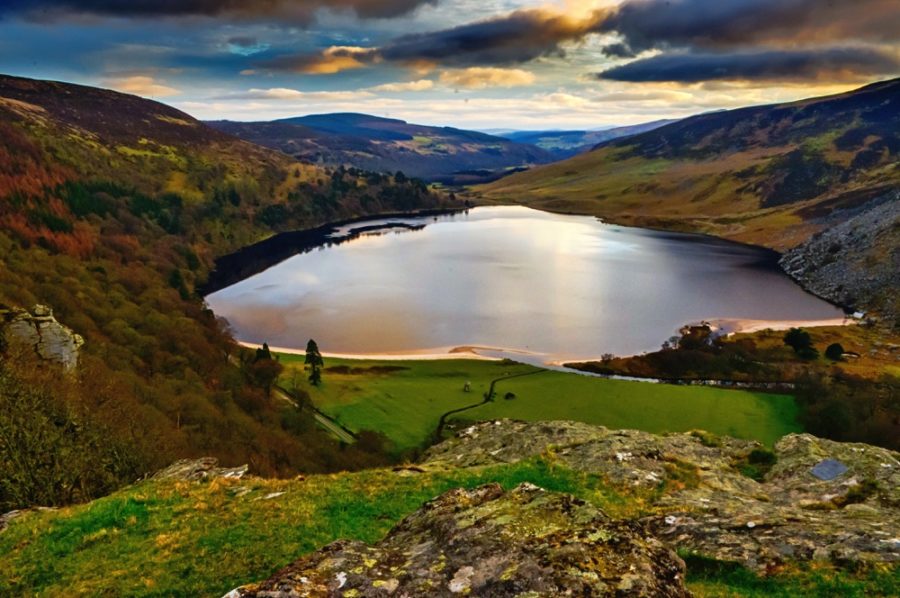
After Glendalough, you have two options. You can head back to Dublin in about an hour, or you can push on to Kilkenny for the night, which adds roughly 90 minutes but sets you up beautifully for the south of the country.
For an excellent base in Kilkenny, search guesthouses and B&Bs in Kilkenny on Booking.com – you’ll find solid options from around €80 to €130 per night.
Where to Stay in Kilkenny
Day Tours That Visit Glendalough
- From Dublin: Half-Day Trip to Glendalough and Wicklow
- From Dublin: Wicklow Mountains, Glendalough & Kilkenny Tour
Day 4: Kilkenny and the Rock of Cashel
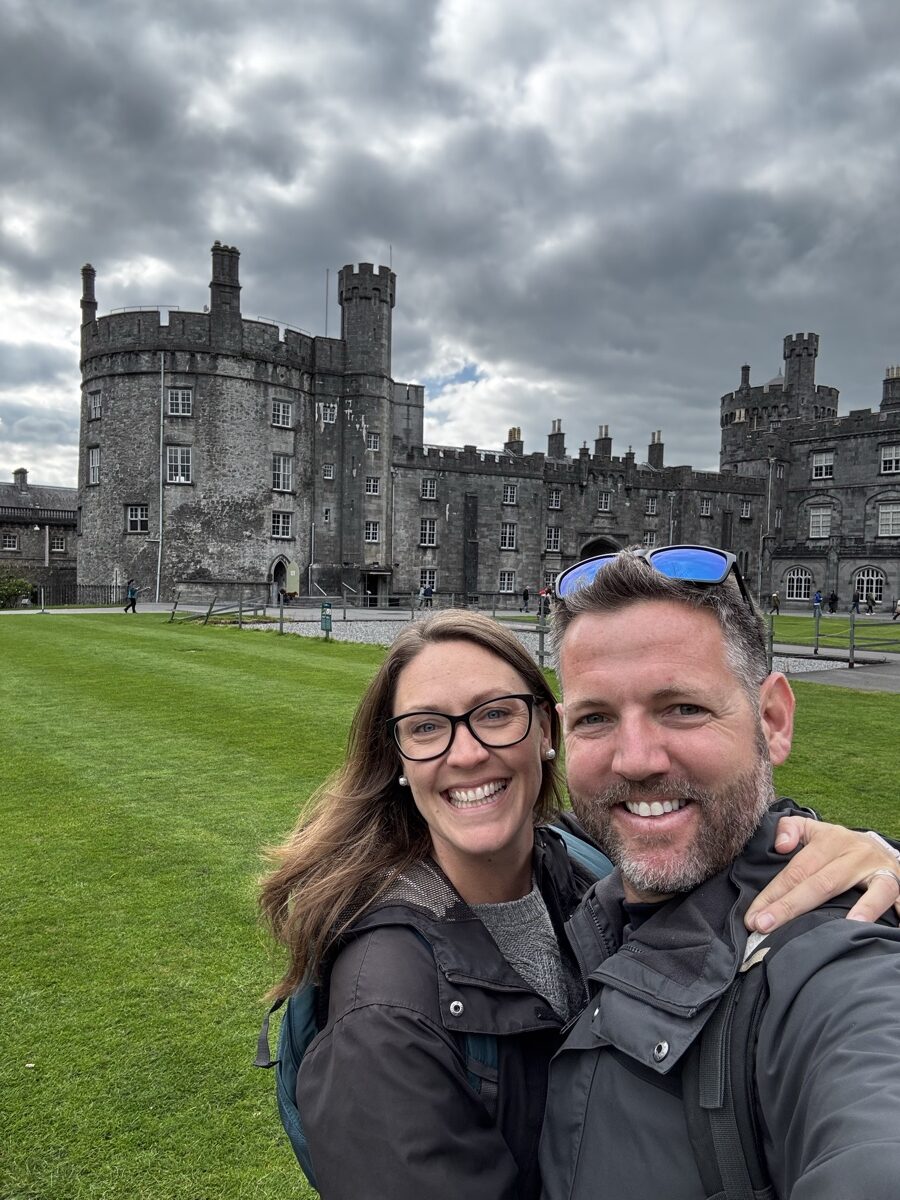
Kilkenny punches well above its weight.
It’s compact enough to cover in a morning, but it has the medieval streets, the castle, the pubs, and the general atmosphere to make you wish you’d stayed longer.
Start at Kilkenny Castle. The grounds are free to walk and worth every minute, but pay for the interior tour if you have time.
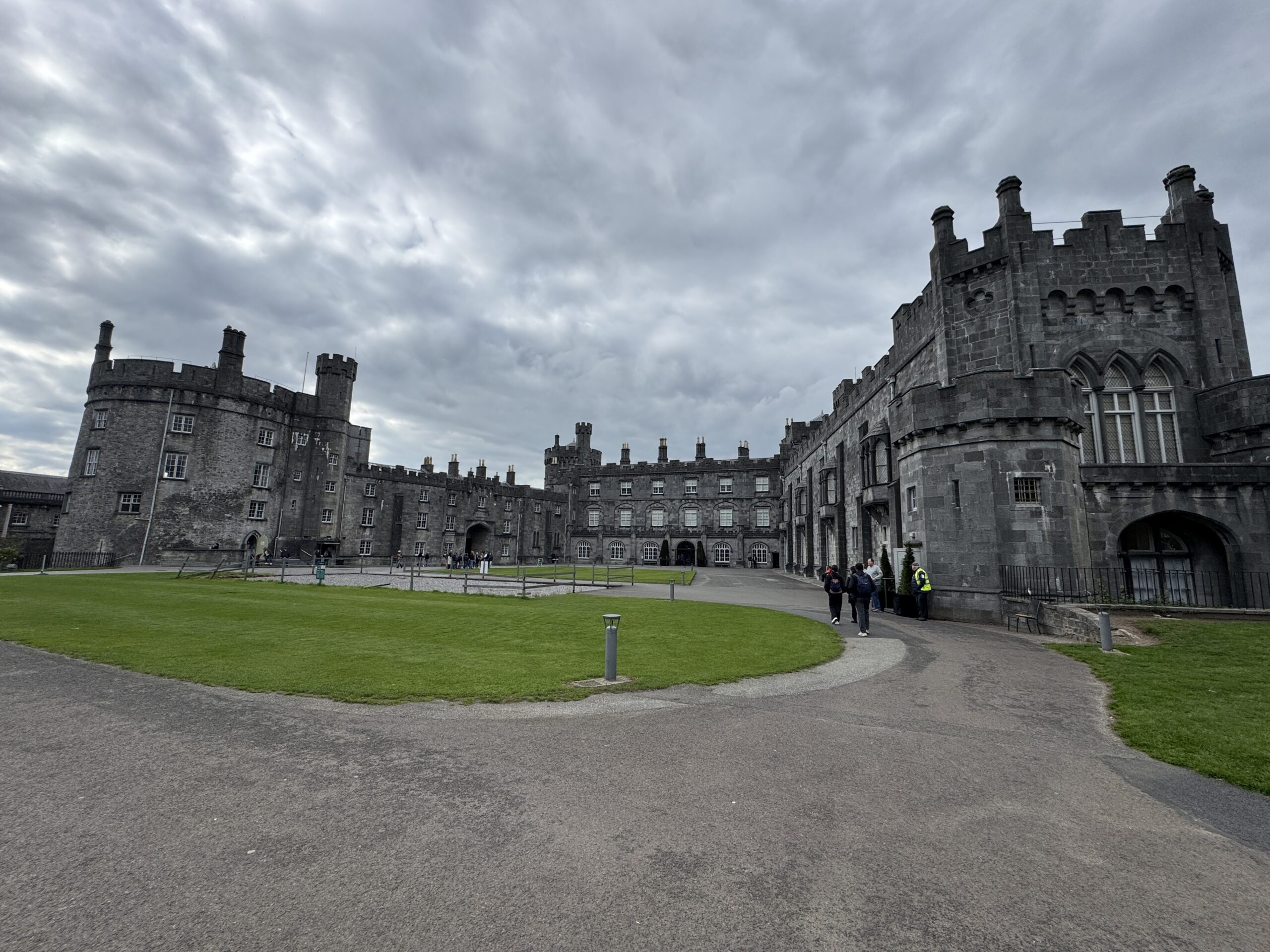
We spotted a remarkable display of Irish elk antlers inside that stopped us both in our tracks.
After the castle, wander up through the Butter Slip, one of the narrow medieval alleyways that cut between the main streets, and make your way along Parliament Street.
For lunch, the Butcher Restaurant on Parliament Street does excellent steak, and we’d happily go back.
After lunch, it’s roughly 45 minutes southwest to the Rock of Cashel.
It’s one of the most atmospheric ruins in Ireland, a cluster of medieval towers, a round tower, and a Romanesque chapel perched on a limestone outcrop above the Tipperary plain.
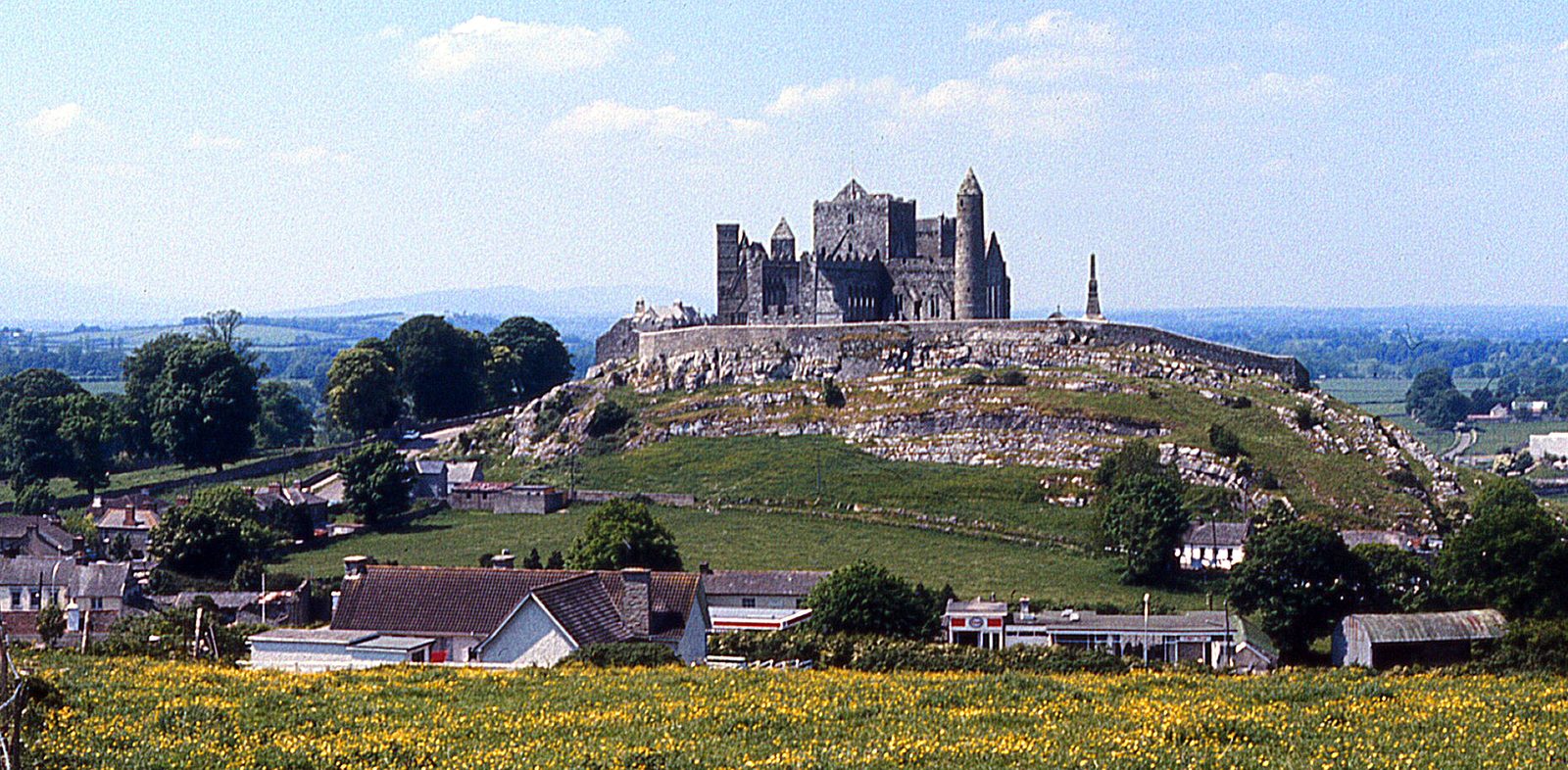
One caveat: in summer it gets seriously crowded. Aim to arrive before 10am or after 4pm if you can.
From Cashel, you’re about an hour from Cork. That’s your base for Day 5, so push on south and get settled in for the evening.
Click here to book a guided tour of the Rock of Cashel.
Best Tours of the Rock of Cashel
- Rock of Cashel, Folklore Museum and Town Tour
- From Dublin: Wicklow Mountains, Glendalough & Kilkenny Tour
Day 5: Blarney Castle and Kinsale
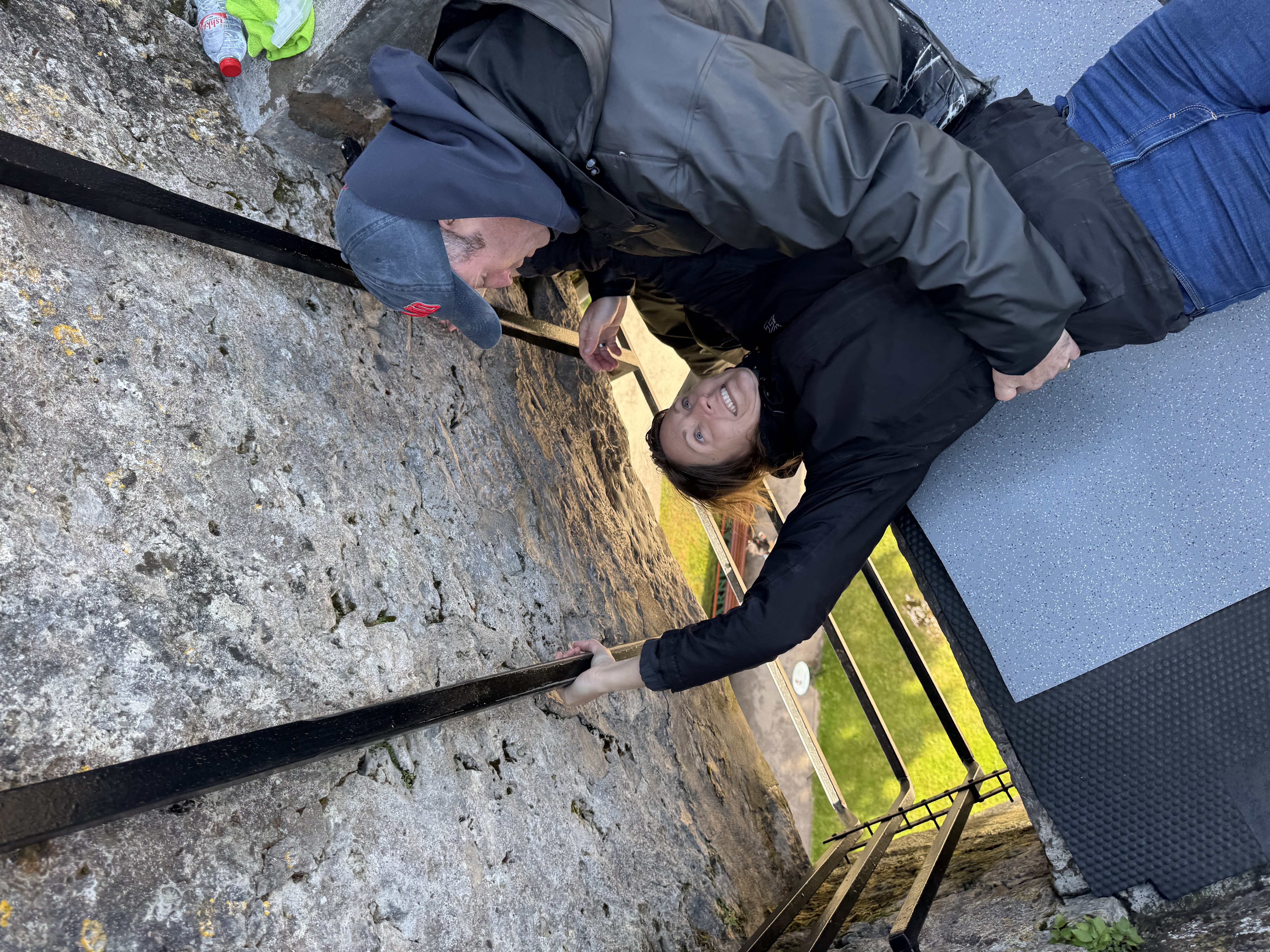
We expected Blarney Castle to be a tourist trap and were ready to be underwhelmed.
We were wrong.
Yes, kissing the Blarney Stone is touristy. But the castle tower itself is substantial, the Fern Garden is beautiful, and the River Bank Walk and the grounds of Blarney House add enough to make this a solid half-day.
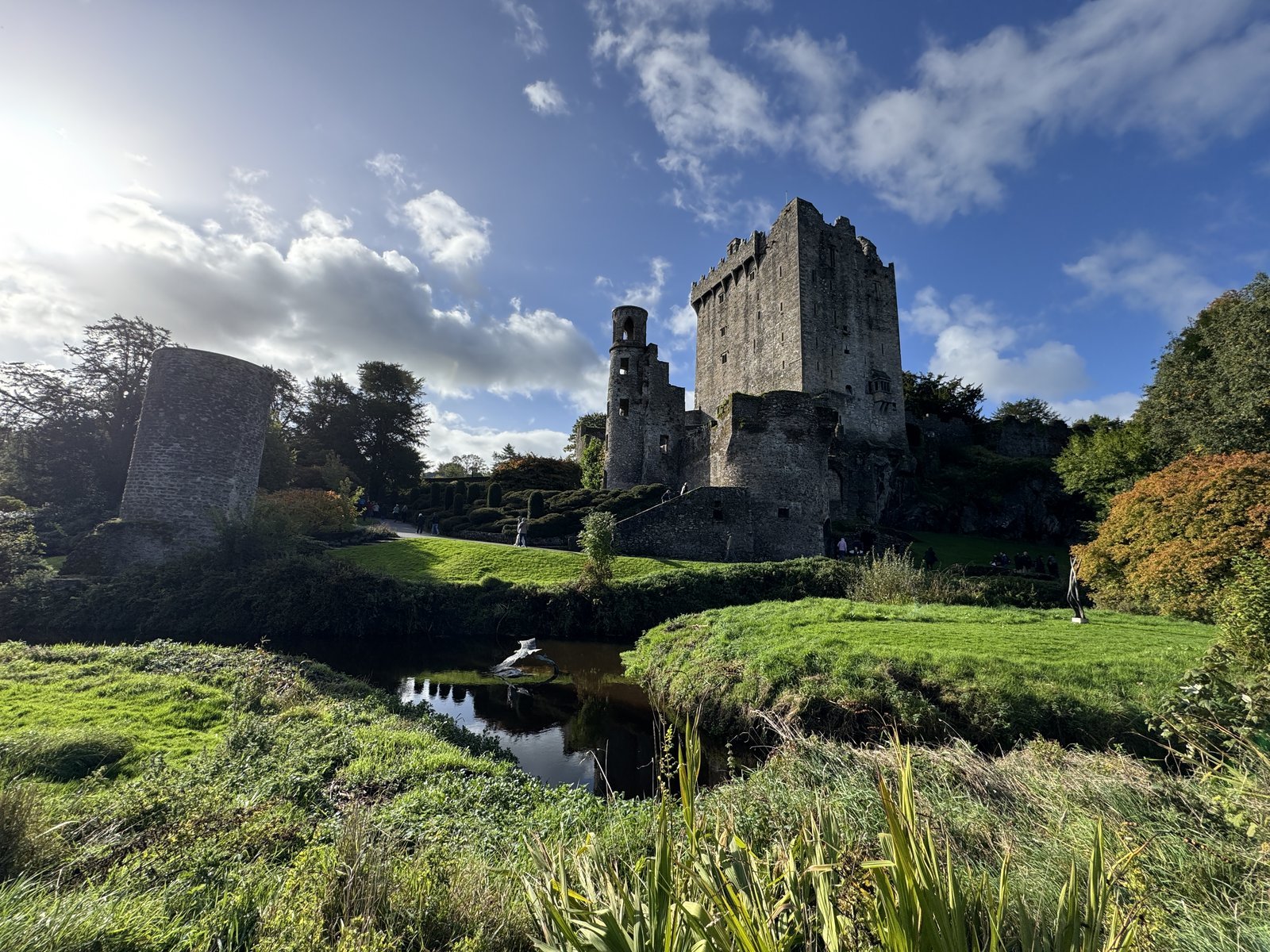
Allow 2-3 hours minimum, and factor in the queue for the Stone, which can stretch to 90 minutes in peak season. If that puts you off, the grounds alone are worth the admission.
After Blarney, it’s about 45 minutes south to Kinsale. It’s one of the most attractive harbour towns in Ireland, full of colourful painted facades, good restaurants, and a relaxed pace that makes you want to slow down.
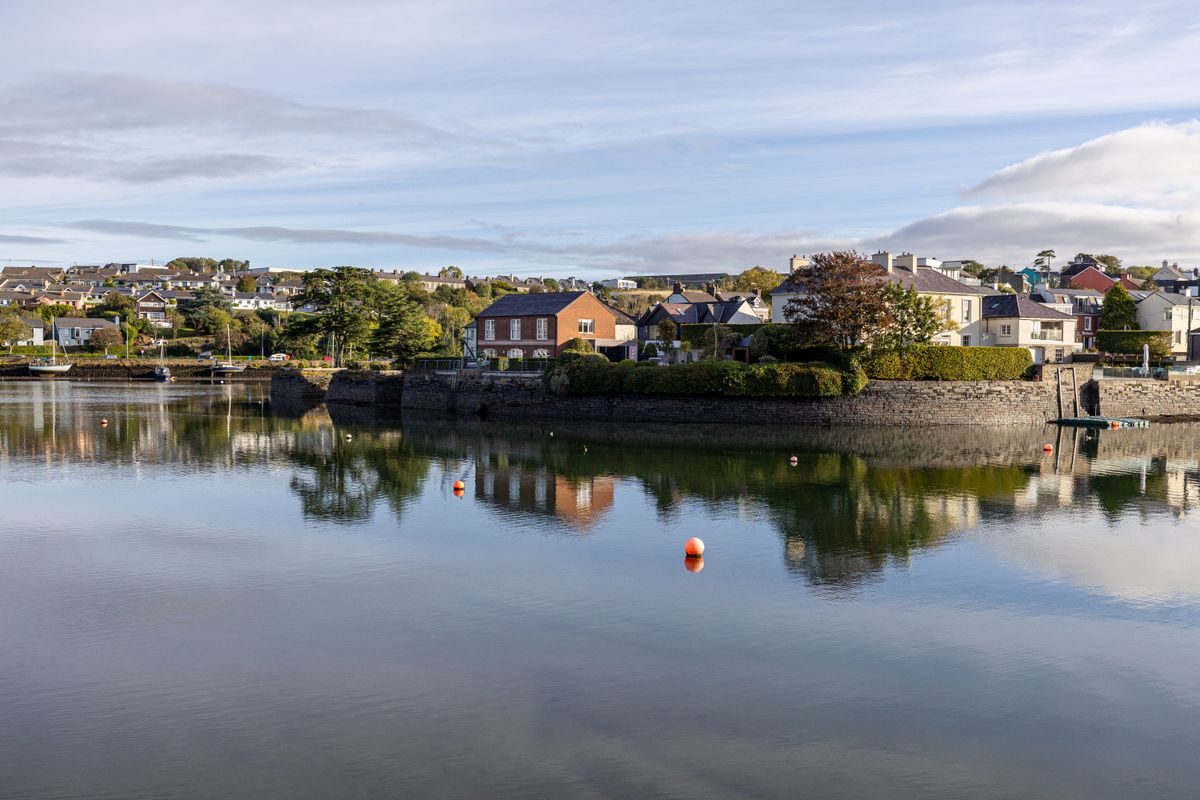
Spend the afternoon wandering, grab a proper dinner, and stay the night. Click here to book a highly-rated tour of Blarney Castle.
For a place to stay in Kinsale, there are some excellent B&Bs and small hotels on Booking.com ranging from around €100 to €200 a night depending on the season.
Where to Stay in Kinsale
Day 6: Drive to Killarney and the Ring of Kerry
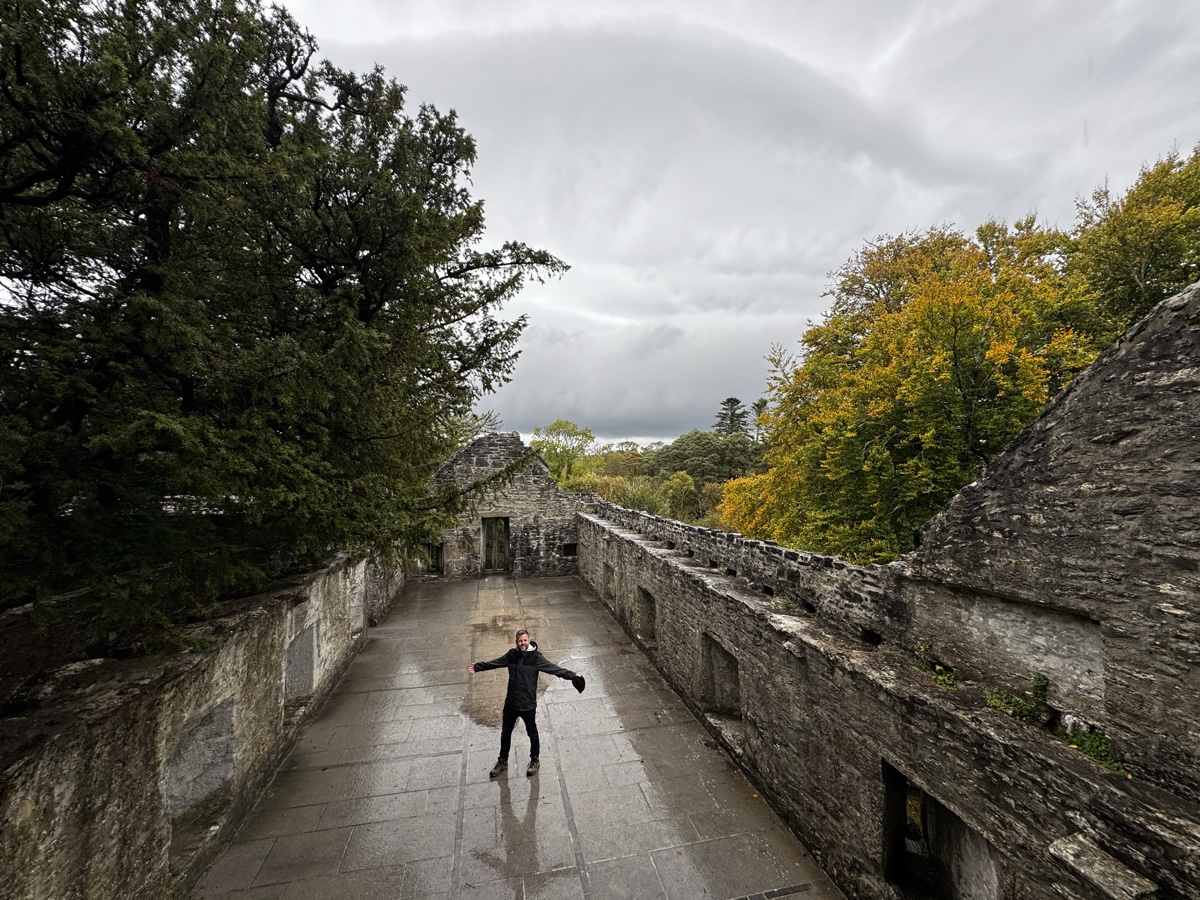
The drive from Kinsale to Killarney takes around two hours, and it’s a good one, rolling countryside, coastal glimpses, and the landscape gradually getting wilder as you push west into Kerry.
Killarney is your base for the next two days, and it earns that role.
Killarney National Park is right on the doorstep, and if you arrive in the early afternoon you’ve got time for a proper first look.
The lakes are genuinely impressive, and Ross Castle sitting on the water’s edge makes for an easy and rewarding stop.
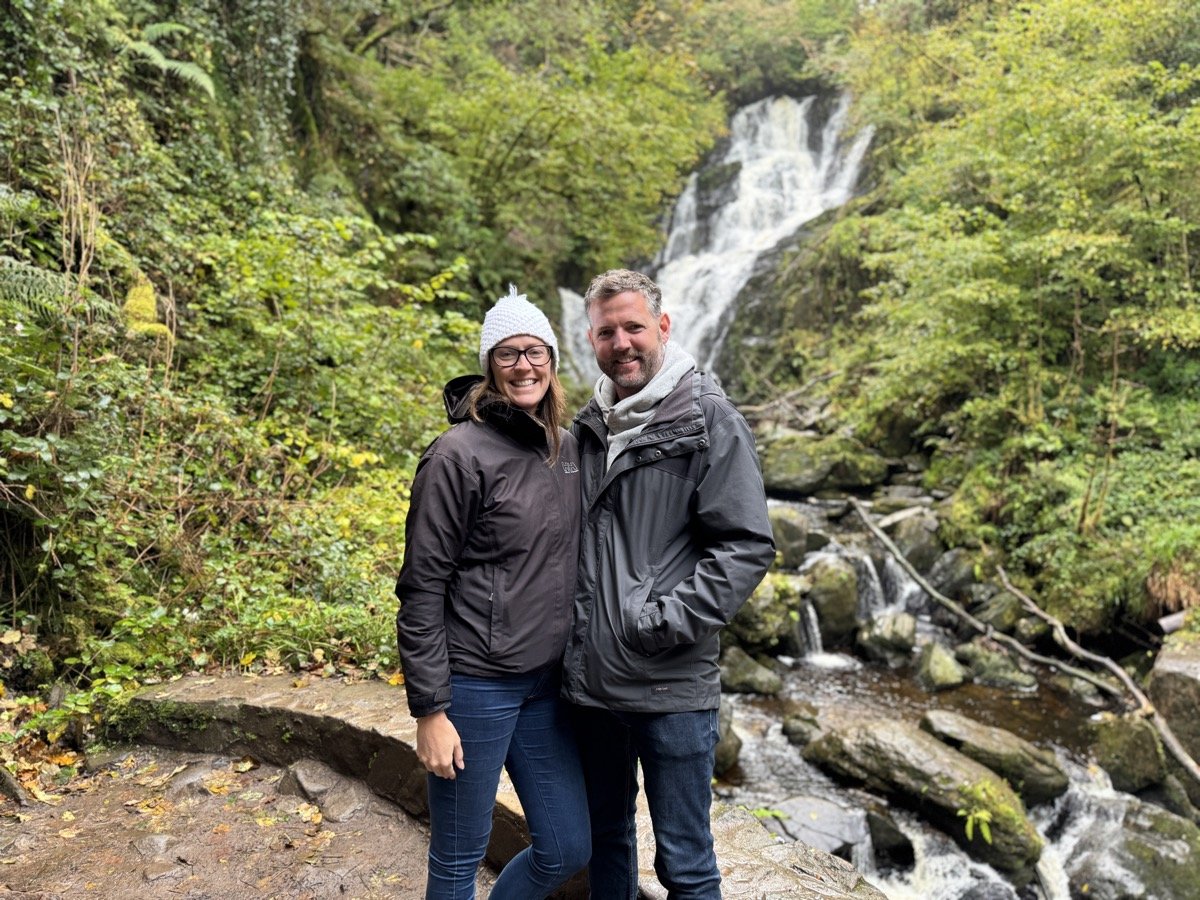
Even a short walk along the lake shore gives you a real sense of the scale of the place.
One fair warning: Killarney is one of the most popular tourist towns in Ireland, and prices reflect that.
Accommodation books up fast in summer, so this is not one to leave until the last minute. Lock something in well ahead of time.
For where to stay, there’s a solid range of hotels and guesthouses in Killarney on Booking.com, from mid-range B&Bs around €100 a night up to €200-plus for something more comfortable in peak season.
Where to Stay in Killarney
Best Tours in Killarney
Day 7: Ring of Kerry and the Gap of Dunloe
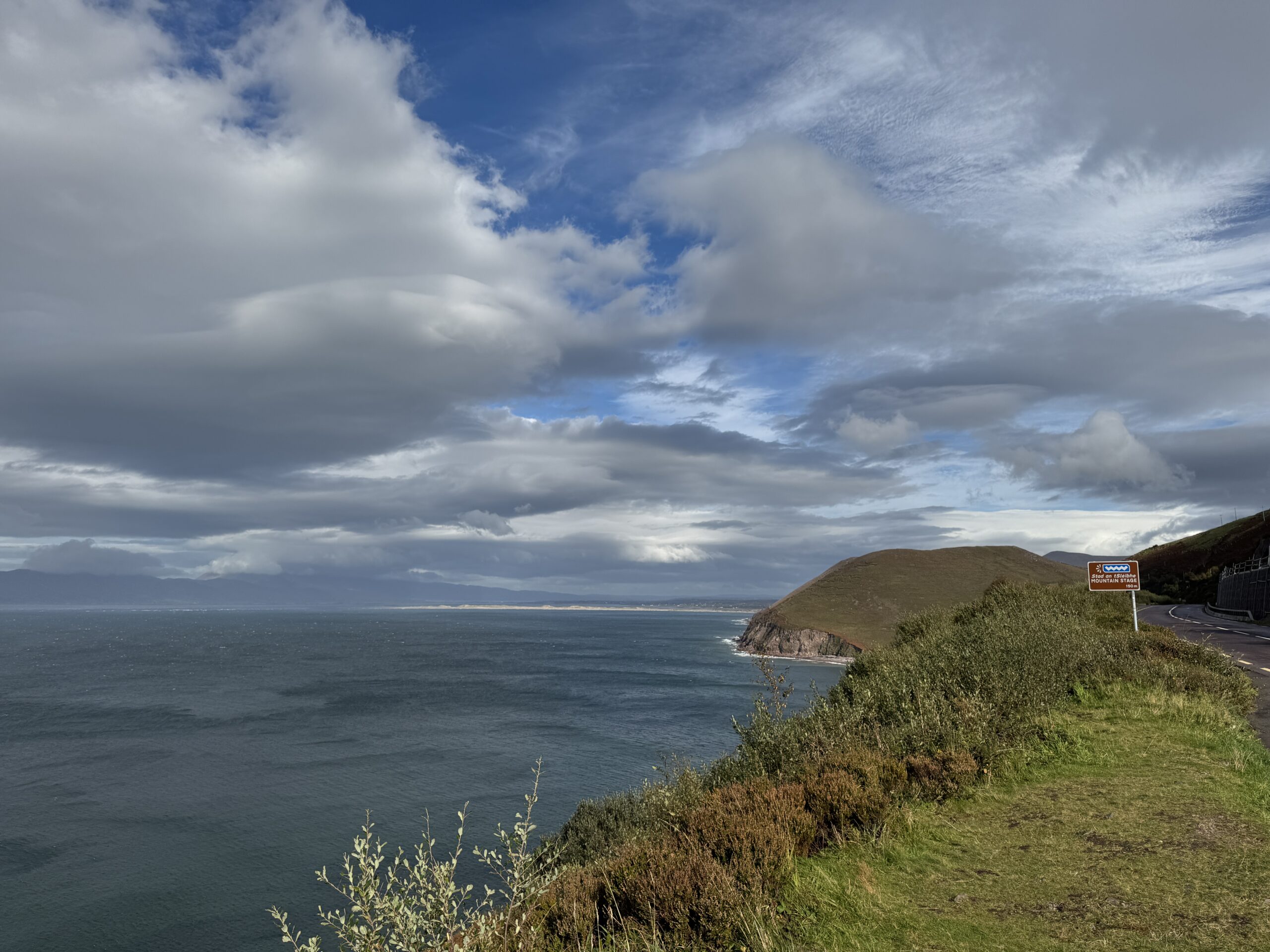
The Ring of Kerry is about 180km of coastline, mountains, and ancient ruins, and it needs a full day to do it justice.
Drive it clockwise. Tour buses go anti-clockwise, so going the other way keeps you clear of traffic on the narrow sections and means you’re pulling into viewpoints rather than squeezing past coaches on blind bends.
We drove it on an overcast day with low cloud cover, and the viewpoints weren’t at their best. The Ring of Kerry in good weather is something else entirely, so if you wake up to sunshine, stop at every layby you see. Don’t push through like we did.
The stop most people miss is Staigue Fort, an Iron Age ring fort tucked up a narrow boreen a few kilometres off the main road. Most cars drive straight past the turn without noticing it.
It’s the underrated highlight of the whole loop. Early in the route, Cahergall Fort and the nearby Ballycarbery Castle ruins are worth a stop too, both just outside Cahersiveen.
If you have the time and nerves for it, the Gap of Dunloe makes a brilliant afternoon detour on the return leg. The road through the gap is very narrow and genuinely requires patience, but the scenery is worth it.
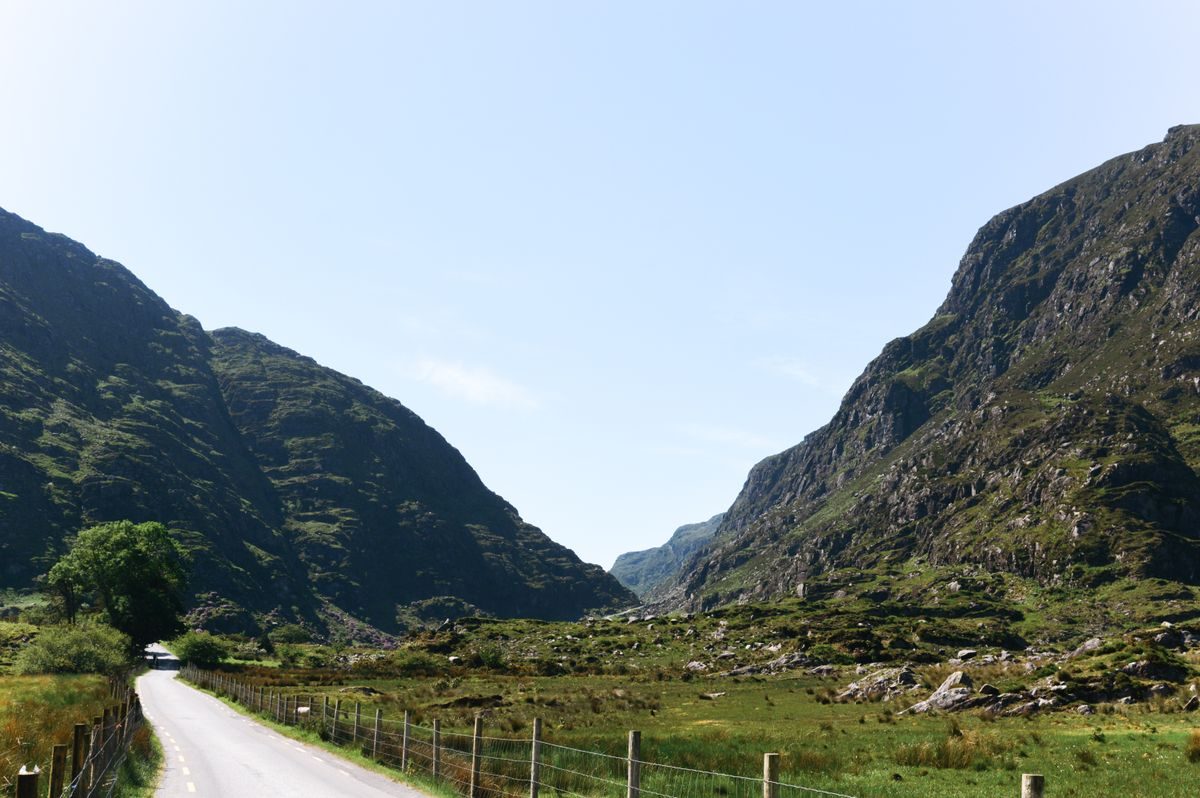
This is not a route for anyone uncomfortable with passing oncoming cars on single-track roads.
One thing to be clear about: this is a full day. Don’t plan anything for the evening beyond dinner. If you try to rush the Ring of Kerry, you’ll regret it.
If you’d rather not drive it yourself, a guided day tour covers the main highlights with a local driver handling the narrow roads.
Check out some great tours around the Ring of Kerry on GetYourGuide
Best Tours of the Ring of Kerry
Day 8: The Dingle Peninsula and Inch Beach
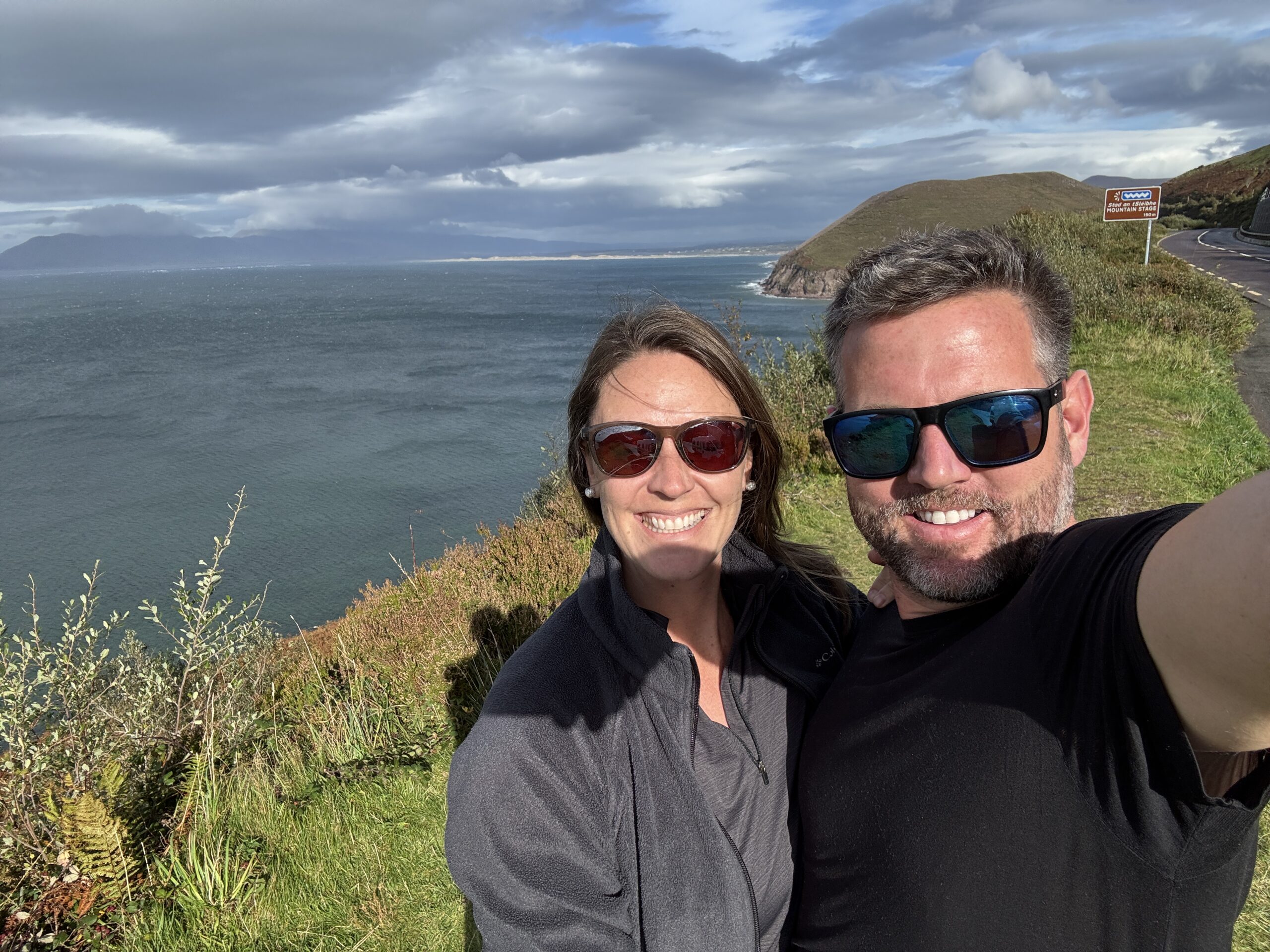
Dingle is one of those places I wish we’d given more time to.
We arrived in heavy rain and spent most of our time there after dark, and it’s my biggest regret of the whole trip.
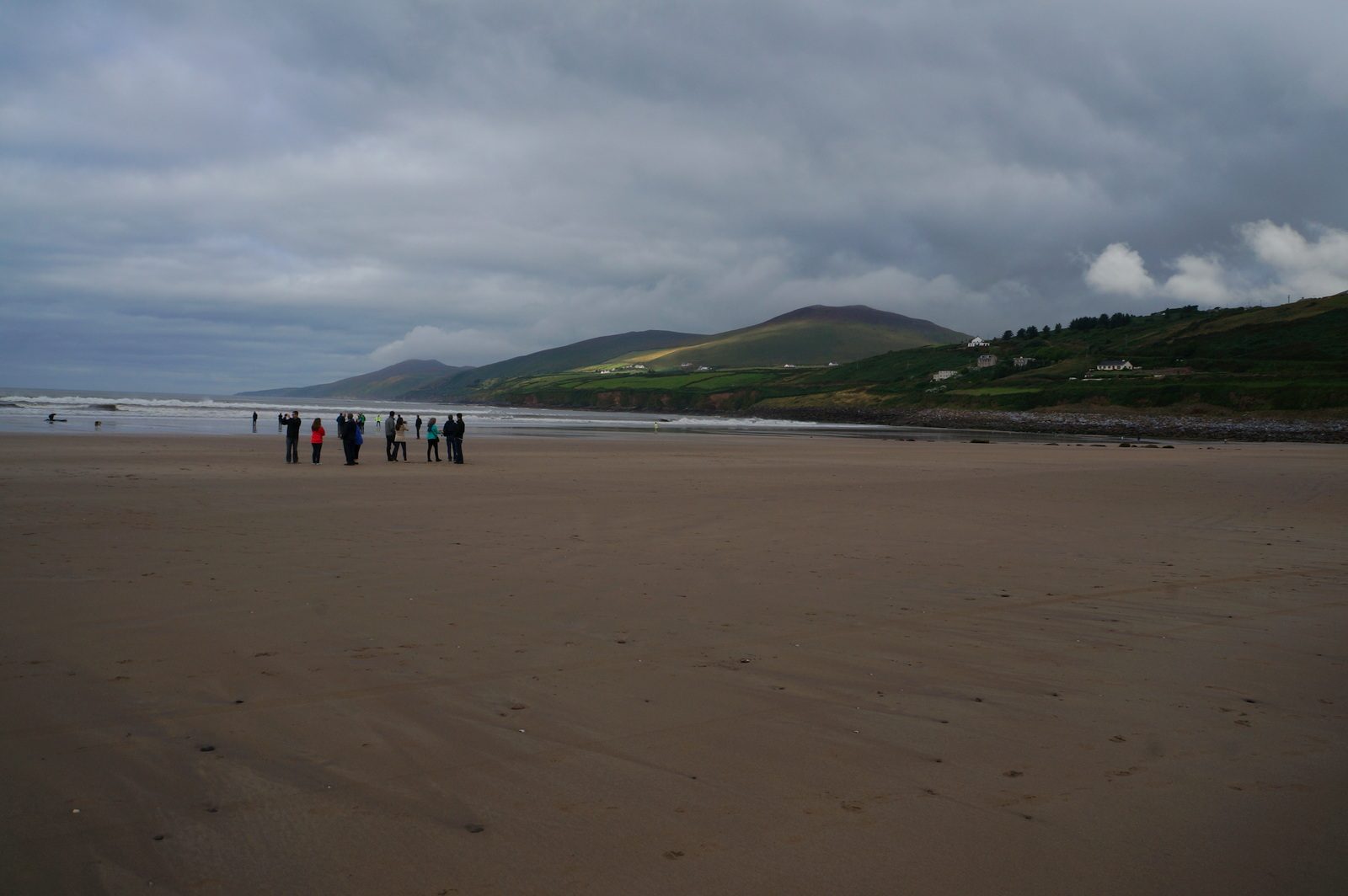
Head north from Killarney and pull off at Inch Beach on the way in.
It’s a long, sweeping stretch of sand that juts out into Dingle Bay, and even on a grey day it stops you in your tracks.
From there, drive the Slea Head Drive loop around the western tip of the peninsula.
Sea stacks, ancient stone beehive huts, and Atlantic views that stretch out to the Blasket Islands.
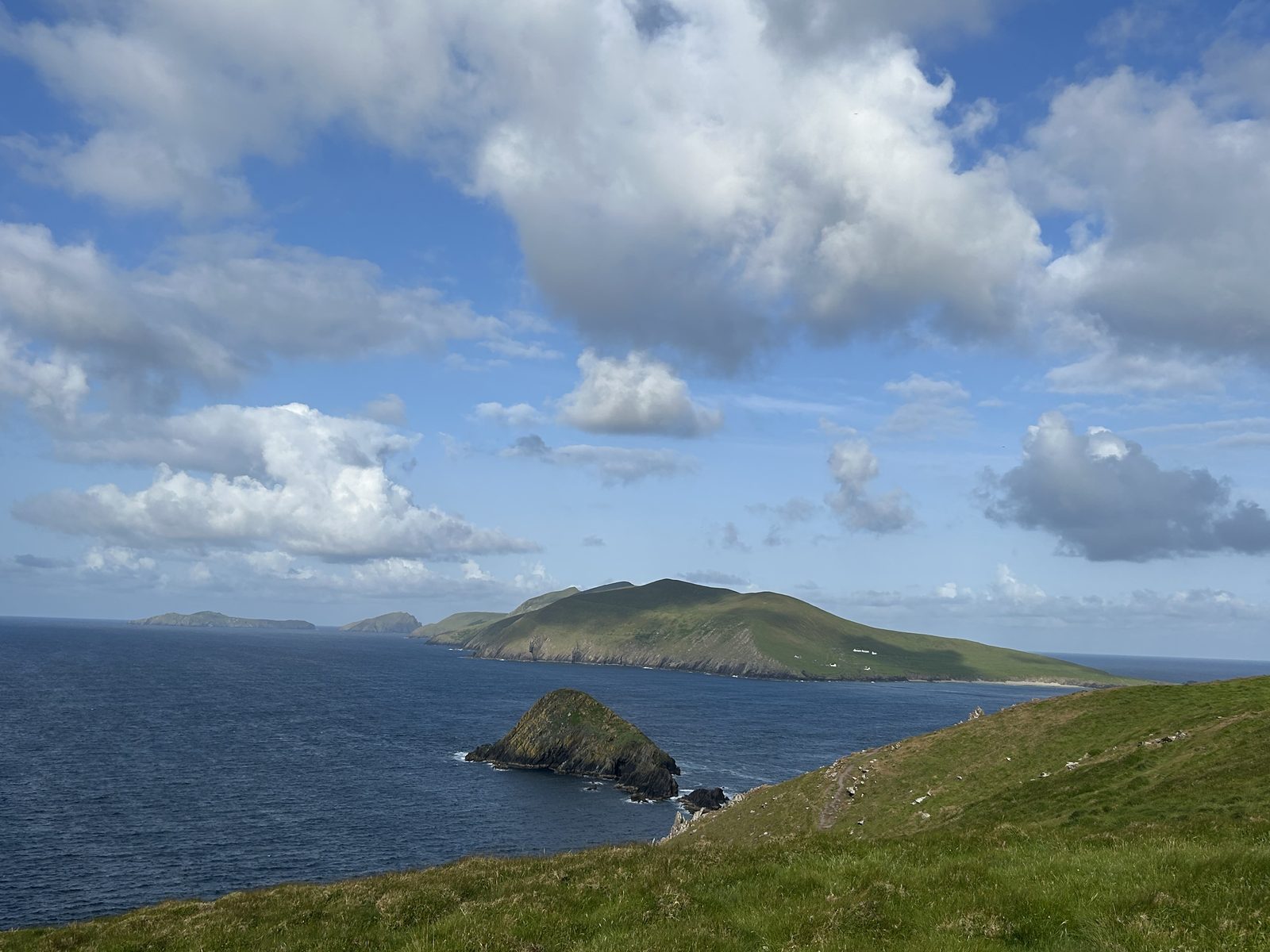
It’s a slow drive, around 30 kilometres, but you’ll want to stop constantly.
Back in Dingle town, grab lunch and then find a pub for the afternoon.
If you only do one thing in Dingle, make it Foxy John’s.
It’s a working hardware shop by day and a traditional pub that happens to serve pints.
We caught a trad session there, a guitar and tin whistle duo, and it was one of the most genuine Irish pub experiences of the whole trip.
One thing to be clear about: Dingle town is small and it fills up fast in summer.
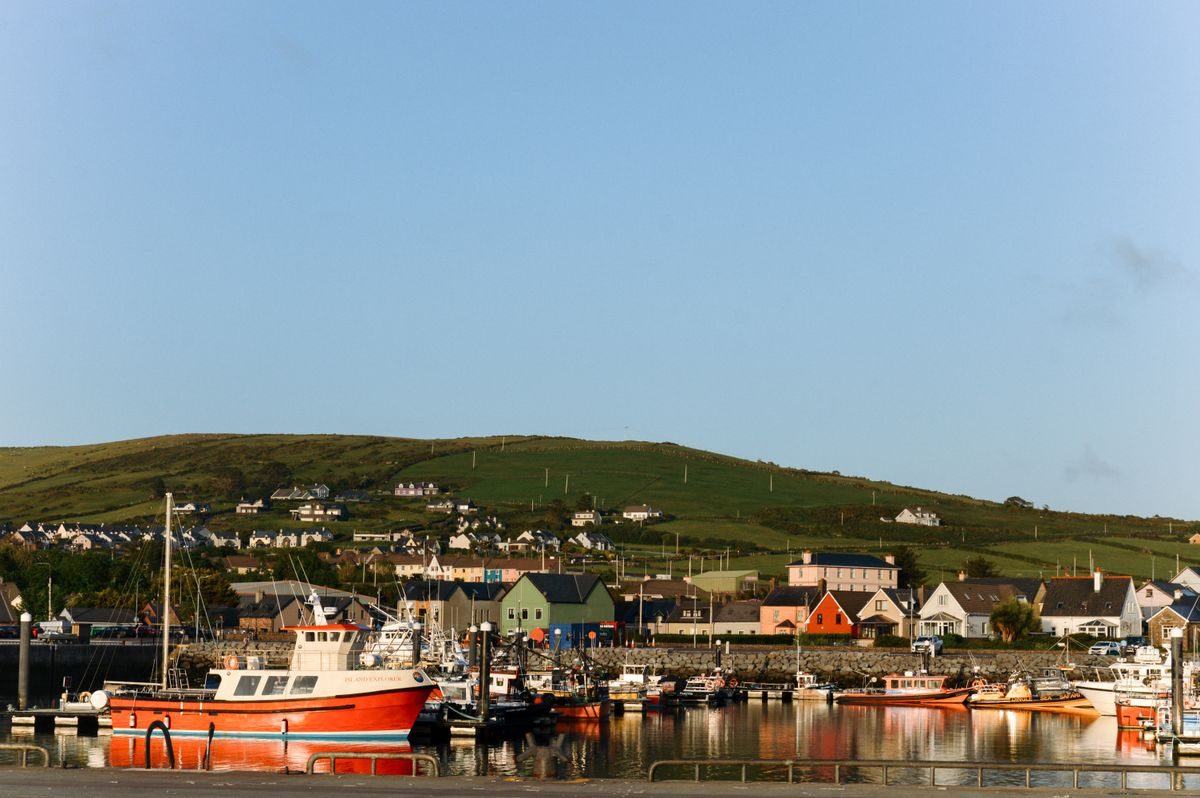
Book dinner before you arrive, not after.
If you can swing two nights here instead of one, do it.
The town and the drive both deserve more than a rushed afternoon.
For a guided loop of the peninsula with a local driver, a Dingle Peninsula day tour is worth considering if you’d rather not navigate the narrow roads yourself.
For a hassle-free way to take it all in, this Dingle & Slea Head Peninsula day tour from Killarney covers the key highlights in one go.
From Dingle, you can either loop back to Killarney for the night or push north toward Doolin, which sets you up well for the Cliffs of Moher on Day 9.
Where to Stay in Dingle
Best Tours of the Dingle Peninsula
- From Killarney: Dingle and Slea Head Peninsula Day Tour
- From Killarney: Best of Dingle Peninsula & Slea Head
Day 9: Doolin and the Cliffs of Moher
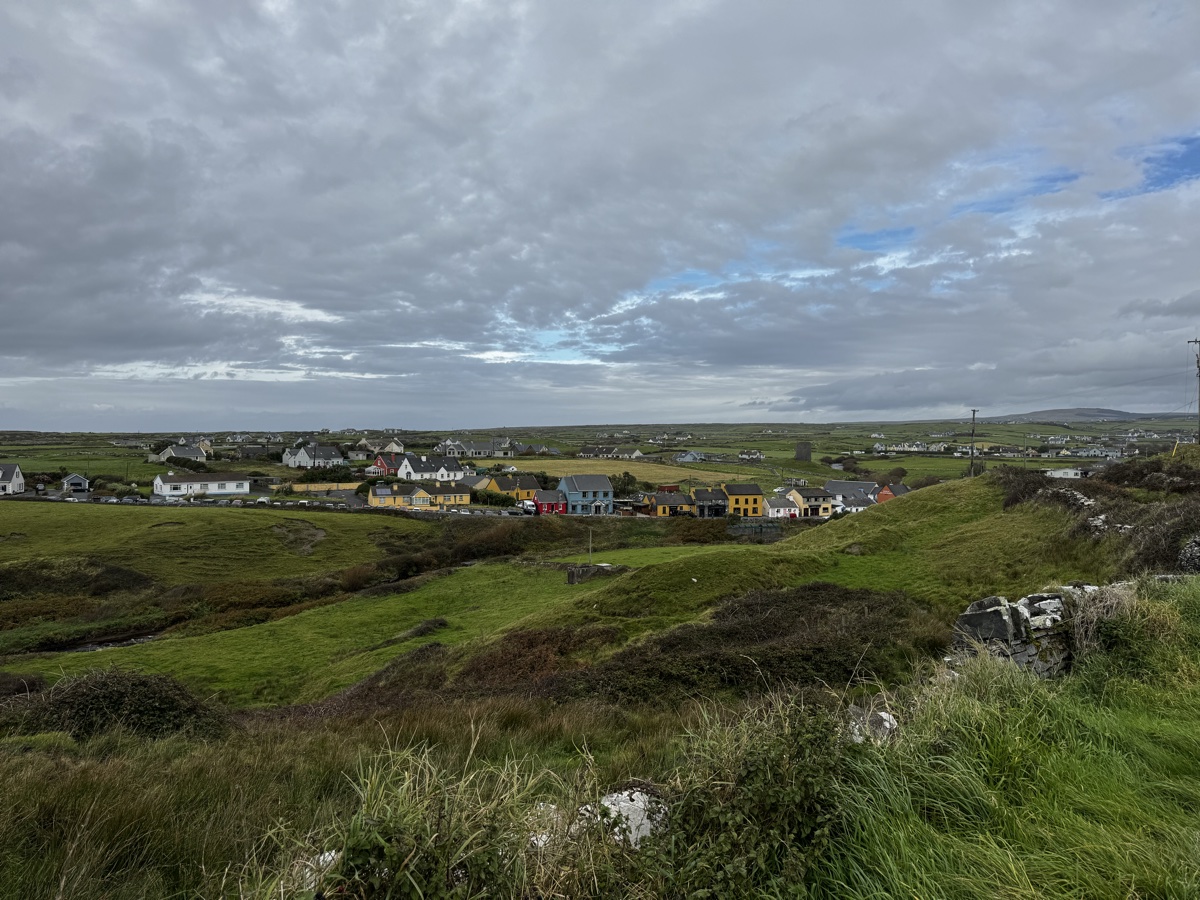
Drive north through County Clare and you’ll hit Doolin, a tiny village that punches well above its weight for traditional music.

It’s small, it’s genuine, and it makes a great base for tackling the Cliffs of Moher.
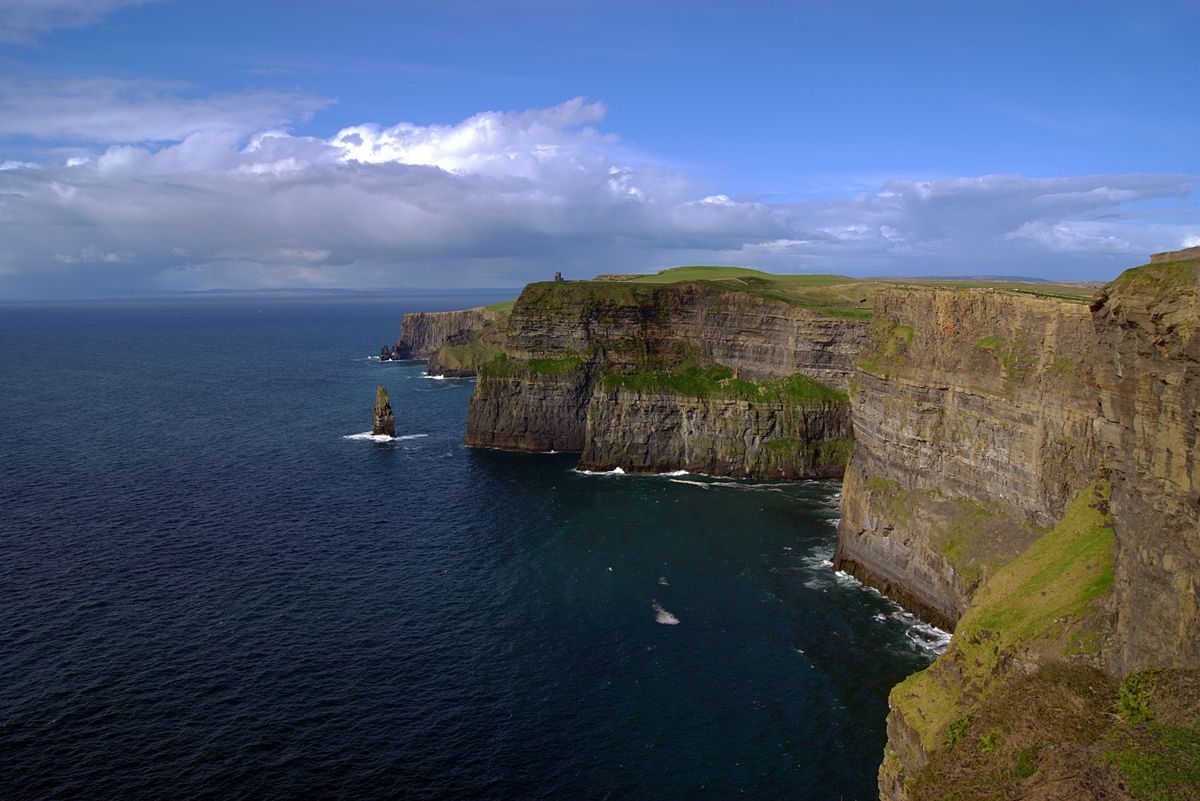
The cliffs are spectacular, full stop.
We walked the path north from Doolin, a narrow track hugging the clifftop with a sheer drop to the Atlantic on one side and cows grazing on farmland on the other.
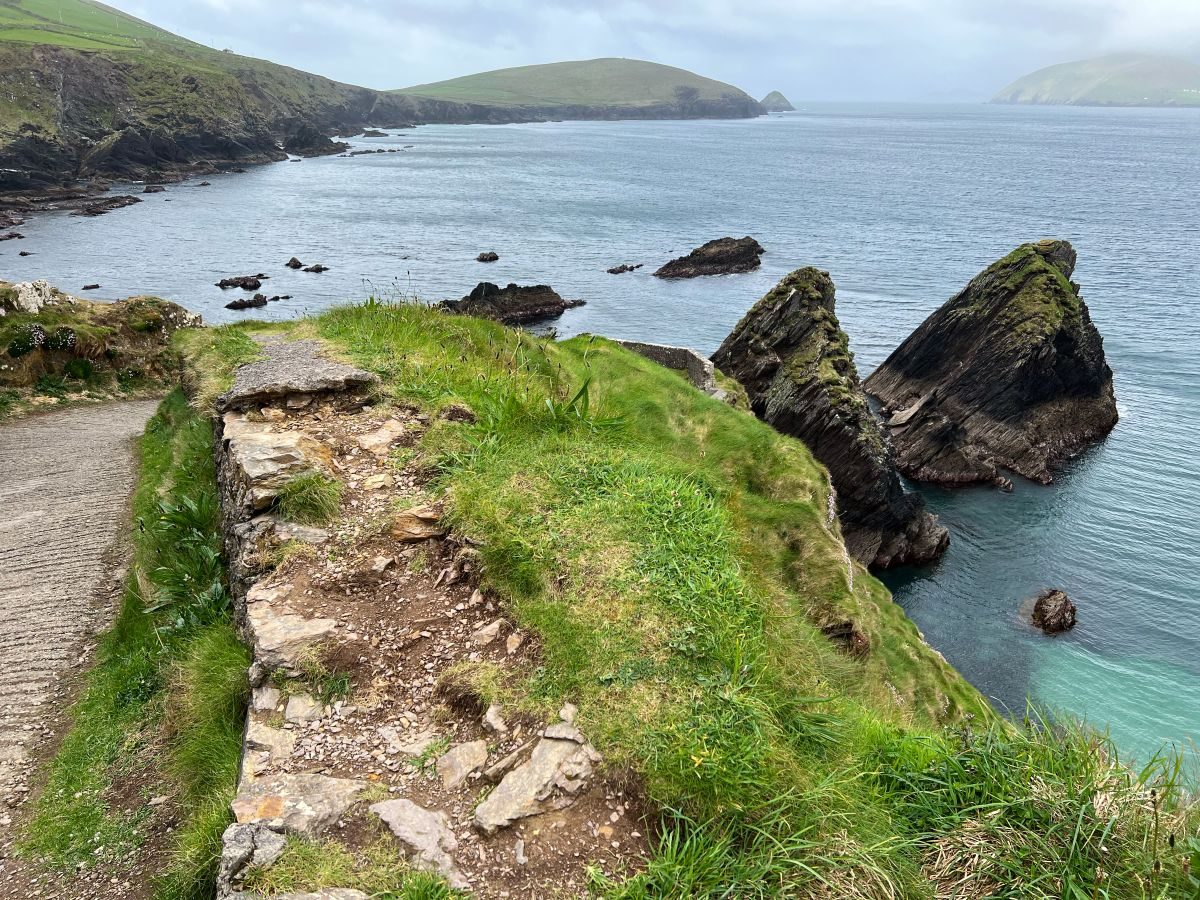
Two hours out and back, and one of the more memorable walks of the whole trip.
The one thing to know: the main visitor centre car park costs €8, and in July and August the site gets absolutely swamped.
Go early morning or late afternoon if you can.
After the cliffs, if you have time, push out to the Loop Head Peninsula to the south.
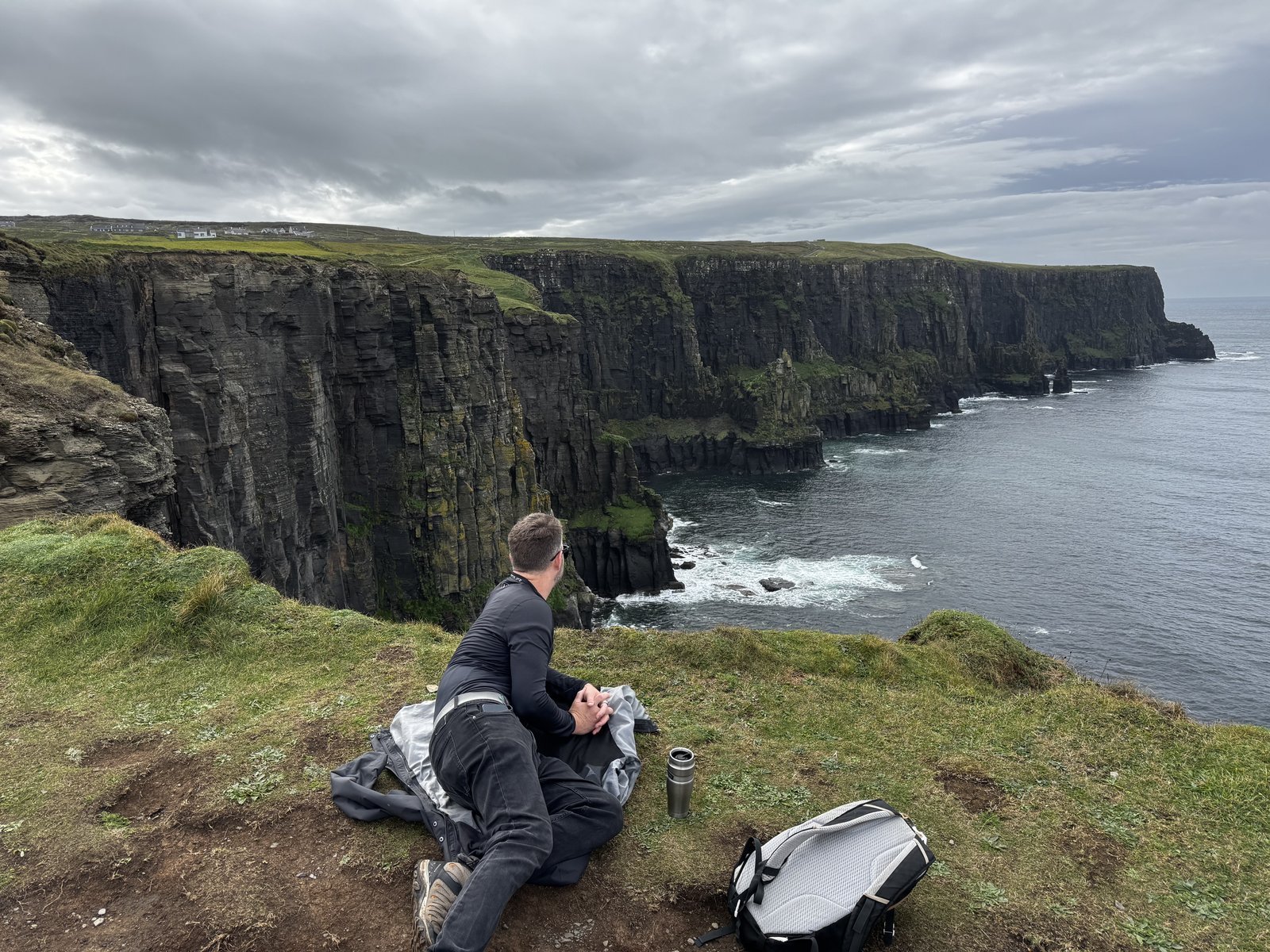
It’s far less visited, the black sea cliffs are dramatic, and the coastal walk out to the lighthouse is worth every minute.
Loop Head impressed us more than the Cliffs of Moher. Wilder, quieter, and more photogenic if the weather cooperates.
For dinner, Gus O’Connor’s Pub in Doolin has been open since 1832 and it shows.
We had fish, chips, and mussels after the hike, and it was exactly what we needed.

The trad music starts up most evenings and the place has real atmosphere.
Stay the night in Doolin rather than driving back south. Check availability at guesthouses in Doolin on Booking.com.
One of the best ways to see the cliffs is from the water – this Cliffs of Moher cruise from Doolin gets you right up to the base of the 214-metre cliffs in about an hour.
Where to Stay in Doolin
Best Tours Near the Cliffs of Moher
- From Doolin: 1-Hour Cliffs of Moher Cruise
- From Galway: Cliffs of Moher Half-Day Express Trip
- From Galway: Full-Day Cliffs of Moher & Burren Guided Tour
Day 10: Aran Islands (Inishmore)
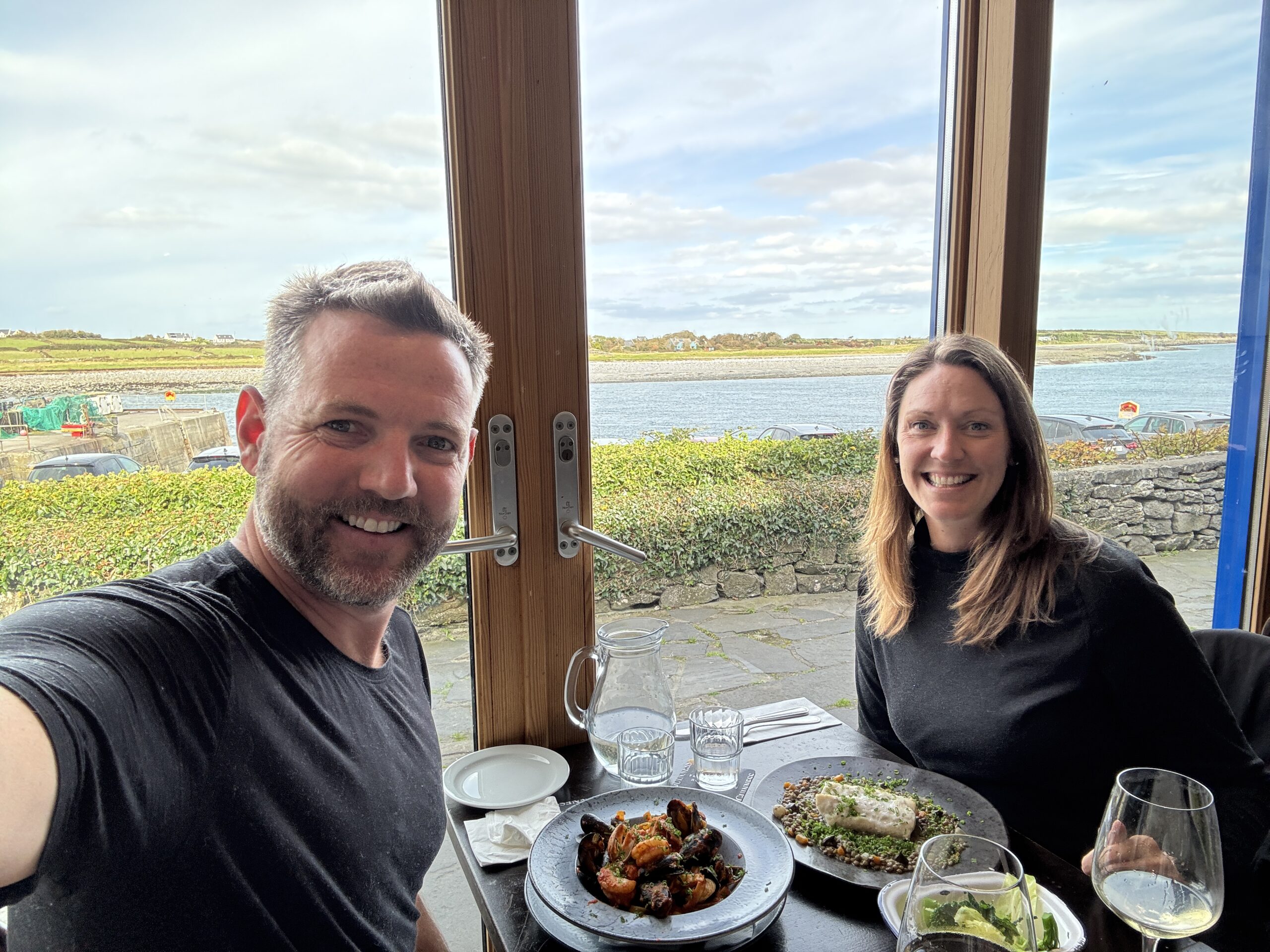
Day 10 is when you leave the mainland behind and head out to Inishmore, the largest of the three Aran Islands, sitting about 45 minutes off the Galway coast by ferry.
You can catch a ferry from Doolin or from Rossaveal (about 40 minutes west of Galway). Rossaveal is generally the more reliable crossing.
The centrepiece of the island is Dún Aonghasa, a 3,000-year-old prehistoric fort perched right on the edge of a 100-metre sheer cliff drop into the Atlantic. There’s nothing between you and the edge, no railing, no barrier. It’s one of the most striking spots in the country.
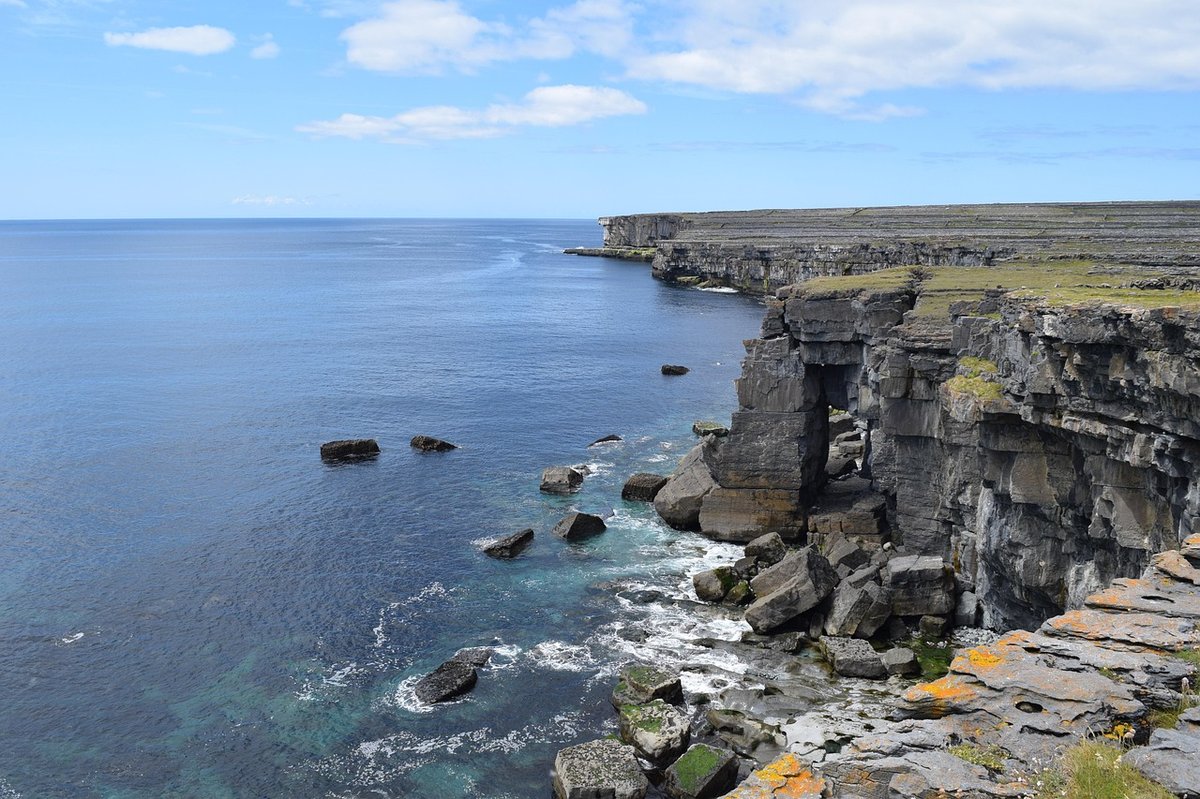
Rent a bike at the pier when you arrive and spend the day at your own pace. The roads are quiet, the stone walls run in every direction, and the island feels removed from the rest of Ireland.
One caveat worth flagging: the Doolin ferry is weather-dependent, and the Atlantic can be rough in shoulder season. Have a backup plan, whether that’s switching to the Rossaveal route or pushing the Aran Islands to a different day.
Aim to catch the return ferry by late afternoon, then drive to Galway for the night. Check availability at hotels in Galway on Booking.com.
Click here to book a highly-rated Aran Islands day trip.
Best Tours of the Aran Islands
- Aran Islands & Cliffs of Moher Tour Including Cliffs Cruise
- From Galway: Aran Islands & Cliffs of Moher Day Cruise
Day 11: Galway City
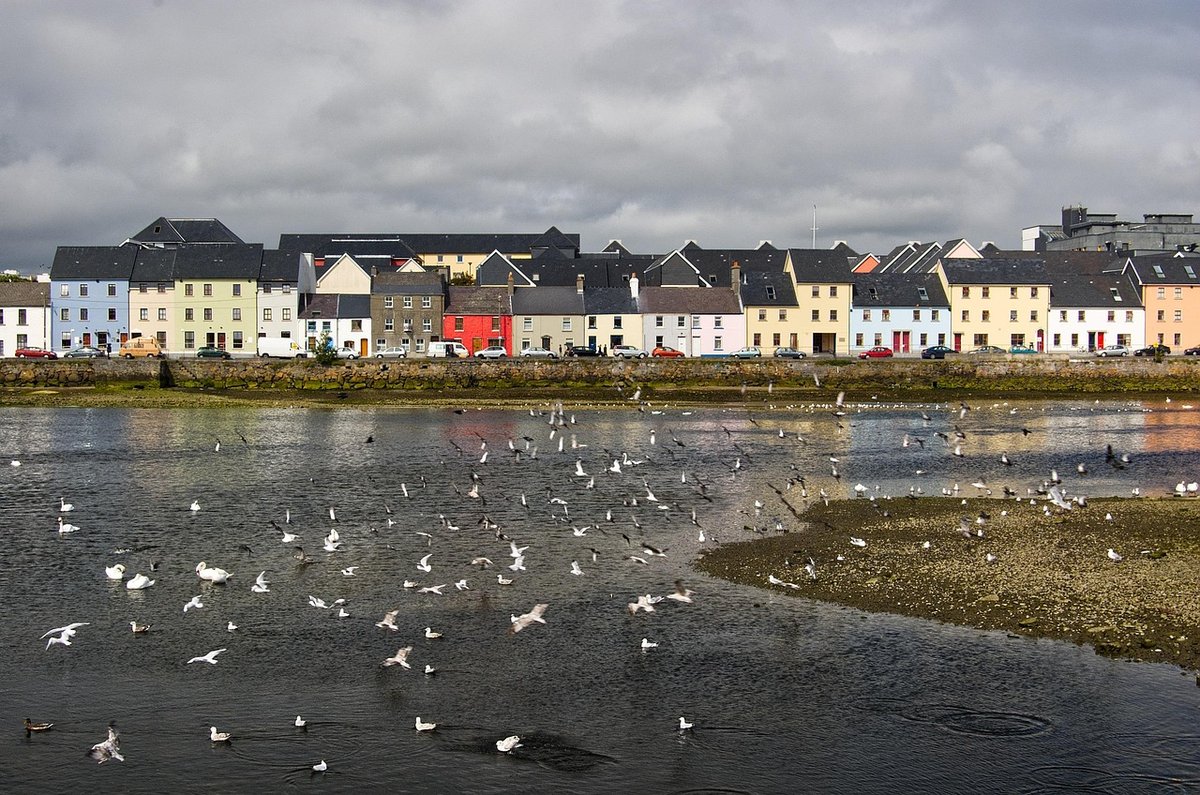
Galway is one of those cities that just works. It’s compact, walkable, and has a genuine energy to it that’s hard to pin down but impossible to miss.
Start your morning on Shop Street, the pedestrianised spine of the city centre. It’s always busy, full of buskers and locals going about their day.
Grab a coffee at Coffeewerk + Press on Quay Street, one of the better specialty coffee spots in the city, then pick up a cone of chips from Prátaí on Shop Street and eat them walking.
Proper Irish chips, no frills, completely worth it.
Spend the afternoon wandering the Latin Quarter and down to Quay Street, then walk out along The Long Walk towards the Claddagh.
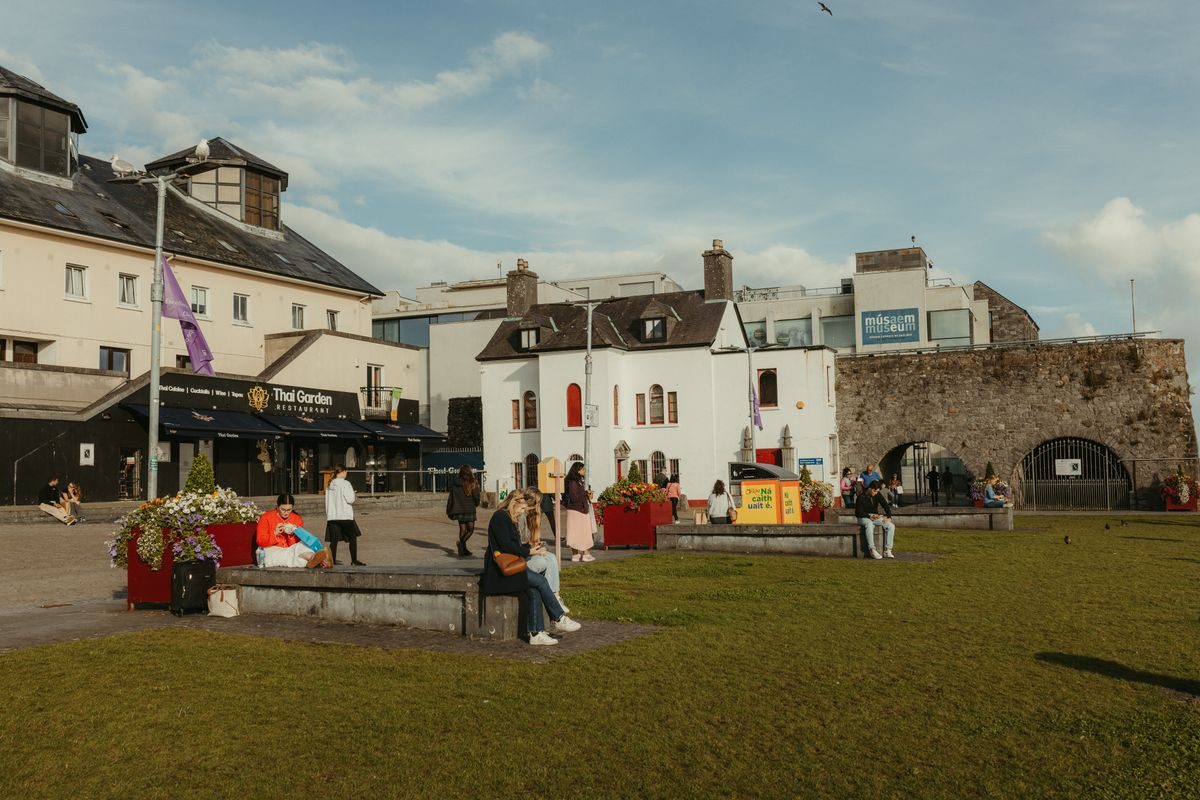
It takes about 20 minutes and gives you a completely different side of the city.
For the evening, head to the pubs. We walked off the street into Monroe’s Tavern on Dominick Street and found 20 people mid-session with no announcement, no cover charge, just traditional music happening because it happens there.
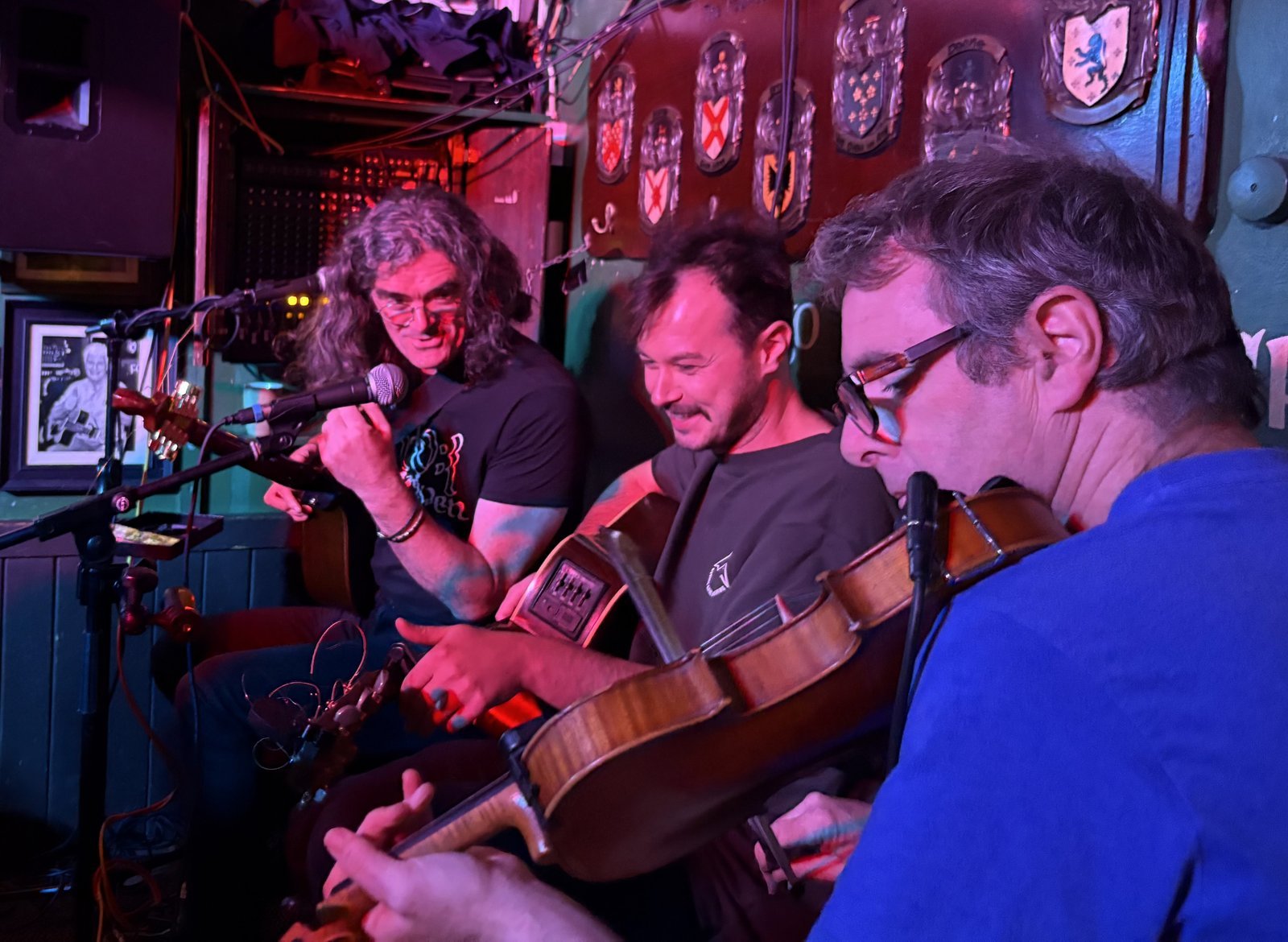
We also hit Taaffe’s Bar and Tig Coilí on the same night. All three are worth your time.
One thing to flag on food: the places everyone recommends, Kai, Oscar’s Seafood Bistro, Ard Bia at Nimmos, are genuinely good but book out fast.
We couldn’t get into any of them. If you want to eat at one of those, book it before you leave home.
Accommodation in Galway is expensive by Irish standards and fills up weeks in advance in summer. Don’t leave it late.
Check availability Galway on Booking.com.
Where to Stay in Galway
Best Tours of Galway
Day 12: Connemara
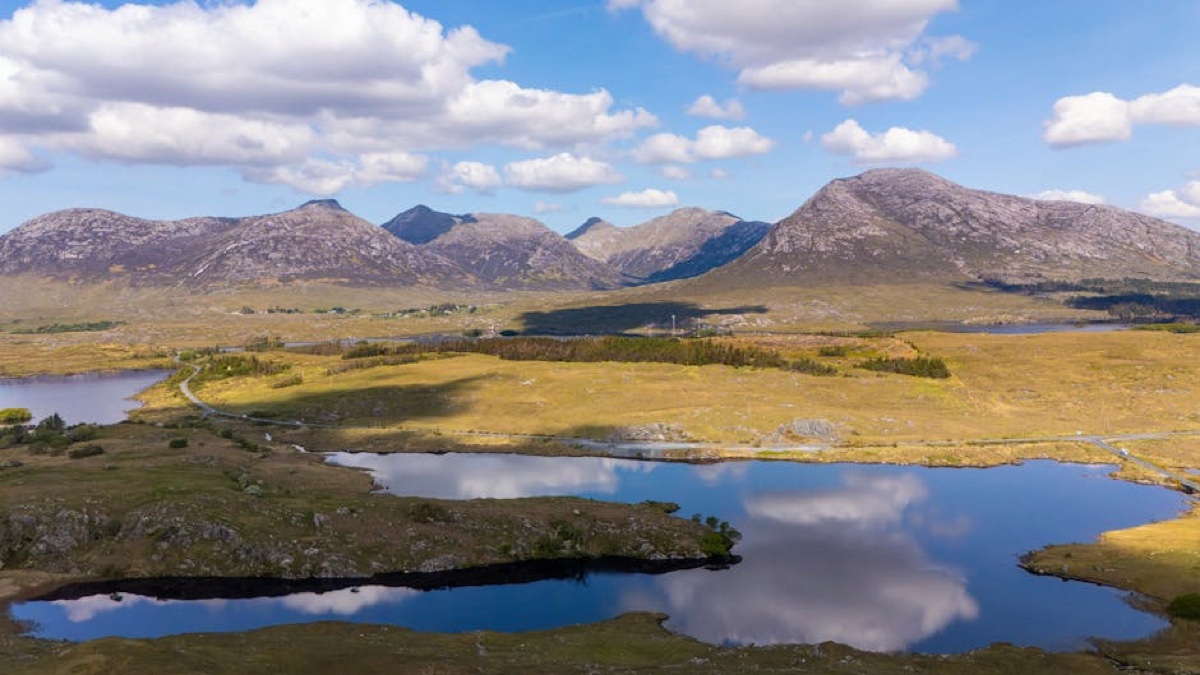
Connemara was the highlight of the entire trip for us.
Not the Cliffs of Moher, not the Ring of Kerry – Connemara.
The combination of the N59 drive, Connemara National Park, Kylemore Abbey, and the coast around Clifden is as wild and genuine as Ireland gets.
The drive west from Galway on the N59 takes about an hour on paper. Allow more.
The road is slow and narrow in stretches, and you’ll want to stop at the pull-outs through the national park.
Seven thousand acres of bog, heath, and mountain, and the views keep changing every few kilometres.
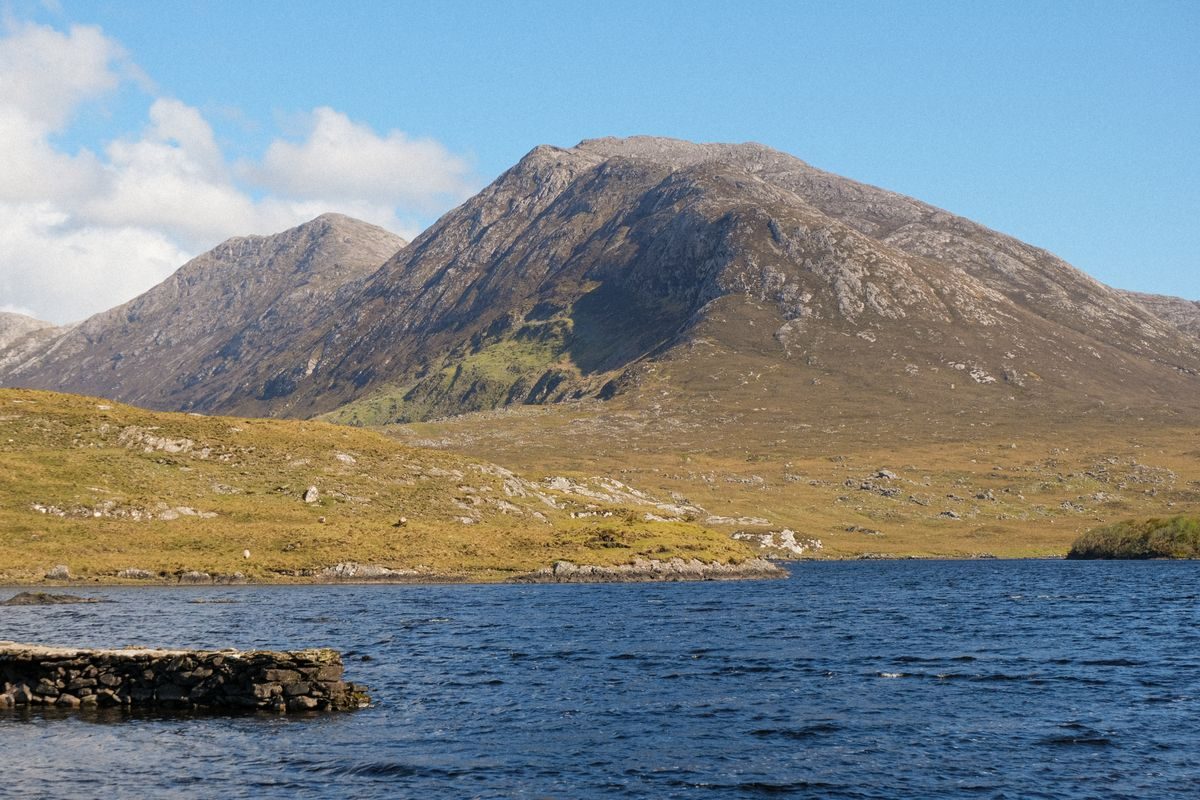
Clifden is worth a stop for lunch. Guy’s Seafood Bar on the main street does a chowder that was the best we had on the whole trip.
After that, push on to Kylemore Abbey for the lake reflection shot and the Victorian walled garden, then head down toward the coast if time allows.
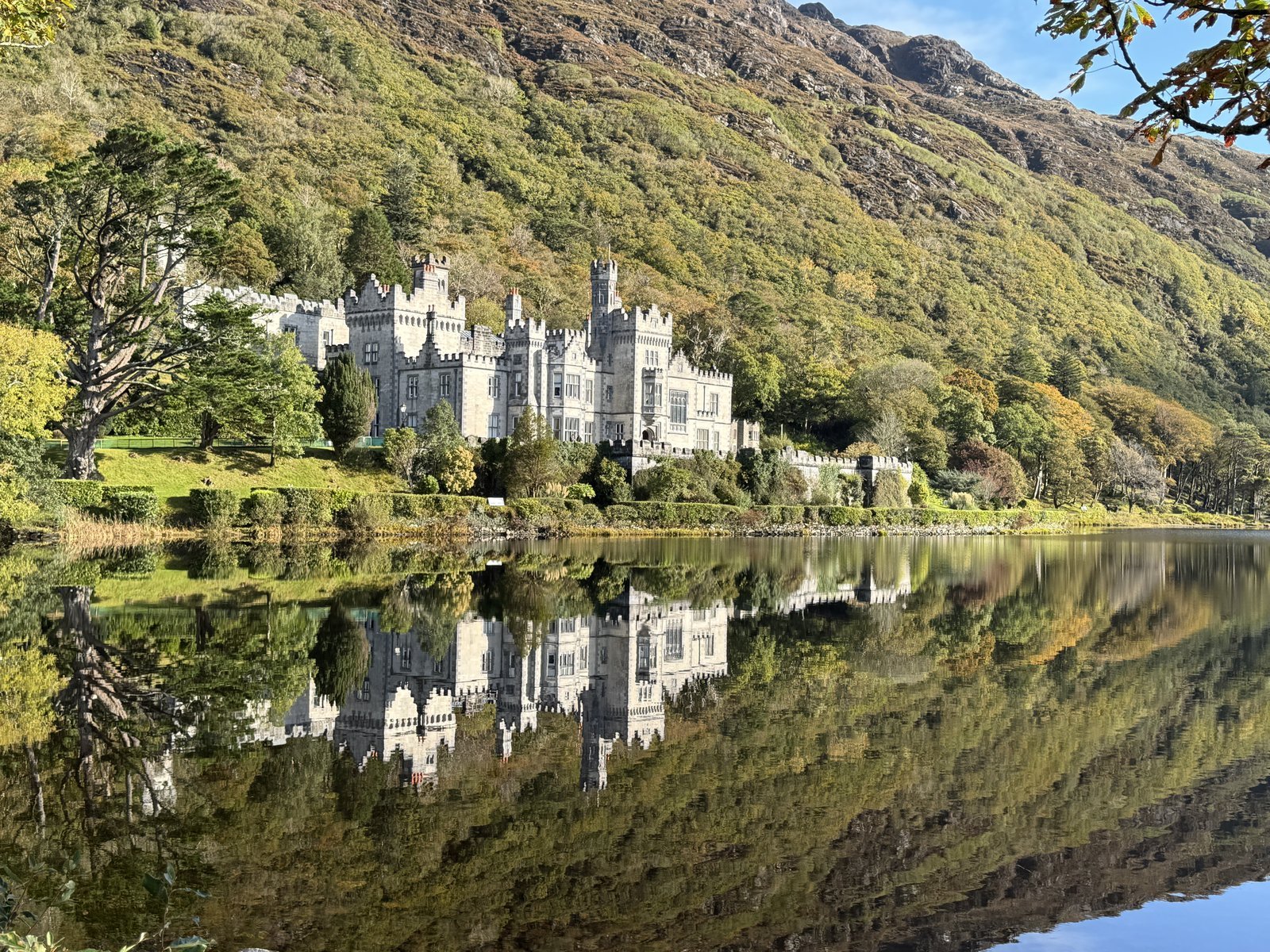
The stretch of coastline west of Clifden is extraordinary.
One caveat: if you only have a day, you’ll need to pick your stops.
Trying to do the national park, Kylemore, Clifden, and the coastal road properly is a full day, not a half day. Don’t rush it.
If you’d rather not self-drive, a guided day tour from Galway covers the main highlights without the navigation stress.
Where to Stay in Connemara
Best Tours of Connemara
- From Galway: Connemara and Kylemore Abbey Day Tour
- From Galway: Full-Day Cliffs of Moher & Burren Guided Tour
Day 13: Drive North to the Giant’s Causeway
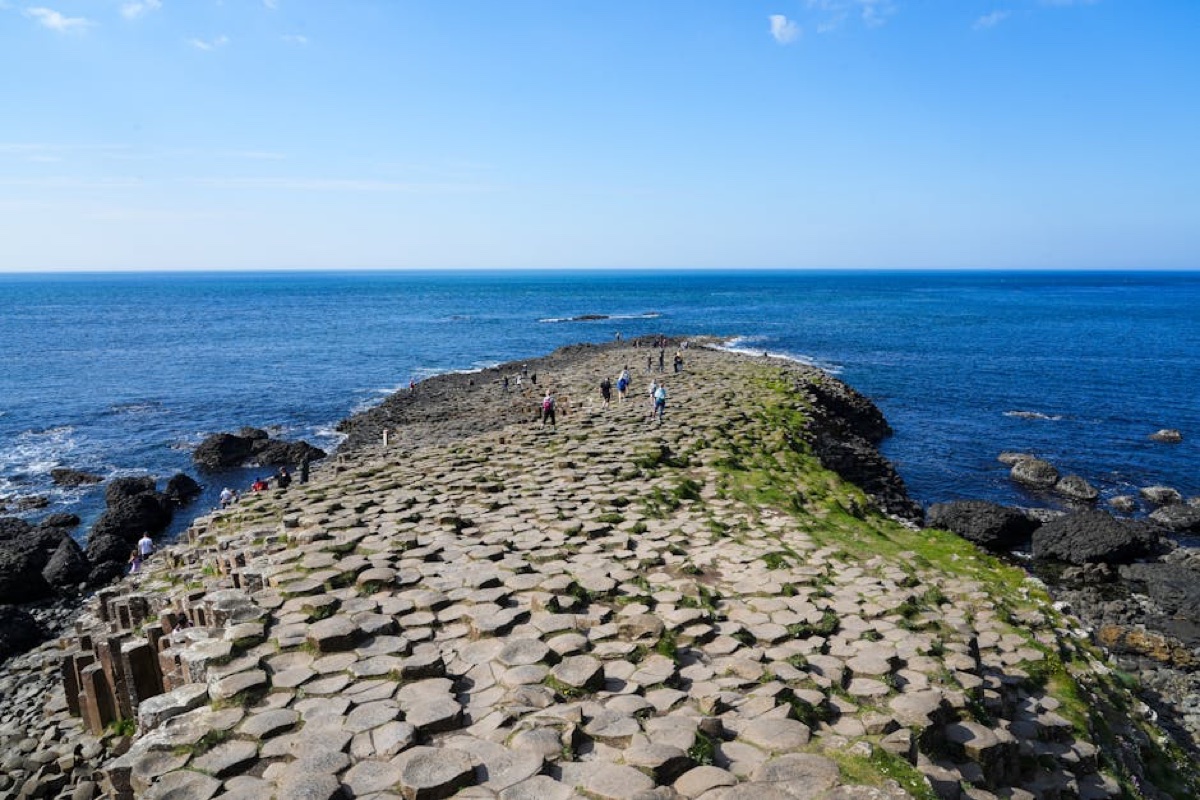
Day 13 is your longest drive of the trip, roughly 3.5 hours from Galway up to County Antrim in Northern Ireland.
Plan to leave by mid-morning so you arrive with a few hours of afternoon light, which is the best time to walk the basalt columns.
One practical note before you cross the border: Northern Ireland uses pounds sterling, not euros.
Stock up on cash or make sure your card works across the border before you leave the Republic.
When you arrive at the Giant’s Causeway, the NTS car park costs £13 in peak season. It’s worth paying.
The walk from the visitor centre down to the columns takes about 15 minutes, and the late afternoon light hits the hexagonal basalt in a way that makes the whole place look otherworldly.
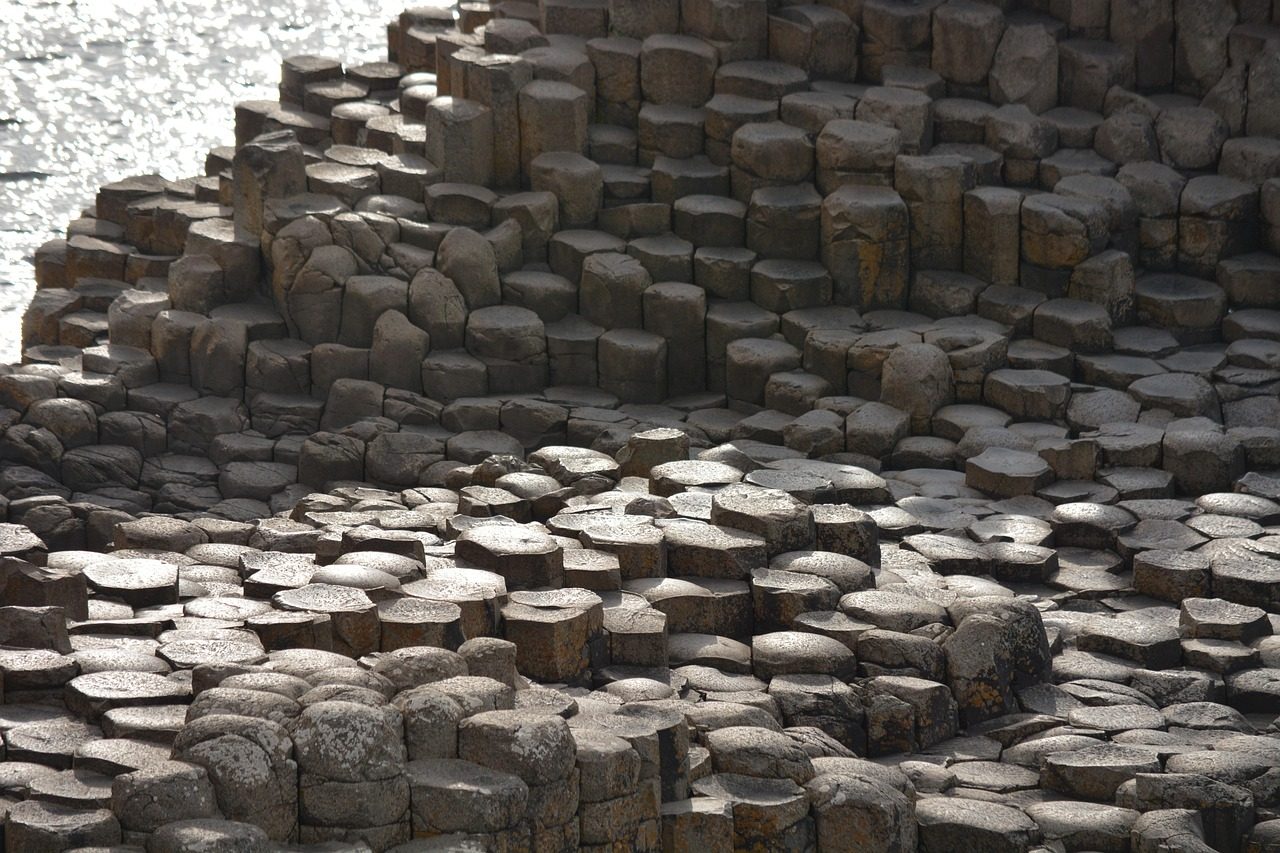
For the night, staying on the Causeway Coast puts you in the perfect position for the next morning. Check available hotels on the Causeway Coast here.
Where to Stay Near the Giant’s Causeway
Day 14: Derry and the Drive Home
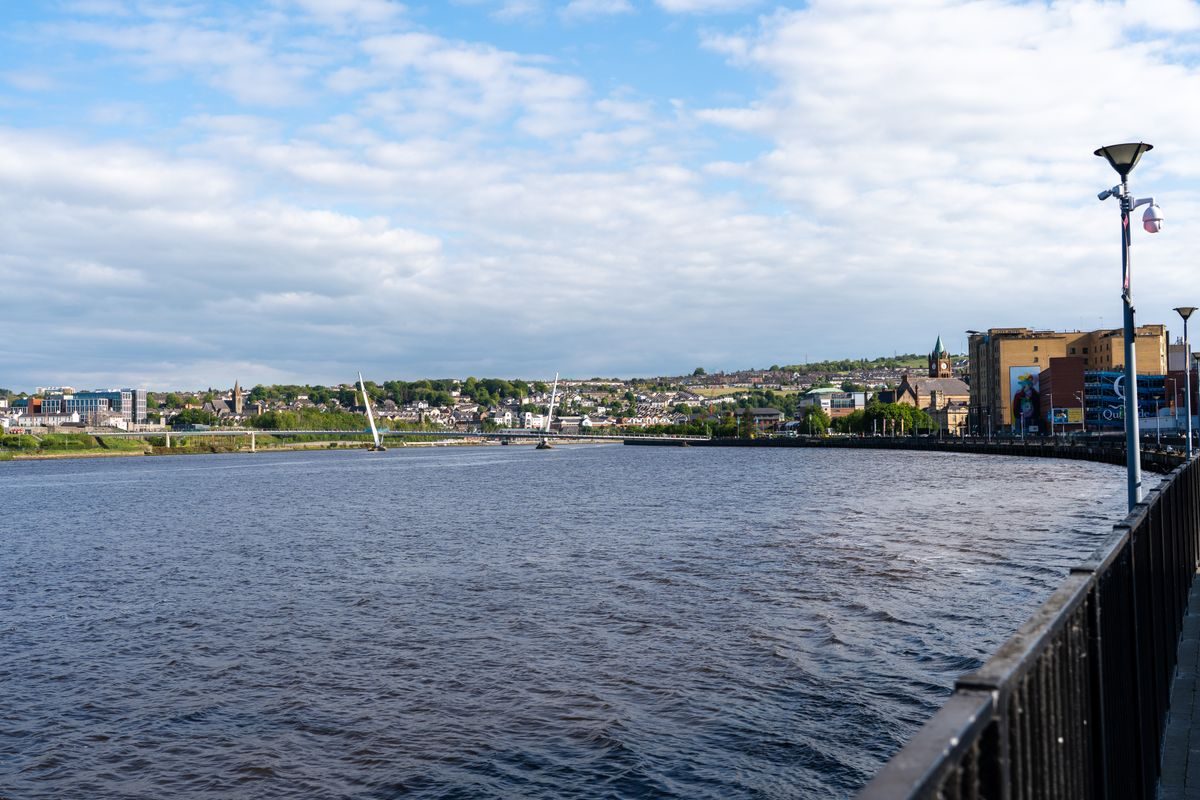
Your last morning in Northern Ireland is worth spending in Derry (Londonderry), one of the most historically loaded cities on the island, and underrated as a quick stop.
Walk the city walls first thing. They’re the best-preserved city walls in Ireland, a complete circuit of about 1.5km, and you can do the full loop in under an hour.
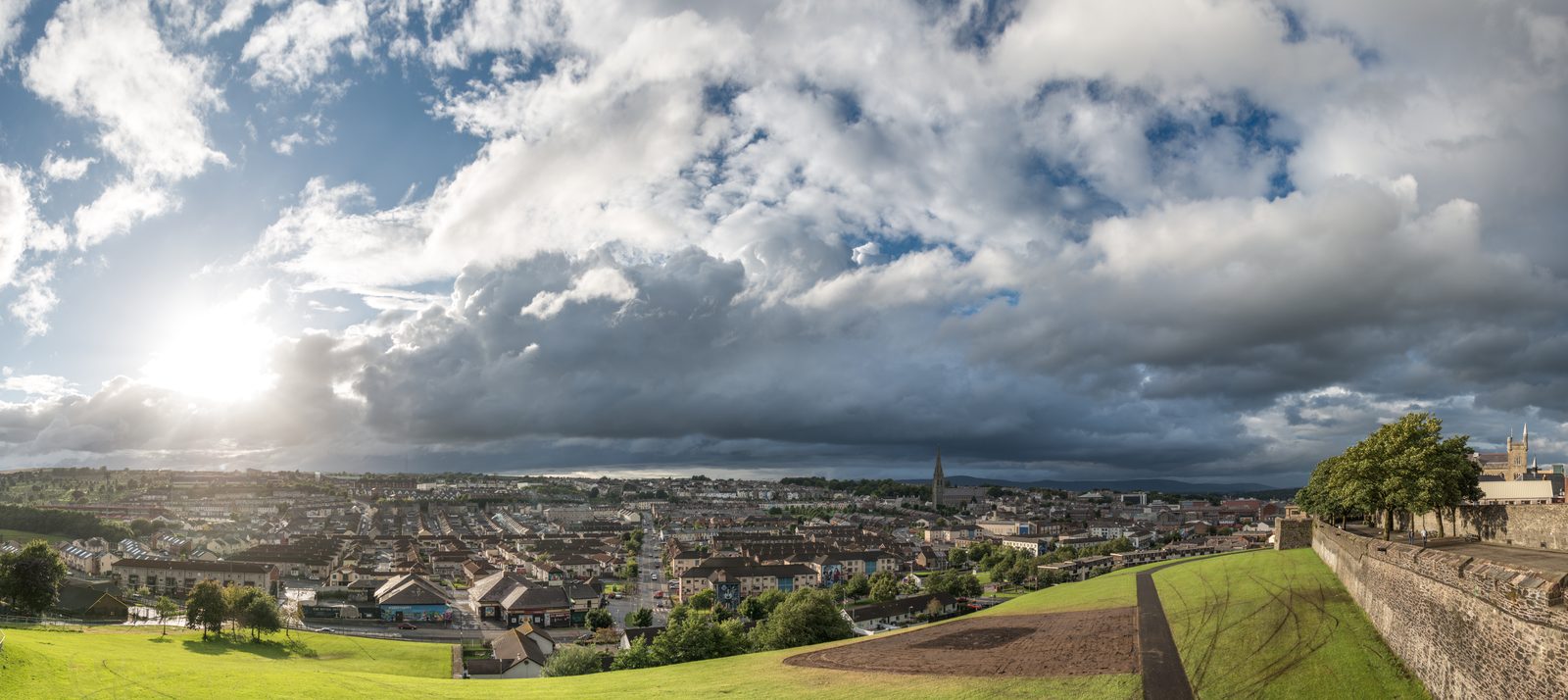
Then head down into the Bogside to see the murals. The political street art here is striking and the context matters, so if you have time, a walking tour is well worth it. Click here to book a highly-rated Derry city walking tour.
After that, point the car south on the M1 toward Dublin. It’s about 2.5 hours in normal traffic, but if you’re flying home on a Sunday afternoon, add at least an extra hour.
The M1 backs up badly on Sunday evenings, especially from Drogheda to the airport.
Return the rental car at Dublin Airport rather than the city centre if you can arrange it. Most companies have a drop-off lane right at departures, and it saves you scrambling for a taxi with bags.
Allow at least 3 hours before your flight. Dublin Airport security can move slowly, and the queues at peak times are no joke.
Best Tours of Derry
- Derry City Walking Tour & Exploration Game
- Derry City: The Troubles & Bogside Walking Tour
- Derry: Bloody Sunday & Bogside Murals Walking Tour
Itinerary Variations
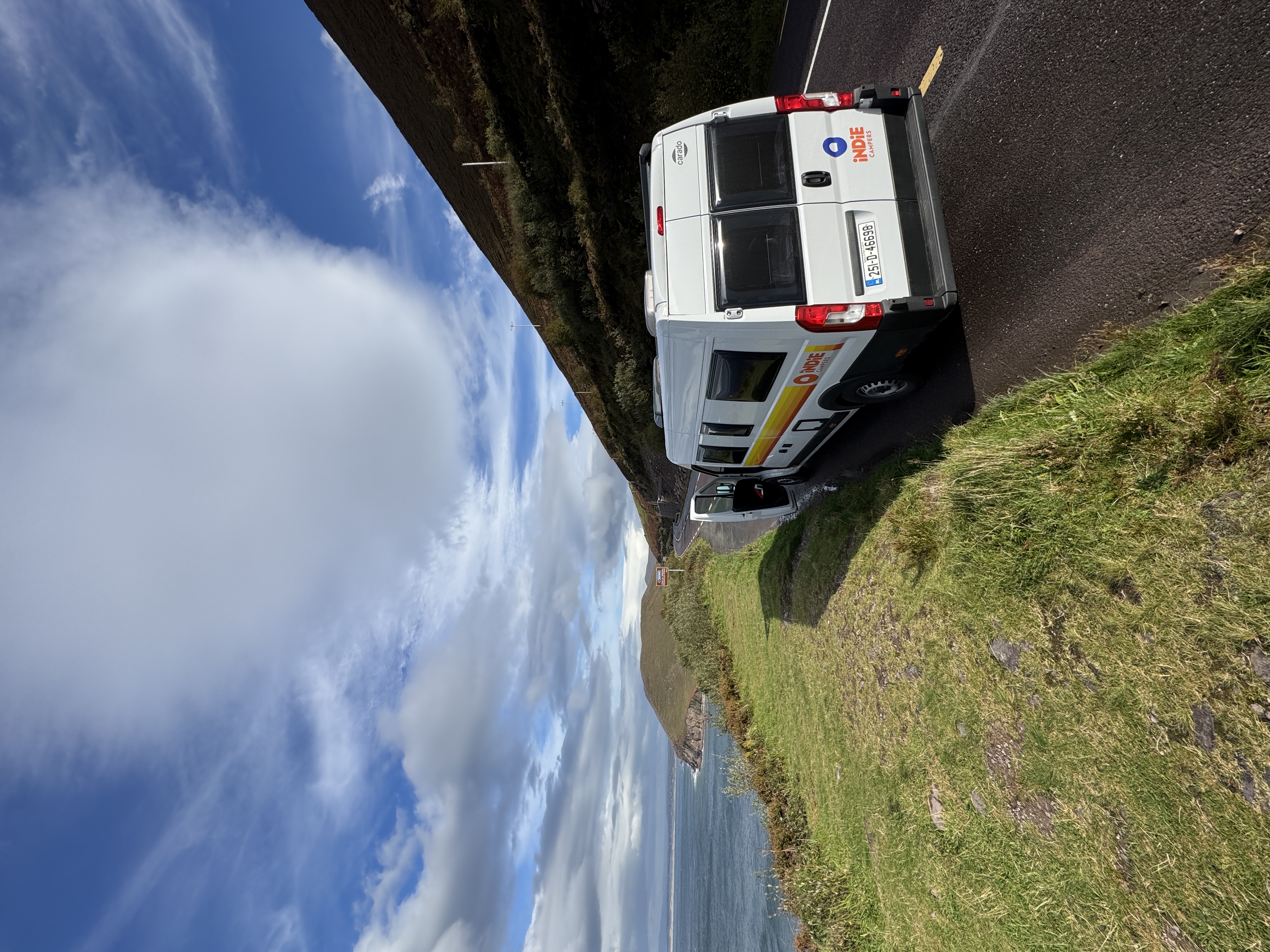
Not everyone starts in Dublin, and not everyone has 14 days. Here are three quick adjustments depending on your situation.
Starting in Shannon: If you’re flying into Shannon Airport, skip Days 1 and 2 entirely.
Pick up your car at the airport and drive straight to the Burren or Doolin on Day 1. You’ll join the main itinerary around Day 3 heading south through Killarney and Kerry, then loop back up through Cork and finish in Dublin for your return flight.
It works cleanly and cuts out the Dublin-to-Kilkenny drive at the start.
Starting in Belfast: Flying into Belfast? Flip the Northern Ireland section to the beginning.
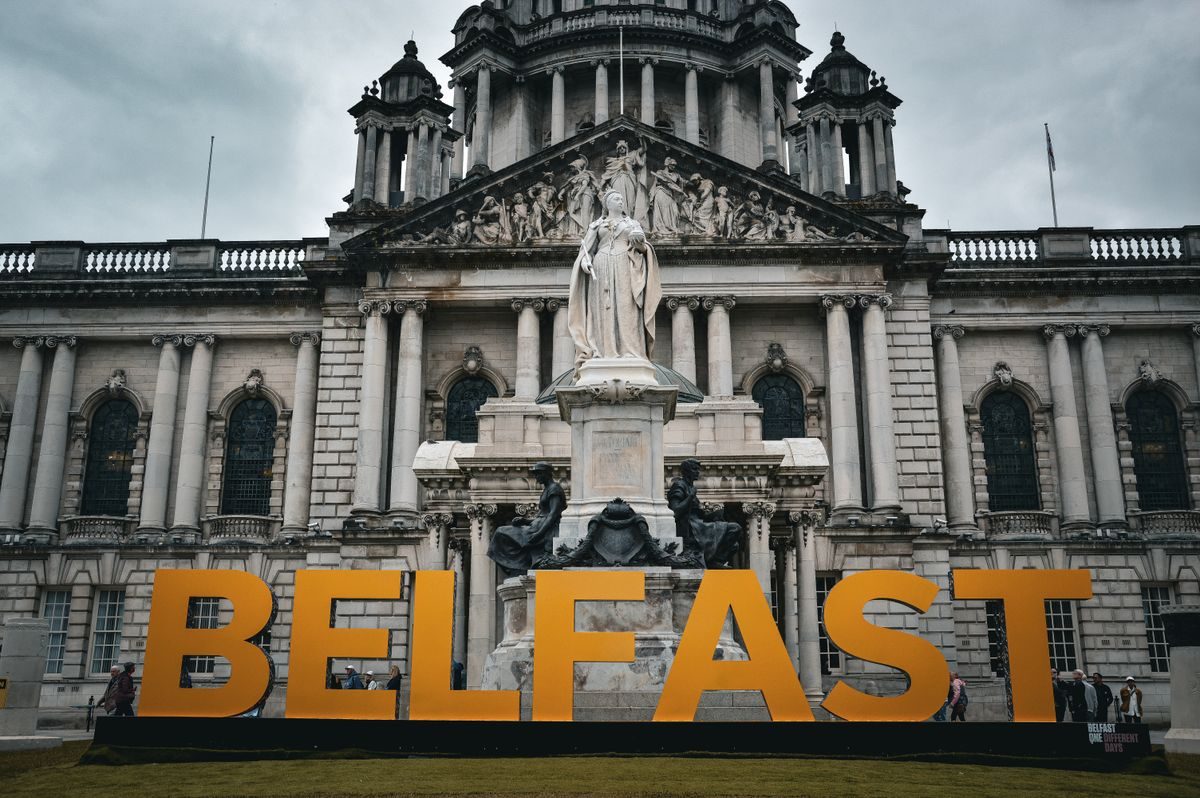
Do the Causeway Coast, Giant’s Causeway, and Derry on Days 1 and 2, then drive south through Dublin and continue the route from there. You’ll finish in the south or west and fly home from Dublin or Shannon.
A 10-day version: Tighten Dublin to one night, cut Connemara, and move straight from Galway to Clare.
You lose one of the best stretches of the trip, but it’s the right call if time is short.
Rather not drive at all? CIE Tours and Trafalgar both run coach tours of Ireland that cover similar ground to this itinerary.
You give up flexibility, but you also give up the stress of narrow roads and left-hand driving. Worth considering if that part worries you.
2-Week Ireland Trip: Budget Breakdown
Ireland isn’t cheap, and it’s worth knowing that going in. Here’s a realistic breakdown of what two weeks on the road will actually cost you.
Car rental: Budget around €400-600 for 14 days through a comparison site like DiscoverCars. That’s one of the best-value line items on the whole trip.
Accommodation: Budget options (hostels, basic B&Bs) run around €80-100 per night. Mid-range hotels and guesthouses sit at €120-180 per night.
Book ahead in summer, especially in Galway and Killarney.
Food: Eating out costs roughly €30-50 per person per day. Pub lunches keep costs down.
Dinner at a decent restaurant will run €20-35 for a main.
Fuel: Driving the full route, expect to spend around €150-200 on petrol. Diesel is slightly cheaper.
Ireland’s pump prices aren’t forgiving.
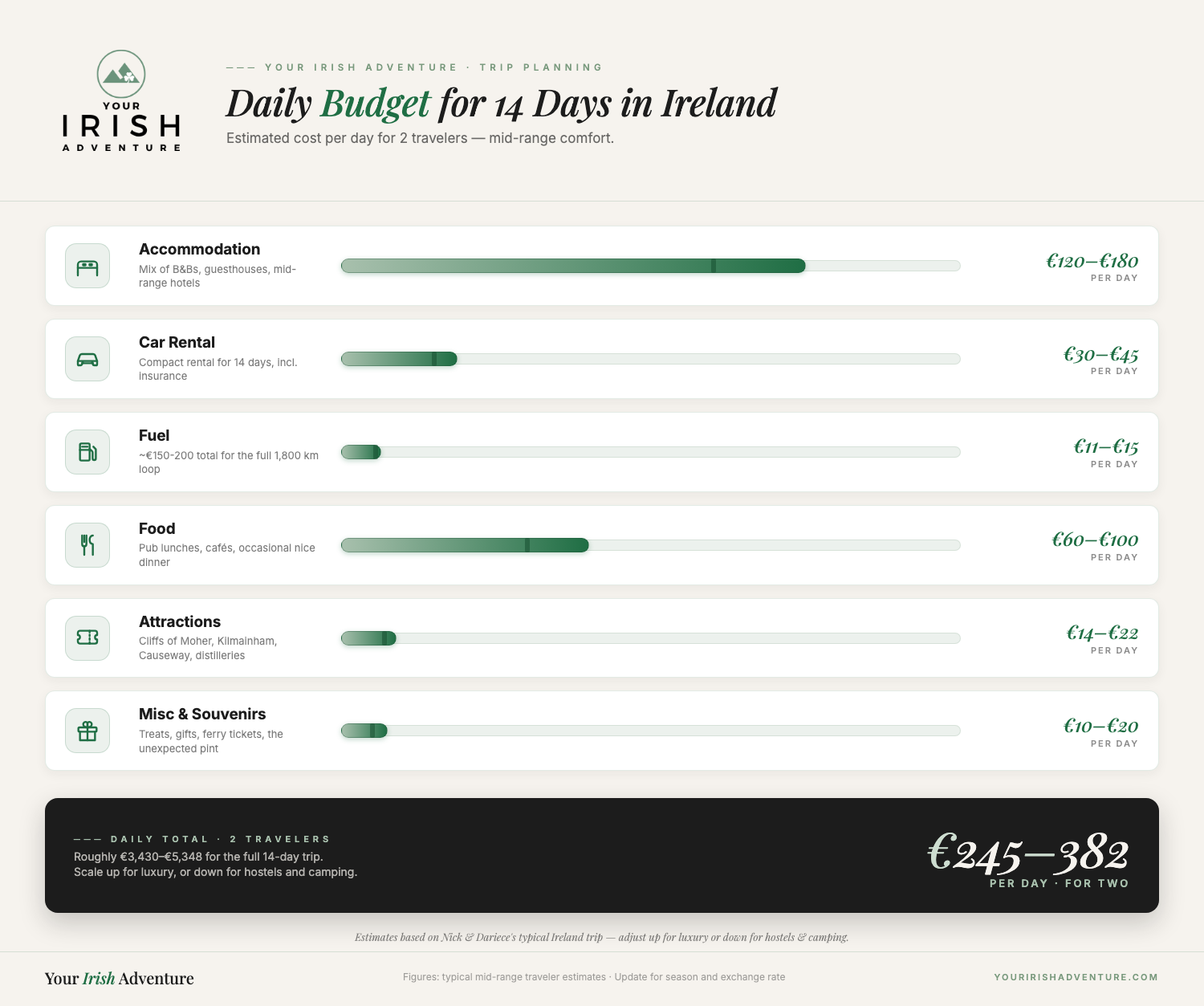
Attraction entry fees: The Cliffs of Moher, Kilmainham Gaol, the Book of Kells, and the Giant’s Causeway add up fast. Budget at least €100-150 per person across 14 days.
Put it all together and a budget traveller should plan for around €1,400 per person. A comfortable mid-range trip lands somewhere between €2,000 and €2,400 per person, all in.
Frequently Asked Questions
Here are the questions I get asked most about planning a two-week trip to Ireland.
Is 14 days in Ireland enough?
Yes, 14 days is a solid amount of time to see a good chunk of Ireland without feeling rushed.
You won’t see everything, and you’ll almost certainly wish you had more time in Galway or Connemara, but two weeks gives you enough room to mix cities, coastline, and countryside without it turning into a blur of motorway driving.
What is the best route for a 2-week Ireland itinerary?
The classic loop works well: Dublin, then south to Kilkenny, west to Galway, down through Clare and the Cliffs of Moher, around Kerry, up through Cork, and back to Dublin.
It covers the highlights without too much backtracking. If you have to cut something, the Ring of Kerry is the most easily trimmed, especially if the weather is poor.
Do I need a car for a 2-week Ireland road trip?
Outside of Dublin, yes. Public transport connects the cities fine, but it won’t get you to the Cliffs of Moher, Loop Head, the Ring of Kerry, or Connemara without serious hassle.
Renting a car gives you the freedom to pull over whenever you want, which in Ireland is constantly. If you’re not comfortable driving on the left, budget extra time to adjust, especially on the narrow country roads.
Is it safe to drive in Ireland as a visitor?
Generally, yes. The main cities are straightforward.
The challenge is the rural roads, particularly in Kerry, Clare, and Connemara, where some lanes are barely wide enough for one car. Go slow, pull into passing places early, and don’t assume the other driver will.
An automatic transmission makes the adjustment easier if you’re coming from North America.
What is the best time of year to visit Ireland?
May, June, and September hit the sweet spot. The days are long, the crowds are manageable, and the weather is as good as it gets.
July and August are peak season, which means higher prices and more competition for accommodation in Galway and Killarney. We visited in late September and the weather was mixed, but the lack of crowds more than made up for it.
How much does 2 weeks in Ireland cost?
Budget around €1,400 per person for a tight trip.
A comfortable mid-range two weeks, covering decent accommodation, pub meals, car hire, and the main paid attractions, typically runs €2,000 to €2,400 per person. The Cliffs of Moher, Kilmainham Gaol, and the Book of Kells all have entry fees, so those add up faster than most people expect.
Can I visit Northern Ireland on an Irish road trip?
Yes, and it’s worth it. The Giant’s Causeway, the Antrim Coast, and Belfast are all easily accessible from the Republic.
You don’t need a visa or passport check to cross the border. Just note that Northern Ireland uses British pounds sterling, not euros, so bring some cash or use a card with no foreign transaction fees.
Final Thoughts
Two weeks in Ireland is the right amount of time.
Long enough to actually slow down in a place like Connemara or Killarney, short enough that you’re not dragging yourself from town to town just to tick boxes.
If we were doing it again, we’d give Connemara at least one more day and trim Dublin down to two nights instead of three.
We also arrived in Dingle late and in heavy rain, and missed the Slea Head Drive entirely. That one still stings.
One practical note: if you’re visiting between June and August, book your accommodation the moment you fix your dates.
The west coast in particular fills up fast, and the good places go first.
Is 14 days in Ireland enough time to see everything?
14 days is enough time to cover the major highlights, including Dublin, the Wild Atlantic Way, Ring of Kerry, Cliffs of Moher, and the Causeway Coastal Route. You won’t see everything, but a well-planned two weeks gives you a real feel for both the cities and the countryside.
Should I rent a car for a 2-week Ireland itinerary?
Yes. Public transport doesn’t reach many of the best coastal routes and rural spots. Driving also lets you stop wherever you want, which is where most of the best moments happen.
What is the best time of year to spend 14 days in Ireland?
May, June, and September. You get better weather than winter, longer daylight hours, and fewer crowds than July and August. September in particular is close to ideal.
How much money do I need for 14 days in Ireland?
Budget roughly €100-150 per person per day for mid-range travel, covering accommodation, meals, fuel, and entry fees. Dublin and Kerry are the most expensive areas.
Can I visit both Northern Ireland and the Republic of Ireland in 14 days?
Yes. There is no border crossing process between the Republic and Northern Ireland, and both sides of the island fit comfortably into a two-week itinerary. This route includes Belfast, the Giant’s Causeway, and Derry.
Like it? Pin it!
Save this guide for later