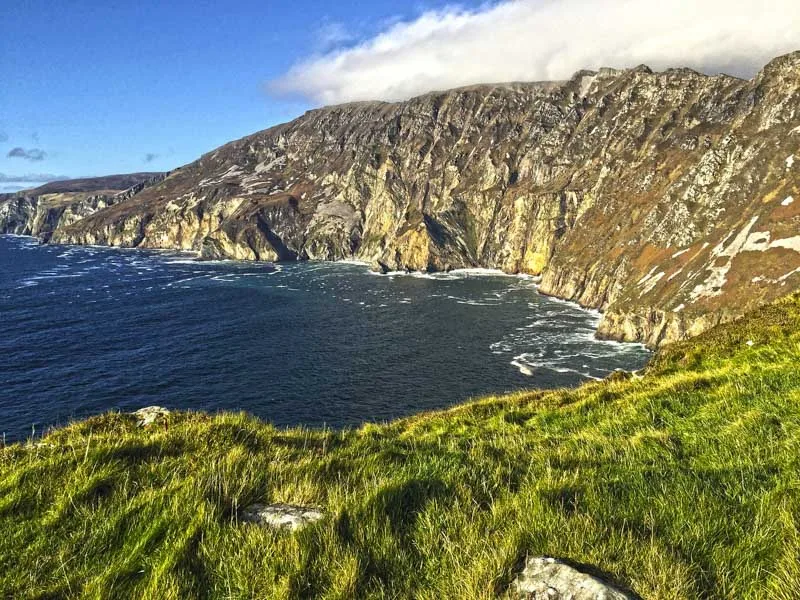
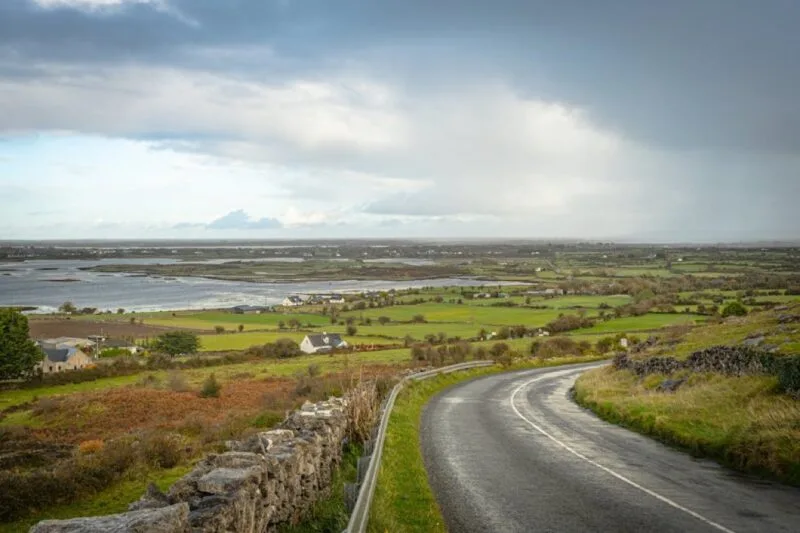
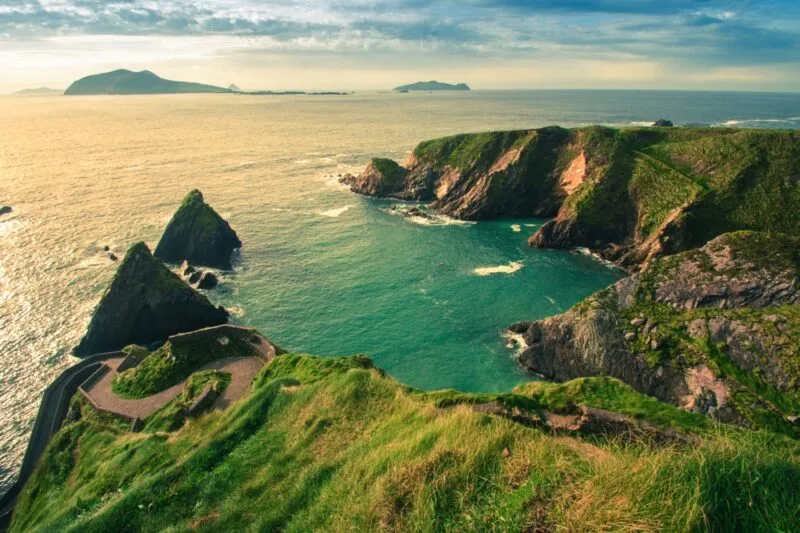
Your Irish Adventure

Plan Your Trip to Ireland

Every question you have about booking a trip to Ireland, answered. Plus the guides we wish we’d had before our first trip over.

60+
Planning Guides
32
Counties Covered
4
Provinces
100%
First-Hand
Where to Start

Start with the question you actually have

This page is for people about to book a trip and trying to figure out the basics. When to come, how to get around, where to sleep, what it'll cost, what to actually do once you're here.

Ireland rewards a loose plan. The island is small (about the size of Indiana), but the roads are slow, the weather changes by the hour, and the best moments tend to be the ones you weren't scheduled for. We'd aim for a rough itinerary with built-in slack, not a tight hour-by-hour grid.

Use the sticky nav above to jump to whatever you're trying to figure out. Or scroll the whole thing top to bottom, which is roughly the order most people think about a trip.

Seasons

When to Visit Ireland

Every season has a case for it. Here’s how we’d describe the four, then a deeper month-by-month read if you want to weigh them properly.

January
Cold, wet, short days. The lowest prices and the most empty trails.
February
Same as January but with the days slowly stretching. St Brigid’s Day kicks off spring.
March
Still wet, but St Patrick’s weekend turns Dublin and the bigger cities into a party.
April
Spring arrives properly. Lambs in the fields, daffodils everywhere. Read More →
May
Our pick. Long evenings, gardens at their peak, prices haven’t spiked yet. Read More →
June
Daylight to 10pm, the music festivals start, hostels start filling up. Read More →
July
Peak summer. Galway International Arts Festival, Longitude, county shows. Read More →
August
The busiest and most expensive month. Rose of Tralee, Puck Fair, Fleadh Cheoil. Read More →
September
Often the sweet spot. Crowds thin, weather can be the best of the year. Read More →
October
Autumn proper. Plenty of dry days, fewer tourists, Cork Jazz Festival the last weekend. Read More →
November
The off-season begins. Cosy pubs, Belfast Film Festival, low prices. Read More →
December
Cold and short, but Christmas markets, light shows, and a quiet kind of magic. Read More →
Itineraries

Full itineraries and weekend plans

Country-wide road trip plans plus city-level weekend itineraries. Most people end up stitching one of each.

10 Days in Ireland: The Ultimate Itinerary

10 Days in Ireland: The Ultimate Itinerary

Our two-week-shape framework you can shorten or stretch.

Read the Guide →

Wild Atlantic Way Itinerary

Wild Atlantic Way Itinerary

Ireland’s most epic road trip, broken down day by day.

Read the Guide →

9 Best Stops on the Wild Atlantic Way

9 Best Stops on the Wild Atlantic Way

If you can’t do the full route, these are the places to prioritise.

Read the Guide →

A Photographer's Ireland Road Trip

A Photographer’s Ireland Road Trip

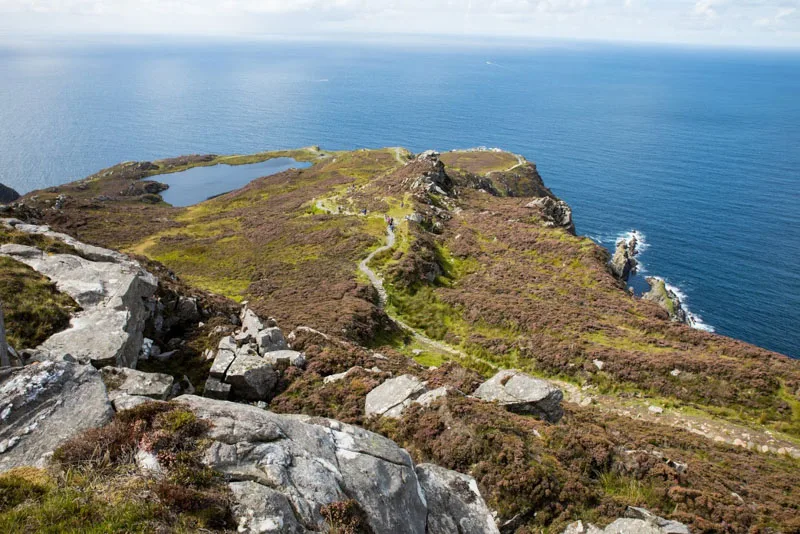
Slieve League, Connemara, the Burren. Built around where the light is.

Read the Guide →

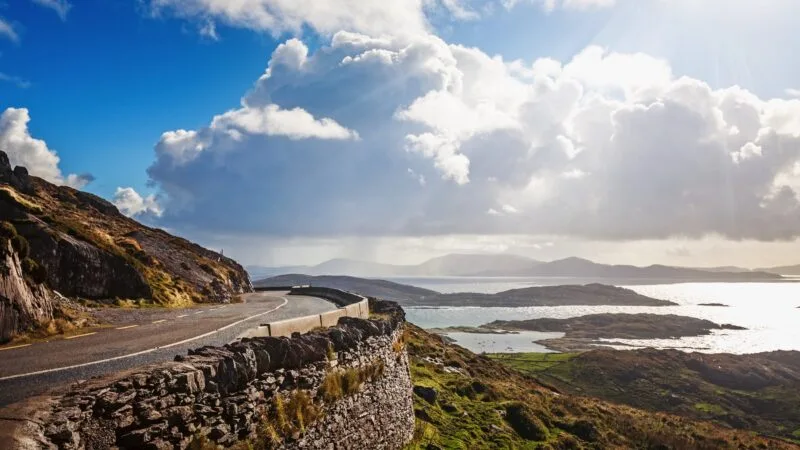
The Ring of Kerry Drive

The Ring of Kerry Drive

Itinerary, the right direction to drive it, and what to skip.

Read the Guide →

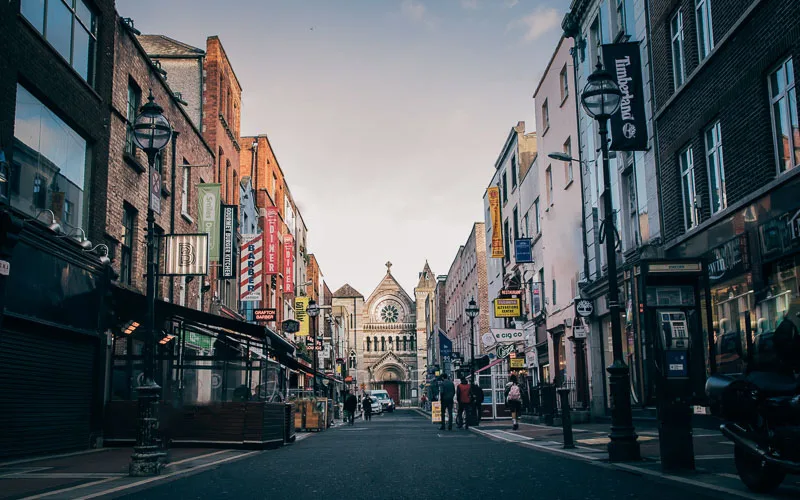
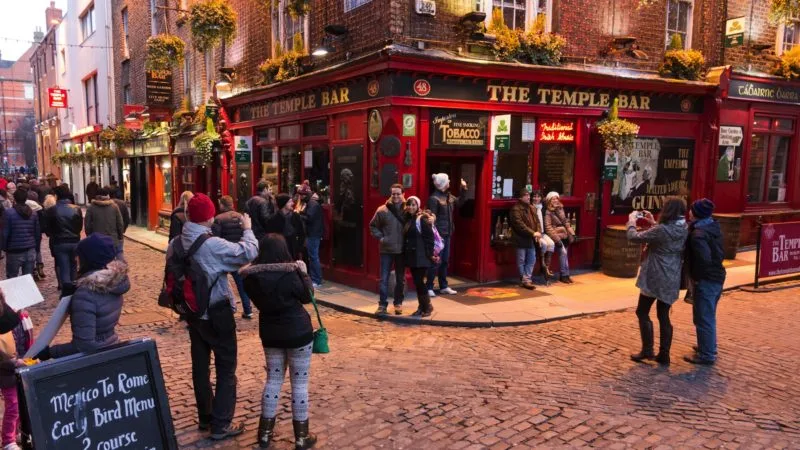
Weekend in Dublin (2 Day Itinerary)

Weekend in Dublin (2 Day Itinerary)

A 48-hour Dublin plan that doesn’t try to do too much.

Read the Guide →

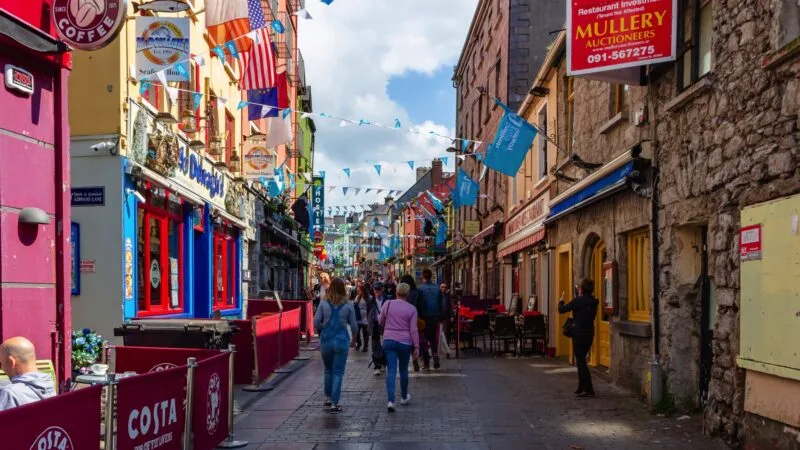
Weekend in Galway

Weekend in Galway

Two days in the cultural anchor of the west.

Read the Guide →

Weekend in Cork

Weekend in Cork

City + harbour + a day trip out, in 48 hours.

Read the Guide →

Weekend in Killarney

Weekend in Killarney

Use Killarney as a base for the Ring and the National Park.

Read the Guide →

Weekend in Belfast

Weekend in Belfast

The northern capital, plus a Causeway day trip if you want it.

Read the Guide →

Weekend in Derry

Weekend in Derry

Walled city, plus where to eat and drink for two days.

Read the Guide →

Weekend in Kilkenny

Weekend in Kilkenny

Castle town, easy from Dublin, perfect short break.

Read the Guide →

Where to Stay

Accommodation by city and type

Ireland’s accommodation spread runs B&Bs (still common, often the best for the price), guesthouses, hotels, self-catering cottages, Airbnbs, castle hotels at the top end, and hostels at the budget end. Outside the cities, family-run B&Bs are still our default for the warmest welcome.

City-centre rooms in Dublin can climb past €250 a night in summer. Book early if you’re coming in July or August, or come during shoulder season and pay half. The where-to-stay-in posts below break down neighbourhoods so you don’t end up 20 minutes from where you actually want to be.

Where to Stay in Dublin

Where to Stay in Dublin

Best neighbourhoods, what you give up for the cheaper bed.

Read the Guide →

Where to Stay in Galway

Where to Stay in Galway

City centre vs the Latin Quarter vs Salthill, called out plainly.

Read the Guide →

Where to Stay in Cork

Where to Stay in Cork

Where to base in Ireland’s second city.

Read the Guide →

Where to Stay in Killarney

Where to Stay in Killarney

Walking distance to the National Park, sorted by budget.

Read the Guide →

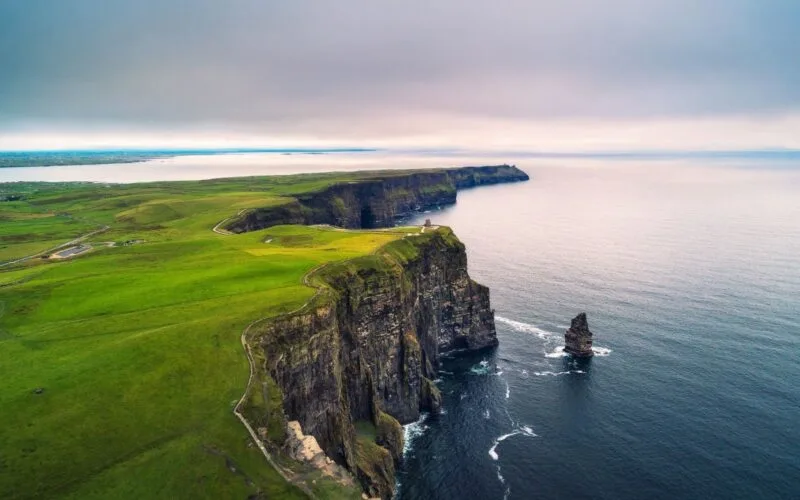
Where to Stay in Doolin

Where to Stay in Doolin

The Cliffs-of-Moher base village. Three areas, three vibes.

Read the Guide →

Where to Stay in Lahinch

Where to Stay in Lahinch

Surf town next to Doolin, with the better beach.

Read the Guide →

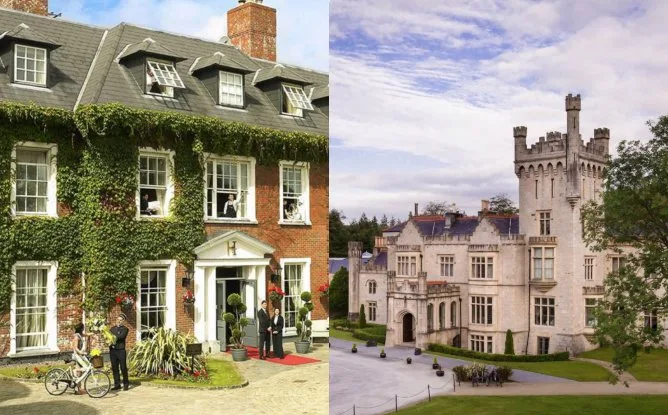
Magical Castle Hotels in Ireland

Magical Castle Hotels in Ireland

The actual castles you can sleep in. With prices.

Read the Guide →

Wild Atlantic Way Luxury Hotels

Wild Atlantic Way Luxury Hotels

Splurge spots along the western route.

Read the Guide →

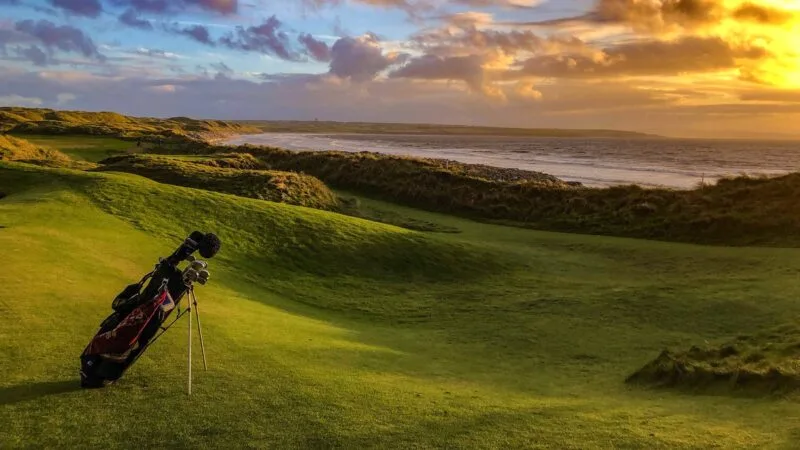
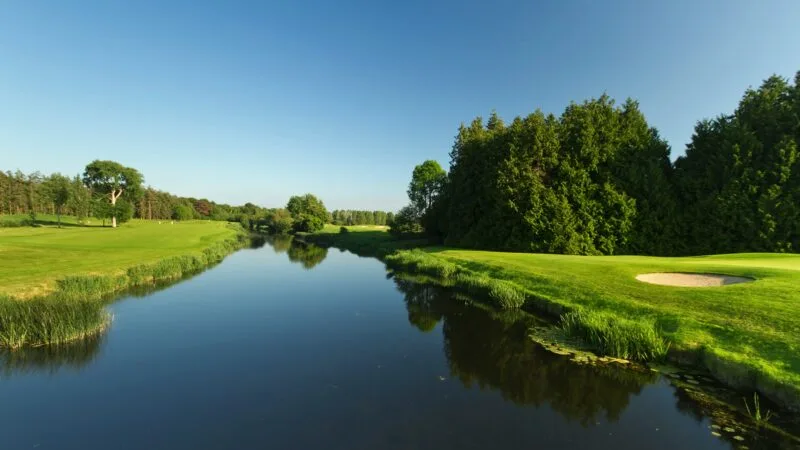
10 Best Golf Resorts in Ireland

10 Best Golf Resorts in Ireland

Where the course and the bed are both worth the trip.

Read the Guide →

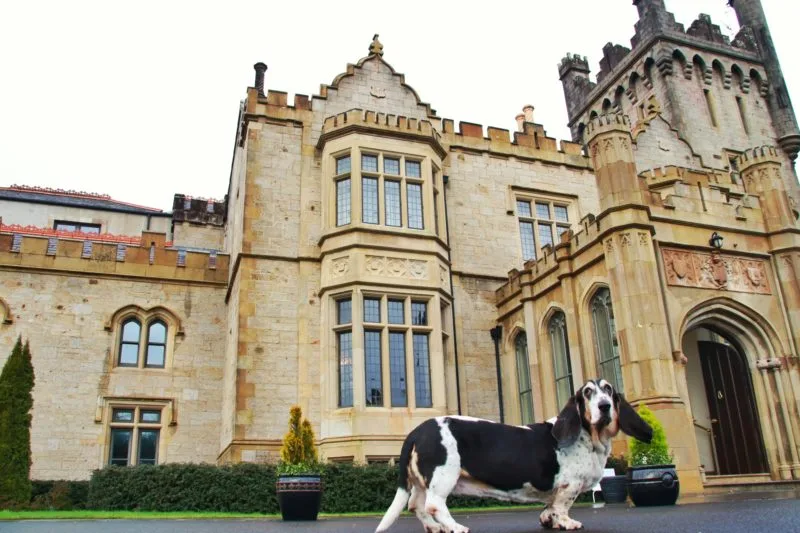
Dog Friendly Hotels in Ireland

Dog Friendly Hotels in Ireland

Five-star with the dog: Lough Eske Castle and others.

Read the Guide →

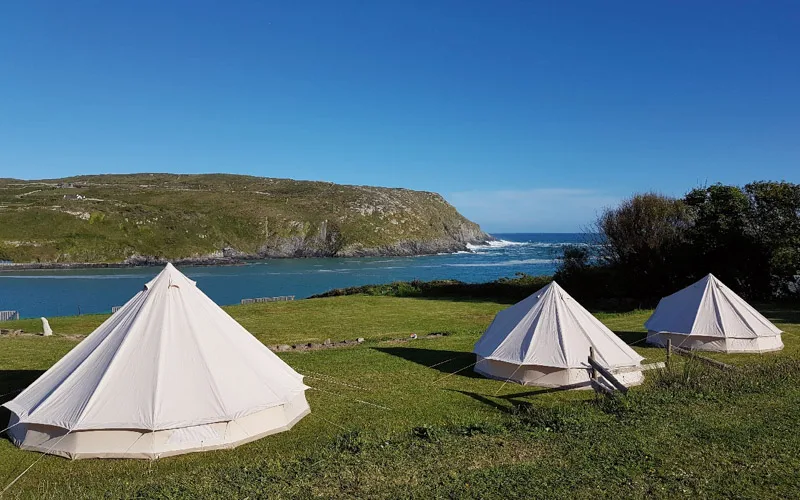
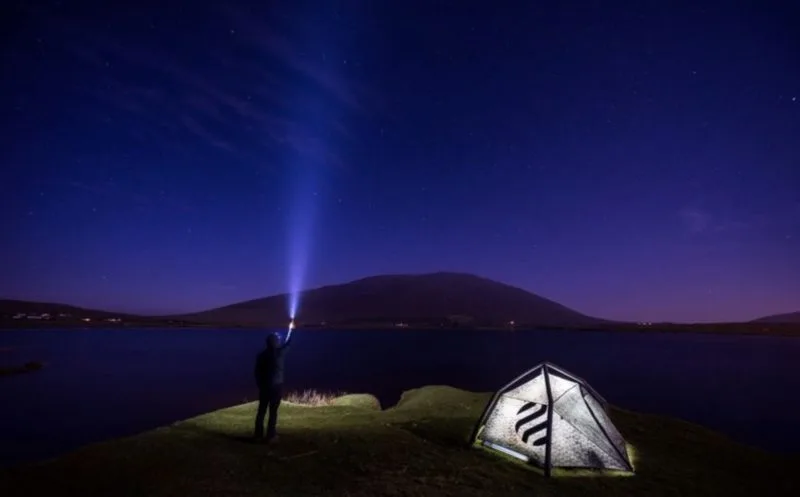
5 Best Campsites in Ireland

5 Best Campsites in Ireland

If you’d rather pitch a tent than book a hotel.

Read the Guide →

Tips for Camping in Ireland

Tips for Camping in Ireland

What to bring, where it’s actually legal, what the weather will throw at you.

Read the Guide →

Getting Around

Cars, trains, buses, and crossing the border

Driving

Cars drive on the left. If you've never done it, the first ten minutes are awkward and then your brain adjusts. What does not adjust is the width of the rural roads. Country lanes are often a single car wide with no shoulder, fringed by stone walls or hedge, and you'll be reversing into a passing place at least once a day on the back roads. Manual transmission is the default and cheaper to rent; if you want automatic, book early.
Trains

Iarnrod Eireann runs the rail network in the Republic. Useful for Dublin-Cork, Dublin-Galway, Dublin-Belfast (cross-border), and a few other intercity routes. It will not take you around the Ring of Kerry, into Connemara, or onto the Wild Atlantic Way. For most of the scenic stuff you need a car or a tour bus.

Buses

Bus Eireann covers the Republic. Aircoach runs Dublin Airport routes. Citylink and GoBus run between Dublin, Galway, and Cork at low prices. In Northern Ireland it's Translink. The intercity bus network actually reaches more places than the train, but it's slower and the timetables can be sparse outside the main routes.

In the cities

Dublin uses the Leap Card (tap-on tap-off across buses, the Luas tram, and DART commuter rail). Belfast uses Translink fares. Both cities are walkable in the centre, so we'd skip the rental car until you leave the city.

Crossing the border

The Republic of Ireland and Northern Ireland are different countries with a soft border. No passport check, no signs really, the speed limits switch from km/h to mph and the currency switches from Euro to Pound. If you've rented a car in the south and plan to drive into the north, check your rental agreement covers it (most do, but a couple of budget agencies don't).

Republic of IrelandNorthern Ireland
CurrencyEuro (€)Pound Sterling (£)
Speed limitskm/hmph
Intercity railIarnrod EireannTranslink (NI Railways)
Bus networkBus Eireann / Aircoach / CitylinkTranslink (Goldline / Ulsterbus)
Tap-on city cardLeap Card (Dublin, Luas, DART)Translink iLink / mLink (Belfast)
Money

What it costs and how to pay

Republic of Ireland
Euro

Cards and contactless work almost everywhere. Pull out €40-50 in cash for rural B&Bs, tips, small-town parking, and the odd old-school pub.

Northern Ireland
Pound Sterling £

Same card-first story across the border. If you're doing both sides, hold a small amount of each currency or just lean on Apple/Google Pay.

Rough what-it-costs ranges. Cities run higher; rural pubs and cafes run lower.
Pint of Guinness
Pub
ROI €6 - €7.50NI £4.50 - £5.50
Coffee at a cafe
Cafe
ROI €3.50 - €4.50NI £3 - £4
Hotel, mid-range
Per night, dbl
ROI €140 - €220NI £110 - £180
Rental car, compact
Per day
ROI €40 - €80NI £35 - £60

Cards vs cash

Card is the default. Tap-and-pay works on most buses, the Luas, taxis, restaurants, and almost every shop. You can go a whole trip without touching cash.

ATMs and fees

ATMs are everywhere, including small villages. Use one attached to a bank branch where possible. Avoid Euronet machines if you can; the conversion rates are noticeably worse. Always choose to be charged in local currency, never your home currency. Dynamic currency conversion is always worse.

Tipping

10% in sit-down restaurants if service was good. Check for a service charge before you double-tip. Pubs don't expect a tip on drinks. A round-up on a taxi is fine. Tour guides usually appreciate €5-10 per person.

VAT refunds

Non-EU visitors can claim a VAT refund on goods over €75 from participating retailers in the Republic. Look for Tax Free signage at checkout, fill in the form, get it stamped at the airport. Northern Ireland follows UK VAT rules.

Visa & Entry

What you need to get in

Irish / EU / UK

  • British and Irish citizens move freely between the Republic and Northern Ireland under the Common Travel Area.
  • EU/EEA citizens can enter on a national ID card.
  • No visa required for tourism.

USA / Canada / Australia / NZ

  • Republic: visa-free for up to 90 days for tourism. Passport must be valid for the duration of your stay.
  • Northern Ireland (UK rules): visa-free for up to 6 months for tourism.
  • UK has rolled out an Electronic Travel Authorisation (ETA) for visa-exempt visitors. If your itinerary crosses into the north, check whether you need to apply before you fly.
Check UK ETA

Other passports

  • Many countries are visa-free for tourism to the Republic and/or the UK; some require a visa for one or both.
  • Ireland is in the EU but not in Schengen, so a Schengen visa does not cover Ireland. Likewise EES/ETIAS does not apply.
  • Always confirm your specific passport's status before booking.
Check Irish entry rules
Packing

What to bring (and what to skip)

Layers. That's the headline. Ireland's weather will throw four seasons at you in a single afternoon, even in July. The trick isn't packing for warmth or for rain; it's packing so you can shed or add a layer in two minutes when the sky shifts.

Layers

  • Waterproof rain shell. Not water-resistant. Actually waterproof. With a hood that fits over a hat.
  • Warm mid-layer (fleece or light down) you can wear under the shell or on its own.
  • A base layer or two for cool mornings, even in summer.

Footwear

  • Comfortable walking shoes. Cobblestones in the cities, mud on the trails.
  • Sneakers are fine; hiking boots if you plan to hike.
  • Wool or synthetic socks. Cotton gets cold when wet.

Tech & extras

  • Plug adapter. Both Ireland and Northern Ireland use the Type G plug (the big three-pin UK plug) and 230V.
  • Small day-pack for carrying layers and water.
  • Reusable water bottle. Tap water is excellent across the island.

Don't bother

  • Heavy umbrella. The wind kills them. Use a hooded shell.
  • Voltage converter. Almost all modern electronics handle 230V natively.
  • Swimsuit outside June-August unless you're committed to the cold Atlantic.
Summer addsLight layers, sunglasses (yes, really), maybe shorts for the warm days.
Winter addsHat, gloves, a thicker base layer, and the willingness to embrace early dark.

The month-by-month packing posts (we have a few above in the when-to-visit calendar) get into the specifics for the trickier months.

Food & Drink

Eating, drinking, and the occasional whiskey

Irish food has had a quiet renaissance over the last decade. The pubs still pour the best Guinness in the world, and the distillery scene has exploded since 2010. These are the food-and-drink posts to bookmark before you go.

10 Best Meals in Ireland

10 Best Meals in Ireland

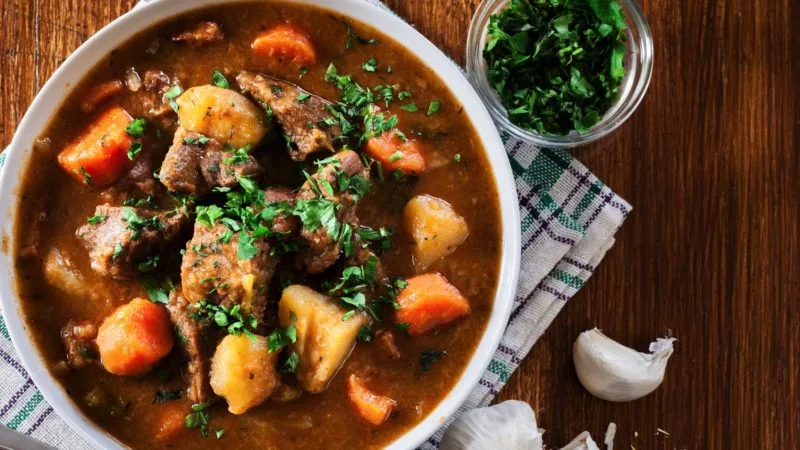
What to actually order beyond the bacon and cabbage cliche.

Read the Guide →

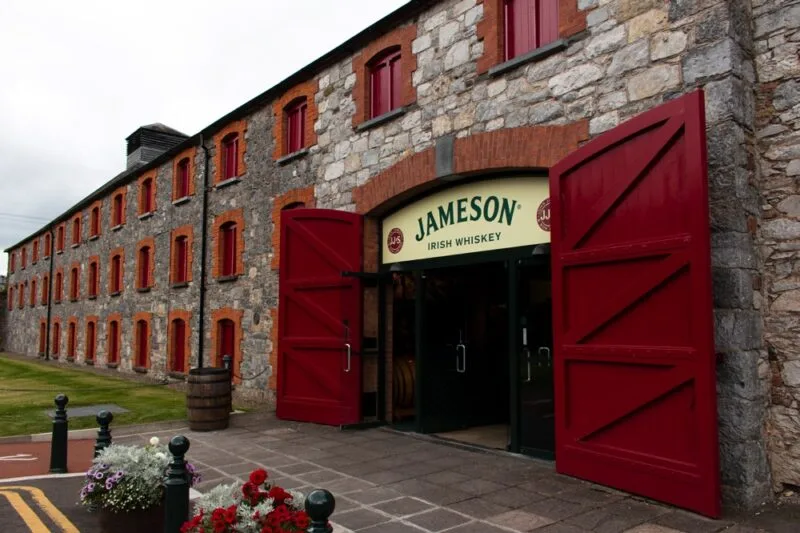
10 Best Whiskey Distillery Tours

10 Best Whiskey Distillery Tours

Which distilleries are worth your afternoon. Across all four provinces.

Read the Guide →

Whiskey in Ireland

Whiskey in Ireland

The bottles you may not have heard of, and what to ask for at the bar.

Read the Guide →

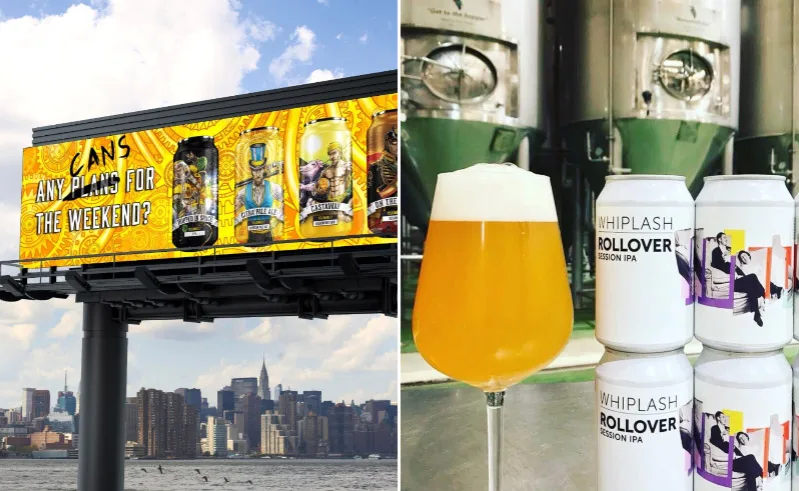
Craft Beer in Ireland

Craft Beer in Ireland

It’s not all Guinness. Our favourite Irish craft pours.

Read the Guide →

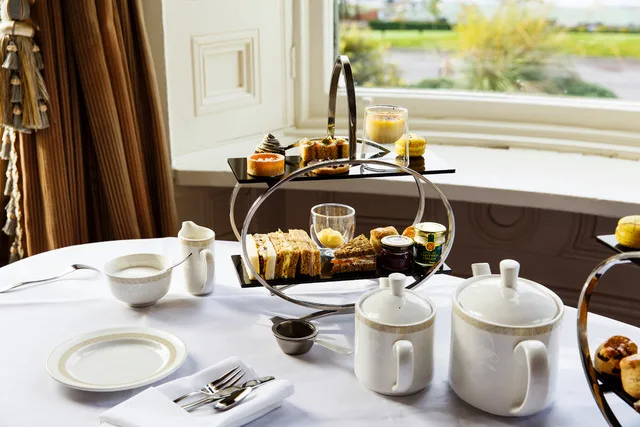
10 Luxurious Afternoon Tea Experiences

10 Luxurious Afternoon Tea Experiences

Where afternoon tea is worth booking ahead, not just a hotel afterthought.

Read the Guide →

10 Best Pubs in Galway

10 Best Pubs in Galway

The trad pubs we’d send a friend to first.

Read the Guide →

Things to Do

The things people actually come for

Castles, hikes, coast, sights, and the activity-specific posts that go deeper. If you want the full Things to Do hub, that’s the parent page. The picks below are the cross-cutting greatest hits.

30 Best Things To Do in Ireland

30 Best Things To Do in Ireland

The full country-wide short-list.

Read the Guide →

15 Best Hikes in Ireland

15 Best Hikes in Ireland

A walker’s guide to the best Irish trails.

Read the Guide →

7 Ancient Castles in Ireland

7 Ancient Castles in Ireland

The castles worth driving out of your way for.

Read the Guide →

15 Best Seaside Towns in Ireland

15 Best Seaside Towns in Ireland

Where to break up the drive when the road has worn you down.

Read the Guide →

The Most Beautiful Towns in Ireland

The Most Beautiful Towns in Ireland

Detour-worthy small towns across the country.

Read the Guide →

10 Best Golf Courses in Ireland

10 Best Golf Courses in Ireland

If golf is the reason you’re coming, start here.

Read the Guide →

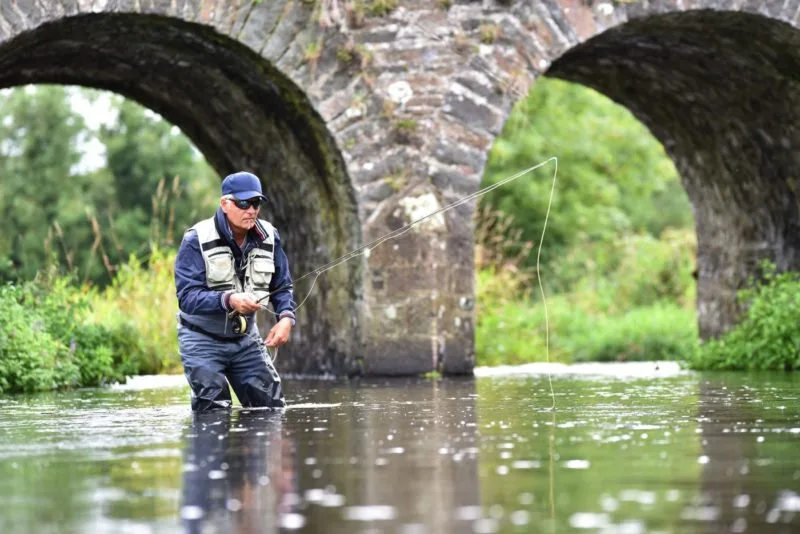
Fly Fishing Spots in Ireland

Fly Fishing Spots in Ireland

Where to cast a line for trout and salmon.

Read the Guide →

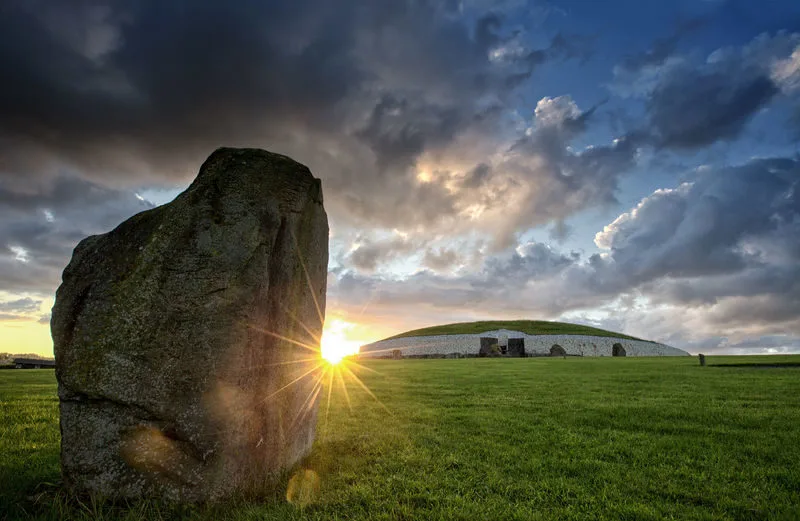
Discovering the Boyne Valley

Discovering the Boyne Valley

Ireland’s Ancient East, walked through in a long day.

Read the Guide →

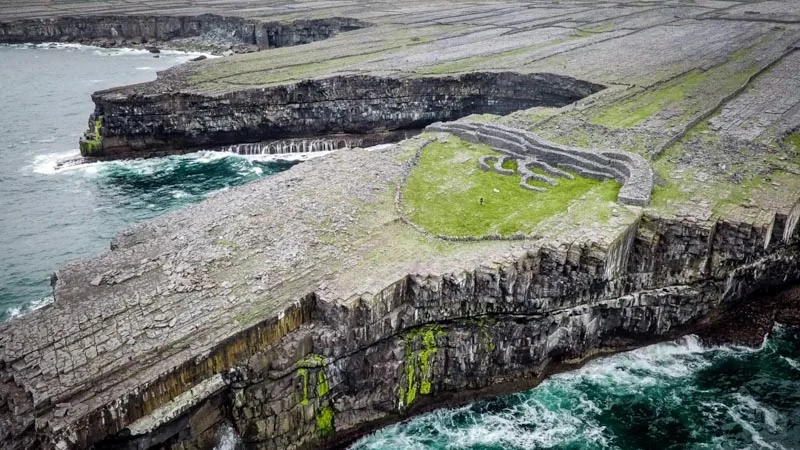
Aran Islands Travel Guide

Aran Islands Travel Guide

Inis Mor, Inis Meain, Inis Oirr. How to get out and what to do.

Read the Guide →

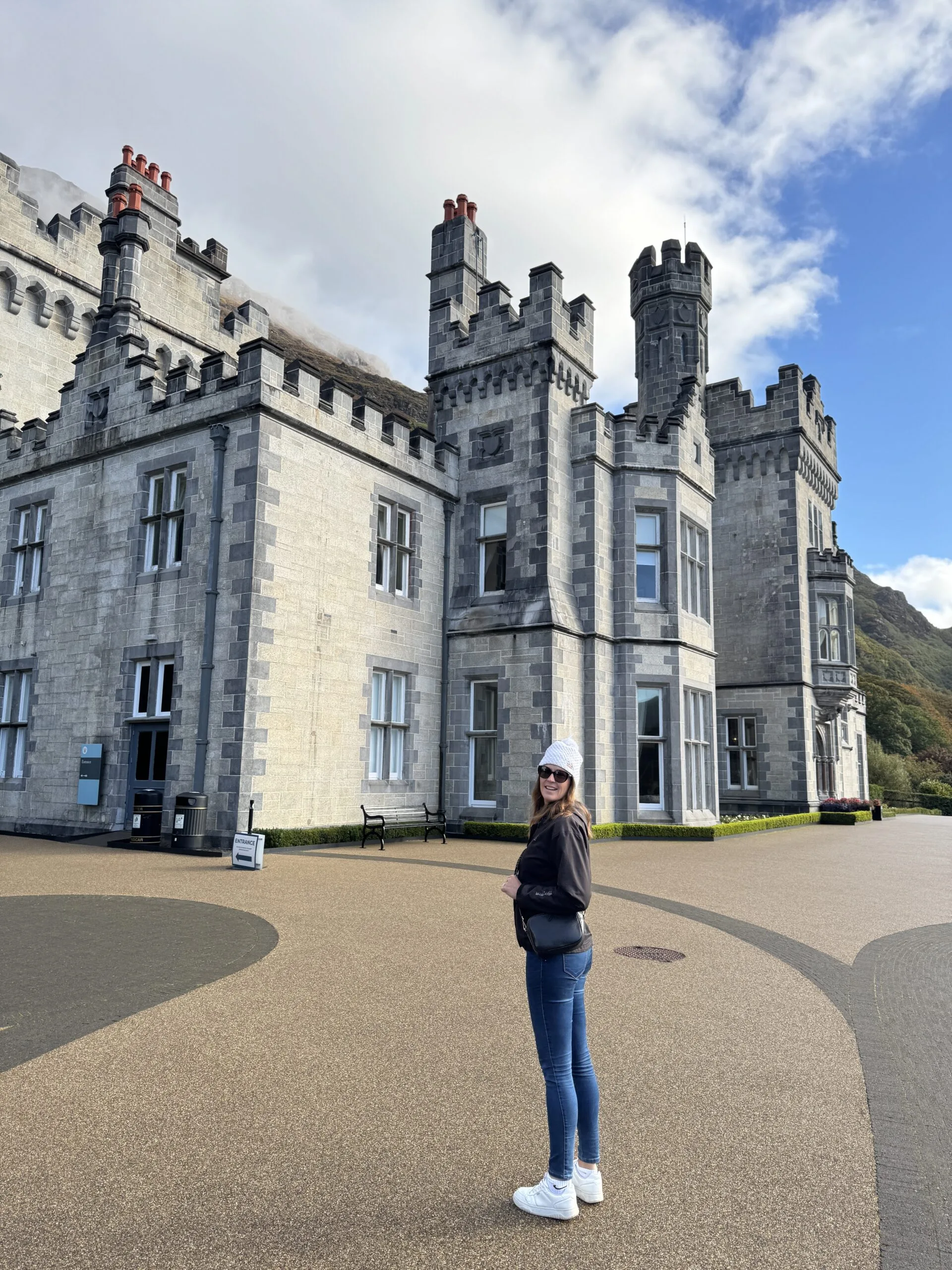
Kylemore Abbey Visitor Guide

Kylemore Abbey Visitor Guide

Connemara’s lakeside abbey plus the walled Victorian garden.

Read the Guide →

How Many Castles Are in Ireland?

How Many Castles Are in Ireland?

The actual count, plus where to see the most interesting ones.

Read the Guide →

The Most Haunted Places in Ireland

The Most Haunted Places in Ireland

If ghost stories are part of why you’re coming.

Read the Guide →

Festivals & Events

Ireland's festival calendar

Ireland has more festivals than weekends. The big-ticket ones are below; for the smaller trad sessions and county-level events, the local Failte Ireland tourist office is your best source on the ground.

Festivals in Ireland in July

Festivals in Ireland in July

Galway Arts Festival, Longitude, county shows, plenty more.

Read the Guide →

Festivals in Ireland in August

Festivals in Ireland in August

Rose of Tralee, Puck Fair, Fleadh Cheoil. The peak month.

Read the Guide →

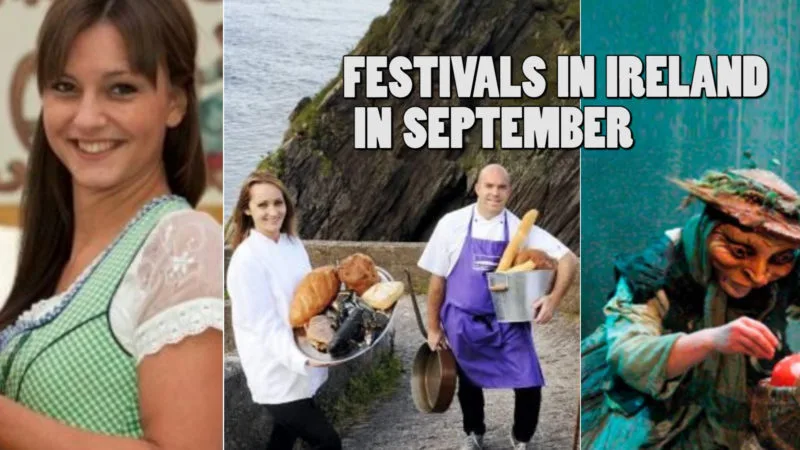
Festivals in Ireland in September

Festivals in Ireland in September

Galway Oyster Festival, Electric Picnic, the harvest season.

Read the Guide →

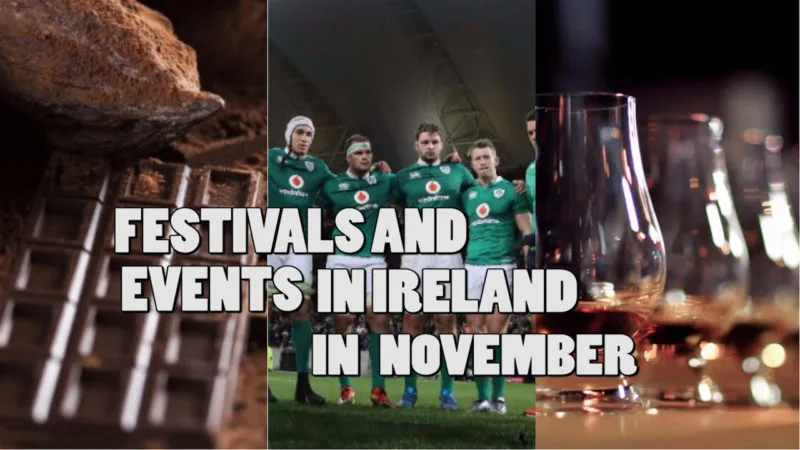
Best Festivals in Ireland in November

Best Festivals in Ireland in November

Cork Jazz, Belfast Film, Wexford Opera. The good off-season ones.

Read the Guide →

Practical Bits

The boring-but-essential stuff

Phone & SIM

If your phone supports eSIM, the easiest route is an eSIM from Three, Vodafone, or Airalo before you fly. Coverage is excellent in populated areas, patchy in remote Connemara, the western Beara, and parts of inland Donegal. Most EU carriers include Ireland in roam-like-home, and many UK plans cover the Republic too.

Electricity

Type G plug (the big chunky three-pin UK plug), 230V, 50Hz. Both the Republic and Northern Ireland use the same plug. Most US/EU travellers need an adapter. Almost all modern electronics handle 230V natively, so you don't need a voltage converter.

Language

English is universal. You'll see Irish (Gaeilge) on road signs across the Republic, usually with the English translation underneath. In Gaeltacht areas (parts of Connemara, the Dingle Peninsula, Mayo, and Donegal), Irish is spoken as a daily first language by some residents, but anyone you need to talk to will speak English. Northern Ireland is English-only on signage.

Safety

Ireland is one of the safest countries in Europe by most measures. Standard traveller awareness applies: keep an eye on belongings in busy Dublin pubs and on trains, don't leave valuables visible in a parked rental car. Solo travel is fine. Late-night Dublin city centre on weekends can get rowdy but isn't dangerous.

Emergency numbers

Dial 112 or 999 anywhere on the island. Both numbers work in the Republic and Northern Ireland. Operators speak English.

Save 112 to your phone before you fly

Pharmacies & healthcare

Pharmacies are common (look for the green cross) and well-stocked. EU citizens with EHIC/GHIC get reduced-cost care in both jurisdictions. Non-EU travellers should have travel insurance; we wouldn't fly without it.

Sundays & bank holidays

Many small-town shops still close earlier on Sundays. Bank holiday weekends (six in the Republic, a similar number in the North) crowd the tourist towns and push prices up.

Check the dates before you book a long weekend

Tolls (M50)

The M50 (Dublin's ring road) is a barrier-free electronic toll. If you drive on it in a rental, you (or the rental company) need to pay by 8pm the next day. Other Republic motorway tolls are pay-at-the-booth. There are no toll roads in Northern Ireland.

Top up via eFlow by 8pm next day
On Arrival

Getting from the airport, and a head-start on the slang

The first couple of hours on the ground go smoother if you know how to get to your bed and what people are saying.

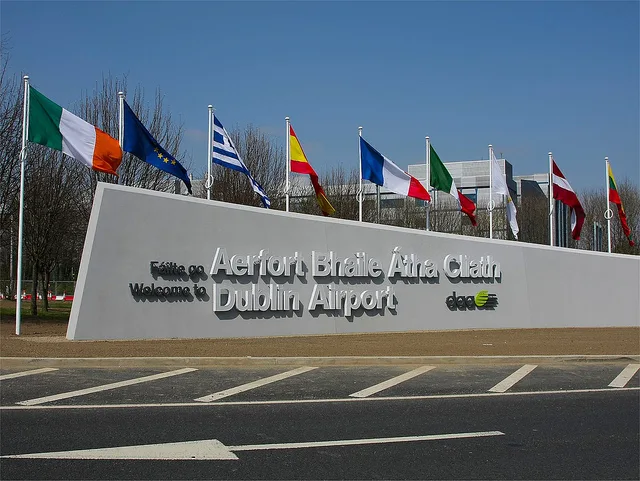
Sleeping in Dublin Airport

Sleeping in Dublin Airport

Sleep pods, showers, and what’s open after midnight.

Read the Guide →

Dublin Airport to City Centre

Dublin Airport to City Centre

Bus, Aircoach, taxi. What each one actually costs.

Read the Guide →

40 Irish Slang Phrases

40 Irish Slang Phrases

What ‘grand’ actually means. And 39 other words you’ll hear.

Read the Guide →

Real Guides by Real People

Why these guides are different

Every guide on Your Irish Adventure is written by someone who’s been on the ground in the place they’re writing about. No recycled press releases, no template descriptions. If we say a pub is worth the detour, we’ve been to that pub.

We’ve been blogging about travel for over a decade, and Ireland is the corner we know best. If a post on this site helped you shape your trip, that’s the whole point.

About Us