For me, the best time to visit Cork is May, with June and September close behind. As an Irish native who has traveled around the country in every season, I value the longer days as much as warmer weather. They give you time for the city and a day out along the coast.
Cork also works well as a winter city break. You can spend a wet afternoon in the English Market or the Glucksman gallery, then head out for dinner or a concert. The decision changes if your main plans involve Blarney’s gardens, harbor walks, or a drive through West Cork.
More Cork Travel Guides
- Best Things To Do In Cork (City & Day Trips)
- Best Places to Visit in Cork City: Local’s Guide
- Weekend in Cork: The Perfect 2 Day Itinerary
The late-October jazz festival is a reason to visit in its own right, and June’s arts and harbor festivals are good alternatives. Choose a month for the trip you want, then use the events calendar to narrow it down to a week.
Below, I’ll explain the weather, take you through each month, and cover the bookings that matter for a short stay. For a wider trip, our guide to the best time to visit Ireland compares the seasons across the country.
Quick Answer:
May is my first choice for Cork, with June and September close behind. July and August are warmer on average, while winter suits a visit centered on museums, food, and music. Choose late October for the jazz festival if that is why you are coming. Allow two full days: one in the city and one for a nearby day trip.
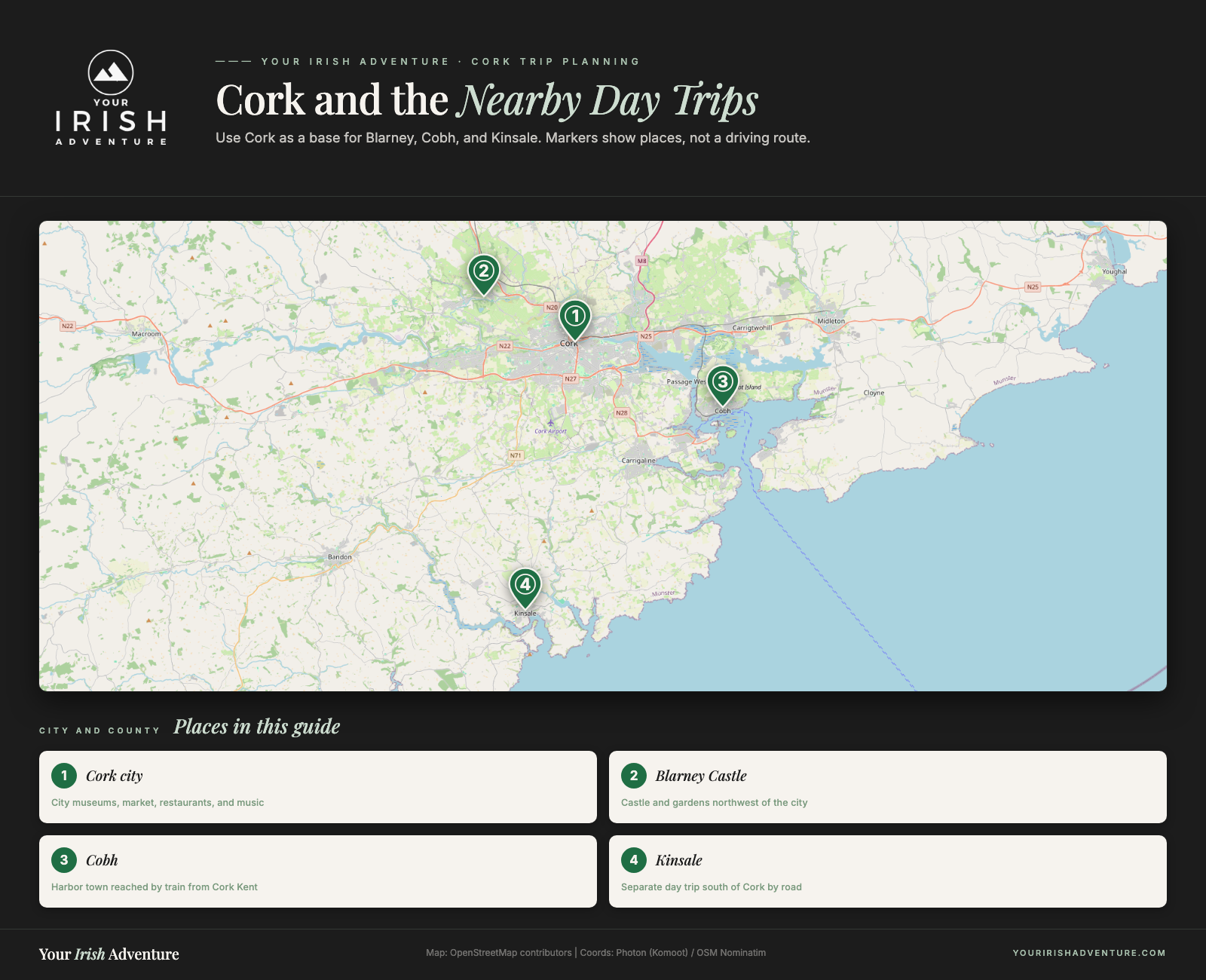
Cork city is the starting point for these nearby trips. Pick one for a day out: Blarney lies northwest, Cobh is on the harbor to the southeast, and Kinsale is farther south.
Cork Weather by Season
Cork has a mild climate with rain throughout the year. At Cork Airport, the long-term average daily high ranges from 8.2°C (47°F) in January to 18.6°C (65°F) in July. Those are averages, so individual days can be considerably warmer or colder.
The airport’s annual rainfall averages 1,239 mm, or about 49 inches. May has the lowest monthly total at about 81 mm, while December has the highest at about 137 mm. The city center and the coast have their own conditions, but the airport figures give you a consistent basis for comparing months.
Spring: March starts cool, and average daytime highs reach about 15°C (59°F) by May. April and May are useful months for walking, although you should still pack a waterproof jacket. A lower monthly rainfall total does not promise a dry weekend.
Summer: June through August has the warmest weather and the longest days. Average highs are about 17°C to 19°C (63°F to 66°F), which suits sightseeing on foot. Bring another layer for evenings by the water, even when the afternoon feels warm.
Autumn: September remains relatively mild, with an average high of 16.5°C (62°F). Rainfall increases in October and November, and daylight becomes more limited. I would leave an outdoor day flexible and check the forecast before committing to a longer coastal drive.
Winter: December through February has average daytime highs around 8°C to 9°C (46°F to 48°F). The short days matter if you are combining Cork with the surrounding county. Visit an outdoor attraction first, then keep the later afternoon for something indoors.
Best Time to Visit Cork: Month by Month
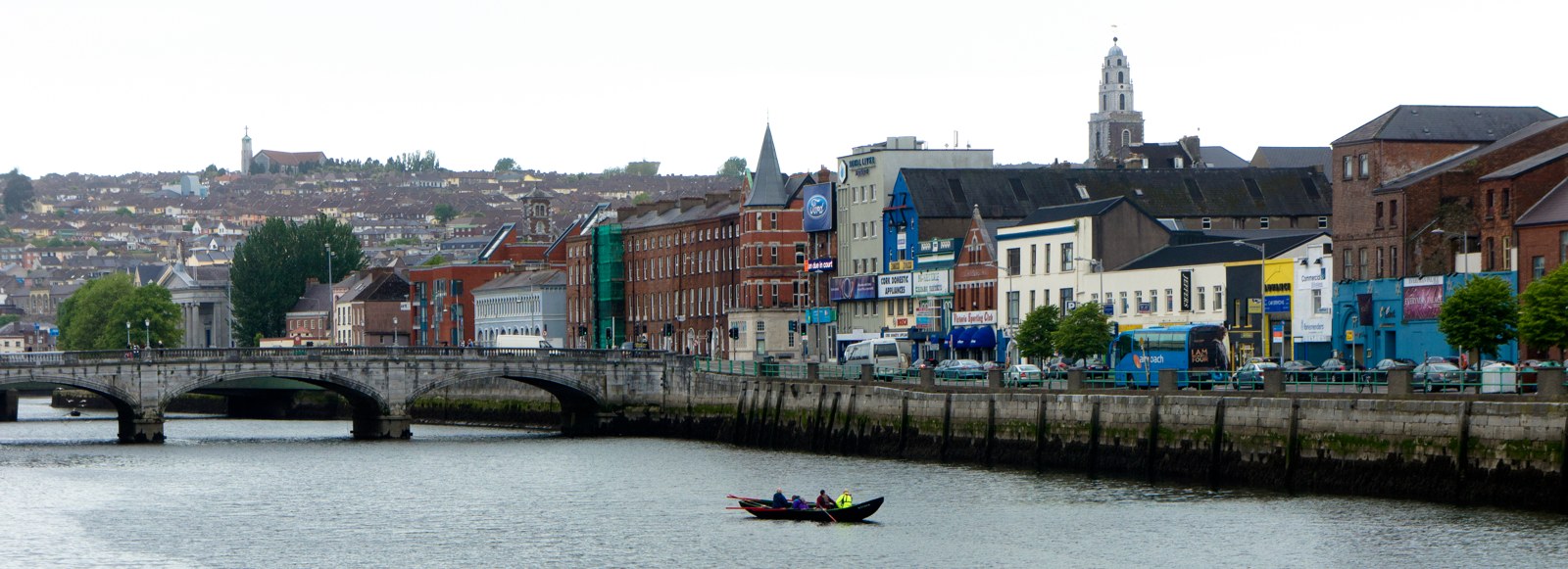
May is my first choice for a general visit. July is warmer on average, while October has the jazz festival and November has the film festival. The right month becomes easier to choose once you know whether your priority is gardens, day trips, or time in the city.
Visiting Cork in January
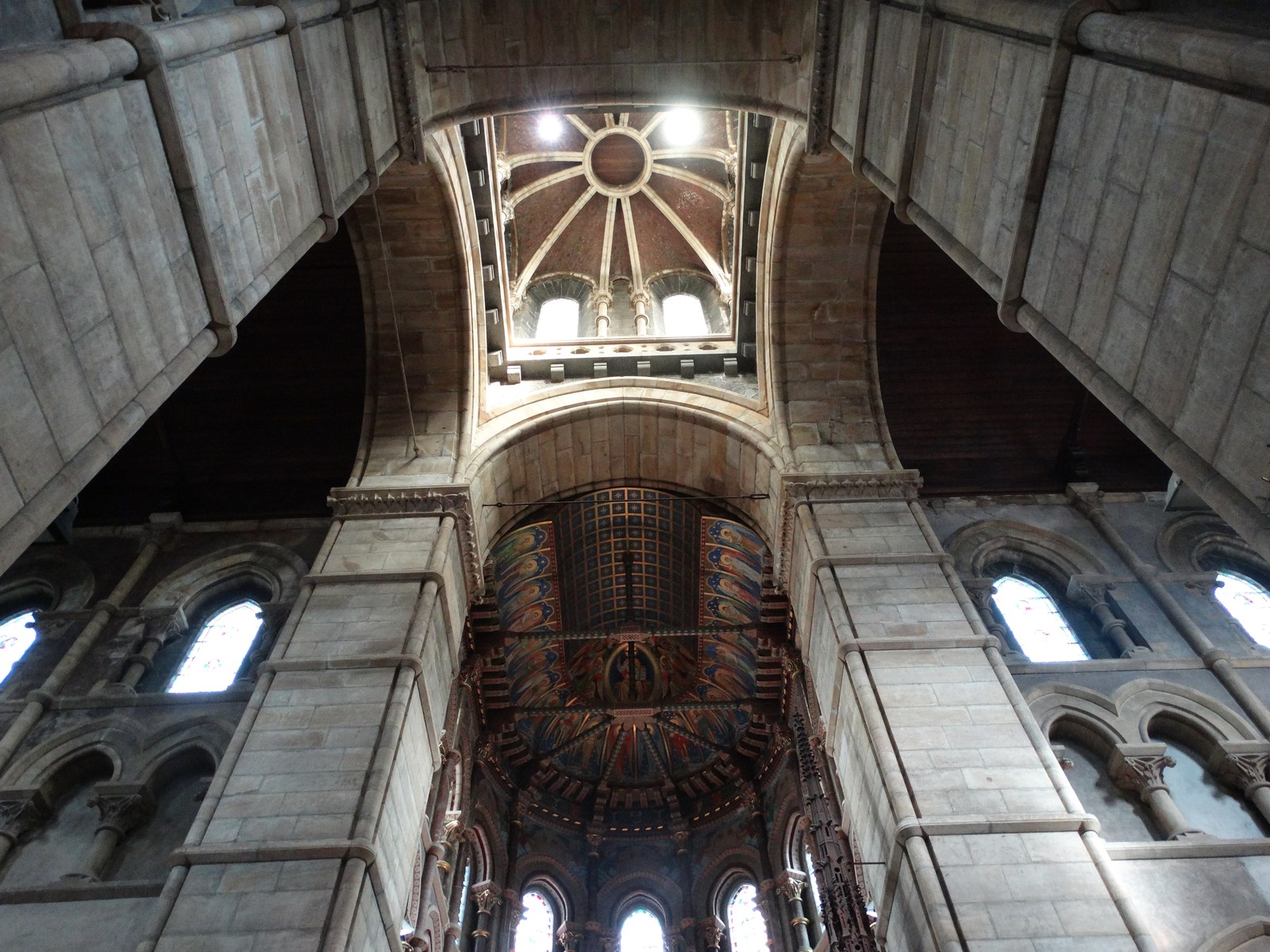
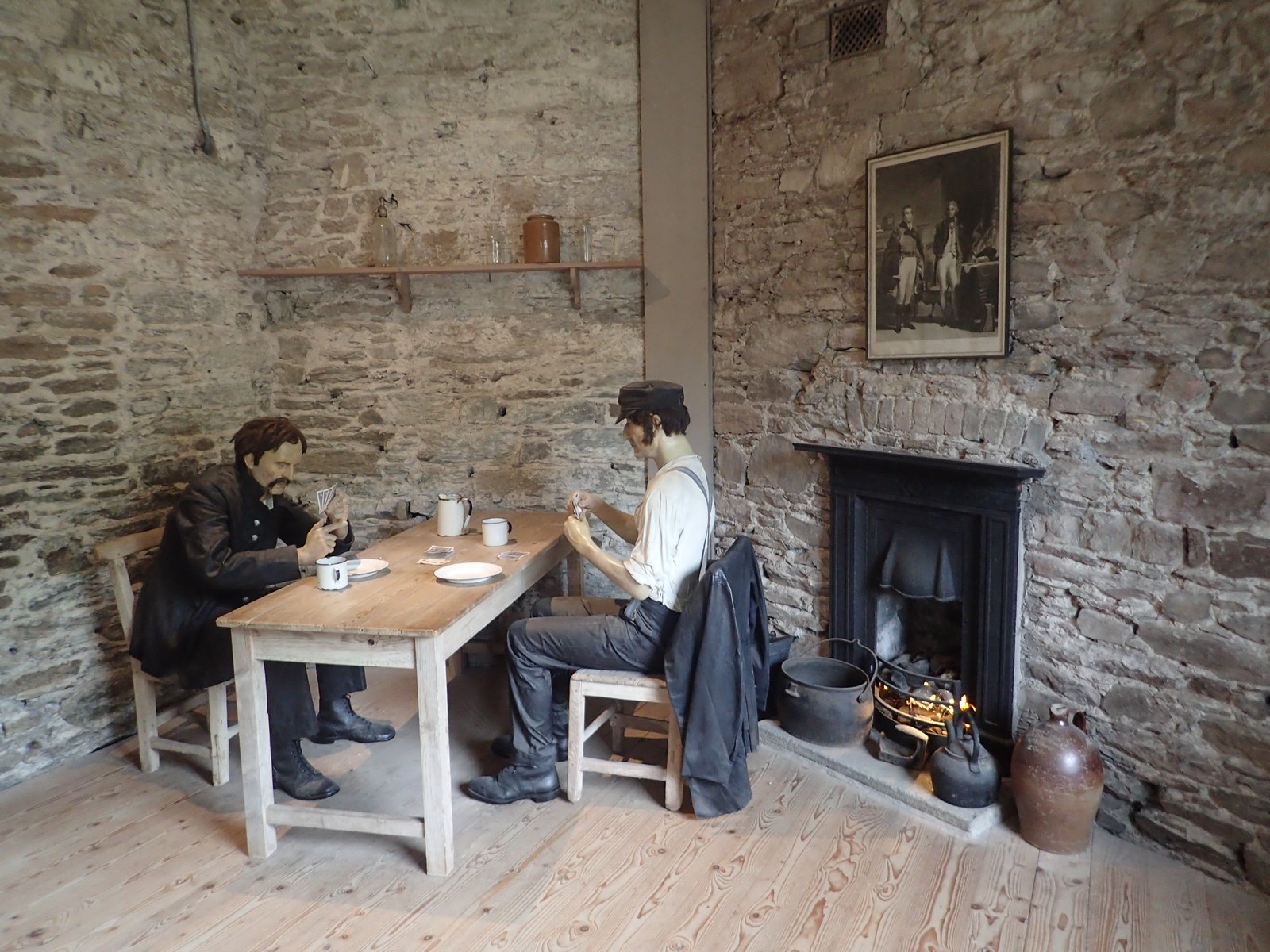
January suits a visit based around the city, with meals, museums, and time to walk between showers. The average high is about 8°C (47°F), and rainfall is relatively high. Cork City Gaol is a useful indoor stop: its cells and corridors explain the lives of the people imprisoned here.
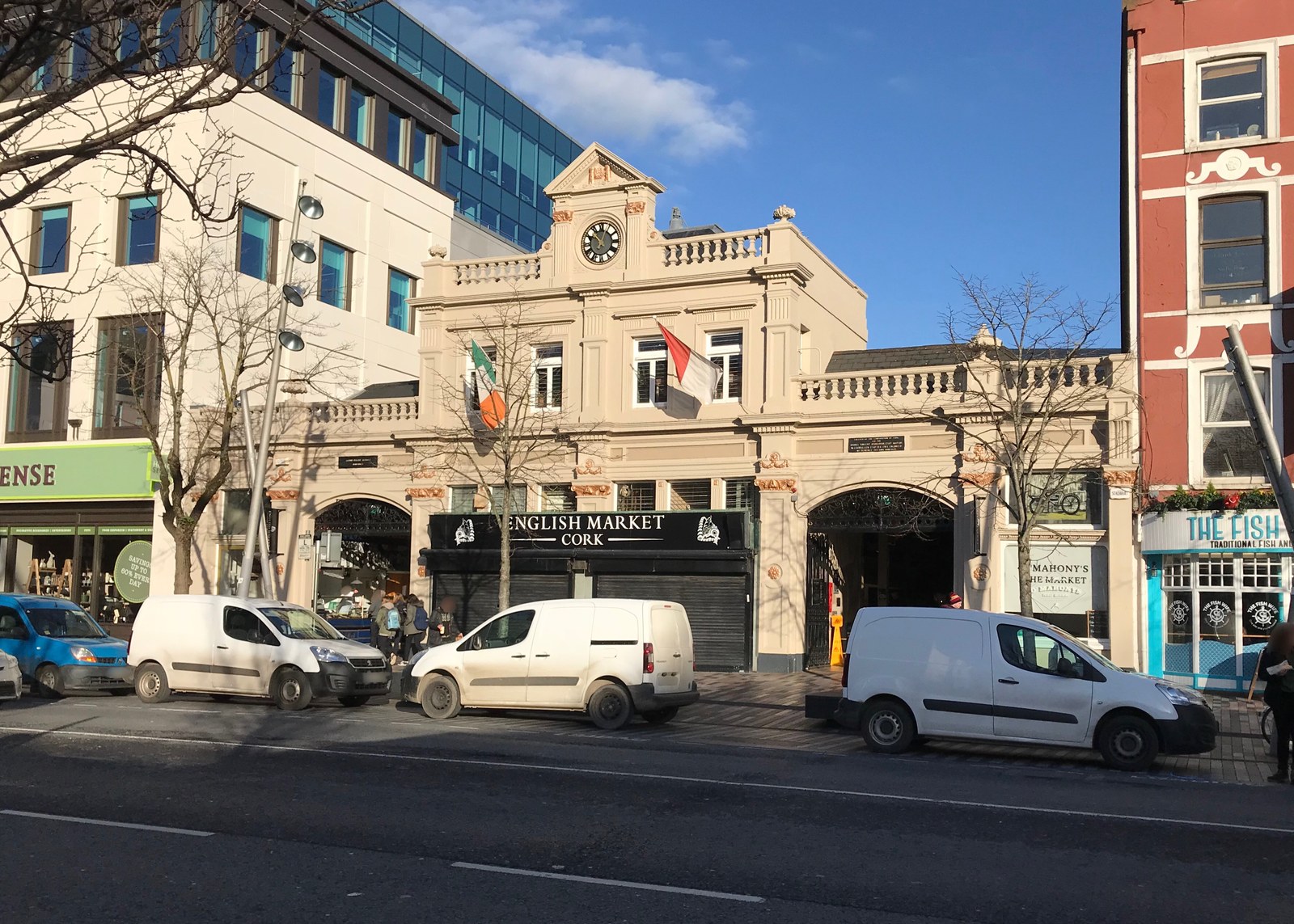
Build a winter weekend around opening days. The English Market opens Monday through Saturday, from 8:30 a.m. to 6 p.m., and closes on Sundays and public holidays. Arriving Saturday evening and leaving Monday morning can mean missing it altogether.
Visiting Cork in February
February is still winter in Cork, with an average high around 9°C (47°F). There is more daylight than in January, and a walk around University College Cork fits well with an exhibition at the Glucksman. The gallery has free entry, with a suggested donation, and opens Tuesday through Sunday.
This is a good month to concentrate on Cork itself. Stay near the center and spend your days between the market, the university, and the streets around Shandon. You can have a full city break without hiring a car or committing to a long outing in the rain.
Visiting Cork in March
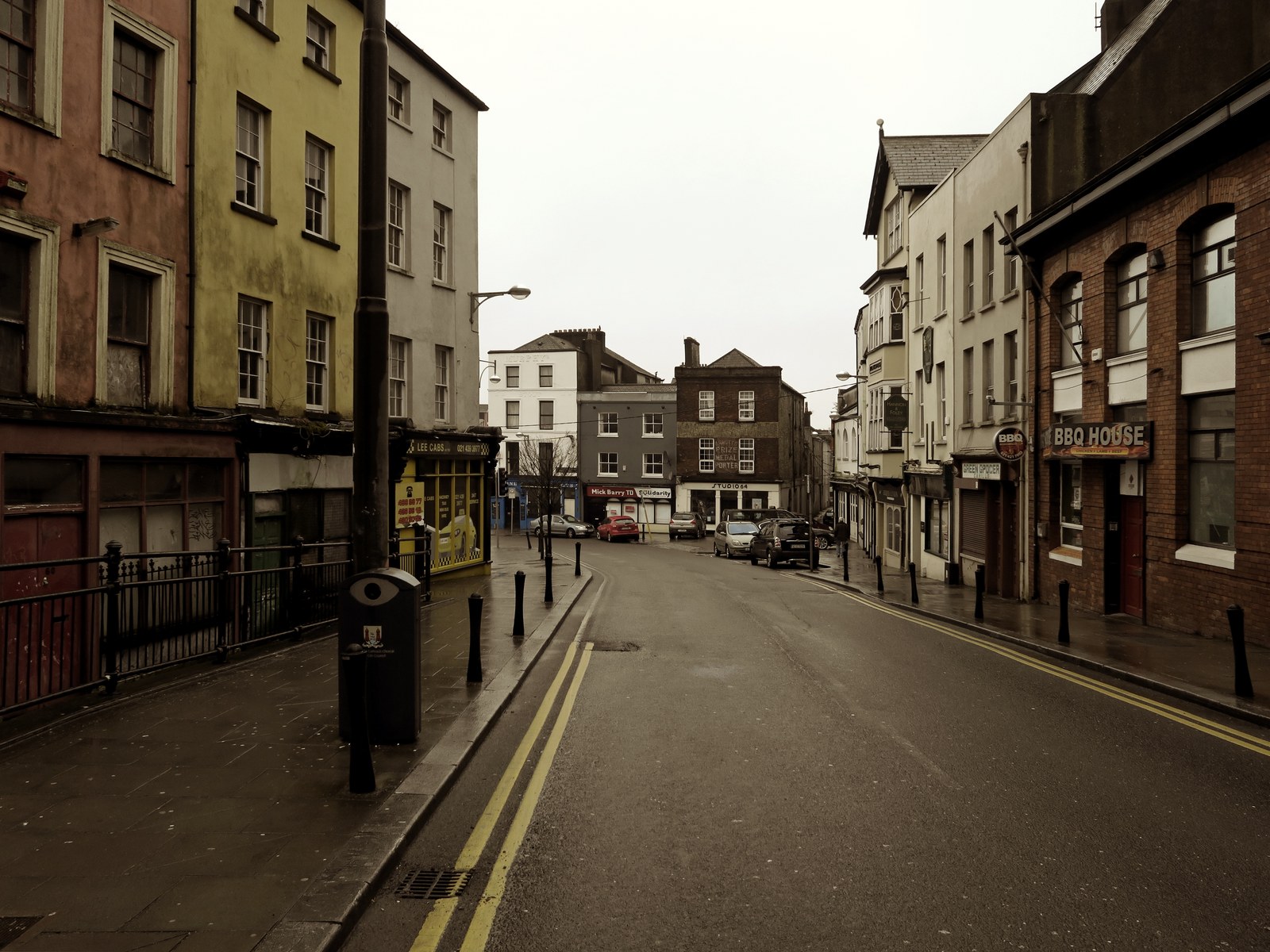
March brings longer days and Cork’s St. Patrick’s celebrations. Choose the parade weekend for music and events in the city, or another week for an ordinary sightseeing break. The parade is an outdoor event, so dress for standing around as well as walking.
It is still cool, with an average daytime high just under 10°C (50°F). Keep a warmer layer in your bag for the evening. March is a reasonable choice for a city break, but May offers better conditions for spending most of the day outdoors.
Visiting Cork in April
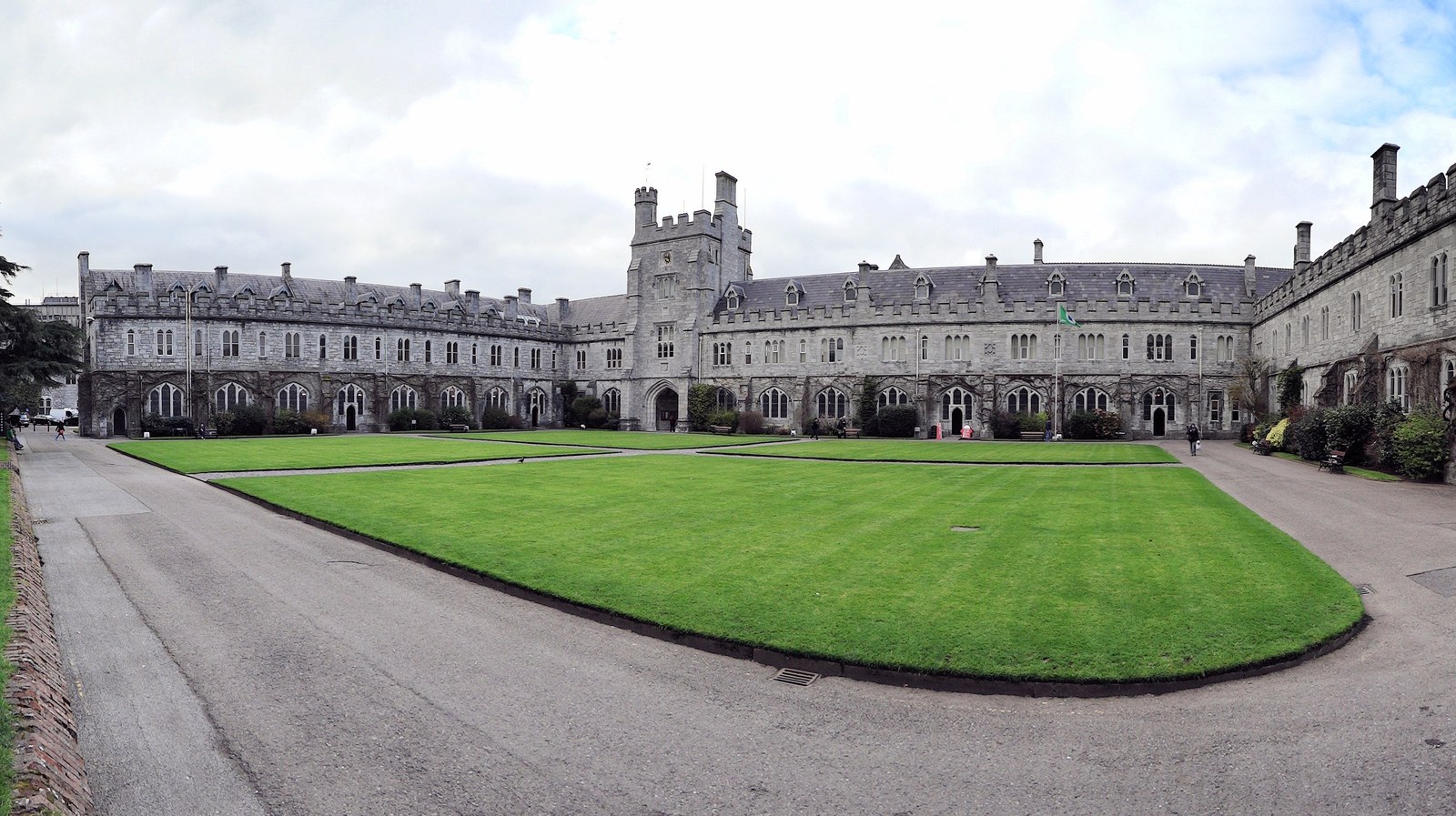
April is one of Cork’s drier months on average, and the longer days make a trip out to Blarney more practical. Average daytime highs are about 12°C (54°F), so a sunny afternoon can still need a jacket.
The extra daylight also changes what you can fit into a city day. Cork’s parks close at 8 p.m. in April, compared with 5 p.m. in winter. A walk through Fitzgerald Park can come after the main sightseeing rather than taking up the middle of the day.
Visiting Cork in May
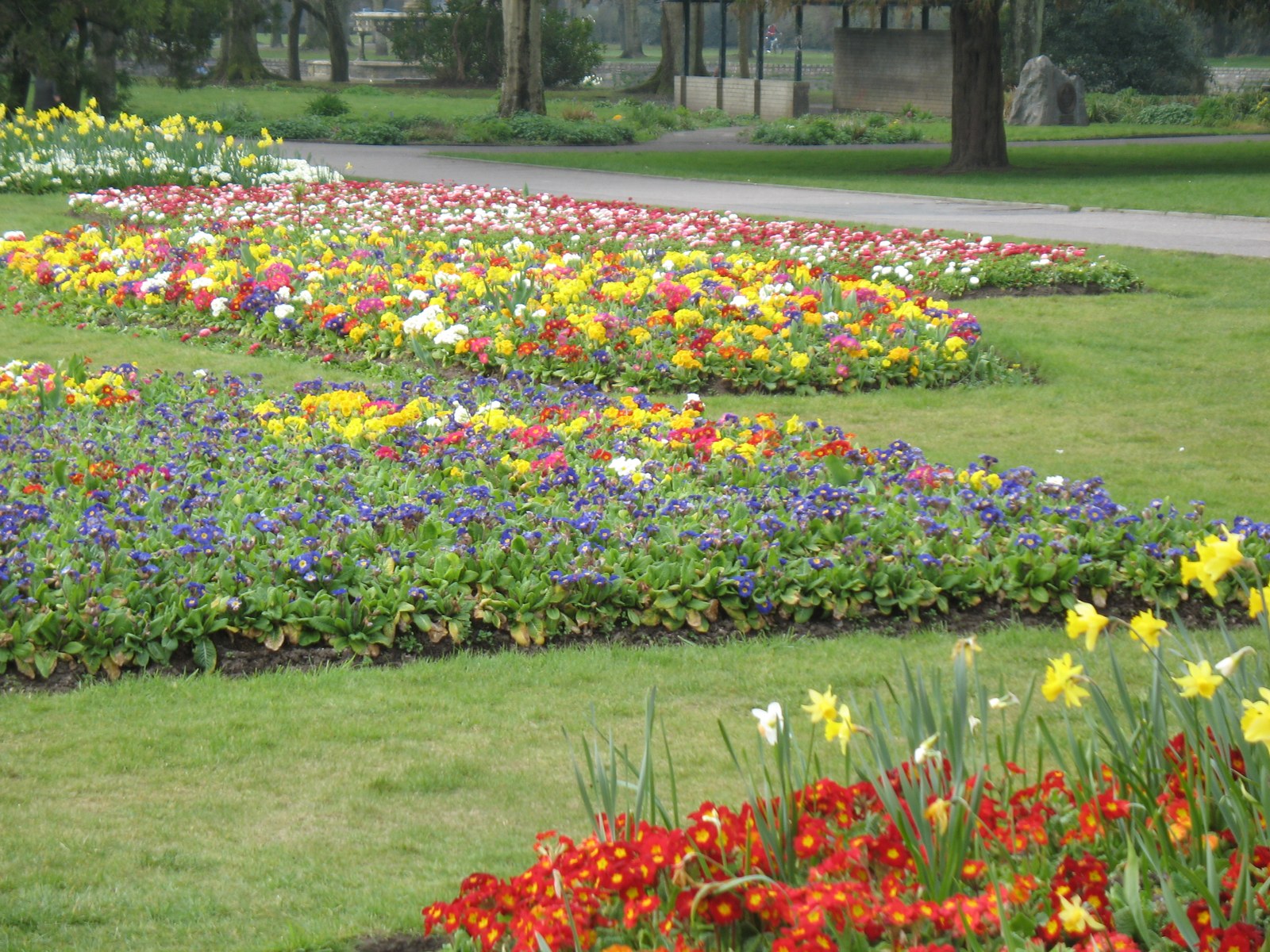
May gets my vote for the best time to visit Cork because it combines long days with the lowest average monthly rainfall. Daytime highs average about 15°C (58°F). It is a comfortable time for walking between the city center, University College Cork, and Fitzgerald Park.
It is also a good choice if you want to spend time in Blarney’s gardens rather than only climb the castle. Allow a substantial part of the day for the grounds. The paths, planted gardens, and wooded areas deserve time beyond the line for the Blarney Stone.
Visiting Cork in June

June is a strong option for a trip that includes both Cork city and the harbor. Daylight lasts well into the evening, and average highs reach 17°C (63°F). You have more time for a day trip without returning to the city after dark.
Cork Harbour Festival takes place around late May and early June, while Cork Midsummer Festival brings performances to venues across the city during June. These are good reasons to stay an extra evening. The city’s parks also stay open until 10 p.m., leaving time for a walk after dinner.
Visiting Cork in July
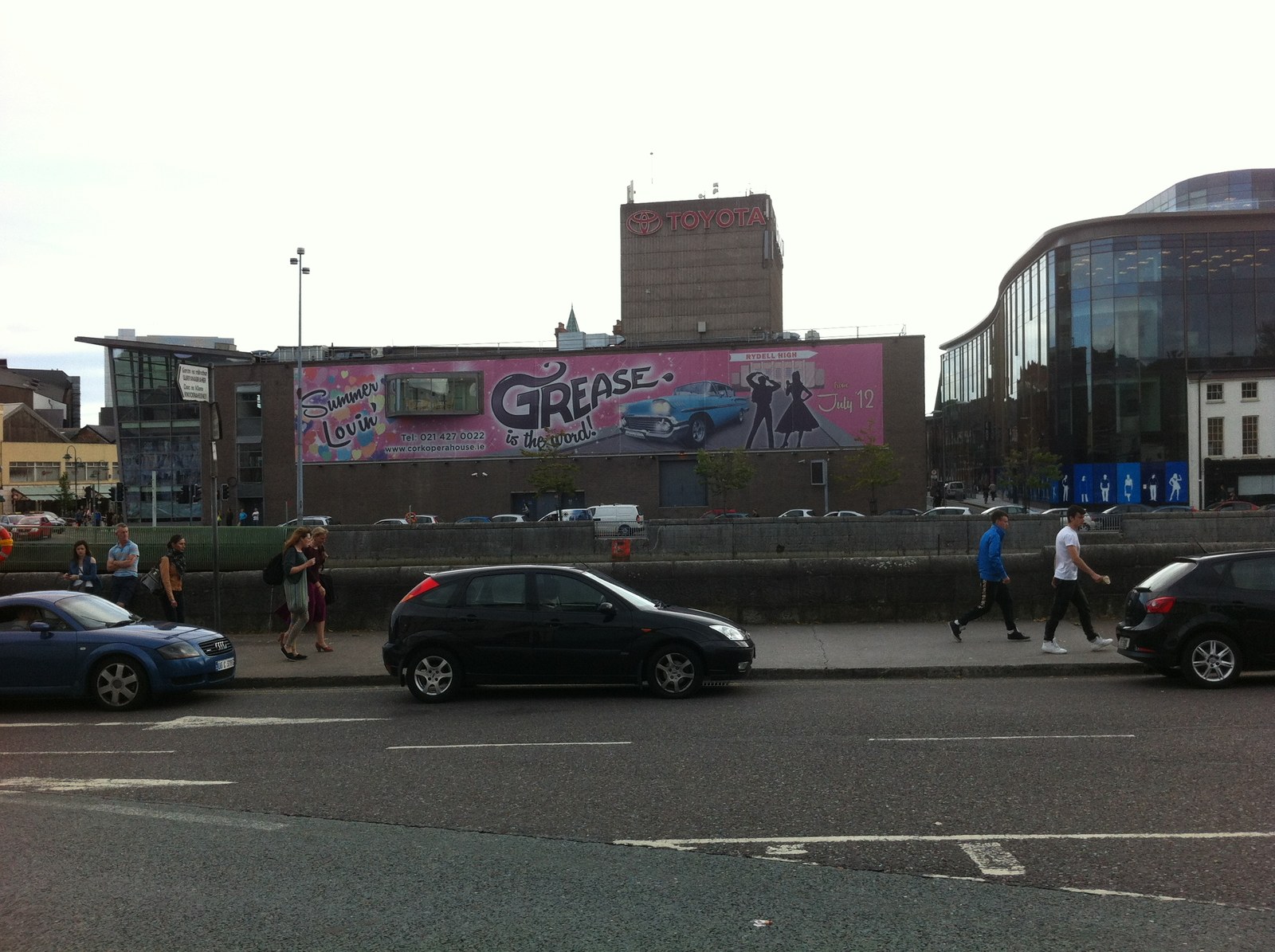
July is Cork’s warmest month on average, although an average high of about 19°C (65°F) still calls for layers. It suits a trip with plenty of walking and time along the coast. Rain remains possible, so keep the same waterproof jacket you would bring in spring.
Book the accommodation you want early for summer travel, especially if your route continues into smaller towns. At popular attractions, consider the first available entry of the day. A short visit to Blarney can feel rushed if much of your time goes into waiting to climb the tower.
Visiting Cork in August
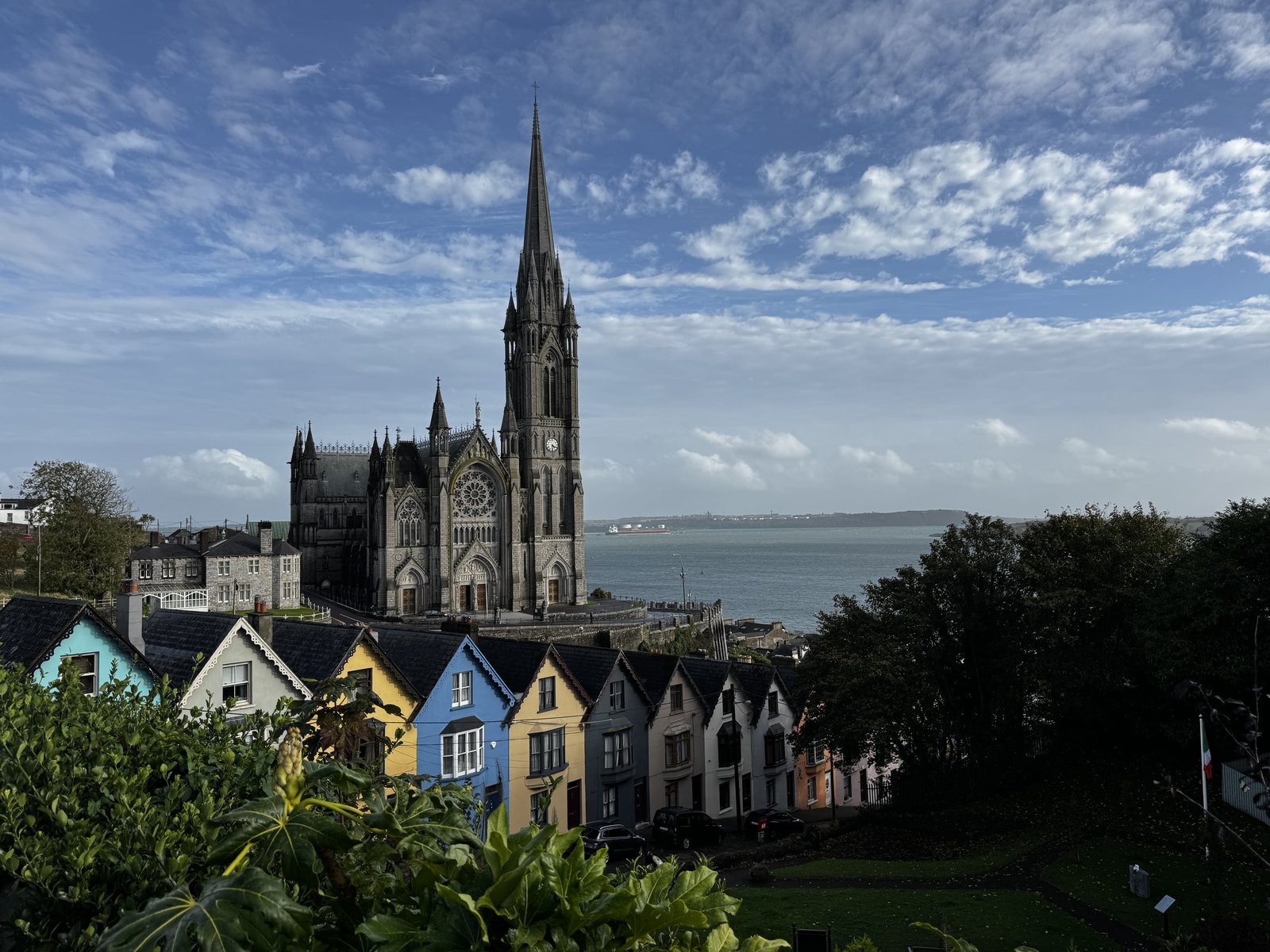
August has similar temperatures to July, with an average high of about 18°C (65°F). It is a useful choice when school holidays determine your travel dates. A few nights in Cork lets you combine the city with Cobh’s waterfront or a day in Kinsale without changing hotels each night.
Take the train from Cork Kent for Cobh, where the station is beside the waterfront. Kinsale works as a separate outing by road. Keeping those trips on different days gives you time to walk, stop for lunch, and return to Cork for the evening.
Visiting Cork in September
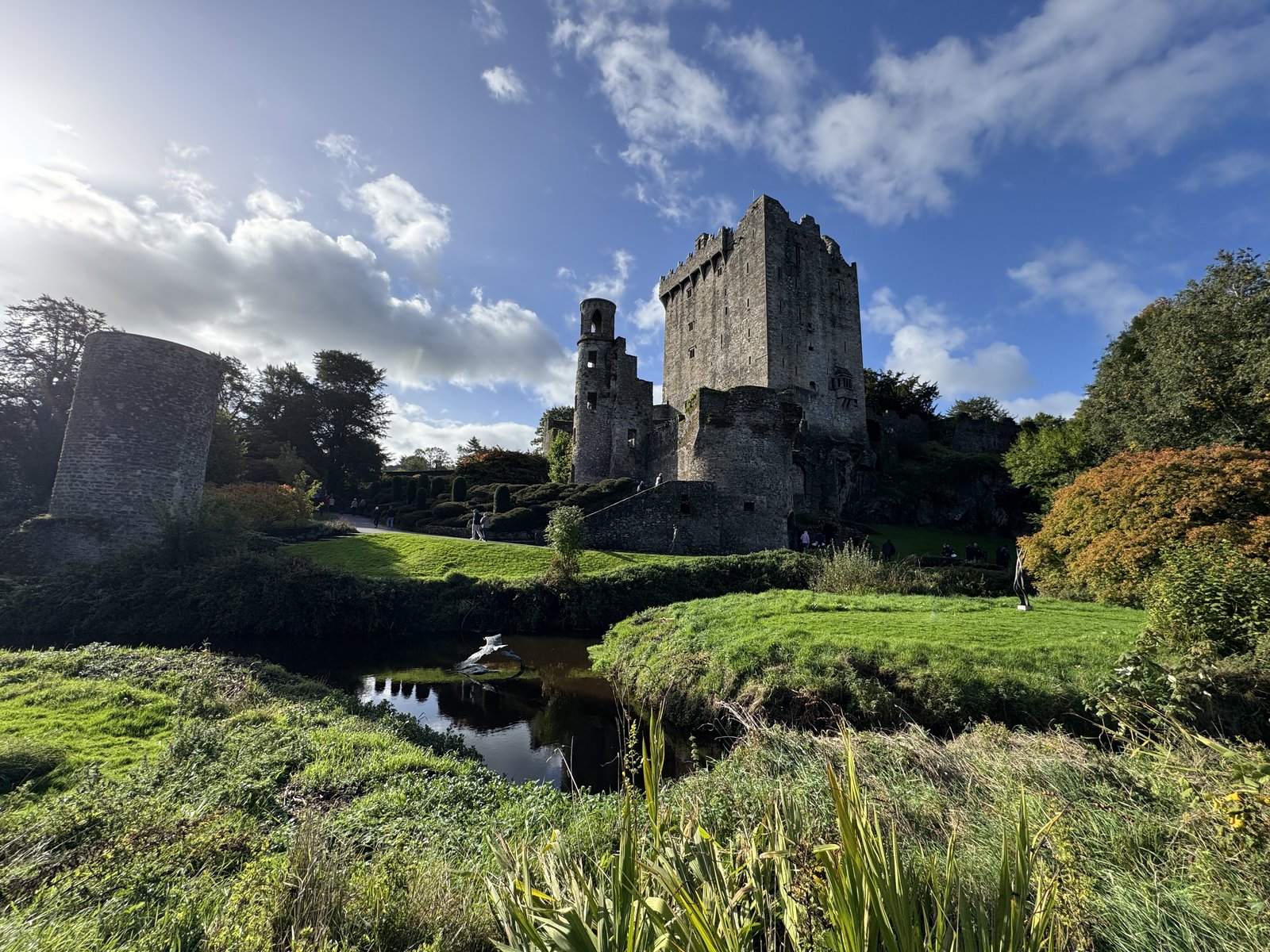
September is the month I would choose after May and June. Average highs remain around 17°C (62°F), and you can still combine Cork with gardens and harbor towns. The evenings shorten as the month goes on, so start a longer outing early.
September suits a trip with a little of everything: a day in the city, a half-day or more at Blarney, and time by the harbor. In town, the university campus remains open to visitors. Add the quadrangle and the Glucksman to a walk on the western side of the city.
Visiting Cork in October
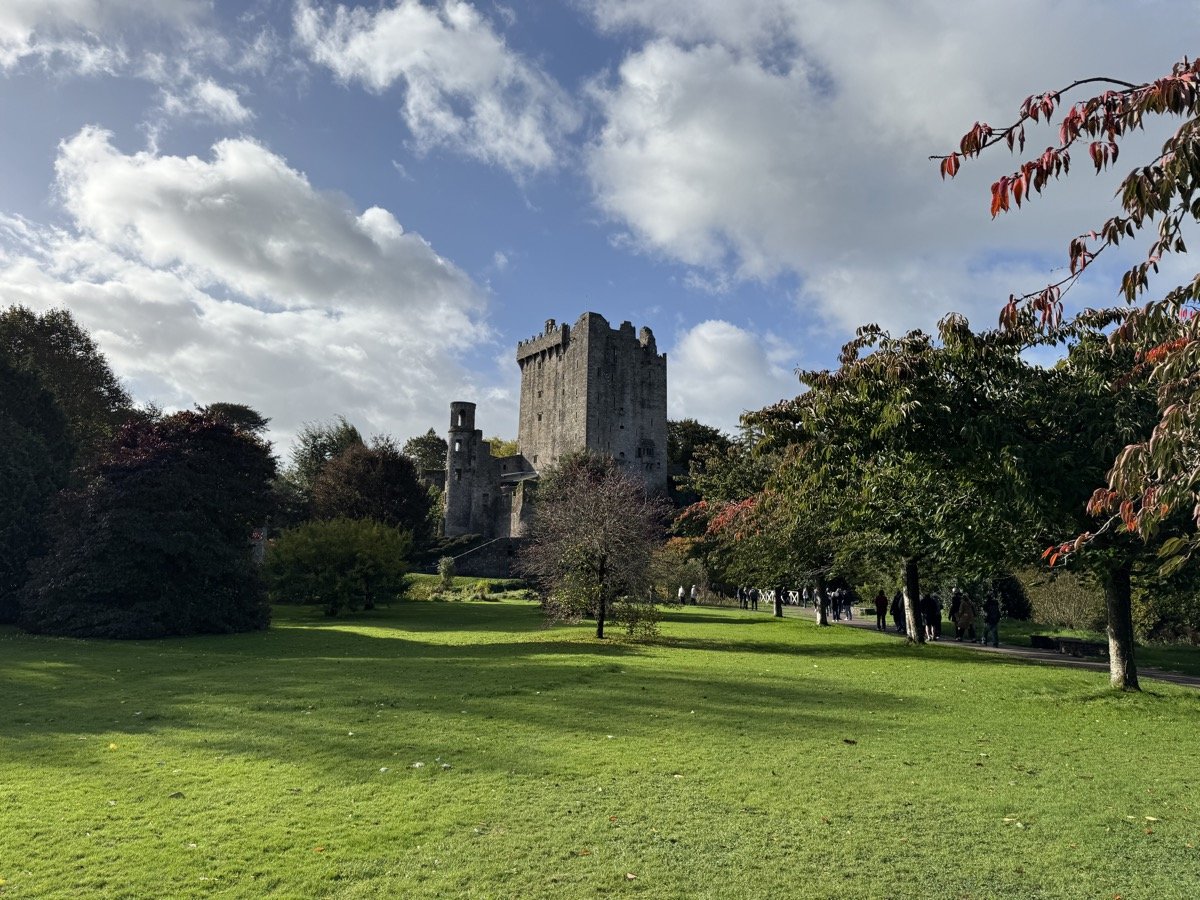
October offers two different music trips: the Cork Folk Festival earlier in the month and the Guinness Cork Jazz Festival around the late-October public holiday. Choose your dates around the program you actually want to attend, then check accommodation and transport together.
The weather becomes wetter, with average rainfall of about 131 mm and daytime highs around 13°C (56°F). Blarney’s grounds can still make a worthwhile outing, but check the seasonal closing time. An afternoon arrival gives you less time than it would in summer.
October can also suit a combined Cork and Killarney trip. Choose Cork’s festival dates first, then allow a few days for autumn walks and the red deer rut in the national park. Our guide to the best time to visit Killarney compares an October visit with May.
Visiting Cork in November
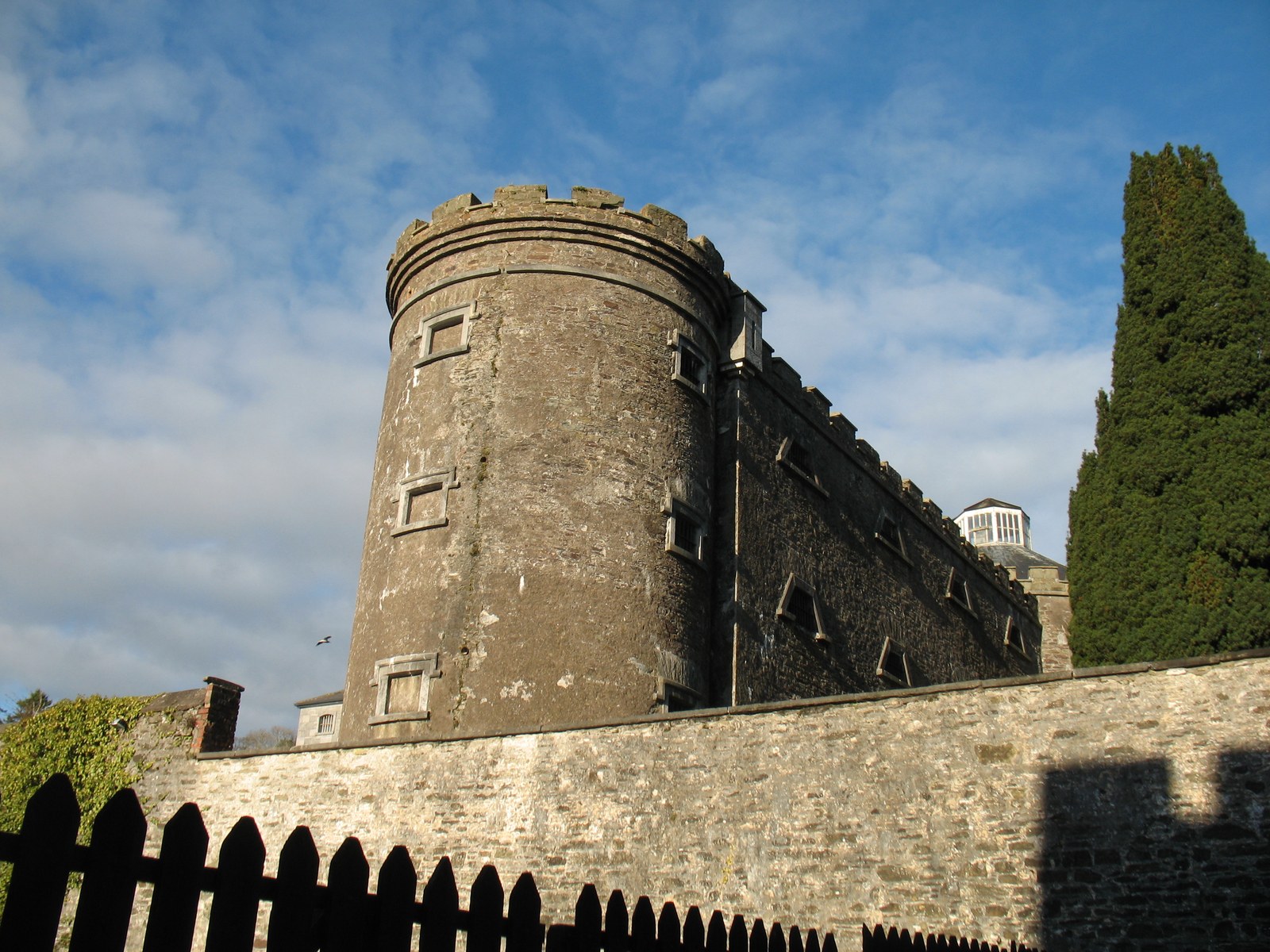
November makes sense if the Cork International Film Festival interests you. It also works for a visit with museums, shopping, and meals spread across a few days. Expect average daytime highs around 10°C (51°F) and plan for rain.
Personally, I enjoy Irish beach walks in winter, so I keep a coastal outing as an option when conditions allow. For a wet day in town, Cork City Gaol opens until 4 p.m. in winter. Visit earlier, then keep the evening for a film or dinner.
Visiting Cork in December
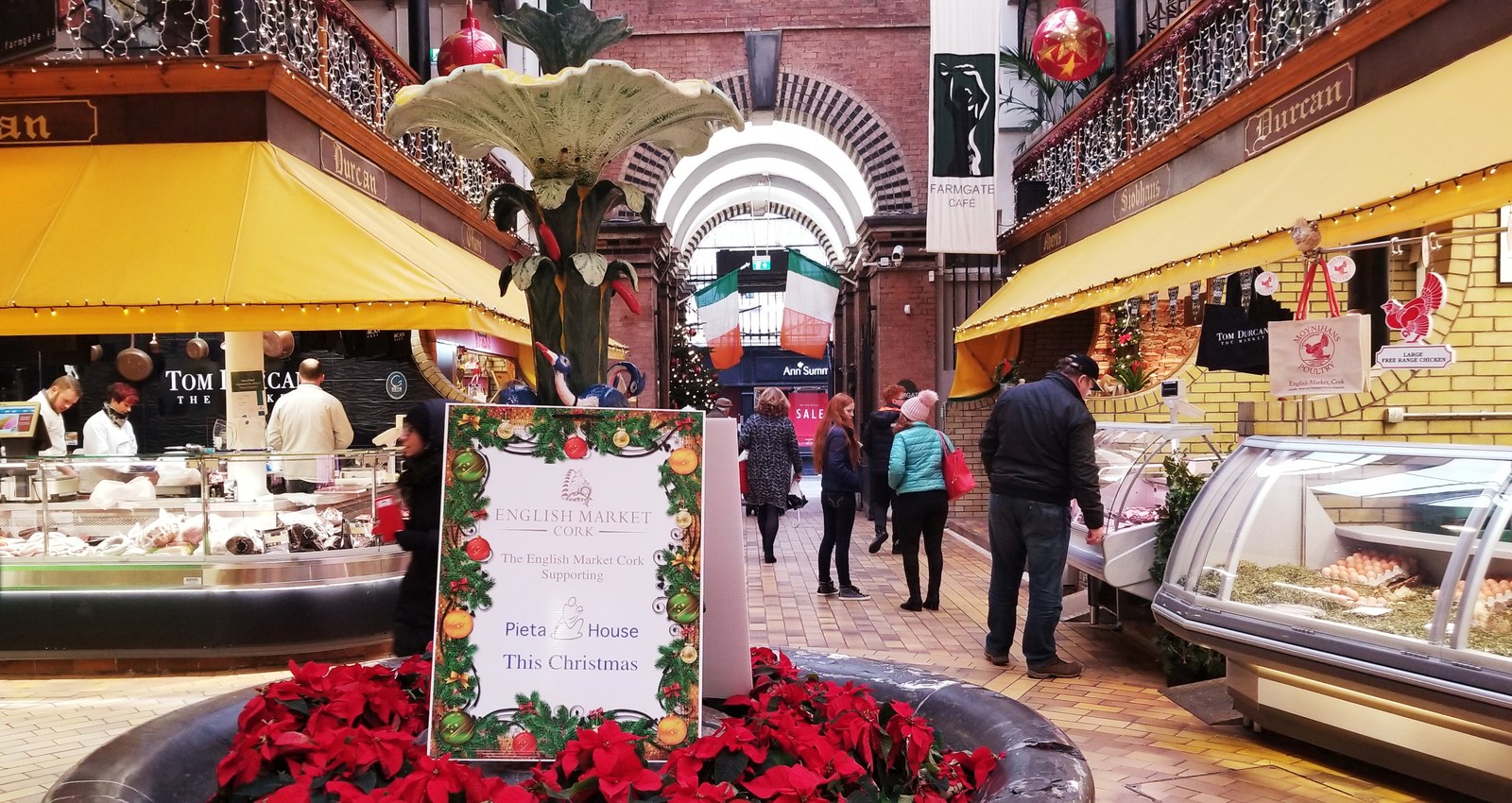
December is Cork’s wettest month on average, with daytime highs around 9°C (48°F). The city’s Christmas program, Corkmas, gives you another reason for a winter visit. Check the current program for the market location, operating days, and any ticketed activities.
Choose an earlier December break if your main interest is the Christmas program. The holiday itself brings closures and altered transport schedules, so it needs more planning than a normal weekend. A central hotel is useful when much of the visit happens after dark.
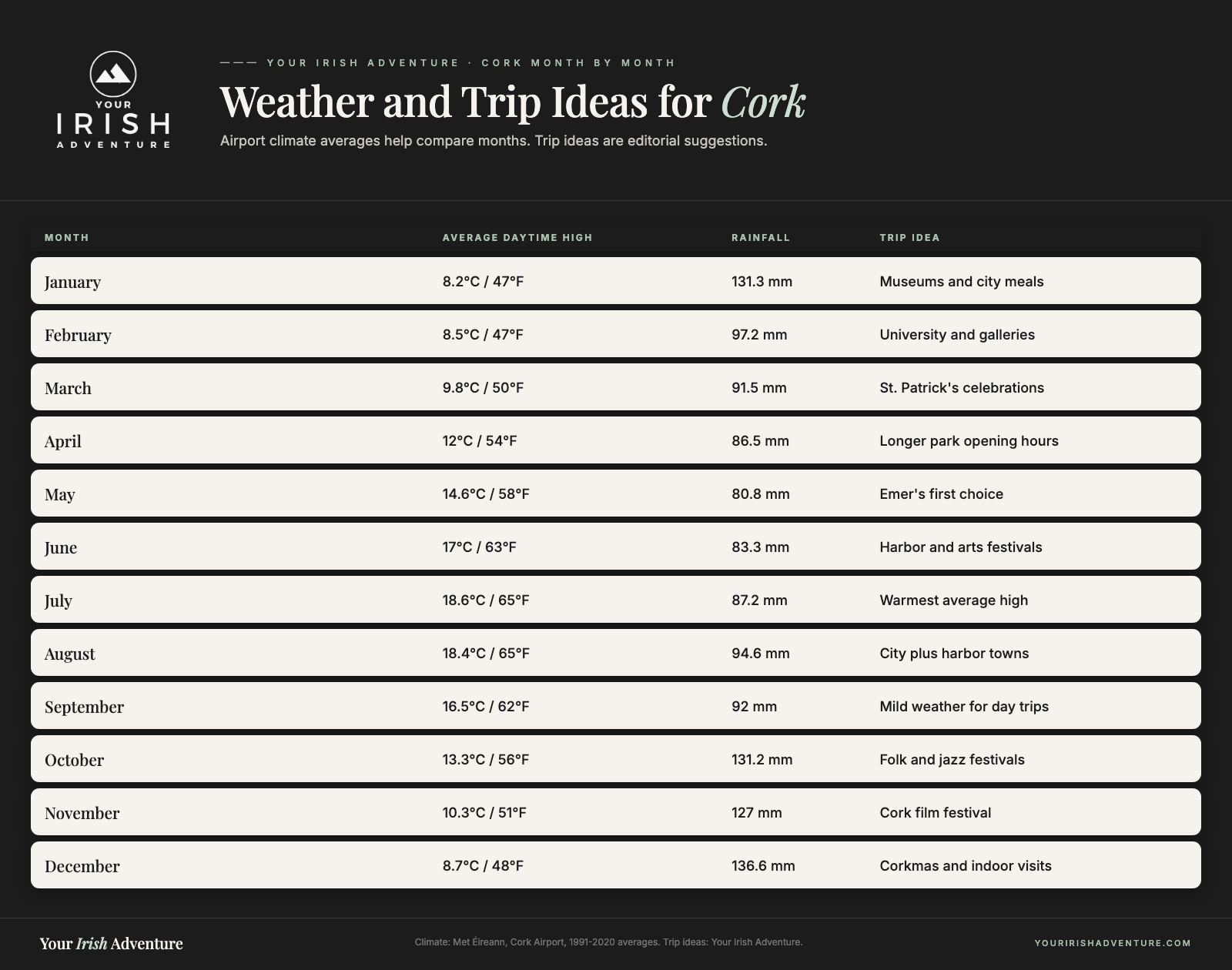
May has the lowest average rainfall in this comparison, while July has the highest average daytime temperature. Use the monthly figures to choose a season, then the forecast to plan your days.
Crowds in Cork: When It Gets Busy
Summer, public-holiday weekends, and major events are the periods to plan around. Cork is a working city as well as a visitor destination, so a weekday can be busy for reasons that have little to do with sightseeing. Hotel availability is the more useful measure when choosing dates.
The February, May, June, and August public holidays can change an otherwise ordinary weekend, as can Easter and St. Patrick’s celebrations. For a music trip, that extra activity may be exactly what you want. For sightseeing, comparing an adjacent week gives you more choice.
Plan Your Cork Day Trips
- Blarney Castle From Cork: Every Way to Get There
- County Cork Travel Guide: Things to Do, Eat and Stay
- Where to Stay in County Cork: Cork City vs West Cork
At attractions, the time of day can matter as much as the month. Visit Blarney early if climbing to the stone is important to you, and leave enough time afterward for the grounds. For the English Market, a weekday morning gives you room to browse before choosing somewhere for lunch.
I would give Cork two full days if you want a city day and a trip out to the county. With only one day, stay focused on the city or choose one excursion. Trying to fit Cork, Blarney, Cobh, and Kinsale into a single independent day leaves little time in any of them.
What It Costs to Visit Cork
The most useful way to budget for Cork is to price your actual dates. A fixed nightly range quickly becomes misleading when room type, cancellation terms, parking, and events all change the total. Compare the same room and meal plan across a few possible dates if you can.
Start with a central room, then compare a guesthouse farther out. Add the cost of transport before deciding which is better value. A lower room rate can save very little if you need taxis each evening, and a central hotel may charge separately for parking.
For a trip spent in Cork city, you can avoid renting a car for the whole stay. You can compare car rental deals on Discover Cars for the road-trip part of your stay, or use a tour for a single outing. Cobh is also served by rail from Cork Kent, which gives you another way to visit the harbor without driving.
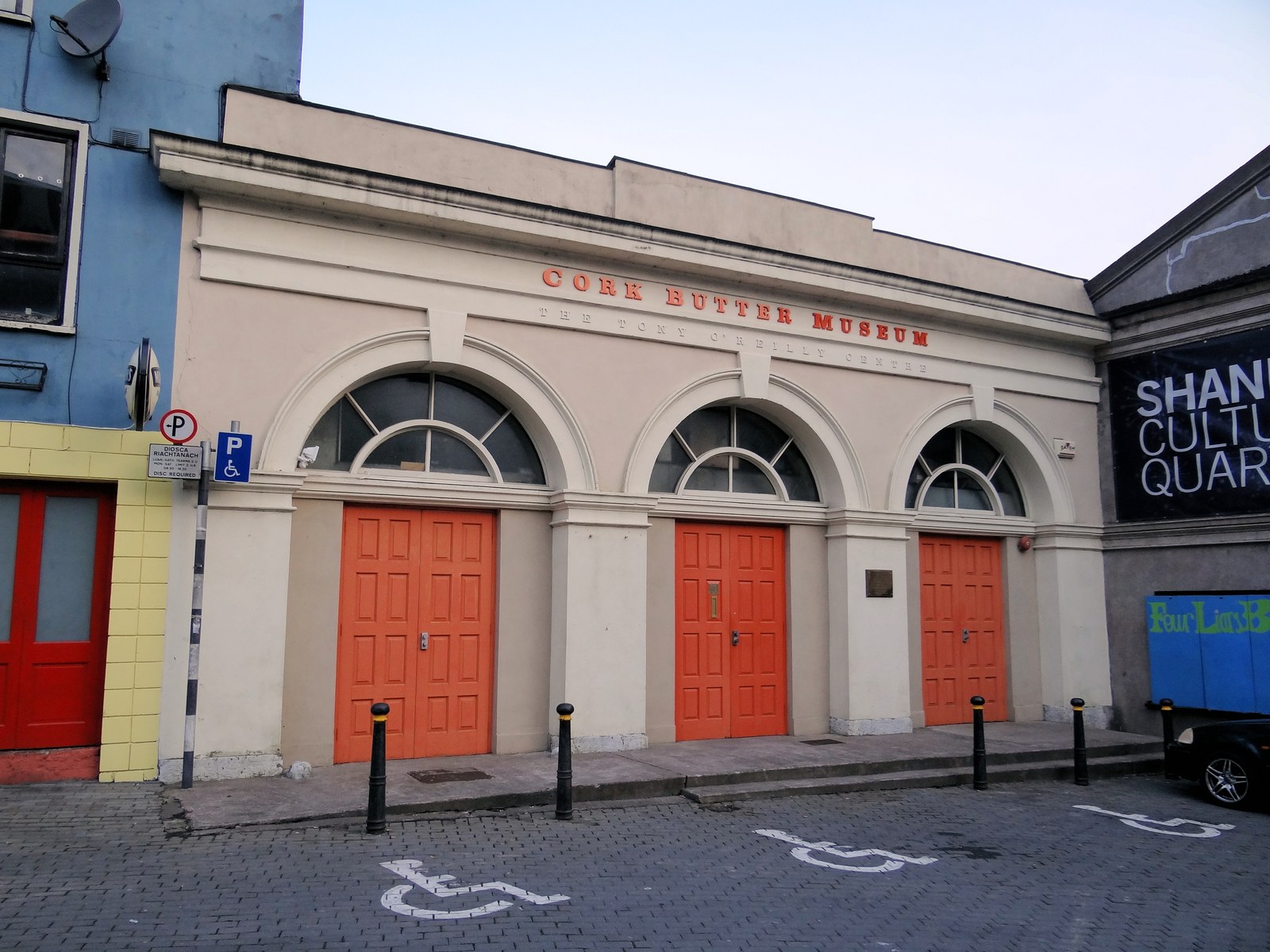
Cork City Gaol charges €12 for standard adult admission with a guidebook; audio guides and guided tours cost extra. At the Glucksman, entry is free with a suggested €5 donation. Those are useful starting points for a day that combines one paid attraction with time around the university.
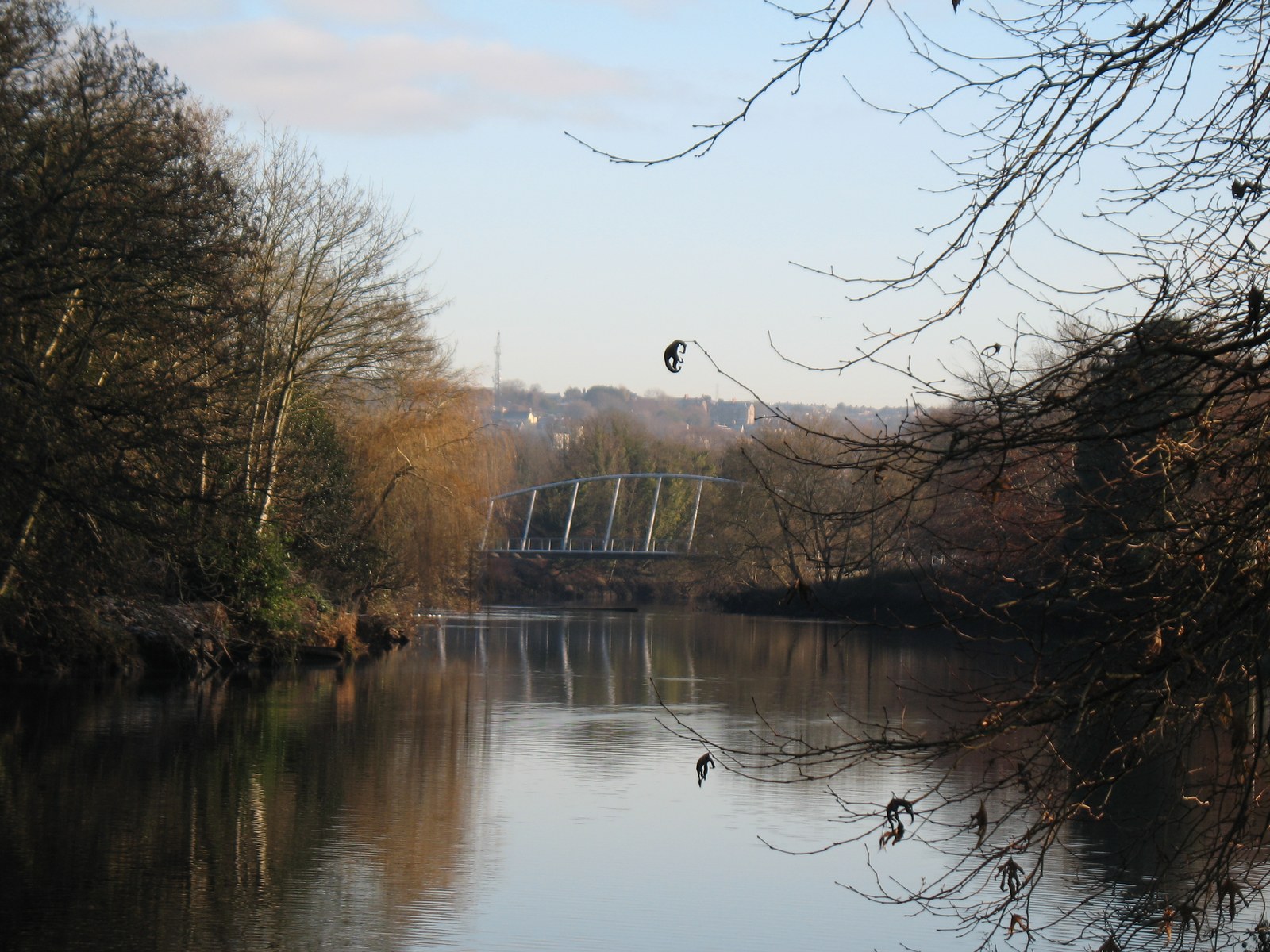
There are also easy ways to spend a few hours without buying an attraction ticket. Walk beside the River Lee, visit Fitzgerald Park, or browse the English Market during its opening hours. Choose the things you want to pay for, then leave time for the city between them.
Cork’s Festivals and Events

Cork’s events give you reasons to visit beyond the warmest months. St. Patrick’s celebrations bring a parade in March. Cork Harbour Festival focuses on the city and harbor around late May and June, including the Ocean to City rowing race.
Cork Midsummer Festival runs in June, with theater, dance, music, and other performances across the city. Look at the individual venues as well as the program. The distance between two events matters if you are booking them for the same evening.
Autumn has several useful dates for a city break. Cork Folk Festival is usually in early October, jazz follows later in the month, and Cork International Film Festival runs in November. The current organizers’ programs are the place to check dates and ticket availability before paying for travel.
The Guinness Cork Jazz Festival
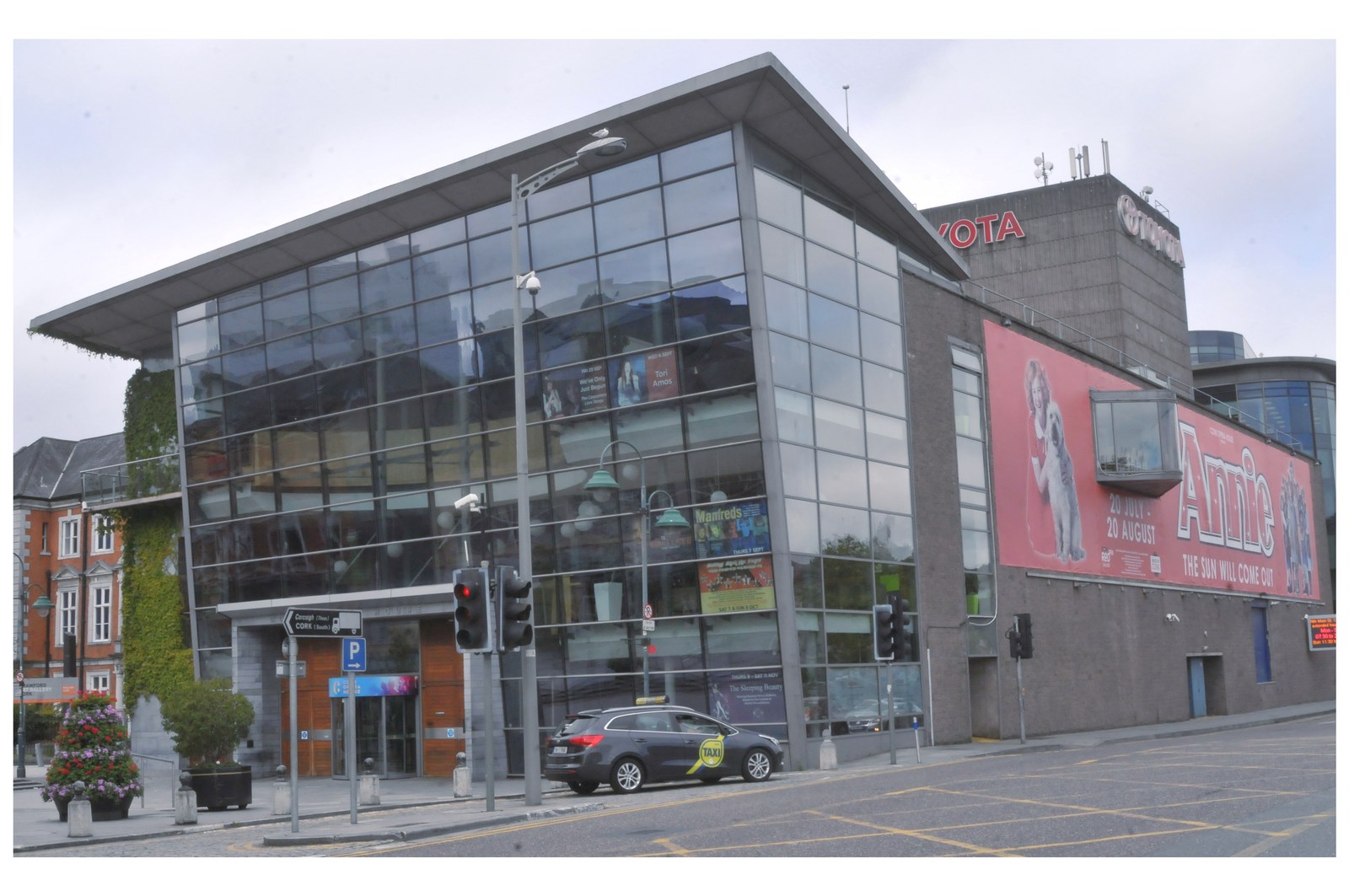
The Guinness Cork Jazz Festival takes place around the late-October public-holiday weekend. The program includes ticketed shows and free events, so you can plan a visit around particular artists or spend time at the wider festival. Check the entry conditions for each venue.
Book accommodation and the shows you care about together. Compare actual room availability before deciding whether the weekend fits your budget.
If you are coming for the music, staying within walking distance of your evening venues is useful. If you would prefer an ordinary sightseeing break, look at another weekend. You can enjoy Cork in October without making the jazz program part of your trip.
Where to Stay in Cork
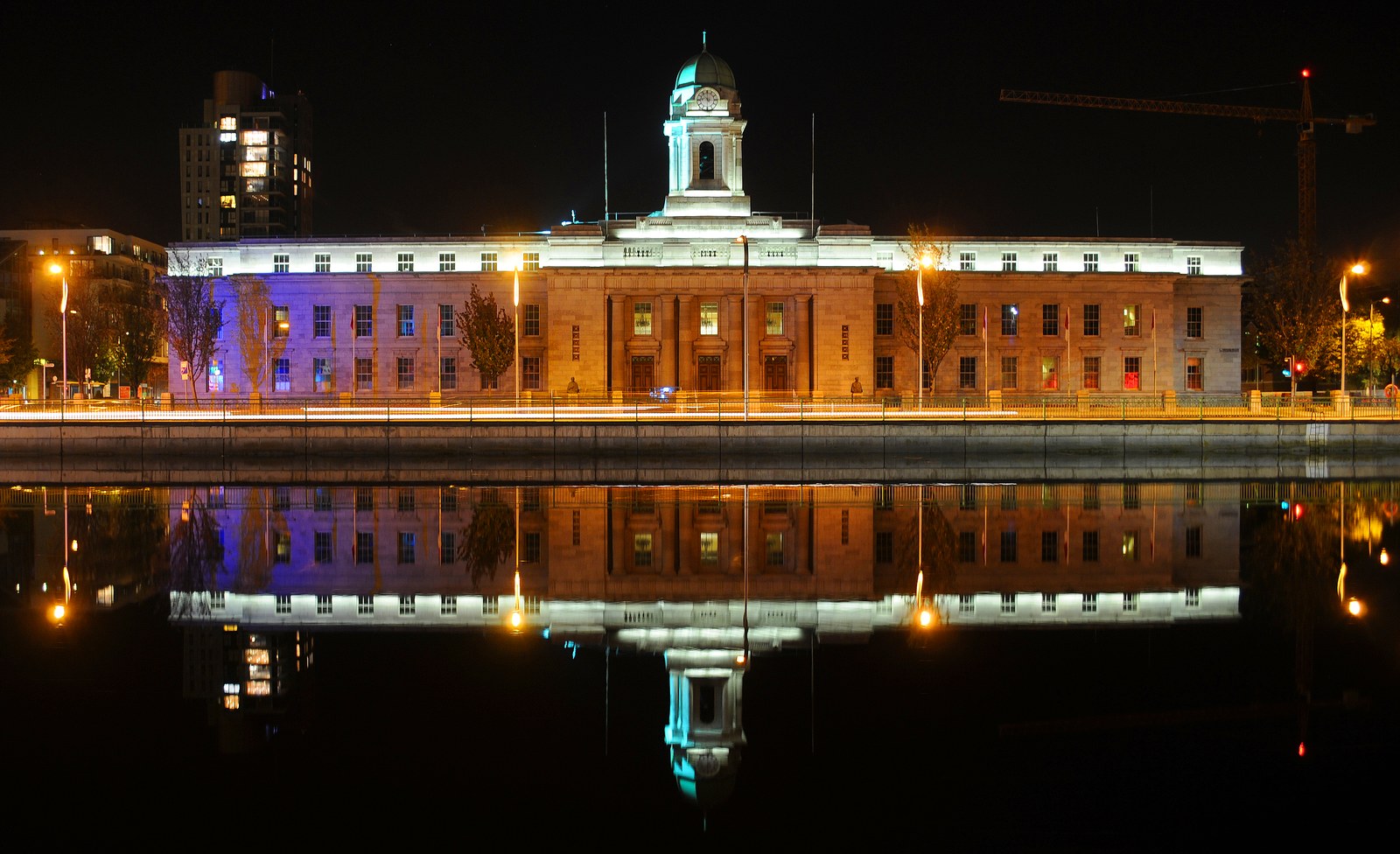
For a short city break, I would prioritize the location over the season. Staying near the center makes it easier to walk out for a meal or return when it rains. These three properties offer different settings: a guesthouse in Blackrock, a house inside Elizabeth Fort, and a five-star hotel beside the university.
Blackrock Carole Ville Guesthouse
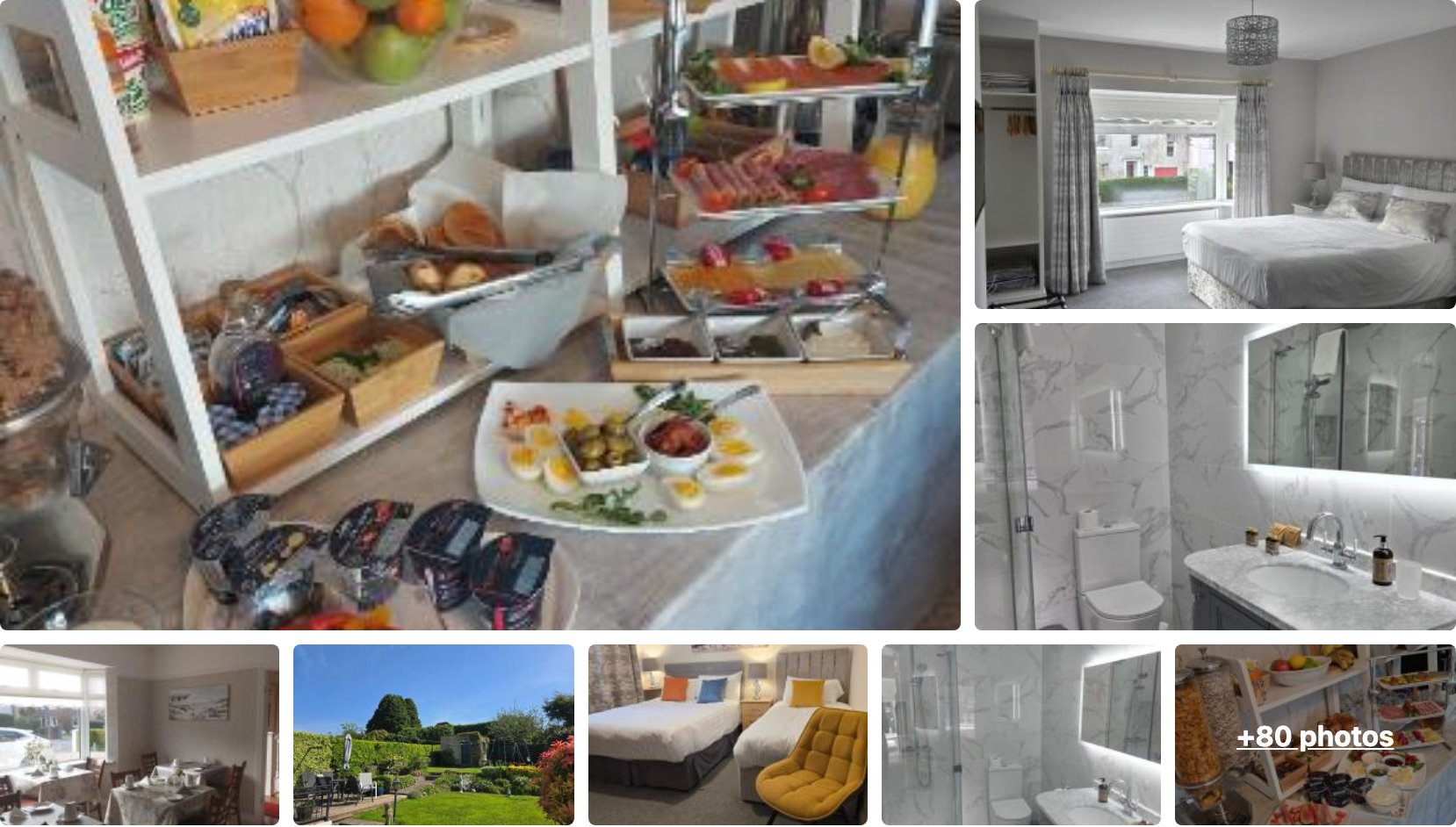
Blackrock Carole Ville Guesthouse is an option for a stay outside the busiest central streets. It is in Cork’s Blackrock area, so factor the trip into the center into your plans before comparing it with a central hotel.
It is about 3 km (2 miles) from the center, on residential Beaumont Drive. The garden gives you somewhere to sit outside between outings. Choose it for a smaller guesthouse in the Blackrock area; a central property is more convenient if you want to walk everywhere.
👉 View Blackrock Carole Ville Guesthouse Availability and Pricing
Elizabeth Fort
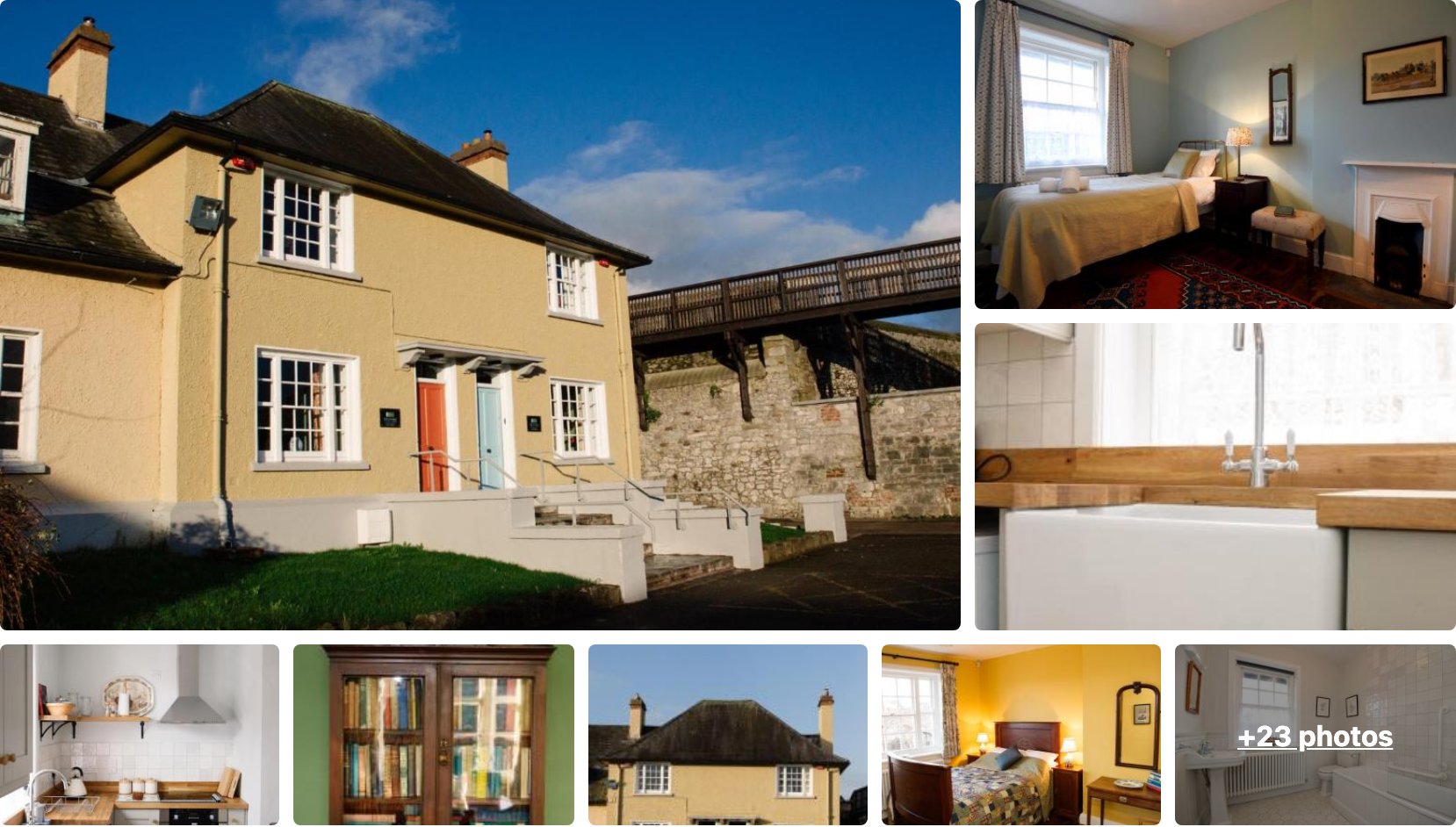
Elizabeth Fort has two houses managed by the Irish Landmark Trust, right inside the fort walls on Barrack Street. Each sleeps three people, with a double bedroom and a single bedroom. This is a good central option if you want a kitchen and a separate living area.
You can walk down toward Grand Parade and the English Market, then return to a house rather than a hotel room. Choose the specific house when booking and check the minimum stay. It makes particular sense for a couple or small family spending a few nights in Cork.
👉 View Elizabeth Fort Availability and Pricing
Hayfield Manor
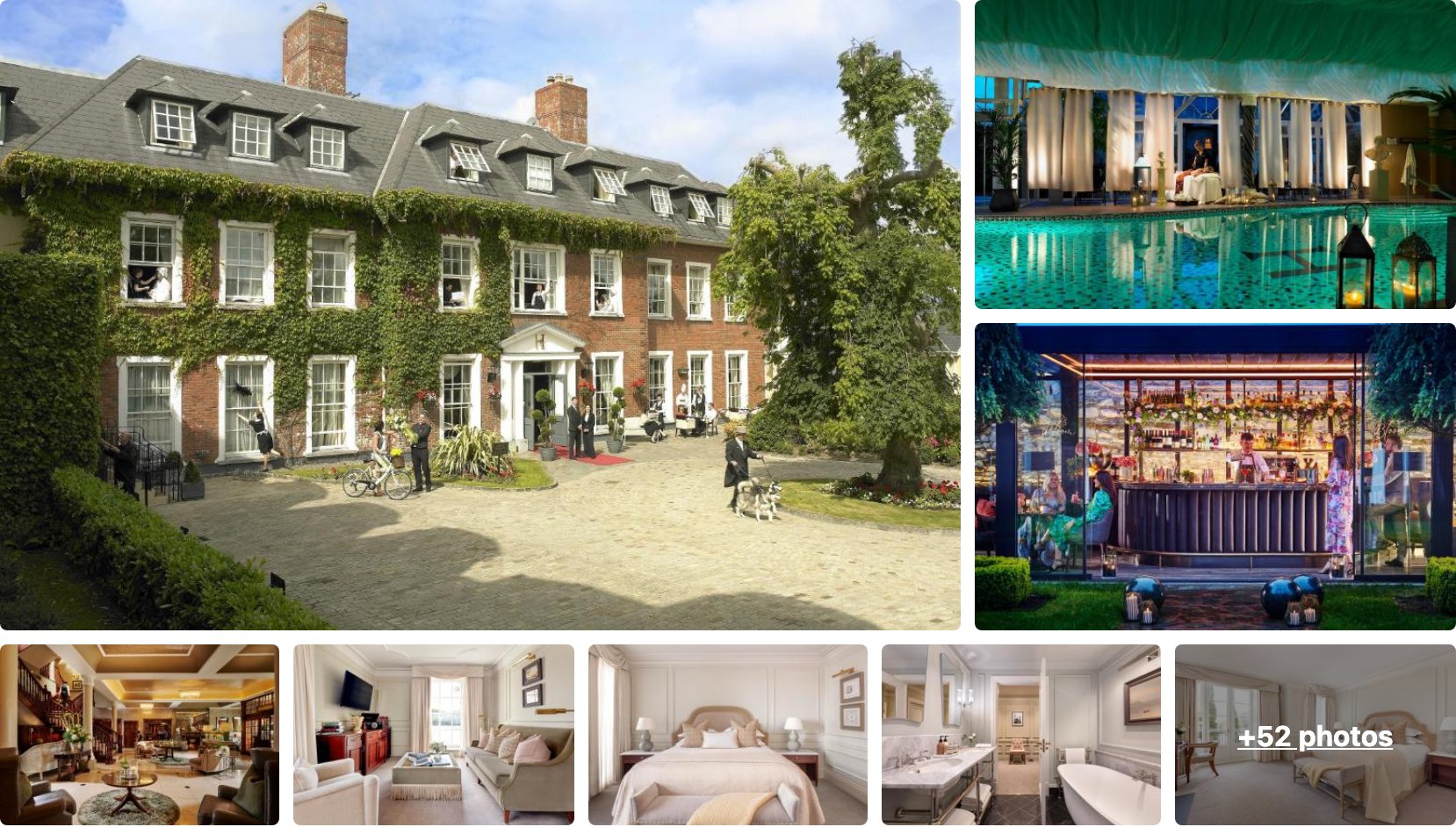
Hayfield Manor is a five-star hotel beside University College Cork, with grounds that give it a different setting from a hotel directly on the central shopping streets. It is worth comparing for a stay where you plan to spend more time at the hotel itself.
The hotel has an indoor pool, a spa, and restaurants, so it makes sense for a slower stay as well as sightseeing. It is the splurge option in this group. Compare the room-only rate with a package if you plan to use the hotel’s dining or spa facilities.
👉 View Hayfield Manor Availability and Pricing
Best Tours of Cork
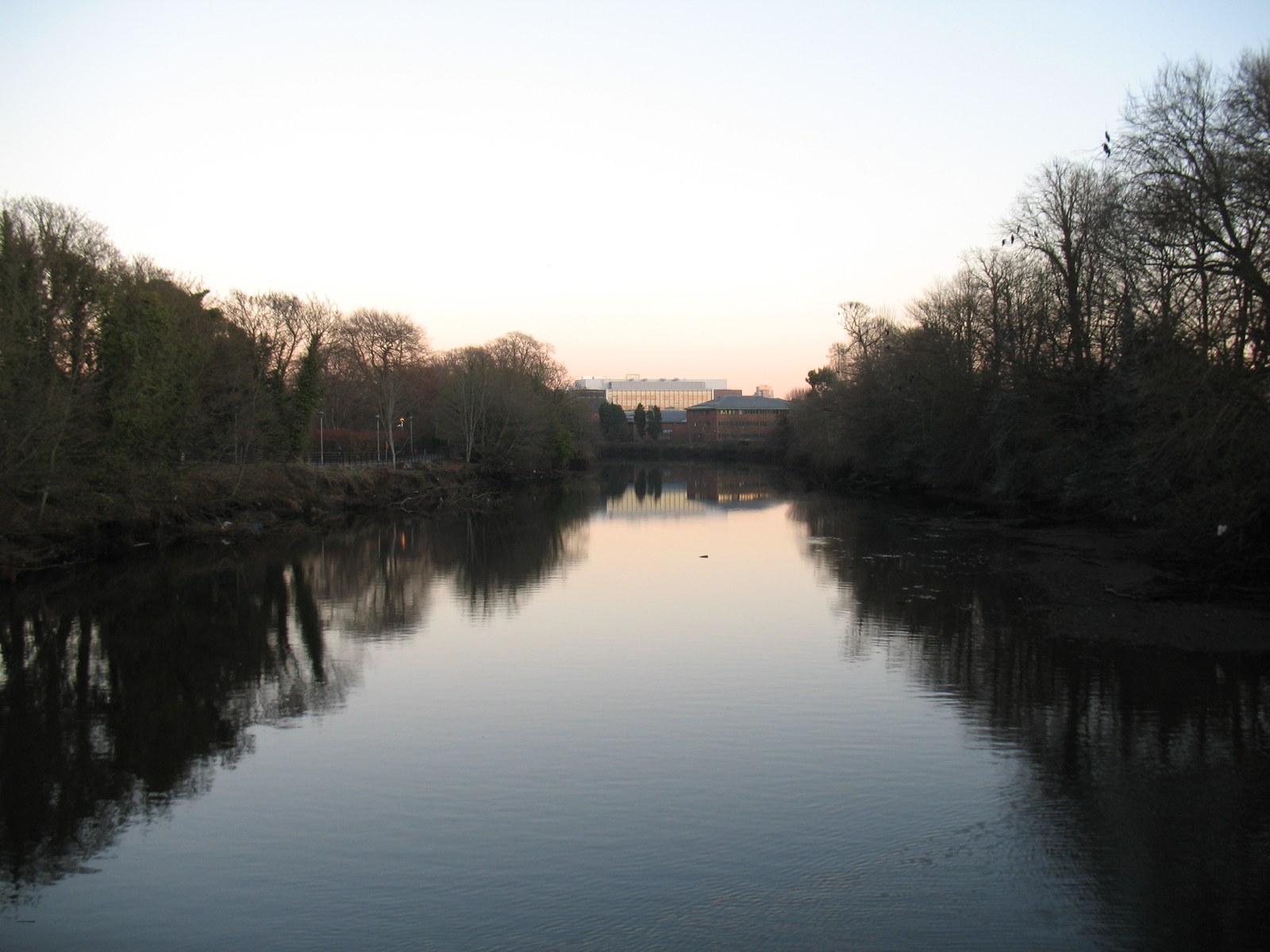
A walking tour suits a first day in Cork, while a guided excursion can handle a day trip without a rental car. Check the route and departure time against your other plans. Seasonal availability varies, and you should read the inclusions for the date you select.
Cork City Walking Tour
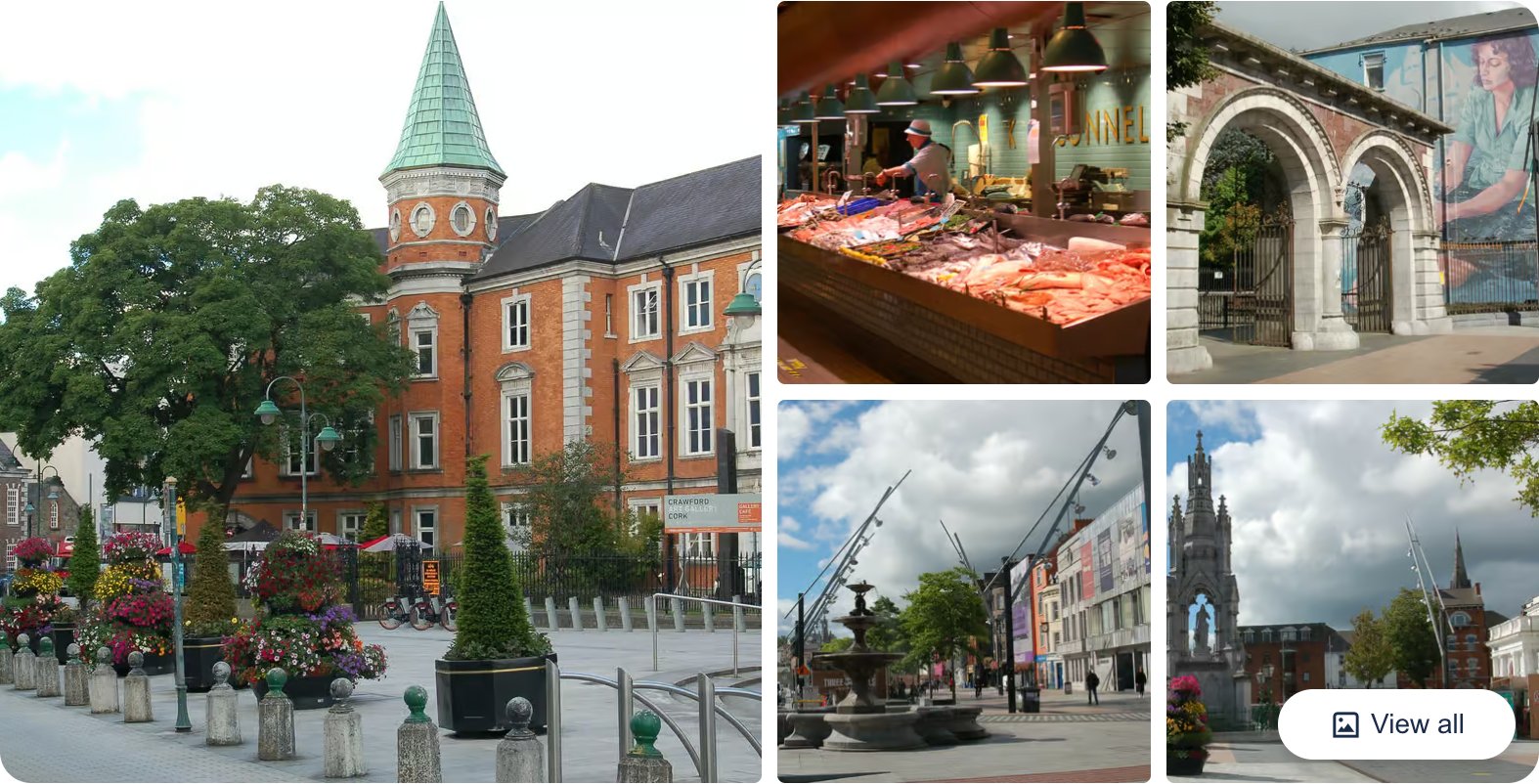
The Cork City Walking Tour covers the city’s history and streets with a guide. The listed route passes places such as the Coal Quay, Grand Parade, and South Mall before finishing at the English Market entrance.
I would book it early in a stay, then return independently to the places that interest you. The listing gives a duration of about 75 minutes. An outdoor finish at the market does not mean the market will be open, so check its opening days if you plan to shop afterward.
👉 View Cork City Walking Tour Details and Availability
Blarney Castle and Kinsale Morning Tour
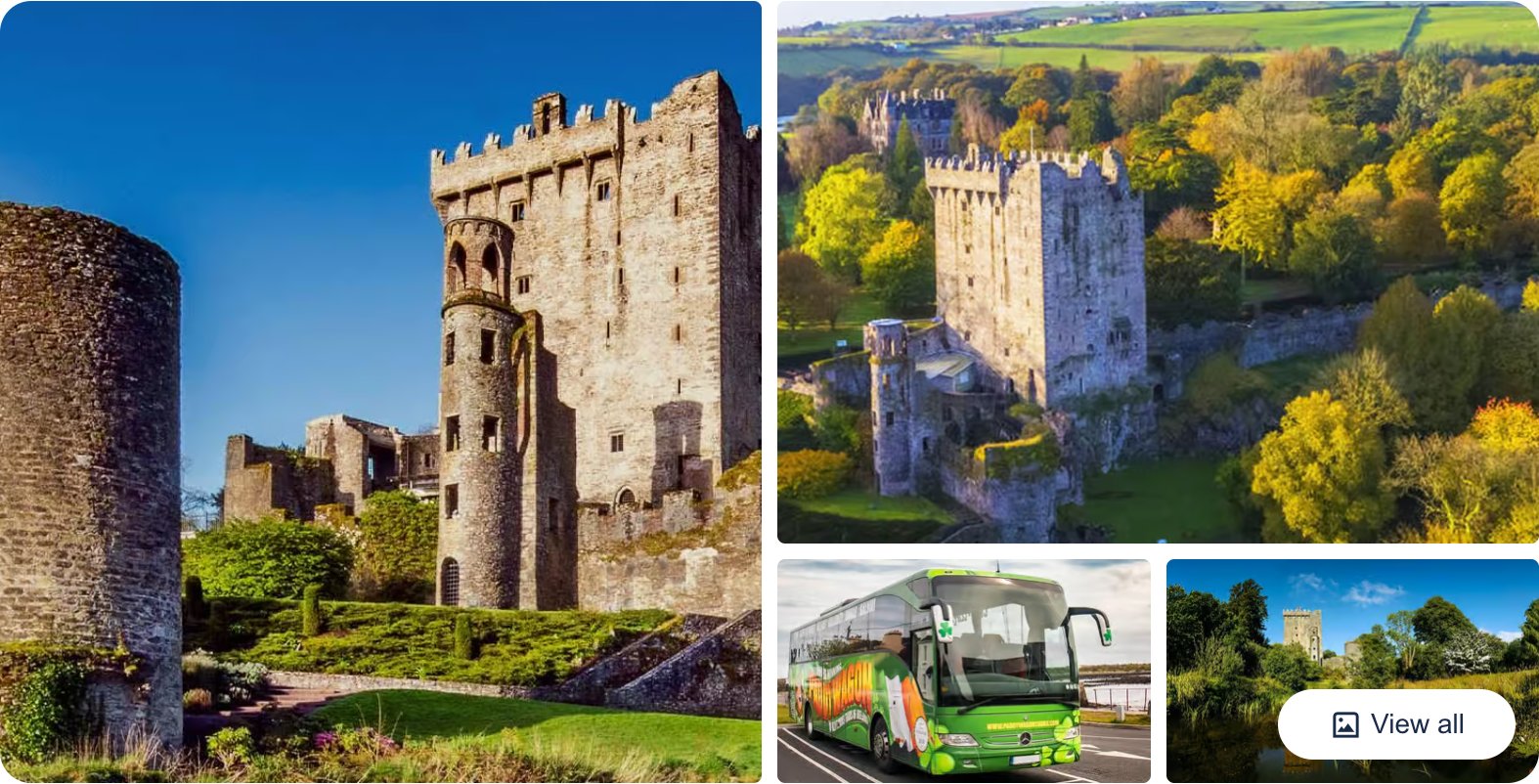
The Blarney Castle and Kinsale Morning Tour leaves from Cork and combines the castle with free time in Kinsale. Castle admission is included in the listed tour, which makes it easier to compare the total with traveling independently.
This is a short excursion covering two places, so expect limited time at each stop. I would choose it for a first look when you have one spare day. If the gardens at Blarney are a priority, give them more time on a separate visit instead.
👉 View Blarney Castle and Kinsale Morning Tour Details and Availability
Plan the Rest of Your Ireland Trip
- Best Time to Visit Dublin: Month-by-Month Guide
- Best Time to Visit the Cliffs of Moher: Beat the Coaches
- 5 Day Ireland Itinerary: Dublin, Cork & the West Coast
In short
- Choose May for long days and Cork’s lowest average monthly rainfall.
- Allow two full days: one in the city and one for a nearby day trip.
- Plan market shopping for Monday through Saturday, outside public holidays.
- Book jazz festival accommodation and the shows you want together.
Cork Travel Timing: Frequently Asked Questions
What is the best time to visit Cork?
May is my first choice because it combines long days with Cork Airport’s lowest average monthly rainfall. June has warmer weather and long evenings, while September is another good option for the city and nearby day trips.
When should I avoid Cork?
There is no month you need to avoid altogether. If you want a straightforward sightseeing break, compare dates outside major festivals and public-holiday weekends, particularly the late-October jazz festival.
How many days do you need in Cork?
Allow two full days: one in the city and one for a nearby day trip. Add more time if you want to visit Blarney, Cobh, and Kinsale without trying to fit all three into one day.
Is Cork worth visiting in winter?
Yes, especially for museums, meals, concerts, and a short city break. Keep outdoor plans flexible and check seasonal opening hours, daylight, and holiday transport schedules.
Does it rain a lot in Cork?
Cork Airport records an annual average of about 1,239 mm of rain, spread across every month. May has the lowest average monthly total and December the highest, so bring a waterproof jacket whatever time you visit.
Final Thoughts
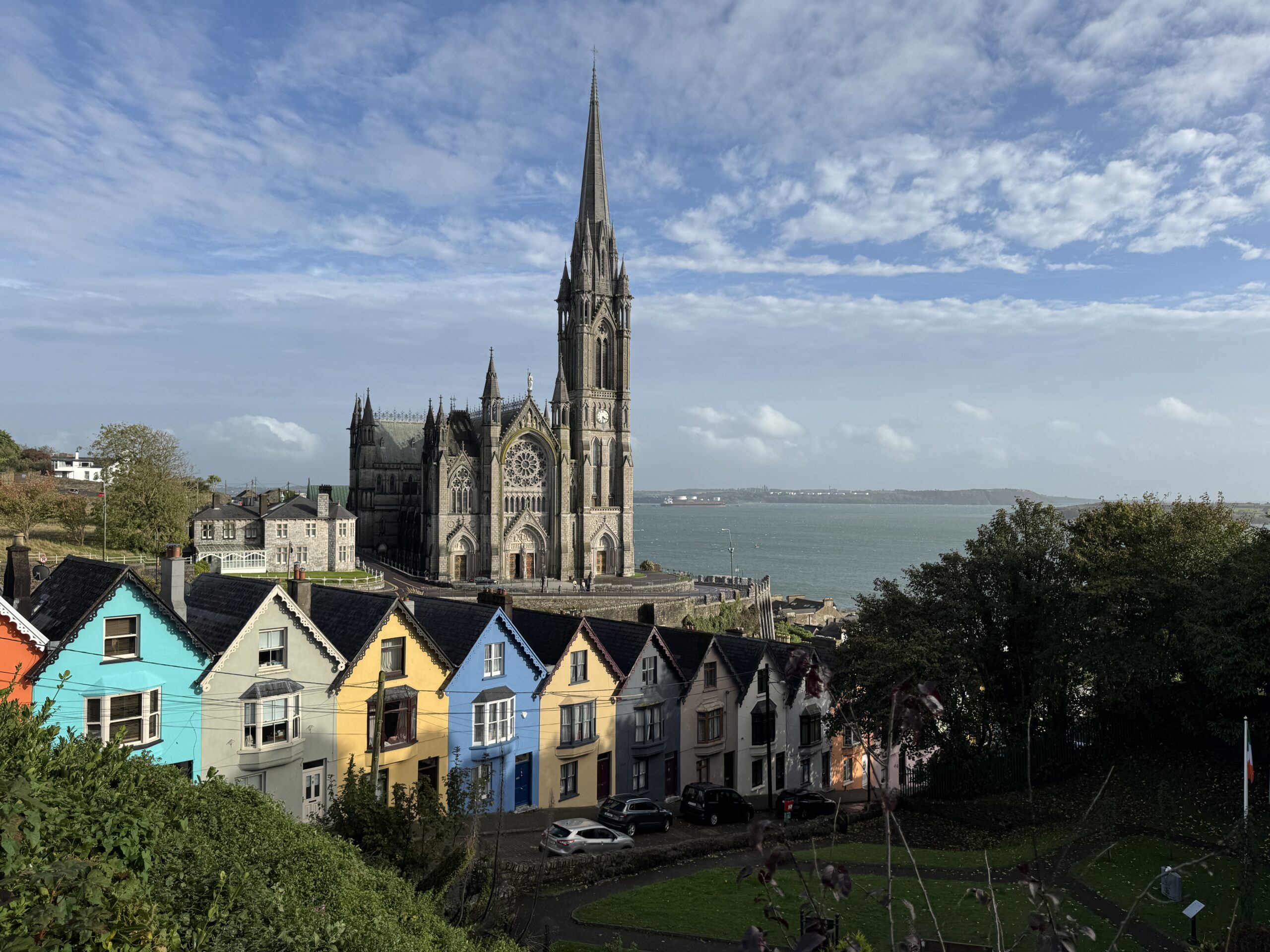
For a first trip, the best time to visit Cork is May, with June or September close behind. All three leave plenty of room for the city and a day out in the county. July and August are useful when warmer weather or school holidays are your main consideration.
Once you have a month in mind, check the events calendar, compare accommodation, and look at the opening days for the places you care about. Giving Cork enough time will make a bigger difference than finding a supposedly perfect week.
Like it? Pin it!
Save this guide for later