Cork is Ireland’s second city, and it usually gets a day at most before people bolt for Kerry. On our last trip we spent about two weeks driving Ireland in shoulder season, based ourselves around the south for a good chunk of it, and came away thinking the best places to visit in Cork City are worth a lot more than a rushed afternoon.
I’ll be straight with you: an Atlantic storm cut our own city time shorter than we wanted, and a proper wander through Cork is high on the list for next time. But we ate well here (Le Bon Crubeen near Beresford Lane), used the area as a base for Blarney and Cobh, and did the research a first-timer needs.
So here’s the list, from the big-name attractions everyone comes for to the spots we’d point you toward instead. I’ll run through the top things to see, where to eat and drink, where to stay, and how to get in and around the city, then wrap up with who Cork is really for.
More Cork Travel Guides
- Best Things To Do In Cork (City & Day Trips)
- Where To Stay in Cork: Best Areas and Accommodations
- 10 Epic Day Trips From Cork (Chosen By a Cork Local)
- 5 Top Castles To Visit in Cork (+Castle Accommodation)
Quick Answer:
The best places to visit in Cork City are the English Market, Cork City Gaol, and St Fin Barre’s Cathedral, all within a short walk of each other. Give the city two days: one for the market, sights, and pubs, and a second for day trips to Blarney and Cobh, both easy to reach by train.
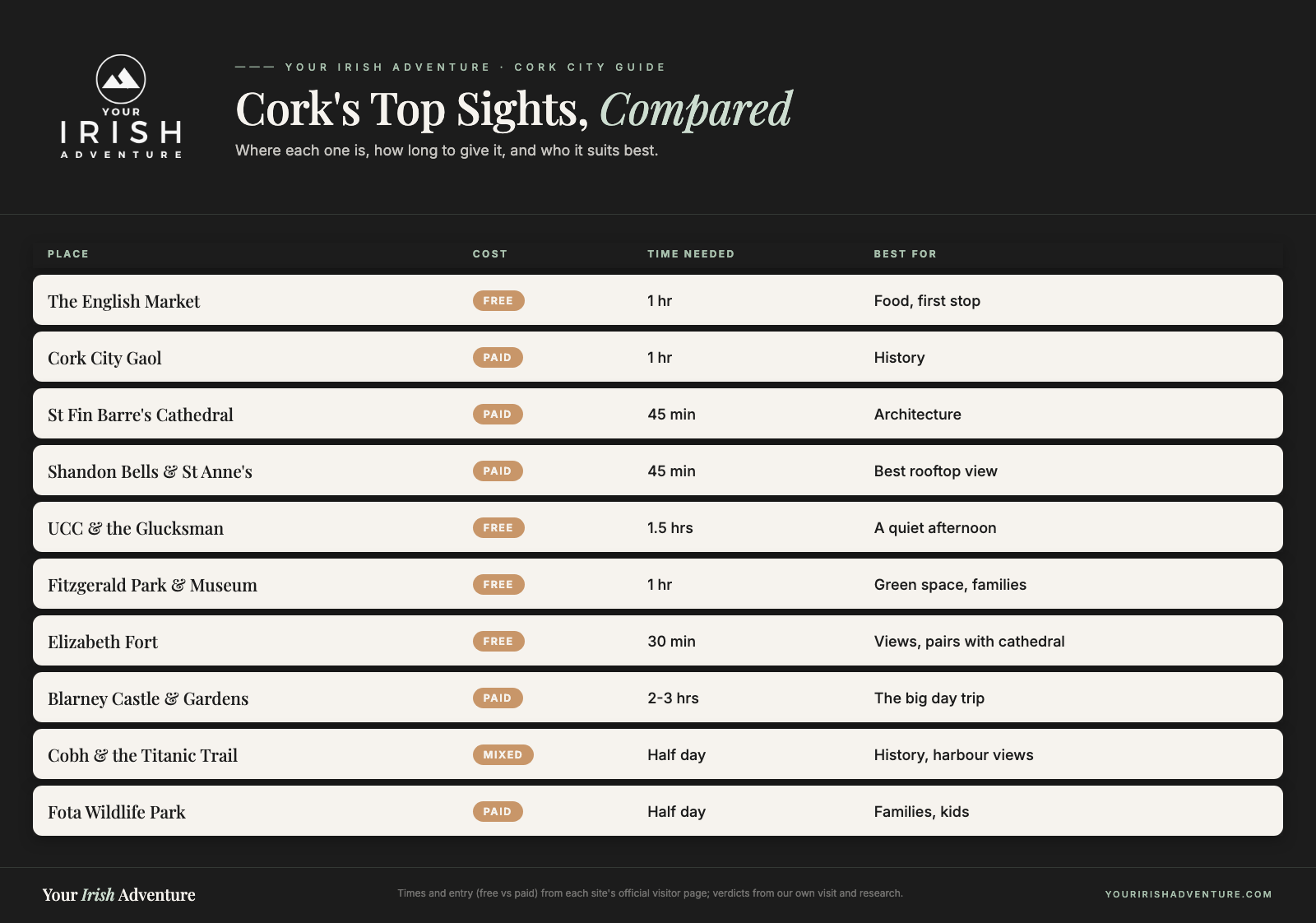
The Best Places to Visit in Cork City: Top Attractions
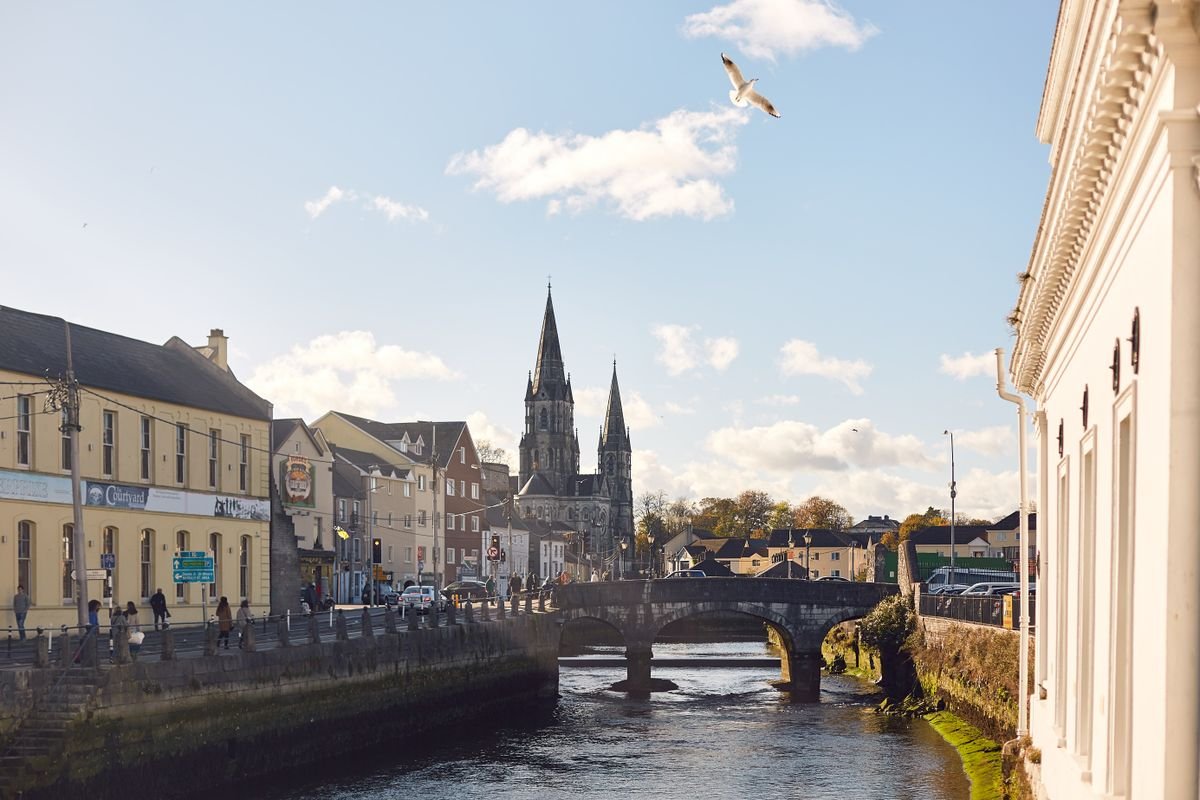
Cork isn’t really a monument city. The best of it is walking the streets, ducking into the market, and using it as a base for the coast. But there’s a solid mix of sights in and around the center, so here’s what to prioritize.
The English Market
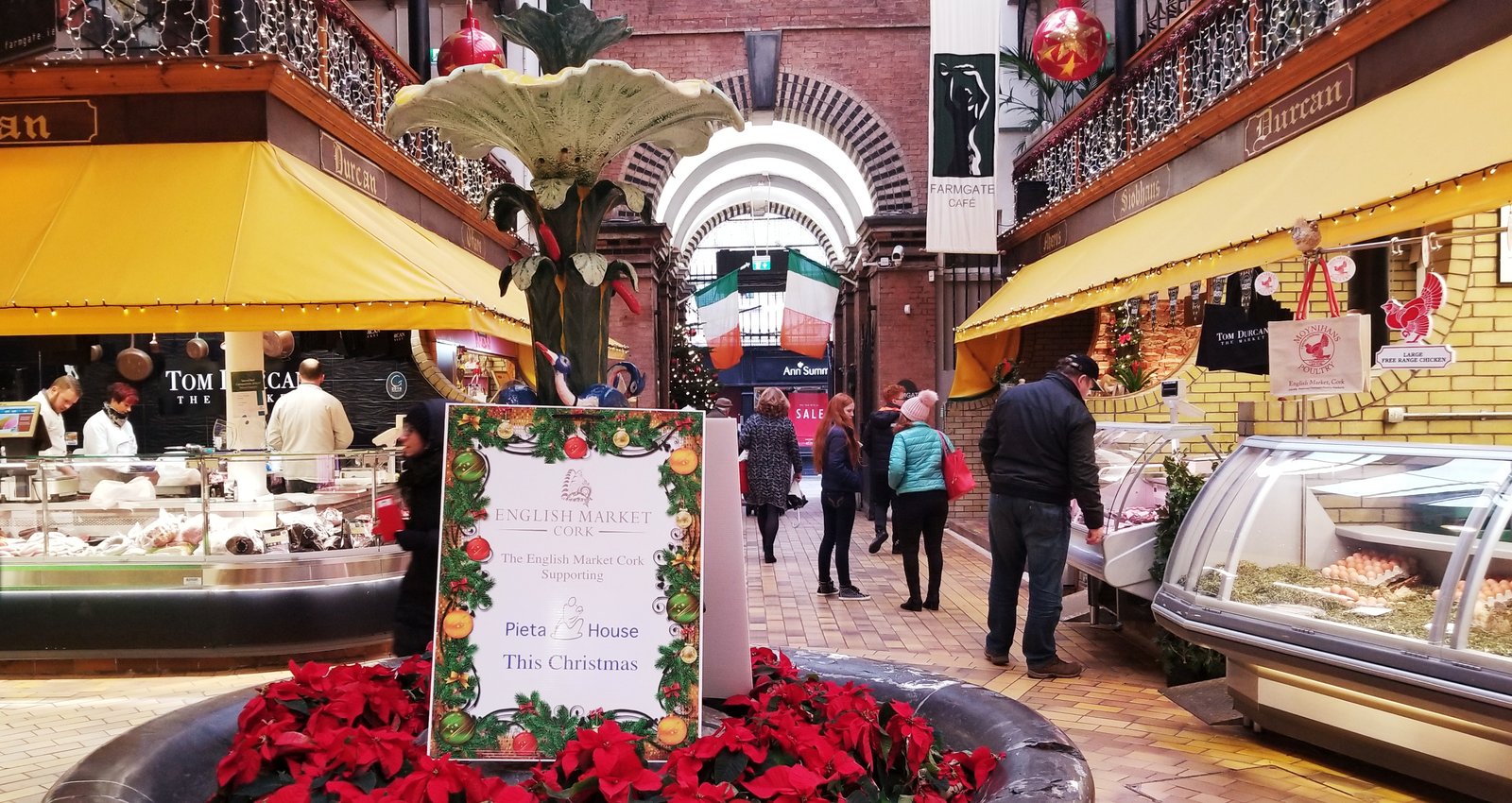
This is the one attraction everyone agrees on. A covered food market running since 1788, right in the middle of town, full of butchers, fishmongers, cheese counters, and stalls selling spiced beef and buttered eggs.
Go hungry, grab lunch upstairs at the Farmgate Café, and treat it as your first stop. It’s free to wander and it’s the fastest way to understand what Cork is actually about.
Cork City Gaol
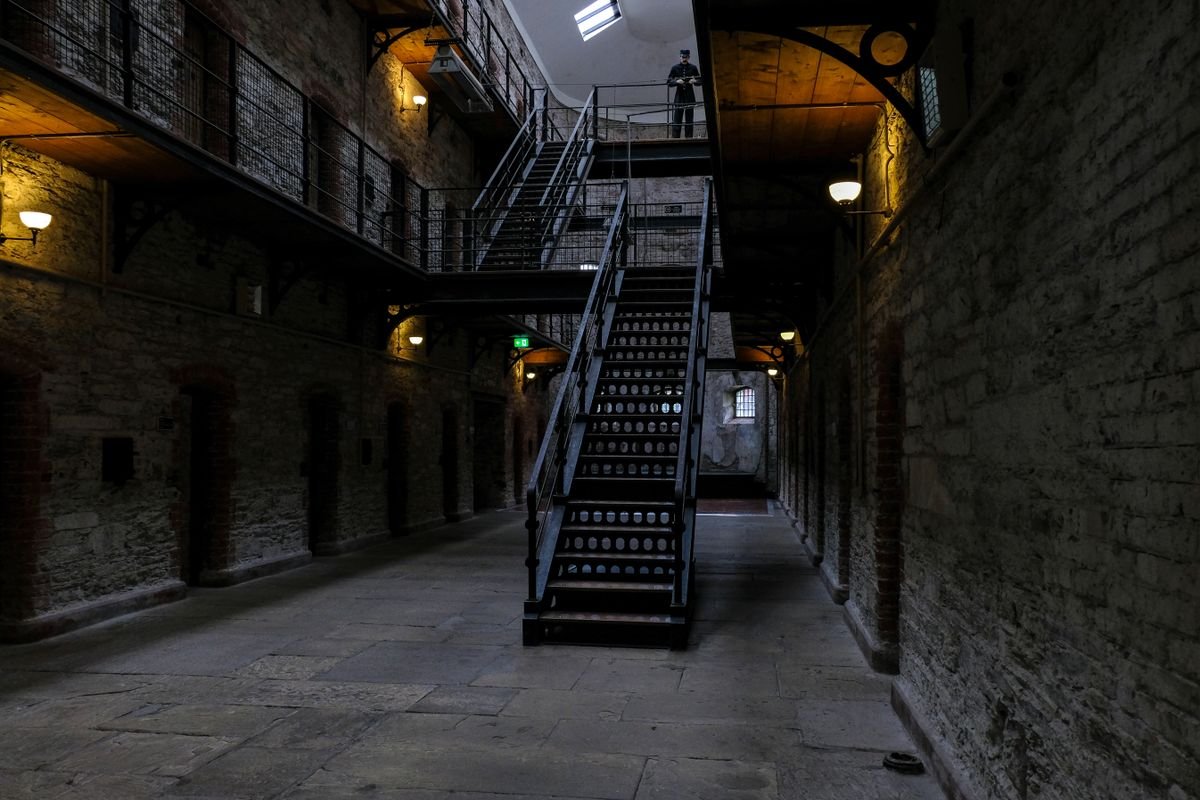
A restored 19th-century prison up in Sunday’s Well, with wax figures in the cells and audio that walks you through who was locked up here and why. It’s one of the better history stops in the city and takes about an hour.
St Fin Barre’s Cathedral
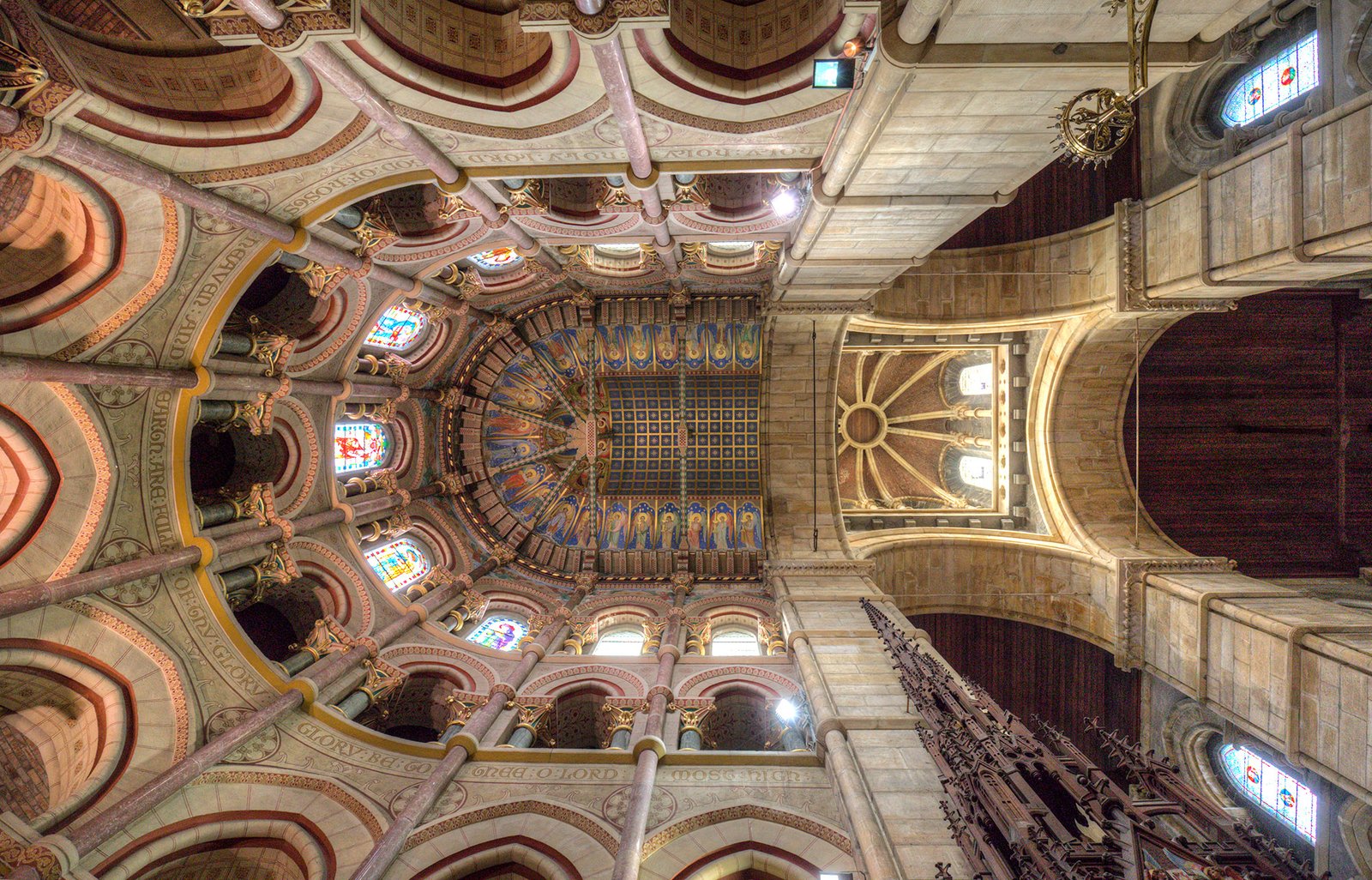
Three Gothic spires on the south side of the river, built in the 1860s on a site of worship going back to the 7th century. The interior mosaics and stained glass are worth the small entry fee, and it’s an easy walk from the center.
Shandon Bells and St Anne’s Church
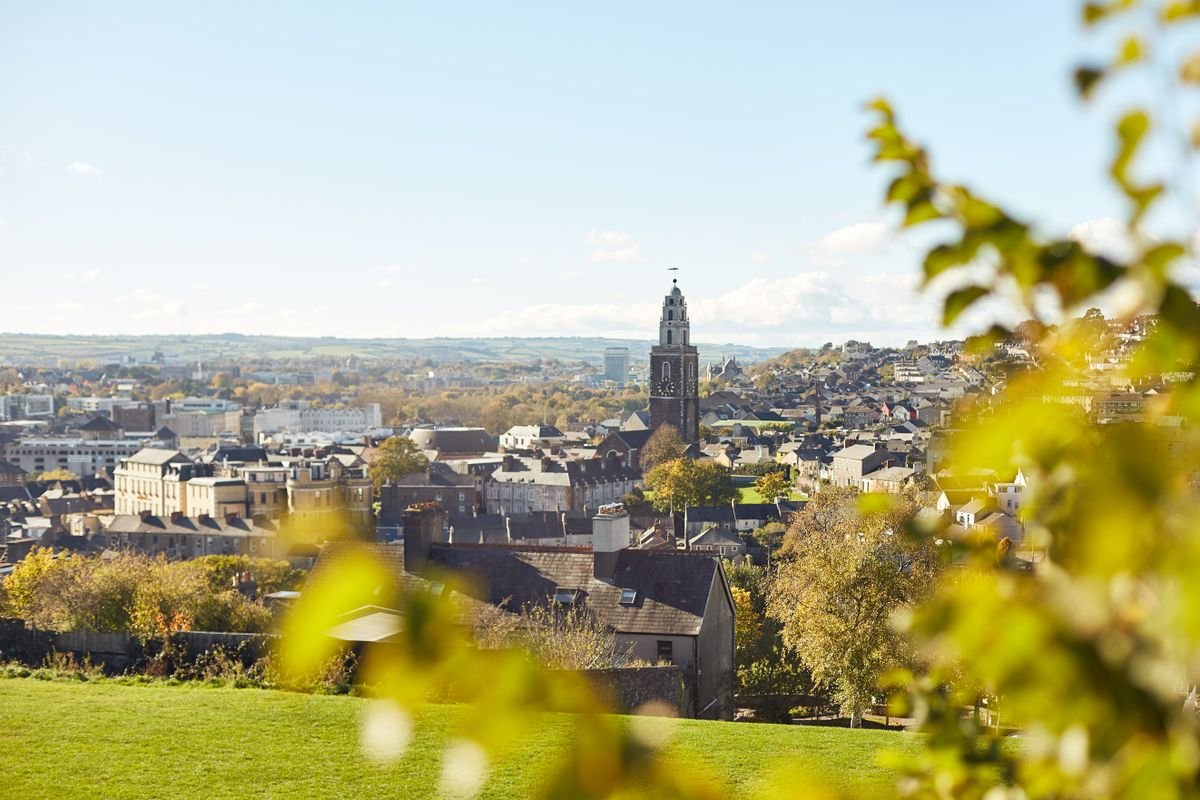
Over on the north side in the Shandon Quarter, you can climb the tower of St Anne’s and actually ring the bells yourself, then keep going for a rooftop view over the whole city. It’s a good one if you’re traveling with kids or just want the best free-ish panorama in Cork.
The Butter Museum and Shandon Quarter
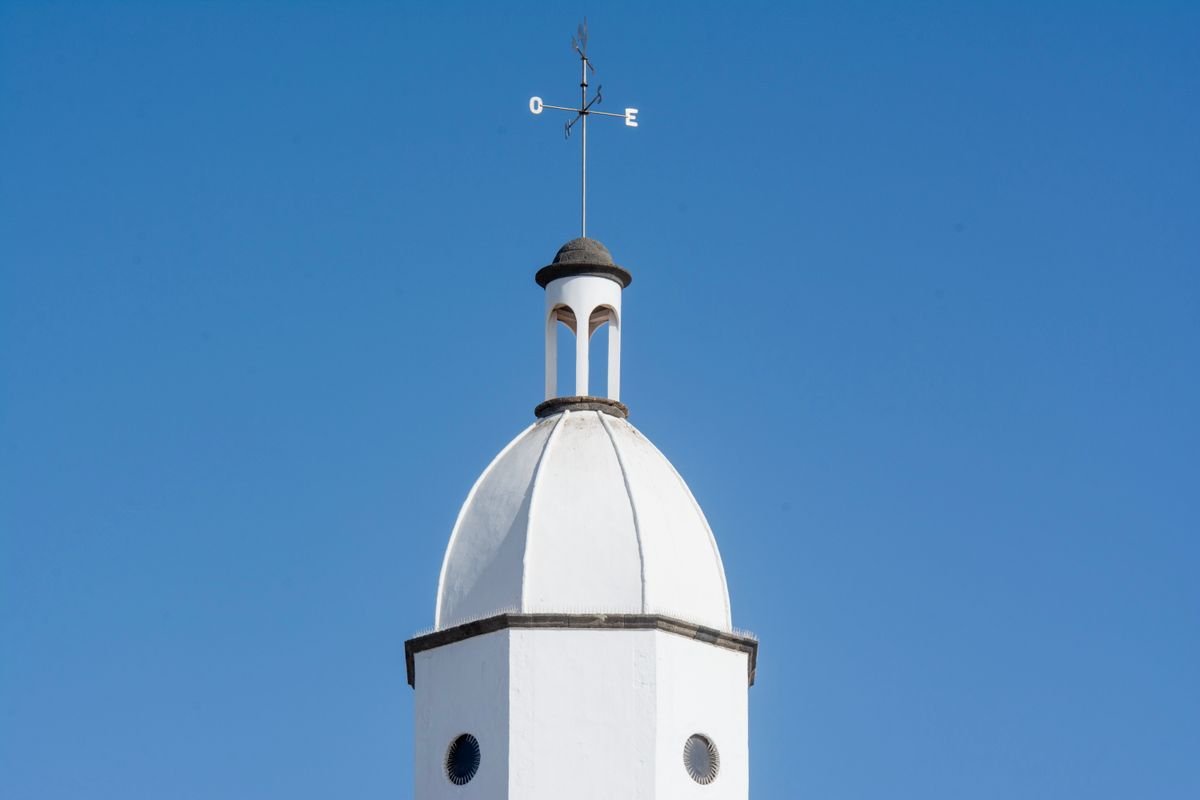
Yes, a museum about butter, and it’s more interesting than it sounds. Cork ran one of the biggest butter exports in the world, and the story ties into the whole Shandon area, which is worth an hour of wandering on its own.
Nano Nagle Place
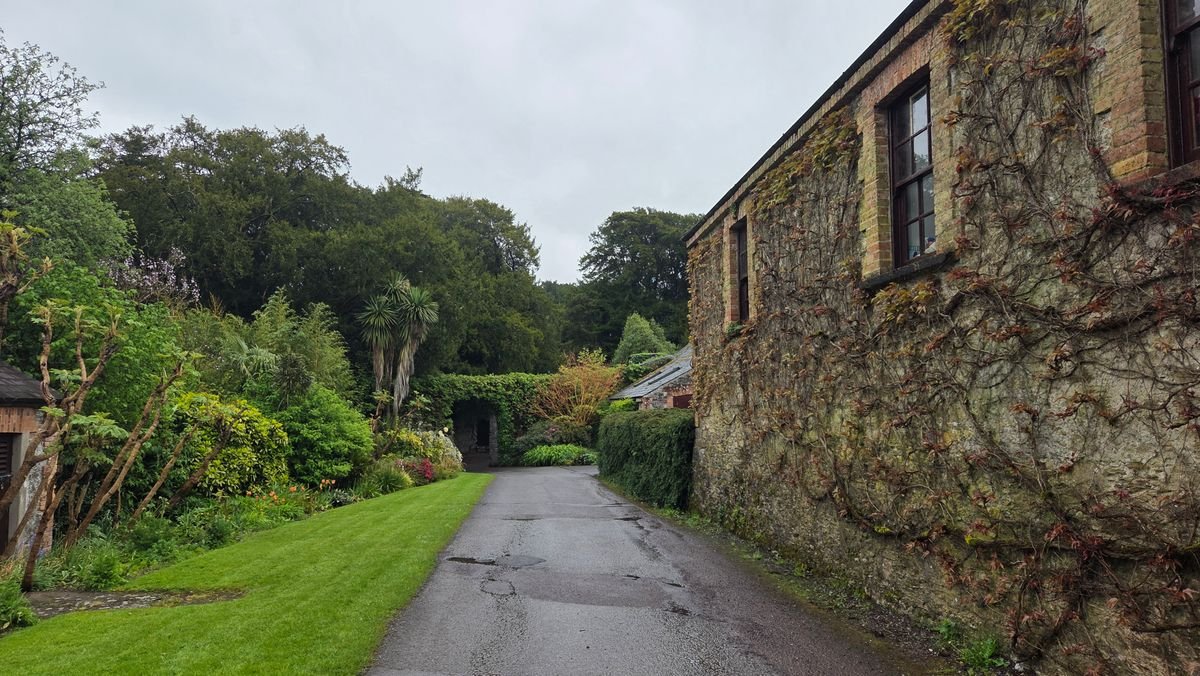
A walled garden, convent, and museum tucked into the city, telling the story of Nano Nagle and 18th-century education. There’s a good café here too. It’s one of the calmer stops if you want a break from the streets.
University College Cork and the Glucksman Gallery
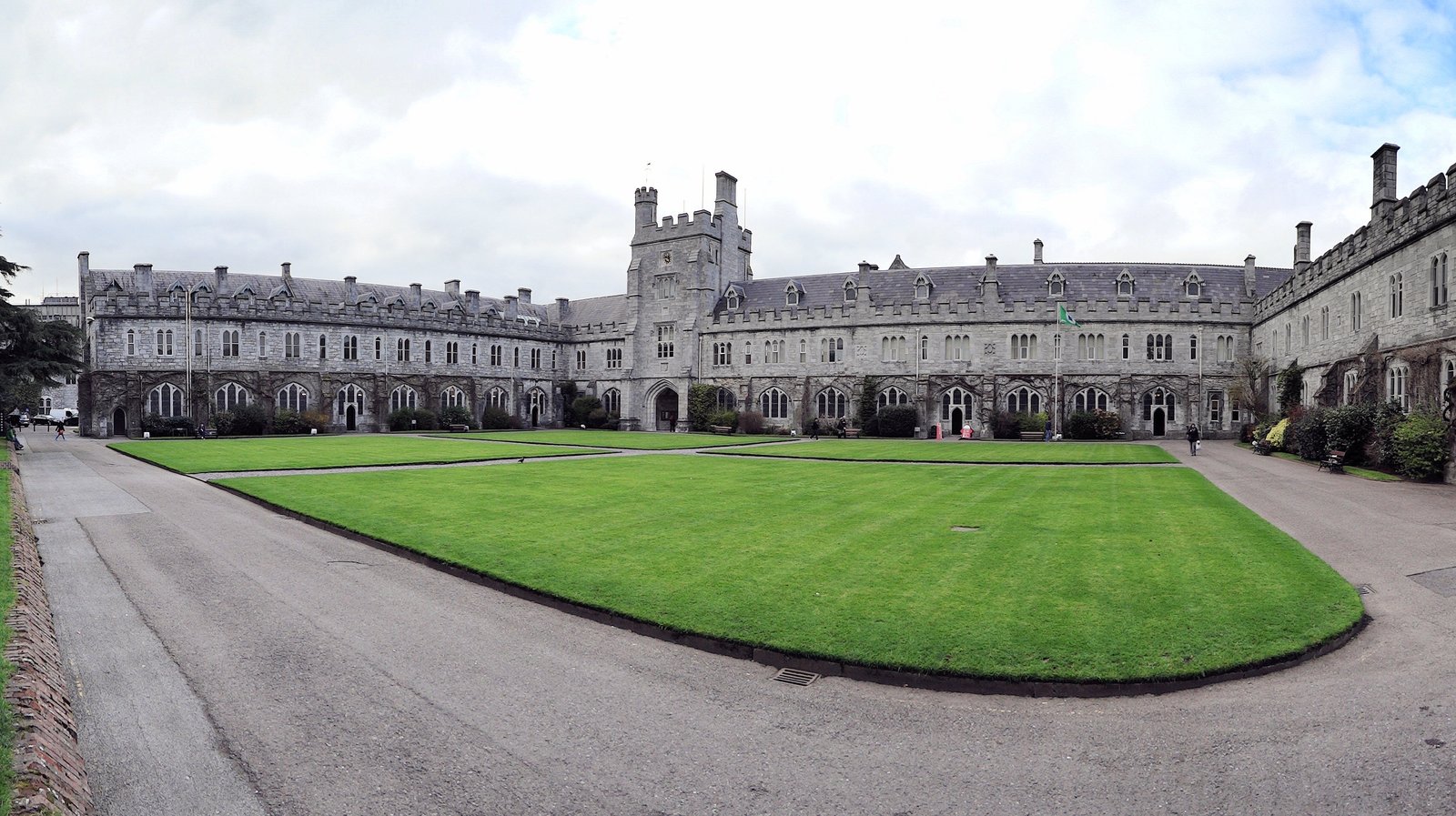
UCC has a proper old-university campus you can walk through for free, with the Honan Chapel and the Stone Corridor of ogham stones. The Glucksman is a contemporary art gallery on the grounds, and the whole area makes an easy afternoon loop.
Cork Public Museum and Fitzgerald Park
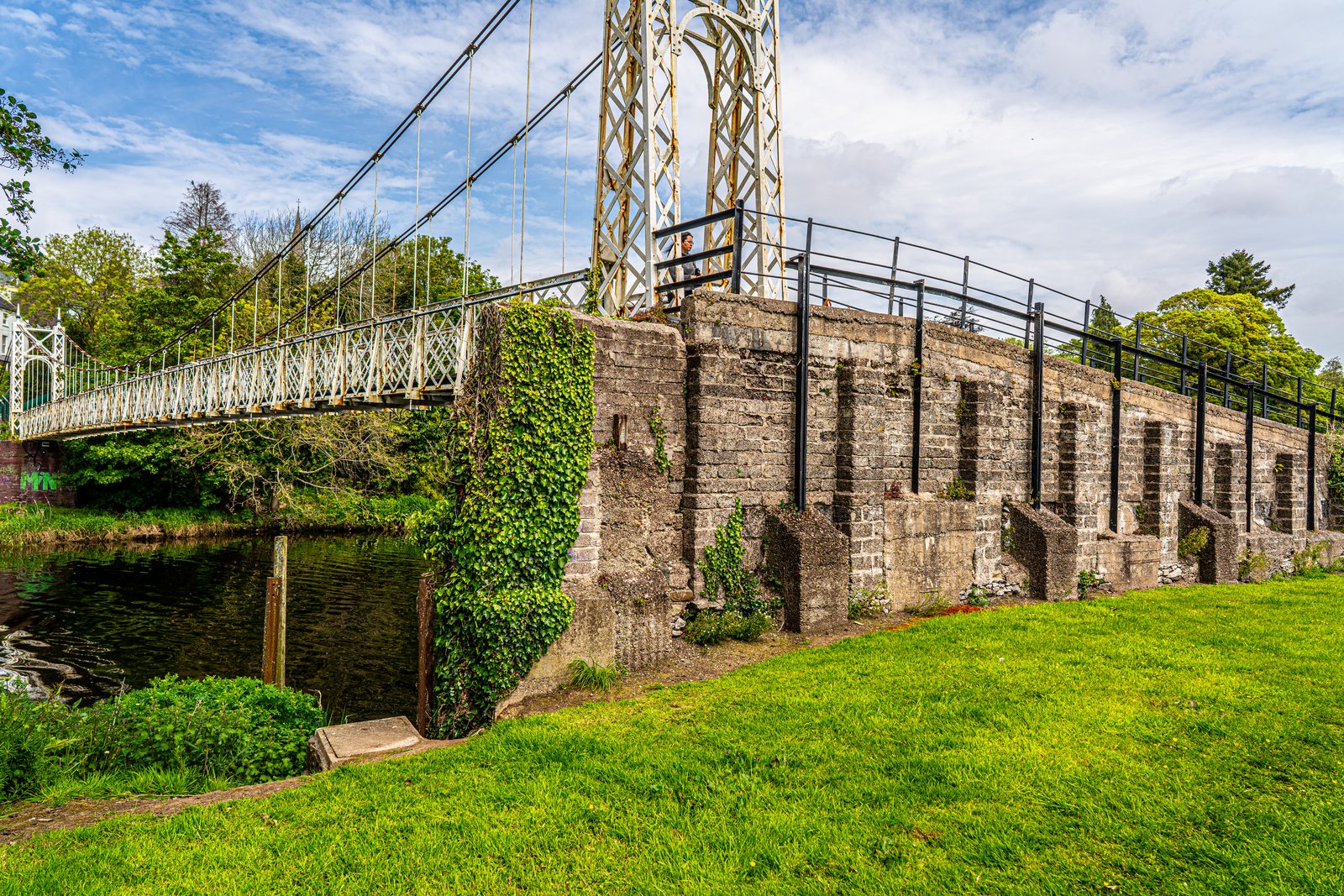
Right next to UCC, Fitzgerald Park is the nicest green space in the city, and the free Cork Public Museum sits inside it. Walk over the Daly’s Bridge, the bouncy pedestrian bridge locals call the Shakey Bridge, to get there.
Elizabeth Fort and Blackrock Castle Observatory
Elizabeth Fort is a 17th-century star fort a couple of minutes from St Fin Barre’s, free to enter, with a wraparound rampart view over the rooftops. It pairs well with the cathedral.
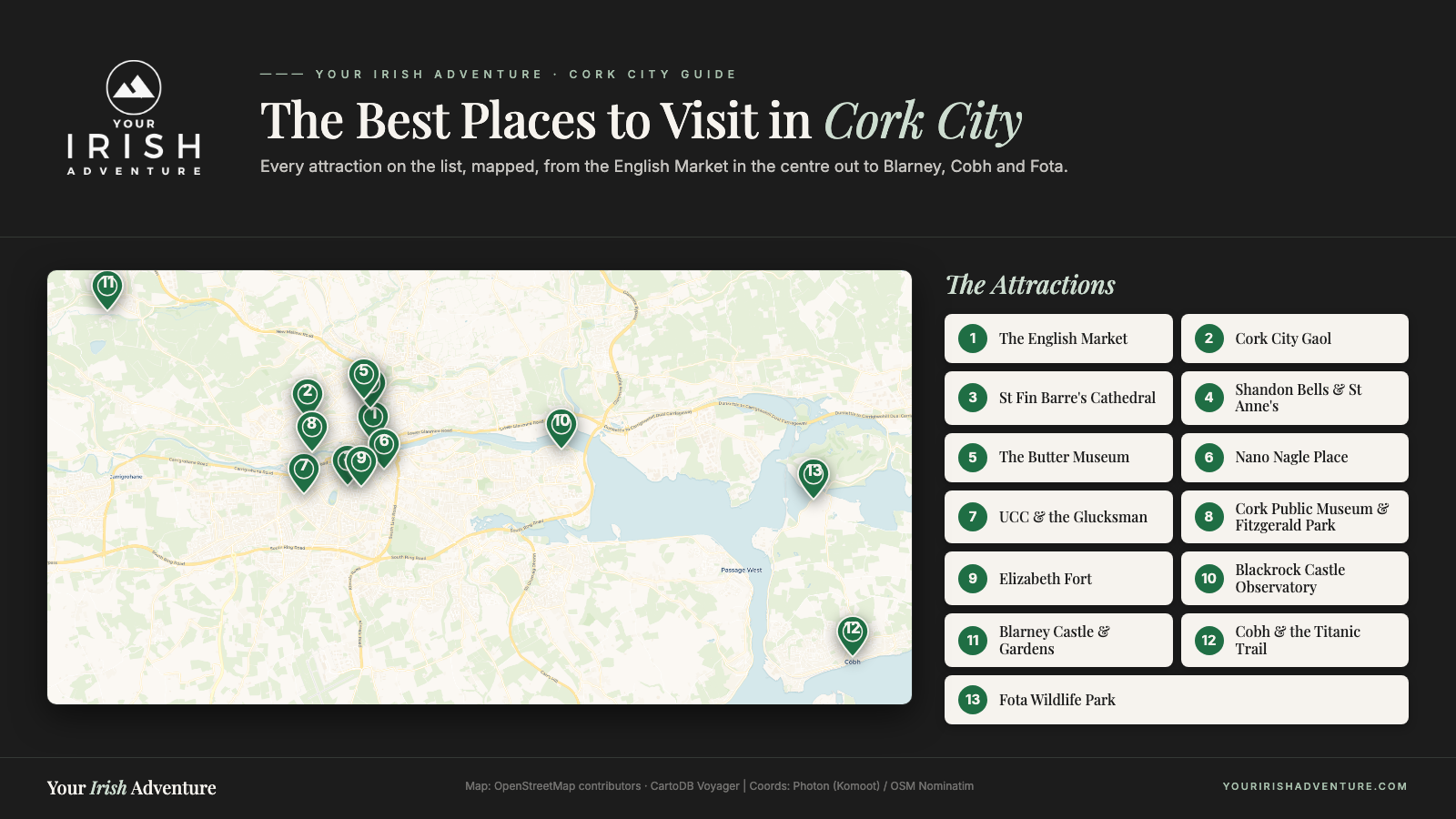
Blackrock Castle Observatory is a short trip east along the river, a small castle turned science center and observatory. It’s a decent one for families and the riverside walk out there is pleasant.
Blarney Castle and Gardens
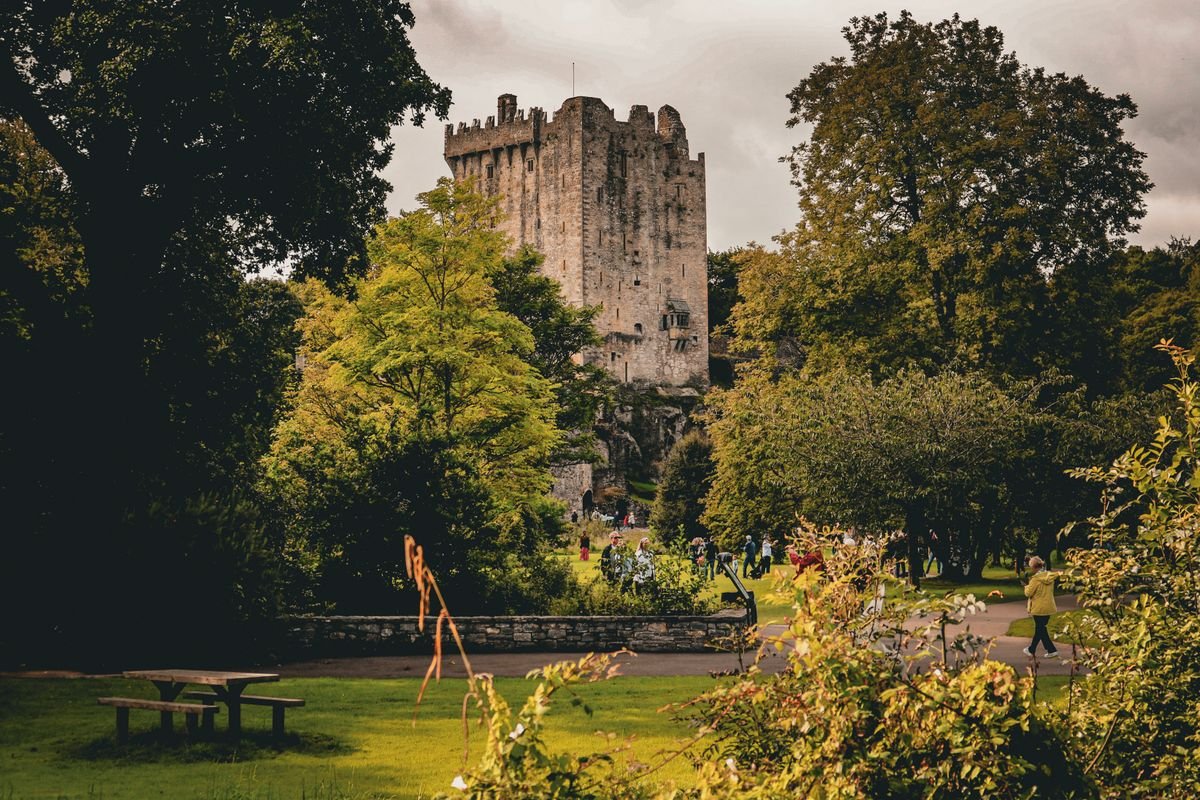
Blarney sits about 45 minutes from the coast, and we drove out on the N25 and R617 to a parking lot at the castle big enough for anything, including our campervan. We went in expecting a tourist trap and came out surprised.
Yes, we climbed the tower and leaned back over the parapet to kiss the Blarney Stone, holding the iron bars while someone holds your legs. That part is as touristy as it gets. But the grounds are where Blarney earns its place.
We spent the afternoon in the Fern Garden and along the River Bank Walk, with the Victorian Blarney House thrown in as a bonus. Give it two to three hours minimum. Don’t rush straight to the stone and leave. If you’re not driving, you can book a half-day Blarney Castle tour from Cork on GetYourGuide that pairs it with Kinsale.
Cobh and the Titanic Trail
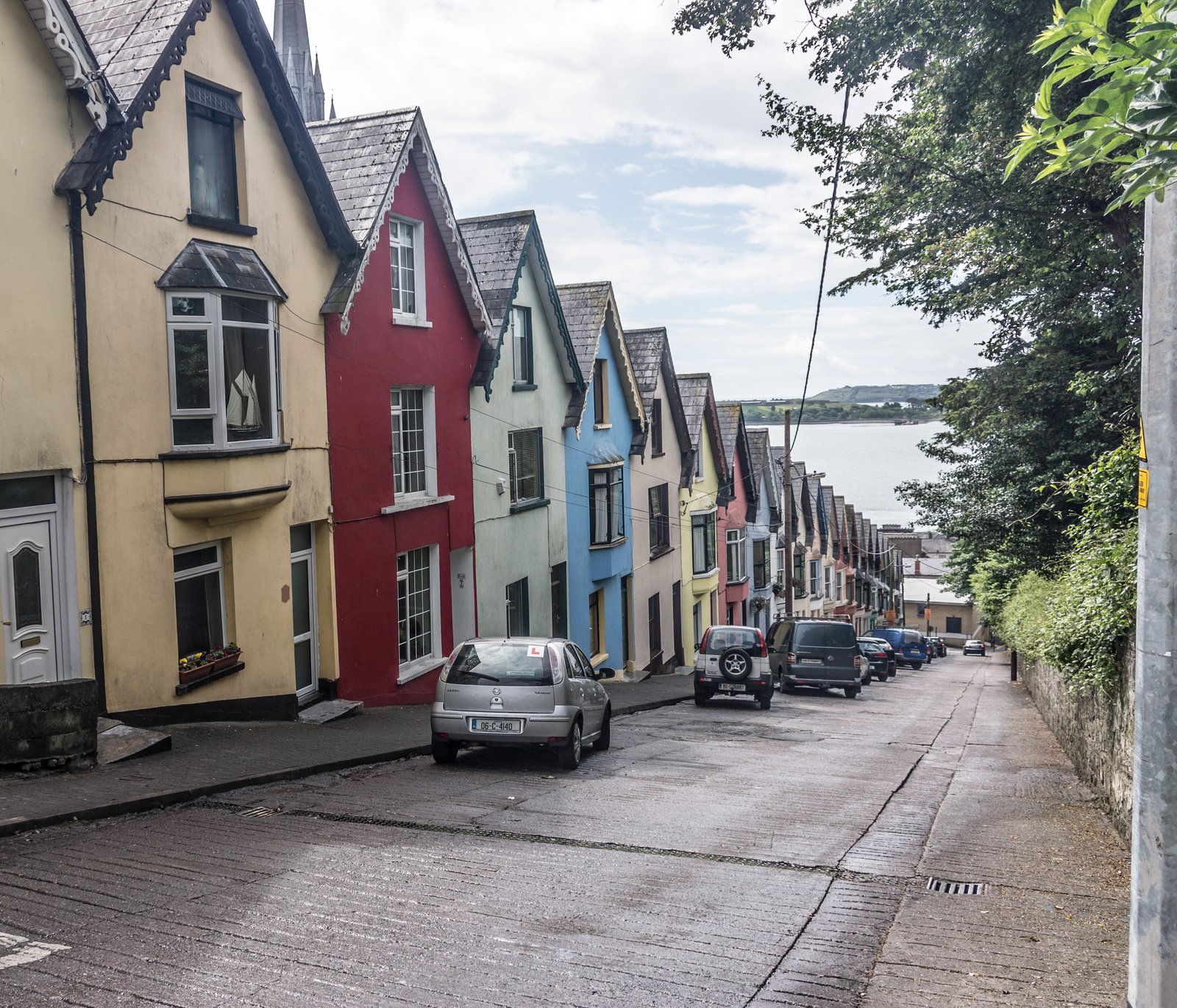
Cobh is the harbor town where the Titanic made its last stop before sinking, and it’s an easy day trip. It’s a 25-minute train straight from Cork Kent station, or a short drive if you’ve got wheels. We parked the van at Five Foot Way right on the water for €10 a day.
A named Atlantic storm rolled in the same time we did, so we sat in the van for hours watching the sailboats rock in the harbor. Then around 4pm the clouds cracked open and gave us blue sky.
We walked straight up to Spy Hill for the view of the Deck of Cards houses stacked below St Colman’s Cathedral. It’s the most photographed shot in town and it earns it. Do Spy Hill first, then wander the steep streets down and finish with a drink at Kelly’s Bar.
One heads-up: we visited on a Friday in early October, well into shoulder season, and a lot of restaurants were shut, maybe because of the storm. Book ahead or plan to eat back in Cork. The Cobh Heritage Centre covers the Titanic history if you want the full story, and you can book Cobh Heritage Centre entry on GetYourGuide ahead.
Fota Wildlife Park
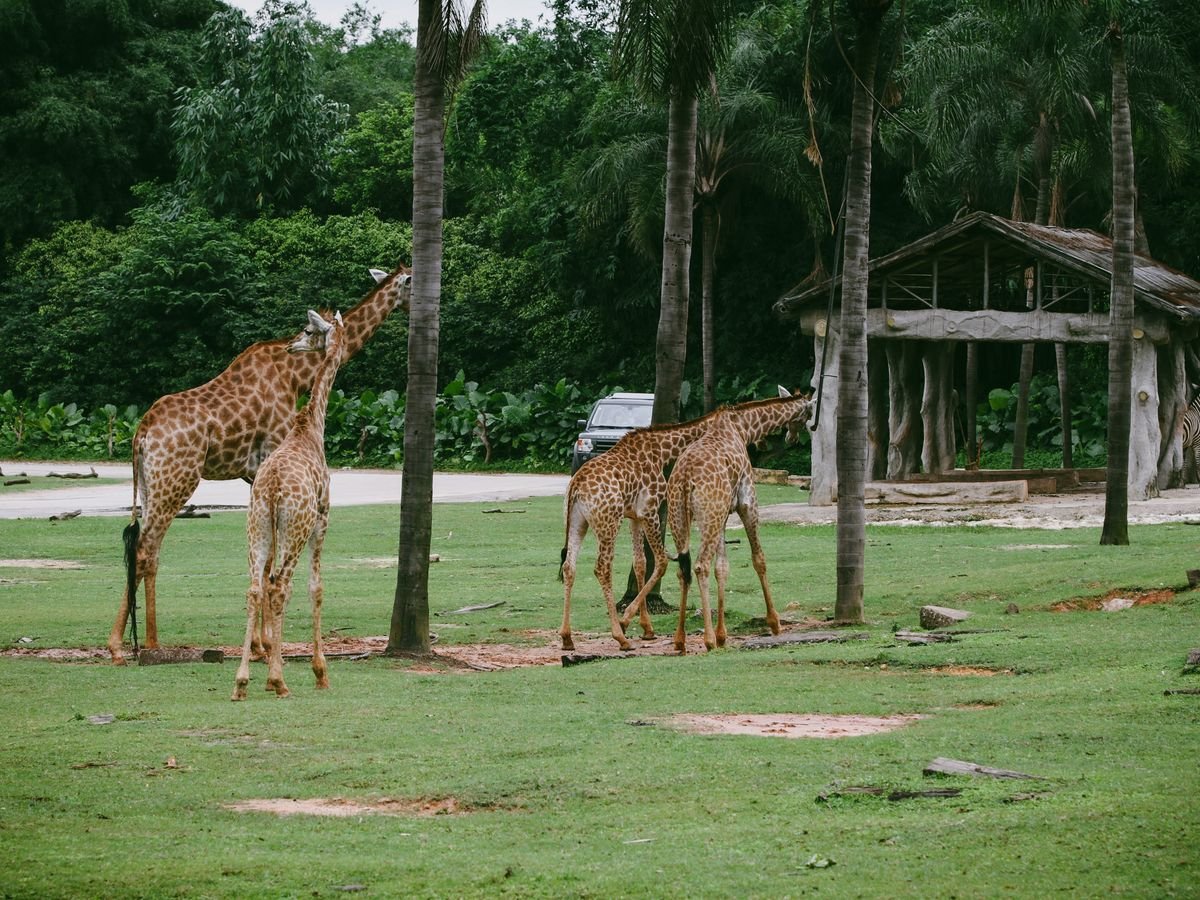
On the way out to Cobh, Fota is a wildlife park where a lot of the animals roam free around you rather than sitting behind bars. Cheetahs, giraffes, kangaroos, and monkeys on a wooded island. It’s the best stop in the county if you’re traveling with kids, and it shares the same train line, so you can pair it with Cobh in one day.
Where to Eat and Drink in Cork City
Here’s my honest confession for this section: we didn’t get the Cork food crawl we came for. The storm that trapped us over in Cobh ate into our city time, so a proper eating and drinking run through Cork is right at the top of the list for next time.
We did the legwork though, and Cork’s food scene is a lot better than a city this size has any right to be. It’s the best eating city in Ireland outside Dublin, so don’t treat it as a quick refuel between Blarney and Kerry.
Where to Eat
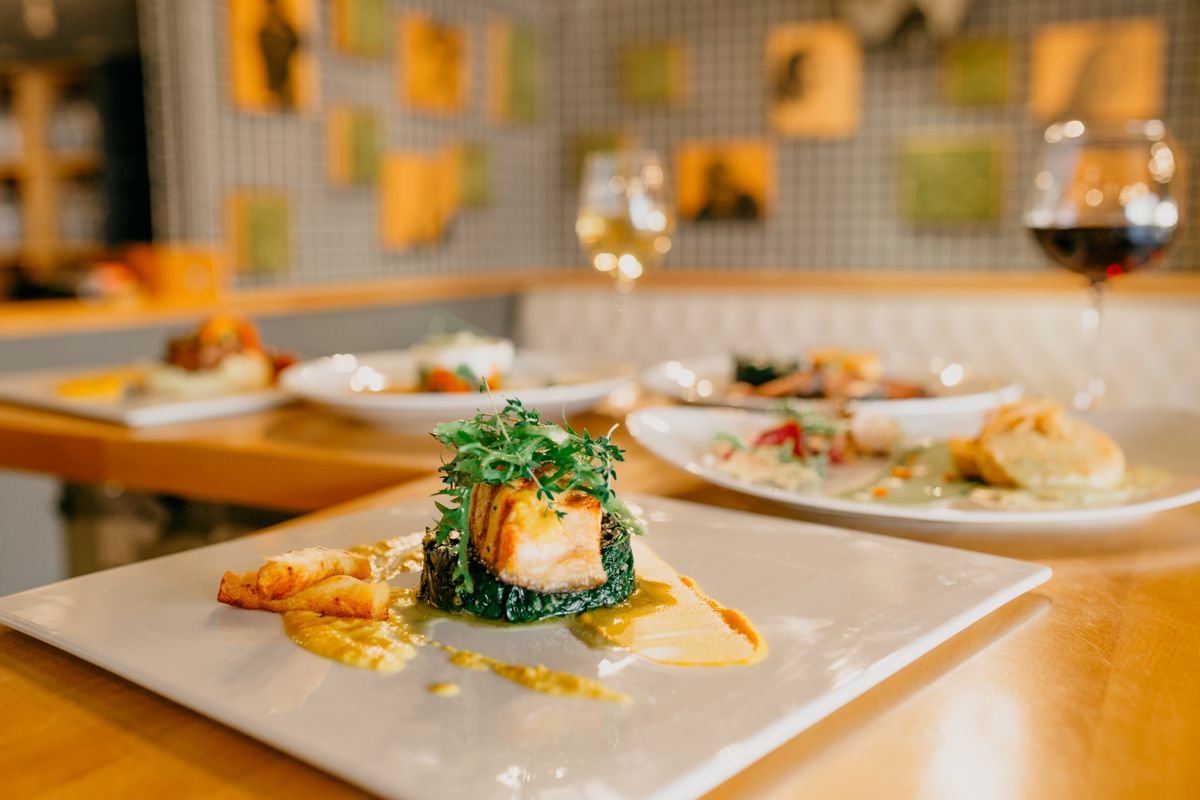
Start at the food market for lunch, then save your real appetite for dinner. The city is small enough that most of the good restaurants sit within a ten-minute walk of each other around the center and the Coal Quay.
- Market Lane on Oliver Plunkett Street cooks modern Irish plates using English Market produce, and it’s a reliable dinner pick.
- Paradiso serves vegetarian food so good that committed carnivores call it the best meal they had in Ireland.
- Jacobs on the Mall is the smarter sit-down dinner if you want to treat yourself.
- Miyazaki is a tiny Japanese hole-in-the-wall run by a Michelin-starred chef, and it does a cheap standout lunch.
Book the sit-down spots ahead, especially on a weekend. Cork fills its tables fast and the good ones turn people away.
Where to Drink
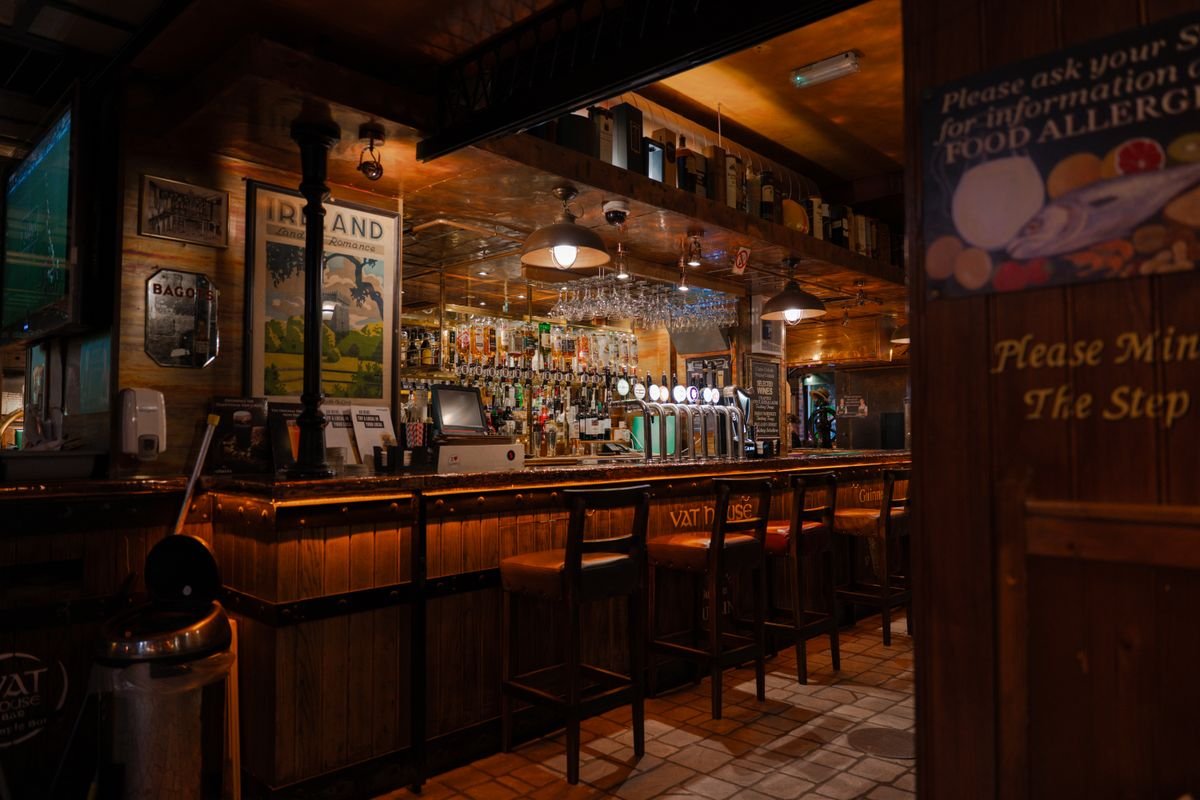
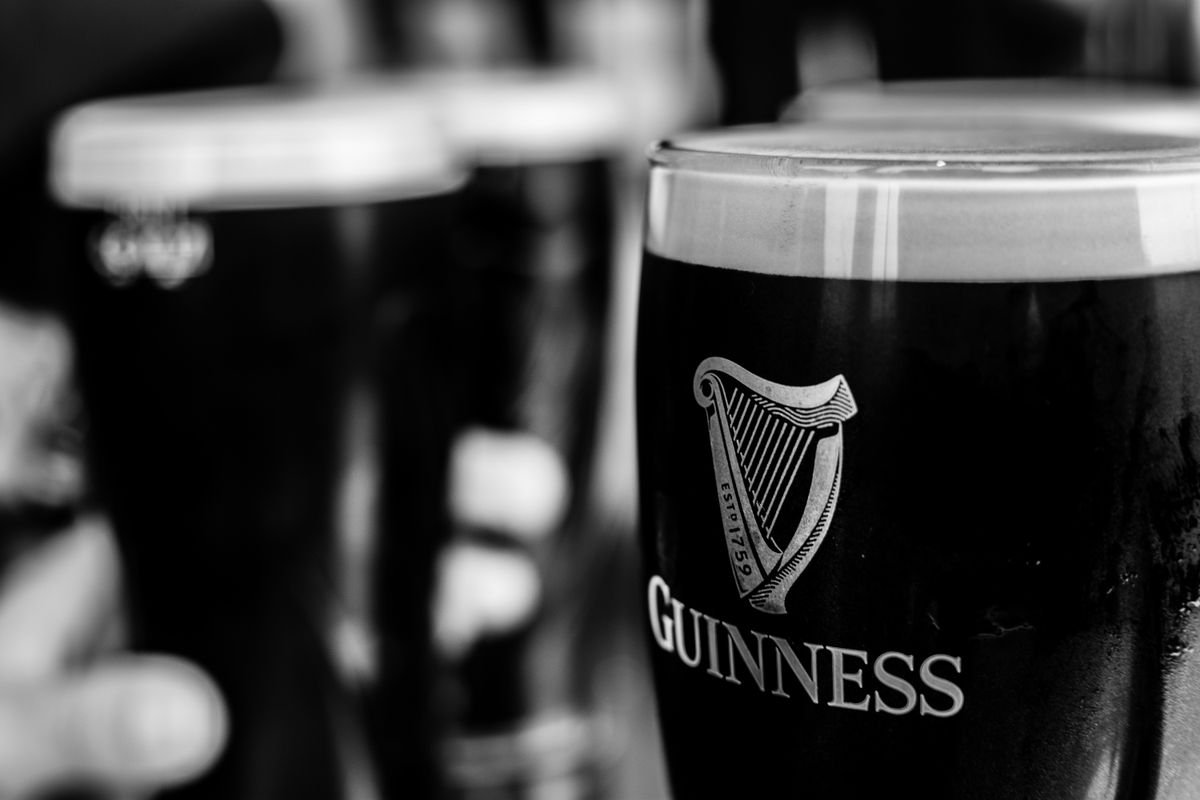
Cork takes its pubs and its beer seriously. This is the home of Murphy’s and Beamish, the two stouts locals will tell you beat Guinness, so order one and see if they’re right.
For old-school character, head down the tiny lane off Patrick Street to the Mutton Lane Inn, which is candle-lit and packed most nights. The Oval is a proper local a few streets over. Sin É is where you go for trad music, and the sessions run late most nights of the week.
If you’re into craft beer, the Franciscan Well Brewery on the north side and Rising Sons in the center both brew on-site and are worth a pint. Cork’s whole pub scene is one of the reasons everyone told us we’d shortchanged the city, and they were right.
Explore More of Ireland’s Southwest
- 15 Best Things To Do in Kinsale, Ireland
- 15 Fun Things To Do in Killarney, Ireland
- 20 Best Things To Do in Dingle, Ireland
Where to Stay in Cork City
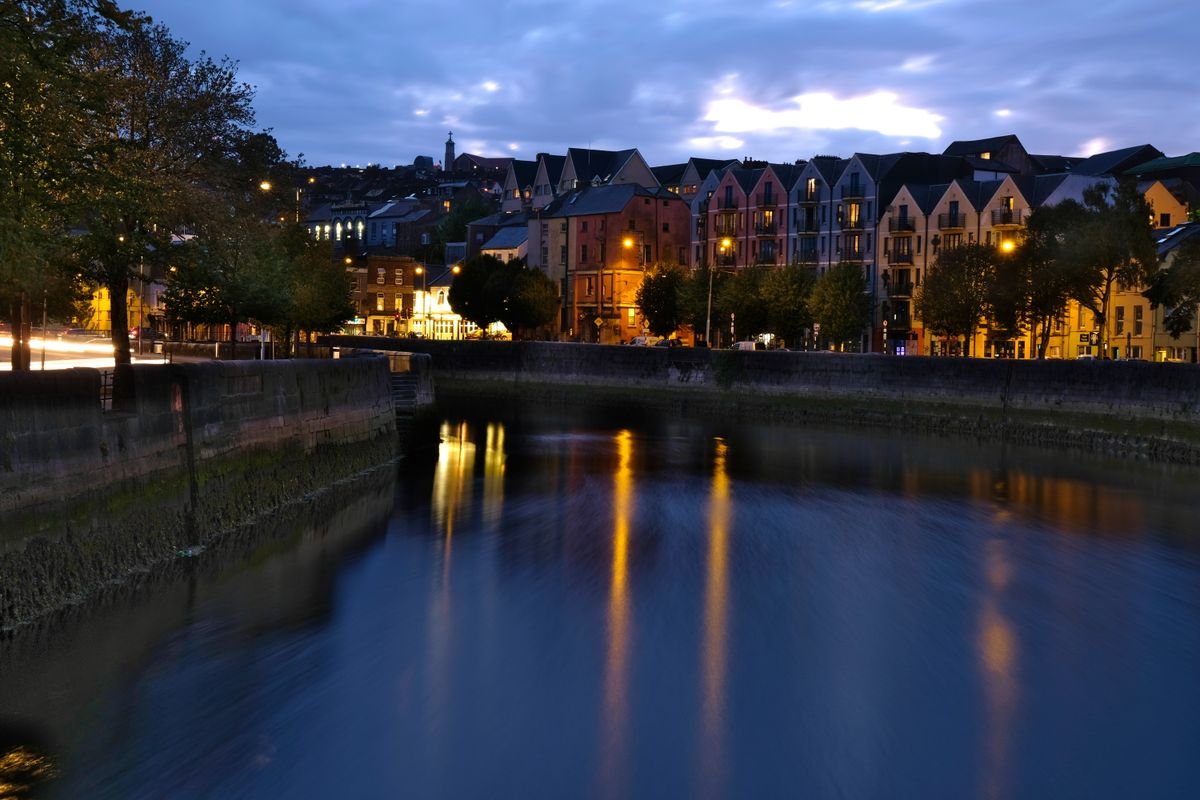
We based ourselves around the south of the county in the campervan rather than overnighting in the city itself, so I won’t pretend we tested a Cork hotel bed. But the city is small and walkable, and where you stay comes down to which pocket of it you want on your doorstep.
If you’re driving, note that Cork’s center is a tight one-way grid and street parking is a headache. Pick a hotel with its own parking or a lot nearby, and leave the car parked while you walk the city.
City Centre
The island between the two channels of the River Lee is the obvious base for a first-timer. You’re a few minutes from the food market, the main restaurants, and the pubs, and you can walk everywhere without touching the car.
The River Lee Hotel sits right on the water and is the reliable mid-to-upper pick, and it’s worth checking availability on Booking.com before you commit. The Imperial and Hayfield Manor are the smarter splurges, and the Maldron on the South Mall is a solid mid-range option with parking sorted.
The Victorian Quarter and MacCurtain Street
Just over the river on the north bank, MacCurtain Street and the Victorian Quarter have turned into Cork’s best strip for eating and drinking, and it’s a short walk back across to the center.
The Metropole is the landmark hotel here, and there’s a good spread of guesthouses and smaller places around it. Stay here if you want the nightlife on your doorstep and don’t mind being a bridge away from the market.
Budget and hostels

Kinlay House up in the Shandon Quarter and Bru Bar and Hostel on MacCurtain Street are the two go-to backpacker spots, both central and cheap. For a cheaper private room, the Travelodge and premier chains sit on the edge of the center with parking.
Basing outside the city
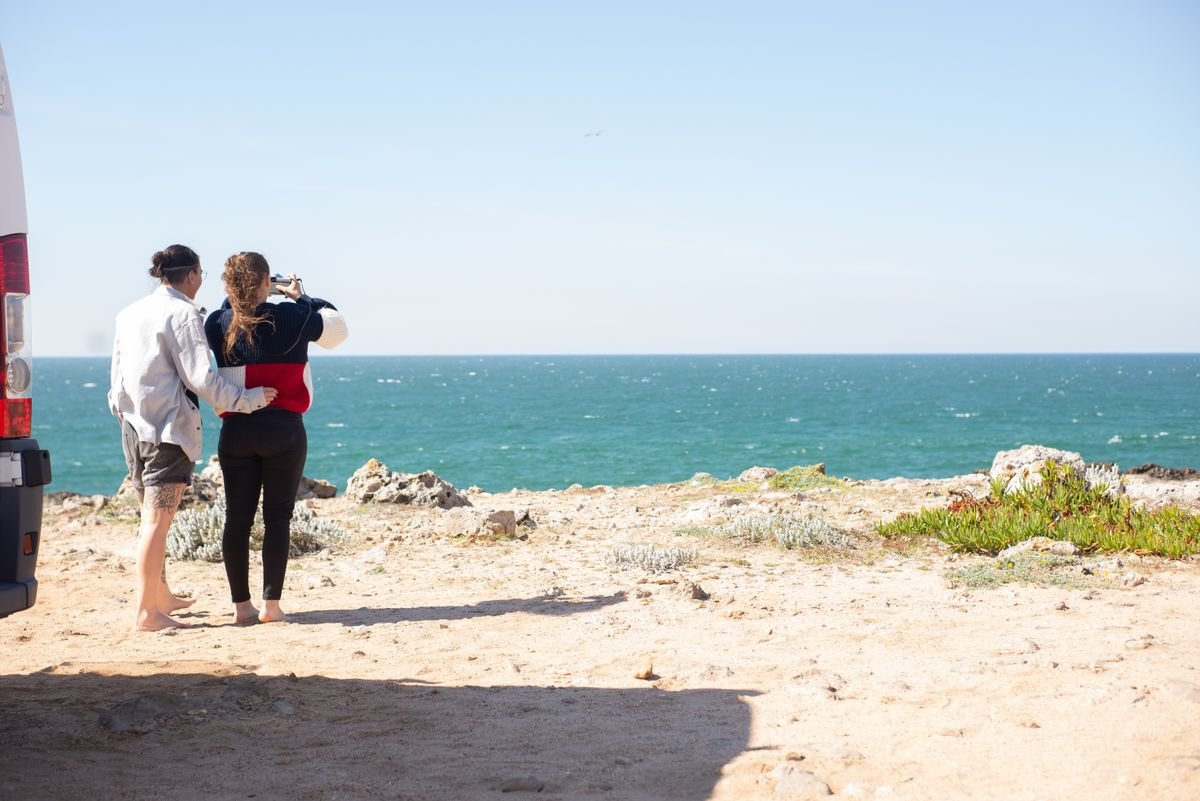
If you’re touring by car or camper like we were, you don’t need to sleep in the center at all. Cobh and Blarney both make easy bases, and Cobh in particular has that direct 25-minute train into the city if you’d rather not drive in.
For campervans, park-up options right in Cork city are thin, so most of us stay on the outskirts or out toward the coast and day-trip in. Plan your overnight before you arrive rather than circling the center looking for a spot.
Where to Stay in Cork City
Getting to and Around Cork City
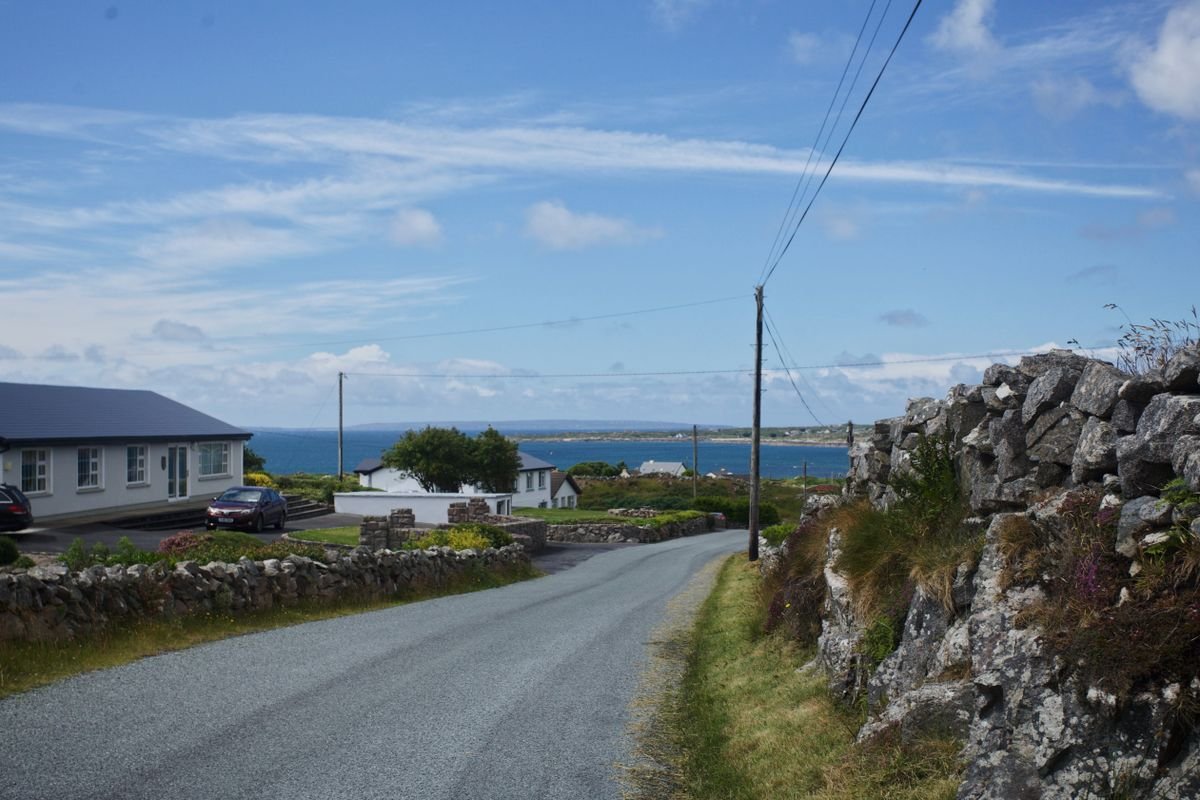
Cork is easy to reach from just about anywhere in the south. Cork Airport sits about 8km south of the center and flies to the UK and mainland Europe, so plenty of visitors skip Dublin entirely and start their Ireland trip here.
If you’re coming from Dublin, the train into Kent Station takes about 2.5 hours and drops you a short walk from the center. Intercity buses run the same route and cost less if you’re watching the budget.
Driving in
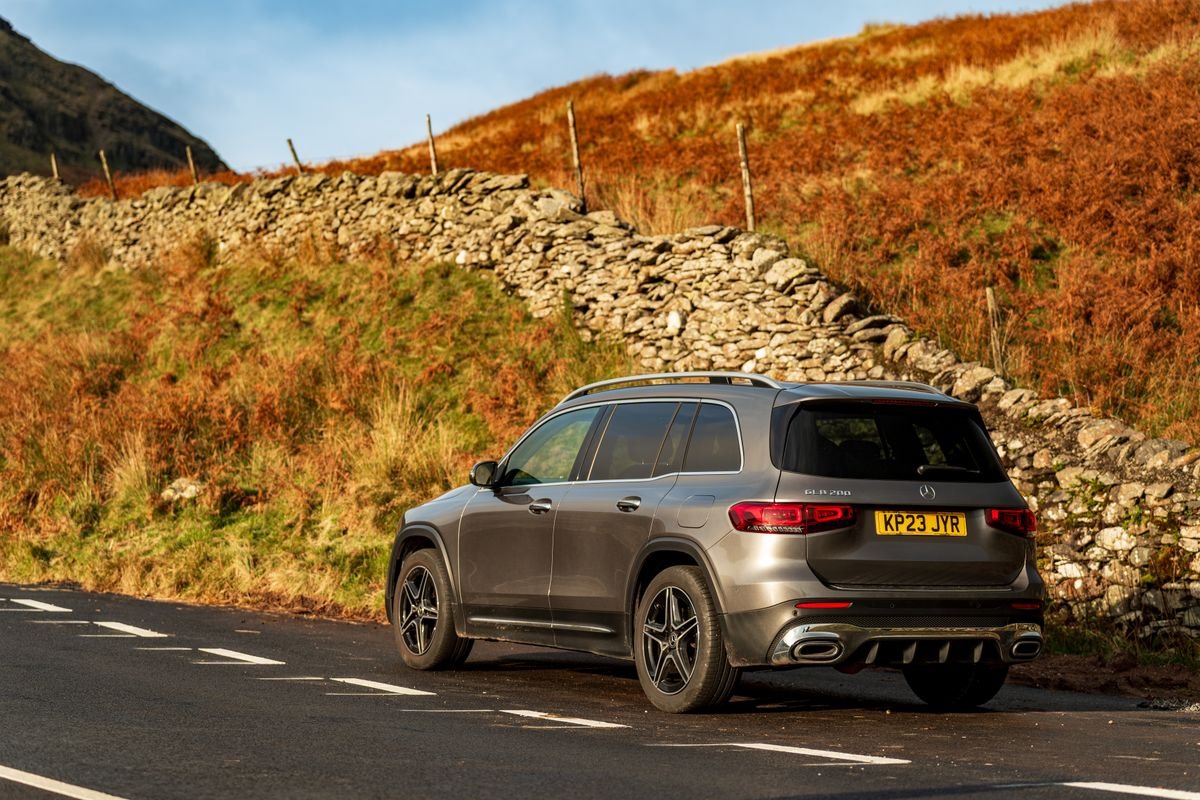
We came into Cork on the N25 and M8, which is the fast way in from the east and from Dublin. The roads are good right up to the edge of the city. If you’re picking up a rental to tour the wider county, it’s worth a minute to compare car hire deals in Cork on Discover Cars.
The catch is the center itself. It’s built on an island between two channels of the River Lee, the main streets run one-way, and it’s not fun to drive around blind. Park once and leave the car, or base yourself outside and day-trip in.
Getting around once you’re there
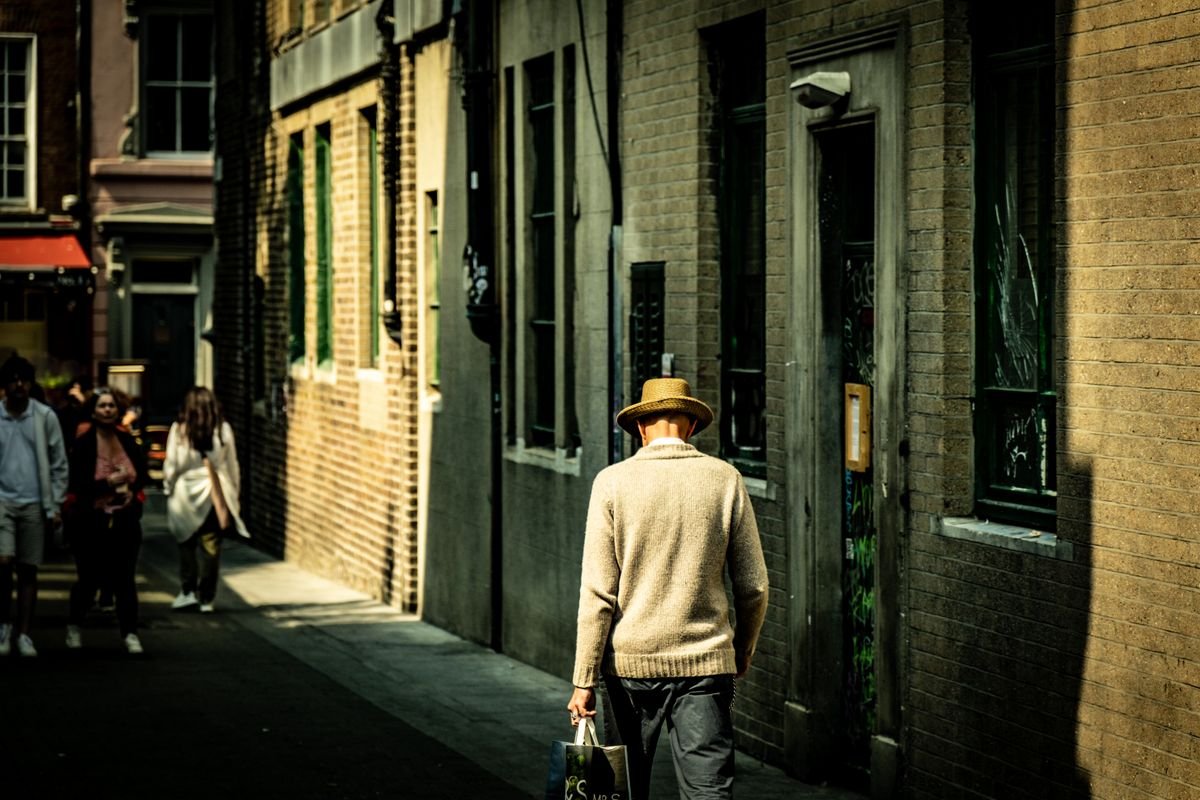
The good news is you barely need transport inside Cork. The center is small and flat, and you can walk from the food market to the pubs to St Fin Barre’s in ten or fifteen minutes. This is a walking city, plain and simple.
For the sights up the hills, like the Gaol or the Shandon Quarter on the north side, it’s a steeper walk but still doable on foot. Bus Éireann covers the wider city if your legs give out, and taxis are easy to grab in the center.
For the day trips, the train does the heavy lifting. The same line out of Kent Station runs to Fota and on to Cobh in 25 minutes, so you can leave the car parked and skip the coastal traffic entirely.
More Ireland Itineraries and Road Trips
- The Ring Of Kerry Drive: Itinerary, Highlights & Tips
- Wild Atlantic Way Itinerary – Ireland’s Most Epic Road Trip
- A Photographer’s Definitive Ireland Road Trip
In short
- Give Cork City two days: one for the city, one for day trips.
- Start at the English Market, running since 1788, then lunch at the Farmgate Cafe.
- Cobh is a 25-minute train from the center; Blarney pairs well with it.
- The flat city center crosses on foot in about fifteen minutes.
- Book weekend restaurant tables ahead, and drive to the edge then park.
Frequently Asked Questions
How many days do you need in Cork City?
Two days is the sweet spot. One day gets you the food market, a couple of the city sights, and a night in the pubs. A second day frees you up for Blarney, Cobh, or Fota without rushing.
Is Cork worth visiting?
Yes, and it’s underrated for it. It isn’t a monument city, so if you’re after big-ticket sights you’ll be underwhelmed. The pull is the food, the pubs, and how walkable and relaxed the center is.
What’s the best day trip from Cork?
Cobh and Blarney are the two easy winners, and both are worth it. Cobh has the Titanic history and the harbor views, and it’s a 25-minute train from the center. Blarney has the castle and the gardens, which surprised us more than the stone did.
Is Cork City walkable?
Very. The center sits on a flat island between two channels of the River Lee, and you can cross most of it on foot in fifteen minutes. You’ll barely need a bus or taxi to reach the market, the restaurants, and the main pubs.
Should I drive into the city center?
Get to the edge of the city by car, then park and leave it. The center is a one-way grid and driving it blind is no fun. Pick a hotel with parking, or base yourself outside and day-trip in by train.
When is the best time to visit Cork?
Late spring through early fall gives you the best odds on weather and the longest days. We went in shoulder season and had the city mostly to ourselves, which is the trade-off: fewer crowds, but some restaurants and coastal spots run shorter hours or shut early.
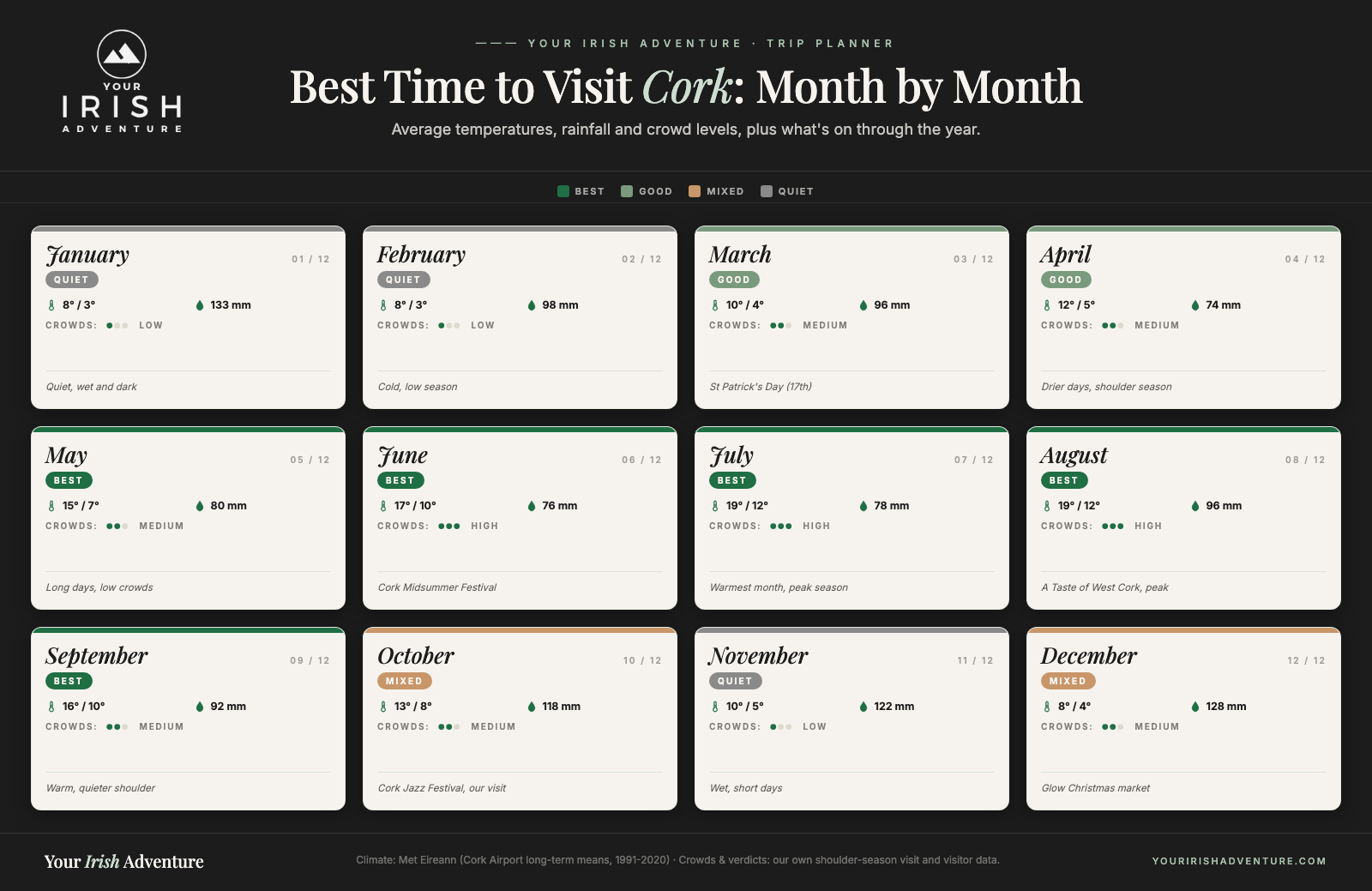
Whenever you come, book the sit-down restaurants ahead on a weekend. Cork fills its tables fast.
Final Thoughts on Visiting Cork City
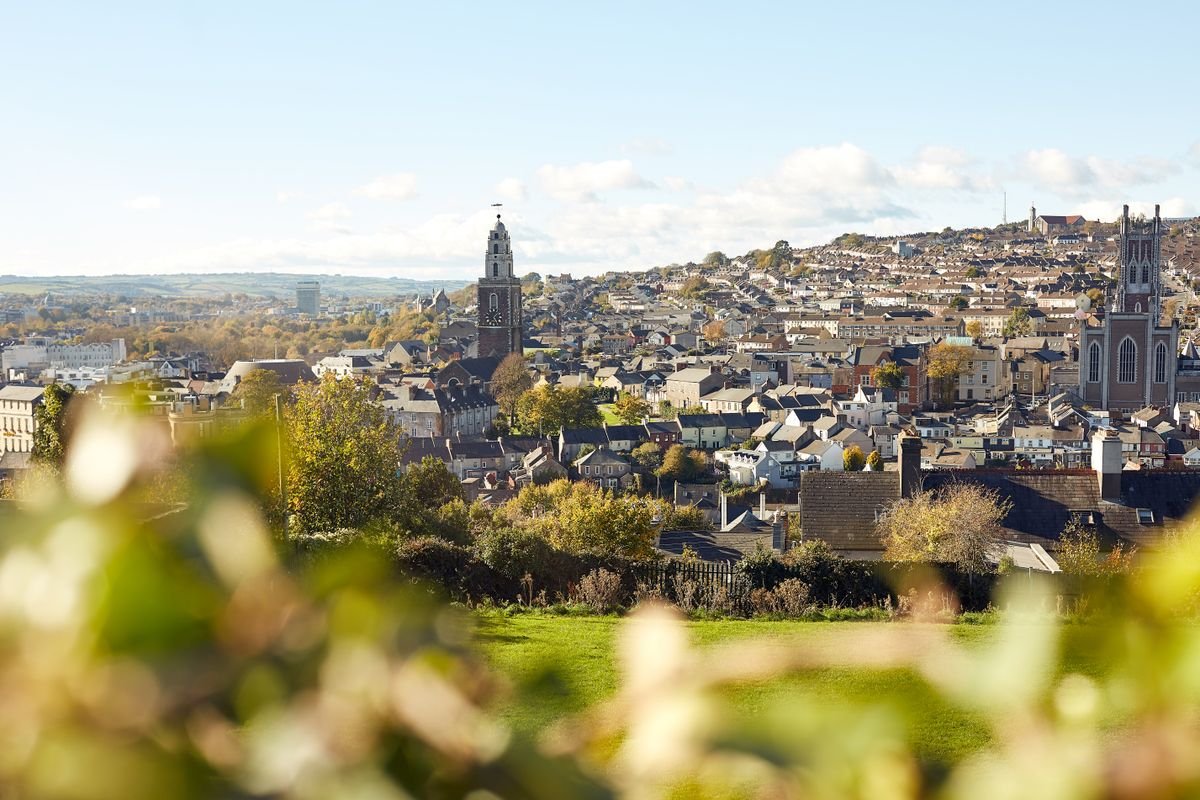
We came into Cork on the N25 and M8 with a plan to give the city a proper couple of days, and the weather had other ideas. We drove through, ate one good dinner, and pointed the van back toward the coast sooner than we wanted to.
So take this as the recommendation of two people who got a taste and left hungry. Cork is Ireland’s second city, everyone who lives here or visits properly told us we’d sold it short, and after doing the research I think they’re right.
Here’s the thing to get straight before you come: Cork isn’t for ticking off monuments. If you want a city you can walk end to end, eat like a king in, and settle into a good pub for the night, it’s one of the best in the country for exactly that.
Give it two days, use it as a base for Blarney and Cobh, and don’t make our mistake of budgeting it as a quick stop between Blarney and Kerry. We’ll be back to do the food and pubs properly, and I’d bet you’ll want the same once you’ve had a night here.
Like it? Pin it!
Save this guide for later