Dublin is the city you’ll probably fly into and out of on an Ireland trip, and it’s worth a lot more than the one rushed night before you drive off somewhere else. We spent time here on both ends of our last trip, and this dublin travel guide is built from what we actually did, not a list of everything on the map.
Temple Bar is touristy, and it’s still a fun first night out. The Jameson Distillery tour on Bow Street is worth the ticket. Trinity College is free to walk and one of the best things you can do in the city center without spending a cent.
Dublin isn’t really a big-monument city, so don’t come expecting to tick off ten famous sights. It’s a place for pubs, walking, and a few standout stops, and two days is plenty to get the feel of it before you head off.
Below I’ll break down how long to stay, where to base yourself, the pubs and food we’d send you to, how to get around and to and from the airport, the neighborhoods worth your time, and a few day trips if you’ve got a spare day. Here’s what we did, and what I’d tell a first-timer to check out.
More Dublin Travel Guides
- 22 Best Things To Do in Dublin
- 29 Free Things To Do in Dublin: A Local’s Guide
- 4 Days in Dublin: Perfect Itinerary
- Best Time to Visit Dublin: Month-by-Month Guide
Quick Answer:
This Dublin travel guide is built around two full days: walk the compact city center, do a distillery tour on Bow Street, see the free Trinity College grounds, and spend your nights in the pubs. A pint of Guinness runs about 6 to 7 euro, you don’t need a car, and the shoulder months bring shorter lines and easier hotel prices.
How Many Days You Need in Dublin
Two full days is the sweet spot. That’s enough to do the pubs, walk the city center, get through a couple of the paid stops, and still have time to just wander without feeling like you’re racing a checklist.
Here’s how we’d actually structure it, because it’s what worked for us. We spent three nights in Dublin total on our last trip, but we split them: a night or two on arrival, then a night at the end before flying home.
That split is worth copying. We landed on a Ryanair flight, took the airport bus into the center, and dropped our bags at Fitzsimons Hotel right in Temple Bar. First night you’re jet-lagged anyway, so an easy night out is all you’ll manage, and Dublin is built for exactly that.
Then you drive off and see the rest of Ireland. When you loop back to fly out, you’ve got a fresh day for the stuff that needs a clear head, like a distillery tour or the Trinity College grounds. We stayed in a city center hotel that second time and it broke the visit up nicely.
If you only have one day, you can still get a real feel for the place. You’ll cover the center on foot, do one paid stop, and hit a few pubs, and that’s a decent Dublin. You just won’t have any slack in it.
Three days is only worth it if you want to dig into the neighborhoods or use the city as a base for a day trip. Beyond that, I’d take those extra nights and spend them somewhere on the coast instead.
Where to Stay in Dublin
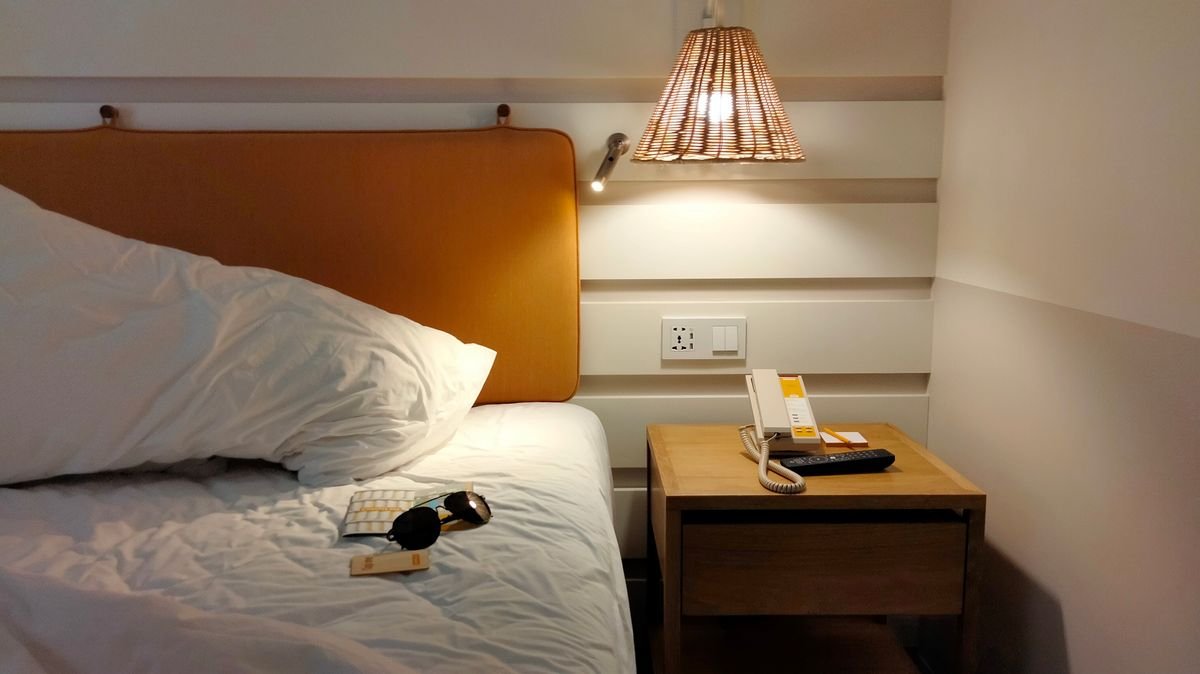
For a first trip, stay in the city center. Dublin’s core is small and walkable, so anywhere within about 15 minutes of Trinity College puts you a stroll from the pubs, the river, and most of the paid stops you’ll actually do.
On our last trip we booked right in the middle of Temple Bar for the first night, and it does exactly what you’d want on arrival. You roll off the bus, drop your bags, and you’re already where the night is happening.
The trade-off is noise. Temple Bar is loud until late, so if you’re a light sleeper, it’s a fun place to drink and a rough place to actually sleep. One jet-lagged night there is great. A whole stay, less so.
The Areas Worth Booking
If you want central without the racket, look around Grafton Street, St Stephen’s Green, or the streets just north of the Liffey near O’Connell Street. All of it is walkable to the same spots, and it’s quieter at night.
The one area we’d book next time is Smithfield and Stoneybatter, just west of the center. It’s more of a local, lived-in part of the city, still an easy walk in, and it’s where we wished we’d spent more of our time instead of only passing through.
For the return leg we stayed in a plain city center hotel, and that’s the move I’d actually recommend to a first-timer. You’re near everything, you can walk to a distillery tour or a good dinner, and you don’t need a taxi to get anywhere. Wherever you decide to base yourself, it’s worth booking early in summer and around big events, so check availability and prices on Booking.com before the central spots fill up.
One practical note if you’re renting a car: don’t pay for a hotel with city center parking you won’t use. Pick up the car when you leave Dublin, not before, because you don’t want to be driving or parking in the middle of the city for a two-day stay.
Avoca House
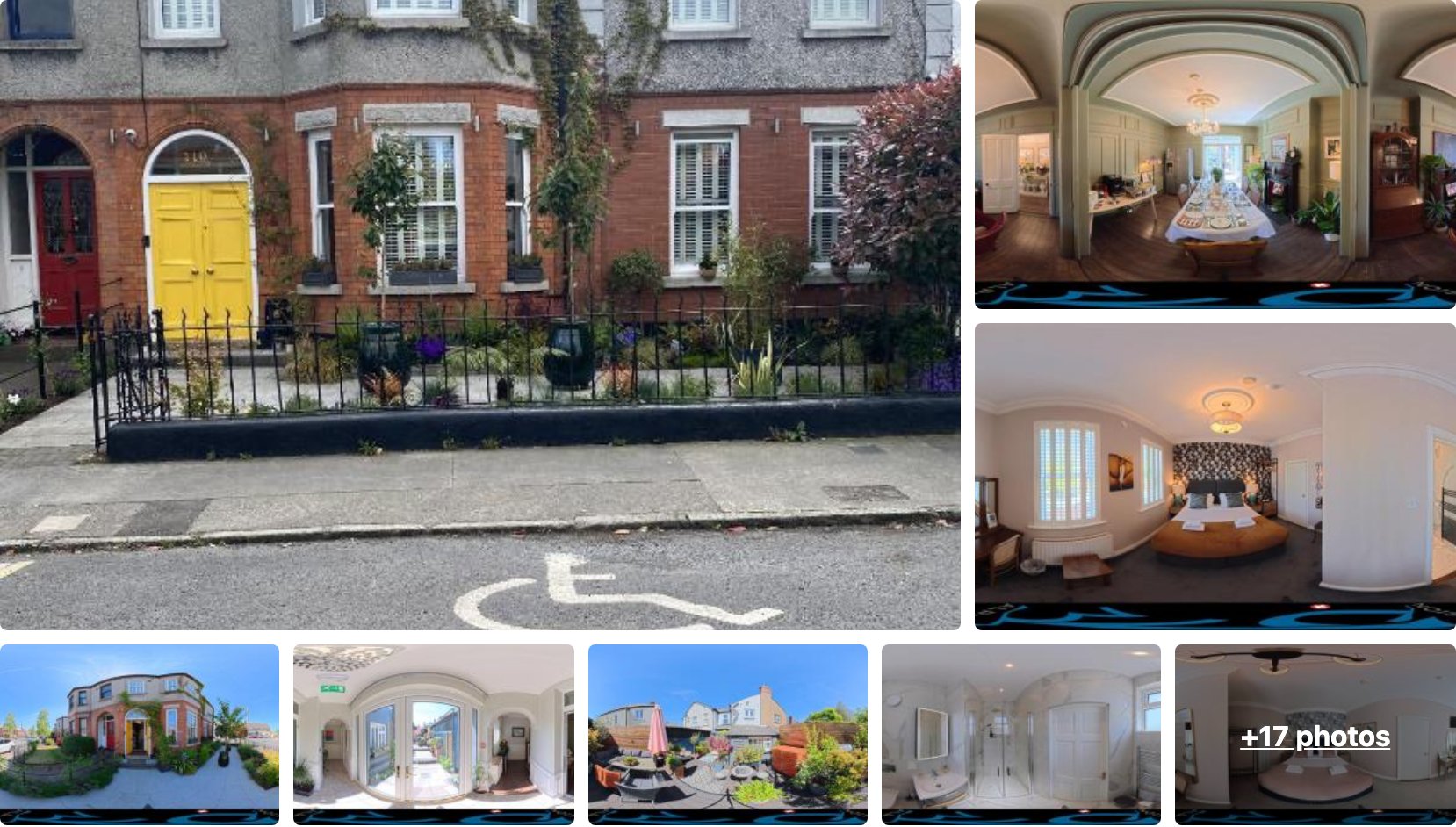
Avoca House is a red-brick Victorian B&B in Drumcondra, about ten minutes north of the center, and it scores a 9.6 across nearly 800 reviews. Rooms are spotless, the breakfast is proper, and it’s a short walk to a train that drops you in town.
Go for this if you want a quieter, homelier base than the city center and don’t mind the short hop in. It’s the pick for a couple or a first-timer who’d rather sleep well than sleep on top of Temple Bar.
👉 View Avoca House Availability and Pricing
The Green
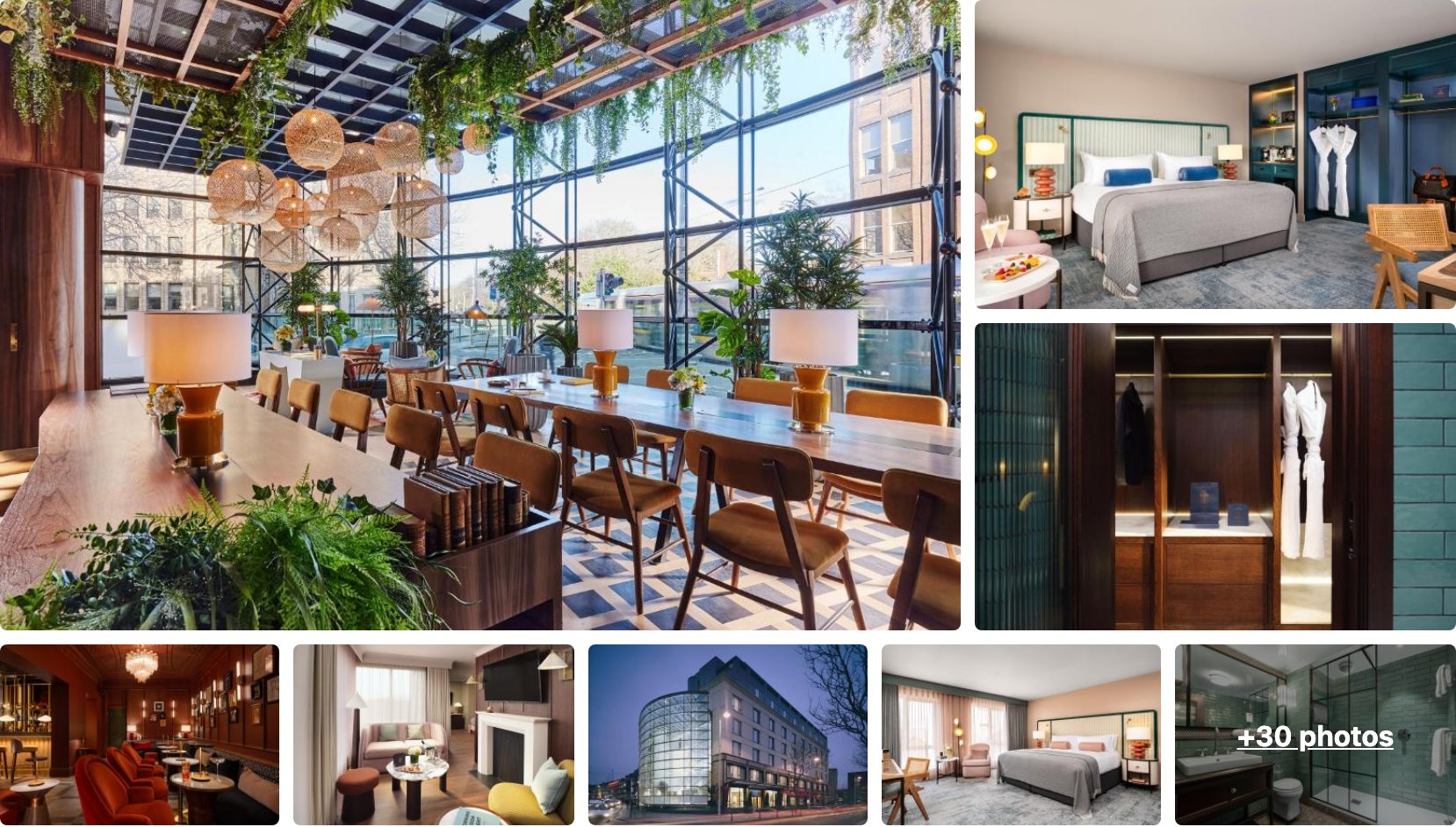
The Green sits right on St Stephen’s Green, a couple of minutes from Grafton Street, and holds a 9.2 across more than 1,300 reviews. The rooms are modern, the plant-filled atrium is a nice place to sit, and you can walk to everything.
This is the central pick for a first trip. You’re steps from the shopping, the pubs, and most of the paid stops, and you won’t need a taxi the whole time you’re in town.
👉 View The Green Availability and Pricing
The Merrion Hotel
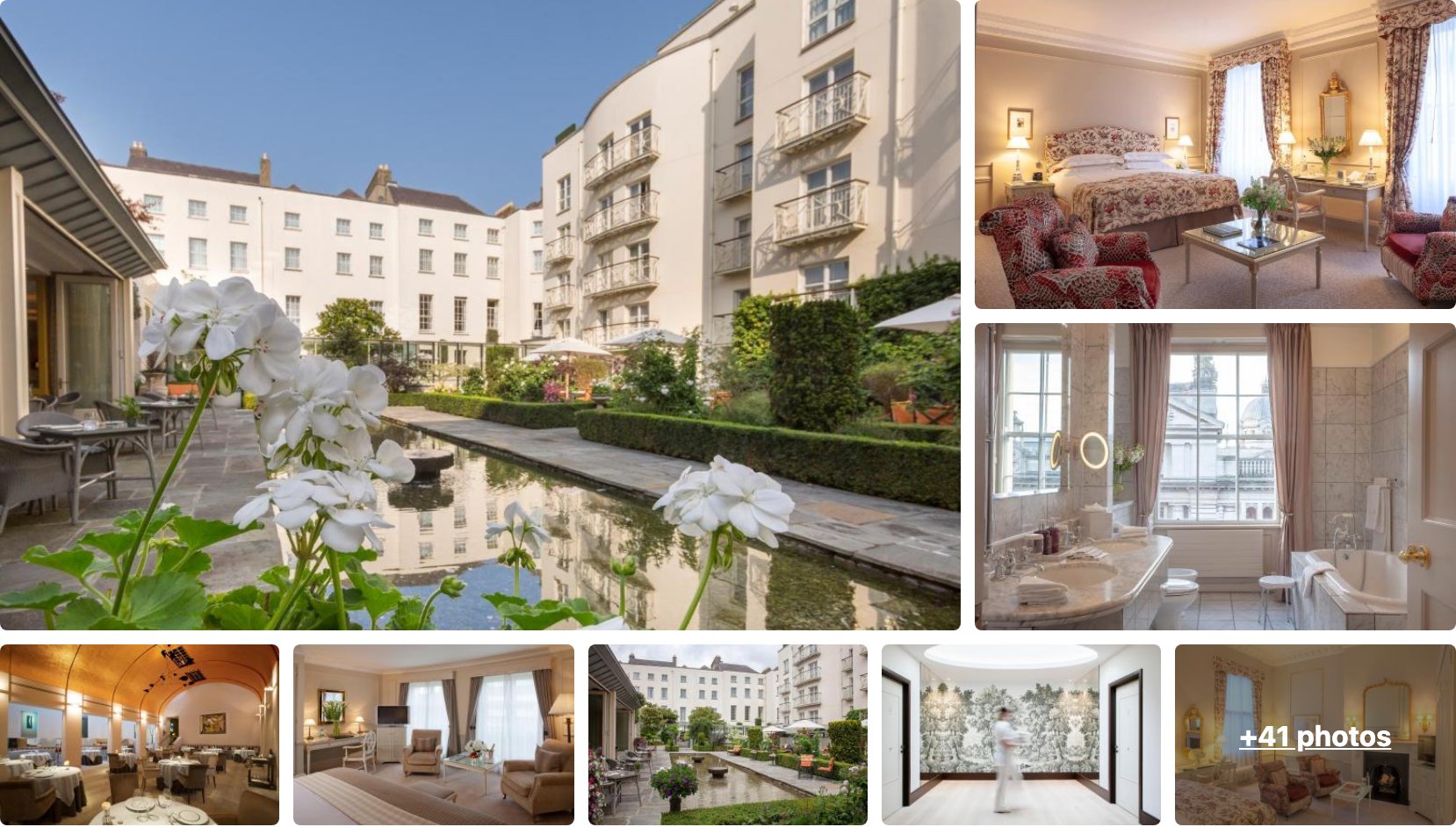
The Merrion Hotel is the splurge, a five-star spread across four restored Georgian townhouses on Merrion Square with a 9.4 across 560-plus reviews. Expect period rooms, a walled garden, a Michelin restaurant on site, and service to match the price.
Book this when the trip is the occasion and you want Dublin’s best address, five minutes from Trinity College and the National Gallery. It’s not cheap, but it’s the one to blow the budget on.
👉 View The Merrion Hotel Availability and Pricing
Best Things to Do in Dublin
Dublin isn’t a checklist city, so pick a few of these and leave the rest. Here’s what’s actually worth your time, with a straight verdict on each.
Tour the Guinness Storehouse
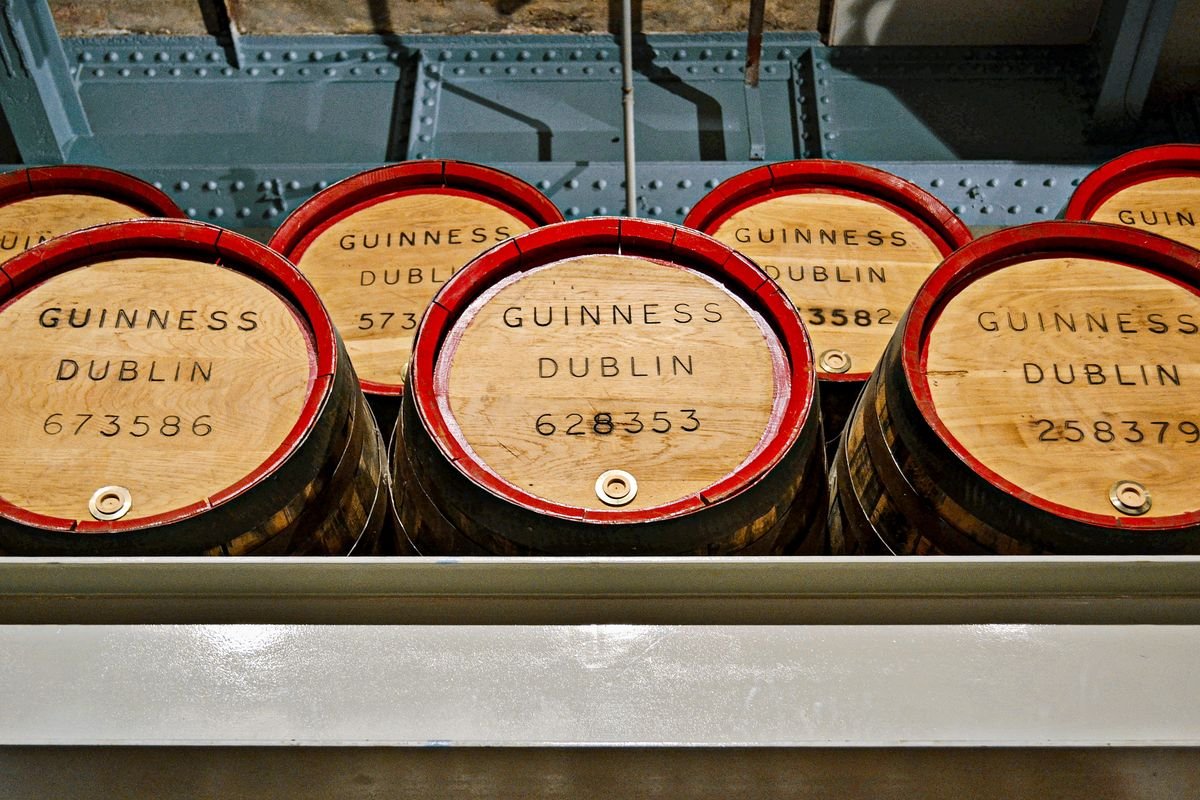
This is the busiest paid attraction in the country, and it’s basically a self-guided museum of how the black stuff is made, spread over seven floors. Tickets run around €26, and you should book online ahead of time because the walk-up line moves slow.
The payoff is the Gravity Bar at the top, where your ticket gets you a pint with a 360-degree view over the whole city. It’s touristy and you know it going in, but the view and the pour are good enough that you’ll be glad you did it. To skip the walk-up line, book the Guinness Storehouse tour with a free pint on GetYourGuide ahead of time.
See the Book of Kells at Trinity College
The grounds are free and one of the best walks in the center, but the Book of Kells is a separate ticket inside the Old Library. The 9th-century illuminated manuscript is behind glass, and you’ll spend more time in the Long Room upstairs than looking at the book itself.

That Long Room is the reason to go: a two-story barrel-vaulted library lined with old books and marble busts. Tickets are around €18 and timed, so book a slot online or you’ll be waiting. If you want it bundled with Dublin Castle and Christ Church in one guided morning, you can book the Book of Kells, Dublin Castle and Christ Church tour on GetYourGuide.
Visit Kilmainham Gaol
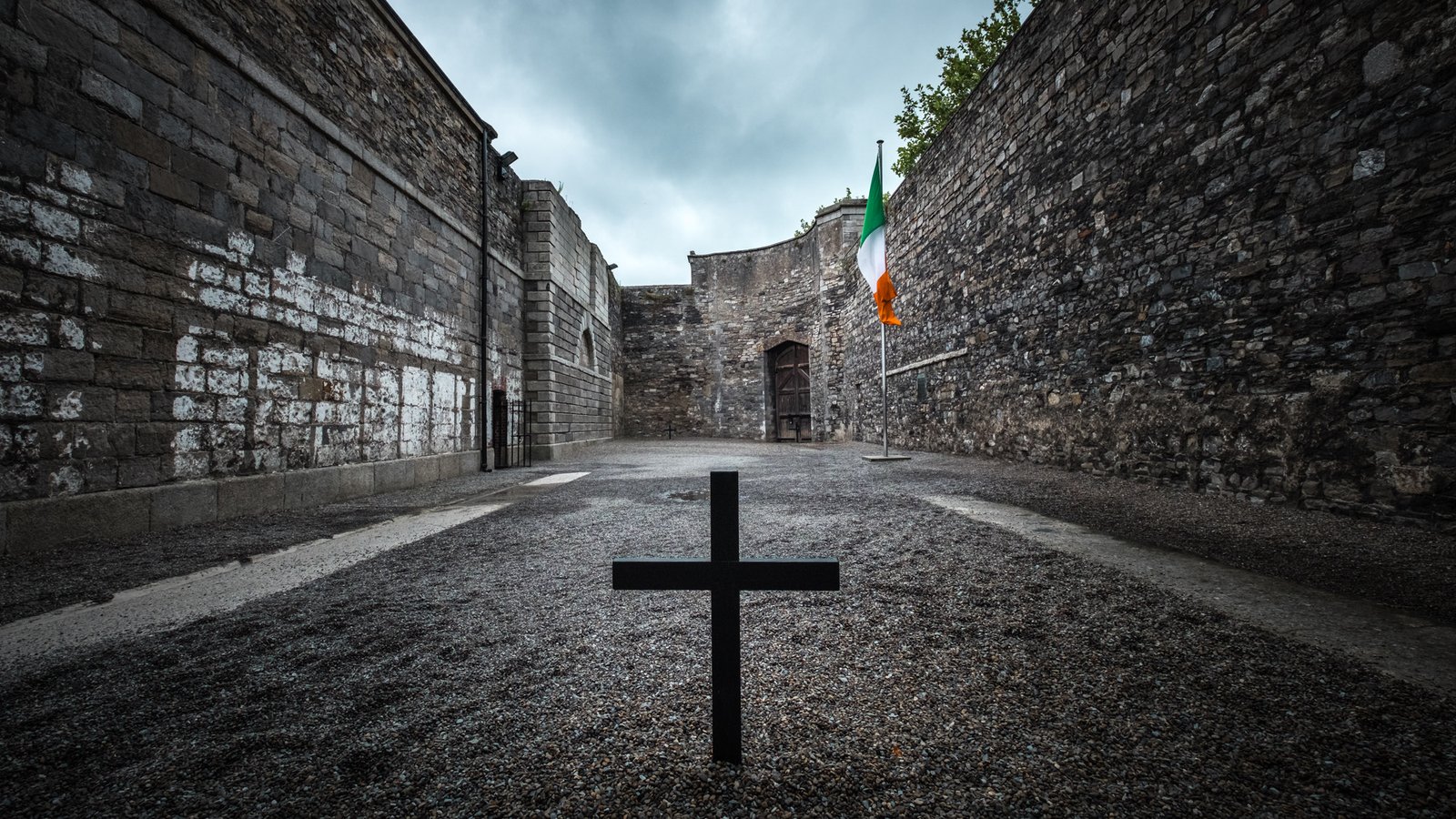
If you do one history stop in Dublin, make it this one. Kilmainham is the old jail where leaders of the 1916 Easter Rising were held and executed, and the guided tour is the best way to understand modern Ireland’s story.
It’s guided-only, tickets are about €8, and it sells out days ahead. Book the second you know your dates, because this is the one that fills up first.
Tour Dublin Castle and Christ Church Cathedral
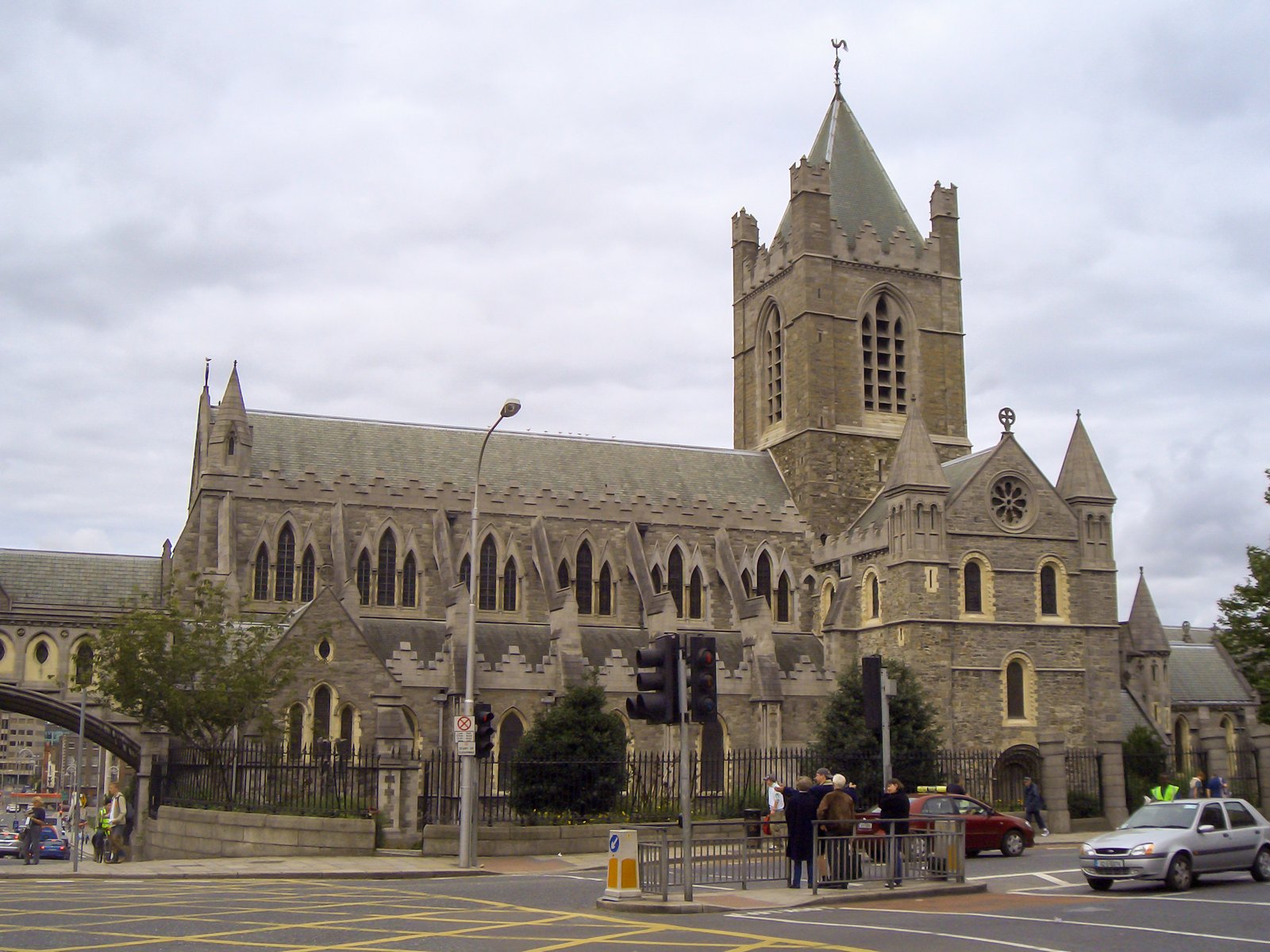
These two sit close together and pair well into one easy morning. Dublin Castle isn’t the medieval fortress the name suggests, it’s more of a Georgian complex now, but the State Apartments tour is a good look at how the place was run for centuries.
Christ Church Cathedral is a short walk away and was founded around 1030, with a large medieval crypt underneath that’s one of the oldest surviving structures in the city. If you’re picking one, the cathedral is the more interesting building to stand inside.
Catch a Live Trad Music Session
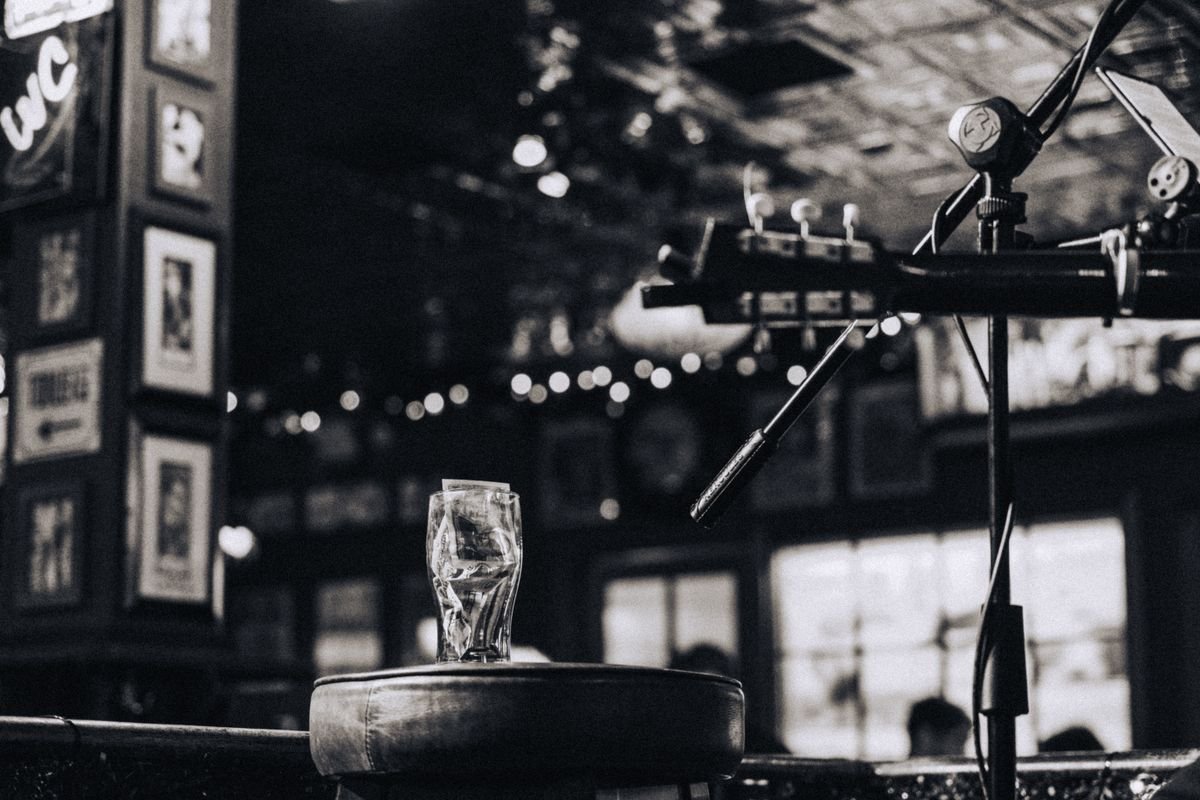
This is the Dublin night I’d tell a first-timer to prioritize over any museum. On our last trip we did a Temple Bar crawl on arrival and ended up at Darkey Kelly’s on Fishamble Street, where the trad session was going strong and the pints kept coming.
Temple Bar sessions are the touristy version and still a good time on your first night. For something more local, head to Cobblestone in Smithfield, which is where people actually go for the music rather than the photos.
Tour the Irish Whiskey Distilleries
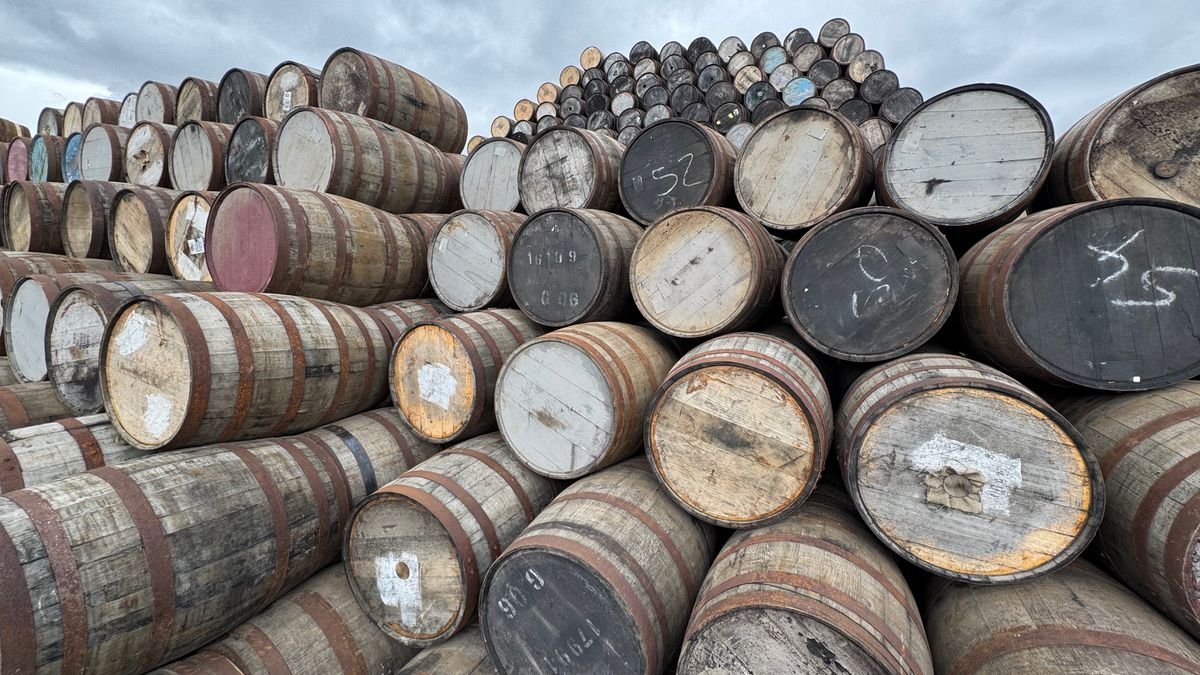
We did the full Jameson tour on Bow Street and it earns the ticket. You walk through a reconstructed office and the old distillery story, then finish with a four-glass tasting flight that included the 18-year, the Black Barrel Cask Strength, and an Edition pour. It books up, so book the Jameson Distillery guided tour and tasting on GetYourGuide before you go.
The bar at the end, under a glass ceiling on Bow Street, is one of the nicer rooms to have a drink in the city. If you want something smaller and less busy, Teeling Distillery in the Liberties is the other one worth booking.
Best Pubs and Restaurants in Dublin
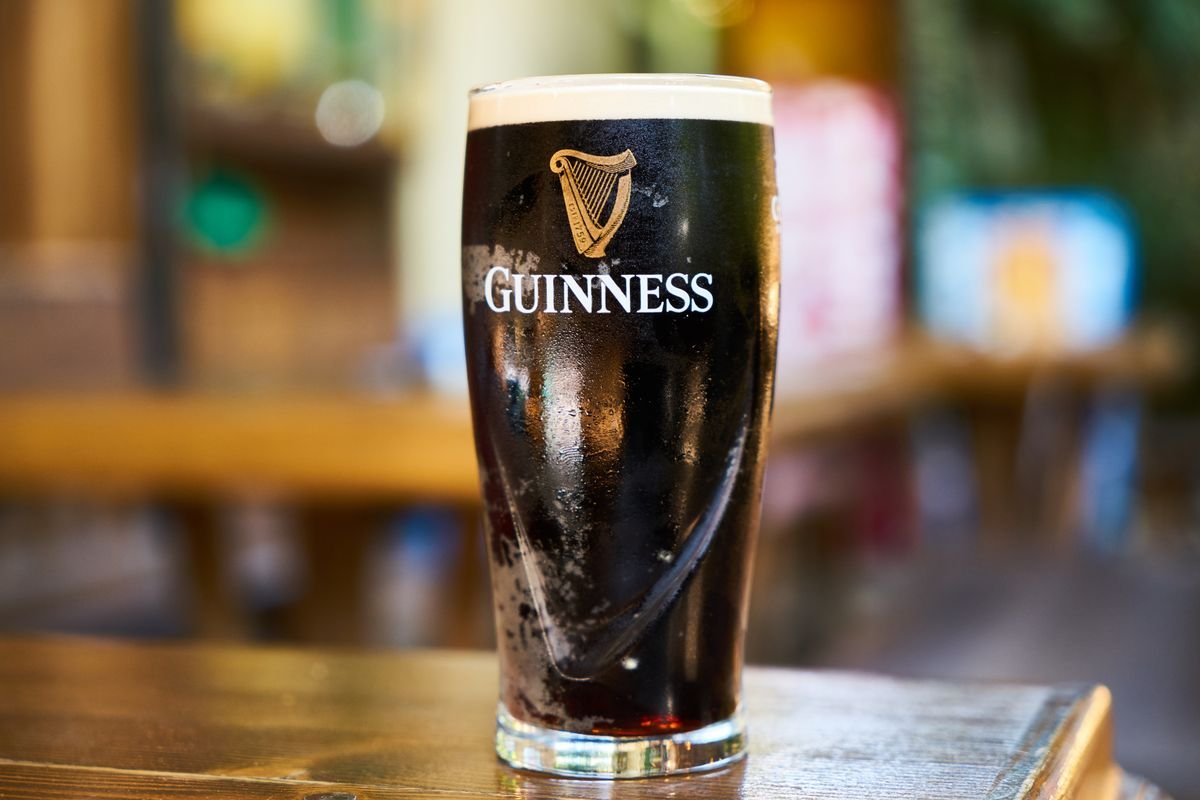
Dublin is a pub city first and a restaurant city second, so I’d set your expectations that way. The point here isn’t a tasting menu, it’s finding a good pint, a bit of music, and a room full of people, and the city makes that easy.
The Pubs
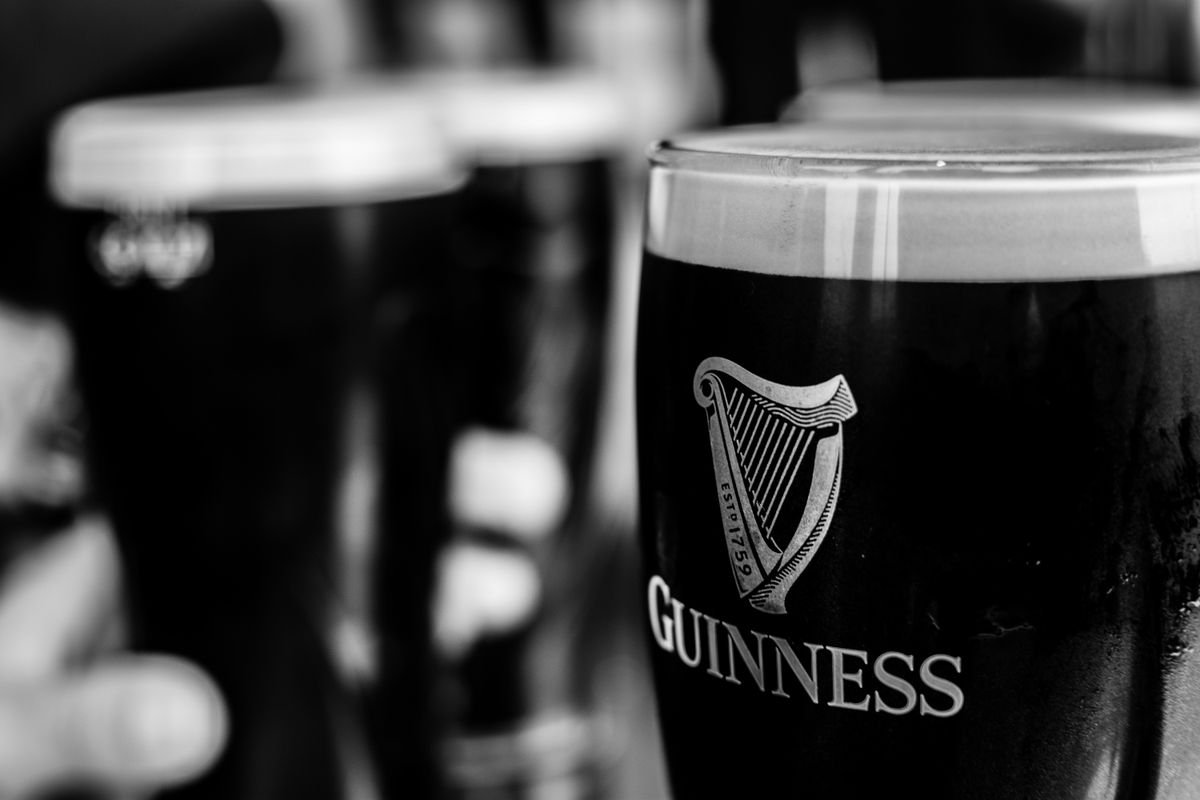
On our arrival night we worked our way through Temple Bar and hit Napper Tandy and The Hairy Lemon along the way. They’re touristy and they know it, but the pints are good and the crowd is easy on a first night out.
Wander off the main Temple Bar strip and the prices drop and the crowd gets more local. Around Merrion Row on the south side you get proper old pubs without the stag parties, and it’s an easy walk from the center.
Two Dublin classics I’d point you to are Kehoe’s near Grafton Street and The Long Hall on South Great George’s Street. Both are old Victorian bars that have barely changed, and they’re where you go for a quiet pint rather than a session.
Budget around €6 to €7 for a pint of Guinness in the center. It’s not cheap anymore, so factor that in if you’re planning a few late nights.
Where to Eat

Pub food will cover you most nights, but when we wanted an actual dinner we went to Yamamori for sushi and it was a good break from stew and chips. Dublin has more of this than people expect, so don’t feel like you have to eat carvery every night.
One evening we skipped the pubs and did a wine bar instead, which is a good shout if you need a quieter night. The south side around George’s Street and Fade Street has a run of small wine bars and restaurants that a lot of first-timers walk straight past on their way to Temple Bar.
If you want the traditional plate, go for a bowl of Irish stew or fish and chips in a pub rather than a restaurant. It’s cheaper, it’s better, and it’s the version you actually came for.
Last thing, and it’s a real one: get a Guinness at the airport before you fly out. It’s a daft little tradition and we do it every time, and it’s a better last pint than you’d think.
Best Neighborhoods to Explore in Dublin
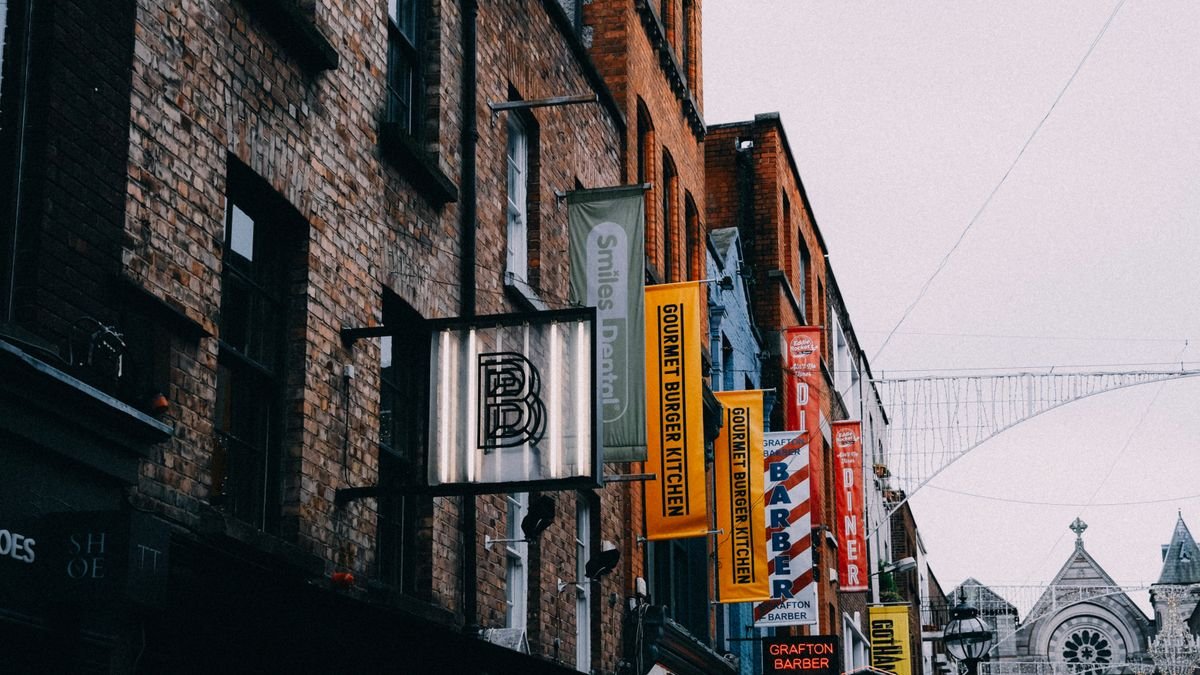
Dublin’s center is small enough that you’ll walk between most of these in a day without meaning to. The river splits the city, and each side has a different feel, so here’s how we’d break it down.
The South Side: Grafton Street and Around
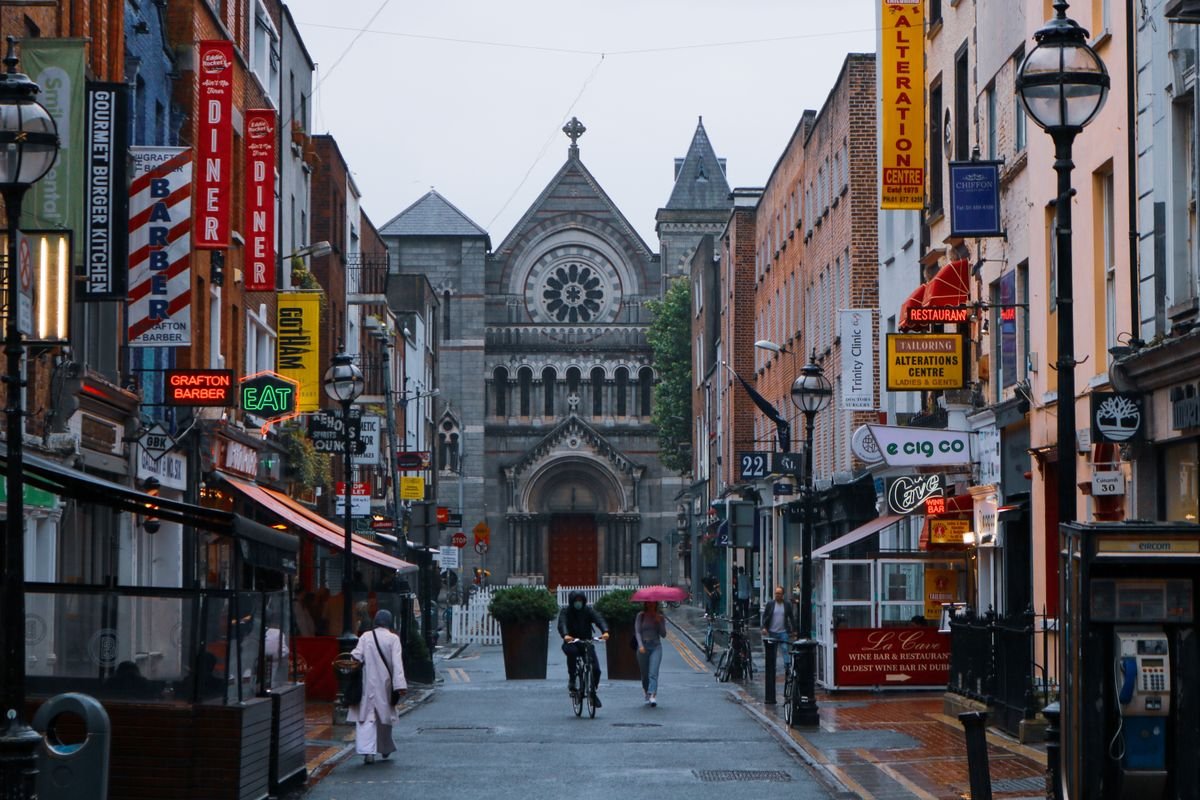
This is the part of Dublin most first-timers spend their days in, and for good reason. Grafton Street is the main pedestrian drag, usually with a busker or two working the crowd, and it runs from Trinity College down to St Stephen’s Green.
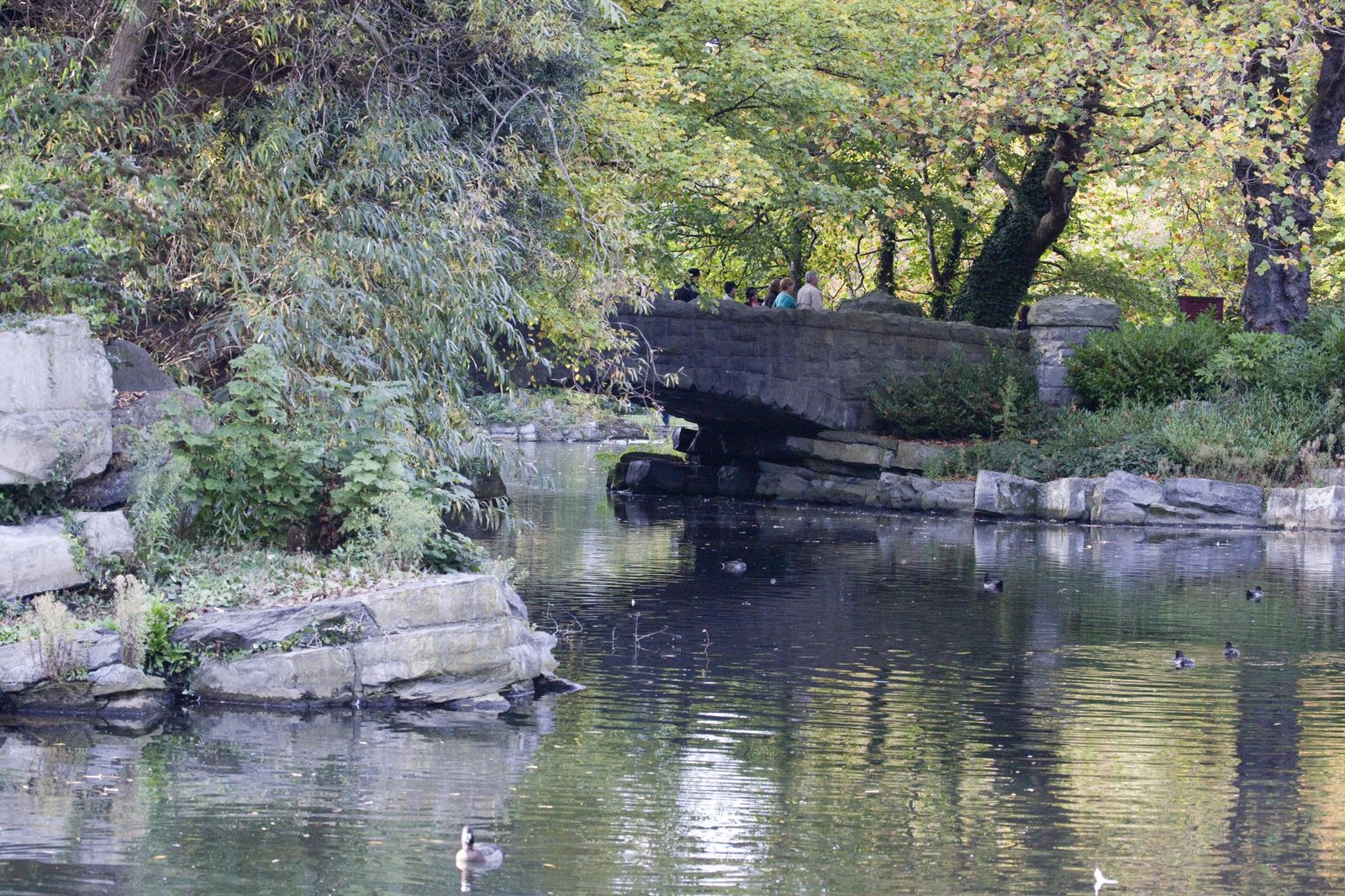
The Green itself is a proper city park and a good spot to sit for ten minutes between stops. The streets running off Grafton, like South William Street and Drury Street, are where the better cafes and shops are, so cut off the main strip and wander those.
Temple Bar and the Riverfront
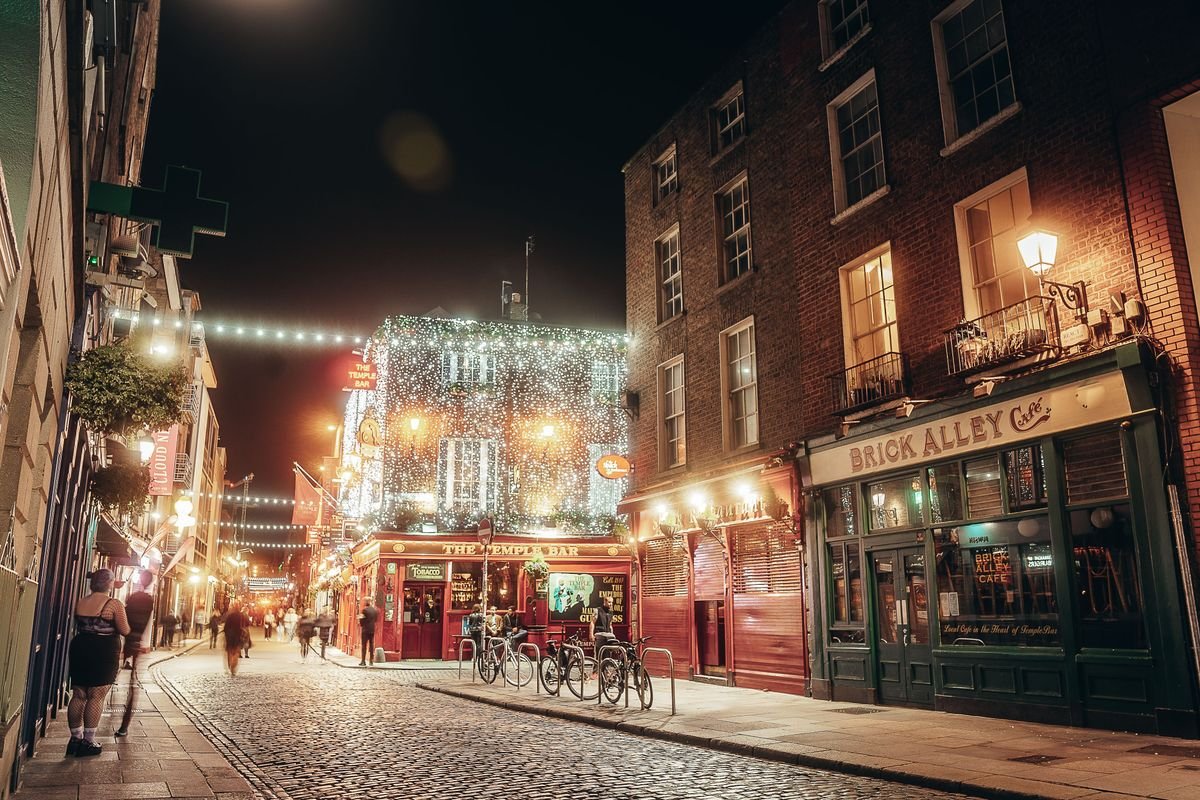
Temple Bar is the block of cobbled lanes between Grafton Street and the river, and you already know it’s the loud, touristy heart of the night out. By day it’s much quieter, and it’s worth a slow walk when the pubs aren’t packed.
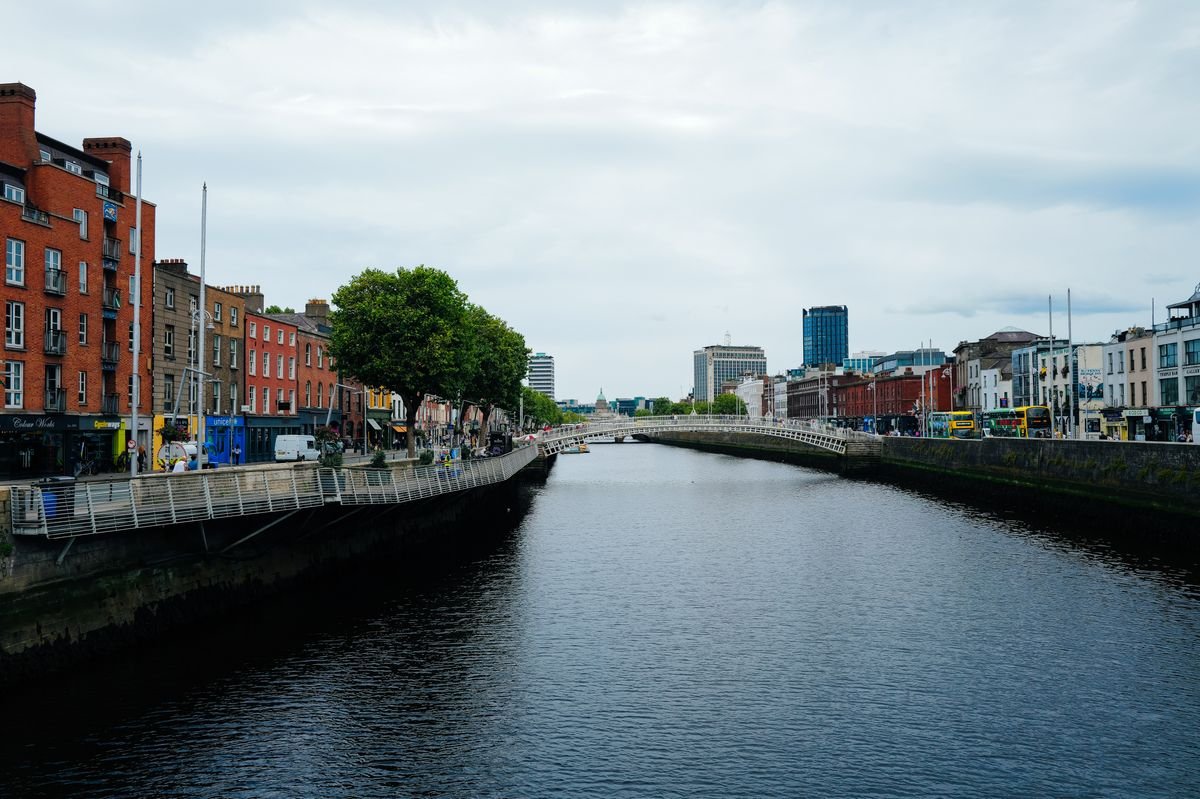
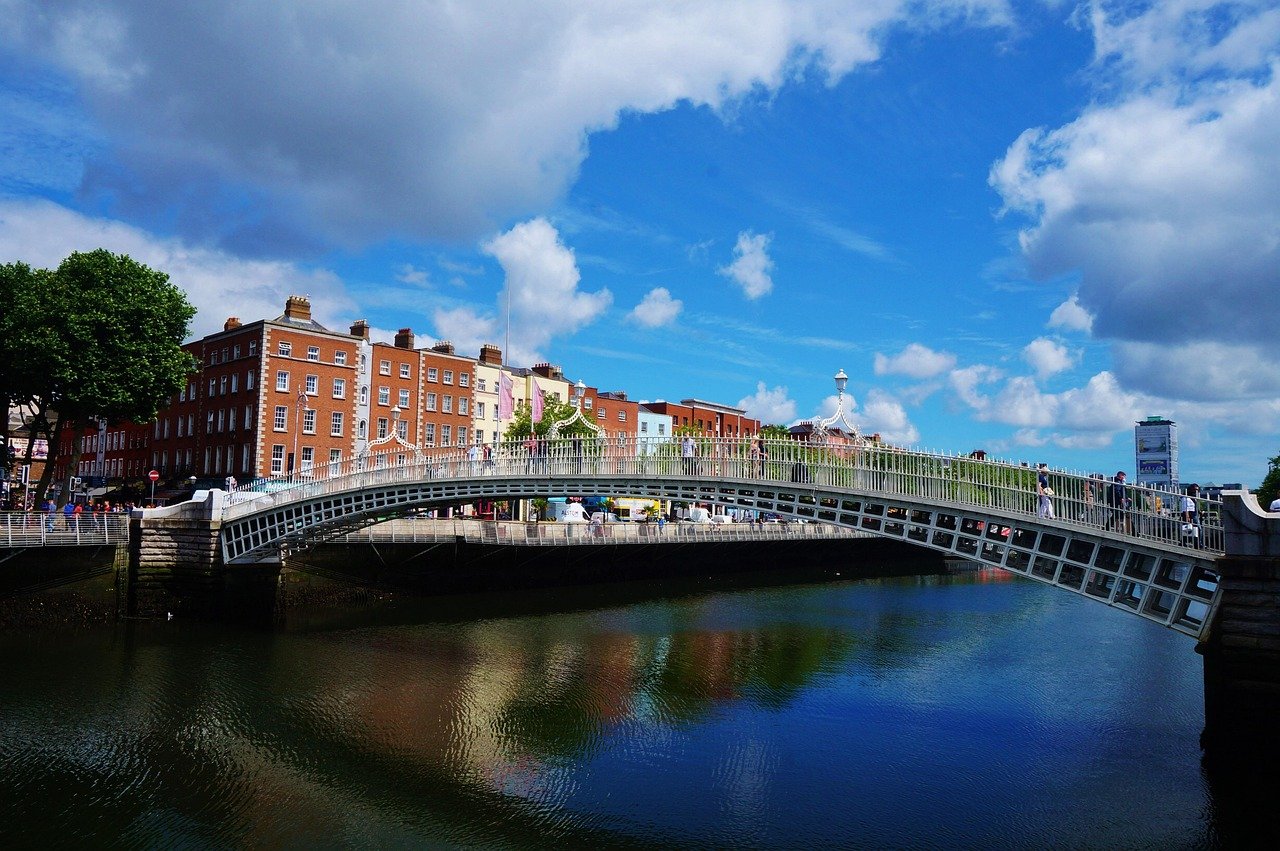
From there, get onto the Liffey Boardwalk and follow the river. We walked it on our last trip and it’s the easiest way to link the two sides of the city, with the Ha’penny Bridge about halfway along.
Smithfield and the Liberties
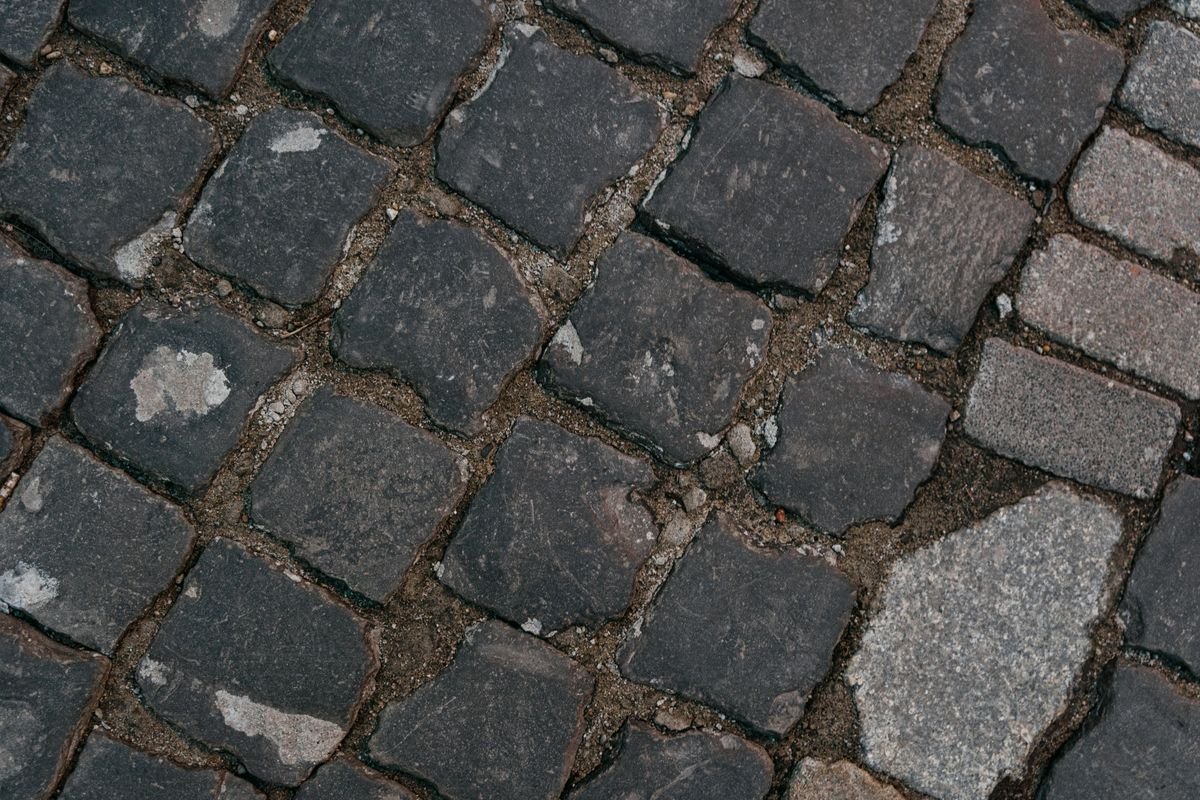
West of the center you get the two neighborhoods with the most going on right now. Smithfield is the more lived-in, local part of the city, built around a big cobbled square, and it’s where the Jameson Distillery and the Cobblestone pub both sit.
The Liberties, just south, is the old working part of Dublin and now the whiskey and history end of town. Teeling Distillery is here, along with plenty of the city’s oldest streets, and it’s an easy walk from Christ Church.
The North Side
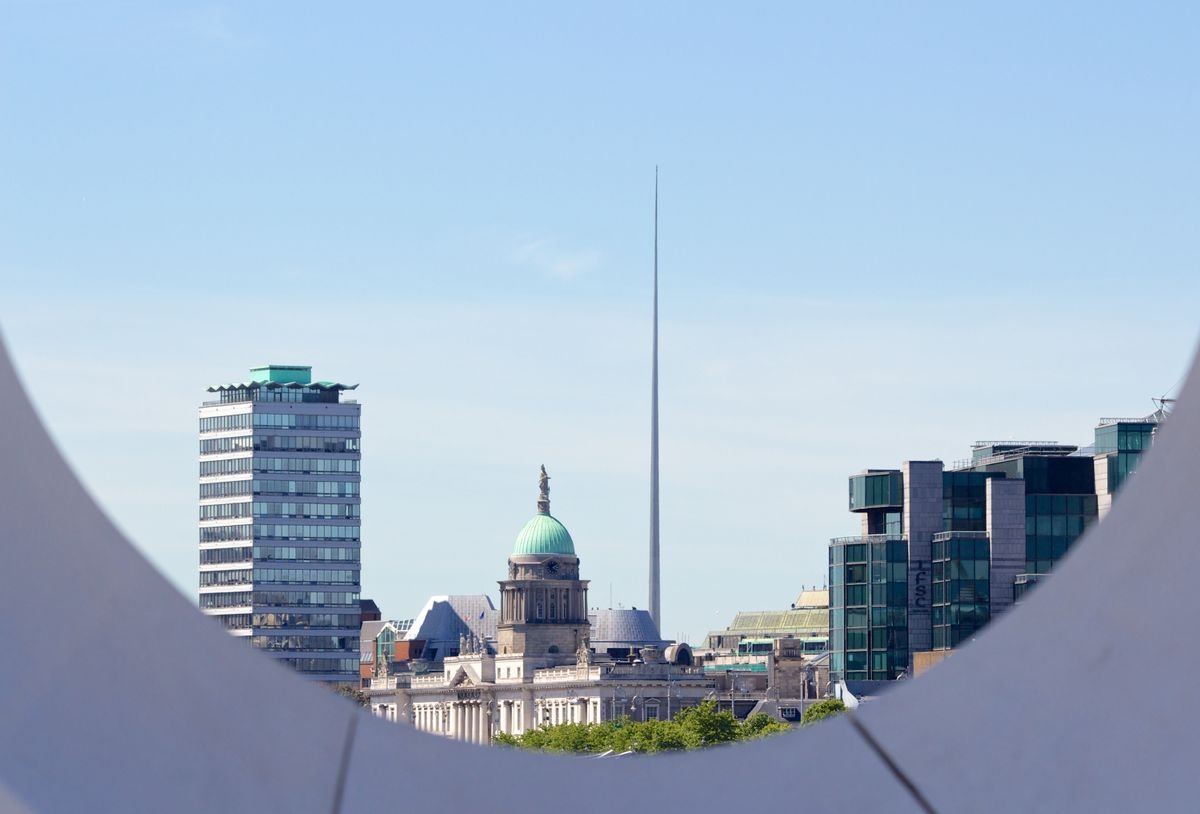
Cross the river and O’Connell Street is the wide main road, with the Spire landmark and the GPO building that’s tied to the 1916 Rising. It’s more everyday city than tourist-pretty, but it’s where a lot of the real history sits.
If you’ve got time, walk up to the Stoneybatter area behind Smithfield. It’s a low-key residential pocket with good coffee and neighborhood pubs, and it’s the side of Dublin we wished we’d given more time to instead of only passing through.
Things to Do in Other Towns Around Ireland
- Unique Things To Do in Donegal Town in Ireland’s Northwest
- The Most Beautiful Towns In Ireland You Need To Visit
- Scenic Towns and Villages in Ireland: 18 Best Picks
Getting Around Dublin
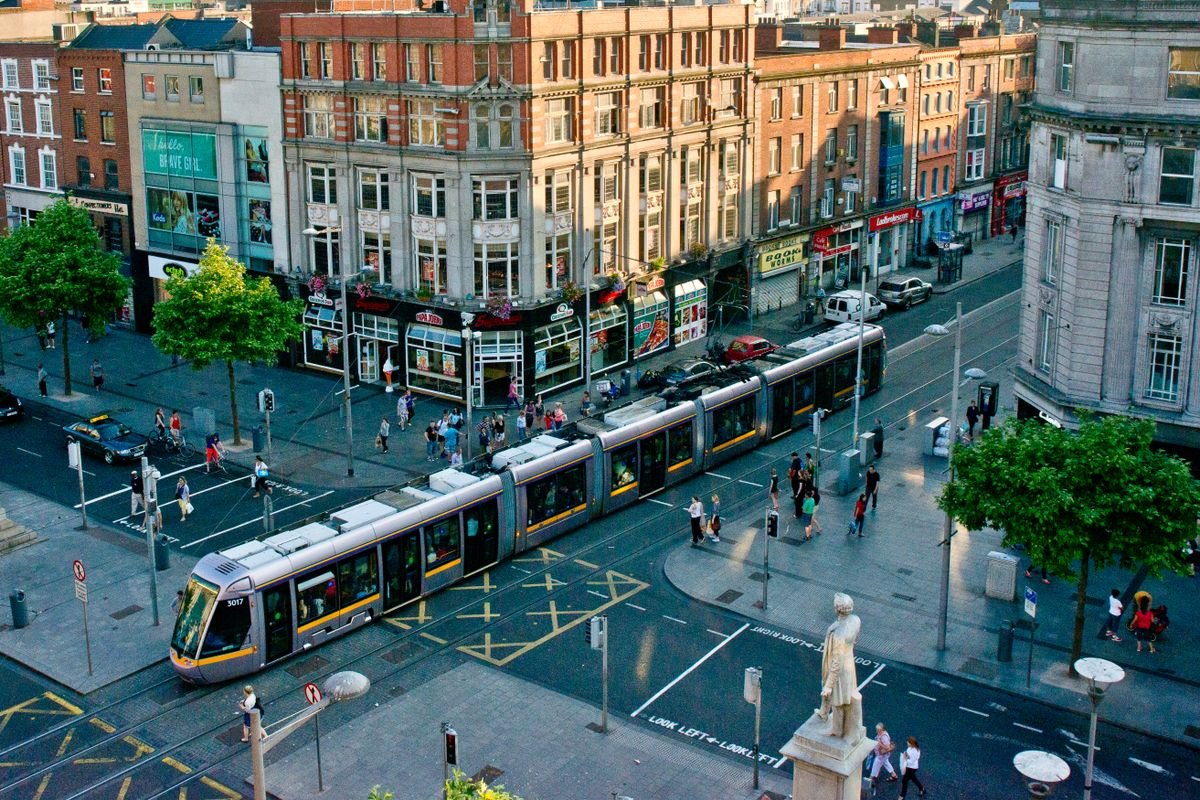
The short version is you’ll walk. Dublin’s center is small and flat, and almost everything in this guide is inside a 20-minute radius of Trinity College, so we barely used anything else the whole time we were there.
We covered the city on foot on both ends of our last trip and never once needed a taxi in the center. If you can walk the Liffey and the south side lanes, you can get to every pub, distillery, and paid stop on your list.
Getting To and From the Airport
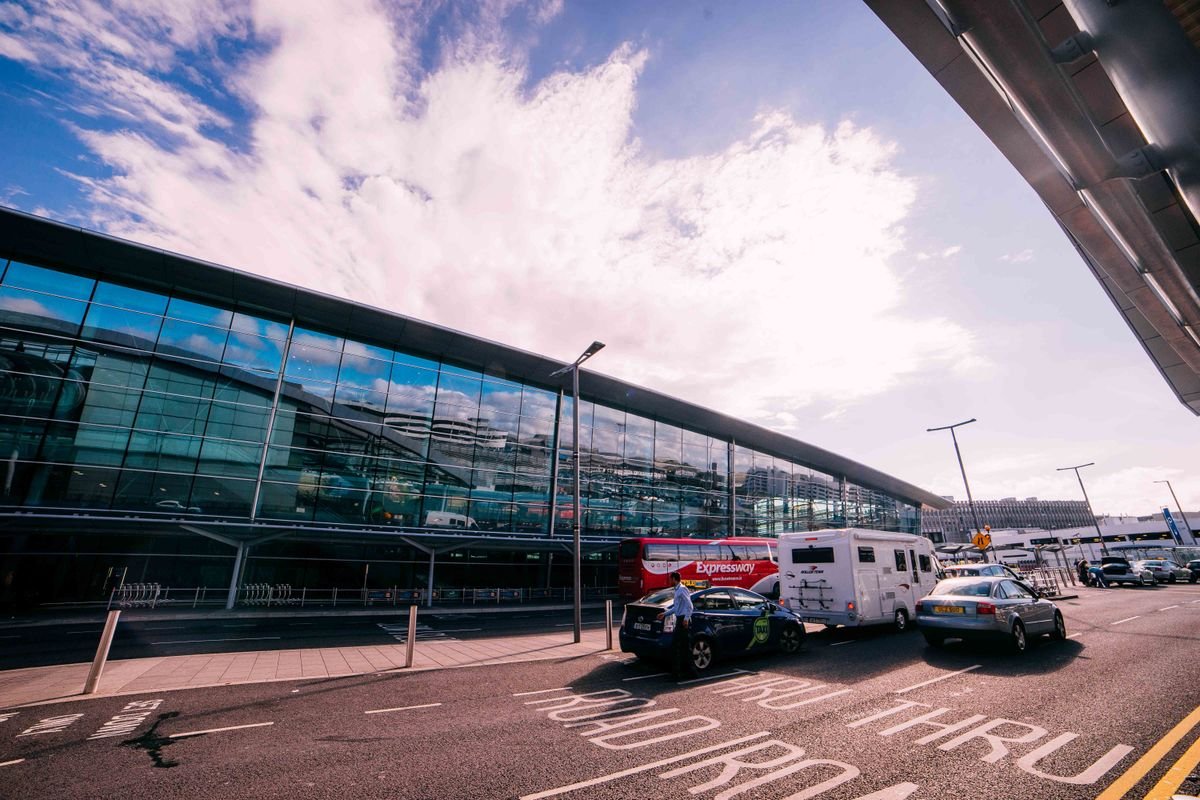
The airport bus is the easy call, and it’s what we did with our bags fresh off the plane. Coaches like the Airlink 747, Dublin Express, and Aircoach run every 10 to 15 minutes from right outside arrivals into the city center, and it’s about a 30-minute ride.
A one-way ticket is around €7 to €9, or roughly €12 return, which beats a €30-ish taxi for two people who are heading straight to a central hotel. There’s no train from the airport, so it’s the bus or a cab.
Trams, Buses, and the Leap Card
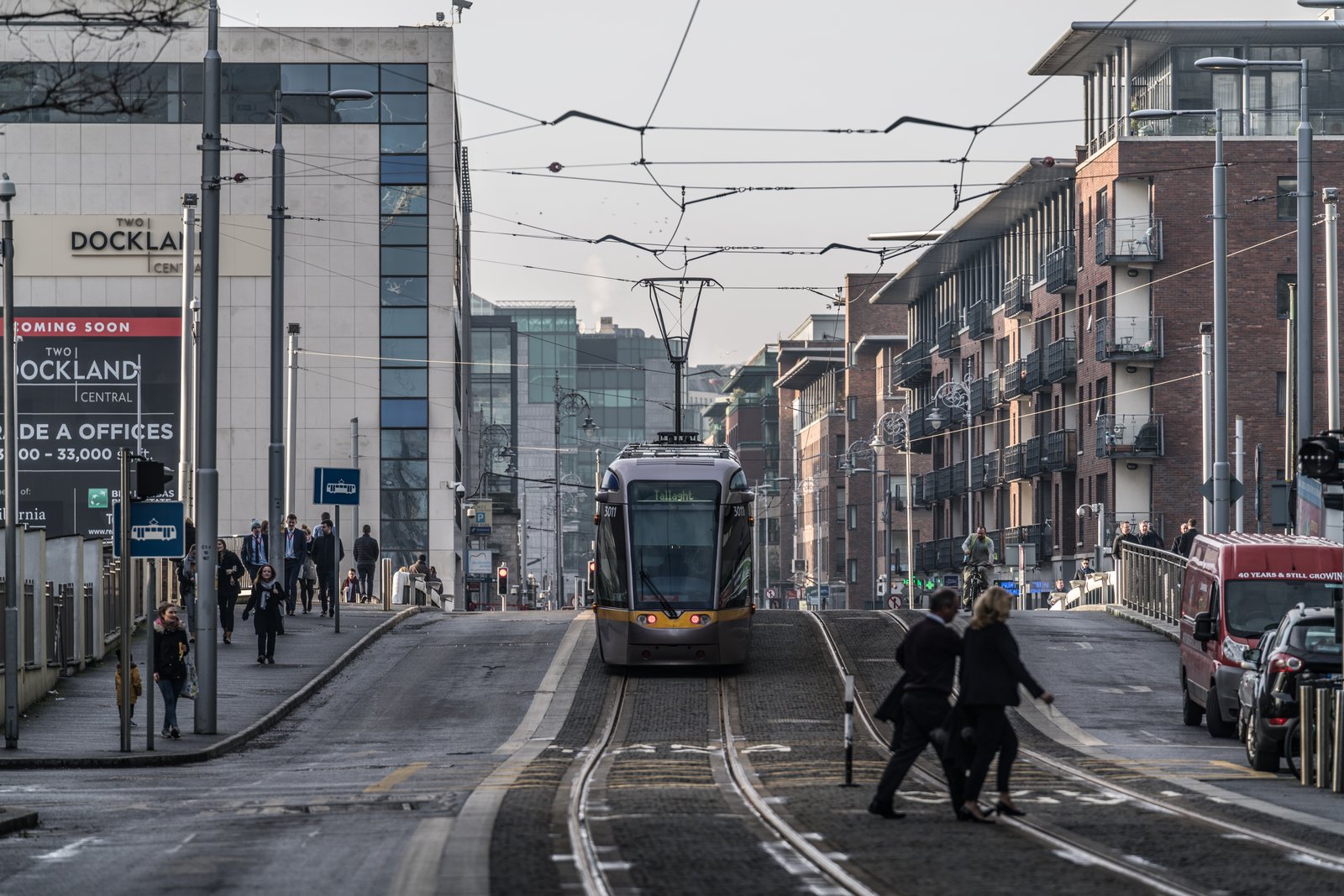
If you do need public transport, the Luas tram and the city buses cover the gaps. The red Luas line runs out to Kilmainham and the Guinness Storehouse end of things, which is handy if you don’t fancy the walk west.
Grab a Leap Card from any shop with the sign, top it up, and tap on. It’s cheaper than paying cash per ride, and it works on the Luas, the buses, and the DART train if you head out to the coast.
A Word on Driving
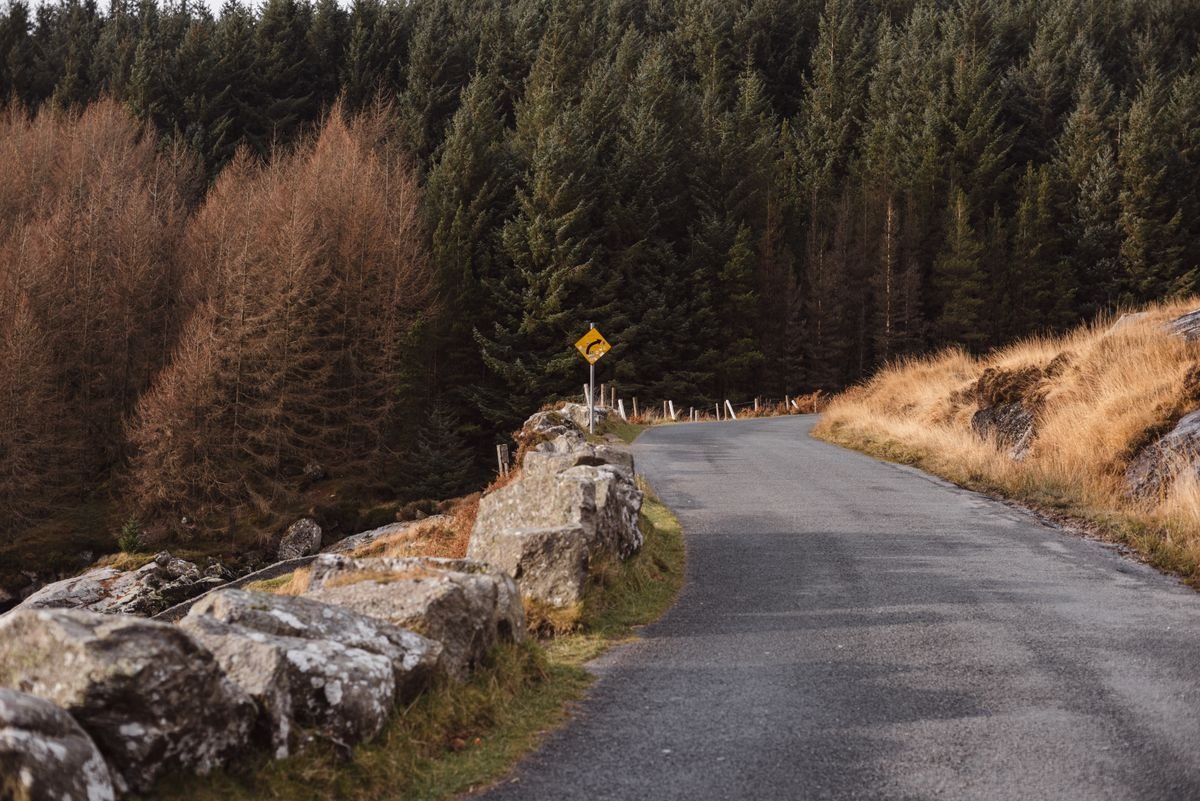
Don’t drive in central Dublin. The streets are tight and one-way, parking is expensive, and you’ll spend your visit stressed instead of walking between pubs.
If you’re renting a car for the wider Ireland trip, we’d pick it up on the day you leave the city and drop it back before you return. Do Dublin on foot, then get the wheels when you actually need them.
Getting To and From Dublin Airport
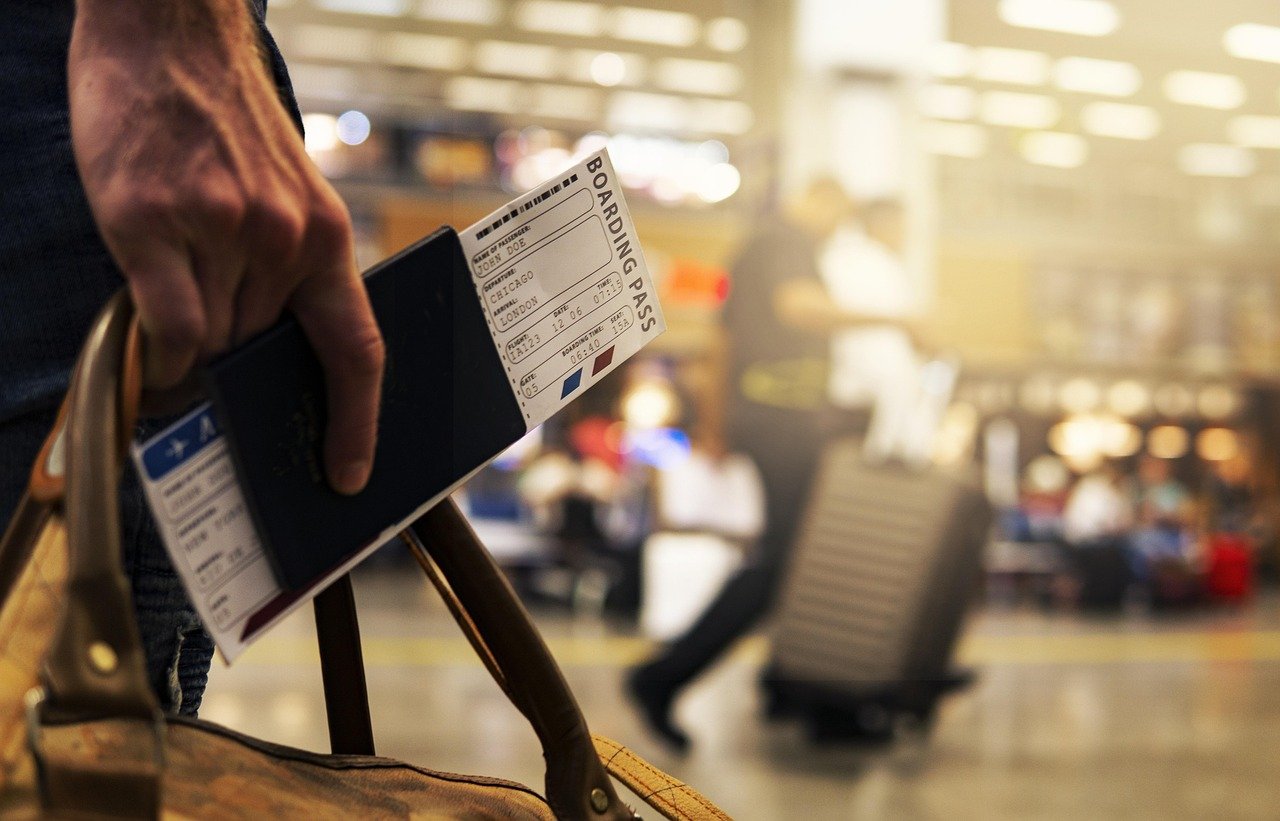
Dublin Airport sits about 10km north of the city center, and it’s the one you’ll almost certainly fly through on both ends of an Ireland trip. There are two terminals a short walk apart, so don’t stress about which one you land in.
Ryanair and most short-haul flights use Terminal 1, while long-haul and transatlantic routes come into Terminal 2. Check which one your airline flies out of before you head back, because you sort it at the curb, not inside.
The bus into the center is the easy call, and we’ve run through the coaches and prices further up. The one tip I’d add is to book your ticket online before you land rather than at the desk. It’s a bit cheaper and you walk straight onto the bus.
Picking Up a Rental Car or Camper
If you’re flying in and heading straight out on the road, the rental desks are right at the airport and that’s the simplest option. We did it differently on our last trip. We bussed into the city, spent our arrival night there, then picked up our campervan from an Indie Campers depot north of Dublin when we were ready to drive.
That depot pickup meant a short hop back out of the city, so factor in the extra leg if you go that route. Grabbing the car at the airport on your way out of Dublin is the cleaner version of the same plan if you’d rather skip the back-and-forth. Whichever way you do it, it’s worth comparing the airport desks against each other, so compare car hire deals on Discover Cars before you lock in a rate.
Give Yourself Time Flying Out
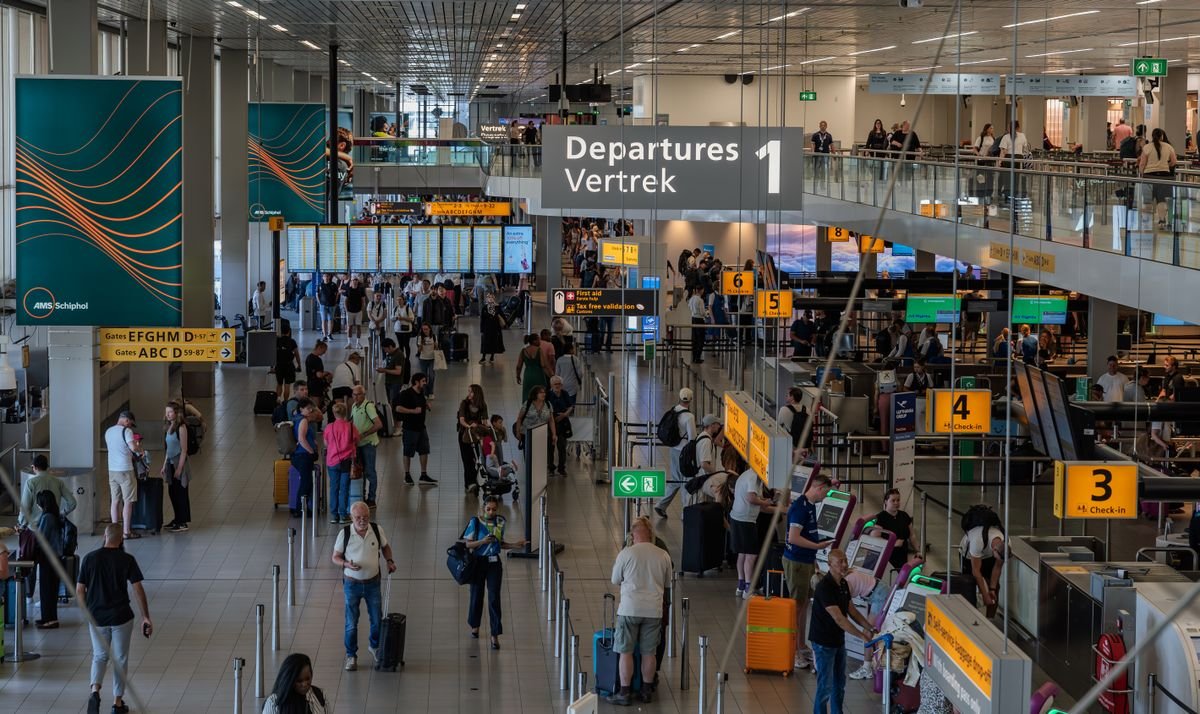
Dublin Airport gets busy, and the security lines at Terminal 1 in the morning can be long, so don’t cut it fine on the way home. Give yourself a full two hours for a European flight.
If you’re flying to the US, allow even more. Dublin has US Customs preclearance, so you clear American immigration here before you board and land as a domestic arrival back home. It saves you a line on the other end, but it adds a step at departure, so build in the extra time.
Best Time to Visit Dublin
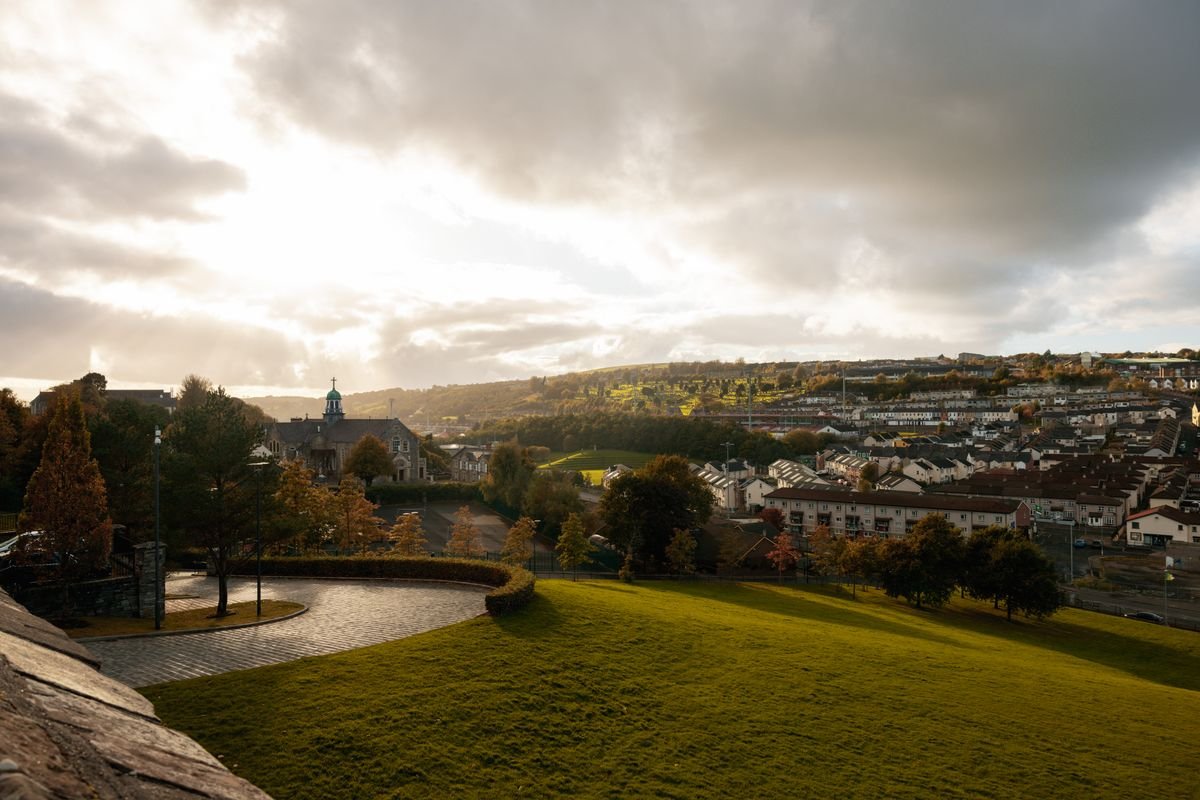
We were in Dublin in late September, and that shoulder-season window is the one I’d steer a first-timer toward. The crowds have thinned out from the summer peak, the pubs are still busy at night, and you’re not fighting July lines at every paid stop.
We landed on a weekday, and that helps too. A Tuesday or Wednesday in the shoulder months means shorter waits at places like Kilmainham and the Book of Kells, and you can walk into most pubs without a reservation.
Season by Season
Summer, roughly June through August, is warmest and busiest. You get the long evenings and the best odds of dry weather, but you also get the highest hotel prices and the fullest pubs, so book your accommodation and any timed tickets well ahead.

Spring and fall, so April to May and September to October, are the sweet spot. Prices ease off, the city is still lively, and the weather is a coin flip rather than a washout. This is when we went and it worked out well.
Winter is cheapest and quietest. Dublin does Christmas well and the pubs are warm and full against the cold, but the days are short and a lot of your time will be spent indoors, which suits a pub-and-museum city better than you’d think.
Pack for Rain Whenever You Go
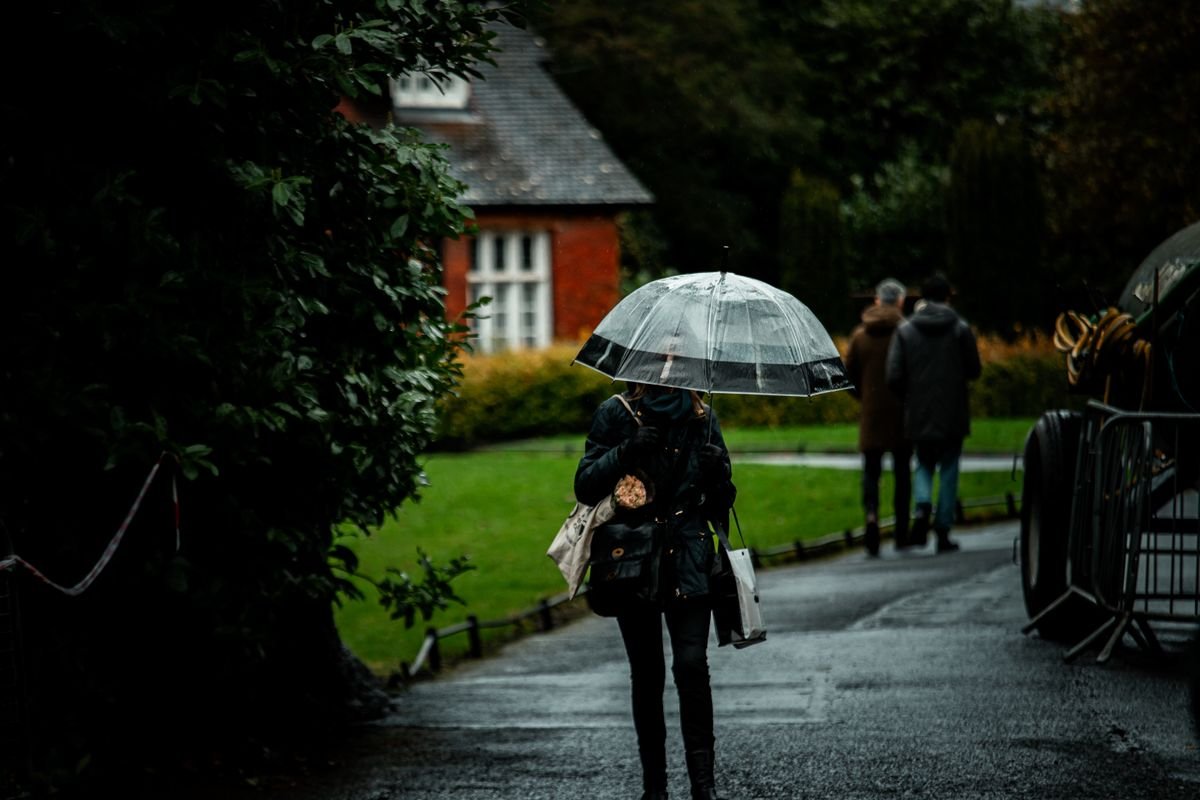
It rains in Ireland in every season, and Dublin is no exception. There’s no month you can count on staying dry, so bring a waterproof jacket and don’t build your trip around perfect weather.
The upside is that Dublin is an easy city to enjoy in the wet. A rainy afternoon is a good excuse for a distillery tour or a long lunch in a pub, so a bad forecast won’t wreck a day here the way it might on the coast.
One thing to check before you lock in dates is whether a big event is on. A Six Nations rugby weekend, St Patrick’s Day, or a concert at the Aviva will spike hotel prices and pack the pubs, which is great for the buzz and rough on your budget.
Where to Stay Around Ireland
- Where to Stay in County Cork: Cork City vs West Cork
- Where to Stay in Belfast: Best Areas & Hotels
- Where to Stay in Westport: Best Hotels & Accommodation
Best Day Trips from Dublin
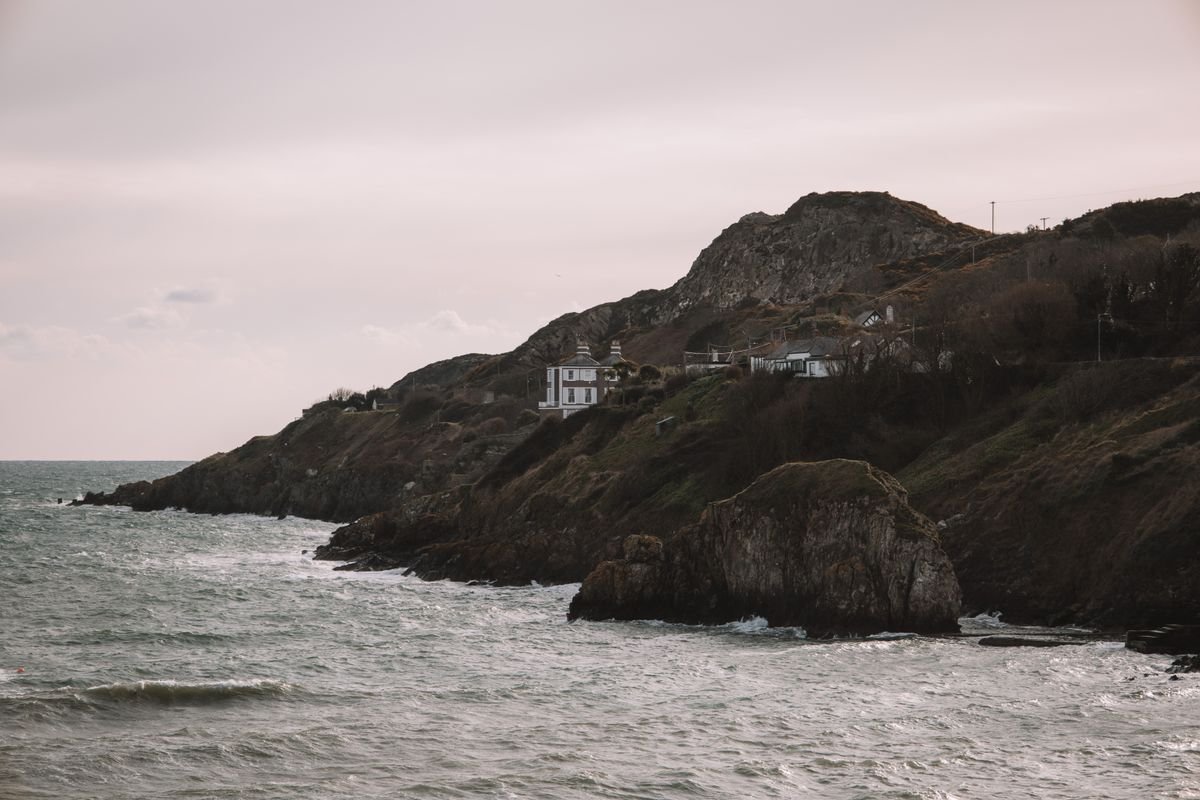
If you’ve got a spare day, Dublin is an easy base for a trip out of the city. The coast and the mountains are both close, and the train or a bus gets you to most of them without a car. Here are the three we’d point you to.
Walk the Cliffs at Howth
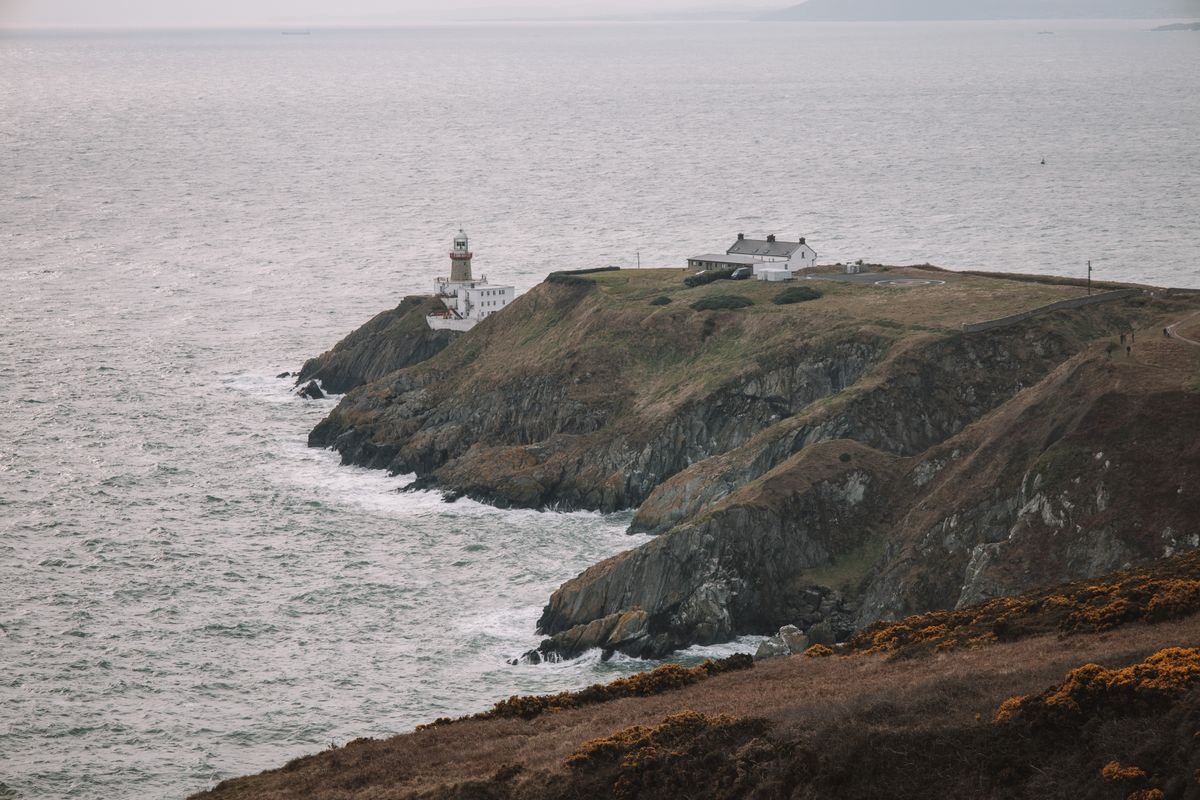
Howth is a fishing village out on a peninsula north of the city, and it’s the easiest day trip going. The DART train runs there from the city center in about 30 minutes, so you don’t need a car or a tour.
The reason to go is the cliff loop, a coastal path that runs around the headland with the sea on one side the whole way. Plan on two to three hours for the full circuit, then come back down to the harbor for seafood before you catch the train back. If you’d rather have it organized with a guide and transport from the city, you can book a guided coastal tour to Howth on GetYourGuide.
Hike Glendalough in the Wicklow Mountains
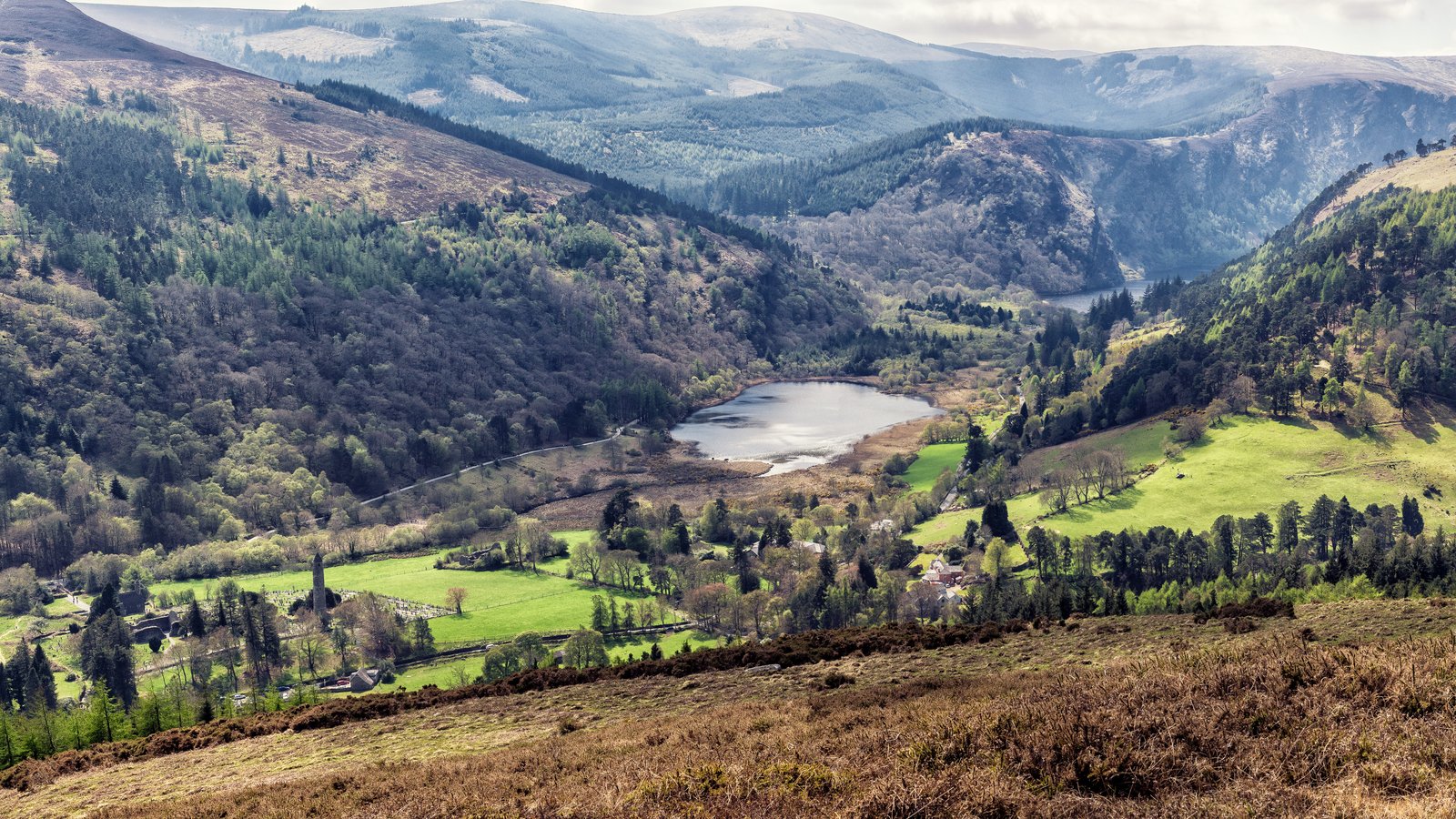
Glendalough is an old monastic site set in a glacial valley in the Wicklow Mountains, about an hour and a half south of Dublin. There’s a round tower and the remains of a 6th-century settlement, then two lakes and a set of walking trails behind them.
Without a car, St Kevin’s Bus runs there direct from the city, or you can book the Glendalough and Wicklow day tour on GetYourGuide that pairs it with a drive through the mountains. The visitor center and the site itself are free to walk, and the longer trails up past the Upper Lake are the best of it.
Explore Medieval Kilkenny
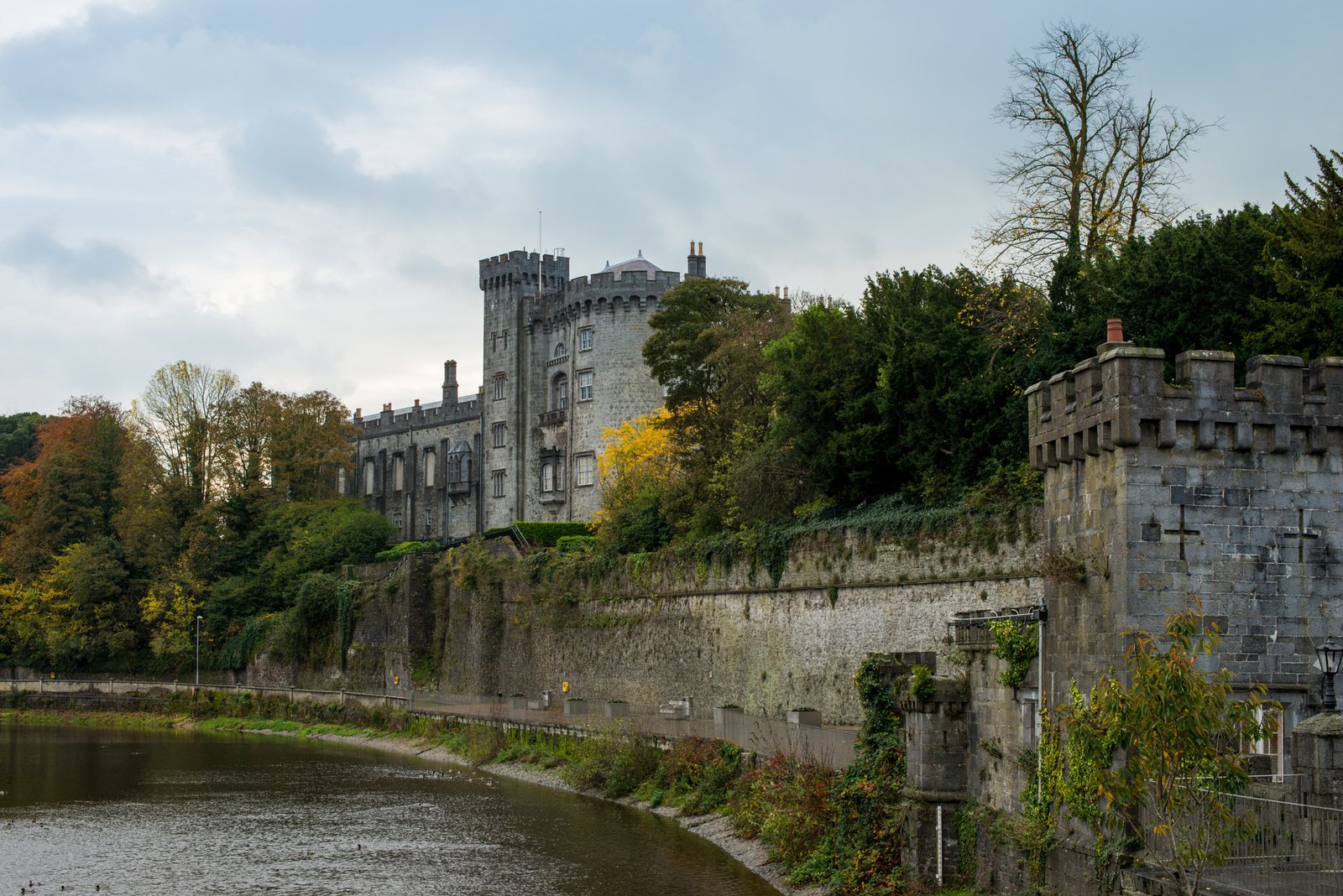
Kilkenny is a stretch as a day trip at about 2.5 hours each way, so I’ll be straight with you: we hit it as our first stop driving south out of Dublin, not as a there-and-back day. If you’re carrying on to the rest of Ireland, work it into the drive rather than doubling back. Without a car, the easiest way to fit it in is to book the full-day Wicklow, Glendalough and Kilkenny tour on GetYourGuide in one go.
We camped at Tree Grove just outside town and walked the Canal Walk in along the river to Kilkenny Castle, which is one of the more impressive castles we saw on the whole trip. Inside there’s a giant set of Irish elk antlers on display, and the grounds are free to wander even if you skip the interior ticket.
The old town is compact and worth an hour on foot, especially the Butter Slip, a narrow medieval alleyway that cuts between two of the main streets. We finished the night with Guinness and live music at The Pumphouse, which is the kind of pub you go to Kilkenny for.
Plan the Rest of Your Ireland Road Trip
- A Photographer’s Definitive Ireland Road Trip
- Wild Atlantic Way Itinerary – Ireland’s Most Epic Road Trip
- Cliffs of Moher Day Tour From Dublin: All Options Compared
Best Tours of Dublin
If you’d rather have the logistics handled, these are the Dublin tours worth booking. Most sell out in the busy months, so lock in a slot before you land rather than chancing the walk-up line.
Guinness Storehouse Tour with a Free Pint
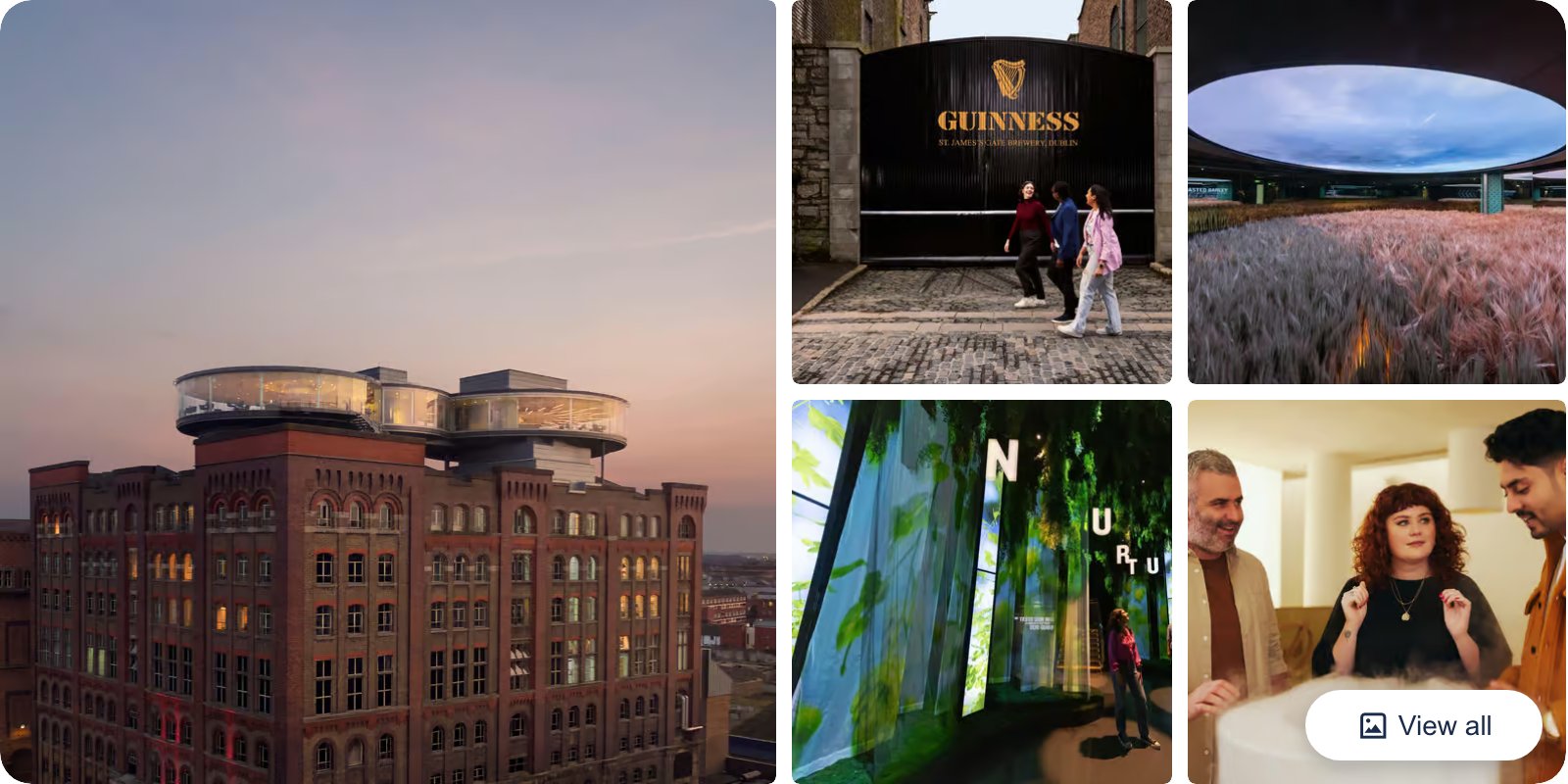
A self-guided walk through seven floors of how Guinness is made, ending with your free pint at the Gravity Bar and its 360-degree view over the city. Booking online skips the walk-up line, which moves slow on a busy day.
👉 Check Guinness Storehouse Tour with a Free Pint Availability and Reviews
Book of Kells, Dublin Castle and Christ Church Tour
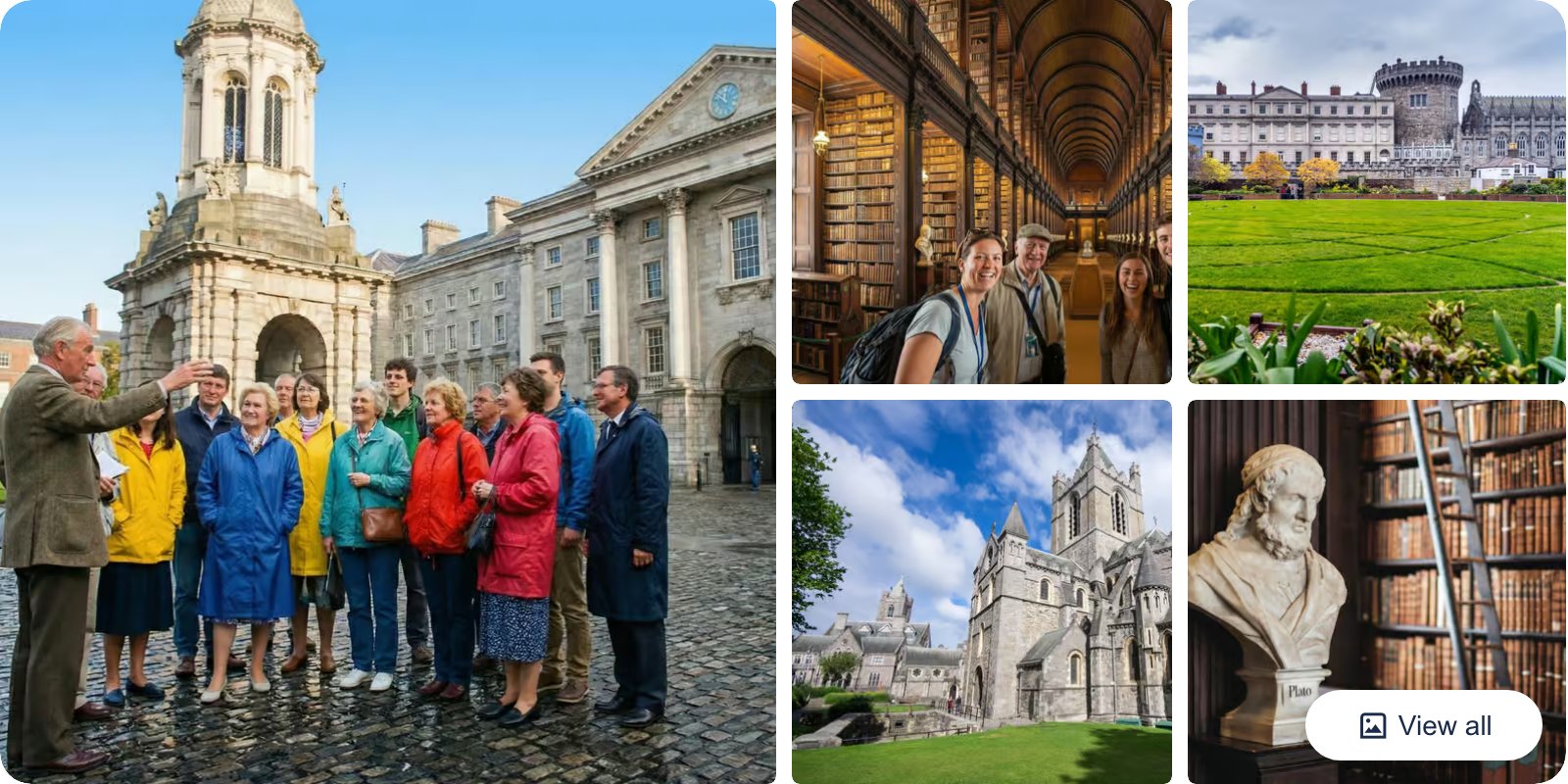
One guided morning that bundles the Book of Kells and the Long Room at Trinity with Dublin Castle and Christ Church Cathedral. It saves you queuing for three timed tickets separately, and a guide fills in the history you’d otherwise miss.
👉 See what’s included on the Book of Kells, Dublin Castle and Christ Church Tour
Jameson Distillery Guided Tour and Tasting

A guided walk through the old distillery story on Bow Street that finishes with a tasting flight and a drink in the bar under the glass ceiling. We did the full version and the four-glass tasting earned the ticket, so book ahead because it fills up.
👉 Check dates and prices for the Jameson Distillery Guided Tour and Tasting
Half-Day Guided Coastal Tour to Howth
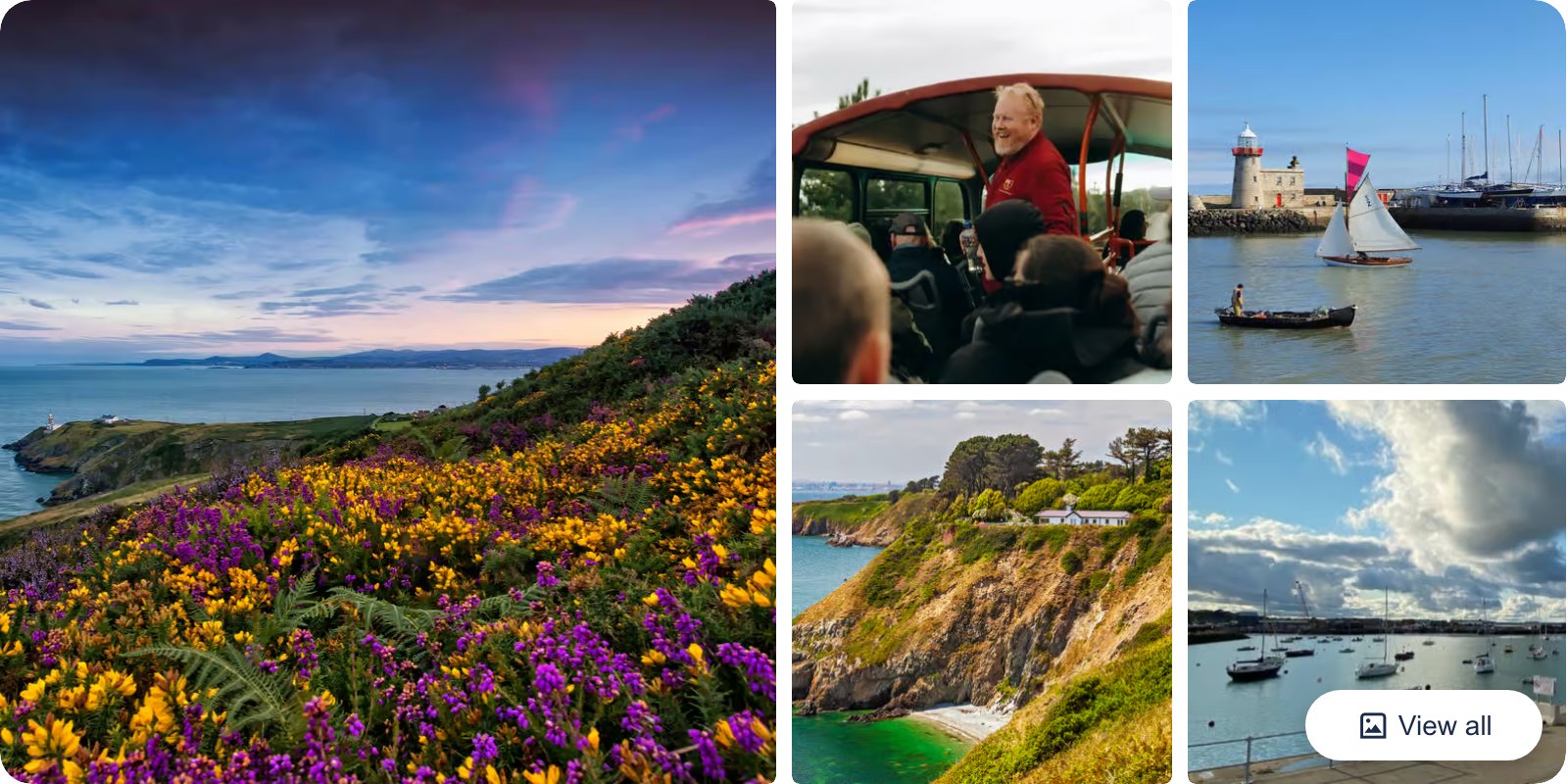
A half-day trip out to the fishing village of Howth with transport and a guide, taking in the cliff loop around the headland and the harbor. It handles the logistics if you’d rather not sort the DART and the walk yourself.
👉 Check Half-Day Guided Coastal Tour to Howth Availability and Reviews
Half-Day Trip to Glendalough and Wicklow
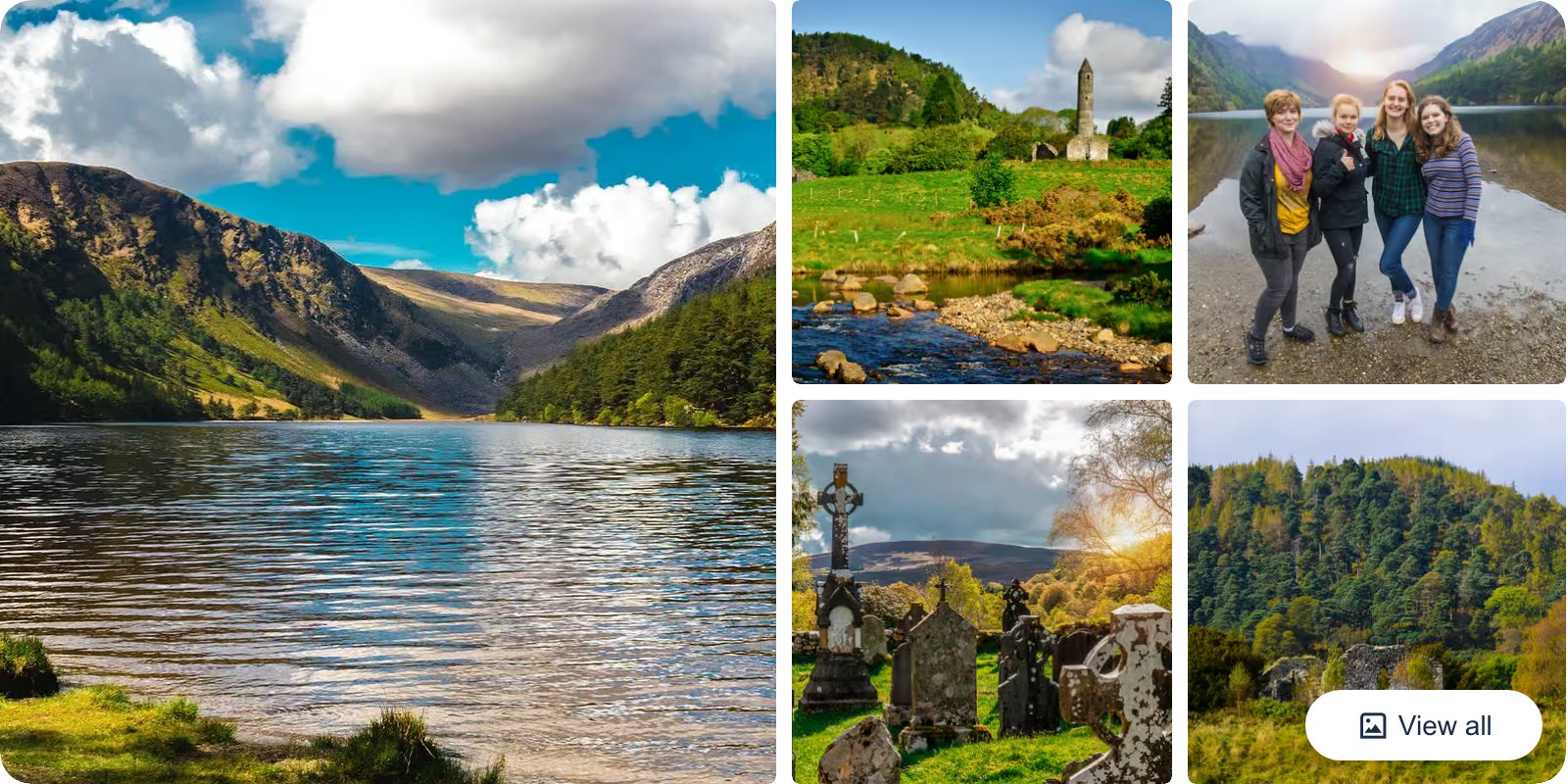
A half-day run south into the Wicklow Mountains to the monastic site at Glendalough, with its round tower, two lakes, and walking trails. The tour pairs the site with a drive through the mountains, so it’s the easy way to see it without a car.
👉 See what’s included on the Half-Day Trip to Glendalough and Wicklow
In short
- Two full days is enough for the city center, one tour, and the pubs.
- You don’t need a car: the center is flat and walkable.
- A pint of Guinness in the center runs about 6 to 7 euro.
- Trinity College grounds are free to walk; the distillery tour is on Bow Street.
- Shoulder-season months bring shorter lines and easier hotel prices.
Dublin Travel Guide FAQ: Your Questions Answered
These are the questions we get asked most about a Dublin trip: how long to stay, what it costs, whether you need a car, and when to go. Short, straight answers below.
Is Dublin worth visiting?
Yes, as long as you come for the pubs, the walking and a couple of good tours rather than a checklist of famous monuments. Two easy days here make a good bookend to an Ireland road trip.
How many days do you need in Dublin?
Two full days covers the city center on foot, a distillery tour, one history stop and a few pubs without racing a checklist. One day works if that’s all you have, and three is only worth it for the neighborhoods or a day trip.
Is Dublin expensive?
It’s not cheap: a pint of Guinness in the center runs about €6 to €7, and hotels are pricey in summer and around big events. You can keep costs down by walking everywhere, drinking off the Temple Bar strip, and eating pub food.
Is Dublin safe for tourists?
It’s a safe city for visitors and the center is fine to walk at night. Use normal city sense around the busy Temple Bar crowds and on O’Connell Street late, and you’ll be fine.
Do you need a car in Dublin?
No. The center is small, flat and walkable, so you’ll reach every pub and paid stop on foot. If you’re renting for the wider Ireland trip, pick the car up the day you leave the city.
When is the best time to visit Dublin?
The shoulder months are the sweet spot, with shorter lines at timed attractions, easier hotel prices and pubs that are still busy at night. Pack a waterproof jacket whatever month you pick, because it rains here in every season.
Final Thoughts on Visiting Dublin
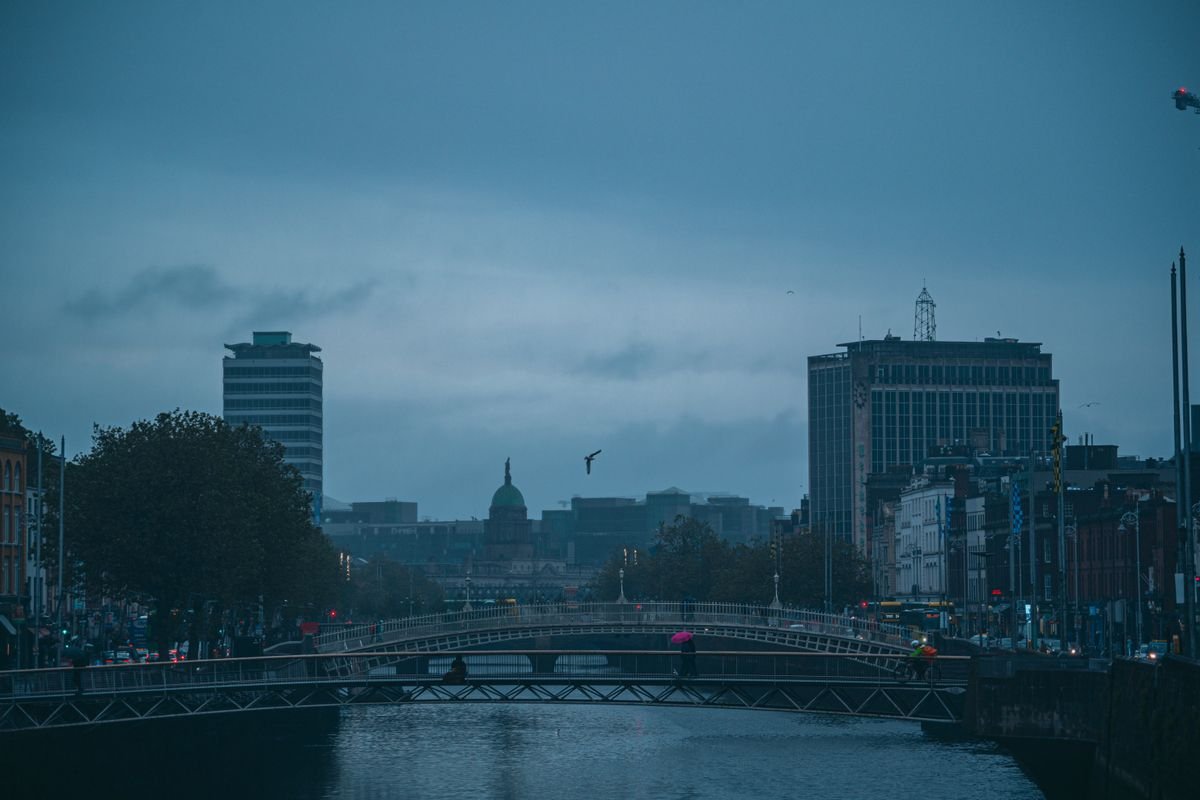
Dublin does one job really well, and it isn’t sightseeing. It’s the easy bookend to an Ireland road trip, the city you land in tired and leave from happy, and two low-key days here are plenty to get the feel of it.
That’s exactly how we played it on our last trip. We spent an easy first night out, drove off to see the rest of the country, then came back for one more clear-headed day before flying home. Splitting the nights across both ends is the move I’d copy every time.
If you come expecting a checklist of famous monuments, you’ll leave a bit flat. Come for a few good pints, a trad session, one or two solid tours, and long walks around a small city center, and Dublin more than holds up.
Keep it walkable, drink off the main Temple Bar strip when you want it cheaper and more local, and don’t try to cram it all in. Get the feel of the place, then get on the road, because the best of Ireland is out past the city.
Like it? Pin it!
Save this guide for later