Ireland is full of small towns and villages worth pulling off the road for, and narrowing it down to a list of the most scenic towns and villages in Ireland was harder than I expected. There are a lot of them.
We spent about two weeks driving the country on our last trip, in autumn, and stopped in most of these ourselves. That’s everywhere from the painted shopfronts of Kenmare to the Deck of Cards houses stacked above the harbor in Cobh. Some are famous. Some barely make the guidebooks.
Below I’ve grouped all 18 by region, from Cork and Kerry up through Clare, Galway, Donegal and the southeast, all the way to Antrim and Down. After that I’ve added where to base yourself, when to go, and how to handle the driving between them.
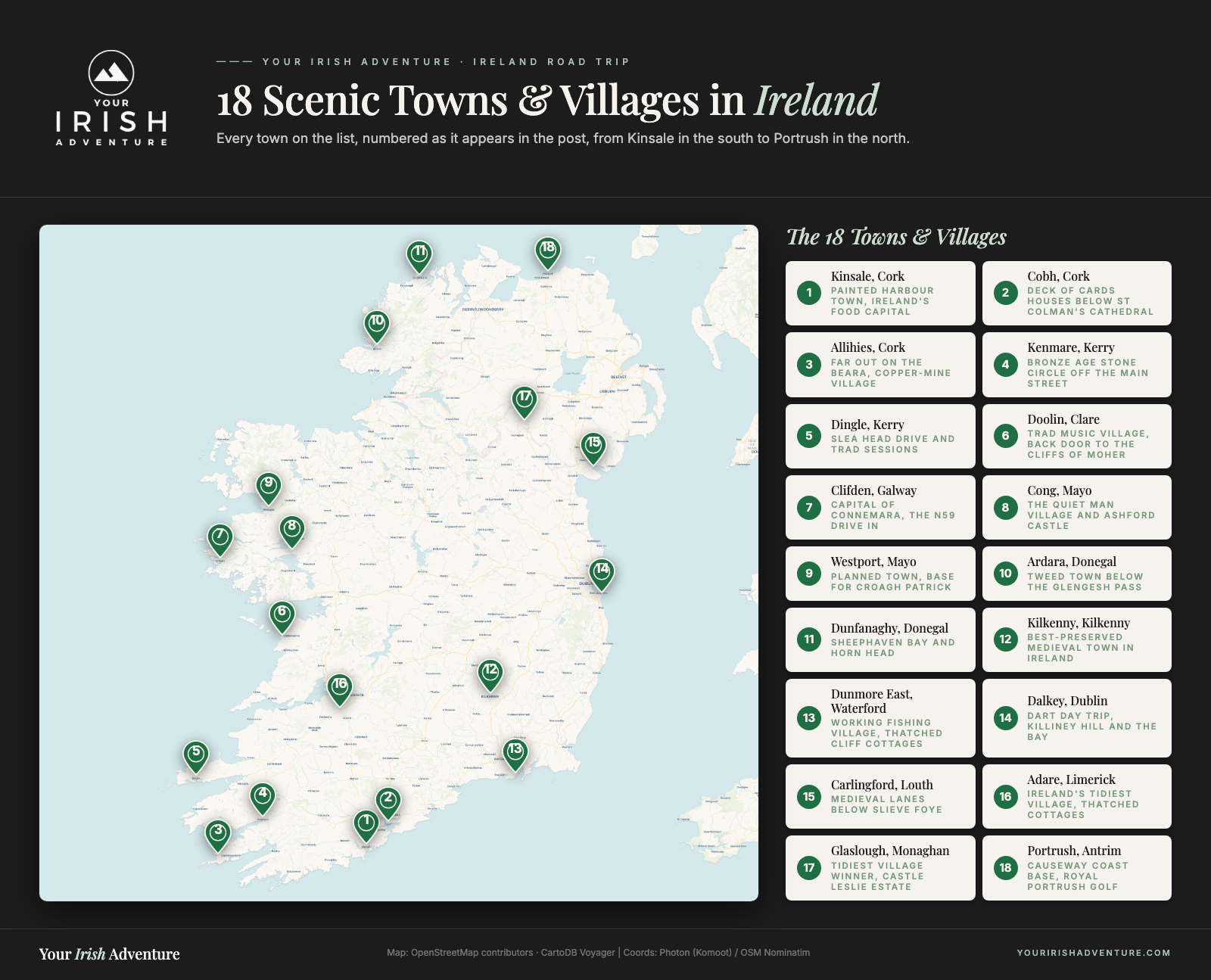
We did it by campervan, but a rental car covers this exact route just as well, and it’s the easier choice for a first trip. Here’s the list, from the ones everyone knows to the ones we’d actually send you to instead.
More Irish Towns and Scenic Routes Worth a Detour
- The Most Beautiful Towns In Ireland You Need To Visit
- 15 Best Seaside Towns in Ireland To Visit This Summer
- The Most Beautiful Seaside Towns in Northern Ireland
- The 20 Most Scenic Drives in Ireland
Quick Answer:
The best scenic towns and villages in Ireland are spread across every coast, from Kinsale and Kenmare in the southwest to Clifden in Connemara, Cong in Mayo, and Dalkey near Dublin. Give yourself 7 to 10 days, pick one or two regions, and hire a car to link them, since most sit off the public transport map.
The Southwest: Cork and Kerry
If you only have time for one corner of Ireland, make it this one. Cork and Kerry pack in more good-looking small towns per mile than anywhere else we drove, and the road between them is half the reason to go.
Kinsale, County Cork
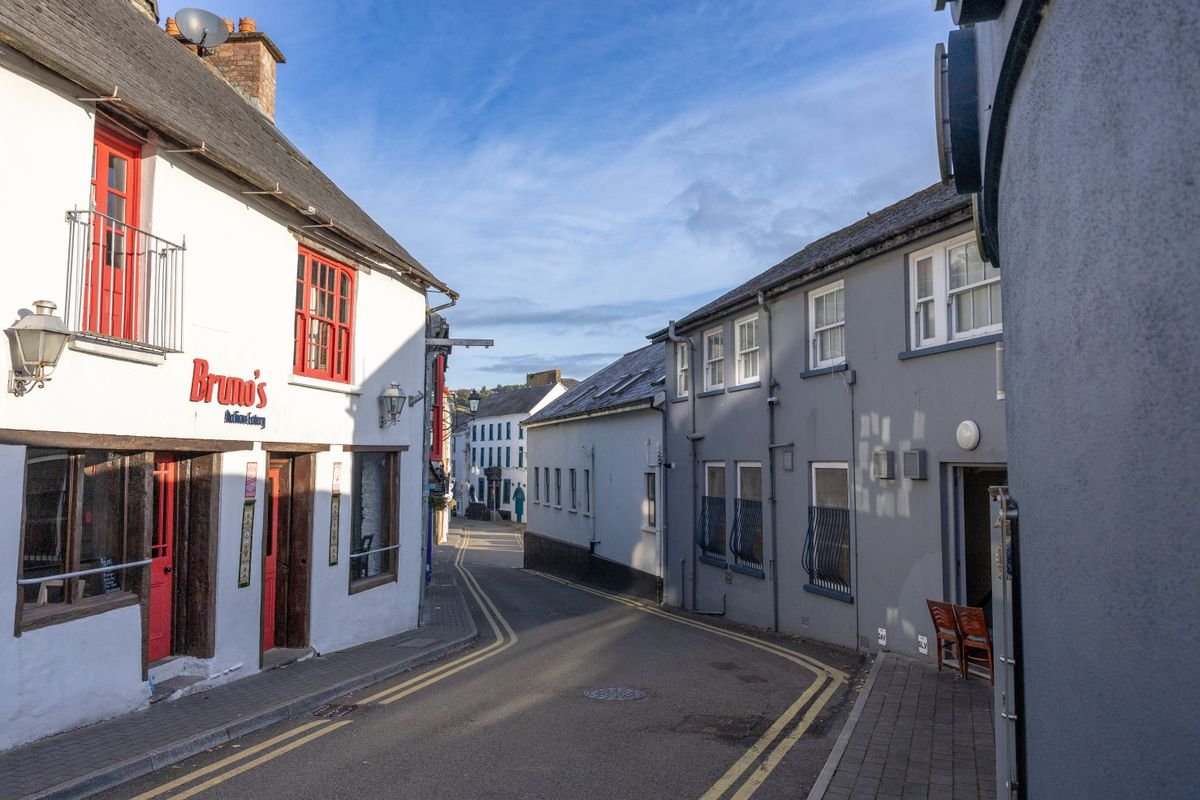
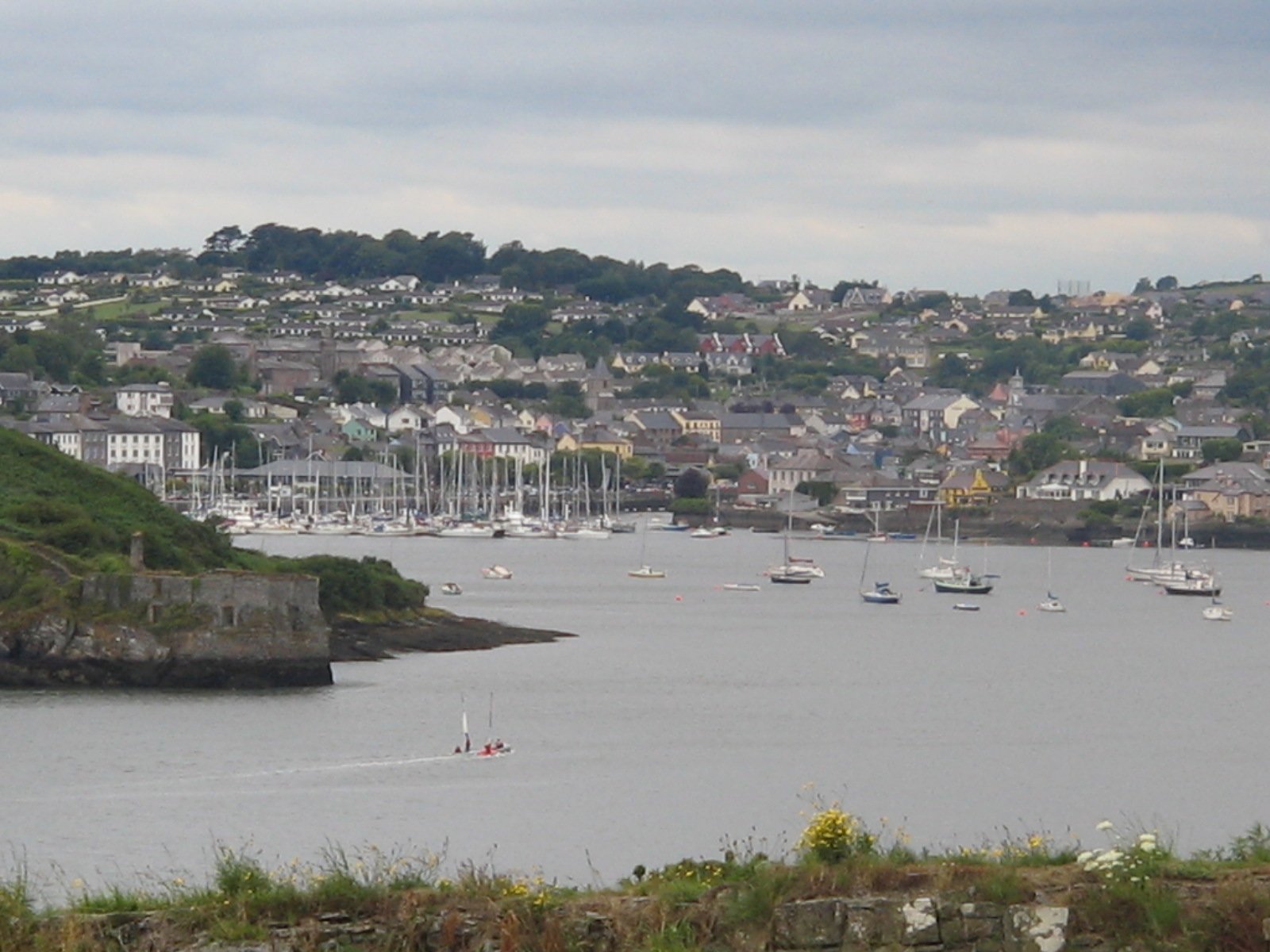
Kinsale is the one a lot of people start with, and it earns it. The waterfront is a row of painted shopfronts wrapped around a working harbor, and the town has built a real reputation as Ireland’s food capital, so book a table before you arrive in summer.
Walk out to Charles Fort, the big star-shaped fort guarding the harbor mouth, then come back for dinner. It’s about 30 minutes south of Cork city, so it works as a first or last stop on a southern loop.
Cobh, County Cork
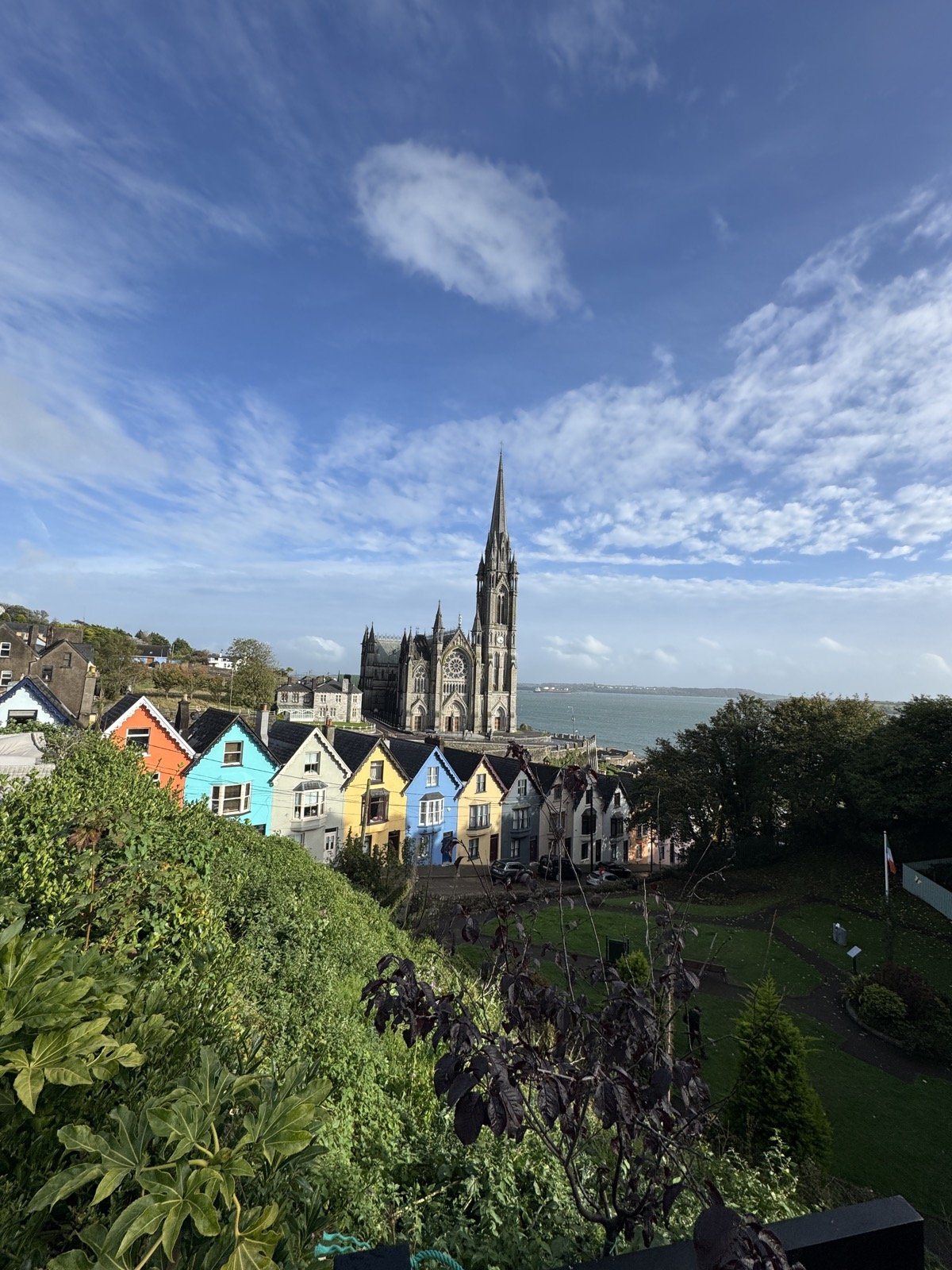
We camped right on the water at Five Foot Way, which is €10 a day for campervans, and an Atlantic storm rolled in the same hour we did. We sat in the van for most of the afternoon while the sailboats in the harbor swung around hard on their lines.
Then around 4pm the clouds split open and we got blue sky. We hiked straight up to Spy Hill for the view back over town, with St. Colman’s Cathedral towering behind the colorful terraced houses below. It’s the photo everyone comes to Cobh for, and it’s worth the climb.
After that we wandered the steep streets, West View and the Khyber Pass, and had a drink at Kelly’s Bar. Plan dinner ahead, though: a lot of restaurants were shut when we visited, maybe because of the storm, so line one up early or head into Cork city for it.
Allihies, County Cork
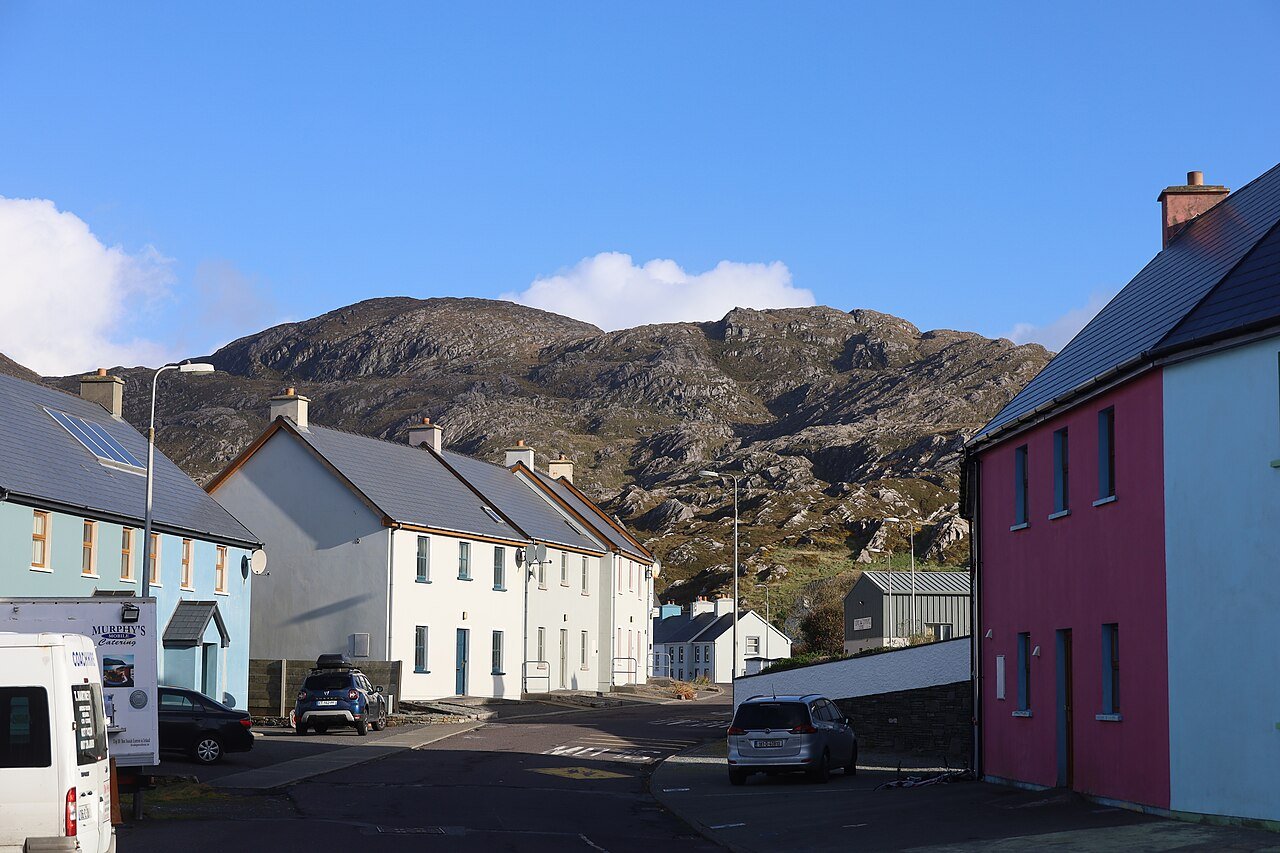
Allihies is way out on the Beara Peninsula, and it’s the trade-off town: it takes real effort to get to, and that’s exactly why it has far fewer tour buses than anywhere on the Ring of Kerry. A line of brightly painted houses sits above a sandy beach, with the old copper mine ruins on the hill behind.
If you’re driving the Beara instead of the busier Ring, this is your reward at the end of the road. Give it a half-day and a pint in one of the village pubs.
Kenmare, County Kerry
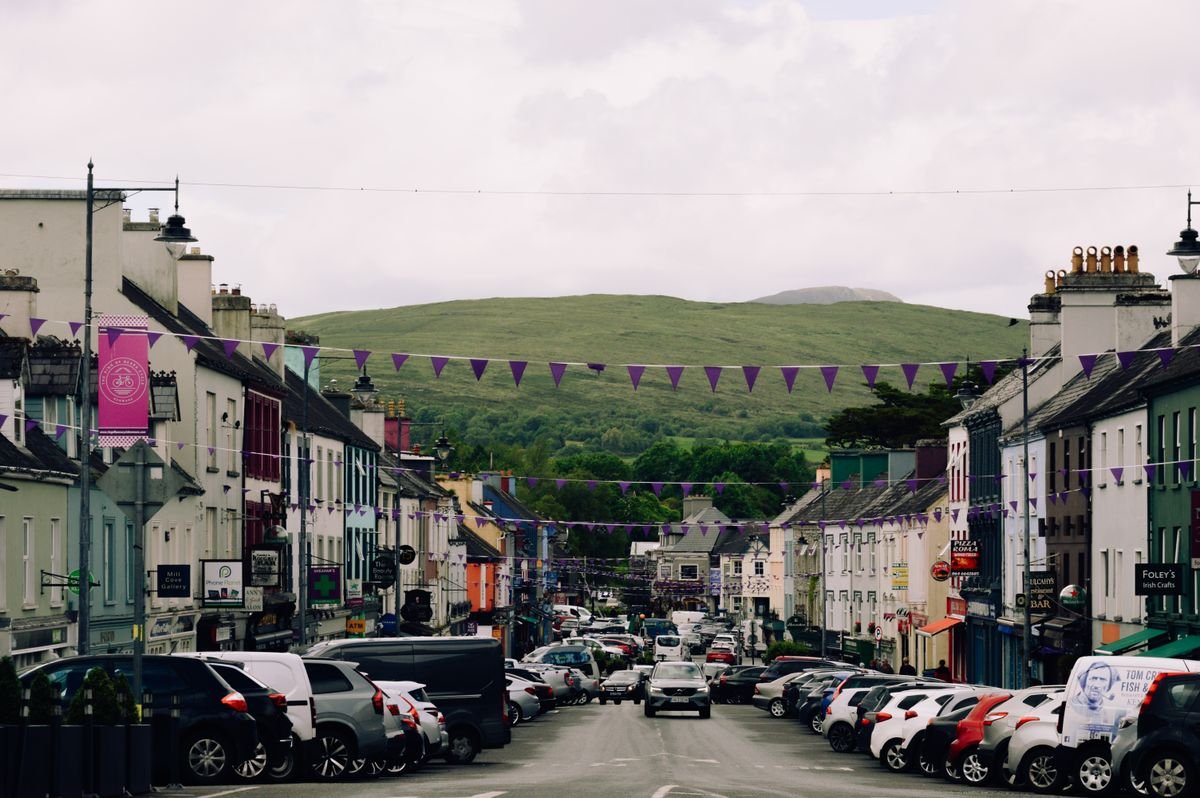
Kenmare sits at the bottom of the Ring of Kerry, and it’s easy to treat it as a quick coffee stop. The thing worth your time is the Kenmare Stone Circle, a Bronze Age ring of standing stones tucked just off the main street that a lot of visitors walk straight past.
It’s free, it’s old, and it’s right there in town. We had a drink at O’Connor’s after. An hour is enough to see Kenmare properly, and the Stone Circle is the reason to make the stop.
Dingle, County Kerry
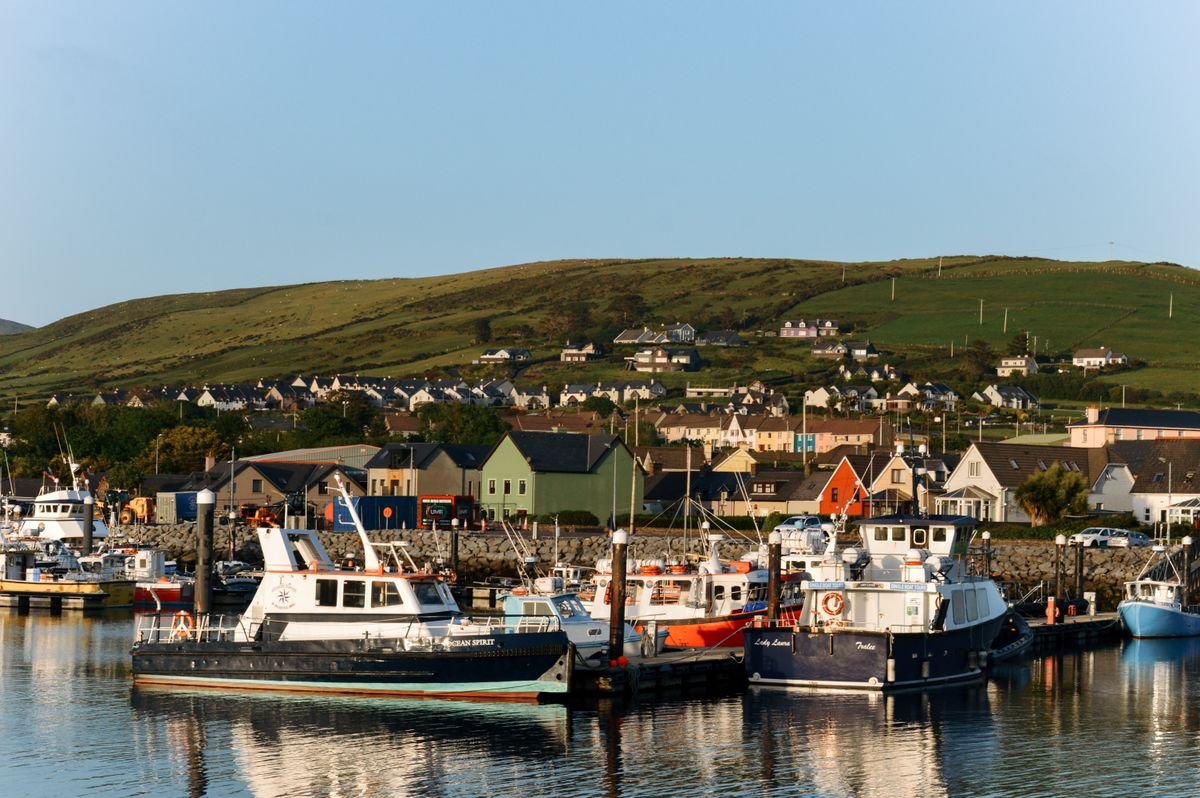
Here’s my honest take on Dingle: we got it wrong. We arrived in heavy rain with work to do, parked the van at the Rainbow Hostel, and only ever saw the town at night. The Slea Head Drive, the beaches, the town in daylight, we missed all of it, and it’s the biggest regret of the trip.
What saved the evening was Foxy John’s. It’s a working hardware shop by day with a bar at the back, and we walked in to a trad session with a guitar and tin whistle going. One of the most unique pubs in Ireland, rain or shine.
Learn from us and give Dingle two nights, not an evening. Drive the Slea Head loop in daylight and the town will sit near the top of your list instead of your regrets.
Full Town Guides for the Stops on This List
- The Best Things to Do in Kenmare, Ireland
- 15 Best Things To Do in Doolin, Ireland
- Best Things To Do In Cork (City & Day Trips)
- 15 Amazing Things To Do in Monaghan
- Things to Do in Antrim: The Best of the Causeway Coast
The West: Clare, Galway and Mayo
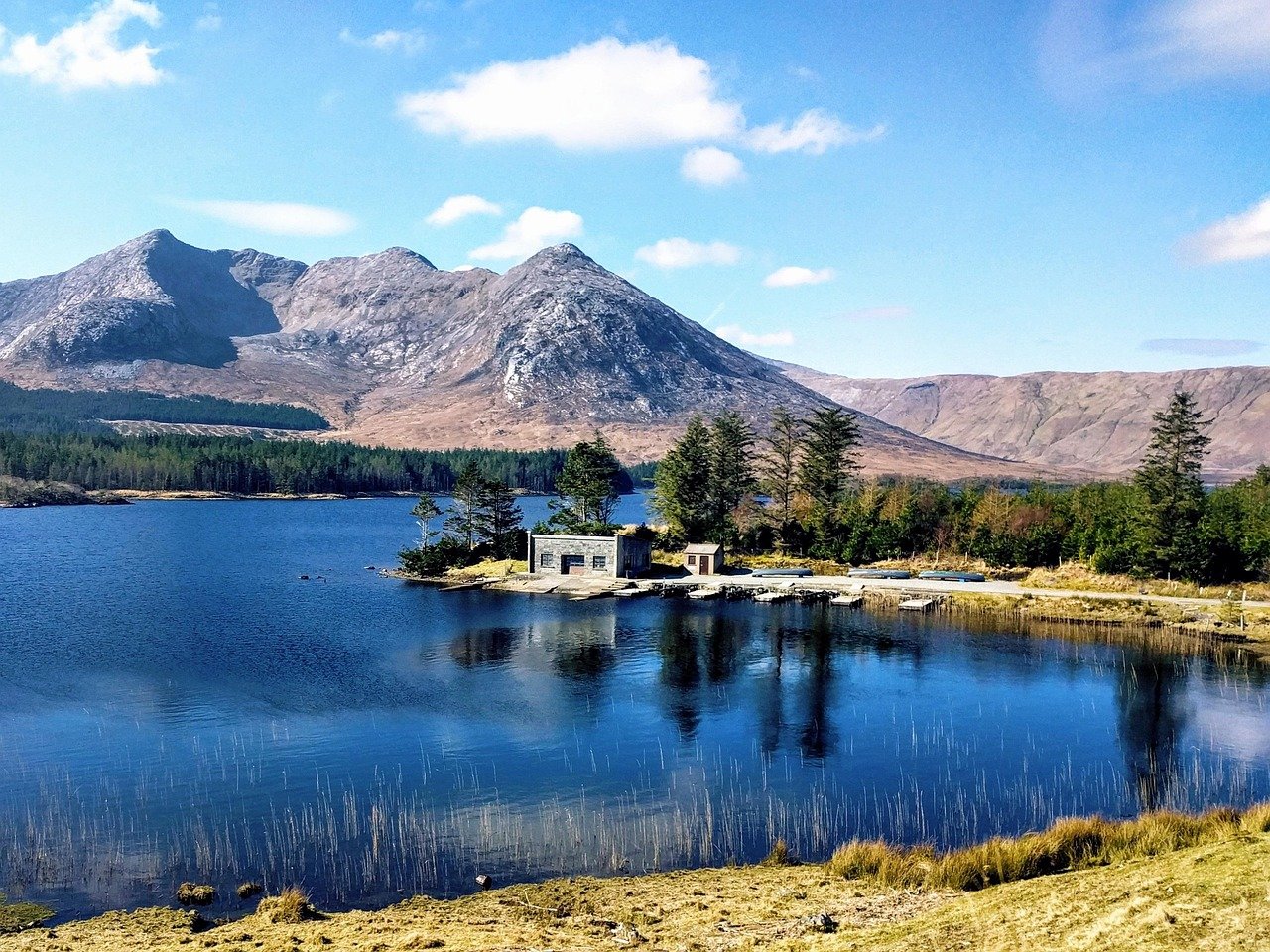
The west coast is the Ireland a lot of people fly in for, and it lived up to it for us. This stretch gave us the best driving of the whole trip, and three of the four towns below sit right on or just off the Wild Atlantic Way.
Doolin, County Clare
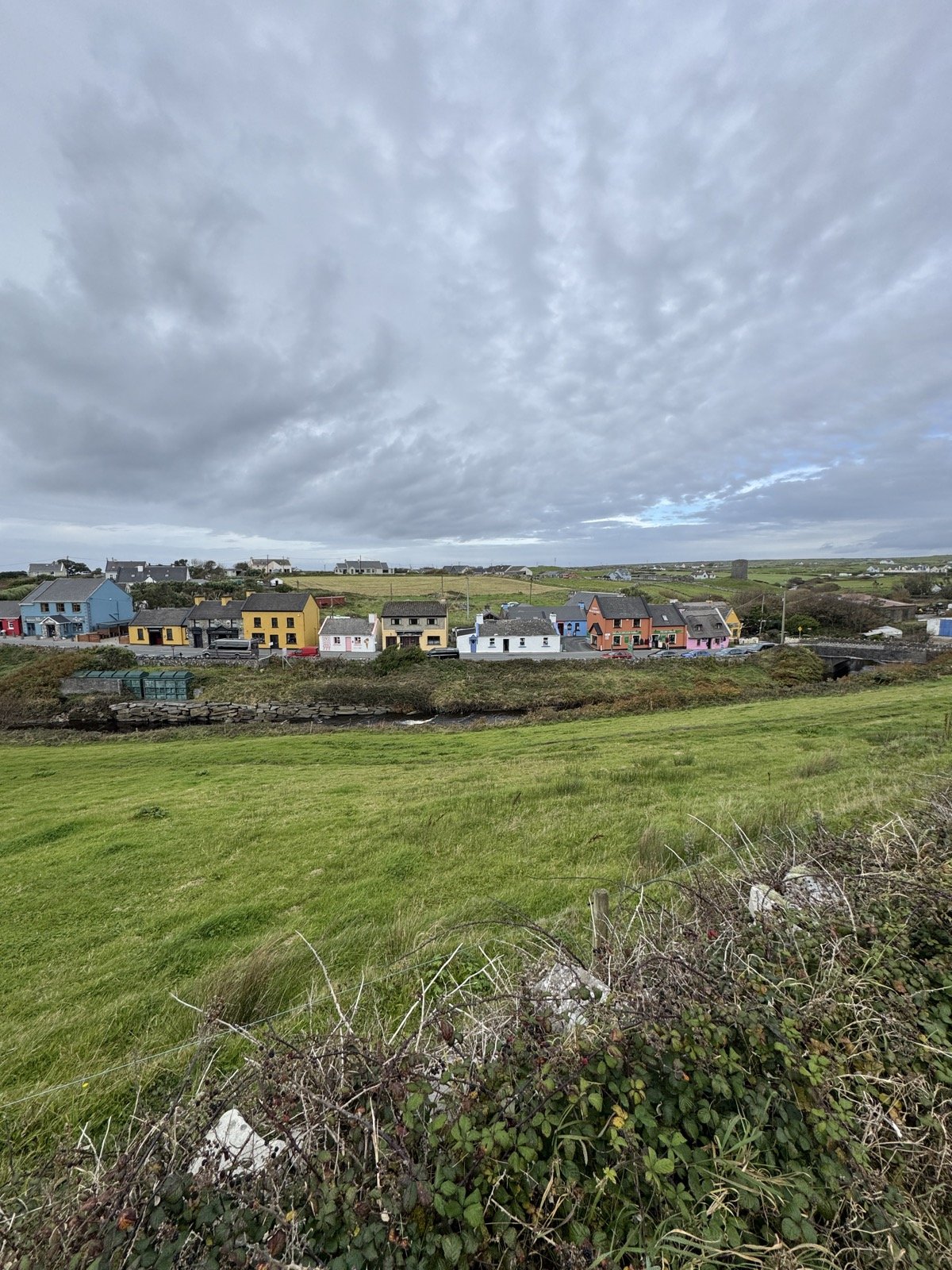
Doolin is a tiny scatter of houses, but it’s one of the best trad music villages in the country and the back-door route to the Cliffs of Moher. We camped at Nagle’s, right by the water and walking distance to both the cliff trailhead and the pubs, which is exactly what you want here.
We hiked the cliff path out of Doolin with cows grazing the clifftop on one side and a sheer drop to the Atlantic on the other. For the view from the water instead, you can book the Doolin Cliffs of Moher boat tour on GetYourGuide and see the cliffs rise straight out of the sea. Then we ate at Gus O’Connor’s, a pub that’s been pouring pints since 1832. Stay a night, eat there, and you’ve done Doolin right.
Clifden, County Galway
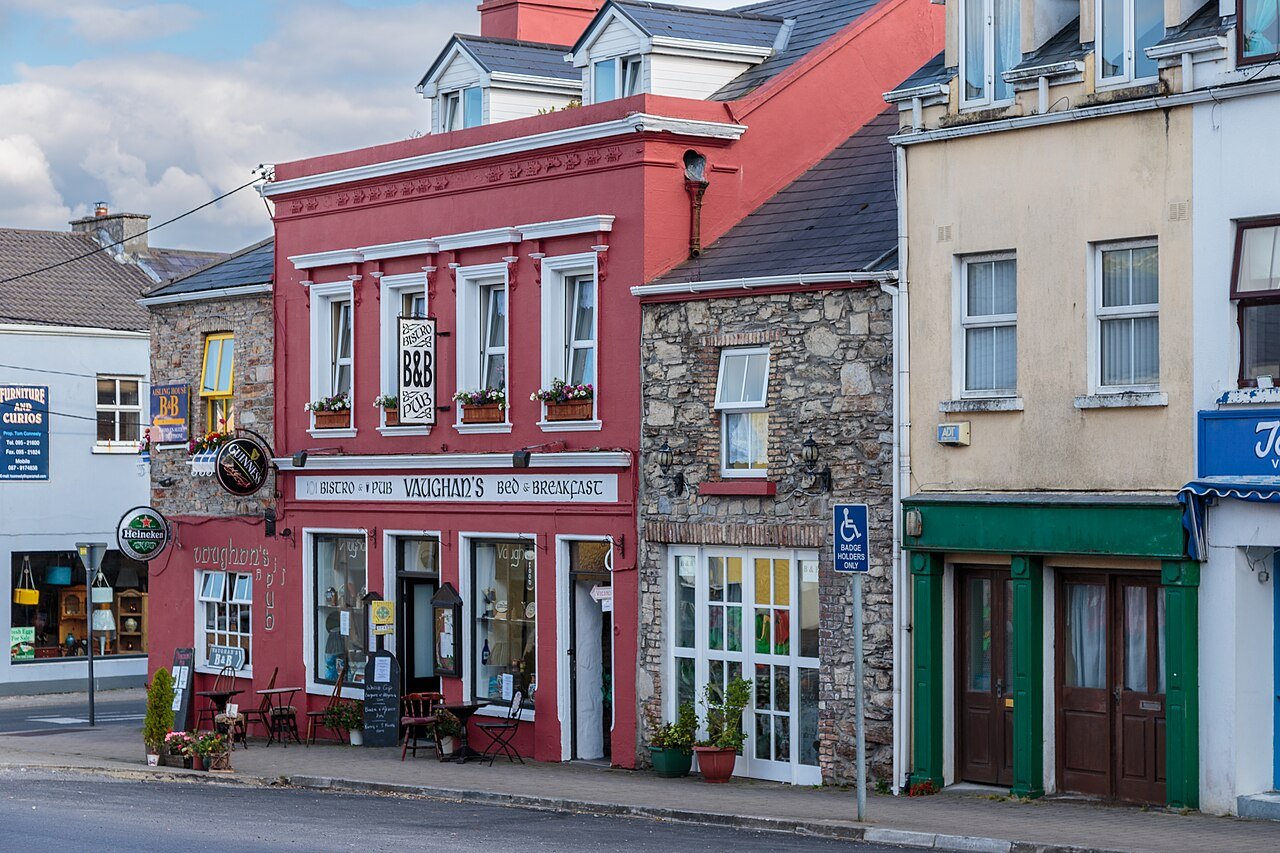
Clifden is the capital of Connemara, and getting there is half of why you go. We drove in on the N59, easily the best road we covered in Ireland, with the rocky Twelve Bens filling the windshield the whole way. The town itself is a tight grid of colorful streets above the harbor.
Stop at Guy’s Seafood Bar for the chowder, which was the best we had anywhere on the trip. We camped at Clifden Eco Beach with the van facing the ocean, lit a fire, and I swam in the Atlantic, surprisingly clear and blue even in autumn. Clifden is a great base for Kylemore Abbey and the Sky Road too.
Cong, County Mayo
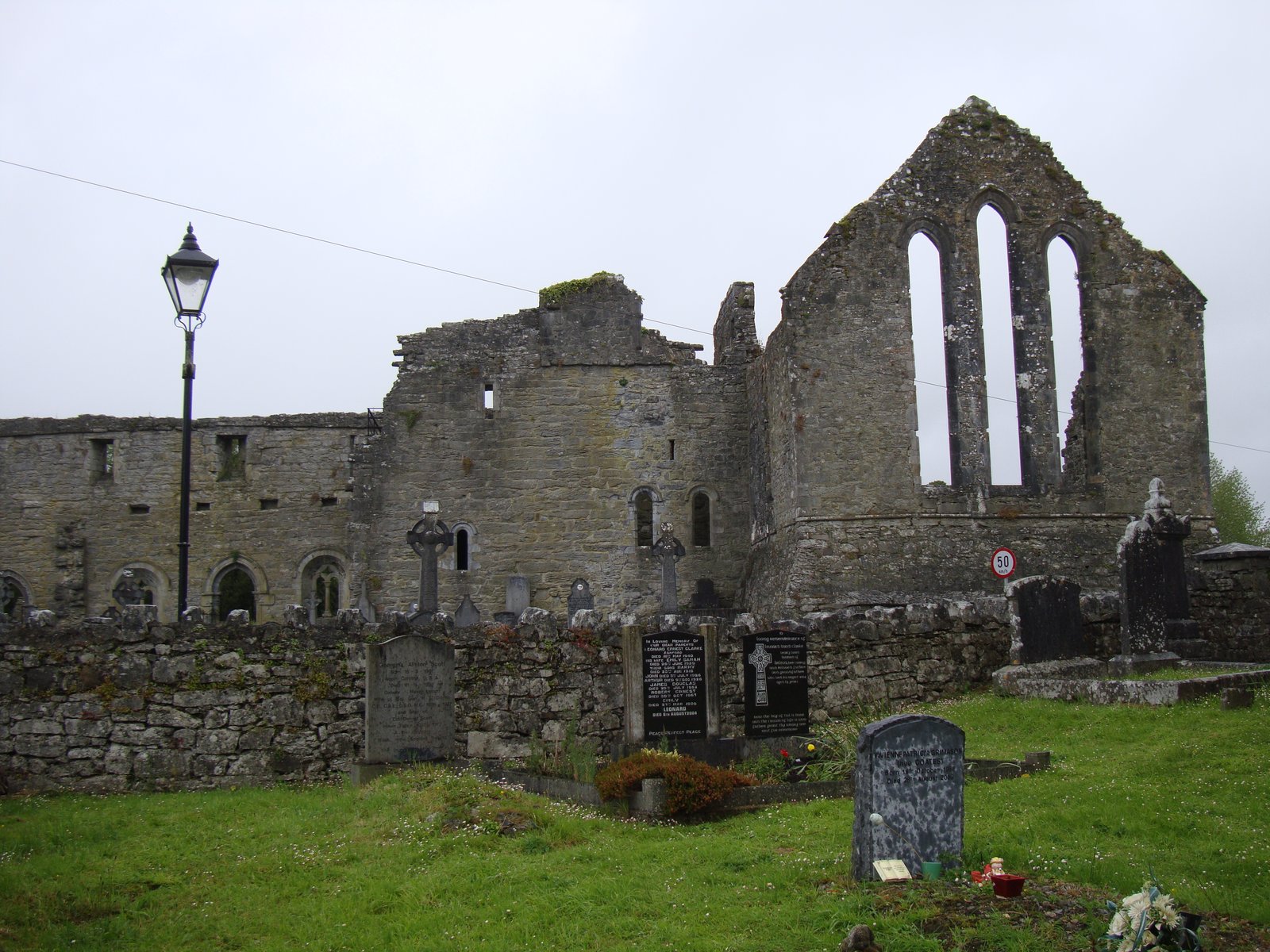
Cong sits on the strip of land between Lough Corrib and Lough Mask, and it’s a small village that draws a steady stream of visitors for two reasons. It’s where the 1952 film The Quiet Man was shot, and it’s home to Ashford Castle, one of the grandest hotels in the country.
Even if you’re not staying at the castle, you can walk the riverside woodland trails on the estate grounds and visit the ruins of the 12th-century Cong Abbey right in the village. It makes an easy stop between Galway and Westport.
Westport, County Mayo
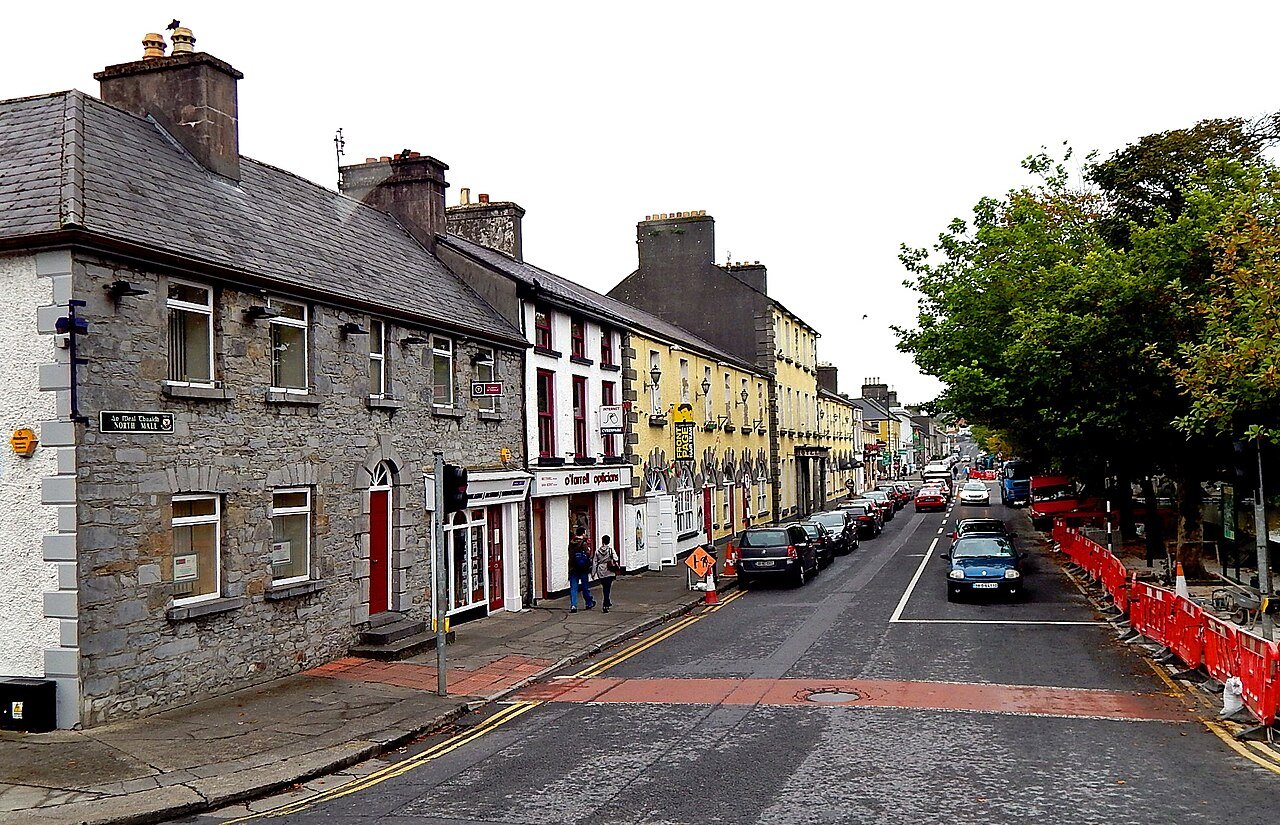
Westport is one of the few planned towns in Ireland, laid out around a tree-lined river mall with a tidy octagon at its center. It’s regularly voted one of the best places to live in the country, and it works just as well as a base for a few days.
From here you’ve got Clew Bay and its scatter of islands, and the cone of Croagh Patrick, the pilgrim mountain thousands climb every year. The town has a real pub scene too, including Matt Molloy’s, owned by the Chieftains’ flute player, where the trad sessions run most nights.
The Northwest: Donegal and Sligo
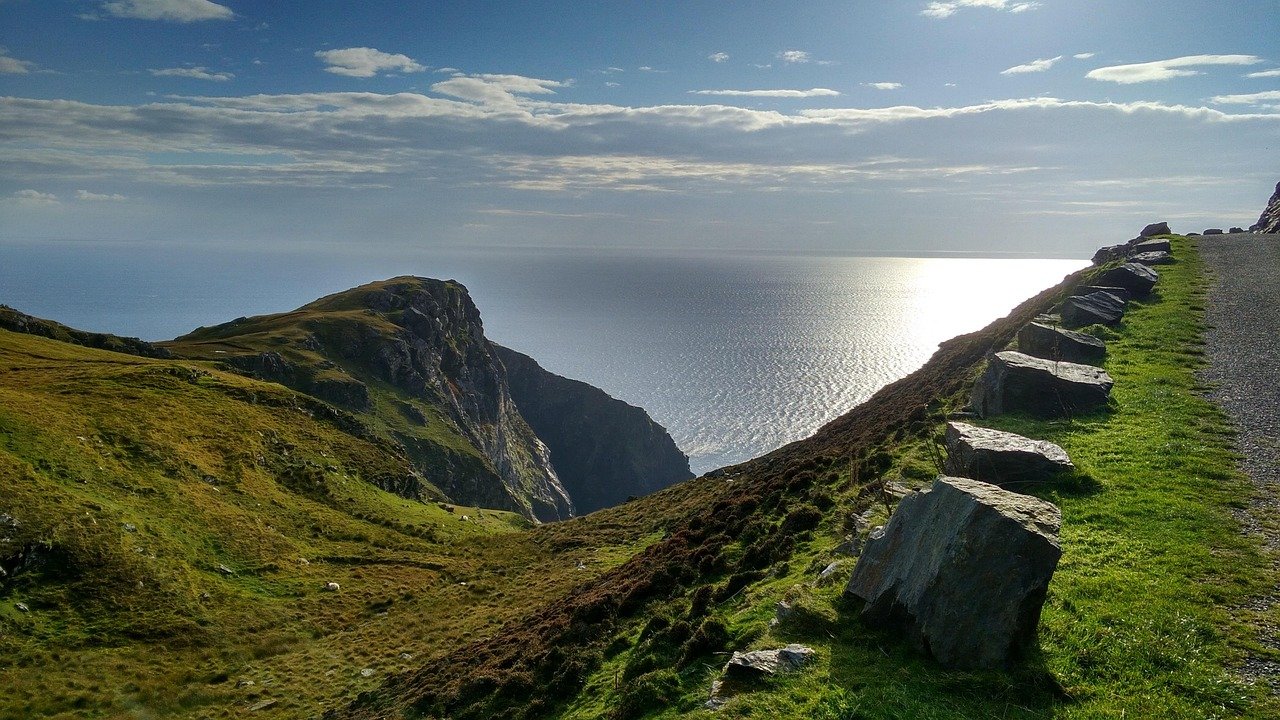
This is the corner most first trips skip, and it’s the wildest part of the country. Donegal in particular feels a notch more remote than the west coast, with single-track roads, big empty beaches, and a lot fewer tour buses. Down in Sligo you’ve got Yeats country and the flat-topped bulk of Benbulben watching over it all.
We didn’t make it this far north on our last trip, which is a gap we plan to close. The two villages below are the ones to build a Donegal loop around.
Ardara, County Donegal
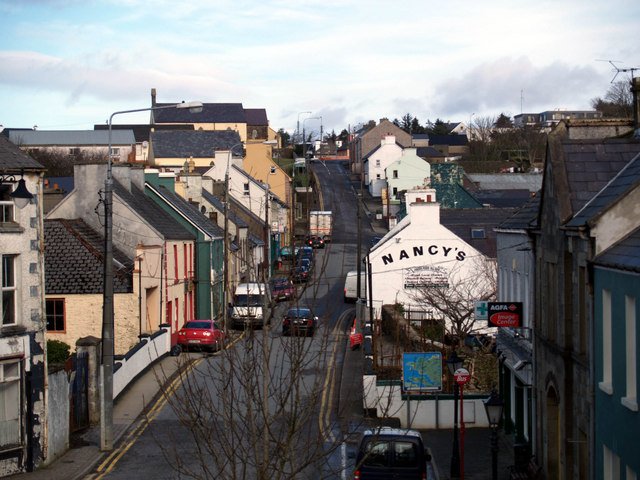
Ardara sits at the head of Loughros More Bay and has been a tweed and knitwear town for generations, so it’s the place to pick up a proper Donegal sweater straight from the makers. It’s small, but it has a tight cluster of pubs that punch well past the size of the village for trad music.
The real draw is what’s around it. The Glengesh Pass climbs out of town through a steep glacial valley, and Maghera Beach and its sea caves sit a short drive west. Use Ardara as a base and you can fill a couple of days without backtracking.
Dunfanaghy, County Donegal
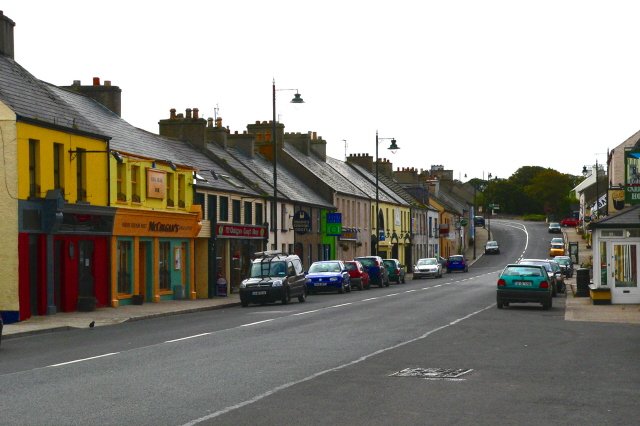
Dunfanaghy is a small seaside village on the far north coast, wrapped around Sheephaven Bay. It’s the jumping-off point for Horn Head, a headland loop with sheer cliffs and views back over the whole bay that rank with anything on the Wild Atlantic Way.
Killahoey Beach is right on the edge of the village, and Ards Forest Park sits just down the road for woodland and shoreline walks. For a town this far out, it has a solid run of cafes and pubs, which makes it the natural place to bed down in this stretch of Donegal.
The Southeast: Waterford and Kilkenny
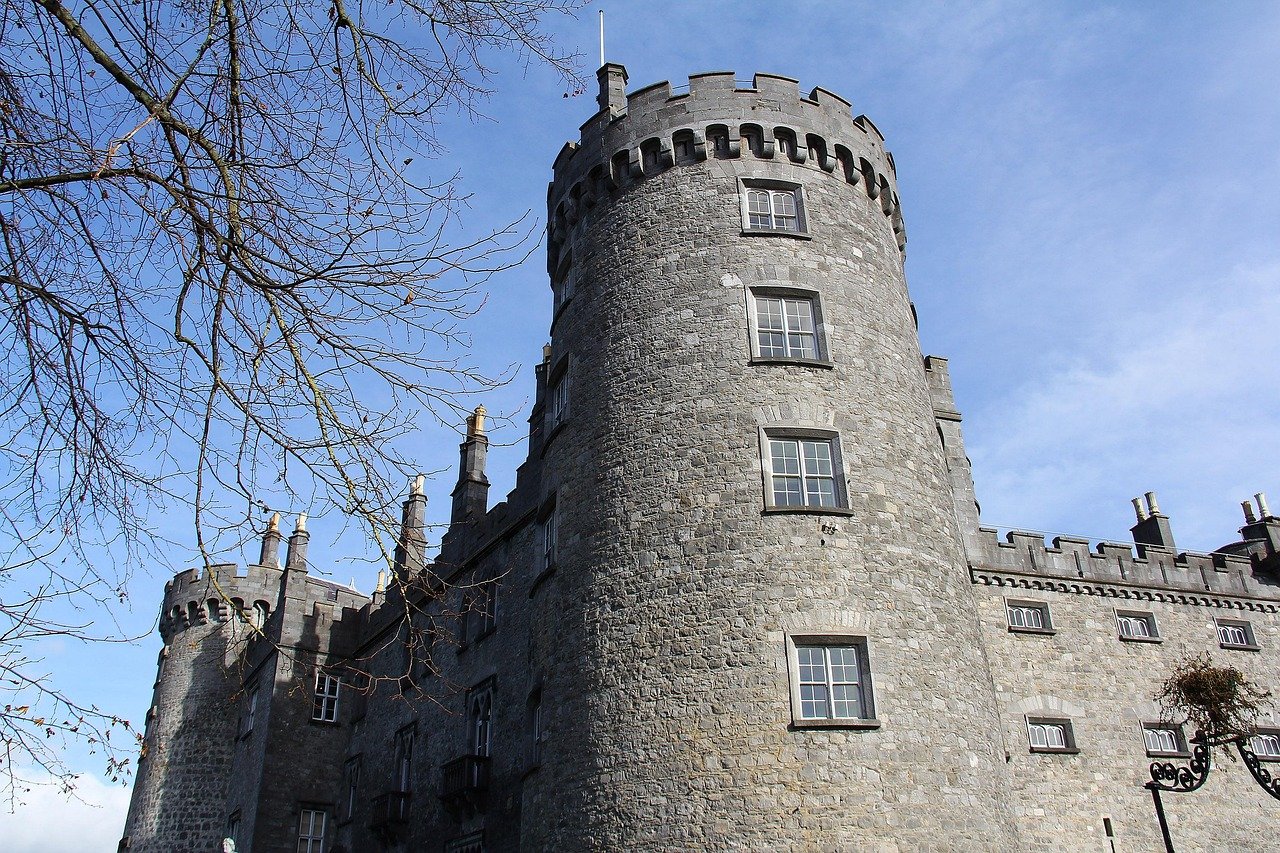
The southeast gets skipped on a lot of west-coast itineraries, which is a shame. It’s the sunniest corner of the country, and it makes an easy first or last stop on a southern loop. Kilkenny is the best-looking medieval town in Ireland.
Kilkenny, County Kilkenny
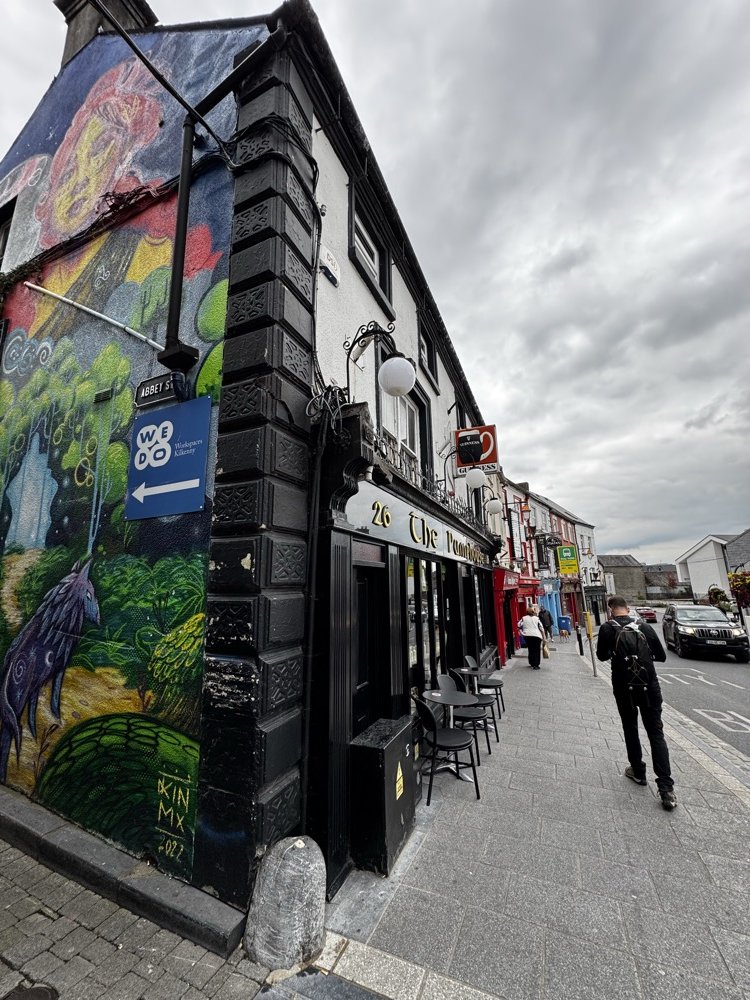
Kilkenny was our first stop heading south out of Dublin, about 2.5 hours down the road, and it’s an easy drive. We camped at Tree Grove, a 30-minute walk from the castle along the canal, and that walk is the way to arrive. We followed the Canal Walk river trail in instead of the main road.
Kilkenny Castle is the best-preserved castle we saw on the whole trip. The grounds are free to wander; the interior needs a ticket. Inside there’s a set of giant Irish elk antlers on display, wider than I am tall. We also did the Smithwick’s Experience, a good brewery tour if you’ve got an extra hour.
The old town is compact and easy on foot. Find the Butter Slip, a narrow medieval alleyway between two streets that photographs best at night. We finished up with Guinness and live music at The Pumphouse.
You can see Kilkenny in a day, but it has enough pubs, history and walking to fill two nights without trying. It’s worth the stop even if you’re only passing through on the way west.
Dunmore East, County Waterford
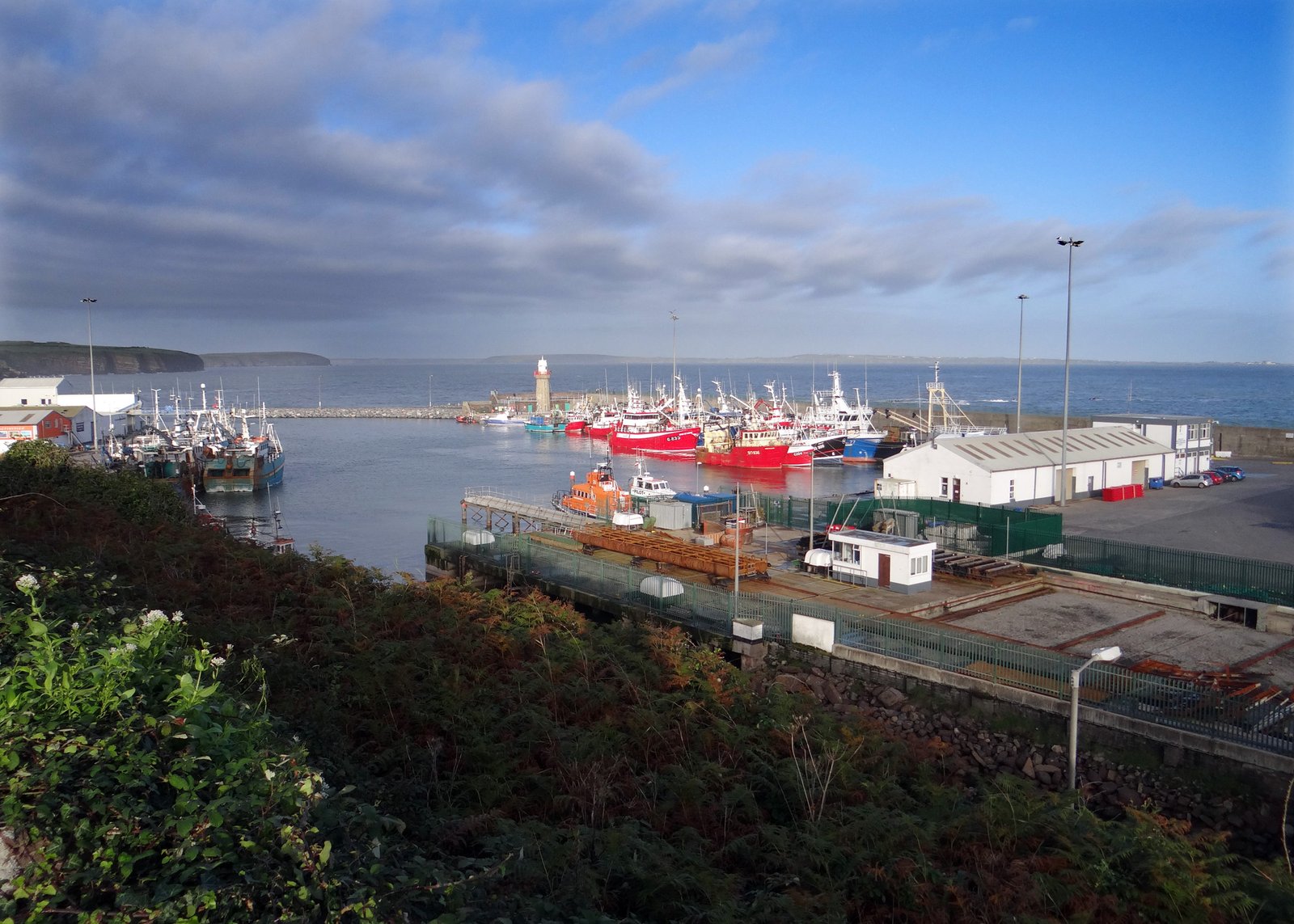
Dunmore East is a working fishing village at the mouth of Waterford Harbour, about 30 minutes from Waterford city. Boats still land their catch at the harbor, and a row of thatched cottages climbs the red sandstone cliff behind it. The fishing fleet is the reason the village exists, not a decoration for tourists.
Walk the cliff path above the harbor for the views, then drop down to one of the small sandy coves below for a swim. From here the Copper Coast drive runs west toward Cork, so Dunmore East works as a stop on the way through rather than a place you’d build a trip around.
The East and Midlands: Dublin, Louth, Limerick and Monaghan
A lot of trips fly into Dublin and drive straight west, which means this side of the country gets passed over. That’s a mistake if you’ve got a spare day on either end. The four below are all easy add-ons to a Dublin start or finish, and one of them we stopped at ourselves on the way south.
Dalkey, County Dublin
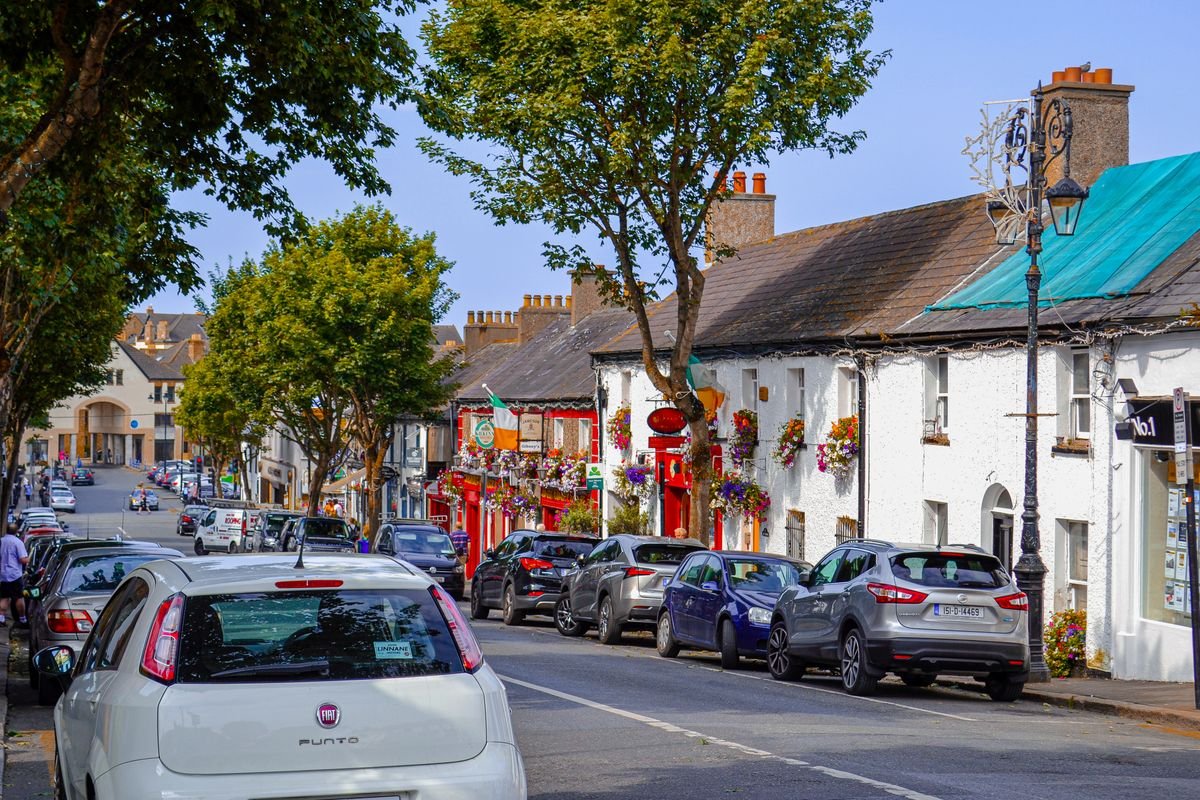
Dalkey is a coastal village on the south edge of Dublin Bay, close enough that you can ride the DART train out from the city center in about half an hour. We started and ended our last trip in Dublin, and Dalkey is the easy half-day escape we’d line up next time.
Walk down to Coliemore Harbour for the view across to Dalkey Island and its herd of wild goats, then climb Killiney Hill for the whole sweep of the bay below. There’s a ruined castle on the main street and a row of pubs that have served a long list of famous locals, Bono and Enya among them, so you might pay city prices for your pint.
Carlingford, County Louth
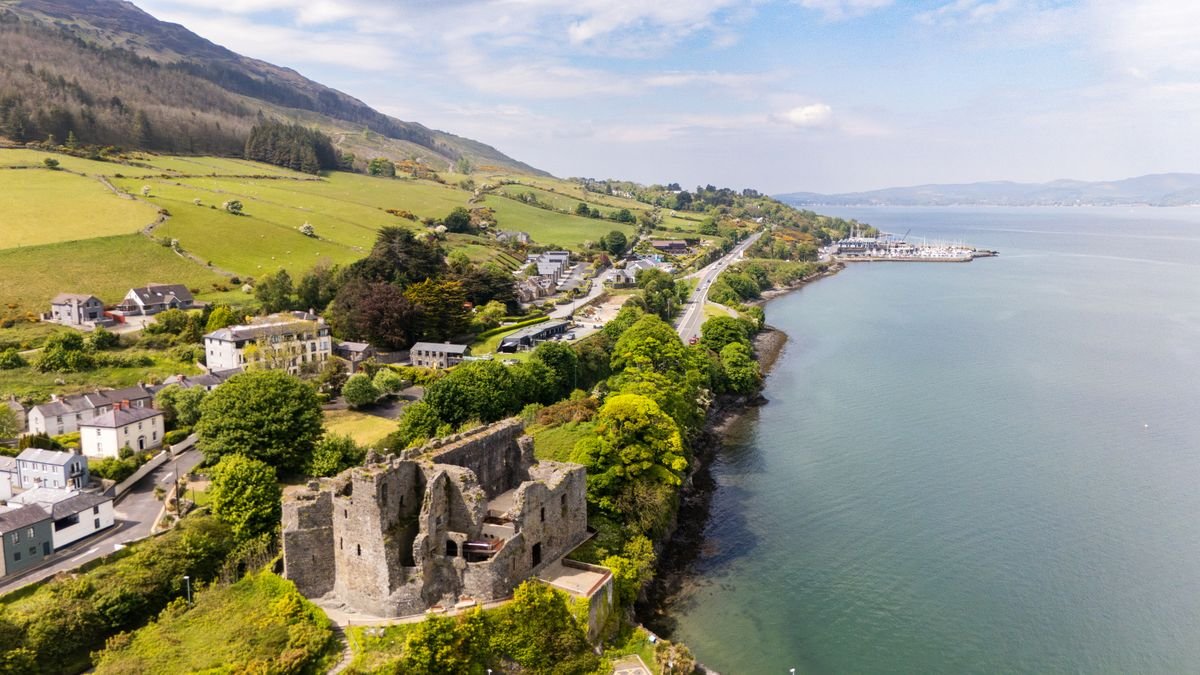
Carlingford is a medieval village wedged between Slieve Foye and Carlingford Lough, up near the border with Northern Ireland. The old core is a tight set of narrow lanes and stone buildings, with the ruins of King John’s Castle standing over the harbor since the 1200s.
It’s about an hour and a half from Dublin, so it works as a day trip or a first night heading north. Come to eat the local oysters, cycle the greenway along the old railway line, and hike up Slieve Foye for the view over the lough. It’s busy at the weekend, so it’s an active stop rather than a sit-still one.
Adare, County Limerick
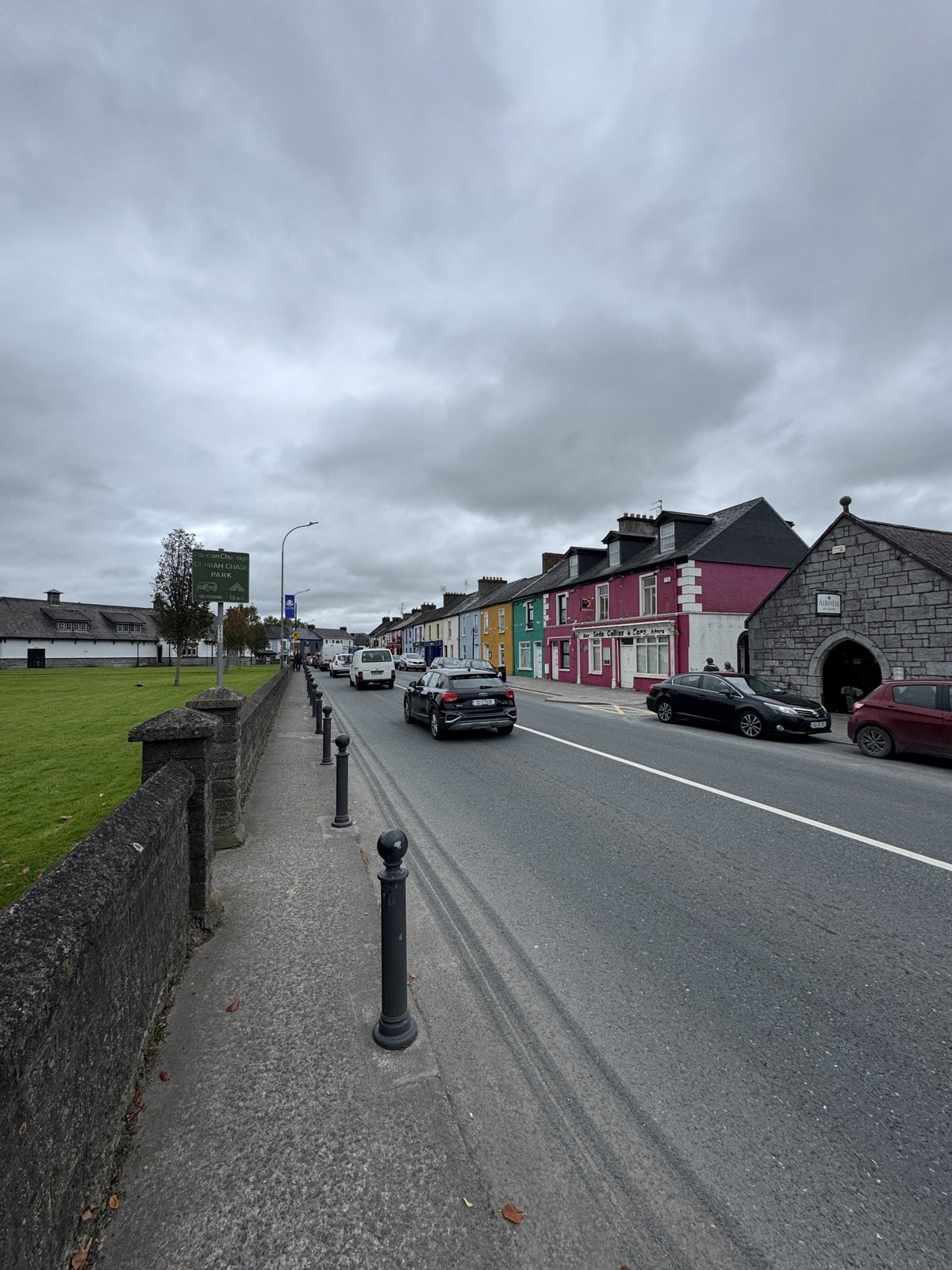
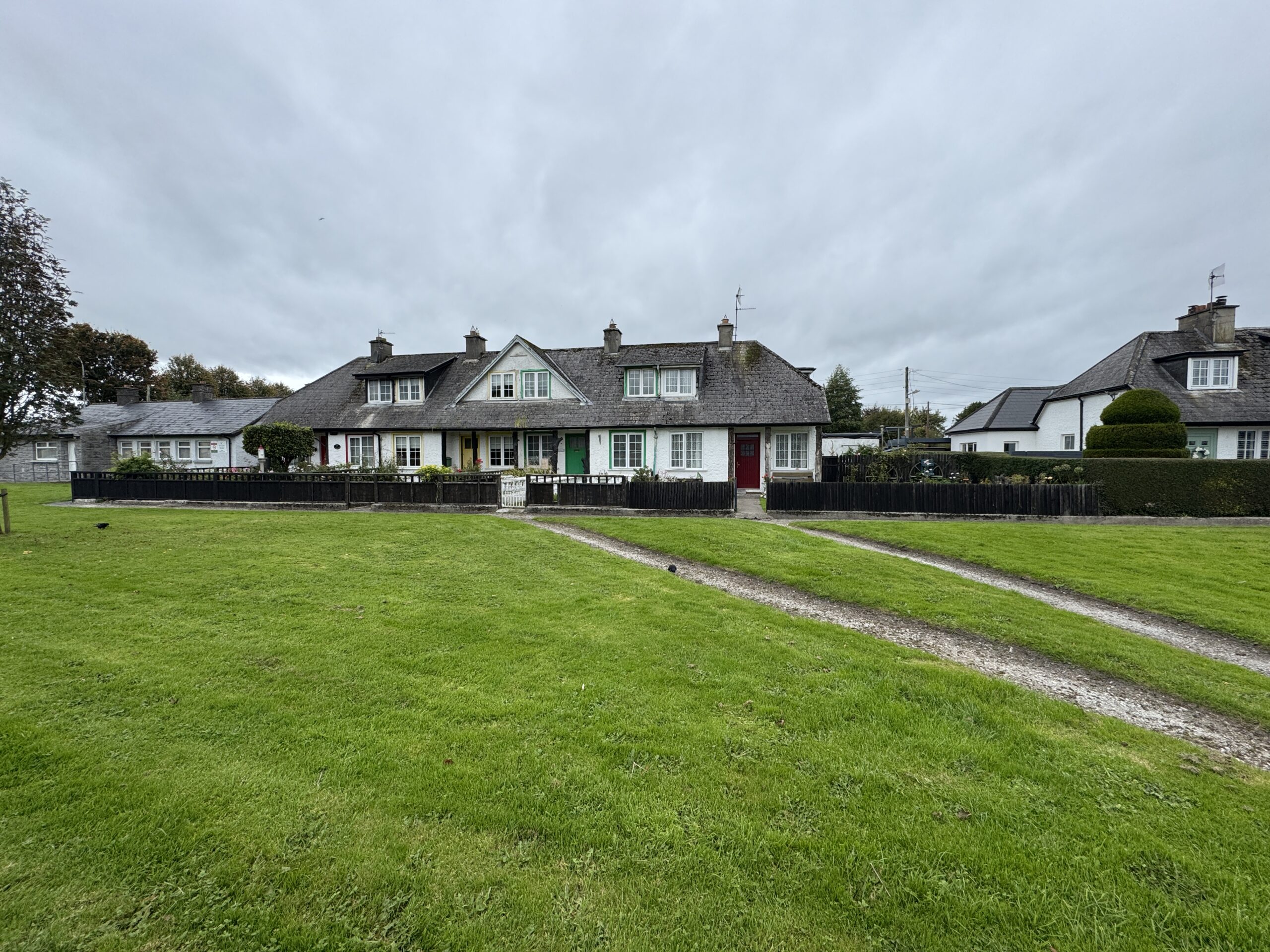
Adare is the one in this group we actually stopped at, on the N21 on our drive over to Dingle. We broke up the day with a Guinness and a shepherd’s pie in one of the village pubs, looking out the window at the row of thatched cottages that the place is known for.
Those cottages are the real reason to stop, and they’re kept in good shape. There are medieval ruins to walk too, plus Adare Manor down the road if you feel like splashing out on a luxury hotel. Give it 45 minutes to an hour and it’s a good leg-stretch on a long driving day.
Glaslough, County Monaghan
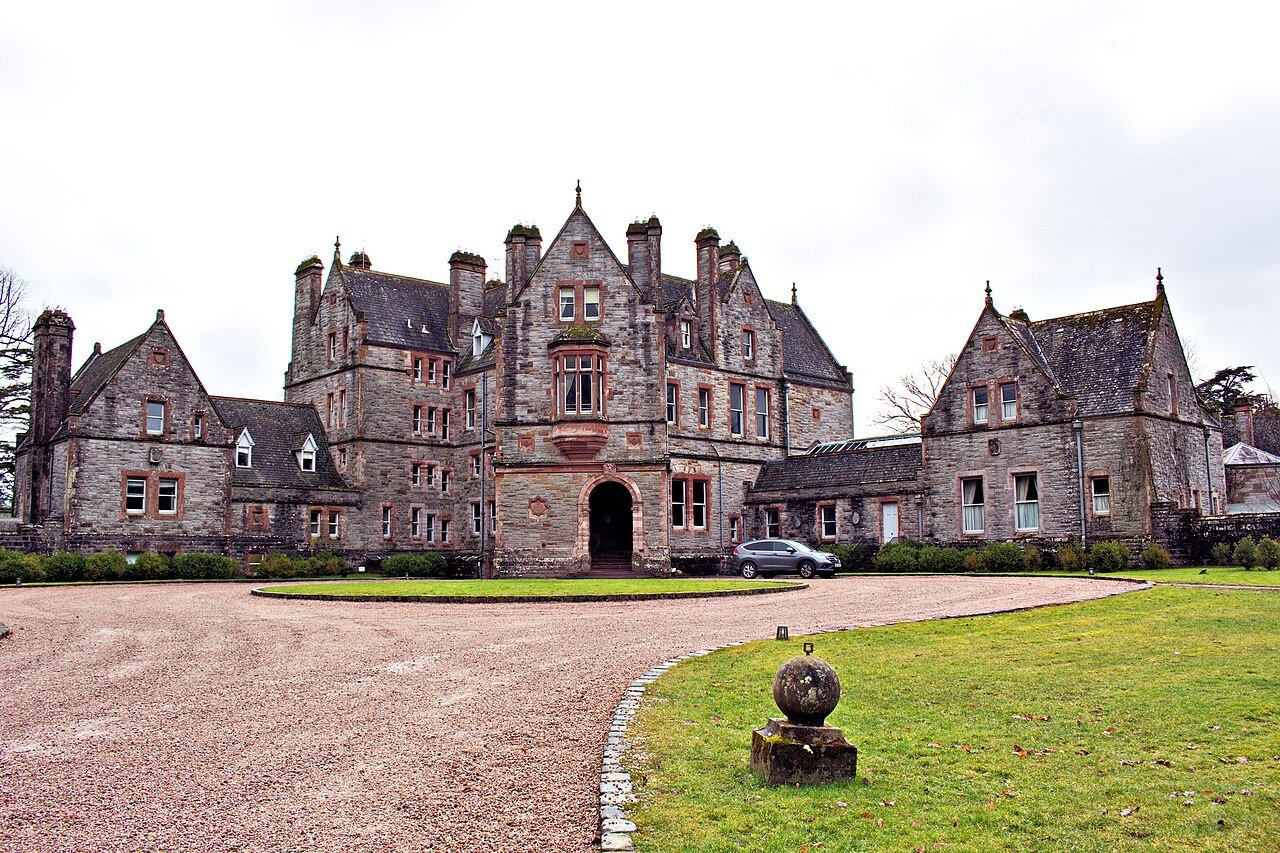
Glaslough is a small stone village in the drumlin country of Monaghan, and it has won Ireland’s Tidiest Village more than once, which tells you how seriously the place keeps itself. It sits well off the usual tourist run, so you won’t be sharing it with tour buses.
The reason to make the trip is the Castle Leslie Estate on the edge of the village, 1,000 acres of woodland and lake around a Victorian castle. You can ride horses from its equestrian center, fish the lake, or just book lunch and walk the trails. Paul McCartney got married here, which tells you what kind of spot it is.
The North: Antrim and Down
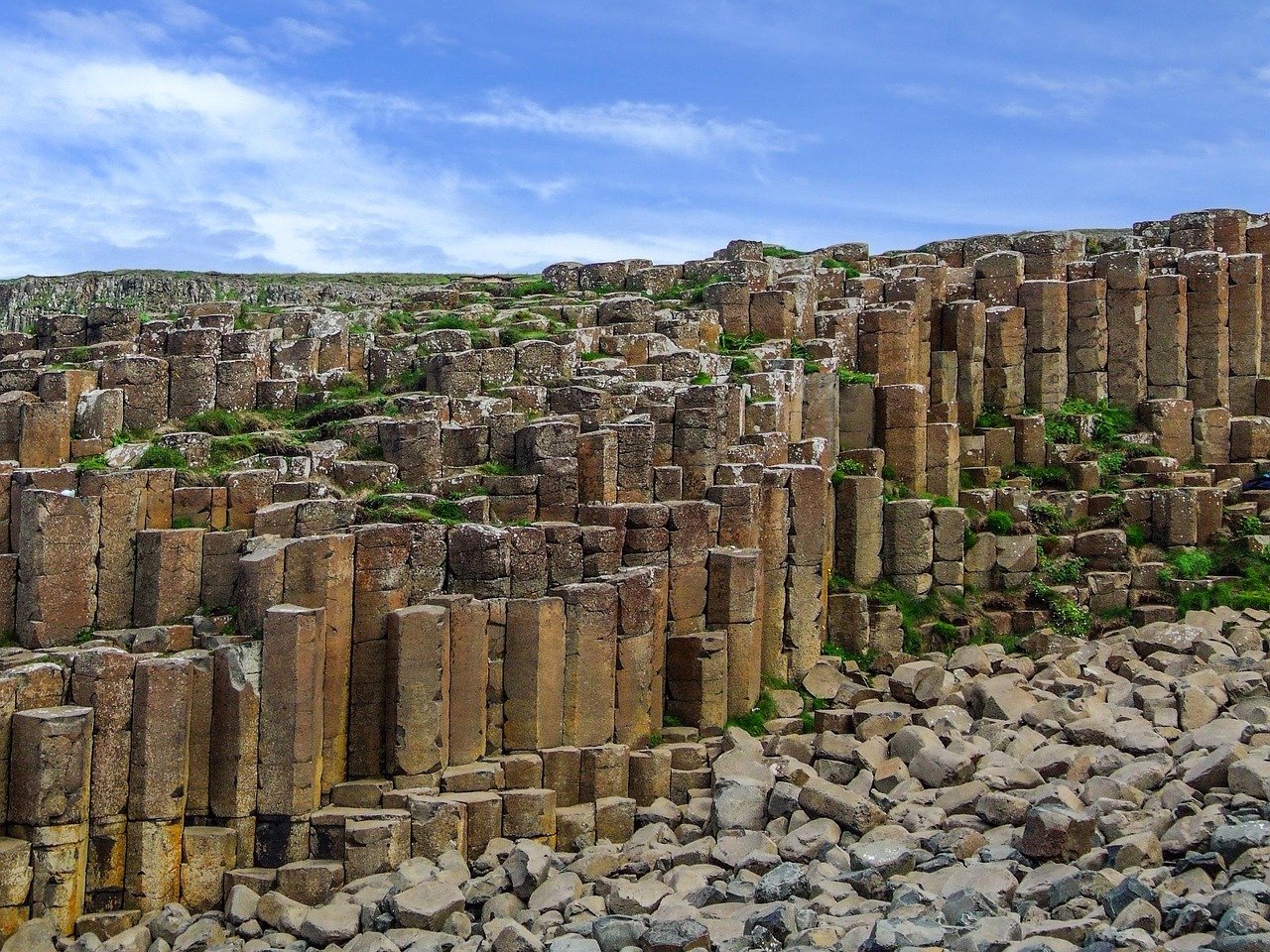
Cross into Northern Ireland and the coast changes character. Antrim has the Causeway Coastal Route, one of the great drives in these islands, running past basalt cliffs, rope bridges and the Giant’s Causeway itself. Down to the south has the Mourne Mountains rolling straight down to the sea.
This was the one region our southern loop never reached, so I’ll keep it to the village we’d build a northern trip around. Portrush is the obvious base for the Causeway coast.
Portrush, County Antrim
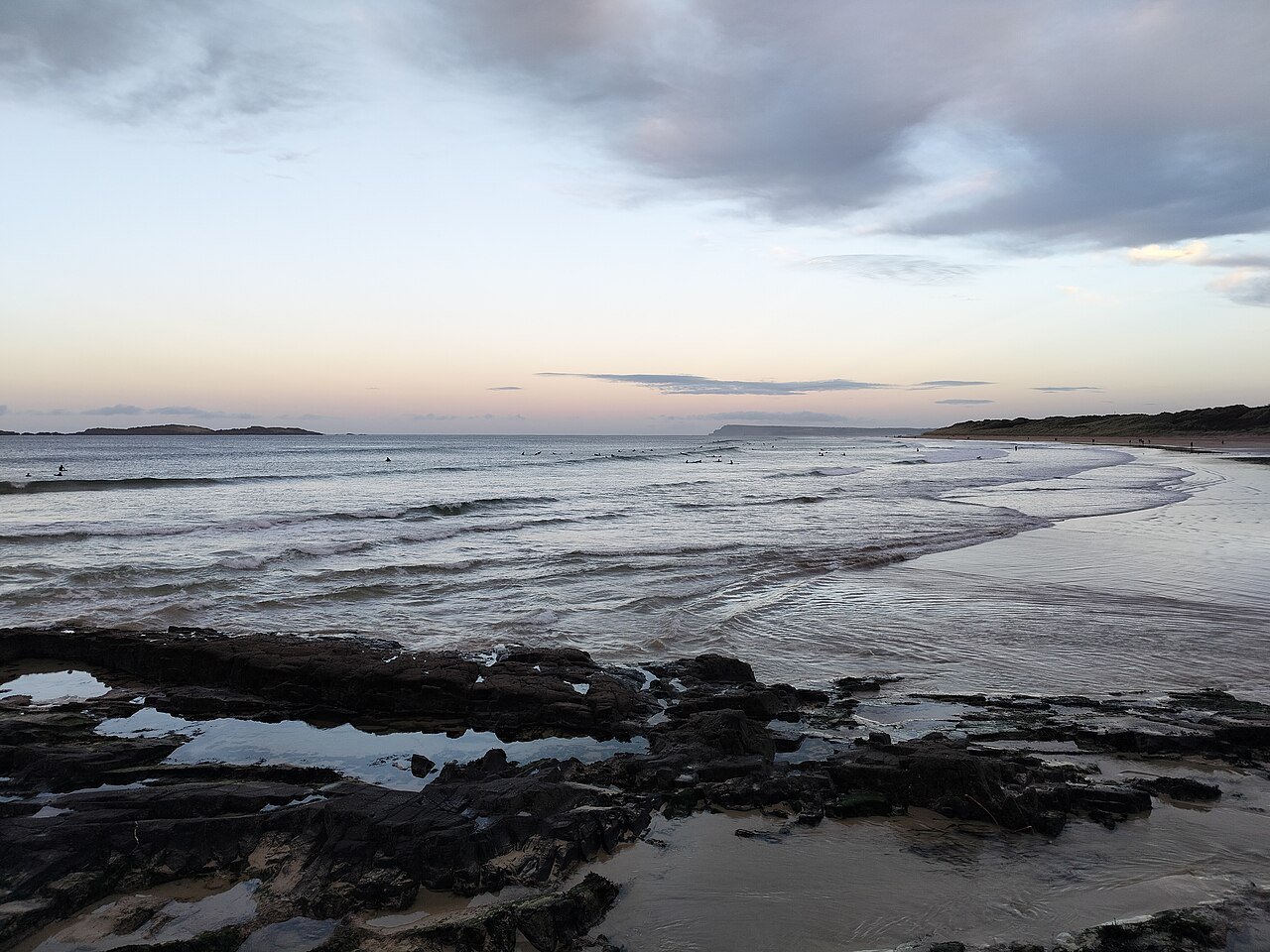
Portrush is a seaside resort town on a narrow peninsula sticking out into the Atlantic, with sandy beaches on both sides. West Strand and East Strand frame the town, and Whiterocks Beach runs east toward the chalk cliffs and sea caves the stretch is named for.
It’s best known these days for golf. Royal Portrush hosted The Open in 2019 and again in 2025, which put the town on a lot more maps. Even if you don’t golf, it’s the most practical base for the Causeway Coastal Route.
From here the Giant’s Causeway, the Carrick-a-Rede rope bridge and the ruins of Dunluce Castle on its cliff edge are all a short drive east. Stay a night or two in Portrush and you can cover the whole Antrim coast without moving hotels.
Where to Stay When You’re Touring the Towns

The mistake on a trip through the scenic towns and villages in Ireland is trying to sleep somewhere new every single night. You’ll spend the whole time packing and unpacking instead of seeing places. Pick three or four bigger bases and run day trips out from each one.
For the southwest, base yourself in Killarney. It has a reputation for being touristy, but the National Park on its doorstep is the real thing, and the town has more good restaurants and trad pubs than anywhere else in Kerry. You can check availability on Booking.com to see what’s open while you’re there.

👉 Read our full guide to Killarney National Park.
We stayed at Fleming’s White Bridge on the Muckross Road and basically had it to ourselves in autumn. From there the Ring of Kerry, the Dingle Peninsula, and Kenmare are all easy days out.
Where to Stay in Killarney
For the west, make it Galway. It’s the best night out on the whole coast, and Doolin, the Cliffs of Moher, and Connemara all sit within an easy drive.
Parking a big vehicle in Galway’s city center is a pain, so we stayed at O’Hallorans in Salthill and taxied in on the FreeNow app. If you’re in a car, a city-center B&B works fine.
Where to Stay in Galway
Further north, Westport covers Mayo and the bottom of the wild stuff, and Ardara or Dunfanaghy anchor a Donegal loop. Up in Northern Ireland, Portrush handles the entire Antrim coast without you moving hotels once.
Where to Stay in Westport
Where to Stay in Portrush
One more thing: book at least two nights per base, not one. A single night means you arrive tired, see the town at night, and leave before you’ve seen it properly. We did that more than once and regretted it.
Best Time to Visit the Scenic Towns and Villages in Ireland
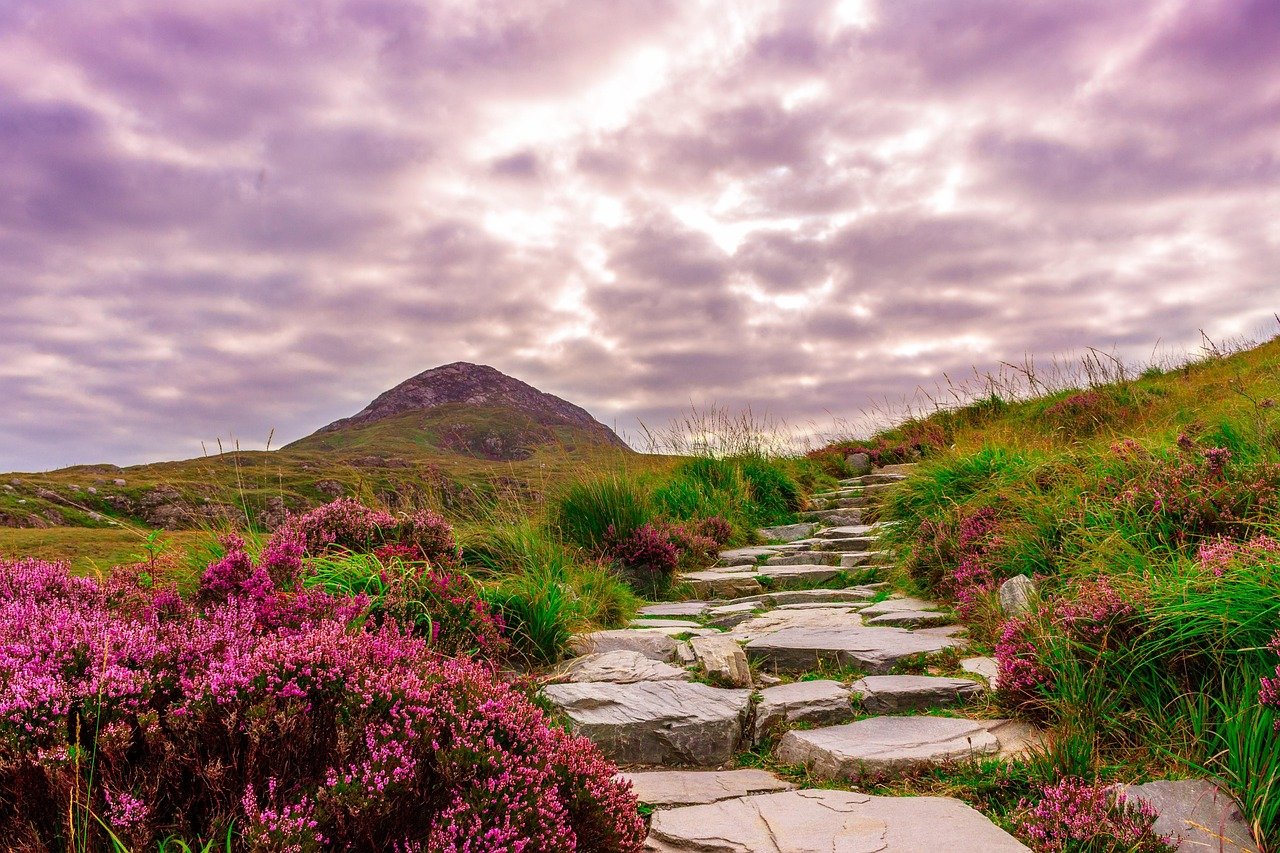
We drove this route in autumn, and I’d do it that way again. Late September and October land you in shoulder season, which is the sweet spot for touring the scenic towns and villages in Ireland without the summer crowds.
The pubs are still open, the trad sessions still run, and you’re not fighting tour buses for a parking spot or a table. We had whole campsites and cliff paths to ourselves more than once.

The trade-off is the weather. We got hammered with rain in Dingle and sat out an Atlantic storm in Cobh, so go in knowing you’ll get wet at some point. That’s Ireland in any season, not just autumn.
Summer: the busy, bright option
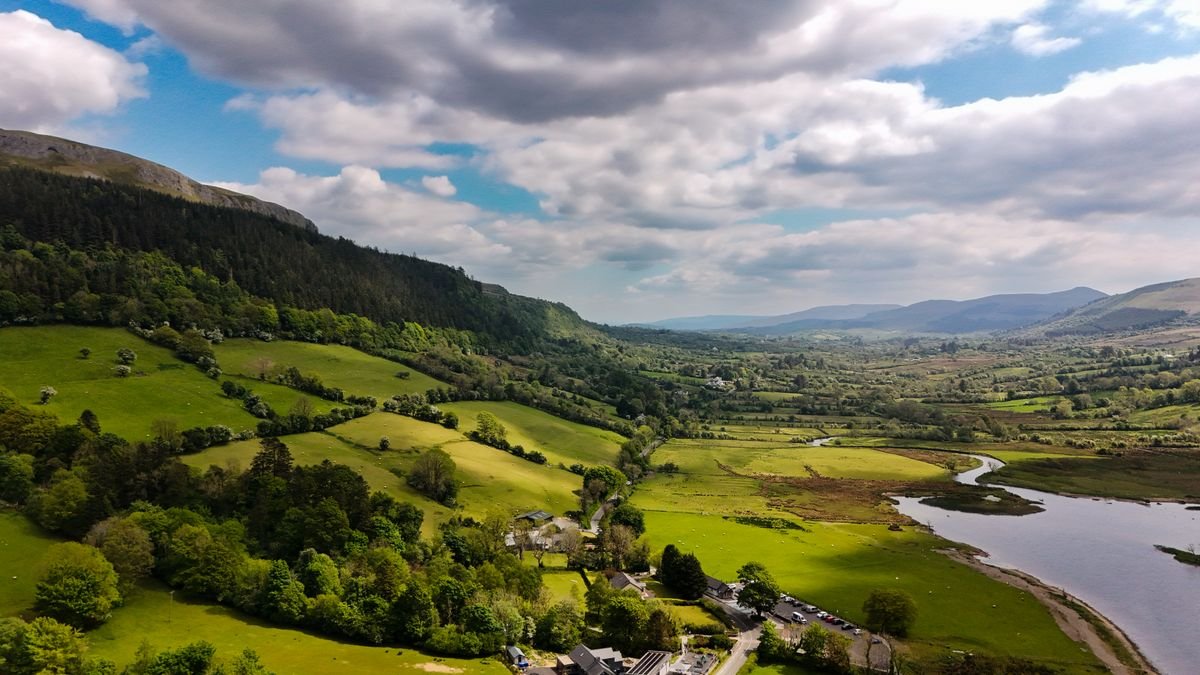
June through August gives you the longest days and the warmest, driest weather, which matters when half the appeal is coastal drives and cliff walks. The light hangs around until 10pm in midsummer, so you get more hours to play with.
The catch is everyone else has the same idea. The Ring of Kerry, the Cliffs of Moher and Kinsale’s restaurants get packed, prices climb, and you’ll want to book accommodation and dinner tables well ahead. If you can only travel in summer, that’s fine, just plan around the crowds.
Spring and autumn: the sweet spot
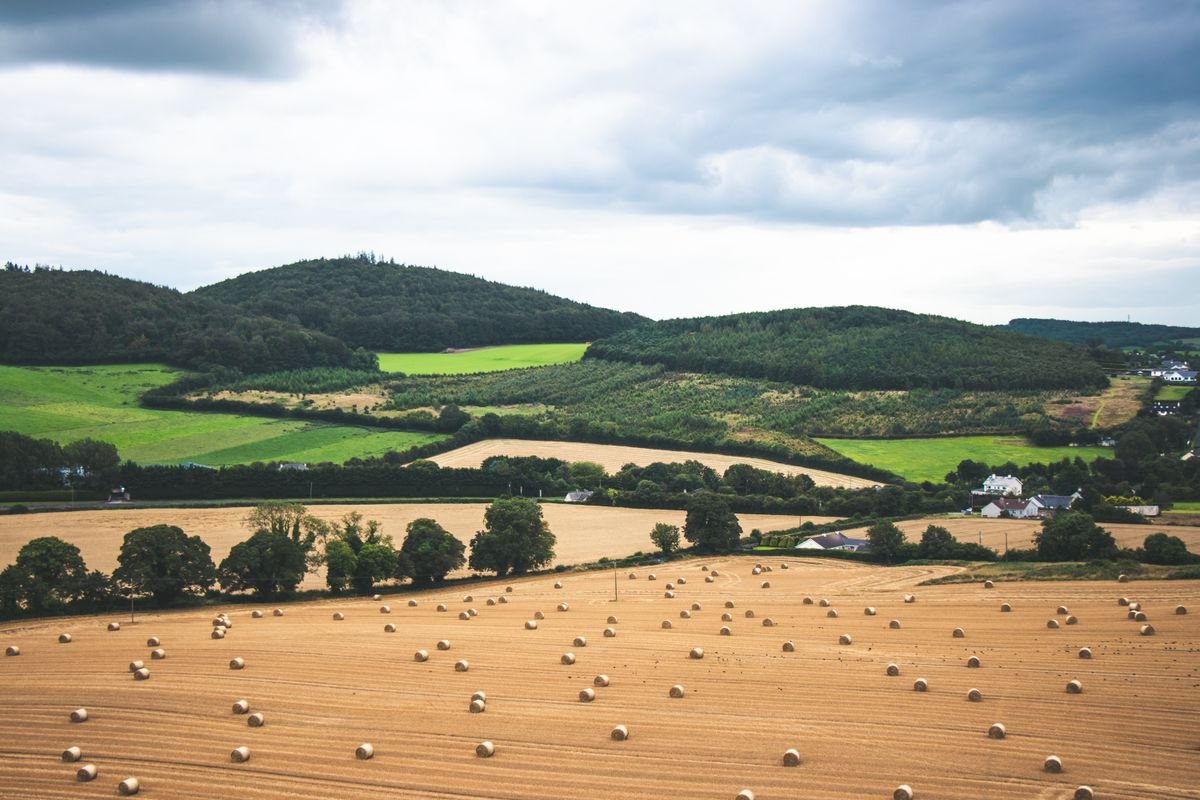
April-May and September-October are the months I’d point a first-timer toward. You still get plenty of daylight, the towns are alive, and the famous spots are manageable instead of mobbed.
Almost everything that closes in winter is open in these months too, so you’re not turning up to shuttered castles and dark pubs. For a road trip through scenic towns, this is the window I’d aim for.
Winter: quiet but limited

November through March is the off-season, and it shows. Days are short, the weather is rough, and a lot of smaller attractions and rural restaurants cut their hours or close completely, especially out on the peninsulas.
You’ll have the place to yourself and the cities still run year-round, so a town-and-pub trip can work if you keep expectations in check. Just don’t bank on every cliff walk or coastal drive being doable when a storm rolls in.
Where to Stay Around Ireland
- Where To Stay in Killarney: Best Areas and Accommodations
- Best Places to Stay in Galway, Ireland
- Where to Stay in Westport: Best Hotels & Accommodation
- Where to Stay in Kinsale: Best Areas & Hotels
- Where to Stay in Doolin: Best Areas & Hotels
Getting Around: Driving Between the Towns
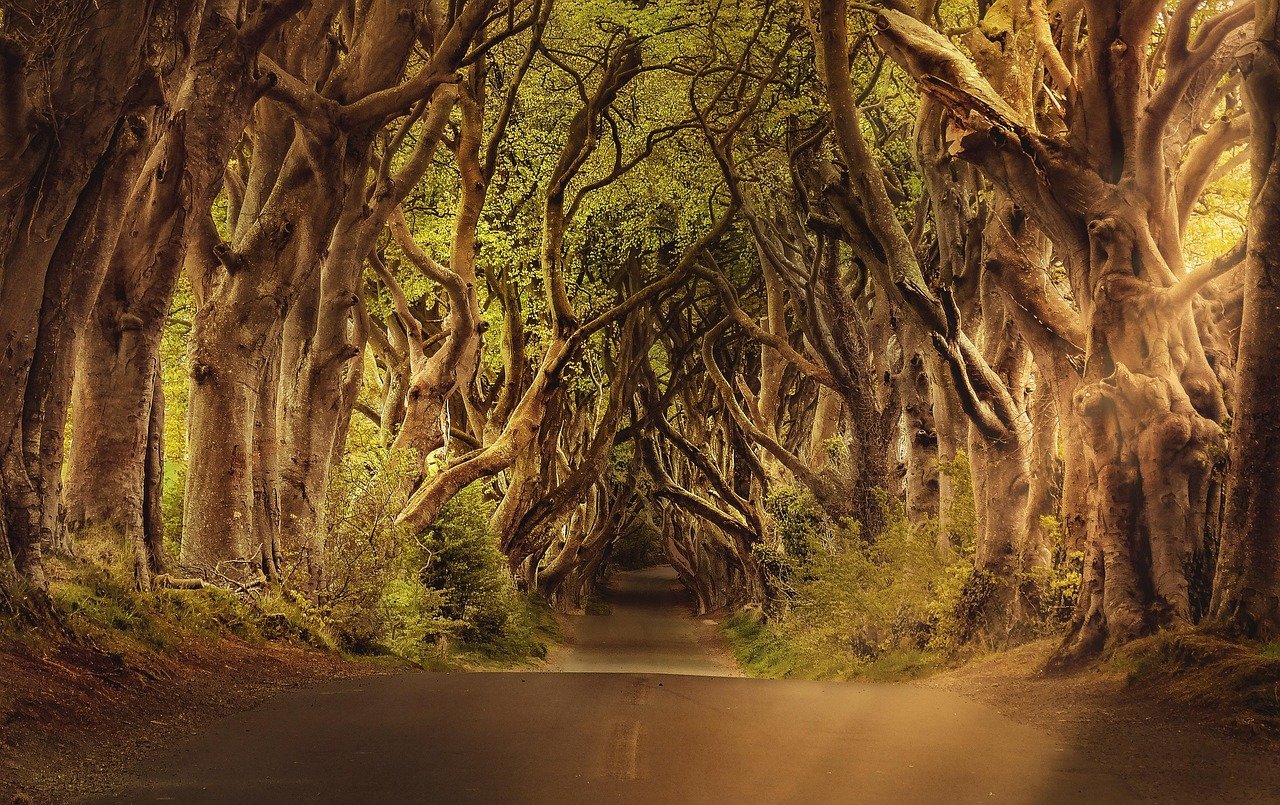
There’s no way around it: to link these towns together you need your own wheels. Public transport reaches the cities and a handful of bigger towns, but the small coastal villages that make this list are places a bus passes once a day, if at all.
We did the whole loop in a campervan, and a rental car covers the exact same roads. For a first trip, the car is the easier call. Here’s how to handle the driving before you set off.
Renting a car
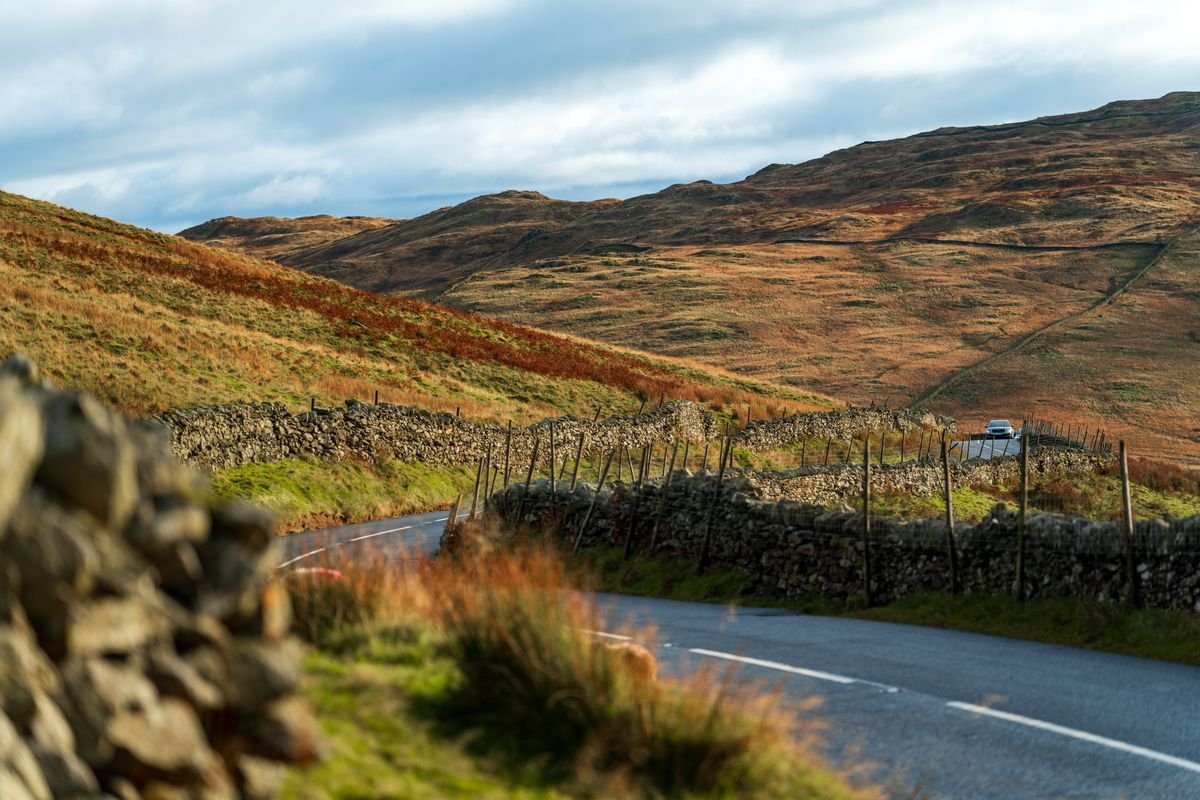
Pick the car up at Dublin or Shannon airport and you’re moving within the hour. It’s worth a minute to compare car hire deals on Discover Cars across the airport desks before you commit. The one thing to sort early is transmission: most rental cars in Ireland are manual, and the automatics get booked out fast and cost more. If you can’t drive a stick, reserve an automatic well ahead.
Take the smallest car that fits your bags. The rural roads are tight, and a big vehicle is a constant low-grade stress on them, which we know from squeezing a van down a few of them.
Driving on the left and reading the roads
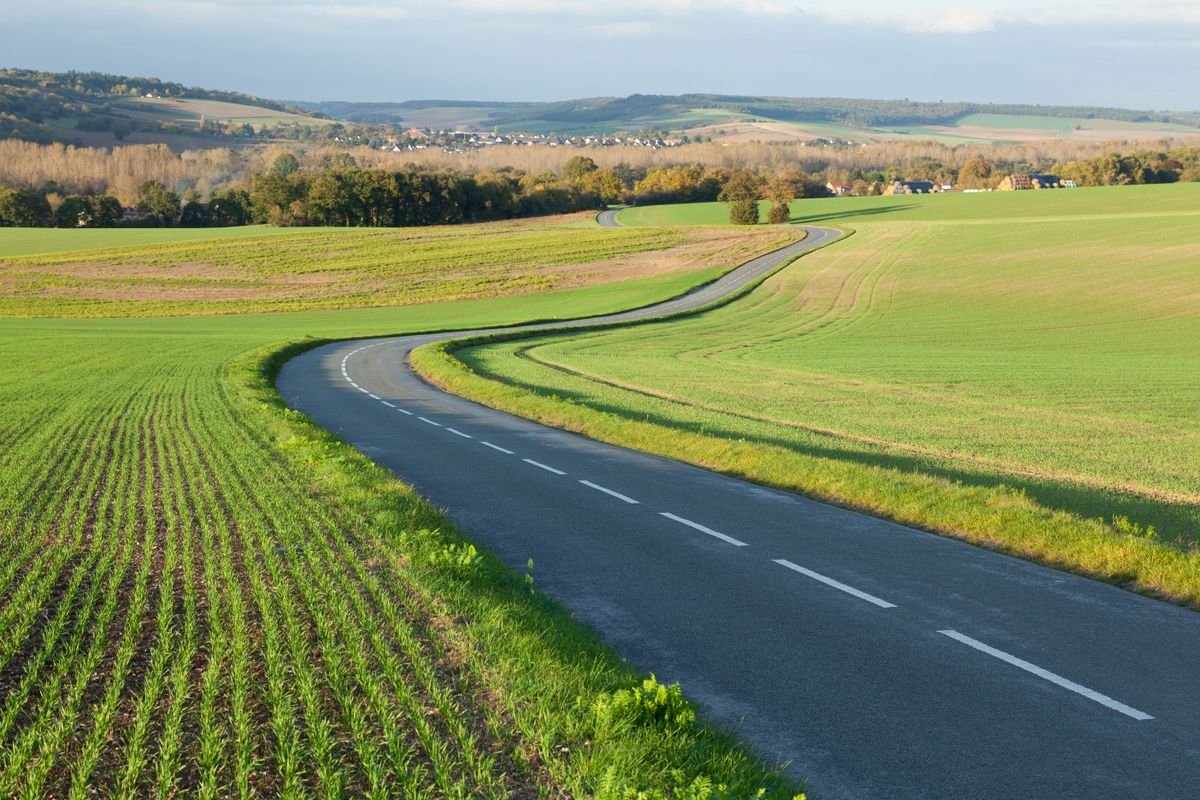
Ireland drives on the left. It feels strange for the first hour and then it doesn’t. The bigger adjustment is the roads themselves. Out on the peninsulas you’ll hit single-track lanes with grass up the middle and stone walls right at the wing mirror, and you’ll meet a car coming the other way.
Whoever’s nearest a wider spot pulls in and lets the other pass. A wave is standard. It’s slower going than it looks, so don’t trust the drive times your map app gives you. A 100km coastal leg can eat half a day once you factor in the road and the stops you’ll want to make.
When you reach a town, park on the edge and walk in. The medieval cores were built long before cars, and the streets show it. There’s almost always a parking lot a few minutes’ walk from the center.
Tolls and crossing into Northern Ireland
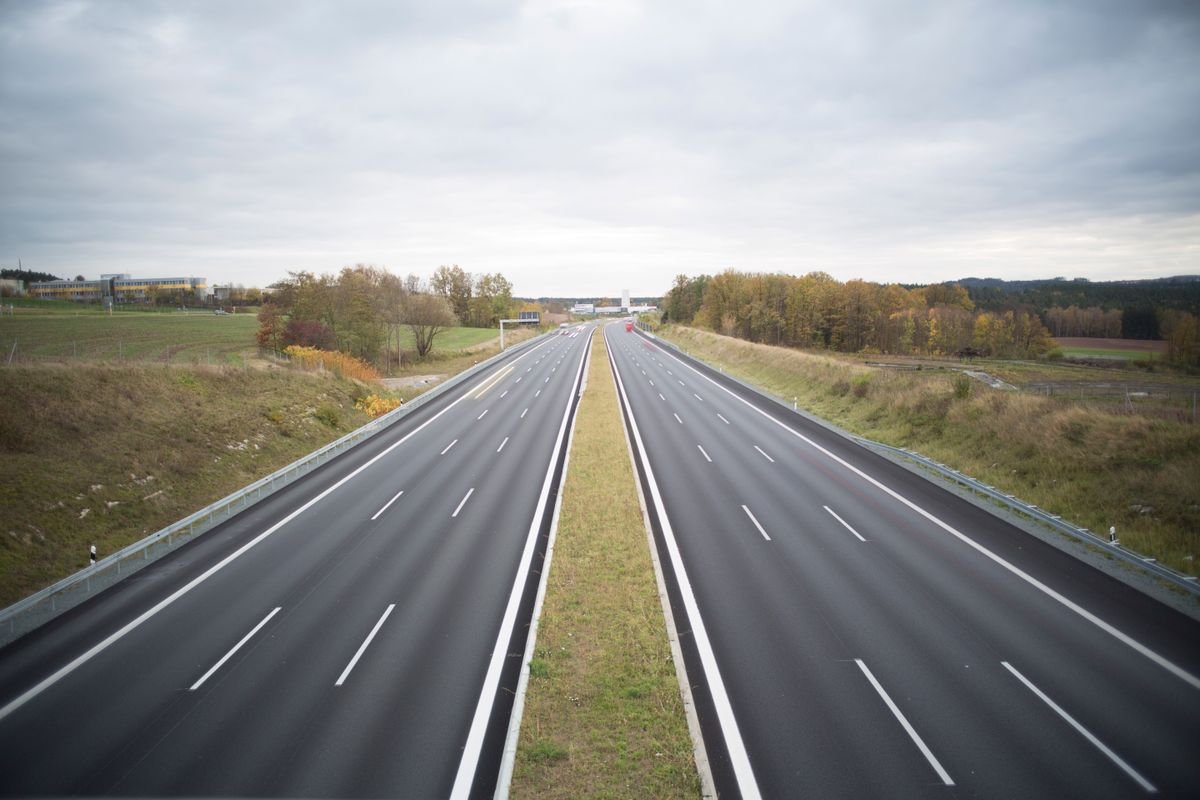
The main toll to sort is the M50 ring road around Dublin. There’s no booth: cameras read your plate and you pay online through eFlow by 8pm the next day, or the fine stacks up. Ask your rental company whether it’s handled for you, because plenty of people get caught out here.
If you’re driving north to Antrim and Down, the border itself is a non-event. There’s no checkpoint and you’ll barely notice it. What does change is that the signs switch to miles per hour, distances run in miles, and you’ll want pound sterling instead of euro. Check your rental is insured to cross before you book.
Frequently Asked Questions
What is the most scenic town in Ireland?
It is subjective, but for us Clifden in Connemara was the one. The drive in beats the town, the town holds its own, and you can sleep by the ocean a few minutes away. If you want the medieval, postcard version instead, Kilkenny wins, and for pure photographs Cobh is hard to beat once you are up at Spy Hill.
How many days do you need to see Ireland’s scenic towns?
You cannot do all 18 in one go, and you should not try. For a focused trip, give yourself 7 to 10 days and pick one or two regions, like the southwest plus the west coast. The roads are slow and the towns reward a real stop, so plan fewer places and more time in each.
Can you visit these villages without a car?
Some of them, yes. Kilkenny, Cobh, Westport and Dalkey all have train links, and Cobh and Dalkey work as easy day trips from Cork and Dublin. The smaller coastal ones like Allihies, Doolin or Dunfanaghy are a different story, so to link the list together you will want your own wheels.
What is the prettiest village in Ireland?
Adare gets the official title most often, and the row of thatched cottages backs it up. If you want prettiest without the tour buses, Allihies out on the Beara or Glaslough up in Monaghan are the ones I would point you to.
Are Ireland’s scenic towns expensive to visit?
It depends when you go and where you sleep. Summer in the famous spots like Kinsale and the Ring of Kerry towns is the priciest time. Travel in spring or autumn, stay in smaller towns, and eat pub food over fine dining and it gets a lot more reasonable.
Ireland Road Trip Itineraries to Tie It Together
- 14 Days in Ireland: The Ultimate 2-Week Itinerary
- 10 Days in Ireland: The Ultimate Itinerary
- Wild Atlantic Way Itinerary – Ireland’s Most Epic Road Trip
- A Photographer’s Definitive Ireland Road Trip
In short
- Cobh’s Five Foot Way campsite charges €10 a day for campervans.
- Kinsale sits 30 minutes south of Cork city; book restaurants ahead in summer.
- Charles Fort is the star-shaped fort guarding Kinsale’s harbor mouth.
- Climb Spy Hill in Cobh for the view of St. Colman’s Cathedral above the houses.
- Plan 7 to 10 days, pick one or two regions, and hire a car to link the towns.
Final Thoughts
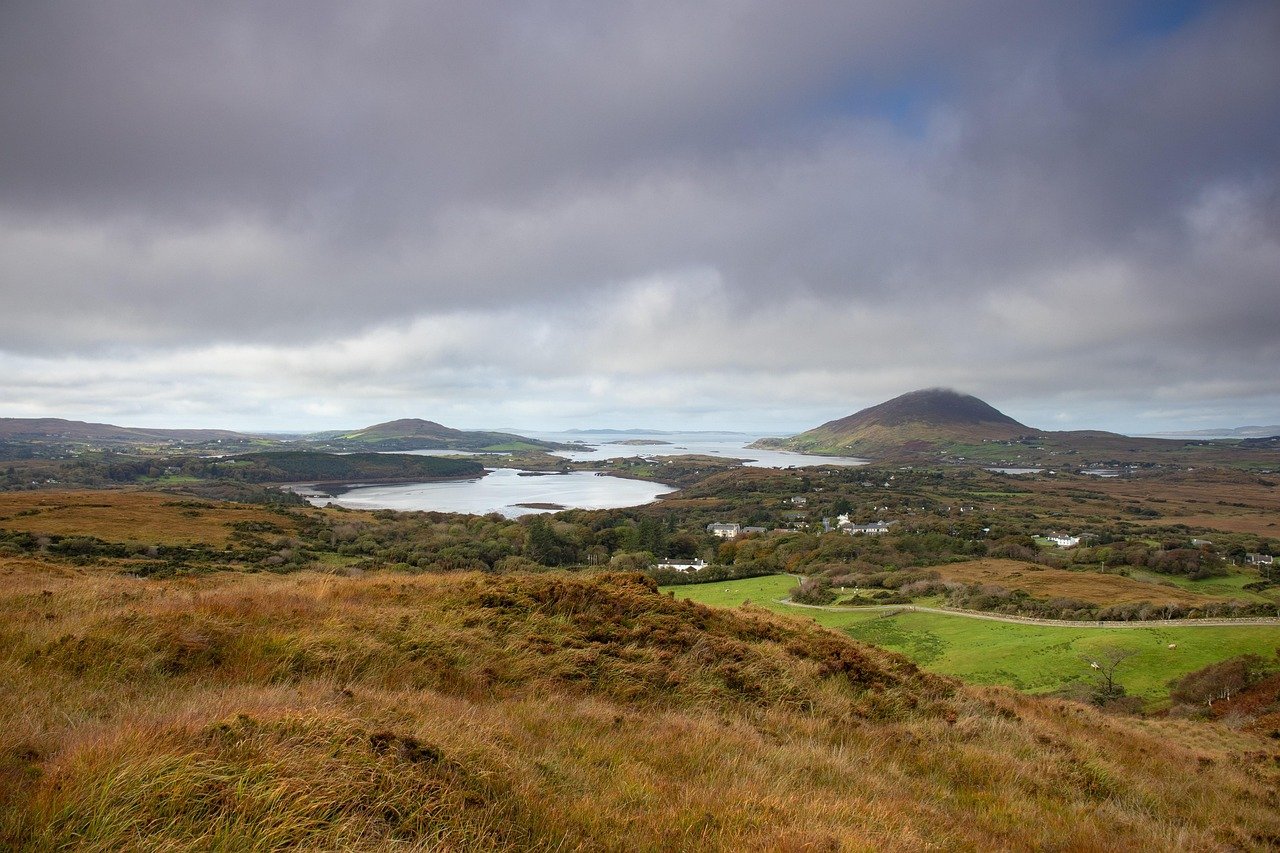
Two weeks of driving Ireland and we still left half this list unseen. That’s the thing about the small towns here: there are more of them worth stopping for than any one trip can hold, so don’t try to tick them all off.
If I had to send a first-timer to three, I’d say Clifden for the drive in, Kilkenny for the medieval streets, and Cobh for the view up at Spy Hill. Pick a region, give each town a real stop, and let the road between them do the rest.
The mistakes we made are the best advice I’ve got. We rushed Dingle and saw it only in the rain, and we skipped Donegal entirely. Slow down, book two nights per base, and go in spring or autumn if you can.
Whichever ones you pick, rent the car, take the long coastal road, and pull over more than you think you should. That’s where Ireland actually is, between the towns, not just in them. We’re already planning the trip back to finish the north.
Like it? Pin it!
Save this guide for later