Belfast is one of the most underrated city breaks in Ireland, and knowing where to stay in Belfast – the best areas and hotels – can really make or break the trip. It’s a compact, walkable capital with a distinct identity that sets it apart from anywhere else on the island, and once you pick the right neighborhood and accommodation, the whole city opens up. If you’re comparing options elsewhere, our guides to where to stay in Doolin and where to stay in Dublin are worth a look too.
The city splits into neighbourhoods that feel worlds apart from each other, and where you base yourself shapes the whole trip, so picking the right area matters more here than in most cities.
This guide covers the best areas to stay in Belfast, with honest takes on each neighbourhood and specific hotel recommendations to suit every budget, drawing on Tourism Northern Ireland’s official visitor resources alongside our own research.
More Belfast guides:
- 27 Fun Things To Do in Belfast
- 10 Best Bars In Belfast
- Best Belfast City Tours For First-Time Visitors
- The Perfect Weekend in Belfast
- 5 Best Day Trips From Belfast
What to Know Before Booking in Belfast
Belfast is a compact city, but its neighbourhoods are distinct from each other, and the area you pick shapes the kind of trip you’ll have.
The Cathedral Quarter, South Belfast, and the city centre all attract different types of travellers. Each area offers something different, so the choice matters before you commit.
Belfast Is Walkable – Once You Pick a Central Base
Belfast city centre is genuinely compact – City Hall, the Cathedral Quarter, and St George’s Market are all connected on foot, and the distances between them are shorter than most first-time visitors expect.
Pick a central base and you simply won’t need taxis for the majority of your sightseeing. That’s the real argument for Belfast city centre hotels over anything out on the fringes.
For Titanic Belfast and the Botanic Gardens, the Metro bus network and the Glider – Belfast’s rapid transit line running east to west – cover both quickly and cheaply, so you’re not stuck without options if you do stay slightly further out.
The honest caveat: Belfast’s city centre is walkable in distance, but some streets between the centre and certain neighbourhoods can feel quieter at night, so it’s worth checking exactly where your hotel sits relative to the main areas rather than just going by the postcode.
If you want to get oriented quickly on arrival, the Hop-On Hop-Off Open Top Bus Tour is a good way to cover the main areas before you decide where to spend your time.
Areas to Be Aware Of
Belfast city centre is safe, well-lit, and well-patrolled, and you’ll have no issues walking between the Cathedral Quarter, the Titanic Quarter, and the main shopping streets at night.
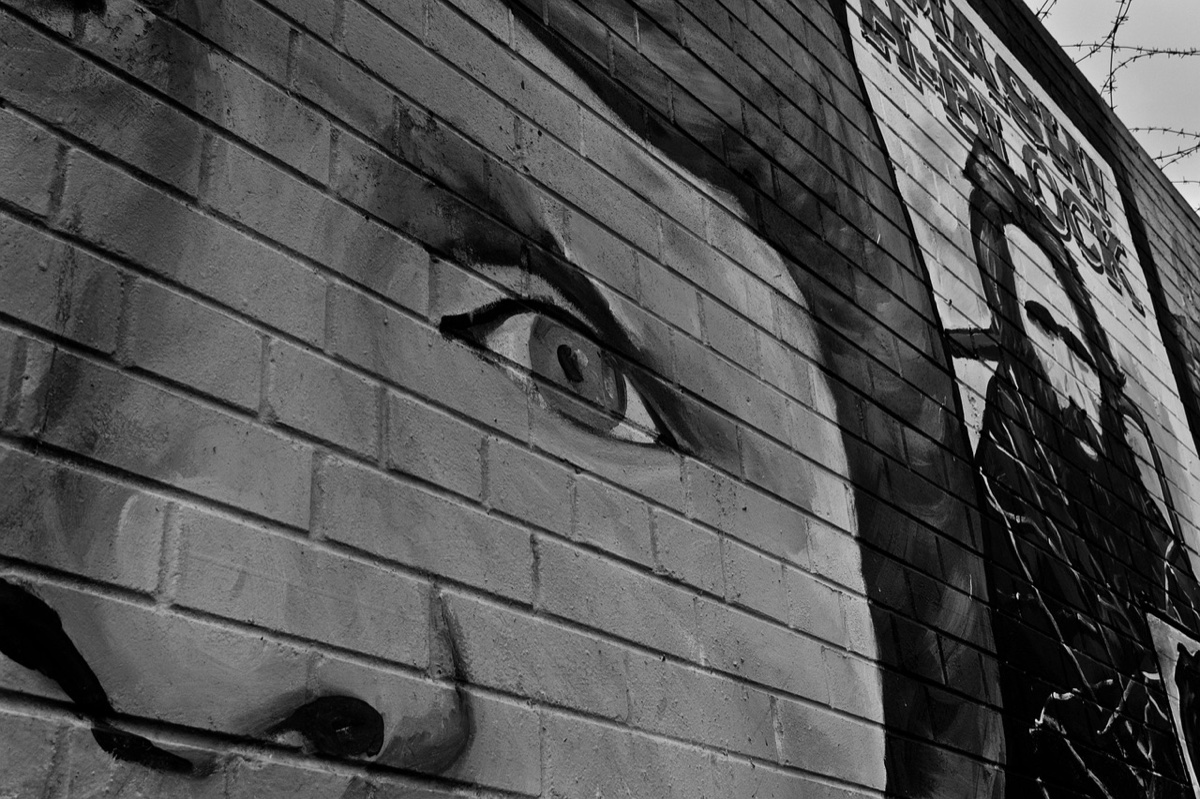
The areas worth knowing about are some of the interface zones, streets where loyalist and republican neighbourhoods sit close together, particularly on the fringes of the Falls and Shankill Roads.
These are interesting areas to visit during the day, especially on a Black Taxi Tour, but they can feel unwelcoming after dark if you don’t know where you’re going.
A few peripheral streets between the city centre and the outer residential areas also get quiet at night, not dangerous, but the kind of quiet where you’d rather not be the only person on the street.
The practical upshot: stick to the centre and the well-worn tourist trail after dark, save the interface areas for a daytime tour, and you’ll have zero problems.
My 2 Cents on Choosing a Base
For first-timers, the Cathedral Quarter or Central Belfast is the right call.
You’re close to everything, the bar and restaurant scene is right outside your door, and you won’t need a taxi to get home at night.
If the Titanic experience is the main reason you’re here, the Titanic Quarter makes sense, but go in knowing it’s quiet after dark and you’ll be heading into the city centre for dinner and drinks most evenings.
Queens Quarter is worth considering if you’re spending time at the Botanic Gardens or the Ulster Museum, and it has a good mix of cafes and pubs, but it’s a student area, so the energy is different from the city centre.
Most people will get the most out of Belfast by staying central and walking to everything else.
Best Areas for Where to Stay in Belfast
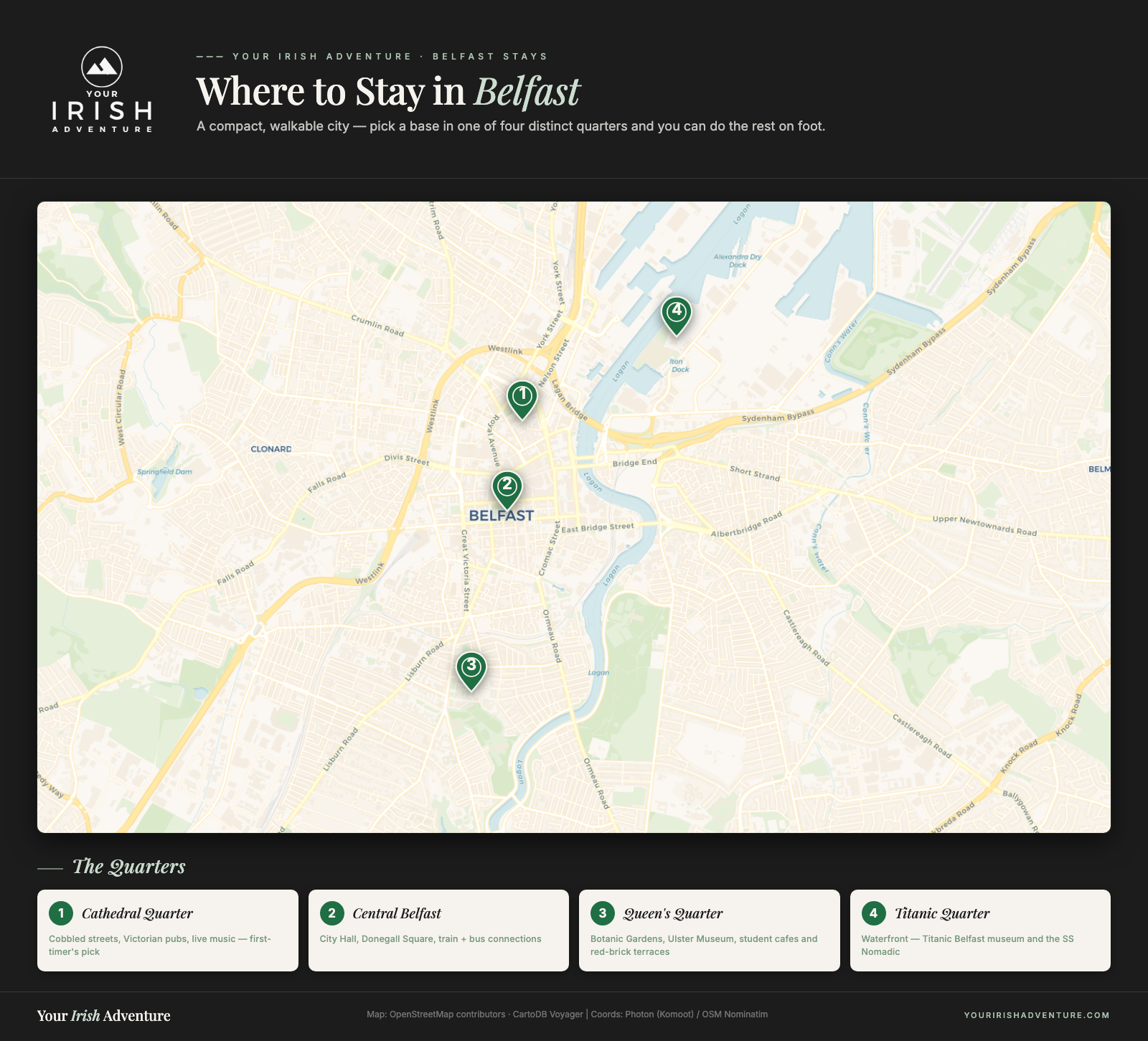
Picking the best area to stay in Belfast comes down to what you’re actually here for, and the four neighbourhoods below cover most visitors pretty well.
The city centre is the default for good reason, but the Titanic Quarter, Cathedral Quarter, and Queen’s Quarter each suit a different kind of trip.
The Cathedral Quarter
The Cathedral Quarter is the best base in Belfast if you’re here for the first time and want bars, restaurants, live music, and the ability to walk everywhere without thinking about it.
The area is built around cobbled streets and converted Victorian warehouses, and it has a distinct character compared to the generic city-centre hotel strip.
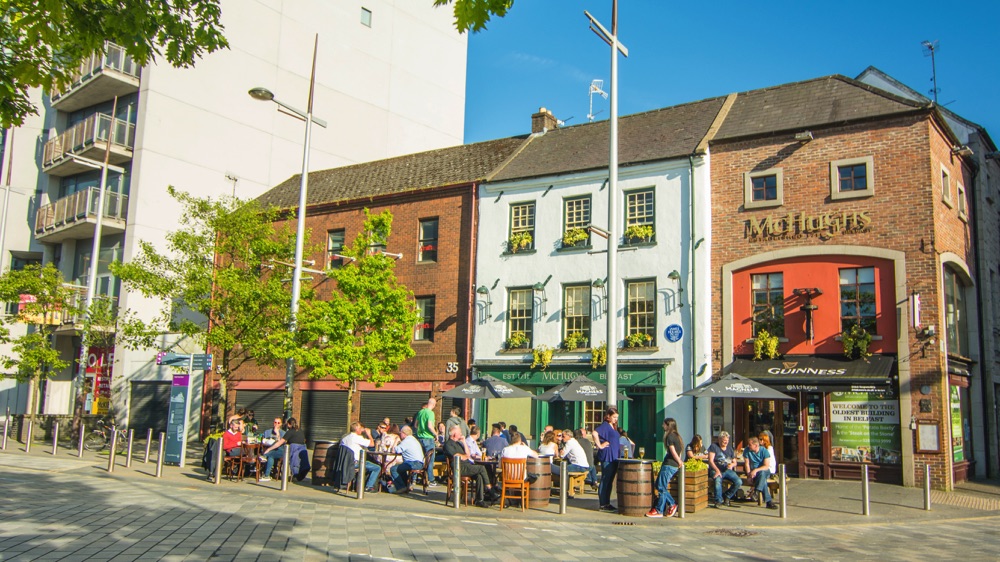
The Duke of York on Commercial Court is the pub everyone points you to first, and with good reason, it’s a narrow, atmospheric alley bar with walls covered in old enamel signs and a reputation for live music that actually delivers.
St Anne’s Cathedral gives the quarter its name and its anchor point, and the Black Box venue on Hill Street is one of the better spots in the city for live performance, comedy, and late-night music.
The Merchant Hotel on Waring Street acts as the neighbourhood’s most recognisable landmark, a converted Victorian bank with ornate interiors that’s become something of a symbol for how the quarter has changed over the last twenty years.
You don’t need to stay there to use it as a reference point for where everything else sits.
From here, the city centre is a five-minute walk, and the Titanic Museum is about twenty minutes on foot or a short bus ride, which means you’re well placed for both without paying premium prices to sleep right next to either.
Accommodation runs from boutique hotels in the €100-€160/night range to serviced apartments that suit couples or anyone staying more than a couple of nights. The options here tend to have more character than the standard business hotels further south. One solid pick in this area is Bullitt Hotel, which fits that boutique feel without the boutique price tag.
Friday and Saturday nights in the Cathedral Quarter get loud. The same streets that feel charming on a Tuesday become a busy bar crawl route at the weekend.
If you’re a light sleeper or travelling with young kids, a room at the back of the hotel will make a real difference.
Recommended accommodation in the Cathedral Quarter:
- Budget: Bank Square Town House
- Mid-range: Bullitt Hotel
- High-end: The Merchant Hotel
If you want a proper introduction to the Cathedral Quarter’s history and street art, the Best of Belfast History Walking Tour is one of the best-reviewed options and covers this area in detail.
Central Belfast
Central Belfast is the practical choice, and there’s no shame in that. If you’re arriving late, leaving early, or just want to be able to walk to everything without thinking too hard about it, staying around City Hall puts you exactly where you need to be.
“Central” here means the blocks radiating out from Donegall Square, through the Victoria Square shopping area, and up toward Great Victoria Street where the bus and train connections sit.
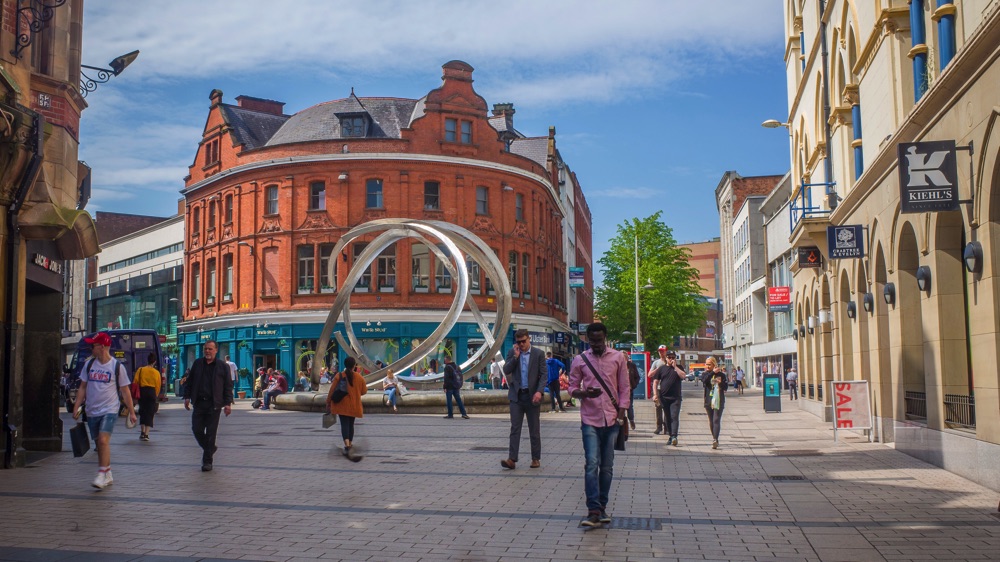
Belfast city centre hotels range from budget chains to four-star business hotels, so there’s a price point for most travellers. You won’t struggle to find a room here the way you might in the Cathedral Quarter on a busy weekend.
What’s walkable from the centre is genuinely useful. St George’s Market on a Saturday morning is worth building your schedule around — covered stalls, local food, live music, and a crowd of actual Belfast people rather than tour groups.
The Crown Liquor Saloon on Great Victoria Street is two minutes from most central hotels — a Victorian gin palace with original gas lamps, carved snugs, and mosaic tiling that the National Trust has been maintaining since 1978. The Grand Opera House is directly across the road.
The honest tradeoff: the city centre has less character than the Cathedral Quarter. It’s more commercial, more chain hotels, more pedestrianised shopping streets. That’s fine if convenience is the priority, but if you’re looking for the kind of street-level atmosphere that makes a destination feel like itself, you’ll find more of it a ten-minute walk north.
Central suits business travellers, anyone on a tight schedule, and people who’d rather solve the transport question once and not think about it again. Early Translink connections to the rest of Northern Ireland — and the Aircoach and Enterprise rail to Dublin — all leave from Great Victoria Street Bus and Rail Terminal, which is right in the middle of everything.
If you’re planning a longer stay in Ireland and weighing up where to base yourself, the same practical-versus-character tradeoff applies in other cities too — it’s worth reading through and before you book.
Recommended accommodation in Central Belfast:
- Budget: Maldron Hotel Belfast City
- Mid-range: Hilton Belfast
- High-end: Hastings Grand Central Hotel
The Queens Quarter
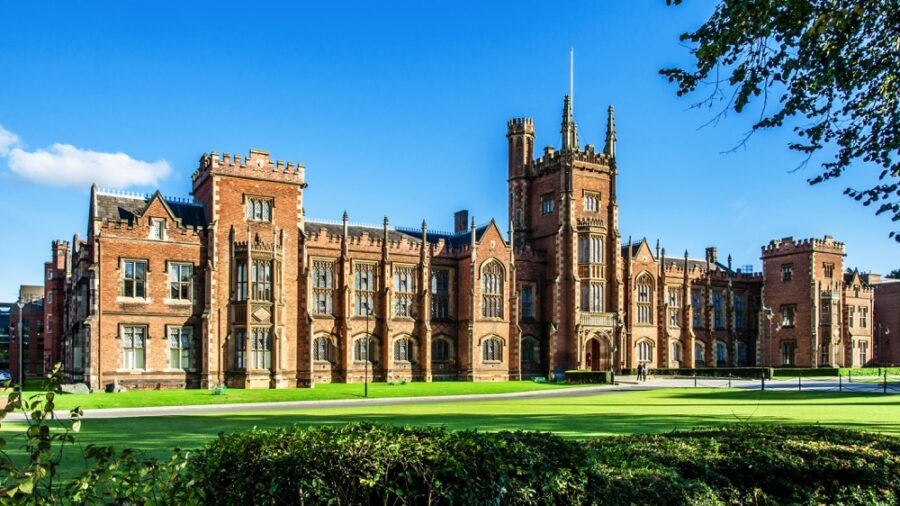
The Queens Quarter Belfast is centred on Queen’s University, the Ulster Museum, and the Botanic Gardens, which gives it a character that’s noticeably different from the city centre, more residential, younger, and a lot more relaxed.
The streets here are lined with Victorian red-brick terraces, independent coffee shops, and good restaurants, particularly along Botanic Avenue and the Lisburn Road.
If you want a neighbourhood that actually feels like somewhere people live rather than a strip of hotels and tourist pubs, this is it.
The practical question worth asking before you book here: how much do you care about being a short walk from everything?
City Hall is about 20 to 25 minutes on foot, which is perfectly doable but means you’re not rolling out of bed and straight into the Cathedral Quarter or the main sights.
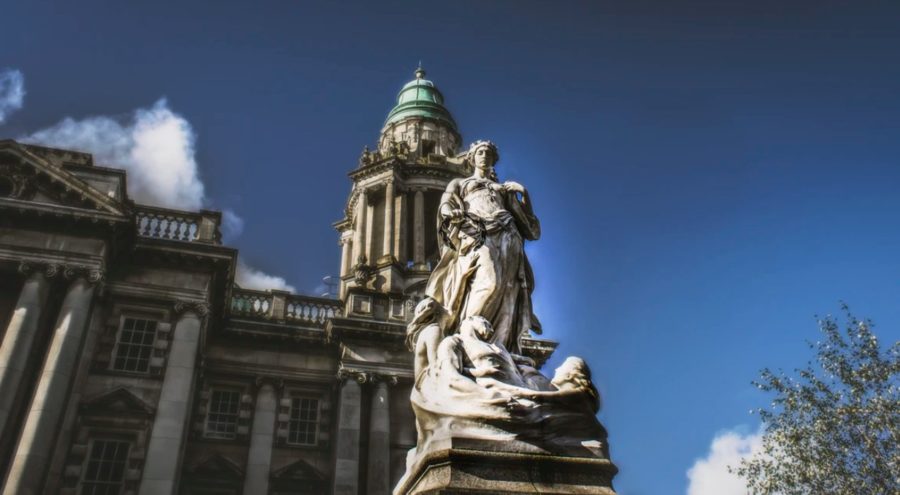
If your priority is nightlife, the Titanic Quarter, or staying close to the main tourist circuit, this neighbourhood is slightly off the action and you’d probably be better based further north.
Where the Queens Quarter earns its place is for visitors who want a quieter base, are here specifically for the university or the museum, or are staying three or four days and want to feel embedded in a real part of the city rather than the hotel district.
The Ulster Museum alone is worth building a morning around, free entry, strong natural history and art collections, and right on the edge of the Botanic Gardens so you can walk it off afterwards.
The food and coffee scene along Botanic Avenue is very good, with independent places doing better work than most of what you’ll find near the tourist centre.
Accommodation options here tend to be guesthouses, smaller hotels, and university-adjacent stays that are cheaper than equivalents in the city centre, which is another reason longer-stay visitors gravitate towards it. One well-placed option in the area is Tara Lodge, which sits comfortably in that guesthouse bracket and puts you right in the middle of the neighbourhood.
It’s a solid choice if you’re visiting Belfast for more than a night or two and want a base that feels like a neighbourhood rather than a layover. You can check availability on Booking.com to see what rates are looking like for your dates.
Recommended accommodation in the Queens Quarter:
- Budget: Tara Lodge
- Mid-range: The Bedford Belfast
- High-end: Ten Square Hotel
The Titanic Quarter
The Titanic Quarter Belfast is exactly what it sounds like: a purpose-built waterfront development constructed almost entirely around one attraction, and it makes no effort to pretend otherwise.
That’s not a criticism – it just means you should know what you’re walking into before you book a hotel here.
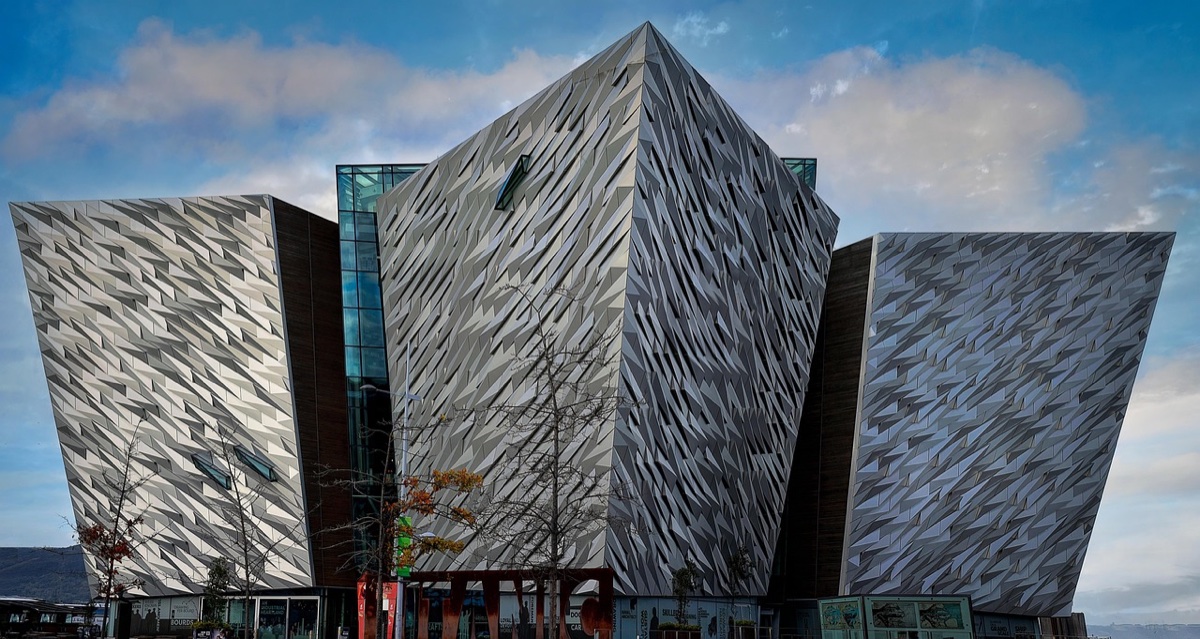
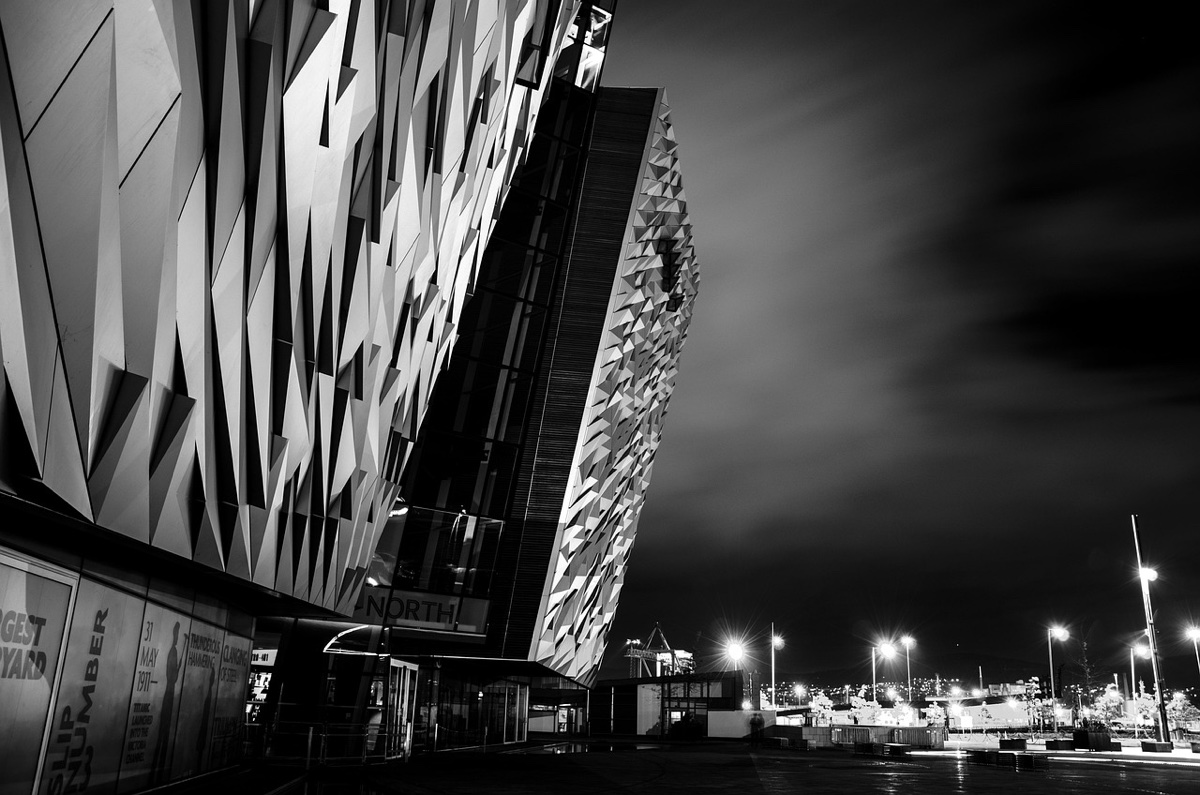
If Titanic Belfast is the main reason you’re in the city, staying in the Titanic Quarter puts you right on the doorstep. The museum is the centrepiece, and it’s genuinely worth your time – six floors covering the ship’s design, construction, launch, voyage, and sinking, built on the exact site where the Titanic was constructed.
Right beside it sits the SS Nomadic, the last surviving White Star Line vessel, which you can board and walk through. It’s a quieter, more understated experience than the main museum, but for anyone who wants the full picture, it adds real context.
A short walk away, you’ll find the old Harland and Wolff drawing offices, now the Titanic Hotel Belfast. Even if you’re not staying there, it’s worth walking past – the building itself is a striking piece of industrial heritage, and the exterior alone is worth five minutes of your time.

The Titanic Studios sit further into the quarter – where Game of Thrones was filmed for nearly a decade. Tours run regularly, and for fans of the show, it’s an obvious add-on to the day.
The waterfront walk along the Lagan is pleasant enough, and the whole quarter has been well developed with wide paths, sculptures, and open space. On a dry day, it’s a comfortable place to spend a few hours.
Here’s the honest part though: once you’ve done the museum and the waterfront, the Titanic Quarter runs out of things to offer pretty quickly. The dining and drinking options are limited compared to the Cathedral Quarter or South Belfast, and the area has the slightly sterile feel that purpose-built tourism districts tend to have.
If you’re staying here, plan to head into the city centre for dinner and evenings out. The Glider – Belfast’s rapid transit bus – connects the Titanic Quarter directly to the city centre in around 10 minutes, so it’s not a difficult trip, but it does mean you’re relying on a bus rather than walking out your front door.
This area suits visitors on a short trip who want the Titanic experience front and centre, or anyone happy to hop on the Glider for their evenings. It’s a poor fit if you want to be in the middle of Belfast’s food and pub scene without thinking about transport every time. If the Titanic Quarter is calling your name, you can check availability on Booking.com.
Recommended accommodation in the Titanic Quarter:
- Mid-range: AC Hotel by Marriott Belfast — modern Marriott property right in the quarter.
- High-end: Titanic Hotel Belfast — the Harland and Wolff Drawing Offices converted into a stunning hotel.
To understand the history of this part of the city properly, Belfast’s Troubles Walking Tour is well worth booking — it covers the political murals and Peace Walls that are part of the quarter’s wider context.
Best Hotels in Belfast
These three cover the range in Belfast, from a five-star Victorian showpiece to a sharp boutique option and a large city-centre flagship.
The Merchant Hotel
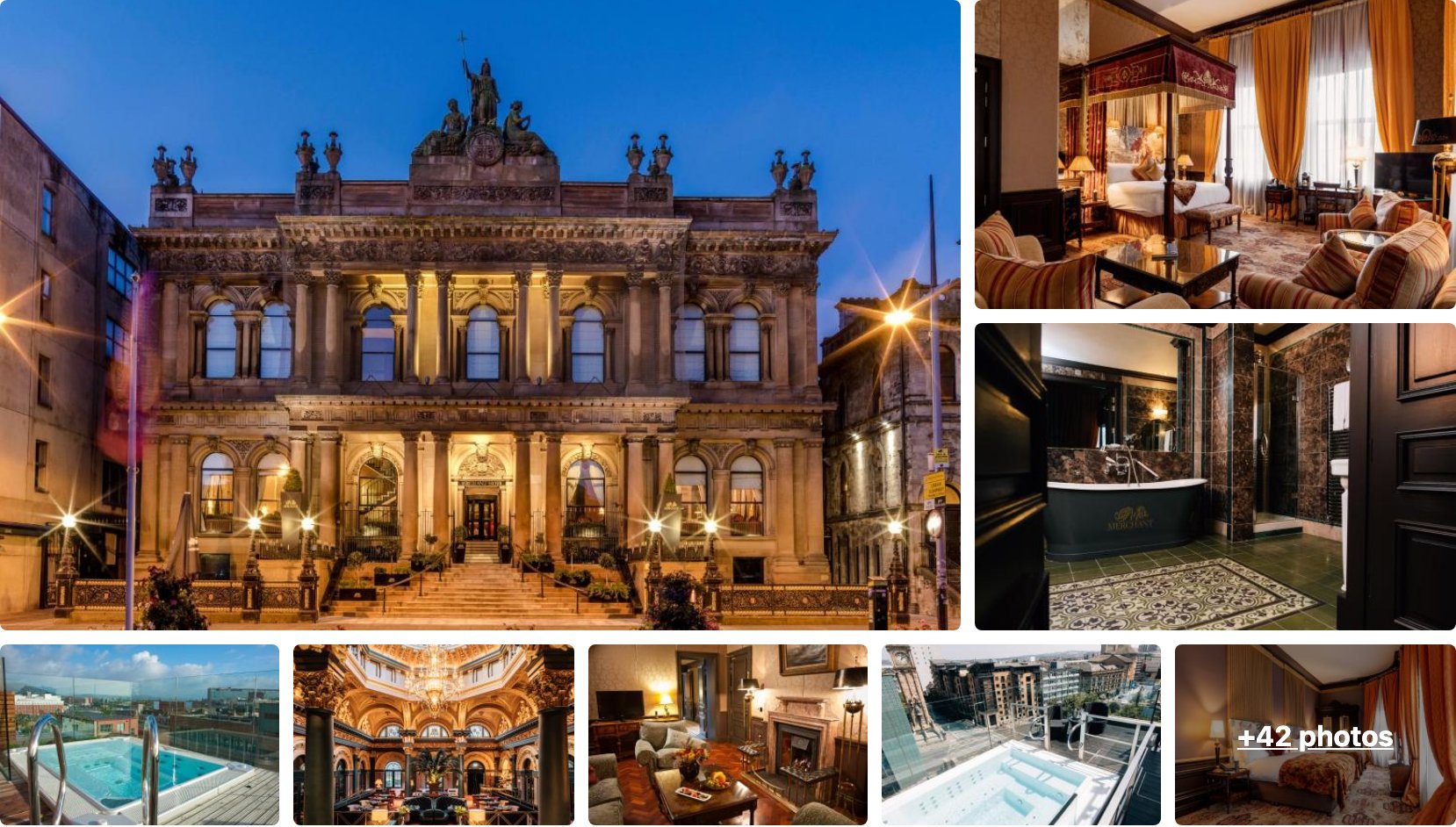
The Merchant Hotel is a five-star property on Waring Street in the Cathedral Quarter, built inside the former Ulster Bank headquarters, a Victorian Gothic building that’s become one of the most recognisable in central Belfast.
The Great Room restaurant and the cocktail bar are both worth visiting even if you’re not a guest, and the spa and rooftop terrace round out what’s on offer for anyone who wants the full experience.
👉 View The Merchant Hotel Availability and Pricing
Bullitt Hotel
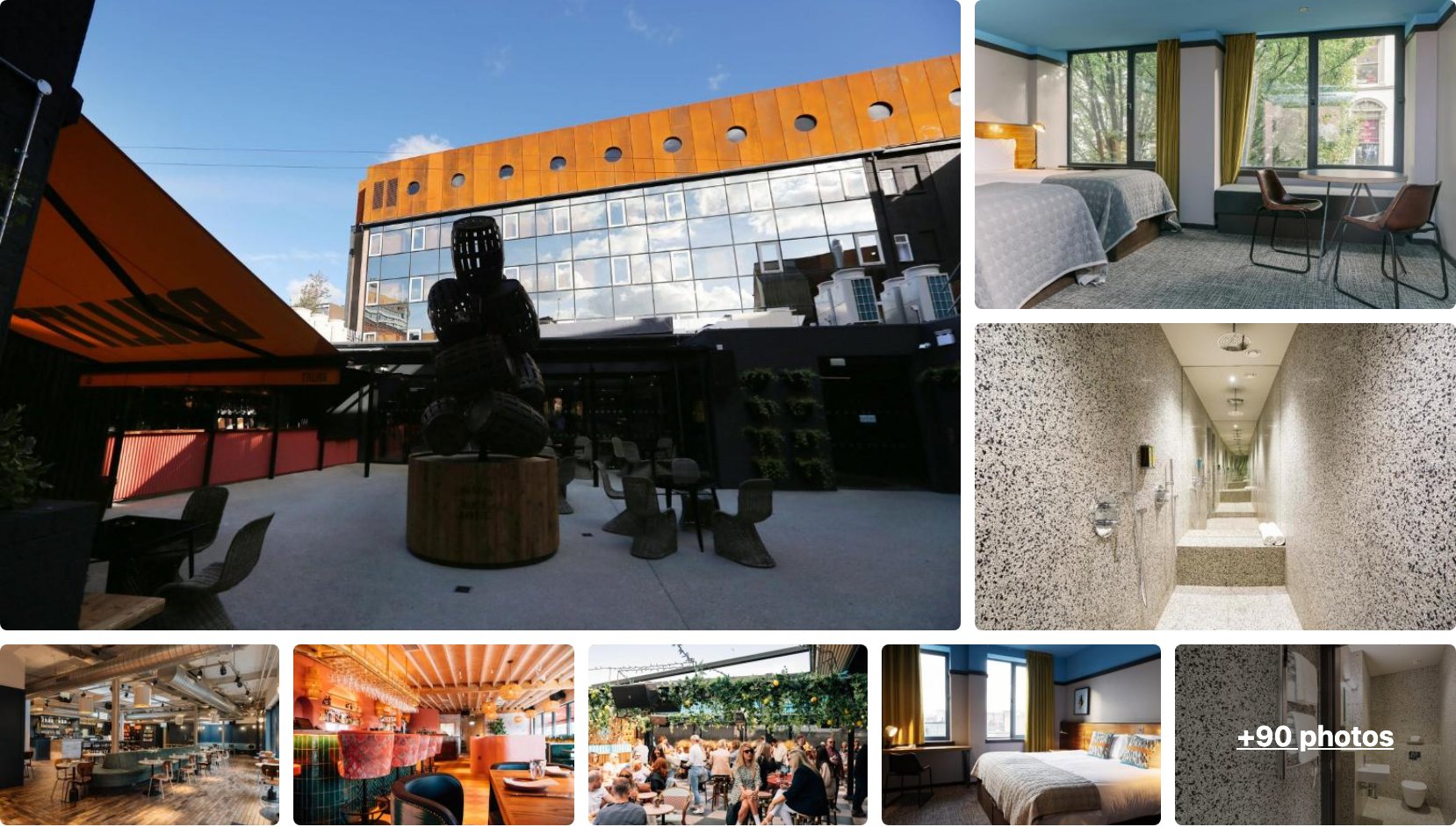
Bullitt Hotel is a boutique mid-range option on Church Lane, right in the city centre and a short walk from the Cathedral Quarter bar strip, City Hall, and St George’s Market.
The rates are competitive for the location, the rooftop bar is one of the better spots in this part of the city for an evening drink, and it has a lot more character than the chain options nearby at a similar price point.
👉 View Bullitt Hotel Availability and Pricing
Hastings Grand Central Hotel
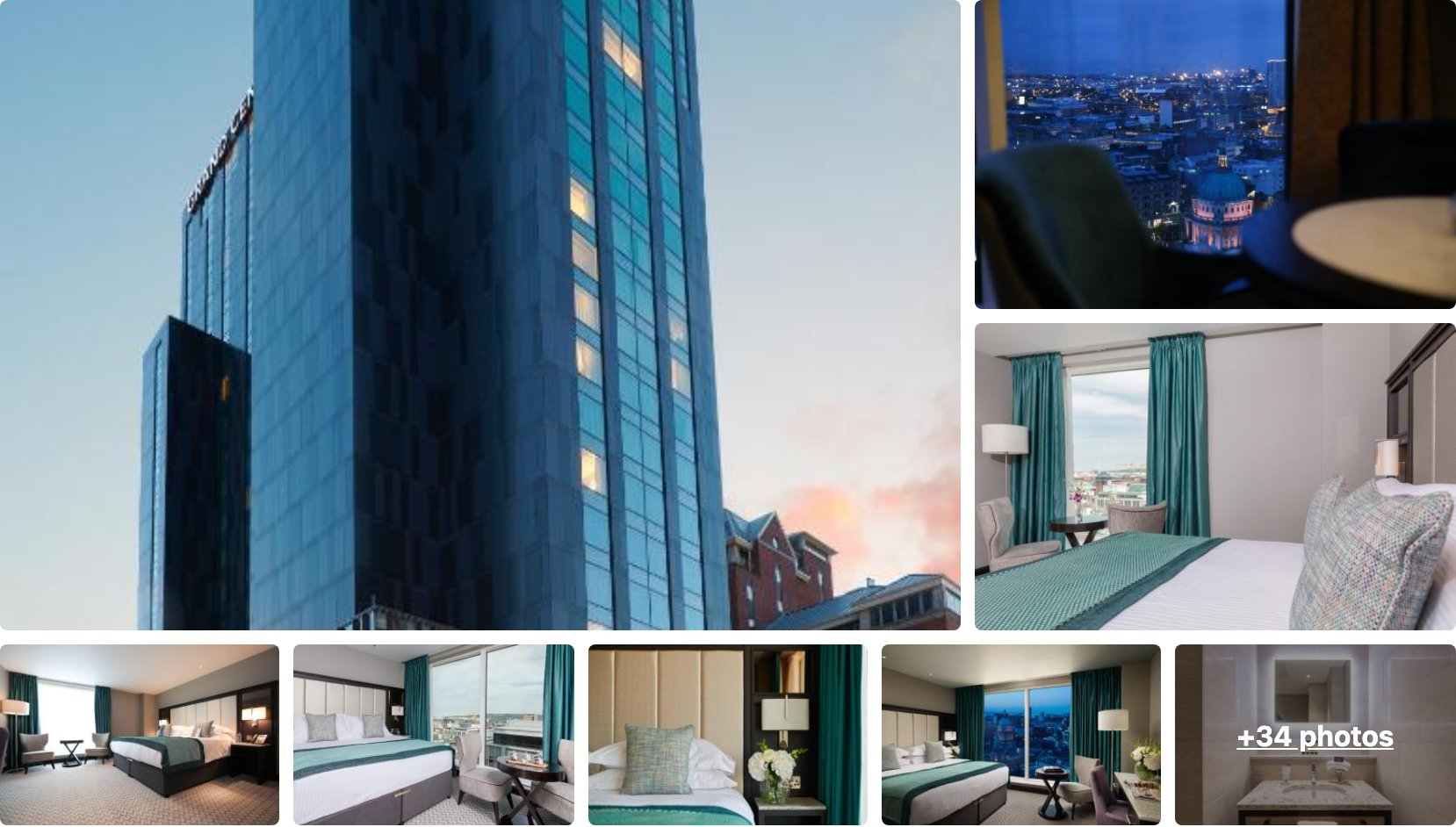
Hastings Grand Central Hotel is the flagship property from Northern Ireland’s Hastings Hotels group, on Bedford Street in the city centre with easy walking access to City Hall, the Cathedral Quarter, and the main transport links at Great Victoria Street.
It’s a full-service hotel with multiple dining options and the Grand Staircase alone is worth a look, a proper piece of civic architecture inside a working hotel.
👉 View Hastings Grand Central Hotel Availability and Pricing
Frequently Asked Questions
What is the best area to stay in Belfast?
It depends on what you’re after. The Cathedral Quarter is the best all-round pick for most visitors, it puts you close to the best pubs, restaurants, and nightlife, with the city centre a short walk away. If you’re on a budget or want a quieter base, South Belfast around Queen’s Quarter gives you good-value guesthouses and easy access to the Botanic Gardens and the Ulster Museum.
Where should first-time visitors stay in Belfast?
First-timers are best off in the Cathedral Quarter or right in the city centre. You’ll be walking distance from the main attractions, the Black Cab tour pick-up points, and the best spots for a pint. It keeps logistics simple and means you spend your time exploring the city rather than figuring out buses.
Is Belfast safe for tourists?
Yes, Belfast is a safe city for tourists. The city centre, Cathedral Quarter, and South Belfast are all well-frequented areas where you’ll feel comfortable walking around day and night. Like any city, it pays to be aware of your surroundings late on a Friday or Saturday night in the busier bar districts, but that’s standard advice anywhere. The murals and political history of the Falls Road and Shankill areas are a major draw, most visitors take a Black Cab tour through both and have no issues at all.
How far is Belfast from Dublin?
Belfast is about 165 km north of Dublin. By car it’s roughly 1 hour 45 minutes on the motorway, traffic depending. By train, the Enterprise service runs between Dublin Connolly and Belfast Lanyon Place in around 2 hours, and it’s a comfortable journey. By bus, it’s closer to 2.5 to 3 hours. It’s an easy day trip from Dublin, but Belfast rewards at least one overnight stay.
Do I need a car to get around Belfast?
No. Belfast is a compact, walkable city and most of the main attractions are within easy reach of the city centre on foot. The Metro bus network covers the wider city well, and taxis are cheap and plentiful. The Glider rapid transit service connects the Titanic Quarter to the city centre in around 10 minutes. If you’re planning to explore beyond Belfast, down into the Mourne Mountains or along the Causeway Coastal Route, then a car opens things up considerably. For Belfast itself, you don’t need one.
Final Thoughts
Belfast is one of the most underrated city breaks in Ireland, and a lot of that comes down to how much it has changed in the last decade.
The city rewards time.
One night is survivable, but two nights is where the trip actually comes together, enough to get the Titanic Belfast experience, a Black Cab tour, a proper evening in the Cathedral Quarter, and still have a morning left to breathe.
For most visitors, Cathedral Quarter is the right base, central, atmospheric, close to everything. If the Titanic story is the main reason you’re here, the Titanic Quarter puts you right where you need to be.
If you want something quieter with a local feel, Queens Quarter delivers that without putting you far from the action.
Whichever area you choose, Belfast is worth the trip. Come with two nights minimum and an open evening, the city has a way of surprising people who expected less.
Like it? Pin it!
Save this guide for later