After a short flight from Bulgaria we finally landed in Ireland. And not just Ireland… the capital! Dublin! A city we’d wanted to visit for so many years.
Dublin is one of Europe’s most walkable, characterful capitals, and it genuinely rewards anyone willing to push past the obvious tourist stops and see what’s actually going on.
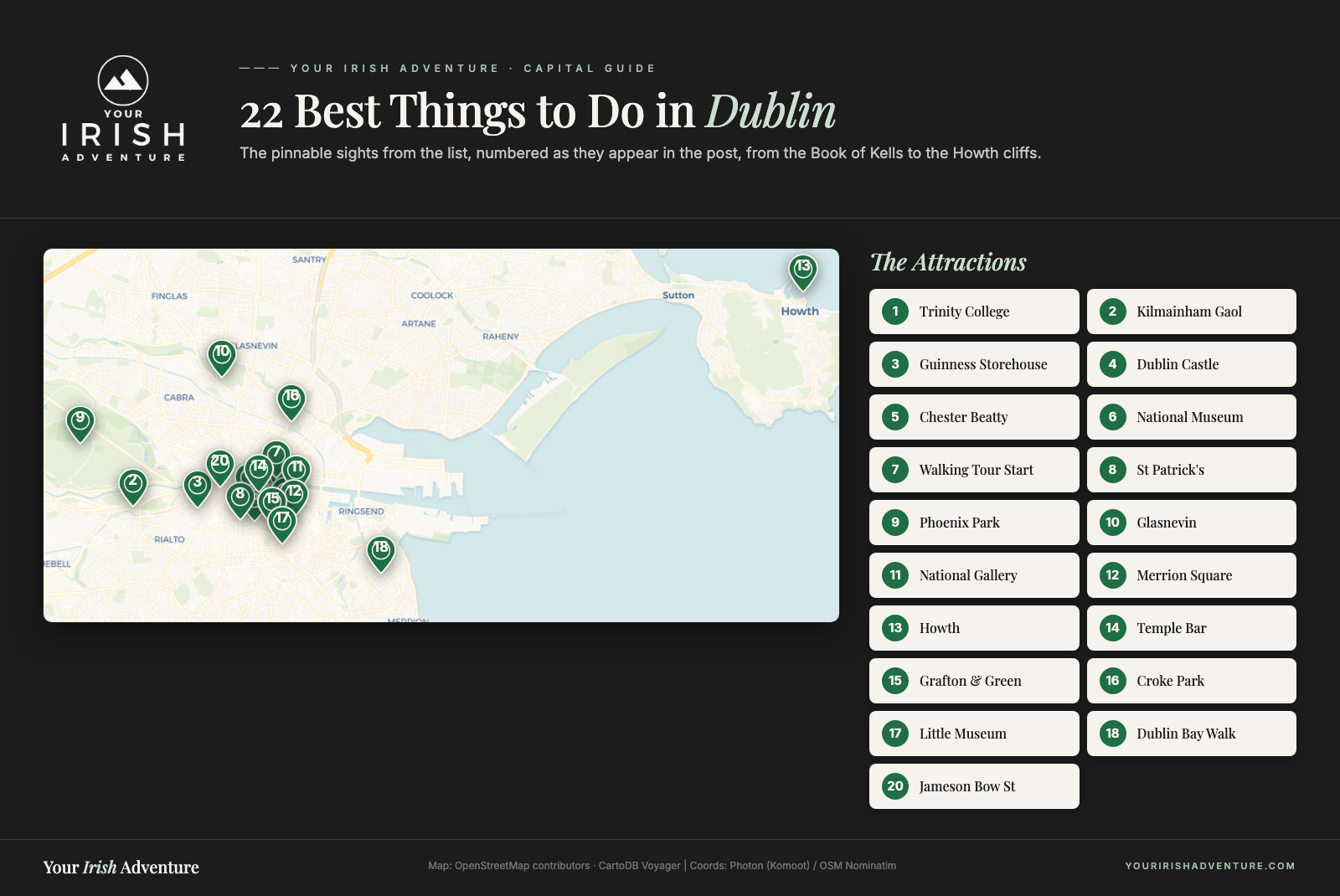
This guide covers 22 of the best things to do in Dublin.
More guides for your Ireland trip:
- Christmas In Dublin: 10 Things To See and Do
- 10 Things To Do In Dun Laoghaire, Dublin
- 29 Free Things To Do in Dublin: A Local’s Guide
- 7 Things To Do In Dublin When It Rains
- Best Things To Do In Cork (City & Day Trips)
- 33 Best Things To Do in Galway, Ireland
- 15 Best Things To Do in Howth, Ireland
- 15 Best Things to do in Bray
- 30 Best Things To Do in Ireland
- 15 Best Things To Do in Doolin, Ireland
My List of the Best Things To Do in Dublin
The list below mixes well-known landmarks with a few spots that don’t always make the cut on other guides, plus a solid range of indoor and outdoor options for whatever the weather throws at you.
Many of the free things to do in Dublin are genuinely among the best the city has to offer, so you don’t need a big budget to have a great time here.
That said, if you want to lock in guided experiences or skip the queues at popular spots, you can find tours on GetYourGuide and browse what’s available during your dates.
1. Trinity College and the Book of Kells
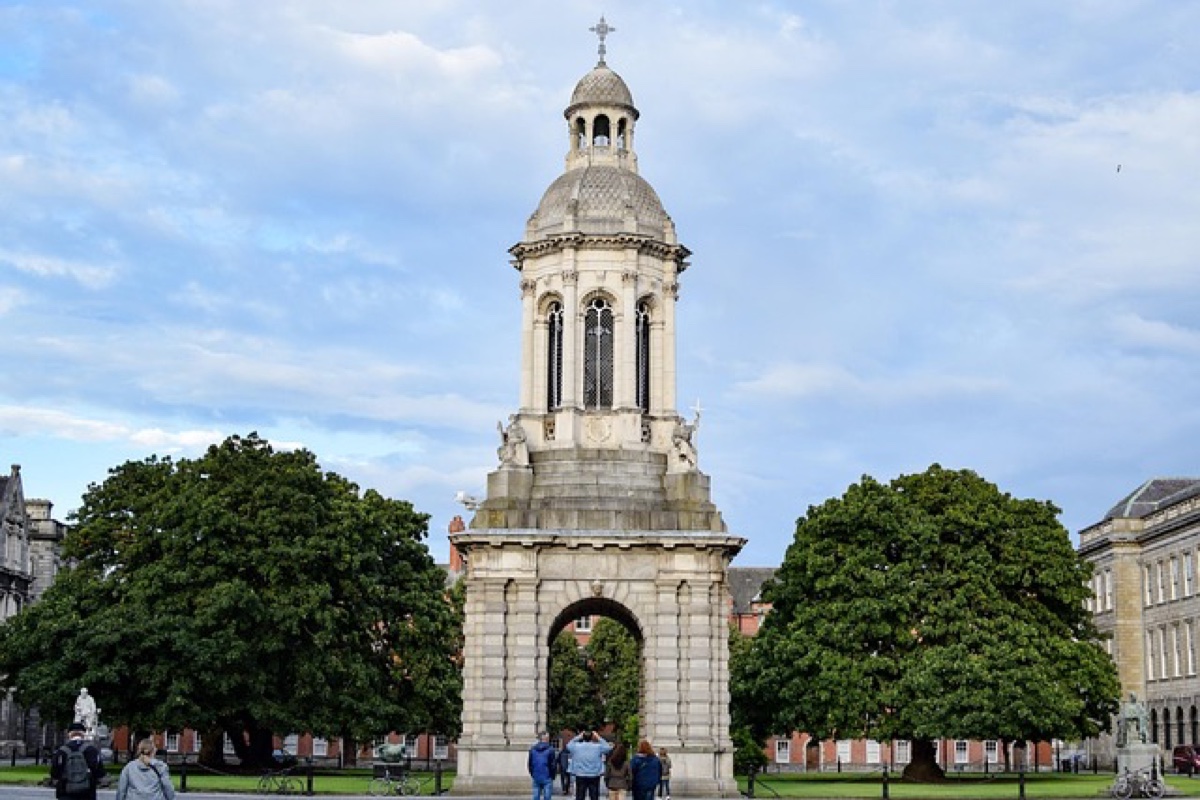
Walking through the arched entrance into Trinity College’s cobblestone front square, I genuinely stopped for a second just to take it all in.
Trinity is Ireland’s oldest university, founded in 1592, and the campus alone is worth a visit before you even think about going inside.
The Book of Kells exhibition takes you through the history of this 9th-century illuminated manuscript, one of the most celebrated surviving examples of medieval art in the world.
Tickets run around €16-€18 for adults, and you’ll want to allow at least an hour to an hour and a half.
Book ahead in summer, as the queues can be brutal without a timed slot.
One honest note here: the exhibition itself is smaller than most people expect, and the manuscript display is quite brief.
The real highlight is the Long Room library upstairs, a barrel-vaulted hall lined with 200,000 ancient books that genuinely takes your breath away.
👉 Book your Trinity College and Book of Kells tickets on GetYourGuide here
2. Kilmainham Gaol
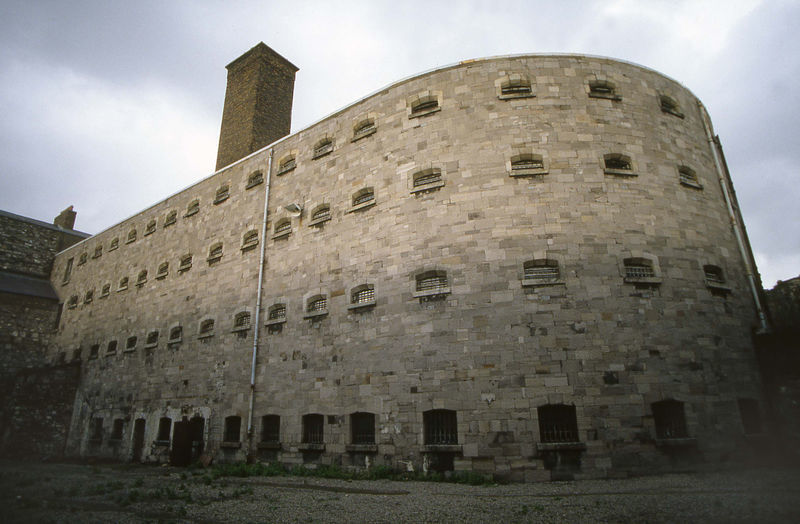
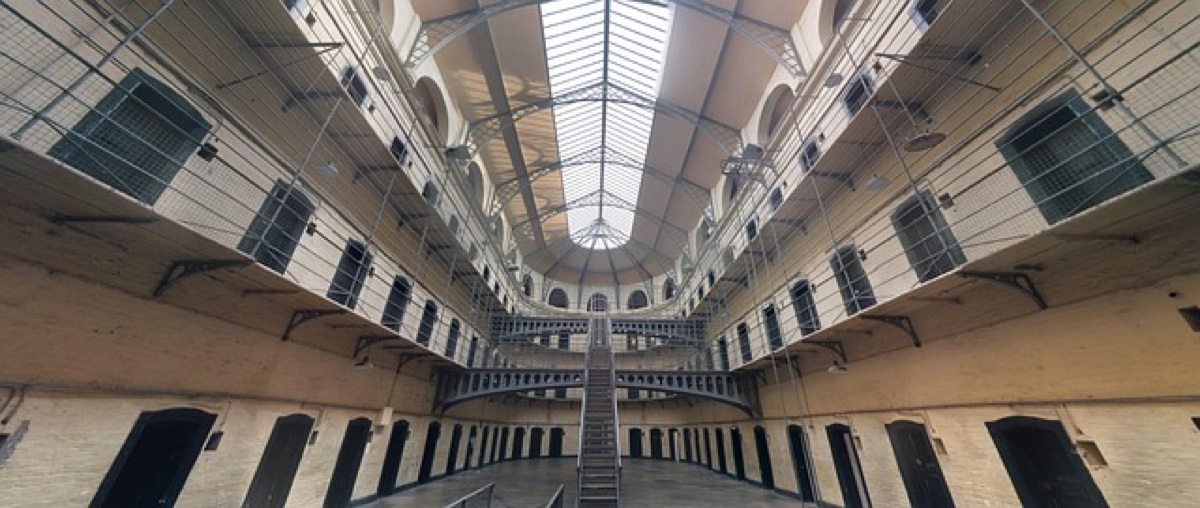
There’s an eerie stillness to the Victorian wing that hits you the moment you walk in.
Kilmainham Gaol is the historic prison where the leaders of the 1916 Easter Rising were executed, and it’s now one of the most visited museums in Dublin.
Entry is around €8 for adults, but this is guided tours only, and pre-booking is non-negotiable.
It sells out weeks in advance during peak season, so sort your tickets before you do anything else.
If Irish history doesn’t interest you, you might find it a slow two hours.
But if you have any curiosity about the struggle for Irish independence, this place is genuinely moving in a way that’s hard to shake.
It fits perfectly into a weekend in Dublin and pairs well with a visit to Dublinia if you want a full day of Dublin history.
👉 Book your Kilmainham Gaol tour on GetYourGuide here
3. The Guinness Storehouse
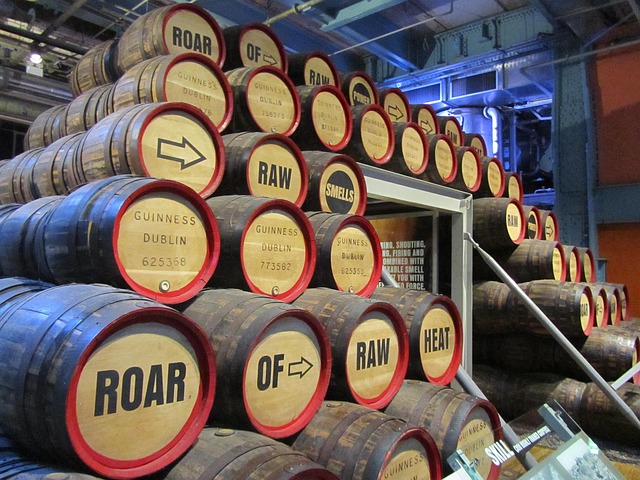
The smell of roasting barley hits you before you’re even through the door.
The Guinness Storehouse is a seven-floor self-guided experience inside the old fermentation building at St James’s Gate, walking you through the history of the world’s most famous stout from ingredients to pour.
Tickets run €26-€30 per adult depending on the time slot, and you’ll want to allow around two hours to do it properly.
The rooftop Gravity Bar pint is included in the price, and the 360-degree views over Dublin from up there are genuinely excellent.
It is expensive for what it is, and the whole thing feels heavily commercial in places.
But as a rite of passage in Dublin, it’s hard to skip, and if you want the full picture before you visit, our guide to the Guinness Brewery tour in Dublin covers everything you need to know.
👉 Book your Guinness Storehouse tickets on GetYourGuide here
4. Dublin Castle
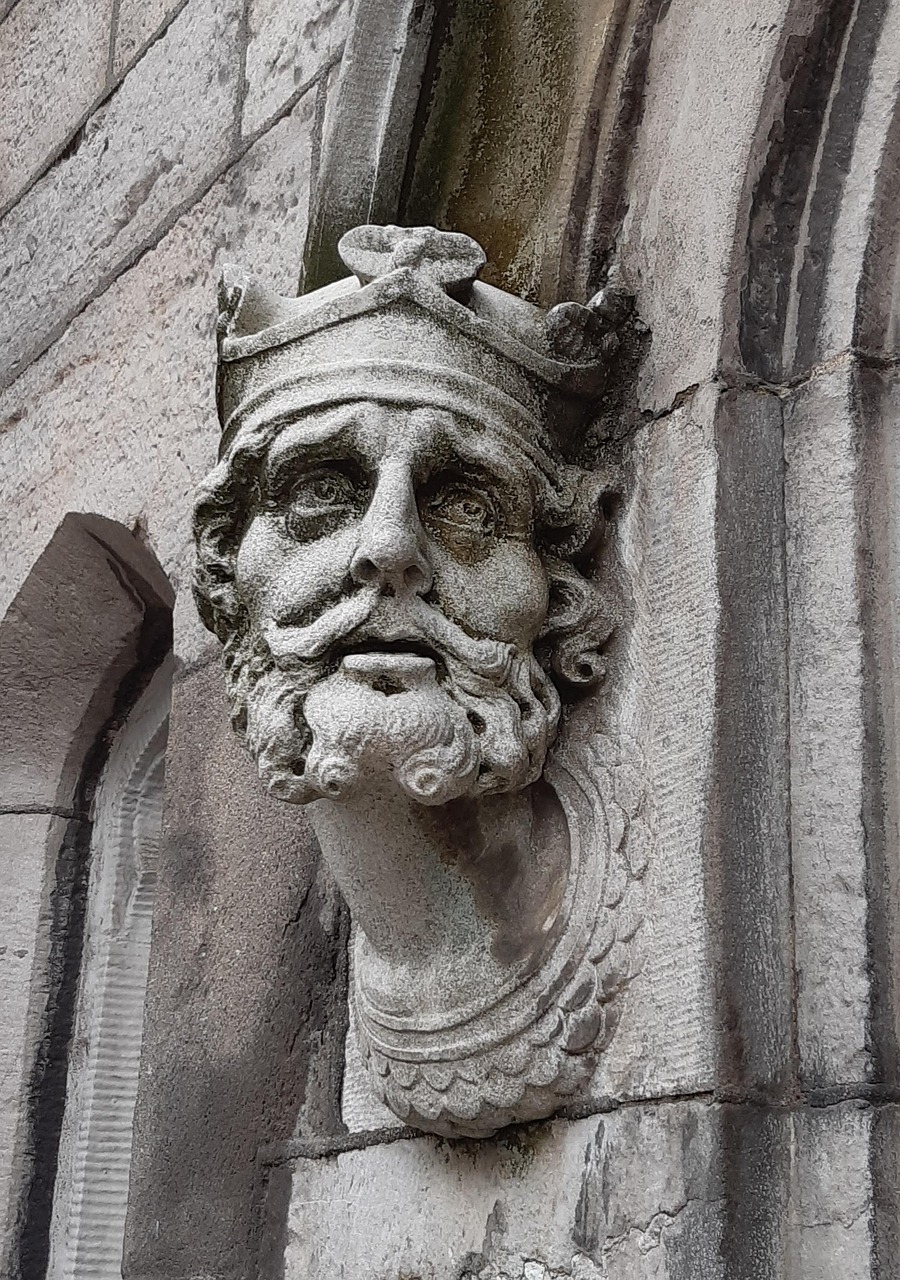
You turn off Dame Street into a narrow passageway, and then suddenly you’re standing in this wide, open courtyard that feels completely out of place with the tight streets around it.
The State Apartments tour takes you through rooms that were the centre of British rule in Ireland for centuries.
The medieval undercroft beneath the castle is genuinely fascinating, with original Viking-era foundations visible under your feet.
The courtyard is free to wander, and guided tours run around €8 per adult.
Allow an hour, and it makes for a great rainy day option alongside the other free and low-cost Dublin attractions nearby.
One note: the exterior won’t blow you away.
The castle was largely rebuilt in the 18th century, so it looks more Georgian civic building than fortress.
The interior more than makes up for it, but check ahead as it occasionally closes for state events.
👉 Book a Dublin Castle tour on GetYourGuide here
5. Chester Beatty Library

I skipped this on my first trip to Dublin, which I genuinely regret.
The Chester Beatty Library sits just inside the Dublin Castle grounds and houses one of the most remarkable private collections in the world, donated by American mining magnate Alfred Chester Beatty.
We’re talking ancient manuscripts, Islamic art, early printed books, and religious texts from across Asia, the Middle East, and Europe, all displayed in a beautifully curated space that punches well above its weight for a free attraction.
It’s open Tuesday through Friday and on weekends, closed Mondays, and entry is completely free.
Allow an hour to an hour and a half to do it justice, and if you’re already planning a visit to free things to do in Dublin, this belongs near the top of your list.
One thing to know: it’s quiet and cerebral.
If you’re after something high-energy, this isn’t it.
But if rare books and ancient religious art genuinely interest you, it’s exceptional.
You can also find tours on GetYourGuide that include the Chester Beatty as part of a broader Dublin experience, which is a great way to add some context to what you’re seeing.
6. National Museum of Ireland – Archaeology
Most people walk past the gold room without realising what they’re looking at.
It’s one of the finest collections of prehistoric gold artefacts in Europe, sitting right there on Kildare Street for free.
The bog bodies gallery is genuinely fascinating in a way that’s hard to explain until you’re standing in front of a 2,000-year-old person preserved by Irish peatland.
Entry is completely free, and it’s open Tuesday through Saturday plus Sunday afternoons, making it one of the best free things to do in Dublin, full stop.
Allow 1.5 to 2 hours.
Some of the displays feel dated and are overdue a refresh, but the collection is so remarkable that it genuinely doesn’t matter.
If you’d rather explore it with some context and commentary, you can find tours on GetYourGuide that include the museum as part of a wider Dublin experience.
7. A Dublin Walking Tour
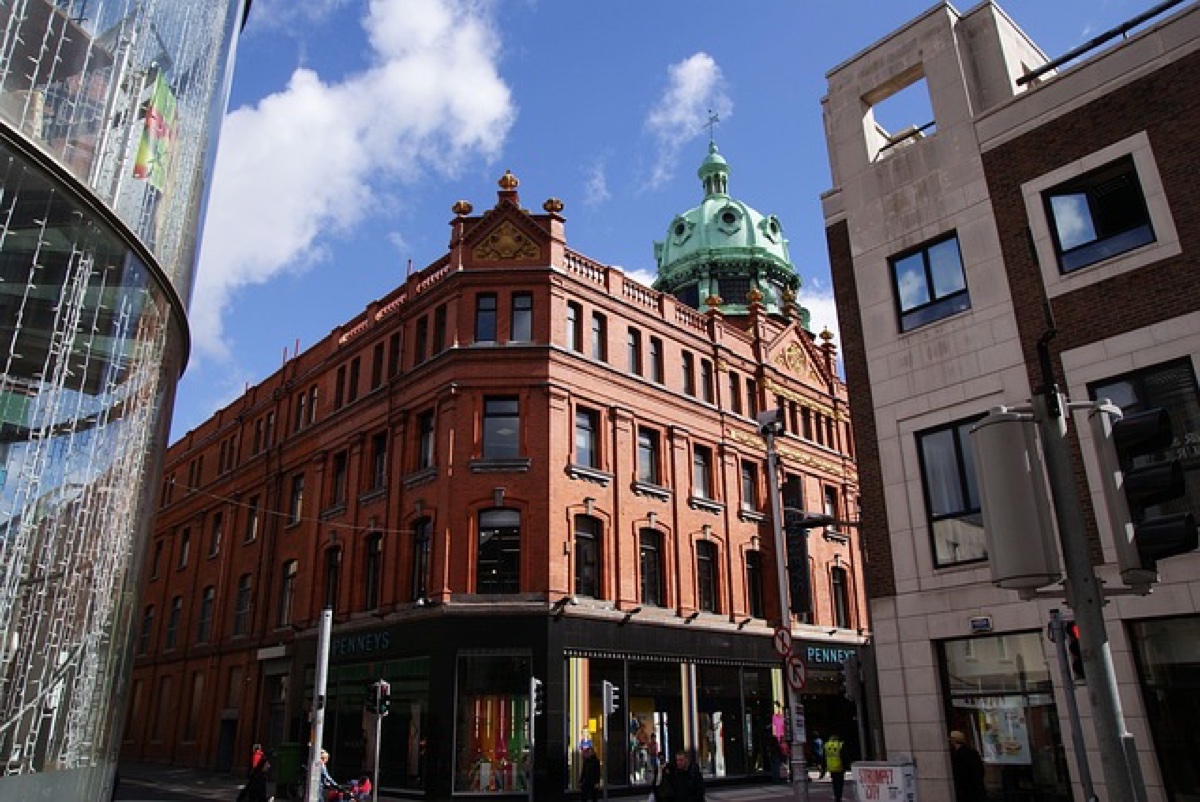
Our guide stopped outside a Georgian doorway on Merrion Square and told a story about the family who lived there during the Famine years, the kind of detail that never makes it into a guidebook.
A walking tour is honestly one of the best ways to get your bearings on day one in Dublin, and there are two main options worth knowing about.
Free tip-based tours run daily from College Green and last around two hours, a solid introduction to the city, and they’re listed among the best free things to do in Dublin.

If you want smaller groups and deeper history, the premium small-group tours run around €20 to €25 and are worth the upgrade.
One thing to be aware of: free tours can pull groups of 30 or more, which makes it genuinely hard to hear the guide at busy junctions.
👉 Book a Dublin Walking Tour on GetYourGuide Here
8. St. Patrick’s Cathedral
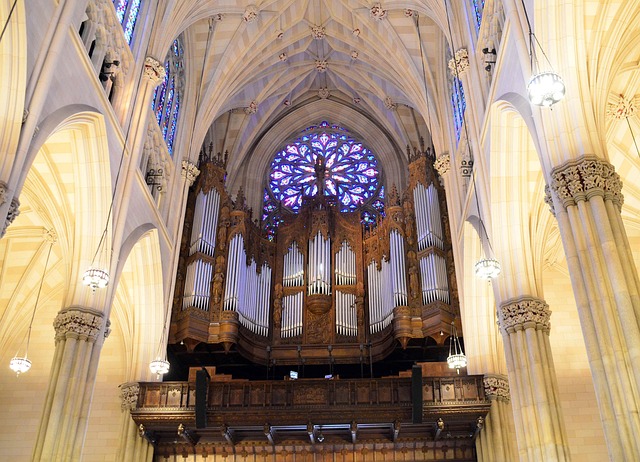
St. Patrick’s Cathedral is the longest church in Ireland, and even after standing since 1191, it still catches you off guard.
Partly because the street outside is so narrow you can barely step back far enough to take it all in.
Inside, the scale hits properly.
Jonathan Swift, author of Gulliver’s Travels, served as dean here for over 30 years and is buried in the nave.
His epitaph, which he wrote himself, is on the wall nearby.
The medieval floor tiles, the battle-worn flags of the old Irish regiments hanging overhead, and the carved stonework make this one of the most historically layered buildings in the city.
Entry is around €7 for adults and you’ll want at least 45 to 60 minutes to do it properly.
One thing to be aware of: it’s an active place of worship, so visiting hours vary and Sunday mornings are often restricted.
Check the website before you go.
If you’d rather join a guided tour and get the full story behind the history, you can find tours on GetYourGuide that include the cathedral as part of a broader Dublin experience.
If you have time, Marsh’s Library sits directly next door and is well worth combining into the same visit.
9. Phoenix Park

The first time I saw a herd of fallow deer wandering past the US Ambassador’s residence in the middle of Dublin, I genuinely did a double-take.
Phoenix Park is one of the largest walled city parks in the world, covering 1,750 acres, and it’s completely free to enter.
Beyond the Guide to Finding The Phoenix Park Deer in Dublin, you’ve got Dublin Zoo, the Áras an Uachtaráin (the Irish President’s official residence), the Papal Cross, and kilometres of trails and open green space to explore.
It’s one of the best free things to do in Dublin and easily fills half a day if you do it right.
The main thing to know: the park is too big to cover on foot, and if you walk in without a plan you’ll barely scratch the surface.
Rent a bike from one of the nearby hire spots near Parkgate Street and you’ll cover far more ground.
👉 Book a Phoenix Park Bike Tour on GetYourGuide
10. Glasnevin Cemetery and Museum
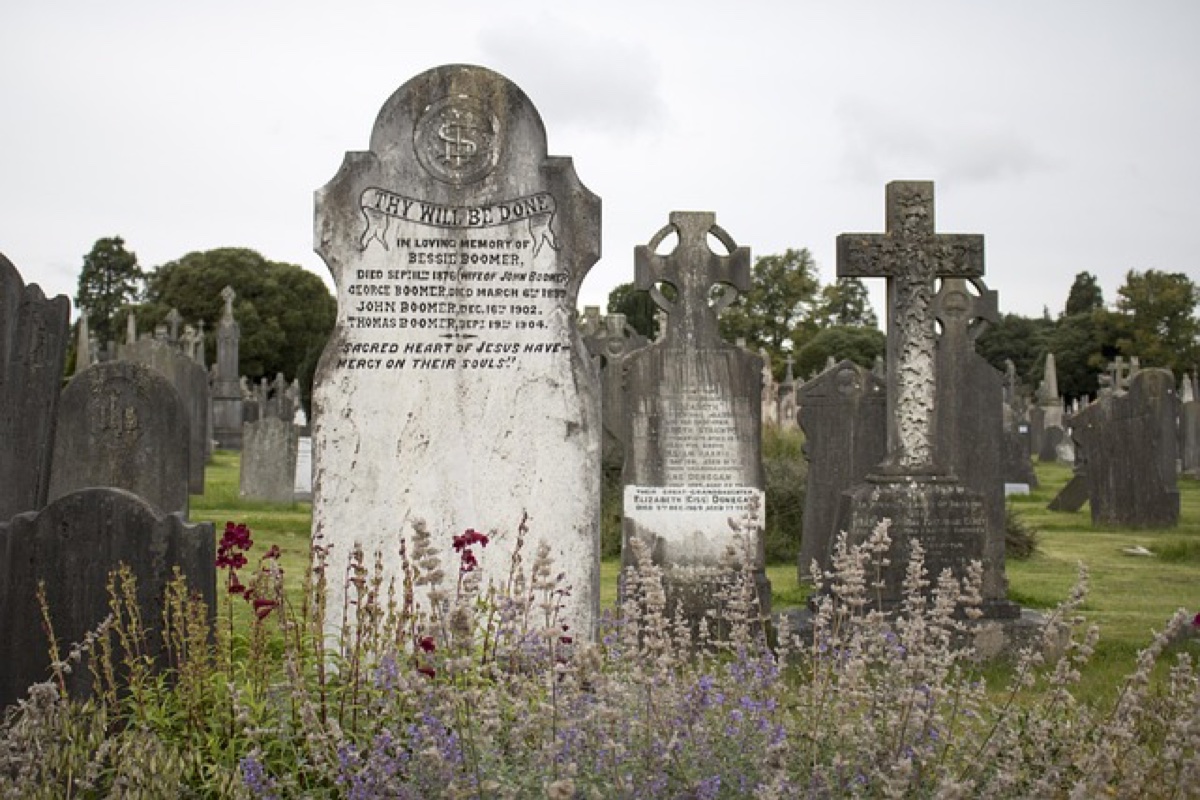
Glasnevin hits you differently to most places on this list.
This is Ireland’s largest cemetery, with over 1.5 million people buried here, including Michael Collins, Daniel O’Connell, and a host of other figures who shaped the country you’re visiting.
The museum is genuinely excellent, well-designed and emotionally resonant, covering the full sweep of Irish history from the Famine right through to the War of Independence.
Museum entry is around €9 for adults, and a guided tour runs about €13.
Allow at least two hours to do it justice.
Worth knowing: this isn’t a cheerful afternoon out, but if you want to actually understand modern Ireland rather than just see it, Glasnevin is one of the most worthwhile stops in the city.
It pairs well with a weekend in Dublin if you’re trying to go deeper than the usual highlights.
👉 Book a Glasnevin Cemetery Guided Tour on GetYourGuide
More guides for your Ireland trip:
- 20 Best Things To Do in Dingle, Ireland
- 15 Best Things To Do in Wicklow, Ireland
- 15 Best Things To Do in Kinsale, Ireland
- 15 Best Things To Do in Derry, Ireland
- 28 Unique Things To Do in Clare: Ireland’s Foodie Trail
- 21 Amazing Things To Do in West Cork This Summer
- 27 Fun Things To Do in Belfast, Ireland
- 15 Unique Things To Do in Waterford: A Local’s Guide
- Fun Things To Do in Wexford – Ireland’s Sunny Southeast
- 15 Fun Things To Do in Killarney, Ireland
11. The National Gallery of Ireland
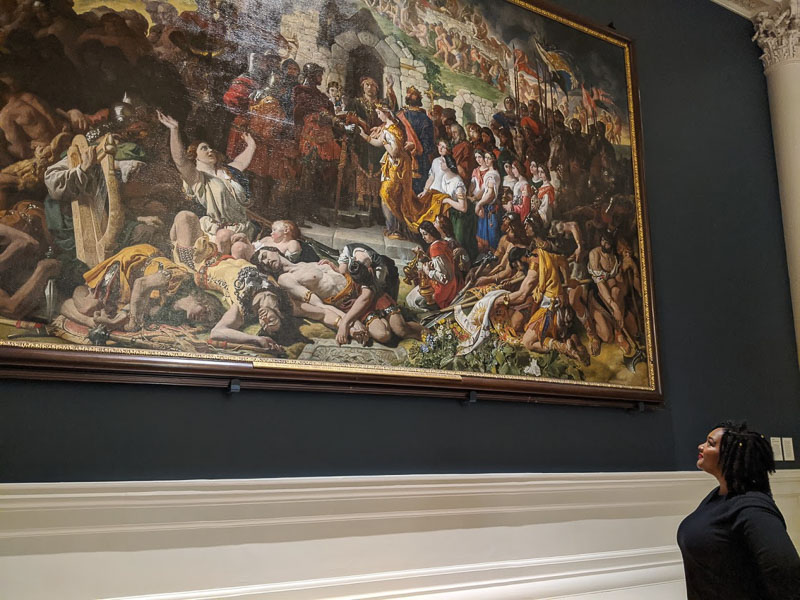
There’s a Caravaggio hanging inside the National Gallery of Ireland, a full-size, genuine oil painting by one of the most important artists in history, and you can walk up and stand in front of it for free.
The gallery holds works by Vermeer and Rembrandt alongside the largest collection of Irish art in the world, and entry to the permanent collection costs nothing.
It sits right on Merrion Square West, open daily, and you’ll want to allow a solid one to two hours to get through it properly.
One thing to check: temporary exhibitions often charge a separate admission, so it’s worth checking the website before you go to see what’s currently on.
If you’d rather explore the gallery with a guide who can put the collections in context, you can find tours on GetYourGuide that include it as part of a broader Dublin art and culture experience.
For anyone who assumes Dublin isn’t a serious art destination, this place will change your mind fast, and if you’re already hunting down free things to do in Dublin, the National Gallery belongs near the top of that list.
12. Merrion Square and Georgian Dublin
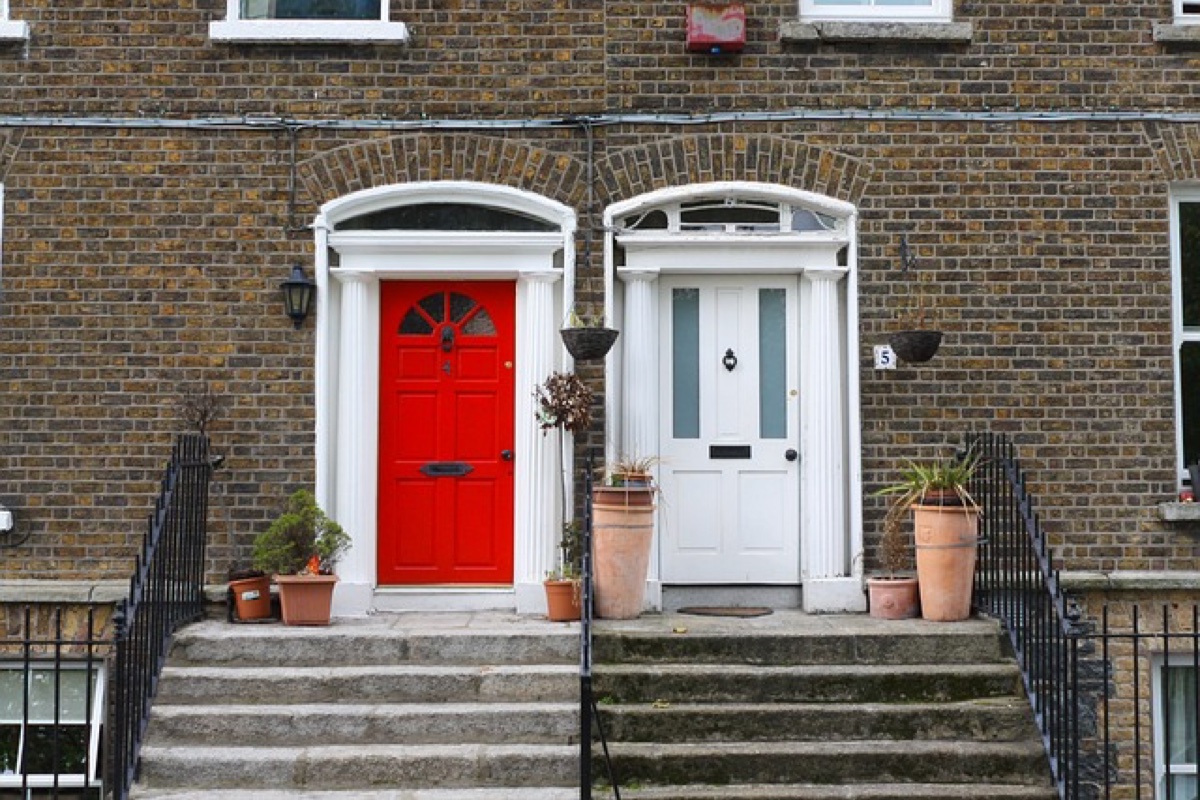
Walking the perimeter of Merrion Square at dusk, watching the light catch those famous painted Georgian doors, is one of those free Dublin moments that genuinely stays with you.
The park itself is beautifully kept and always open, with a famously flamboyant Oscar Wilde statue lounging in one corner that’s worth finding.
The surrounding streets, particularly Fitzwilliam Street Lower, make up one of the best-preserved Georgian streetscapes in Europe.
Most visitors just drive past without stopping.
Combine it with the National Gallery next door or the Natural History Museum nearby, and you’ve got a half-day of genuinely interesting, completely free sightseeing, which fits perfectly if you’re working through our full list of free things to do in Dublin.
If you’d rather explore the area with a local guide who can fill in the history properly, you can find tours on GetYourGuide that cover Georgian Dublin in depth.
One honest note: the doors are significantly more impressive in person than in photos, so give it a proper 20-minute walk rather than a quick glance from the car.
13. Howth – Coastal Dublin
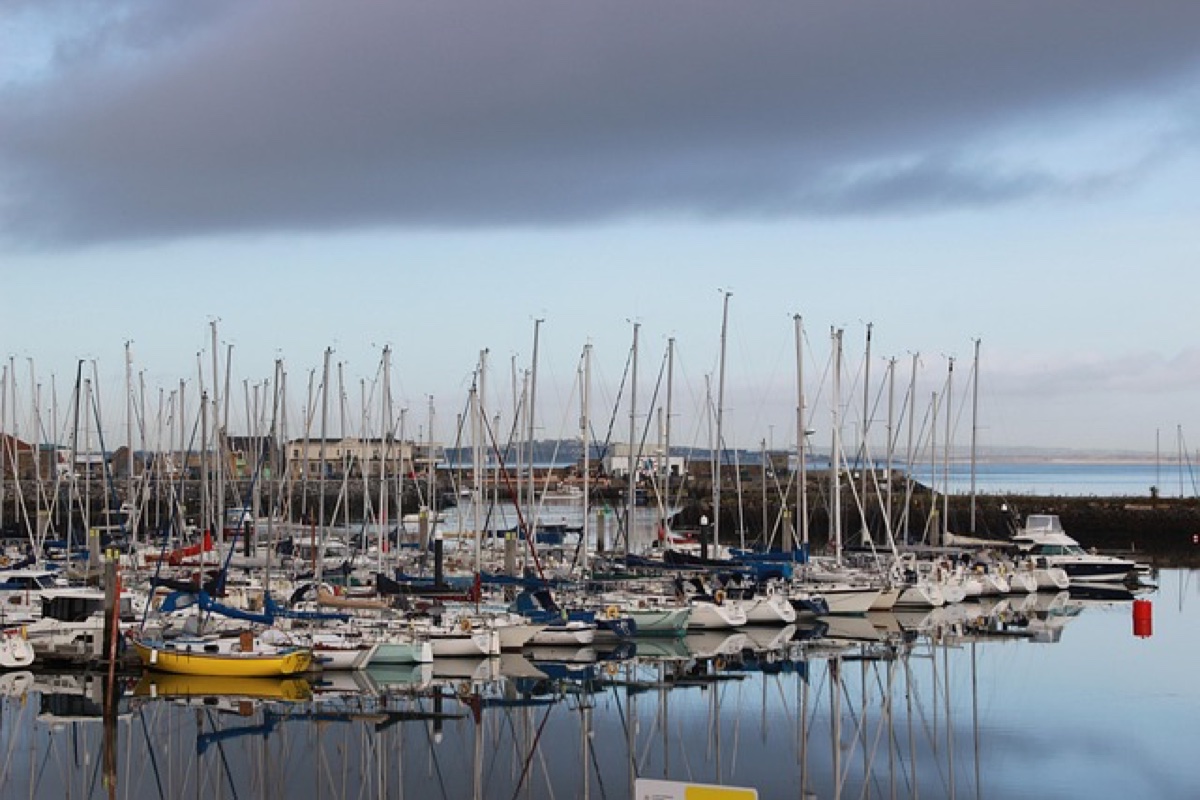
Dariece and I caught the DART to Howth on a complete whim one afternoon, and we ended up staying until the sun went down over Dublin Bay.
It’s a proper fishing village about 30 minutes from the city centre by train, with fresh seafood on the harbour and sweeping coastal views.
It’s also home to one of the best free walks you’ll do in Ireland.
The Howth Cliff Walk takes around 2-3 hours to complete the full loop and costs nothing.
If you want more to fill your day, there’s a full list of things to do in Howth worth reading before you go.
The DART runs directly from Connolly or Pearse Station for around €3.50 each way.
If you’d rather explore with a guide, you can find tours on GetYourGuide that cover the village and coastline.
One important note: the cliff path is exposed and can be genuinely dangerous in wet or windy conditions, so wear proper footwear and skip it if the weather turns.
14. Temple Bar
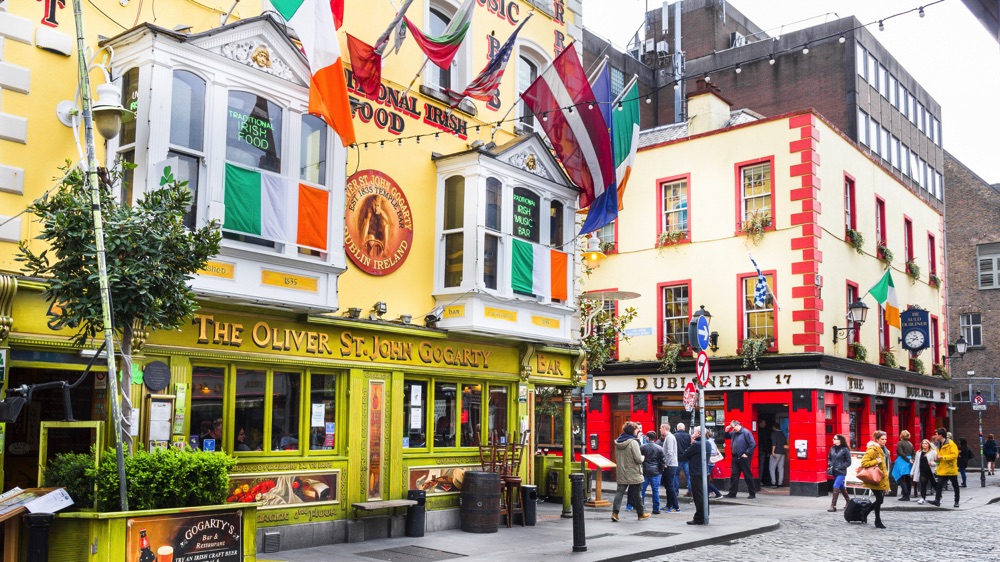
Temple Bar is one of those places where the honest answer is: it depends entirely on what you do with it.
The cobbled streets themselves are genuinely atmospheric, and the cultural quarter has some real highlights, including the Irish Film Institute, the Gallery of Photography, and a handful of good independent galleries that are all free to wander through.
The weekend market at Meeting House Square runs Saturday and Sunday mornings and is worth timing your visit around if you can.
The reality is that the pubs here are almost universally tourist traps, a pint can easily hit €8-€9, and the atmosphere feels manufactured rather than earned.
If you want to make the most of the area, there are some solid walking tours that cut through the noise and actually give you the history behind the cobblestones.
You can find tours on GetYourGuide that are worth the couple of hours.
If you want to know where locals actually drink, the unique pubs guide and the cheapest pint in Dublin guide will point you somewhere far better.
15. Grafton Street and St. Stephen’s Green
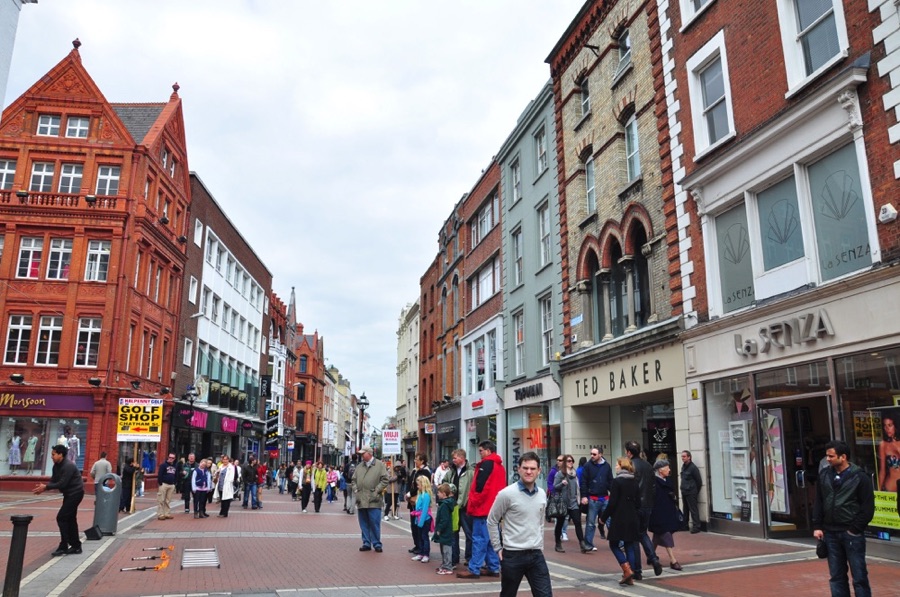
Grafton Street is one of the better pedestrian streets in Europe, and that’s almost entirely down to the buskers.
The standard is genuinely high – you’ll hear everything from classical violin to full bands.
On a good afternoon it’s hard to keep walking.
At the top of the street, St. Stephen’s Green is a 22-acre Victorian park that’s free to enter every day, with a duck pond and a bandstand.
On any half-decent sunny afternoon, half of Dublin’s office workers are spread out on the grass eating lunch.
The honest truth about Grafton Street is that the shops themselves are wall-to-wall chains – there’s nothing here you couldn’t find in any city centre in the UK or Ireland.
Don’t come expecting independent retail – come for the atmosphere and the music instead.
If you’d rather explore the area with a local guide, you can find tours on GetYourGuide that cover both Grafton Street and the surrounding neighbourhood.
Both are completely free, which makes them an easy addition to any free day out in Dublin.
16. Croke Park Stadium Tour

I’m Canadian, and before I visited Dublin I’d never heard of Gaelic football in my life.
The Croke Park tour fixed that in about 40 minutes.
This 82,000-seat stadium is the home of the GAA (Gaelic Athletic Association) and the beating heart of Irish sport, hosting hurling and Gaelic football, two of the fastest, most athletic sports I’ve ever watched.
The tour takes you through the dressing rooms, out onto the pitch level, and into a genuinely impressive museum covering the history of Ireland’s national games.
It covers what the GAA means to Irish identity in a way no guidebook really does justice to.
Tickets are around €14 for adults, allow about 1.5 hours, and book ahead if you’re visiting on a weekend.
Fair warning: if sport genuinely means nothing to you, skip it.
If you want to actually understand Irish culture rather than just tick off the sights, it’s one of the best things to do in Ireland full stop.
👉 Book the Croke Park Stadium Tour on GetYourGuide Here
17. The Little Museum of Dublin
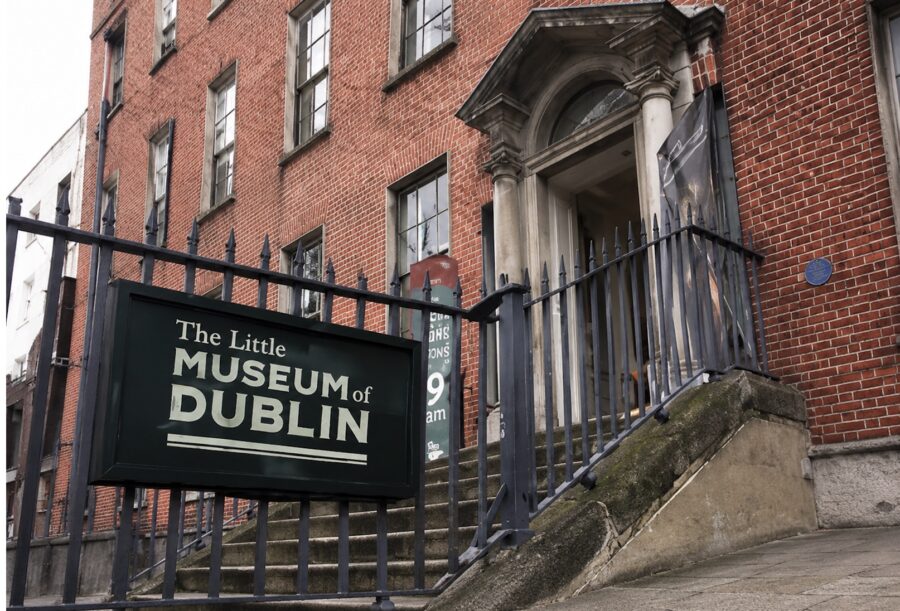
It sits on St. Stephen’s Green in a Georgian townhouse that looks like it belongs to someone’s great-aunt, and that atmosphere carries right through to the exhibits inside.
The Little Museum tells the story of 20th-century Dublin entirely through donated objects: U2 memorabilia, Civil War documents, vintage advertisements, and hundreds of pieces that Dubliners just handed over because they thought they belonged here.
Entry is around €12 for adults and the guided tours run regularly throughout the day, lasting about an hour each.
Fair warning: it’s genuinely small, and the guided-tour-only format means you can’t wander at your own pace or linger on anything that catches your eye.
But the guides are excellent storytellers, and that’s what makes it worth the admission.
If you’re already planning a weekend in Dublin, this fits perfectly into an afternoon alongside the Green.
👉 Book the Little Museum of Dublin on GetYourGuide Here
18. Dublin Bay Coastal Walk or Cruise
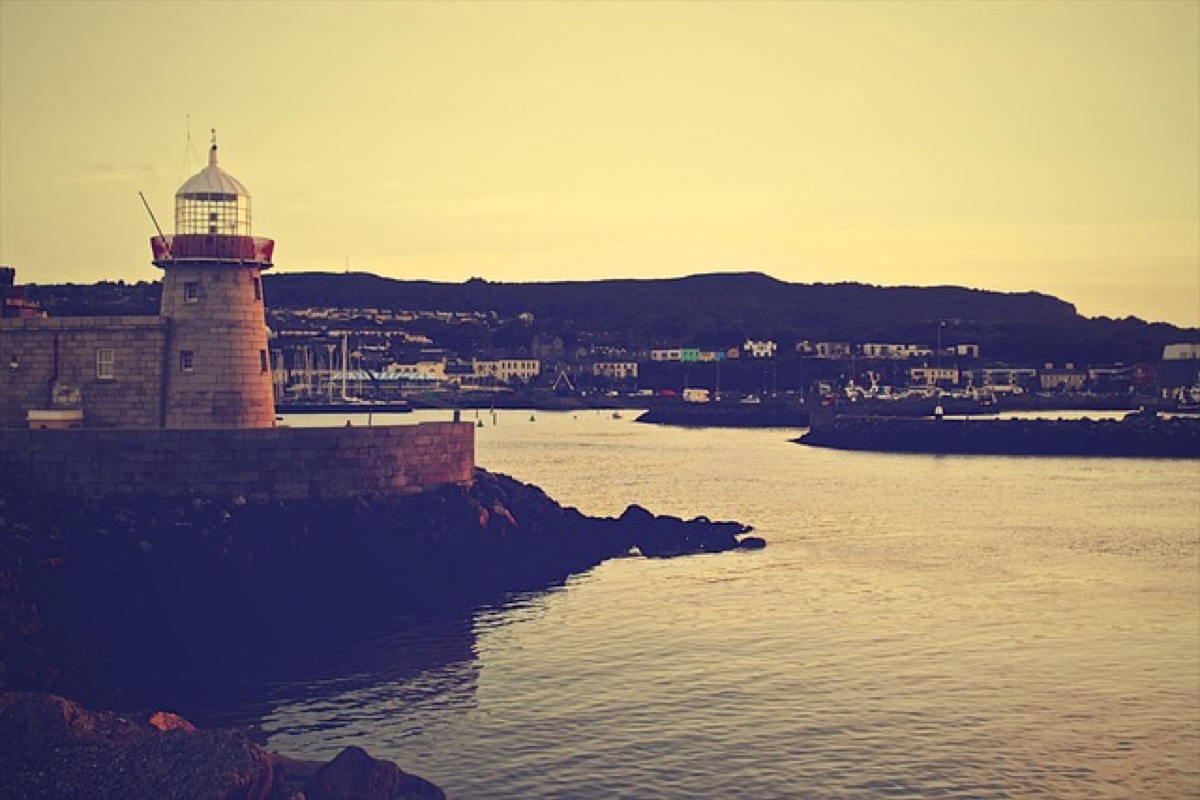
The South Wall walk out to the Poolbeg Lighthouse is one of those Dublin experiences that genuinely surprises people, including people who’ve lived in the city for years.
The 2km granite pier stretches straight out into Dublin Bay with the city skyline behind you and the Wicklow Mountains on the horizon.
It’s completely free, open any time, and takes about 45 minutes return.
If you’d rather get out on the water, Dublin Bay Cruises run seasonal boat tours from the quays between April and October, coming in at around €20 for adults.
One honest heads-up: the South Wall is genuinely exposed, and in bad weather it can be bleak in a way that isn’t fun.
Check the forecast before you go, and if you’re visiting in a wetter month, have a look at our guide to the best time to visit Ireland to set your expectations right.
👉 Book a Dublin Bay Cruise on GetYourGuide Here
19. Get a Pint of Guinness at a Traditional Pub
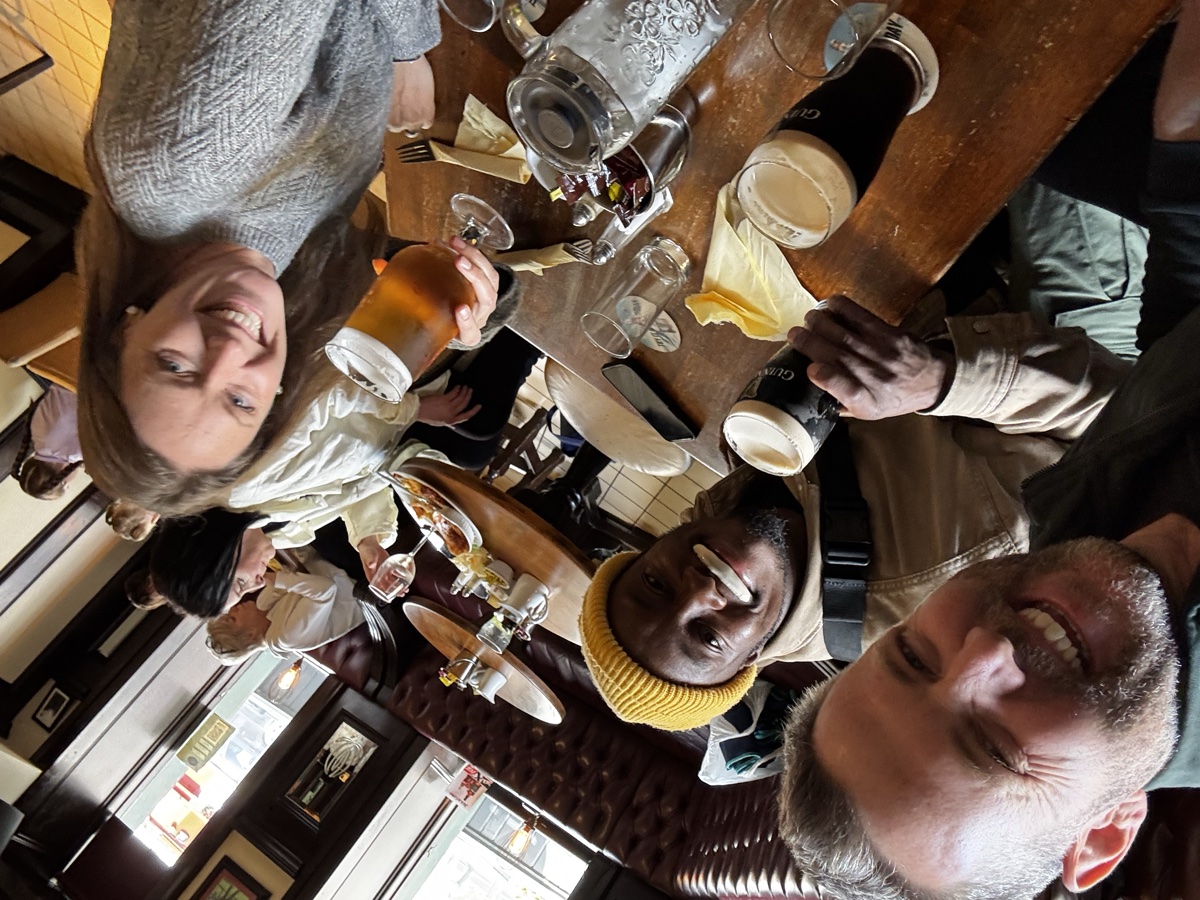
There’s a reason people say Guinness tastes different in Ireland and it’s not just the marketing. The freshness of the kegs, the cold glass, the two-part pour with a proper rest in between it all adds up. But the pub you drink it in matters just as much as the pint itself, and that’s where a lot of visitors go wrong by heading straight to the Temple Bar strip.
The real experience is in the locals’ pubs. Areas like Stoneybatter, Portobello, and Ranelagh have pubs that haven’t been renovated for Instagram they’re still dark, wood-panelled, and full of people who actually live nearby. That’s where you’ll find a barman who takes the pour seriously and doesn’t hustle you out the door. Sit at the bar, not a table. Talk to whoever’s next to you. That’s how it’s supposed to work.
Prices vary wildly across the city. Central Dublin and the tourist quarters charge a premium sometimes significantly so. If you want to know where to find a reasonably priced pint without compromising on quality, our cheapest pint in Dublin guide has done the legwork for you.
One thing worth knowing: don’t rush it. A properly poured Guinness takes around two minutes from tap to glass. If the barman hands it to you immediately, that’s a sign. The wait is part of the ritual, and in a good Dublin pub, no one’s in a hurry anyway.
20. Jameson Distillery Bow St
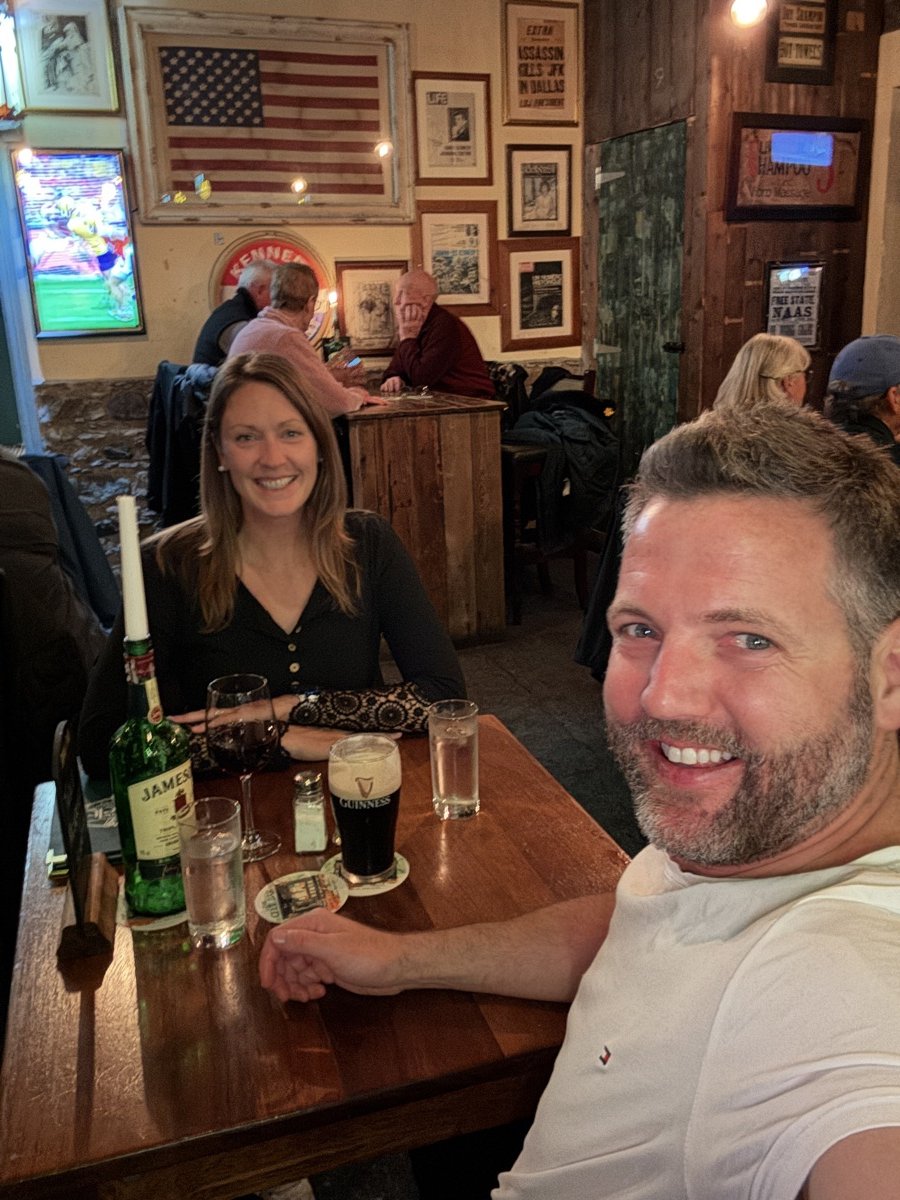
The Jameson Distillery on Bow Street in Smithfield is one of the better-produced distillery experiences you’ll do in Ireland. It’s not the working distillery Jameson is actually made in Cork but what they’ve done with the original 1780 warehouse is genuinely impressive. The building itself tells most of the story before a guide says a word.
The tour walks you through the full history of Irish whiskey how it fell from being the world’s dominant spirit to near-extinction and then came back and then gets into the craft: malting, distilling, casking. If you’ve done Scotch distillery tours, the triple distillation comparison is interesting. Irish whiskey’s smoothness isn’t accidental; it’s a deliberate production choice that sets it apart.
The highlight for most people is the tasting at the end, and if you get selected for the bow-tie ceremony a comparative tasting of Jameson against a Scotch and a bourbon take it. You come away with a certificate and a much clearer sense of why the differences exist. Book in advance; weekend sessions sell out. The distillery is a short walk from the Smithfield Luas stop, which makes getting there straightforward from most parts of the city.
After the tour, the Smithfield area itself is worth a wander. It’s one of Dublin’s quieter squares less visited than it should be with a few good spots to eat and drink nearby. Pair the two and you’ve got a solid half-day without doubling back across the city.
21. Try Irish Stew (or a Full Irish Breakfast)

Irish food has a reputation that’s largely undeserved. The country that produces exceptional lamb, dairy, and root vegetables somehow got saddled with the image of boiled-everything-into-submission and while that version exists, it’s not what you should be eating. A proper Irish stew, done right, is one of those dishes that makes complete sense the moment you try it. Slow-cooked lamb shoulder, floury potatoes, carrots, pearl onions it’s not complicated, but the flavour is deep in a way that a quickly assembled dish never is.
The trick is finding it made properly rather than from a commercial catering pack. Look for gastropubs with a short, seasonal menu rather than places with laminated menus the size of a newspaper. Fallon & Byrne on Exchequer Street is a reliable choice their food hall and restaurant take ingredients seriously. Bewley’s on Grafton Street is worth a visit for breakfast: it’s been there since 1927, the interior is listed, and a full Irish in that room feels like it’s supposed to.
The full Irish breakfast rashers, sausages, black and white pudding, eggs, beans, toast is non-negotiable if you’re here for more than a day. It’s a substantial meal and genuinely a cultural institution rather than just a fry-up. The pudding is the distinguishing element; black pudding in particular is made with a quality that’s hard to find elsewhere. Don’t skip it on principle try it.
If you want to eat well without spending much, the city has no shortage of good cafés doing breakfast until midday. Avoid the chain hotels for this one. A small independent spot with a short menu and a queue out the door is almost always the better call.
22. Go on a Dublin Pub Crawl
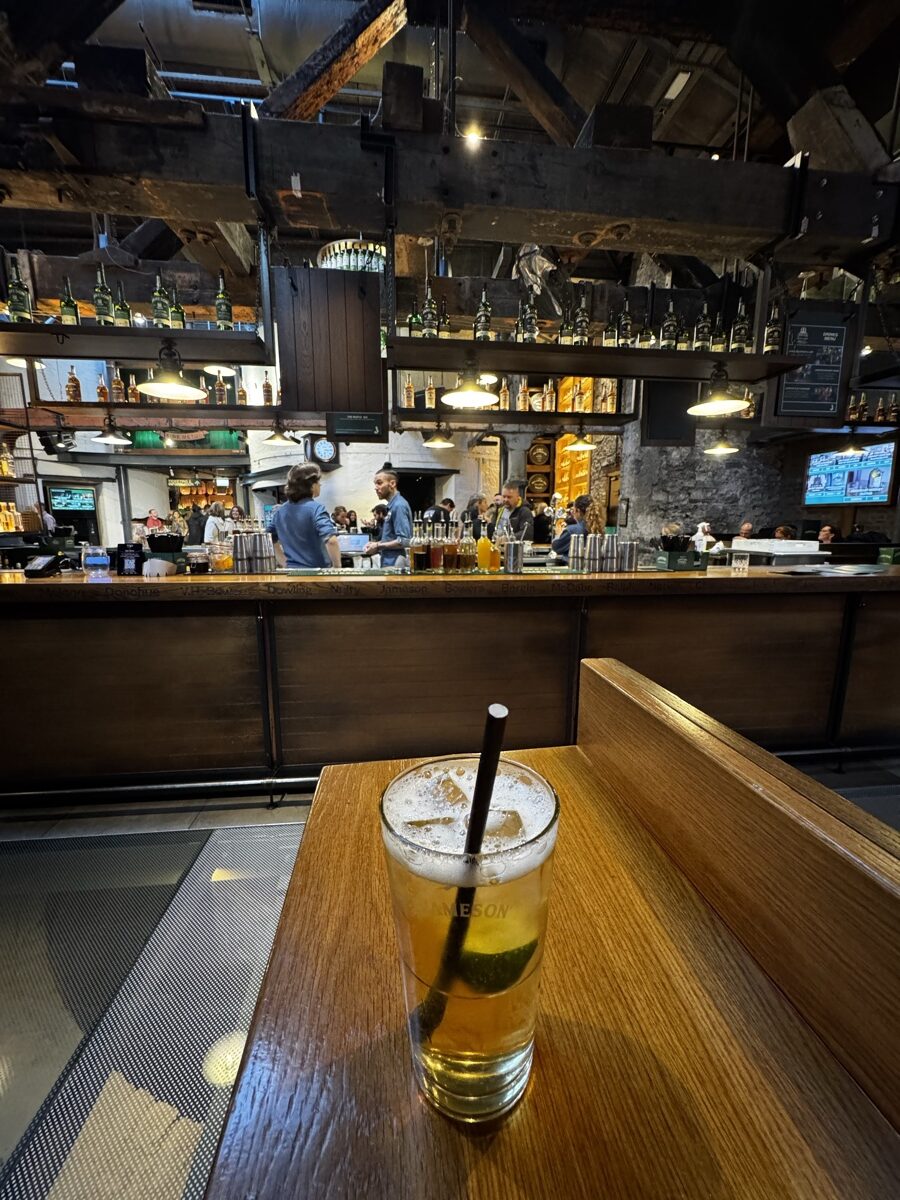
Dublin’s pub culture is one of the few things that genuinely lives up to the expectation but the experience depends heavily on where you do it. The organised tourist pub crawls are a reasonable option if you’re travelling solo and want a ready-made social situation; they cover the basics, the guides know their history, and you’ll meet people. The downside is they tend to funnel everyone through the same central stops, which means busier pubs and less of the Dublin that Dubliners actually use.
The self-guided version is better if you have any interest in the city itself. Camden Street and Harcourt Street on the south side have a strong run of pubs a mix of traditional and livelier late-night spots and the crowd skews local. Baggot Street is quieter and more suited to an evening that stays conversational. On the north side, Stoneybatter has become one of the better pub-crawl streets in the city without most visitors realising it exists.
What makes Dublin different from a pub crawl in most other cities is that the pubs are genuinely varied. You’ll find everything from Victorian saloon bars with snugs and stained glass to stripped-back rooms with live trad sessions that started informally and went on for three hours. If you want to know which ones are worth going out of your way for, we’ve put together a guide to Dublin’s most unique pubs that covers the ones with actual stories behind them.
One practical note: Dublin pubs close at 11:30pm Sunday to Thursday and 12:30am on weekends, with last orders called 30 minutes before. If you’re planning a longer night, pace yourself earlier the city doesn’t have the late-night infrastructure of somewhere like London, and the best pubs are worth spending time in rather than rushing through.
Where to Stay in Dublin
Dublin has accommodation for every budget, from Georgian guesthouses to sleek city-centre hotels. Here are three well-reviewed options in good locations, all bookable on Booking.com.
The Shelbourne Dublin
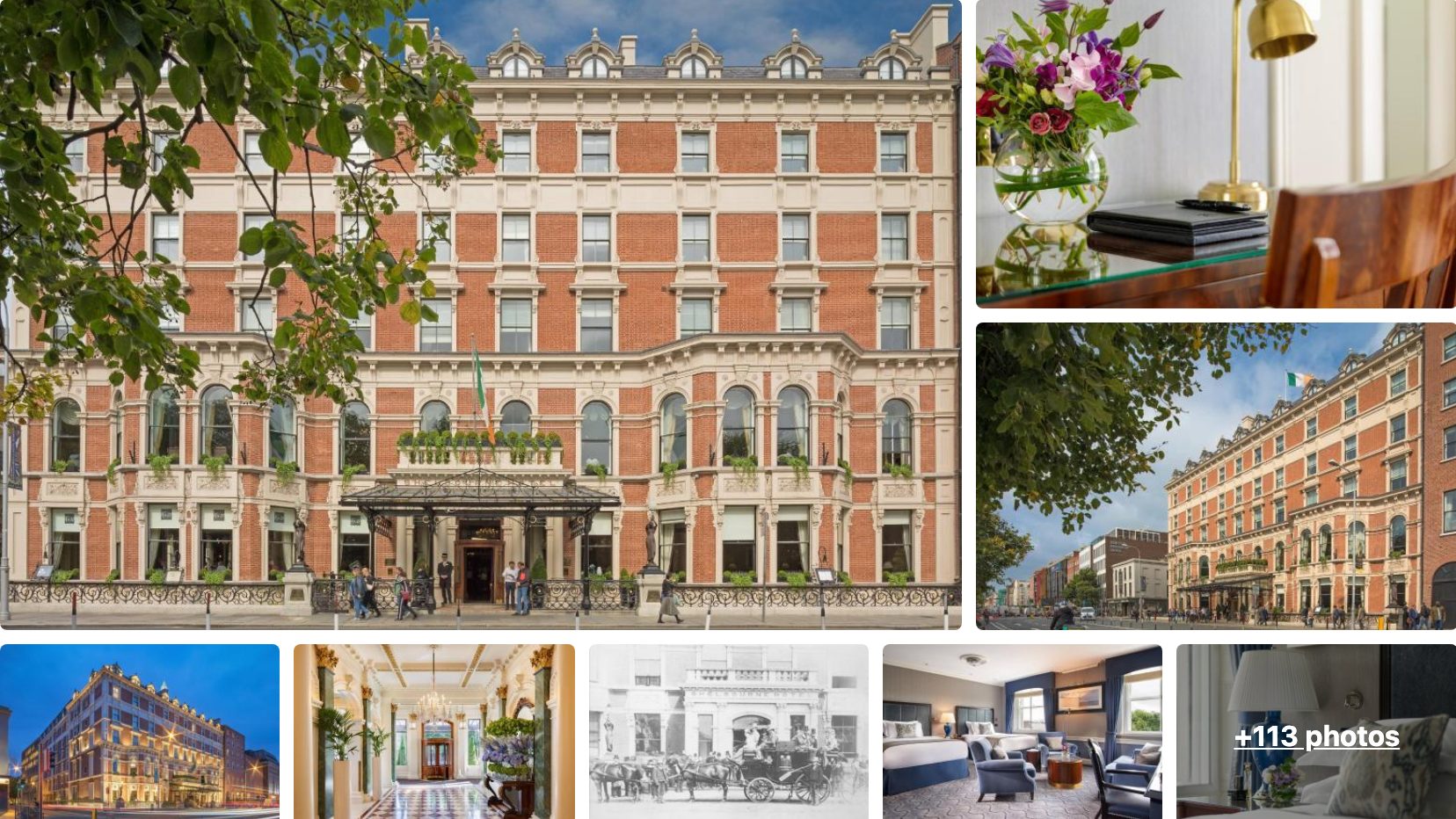
Dublin’s most famous hotel, on St. Stephen’s Green since 1824. The horseshoe bar is worth visiting even if you’re not staying, and the location puts Grafton Street, Trinity College, and Merrion Square within easy walking distance.
Check availability at The Shelbourne Dublin on Booking.com →
The Merrion Hotel Dublin
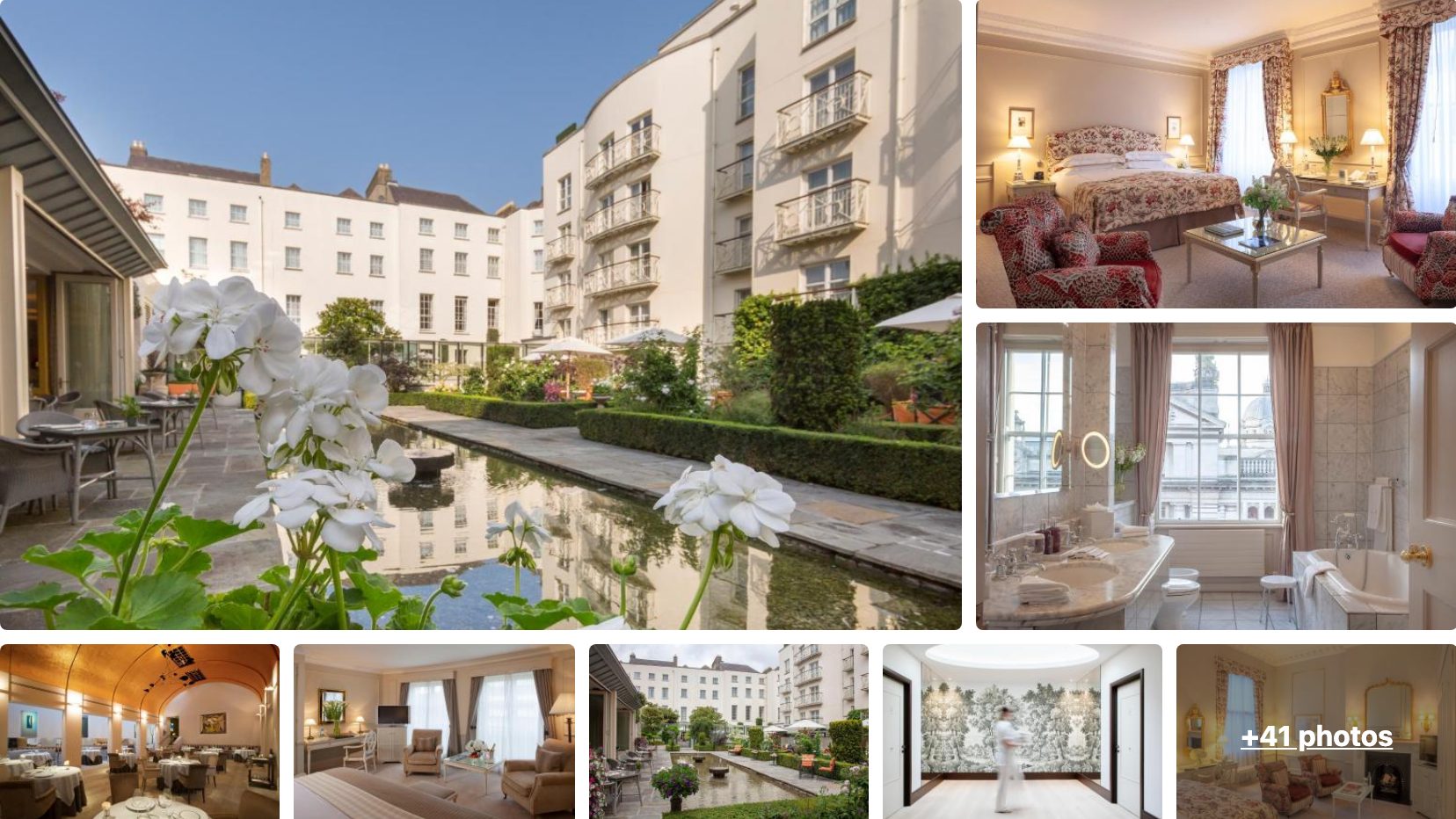
Four restored Georgian townhouses turned into one of Ireland’s finest hotels. The art collection in the public rooms is genuinely impressive, and the spa is worth booking in advance. A short walk from Government Buildings and the National Gallery.
Check availability at The Merrion Hotel Dublin on Booking.com →
Brooks Hotel Dublin
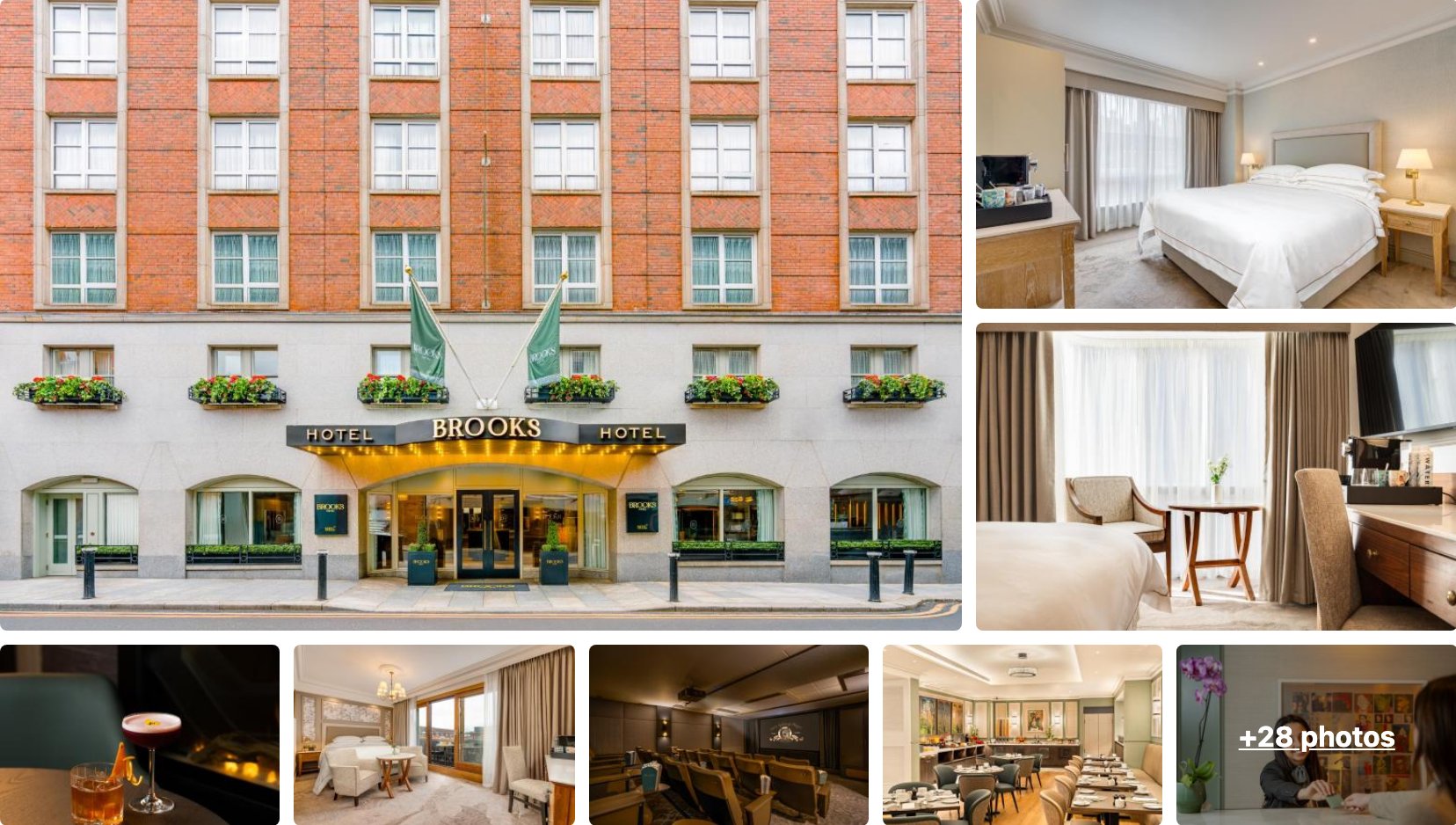
A well-regarded boutique hotel just off Grafton Street, which means Trinity College, Temple Bar, and Dublin Castle are all on foot. The rooms are comfortable, the staff consistently well-reviewed, and it’s a quieter option than the larger city-centre hotels.
Check availability at Brooks Hotel Dublin on Booking.com →
Best Tours in Dublin
Dublin rewards exploration on foot, but a guided tour gets you inside the stories behind the streets. These are some of the best-rated tours available right now, all bookable on GetYourGuide.
Dublin Highlights and Hidden Gems Walking Tour

This two-hour guided walk with an accredited local guide takes you through Dublin’s city centre, stopping at landmarks including Dublin Castle, Christchurch Cathedral, and Trinity College. Your guide brings the stories behind the streets to life the rebellions, the writers, and the everyday characters that shaped the city. Rated 4.8 stars from over 3,400 reviews, it’s consistently one of the highest-rated walking tours in Dublin.
Book this tour on GetYourGuide →
Wicklow Mountains, Glendalough & Kilkenny Day Tour from Dublin

If you only have one day to escape the city, this full-day tour packs in the best of Ireland’s countryside. You’ll cross the Wicklow Gap with its sweeping mountain views, walk among the ancient ruins of Glendalough’s sixth-century monastic settlement, and finish in the medieval city of Kilkenny before returning to Dublin by evening. It’s a strong choice for anyone who wants to see rural Ireland without renting a car.
Book this tour on GetYourGuide →
Book of Kells, Dublin Castle & Christ Church Tour

This guided tour covers three of Dublin’s most historically significant sites in one go: skip-the-line access to the Book of Kells at Trinity College’s Old Library, a guided visit through Dublin Castle, and a stop at the medieval Christ Church Cathedral. It’s the most efficient way to cover the city’s Norman and early Christian history without spending hours queuing or piecing together separate tickets.
Book this tour on GetYourGuide →
Frequently Asked Questions About Things To Do in Dublin
What are the best free things to do in Dublin?
Quite a lot, honestly. The National Museum of Ireland, the National Gallery, and Trinity College’s Long Room are all free to enter. St. Stephen’s Green, the South Wall walk, and a wander through the Liberties quarter cost you nothing either. We’ve put together a full guide to free things to do in Dublin if you want a proper list.
How many days do you need in Dublin?
Two full days gets you through the main highlights without feeling rushed. Three days lets you slow down, catch a pub session properly, and maybe squeeze in a day trip. If you have four or five days, you can explore the outer neighbourhoods and get a much better feel for how the city actually lives.
Is Dublin walkable?
Yes, very. The city centre is compact, and you can walk between most of the main attractions without needing public transport. Temple Bar, Trinity College, Grafton Street, and Dublin Castle are all reasonably close on foot. Kilmainham Gaol is a solid 30-minute walk from the centre, so a bus or Luas tram makes more sense for that one.
What’s the best time to visit Dublin?
Late spring and early autumn are the sweet spots, specifically May, June, and September. The weather is as good as Dublin gets, crowds are manageable, and accommodation prices are a bit more reasonable than July and August. If you’re thinking about a winter visit, our guide to the best time to visit Ireland breaks it all down properly, including what to expect weather-wise each month.
What are the best Dublin museums?
The National Museum of Ireland on Kildare Street is genuinely world-class for Irish history and archaeology, and it’s free. Kilmainham Gaol is the most affecting Dublin museum experience in my opinion, full stop. EPIC: The Irish Emigration Museum on the Custom House Quays is excellent too, especially if you have Irish roots. The Chester Beatty Library is one of the most underrated collections in Europe.
Is Dublin expensive?
It’s not cheap, and there’s no point pretending otherwise. Expect to pay â¬6 to â¬8 for a pint, â¬14 to â¬20 for a main course at a mid-range restaurant, and upwards of â¬120 a night for a decent mid-range hotel in the centre. The good news is that the city’s best museums are free, and if you’re smart about where you eat, you can keep costs down without missing anything important.
What are the best day trips from Dublin?
Howth is the easiest, just 30 minutes on the DART and you get coastal walks and great seafood. Bray is another solid DART option with a brilliant cliff walk. For something more historic, the Newgrange passage tomb in the Boyne Valley is one of the most remarkable sites in Ireland, and you can join a guided day tour from Dublin without needing a car. Our full guide to day trips from Dublin covers the best options in detail.
Are Dublin walking tours worth it?
Yes, especially if it’s your first time in the city. A good guide fills in the context that you’d otherwise miss walking around on your own, and Dublin has some excellent options covering everything from Viking history to literary Dublin to the 1916 Rising. Free walking tours run daily from College Green and work on a tips basis, which is a low-risk way to get your bearings on day one. ð Book a Dublin Walking Tour on GetYourGuide Here
Final Thoughts
Dublin rewards curiosity and punishes rushing.

If you try to tick off every landmark in two days, you’ll end up tired, over-budget, and wondering what all the fuss was about.
Slow down, wander into a proper local pub, let a conversation go wherever it goes, and the city starts to make sense.
It’s not cheap, full stop.
Drinks, food, and accommodation all cost more than most European capitals, so go in with a realistic budget or lean into our guide to free things to do in Dublin to keep costs down.
Pack layers and a waterproof jacket no matter what month you’re visiting – the weather here doesn’t negotiate.
Get that right, and Dublin is genuinely one of the most satisfying short breaks in Europe: real history, a coastline worth exploring, a literary culture that runs deep, and a craic that’s hard to find anywhere else.
If you’re still planning, our weekend in Dublin itinerary is a solid place to start.
Like it? Pin it!
Save this guide for later