
I recommend visiting Ireland in shoulder season for a trip with time outdoors, but I would choose the week as carefully as the month. As an Irish native who has explored the country in every season, my first choice is May. September comes next, with April and early October worth considering for a shorter, flexible trip.
The difference can be quite practical. A house might open every day while its neighboring attraction opens only on weekends. A ferry can run from one harbor all year while another departure stops for winter.

For a comparison with the rest of the year, start with our guide to the best time to visit Ireland.
Quick Answer:
For Ireland in shoulder season, I would start with May or September. April and early October also suit a flexible trip. Choose a week around the opening days and ferry routes you need, then compare the full trip cost. For seven nights, spend several in one regional base so you can move outdoor plans around the forecast.
More on Visiting Ireland Outside Summer
- Visiting Ireland in Spring: The Complete Guide
- Ireland in Autumn: Best Places to Visit & Things to Do
- The Cheapest Time to Visit Ireland
When Is Ireland Shoulder Season?
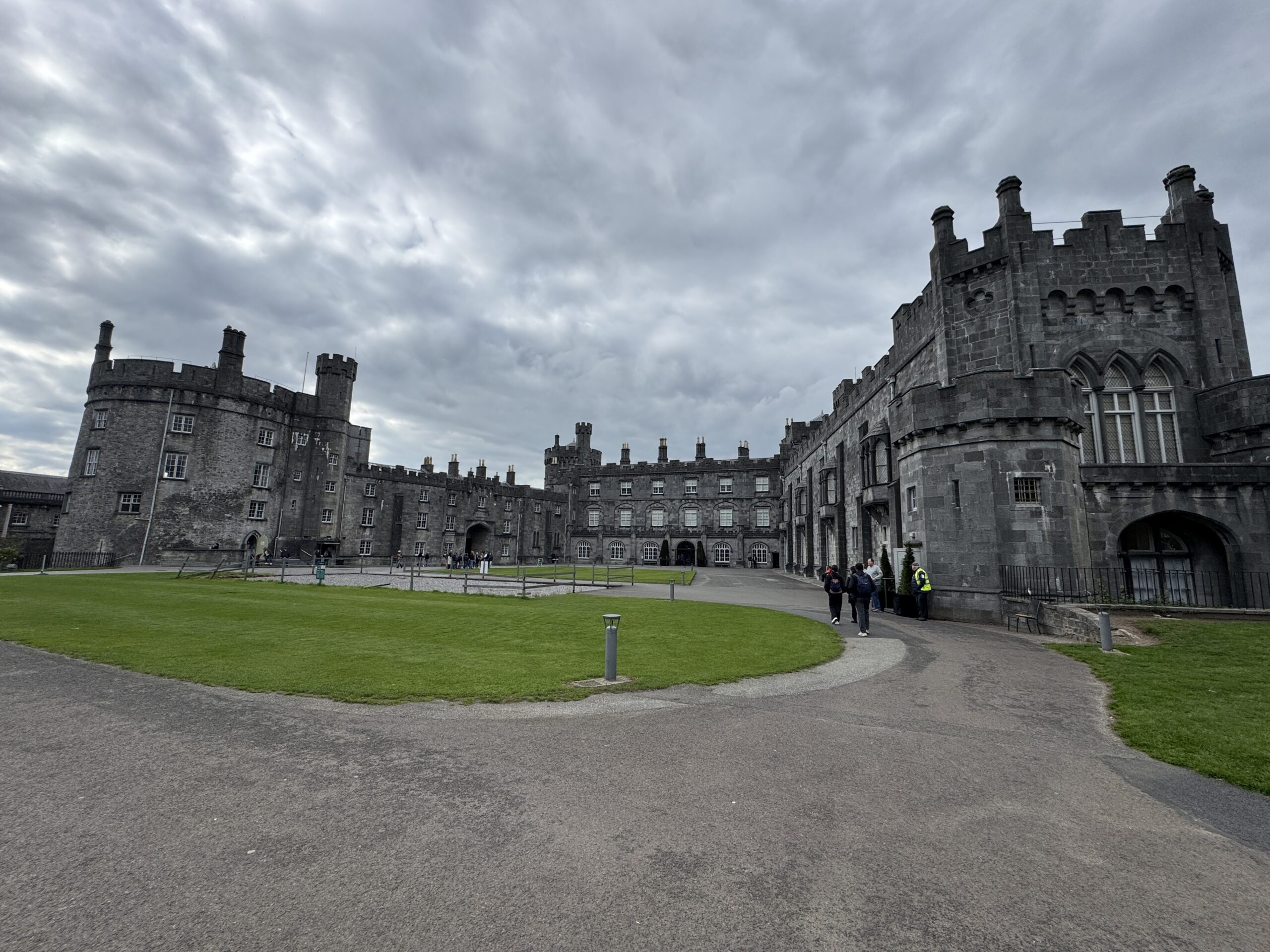
For planning purposes, I use April and May for the spring shoulder, and September through about mid-October for the fall shoulder. These are useful travel windows rather than official seasons with fixed boundaries. You still need to look at the particular destination and week.
March belongs at the early edge. It can suit a city trip, but colder days and seasonal closures make it a different proposition from May. Dublin around St. Patrick’s Festival also attracts people coming specifically for the celebrations, so March should never automatically mean cheap rooms.
Late October needs its own decision too. It can work very well for museums, food, and evenings in town. For a coast-focused trip, earlier in the fall gives you more daylight and a better chance of finding the seasonal service you want.
My preference is to start with two possible weeks in May or September, then check rooms, flights, and your most important outing together. Move outward to April or October if the saving is useful and the revised trip still includes what you came to do.
If you can only travel in summer, there is no reason to abandon the trip. Longer days make a route easier, and the widest choice of seasonal departures can matter more than finding a less crowded week. Shoulder season earns its place when the dates fit your plans.
Spring or Fall: What Changes Outdoors?
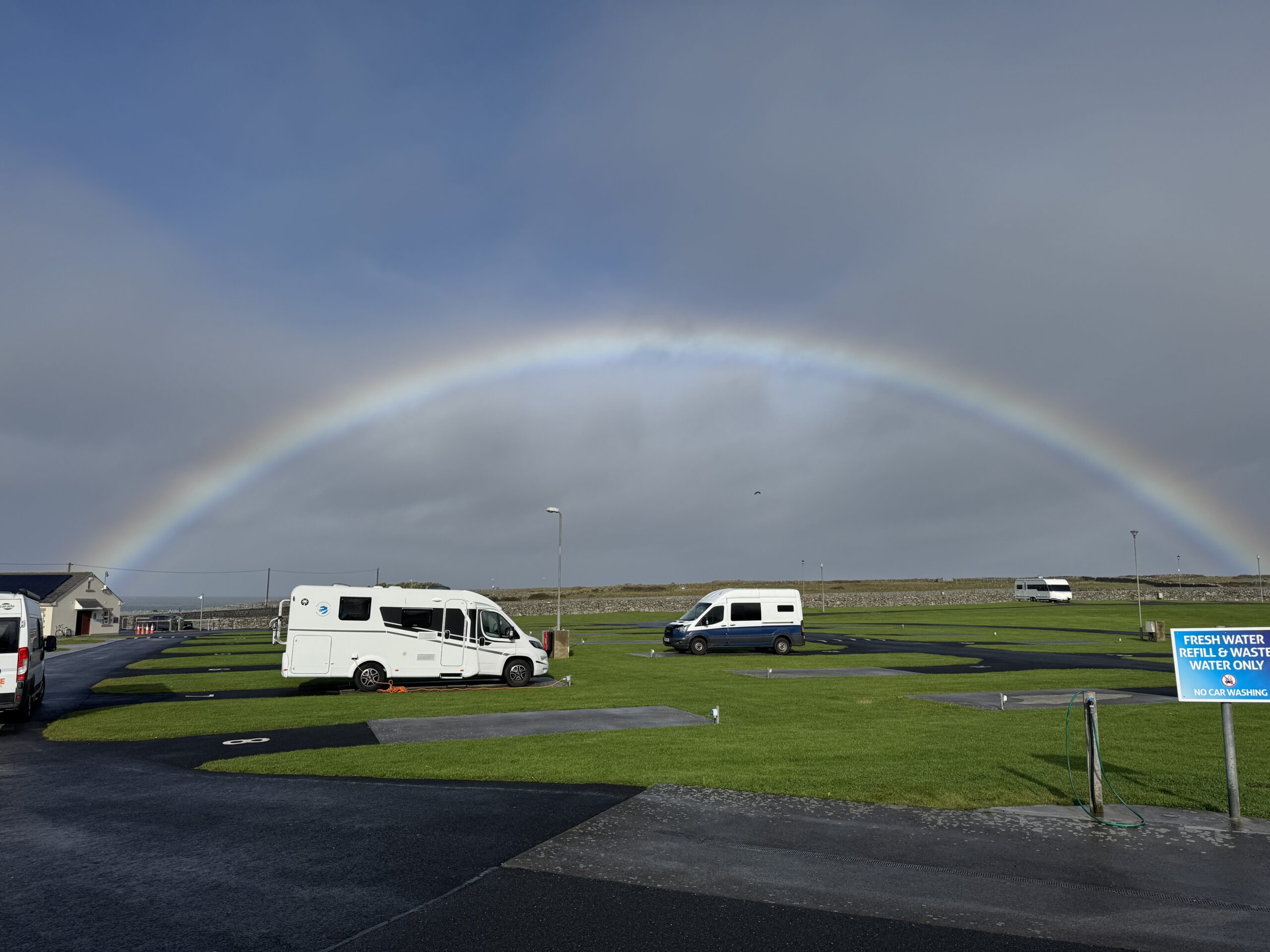
May gets my vote because the days are lengthening and spring is relatively dry by Irish standards. September gives you warmer average nights, but your sightseeing day is shrinking. April and October can have similar daytime temperatures while offering quite different conditions for an outdoor trip.
Met Éireann’s Dublin Airport averages show the distinction. Average daily highs are 12.3°C (54°F) in April, 14.8°C (59°F) in May, 16.9°C (62°F) in September, and 13.6°C (56°F) in October. Average lows are 4°C (39°F), 6.6°C (44°F), 9.5°C (49°F), and 7.1°C (45°F) respectively, so evenings still call for a layer.
Rain also changes the comparison. Met Éireann identifies April and May as Ireland’s driest months on average, while October is among the wettest. The west and mountainous areas generally receive more rain than the east. I would choose May over October for a trip built around frequent walks.

That is a preference based on long-term conditions, not a forecast for your week. Pack a waterproof jacket with a hood, a warm middle layer, and shoes with grip in either window. Bring a spare pair so one wet walk does not leave you putting damp shoes back on the next morning.
Check the local sunset time when arranging a scenic drive. A spring evening gains light as the trip progresses; a fall evening loses it. In October, I would put the coast earlier in the day and save a town meal or indoor visit for afterward.
Fewer Crowds Still Means Choosing Your Dates
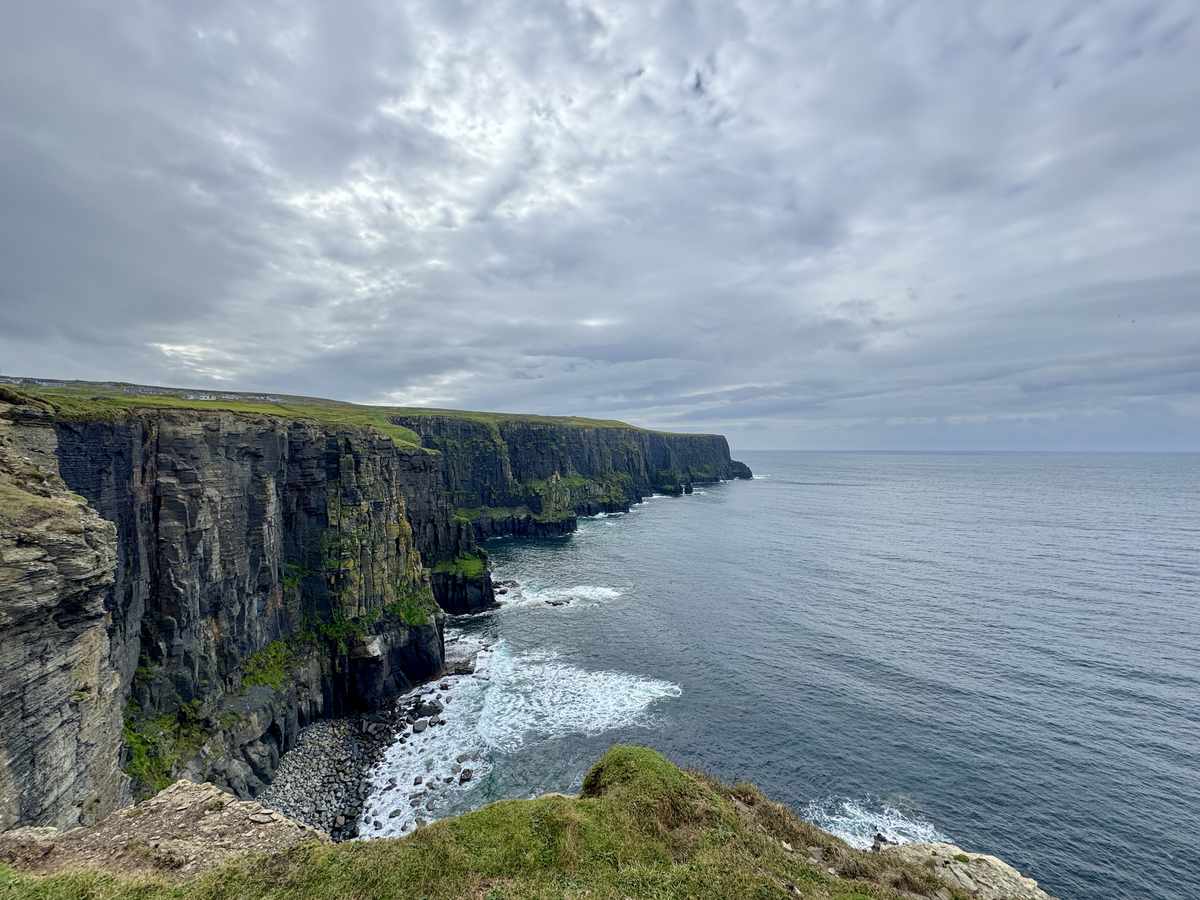
Traveling outside July and August can reduce the pressure at popular stops, but shoulder season does not make every attraction empty. A well-known viewpoint can still receive several bus groups together, and a festival can fill a town while nearby areas have plenty of rooms.
I would start by checking the school break that overlaps your dates. Easter changes position within the spring calendar, and the school vacation can extend beyond Easter weekend. The Department of Education publishes the Republic’s dates; Northern Ireland has a separate school calendar.
Then check the event in the place you intend to sleep. The Guinness Cork Jazz Festival takes place over the October public holiday weekend. Go if the music is part of your trip, and reserve accommodation alongside the performances you want to attend. Choose a different Cork week if you came mainly for sightseeing.
For attractions, look at the booking calendar and opening hours before deciding when to arrive. An earlier appointment can leave you more of the day afterward. A late visit only helps if you still have enough time inside; arriving close to last admission is an expensive way to rush a castle.
I also prefer two or three nights in one base to a string of single-night stays. That gives you another chance at a clear coastal day without spending the morning checking out and moving luggage. The benefit is particularly useful on the west coast, where your plans will depend on the local forecast.
How to Compare the Real Cost of a Shoulder-Season Trip

Compare complete trips before assuming that a lower airfare means a cheaper vacation. Room availability, car coverage, and the number of paid rental days can change the result. I would price two sets of dates with the same route and room standard, then decide which difference is worth taking.
For flights, keep baggage and arrival time in the comparison. A cheaper ticket with an awkward connection may cost you a night near the airport or leave you with less usable time. Price the arrival and departure airports that actually suit your route, including any one-way rental fee.
For accommodation, compare the same room occupancy and cancellation terms. Check breakfast, parking, and the distance to the places you will visit. A room outside town can be a good choice with a car, but taxis to dinner and an early departure point belong in the total.
For a rental, include the transmission, mileage terms, deposit, and coverage. Read how the provider handles a claim as well as the excess you remain responsible for. If you plan to visit Northern Ireland, ask about permission and any cross-border charge before paying.
A simple comparison sheet needs only a few lines: flights, accommodation, rental and coverage, transport, and the outings you will book. Add them for each week. Keep food spending the same unless one option actually includes meals, and you will have a fairer comparison.
I would pay a little more for a cancellable room if it lets me retain a useful choice while finalizing the route. Read the deadline and payment terms, because “free cancellation” may end well before you arrive. Once the route is settled, release any room you will not use.
Check Opening Days and Ferry Routes Before You Book

Check the individual attraction, not just the town’s general opening season. Muckross gives a useful example: the house and the Traditional Farms have different schedules. The published farm timetable lists weekends and public holidays in April and October, but daily opening in May and September.
The house has a wider schedule, so a weekday Killarney visit can still include it when the farms are closed. Read the separate last-admission times too. A park, house, and ticketed visitor attraction can occupy the same estate without sharing an opening calendar.
Island routes need the same attention. Aran Island Ferries operates year-round departures from Rossaveel to all three Aran Islands, while its service from Galway city is seasonal. Choose the actual departure harbor and sailing before arranging the rest of that day.
A year-round timetable still depends on conditions. Leave space for a mainland alternative and check the operator’s updates. If you are staying on an island, allow time between your planned return and an important onward journey, particularly a flight.
Skellig Michael has a restricted landing season, published by the Office of Public Works. It normally falls within the warmer part of the year, with the current opening window running from May into September. April and October should not be booked on the assumption that you can visit the monastery.
Check that you are buying a landing trip if the monastery is your purpose. A cruise around the islands keeps you on the boat. Both depend on sea conditions, and a confirmed booking cannot guarantee that a landing will happen.
Plan Your Coast and Island Visits
- Best Time to Visit Skellig Michael
- Best Time to Visit the Cliffs of Moher: Beat the Coaches
- Best Time to Drive the Ring of Kerry (Month by Month)
Plan a Route You Can Change With the Forecast
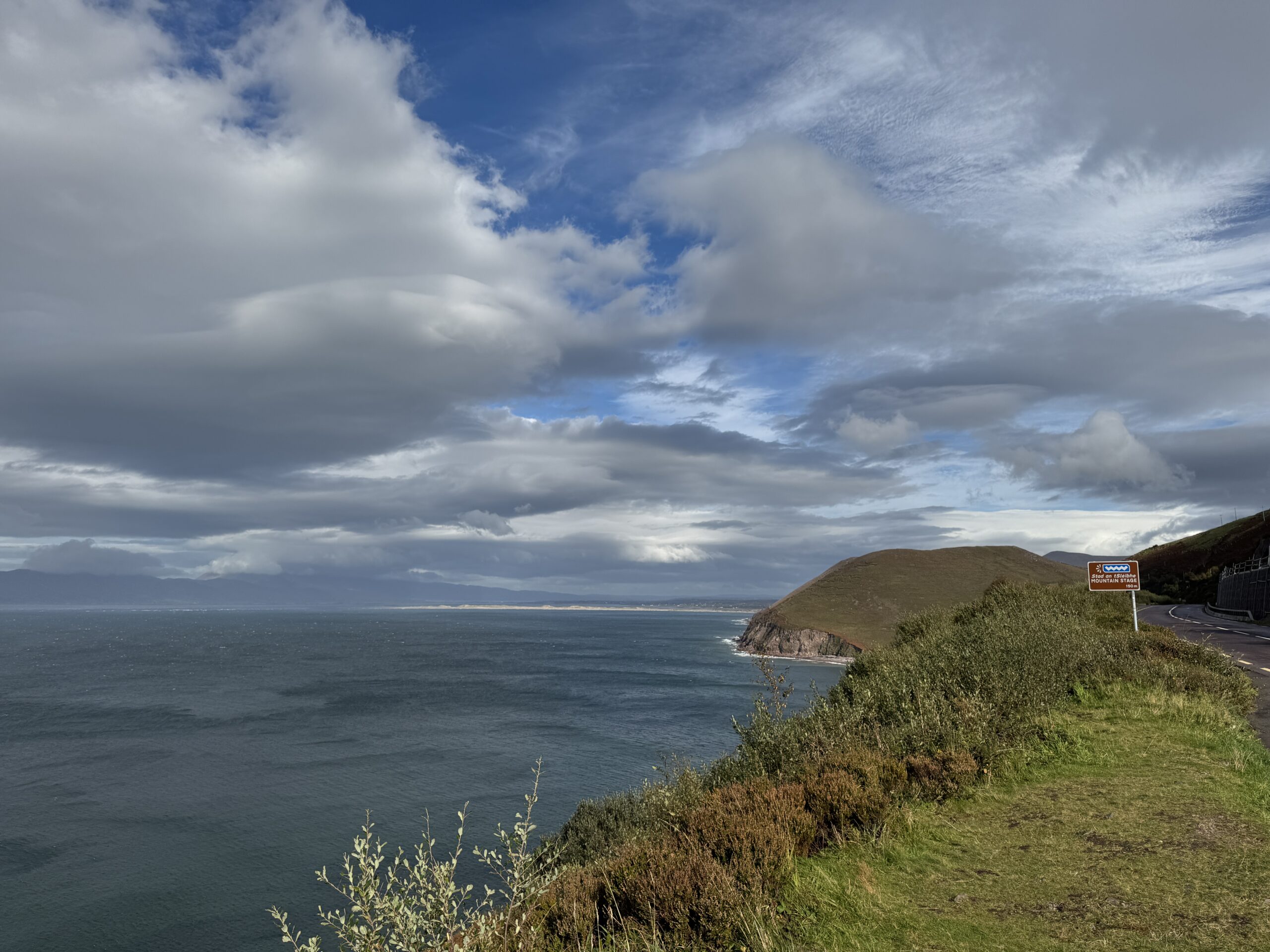
For seven nights, I would spend two in Dublin, four in Galway, and the last back in Dublin before departure. That gives you three full days in the west, with travel between bases on either side. Choose the final night around your flight time.
Use those three Galway days for Connemara, the Burren and Cliffs of Moher, and Galway itself. Keep their order flexible. If the Connemara day looks wet, visit Galway City Museum by the Spanish Arch and move the drive to the clearer day. The museum is free and opens Tuesday to Saturday, plus seasonal Sundays.
If an Aran Islands visit matters more to you than one of those mainland outings, give it a full day of its own. Choose the sailing before deciding which day to replace. Four nights in Galway let you keep a mainland alternative available if sea conditions interrupt the crossing.

For a southwest version, replace the four Galway nights with four in Killarney. Allow one day for Killarney National Park and another for the Ring of Kerry, leaving the third flexible for a walk or an indoor visit to Muckross House. If the Dingle Peninsula is your priority, I would sleep there and shorten the Killarney stay.
You can reach Galway and Killarney by rail; Irish Rail lists the services and connections. Staying near the station or your onward departure point helps without a rental car. Arrange transport for the rural outings separately, since the coastal stops lie beyond the towns.
If you do rent, collect the car when you leave Dublin and compare rental prices on Discover Cars alongside the full terms. Keep October driving to daylight where practical, especially on unfamiliar rural roads. Leave room in each day for lunch, views, and short walks.
Ireland Routes and Day Trips
- 5 Day Ireland Itinerary: Dublin, Cork & the West Coast
- 12 Of The Best Day Trips From Galway
- Cliffs of Moher From Galway: All Your Options
Where to Stay for a Flexible Spring or Fall Trip

I would choose a base with places to eat and an indoor option nearby. That makes a wet afternoon much easier, and a central location can be worth more than a lower nightly rate outside town.
Galway for Connemara and the Burren

Galway suits travelers who want west-coast outings with evenings back in the city. Snoozles offers dorms and private rooms near the bus and train stations, with breakfast and a guest kitchen. It is a practical choice if you want to make some of your own meals and leave the car out of the city portion of the trip.
Sea Breeze Lodge is a B&B in the Salthill area outside the center, with free private parking. I would consider it with a car. The Hardiman sits directly on Eyre Square, which puts restaurants and the station nearby; parking is in a paid public garage with a guest discount, so include that in the cost.
Places to Stay in Galway
Killarney for the Lakes and Kerry Coast
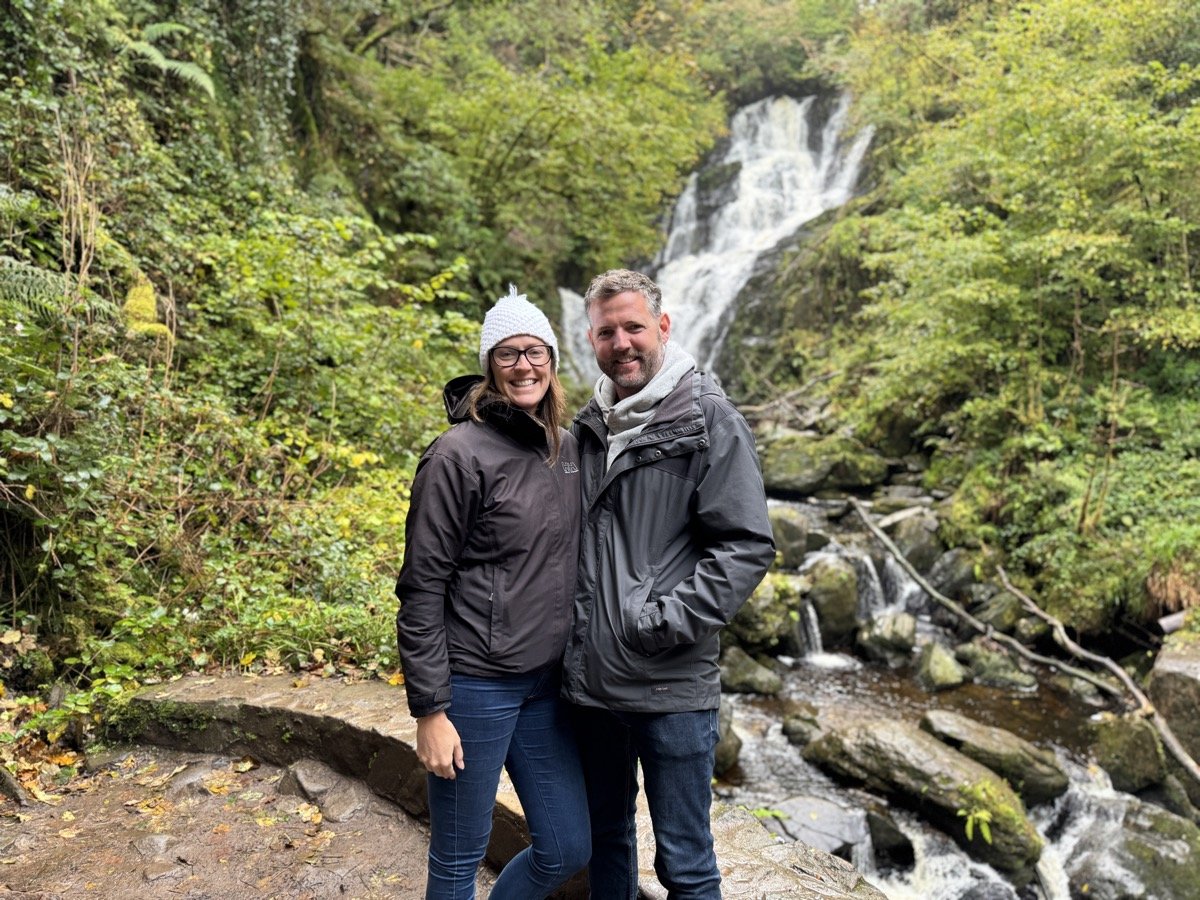
Killarney gives you access to the Muckross area and trips into Kerry. The Black Sheep Hostel on New Street has dorms and private accommodation, plus an on-site coffee spot. The Ross is a 29-room town-center hotel with a restaurant and cocktail bar, which suits evenings on foot after a day in the park.
The Lake Hotel sits beside Lough Leane on Muckross Road and provides free parking. Its drying room is a useful detail after a wet walk. I would choose it for time beside the lake with a car available, while the two town options make it easier to walk out for dinner.
Places to Stay in Killarney
Frequently Asked Questions
Which months are shoulder season in Ireland?
April and May form the main spring shoulder, with September through about mid-October forming the fall shoulder. March and late October can suit city trips, but seasonal services and daylight need closer attention.
Is spring or fall better for visiting Ireland?
I prefer May for lengthening days and relatively low average rainfall. September is my next choice, with warmer average nights than May at Dublin Airport. Choose April or early October if the outings you want operate on your dates.
Is Ireland cheaper during shoulder season?
It can be, but the saving depends on your dates, route, and room choices. Compare the total for flights, accommodation, rental coverage, and transport. School breaks, public holidays, and festivals can change local availability.
Can you visit the Aran Islands in shoulder season?
Aran Island Ferries operates year-round from Rossaveel to all three islands. Its Galway city service is seasonal. Choose the exact route and sailing before booking, and keep a mainland plan available because departures depend on conditions.
Can you visit Skellig Michael in April or October?
Do not plan a monastery landing in April or October. The Office of Public Works publishes a restricted season that currently runs from May into September. Landing trips also depend on sea conditions.
How should you spend seven nights in Ireland in shoulder season?
For a west-coast trip, I would spend two nights in Dublin, four in Galway, and the final night back in Dublin. Use the Galway days for Connemara, the Burren, and the city, moving the outdoor outings around the forecast.
Before You Book
- Choose two possible weeks and price the same route for each.
- Reserve the outing with the tightest seasonal schedule first.
- Stay several nights in one base so a wet day can move your plans.
Final Thoughts
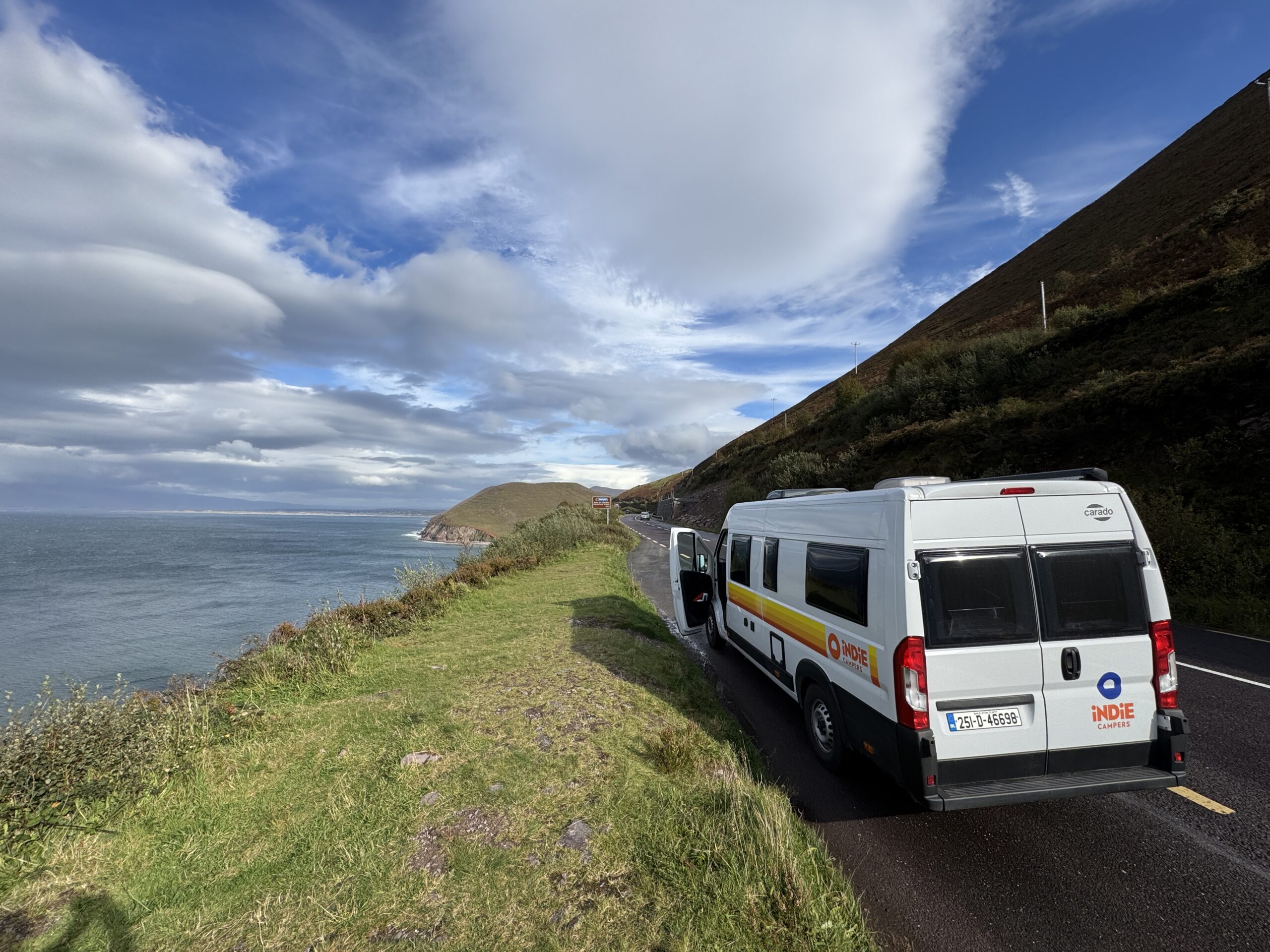
I would start with May, then compare a September week if the warmer evenings appeal more. April and early October remain good options when the places you want are open and your daily plans can move with the weather.
Choose the region, confirm the outing that matters most, and compare the full cost of two weeks. Then book a base that gives you several ways to spend the day. That is how shoulder season becomes a better trip, rather than simply a cheaper date on a flight search.
This article contains affiliate links. We may earn a commission if you book through them, at no extra cost to you. Featured photo: Andrew Mcmillan, Wikimedia Commons, CC BY 3.0; full credit appears beneath the opening photograph.
Like it? Pin it!
Save this guide for later