
By late March the fields along the west coast fill up with newborn lambs, the hedgerows go from bare to green in about two weeks, and the days stretch out to a useful length again after a long, dark winter. That swing from gray to alive is the whole reason to plan a trip to Ireland in spring.
It’s also the shoulder season, which is the part most guides skip over. March through May means lower prices on rental cars and B&Bs, no tour-bus crush at the big sights, and locals who actually have time to talk to you before the summer rush kicks in.
The catch is the weather. Spring in Ireland can hand you a warm, clear afternoon and a cold, sideways downpour in the same hour, so you pack for both and you don’t build your whole day around the forecast.
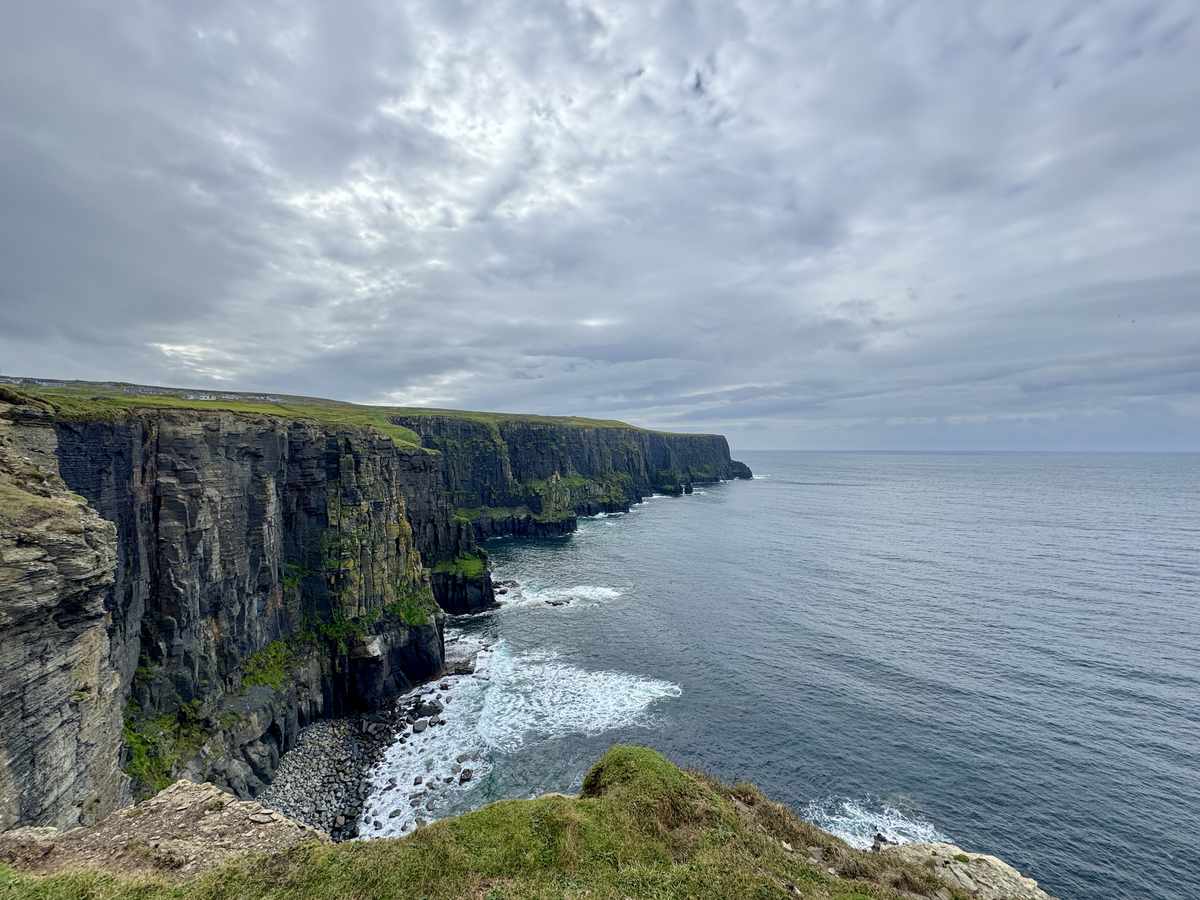
St. Patrick’s Day on March 17 sits right at the front of the season, the gardens and estates start opening back up, and by May the Atlantic coast is about as good as it gets without the peak crowds. Here’s what to actually expect, when to go, and what to pack.
More on Visiting Ireland in Spring
- Ireland Packing List for April: Spring Is In The Air
- Ireland Packing List for May: Summer Is Here
- Ireland in November: Weather, Packing, Festivals and More
Ireland in spring runs from March through May. Expect highs of 46 to 61F (8 to 16C), shoulder-season prices, fewer crowds at the big sights, and up to 16 hours of daylight by late May. May is the warmest and driest month. Pack a waterproof jacket regardless of when you go.
Average Spring Temperatures in Ireland by Month
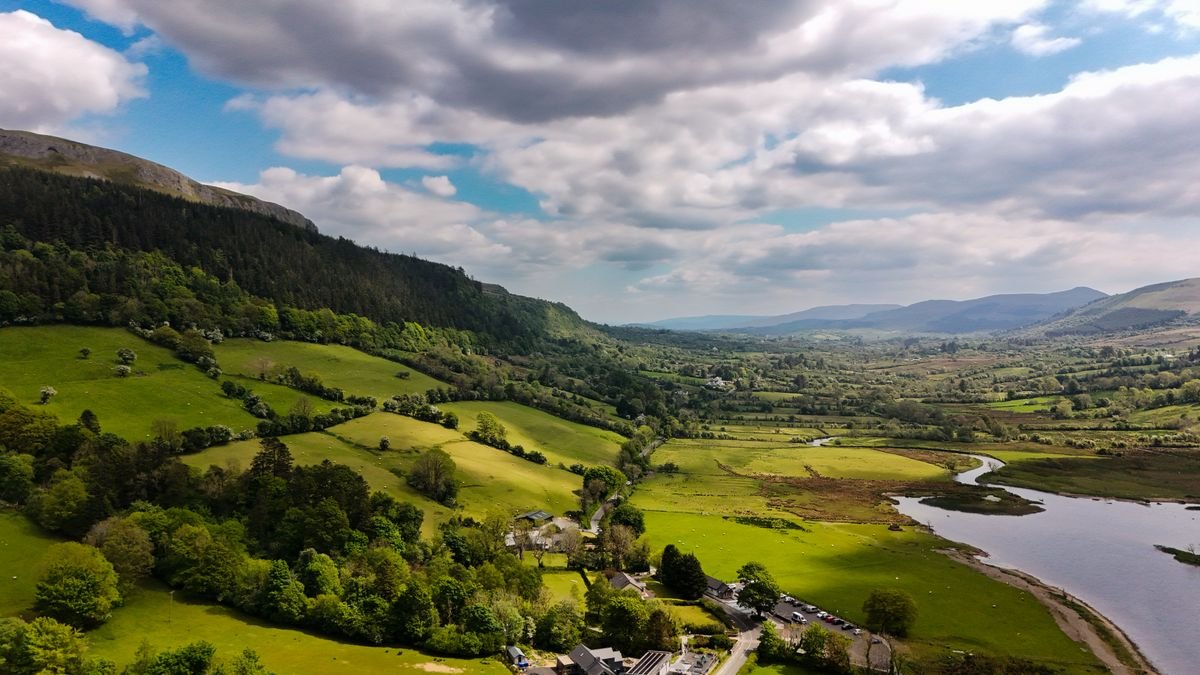
Spring in Ireland is mild, not warm. You’re looking at highs in the 50s Fahrenheit for most of the season, climbing as you move from March into May. Don’t come expecting beach weather, even on the coast.
The other thing to know: the numbers barely tell the story. A 52F day with sun and no wind feels great. The same 52F with rain coming in sideways off the Atlantic feels a lot colder. Wind and rain do more to your day than the actual temperature does.
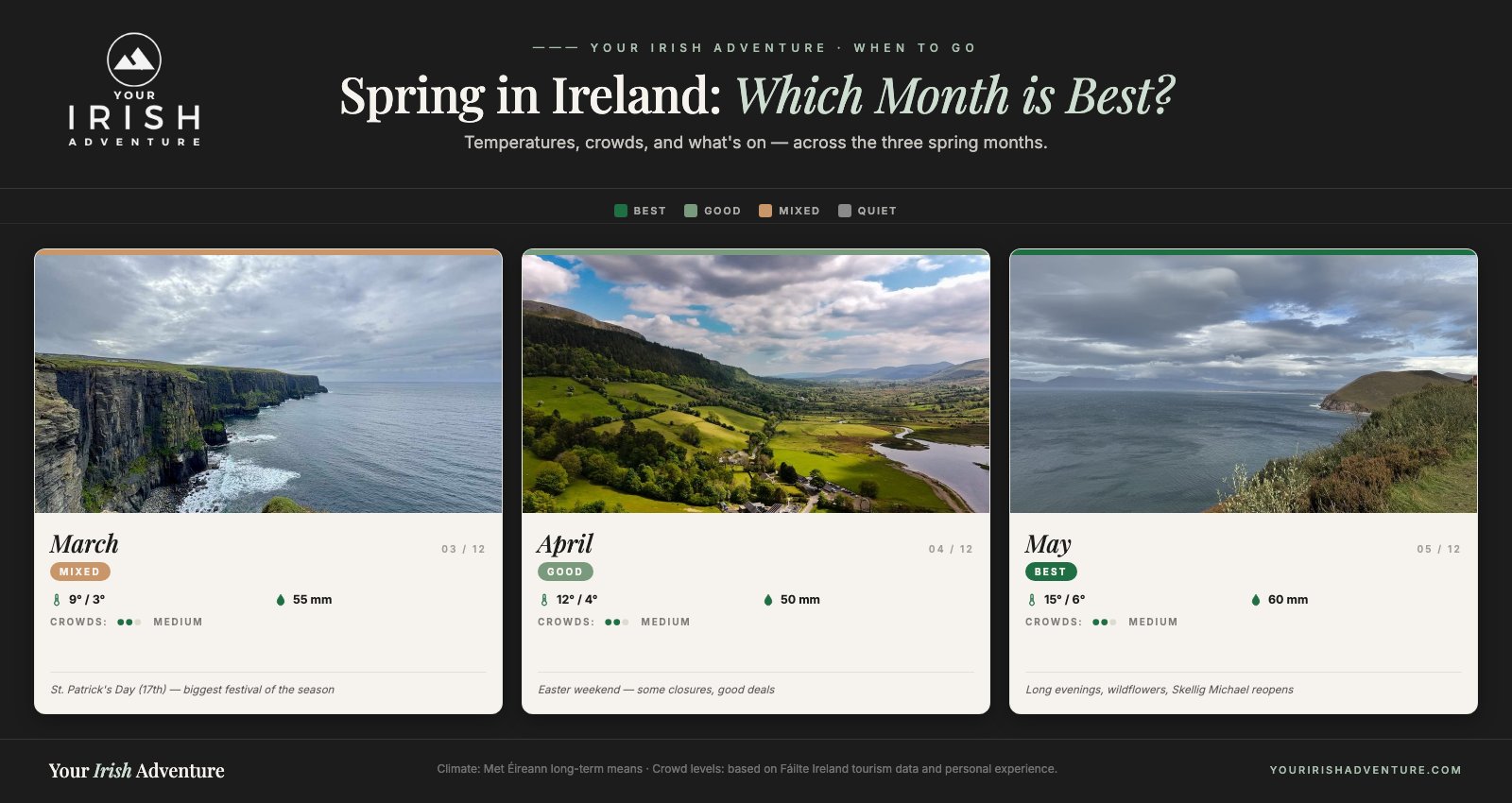
March
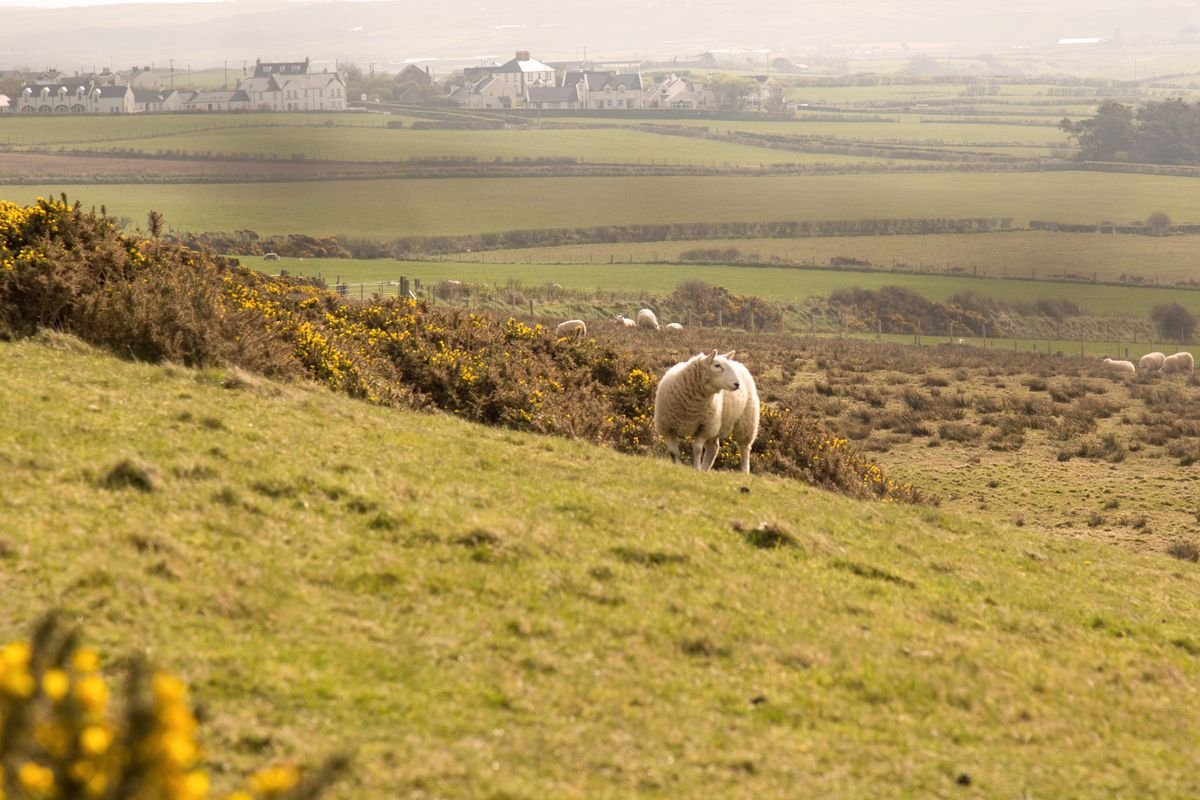
The coldest of the three. Daytime highs sit around 46 to 50F (8 to 10C), and nights drop to about 37 to 40F (3 to 4C). Early March can still feel like winter, with the odd frosty morning inland.
By the end of the month it warms up and the daylight really stretches out, which makes a big difference for how much you can fit into a day.
April
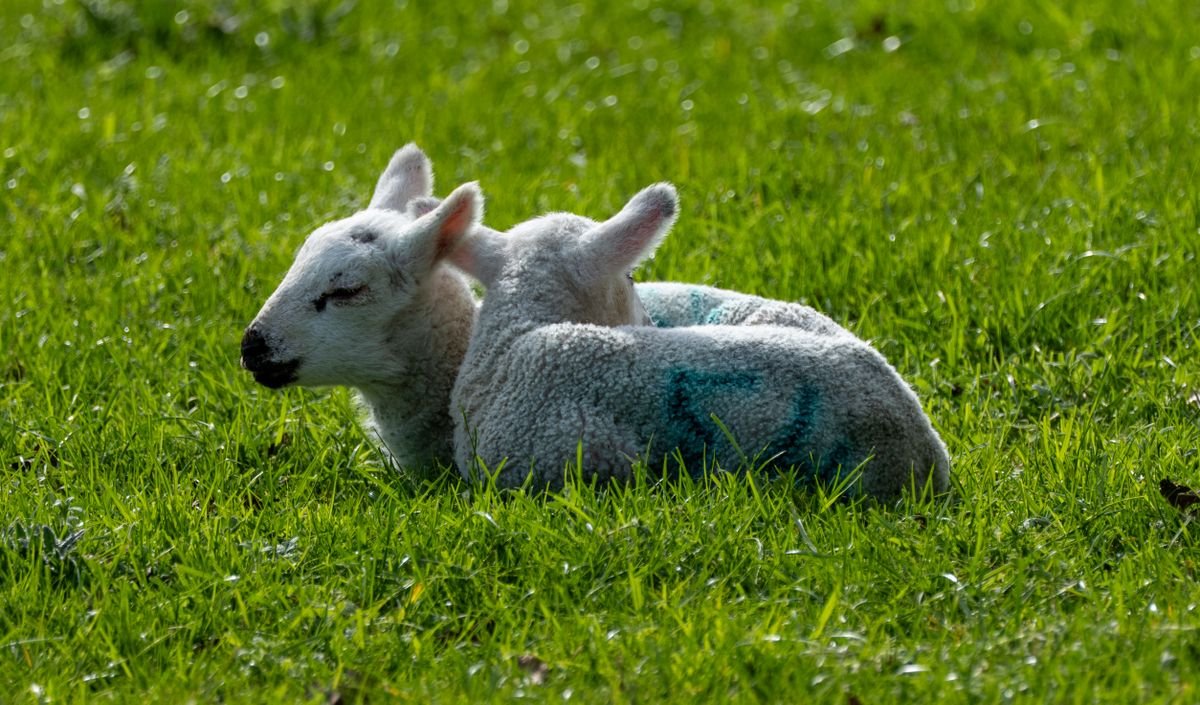
Highs of about 52 to 55F (11 to 13C) and nights around 40 to 43F (4 to 6C). This is the month the country properly greens up, and you get those long, bright evenings that run past 8pm.
April is also famously changeable. Showers roll through and clear off fast, so you’ll get a bit of everything in a single afternoon.
May
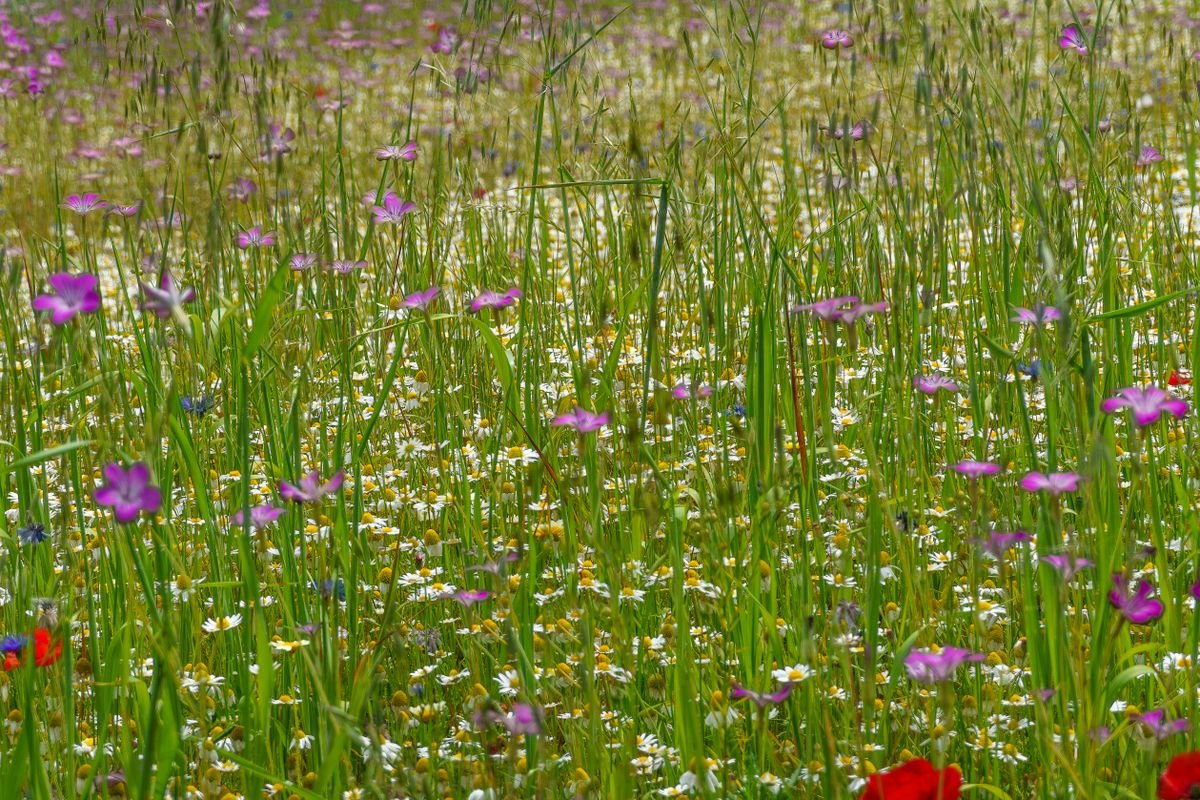
The best of the spring months, no contest. Highs reach about 57 to 61F (14 to 16C), nights stay around 45 to 48F (7 to 9C), and May is statistically one of the driest, sunniest months of the whole Irish year.
Daylight runs from roughly 5:30am to past 9pm by late May, so you can be out at a coastal site at 8 in the evening with the light still good. If you want spring at its absolute best, aim for May.
One regional note: the southwest and west coast tend to run a degree or two milder than the inland midlands, but they also catch more rain off the Atlantic. The east coast around Dublin is drier and a touch cooler.
The Pros and Cons of Visiting Ireland in the Spring
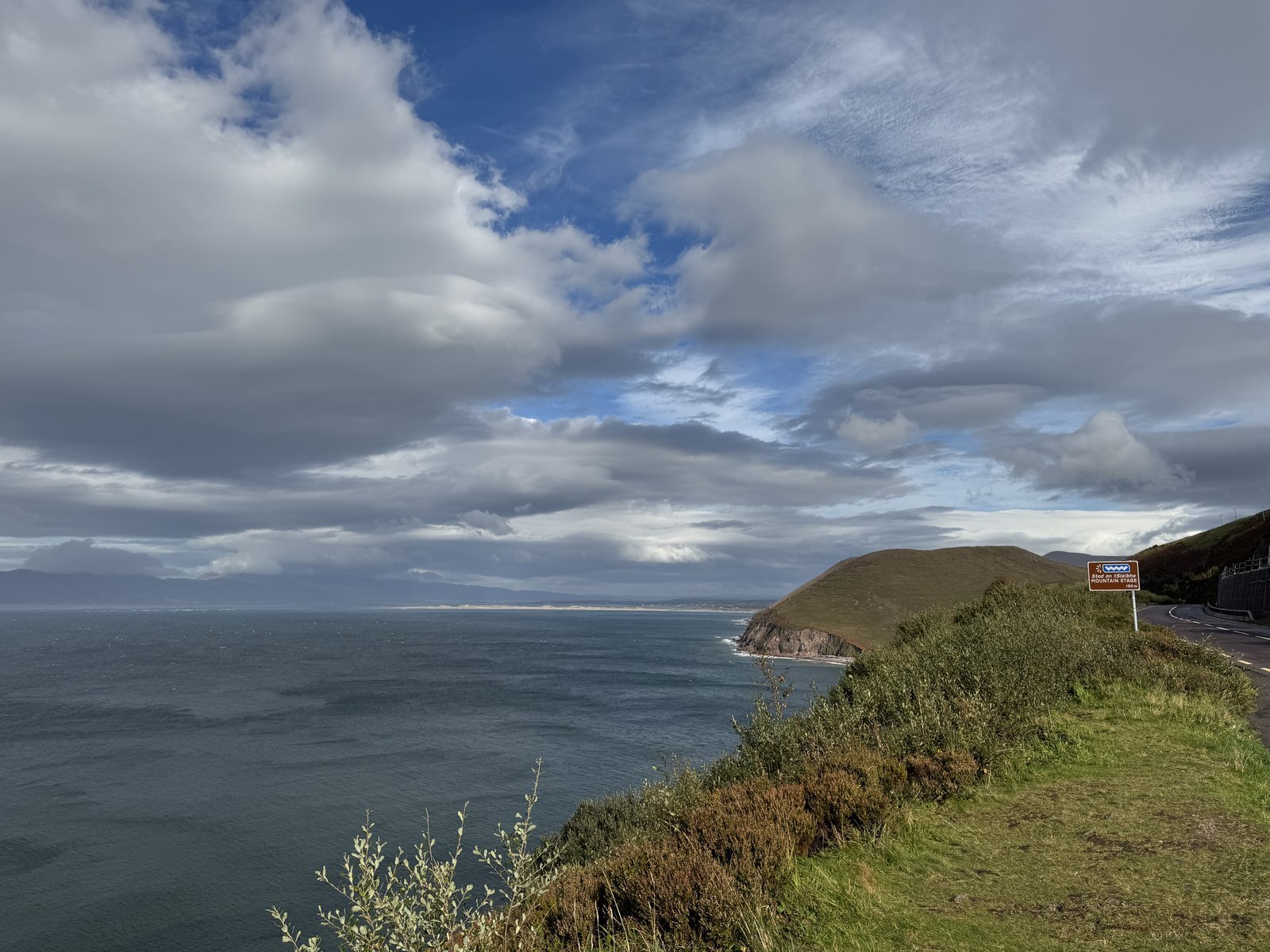
No season in Ireland is perfect, and spring is no exception. It gets a lot of things right and a few things wrong, so here’s the honest version of both before you book anything.
The advantages
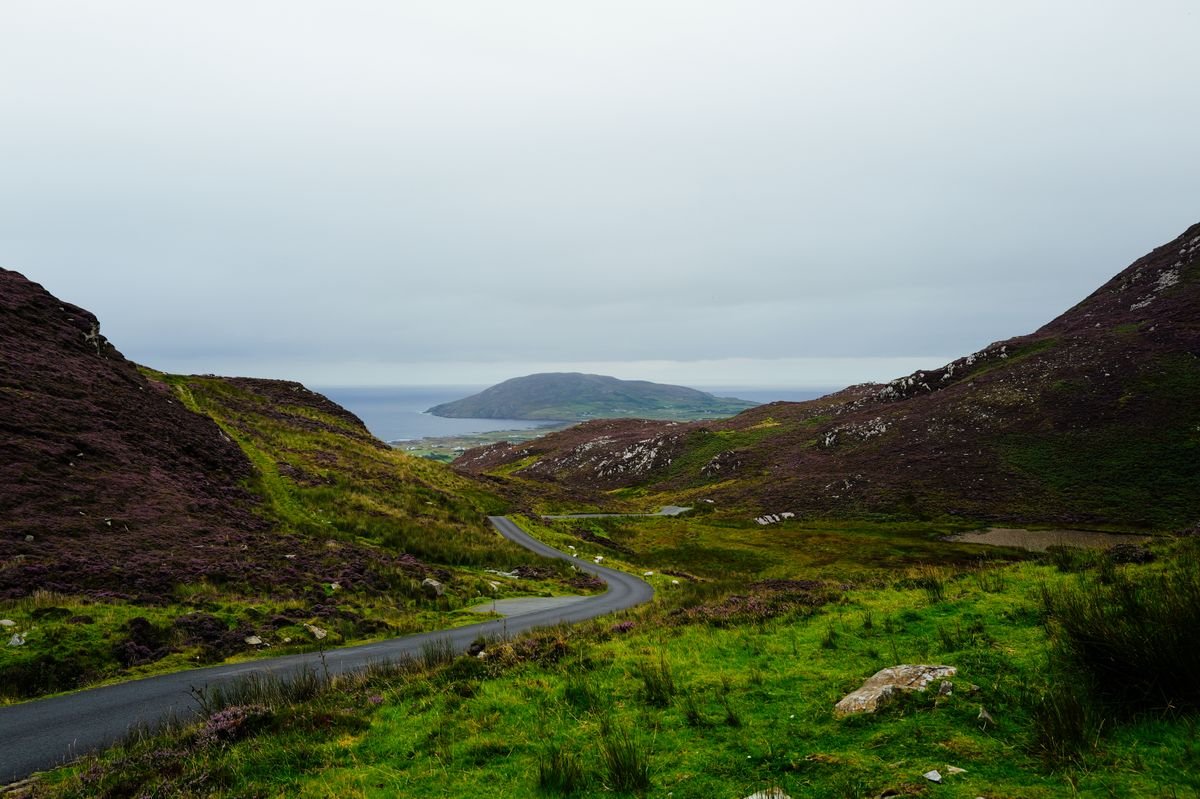
The biggest one is the crowds, or the lack of them. Sites like the Cliffs of Moher and the Ring of Kerry get swamped in July and August, and in spring you get the same views with a fraction of the people and no fight for a parking spot.
The prices follow the crowds. Rental cars, B&Bs, and hotels all run cheaper in shoulder season than they do in summer, and the good places haven’t booked out months ahead. You have actual choice.
Then there’s the daylight. By late April the sun is up before 6am and the light holds past 8pm, so you can pack a full day of driving and walking without ever feeling rushed.
And the country is at its greenest. The hedgerows fill in, the fields are full of lambs, and the gardens and big estates reopen for the season. This is Ireland looking the way you picture it, minus the tour buses.
The disadvantages
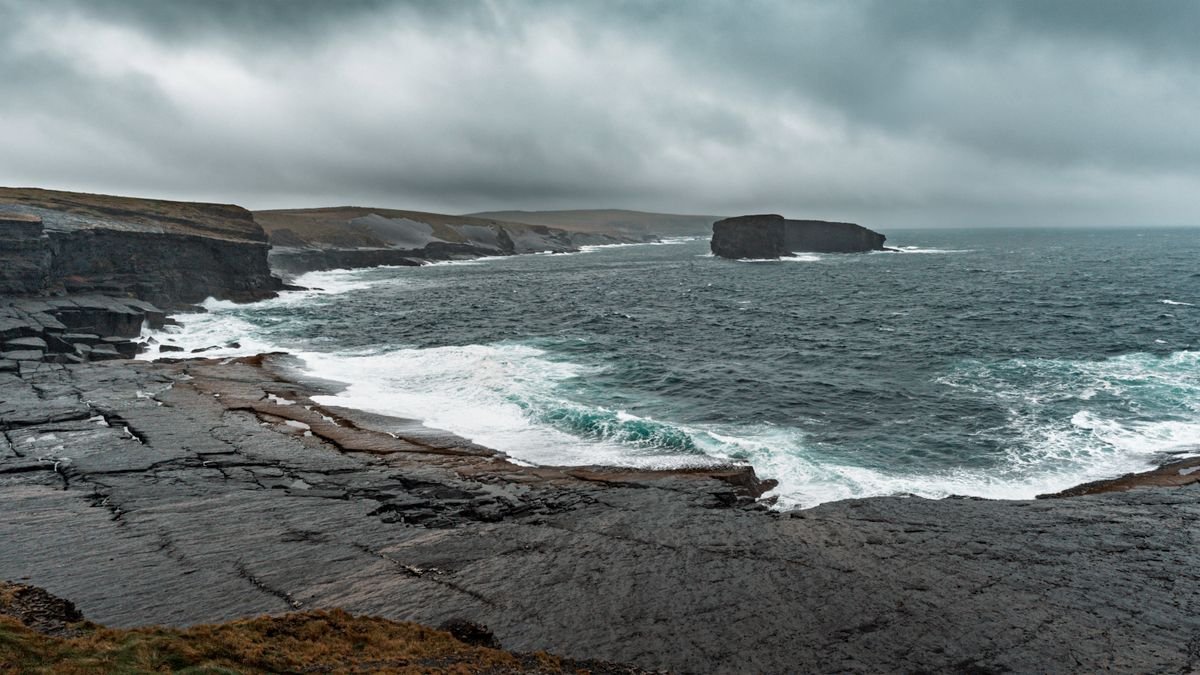
The weather is the obvious one. Spring can hand you sun, wind, and a cold downpour inside the same hour, and you don’t get to plan around it. Some of your views will come with rain on them.
It’s also not warm. Highs in the 50s are fine for walking the coast in a jacket, but if you came hoping to swim or sit on a beach, that’s a summer trip, not a spring one.
A few seasonal spots also run on shorter hours. Some attractions, restaurants, and tour operators don’t go full-time until later in the season, so check opening times before you drive an hour to get somewhere, especially in March.
And early March still has one foot in winter. The first couple of weeks can feel cold and bare, with short days inland. If you want spring to actually look like spring, aim for late April or May.
All in all, the trade is simple. You give up reliable weather and warmth, and you get cheaper prices, empty roads, and the country at its greenest. That’s a deal worth taking.
Other Times of Year to Visit Ireland
- Weather in Ireland in October – What’s it REALLY like?
- Weather in Ireland in November: What’s it REALLY like?
- Weather in Ireland in December: Is it Worth a Visit?
Things to Do in Ireland in Spring
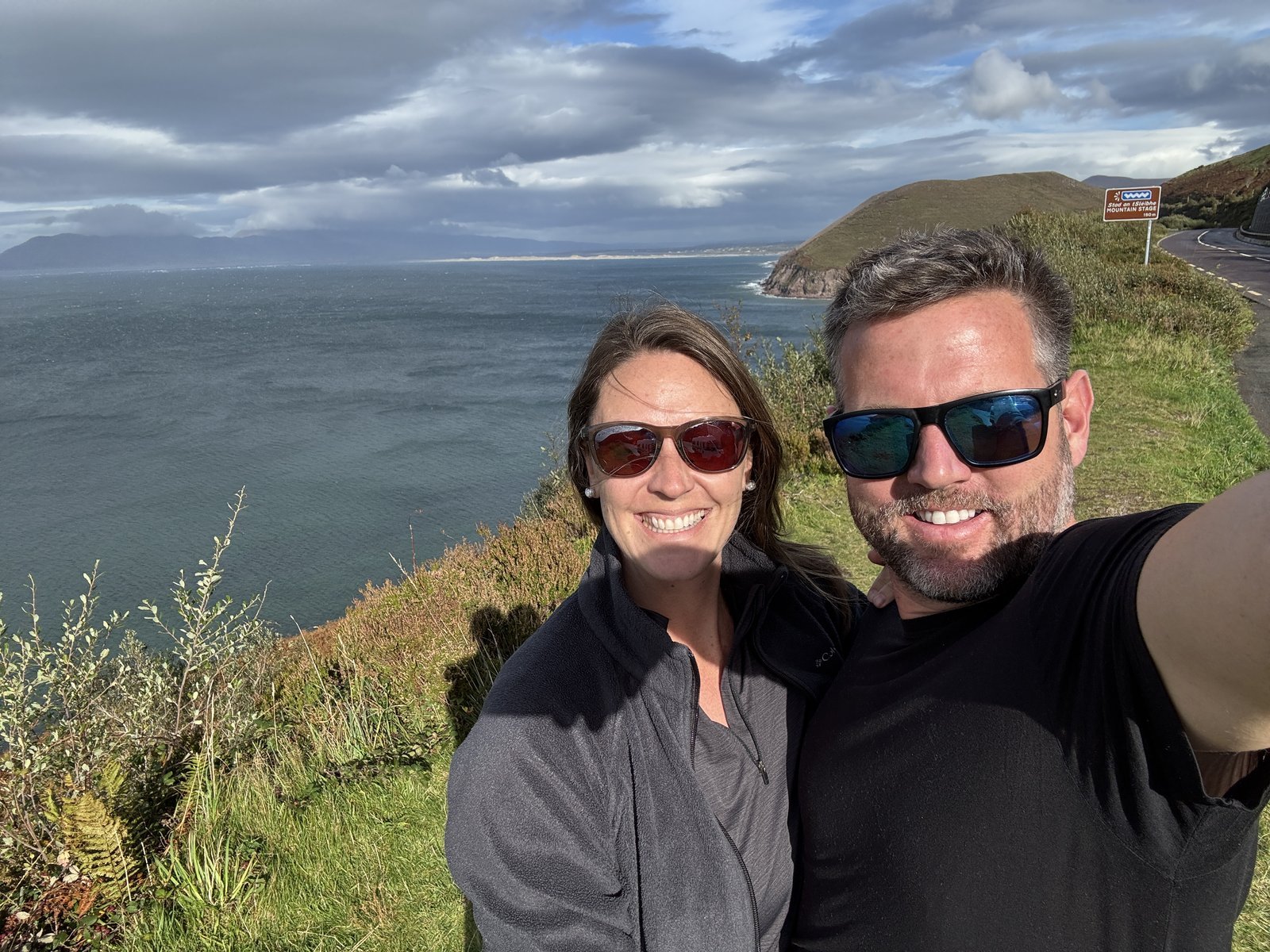
Spring is built for getting outside and moving around. The country is green, the roads are quiet, and the long evenings mean you can keep going well past dinner. Here’s what’s actually worth your time, from the big walks to the festivals to the stuff you’ll trip over along the way.
Hikes and walks
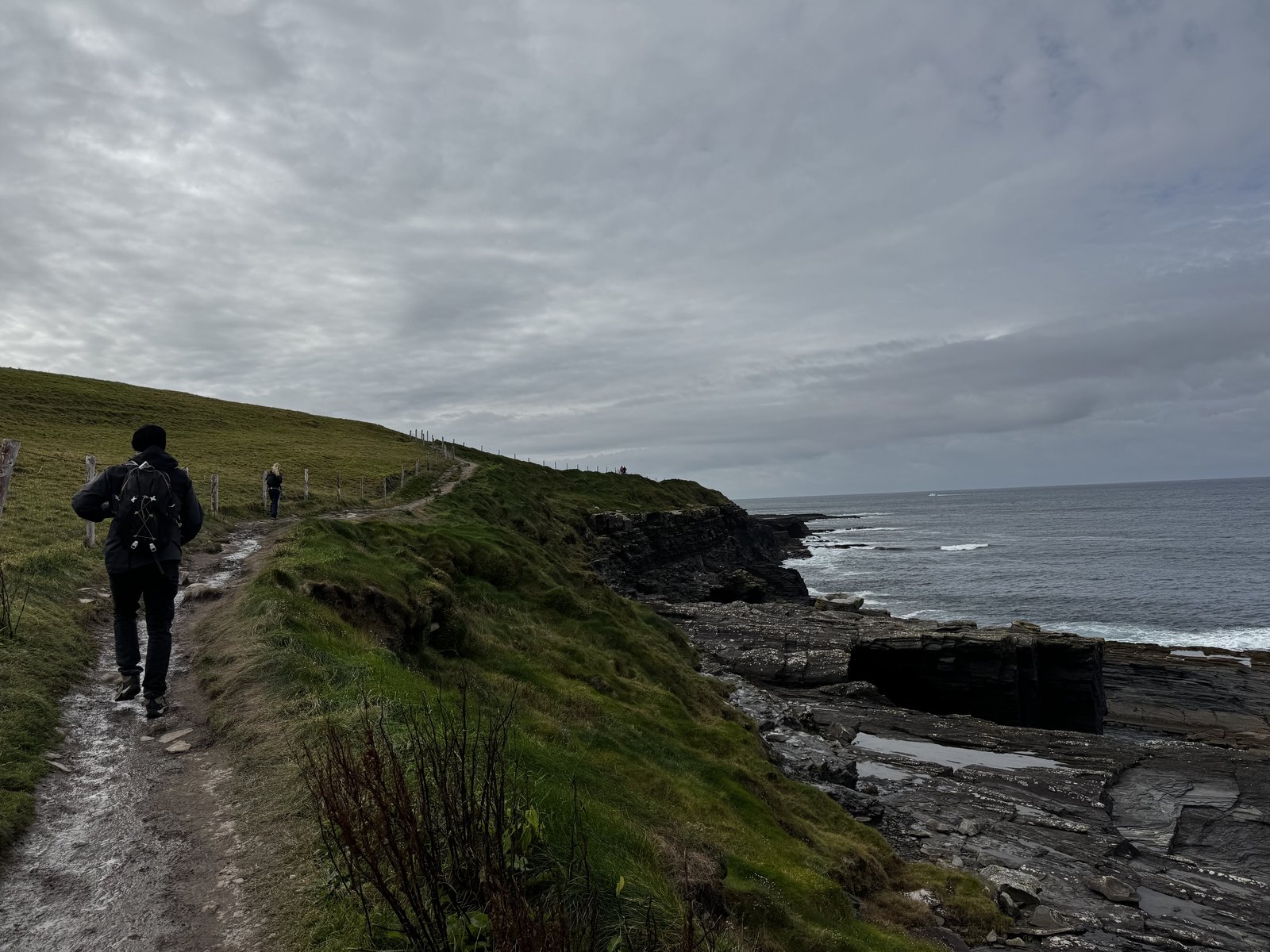
This is the season for it. The ground has dried out a bit from winter, the temperatures are right for walking in a jacket, and you’re not hiking in a crowd.
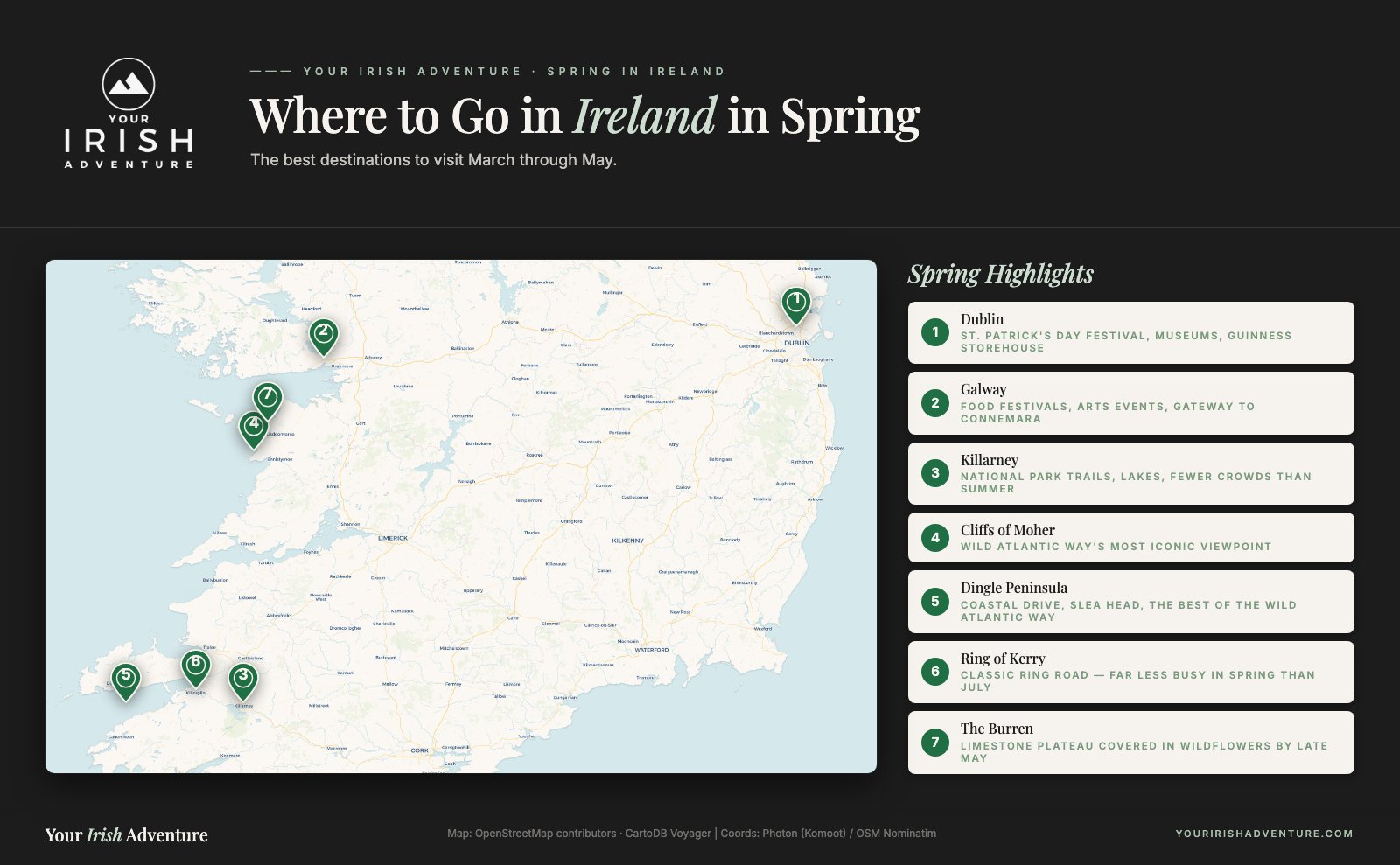
The coastal walks are the obvious pick. The cliff path from Doolin out toward the Cliffs of Moher has far fewer people than the main viewing platform, and Loop Head down in Clare is wilder and quieter again. Bring layers and check the wind before you commit to an exposed clifftop.
Inland, Killarney National Park, the Wicklow Mountains, and the Gap of Dunloe all open up easily in spring, with waterfalls running full from the winter rain. Plan on an hour or two for the shorter loops, a full day for the bigger ones.
👉 Read our full guide to Killarney National Park before you go.
Tourist hot spots
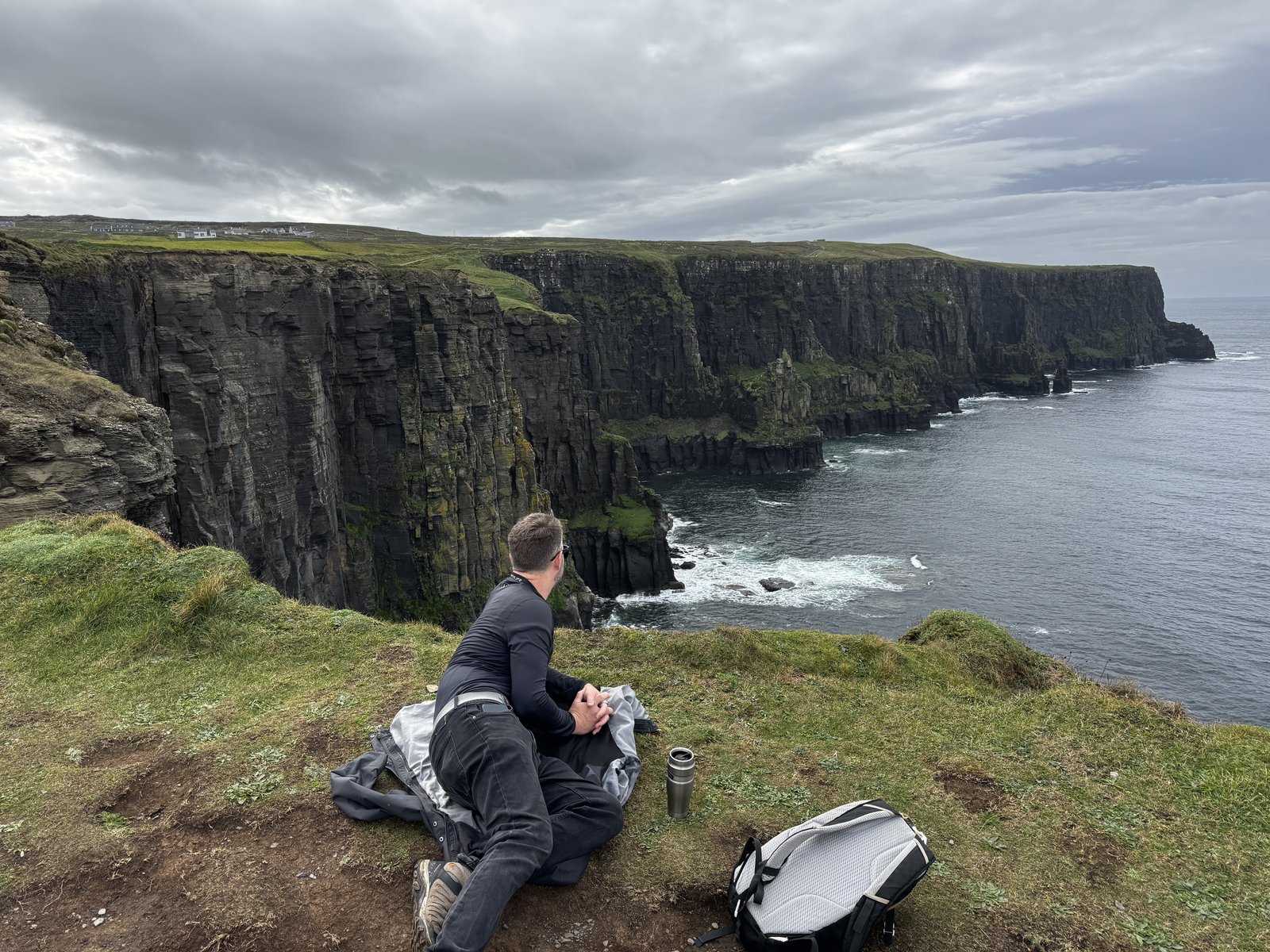
The famous stuff is famous for a reason, and spring is the best time to see it. The Ring of Kerry, the Dingle Peninsula, the Cliffs of Moher, and the Causeway Coast up north all run far emptier in March through May than they do in July.
Same goes for the big-name sites. The Rock of Cashel, Blarney Castle, Newgrange, and Kilmainham Gaol are all far easier to enjoy without a summer line out front. Book the ones that sell out, like Skellig Michael, well ahead. For a day that covers the Cliffs of Moher, the Burren, and Galway City in one go, you can book a full-day Cliffs of Moher and Galway tour on GetYourGuide.
The cities are at their best too. Dublin, Galway, and Cork are walkable, the pub sessions don’t slow down for the season, and the gardens and big estates reopen through March and April, so a place like Powerscourt is worth a half-day on its own.
Festivals

St. Patrick’s Day on March 17 is the big one, and it kicks off the whole season. Dublin throws the largest parade and festival, but the smaller towns do their own versions, and honestly those are often more fun and less of a scrum.
After that the calendar keeps filling up. There are food festivals, trad music weekends, and literary events scattered across spring, plus seasonal favorites like the Galway Food Festival around Easter. Check what’s on in the towns you’re hitting before you go.
Endless more attractions
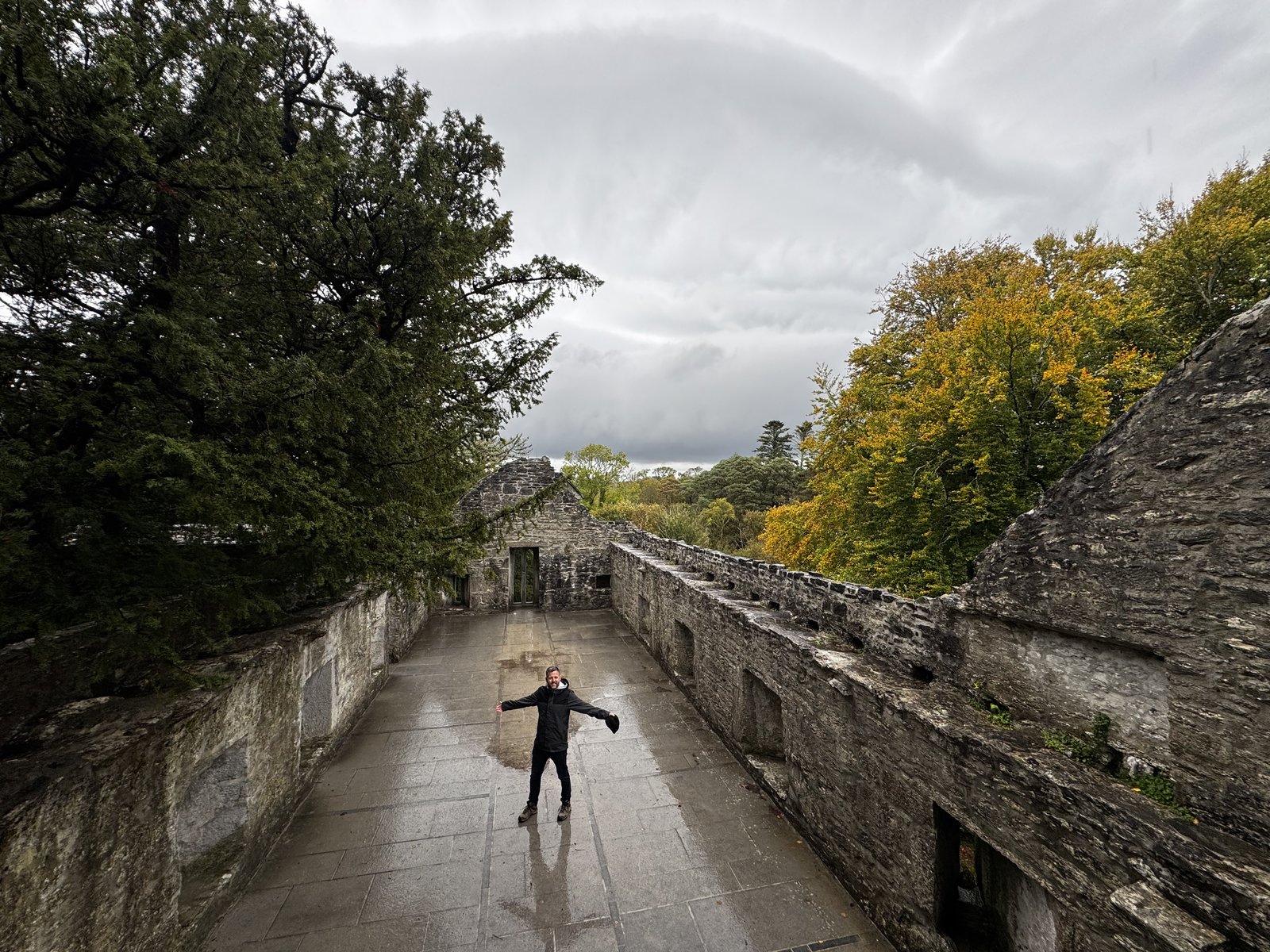
The thing about Ireland is that you don’t really run out of stuff to do. Drive almost any back road and you’ll pass a ruined abbey, a Bronze Age stone circle, or a castle nobody charges you to look at.
Spring adds its own layer to that. The gardens are coming into bloom, the distilleries and food tours are back to full hours by April, and the offshore islands like the Arans and the boat trips out to them start running again as the season warms up. If the Arans are on your list, you can book the Aran Islands and Cliffs of Moher cruise on GetYourGuide.
So don’t overplan. Leave room in the days to pull over when something catches your eye, because in spring you’ll have the time and the light to actually do it.
Where to Stay in Killarney
Best Tours to Enjoy Ireland in Spring
Spring is one of the best times to do a day tour in Kerry. The roads are empty, the scenery is at its greenest, and you’re not fighting summer tour-bus traffic at every viewpoint. These three run out of Killarney and cover the southwest coast at its most dramatic.
Killarney Ring of Kerry Tour
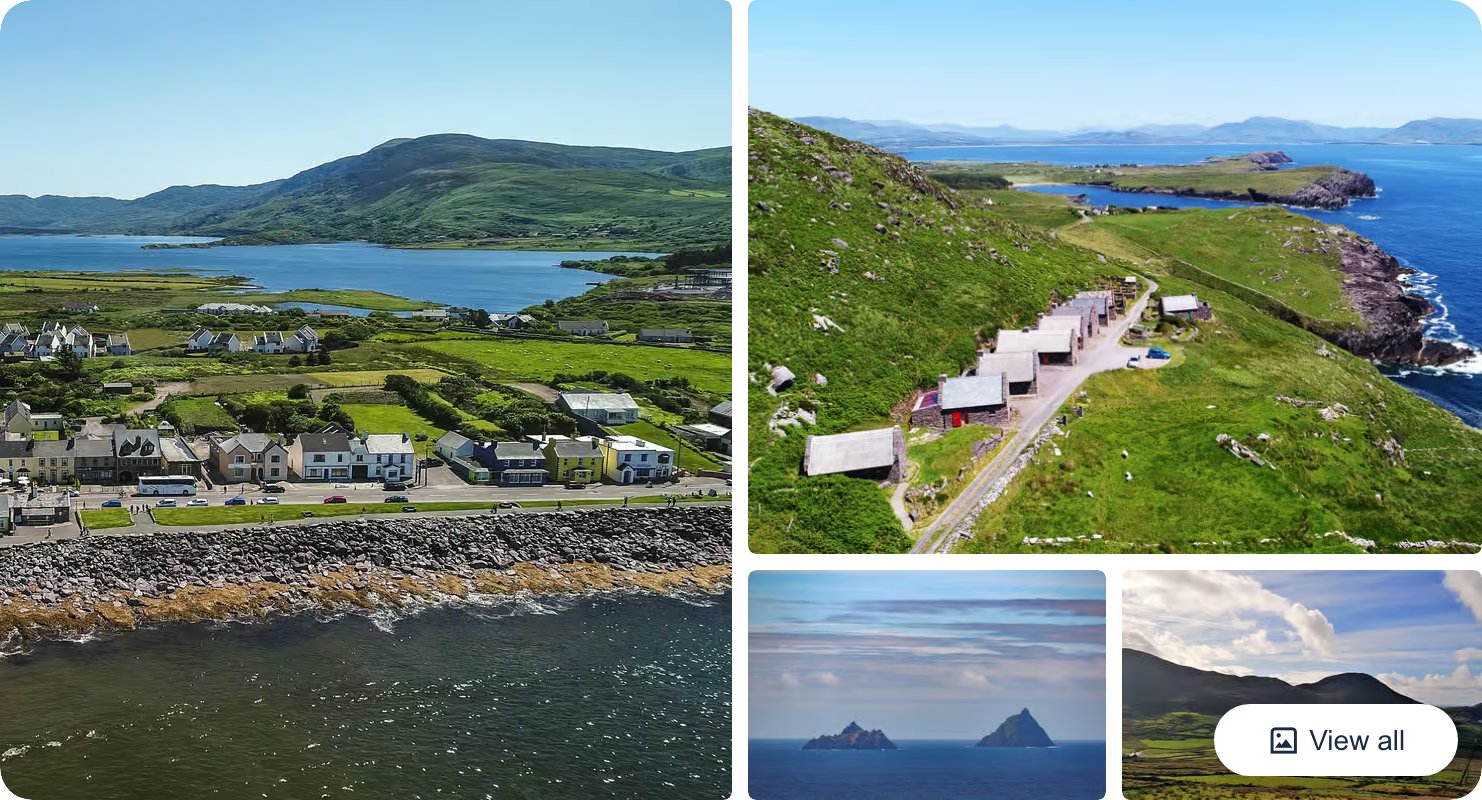
This full-day guided loop covers 110 miles of the Ring of Kerry, stopping at Killorglin, the Ladies’ View, Moll’s Gap, and Waterville, with Skellig Michael visible offshore on a clear day. The tour departs from Killarney and runs about nine hours, so you get the whole route without having to drive it yourself.
👉 Check Killarney Ring of Kerry Tour Availability and Reviews
Dingle and Slea Head Peninsula Day Tour from Killarney
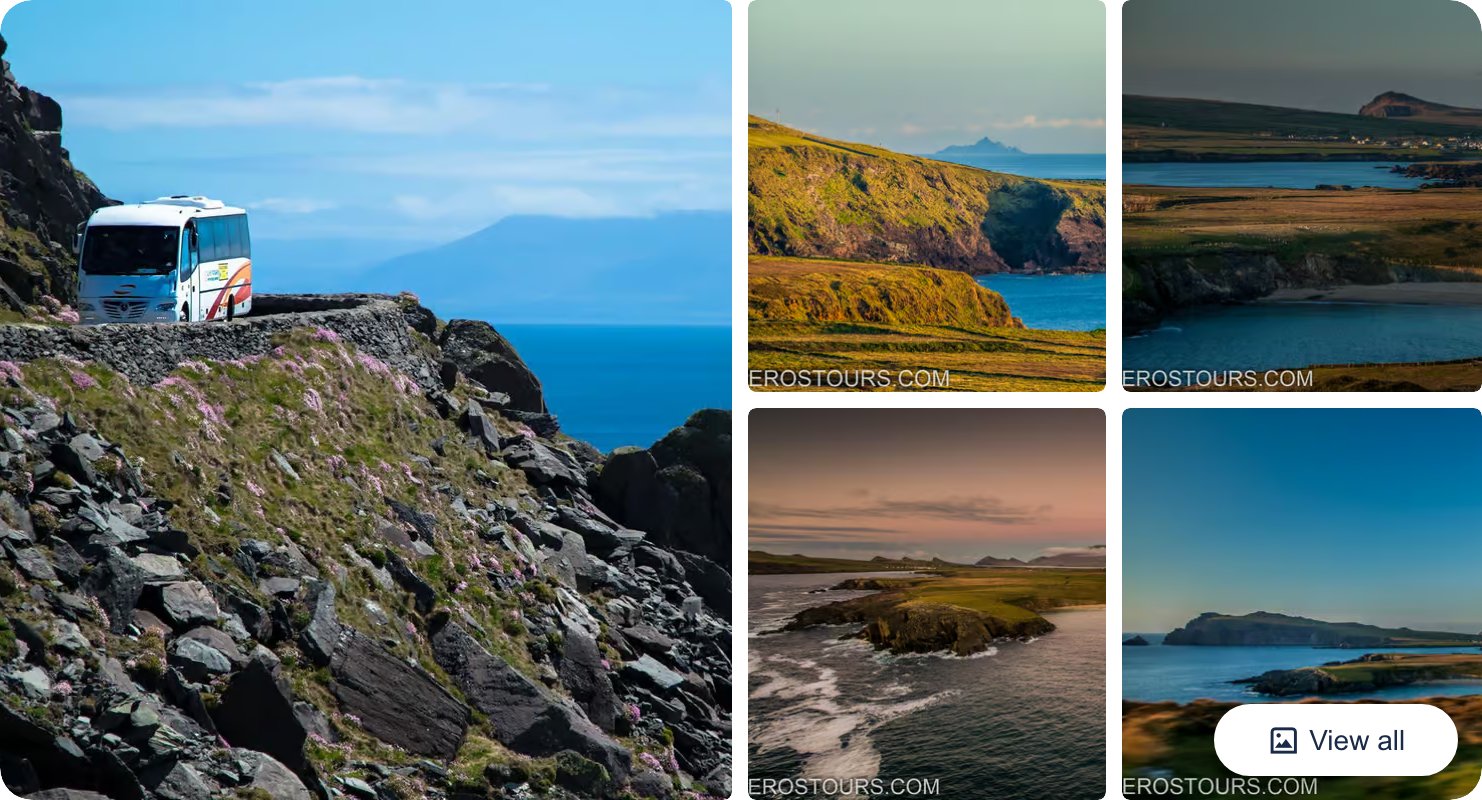
The tour takes you west from Killarney to Dingle town and then out along the Slea Head Drive, where the cliffs drop straight into the Atlantic and the views across to the Blasket Islands are some of the best in the country. In spring the Conor Pass is clear and the road is yours, which makes a big difference out there.
👉 See What’s Included on the Dingle and Slea Head Peninsula Day Tour
Killarney: Kerry Cliffs, Skellig Ring & Sneem Tour
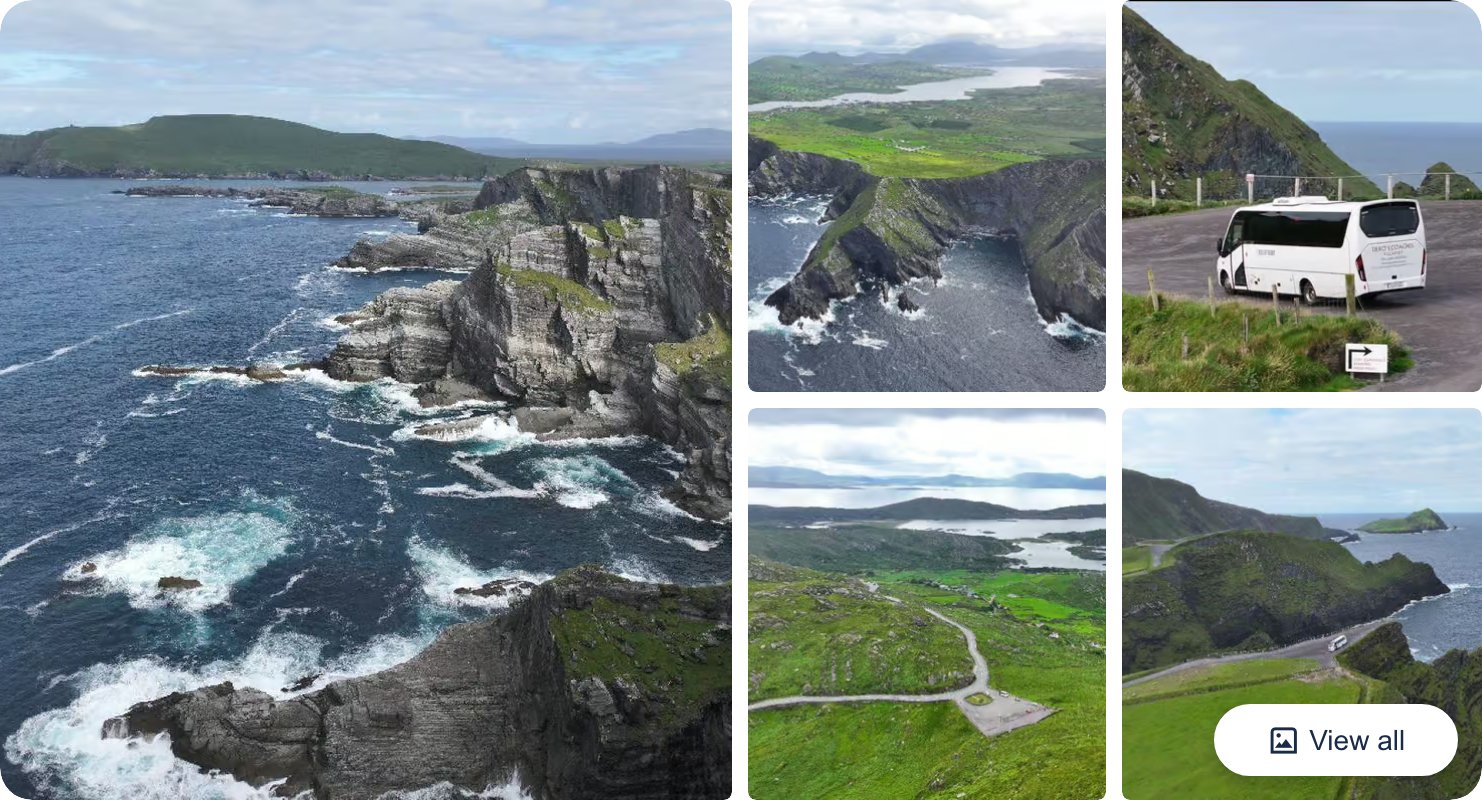
This one takes the Skellig Ring rather than the main Ring of Kerry road, stopping at the Kerry Cliffs for views across to Skellig Michael and then cutting through Sneem on the way back to Killarney. It’s a smaller group and a less-traveled route, and in spring you’re likely to have the Kerry Cliffs lookout almost to yourself.
👉 Check Dates and Prices for the Kerry Cliffs, Skellig Ring & Sneem Tour
FAQs about spring time in Ireland
A few questions come up over and over when people are weighing a spring trip. Here are the straight answers.
Is spring a good time to visit Ireland?
Yes, and it’s one of the best. You get cheaper prices, quiet roads, long daylight, and the country at its greenest, all without the summer crowds. The only real trade is the weather, which you can’t plan around. That’s a deal worth taking.
What is the best month to visit Ireland in spring?
May, no contest. It’s the warmest of the three, one of the driest and sunniest months of the whole year, and the daylight runs past 9pm. Late April is a close second. March is fine if you want St. Patrick’s Day and the lowest prices, but early in the month still feels like winter.
Does it rain a lot in Ireland in spring?
It rains, but spring is actually on the drier end of the Irish year, and May is about as dry as it gets. The showers tend to roll through and clear off fast rather than settle in for the day. The west coast catches more than the east, so the Atlantic side stays wetter.
What should I pack for Ireland in spring?
Layers and a waterproof jacket, every single day. The temperature can swing from a warm afternoon to a cold, windy downpour in the same hour, so you pack for both.
Is it cold in Ireland in spring?
Mild, not cold, and not warm either. Highs sit in the 50s Fahrenheit for most of the season, so a jacket gets you through. The wind and rain do more to how cold it feels than the actual number does, which is why layers matter more than a heavy coat.
How many days do you need in Ireland in spring?
Plan on a week at the very least, and ten days to two weeks if you want to do the west coast properly. With the long spring evenings you can fit a lot into a day, but the back roads are slow and you’ll want to leave room to pull over. Don’t try to see the whole island in five days.
More on Visiting Ireland
- 15 Fun Things To Do in Killarney, Ireland
- Best Things To Do In Cork (City & Day Trips)
- A Photographer’s Definitive Ireland Road Trip
- Wild Atlantic Way Itinerary – Ireland’s Most Epic Road Trip
In short
- Spring runs March through May and is shoulder season: rental cars and B&Bs cost less.
- St. Patrick’s Day falls on March 17, and gardens and estates begin reopening that month.
- April highs average 52 to 55F with evenings staying light past 8pm.
- May averages 57 to 61F and is statistically one of Ireland’s driest, sunniest months.
- Late May daylight runs from 5:30am past 9pm, nearly 16 hours of usable light.
Conclusion
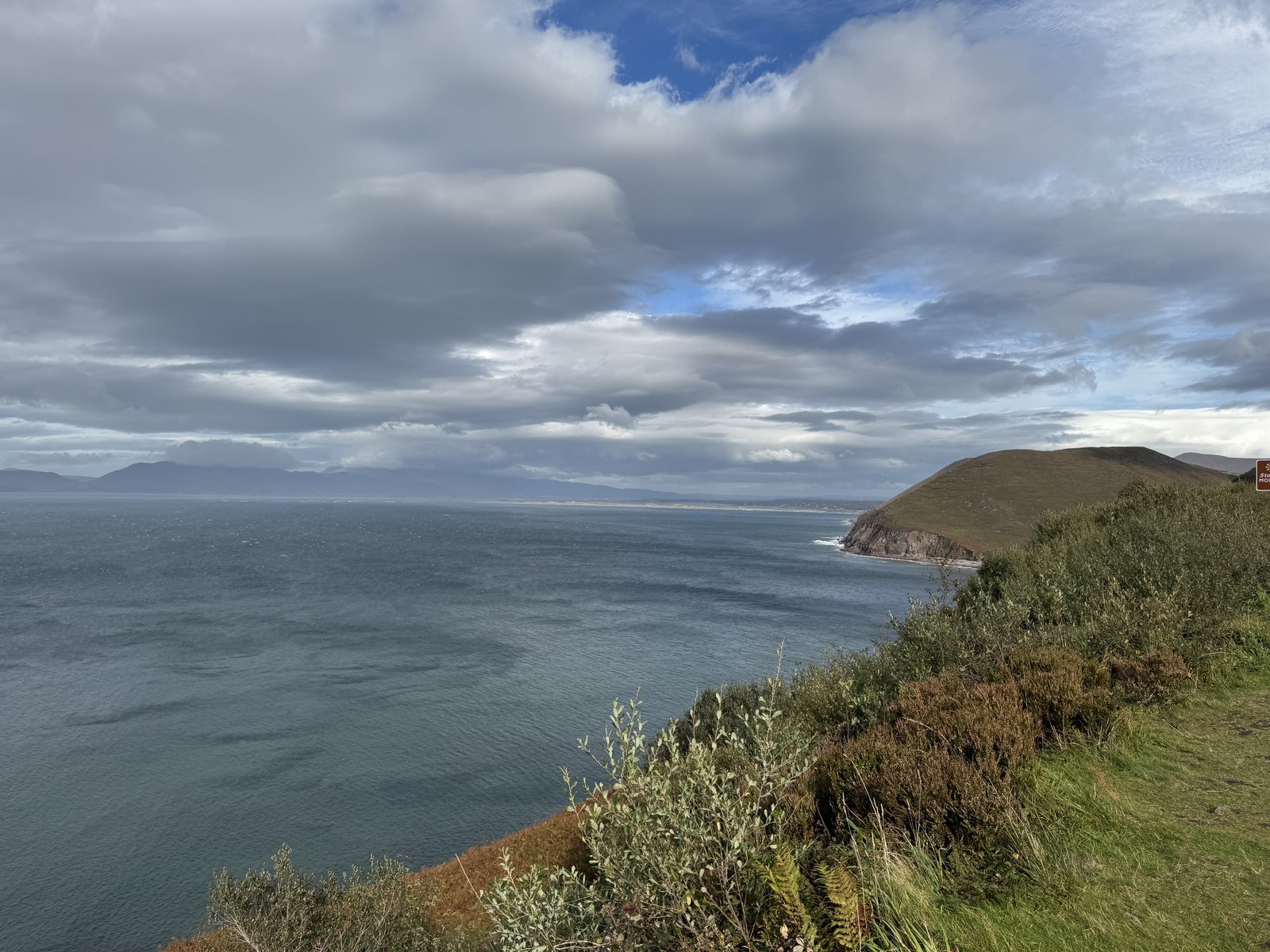
Spring is one of the best times to see Ireland, and it’s the season a lot of people forget to think about. You get the green fields, the long evenings, the cheaper prices, and the big sights without the summer line out front.
The weather is the price you pay, and it’s a fair one. You’ll get rained on, you’ll get a few of your views with cloud on them, and you’ll also get clear afternoons on an empty coast road that you’d be fighting fifty other cars for in July.
If you can swing it, go in late April or May, pack layers and a real rain jacket, compare car hire deals on Discover Cars, and give yourself at least a week. Don’t overplan the days. The whole point of spring here is having the time and the light to pull over when something catches your eye. Do that, and you’ll see the version of Ireland everyone pictures, minus the crowds.
Like it? Pin it!
Save this guide for later