
The best time to drive the Ring of Kerry is May or early June for long days and time to stop along the coast. September is another good choice. I’d allow a full day and leave Killarney around 8 or 8:30am, with a few places picked out before setting off.
That gives you room for a beach walk, lunch, and the detour to a stone fort without watching the clock all afternoon. The mistake I’d avoid is treating the Ring as a quick drive between overnight stops. Its roughly 179km distance tells you very little about how long you’ll want to spend here.
The season matters most for daylight and weather. Direction matters too, but neither clockwise nor counterclockwise guarantees an empty road. Buses, local traffic, cyclists, and other visitors all share the route, so I’d plan a comfortable day before trying to outguess them.
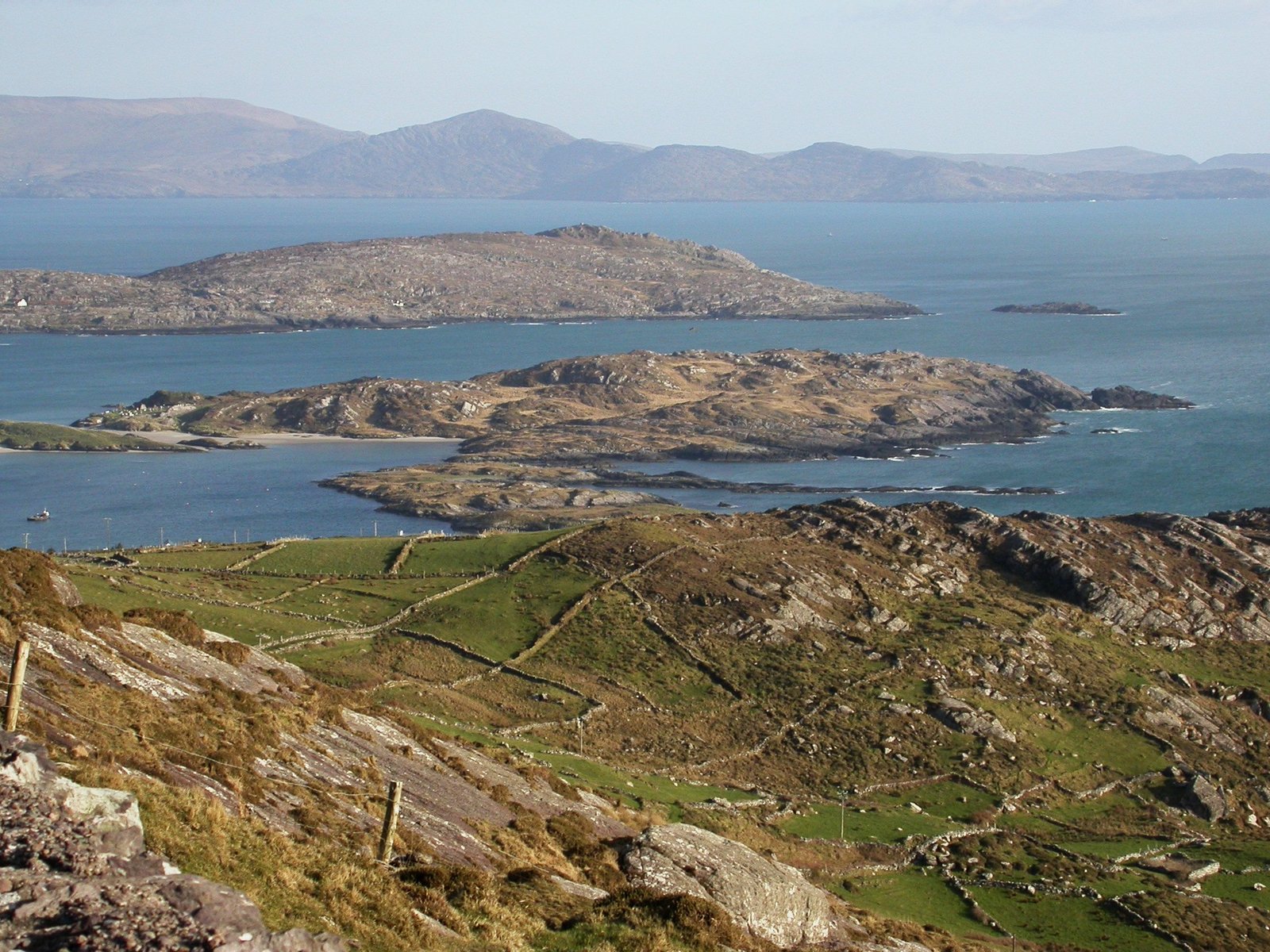
As an Irish native, I recommend allowing for wet weather in any month. A good plan gives you time to enjoy a clear spell when it arrives. For Kerry, that starts with choosing a month with enough daylight for the stops you want.
Quick Answer:
May or early June is my first choice for the Ring of Kerry, with September a good autumn option. Allow a full day for the roughly 179km loop and start around 8 or 8:30am in the lighter months.
Choose your direction around your stops and driving comfort. No direction guarantees less traffic; in winter, wait for daylight and plan a shorter outing.
The Best Time to Drive the Ring of Kerry
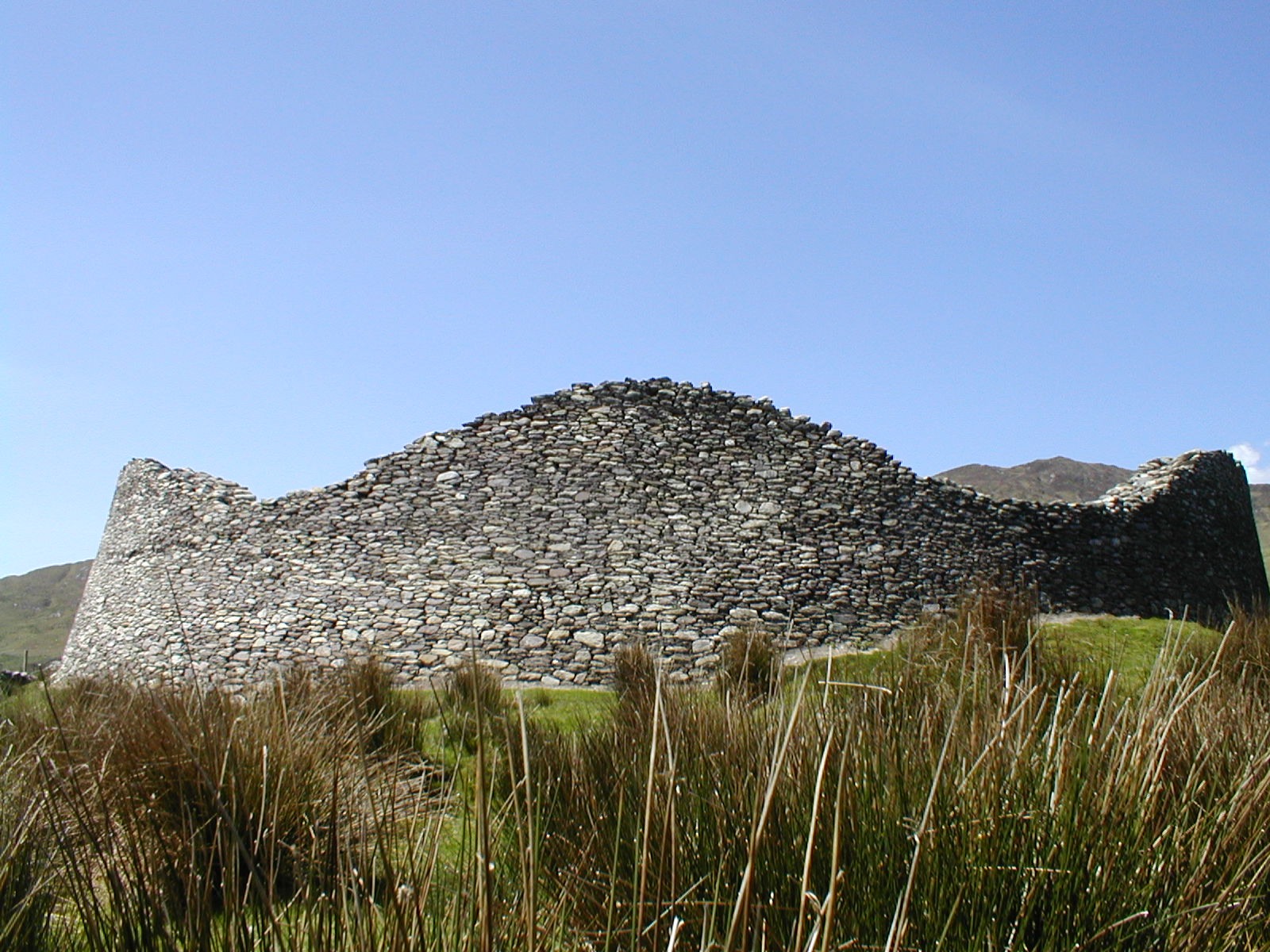
If you’re deciding on the best time to visit Ireland, May, June, and September are sensible months to consider for a Kerry road trip. For this drive, I’d put May first: the days are long, and the local rainfall averages favor it over the warmer summer months.
Early June is my next choice if you want to spend longer outside. You can take a proper walk at Derrynane and still have hours of daylight ahead. The long evening is useful even when you lose part of the morning to rain.
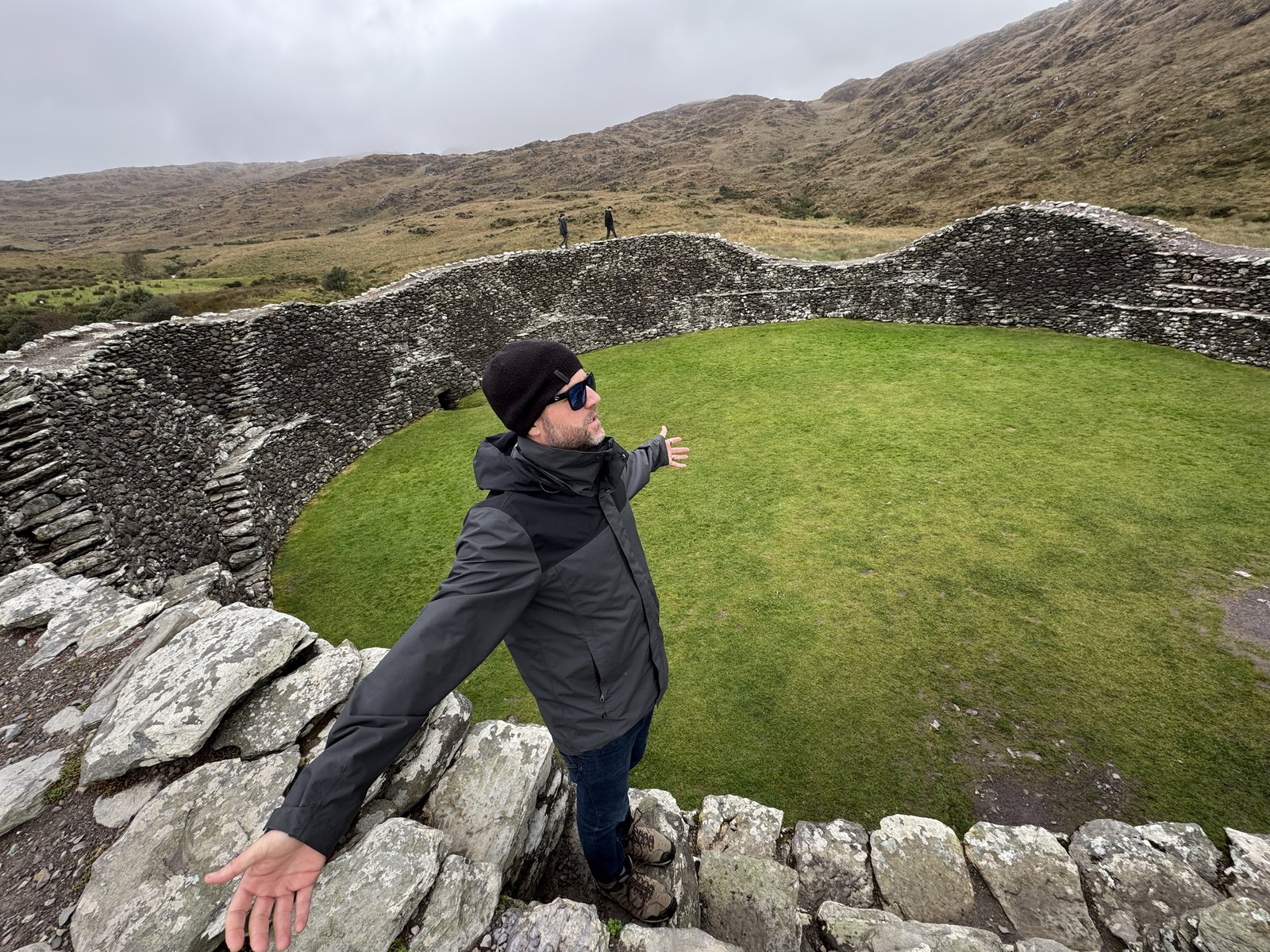
The extra time also makes detours easier to justify. Staigue Fort is off the main road near Castlecove, and the OPW allows access during daylight hours. I’d leave room for it if you enjoy archaeology, rather than adding it to an already full afternoon.
September suits a trip that combines the drive with time in Kenmare town or Killarney. There’s still enough daylight for the full loop, although evenings shorten as the month goes on. October needs a more selective stop list, especially toward the end of the month.
More Kerry Road-Trip Reading
- Best Places to Visit in Kerry, Ireland: A Road-Trip Guide
- 21 Unique Things To Do in Kerry, Ireland: The Kingdom County
- The Best Beaches in Kerry: 10 Worth the Drive
- The Definitive Guide To Driving in Ireland For Tourists
July and August are also good options if those are your available dates. They offer warmer average temperatures and long evenings. Staying nearby and choosing a few main stops makes a summer visit easier to manage.
If you’re renting, choose a car you feel comfortable placing on a narrow road, with enough space for your passengers and luggage. You can compare car hire deals on Discover Cars once you’ve settled on your base and travel dates.
Which Direction to Drive the Ring of Kerry
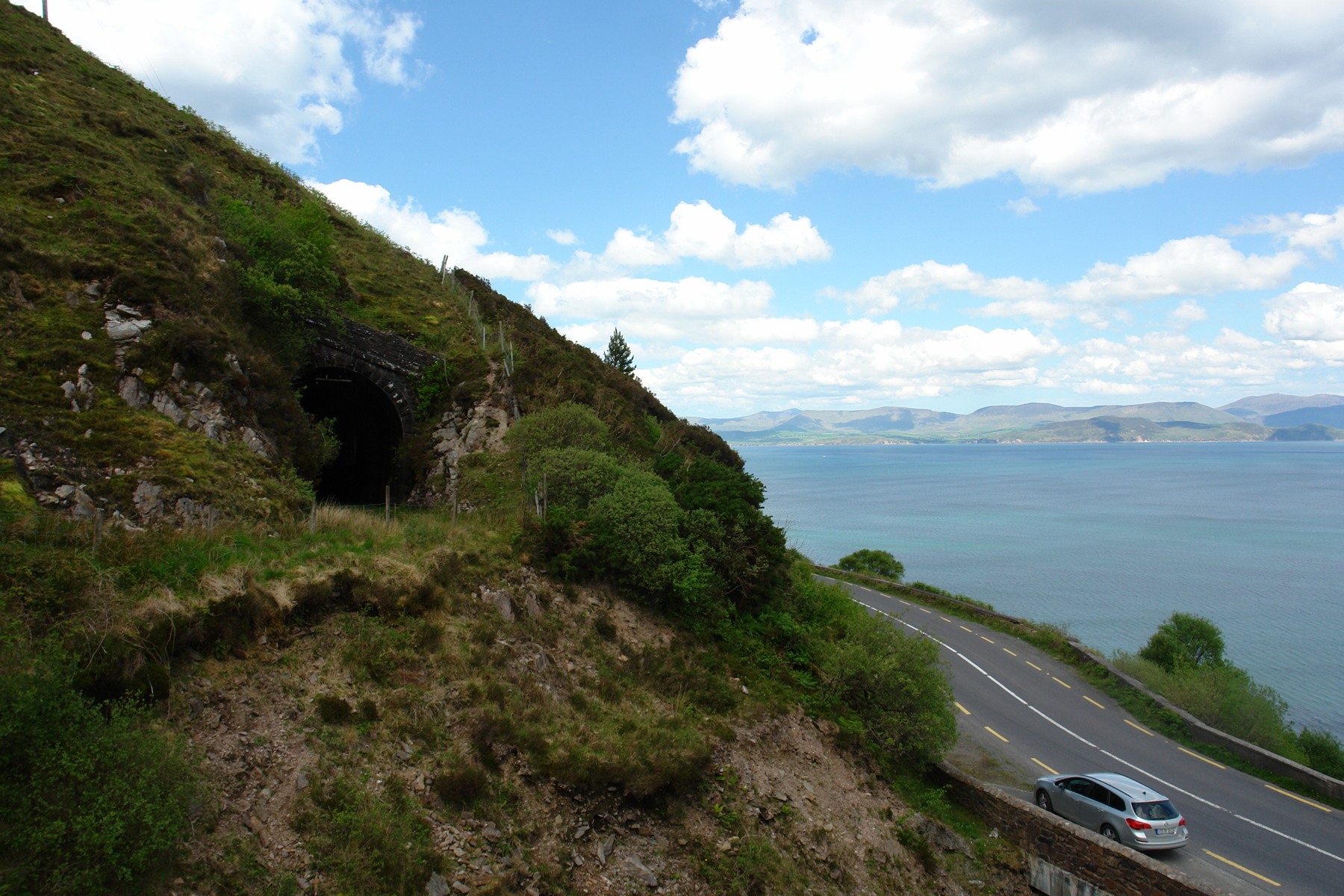
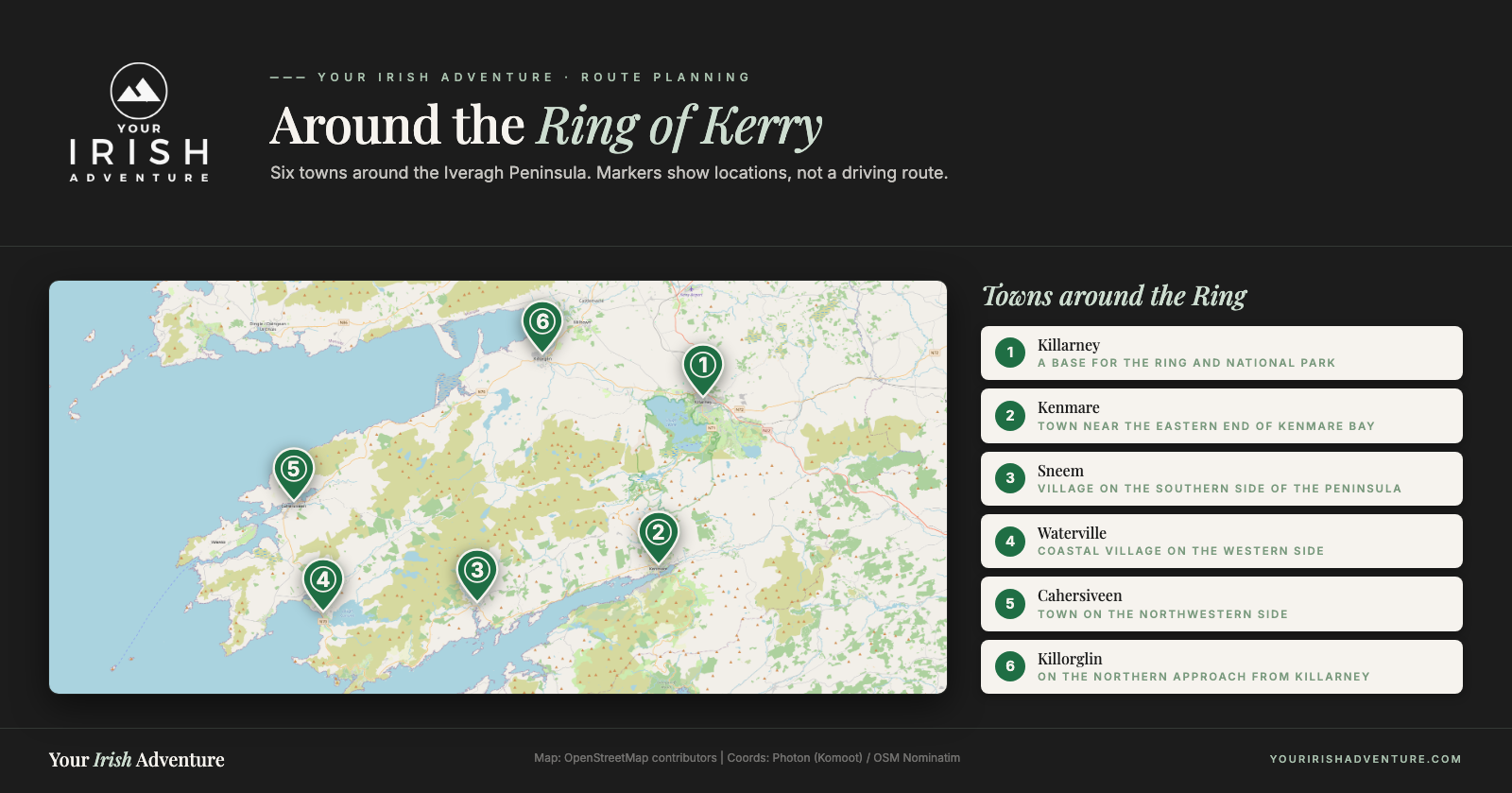
The 179km Ring of Kerry, about 111 miles, circles the Iveragh Peninsula. From Killarney, clockwise takes you toward Kenmare first; counterclockwise takes you toward Killorglin. Your main stops and confidence on narrow roads should decide which you choose.
How Tour Buses Usually Travel
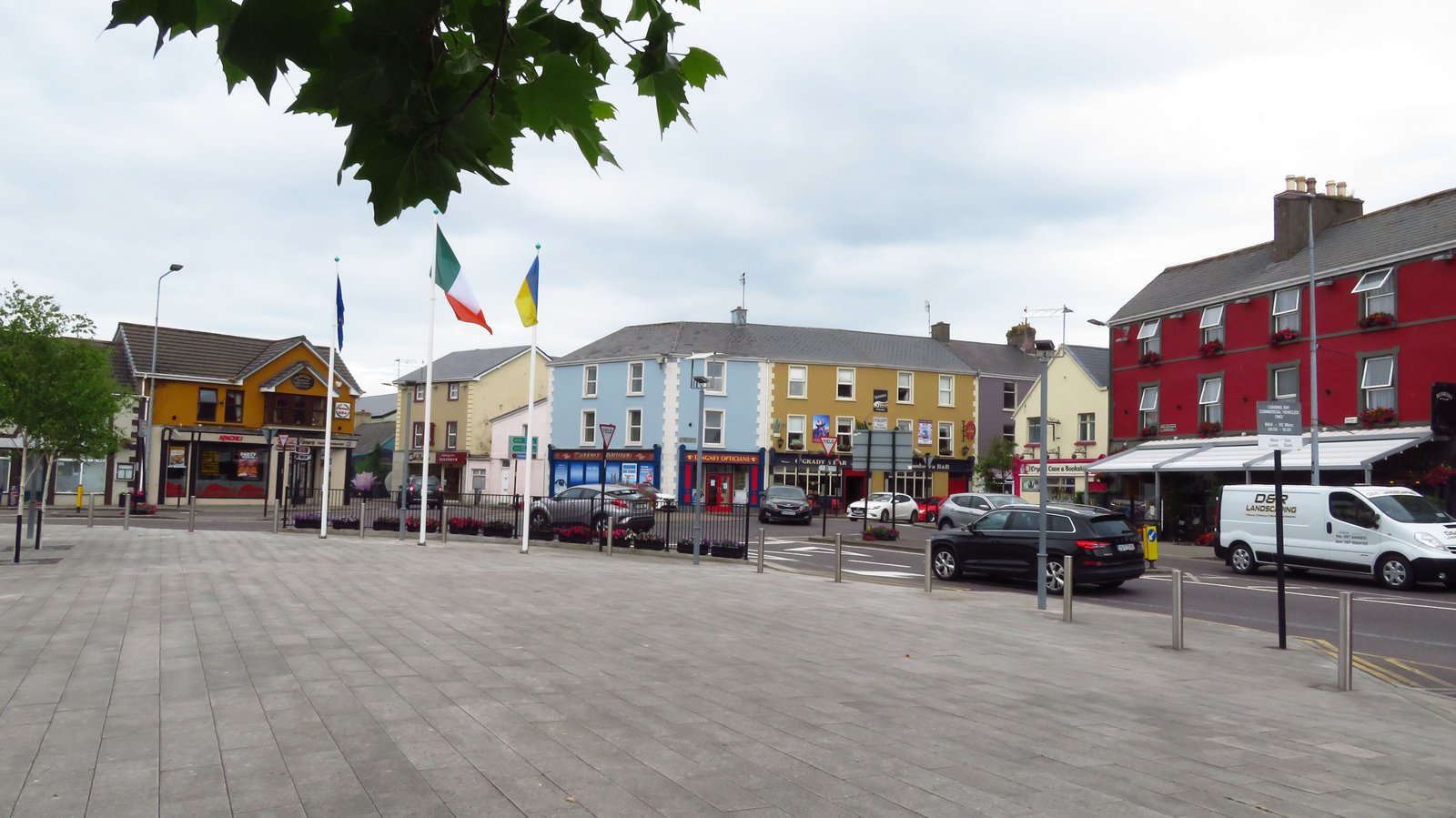
Many organized tours follow the counterclockwise route through Killorglin, Glenbeigh, and Waterville before returning past Sneem and the Killarney lakes. That’s the order shown by several operators, including Killarney Executive Tour. You’ll also hear this direction called anticlockwise in Ireland.
Following the usual bus direction can mean waiting behind a slower vehicle between stops. Clockwise brings those buses toward you instead. On narrow bends, some drivers find following traffic more comfortable than passing large vehicles coming the other way.
Departure times vary too. Killarney Executive Tour’s itinerary starts at 9:30am and returns near 5pm. Bus traffic can therefore remain part of the day well into the afternoon.
When I Would Choose Clockwise
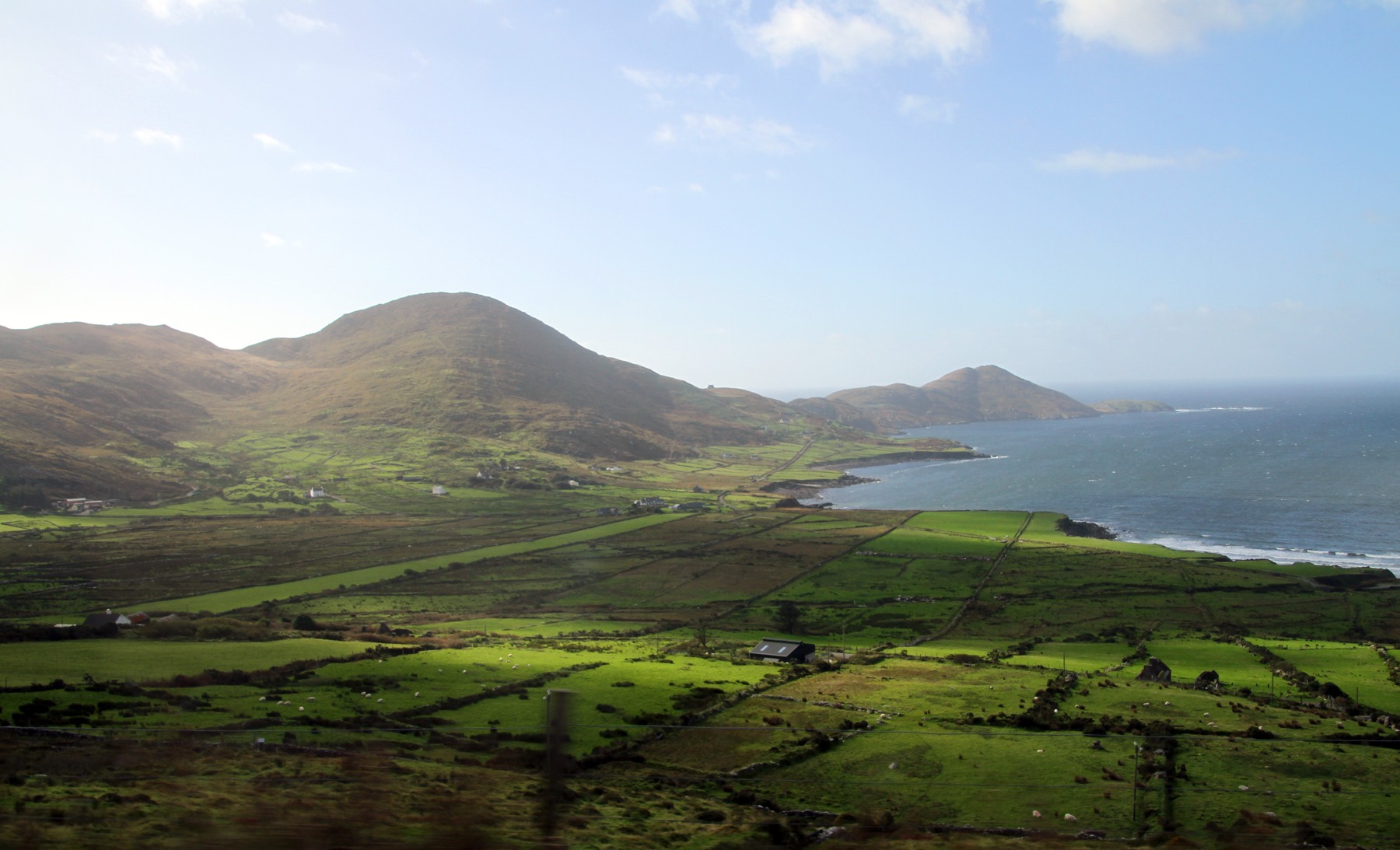
Clockwise puts the Killarney lakes, Moll’s Gap, and Kenmare near the beginning of your day. I’d consider that order when those are priorities, particularly if you want time around the national park before continuing along the south coast.
You will meet traffic traveling toward you, including buses. Take bends slowly enough to react to what you can see, and use proper parking areas for stops. A direction recommendation should never leave you feeling that you need to squeeze through a gap you’re unsure about.
If oncoming large vehicles make you uncomfortable, I’d consider counterclockwise or a guided tour. Following a slower vehicle can be frustrating, but trying to gain a few minutes shouldn’t determine whether you enjoy the drive.
When Counterclockwise or Another Start Makes Sense
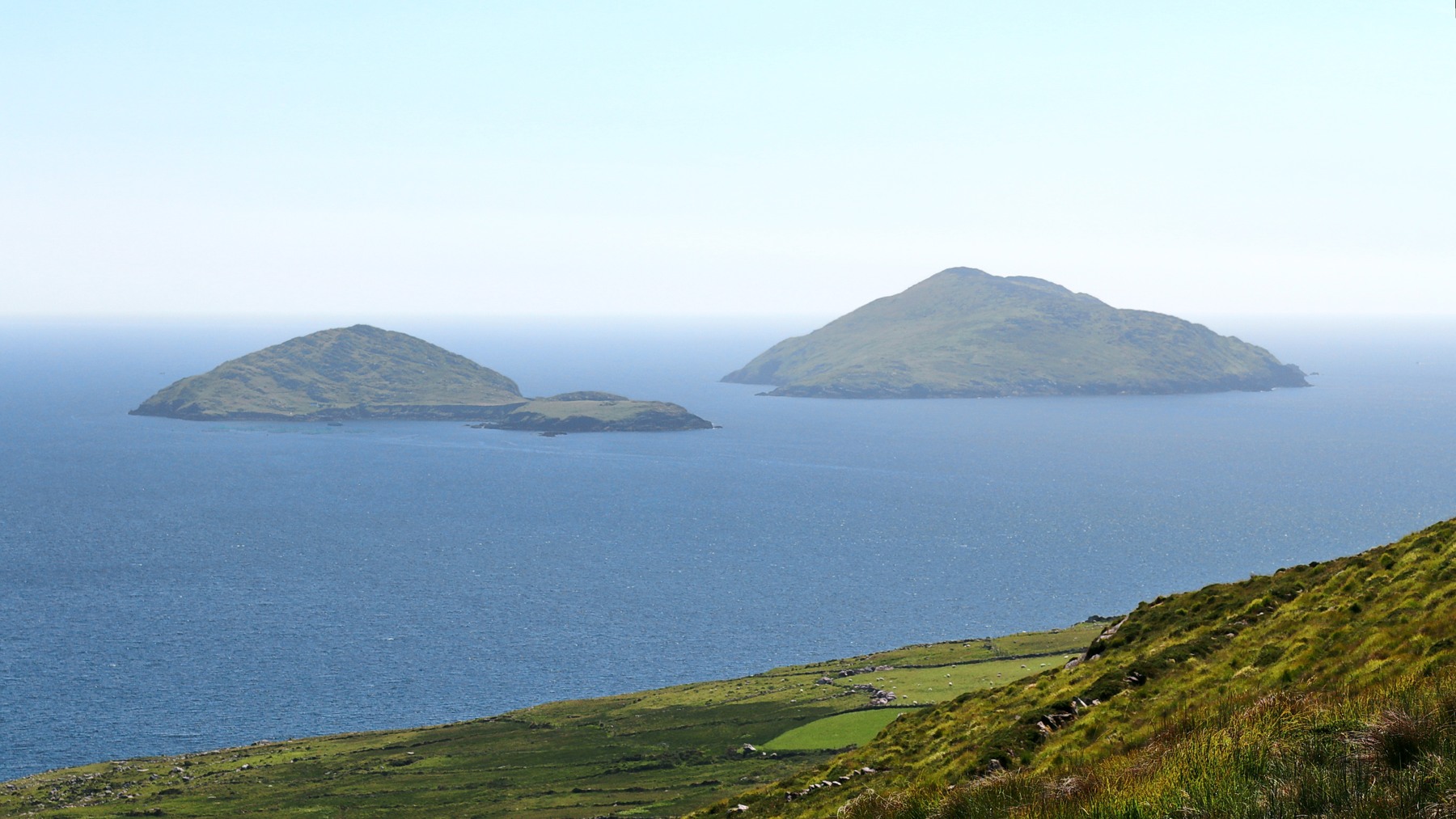
Counterclockwise makes sense if you want the Glenbeigh and Dingle Bay side first, followed by the western coast around Waterville. You’ll reach the lakes near Killarney later, so keep enough daylight for that final section if Ladies View is on your list.
A start in Kenmare or Waterville changes the order completely, and there is no reason to drive to Killarney simply to begin the loop. Start from your base and put the stop you care about most at a workable hour.
Our guide to the Ring of Kerry drive covers the individual stops. I’d use it to choose a short list before deciding the direction, especially if you’re adding the Skellig Ring or time on Valentia Island.
What Time of Day to Start the Drive
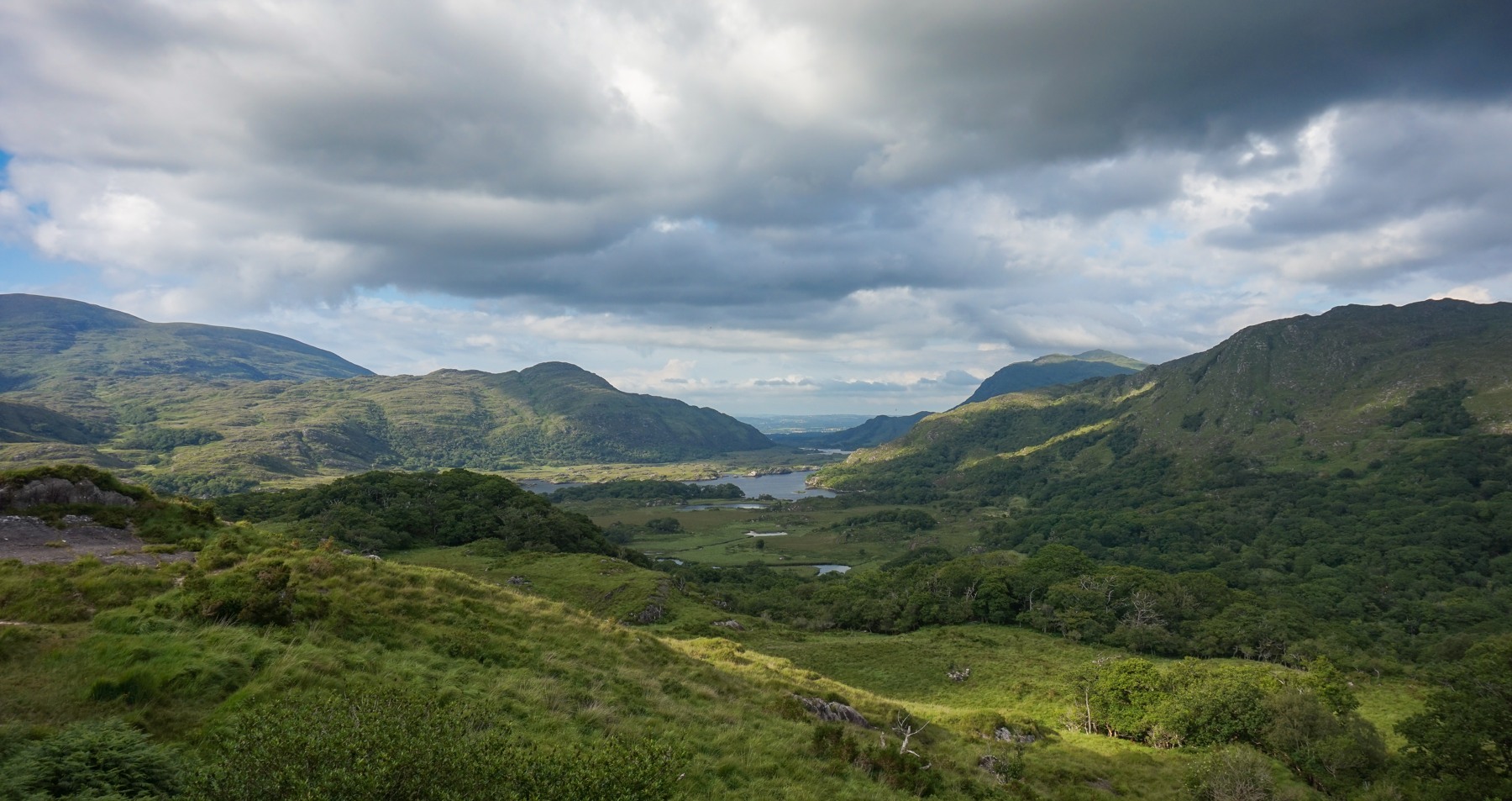
For the whole loop, I’d aim to leave around 8 or 8:30am in the lighter months. The main benefit is having more of the day available for stops. You can take lunch without wondering whether there’s enough light left for the coast.
Starting Before 9am
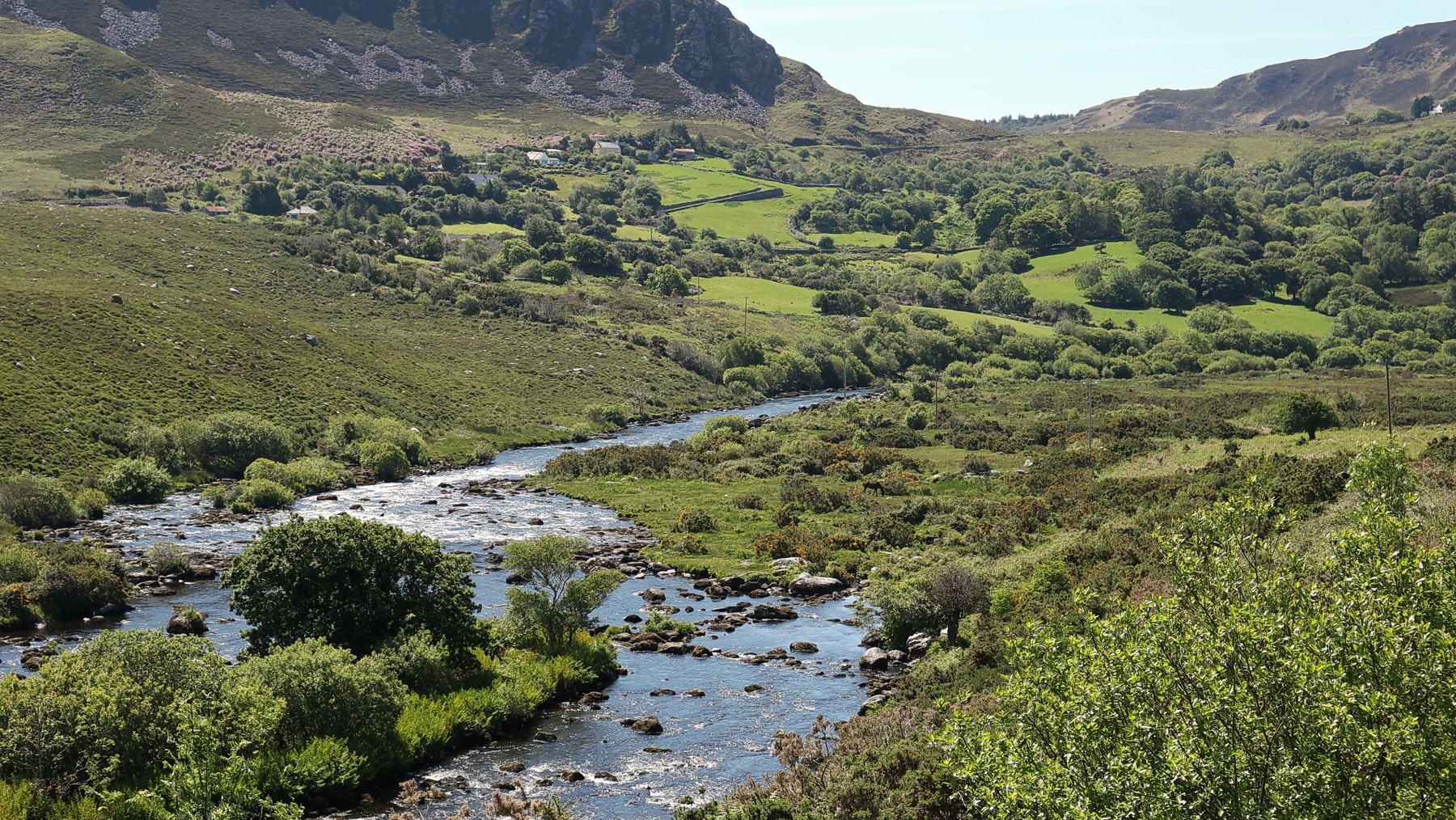
Starting before 9am puts you ahead of some scheduled departures from Killarney. Local traffic and other visitors will still be using the road, but you have more time available if a viewpoint or a walk takes longer than expected.
Have breakfast before leaving and choose an outdoor stop first if your preferred attraction opens later. There’s little benefit in arriving early at a locked door, particularly when you could be using that hour at a viewpoint or taking a short walk.
For example, Derrynane House opens at 10am during its published season. Its exhibition needs a different plan from an unguided outdoor site. I’d fit visits with opening hours around the coast, rather than arriving at the house just as it closes.
If You Are Starting Later in the Morning
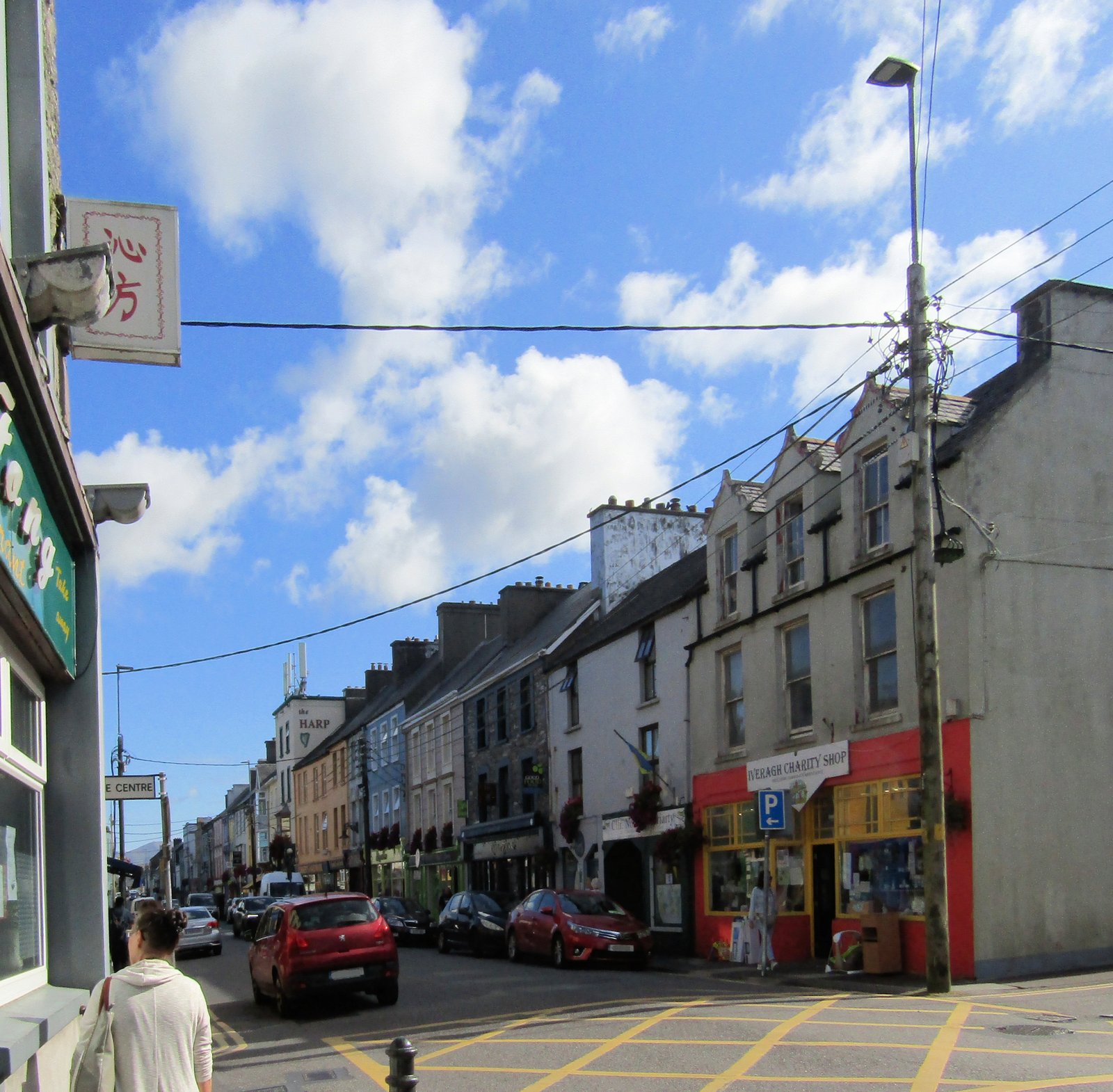
A 10am or 11am start still gives you a useful summer day, but I’d reduce the number of stops. Choose the coast or the Killarney lakes for your longest stop, then keep the others brief. Leaving later gives you less room for detours, particularly if you also need to drive to another town afterward.
Choose one longer visit and leave the rest flexible. If Derrynane is the priority, for example, allow time to leave the main road and enjoy the place. A list of optional viewpoints is easier to adjust than five timed attractions.
Keep dinner plans flexible enough to allow for delays. A full parking lot is less frustrating when you have time to pause elsewhere or move on to another stop. A fixed early reservation can make the last stretch unnecessarily rushed.
Setting Off in the Late Afternoon
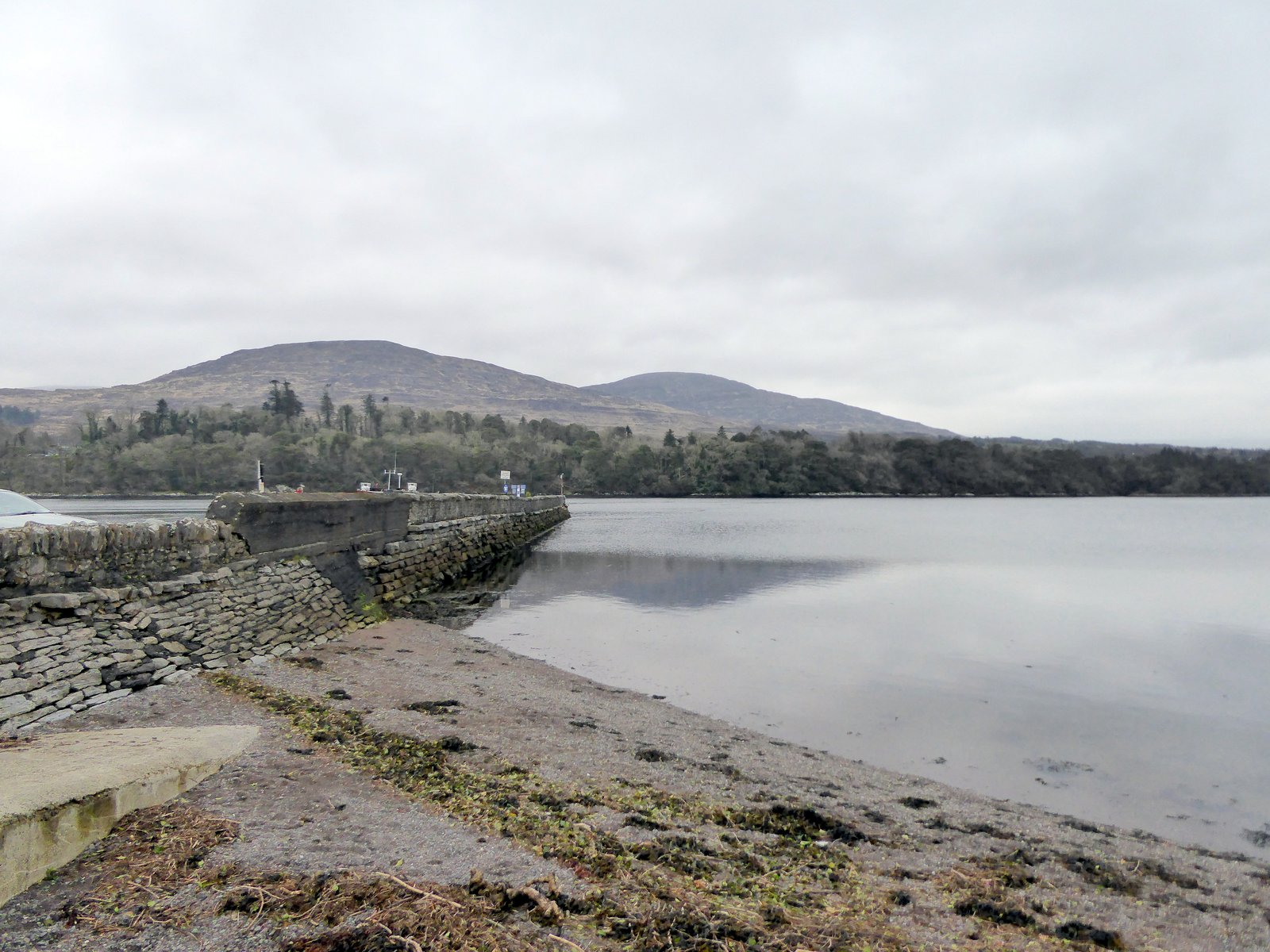
A late-afternoon departure works best for part of the coast. Even in June, leaving at 4 or 5pm gives you a limited number of hours before sunset. It also means reaching staffed attractions after they close.
If you’re already staying in Waterville, an evening outing nearby can be lovely when visibility is good. You can spend time by the water and return for dinner without taking on the entire loop from Killarney.
In autumn and winter, work backward from sunset and include the return journey. Leave enough daylight for the final scenic stretch, especially if the road is unfamiliar. It’s much easier to enjoy a view when you aren’t calculating how quickly you need to leave.
The Ring of Kerry Month by Month
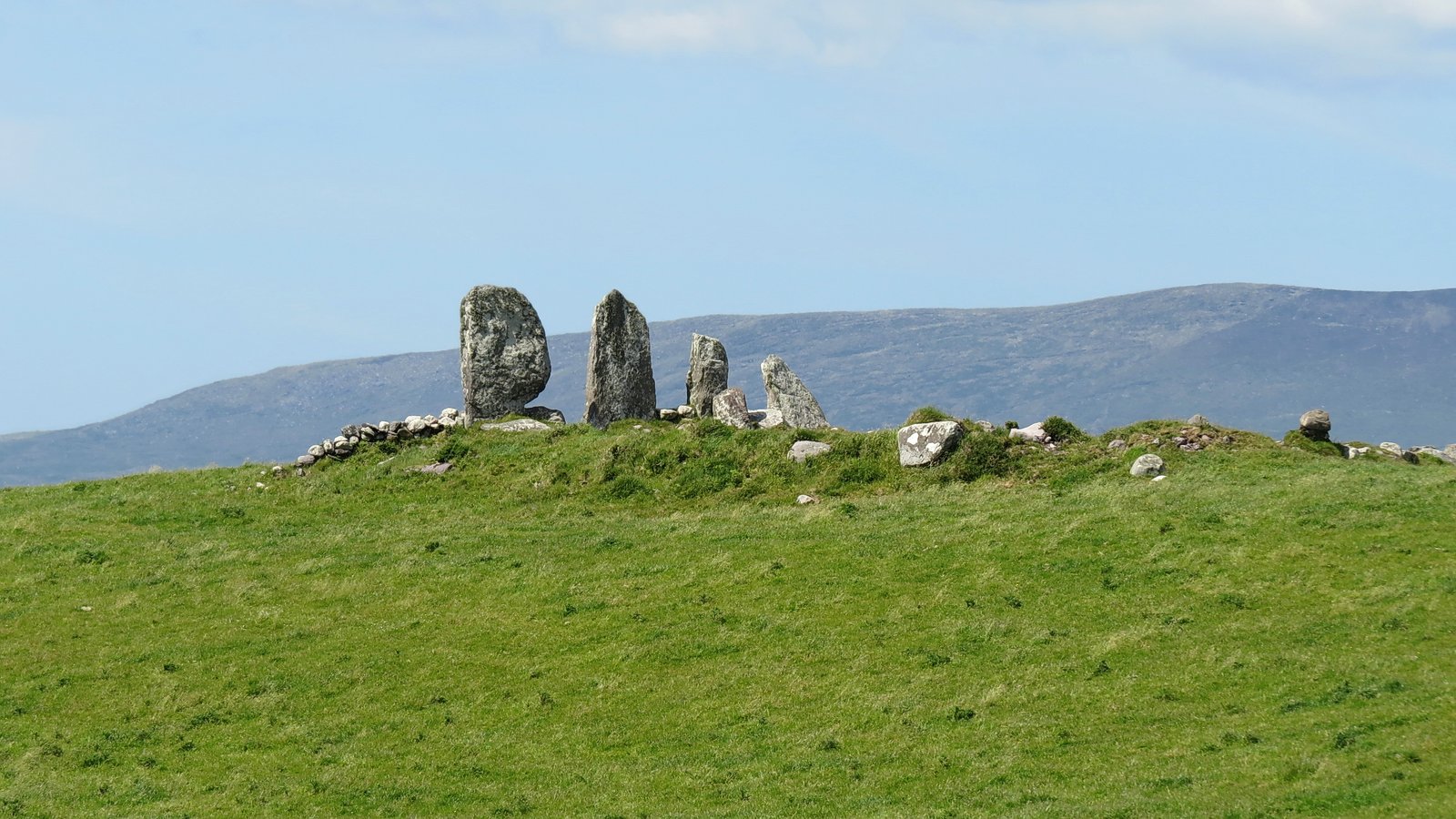
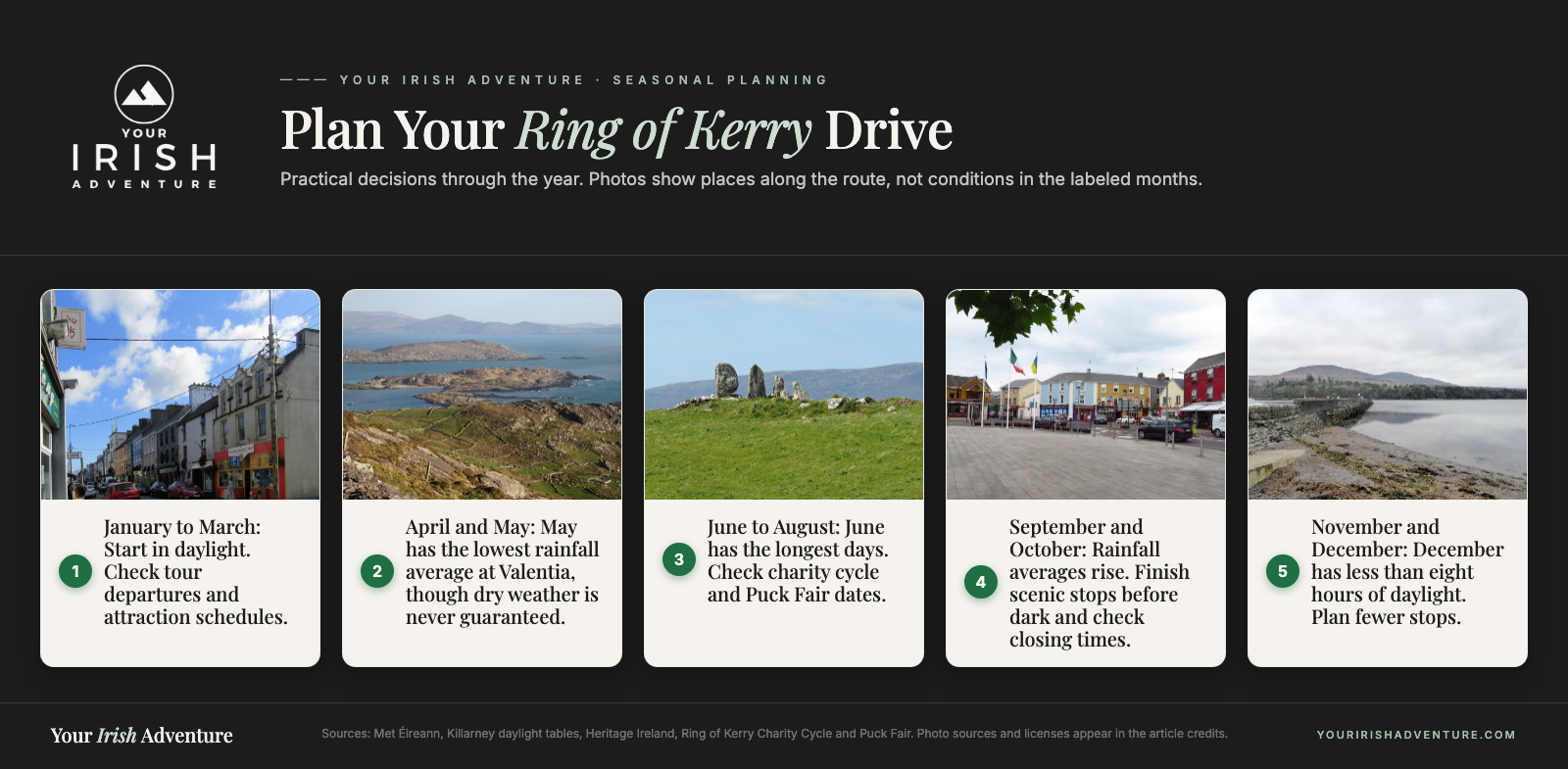
I’d choose the month according to how much time you want outside the car. Long walks and several detours need a different day from a drive with lunch and a few views. Seasonal opening hours and local events can change that plan as much as the weather.
January to March
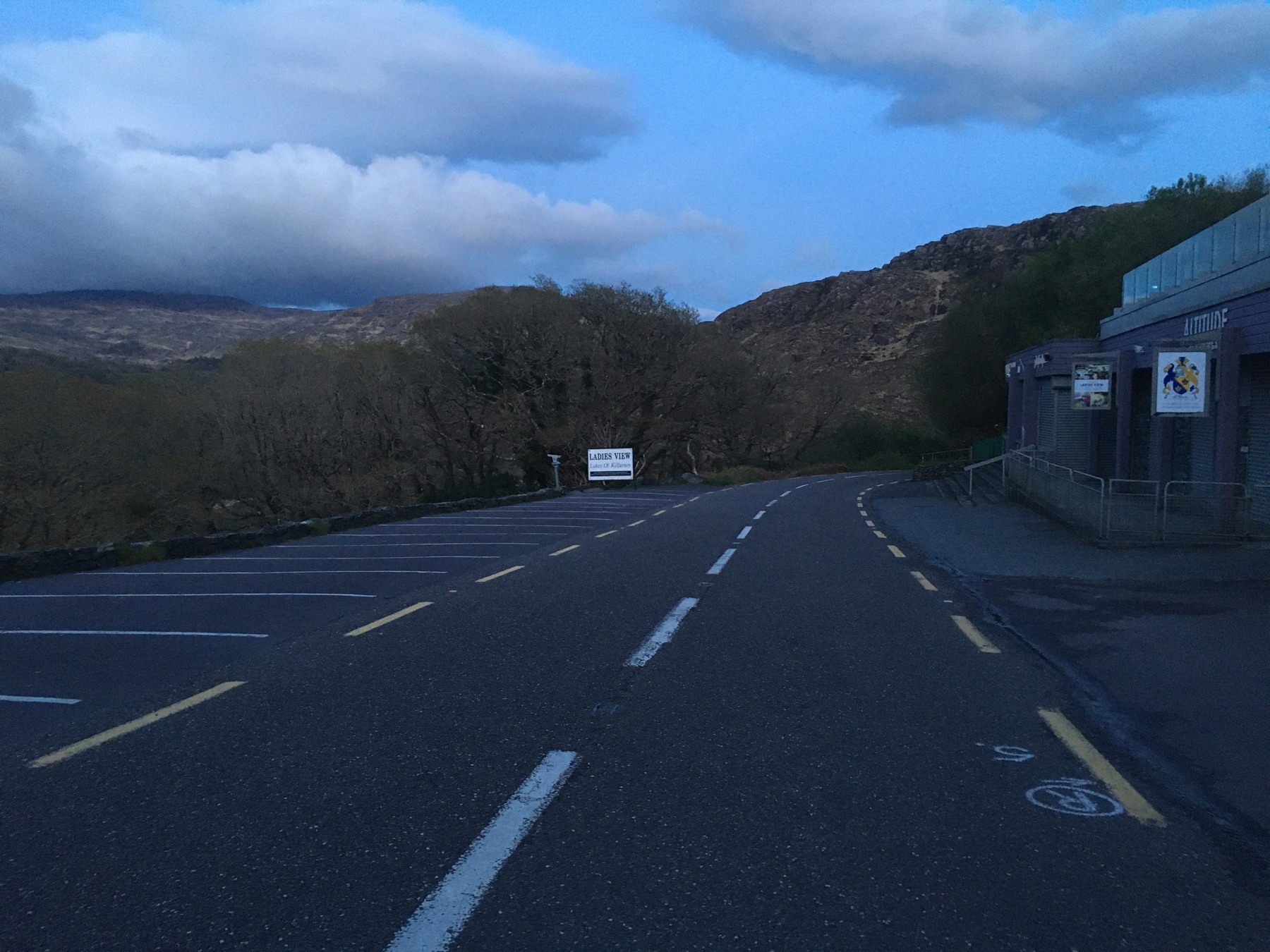
January and February call for a short stop list and a flexible date. There’s much less daylight than in summer, and winter rainfall averages are higher. Some operators also run winter tours, so traveling out of season doesn’t mean having the road to yourself.
March gives you longer days, and seasonal attractions begin reopening. Derrynane House, for example, publishes a season beginning in March. Its exhibition on Daniel O’Connell gives you an indoor stop to combine with the coast.
April and May
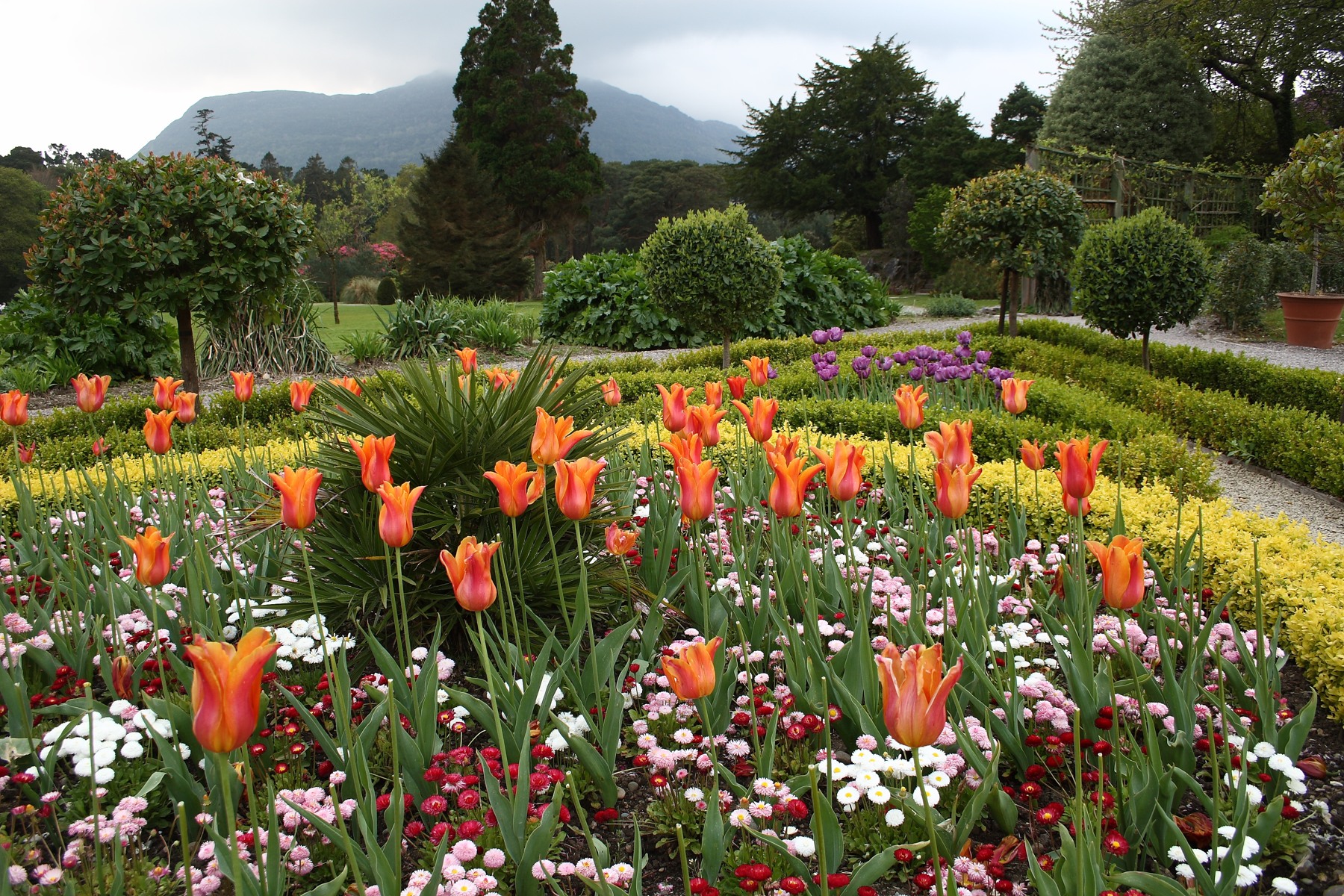
April and May are strong choices if you want walks as well as views from the road. May is the driest month in Valentia Observatory’s published rainfall averages, though that is a long-term pattern rather than a forecast for your trip.
May is my first choice for combining the drive with a longer outdoor stop, perhaps around Derrynane. Spring weekends and Easter can still bring visitors. Pack a warm layer for the coast even when the morning in town feels mild.
June to August
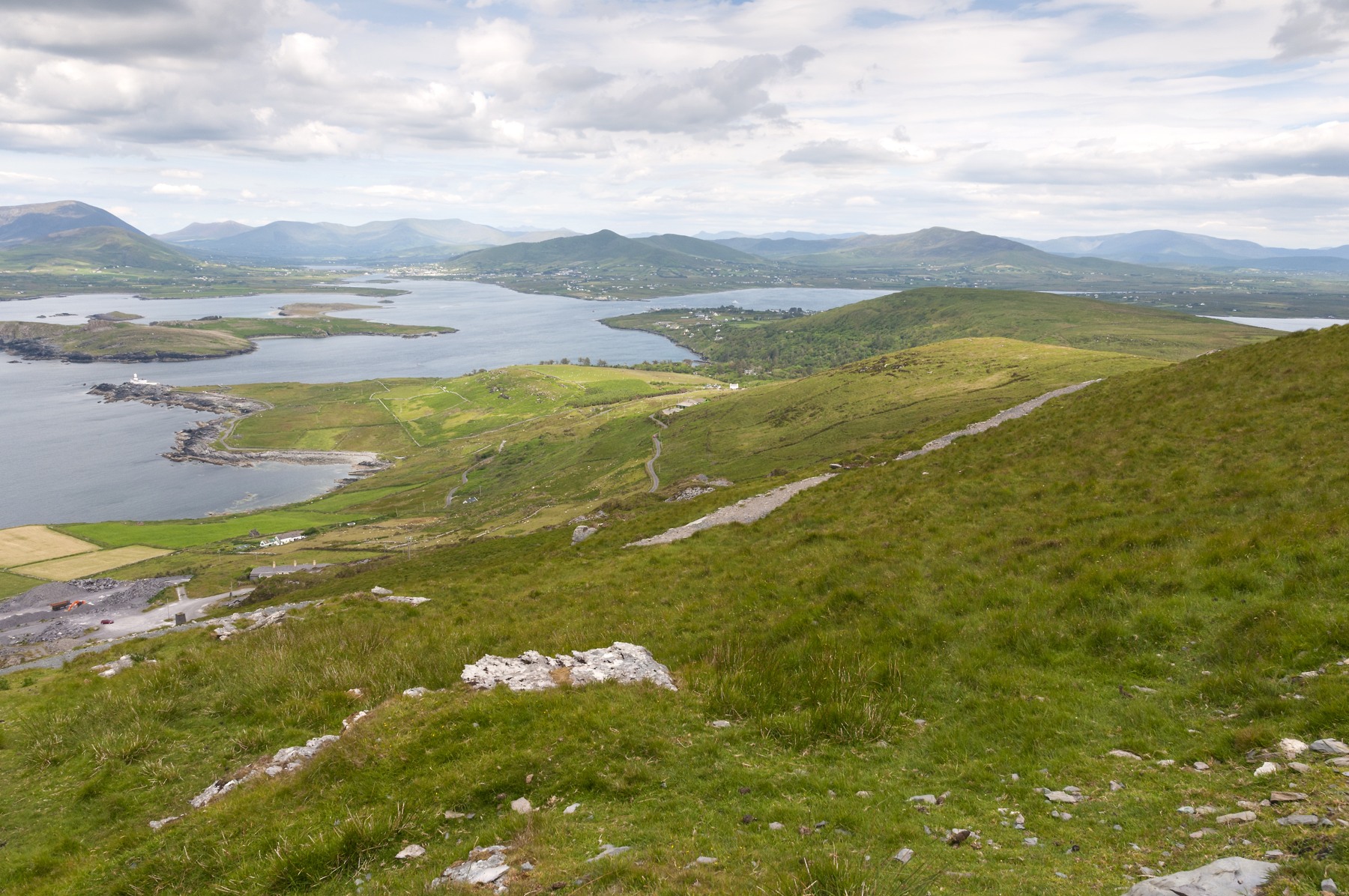
June gives you the longest days, with almost 17 hours between sunrise and sunset near the solstice. July and August have the warmest average temperatures. Those are useful advantages for a family trip or a day that includes time at a beach.
Summer also needs a look at the event calendar. The Ring of Kerry Charity Cycle, held in early July, brings temporary road closures. I’d choose another day for a sightseeing drive rather than try to work around the event.
In August, Puck Fair brings music, markets, and a parade to Killorglin. Give the festival time of its own if you want to attend. Otherwise, choose a different day for the loop so you aren’t trying to combine the drive with events in town.
September and October
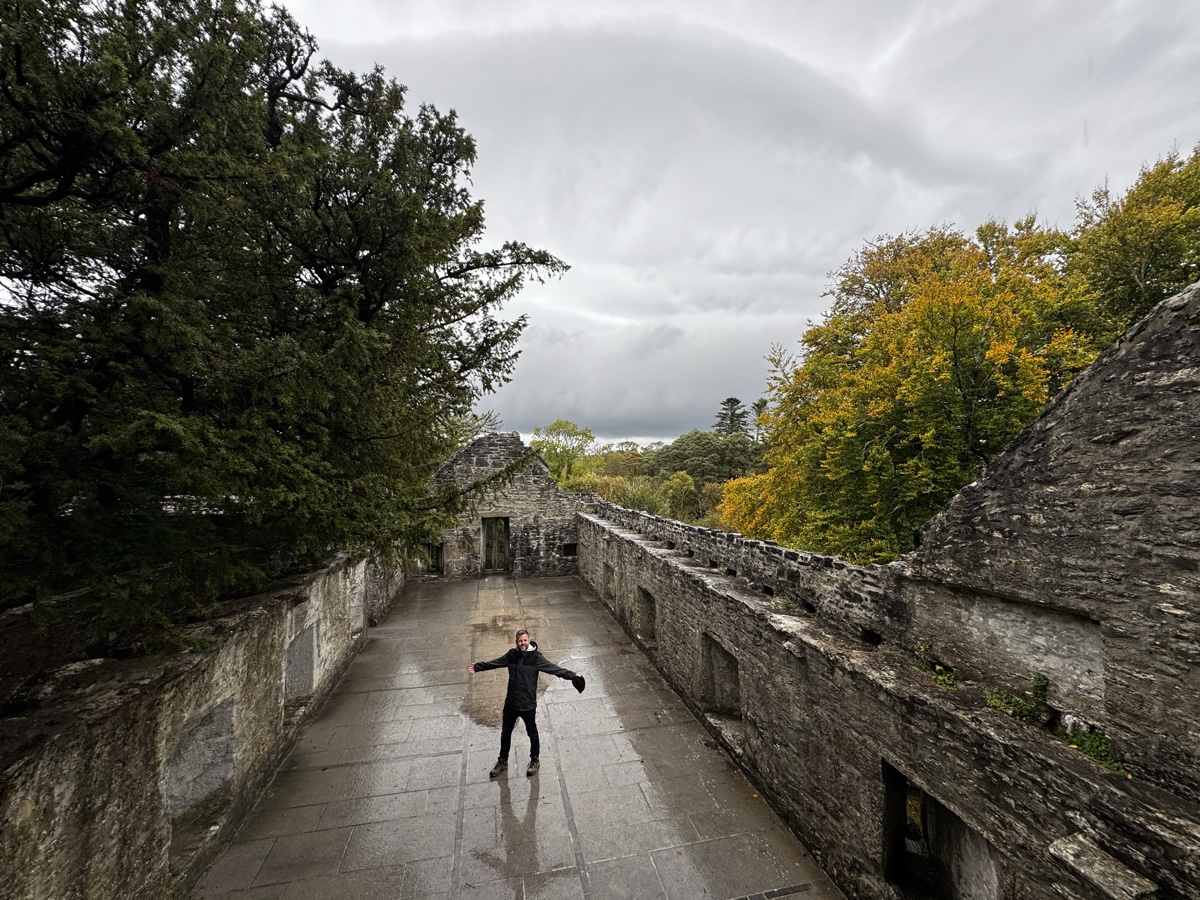
September is my autumn choice because it keeps more daylight than October. You can still plan a full day without a very early finish. I’d favor the first half of the month if you want a longer walk as well as the drive.
October can suit a shorter stop list, but the local rainfall average rises and daylight becomes more limited. Derrynane House also closes earlier in October than in September. Put any indoor visit earlier in the day, then keep the remaining stops flexible.
November and December
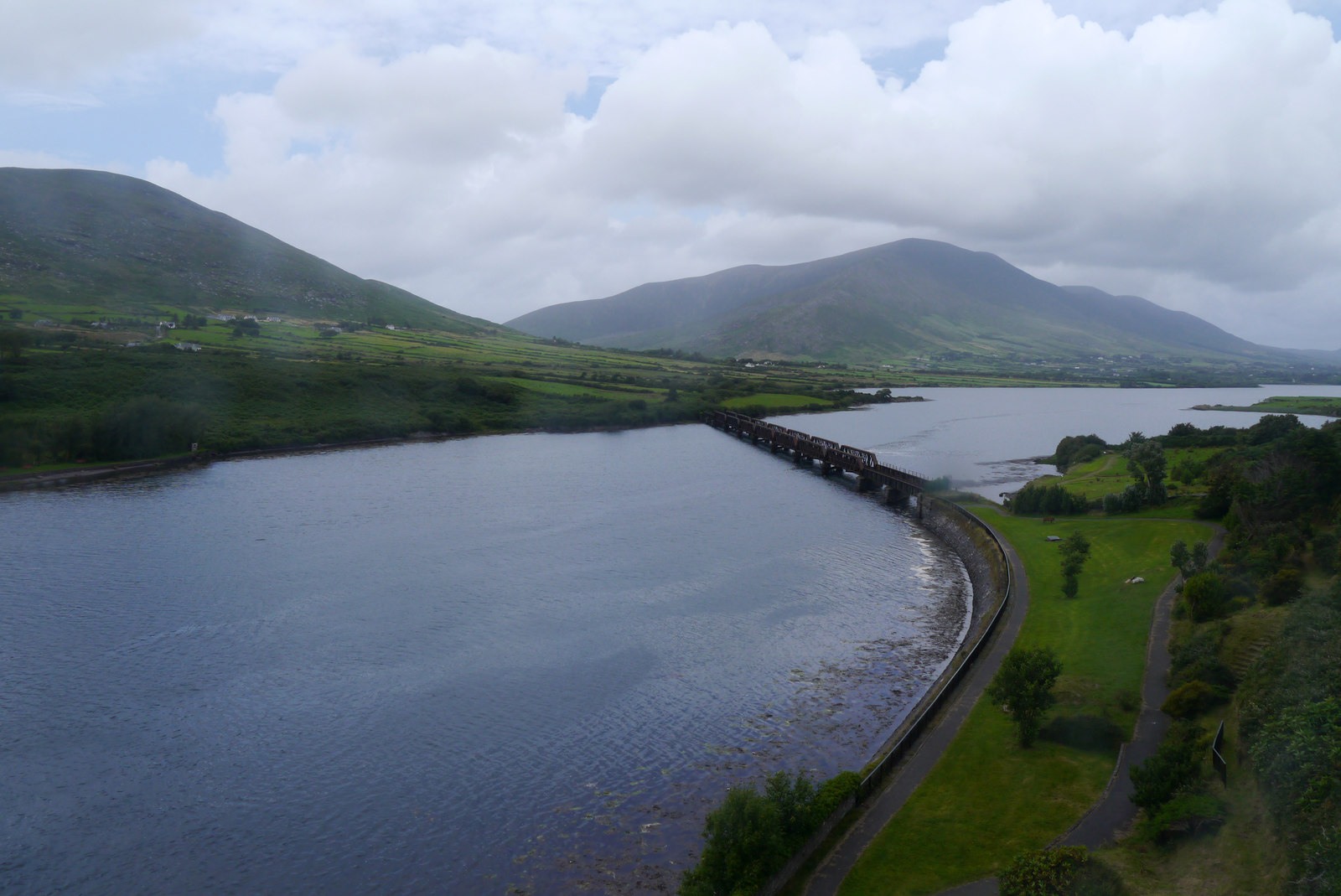
I enjoy walking on Irish beaches in winter, but a beach walk and the full Ring need very different amounts of time. November and December suit a shorter outing chosen after seeing the forecast, with somewhere open for lunch along the way.
Near the December solstice, Killarney has just under eight hours between sunrise and sunset. That leaves little room for a full drive with several lengthy stops. Choose a shorter section and give yourself time to enjoy it.
Weather and Daylight on the Ring of Kerry
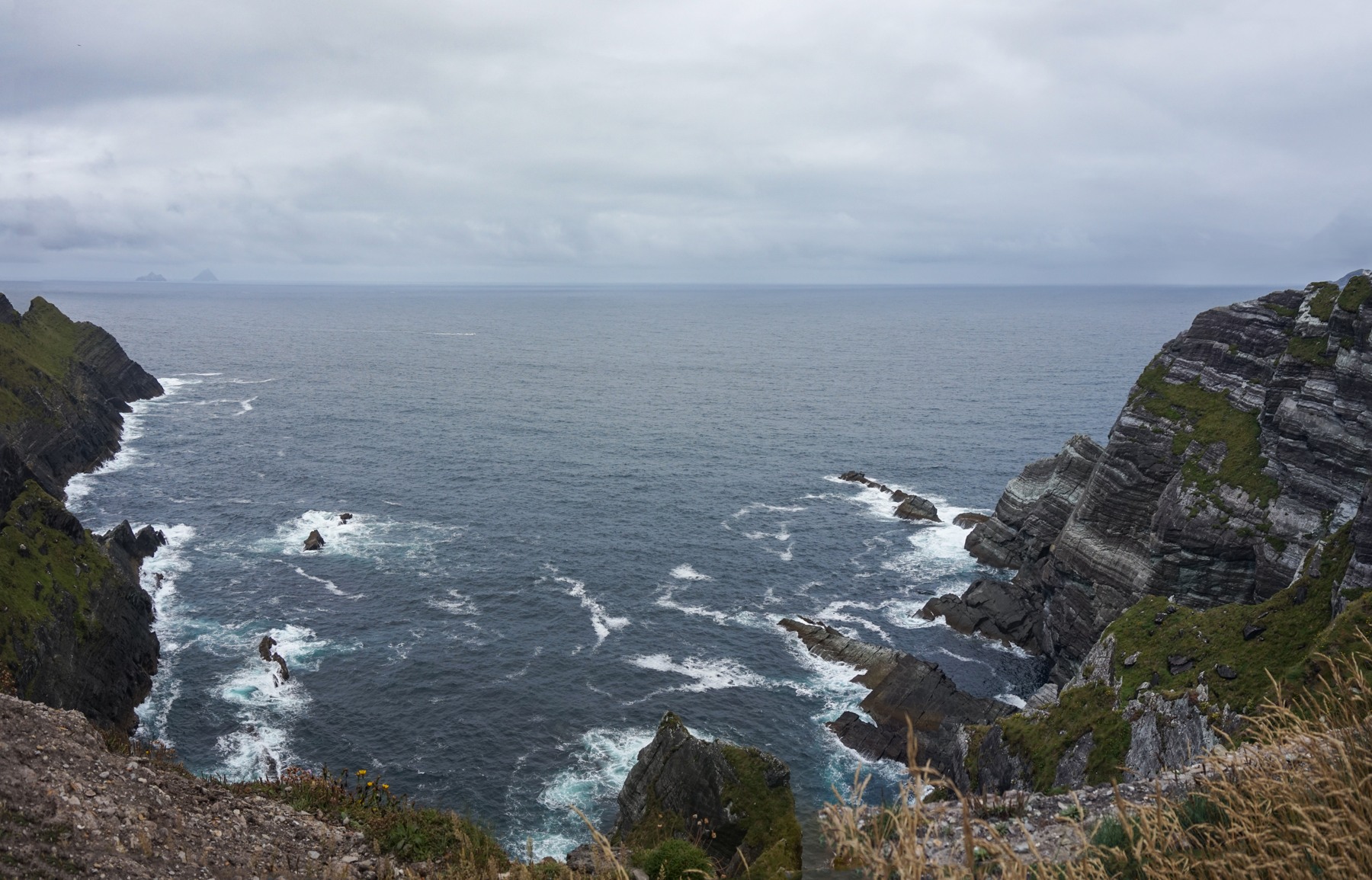
The southwest coast gets rain throughout the year. Met Éireann’s Valentia Observatory averages record about 94mm in May and 130mm in September. Those figures describe that station, not every beach or mountain road around the peninsula.
At the same station, average daily highs are about 17°C to 18°C in June through August, roughly 63°F to 64°F. January averages nearer 10°C, or 50°F. Wind and rain can make a stop feel colder than those numbers suggest, so bring layers and a waterproof jacket.
For sightseeing, pay attention to visibility as well as rain. A passing shower doesn’t necessarily hide the coast for the day, while low cloud can obscure a viewpoint even when the road is dry. Use the local forecast to choose between dates if you have flexibility.
Planning the Rest of the Coast?
- The Best Stops on the Wild Atlantic Way (11 Worth It)
- Wild Atlantic Way Itinerary: Ireland’s Most Epic Road Trip
- 20 Best Things To Do in Dingle, Ireland
- The Best Pubs in Dingle
Killarney’s sunrise and sunset calendar shows the difference clearly: almost 17 hours of daylight near the June solstice, compared with just under eight in December. Daylight means the time between sunrise and sunset; it doesn’t mean hours of sunshine.
Winter mornings are another reason to adjust the early-start advice. Near midwinter, an 8am departure is before sunrise. Waiting for daylight and shortening the outing gives you more of the scenery to enjoy while you’re on the road.
How Ring of Kerry Timing Compares to Dingle and the Wild Atlantic Way
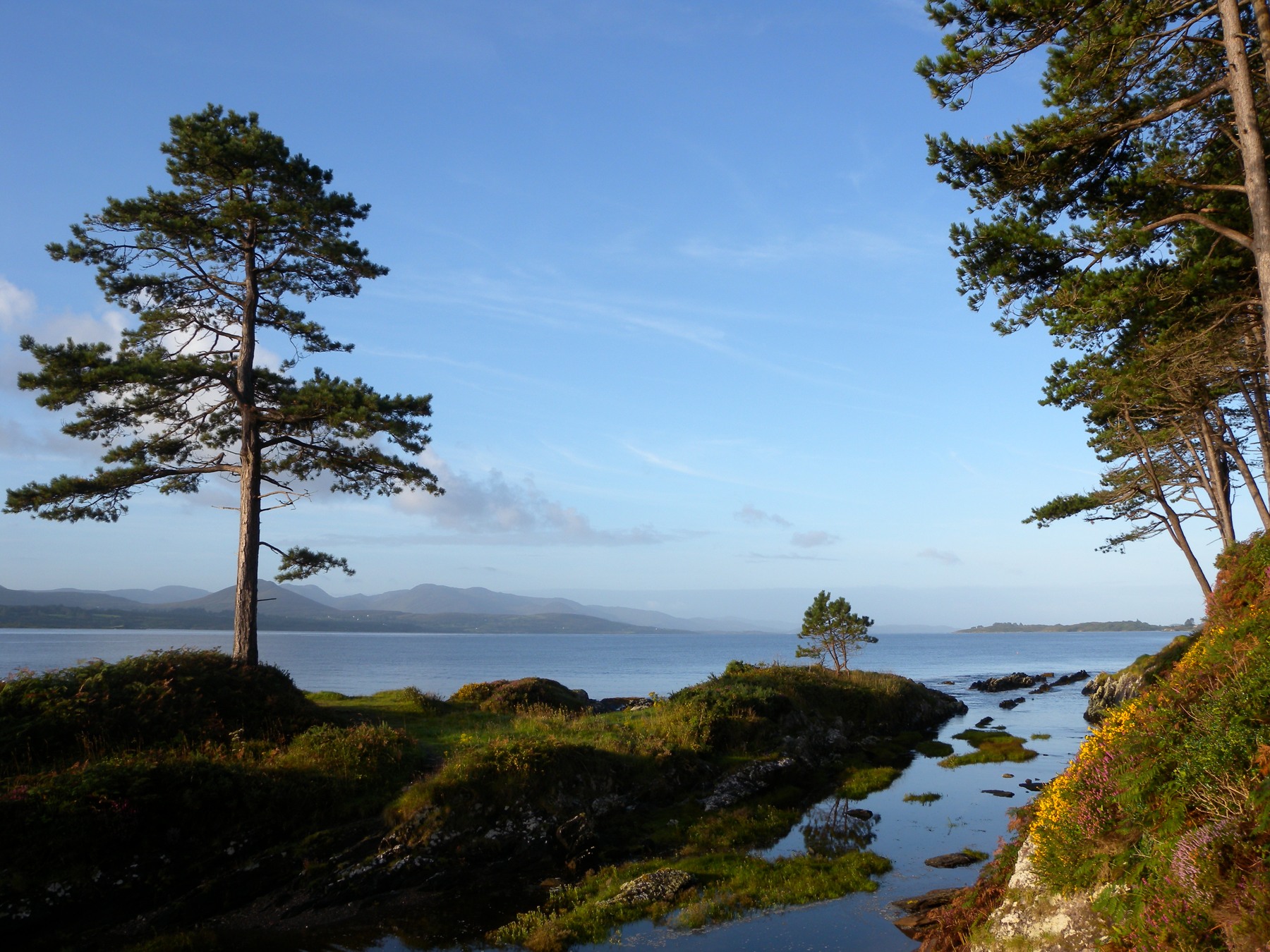
I’d give the Ring and the Dingle Peninsula separate days. They’re neighboring peninsulas, but combining their main drives leaves less time for the things that make either worth visiting. The same approach to daylight helps on both.
My recommendation for the best time to visit the Dingle Peninsula is similar: consider May, June, or September, then allow a day with enough light for the coast. A sunny evening in town doesn’t make up for completing the scenic road after dark.
Direction deserves its own attention there. The local tourism body’s Slea Head guidance asks visitors to follow the clockwise system through Ventry. That is specific advice for Slea Head, and you shouldn’t substitute a Ring of Kerry direction tip for it.
Our Slea Head Drive guide can help you choose the stops. I’d keep time in Dingle town separate from the coastal drive, particularly if you want a relaxed lunch or an evening of music. Both need space in the day.
If you have two flexible days in Kerry, look at the forecasts for both peninsulas before deciding their order. A view on one side isn’t proof that the other is clear. Leave the more weather-dependent outing for the better forecast where practical.
For a longer coastal trip, the best time to drive the Wild Atlantic Way depends on how far you’re going and what you want to do. May and June give you long days, while September is another month I’d consider for a route with fewer evening activities.
The full Wild Atlantic Way extends about 2,500km from Donegal to Cork, so conditions and opening hours vary along it. I’d divide that trip into manageable days instead of applying one Kerry departure time to the entire western coast.
Where to Stay Around the Ring of Kerry
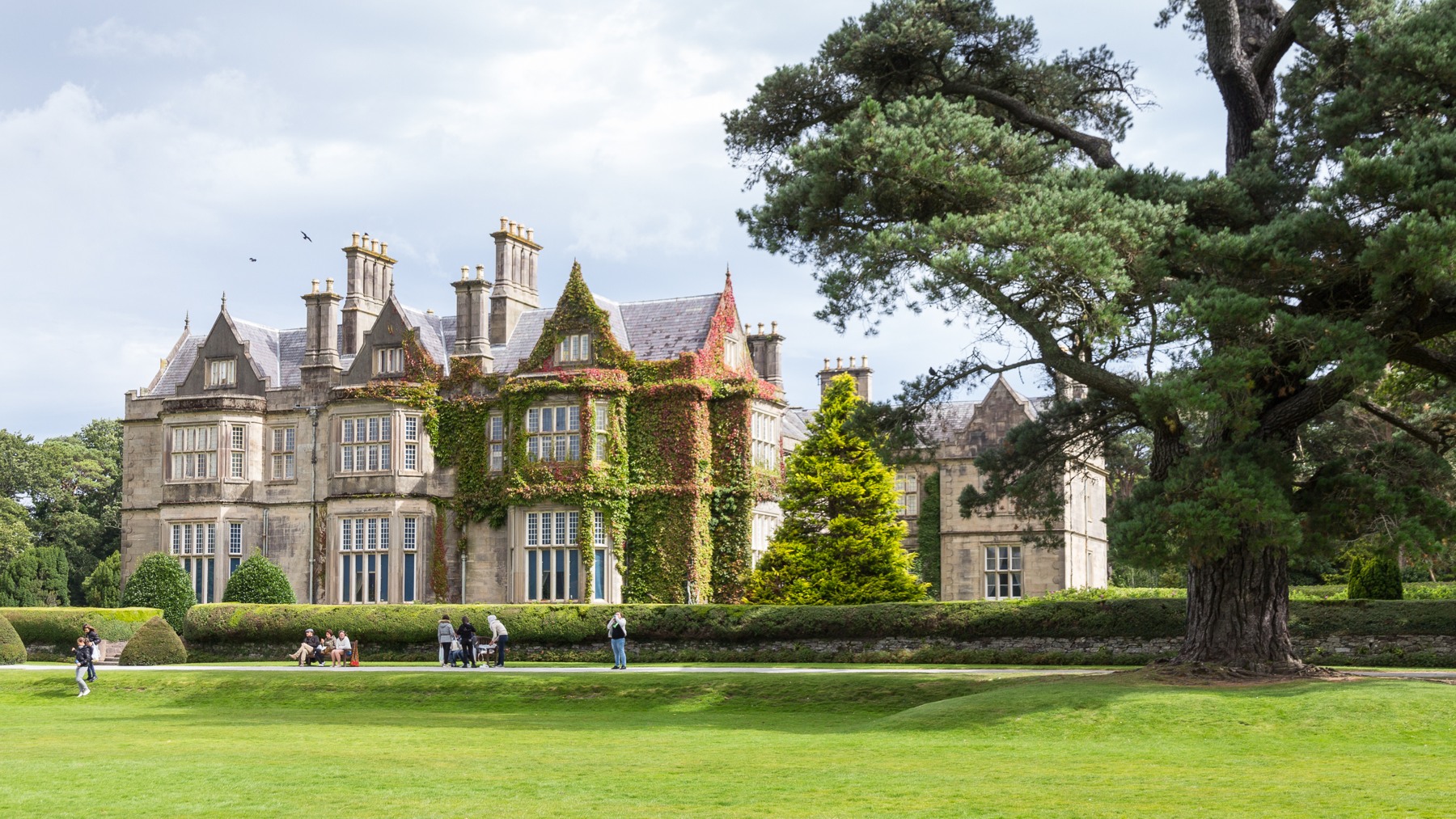
The best base is one that keeps the journeys before and after the Ring short. I’d spend the night nearby rather than arrive from another county that morning. It gives you a proper breakfast, an easier start, and less driving after the sightseeing is done.
The Killarney Park
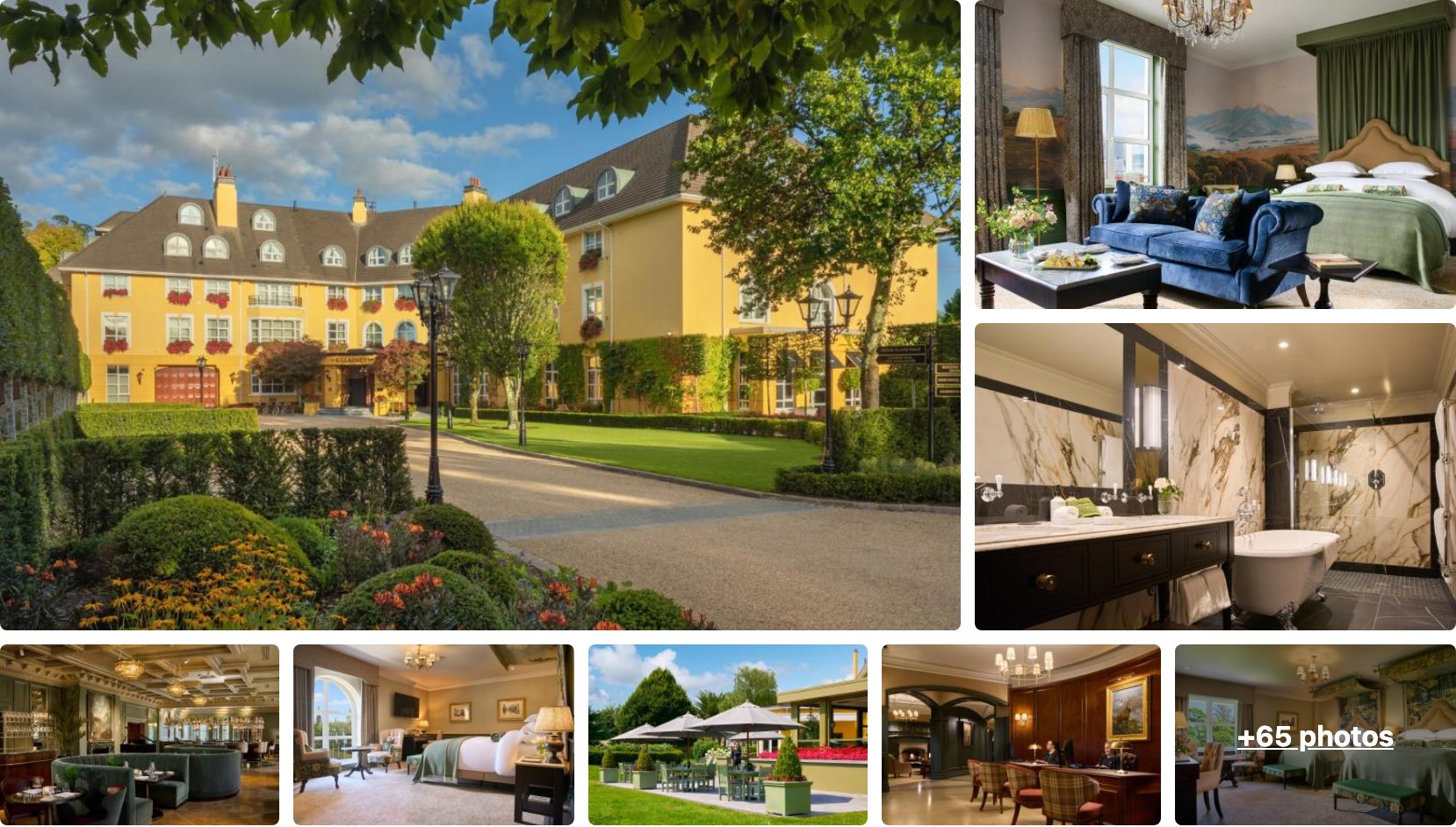
The Killarney Park is the splurge option if you want to keep the same base for the Ring of Kerry and a day in Killarney National Park. This five-star hotel is in the town center, with free private parking, so you can leave the car and walk out for dinner.
There is an indoor pool and spa, and the hotel has its own restaurant and bar. I would choose it for a longer Killarney stay, when there is time to use those facilities between drives and walks.
👉 View The Killarney Park Availability and Pricing
Bridge Street Townhouse

Bridge Street Townhouse puts you beside the square in Kenmare, with restaurants and shops close enough to reach on foot. The guesthouse has individually furnished rooms in a historic building, and breakfast uses homemade food and locally sourced produce, including meat from the family business.
I would choose this base if an evening in Kenmare matters as much to you as the drive. It also works well before taking the road through Moll’s Gap toward Killarney the next morning, with time for stops along the way.
👉 View Bridge Street Townhouse Availability and Pricing
Seaclusion Luxury Guest Accommodation
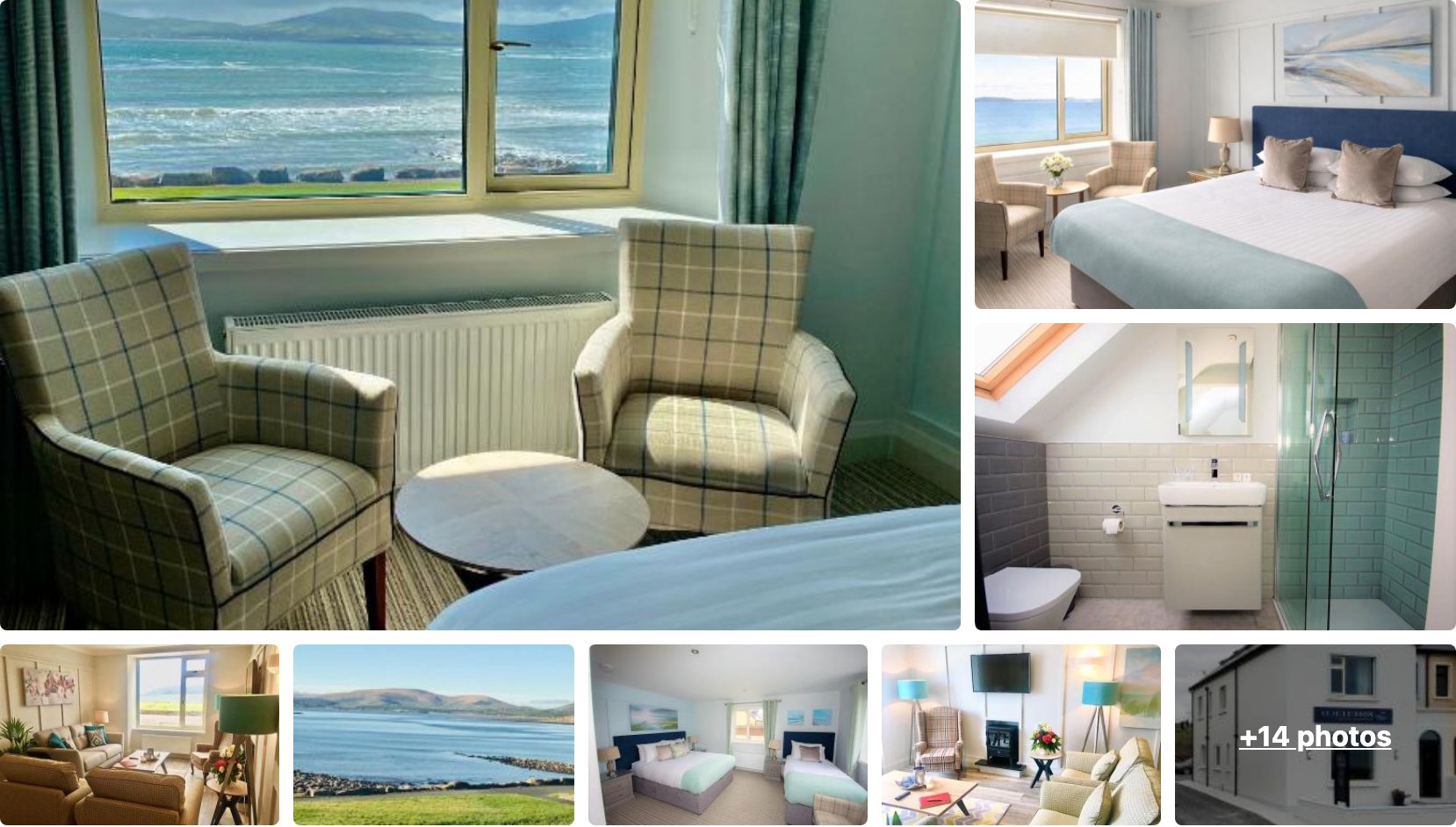
Seaclusion Luxury Guest Accommodation is on Waterville’s seafront, with the promenade outside and private parking listed on Booking.com. It is a useful stop if you are spreading the Ring of Kerry over two days and want an evening by the water instead of returning to Killarney.
Rooms have private bathrooms, and the listing includes sea-view and mountain-view categories, so check the room description when booking. I would pay attention to that distinction here: a room facing the water gives you somewhere to enjoy the coast even when rain interrupts a walk.
👉 View Seaclusion Luxury Guest Accommodation Availability and Pricing
Best Ring of Kerry Tours From Killarney
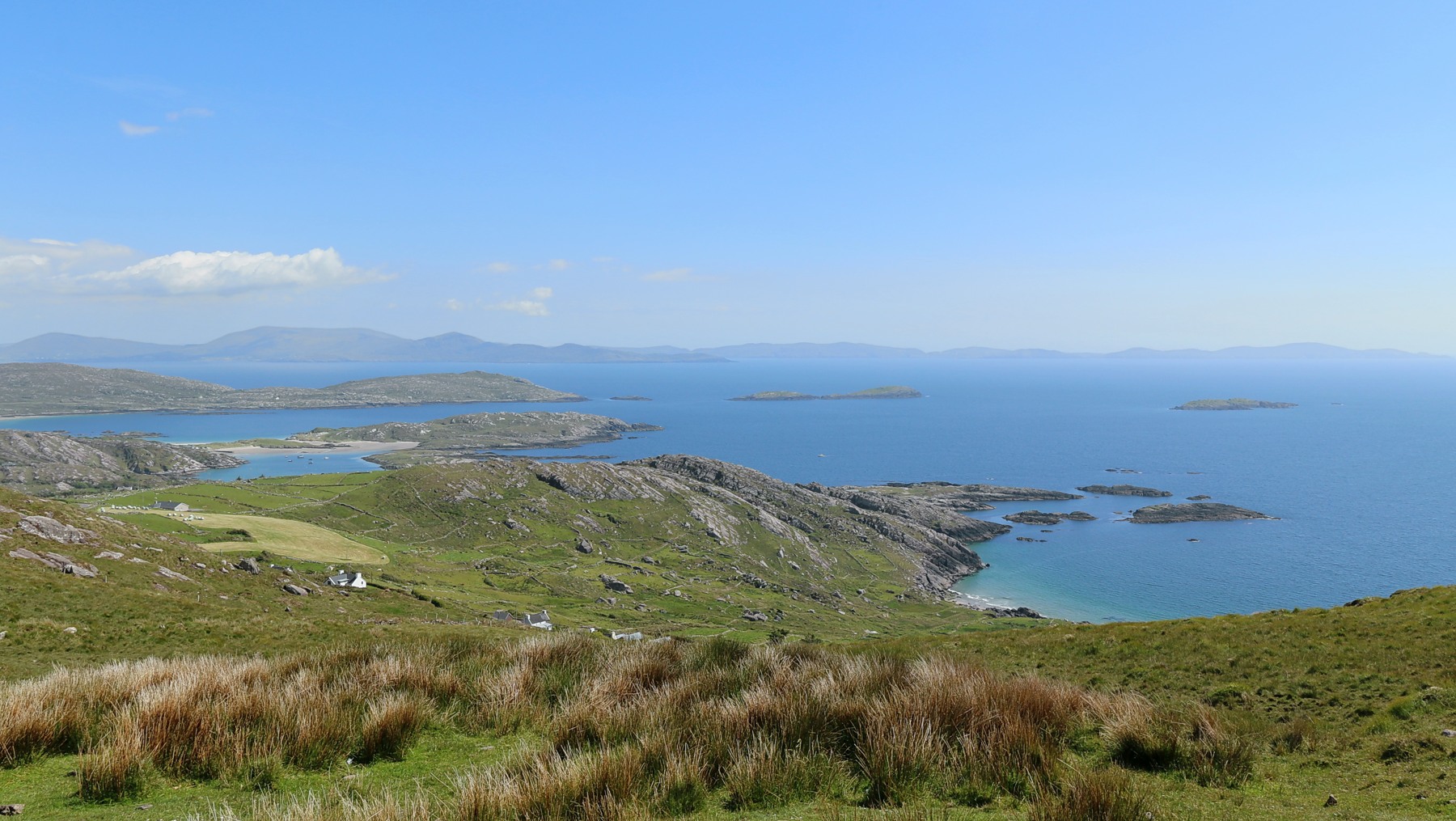
I’d recommend a guided tour if driving on unfamiliar roads would stop you enjoying the views. It also suits a visitor traveling alone or staying in Killarney without a rental car. You can spend the day looking at the coast while someone else handles the driving.
The main compromise is how long you spend at each stop. A tour follows its advertised program, so it’s less suitable if a long walk at Derrynane or several hours on Valentia Island is the reason you’re coming.
Timing the Rest of Your Trip
- Ireland in Autumn: Best Places to Visit & Things to Do
- Visiting Ireland in Spring: The Complete Guide
- The Best Restaurants in Killarney: 11 Local Favourites
A car is my choice for a day with a long walk or several detours, provided someone in the group is comfortable driving. For a general introduction to the route, a guided tour is a good alternative.
These two tours offer a full outing from Killarney. Both include the mountain views on the return, so compare their stops and duration rather than assuming that only the tour with “Mountain Road” in its name goes there.
From Killarney: Ring of Kerry Full-Day Tour
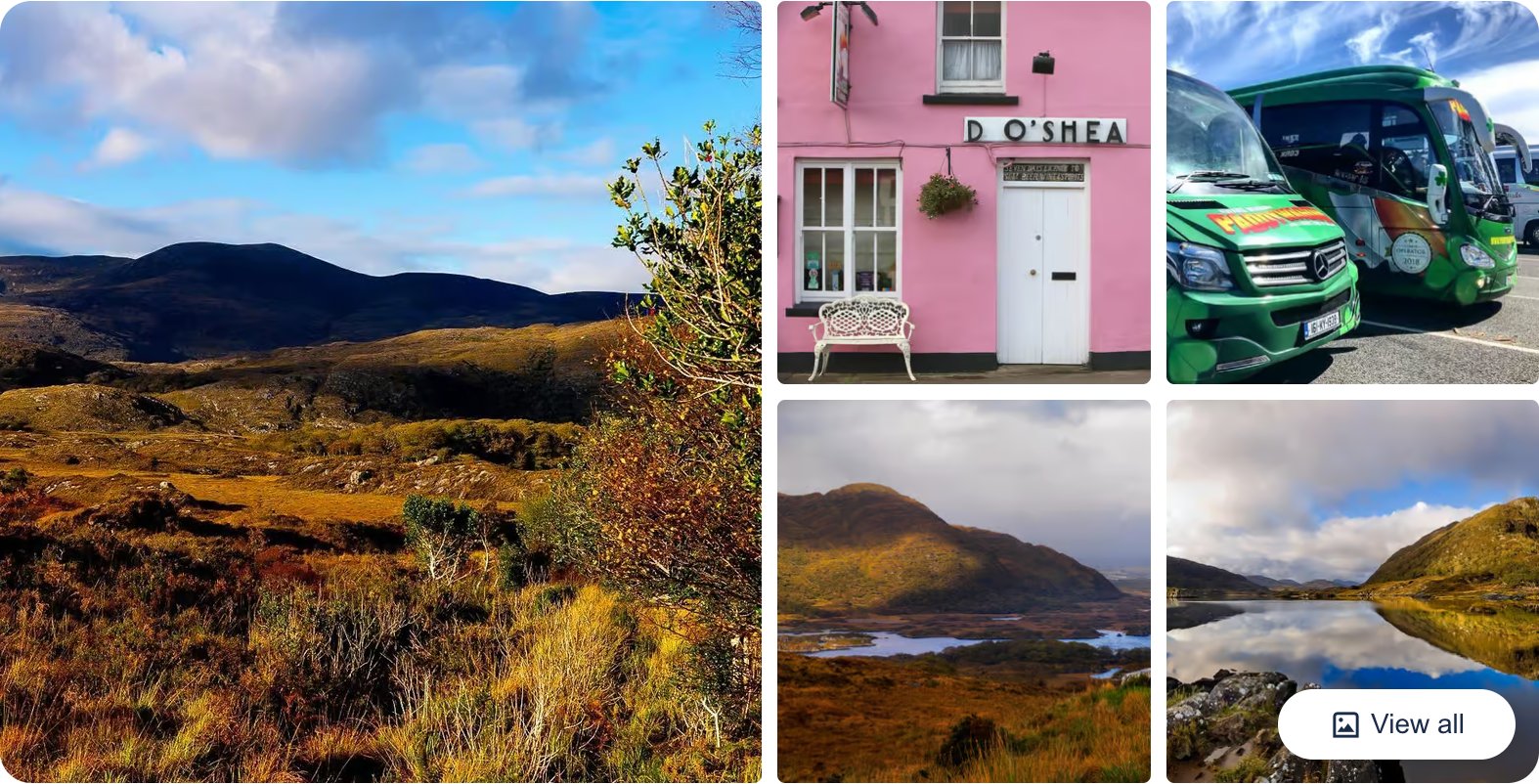
This seven-hour tour includes Waterville, Sneem, Moll’s Gap, Ladies View, and Torc Waterfall. It’s a good option for an introduction to the route without driving yourself. Its fixed itinerary suits several shorter stops more than a long walk at one place.
👉 Check availability and reviews for the Ring of Kerry Full-Day Tour
From Killarney: Ring of Kerry Mountain Road 1-Day Bus Tour
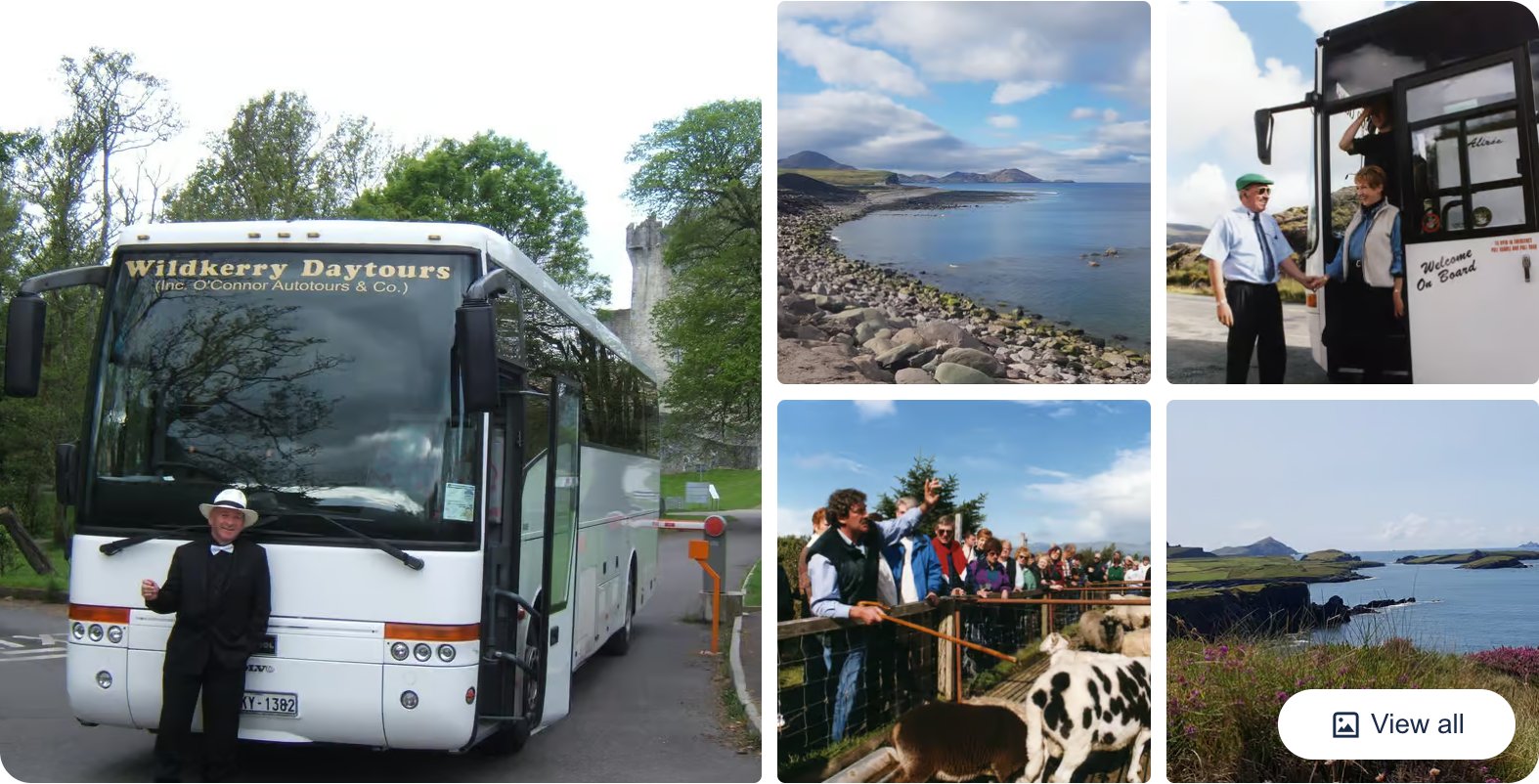
This six-and-a-half-hour tour follows the coast and returns through Moll’s Gap and Ladies View. The listing includes an hour for lunch and an afternoon refreshment stop. I like the clearly planned breaks, especially for travelers who want a set schedule.
👉 Check availability and reviews for the Mountain Road bus tour
Frequently Asked Questions About Driving the Ring of Kerry
How long does it take to drive the Ring of Kerry?
Allow a full day for the roughly 179km loop. I’d budget around seven to nine hours for a drive with lunch and a handful of stops, treating that as a planning estimate. Long walks, Valentia Island, or the Skellig Ring can justify a second day.
What is the best month to drive the Ring of Kerry?
May is my first choice, with early June close behind. May has the lowest monthly rainfall in Valentia Observatory’s published averages, while June offers the longest days. September is another good option if you’d rather travel in autumn.
What is the best time of day to start the drive?
I’d aim for 8 or 8:30am in the lighter months so you have time for stops. In winter, wait for daylight and choose a shorter outing. A late-afternoon departure is better for part of the route than a full sightseeing loop.
Can you drive the Ring of Kerry and Dingle in the same day?
I’d give them separate days. Combining the Ring of Kerry and the main Dingle Peninsula drive means spending much of the day moving between places, with little time to explore. If you only have one day, choose one peninsula and enjoy it properly.
Do I really need to drive clockwise?
Clockwise is an option, not a guarantee of less traffic. From Killarney it takes you toward Kenmare first, while counterclockwise takes you toward Killorglin. Choose according to your stops, your base, and how comfortable you are meeting large vehicles on narrower sections.
My Choice for a First Ring of Kerry Drive
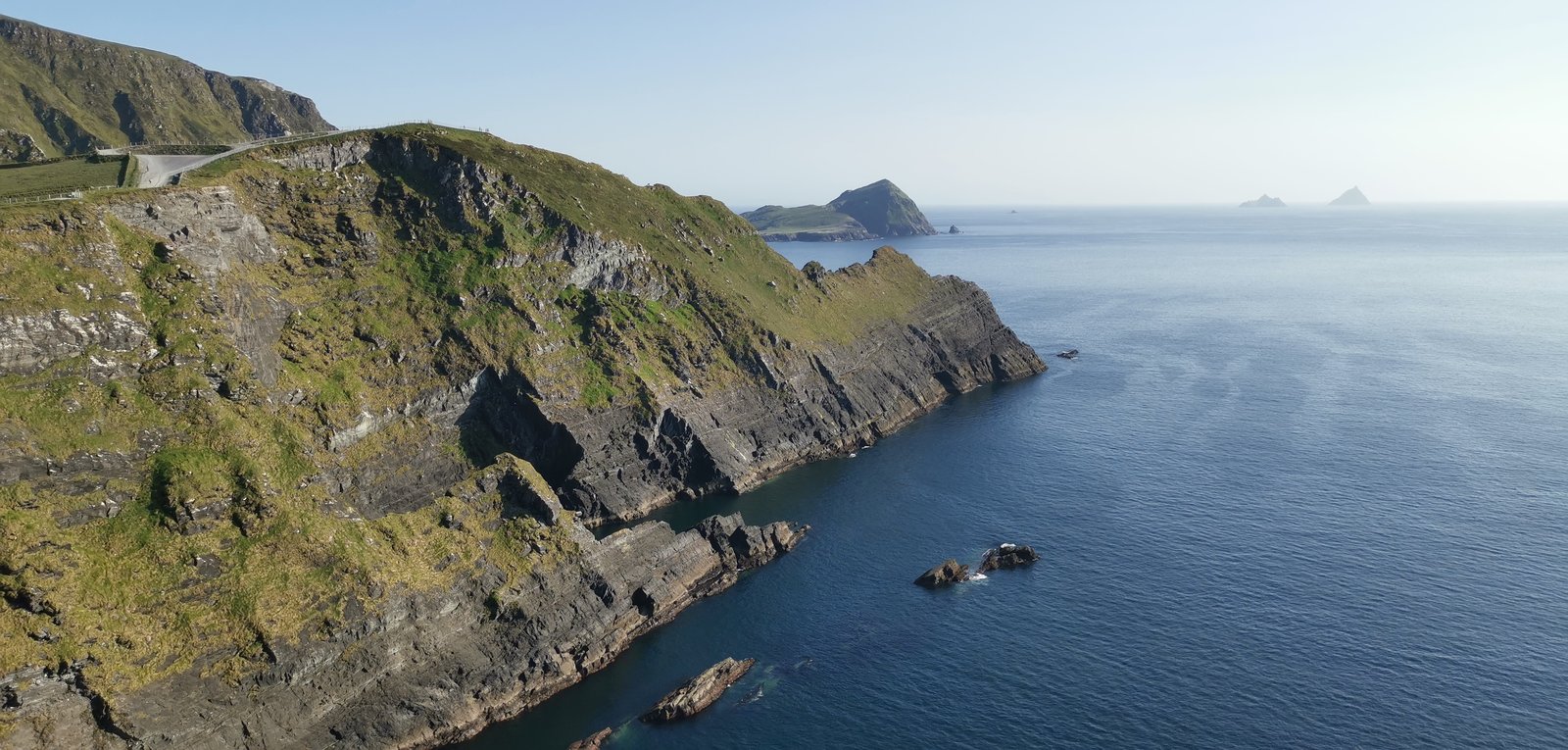
For a first drive, I’d choose May or early June, stay nearby, and give the Ring a full day. Pick a few places you want to spend time, then use the remaining daylight for the stops that appeal as you go.
If September fits your plans better, choose that and keep the evening schedule light. Leave time to walk beside the water and sit down for lunch. Those stops are a large part of why I recommend giving this drive a day of its own.
Like it? Pin it!
Save this guide for later


Photo and image credits
Photographs are credited below. Images were resized and recompressed for this page. The seasonal graphic and Pinterest images also use crops, text, and branding.
- Dry-stone outer wall of Staigue Fort beneath a blue sky by Dagmar Willhalm (CC BY-SA 3.0).
- A car on the Kerry coastal road below a disused railway tunnel by NearEMPTiness (CC BY-SA 4.0).
- Green fields and mountains beside Ballinskelligs Bay by Gerd Eichmann (CC BY-SA 4.0).
- Deenish and Scariff islands beyond the grassy Kerry coast by Robert Linsdell from St. Andrews, Canada (CC BY 2.0).
- Lakes and wooded valleys seen from Ladies View under broken cloud by Marco Ober (CC BY-SA 4.0).
- The Caragh River winding through a green mountain valley in Kerry by Robert Linsdell from St. Andrews, Canada (CC BY 2.0).
- The N71 at Ladies View beneath low cloud, with parking spaces beside the road by Steven Brown (CC BY-SA 2.0).
- Orange tulips and other flowers in the gardens at Muckross House by John Menard from Phoenix, USA (CC BY-SA 2.0).
- View from Geokaun Mountain across Valentia Island toward Cahersiveen by Chris Gorringe (CC BY-SA 2.0).
- The disused railway viaduct over the Valentia River at Cahersiveen by Phil Champion (CC BY-SA 2.0).
- Atlantic waves between the layered rock faces of the Kerry Cliffs under gray cloud by Marco Ober (CC BY-SA 4.0).
- Pine trees framing a sheltered rocky shore on the Ring of Kerry by DI Florian Fuchs (CC BY 3.0).
- Muckross House and its lawn framed by a large tree in Killarney National Park by JoachimKohler-HB (CC BY-SA 4.0).
- Rocky Kerry coastline with offshore islands and blue Atlantic water by Robert Linsdell from St. Andrews, Canada (CC BY 2.0).
- Rocky islands and coastal fields near Parknasilla on the Ring of Kerry by Tobias Helfrich (CC BY-SA 3.0). Also used in the seasonal planning graphic and the first Pinterest image.
- Colorful buildings around the square in Killorglin by Colin Park (CC BY-SA 2.0). Also used in the seasonal planning graphic.
- Buildings and cars along Cahersiveen main street by Rauenstein (CC BY-SA 3.0). Also used in the seasonal planning graphic.
- Stone pier beside still water in Kenmare Bay by PAUL FARMER (CC BY-SA 2.0). Also used in the seasonal planning graphic.
- Eightercua standing stones on a grassy hill near Waterville by Robert Linsdell from St. Andrews, Canada (CC BY 2.0). Also used in the seasonal planning graphic and the second Pinterest image.
- Layered rock cliffs above the Atlantic at the Kerry Cliffs by Z thomas (CC BY-SA 4.0).
The seasonal planning graphic and first Pinterest image are adaptations licensed under CC BY-SA 3.0. The second Pinterest image uses a photograph licensed under CC BY 2.0.
The two photographs showing Nick Wharton come from the Your Irish Adventure photo archive. Hotel and tour galleries come from the respective Booking.com and GetYourGuide listings.
Map data: OpenStreetMap contributors, under the Open Database License. Seasonal planning sources include Met Éireann, Killarney daylight tables, Heritage Ireland, the Ring of Kerry Charity Cycle, and Puck Fair, linked in the article.
License terms: CC BY 2.0, CC BY 3.0, CC BY-SA 2.0, CC BY-SA 3.0, CC BY-SA 4.0.