I would choose May or early June as the best time to hike in Ireland, especially when walking is the main reason for the trip. As an Irish native who has explored the country in all seasons, I value the longer days, but I would still leave the harder walk flexible until the forecast is clearer.
September is my next choice. Winter can work for shorter, lower-level outings, but it asks a different question of your experience and equipment. The month helps you choose your vacation dates; the route and the day’s conditions decide what you can do once you arrive.
Quick Answer:
May and early June are my first choices for hiking in Ireland, with September a useful alternative. Longer days give walks more room, but national climate averages cannot predict mountain conditions. Choose a route for your experience, check the local forecast, and allow time to finish before dark.
Best Time to Hike in Ireland: May and Early June
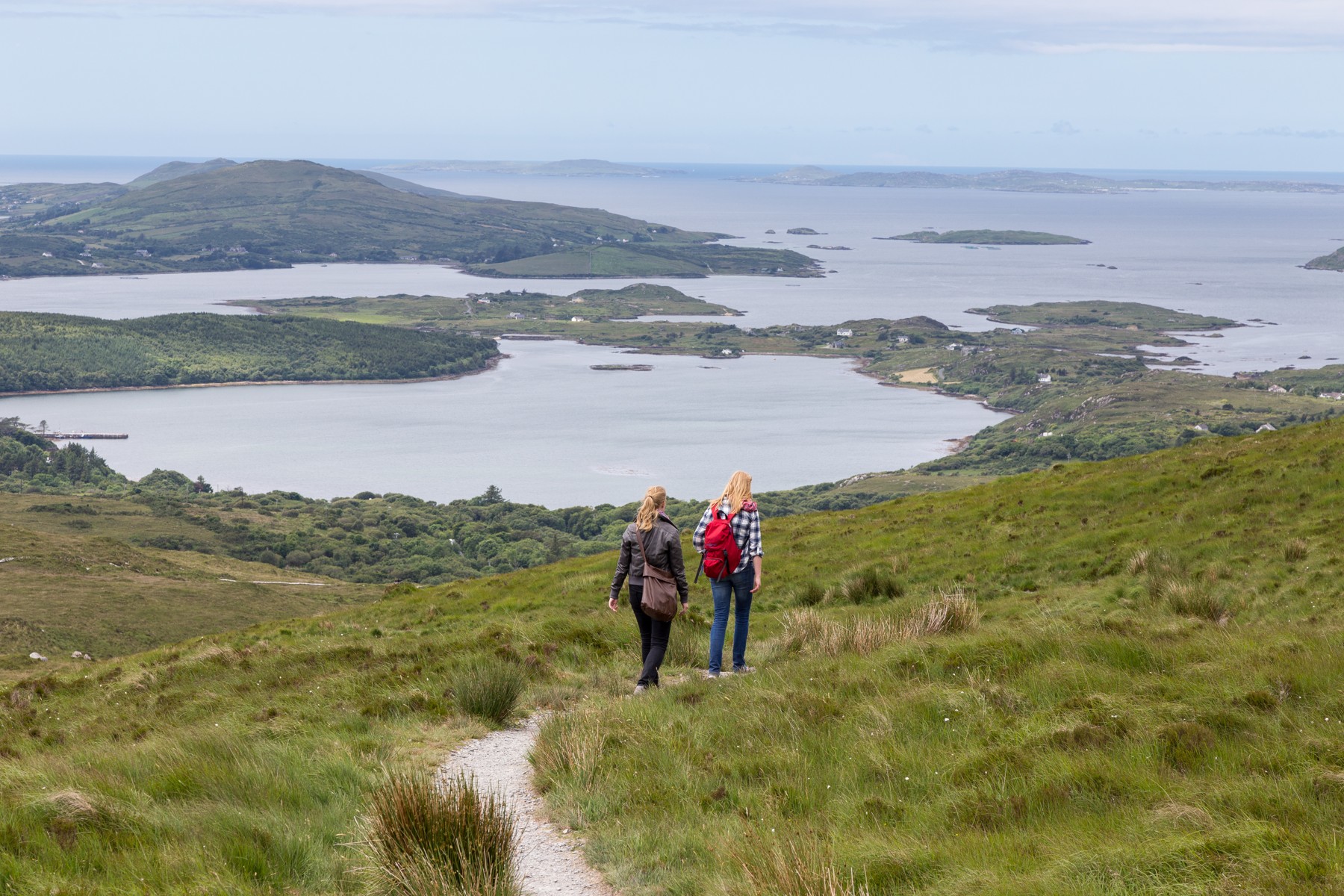
May gives a walking trip a useful combination of daylight and a favorable seasonal rainfall pattern. Met Éireann identifies April and May as Ireland’s driest months on average, and May and June as its sunniest.
These are national patterns, so they help with booking a trip months ahead without promising a dry week in Connemara.
May is my first choice for a trip built around day hikes. You have room to start after breakfast, walk at a comfortable pace, and return with daylight left. That extra time is useful when you stop often or discover that a rocky path takes longer than its distance suggested.
Early June is another good choice when you want more time outdoors. Long evenings let you separate the hiking day from the driving day instead of rushing both. I would use the extra daylight to keep a margin for delays, rather than automatically choosing a longer route.
Compare Your Travel Dates
- Ireland in May: Weather, Trip Plans and What to Book
- Ireland in June: What To Wear and Pack
- Ireland in Shoulder Season: How to Plan Your Trip
Our best time to visit Ireland guide compares the wider travel seasons. For hiking, I would narrow that choice further by listing the routes you want to attempt and checking their grades. A week of woodland trails has different requirements from a week focused on exposed summits.
The same applies to the map below. Wicklow, Connemara, and Killarney are three possible areas for a stay, each with different walking choices. These pins identify the areas discussed here; they do not mark a hiking route or replace a detailed walking map.
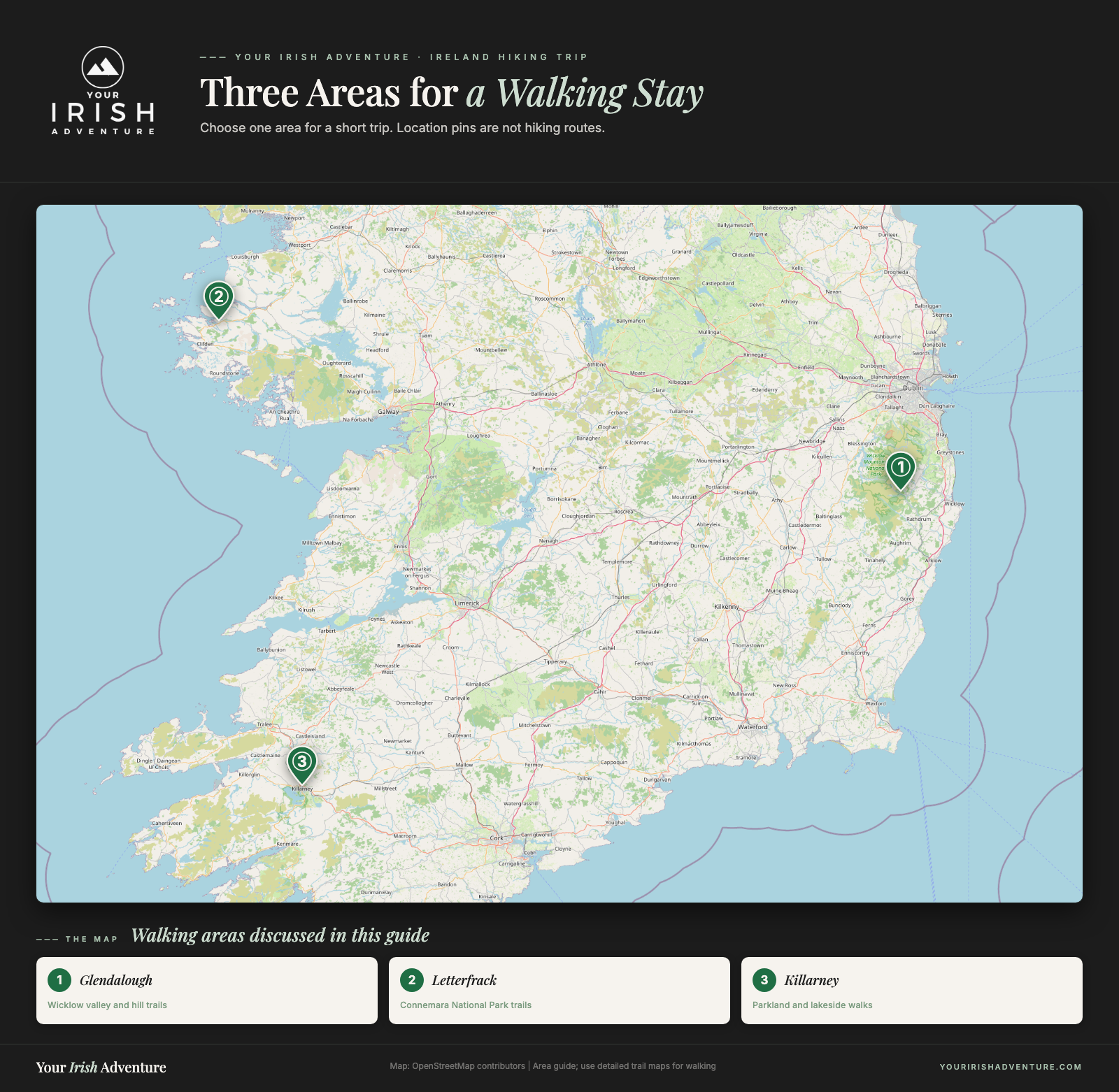
Choose the area around the walking you most want to do. Open the map to enlarge the locations, then use the national park’s detailed trail information for the outing itself.
Spring Hiking: March, April, and May
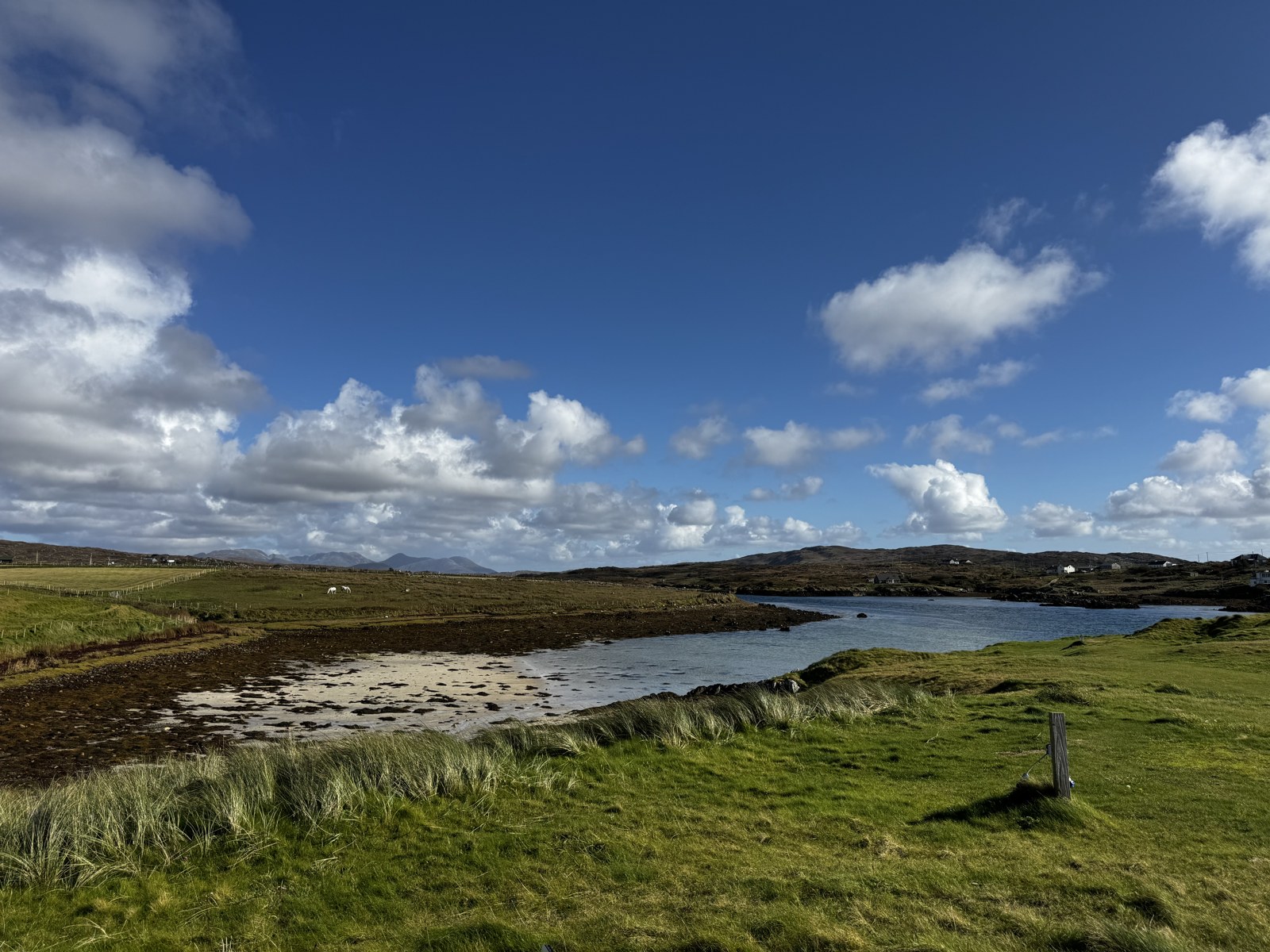
March is early for a vacation that depends on reaching particular summits. Start a spring itinerary with lower-level walks and choose any mountain day closer to the time. The difficulty of the ground matters as much as the air temperature when winter conditions persist.
April becomes more appealing if your plans include several moderate day walks. Its comparatively low average rainfall is useful context, but a dry monthly average cannot tell you whether a boggy section has dried out. Read recent trail notices and allow the route’s surface to influence your choice.
Spring also makes it worth looking closely at what grows beside the path. You can enjoy the plants without stepping into wet ground for a photograph. Stay on the established trail and follow local access instructions, particularly where a route crosses farmland.
Easter and public-holiday weekends need their own accommodation check. If your dates are flexible, compare an ordinary week with the holiday week before committing. I would prioritize a convenient base and enough nights to change a walking day over chasing the cheapest room far from the trail.
Summer Hiking: June, July, and August
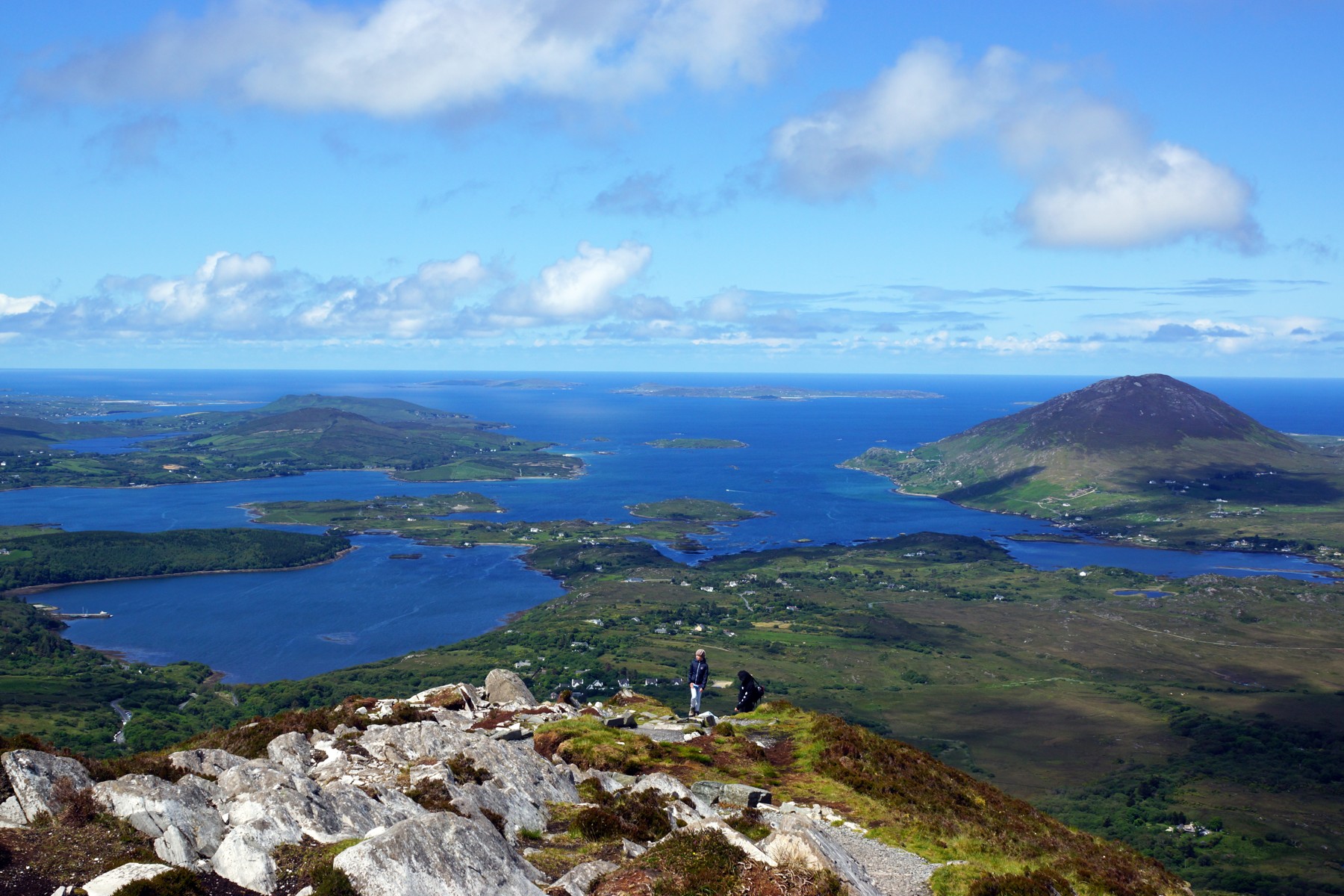
June, July, and August offer plenty of daylight for a walking trip, but summer still needs a weather plan. Met Éireann’s sunshine figures describe hours of actual sunshine, which are much fewer than the hours between sunrise and sunset. A long summer day can include rain and low cloud.
A morning start works well at popular trailheads when the forecast also suits it. It gives you time to deal with parking, adjust your gear, and set off without rushing. An early start is useful planning, but it does not compensate for unsuitable wind or poor visibility on an exposed route.
Summer warmth can also make the climb feel different from the weather at the starting point. Carry enough water and food for the whole outing, including time spent resting. Plan the day around the slowest comfortable pace in your group, rather than the speed of the person who wants to reach the top first.
Break in your boots before the trip, and check unfamiliar equipment on a short walk near home. After a long flight or drive, allow time to rest before attempting a demanding hike.
September and Early October: Allow for Shorter Days
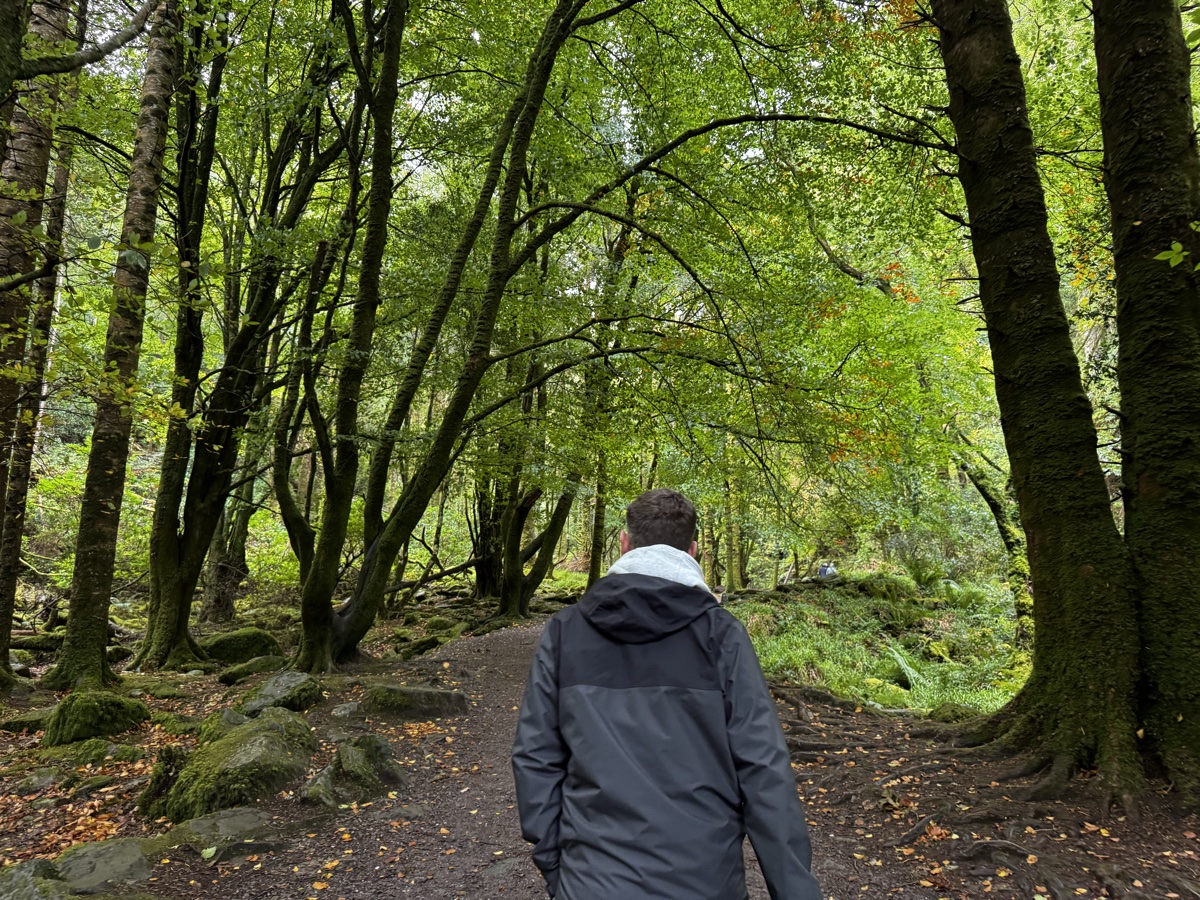
September is my alternative to late spring for a hiking trip. The change from summer is that you need to pay closer attention to the time available before dark.
Check the local sunset for the exact date and finish comfortably ahead of it. A walking estimate usually needs extra time for photographs, lunch, and your own pace. Count the return to the actual parking place or bus stop, rather than treating the last viewpoint as the finish.
Early October can suit a trip that combines woodland walks with towns and indoor visits. I would shorten the walking days and avoid making several summit outings the condition for a successful vacation. A lower-level route gives you more options when a higher path is in cloud.
Wet leaves can obscure the surface of a woodland path, and rain can change the condition of a trail you last walked in summer. Give your footing the same attention on the descent as on the climb. A familiar name does not mean familiar conditions.
Late Fall and Winter: Choose Shorter, Lower Routes
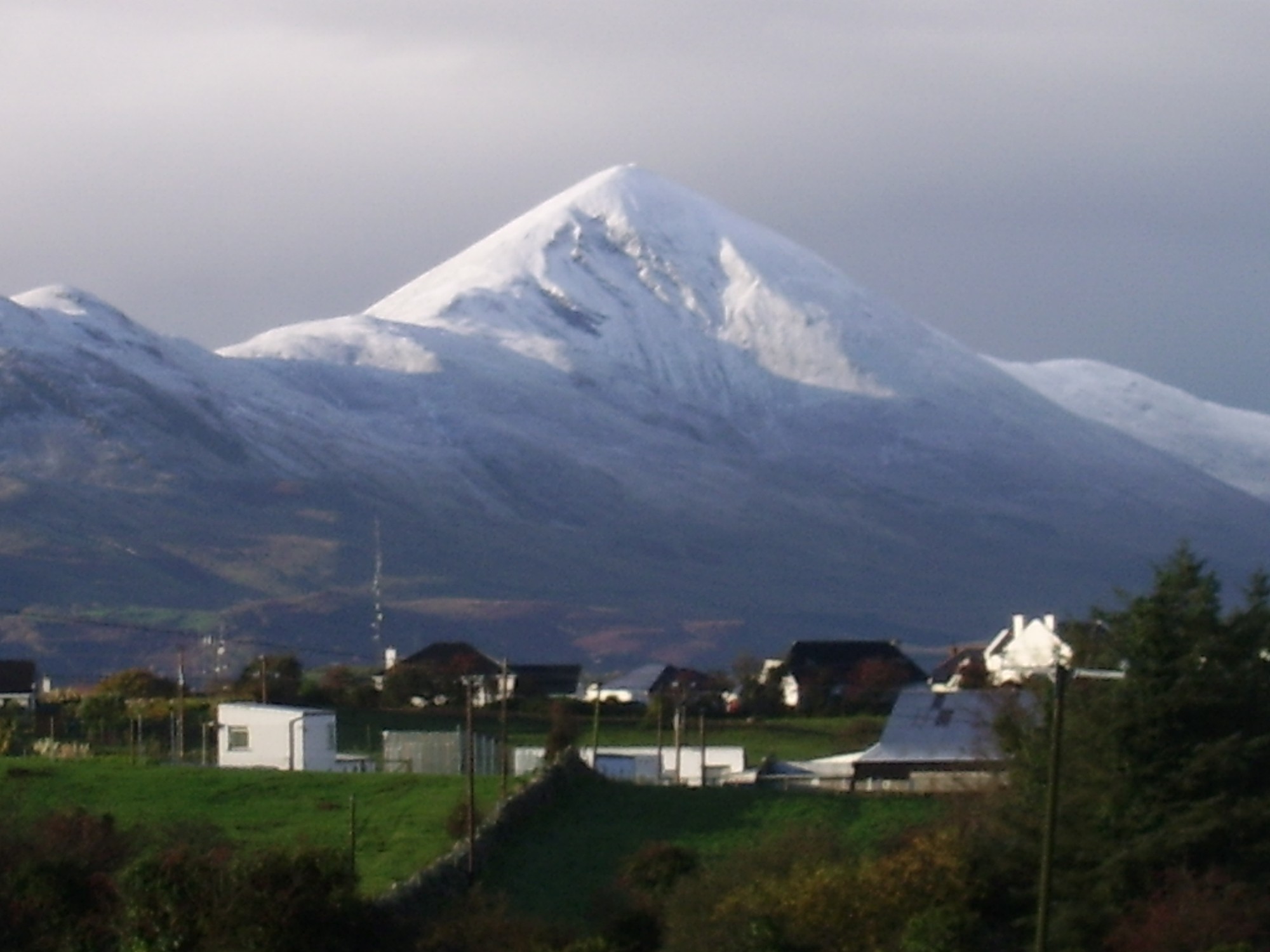
I would not choose November through February for a first vacation focused on Ireland’s higher mountains. Shorter days reduce your margin, and snow or ice can demand skills and equipment beyond ordinary summer hiking.
Mountaineering Ireland’s winter guidance explains why a mountain walk can become a substantially different undertaking.
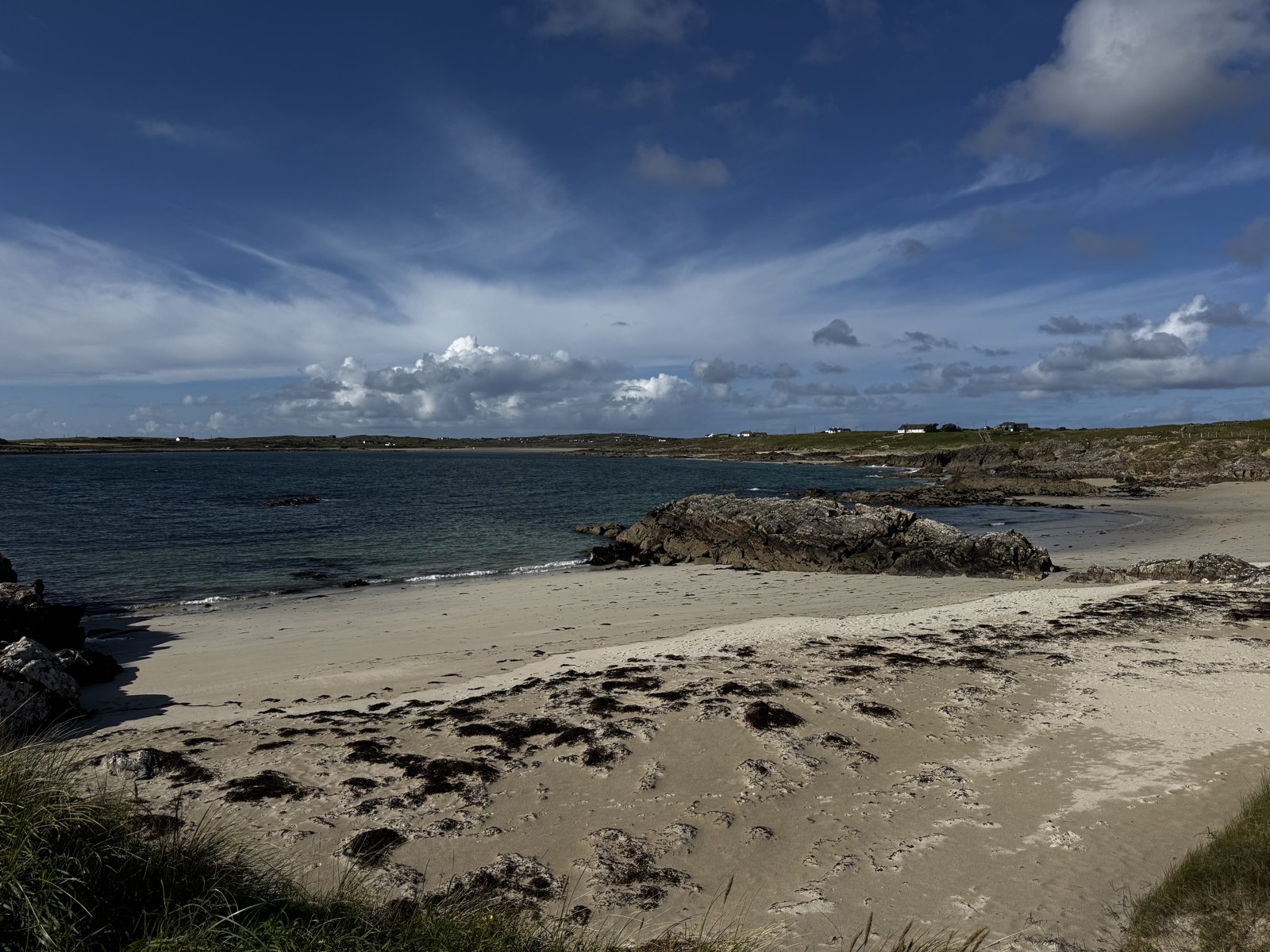
The photograph of snow on Croagh Patrick shows why a mountain forecast matters even in a country with relatively mild winters. There are still worthwhile reasons to travel in winter. Personally, I love walking on Irish beaches during winter, and a short low-level outing can fit well into a town-based break.
Choose the actual route from local conditions, access information, and the forecast.
Lower ground is an alternative only when conditions are suitable there too. Strong winds can make an exposed coast a poor choice, while flooding or fallen trees can affect low-level paths. Keep an indoor option available when the weather rules out walking altogether.
More Irish Walking Guides
- 15 Best Hikes in Ireland: A Local’s Trail Guide
- Hiking In Galway: 10 Best Trails For All Levels
- The Best Coastal Walks in Ireland: 10 Cliff & Sea Trails
A winter walking day should begin with a realistic finish time. I would have the route, return transport, and a shorter option decided before leaving the accommodation.
If you are learning mountain navigation or winter skills, arrange instruction with an appropriately qualified provider instead of using a vacation summit as the lesson.
Choose a Region With More Than One Walking Option
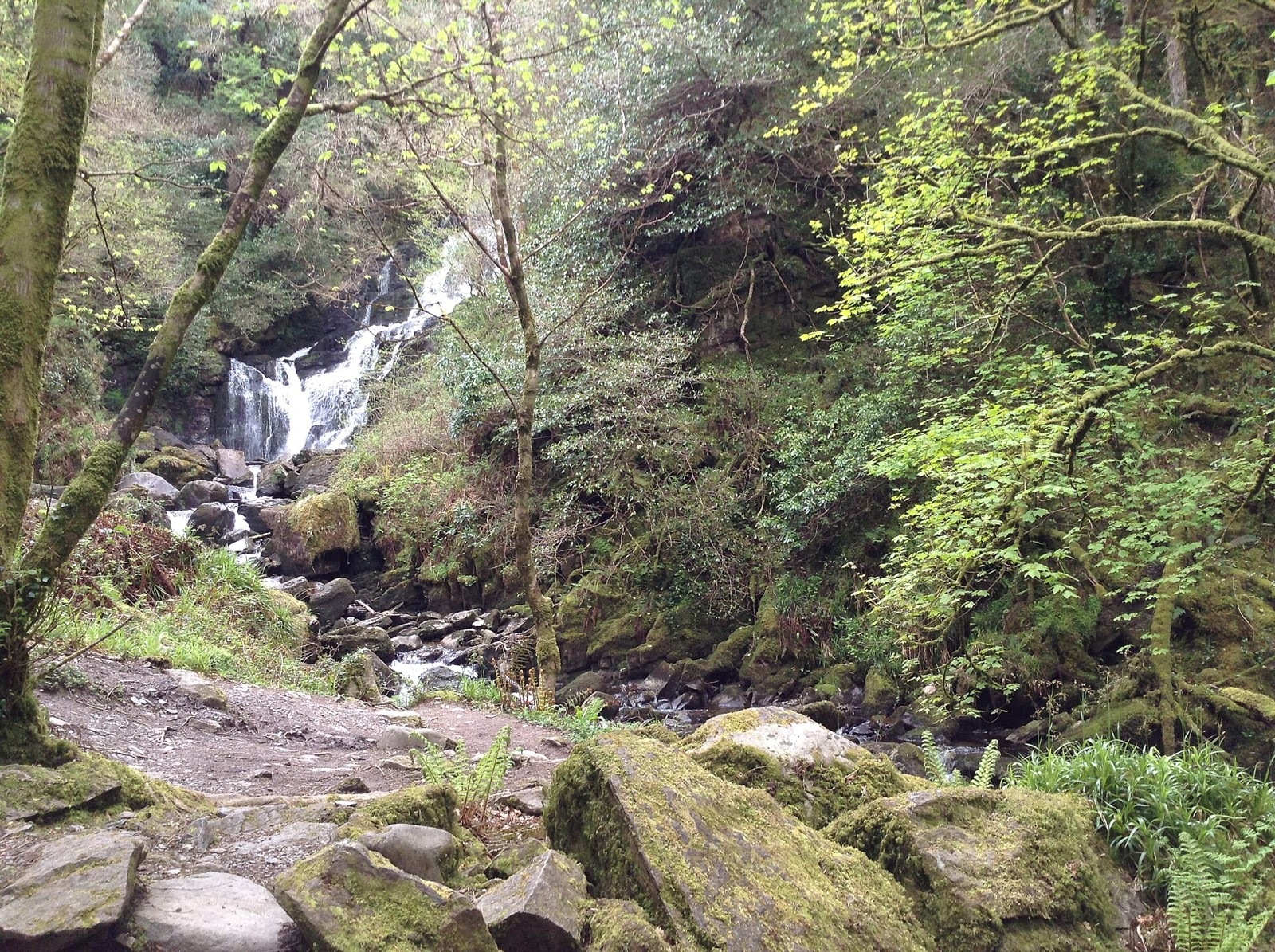
The best hiking base gives you choices at different levels. A marked woodland path, a longer hill walk, and an indoor day nearby are useful companions on the same trip. The examples below show how to think about those choices, rather than provide turn-by-turn directions.
Consult the current official trail information for access and route changes before setting out. The published grade deserves more attention than a photograph of a clear summit. A trail can look straightforward in one image while crossing difficult ground farther along.
Wicklow: Glendalough and the Surrounding Hills
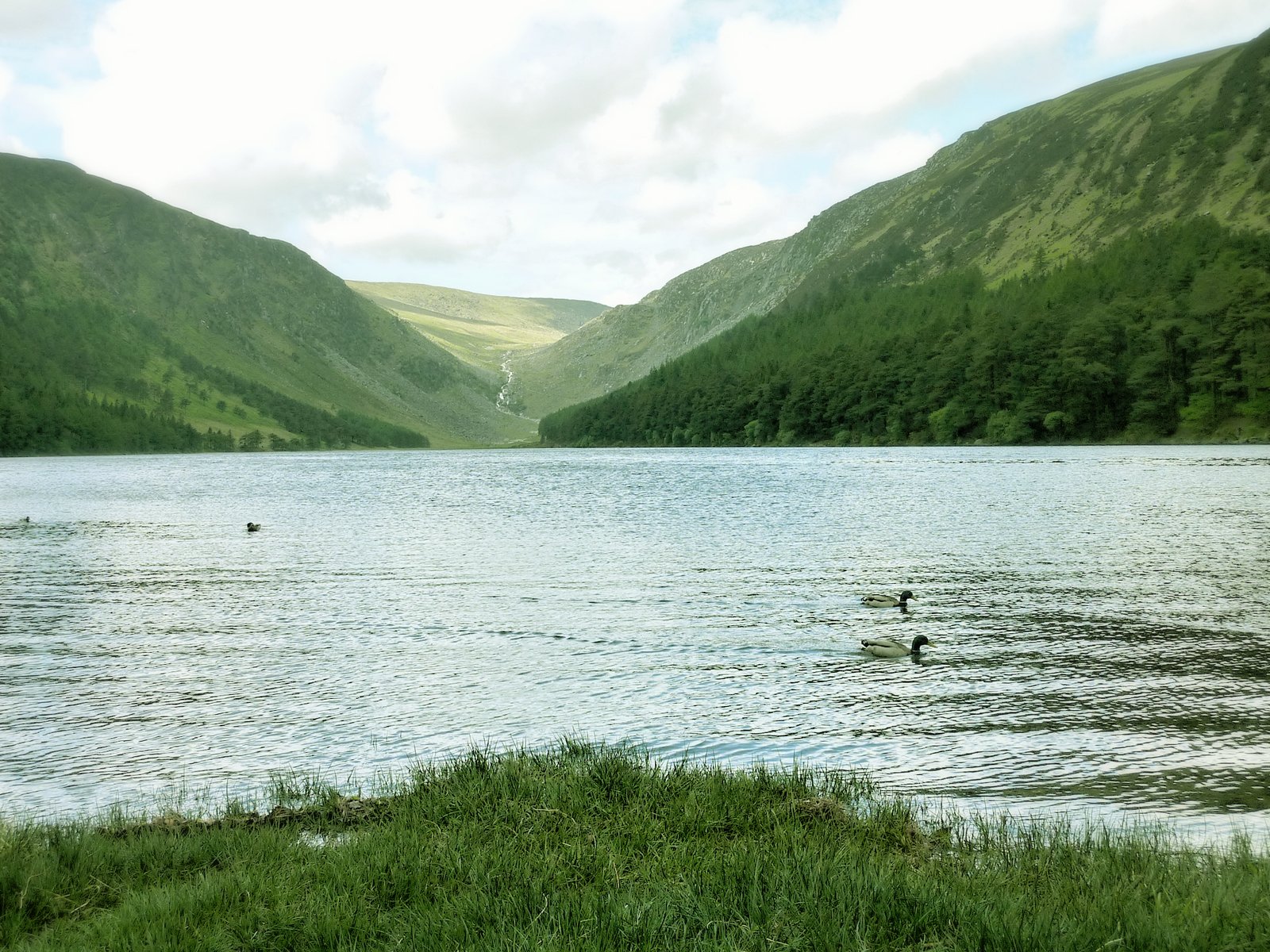
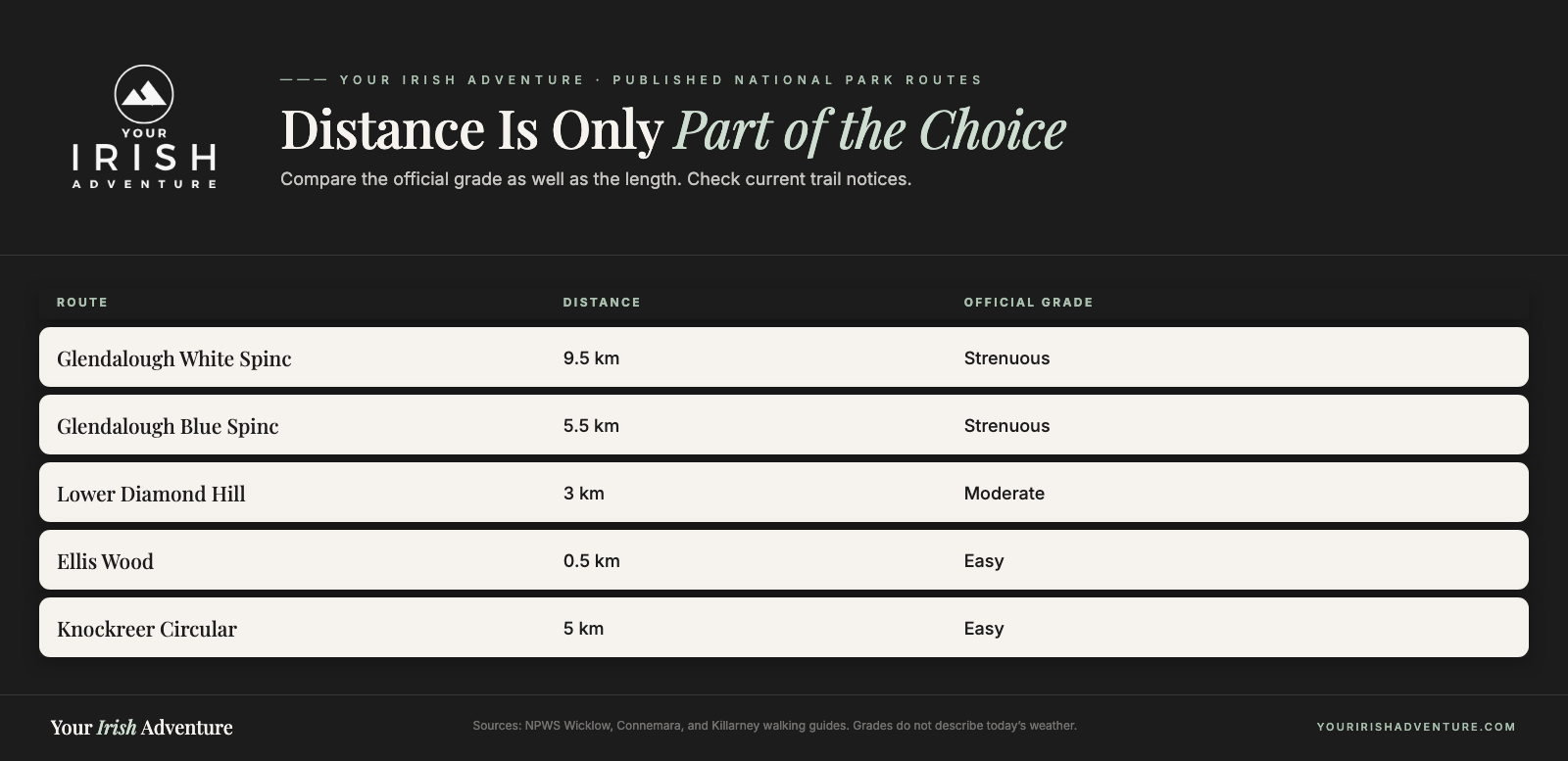
Glendalough works well when you want several walking options in one valley. The national park lists the Spinc and Glenealo Valley White Route at 9.5 kilometers, about 5.9 miles, and grades it strenuous.
Its mix of rocky trail, boardwalk, and forest roads makes it a mountain outing with more to consider than the distance alone.
The shorter Blue Spinc route is also graded strenuous. Cutting kilometers does not necessarily remove the exposed or demanding part of a walk. Use the park’s route descriptions to choose the terrain you want, and look at lower valley options when the conditions or your group’s experience call for them.
Our walks in Glendalough guide gives more context for planning the visit.
For a broader choice of routes, compare our best hikes in Ireland guide before settling on the region.
Connemara: Diamond Hill and Lower Park Trails
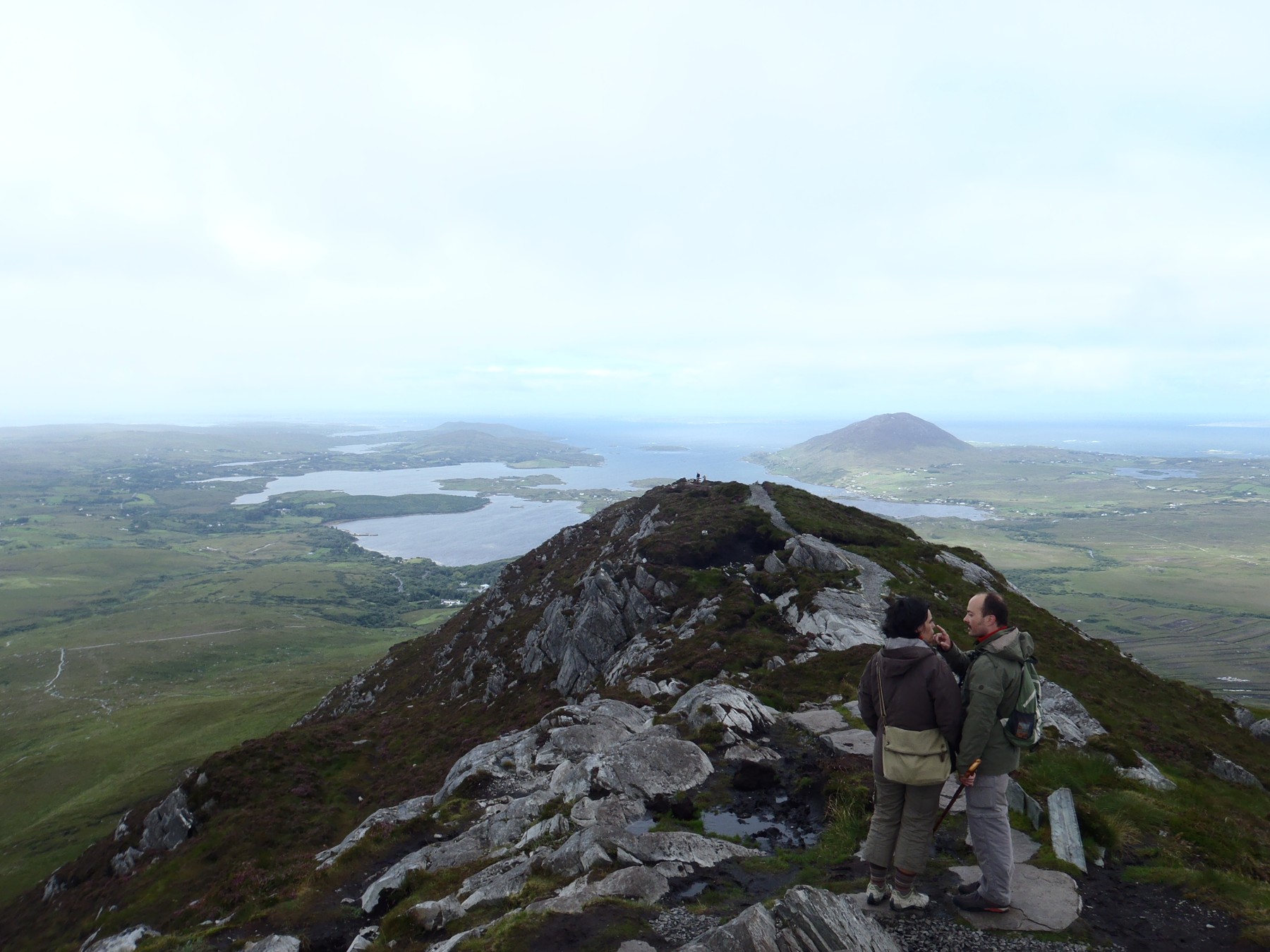
Connemara National Park gives you a clear distinction between marked park trails and the wider mountain terrain. Lower Diamond Hill is graded moderate, while Upper Diamond Hill is strenuous.
The official map shows how the upper section connects to the lower approach, so check the full outing rather than reading one segment’s distance as the whole walk.
Decide whether to continue higher from the conditions and how the group is feeling. Choosing the lower loop in advance is equally reasonable. The park also lists the half-kilometer Ellis Wood trail as an easy option, though any path still needs a current access check.
Beyond the described park routes, the national park says there are no formal trails or footpaths. Do not assume that finishing Diamond Hill prepares you for an unmarked route in the Twelve Bens. A guide or mountain-skills course can be useful when you want to move beyond marked paths.
Killarney: Lakeside Walks and Upland Routes
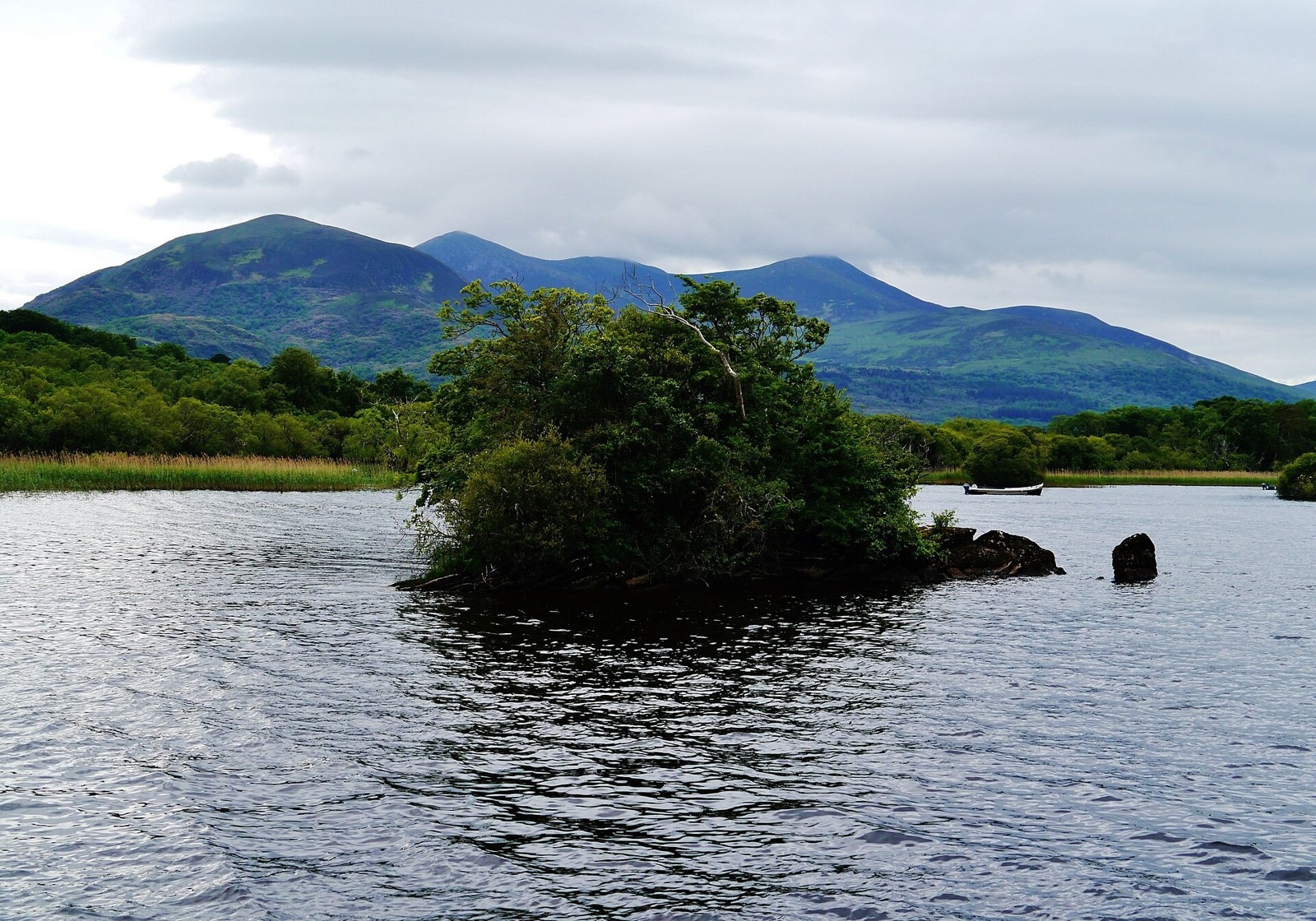
Killarney offers a broad choice of walking without requiring a summit every day. The park grades the 5-kilometer Knockreer Circular Walk as easy and gives its elevation as 45 meters. It starts at Killarney House and Gardens, making it a useful option to consider from town.
That is a different outing from an upland walk such as the Old Kenmare Road. Choose the route first and assess its demands, rather than assuming every walk inside a national park has the same difficulty. The official Killarney walking guide includes distances, grades, and starting points.
Read the Forecast Before Choosing the Hike
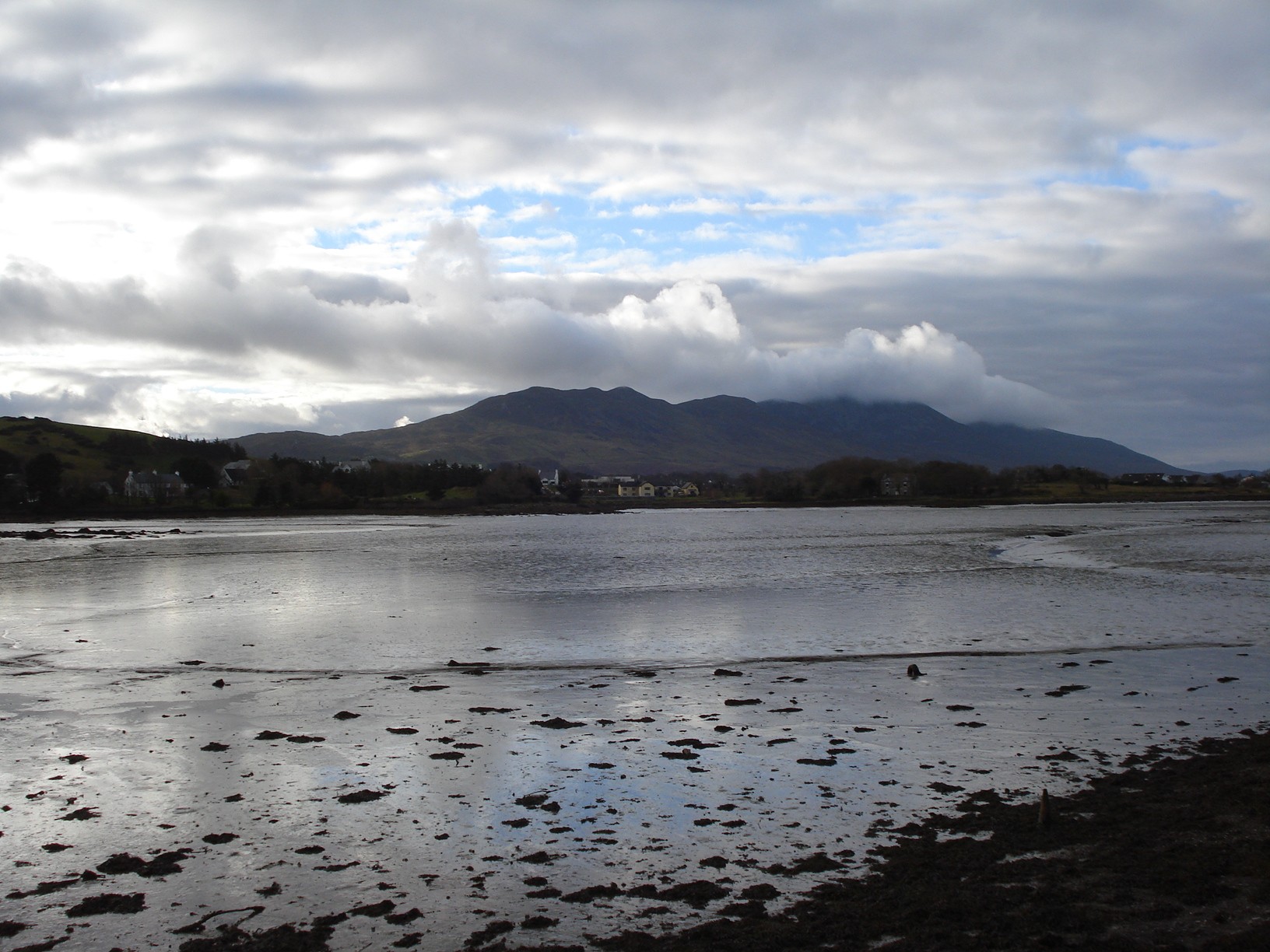
Check the forecast for the mountain or walking area, as well as the town where you are staying. Met Éireann’s mountain forecast advises using gust speeds when assessing mountain-peak wind. A comfortable forecast at your accommodation is only part of the information you need.
Look at conditions over the whole time you expect to be out. Pay attention to the forecast during the descent, when the group may be slower or more tired. If the conditions do not suit the route, change the outing before setting off.
Pack for a change in weather even when the morning looks promising. Mountaineering Ireland’s equipment list includes waterproof clothing, suitable boots, a map and compass, a headlamp, spare food, and first aid supplies. Carry the equipment you know how to use, and protect items that need to stay dry.
Plan the Rest of Your Stay
- Wicklow Mountains: A Complete Travel Guide
- Killarney National Park: A Complete Visitor’s Guide
- Where To Stay in Killarney: Best Areas and Accommodations
Navigation needs its own preparation. Save the relevant information before leaving reliable reception, and have the skills and mapping appropriate to the route. A phone is useful, but a fading battery or an unreadable screen should not leave you without a way to navigate.
The comparison below uses published national park distances and grades to show why the choice of trail matters. It does not predict today’s conditions or classify a route as safe in bad weather. Use it to shortlist an outing, then check the current park notices and detailed map.
A shorter walk is a good decision when it fits the day better. Tell someone your plan and expected return time, and agree with your group that turning around is an available choice. The aim is to finish the outing with enough time and energy for the return.
Plan Your Accommodation Around the Walking
For day hikes, I would stay at least three nights in one area before adding another base. This is my suggested pace, rather than a minimum needed to see every trail. It gives you two full days and some room to change which walk comes first.
For a multi-day walk that finishes in a different place each evening, check every night’s accommodation before booking flights. Confirm how you will reach the first trailhead, return from the finish, and handle luggage. A fixed sequence of rooms needs more preparation than a set of day hikes from one town.
When comparing the best time of year for an Ireland road trip with your hiking dates, allow separate time for driving and walking. A rental car can give you more choice of starts, but it also needs a lawful parking place and a return plan. Compare the rental terms as well as the price before booking.
A Killarney Base for Kerry
Killarney offers restaurants and indoor alternatives after a walk. Compare each property’s address with your trailheads; a room near the town center does not put every national park trail outside your door.
Places to Stay in Killarney
A Clifden Base for Connemara
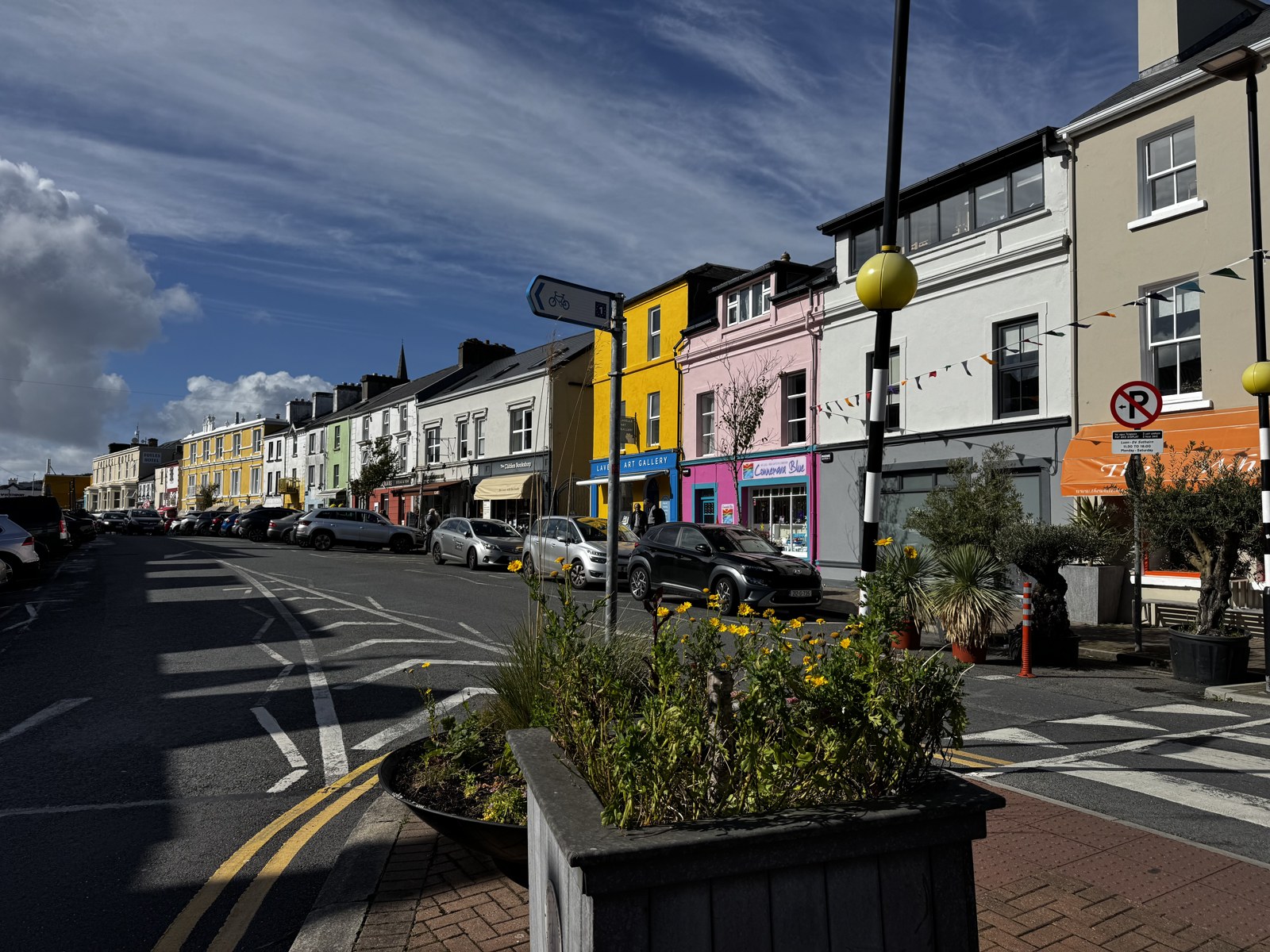
Clifden suits a stay with restaurants and varied Connemara outings. The national park is in Letterfrack, so check the journey to your chosen trailhead before booking.
Places to Stay in Clifden
Ireland Hiking Timing FAQs
What is the best month for hiking in Ireland?
May is my first choice, with early June another good option. Long daylight hours give day walks more room, while national rainfall averages favor April and May. Choose the actual route from its grade and the local forecast rather than expecting a guaranteed dry week.
Is September good for hiking in Ireland?
September can suit a walking trip, especially when you allow several days in one area. Check sunset for your dates and build in time for lunch, rests, and the return to your transport. Keep an exposed outing flexible until you have a reliable local forecast.
Can beginners hike in Ireland in winter?
Beginners can consider shorter, lower-level marked walks when local conditions are suitable. Winter mountain routes may require skills and equipment beyond summer hiking. Wind, flooding, ice, and fallen trees can also affect lower paths, so an indoor alternative is useful.
Do you need a car for a hiking trip in Ireland?
A car gives you more choice of starting points, but a trip based around accessible walks can work without one. Check the exact journey to each trailhead and the return service before booking. A town bus stop does not necessarily put you within walking distance of your chosen route.
Does a shorter trail mean an easier walk?
A shorter distance does not guarantee an easier route. Glendalough’s White and Blue Spinc routes differ in length but are both graded strenuous by the national park. Read the terrain description and official grade, then consider the weather and the experience of everyone in your group.
Before You Book
- Choose May or early June for a first trip focused on day hikes.
- Compare the official trail grade as well as the distance.
- Check mountain wind, visibility, and the time available before dark.
- Settle accommodation and transport before committing to a multi-day route.
My Choice for a First Hiking Trip
I would book May or early June, choose one region, and give it several nights. Start with a route that suits everyone, then use the forecast and your first day’s experience to decide how ambitious the next outing should be.
September is a good alternative when those spring dates do not work. Keep the finish time realistic, carry the right equipment, and leave a shorter walk available. Choosing the month is only the first decision; leaving room to change the day is what makes the plan useful.
Photo: Diamond Hill by JoachimKohlerBremen, CC BY-SA 4.0. Cropped with text and design added; the adapted pin uses the same license.
Like it? Pin it!
Save this guide for later