
The best time to visit the Giant’s Causeway comes down to two questions: which month, and which hour. The basalt columns stand there 365 days a year, so the stones never change. What changes is the crowd, the parking, the shuttle wait and the daylight. Get it right and you can have the place almost to yourself.
Here’s the short version. May and September are the two best months, and on any given day you want to be on the stones before 10am or after 5pm. That’s when the buses from Belfast and Dublin aren’t there and the light on the coast is best.
We spent about two weeks driving Ireland on our last trip, in shoulder season, and that autumn window is the sweet spot: long enough days to see things, thinner crowds than summer, and weather you just plan around.
Below I’ll break it down season by season and hour by hour: the best month, the best time of day, when the parking fills, how the visitor center hours and shuttle work, what the wind can do to a coast walk, and how to fit the Causeway into a wider day on the coast.
Quick Answer:
The best time to visit the Giant’s Causeway is May or September, and the best hours are before 10am or after 5pm. Those months give you long daylight and summer visitor centre hours without the July and August bus volume, and those hours put you on the stones before the Belfast and Dublin buses arrive or after they have left.
Giant’s Causeway Season by Season
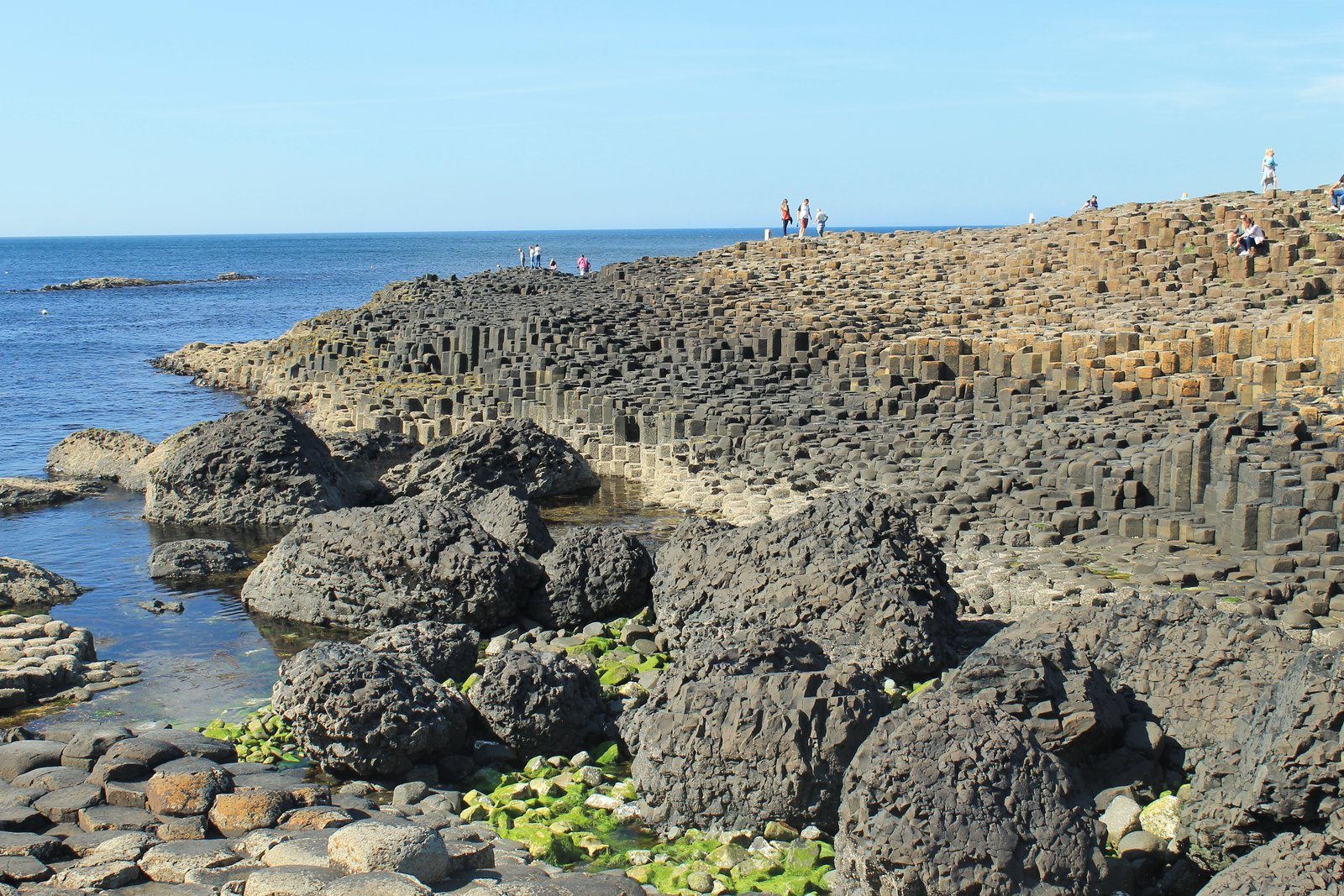
The best time to visit Ireland as a whole and the best time to visit the Causeway aren’t the same calendar. The country peaks in July and August, but that’s exactly when this headland is at its most crowded and the parking fills earliest. So the two answers come apart, and it pays to plan the Causeway on its own terms.
Spring: March to May
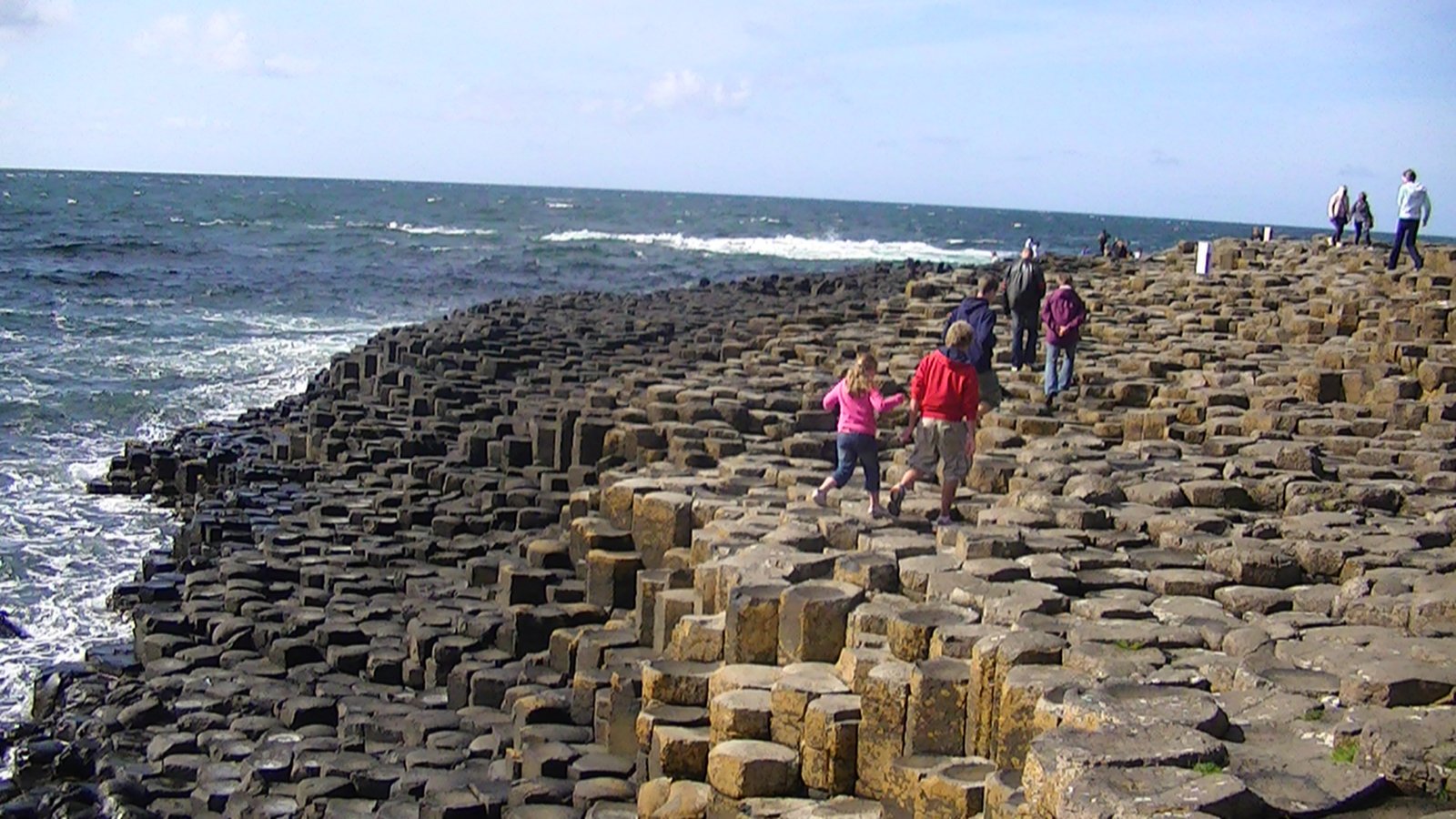
Spring is the quiet run-up to the busy season, and May is the pick of it. The visitor center moves to its longer 9am to 5pm hours from March, daylight is stretching out fast, and the buses haven’t hit full summer volume yet.
March and April are cooler and can still throw a hard north Atlantic wind at you, but midweek you’ll have plenty of room on the stones. By May the balance is about as good as it gets: mild-ish days, real daylight, and no summer crush.
Summer: June to August
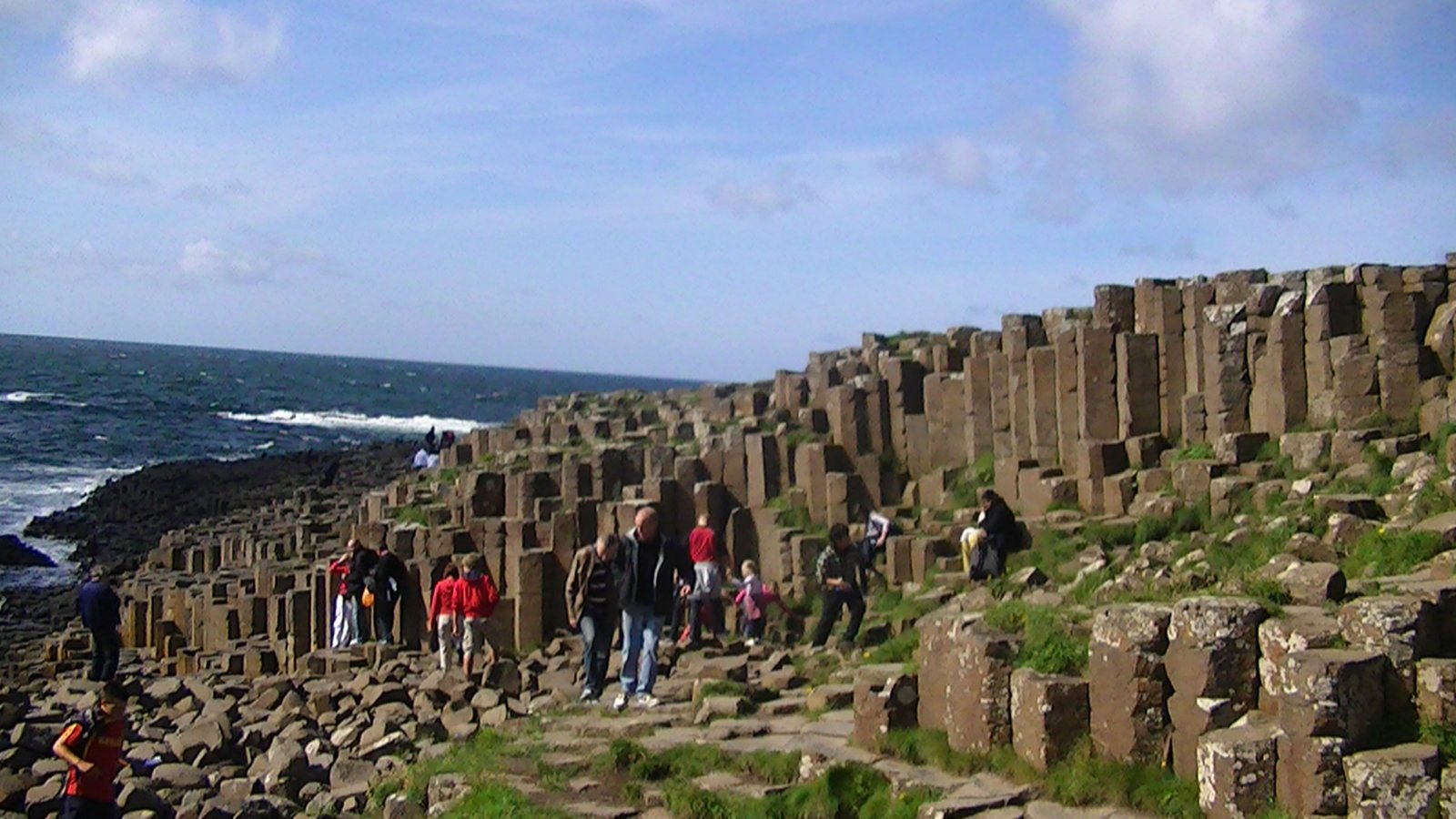
Summer is the busiest stretch of the year, full stop. July and August bring the biggest tour volumes from Belfast and Dublin, and on a clear day the main parking lot can fill by about 9:30am. The shuttle line can run 30 minutes or more once the crowds land.
The trade-off is the daylight, and it’s extreme at this latitude. Around midsummer the sun is up from roughly 4:50am to about 10pm, so you have hours of light on either side of the rush.
That’s the move in summer: get on the stones before 9am, or come back after 5pm once the center closes and the shuttle stops. The peak crush is roughly 11am to 3pm, and I’d avoid it entirely.
Autumn: September to November
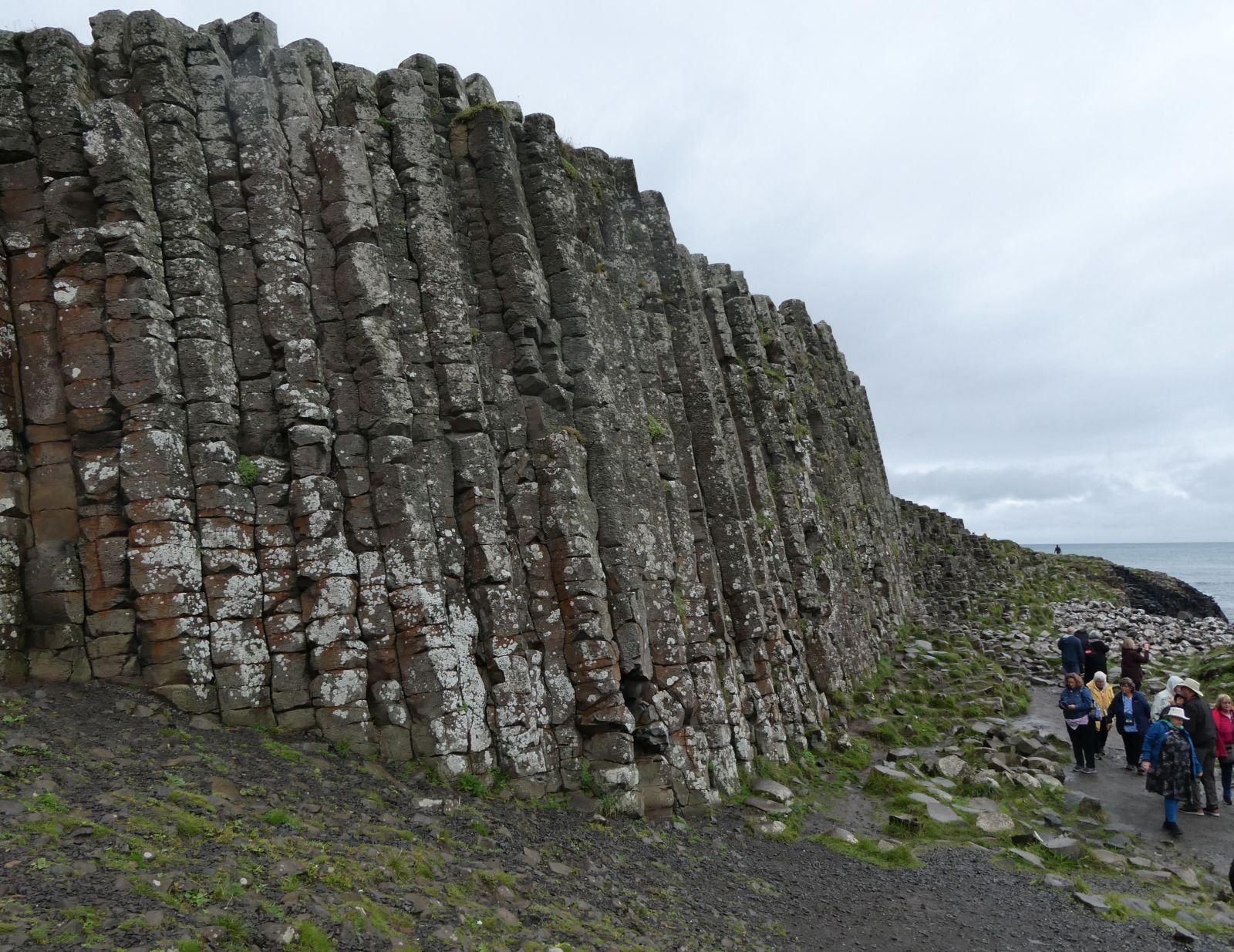
September is the other standout month alongside May. The summer buses thin out, the center still runs its longer hours through October, and there’s enough daylight to build a proper day on the coast around it.
We drove Ireland in shoulder season on our last trip and that window is the one I’d steer a first-timer toward: fewer people, decent light, and weather you plan around rather than fight. It’s the same logic on the Causeway Coast.
The catch is the back half. October into November gets wetter and windier, hours drop to 9am to 4pm from November, and wet basalt is slippery under uneven footing. Go early autumn if you can.
Winter: December to February
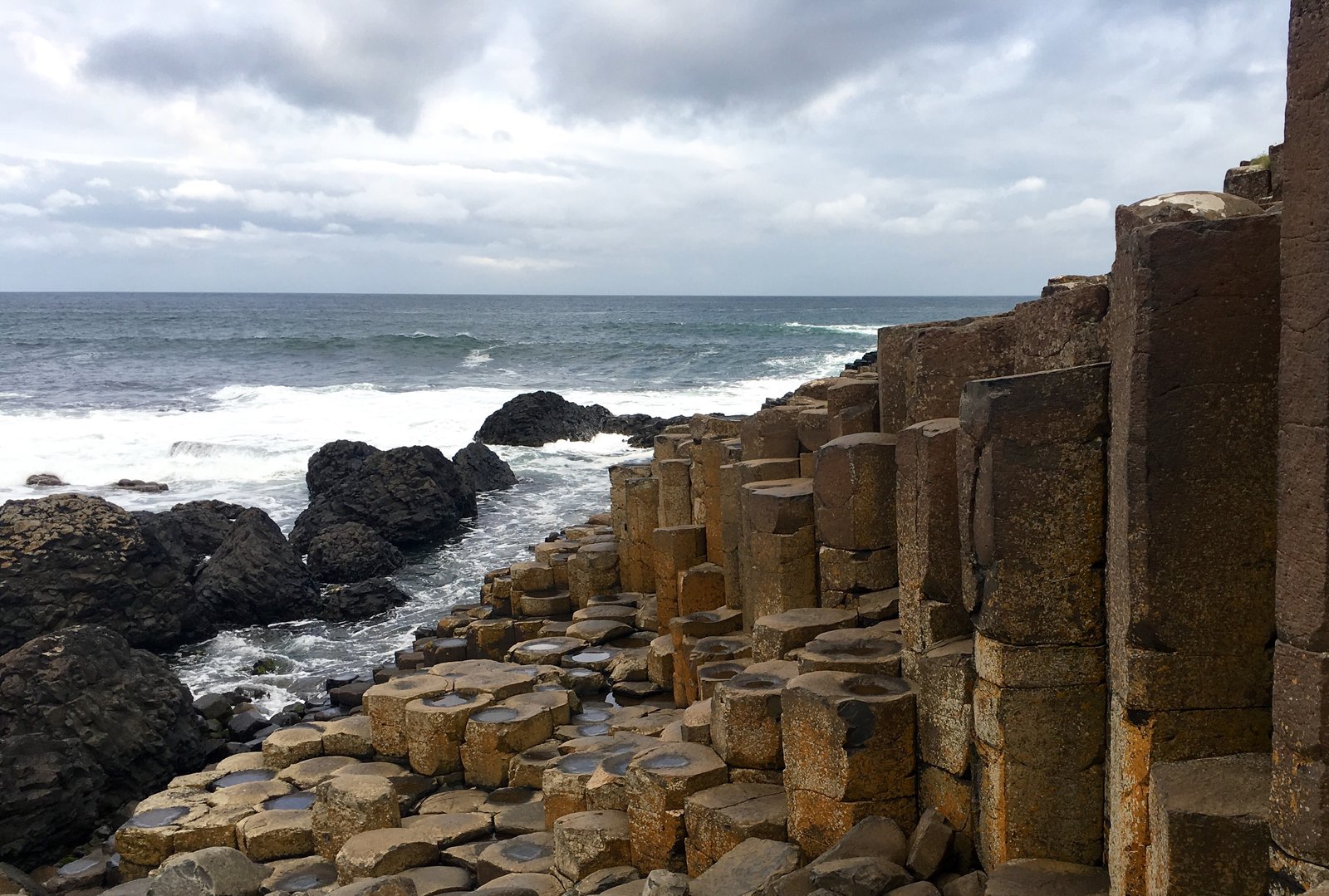
Winter is the coldest and wettest stretch, and daylight is tight. Around the solstice the sun is only up from roughly 8:45am to 4pm, which is about seven usable hours to work with.
What you get in return is space. The tour crowds largely stay away, so on a Tuesday to Thursday you can have the stones close to empty. Just watch the wind, which is what actually wrecks a visit here, and know the cliff-top path can close in a hard blow.
Dress for it with a waterproof shell and shoes with grip, check the shorter 9am to 4pm hours before you drive up, and pick a settled day. Do that, and winter is a fair trade for having the place to yourself.
The Best Time to Visit the Giant’s Causeway, Month by Month
If you only get to pick one month, make it May or September. Those two sit either side of the summer crush and give you the best of everything the Causeway has to offer.

Here’s why they win. You get the longer 9am to 5pm visitor center hours, real daylight to build a coast day around, and tour bus volumes that haven’t hit their July and August peak. The parking has a better chance of holding a space past mid-morning too.
Between the two, I’d lean toward September for a first visit. The light is warm, the summer buses have started to thin, and the weather is usually a bit more settled than a changeable spring.
May is the call if you want the ground firmer and the days climbing toward their longest. It’s drier on average than autumn, and the north Atlantic wind, which is the thing that actually ruins a visit here, tends to ease off compared to March.
July and August are the months to work around, not toward. They bring the biggest crowds and the earliest parking fill, so if summer is your only option, the fix is the hour rather than the month: on the stones before 9am or back after 5pm.
Whatever month you choose, aim for a Tuesday, Wednesday or Thursday. Those are the quietest days, and midweek in May or September is about as good as this place gets.
More Ireland Planning Guides
- Best Time to Visit Dublin: Month-by-Month Guide
- The Best Coastal Walks in Ireland: 10 Cliff & Sea Trails
- Best Belfast City Tours For First-Time Visitors
The Best Time of Day to See the Causeway Stones
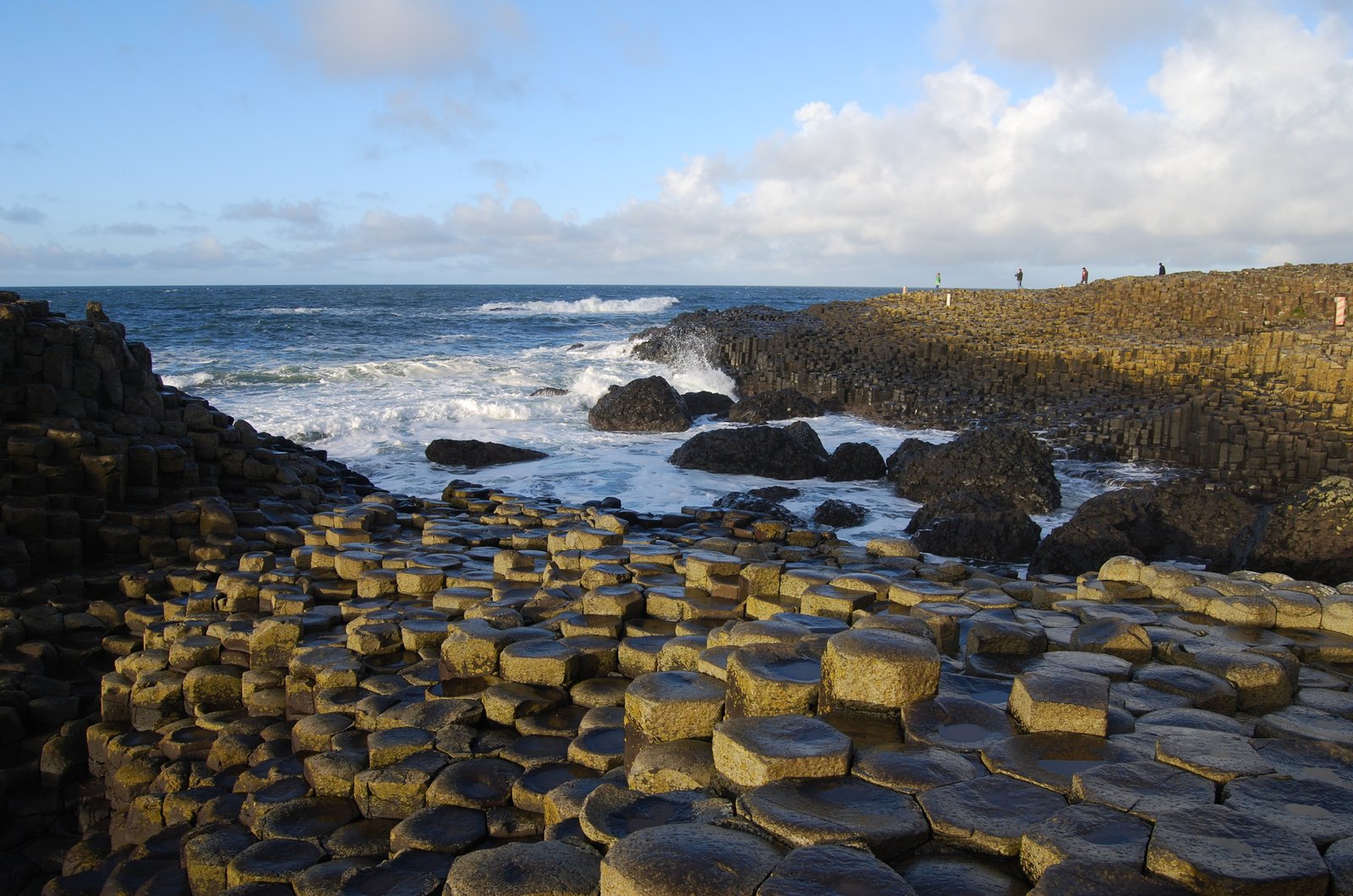
Month gets you halfway. The other half is the hour you show up. The stones sit on open land reached by a public right of way, so you can walk down at any time, including before the visitor center opens and after it shuts. That single fact is what makes the quiet windows possible.
Before 10am: The Quiet Window
This is the window I’d build the whole day around. Get down to the stones before 10am, and better still before 9am, and you’ll have them close to empty. The buses from Belfast and Dublin haven’t landed yet, and the shuttle line hasn’t formed.
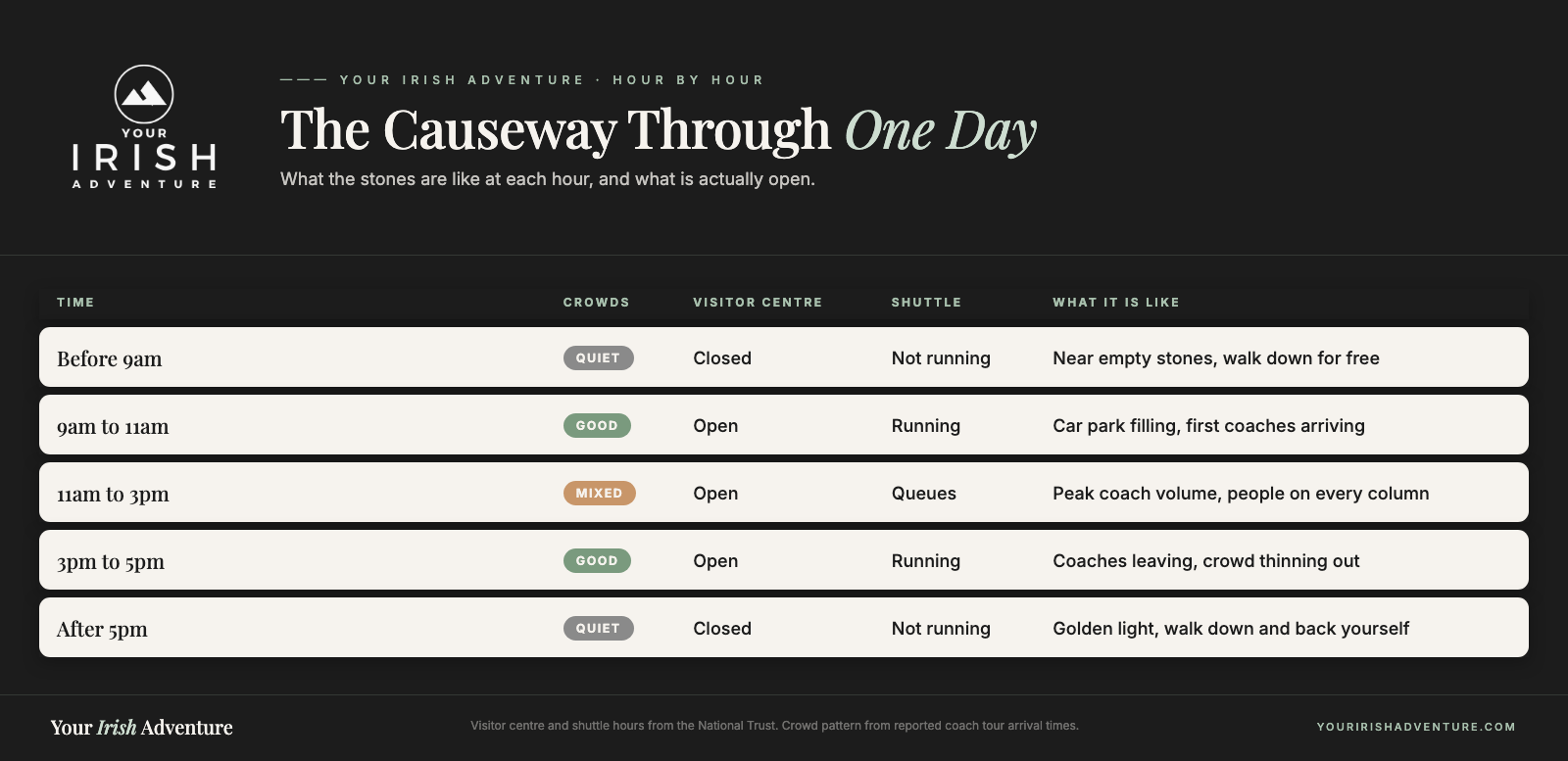
You don’t need the visitor center open to do this. The paved Blue Trail runs down to the columns without a ticket, so an early start beats the guided tours, which don’t begin until 9:30am. The walk down takes about 10 to 15 minutes, downhill on the way there and uphill coming back.
11am to 3pm: When the Buses Land
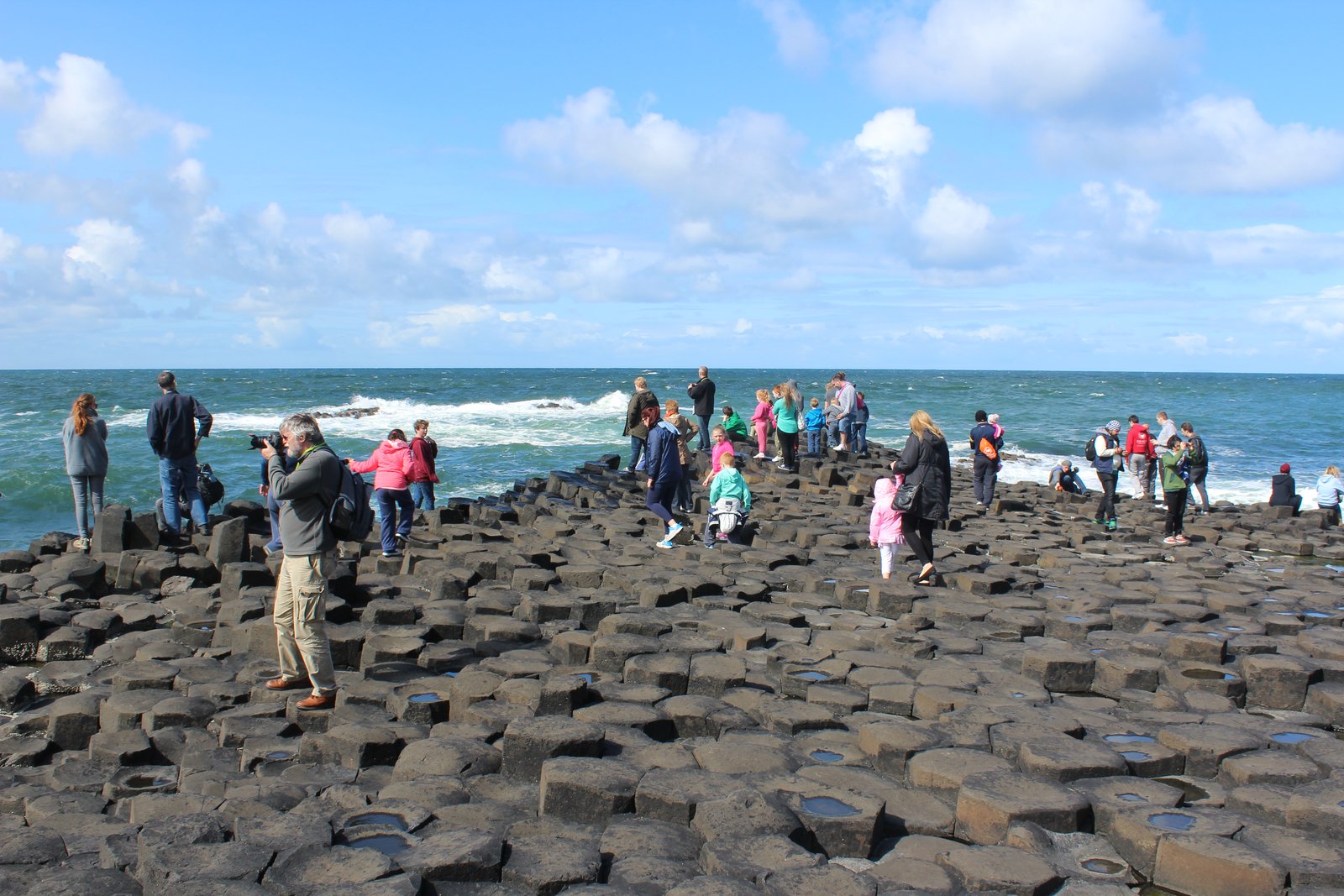
Late morning is when it all arrives at once. The day tours from the cities roll in, the parking fills, and in July and August the shuttle wait can stretch past 30 minutes each way. Roughly 11am to 3pm is the peak, and it’s the stretch to avoid if you can.
If midday is the only slot you’ve got, plan around the pinch points. Pre-book your Visitor Experience ticket so your parking is reserved, and be ready for the stones to have a lot of people on them. It’s still worth seeing, just not the version of the Causeway anyone puts on a postcard.
After 5pm: Golden Hour and an Empty Path
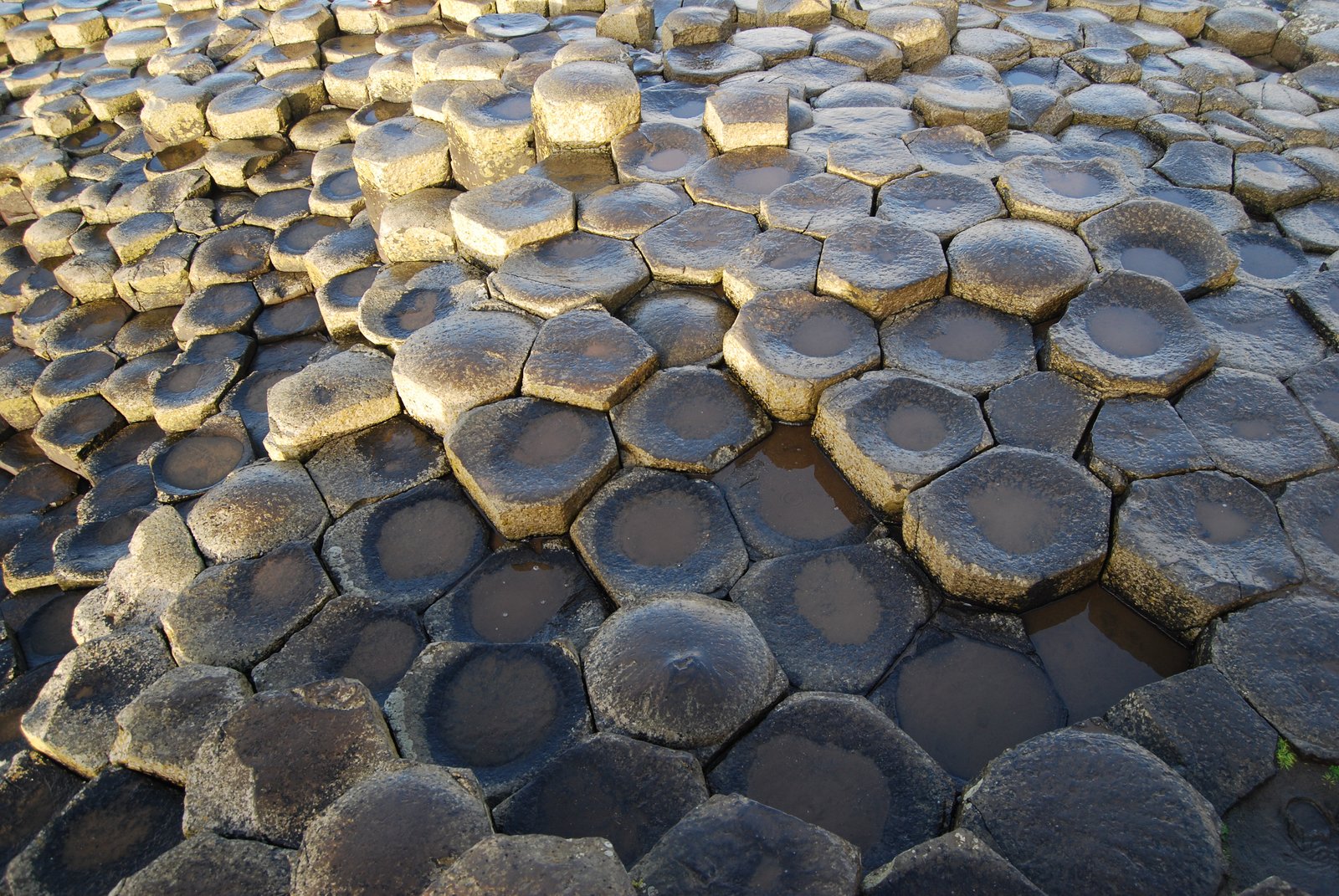
The evening window is the one to use in summer, and it’s the best of the lot. Once the center closes at 5pm and the shuttle stops, the crowd drains away and the buses are long gone. Same open right of way, same walk down, no company.
The catch is you’re on foot both ways, since the shuttle only runs during opening hours. But around midsummer the sun is up until about 10pm, so you’ve got hours of low evening light on the columns with the path to yourself. That’s the payoff for skipping the middle of the day.
Visitor Center Hours, Tickets and the Shuttle Bus
Here’s the part that trips people up: you don’t actually need a ticket to see the stones. What the ticket buys you is the visitor center, a guide, and a reserved parking spot. Sort out which of those you want before you drive up, because it changes how early you need to leave.
Opening Hours
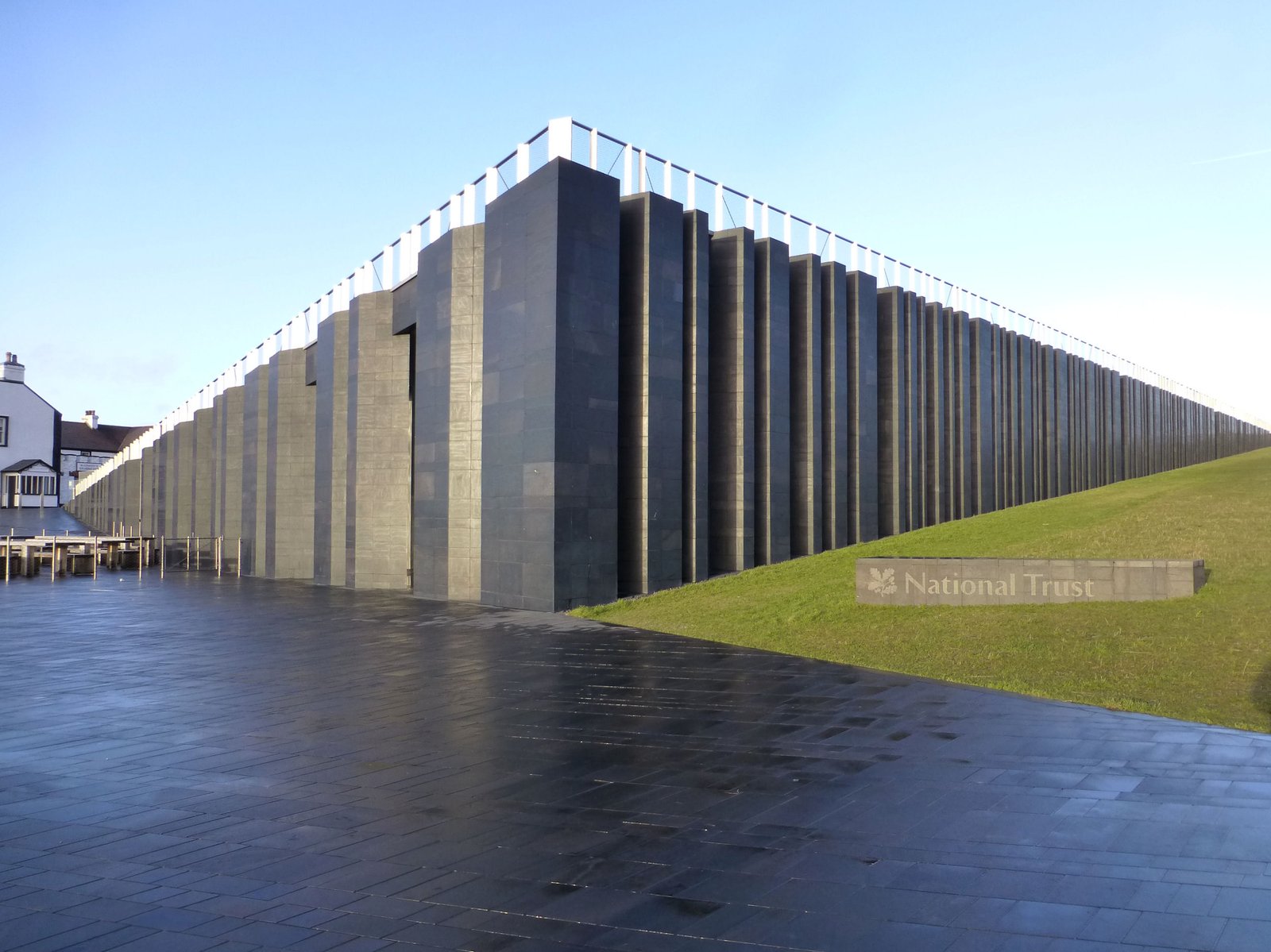
The visitor center runs roughly 9am to 5pm from March through October, and 9am to 4pm from November through February. Some July and August days stretch later. Guided tours start at 9:30am, with the last one around 5pm.
Those hours move around, so check the National Trust site the week before you go rather than trusting a number you read somewhere. Turning up at 4:30pm in December to a shut center and a stopped shuttle is a bad way to find out.
The Visitor Experience Ticket
The Visitor Experience ticket covers the center and includes a reserved on-site parking space, which is the real reason to buy it in summer. The National Trust asks everyone to pre-book, members included, so don’t count on rolling up and paying at the gate on a busy day.
If you’d rather skip the center entirely, you can. The stones sit on open land, and walking down costs nothing. The trade-off is parking, which is where most of the planning actually lives.
Parking Without the Ticket
The main lot is tied to the Visitor Experience ticket, so without one you’re looking at the Causeway Coast Way parking lot, about £15 per vehicle and free to National Trust members. That’s the simple paid option if you don’t want the center.
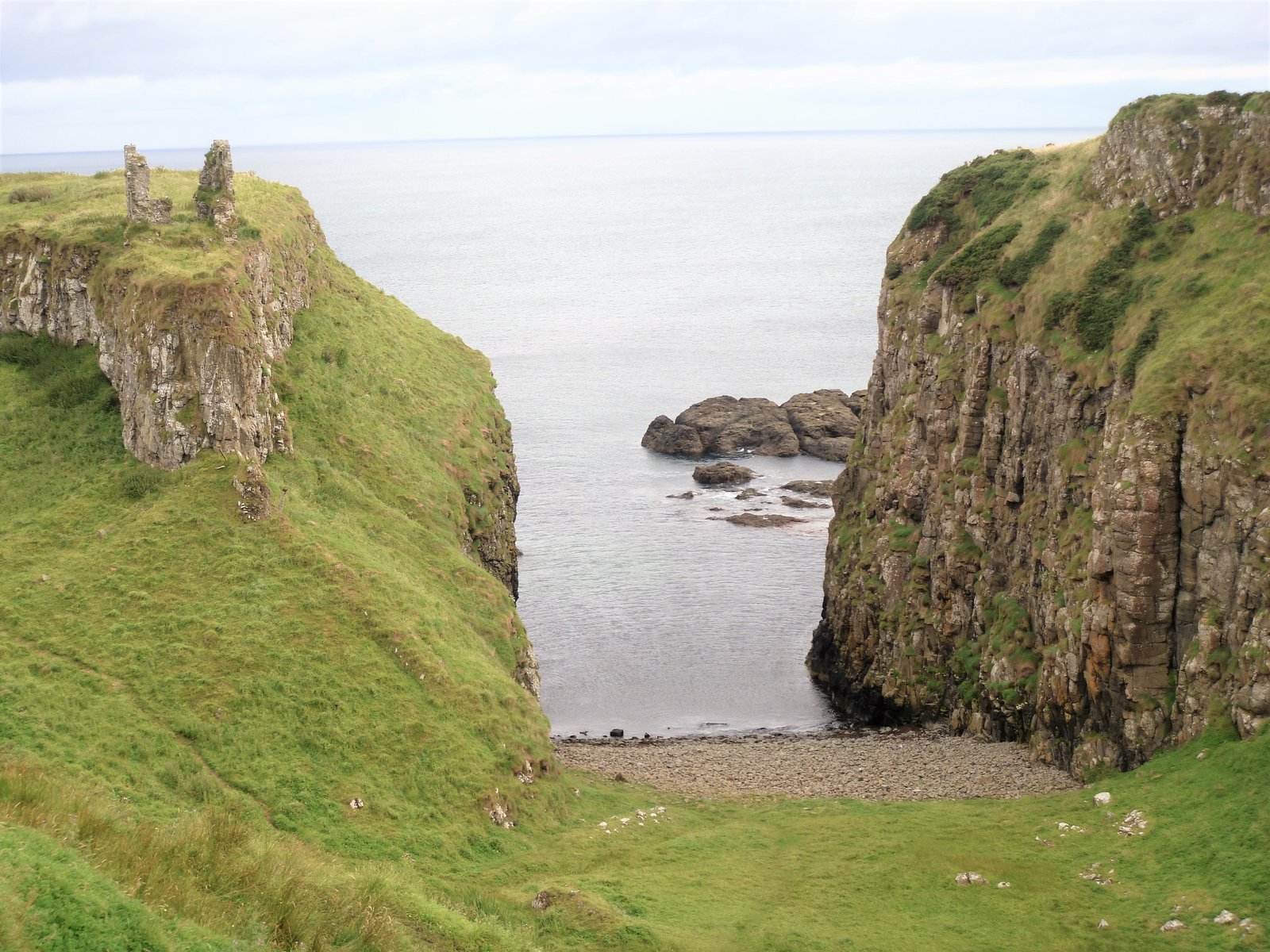
To pay nothing, walk in. The loop from Portballintrae is about 1.5 to 2 hours, and Dunseverick Castle is roughly 1.5 hours each way. Both drop you onto the coast path on foot, which is a fair swap if you’ve got the legs and the weather is settled.
The Shuttle Bus
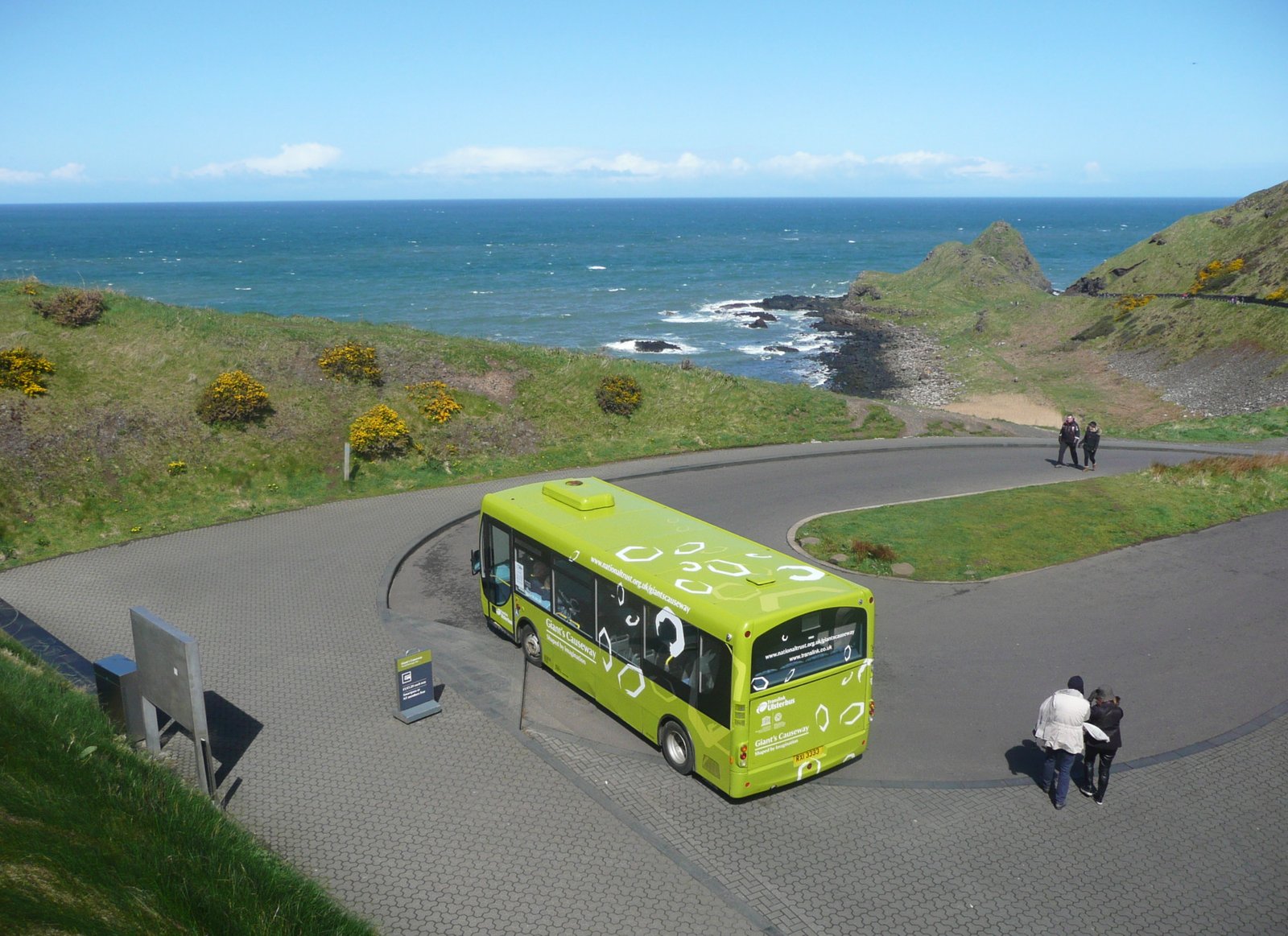
The Translink accessible shuttle runs between the center and the stones, every 10 to 15 minutes, about £1 per person each way, or roughly 1.20 euro, and free to National Trust members. It’s handy if the uphill walk back is a problem for anyone in your group.
Two catches. It only runs during visitor center hours, so it’s no help for an early-bird or after-hours visit. And in summer the line for it can run past 30 minutes, at which point you’d have walked down twice over. If you’re fit, just walk.
Parking and When the Lot Fills
Parking is where most Causeway visits go wrong, and it’s almost entirely a question of timing. The main lot has a reserved space attached to your Visitor Experience ticket, so the National Trust wants everyone to pre-book, members included. Sort that out before you leave, not in the line at the gate.
On a clear July or August day the main lot can be full by about 9:30am. That’s the single number to plan around in summer. If you’re not parked by then, you’re circling or heading elsewhere.
So the play is simple: get there ahead of the fill. Rolling in for 9am, or a touch before, means you park easily and you’re on the stones before the buses land. That one early hour solves the parking and the crowds in a single move.
If the Main Lot Is Full
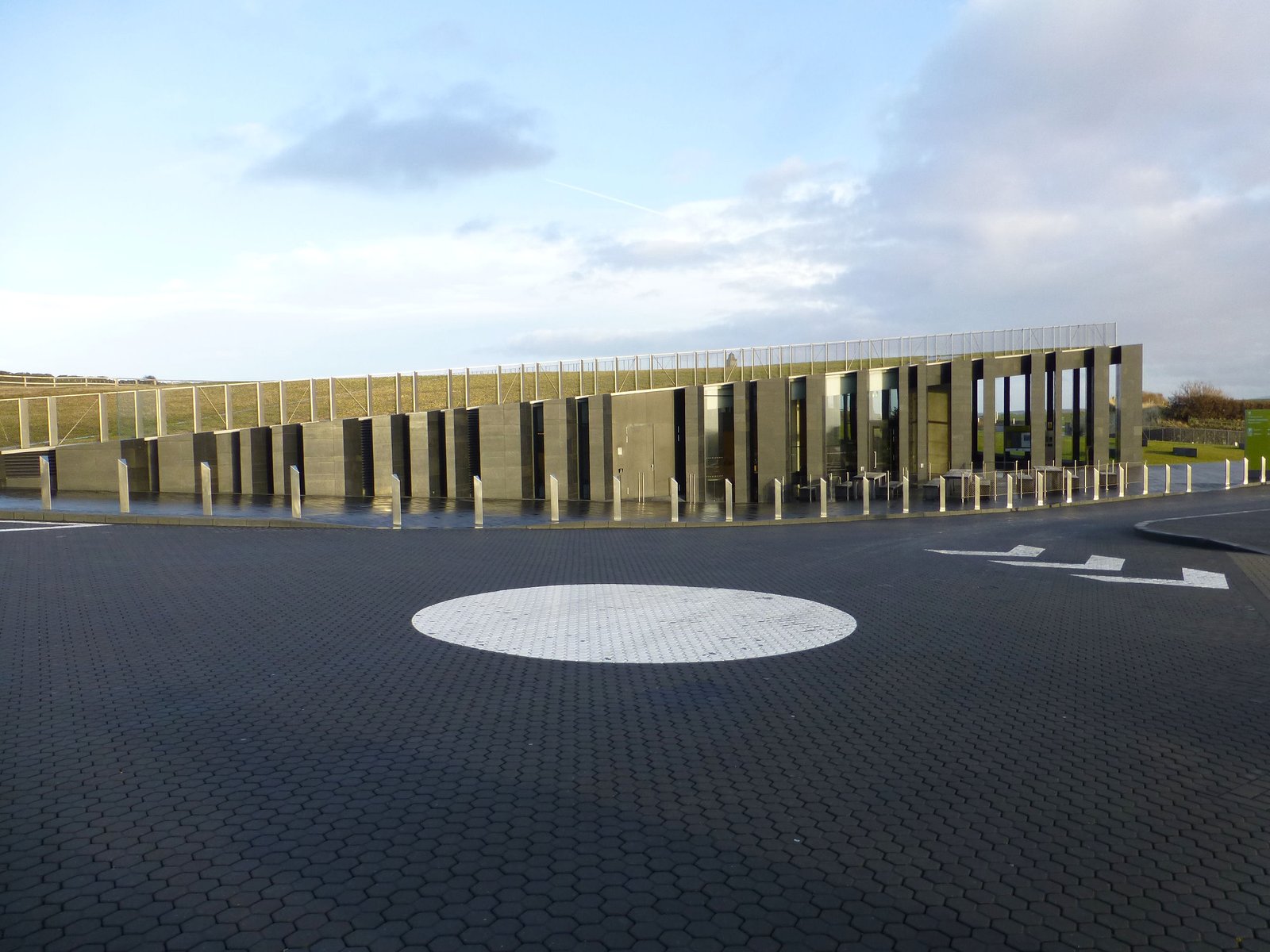
If you turn up mid-morning and the reserved lot is gone, the fallback is the Causeway Coast Way parking lot at about £15 per vehicle, free if you’re a National Trust member. It’s the easy paid backup when the center’s own spaces are booked out.
The wider point is that parking, not tickets, is the real bottleneck here. You can see the stones without ever setting foot in the center, but on a busy day you still have to leave the car somewhere, and that’s the thing that runs out first.
Quieter Days Ease the Pressure
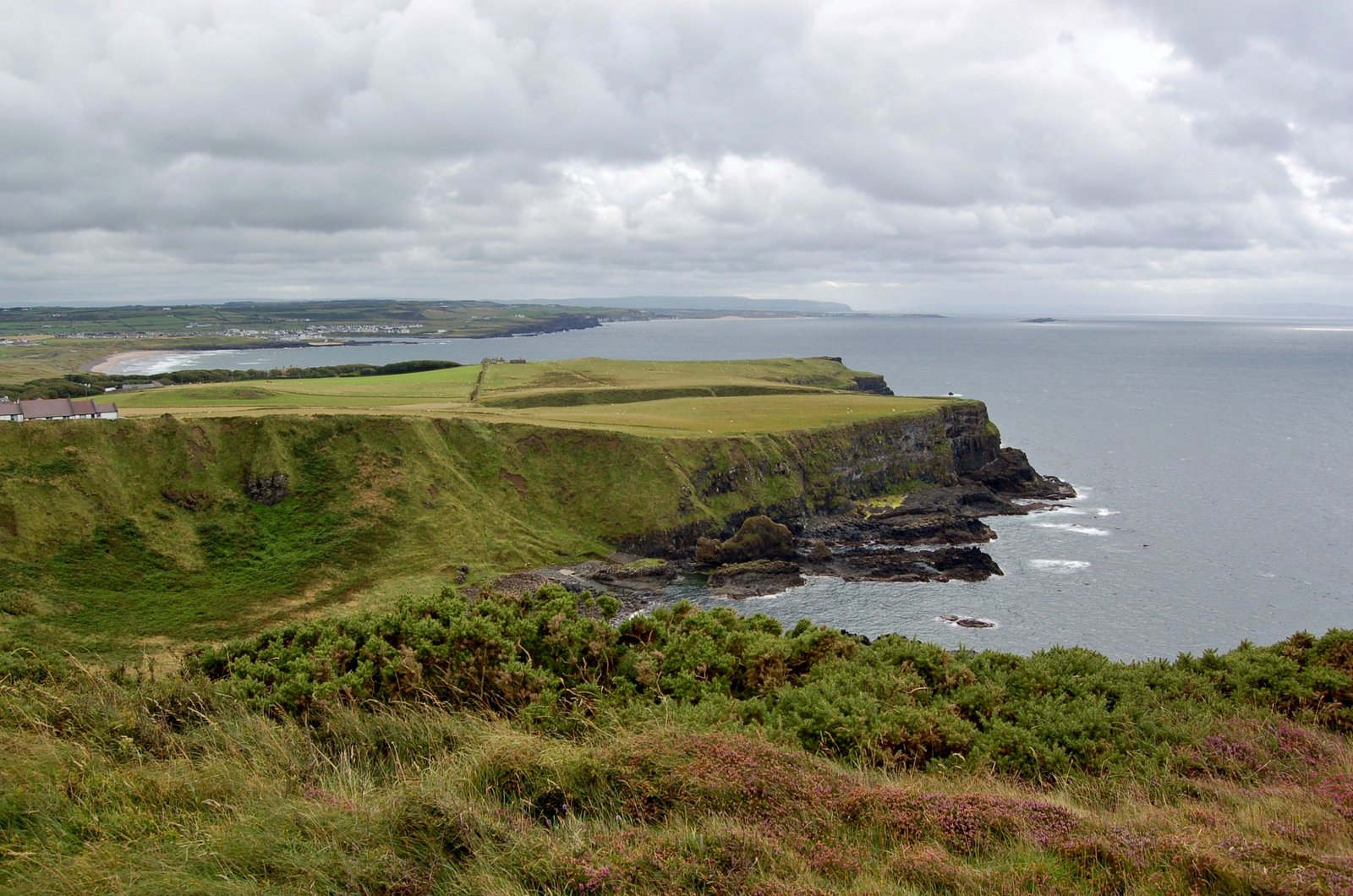
Midweek takes a lot of the stress out of it. Tuesday through Thursday are the quietest days, and outside July and August the lot holds a space much later into the morning. A midweek day in May or September, and you’re not racing the clock at all.
Winter flips it entirely. With the tour crowds gone, parking is a non-issue and the only thing to check is that the shorter 9am to 4pm hours suit your plan. The tighter the season, the less any of this matters.
Weather Risk on the Exposed Coast Path
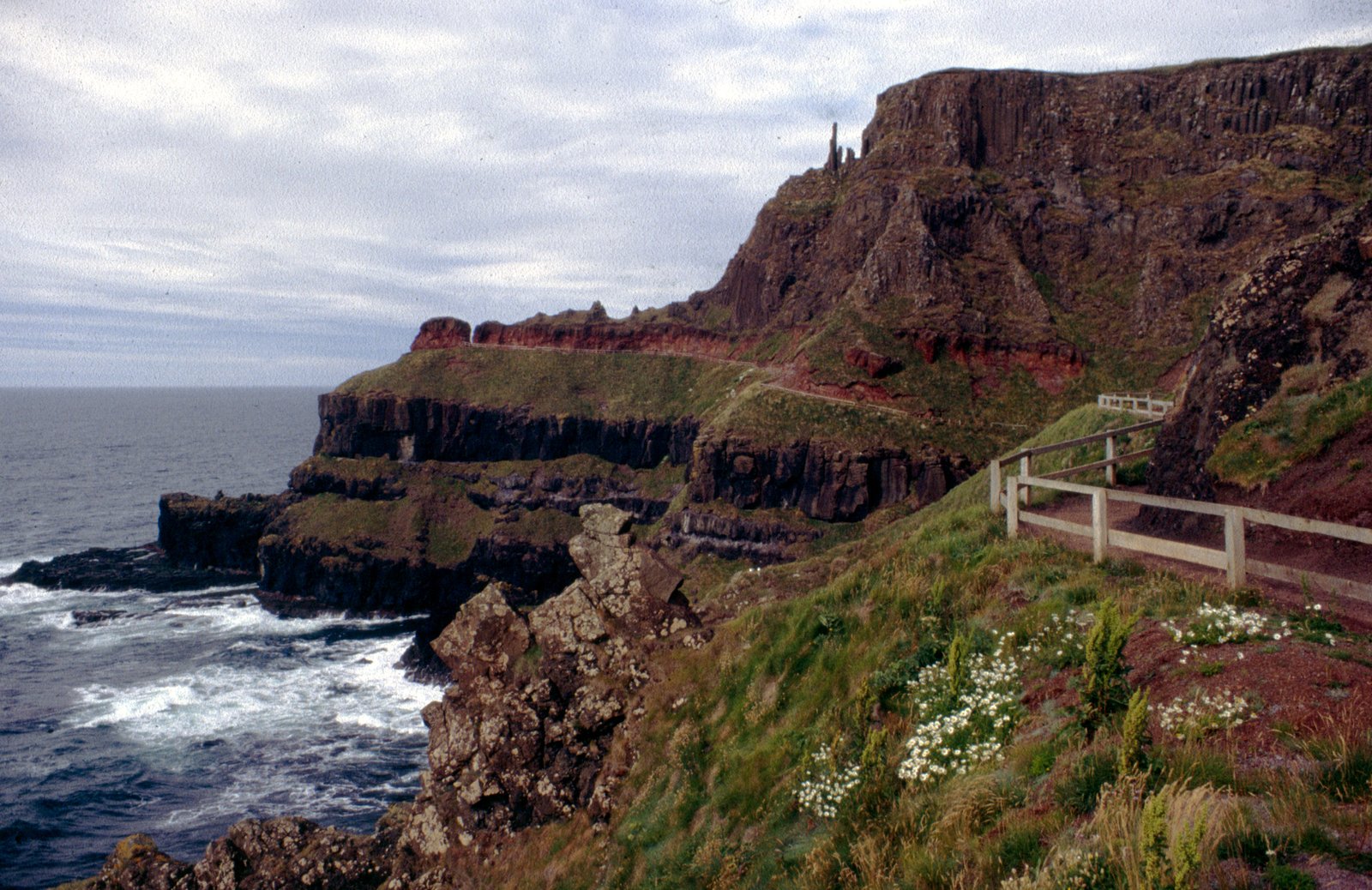
This is a north Atlantic headland with nothing between it and the open sea, so the weather does its own thing out here. Wind is what actually wrecks a visit, more than rain. A wet day is fine with the right jacket, but a strong onshore blow changes what you can safely do on the rocks.
A windy day is riskier than it looks, for a couple of reasons. The basalt turns slick when it’s wet, and the tops of the columns are uneven, so the footing is never as flat as the photos make it look. When there’s a swell, sea spray comes right over the lower stones, which is exactly where everyone wants to stand for a photo.
Which Trails Stay Open
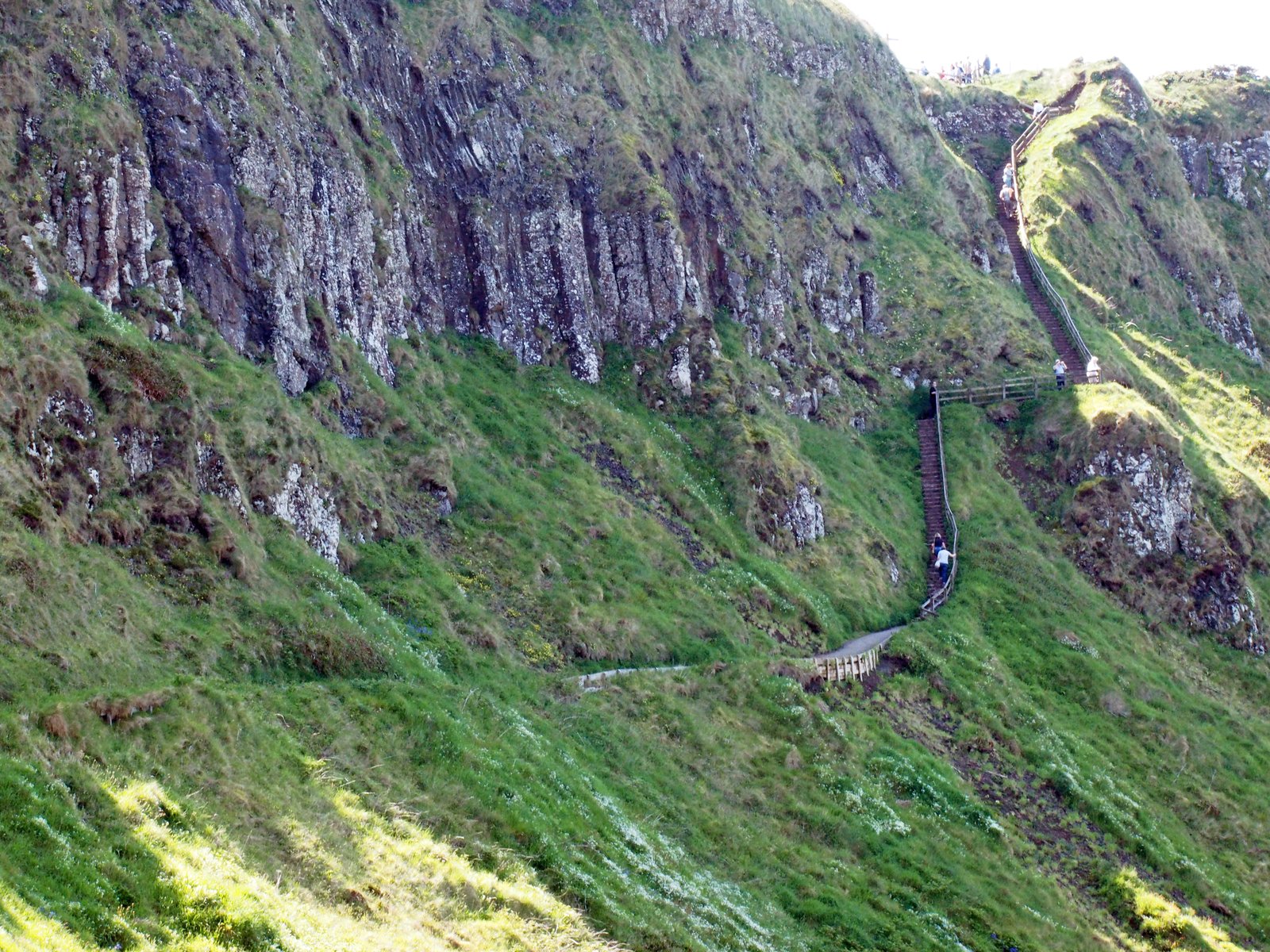
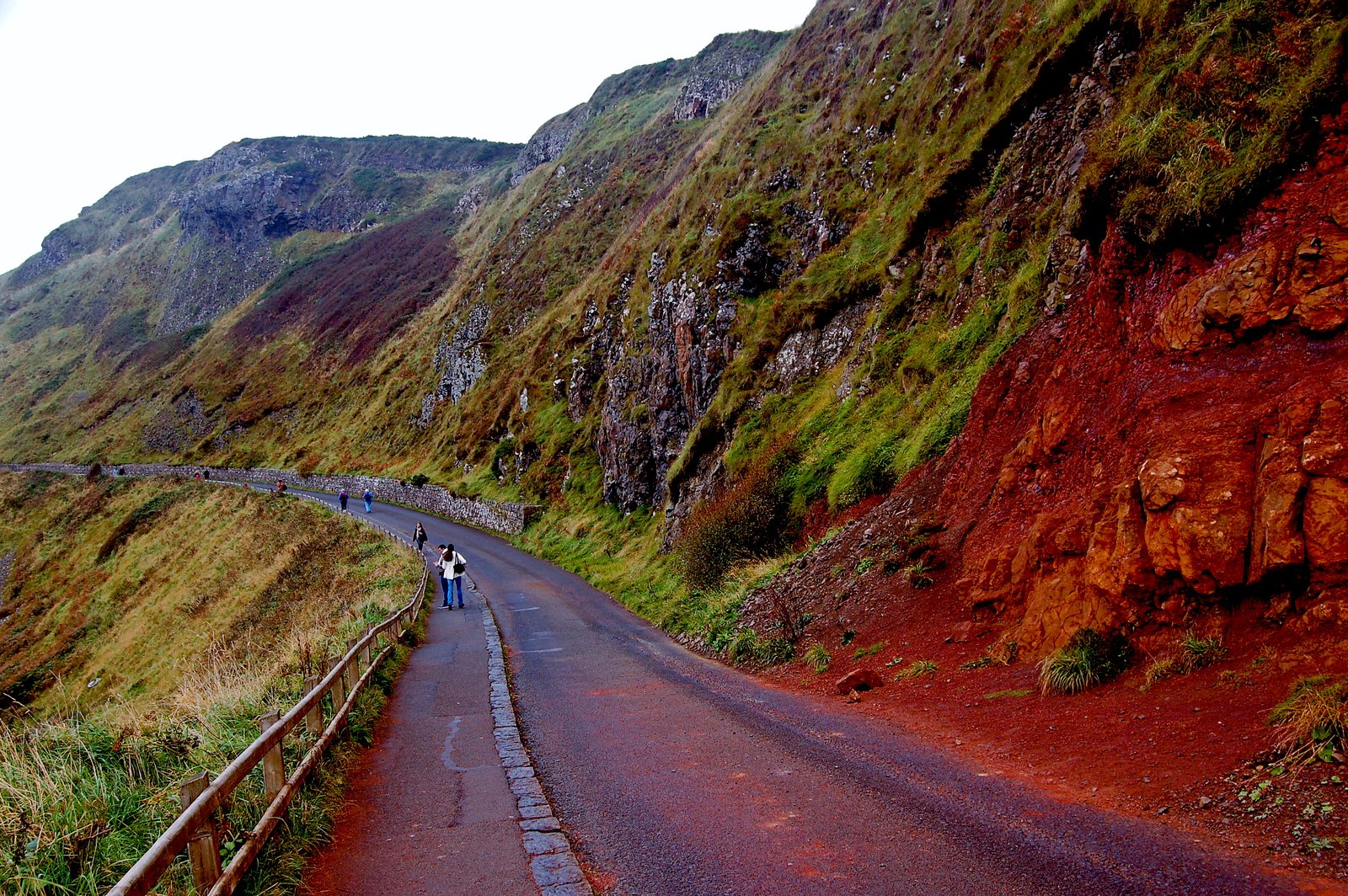
There are three routes down, and which ones are open depends on the day. The paved Blue Trail runs from the visitor center to the stones and stays open in most conditions, so that’s your reliable way in and out.
The cliff-top Red Trail is the high route, and it’s the first to close in a hard wind or after a landslip. The longer Green Trail, the Runkerry loop, adds more coast and more time on your feet. Check what’s actually open on the day rather than assuming the cliff path will be.
Dress for wind and wet. A waterproof shell that cuts the wind does more for you here than a thick coat, and shoes with real grip are the single most important thing you’ll wear, because the way you get hurt here is slipping on wet rock.
So the practical read is this: pick a settled day where you can, take the paved Blue Trail if the wind is up, and keep off the wet lower columns when the sea is throwing spray over them. Do that and the coast path is a fair walk in almost any month.
Planning the Rest of Northern Ireland
- The 50 Best Things to Do in Northern Ireland
- Northern Ireland: A 3-Day Itinerary
- The Best Beaches in Northern Ireland
- Titanic Belfast: The Complete Visitor’s Guide
Fitting the Causeway Into a Causeway Coast Day
The Causeway is the headline, but it’s not a full day on its own. Two hours covers the stones, three if you take the cliff path, and the drive up here is long enough that you’ll want more than one stop out of it. The good news is that the best of the coast is packed into a short stretch of road.
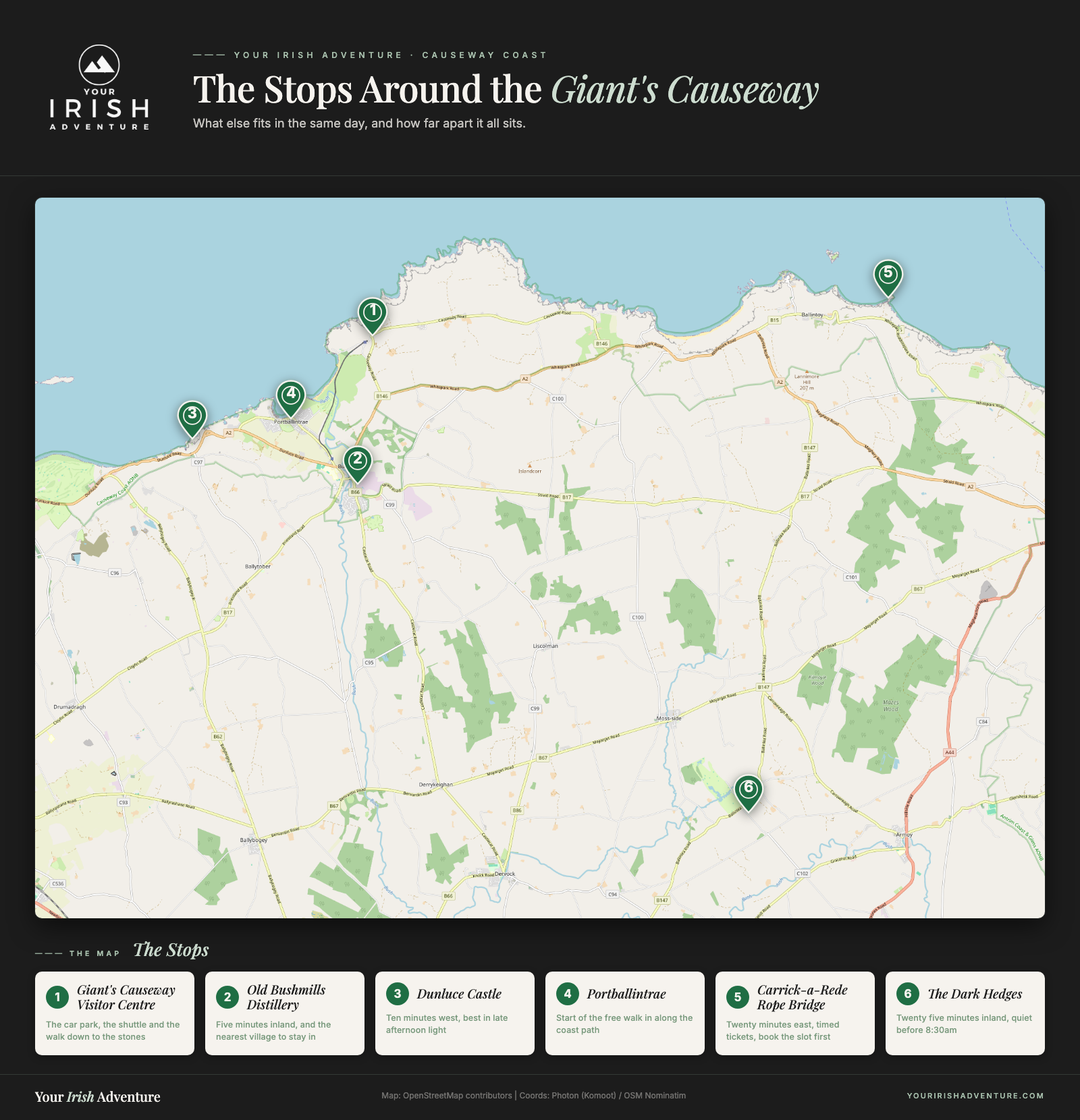
The trick is to slot the Causeway into the day where it costs you the least crowd. Do the stones first, early, before the tour buses land, then work outward to everything else once the middle of the day fills up. That one decision shapes the whole route.
What’s Within a Short Drive
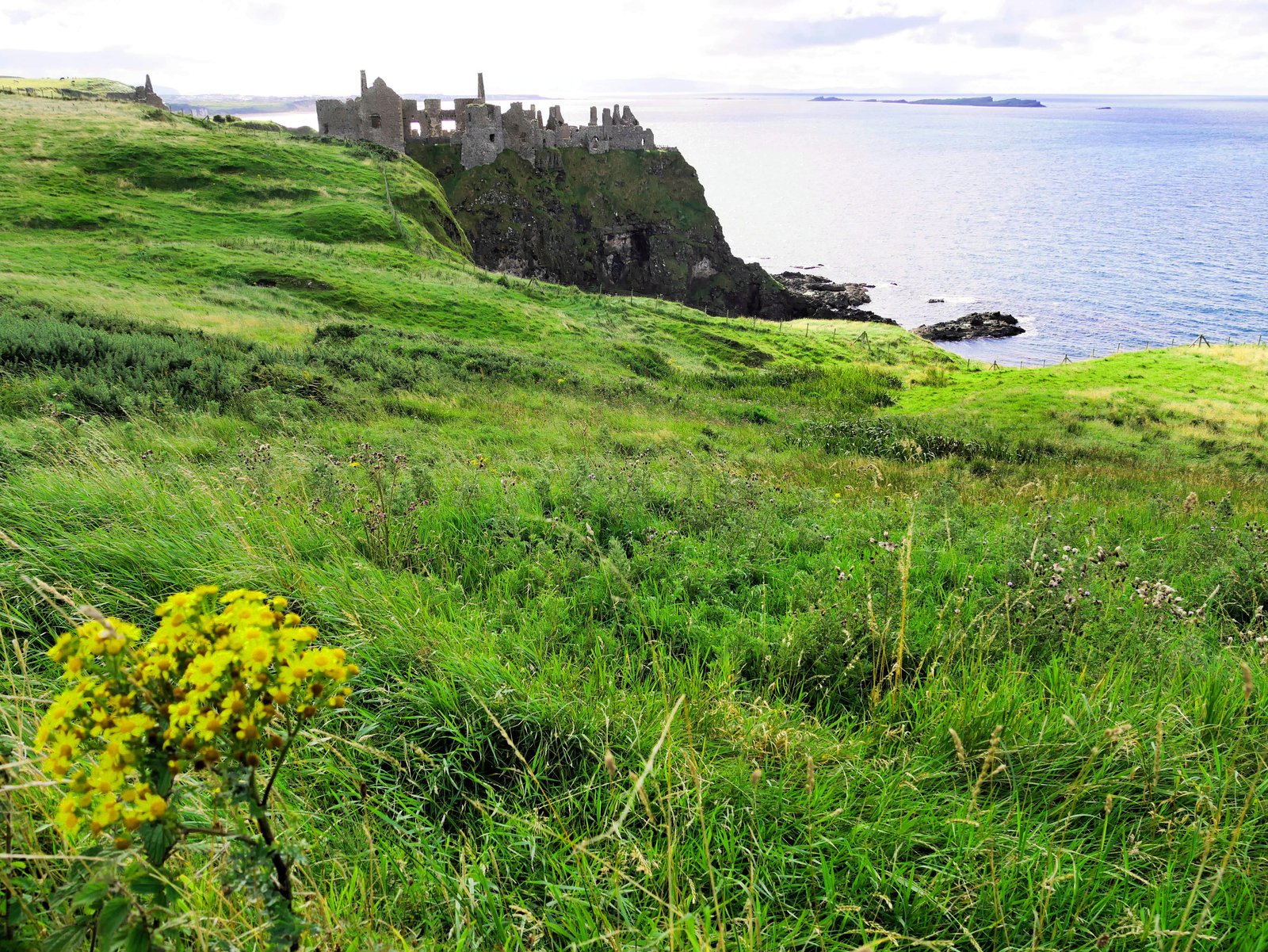
Old Bushmills Distillery is about a 5 minute drive, so it’s the easy pairing right after an early morning on the stones. Dunluce Castle is roughly 10 minutes along the coast, and it’s free to look at from the road even if you don’t go in.
Carrick-a-Rede rope bridge is about 20 minutes away and sells timed tickets, so book that slot before you leave and build the rest of the day around it. It’s the one stop on this list you can’t just turn up to on a busy day.
The Dark Hedges and the Early-Start Logic
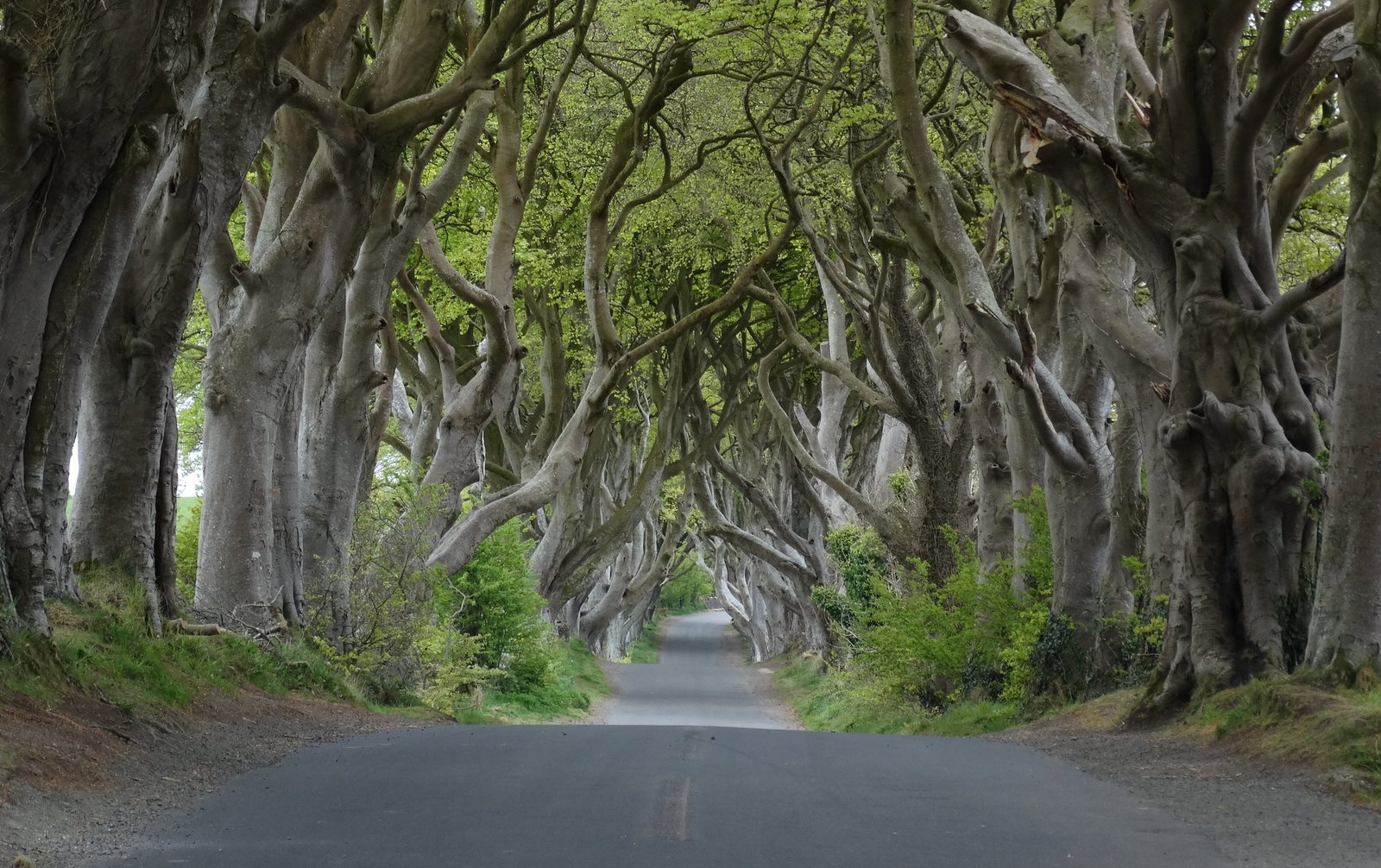
The Dark Hedges is about 25 minutes inland, with a small free parking lot at the end of Bregagh Road and no parking allowed along the road itself. The Game of Thrones tour buses arrive mid-morning through early afternoon, so the clear window is before 8:30am or after 5pm.
Both the Causeway and the Hedges reward an early start, and the best time to visit the Dark Hedges runs on the same clock as the stones, but for a different reason. At the Causeway it’s bus volume and the parking filling. At the Hedges it’s the narrow lane, the tiny lot, and the light through the beeches, best before the tours arrive.
Put those two facts together and the route writes itself. Hit the stones first thing, then either swing inland to the Hedges while it’s still quiet or save it for the end of the day after 5pm. Either way you’re dodging the same mid-day rush at both.
A full loop of the Causeway, Bushmills, Dunluce, Carrick-a-Rede and the Dark Hedges is a big but doable day if you start early. Try to see all five in the middle of the day and you’ll spend it in lines and parking lots instead.
More Causeway Coast Guides
- Giant’s Causeway From Belfast: All Day Trip Options
- The Dark Hedges (Game of Thrones): A Visitor’s Guide
- County Antrim: The Complete Travel Guide
Where to Stay Near the Giant’s Causeway
Everything above points to one conclusion: the whole game is beating the buses to the stones. The simplest way to do that is to sleep close by, so you’re a short drive from the parking lot when it opens rather than an hour down the road.
Bushmills is the closest base, about a 5 minute drive to the Causeway, so it’s the easy pick if you want to be first in the lot. Portballintrae is even nearer to the coast path, and you can walk in from there on the free loop if you’d rather skip the parking altogether.
Portrush is a bit bigger, with more places to eat and stay, and still only a short hop up the road.
The day tours out of Belfast and Dublin can’t do this. They arrive late morning because of the drive, which is exactly the window you’re trying to dodge. Stay local and you’re on the stones at 9am while they’re still on the motorway.
Causeway Hotel
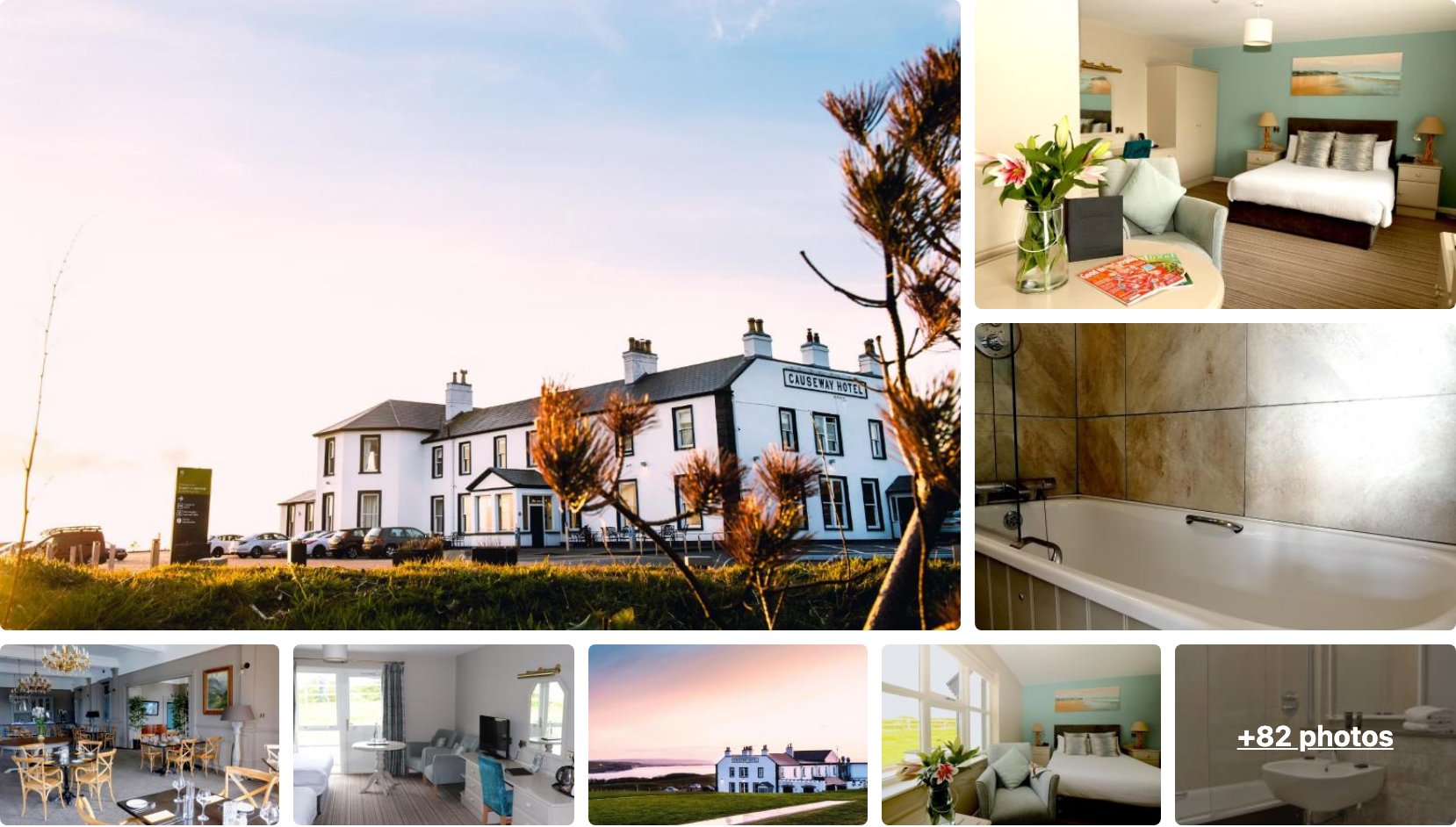
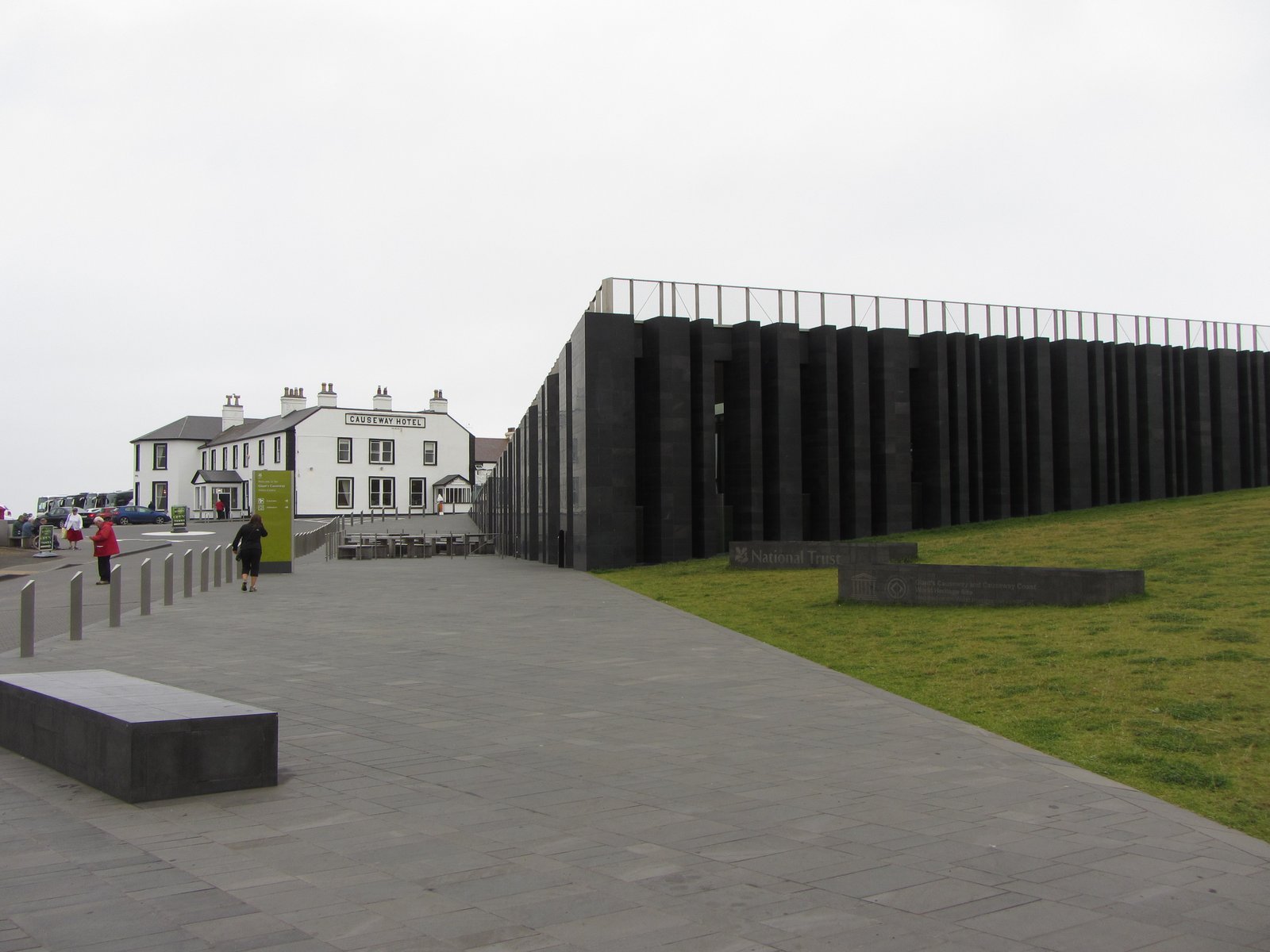
Causeway Hotel is the closest bed to the stones, sitting right beside the visitor center at the top of the path. It scores 8.6 from more than 1,800 reviews. Staying here means you walk down before the gates open and before the first bus has even left Belfast, which is the whole argument for booking it.
👉 View Causeway Hotel Availability and Pricing
Bushmills Inn Hotel

Bushmills Inn Hotel is a five minute drive inland and the best room on this list, rated 9.2 from 172 reviews. There is a real fire, a proper restaurant, and it drops you in the village next door to the distillery. Book it when you want the evening to be as good as the early start.
👉 View Bushmills Inn Hotel Availability and Pricing
Malvern House

Malvern House is the value pick, a Portrush bed and breakfast rated 9.8 from 345 reviews and a couple of minutes from the harbour. Portrush is bigger than Bushmills, so you get more choice for dinner, and you are still about fifteen minutes from the parking lot.
👉 View Malvern House Availability and Pricing
Best Tours of the Giant’s Causeway
A day tour by bus from Belfast or Dublin is the easy way to reach the Causeway without a car, but the timing works against you. The drive means they all land late morning and drop you into the exact 11am to 3pm window everyone else is fighting through.
Here’s my honest take: only take the bus if you really can’t drive. The arrival time is fixed, you have no say over it, and it puts you on the stones at the single busiest hour of the day. That’s the opposite of everything the early start buys you.
Morning Giant’s Causeway Half-Day Tour from Belfast

If you are going to do this by bus, do it on the morning run. It leaves Belfast early and gets you to the stones nearer the front of the day instead of dropping you in at the peak. It is a half day, so you get the Causeway and a stop or two rather than a full coast itinerary, and you are back in Belfast for the afternoon.
👉 Check Morning Giant’s Causeway Half-Day Tour Availability and Reviews
Other Causeway Tours from Belfast
- Afternoon Giant’s Causeway Half-Day Tour from Belfast, which arrives as the buses start leaving
- From Belfast: Giant’s Causeway Full-Day Guided Trip, the full-day version with more stops along the coast
Giant’s Causeway Timing FAQs
The questions people actually ask before driving up to the Causeway, answered short.
When is the best time to visit the Giant’s Causeway?
May and September are the best months, and the best hours are before 10am or after 5pm. Those two sit either side of the July and August peak, so you get long daylight without the biggest coach volume. On any day, the stones are quietest before the Belfast and Dublin coaches land late morning.
What time does the Giant’s Causeway open?
The visitor center runs about 9am to 5pm from March through October, and 9am to 4pm from November through February, with a few later days in summer. The stones have no gate. They sit on open land, so you can walk down before the center opens or after it shuts. Check the National Trust hours before you drive up, since they move around.
How long should you spend at the Giant’s Causeway?
Allow about two hours to see the stones and take your time on the paved route down and back. Give it three if you want to add the cliff-top path for the view from above. That’s enough for the Causeway itself, which leaves the rest of the day for the wider coast.
Can you see the sunrise at the Giant’s Causeway?
Yes. The stones sit on a public right of way with no gate, so you can be down there at first light with nobody around. Around midsummer sunrise is close to 4:50am, and in winter it’s nearer 8:45am, so wake-up time swings hard with the season. Bring a flashlight for the walk down in the dark months, and shoes with grip for the wet basalt.
Is the Giant’s Causeway worth visiting in winter?
It is, if you pick your day. The tour crowds stay away, so a Tuesday to Thursday can leave the stones close to empty and parking a non-issue. The trade-off is short daylight, about seven usable hours around the solstice, and hard Atlantic wind. Watch the forecast, dress for wet and wind, and you get the place almost to yourself.
Can you walk down to the Causeway for free?
Yes. The stones are reached by a public right of way, so walking down costs nothing and you don’t need a visitor center ticket. What you pay for is parking, the center, a guide, and the shuttle. Park free by walking in from Portballintrae or Dunseverick Castle, or pay about £15 at the Causeway Coast Way lot if you’d rather park close.
Final Thoughts
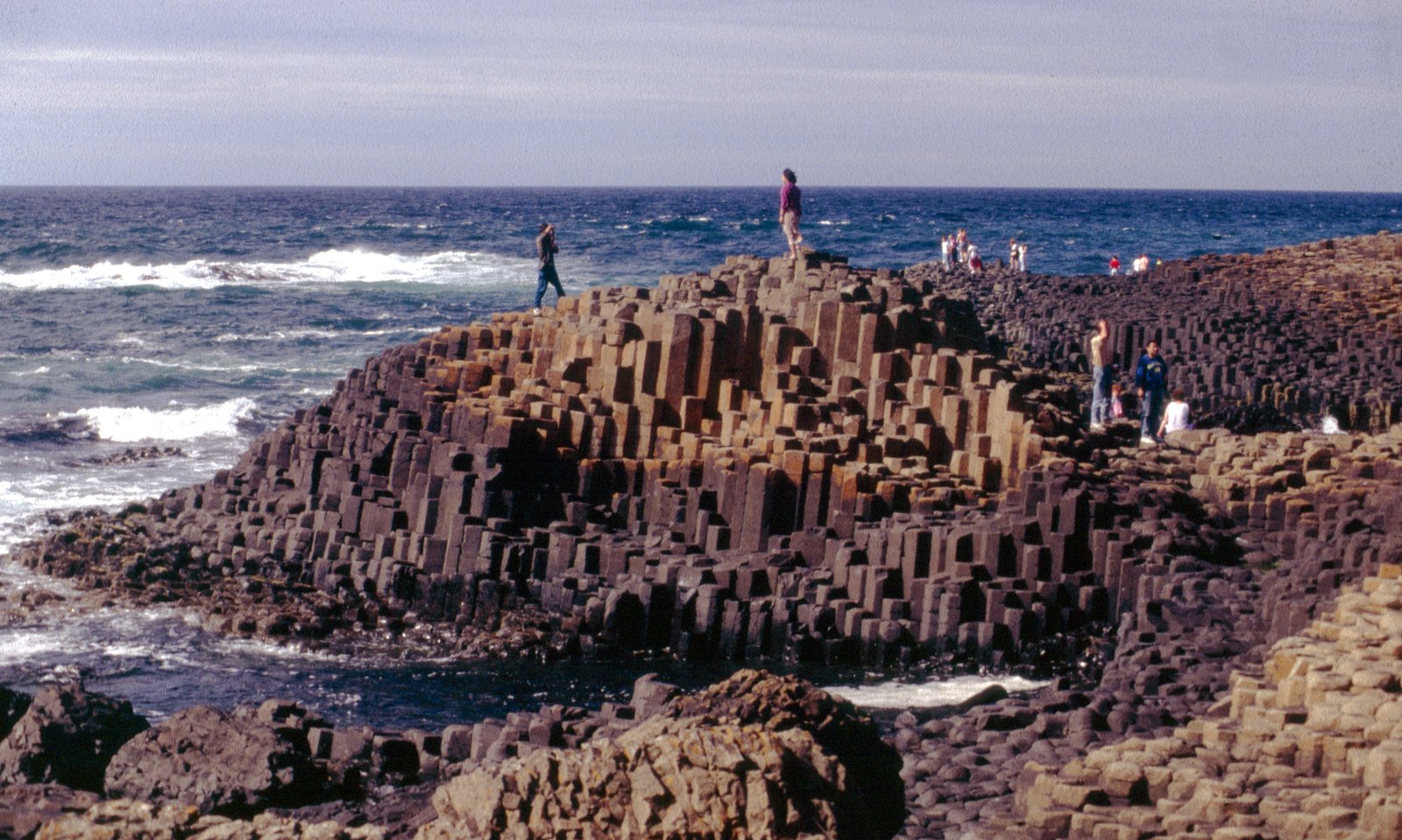
Strip everything back and this is a simple call. Go in May or September, pick a Tuesday, Wednesday or Thursday, and be on the stones before 10am or after 5pm. Nail that and the Causeway is yours for a while.
The columns don’t change, so the whole trick is dodging the buses and the parking fill. An early start solves both at once: you’re parked easily and standing on empty stones while the day tours are still on the road out of Belfast and Dublin.
If summer is all you’ve got, work the hour instead of the month. First light or the evening window buys you the same quiet the shoulder months hand you for free.
Two things to sort before you drive up. Pre-book your Visitor Experience ticket for the reserved parking, and check the wind and the current center hours the week before, because a hard blow can shut the cliff path and short winter days close early.
Sleep close, in Bushmills, Portballintrae or Portrush, and give the wider coast a full day. Do that and you’re not just ticking off the Causeway, you’re getting the best version of it.
Like it? Pin it!
Save this guide for later