Belfast is one of the most underrated cities in Ireland, and the best places to visit in Belfast pack more into a small, walkable center than you’d expect from a city its size. The Titanic was built here, the political murals are here, and half of Game of Thrones was filmed within an hour’s drive of it.
It’s the kind of city you can cover on foot in a couple of days. The center is compact, the sights cluster together, and it makes a solid base for the coast to the north.
A lot of Ireland road trips skip Belfast entirely and run straight for the Causeway Coast, which is a mistake. Give it a night or two and you get the city, the history, and easy access to one of the best drives in the country.
Here’s the list, from the big-name sights everyone books to the Giant’s Causeway day trip and the Game of Thrones filming spots worth the detour, plus how to actually get around once you’re there.
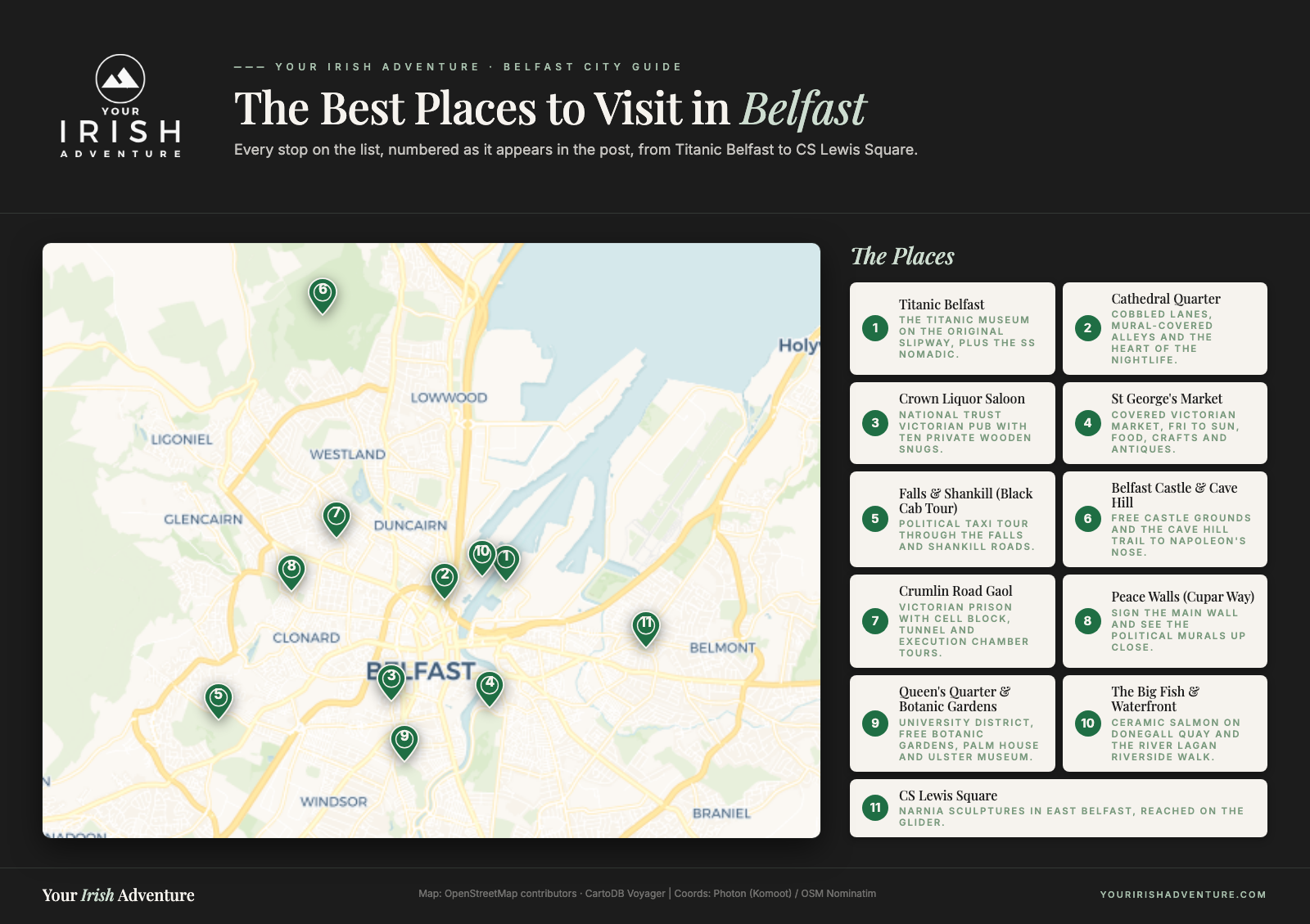
More Belfast Travel Guides
- Where to Stay in Belfast: Best Areas & Hotels
- 10 Best Bars In Belfast, Northern Ireland
- 5 Best Day Trips From Belfast, Ireland
Quick Answer:
The best places to visit in Belfast cluster in a walkable center: Titanic Belfast on the original slipway, the Cathedral Quarter, the Crown Liquor Saloon, and a black cab tour of the murals and Peace Walls. Give the city two days, then add a third for the Giant’s Causeway and Game of Thrones locations an hour up the coast.
The Best Places to Visit in Belfast
Titanic Belfast and the SS Nomadic
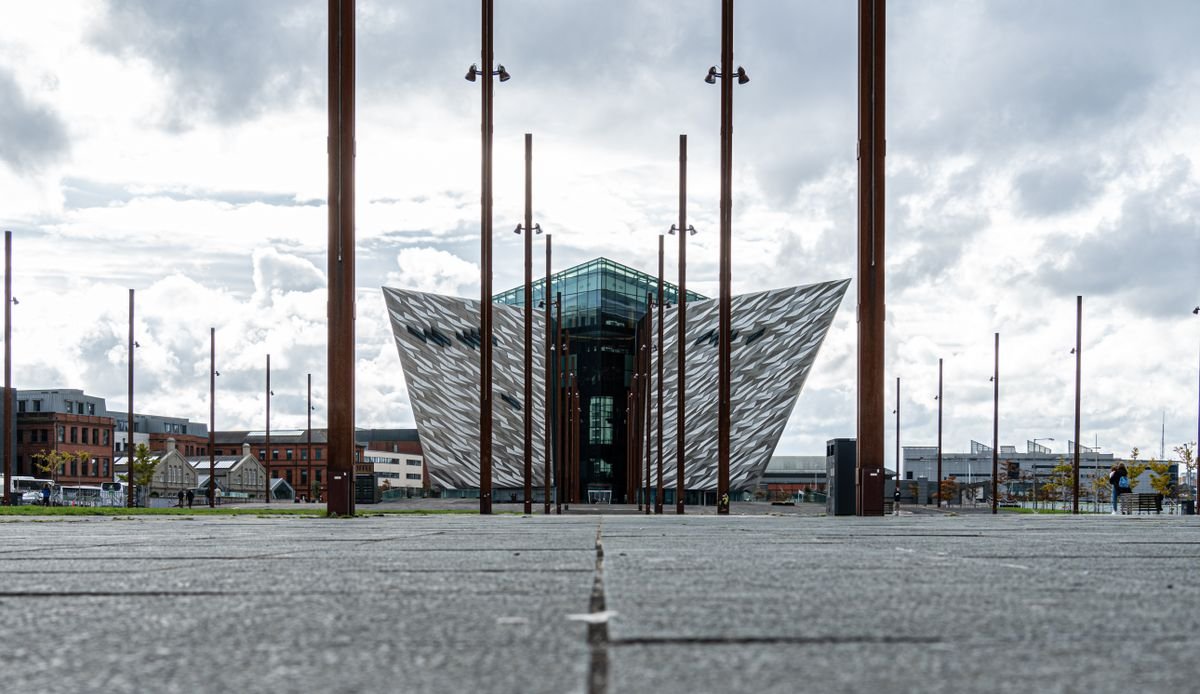
Of all the best places to visit in Belfast, this is the one sight everyone books, and it earns it. Titanic Belfast sits on the exact slipway where the ship was built, and the building itself is shaped like four ship hulls clad in shimmering aluminum.
Inside is nine galleries walking you from the shipyards of the early 1900s through the build, the launch, and the sinking. There’s a small ride car section through a recreated shipyard, which sounds gimmicky but works.
Your ticket also gets you onto the SS Nomadic, the last surviving White Star Line ship, moored right next door. It’s the tender that ferried first-class passengers out to the Titanic in Cherbourg.
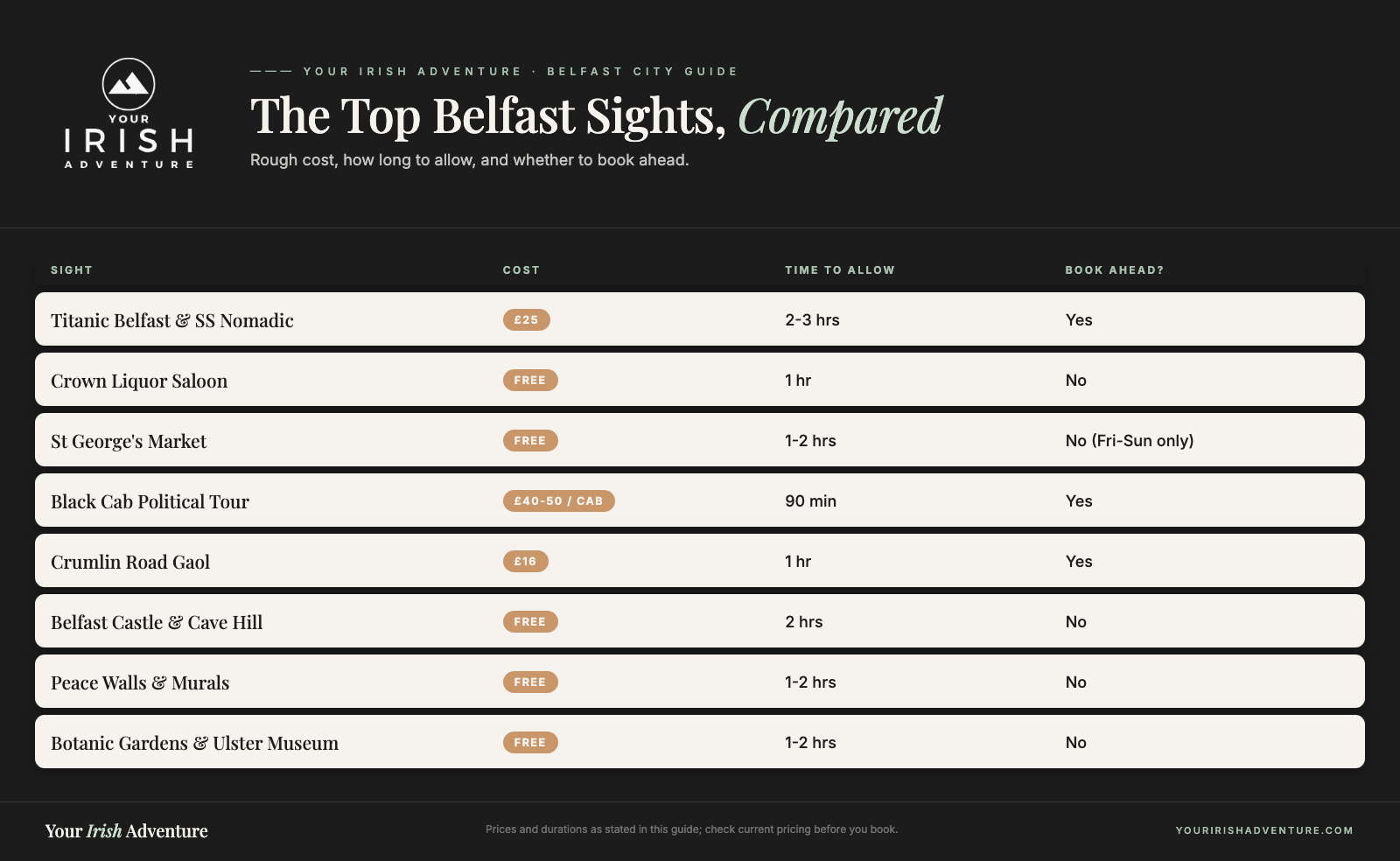
Adult tickets run around £25 and it gets busy, so book a timed slot online ahead of time and check current pricing before you go. You can book the Titanic Belfast experience with SS Nomadic on GetYourGuide to lock in your slot. Plan on two to three hours to do it properly.
Explore the Cathedral Quarter
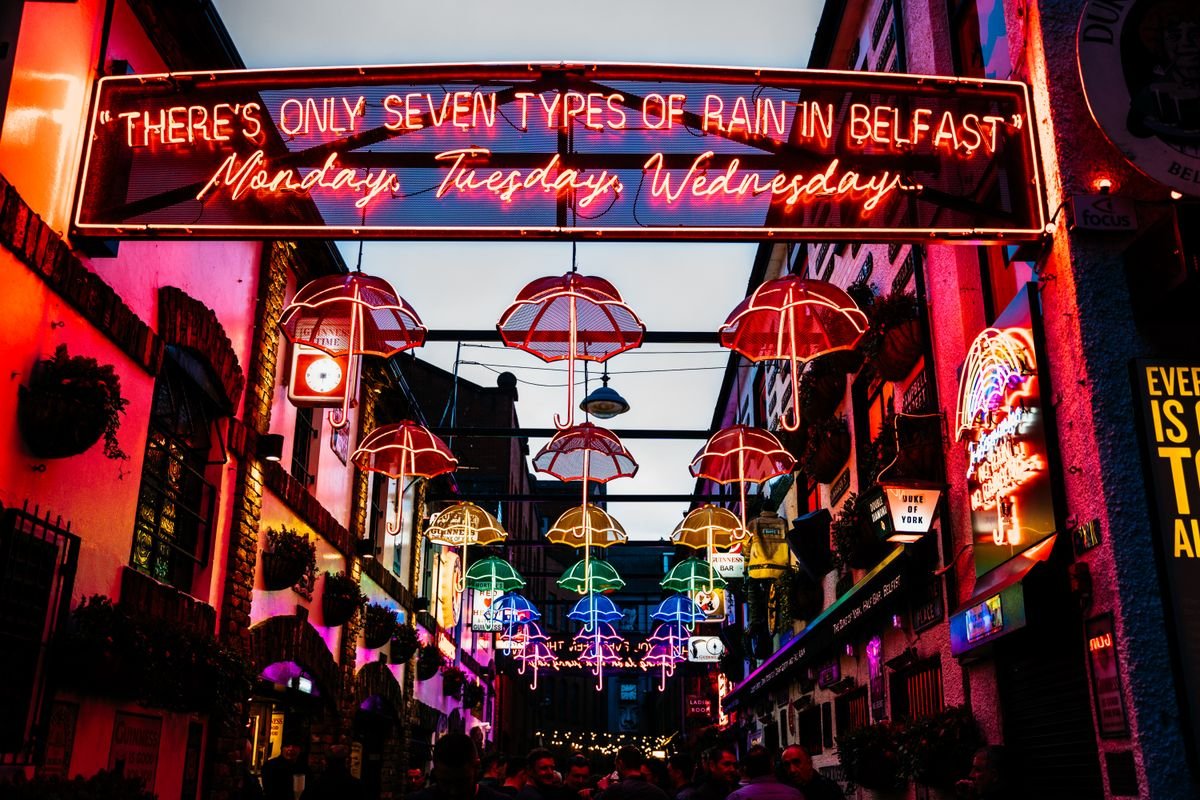
The Cathedral Quarter is the oldest part of the city and the best area to just wander. Cobbled lanes, old warehouses turned into bars, and some of the sharpest street art in Ireland.
The Duke of York and the Commercial Court alley beside it are covered in murals, umbrellas strung overhead, and it’s where a lot of the nightlife starts. It’s also the heart of Belfast’s music scene most nights of the week.
Named for St Anne’s Cathedral, which anchors the area with its stainless steel Spire of Hope poking out the roof. You don’t need a plan here. Pick a street and follow the noise.
Drink at the Crown Liquor Saloon
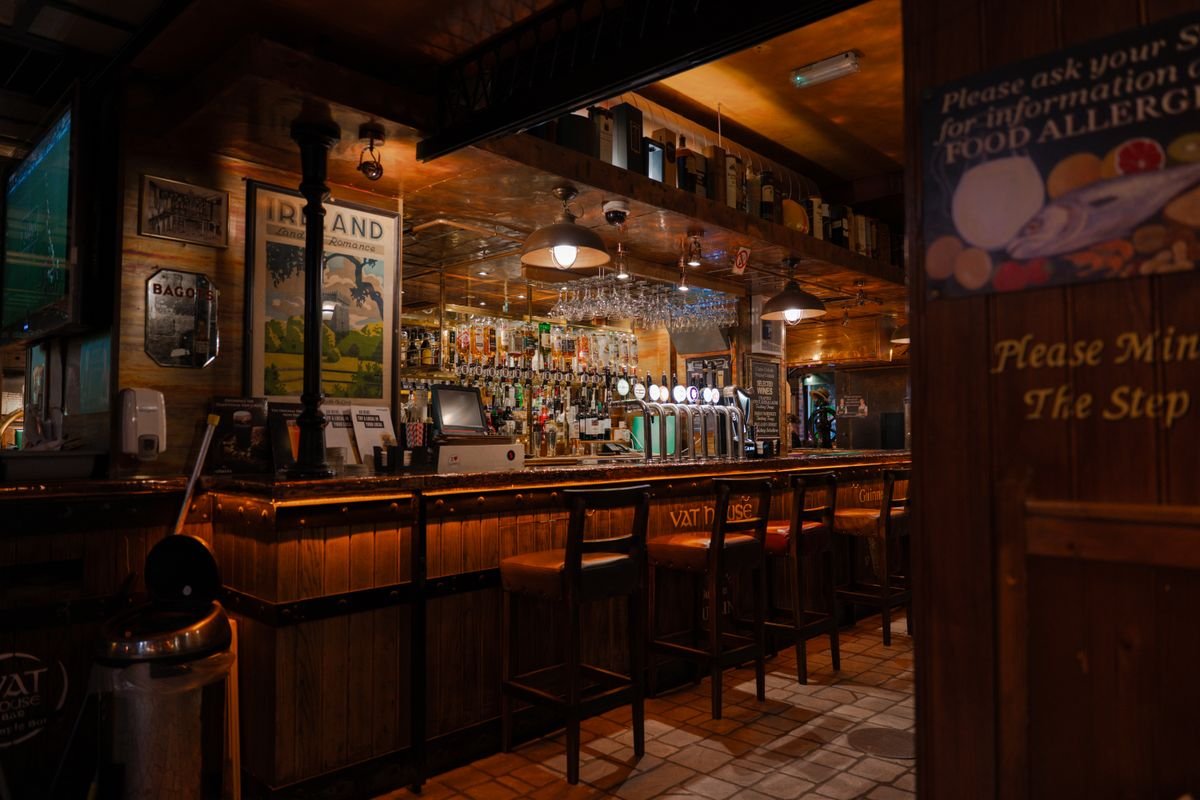
The Crown is one of the most famous pubs in Ireland, and it’s owned by the National Trust, which tells you how seriously they take the interior. Gas lamps, carved wood, and tiled walls that date to the 1880s.
The pull here is the snugs, ten private wooden booths with their own doors and old bells that once rang the bar staff. Get there early in the day if you want one, because they fill up fast.
It sits right across from the Europa Hotel on Great Victoria Street, so it’s easy to find. Order a pint, grab a snug, and take your time.
Shop and Eat at St George’s Market

St George’s is a covered Victorian market from the 1890s and one of the best food stops in the city. It only runs Friday, Saturday, and Sunday, so time your visit around that.
Friday is the big variety and antiques day, the weekend leans into food, crafts, and live music. Come hungry and work your way through the stalls, the Belfast bap and the fresh seafood are the ones to hunt down.
It’s a short walk from the Waterfront and entry is free. A weekend morning here beats any hotel breakfast.
Take a Black Cab Political Tour

If you do one thing in Belfast beyond the Titanic, make it this. A black cab tour takes you through the Falls and Shankill roads with a local driver who lived through the Troubles and explains it from the ground.
You stop at the murals, the memorials, and the Peace Walls, and you get the history straight from someone who was there rather than a plaque. The good drivers give you both sides and don’t sugarcoat it.
Tours usually run around 90 minutes and cost roughly £40 to £50 for the cab split between your group, so check current pricing when you book. You can book a black cab political tour on GetYourGuide if you want it sorted before you arrive. It’s the fastest way to actually understand the city.
Visit Belfast Castle and Cave Hill
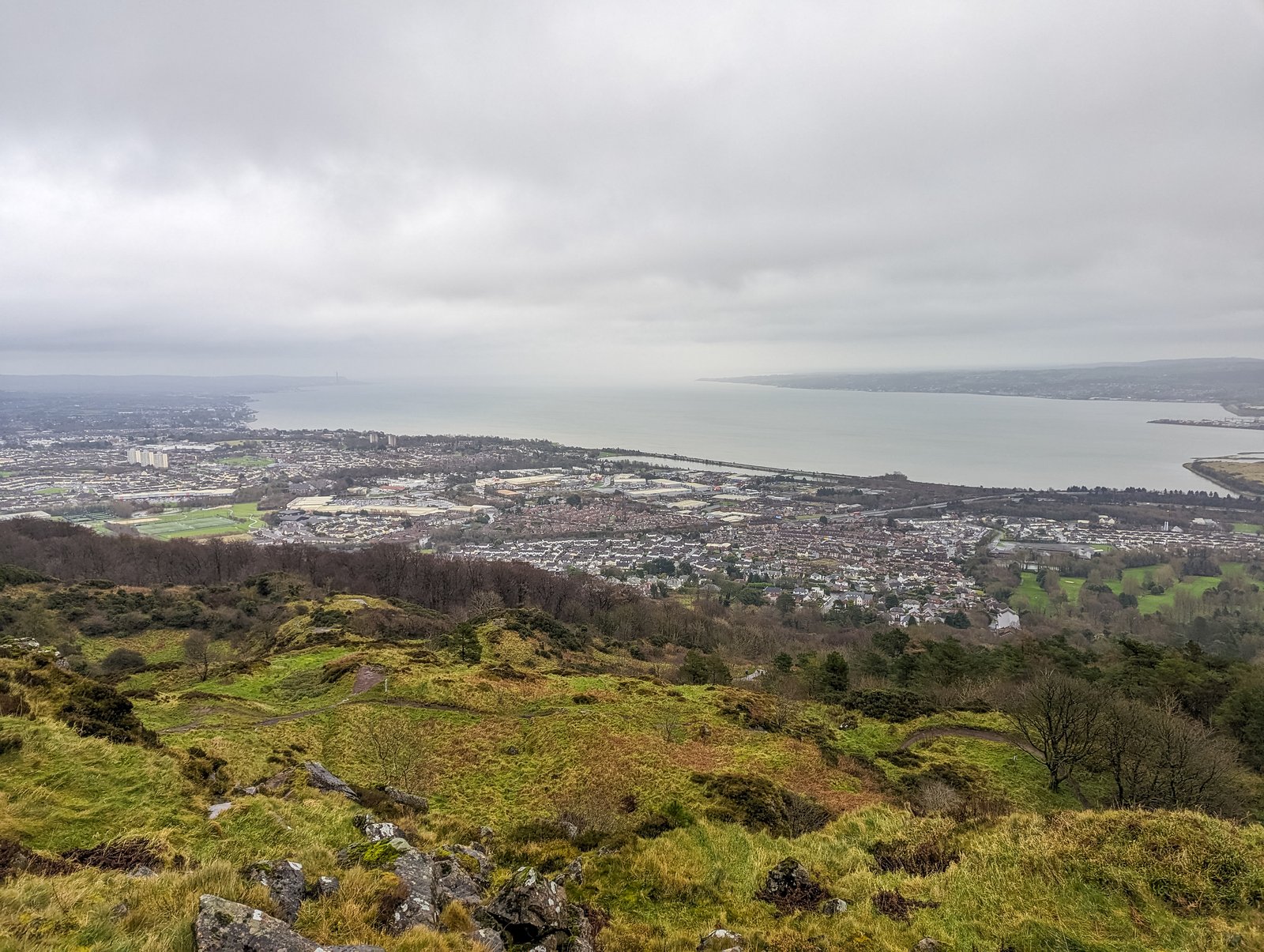
Belfast Castle sits up on the slopes of Cave Hill, about four miles north of the center. The current castle dates to the 1870s and the grounds are free to walk, with the whole city and the lough spread out below you.
The real reason to come up here is Cave Hill itself. The trail climbs to Napoleon’s Nose, the basalt outcrop said to have inspired Jonathan Swift’s sleeping giant in Gulliver’s Travels.
The full loop to the summit and back takes a couple of hours and it’s a proper walk, so wear real shoes. The view from the top is the best in Belfast.
Tour Crumlin Road Gaol
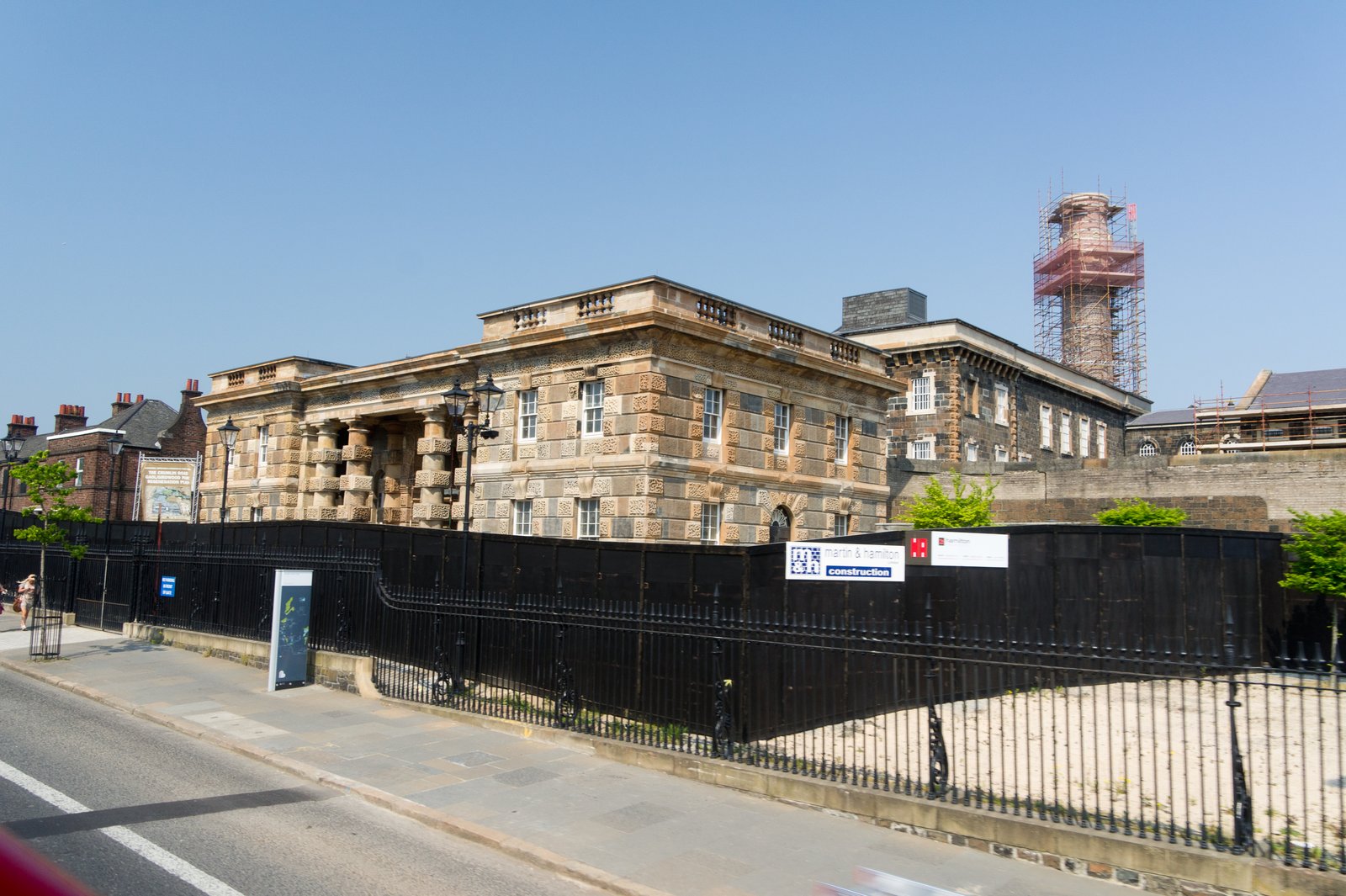
Crumlin Road Gaol is a Victorian prison that held inmates from 1846 all the way to 1996, so the history runs from public hangings to Troubles-era paramilitaries. It’s now one of the best guided tours in the city.
The tour walks you through the cells, the underground tunnel that linked the jail to the courthouse across the road, and the execution chamber. It’s grim in the way that makes it worth doing.
Adult tickets are around £16 and the tour runs about an hour, so book ahead and check current pricing. You can book the Crumlin Road Gaol tour on GetYourGuide to skip the queue. If you like your history dark and real, this is your stop.
See the Peace Walls and Murals

The Peace Walls still separate Catholic and Protestant neighborhoods across parts of the city, some of them taller than the Berlin Wall ever was. They went up during the Troubles and most are still standing today.
You can walk up to the main wall on Cupar Way, sign your name alongside thousands of others, and see the political murals that turned these streets into an open-air record of the conflict.
The gates in some walls still close at night, which is a jarring thing to see in a modern European city. Most black cab tours include this, but you can walk it yourself in daylight too.
Walk Around Queen’s Quarter and the Botanic Gardens
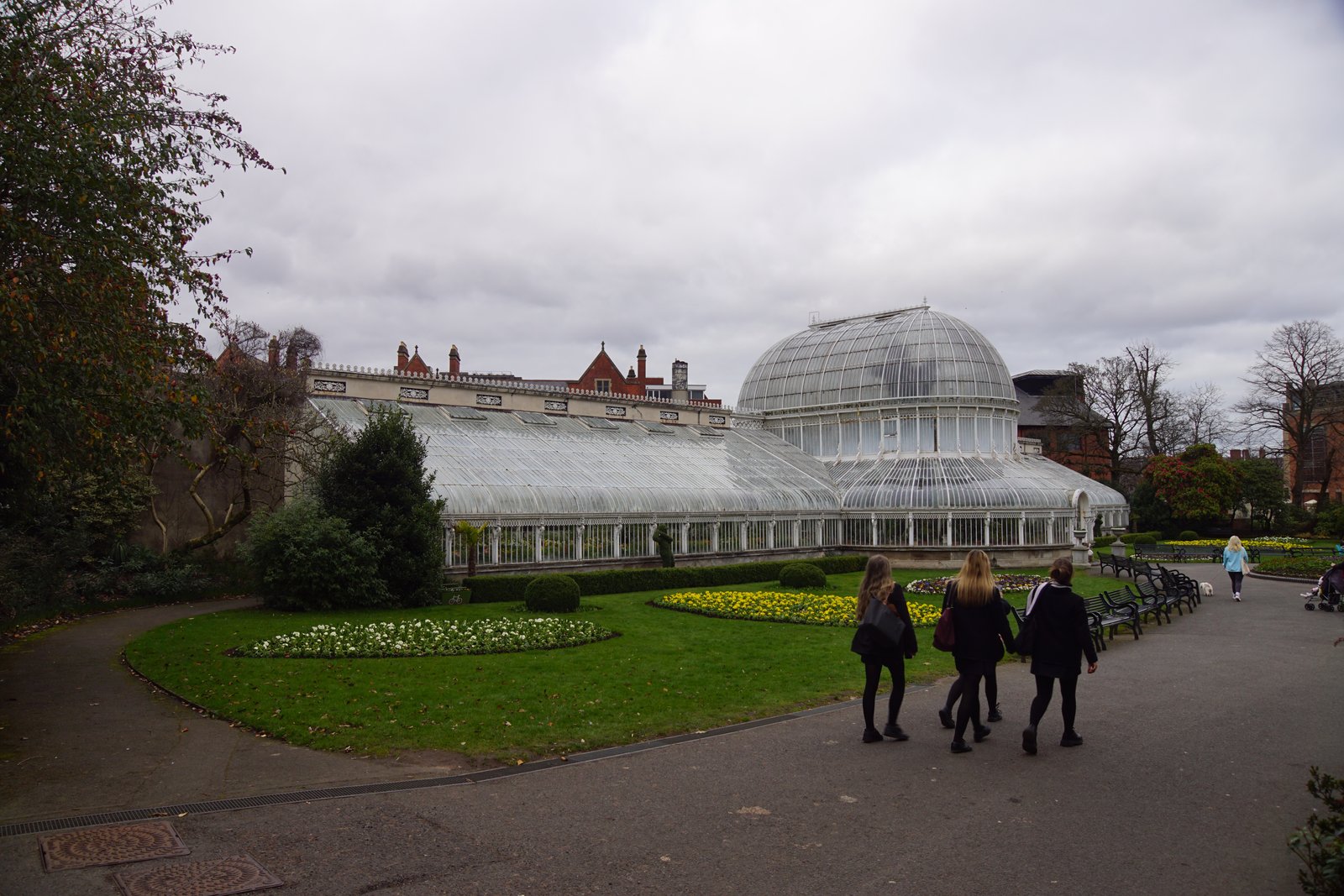
South of the center, Queen’s Quarter is the university district and a change of pace from the shipyards and the murals. The centerpiece is Queen’s University, whose main building looks more like a redbrick cathedral than a college.
Right behind it are the Botanic Gardens, free to enter, with the cast-iron Palm House from the 1840s and the sunken Tropical Ravine glasshouse inside.
The Ulster Museum sits inside the gardens and it’s also free, covering everything from Irish history to an Egyptian mummy. This is the best part of town for a slow afternoon and a coffee.
See the Big Fish and the Waterfront
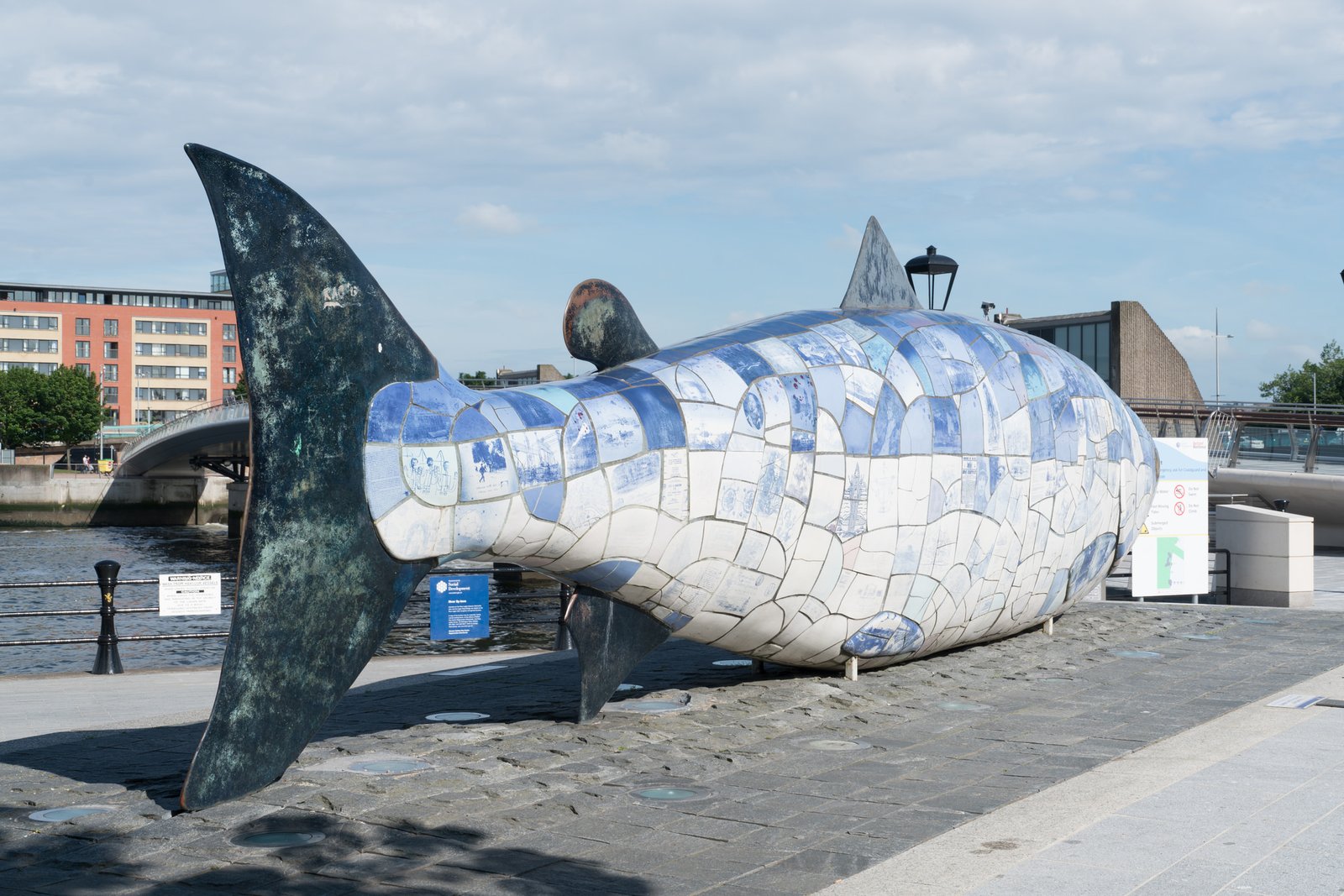
The Big Fish is a 10-meter ceramic salmon on Donegall Quay, its skin tiled with texts and images telling the history of Belfast. Locals just call it the Big Fish and it’s a favorite photo stop.
From there you can walk the River Lagan waterfront past the Waterfront Hall and over to the Titanic Quarter. It’s an easy flat stroll that ties the old docks to the new development.
The whole riverside has been rebuilt over the last couple of decades and it’s a good way to see how far the city has come.
Ride the Glider Out to CS Lewis Square
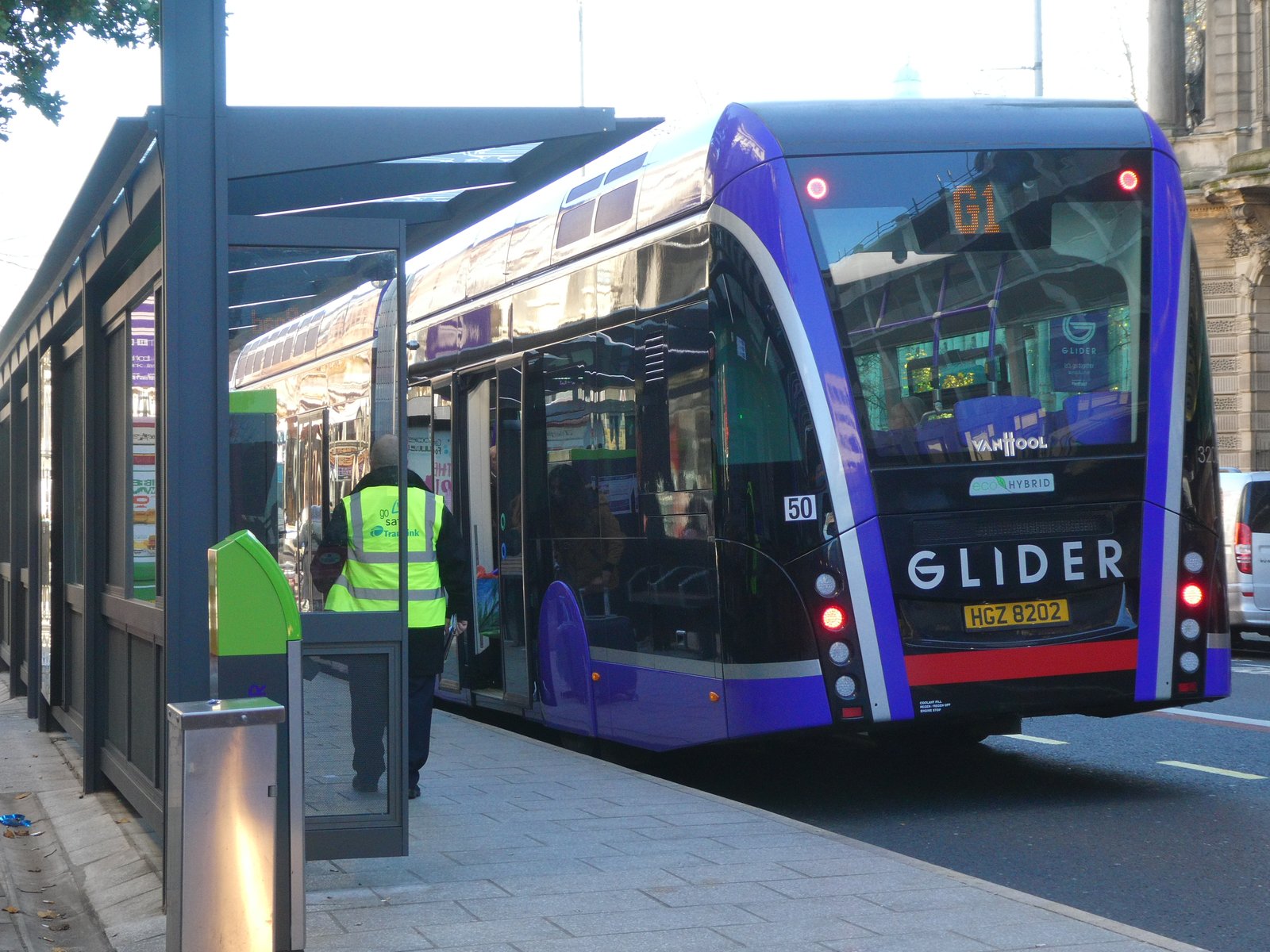
The Glider is Belfast’s bus rapid transit line, and it’s the easy way to get out to East Belfast without a car. Take it to CS Lewis Square, named for the Belfast-born author of The Chronicles of Narnia.
The square has seven bronze sculptures from the books, including Aslan and the White Witch, and it’s right in the neighborhood where Lewis grew up. Free to visit and a fun quick stop if you’re a fan.
The surrounding EastSide area has good cafes and the odd mural too. It’s a low-key half-hour that gets you out of the tourist core and into a real part of the city.
Day Trip to the Giant’s Causeway and Causeway Coast
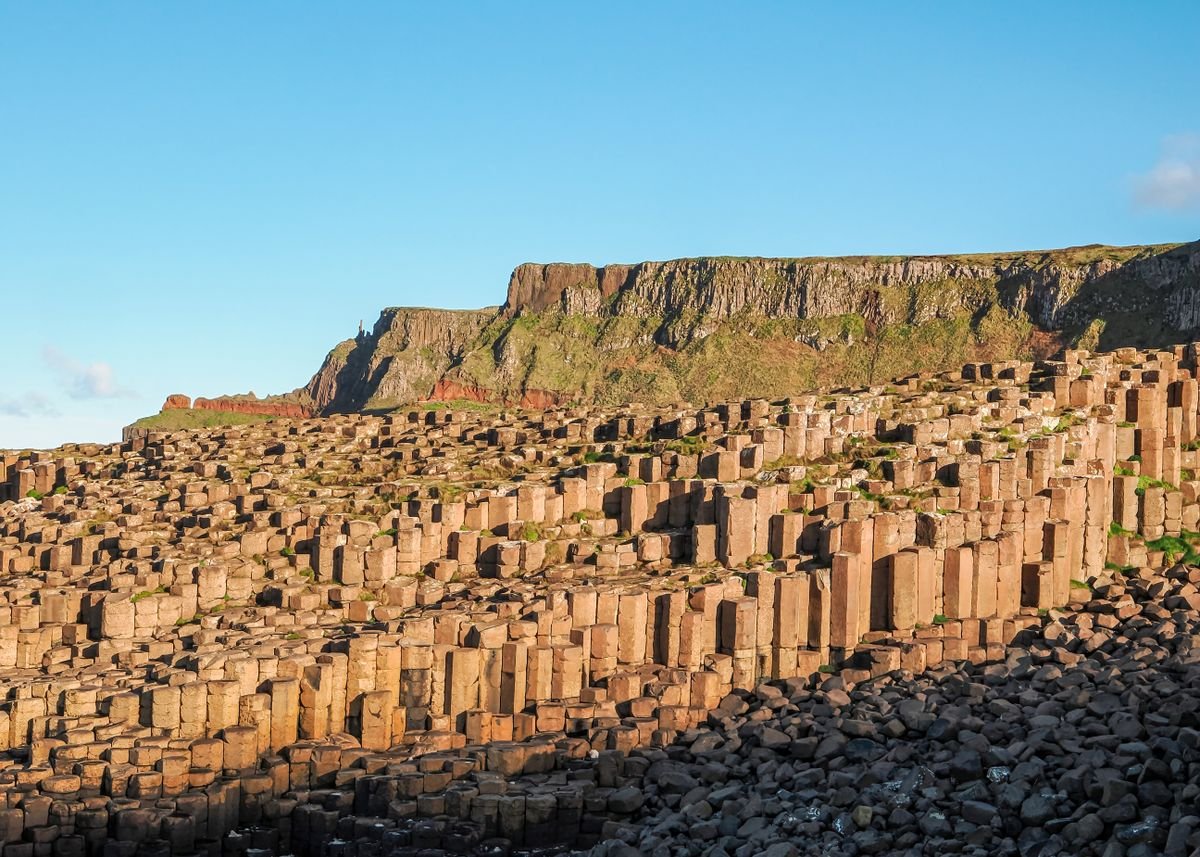
This is the reason a lot of people base themselves in Belfast in the first place. The Giant’s Causeway is about an hour and a quarter north on the A26, and the whole Causeway Coast is one of the best drives in the country.
The Causeway itself is around 40,000 basalt columns packed together at the edge of the sea, most of them hexagonal, formed by an ancient volcanic eruption. The legend is better though, the giant Finn McCool built it as a path across to Scotland.
The stones are free to walk on. The visitor center and its parking are what you pay for, so if you’re happy to skip the exhibition you can park elsewhere and walk down for nothing. Check current pricing before you commit to the center ticket.
Make It a Full Coastal Loop
Don’t just drive up, see the stones, and drive back. The stops between Belfast and the Causeway are half the point.
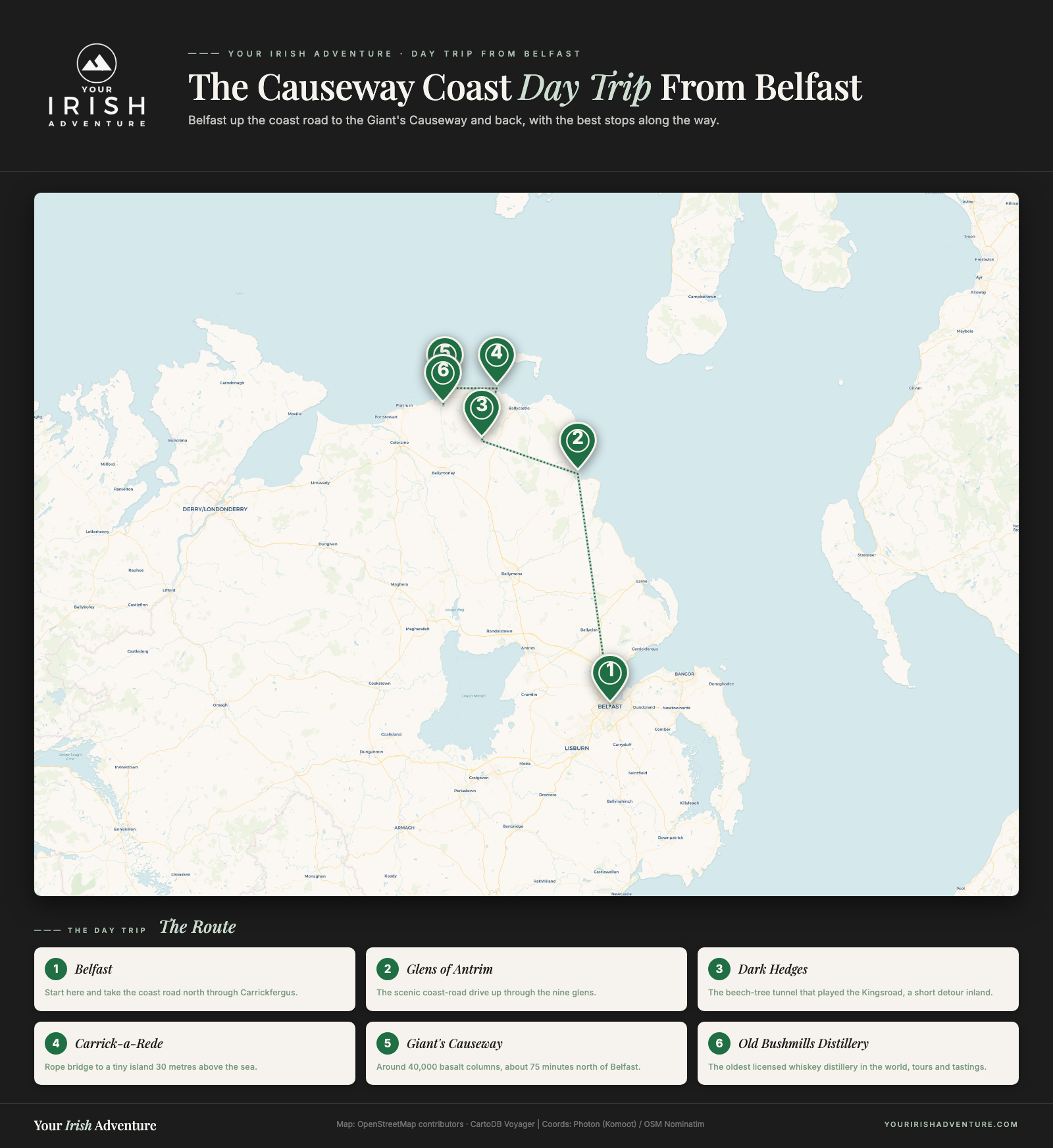
The Carrick-a-Rede rope bridge strings across to a tiny island 30 meters above the water, and it’s a proper adrenaline crossing on a windy day. The Dark Hedges, a tunnel of beech trees you’ll know from Game of Thrones, is a short detour inland.
Old Bushmills Distillery is right there too, the oldest licensed whiskey distillery in the world, and worth a tour and a tasting if you’re not the one driving.
Drive It or Book a Tour
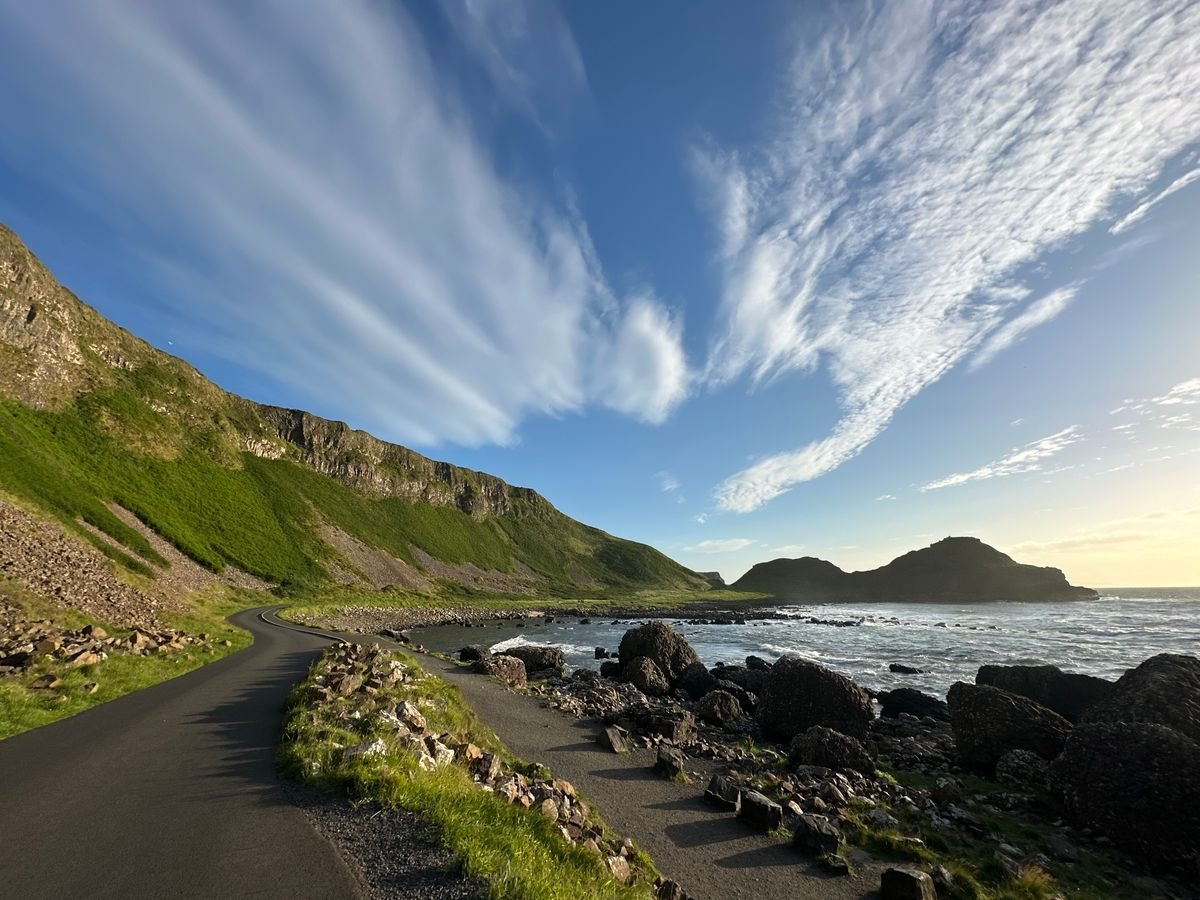
If you’ve got a rental car, do it yourself. Take the coast road through Carrickfergus and the Glens of Antrim on the way up, and you can stitch the Causeway, Carrick-a-Rede, and the Dark Hedges into one long day. If you still need wheels, compare car hire deals on Discover Cars before you go.
If you don’t want to drive, plenty of day tours run out of Belfast and hit the same big stops for you. You can book a Giant’s Causeway day trip from Belfast on GetYourGuide and let someone else handle the driving. Either way, give it a full day and get moving early, because the parking lot at the Causeway fills up fast in the afternoon.
Visit Game of Thrones Filming Locations
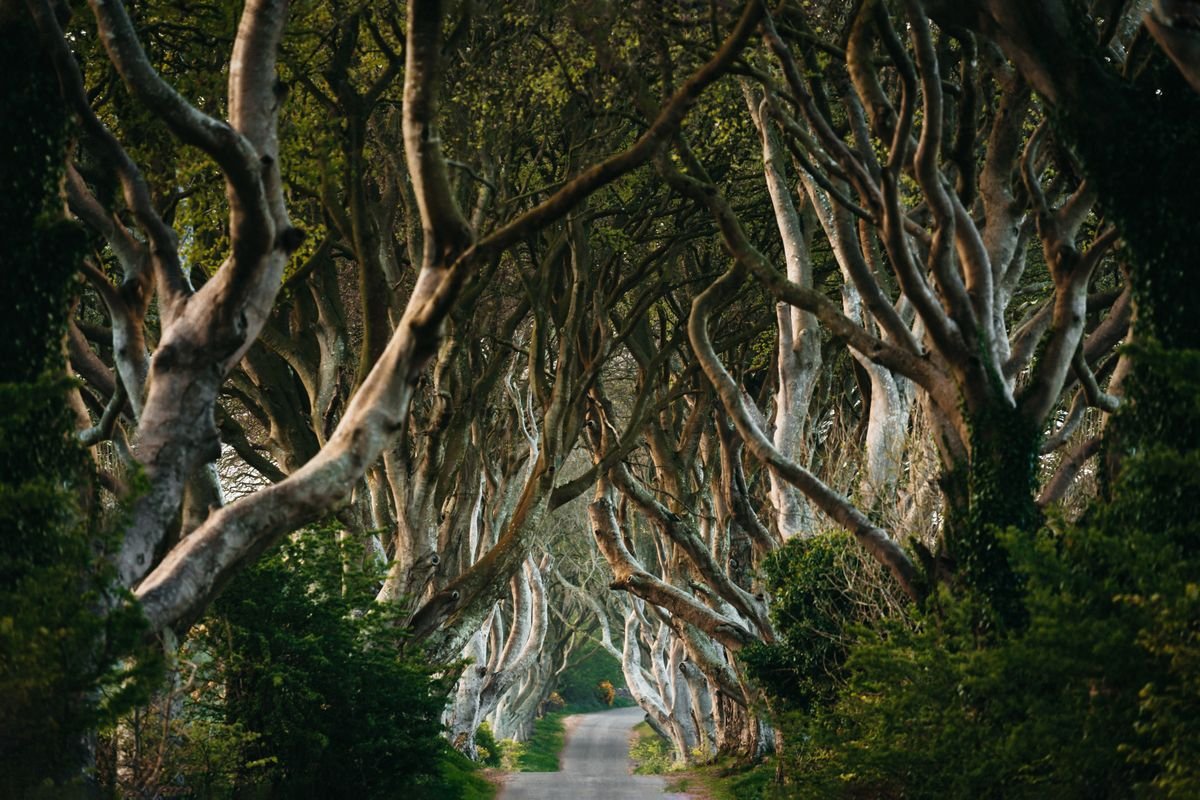
Most of the show was shot in Northern Ireland, a lot of it at Titanic Studios in Belfast itself, and the rest scattered across locations you can reach on a day trip from the city. If you’re a fan, you can build a whole day around chasing them down.
The Dark Hedges out on the Causeway Coast is the big one, the beech tunnel that played the Kingsroad, but it’s far from the only spot. Several of them sit within an hour of Belfast.
The Coastal Locations
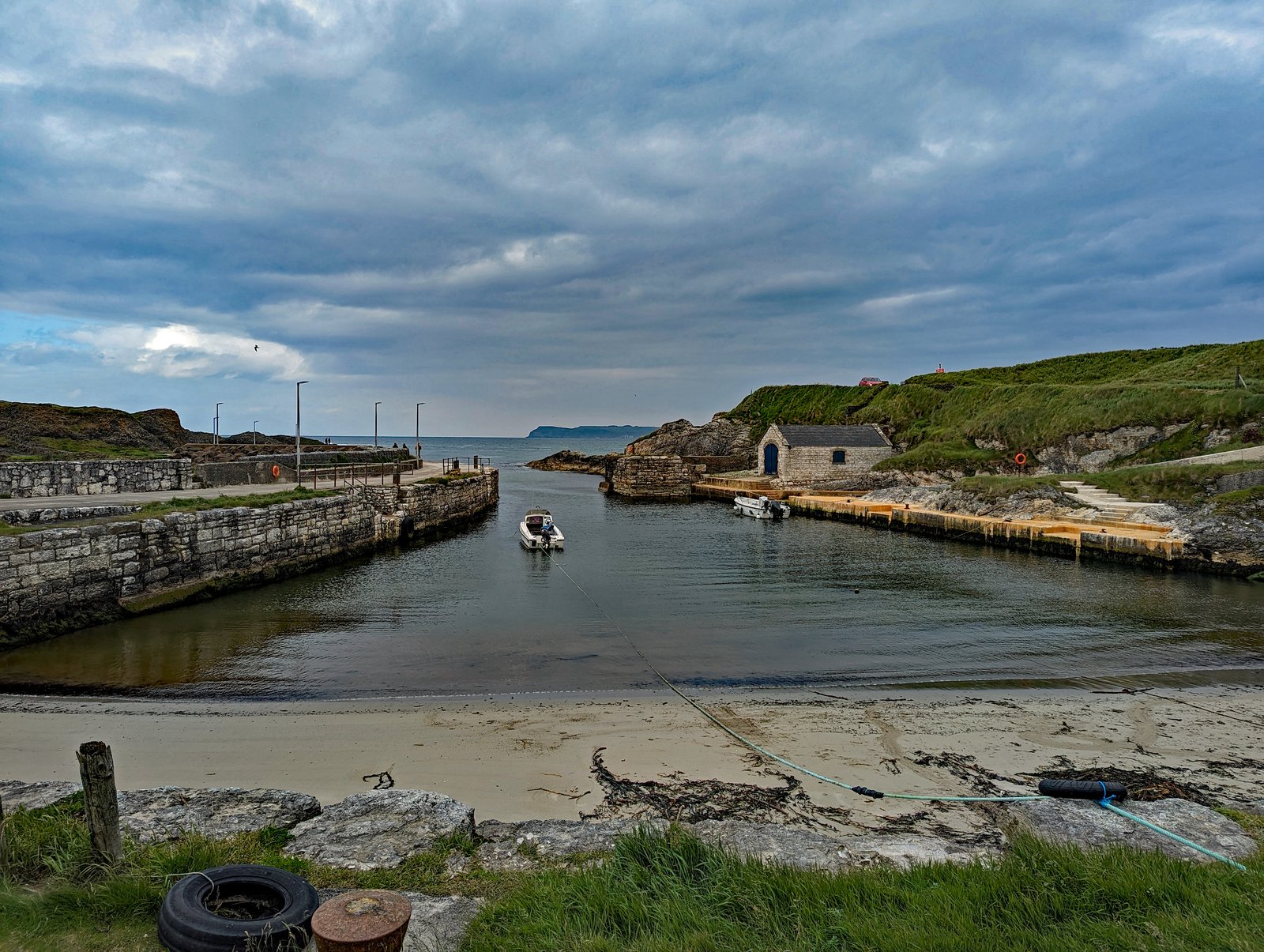
Ballintoy Harbour on the north coast doubled as the Iron Islands, where Theon came home to Pyke. It’s a working little harbor tucked below the cliffs and it’s free to walk around.
Just up the road, Cushendun Caves are where Melisandre gave birth to the shadow creature. Downhill Beach further west stood in for Dragonstone, where Melisandre burned the statues of the Seven.
These all string together along the same coast road as the Giant’s Causeway, so you can fold them into that drive rather than making a separate trip.
Winterfell at Castle Ward
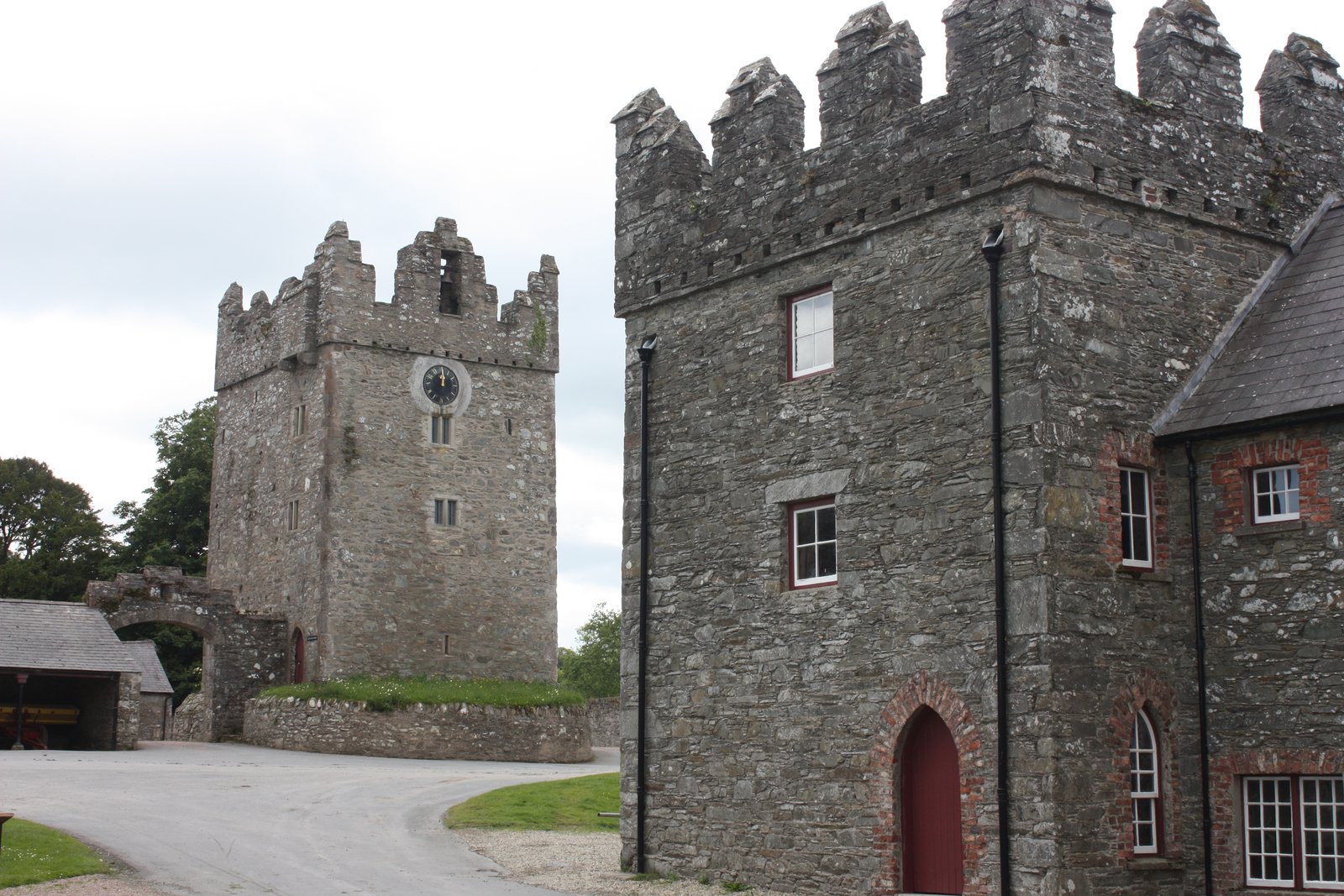
Castle Ward in County Down, about an hour south of Belfast, is the real Winterfell. The courtyard where Bran climbed the tower and Robb met the Stark family is here, and you can do archery and dress up in cloaks if that’s your thing.
Nearby Tollymore Forest was used for the opening scene with the White Walkers and where the Starks found the direwolf pups. It’s a good walk in its own right even if you’ve never seen the show.
The Studio Tour
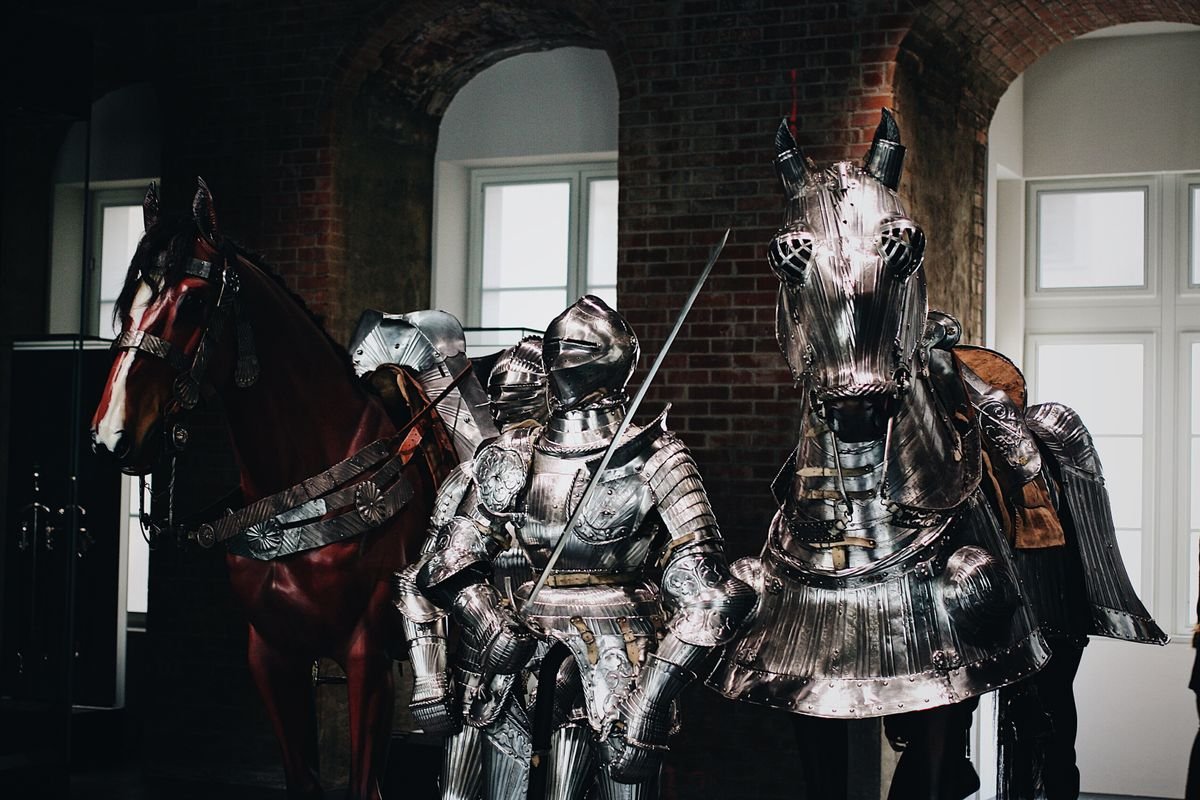
If you want the sets, costumes, and props under one roof, the Game of Thrones Studio Tour is at Linen Mill Studios in Banbridge, around 40 minutes south of the city. This is the official one, built where a lot of the interiors were actually filmed.
You get the throne room, real props, and the behind-the-scenes side of how it was made. Book ahead, and it’s an easy add-on to the drive back from the coast or a stop on the way to Dublin. If you’d rather have a guide connect the filming spots for you, you can book a Game of Thrones tour from Belfast on GetYourGuide.
More Game of Thrones & Northern Ireland Guides
- The Best Game of Thrones Tour From Dublin (2026)
- Secret Castles in Northern Ireland – Game Of Thrones Territory
- Giant’s Causeway Visitor’s Guide: Complete Guide
Getting Around Belfast
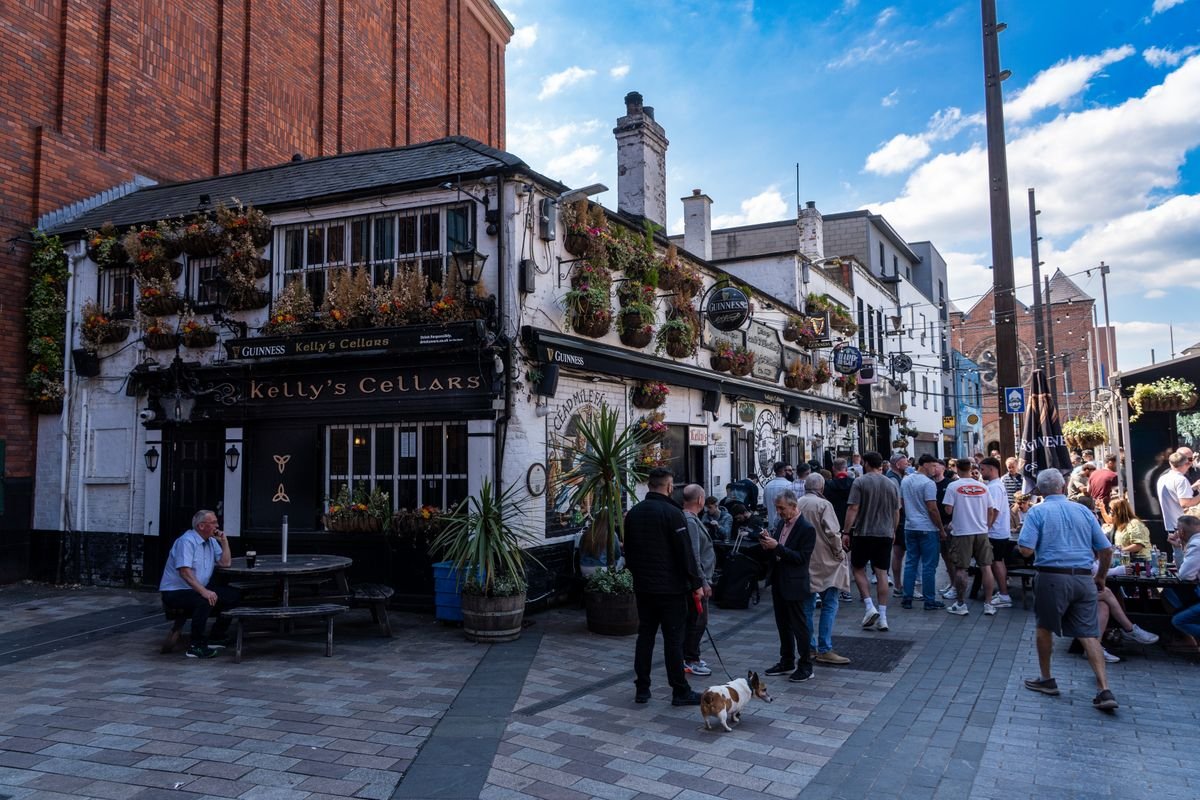
Belfast is a walking city. Almost everything on this list sits inside a compact center, and you can get from the City Hall to the Cathedral Quarter to the Titanic Quarter on foot in twenty minutes or less.
For anything outside the core, the Metro and Glider buses run by Translink cover the rest of the city. The Glider is the fast one that runs east to west, and a single ticket or a day pass is cheap and easy to buy from the machine at the stop.
Black cabs are everywhere and useful late at night, and the ride-hailing apps work here too. If you’re staying central, you won’t need either one much during the day, and you can browse Belfast hotels on Booking.com to find a base near the center.
Trains run from Lanyon Place and Great Victoria Street stations if you’re heading to Derry, Dublin, or the coast. The Enterprise line links Belfast to Dublin in about two hours, which makes a day trip either direction simple.
Here’s the one thing to plan for. The city is fine without a car, but the Causeway Coast and most of the Game of Thrones spots are not, so if that’s your reason for coming, rent a car or book a day tour for those legs and leave the car parked in the city.
Where to Stay in Belfast
FAQ: Visiting Belfast
These are the questions travelers ask most before a Belfast trip, from how long to stay to getting there and how safe it is. Short answers, straight to the point.
How many days do you need in Belfast?
Two days covers the city itself without rushing, enough for the Titanic Quarter, a political tour, the Cathedral Quarter, and a walk up Cave Hill. Add a third day to fold in the Causeway Coast or the Game of Thrones spots, because those eat a full day each on their own.
Is Belfast worth visiting?
Yes, and it’s one of the most underrated stops in the country, with world-class history, a good pub and music scene, and the best coastal drive in Ireland an hour up the road. For a city this compact, it packs in far more than you’d expect before you get there.
Is Belfast safe for tourists?
It’s a safe city to visit and the center is fine to walk day or night, as the Troubles are history and Belfast today is a normal, friendly European city. The interface areas near the Peace Walls are calm during the day, which is when the tours run, so use the usual city sense and you’ll have no trouble.
When is the best time to visit Belfast?
May to September gives you the longest days and the best odds on weather, which matters if the Causeway Coast is on your list, so book Titanic Belfast and the studio tour ahead in peak summer. Spring and early autumn are the sweet spot, with fewer crowds and the sights still open. Winter is quiet and wet but the indoor stuff stays great.
Is Belfast expensive to visit?
It’s cheaper than Dublin across the board, from hotels to pints to food, and Northern Ireland uses pounds sterling rather than euros so keep that in mind if you’re crossing the border. Plenty of the best stops are free too, including the Botanic Gardens, the Ulster Museum, the murals, and the Peace Walls.
How do you get from Dublin to Belfast?
The Enterprise train links the two cities in about two hours and drops you right in the center, so it’s the easy way to do it, and buses run the route often for a bit less. Driving takes around two hours up the M1 with no border checkpoint, but your phone plan and your money both switch over, so sort that before you go.
More of Northern Ireland
- Northern Ireland: A 3-Day Itinerary
- The Best Beaches in Northern Ireland
- 15 Best Things To Do in Derry, Ireland
In short
- Base yourself in the compact city center or Cathedral Quarter, both walkable to the top sights.
- Titanic Belfast sits on the original slipway where the ship was built; book ahead in summer.
- A black cab political tour explains the murals, Peace Walls, and the Troubles firsthand.
- Belfast is cheaper than Dublin and many stops (murals, Botanic Gardens, Ulster Museum) are free.
- Two days covers the city; add a third for the Giant’s Causeway and Game of Thrones spots.
Is Belfast Worth It?
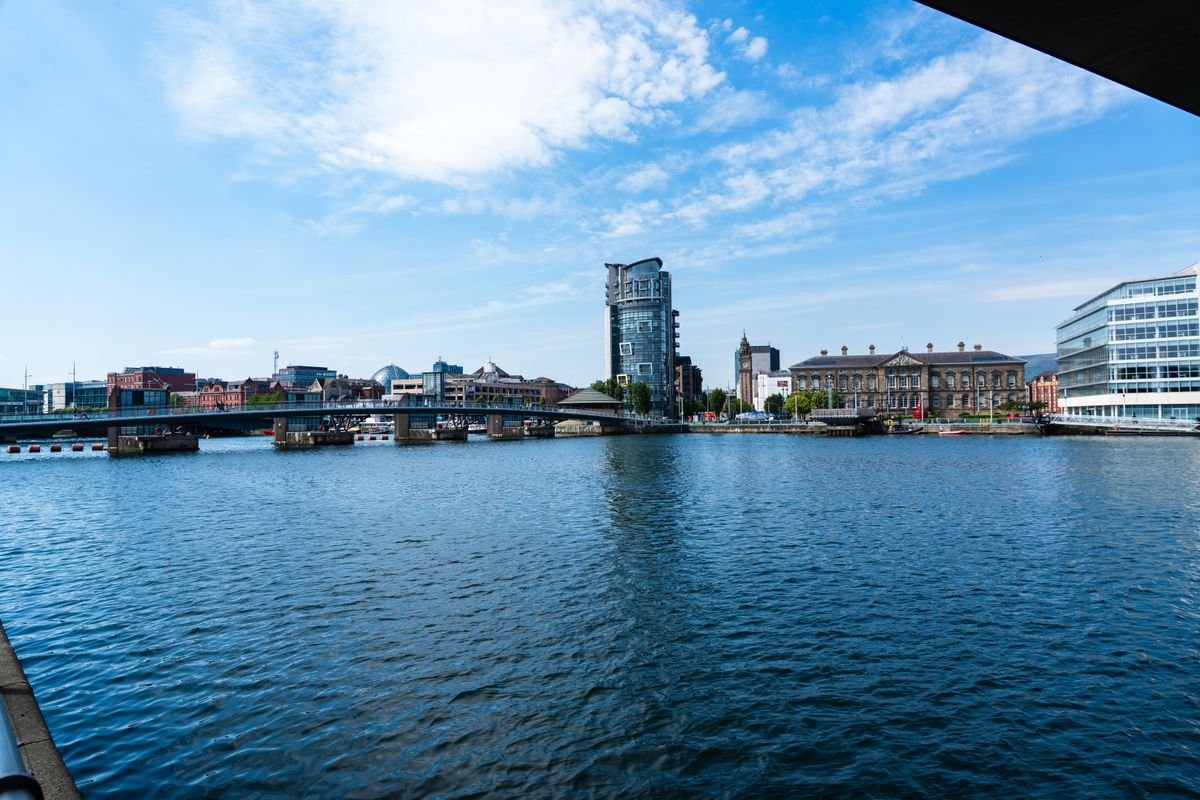
Belfast is one of the easiest cities in Ireland to fall for, and it’s still one of the most skipped. Give it two nights and you get the Titanic story, a black cab tour that actually explains the place, and a compact center you can cover on foot.
Add a third day and the whole Causeway Coast opens up an hour to the north, along with the Game of Thrones spots scattered around it. That’s the real case for basing yourself here instead of running straight for the coast.
It’s cheaper than Dublin, the history runs deep, and plenty of the best stops cost nothing. Book the Titanic and the studio tour ahead, rent a car for the coast, and leave the rest to walking.
Skip it and you’re missing one of the best-value stops in the country. Give it the couple of days it deserves and you’ll wonder why it isn’t on more Ireland itineraries.
Like it? Pin it!
Save this guide for later