The murals across the walls of West Belfast are some of the most openly political public art in Europe, and Belfast mural tours are how most visitors decode them. Walk past on your own and you’ll get striking walls and no idea what you’re looking at. Bring a guide who lived through the Troubles and every wall turns into a story.
They cluster in a few specific spots, mainly the Falls Road, the Shankill Road, and the peace walls that still separate the two. Some are decades old and flat-out sectarian. Others are newer and point outward, tying Belfast’s fight to civil rights movements and conflicts around the world. That’s the whole appeal.
You’ve got real options for seeing them, too. A black-cab tour with a local driver is the classic and my pick if you can only do one, but there are walking tours and a hop-on hop-off bus if your time or budget is tight.
Below I’ll run through the bit of history you need to actually read the walls, the main areas, the different types of tour and what they cost, how to get there, the straight answer on safety, and a few tips to get the most out of your visit.
More Belfast Travel Guides
- Giant’s Causeway From Belfast: All Day Trip Options
- Where to Stay in Belfast: Best Areas & Hotels
- 10 Best Bars In Belfast, Northern Ireland
- 5 Best Day Trips From Belfast, Ireland
Quick Answer:
Belfast mural tours run through West Belfast, mostly the Falls Road, the Shankill Road and the Cupar Way peace wall. A black taxi tour with a local driver is the classic option at about 40 to 50 pounds per cab for roughly 90 minutes. Guided walks and self-guided routes work too, and the streets are free to visit on your own.
A Short History of the Troubles Behind the Murals
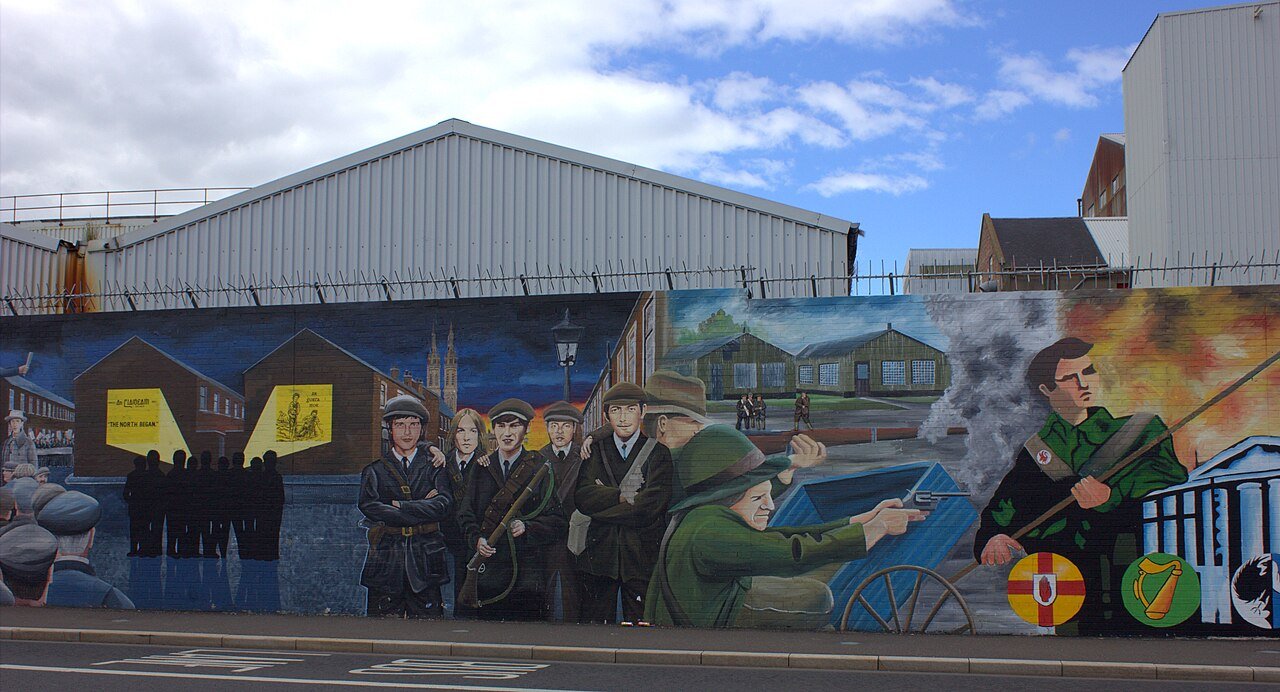
I know you’re not here for a history lesson, so I’ll keep this to what you actually need to read the walls. The Troubles ran for about thirty years, from the late 1960s to the Good Friday Agreement in 1998. Roughly 3,500 people were killed in a place smaller than Connecticut.
At its simplest it was two communities pulling in opposite directions. Unionists, mostly Protestant, wanted Northern Ireland to stay part of the UK. Nationalists, mostly Catholic, wanted it to join the Republic of Ireland. That split is the single thing that explains almost every mural you’ll see.
The British Army arrived in 1969 and stayed for decades. Paramilitaries on both sides, the IRA on one and the UVF and UDA on the other, bombed and shot their way through neighborhoods that were often a single street apart. The peace walls went up to keep those streets separated, and a lot of them are still standing.
The murals grew out of all this. They started as territory markers, a way of telling you which side of a line you’d wandered onto, and as straight-up propaganda for the gunmen and the political cause. Paint your side’s heroes and dead on the gable end of a house and everyone knows exactly where they stand.
The most famous one is Bobby Sands on the Falls Road, an IRA prisoner who died on hunger strike in 1981. On the loyalist side you’ll find masked, armed figures and King William of Orange on horseback. Once you know the two sides, you can read a wall in seconds.
The Good Friday Agreement mostly ended the violence, and since then a lot of the newer murals have softened or turned outward. Some now cover global causes instead of local scores. But plenty of the old sectarian ones are still there, and knowing this much before you go is the difference between looking at paint and reading a message.
The Main Mural Areas You’ll Visit
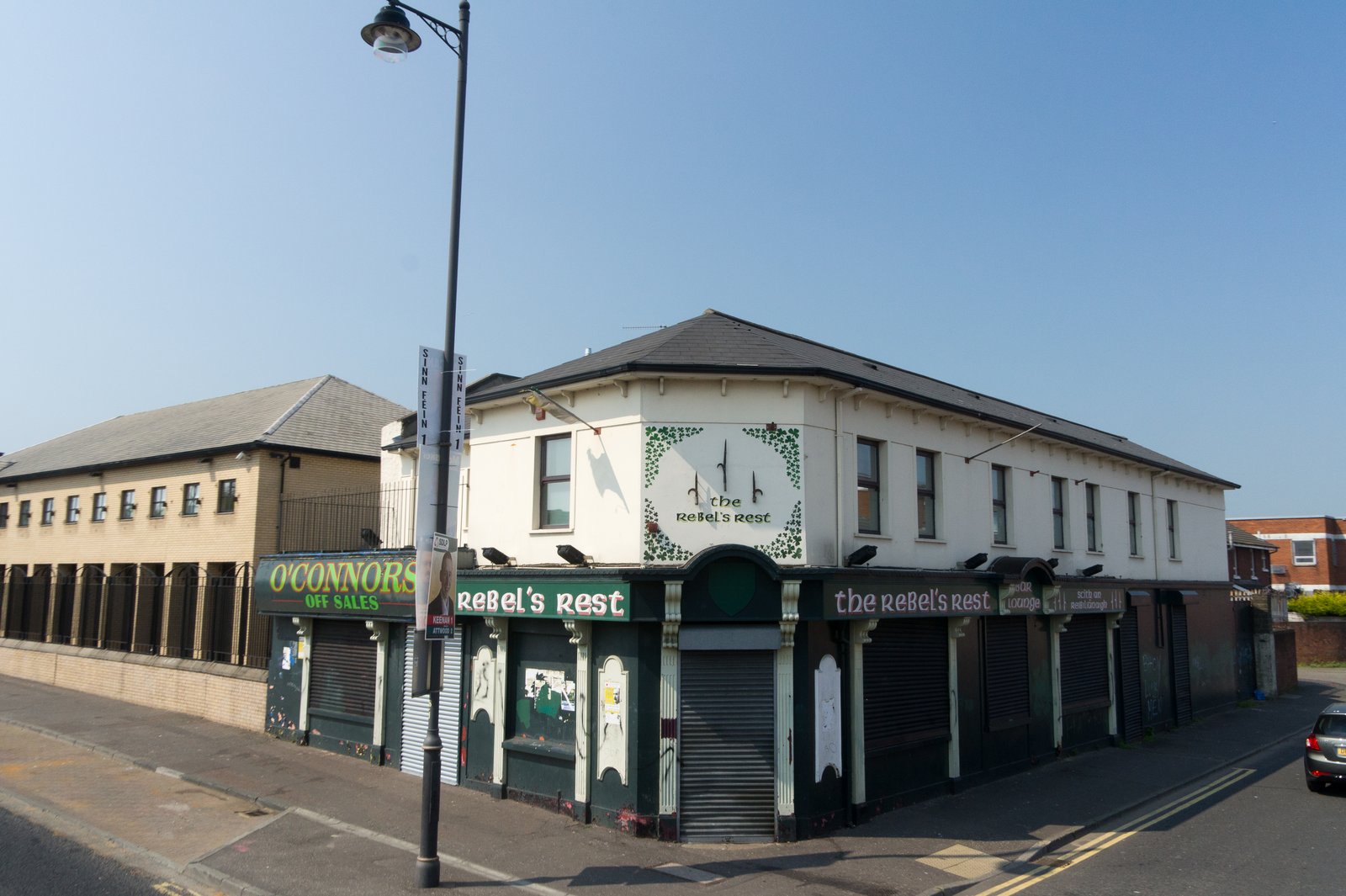
Almost every tour hits the same three places, and once you’ve seen all three the whole area clicks into place. They’re all packed into West Belfast, two neighborhoods sitting either side of a wall. Two roads, two completely opposite stories, a few hundred yards apart.
Falls Road (Republican Murals)
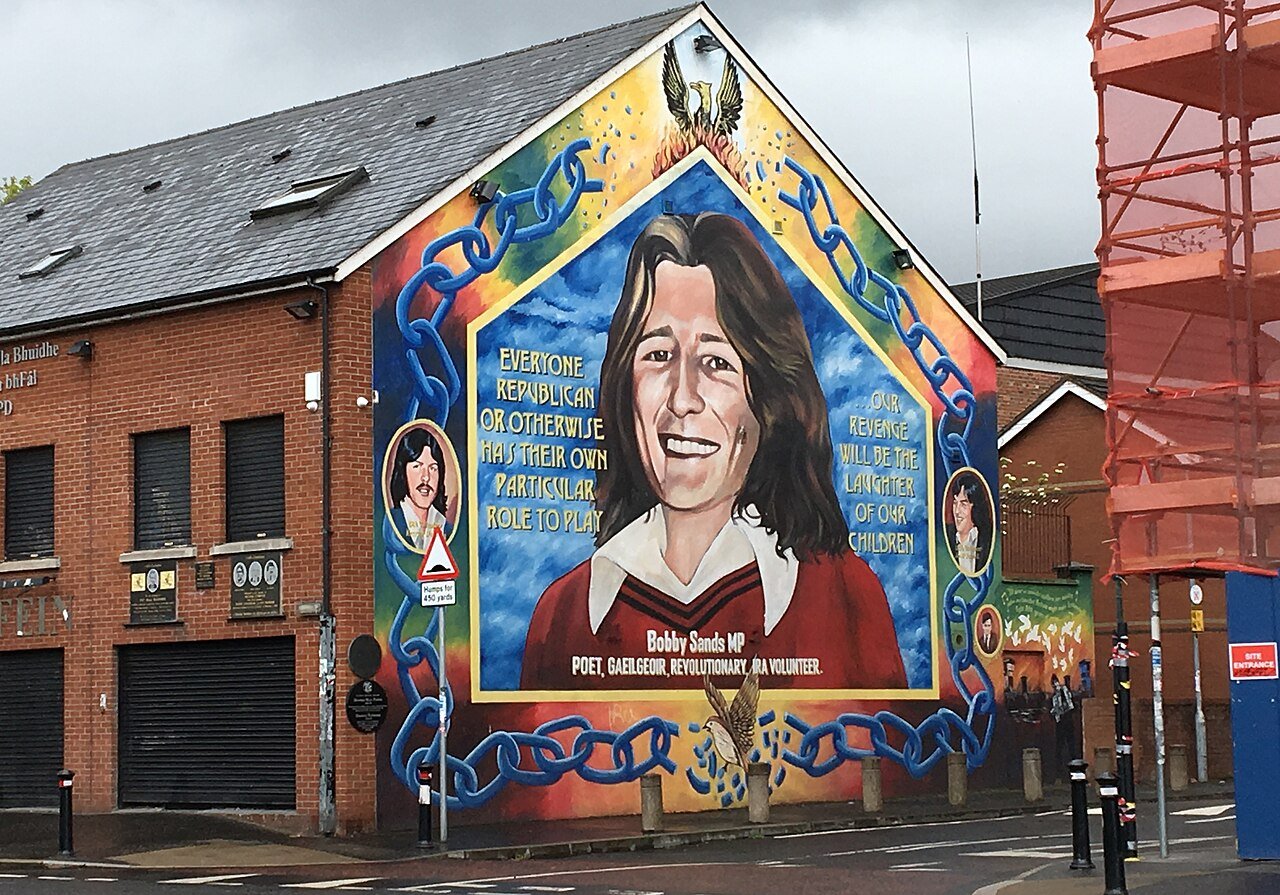
The Falls Road is the Catholic, nationalist side, and it’s the one you’ve already seen in photos whether you know it or not. This is Bobby Sands territory. His portrait on the gable end of the Sinn Fein office is the single most recognizable mural in the city.
A lot of the Falls murals point outward. You’ll see Palestinian flags, tributes to the Basque separatists, and nods to the American civil rights movement. The whole message is that the Republican struggle was one piece of a bigger global fight, and they lean into that hard.
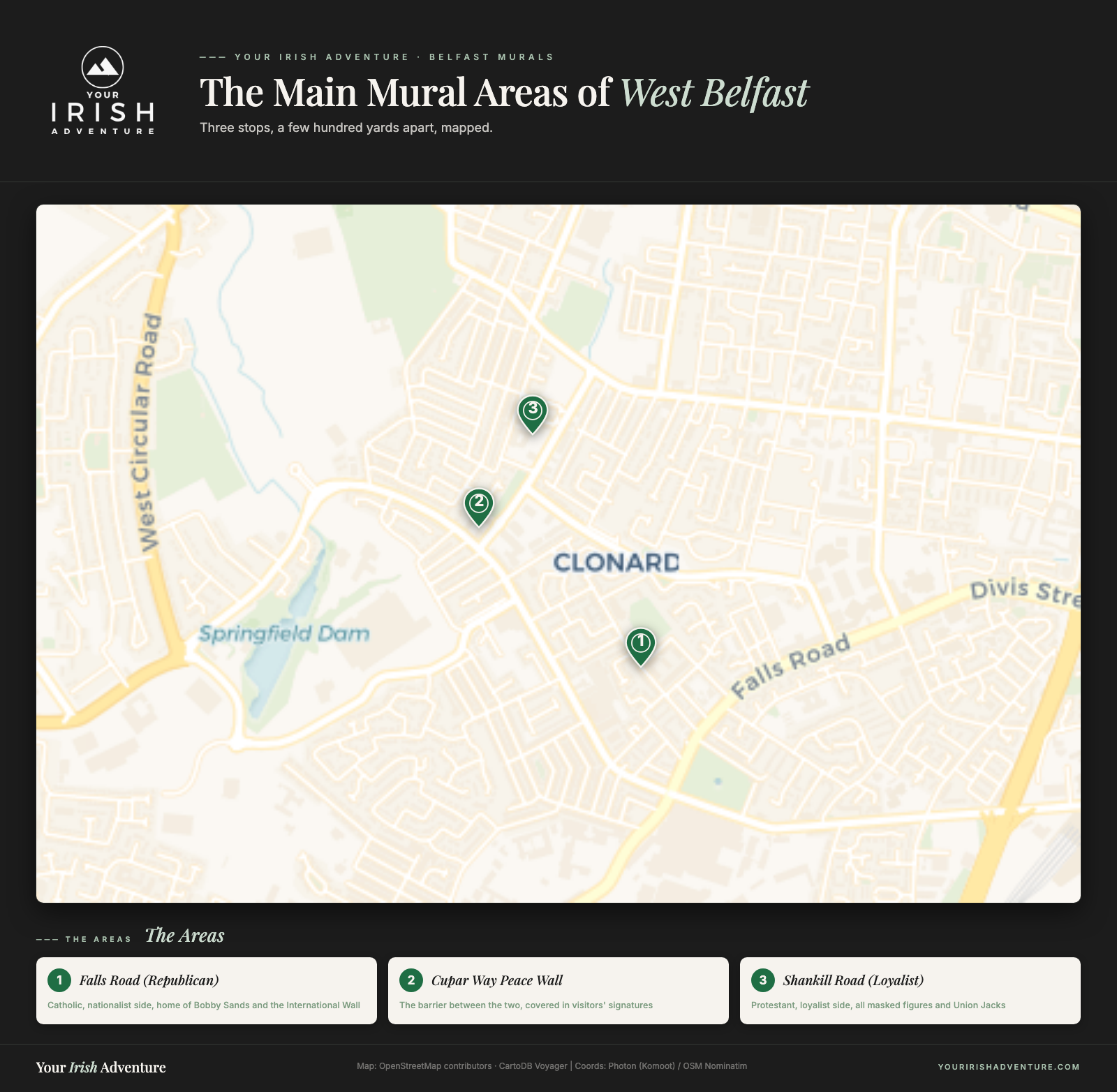
Your main stop here is the International Wall on Divis Street, a long run of murals that gets repainted every so often as world events change. If you want to see how these walls kept evolving after the shooting stopped, this is it.
Shankill Road (Loyalist Murals)
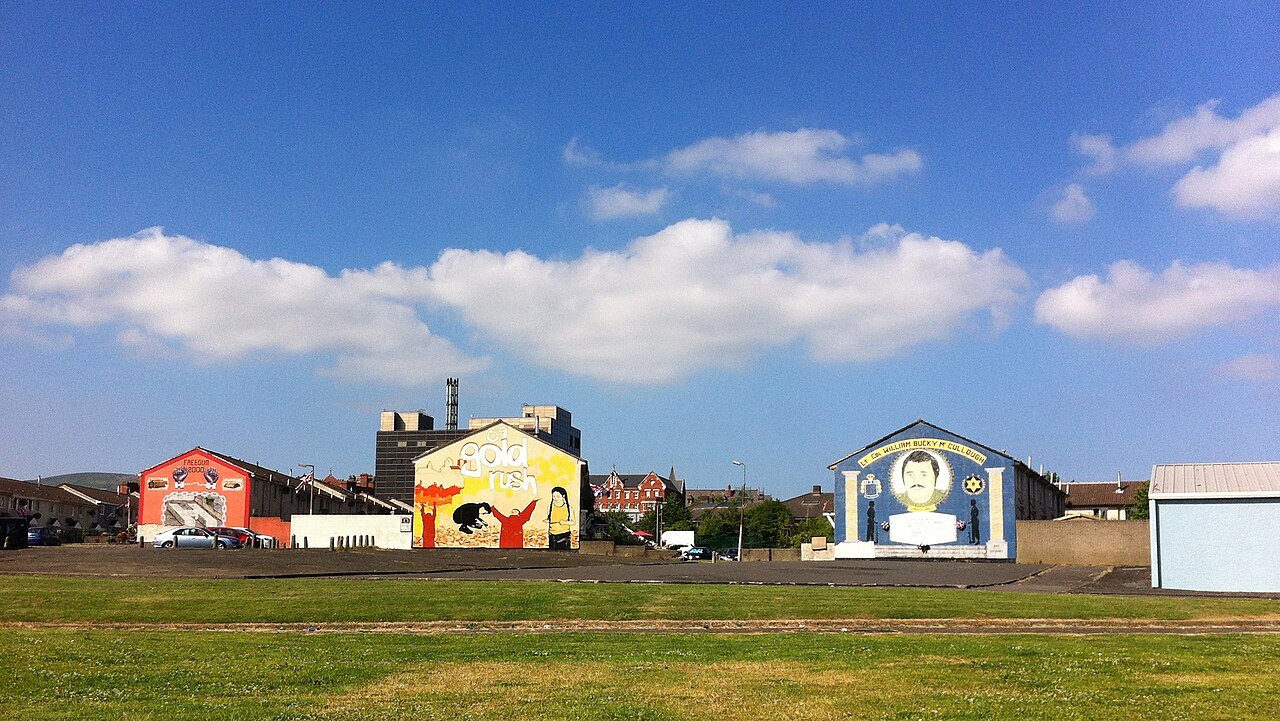
Cross over to the Shankill Road and the whole tone flips. This is the Protestant, loyalist heartland, and the murals here are blunter and more militant. Masked gunmen, UVF and UDA insignia, and rifles pointed straight at you as you walk past.
You’ll also see the Red Hand of Ulster, King William of Orange up on his white horse, and the Union Jack painted on just about everything. Where the Falls looks outward to the wider world, the Shankill looks inward and backward, all about defending its corner and its place in the UK.
The two roads run roughly parallel, only a few hundred yards apart. That’s the part that gets people. Two communities this different, telling completely opposite stories, are basically next-door neighbors.
The Peace Wall
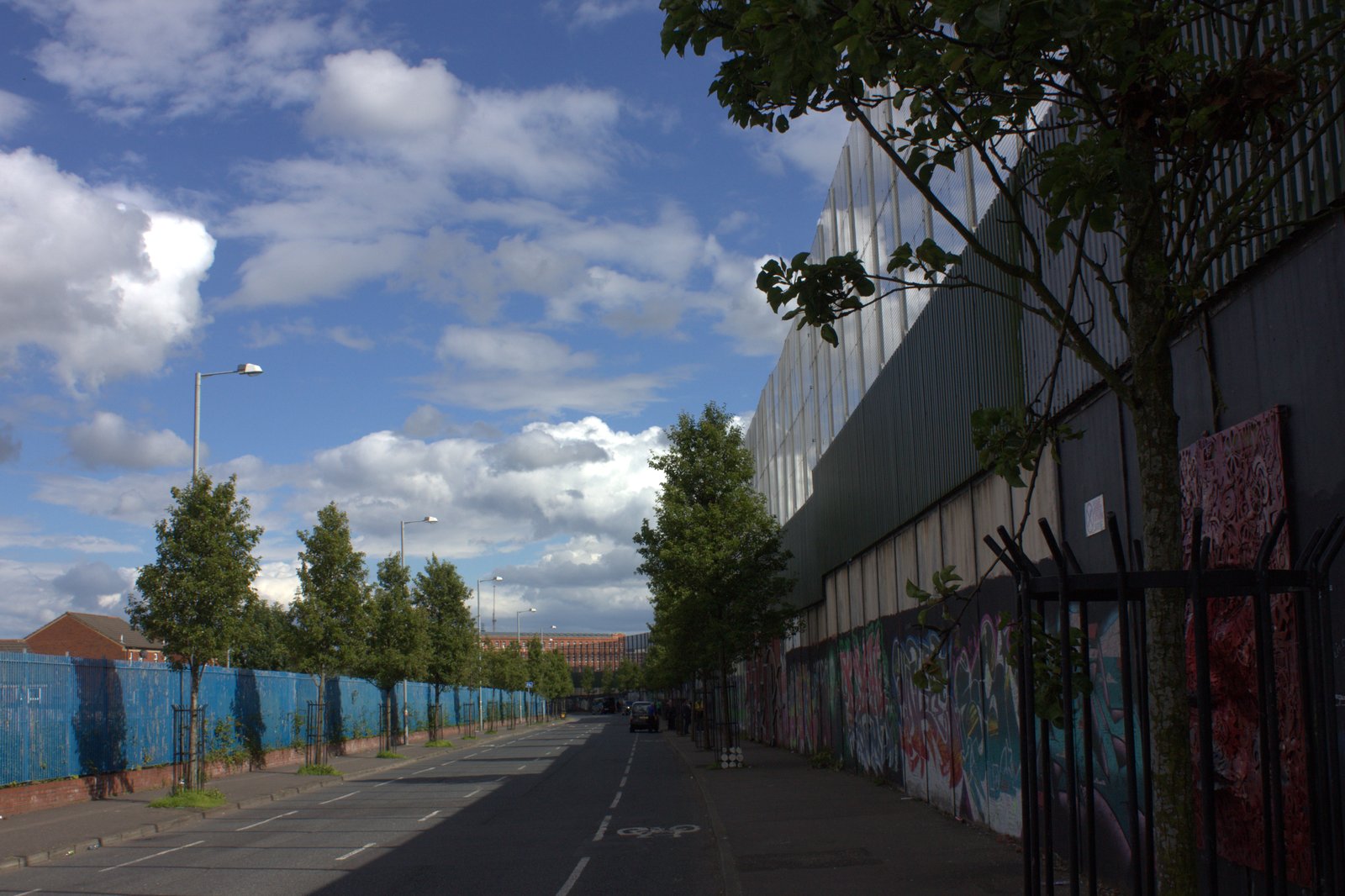
Between the Falls and the Shankill runs the peace wall, and this is the part of the tour that hits hardest. It’s a barrier of concrete, corrugated steel, and fencing that in places climbs higher than 25 feet, built to stop people on one side throwing things over at the other.
The walls are still up, and that surprises a lot of visitors. Some sections have actually gone up since the 1998 peace deal, not come down, and the gates in a few of them still get locked every night.
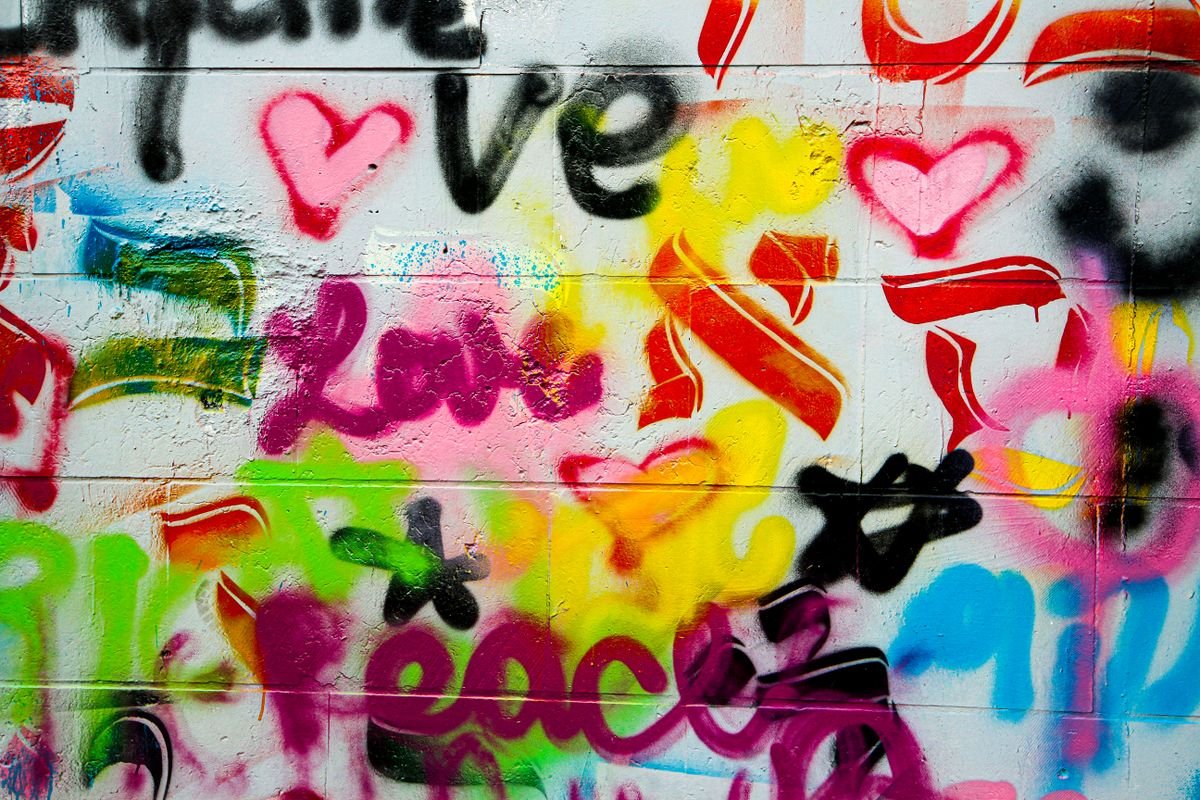
The Cupar Way stretch is the main stop, and it’s covered end to end in signatures and messages from visitors around the world. Most tours hand you a marker and tell you to add yours. Bill Clinton, the Dalai Lama, and thousands of ordinary tourists have signed it, and there’s always room for one more.
Types of Belfast Mural Tour
You’ve basically got three ways to see the murals, and they split neatly by budget and how much hand-holding you want. A black taxi with a local driver, a guided walking tour on foot, or your own two legs and a map. Here’s how each one actually works and what it’ll cost you.
Take a Black Taxi Tour
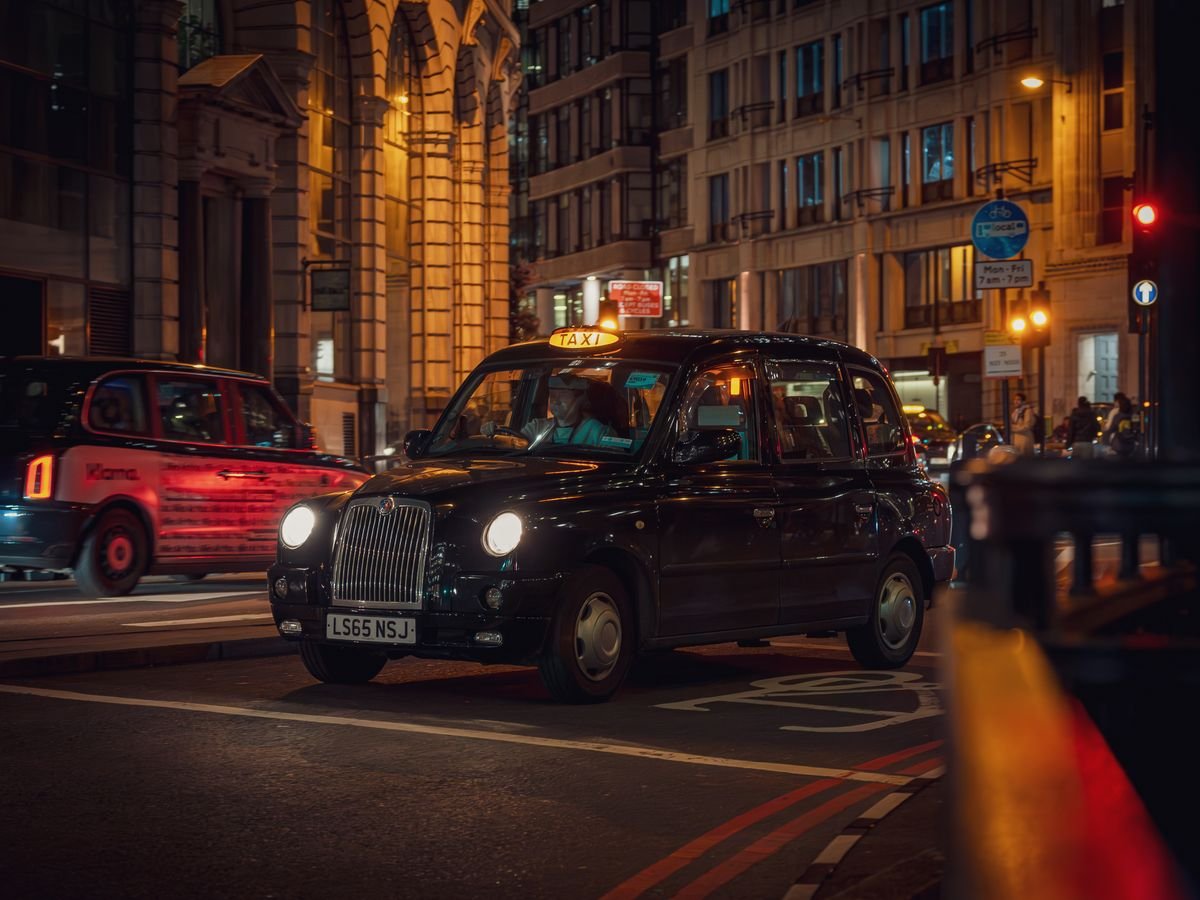
This is the classic, and it’s the one I’d point a first-timer to every time. You get a black cab and a driver who usually grew up on one of these roads, often lived through the Troubles firsthand, and drives you between the Falls, the Shankill, and the peace wall while telling you what you’re looking at.
The driver is the whole point. Many of these guys will give you both sides, drop you at each major mural for photos, and answer the blunt questions a plaque never could. It’s a real conversation, not a script.
Cost is usually around £40 to £50 for the cab for about 90 minutes, and that’s per taxi, not per person. So if you’re a group of four or five splitting it, this ends up cheaper than a walking tour each. It’s the best value in the city if you’ve got the numbers. If you’d rather lock in a driver ahead of time, you can book a Belfast black taxi history tour on GetYourGuide.
Join a Guided Walking Tour

If you’d rather go slow and get right up to the walls, a guided walking tour is the move. You cover the same ground on foot with a guide, and because you’re not stuck in a cab, you can stop and really look at the detail in each mural.
Walking tours usually run around £15 to £20 per person and last roughly two hours. That’s better if you’re solo or a couple, since the black cab only wins on price once you fill the seats. You also get more time at the Cupar Way stretch of the peace wall to read the messages and add your own.
The one catch is pace and weather. You’re walking West Belfast in whatever the sky throws at you, so bring a rain jacket and decent shoes. Book ahead in summer, because the good guides fill up.
Do a Self-Guided Mural Walk
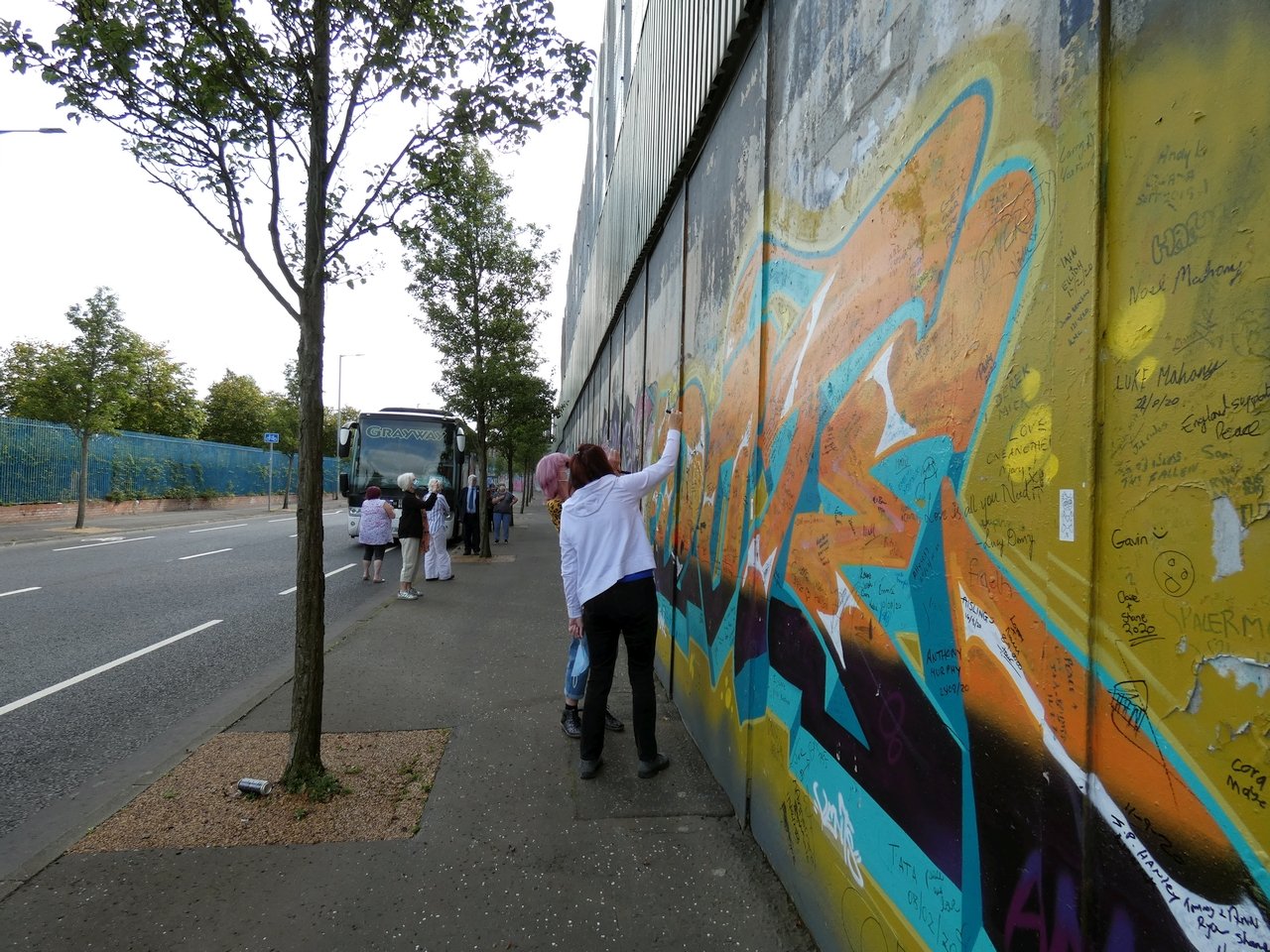
You can absolutely do this on your own for free, and plenty of people do. The Falls Road, the Shankill Road, and the Cupar Way peace wall are all public streets, and it’s a straightforward walk between them. Grab a map, read the history section above, and you’ve got the basics.
The trade-off is real, though. You’ll see the walls but you’ll miss the story, the context, and the stuff that isn’t painted on them. A guide who was there turns a striking gable end into an actual event, and no amount of reading up beforehand fully replaces that.
My honest take: if money’s tight, walk it yourself and save the cash. If you can stretch to it at all, pay for the black cab. The difference between looking at the murals and understanding them is worth the £40.
Book a Belfast Tour
- Giant’s Causeway Day Tour by Luxury Coach
- Belfast Giant’s Causeway & Game of Thrones Day Tour
- Belfast Hop-On Hop-Off Open Top Tour
How Much a Belfast Mural Tour Costs
Here’s the money side pulled into one place, since it’s the question everyone actually asks. Belfast mural tours are cheap by big-city standards, and what you pay comes down to which format you pick and how many of you are going.
- Black-cab tour: about £40 to £50 per taxi for 90 minutes, split between everyone in the cab
- Guided walking tour: around £15 to £20 per person for roughly two hours
- Self-guided walk: free, all the streets are public
- Hop-on hop-off bus: usually £15 to £18 per person, but it drives past rather than digs in
The black cab flips from expensive to the best deal in the city the moment you fill the seats. On your own it’s £45 for one story. Split four ways it’s a little over a tenner each, cheaper than a walking tour, and you’re sitting down.
Budget a bit extra beyond the headline price. Drivers work partly on tips, so £5 to £10 on top of a good cab tour is normal and fair. Book direct through a taxi firm and you’ll usually pay less than booking the same tour through a big resale site that stacks its own fee on top.

All in, two people can see the murals properly for well under £60 including a tip. That’s a couple of hours with someone who lived it, which is about the best value sightseeing you’ll find in Belfast.
Where to Stay in Belfast
The mural areas sit in West Belfast, but you’ll want to base yourself in the city centre, a mile and a half away and an easy pickup point for any tour. These three all put you within walking distance of City Hall, across three budgets.
The Merchant Hotel
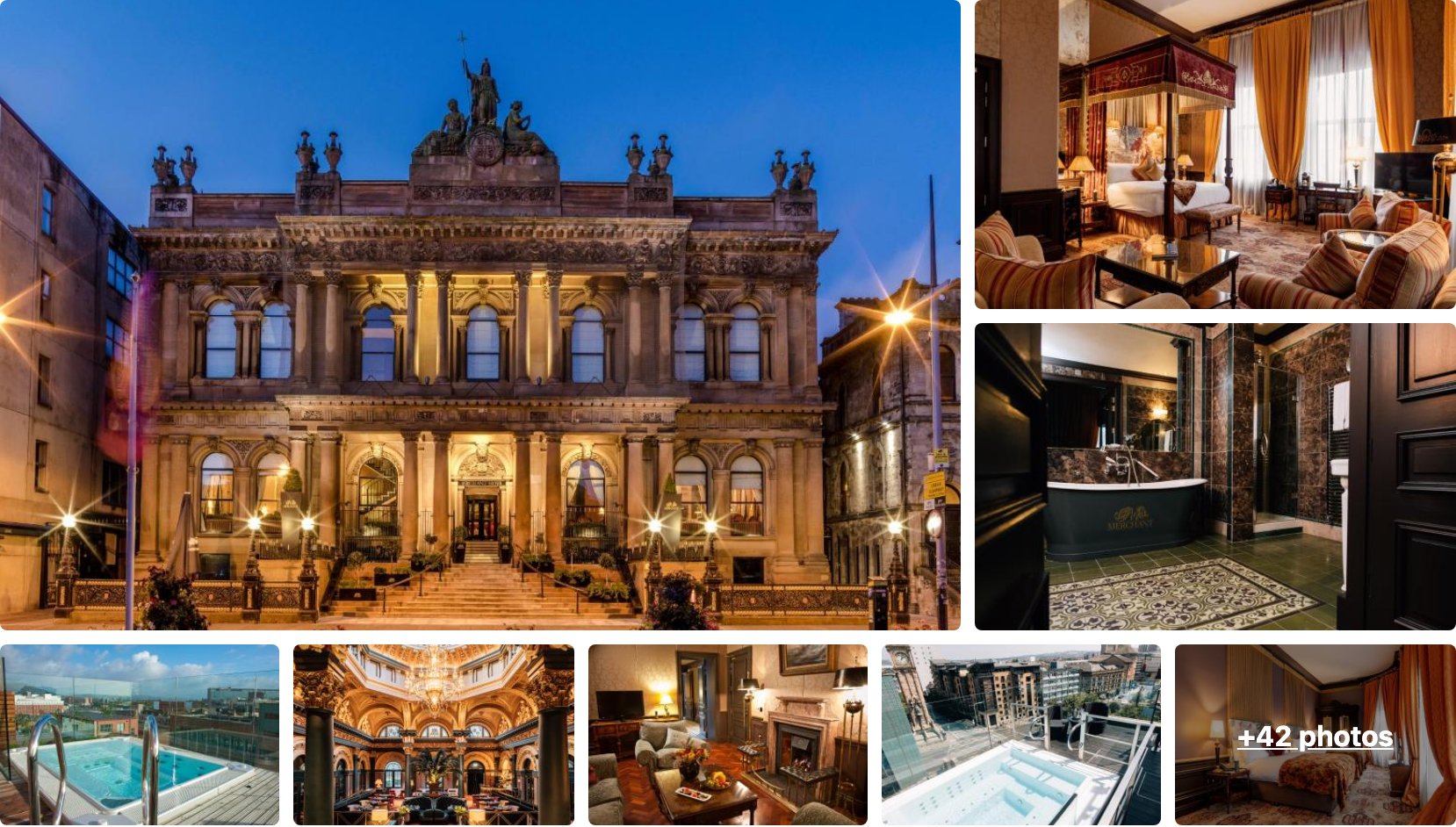
The Merchant Hotel is the splurge pick, a five-star in a converted Victorian bank in the Cathedral Quarter with a rooftop pool and a marble-heavy grand hall. It scores 9.7 for location, so you’re a short walk from the tour pickup points near City Hall.
👉 View The Merchant Hotel Availability and Pricing
Bullitt Hotel
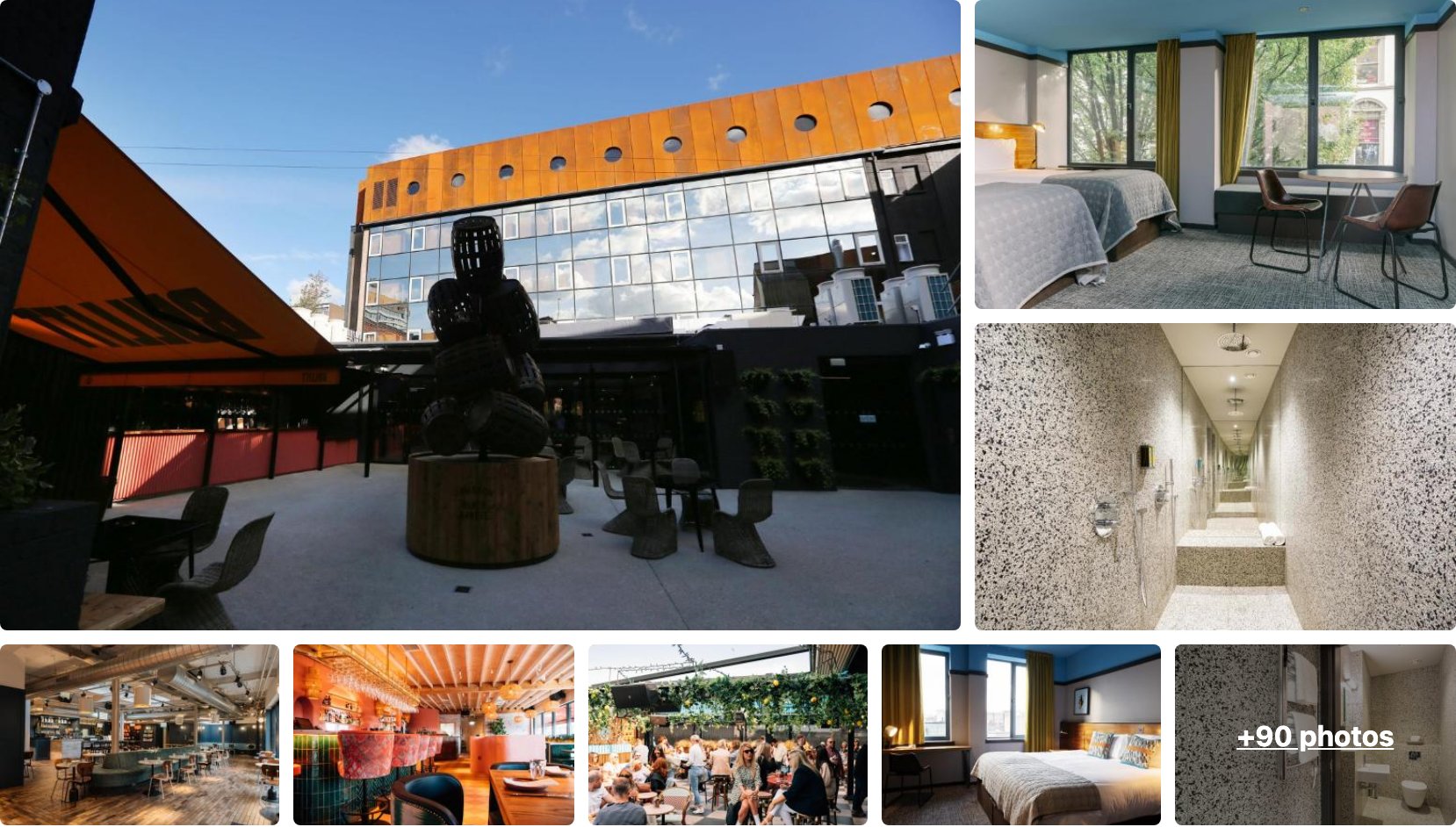
Bullitt Hotel is the mid-range middle ground, a modern spot off Church Lane with compact rooms, a good bar, and a buzzy courtyard. It rates 8.6 across nearly 2,000 reviews and sits right in the centre, so tours and pubs are both on your doorstep.
👉 View Bullitt Hotel Availability and Pricing
Wilton House
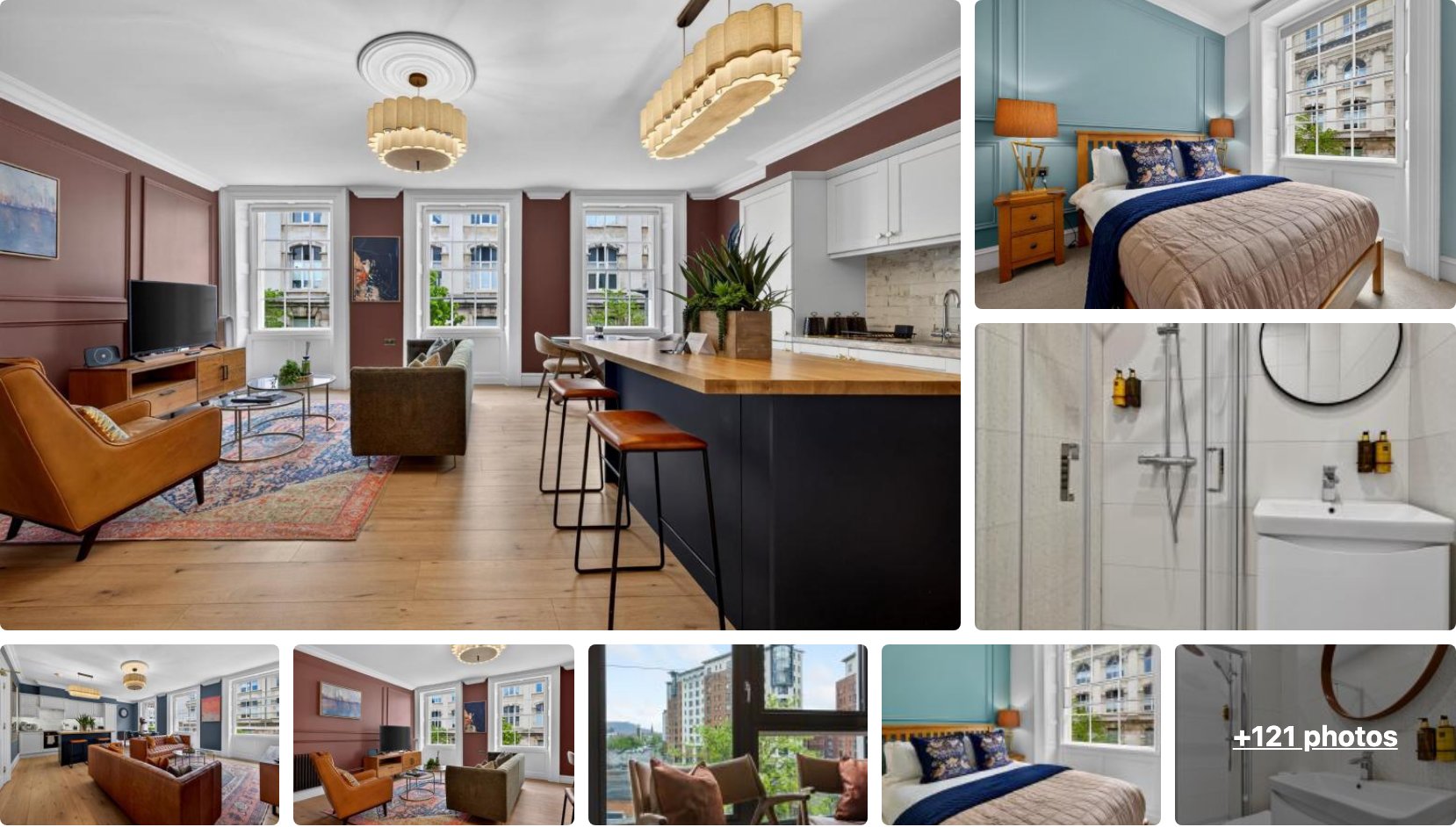
Wilton House is the value pick, a set of self-catering apartments on College Square North just 400 metres from the centre. It scores 9.4 across 700 reviews, and the kitchens and extra space make it a solid choice for families or a group splitting a black-cab tour.
👉 View Wilton House Availability and Pricing
How to Get to the Mural Areas
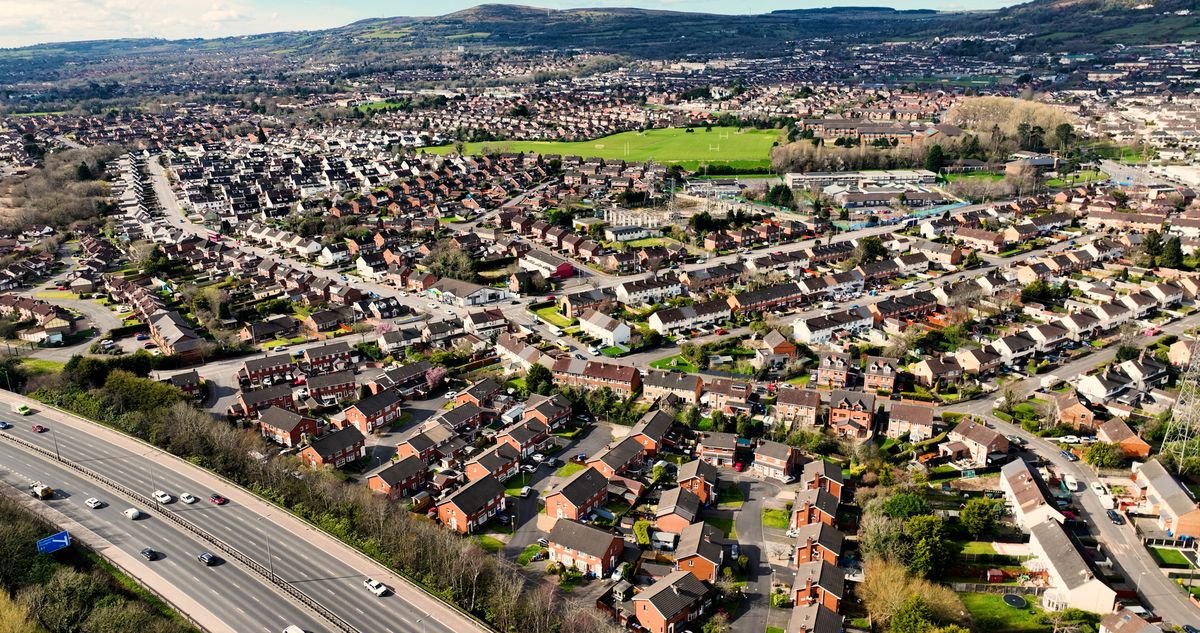
The good news is everything is close. The Falls Road, the Shankill Road, and the Cupar Way peace wall all sit in West Belfast, and it’s only about a mile and a half from the city center. You’re not making a day trip out of it.
If you’re doing a black-cab tour, this part sorts itself out. The cab collects you from your hotel or a central pickup point, drives you through all three areas, and drops you back. You don’t need to think about directions at all, which is half of why it’s the easy pick.
Booking a walking tour is much the same. They almost always start from a set meeting point in the city center, usually near City Hall or Castle Junction, and the guide walks you out from there. Check your confirmation for the exact spot and turn up a few minutes early.
Getting There On Your Own
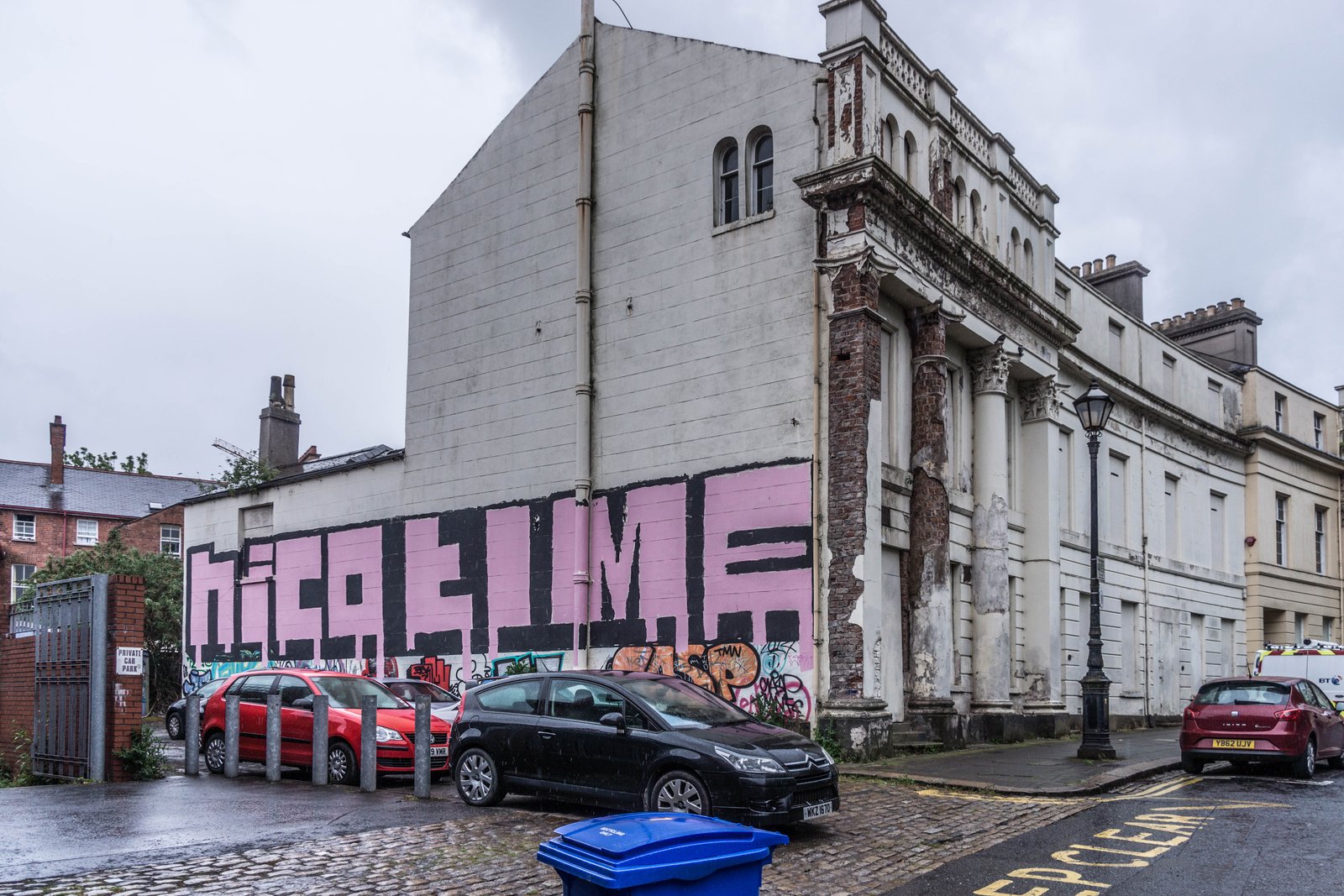
Doing it self-guided, you’ve got a few ways in. It’s a walkable 25 to 30 minutes on foot from City Hall out to the start of the Falls Road, and it’s a straightforward, safe walk in daylight along a main road.
If you’d rather not walk it, a regular city bus or a quick taxi from the center costs a few pounds and drops you right at the bottom of the Falls or the Shankill. From there the two roads and the peace wall between them are an easy loop on foot.
One route note worth having. The Falls and the Shankill run parallel, and the connecting roads between them cross through the peace wall gates. Those gates are open through the day, but some still get locked at night, so do your self-guided walk in daylight and you’ll have no trouble moving between the two sides.
More Northern Ireland Guides
- Game of Thrones Filming Locations in Northern Ireland Map
- The Best Beaches in Northern Ireland
- All You Need To Know About Mountain Biking In Northern Ireland
- 7 Best Northern Ireland Golf Courses
Is It Safe to Visit the Murals?
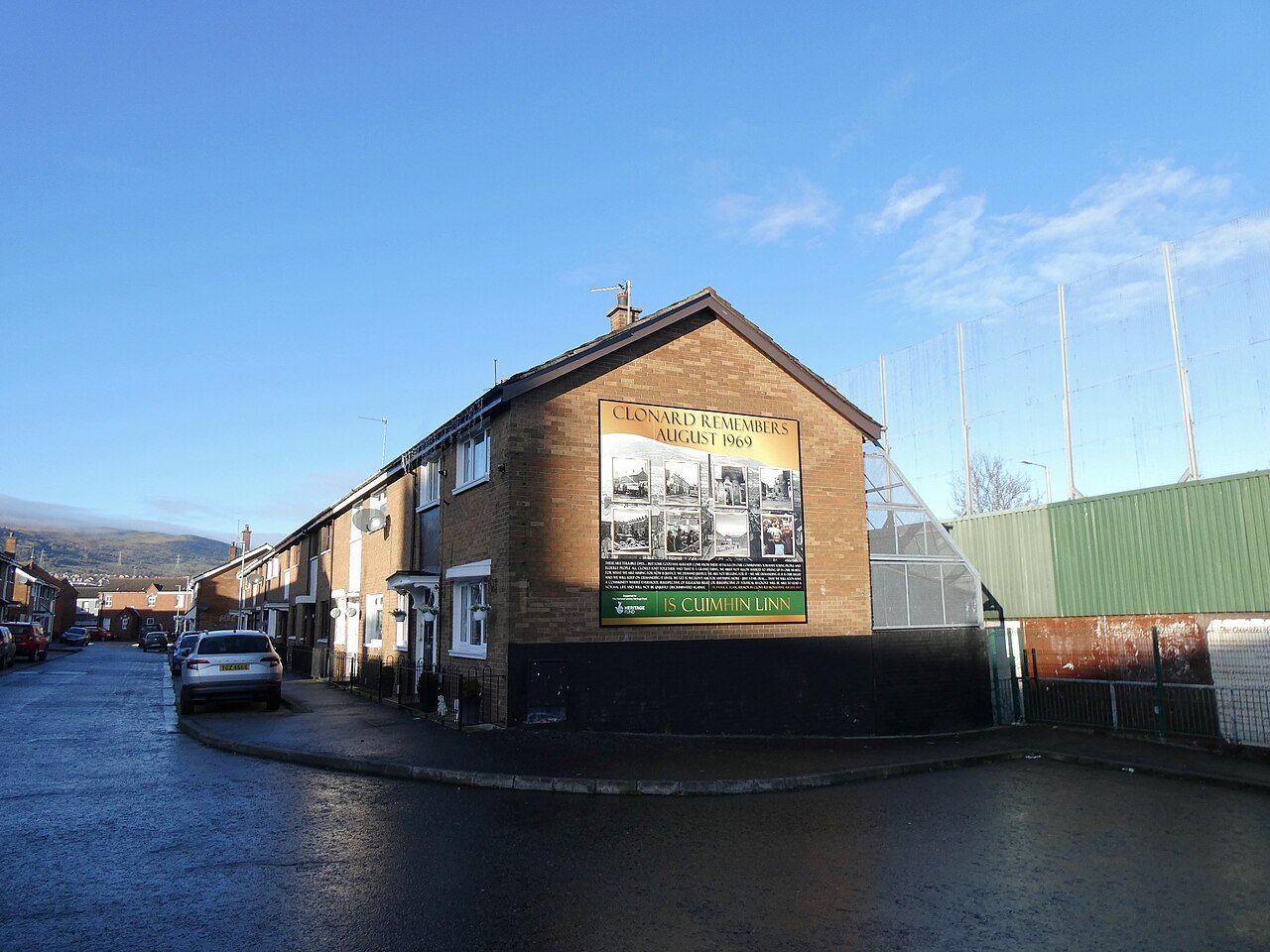
Short answer: yes. West Belfast is a normal, working city neighborhood that thousands of tourists visit every year, and the mural areas are firmly on the sightseeing trail now. You’re not sneaking into a conflict zone. You’re walking a couple of public roads with a camera.
The violence effectively ended with the Good Friday Agreement in 1998, and West Belfast has been welcoming visitors for years. Black-cab drivers run these tours daily. Walking groups pass through all afternoon. Locals are used to tourists on the Falls and the Shankill, and nobody bats an eye at you standing there reading a wall.
The real risks are the boring city ones. Watch your bag in a crowd, don’t leave anything on show in a parked car, and keep your wits about you at night like you would anywhere. That’s the whole list, and it’s the same list for London or Dublin.
One bit of advice worth taking seriously: the murals are political, and you’re a guest in someone’s neighborhood. Be respectful, don’t get loud with opinions on the Troubles, and read the room before you crack jokes. The topic is still raw for people who lost family, so treat it that way.
Timing matters a little too. Do your visit in daylight, especially if you’re self-guided, and be aware the marching season around the Twelfth of July can bring tension and closed-off streets. Outside that, any normal day is fine.
If you want the extra reassurance, book a black cab or a guided walk. Your driver or guide knows exactly which corners are which, handles the whole route, and turns any nerves into a non-issue. For nearly everyone who goes, the murals are one of the safest and most interesting things you’ll do in Belfast.
Tips for Getting the Most From Your Tour
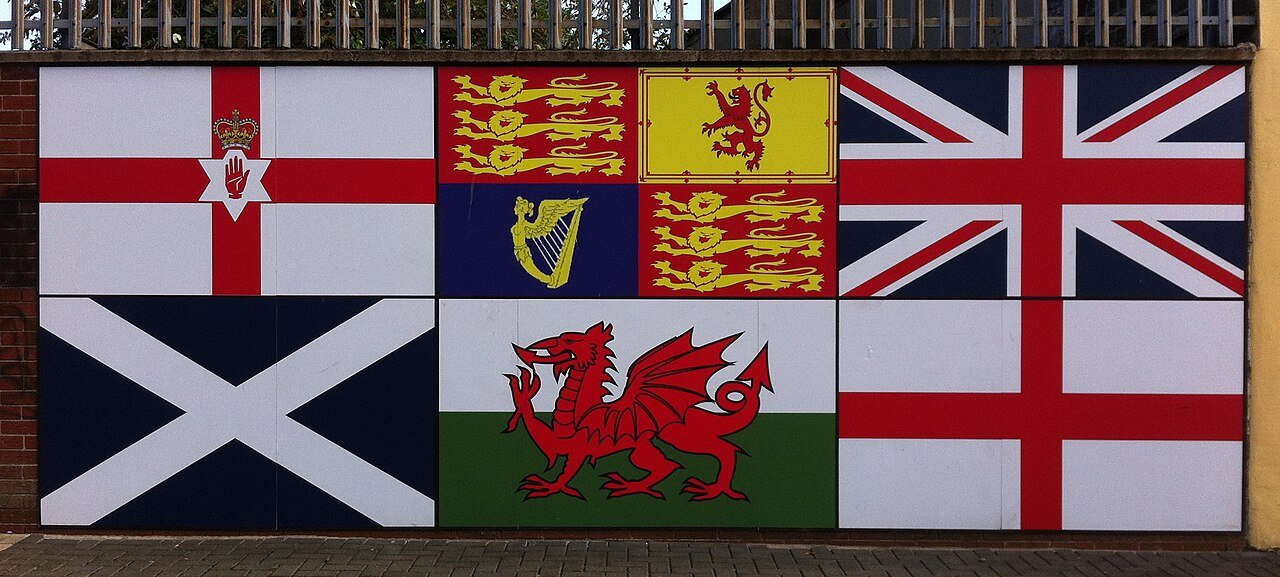
The tour is only as good as the questions you ask, so treat it like a conversation, not a lecture. A black-cab driver who grew up on these roads will tell you far more than the fixed patter if you actually engage him. Ask what it was like, who painted a wall, why one went up and another came down.
Make sure you see both sides. It’s tempting to do the Falls, get your Bobby Sands photo, and call it a day, but you only get the full picture once you’ve also stood on the Shankill and read what they paint about the exact same thirty years. Two roads, two opposite versions of one story, is the whole reason to come.
Bring a camera you can zoom with. The murals are big and photograph well, but be aware that plenty are painted on the gable ends of people’s actual homes. Shoot the walls all you like, and go easy on pointing a lens through someone’s front window.
Give it half a day and pair it with something nearby. The murals themselves take a couple of hours, so it makes sense to tack on Crumlin Road Gaol or Titanic Belfast the same day and turn it into a proper morning or afternoon out.
👉 Read our full guide to Titanic Belfast before you go.
Last one: go in knowing a little, and you’ll get a lot more back. Read the history section above before you set off, so when your guide points at the Red Hand of Ulster or a Palestinian flag on the International Wall, you already know why it’s there and can ask the good follow-up.
More Ireland Itineraries to Plan Your Trip
- A 10-Day Ireland & Scotland Itinerary
- Ireland Honeymoon Itinerary: 10 Perfect Days
- A 7-Day Ireland Itinerary With Kids
Best Tours of Belfast for the Murals
If you’d rather book ahead than flag down a cab on the day, these two cover the murals and the Troubles history properly. One is on foot, one is by black cab, and both are led by locals who lived through it.
Black Taxi Tour of Belfast
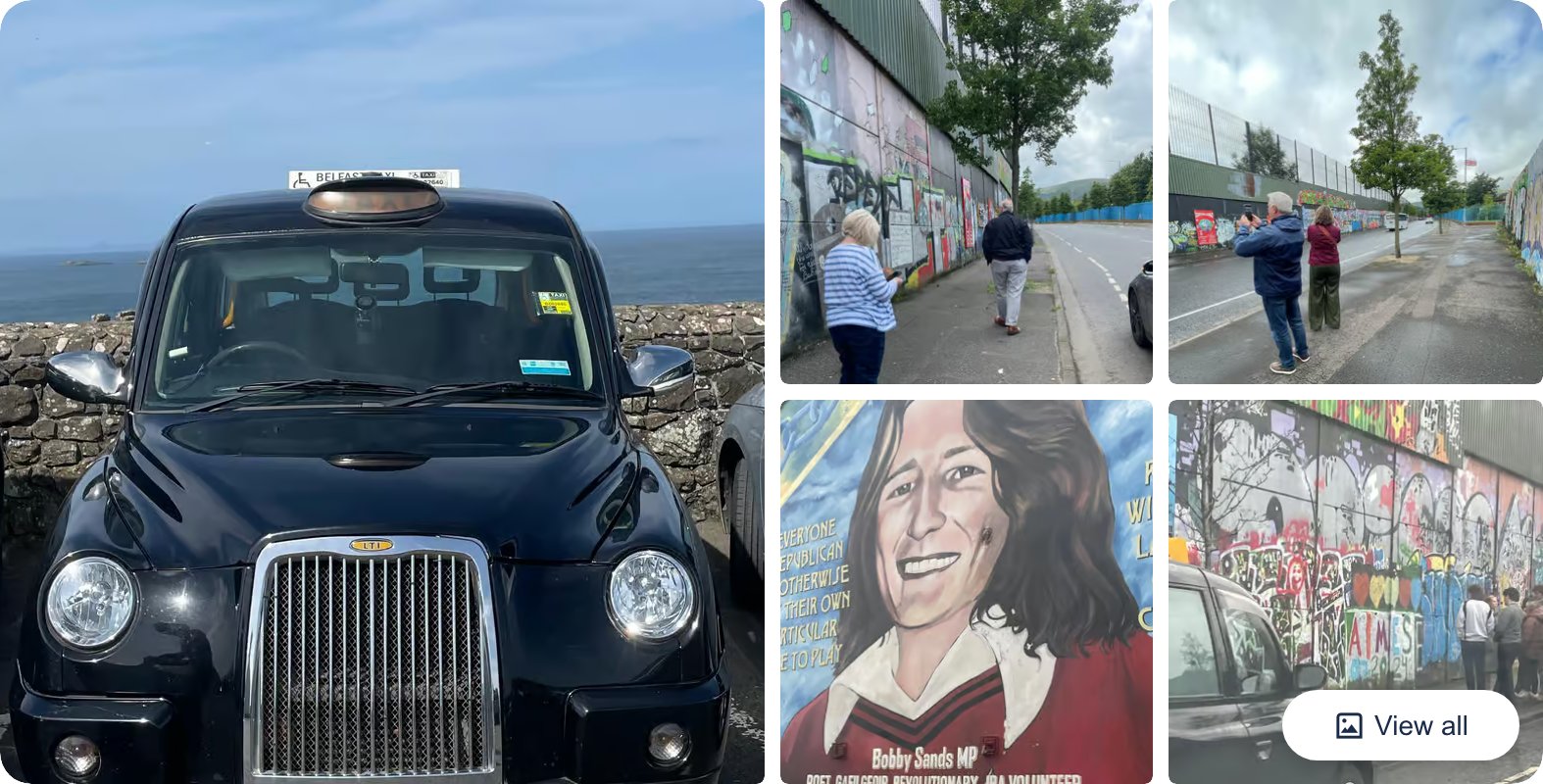
This is the classic way to do it: a private black cab that runs you along the Falls and the Shankill, stops at the big murals and the Bobby Sands wall, and gets you out at the peace wall to sign it yourself. It lasts around 90 minutes and the driver does the whole thing as you go, so you can ask him anything.
👉 Check Black Taxi Tour of Belfast Availability and Reviews
Belfast Political Conflict 3-Hour Walking Tour
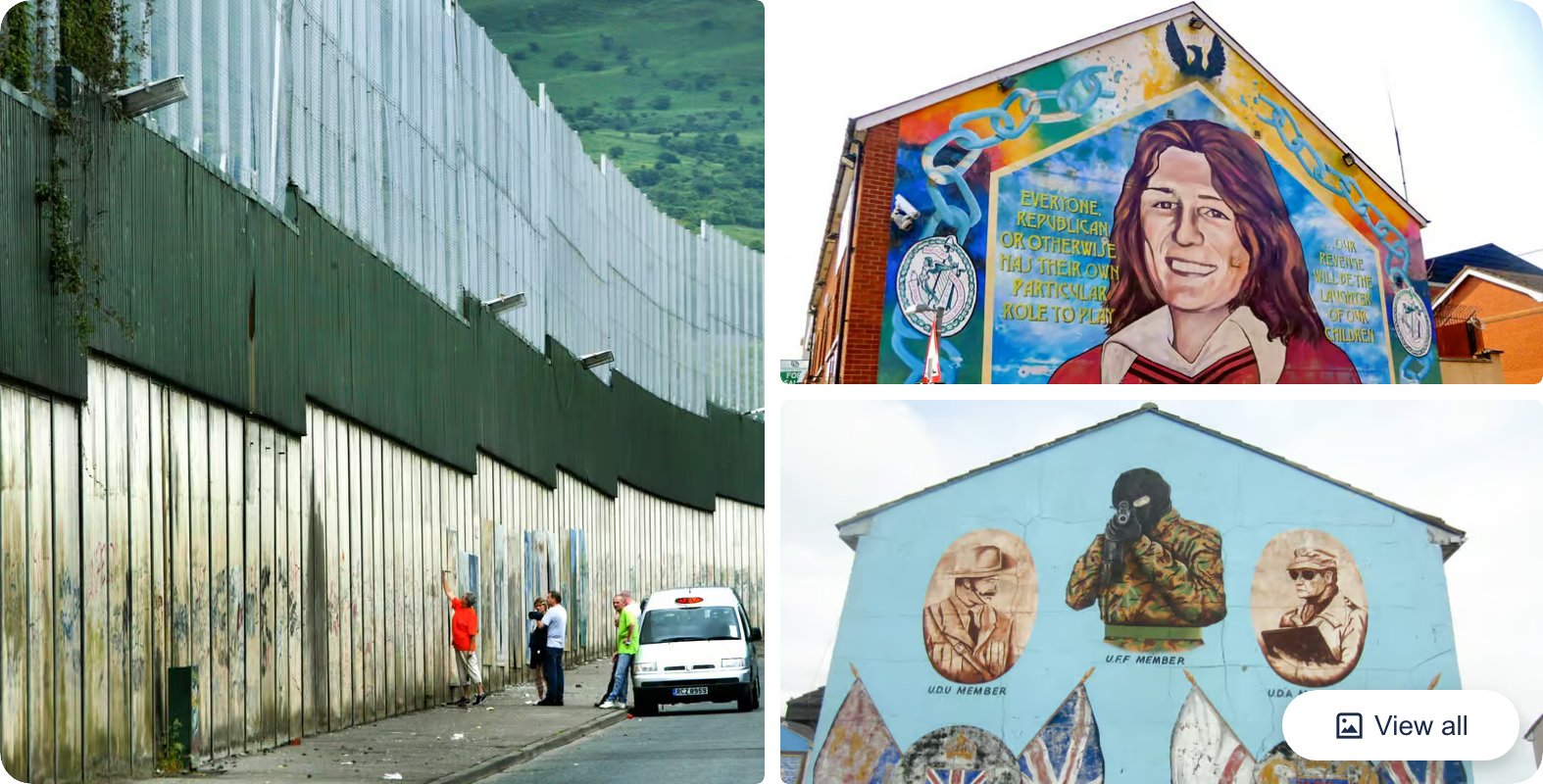
Three hours on foot through West Belfast with a guide who walks you down both the Falls and the Shankill, past the murals and up to the peace wall, and explains the story behind each one. Going slower and on foot gets you closer to the walls than a cab does, and you cover more of the smaller murals a taxi drives straight past.
👉 See what’s included on the Belfast Political Conflict Walking Tour
In short
- The murals cluster in West Belfast on the Falls Road, Shankill Road and peace walls.
- A black taxi tour costs about 40 to 50 pounds per cab, not per person.
- Most tours run 90 minutes to two hours and cover both communities.
- West Belfast is safe for tourists in daylight; the violence ended in 1998.
- The streets are free to walk, but the guide’s story is why you go.
FAQs About Belfast Mural Tours
Here are the questions visitors ask most before they book a Belfast mural tour. Short, straight answers on timing, cost, safety and which roads to see.
How long does a Belfast mural tour take?
A black-cab tour runs about 90 minutes and a guided walk closer to two hours. On your own you can burn ten minutes or half a day, but give the loop a couple of hours to hit all three areas without rushing. It’s not a place you want to speed through.
Are the black-cab tours worth the money?
Yes, and it’s my pick every time. It’s about £40 to £50 per taxi, not per person, so four of you splitting it pay a little over a tenner each. You’re paying for a driver who grew up on these roads and lived the thing, and that’s worth far more than the fare.
Can I see the murals without a tour?
You can, and it’s free. The Falls Road, the Shankill Road, and the Cupar Way peace wall are all public streets, so grab a map and walk them yourself. You’ll see the walls fine. What you won’t get is the story behind them, and that’s the part you came for.
Is West Belfast safe for tourists?
Yes. It’s a normal working neighborhood that thousands of tourists walk through every year, and the violence effectively ended with the 1998 peace deal. Go in daylight, be respectful about the politics, and the only real risks are the same petty ones you’d watch for in any city.
Which side should I visit, the Falls or the Shankill?
Both, and don’t cheat yourself out of one. The Falls is the Catholic, nationalist side and the Shankill is the Protestant, loyalist side. Do only one and you’ve heard half an argument. Stand on each, read what they paint about the same thirty years, and the whole thing finally makes sense.
Do I need to book a mural tour in advance?
In summer, yes, because the good guides and drivers fill up fast. Off-season you can usually flag down a black cab on the day and be fine. Book direct through a taxi firm too, since the big resale sites just stack their own fee on top of the exact same tour.
Can I sign the peace wall?
Yes, at the Cupar Way stretch, and most tours will actually hand you a marker and point you at a blank spot. The wall is covered end to end in messages from people all over the world. Bill Clinton and the Dalai Lama both signed it, so you’re in odd company, but sign it anyway.
Final Thoughts on Visiting the Belfast Murals
Belfast mural tours are the rare sightseeing thing that actually changes how you understand a place. You come for some big painted walls and you leave with a working grasp of a conflict that ran for thirty years and only ended in your lifetime.
This isn’t a pretty-castle, tick-the-box kind of stop. It’s political, it’s recent, and for the people living on those roads it’s personal. That’s exactly what makes it worth a couple of hours of your trip.
If you take one thing from this whole guide, take this: pay for the guide if you possibly can. The walls are free and the streets are public, but the story is the reason you go, and the story lives with the driver, not on the paint. A black cab with someone who was there is the best value sightseeing in the city.
Go in with a bit of history in your head, be respectful once you’re there, and see both roads before you call it done. Do that and you’ll walk away actually understanding Belfast, not just photographing it.
Like it? Pin it!
Save this guide for later