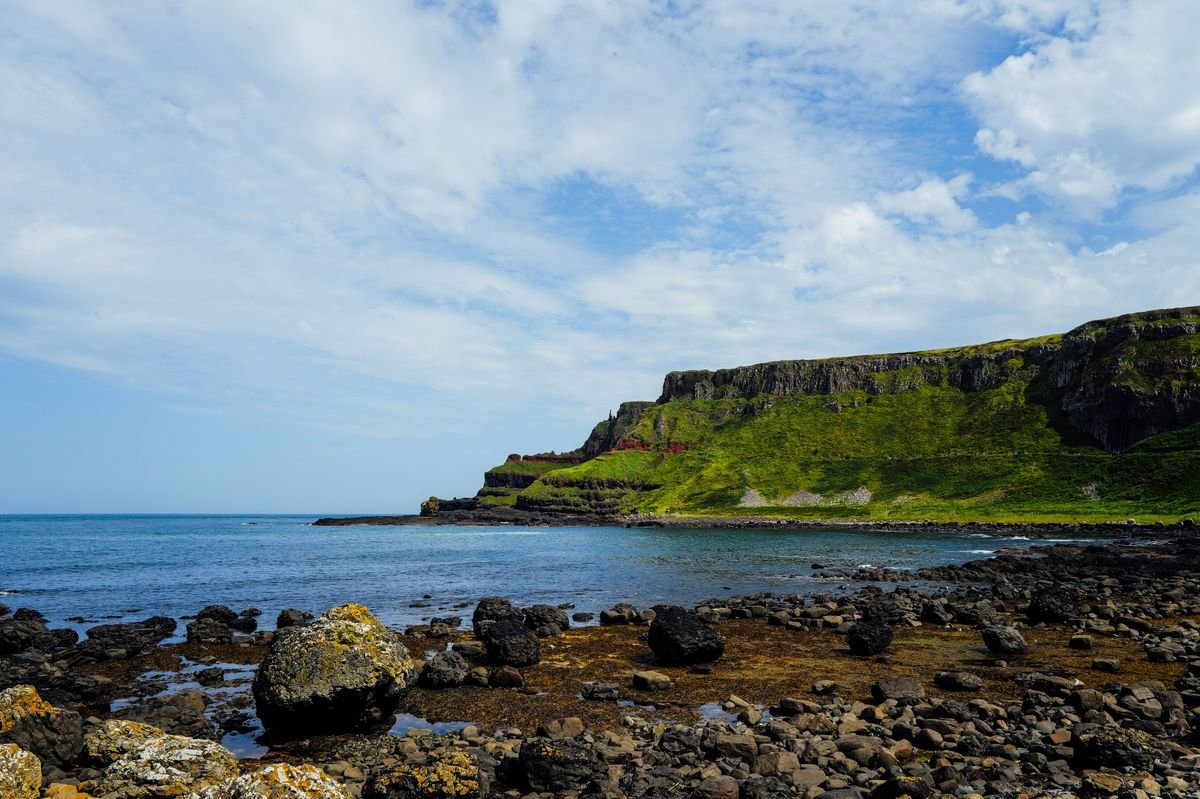
Northern Ireland is one of the most underrated corners of the whole island, and there’s a lot packed into a country you can drive across in a couple of hours. The list of things to do in Northern Ireland runs from the Giant’s Causeway to the Game of Thrones filming locations to some of the best coastal driving anywhere in Europe.
It’s also a different trip than the Republic. The cities are compact, the Causeway Coast is the real draw, and a lot of the big sites are free or close to it. You can see the headline stuff in a couple of days, but give it four or five and you’ll actually enjoy it instead of racing the clock.
Below I’ve rounded up the 50 best things to do, then the practical stuff you actually need: the best time to go, how to get there and get around, how many days it really takes, and a sample itinerary with a map to tie it all together.
Quick Answer:
The best things to do in Northern Ireland are the Giant’s Causeway, the Causeway Coast drive, Carrick-a-Rede rope bridge, and Game of Thrones filming locations, plus Belfast’s Titanic quarter and black cab tours and the walls of Derry. Give it four or five days, use the pound, and know most of the top sights are free or cheap.
More Northern Ireland Travel Guides
- Northern Ireland: A 3-Day Itinerary
- The Best Beaches in Northern Ireland
- Game of Thrones Filming Locations in Northern Ireland Map
- All You Need To Know About Mountain Biking In Northern Ireland
The 50 Best Things to Do in Northern Ireland
This is the full list, from the famous stuff to the places worth the detour. It leans heavy on the Causeway Coast and Belfast because that’s where most of the good days are, but there’s a whole southern half around the Mournes and Fermanagh that a lot of first-timers never reach.
One quick note before the list: Northern Ireland uses the British pound, not the euro, so prices below are in £. A lot of the best sights are free.
1. See the Giant’s Causeway
Around 40,000 basalt columns stepping down into the sea, and the one site everyone comes for. It’s a UNESCO World Heritage site and it earns it.
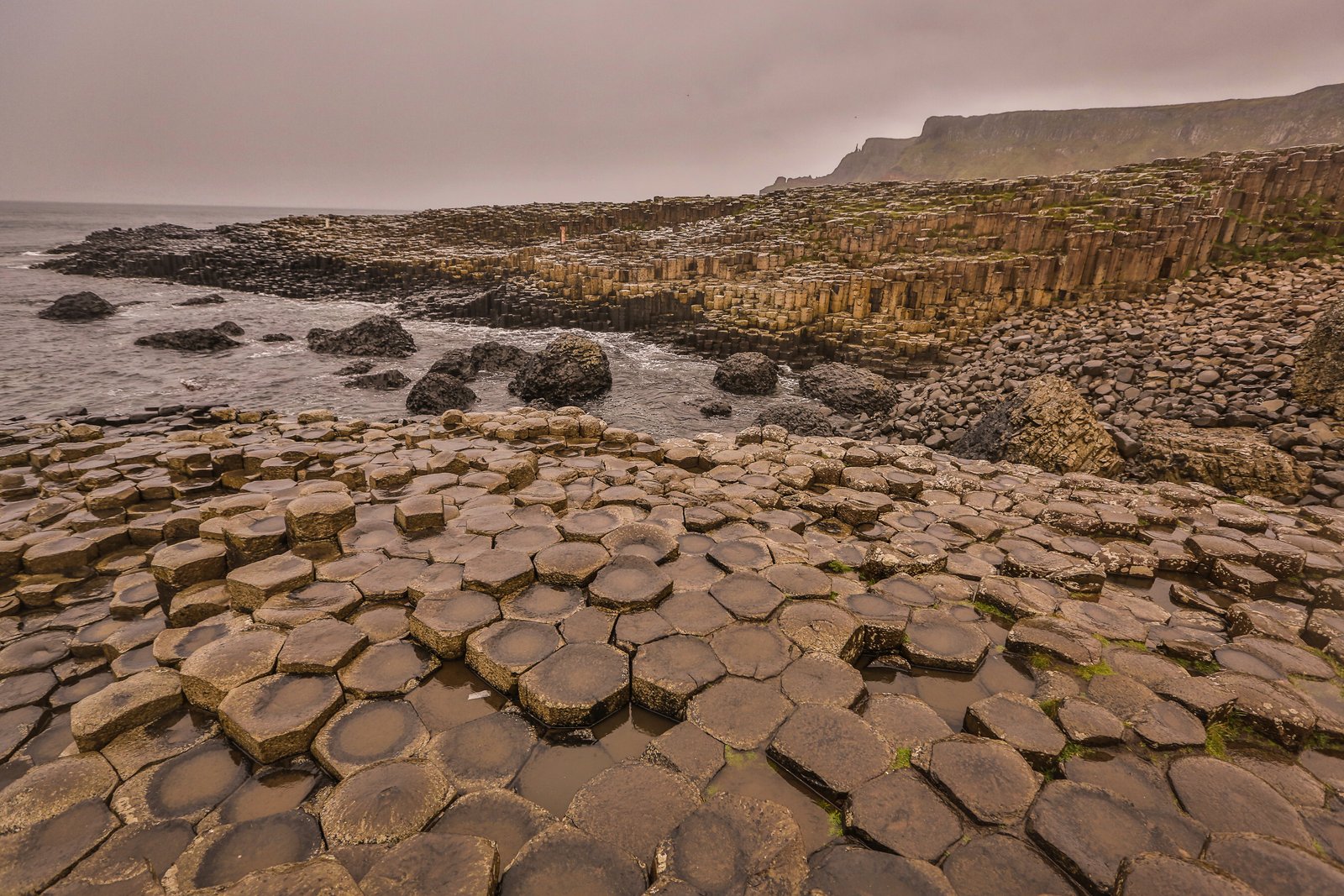
The stones themselves are free to reach on foot along the coast path. The National Trust visitor center and parking are what cost money, around £13.50, so park in Bushmills or walk in and you skip the fee entirely.
2. Drive the Causeway Coastal Route
The stretch from Belfast up to Derry is one of the best coastal drives in Europe, full stop. Cliffs, castles, beaches, and about a dozen of the stops on this list are strung along it.
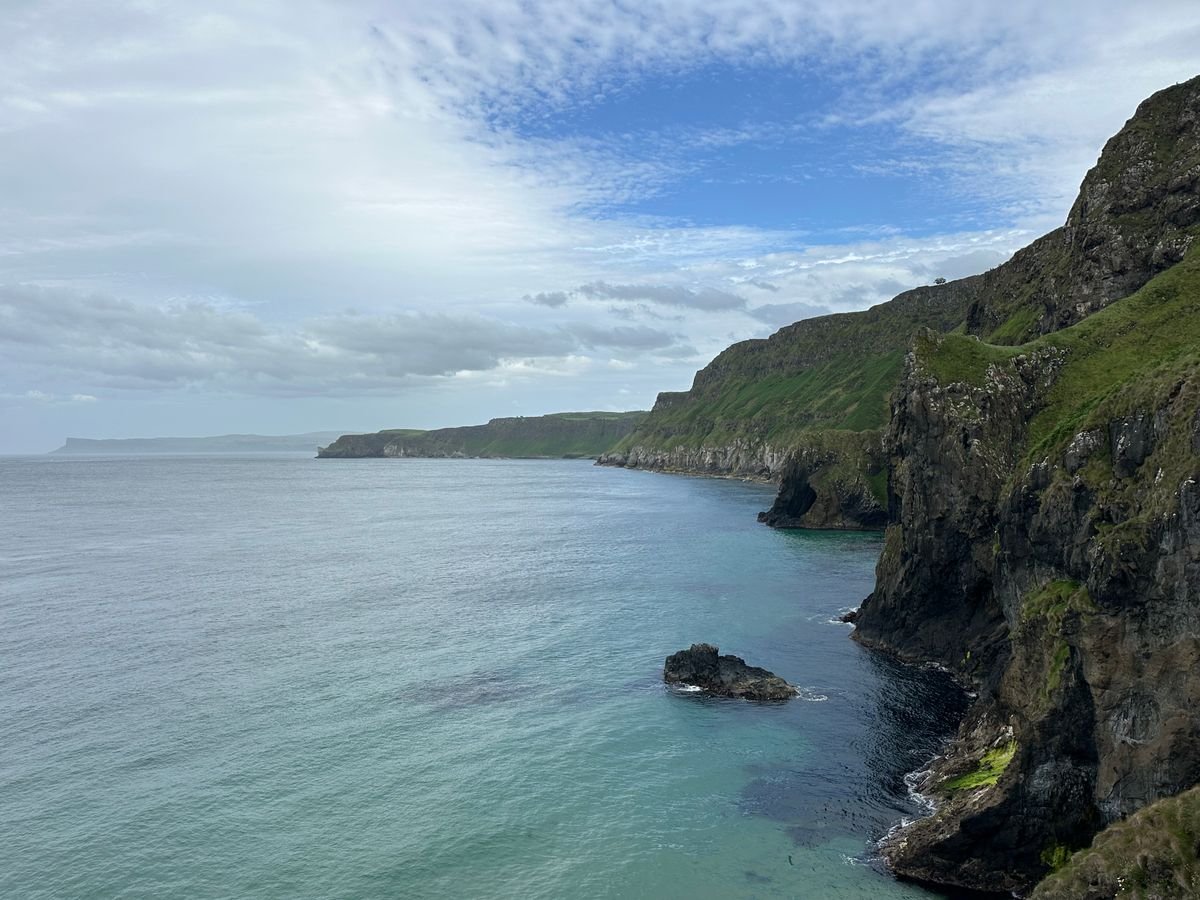
You could blast it in a day, but don’t. Give it two or three and actually stop.
3. Cross the Carrick-a-Rede Rope Bridge
A rope bridge slung 30 meters above the water to a tiny island that fishermen once used for salmon. The walk out along the cliffs is as good as the bridge itself.
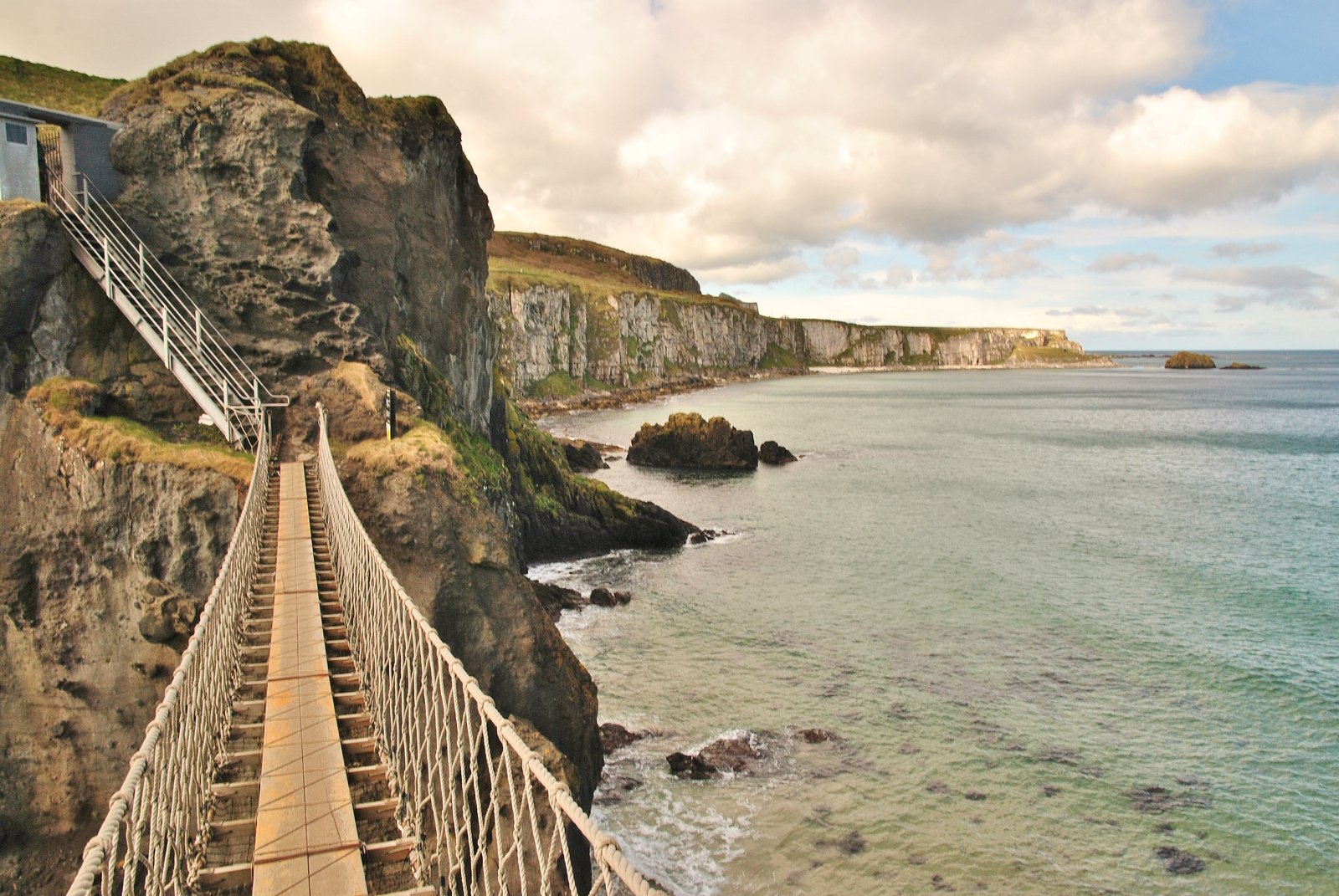
It’s around £15.50 through the National Trust and you should book a timed slot ahead in summer, because it sells out and the line is real.
4. Walk Through the Dark Hedges
An avenue of beech trees planted in the 1700s that arch over the road into a tunnel. Game of Thrones fans know it as the Kingsroad.
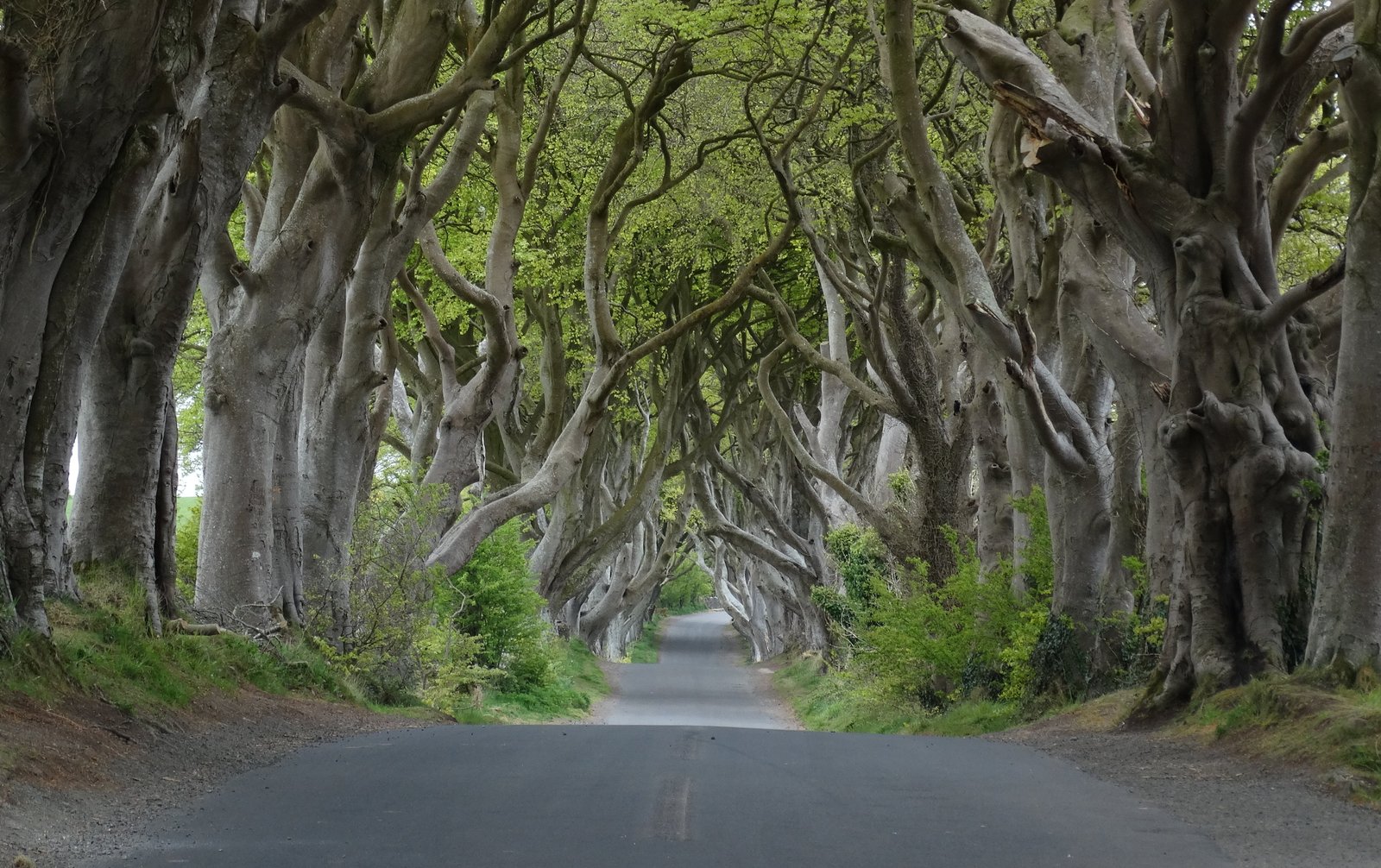
It’s free and it takes ten minutes, so go early or late unless you want a hundred other people in your photo. The road is closed to cars, so park at the hotel nearby and walk in.
5. Tour Titanic Belfast
Built on the exact slipway where the Titanic was launched, this is one of the best museums in Ireland, and probably the top indoor thing to do in Belfast. Nine galleries take you through the ship, the shipyard, and the city that built her.
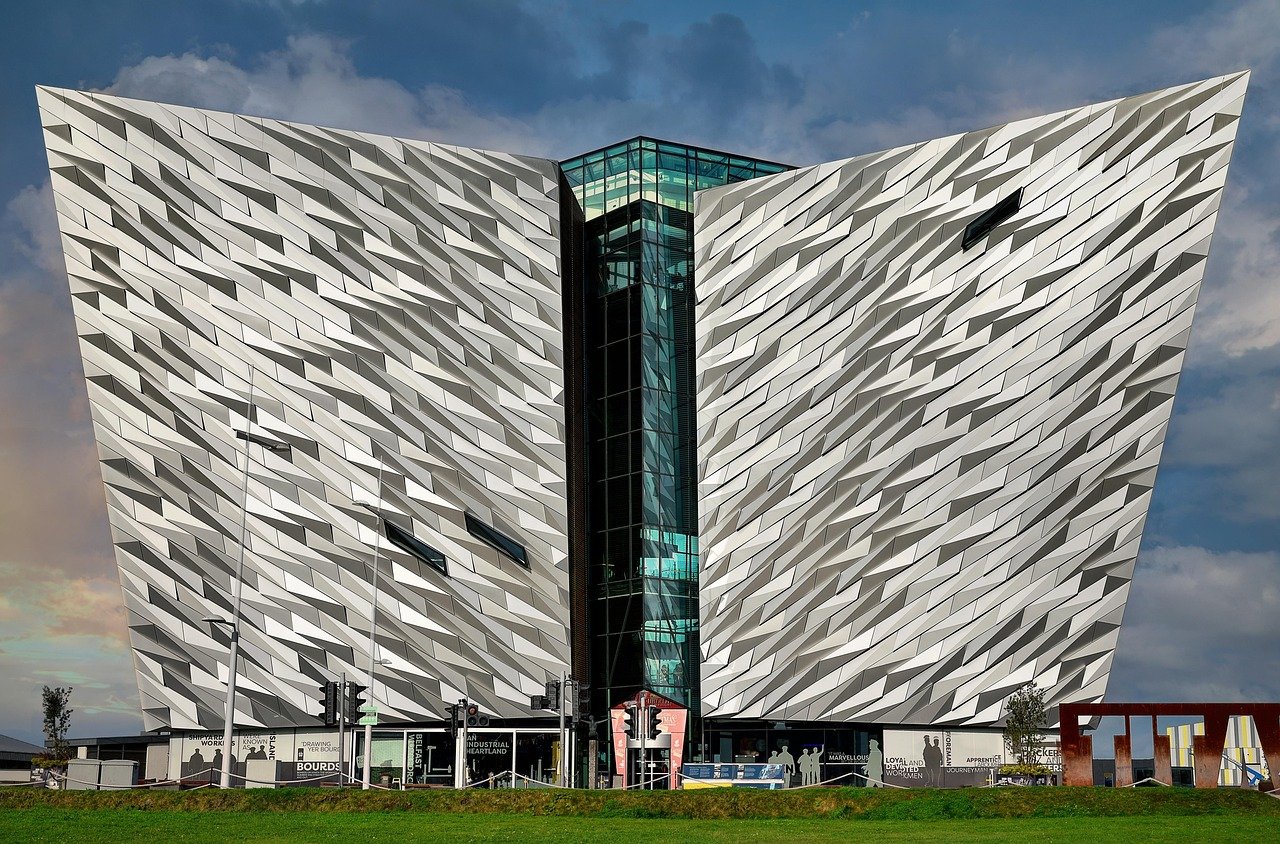
Tickets run around £25 and it’s worth every penny. Book online to save a bit and skip the line.
6. Take a Black Cab Tour of Belfast
A driver takes you round the Falls and Shankill, the peace walls and the political murals, and tells you the history of the Troubles from someone who lived through it. It’s the single best way to understand Belfast.
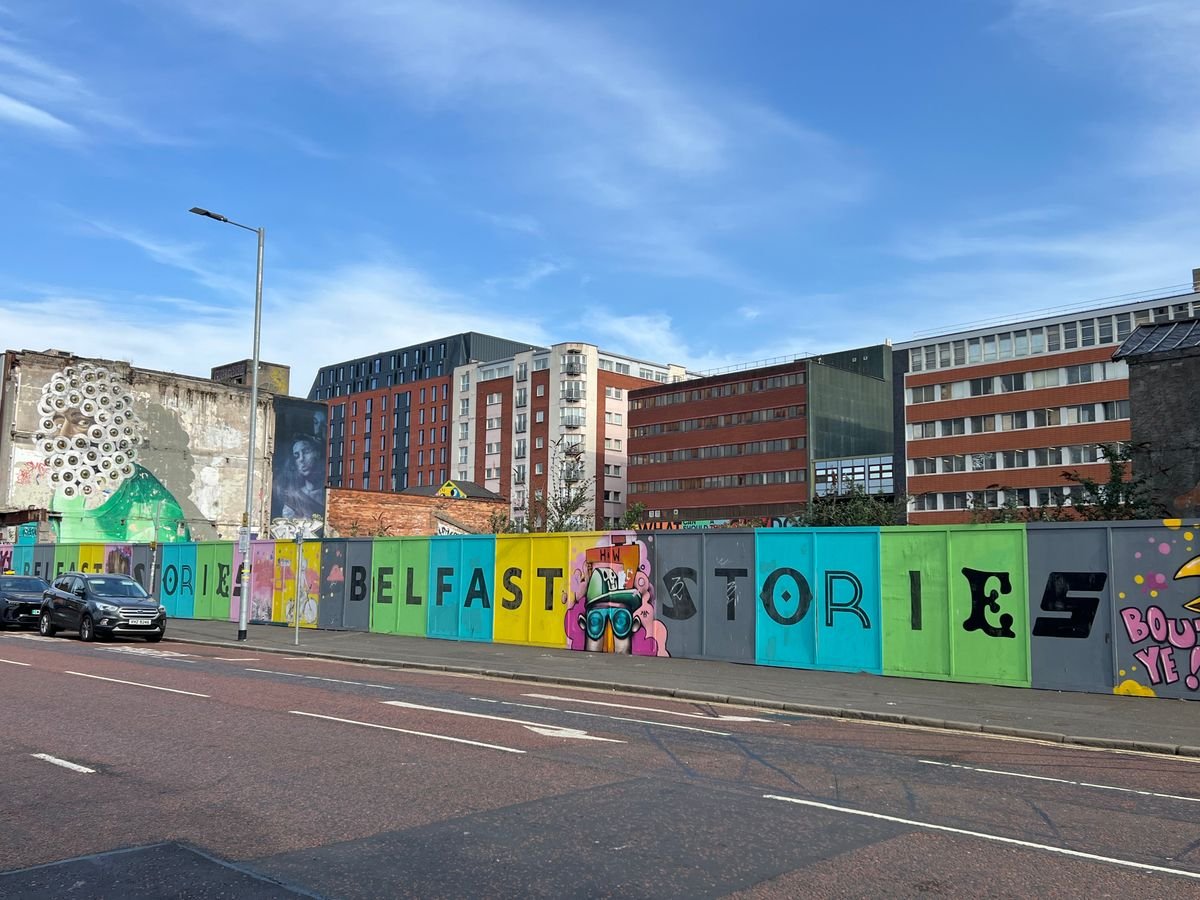
Expect to pay roughly £40 to £50 for a couple of people for around 90 minutes. The guides make it. You can book a black cab tour on GetYourGuide ahead so you’re not chasing one down on the day.
7. Explore Belfast’s Cathedral Quarter
The old cobbled heart of Belfast, now the area for pubs, street art, and live music. The Duke of York and its alley off Commercial Court are the classic photo spot.
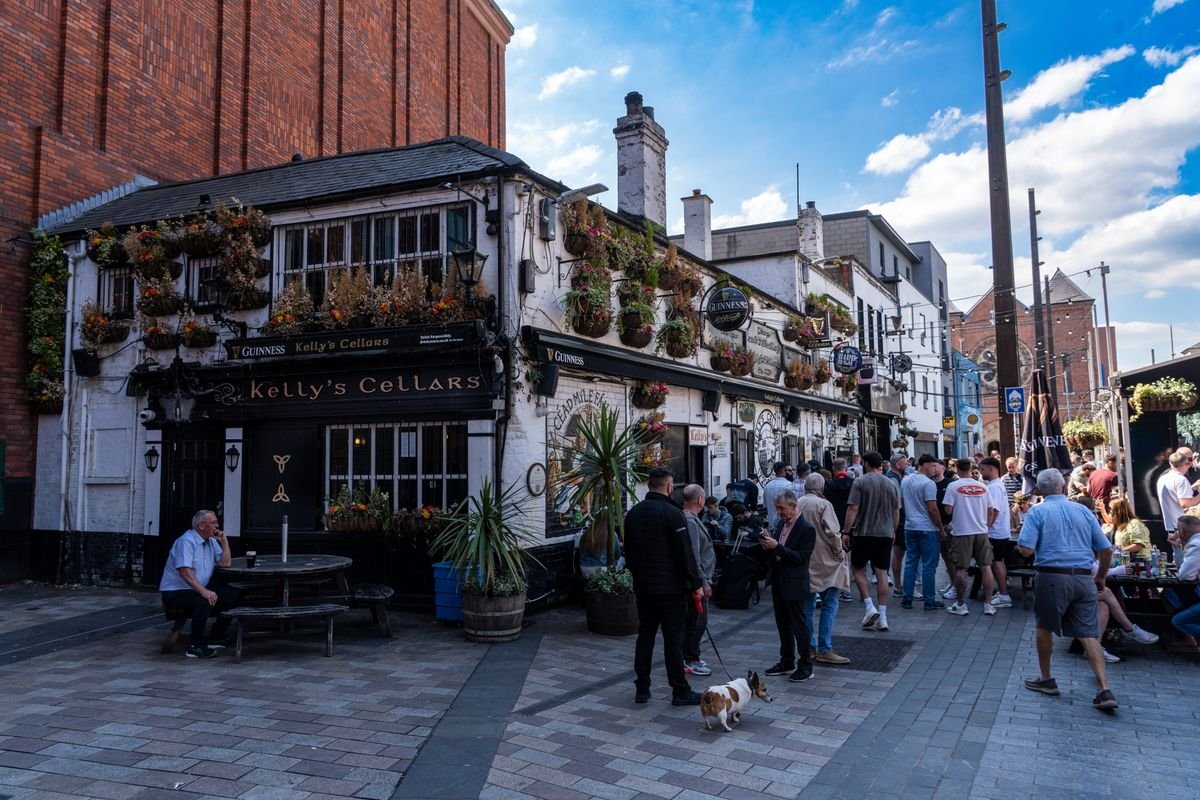
Come for dinner and stay for a session. It’s compact enough to do the whole thing on foot in an evening.
8. Walk the Walls of Derry and See the Bogside Murals
Derry has the only completely intact city walls in Ireland, and you can walk the full mile-long circuit around the top for free. From up there you look straight down into the Bogside.
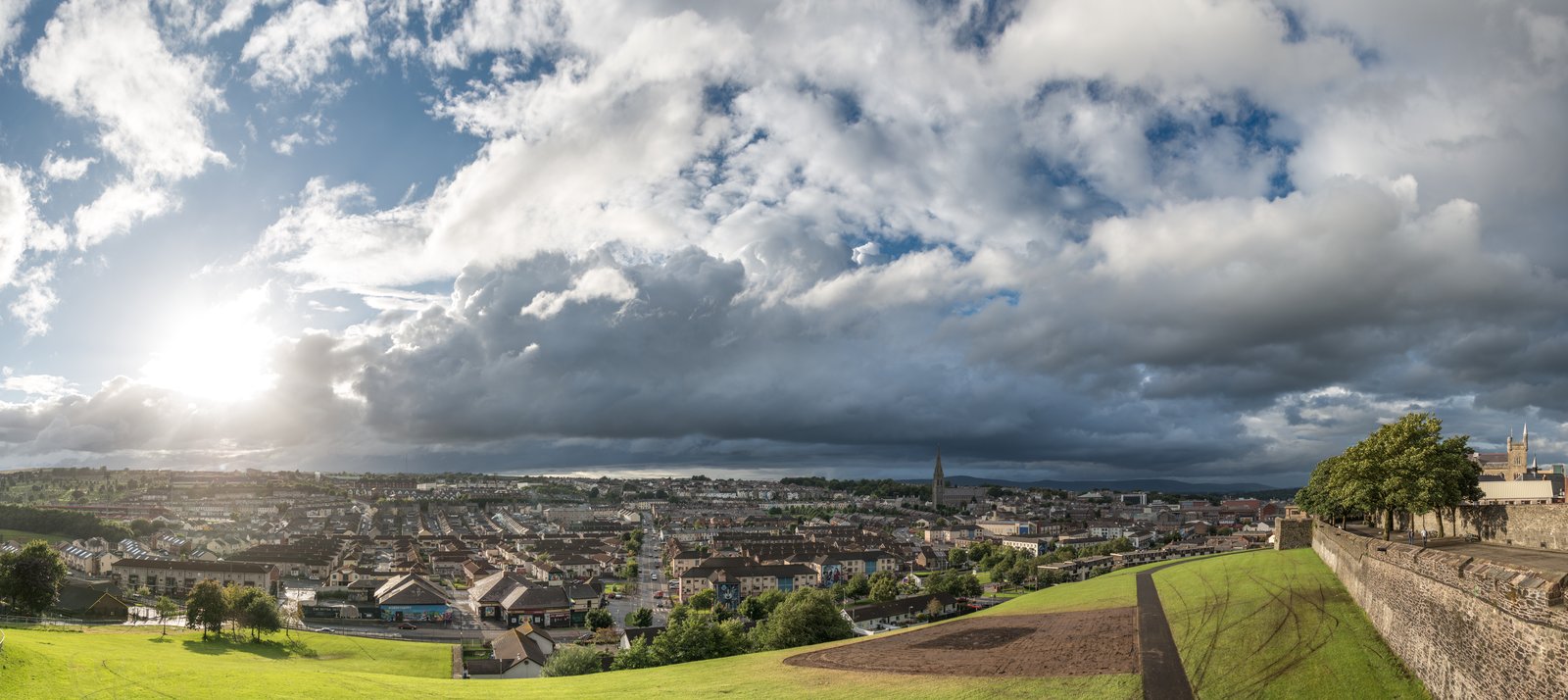
That’s where you’ll find Free Derry Corner and the People’s Gallery murals, telling the story of Bloody Sunday. Heavy, important, and one of the reasons Derry is worth a night, not just a stop.
9. Photograph Dunluce Castle
A ruined castle perched right on the cliff edge near Portrush, with part of it having literally fallen into the sea back in the 1600s. It’s the ruin on the cover of Led Zeppelin’s Houses of the Holy.
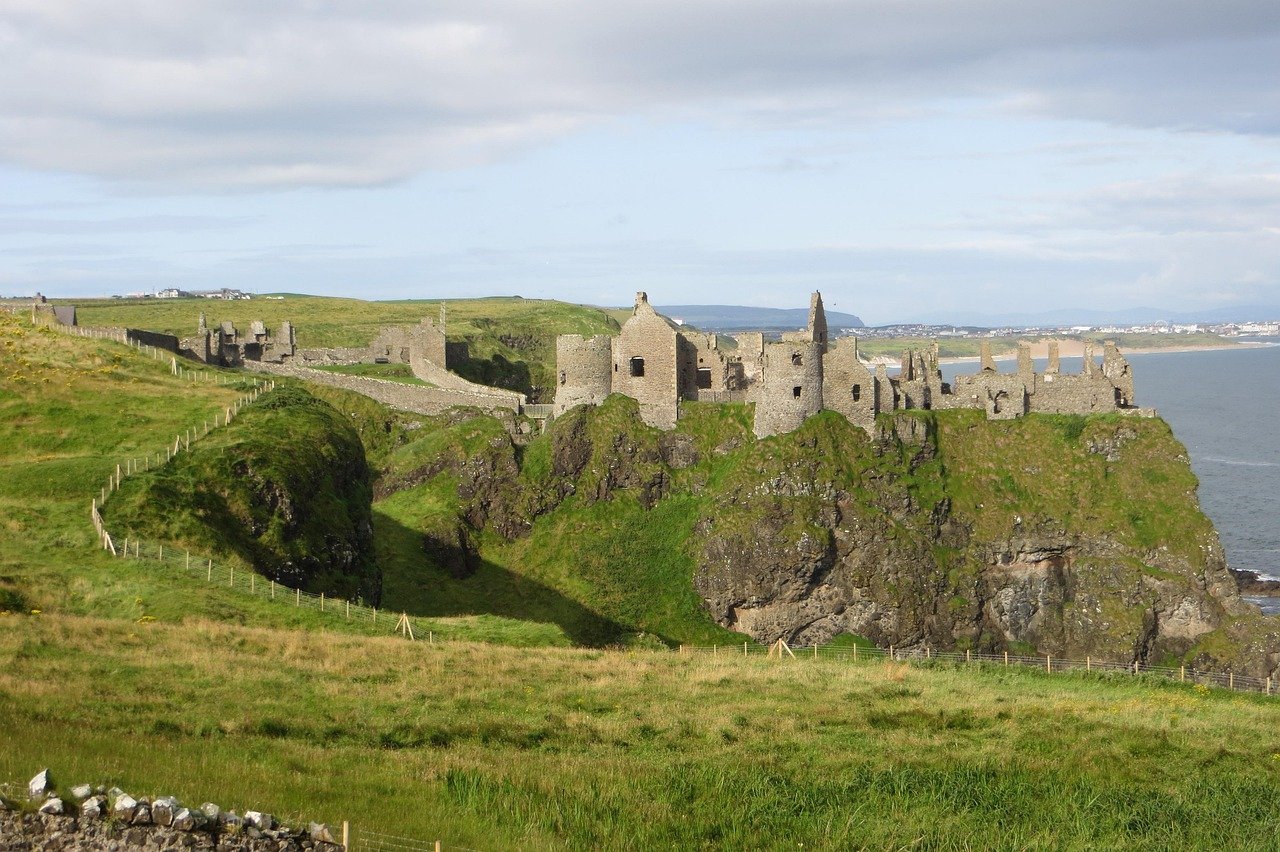
You can pay around £6 to go inside, but the view from the road is the money shot.
10. Walk Out to Mussenden Temple
A little round stone library sitting on the edge of a cliff at Downhill, with Atlantic waves crashing far below. It’s one of the most photographed spots on the whole coast.
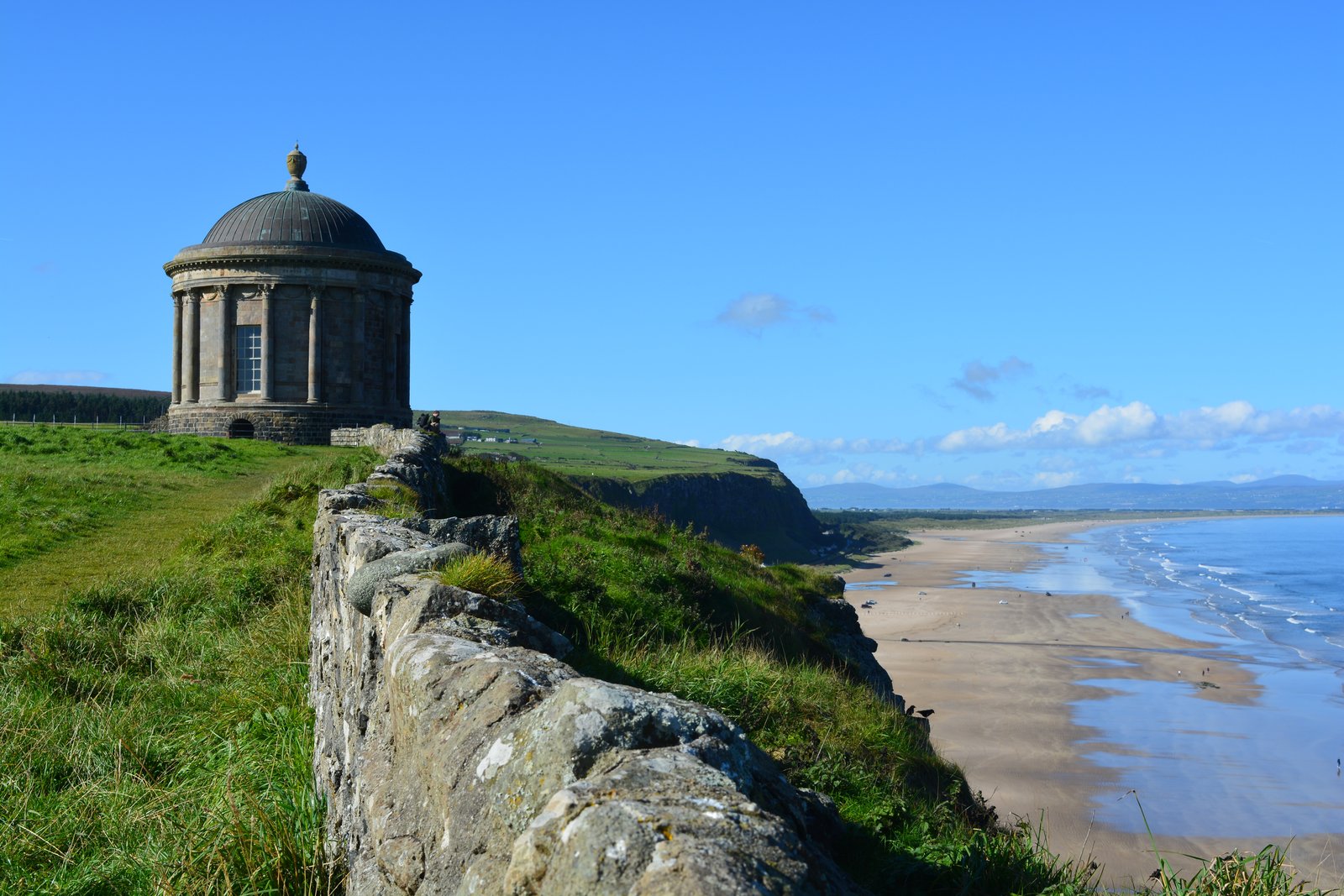
The Downhill Demesne and gardens around it are worth the wander too. National Trust, so there’s a small entry cost if you’re not a member.
11. Relax on Portstewart Strand
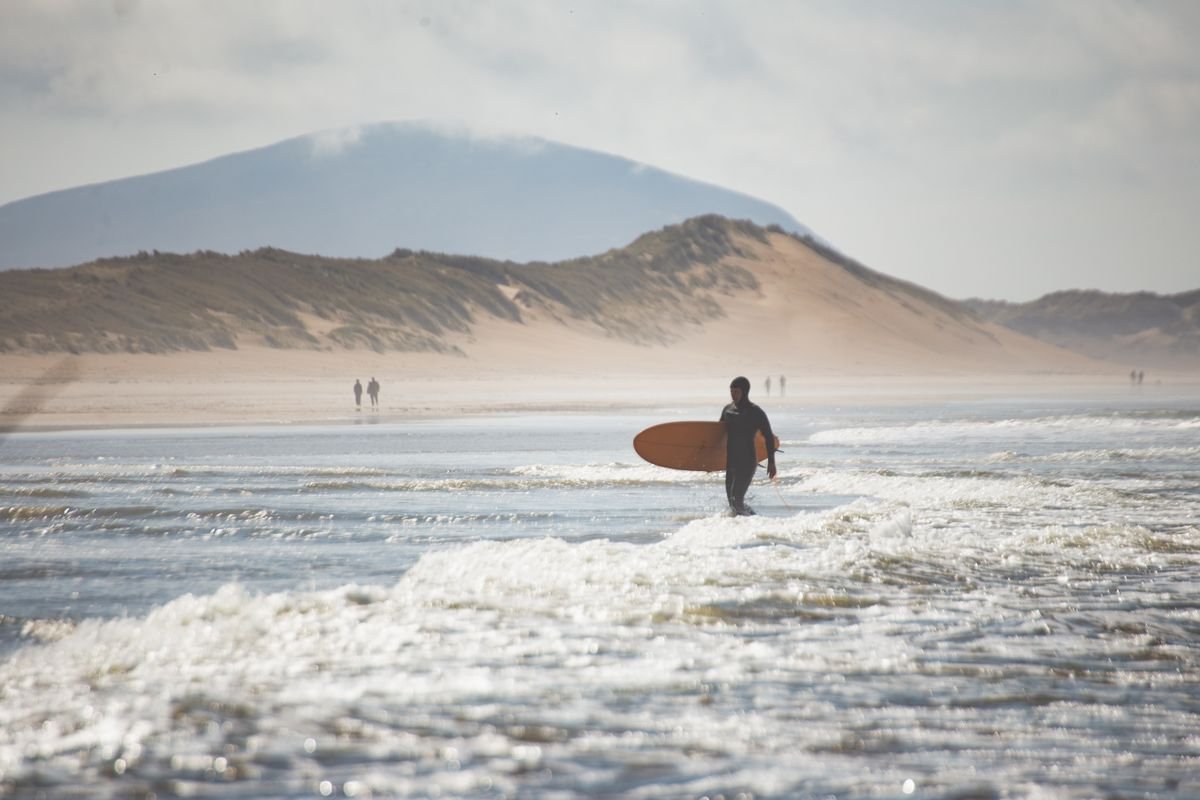
Two miles of sand backed by big dunes, and one of the few beaches where you can actually drive your car right onto it. Great for a walk, a swim if you’re brave, or just a break from the road.
12. Visit the Old Bushmills Distillery
The oldest licensed whiskey distillery in the world, dating back to 1608, and still making whiskey a short drive from the Causeway. The tour walks you through the whole process and ends with a tasting.
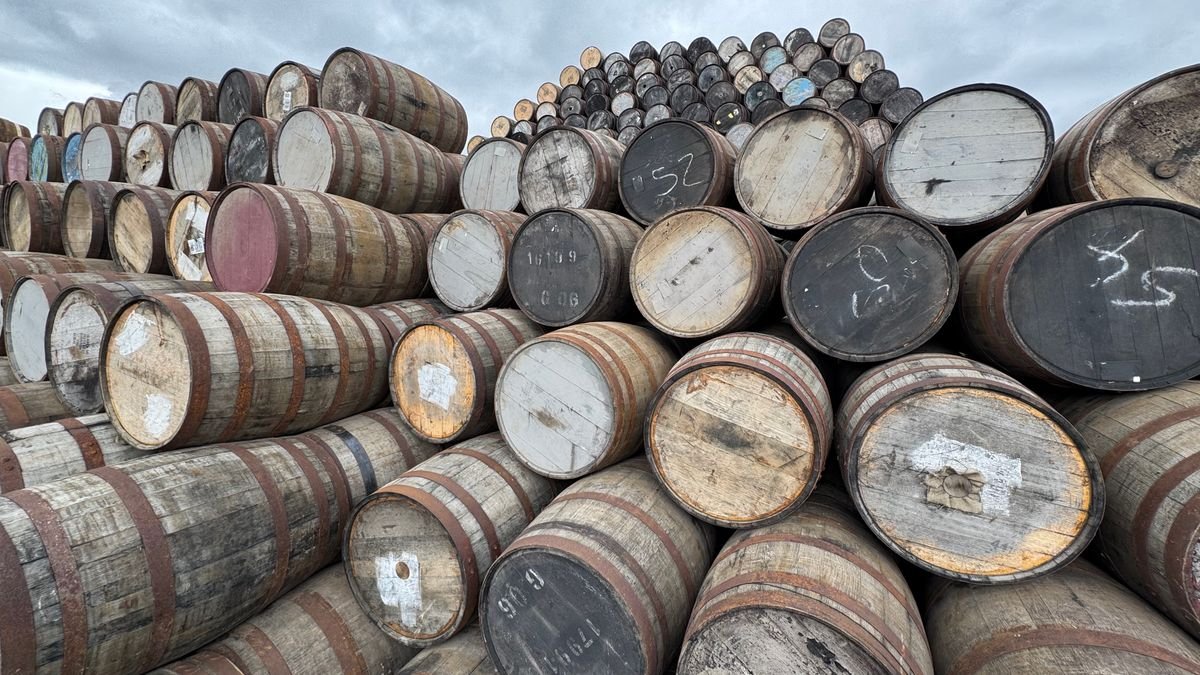
Tours are around £15 and book up in summer, so reserve ahead.
13. Hike the Mourne Mountains
The best hiking in Northern Ireland, and the range that supposedly inspired Narnia. Slieve Donard is the big one at 850 meters, the highest peak in the country, with the sea on one side and granite peaks on the other.
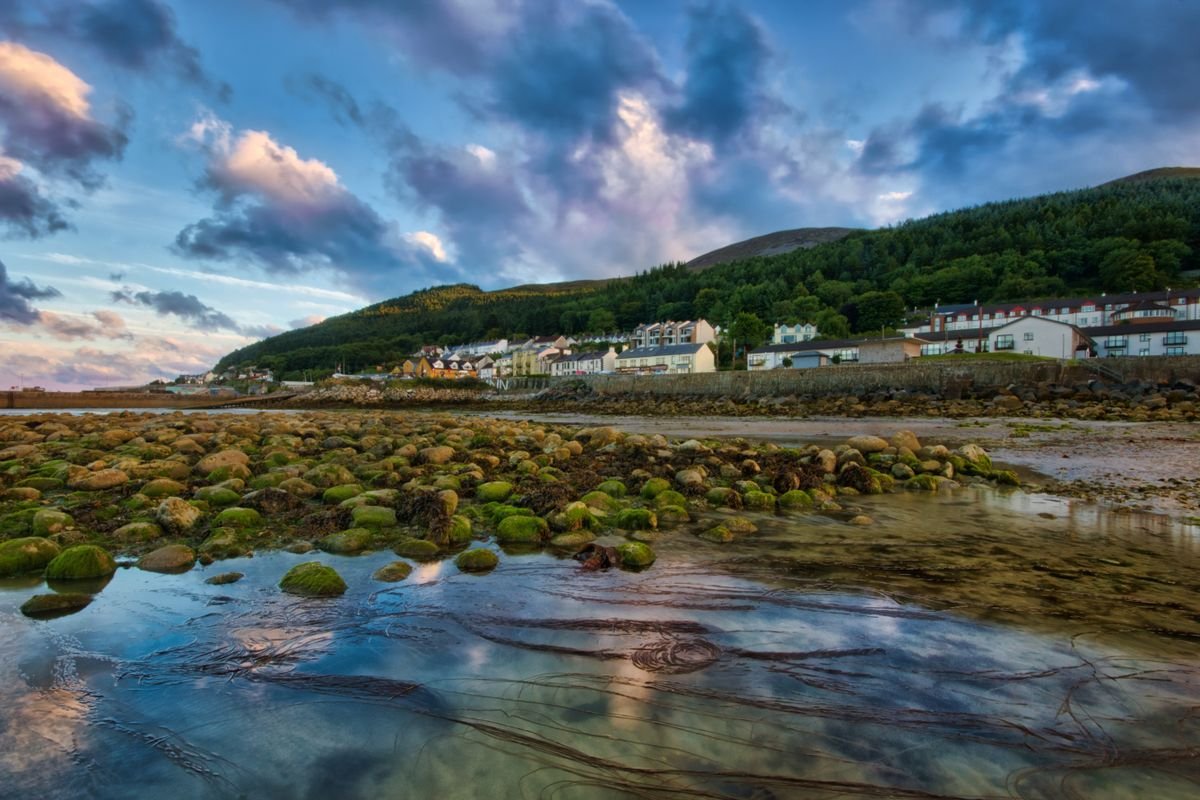
Give Donard a good half day up and back. The Mourne Wall, a stone wall running over 15 peaks, is the other classic route here.
14. Walk Through Tollymore Forest Park
A forest park at the foot of the Mournes with stone bridges, caves, and a river running through it. Game of Thrones filmed the Haunted Forest and the direwolf scenes here.
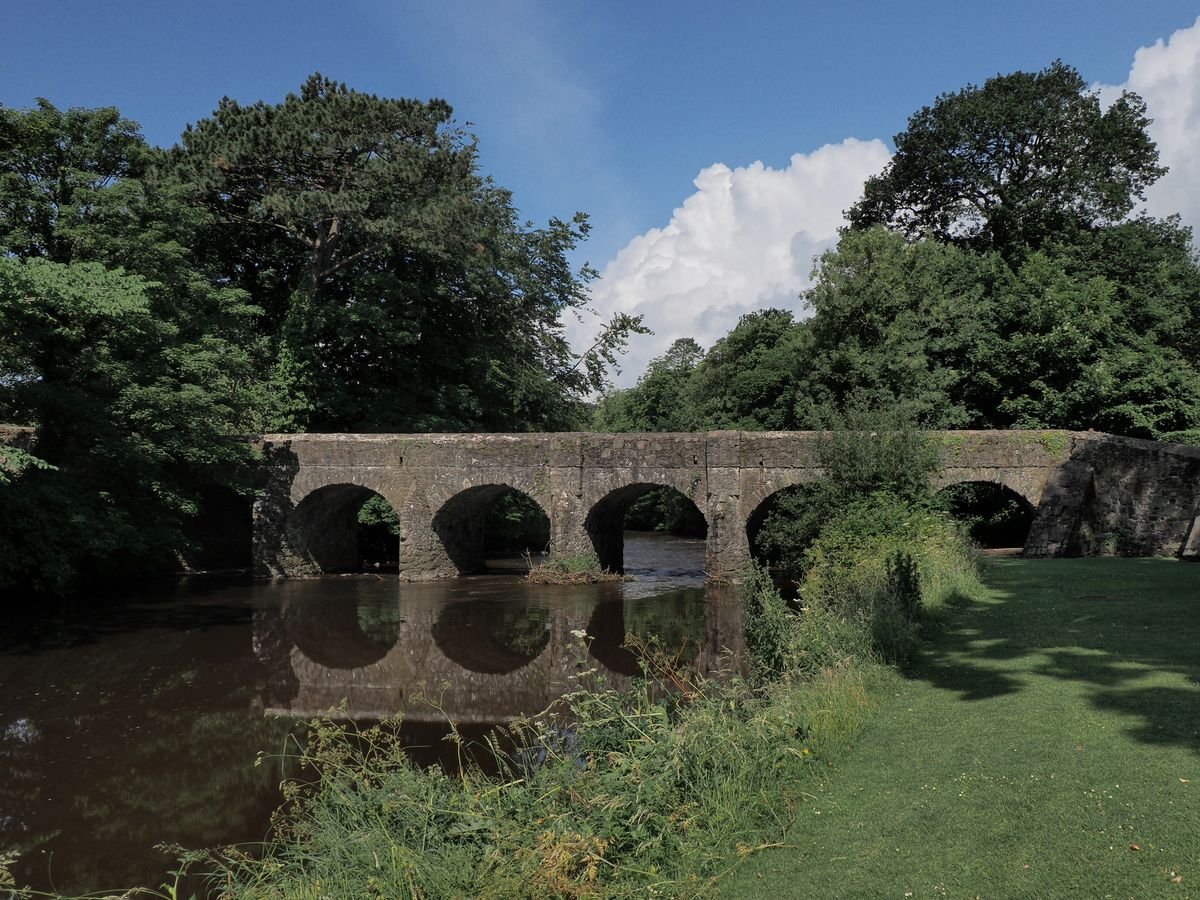
Parking is a few pounds, the walking is free, and it’s an easy hour or two.
15. Explore Glenariff Forest Park
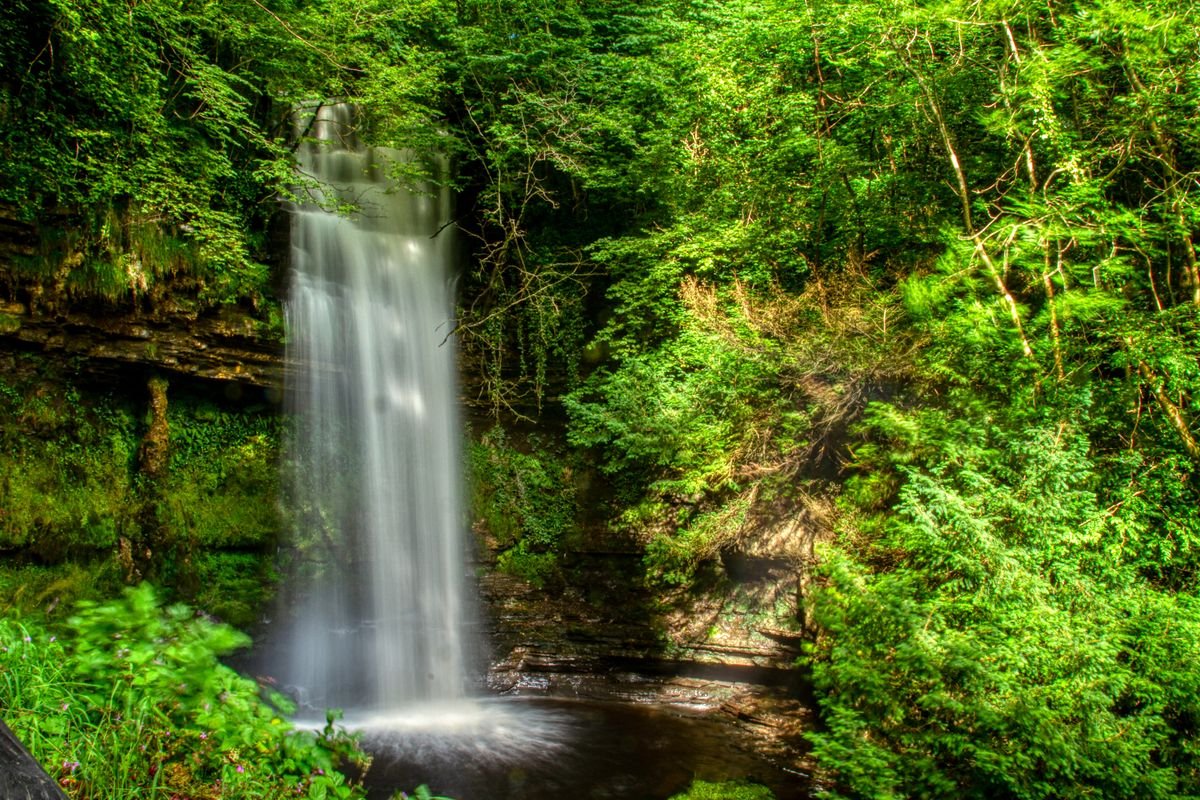
Known as the Queen of the Glens, with a waterfall trail that follows a gorge past three separate falls. The Waterfall Walkway is the one to do, a loop of around three miles on boardwalks and paths.
16. Drive the Glens of Antrim
Nine green valleys running down to the sea between Larne and Ballycastle, each with its own character. This is the inland complement to the coast road, and quieter with it.
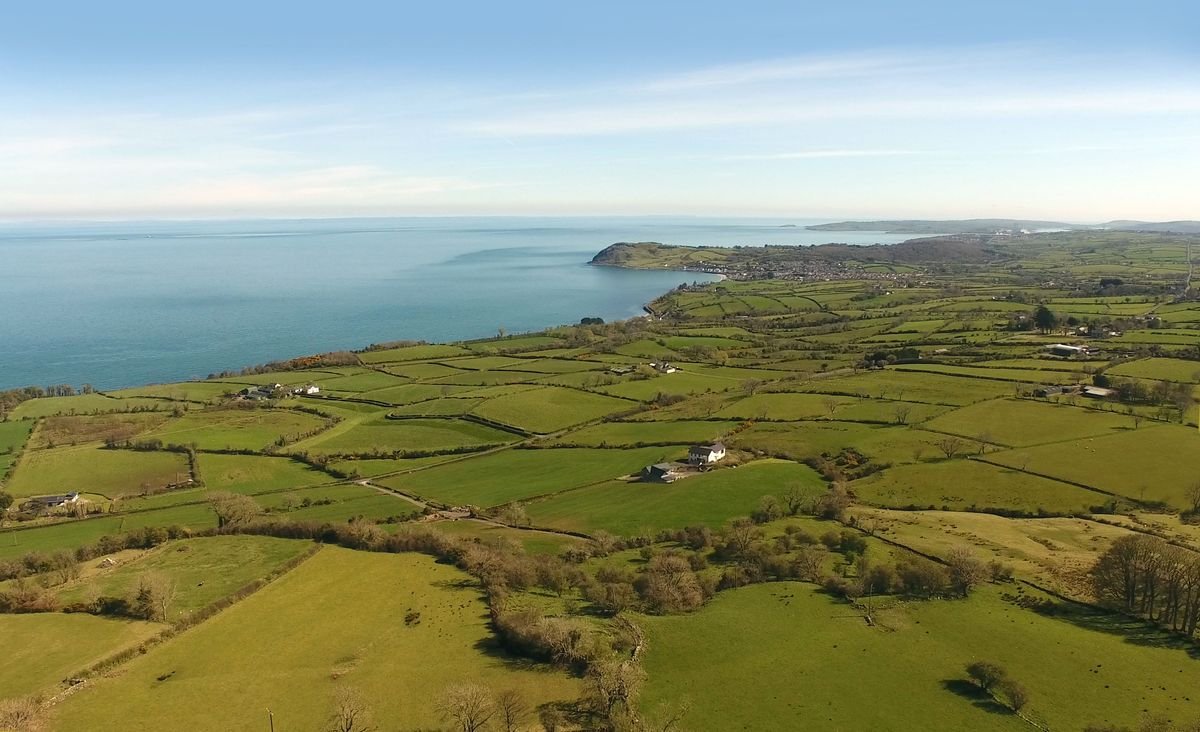
Cushendun and Cushendall are the villages to aim for. Cushendun’s caves also had a Game of Thrones moment.
17. Climb Cuilcagh (Stairway to Heaven)
A long wooden boardwalk that climbs up over the bog to a viewpoint on the Fermanagh border, nicknamed the Stairway to Heaven. It went viral online and now it’s one of the busiest walks in the country.
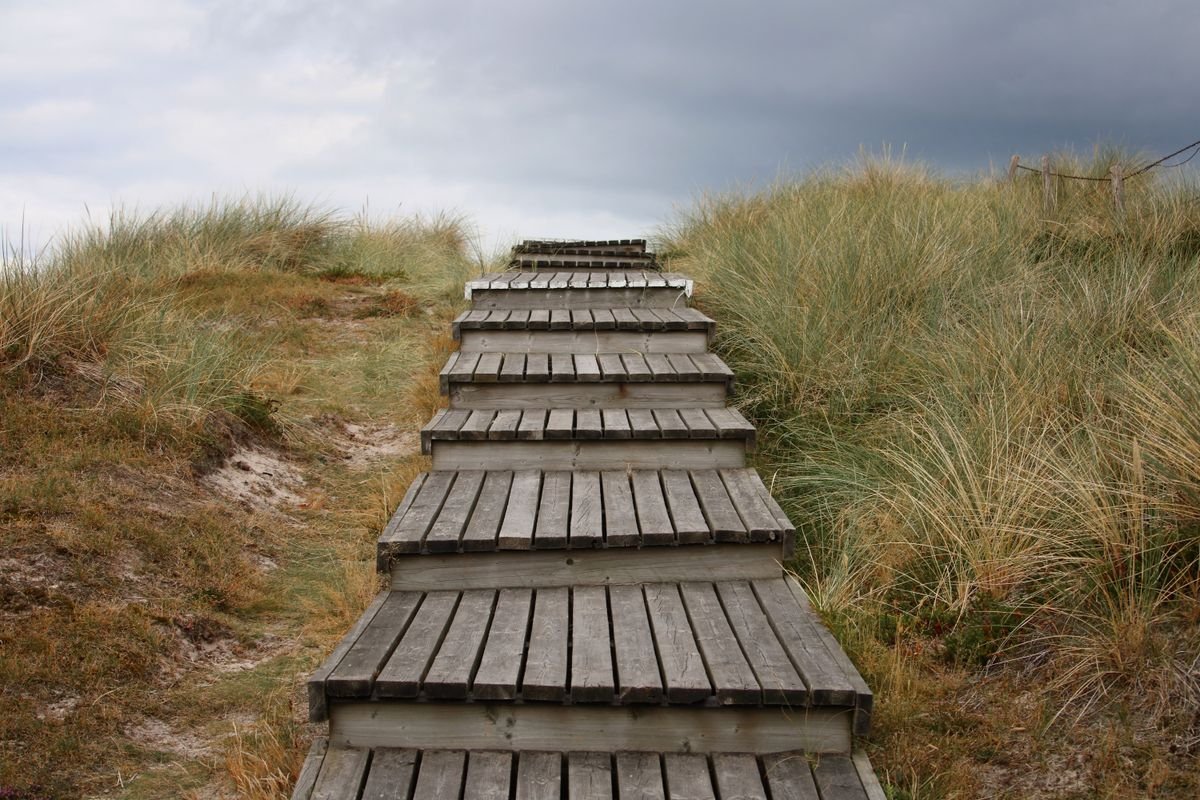
It’s a proper day out, roughly 7.5 miles round trip. Go on a weekday if you can, because the small lot fills fast.
18. Take a Game of Thrones Filming Locations Tour
So much of the show was shot here that you can build a whole day around it. Day tours from Belfast link up the big sets, often with costumes and props, and the guides are usually former extras.
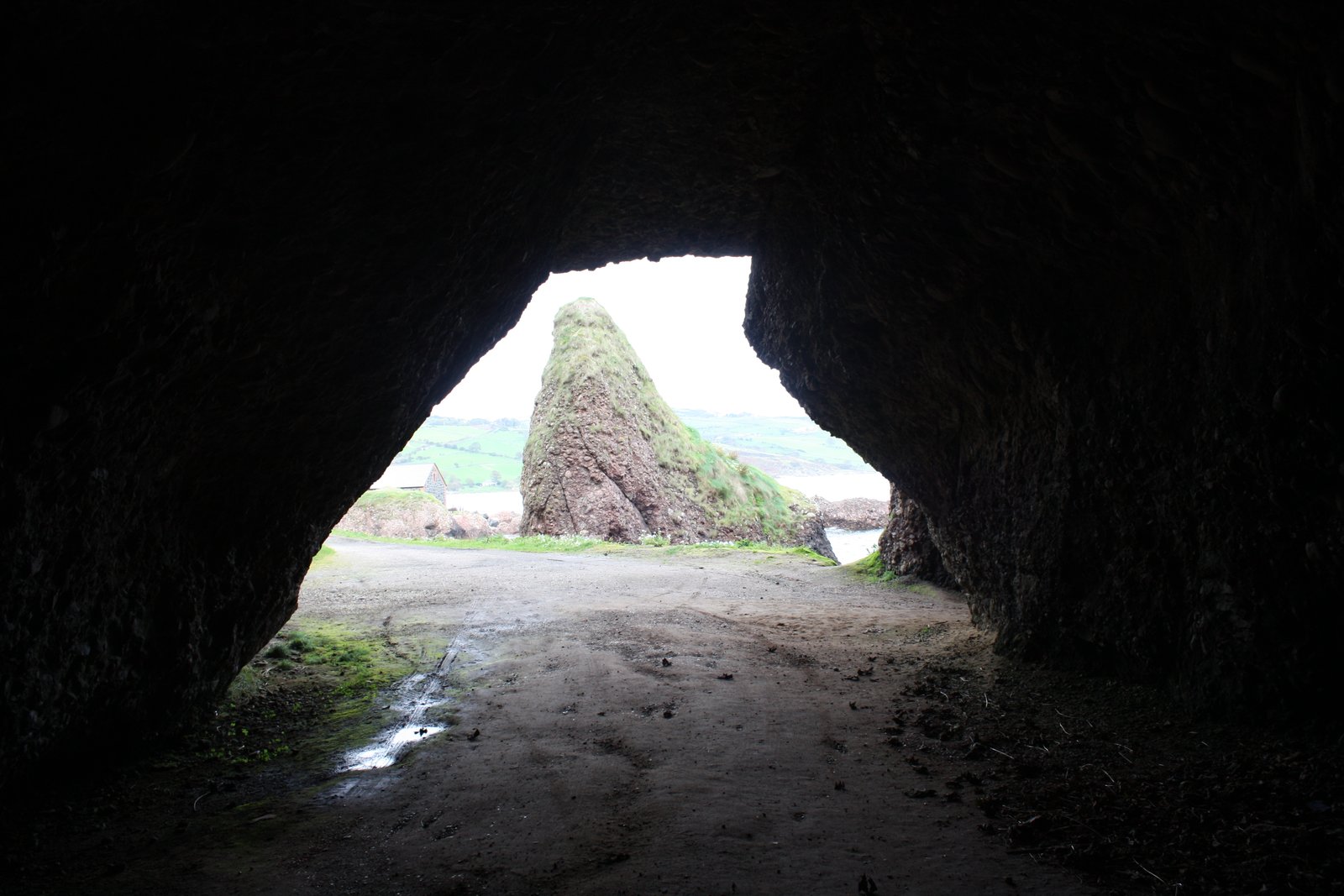
If you’re a fan it’s a no-brainer. If you’re not, you’ll still end up at some cracking scenery.
19. Visit Crumlin Road Gaol
A Victorian prison in Belfast that held prisoners until 1996 and is now one of the city’s best tours. You walk the wings, the tunnel to the old courthouse, and the execution cell.
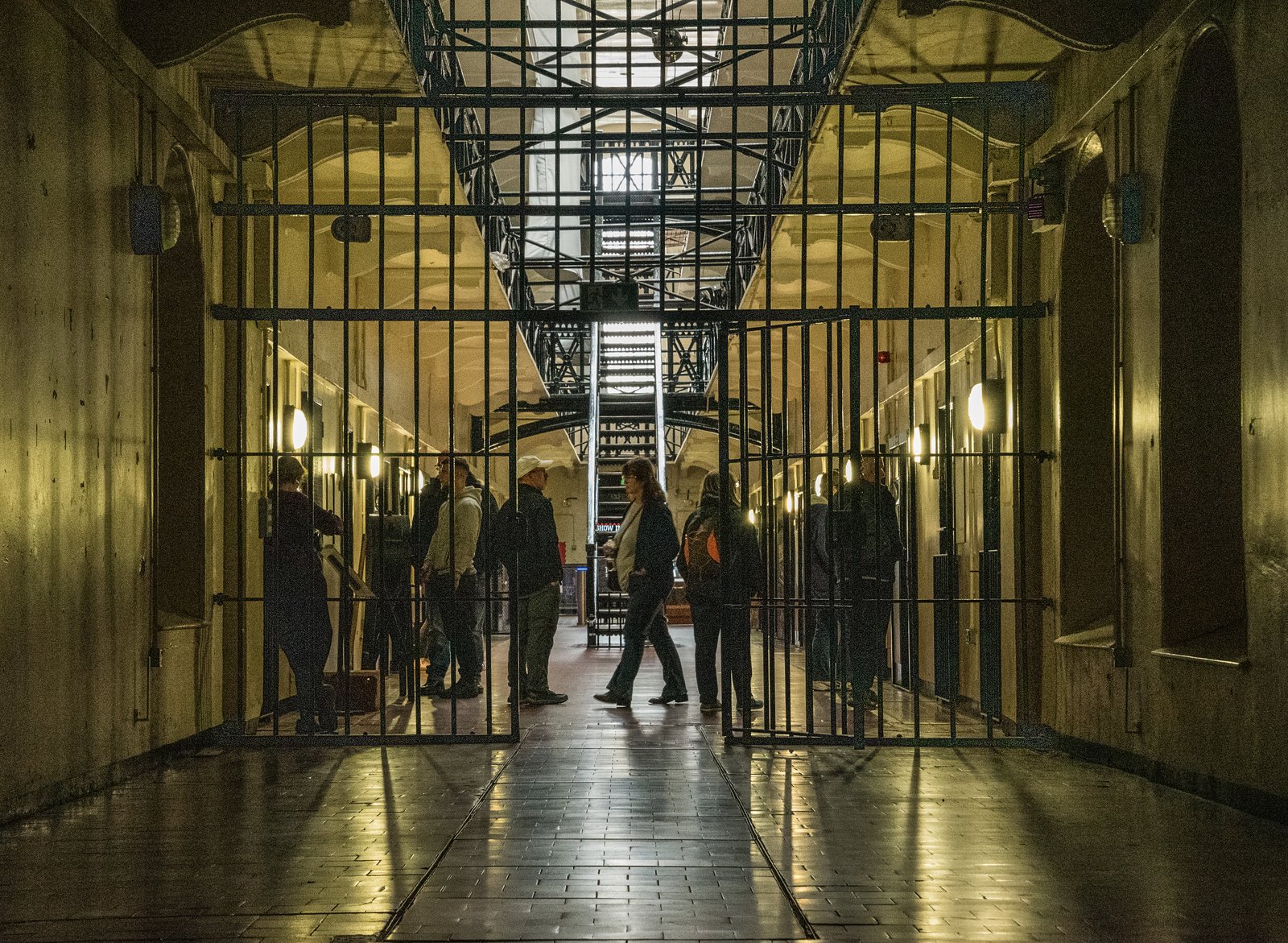
Tickets are around £16. It’s a full 70 minutes and the history is grim in the best way.
20. Hike Cave Hill Above Belfast
The big hill overlooking the city, with a rocky outcrop called Napoleon’s Nose that supposedly inspired Jonathan Swift’s Gulliver’s Travels. From the top you see the whole of Belfast and the lough.
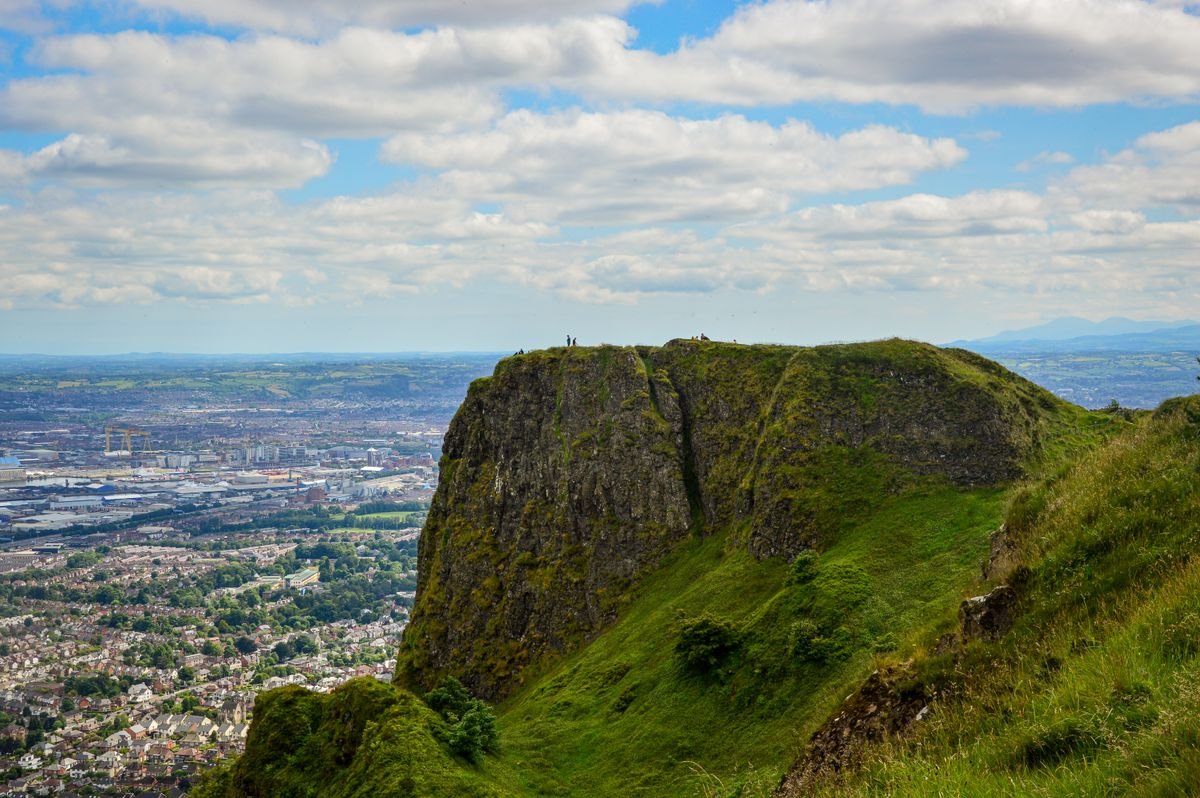
Start at Belfast Castle and it’s a couple of hours up and back. Free, and the best view of the city you’ll get.
21. Explore the Marble Arch Caves
One of the best cave systems in the UK and Ireland, down in Fermanagh, where part of the tour is by boat on an underground river. You see rivers, waterfalls, and the usual cathedral of rock formations.
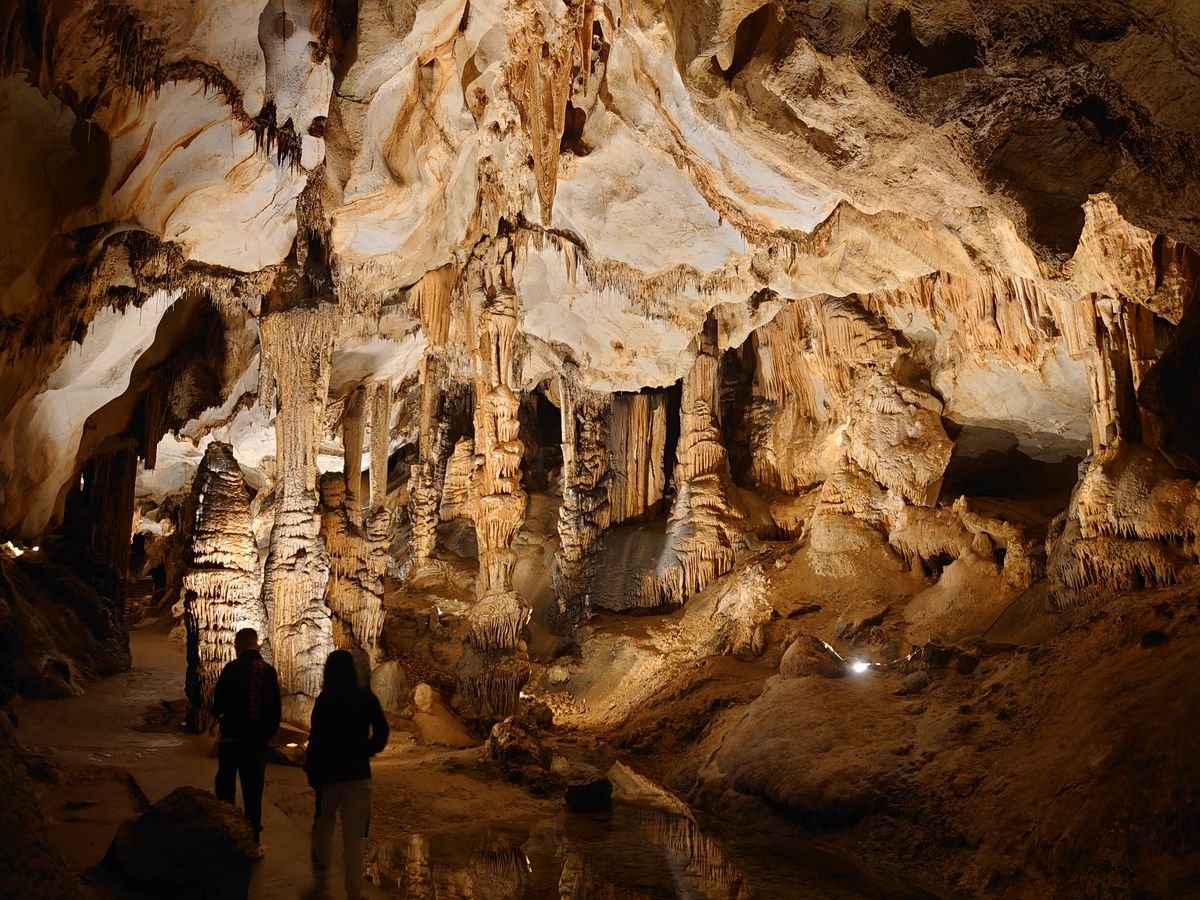
Book ahead and wear a jacket, it’s cold down there year round.
22. Take the Boat to Rathlin Island
The only inhabited offshore island in Northern Ireland, a short ferry from Ballycastle. It’s L-shaped, tiny, and full of birds.
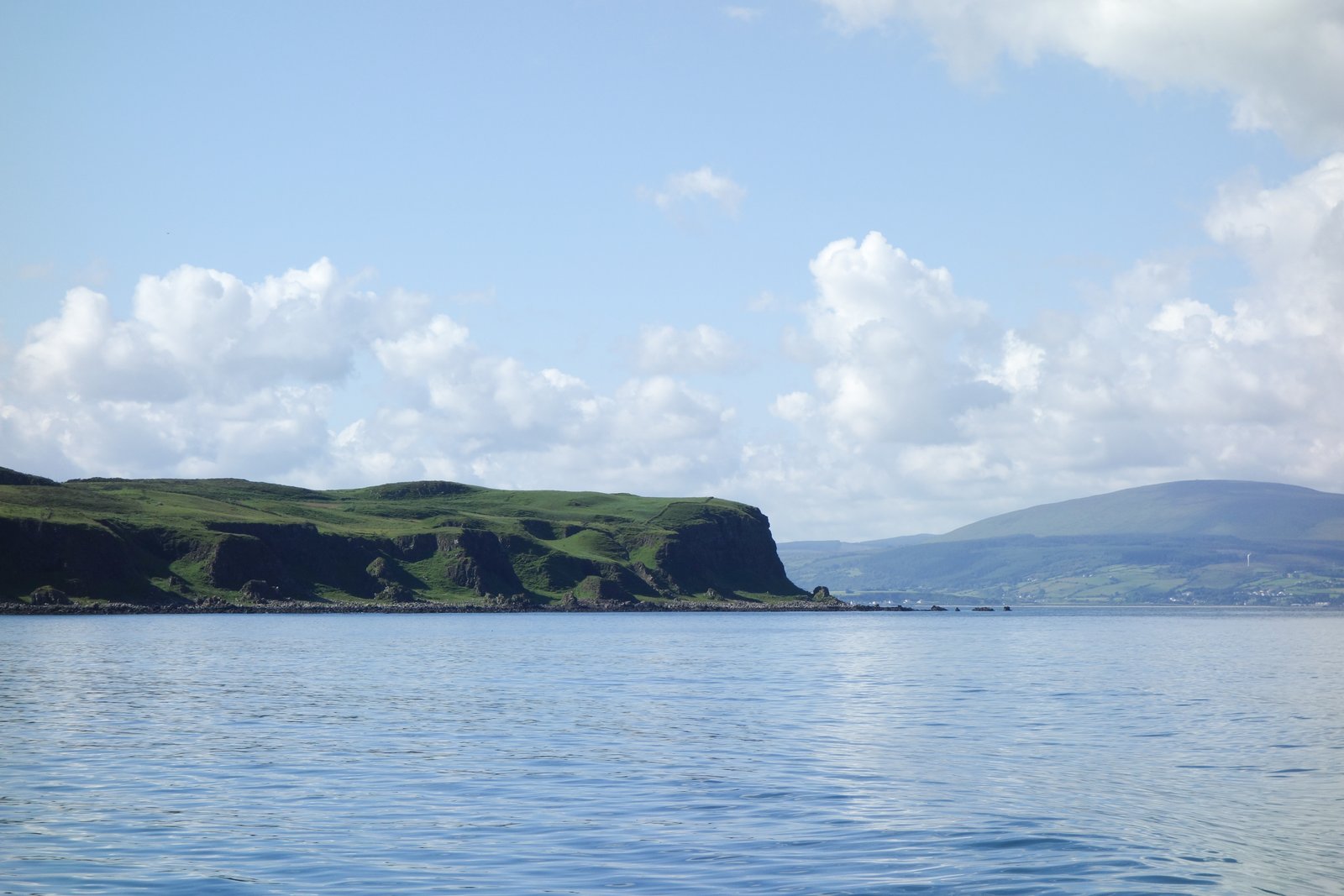
The upside-down West Light seabird center is the reason to go from spring into summer, when thousands of puffins, guillemots, and razorbills pack the cliffs. Rent a bike or catch the island bus to reach it.
23. Walk the Gobbins Cliff Path
A wild Edwardian cliff path bolted onto the rock face on the Islandmagee coast, crossing bridges over the sea below you. It’s guided only, on a tour, and there’s a fair bit of climbing.
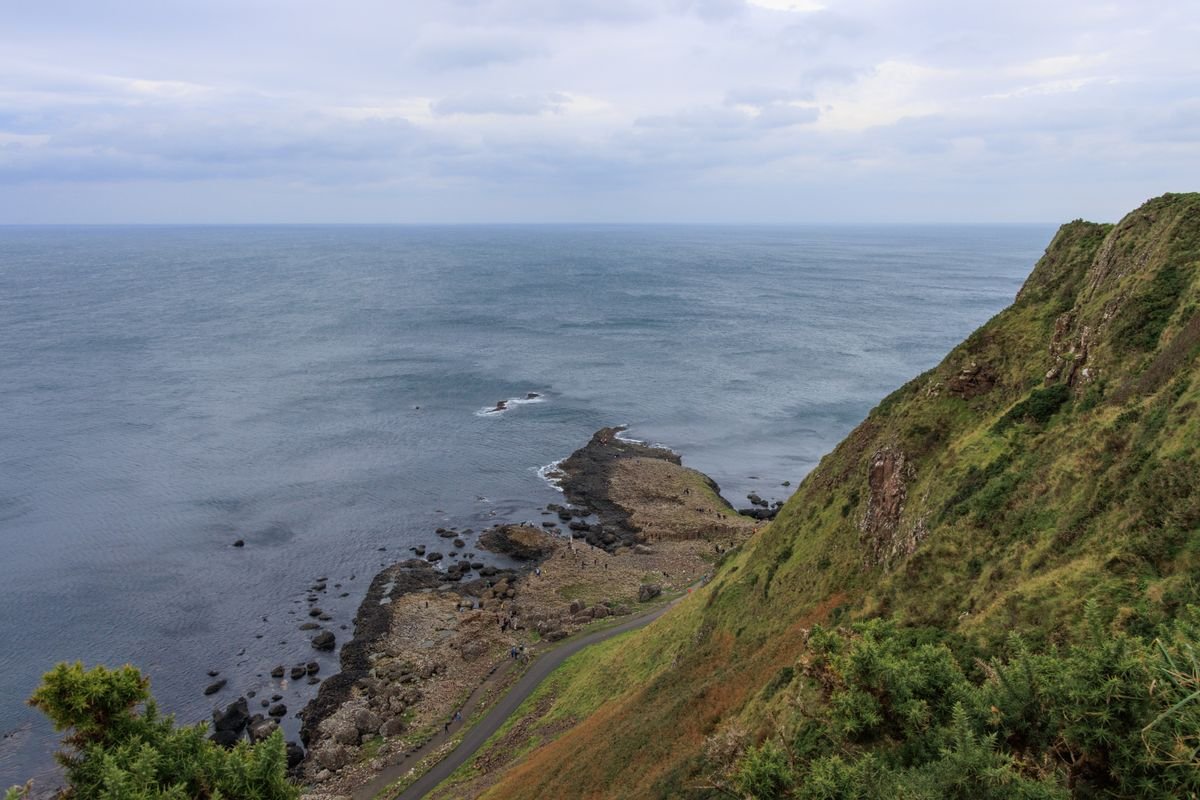
Around £20 and you have to book, because you can’t just turn up. Not for anyone with dodgy knees.
24. Discover Winterfell at Castle Ward
This National Trust estate on Strangford Lough was Winterfell in Game of Thrones. You can do archery in the courtyard, cycle the trails, and dress up in Stark cloaks.
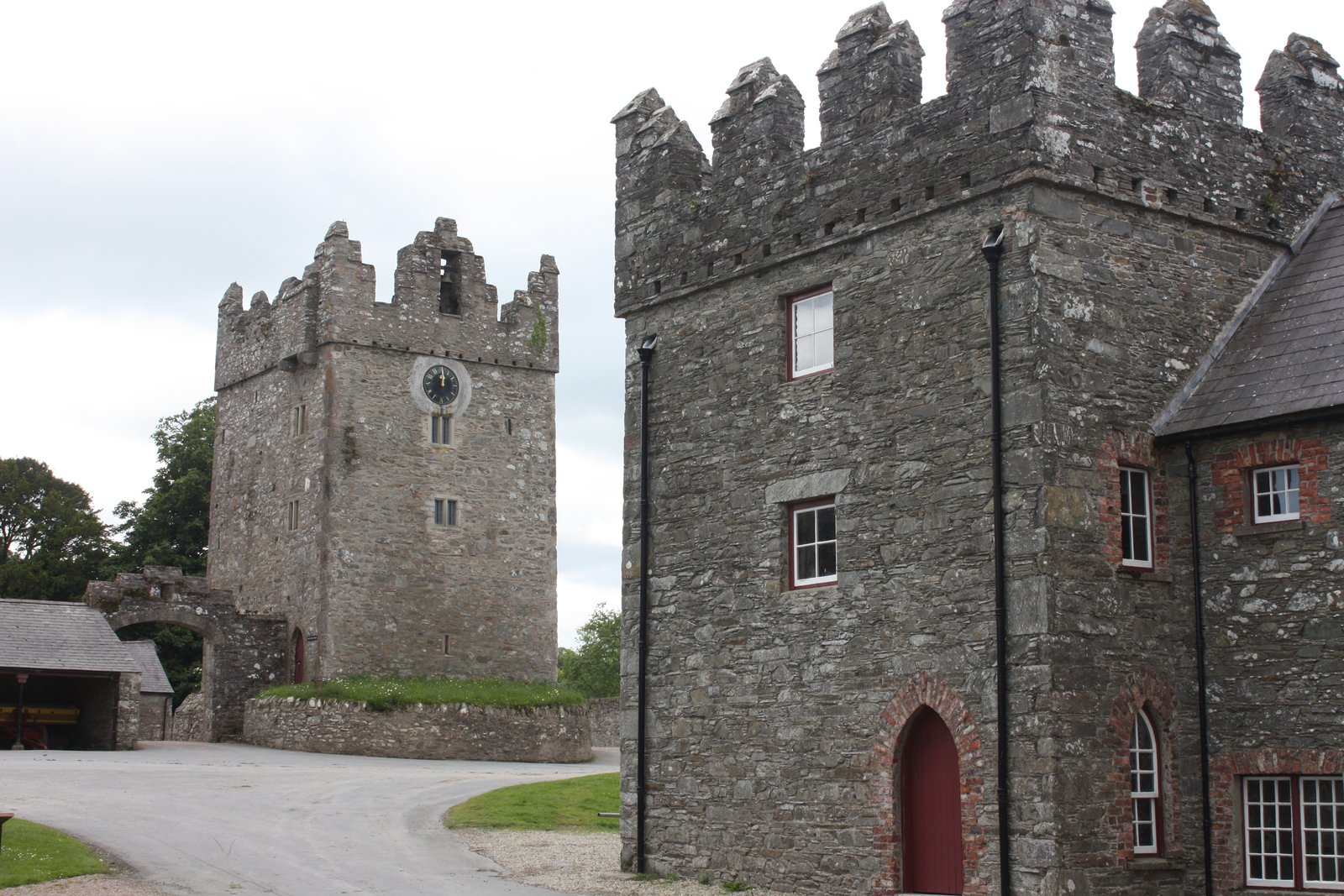
Even without the TV angle, the 18th-century house and grounds make a good half-day.
25. Visit Carrickfergus Castle
One of the best-preserved Norman castles in Ireland, sitting right on the shore of Belfast Lough since around 1177. It’s an easy stop just north of the city.
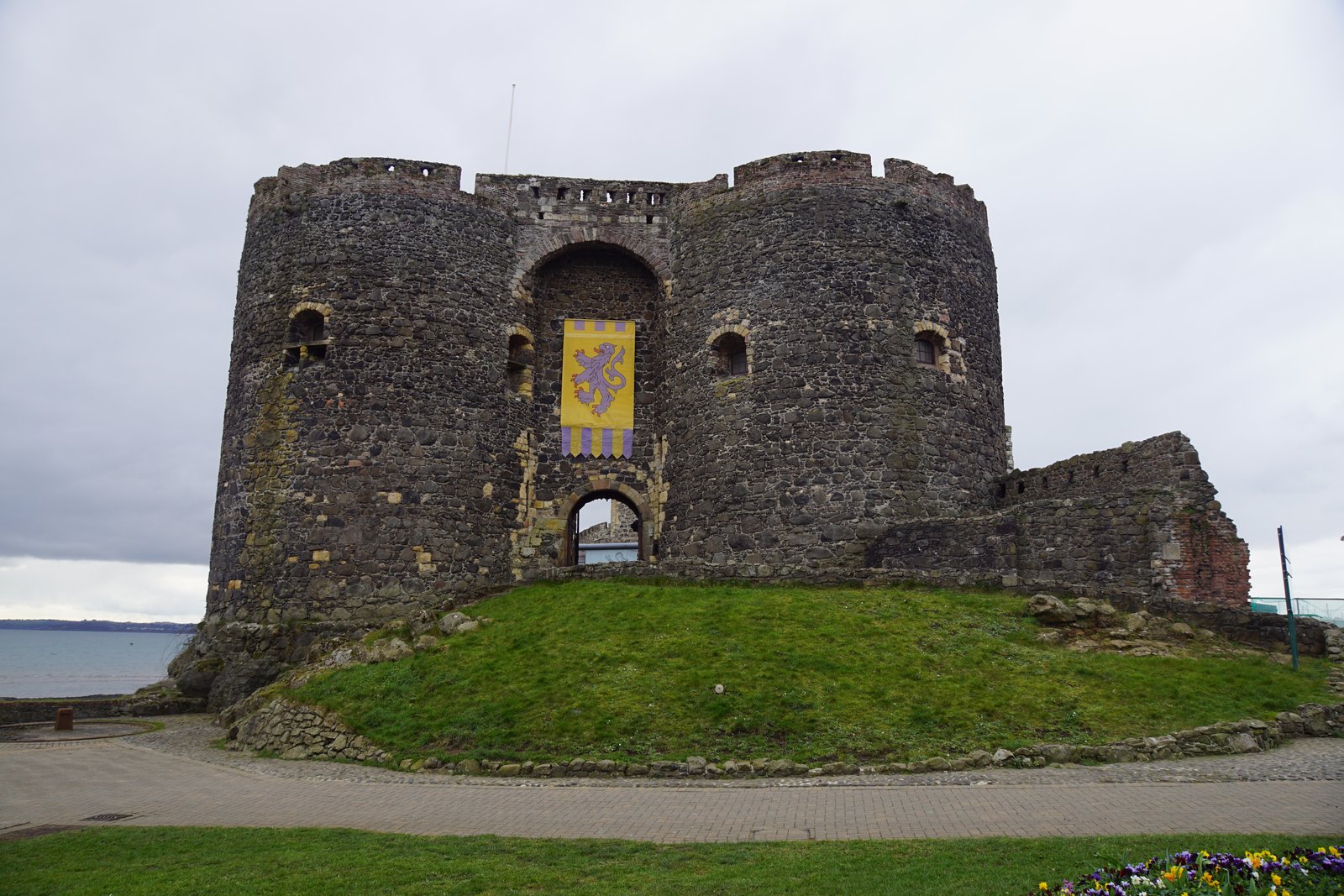
Entry is a few pounds and the keep gives you the layout of a real medieval fortress, no imagination required.
26. Tour the Ulster American Folk Park
An open-air museum near Omagh that tells the story of the Ulster people who emigrated to America. You walk from Old World cottages, through a full-size emigrant ship, out into a New World log cabin settlement.
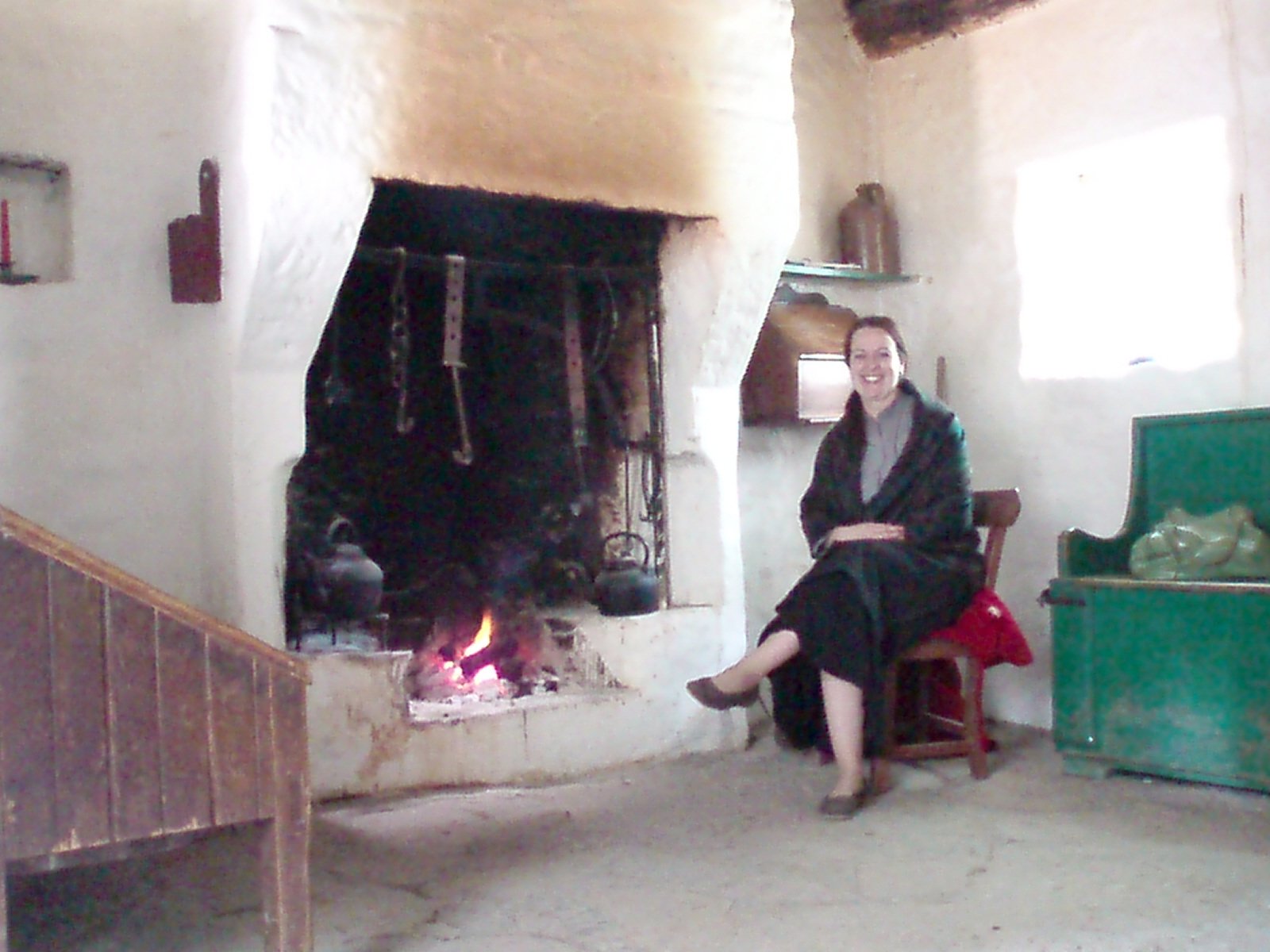
Costumed guides work the buildings, so it’s a good one if you’re traveling with kids or you’re into your family history.
27. Walk Portrush and East Strand
The classic seaside town on the north coast, home to Royal Portrush golf club and a long beach on either side. East Strand runs off toward the dunes and the ruins of Dunluce.
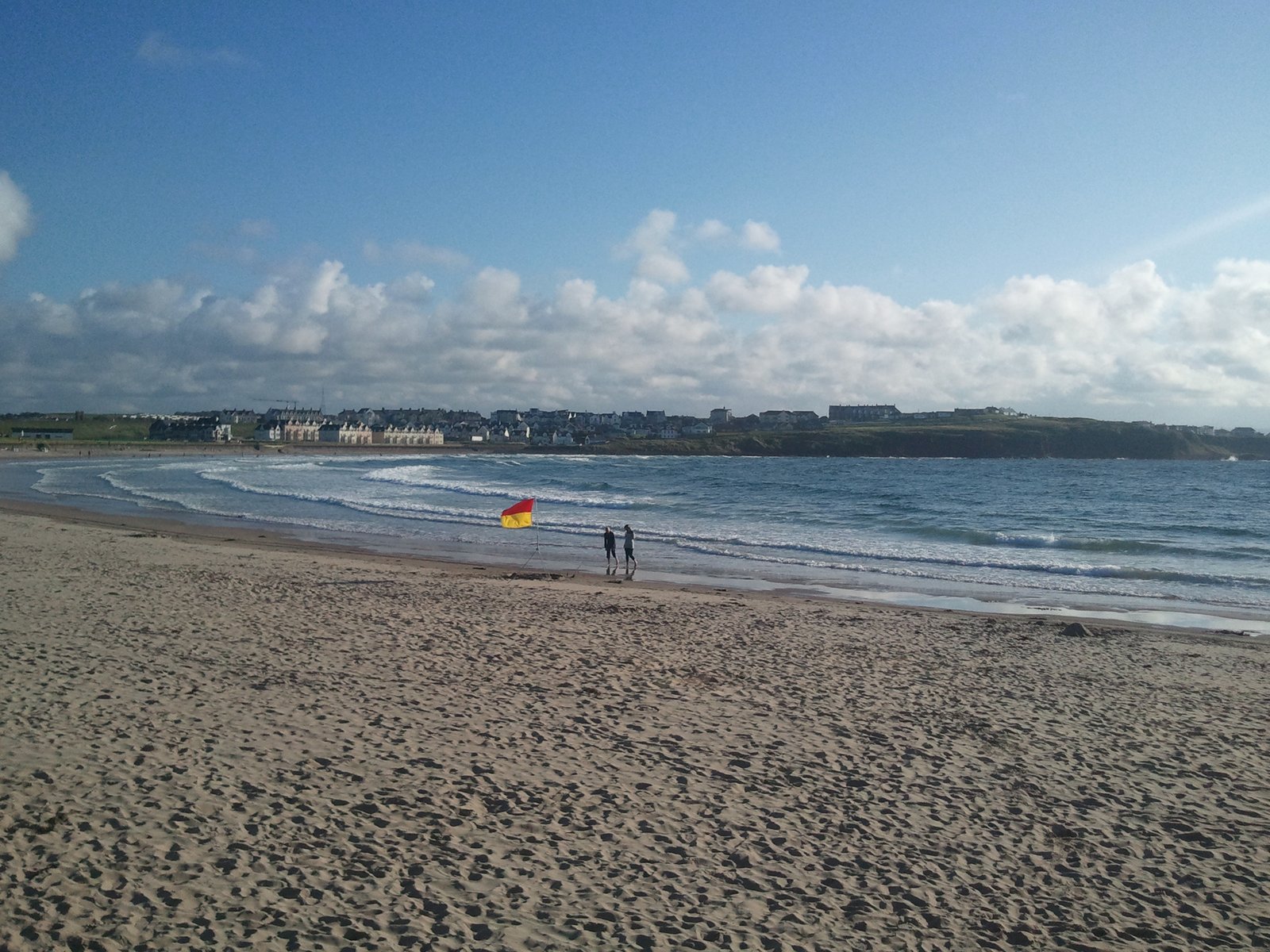
Good for fish and chips, an ice cream, and a base for the coast if you don’t want to keep moving hotels.
28. Drive the Torr Head Scenic Route
A narrow, steep single-track road off the main coast route between Cushendun and Ballycastle, hugging the headland with Scotland visible across the water on a clear day.
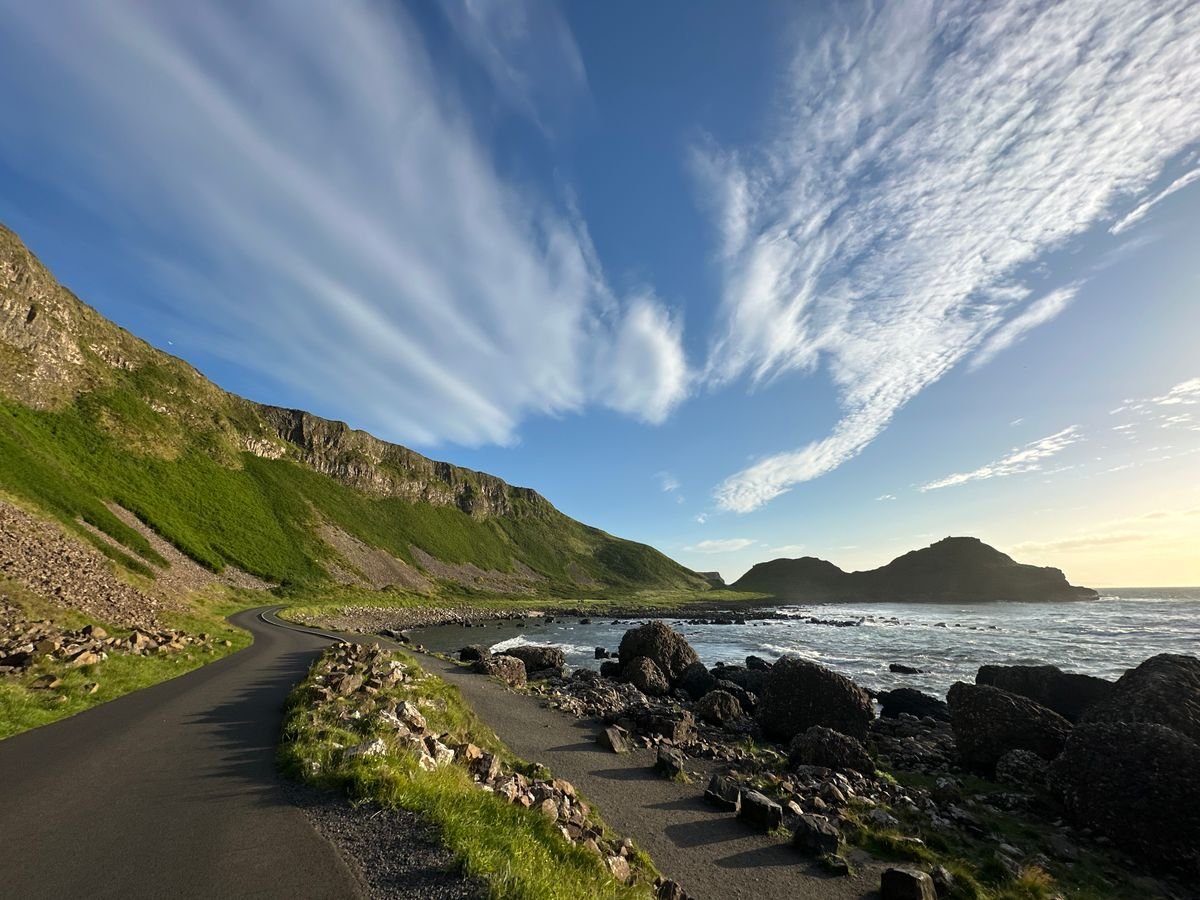
It’s not for nervous drivers or big vehicles, but the views are the best on this part of the coast. Take it slow and enjoy it.
29. Explore the Ards Peninsula and Strangford Lough
A long finger of land wrapping around Strangford Lough, with fishing villages, sandy coves, and a car ferry across the narrows at Portaferry. The lough is a nature reserve full of seals and birds.
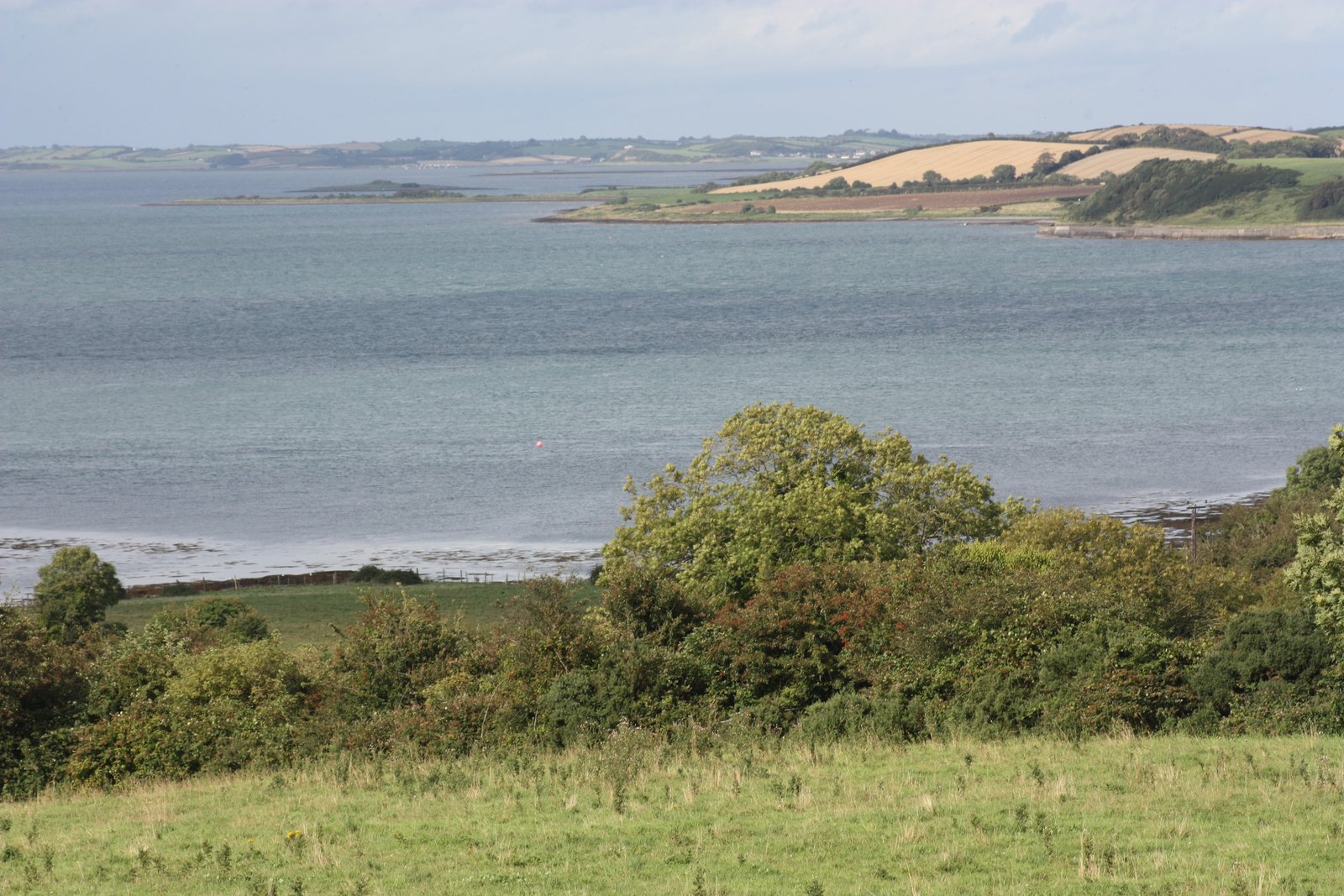
It’s an easy, low-key day out from Belfast, and a lot quieter than the coast up north.
30. Visit Mount Stewart House and Gardens
A grand house on the shore of Strangford Lough with gardens ranked among the finest in the UK. The mild lough climate lets them grow plants that shouldn’t survive this far north.
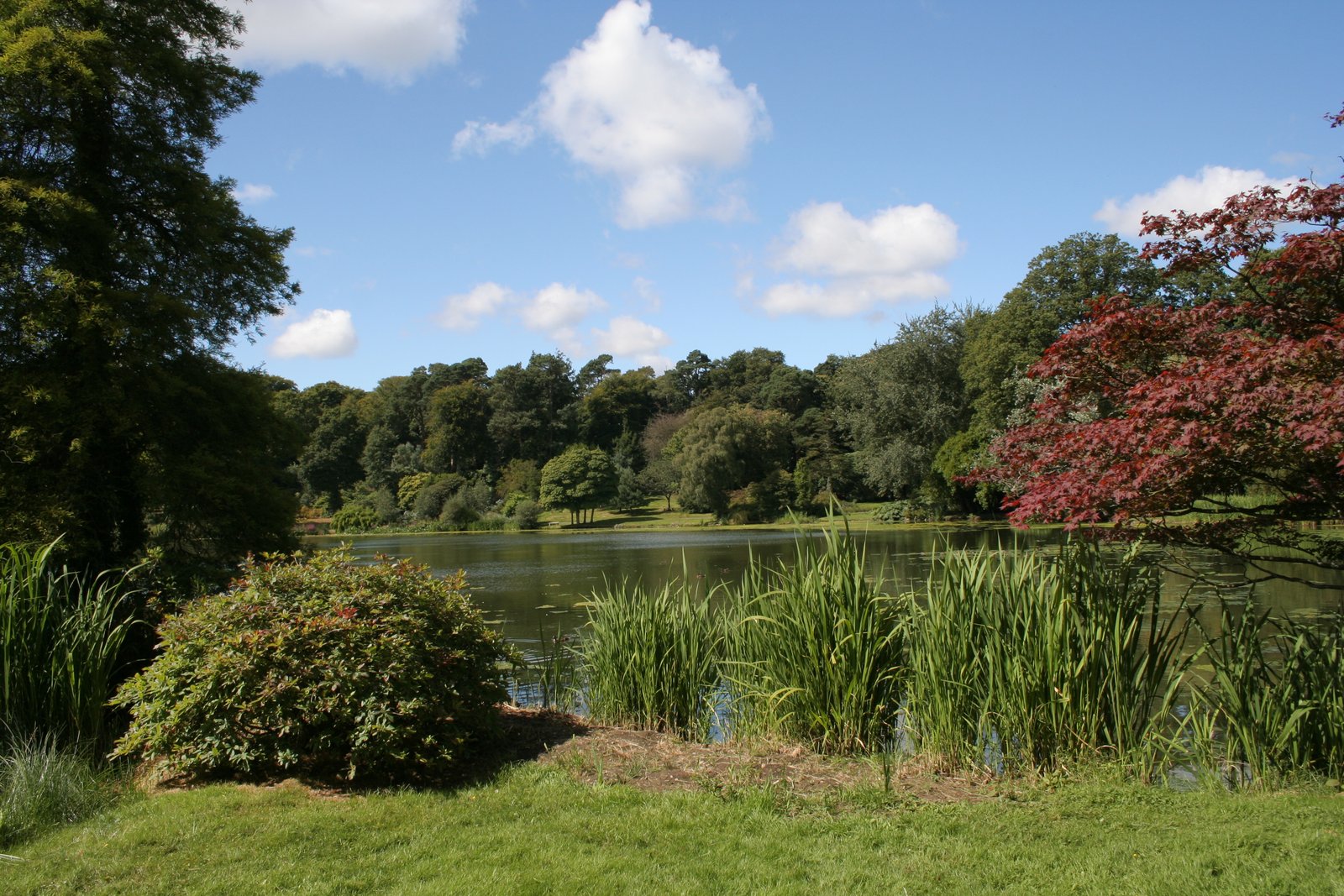
National Trust, so there’s an entry cost. Give the gardens a good couple of hours.
31. Stroll Hillsborough Castle and Gardens
The royal residence in Northern Ireland, in the village of Hillsborough just south of Belfast. You can tour the state rooms and wander 100 acres of gardens.
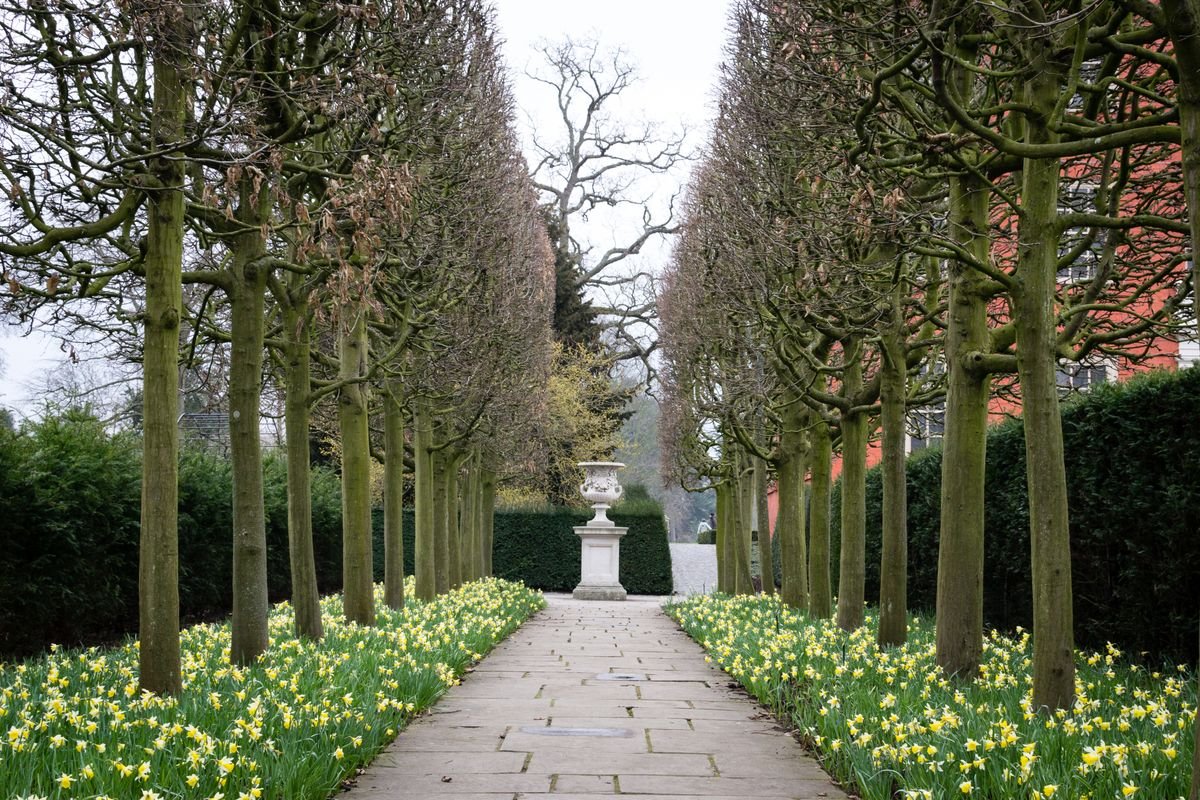
The village itself is worth a poke around too, with good pubs and antique shops on the main street.
32. Relax on Murlough Beach
A long sandy beach backed by a dune reserve near Newcastle, with the Mourne Mountains rising straight up behind it. It’s one of the best beach-and-mountain views in the country.
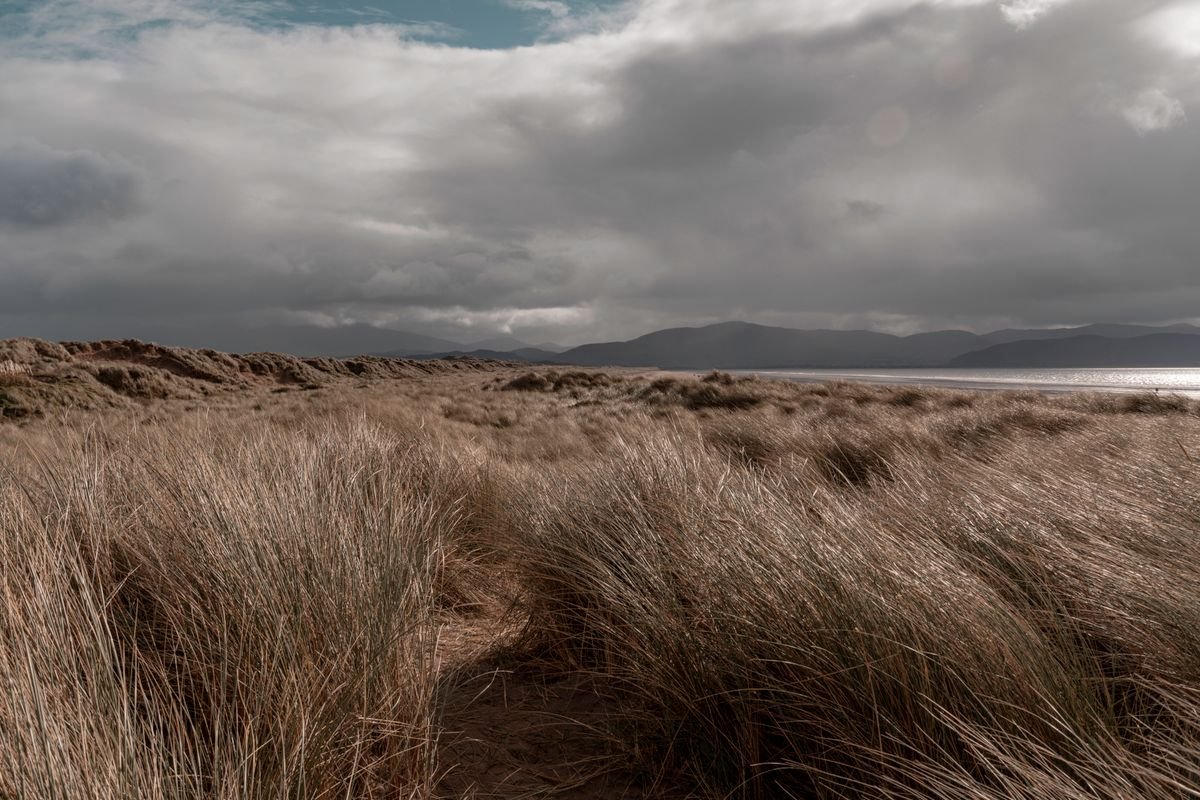
Great for a walk any time of year. The boardwalks through the dunes keep your feet dry.
33. Hike in the Sperrins
A big range of rolling hills in the middle of the country that hardly anyone visits, which is exactly the appeal. Miles of open moor, old gold-mining history, and empty roads.
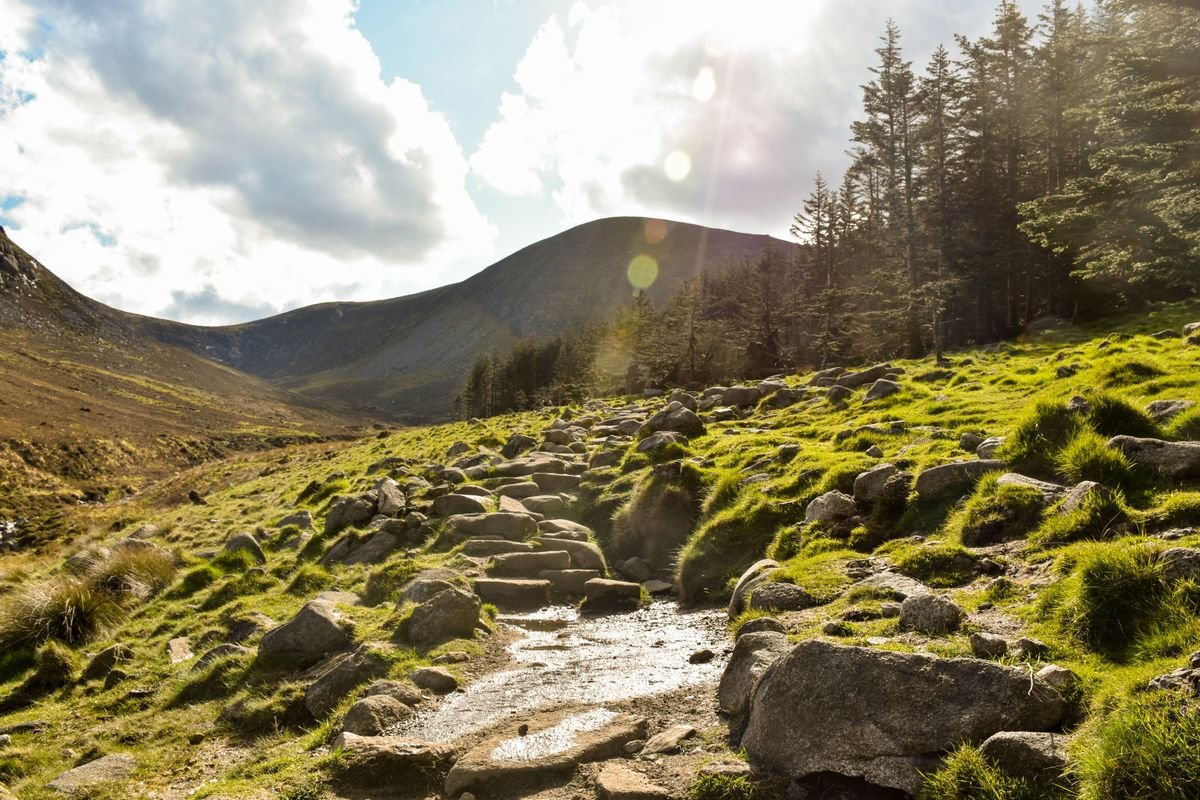
Come here if you want walking without another soul in sight.
34. Walk the Divis and Black Mountain Ridge Trail
The hills right on Belfast’s western edge, with a National Trust loop trail across the moorland. On a clear day you can see the Mournes, Scotland, and the Isle of Man from up top.
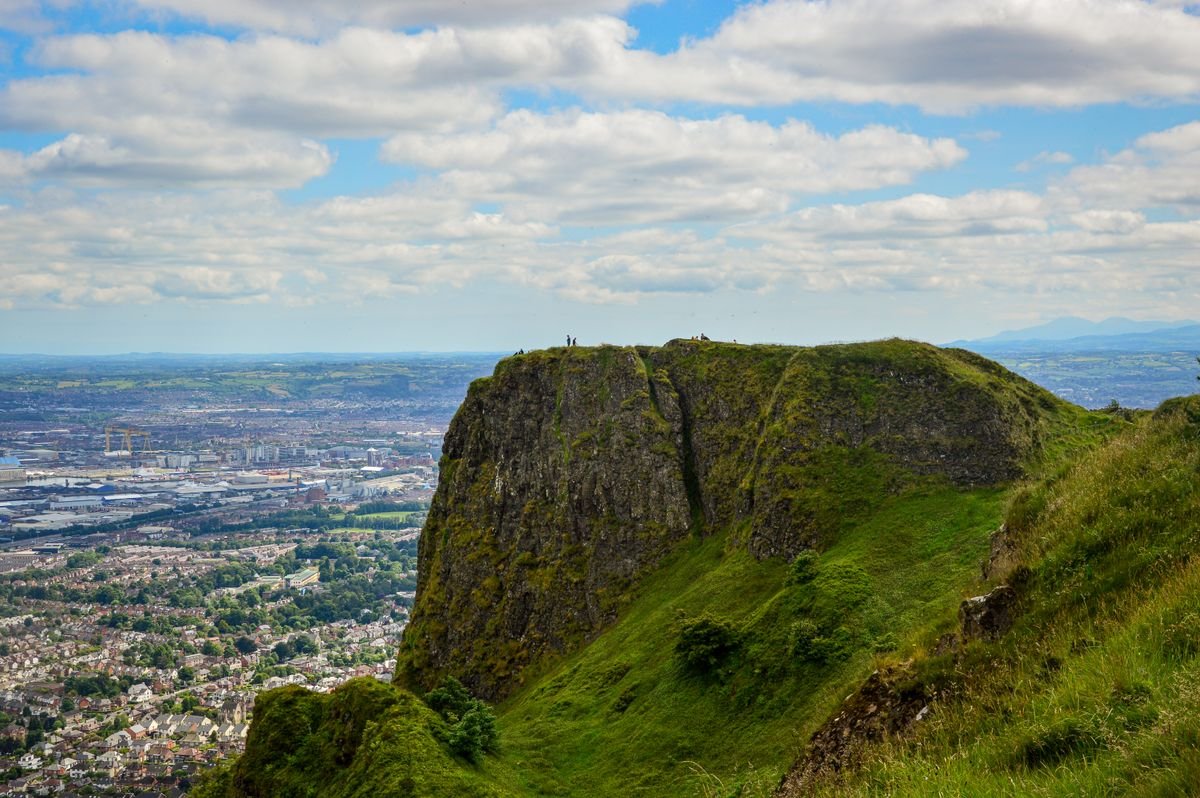
The Ridge Trail is around 4.5 miles and free. Easy to reach from the city without a car by taxi.
35. Drive the Slieve Gullion Scenic Loop
A forest drive that loops around Slieve Gullion in County Armagh, up to a viewpoint over the Ring of Gullion. There’s a Bronze Age passage tomb at the summit if you want to hike up.
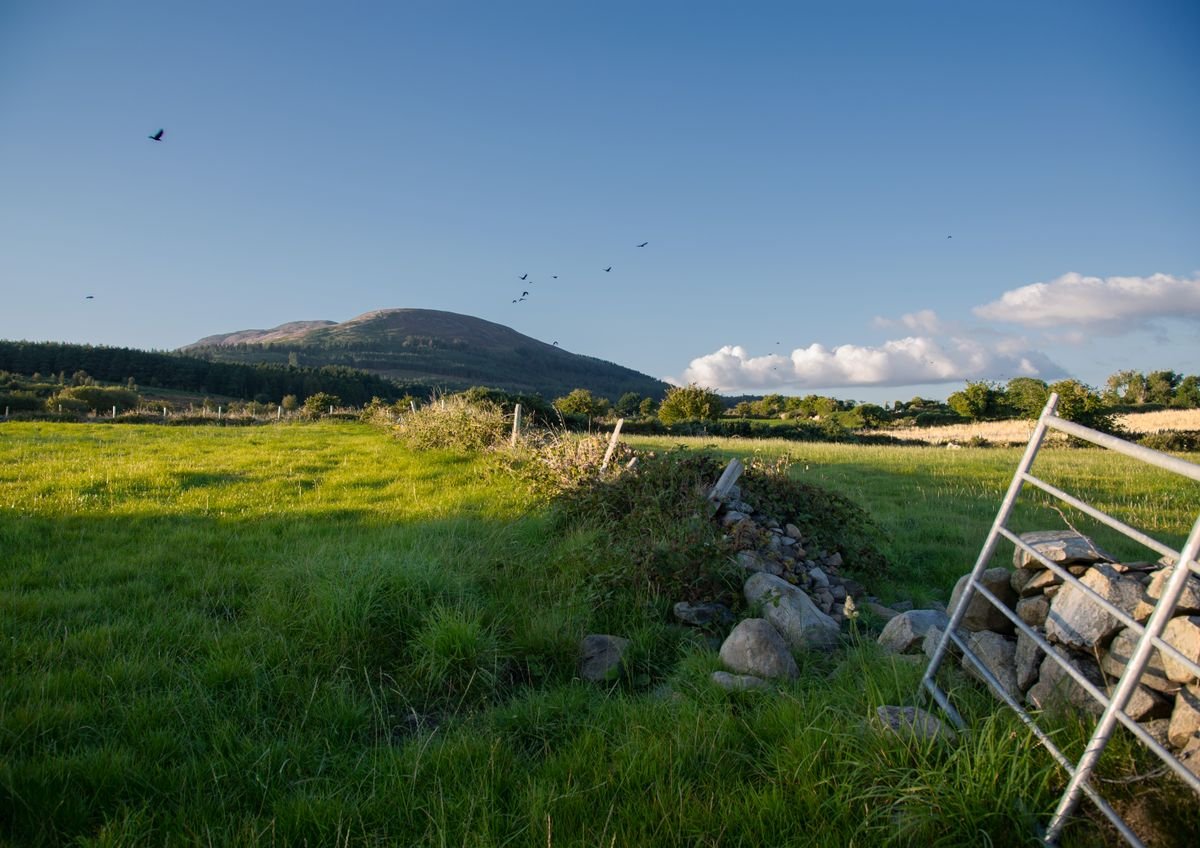
Deep in the borderlands and rich in old Irish legend. A good one on the way north or south.
36. Explore Enniskillen and the Fermanagh Lakelands
Enniskillen is a town built between two stretches of Lough Erne, with an island castle in the middle of it. Fermanagh is Northern Ireland’s lake country, and it’s a completely different pace to the coast.
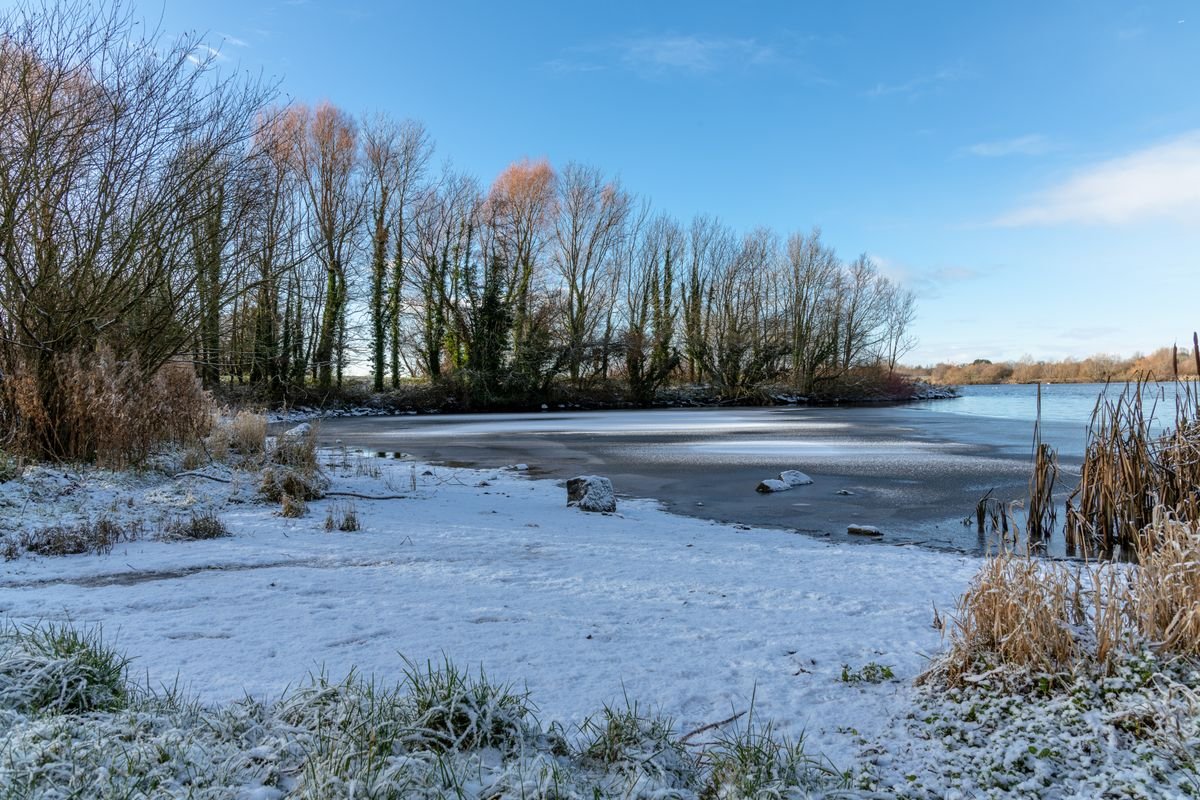
Use the town as a base for the caves, the lake, and Castle Coole nearby.
37. Visit Crom Estate
A huge National Trust estate on the shores of Upper Lough Erne, with ancient woodland, ruined towers, and one of the oldest yew trees in Ireland. It’s all about slow walks and boat trips.
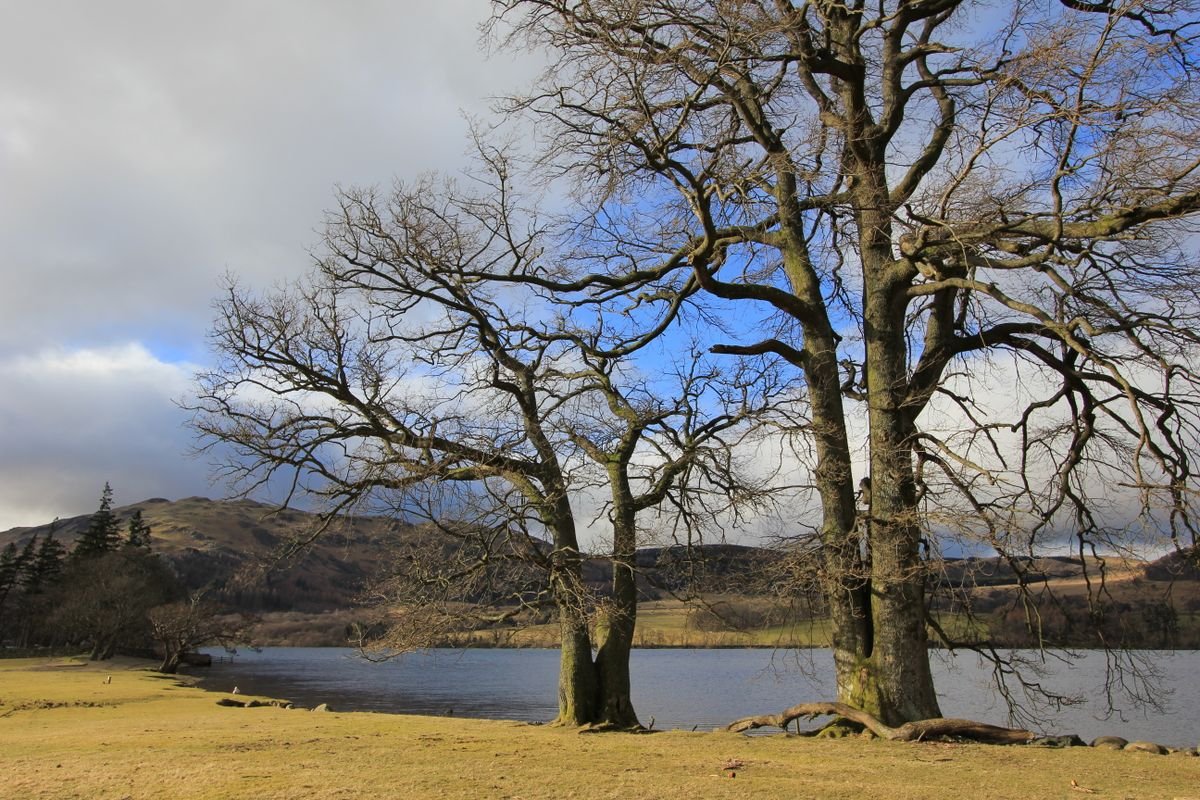
You can even stay in a converted boathouse or tower on the grounds if you want somewhere different.
38. Kayak or Cruise Lough Erne
The lough is the whole point of Fermanagh, so get out on it. You can hire a kayak, take a cruise from Enniskillen, or rent a cabin cruiser and pilot yourself around the islands.
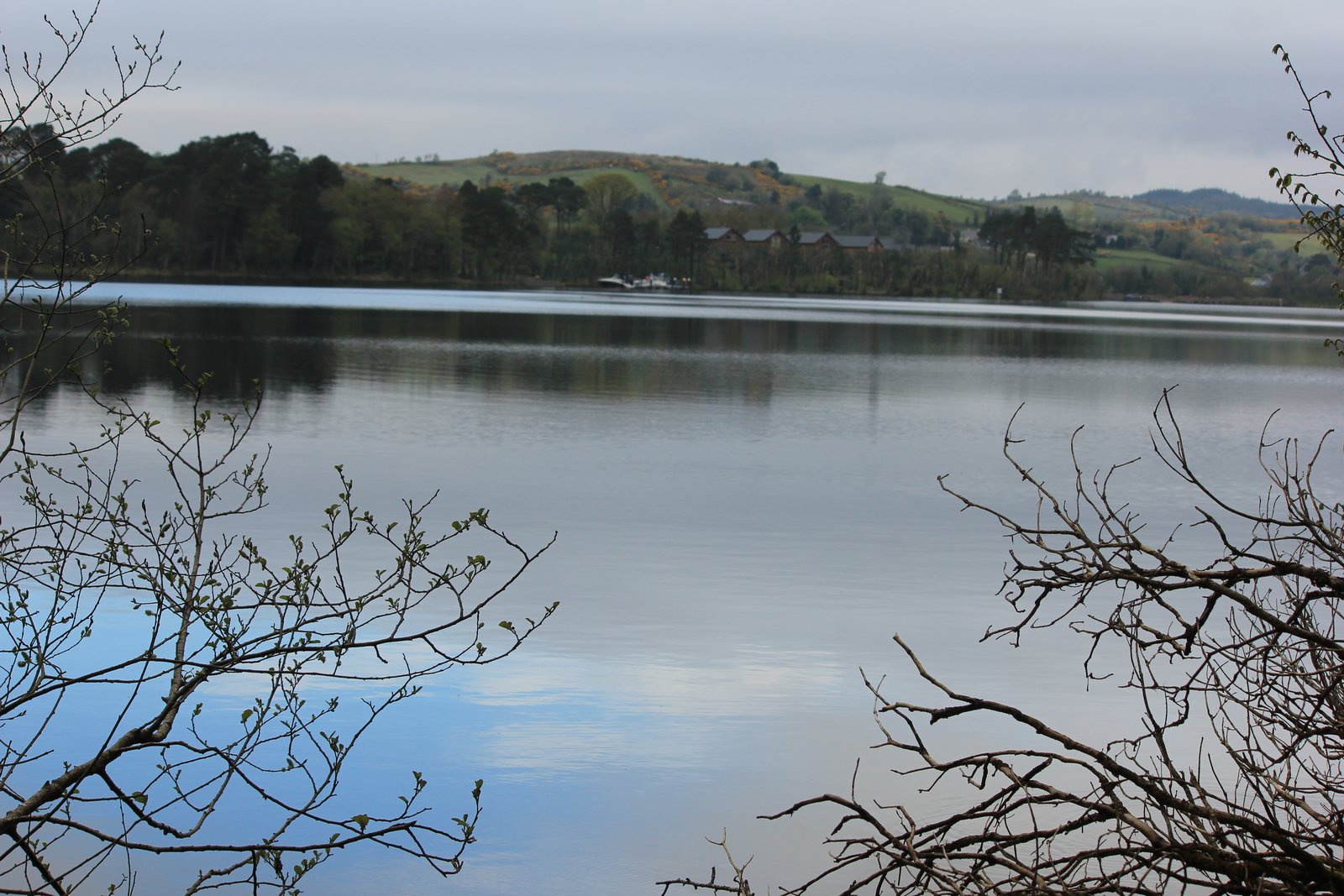
Devenish Island and its monastic ruins are one of the best places to aim for on the water.
39. Tour the Stormont Parliament Buildings
The seat of the Northern Ireland Assembly, a big white classical building at the end of a long avenue in east Belfast. Free guided tours run on weekdays when the Assembly isn’t sitting.
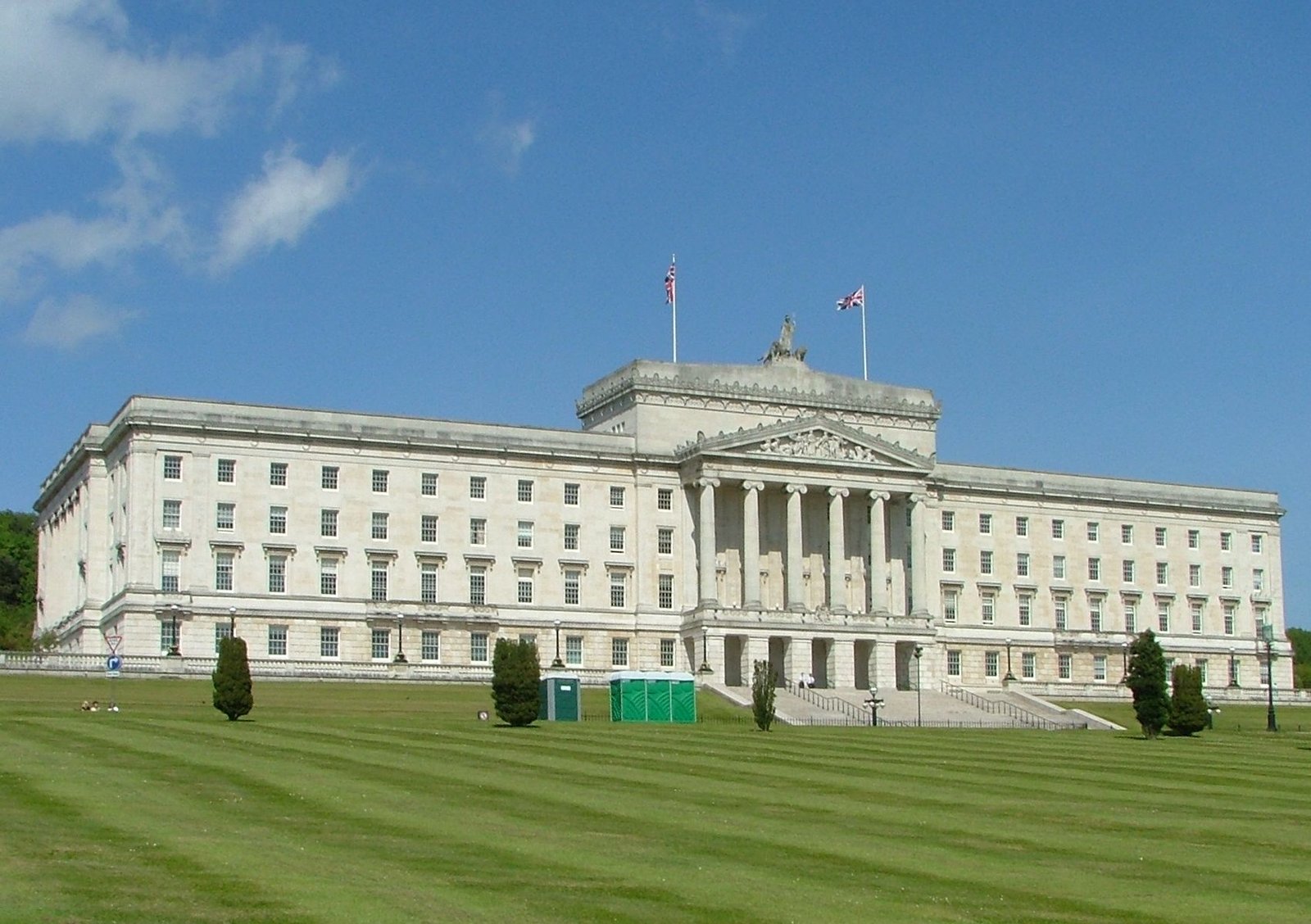
Even if you skip the tour, the grounds are a good spot for a walk and a photo.
40. Visit St Patrick’s Sites in Armagh and Downpatrick
Armagh is the ancient church capital of Ireland, with two cathedrals both named after St Patrick facing each other across the city. Down in Downpatrick, a simple granite slab in the cathedral graveyard marks his supposed burial place.
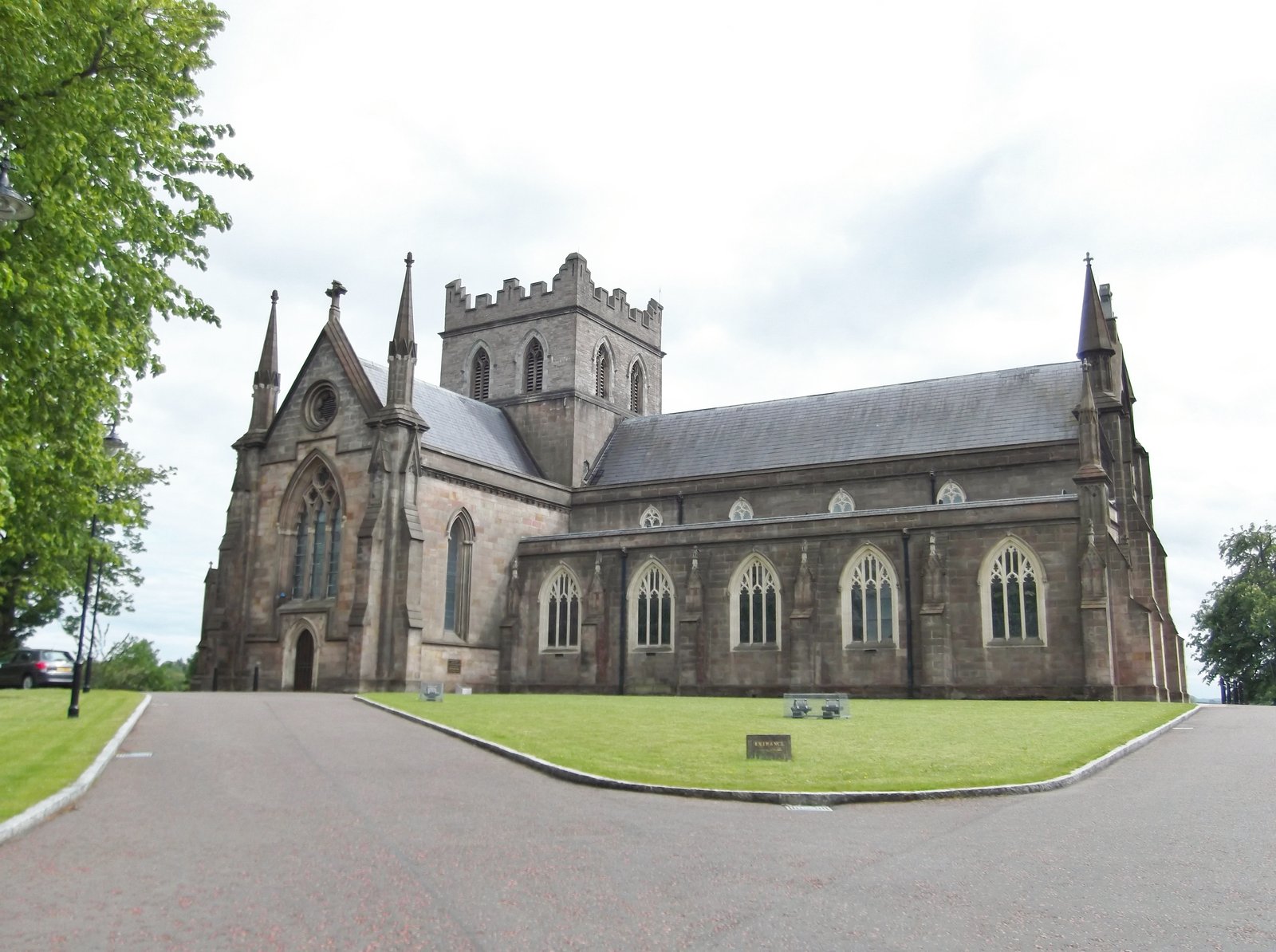
The Saint Patrick Centre in Downpatrick fills in the story if you want the full history.
41. Try Guinness in a Traditional Irish Pub
You don’t come to this part of the world and skip the pub. A proper pint of Guinness poured right, with a bit of live trad in the corner, is one of the best cheap nights out anywhere.

Belfast’s Crown Bar, all tiled snugs and gaslight, is the grandest old pub in the country and worth a pint on its own.
42. Eat at Northern Ireland’s Food Markets and Restaurants
The food scene here has come a long way. St George’s Market in Belfast, open Friday to Sunday, is the best of the old covered markets, with local producers and hot food stalls under one Victorian roof.

Try an Ulster fry for breakfast and a bowl of seafood chowder on the coast. Belfast has a Michelin star or two these days as well.
43. Wander Castlewellan Forest Park and the Peace Maze
A forest park at the foot of the Mournes with a lake, an arboretum, and one of the largest permanent hedge mazes in the world. The Peace Maze was planted to mark the end of the Troubles.
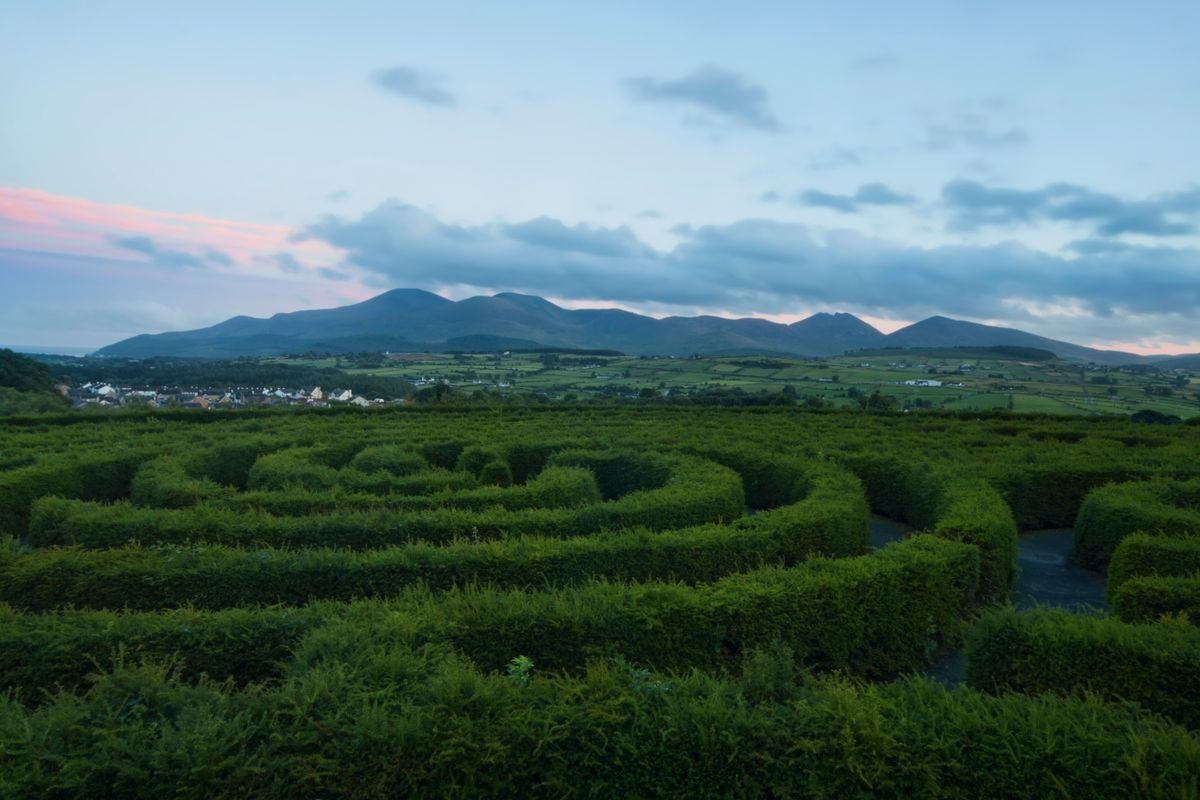
Kids love the maze, and the lakeside loop is a flat, easy walk for everyone else.
44. Visit Ballintoy Harbour and Whitepark Bay
Ballintoy is a tiny working harbour reached by a steep twisting lane, and it played Pyke and the Iron Islands in Game of Thrones. Just along the coast, Whitepark Bay is a wide arc of white sand with cows that wander down onto the beach.
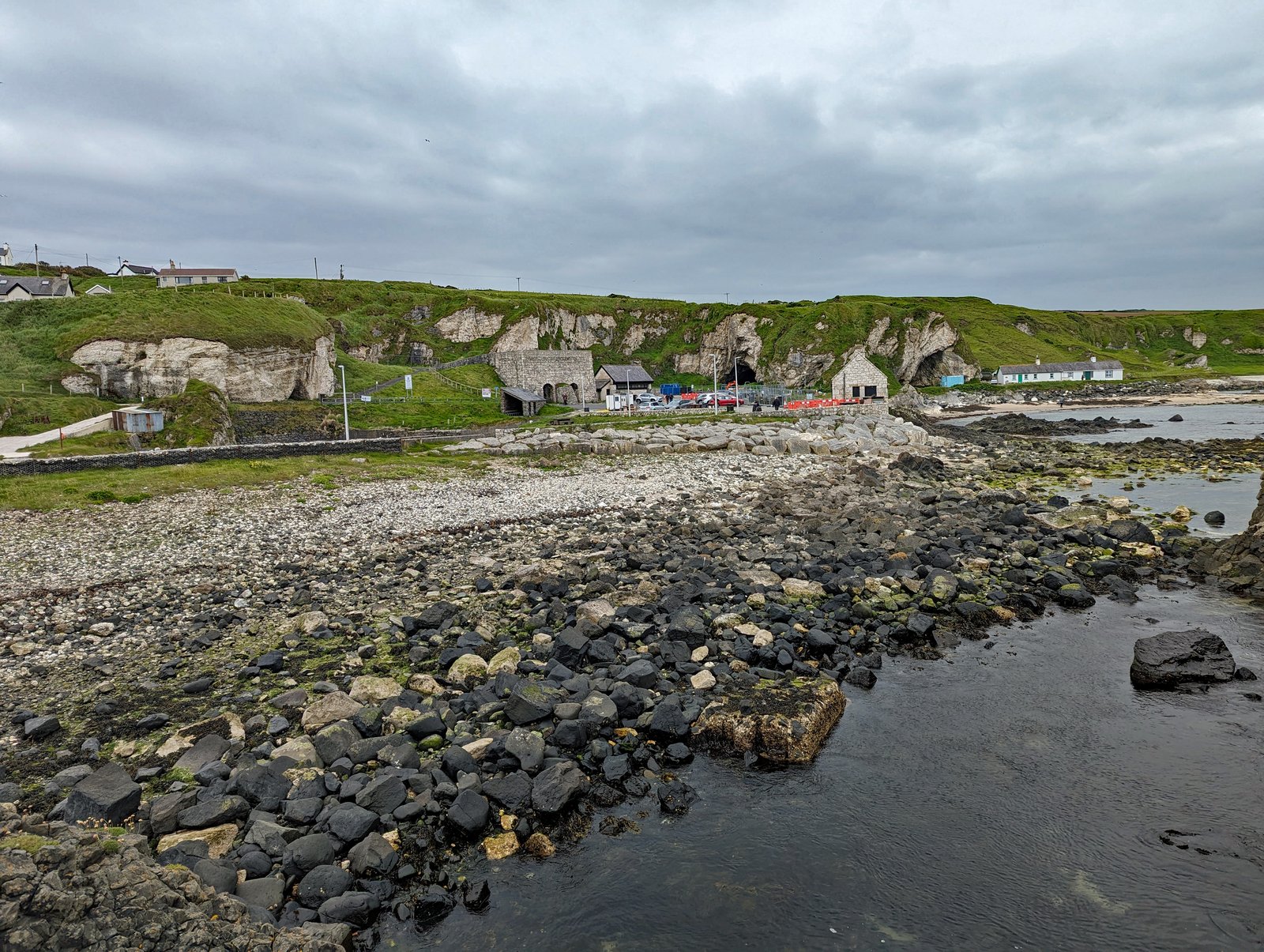
Both are free, both are near Carrick-a-Rede, so you can easily do all three together.
45. See the Silent Valley Reservoir
A reservoir set deep in the Mournes, ringed by peaks, that supplies most of Belfast’s water. There’s a small entry cost to park, then walking trails and a shuttle bus up to the higher Ben Crom dam.
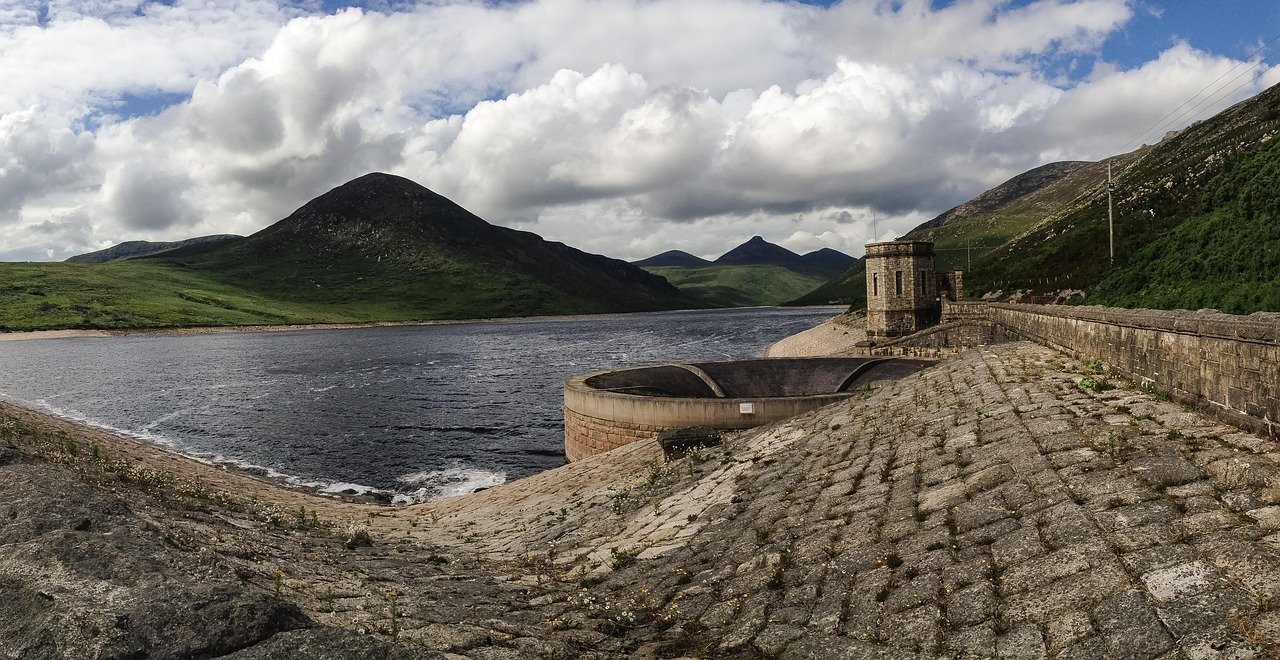
It’s a calmer way to get among the Mourne peaks without a full mountain hike.
46. Explore Devenish Island and Its Round Tower
An island in Lower Lough Erne with the ruins of a 12th-century monastery and a round tower you can climb inside. It’s reached by a short ferry from near Enniskillen in the summer season.
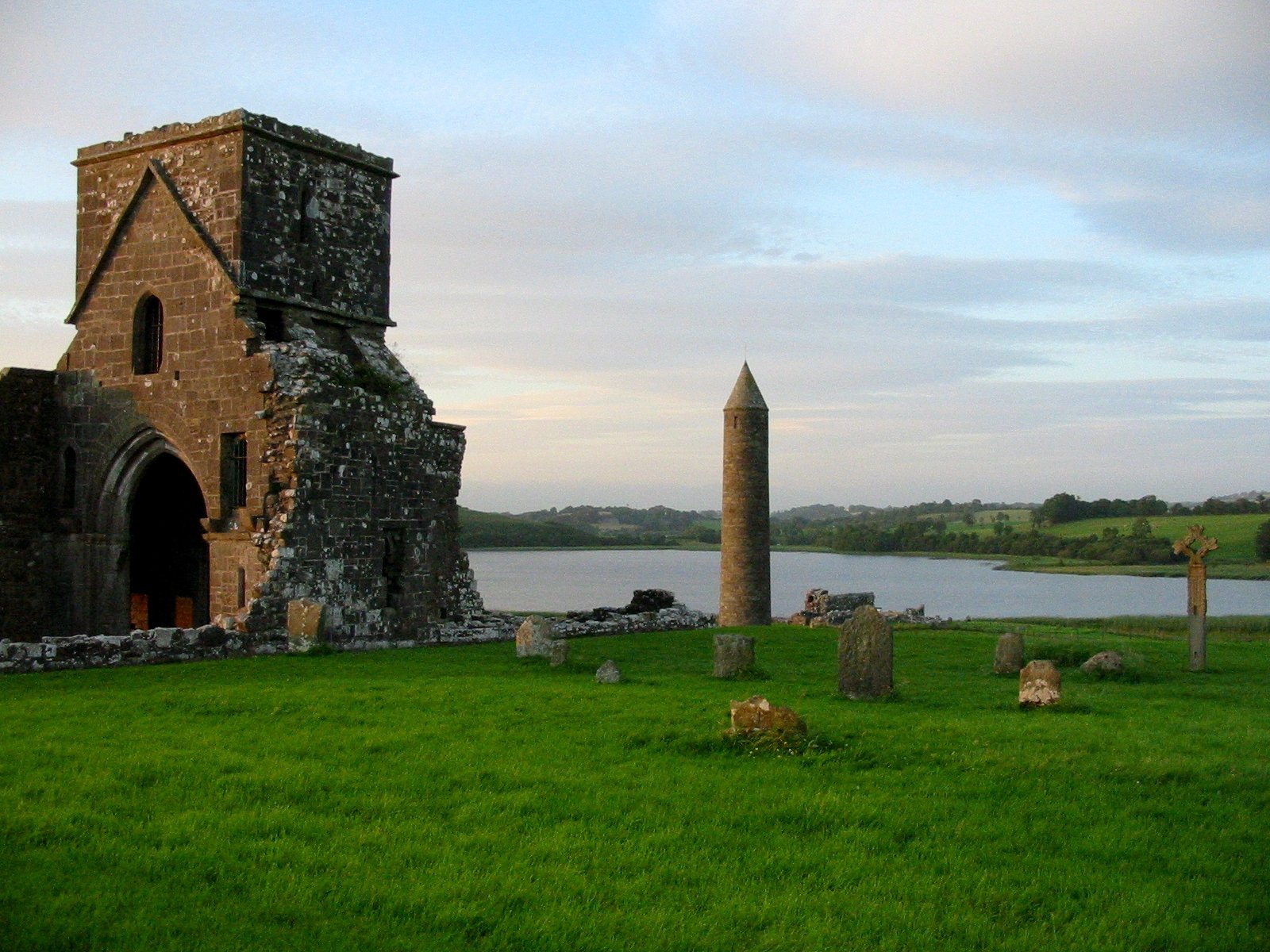
The tower is one of the most complete in the country, and the island is usually all but empty.
47. Take a Walking Tour of Derry
Beyond the walls, Derry rewards a proper walking tour. Guides cover the history from the plantation through the Troubles, the Peace Bridge over the Foyle, and the story behind the Derry Girls murals.
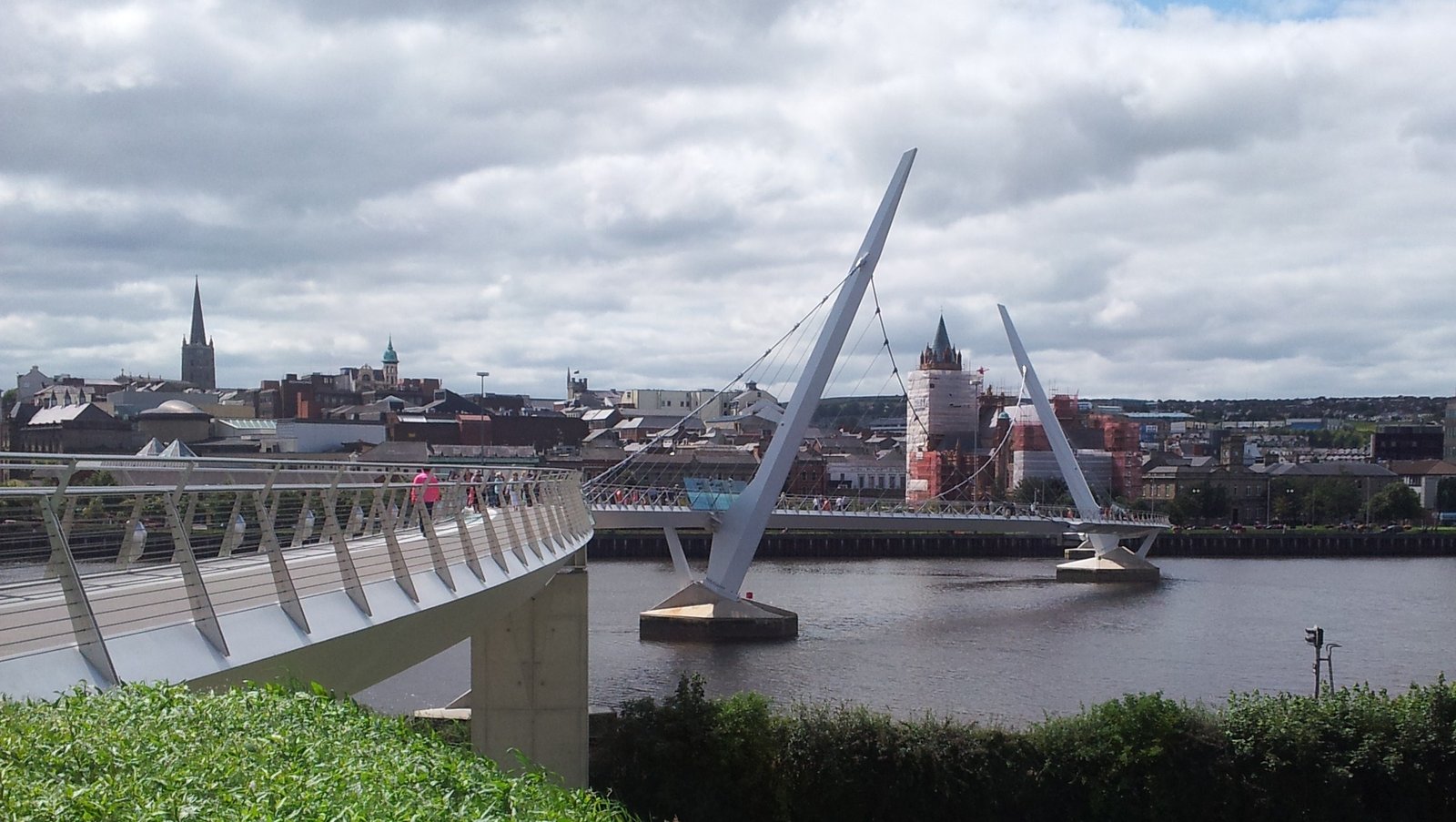
A good guide turns Derry from a quick photo stop into the reason you stayed the night.
48. See a Show or Match at Belfast’s SSE Arena
The big indoor arena down in the Titanic Quarter hosts concerts, comedy, and the Belfast Giants ice hockey team. A Giants game is a fun night, loud and fast, and tickets are cheap by big-city standards.

Check what’s on when you’re in town. It’s a good rainy-night backup.
49. Visit the Ulster Museum and Botanic Gardens
The Ulster Museum sits inside Belfast’s Botanic Gardens, and both are free. The museum runs from Irish history and the Troubles to an Egyptian mummy and Spanish Armada treasure.
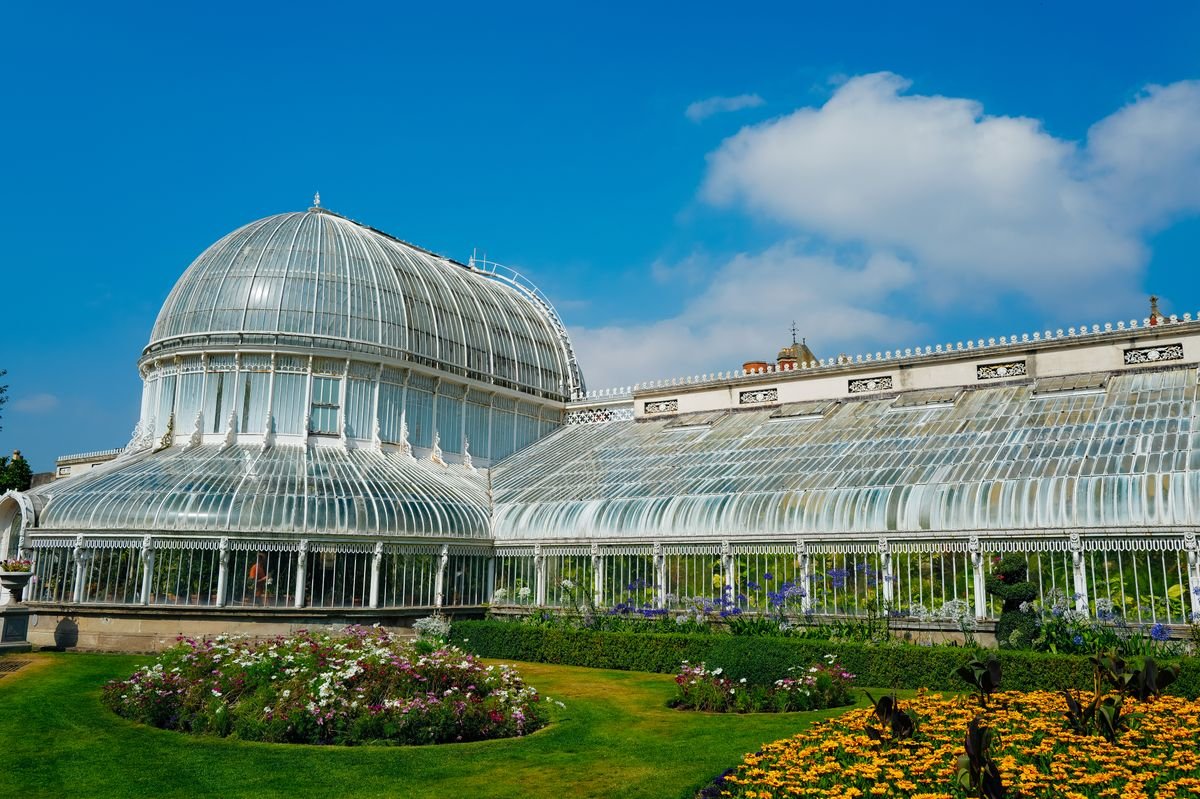
Outside, the Victorian Palm House and lawns are where students and locals sprawl on a sunny day. An easy free afternoon near the university.
50. Spend a Night in a Castle
You can actually sleep in one here without a royal budget. Places like Belle Isle and Killeavy Castle let you stay in real historic buildings, and there are towers and gate lodges on estates like Crom for something smaller.
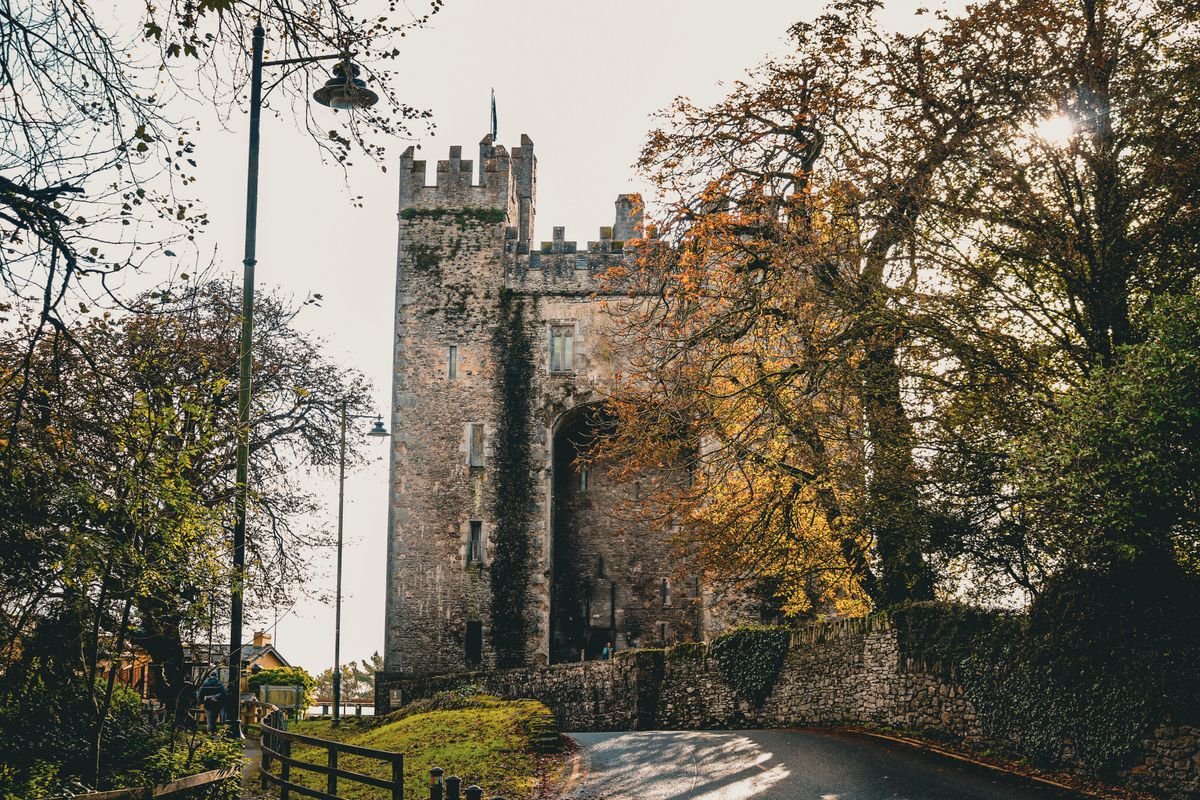
It’s a splurge worth doing once on a trip like this. Book well ahead, because the good rooms go fast.
Best Time to Visit Northern Ireland
The honest answer is late spring through early autumn, roughly May to September. That’s when you get the longest days, the driest weather, and the Causeway Coast looking its best. It’s also when the crowds and the prices climb, so there’s a trade-off.
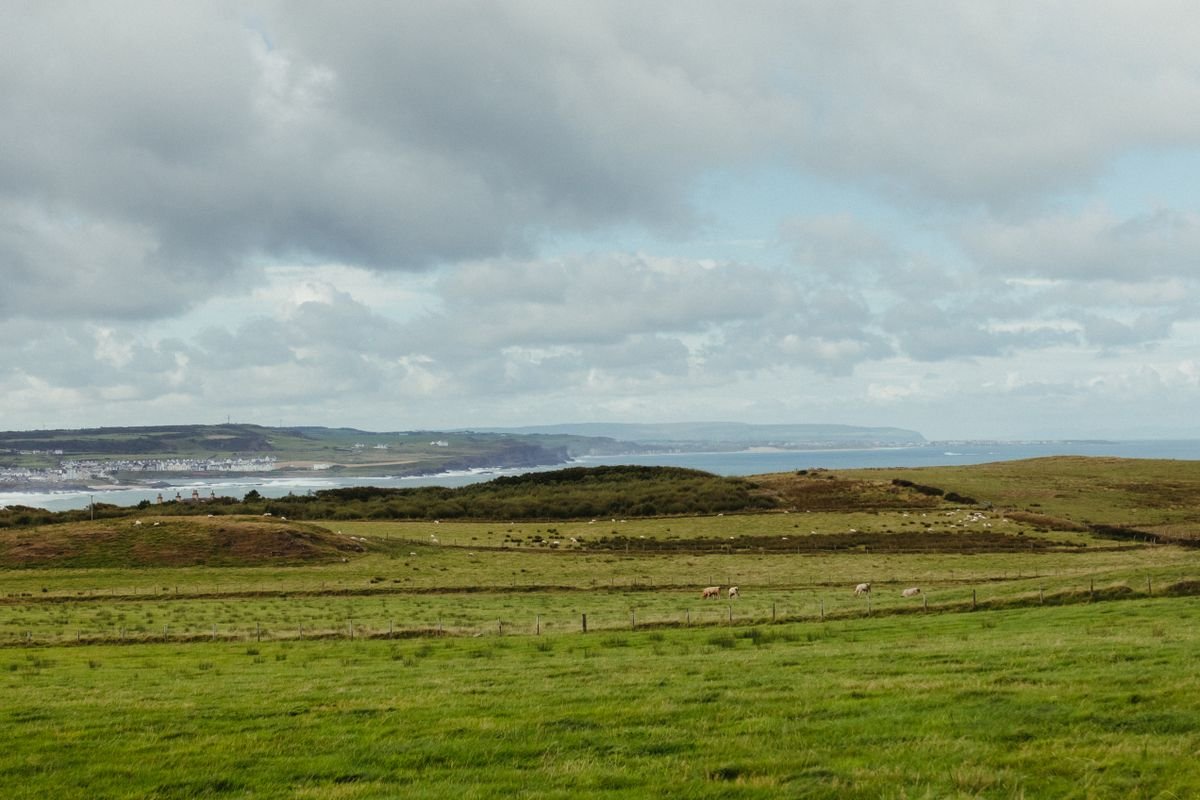
Northern Ireland is small, but the weather does whatever it wants. Pack for rain in any season and you won’t be caught out.
Summer (June to August)
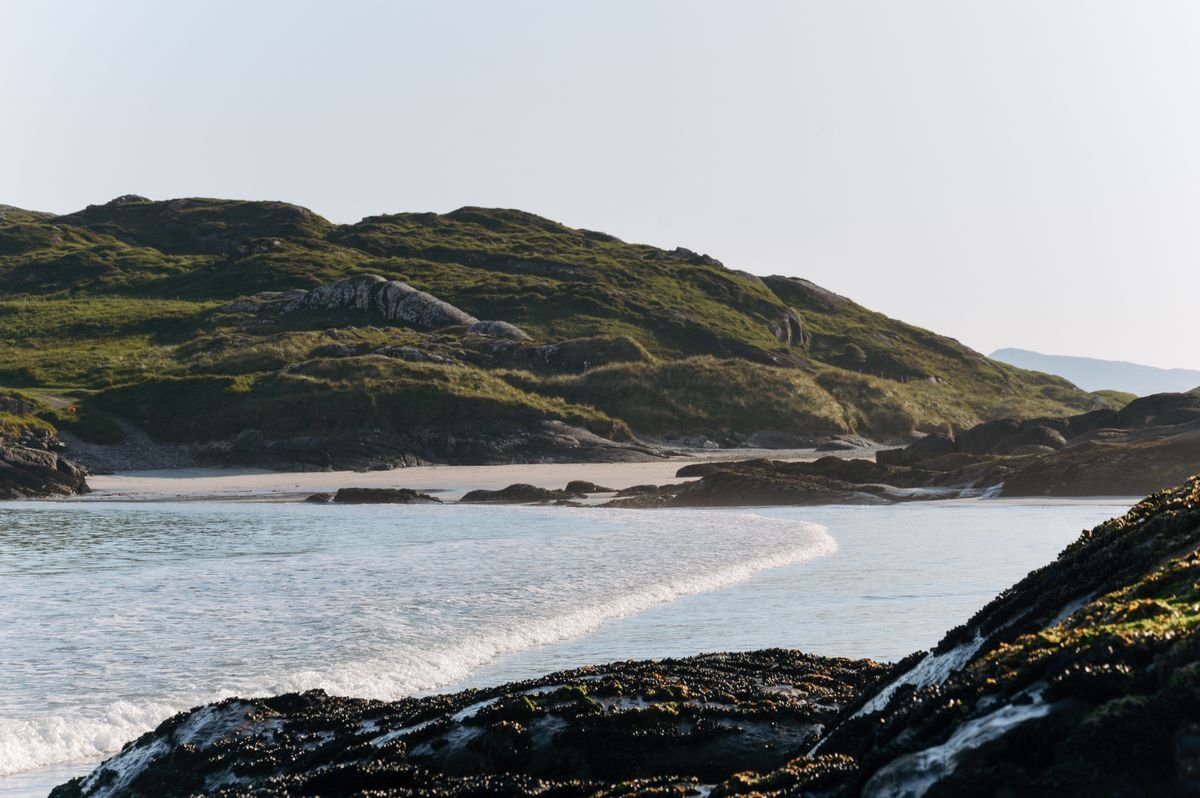
Peak season, and for good reason. Daylight stretches past 10pm in midsummer, which is a huge deal when you’re driving the coast and want time to actually stop. Highs sit around 18 to 20°C, warm for here.
The catch is everyone else has the same idea. Carrick-a-Rede and Bushmills sell out their slots, the Dark Hedges fills with people, and hotels on the north coast get pricey. Book the big-ticket stuff ahead.
Spring and Autumn (April to May, September to October)
This is the sweet spot if you can swing it. You still get decent daylight and a fair shot at dry weather, but far fewer people and cheaper rooms. September in particular is a great month up here.
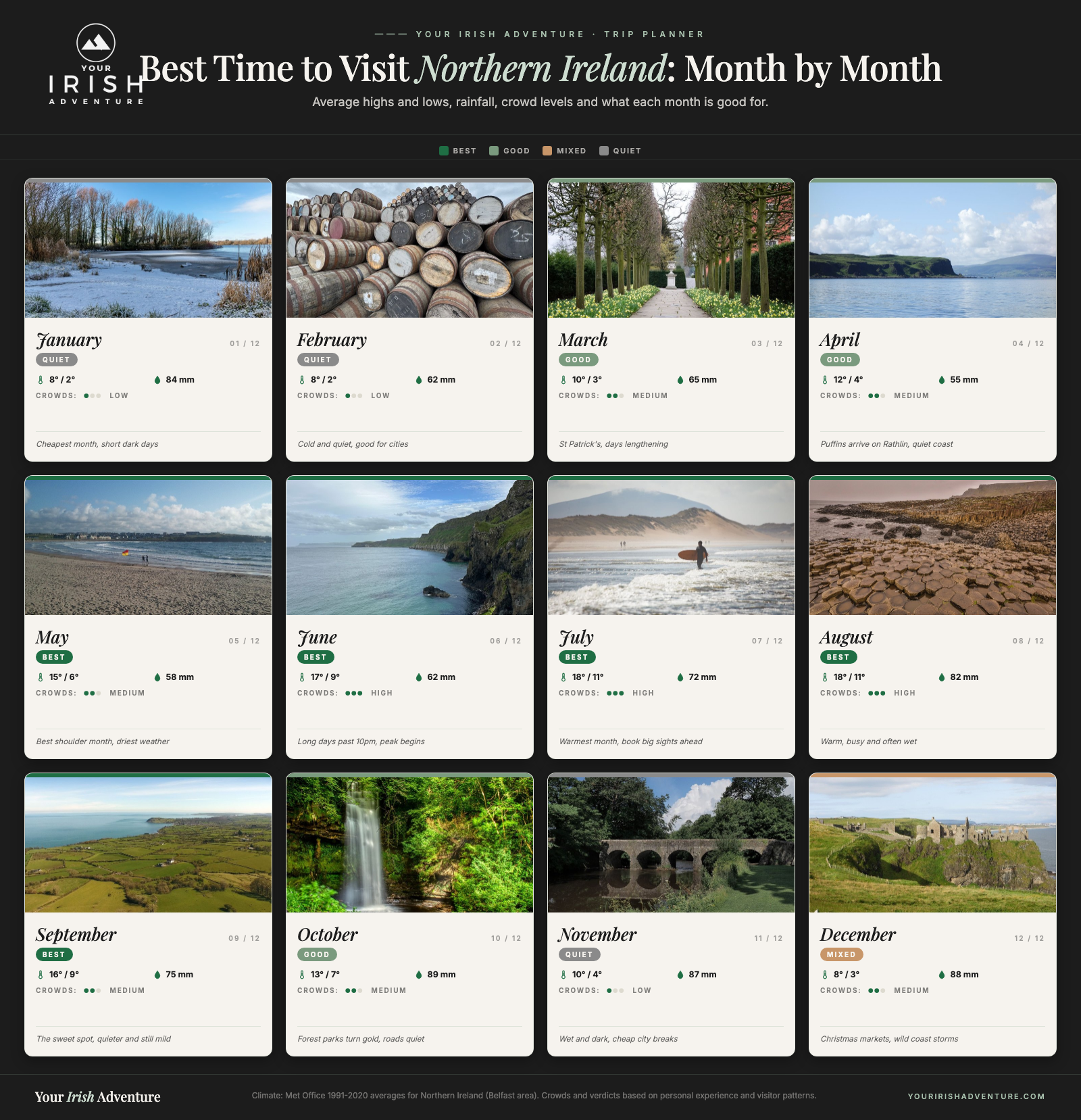
Spring gets you the puffins on Rathlin from around April, and autumn turns the forest parks like Tollymore and Glenariff gold. The coast is quieter and the roads are easier.
Winter (November to March)
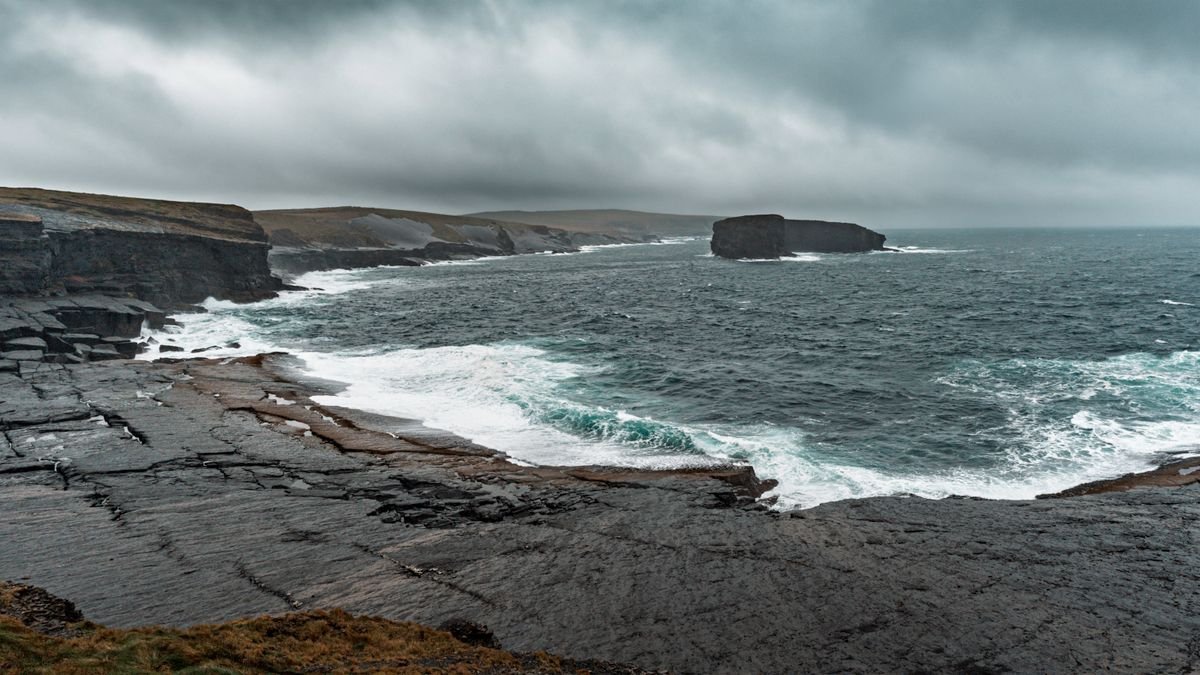
Short days, a lot of rain, and some coastal spots and ferries running reduced hours or closed. It’s the cheapest time and Belfast still works fine, but the Causeway Coast loses a bit of its shine in the wet and dark.
Go in winter for the cities, the museums, the pubs, and the Christmas markets, not for the big outdoor days. The Giant’s Causeway in a December storm is wild, just dress for it.
If I had to pick one window, I’d say May or September. You dodge the worst of the crowds, keep the long evenings, and give yourself the best odds on the weather without paying peak prices.
More Belfast and Derry Guides
- Where to Stay in Belfast: Best Areas & Hotels
- 10 Best Bars In Belfast, Northern Ireland
- Belfast Mural Tours: A Visitor’s Guide
- Derry/Londonderry: The Complete Visitor’s Guide
- A Perfect Weekend in Derry: Where To Eat, Drink, Stay and Play
Getting There and Getting Around
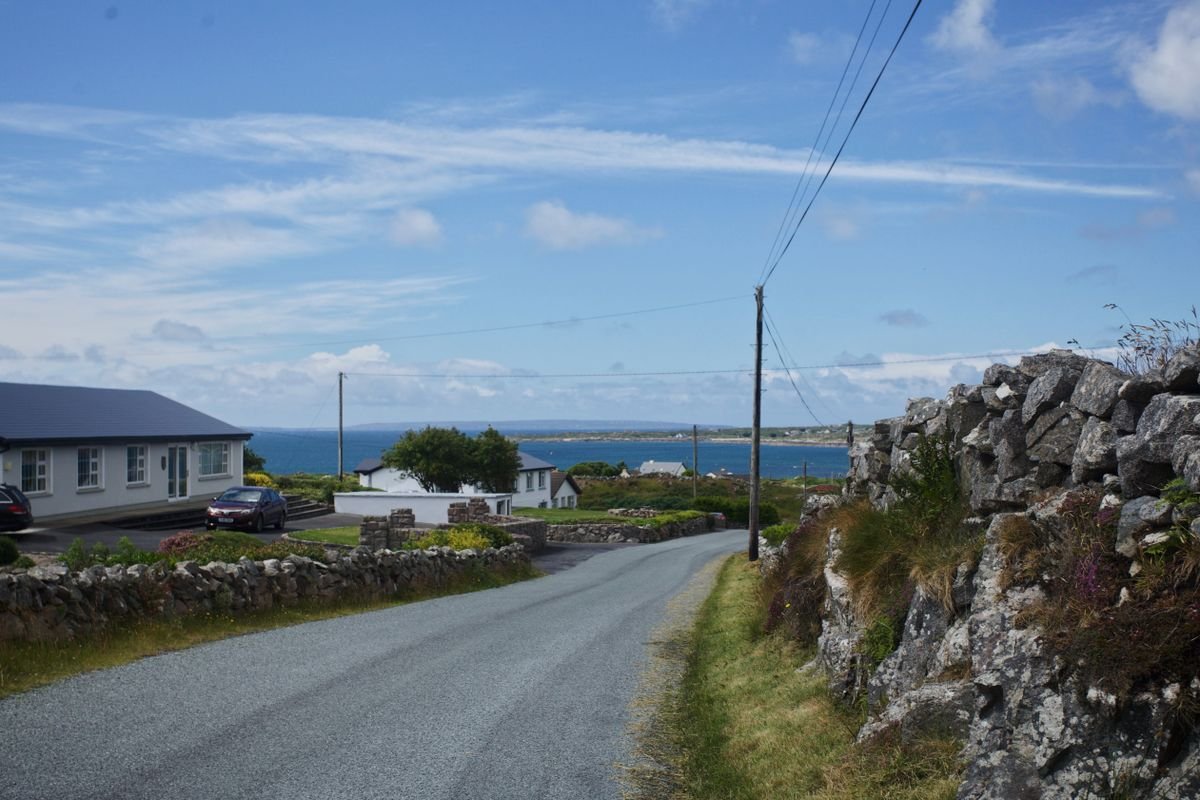
Northern Ireland is easy to reach and easy to drive. You can fly straight into Belfast, or pair it with the Republic by flying into Dublin instead, which is only about two hours up the highway.
Getting There
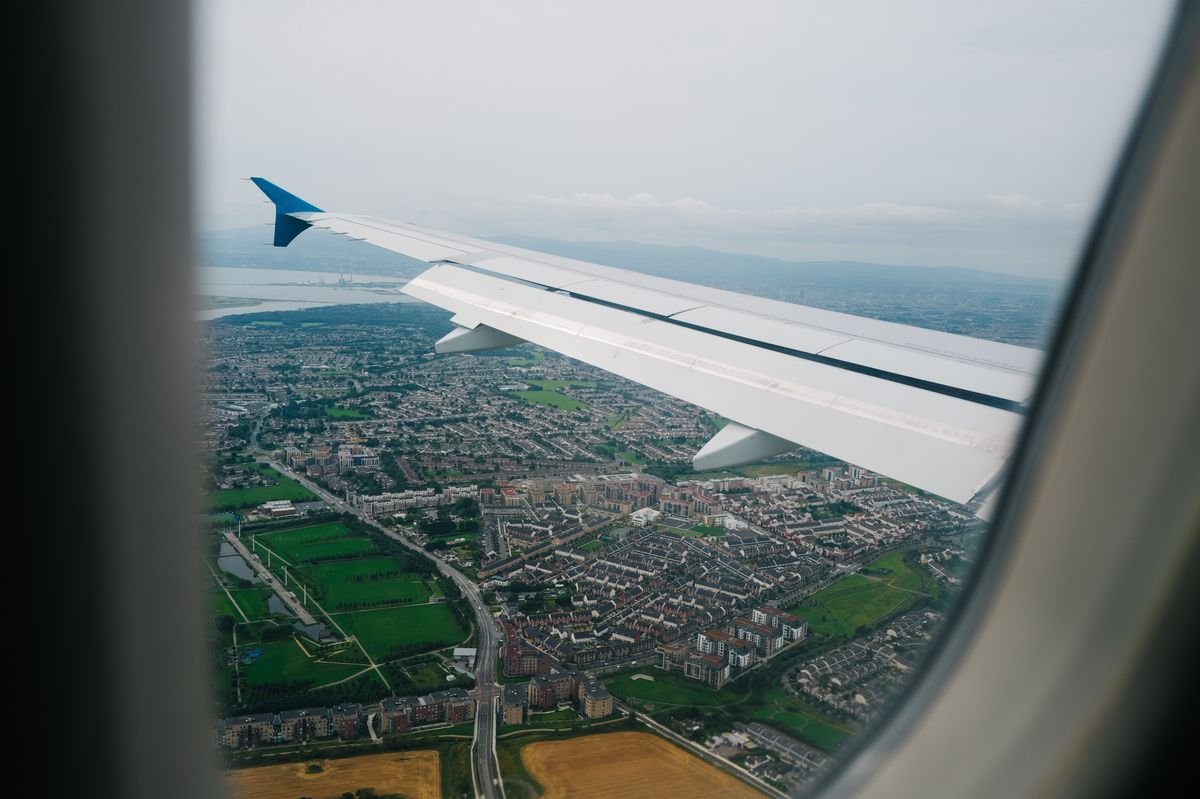
Belfast has two airports. Belfast International handles the long-haul and budget European flights, and it’s about 30 minutes northwest of the city. George Best Belfast City sits right in town and is handier for UK domestic hops.
Coming from North America, you’ll usually connect through Dublin, London, or another European hub. Dublin often has the better fares and the wider choice, and there’s no border stop to worry about, so flying into Dublin and driving up is a solid plan.
You can also come by sea. Ferries run from Scotland into Cairnryan to Belfast and Larne, and from Liverpool into Belfast, which is worth a look if you want to bring your own car over.
Renting a Car
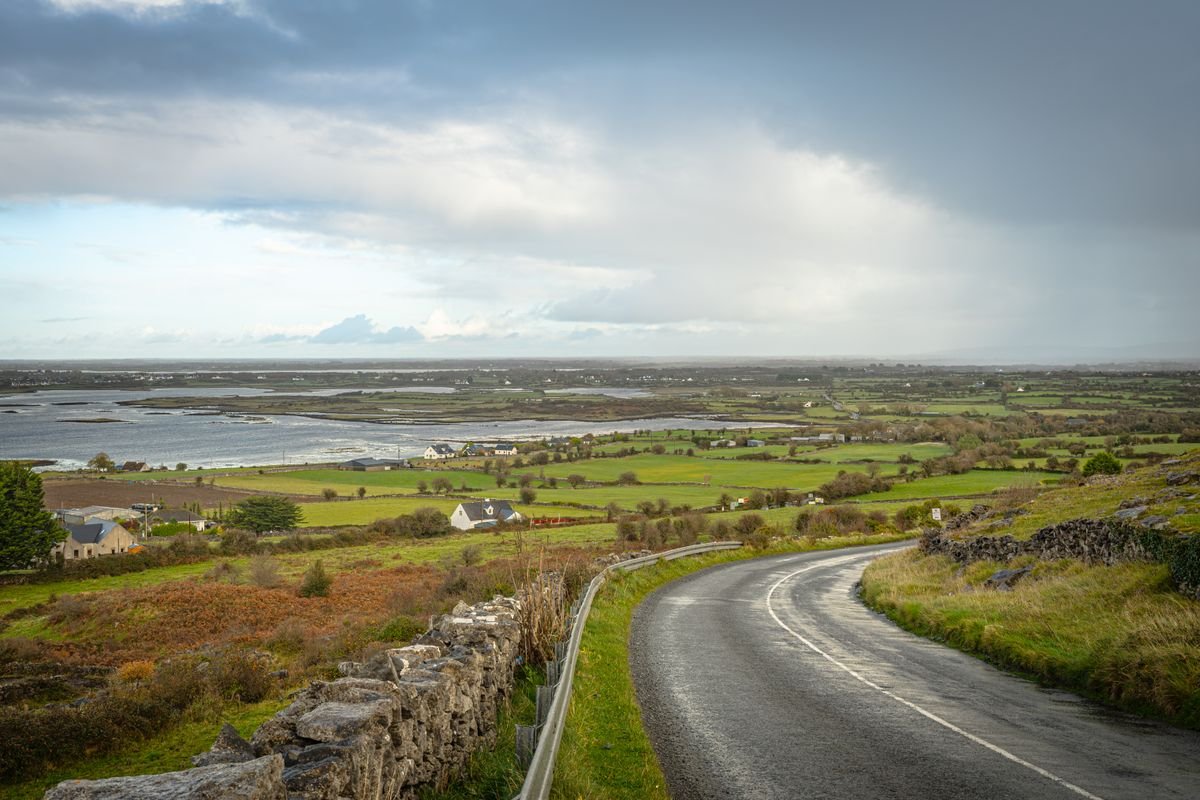
Rent a car. The Causeway Coast, the Mournes, and Fermanagh are the whole point of the trip, and public transport barely touches most of it. A car is what lets you stop at Dunluce or a random beach when you feel like it. It’s worth a minute to compare car hire deals on Discover Cars before you land, since the Belfast airport desks fill up in summer.
One thing to sort in advance if you’re picking up in Dublin: check that your rental allows cross-border driving into Northern Ireland. Most do, but confirm it, because you’re technically leaving the Republic for the UK.
They drive on the left, the roads are good, and distances are short. The only tricky bits are the narrow single-track routes like Torr Head, so take those slow and you’ll be fine.
Getting Around Without a Car
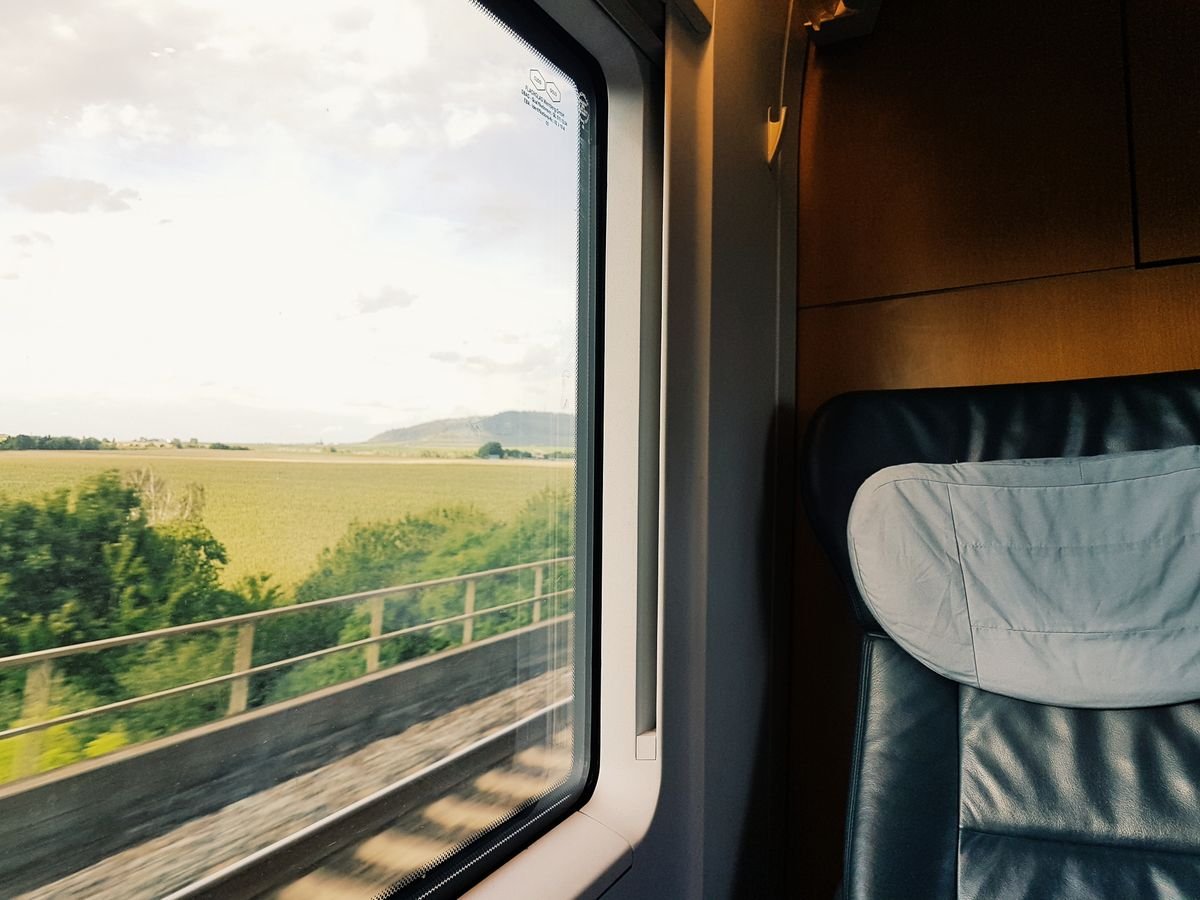
You can do it, it’s just slower. Translink runs the trains and buses, and the line from Belfast to Derry via Coleraine is a scenic ride in its own right. Belfast, Derry, and the bigger towns all connect fine.
For the coast without driving, day tours from Belfast are the easy answer. They’ll get you to the Giant’s Causeway, Carrick-a-Rede, and the Dark Hedges in one loop, and most throw in the Game of Thrones stops along the way. You can book a Giant’s Causeway day tour from Belfast on GetYourGuide and have the whole north coast done in a day.
In Belfast itself you don’t need a car at all. The city center is walkable, the black cab tours cover the murals, and taxis are cheap for anything further out like Stormont or Cave Hill.
How Many Days You Need and a Sample Itinerary
You can hit the headline sights in two days, but that’s a rush. Five days is the sweet spot, and it’s what I’d tell a first-timer to plan for. That gives you the Causeway Coast, Belfast, Derry, and one southern day in the Mournes or Fermanagh without racing the clock.
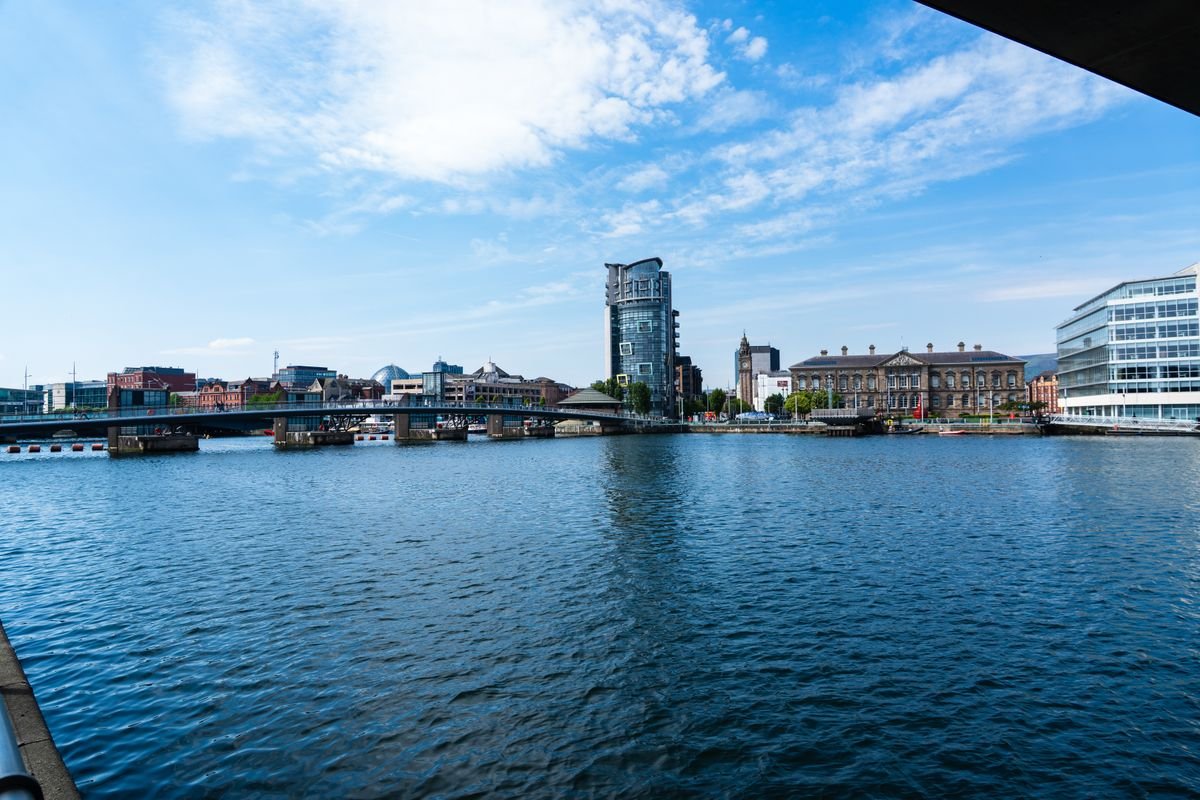
Short on time? Do three: one for Belfast, two for the coast up to Derry. Got a week or more? Add the Mournes, Fermanagh, and the Ards Peninsula, and you’ll see a side of the country a lot of first-timers never reach.
The Quick Version (2 to 3 Days)
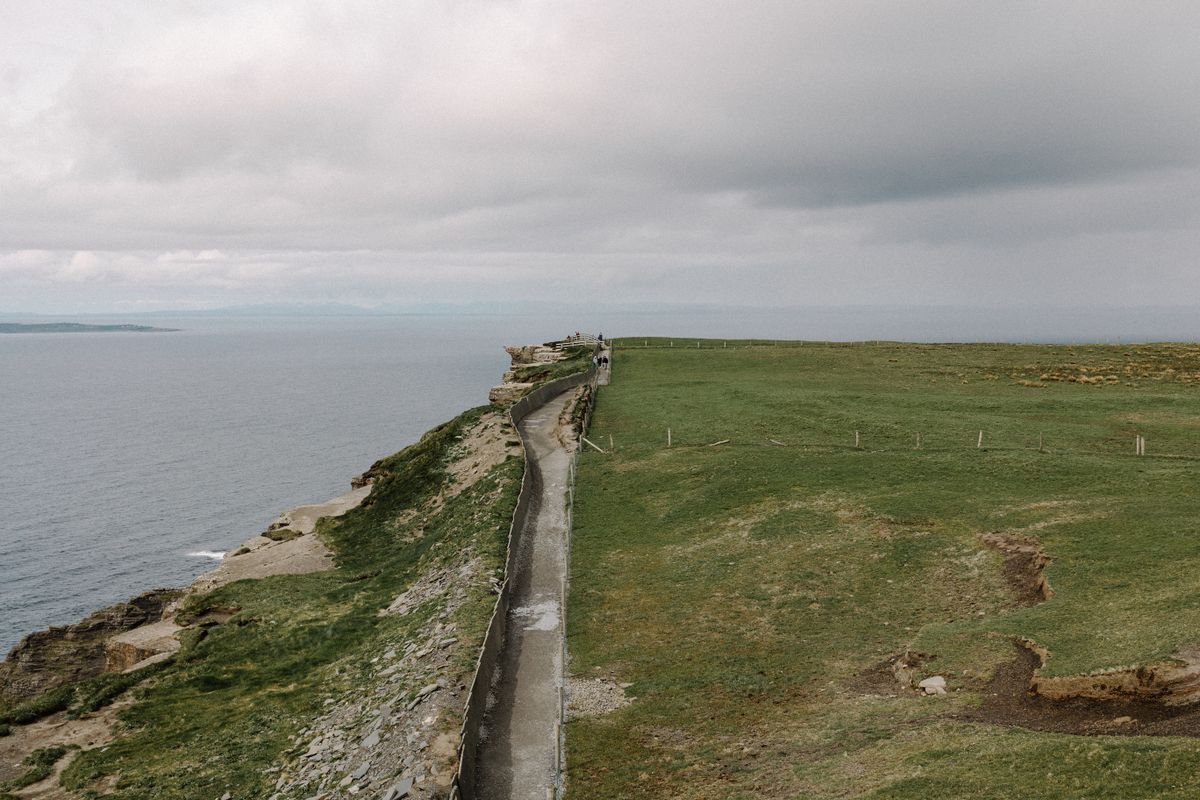
Base yourself in Belfast and give the city a day. Do a black cab tour, Titanic Belfast, and a night in the Cathedral Quarter. Then take the coast: the Giant’s Causeway, Carrick-a-Rede, the Dark Hedges, and Dunluce all fit in one long, full day.
If you can stretch to three, sleep on the north coast at Portrush and finish in Derry the next morning. That way you’re not driving the same road twice.
The Classic 5-Day Itinerary
This is the route I’d send a first-timer on. It loops from Belfast up the coast to Derry and back down through the Mournes, so you’re always moving forward and never doubling back.
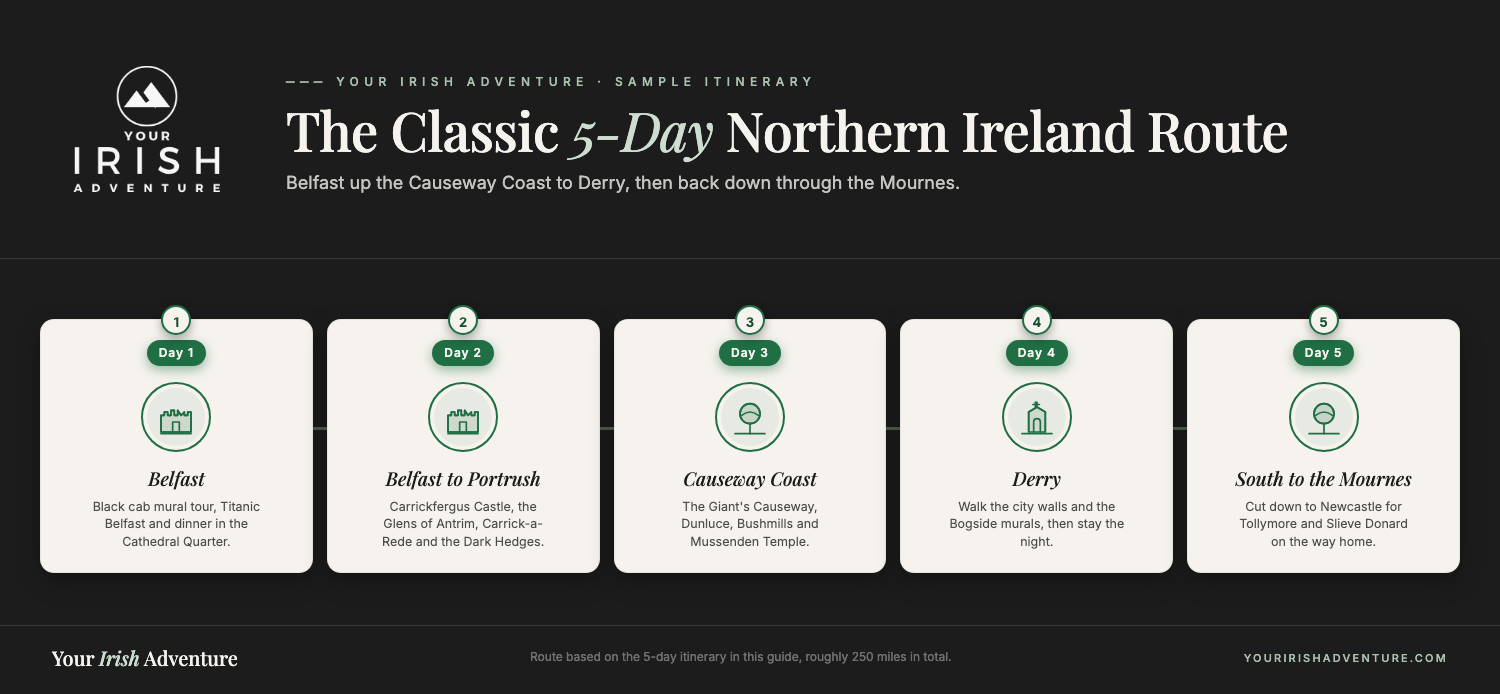
- Day 1, Belfast: Black cab tour of the murals, Titanic Belfast, and dinner in the Cathedral Quarter. Base in the city at Belfast Grand Central Living.
- Day 2, Belfast to Portrush: Carrickfergus Castle on the way out, then the Glens of Antrim, Carrick-a-Rede, and the Dark Hedges. Sleep on the north coast at Royal Atlantic View Apartment in Portrush.
- Day 3, the Causeway Coast: The Giant’s Causeway, Dunluce, Bushmills, and Mussenden Temple. An easy, slow day of the best stops.
- Day 4, Derry: Drive over, walk the walls and the Bogside, and stay the night at Redgate House Bed & Breakfast. Derry earns it.
- Day 5, south to the Mournes: Cut back down toward Newcastle for Tollymore and a look at Slieve Donard before heading home.
The map above ties the whole loop together. It’s roughly 250 miles all in, which is nothing over five days, so you’re never stuck in the car for long.
A Week or More
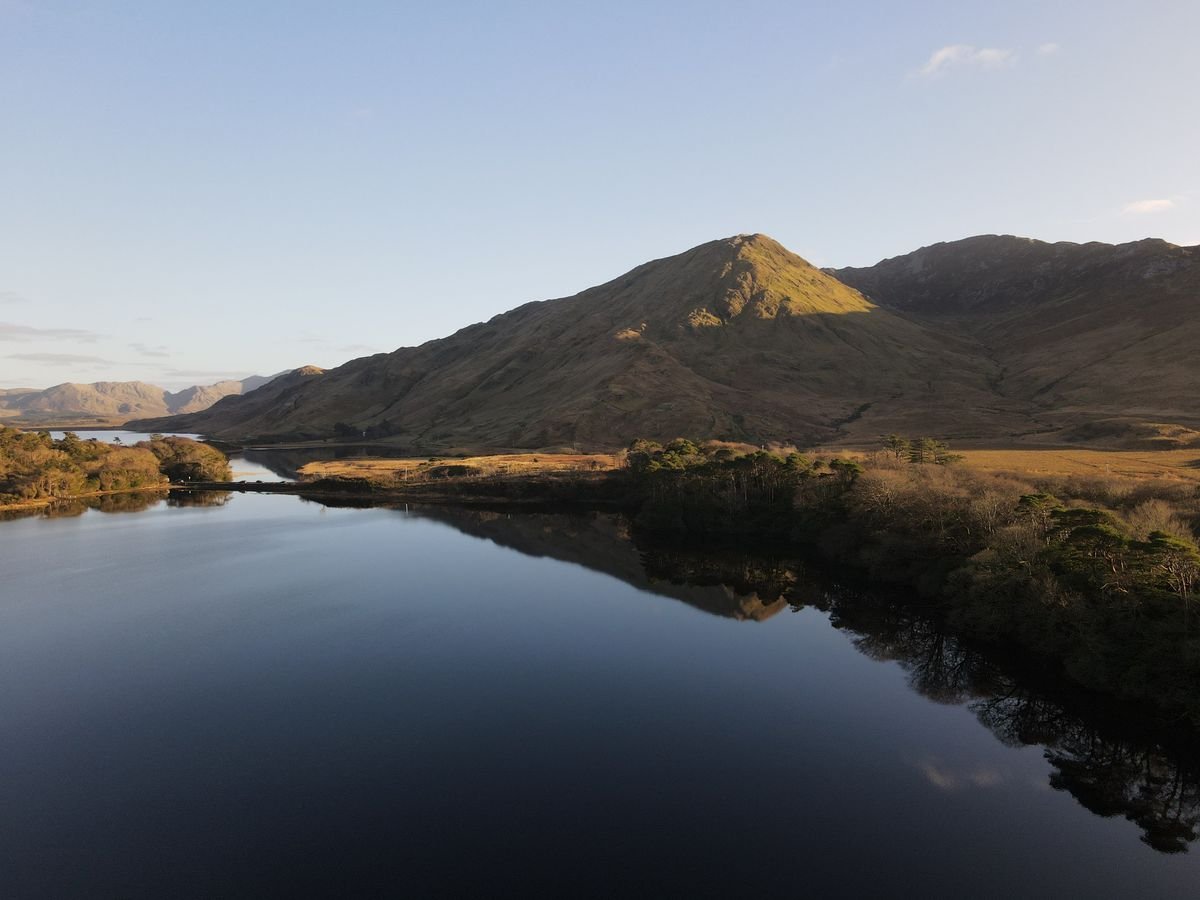
With seven days plus, don’t just slow the loop down, add to it. Give Fermanagh two nights for the caves, Lough Erne, and Enniskillen. Work in the Ards Peninsula and Strangford Lough as an easy day out from Belfast.
You could also pair the whole thing with the Republic. Dublin is about two hours from Belfast, so a lot of people fly into Dublin, drive up, and do both on one trip. That’s the version I’d pick if you’re coming this far anyway.
Three bases cover almost the whole loop: Belfast for the city days, Portrush on the north coast for the Causeway, and Derry for a night in the west. Here are the places I’d book in each.
Where to Stay in Belfast
Where to Stay on the Causeway Coast (Portrush)
Where to Stay in Derry
A Map of Places to Visit in Northern Ireland
Fifty things is a lot to keep straight in your head, so here’s the whole lot laid out on one map. It’s the fastest way to see how the country actually fits together before you start plotting a route.
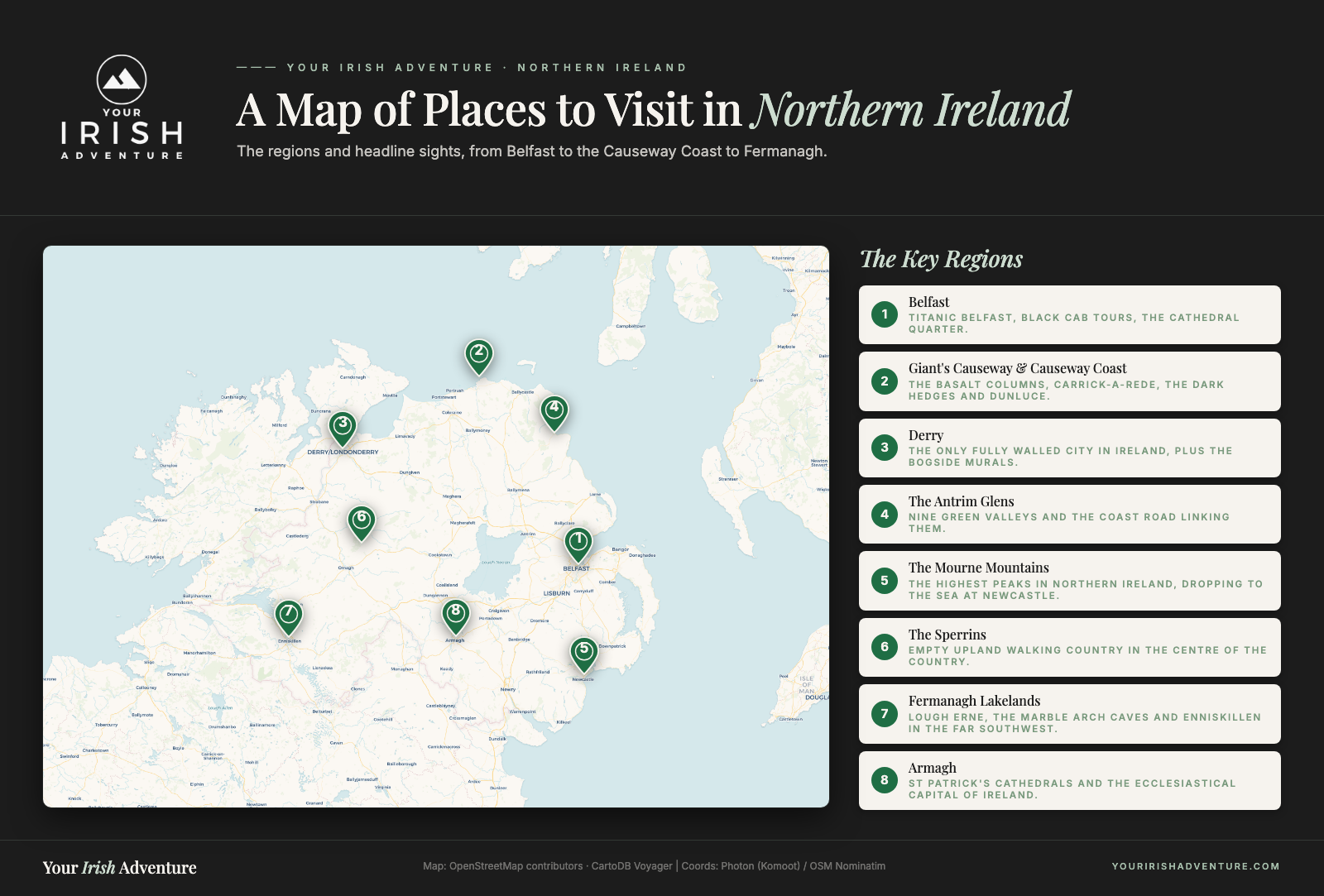
The first thing you’ll notice is how tight everything is. The big draws cluster in three spots: Belfast in the east, the Causeway Coast running along the top from Portrush to Derry, and the Mournes and Fermanagh down south. You could drive corner to corner in about three hours.
That clustering is what makes planning easy. Base yourself in Belfast for the city and the black cab tours, move up to Portrush for the coast, and drop south to Newcastle for the Mournes. Three bases cover almost the whole list.
Use the map to spot what’s near what. The Giant’s Causeway, Carrick-a-Rede, the Dark Hedges, Bushmills, and Dunluce all sit within a few miles of each other, so they’re one day, not five. Ballintoy and Whitepark Bay are right there too.
Fermanagh is the outlier, tucked away in the far southwest and a good hour or two off the main loop. That’s exactly why first-timers skip it, and exactly why it’s so quiet when you do go. Pin it, and decide if you’ve got the days for it.
More Ireland Itineraries and Road Trips
- A 10-Day Ireland & Scotland Itinerary
- A Photographer’s Definitive Ireland Road Trip
- 5 Best Day Trips From Belfast, Ireland
- Ireland Honeymoon Itinerary: 10 Perfect Days
In short
- The Giant’s Causeway and the Causeway Coast are the headline drive, and most of it is free.
- Belfast and Derry are compact, walkable cities with real history: Titanic Belfast, black cab tours, and the Derry walls.
- Game of Thrones filming locations across the north are enough to fill a full day on their own.
- Northern Ireland uses the British pound, not the euro, so carry pounds or use a card.
- Give it four or five days to reach the Mournes and Fermanagh, not just the coast.
Northern Ireland FAQs
A few things come up again and again when people plan a trip up here, so here are the quick answers before you go.
Is Northern Ireland part of the UK or Ireland?
It’s part of the UK, along with England, Scotland, and Wales. That’s why it uses the British pound and not the euro. The Republic of Ireland to the south is a separate country, and the border between them is open, so you cross it without stopping.
Is Northern Ireland safe to visit?
Yes. It’s one of the safest places you can travel, and the Troubles have been over since 1998. Belfast and Derry are welcoming, easy cities to walk around, and tourism is a huge part of the economy now. The murals and peace walls are history you go to learn about, not danger you need to avoid. Use normal city sense and you’ll be fine.
Do I need a passport or a visa?
You’ll need a passport to enter the UK, and depending on where you’re from you may need a visa or an ETA, so check your own country’s rules before you book. There’s no passport check at the land border with the Republic, but you still carry it.
What currency does Northern Ireland use?
The British pound (£), same as the rest of the UK. If you’re driving up from the Republic you’ll switch from euros to pounds at the border, so have some pounds ready or just use a card, which works everywhere. You’ll sometimes get Northern Irish banknotes in your change. They’re valid pounds, just printed by local banks, and worth the same.
Is Northern Ireland expensive?
It’s cheaper than the Republic and cheaper than most of the UK. A lot of the best sights, like the Giant’s Causeway stones, the walls of Derry, and the Ulster Museum, are free or close to it. Your main costs are your car, your hotel, and the handful of paid attractions like Titanic Belfast and Carrick-a-Rede.
Can I visit Northern Ireland and the Republic on one trip?
Absolutely, and a lot of people do. Dublin is about two hours from Belfast on the highway with no border stop, so flying into Dublin and driving up is one of the easiest ways to do both. Just confirm your rental car is cleared to cross the border, and remember you’re swapping euros for pounds when you go north.
Final Thoughts on Visiting Northern Ireland
Northern Ireland packs more into a small country than almost anywhere I can think of. In one short trip you get a world-class coastal drive, two cities with real history behind them, mountains, lake country, and enough Game of Thrones sets to fill a day on their own.
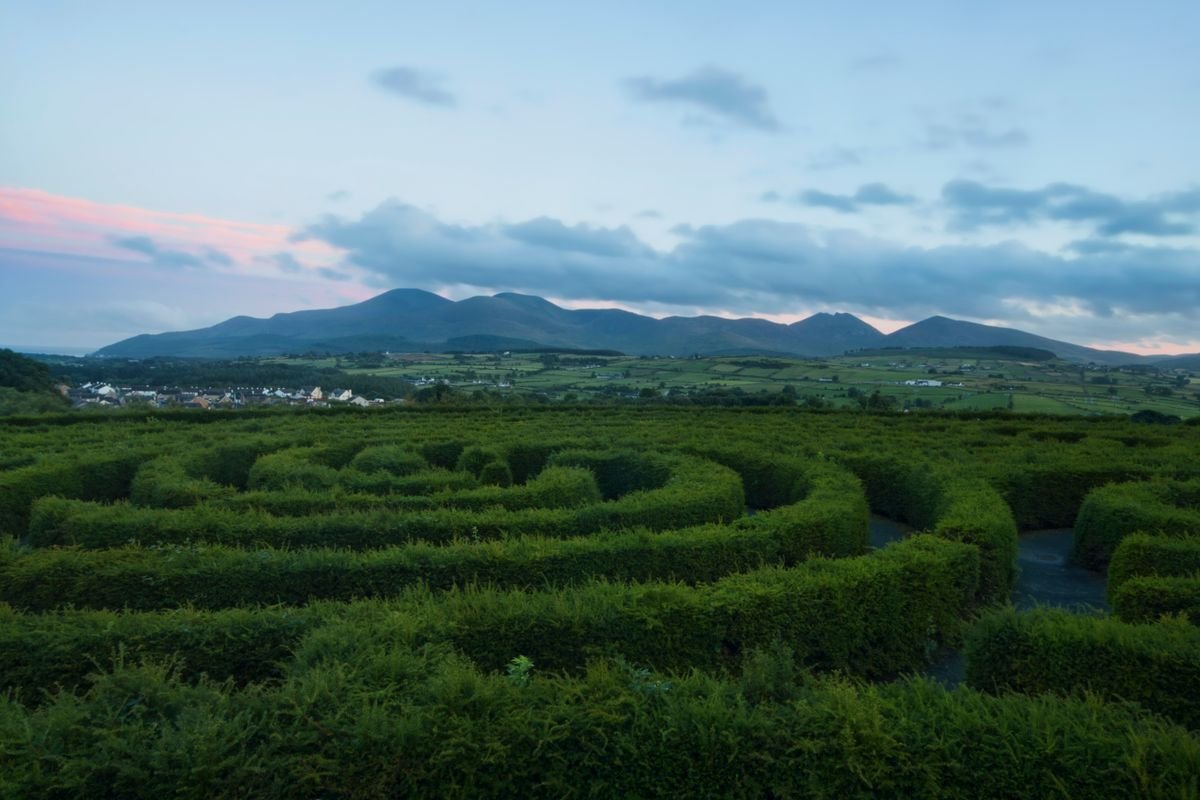
It’s a country for driving, walking, and pulling over when something looks good. It isn’t a place you tick off from a tour bus in an afternoon, and the best days here are the ones where you gave yourself time to stop.
If you only do the greatest hits, do the Causeway Coast and give Belfast a black cab tour. If you’ve got more time, drop south for the Mournes or west for Fermanagh, because that’s where you shake the crowds and see a quieter half of the country that first-timers rarely reach.
Rent a car, plan on five days, aim for May or September, and book the few things that sell out ahead. Do that and you’ll come away wondering why this corner of the island isn’t higher on everyone’s list.
Like it? Pin it!
Save this guide for later