The Carrick-a-Rede rope bridge is a wobbling plank-and-wire footbridge off the coast of County Antrim, slung across a 66-foot gap between the mainland and a small island. The drop below is about 100 feet, straight down to the rocks. Cross it and you’ve done the headline attraction, but the cliff walk out to it is half the reason to come.
Salmon fishermen first slung a bridge across this gap so they could get out to the island and set their nets. The fish are long gone and the National Trust runs the place now, but that walk along the cliffs and the crossing over open water make it one of the most photographed spots on the whole Causeway Coast.
You can’t just turn up and walk straight on, though. Tickets are timed, they sell out in summer, and the bridge closes completely in high wind. A bit of planning here saves you a wasted drive.
Below I’ll walk you through how to get there, how the timed tickets actually work, and what the coastal walk and the crossing are really like. I’ll also cover the best time to go to dodge the crowds, where to stay nearby, how to pair it with the Giant’s Causeway, and whether it’s worth the trip at all.
More Causeway Coast and Antrim Guides
- Giant’s Causeway From Belfast: All Day Trip Options
- The Best Beaches in Northern Ireland
- Game of Thrones Filming Locations in Northern Ireland Map
- Secret Castles in Northern Ireland – Game Of Thrones Territory
Quick Answer:
The Carrick-a-Rede rope bridge is a 20-metre footbridge near Ballintoy in County Antrim, hanging about 30 metres above the sea. Book a timed slot with the National Trust, pay around £15 per adult, then walk roughly a kilometre of clifftop path each way to cross. It sits 15 minutes from the Giant’s Causeway, so pair the two in one day.
How to Get to Carrick-a-Rede
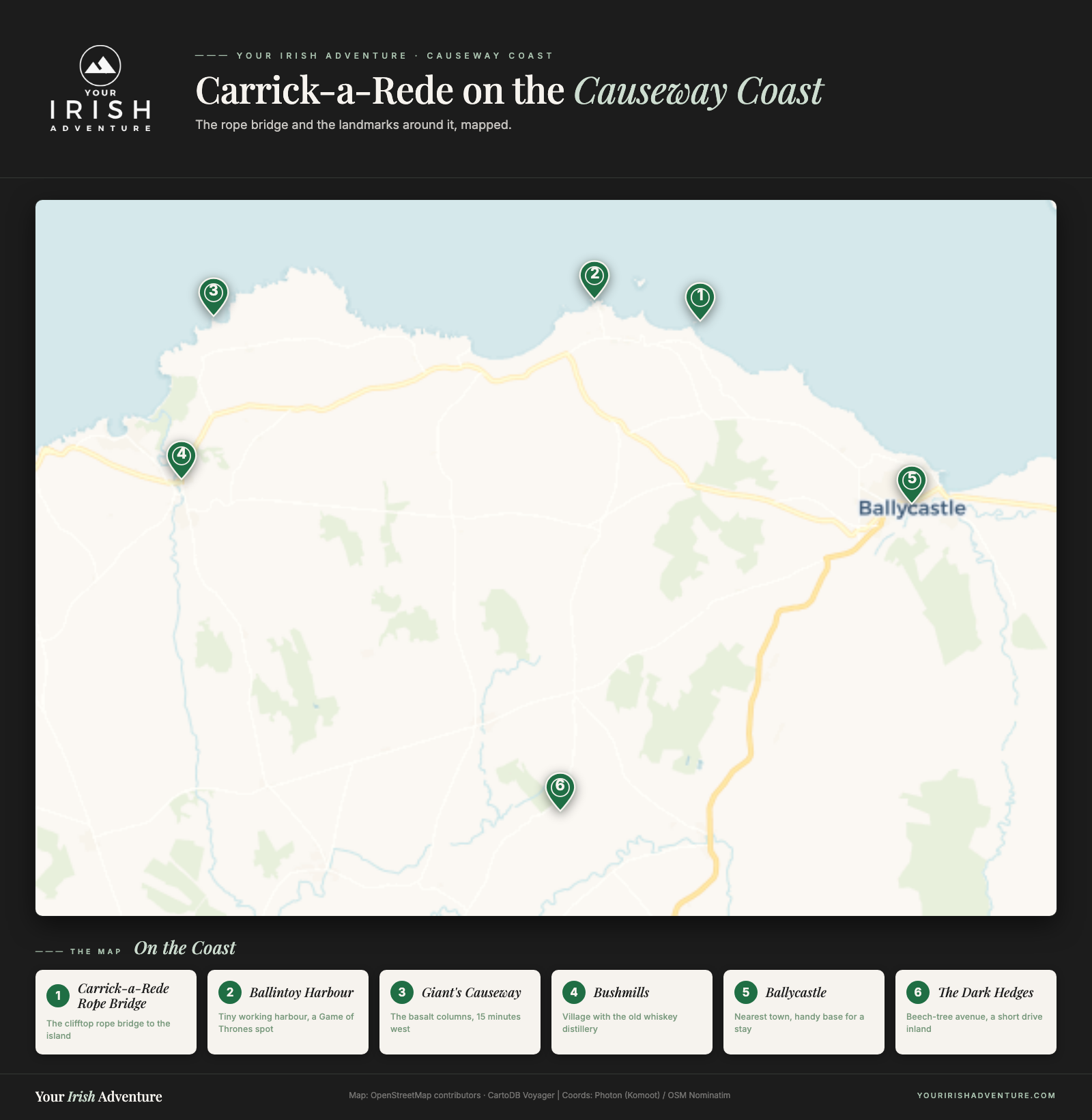
Carrick-a-Rede sits on the Causeway Coast in County Antrim, near the village of Ballintoy. The address for your sat nav is 119a Whitepark Road, BT54 6LS. It’s about an hour’s drive from Belfast and only 15 minutes from the Giant’s Causeway, so it’s easy to fold the two into one day.
Driving and Parking
Driving is the easy way to do this, and it’s what we’d recommend. From Belfast, take the M2 and A26 up toward Ballymoney and Ballycastle, then follow the coast road onto Whitepark Road. It’s roughly 60 miles and takes about an hour and 15 minutes with a clear run. If you’re flying in and need wheels for the coast, you can compare car hire deals on Discover Cars before you land.
There’s a National Trust parking lot right at the site. Trust members park for free, everyone else pays a parking charge on top of the bridge ticket, so check the current rate on the National Trust page before you go.
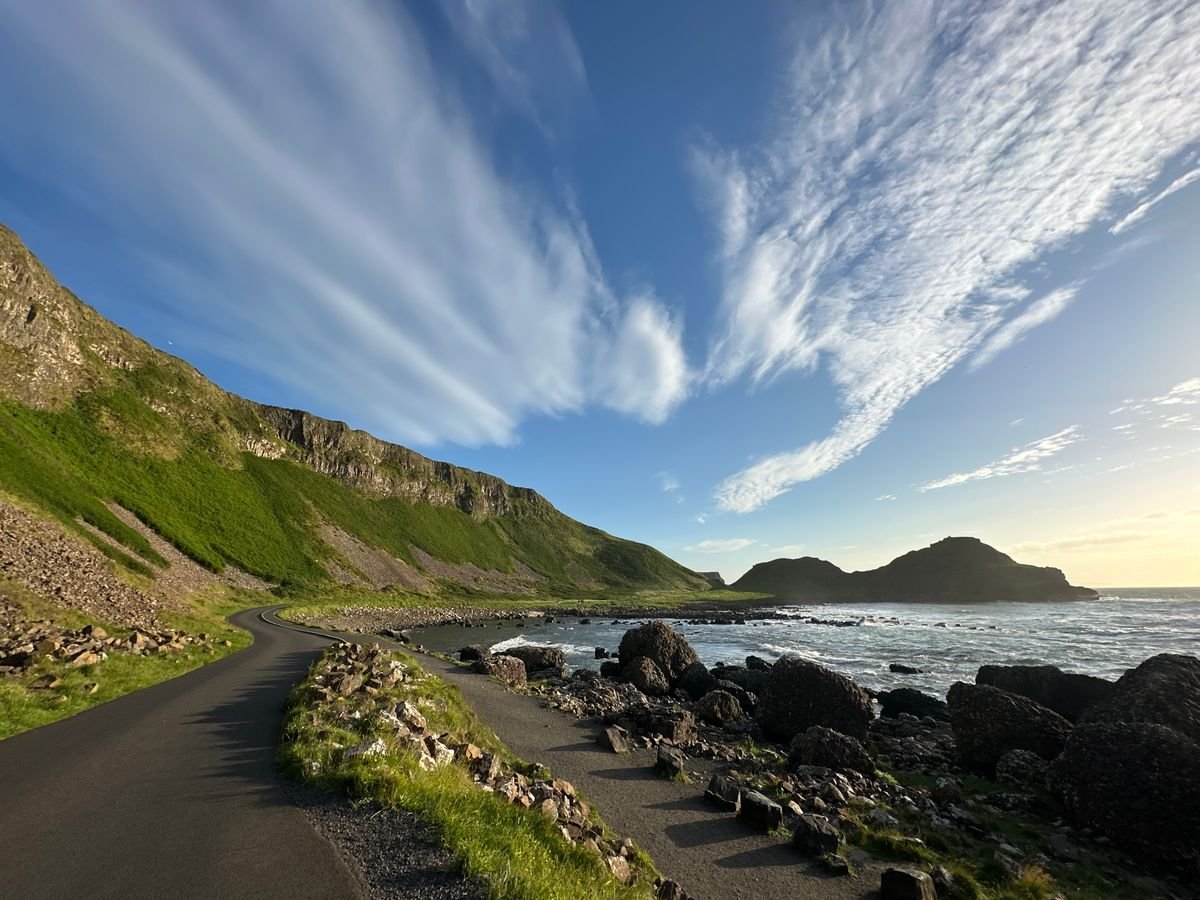
One thing to plan for: the parking lot is not the bridge. From the car it’s about a 15 to 20 minute walk along the cliff path to the crossing, and the same back. Wear real shoes, not sneakers you don’t want scuffed.
The lot fills up fast in summer. If you can get there for the first ticket slots of the morning, you’ll have your pick of spaces and a quieter path.
Arriving by Bus or Tour
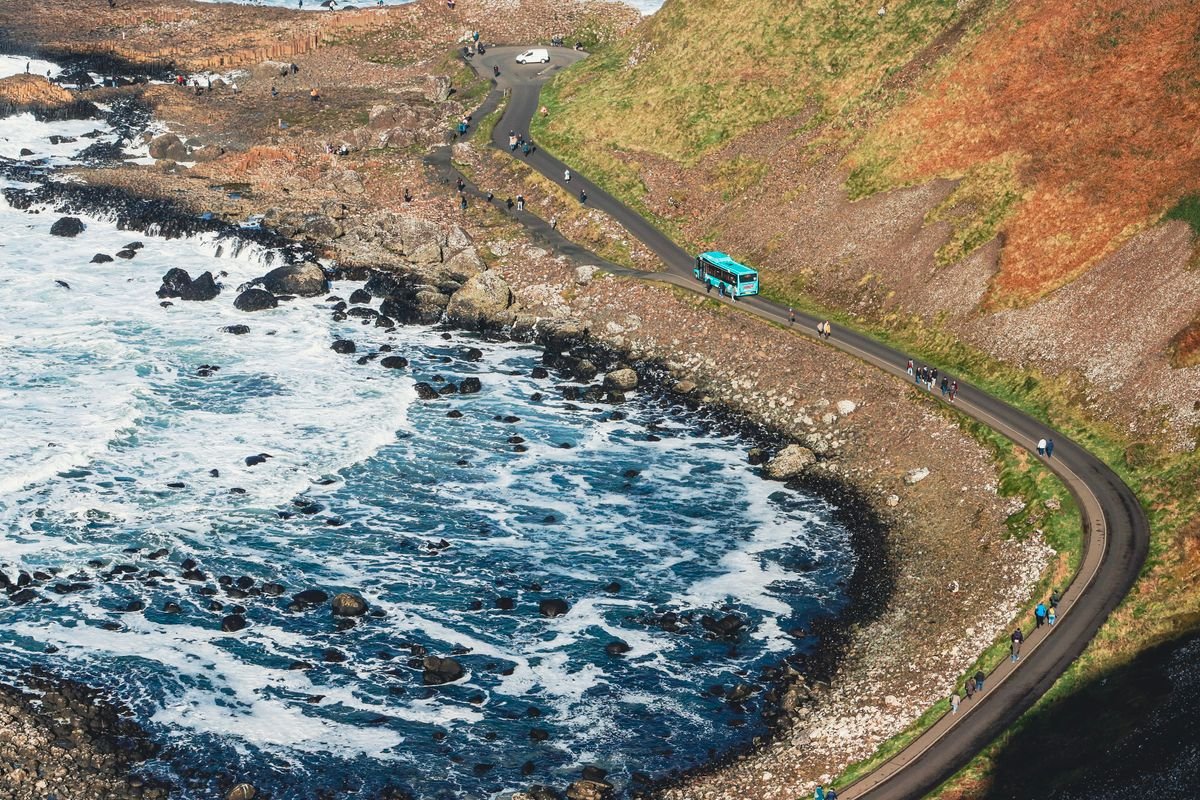
You can reach Carrick-a-Rede without a car, but it takes more work. The Translink 172 bus runs the coast between Ballycastle and Coleraine and stops near the site.
In the warmer months the seasonal Causeway Rambler (route 402) hops between the big coastal attractions, handy if you want to pair the bridge with the Giant’s Causeway in one go.
There’s no direct bus from Belfast, so you’d change along the way. Check the Translink timetable and plan your return, because the coastal services thin out in the evening and you don’t want to be stranded on Whitepark Road.
If public transport sounds like a headache, a day tour is the simplest fix. Plenty of bus tours run from Belfast and Dublin that pair Carrick-a-Rede with the Giant’s Causeway, the Dark Hedges, and Dunluce Castle. You give up the freedom to linger, but the driving, the parking, and the logistics are all sorted for you.
Tickets, Prices and How to Book
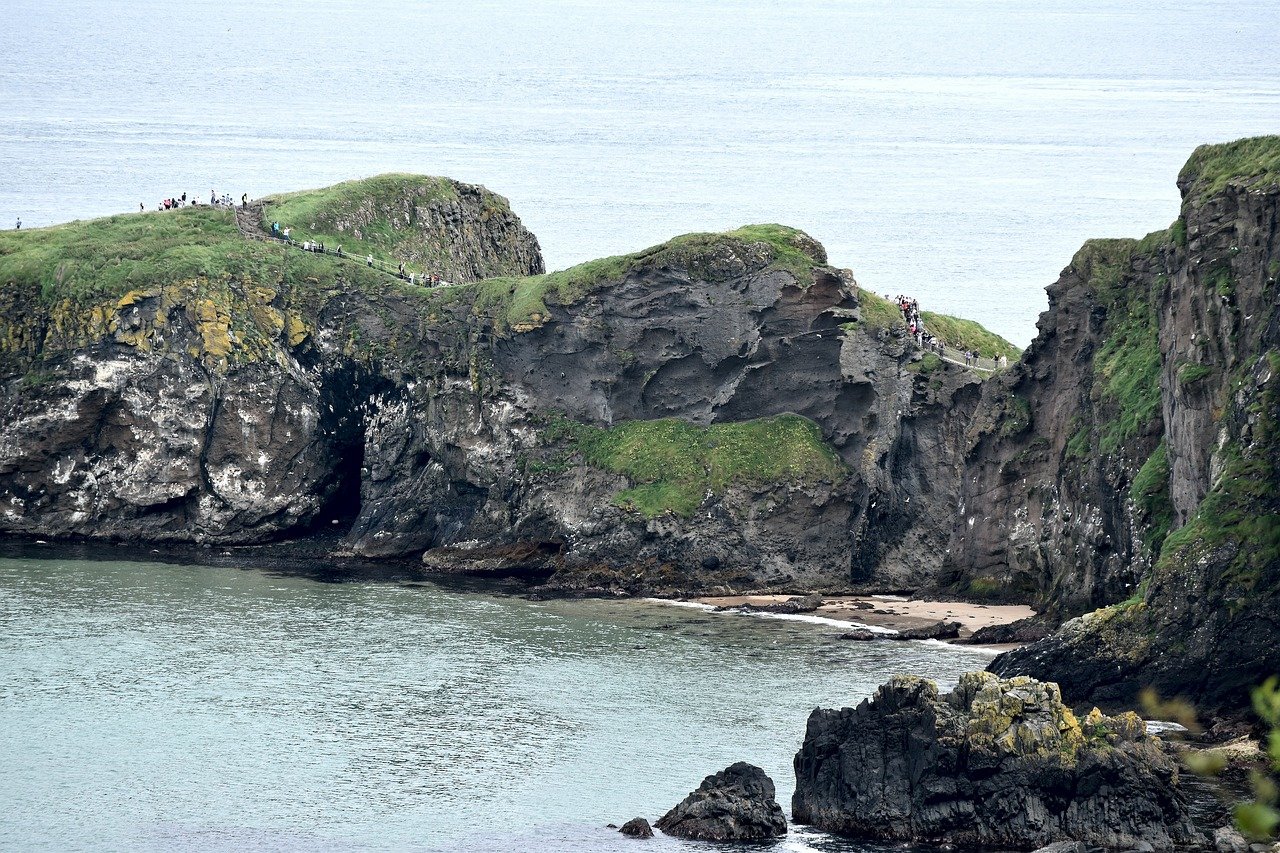
Carrick-a-Rede runs on timed tickets, and you’ll want to sort yours before you drive up. Turning up and hoping to walk on works fine on a quiet winter weekday, but in summer the slots sell out and you can get turned away at the gate.
The National Trust manages the site, so you book through their website. You pick a date and an arrival window, and that window is when you’re allowed to start the walk out to the bridge. Book ahead online and you’ll usually pay a bit less than the on-the-day price too, when there are even tickets left on the day.
Prices

The ticket covers the crossing and the coastal walk. Adults pay somewhere around £15, with reduced rates for kids and family tickets that work out cheaper if there’s a few of you. Prices creep up every year, so check the current figure on the National Trust page rather than trusting a number in an old blog post.
If you’re a National Trust member, the crossing is free, and so is the parking. If you’re doing a run of Trust sites on your Ireland trip, or you’re a member back home in a partner scheme, that membership card pays for itself quickly here.
Just don’t expect much beyond the walk itself. The ticket buys you the path and the crossing, and that’s it. There’s no café or big visitor center out at the bridge, just the path, the island, and the water.
Opening Times
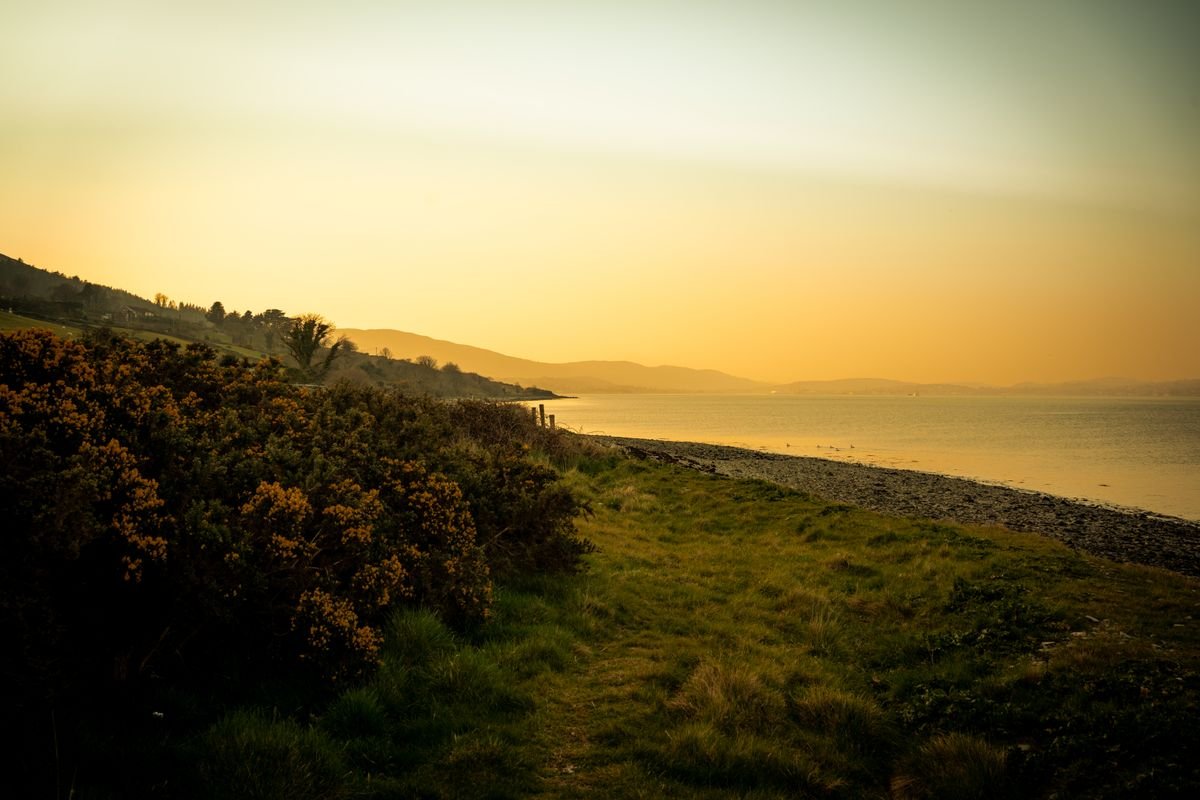
The site is open most of the year, with longer hours in summer and a shorter day in winter. The first slots usually start mid-morning, and the last crossing is a fair bit before closing, since you need time to walk out and back. Always confirm the day’s hours on the National Trust page, because they shift with the season.
Weather closes Carrick-a-Rede more often than the clock does. When the wind picks up, the National Trust shuts the bridge completely, and no ticket gets you across. It’s a rope bridge over open water, so this happens more than you’d think, especially in autumn and winter.
If the bridge is closed for wind, the Trust will normally refund or rebook you. Check their site and their social channels the morning of your visit, and have a backup plan for the day so a closed bridge doesn’t sink the whole trip.
The Coastal Walk From the Parking Lot
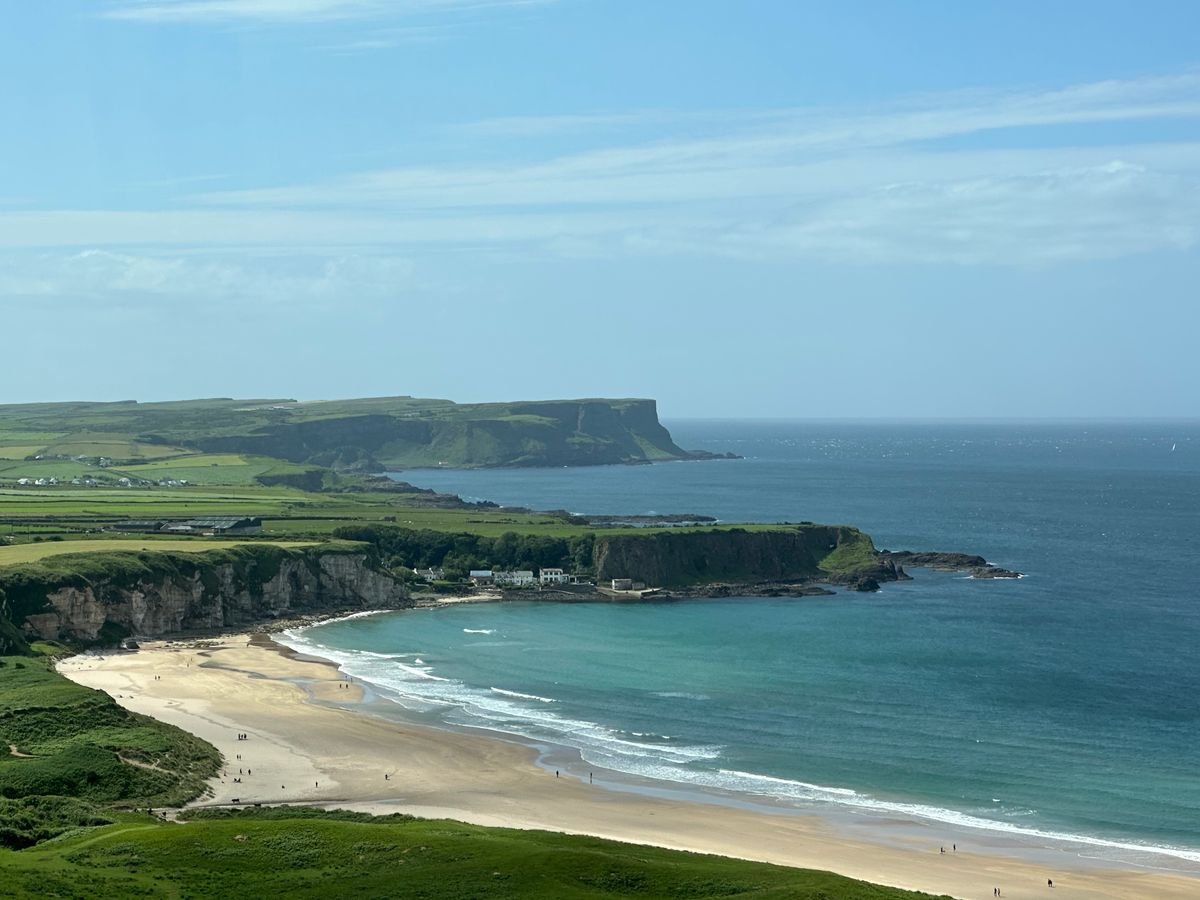
The bridge is the famous bit, but the walk out to it is what you’ll remember. It’s a paved cliff path that runs along the edge of the Antrim coast, and it earns its own ticket.
The path is well made and mostly flat for the first stretch, so you don’t need to be a hiker to do it. It hugs the coastline the whole way, with the water on one side and grassy headland on the other. Take your time, because this is where the views are.
On a clear day you can see Rathlin Island out to the north and, if the sky really plays along, the faint outline of Scotland across the water. The cliffs drop hard into the sea below, and the rock here is old volcanic stuff, all folds and dark ledges.
The Steps Down to the Carrick-a-Rede Rope Bridge
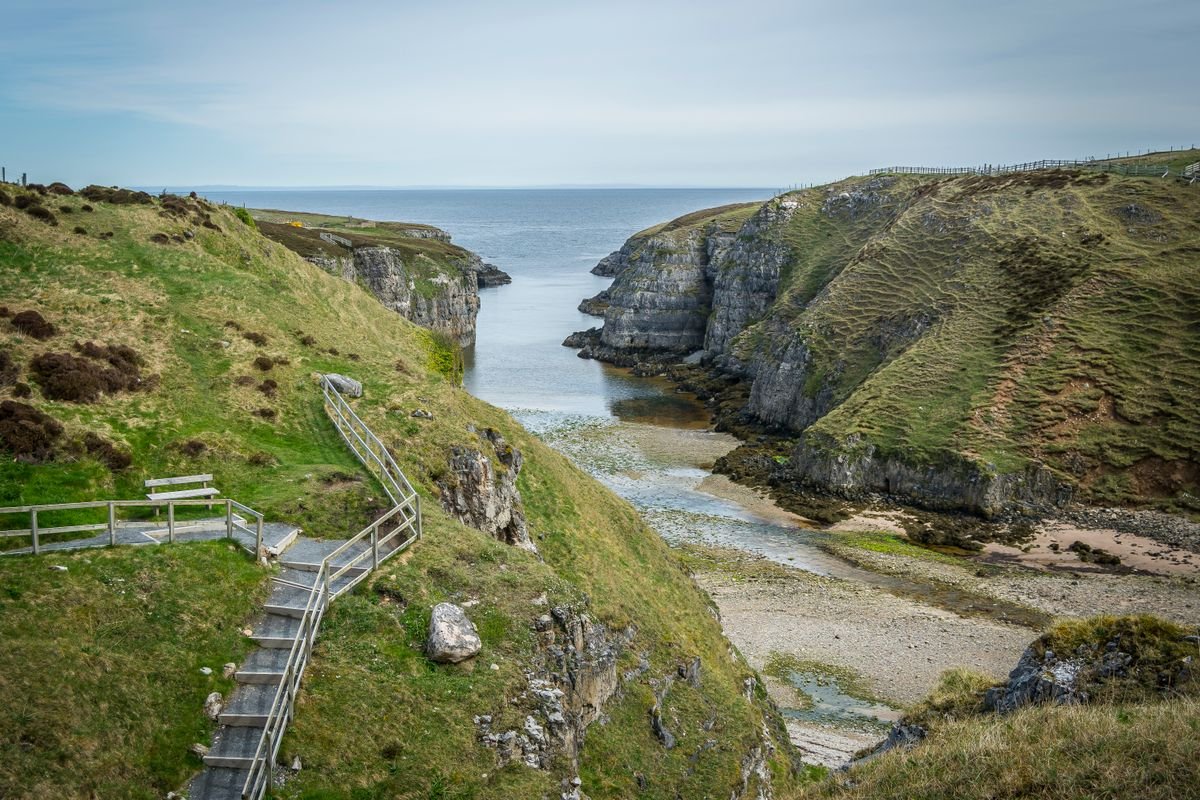
The path stays easy until the end, then it isn’t. A set of steep steps drops you down the cliff to the bridge itself, and you climb the same steps back up on the way out. It’s not a huge distance, but it’s the part that gets people breathing hard.
If you have dodgy knees or you’re pushing a stroller, this is the bit to know about. The main path is fine for most, but the final descent to the crossing is steps only, with no way around them.
Give yourself more time than you think. Plan on 15 to 20 minutes each way at a normal pace, longer if you stop for photos, and you will stop for photos. Factor the walk into your timed slot so you’re not rushing the best part.
Larrybane Quarry and the Viewpoints
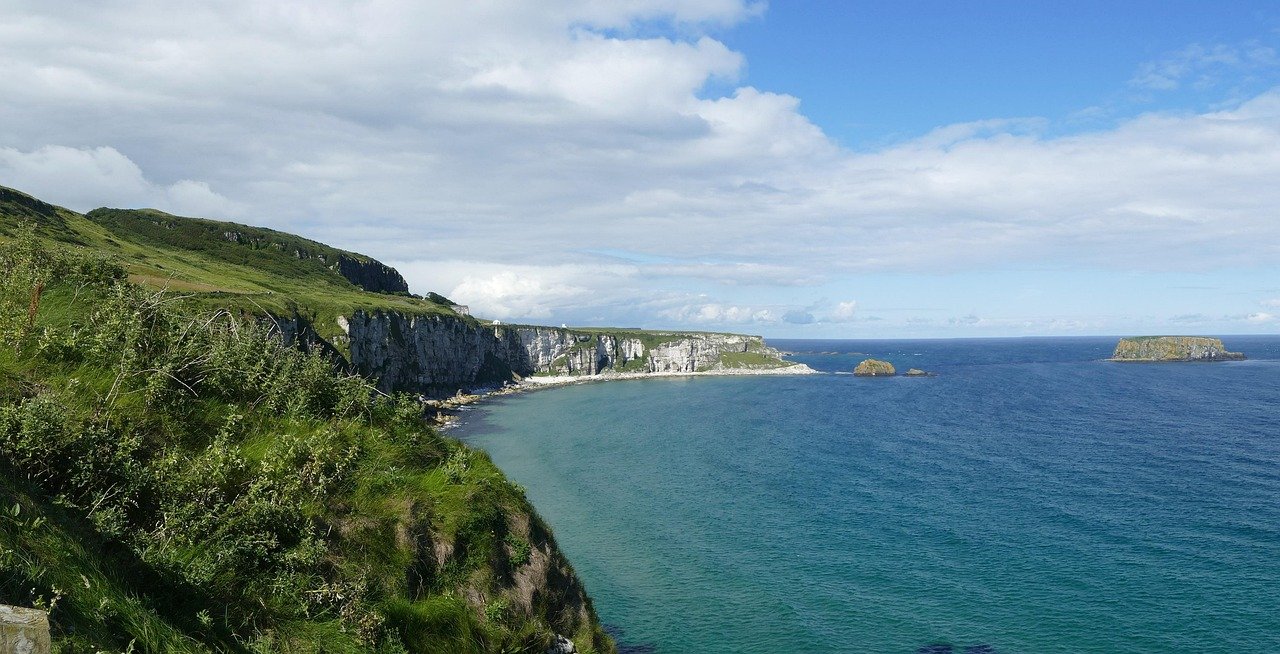
Right beside the Carrick-a-Rede parking lot sits Larrybane Quarry, an old limestone works that’s easy to drive straight past on your way to the bridge. Don’t. It’s free, it takes ten minutes, and it’s worth a look before or after your timed slot.
The quarry was dug for its white limestone decades ago, and what’s left is a wide bowl of pale rock opening out toward the sea. If you’re a Game of Thrones fan, you’ll recognize it fast. This is where they pitched Renly Baratheon’s camp in the Stormlands, and there are tour operators who bring people here just for that.
The Views From the Headland
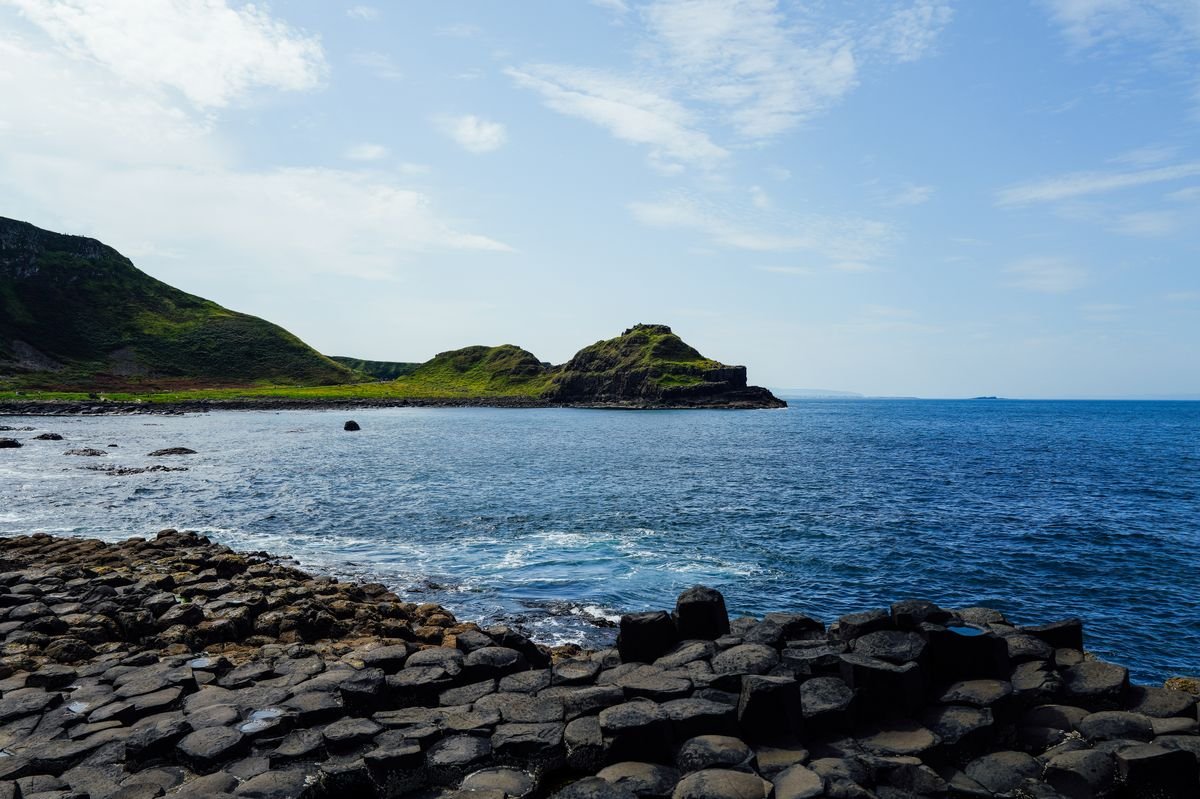
The real payoff is the coastline. From the quarry and the headland around it, you look straight out at Sheep Island, a small rocky lump offshore that’s home to nesting seabirds through the warmer months.
On a clear day the view stretches further still, out to Rathlin Island and back along the Antrim cliffs toward Ballintoy. It’s the same big coastal scenery you get on the walk to the bridge, but from a different angle and with nobody around.
This is also a solid backup if the wind shuts the bridge for the day. You still get the cliffs, the islands, and the sea, and it costs you nothing. So if you drive up and the crossing is closed, don’t just turn around. Walk out to the viewpoints first.
More Things to Do Around Belfast and Northern Ireland
- Titanic Belfast: The Complete Visitor’s Guide
- Belfast Mural Tours: A Visitor’s Guide
- 10 Best Bars In Belfast, Northern Ireland
- 7 Best Northern Ireland Golf Courses
Best Time to Visit Carrick-a-Rede
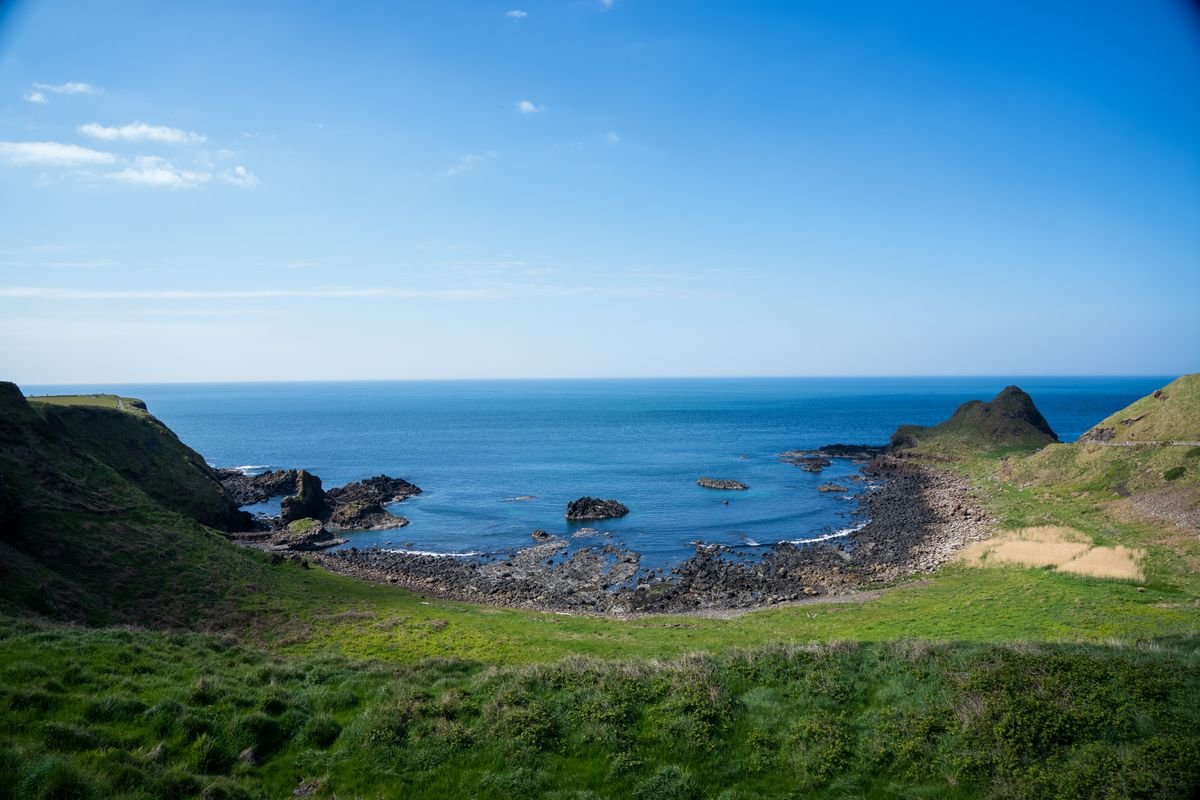
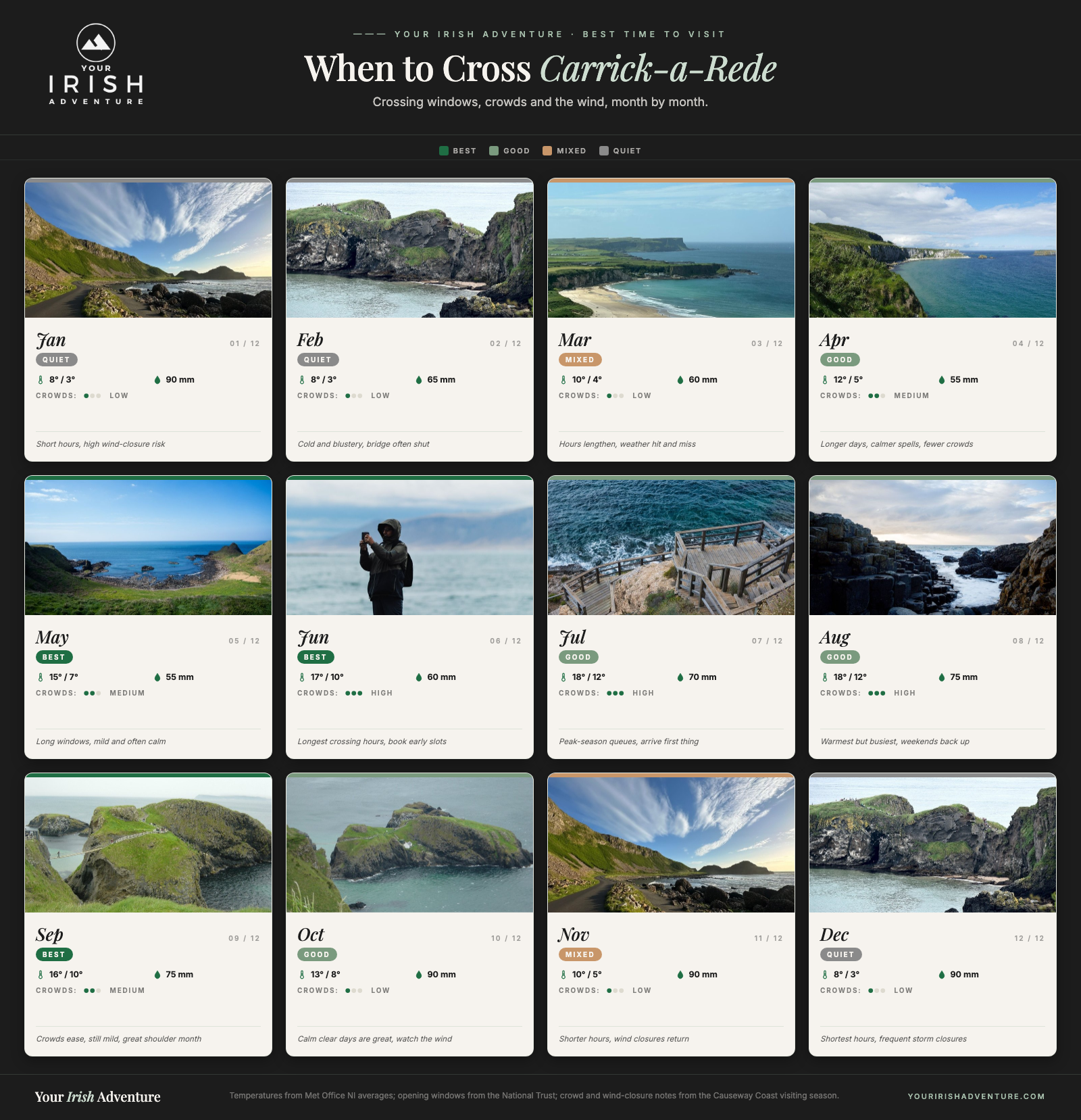
Carrick-a-Rede is busiest from June through August, when the tour buses run all day and the morning slots book out well in advance. The weather is at its steadiest then, and the days are long, but you’re sharing the path and the crossing with a lot of other people.
Our pick is the shoulder season, May or September into early October. The crowds thin out, tickets are easier to grab, and the coast still gets plenty of clear days. You trade a bit of weather reliability for a lot more room to yourself.
Time of Day Matters
Book the first slots of the morning if you can. You’ll get an easy parking spot, a quieter cliff path, and the bridge before the crowds build. By early afternoon in summer the descent to the crossing can back up with a line, and a wobbly rope bridge only takes so many people at once.
Late afternoon is the other good window. The tour buses clear out, the light softens for photos, and you get a calmer walk out. Just watch the last-crossing time so you’re not scrambling to get across before they close the gate.
Check the Wind Before You Drive
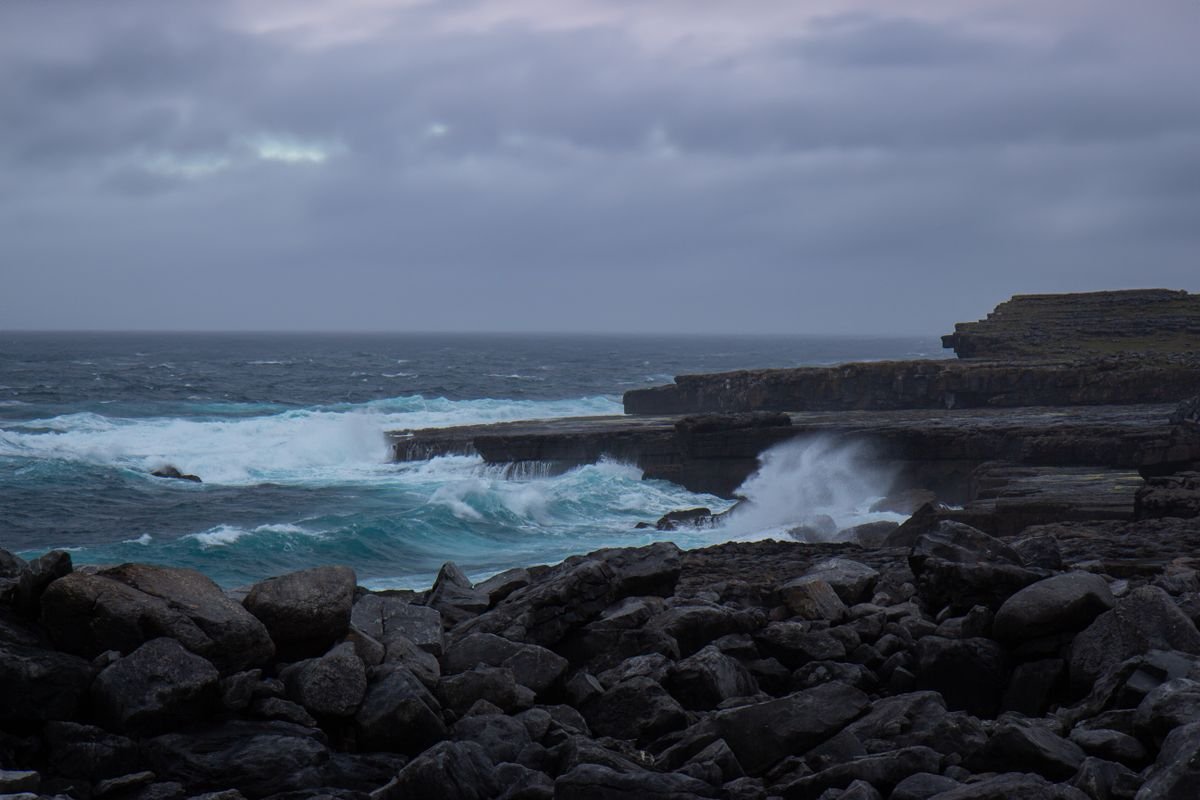
Whatever month you pick, the wind is the real decider here. The National Trust closes the bridge when it’s too gusty, and that happens far more in autumn and winter than in summer. A calm, clear October day is a great time to go, but a stormy one shuts the crossing completely.
So don’t lock in a plan around the calendar alone. Check the forecast and the Trust’s social channels the morning you’re heading up, aim for a settled day, and keep a backup stop nearby in case the bridge is closed for wind.
What to Wear and Bring
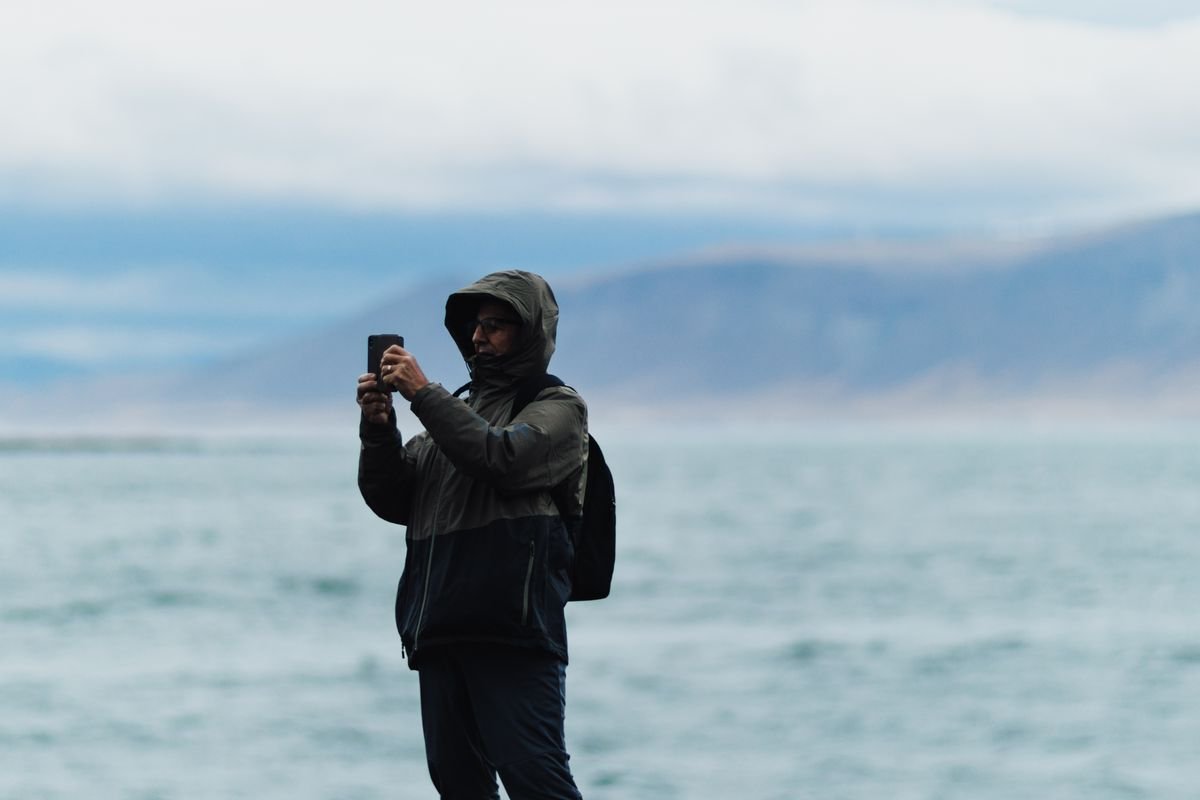
This is a windy clifftop on the Atlantic, so dress for it. Even a warm day up here can turn cold and wet fast, and there’s no shelter out on the path once you leave the parking lot.
The most important thing is your shoes. The main path is paved, but the steps down to the bridge are steep and often slick with rain or sea spray. Sneakers with grip or light hiking shoes are the right call, and flip-flops are a bad idea.
Bring a waterproof jacket no matter what the forecast says. Weather on this coast changes in minutes, and a packable rain layer beats getting soaked halfway out. Layers underneath let you adjust when the wind bites.
What to Pack
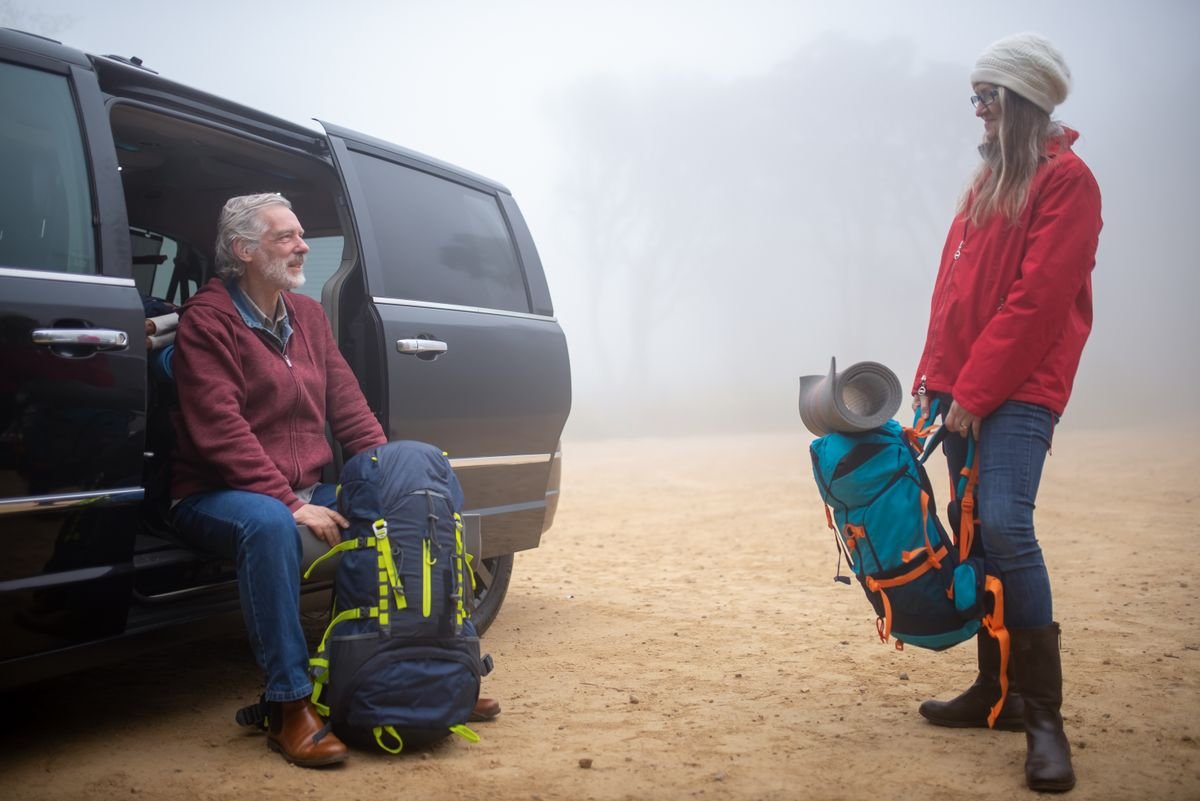
You don’t need much, but a few things make the visit better:
- Grippy walking shoes for the wet steps
- A waterproof jacket and a warm layer
- A camera or a well-charged phone, because you will stop for photos
- Water and a snack, since there’s no café at the bridge
- Your booking confirmation, on your phone or printed
Pack light for the crossing itself. The bridge takes a limited number of people at a time and you’re using the handrails, so a small daypack is fine but a big suitcase or a stroller won’t work on the steps.
One last thing worth saying: if you’re nervous about heights, you can still do the walk and the viewpoints without crossing. Nobody makes you step onto the bridge, and the coast is worth the trip on its own.
Accessibility and Facilities On Site
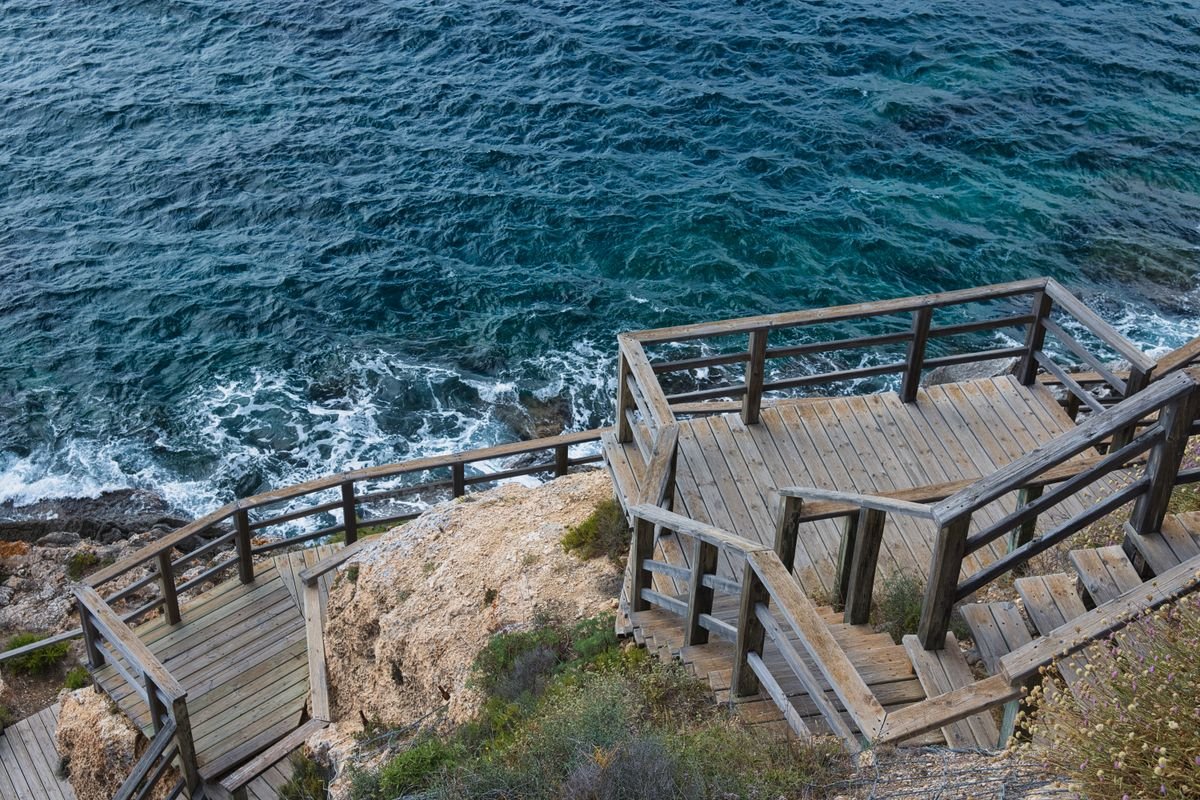
The bridge itself is not step-free, and there’s no way around that. The final descent to the crossing is a flight of steep steps, so a wheelchair or a stroller can’t get down to the bridge or across it.
The good news is the coastal path up top is a different story. The first stretch out from the parking lot is paved and mostly level, so you can get a long way along the cliffs and reach the viewpoints even if the steps are out for you.
If you or someone in your group can’t manage steps, plan the visit around the walk and the headland views rather than the crossing. The cliffs, Sheep Island, and the wide coastal scenery are the best part anyway, and none of that needs the bridge.
Toilets, Food and the Shop

The facilities all sit back at the parking lot, not out at the bridge. There are toilets there, plus a small National Trust tearoom for a coffee and something to eat before or after your walk.
Use the toilets before you set off. Once you’re on the cliff path there’s nothing out there, and it’s a 15 to 20 minute walk each way to the crossing with no facilities in between.
The tearoom keeps shorter hours than you’d expect, especially in winter, so don’t count on a hot meal there. If you want lunch after, the village of Ballintoy and Ballycastle are both a short drive away and have proper pubs and cafés.
Kids, Dogs and Groups
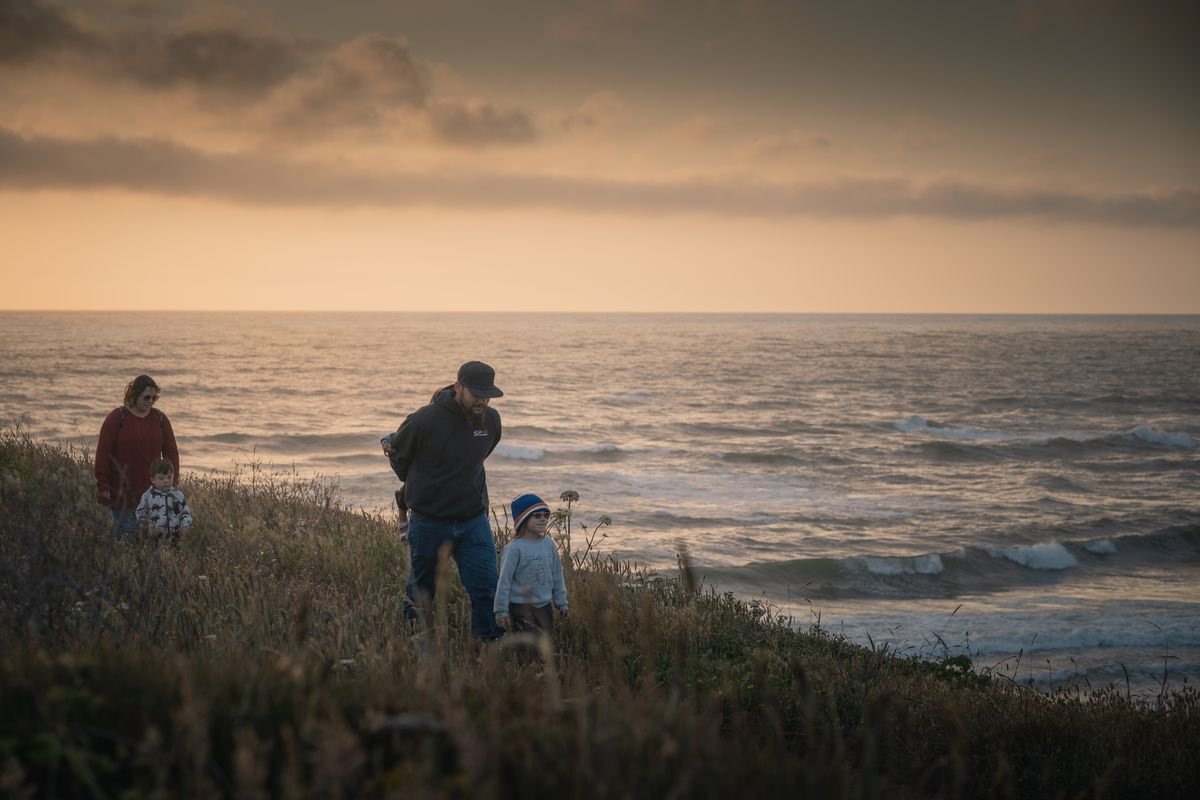
Kids are fine here as long as they’re steady on their feet and you hold the little ones on the crossing. The bridge has high handrails and a solid wire mesh, so it’s safer than it looks, but it does wobble and it’s a long drop.
Dogs aren’t allowed across the bridge, so leave yours at home or plan for one of you to wait with it at the top. Assistance dogs are the exception.
The bridge only holds a handful of people at once, and staff manage the flow, so a big group crosses in shifts rather than all together. Factor that into your time if there’s a few of you.
Best Tours to Carrick-a-Rede
If you don’t want to drive, a guided tour is the cleanest way to reach Carrick-a-Rede. Most of them run as a full Causeway Coast day, so you get the rope bridge alongside the other big names in one loop and let someone else handle the roads and the parking.
The tours split into two camps: day trips out of Belfast, and much longer days out of Dublin. Which one you pick mostly comes down to how far you’re starting from and how much time in a bus you can stomach.
Day Tours From Belfast

Belfast is the smart base for this. You’re only about an hour from the coast, so the driving is light and you get real time at each stop instead of a rushed photo and back on the bus.
A typical Belfast day pairs Carrick-a-Rede with the Giant’s Causeway, the Dark Hedges from Game of Thrones, and Dunluce Castle on the cliffs. Some add a whiskey stop at Bushmills. It’s a lot of coast for one day, and it works because the sites sit close together. A well-run coach version of this loop lets the driver handle the roads while you just look out the window.
Day Tours From Dublin
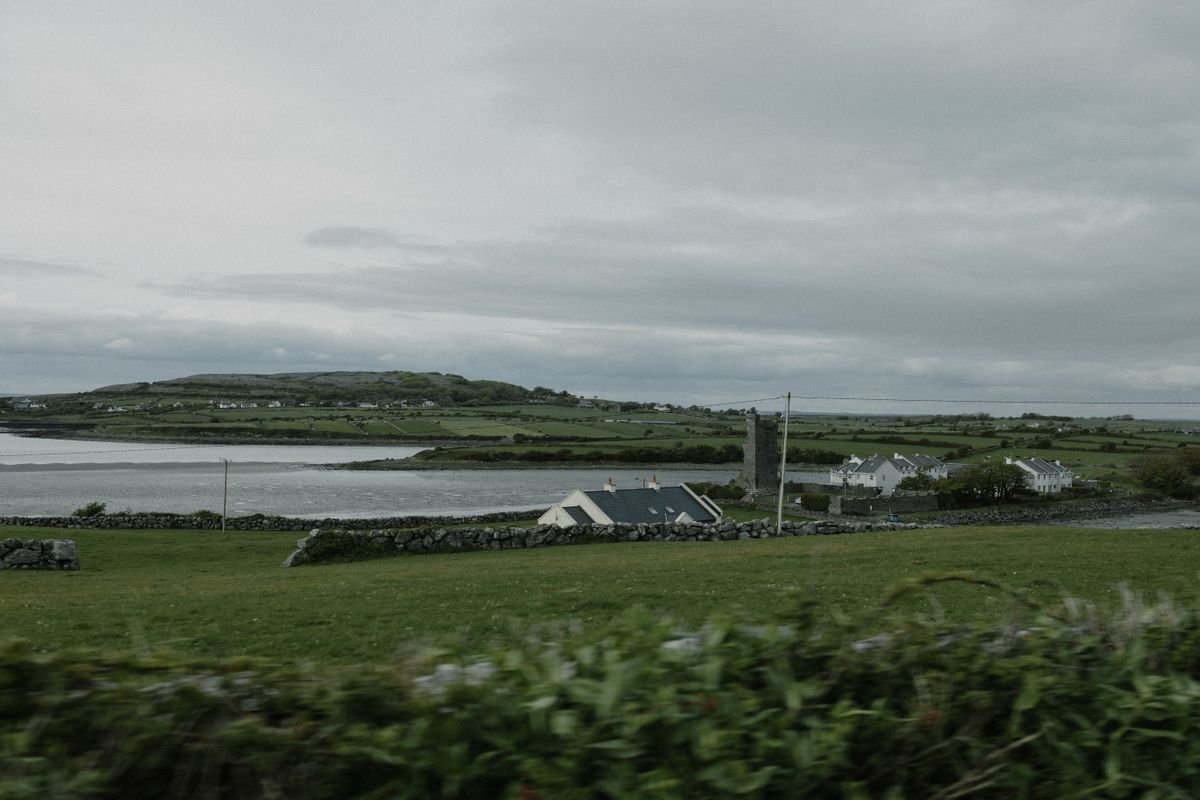
You can do the whole thing from Dublin, but go in with your eyes open. It’s a long day, often 12 hours or more, with a big chunk of that spent on the bus getting up to the north coast and back.
If Dublin is your only base and you’ve got one day for the Causeway Coast, it does the job and the scenery earns it. Game of Thrones fans making the trek up can tie the filming spots into the same day. But if you can spare a night in Belfast or on the coast instead, you’ll have a far easier day and more time on the ground.
One Thing to Check Before You Book

Not every tour includes the bridge crossing itself. Plenty stop at Carrick-a-Rede for the views and the walk but leave the timed ticket up to you, or skip the crossing entirely if the schedule is tight or the wind has shut it.
Read the tour description before you pay, and check whether the bridge ticket is bundled in or extra. If crossing the bridge is the whole reason you’re going, make sure the tour actually builds in time to do it, not just a stop at the clifftop.
Small-group tours cost more than the big coaches, but you get less waiting around and more flexibility if the weather turns. For a full day with several stops, that’s often worth the extra.
Here are two of the better-run options that pair Carrick-a-Rede with the rest of the Causeway Coast.
Giant’s Causeway Full-Day Tour from Belfast
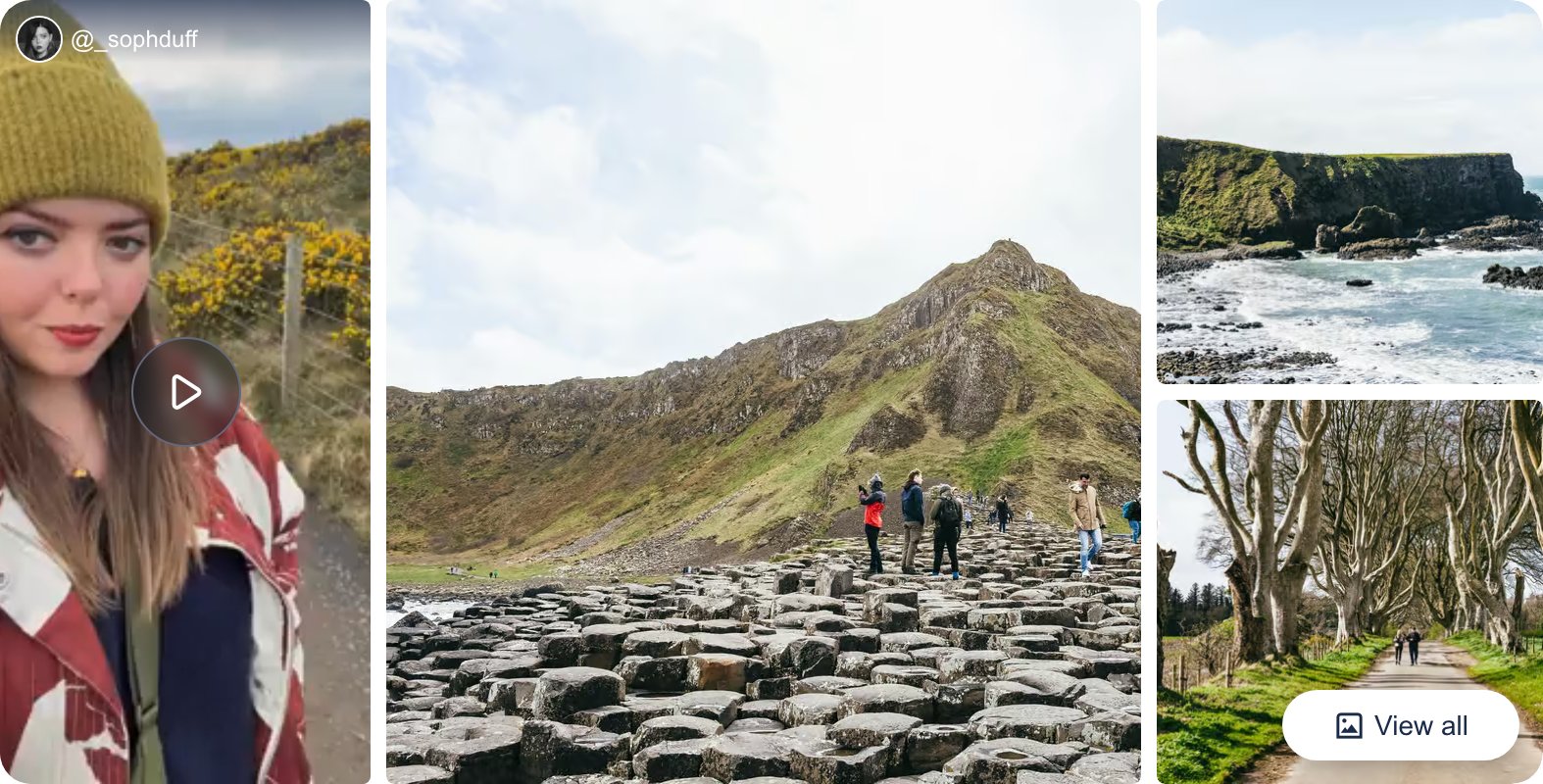
This is the standard Belfast day out by coach: the Giant’s Causeway, Carrick-a-Rede, the Dark Hedges, and Dunluce Castle in one loop, with a driver-guide handling the roads. It runs about nine hours door to door, so you get real time at each stop instead of a rushed photo. The bridge ticket isn’t bundled, so book that separately if you plan to cross.
👉 Check Giant’s Causeway Full-Day Tour from Belfast Availability and Reviews
Giant’s Causeway and Game of Thrones Private Tour
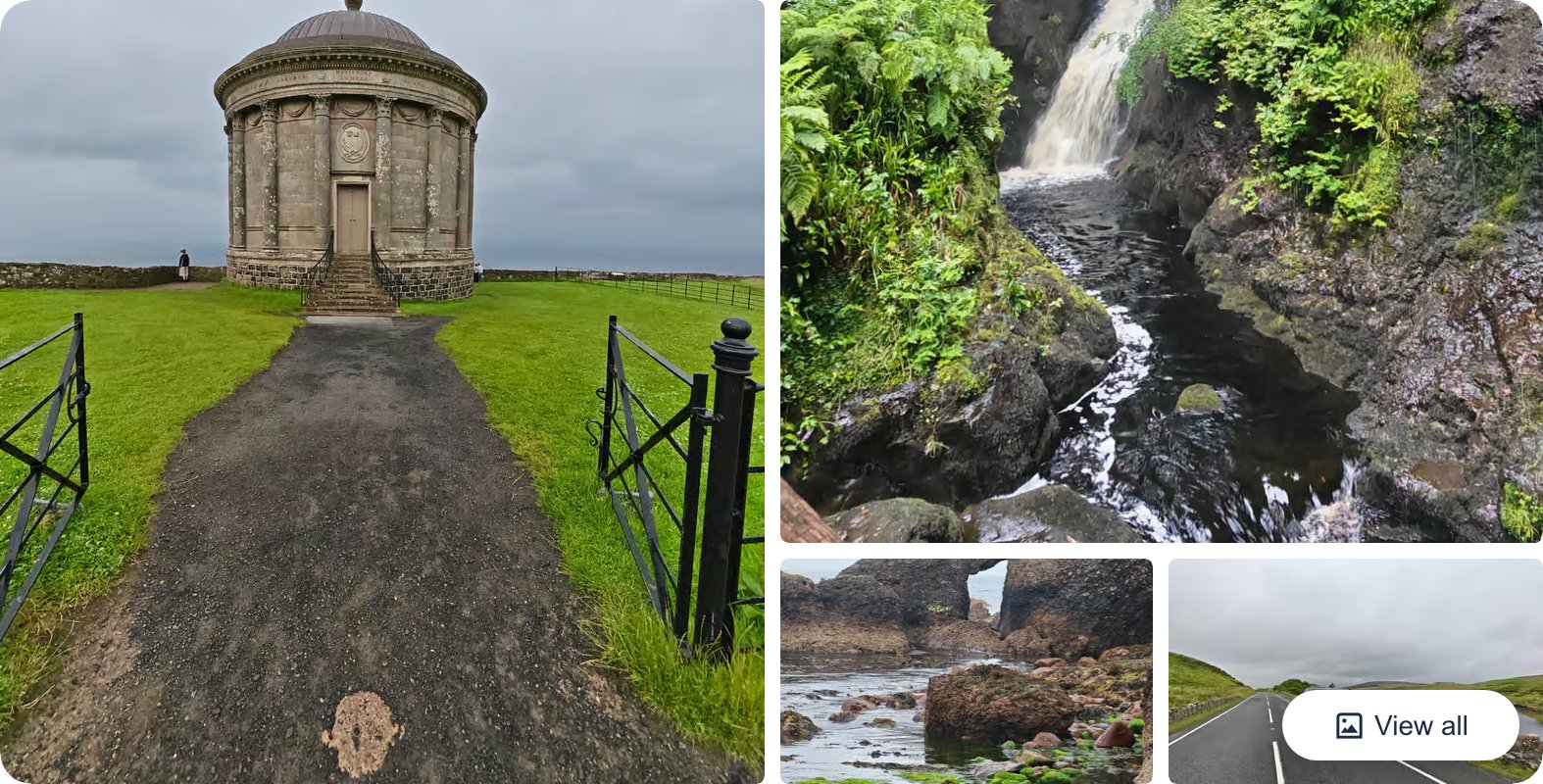
This is the private version, so it’s just your group with a driver and a set itinerary you can shift around. It ties the Causeway Coast to the Game of Thrones filming spots, including the Dark Hedges and Mussenden Temple, alongside the Giant’s Causeway and Carrick-a-Rede. Better suited to a couple or a family who’d rather set their own pace than share a coach.
👉 See what’s included on the Giant’s Causeway and Game of Thrones Private Tour
Where to Stay Near Carrick-a-Rede
There’s no big town at the bridge itself, so you base yourself in one of the villages strung along the coast and drive in. The good news is the whole Causeway Coast is compact, so wherever you land you’re a short hop from the rope bridge and the Giant’s Causeway both.
Which base you pick comes down to what you want when the walking’s done: a small village with fewer crowds, a proper harbor town, or a bigger seaside resort with more going on.
Ballycastle
Ballycastle is the closest real town, about ten minutes from Carrick-a-Rede. It’s a working harbor town with a decent stretch of pubs, cafés, and places to eat, plus the ferry over to Rathlin Island if you want to add a day.
This is the practical pick. You get somewhere to have dinner and a pint after your walk, a handful of hotels and B&Bs, and short drives to everything on the coast. If you want one base for a couple of days on the Causeway Coast, Ballycastle makes it easy. You can browse places to stay in Ballycastle on Booking.com to see what’s open for your dates.
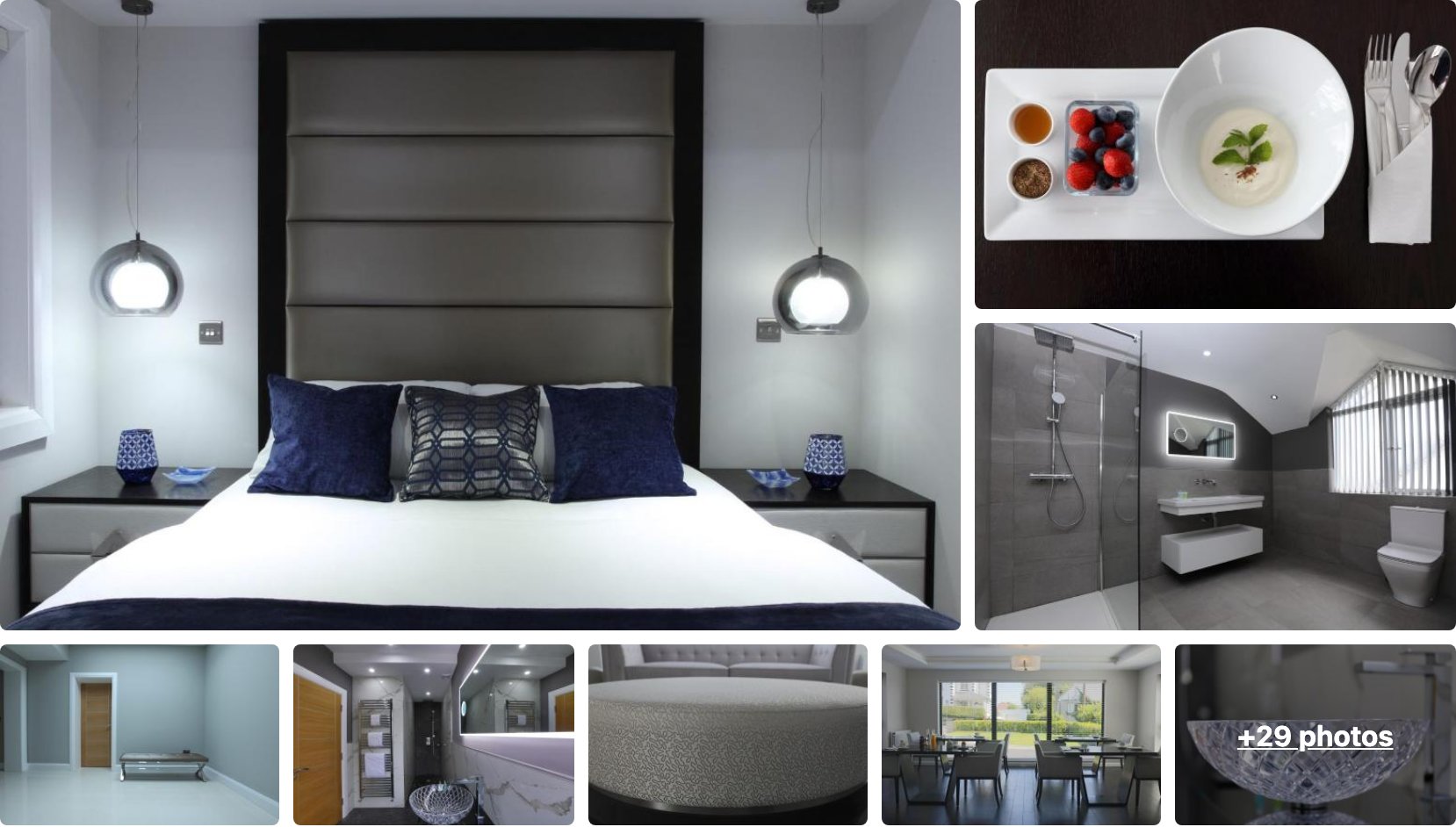
Glass Island Ballycastle is a modern bed and breakfast a couple of minutes’ walk from the harbour, so you can walk to dinner and the ferry pier after a day on the coast. Rooms are bright and contemporary, and the breakfast gets a steady mention in reviews.
👉 View Glass Island Ballycastle Availability and Pricing
Ballintoy and Bushmills
Ballintoy is the tiny village right next to the bridge, a few minutes down the road. It’s small, with Ballintoy Harbour and a couple of spots to eat, so it suits you if you want to be a short walk from the coast and don’t need much nightlife.
Bushmills sits between Carrick-a-Rede and the Giant’s Causeway, so it’s a smart middle base if you’re doing both in a day. It’s home to the Old Bushmills whiskey distillery, and there are hotels and guesthouses in and around the village.

Carnbore House BnB sits just outside Bushmills, which puts you roughly halfway between Carrick-a-Rede and the Giant’s Causeway if you’re doing both. It’s a country house with big breakfasts and quiet rooms looking out over the fields.
👉 View Carnbore House BnB Availability and Pricing
Where to Stay Near Ballintoy
- Dunnaglea Cottage, Ballintoy
- The Woods at Whitepark Bay
- Stable Cottage – Kinbane Self Catering Cottages
Portrush and Belfast
Portrush is the bigger resort town further west, about 25 minutes from the bridge. You get more hotels, restaurants, and beaches, so it’s a good shout if you’re traveling with family or want more choice in the evening. It has the widest range of rooms on this coast, so check hotel availability in Portrush on Booking.com if you want more options to pick from.
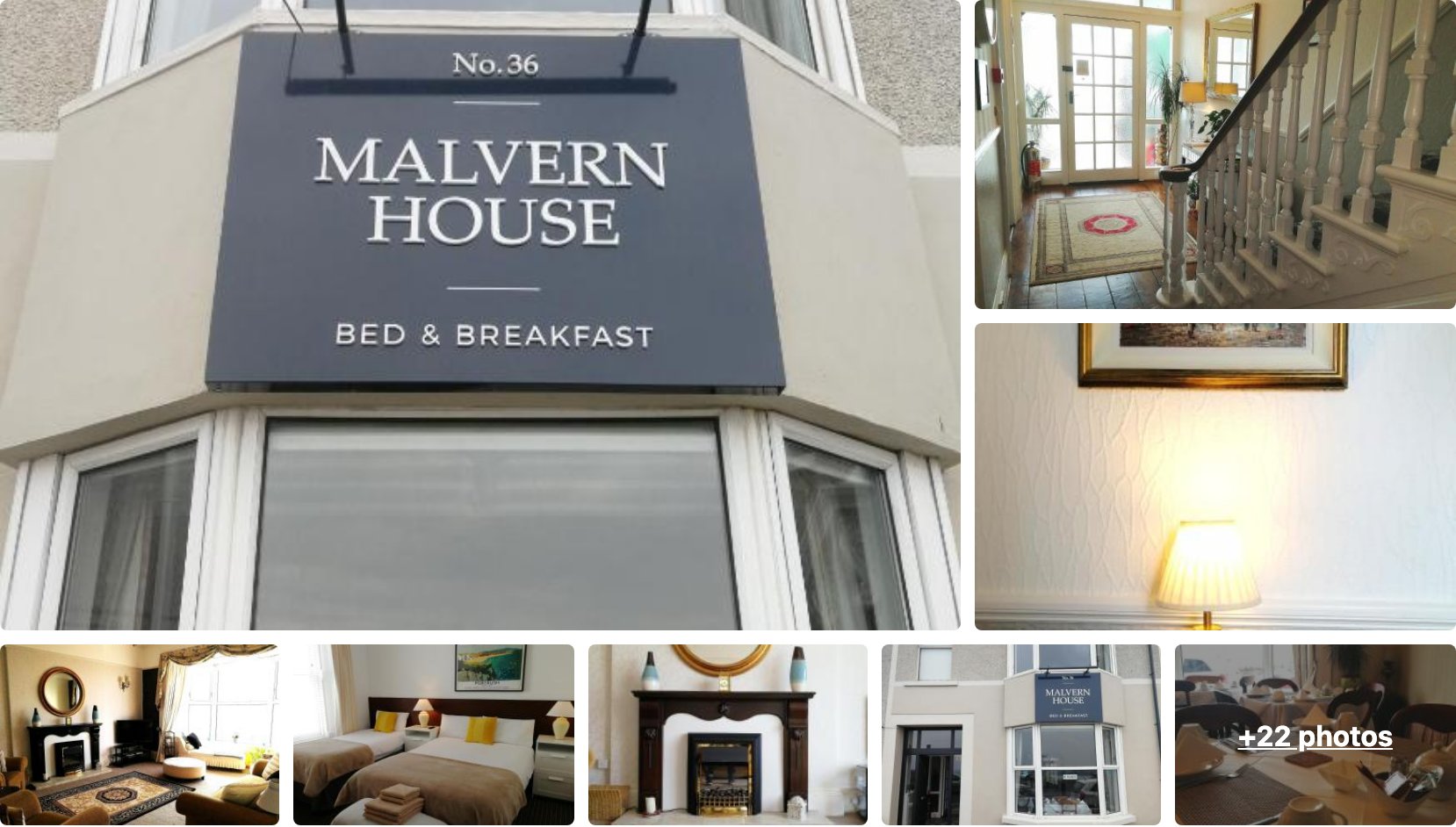
Malvern House is a bed and breakfast right in the middle of Portrush, a short walk from the seafront, the restaurants, and the train station. It’s a good base if you want the town’s choice of places to eat within walking distance after a day on the coast.
👉 View Malvern House Availability and Pricing
Belfast is the other option, roughly an hour out. You wouldn’t stay there just for Carrick-a-Rede, but if you’re basing yourself in the city and day-tripping the coast, it works fine and gives you a full city to come back to at night.
Combining Carrick-a-Rede With the Causeway Coast
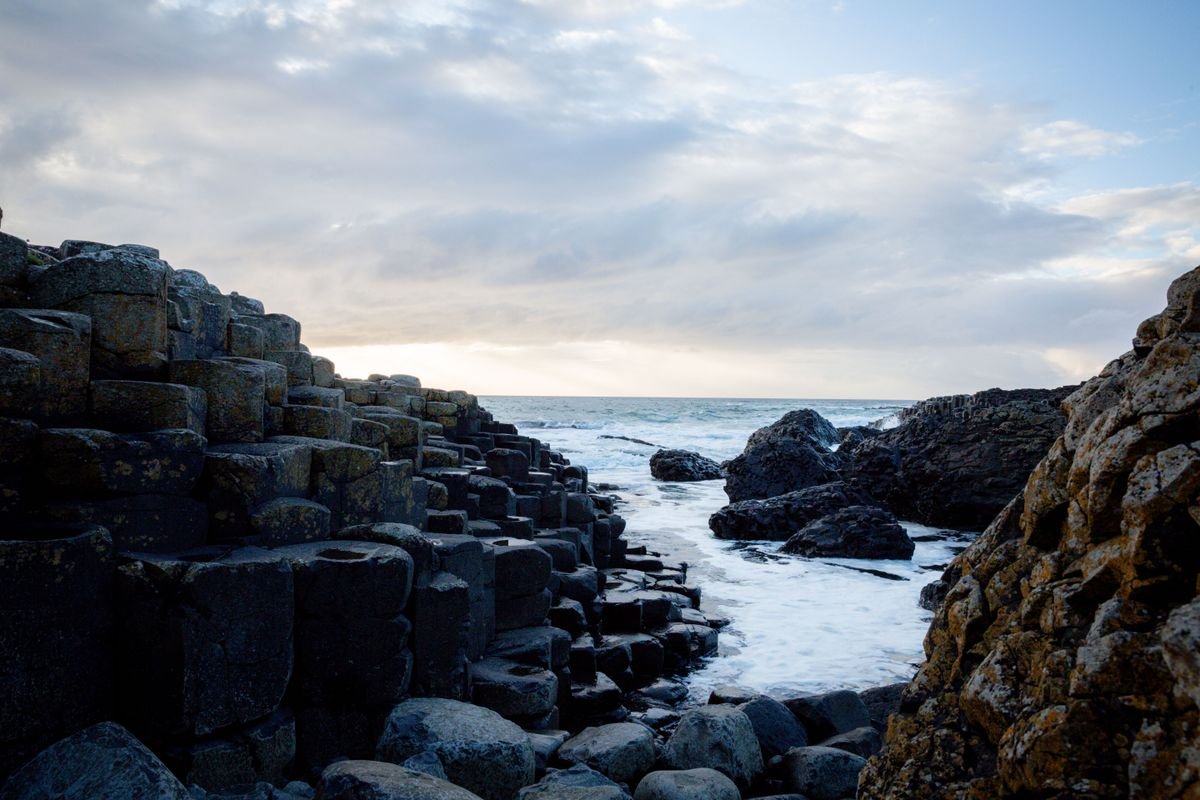
The smart way to do Carrick-a-Rede is to treat it as one stop on a full day along the Causeway Coast, not a drive up and back for a single bridge. The big attractions sit within a short hop of each other, so you can string several together without spending your whole day behind the wheel.
The obvious pairing is the Giant’s Causeway, and it’s the one you shouldn’t skip. It’s only 15 minutes down the road, it’s the biggest name on this coast, and doing both in one day is exactly what you came up here for. Book your timed bridge slot for the morning and give the Causeway the afternoon, or flip it.
A One-Day Route Along the Coast
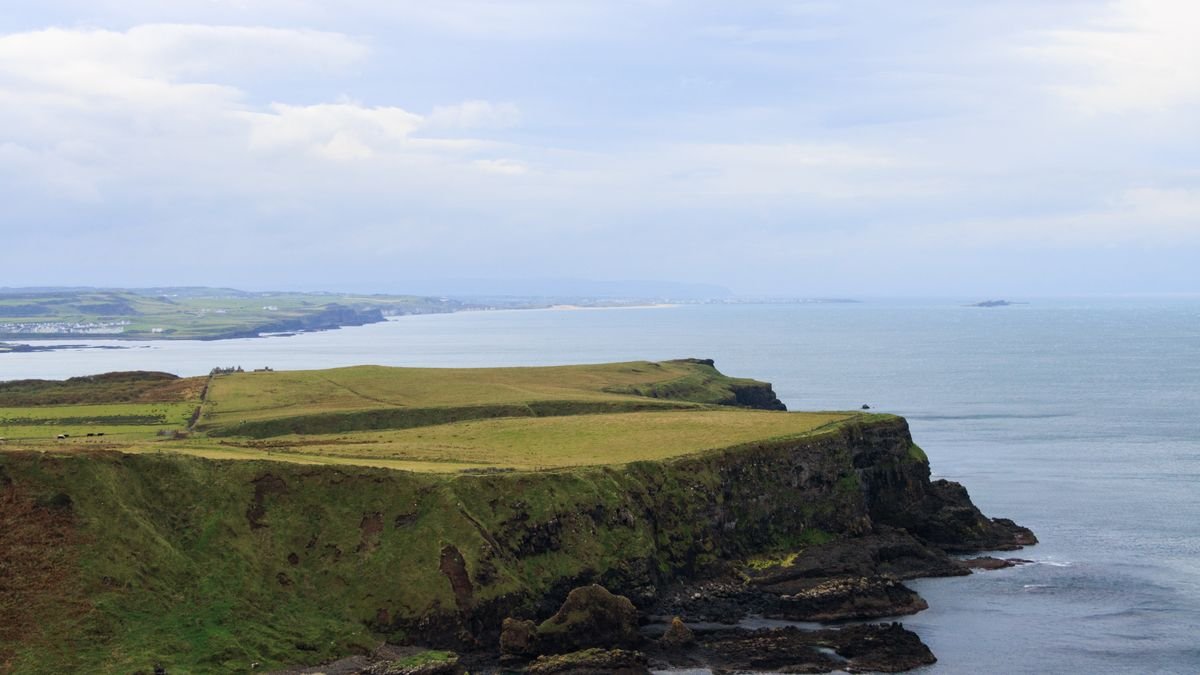
If you’re driving in from Belfast, run the coast west and knock the stops off in order so you’re never doubling back. A route that works is Carrick-a-Rede first, then Ballintoy Harbour just down the road, then the Dark Hedges, the Giant’s Causeway, and Dunluce Castle to finish before you head back.
That’s a full day, and it moves. If you’d rather slow down, cut it to the rope bridge and the Causeway and leave the castles and the Dark Hedges for a second day. Trying to cram all five into a few hours is how you end up rushing the parts you came for.
The Smaller Stops Worth Adding
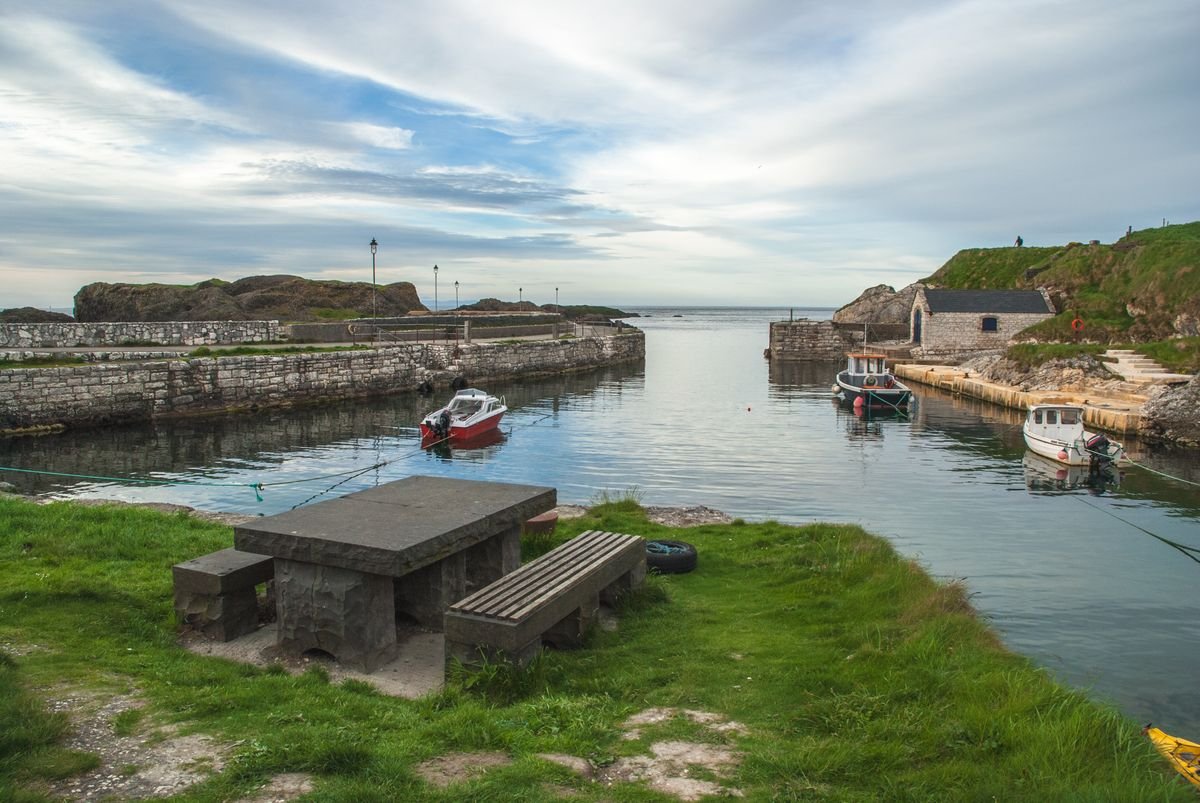
Ballintoy Harbour is the easy add. It’s a couple of minutes from the bridge, it’s free, and the little harbor with its black rock and sea stacks was a Game of Thrones filming spot, standing in for the Iron Islands. Ten minutes here breaks up the drive nicely.
Bushmills is the other one, sitting between Carrick-a-Rede and the Giant’s Causeway. The Old Bushmills distillery runs tours if you want a whiskey stop, and the village is a handy spot to grab lunch mid-day. It splits the route neatly and keeps you from doing every stop on an empty stomach.
One tip that saves the day: book the rope bridge slot first and build everything else around it. The bridge runs on timed tickets and can close for wind, while the Causeway, the castles, and the harbor are all open-access and flexible. Lock in the fixed thing, then let the rest of the coast fill in around it.
Is Carrick-a-Rede Worth It
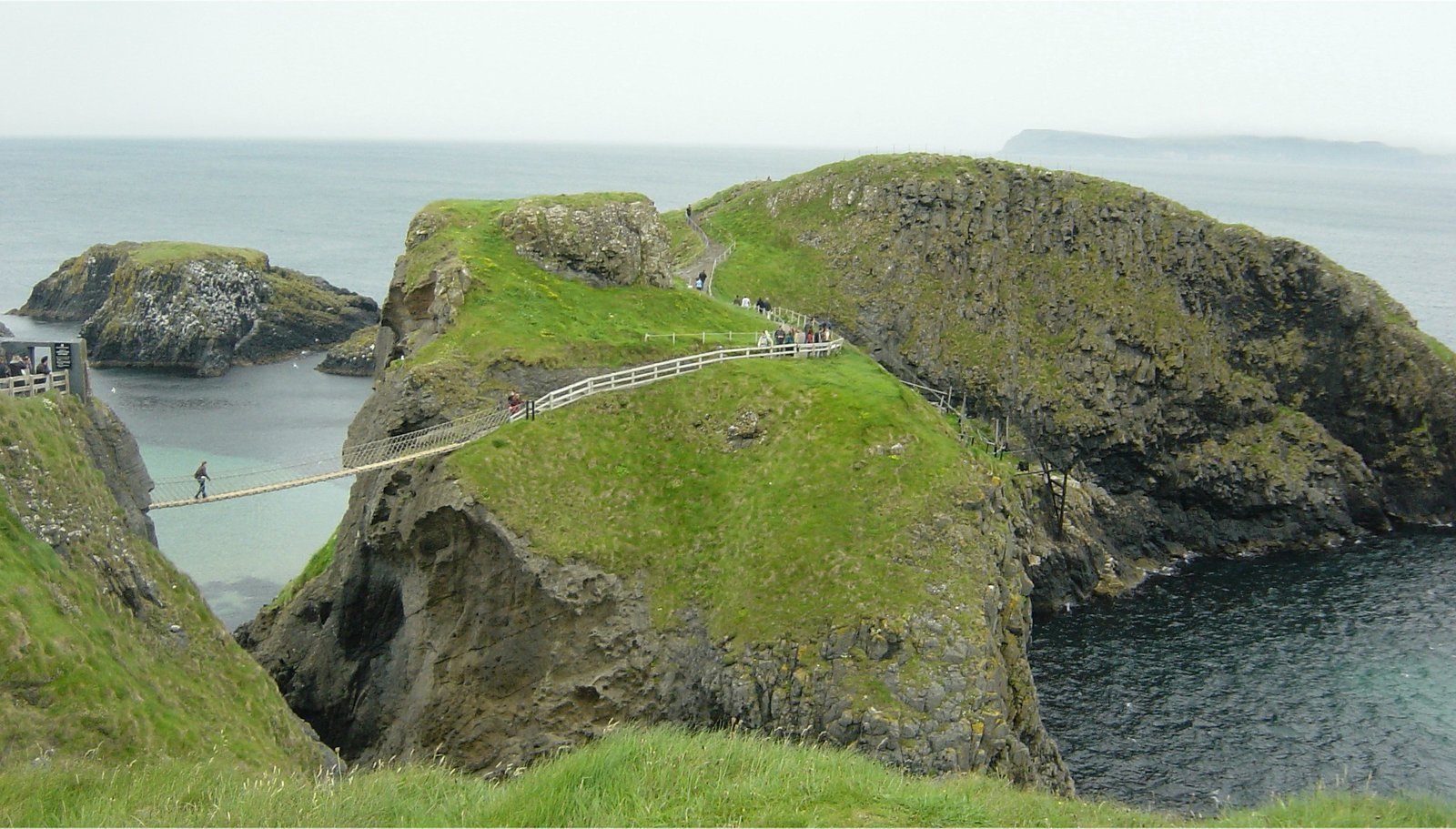
Short answer: yes, but not for the reason you’d assume. The rope bridge is a two-minute wobble across open water, and if that were the whole visit, you’d be right to wonder what the fuss is about. The cliff walk out to it is what makes the trip pay off.
So set your expectations right. You’re not coming for a big adrenaline stunt, because the bridge is short and the handrails are chest-high. You’re coming for a paved path along some of the best coastline in the north, with the crossing as the payoff at the end.
The one downside is the price for what it is. Around £15 plus parking to walk out and back is a fair bit next to the Giant’s Causeway right down the road, where the coast itself costs nothing. That’s the trade you’re weighing.
When It’s Worth It, and When to Skip
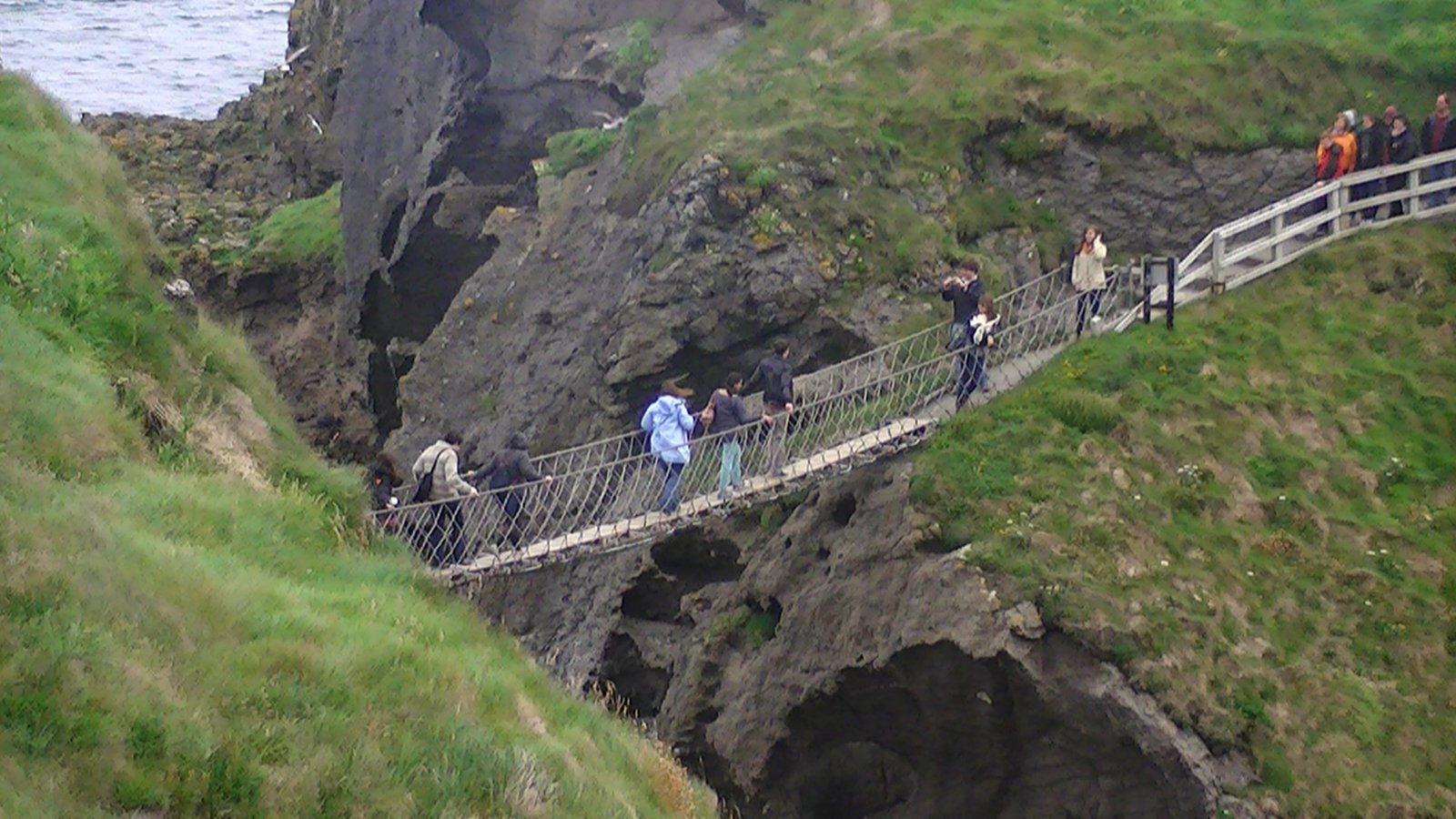
It’s worth it if you pair it with the Causeway and treat both as one coastal day. You’re already up here, the two sites are 15 minutes apart, and the cliff walk earns its ticket on a clear day. That’s the version we’d recommend.
It’s a harder sell as a stand-alone trip. Driving an hour from Belfast just for the bridge, or a 12-hour round trip from Dublin, is a lot of car time for one short crossing. If that’s your only plan, the day tour that bundles the other stops is the better use of the drive.
And skip it if the wind has shut the bridge and you can’t wait for a calmer day. You still get the cliffs and the viewpoints for free, but paying the full ticket for a closed crossing isn’t worth it. Check the forecast, go on a settled day, and it’s an easy yes.
Plan Your Northern Ireland Trip
- Northern Ireland: A 3-Day Itinerary
- Where to Stay in Belfast: Best Areas & Hotels
- Game of Thrones Studio Tour (Banbridge): A Visitor’s Guide
In short
- The Carrick-a-Rede rope bridge is a 20-metre crossing hung 30 metres above the sea in County Antrim.
- Book a timed slot with the National Trust ahead; adult tickets run about £15.
- It is a kilometre clifftop walk each way from the car park to the bridge.
- The crossing shuts in high wind, so check the forecast the morning you go.
- It sits 15 minutes from the Giant’s Causeway, easy to pair in one day.
Frequently Asked Questions
Here are the questions most visitors ask before they cross the Carrick-a-Rede rope bridge. Short, practical answers on booking, cost, safety and how long a visit takes.
How long does it take to visit Carrick-a-Rede?
Plan on about an hour and a half in total. That covers the walk out from the parking lot, the crossing, some time on the island, and the walk back. Add more if you stop for photos or there’s a line at the descent, and you will stop for photos.
Do I need to book tickets in advance?
In summer, yes. The timed slots sell out and you can get turned away at the gate if you just show up. On a quiet winter weekday you can usually walk on, but booking ahead online is cheaper and safer either way. Book through the National Trust website.
Is the rope bridge scary?
It’s less scary than the photos make it look. The handrails are chest-high and there’s solid wire mesh under your feet, so it’s safe. It does wobble, and it’s a long drop to the rocks, so if you’re bad with heights you’ll feel it. The crossing itself takes under a minute.
What happens if the bridge is closed for wind?
The National Trust shuts the crossing completely when it’s too gusty, and no ticket gets you across. They’ll normally refund or rebook you. Check their site and social channels the morning of your visit, and you can still walk the cliff path and the viewpoints for free even if the bridge is out.
Is Carrick-a-Rede suitable for kids?
Yes, as long as they’re steady on their feet and you hold the little ones on the crossing. The steep steps down to the bridge are the part to watch with young kids. The bridge only takes a handful of people at a time, so families cross in shifts rather than all at once.
Can you visit Carrick-a-Rede and the Giant’s Causeway in one day?
Easily. They’re only 15 minutes apart, and doing both in one day is the whole point of coming up here. Book your timed bridge slot for the morning and give the Causeway the afternoon, or flip it. Most day tours from Belfast pair the two as well.
How much does it cost?
Adults pay around £15 for the crossing and the coastal walk, with cheaper rates for kids and families, plus a parking charge if you’re not a National Trust member. Members cross and park for free. Prices go up most years, so check the current figure on the National Trust page.
Final Thoughts
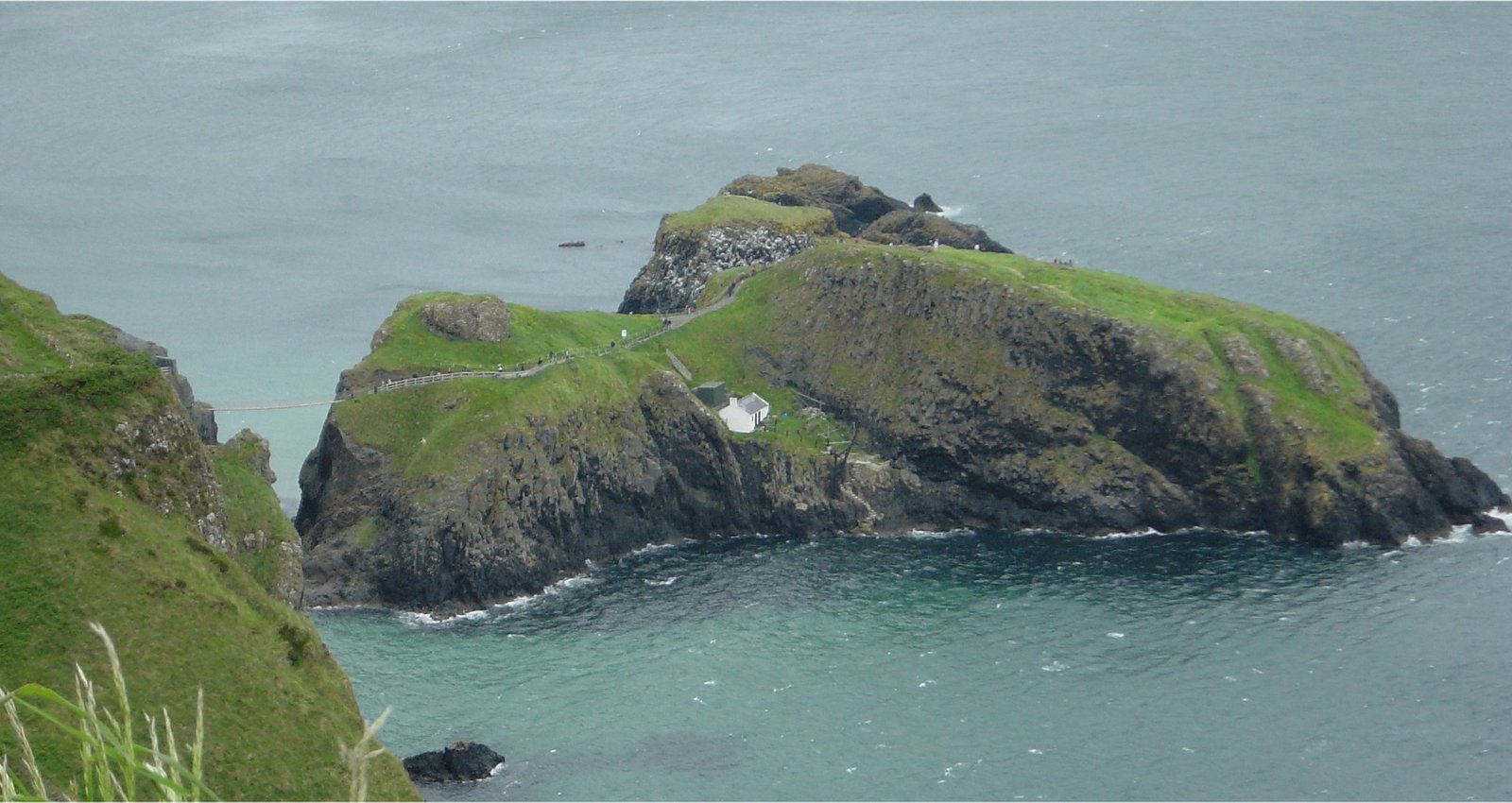
Carrick-a-Rede isn’t a place you build a whole trip around, and it doesn’t need to be. It’s one good stop on a stretch of coast that’s full of them, and the smart way to do it is to fold it into a full Causeway Coast day rather than drive up for a single crossing.
Sort the two things that trip people up and the rest is easy. Book your timed slot early so you’re not turned away at the gate, and check the wind the morning you head up, because that’s what decides whether the bridge is open at all.
Go in expecting a paved cliff walk with a short, wobbly crossing at the end, not a big thrill ride, and you’ll come away happy. The coast is the reason to come, and the bridge is the bit you’ll talk about after.
Pair it with the Giant’s Causeway 15 minutes down the road, pick a settled day, and get there for the first slots. Do that and Carrick-a-Rede is an easy yes.
Like it? Pin it!
Save this guide for later