Ireland does forests better than almost anywhere, and I mean real ones: oak woodland older than most castles, waterfalls you walk right up to, and trails that go silent the second you leave the parking lot. This is our rundown of the best forest parks in Ireland, from Donegal in the north down through the woods of Kerry and Cork.
We spent about two weeks driving the country on our last trip and kept ending up in these places, sometimes by accident. Torc Waterfall and the Muckross woodland walks in Killarney National Park were a highlight even in heavy rain, and once you start chasing forest parks you realize how many Ireland actually has. Almost all of them are miles off the nearest town and barely served by public transport, so this is a self-drive trip. If you’re flying in, compare car hire deals on Discover Cars before you go.
Some are famous, like Glendalough and Killarney. Others barely make it onto an itinerary, which is exactly why they’re worth the detour. A few even have proper attractions built in now, like the Beyond the Trees walkway up in Avondale.
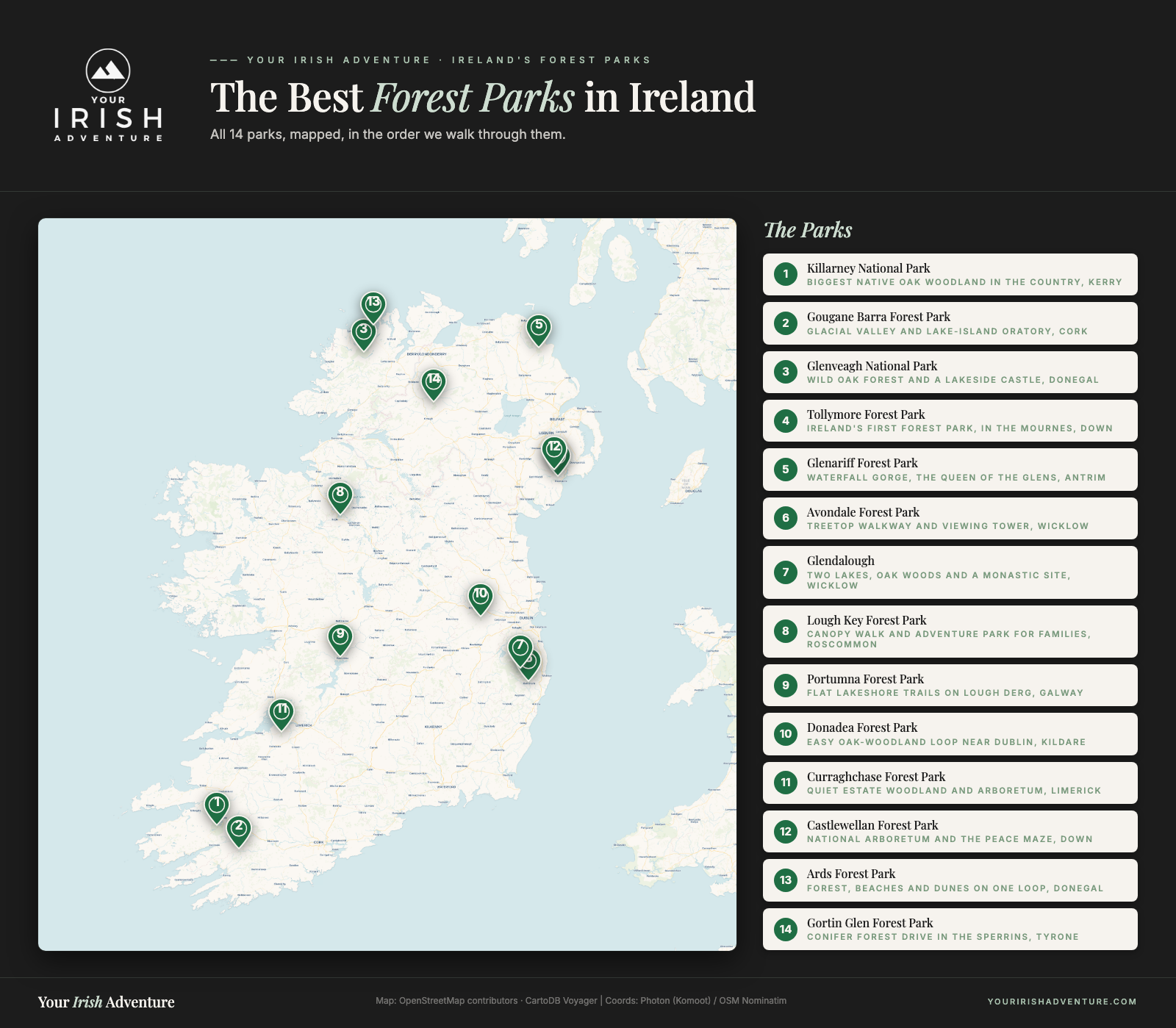
Below I’ll walk through our favorite parks county by county, then finish with the best time of year to go and a few practical tips so you get the most out of them.
Quick Answer:
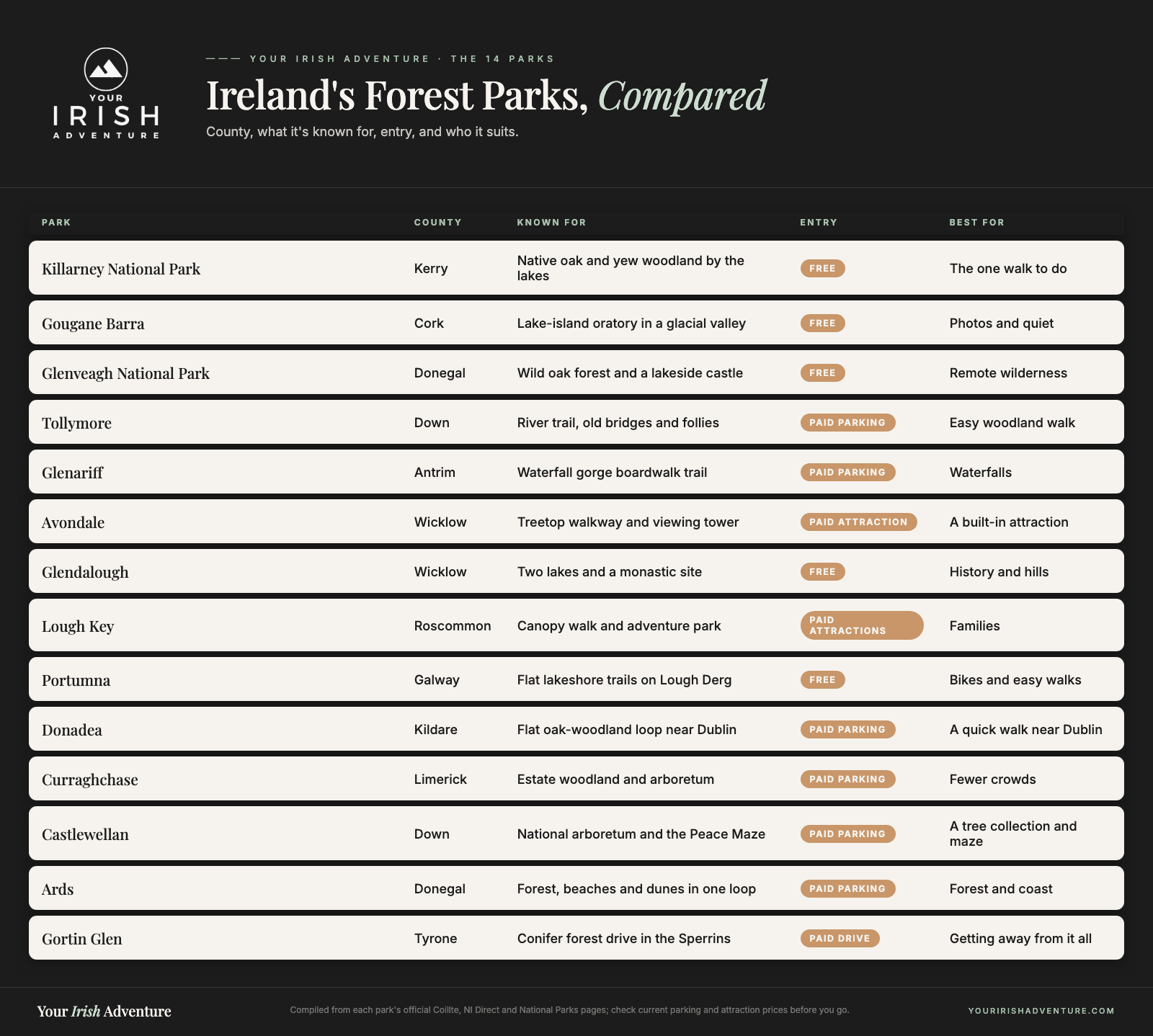
Ireland’s best forest parks include Killarney National Park in Kerry, Gougane Barra in Cork, Glenveagh in Donegal, and Tollymore in County Down. Killarney is the top all-rounder for native oak woodland and lake trails, and it’s free to enter.
More Irish Nature and Walking Guides
- National Parks in Ireland: Complete Guide to All 6
- The Best Easy Walks in Ireland (For All Skill Levels)
- The Best Coastal Walks in Ireland: 10 Cliff & Sea Trails
- Hiking In Galway: 10 Best Trails For All Levels
Killarney National Park Woodlands, Kerry
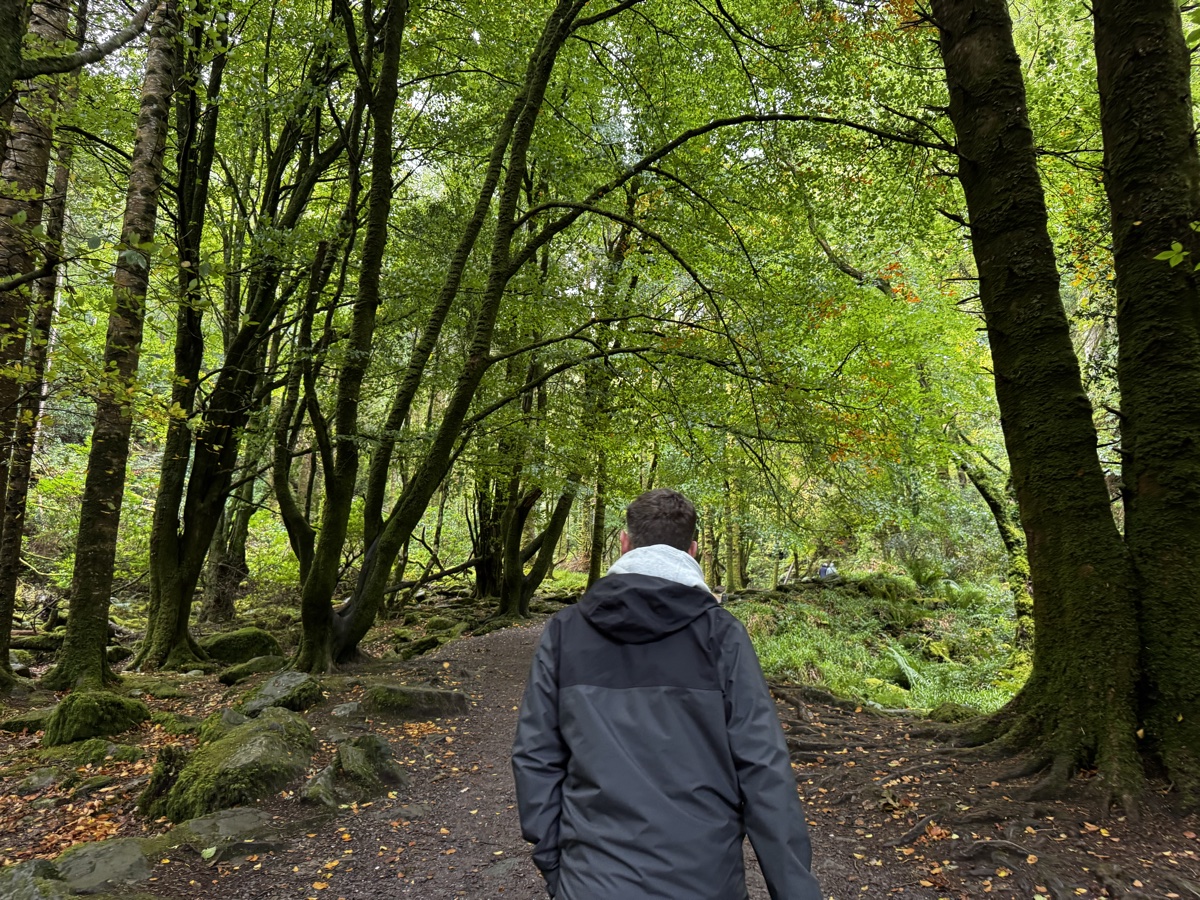
If you only walk one forest in Ireland, make it this one. Killarney National Park holds the biggest stretch of native oak woodland left in the country, plus a rare yew wood on the Muckross peninsula, and the trails run right down to the lakes. It’s a national park, so the woodland walks are free and well signed.
We based ourselves at Fleming’s White Bridge Caravan and Camping Park on the Muckross Road and had it almost to ourselves. We went on a Wednesday in early October, well into shoulder season, so it was quiet. The owner was lovely, and it’s a short drive from the Muckross trailheads, an easy base if you’re doing this by car.
The walk we’d point you to first is the loop around the Muckross peninsula. It runs through old oak and yew woodland, and halfway around you hit Muckross Abbey, a 15th-century Franciscan friary with a huge old yew growing in the middle of the cloister. It’s free to walk into and one of the most interesting spots in the park.
Killarney has a reputation for being touristy, and the town can be, but the woodland itself is the real thing. When the weather turned on us we ducked into Monk’s Lounge at the Muckross Hotel for afternoon tea, which I’d recommend even if you’re not staying there.
We had two nights here and it wasn’t enough. Give it two or three if you can, so you have time for the woods, Muckross House, and a jaunting car ride we ran out of time for. If you’d rather a room in town than the campsite, check availability at The Killarney Park on Booking.com, a short walk from the Muckross Road trailheads. It’s easily one of the best forest parks in Ireland, and the end point of the Ring of Kerry drive if you’re stringing a few days together.
Where to Stay near Killarney National Park
Gougane Barra Forest Park, Cork
This is the one that got away on our last trip, so I’ll level with you up front. A storm rolled in near the end of our two weeks and kept us pinned down in Cobh, and we ended up only passing through Cork city instead of getting out west to Gougane Barra like we’d planned. It’s top of the list for next time.
Here’s why it’s worth the drive, roughly an hour west of Cork city on the R584. Gougane Barra sits in a glacial valley at the source of the River Lee, ringed by mountains, with a dark lake at the bottom and oak and pine woodland climbing the slopes. It became Ireland’s first national forest park back in the 1960s.
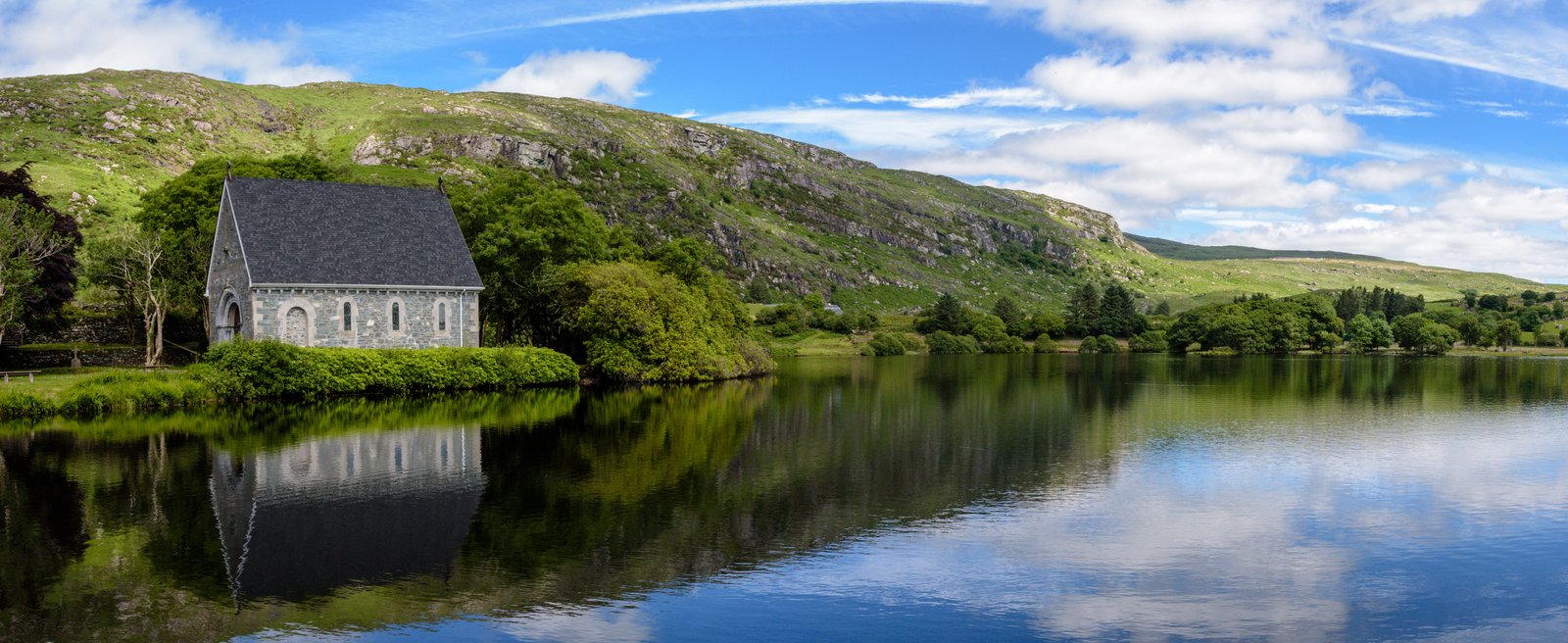
The thing everyone photographs is St Finbarr’s Oratory, a tiny stone church on a small island in the lake, reached by a short causeway. It’s Ireland at its most postcard, and it’s free to walk out to.
Once you’re past the oratory, there’s a one-way loop road through the park you can drive slowly, plus a network of marked walking trails that run up into the woods and along the valley. The higher paths give you the view back down over the lake and the church, which is the shot you came for.
It’s remote enough that it never gets the crowds Killarney does, even in summer. If you’re driving between Cork and Kerry, it’s an easy detour off the main road, and one we’d tell a first-timer not to skip the way we had to.
Glenveagh National Park, Donegal
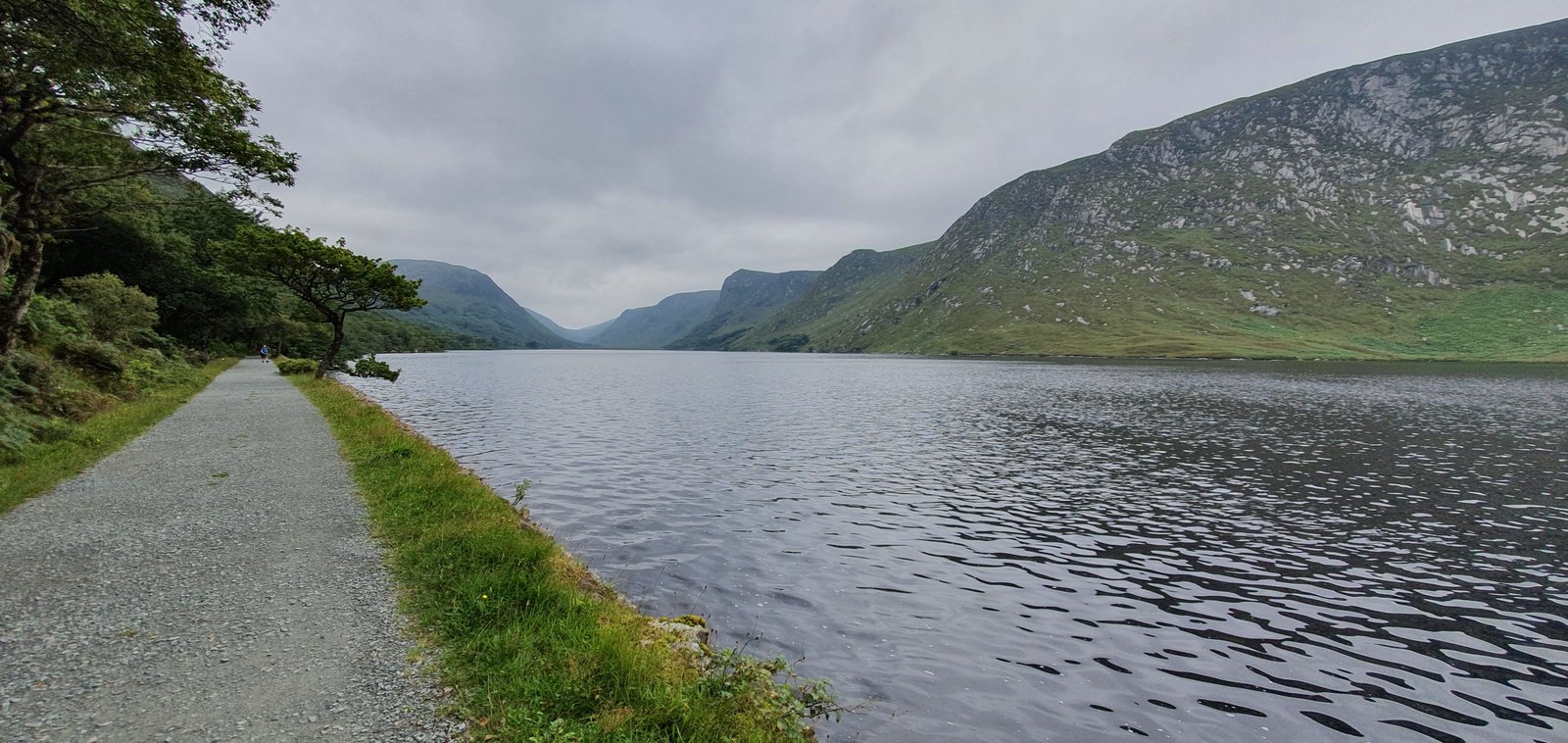
This is the big wild one, right up in the northwest corner of the country. Glenveagh is Ireland’s second-largest national park, spread across the Derryveagh Mountains, and it’s about as remote as the woods get here. If you want oak forest with nobody else in it, this is the drive to make.
The park protects a big stretch of native oak woodland along the lower slopes, and a herd of red deer roams the higher ground above it. Golden eagles were reintroduced here back in the early 2000s, so keep an eye up when you’re on the open trails.
The centerpiece is Glenveagh Castle, a granite house built in the 1870s on the shore of Lough Veagh, with formal gardens that feel out of place in country this rugged. Entry to the park is free. You leave the car at the visitor center and either walk the lakeshore road in or take the shuttle bus down to the castle.
Give yourself the walk if the weather holds. The road runs along the water through the woodland the whole way to the castle, and the tour of the gardens and grounds is worth the time once you get there.
It’s a long way north, roughly an hour from Letterkenny and a fair haul from anywhere on the west coast route, so it works best if you’re already exploring Donegal. If you make it up this far, it’s one of the best forest parks in Ireland and nothing like the busier ones down south.
Tollymore Forest Park, Down
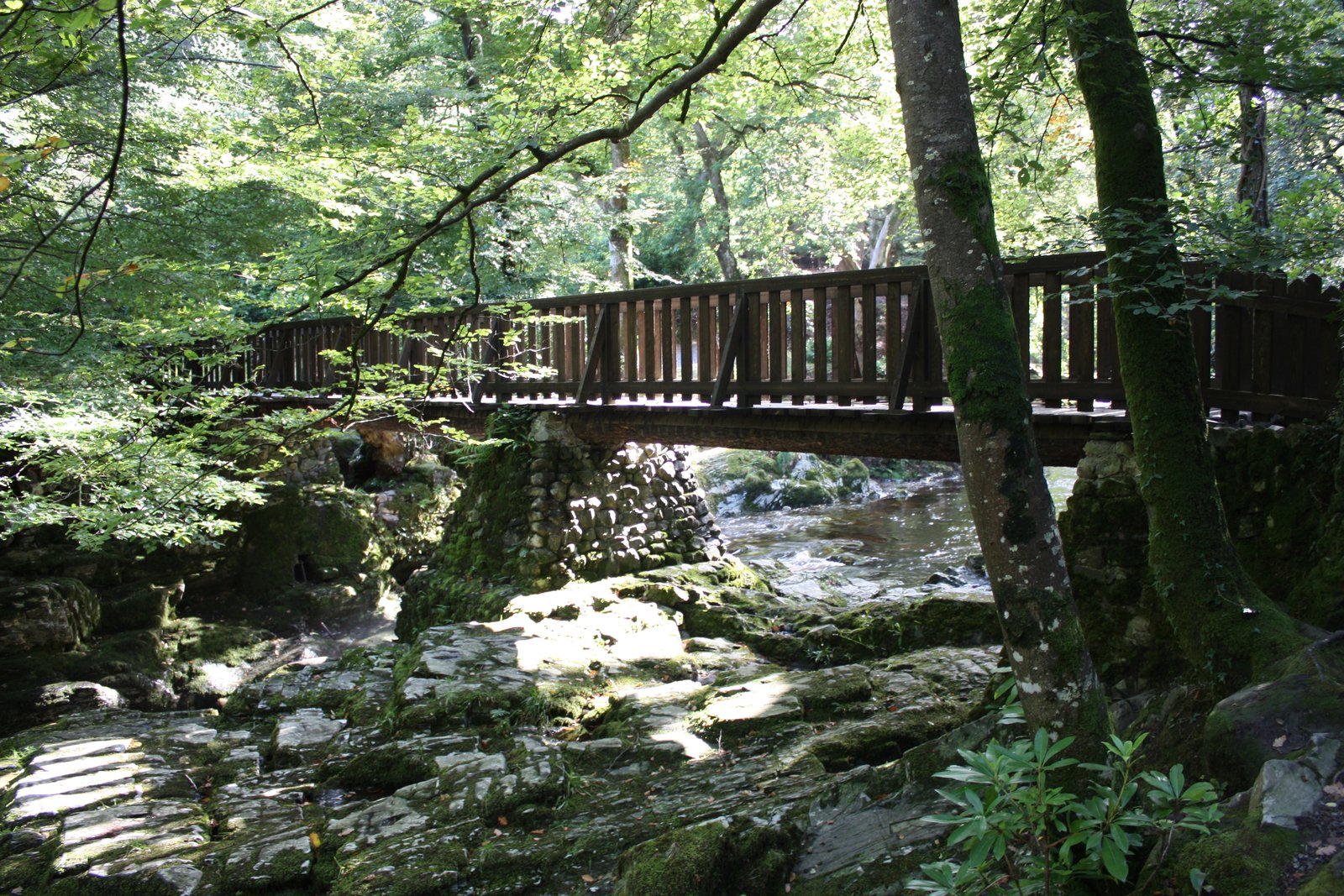
Up in the north, in the foothills of the Mourne Mountains, Tollymore was Ireland’s first state forest park, opened back in 1955. It sits just outside Newcastle in County Down, with the mountains on one side and the sea on the other, and it’s one of the most walkable forests on this whole list.
The River Shimna runs right through the middle of it, and the trails follow the water past a run of old stone bridges, gothic follies, and little grottoes built into the woods in the 1700s. It reads more like a designed landscape than a wild one, which is part of the appeal.
Fans of Game of Thrones will recognize a lot of it. The show filmed here early on, and the forest doubled as the woods north of Winterfell. You don’t need to care about the show to enjoy the walk, but it’s a fun thing to spot as you go.
There’s a mix of trees you won’t see together anywhere else in Ireland: towering giant redwoods, an old cedar of Lebanon, and native oak along the river. The main river trail is easy and well signed, and from the higher paths you get the Mournes rising up behind the treeline.
Entry is by car and there’s a parking fee, so check the current rate before you go. Pair it with a walk in the Mournes or a stop in Newcastle and you’ve got a full day. It’s an easy one to reach if you’re exploring Northern Ireland, and one of the best forest parks in Ireland for a relaxed woodland walk.
Glenariff Forest Park, Antrim
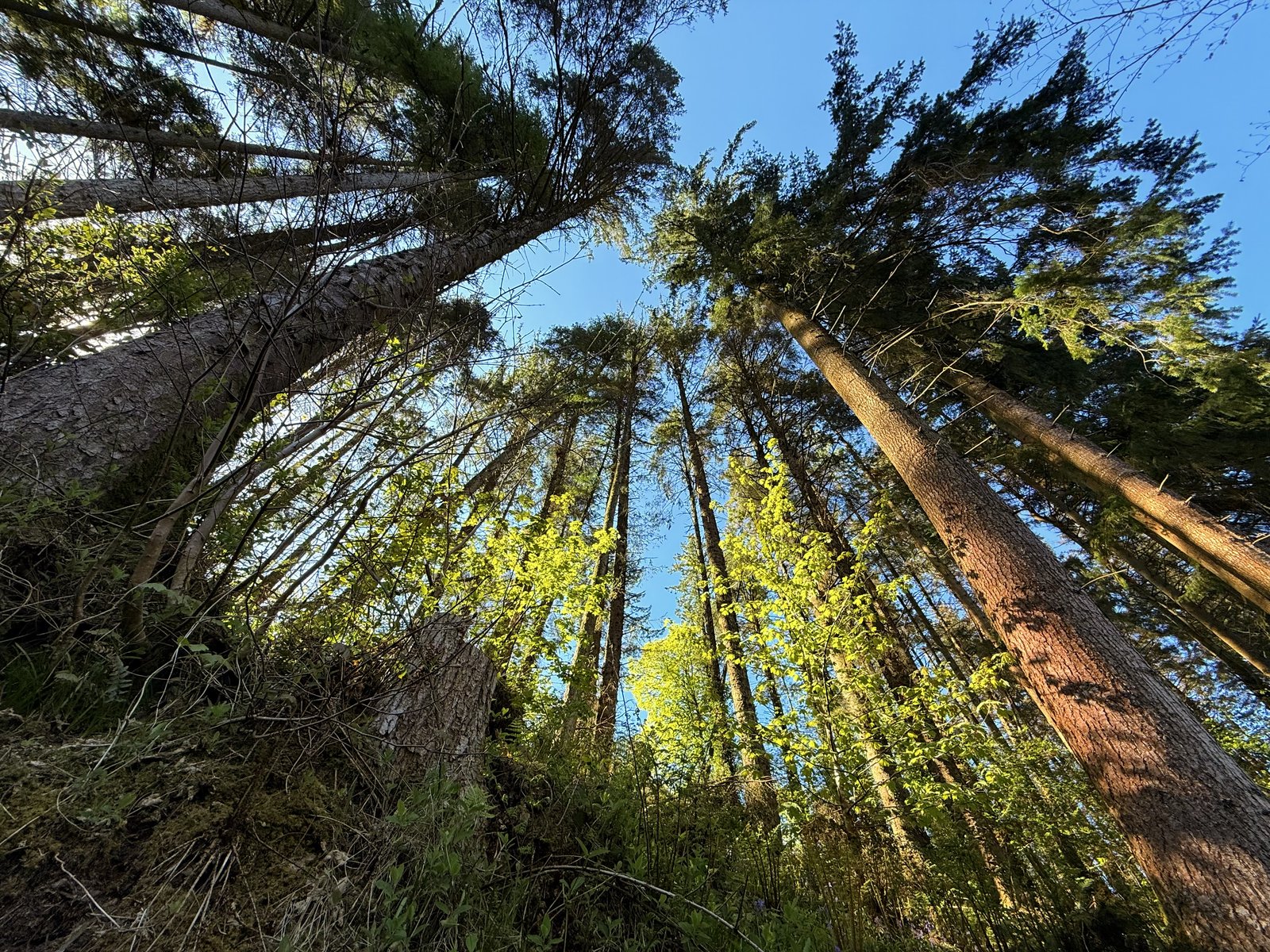
Glenariff is the one people mean when they call this stretch “the Queen of the Glens.” It sits in the Antrim Glens, not far off the Causeway Coastal Route, and the whole park is built around a deep wooded gorge with a river tumbling down the middle of it.
The walk to do is the Waterfall Trail, a loop of roughly three miles that follows the Glenariff River past a run of waterfalls. Ess-na-Larach is the big one, and the path takes you right up close to it before climbing back through the woodland.
Most of the trail is boardwalk bolted into the side of the gorge, so you’re walking above the water with the falls dropping away beside you. It gets slick when it rains, and it rains a lot up here, so decent shoes make a real difference.
The woodland is a mix of oak, hazel, and planted conifer on the higher slopes, with the native trees down along the river where it’s damp and mossy. If you want a shorter walk, there are marked options that skip the full loop and still get you to the main falls.
Entry is by car and there’s a parking charge, so check the current rate before you go. It pairs well with a run along the Causeway Coast, and it’s one of the best forest parks in Ireland if you want waterfalls without a long hike to reach them.
Avondale Forest Park and Beyond the Trees, Wicklow
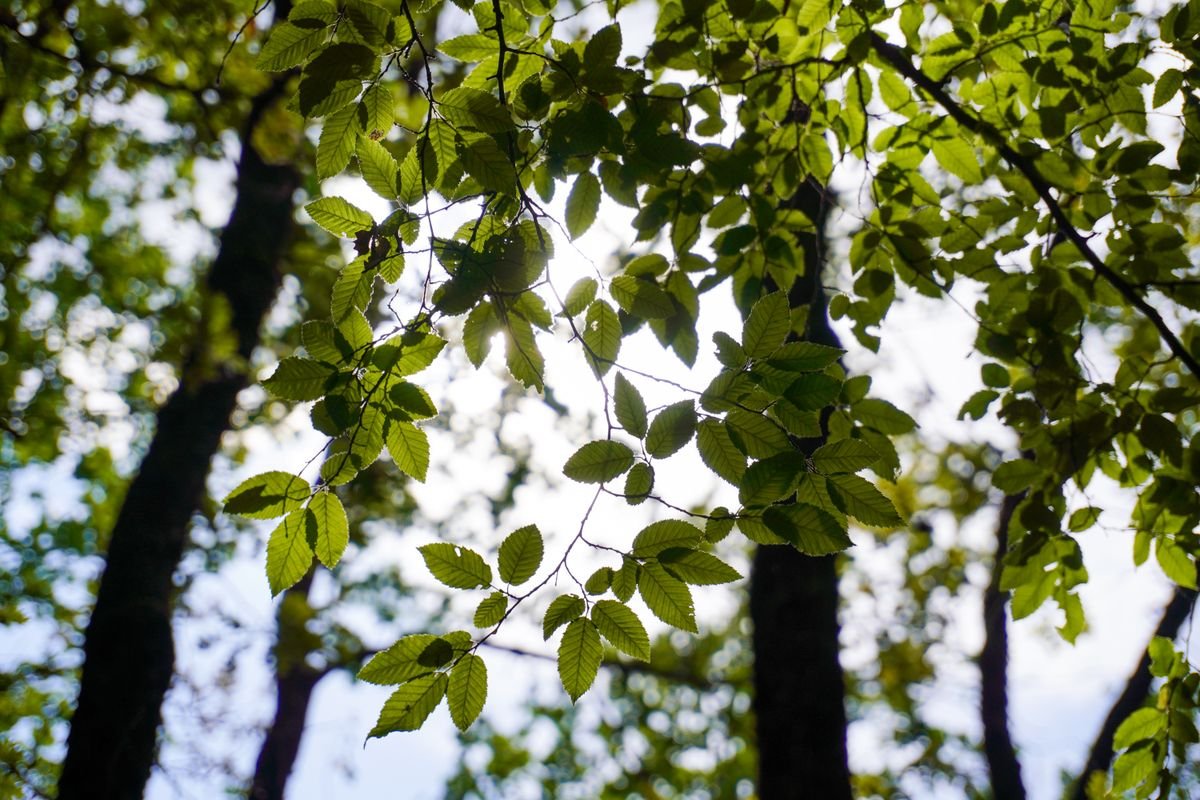
Avondale is the one where the forest itself is the attraction. It sits just outside Rathdrum in County Wicklow, and it’s been a working woodland for over a century. This was the site of Ireland’s first forestry school, and the estate is planted with experimental plots of trees brought in from around the world in the early 1900s.
At the heart of it is Avondale House, the old Georgian home of Charles Stewart Parnell, one of the biggest names in Irish history. You can tour the house, but the real draw is the trees and the trails that run out from it through the plots and along the Avonmore River.
Beyond the Trees
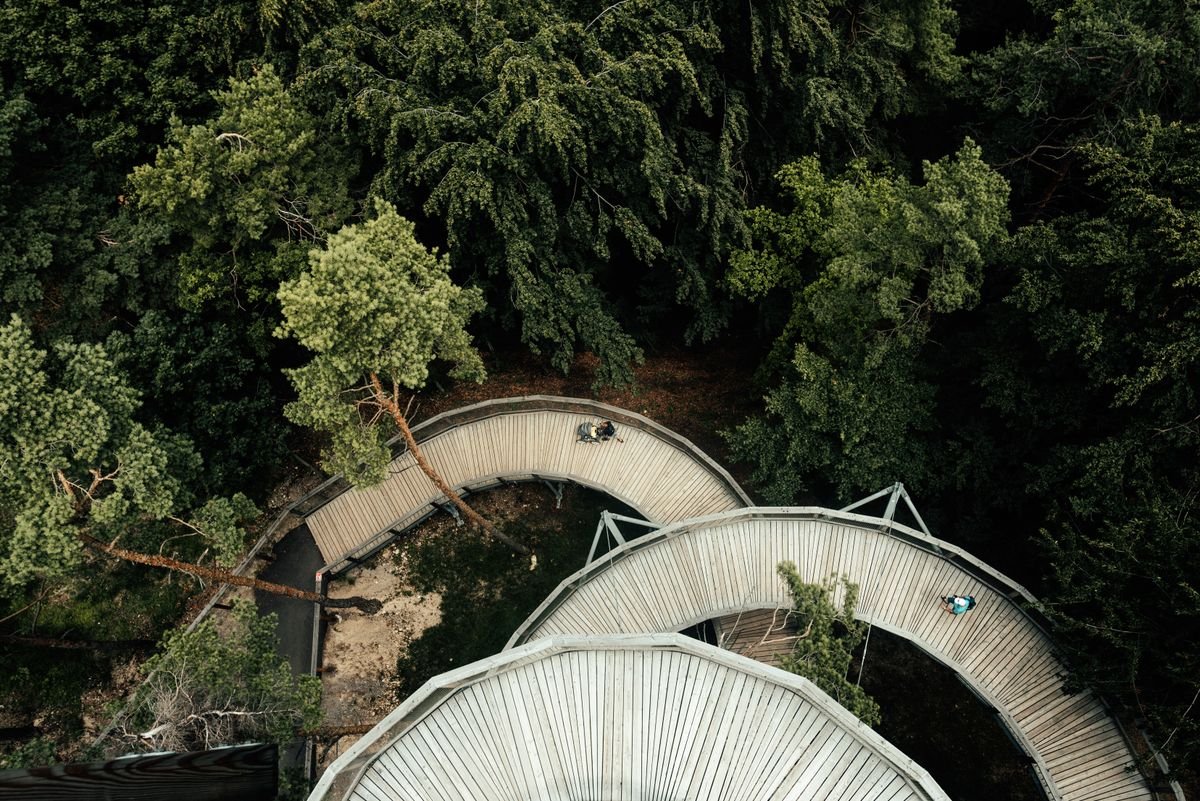
The reason Avondale jumped up everyone’s list is the treetop attraction that opened here a few years back. Beyond the Trees is a raised timber walkway, roughly a mile of it, that carries you up into the canopy so you’re eye-level with the tops of the trees instead of looking up at them.
The walkway climbs gently to a viewing tower that stands around 38 meters tall, with a spiral ramp winding up the inside. From the top you get the whole valley, the woodland below, and the Wicklow hills behind it.
The tower also has a slide built down the middle of it, so you can spiral your way back to the ground instead of walking. Kids lose their minds over it, and plenty of adults do the slide too.
Beyond the Trees is a paid attraction with timed tickets, so book ahead in summer and check the current price before you go. The rest of the forest park and its walking trails are free to wander if you just want the woods without the walkway.
It’s about an hour south of Dublin, which makes it one of the easiest forest parks on this list to reach as a day trip. Pair it with Glendalough up the road and you’ve got a full day in the Wicklow woods, and it’s one of the best forest parks in Ireland if you want a real attraction built into the trees.
Glendalough and the Wicklow Woodlands
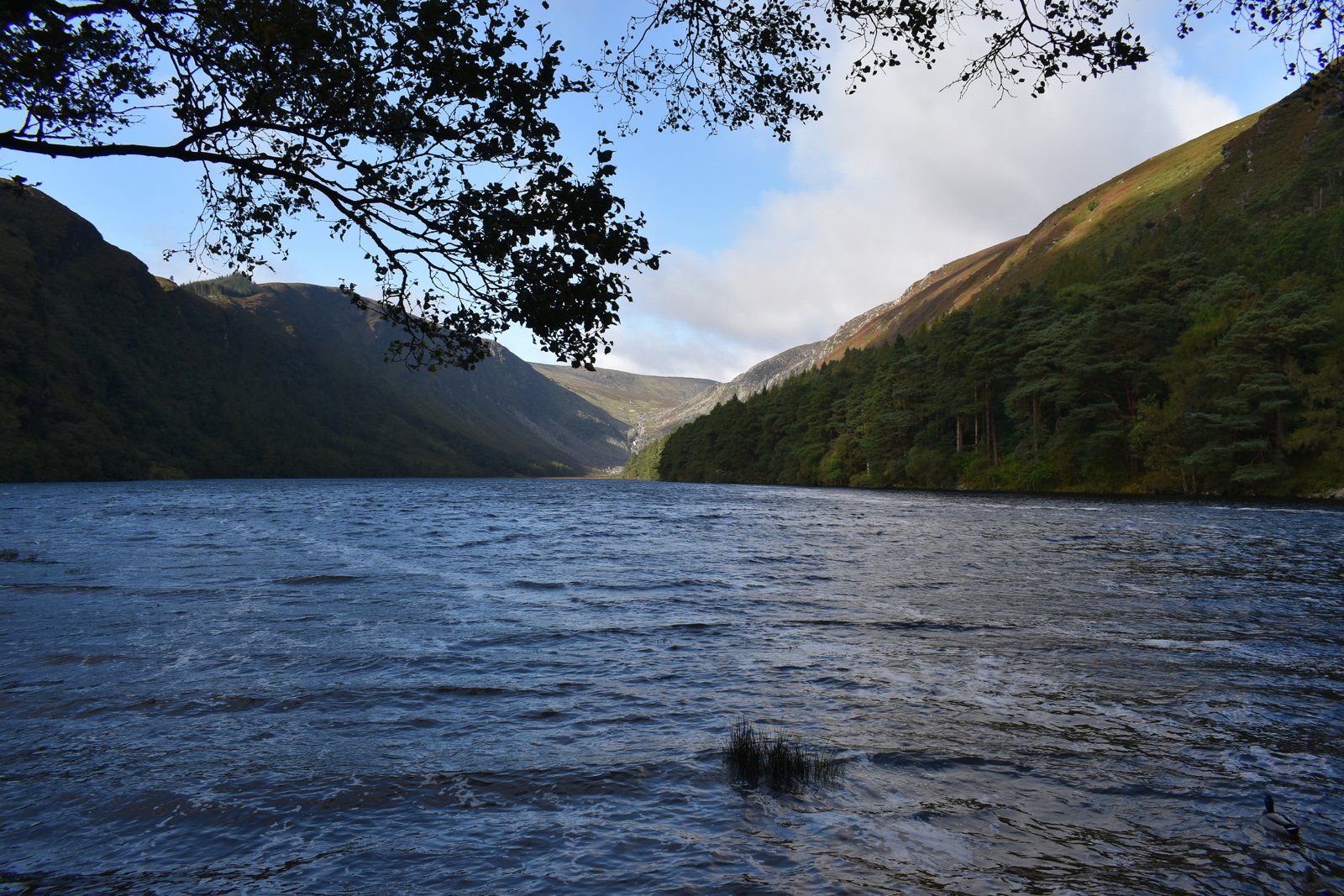
Glendalough is the famous one, and it earns it. The name means “valley of the two lakes,” and it sits deep in the Wicklow Mountains National Park with oak woodland running up both sides of the glen and a 6th-century monastic site at the bottom of it.
St Kevin founded the settlement here around 1,400 years ago, and what’s left is one of the best-preserved monastic sites in the country. The round tower stands about 30 meters tall and is the thing everyone photographs, with the old churches and the graveyard scattered through the trees around it.
The site and the woodland walks are free. There’s a paid parking lot at the visitor center, so check the current rate, but you can wander the valley and the two lakes without spending anything once you’re in.
The walks
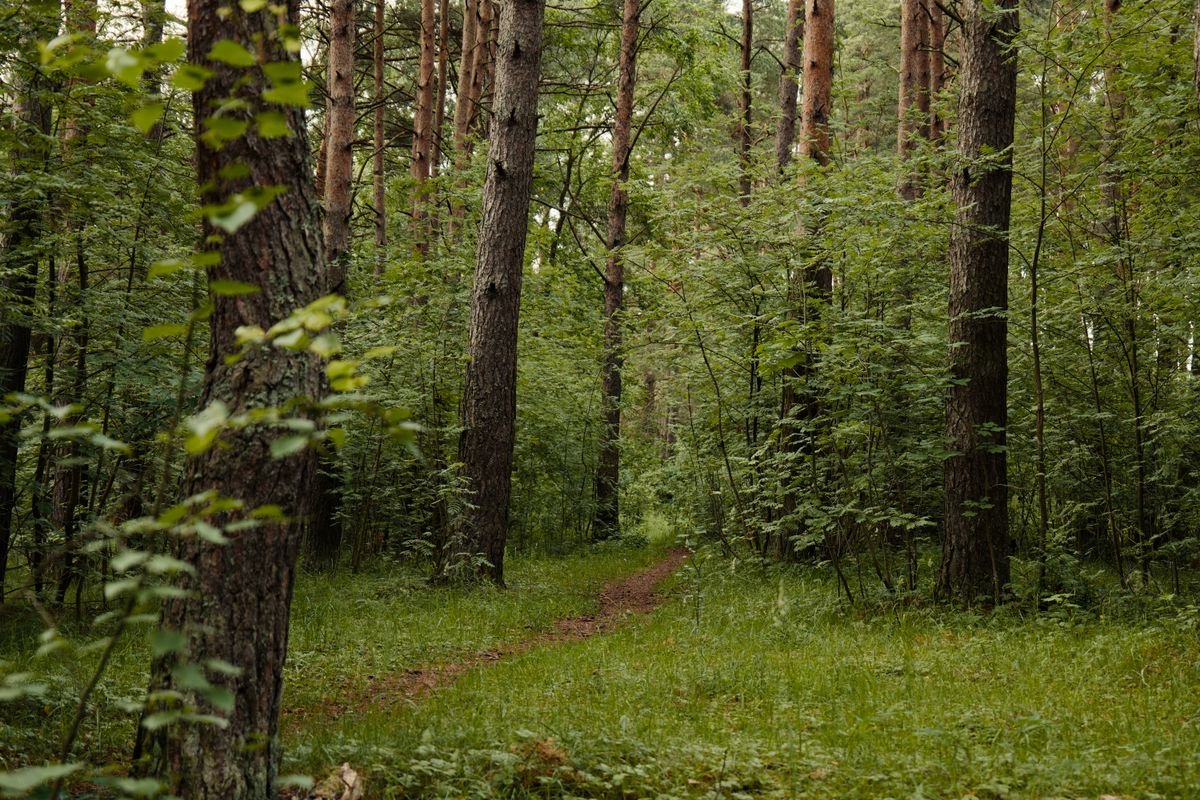
There are nine marked trails running out from the lakes, color-coded and easy to follow. The flat lakeshore path to the Upper Lake is the gentle one and gets you the classic view in half an hour.
The one to do if your legs are up for it is the Spinc, a boardwalk-and-steps loop that climbs the ridge on the south side of the Upper Lake. It’s steep going up, hundreds of timber steps, but the view back down the length of both lakes from the top is the best in Wicklow.
On the way round you pass the old Miners’ Village, the ruins of a 19th-century lead-mining settlement at the head of the valley, plus Poulanass Waterfall dropping through the oak woodland near the start of the climb.
Glendalough gets busy, and it’s an easy day trip from Dublin, so the parking lot fills fast on a summer weekend. Go early, or go on a weekday in shoulder season, and you’ll have the higher trails mostly to yourself even when the monastic site is packed. If you’re not driving, you can book a guided day tour to Glendalough on GetYourGuide that runs out from the city and drops you at the valley.
It’s about an hour and a half south of Dublin on the R755, and it works well strung together with Avondale up the road. Between the two you’ve got a full day in the Wicklow woods, and Glendalough is easily one of the best forest parks in Ireland for history and hills in the same walk.
Where to Stay near Glendalough
Lough Key Forest Park, Roscommon
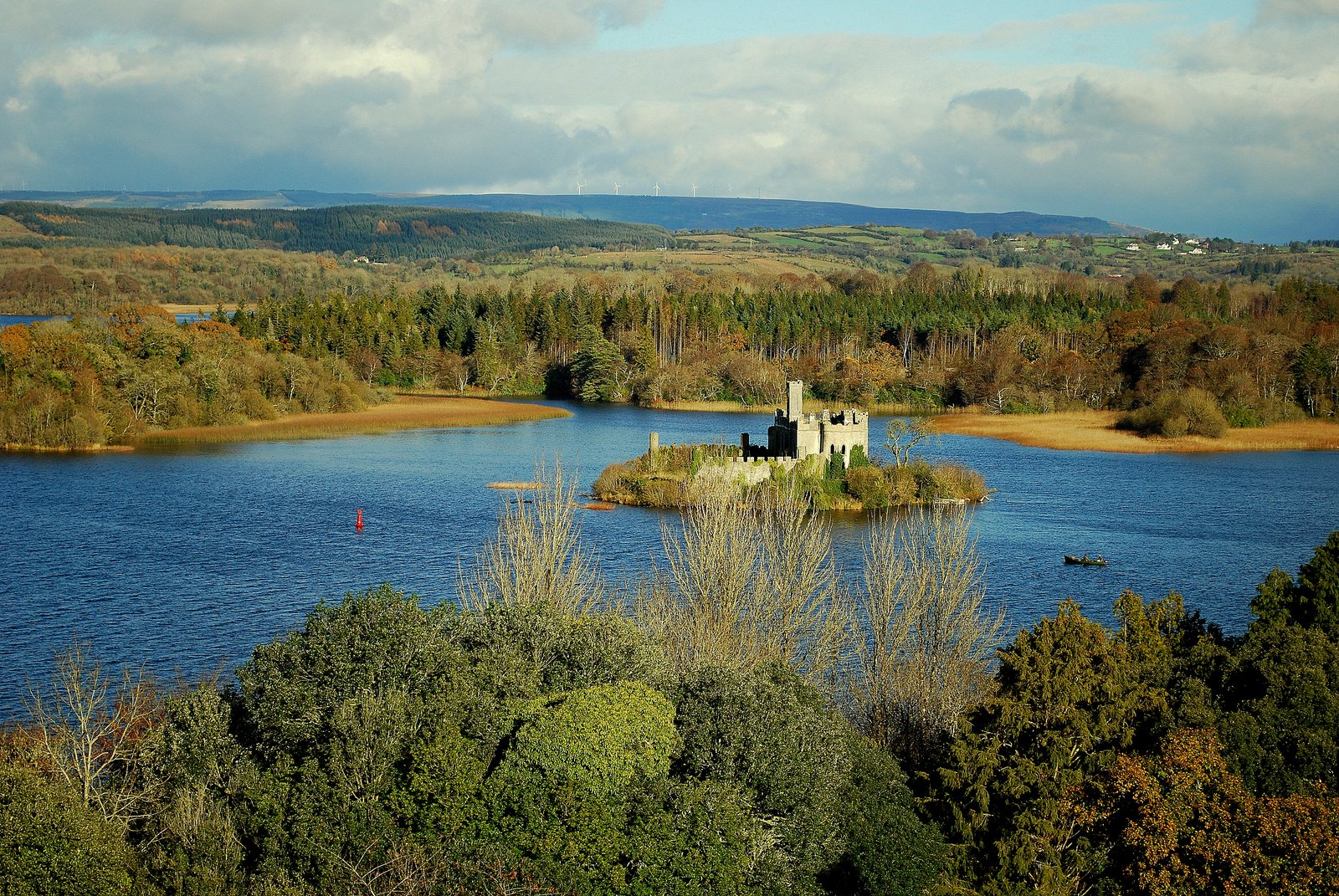
Lough Key is the one to send families to. It sits just outside Boyle in County Roscommon, spread across the old Rockingham estate on the shore of the lake it’s named for, and it packs more into one park than almost anywhere else on this list.
The woodland itself is a mix of mature oak, beech, and conifer, with easy trails running down to the water and out to a few of the estate’s old follies. Castle Island sits offshore with a 19th-century folly castle on it, and on a still day it’s the shot everyone stops for.
What sets Lough Key apart is how much is built into it. There’s a treetop canopy walk that carries you up among the branches, a network of underground tunnels left over from the estate days, and a viewing tower with the whole park and lake laid out below.
Kids get the Boda Borg, a Swedish-style puzzle house where you work through rooms of challenges, plus a zip-line adventure course strung through the trees. There’s a fairy trail through the woods too, so younger ones have their own thing to chase.
Walking the grounds and the woodland trails is free, but the canopy walk, the tunnels, Boda Borg, and the adventure course are paid attractions. Check the current prices and book the busy ones ahead in summer.
It’s roughly two hours from Dublin off the N4, and it’s one of the best forest parks in Ireland if you’re traveling with kids and want the woods plus things to actually do in them.
Portumna Forest Park, Galway
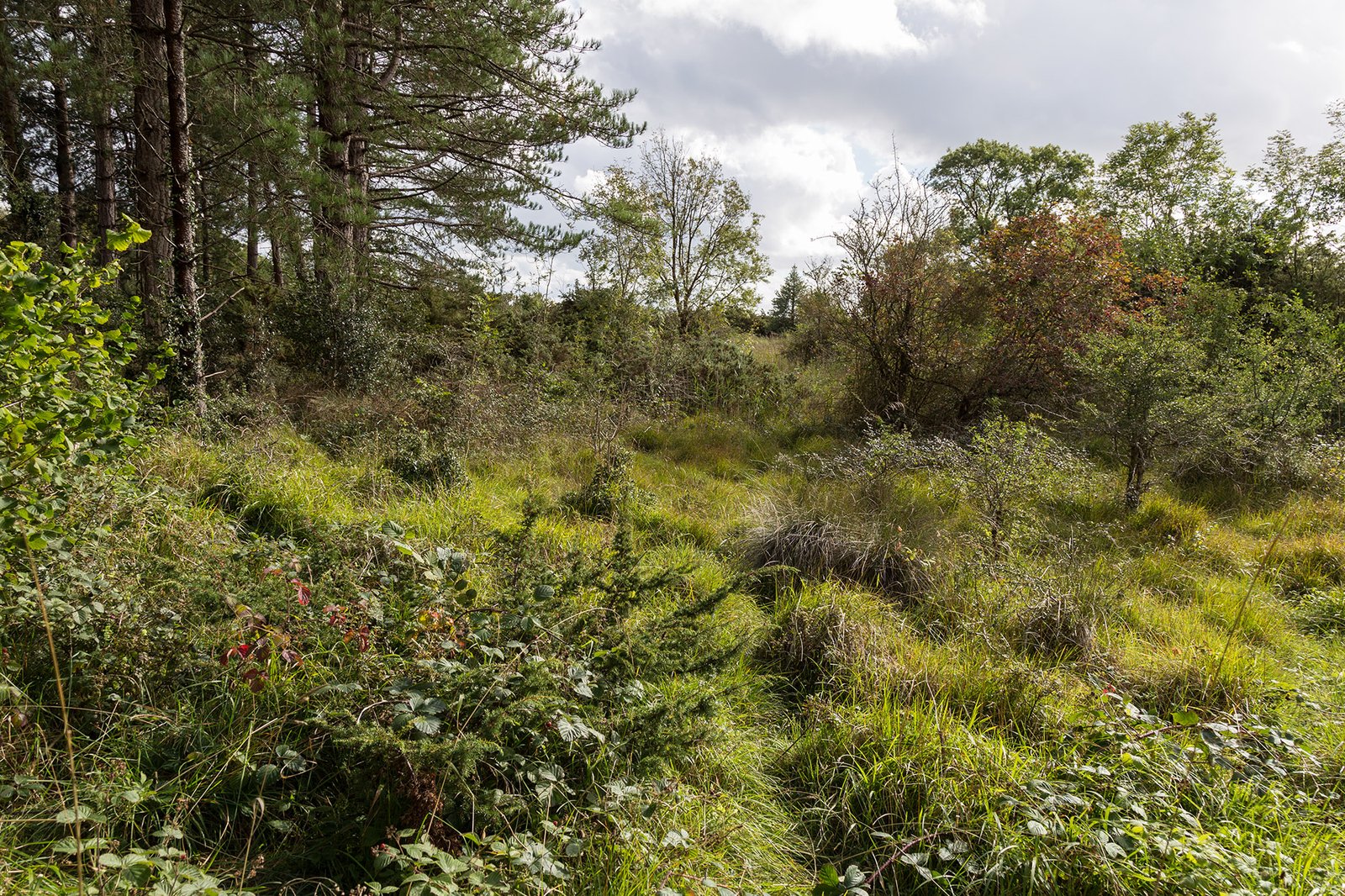
Portumna is the flattest, easiest walk on this list, and that’s the appeal. It sits right on the northern shore of Lough Derg, on the edge of Portumna town in the south of County Galway, wrapped around the old Portumna Castle estate.
We drove up through this corner of the county on our way north to Galway city, about an hour’s drive from the Portumna and Lorrha area. It’s quiet farming country down here, well off the usual west-coast tourist run, which is part of why the park stays uncrowded.
The woodland is mostly oak with stands of planted conifer, and a herd of fallow deer lives in among the trees. There are a few marked walking and cycling loops that run down to the lake shore, and bird hides set along the water if you want to sit and watch.
Because the trails are flat and well surfaced, this is a good one for bikes or for anyone who doesn’t want steps and climbs. You can do a short loop through the woods or a longer one out along the lough, and entry to the forest park is free.
Right next door is Portumna Castle, a semi-fortified house from the early 1600s with a restored walled kitchen garden you can walk. Pair the two and you’ve got an easy half-day, and it’s one of the best forest parks in Ireland if you want lake-shore woodland without a hard walk to earn it.
Donadea Forest Park, Kildare
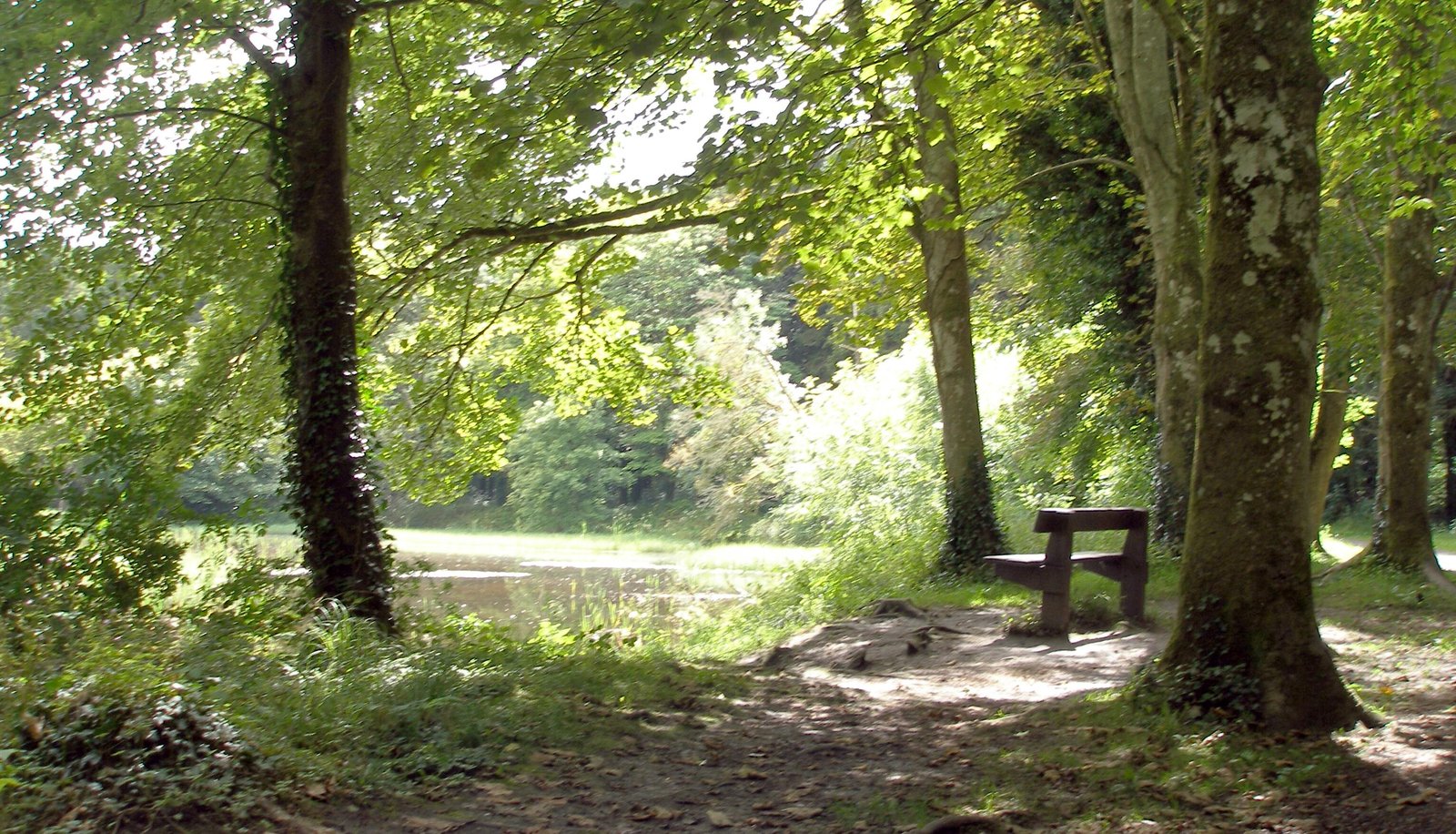
Donadea is the easy one near Dublin, and that’s exactly its job. It sits outside the village of Donadea in County Kildare, about 45 minutes west of the city, and it’s an old estate that used to belong to the Aylmer family before it became a forest park.
The woodland is a mix of mature oak, beech, and conifer, with flat, well-surfaced trails running through it. There’s a small lake, the ruins of the old Donadea Castle, and a walled garden you can walk, so there’s a bit of history threaded through the trees.
The main loop is a flat circuit of a bit over three miles, popular with runners and families pushing buggies. If you want a quick walk in the woods without steps or climbs, this is one of the most straightforward on the list.
Tucked in the woodland is a memorial to Sean Tallon, a New York firefighter of Irish descent who died on 9/11, built as a scale outline of the Twin Towers. It’s a moving spot and worth pausing at as you go round.
Entry is free with a parking charge, so check the current rate before you go. It won’t fill a whole day the way Glendalough or Killarney will, but if you’re near Dublin and want an easy walk in real oak woodland, it’s one of the best forest parks in Ireland to reach without much of a drive.
Curraghchase Forest Park, Limerick
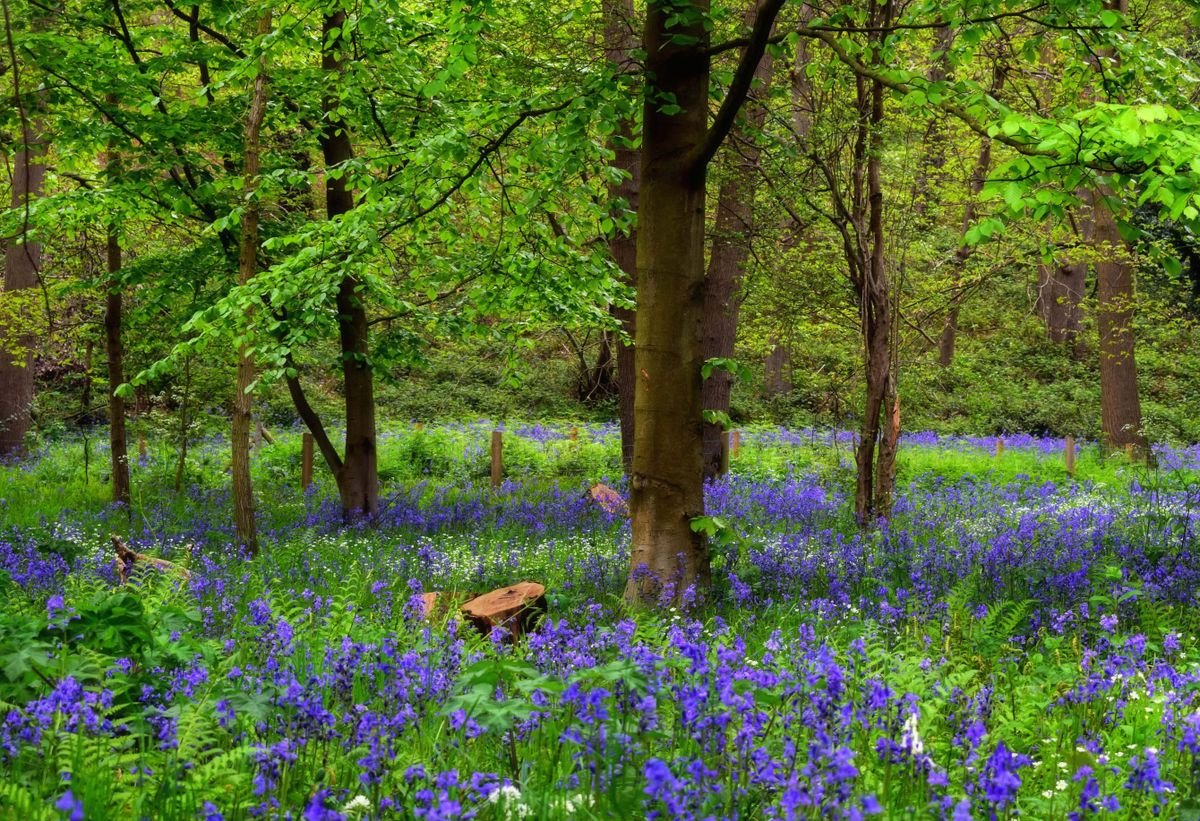
Curraghchase is the less-visited one in the southwest, and it deserves more attention than it gets. It sits about 20 minutes west of Limerick city near Kilcornan, off the road out toward Adare, on the old estate of the de Vere family.
The centerpiece is Curraghchase House, home of the 19th-century poet Aubrey de Vere, though the house itself is a shell now. It burned down in the 1940s and was left as a ruin, so you walk up to the front of it and the woodland runs right around the back.
The woodland is a mix of mature oak, beech, and conifer, with an arboretum of specimen trees planted by the family and a small lake below the house. There are marked nature trails looping through it, mostly flat and easy, so it’s a relaxed walk rather than a hike.
There’s a caravan and camping park in the grounds too, so you can stay right in the woods if you’re doing this by campervan or tent. Entry to the forest park is free with a parking charge, so check the current rate before you go.
It won’t fill a whole day on its own, but it pairs neatly with Adare up the road, one of the prettier villages in the country. If you’re driving between Limerick and Kerry, it’s an easy stop, and one of the best forest parks in Ireland for a relaxed walk with fewer crowds.
Castlewellan Forest Park, Down
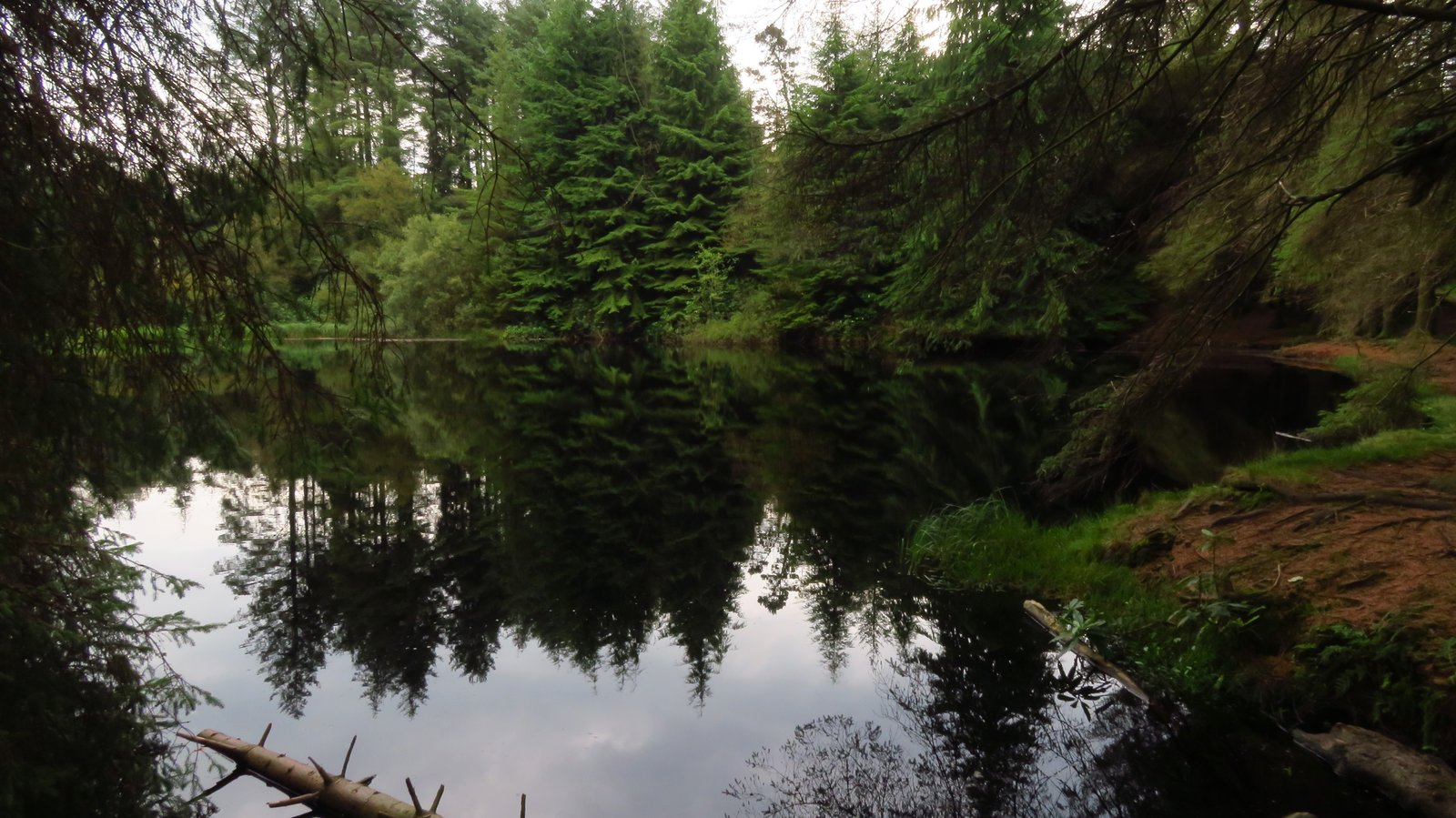
Castlewellan is the other big park in the Mournes, just up the road from the last one, and it’s built around two things: a lake and one of the best arboretums in Ireland. If Tollymore is the river walk, this is the tree collection and the maze.
The centerpiece is the National Arboretum, planted from the 1740s onward and stocked with exotic trees from all over the world. There are giant conifers, monkey puzzles, and specimens you won’t see growing anywhere else on this list, laid out around the old Annesley walled gardens.
The main walk is the loop around Castlewellan Lake, a flat circuit of roughly four miles with the water on one side and the woodland on the other. Castlewellan Castle sits above it, a granite house from the 1850s, though it’s used as a Christian conference center now rather than open to tour.
The thing families come for is the Peace Maze, one of the largest hedge mazes in the world, planted with thousands of yew trees at the turn of the 2000s. It takes a while to work your way into the middle and ring the bell, and kids will happily lose an hour in it.
Entry is by car with a parking charge, so check the current rate before you go. It’s an easy pair with Tollymore for a full day in the Mournes, and it’s one of the best forest parks in Ireland if you want a big tree collection and a maze alongside the walk.
Where to Stay near the Mournes for Tollymore and Castlewellan
Ards Forest Park, Donegal
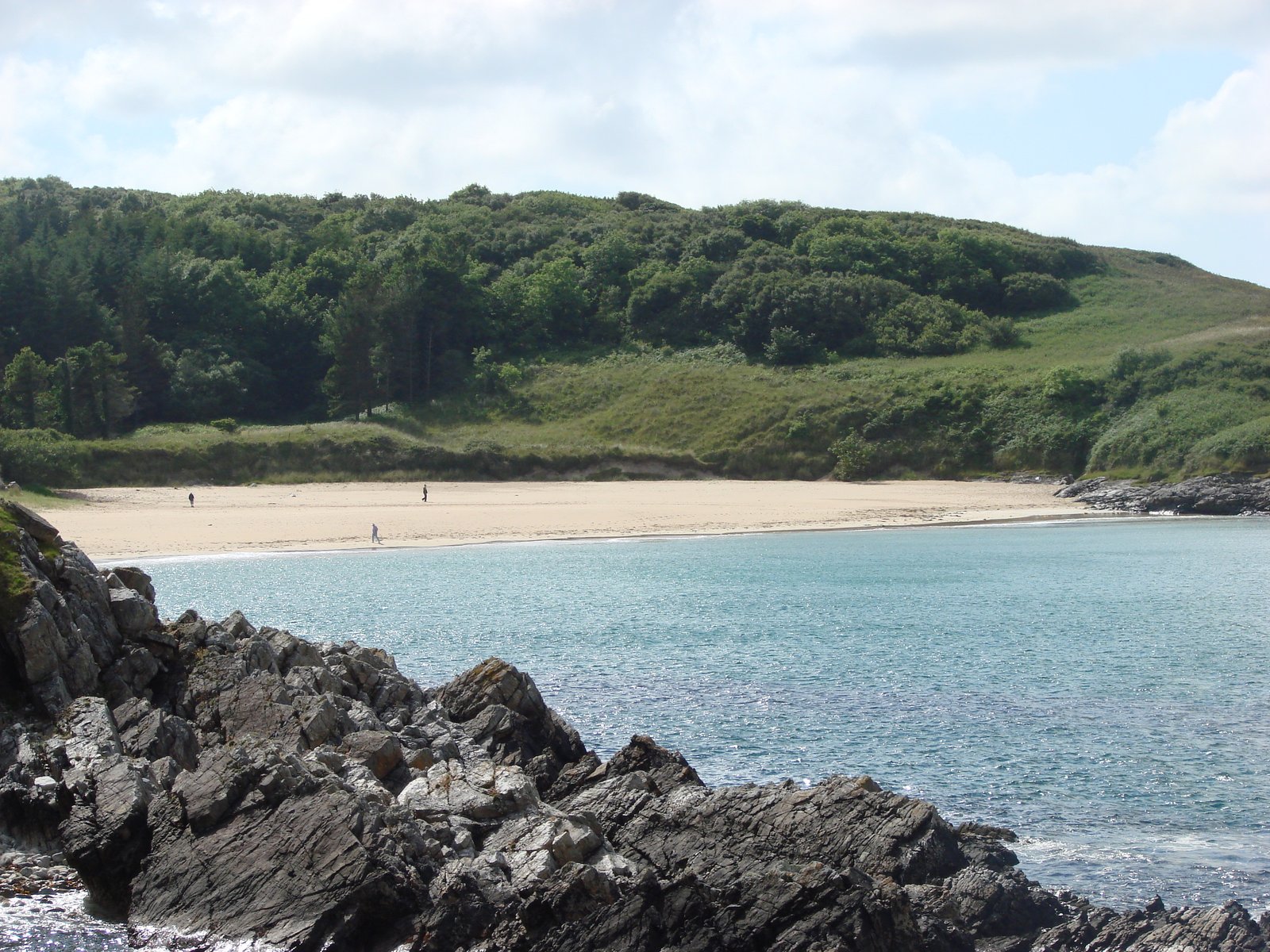
Ards is the other Donegal one, and it’s the most varied park on this whole list. It sits on a peninsula jutting into Sheephaven Bay near Creeslough, up in the northwest, and it packs woodland, beaches, salt marsh, sand dunes, and rocky headland into one park.
The woodland is a mix of native oak and planted conifer, with color-coded trails looping through it. What makes Ards different is that several of those trails run straight out of the trees and onto the sand, so you can walk oak forest and a beach in the same loop.
There are a handful of small sandy beaches tucked around the shoreline, plus a couple of megalithic tombs in the woods if you know where to look. On a clear day the higher paths give you the view out across Sheephaven Bay to the hills beyond.
Entry is by car and there’s a parking charge, so check the current rate before you go. It’s roughly half an hour north of Letterkenny, so if you’re already up this way for Glenveagh, it’s an easy second stop and a completely different kind of walk.
You won’t get the crowds up here that the parks near Dublin pull, even in summer. If you want forest and coast in the same afternoon, it’s one of the best forest parks in Ireland for exactly that.
Gortin Glen Forest Park, Tyrone
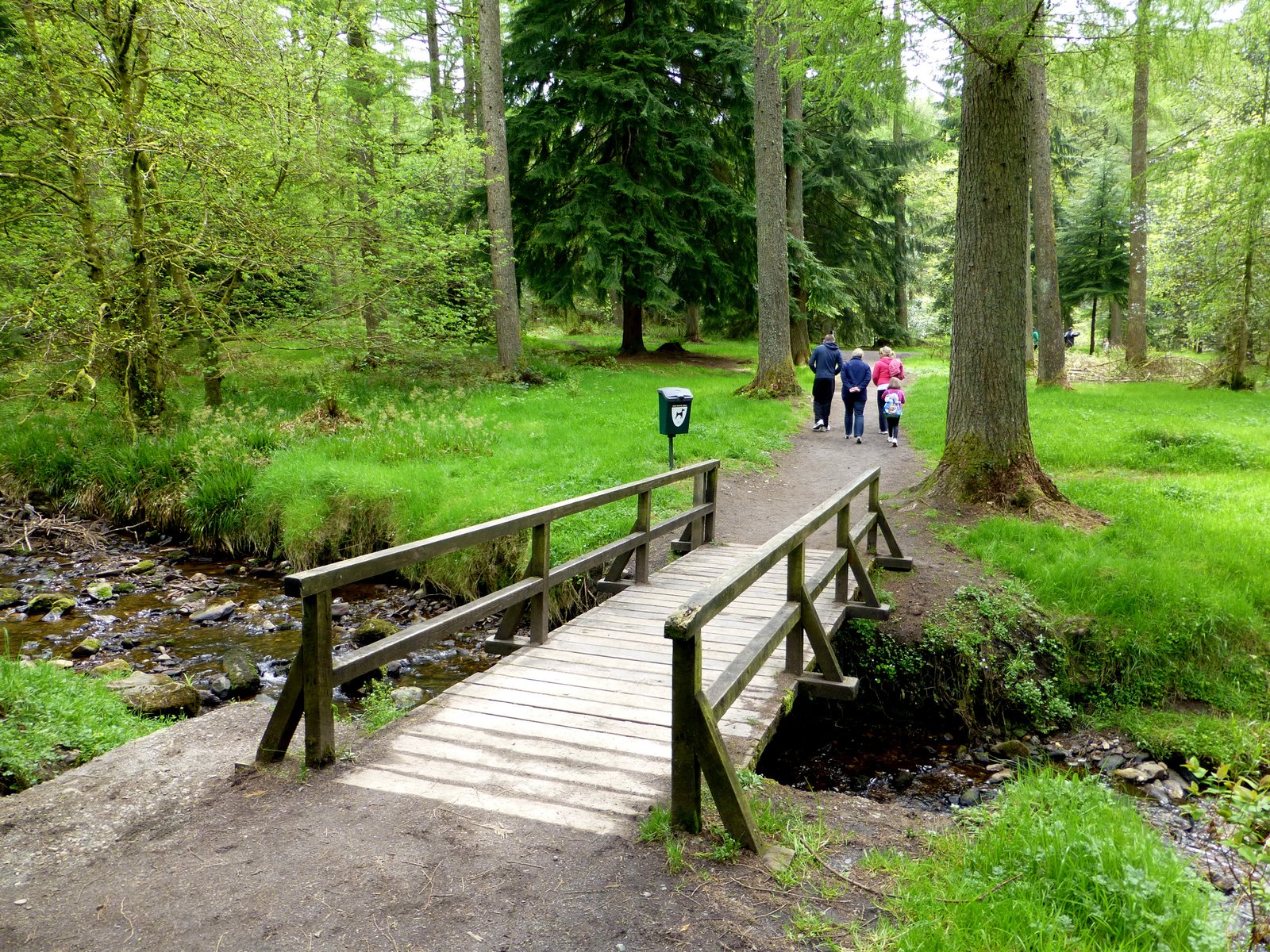
Gortin Glen is the one out in the Sperrin Mountains, and it’s the least-visited park on this list by a mile. It sits just north of Omagh in County Tyrone, near the village of Gortin, in a part of the north that most itineraries drive straight past. That’s exactly why it’s on here.
The woodland is mostly planted conifer, big stands of Sitka spruce running up the hillsides, with the open Sperrin uplands rising behind. It’s darker and more mountainous than the oak woods further south, and it feels more remote than almost anywhere down in Wicklow or Kerry.
The thing that sets Gortin Glen apart is the forest drive. There’s a five-mile scenic road that loops up through the trees to a series of viewpoints over the glen and the mountains, so you can see the best of it from the car if the legs or the weather aren’t cooperating.
A herd of Japanese sika deer lives in the forest, and this is one of the better spots in Ireland to see red squirrels, which are getting rarer everywhere else. There are marked walking trails off the drive, plus a run of mountain bike tracks if you’ve brought a bike.
Entry is by car and there’s a charge for the drive, so check the current rate before you go. It’s a fair haul from anywhere on the usual tourist route, but if you’re crossing the north between Donegal and the Causeway Coast, it’s one of the best forest parks in Ireland for mountains, conifer woodland, and almost nobody else around.
More Northern Ireland Travel Guides
- Things to Do in Antrim: The Best of the Causeway Coast
- Game of Thrones Filming Locations in Northern Ireland Map
- The Most Beautiful Seaside Towns in Northern Ireland
- Lakes in Northern Ireland You NEED to Visit
Best Time of Year to Visit Ireland’s Forest Parks
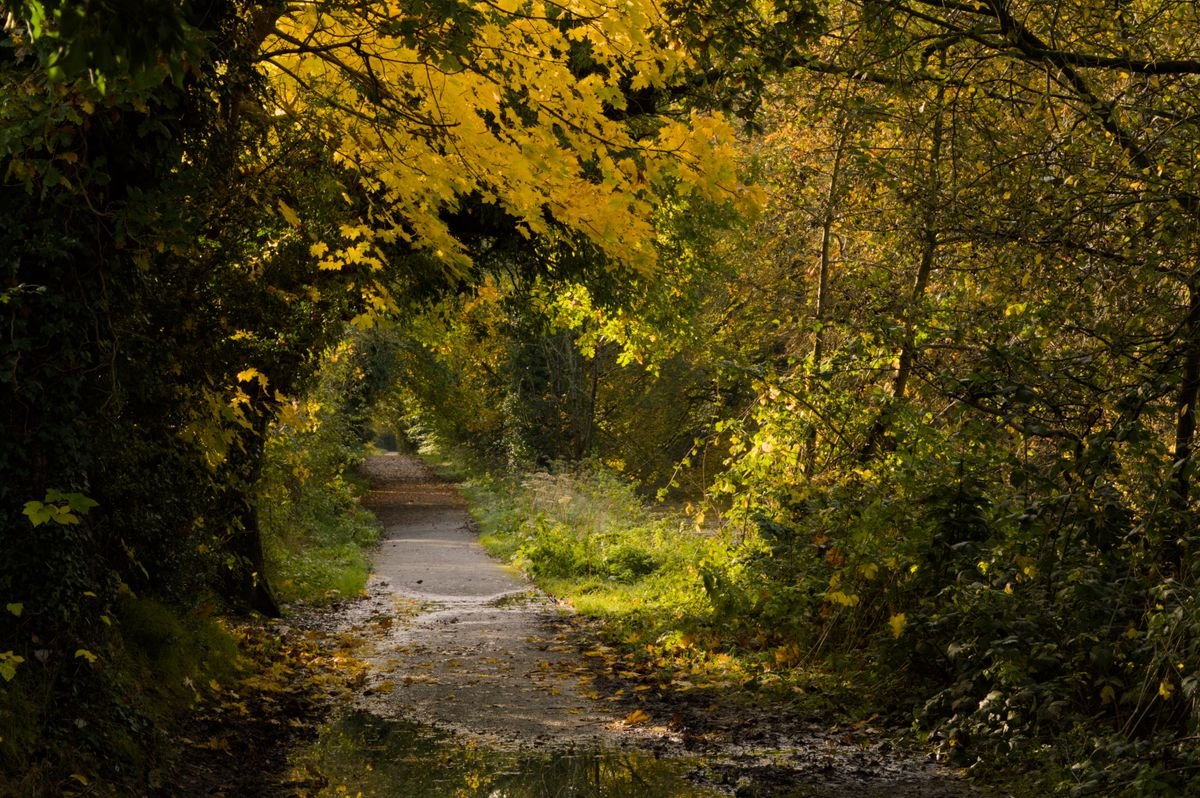
Autumn is the one I’d point you to first. We drove the country in autumn on our last trip, and the oak and beech were just starting to turn, which is exactly when these woods look their best. The color runs through October, and the crowds are gone once the summer holidays end.
Spring is the other one to aim for. From April into May the trees leaf out fresh and the woodland floor fills with bluebells and wild garlic, and Killarney and Glendalough in particular get carpets of them under the oaks. Daffodils come earlier if you’re up around Donadea or Portumna.
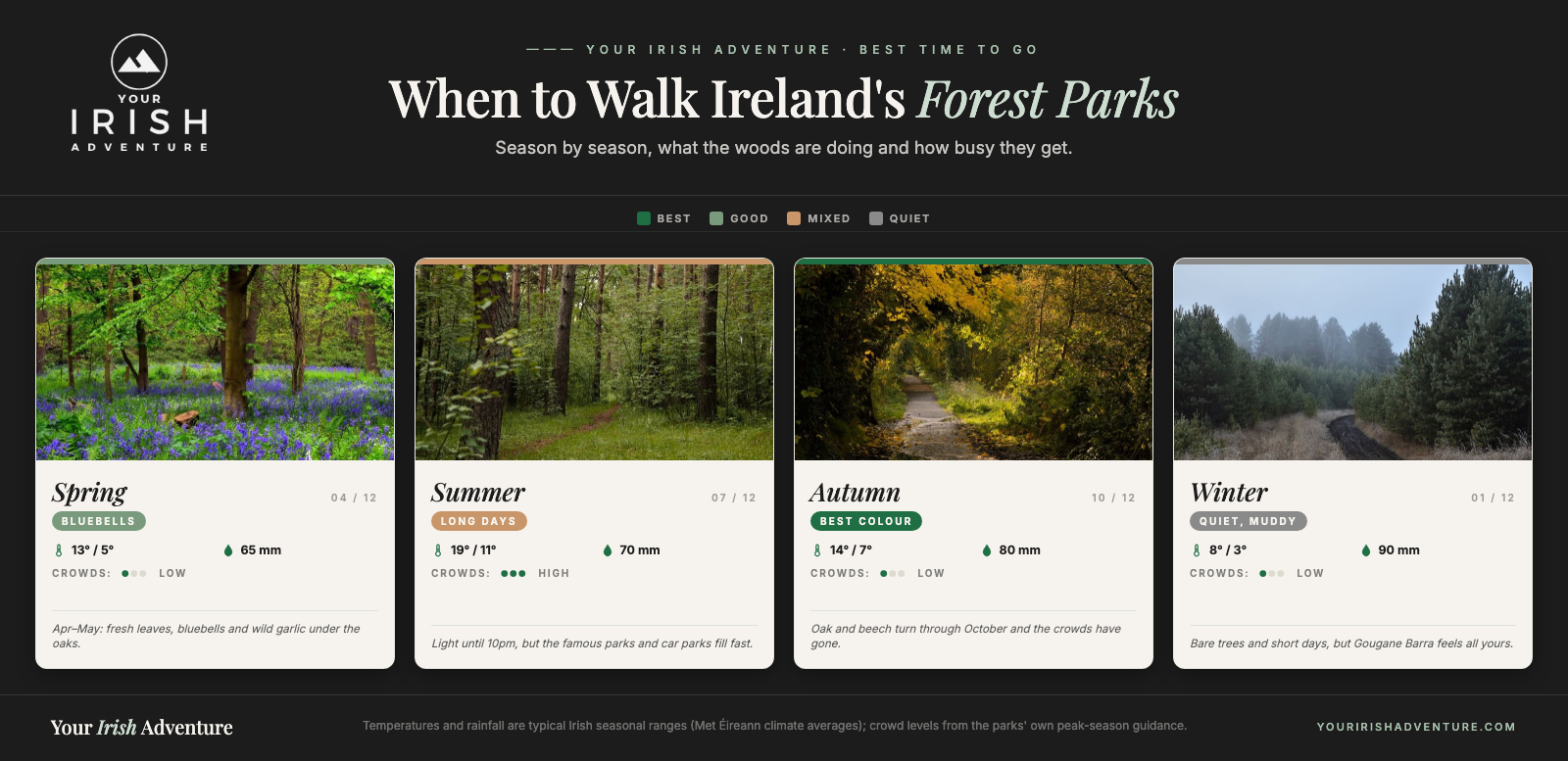
Summer gives you the long days, light until nearly ten at night, which matters if you want to walk the Spinc at Glendalough or the Waterfall Trail at Glenariff without racing the clock. The trade-off is the crowds, and the parking lots at the famous parks fill fast on a weekend.
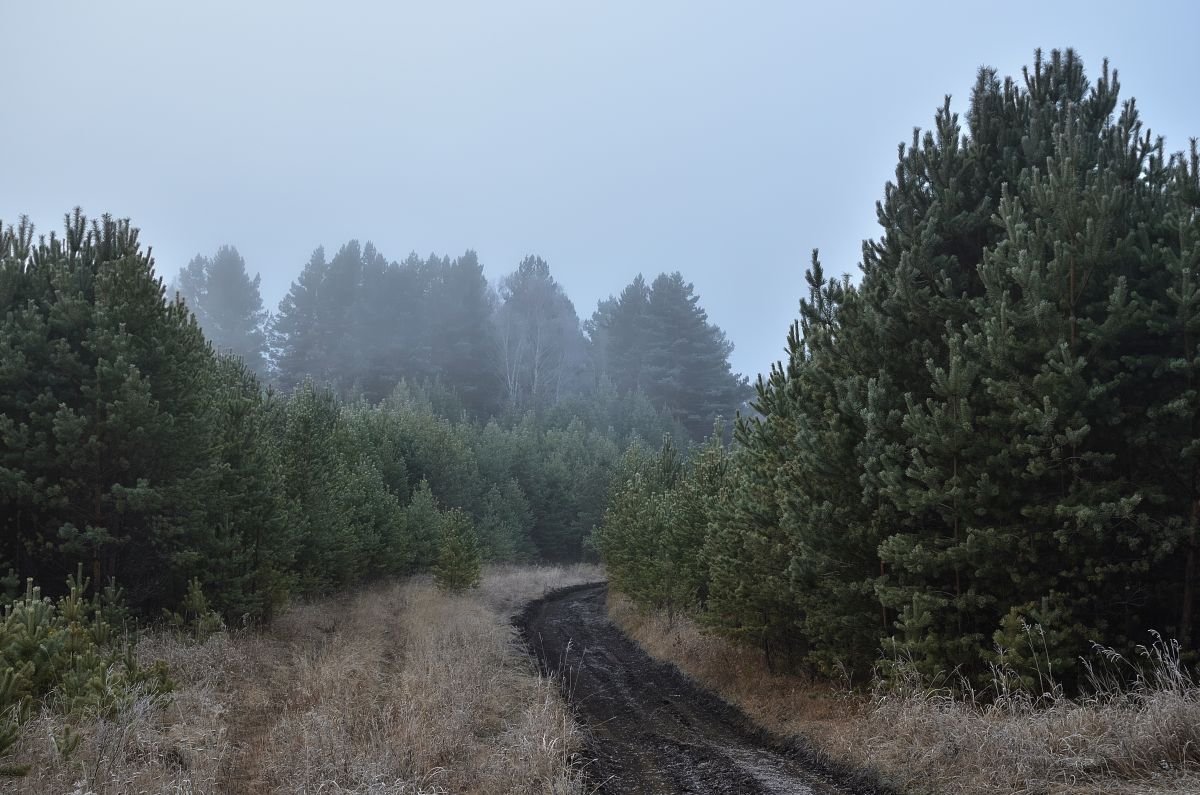
Winter thins everything out. The oaks are bare, the trails get muddy, and the daylight is short, but places like Gougane Barra and Glenveagh feel completely yours. Bring proper boots and check the shorter opening hours before you drive out.
Weekday over weekend, whatever the season
The single biggest thing you can do for crowds is go midweek. Glendalough, Killarney, and Lough Key all pull day-trippers on a summer Saturday, but a weekday morning in shoulder season leaves the higher trails almost empty even when the main sites are busy.
And whatever month you pick, count on rain. Ireland’s woods are green because it pours, so pack a waterproof and shoes with grip, and don’t write off a wet day. Some of these forests, the falls at Glenariff especially, are better with water coming down.
Tips for Visiting Forest Parks in Ireland
The first thing to sort out is money for parking. The national parks are free to enter, but most of the forest parks run by Coillte in the Republic and the Forest Service up north charge to park, usually a few euro or pounds at a barrier or a pay-and-display machine.
Some machines take an app, some want coins, and the signal out in the woods is often too patchy to pay by phone. Keep a bit of change in the car so you’re not turning around at the gate.
Watch the closing time too. A lot of these parks have a barrier gate that gets locked at dusk or at a set hour, and the times are shorter in winter. The hours are on the board at the entrance, so read them before you head off on a long loop.
Facilities are thin once you’re past the parking lot. A few of the bigger parks have a cafe and toilets near the entrance, but most don’t, and there’s nothing on the trails themselves. Bring water and something to eat, especially if you’re doing one of the longer walks.
If you’ve brought a dog, keep it on a lead. Most of these forests have deer, and several have ground-nesting birds and red squirrels, so a loose dog causes real problems. It’s the rule in the national parks and good manners everywhere else.
Last thing: download the trail map or an offline map before you go. The waymarking is usually good, but the color-coded loops cross over each other, phone signal drops out under the trees, and it’s easy to end up on a longer route than you planned. A quick screenshot at the trailhead board does the job.
More Places to Explore in Ireland
- Wicklow Travel: A Complete Guide For Visitors
- 15 Fun Things To Do in Killarney, Ireland
- Weekend in Killarney: The Perfect 2 Day Itinerary
- Unique Things To Do in Donegal Town in Ireland’s Northwest
In short
- Killarney National Park has the best all-round forest walking in Ireland, and it’s free.
- Gougane Barra in Cork is the most photogenic, with St Finbarr’s oratory on its island.
- Lough Key in Roscommon is the top pick for families, with a canopy walk and activity centre.
- Donadea in Kildare is the closest easy forest walk to Dublin, about 45 minutes west.
- Go midweek in spring for bluebells or autumn for colour, and pack a waterproof.
Frequently Asked Questions
A few quick answers to the questions we get most about the best forest parks in Ireland.
What is the best forest park in Ireland?
Killarney National Park gets our vote. It has the biggest stretch of native oak woodland in the country, the trails run right down to the lakes, and it’s free. Gougane Barra in Cork is the postcard runner-up if you want the church-on-the-lake shot.
Are Ireland’s forest parks free to visit?
The national parks like Killarney, Glenveagh, and Glendalough are free to enter. Most of the smaller forest parks charge a few euro or pounds to park, and a couple of the built-in attractions, like Beyond the Trees at Avondale, are paid on top. Check the current rate before you drive out.
Which forest park is best for families?
Lough Key in Roscommon, no contest. You get a treetop canopy walk, the Boda Borg puzzle house, a zip-line course, and a fairy trail, all in one park. Castlewellan’s Peace Maze and Avondale’s spiral slide are the next best for keeping kids busy.
What’s the best forest park near Dublin?
Donadea in Kildare is the closest easy walk, about 45 minutes west of the city on flat trails. For a proper day out, Glendalough and Avondale are both around an hour and a half south in the Wicklow Mountains, and you can pair the two.
Do I need to be fit to walk these trails?
Not for most of them. Portumna, Donadea, and Lough Key are flat and well surfaced, fine for buggies or bikes. The climbs are optional: the Spinc at Glendalough and the higher paths at Glenariff earn you the big views, but there’s a gentle version of nearly every park if you want it.
When do the forests look their best?
Autumn through October for the color in the oak and beech, or spring from April into May for bluebells under the trees. Go midweek in shoulder season and you’ll have the higher trails to yourself even at the famous parks.
Final Thoughts
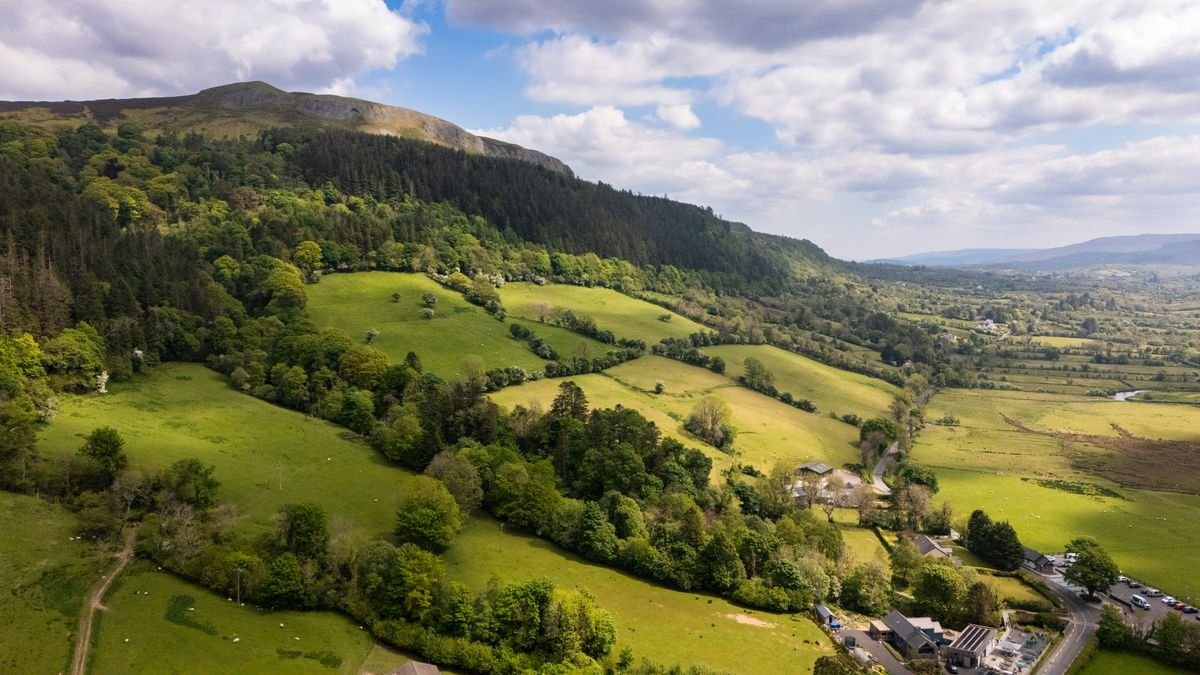
Ireland has more good forest than you can fit into one trip, and that’s the honest problem with a list like this. We only got to a handful of these on our last drive, and the rest are on the list for next time.
If you’re only picking one, make it Killarney. The native oak woodland, the lake trails, and the fact that it’s all free put it at the top for us. Gougane Barra is the shot everyone wants, and Glenveagh is the wild one if you make it as far north as Donegal.
For a day out with kids, Lough Key wins on the built-in stuff, and Avondale’s treetop walkway is the one that changed how a lot of people think about a forest park. For a flat, easy wander, Portumna or Donadea do the job without a climb.
Whatever you pick, go midweek, pack a waterproof, and don’t write off a wet day. Some of the best walks we had came in the rain, and the woods are greener for it. Get out there and find your own favorite.
Like it? Pin it!
Save this guide for later