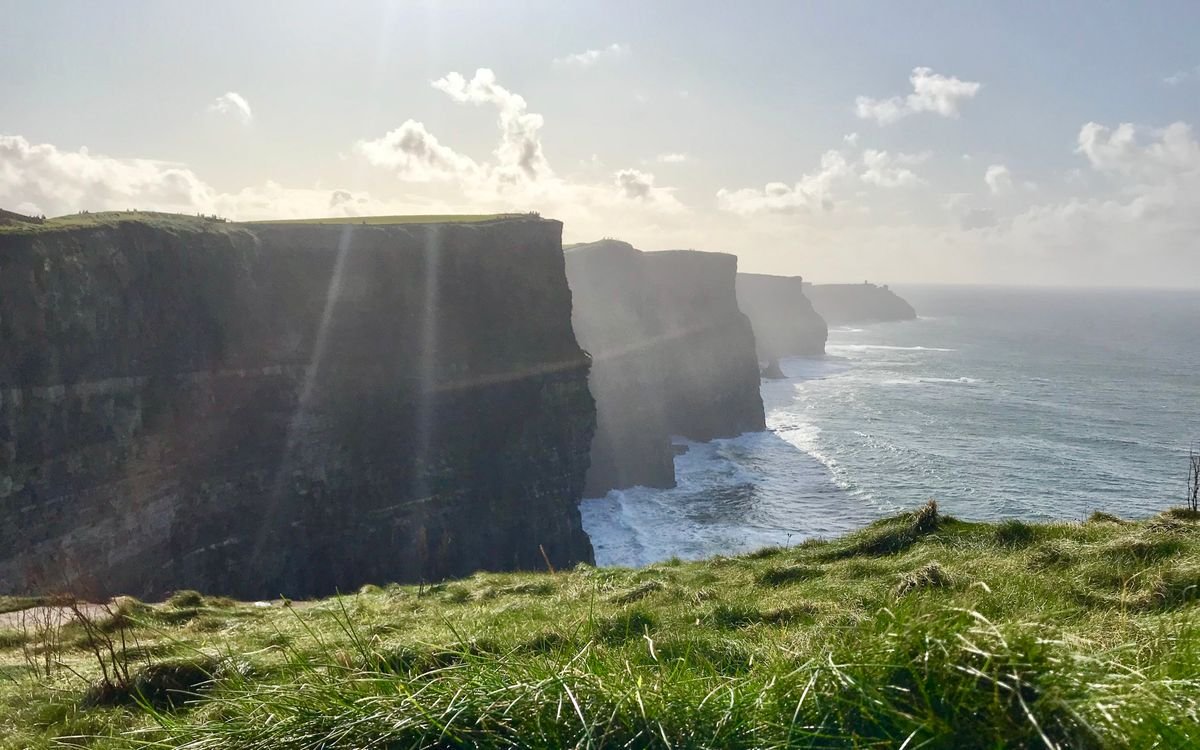
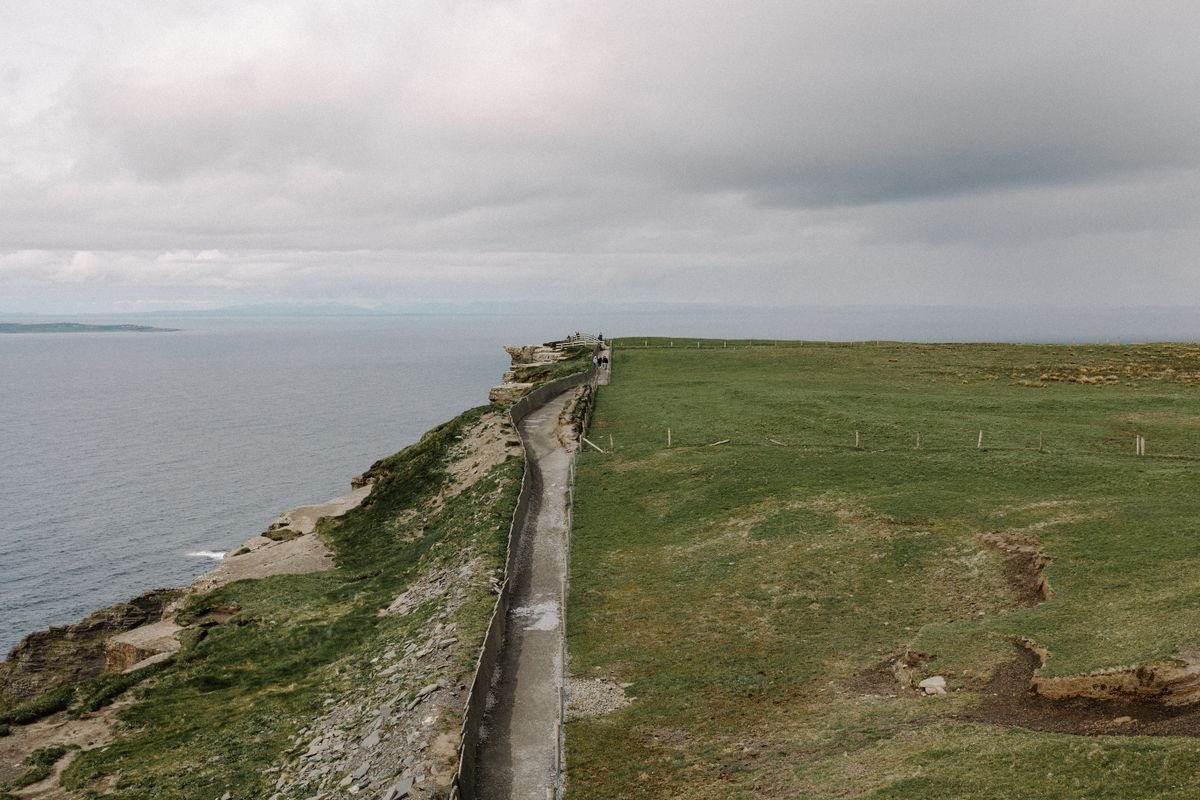
We walked the narrow Cliffs of Moher path out of Doolin in late September, the Atlantic dropping away on one side and cows grazing on the clifftop grass on the other, and it hit me that some of the best easy walks in Ireland aren’t hard hikes at all. Two hours there and back, no special gear.
That’s the thing about walking in Ireland. You don’t need to be fit or kitted out to get to the good stuff. Plenty of the country’s best scenery sits at the end of a flat path, a short coastal trail, or a stroll through a National Park.
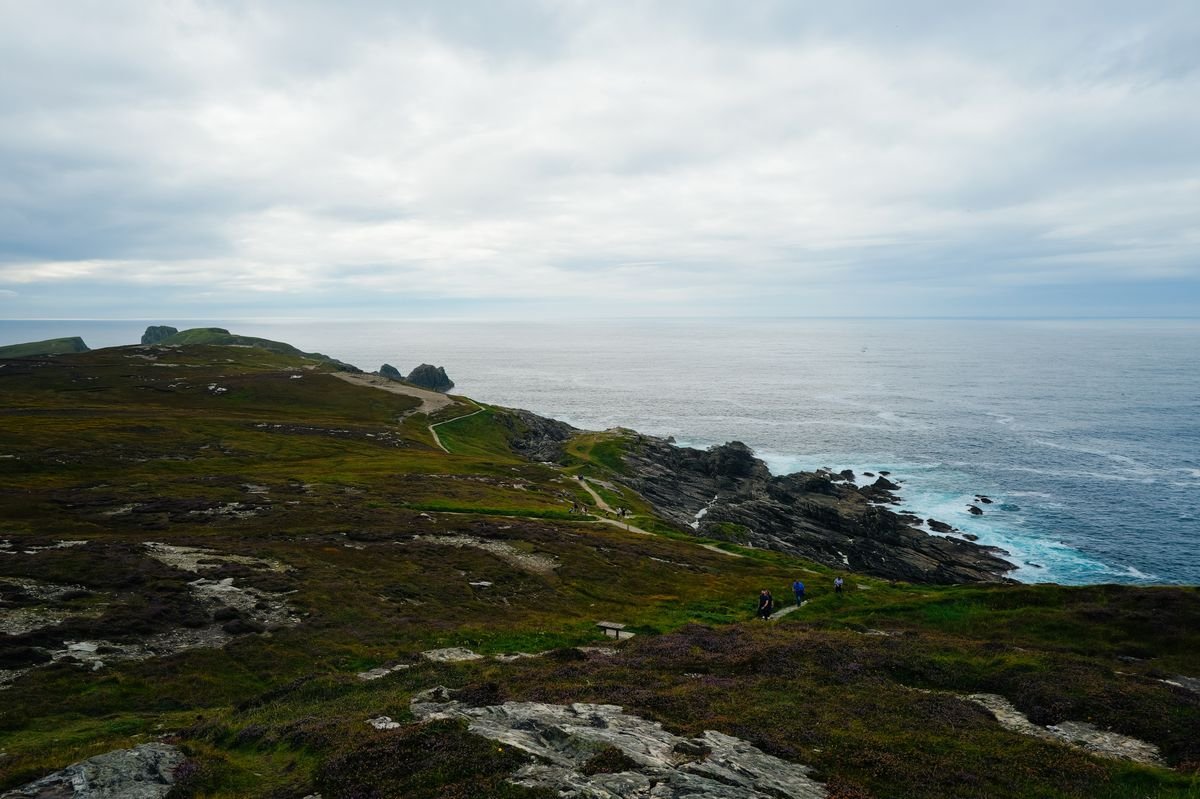
We spent two weeks driving from Dublin to Cork in September and October 2025, and the walks below are the ones we actually did, plus a few classics that belong on any list. Wear decent shoes, expect wind even on a calm day, and you’re set.
More Ireland Walking & Hiking Guides
- 15 Best Hikes in Ireland: A Local’s Trail Guide
- Hiking Doolin to The Cliffs of Moher (Doolin Cliff Walk)
- 7 Best Hikes Near Dublin, Ireland
- Hiking In Galway: 10 Best Trails For All Levels
- How To Visit The Cliffs Of Moher (Complete Guide)
The best easy walks in Ireland are flat coastal paths and short loops that reach big views without a climb. Top picks are the two-hour Cliffs of Moher path from Doolin, the 6km Howth Cliff Walk reached by DART from Dublin, the Green Road at Glendalough, and the Muckross Lake Loop in Killarney. Wear shoes with grip and a waterproof.
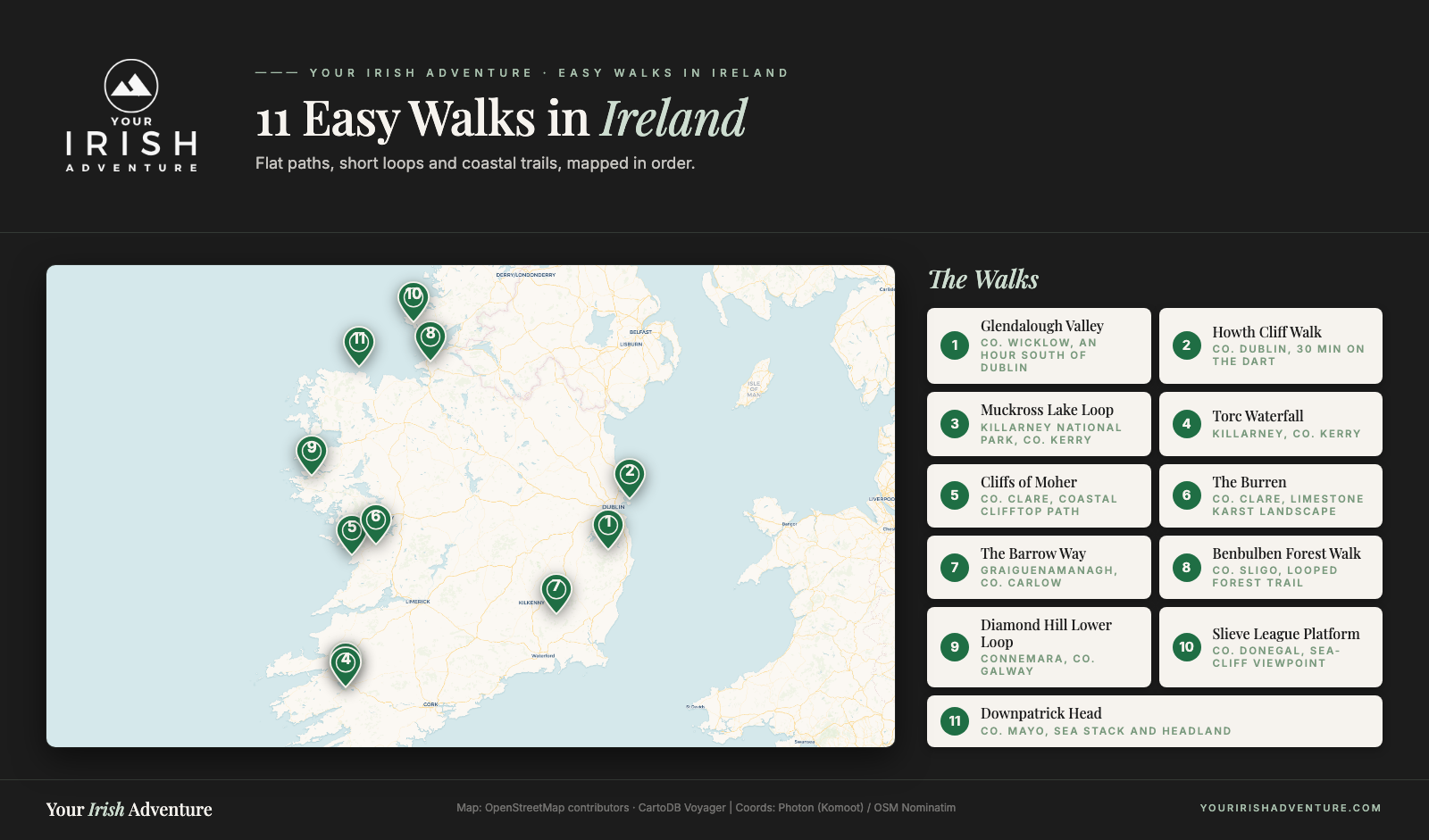
11 Best Easy Walks in Ireland to Try First
These are flat paths, short loops, and coastal trails that get you to the good views without a real climb. A few we did ourselves on the September trip, the rest are classics that earn their spot. I’ve noted distances so you know what you’re signing up for.
Glendalough Valley Walk, County Wicklow
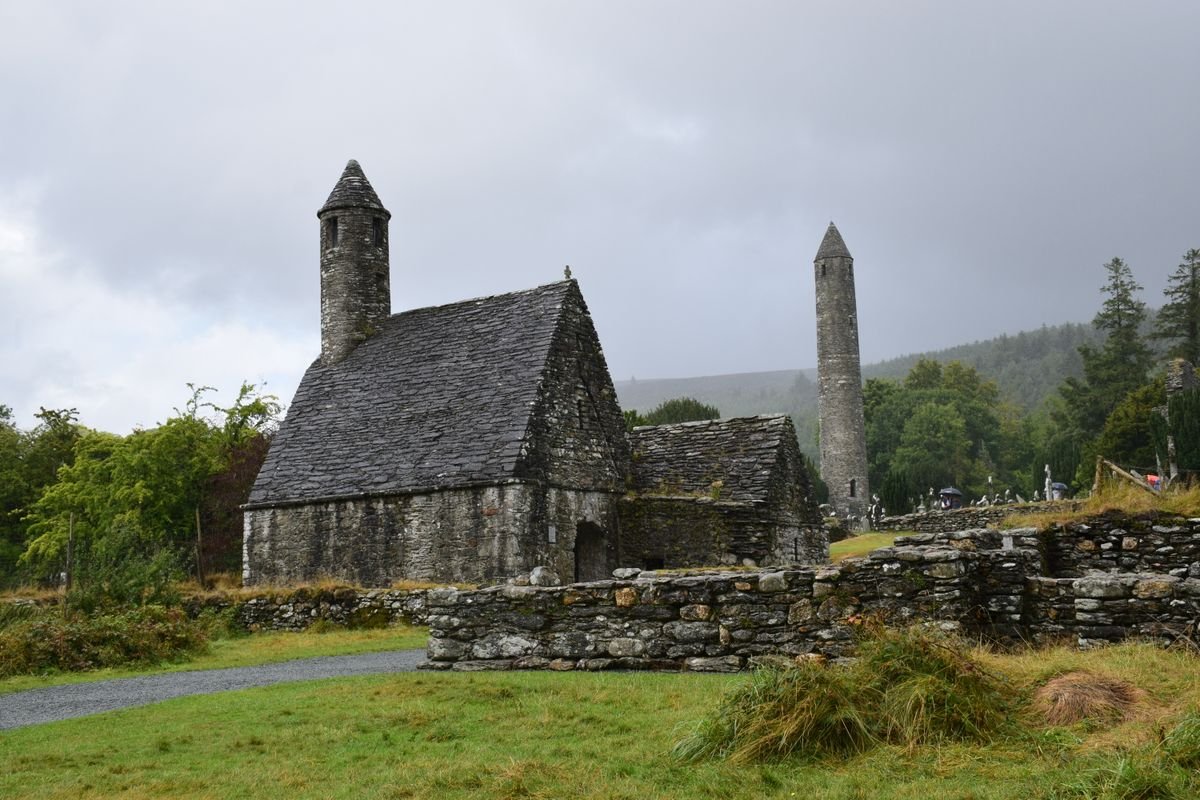
About an hour south of Dublin, Glendalough is two lakes, a 6th-century monastic site, and a round tower sitting in the Wicklow Mountains. The Green Road walk along the Lower Lake is flat and short, maybe 3km return.
If you want a bit more, the Upper Lake spur adds another easy stretch with views down the valley ahead. It’s the easiest day trip from Dublin that doesn’t feel like a day trip from Dublin.
Howth Cliff Walk, County Dublin
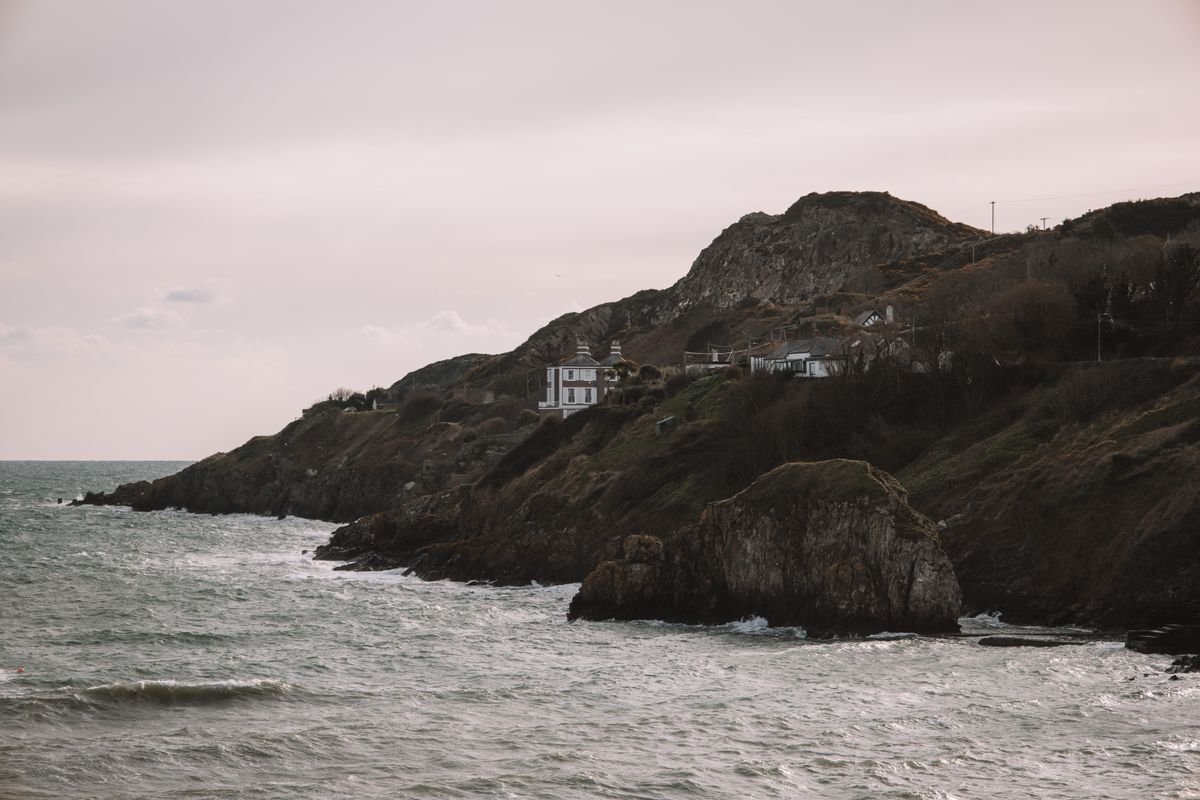
You can reach this one on the DART from Dublin city centre in about 30 minutes, no car needed. The loop runs roughly 6km along the cliffs of the Howth peninsula, with the Baily Lighthouse and Ireland’s Eye out in the bay.
There are a few undulating bits but nothing technical. Finish with seafood and a pint down at the harbour and you’ve had a proper day out for the price of a train ticket.
Muckross Lake Loop, Killarney National Park
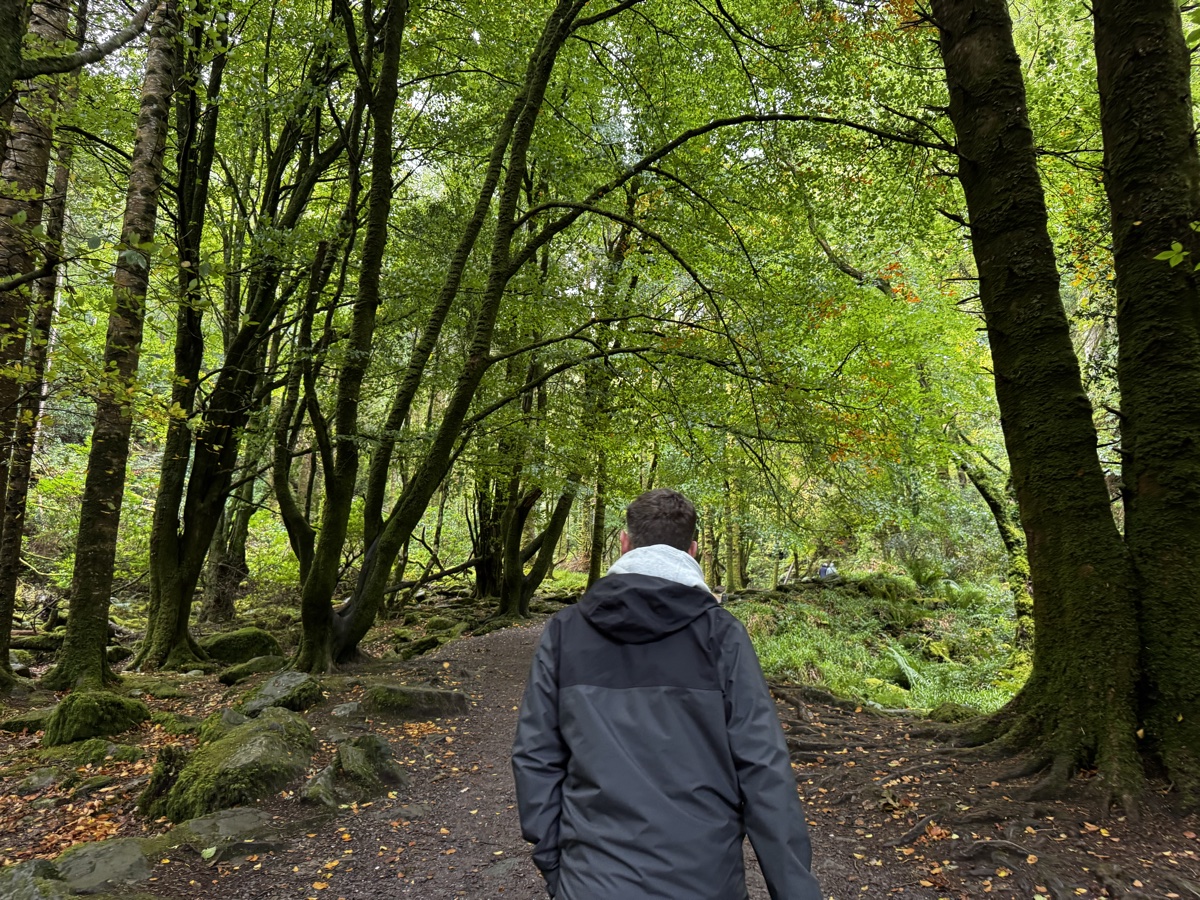
We based ourselves at Fleming’s White Bridge campsite on the Muckross Road and walked into the National Park in heavy rain on a Wednesday in early October. Even soaked, it was worth it.
The full Muckross Lake loop is around 10km of flat path past Muckross House and the 15th-century Muckross Abbey ruins, which are free to wander and held up well in the mist. If 10km is too much, just do the woodland stretch around the abbey and the house.
We warmed up afterwards over afternoon tea at Monk’s Lounge in the Muckross Hotel, which I’d recommend on a wet day.
Torc Waterfall Walk, Killarney
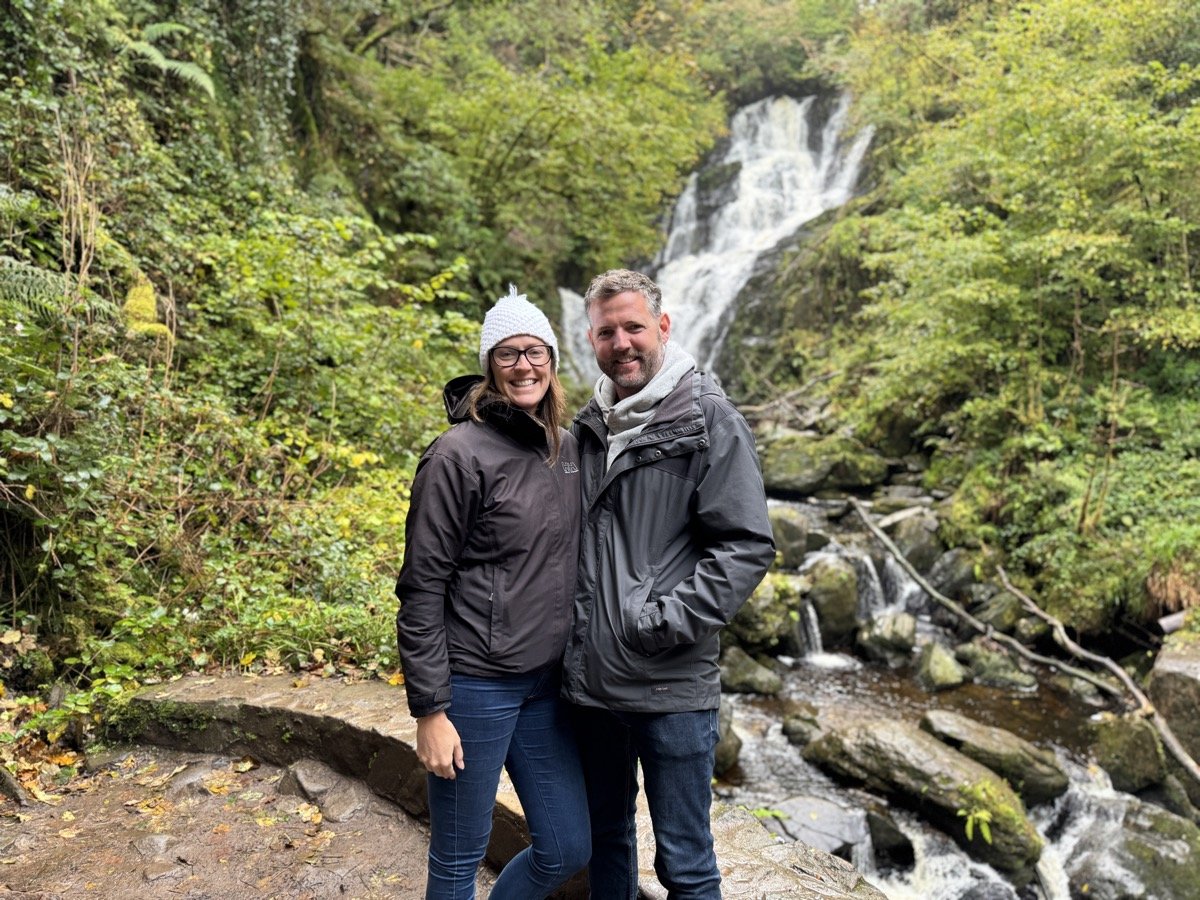
Five minutes down the road from Muckross, the Torc Waterfall is barely a 200m walk from the car park, so it’s an easy add-on for anyone. The falls were thumping when we went, thanks to all that rain.
If you’ve got the legs, the steps to the top connect into longer National Park trails. But the short version still gets you the waterfall, which is the part you came for.
Cliffs of Moher Coastal Walk, County Clare
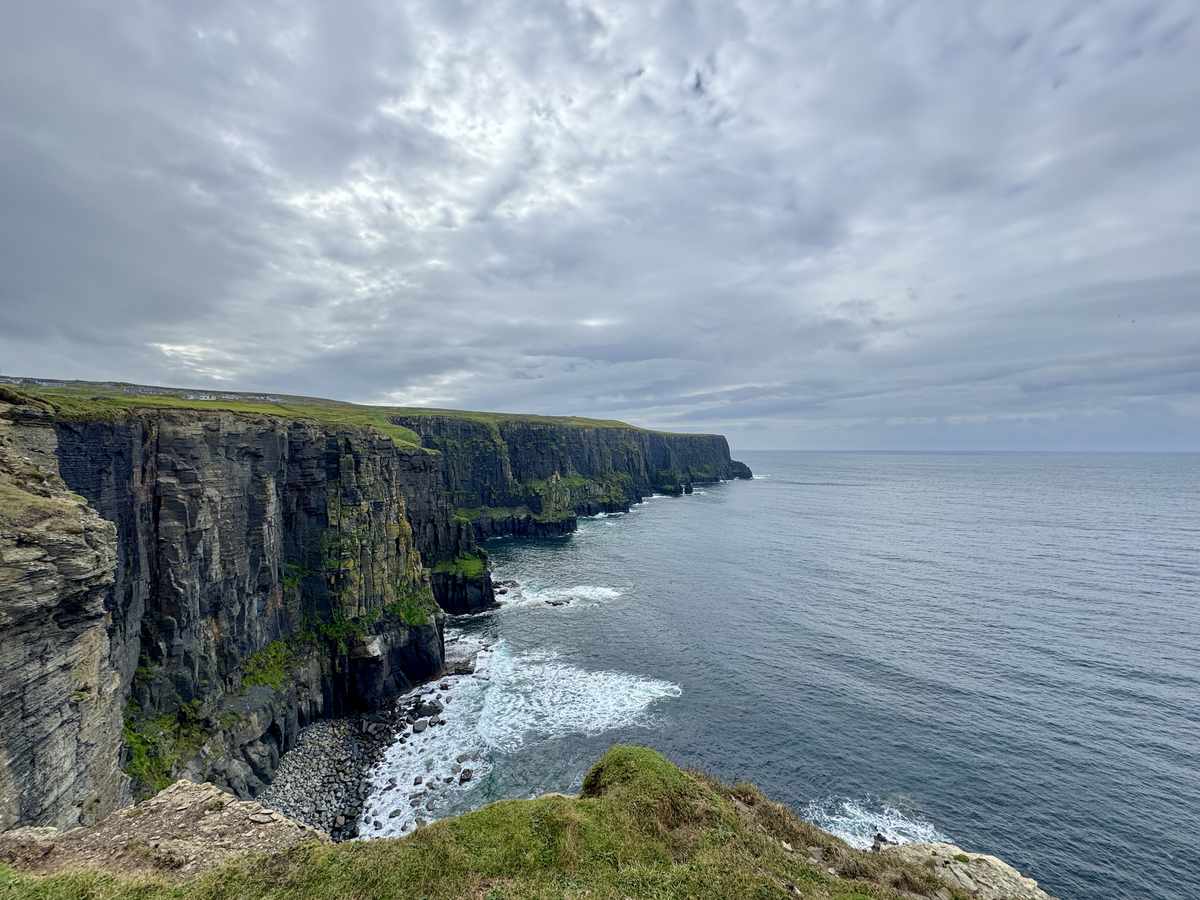
Start from Doolin rather than the main visitor centre and you’ll share the trail with far fewer people. It’s about 8km one way to the centre, but you can turn back whenever you like, which is what we did after a couple of hours. If you’d rather not navigate it solo, you can book a small-group Cliffs of Moher hike from Doolin on GetYourGuide with a guide who knows the route.
The reward at the end is Gus O’Connor’s pub in Doolin, open since 1832, for fish, chips, and mussels. Earn your dinner and then go eat it.
The Burren, County Clare
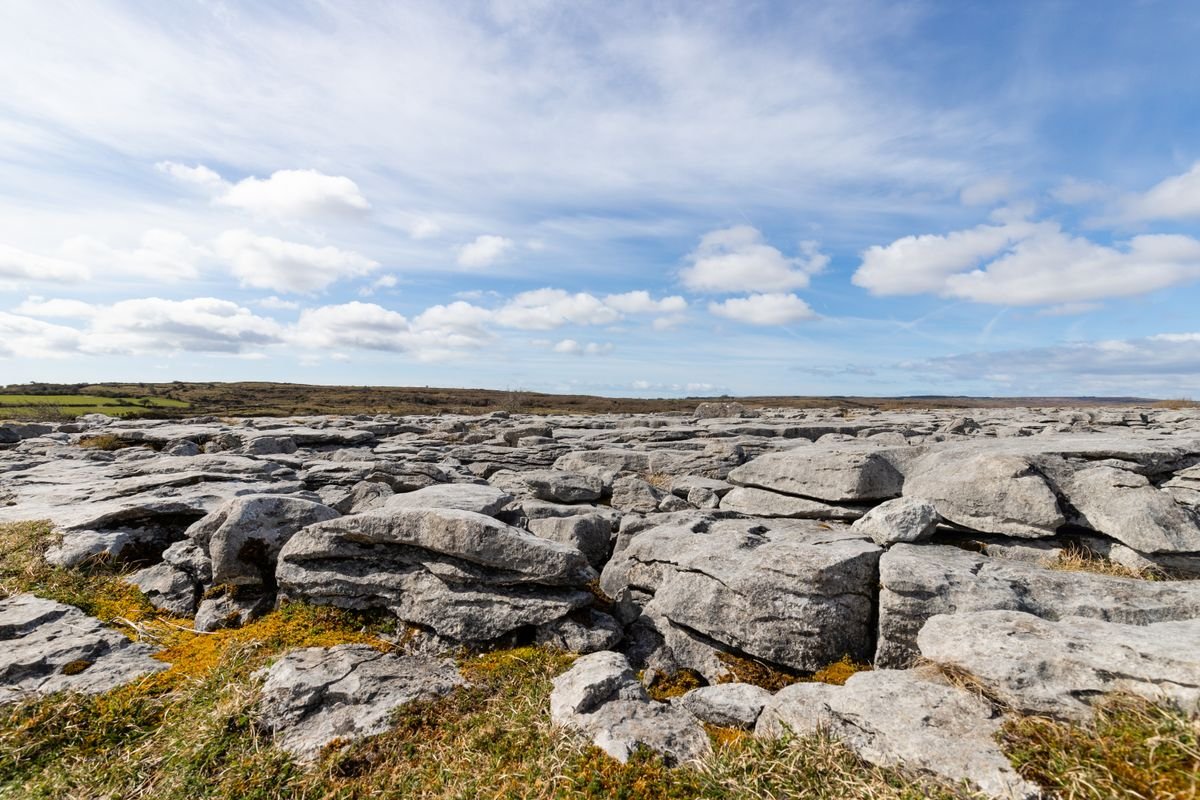
We drove the R478 down through the Burren on the way to Doolin, and it’s like nowhere else in Ireland. Bare grey limestone pavement stretching for miles, with wildflowers growing out of the cracks.
The Mullaghmore loop is the easy walk to aim for, flat and well marked across the rock. Pair it with Poulnabrone, a portal tomb that’s over 5,000 years old and sits right by the road.
The Barrow Way, Carlow
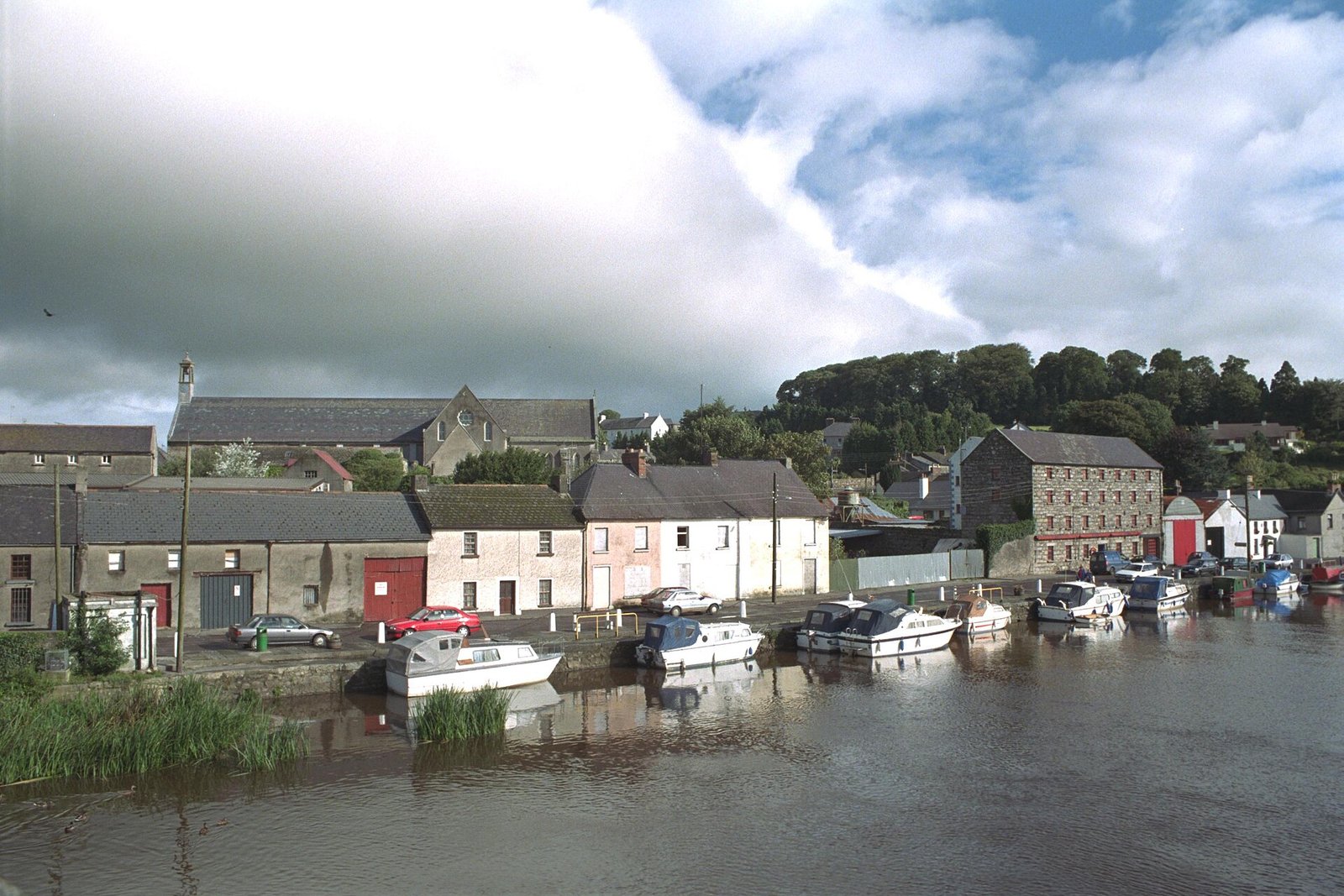
This is the flattest walk on the list. The Barrow Way follows an old towpath along the River Barrow, so it’s level the whole way, with locks, stone bridges, and riverside villages to break it up.
You don’t have to do the full distance. Pick a town like Graiguenamanagh, walk an hour out along the water, and turn back. It’s about as gentle as Irish walking gets, and a good shout if anyone in your group isn’t keen on hills.
Benbulben Forest Walk, County Sligo
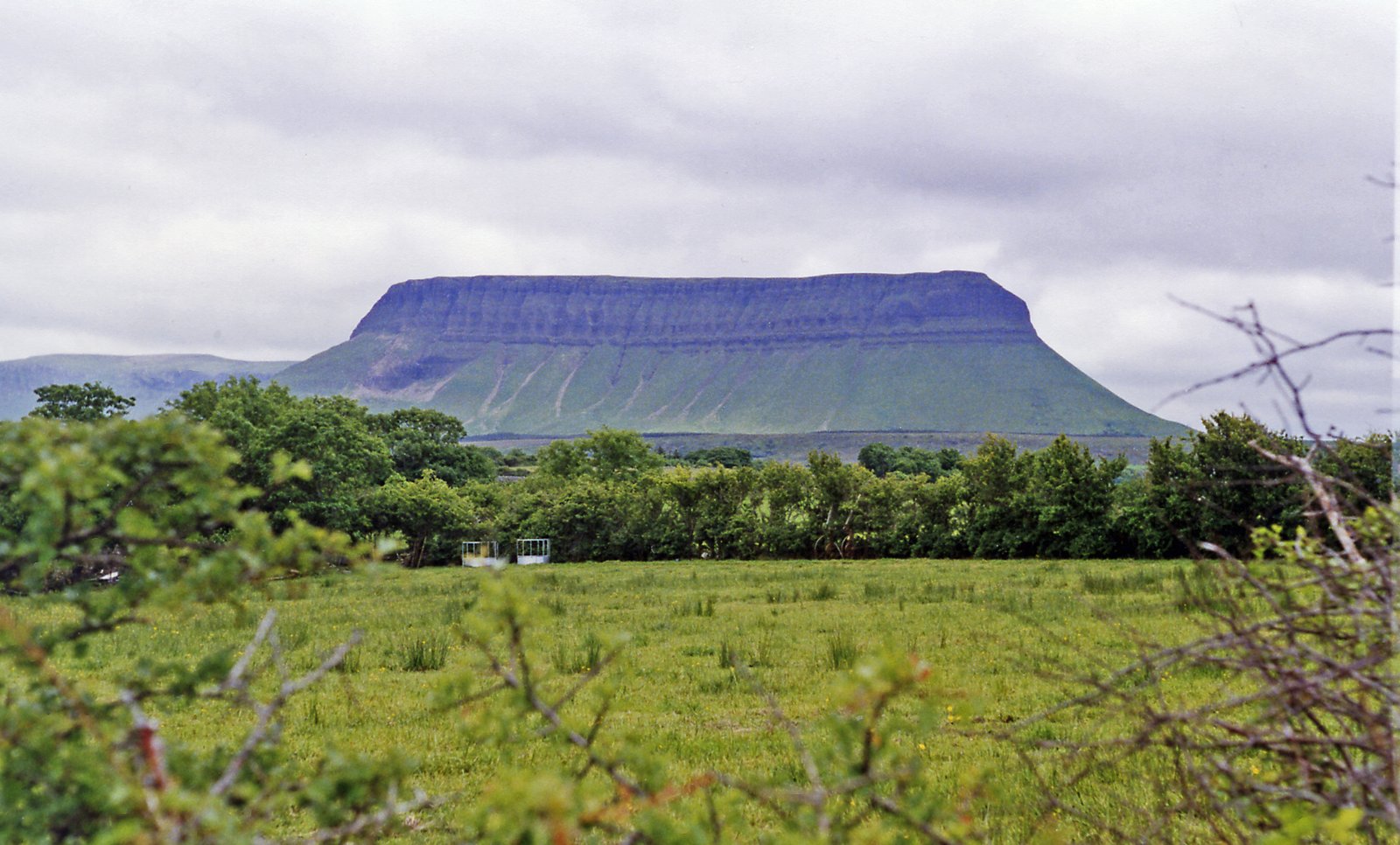
Benbulben is that flat-topped mountain you’ve probably seen in photos of Sligo. You don’t climb it. The Benbulben Forest Walk is a 5.5km looped trail around its base, mostly flat, with the rock face looming above you the whole time.
This is Yeats country, and the mountain is the star. An hour and a half at an easy pace and you’re done.
Diamond Hill Lower Loop, Connemara
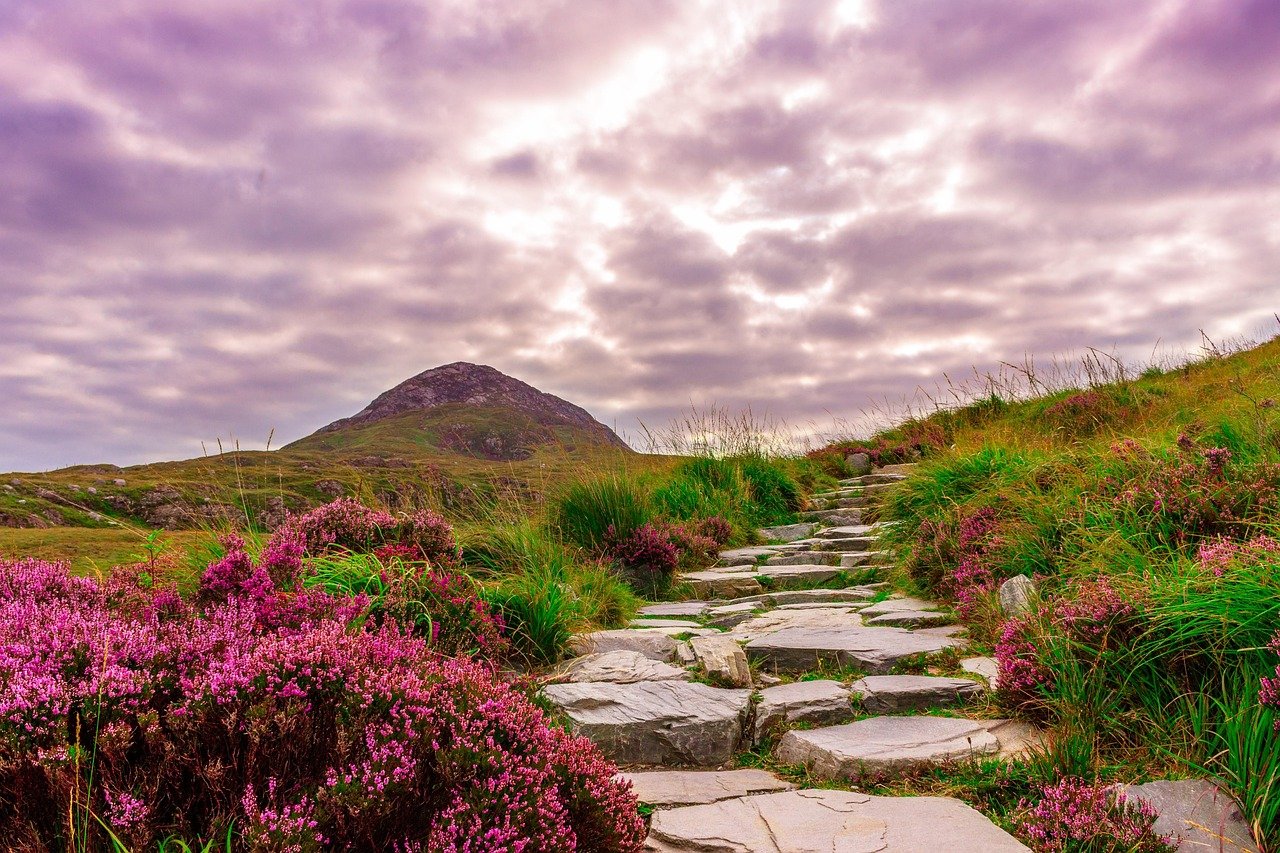
Connemara was the highlight of our whole trip, and Connemara National Park near Letterfrack is where you walk it. The full Diamond Hill summit is a real climb, but the Lower Loop skips that.
The Lower Loop is about 3km on boardwalk and gravel, with views over the bog and out to the coast, and no scramble to the top. That’s the one I’d point a first-timer to. Park at the visitor centre and follow the green markers. Without a car it’s tricky to reach, so if you’re based in Galway you can book a Connemara National Park day trip from Galway on GetYourGuide that drops you here.
Slieve League Viewing Platform, Donegal
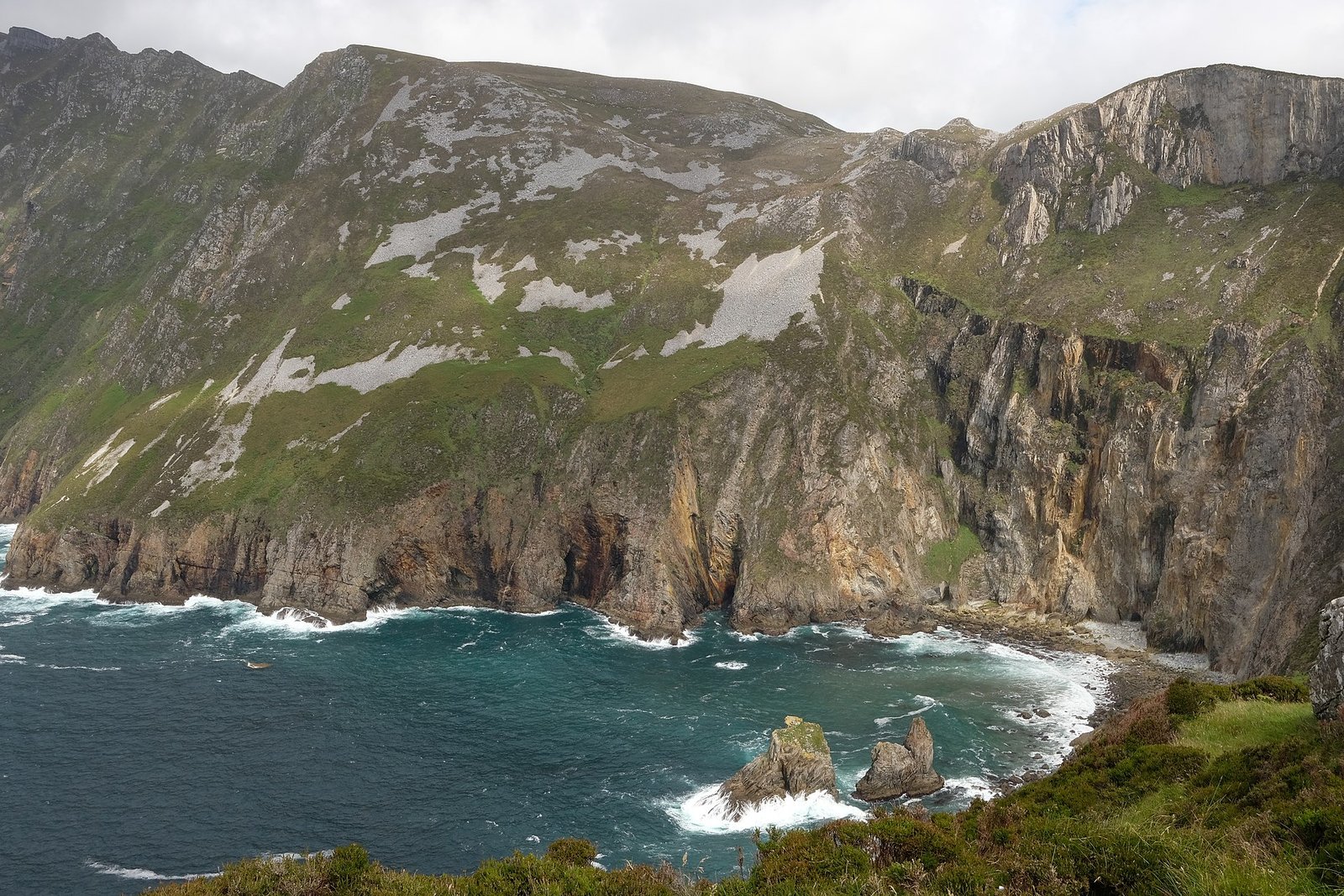
Slieve League in Donegal has sea cliffs nearly three times the height of the Cliffs of Moher, and a fraction of the crowds. You drive most of the way up, then it’s a short walk from the upper car park to the viewing platform.
From there you can keep going along the ridge as far as you’re comfortable, or just stand at the platform and take in the drop. Either way the view is the same wall of cliff falling into the Atlantic.
Downpatrick Head, County Mayo
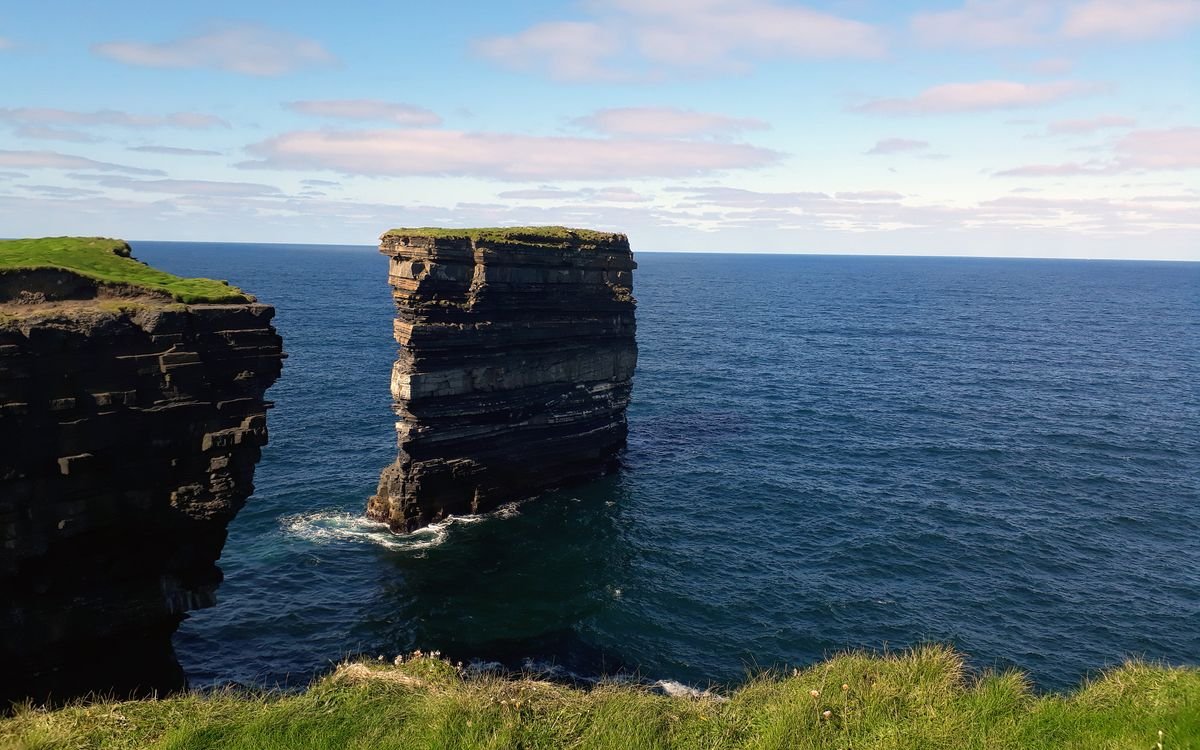
Downpatrick Head is a short, flat walk from the car park out to the edge, where you’ll see Dún Briste, a sea stack standing alone offshore with layers of rock you can read like tree rings. It broke away from the mainland back in 1393.
There are blowholes and old wartime lookout posts up here too. Fifteen minutes of walking for one of the best stretches of coast in the northwest, which is exactly the trade this whole list is built on.
More Things to Do Around Ireland
- 15 Best Things To Do in Wicklow, Ireland
- 15 Best Things To Do in Howth, Ireland
- 15 Fun Things To Do in Killarney, Ireland
- 21 Unique Things To Do in Kerry, Ireland – The Kingdom County
- 33 Best Things To Do in Galway, Ireland
What to Bring on an Easy Walk in Ireland
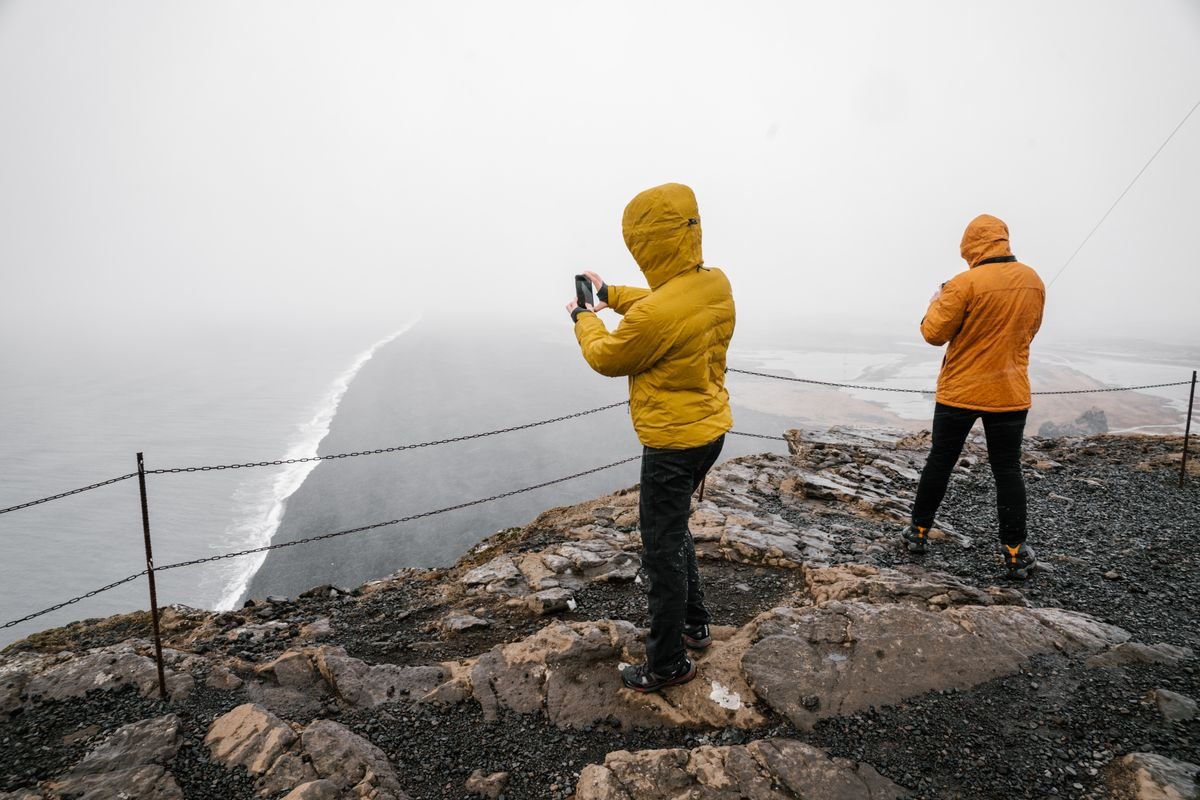
None of these walks need real hiking gear. But Ireland has its own rules, and the weather is the big one. It can be sunny and dry when you set off and sideways rain twenty minutes later.
So pack for that. A waterproof jacket is the one thing I’d never leave in the car, even on a clear morning. Layers underneath, because the wind off the Atlantic has a bite to it most of the year.
Here’s what actually earns its place in the bag.
- A proper waterproof jacket with a hood, not a flimsy rain poncho.
- Shoes with grip. Trainers are fine on dry days, but coastal paths and woodland trails get slick and muddy fast.
- A warm layer, even in summer. A fleece or a light jumper covers most days.
- Water and a snack, since a lot of these trailheads have no shop nearby.
- Your phone for photos and offline maps, and a small power bank if you’re out for a few hours.
That’s it. No poles, no boots, no special kit. The whole point of these walks is that you can rock up, do them in what you’ve got on, and still come away with the good stuff.
Best Time of Year for Walking in Ireland
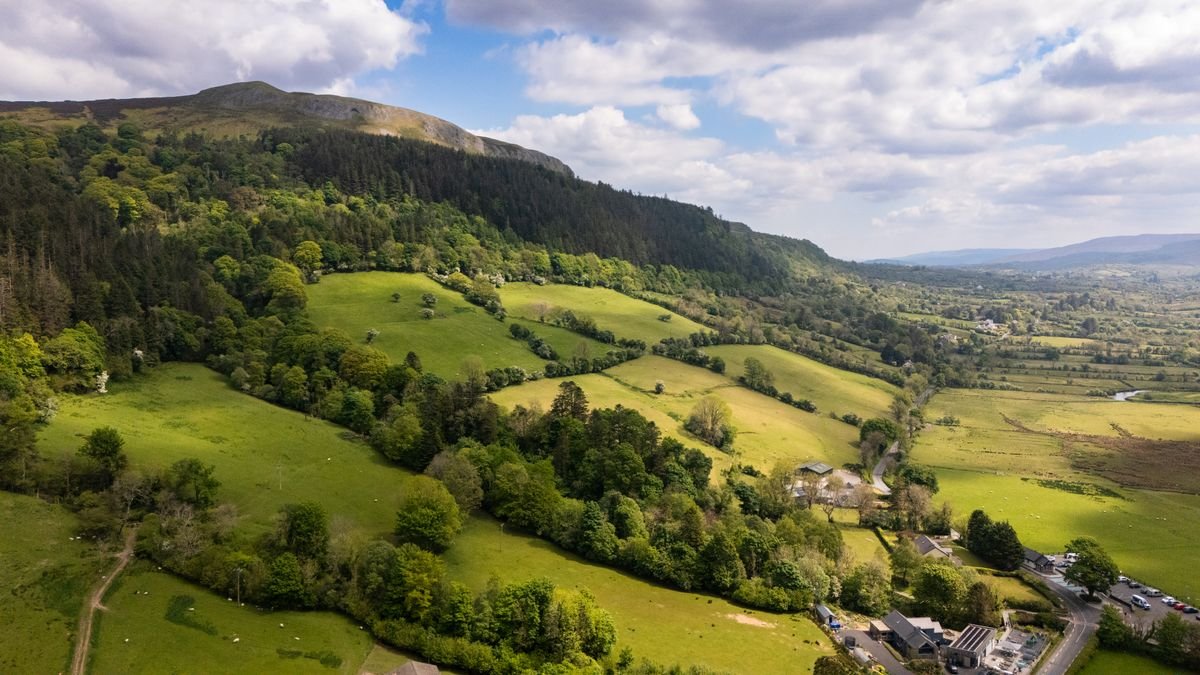
The honest answer is there’s no perfect month. Ireland rains in every season, so you walk around the weather rather than waiting for it to be ideal. That said, some times of year are easier than others.
Late spring and early summer, roughly May and June, are about as good as it gets. Long daylight hours, the wildflowers are out, and the trails haven’t filled up yet. June gives you light until nearly 10pm, which means you can walk after dinner.

July and August are the warmest and busiest. The big sites like the Cliffs of Moher and Killarney National Park get packed, so start early or pick a lesser-walked trail if you want the path to yourself.
Why I’d Pick Shoulder Season
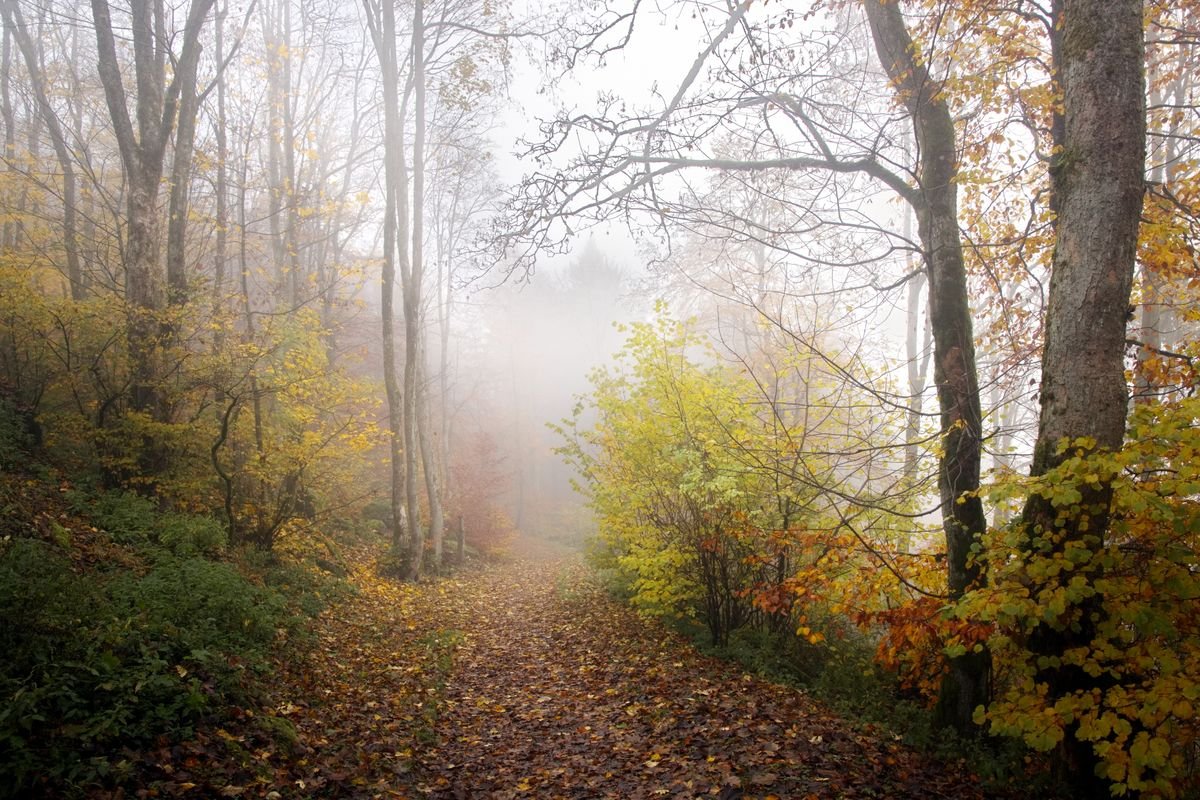
We did our trip in late September and early October, and it’s the window I’d book again. The crowds had thinned right out, and on plenty of trails we barely passed another person all morning.
The trade-off is real, though. We got soaked walking into Killarney National Park, the light fades earlier, and a couple of our coastal photos suffered for the grey skies. If you go this time of year, build in flexibility and walk whenever the rain lets up.
Winter, November through February, is the quietest and the wettest. Days are short and some trailhead cafes shut for the season, but if you don’t mind the cold and the dark afternoons, you’ll have the whole coast to yourself.
Whatever month you pick, check the forecast the night before and have a backup walk in mind. The weather decides the day in Ireland, not the calendar.
Are These Walks Accessible for Everyone?
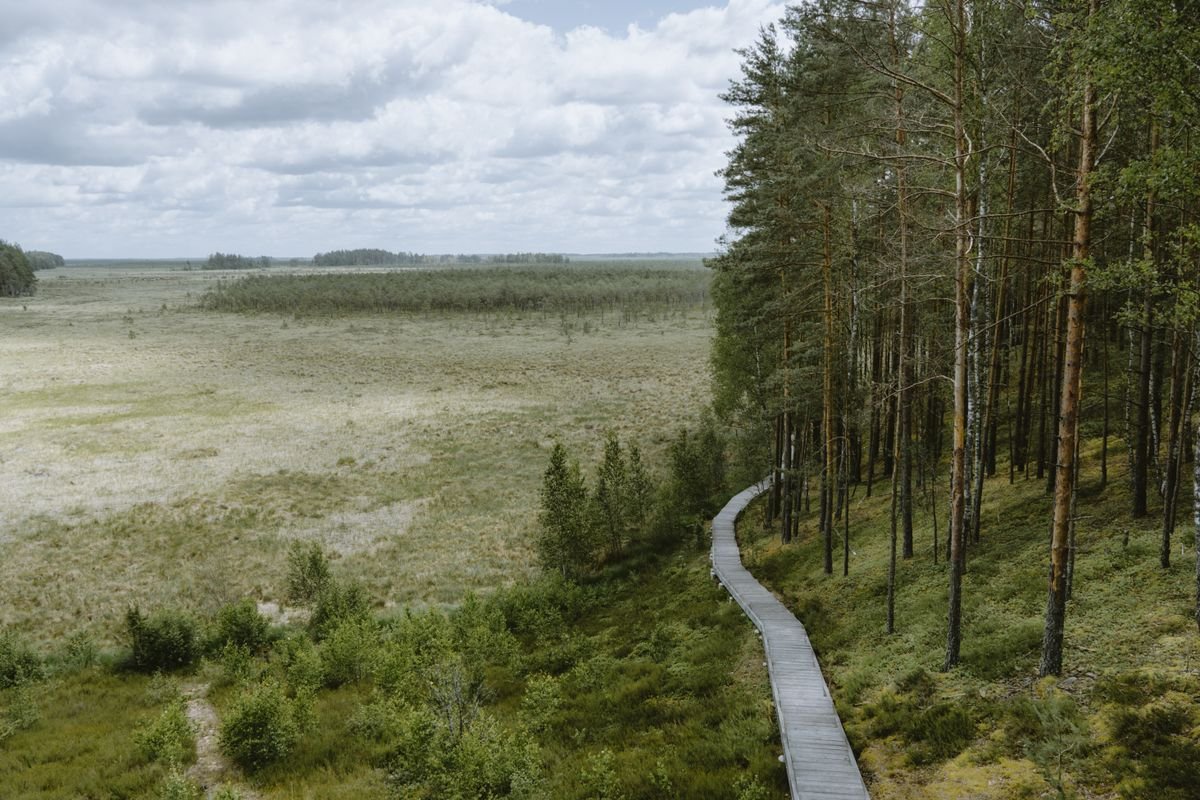
Short answer, no, not all of them. “Easy” and “accessible” aren’t the same thing, and I want to be straight about that before anyone turns up with a wheelchair or a pram expecting a smooth roll.
A flat walk can still mean uneven gravel, a few steps, or a stile to climb over. So the right walk depends a lot on who’s in your group and what they need underfoot.

Some of these are properly doable for wheelchairs, prams, and anyone who needs a firm, level surface.
- The Barrow Way towpath is the best of the lot, level and firm the whole way, with no steps or gates to fight.
- The Green Road along Glendalough’s Lower Lake is mostly flat and well surfaced near the monastic site.
- The walk to the Slieve League viewing platform from the upper car park is short, though there’s a gradient to it.
- Parts of Killarney National Park around Muckross House are paved and gentle, so you can do a stretch without taking on the full loop.
The ones I’d steer clear of if mobility is a concern are the cliff and rock walks. The Cliffs of Moher path out of Doolin is narrow, uneven, and runs right along a drop, so it’s no place for wheels or unsteady feet.
The Burren is bare limestone with cracks and loose rock, which is hard going even for steady walkers. Diamond Hill’s Lower Loop uses boardwalk and gravel that handles a sturdy off-road pram but not much else.
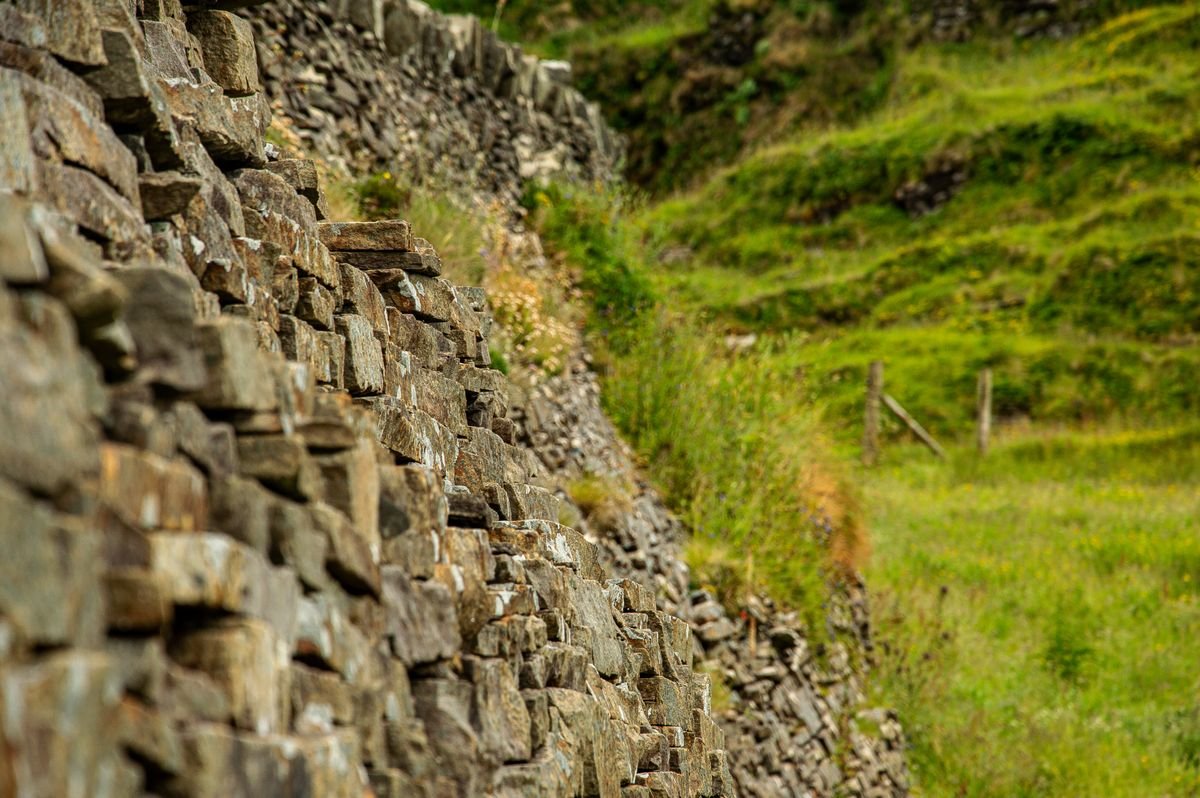
My advice is to ring ahead or check the National Park websites, since several list accessible trail sections with real detail on surface and gradient. Pick the walk to fit the group, and there’s a good option here for almost everyone.
Tips for Your First Walk in Ireland
If this is your first time walking in Ireland, a few small things will save you hassle. None of it is complicated, but it’s the stuff you only learn after you’ve got it wrong once.
The biggest one is the cliff edges. A lot of Irish coastal paths have no railing and no barrier, just grass that ends in a long drop. Stay back from the edge, keep an eye on kids, and don’t get clever with photos.
Sort the Practical Bits First
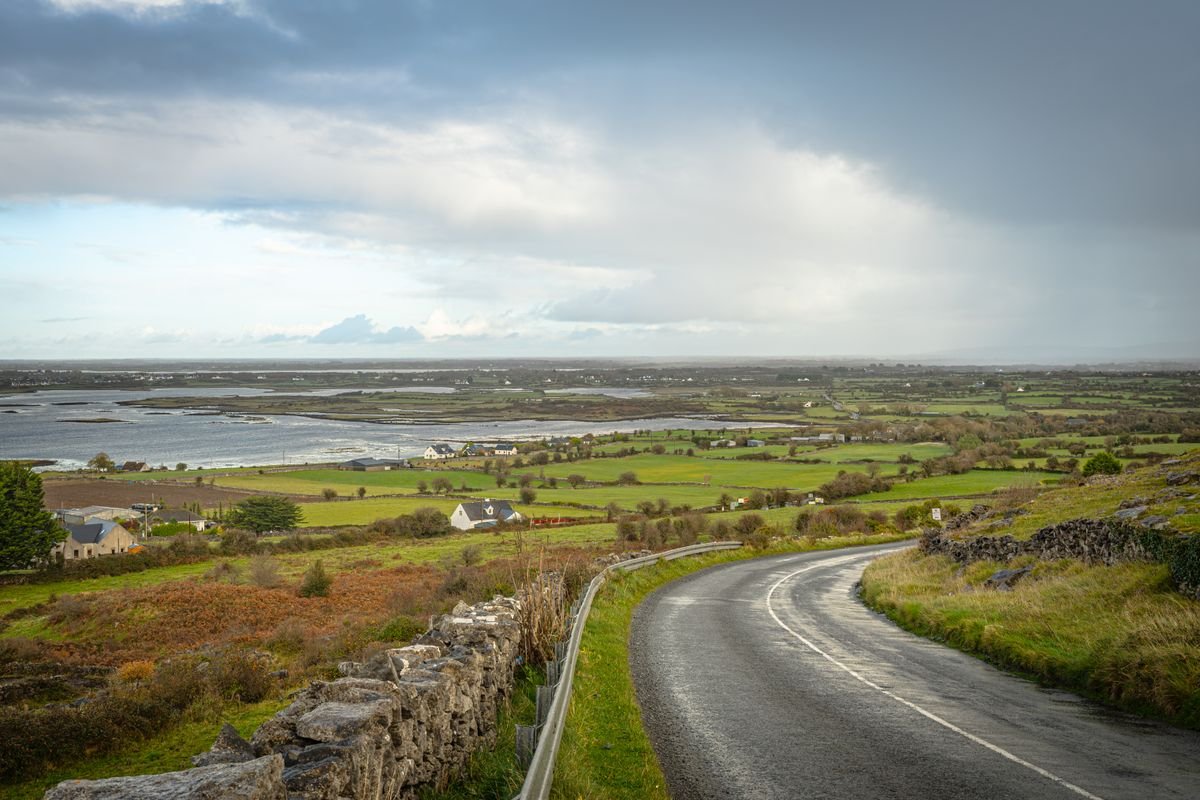
Most of these trailheads are reached down narrow country roads, and parking can be tight. Get there early for the popular ones, both for a space and for an emptier path.
A few habits make every walk go smoother.
- Download offline maps before you set off, since phone signal drops out fast on the coast and in the National Parks.
- Tell someone your plan if you’re walking alone, especially on the longer cliff trails.
- Close every farm gate behind you. A lot of these paths cross working land with sheep and cattle on it.
- Check the time the light fades, particularly in shoulder season and winter, so you’re not finishing in the dark.
Don’t Overplan It
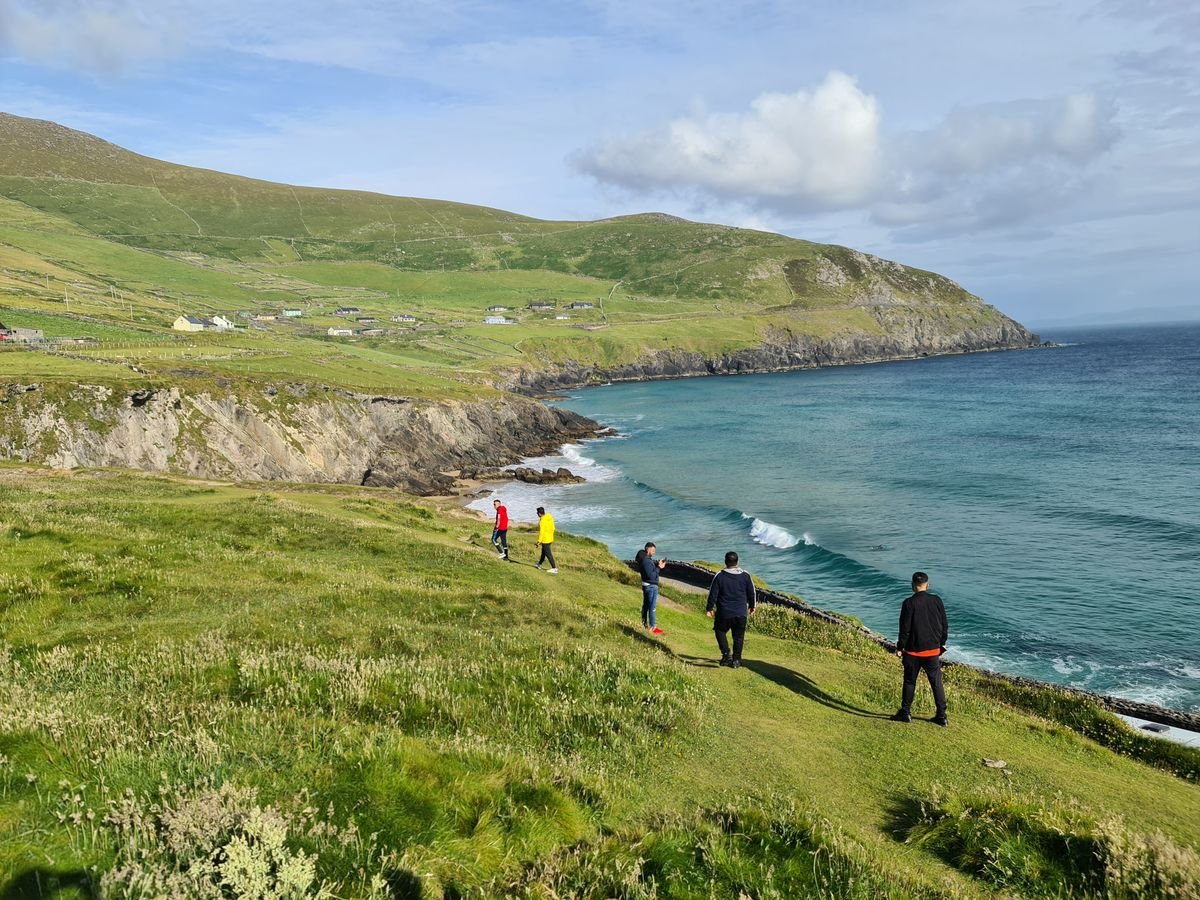
The best part of these walks is that you can turn back whenever you’ve had enough. You don’t have to finish the full loop to get the view, and most of the good stuff comes in the first stretch anyway.
So pick one walk, check the forecast the night before, and keep a backup in mind in case the rain settles in. Do that and your first Irish walk will be an easy yes.
Plan Your Ireland Road Trip
- Wild Atlantic Way Itinerary – Ireland’s Most Epic Road Trip
- 9 Best Places On The Wild Atlantic Way Route
- 14 Days in Ireland: The Ultimate 2-Week Itinerary
- 10 Days in Ireland: The Ultimate Itinerary
- A Photographer’s Definitive Ireland Road Trip
Frequently Asked Questions
A few quick answers I get asked about the best easy walks in Ireland, from gear to crowds to whether you need a car.
What is the easiest walk in Ireland?
The Barrow Way towpath in Carlow is about as easy as it gets. It’s flat the whole way, firm underfoot, and you walk as far as you fancy before turning back. The walk to the Slieve League viewing platform is a close second for views per step.
Do I need hiking boots for these walks?
No. Trainers with decent grip cover most of them on a dry day. The one thing I’d insist on is a waterproof jacket, because the rain turns up fast and the coastal paths get slick the second they’re wet.
Is the Cliffs of Moher walk actually easy?
The walking itself is easy, but the path out of Doolin is narrow and runs right along the edge with no barrier. We did a couple of hours and turned back, no special gear. Just keep well clear of the drop and watch your footing.
Which walk has the fewest crowds?
For the big-name views without the queues, head to Loop Head Peninsula out past Doolin instead of the main Cliffs of Moher platform. We found it wilder and quieter, with a coastal walk to the lighthouse and almost nobody around. Slieve League and Downpatrick Head are the same trade in the northwest.
Can you do these walks in winter?
Yes, but plan around short days and a lot of rain. The trails stay open, the coast is at its emptiest, and some trailhead cafes shut for the season. Check the forecast the night before and have a backup walk in mind.
Do I need a car to reach the trailheads?
For most of them, yes, since they sit down narrow country roads with no public transport nearby. The exception is the Howth Cliff Walk, which you can reach on the DART from Dublin in about 30 minutes. We drove the whole route, and a rental car makes the rest of this list far easier.
For most trailheads you’ll want a car, since they sit down narrow country roads with no public transport. The exception is the Howth Cliff Walk, reachable on the DART from Dublin in about 30 minutes. A rental car makes the rest of this list far easier, so it’s worth a few minutes to compare car hire deals on Discover Cars before you go.
In short
- The Howth Cliff Walk is 6km and reachable by DART from Dublin city in 30 minutes.
- Glendalough’s Green Road walk is 3km return and about an hour’s drive south of Dublin.
- The Doolin to Cliffs of Moher path is two hours return and needs no special gear.
- Muckross Lake Loop is 10km of flat path; Muckross Abbey entry is free.
- September and October work for these walks, though expect wind and rain even on calm days.
Final Thoughts
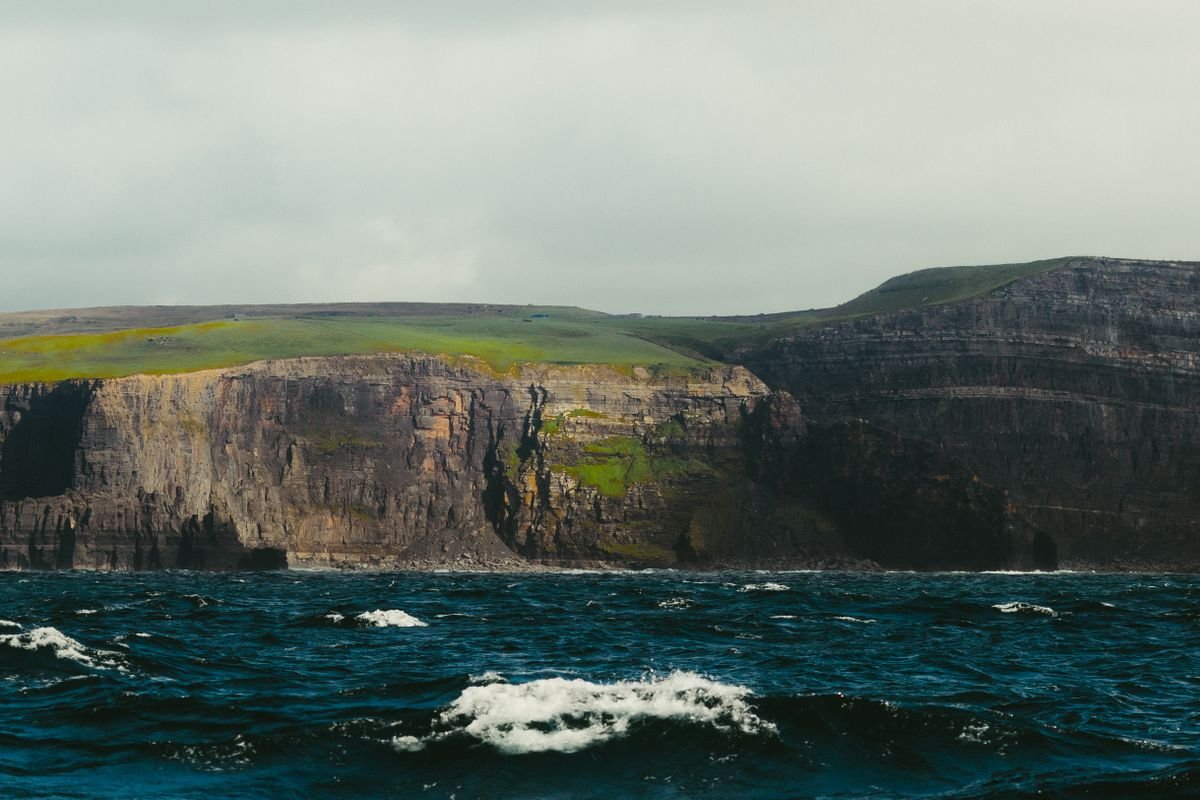
The best easy walks in Ireland aren’t about distance or effort. They’re flat paths and short trails that hand you the country’s best coast and scenery for an hour of your time.
If I had to send a first-timer to one, I’d point them at the Cliffs of Moher path out of Doolin or the Lower Loop at Connemara National Park. Both are easy, both pay off fast, and neither needs anything more than the shoes you turned up in.
Don’t overthink which one to start with. Pick a walk near where you’re already going, check the forecast the night before, and keep a waterproof in the bag. The view is waiting at the end of a short, flat path, and that’s the whole point of this list.
Like it? Pin it!
Save this guide for later