
If you want the honest answer on the best time to see the northern lights in Ireland, it’s the dark half of the year, roughly late September through early April, with the equinox weeks front and center.
Here’s my credential, and it’s a humbling one. On our last trip we spent about two weeks driving Ireland in autumn, right through the late-September equinox window, which is statistically the most active stretch for aurora all year. We were on the west coast under some properly dark skies out at Loop Head and in Connemara. We saw nothing.
That’s the whole point of this post. Ireland is not a reliable aurora destination, and anyone who tells you otherwise is selling something. You need a real geomagnetic storm, a clear sky, proper darkness, and to actually be awake and outside when it all happens. Those four things line up rarely.
So below I’ll go month by month from September to April, the best hours to be standing outside, the Kp number Ireland actually needs, why the darkest months also bring the worst weather, and roughly how many nights you’d need to book to give yourself a real shot.
Aurora Season in Ireland Runs September to Early April
There’s a simple reason the season starts and ends where it does, and it has nothing to do with the sun on the ground. It’s about how dark the night actually gets.
From roughly late April to mid August, Ireland never reaches true astronomical darkness. The sky stays a dim blue all night, even at 2am. You can have the strongest geomagnetic storm of the decade in June and it won’t matter, because there’s no dark sky for it to show up against.
So May, June, and July are simply off the table. The aurora could be firing overhead and you’d never know.
That’s why the real season runs from about September to early April. Those are the months with proper black nights, which is the one non-negotiable thing you need before anything else even counts.
Here’s the awkward part. If you look up the best time to visit Ireland for a normal trip, nearly every guide sends you to the long, bright days of late spring and summer, when the country is warm and the evenings stretch on forever.
Aurora season is the exact opposite of that. You want the cold, dark end of the calendar, the stretch a lot of travelers are trying to skip.
Within that window the odds aren’t even. The equinox weeks around late September and March are the most active, deep winter gives you the longest nights but the worst weather, and I’ll break all of that down month by month below.
Month by Month, From September to April
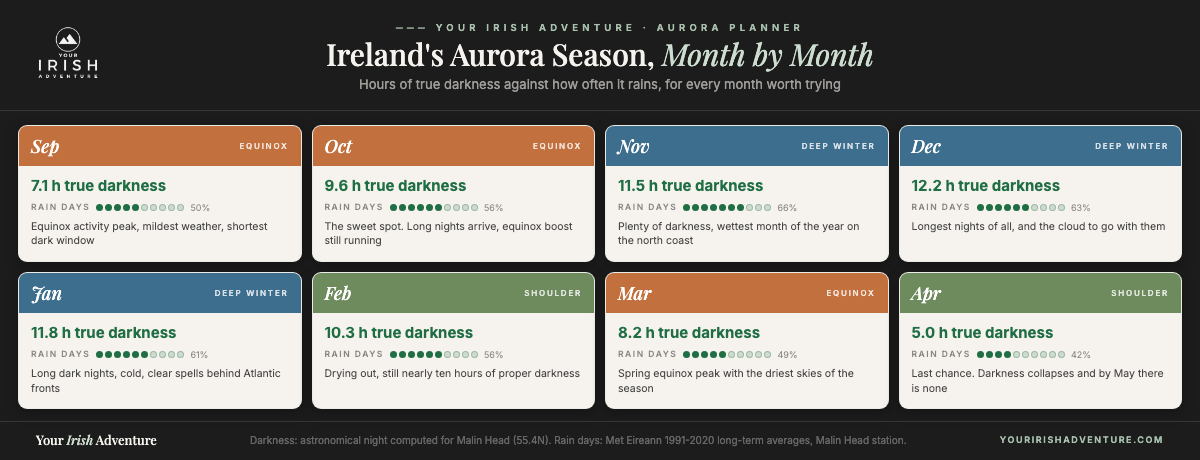
Every month in the season gives you dark enough skies to have a shot. What changes is the geomagnetic activity, the length of the night, and how often the clouds actually let you see anything. Here’s how the calendar really stacks up.
Late September and October: The Best Odds of the Year
This is the top of the list, and it’s not close. The weeks around the autumn equinox are the most geomagnetically active stretch of the whole year.
There’s a real physics reason for it, called the Russell-McPherron effect. The short version is that the way Earth tilts relative to the sun’s magnetic field makes storms fire more easily around late September and March.
October is my pick if you’re planning a trip specifically for the aurora. You still get reasonably long nights, activity is high, and the weather hasn’t fully collapsed into deep-winter Atlantic mode yet.
November: Still Worth It, Longer Nights
November is a good middle option. The nights are getting properly long, so you have more hours where the sky is dark enough, and activity is often still decent this side of the equinox.
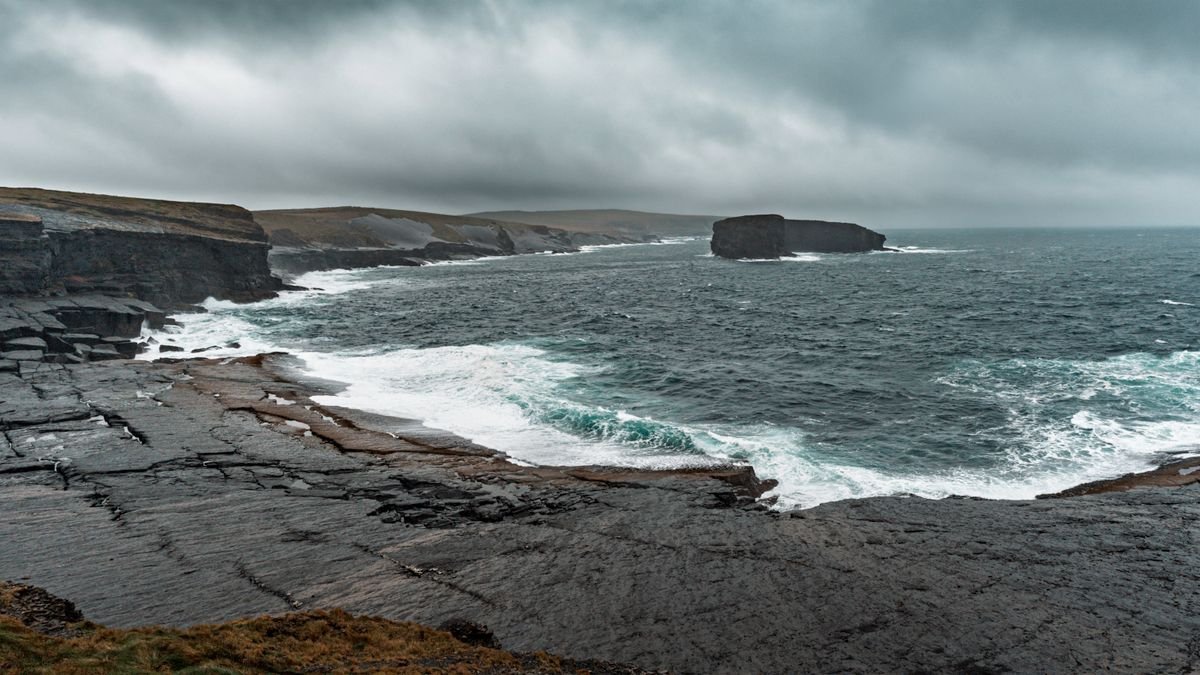
The trade-off is that the weather is starting to turn. You’ll get more cloud and more of those days where the whole sky is just a flat gray lid. But when a clear night does land, you’ve got a long window to work with.
December and January: Longest Nights, Worst Weather
Here’s where people get it wrong. Deep winter gives you the longest, darkest nights of the entire year, which sounds perfect. In practice it’s the hardest stretch to actually see anything.
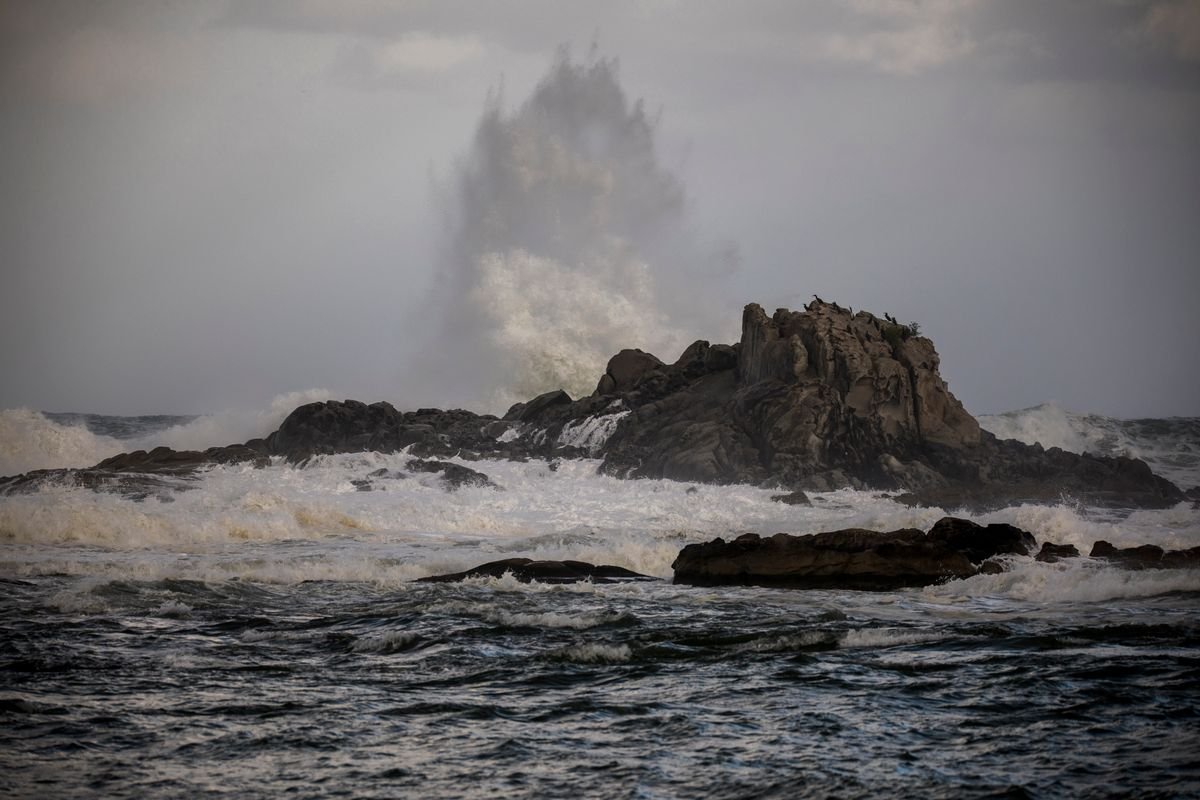
December and January are when Ireland gets hammered with Atlantic weather. Cloud cover is at its highest, and cloud is the real enemy here, far more than the Kp number ever will be. You can have a monster storm firing on the northern horizon and it does you no good if there’s an unbroken ceiling of gray between you and it.
So the math is long hours of darkness against low odds of a clear sky. You get plenty of chances to look up and mostly find nothing but cloud. Not a stretch I’d plan a trip around.
February and March: The Second Peak
February starts to claw back some of the odds as the worst of the winter cloud eases off, and the nights are still long. It’s an underrated month for this.
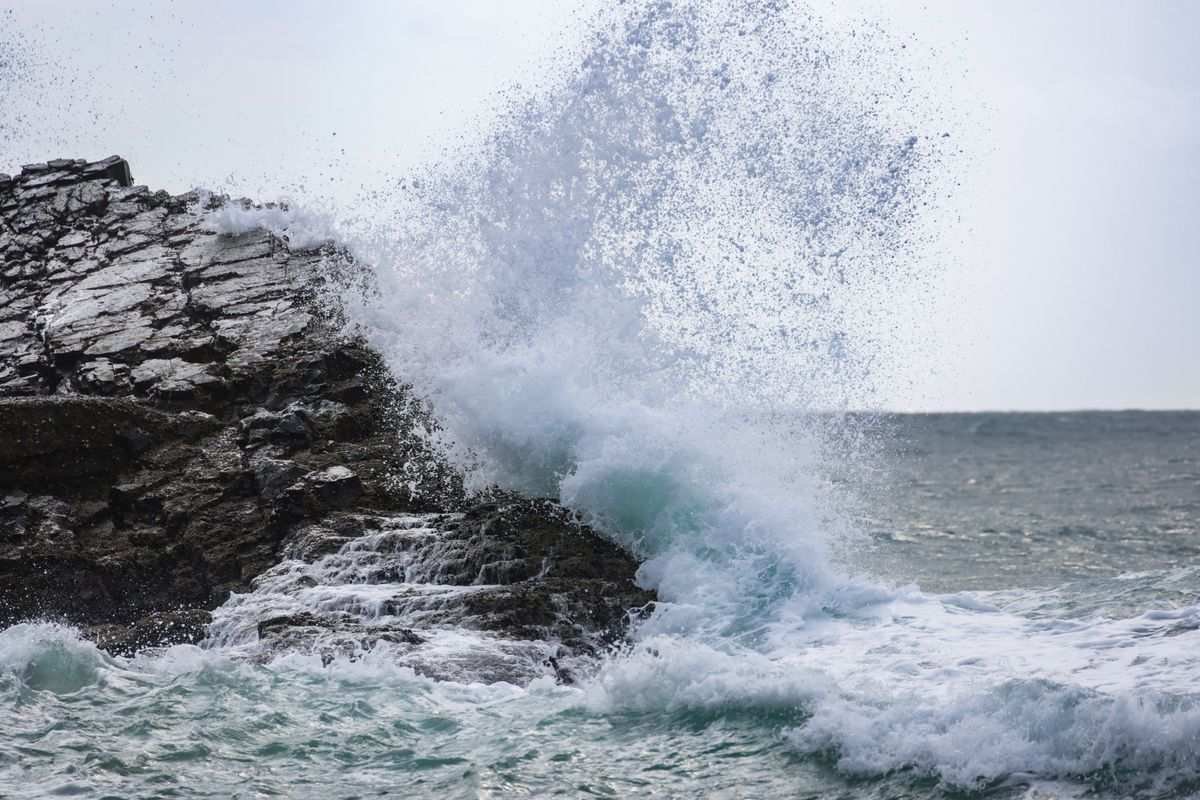
March is the big one on this end of the season. You get the spring equinox doing the same thing late September does, spiking geomagnetic activity right back up. Pair that with nights that are still reasonably dark and weather that’s often calmer than midwinter, and March is easily the best month in the back half of the season.
If October doesn’t suit your calendar, March is the one I’d aim for.
April: The Door Is Closing
Early April can still work, especially in the first week or two. There’s often decent activity carrying over from the equinox.
The problem is the darkness runs out. As the month goes on, true astronomical night gets shorter and shorter until it disappears completely, and by late April you’re basically done for the season. After that you’re waiting until September to start again.
So if you’re weighing it all up, October and March are your two best bets, November and February are good backups, and deep winter is a lottery of cloud. Pick your month accordingly.
The Best Hours of the Night to Be Outside
Picking the right month gets you nothing if you’re asleep at the wrong time. The aurora doesn’t run on a schedule that respects your dinner plans, but there is a window that’s better than the rest, and it’s worth building your night around.
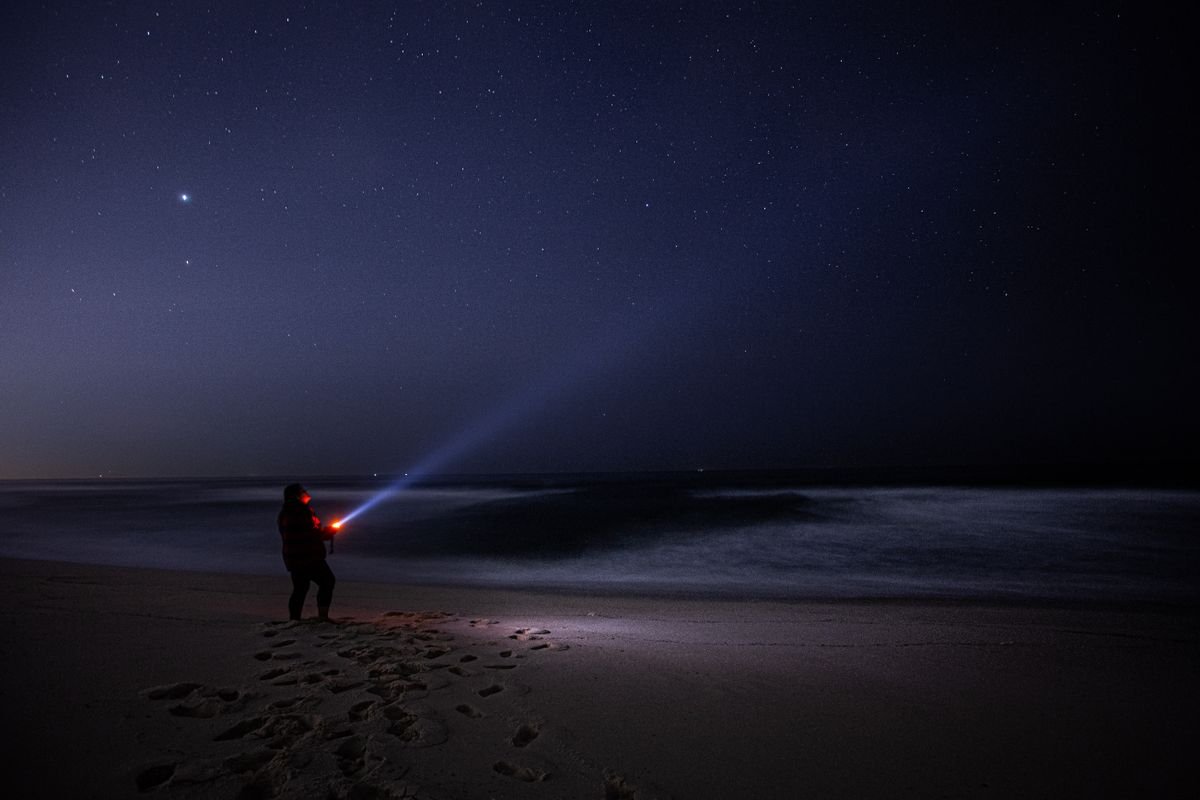
The sweet spot is roughly 10pm to 2am local time. That’s the stretch around what’s called magnetic midnight, when your part of the planet is pointed most directly away from the sun and the odds of catching activity are at their highest.
So if you’re going to commit to standing outside in the cold on the off chance, those four hours are the ones to give it. Earlier than 10pm and you’re often too early. Much past 2am and you’re usually into diminishing returns.
Here’s the part that catches people out though. A display doesn’t switch on and stay on. The aurora arrives in bursts, called substorms, so you might get a pulse of activity, then twenty or thirty minutes of nothing, then another pulse.
That quiet gap is where a lot of hunts fall apart. You see a dead sky for half an hour, decide the night’s a bust, and go to bed. Then the next burst fires at 1am to an empty field.
My advice is to treat a quiet spell as a pause, not a verdict. If the Kp number is up and the sky is clear, stick it out through the whole window before you write the night off. Bring a flask of something hot, a warm coat, and some patience, because the cold is the thing that’ll beat you long before the aurora does.
More on seeing the northern lights in Ireland
- Where to See the Northern Lights in Ireland
- The Best Things to Do in Donegal, Ireland
- The 50 Best Things to Do in Northern Ireland
The Kp Number Ireland Actually Needs
If you’ve done any aurora reading you’ve seen the Kp index, the 0 to 9 scale that measures how disturbed Earth’s magnetic field is. Higher number, bigger storm, further south the lights reach.
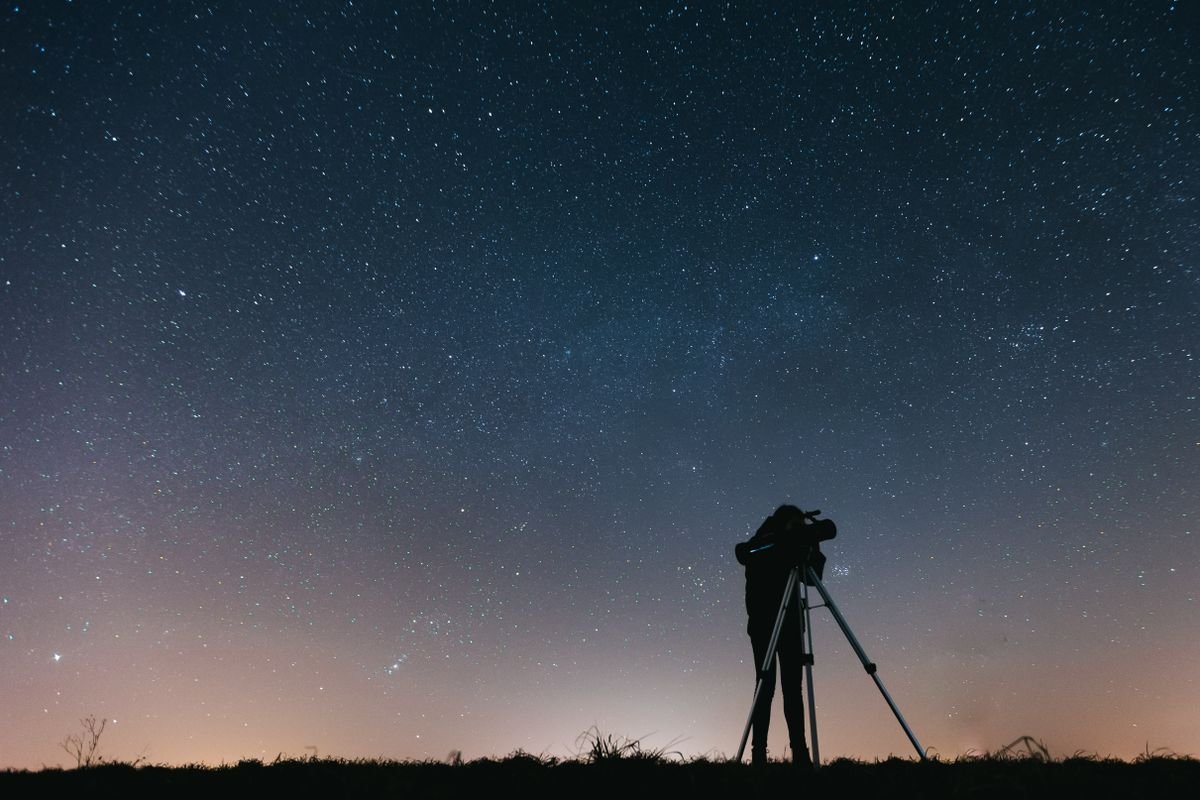
The catch for us is that Ireland sits a long way south of the auroral oval, so we need that oval to stretch a serious distance to reach our sky at all.
So the Kp numbers that get people excited in Iceland or northern Norway don’t mean the same thing here. Ireland needs a lot more before anything shows up.
Here’s roughly how it works for us. Around Kp 5 you might get a faint green glow low on the northern horizon, and realistically only from the far north coast. At Kp 6 it’s worth getting in the car and driving somewhere dark to look. At Kp 7 and above is when most of the island has a shot, and color can start to show to the naked eye.

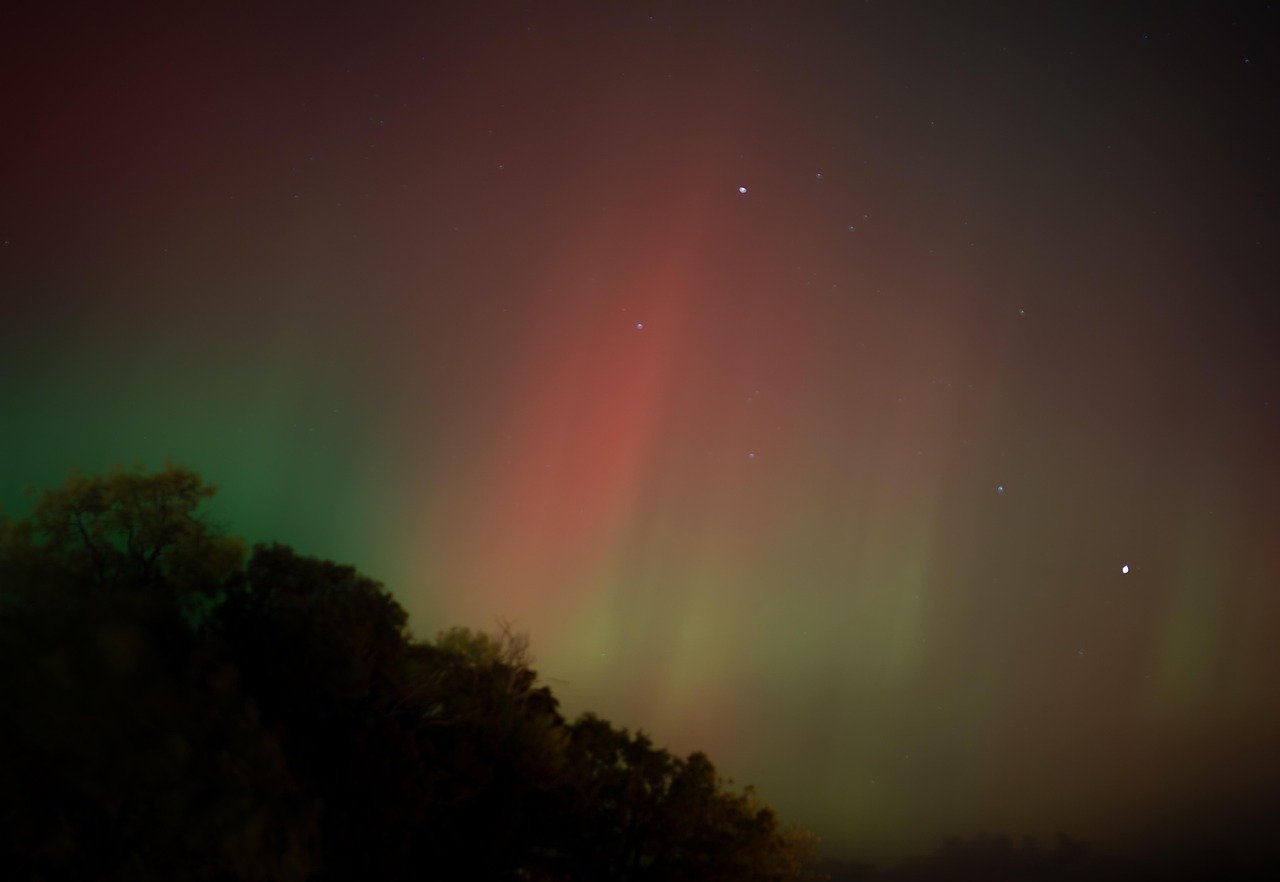
Now the reality check. Whatever you see in Ireland is almost always a glow sitting low on the northern horizon, not curtains dancing over your head. Anyone showing you a sky-filling display shot in Ireland got very lucky in a very strong storm, and that’s the exception, not the night you should plan for.
This is the single most useful thing I can tell you, so pay attention here. Your phone will see more than your eyes do. A modern phone on night mode picks up aurora color that your eye reads as nothing more than a grayish smudge on the horizon.
A huge number of Irish aurora “sightings” are camera-first. The eye sees a dull gray-green haze, someone points a phone at it on a long exposure, and green appears on the screen. That’s not cheating, that’s just how faint it is here.
So my honest advice is this. When the Kp is up and the sky is clear, point your phone north and take a long exposure even if your eyes are telling you there’s nothing there. That’s often the only way you’ll confirm it. Face a dark northern horizon, away from any town glow, and let the camera do the seeing your eyes can’t.
Why the Best Aurora Months Have the Worst Weather
Here’s the cruel joke at the center of this whole thing. The months that give you the best shot at the aurora are the same months with the grimmest skies over Ireland.
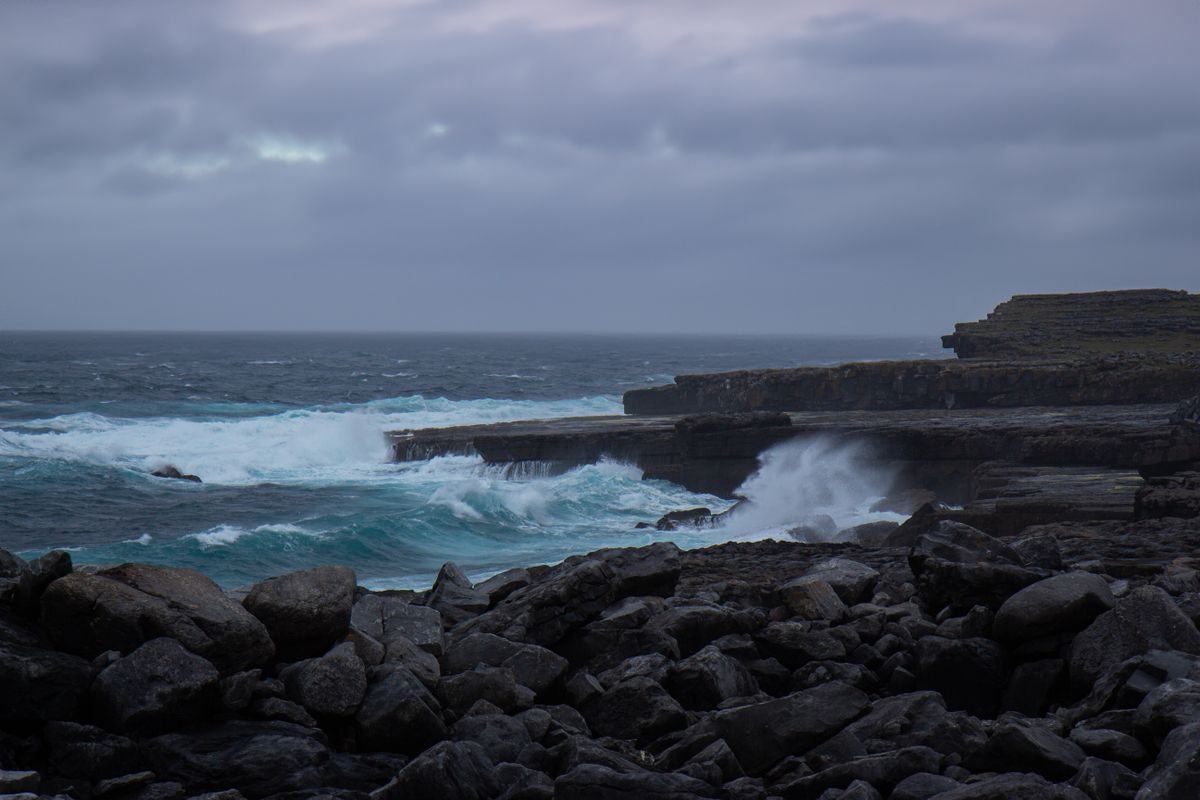
Think about what you actually need. Long, dark nights and high geomagnetic activity, which points you straight at autumn and winter. And what does autumn and winter mean on the west coast of Ireland? Cloud, rain, and one Atlantic front after another rolling in off the ocean.
That’s the whole problem in one sentence. Your best aurora window and Ireland’s worst weather window are the same stretch of calendar.
If you go looking for the best time to visit Ireland for good weather, every sensible answer sends you to May, June, and early September, when you get the driest, clearest, warmest days the country has to offer. That’s exactly when there’s no astronomical darkness for the aurora to appear in.
So the two goals really fight each other. You can chase clear skies or you can chase dark active nights, but you can’t have both lined up neatly, and that’s a big part of why Ireland is such a hard place to see the lights.
This is the thing I want you to take away above all else. Cloud beats Kp almost every time here. Most failed aurora hunts in Ireland don’t fail because the storm was too weak. They fail because there was a solid gray ceiling in the way.
You can have a Kp 7 firing away on the northern horizon and it means absolutely nothing if you’re standing under a blanket of cloud. The storm is up there doing its thing, you just can’t see through the weather to reach it.
So plan for two forecasts, not one. The Kp number tells you if there’s a show worth watching, and Met Eireann tells you whether you’ll get to watch it. On this island the cloud forecast is the one that decides your night more often than the space weather does.
My honest read is that October and March split the difference about as well as Ireland ever lets you. Dark enough, active enough, and not yet buried under the worst of the winter cloud. It’s the least bad compromise between the two things you can’t have at once.
Where to Stand on a Clear, Active Night
The other post on this site covers the county-by-county map in full, so I’ll keep this tight. For the aurora specifically, the rule is simple. You want the darkest possible sky and a clear, open view low to the north, ideally out over water with no town glow in the way.
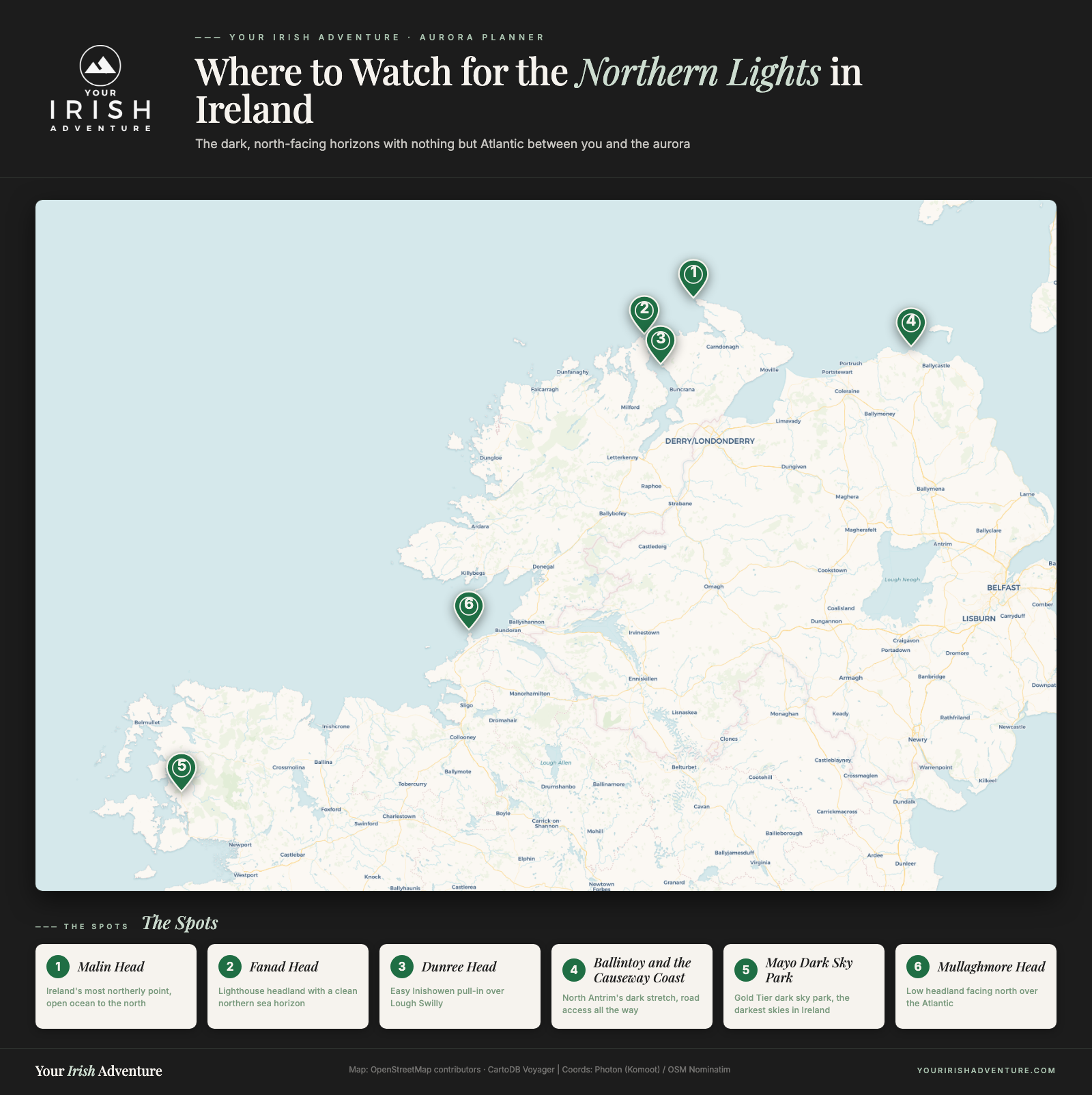
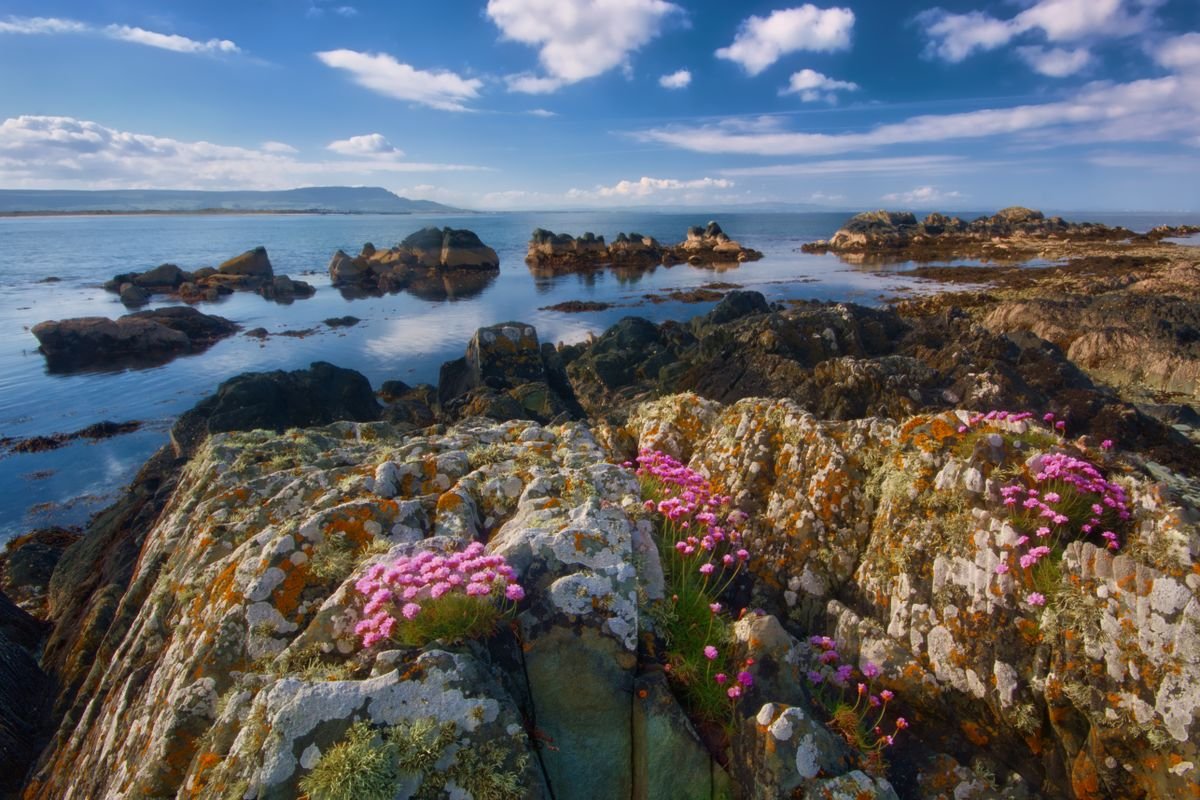
That’s why the far north of the island wins. The closer you get to the top of the map, the less the auroral oval has to stretch to reach you. A few degrees of latitude really matters when the whole show is happening on the northern horizon.
Quick word on Kerry before anyone books a trip on the strength of its dark skies. It has a Gold Tier dark sky reserve, and it’s one of the darkest places in the country, but it faces south and west out over the Atlantic. Incredible for stargazing, poor for aurora, because you’re looking the wrong way.
Malin Head and the Inishowen Peninsula
If you’re serious about this, Malin Head is the one. It’s the northernmost point of the whole island, up in County Donegal, and it stares straight out at open ocean to the north. That’s exactly the setup you want.
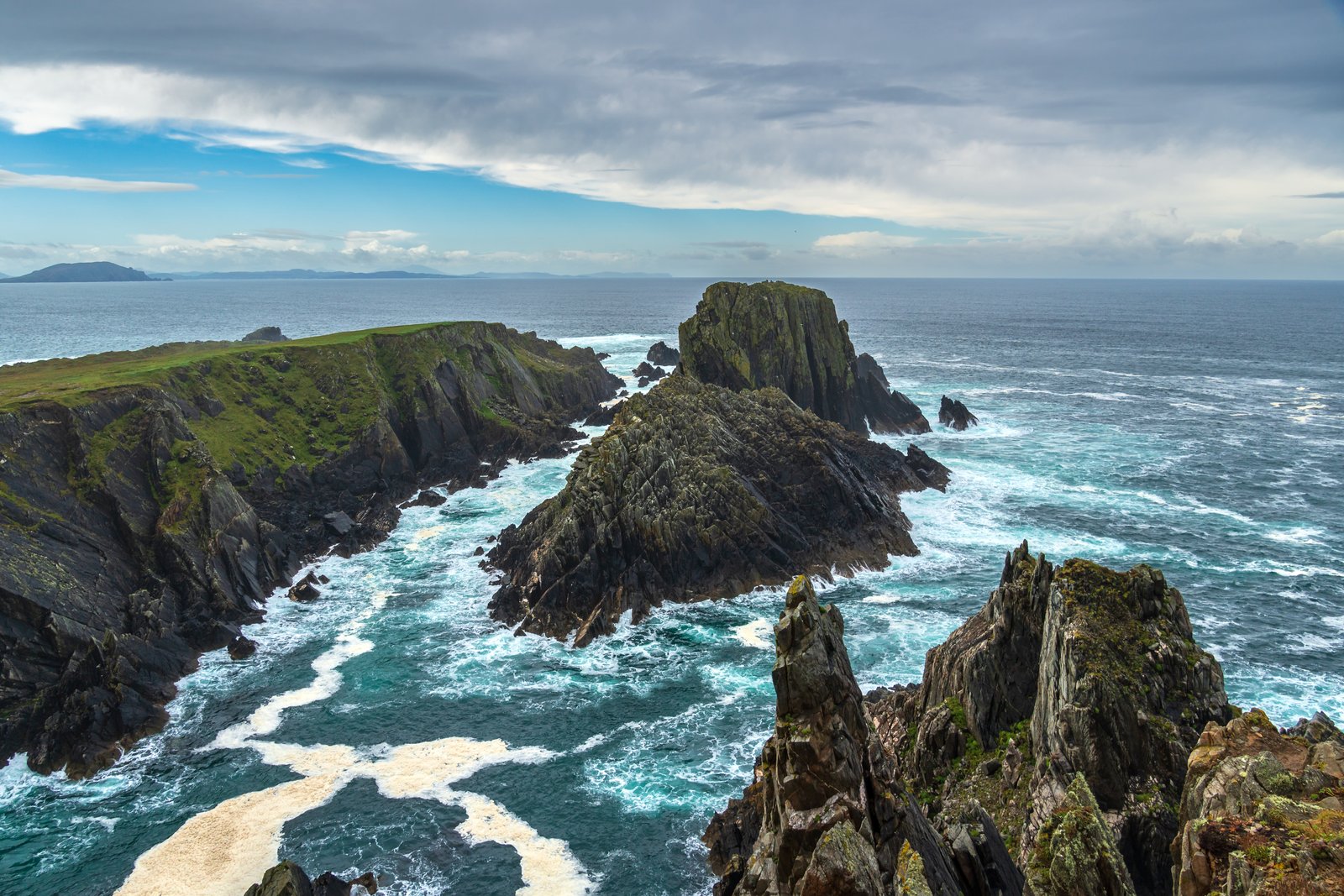
The wider Inishowen Peninsula around it is full of dark headlands and beaches with clear northern views and almost no light pollution. When Irish aurora photos do land, a big share of them come from up here. Base yourself around Malin and you’ve given yourself the best odds the country offers.
The North Antrim Coast
Over in Northern Ireland, the North Antrim coast is your other strong northern-facing option. The stretch around the Giant’s Causeway and the headlands nearby gives you dark skies and a wide-open horizon out over the sea.
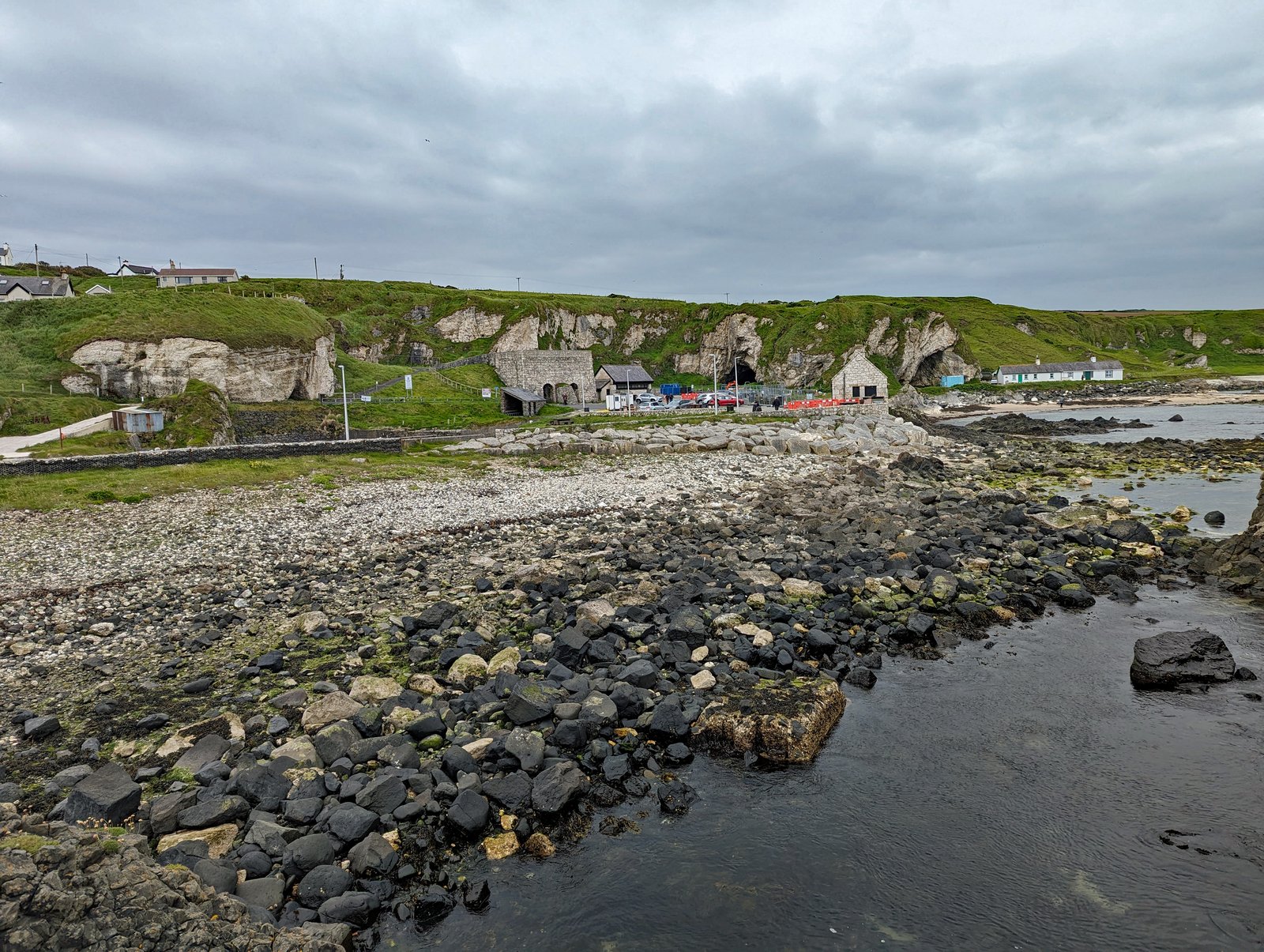
It sits at a similar latitude to Donegal, so on a strong, clear night it has a real shot. Find a spot away from the towns, point yourself north over the water, and you’re in the game.
Mayo Dark Sky Park
Mayo Dark Sky Park, out in Wild Nephin, is Gold Tier and about as dark as it gets in Ireland. If your night is about the sky in general, it’s superb.
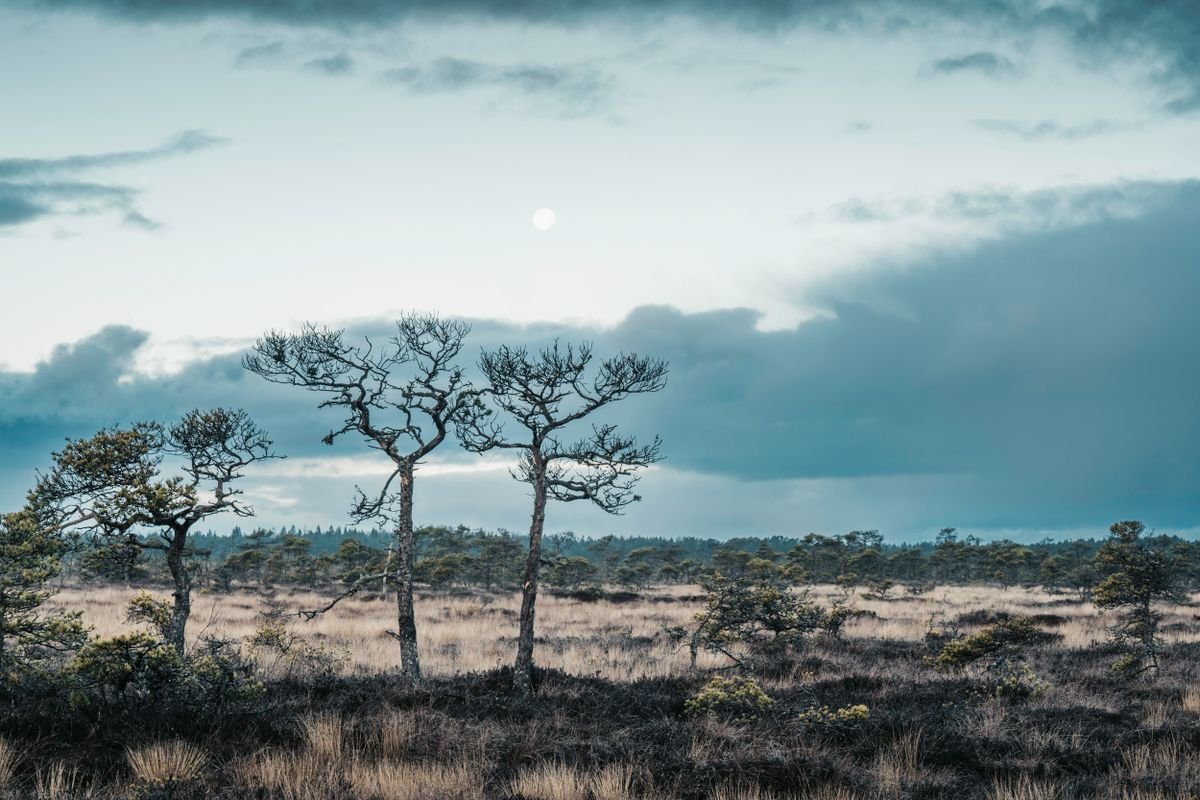
For aurora though, be realistic about one thing. It sits noticeably further south than Donegal, so you need a stronger storm before the glow clears your northern horizon. The darkness is a real asset, but the latitude works against you compared to Malin Head. Treat it as a great backup rather than your first pick.
Where to Stay Near Malin Head
How Much Warning You Actually Get
Here’s the good news after all that doom about odds. You don’t have to guess. The sun gives you a heads-up, and there are free tools that will tell you when a storm is actually on the way.
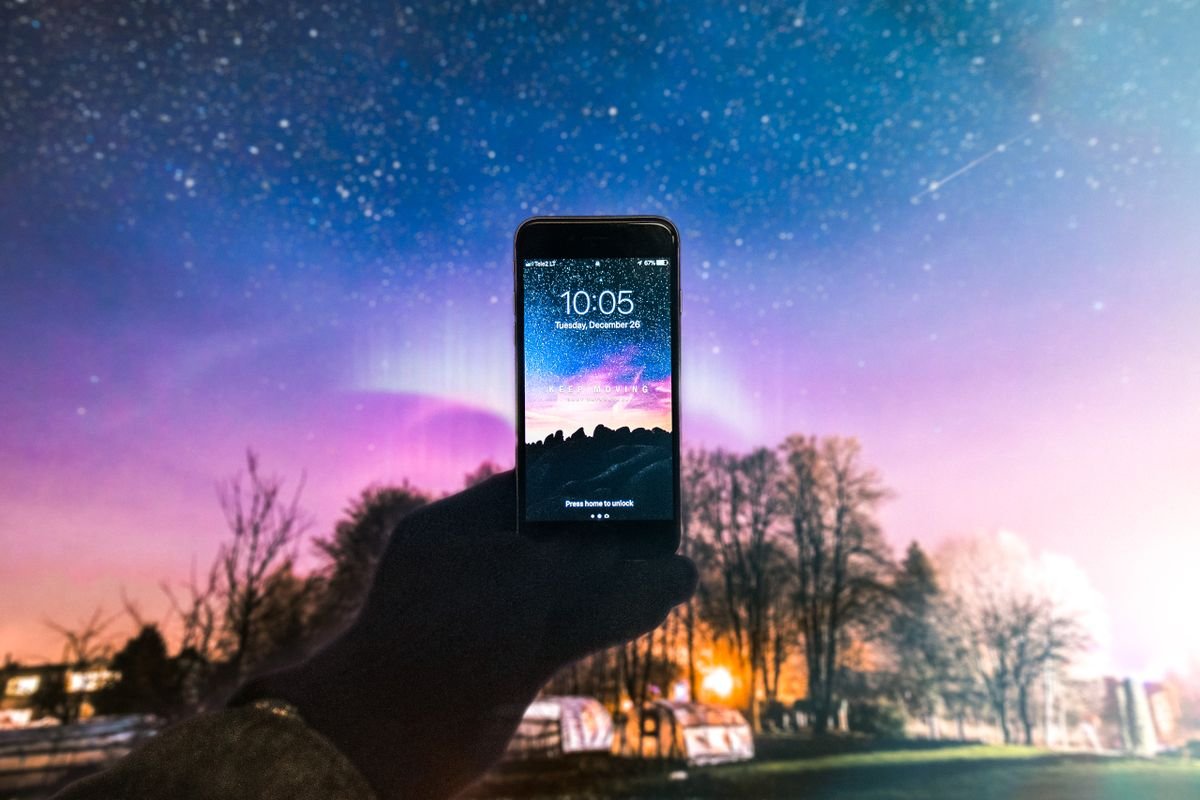
When the sun throws out a coronal mass ejection, that big blob of charged particles that drives the strongest displays, it takes roughly one to three days to reach Earth. So you often get a day or two of notice that something is coming, which is enough time to check the cloud forecast and pick a night.
That early warning is rough though. It tells you a storm is inbound, not exactly when it’ll hit or how strong it’ll be by the time it arrives.
For the real short-range certainty, the one to watch is NOAA‘s 30-minute forecast, the OVATION model. That’s the tool that tells you the aurora is happening right now and where the oval is sitting. When that lights up and your sky is clear, you stop reading and go outside.
So don’t try to plan this weeks ahead, because you can’t. The honest way to catch it in Ireland is to let the alerts do the watching for you, then move fast when one fires.
The Apps and Alerts Worth Having
Set these up before your trip and let them ping your phone. It beats standing in a field refreshing a webpage.

- AuroraWatch UK for the alerts. It’s run out of Lancaster University and it’ll flag when activity is high enough to matter at our latitude.
- NOAA SWPC for the space weather itself, including that 30-minute OVATION forecast and the Kp numbers.
- Irish aurora alert groups on Facebook, where people on the ground post live sightings the second a glow shows up. That real-time local confirmation is worth a lot.
- Met Eireann for the half of the equation that actually decides your night, the cloud cover.
Run the space weather alerts and the cloud forecast side by side. One tells you there’s a show worth chasing, the other tells you whether you’ll get to see it. In Ireland you need both to say yes on the same night, and that’s the whole game.
More guides to Ireland’s northwest coast
- The Best Beaches in Donegal: 10 Wild Atlantic Strands
- Unique Things To Do in Donegal Town in Ireland’s Northwest
- The Best Stops on the Wild Atlantic Way (11 Worth It)
How Many Nights You Need to Book
So let’s put a real number on it, because this is the question that actually matters when you’re planning a trip.
Here’s the plain math. You need four things to line up on the same night. A real geomagnetic storm, a clear sky, proper darkness, and you awake and outside to catch it. Any one of them missing and the night is a write-off.
Booking a single night and hoping is close to buying one lottery ticket. It can happen, and people do get lucky on their first night out. But the odds of all four things landing on one specific date are not in your favor, and I’d never tell you to plan around it.
A week is where it starts to feel realistic. Give yourself six or seven nights on a northern coast in October or March, and you’ve got enough rolls of the dice that a clear, active night has a decent chance of turning up in there somewhere. Realistic, not guaranteed. There’s a difference, and anyone promising you more is lying.
Even then the cloud can just sit on you for the whole week. We had properly dark nights out at Doolin during our autumn drive and the sky gave us nothing but stars and cloud. That’s Ireland. Stacking more nights improves your odds, it doesn’t buy you a promise.
So here’s my honest recommendation, and it’s the whole reason I wrote this post. Don’t come to Ireland only for the aurora. You’ll set yourself up for disappointment, because the country simply can’t guarantee it the way northern Norway or Iceland can.
Come in the dark months for everything else. The empty coastal walks, the pubs with a fire going, the whole country to yourself while the summer crowds are long gone. Base yourself somewhere with a dark northern horizon, keep the alerts running, and treat a real display as the bonus it is.
Do it that way and you can’t lose. If the sky fires, you’ve seen the northern lights in Ireland, which almost nobody manages. And if it doesn’t, you still had a brilliant off-season trip. That’s the only way to play this and come home happy.
More Northern Ireland guides
- Northern Ireland: A 3-Day Itinerary
- Giant’s Causeway Visitor’s Guide: Complete Guide
- The Best Beaches in Northern Ireland
Frequently Asked Questions
Can you actually see the northern lights in Ireland?
Yes, but rarely, and almost never the way the photos make it look. On a strong, clear night you can catch a green glow low on the northern horizon, usually from the far north of the island. Sky-filling curtains overhead are a once-in-a-blue-moon event here, not the norm.
When is the best time to see the northern lights in Ireland?
October, with March a close second. Both sit near an equinox, so geomagnetic activity spikes, and neither is buried under the worst of the deep-winter Atlantic cloud yet. If those don’t suit your calendar, November and February are strong backups.
Why not go in December when the nights are longest?
Because long nights are useless when the cloud never breaks. December and January bring the most cloud and the wildest Atlantic weather of the year. You get plenty of dark hours and very few clear ones. Cloud is the real enemy in Ireland, far more than the Kp number.
Do I really need a phone camera to see it?
Often, yes. Here the aurora is usually so faint that your eye reads it as a dull grayish smudge. Point a phone north on night mode with a long exposure and green shows up on the screen that your eyes couldn’t pick out. A huge share of Irish sightings are camera-first.
How many nights should I plan for?
A single night is close to a lottery ticket. Give yourself six or seven nights on a northern coast in October or March and it starts to feel realistic, though still not guaranteed. The honest move is to come for everything else Ireland offers in the dark months and treat a display as a bonus.
Where should I base myself?
The far north wins, because the auroral oval has less distance to stretch to reach you. Malin Head in Donegal and the North Antrim coast are your two strongest bets, both with open northern horizons out over water. Aim for a dark spot facing north, away from any town glow.
Final Thoughts
If you take one thing from this whole post, make it this. The best time to see the northern lights in Ireland is October or March, near an equinox, on a northern coast, during a week you’ve given yourself enough clear nights to get lucky.
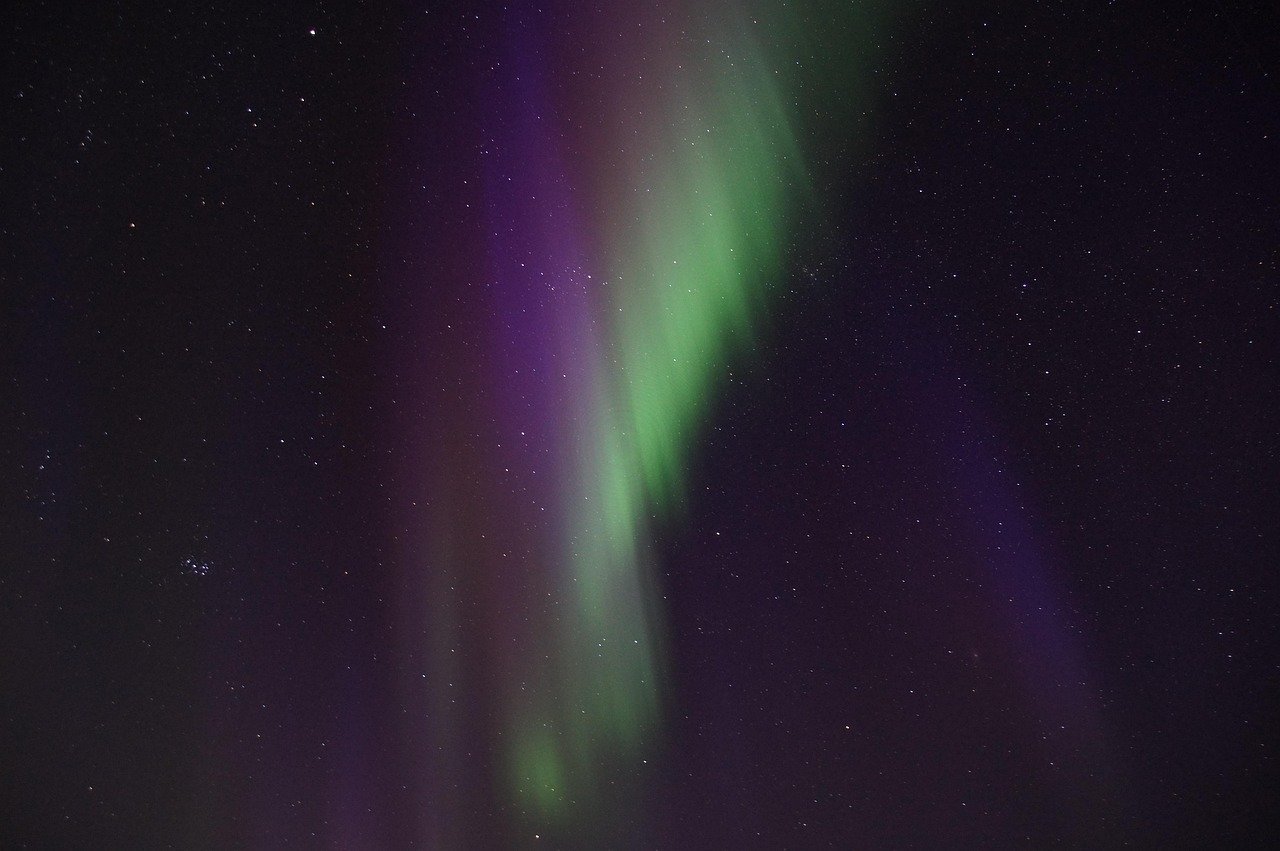
Getting the timing right is worth doing, but it won’t carry the whole thing on its own. The bigger job is going in with the right expectations. Ireland is a long shot for the aurora, and no month, no coast, and no app changes that.
What the timing does is stack the deck as far in your favor as this island allows. You get dark skies, active weeks, a northern horizon to look over, and the alerts running on your phone. Do all of that and you’ve done everything you can. The rest comes down to whether a clear, active night actually shows up while you’re standing there.
So pick your month, keep your phone charged for that long exposure, and set yourself up for a great off-season trip first and an aurora second. That’s the honest way to play it, and it’s the only version where you come home happy no matter what the sky does.
Like it? Pin it!
Save this guide for later