
I would avoid December and January for a first trip centered on long coastal drives, but I wouldn’t call either the worst time to visit Ireland for everyone. As an Irish native who has explored the country in all seasons, I would choose very different dates for a museum weekend and a week of island trips.
Short winter days limit outdoor sightseeing. July and August give you much more daylight, but popular places take more advance planning. Christmas travel and major events add separate problems that a monthly weather chart won’t explain.
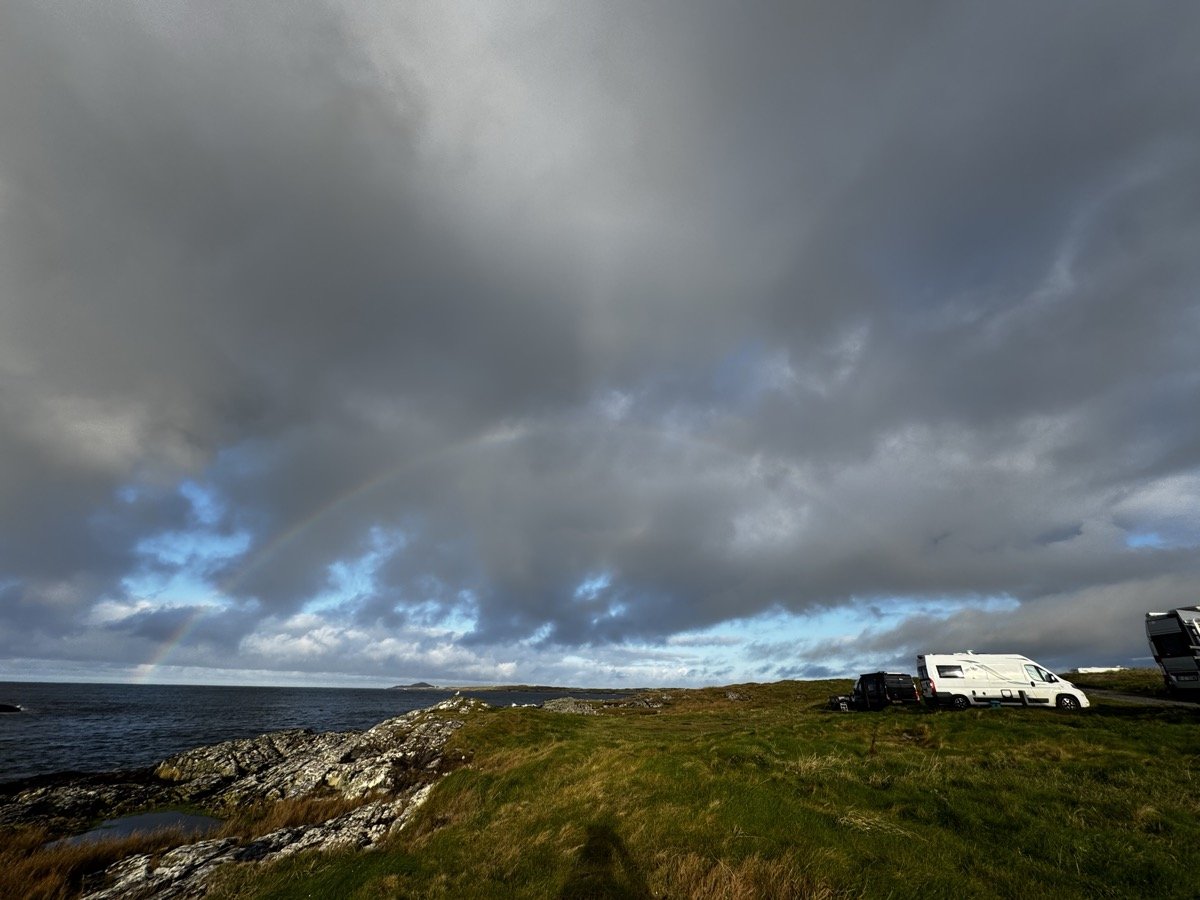
My first choice for a flexible trip is May. Before changing your dates, though, decide which of the tradeoffs below would actually affect the trip you want.
Quick Answer:
December and January are the hardest months for a first trip built around coastal drives and island outings. July and August suit outdoor travel but need earlier bookings. Christmas closures and major events can disrupt any budget plan. I would choose May for a flexible first visit, then check that the particular activity I want is running.
For a broader comparison, our guide to the best time to visit Ireland covers the full year. My advice here is to choose dates that let you do the two or three things you care about most, then leave the rest of the itinerary flexible.
Compare Ireland Travel Dates
- The Cheapest Time to Visit Ireland
- Best Time to Visit Dublin: Month-by-Month Guide
- Best Time to Visit Cork: Month-by-Month Guide
Worst Time to Visit Ireland: Choose by Trip Type
For a coastal road trip, December and January are the months I would be most reluctant to recommend. For a traveler who dislikes busy attractions and wants a wide choice of rooms, I would compare alternatives to July and August. An expensive event weekend can matter more than either season.
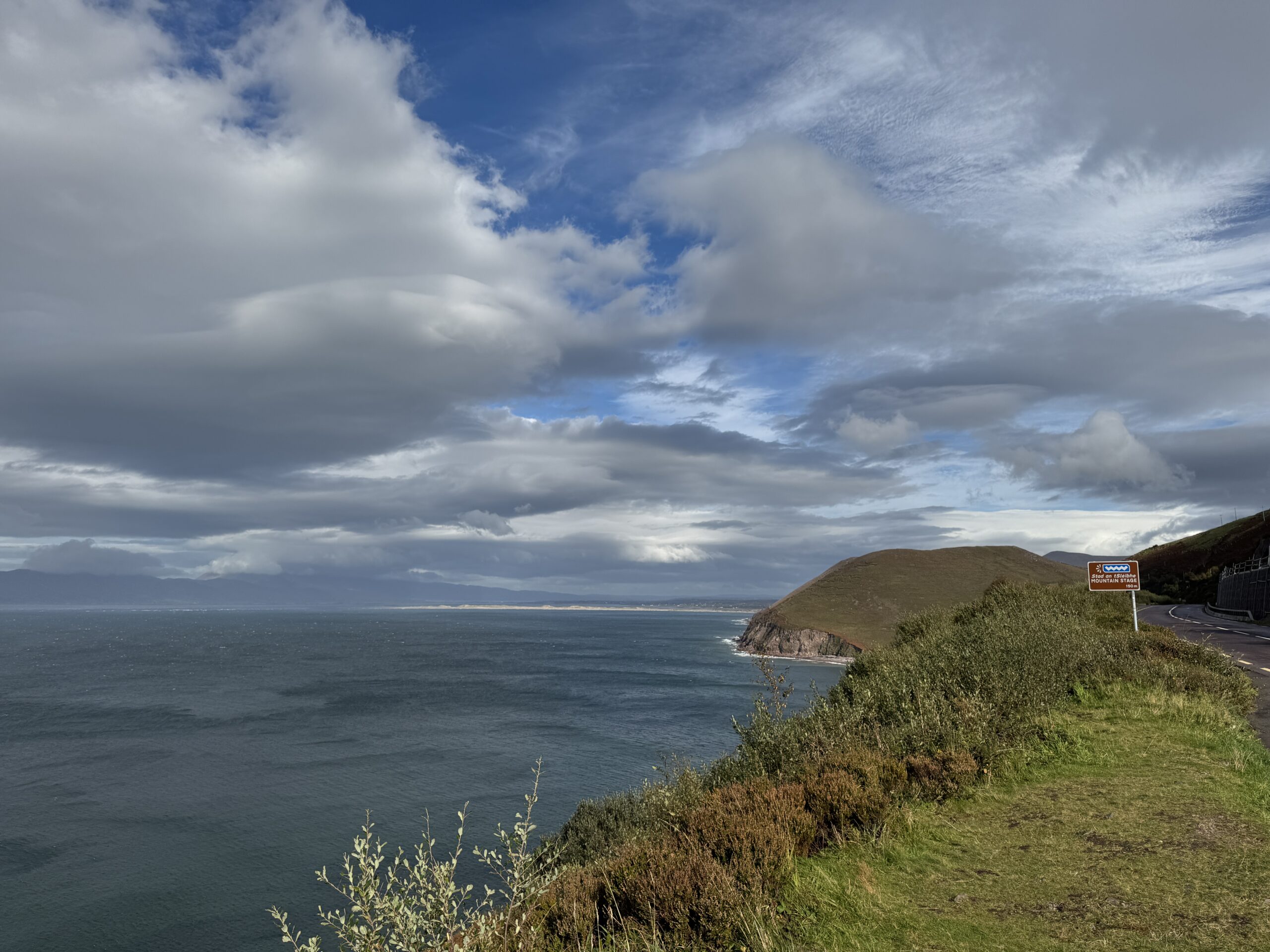
For three or four winter nights, choose Dublin for museums within walking distance and a trip without a rental car. Galway suits city evenings with an outing into Connemara, while Killarney puts you close to lake and woodland walks. Staying near the places you want to explore saves a long drive during limited daylight.
The map locates those three bases. They are alternatives to compare, rather than a route to fit into a short winter stay.
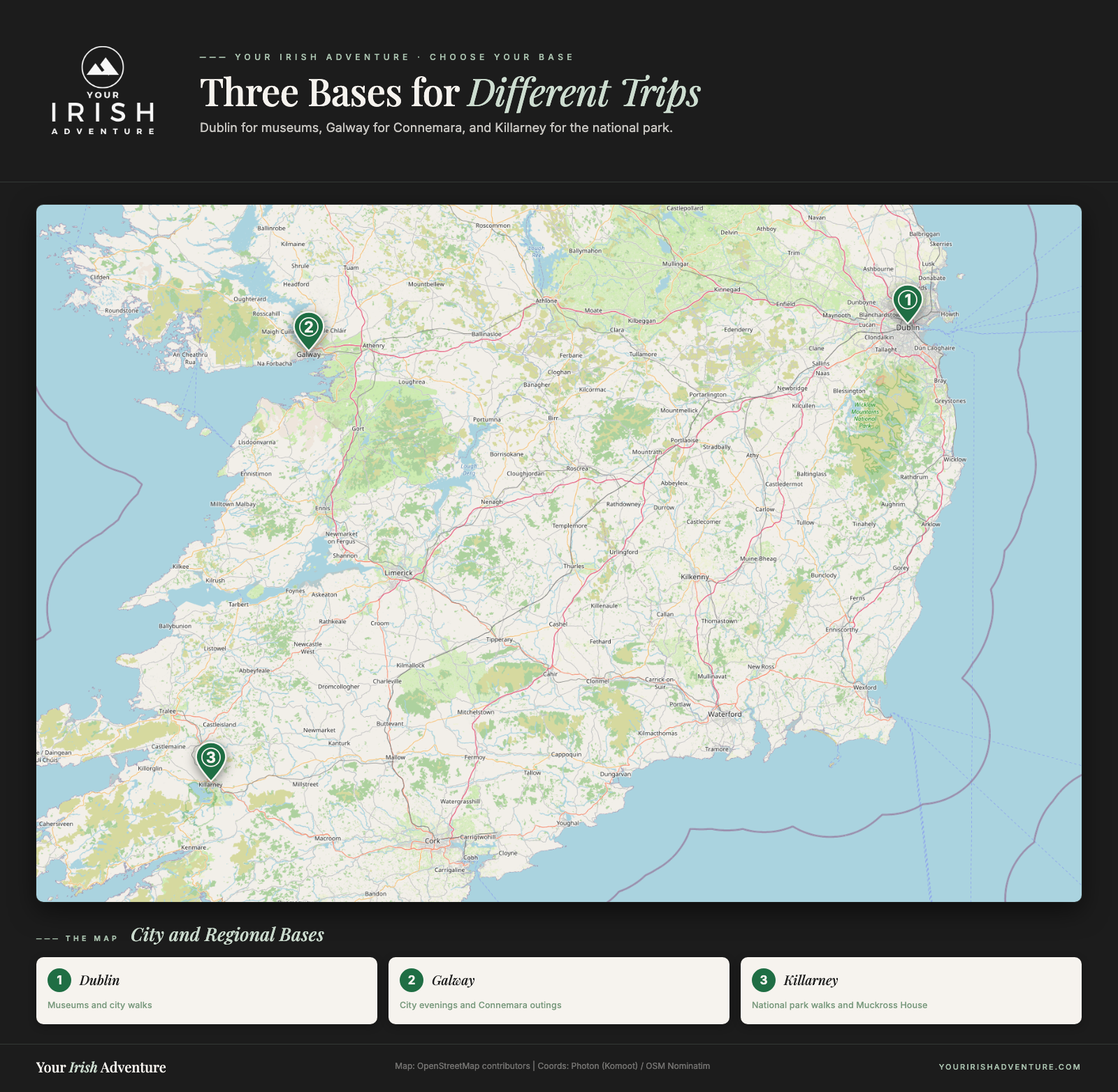
If your main goal is Skellig Michael, winter is unsuitable because visitor landings are seasonal. If your main goal is galleries and meals in Dublin, the same winter week can work well. Choose the activity first, then the month.
Deep Winter: December Through February
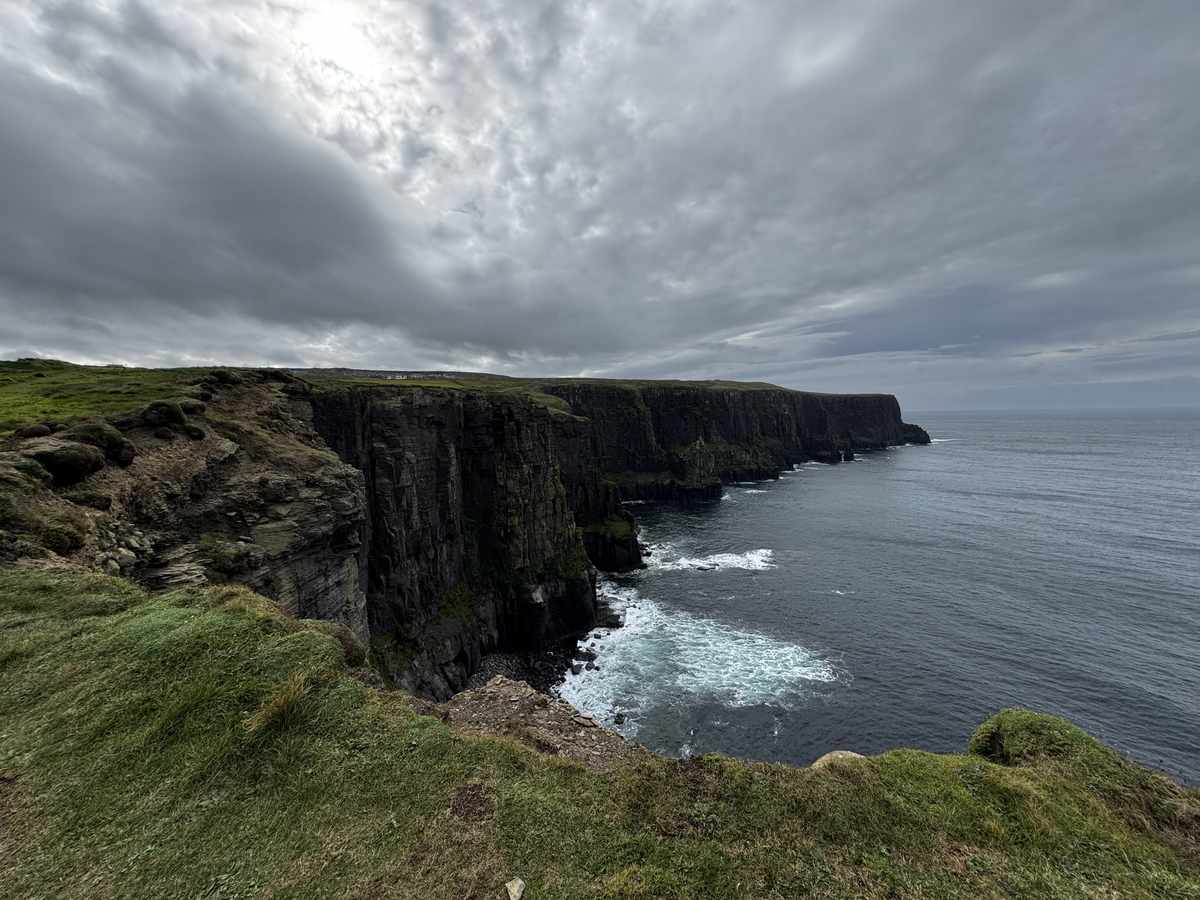
Winter gives you less time outside, colder conditions, and a smaller choice of seasonal excursions. It still works for a short trip with one base and indoor plans close together. I would cut the driving distance before cutting the number of nights.
A beach walk can be enjoyable in winter, which is one of the things I like about the season. That preference comes with a practical limit: I would choose a short, accessible outing in suitable conditions, with time to get back before dark. An exposed headland in strong wind is a different proposition.
December Has the Shortest Days
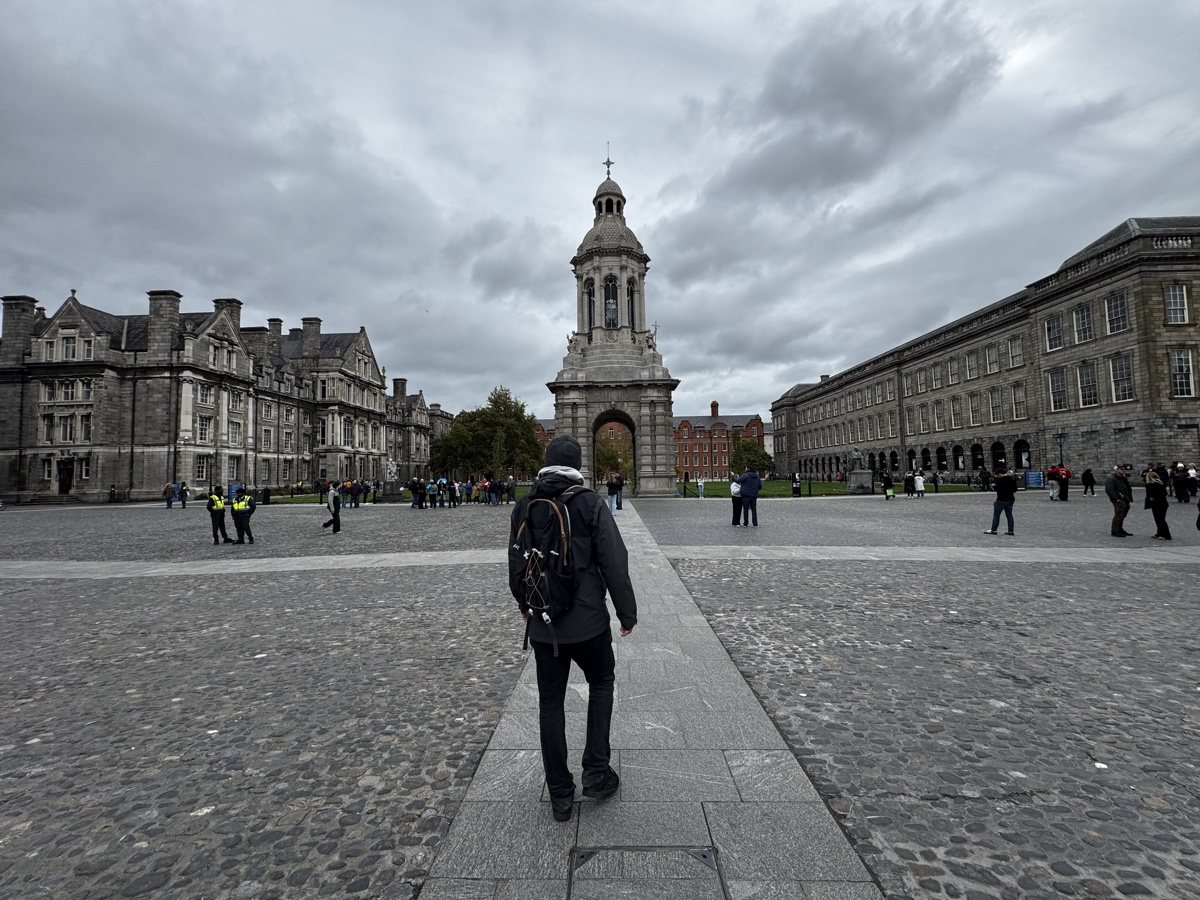
Around the winter solstice, Dublin has about seven and a half hours between sunrise and sunset. That is the daylight available before you subtract breakfast, driving, lunch, and time inside an attraction. Cloud and rain can reduce useful visibility further.
For a short Dublin stay outside the Christmas closures, spend one day around St. Stephen’s Green and the Archaeology museum on Kildare Street. Give the National Gallery of Ireland a separate afternoon, so a wet day leaves you with something worthwhile nearby.
Both museums offer enough to justify taking your time. Keep the park walk for daylight and use the indoor visits for the wetter part of the day. The gallery also has a late Thursday opening, though its Christmas closures still apply.
January Still Needs a Short Itinerary

January gradually gains daylight, but it remains a winter month. Dublin Airport’s long-term averages give daily highs of about 8°C (46°F) and lows of about 2°C (36°F). These are station averages, and a particular night can be colder.
January can suit a two-night city stay where you spend little time on the road. A central room may be worth paying more for if it puts meals and museums within walking distance and removes the need for a rental car.
For a rural stay, include the cost of getting to dinner and back. A cheaper room outside town can lose its advantage if you need taxis each evening.
February Gives You More Afternoon Light
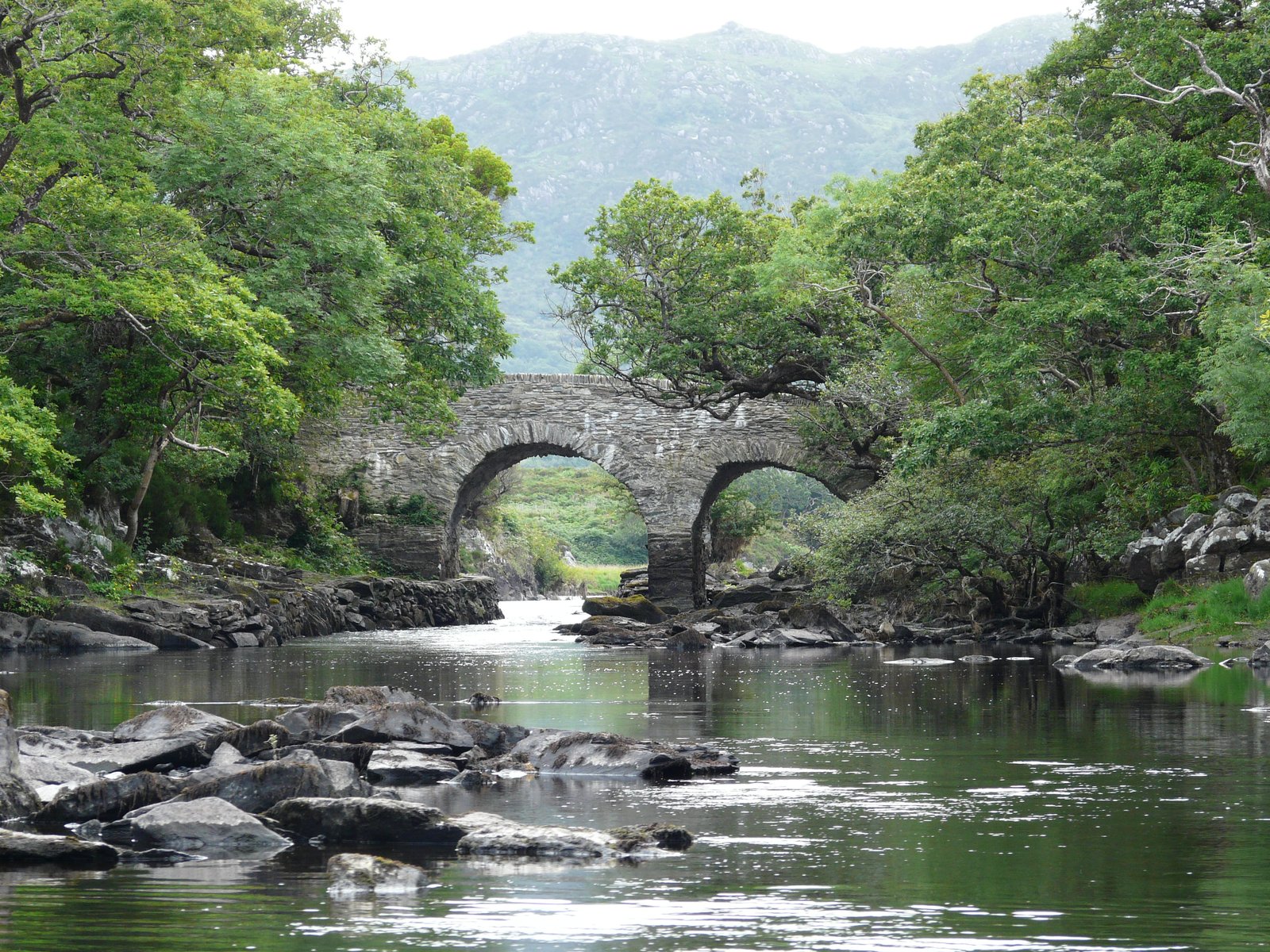
February is a better winter compromise for sightseeing because the days are getting longer. It is still too early to assume seasonal boat trips have started, and cold or windy weather can interrupt outdoor plans.
February suits a city break with an optional day trip. For a vacation that depends on several island crossings or long mountain walks, later spring or summer gives you more room to change the outdoor plan.
A school break, rugby match, or other event can also make individual February nights busy. Low season is a general description, so compare the nights you will actually book.
July and August: More Daylight, More Advance Planning
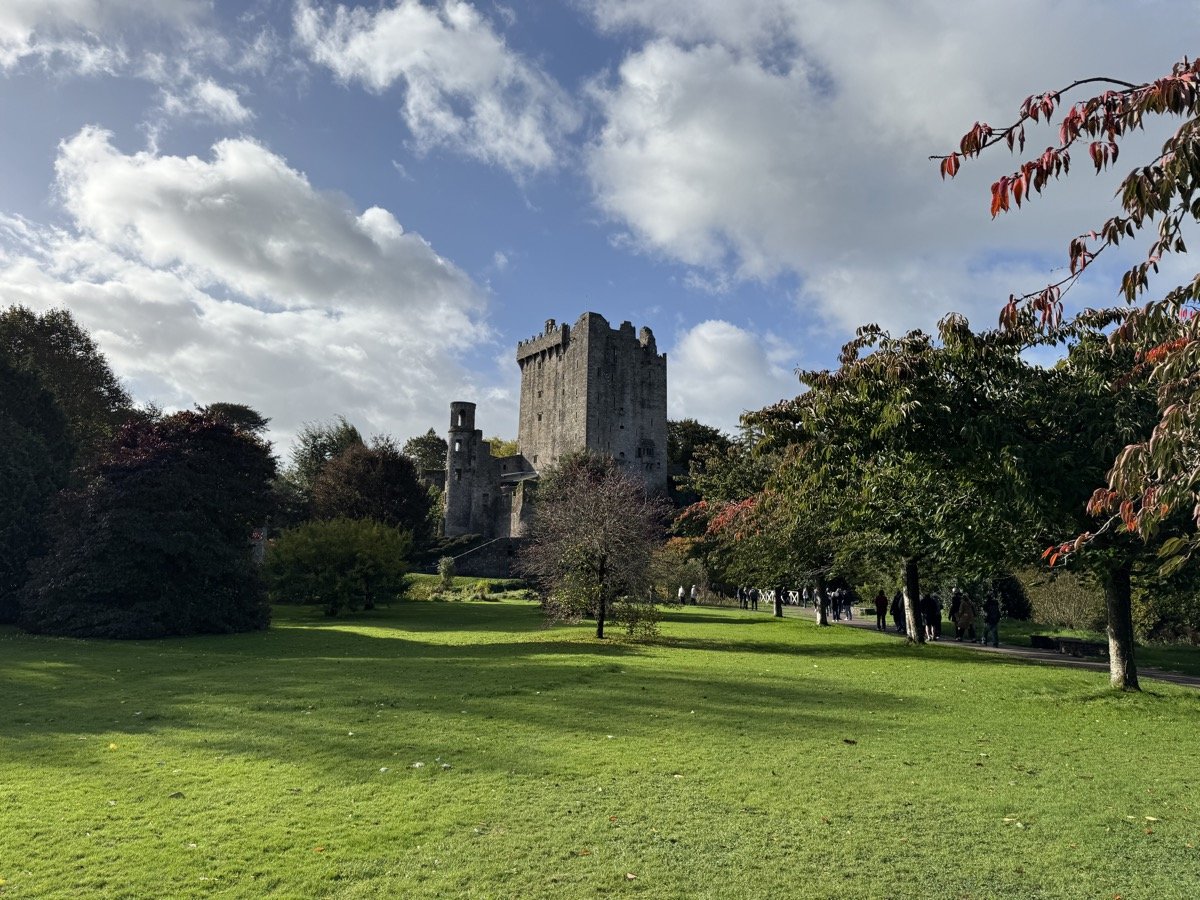
July and August are useful months for touring Ireland. You get long evenings, relatively warm temperatures, and a wider seasonal excursion choice. I would happily recommend summer if those advantages matter more to you than traveling outside peak season.
The compromise is less freedom to leave important bookings until you arrive. Tourism Ireland identifies August as peak season and advises booking accommodation and vehicle rental in advance. That does not mean every town or road is crowded throughout the day.
July Works Well for Outdoor Trips
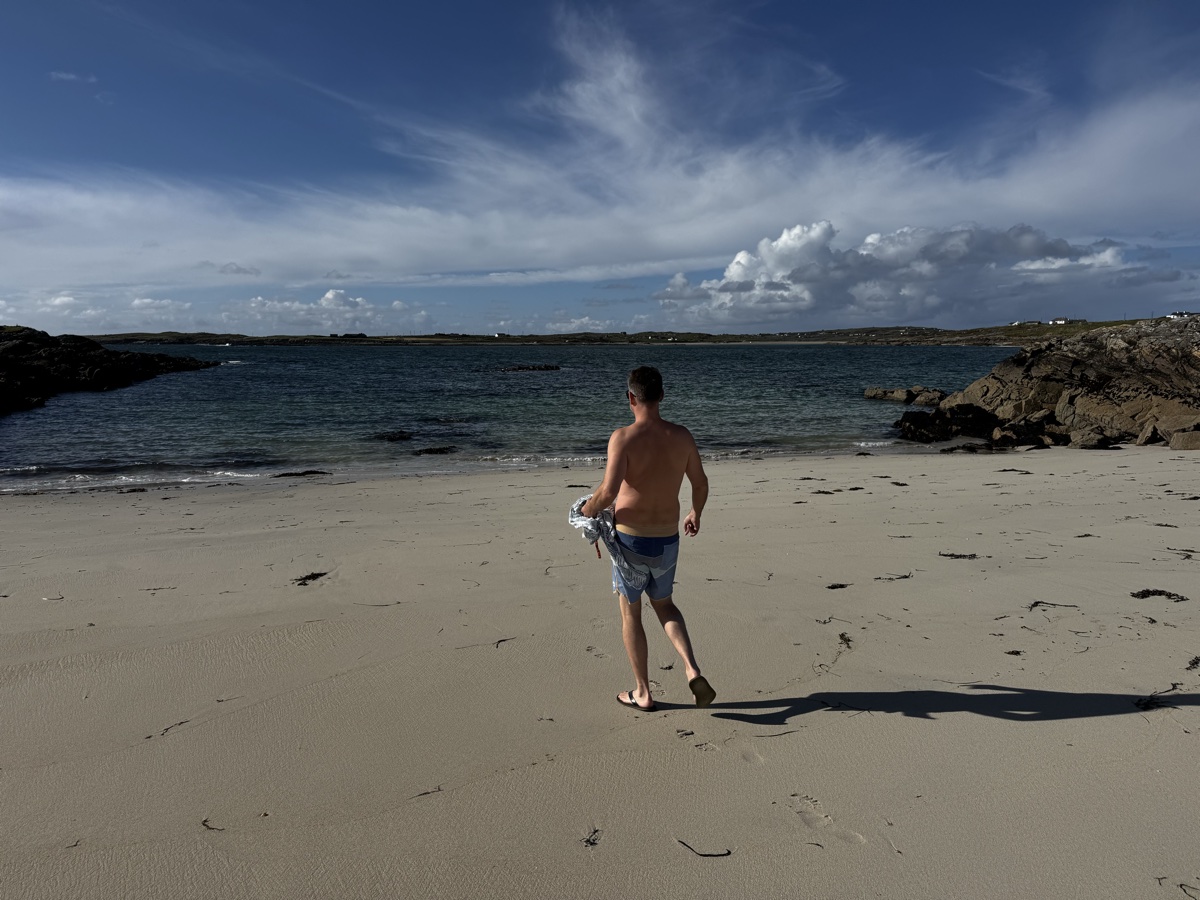
Dublin Airport’s average daily high in July is about 20°C (68°F). That helps explain summer’s appeal, but July is not Ireland’s driest month. A waterproof jacket still belongs in your bag, and a week of rain remains possible.
For popular stops such as the Cliffs of Moher, use the attraction’s available entry times to spread your day out. A longer evening also gives you time for a walk after the main sightseeing stop, without adding another overnight move.
For a driving trip, compare car rental deals on Discover Cars with the same pickup location and rental period. Book the part of the trip you care about first. An island landing, a particular room, or an automatic rental car can be harder to replace than a general sightseeing day.
August Needs Its Own Booking Check
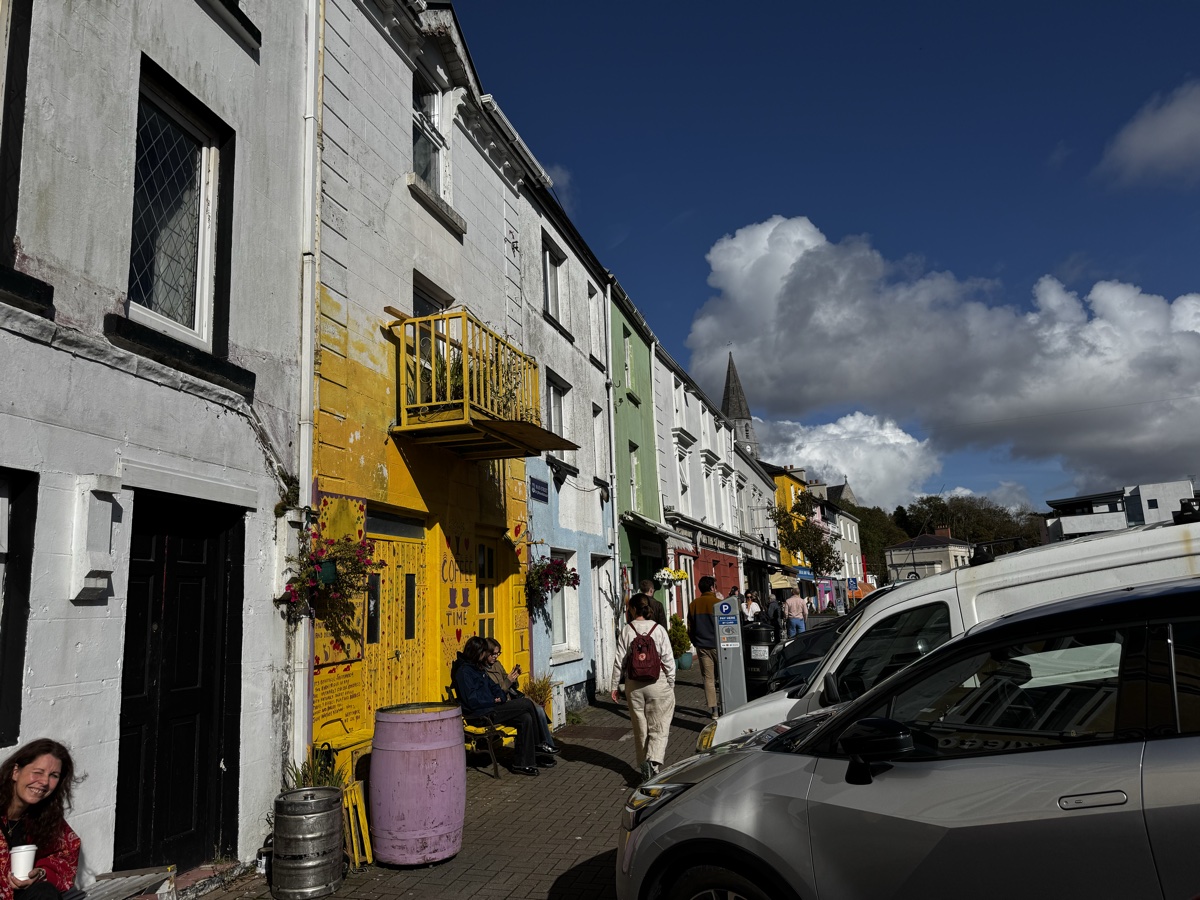
August keeps many of summer’s advantages, though the evenings shorten through the month. Festivals and the summer holiday period can limit your room choices. Compare your chosen town with nearby bases before deciding that the whole trip is unaffordable.
Compare an August stay with early September using the same room and rental conditions. School calendars, events, and individual hotel availability all affect the total, so include transportation as well as the room rate.
If school vacations determine your dates, go in summer and plan around them. A well-paced August trip is a better choice than a cheaper winter trip that cannot include your main activities.
Ireland Trips in Other Seasons
- Best Things to Do in Ireland in Winter (2026 Guide)
- Best Things to Do in Ireland in Summer (Without the Crowds)
- Ireland in Autumn: Best Places to Visit & Things to Do
Christmas and New Year Need a Different Plan
Christmas Day is the holiday I would plan most carefully. Public transportation is heavily restricted, and many attractions and businesses close. Transport for Ireland publishes operator-specific holiday arrangements, so a normal weekly timetable is not enough for this part of the trip.
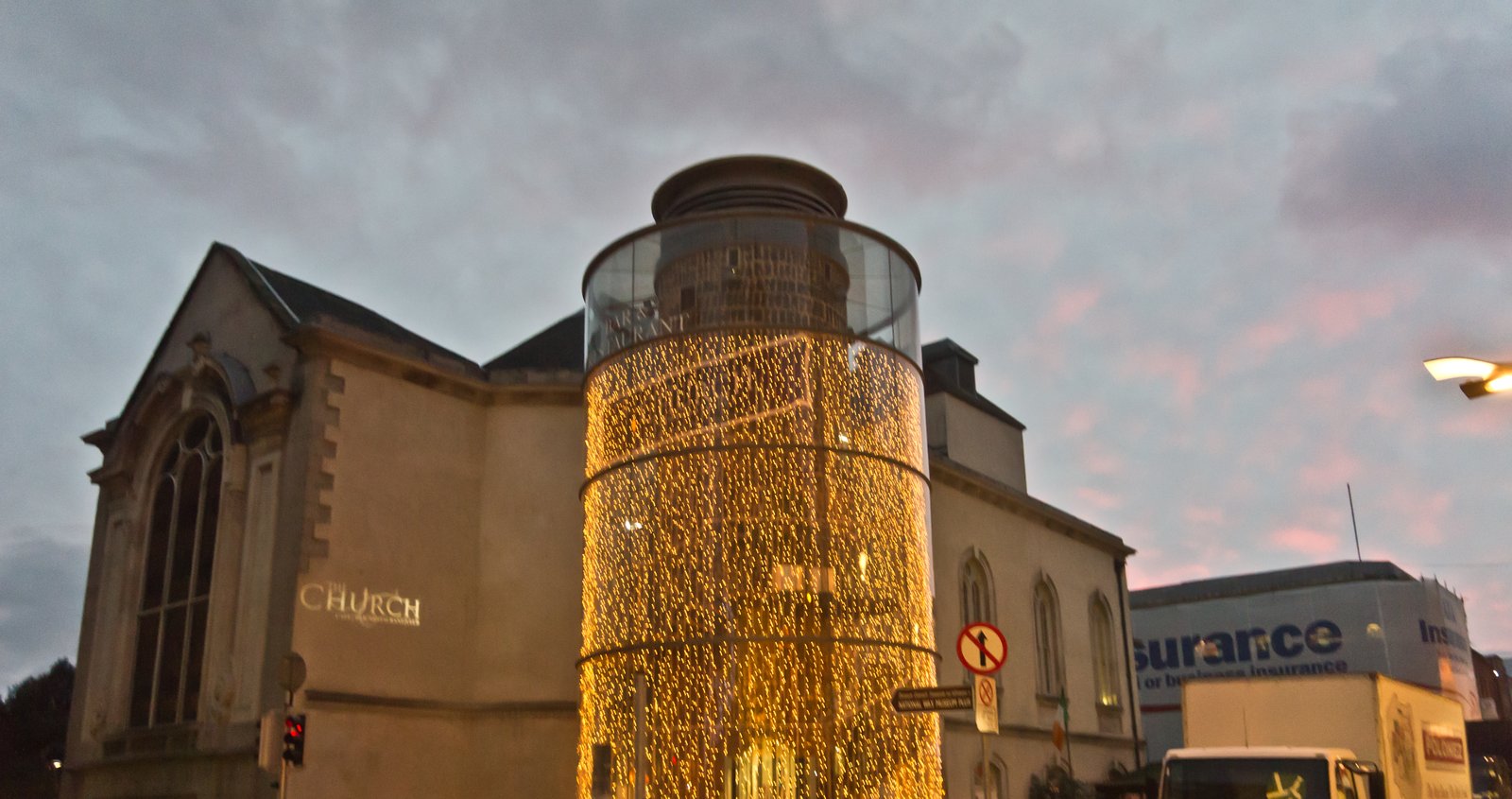
The days either side also vary by operator. Some services finish early on Christmas Eve or use a different timetable on St. Stephen’s Day. Avoid arranging a town-to-town transfer until the exact service is confirmed.
I would book one place to stay through Christmas, with a meal arrangement confirmed directly by the property. A room booking does not automatically include Christmas dinner or guarantee that the restaurant will serve non-residents.
New Year is a separate decision. You can come specifically for an event, but arrange the return journey as well as the evening out. A late-night service on one route says nothing about another route or the following morning.
A Christmas visit can be enjoyable when you want to stay in one place. It is a poor choice for an unplanned tour with a new hotel and a long travel day each morning.
Event Weekends Can Change the Cost of Any Month

A festival, match, or stadium concert can make a city more expensive for your dates. The effect is local: Dublin may have limited rooms for one weekend while another part of the country offers plenty of choice.
Start with the event location. Dublin’s St. Patrick’s Festival brings a program around the national celebration, while a match at Croke Park affects a different part of the city. If you are attending, that extra demand may be an acceptable part of the trip.
For a March visit focused on museums and city walks, I would choose a different week from the St. Patrick’s celebrations. For a visitor who wants the parade, I would keep those dates and give the city several nights, rather than try to fit the festival between long drives.
The GAA fixture list is useful even if you have no interest in sport. A final at Croke Park can coincide with a summer city stay; match dates also affect the journey of supporters traveling to Dublin from other counties.
I would also compare the cancellation conditions when looking at event-weekend rooms. A low advance rate and a flexible rate are different products, particularly when your flights or travel companions are not yet confirmed.
Rainfall Matters More Than a Bad-Weather Label
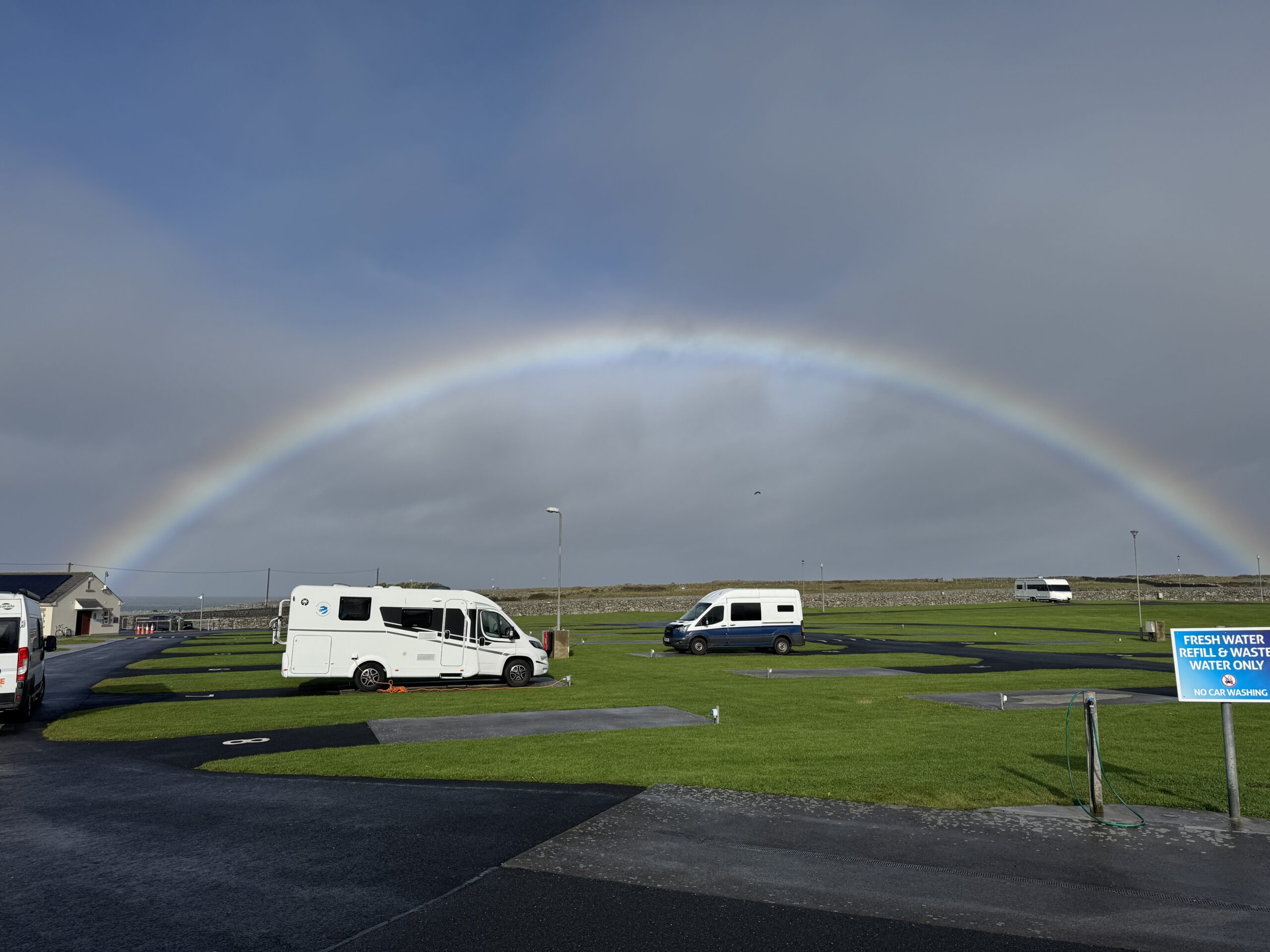
Ireland gets rain throughout the year. Met Éireann’s national rainfall averages identify December as the wettest month, with April and May the driest. July and August are warmer, but summer warmth does not guarantee a dry vacation.
Location matters too. Western coastal areas generally get more rain than the east, and mountain districts can be wetter still. An average for Dublin Airport will not describe every day of a trip in Kerry.
The comparison below uses Dublin Airport and Valentia Observatory in County Kerry. Each number is a long-term monthly total for that station, rather than a forecast or a count of completely wet days.
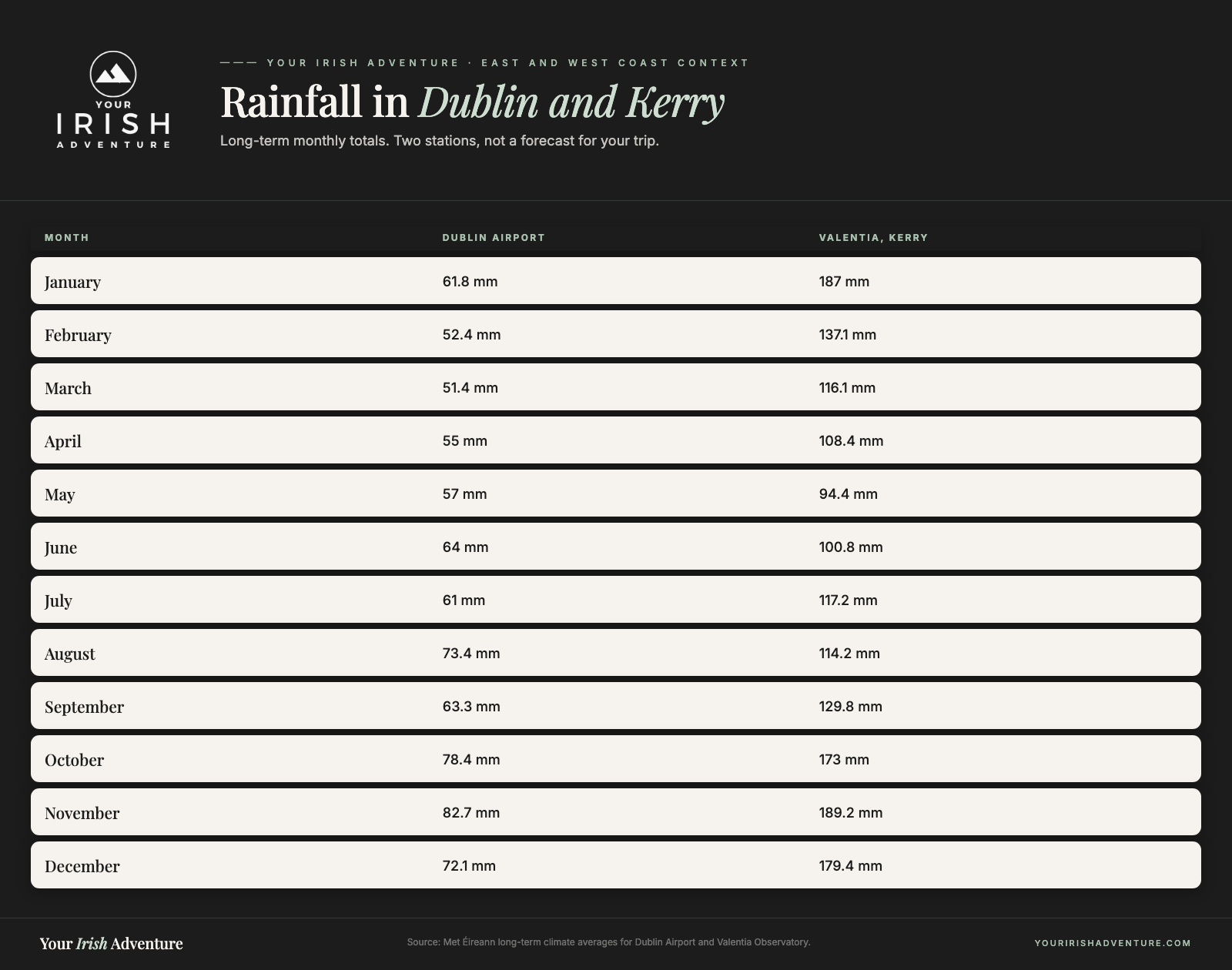
Monthly totals cannot tell you when the rain will fall. Several short showers and one prolonged wet spell can produce similar totals but very different sightseeing days. Use averages to choose your season and forecasts to decide your outing.
For an exposed coastal trip, wind and sea conditions matter as well. Met Éireann’s weather warnings should guide changes to your plans. A dry morning does not establish that a later ferry crossing or headland walk will be suitable.
Seasonal Closures: Check the Activity You Came For

Some of Ireland’s best-known outings have a visitor season. Skellig Michael is the clearest example: the Office of Public Works lists a limited landing season, and even a booking within that season depends on conditions.
Aran Island Ferries operates year-round from Rossaveel to all three Aran Islands. Departure choices change by season, and sailings still depend on conditions.
For an island day trip, choose the outward and return services together. For an overnight stay, leave room for disruption before an international flight. A boat cancellation is much easier to manage when your next booking is flexible.
In Killarney, Muckross House lists winter visiting hours, but Muckross Traditional Farms closes from November through February. The house, farms, and national park give you different reasons to visit, so a winter stay can still include the house and a suitable park walk.
For a winter Killarney day, visit the house and take a shorter lakeside outing in suitable weather. Save the farms for their opening season.
Choose Dates for Coastal Outings
- Best Time to Visit the Cliffs of Moher: Beat the Coaches
- Best Time to Drive the Ring of Kerry (Month by Month)
- Best Time to Visit Skellig Michael
When I Would Go Instead
May is my first choice for a flexible first visit. The evenings are long, the national rainfall averages are relatively low, and you have more time for outdoor stops than in winter. I would still arrange any essential island trip before committing to the rest of the route.

April also works for a mixture of city days and mainland outings. Some seasonal trips start later, and Easter school breaks can affect individual dates. It suits a traveler who is willing to choose available activities rather than work through a fixed island list.
September is a good alternative when you prefer a late-summer trip. You give up some daylight compared with May, and rainfall averages can be higher. I would keep the daily driving moderate and spend several nights in each base.
October needs more selective planning as the days shorten and some visitor seasons end. I would choose it for a few towns and nearby outings, rather than assume it offers the same trip as early September.
Before You Book
- Choose winter for a short city stay with indoor options close together.
- Book summer rooms and rental cars early, then check local events.
- Check the exact island service or attraction before committing to flights.
Frequently Asked Questions
What is the worst time to visit Ireland?
December and January are difficult choices for a first trip focused on coastal drives and outdoor sightseeing because daylight is limited. For a traveler who dislikes peak-season demand, July and August deserve a closer comparison with May or September.
What is the rainiest month in Ireland?
Met Éireann identifies December as the wettest month in its national rainfall averages. Local station patterns differ, so the national average cannot predict a particular week in Dublin or Kerry.
Is Ireland worth visiting in winter?
Yes, winter can work well for a city stay with museums, meals, and short outdoor outings. Choose one base, check holiday closures, and leave seasonal island landings for their visitor season.
Should I avoid Ireland in July and August?
Summer gives you long days and a wider choice of seasonal excursions. Book important rooms, rental cars, and activities in advance, and compare the total cost with other dates before deciding.
Do ferries to the Aran Islands run in winter?
Aran Island Ferries operates year-round services from Rossaveel to all three Aran Islands. Timetables vary by season, and sailings remain subject to weather and sea conditions.
What month would you choose instead?
I would choose May for a flexible first trip because of the long evenings and relatively low national rainfall averages. September is another good option, with shorter days and a need to check seasonal activities.
Final Thoughts

I would change a winter coastal itinerary before dismissing winter altogether. Stay in one base, shorten the outdoor day, and give yourself an indoor option you actually want to visit. For summer, secure the essential bookings and leave some room in the day around them.
When dates are flexible, compare May with September using the same flights, room conditions, and rental arrangement. Then confirm the one seasonal activity that could decide the trip. That gives you a much better reason to choose a month than a general warning to avoid it.
Like it? Pin it!
Save this guide for later