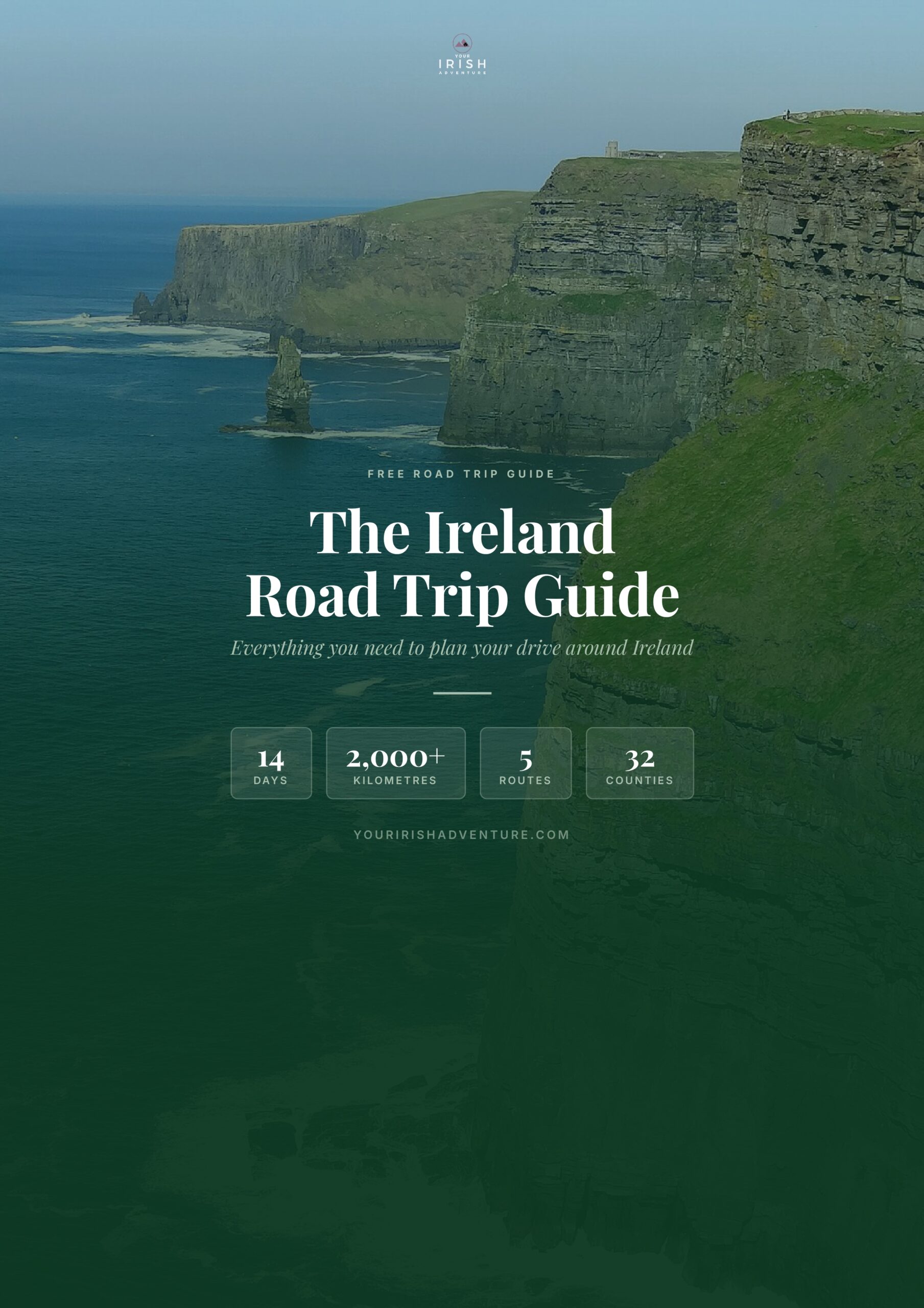
In late June the sun doesn’t fully set in the west of Ireland until almost 10pm, which means you can finish a coastal walk, eat dinner, and still catch the light over the Atlantic. Those long evenings are the whole reason to come in summer. You get hours of extra daylight to actually use.
Summer is also when the country turns the volume up. Trad sessions spill onto the streets in Galway, the Wild Atlantic Way is finally dry enough to drive without your wipers going, and small towns run festivals most visitors never plan around.
It’s the busy season too, so the famous spots like the Cliffs of Moher and the Ring of Kerry get packed by midday. The trick is timing, going early or late, and mixing the big names with the smaller places that don’t show up on every itinerary.
Here’s what’s actually worth your time between June and August, and how to do it without spending the whole trip stuck behind a tour bus.
More Summer and Seasonal Ireland Guides
- 15 Best Seaside Towns in Ireland To Visit This Summer
- Cool Festivals to Check Out In Ireland In August
- Ireland Packing List for May: Summer Is Here
The best things to do in Ireland in summer all key off two things: close to 17 hours of daylight in late June, and the driest weather of the year. You get long days for coastal drives and island boats, festivals running most weekends, and puffins and whales offshore. Go early to beat the tour buses, and book Skellig Michael and your rental car well ahead.
When Summer Happens in Ireland (Weather and Daylight)
Irish summer runs June through August, and the three months don’t behave the same. June is usually the driest and sunniest of the three, August tends to be the wettest, and July sits somewhere in between.
The real prize is the light. Around the solstice in late June you get close to 17 hours of daylight, and in the north it stays bright enough to walk without a flashlight until almost 11pm.
Don’t come expecting heat though. A normal summer day sits around 15 to 20°C (about 60 to 68°F), and a proper hot spell only nudges into the low 20s. When it does, the whole country acts like it’s never happened before and half of Dublin is lying in a park by lunchtime.
Pack layers and a rain jacket, because you’ll probably use both in the same afternoon. The rain rarely settles in for a whole day, it tends to blow through in 20 minutes and then the sun’s back out like nothing happened.
So don’t write off a day because the morning looks grim. Keep your plan, duck into a pub or a café when it’s coming down sideways, and wait it out over a coffee. By the time you’ve finished it, there’s a decent chance the sky has changed its mind.
That’s the deal with summer in Ireland. You’ll get wet at some point, that’s a given, but you trade it for the longest days of the year and the best chance of a dry, warm afternoon you’ll see all year.
The Best Things to Do in Ireland in Summer
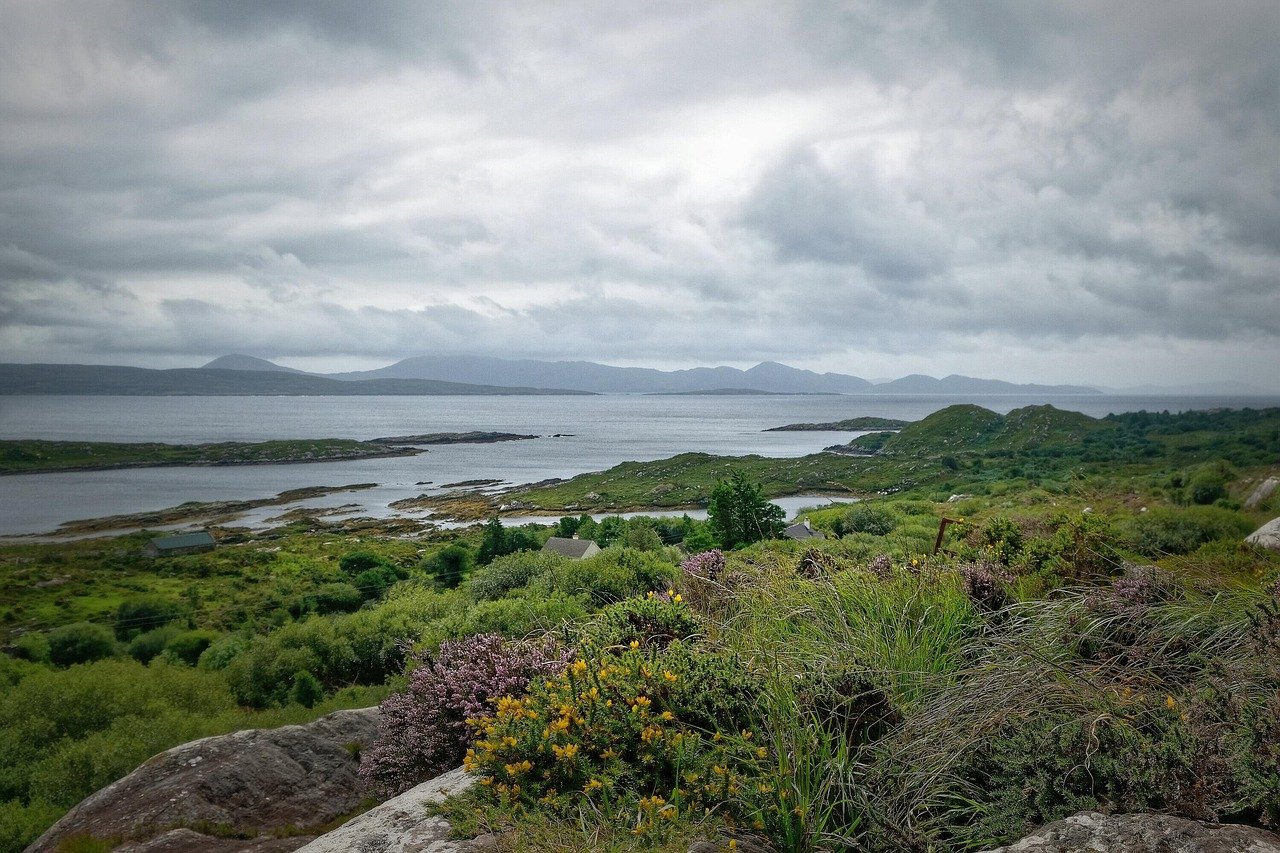 Kerry with heather and gorse in summer” width=”1280″ height=”853″/>
Summer is the one window where Ireland gives you everything at once: the long light, the dry-ish roads, the festivals, and the wildlife. Here’s what’s actually worth your time, and how to fit it in without wasting half the day in line.
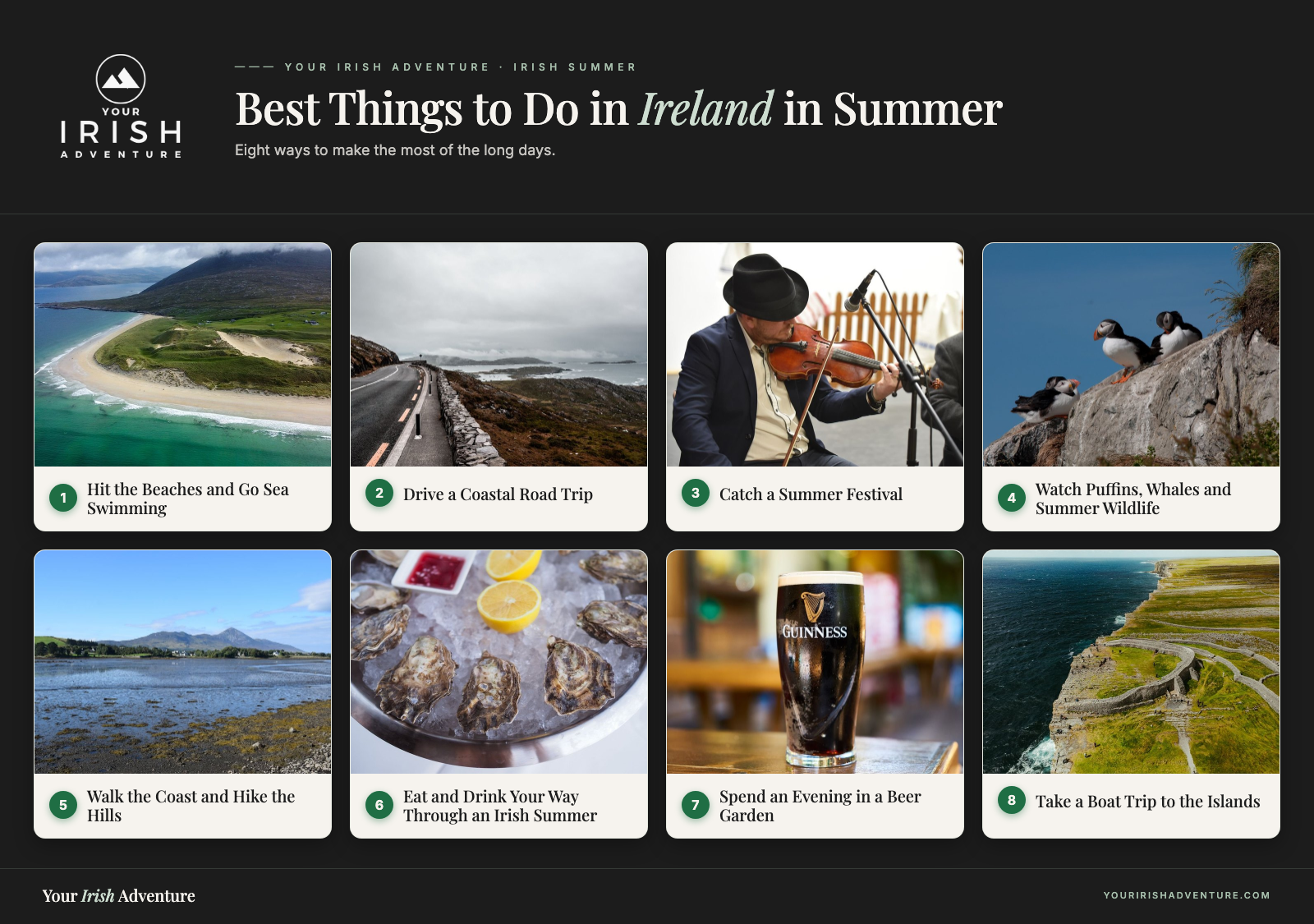
Hit the Beaches and Go Sea Swimming
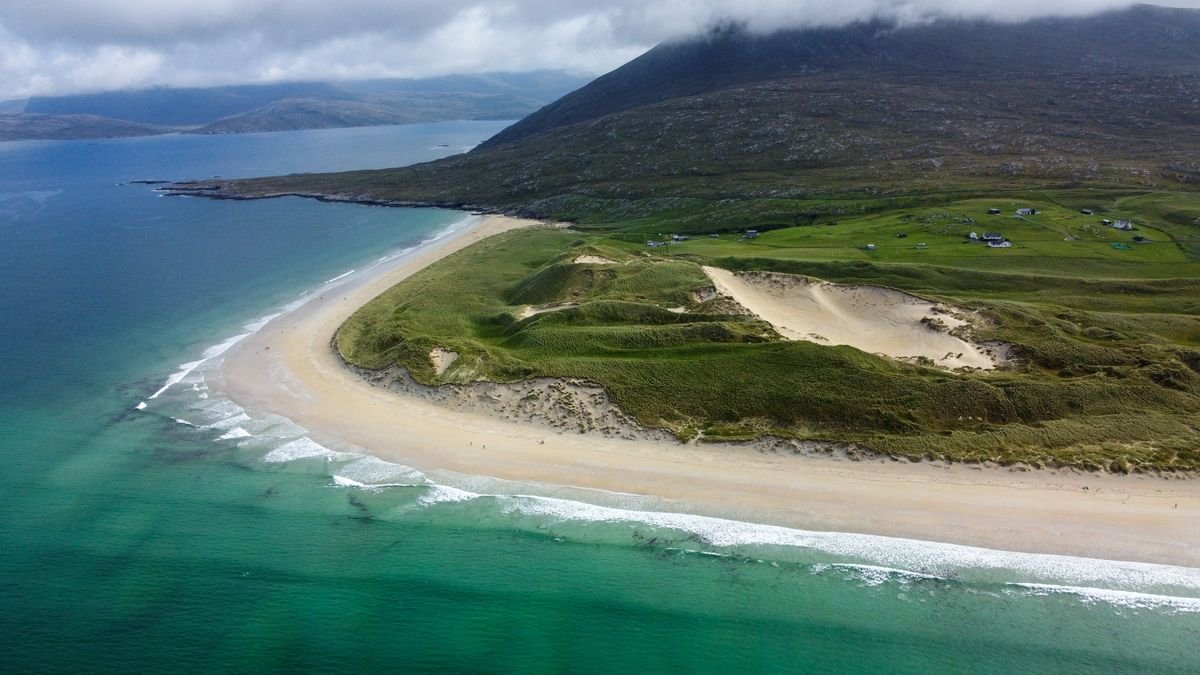
The water is cold. It sits around 14 to 16°C even at its August warmest, so it’s bracing rather than relaxing, and that’s exactly why half the country is in it.
Sea swimming is a proper national habit here, not a tourist thing. The beaches earn it too. Inchydoney in Cork, Keem Bay on Achill Island, and the long strand at Banna in Kerry are all worth a towel and a flask of tea.
Drive a Coastal Road Trip
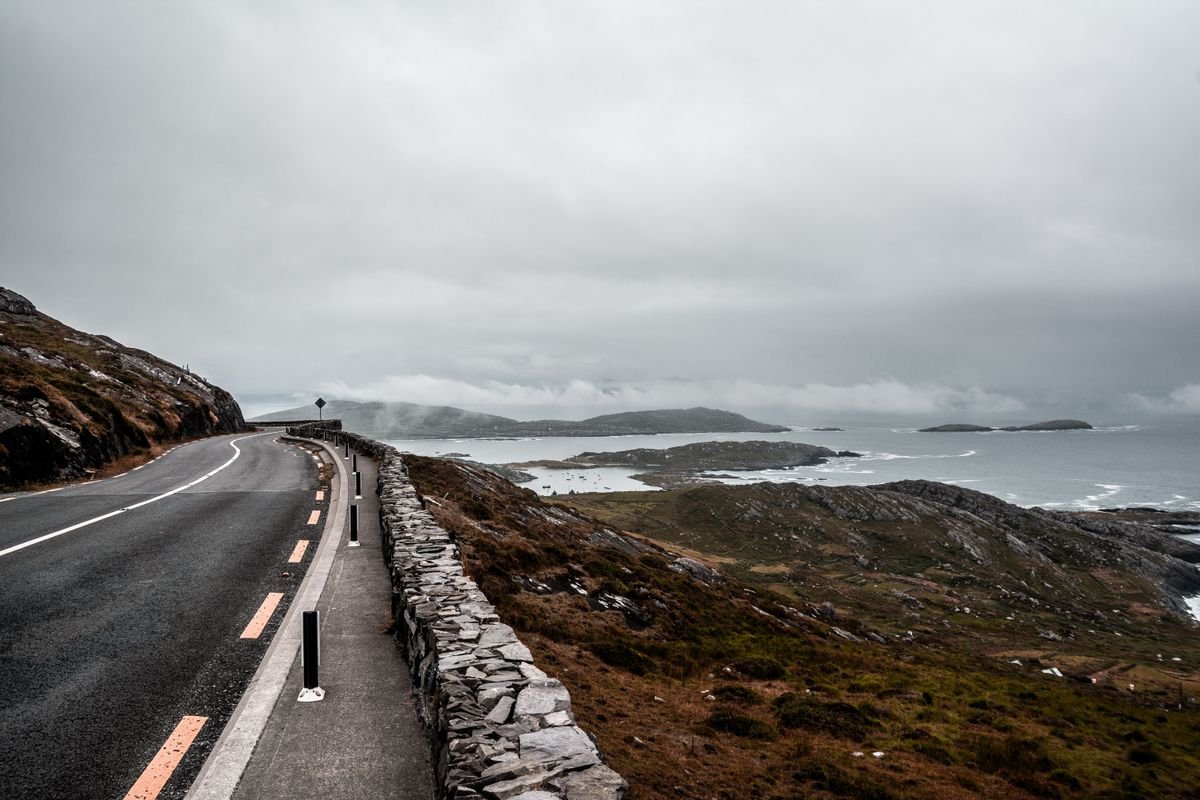
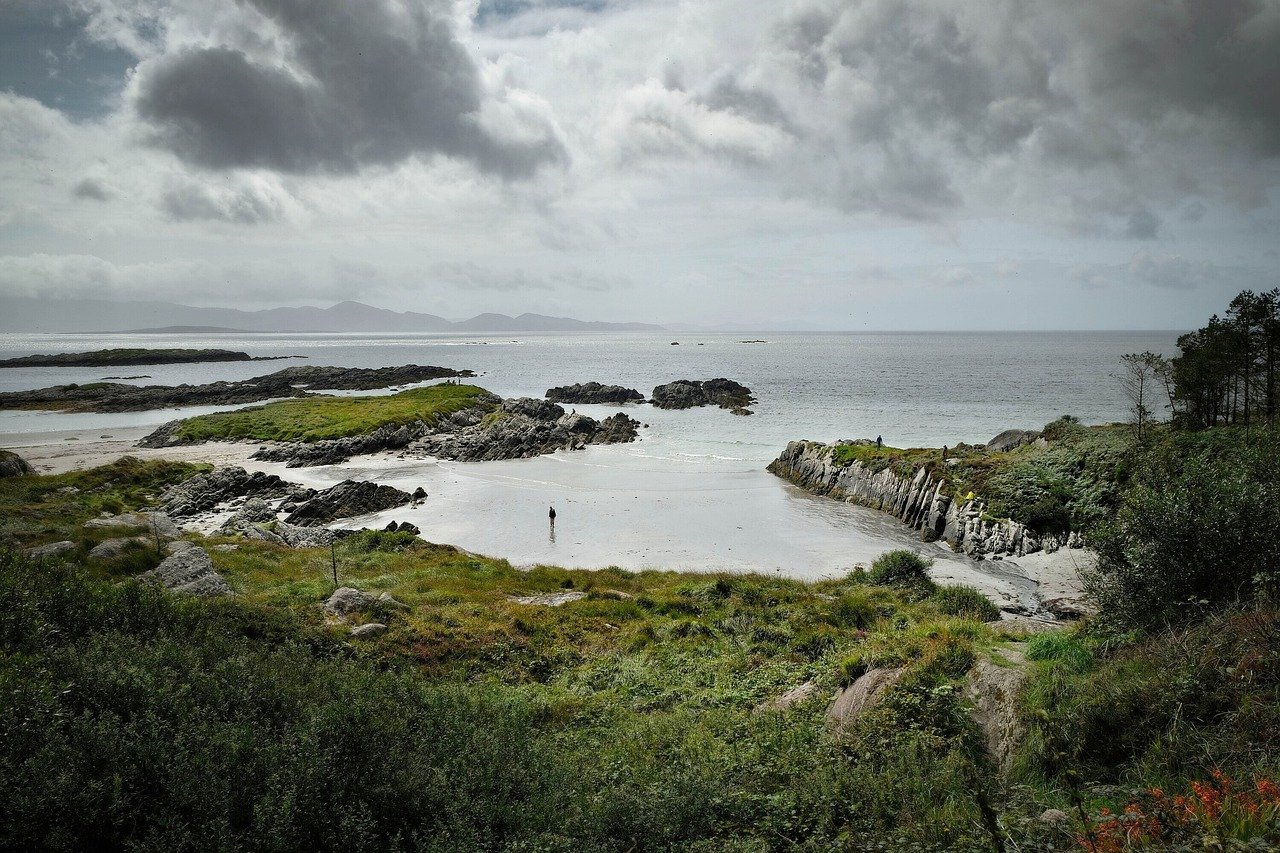
The Wild Atlantic Way runs 2,500km down the entire west coast, and summer is the only time you’ll reliably drive it without your wipers going the whole way. You don’t do it all. You pick a stretch.
Connemara, the Dingle Peninsula, or the stretch through Donegal each give you a few days of coast, mountains, and tiny harbor villages. Start early, because the single-track roads back up behind tour buses by mid-morning in July and August.
Catch a Summer Festival
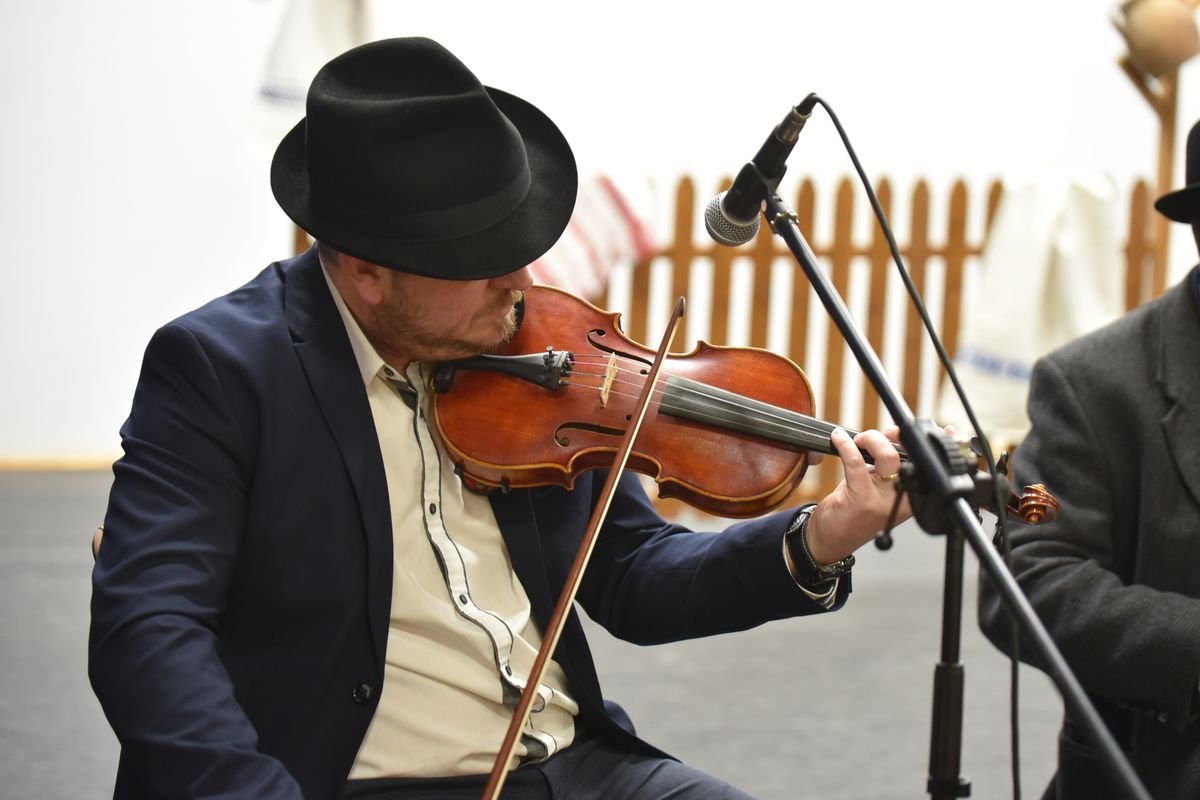
This is where summer beats every other season flat. Galway goes festival-mad in July with the Arts Festival and then the Races, the whole city packed and loud for weeks.
But the smaller ones are the ones to plan around. A trad festival in a Clare village or a food festival in a Cork town puts you in the middle of something locals actually show up for. Check what’s on where you’re headed before you lock in dates, it can make the trip.
Watch Puffins, Whales and Summer Wildlife
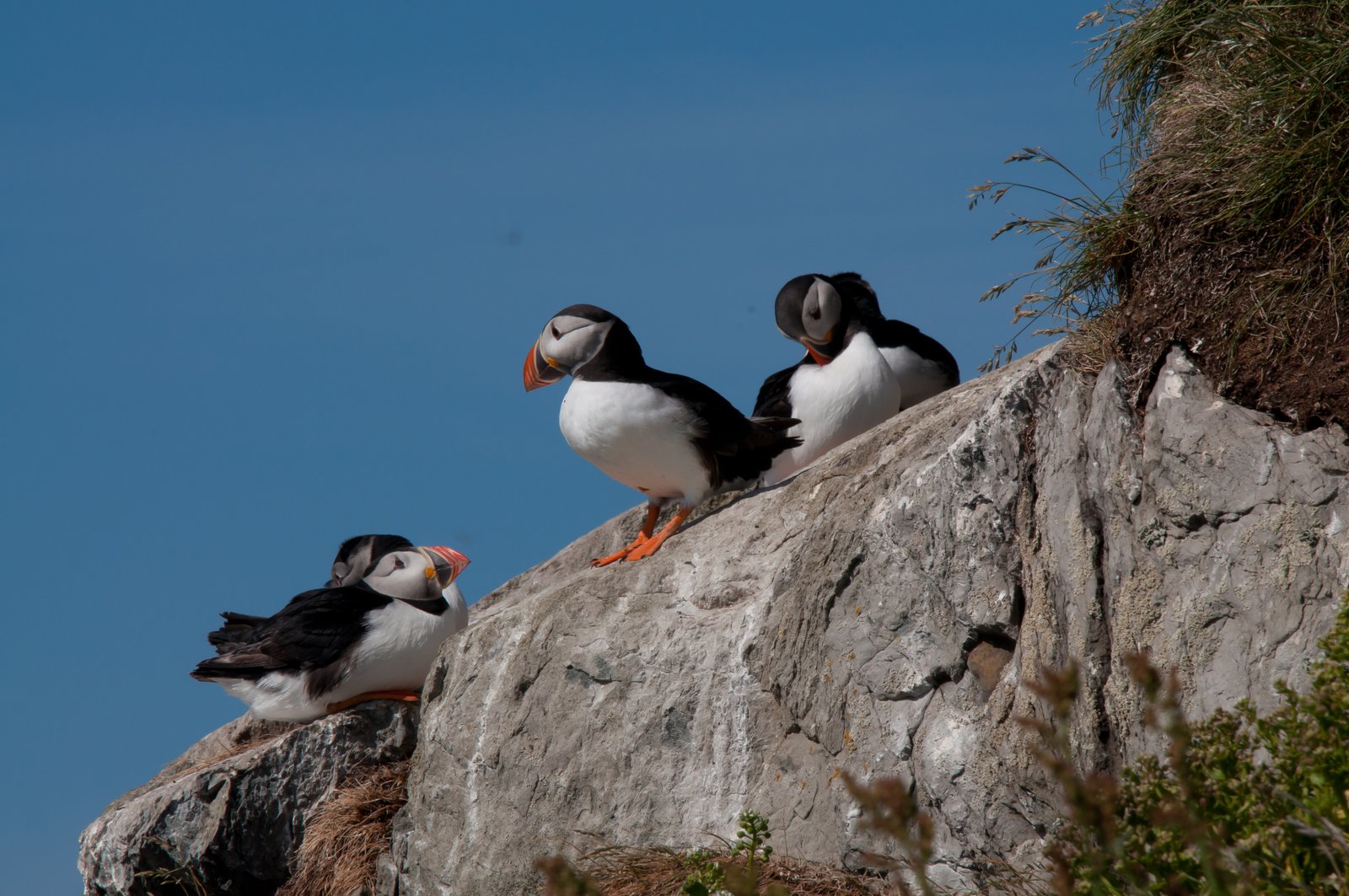
Summer is the only time to see a lot of this. Puffins nest on the cliffs from about April to early August, and the Saltee Islands off Wexford or the Cliffs of Moher are two of the easier places to spot them.
Off West Cork, minke whales and dolphins move in through summer and autumn, and the boat operators out of places like Baltimore know exactly where to find them. You can book a whale and dolphin watching boat trip on GetYourGuide out of Baltimore to go with them. It’s seasonal, so don’t leave it for a return trip in winter, there won’t be much to see.
Best whale-watching and wildlife tours
- Dingle Wildlife Boat Tour with Guide (4 Hours)
- Dingle Sea Safari by RIB Boat
- Deep Sea Fishing Trip in Dingle Bay
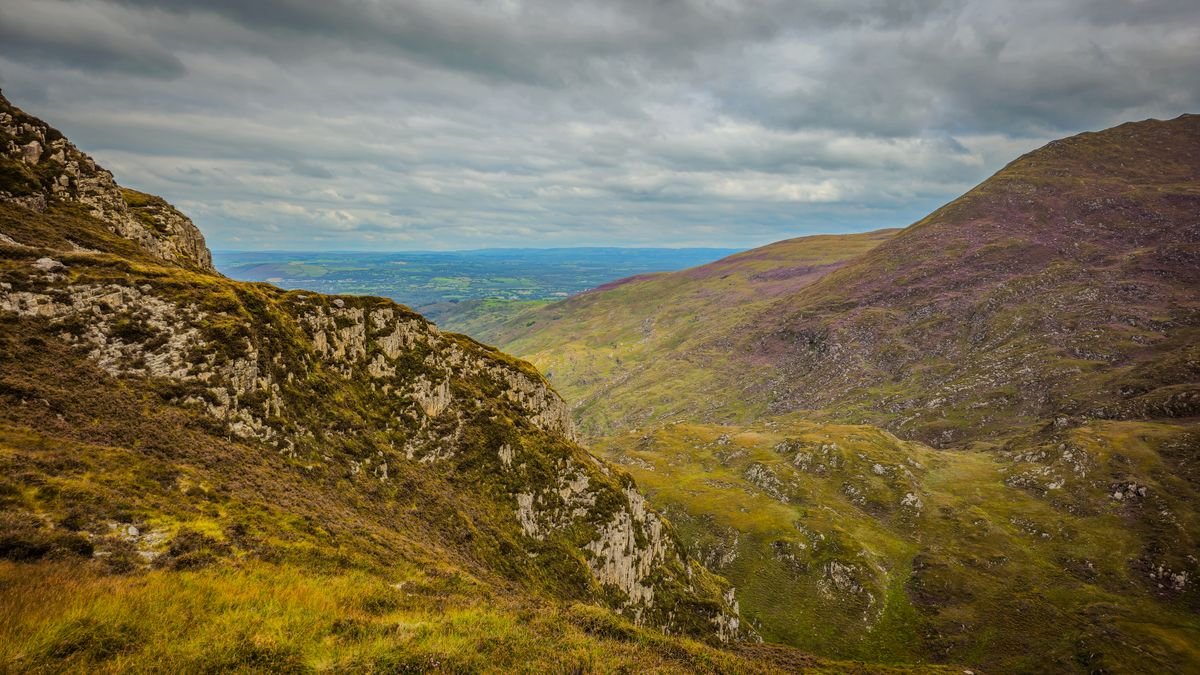
Walk the Coast and Hike the Hills
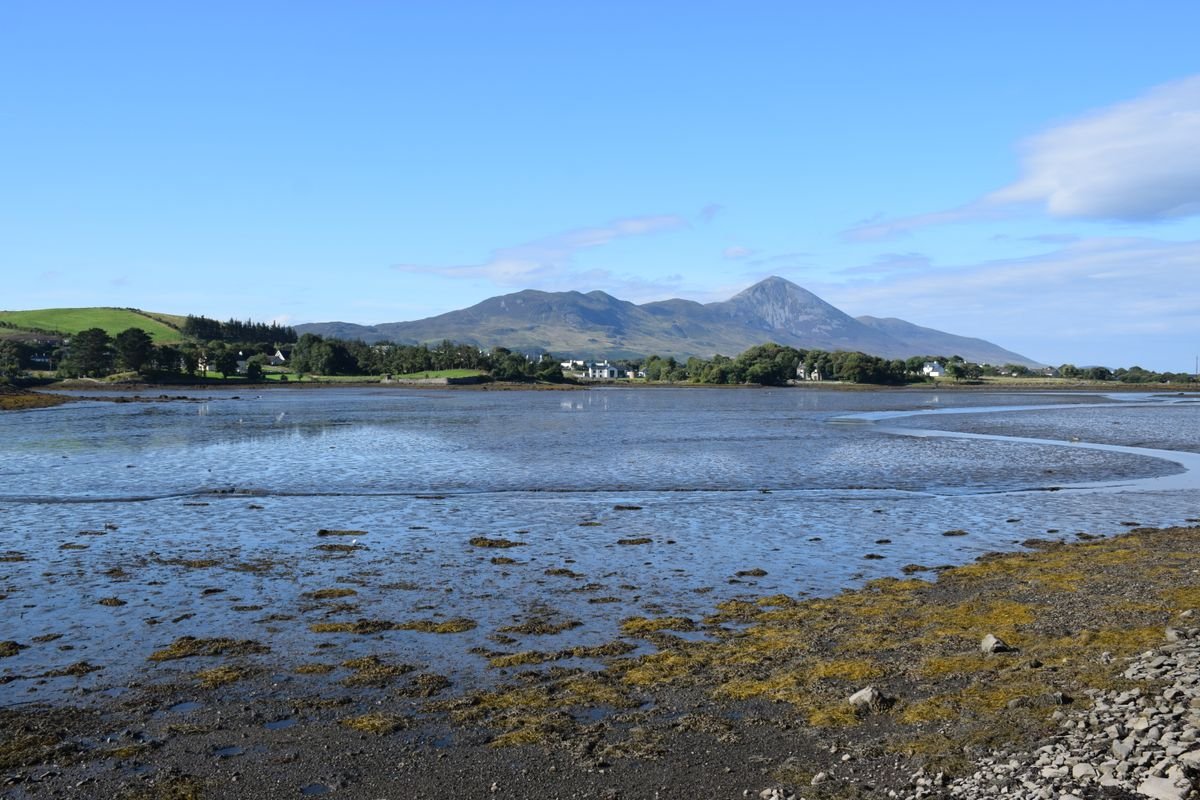
Dry ground and long evenings make this the season for it. The Cliffs of Moher coastal walk from Doolin gives you the famous view with a fraction of the crowd at the main platform.
For something bigger, Croagh Patrick in Mayo is a steep two to three hours up and the same back, with the whole of Clew Bay laid out below you at the top. Bring real shoes and water, plenty of people set off in sneakers and regret it on the loose scree near the summit.
Eat and Drink Your Way Through an Irish Summer
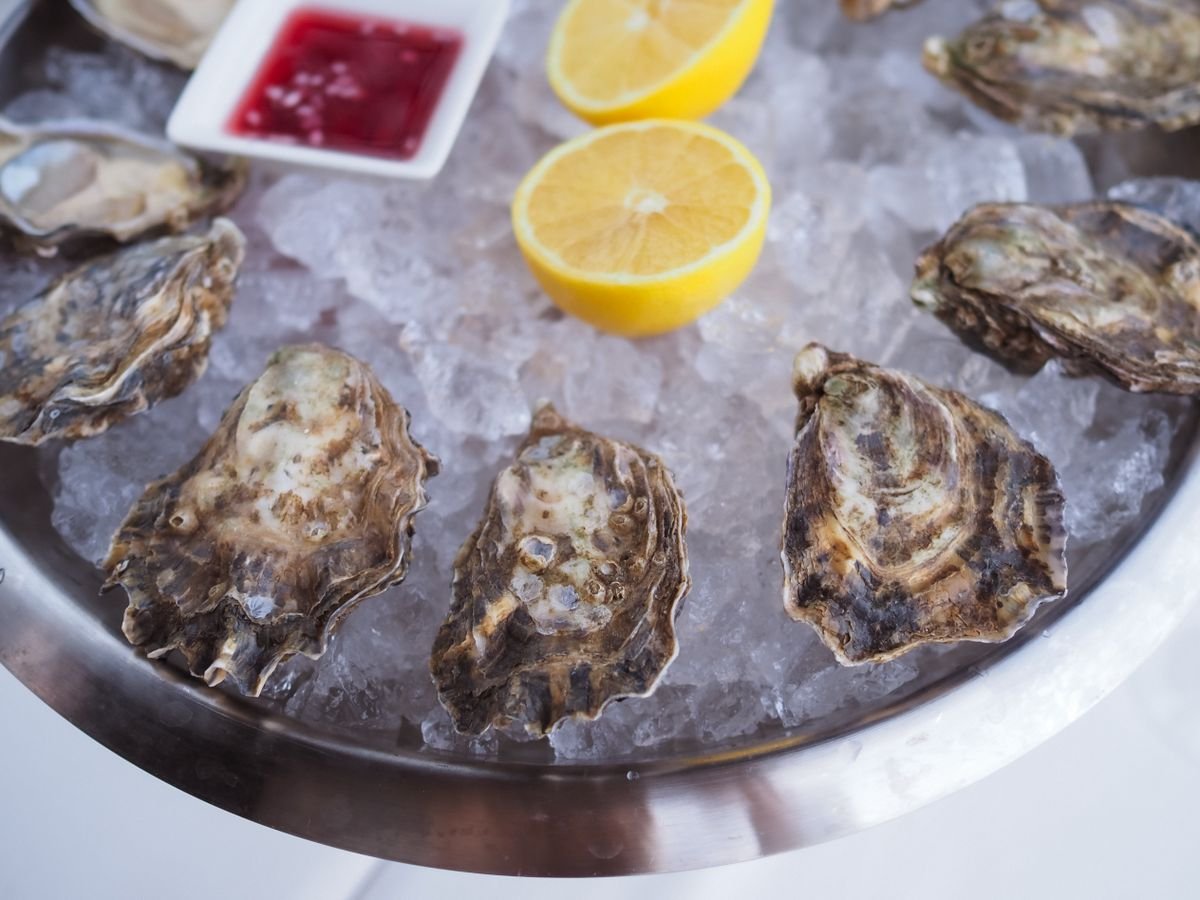
Summer is when the seafood is at its best and the towns lean into it. Get fresh oysters in Galway, fish and chips eaten on a harbor wall, and as much crab and mussel as you can manage on the west coast.
The farmers markets are worth a morning too. Most decent-sized towns run a Saturday market through summer, and it’s the easiest way to fill a campervan fridge or just graze your way through breakfast.
Spend an Evening in a Beer Garden
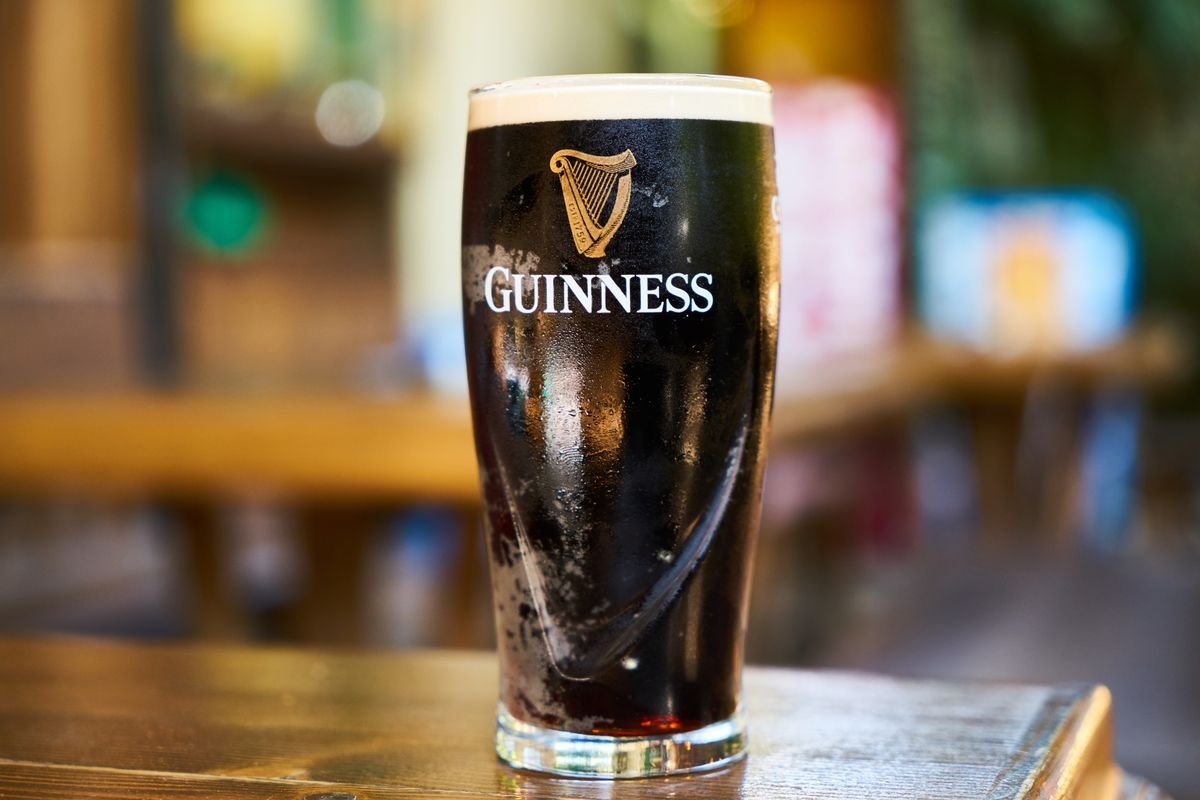
Those long evenings need somewhere to land, and a pub beer garden on a dry July evening is about as good as Ireland gets. The pint outside is half the reason people fall for the place.
The coastal ones win. A garden looking out over the water with the light still going at 9:30pm, a Guinness in hand, and trad drifting out the door behind you. You don’t need much else for the night.
Take a Boat Trip to the Islands
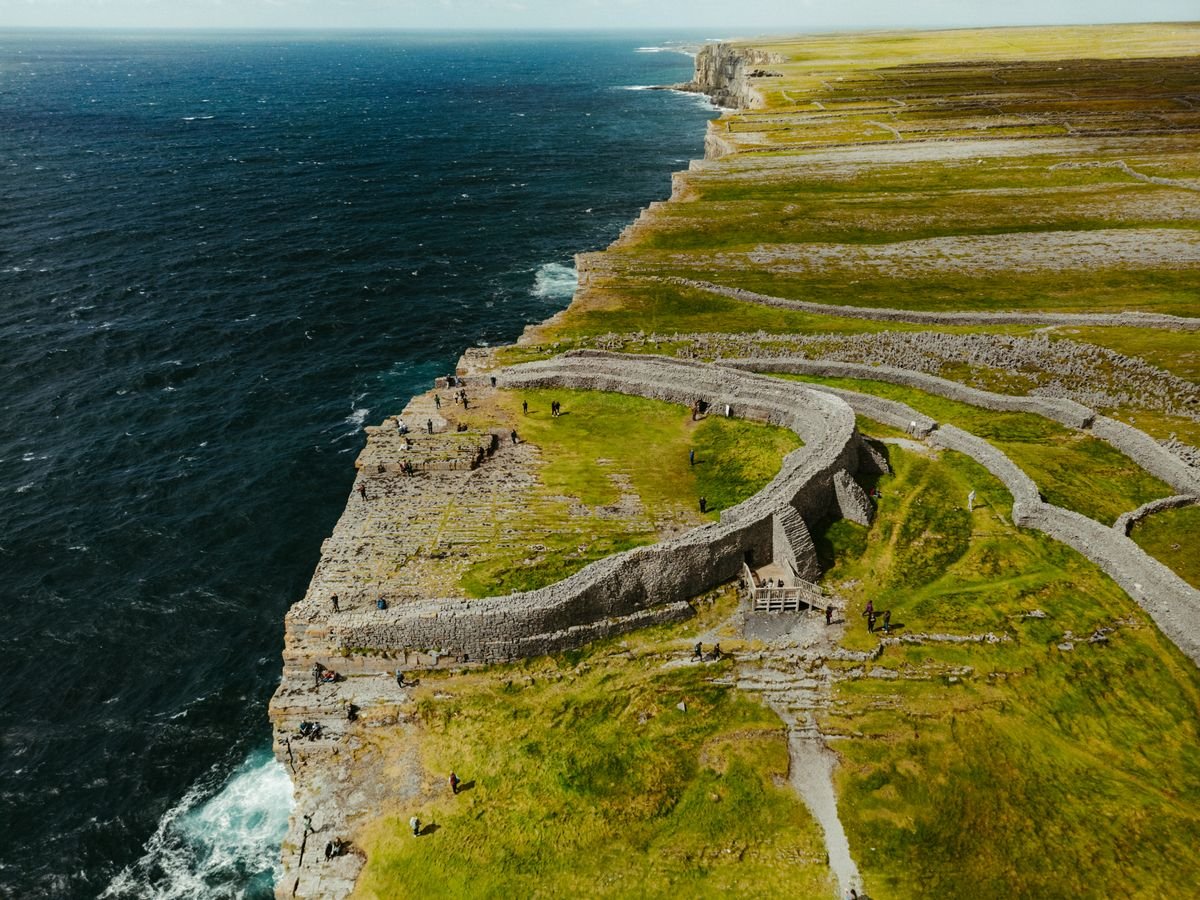
The island ferries really only run properly in summer, so this is your window. Sail out to the Aran Islands from Galway or Doolin and you get a full day of rented bikes, stone walls, and an Iron Age fort right on the cliff edge. If you’d rather not sort the logistics yourself, you can book an Aran Islands cruise from Galway on GetYourGuide that pairs the islands with the Cliffs of Moher from the water.
Skellig Michael off Kerry is the big one, the monastery steps from the Star Wars films, but boat numbers are capped and it books out weeks ahead, so sort that early. The landings are tightly limited, so if you want to set foot on the island it’s worth lining up a spot to book a Skellig Michael boat tour on GetYourGuide as soon as your dates are set. For an easier day, Cape Clear or Bere Island off Cork give you the boat trip without the scramble.
Best island boat trips and tours
- From Galway: Aran Islands and Cliffs of Moher Day Cruise
- Half-Day Cliffs of Moher Express from Galway
- From Killarney: Portmagee and Skellig Ring Full-Day Tour
- Killarney, Kerry Cliffs, Skellig Ring and Sneem Tour
Best Time to Visit Ireland in Summer
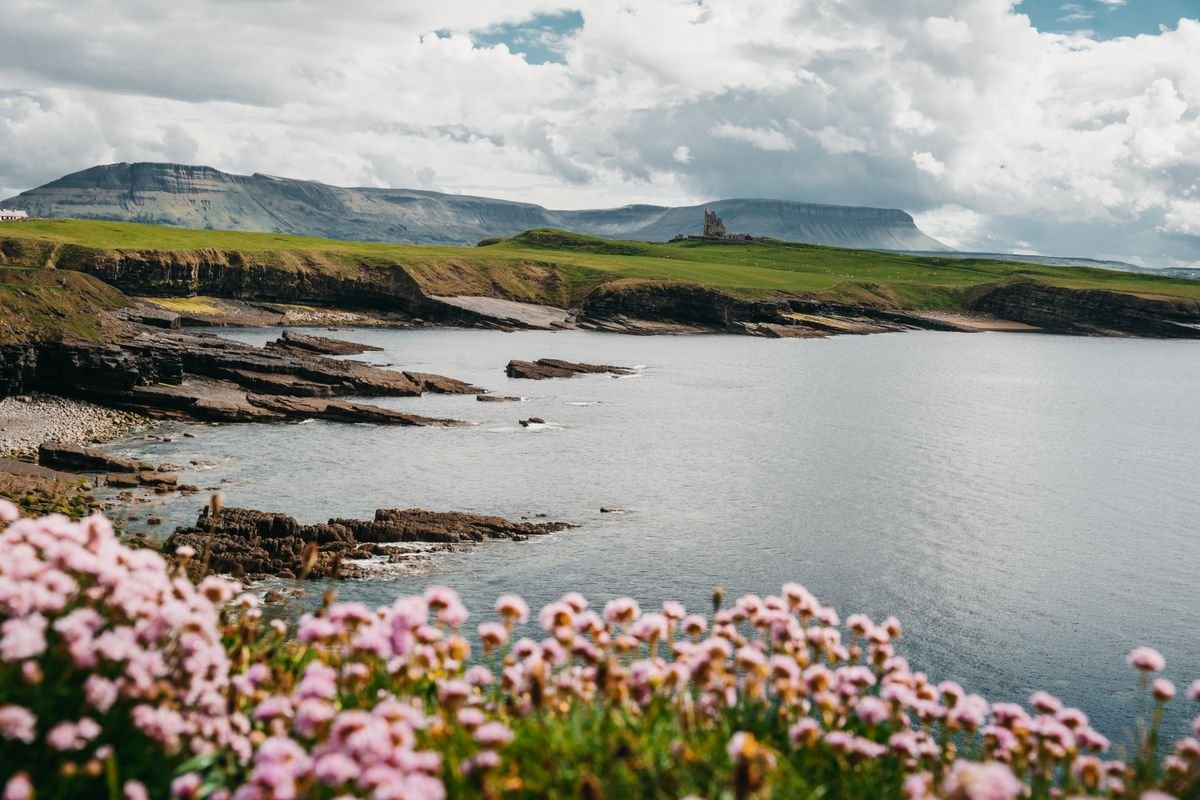
All three summer months are good for the best things to do in Ireland in summer. They’re just good in different ways, and the right one for you comes down to whether you’d rather dodge crowds or guarantee a festival.
June: The Smart Pick
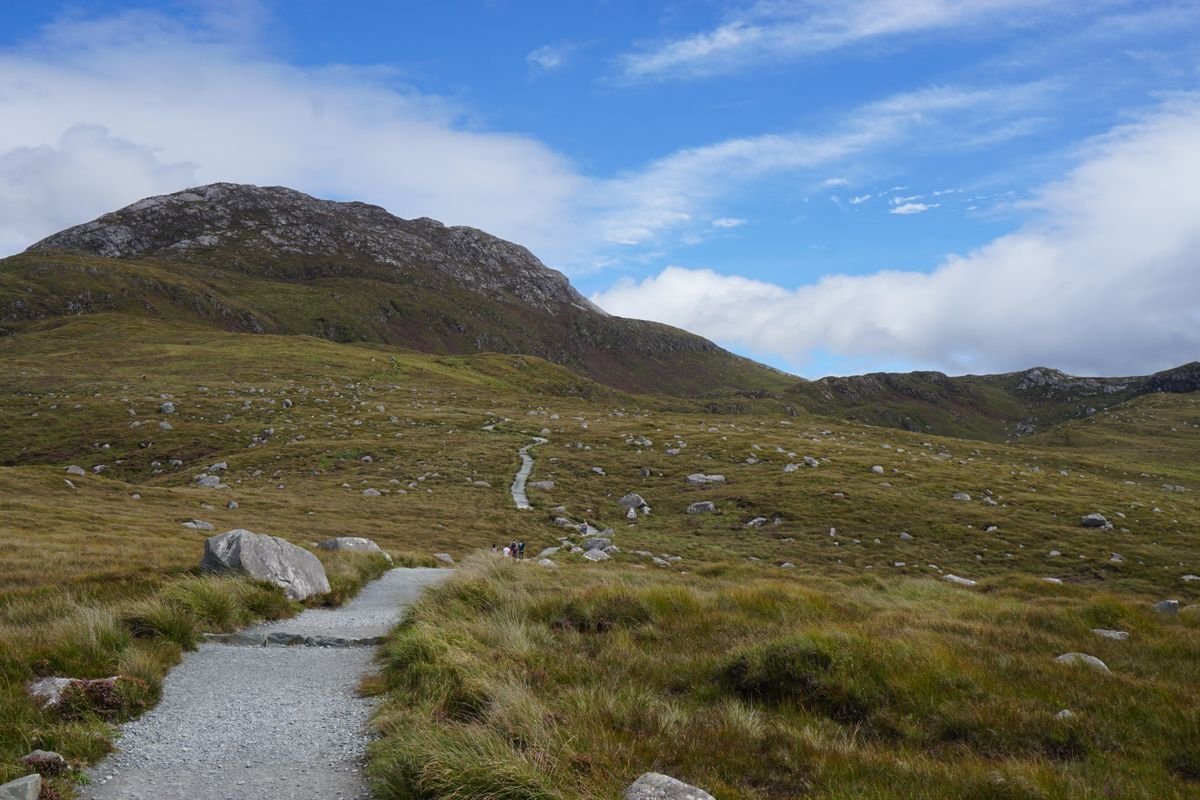
If you can only go once, go in June. The weather odds are at their best, the daylight is at its longest, and the Irish school holidays haven’t started yet, so the big sites and the roads are noticeably quieter than they’ll be a month later.
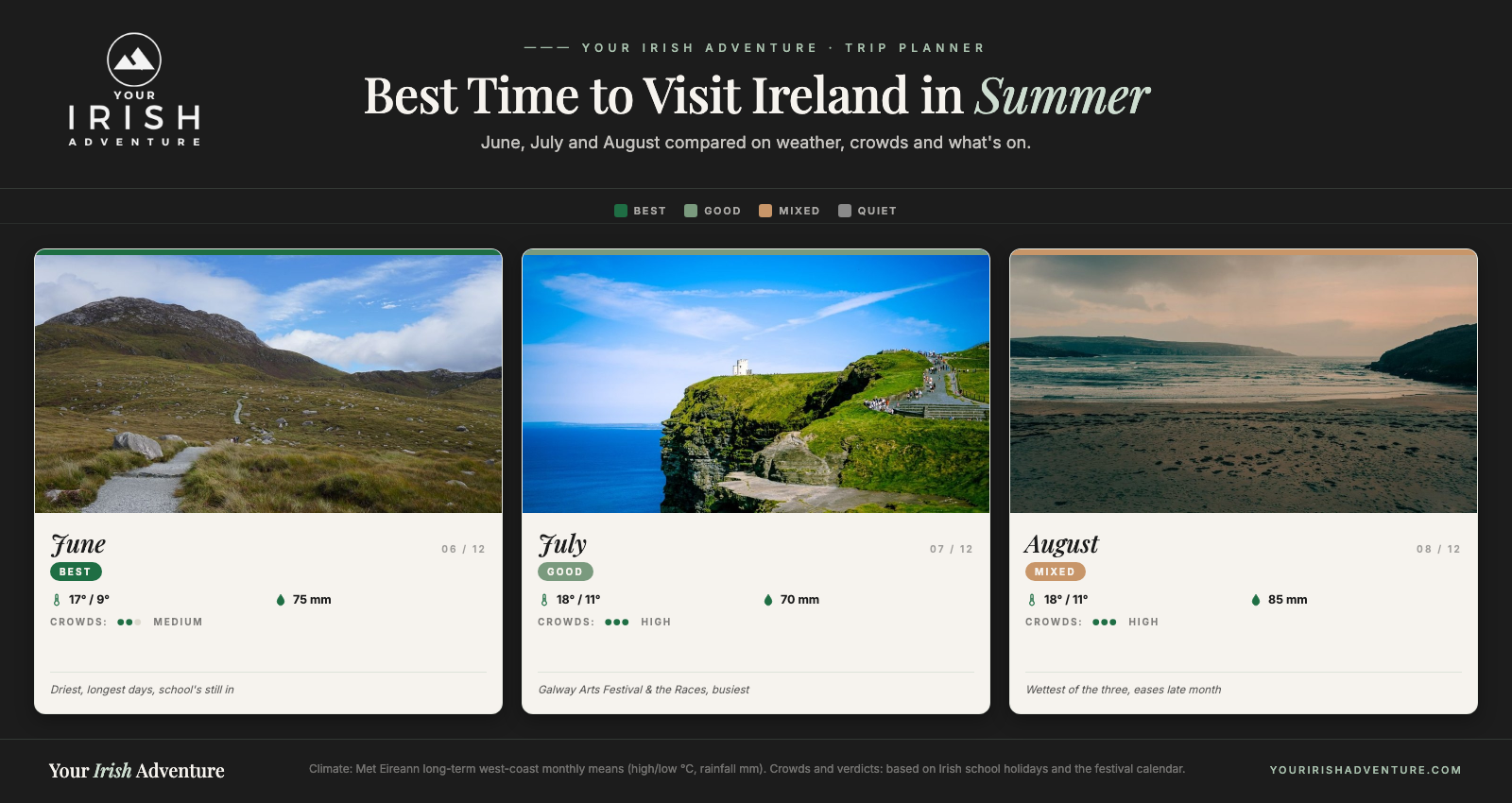
Early June especially is the sweet spot. You get peak-season conditions without full peak-season prices or lines, and the puffins are still on the cliffs.
July: Peak Everything
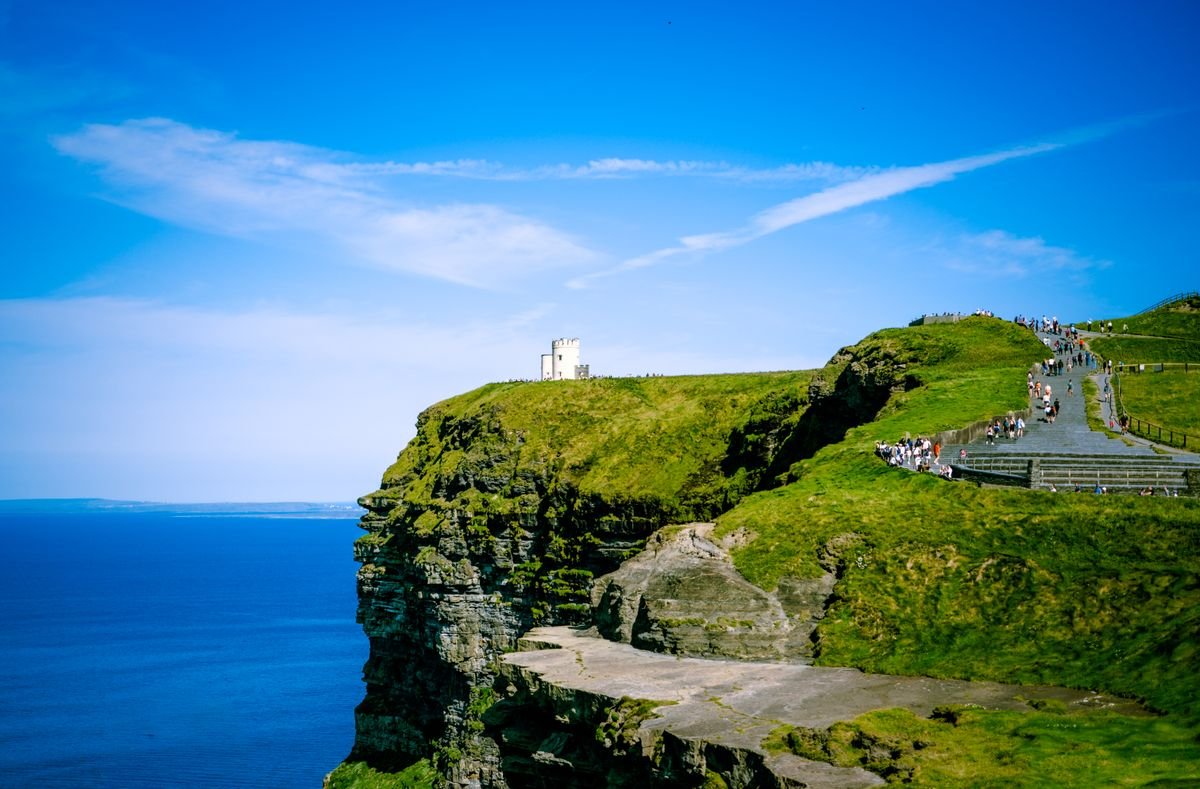
July is the loudest, busiest month, and that cuts both ways. Irish and European schools are out, so the Cliffs of Moher and the Ring of Kerry are mobbed by midday and accommodation gets pricey and books up fast.
But it’s also the festival month. The Galway Arts Festival and the Races both land in July, and the trad sessions are at full tilt. If you want the country at its most alive, this is it, just book your beds well ahead and start your days early.
August: Still Busy, Slightly Wetter
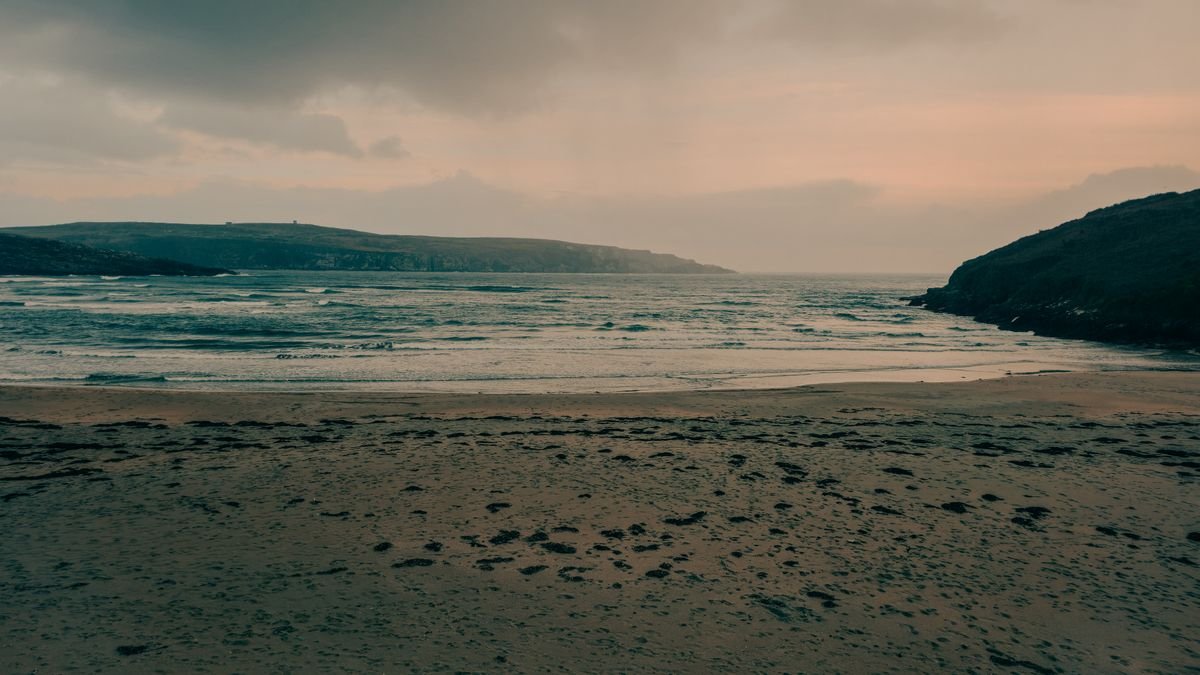
August stays busy right through the public holiday in the first week, then eases off a little as the month goes on. It’s statistically the wettest of the three, so the weather is more of a gamble.
The trade is that late August starts tipping into shoulder season. Crowds thin, prices soften, and you still get long evenings, so the back end of the month is an underrated time to go.
A Quick Word on Booking
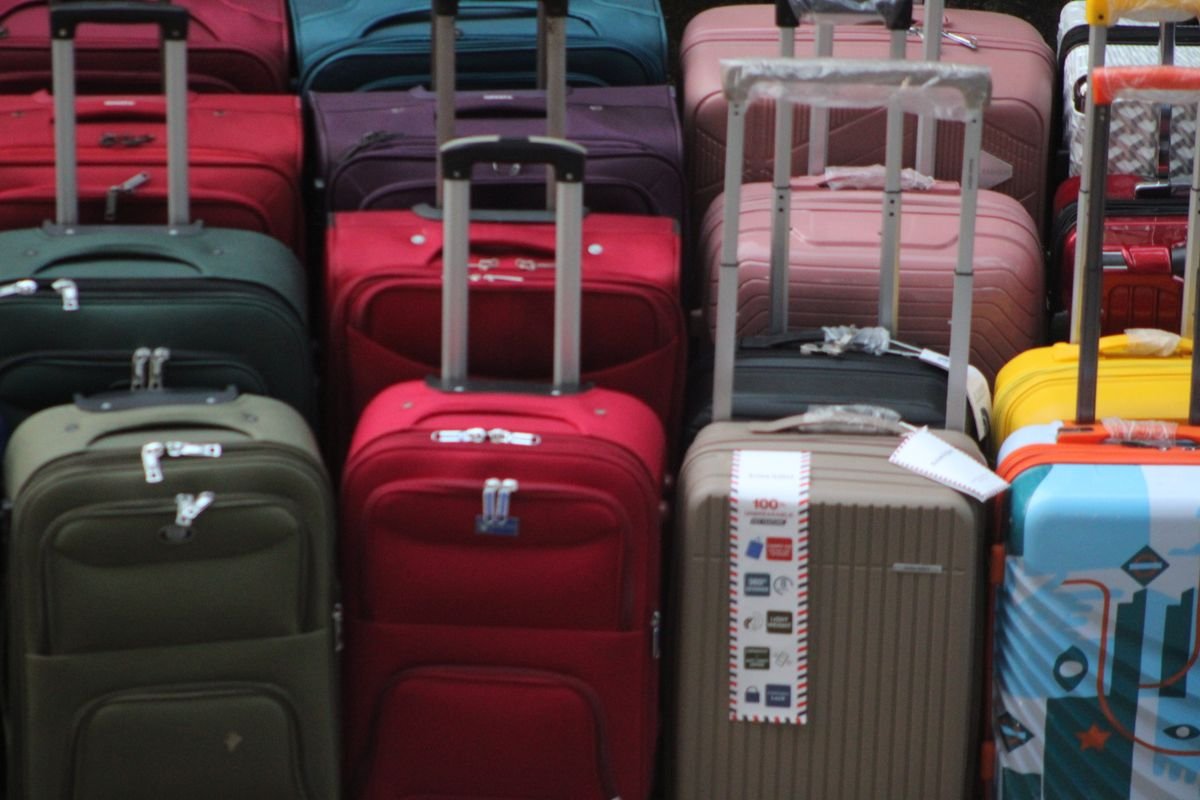
Whenever you come, sort the things that sell out first. Skellig Michael boats, popular B&Bs on the Wild Atlantic Way, and any campervan or car rental all go weeks or months ahead for the summer.
Leave the rest loose. Book the things that sell out first, like Skellig Michael and your rental car, well ahead, keep the day-to-day flexible, and you can chase the dry weather instead of being locked into a soggy plan.
More Ireland Road Trips and Itineraries
- A Photographer’s Definitive Ireland Road Trip
- Wild Atlantic Way Itinerary – Ireland’s Most Epic Road Trip
- Wild Atlantic Way Hotels With A Touch Of Luxury
What to Pack for an Irish Summer
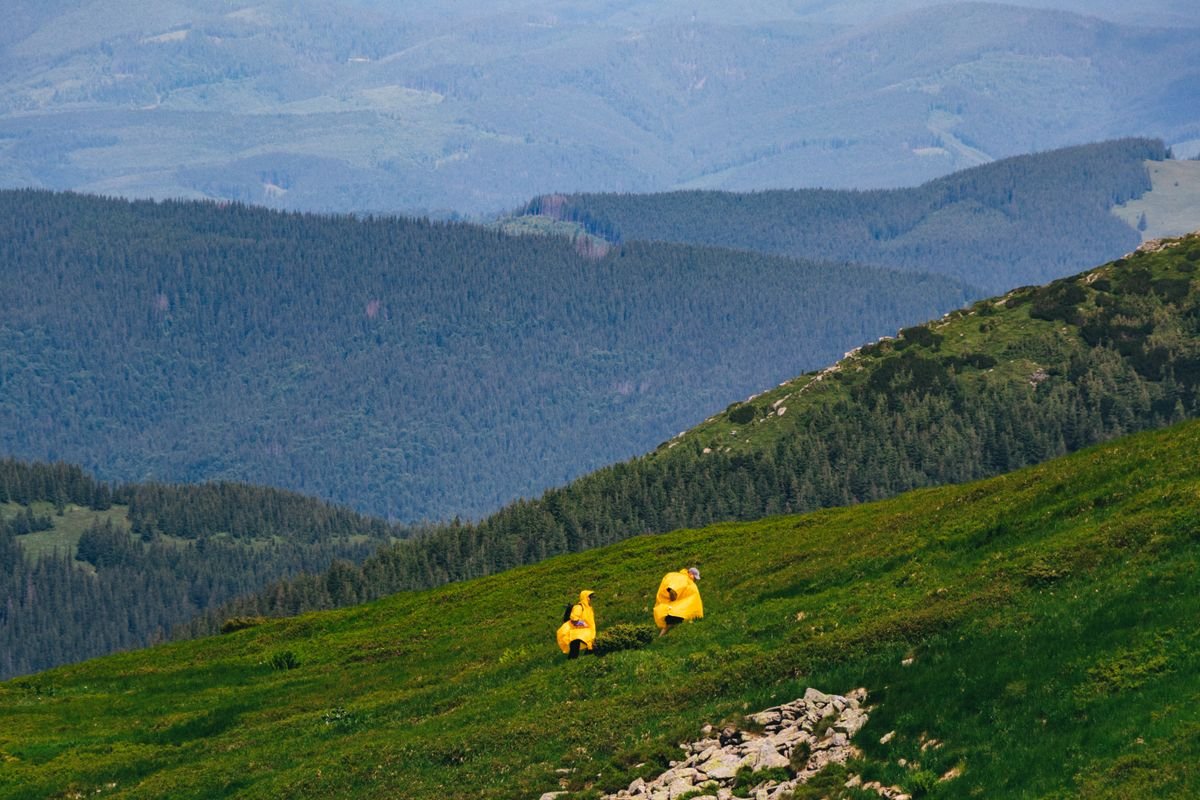
Pack for an Irish summer like you’d pack for a changeable spring day at home, then add a rain jacket on top. The mistake people make is packing for the summer they’re hoping for instead of the one they’ll get.
The whole game is layers. A normal day can swing from a sunny 20°C to a cold, wet 14°C and back again before dinner, so you want to add and shed clothing without going back to the car.
Here’s what actually earns its place in the bag:
- A proper waterproof jacket with a hood. Not water-resistant, waterproof. You’ll use it.
- A warm mid-layer, a fleece or a light down, even in July. The wind off the Atlantic has an edge to it.
- Waterproof walking shoes or boots if you plan to do any of the coastal walks or hills.
- A few T-shirts and one pair of shorts for the warm spell, because you’ll get at least one.
- Jeans or trousers for the evenings, which cool off fast once the sun drops.
Skip the umbrella. Half the time the rain comes in sideways on the wind and the umbrella turns inside out, so the hood does a better job anyway.
Two more things people forget. Sunscreen, because the long daylight will catch you out on a breezy day when you don’t feel the burn coming. And a swimsuit and a quick-dry towel, because you’ll end up in the sea at some point whether you planned to or not.
Getting Around Ireland in Summer
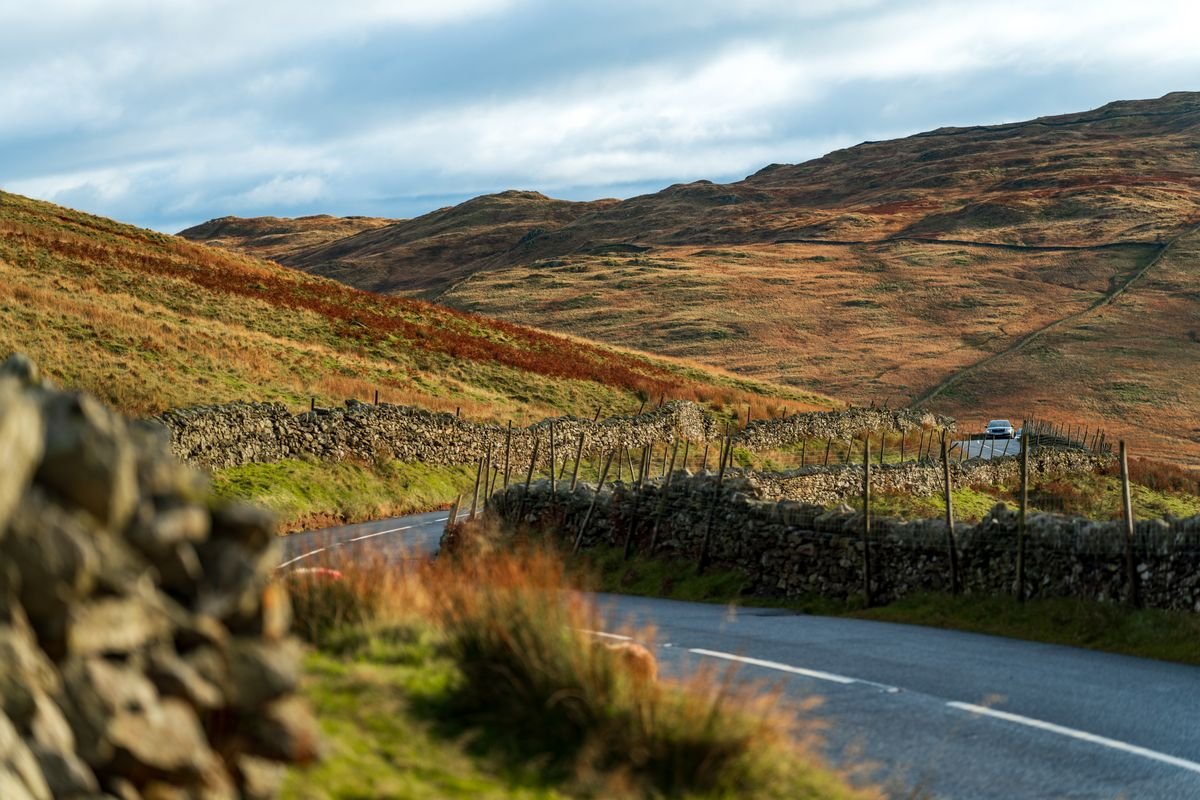
Rent a car. That’s the short answer for most of what’s in this post, because the best of an Irish summer is on the west coast, and the west coast is where public transport thins out to almost nothing.
A lot of people rent a car and it’s the right call. The buses and trains are fine between the cities, but they won’t get you down a peninsula to a beach or out to a trailhead. For the Wild Atlantic Way you need your own wheels.
Book the rental early. Summer car and campervan rental sells out and the prices climb the longer you leave it, so lock it in weeks or months ahead rather than hoping for a deal on arrival. It’s worth taking a minute to compare car rental deals on Discover Cars before you commit.
What the Roads Are Like in Ireland
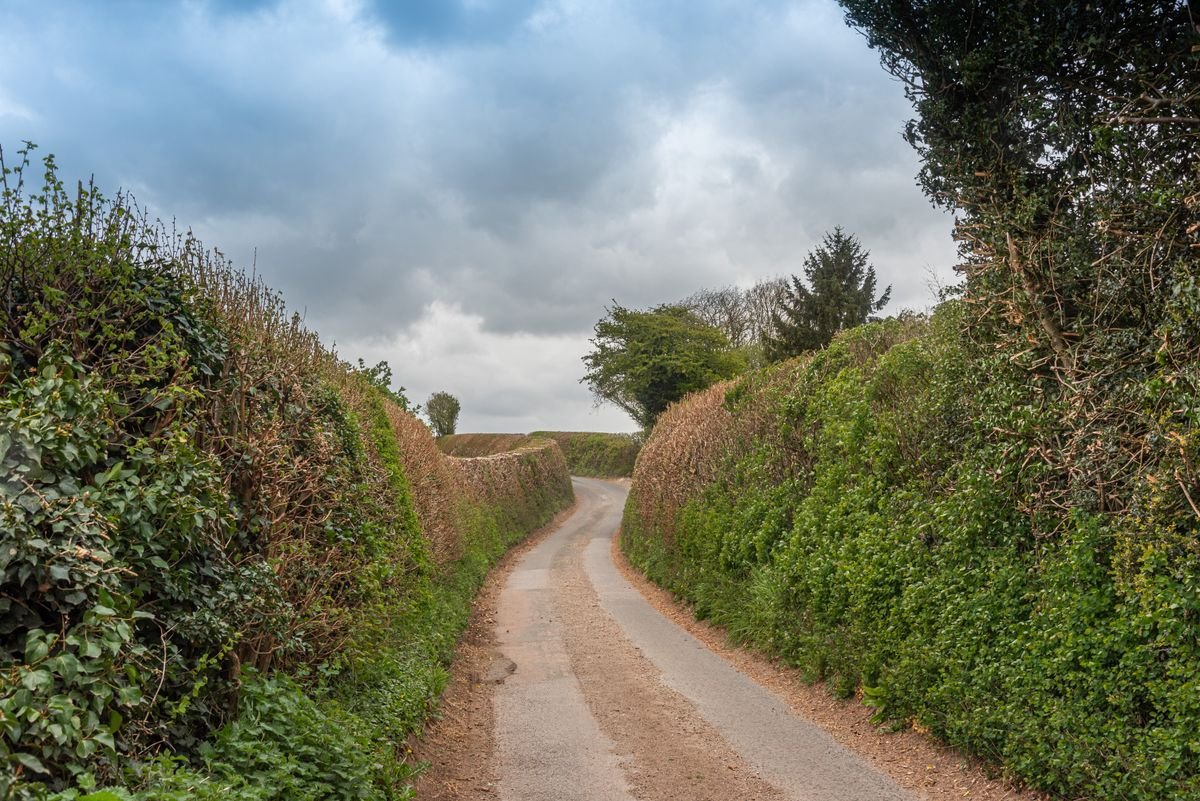
Ireland drives on the left, and most rental cars are manual. If you only drive an automatic at home, book one specifically, because they’re limited and they go first in summer.
The roads out west are narrow. Plenty of them are single-track with grass up the middle and a stone wall on each side, so you’ll be reversing into passing spots to let a car through. It’s slower than the map suggests, and that’s normal.
Don’t trust the drive times your phone gives you. A 90km coastal stretch can eat half a day once you’re behind a tractor or stopping for the views, so plan fewer kilometers per day than you think you can manage.
Beating the Tour Bus Traffic
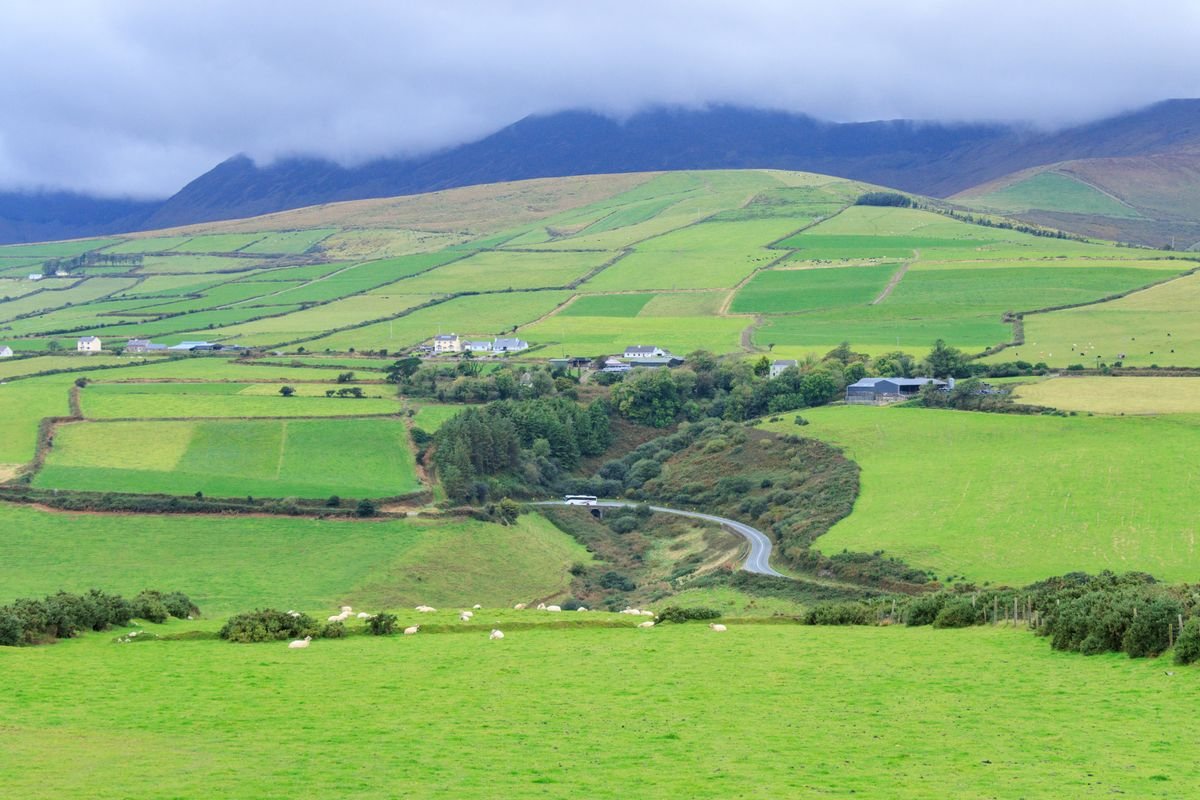
This is the one summer trick worth building into your day. The tour buses run the famous loops on a schedule, hitting the Ring of Kerry and the Cliffs of Moher from late morning through mid-afternoon.
So start early or go late. The single-track roads back up behind the buses by mid-morning in July and August, and the parking lots fill, so an 8am start at a big site can mean having it half to yourself.
Campervan or a Car and B&Bs
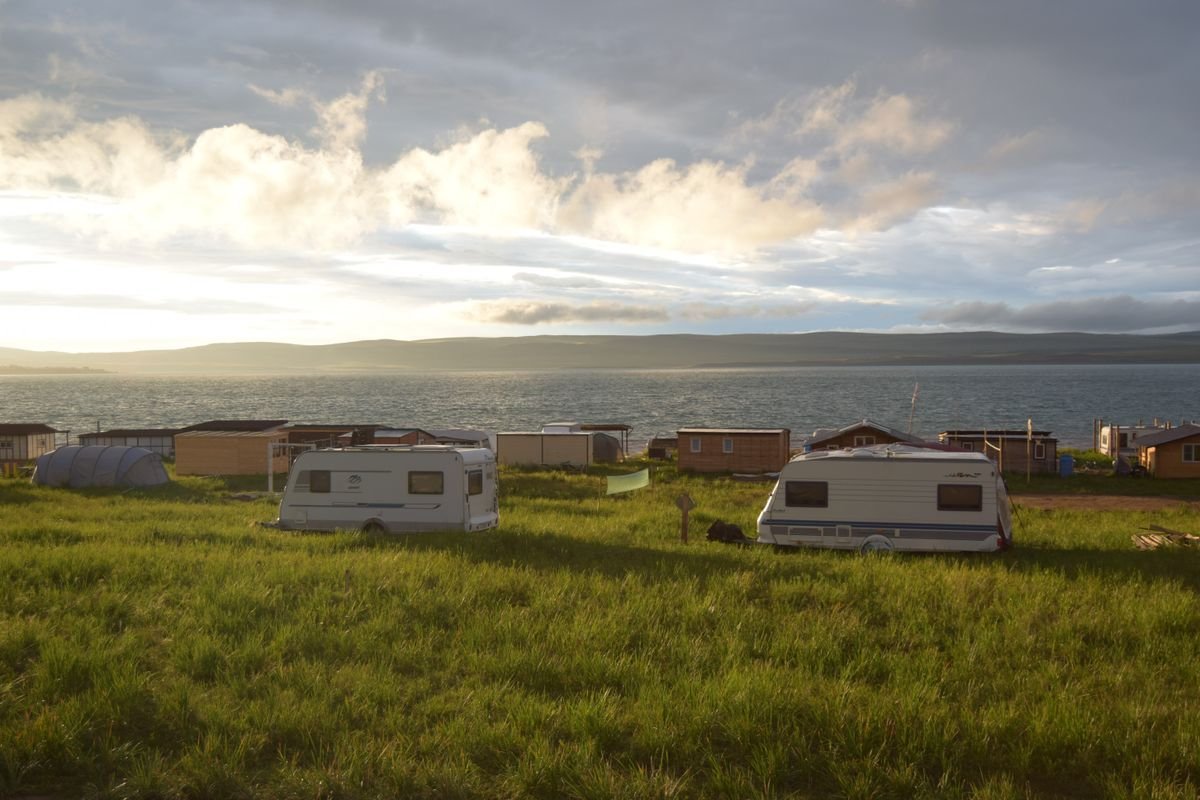
A campervan gives you the long evenings without a drive back to a hotel, and you can wake up parked near the coast. The downside is summer campsites book up and not everywhere lets you park overnight, so you can’t just rock up anywhere.
A car and B&Bs is the simpler setup, and the B&Bs are a big part of the trip in their own right. Either works. Pick the van if you want flexibility and early light, pick the car if you’d rather not think about where you’re sleeping each night.
Things to Do Around Ireland
- 7 Best Day Trips From Dublin, Ireland
- 12 Of The Best Day Trips From Galway
- The Most Beautiful Towns In Ireland You Need To Visit
Where to Stay in Ireland in Summer
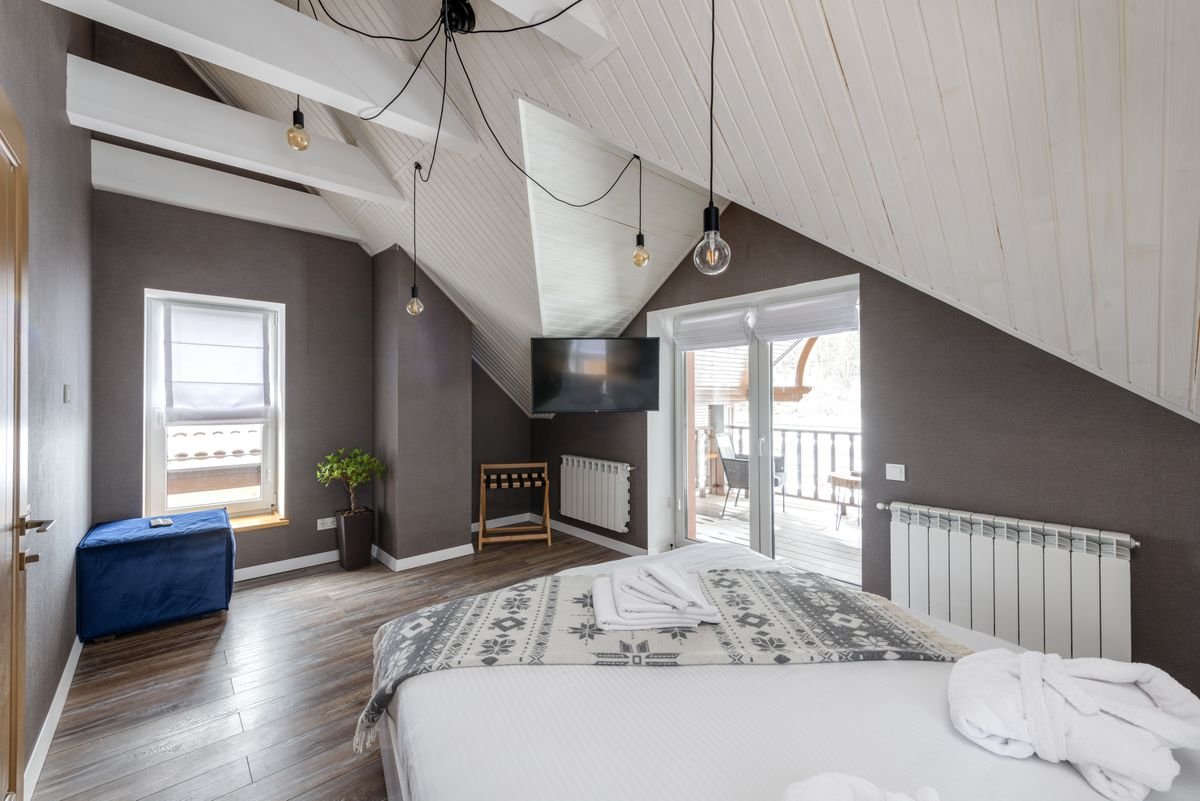
Pick a few bases and do day trips out from each one, rather than packing a new bed every night. Driving the west coast is slow, and moving every day means you spend the trip living out of a suitcase instead of seeing things.
Three or four nights in two or three spots is the sweet spot for a week to ten days. You unpack, you learn a town, and you can chase the dry weather on day trips without a full move every morning.
Galway: The West Coast Base
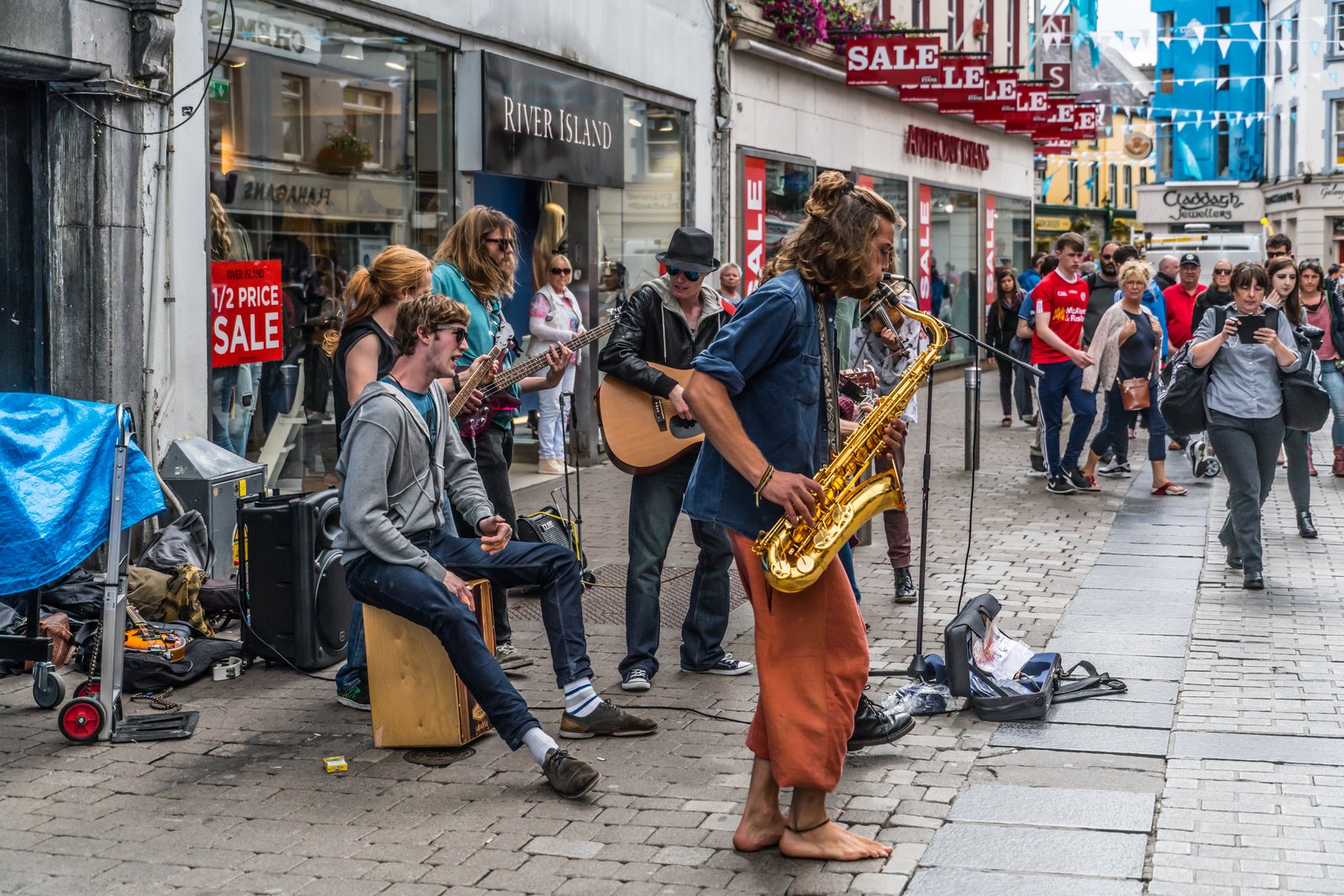
If you base anywhere on the west, base in Galway. It’s a great jumping-off point for Connemara, the Cliffs of Moher, the Burren, and the ferry out to the Aran Islands, all within an easy day’s drive.
It’s also the best craic of any city in the country in summer, with trad sessions every night and festivals back to back through July. The catch is everyone knows it, so beds book out early and prices climb. Sort Galway first, and browse summer stays in Galway on Booking.com while the good ones are still going.
A Standout Galway Pick: Seacrest B&B
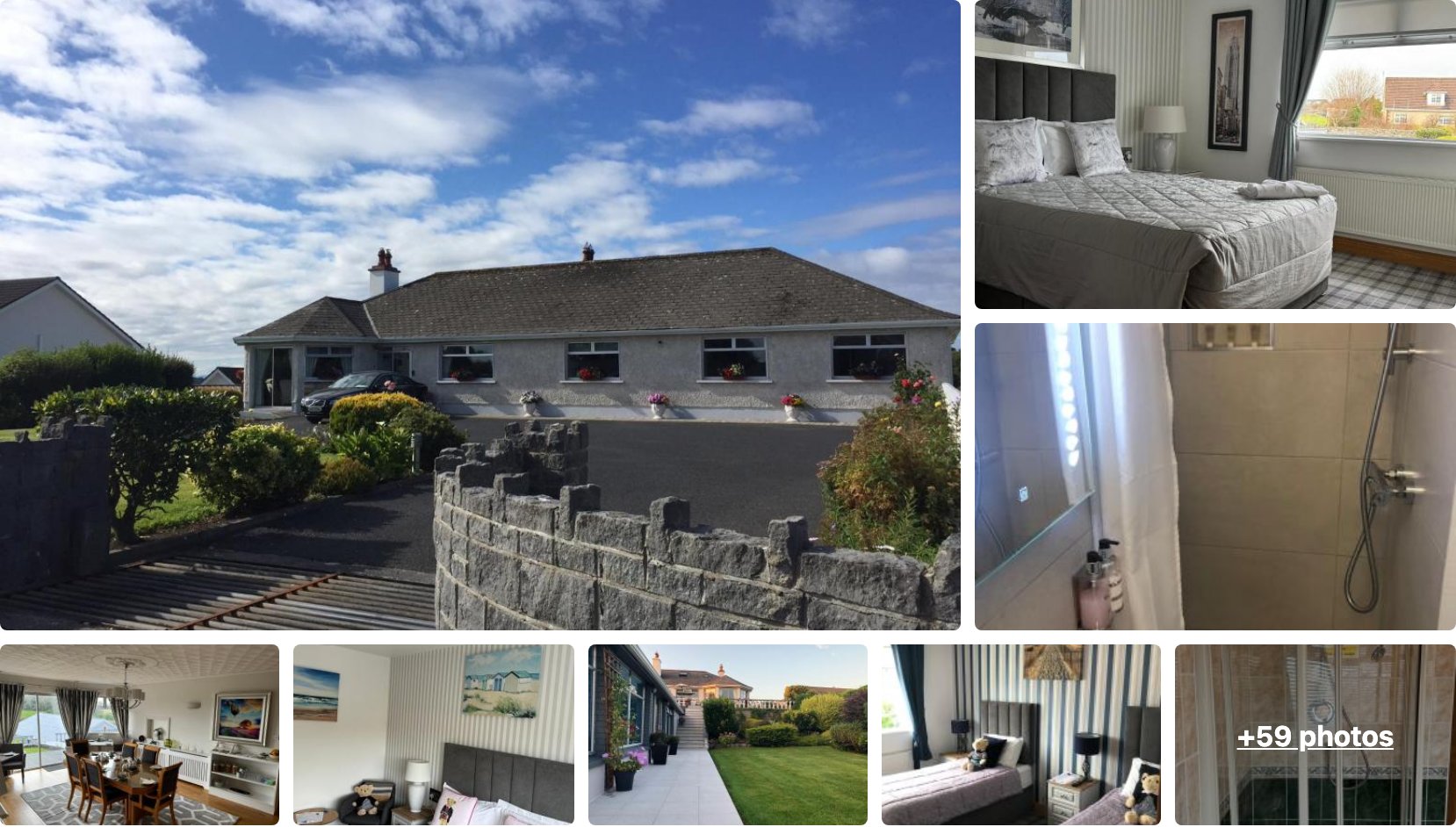
Seacrest B&B is the kind of family-run guesthouse Galway does well, a short hop from the city on the Rosshill Road and a reliable base for the Cliffs, Connemara, and the Aran ferry. It scores 9.5 across nearly a thousand guest reviews, so book it early because rooms like this go first in summer.
👉 View Seacrest B&B Availability and Pricing
Kerry and Dingle: The Peninsula Base
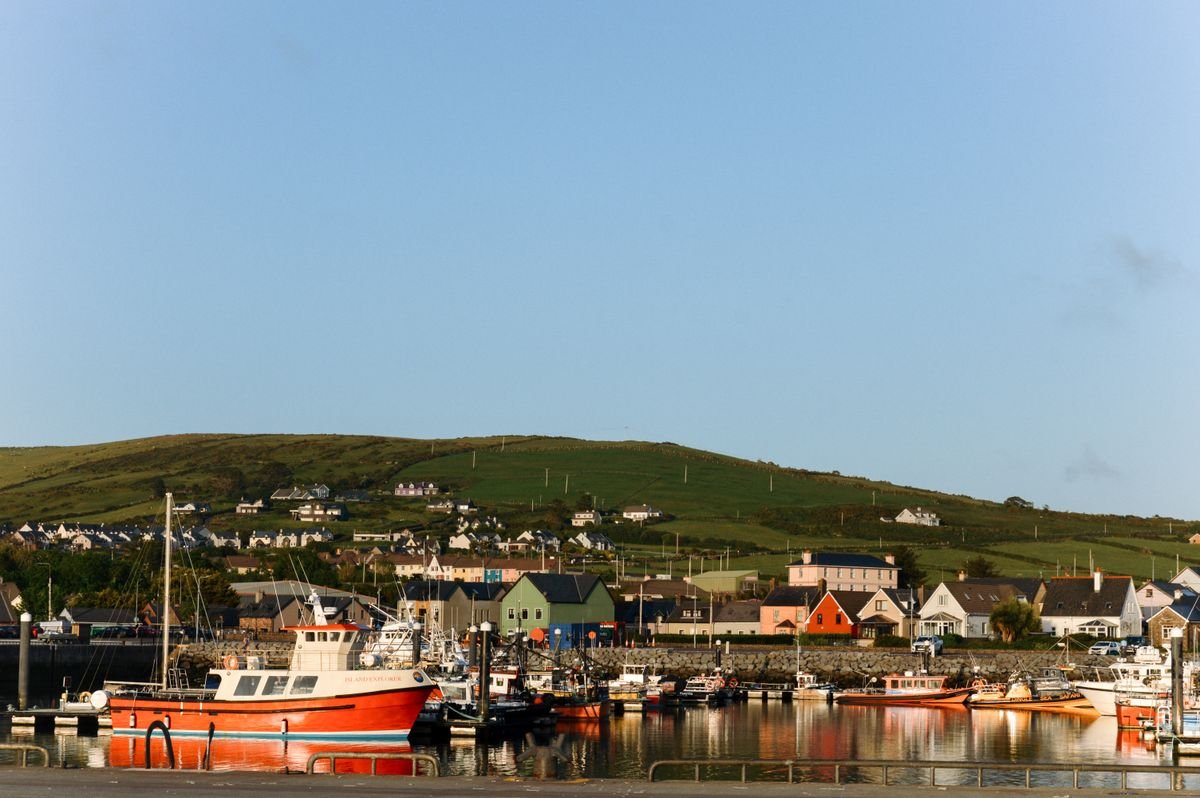
Down in Kerry you’ve got two good options. Killarney has a reputation for being touristy, and it is, but it sits right on the National Park and the Ring of Kerry, so it earns the spot as a base. It has the most beds of anywhere down here too, so it’s the easiest place to find a base in Killarney on Booking.com.
👉 Read our full guide to Killarney National Park.
Dingle town is the better one if you want somewhere smaller. It’s a working harbor town with more pubs than seems reasonable for its size, and the Dingle Peninsula loop out of it beats the busier Ring of Kerry for fewer tour buses. You can check Dingle town availability on Booking.com, though the handful of beds in town go fast in July and August.
A Standout Dingle Pick: Dingle Garden Townhouse
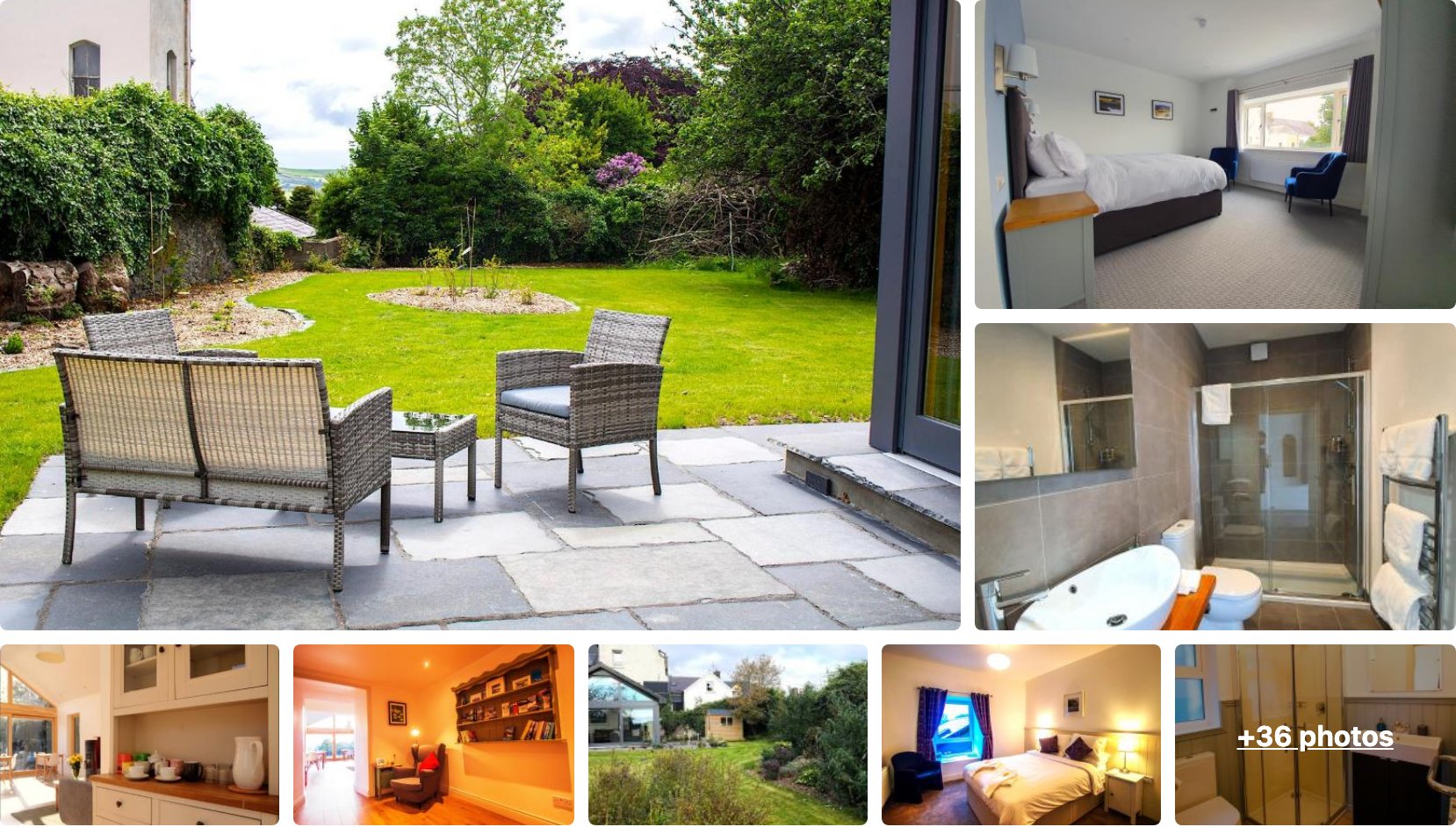
Dingle Garden Townhouse sits on Goat Street, a few minutes’ walk into the harbor and the pubs, which is exactly where you want to be in a town this small. It runs a 9.8 over hundreds of reviews and has the walled garden to come back to after a day on the peninsula, so it’s worth grabbing before the summer beds dry up.
👉 View Dingle Garden Townhouse Availability and Pricing
West Cork: The Slower Base
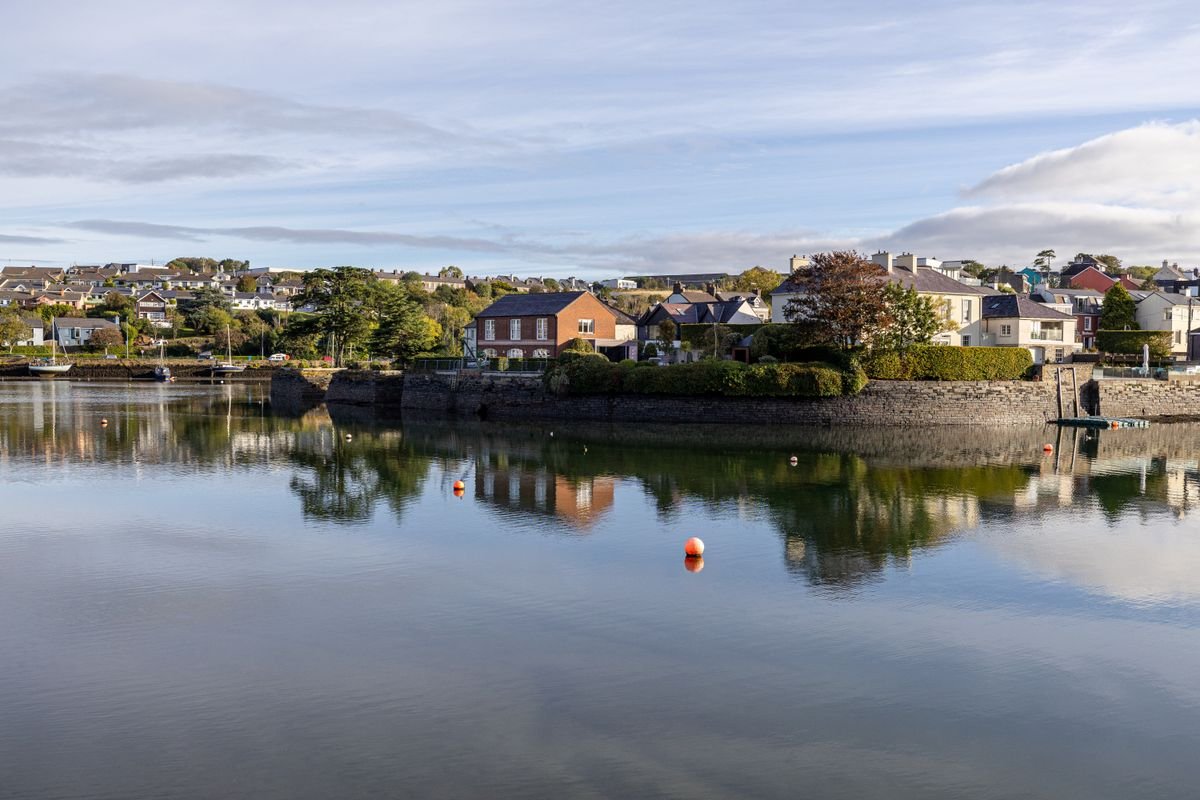 Kinsale harbor, West Cork” width=”1200″ height=”800″/>
West Cork is where you go when you want the coast without the bus traffic. Kinsale, Clonakilty, or Baltimore make easy bases for beaches, the whale-watching boats, and the islands, and the food scene down here is some of the best in the country.
It’s further from the headline sights, so it suits the back half of a trip when you’ve ticked the big names and want to slow down. The B&Bs along this stretch are a real part of the appeal, and you can browse West Cork stays on Booking.com around Kinsale, Clonakilty, or Baltimore.
Dublin: The Arrival Base
 Dublin” width=”1200″ height=”960″/>
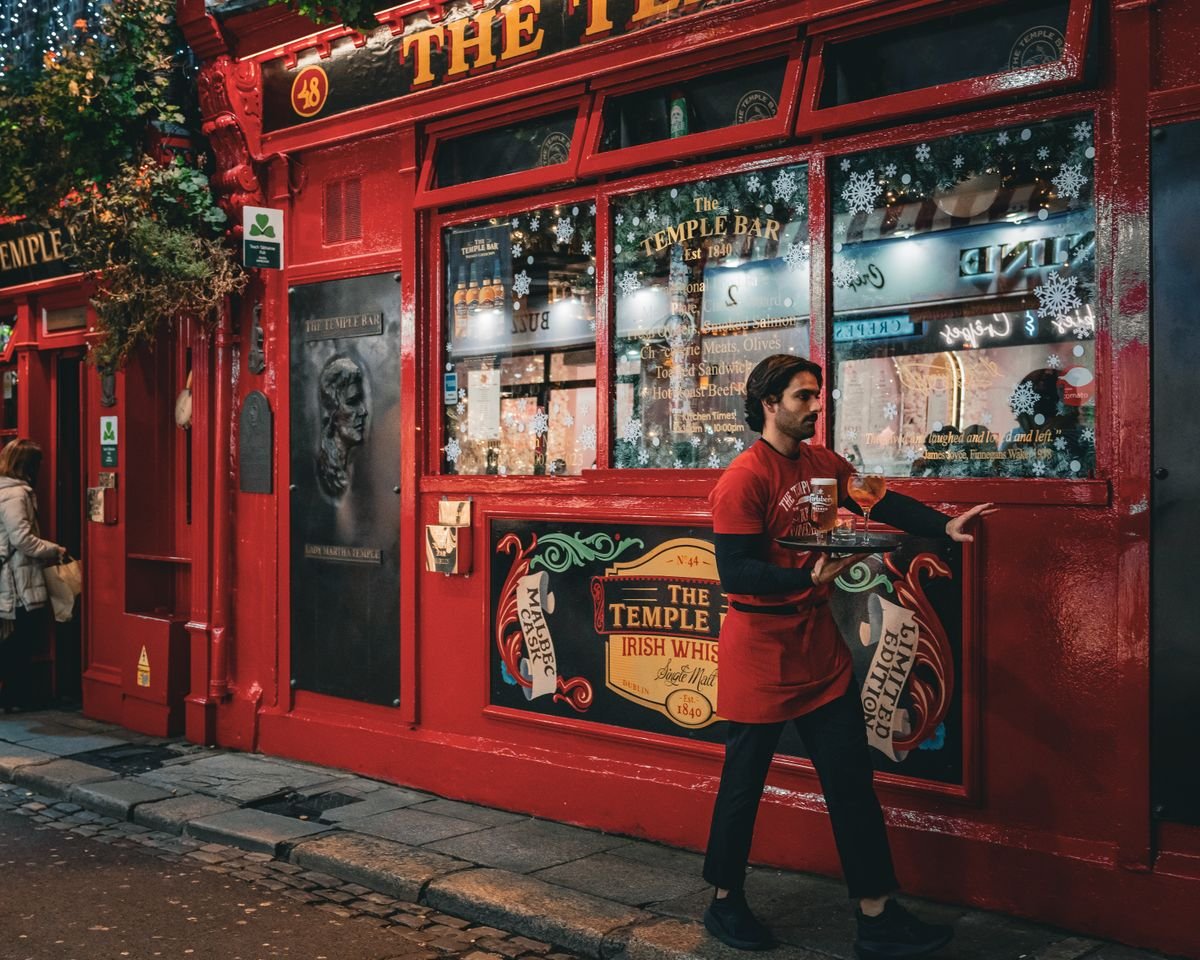
A lot of people fly into Dublin, so a night or two at the start or end makes sense. Just don’t build the whole trip around it, because the best of an Irish summer is out on the west coast.
One night to shake off the flight, see Trinity and a few pints in the city, then get west. Dublin hotels are the priciest in the country in summer, so I’d keep it short, book a Dublin hotel on Booking.com near the center, and spend the budget on the coast.
👉 See how to visit Trinity College while you’re in the city.
A Standout Dublin Pick: Henrietta Suites City Centre
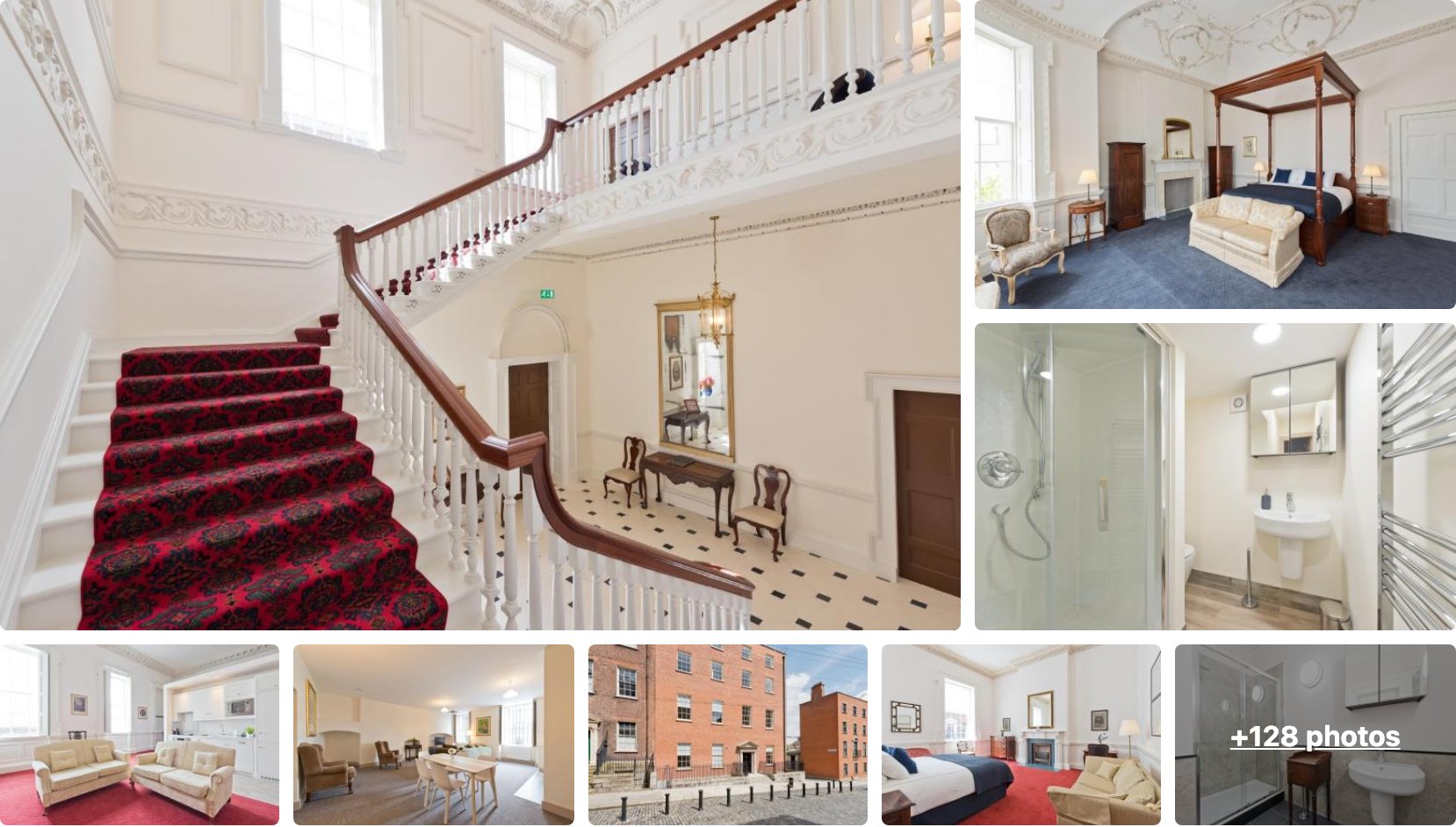
Henrietta Suites City Centre puts you on a Georgian street about ten minutes’ walk from the center, so you can drop the bags and be in the pubs for that first or last night without a taxi. It holds a 9.5 across more than a thousand reviews, which is a rare combination of high score and real volume in a city this busy, and the apartments mean room to spread out before you head west.
👉 View Henrietta Suites City Centre Availability and Pricing
Book the Beds Early
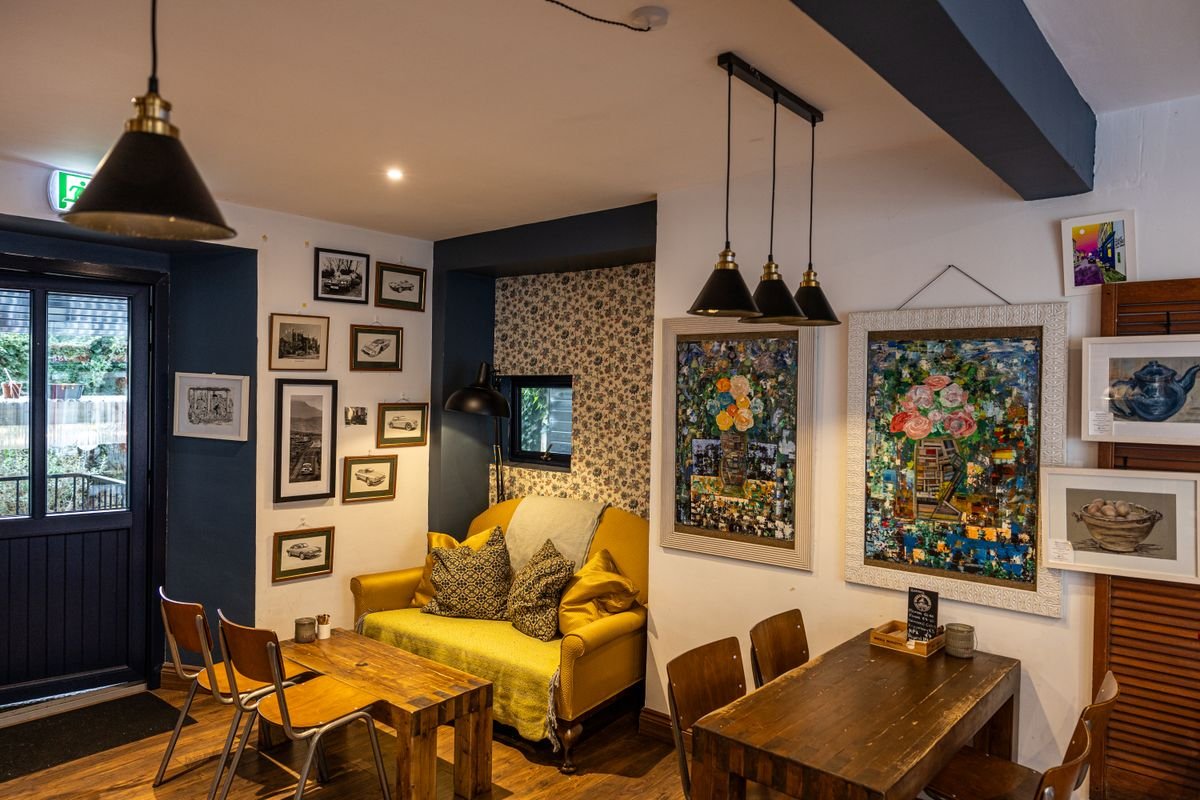
Summer is the one season where winging your accommodation will bite you. The good B&Bs on the Wild Atlantic Way and anything in Galway during festival weeks go weeks or months ahead.
Lock in your bases for the busy spots and the weekends, and leave a night or two loose if you want room to chase the weather. Book the things that sell out first, and stay flexible on the rest.
More Top Things to See in Ireland
- 6 Best Beaches Dublin Has To Offer
- The Best Castles in Ireland
- 5 Top Castles To Visit in Cork (+Castle Accommodation)
In short
- Late June gives west Ireland close to 17 hours of daylight, with sunset around 10pm.
- June is the driest of the three summer months; August gets the most rain.
- Cliffs of Moher and Ring of Kerry are packed by midday; go early or late.
- Normal summer days sit between 15 and 20°C, with rare hot spells reaching the low 20s.
- Galway runs trad sessions on the streets all summer, and small towns hold festivals most weekends.
Frequently Asked Questions About Summer in Ireland
Is summer a good time to visit Ireland?
Yes, it’s the best time for weather and daylight. You get the driest months, close to 17 hours of light around the solstice, and every festival and ferry running at full tilt. The trade is crowds and prices. The famous spots get mobbed by midday in July and August, so you book the things that sell out first and start your days before the buses do.
What is the warmest month in Ireland?
July is usually the warmest, sitting around 15 to 20°C (60 to 68°F) on a normal day, with the odd hot spell nudging into the low 20s. I’d still pick June if I had to choose, though. It’s typically the driest and sunniest of the three, and it comes before the Irish school holidays, so you get the same conditions with noticeably fewer people in front of you.
Can you swim in the sea in Ireland in summer?
You can, and plenty of locals do every single day. The water sits around 14 to 16°C at its August warmest, so it’s bracing rather than warm, but that’s the whole point of it. Pack a swimsuit and a quick-dry towel. You’ll end up in at some point whether you planned to or not.
Do you need a car to get around Ireland in summer?
For the west coast, yes. The buses and trains are fine between the cities, but they won’t get you down a peninsula to a beach or out to a trailhead, and that’s where the best of an Irish summer is. Book the rental weeks or months ahead. Summer rental sells out and the price only climbs the longer you leave it, and if you want an automatic, sort it now, because they’re limited and they go first.
How far ahead should I book for an Irish summer?
Book the things that sell out as soon as your dates are set. Skellig Michael boats, car and campervan rental, good B&Bs on the Wild Atlantic Way, and anything in Galway during festival weeks all go weeks or months ahead. The rest you can leave loose. Get the few things that sell out nailed down, then keep your day-to-day open so you can chase the dry weather instead of being stuck with a soggy plan you booked in March.
How many days do you need in Ireland in summer?
A week to ten days is the sweet spot. That’s enough to pick two or three bases, do day trips out from each, and see a real chunk of the west coast without packing a new bed every night. Driving the coast is slow, so plan fewer kilometers a day than you think you can manage. A couple of bases with a few nights in each beats a frantic dash that has you in the car more than out of it.
Final Thoughts on an Irish Summer
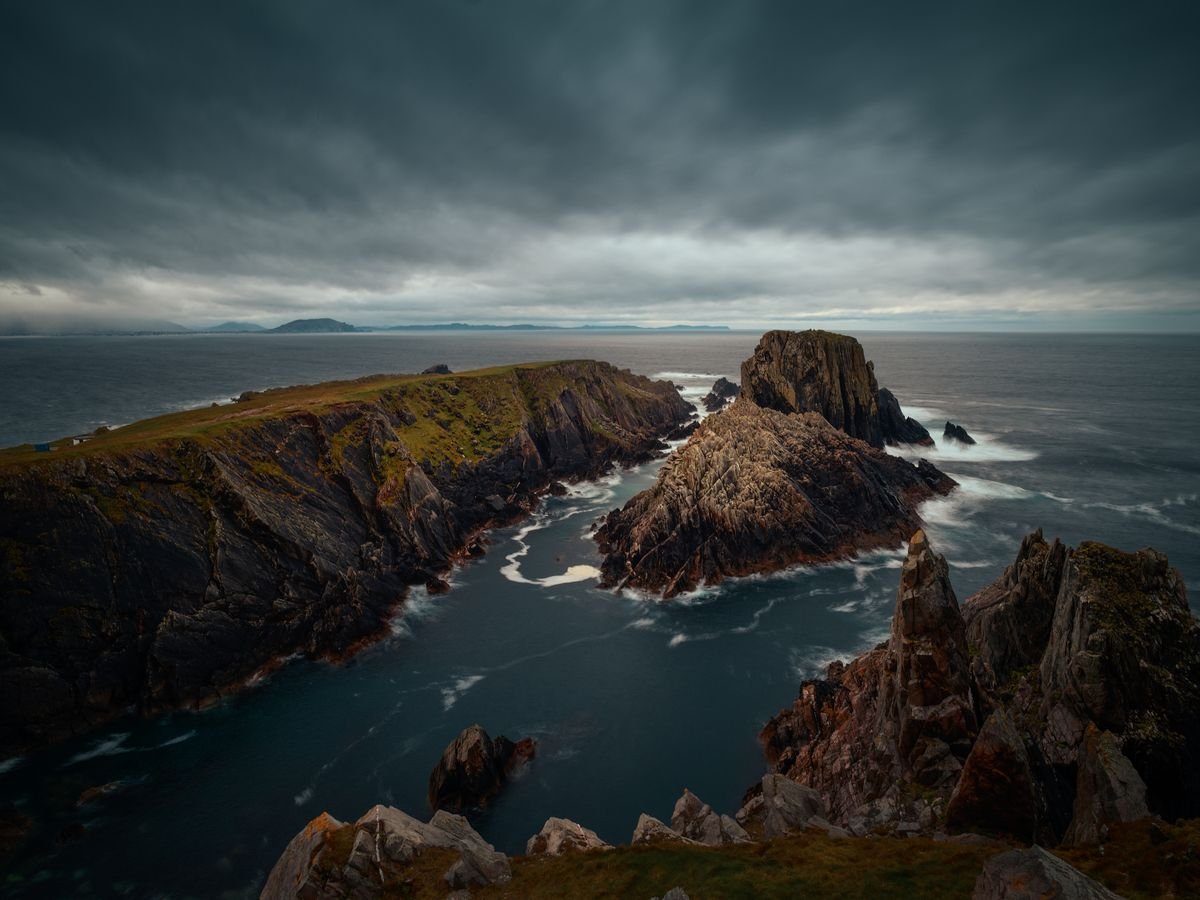
Summer is the season to come to Ireland if you only come once, and the best things to do in Ireland in summer all line up between June and August. You get the longest days of the year, the driest stretch of weather, and every ferry, festival, and whale-watching boat running at full tilt.
It’s busy, and there’s no getting around that. The Cliffs of Moher and the Ring of Kerry will be packed by midday in July, so the whole trick is timing.
Start early, save the famous spots for the edges of the day, and use those long evenings instead of cramming everything into the afternoon. An 8am start at a big site can have you sharing it with almost nobody.
Then mix the headline names with the smaller places. The trad festival in a Clare village or the coastal walk from Doolin is the part of the trip you’ll talk about later, not the line at the parking lot.
Book the few things that sell out, rent the car early, pack the rain jacket you’ll definitely use, and leave the rest loose enough to chase the dry weather. Do that and an Irish summer is hard to beat.
Like it? Pin it!
Save this guide for later