
I would choose May as the best month to visit Ireland for a first trip that includes cities, countryside, and the coast. As an Irish native who has explored the country in all seasons, I value the long evenings and spring flowers, but I would change that recommendation for a few very specific trips.

June gives you more daylight, September suits a trip after the summer vacation period, and July makes more sense when warmth matters most. A winter city break has a different answer again.
The best time to visit Ireland guide explains the wider seasons.
Compare Ireland’s Travel Seasons
- Visiting Ireland in Spring: The Complete Guide
- Ireland in Autumn: Best Places to Visit & Things to Do
- The Cheapest Time to Visit Ireland
| Month | Choose it for | Trade-off |
|---|---|---|
| May | A first trip with spring flowers and long evenings | Cooler than summer; early seasonal openings vary |
| June | Long outdoor days and island plans | Popular summer dates need advance booking |
| September | Travel after the main summer vacation period | Evenings shorten through the month |
| July | Warmer afternoons | Summer demand for rooms and attractions |
| January | Dublin museums and TradFest | Short daylight and limited seasonal trips |
Quick Answer:
May is my first choice for a mixed Ireland trip, with spring flowers and long evenings. Choose June for maximum daylight, September for a later trip, July for warmer afternoons, or January for Dublin museums and TradFest. Your essential activity can decide the month: confirm island landing seasons and event dates before booking flights.
Why May Is My Best Month to Visit Ireland

May combines enough daylight for a full sightseeing day with a good reason to spend time outdoors: spring flowering is still part of the trip. It is my first choice when someone wants an introduction to Ireland and has no fixed event or school vacation to work around.
Met Éireann identifies May and June as Ireland’s sunniest months. That describes measured sunshine, which is different from the hours between sunrise and sunset. You can have a long May day with cloud and showers, so I would still bring a waterproof jacket.
The Burren is a particular reason to choose May. Spring gentian and mountain avens grow among the limestone, and the national park’s nature guide explains the unusual mixture of plants found here. I would give a walk time for looking at the ground as well as the view.
May also comes before the main summer vacation period. A public holiday, concert, or festival can still fill rooms and raise prices in one town. Compare the actual nights you can travel before treating the month as a bargain.
For a flexible first visit, I would start by pricing a week in the middle of May. Move that week if your essential attraction has not opened or an event makes accommodation difficult. There is little value in choosing a statistically favorable month and then missing the main reason for your trip.
June or September: Which Alternative Fits You?
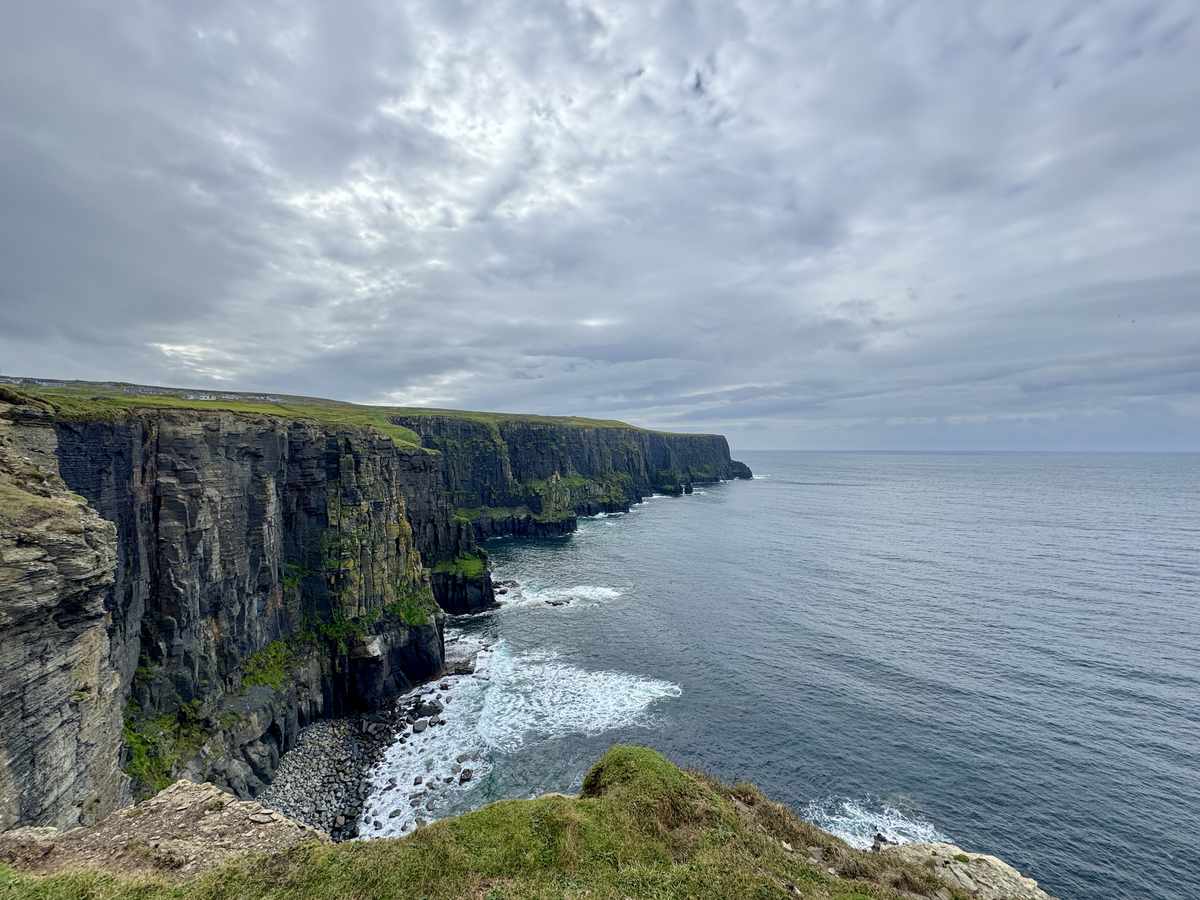
June is my alternative for outdoor time, while September is my alternative for travel after the main summer break. Both deserve to be compared with May using the same route and the same number of nights. That makes differences in price and practicality easier to judge.
Neither month guarantees dry weather. Their useful differences are daylight, seasonal access, and the dates on which you can travel.
June for Longer Days and Island Plans

Choose June when the trip depends on fitting walks, coastal stops, and driving into daylight. Dublin has roughly 17 hours between sunrise and sunset around the summer solstice. You do not need to use all of them, but an evening walk can fit after a full day out.
I would also look at June before early May for a trip centered on Skellig Michael. The official visitor season is limited, and opening arrangements depend on weather. Book an authorized landing operator, check the announced season, and keep time nearby for a possible rearrangement.
Long evenings do not make a packed route sensible. Keep overnight stops close enough that you can stop along the way, and give yourself a shorter first day after an overnight flight. An extra hour of light is more useful for enjoying a place than for reaching another distant hotel.
September for a Later Trip

Choose September when you want a trip after the main summer vacation period and are happy with shorter evenings than June. I would favor the earlier part of the month for a coast-heavy route, especially when a seasonal boat trip is on the list.
September can feel mild, but it is not a reliable promise of late-summer weather. Check your operator’s final sailing dates and leave enough time to reach accommodation before dark. Daylight reduces as the month progresses, which matters when comparing its first and last weeks.
I would choose May over September for spring flowers and June over September for the longest days. September wins for someone whose workable dates fall after summer, or whose preferred event takes place then. You do not need to move a well-planned September trip to May just to follow a general recommendation.
Choose a Different Month for a Specific Priority
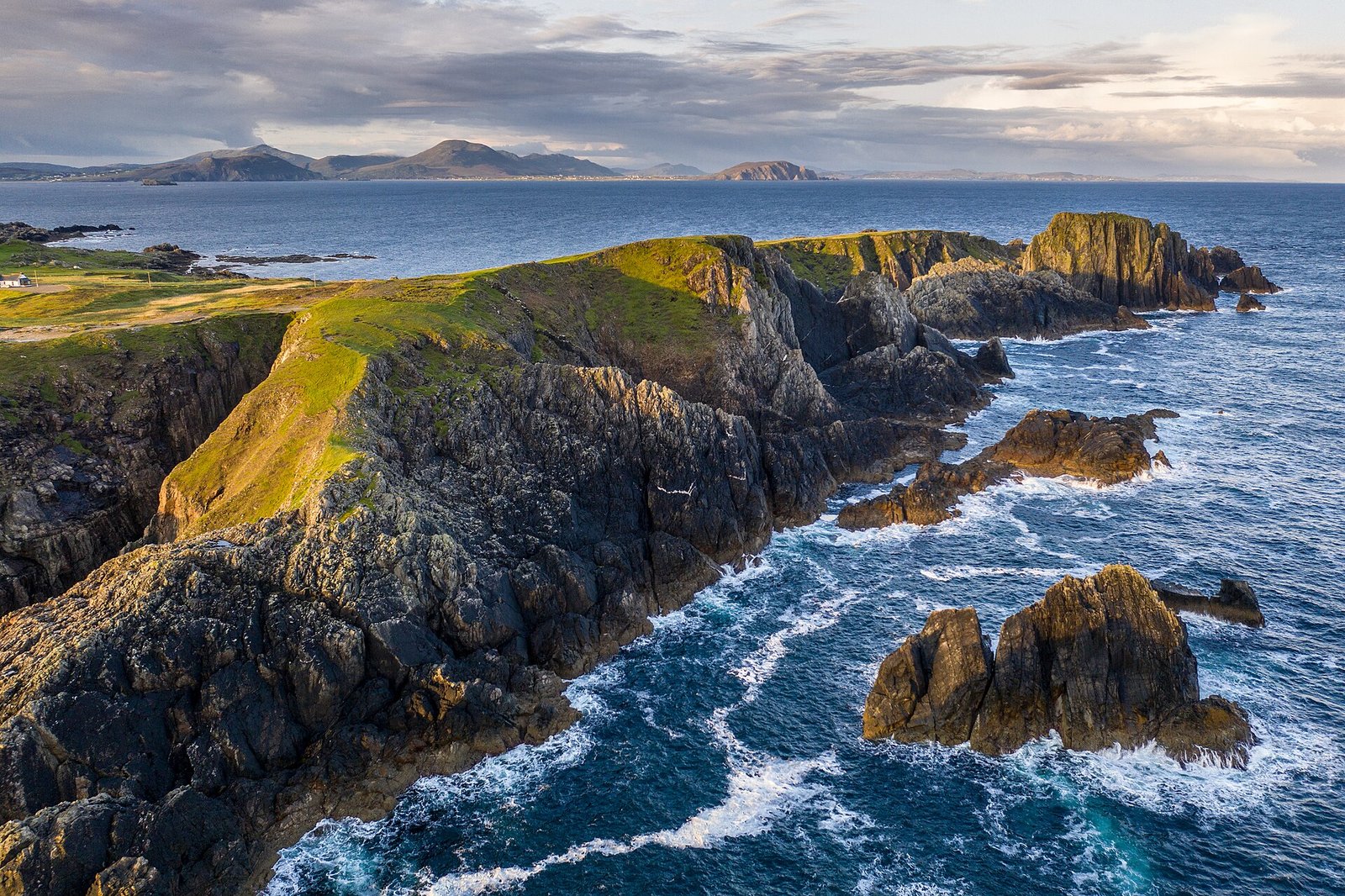
Your main reason for traveling can outweigh May’s general advantages. A traveler choosing between museums and an outdoor evening has different needs from someone planning a summer family vacation. I would make that priority explicit before comparing flights.
July When Warmth Matters Most

July is the month I would choose if warmer afternoons are your first concern. Dublin Airport’s average daily high is about 19.5°C (67°F), compared with 14.8°C (59°F) in May. Those are station averages, so they do not describe every afternoon or an exposed Atlantic headland.
This is still a trip for layers. Rain remains possible, and warm air does not establish safe swimming conditions. Choose beaches and water activities according to local advice and the conditions on the day.
For travelers tied to summer school vacations, I would accept the July dates and simplify the trip. Book the rooms that fit your group, reserve timed attractions, and spend several nights in each base. The ability to move a walk to another day is useful in any month.
January for an Indoor City Break
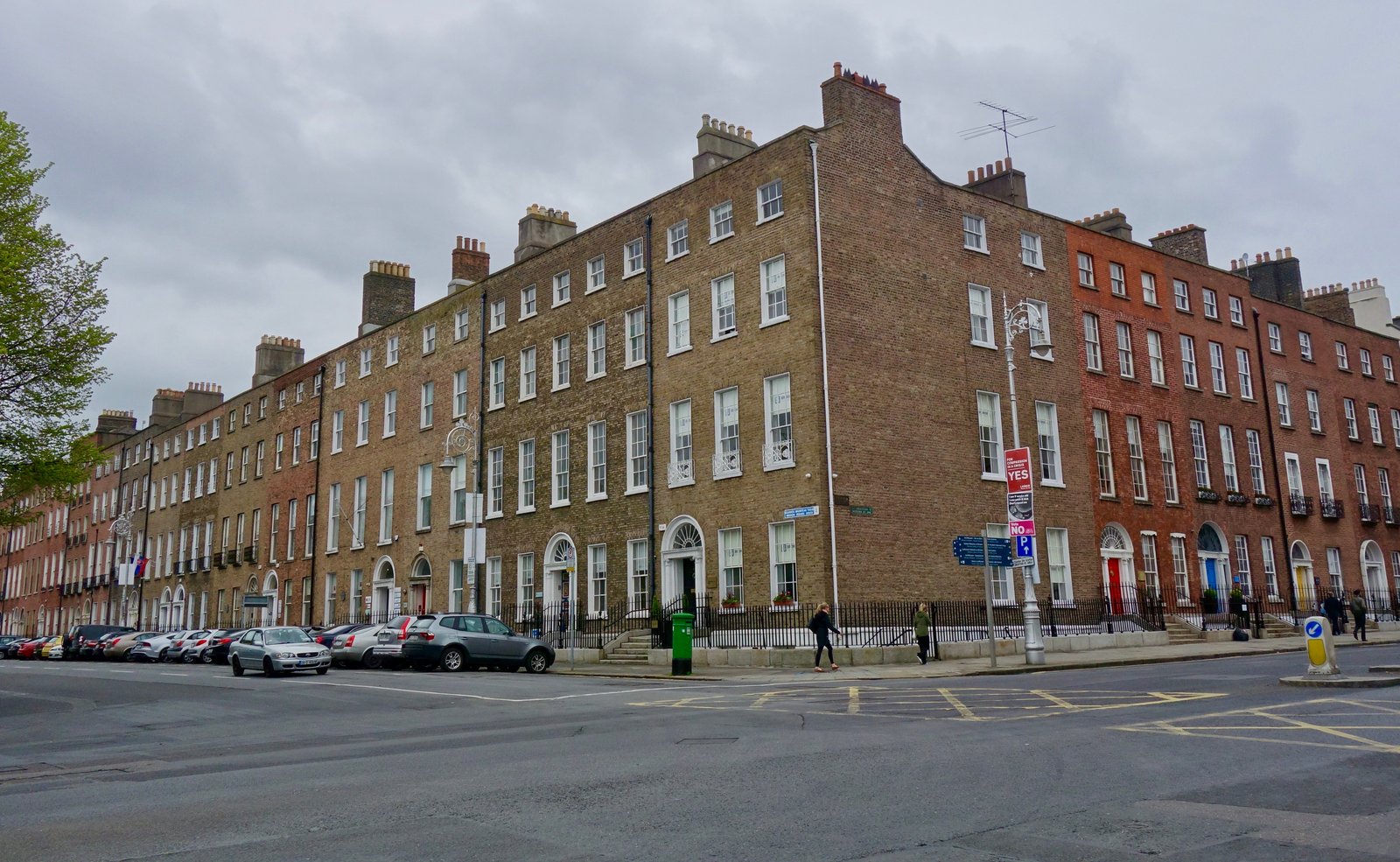
January wins my winter choice for a specific reason: TradFest takes place in Dublin that month. Pair a concert with daytime galleries and museums, and you have a trip whose main activities work after dark or indoors. I would choose January over February for that music program, rather than for a promised price difference.
On one day, visit the National Gallery of Ireland at Merrion Square and the National Museum of Ireland’s archaeology collection on Kildare Street. The gallery’s permanent collection and the museum are free to enter. Both are in the same part of central Dublin, so you can spend more time inside and less time traveling between sights.
For another day, leave room for the festival program and a meal before an evening performance. Tickets and accommodation around TradFest can change the cost of the trip, so January is my indoor-and-music recommendation. For someone who simply wants a winter city break, February is also reasonable and has longer days.
The Event Month When That Is Why You Are Coming
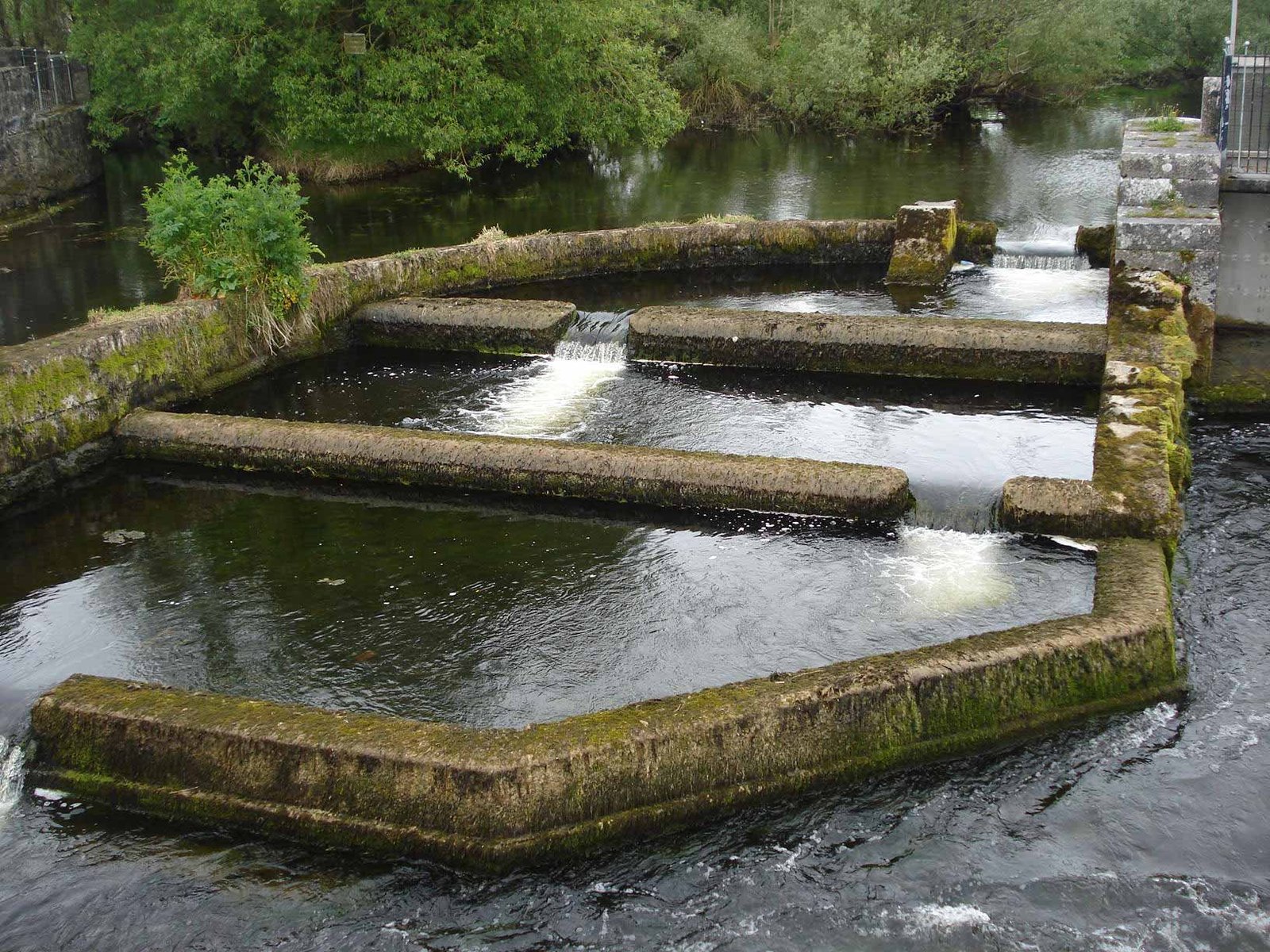
Choose the event’s month when attending it is the reason for your trip. Fleadh Nua brings traditional music and dance to Ennis in May, while Dublin’s Bloomsday Festival belongs to June. Their official programs should decide your dates before a general month ranking does.
Book accommodation in the event town first, then compare transport and any ticketed sessions. For a trip that has nothing to do with the event, check nearby nights as well. Moving one overnight stop can be more useful than changing an entire month.
Choose Dates for Your Ireland Stops
- Best Time to Visit Dublin: Month-by-Month Guide
- Best Time to Visit Cork: Month-by-Month Guide
- Best Time to Drive the Ring of Kerry (Month by Month)
Let Your Route Settle the Final Choice
For six nights flying into and out of Dublin, I would choose two nights in Dublin, three in Galway, and the final night back near Dublin. In May, that gives you a city day, two full days for western outings, and a return day before your flight. You can use the same allocation in June or September.
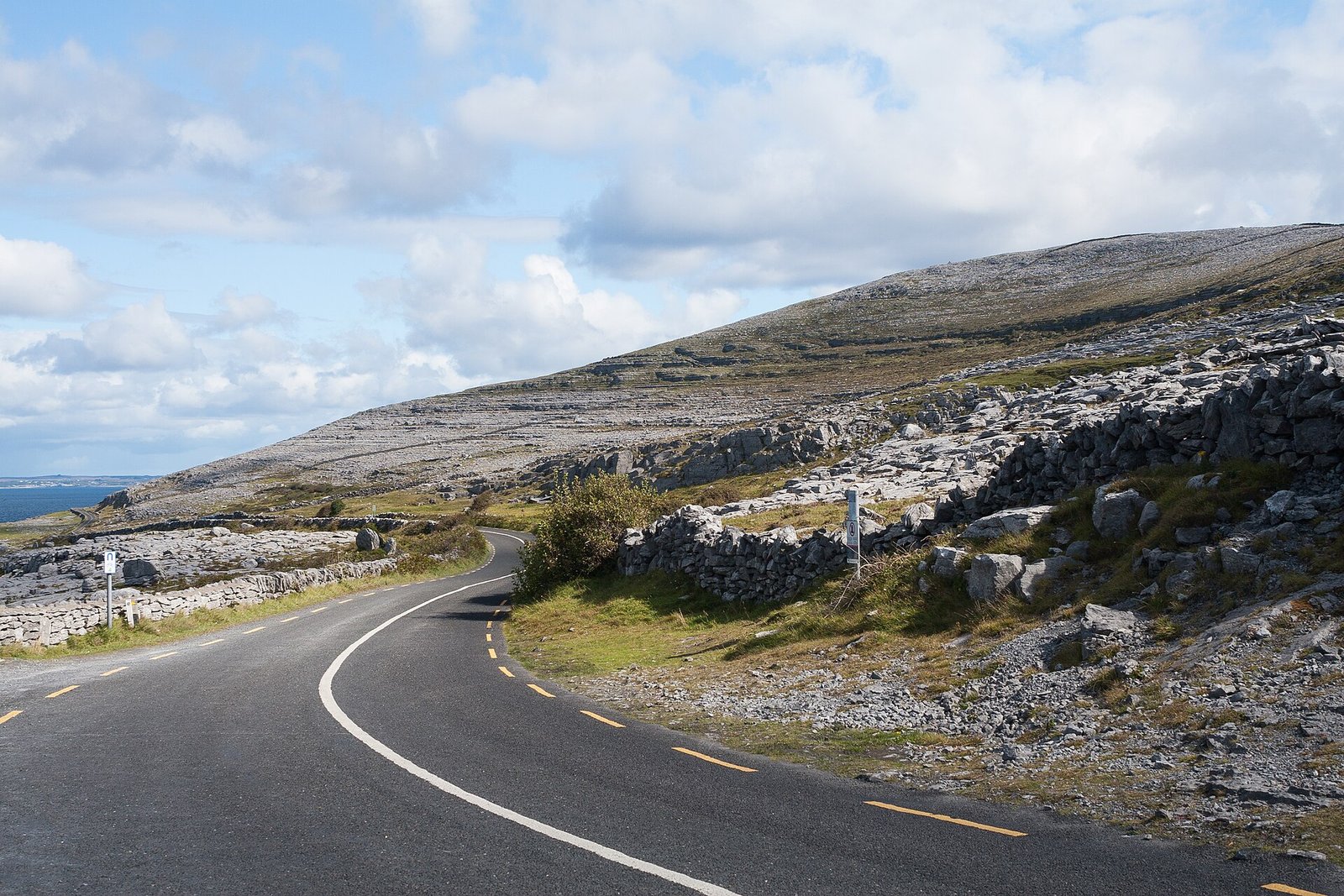
Give Connemara one of the full Galway days and the Burren the other. In May, I would favor time on a Burren walking trail for the flowers. June gives you more room for an evening stroll after returning, while September works for travelers who prefer their trip after summer.
Kerry needs a separate route. If Skellig Michael is the main reason for coming, I would replace Galway with a Kerry stay and allow at least two nights near Portmagee. June is my first month to investigate for that version because it falls within the normal landing season.

A spare day near the departure point gives you a chance to rearrange a canceled boat trip if the operator has room. It cannot guarantee a landing. Reserve the boat before arranging a route that depends on it.
For Fleadh Nua, put the nights you need in Ennis into your Clare plans. The map locates these alternatives so you can see why a Dublin-and-Galway week and a Kerry island trip need different overnight stops.
Compare Weather Without Expecting a Forecast
Weather averages help distinguish a cool spring trip from a warmer summer one. They are much less useful for deciding that a particular week will be dry. I would use the comparison below to choose clothing and trip style, then check the forecast close to departure.
The chart uses the same weather station for every month so that the comparison is consistent. Dublin Airport is an east-coast reference, and conditions on the west coast or in the mountains can differ considerably.
Notice that September’s typical daytime temperature is higher than May’s at this station. That gives you a reason to prefer September if mild afternoons matter more than spring flowers. It does not tell you which month will have better visibility on your own coastal drive.

Rainfall totals also need care. A monthly total cannot tell you how many of your vacation days will be wet, how long showers will last, or whether your chosen ferry will sail. I would keep one changeable outdoor day in each base rather than trying to find a rain-free month.
Pack for the cooler part of the day as well as the afternoon. A waterproof outer layer, a warm middle layer, and shoes suitable for wet paths are useful even in my preferred months. Your daily plans can change with the weather without changing the purpose of the trip.
Check These Dates Before Booking Flights
Compare complete trips before committing to a month. A lower airfare can disappear as a saving if the only suitable room costs more or the route requires extra rental days. Price the same number of nights and the same standard of accommodation for each option.
Check school breaks and public holidays for the places you will visit. Easter changes position within spring, and a break can affect demand beyond the holiday itself. Festival schedules, large concerts, and sports fixtures also deserve a check in each overnight town.
For a driving trip, compare rental prices on Discover Cars with the coverage, pickup location, and rental conditions you need. Then decide which days actually require a car. A few nights in central Dublin may not need the same arrangement as the rest of a west-coast trip.
I would book in this order: the date-sensitive experience, the accommodation near it, and then the rest of the route. Read cancellation terms before paying. Leave at least one day whose outdoor plan can move, particularly when an island visit is important.
Plan Ireland’s Coast and Your Route
- Best Time to Visit Skellig Michael
- Best Time to Visit the Cliffs of Moher: Beat the Coaches
- 5 Day Ireland Itinerary: Dublin, Cork & the West Coast
Where to Stay Once You Have Chosen a Month
For the Dublin-and-Galway trip above, choose between being able to walk to city sights and having a base outside the center.

These six properties offer different locations and room arrangements. Their Booking.com pages let you price the same stay across your shortlisted months.
Dublin for a Short City Visit

The Merrion Hotel is the splurge choice on Upper Merrion Street, opposite Government Buildings and close to the gallery and museum area. Henrietta Suites City Centre is an apartment option on the north side of the city, with kitchenettes useful for a longer stay or meals indoors.
Avoca House is a B&B in the residential Iona area between Glasnevin and Drumcondra. I would choose it for a neighborhood stay near the Botanic Gardens, with a bus or taxi into the main sightseeing area. For a short January museum break, the Merrion’s south-central location is the more convenient of these choices.
Places to Stay in Dublin
Galway for Connemara and the Burren

Park House Hotel is on Forster Street by Eyre Square, near Galway railway station. It is my central hotel choice for arriving by train and walking into the city. The Lane, also on Forster Street, is a smaller accommodation option near the same transport area.
Sea Breeze Lodge B&B is the alternative in Salthill, away from the center and closer to Galway Bay. Choose it for time on that side of the city; choose the Forster Street properties when you want central evenings on foot. I would keep all three Galway nights at the same property.
Places to Stay in Galway
In short
- May suits a first trip mixing cities, countryside, and coast.
- Use the same route and number of nights when comparing months.
- Reserve seasonal island landings and event accommodation before flights.
Frequently Asked Questions
What is the best month to visit Ireland for a first trip?
I would choose May for a first trip mixing cities, countryside, and the coast. Long evenings and spring flowers make it a useful all-round choice. Choose June instead when the longest outdoor days or a seasonal island landing matter more.
Is May or September better for Ireland?
Choose May for spring flowers and longer evenings. Choose September for travel after the main summer vacation period; its average daytime temperature at Dublin Airport is also higher than May’s. Neither month guarantees dry weather.
Which month is warmest in Ireland?
July is the warmest month in the Dublin Airport climate averages used here, with an average daily high of 19.5°C (67°F). Exposed coasts and mountain areas can feel colder, so bring layers and a waterproof jacket.
Is January a good month to visit Dublin?
January suits a short city trip built around museums, galleries, and TradFest. Entry to the National Gallery’s permanent collection and the National Museum’s archaeology collection is free. Book festival performances separately and check their locations.
How should I divide six nights on a first Ireland trip?
I would spend two nights in Dublin, three in Galway, and the final night near Dublin before flying home. Give Connemara and the Burren separate full days from Galway. For a trip centered on Skellig Michael, replace the Galway stay with time in Kerry.
My Month Choice for a First Ireland Trip
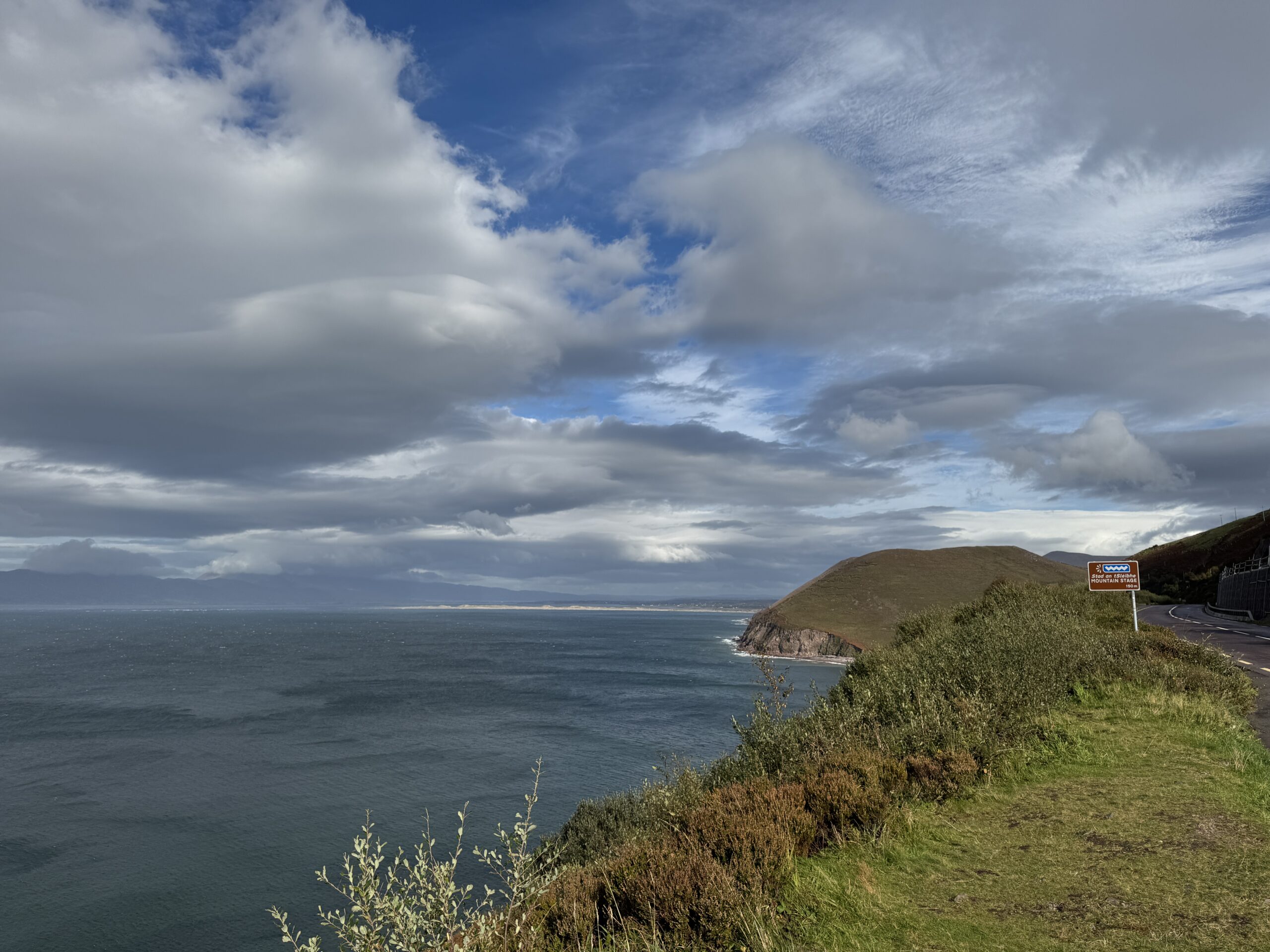
Choose May for a first trip with a mix of cities, countryside, and the coast. Move to June for longer outdoor days, September for a later trip, or July when warmer afternoons matter most. January is my alternative for a short indoor city break.
I would now put two possible weeks beside each other and price the same route for both. Check the one experience you care about most, compare rooms in the same bases, and choose the week that works. That gives you a month, a route, and accommodation that fit the trip you want.
Like it? Pin it!
Save this guide for later