
A bright evening on the west coast, a warm afternoon in Dublin, and a week with less rain are three different versions of good weather in Ireland. The best time to visit Ireland for good weather depends on which matters most to you.
May and June are my first choices for a trip with plenty of outdoor sightseeing. For the highest average temperatures, look at July and August. If rain is your main concern, April and May deserve attention, but the part of Ireland you visit makes a substantial difference.
Our guide to the best time to visit Ireland covers the wider choice of seasons, events, and travel priorities. Here, I will compare the weather measures that actually help you choose dates, using Met Éireann’s long-term climate averages.
Quick Answer:
May and June are my first choices for the best time to visit Ireland for good weather, especially for sunshine and outdoor sightseeing. July and August offer warmer average afternoons. April and May have the lowest national rainfall averages, but the east is generally drier than the west.
Choose Your Month Around the Weather You Want
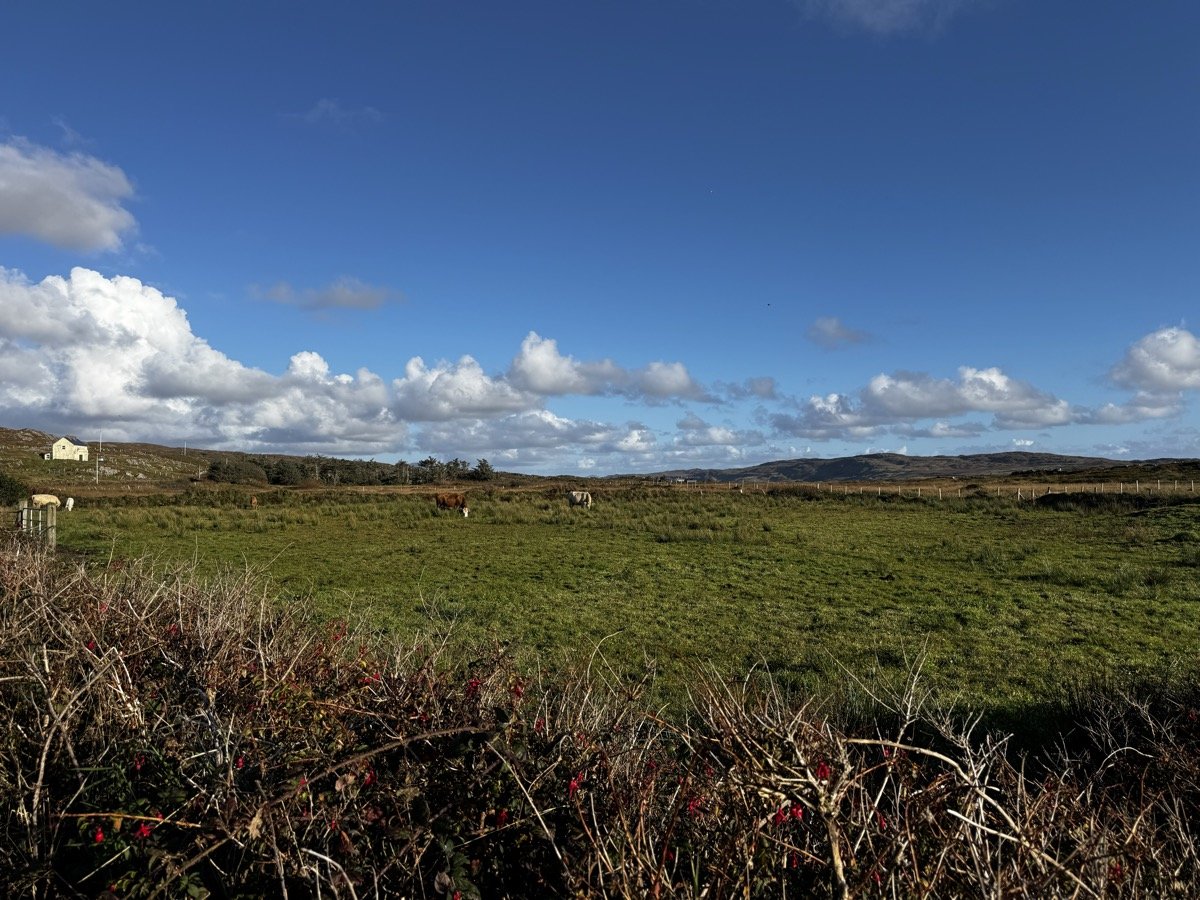
For sunshine, start with May and June. Met Éireann identifies these as Ireland’s sunniest months, with most of the country averaging around five to six and a half hours of sunshine a day. That is a stronger reason to choose early summer than an assumption that August must be sunniest because it feels warmer.
For warmth, July and August are the better starting points. At Dublin Airport, the average daily high reaches 19.5°C (67°F) in July and 19.1°C (66°F) in August. May’s equivalent is 14.8°C (59°F). Those few degrees can matter if you enjoy sitting outside for lunch or feel cold easily.
Compare Spring and Summer Trips
- Ireland in May: Weather, Trip Plans and What to Book
- Ireland in June: What To Wear and Pack
- Ireland in August: Everything You Need to Know
For lower rainfall, the national long-term averages put May first at 79 mm and April next at 82 mm. This is rainfall across the country, not the total for every town. A dry-looking month on a national chart can still bring a wet week to your particular route.
My preference is June when weather is the main reason for choosing the dates. It combines long evenings, a strong sunshine average, and more warmth than May. Choose May if slightly cooler afternoons suit your walking and sightseeing plans. Neither choice calls for leaving your rain jacket at home.
Sunshine, Daylight, and Rainy Days Mean Different Things
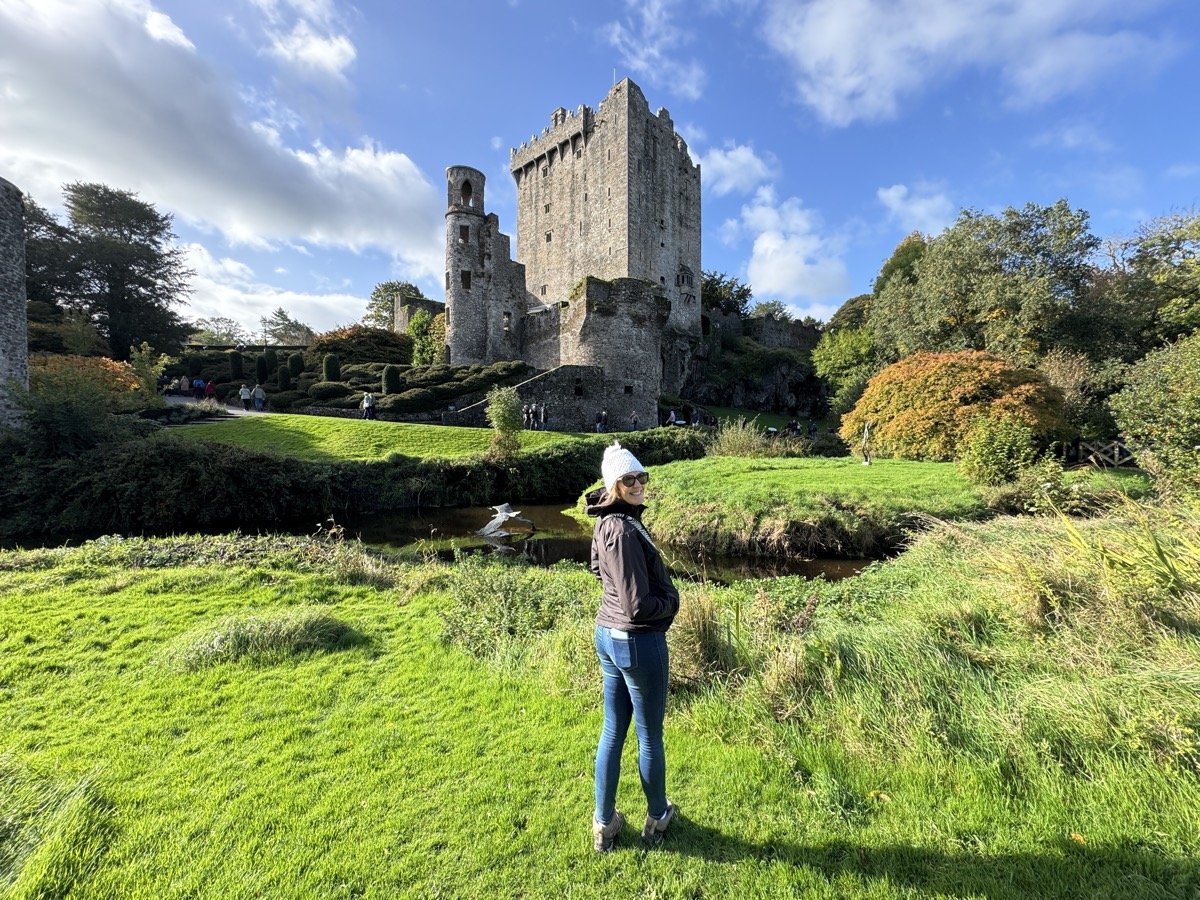
Daylight is the time between sunrise and sunset. Sunshine is the time the sun is actually shining. Around the June solstice, Dublin has about 17 hours of daylight, but its June sunshine average is six hours a day. You can have a long day under cloud without losing all that time for sightseeing.
The extra evening light is useful even when the weather is mixed. A wet morning need not use up your only opportunity for a coastal walk. You can move a shorter outing later, provided access and transportation still fit. An attraction’s closing time does not move with sunset.
A rainy day is also a measurement with a threshold. Dublin Airport averages 14.8 June days with at least 0.2 mm of rain, but 9.8 days with at least 1 mm. A day with a small shower can count in the first figure; neither number means that rain lasts all day.
I would therefore compare monthly temperature, sunshine, and rainfall together rather than use a single rainy-day count to reject a month. For deciding what to do tomorrow, the hourly forecast is much more useful than any of these long-term figures.
The East and West Need Different Expectations
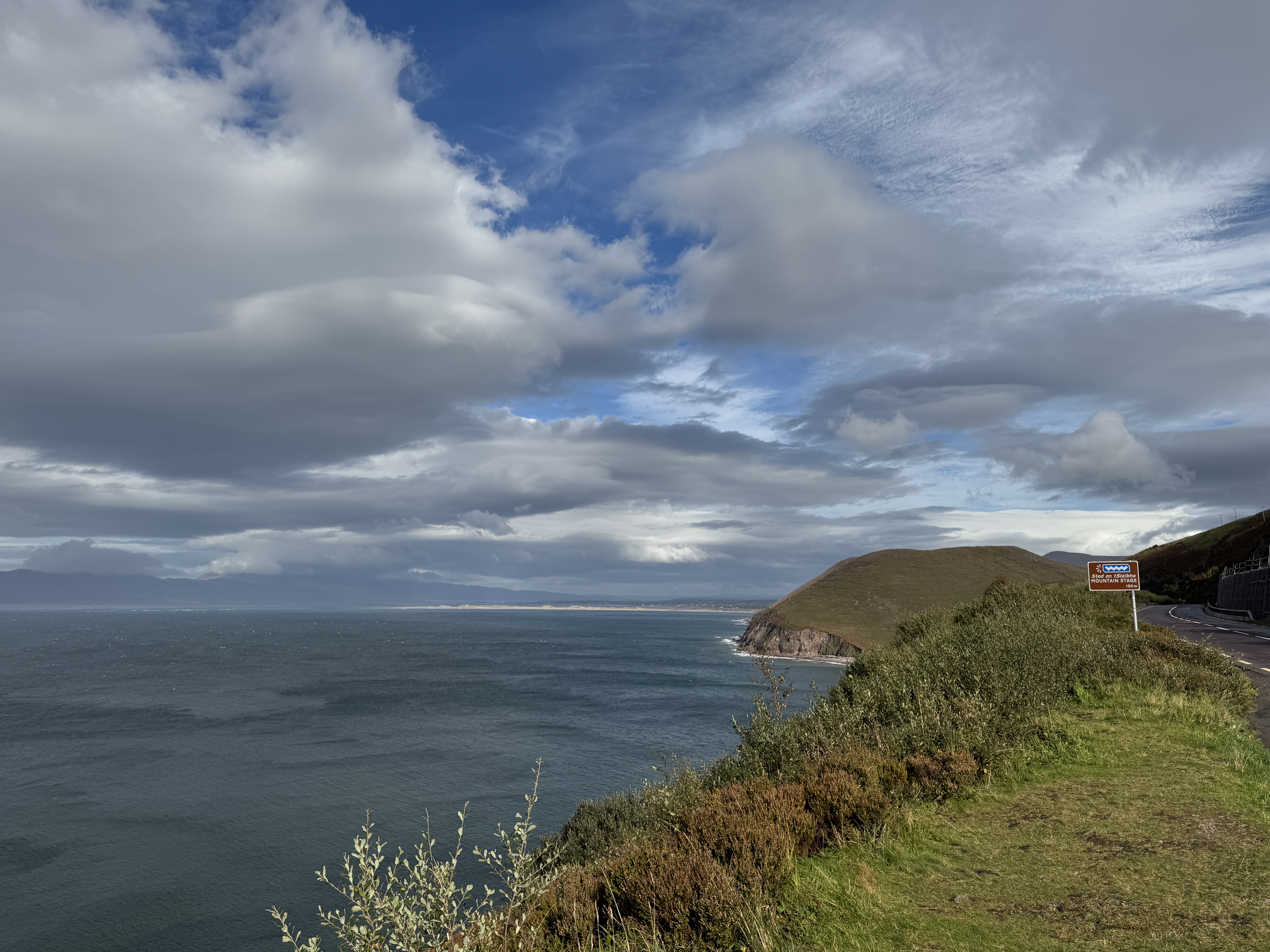
Met Éireann’s rainfall overview puts much of eastern Ireland between 750 and 1,000 mm a year, compared with around 1,000 to 1,400 mm in much of the west. Mountain districts can exceed 2,000 mm. These regional differences are large enough to matter when you are choosing an outdoor itinerary.
The two stations on the map make that contrast concrete. In May, Dublin Airport averages 57 mm of rain, while Valentia Observatory in County Kerry averages 94.4 mm. Across the full year, their totals are about 773 mm and 1,647 mm respectively.
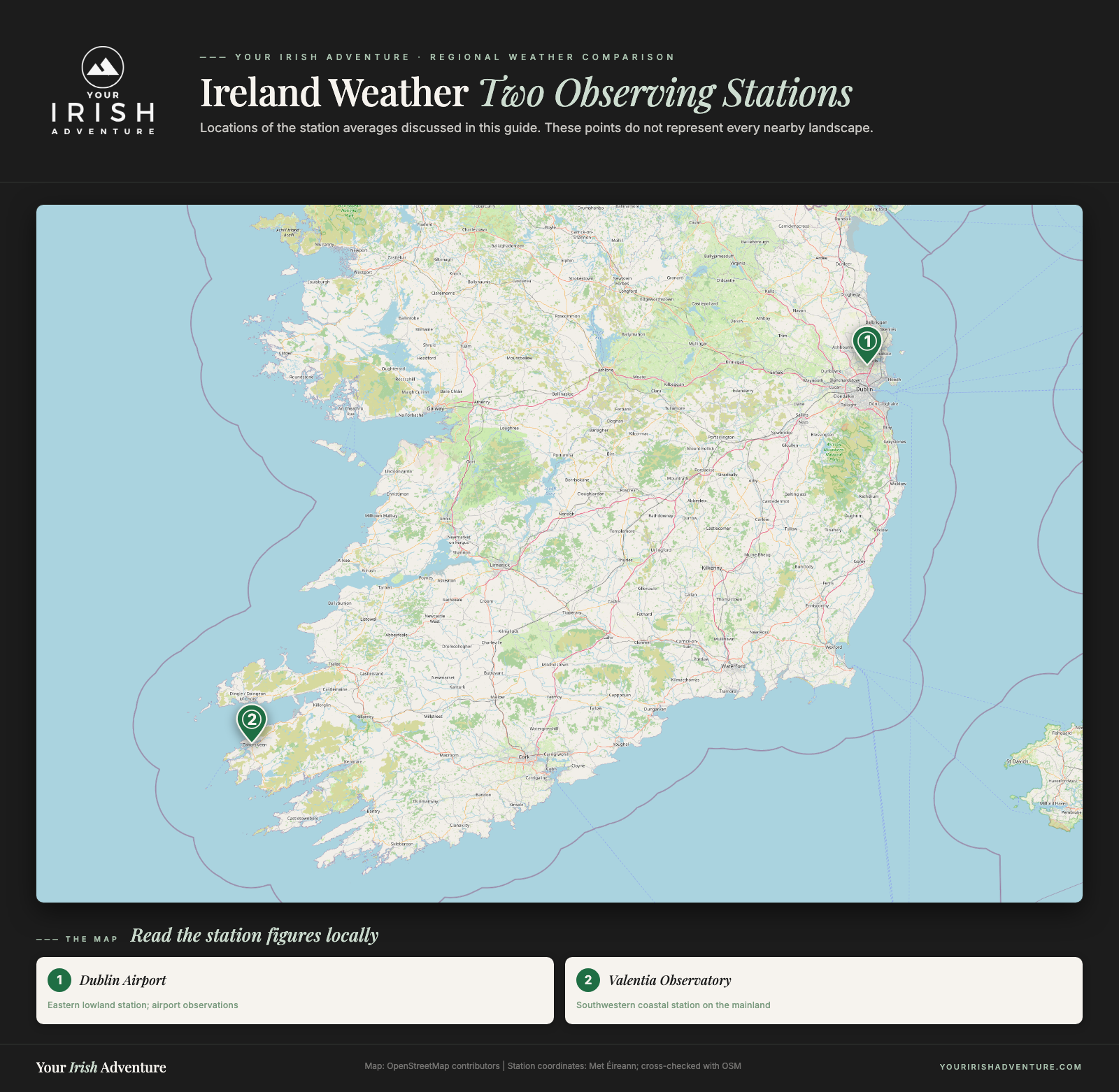
Valentia Observatory is on the mainland near Cahersiveen, despite its name. Its coastal position gives us a useful southwest comparison, but it does not describe every mountain, sheltered garden, or beach in Kerry. Dublin Airport is also one observing site, not a forecast for every stop on an eastern route.
If minimizing rain is more important than a particular landscape, consider spending more of your trip in the east. If Connemara or Kerry is the reason you are coming, choose those places and allow several days there. Moving the whole trip east to avoid rain would defeat the purpose.
Choose Places for Outdoor Time
- Fun Things To Do in Wexford: Ireland’s Sunny Southeast
- The Best Beaches in Ireland: 20 Picks for Every Part of the Country
- A Photographer’s Definitive Ireland Road Trip
The southeast has a sunshine advantage too: Met Éireann notes that the extreme southeast averages more than seven hours a day in early summer. That supports considering a southeastern base, without promising sunshine at a particular beach on a particular afternoon.
April to September: Compare Warmth and Rainfall
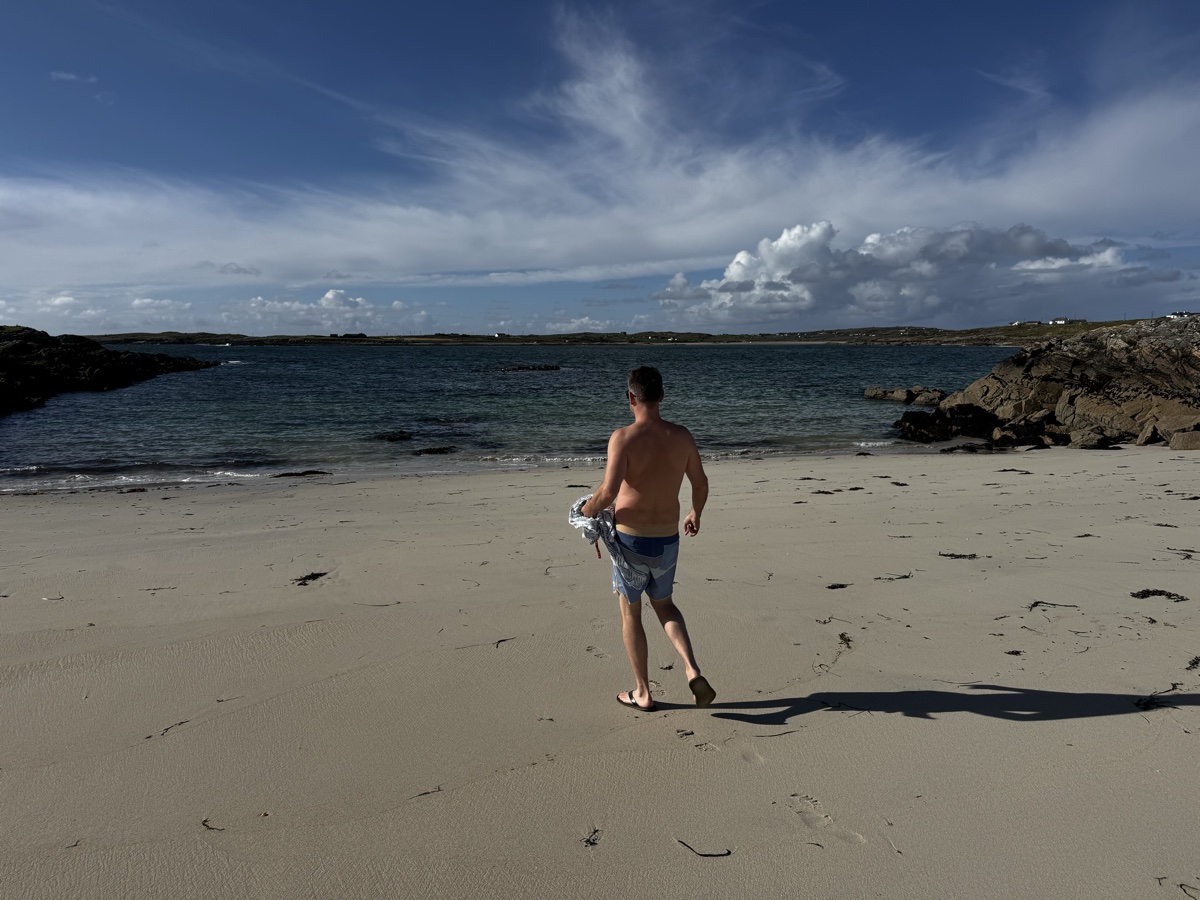
The planning graphic below compares what each part of the season offers. The temperatures discussed here are average daily highs at Dublin Airport, not the highest temperatures you could encounter. Use them to compare months rather than predict your afternoon.

April is a reasonable choice if you prefer cool-weather sightseeing. Dublin’s average high is 12.3°C (54°F), noticeably below June’s 17.7°C (64°F). Bring a warm layer for mornings and evenings, and do not treat the relatively low national rainfall as summer beach weather.
May offers a useful middle position: longer days, more warmth than April, and strong sunshine averages. June adds another step in temperature and the longest evenings. For a walking trip that mixes towns with countryside, these are the two months I would compare first.
July and August suit travelers who put warmth above the sunshine average. Dublin’s July and August sunshine figures are both five hours a day, below May’s 6.4 and June’s six. Warmest and sunniest are different choices even within summer.
September retains some warmth. Dublin’s average daily high of 16.9°C (62°F) is above May’s, although the evenings are shorter and the sunshine average is lower. It can suit a later trip when you do not need midsummer light for your plans.
There is no steady month-by-month fall or rise in rainfall across these six months. Dublin’s July total is below June’s, while Valentia’s July total is higher. That is why I would not label one summer month the dry month for the whole island.
March, Autumn, and Winter: The Weather Trade-Off
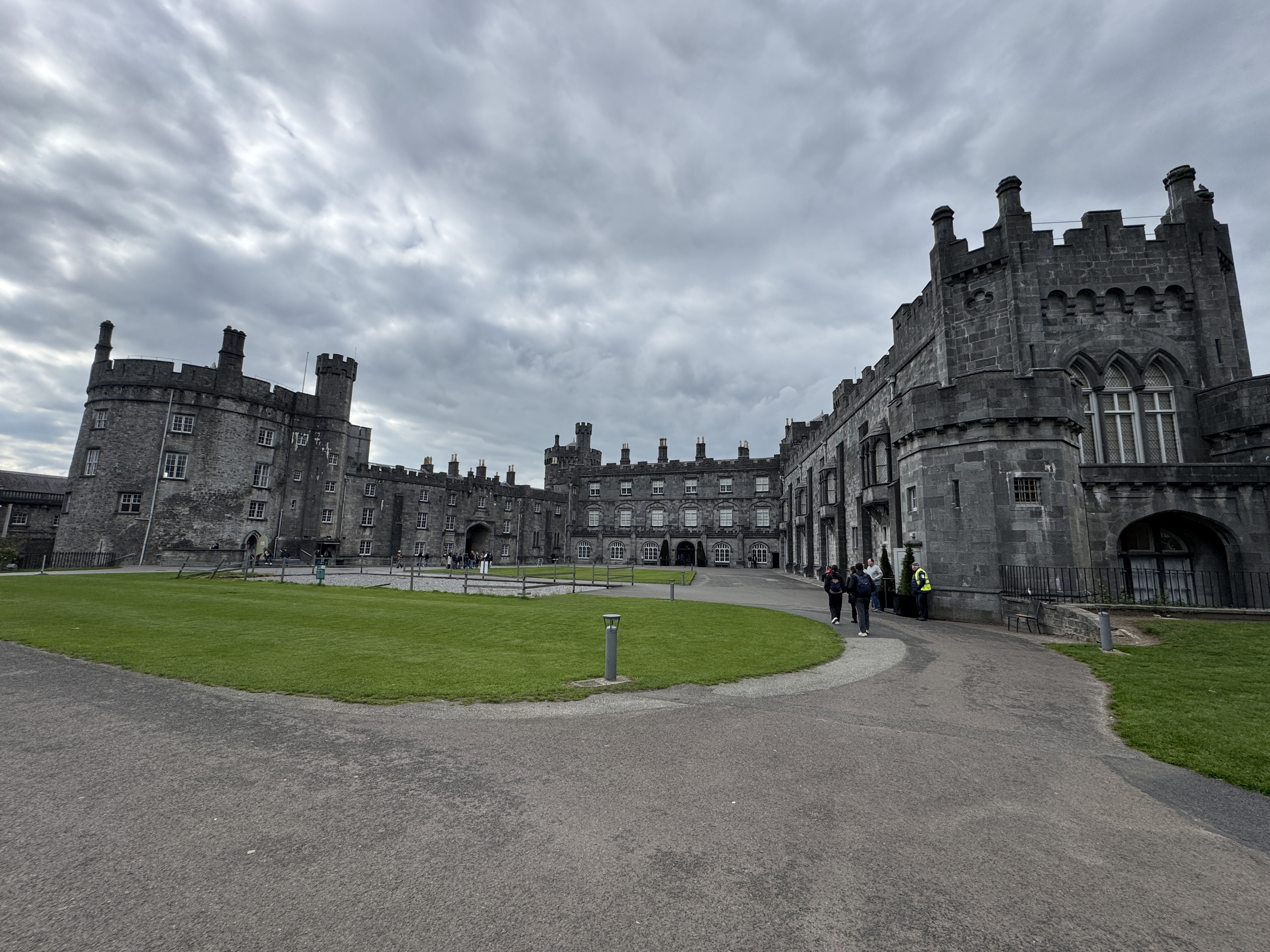
March is cooler than the late-spring months: Dublin Airport’s average daily high is 10.1°C (50°F). It also happens to have the lowest monthly rainfall total in that station’s long-term table, at 51.4 mm. That does not contradict May being driest nationally; the figures describe different areas.
October and November move the choice further toward shorter outdoor outings and indoor visits. At Valentia, average rainfall rises from 129.8 mm in September to 173 mm in October and 189.2 mm in November. For a Kerry trip built around scenery, that is a meaningful change from May’s 94.4 mm.
Winter’s shorter daylight is a separate limitation. Around the December solstice, Dublin has roughly seven and a half hours between sunrise and sunset. You can still plan a city break with museums and meals, but a long list of rural stops fits less comfortably into the day.
If your priority is the best time to visit Ireland for fewer crowds, the answer may move toward winter or the shoulder months. That is a different trade-off from choosing dates for warmth and sunshine. Decide which matters more before comparing flights.
Use the Local Forecast for Outdoor Plans
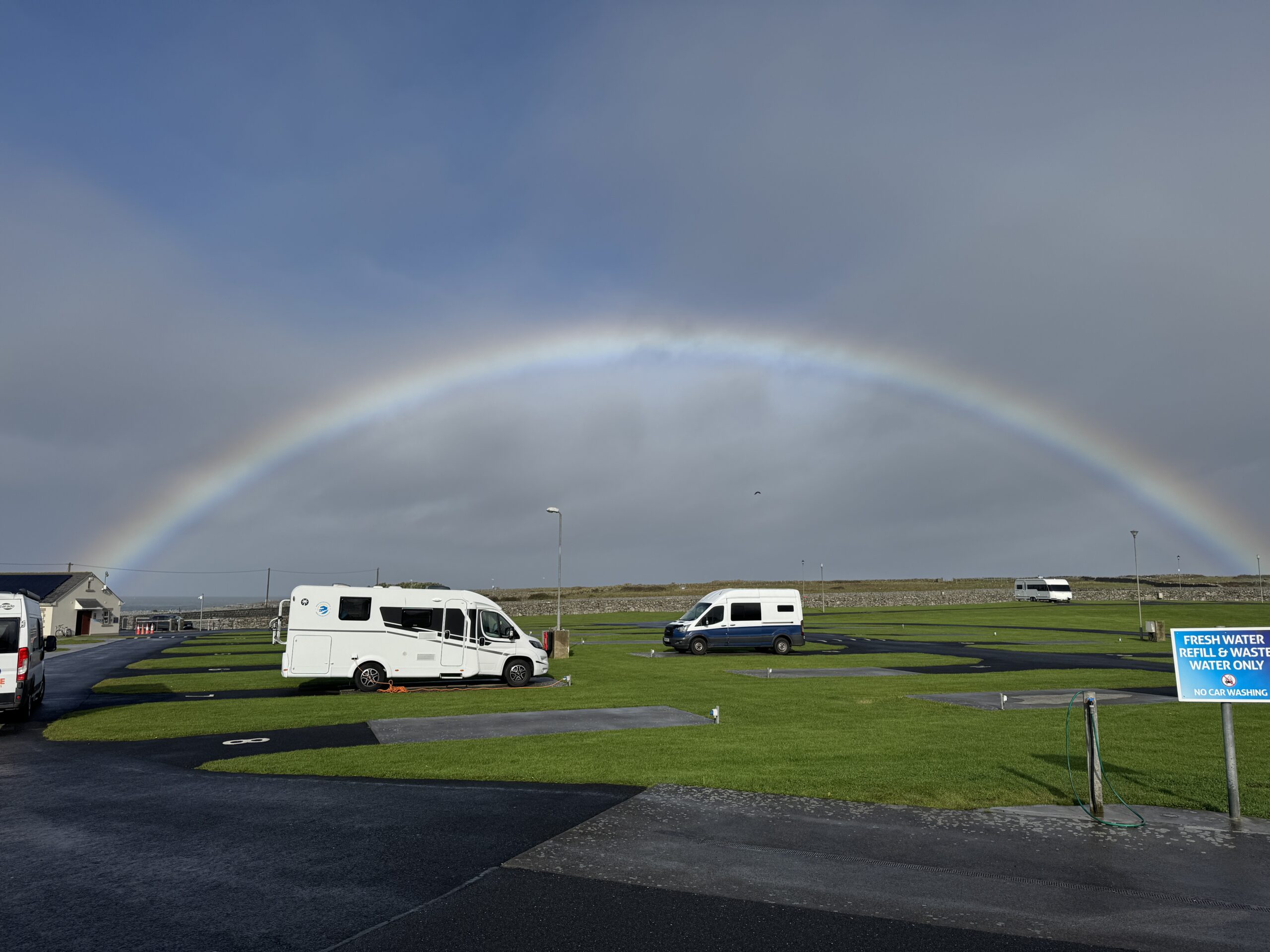
Climate averages help choose a season. They cannot tell you whether Tuesday is the right day for a ferry, exposed headland, or hill walk. Use Met Éireann’s current forecast for the place you will actually be, then look at the timing of rain, wind, and visibility together.
A practical plan is to keep your longest outdoor day within a stay of several nights. Put an indoor visit on the wetter day and use the better forecast for the countryside. This works more easily than changing accommodation every morning, when each day already has a fixed journey attached.
For hill walking, read the mountain forecast rather than applying an airport temperature to the summit. Met Éireann adjusts mountain air temperatures for elevation and highlights gusts when assessing wind. The conditions at your starting point may be quite different from those higher up.
Check current weather warnings before setting off, and follow any closure or operator advice for your activity. A good monthly average does not outweigh a warning on your actual dates. For a boat trip, the operator’s sailing decision matters more than a sunshine symbol on a town forecast.
Pack for the Day, Including the Cooler Hours

A waterproof jacket with a hood, a warm middle layer, and a few lighter tops cover a useful range of conditions. Keep the jacket accessible in your day bag instead of beneath the luggage in your room or car. Add shoes suited to the ground you intend to walk on.
The daily high is only part of the temperature range. Dublin Airport’s average May low is 6.6°C (44°F), compared with its 14.8°C (59°F) average high. Someone packing only for an afternoon in the sun will have different expectations from someone waiting outside early in the morning.
For coastal outings, bring a layer you can put on when you stop moving. For wet paths, prioritize grip and keeping a spare layer dry. Sunglasses and sun protection belong in the bag too; preparing for rain does not mean assuming the sun will never appear.
Before departure, adjust the layers to the current forecast for your actual route. You do not need a different wardrobe for every month in the table, but an April trip and an August trip should not have identical expectations.
Prepare for Sun and Rain
- Ireland Packing List for April: Spring Is In The Air
- Ireland Packing List for May: Summer Is Here
- 7 Things To Do In Dublin When It Rains
Before You Choose Your Dates
- Compare sunshine, temperature, and rainfall separately.
- Choose May or June for sunshine and long outdoor days.
- Expect regional differences between the east, west, and mountains.
- Use the local forecast to choose the actual outdoor day.
Ireland Weather FAQs
What is the best month to visit Ireland for good weather?
June is my first choice for a combination of sunshine, mild afternoons, and long evenings. May is another strong option for outdoor sightseeing. Choose July or August if warmer average temperatures matter more than the sunshine average.
What are the sunniest months in Ireland?
Met Éireann identifies May and June as the sunniest months, with most of Ireland averaging around five to six and a half hours of sunshine a day. Sunshine is different from daylight, so long summer evenings do not guarantee clear skies.
What is the driest month in Ireland?
May has the lowest national long-term rainfall average, followed by April. Individual stations differ: March has the lowest monthly total at Dublin Airport. These averages help compare dates but cannot predict rain during your particular trip.
Is July or August warmer in Ireland?
At Dublin Airport, July has a slightly higher average daily maximum than August: 19.5°C compared with 19.1°C. Both are warmer than May and June there. Regional and daily conditions vary, particularly on exposed coasts and in the mountains.
Does western Ireland get more rain than eastern Ireland?
Generally, yes. Met Éireann reports higher annual rainfall across much of the west than the east, with mountain areas wetter still. Dublin Airport and Valentia Observatory illustrate the difference, but neither station describes every nearby landscape.
Should I bring waterproof clothing in summer?
Yes. Bring a waterproof jacket with a hood, a warm layer, and footwear suited to your planned walks. Keep rain protection accessible during the day and use the local forecast to adjust your plans. A summer date does not remove the possibility of rain or cool wind.
My Choice: The Best Time to Visit Ireland for Good Weather
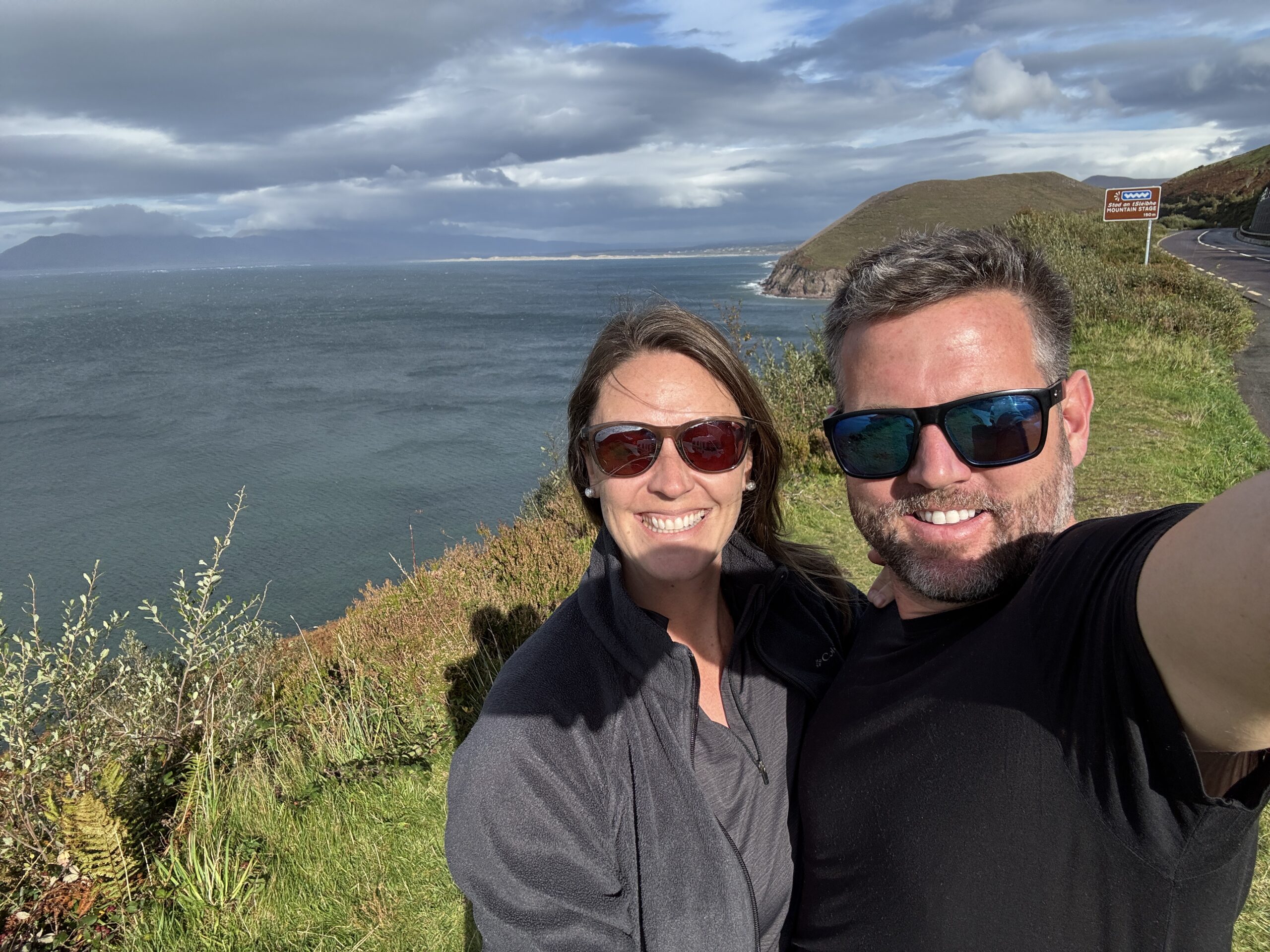
I would book June for the combination of sunshine, mild afternoons, and long evenings. May would be my next comparison, especially for a trip with plenty of walking. Choose July or August instead when warmer average temperatures matter more than the sunshine average.
Then choose the region deliberately. Eastern and southwestern station averages differ considerably, and a mountain day needs a separate forecast. Once those choices are made, give your outdoor plans enough room to move within the trip.
Like it? Pin it!
Save this guide for later