August is the best month to visit Ireland, and the most expensive, for the same reason: it’s peak summer and the whole country is in on it. The days run from about 6am to past 9pm, the sea is finally warm enough to actually swim, and there’s a festival or a trad session on most nights. The flip side is the crowds and the cost. Rental cars sell out, rooms in the popular towns go fast, and the restaurants you actually want book up weeks ahead.
Full disclosure before we go further: we did our own trip in late September, right at the edge of shoulder season. So August is busier and pricier than what we saw, and where that changes the advice I’ll flag it.
Even in late September we couldn’t get a table at a couple of places we’d planned on in Galway, and that was the quiet shoulder. In August you book ahead or you miss out, full stop.
So here’s what August actually looks like on the ground: the weather you’ll really get, what costs more, what to book early, and where the crowds are worth it.
More on Visiting Ireland in Summer
- Cool Festivals to Check Out In Ireland In August
- Fun Festivals and Exciting Events in Ireland This July
- Ireland in June: What To Wear and Pack
Quick Answer:
Ireland in August means light from 6am until past 9pm, sessions most nights at the pubs, and the best odds of dry afternoons you’ll get in this country. It also means higher rates on rental cars and rooms, restaurants that book out weeks ahead, and crowds at every well-known spot. That’s the trade you’re making.
The pros and cons of visiting Ireland in August
August is the one month where the weather, the daylight, and the energy all line up at once. That’s the case for going. The case against is everyone else figured that out too, so you’re sharing it.
Neither side cancels the other out. You just need to know which trade you’re making before you book.
The advantages
The daylight is the big one. In August the sun is up by about 6am and you’ll still have light past 9pm, so a single day can hold a morning hike, an afternoon on the coast, and a session that night without you ever feeling rushed.
You also get Ireland’s warmest, driest stretch of the year. It still rains, this is Ireland, but August gives you the best odds of dry afternoons on the cliffs and a real chance to swim. I swam in the Atlantic on our trip and it was cold even in late September, so August water is about as good as it gets here.
And the country is fully switched on. Festivals are running constantly, the trad sessions are full every night, and the pubs are at their best. That atmosphere we walked into in Galway is everywhere in August, not just in the big cities.
The disadvantages
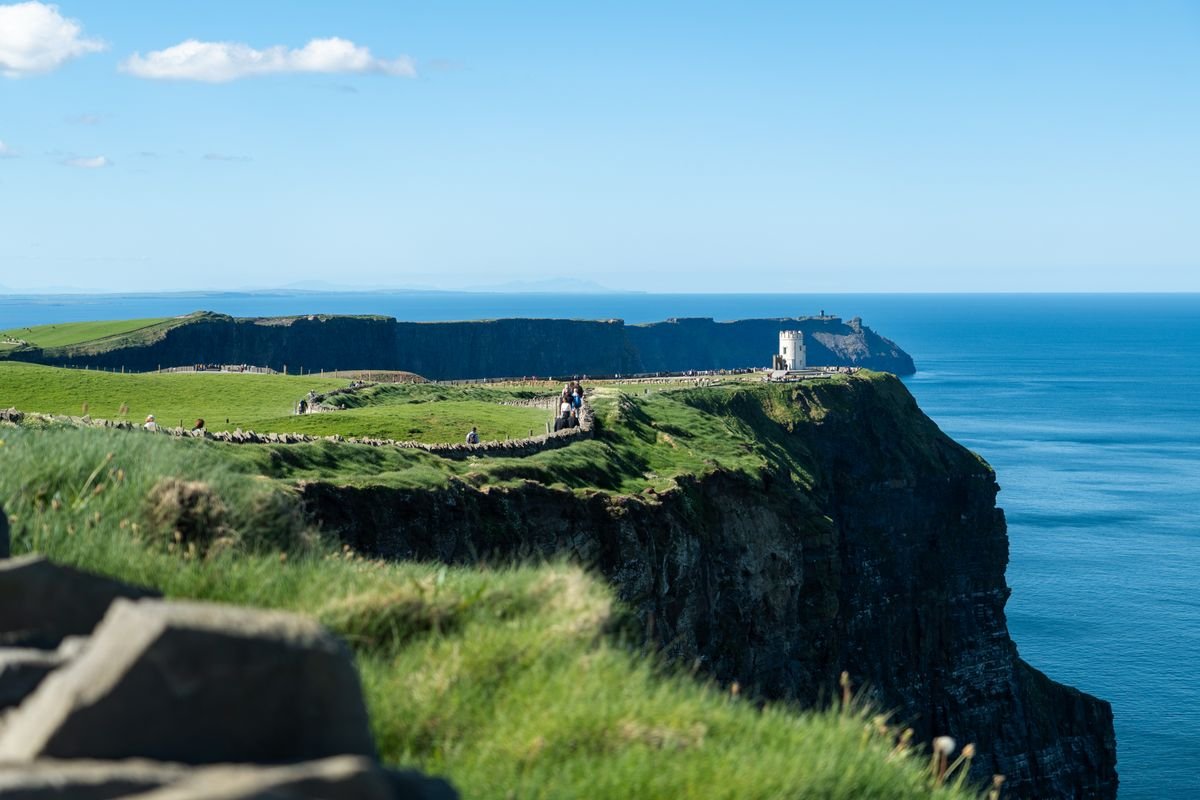
The crowds are the obvious cost. The Cliffs of Moher, the Ring of Kerry, and the big-name spots fill up with tour buses, and you’ll be queuing for things you’d walk straight into in shoulder season.
Prices climb across the board. Rental cars, hotels, and B&Bs all hit their yearly peak, and the good-value rooms go first. Book a few months out and you’ll pay a lot less than someone scrambling for a bed the week of.
Then there’s the booking problem. We couldn’t get into a couple of restaurants we wanted in Galway, and that was September on a weekday. In August, the places worth eating at are reserved days ahead, so spontaneity is the thing you give up. Plan the meals you care about or eat wherever has a free table.
The weather across different parts of Ireland in August
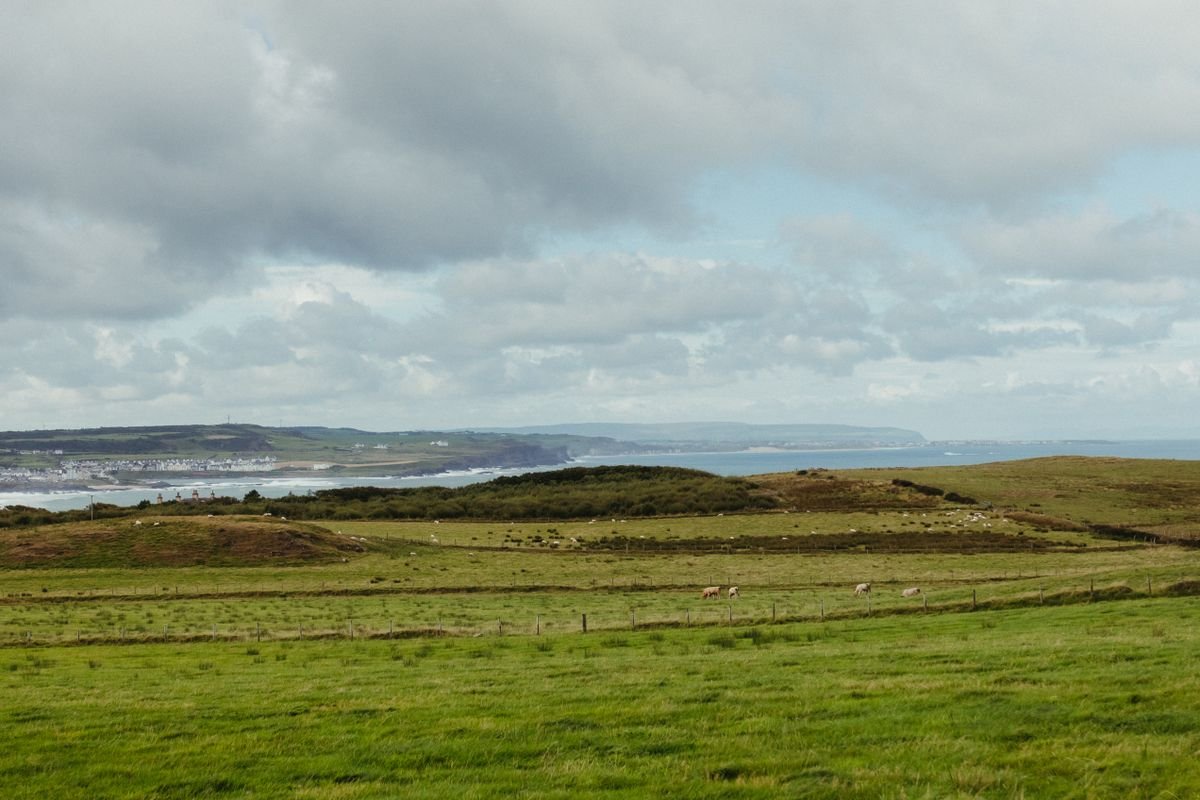
Ireland is small, but the weather is not the same everywhere. The east coast is drier and a touch warmer, the west coast catches more of the Atlantic, and the southwest gets the most rain of all. August softens the differences, but they’re still there, so pack for all of it.
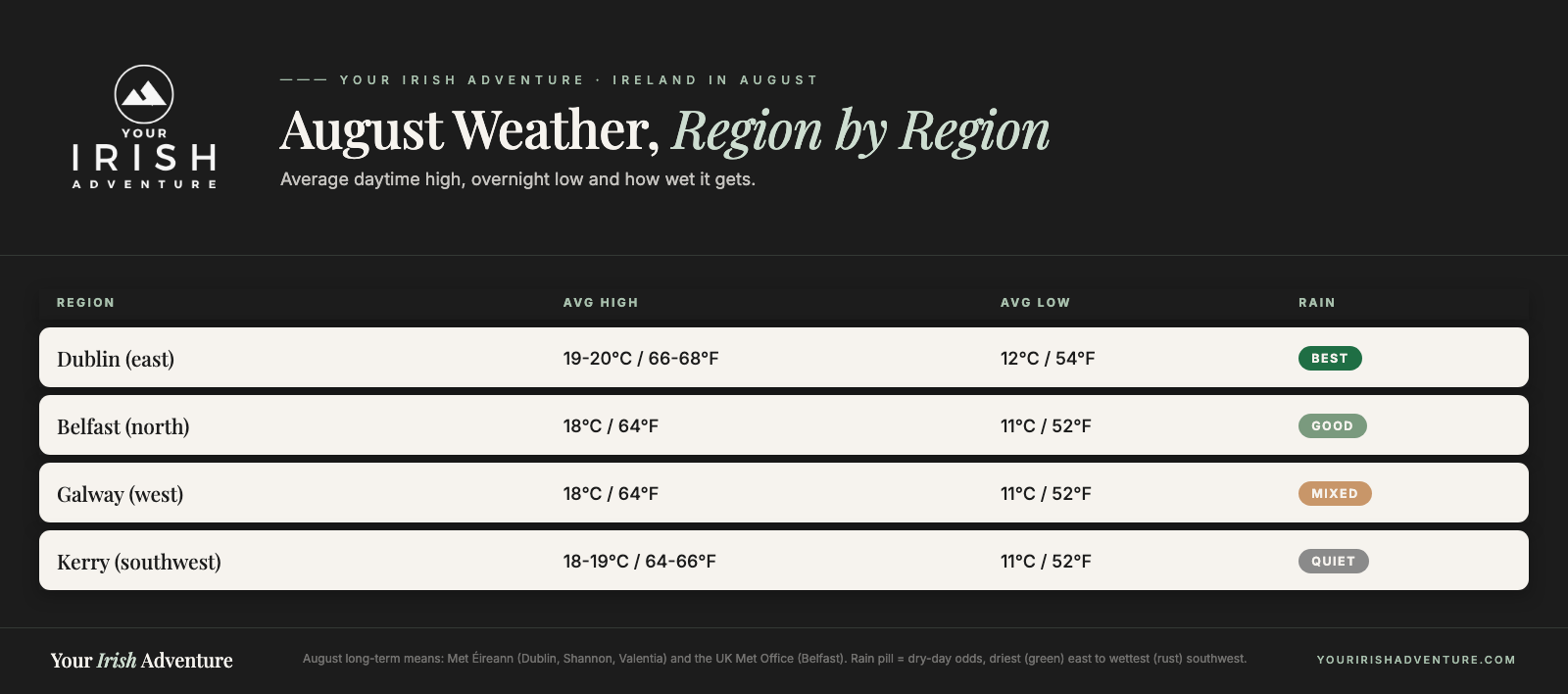
Across the country in August you’re looking at daytime highs around 17 to 20°C (63 to 68°F), with nights cooling to about 11°C (52°F). It’s mild, not hot. A light rain jacket and layers will serve you better than shorts and a t-shirt, even in peak summer.
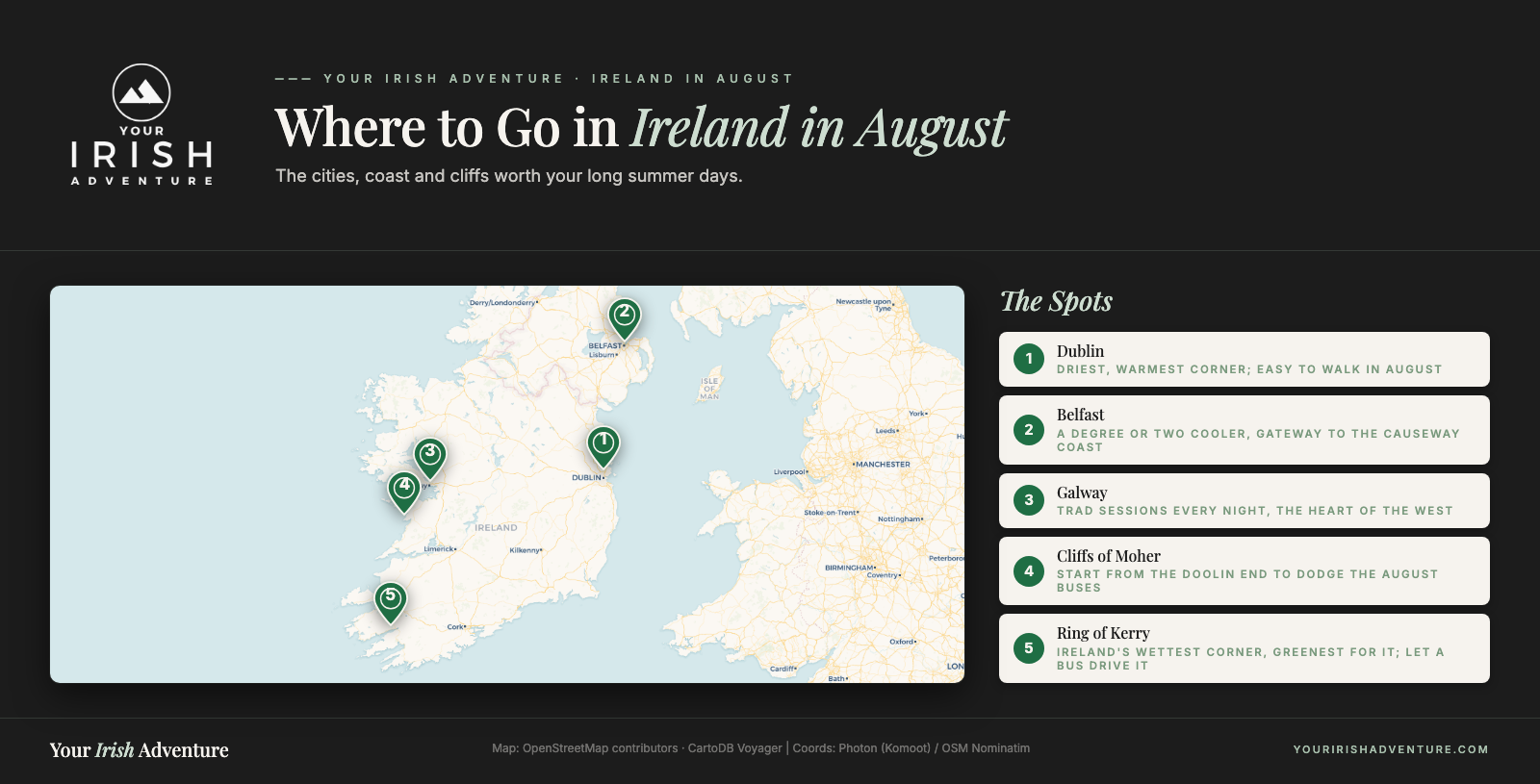
Dublin
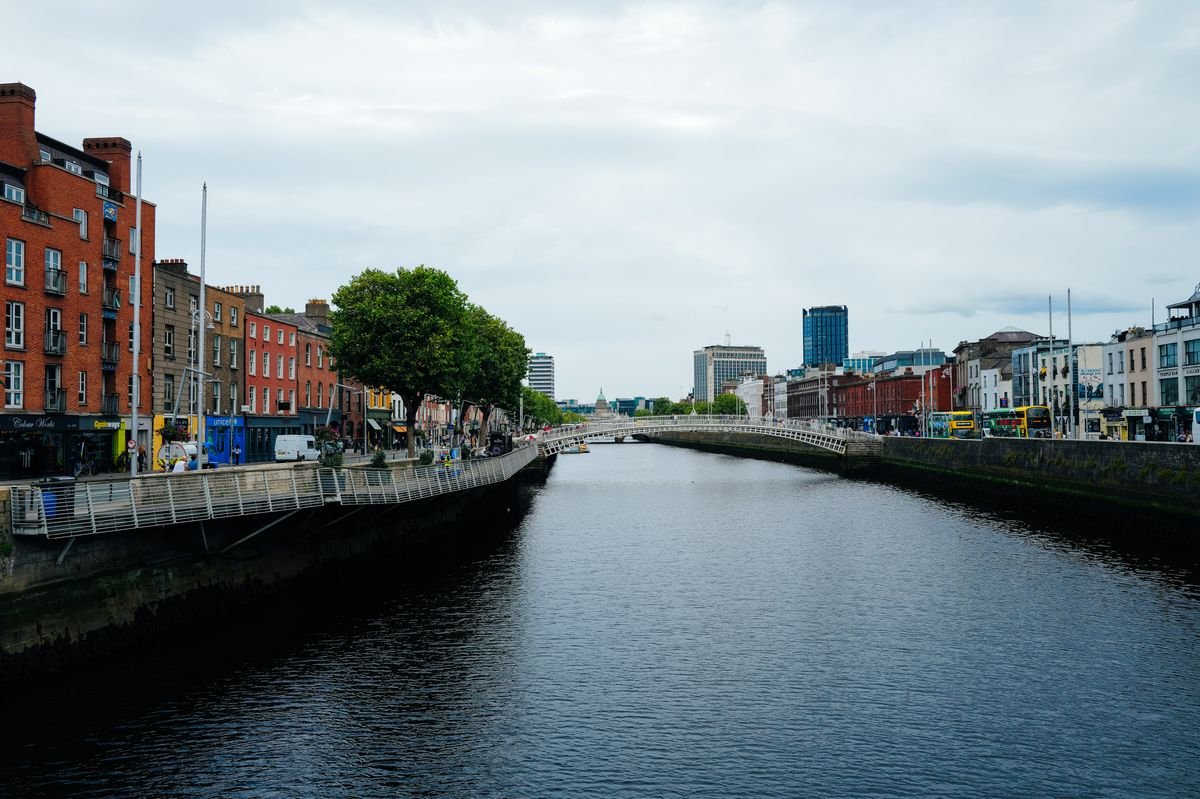
Dublin sits on the east coast, which is the driest, warmest corner of the country. August highs run about 19 to 20°C (66 to 68°F), and it gets noticeably less rain than the west. You’ll still get showers, but full dry days are common.
That makes Dublin easy to do on foot. We walked the Trinity College grounds and the Liffey boardwalk with no rain gear at all, and that was October, so August gives you better odds again.
Belfast
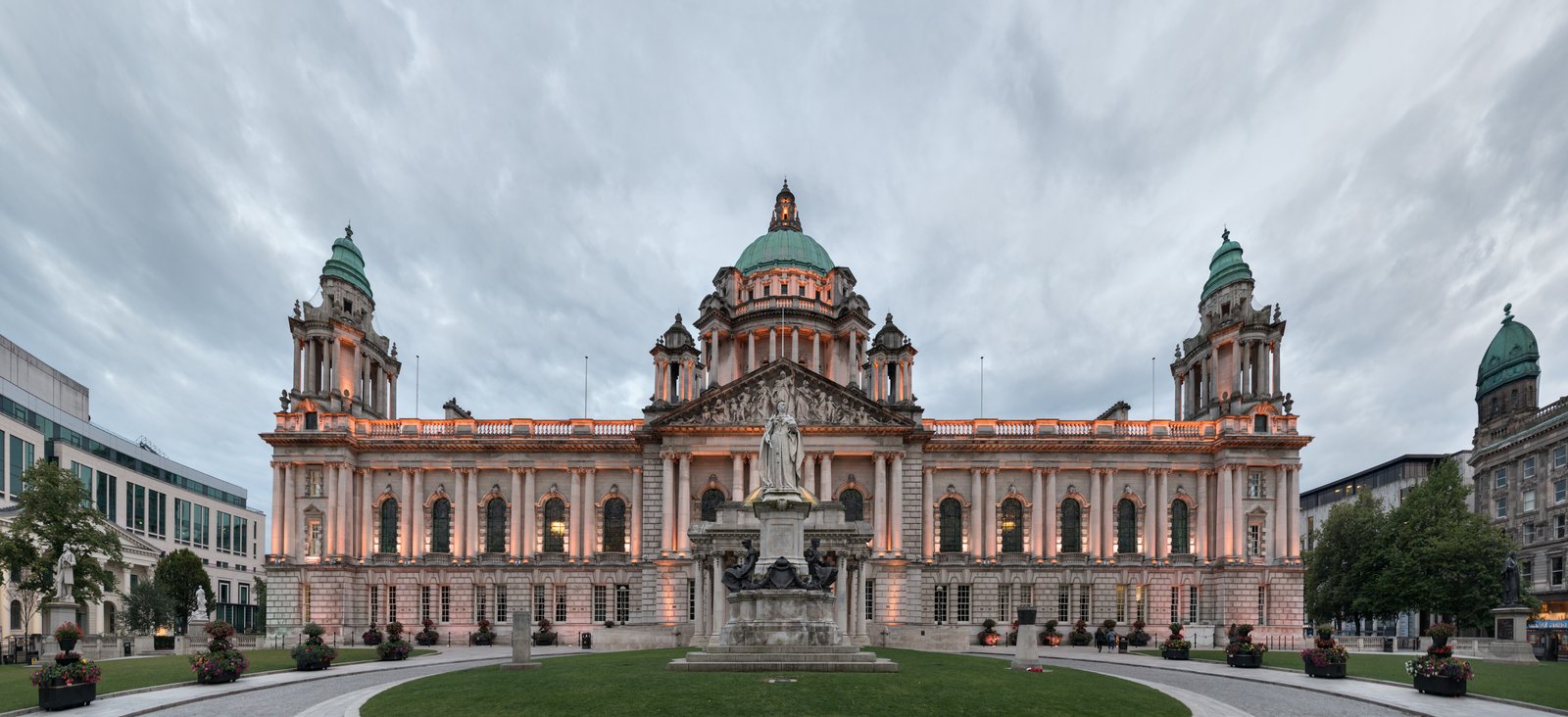
Belfast, up in the north, sits a degree or two cooler, with August highs around 18°C (64°F). It’s on the drier eastern side of the island too, so the rain is more manageable than out west.
The catch this far north is the wind. The Causeway Coast and the open spots can feel a lot colder than the number suggests, so a windproof layer earns its place in the bag.
Galway
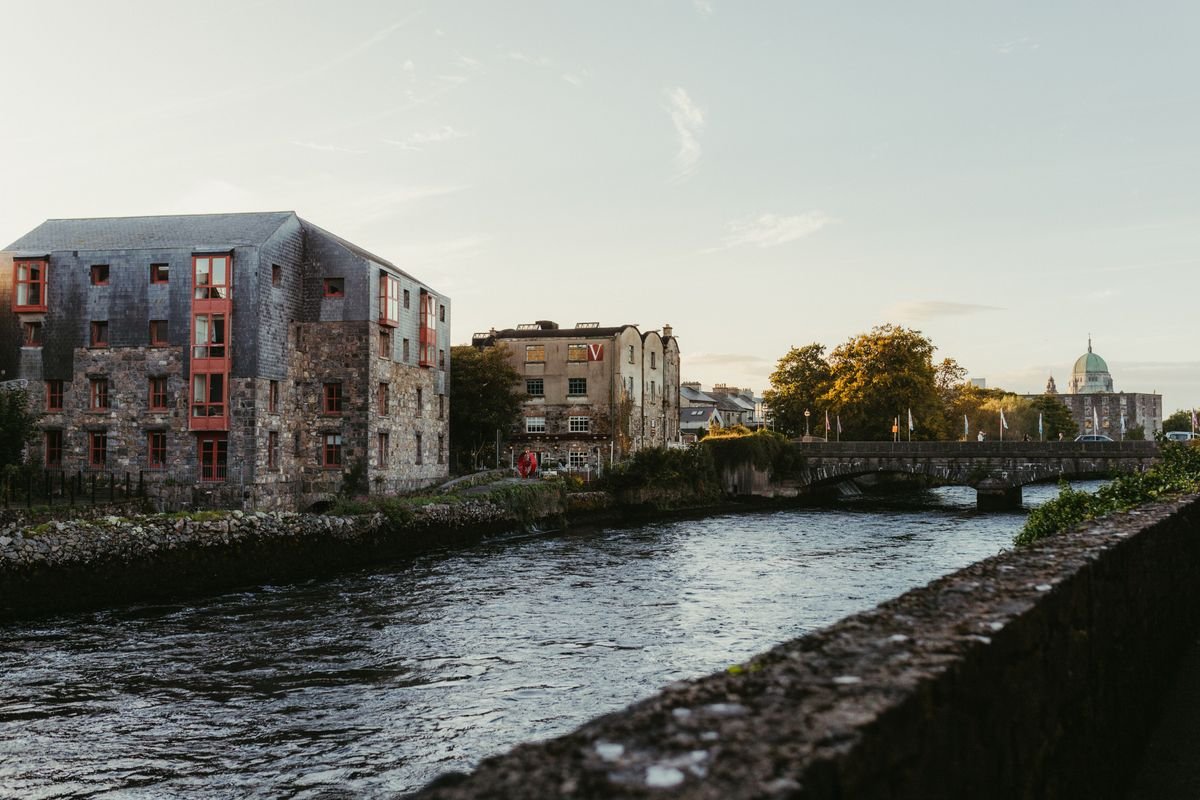
Galway is where the Atlantic starts to show up in the forecast. August highs sit around 18°C (64°F), but the west coast sees more showers and they roll through fast, so you can get sun, rain, and sun again inside an hour.
It didn’t slow the city down at all when we were there. The sessions in Tig Coilí and Monroe’s run rain or shine, so a wet evening in Galway is no loss. Just don’t plan your Cliffs of Moher or Connemara day around clear skies and you’ll be fine.
Kerry
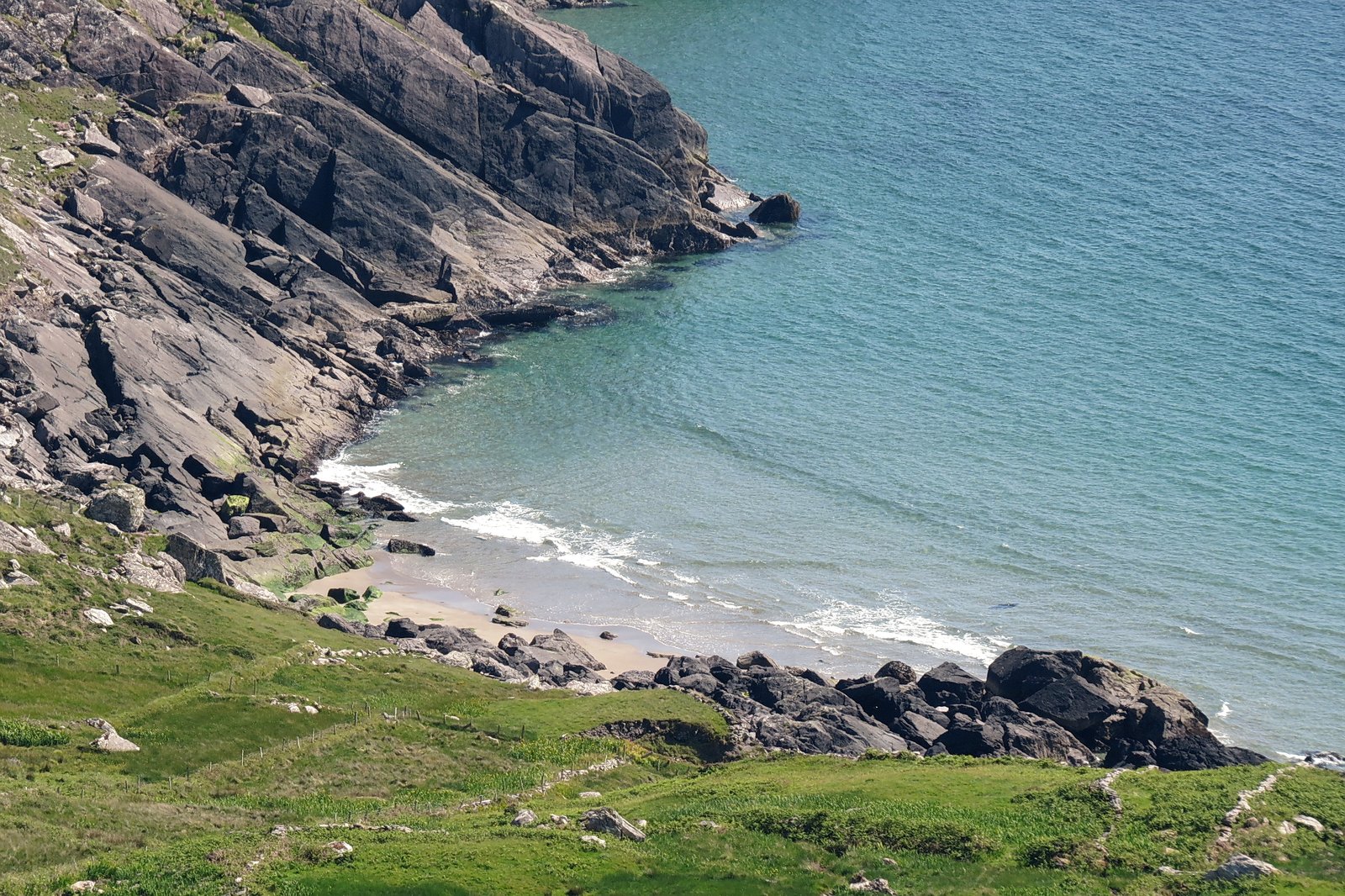
Kerry, down in the southwest, is the wettest of the lot. The mountains around the Ring of Kerry and the Dingle Peninsula pull rain straight off the Atlantic, so this is the corner most likely to soak you, even in August.
The flip side is it stays mild, with highs around 18 to 19°C (64 to 66°F), and the rain is part of why the place is so green. Build in flexible days here. If the morning is clear, get on the coast road early, because the afternoon can turn.
Other Times of Year to Visit Ireland
- Festivals in Ireland in September: Our Festival Guide
- Ireland Packing List For September
- Ireland Packing List for May: Summer Is Here
- Ireland in November: Weather, Packing, Festivals and More
Things to do in Ireland in August
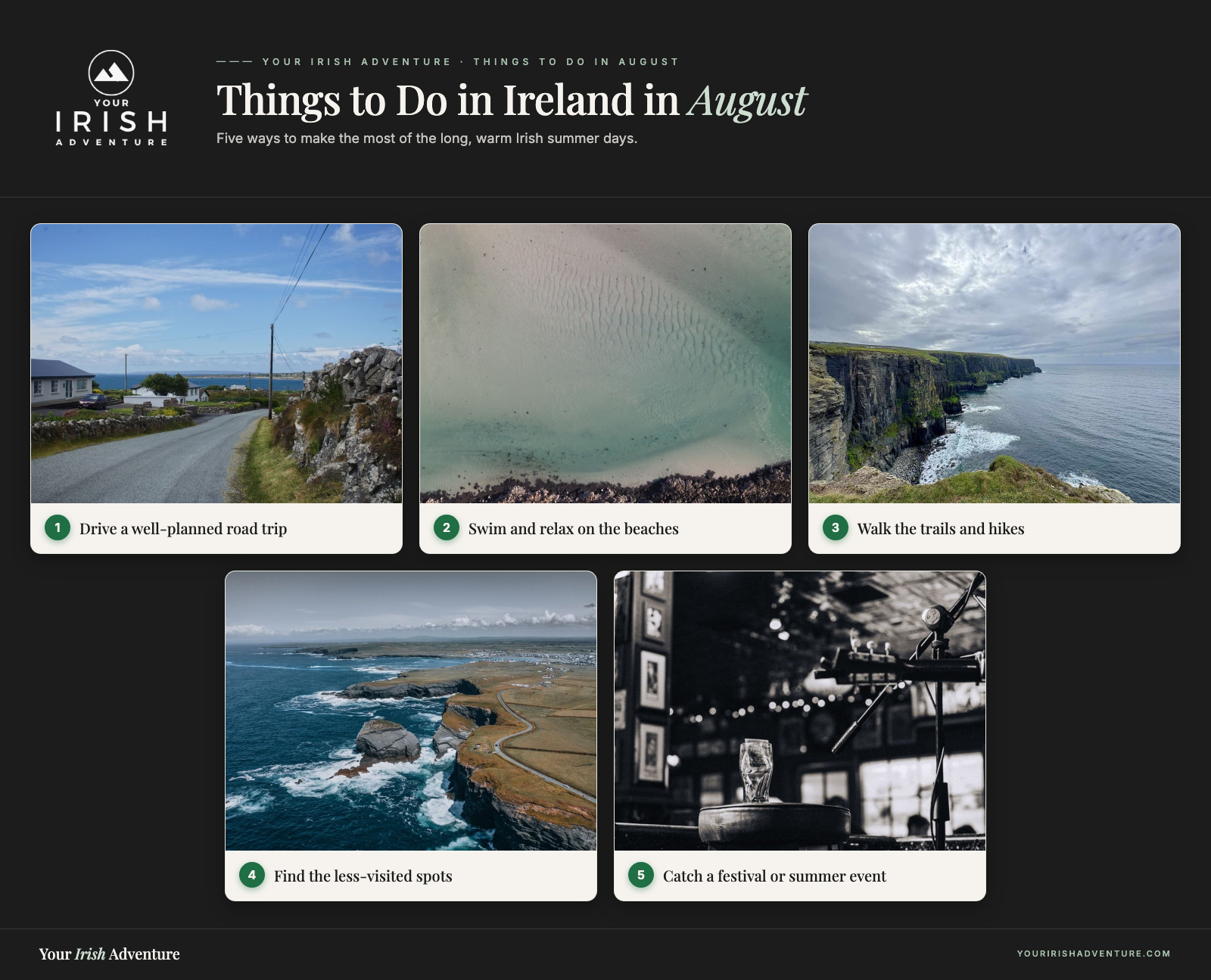
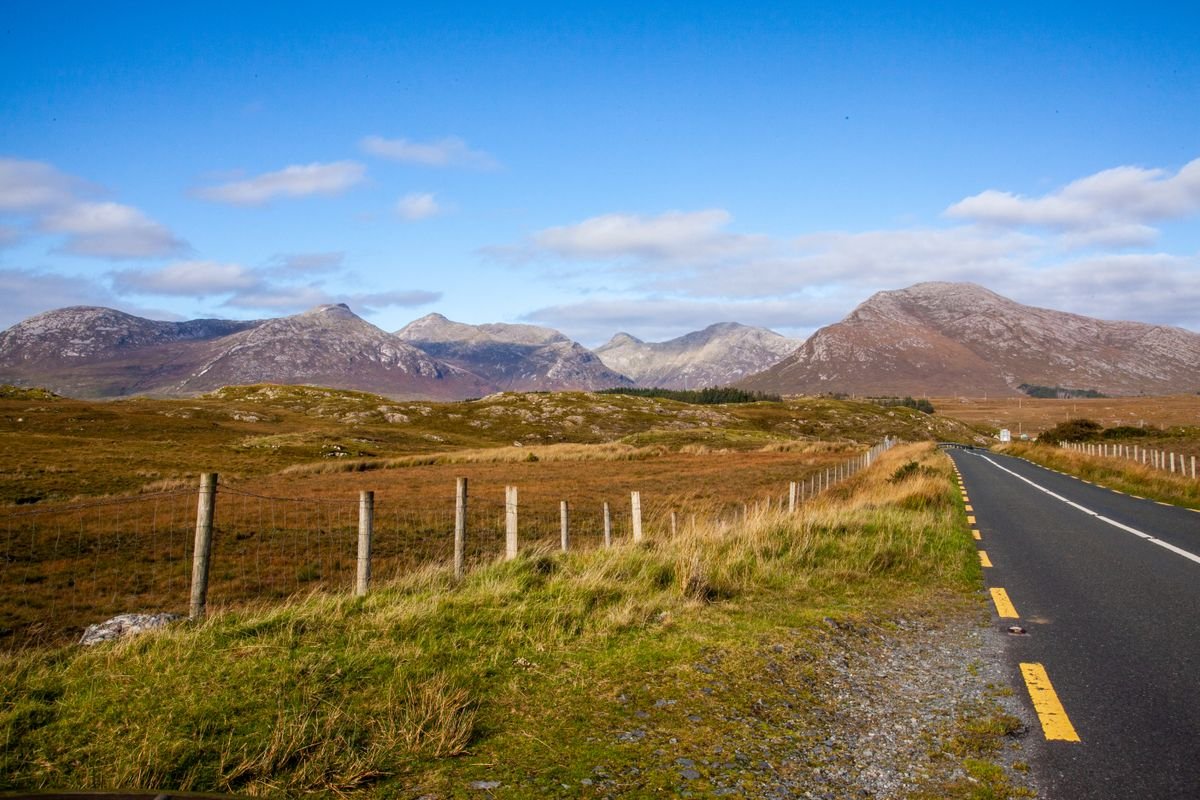
August is the month Ireland gives you the most to work with. Long daylight, the warmest water you’ll get, and festivals running in towns big and small. The trick is using the season instead of fighting the crowds, so here’s what we’d actually point you at. If you’d rather let someone else drive the coast for a day, you can book a Connemara day tour on GetYourGuide out of Galway.
Drive a well-planned road trip
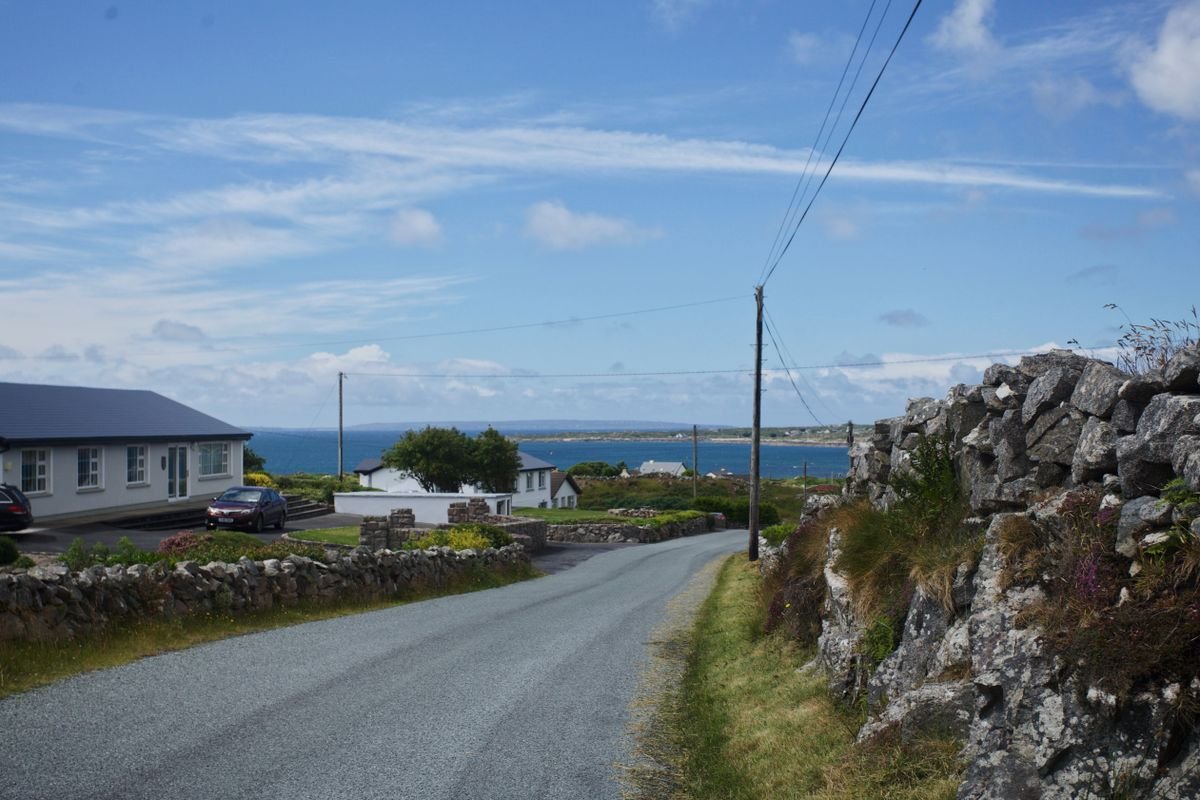
A road trip is the best way to see Ireland, and August is the season the long days really pay off. We did our loop by campervan, but a lot of people rent a car, and every stop works the same either way.
The N59 through Connemara was one of the best drives of our trip, bog and mountains the whole way out to the coast. Plan on a few hours where the map says one, because you’ll keep stopping.
One real warning for August: book the rental car months out. Cars are the first thing to sell out in peak season, and the price jumps hard the closer you leave it. Lock it in early and the whole trip gets cheaper, and it’s worth a few minutes to compare car hire deals on Discover Cars before you commit.
Swim and relax on the beaches
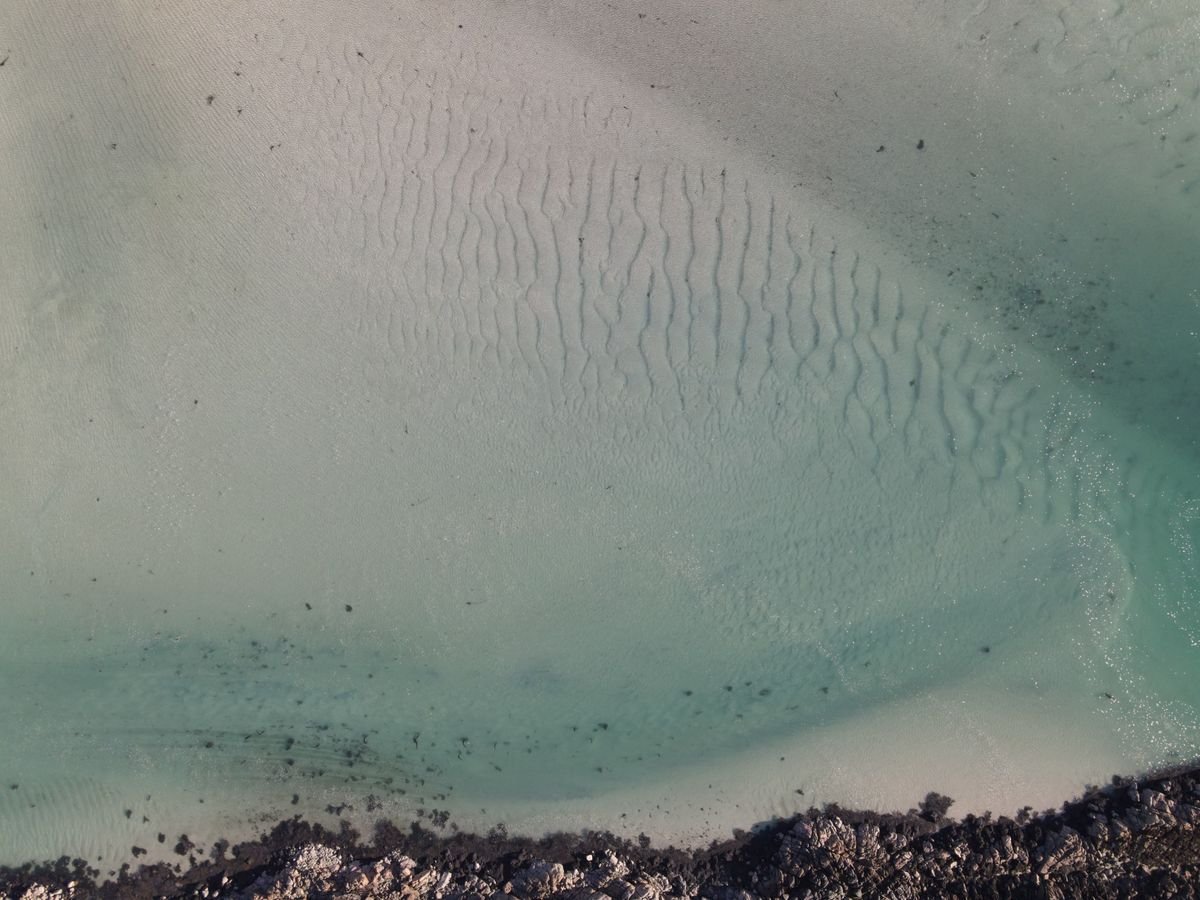
This is the one window where the water is worth getting into. We parked the van right on the sand at Clifden Eco Beach in Connemara, facing the Atlantic, and August would be a far better month for it than the cold late-September dip we got.
The west coast has the beaches you don’t expect from Ireland, white sand and turquoise water on a sunny day. It’s never warm by Mediterranean standards, but in August it’s swimmable, and on the right afternoon it’s a real beach day.
Walk the trails and hikes
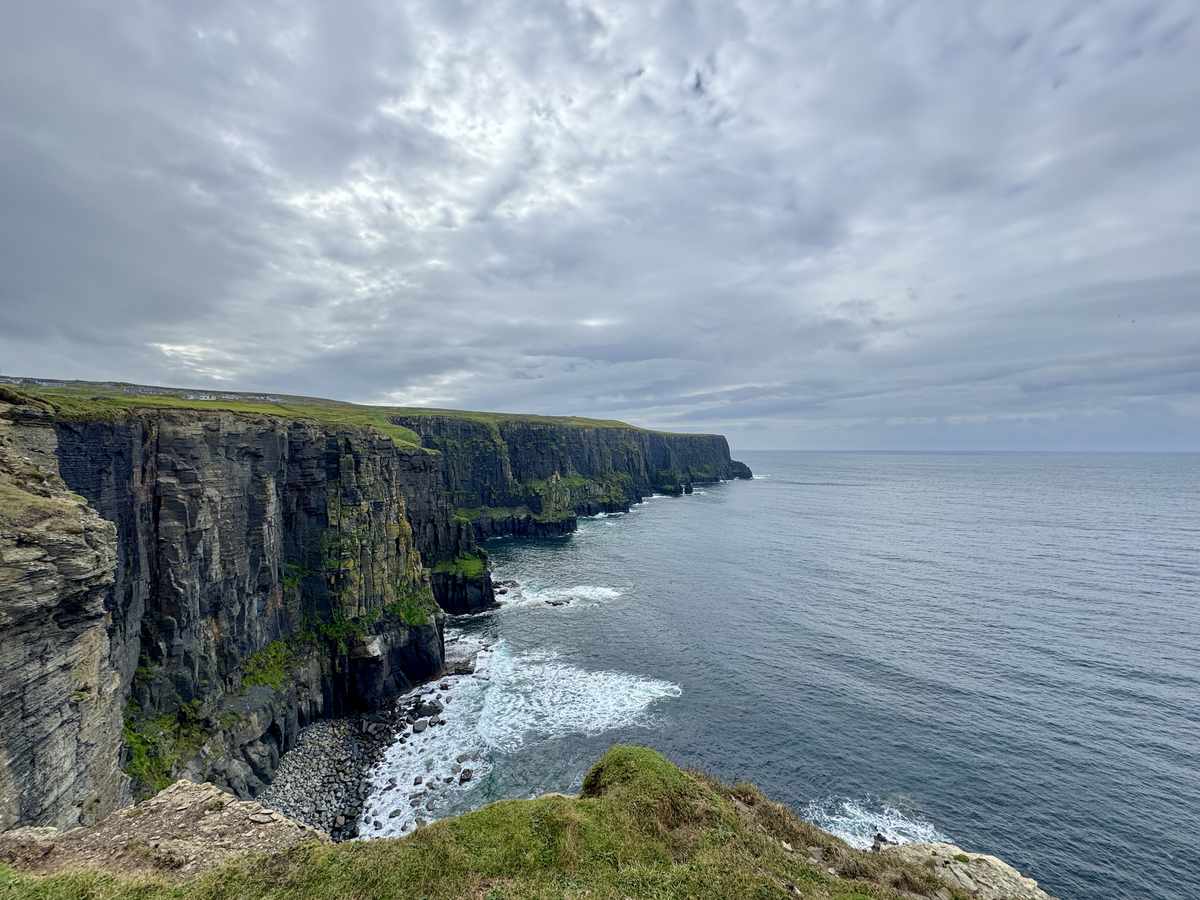
The coastal walks are the reason to come, and August daylight lets you do a long one and still have the evening for a pub. The Cliffs of Moher get the crowds, so start at the Doolin end and you’ll have far fewer people than the main viewing platform.
Go in with a clear head about the weather. The morning is your best bet on the coast, because the afternoon can turn fast out west, so get on the trail early and keep the timing flexible.
Find the less-visited spots
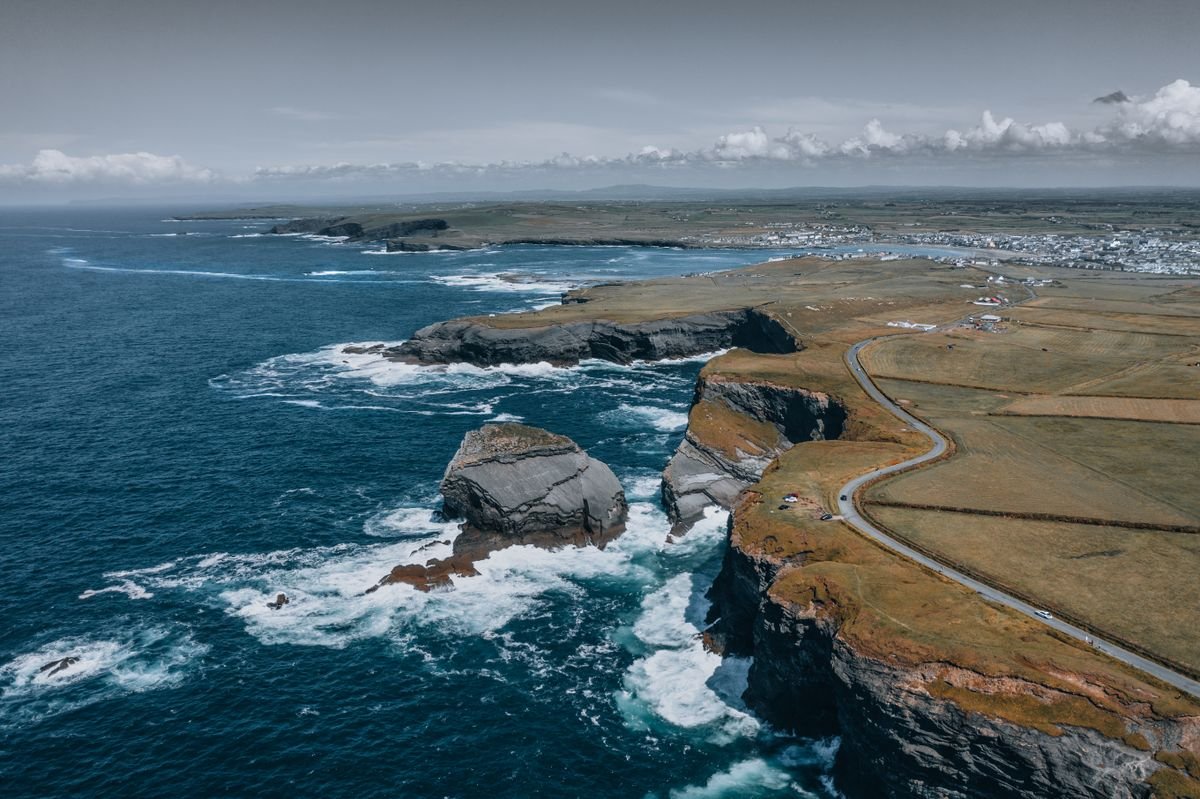
In August the famous places are at their busiest, so the less-visited ones are where you’ll actually breathe. Loop Head down in Clare impressed us more than the Cliffs of Moher, wilder and with hardly anyone there, and our photos came out better too.
The pattern holds all over Ireland. The town most itineraries skip often beats the big-name stop next door, and in peak season that’s worth chasing. Pair one well-known spot with one place you’ve barely heard of, and the second one usually wins.
Catch a festival or summer event

August is festival season, and there’s something on almost everywhere. The Galway Races run at the start of the month and take over the city. Down in Kerry you’ve got Puck Fair in Killorglin mid-August and the Rose of Tralee toward the end, both proper small-town Irish events.
You don’t even need a named festival to find the atmosphere. The trad sessions are full every night in August, and that’s the thing we’d recommend you go for. Walk into a busy pub with music going and you’ve found the best of the month for free.
More Ireland Itineraries and Road Trips
- 14 Days in Ireland: The Ultimate 2-Week Itinerary
- 10 Days in Ireland: The Ultimate Itinerary
- Wild Atlantic Way Itinerary – Ireland’s Most Epic Road Trip
- A Photographer’s Definitive Ireland Road Trip
Best tours in Ireland
If you’d rather not drive every leg of the trip yourself, a few day tours do the long coastal stretches for you and let you just look out the window. These are the ones worth booking in August, when the rental cars sell out and the roads get busy.
From Dublin: Cliffs of Moher, Burren and Galway City Day Tour
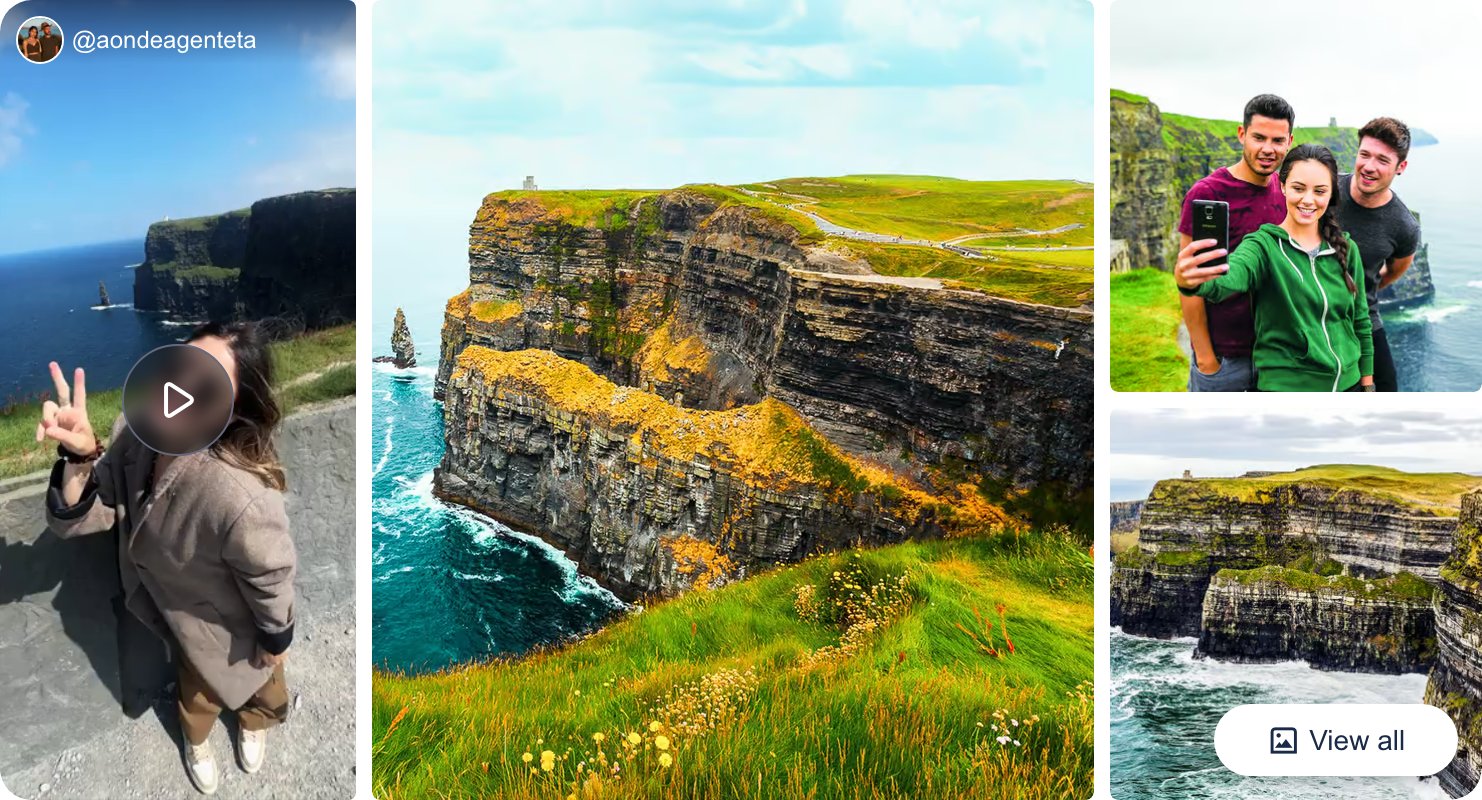
This is the full west-coast run in a single day from Dublin, with stops at the Cliffs of Moher, a drive through the Burren, and time in Galway City before the coach heads back. It’s a long day, but it covers the three things everyone comes west for without you touching a car.
👉 Check From Dublin: Cliffs of Moher, Burren and Galway City Day Tour Availability and Reviews
Killarney: Ring of Kerry Bus Tour
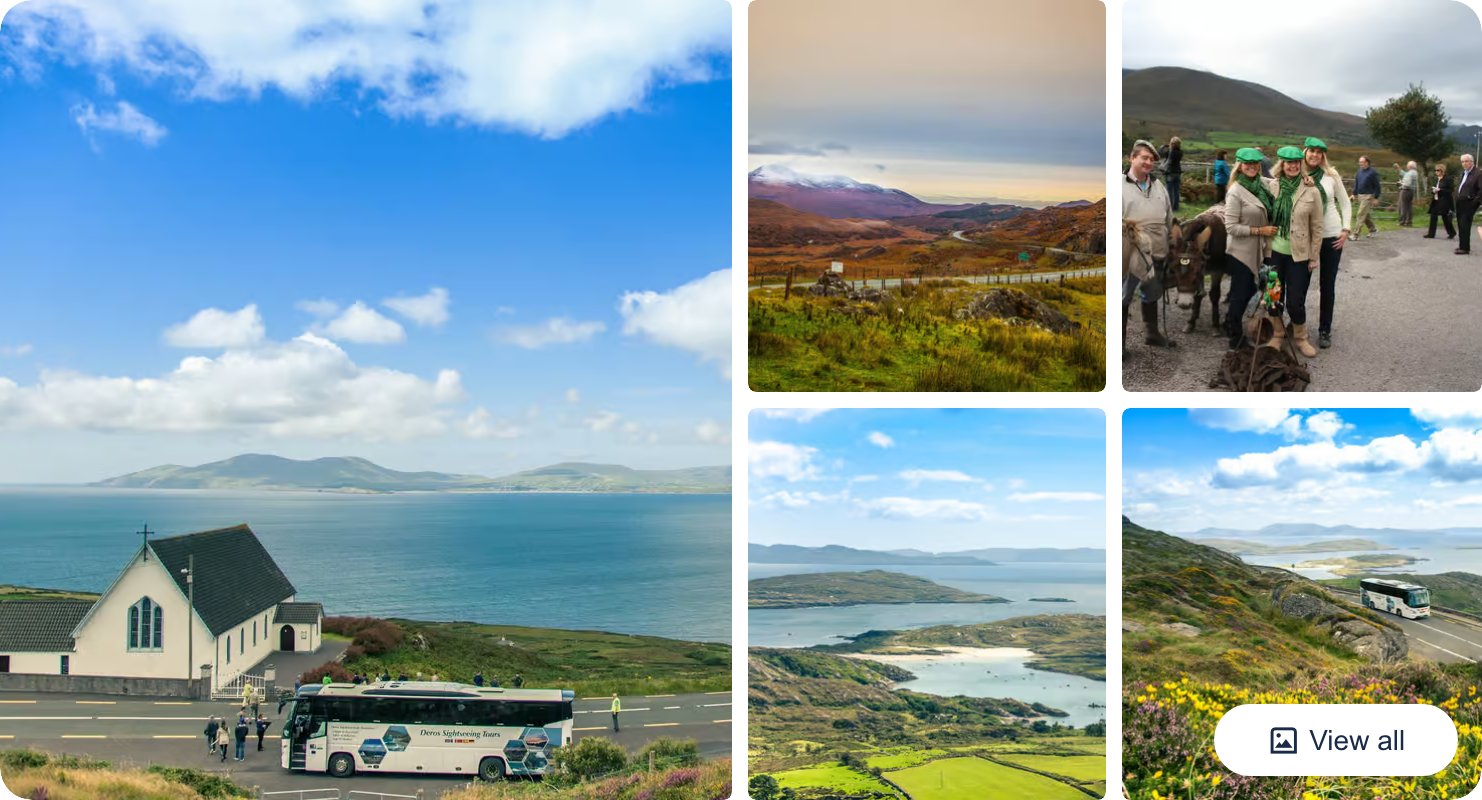
The Ring of Kerry is a narrow loop that the tour coaches drive one set direction, which is the main reason to let someone else take the wheel here in peak season. This bus tour does the full circuit out of Killarney, with photo stops along the coast road and the mountain passes, so you get the views without fighting the August traffic for them.
👉 Check dates and prices for the Killarney Ring of Kerry Bus Tour
Dublin: Guinness Storehouse Entry Ticket

This is the easy Dublin half-day when the city is busy and the weather turns. You work your way up the seven floors of the old brewery at your own pace and cash in your pint at the Gravity Bar at the top, with the city laid out below you. Book a time slot ahead in August, because the popular afternoon slots go first.
👉 See what’s included on the Dublin Guinness Storehouse ticket
What to pack and wear for Ireland in August
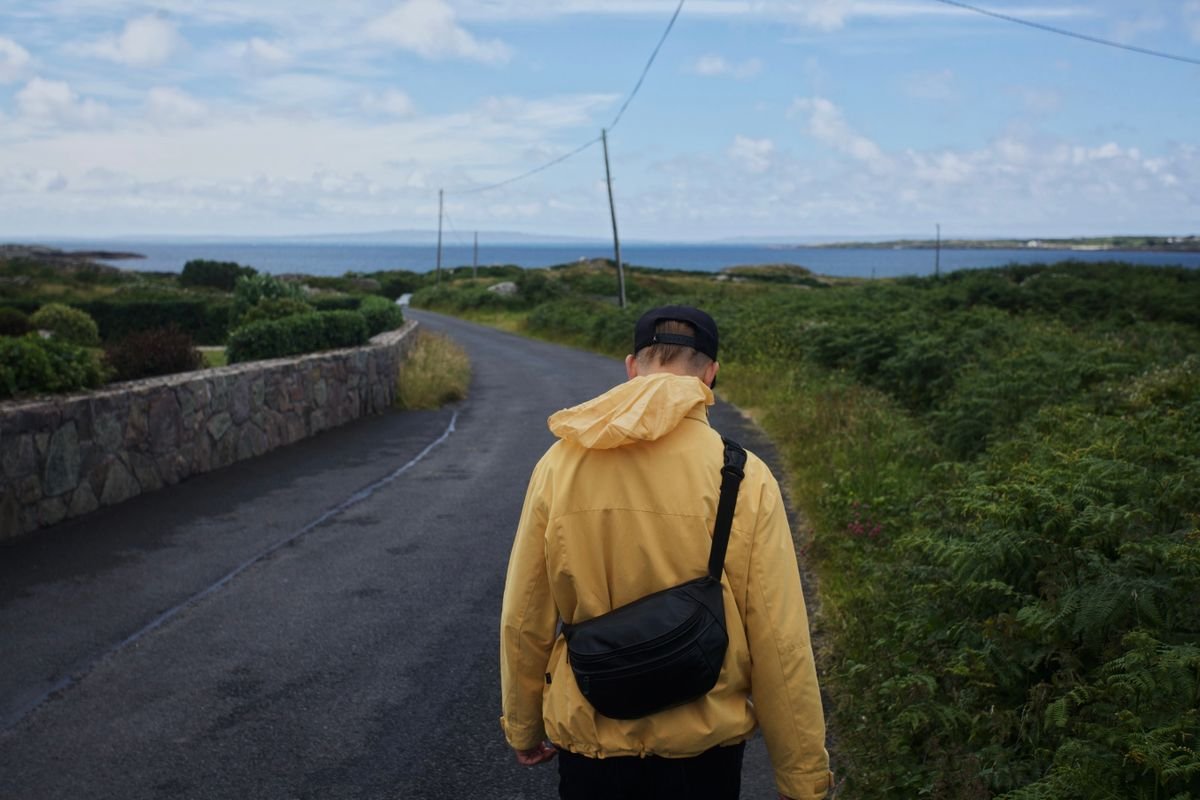
Pack for mild and changeable, not for summer. August is the warmest month Ireland gets, but warm here means high teens, and the weather can swing from sun to rain and back inside an hour, especially out west.
The single most useful thing in your bag is a proper rain jacket. Not a fashion one, a real waterproof with a hood. We had showers roll through fast on the west coast, and the ones who were fine were the ones who could just zip up and keep walking.
Layers do the rest. Mornings and evenings are cool, the middle of the day can warm up, and the wind on the coast makes any number feel colder. A t-shirt, a sweater or fleece, and the rain jacket over the top covers almost every day you’ll have.
The packing list
- A waterproof rain jacket with a hood, the most important item by far
- A few layers: t-shirts, a sweater or fleece, and a light jacket
- Comfortable waterproof walking shoes for the coastal trails
- Jeans or hiking pants, and one warmer layer for cool nights
- Swimwear, because August is the one month the Atlantic is worth getting into
- A small daypack for the cliffs and longer walks
- A power adapter for Irish three-pin sockets
Notice what’s not on there: shorts and sandals. You might get one or two afternoons warm enough for them, but you can’t plan around it, and most days you’ll be happier in long pants and proper shoes.
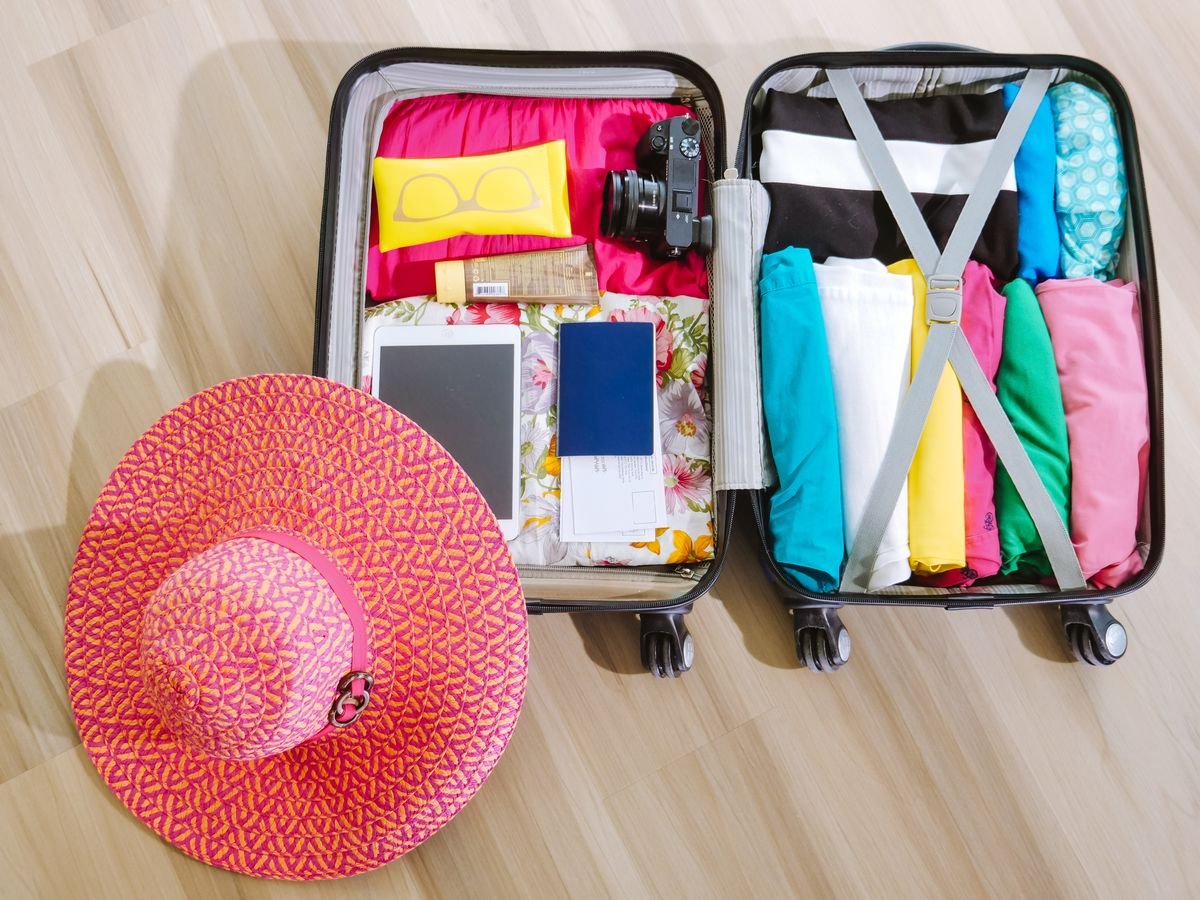
Footwear is the one I’d push on. So much of the good stuff in Ireland is a walk, the Cliffs of Moher path, a beach, a town’s wet cobbled streets, so waterproof shoes you can cover miles in beat anything stylish you’ll regret by lunch.
Throw the swimwear in even if you’re unsure. We swam off Clifden in late September and it was cold, so August is your best shot at a real swim. On the right afternoon you’ll want it, and it weighs nothing.
Planning Your Trip to Ireland
- 3 Days in Ireland: The Perfect Itinerary
- The Definitive Guide To Driving in Ireland For Tourists
- 10 Best Meals in Ireland (What to Eat and Drink)
Where to Stay in Ireland in August
Most August trips start in Dublin, and a bed in the city books out fast in peak season, so it’s the one to lock in early. These three are the highest-rated central options on Booking.com right now, spread from a smart mid-range base to the city’s grandest hotel.
Henrietta Suites City Centre
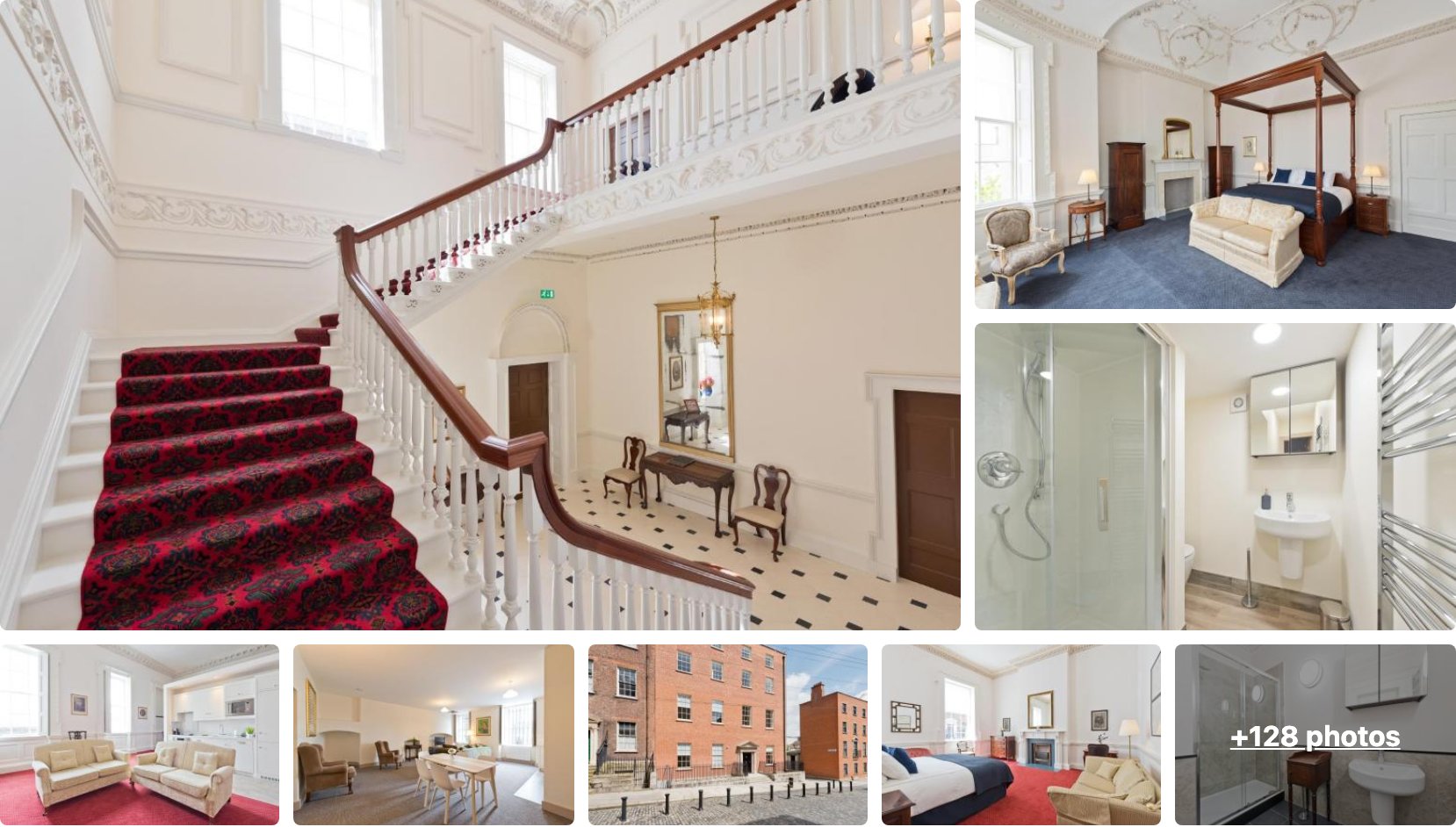
Henrietta Suites City Centre sits on a Georgian street in Dublin 1, about 700 metres from the centre, and the apartments give you a kitchen and your own space rather than a hotel room. It holds a 9.5 on Booking.com across more than 1,100 reviews, the strongest mix of score and volume of any central option, which is why it goes top of this list.
👉 View Henrietta Suites City Centre Availability and Pricing
The Green Hotel

The Green Hotel is a full-service hotel right by St Stephen’s Green, a short walk from Grafton Street and the city’s restaurants. It carries a 9.2 on Booking.com from more than 1,300 reviews, the highest review count of any property here, so you know what you’re getting in peak season.
👉 View The Green Hotel Availability and Pricing
The Merrion Hotel

The Merrion Hotel is the splurge: a five-star set in restored Georgian townhouses on Merrion Square, with a walled garden and a marble bathroom in the photos. It scores 9.4 on Booking.com over 570-plus reviews, and if you’re going to spend on one night in Dublin in August, this is where it goes.
👉 View The Merrion Hotel Availability and Pricing
In short
- Light runs from 6am past 9pm in August, so one day holds a hike, the coast, and a session.
- Trad sessions run nearly every night in August in the pub towns like Galway, Dingle and Doolin.
- Rental cars and hotel rooms cost more in August than any other month; book both early.
- Restaurants at popular spots book out weeks ahead in August; reserve before you leave home.
- Atlantic water is at its warmest in August; by late September it is noticeably colder.
FAQs about visiting Ireland in August
A few questions come up over and over about August specifically. Here are the straight answers.
Is August a good time to visit Ireland?
Yes, it’s the best month for weather and atmosphere, and the worst for crowds and prices. If you want the long days, the swimmable water, and a session every night, August delivers all of it. You just accept the trade and book ahead.
How far in advance should I book?
For August, a few months out is the rule. The rental car is the urgent one, because cars sell out first and the price climbs the longer you wait. Lock in the car and your rooms in the popular towns early, and book any restaurant you actually care about a few days ahead once you’re there.
Is the water warm enough to swim?
For Ireland, yes, August is the one month it’s worth getting in. It’s never warm by Mediterranean standards, but on a sunny west-coast afternoon it’s a real swim. Bring swimwear even if you’re on the fence.
Do I need a car?
If you want the coast, Connemara, and the small towns, a car makes the whole trip easier. Dublin, Galway, and Belfast all work fine on foot and public transport, but the best of Ireland is out on the roads where the buses don’t go.
How many days do you need?
You’ll want at least a week to do a proper loop without rushing, and ten days to two weeks is better. We had about two weeks and still left places we wanted to see, so don’t try to cram the whole island into a long weekend.
Will it rain the whole time?
No, but it’ll rain at some point, so plan for it rather than hope against it. August gives you the best odds of dry afternoons of any month. Keep your coast and hiking days flexible, get out early, and a rain jacket means a wet hour costs you nothing.
Conclusion
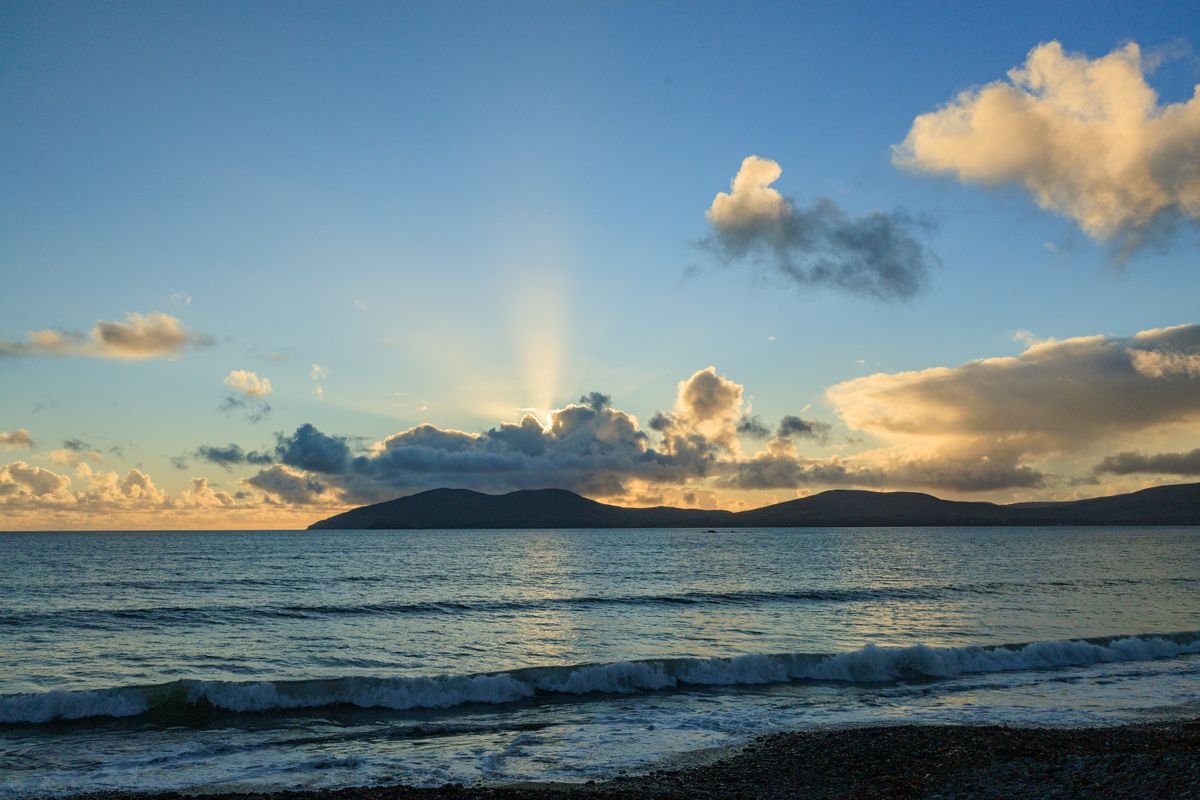
August is the easiest month to fall for Ireland and the hardest one to wing. You get the long days, the warmest water, and a session every night, but everyone else is there for the same reasons, so the country rewards anyone who books ahead and punishes anyone who doesn’t.
Get the basics locked early. The rental car first, your rooms in the popular towns next, and the restaurants you care about a few days out once you land. Do that and the crowds barely register.
Then stop planning every hour. The best parts of our trip weren’t on a list, they were a chip shop on Shop Street and a pub we walked past with music going. August gives you the daylight and the weather to chase that, so leave the room for it.
Go in August, book what sells out, pack the rain jacket, and keep your coast days flexible. Do that and it’s the best version of Ireland you can get.
Like it? Pin it!
Save this guide for later