We landed into Dublin on a grey Tuesday morning, bags overhead, hearts already set on exploring 3 days in Ireland, and the overcast sky felt right for an adventure that was never going to pretend this country is all sunshine. We had exactly 3 days in Ireland to discover what we came for, and that modest timeframe meant we couldn’t afford to waste a moment waiting for perfect weather.
Three days gets you a real taste, Dublin, the countryside, maybe the coast, but only if you don’t waste half of day one getting your bearings.
This guide gives you a day-by-day plan with drive times, straight-talking hotel picks, and the stops actually worth making, plus a few notes on what to skip if your time is tight.
If you want more, the 5 Days in Ireland: The Perfect Short-Trip Itinerary and 7 Days in Ireland: The Perfect 1-Week Itinerary have you covered.
More guides for your Ireland trip:
- A Weekend in Dublin, Ireland: The Perfect 2 Day Itinerary
- Weekend in Killarney: The Perfect 2 Day Itinerary
- Weekend in Galway: The Perfect 2 Day Itinerary
- Weekend in Cork: The Perfect 2 Day Itinerary
- The Most Haunted Places In Ireland
- Ireland Packing List for April: Spring Is In The Air
- Finn Lough Resort – Sleeping With The Stars in Northern Ireland
- Whiskey in Ireland: Here Are The Ones You May Not Have Heard Of
- The Perfect Weekend In Belfast
- The Most Beautiful Seaside Towns in Northern Ireland
1. How to Get the Most Out of 3 Days in Ireland
The single best thing you can do for a trip this short is rent a car.
Public transport in Ireland works well between the major cities, but the places that make this country worth visiting are not on a bus route.
Coastal headlands, castle ruins, quiet valley roads – these require wheels.
A rental gives you the flexibility to leave Dublin early, stop wherever looks interesting, and get back on your own schedule rather than someone else’s timetable.
We always book through DiscoverCars, which compares rates across multiple local and international suppliers.
It takes about two minutes and usually saves a decent chunk versus booking direct.
The route logic for three days is straightforward: use Dublin as your starting point, and let your day trips radiate outward from there.
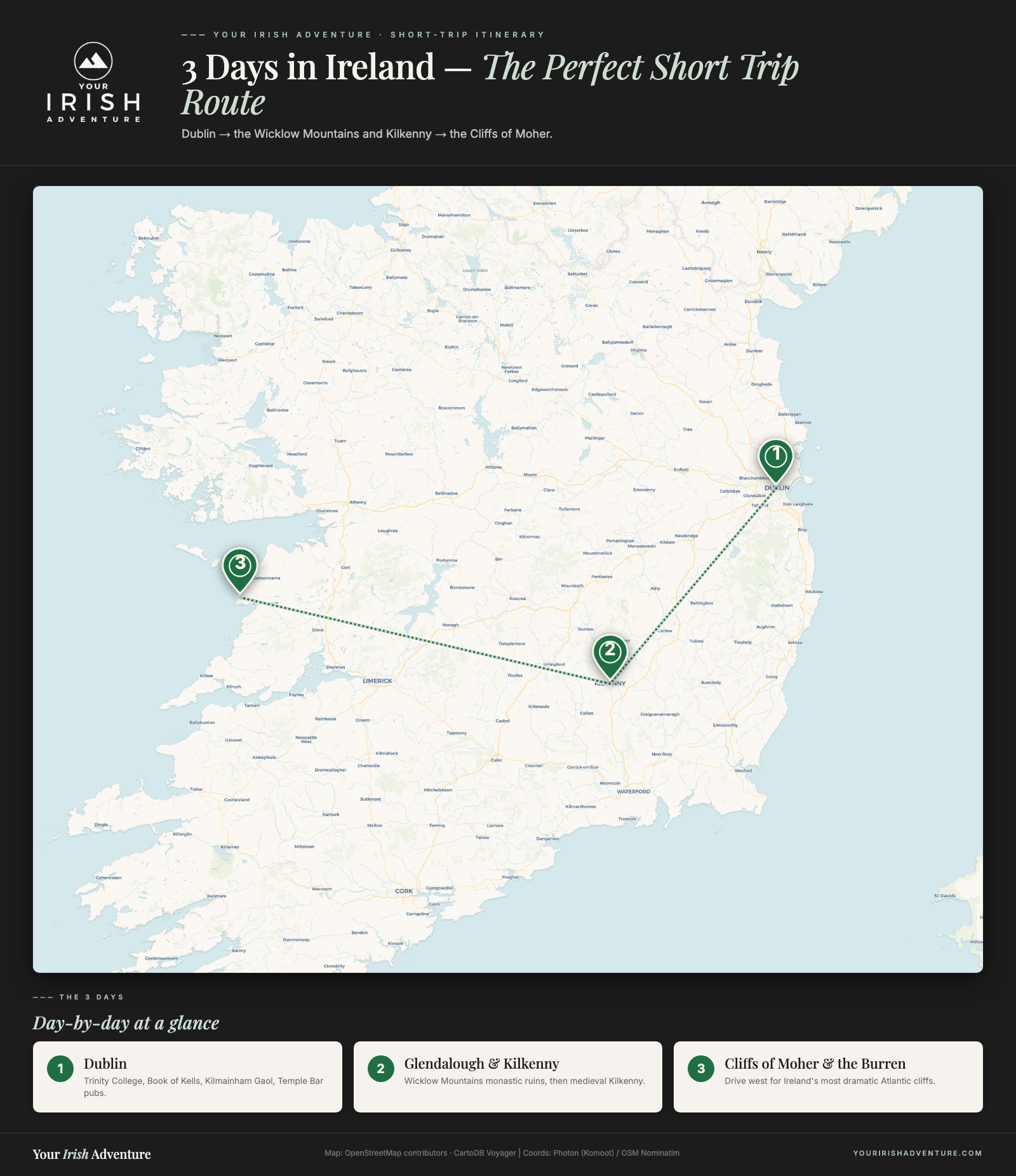
Day one stays in the city, day two heads south or west depending on your priorities, and day three gives you a final morning before you hand the keys back.
One thing worth knowing before you go: Irish roads outside the cities are narrow, and Google Maps is optimistic about drive times.
A route that looks like 45 minutes can easily take 75 once you factor in a slow tractor, a reversing standoff on a single-track lane, or a sheep that has decided the road belongs to it.
Build in buffer time at every stop, and read our complete guide to driving in Ireland before you go if this is your first time on the left side of the road.
If you’re coming from North America, the left-hand driving takes about 20 minutes to feel normal.
The bigger adjustment is the width of rural roads, which are narrower than you’re used to.
Where to Stay During Your 3 Days in Ireland
Dublin is your natural base for this itinerary, and where you stay matters more than you might think.
A central location on Days 1 and 3 means you’re walking to attractions rather than adding 20 minutes each way on public transport.
If you want more detail on neighbourhoods before you book, our full guide to where to stay in Dublin breaks it down area by area.
One thing worth flagging: Dublin accommodation fills up fast in summer, especially around bank holidays and festivals.
Book as early as you can.
Budget: ~€80 – 100/night
The Grafton Guesthouse sits right in the heart of the city, a short walk from Trinity College and St. Stephen’s Green.
For the price, you get a clean, comfortable room in a location that would cost twice as much at a larger hotel.
It’s a no-frills option, but the location alone makes it worth it for a short trip where you want to spend your money on experiences, not a fancy lobby.
Mid-Range: ~€130 – 180/night

The Wilder Townhouse is a solid mid-range pick in the Georgian quarter, close to Merrion Square and a 10-minute walk from most of the main sights.
The rooms are well-designed, the beds are comfortable, and the staff are helpful without being over the top.
This is the sweet spot for most travellers doing 3 days in Ireland, comfortable enough to feel like a treat, without blowing the budget on accommodation.
Splurge: ~€220+/night

The Merrion Hotel is about as good as Dublin gets, a five-star Georgian property right across from Government Buildings, with a spa, two restaurants, and rooms that are worth the price.
If you’re splashing out for a special trip, this is the place to do it.
It books up well in advance during the summer months, so if this is your pick, don’t leave it until the last minute.
Morning: Trinity College and the Book of Kells
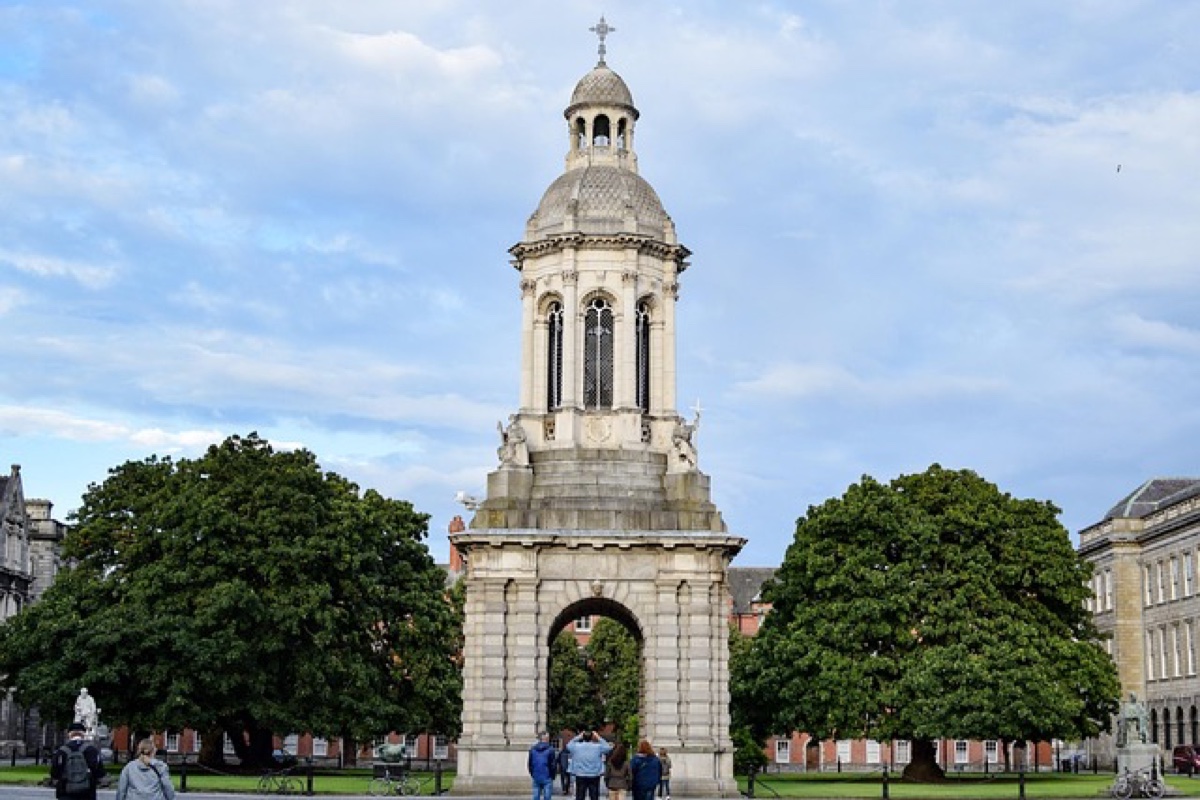
Start Day 1 at Trinity College Dublin and get there early.
The Book of Kells gets seriously crowded by 10am, so aim to arrive right when it opens at 8:30am if you can manage it.
The exhibition walks you through the creation of the manuscript before you reach the illuminated pages.
It’s impressive, and the Long Room library upstairs is one of the most beautiful rooms in Ireland.
Book timed-entry tickets in advance online, as they do sell out, especially in summer.
Click here to book a highly-rated guided tour of Trinity College and the Book of Kells.
After Trinity, take a slow walk up Grafton Street, Dublin’s main pedestrian shopping strip, about a 2-minute walk from the college gates.
There’s always something going on: buskers, flower stalls, the smell of fresh coffee from Bewley’s Oriental Café halfway up.
Afternoon: Kilmainham Gaol or the National Museum of Ireland
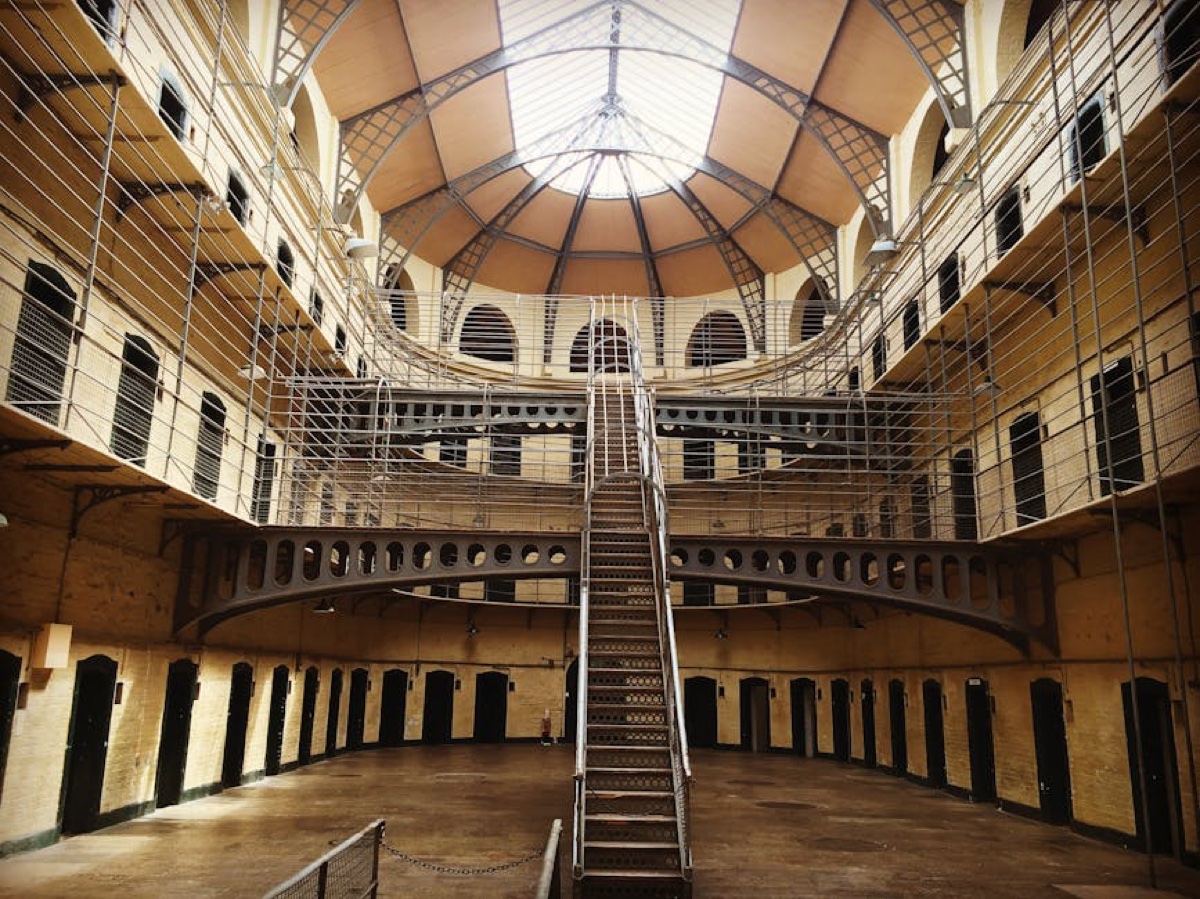
For the afternoon, Kilmainham Gaol is the pick if you can get tickets.
It’s one of the most important historical sites in the country, and the guided tour is excellent.
The problem is that it sells out weeks ahead in summer, so this is one you need to book as soon as you have a travel date.
Kilmainham is about 4km west of the city centre, roughly a 15-minute taxi ride or 25 minutes on the Luas red line from Jervis stop.
Click here to book a highly-rated tour of Kilmainham Gaol.
If Kilmainham is sold out, head to the National Museum of Ireland (Archaeology) on Kildare Street instead.
It’s free, no booking required, and the collection of Iron Age gold and Viking artefacts is worth a couple of hours easily.
It’s a 10-minute walk from Grafton Street, so it fits naturally into the day without any extra travel.
Evening: Pubs and Live Music
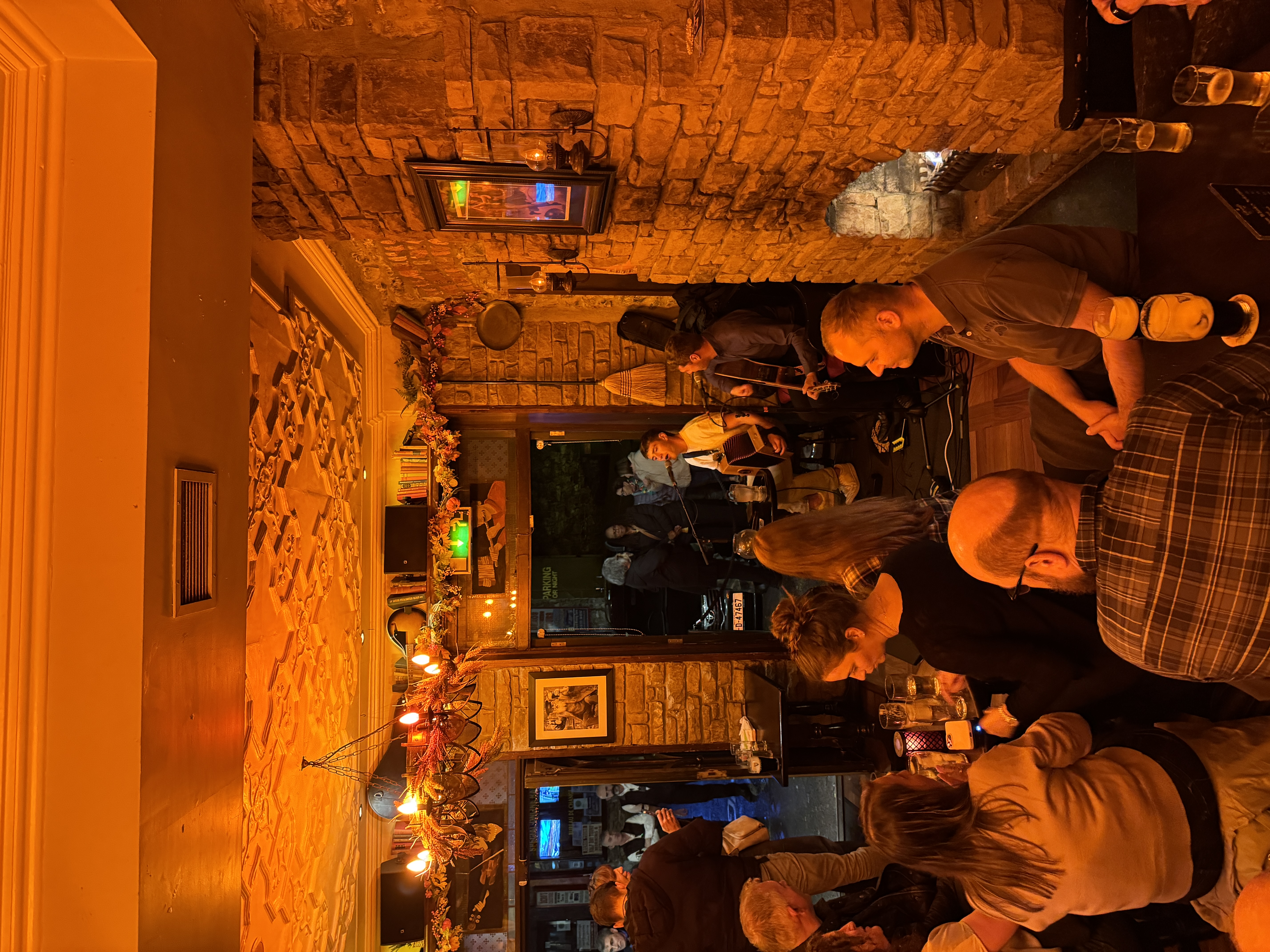
Dublin evenings are best spent in a pub, full stop.
The Temple Bar area is the obvious choice for a first night.
It’s lively, there’s live music most nights, and the atmosphere is hard to beat, even if the pints cost a euro or two more than you’d pay elsewhere.
If you’d rather drink where the locals do, duck onto Fleet Street or Dame Street, which run parallel to Temple Bar and have a better mix of tourists and actual Dubliners.
Either way, budget around €7-8 for a pint of Guinness in the Temple Bar strip, or closer to €6 just a block or two away.
If you want to pack more into your first day without the hassle of queues, this Dublin highlights skip-the-line tour covers Dublin Castle and St. Patrick’s Cathedral and is a solid option for getting your bearings fast.
If you want a deeper dive into Dublin’s pub culture before you go, our weekend in Dublin guide covers some of the best spots across the city.
3. Day 2: The Wicklow Mountains and Kilkenny
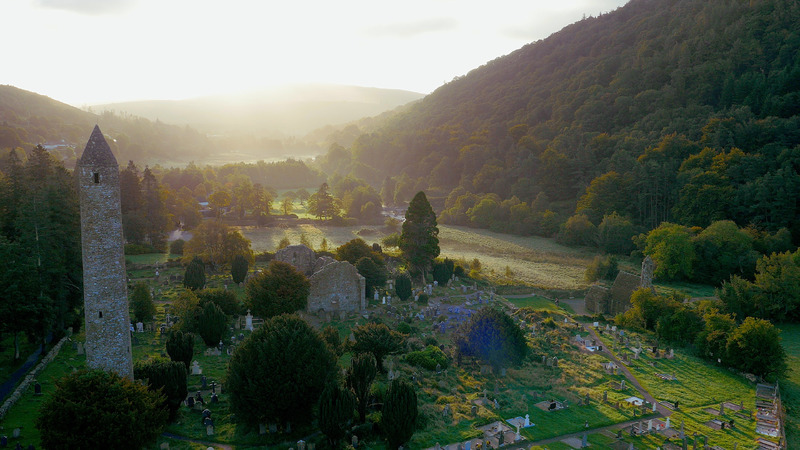
Day 2 is the road day, and it’s a good one.
You’re heading south out of Dublin into the Wicklow Mountains, then continuing on to Kilkenny for the afternoon and evening.
Total drive time is around two and a half hours across the day, split into two easy legs.
Morning: Drive South and Glendalough
Leave Dublin early, ideally by 8:30am if you’re driving.
The run down to Glendalough takes about 1 hour 15 minutes, and getting there before 10am matters more in summer than at any other point on this trip.
The car park costs €4, and on a warm Saturday in July or August it fills up completely by mid-morning.
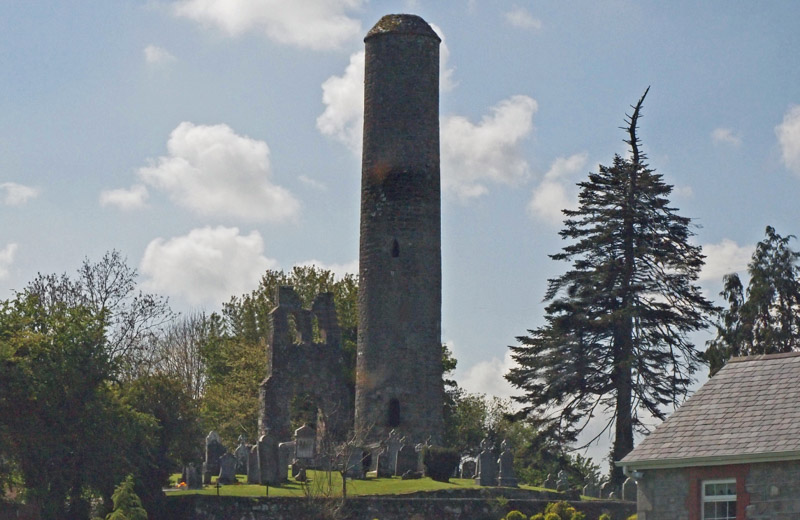
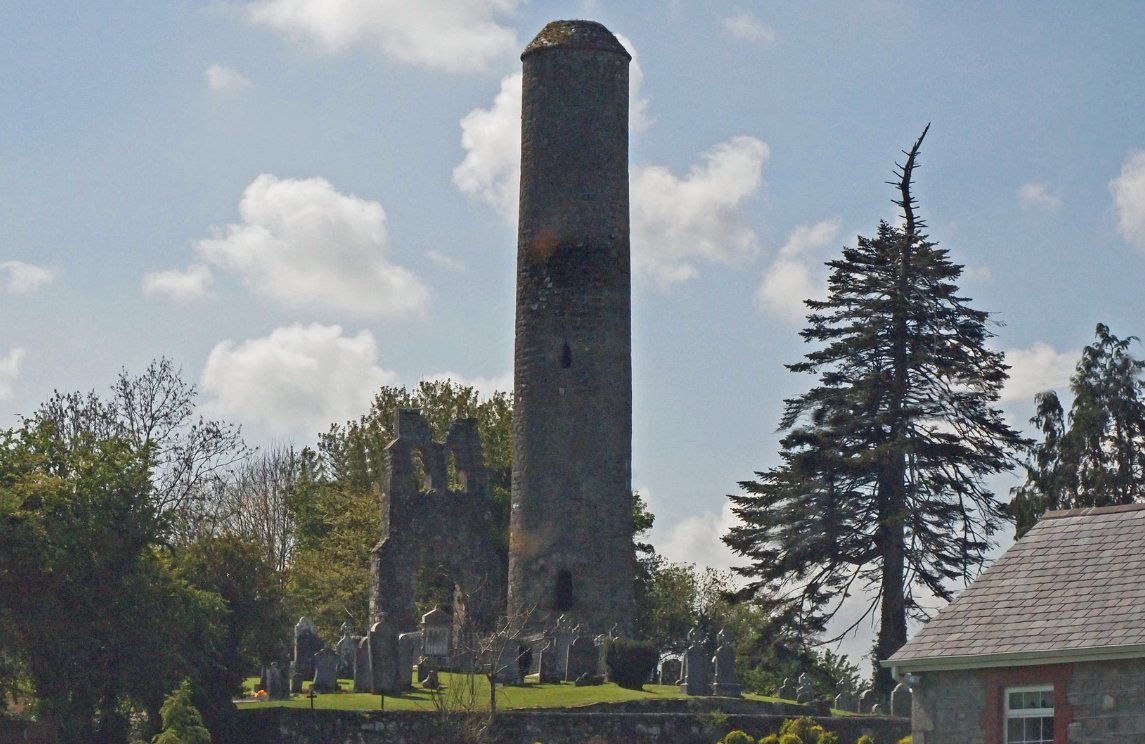
Glendalough is a 6th-century monastic settlement tucked into a glacial valley, with two lakes, a round tower, and a scatter of early Christian ruins that have been here since St. Kevin founded the site around 570 AD.
The easy walk around the lower lake and up to the upper lake takes about 90 minutes at a relaxed pace, and it’s one of the better short walks in the whole country.
We have a full guide to the walks in Glendalough if you want to plan your route in advance.
If you’re not driving, a guided day trip from Dublin that includes Glendalough is the most practical option.
The site isn’t well served by public transport and the valley deserves more than a rushed visit.
Click here to book a highly-rated Glendalough tour from Dublin.
Afternoon and Evening: Kilkenny
From Glendalough, it’s about 1 hour 10 minutes south to Kilkenny.
Plan to arrive early-to-mid afternoon, which gives you the best light for the castle grounds and leaves time for the Medieval Mile before dinner.
Kilkenny Castle is the obvious first stop, with entry around €8 and the grounds free to walk even if you skip the interior tour.
The afternoon light on the south-facing lawns is particularly good, especially in spring and autumn.
After the castle, the Medieval Mile runs north through the city centre, taking in St. Canice’s Cathedral, the Black Abbey, and a run of medieval streetscapes that are in better shape here than almost anywhere else in Ireland.
One thing worth knowing: Kilkenny is a small city.
Two to three hours covers the main highlights comfortably, which makes it ideal for a late-afternoon stop rather than a full day.
For more on what to do here, our guide to things to do in Kilkenny has the full breakdown.
For dinner, the city centre has a good mix of options along Parliament Street and around the market area.
If you’re planning to overnight in Kilkenny rather than drive back to Dublin, Kilkenny River Court Hotel sits right on the Nore with views back toward the castle and puts you in easy walking distance of everything in the city.
If you’re pushing on to more of Ireland after this, our 5 Days in Ireland itinerary picks up from here and takes you further south and west.
4. Day 3: The Cliffs of Moher and the Burren
Day 3 is where your itinerary splits, and which path you take depends entirely on your logistics.
Option A: Head West to the Cliffs of Moher
If you’re flying out of Shannon, continuing on to Galway, or you’ve built in a fourth night somewhere along the Wild Atlantic Way, Day 3 is your chance to do something spectacular.
The Cliffs of Moher are about three hours from Dublin by car, which means an early start is non-negotiable.
Leave by 7:30am and you’ll beat the worst of the crowds and have the cliffs in relatively good light for the morning.
Entry to the visitor centre costs around €8-10 per adult, and that covers the main viewing platforms.
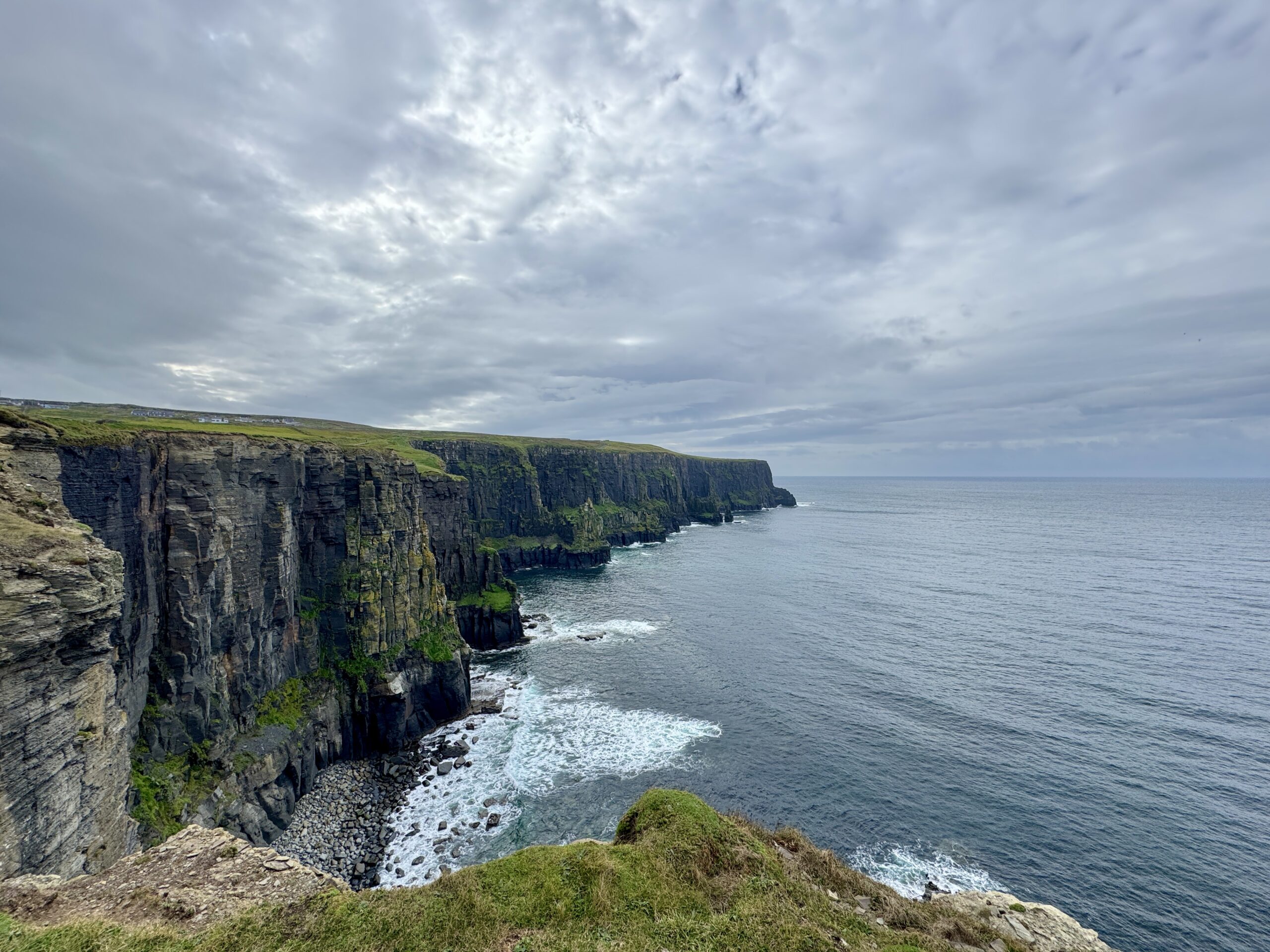
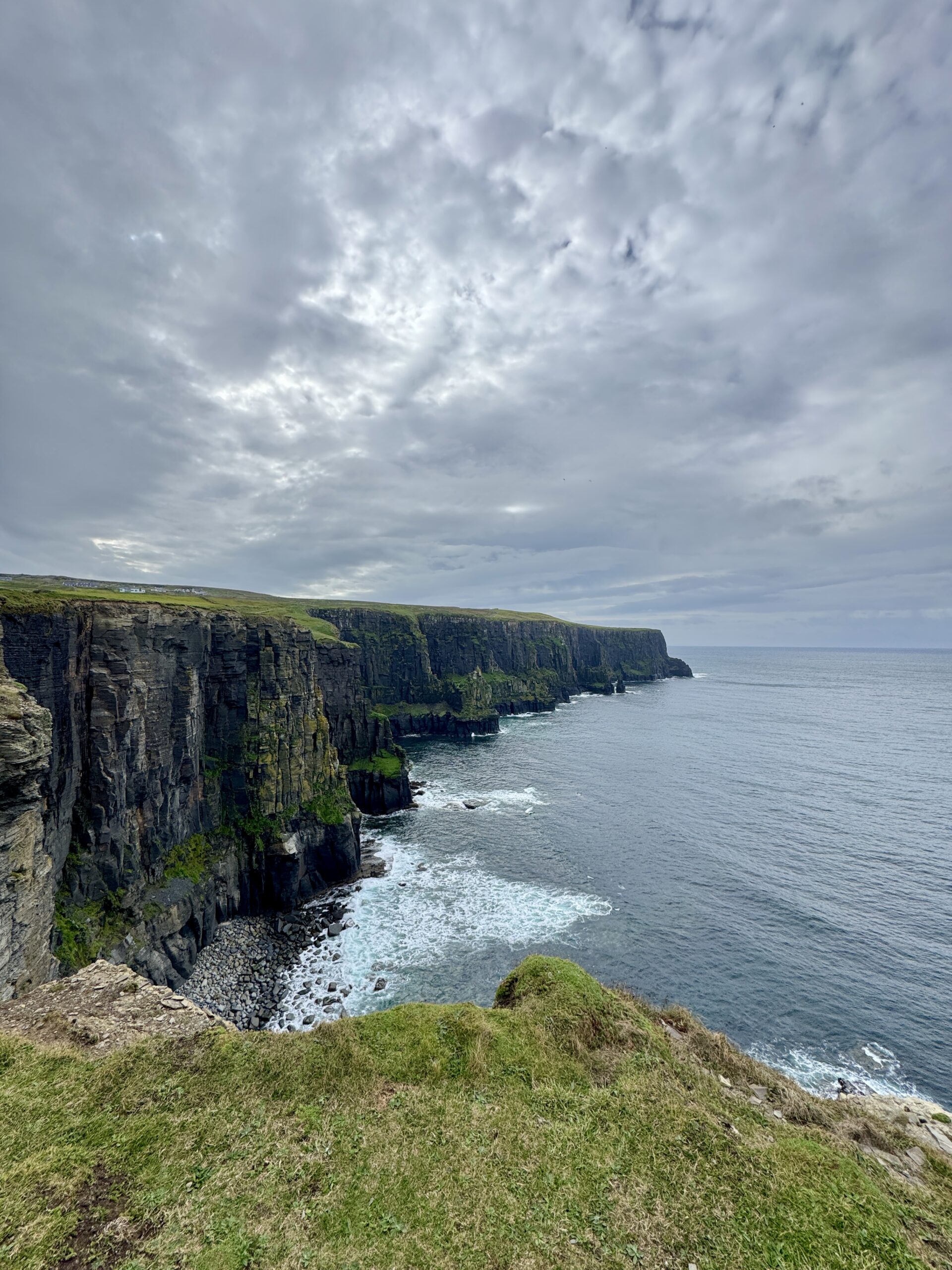
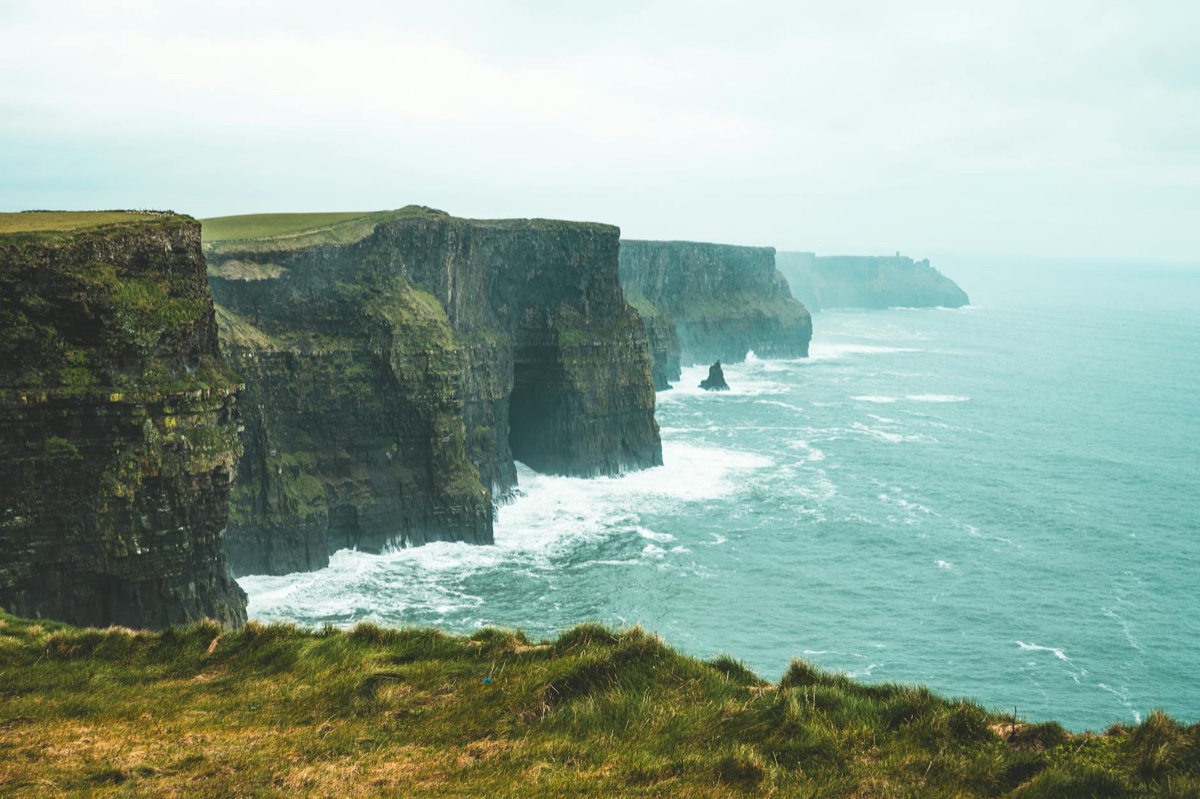
The cliffs run for about 14 kilometres along the Atlantic coast, and the drop at the highest point is over 200 metres straight down to the water.
You can stick to the main platforms near the visitor centre, or walk the cliff path south toward Hag’s Head for a longer stretch with far fewer people on it.
We have a full guide to the Doolin to Cliffs of Moher cliff walk if you want to do the longer hike from the village rather than driving straight to the car park, and our complete guide to visiting the Cliffs of Moher covers everything else you need to know before you go.
One caveat: the cliffs are exposed to Atlantic weather, and conditions can change fast.
Pack a waterproof jacket regardless of what the forecast says the night before.
If you’re not driving, a day tour from Dublin is the most practical option and gets you there and back without the three-hour return drive on top of a full day on your feet.
This Cliffs of Moher & Burren day trip is highly rated and takes care of all the logistics from Dublin.
On the way back, if time allows, pull off the main road and spend 30-45 minutes in the Burren.
It’s a limestone plateau that looks like it belongs on another planet, all cracked grey rock stretching out toward the horizon with wildflowers pushing up through the cracks in spring and summer.
There’s no entry fee, you just stop and walk.
It doesn’t need much time to make an impression, and it’s a completely different kind of landscape to anything else on this itinerary.
If you’re extending the trip, our guide to things to do in Galway is worth reading before you head north, and the best day trips from Galway gives you options if you’re staying in the west for another night or two.
Option B: More Time in Dublin

If you’re flying home from Dublin and you’re already stretched for time, there’s no shame in skipping the west entirely on a three-day trip.
Trying to do the Cliffs of Moher as a same-day return trip to Dublin is a six-plus hour drive, and that’s before you’ve spent any time actually at the cliffs.
A better call is to use Day 3 to see the parts of Dublin you didn’t get to on Day 1.
Phoenix Park is one of the largest urban parks in Europe and it’s free to walk.
If you’re lucky with timing you’ll spot the resident deer herd, which our guide to finding Phoenix Park deer explains in more detail.
The Guinness Storehouse is the other obvious choice for a final morning, and it’s worth the time even if you’re not a big stout drinker.
The brewing history and the view from the Gravity Bar over the city are the real draws, and our full guide to the Guinness Brewery tour covers what to expect, how long to allow, and whether it’s worth booking in advance.
Click here to book your Guinness Storehouse entry in advance.
If you’d rather keep it relaxed on Day 3, the coastal walk at Dún Laoghaire is an easy DART ride from the city centre and gives you a completely different side of Dublin with sea air and views across the bay.
Either way, if three days has left you wanting more, our 4 Days in Ireland itinerary and 5 Days in Ireland itinerary pick up from here and take you further around the country.
5. What Does 3 Days in Ireland Cost?
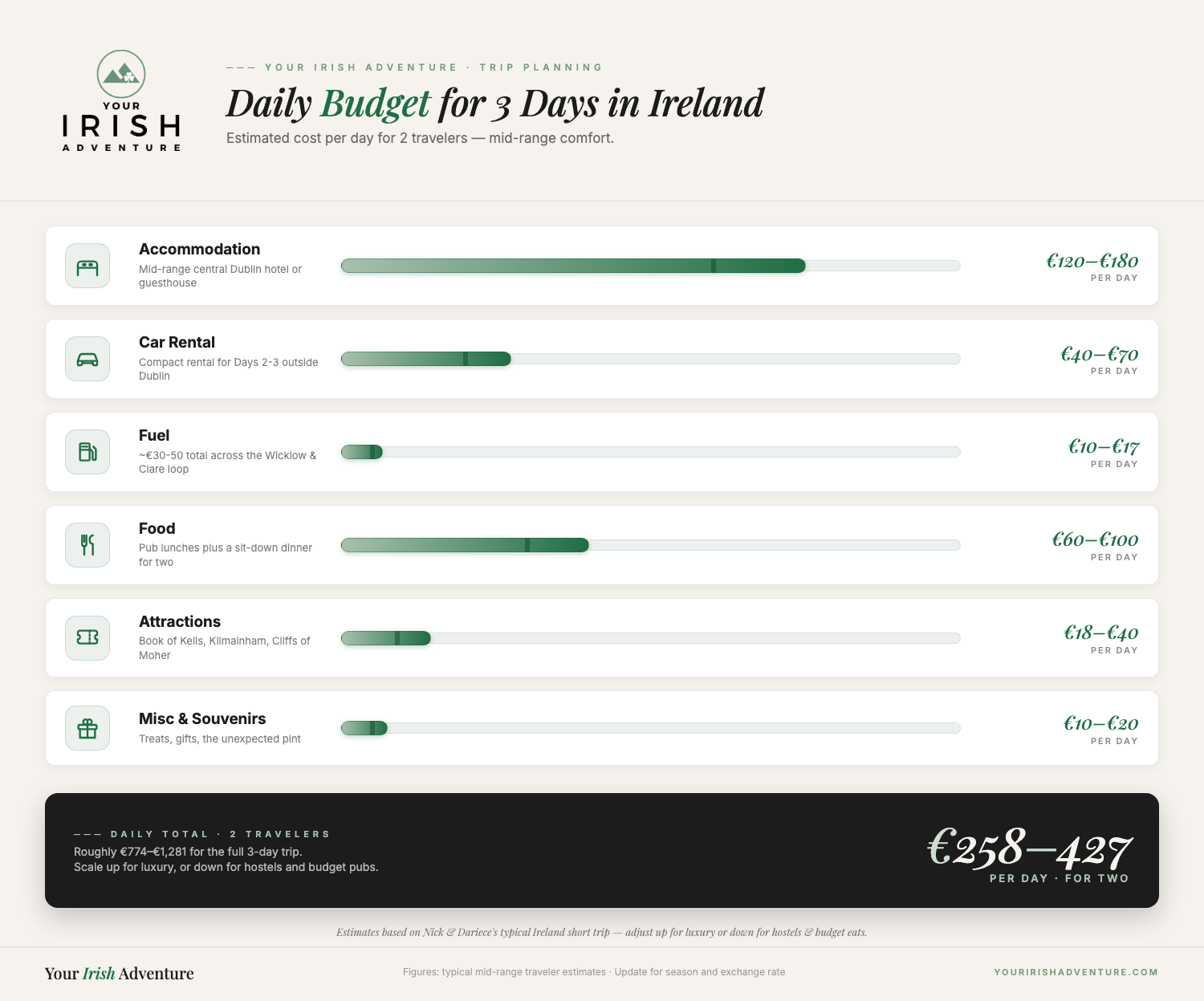
Three days in Ireland can cost anywhere from around €100 per person per day on a tight budget to €250+ if you’re staying somewhere nice, eating well, and doing the big attractions.
Here’s a rough breakdown of what to expect:
- Accommodation: Budget hostels or guesthouses run €80-100/night for a room. Mid-range hotels land at €120-160/night, and anything comfortable in central Dublin will push €180-220+.
- Car rental: Budget around €40-70/day depending on the size of car and time of year. Booking early through DiscoverCars usually gets you the best rate.
- Attraction entry: Kilmainham Gaol is €9, the Book of Kells runs €18-20, the Cliffs of Moher is €8-10, and the Guinness Storehouse is €26-30.
- Food: A pub lunch will set you back €12-18. A sit-down dinner with a drink or two is typically €25-40 per person.
- Petrol: For this route, budget around €30-50 total depending on where you pick up the car and fuel prices.
Eating right next to the tourist sites adds a noticeable premium.
You’ll pay significantly less if you grab lunch at a local deli or supermarket, or walk a few streets back from the main attractions before sitting down to eat.
If you want to stretch your budget further, our guide to Ireland on a budget has some solid practical tips that work well alongside this itinerary.
More guides for your Ireland trip:
- Is This The Best Bed and Breakfast In Northern Ireland?
- The Most Beautiful Towns In Ireland You Need To Visit
- 17 Unique Things To Do In Meath, Ireland – The Royal County
- 21 Unique Things To Do in Kerry, Ireland – The Kingdom County
- The Definitive Guide To Driving in Ireland For Tourists
- Whats’s the best thing about living in Ireland? #Reddit Responds.
- 33 Best Things To Do in Galway, Ireland
- 10 Best Meals in Ireland (What to Eat and Drink)
- 10 Best Places To Stay in Bray, Ireland
- 15 Best Things To Do in Howth, Ireland
Practical Tips for 3 Days in Ireland
A few things worth knowing before you go, so nothing catches you off guard on the road.
Pack Waterproofs, No Matter What the Forecast Says

Ireland’s weather changes fast, and a clear morning can turn wet by lunchtime.
A lightweight waterproof jacket takes up almost no space in your bag and will save your day more than once.
Take It Slow on Day 1 if You’re Driving
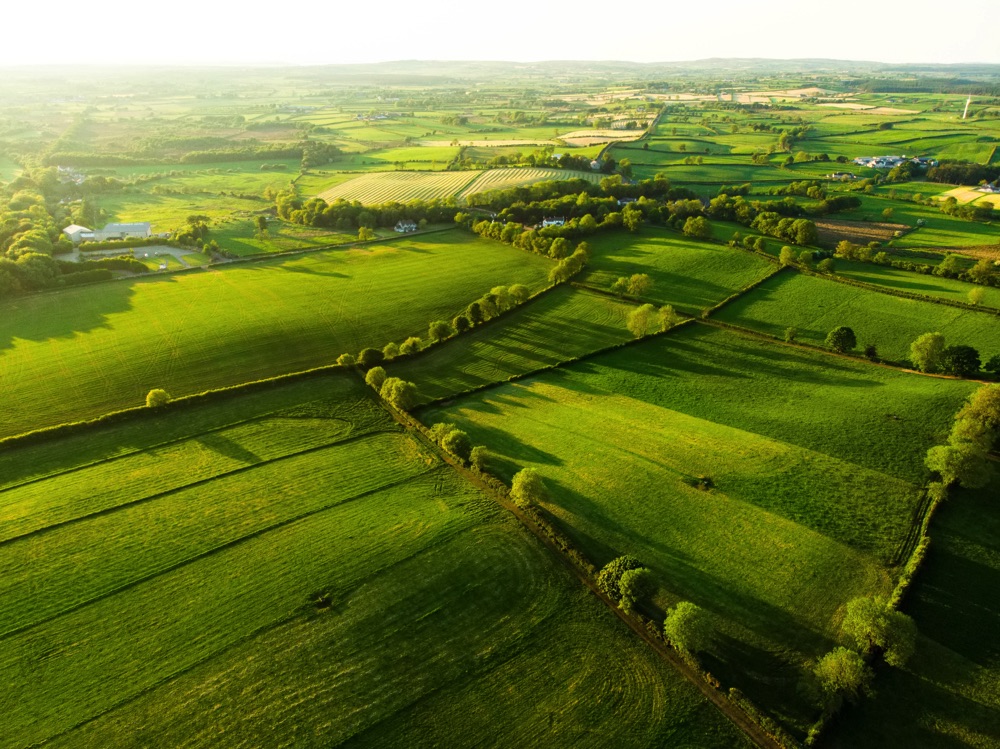
Left-hand driving takes adjustment, and the roads outside Dublin can get very narrow, very quickly.
Give yourself a relaxed first hour behind the wheel before you commit to anything tight or fast-moving.
Our definitive guide to driving in Ireland for tourists covers everything you need to know before you set off.
Pre-Book Kilmainham Gaol and the Book of Kells
Both sell out well in advance, especially between May and September.
Don’t leave these until the day, book them online before you leave home.
Tipping Isn’t Mandatory in Ireland
Unlike in North America, tipping is not expected as standard here.
Around 10% for good service in a restaurant is appreciated, but no one will bat an eye if you don’t leave anything at a pub.
Use a Leap Card for Dublin Public Transport
If you’re skipping the car on Day 1 and using buses or the Dart, pick up a Leap card at any newsagent or the airport.
It’s cheaper than paying cash fares and works across Dublin Bus, the Dart, and the Luas.
May to September Is the Best Time to Visit
You’ll get the longest days, the best light, and the most reliable weather in those months.
July and August are the peak of summer, which means more crowds at places like the Cliffs of Moher, so check our guide to the best time to visit Ireland if you have flexibility on dates.
Want More Time? Extend Your Ireland Itinerary
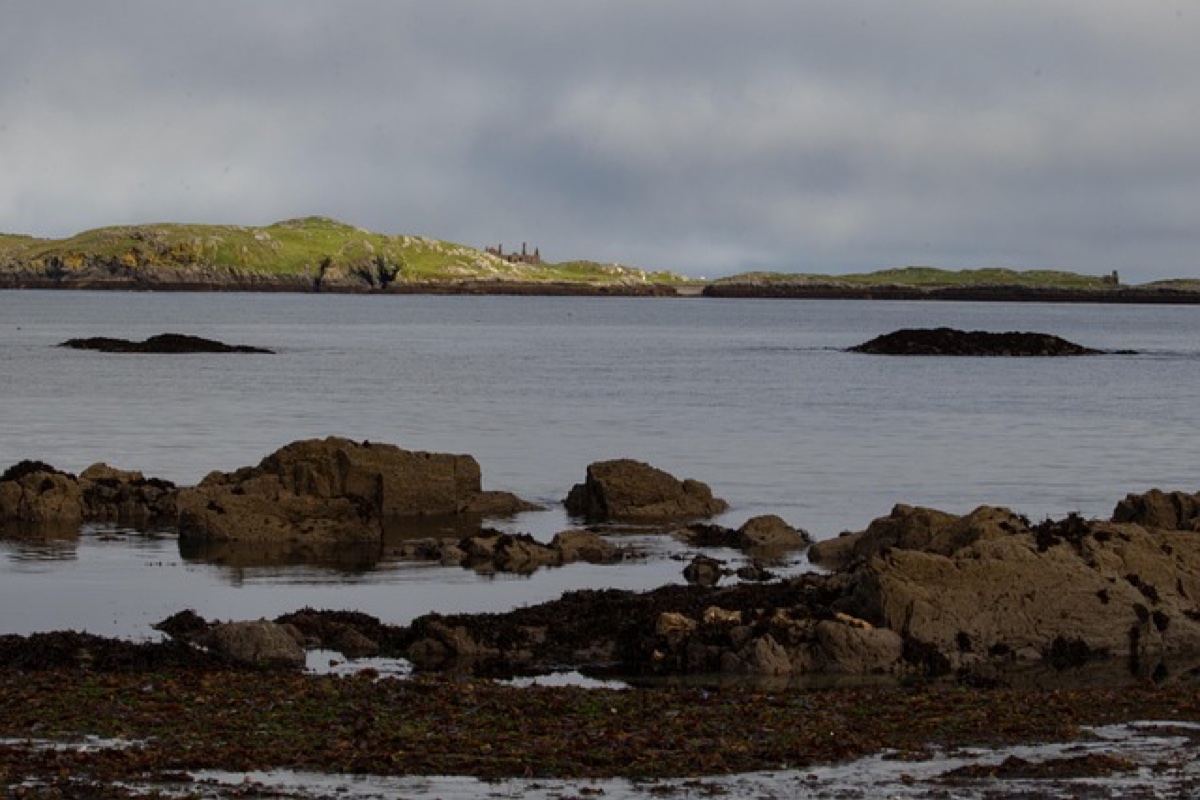
Three days gives you a solid taste of Ireland, but if you can add more time, the country really opens up.
A 4 Days in Ireland: A Long-Weekend Itinerary lets you push south to Kilkenny or west toward Galway.
5 Days in Ireland: The Perfect Short-Trip Itinerary starts to unlock the west coast properly.
Get to a full week and you’re into serious territory.
7 Days in Ireland: The Perfect 1-Week Itinerary covers the Ring of Kerry, Connemara, and stretches of the Wild Atlantic Way that most visitors never reach. If you’re heading north, a Giant’s Causeway & Belfast day tour is one of the easiest ways to take in the highlights without the hassle of driving unfamiliar roads.
Frequently Asked Questions
Here are the questions I get asked most about planning a 3-day Ireland trip.
Is 3 days enough to see Ireland?
Three days is enough to get a real feel for the country, but you won’t see everything.
Focus on one or two regions rather than trying to cover the whole island, and you’ll come away with a much richer experience than if you race from coast to coast.
What is the best base for a 3-day Ireland trip?
Dublin works well as a base if you’re flying in, since it gives you easy access to Wicklow, the Boyne Valley, and even a day trip toward the west.
If you want to focus on the Wild Atlantic Way or the Cliffs of Moher, basing yourself in Galway makes more sense.
Do I need a car for 3 days in Ireland?
If you’re sticking to Dublin city, no, you don’t need one.
If you want to reach the Cliffs of Moher, the Wicklow Mountains, or any of the smaller coastal towns, renting a car is by far the best option.
Public transport outside the cities is slow and infrequent.
Can I do the Cliffs of Moher as a day trip from Dublin?
Yes, it’s doable, but it’s a long day.
The drive is roughly 3.5 hours each way, so you’ll want an early start.
A guided day tour is the easier option if you’d rather not drive. You can read everything you need to know in our complete guide to visiting the Cliffs of Moher.
What is the best time of year for 3 days in Ireland?
May, June, and September hit the sweet spot, with decent weather, longer daylight hours, and fewer crowds than July and August.
Summer is the most reliable for dry days, but Ireland is visitable year-round.
Just pack a waterproof jacket regardless of when you go. Our guide to the best time to visit Ireland breaks it down season by season.
How much does a 3-day Ireland trip cost?
Budget roughly €80-120 per person per day for accommodation, food, and transport if you’re travelling modestly.
Add tours, car hire, and entry fees and a mid-range couple should expect to spend somewhere around €600-900 total for three days, not including flights.
Is it safe to drive in Ireland as a visitor?
Yes, but it takes a day to adjust if you’re used to driving on the right.
The main challenge isn’t the left-hand side, it’s the narrow country roads, especially in rural areas where two cars passing each other can feel tight.
Take it slow, use passing places, and you’ll be fine. Our definitive guide to driving in Ireland covers everything a first-timer needs to know.
Final Thoughts
Three days in Ireland gets you Dublin, one solid day trip, and a glimpse of the countryside.
It’s enough to fall for the place, but not enough to feel like you’ve seen it.
Most people who do three days start planning a longer trip before they’ve even flown home.
Think of this itinerary as the starting point. If you can stretch it to 5 Days in Ireland or a full 7 Days in Ireland, the country opens up considerably.
A week lets you reach the Wild Atlantic Way, Kerry, or Connemara, and those are the parts that tend to stick with people longest.
If three days is what you’ve got, make them count by booking early.
Dublin accommodation fills up fast in summer, and car hire for a day trip to Wicklow or the Boyne Valley is cheaper booked weeks in advance.
Sort both before you finalise anything else.
Like it? Pin it!
Save this guide for later


Is 3 days in Ireland enough time to see the country?
3 days in Ireland is enough to experience the highlights, including Dublin, the Wild Atlantic Way, and the Ring of Kerry, if you plan efficiently and limit your driving distances each day. You won’t see everything, but a well-structured 3-day itinerary gives you a satisfying mix of cities, coastline, and countryside. Prioritize one or two regions rather than trying to cover the entire island.
Should I rent a car for a 3-day Ireland itinerary?
Renting a car is strongly recommended for a 3-day Ireland trip, as public transport doesn’t reach many of the most scenic rural areas like the Cliffs of Moher or the Ring of Kerry. Remember that driving is on the left side of the road, and many country roads are very narrow. Book your rental car in advance, especially in summer, to secure better rates and availability.
What is the best time of year to visit Ireland for 3 days?
May, June, and September are the best months for a 3-day Ireland visit, offering mild weather, longer daylight hours, and fewer crowds than peak July and August. Ireland’s weather is unpredictable year-round, so pack waterproof layers regardless of when you travel. Summer gives you the best chance of dry days, but even a little rain adds to Ireland’s dramatic landscape atmosphere.
How much money do I need for 3 days in Ireland?
Budget roughly €100–€150 per person per day for a comfortable mid-range 3-day Ireland trip, covering accommodation, meals, transport, and entrance fees. Dublin is the most expensive part of the itinerary, while rural areas like Galway or Kerry are generally more affordable. Booking accommodation and major attractions like the Cliffs of Moher in advance can help you save significantly.
Can I visit the Cliffs of Moher and Galway on a 3-day Ireland itinerary?
Yes, both the Cliffs of Moher and Galway fit perfectly into a 3-day Ireland itinerary, typically as a dedicated day trip or overnight stop around day three. The Cliffs of Moher are about an hour’s drive from Galway City, making them easy to combine in a single day. Arriving at the Cliffs early in the morning helps you avoid tour bus crowds and enjoy the views at their most dramatic.