
I would choose May or early June as the best time to visit Galway, unless a particular festival is the reason for your trip. I have explored Ireland in every season, and September is another month I recommend.
For a longer trip, our guide to the best time to visit Ireland compares the seasons across the country.
Galway works well for a short city break throughout the year. The bigger question is how much of your visit you want to spend outside the city, especially on the Aran Islands or in Connemara.
Quick Answer:
The best time to visit Galway is May, early June, or September for a mix of city sightseeing and day trips. July suits travelers coming for the arts festival or races, but those events affect accommodation choices. Winter works for a short break built around food, pubs, and indoor sights. Expect rain in any season and keep your outdoor plans flexible.
Best Time to Visit Galway: The Short Answer

May and early June give you long evenings for Salthill and enough daylight for a day trip without arriving during the main July festivals. September is another good choice if you prefer a fall visit.
Choose July deliberately for the arts festival. Choose late July or early August deliberately for the races. Both can be excellent reasons to visit, but they also change the accommodation decision: find a suitable room before committing to transport.
More Galway Travel Guides
- Weekend in Galway: The Perfect 2 Day Itinerary
- 10 Best Pubs In Galway, Ireland
- Best Places to Stay in Galway, Ireland
For a first visit, I recommend two nights for the city itself. Add a third night for one full-day outing, or a fourth if both Connemara and the islands are priorities. A spare day also lets you change an outdoor plan when the forecast turns.
Galway Weather by Season

Rain is possible in Galway in every season, and exposure matters as much as temperature. A sheltered city street can feel quite different from the Salthill promenade or an island pier on the same afternoon.
Met Éireann describes western Ireland as wetter than the east, with Atlantic weather systems bringing much of the rain. I would put more effort into choosing a waterproof jacket and a flexible itinerary than trying to identify a supposedly rain-free month.
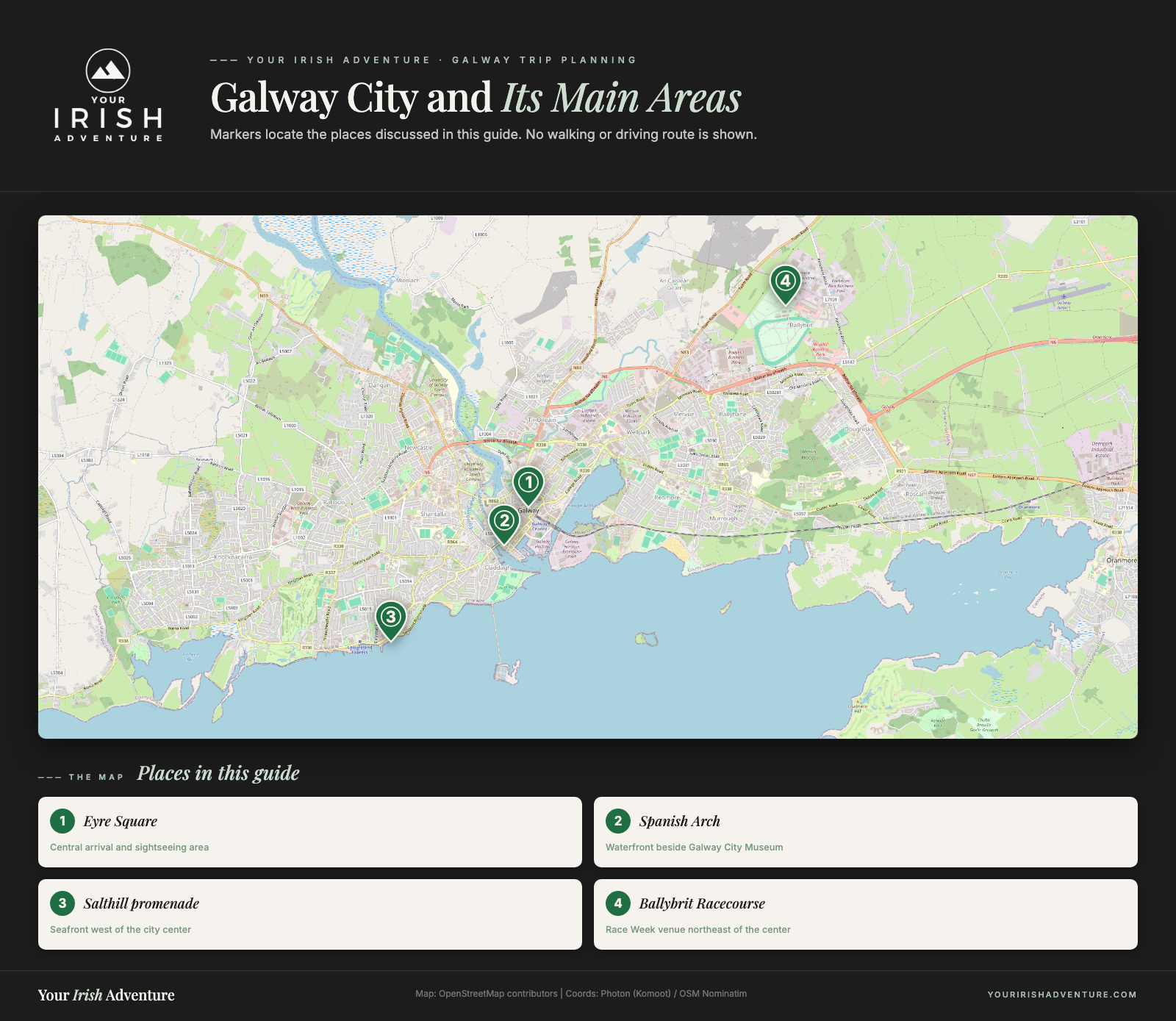
Eyre Square and the Spanish Arch are central; Salthill lies to the west and Ballybrit Racecourse to the northeast. Keep those distances in mind when choosing a place to stay.
Spring: March to May

May is my first choice for a Galway trip that combines the city with walks and day trips. The evenings are getting longer, and you can spend more of the day outside without relying on the busiest summer weeks.
March and April need more flexibility. Easter and public-holiday weekends can change accommodation availability, so compare the actual dates. Bring warm layers even when the afternoon forecast looks encouraging.
Summer: June to August
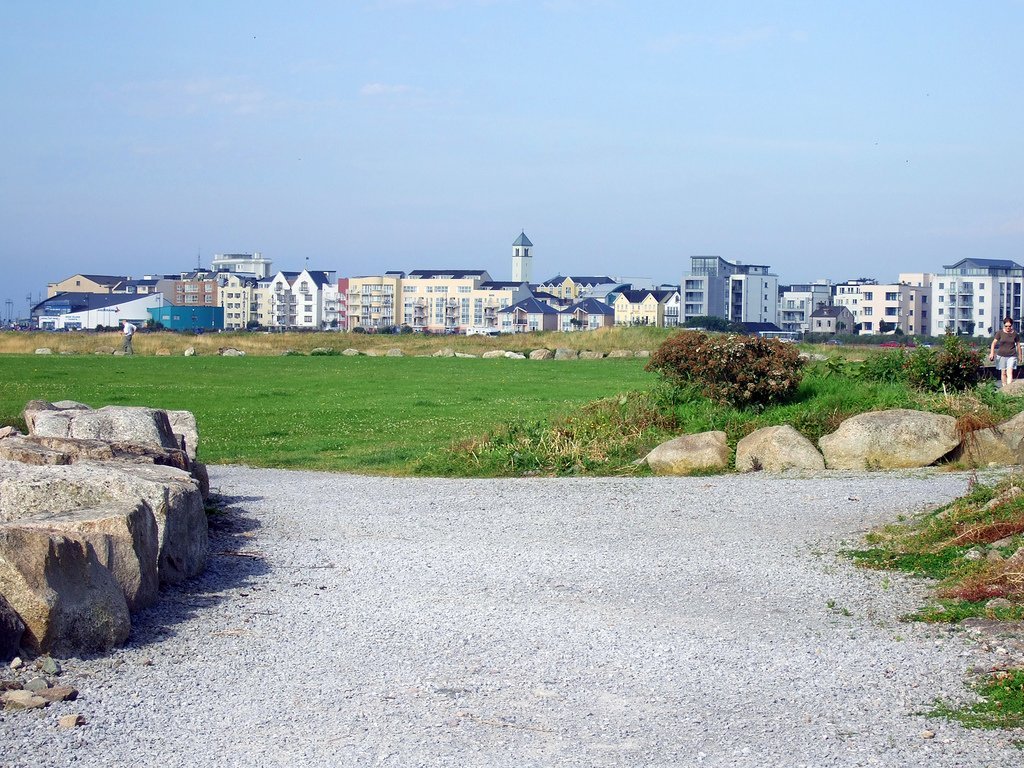
Summer gives you the longest days and the best chance to combine a full excursion with an evening in Galway. Early June is particularly useful if daylight matters to you but the July events don’t.
A summer booking still needs rain plans. Don’t treat a coastal walk or ferry trip as guaranteed simply because it’s July, and check the forecast again close to departure.
Fall: September to November

September offers a useful compromise between outdoor time and a visit outside the main summer festival period. The Oyster and Seafood Festival is an exception worth checking before you book, especially if you are hoping for an inexpensive weekend.
October and November suit a shorter city stay more easily than an ambitious sequence of coastal outings. Use the available daylight for Salthill or a country excursion, then keep museums, dinner, and music for the rest of the day.
Winter: December to February

Winter can work well when your main interests are food, museums, and pub music. I would choose a central room for a short winter break so that a wet evening doesn’t leave you dependent on repeated taxi journeys.
Galway City Museum is free and opens Tuesday through Saturday from 10 a.m. to 5 p.m., with galleries closing at 4:45 p.m. Sunday opening runs from Easter to mid-September, so a winter Sunday-to-Monday stay needs a different indoor plan.
Galway Month by Month
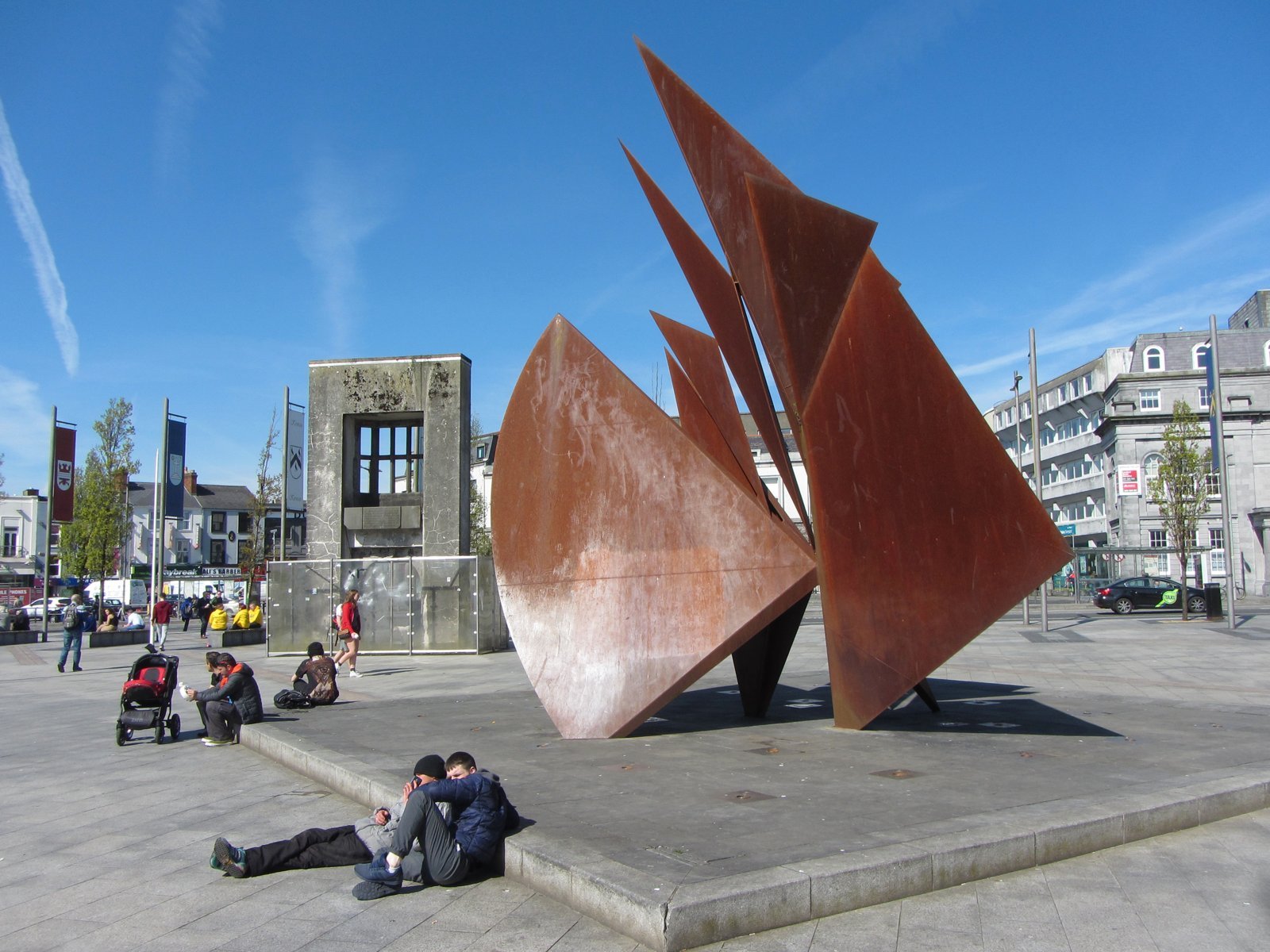
The best month for your trip depends on what you need to book. Use this table to narrow the choice, then check the event program and accommodation for the exact nights you are considering.
| Month | How I would plan the visit |
|---|---|
| January | Short city days suit the museum, food, and evening music. Keep a dry-weather window for the waterfront. |
| February | A city-focused break works well; treat a coastal walk as a weather-dependent extra. |
| March | St. Patrick’s celebrations add a reason for a city visit; exposed outings still need warm layers. |
| April | Longer evenings give you more sightseeing time. Easter weekends can be busier than ordinary weekdays. |
| May | My first choice for combining the city, Salthill, and a full-day outing. |
| June | Long daylight makes early June useful for Connemara or an island day alongside the city. |
| July | The arts festival and Film Fleadh make July the main choice for theater, concerts, and cinema. |
| August | Summer sightseeing continues, with Race Week sometimes extending into the start of the month. |
| September | A good fall option for city time and day trips, with the oyster festival later in the month. |
| October | Shorter outdoor days still leave time for city sights, with the comedy festival as an evening focus. |
| November | Favor food, music, and indoor sights. Seasonal Christmas market plans may add an evening outing. |
| December | A festive city break suits the season; holiday closures matter around Christmas itself. |
A July arts trip and an August family vacation need different bookings, even though both fall in summer. Start with the events or excursions you want, then narrow down the week.
Galway Festivals That Affect Your Dates
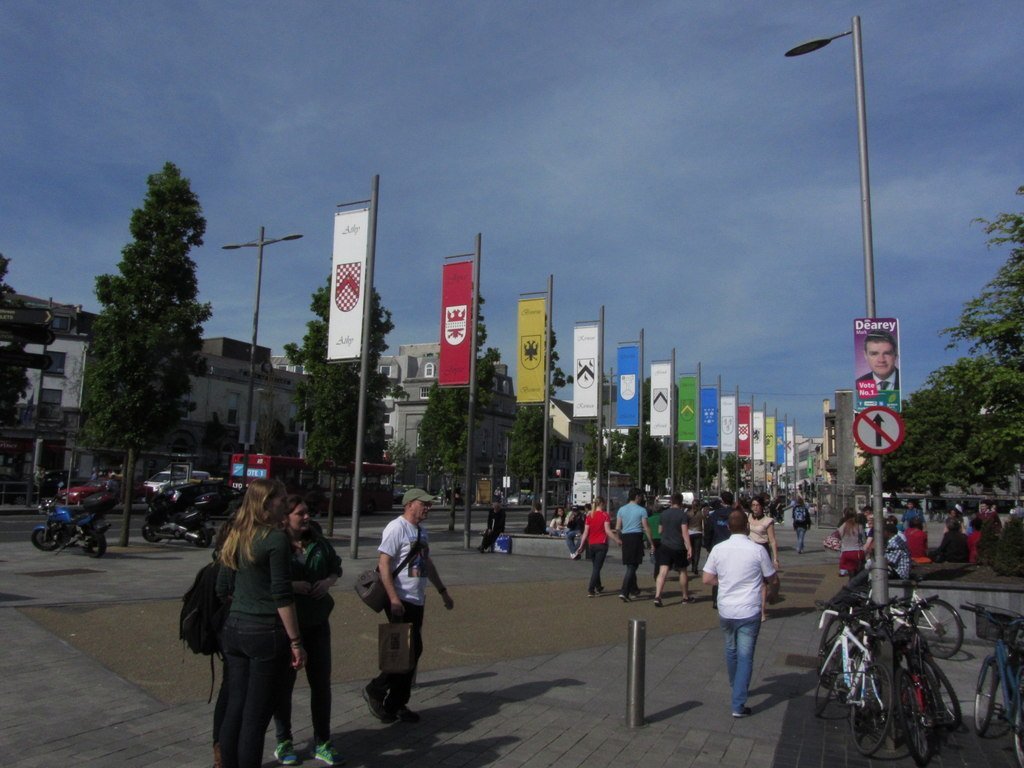
Check the event calendar before paying for a room. Galway’s major events are concentrated enough that moving a stay by a few nights can change both your plans and the accommodation available.
The Galway International Arts Festival runs for two weeks in July, with theater, music, visual arts, and other performances across the city.
The Big Top at Fisheries Field is a major music venue, while the festival also uses theaters and gallery spaces. Choose July if seeing performances is part of your trip, rather than simply hoping for the warmest weather.
The Galway Races Summer Festival lasts seven days at Ballybrit, northeast of the center, around late July and early August. The racecourse and the city center are separate places: check the event’s transport information and your return journey before heading out.
The Galway International Oyster and Seafood Festival takes place in late September. The program includes oyster-opening championships and an Oyster Trail through participating venues. You can make food the focus of a weekend without assuming every event is included in one festival ticket.
The Galway Film Fleadh also takes place in July, and Galway Comedy Festival brings another reason to visit in October. The Film Fleadh uses city venues for screenings, while the comedy program lets you choose individual shows. Either can give a short visit a clear focus without committing every day to the festival.
For a Christmas market trip, wait for the organizer’s confirmed dates and opening times. I would avoid booking a nonrefundable November stay around an assumed opening weekend.

The arts festival and Film Fleadh both fall in July, while the oyster and comedy festivals give you reasons to visit later in the year. These are usual seasonal windows; use the linked organizers for exact dates.
When Is Galway Cheapest and Busiest?
Start a lower-budget search with winter weekdays outside Christmas and major events, then compare April, May, and fall dates. There is no dependable cheapest month for every property, and a good shoulder-season room can cost less than a winter event weekend.
The room rate is only part of a Galway budget. A hostel kitchen can reduce meal costs, while a central room can save taxi fares. Breakfast and parking are worth including in the total, especially for a short stay.
For the busiest city atmosphere, July’s arts events and the summer race meeting are the periods to consider. If neither interests you, an ordinary week outside those events is a more sensible starting point.
When a festival is the reason for the trip, secure accommodation before transport. For a general city break, the pubs, restaurants, and waterfront do not depend on an event ticket.
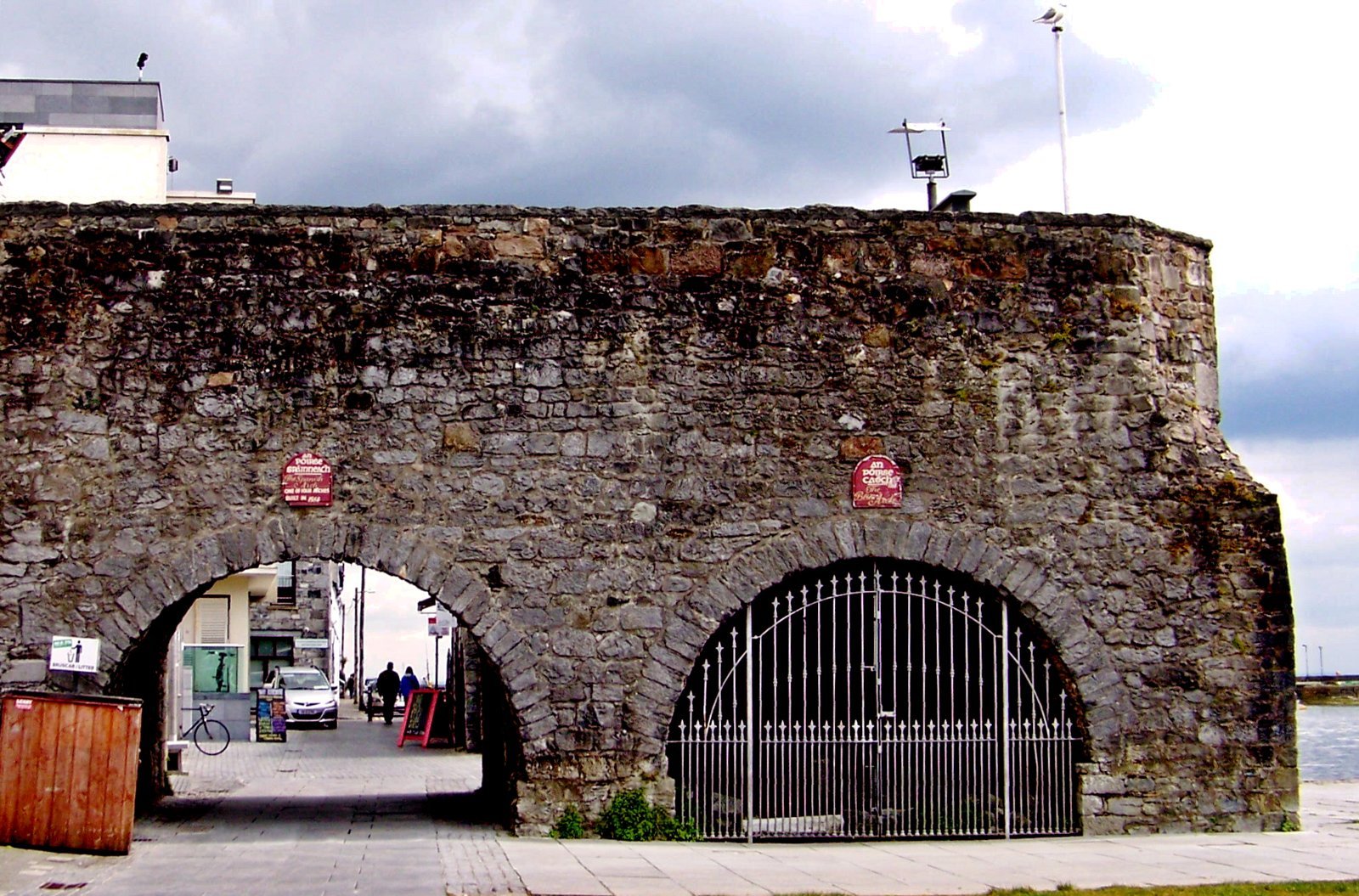
The city has several good ways to spend time without an admission ticket. Walk by the Spanish Arch, follow the waterfront toward the Claddagh, or head to Salthill when conditions suit. Galway Market runs on Saturdays and Sundays throughout the year, so a weekend visit also gives you that option.
Planning Galway and Its Day Trips
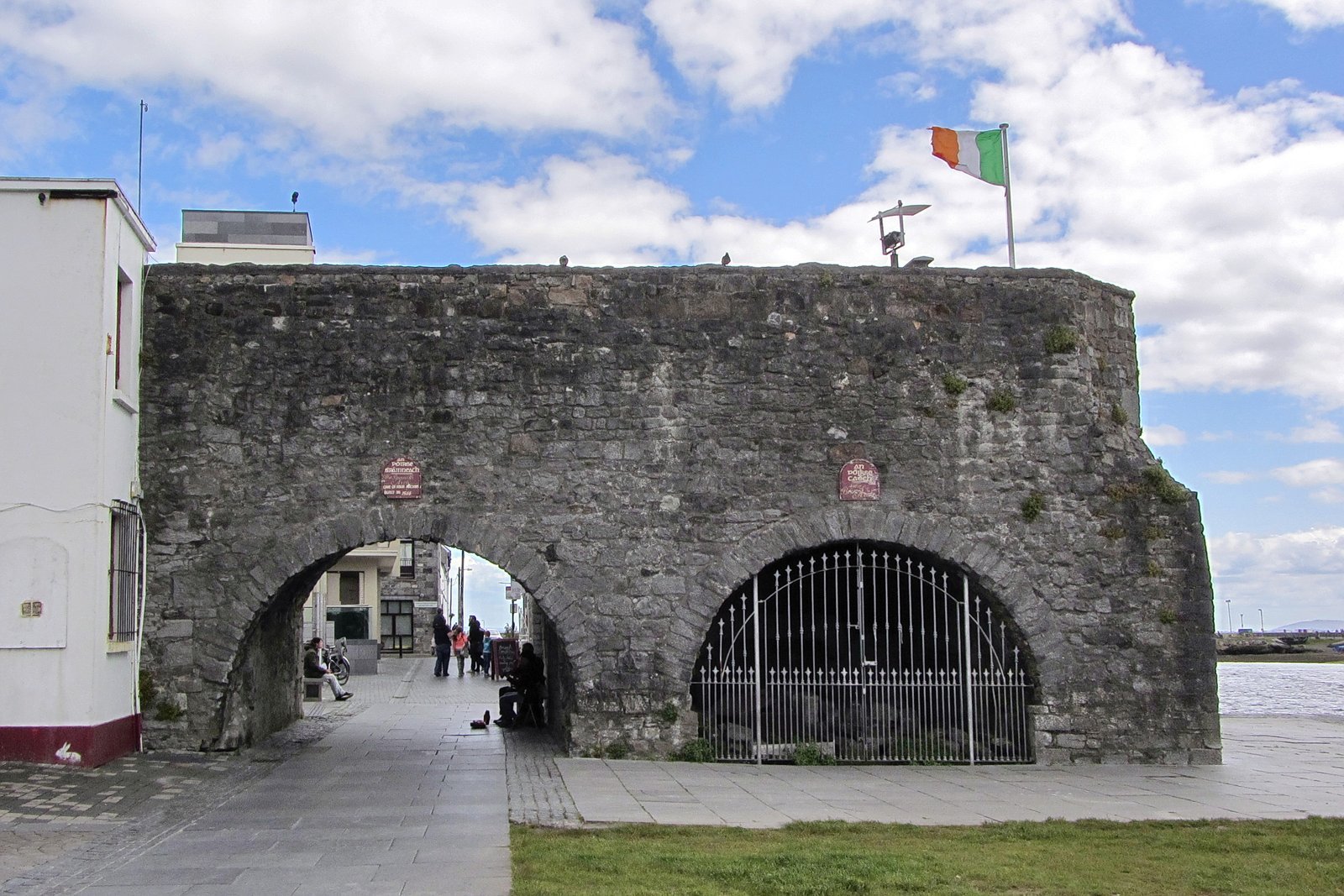
Use the city center as the starting point for a first visit. Eyre Square is convenient for arriving by train, the Spanish Arch area works well with the museum, and Salthill is a separate waterfront outing to the west.
Ballybrit is northeast of these central sights. During Race Week, plan it as an event visit with transport arranged, rather than expecting to walk there between city-center stops.
For the Aran Islands, distinguish the departure ports. Aran Island Ferries runs year-round services from Rossaveel, west of Galway, while its Galway City departures are seasonal. A search result for a ferry from Galway does not necessarily mean boarding beside your city hotel.
Read the sailing details for your date, including the departure point, shuttle arrangements, return time, and cancellation terms. I recommend leaving an island excursion flexible within a longer stay when possible, because sea conditions can affect plans in any season.
Connemara and Kylemore Abbey make a separate full-day outing. If you are driving, keep time for the return journey and check the abbey’s current admission hours. A bus tour is useful when you want to visit without renting a car for the entire city stay.
Plan Your Galway Day Trips
- 12 Of The Best Day Trips From Galway
- Cliffs of Moher From Galway: All Your Options
- Hiking In Galway: 10 Best Trails For All Levels
The Cliffs of Moher are another full-day option. Choose one major excursion per day instead of trying to combine the cliffs, the islands, and Connemara in a single self-planned route.
What to Pack for Galway
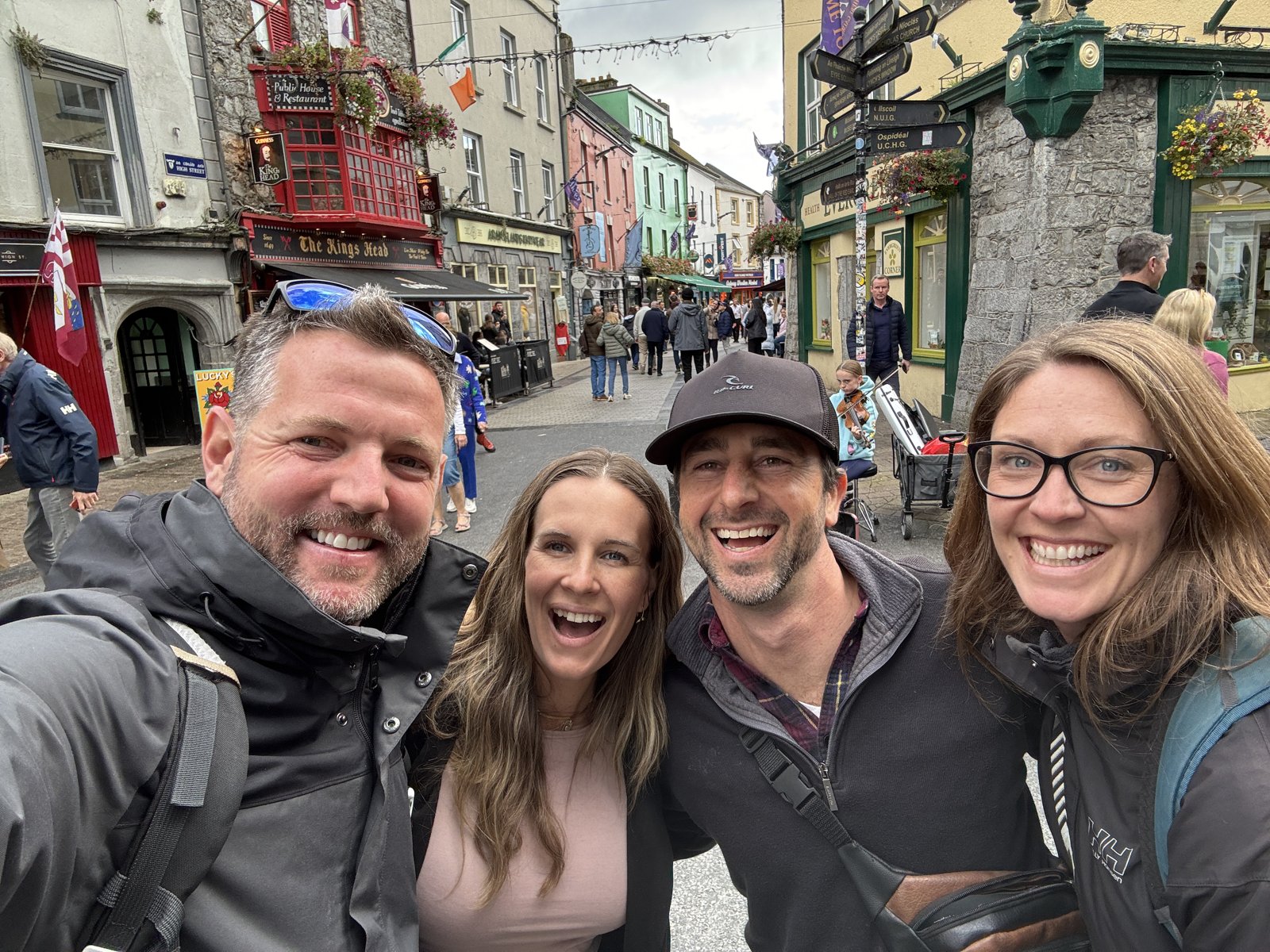
Bring a waterproof jacket with a hood, shoes with a useful grip, and layers you can take off indoors. A light sweater can be useful even in summer, particularly beside the water in the evening.
For a city break, a small daypack with a rain cover or waterproof inner bag is enough for a spare layer and your essentials. Keep a change of socks at your accommodation if you are spending a full day outdoors.
Check the forecast for the place you are going, not only Galway City. Connemara, an exposed headland, and an island crossing can need different decisions from a day of shops and museums.
Where to Stay in Galway
The center suits short stays without a car; Salthill is worth considering for the seafront. These three options give you a hostel, a family-run B&B, and a four-star city hotel, with different reasons to choose each.
Snoozles Galway City Centre

Snoozles on Forster Street is my budget starting point, especially for solo travelers willing to book a dorm bed. It also has private twin, double, and family rooms, so you can choose privacy without moving out of the center.
The shared kitchen and included continental breakfast help with food costs. Its location near Eyre Square and the transport stations is useful for early tour departures, and free bag storage makes an arrival or departure day easier.
Claremount House B&B

Claremount House suits a quieter stay near the Salthill promenade. This family-run B&B has private parking, rooms with their own bathrooms, and a cooked-to-order breakfast menu. I would consider it for a trip that combines Galway with drives into Connemara.
The seafront setting is the reason to choose it over a central room. Allow for a bus or taxi when you want an evening in the city center, rather than expecting to walk back quickly.
The Hardiman

The Hardiman is the central hotel option I would consider for a splurge. The four-star property faces Eyre Square, close to the train station, with classic rooms and larger suites. It suits a short stay when you want to walk between the hotel, restaurants, and city sights.
There are several places to eat and drink in the building, including the Oyster Room, the Parlour Lounge for afternoon tea, and MacNeill’s Pub beneath the hotel. That gives you options on a wet evening. Parking is charged separately; the hotel lists valet service and discounted parking nearby.
Best Tours from Galway
These two tours leave from central Galway and take a full day. The cliffs trip suits a first visit to the Burren coast; the Connemara trip gives you time at Kylemore Abbey without driving the rural roads yourself.
Cliffs of Moher and the Burren Day Tour

This eight-hour trip with Wild Atlantic Way Day Tours leaves from outside Kinlay Hostel on Merchants Road. It includes two hours at the Cliffs of Moher and admission to the visitor center, with stops through the Burren and a lunch break in Doolin.
Lunch is extra. The listed departure is 9:30 a.m., with arrival requested 15 minutes earlier. Bring a waterproof layer for the cliff-top stop and use the time on your booking confirmation if the schedule changes.
Connemara and Kylemore Abbey Day Tour
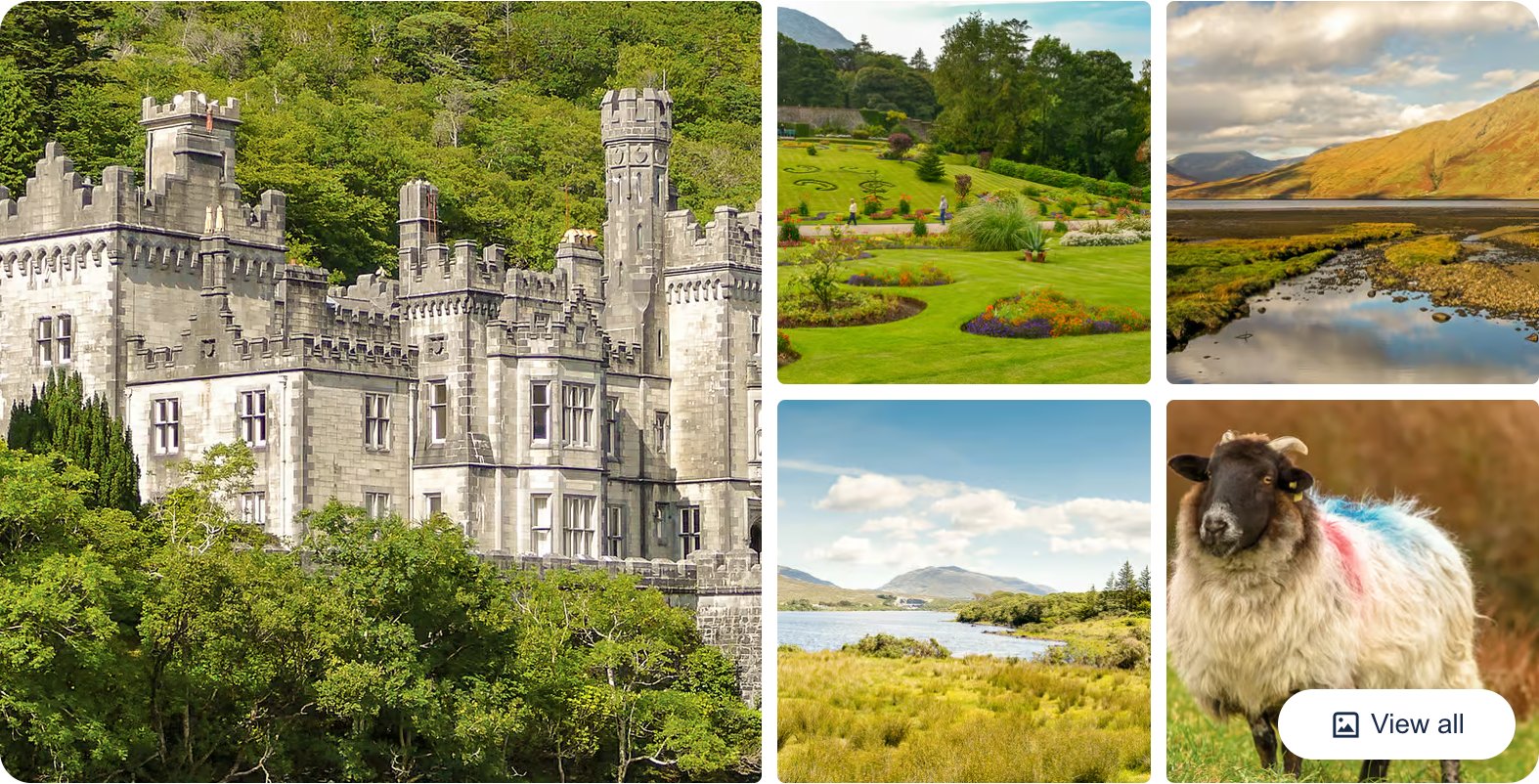
Lally Tours runs this seven-and-a-half-hour trip from outside the HYDE Hotel on Forster Street. Kylemore Abbey and Victorian Walled Garden admission is included, and you have about two hours at the estate. The route also takes in Leenane and the Killary area.
Food and drinks are extra. Wear shoes suitable for walking around the estate; the abbey and gardens are the main reason to choose this tour over a trip built around hiking in Connemara National Park.
In short
- Choose May, early June, or September for a first visit with a mix of city time and day trips.
- Pick July deliberately if the arts festival or races are part of your plans.
- Allow two nights for the city, then add time for excursions.
- Bring waterproof layers and keep an indoor option for wet weather.
More Help Choosing Your Ireland Dates
- Visiting Ireland in Spring: The Complete Guide
- Ireland in June: What To Wear and Pack
- Festivals in Ireland in September: Our Festival Guide
Galway Travel Timing: Frequently Asked Questions
What is the best time to visit Galway?
May, early June, and September are my first choices for a general Galway trip. They give you time for the city and outdoor plans without automatically choosing the main July festival period. July is a better choice if the arts festival or races are the reason for your visit.
How many days do you need in Galway?
Allow at least two nights for Galway City. Add another night for each full-day trip you want to take, such as Connemara or the Aran Islands. A day spent away from Galway leaves little time for the city itself.
What is the single worst week to visit Galway?
There is no worst week for everyone. Race Week is a poor match if you want a quiet city break and flexible room choices, but an obvious choice if you are coming for racing. Look at the official festival and race calendars before fixing your dates.
Is September a good time to visit Galway?
Yes. September is a useful choice for a mix of city sightseeing and day trips. Expect changeable weather, and account for the oyster festival if your stay falls late in the month. Ferry schedules still need checking for your exact route.
Can you do Galway as a day trip from Dublin?
It is possible, but the return journey takes a substantial part of the day. Staying overnight gives you time for dinner, music, and a less rushed look around the center. Keep Connemara or the Aran Islands for a separate day.
Does it matter which day of the week you arrive?
Yes. Saturday and Sunday are useful for Galway Market, while Galway City Museum normally opens Tuesday through Saturday, with Sunday opening during its summer season. Festival dates, transport timetables, and accommodation availability can matter more than the weekday alone.
Final Thoughts

My choice is May or early June for a first Galway visit, with September close behind. You get a useful amount of outdoor time without automatically choosing the main July festival period.
If an event is the reason you are coming, let that decide the dates and book your room around it. Otherwise, compare a few ordinary midweek stays, leave room for the forecast to change your plans, and give Galway at least two nights.
Like it? Pin it!
Save this guide for later