
I recommend Ireland in September for a trip that combines cities with time on the coast. You still have mild afternoons and a useful stretch of daylight, while the main school-vacation period has ended. The choice between early and late September matters more than you might expect.
More September Trip Planning
- Ireland Packing List For September
- Festivals in Ireland in September: Our Festival Guide
- The Definitive Guide To Driving in Ireland For Tourists
Quick Answer:
Ireland in September suits a trip with city days, coastal outings, and some room to change plans. Dublin averages daytime highs around 17°C, with cooler evenings and rain still possible. Start longer walks early as daylight shortens, compare hotel prices around festival weekends, and check seasonal boat schedules before building your route around an island visit.
You still need a rain plan, and a festival weekend can be expensive. Below, I’ll explain the weather, where I’d spend a week, and which bookings deserve attention before you arrive.
What to expect from Ireland in September
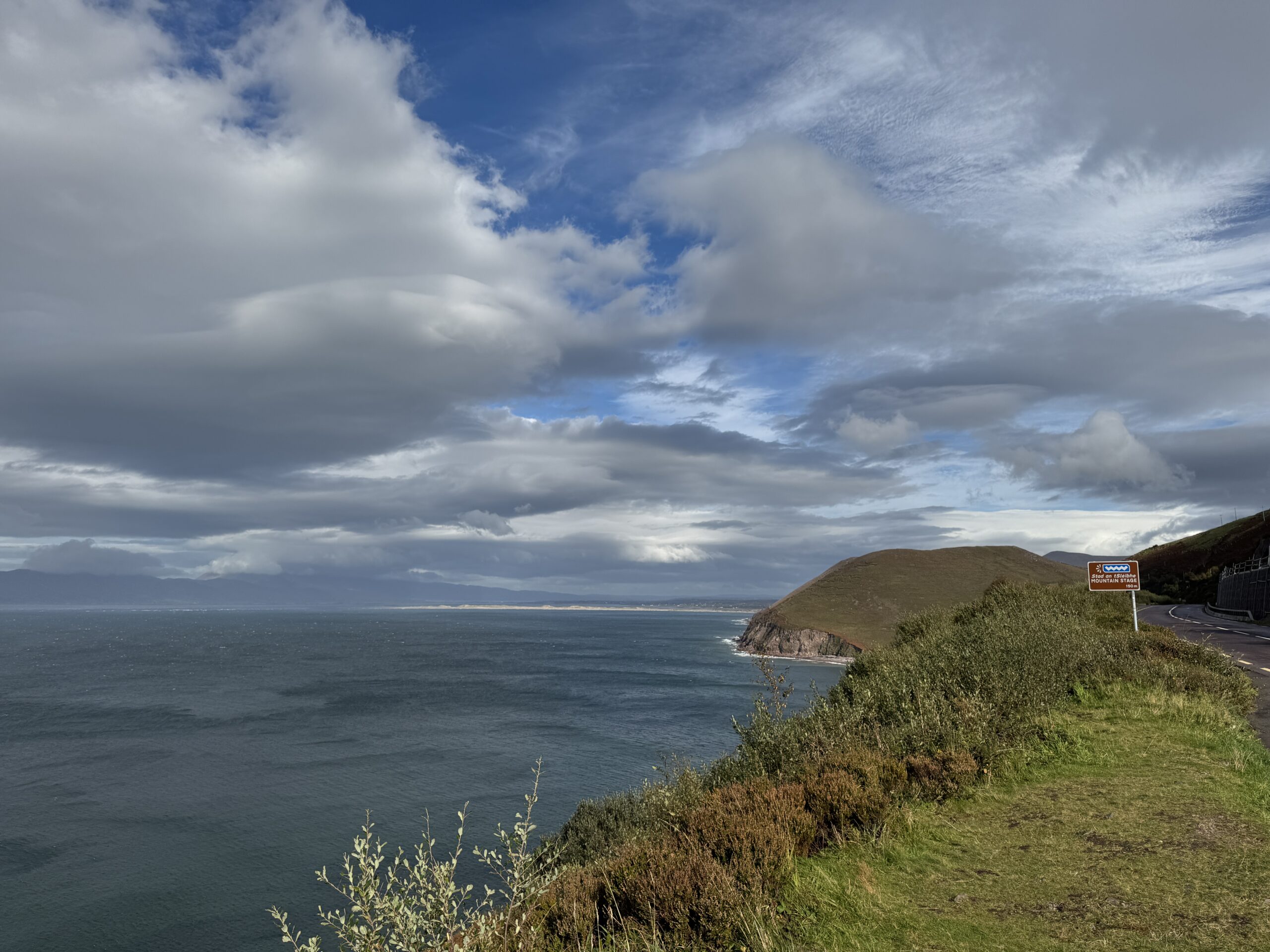
September is a transition month, so the week you choose changes your trip. Early September gives you longer evenings. By the end of the month, an outdoor day needs an earlier start, especially if you’re driving back along unfamiliar rural roads.
Dublin has roughly 13 hours and 40 minutes of daylight at the start of September and around 11 hours and 40 minutes at the end. Those are sunrise-to-sunset hours, not hours of sunshine. Cloud and rain can make a late afternoon feel darker well before sunset.
Put the longest walk or coastal drive earlier in the day and leave a town stop for the return journey. Dinner in Clifden is a better end to a Connemara outing than trying to find another remote viewpoint after sunset.
Choose the first half if outdoor time is your priority. There is more daylight available, though no particular week comes with reliable dry weather. Our best time to visit Ireland guide compares the rest of the year.
Late September suits a trip with museums, meals, and shorter walks alongside the coast. I like having two or three nights in one base then, because you can move an outdoor outing to the better forecast day. Accommodation savings are possible, but compare your actual dates before assuming September will be cheaper.
The advantages and disadvantages of September in Ireland
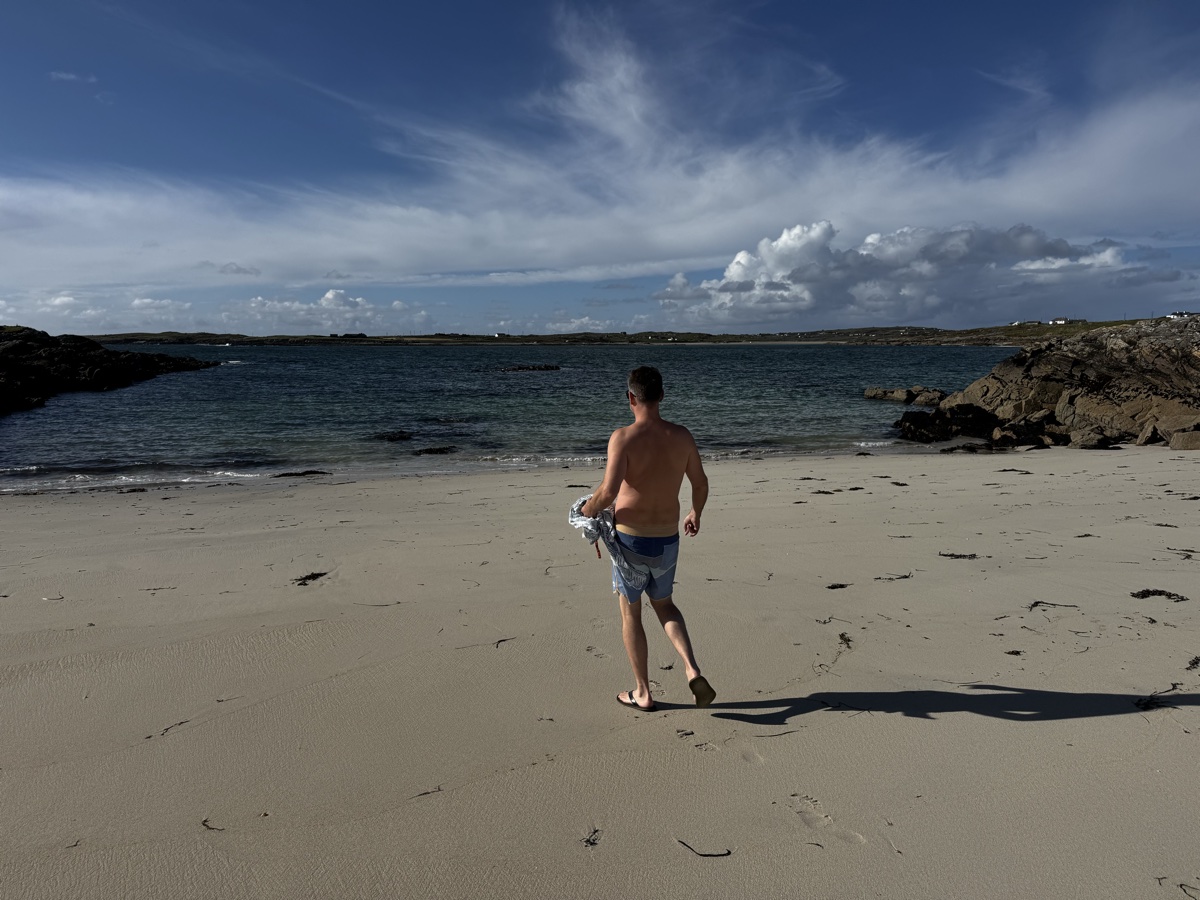
September works well if you want to spend time outdoors without organizing the entire vacation around beach weather. Summer school vacations have ended, but popular attractions, weekend city stays, and organized group tours can still be busy.
The advantages are practical. You can combine a city break with the west coast, daytime temperatures are usually comfortable for walking, and there is still a substantial sightseeing day. A rain jacket is easier to carry than an itinerary with no room to change.
Compare Other Times of Year
- Ireland in August: Everything You Need to Know
- Ireland in April: Weather, Easter, and Trip Planning
- Ireland in Autumn: Best Places to Visit & Things to Do
The disadvantages are also real. Days shorten quickly, Atlantic crossings remain weather dependent, and accommodation in a festival city can cost more than you expected. Some seasonal services reduce their schedules, so a departure that ran every day in summer may be unavailable on your chosen date.
Choose September if you want a mix of city evenings and days outside. It is less suitable if your trip depends on beach weather or a particular island landing.
The weather in Ireland in September in different parts of the country
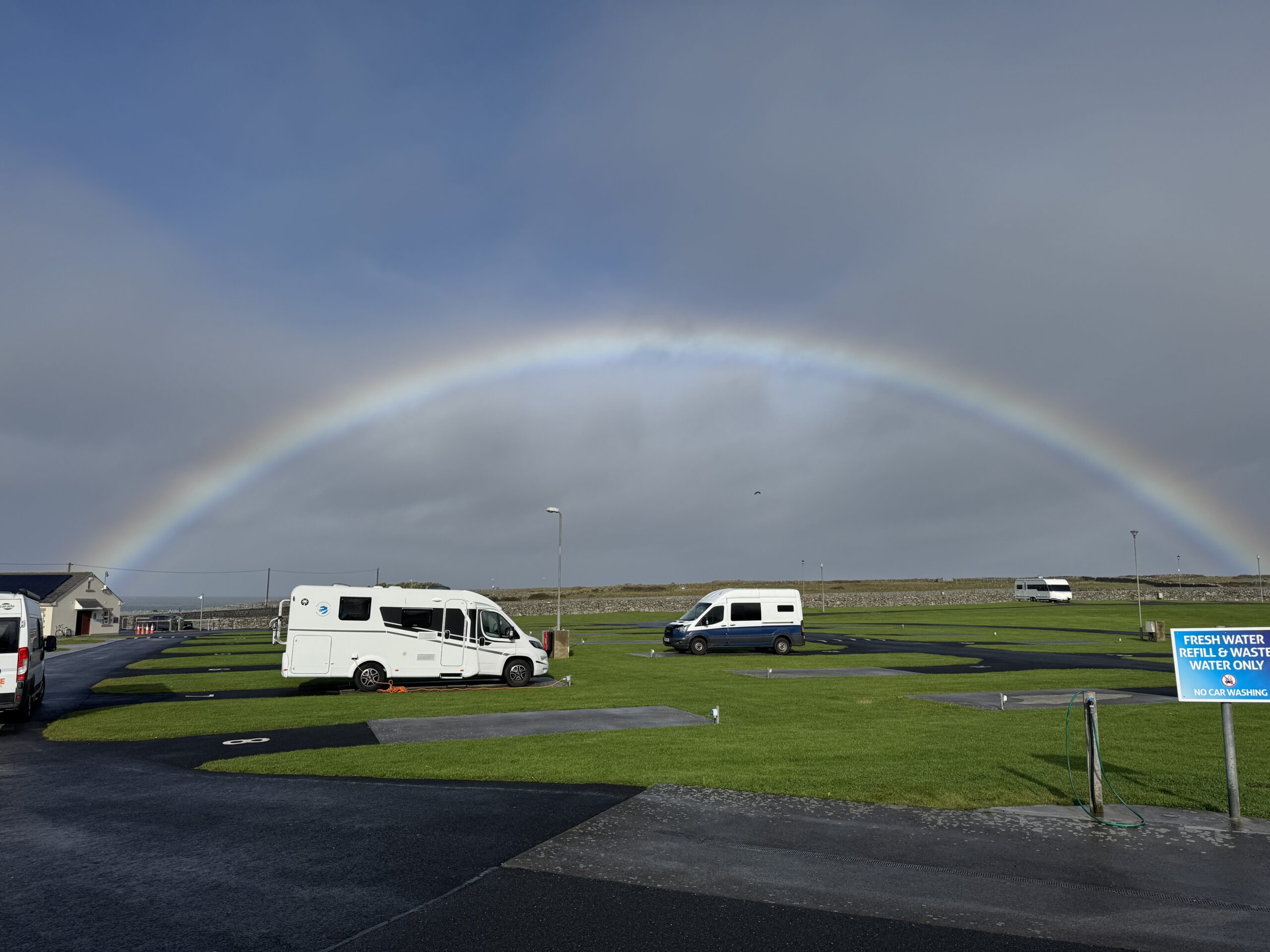
Expect mild afternoons, cooler evenings, and some wet weather. The difference between a city street and an exposed headland matters as much as the number in your weather app. Wind makes a coastal stop feel colder, and a wet trail takes longer than a dry one.
Met Éireann’s Dublin Airport averages give September a daily high of 16.9°C (62°F) and a daily low of 9.5°C (49°F). The average monthly rainfall is 63.3 mm. These are long-term station figures, so they describe a typical climate rather than the forecast for your vacation.
At Cork Airport, the corresponding figures are 16.5°C (62°F), 10.2°C (50°F), and 92 mm of rain. The similar temperatures and different rainfall totals are a useful reminder that one national number cannot describe every stop.

I would pack for the conditions at your wettest or most exposed planned outing. You can remove a fleece on a warm afternoon; you cannot make a cotton jacket waterproof when a shower arrives halfway through a walk.
Check the local forecast again before leaving for the coast. A clear morning in Dublin does not settle the afternoon forecast for Connemara or Kerry, and a monthly average should never decide whether a boat crossing will operate.
Things to do in Ireland in September
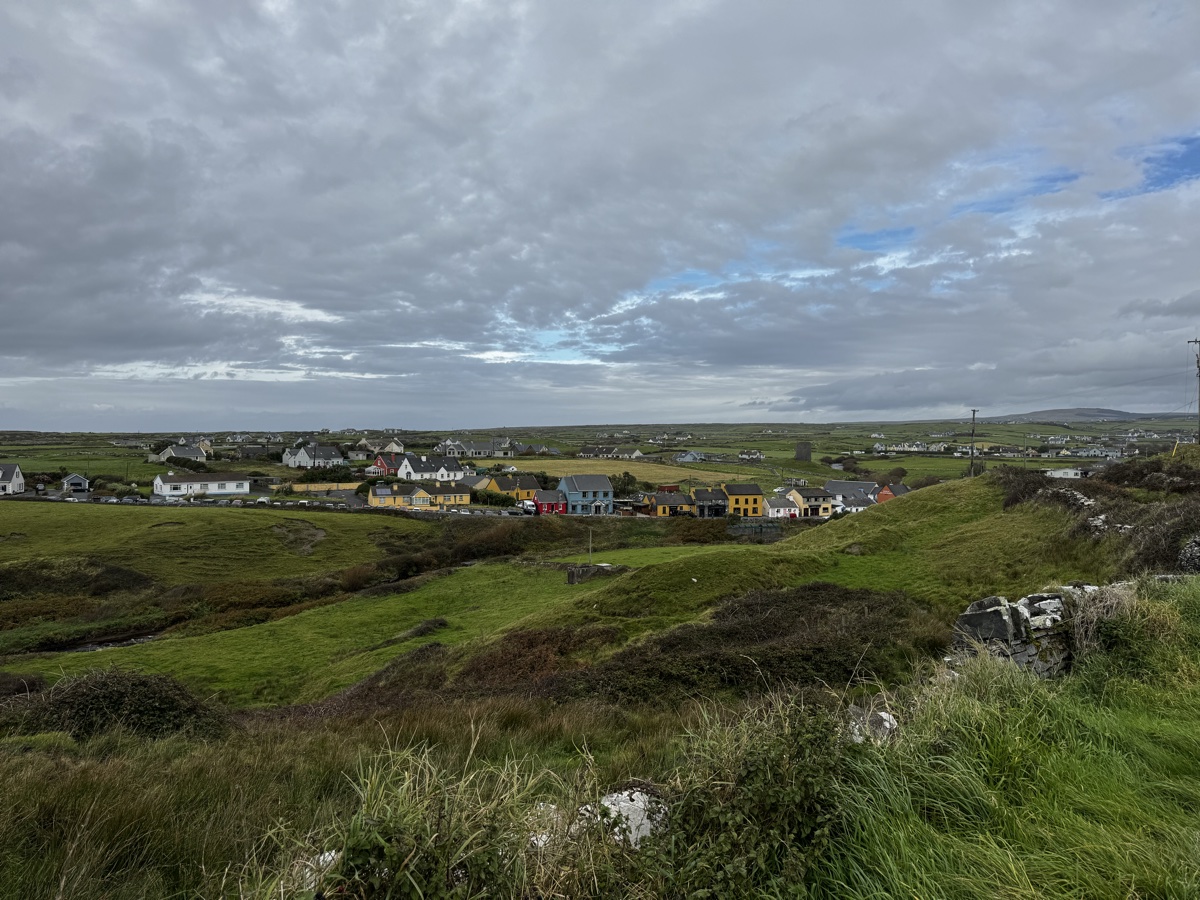
For a week, choose Dublin and one western base rather than trying to fit the whole island into seven days. Galway works for Connemara and County Clare outings. Killarney is an alternative for the national park and Kerry, rather than another stop to squeeze into the same short trip.
A workable seven-night plan is two nights in Dublin, four in Galway, and a final night near your departure airport. That gives you three full days from Galway for the city, Connemara, and one additional outing. Swap Galway for Killarney if Kerry is the part you want to spend time in.
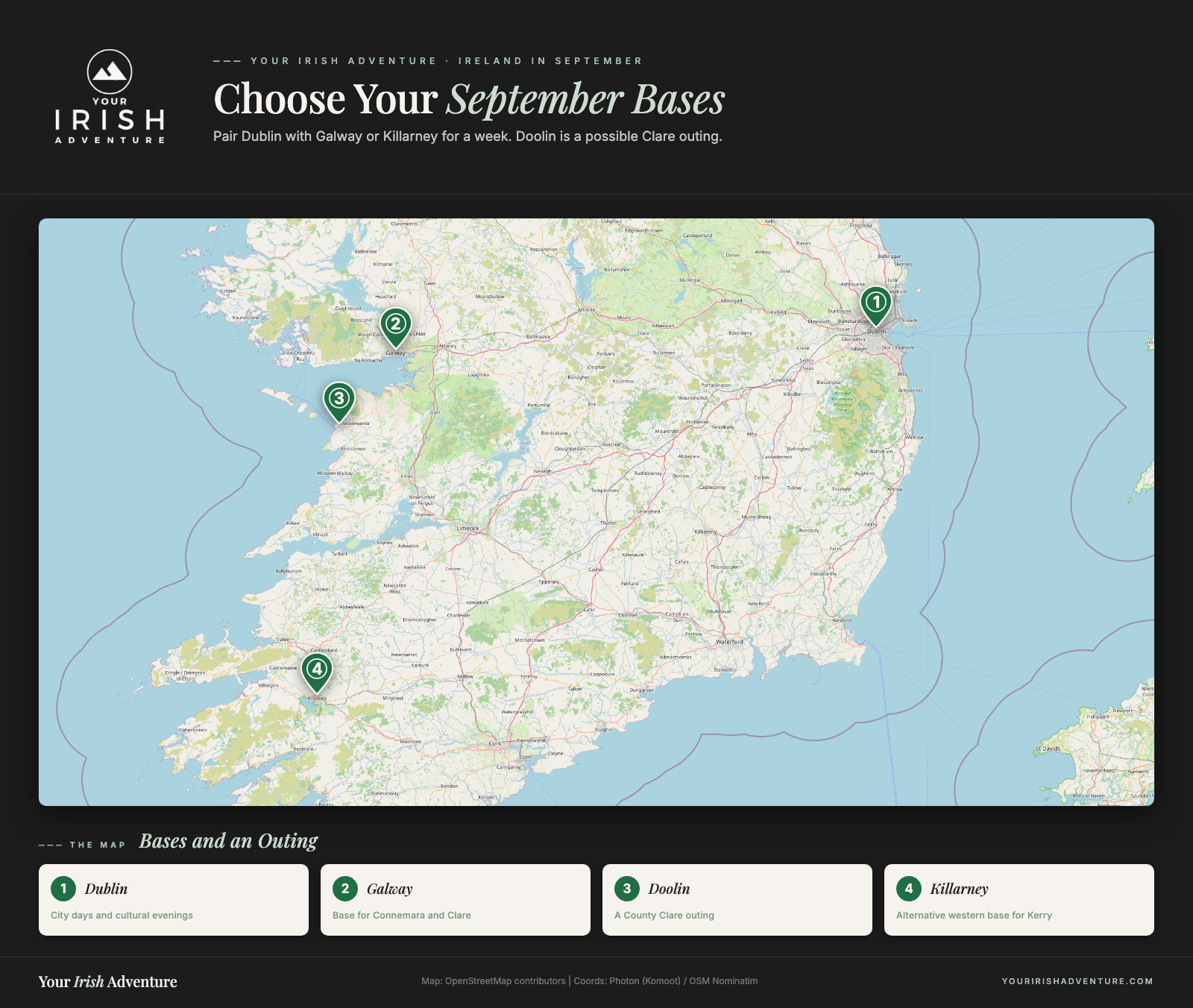
The map shows those alternative bases and the nearby areas discussed below. The pins are not a driving route. The distances between these places make it worth choosing your main region before booking hotels.
With a rental car, collect it when you leave Dublin rather than paying to park it during your city stay. Without a car, stay near public transportation and compare a specific day tour against the independent bus connections you would need.
1. Explore on a road trip
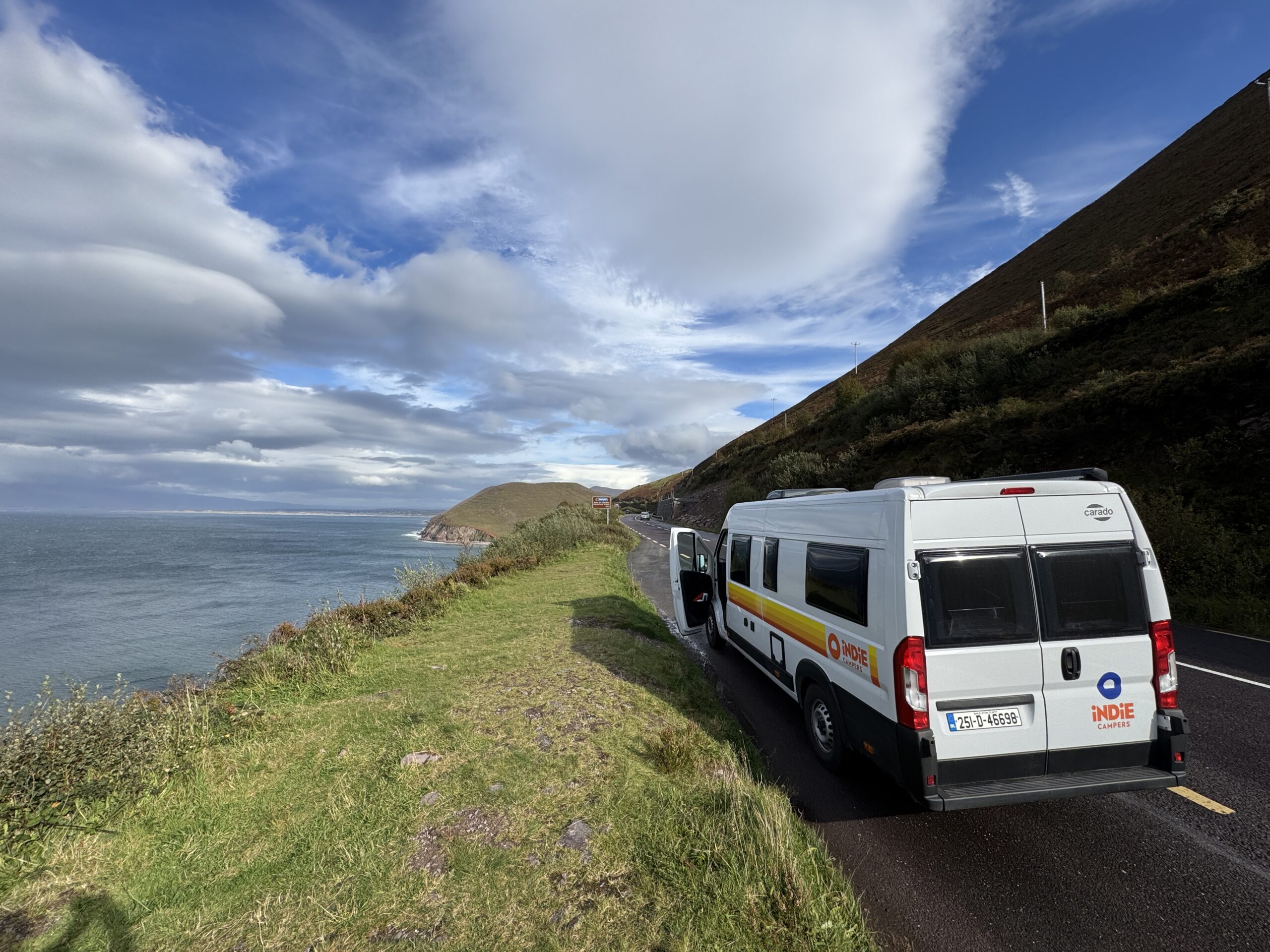
A September road trip gives you the freedom to change direction with the forecast. From Galway, spend a day on the N59 toward Clifden and return without adding every coastal detour. In Kerry, allow time for stops rather than treating the Ring of Kerry as a drive to finish as quickly as possible.
Keep the longest transfer away from your arrival day after an overnight flight. On unfamiliar narrow roads, daylight and concentration are more useful than squeezing in an extra attraction.
You can compare rental-car options on Discover Cars; compare the full trip price, including any automatic-transmission premium and the insurance you actually need.
2. Walks galore
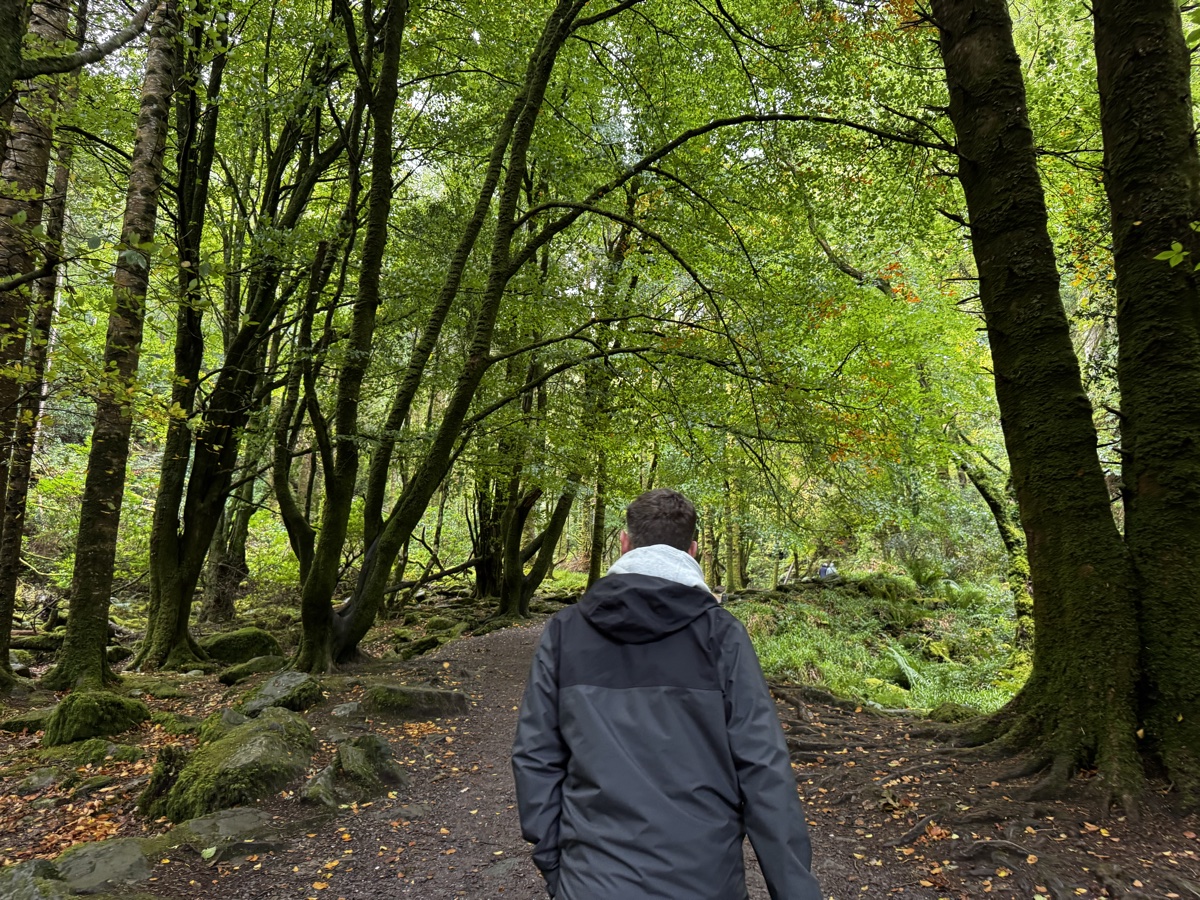
At Connemara National Park, the 3 km Lower Diamond Hill loop starts at the visitor center near Letterfrack. It follows bog road, steps, and boardwalk, with about 90 meters of ascent. The park grades it moderate.
That gives you a defined outing without committing to the summit. The shorter, 1.5 km Sruffaunboy trail also starts at the visitor center and passes the pony paddock, though its return includes a steep descent. Choose for your footing and the conditions, not distance alone.
The visitor center currently opens Wednesday through Sunday, with public holiday Monday exceptions. The grounds and center have different opening arrangements, and temporary trail closures appear in the park notices. Around Killarney, woodland outings are another option.
3. The coastal sights
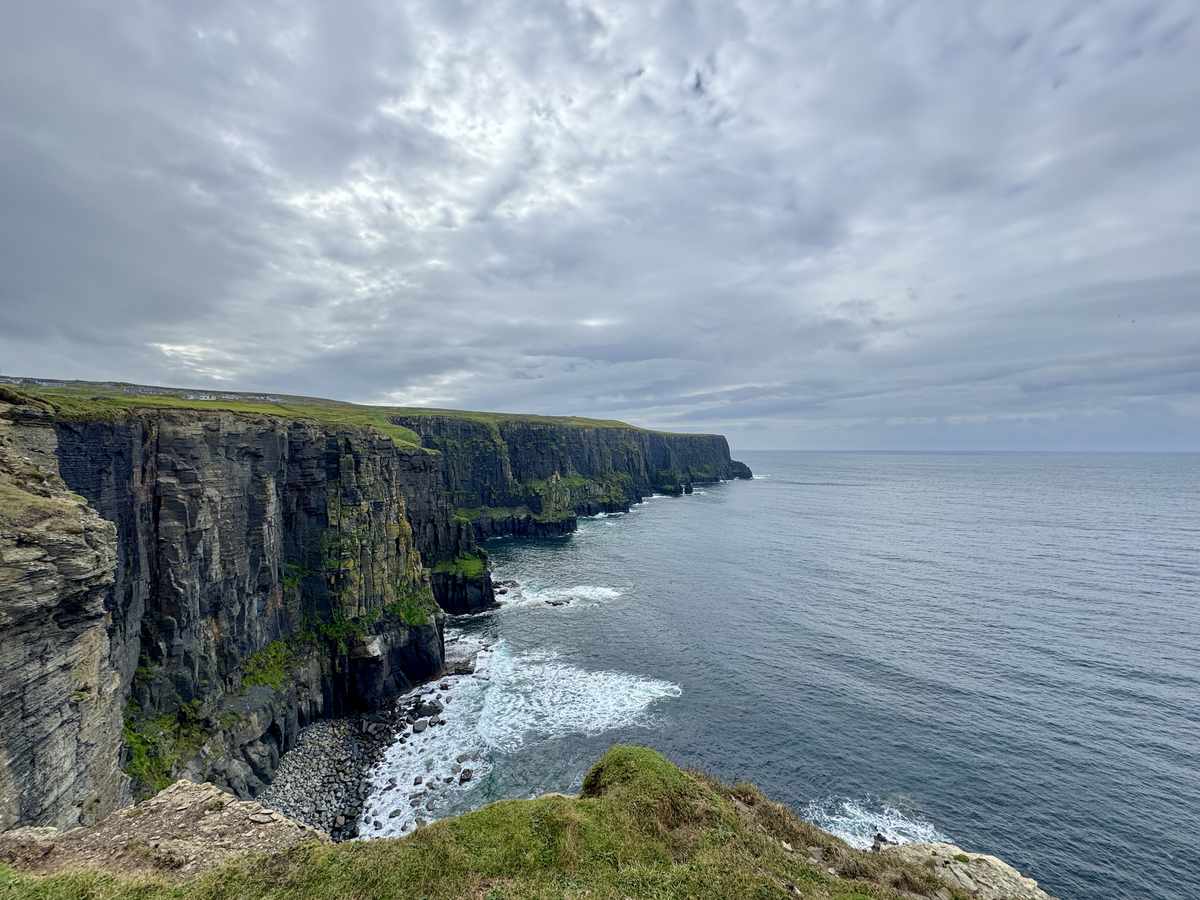
The Cliffs of Moher are worth considering from a County Clare base or as a full-day outing. Check the attraction’s access notices before choosing a walk: access to the visitor site and access to the longer coastal trail are separate questions. Stay on open, designated paths and follow local closures.
Without a car, this Cliffs of Moher and Burren day tour from Galway is listed as an eight-hour outing. That uses a full day away from Galway. Give Connemara a separate day rather than trying to combine both sides of Galway Bay.
Island plans need an additional check. Ferry and excursion availability depend on the route, seasonal timetable, and conditions. Skellig Michael landing schedules and season-end dates vary, so confirm access with Heritage Ireland and a permitted operator before arranging your trip around a landing.
4. Visiting Dublin in September
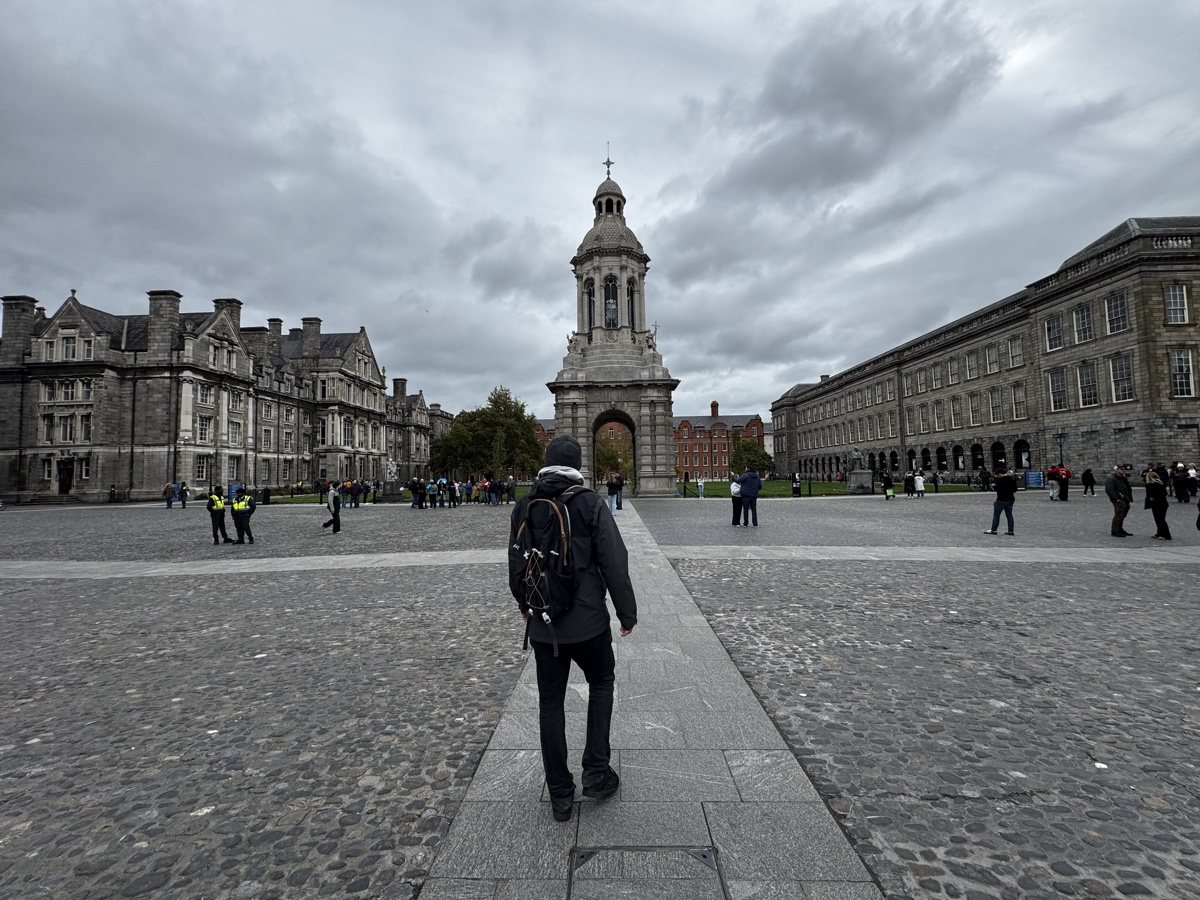
In Dublin, the National Museum of Ireland on Kildare Street gives a wet afternoon a clear purpose. Admission to its archaeology collections is free.
Its usual hours are 10 a.m. to 5 p.m. Tuesday through Saturday, and 1 p.m. to 5 p.m. on Sunday and Monday. That later Monday opening matters if you are fitting it around a flight. Check the museum notice for temporary gallery closures before setting out.
For an evening performance, choose the theater before the hotel. Dublin Theatre Festival uses different venues, so the part of the city you will return to late at night matters more than a property simply describing itself as central.
September festivals and events
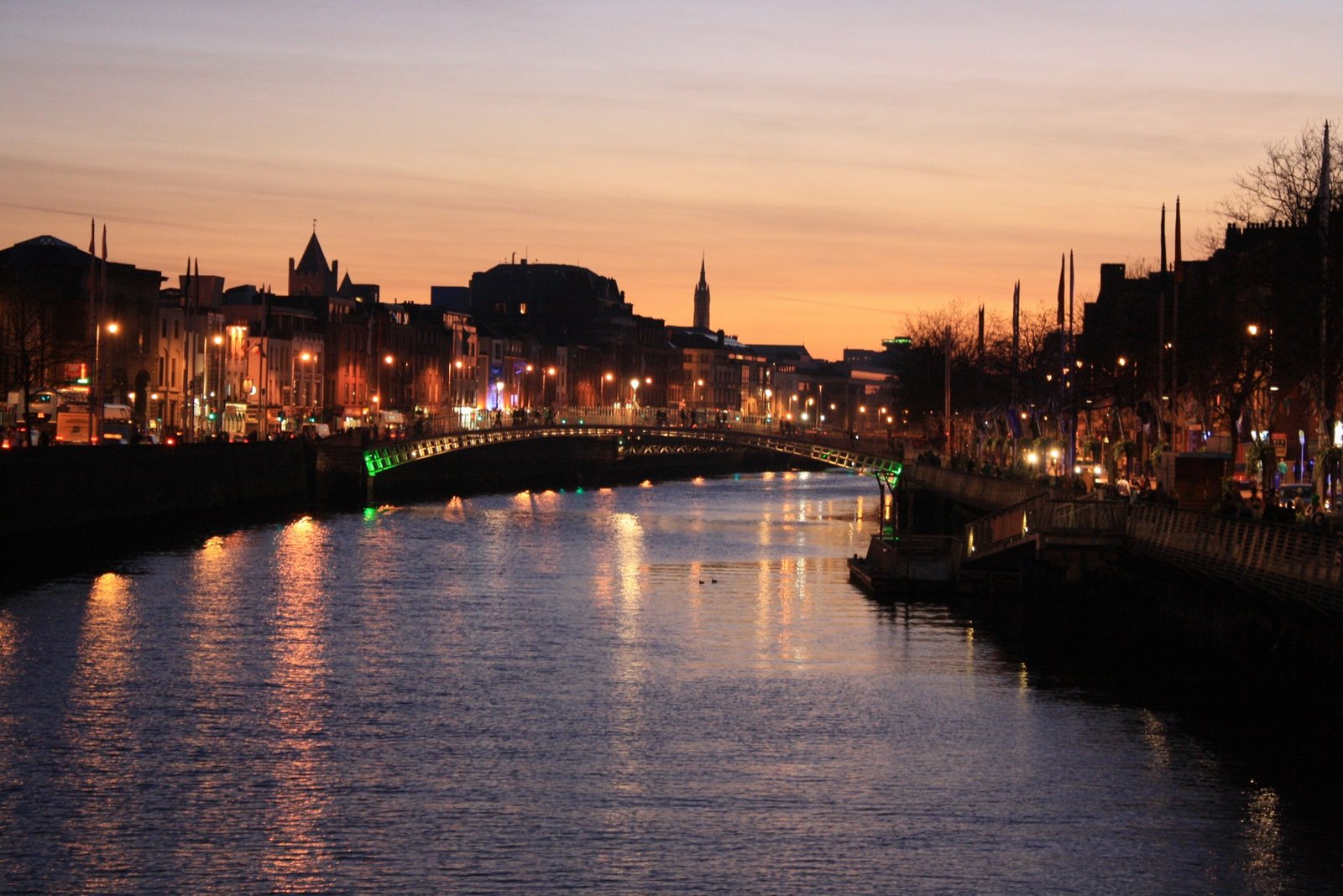
September has several recurring festivals, but their dates move and a familiar event name does not guarantee the same program each year. Use the organizers’ current listings before buying flights, and check accommodation at the same time as tickets.
Culture Night brings evening arts and cultural events to locations around Ireland. Admission is free, but individual events may need booking or have limited capacity. Look at the program for the town you will actually be staying in, rather than assuming everything happens in Dublin.
Find a Place to Stay
- Where To Stay in Dublin: Best Areas and Accommodations
- Best Places to Stay in Galway, Ireland
- Where To Stay in Killarney: Best Areas and Accommodations
Dublin Theatre Festival usually spans late September and early October. Performances take place at different venues, so allow travel time and check the individual show’s date, language, and accessibility information. Festival listings are a reason to choose a particular evening, not a substitute for checking the ticket page.
Galway International Oyster Festival is a late-September reason to stay in the city. Read the program carefully because separate events can have separate tickets and inclusions. A weekend visit for the festival needs a different accommodation plan from a midweek stop on a road trip.
If the festival is your main reason to visit, reserve a room with a cancellation policy you understand and confirm the event booking before finalizing the rest of the route. If you simply want time in Galway, compare a nearby weekday as well.
Where to stay for a September trip

For a first trip, I would keep the accommodation plan to two main bases. You spend less time checking in, and an extra night gives you another chance to take an outdoor outing when the forecast improves.
The properties below are starting points for comparing actual dates. A high guest rating does not tell you whether a room suits your budget, whether parking is included, or whether the cancellation terms work for your trip.
Dublin for the city portion
Choose Dublin accommodation around the places you intend to visit and your airport connection. A central room can save transportation time, but check the address and recent comments about street noise if you expect an early night.
For Dublin, Henrietta Suites City Centre offers a different location from Avoca House or 2 Mikes Homestay. Open each property map before booking; a lower room rate can lose its appeal if every evening ends with another paid ride.
Where to Stay in Dublin
Galway for the western portion
Galway gives you city evenings between outings into Connemara or County Clare. Staying near the center helps if you are taking organized day trips, while a driver should check parking arrangements before booking.
Sea Breeze Lodge is listed about 4 km from central Galway, while Ivy House and Tara Lodge are closer. These are different locations, not interchangeable city-center stays. Check the map against your tour departure point or parking plan before comparing prices.
Where to Stay in Galway
What to pack / what to wear in Ireland in September
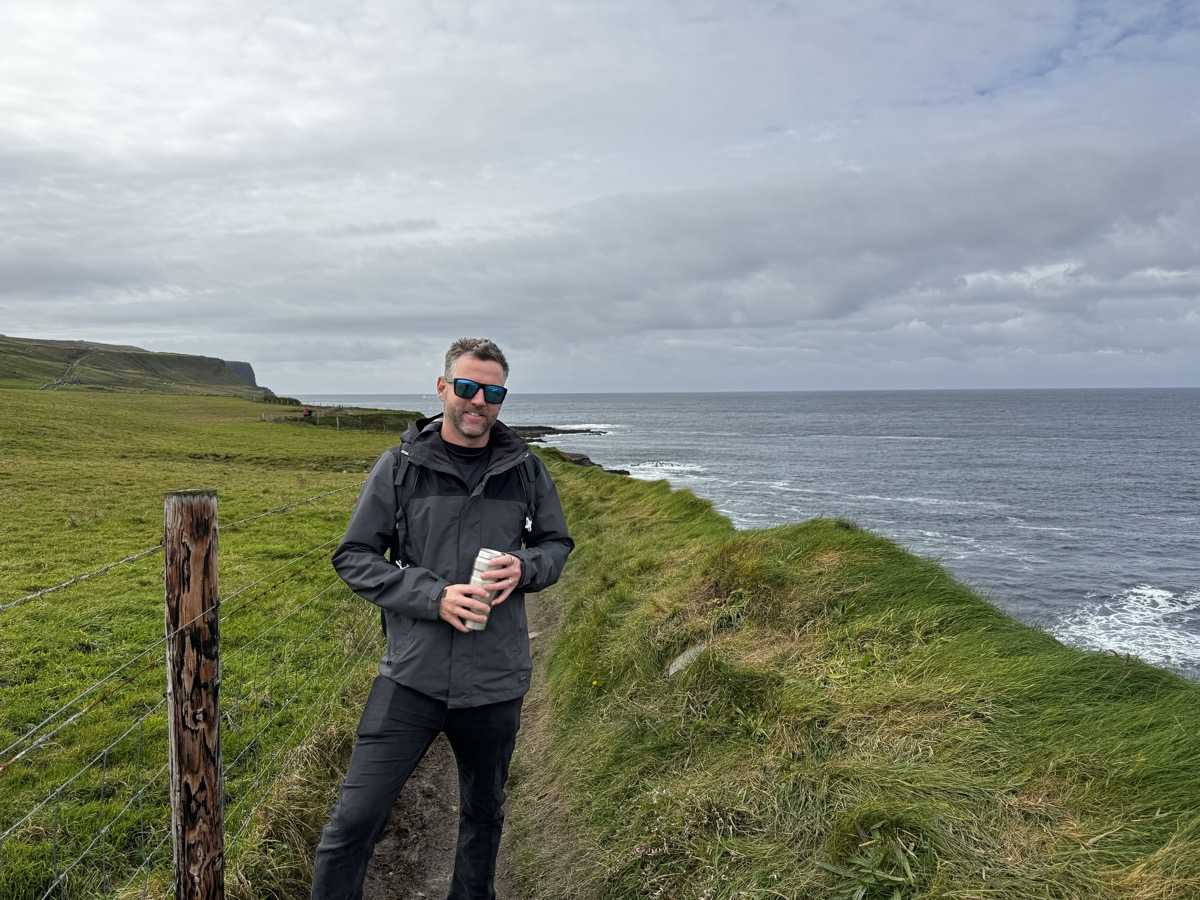
Pack light layers, a waterproof jacket with a hood, and comfortable shoes that can handle wet pavement. Add a fleece or sweater for evenings and a day bag large enough to carry the layer you remove during a walk.
For longer trails, use footwear with grip and bring waterproof pants if rain is likely. Jeans are fine for city days, but they are slow to dry after a wet hike. A spare pair of socks is worth the small amount of bag space.
Keep your rain jacket accessible on travel days. A suitcase packed neatly in the trunk is not much help when you stop beside the coast and the weather changes.
You do not need a different outfit for every possible forecast. Choose layers you can combine and check whether your accommodation has laundry facilities if you are traveling for more than a week. Our separate September packing guide covers the detailed list.
September compared with other months
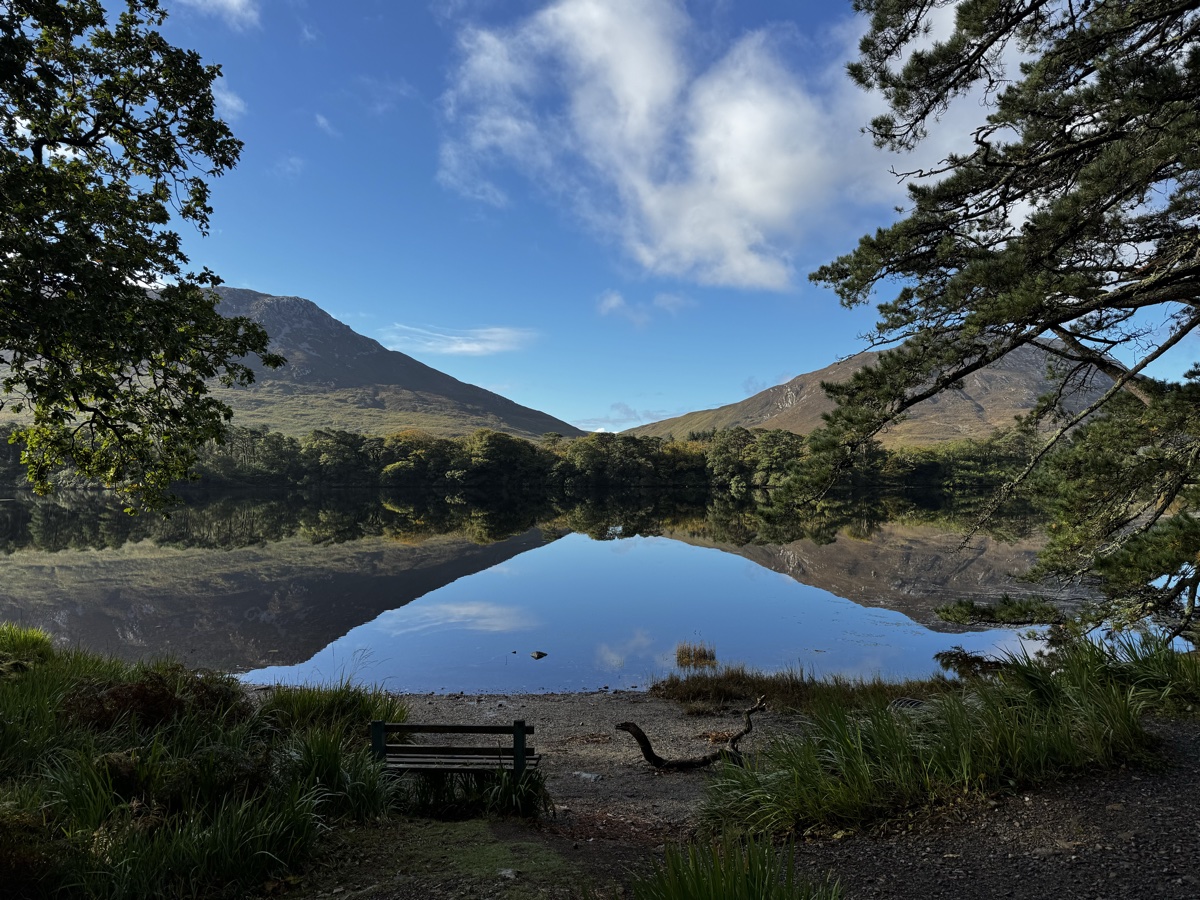
Ireland in August gives you longer evenings, but it also overlaps with the main summer vacation period. Ireland in October has shorter days and more seasonal changes to check, so I would lean more heavily on city stays and shorter outdoor outings then.
September sits between those two approaches. It is a good choice for a first visit with a mix of cities and countryside, provided you accept rain and avoid filling every day with prepaid outdoor activities.
If a particular festival or island visit is the reason for your trip, let that decide the dates. Otherwise, early September gives outdoor plans more daylight, while later in the month I would give city evenings more space.
FAQs about spending September in Ireland
Is September a good time to visit Ireland?
Yes, September works well for a trip that combines cities, walking, and coastal outings. Days are reasonably mild, but rain remains possible and daylight shortens through the month. Keep an outdoor day flexible and check festival dates before booking accommodation.
What is the weather like in Ireland in September?
Expect mild afternoons, cooler evenings, and showers. Dublin Airport averages a daily high of 16.9°C and low of 9.5°C in September. Cork Airport has similar temperatures but a higher average rainfall total. Use those figures for packing and the local forecast for daily decisions.
Is Ireland cheaper in September than in August?
It can be, but there is no reliable discount for every place or date. Festival weekends, city stays, and popular properties can remain expensive. Compare the same room type and cancellation terms for your actual dates before deciding that September offers better value.
What should I wear in Ireland in September?
Bring light layers, a waterproof jacket with a hood, a fleece or sweater, and comfortable shoes that can handle wet surfaces. For longer walks, add grippy footwear and waterproof pants when needed. Keep your jacket accessible rather than packed away in the car.
Can you visit Skellig Michael in September?
Do not assume a September landing will be available. Landing schedules and season-end dates vary, and departures depend on sea conditions. Check Heritage Ireland and a permitted operator before booking the rest of your trip around access to the island.
In short
- Choose Dublin and one western base for a week.
- Keep your longest outdoor outing flexible until you have a local forecast.
- Check festival tickets and accommodation together.
- Pack a waterproof jacket, warm layer, and shoes with grip.
My advice for a September trip
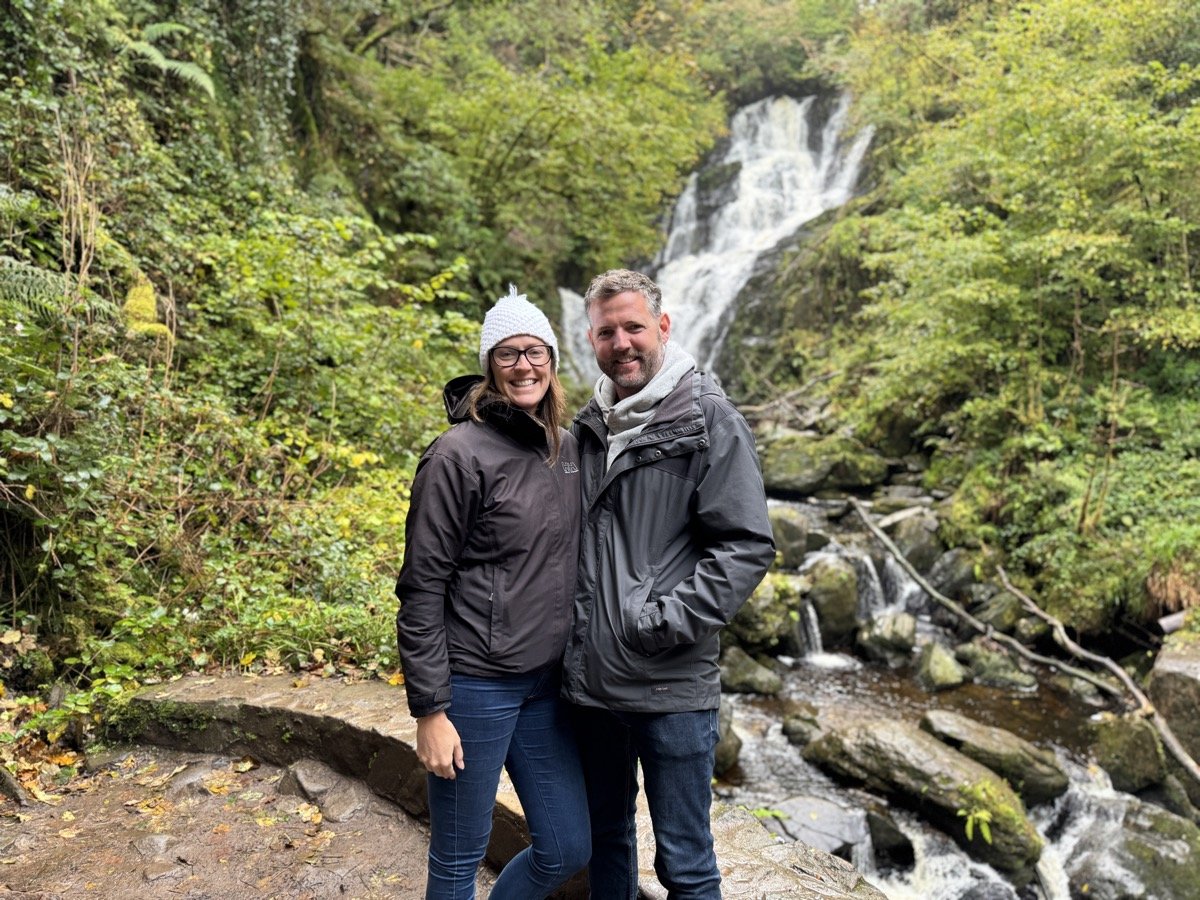
I would choose September for a city-and-coast trip and keep the route modest. Pick the region you most want to see, give it several nights, and leave a day that can change with the weather.
Before paying for everything, compare hotels for your exact dates, check any festival tickets, and confirm the operation of a seasonal boat trip. Once those decisions are made, a waterproof layer and a flexible day plan will do more for the trip than another list of stops.
Like it? Pin it!
Save this guide for later