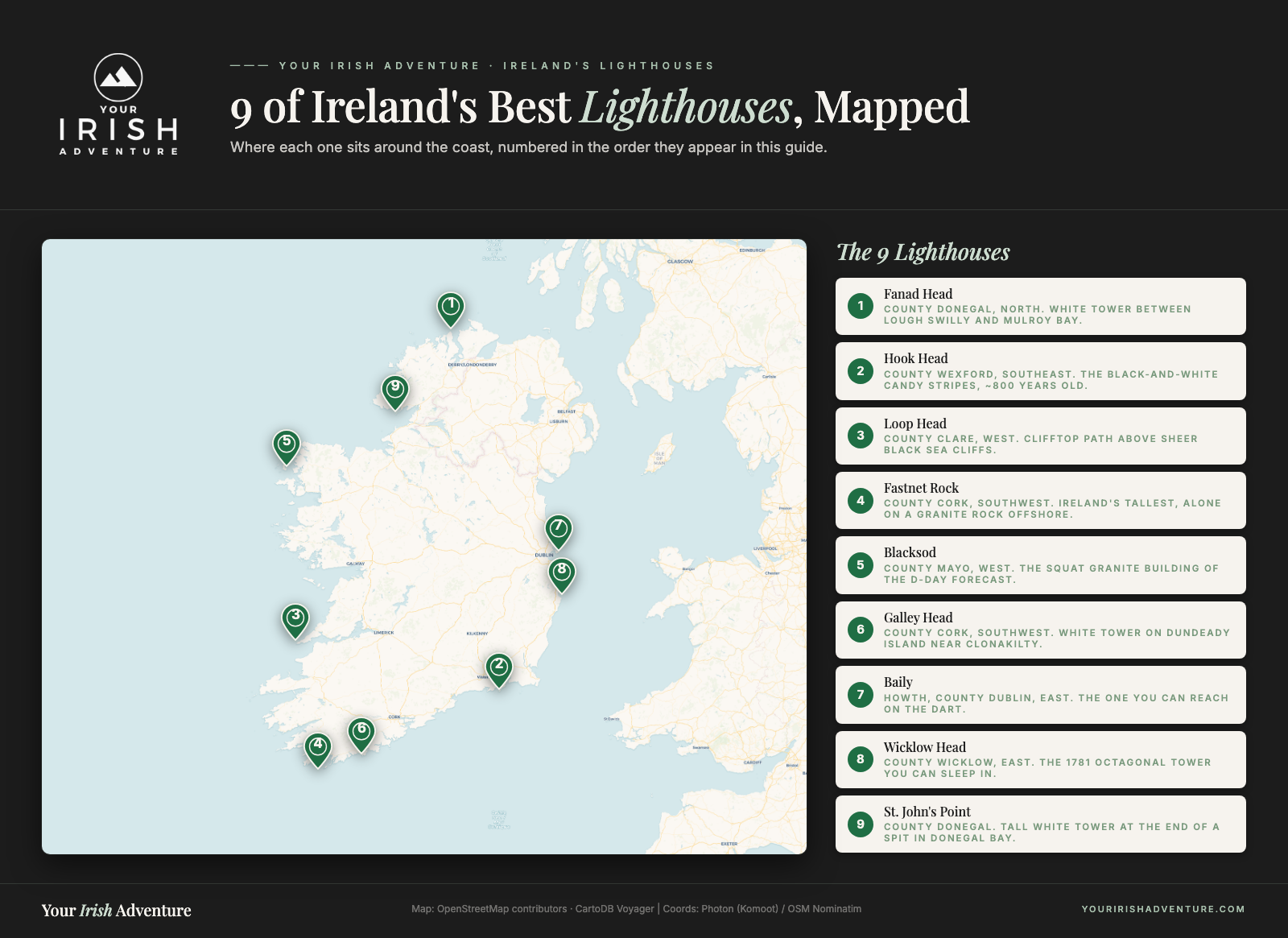
Ireland has around 70 working lighthouses scattered along its coast, and the best of them sit in spots that made me stop the campervan just to stare. This is my rundown of the most striking lighthouses in Ireland, from the black-and-white candy stripes of Hook Head to the lonely towers out on the Atlantic edge.
We drove a big loop of the coast on our last trip, and the lighthouses kept being the highlight of the day. Loop Head Lighthouse in County Clare surprised us most. We walked the clifftop path out to it above sheer black sea cliffs, with almost no one else around, and I got some of my best photos of the whole trip.
Some of these you can climb, some you can only photograph from a headland, and a few you can actually sleep in. Below I’ll run through my favorite lighthouses county by county, plus where to stay in one, how to actually reach them, and the best time of year to go.
More coastal walks and clifftop guides in Ireland
- The Best Coastal Walks in Ireland: 10 Cliff & Sea Trails
- 9 Best Places On The Wild Atlantic Way Route
- Wild Atlantic Way Itinerary – Ireland’s Most Epic Road Trip
- A Photographer’s Definitive Ireland Road Trip
Quick Answer:
Ireland has around 70 working lighthouses, and the best sit on remote coastal headlands. Hook Head in County Wexford is the oldest, guiding ships for around 800 years, while Fanad Head in Donegal is one of the most photographed lighthouses in Ireland. Several rent old keeper’s cottages as stays through the Irish Landmark Trust.
Fanad Head Lighthouse, County Donegal
Fanad Head keeps turning up on lists of the best-looking lighthouses in the world, and for once the internet is right. It sits at the tip of the Fanad Peninsula in north Donegal, on a headland between Lough Swilly and Mulroy Bay, with the Atlantic filling the whole horizon behind it. The white tower against the green cliffs and blue water is about as good as a lighthouse view gets in Ireland.
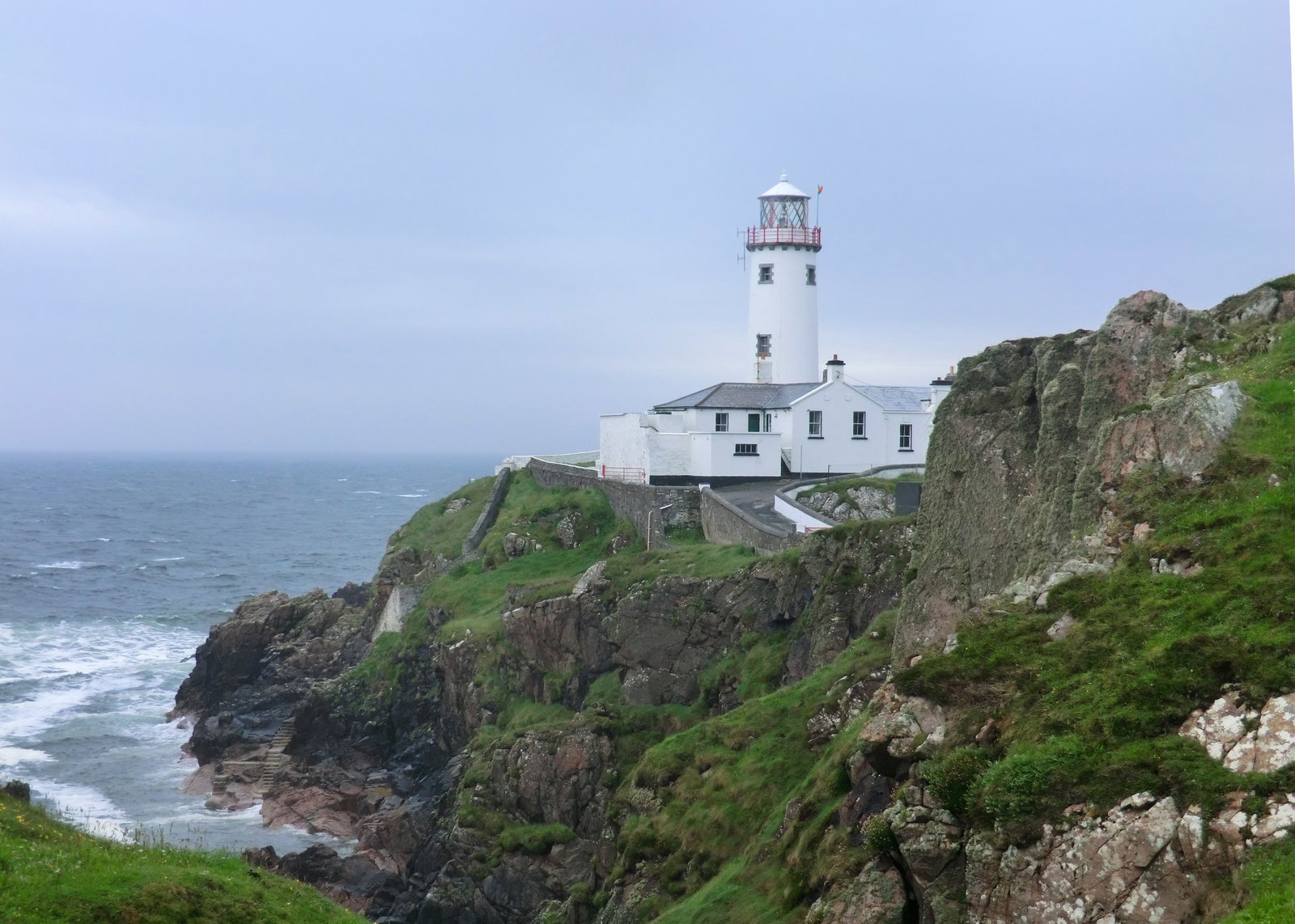
There’s a hard reason a light ended up out here. In 1811 the frigate HMS Saldanha was driven onto the rocks in a storm in Lough Swilly and went down with almost everyone aboard. The outcry pushed the authorities to build a lighthouse on Fanad Head, and it was first lit in 1817. It has guided ships in and out of the lough ever since.
You can go inside on a guided tour and climb to the balcony for the view straight down the coast, and this is one of the lighthouses where you can book a night in the old keeper’s cottages. Waking up on that headland with nothing but sea in front of you is the reason people make the long drive north.
Getting there
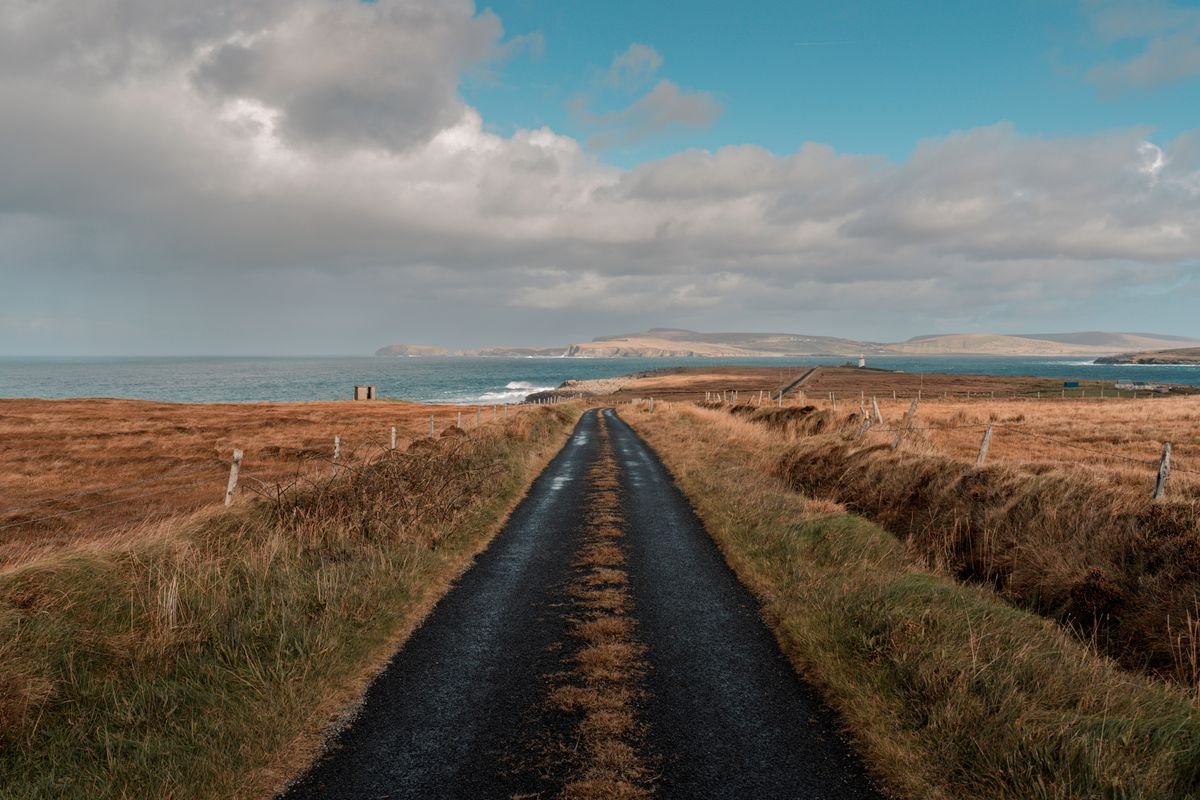
Fanad is remote, and that’s the point. It’s about an hour’s drive from Letterkenny on narrow Donegal roads, so give yourself the time and enjoy the run out along the coast. You’ll want a car, as there’s no public transport to the tip of the peninsula. Tour times and cottage stays are seasonal, so check the current opening hours and availability before you commit to the drive.
Hook Head Lighthouse, County Wexford
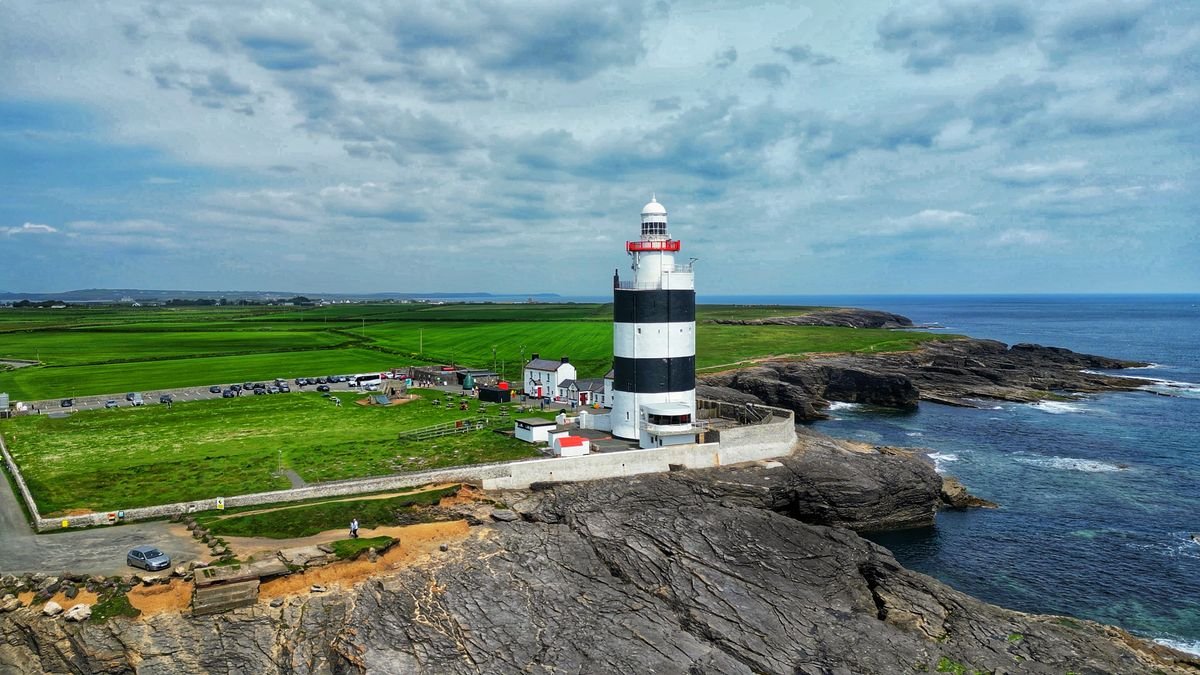
If you only visit one lighthouse in Ireland, make it this one. Hook Head sits at the tip of the Hook Peninsula in County Wexford, and the tower you see today has been guiding ships for around 800 years. That makes it one of the oldest working lighthouses in the world.
The black-and-white candy stripes are the thing everyone photographs, and they look even better in person than in the pictures. Monks kept a warning fire burning on this headland long before the medieval tower went up in the 13th century, so there has been a light here in one form or another for well over a thousand years.
You can go inside on a guided tour, which is the reason to make the drive. The walls are up to four meters thick, you climb the old spiral stone stairs to the balcony at the top, and the views back along the coast are worth the steps.
Getting there and what to know
Hook Head is about a 2-hour drive south from Dublin, or roughly the same from Cork if you’re doing a loop of the coast. You’ll need a car, as public transport out to the peninsula is thin. Check the current tour times and ticket price before you go, since the guided climb runs on set slots.
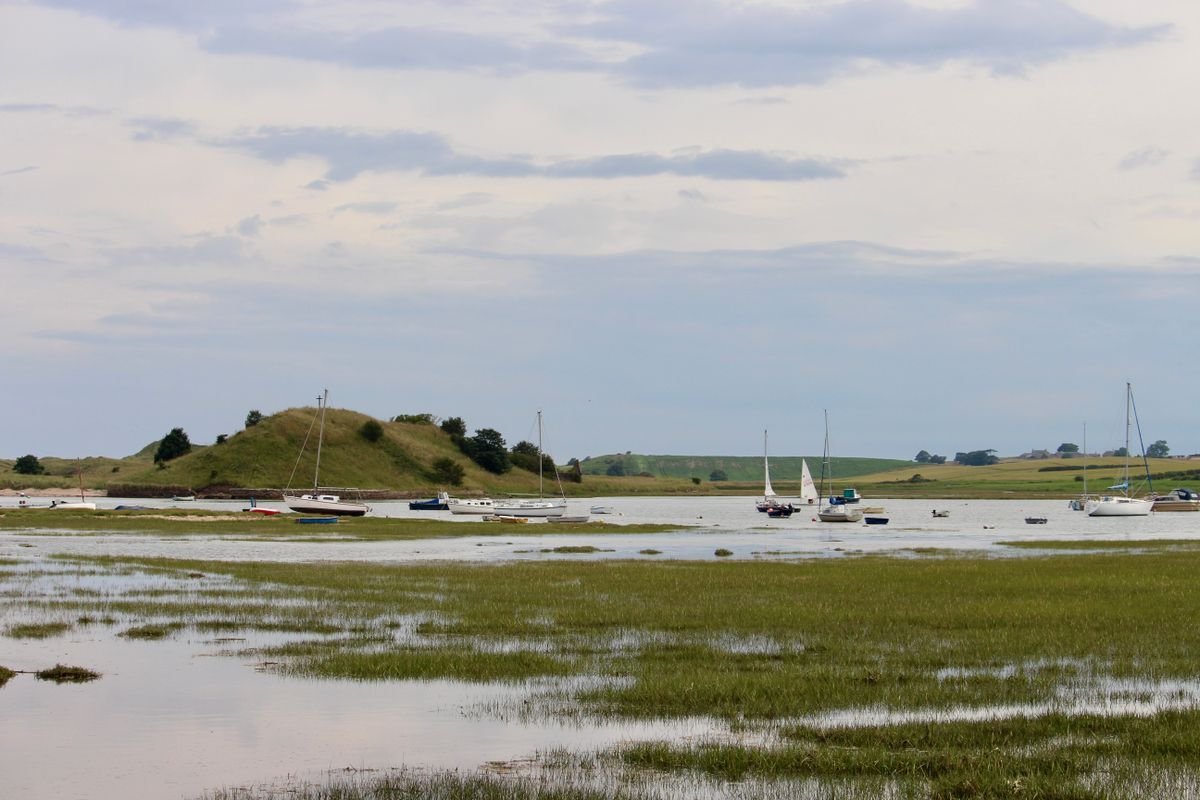
There’s a cafe and a visitor center at the base, so it works as a proper half-day stop rather than a quick photo. This whole stretch of Wexford coast is also where the phrase “by hook or by crook” is said to come from, Hook Head on one side of the estuary and the village of Crooke on the other.
Loop Head Lighthouse, County Clare
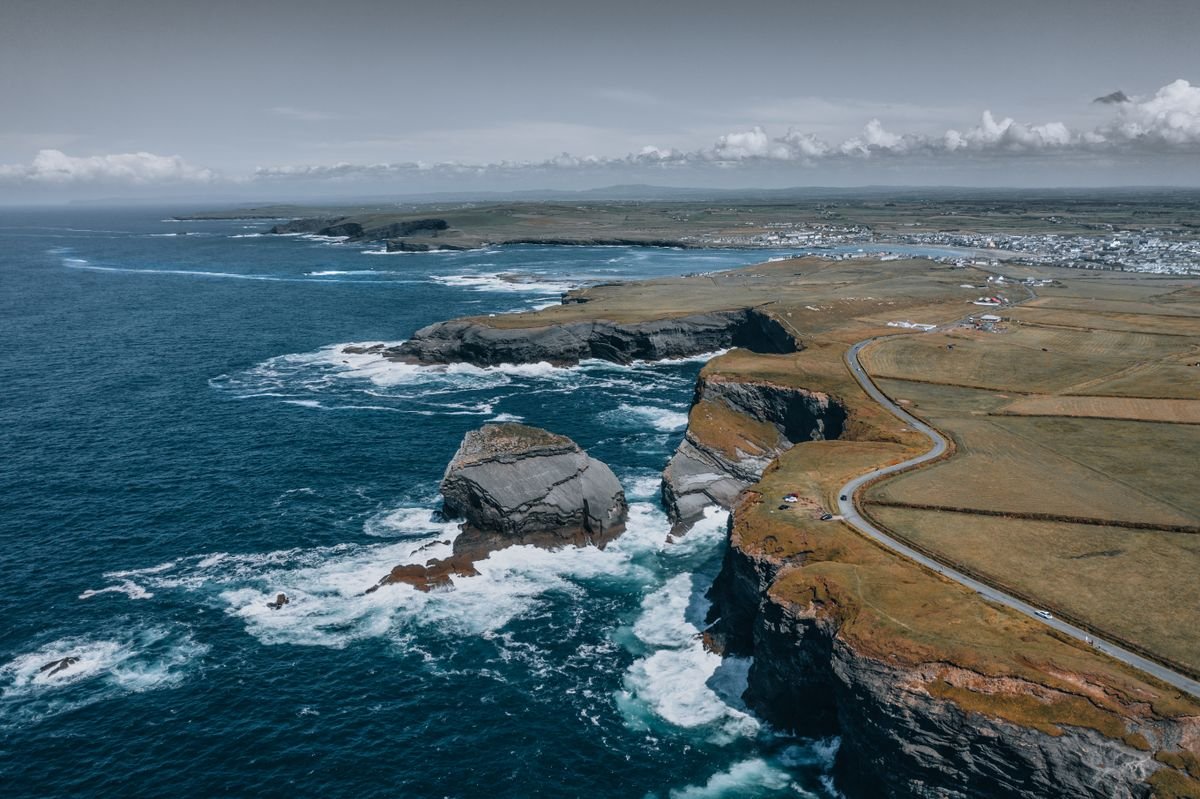
We based ourselves in Doolin the night before and drove out to the peninsula from there. It’s about 45 minutes on the R478, and you’ll need a car, as there’s no public transport out to this corner of Clare.
The white tower sits right at the very tip of the peninsula, with the Atlantic wrapping around it on three sides. There are sea stacks standing offshore, and at one point I lay flat on the grass to look over the edge, which is the only way I could talk myself into getting close to the drop.
You can climb the lighthouse itself on a guided tour, but it runs seasonally, so check the current opening times and price before you drive out. We went on a Monday in late September, well into shoulder season, and shared the whole headland with almost no one.
Where we stayed and ate nearby
We camped at Nagle’s Camping & Caravan Park in Doolin, which has good facilities and puts you within walking distance of the pubs. If you’re renting a car instead of a van, Doolin is full of B&Bs and self-catering cottages that work just as well as a base. Crag Shore is one of the highest-rated spots in the village, and you can check availability on Booking.com before you drive out.
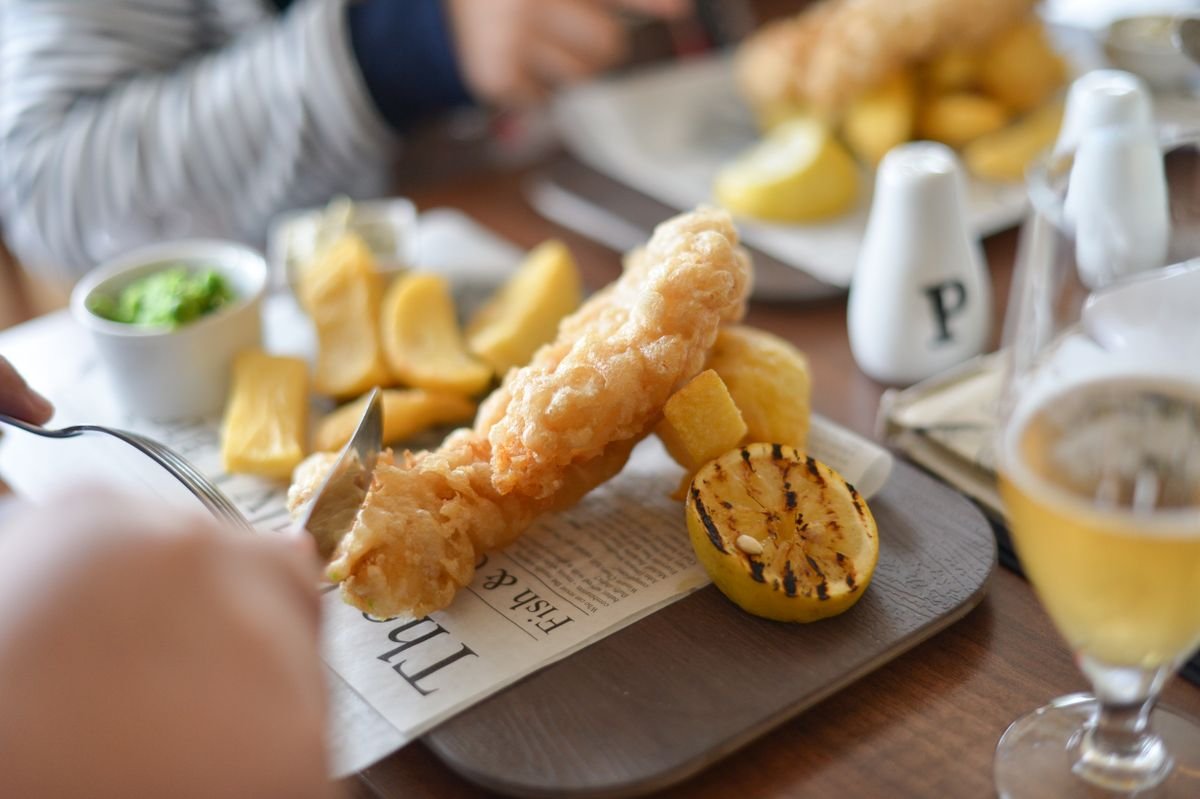
For dinner we ate at Gus O’Connor’s in Doolin, which has been pouring pints since 1832. We had the fish, chips and mussels, and it’s a solid spot for a pint after a day on the cliffs.
One thing to plan for: there are no facilities out at Loop Head, so bring what you need. We took a thermos and had it on the clifftop, which is about as good as a coffee break gets in Clare.
Where to stay near Loop Head (Doolin, County Clare)
Fastnet Rock Lighthouse, County Cork
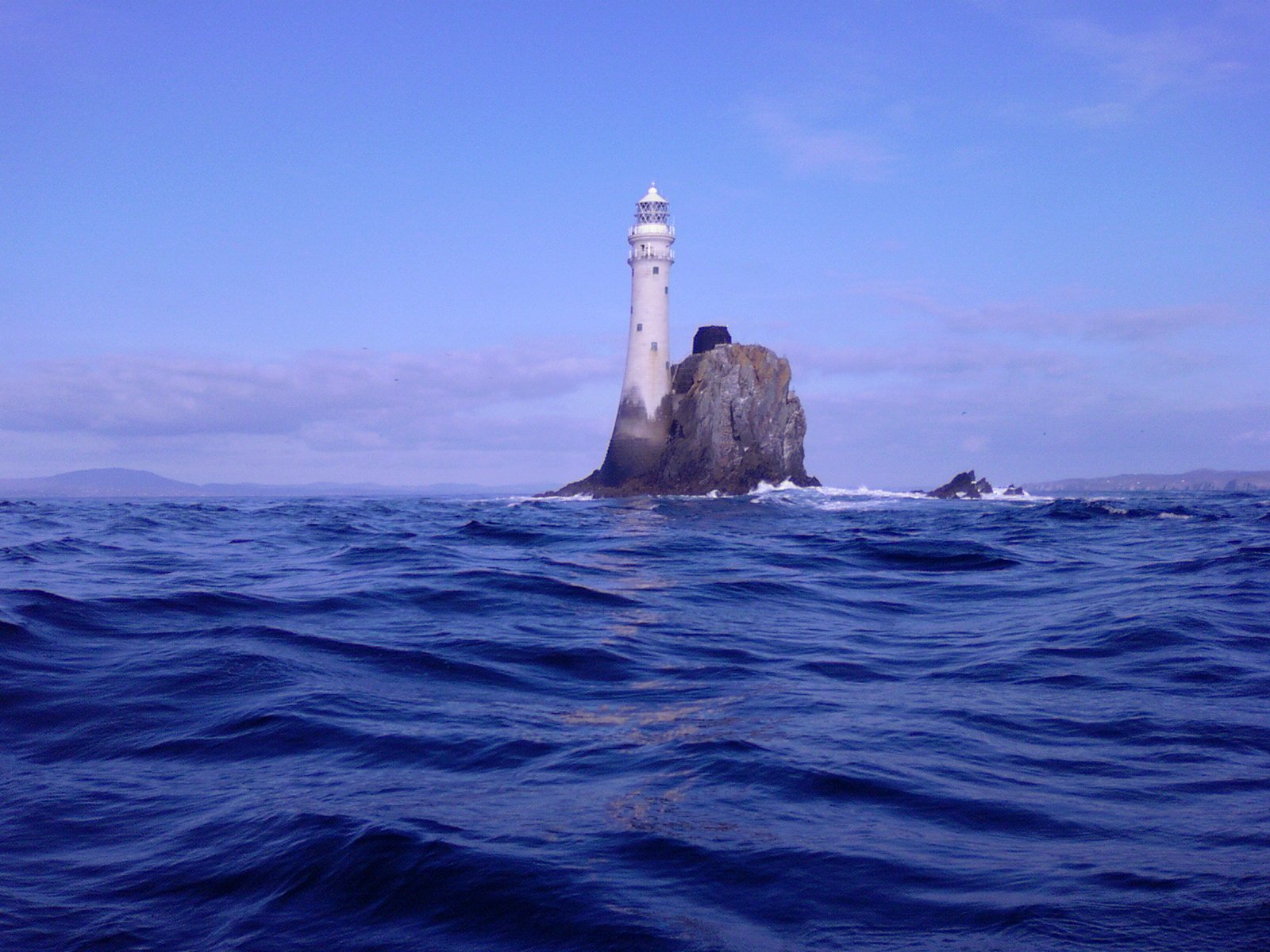
This is the one that got away on our last trip. We’d planned to spend proper time in West Cork, but a storm pinned us in Cobh and we barely saw Cork city at all, let alone made it out to the coast for a boat around Fastnet. So I’ll be straight with you: this is the one lighthouse on the list I photographed only in my head.
Fastnet Rock sits about 4.5 miles off Cape Clear Island, the most southerly point of Ireland. The granite tower was finished in 1904 and stands around 54 meters, the tallest lighthouse in the country. It’s known as “Ireland’s Teardrop,” the last piece of home emigrants sailing to America saw from the deck.
You can’t land on the rock, but that’s not really the point. The tower stands alone on a bare granite outcrop with the full Atlantic hitting it, and on a rough day the waves break clean over the whole thing. It’s also the turning mark for the Fastnet Race, one of the big offshore yacht races in the world.
How to actually see it
The way to see Fastnet up close is a boat trip from Baltimore or Schull in West Cork. Operators run seasonal sailings out around the rock, so check current schedules and prices before you drive down, and keep an eye on the forecast, since the trips only go in decent weather.
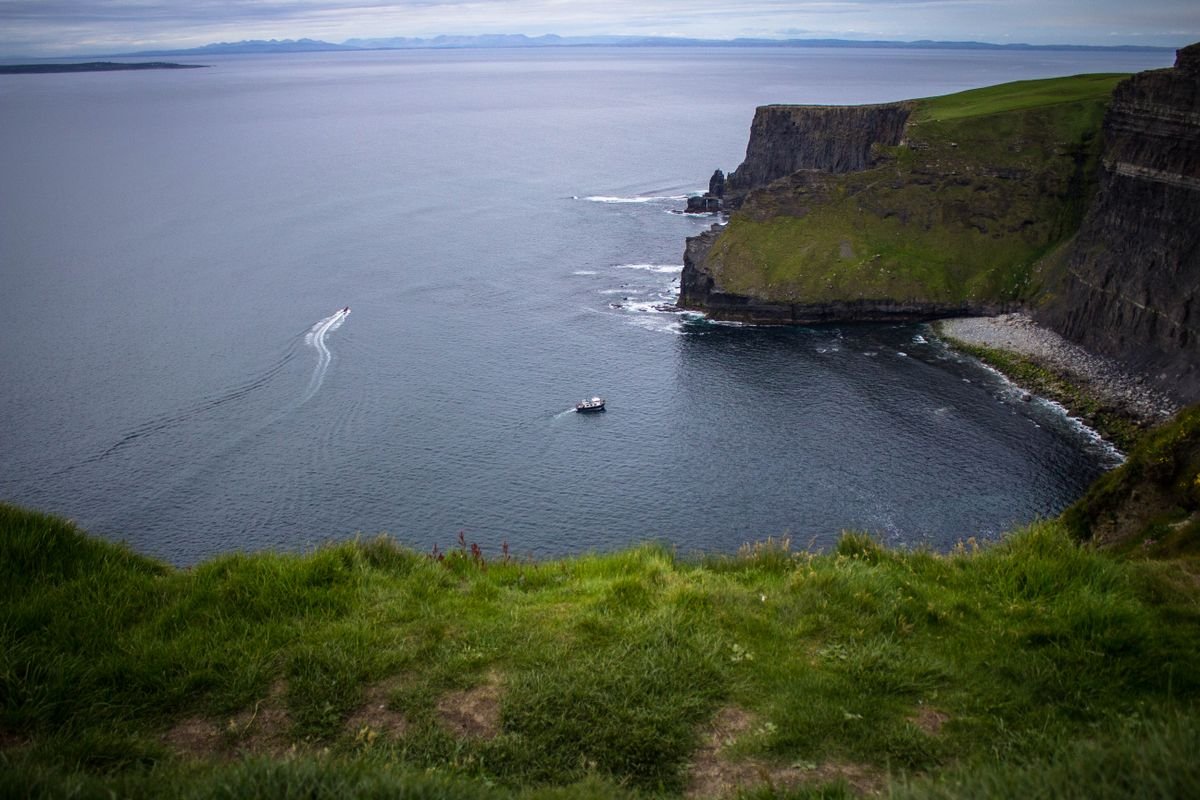
Baltimore is about a 1.5-hour drive from Cork city, and you’ll want a car to get down there. If a boat isn’t running, you can still catch the tower from a distance from the cliffs around Cape Clear or Mizen Head.
Learn from our mistake and give West Cork more than an afternoon. The same storm that stopped us is exactly the weather that shuts the boats down too, so build in a spare day for the sea to settle.
Blacksod Lighthouse, County Mayo
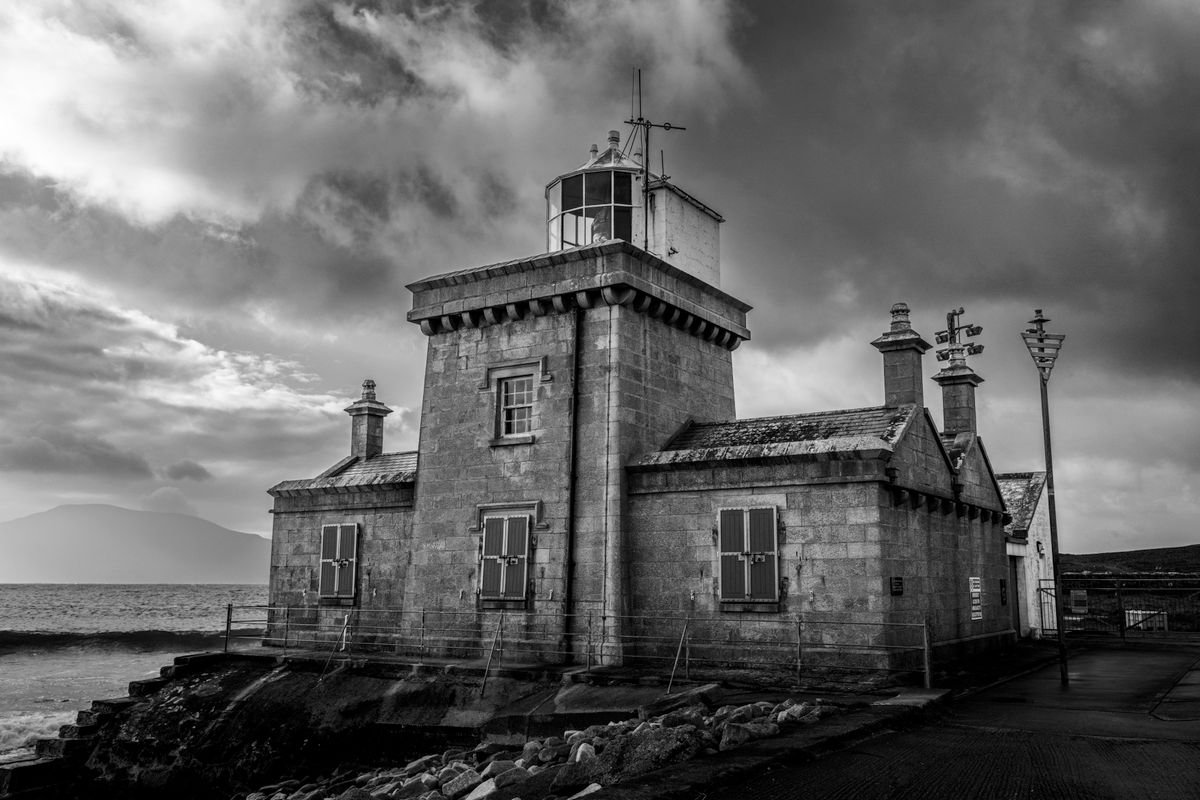
Blacksod is a squat, square, two-story building of grey granite, quarried right there on the Mullet Peninsula. The light sits up on the roof, so the whole thing looks more like a solid stone house than a lighthouse. It’s low, blocky, and built to take whatever the Atlantic throws at it.
The real reason to know Blacksod is the D-Day story. In June 1944, a weather report from this exact spot, the readings taken by observer Maureen Flavin and sent on by keeper Ted Sweeney, showed a storm rolling in off the Atlantic. That reading pushed the Normandy landings back 24 hours, and a lot of people credit it with saving the whole operation.
So this plain little building at the far western edge of Mayo ended up changing the course of the war. Stand out on the point and you can see why the readings mattered, with nothing between you and America but open water.
You can stay the night
This is one of the lighthouses on the list you can actually sleep in. The old keeper’s quarters have been done up as self-catering accommodation, so you can wake up right on the water where the D-Day forecast was called. Check current rates and availability directly, as it books up fast in summer.
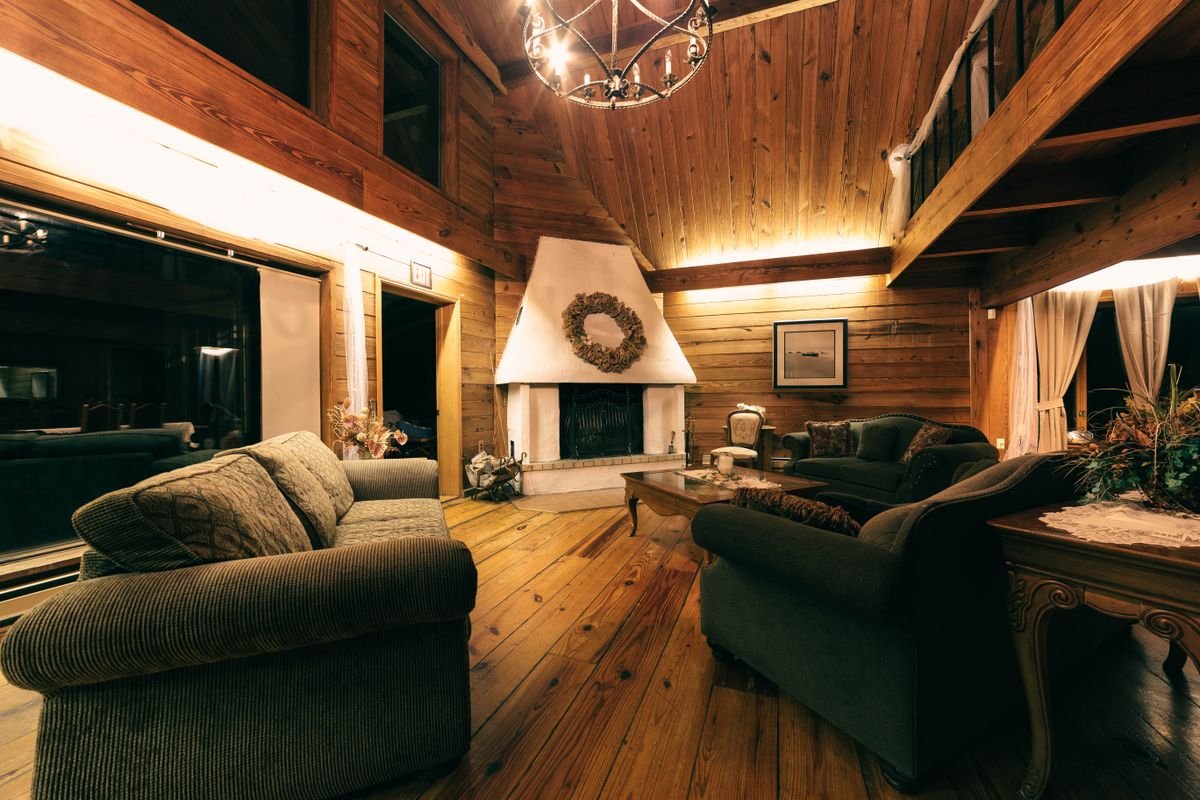
Getting there is a proper drive. Blacksod sits at the bottom tip of the Mullet Peninsula, about an hour past Belmullet, and you’ll want a car for the whole run out. The roads narrow the further you go, which is half the appeal. If the keeper’s quarters are booked out, base yourself back in Belmullet at Taobh na Farraige and check availability on Booking.com.
Pair it with a loop of the Mullet Peninsula and the beaches out that way, and it’s a full day in a part of Mayo most road trips never reach.
Things to do near the lighthouses
- The Best Things to Do in Donegal, Ireland
- 21 Amazing Things To Do in West Cork This Summer
- Fun Things To Do in Wexford – Ireland’s Sunny Southeast
Galley Head Lighthouse, County Cork
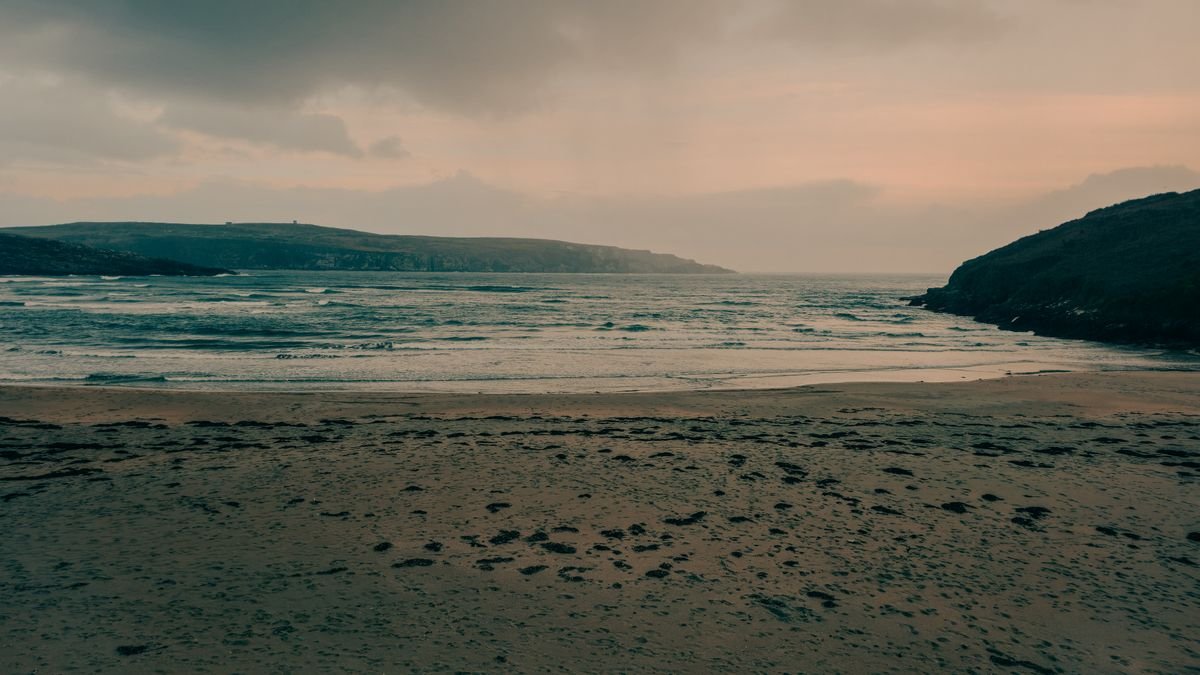
Galley Head sits out on a narrow finger of land called Dundeady Island, near Clonakilty in West Cork. The white tower was lit in 1878, and when it went up it was one of the most powerful lights in Europe, thrown far out over the Atlantic to warn ships off this stretch of coast.
I’ll be honest, we didn’t make it this far west on our last trip. We got as far as Cork city, grabbed a meal at Le Bon Crubeen near Beresford Lane, and had to turn back before we ever reached the West Cork headlands. Galley Head is high on the list for next time.
The setting is the draw. The tower stands on a low green headland with water on three sides, and the whitewashed keeper’s cottages sit right beside it. On a clear evening you can see all the way to the Old Head of Kinsale one way and toward Galley itself the other.
Getting there and staying over
Galley Head is roughly an hour’s drive west of Cork city, out past Clonakilty and Rosscarbery, and you’ll want a car for the run. The final stretch is narrow country lanes down onto the headland, so take it slow.
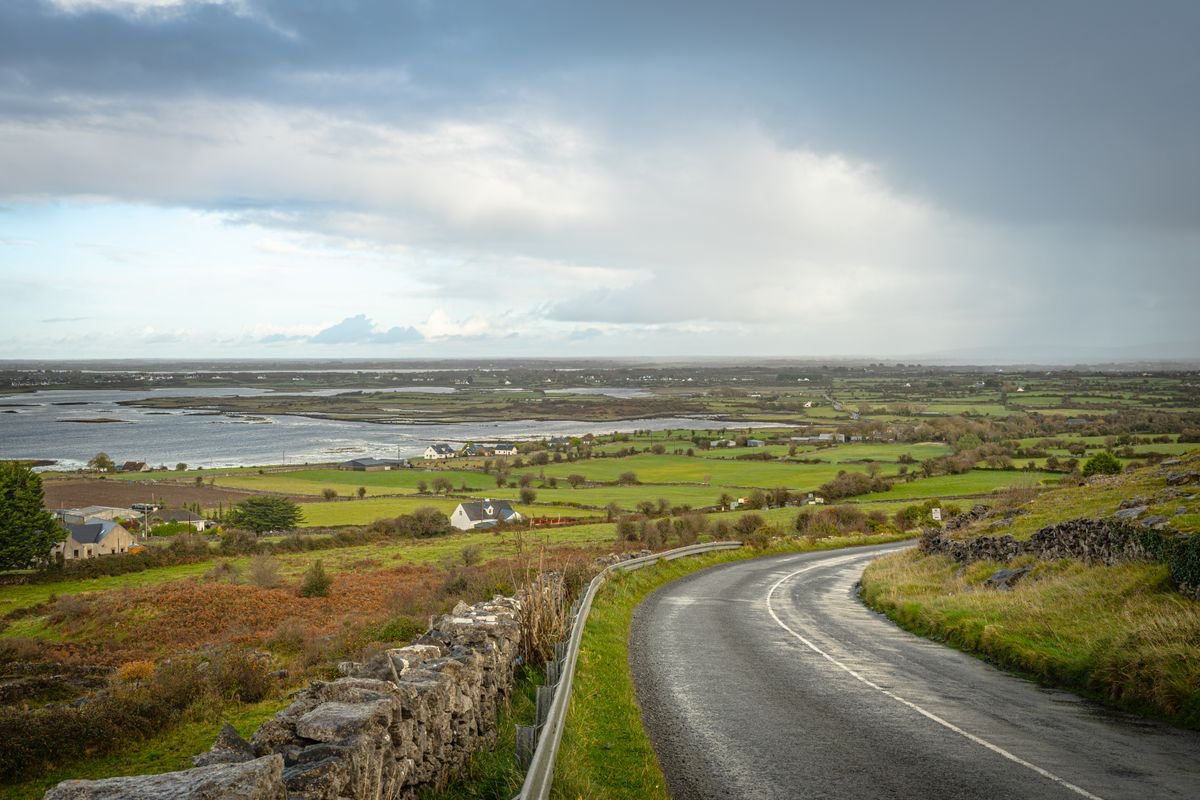
The two keeper’s houses are rented out as self-catering stays through the Irish Landmark Trust, so this is another one you can book a night in. Check current rates and dates directly, as it’s a small place and fills up well ahead in summer.
Pair it with Clonakilty and the beaches around Inchydoney, and it makes a full day in a corner of Cork we’re kicking ourselves for skipping. Clonakilty is the nearest town with proper hotels, and Ardnavaha House is a good base if you’d rather not self-cater. Check availability on Booking.com.
Where to stay near Galley Head (Clonakilty, West Cork)
Baily Lighthouse, Howth, County Dublin
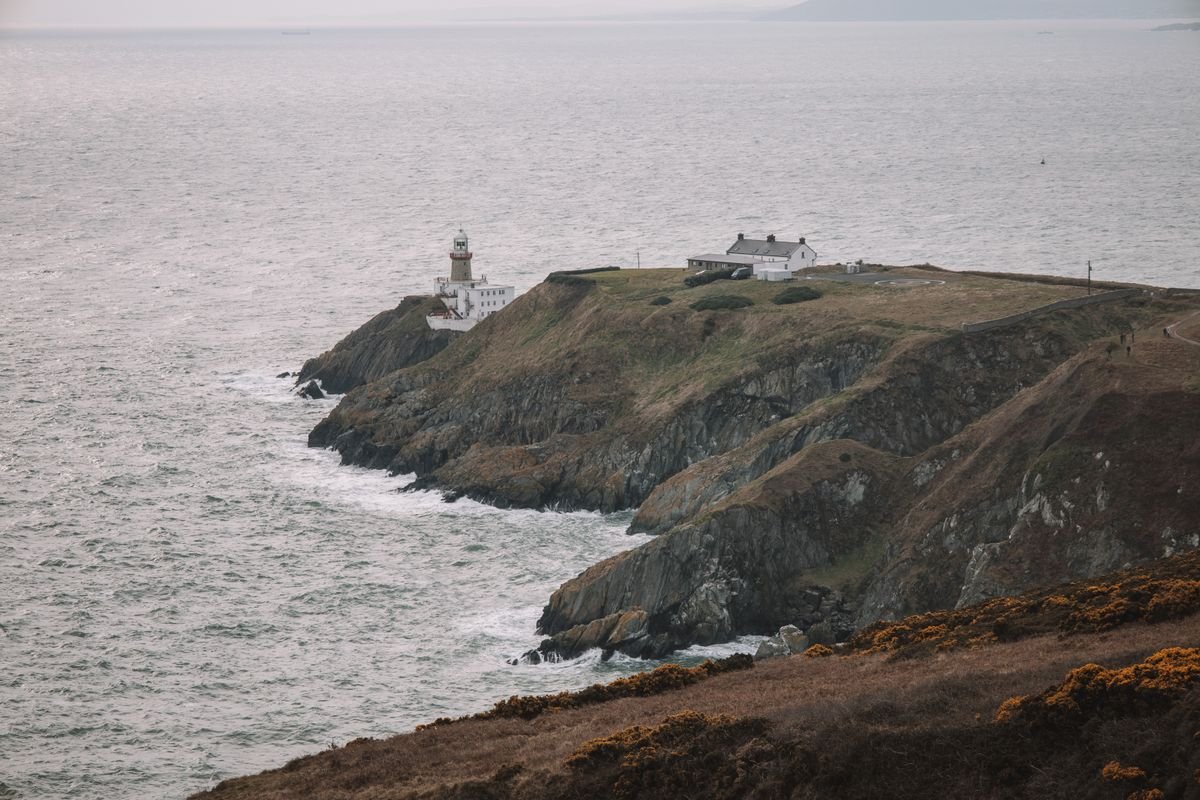
Baily is the one lighthouse on this list you can reach without a car, which makes it the easiest to fit into a trip. It sits on the southeastern tip of Howth Head, a rocky peninsula that closes off the north side of Dublin Bay, and the short white tower stands right down at the water on a low headland.
The tower you see today was built in 1814, and it was the last manned lighthouse in Ireland, only going automatic in 1997. You can’t go inside, but you don’t need to. The view from the Howth Cliff Walk looks straight down onto the tower with the bay and the city behind it.
I’ll be straight with you, we didn’t make it out here on our last trip. We had a few nights in Dublin at the start and end of the loop, but we spent them in the city, walking the Trinity College grounds and doing the Jameson Distillery tour on Bow Street. Howth never got its slot, and it’s a regret because it’s so easy to reach.
Getting there and the cliff walk
Howth is about 30 minutes from Dublin city center on the DART train, so you can do the whole thing without renting a car. From the village it’s a signposted walk up onto the headland, and the looped cliff paths run for a few miles with the lighthouse as the payoff on the southern side.
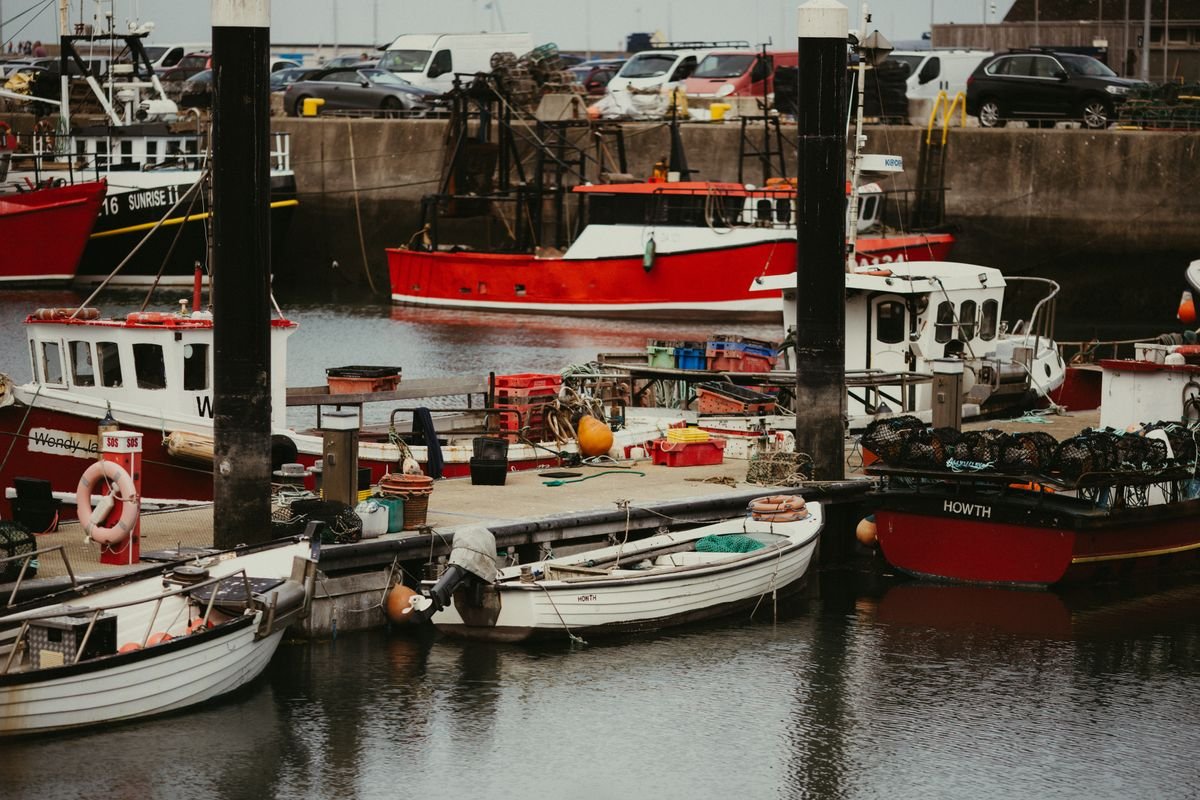
Plan on a couple of hours if you want to do the longer loop and stop for photos. Wear proper shoes, as the path is uneven and gets muddy after rain, which in Ireland is most of the time.
Howth village itself is a working fishing harbor with seafood restaurants and pubs, so you can pair the walk with lunch and a pint. If you’ve got a spare day on either end of a Dublin trip, this is the one I’d tell a first-timer to do.
Where to stay near Baily Lighthouse (Howth, Dublin)
Wicklow Head Lighthouse, County Wicklow
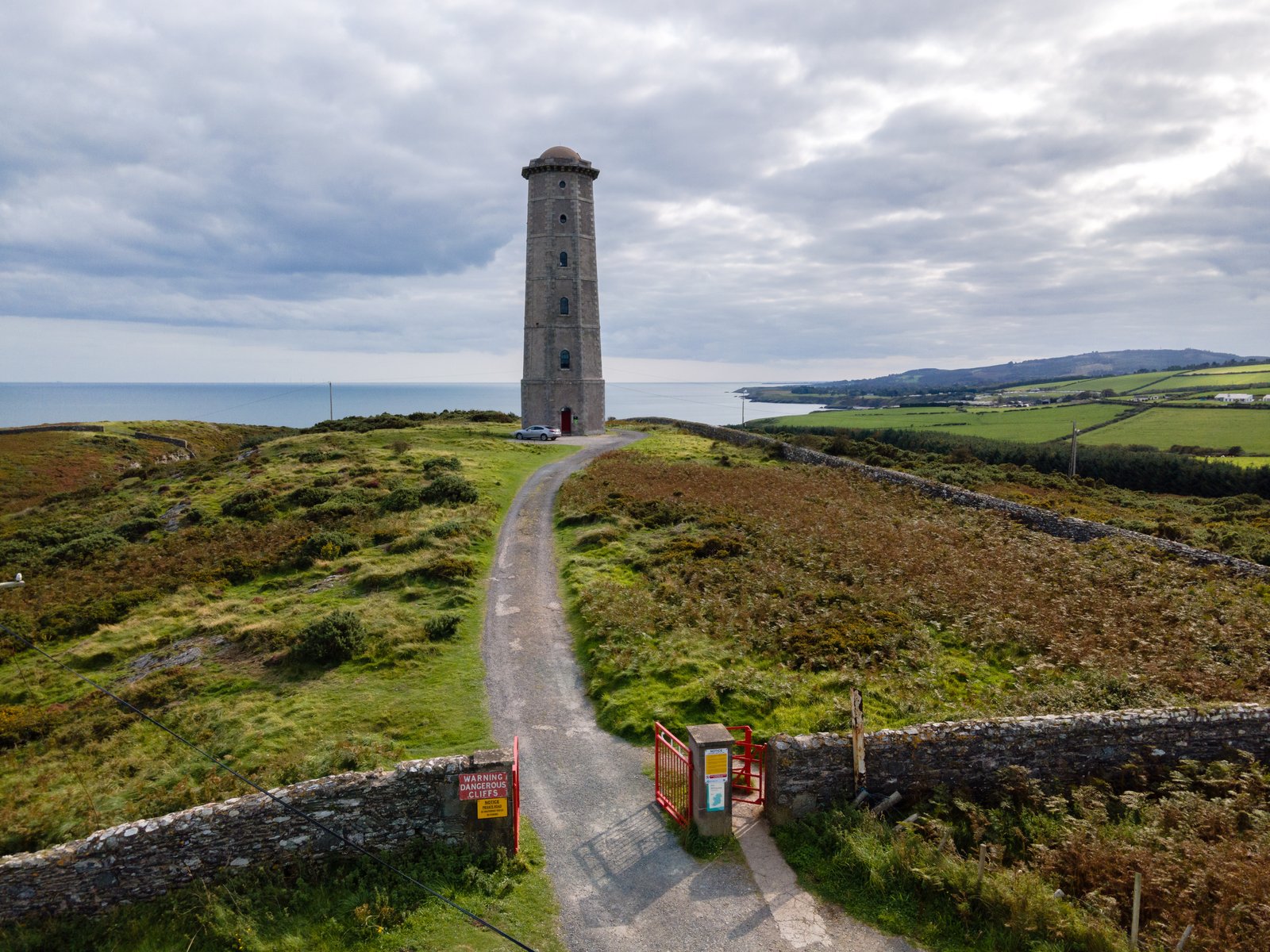
Wicklow Head is the closest lighthouse to Dublin on this list, out on a headland just south of Wicklow town. What makes it worth the drive is that there isn’t one tower here, there are a few, built over the years as ships kept getting confused by which light was which.
The one everybody wants to see is the old octagonal tower from 1781, a tall stone eight-sided column that looks more like a castle turret than a lighthouse. It lost its light long ago, but the shell still stands on the clifftop, and it’s the reason to come out here.
The working light today is a plain white tower lower down the headland, doing the actual job of warning ships off this stretch of the Irish Sea. It’s the old candle tower up top that has the character, sitting on green cliffs with the water dropping away below it.
You can sleep in the old tower
The 1781 tower has been done up by the Irish Landmark Trust as a self-catering stay, and it’s one of the more unusual places to spend a night in Ireland. Six floors, a spiral stair the whole way up, and a room at the top with windows looking straight out to sea.
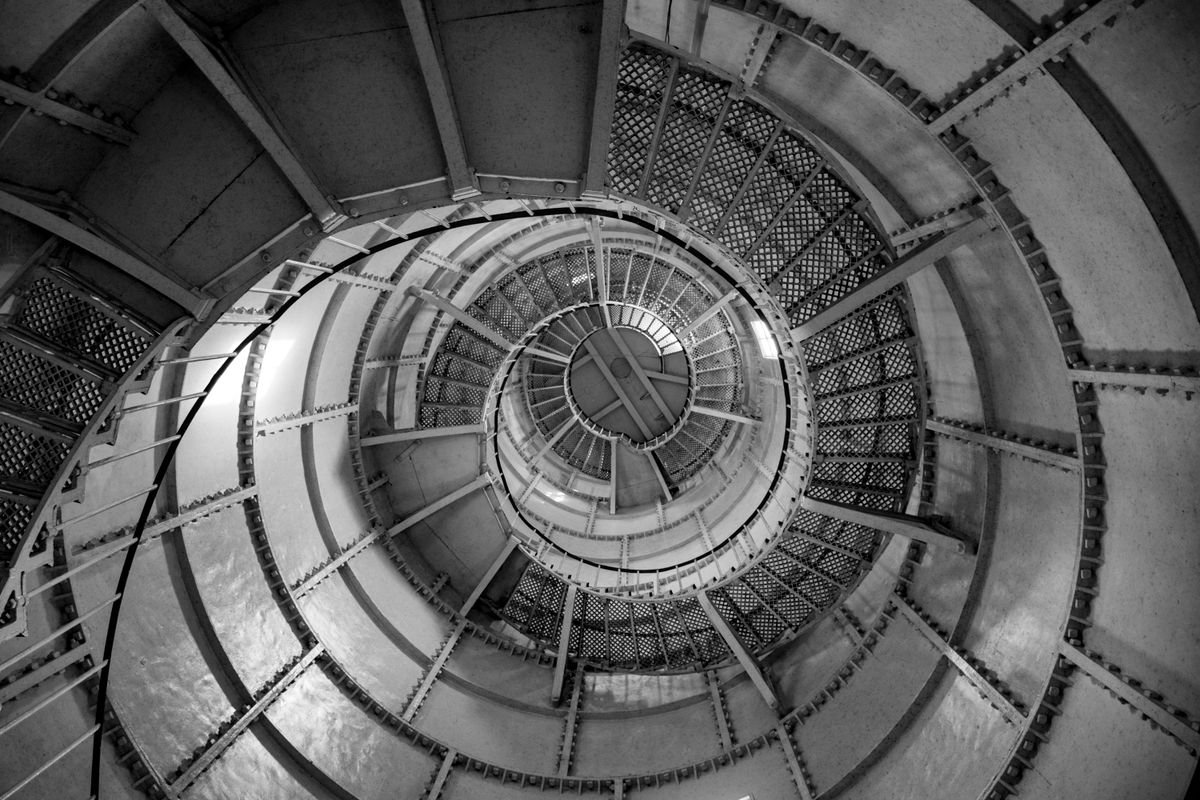
It’s a small place and books up well ahead, so check current rates and dates directly if you want a night in it. Even if you’re just visiting for the day, you can walk up to the base of the tower and out along the headland.
Wicklow Head is about an hour’s drive south of Dublin, and you’ll want a car for the final run out to the point. Pair it with Wicklow Mountains National Park and Glendalough inland, and you’ve got a full day in the county without straying far from the city.
St. John’s Point Lighthouse, County Donegal
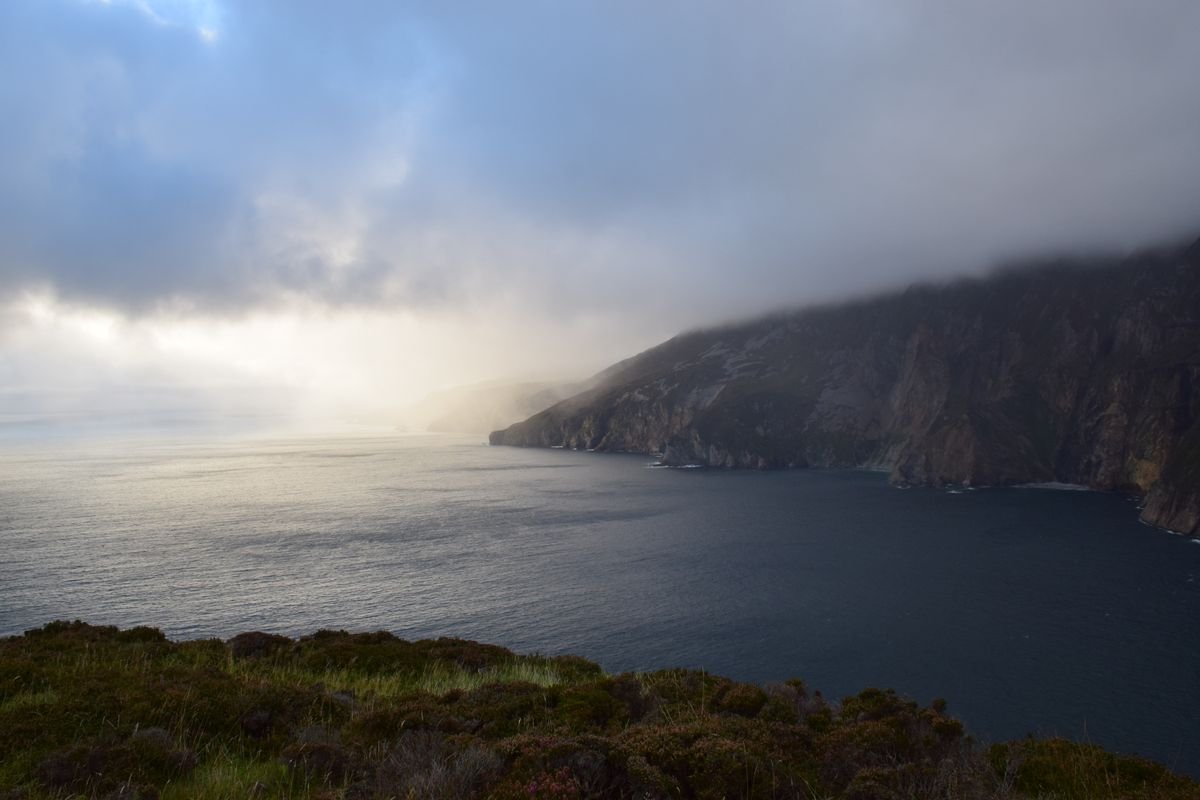
St. John’s Point is the one that gets skipped, and it shouldn’t. The tall white tower sits at the end of a long finger of land that reaches out into Donegal Bay, and at around 40 meters it’s one of the tallest lighthouses on the Irish mainland.
It was designed by George Halpin, the engineer behind a lot of Ireland’s great lighthouses, and lit in the 1830s. The drive out is the appeal on its own, a single narrow road running down a spit of green farmland with water on both sides, until the tower appears at the very end.
You can’t climb the tower itself, but you don’t come here for that. You come for the setting, a white column standing alone at the tip of the peninsula with the Bluestack Mountains behind you and the open bay in front.
Getting there and staying over
St. John’s Point runs off the coast road near Dunkineely, about 20 minutes past Donegal town. You’ll want a car, as it’s a slow one-lane run out to the point with passing places, and there’s no public transport down the peninsula.
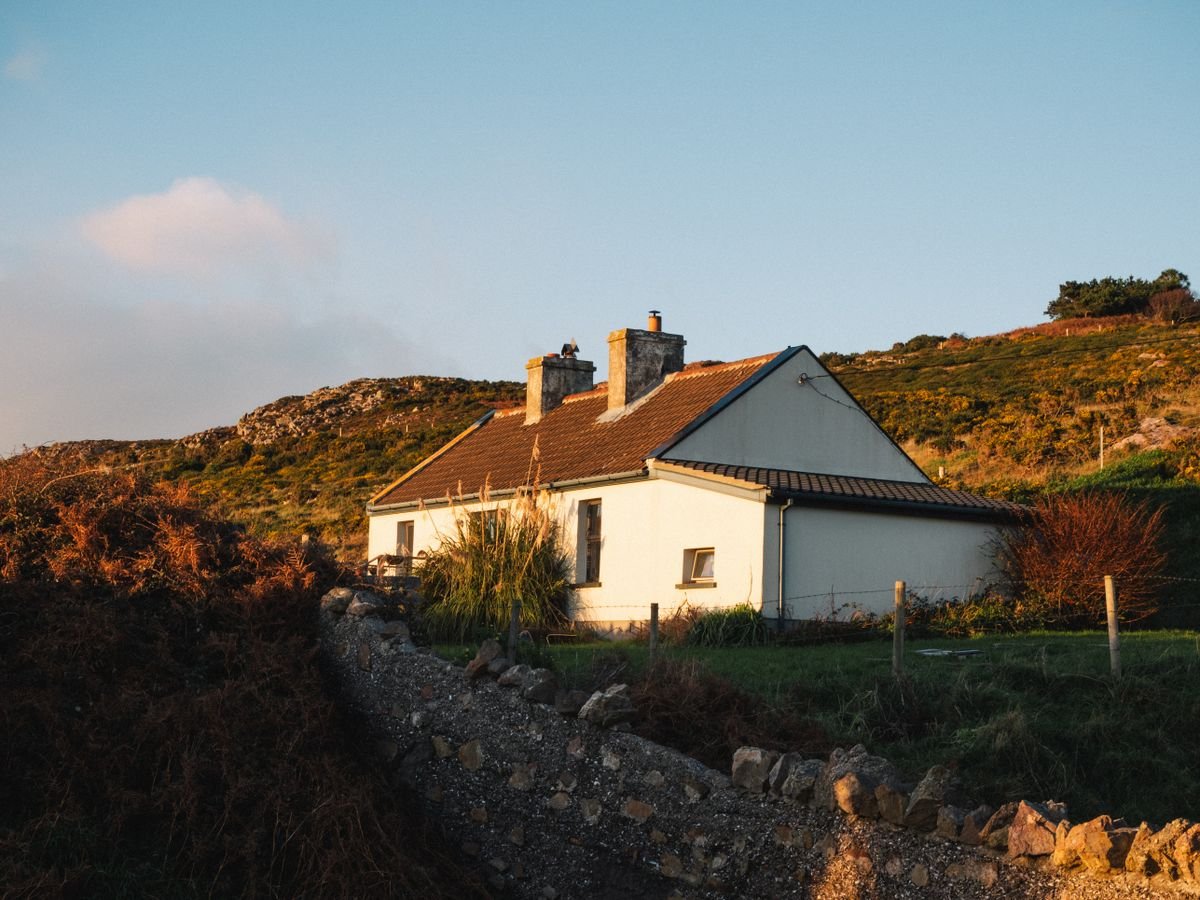
The old keeper’s houses are rented out as self-catering stays through the Irish Landmark Trust, so this is another one you can wake up in. Check current rates and dates directly, as there are only a couple of cottages and they go early for summer.
Pair it with Donegal town and a run up the coast toward Slieve League, and you’ve got a full day in a stretch of the country most road trips never make it to. If the keeper’s cottages are full, Donegal town is the handiest base, and Fitzgeralds Hotel is a solid pick. Check availability on Booking.com.
Where to stay near St. John’s Point (Donegal Town)
Where to Stay in a Lighthouse in Ireland
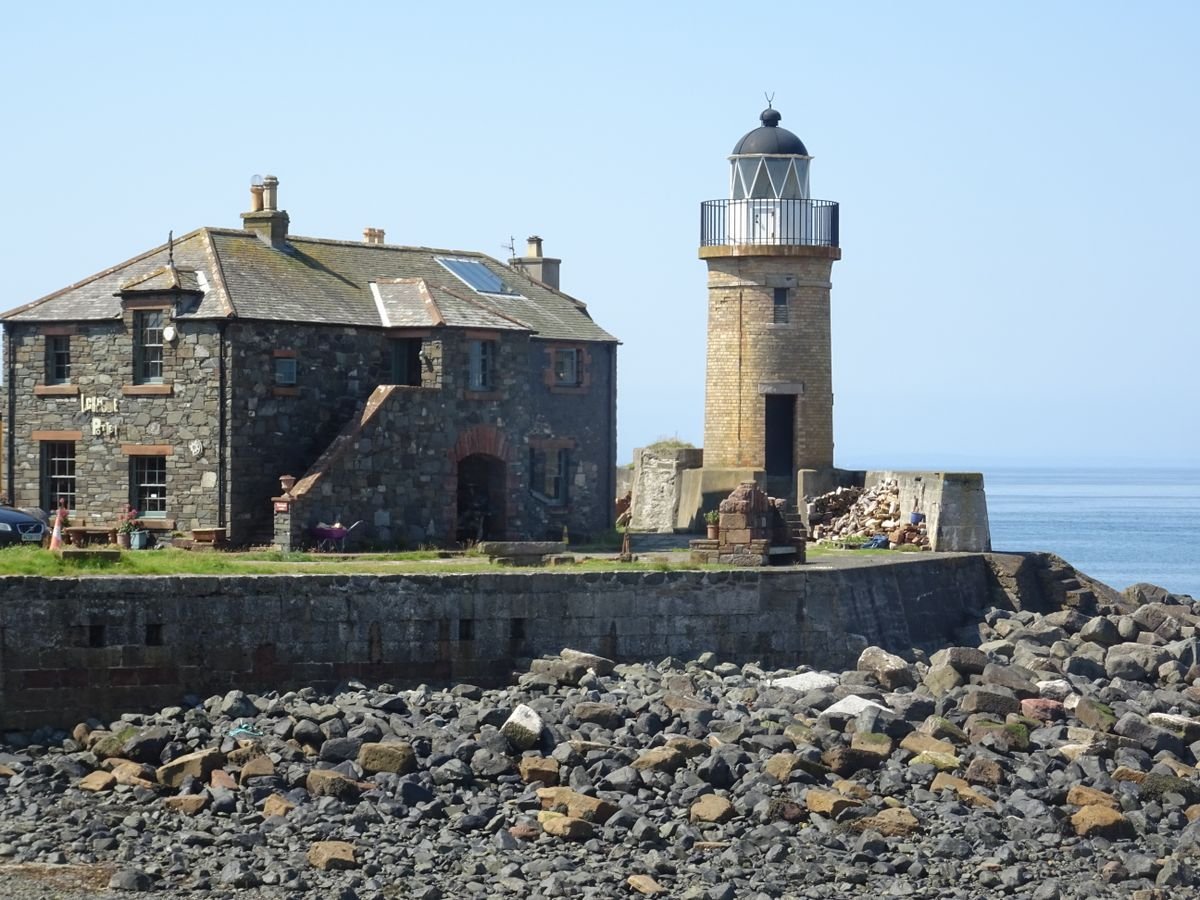
Here’s the part I didn’t know before this trip: several of Ireland’s lighthouses rent out their old keeper’s quarters as self-catering stays. You get a night on a headland with the sea right outside the window, in a spot that used to be off-limits to anyone but the keeper.
Most of them run through the Irish Landmark Trust, a charity that restores old buildings and rents them out. The cottages are basic and comfortable rather than fancy, and the setting does all the work.
Four of the lighthouses on this list have accommodation you can book. Each one puts you somewhere it’s hard to reach otherwise.
- Blacksod, County Mayo: the keeper’s quarters at the spot where the D-Day weather forecast was called, out at the tip of the Mullet Peninsula.
- Wicklow Head, County Wicklow: six floors of the 1781 octagonal tower, with a room at the top looking out to sea. The closest of these to Dublin.
- Galley Head, County Cork: two whitewashed keeper’s cottages on a green headland with water on three sides.
- St. John’s Point, County Donegal: a couple of cottages at the end of a long spit reaching into Donegal Bay.
The catch is that these are small places, often just one or two units, so they book up well ahead for summer. If you want a specific date, sort it early and check current rates and availability directly with the Irish Landmark Trust or the individual listing.
We didn’t stay in one on our last trip, but after seeing the settings, it’s the first thing I’d book next time. A night at St. John’s Point or Wicklow Head is high on the list for when we’re back.
How to Visit Ireland’s Lighthouses
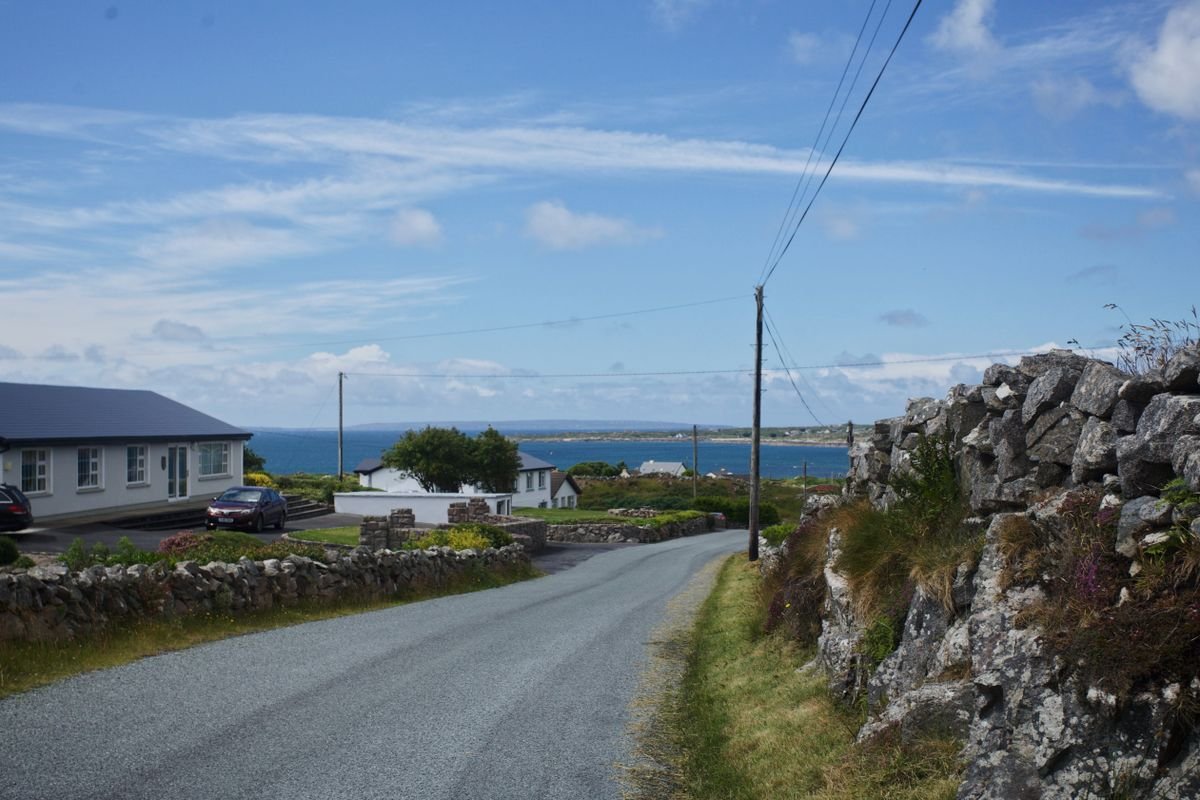
The short version: you’ll want a car. Almost every lighthouse on this list sits at the end of a peninsula or a narrow country road with no public transport running out to it. Baily at Howth is the one exception, reachable on the DART from Dublin, but the rest need your own wheels.
We drove ours in a campervan on our last loop of the coast, but a rental car does the same job and is the easier choice for most first-timers. Pick it up at Dublin, Cork, or Shannon airport and you can reach any lighthouse here. It’s worth comparing car hire deals on Discover Cars to line up a pickup before you land.
Climb, photograph, or sleep in one
The lighthouses split into three types, and it helps to know which is which before you drive out. A handful you can climb on a guided tour, like Hook Head and Loop Head. Most you can only photograph from the headland. And a few rent out the old keeper’s quarters, so you can actually stay the night.
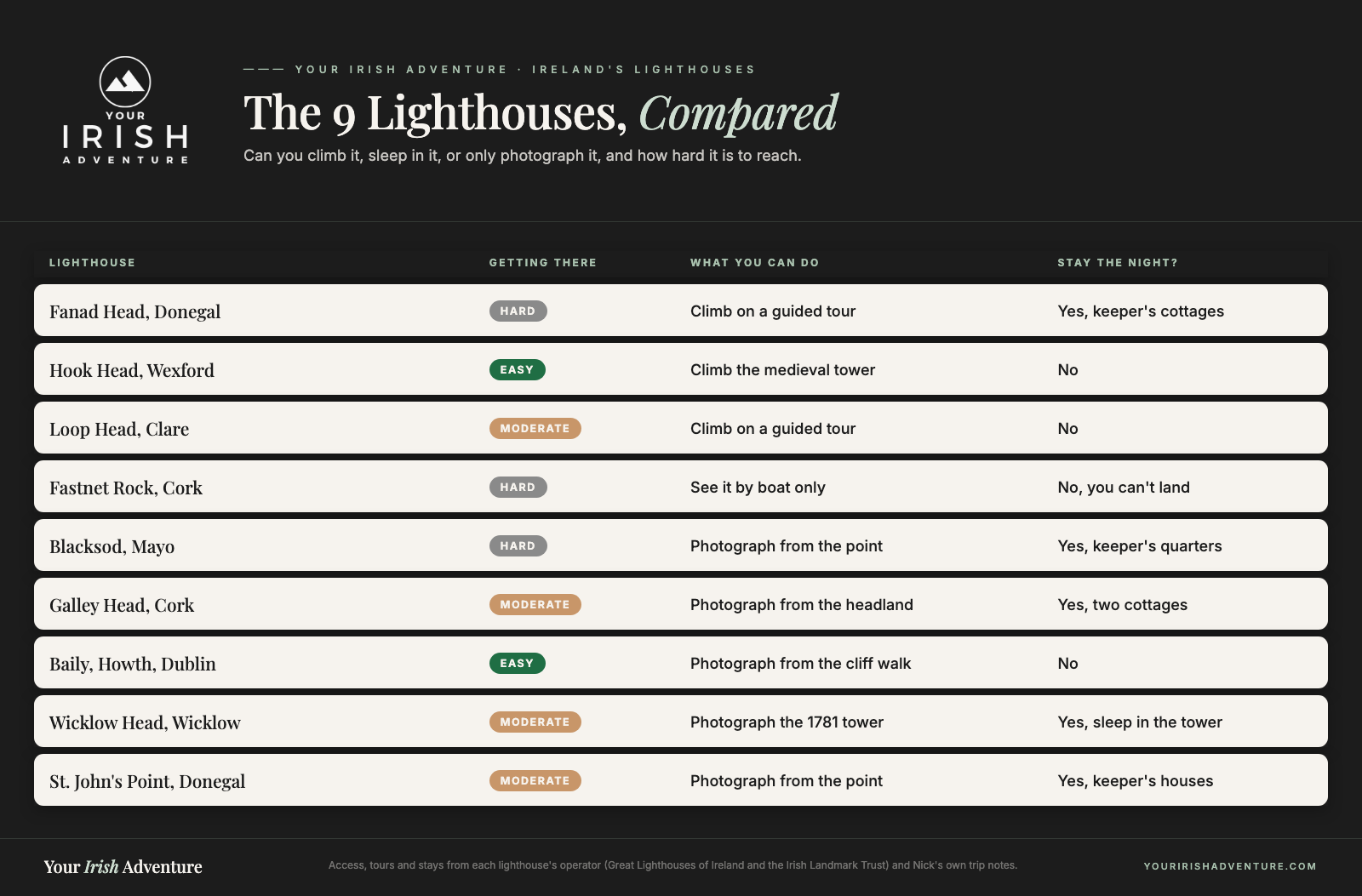
Several of these are grouped under the Great Lighthouses of Ireland network, which is a handy place to check what’s open and what runs tours. The guided climbs and the boat trips out to places like Fastnet are seasonal, so always check current opening times and prices before you commit to the drive.
The best time of year to go
We went in autumn, and shoulder season is my pick for lighthouses. The tours are still running into early October at most spots, the headlands are far emptier than in July, and you’re not fighting anyone for the clifftop.
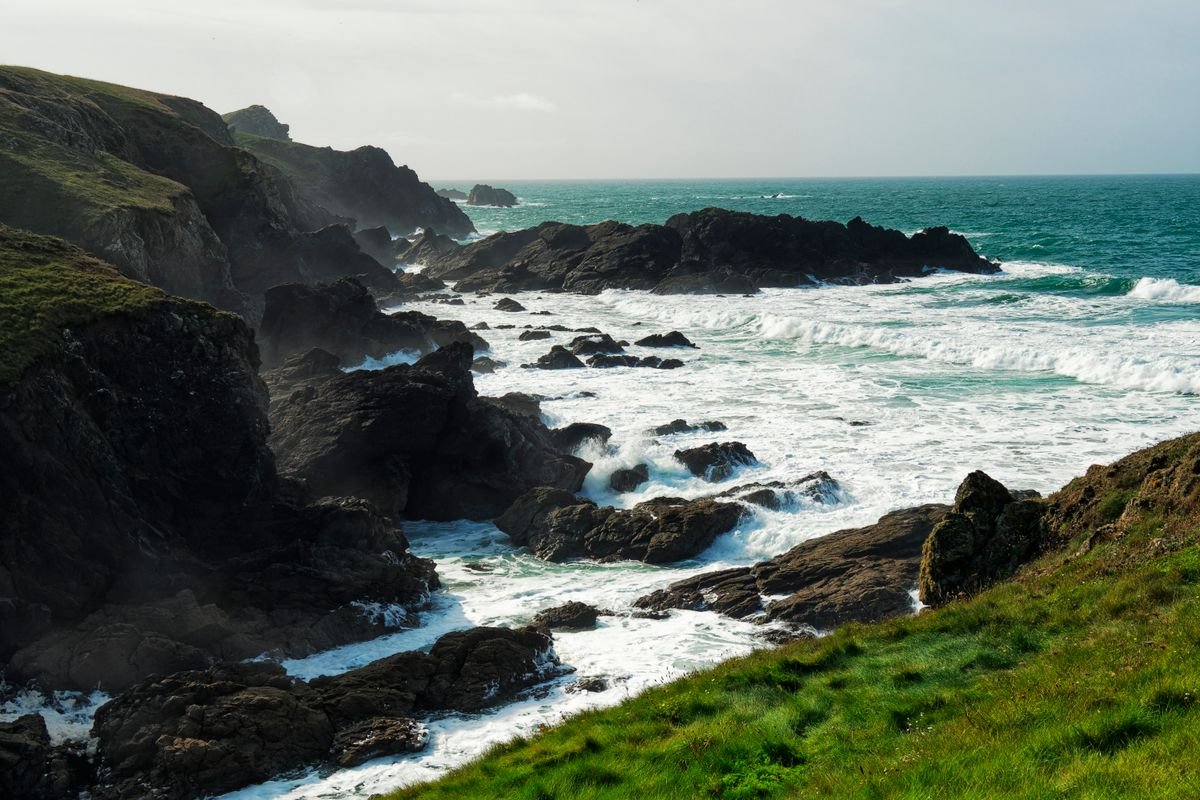
Summer gets you the longest days and the most reliable boat sailings, which matters if Fastnet is on your list. Winter is a gamble, as a lot of the tours and keeper’s cottages shut down and the weather turns, though a stormy day is when these towers look their wildest.
Whenever you go, pack for rain and wind, wear proper shoes for the clifftop paths, and build a spare day into the plan. The same weather that makes an Atlantic lighthouse worth photographing is the weather that shuts the roads and the boats down.
Best Time of Year to Visit
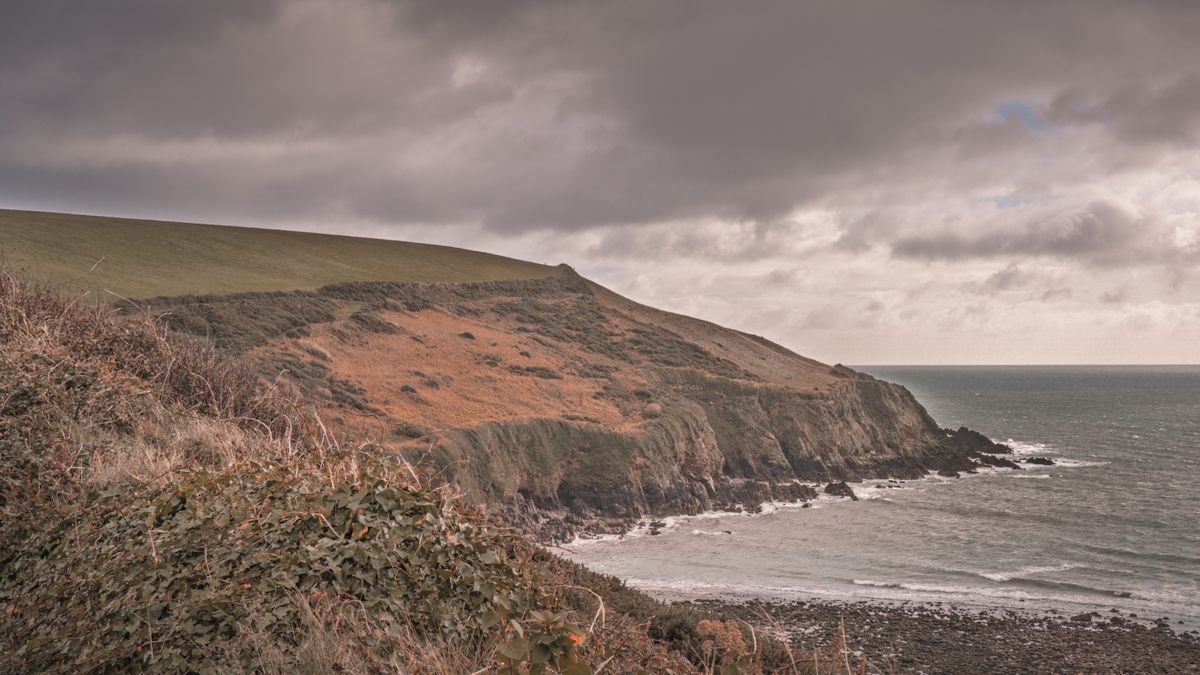
The thing that swings most with the season isn’t the rain, it’s the daylight. In June the west and north get around 17 hours of light, so you can shoot a lighthouse first thing and again late in the evening off the same trip. By December that drops to about 7 hours, and the sun barely lifts off the horizon.
For photos, spring and autumn are my pick. The sun stays low across the whole day, so the towers get soft, angled light instead of the flat overhead glare you fight in midsummer. You basically get golden-hour conditions for hours rather than minutes.
Match the light to the coast and it gets easier again. The east-coast towers like Baily at Howth, Hook Head, and Wicklow Head catch the sunrise, so go early. The west-coast ones like Loop Head, Blacksod, and Galley Head face the sunset, so save those for the end of the day.

Late spring throws in a bonus if you like wildlife. Seabirds nest along a lot of these headlands from around April into early summer, and the clifftops fill with sea pinks and other wildflowers, which makes for a better foreground than bare grass. That’s the one real reason to lean toward May and June over autumn.
Where to stay elsewhere in Ireland
- Where to Stay in Doolin: Best Areas & Hotels
- Where to Stay in County Cork: Cork City vs West Cork
- Wild Atlantic Way Hotels With A Touch Of Luxury
Frequently Asked Questions
How many lighthouses are there in Ireland?
There are around 70 working lighthouses around the Irish coast, run by the Commissioners of Irish Lights. On top of those, there are plenty of old towers that have lost their light but still stand, like the 1781 octagonal tower at Wicklow Head.
Which is the oldest lighthouse in Ireland?
Hook Head in County Wexford is the oldest, with the current tower guiding ships for around 800 years. Monks kept a warning fire on the same headland long before that, so there’s been a light here in some form for well over a thousand years.
Can you stay overnight in an Irish lighthouse?
Yes, and it’s the thing I’d book first next time. Several lighthouses rent their old keeper’s quarters as self-catering stays, most of them through the Irish Landmark Trust. Blacksod, Wicklow Head, Galley Head, and St. John’s Point all have accommodation you can book, and they fill up well ahead for summer.
Can you go inside the lighthouses?
A few you can climb on a guided tour, like Hook Head and Loop Head, where you go up the old stairs to the balcony. Most of the rest you can only photograph from the headland. The climbs run seasonally, so check current opening times and ticket prices before you drive out.
Do you need a car to visit Ireland’s lighthouses?
For almost all of them, yes. They sit at the end of peninsulas and narrow country roads with no public transport running out. Baily at Howth is the exception, reachable on the DART from Dublin. For the rest, a rental car picked up at Dublin, Cork, or Shannon airport does the job.
Which lighthouse is worth seeing if you only have time for one?
Hook Head, if you want to go inside a piece of living history and photograph those black-and-white candy stripes. If you’re after wild scenery with almost no crowds, Loop Head in County Clare was the one that surprised us most, and it’s the one I’d send a photographer to.
In short
- Fanad Head Lighthouse has keeper’s cottages you can book for an overnight stay on the headland.
- Hook Head in County Wexford is the most recognizable lighthouse in Ireland, with black-and-white candy stripes.
- Loop Head Lighthouse in Clare sits above sheer black sea cliffs with almost no crowds.
- Fanad Head is about an hour’s drive from Letterkenny, with no public transport to the peninsula tip.
- Tour times and overnight cottage stays at Fanad Head are seasonal, so check availability before the drive.
Final Thoughts on Ireland’s Lighthouses
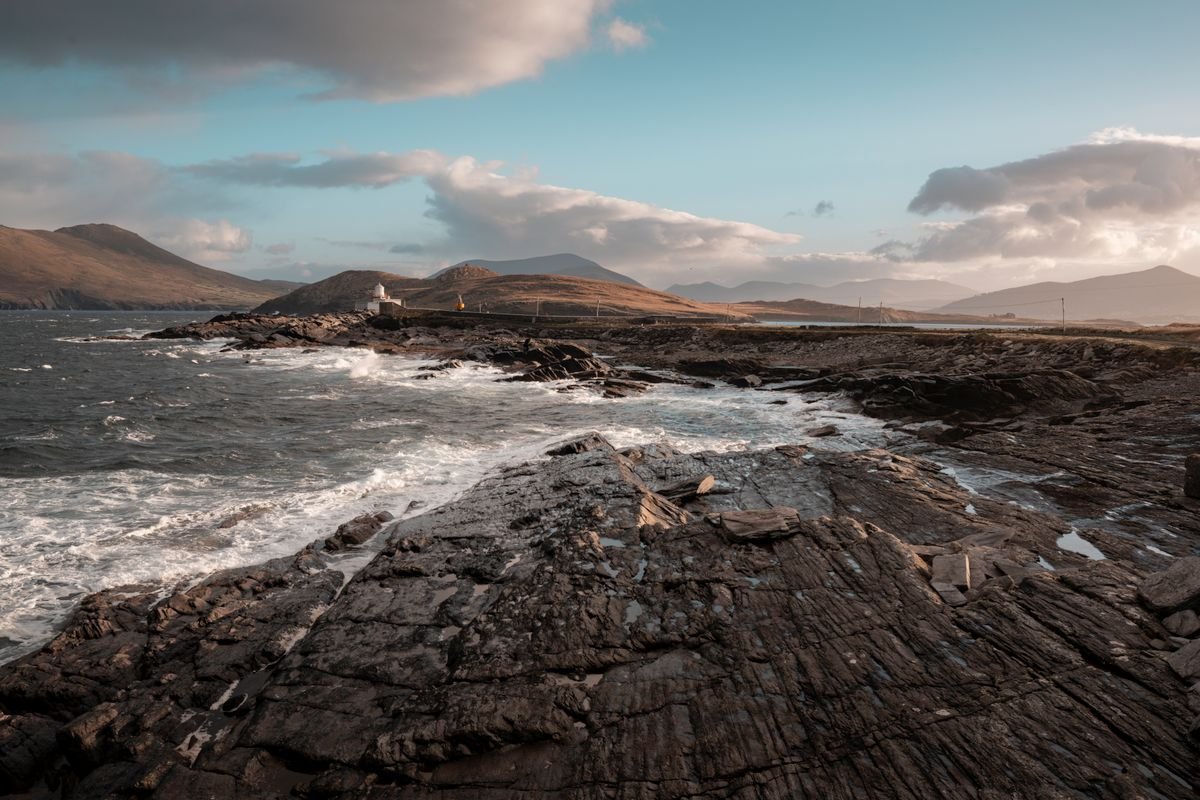
If you take one thing from this, let it be that the lighthouses are worth planning a drive around, not just photographing from a lay-by. The best of them sit at the end of a long peninsula road, and the drive out is half the reason to go.
Start with Hook Head if you want to climb inside 800 years of history, and point the car at Loop Head if you want a wild headland almost to yourself. Those two were the standouts for us, and between them they cover both sides of what makes these towers worth the trip.
The ones we missed sting the most. Fastnet, Galley Head, and Baily are all high on the list for when we’re back, and next time I’m booking a night in one of the keeper’s cottages before I do anything else.
Pack for rain, wear proper shoes, and give yourself a spare day for the weather. Do that, and Ireland’s lighthouses are some of the best stops on the whole coast.
Like it? Pin it!
Save this guide for later