
Strandhill sits on the Atlantic edge of County Sligo, a small surf town right below Knocknarea mountain. Strandhill Beach is the reason to make the drive out here, a long run of coast that gets some of the best waves in Ireland.
Go in knowing this is a beach for surfing and long walks, not swimming. The rip currents are no joke and there’s no safe bathing, which is exactly why the town leans into board sports and the seaweed baths instead.
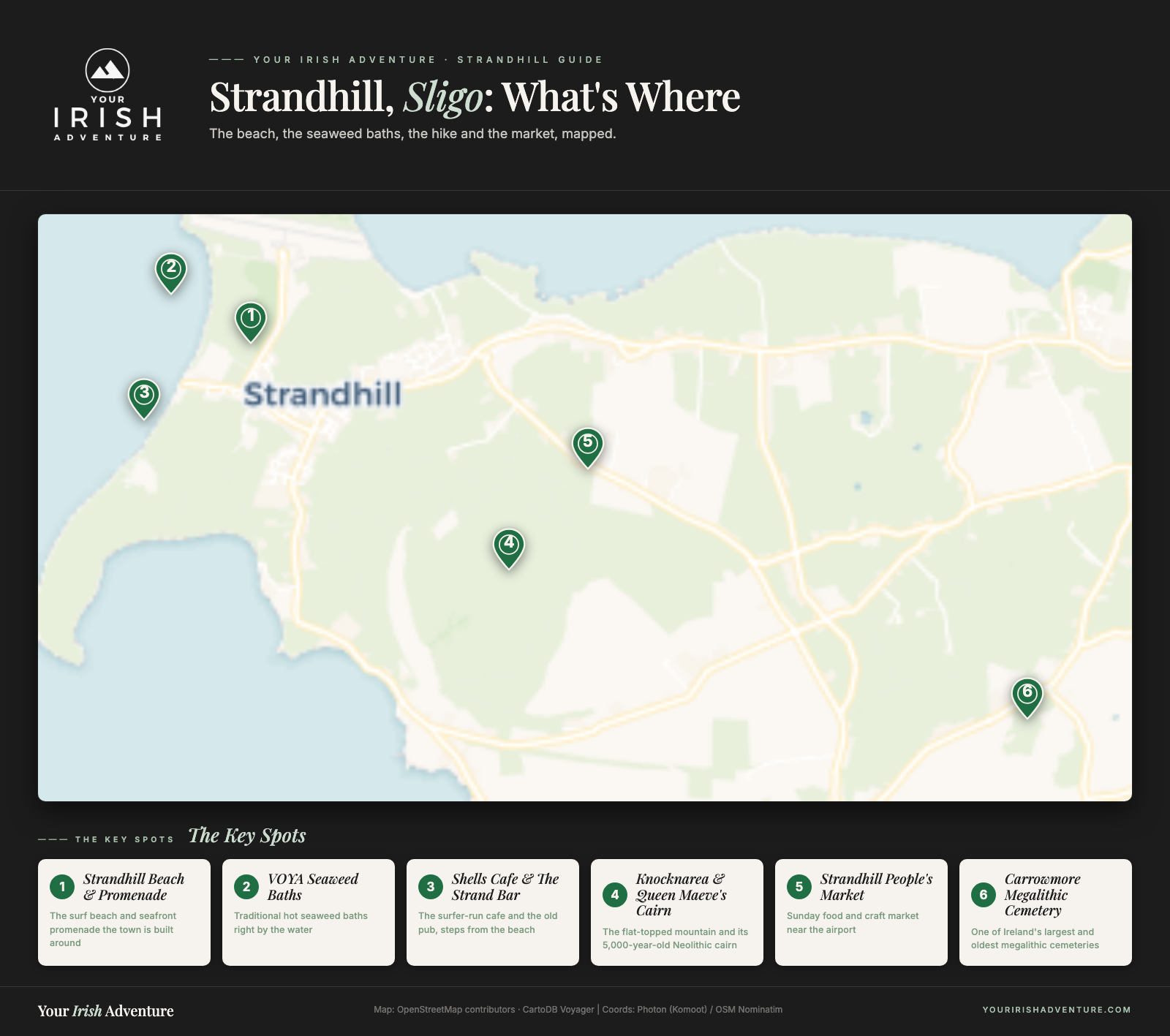
The town itself is tiny. A couple of streets, a handful of pubs and cafes, a surf school or two, and the well-known VOYA Seaweed Baths right by the water. It’s about a five-minute drive from Sligo town, so a lot of people base themselves in Sligo and come out for the day.
Below I’ll run through a bit of the history, the things actually worth doing, where to eat and drink, where to stay, and who Strandhill really suits.
More Irish Beaches to Explore
- Lahinch Beach (Clare): A Visitor’s Guide
- The Best Beaches in Ireland: 20 Picks for Every Part of the Country
- Best Blue Flag Beaches in Ireland: 9 Top Swim Spots
- Dog Friendly Beaches Ireland: The 10 Best Dog Beaches
Quick Answer:
Strandhill Beach sits about 8 km west of Sligo town on the Wild Atlantic Way. You can’t swim here, the rip currents are dangerous, but it has some of Ireland’s most reliable surf, VOYA seaweed baths on the seafront, and the Knocknarea hike nearby. Come for surf lessons, a hot seaweed soak, and coastal walks, not a dip.
A Brief History of Strandhill
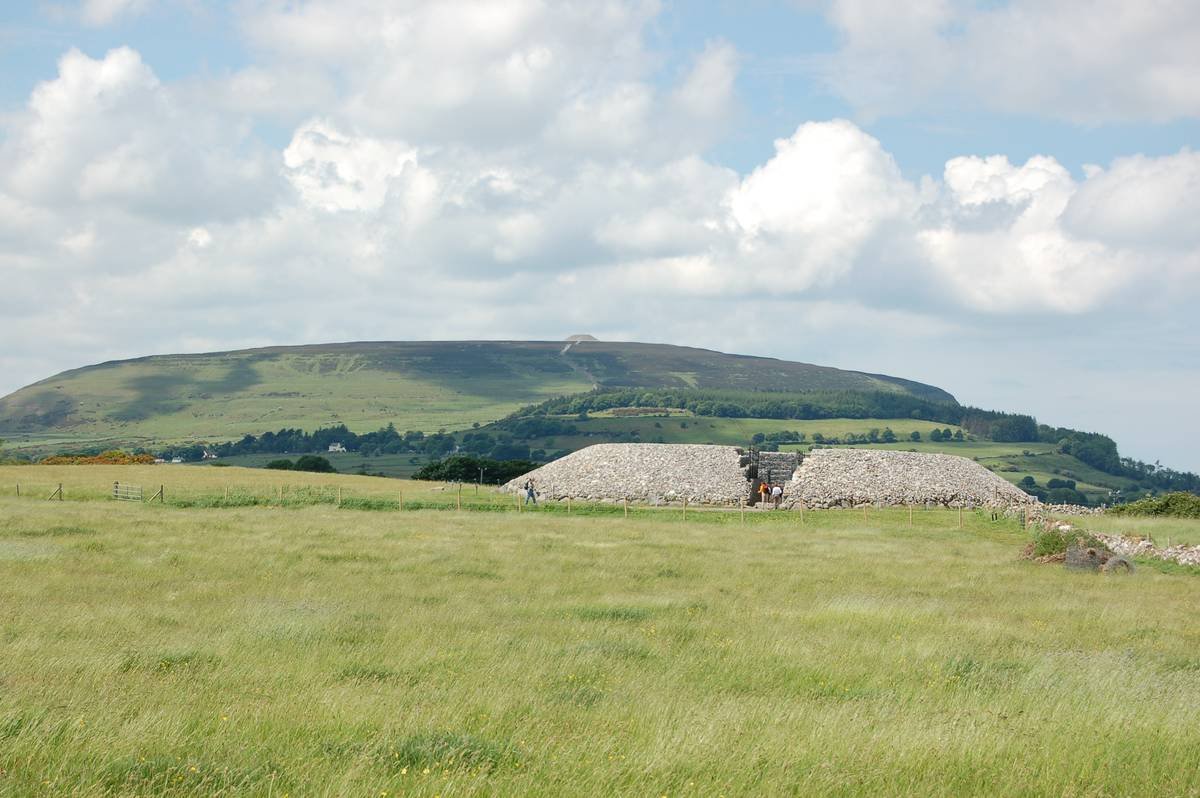
People have been drawn to this corner of Sligo for a very long time, way before anyone thought about surfing it. The clearest sign is right above the town.
Knocknarea, the mountain that looms over Strandhill, is topped by a huge Neolithic cairn. Legend says it’s the grave of Queen Maeve of Connacht, buried standing up and facing her enemies. Nobody has dug into it to check, but the cairn is real and it’s thousands of years old.
Just inland at Carrowmore, there’s one of the largest and oldest megalithic cemeteries in Ireland, with tombs older than the pyramids in Egypt. This whole area was clearly a big deal in ancient times.
Strandhill itself grew up much later as a seaside resort. In the late 1800s and early 1900s, people came out from Sligo town for the sea air and the bathing, and the seaweed baths that Strandhill is still known for today date back to that era.
Out on the coastal loop you’ll also find the ruins of Killaspugbrone, an old church tied to St Patrick. The story goes that he lost a tooth here, and it ended up as a relic. Take that one with a pinch of salt, but the ruins are worth the short walk.

The 20th century wasn’t kind to the old beachfront. The Atlantic slowly ate away at the sand and the promenade, and the beach you see now is a lot rockier than the one the Victorians came for.
What saved the town was surfing. From the 1960s and 70s onward, surfers worked out that Strandhill got some of the best consistent waves in the country, and the place reinvented itself around board sports, cafes, and those seaweed baths.
Things to Do in Strandhill
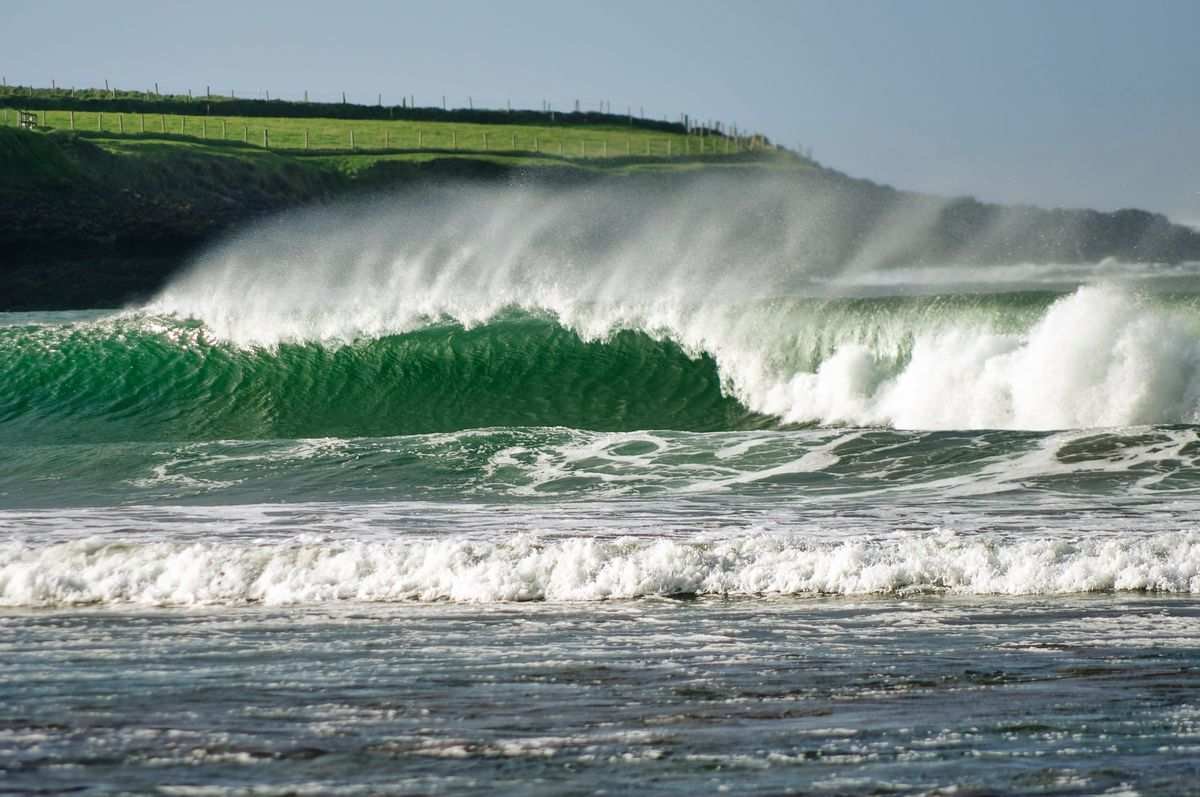
Strandhill isn’t a place for ticking off big sights. It’s a small surf town, and the fun here is doing stuff outside, then warming up in a cafe or a seaweed bath after. Here’s what’s actually worth your time.
Take a Surf Lesson
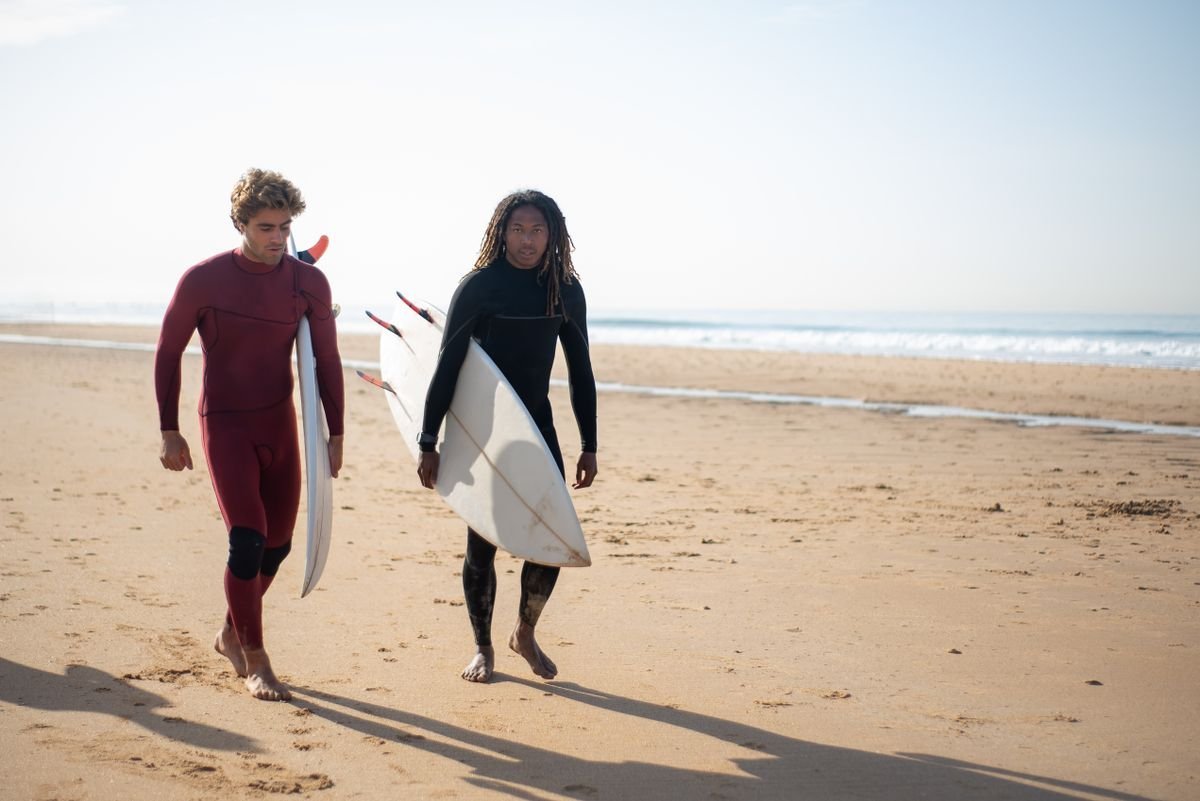
This is the number one reason people come to Strandhill, and it’s a no-brainer. The beach breaks here are some of the most reliable in Ireland, and there are a couple of surf schools right in town that run lessons for total beginners.
A group lesson usually runs a couple of hours and includes the board and wetsuit, which you’ll want because the Atlantic off Sligo is cold year round. You can book a Strandhill surf lesson on Viator ahead of time, or check prices with the school directly, as they change by season and group size.
Even if you never stand up, an hour of getting knocked around by whitewater is a good time. And you’re surfing under Knocknarea, which is a pretty cool spot to learn.
Soak in a Traditional Seaweed Bath
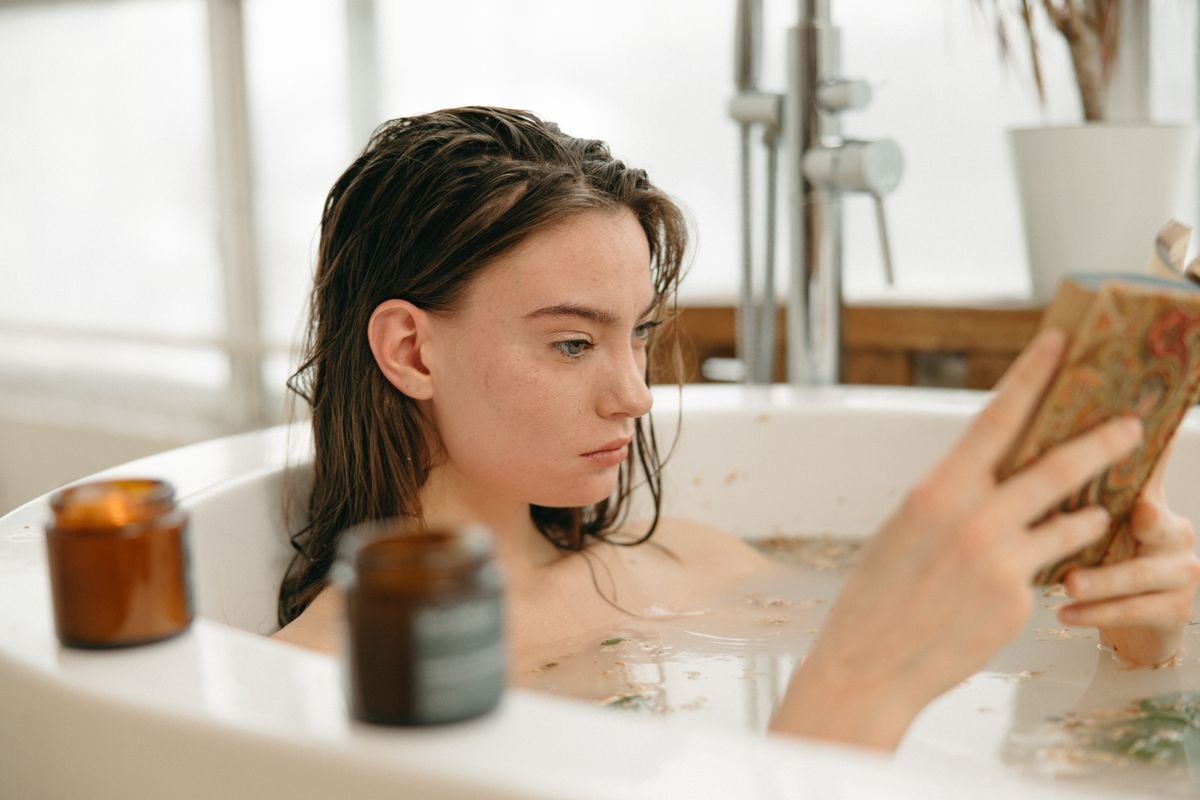
The seaweed baths are the other thing Strandhill is known for, and VOYA right by the beach is the name everyone points you to. It’s a private room with a hot bath full of steamed local seaweed, and the water goes a dark brown color that looks stranger than it is.
The seaweed releases oils that leave your skin soft, and after a cold surf or a long walk it’s exactly what you want. This is a real Sligo tradition going back to the Victorian resort days, not a spa gimmick invented last year.
Book ahead, especially on weekends, because slots fill up. Give it 45 minutes to an hour and don’t rush it.
Walk Strandhill Beach and the Promenade
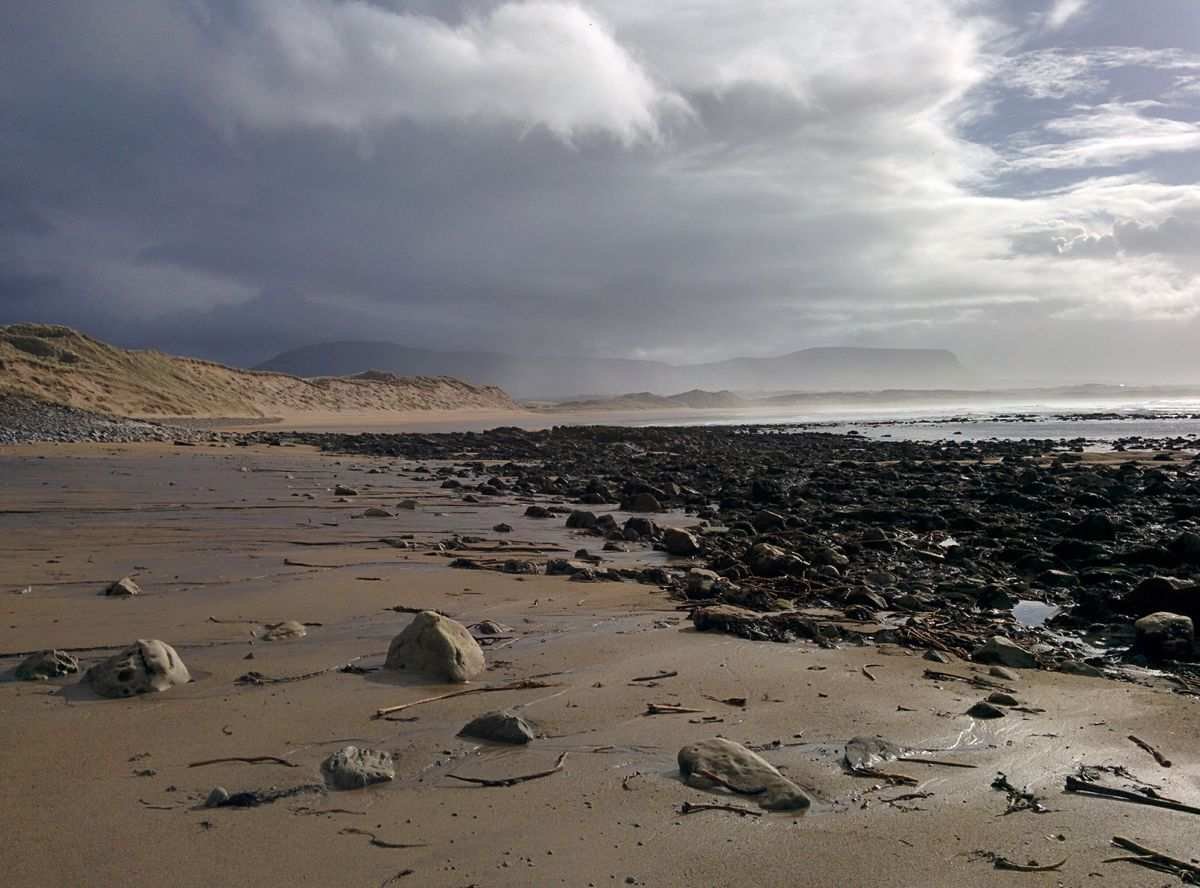
Remember, this is a walking beach and not a swimming one. The rip currents are dangerous and there’s no lifeguarded bathing, so keep the kids well back from the water and just enjoy the walk.
The promenade is the spot to stand and watch the surfers, with the waves rolling in off the Atlantic and Knocknarea behind you. Time it for sunset if you can, because the beach faces west and it puts on a show most evenings the sky is clear.
For a longer leg-stretch, the coastal path out toward the airport and the Killaspugbrone church ruins is flat and easy, and it’s one of the best walks in the area.
Hike Knocknarea to Queen Maeve’s Cairn

If you do one thing beyond the beach, make it this. Knocknarea is the flat-topped mountain over the town, and the trail up to Queen Maeve’s cairn is the best half-day you’ll get in Strandhill.
It’s a steady climb rather than a scramble. Plan on about 30 to 45 minutes up from the main parking lot, and wear proper shoes because it gets muddy and slippery after rain, which in Sligo is often.
At the top you’ve got the huge Neolithic cairn and a view over the whole coast, Sligo Bay, and the mountains inland. Don’t climb on the cairn itself, it’s a 5,000-year-old monument and locals are protective of it, for good reason.
Watch for Seals Along the Shore
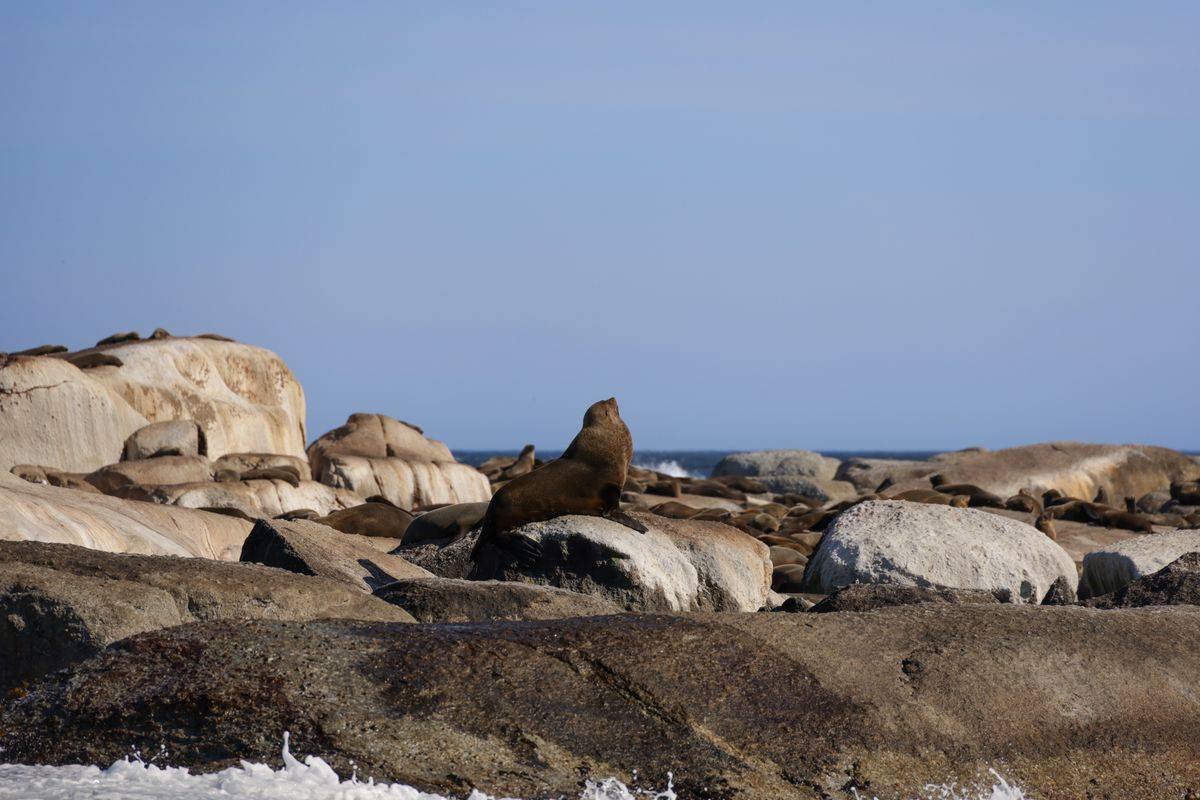
There’s a resident seal population around the Sligo coast, and you’ll often spot them bobbing offshore or hauled out on the rocks near the beach and out along the coastal path toward the church ruins.
Bring a zoom lens or just your eyes and a bit of patience. Keep your distance and don’t try to get close, as they’re wild animals and they’ll clear off if you crowd them.
Browse the Strandhill People’s Market

If you’re around on a Sunday, the Strandhill People’s Market is worth timing your visit for. It runs in a converted hangar space near the airport and it’s a proper local food and craft market, not a tourist trap.
You’ll find hot food stalls, local bakers, coffee, and makers selling their stuff, and it’s a good rainy-day option when the beach isn’t inviting. Check the current day and opening hours before you go, as market times shift with the season.
Things to Do Around Ireland’s Northwest and Beyond
- The Best Things to Do in Donegal, Ireland
- Unique Things To Do in Donegal Town in Ireland’s Northwest
- 33 Best Things To Do in Galway, Ireland
- 15 Best Seaside Towns in Ireland To Visit This Summer
Where to Eat and Drink in Strandhill

For such a tiny town, Strandhill eats well. It’s a surf town, so the food leans toward the kind of thing you want after a cold session: good coffee, fresh seafood, and a pint by the fire.
Shells Cafe, right by the beach, is the name that gets thrown around most. It started as a small surfer-run cafe and grew into a proper spot, known for its breakfasts, baking, and a cookbook that put it on the map beyond Sligo. Expect a line at weekends.
For a pint, the Strand Bar is the heart of the town. It’s an old pub steps from the water, it does food, and it’s where a lot of the after-surf crowd ends up. On the right night you’ll catch live music.
Being on the Atlantic, seafood is the thing to order. Sligo Bay oysters and mussels turn up on menus around town, and it’s worth ordering the catch of the day over anything flown in.
Save room for ice cream. Mammy Johnston’s is the local ice cream shop and a bit of an institution, and there’s nothing better than a cone on the promenade watching the surfers.
If you want more range, Sligo town is five minutes away and has a bigger spread of restaurants, cafes, and pubs. But for a beach day, you can eat and drink well without ever leaving Strandhill.
Where to Stay in Strandhill
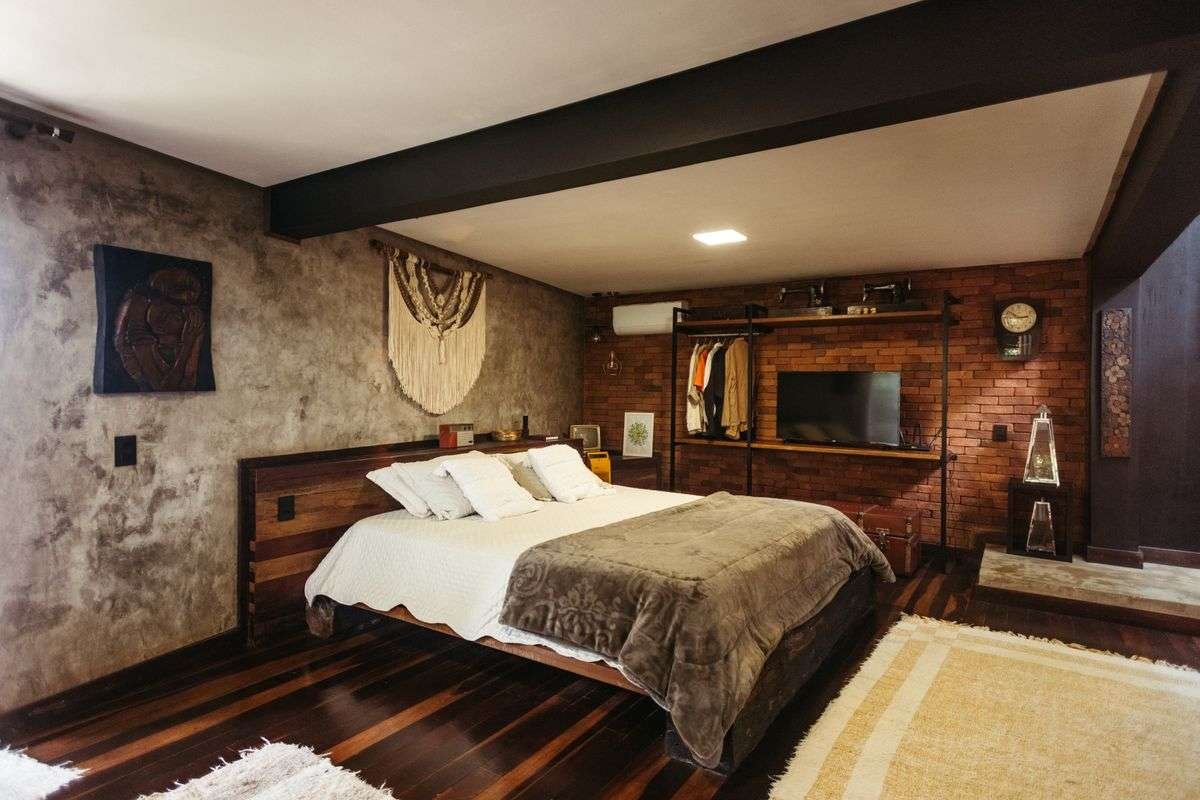
Strandhill is tiny, so your first call is whether to stay right in the village or base yourself in Sligo town and drive out. Both work, and it comes down to what kind of trip you’re after.
Staying in Strandhill itself means you roll out of bed and you’re at the beach. There are a handful of guesthouses, B&Bs, and holiday rentals in and around the village, plus the odd surf lodge aimed at people here to catch waves. A couple of the best-rated picks a short walk from the water are below.
Lilac Lodge – Strandhill Beach House

Lilac Lodge – Strandhill Beach House is a self-catering home a short walk from the beach, with a full kitchen and room for a family or a group of surfers. It scores 9.4 across its reviews, which is about as high as it gets in the village.
👉 View Lilac Lodge – Strandhill Beach House Availability and Pricing
Strandhill House
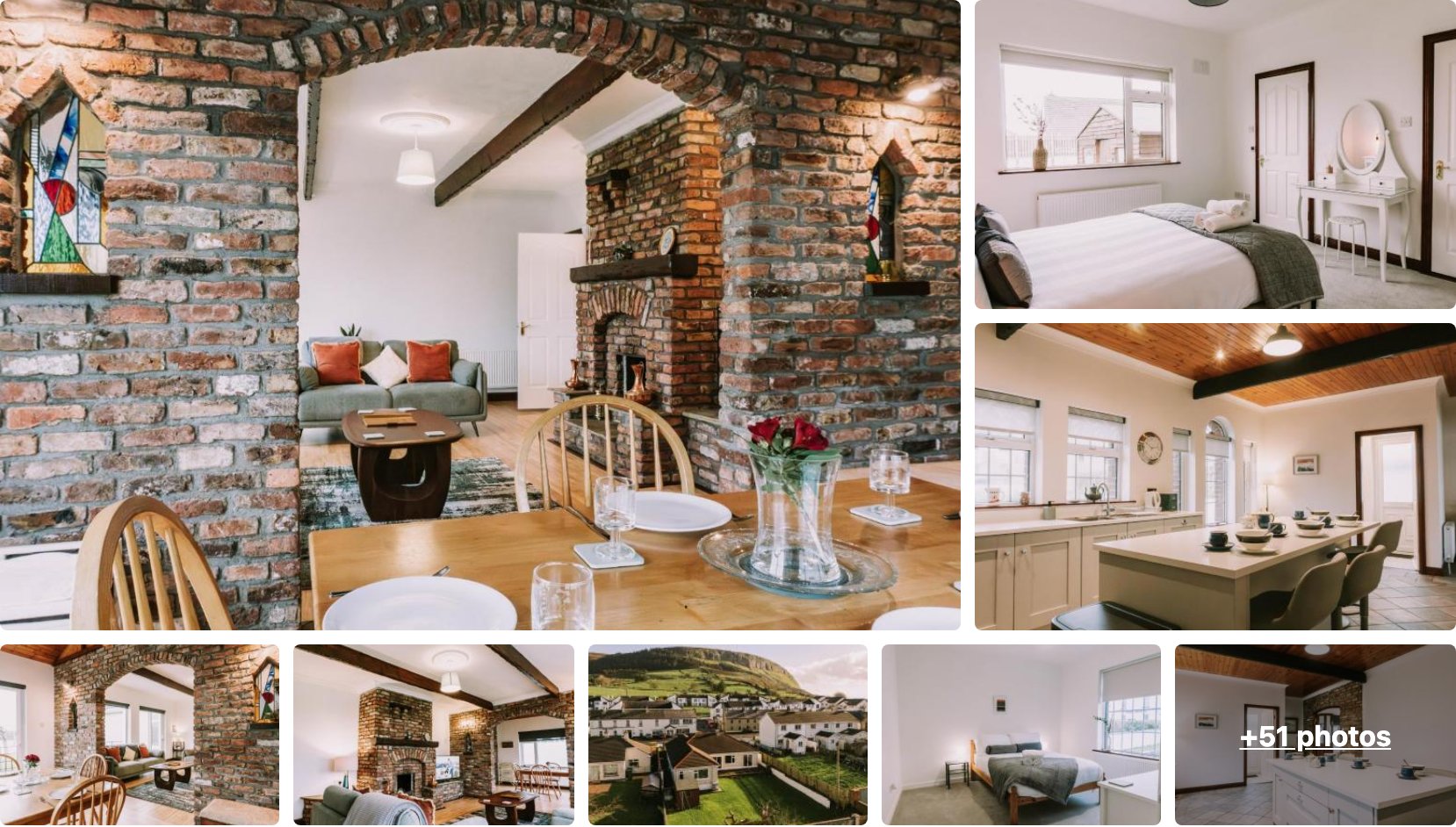
Strandhill House is another self-catering option in the village, an exposed-brick home with a wood-beamed kitchen and coastal views. Early reviews are exceptional, so it’s worth a look if the dates line up.
👉 View Strandhill House Availability and Pricing

The catch is there isn’t much of it, and what’s there books up fast in summer and on weekends when the surf crowd rolls in. If you want to stay in the village, sort your room early rather than leaving it to chance.
Base Yourself in Sligo Town Instead
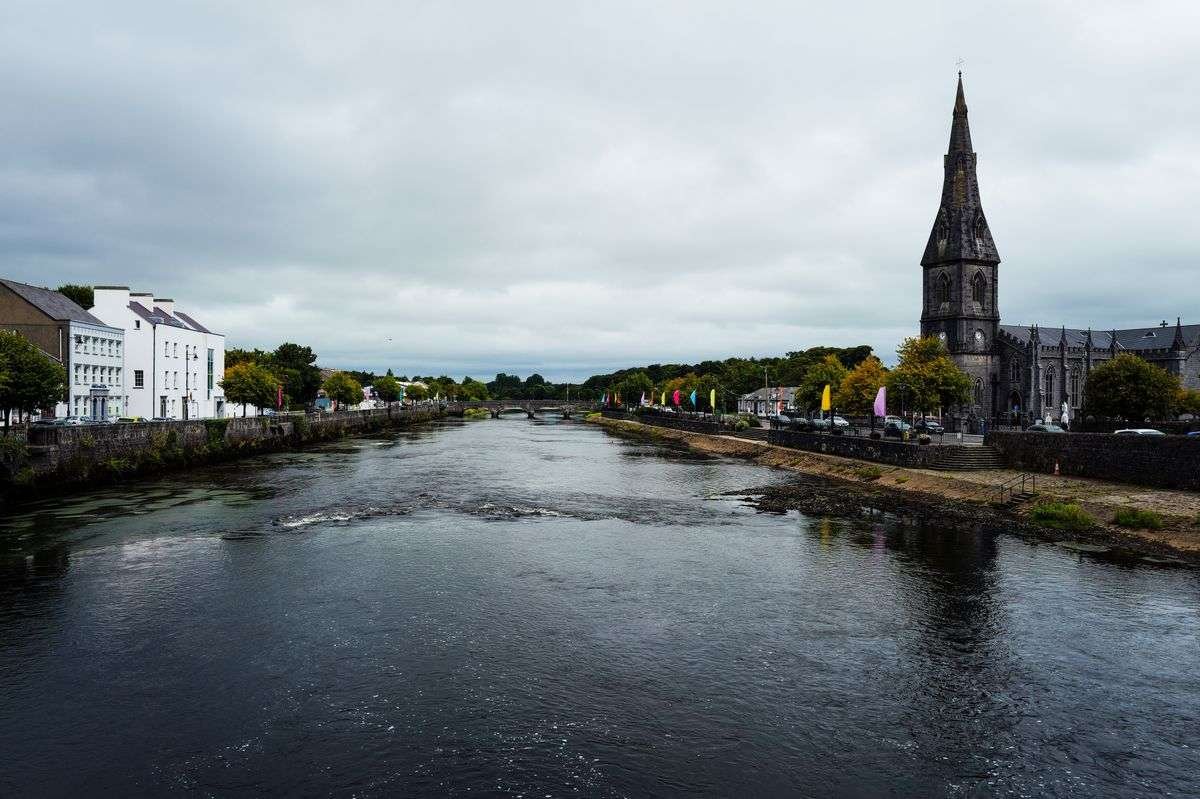
For a lot of visitors, Sligo town is the smarter base. It’s a five-minute drive from Strandhill, and it has far more hotels, guesthouses, and B&Bs to choose from at every price point, from town-centre guesthouses up to Markree Castle just outside town.
You also get a proper town around you: more restaurants, more pubs, the shops, and easy road access to the rest of Sligo and Yeats country. Then you drive out to the beach whenever you fancy it. It’s worth weighing up the extra choice before you decide.
If you’re touring the Wild Atlantic Way and only stopping a night or two, Sligo town is the easy pick. Save staying in the village for when the beach and the surf are the whole point of your trip.
Where to Stay in Sligo Town
In short
- Strandhill is 8 km west of Sligo town, about a five-minute drive on the Wild Atlantic Way.
- No swimming; rip currents make the water dangerous year-round, but surf schools offer lessons for beginners.
- VOYA Seaweed Baths sits right on the Strandhill seafront and is worth booking in advance.
- Carrowmore megalithic cemetery, just inland, contains tombs older than the pyramids in Egypt.
- Knocknarea mountain above the town is topped by a Neolithic cairn said to be Queen Maeve’s grave.
Frequently Asked Questions About Strandhill Beach
These are the questions visitors ask most before heading to Strandhill. Short, direct answers on swimming, surfing, the seaweed baths and getting there.
Can you swim at Strandhill Beach?
No. There’s no safe bathing at Strandhill, the rip currents are dangerous, and there’s no lifeguarded swimming. It’s a beach for surfing and walking, not for a dip. If you want a swim in Sligo, ask locally about safer spots like Rosses Point.
Is Strandhill good for beginner surfers?
Yes. The beach breaks are some of the most reliable in Ireland, and there are surf schools in town running lessons for total beginners. Book through a school, as the wetsuit and board come with the lesson and the water is cold year round.
How far is Strandhill from Sligo town?
About a five-minute drive, roughly 8 km west. It’s close enough that a lot of people base themselves in Sligo town and come out to the beach for the day.
Do you need to book the seaweed baths in advance?
Yes, especially on weekends and in summer. VOYA fills its slots, so book ahead rather than turning up and hoping. Plan on 45 minutes to an hour and don’t rush it.
Is there parking at Strandhill Beach?
Yes, there’s parking right by the promenade and more near the surf schools and cafes. It gets busy on sunny weekends and Sunday market days, so get there earlier in the day if you want an easy spot.
When is the best time to visit Strandhill?
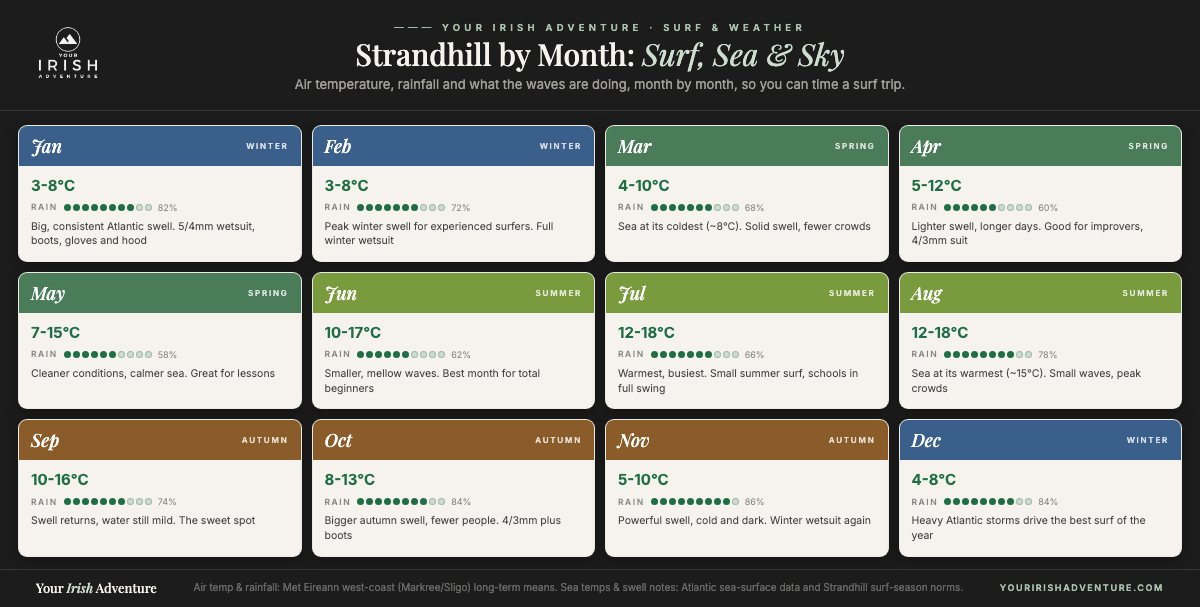
Summer is warmest and busiest, with the surf schools in full swing. Autumn and winter bring bigger, more consistent waves that surfers come for. The town works year round, so it comes down to whether you want the crowds or the swell.
Is Strandhill worth visiting?
If you want surf, a seaweed bath, the Knocknarea hike, and good food in a small town, yes. If you’re after a swimming beach or big-ticket sights, it’s not the place. Go for the coast and the atmosphere, not for a checklist.
Planning a Wild Atlantic Way Road Trip
- Wild Atlantic Way Hotels With A Touch Of Luxury
- A Photographer’s Definitive Ireland Road Trip
- The Best Coastal Walks in Ireland: 10 Cliff & Sea Trails
- Scenic Towns and Villages in Ireland: 18 Best Picks
Final Thoughts on Visiting Strandhill
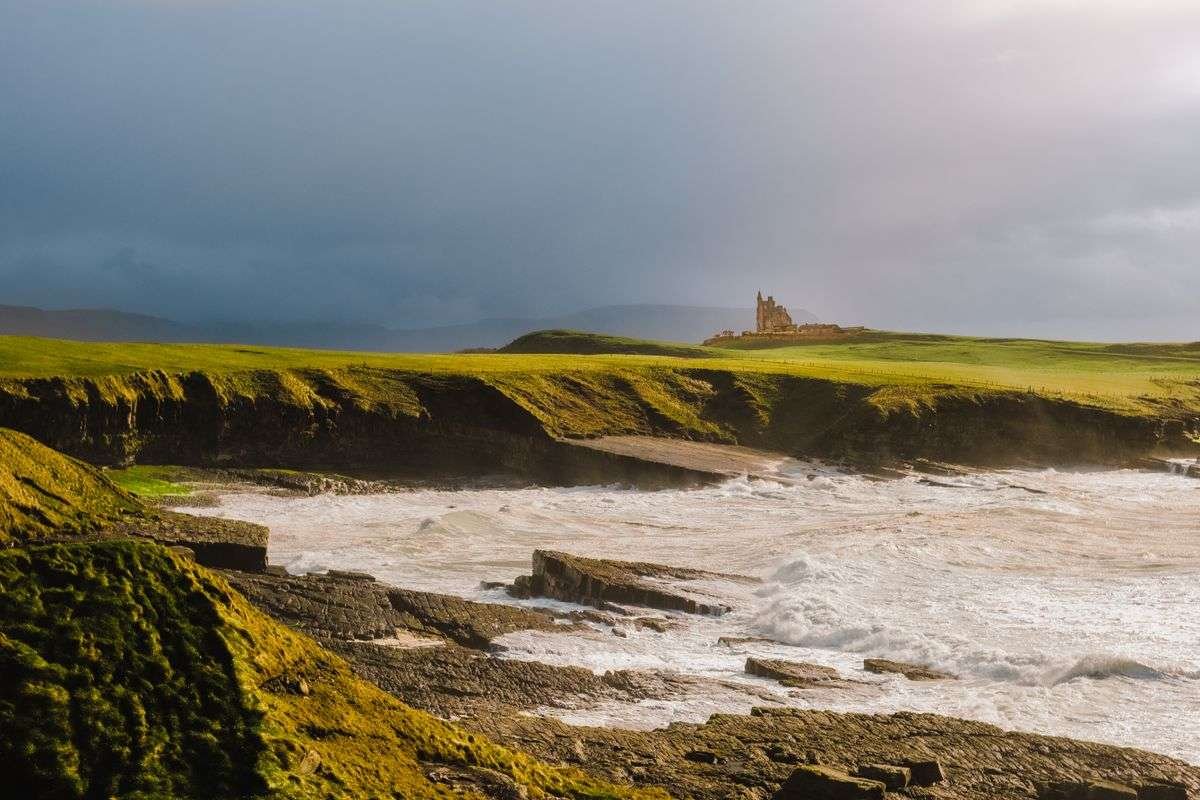
Strandhill is a small surf town with a big mountain behind it, and that’s the whole appeal. You come for the waves, the seaweed baths, the Knocknarea hike, and a good feed after, not for a long list of sights.
Just go in knowing what it is. This is a beach for surfing and walking, not swimming, so leave the dip for Rosses Point or somewhere lifeguarded and enjoy Strandhill for the coast and the surf.
Give it a full day if you can. A morning surf lesson, a walk out to the church ruins, an hour in a seaweed bath, and a pint at the Strand Bar makes for a great day out, and the whole thing sits five minutes from Sligo town.
If you’re driving the Wild Atlantic Way, it’s an easy stop that gives you something most of the coast doesn’t. You’ll want your own car out here, so it’s worth a minute to compare car hire deals on Discover Cars before you set off. Come for the surf and the seaweed, and Strandhill won’t disappoint.
Like it? Pin it!
Save this guide for later