County Donegal is the wild, far northwest corner of Ireland, and this county donegal travel guide rounds up the stops that actually earned their place after we spent about two weeks driving the country on our last trip, in autumn.
Donegal is the county most first-timers skip, and that’s exactly why it’s so good. Fewer tour buses, emptier beaches, and some of the best coastal driving in the country. Slieve League alone is worth the detour, with sea cliffs that run nearly three times the height of the more famous Cliffs of Moher.
We did it by campervan, but a rental car works the same on these roads and is the easier choice for a first trip. Either way, you’ll want a set of wheels up here, because the public transport is thin and the best bits are well off the main routes.
Here’s the list, from the famous stops everyone photographs to the quieter ones we’d actually send you to, plus how to get here, when to come, where to base yourself, and the tours worth booking.
More Donegal Travel Guides
- The Best Things to Do in Donegal, Ireland
- Unique Things To Do in Donegal Town in Ireland’s Northwest
- The Best Beaches in Donegal: 10 Wild Atlantic Strands
Quick Answer:
This County Donegal travel guide covers Ireland’s wild northwest. The headline stops are the Slieve League cliffs, close to three times the height of the Cliffs of Moher, Glenveagh National Park, and Errigal Mountain. Give it three to five days, drive your own car, and base yourself in Donegal Town or Letterkenny to reach the coast and the northern peninsulas.
Best Things to Do in County Donegal
Donegal isn’t a county you tick off in a day. The good stuff is spread along a long, twisting coastline, so pick a few of these, base yourself nearby, and give it time.
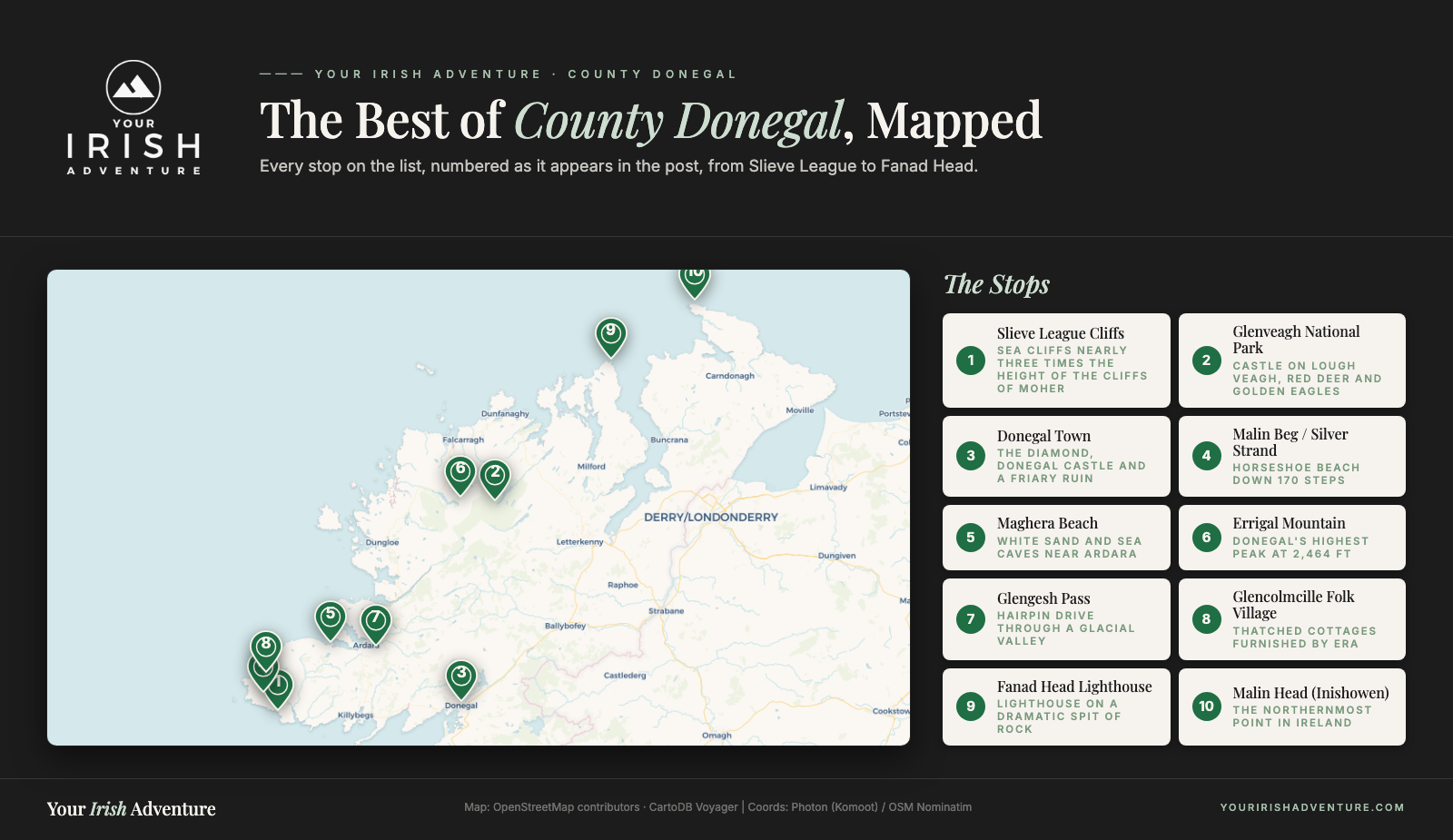
Here’s what we’d tell a first-timer to prioritize, from the big-name stops to the ones a lot of drivers blow straight past.
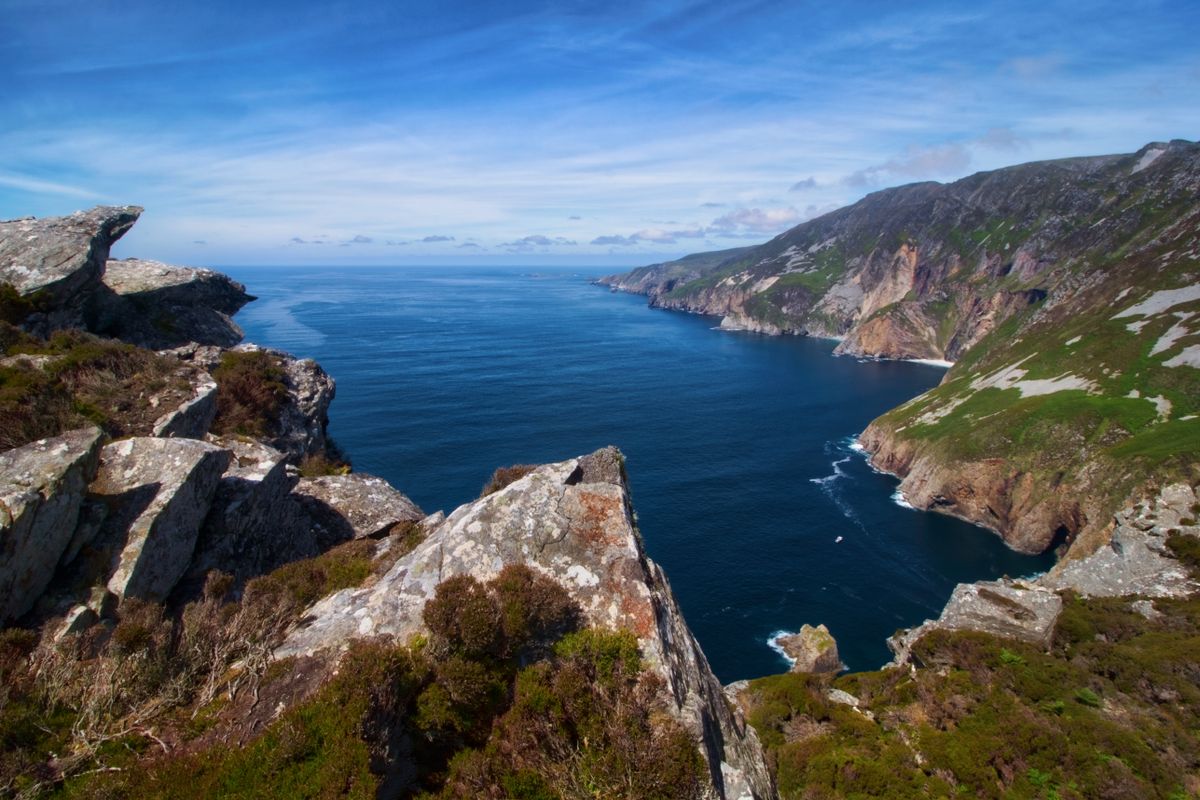
Walk the Slieve League Cliffs
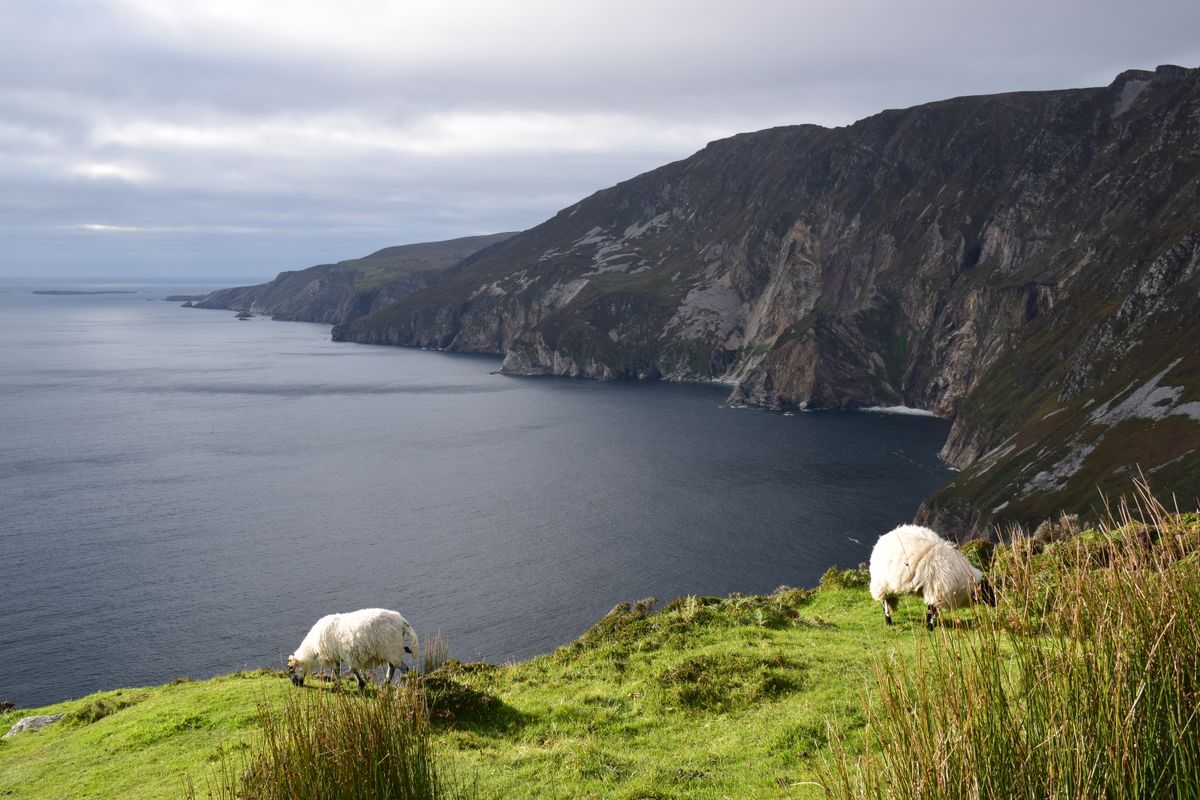
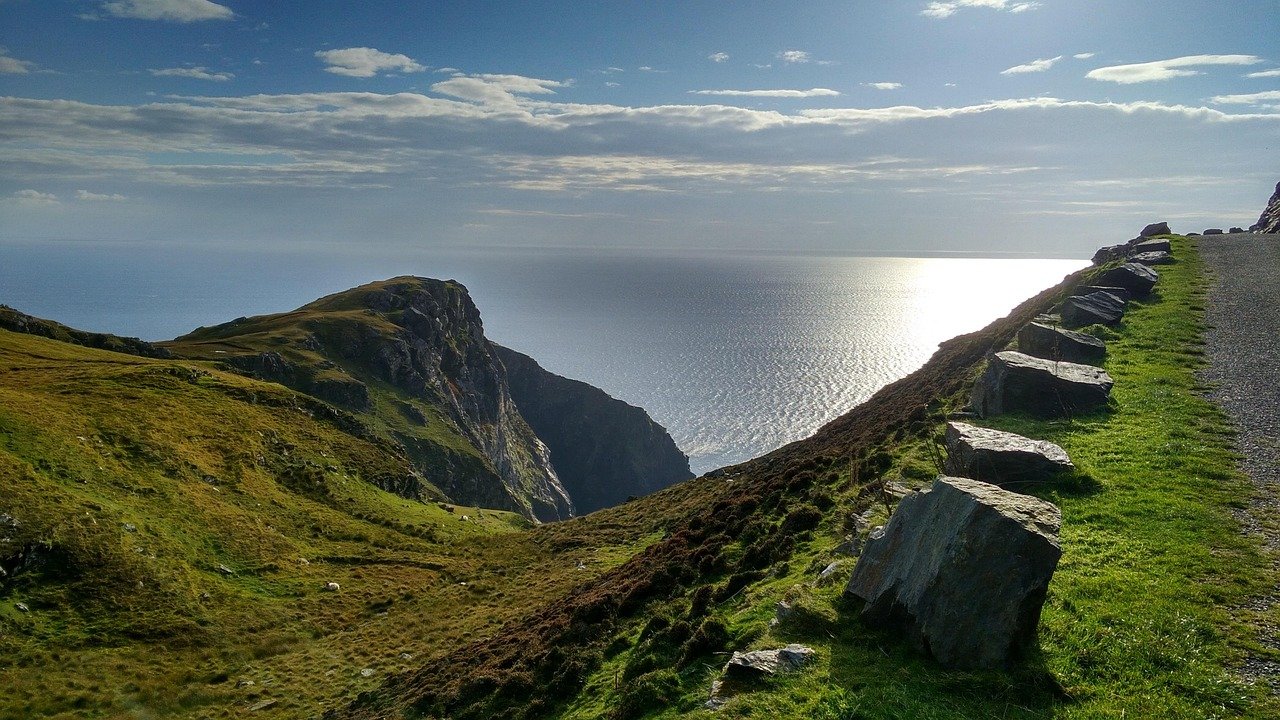
Slieve League is the headline act, and it earns it. The sea cliffs top out near 1,972 feet, close to three times the height of the Cliffs of Moher, and there are almost no crowds by comparison.
From the lower parking lot you can walk up to the main viewing point in about 20 minutes. Fitter walkers push on along the ridge toward the narrow spine known as One Man’s Pass, which is a proper scramble and not for anyone nervous with heights.
Go on a clear day if you can. In heavy cloud the whole cliff face vanishes and you’ve made the drive for nothing.
Explore Glenveagh National Park and Castle

Glenveagh is the big inland day out. It’s a huge national park wrapped around Lough Veagh, with a 19th-century castle sitting right on the water and gardens that are worth the trip on their own.
Cars aren’t allowed on the road into the castle, so you either walk the roughly 2.5 miles each way along the lake or take the shuttle bus. Red deer roam the hills here, and you’ve a real chance of spotting a golden eagle.
Entry to the park is free. The castle tour costs extra, so check current pricing before you go, and it’s a full half-day if you do it properly.
Visit Donegal Town and the Diamond
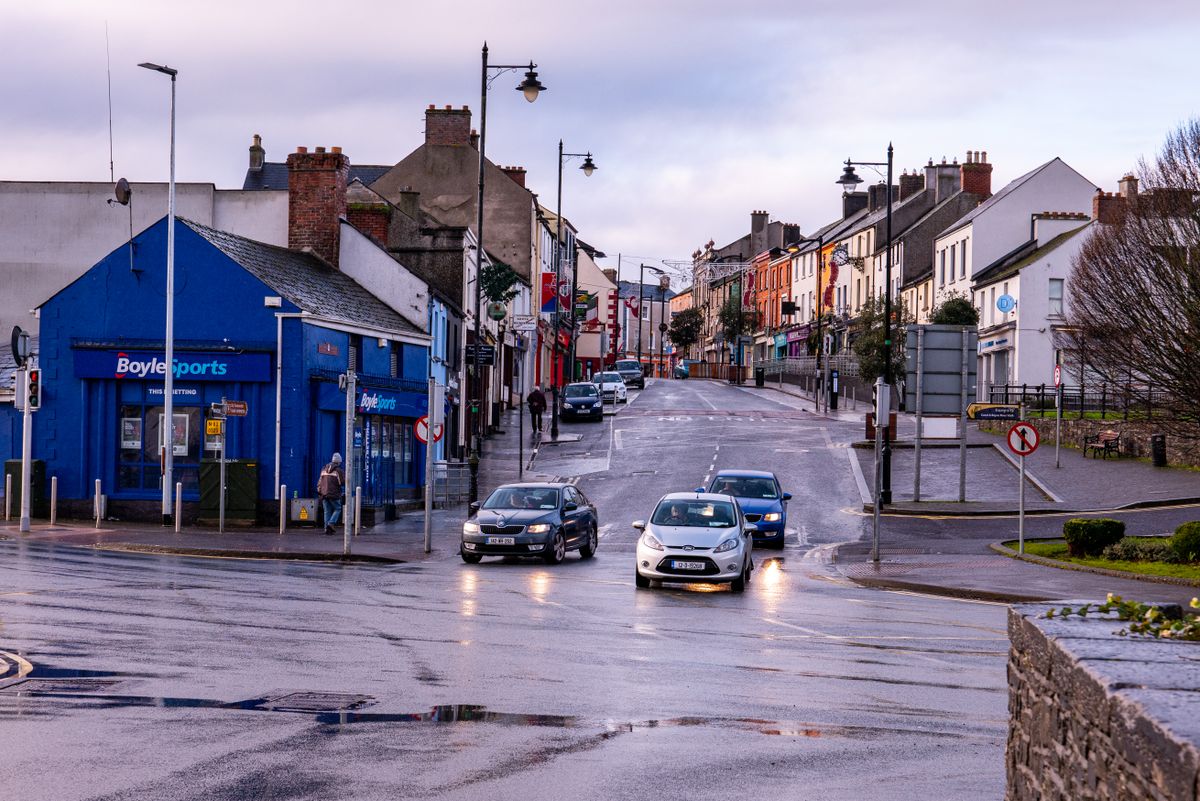
Donegal Town is small, and that’s the point. The center is a triangular market square called the Diamond, ringed by pubs, shops, and cafes, and everything is a two-minute walk from it.
Donegal Castle sits right off the square, a 15th-century tower house that was later rebuilt, and it’s worth a look inside. Down by the water you’ll find the ruins of a Franciscan friary from the 1470s.
It makes a good base for the southwest of the county, with plenty of places to sleep and eat close together.
Swim at Malin Beg and Silver Strand
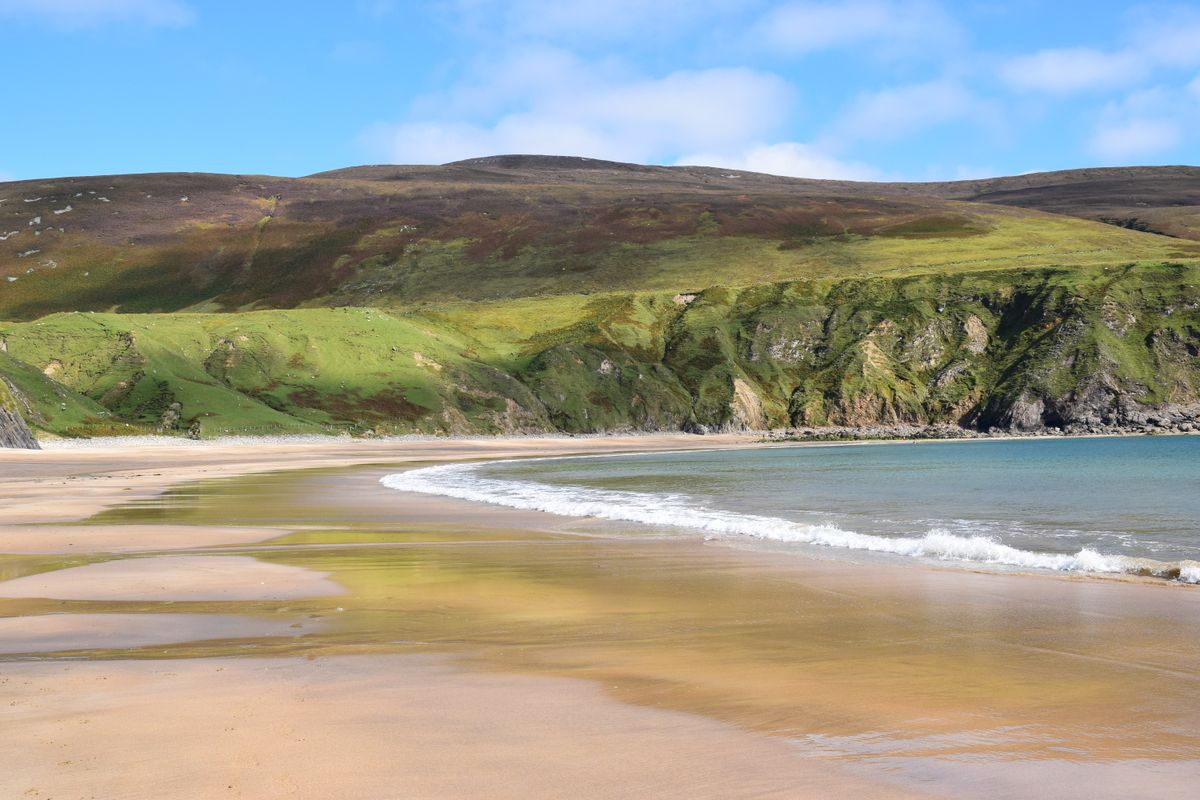
Silver Strand at Malin Beg is one of the best beaches in the country, a near-perfect horseshoe of sand tucked into the cliffs. You reach it down a long flight of concrete steps, around 170 of them, which keeps the numbers down.
The water is clear and cold, and the cliffs shelter the cove so it’s calmer than most of the exposed Atlantic beaches nearby. Bring a wetsuit if you actually want to stay in past your knees.
See Maghera Beach and the Caves
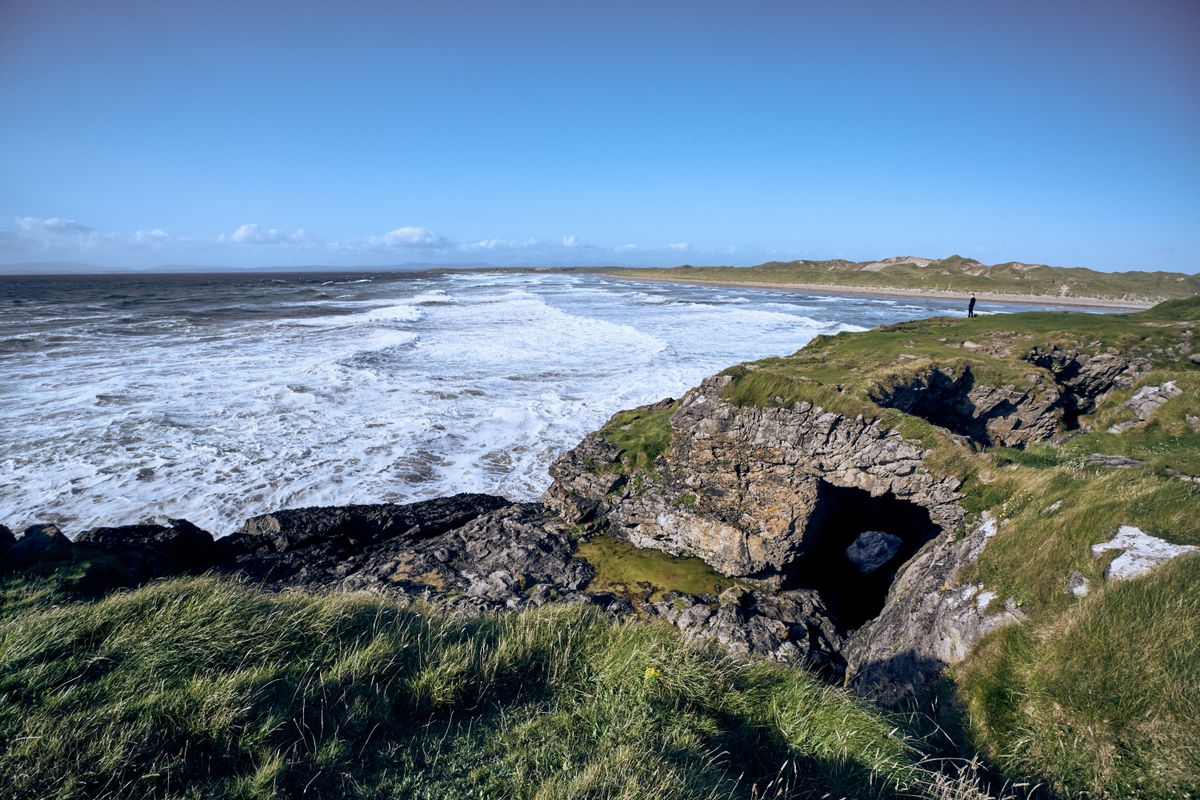
Maghera Beach, just outside Ardara, is a long stretch of white sand backed by dunes, with a string of sea caves cut into the headland at the far end.
You can only get into the caves at low tide, and people have been caught out and stranded here, so check the tide times before you wander in. Nearby you’ve also got the Assaranca Waterfall right beside the road, which takes about two minutes to see.
Climb Errigal Mountain

Errigal is the cone-shaped quartzite peak you’ll keep seeing on the horizon in the north of the county. At 2,464 feet it’s Donegal’s highest mountain, and on a clear day the views from the top run for miles in every direction.
The standard route up and back takes around two to three hours. The last section is a narrow, rocky scramble, so pick a dry, clear day and skip it entirely if the cloud is down.
Drive the Glengesh Pass

The Glengesh Pass is the road between Ardara and Glencolmcille, and it’s one of the best short drives in Donegal. It climbs through a deep glacial valley to a set of tight hairpin bends near the top.
There’s a pull-in at the summit where nearly everyone stops for photos. It’s a narrow road with blind corners, so take it slow and watch for sheep and oncoming cars.
Step Into the Glencolmcille Folk Village
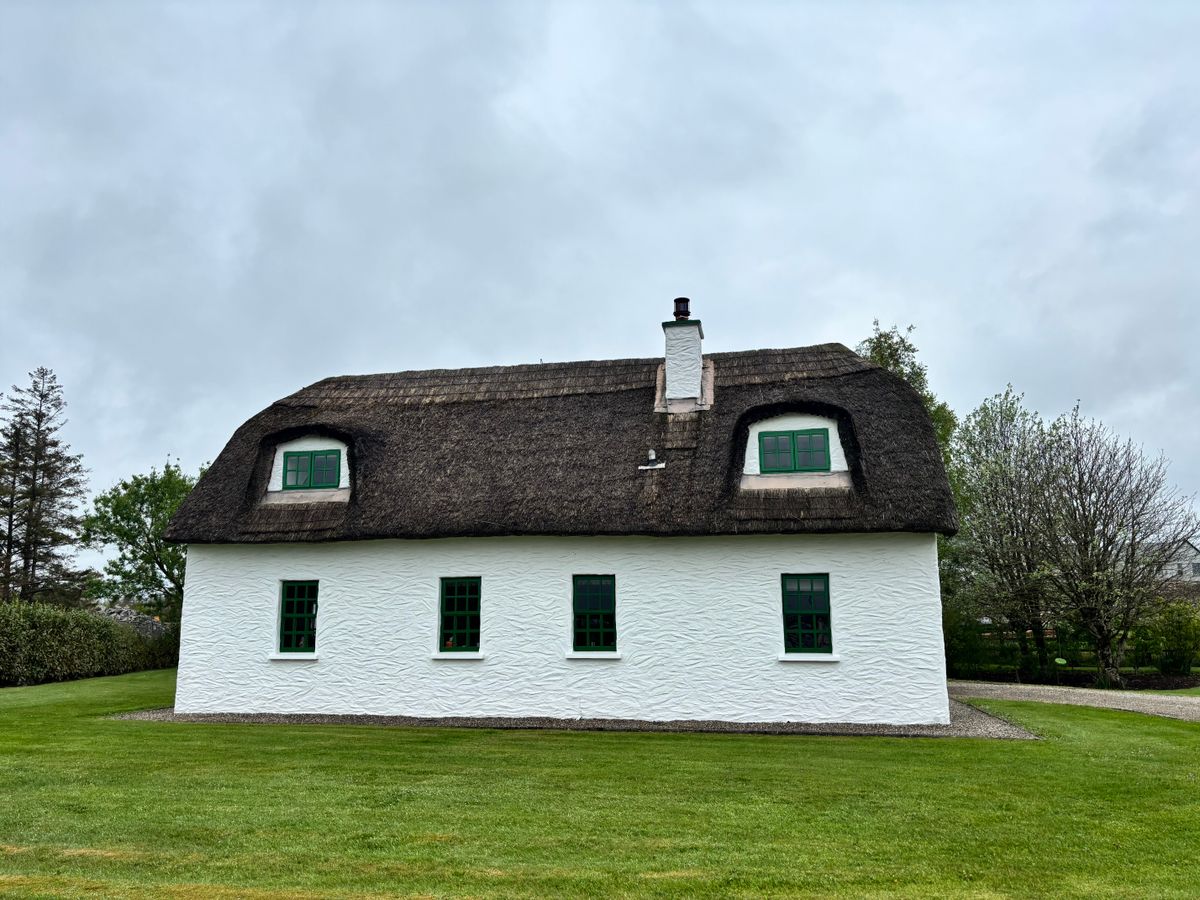
The Folk Village at Glencolmcille is a cluster of thatched cottages set up to show how people actually lived here across different centuries. It was started in the 1960s by a local priest, Father James McDyer, to bring work to the area.
Each cottage is furnished for its own era, and the guides know their stuff. It’s a good rainy-afternoon stop, and Glencolmcille itself is a quiet, out-there kind of village at the end of the road.
Drive the Inishowen 100 and Fanad Head

Up in the far north, the Inishowen 100 is a signposted loop around the Inishowen Peninsula, roughly 100 miles of coast road. It takes in Malin Head, the northernmost point on the whole island of Ireland.
West of there, Fanad Head Lighthouse sits on a dramatic spit of rock and is regularly called one of the best lighthouses in the world to photograph. Between the two you’ve got beaches, cliffs, and small harbor villages the whole way round.
Give the Inishowen loop a full day. Rushing it is the one way to ruin the best driving in the county.
How to Get to County Donegal
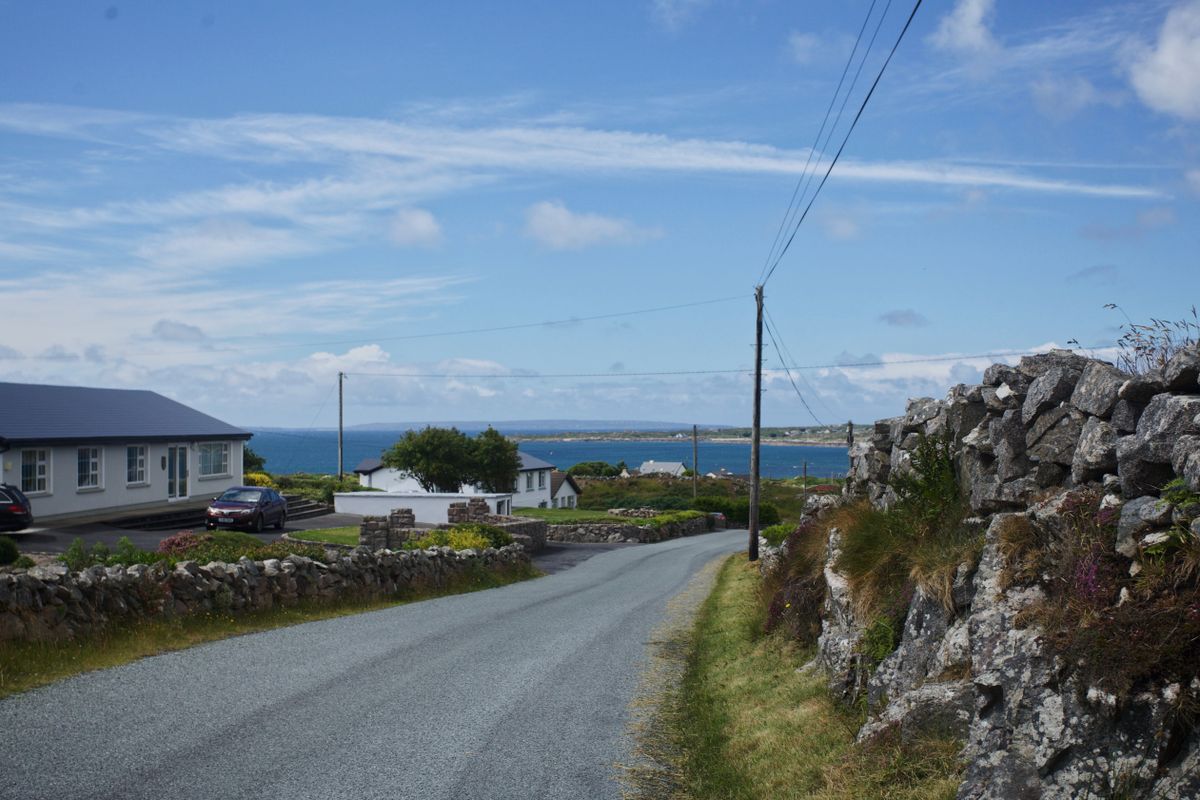
Donegal sits in the far northwest, tucked up against the border with Northern Ireland, and there’s no way around the fact that it takes a bit of effort to reach. That distance is a big part of why it stays so quiet.
A lot of people fly into Dublin and drive up, but there are a couple of closer airports and a thin bus network if you’d rather not rent a car. Here’s how each option actually shakes out.
Driving from Dublin
From Dublin, plan on around three to three and a half hours to Donegal Town, mostly up the N3 and then the N15. It’s a straightforward run, and you can break it in Enniskillen or Sligo if you want to stretch your legs.

Renting a car in Ireland means driving on the left, and plenty of the roads once you’re in the county are narrow and single-lane. Take the first hour slow and you’ll settle into it fast. It’s worth comparing car hire deals on Discover Cars before you fly in, since the best rates go early.
Flying In
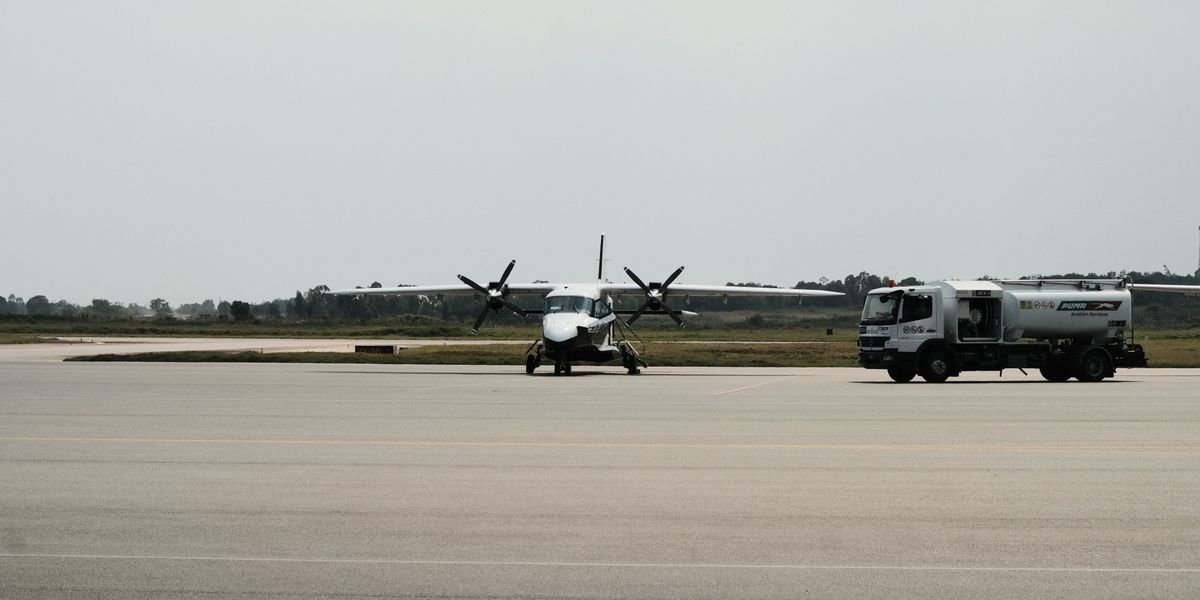
Dublin Airport is the main gateway, with the most flights and the biggest choice of rental cars. It’s the easiest bet for a first trip even with the drive tacked on.
If you’re coming from within the UK or Europe, City of Derry Airport just over the border is much closer to the north of the county, roughly an hour from many Donegal stops. There’s also tiny Donegal Airport at Carrickfinn, which runs short hops to Dublin and Glasgow and has one of the most scenic runway approaches anywhere.
Getting Around Without a Car
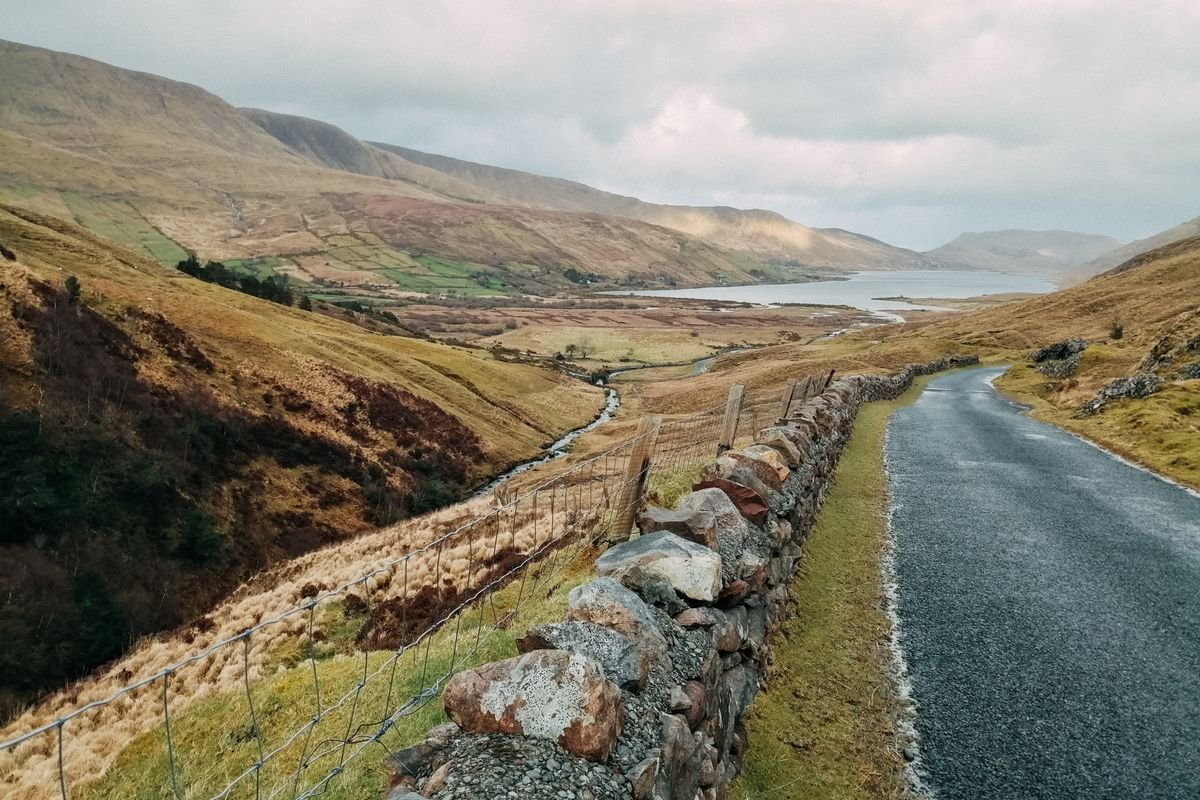
You can reach the main towns by bus. Bus Éireann and local operators run coaches from Dublin and Derry into Donegal Town and Letterkenny, so getting to a base is doable.
The problem is everything after that. Slieve League, the beaches, the mountain passes, and the peninsula loops are all well off the bus routes, and services are sparse. To actually see the county, you’ll want your own wheels.
Explore More of Ireland’s Northwest
- Derry/Londonderry: The Complete Visitor’s Guide
- A Perfect Weekend in Derry: Where To Eat, Drink, Stay and Play
- Strandhill Beach, Sligo: A Visitor’s Guide
Best Time to Visit Donegal
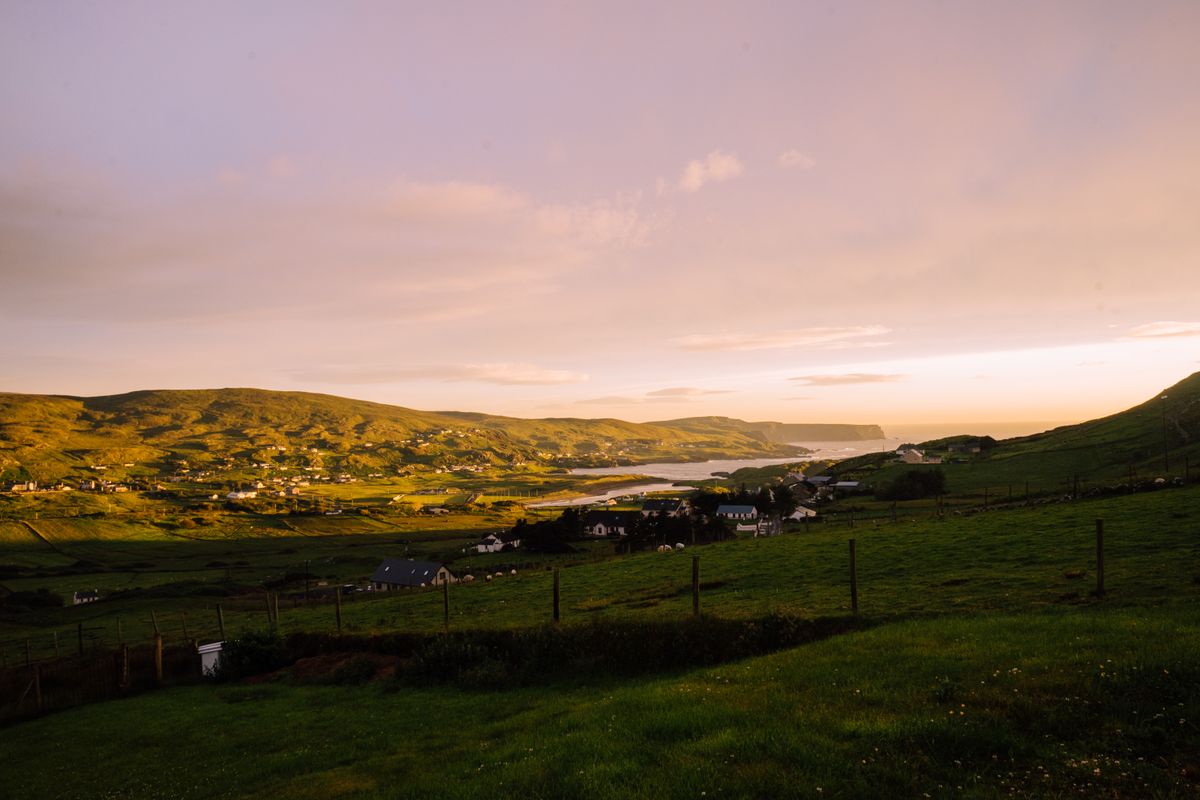
The short answer is late spring through early autumn, roughly May to September. That’s when the days are long, the mountain roads are at their least miserable, and most of the tours, cafes, and attractions are actually open.
Donegal weather does what it wants, though. You can get all four seasons in an afternoon here, so pack layers and a proper rain jacket no matter which month you pick.
Summer (June to August)
Summer is peak season and the safest bet for weather. You get the longest daylight of the year, with light in the sky until close to 11pm in June, which means you can pack a lot of driving and walking into one day.
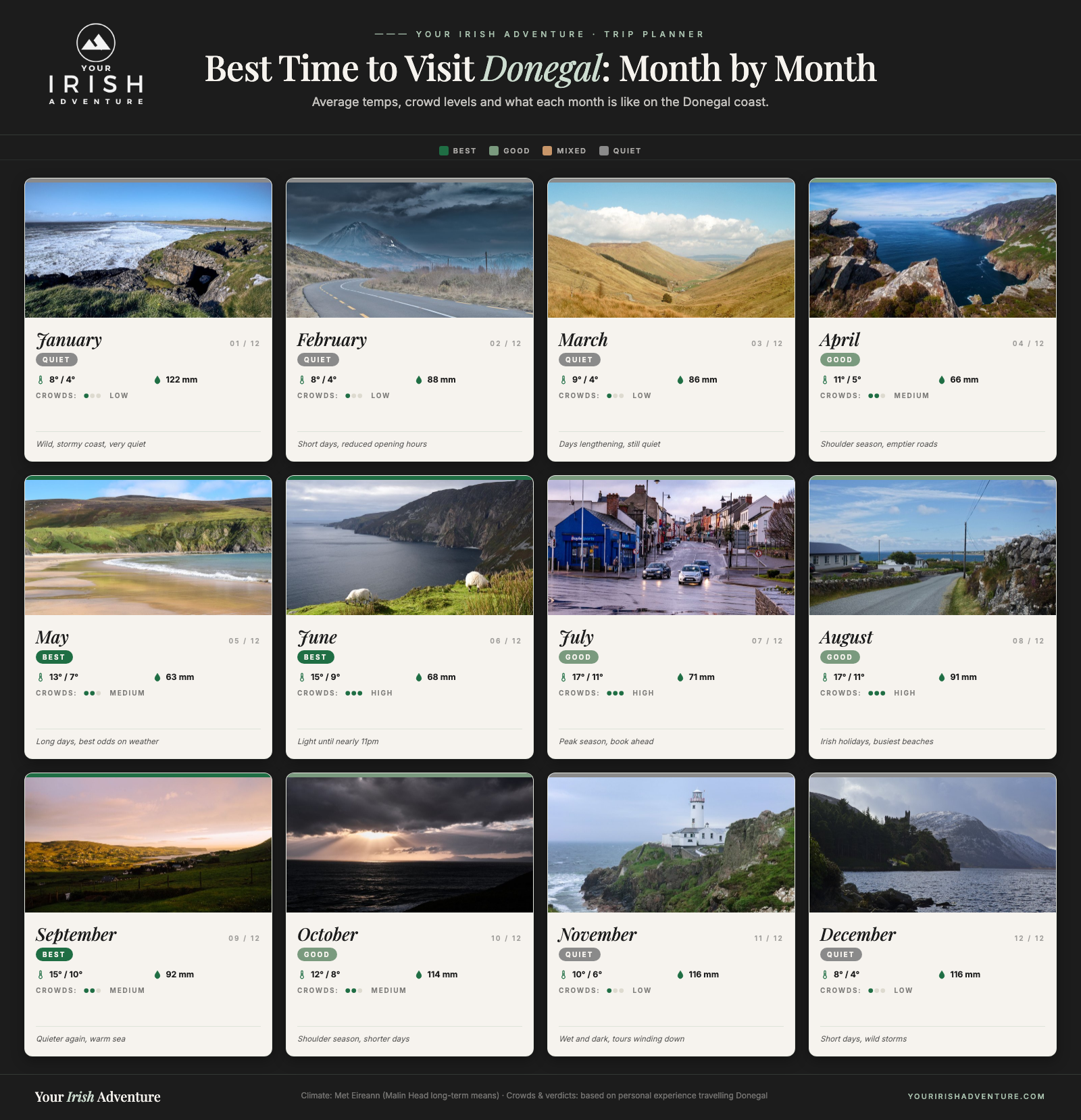
Even at its busiest, Donegal is quiet next to Kerry or the Cliffs of Moher. The catch is that July and August are when Irish families take their own holidays, so book your accommodation ahead, especially around Donegal Town and the beaches.
Spring and Autumn (Shoulder Season)
Spring and autumn are the sweet spot if you want the county closer to empty. April, May, September, and October give you fewer cars on the passes, more room on the beaches, and better odds of stopping wherever you like without a line of traffic behind you.
The trade-off is shorter days and less settled weather, so plan around the light and check that anything you’re driving a long way for is still open. We did our own Ireland trip in autumn and would happily take the quieter roads over the summer crowds again.
Winter (November to March)
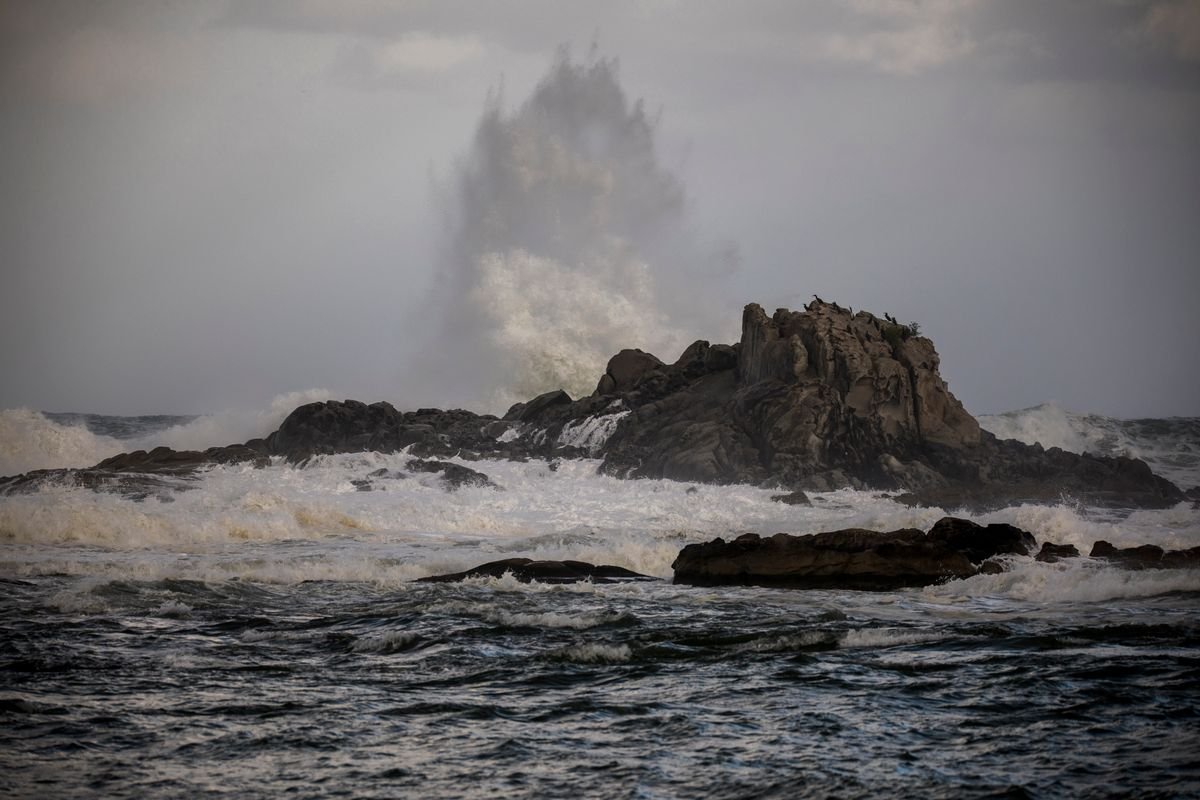
Winter is for a certain kind of traveler. The coast is wild and dramatic in a storm, and you’ll have places like Slieve League almost entirely to yourself, but the daylight is short and a lot of smaller cafes, tours, and visitor centers shut down or run reduced hours.
The exposed mountain and coastal roads are also no fun in high wind or ice. If you come in winter, keep your driving days short, don’t push the passes in bad weather, and treat any clear day as a bonus.
Where to Stay in Donegal
Donegal is too big and too spread out to see from one base, so where you sleep matters more here than in a smaller county. Pick your base around the stops you care about most, not the other way around.
Broadly, the county splits into three: the southwest around Donegal Town and Slieve League, the center around Letterkenny for the mountains and Glenveagh, and the far north on Inishowen. Here’s how to choose between them, plus the kinds of places to book once you have.
Donegal Town and the Southwest
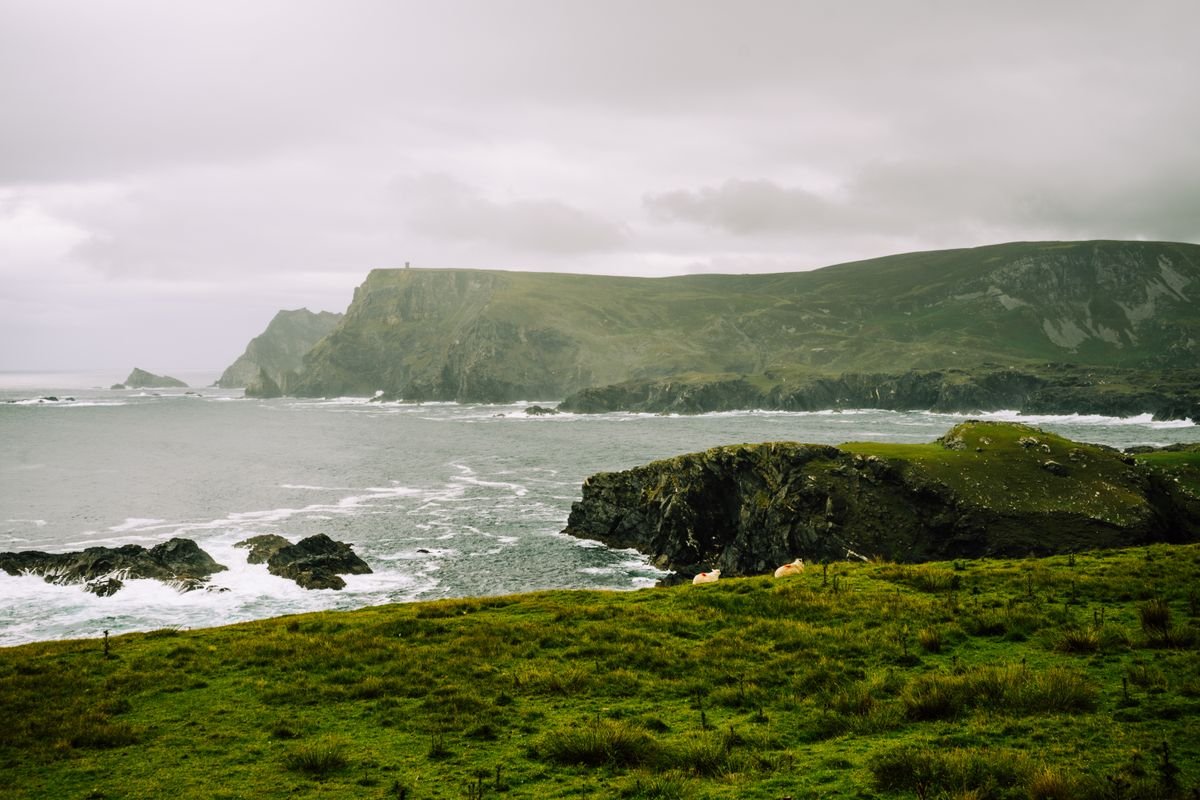
For a first trip, this is the easiest base. Donegal Town puts pubs, food, and beds a two-minute walk from the Diamond, and it’s the natural launch point for Slieve League, the Glengesh Pass, and the beaches at Malin Beg and Maghera.
You’ve got the full range here, from budget guesthouses and B&Bs to a couple of hotels right in town. Book ahead in July and August, when Irish families fill the place up.
Abbey Hotel Donegal
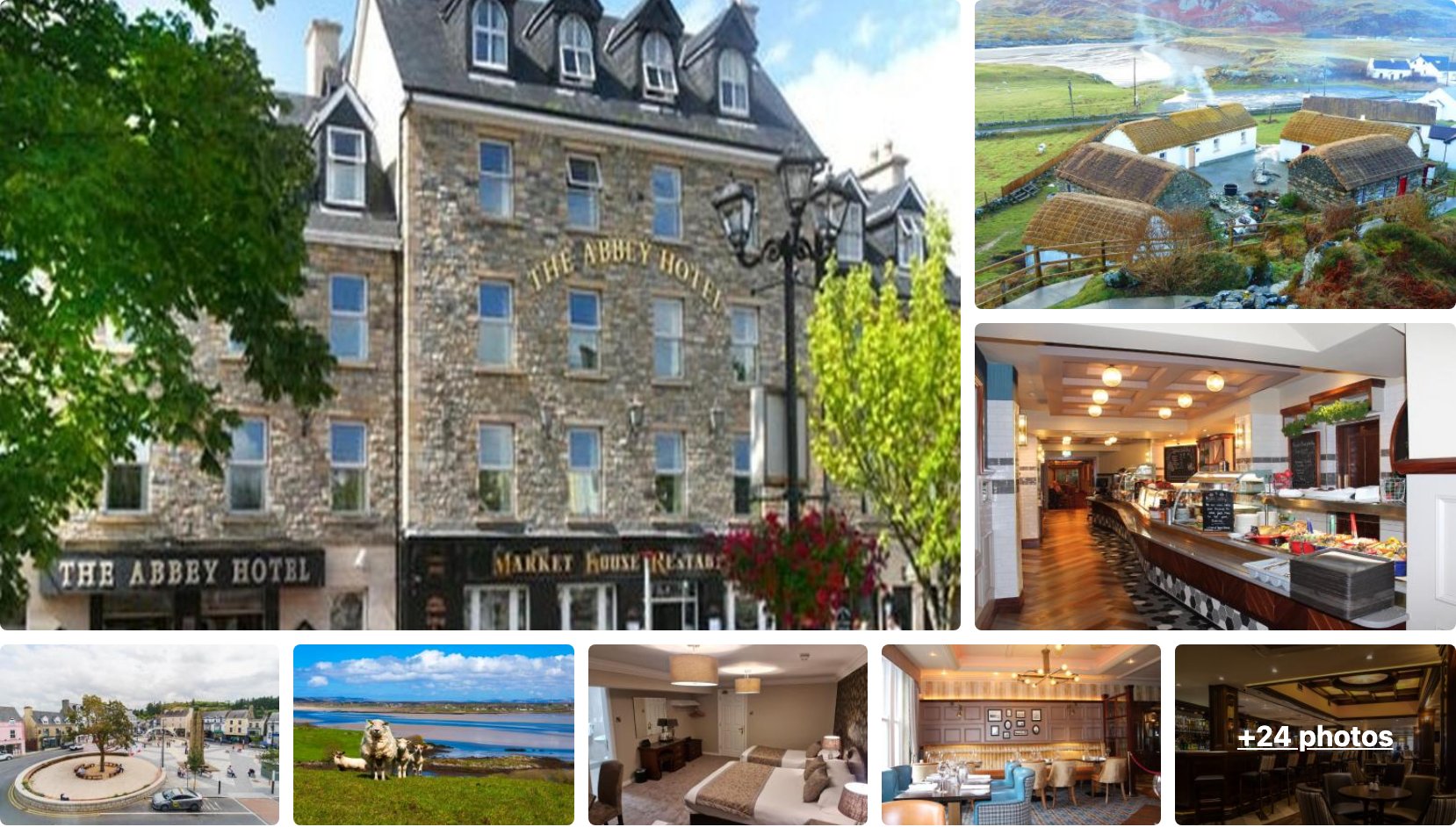
The Abbey Hotel sits right on the Diamond in the middle of Donegal Town, so the pubs, food, and the drive out to Slieve League all start from the front door.
👉 View Abbey Hotel Donegal Availability and Pricing
If you’d rather be closer to the cliffs and the quieter beaches, Ardara and Killybegs make good small-town bases too, with fewer options but a shorter drive to the coast each morning.
Letterkenny and Central Donegal
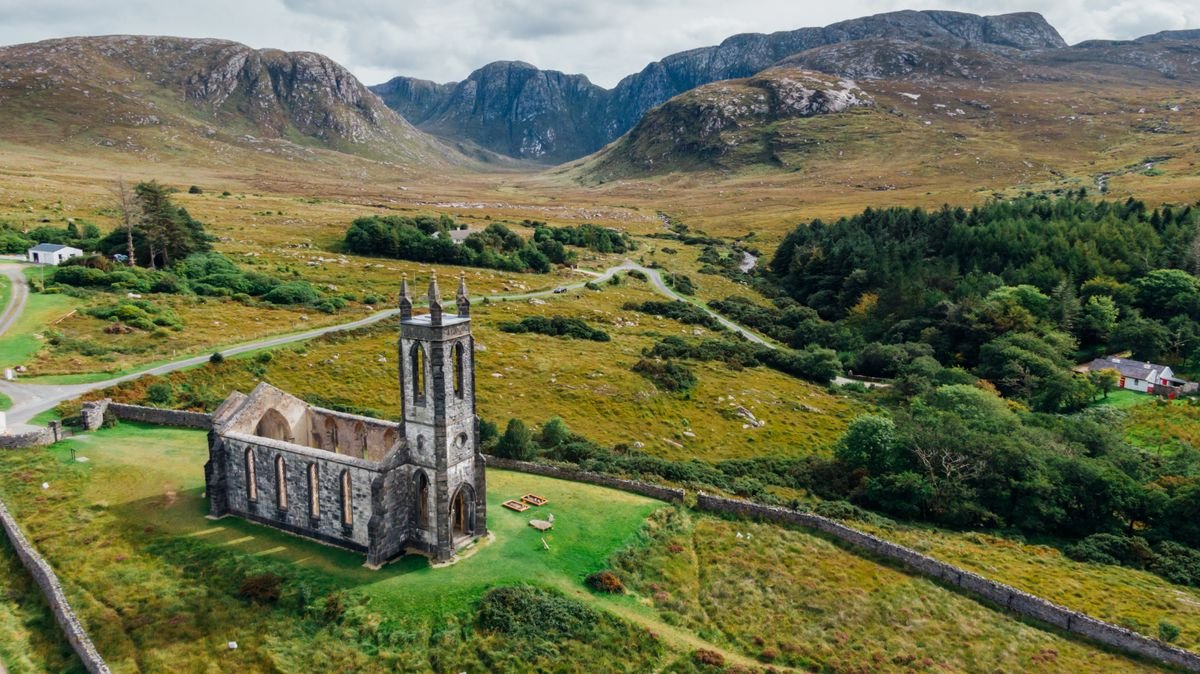
Letterkenny is the biggest town in the county and the practical base for the interior. It’s the closest town of any size to Glenveagh National Park and Errigal, and it has the widest choice of hotels, chain and independent both.
It isn’t a pretty seaside town, so treat it as a functional base rather than a destination. What you get in return is a central spot with good roads running out to the mountains, the north coast, and Derry just over the border.
The Snug, Letterkenny
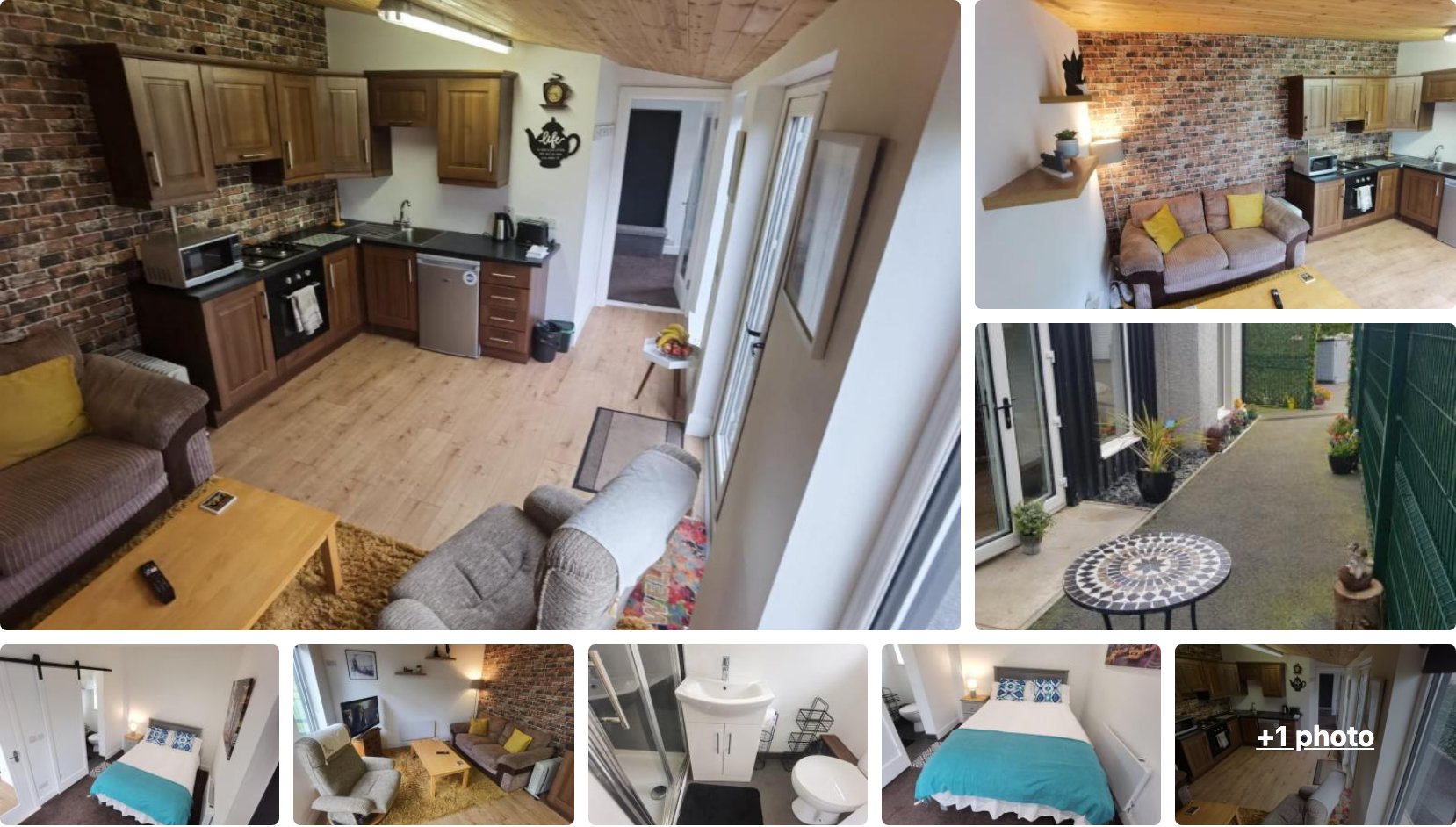
The Snug is a self-catering apartment in Letterkenny that gives you a full kitchen and your own space, which suits a couple using the town as a base for Glenveagh and the interior.
👉 View The Snug Letterkenny Availability and Pricing
Inishowen and the Far North
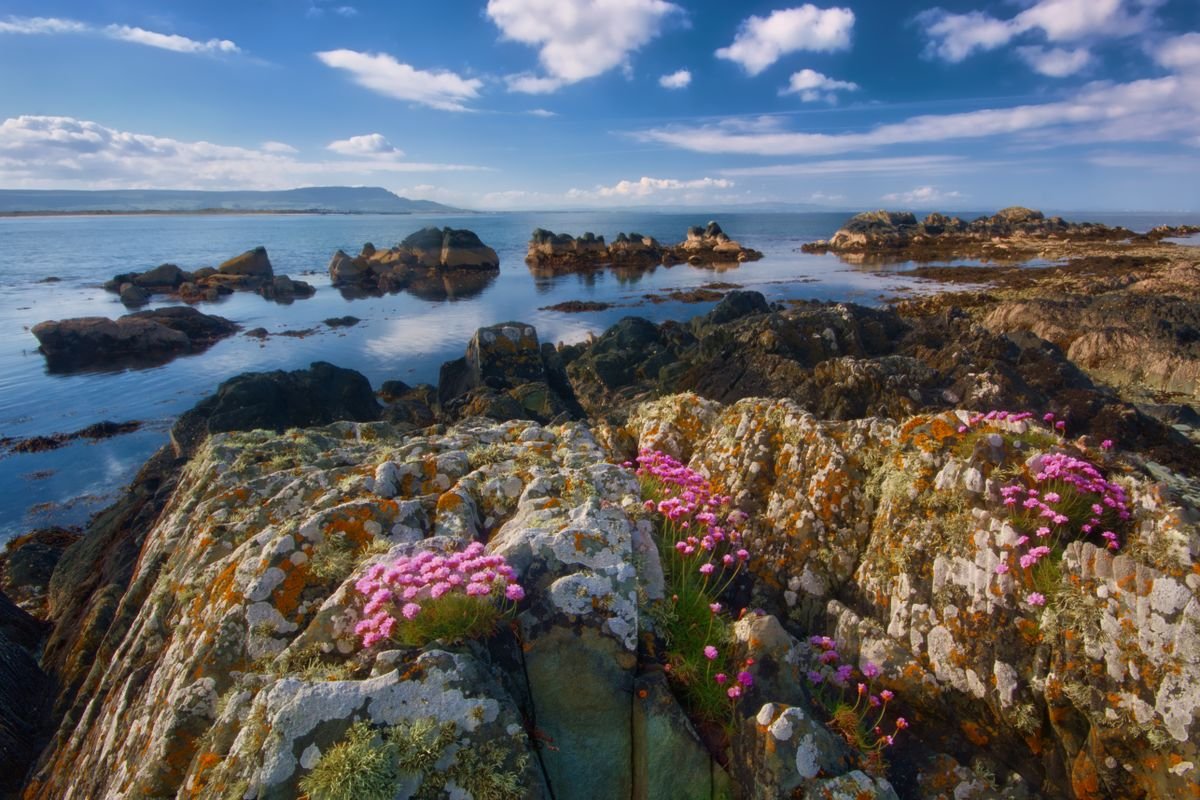
If your trip is built around the Inishowen 100, Malin Head, and Fanad Head, base yourself up north and save the long backtrack. Towns like Buncrana, Carndonagh, and Moville have B&Bs, small hotels, and self-catering cottages spread around the peninsula.
Options thin out fast the further north you go, so book early in summer, and pin your accommodation before you commit to the day’s driving loop. Buncrana makes the handiest base.
Mill Lane, Buncrana
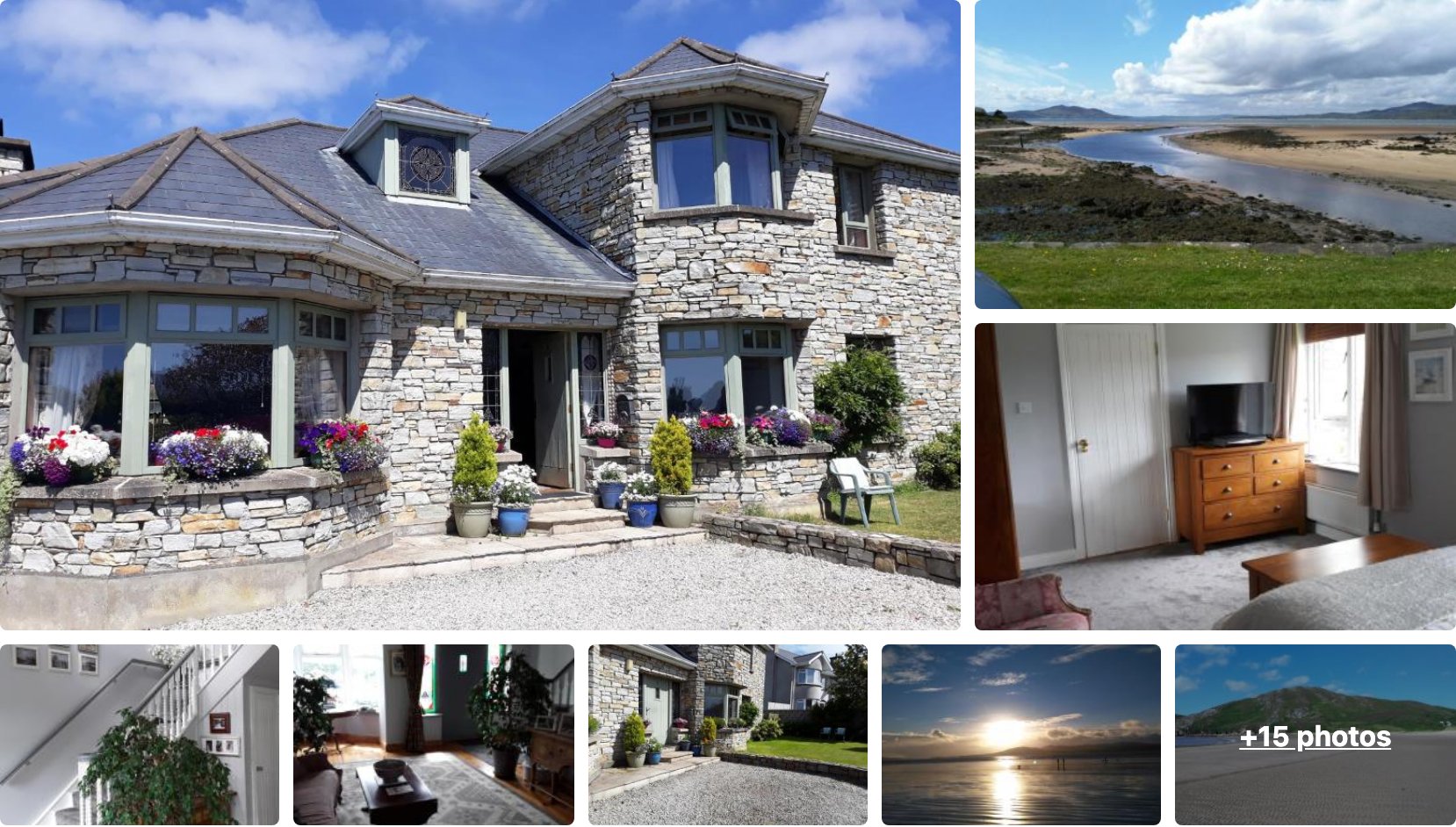
Mill Lane is a stone-built guesthouse in Buncrana, a handy first stop on the Inishowen 100 with the estuary and beach a short walk away.
👉 View Mill Lane Buncrana Availability and Pricing
Campervans and Camping
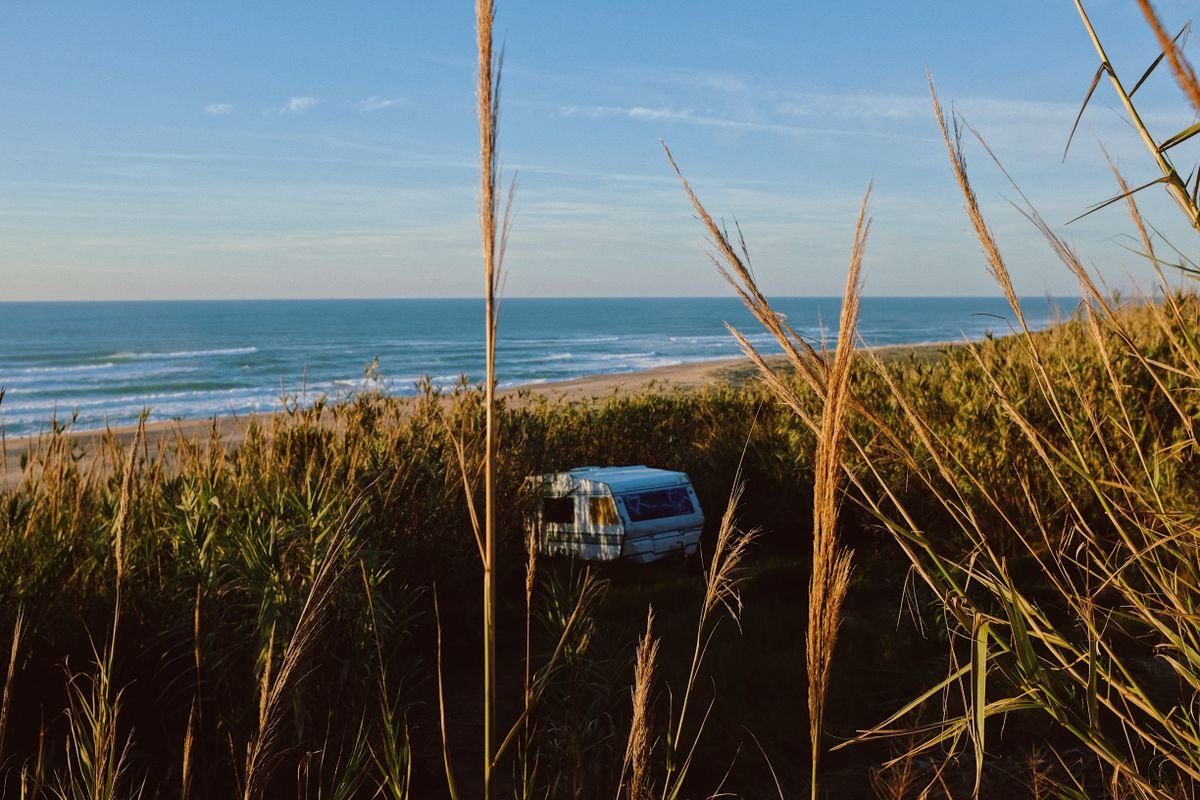
We did our Ireland trip by campervan, and Donegal suits it well, with campsites near most of the coast and beaches. It gives you the freedom to park up near a trailhead the night before and be first on the cliff in the morning.
Stick to proper campsites and marked aires rather than pulling in anywhere, especially on the narrow coast roads where there’s nowhere safe to stop. If you’re renting a car instead, a mix of one southern and one northern base beats trying to do the whole county from a single town.
Best Tours in County Donegal
Donegal is a self-drive county at heart, and most of what you’ll do here you can do on your own. But a few things are better with a boat or a guide, either because you can’t reach them by car or because a local knows exactly where to point you.
Here are the tours actually worth booking, and the ones you can safely skip and do yourself.
Slieve League Boat Trips
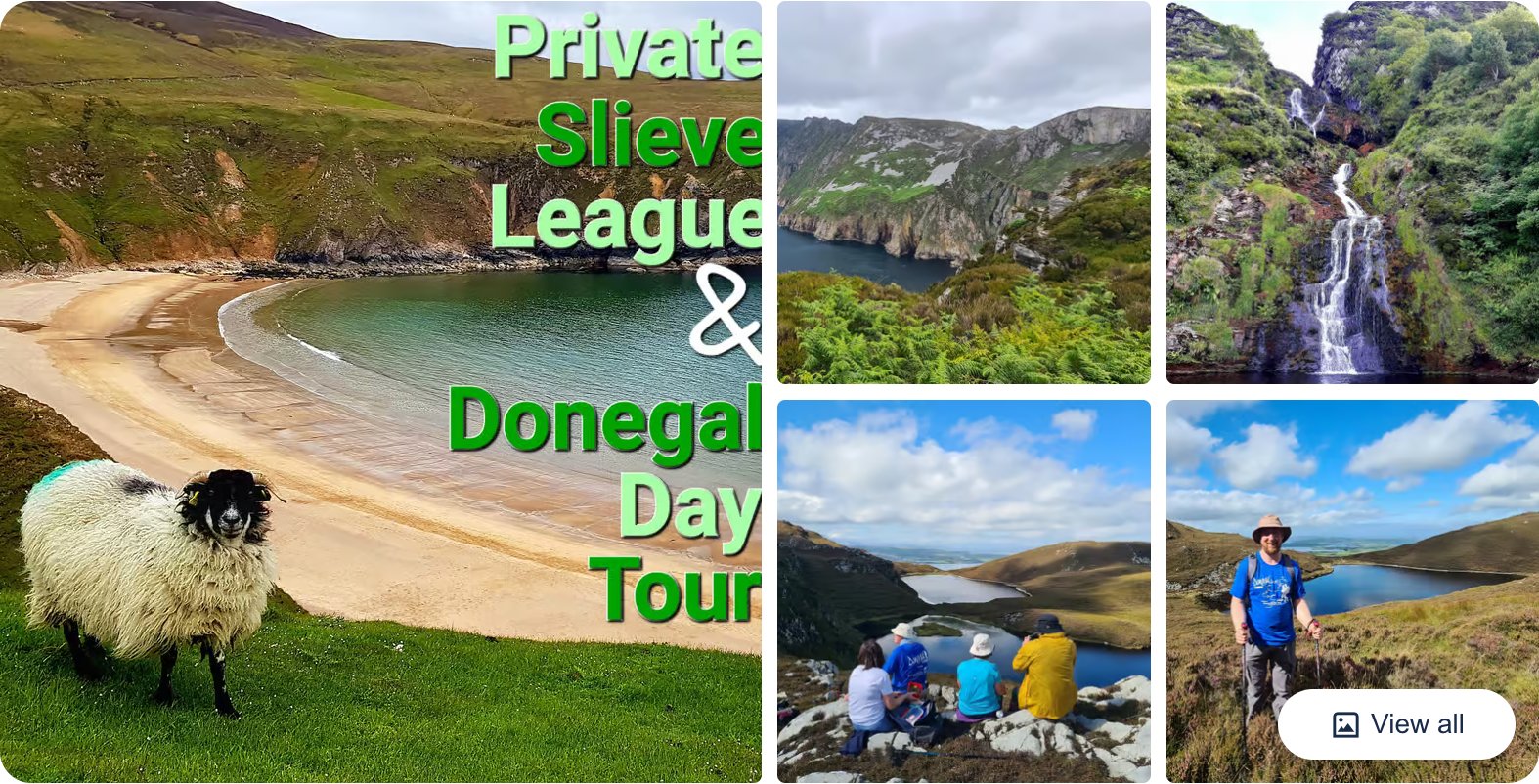
You get one view of Slieve League from the clifftop and a completely different one from the water. Small boats run out of Teelin harbor and take you along the base of the cliffs, so you can see the full height of them rising straight out of the Atlantic.
Trips run in the warmer months and depend heavily on the sea, so they cancel in rough weather. Book a clear, calm day if you can, and check current pricing when you reserve. The private tour from Killybegs bundles the boat option in with the cliffs and Silver Strand.
👉 Check Private Slieve League and Donegal Day Tour Availability and Reviews
Guided Cliff and Mountain Walks
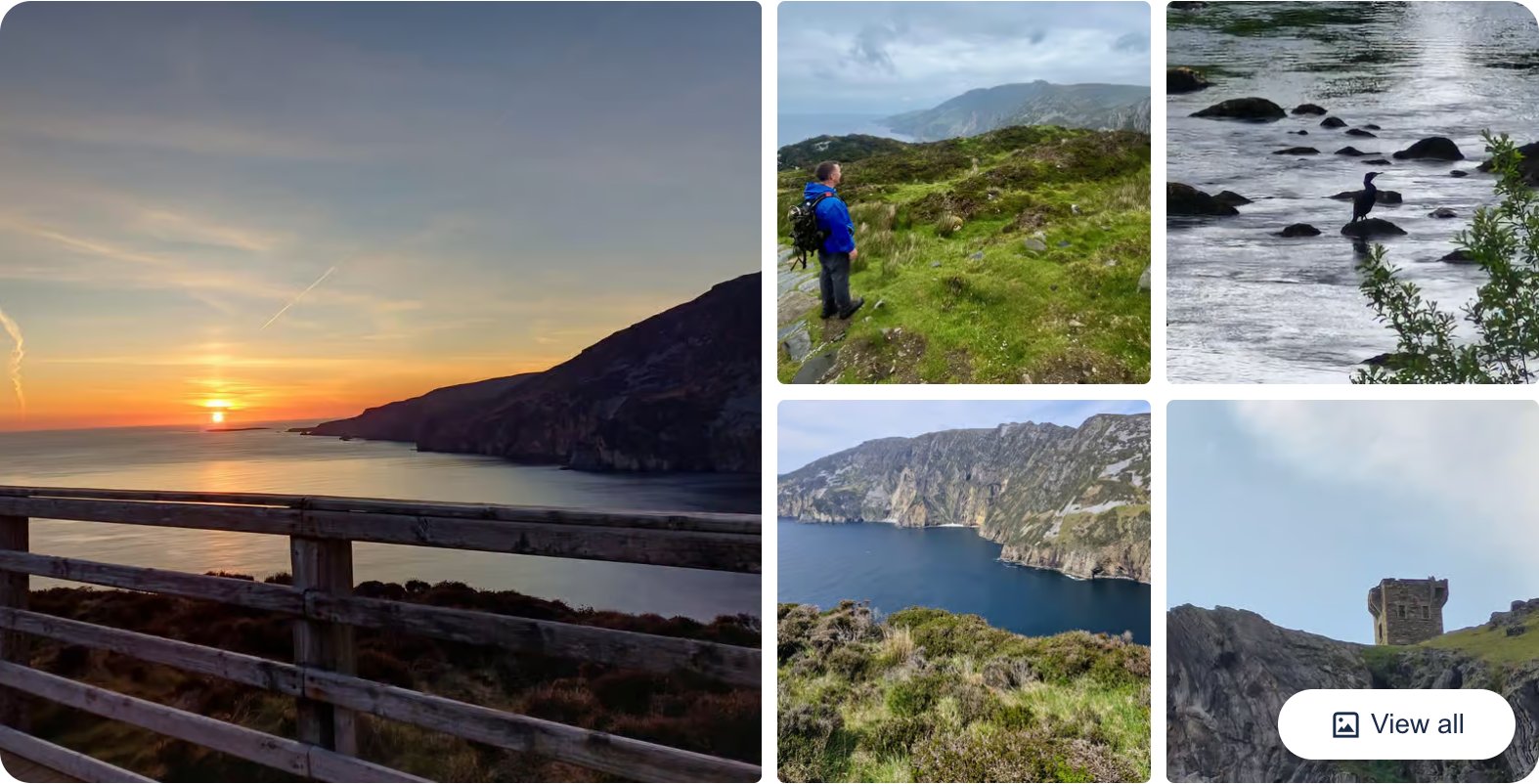
If you want to walk the full Slieve League ridge or get up Errigal but you’re nervous about the exposed sections, a guided walk is worth it. A local guide handles the route-finding on One Man’s Pass and the scramble near Errigal’s summit, which is exactly where people get into trouble alone.
For the easy lower viewing point at Slieve League, you don’t need a guide at all. Save the paid walk for the ridge and the peaks. If you do want a guide for the cliffs, a small-group walk with a local is the way to do it.
👉 See what’s included on the Guided Slieve League Walk
Wild Atlantic Way Day Tours from Dublin or Derry
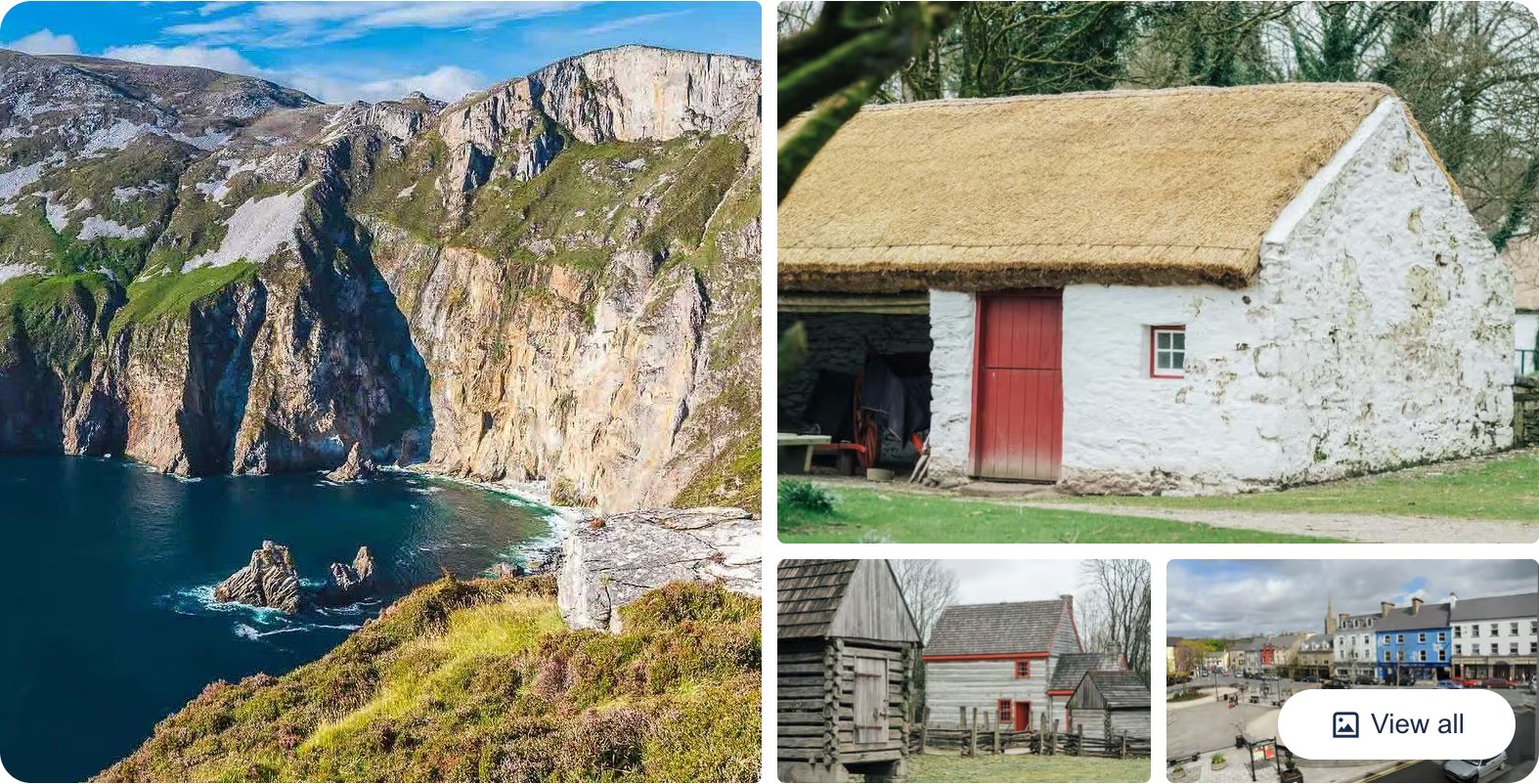
If you’re not renting a car, a small-group day tour is really your only way to see the coast properly. Operators run trips out of Derry and further afield that string together Slieve League, the passes, and a couple of the beaches in one day.
Just know a day tour can’t come close to covering the whole county, and Donegal from Dublin is a long haul each way. If you’ve got the option, rent a car and give it a few days instead.
👉 Check dates and prices for the Slieve League and Donegal Private Day Trip
Glenveagh Castle Tour
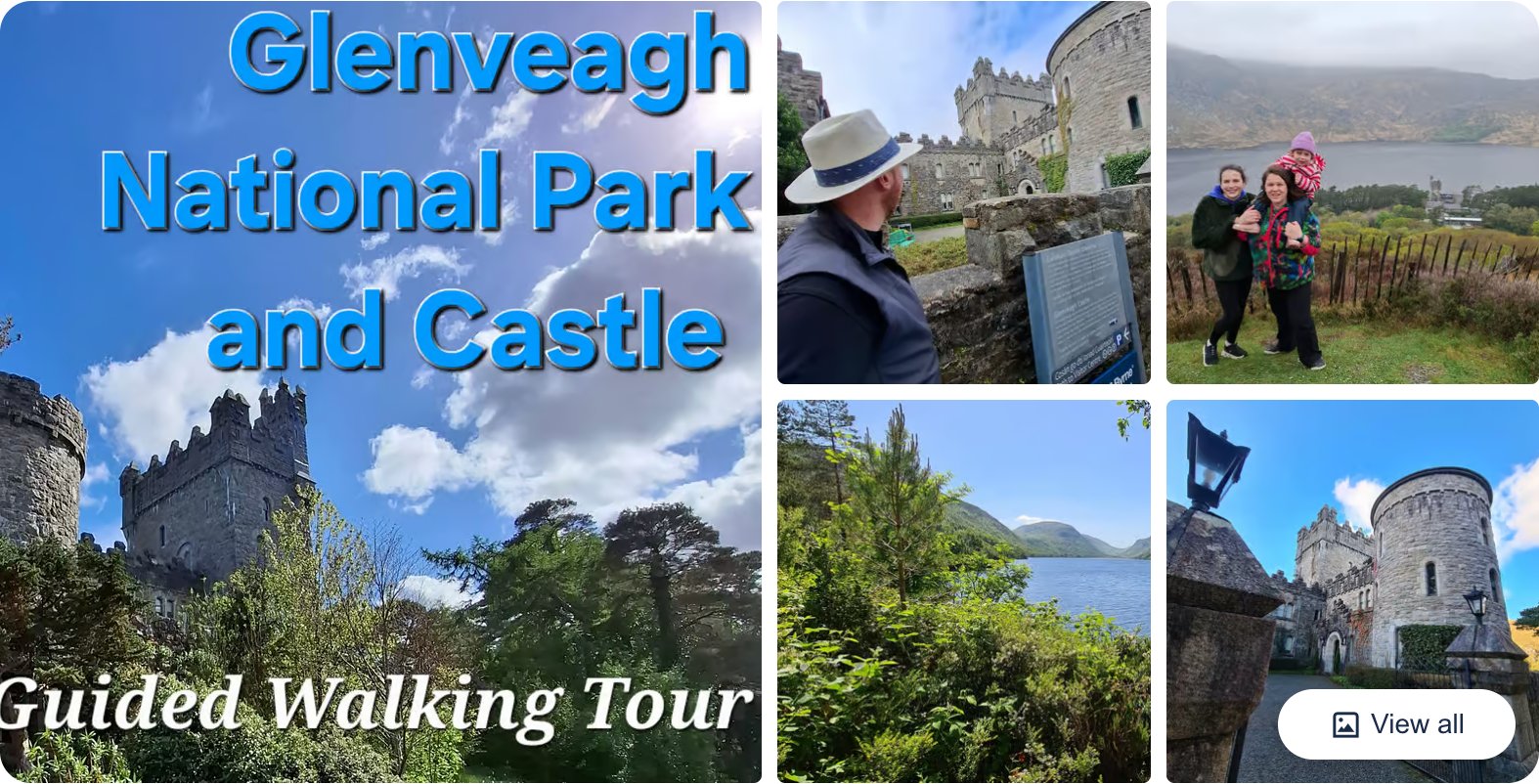
Inside Glenveagh, the guided tour of the castle is the one paid extra that’s really worth it. You can’t see the interior any other way, and the guides walk you through the history of the place and the people who built it.
The park itself is free and you can wander the grounds and gardens on your own, so this is a small add-on rather than a full-day booking. Check the castle tour times before you head out.
👉 Check Glenveagh National Park and Castle Tour Availability and Reviews
Plan Your Wild Atlantic Way Road Trip
- Wild Atlantic Way Itinerary – Ireland’s Most Epic Road Trip
- Wild Atlantic Way 5 Day Itinerary: Kinsale to Doolin
- A Photographer’s Definitive Ireland Road Trip
County Donegal Travel Guide FAQ
A few things people always ask before driving up here, answered straight.
How many days do you need in Donegal?
Give it three days minimum, four or five if you can. Two days barely covers the southwest around Slieve League and the beaches, and the Inishowen loop up north wants a full day on its own. The county is long and the roads are slow, so build in more driving time than the map suggests.
Is Donegal worth visiting?
Yes, and it’s one of the best corners of the country precisely because most first-timers skip it. You get bigger cliffs, emptier beaches, and quieter roads than Kerry or Clare, without the tour buses. The trade-off is the distance and the thin public transport. If you’re happy to drive, it pays you back.
Is Slieve League better than the Cliffs of Moher?
For height and crowds, yes. Slieve League runs close to three times taller and you’ll share it with a fraction of the people. The Cliffs of Moher have the easier access and the bigger visitor center. Slieve League feels wilder, and that’s the whole appeal.
Is Donegal in Northern Ireland?
No. Donegal is part of the Republic of Ireland, even though it sits in the far north and shares most of its land border with Northern Ireland. That border matters in practice. Prices are in euro in Donegal and pounds just over the line, and City of Derry Airport in Northern Ireland is often the closest way in.
What is Donegal known for?
The Slieve League cliffs, Glenveagh National Park, Errigal, and some of the best beaches in Ireland. It’s also a stronghold of the Irish language, with large Gaeltacht areas where you’ll hear Irish spoken day to day. On top of that it’s known for tweed, traditional music, and being the wildest stretch of the Wild Atlantic Way.
In short
- Slieve League tops near 1,972 feet, close to three times the Cliffs of Moher.
- Give County Donegal three to five days and drive your own car.
- Base yourself in Donegal Town, Letterkenny, Ardara, or the Downings area.
- Late spring to early autumn brings the longest days and driest weather.
- Don’t miss Glenveagh National Park, Errigal Mountain, and the Inishowen 100 loop.
Final Thoughts on Visiting County Donegal
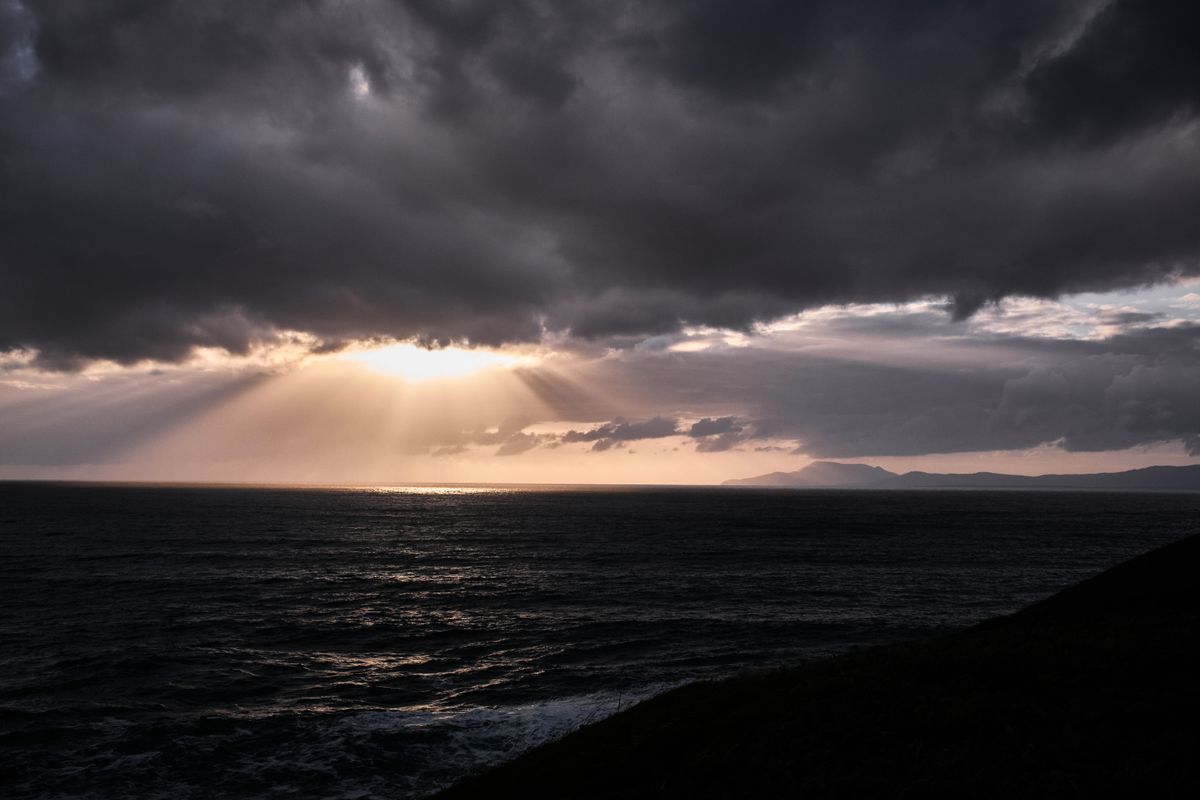
Donegal is the corner of Ireland you have to want to reach, and that’s exactly what keeps it good. The distance and the thin bus network do the crowd control for you, so the cliffs, beaches, and mountain passes stay emptier than anywhere on the busier southwest coast.
This isn’t a county for ticking off in a rush. It’s for slow driving, long days on the coast road, and being fine with the weather doing whatever it wants while you wait out the cloud on Slieve League or Errigal.
Give it three or four days, rent a set of wheels, base yourself around the stops you care about most, and let the passes and the peninsulas take as long as they take. Do that and Donegal pays you back for the drive up.
Like it? Pin it!
Save this guide for later