
I recommend Ireland in July if you want long evenings outdoors or a trip built around Galway’s summer festivals. Choose the event or region first, then reserve your stay. Mild weather makes sightseeing comfortable, but a rain jacket still belongs in your bag.
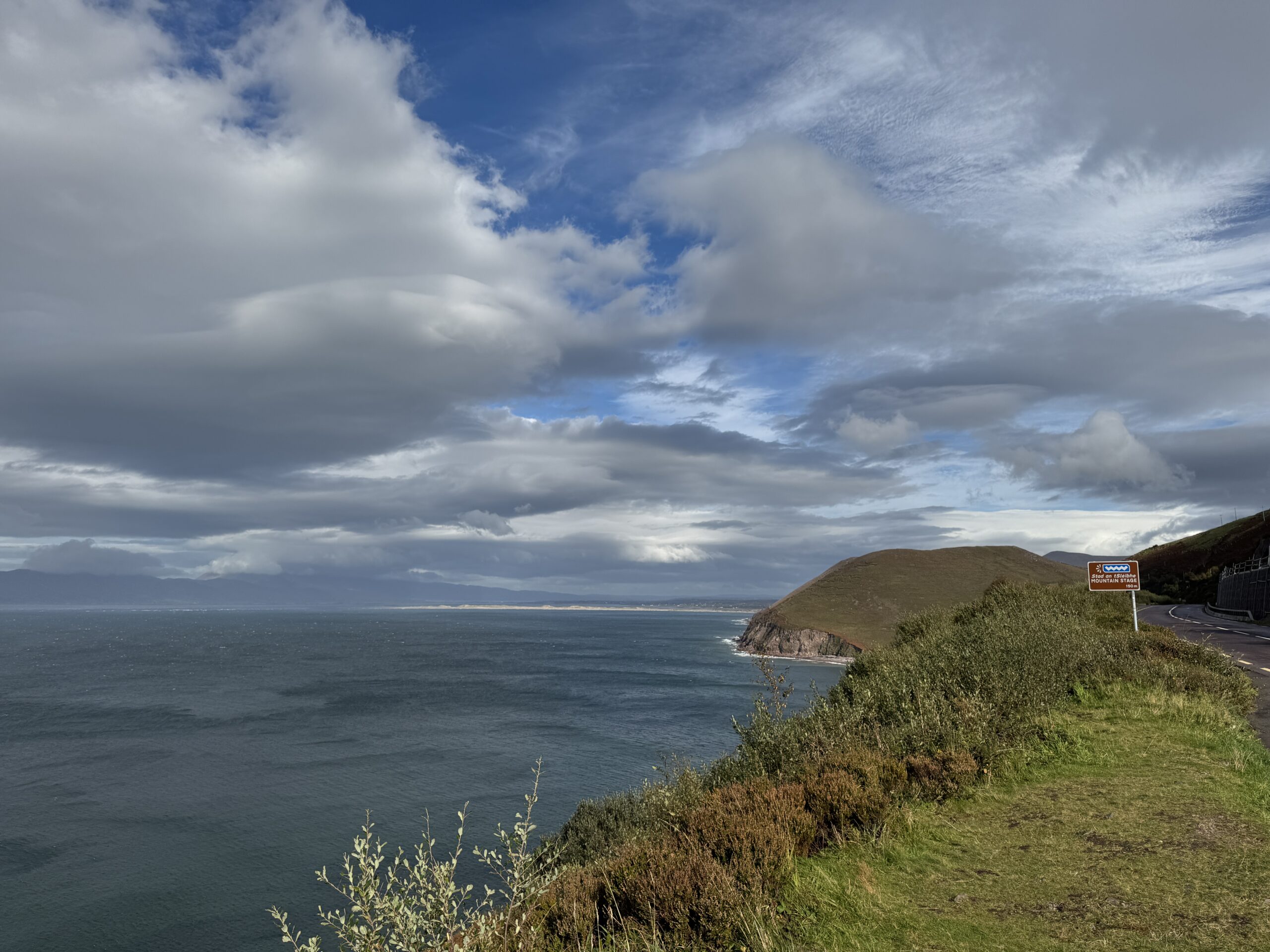
Having explored Ireland in every season, I’d spend a July week between Dublin and one western base. You can enjoy an evening by the sea after a full day out, without changing hotels each morning. Below are the weather figures and booking decisions I’d use to plan that trip.
Quick Answer:
July suits a trip built around long days, mild weather, and summer events. Book rooms early for festival dates, pack a rain jacket, and choose one main western base. A week split between Dublin and Galway gives you city time plus coastal outings. Keep boat trips and walks flexible so you can respond to the forecast.
Plan Your Summer Trip
- Best Things to Do in Ireland in Summer (Without the Crowds)
- The Best Ireland Itineraries From Dublin Airport
- Weekend in Galway: The Perfect 2 Day Itinerary
This guide contains affiliate links. If you book through one, we may earn a commission at no extra cost to you.
What to expect from Ireland in July
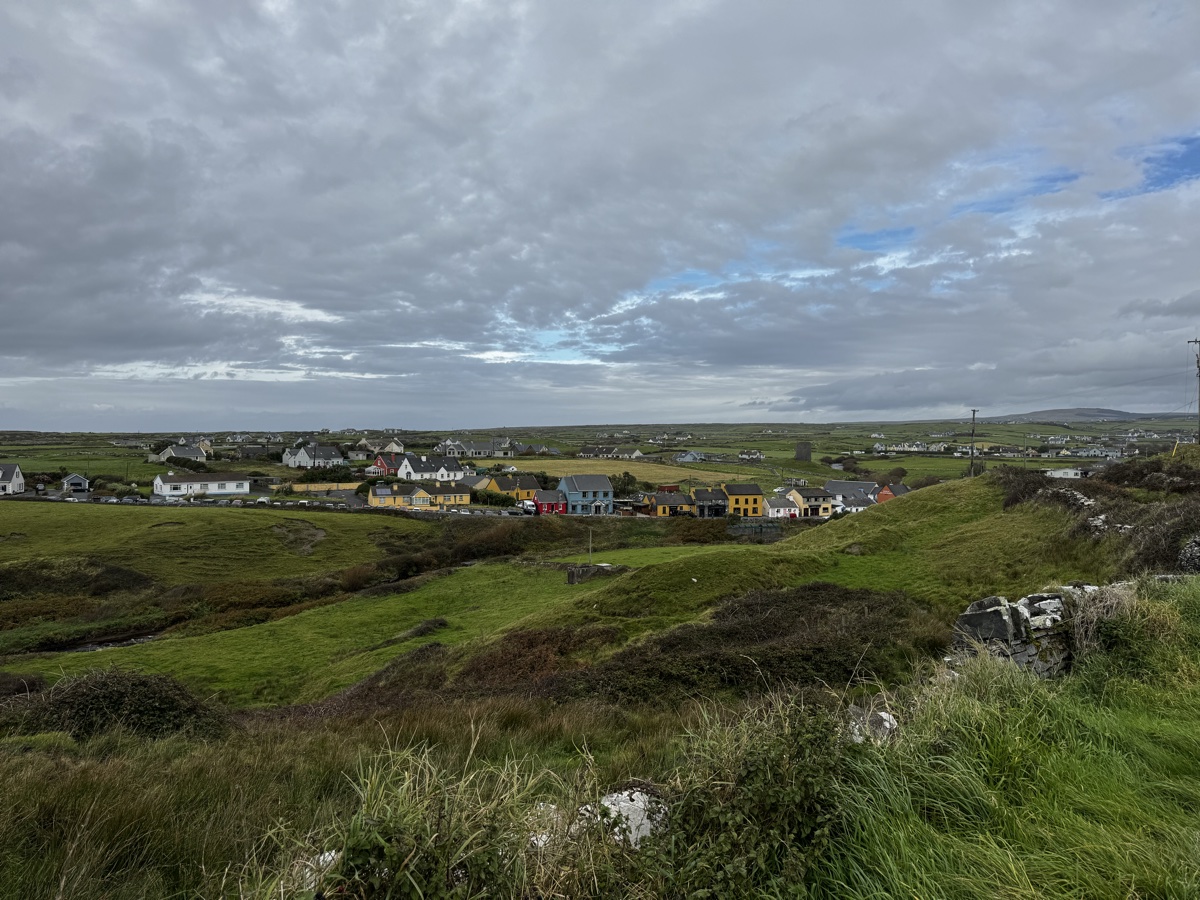
July gives you plenty of time outdoors, but it rewards a selective itinerary. Choose the places you care about, secure your beds, and leave some space between the bookings. A spare afternoon is useful when a boat trip moves or a patch of rain passes through.
For a first visit, I prefer two main bases over a long list of overnight stops. Dublin and Galway work together for city sights, festivals, and coastal outings. If Kerry is your priority, choose Killarney as your western base instead of trying to fit both regions into a week.
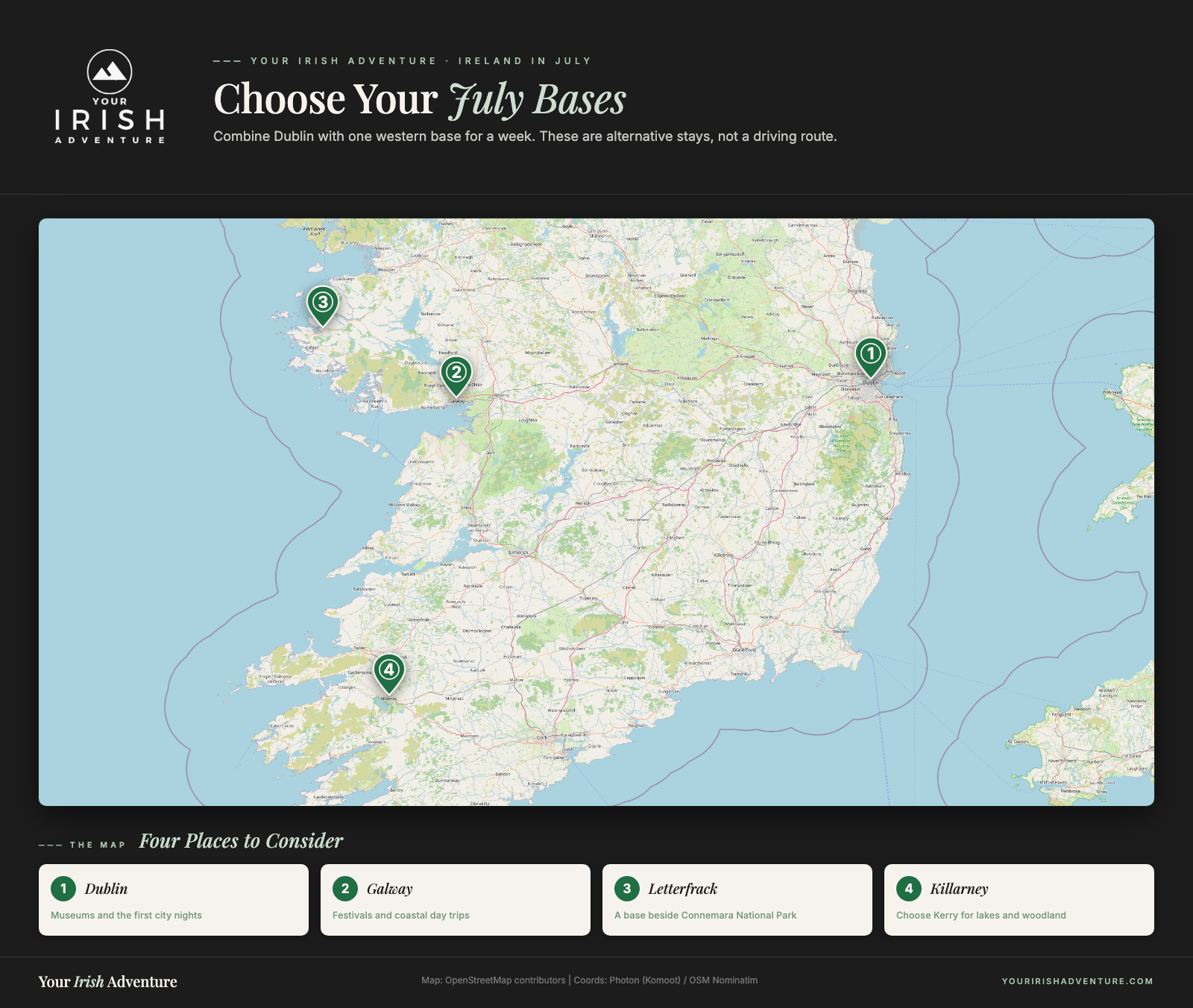
The map shows alternative bases. Letterfrack is useful for time in Connemara, while Galway suits travelers who want restaurants and evening events within walking distance. These pins are choices, rather than a route you need to complete.
If your dates can move, our guide to the best time to visit Ireland compares the seasons. For July, decide whether your priority is a particular festival or simply more time outdoors. That choice determines how tightly you need to fix the rest of your dates.
The advantages and disadvantages of July in Ireland
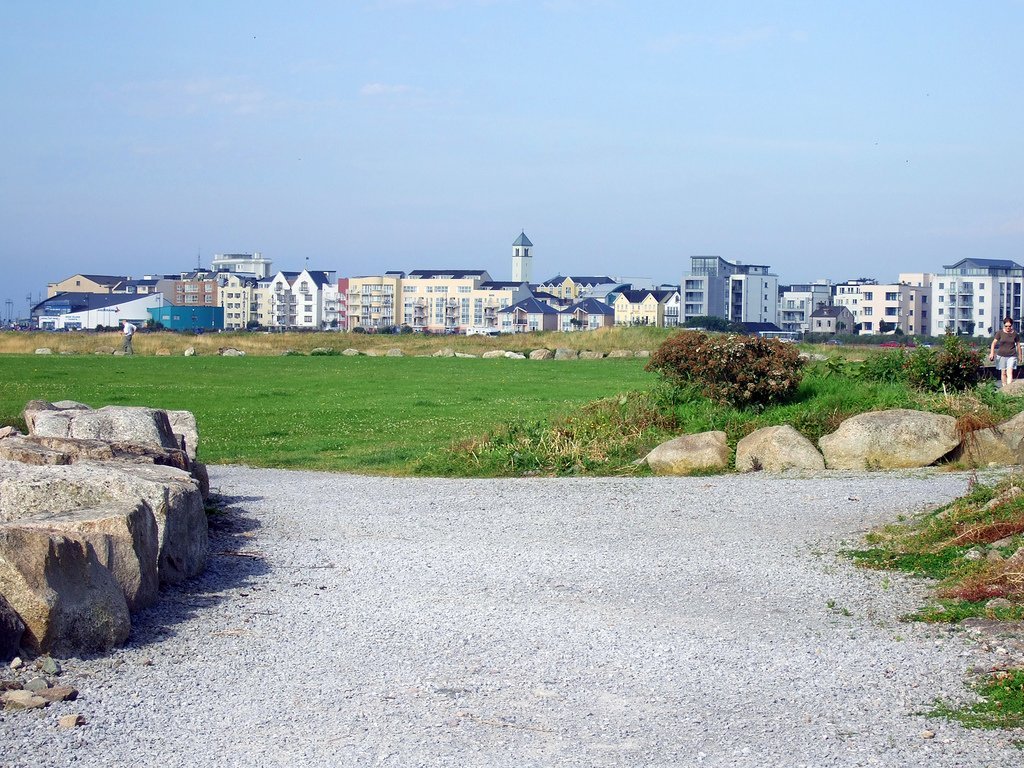
July suits travelers who want a summer trip with plenty happening. The compromise is that your preferred room, ferry, or activity may need an advance reservation. Being willing to stay outside the busiest center helps, but check the transport before assuming a lower room price means a cheaper trip.
Why I would choose July
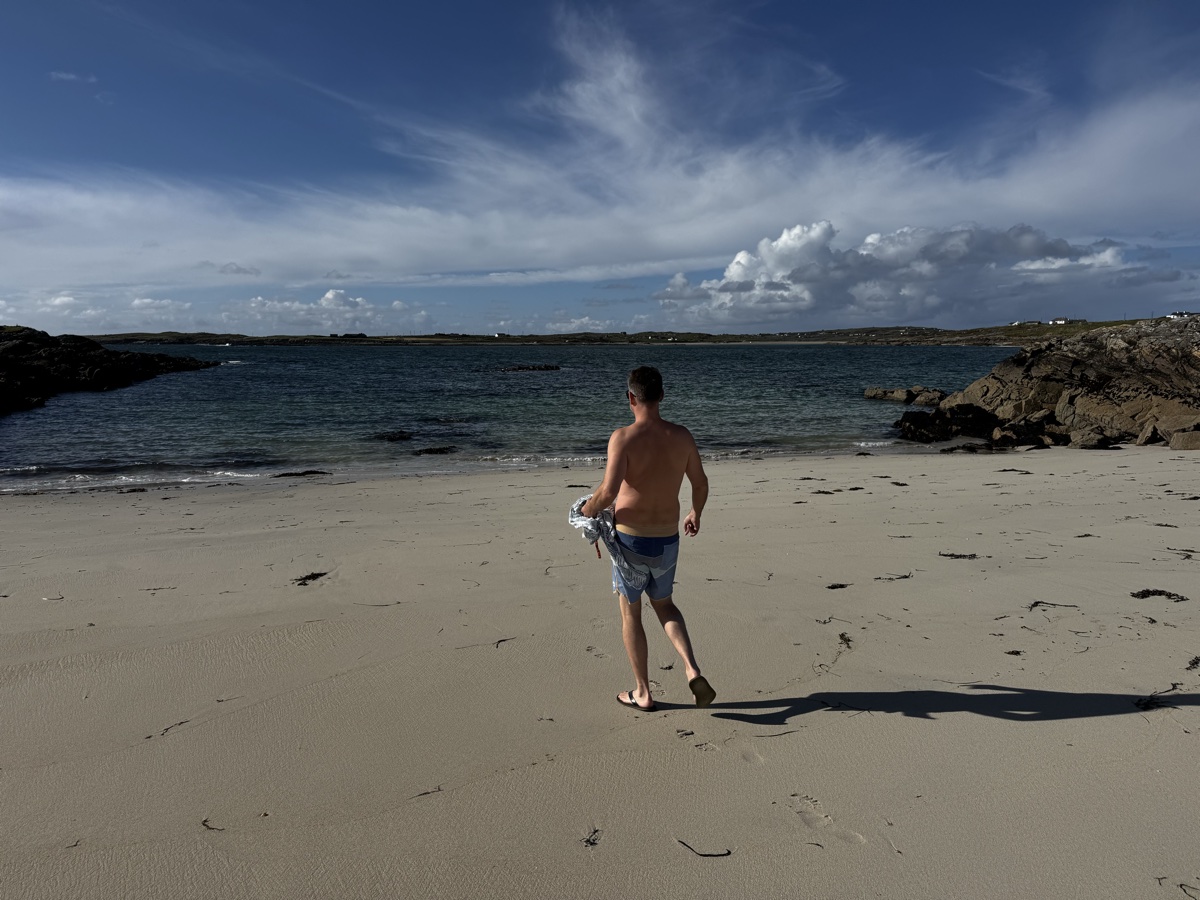
Personally, I like the freedom of a long evening. You can spend the morning in a museum, have a proper lunch, and still walk beside the coast afterward. There’s less pressure to squeeze every outdoor stop into a short window before dark.
Festivals can also give your trip a focus. Choose one performance you actually want to see and plan the surrounding stay around it. That is more satisfying than arriving in a city during its busiest week without a ticket or a dinner reservation.
If you’re considering Ireland in June instead, compare the packing advice and the events you want to attend. My reason for choosing July would be a specific festival, rather than expecting a dry week.
What takes more planning
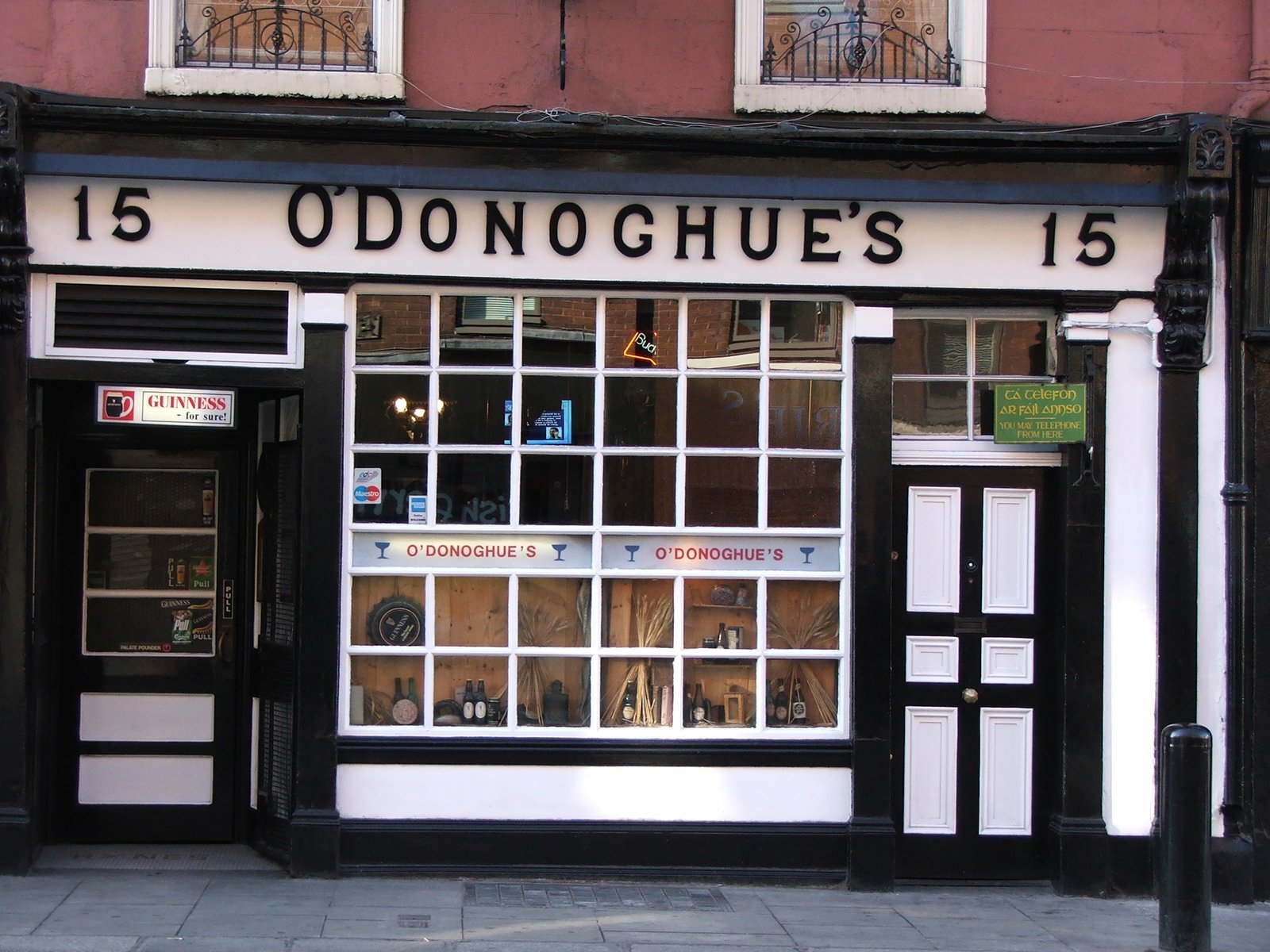
July is a poor month for leaving every room until the last minute. Compare the full cost of the stay, including parking and breakfast, and read the cancellation terms before paying. An outlying hotel can add taxi costs if you’re going to evening events.
A rental car is useful for rural stops, but you don’t need to keep one parked in Dublin while you visit the city. Collect it when you leave. If you want an automatic, confirm that transmission in the booking instead of relying on a vehicle photograph.
Weather in Ireland in July
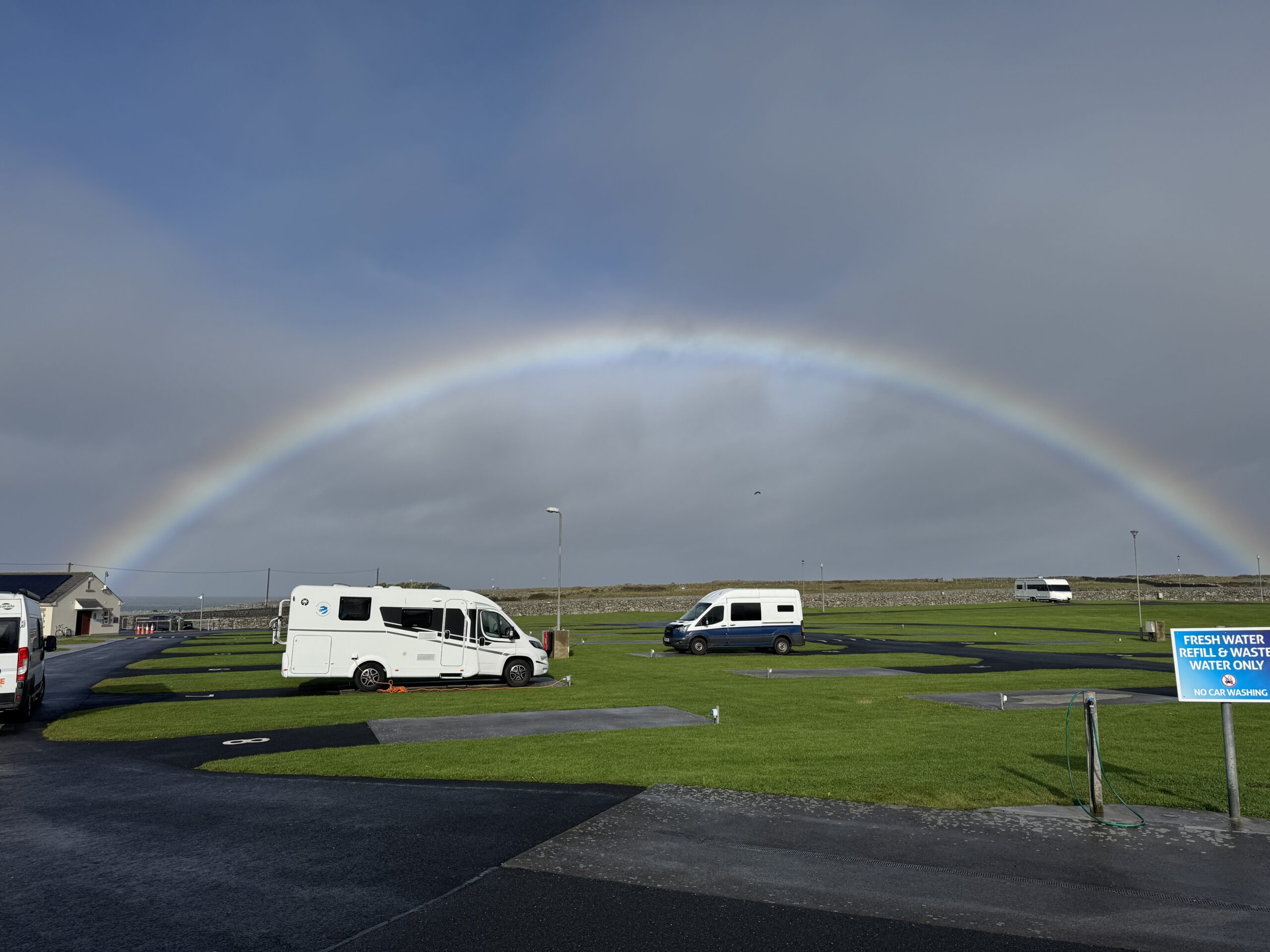
Expect mild summer conditions, with rain still part of the plan. Met Éireann’s long-term station averages put July daytime highs near 19°C to 20°C (66°F to 68°F) at Dublin and Shannon airports. A warm spell can feel quite different from a windy day beside the Atlantic.
The chart compares three weather stations using the same climate reference period. These figures describe a typical month across many years. They don’t predict the weather on your dates, and the airports don’t represent every beach or mountain in their regions.

Dublin Airport averages 61 mm of July rain, compared with 75.8 mm at Shannon Airport and 87.2 mm at Cork Airport. Those are monthly totals, not a count of days lost to rain. You can have a shower and still spend much of the day outside.
Check the local forecast before choosing an exposed walk or a boat outing. Keep the indoor plans flexible enough to move, rather than reserving every museum for a particular wet-looking day a week in advance.
Long evenings and actual sunshine
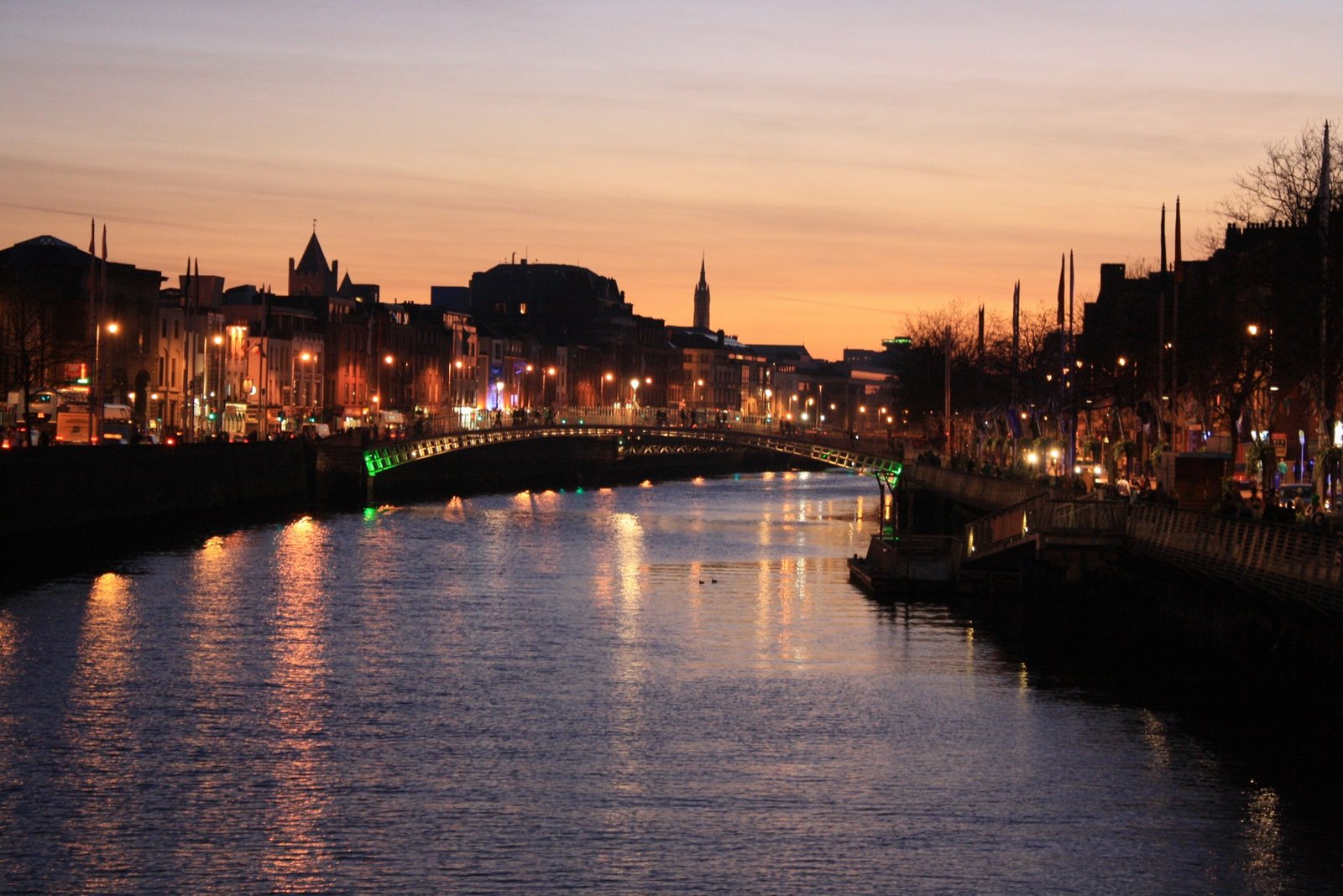
Dublin has about 15 hours 40 minutes to 17 hours of daylight during July. That gives you room for an evening walk, but daylight and sunshine are different measurements. An overcast day can remain light until late without being sunny.
Long evenings also don’t extend an attraction’s admission hours. Check the last entry before leaving for a castle or museum, and book dinner for a realistic time. I wouldn’t fill every extra hour with driving; you still need to be alert on unfamiliar roads.
Festivals and events in July
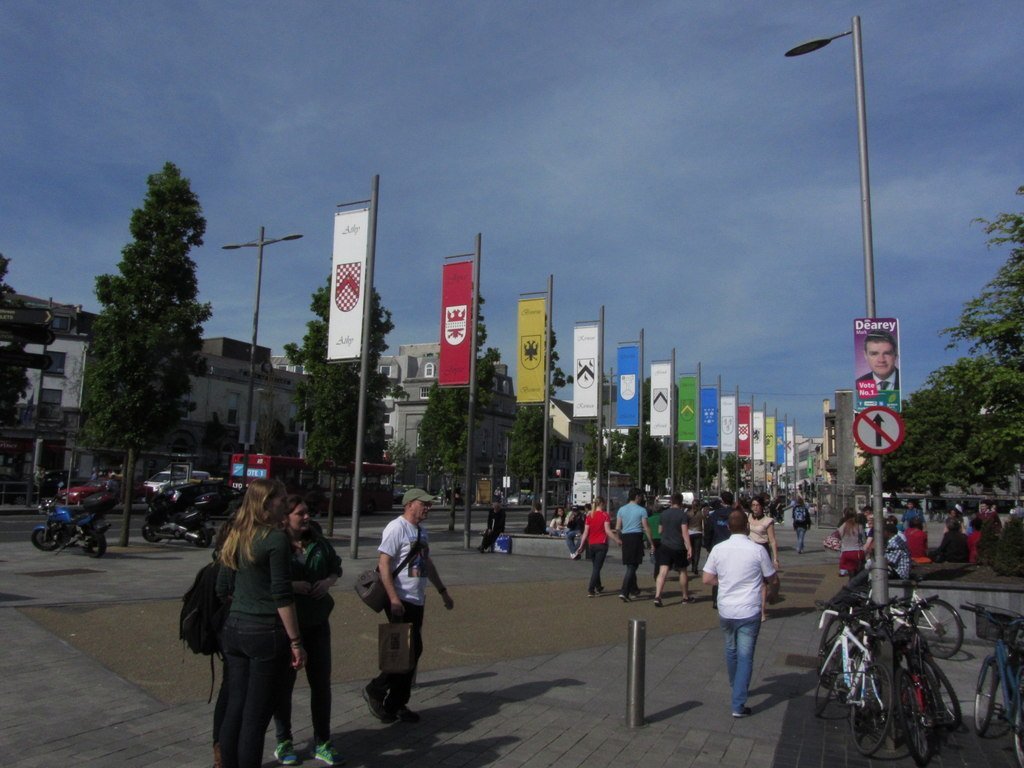
Galway deserves particular attention when you choose your dates. The Galway International Arts Festival brings theater, music, visual art, and other performances to venues around the city. Its program changes each summer, so use the organizer’s current listings to choose the events that interest you.
The Galway Film Fleadh is another July option for cinema, while the Galway Races Summer Festival usually takes place toward the end of the month and can continue into August. They are separate events with separate booking arrangements. Check each calendar before committing to the same room for a week.
I would book a Galway stay around a specific event if the festival is the reason for visiting. If you mainly want to explore Connemara, compare dates outside those event periods or stay closer to the places you plan to walk. You don’t need a city-center room to enjoy the countryside.
Avoid copying last year’s dates from a general travel guide. Organizers may update ticket pages before every other part of their website, so match the event year, performance date, and venue when you buy. Leave extra time for travel through the city on a major event day.
Our July events guide is a starting point for more ideas around the country. Use each organizer’s current calendar for the final dates and ticket details.
Things to do in Ireland in July
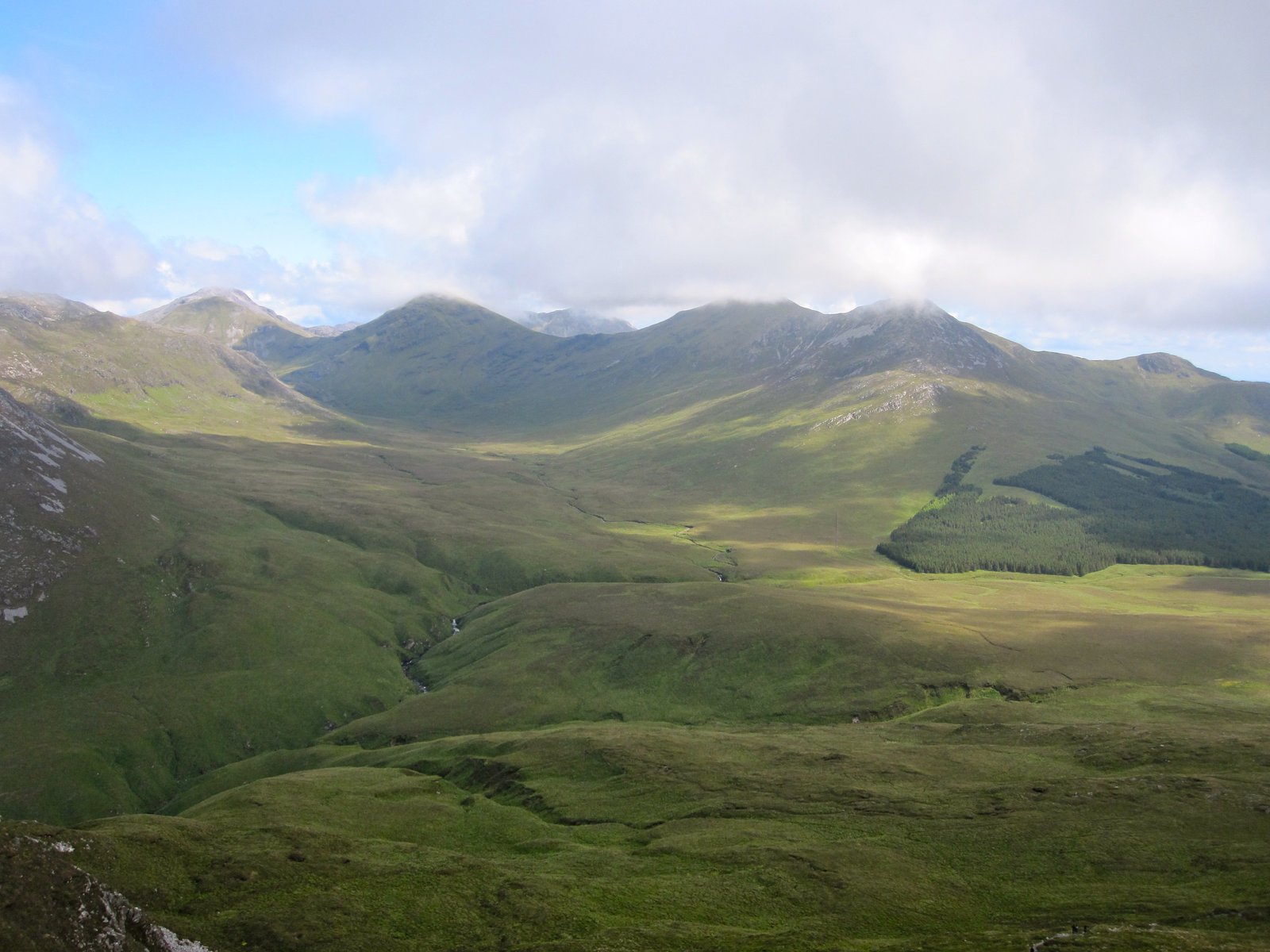
The best use of July’s daylight is to give a place more time. Choose one substantial outing each day, then add something nearby if you feel like it. The suggestions below are alternatives for different bases, rather than a checklist for a single week.
Walk in Connemara
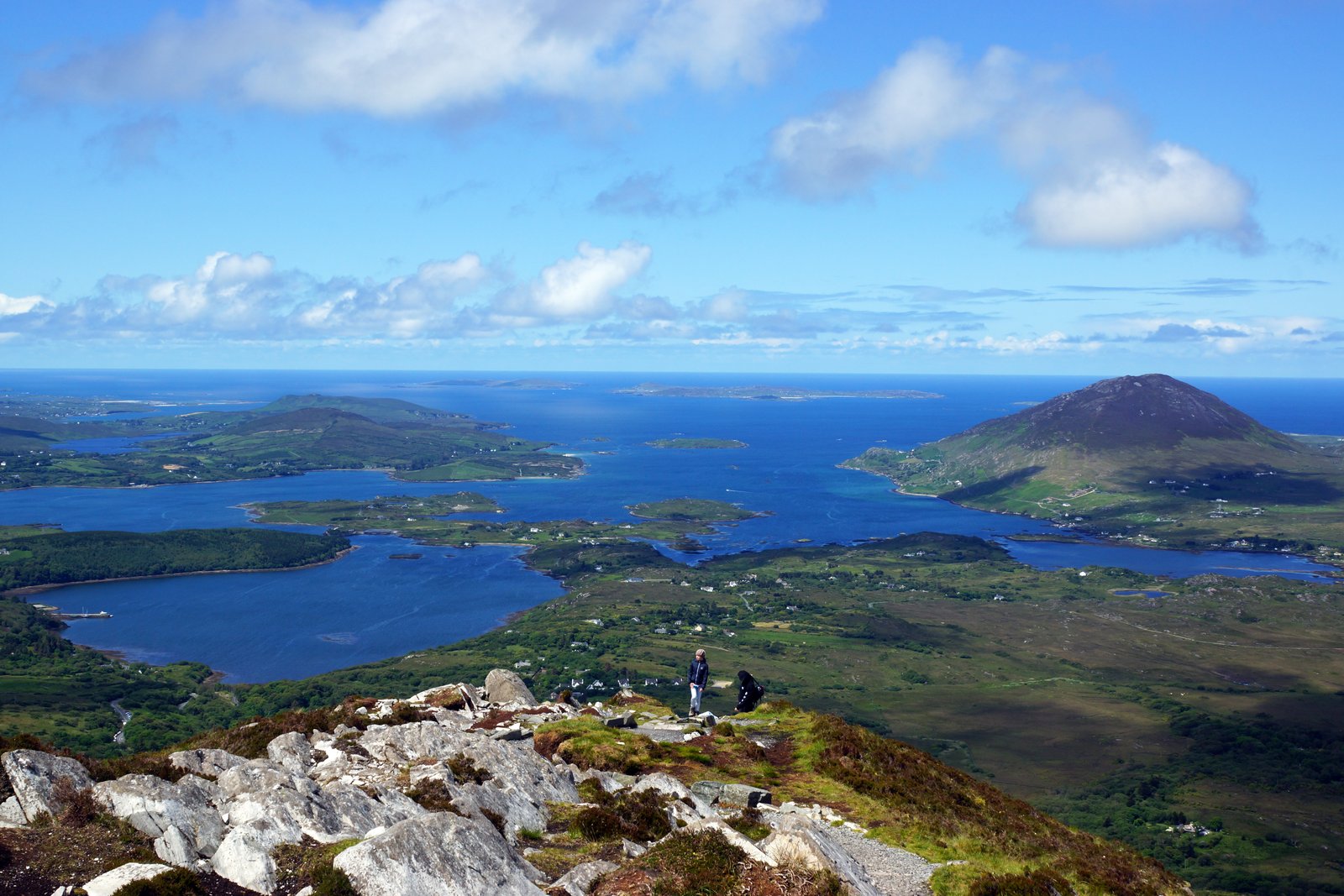
Connemara National Park near Letterfrack is my choice for a walking day from a Connemara base. Its marked routes include the Sruffaunboy Trail and the Lower and Upper Diamond trails. Choose the route for your fitness and the forecast, rather than assuming the summit is essential.
The park has free admission, and its visitor center has its own opening schedule. Check the current notices if you are relying on the center being open. Bring food, water, and a waterproof layer even when the morning looks clear.
Stay on established trails and leave plants where they grow. The bog and heath are part of what makes this area interesting; walking around a wet patch can gradually widen the damage. A shorter marked walk is a better choice than improvising across unfamiliar ground.
Take an Aran Islands boat trip
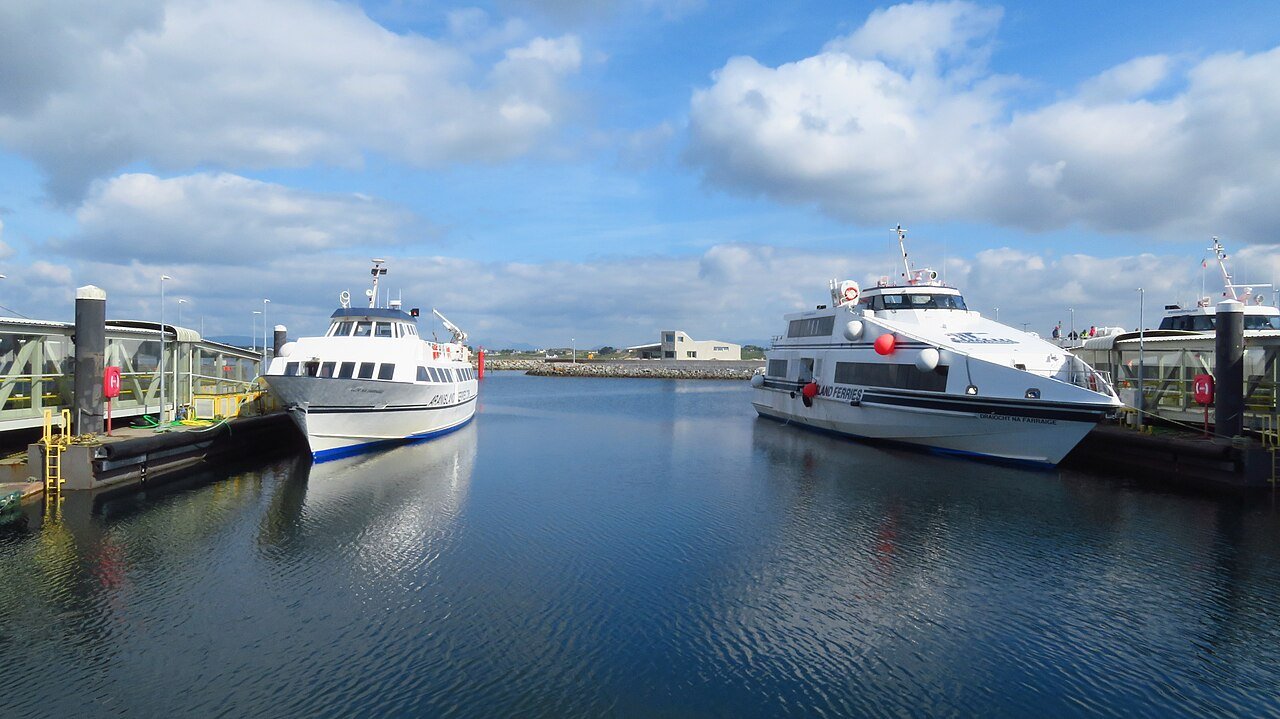
An island outing works well when you are staying in Galway or County Clare. Aran Island Ferries operates from Rossaveel, with seasonal departures also offered from Galway city. Read the departure point carefully: booking a Galway-area trip doesn’t necessarily mean boarding beside your city hotel.
Choose the island and the amount of time ashore before comparing prices. A sightseeing cruise that passes the Cliffs of Moher and an island landing are different experiences, and some combined trips include both. Check the operator’s route, return time, and cancellation terms.
I would keep this day free of a long onward transfer. If conditions change, you want time to adjust the plan without jeopardizing your next overnight stay. Bring a windproof layer for the crossing, even if you expect to spend the afternoon in a T-shirt.
Visit the Cliffs of Moher from County Clare
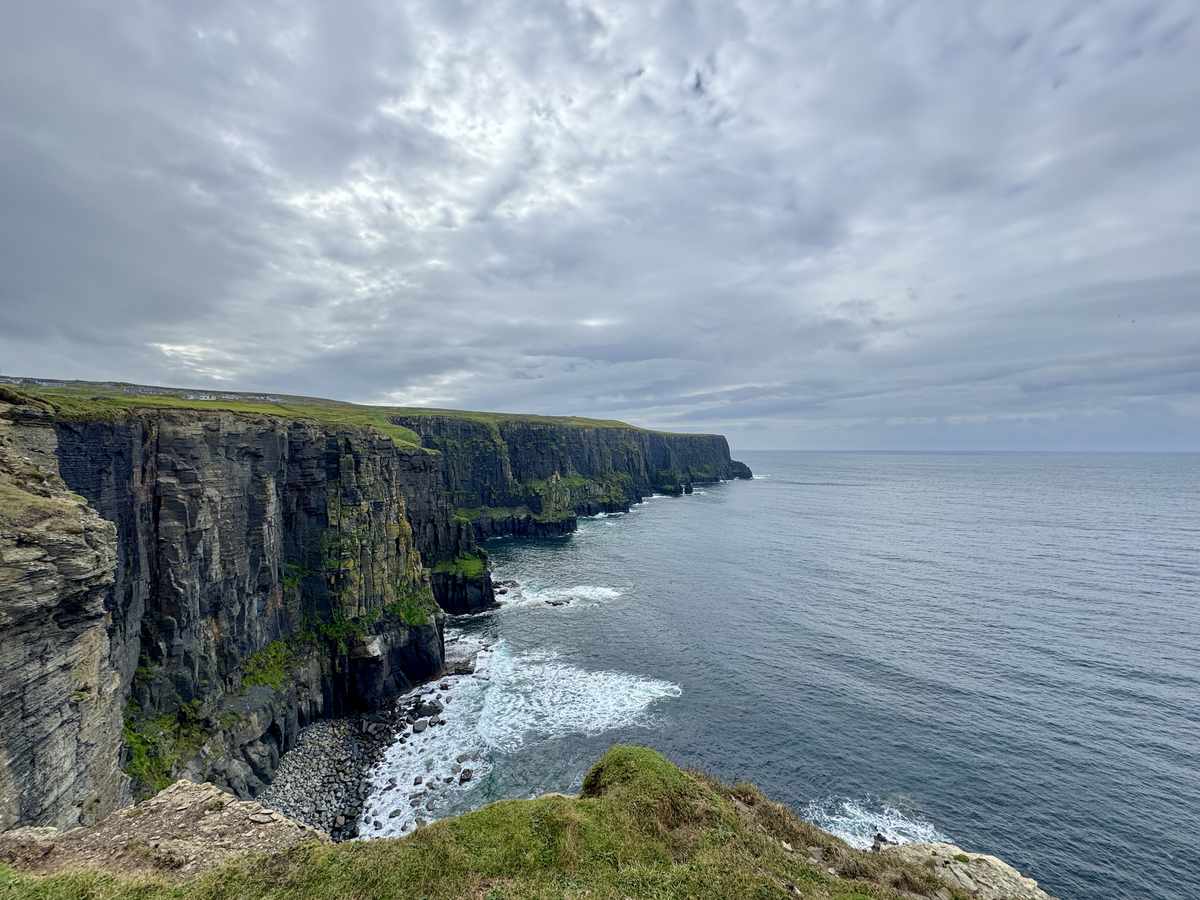
The Cliffs of Moher make sense as a County Clare outing or a guided trip from Galway. Use the managed visitor area and check the current coastal-walk information before planning anything longer. An old route description is not evidence that the full path is open.
Low cloud can hide the view from the cliffs. If you have a choice of days, use the clearer forecast for this outing and keep a museum or city walk for the other day.
Plan Your Days in the West
- 12 Of The Best Day Trips From Galway
- Cliffs of Moher From Galway: All Your Options
- Hiking In Galway: 10 Best Trails For All Levels
Without a car, compare the Cliffs of Moher and Burren tour from Galway. The listed trip includes admission to the cliffs and returns to Galway. Read the meeting instructions before booking.
Spend a day in Dublin
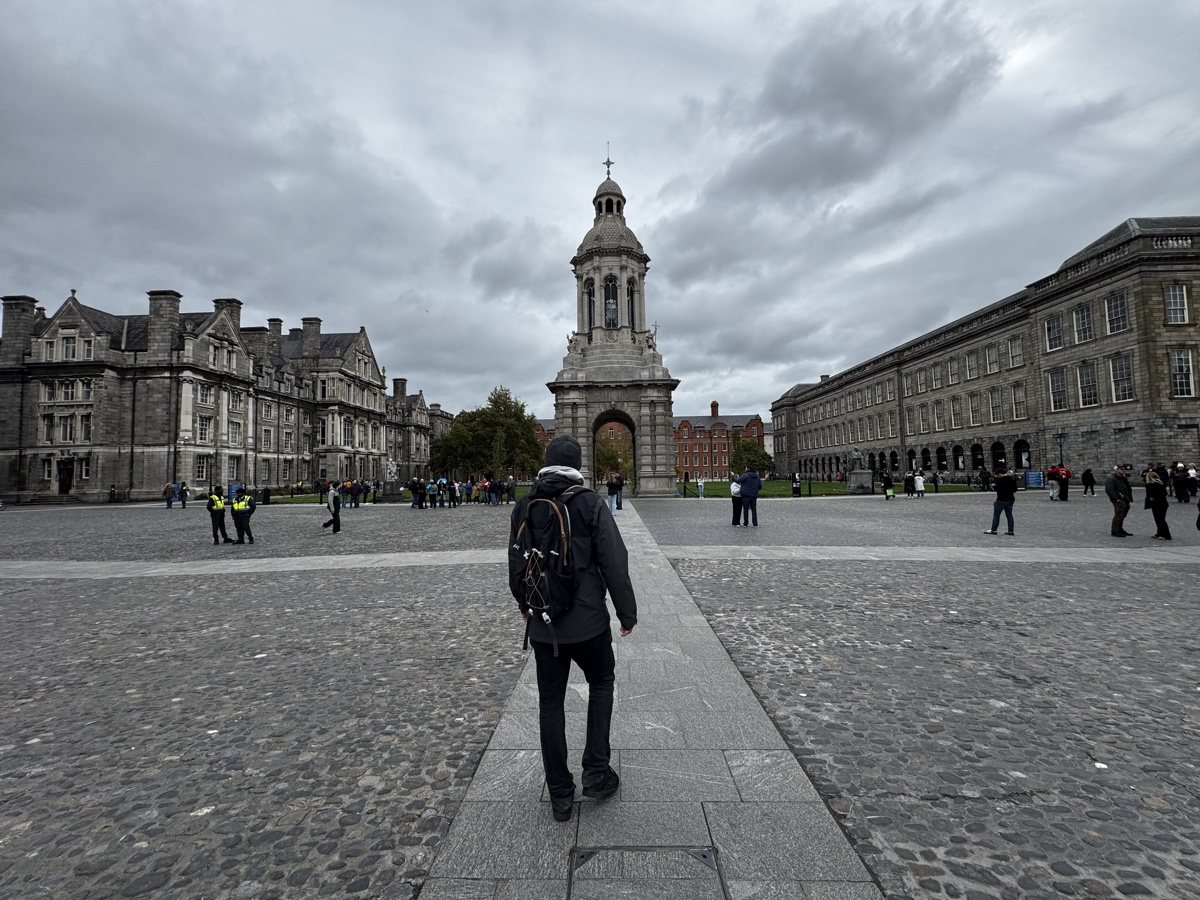
Dublin is useful at either end of a July trip because you can mix outdoor time with indoor visits. The National Museum of Ireland‘s archaeology collection on Kildare Street has free admission. Put it alongside a walk through the center, rather than making every city day a string of paid attractions.
For ticketed sights, choose the one you most want to visit and reserve that first. Keep enough time to get there, eat, and look around afterward. A July evening is also a good reason to stay another night instead of driving west immediately after an overnight flight.
For more indoor and outdoor options, use our guide to free things to do in Dublin. Choose a few close together so you spend more time visiting and less time crossing the city.
Choose Killarney for lakes and woodland
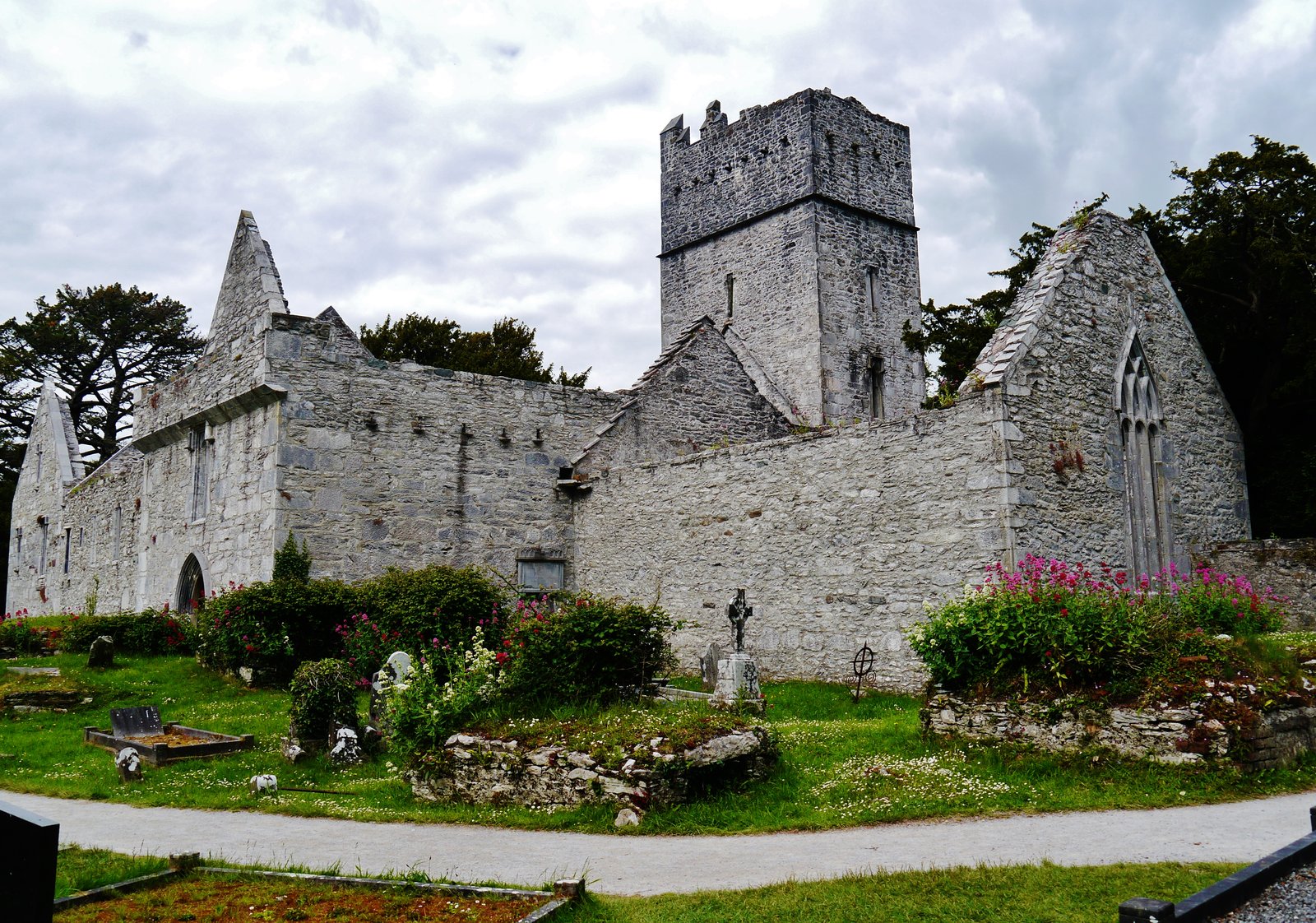
Killarney National Park offers lakes, woodland, and heritage sites close to town. You can focus on the Muckross area, visit the abbey ruins, or choose a marked walk that suits the weather. You don’t need to combine the whole national park and the Ring of Kerry in one day.
In my opinion, Killarney works best when you give it several nights. That makes it easier to keep the longer drive for a clearer day and use a shorter park outing when conditions are mixed. Check individual visitor sites separately because the park and its buildings have different access arrangements.
A simple week in Ireland in July
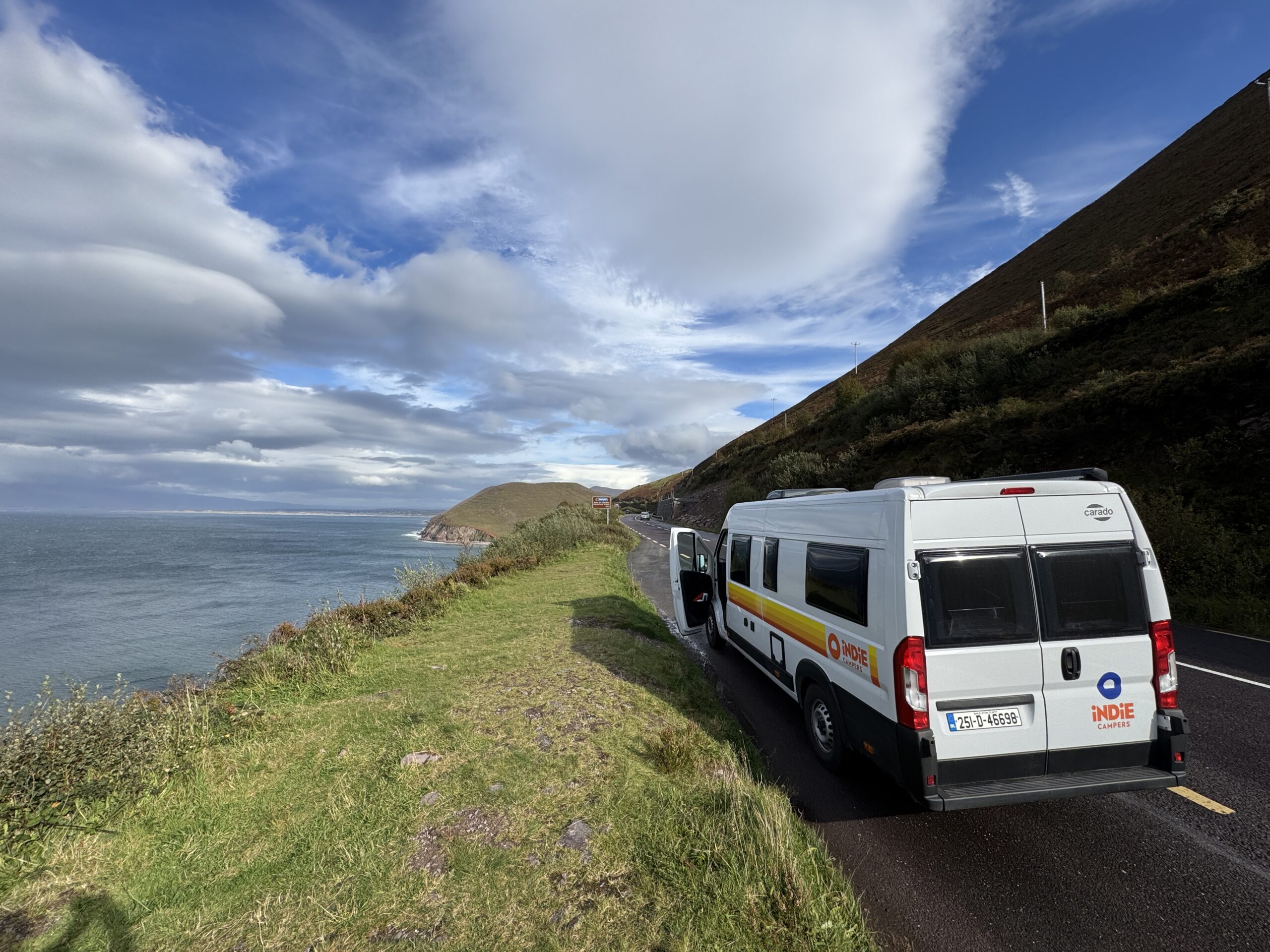
For seven nights, start with two in Dublin, spend four in Galway, and put the final night near the airport you will use. Adjust that last night to your actual flight. An early departure is a poor reason to finish the previous day several counties away.
Two Dublin nights give you one full city day, while four Galway nights give you three full outing days. Use those for Connemara, an island trip, and County Clare, with arrival and transfer days around them. Keep the order flexible enough to follow the forecast.
You can travel between the two cities without a car and use organized day trips for the harder rural journeys. With a car, I would stay out of the center when that gives you confirmed parking and easy access to the roads you need. Check the walking distance to dinner before booking.
If Kerry is the main reason for your trip, replace the Galway stay with Killarney. Keep the same principle of several nights in one place. Trying to add both western regions means more packing and driving, with less time available when you finally reach the coast.
For a driving trip, compare rental cars for Dublin and check the total quote, transmission, deposit, insurance conditions, and collection hours. The lowest headline price isn’t enough information to choose a car. Check the terms for the exact supplier and vehicle category before paying.
If you land in Dublin, check the airport transport options before reserving a car. A city arrival and a rural driving day need different plans.
Where to stay for a July trip

Choose your bases before choosing individual hotels. For the Dublin and Galway plan above, the following properties give you specific starting points to compare. Rates and availability depend on your dates; the links open Booking.com listings through our affiliate partner.
A Dublin base for the first nights
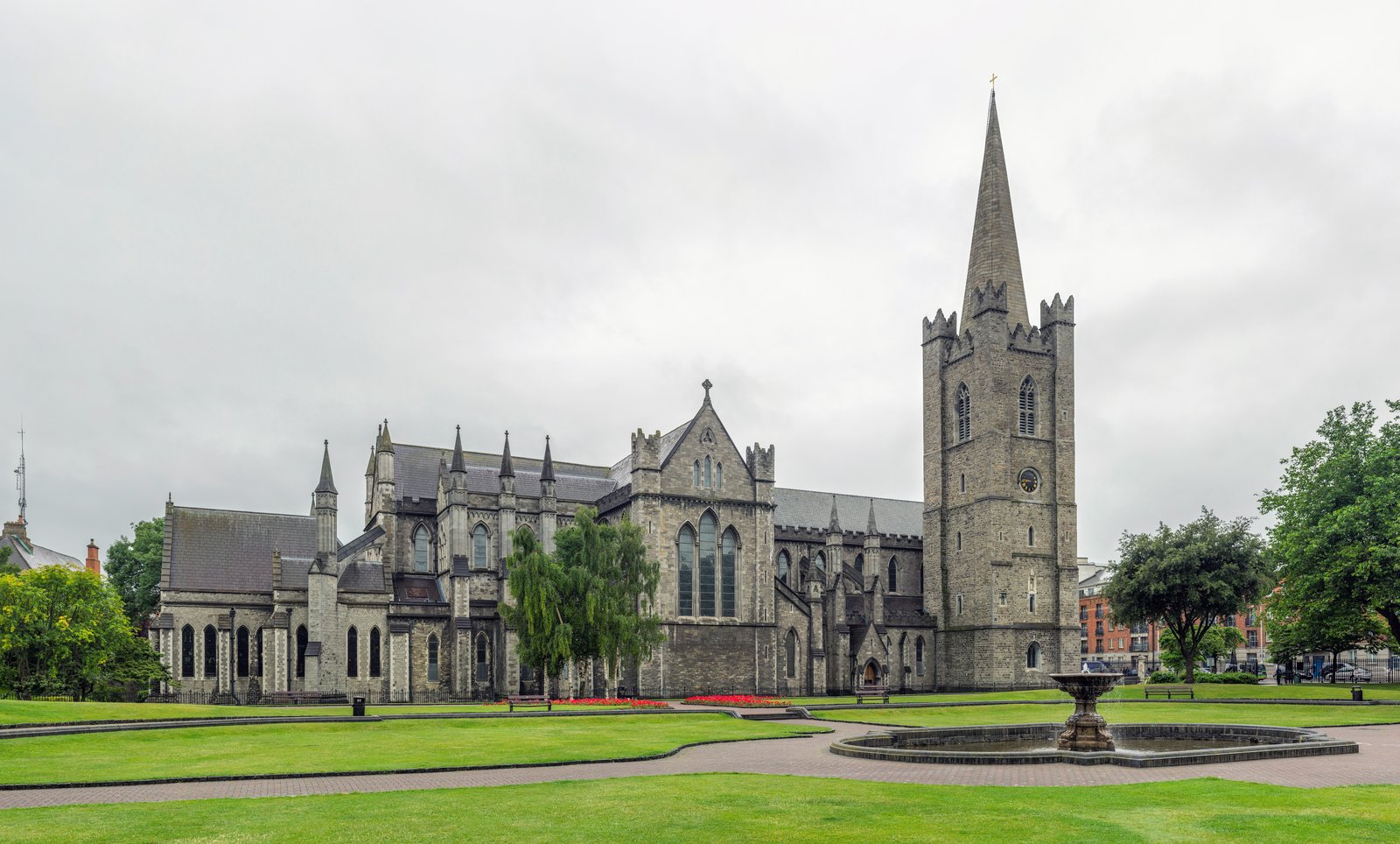
For Dublin, decide how much you value walking to the center compared with having more space. Check the exact address, room type, and luggage arrangements. Also confirm how you will reach the airport before choosing a room for the final night.
Henrietta Suites is on Henrietta Street, while Avoca House is in Drumcondra and 2 Mikes Homestay is in East Wall. They offer different room styles and locations. Check the age policy too: some of these properties accept adults only.
Places to Stay in Dublin
A Galway base for the west
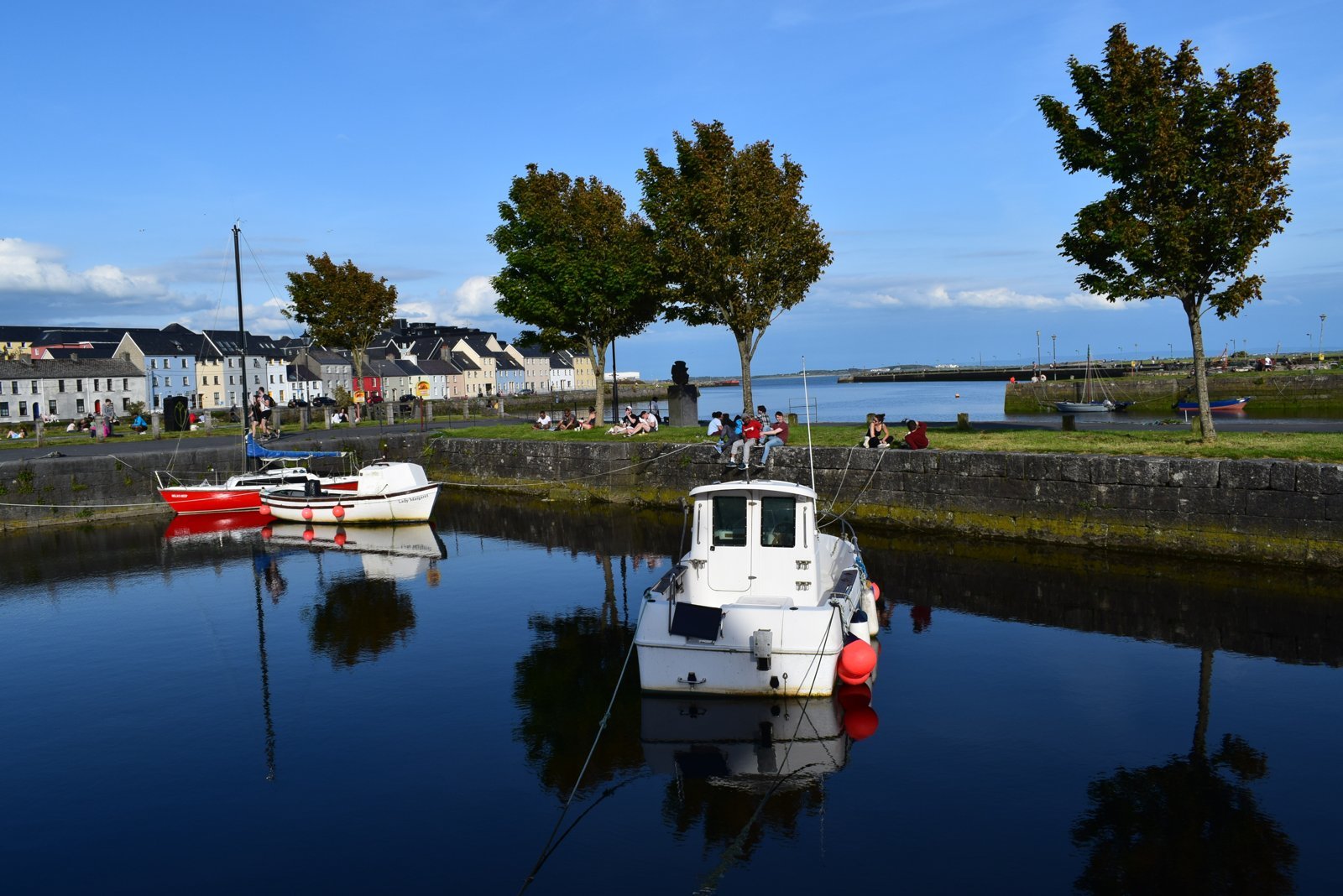
In Galway, a central address suits a festival stay, while an address farther out may make driving easier. Confirm parking with the property rather than assuming it is included. For an evening performance, also check how you will get back after the buses you intend to use have finished.
The Hardiman is on Eyre Square, Sea Breeze Lodge is in Salthill, and Tara Lodge is on the Tuam Road side of Galway. Compare the full trip to your evening venue as well as the room price. The two B&Bs have a different setting from a central hotel.
Places to Stay Around Galway
If you prefer another neighborhood or plan to use Killarney instead, these area guides will help you choose a base.
Read More About Your Overnight Bases
- Where To Stay in Dublin: Best Areas and Accommodations
- Best Places to Stay in Galway, Ireland
- Where To Stay in Killarney: Best Areas and Accommodations
Compare prices for your exact number of guests. A double room, a twin, and an apartment aren’t interchangeable. A room that sleeps two adults may not suit a family, so check the permitted occupancy before paying.
What to pack for Ireland in July

Pack light layers that work together. I would bring a waterproof jacket, a sweater or fleece, and shoes I can walk in for several hours. A thick winter coat usually takes up space you could use more effectively, but a thin shirt alone is a poor plan for a windy ferry crossing.
For walking, choose footwear for the surface. Sneakers suit ordinary city sightseeing, while marked trails can call for more grip and water resistance. Take a spare pair of socks and a bag that keeps a wet jacket away from the rest of your things.
Sunglasses and sunscreen belong in the bag too. Bring a refillable water bottle, and keep your phone charged when you are relying on tickets or directions stored on it. A compact day bag is easier to manage on a bus or boat than carrying everything you packed.
If you want to swim, choose a suitable beach and follow the local safety information. July air temperatures do not tell you whether a particular beach is safe that day. Bring something warm and dry to put on afterward.
If Ireland in August is your other option, price the same room type and transport for both sets of dates. That gives you a more useful comparison than assuming every summer week costs the same.
In short
- Choose Dublin plus one western base for a week.
- Match Galway event dates to the year you will travel.
- Bring layers and leave room to move outdoor plans.
FAQs about spending July in Ireland
These answers cover the decisions that usually matter most when choosing a July trip.
Is July a good month to visit Ireland?
July is a good choice for long outdoor days and summer festivals. Book accommodation around your dates and keep an indoor alternative for wet weather.
How warm is Ireland in July?
Average July daytime highs are about 19°C to 20°C at Dublin and Shannon airports. Evenings and exposed coastal stops can feel cooler, so bring layers.
Does it rain in Ireland in July?
Yes. Long-term July rainfall averages range from 61 mm at Dublin Airport to 87.2 mm at Cork Airport in the stations compared here. These monthly totals do not predict your travel week.
How many daylight hours does Dublin have in July?
Dublin has about 15 hours 40 minutes to 17 hours of daylight through July. Daylight is not the same as sunshine, and attractions still have their own closing times.
Do I need a car in Ireland in July?
You can visit Dublin and Galway without a car and book organized day trips for some rural outings. A rental car gives you more choice of rural accommodation and stops, but adds parking and insurance costs.
What should I book ahead for a July trip?
Book accommodation, festival tickets, and activities with fixed departures ahead of time. Check cancellation terms and leave some ordinary sightseeing flexible.
My advice for choosing July
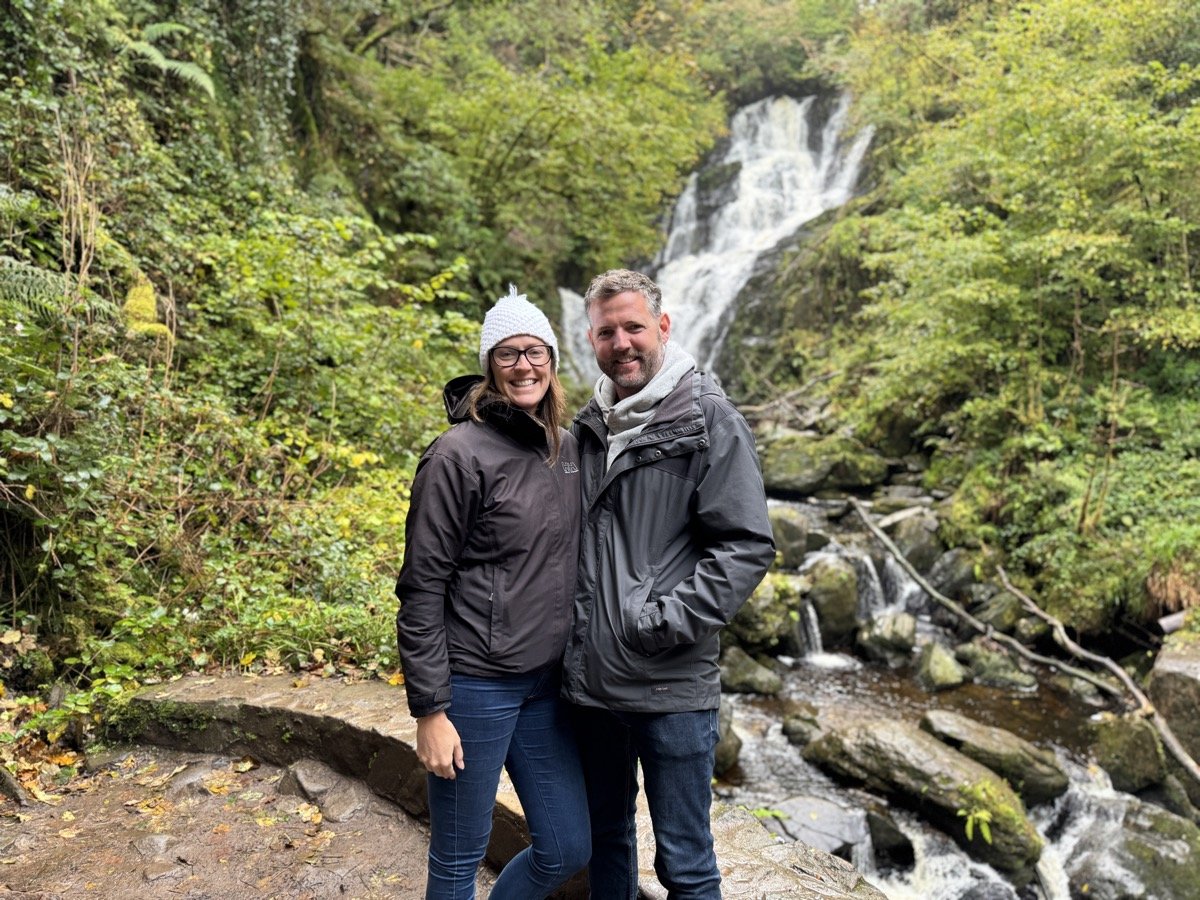
I would choose Ireland in July when the long evenings or a particular summer event are worth the extra planning. Reserve the stay that matters most, keep your route manageable, and let the forecast decide the order of your outdoor days.
If your dates are flexible and price matters more than festival plans, compare other months before booking. For a July visit, start with the two places you most want to spend time in. A few nights in each will give you a more enjoyable week than trying to drive around the whole island.
Like it? Pin it!
Save this guide for later