Let me save you the agonizing over a calendar: the best time to visit Dublin is roughly May, June, and September, when the days are long, the rain eases off a little, and the city isn’t packed wall to wall. That’s the short answer, and the rest of this post is the long one.
We spent about two weeks driving Ireland on our last trip, with a few nights in Dublin on each end. That was in autumn, well into shoulder season, and it turned out to be a smart time to go. We did Temple Bar, Trinity College, and the Jameson Distillery tour without the summer crush, and the weather behaved more than we expected.
The catch is that “best” depends entirely on what you’re chasing. The cheapest flights and quietest streets land in completely different months than the long evenings and big festivals. There’s no single right answer, only the right answer for you.
So below I’ll break it down by season and then month by month, plus when it’s cheapest, when it’s busiest, the festivals worth timing your trip around, and what to actually pack so the rain doesn’t ruin your plans.
Quick Answer:
The best time to visit Dublin is May, June, or September. You get long evenings, lighter rain, and big sights like Trinity College and Temple Bar without the peak-summer crush. June and August are warmest but busiest and priciest. For the cheapest trip, go in January or February and pack a proper rain jacket.
More Dublin Travel Guides
- 22 Best Things To Do in Dublin
- 4 Days in Dublin: Perfect Itinerary
- A Weekend in Dublin, Ireland: The Perfect 2 Day Itinerary
- 13 Unique Pubs In Dublin To Grab A Drink
Dublin Weather by Season
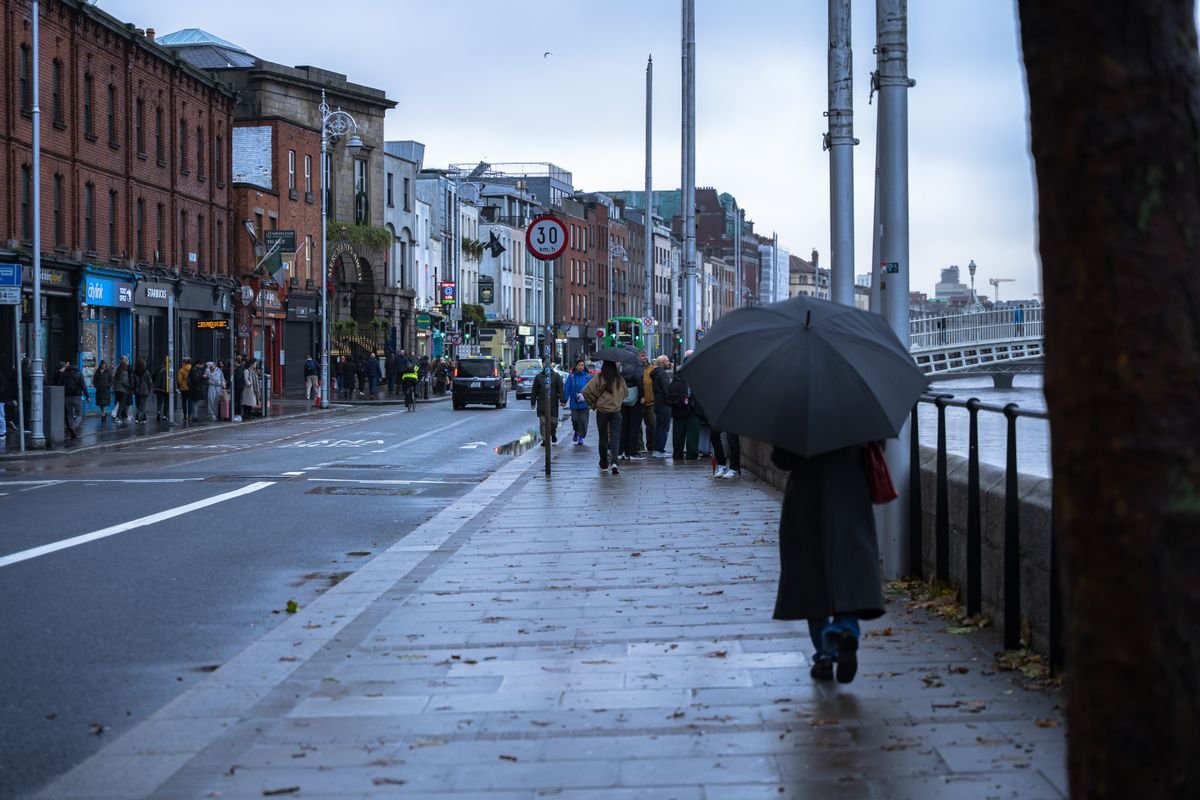
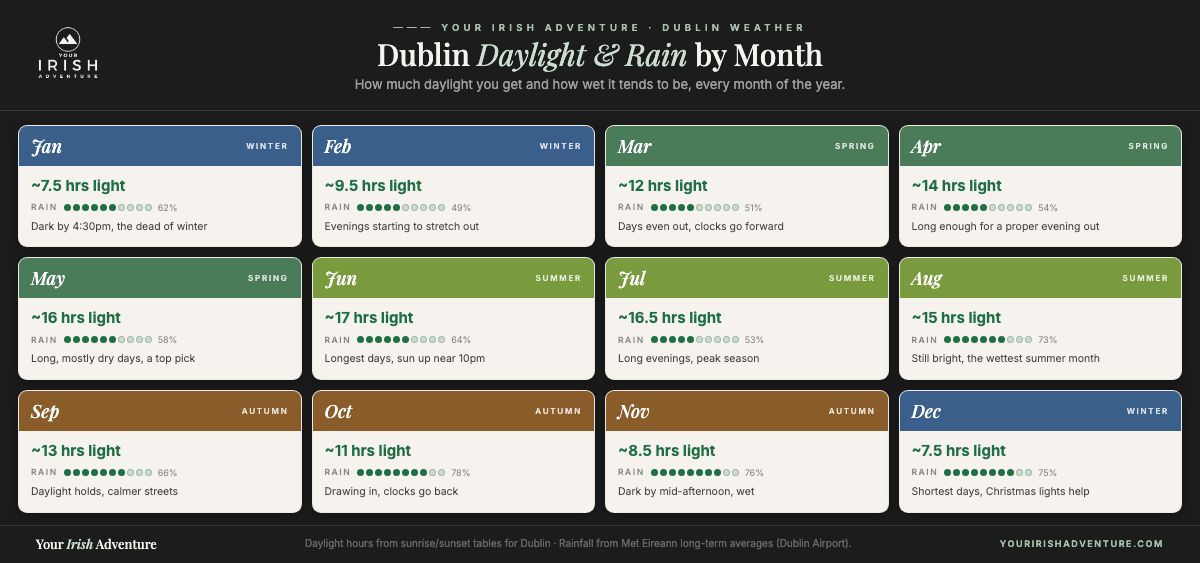
Here’s the thing about Dublin weather: it’s mild and damp pretty much all year. It rarely gets hot and it rarely gets truly cold. What actually changes season to season is the daylight and the rain, and those two things will shape your trip far more than the temperature.
So don’t pack for a heatwave or a deep freeze. Pack for “could be sunny, could be drizzling, probably both before lunch.” Here’s how the four seasons actually play out.
Spring in Dublin (March to May)
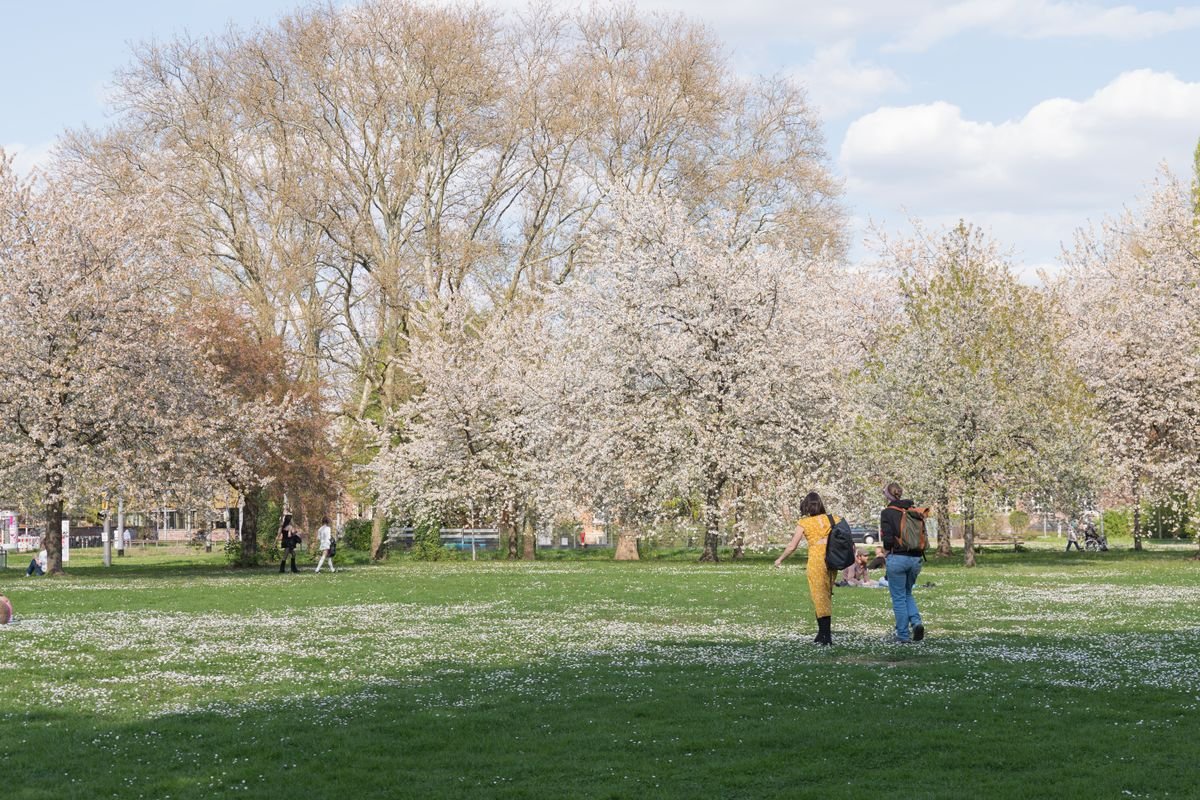
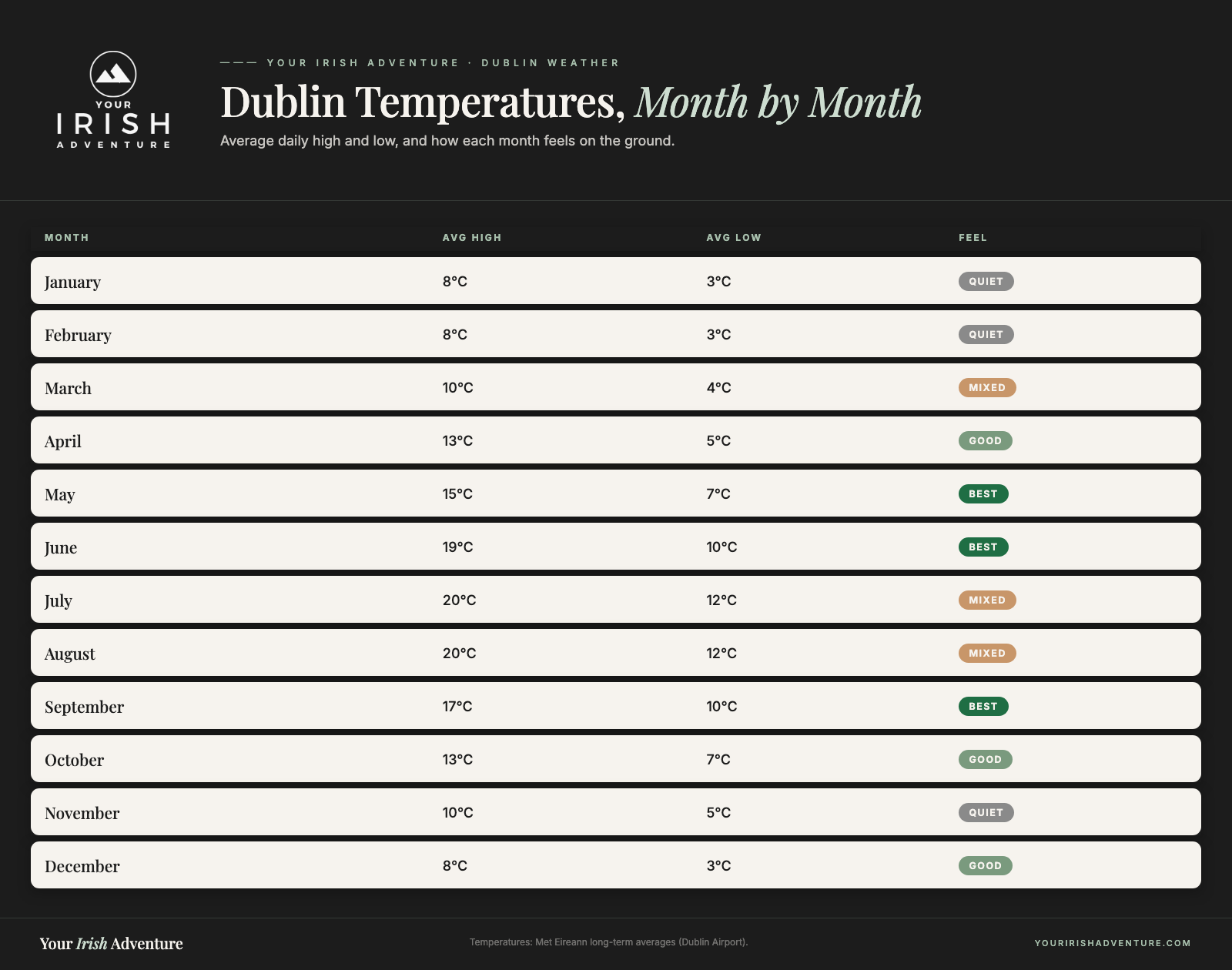
Spring is when the city starts to wake up. Daytime highs climb from around 8C in March to roughly 15C by May, and the evenings stretch out fast, which makes a big difference after the dark winter.
March is still cool and you’ll get plenty of rain, but it brings St. Patrick’s Day, so the city is busy and loud for that week. By May you’ve got long, mostly dry days and the parks looking their best. May is one of our top picks for a reason.
Summer in Dublin (June to August)

Summer is the warmest and brightest time, but warm is relative here. Highs sit around 19 to 20C, and a properly hot day in the mid-20s is a treat the locals talk about for weeks. Don’t come expecting a beach holiday.
What you do get is daylight. In June the sun doesn’t set until almost 10pm, so you can pack a lot into a day. The trade-off is crowds and the year’s highest prices, with June and August at the busiest.
Autumn in Dublin (September to November)

Autumn is the season we know best. We had a few Dublin nights on each end of our last trip, both in late September, well into shoulder season. The streets were noticeably calmer than peak summer, and the weather behaved better than we’d braced for.
September highs sit around 17C, and the dry evenings still hold long enough for a proper night out. We had no trouble getting our first pints at Darkey Kelly’s on Fishamble Street without ducking the rain. By November it’s cooler, wetter, and dark by late afternoon.
That early-autumn window is the sweet spot. You still get reasonable daylight, and the prices have dropped off the summer peak.
Winter in Dublin (December to February)
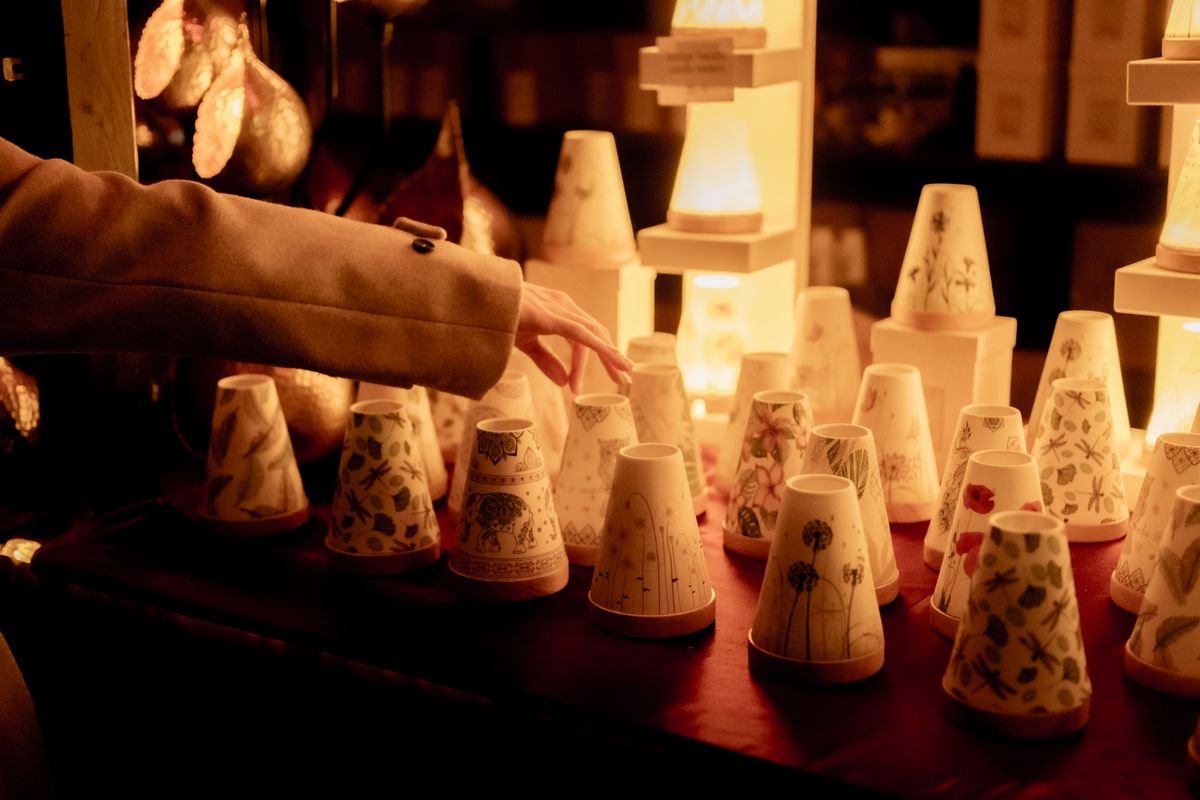
Winter in Dublin is dark and wet more than it is freezing. Highs hover around 7 to 8C and snow is rare, but the days are short, with the light gone by about 4:30pm in December.
The upside is the city at its cheapest and quietest, plus the Christmas lights and markets in December. January and February are the bargain months if you don’t mind short days and packing a proper rain jacket.
Best Time to Visit Dublin, Month by Month
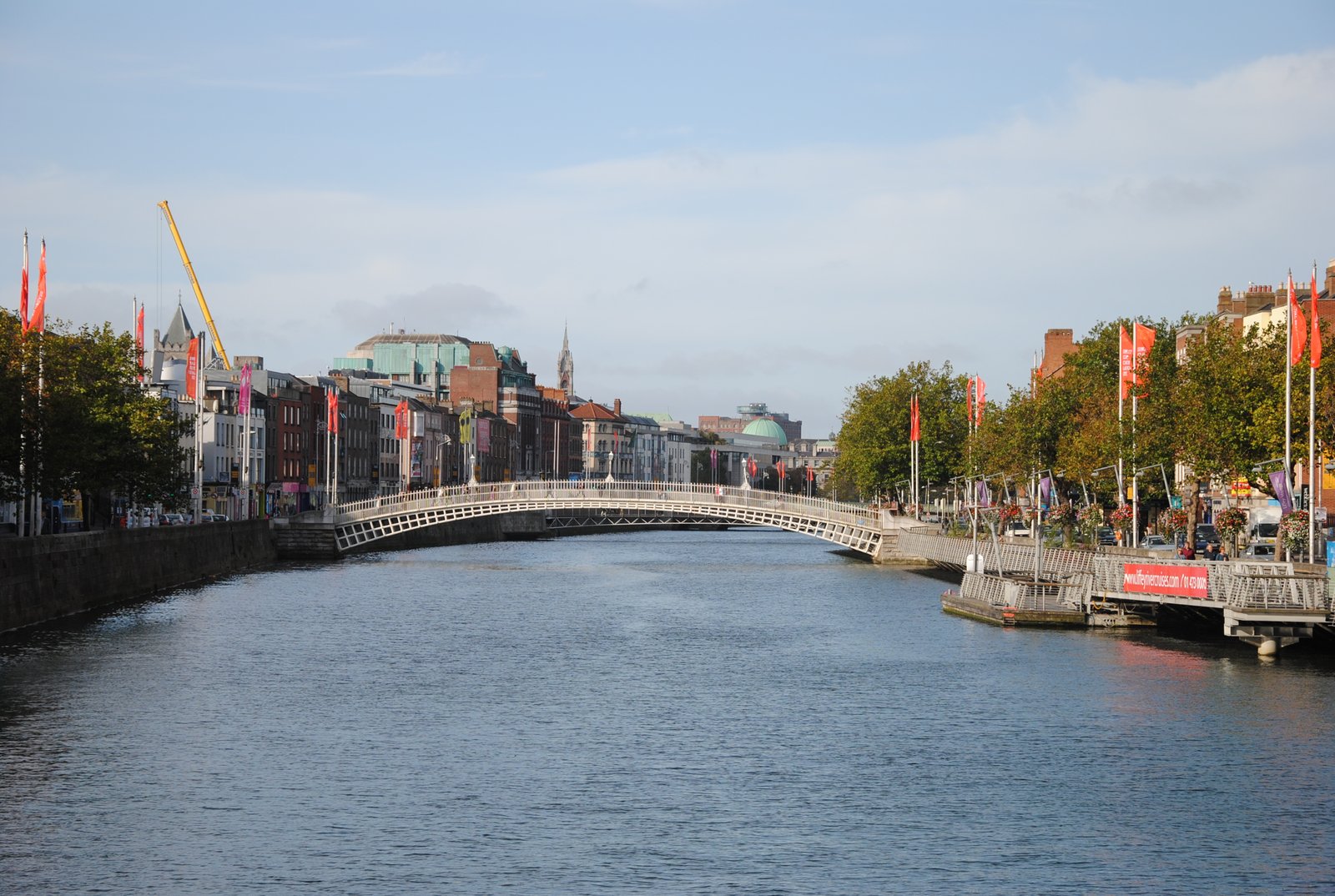
The seasons give you the big picture, but Dublin shifts enough month to month that it’s worth going one at a time. Here’s what each one actually looks like on the ground, including the months we know firsthand.
Visiting Dublin in January

January is cold, wet, and dark, with highs around 7C and the light gone by late afternoon. It’s also the cheapest month to fly and the easiest time to walk into a famous pub without a wait. If a quiet city and a low budget matter more to you than daylight, this is your month.
Visiting Dublin in February
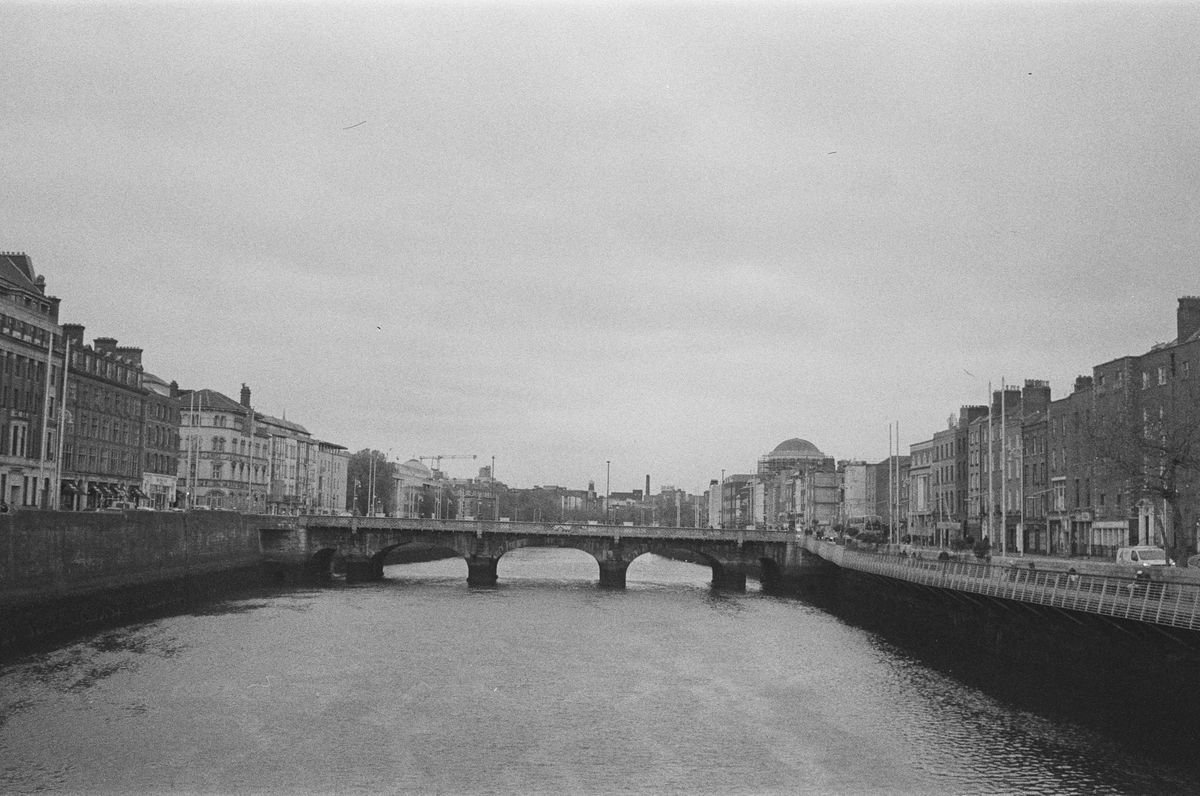
February is much like January, still cool and damp, but the evenings start to lengthen toward the end of the month. Prices stay low and the crowds stay thin. Bring a proper rain jacket and you’ll have most museums and indoor sights nearly to yourself.
Visiting Dublin in March
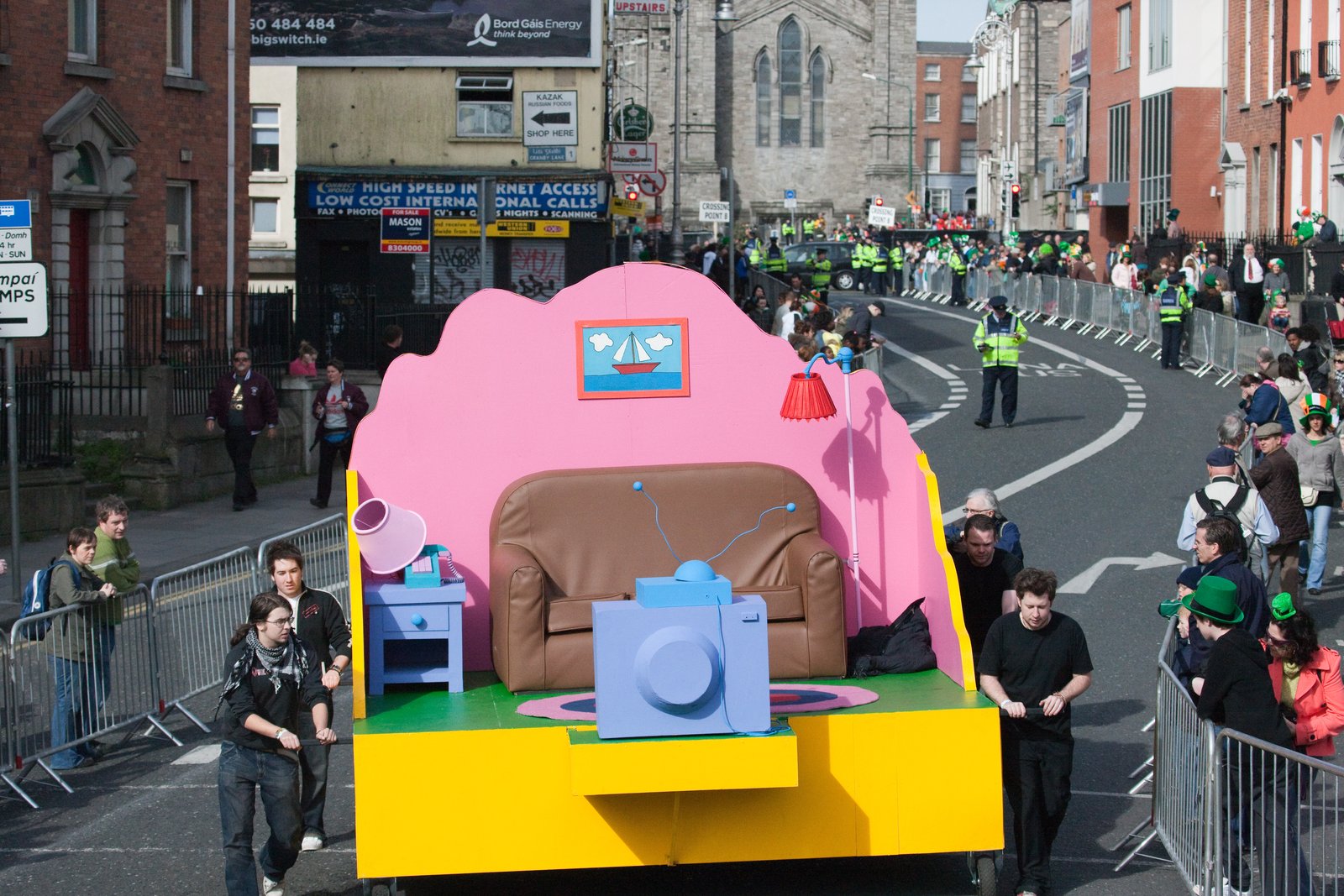
March is the swing month. The first half is still quiet and cool, then St. Patrick’s Day hits and the city fills up for a loud, busy week. Book flights and hotels well ahead if you want to be there for the parade, because that week prices jump and beds sell out.
Visiting Dublin in April

April is when spring really lands. Highs climb toward 12 to 13C, the parks green up, and the days get long enough for a proper evening out. You still get rain, but the crowds and prices haven’t hit summer levels yet. It’s an underrated month.
Visiting Dublin in May
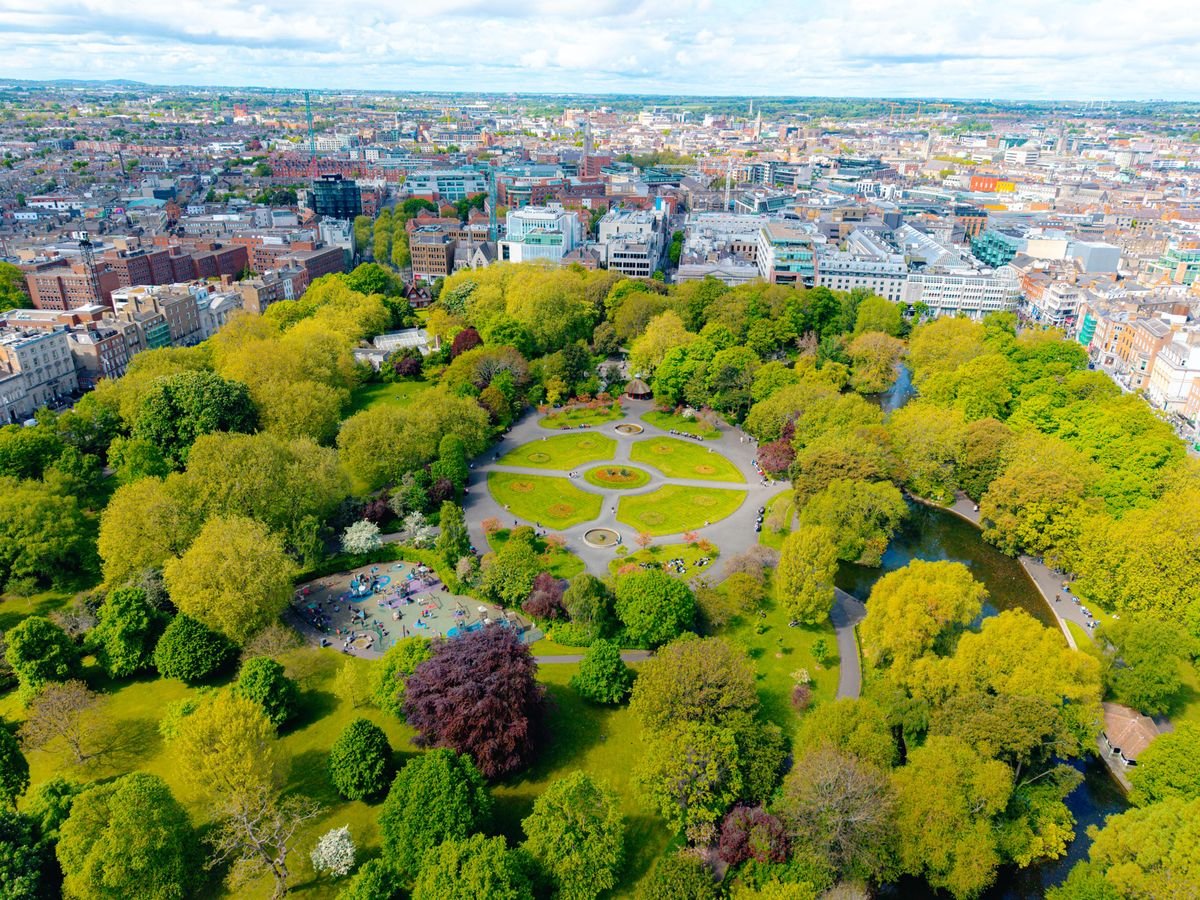
May is one of our top picks for the whole island. You get long, mostly dry days, highs around 15C, and the parks looking their best, all before the summer crowds and peak prices arrive. If you can only travel in one month and want the best odds on weather, pick May.
Visiting Dublin in June
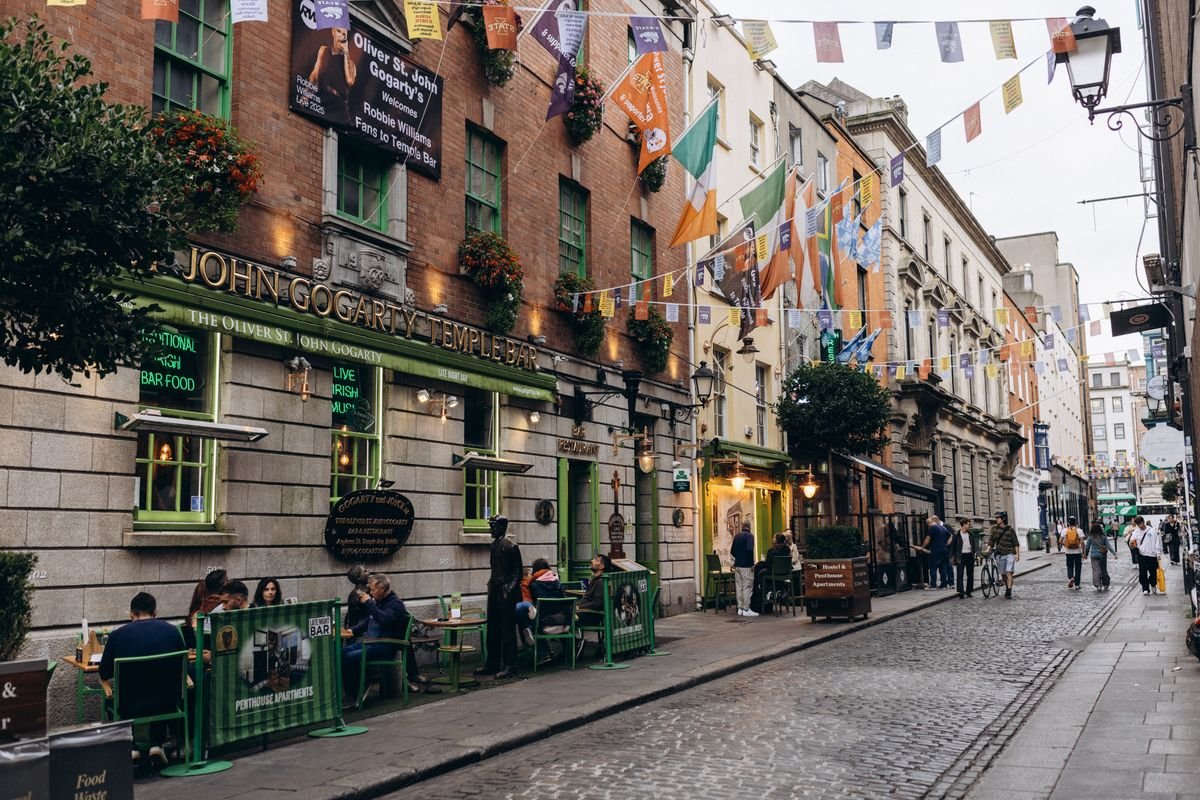
June brings the longest days of the year, with the sun up until almost 10pm and highs around 19 to 20C. It’s one of the best months to be here, and the crowds and the year’s top prices know it. Book early and you’ll get the most daylight Dublin ever hands out.
Visiting Dublin in July
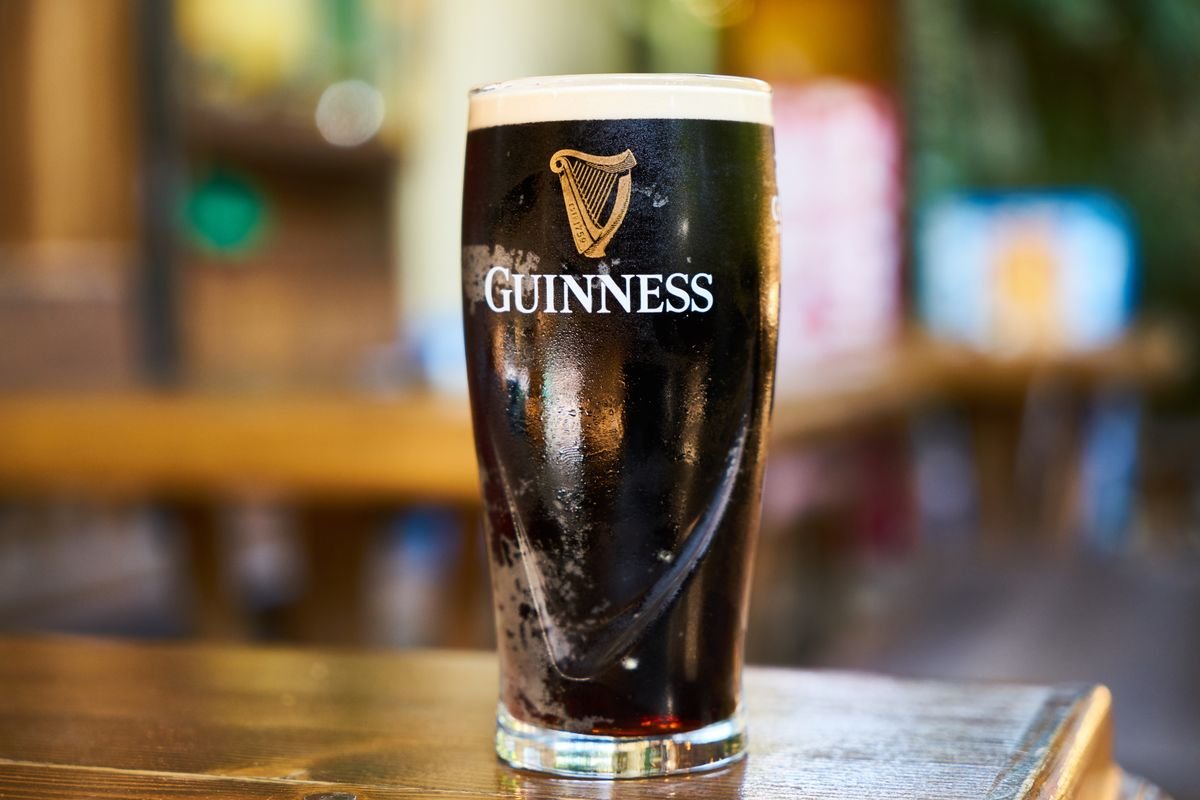
July is peak season, warm by Irish standards and busy everywhere. Expect highs near 20C, lots of visitors, and the highest accommodation prices of the year. The payoff is long evenings and a city in full swing, with festivals and outdoor events most weekends.
Visiting Dublin in August
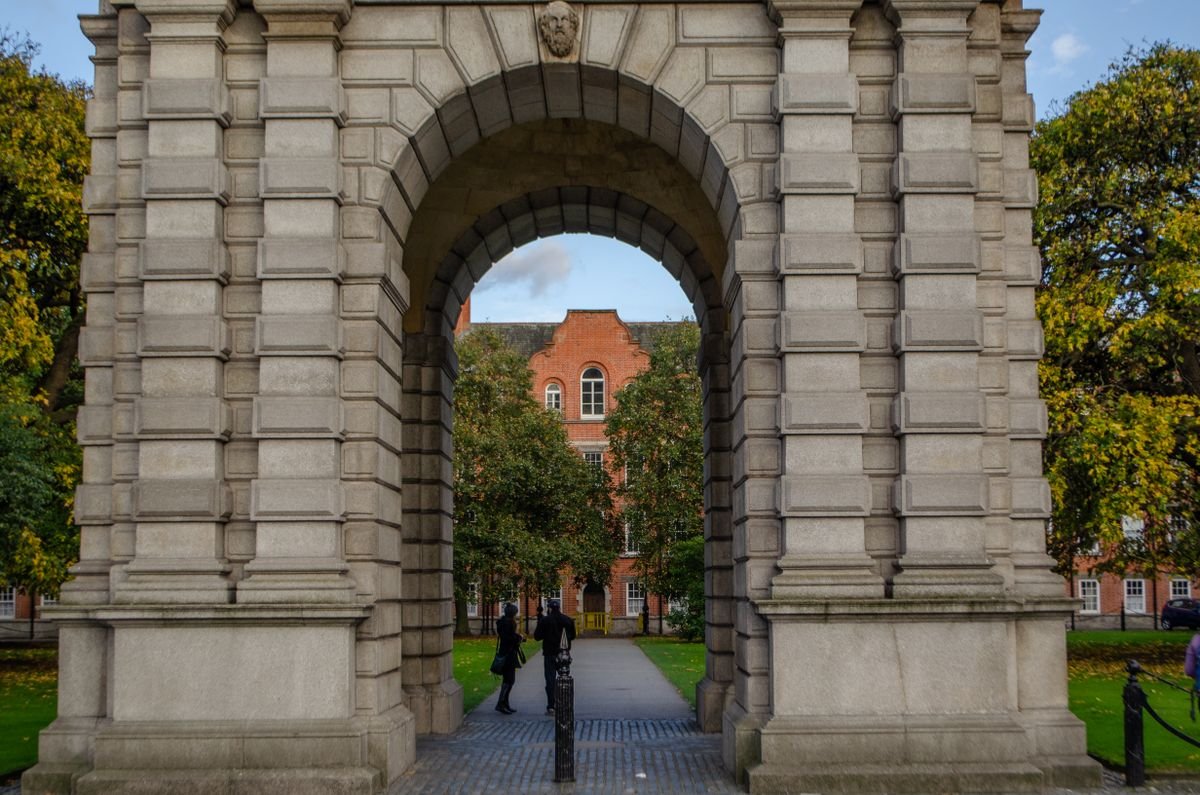
August is the other half of peak summer, just as warm and just as crowded as July. The weather is at its most reliable, but you’ll pay for it and you’ll share every sight with a crowd. Book accommodation a couple of months out or you’ll be stuck with the leftovers.
Visiting Dublin in September
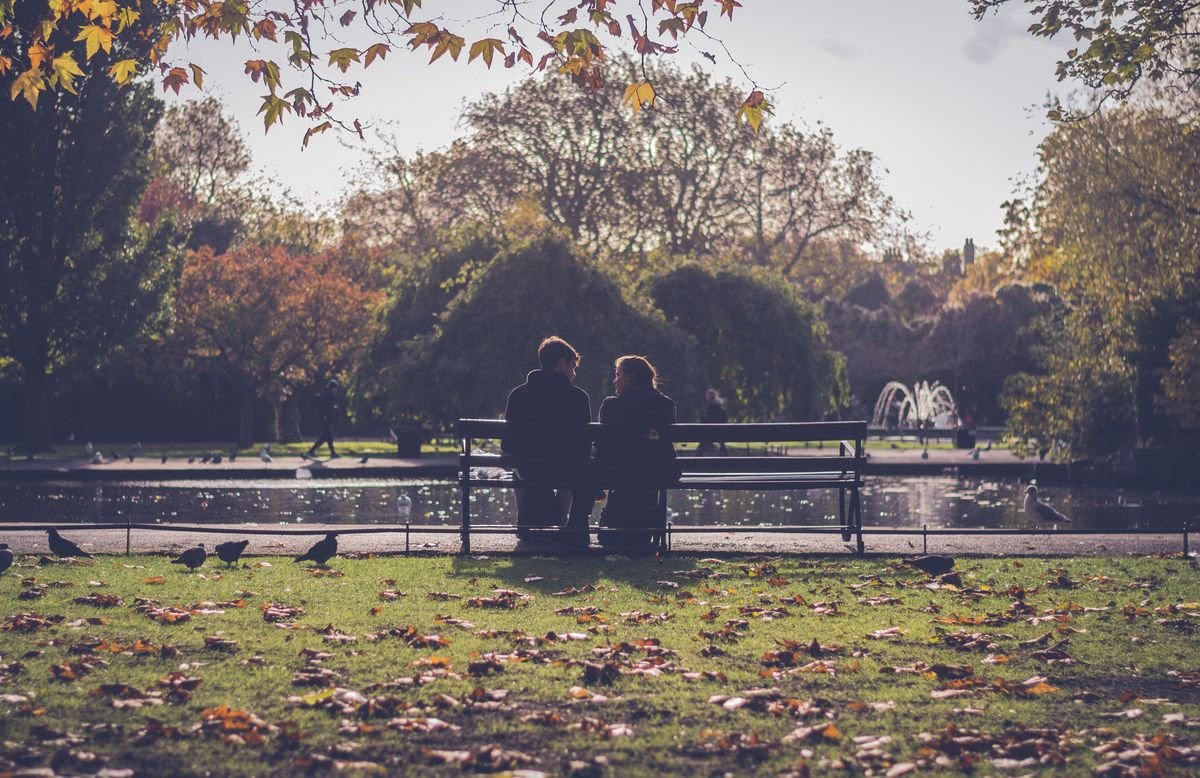
September is the month we’d send most first-timers to. Highs sit around 17C, the streets calm down after the summer rush, and prices start dropping. We did the full Jameson Distillery tour on Bow Street with a four-glass tasting flight, and walking out into a city that wasn’t shoulder to shoulder made the whole thing easier. If you want to do the same, you can book the Jameson Distillery tour on GetYourGuide ahead of time.
You still get enough daylight for a packed day and a long evening, and the weather behaves more than the calendar suggests it should. For our money it’s the smartest month to visit Dublin.
Visiting Dublin in October
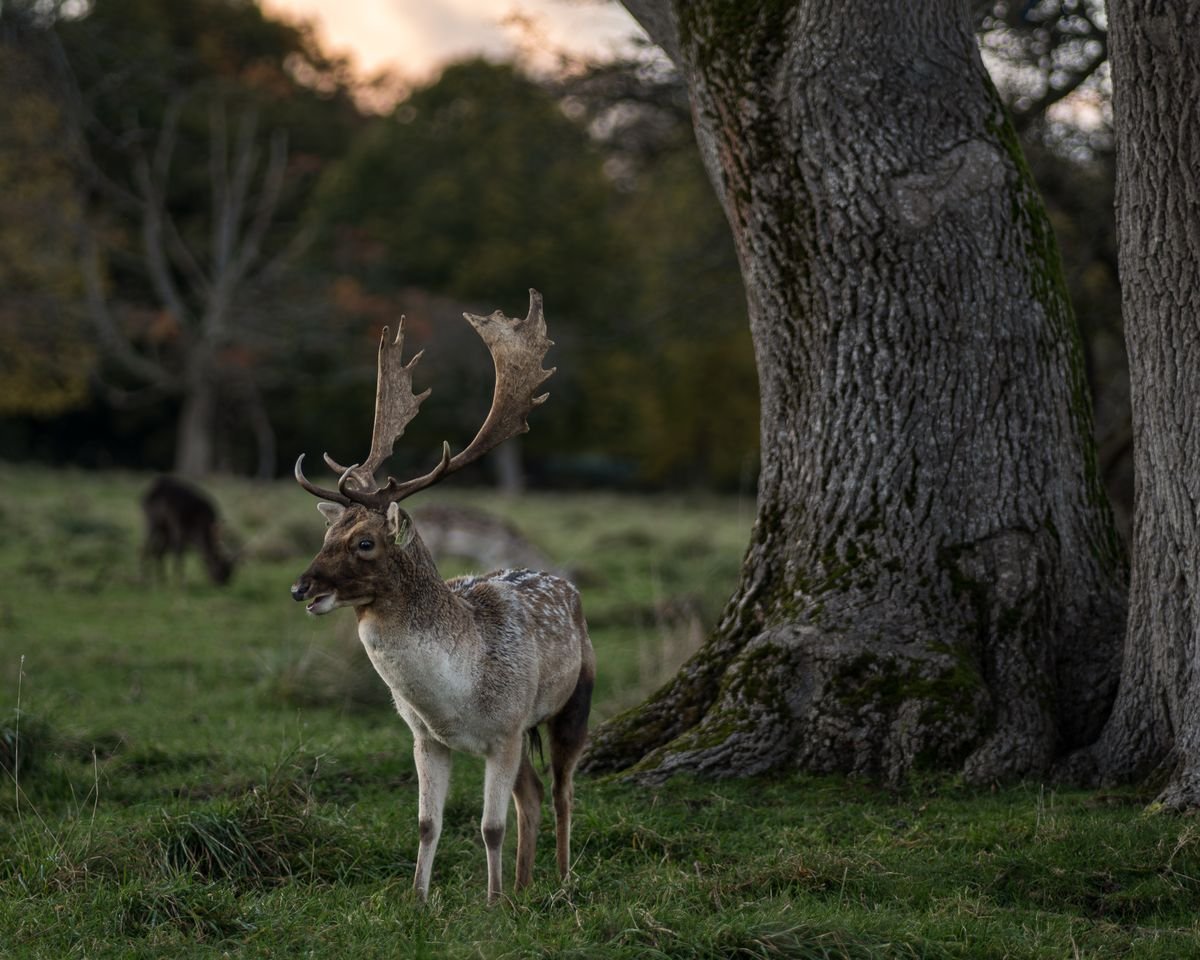
Early October still holds a lot of what makes September good. We had a couple of nights here at the end of our last trip and managed a slow walk up the Liffey Boardwalk and a dinner at Yamamori Sushi, no crowds in sight. The back half of the month gets cooler, wetter, and darker, so aim for the first couple of weeks.
Visiting Dublin in November

November is firmly into the dark, wet stretch. Highs drop toward 9 to 10C and you’ll lose the light by mid-afternoon. The flip side is low prices, no crowds, and a city that feels lived-in rather than touristy. Pack for rain and plan your days around indoor sights.
Visiting Dublin in December
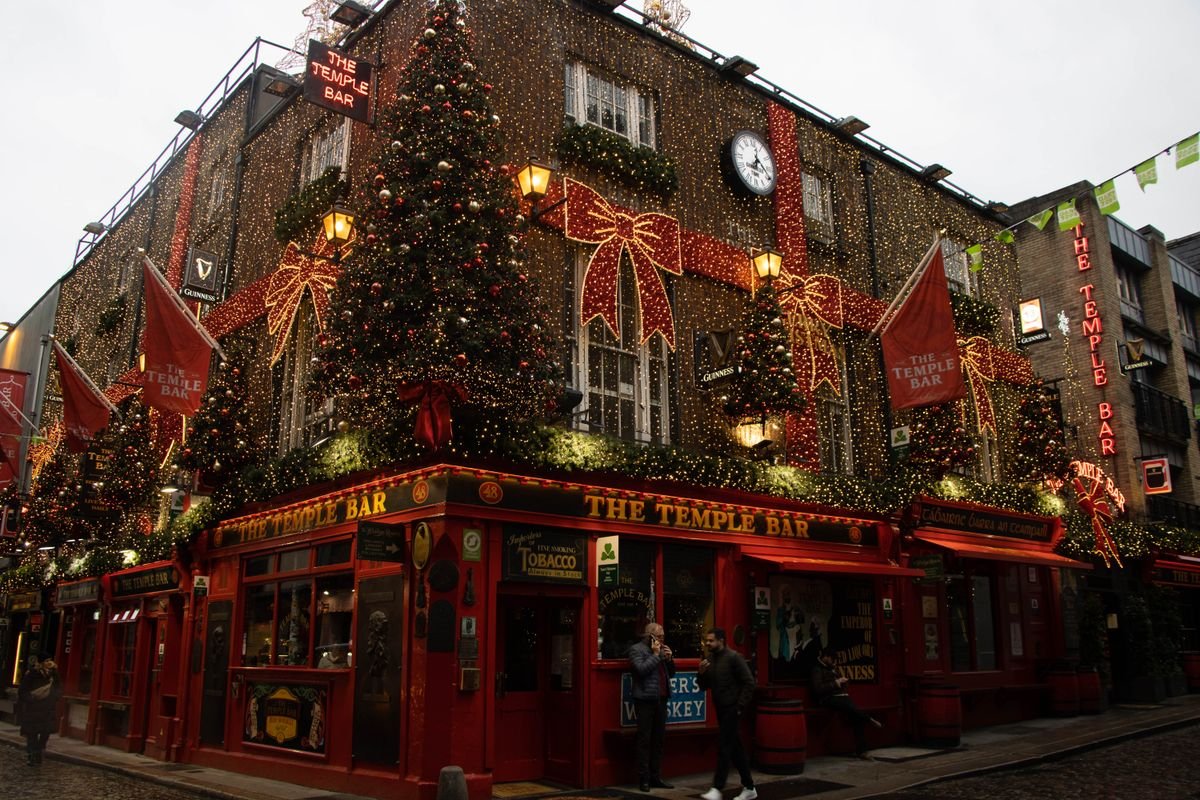
December is short on daylight but long on atmosphere, with the Christmas lights up and markets running around the city. Highs sit around 7 to 8C and the light’s gone by about 4:30pm. Outside the run-up to Christmas it’s one of the cheaper, quieter months, and the festive stuff makes the early darkness easier to forgive.
Cheapest Time to Visit Dublin
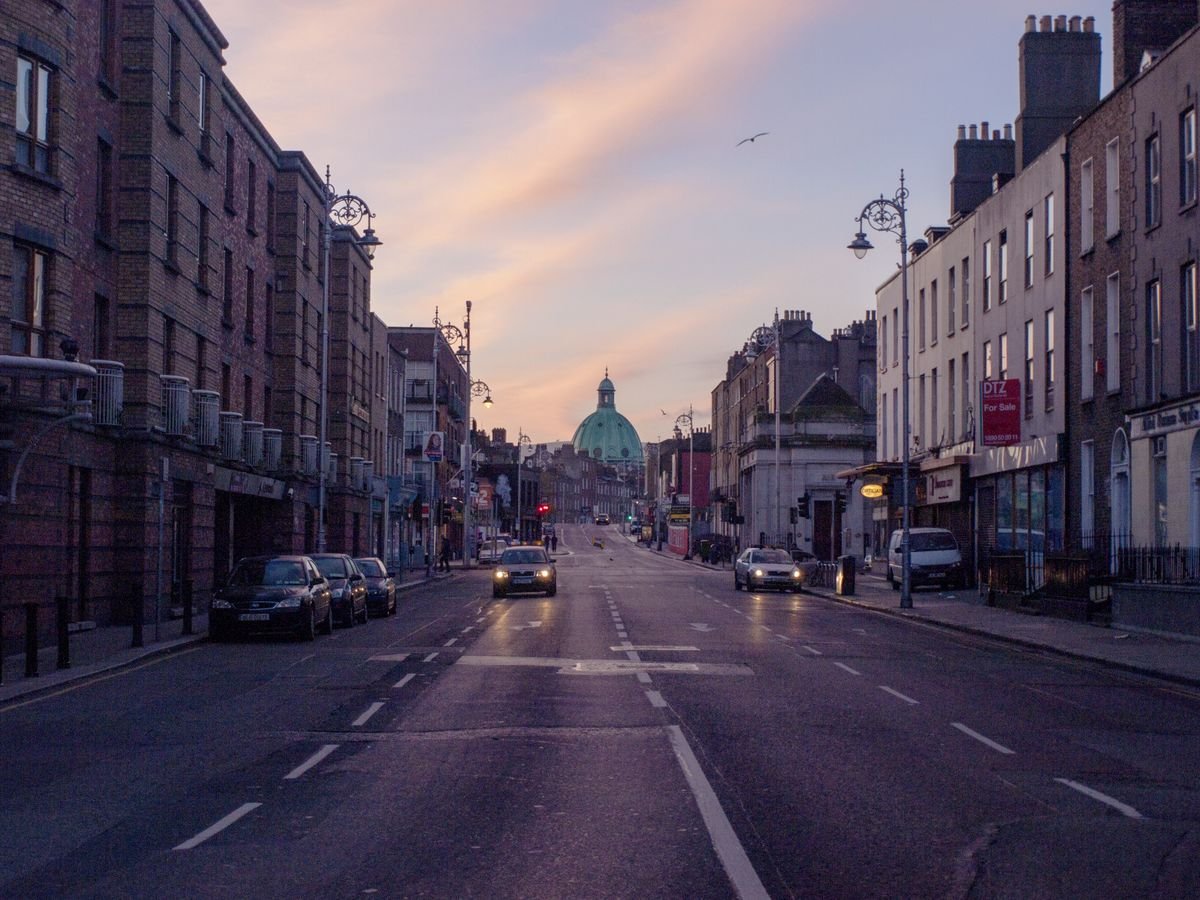
If your trip is built around the budget, the cheapest time to visit Dublin is January and February, with November and early December close behind. These are the dead months for tourism, so flights drop, hotel rates fall, and you can walk into places that have a line out the door in July.
We didn’t travel Dublin in the cheap season ourselves. We arrived on the airport bus in late September and dropped our bags at Fitzsimons Hotel in Temple Bar, well into shoulder season. Even then, the rates had already eased off the summer peak, and that gap only gets wider the deeper into winter you go. It’s worth a look on Booking.com whatever month you land in.
The trade-off is real and worth naming. You’re paying less because the days are short and wet, with the light gone by mid-afternoon and a proper rain jacket non-negotiable. The savings are real, but so is the gray.
A few ways to keep costs down whenever you go:
- Fly midweek and book a couple of months out for the lowest airfares.
- Skip the school holidays and St. Patrick’s Day week, when prices spike hard.
- Stay just outside the very center and walk in, since Temple Bar rooms carry a premium.
One thing to time around on the December bargain: the run-up to Christmas is busy and pricey with the markets on. Aim for early December or the back end of January, and you’ll get Dublin at close to its lowest price of the year.
Where to Stay in Dublin
When Is Dublin Busiest? Crowds and Peak Season
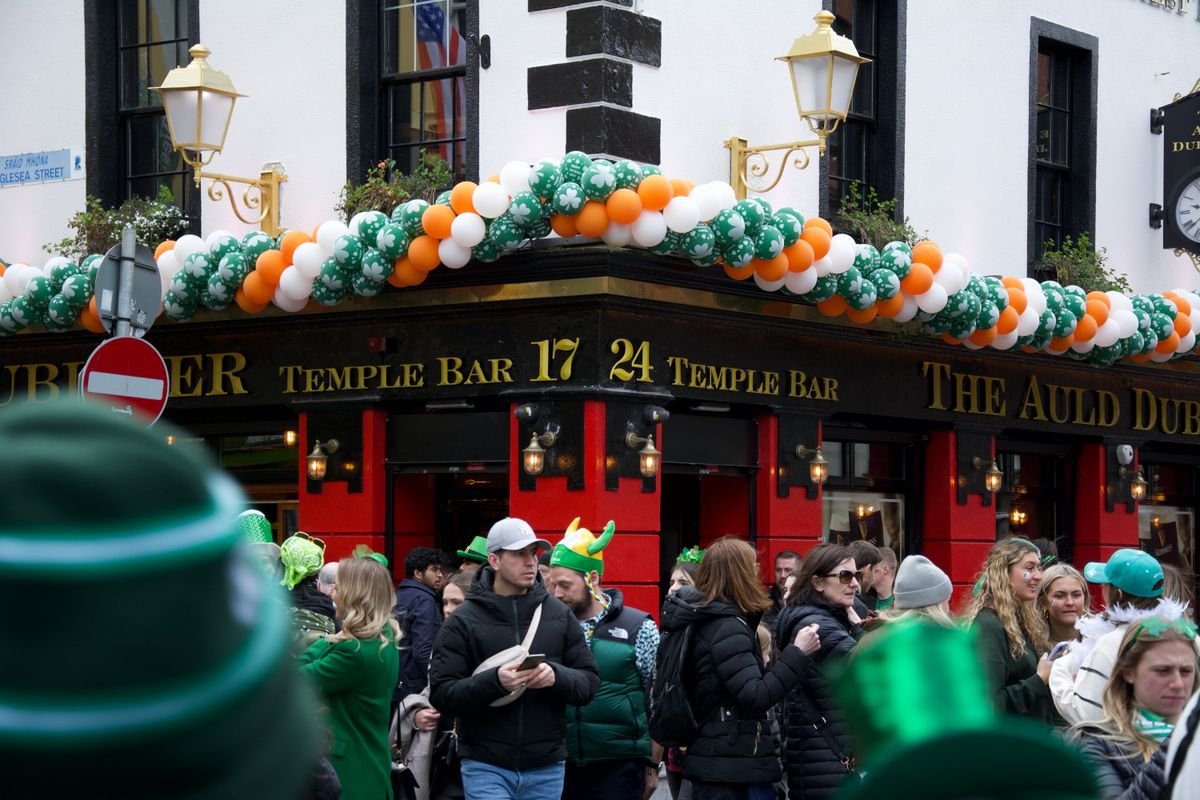
Dublin is at its busiest from June through August, with July and August the absolute peak. That’s when the long evenings, the school holidays, and the most reliable weather all line up, so the city fills with visitors and the prices climb to match.
The other crunch is St. Patrick’s Day week in March. It’s shorter, but for those few days the city is as packed as it gets all year, and beds sell out fast. If you’re not there for the parade on purpose, it’s a week to avoid.
We went in late September, well past the peak, and even then Temple Bar at night was shoulder to shoulder. We did the crawl anyway, Napper Tandy and The Hairy Lemon among them, and they were loud and full. That area stays busy in any month, so picture July with that crowd everywhere, not just one strip.
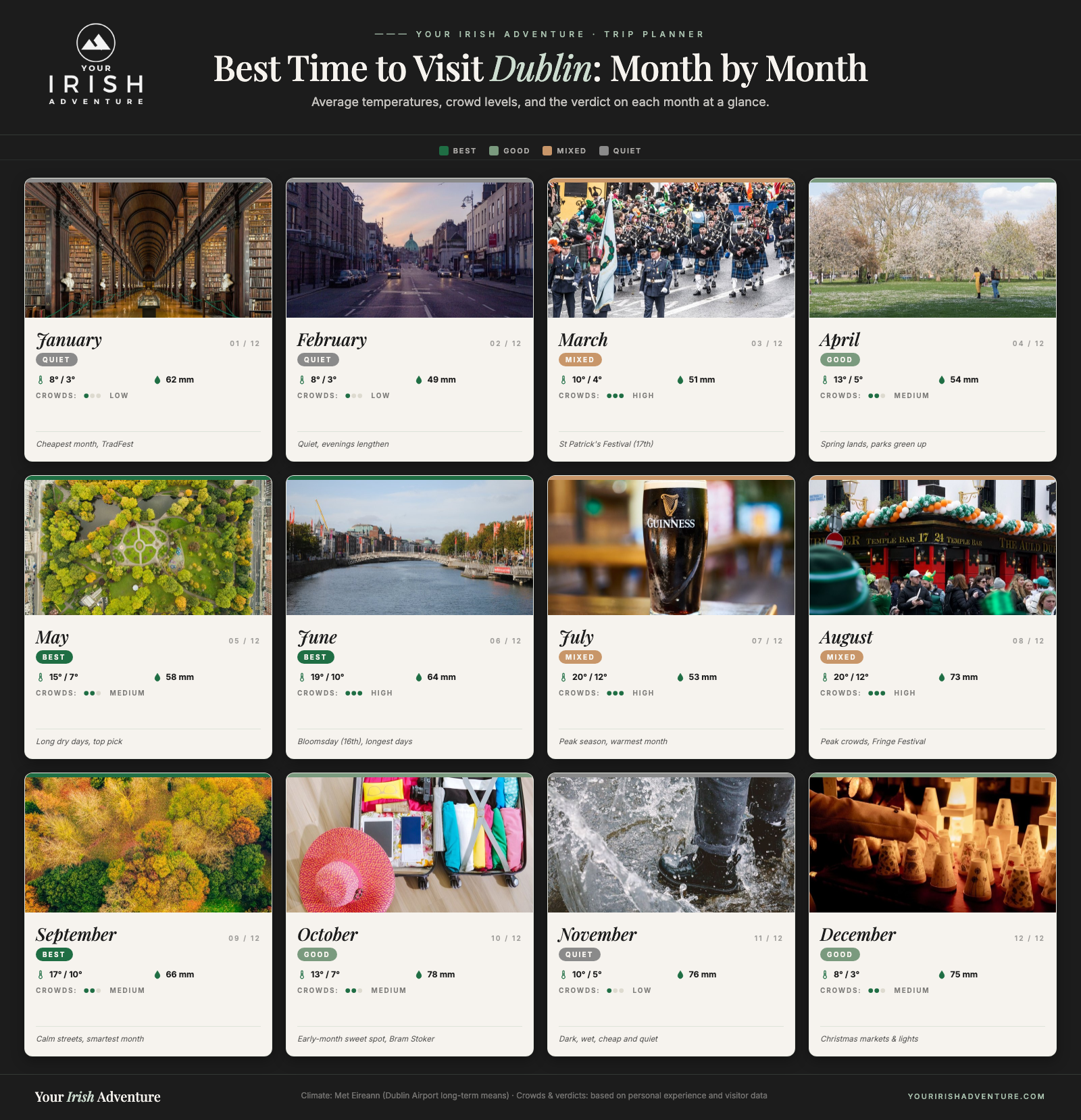
Here’s how the crowds actually stack up through the year:
- Busiest: July and August, plus St. Patrick’s Day week in March.
- Moderate but manageable: May, June, and September.
- Quietest: January, February, and November.
If you want the city without the squeeze, aim for May or September. You still get decent weather and long evenings, but the sights, the tours, and the good restaurants are far easier to get into. Peak summer is fine if the crowds don’t bother you, just book your accommodation a couple of months out and expect to pay top rates for it.
More on Ireland’s Seasons and Weather
- Best Things to Do in Ireland in Winter (2026 Guide)
- Weather in Ireland in October – What’s it REALLY like?
- Weather in Ireland in November: What’s it REALLY like?
- Weather in Ireland in December: Is it Worth a Visit?
Dublin Events and Festivals Calendar
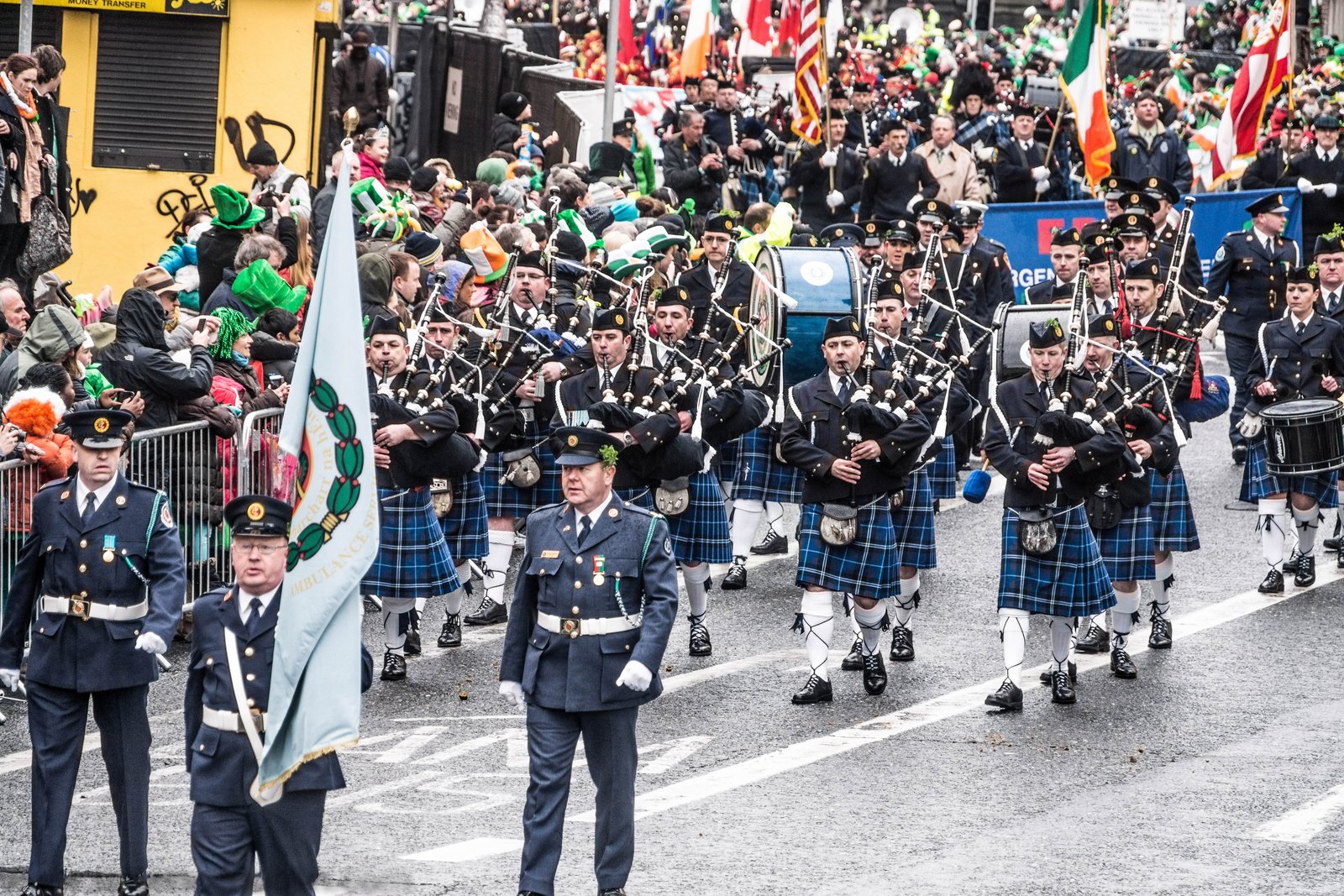
Dublin runs festivals all year, and timing your trip around the right one can make the whole trip. We didn’t plan ours around an event. We went in late September on our last trip and spent our nights on a Temple Bar crawl rather than at a festival, so take the calendar below as the lay of the land, not a play-by-play from us.
The biggest one needs no introduction. St. Patrick’s Festival runs for several days around March 17, with the main parade on the day itself, and it turns the whole city into one long party. It’s the busiest the city gets all year, so book everything months ahead if you want to be there for it.
Here’s how the rest of the year shapes up, month by month:
- January: TradFest brings traditional Irish music to pubs and venues across the city, a good reason to visit in the dead of winter.
- March: St. Patrick’s Festival, the headline act, packing the streets for the parade and the days around it.
- June: Bloomsday on the 16th celebrates James Joyce’s Ulysses with readings and costumed walks, plus summer music festivals like Forbidden Fruit.
- July: Longitude and other big outdoor music events land during peak season.
- September: Dublin Fringe Festival kicks off the theater season with hundreds of shows.
- October: Dublin Theatre Festival runs into the month, and the Bram Stoker Festival marks Halloween in the home city of Dracula’s author.
- December: Christmas markets and light displays run through the festive season, capped by the New Year’s Festival.
If a festival is the reason you’re going, build the trip around its dates and book early, because the big ones spike prices and fill beds fast. If you’d rather avoid the crush, skip St. Patrick’s week and the summer music weekends, and you’ll still catch the city in full swing without paying the festival premium.
What to Pack for Dublin
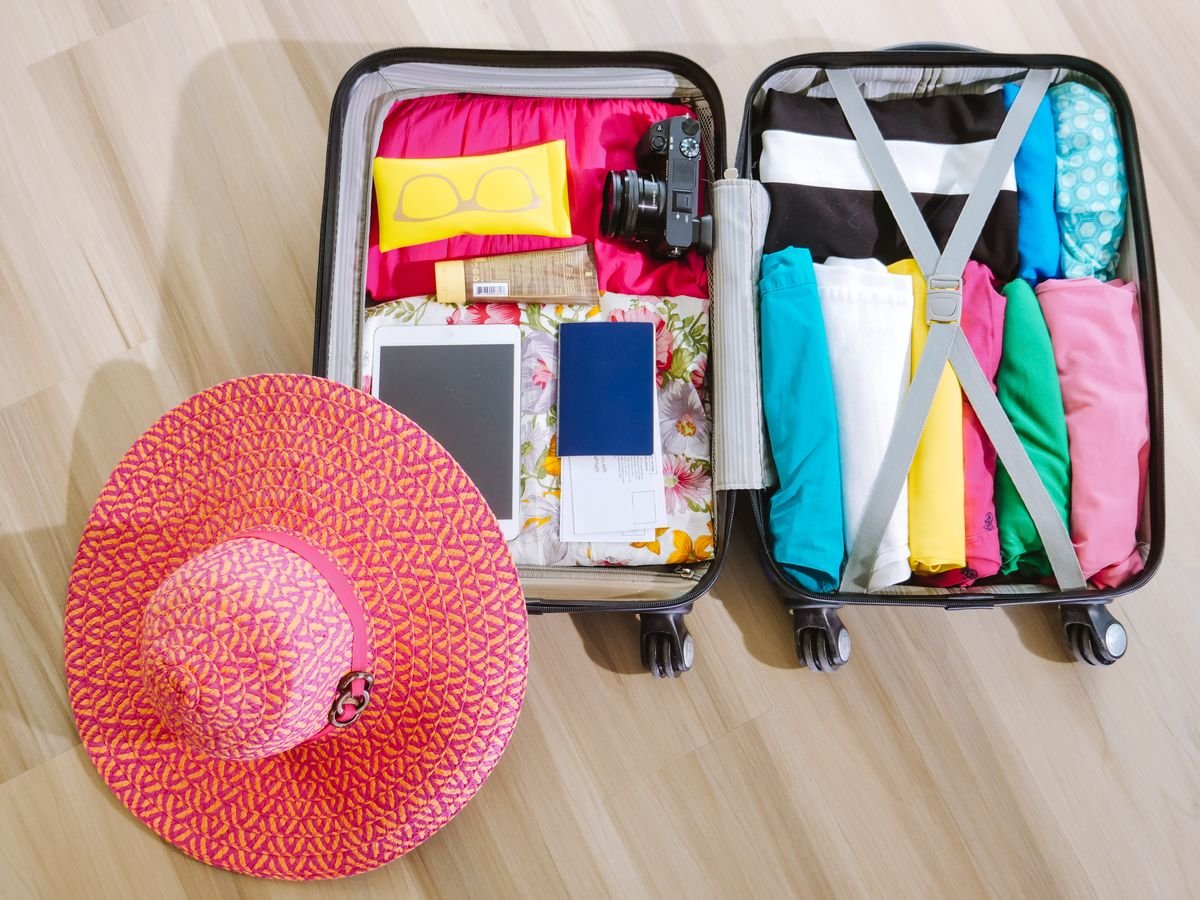
Whatever month you pick, pack for the same basic truth: it could be sunny, it could be drizzling, and it’ll probably be both before lunch. Dublin weather isn’t extreme, it’s just changeable, so the trick is layers you can add and shed all day, not one big coat.
The most-used thing in our bags was a packable rain jacket. We were there in late September, well into shoulder season, and even then we wanted it on hand for our Temple Bar crawl, which we finished up at Merrion Row. A few layers and that jacket covered every evening we had.
Leave the umbrella ambitions at home too. Dublin gets gusty, and a hood beats fighting a flipped-out umbrella on a wet street.
Here’s what actually earns its place in the bag, any time of year:
- A waterproof rain jacket with a hood, ideally one that packs down small.
- Layers you can stack: a few t-shirts, a sweater, and a light fleece beat one heavy coat.
- Comfortable waterproof shoes, since you’ll walk the cobbles and the cobbles will be wet.
- A small daypack for the layers you peel off when the sun shows up.
- A reusable water bottle and a portable charger for long days out.
Season tweaks are simple. For winter, add a warm hat, gloves, and a heavier jacket for the dark, damp evenings. For summer, you can drop the fleece, but keep the rain jacket in, because a hot Dublin day is the exception, not the plan.

Get the rain gear and the footwear right and the weather stops being a problem. Pack for drizzle, hope for sun, and you’ll be set whatever Dublin throws at you.
Explore More of Ireland’s Cities
- 33 Best Things To Do in Galway, Ireland
- Best Things To Do In Cork (City & Day Trips)
- Best Belfast City Tours For First-Time Visitors
- 12 Reasons Kilkenny City Might Just Be Ireland’s Best
Dublin Travel Timing: Frequently Asked Questions
How many days do you need in Dublin?
Two full days covers the big hitters. If Dublin is your only stop, give it two nights minimum, three if you want time to wander a neighborhood like Smithfield instead of just ticking off the center.
What is the worst time to visit Dublin?
St. Patrick’s Day week in March is the one to avoid if you’re not there for the parade on purpose, since prices spike and beds sell out. Peak July and August also bring top prices and crowds at every sight.
Is Dublin worth visiting in winter?
Yes, as long as you know the days are short and wet. You trade daylight for the lowest prices of the year, December Christmas markets, and pubs you can walk into without a wait.
Does it really rain all the time in Dublin?
It rains often but rarely all day; showers blow through and clear. Pack layers and a hooded jacket rather than planning around a forecast you cannot trust.
What is the one thing not to skip in Dublin?
The airport pint of Guinness on the way in or out. It is a small tradition worth keeping, any month you fly in.
In short
- May, June, and September give long evenings, lighter rain, and big sights without the summer crush.
- June and August are the warmest months but also the busiest and most expensive to visit.
- For the cheapest trip, go in January or February and bring a real rain jacket.
- Daytime highs run about 8C in March, 15C by May, and 19 to 20C in summer.
- March brings St. Patrick’s Day, so expect a loud, packed city that whole week.
Final Thoughts: Picking Your Month
So here’s where it all lands. If you want the best odds on weather and long evenings without the full summer crush, go in May or September. Those two months get you most of the upside and very little of the downside, and September is the one we’d point a first-timer to every time.
If the budget runs the show, January and February are your cheapest shot, as long as you make peace with short, wet days. And if peak summer is when you can travel, June through August still works, you’ll just book earlier and pay more for the privilege.
The real takeaway is that Dublin is good in any month if you pack right and set your expectations to match the season. We did our autumn nights without the rain wrecking a single plan, and that was more down to a hooded jacket than to luck.
Pick the month that fits what you’re chasing, book the things that sell out ahead of time, and don’t overthink the rest. Whatever you land on, you’ll have a good trip.
Like it? Pin it!
Save this guide for later