
For a short trip to Ireland in February, I’d combine Dublin’s museums, a castle visit, and the first snowdrops. Keeping the route small lets you move a garden outing to a better-weather day without changing hotels. I’d wait until later for a trip centered on long coastal walks.
The extra daylight makes a difference as the month goes on, but February is still cold. A public holiday, school breaks, and rugby fixtures also mean you shouldn’t assume every weekend brings cheaper rooms.
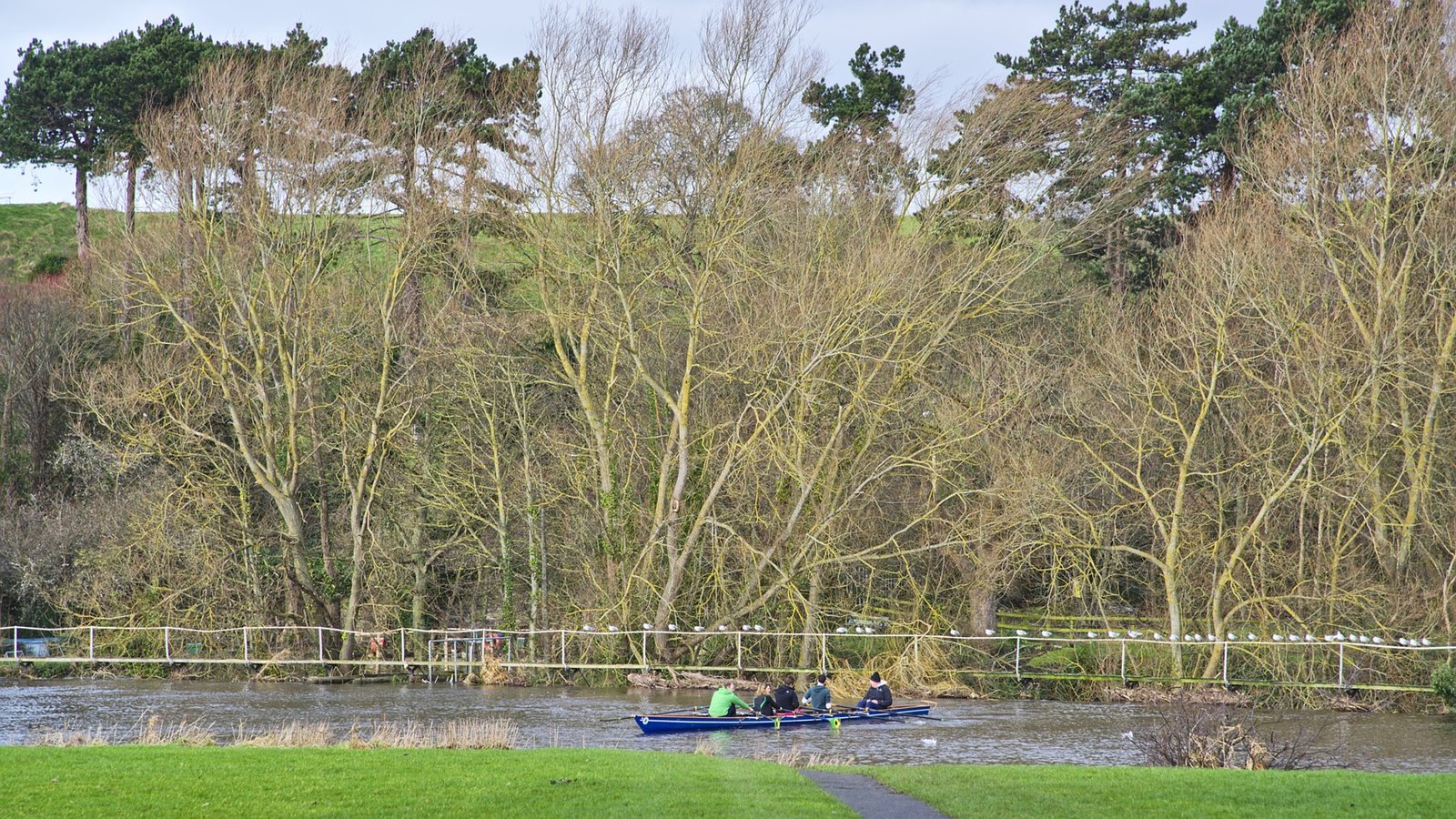
This guide covers the weather, the dates to check before booking, and a five-night plan that combines Dublin with Kilkenny and an optional garden visit.
Quick Answer:
February suits a short Ireland trip built around museums, castles, meals out, and walks when the weather allows. Dublin and Kilkenny work as two bases for five nights, with Altamont Gardens as an optional snowdrop outing. Expect cold weather and changing conditions. Before booking, compare your dates with the public holiday, home rugby fixtures, school breaks, and festival programs.
Is February a Good Time to Visit Ireland?
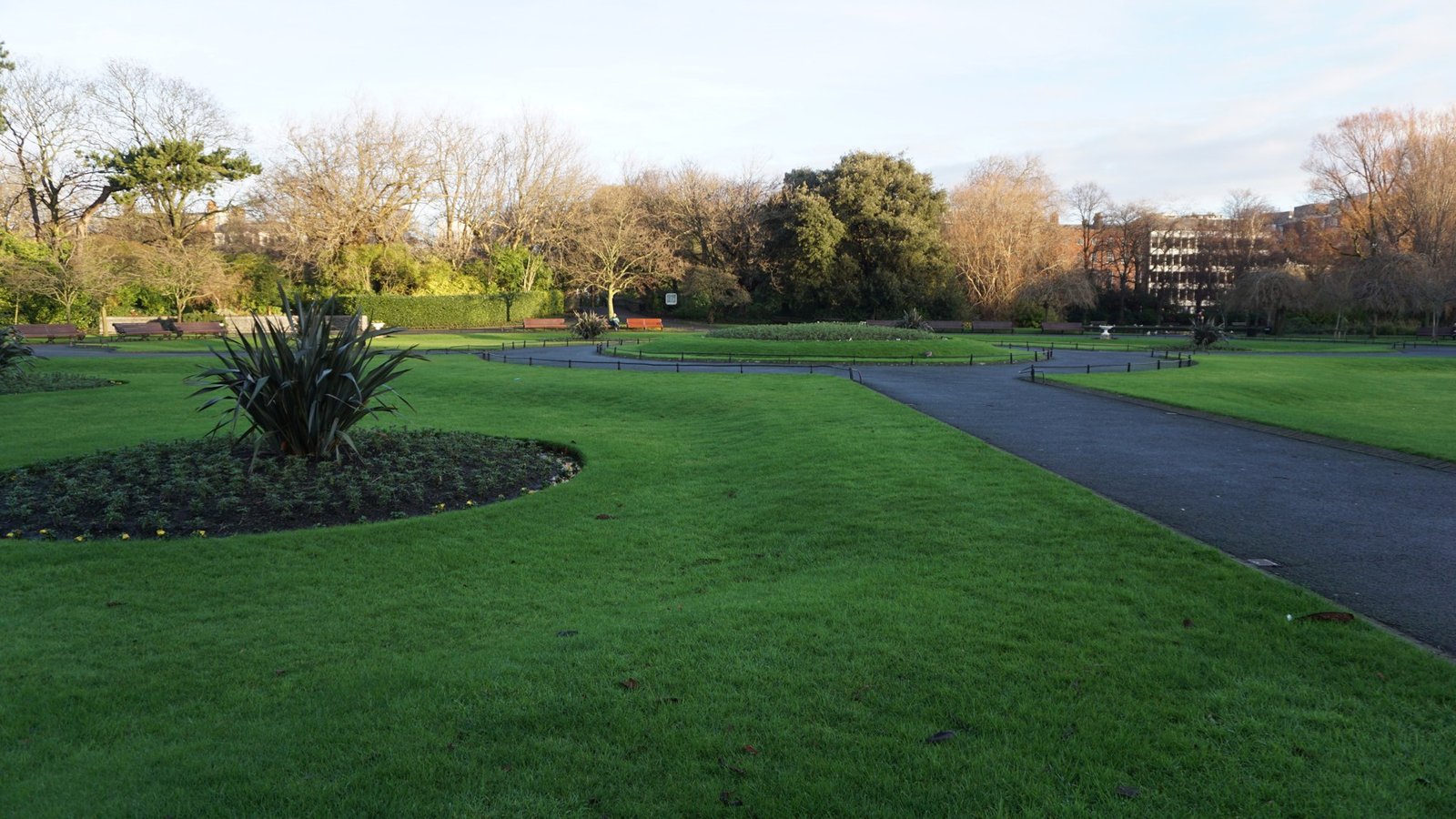
February works best when you enjoy museums, historic houses, meals out, and shorter walks as much as countryside sightseeing. You can spend the brightest part of a dry day outdoors, then visit a gallery or settle into dinner once the light goes.
I wouldn’t choose it for a first trip with a long list of Atlantic viewpoints. Wind can make an exposed stop unpleasant or unsafe, and a low cloud ceiling can hide the scenery you drove across the country to see. Moving that outing to tomorrow is much easier when you’re staying two nights in the same place.
The advantage over midwinter is the growing day. Late February gives you more time between sunrise and sunset than the beginning of the month, even though the temperature may barely improve. That is useful for gardens and sightseeing drives, rather than a promise of spring weather.
Plan Your Dublin and Kilkenny Days
- A Weekend in Dublin, Ireland: The Perfect 2 Day Itinerary
- A Perfect Weekend in Kilkenny: A Local’s Guide
- 7 Things To Do In Dublin When It Rains
There can be good accommodation offers, but compare your actual dates before deciding that February will save you money. A Dublin rugby weekend and a weekday stay in Kilkenny are different purchases. Check the total for the room, transportation, and the activities you want.
For a broader comparison, our best time to visit Ireland guide helps you weigh February against the rest of the year. My preference for a first February visit is a compact route with two places to sleep, rather than a different hotel every night.
Ireland in February: Weather and Daylight
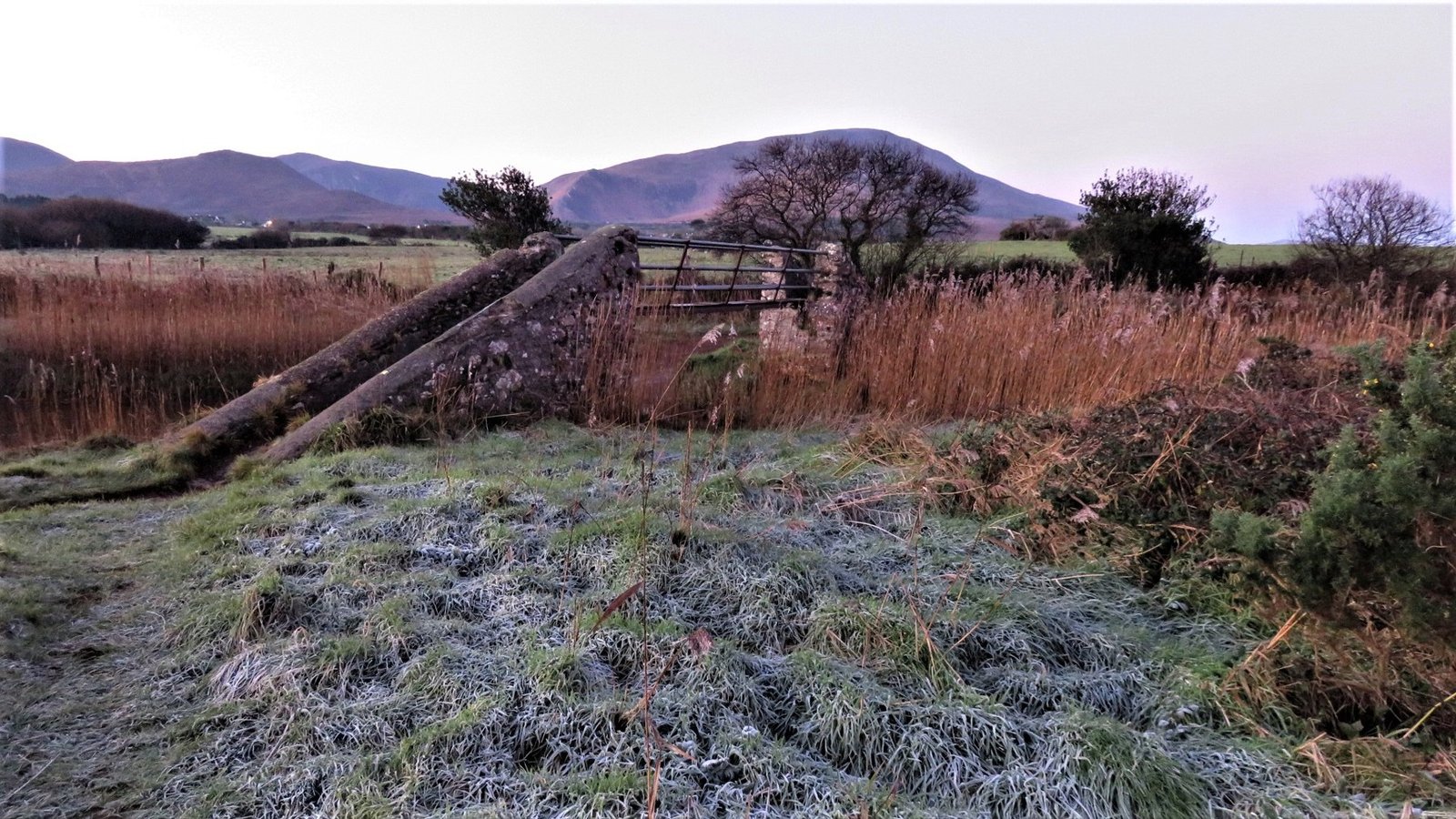
Expect cold, changeable conditions, with rain possible throughout your trip. Frost, snow, and strong winds can also occur. Monthly averages help with packing, but the local forecast should decide an outdoor day’s plans.
The east and west do not receive the same amount of rain, and an airport measurement is not a forecast for a mountain or an exposed headland. Use the figures below as a comparison between named weather stations.
Temperatures and Rainfall
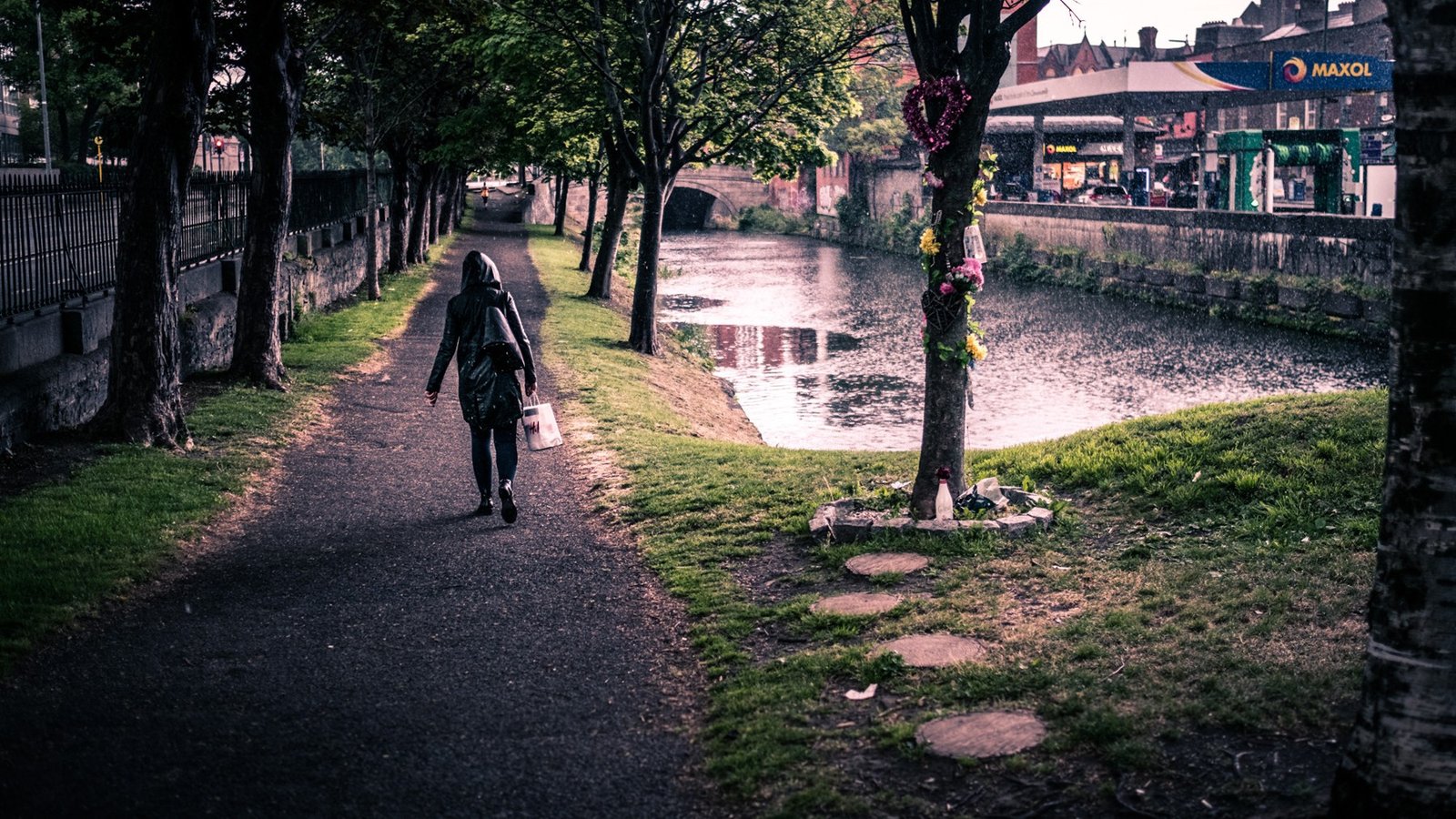
Met Éireann’s long-term averages put Dublin Airport’s February mean daily high at 8.5°C (47.3°F) and its mean daily low at 2.2°C (36°F). Those are averages of daily highs and lows, so individual afternoons can be warmer and individual nights can fall below freezing.
Cork Airport has the same average high of 8.5°C (47.3°F), with an average low of 3.2°C (37.8°F). Its February rainfall total averages 97.2 mm, compared with Dublin Airport’s 52.4 mm. These station records make the difference in rainfall clearer than a single number for all of Ireland.

A monthly rainfall total doesn’t tell you how many usable hours you’ll have outside. Rain can arrive in bursts, persist through an afternoon, or miss your particular town. I would leave one outdoor activity unbooked so it can move to the day with the better forecast.
Check Met Éireann’s warnings before a countryside drive or an exposed walk. A dry-looking morning isn’t a reason to ignore a warning for later in the day. Northern Ireland has a separate warning service through the UK Met Office.
How Much Daylight Will You Have?
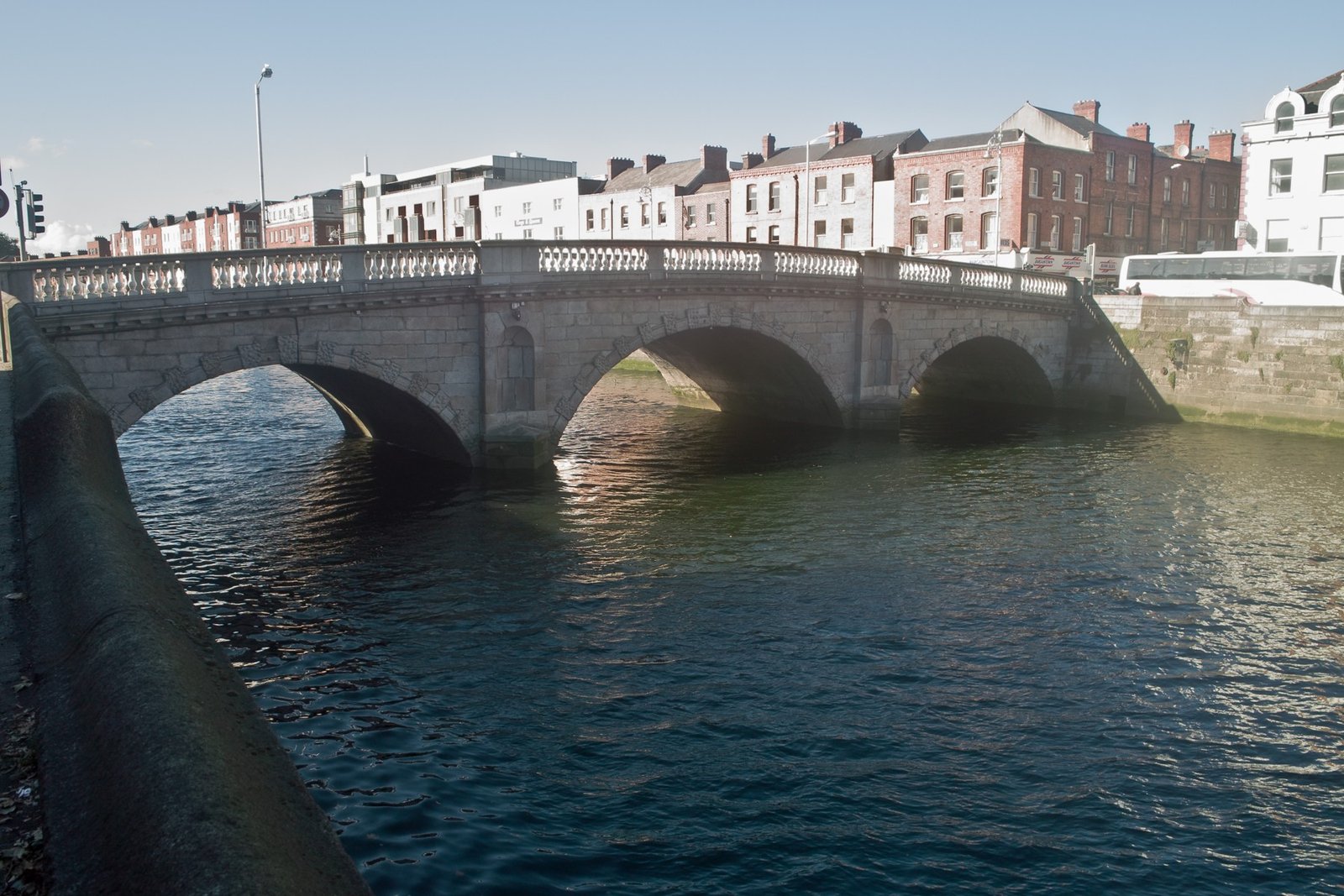
Dublin gets roughly nine hours of daylight at the start of February and about ten hours and forty-five minutes by the end. The gain is close to two hours over the month. Galway’s sunrise and sunset occur later on the clock, so use the times for your actual destination.
Daylight is the interval between sunrise and sunset. Sunshine is the time the sun is actually visible, which will be much shorter on a cloudy day. Neither measure guarantees that a garden, castle, or visitor center stays open until sunset.
I prefer late morning for a winter walk, followed by lunch and an indoor stop. That leaves some room for a slower start after frost, and it avoids relying on the last light to finish an unfamiliar path.
For a driving day, work backward from the last admission time of your final attraction. An extra hour of evening light is welcome, but it won’t help if the entrance closes before you arrive.
Check the February Calendar Before Booking
Look at event dates before paying for flights and accommodation. February has several reasons for a particular city or weekend to behave differently from the rest of the month.
Start with the early-month public holiday, then check school breaks and Dublin’s rugby fixtures. The calendar matters even if you don’t plan to attend an event: it can affect the rooms and restaurant tables available on your dates.
St. Brigid’s Celebrations and the Public Holiday

St. Brigid’s celebrations give early February a reason to visit that you won’t get in another month. Dublin City Council’s Brigit program includes events celebrating women’s work and creativity, such as talks, performances, and workshops. Check the new program when it is announced, since venues and booking requirements change.
The Republic of Ireland’s February public holiday normally falls on the first Monday of the month, with an exception when St. Brigid’s Day falls on a Friday. Consult the Workplace Relations Commission’s public-holiday calendar for your travel year.
Northern Ireland follows a different public-holiday calendar, so don’t assume the same Monday arrangements apply in Belfast. In either jurisdiction, look up an attraction’s own opening times rather than treating a public holiday as a blanket closure.
Book a particular workshop or performance once its organizer releases tickets. I would leave the rest of that day flexible instead of collecting reservations at venues across the city.
Rugby, School Breaks, and Film Events

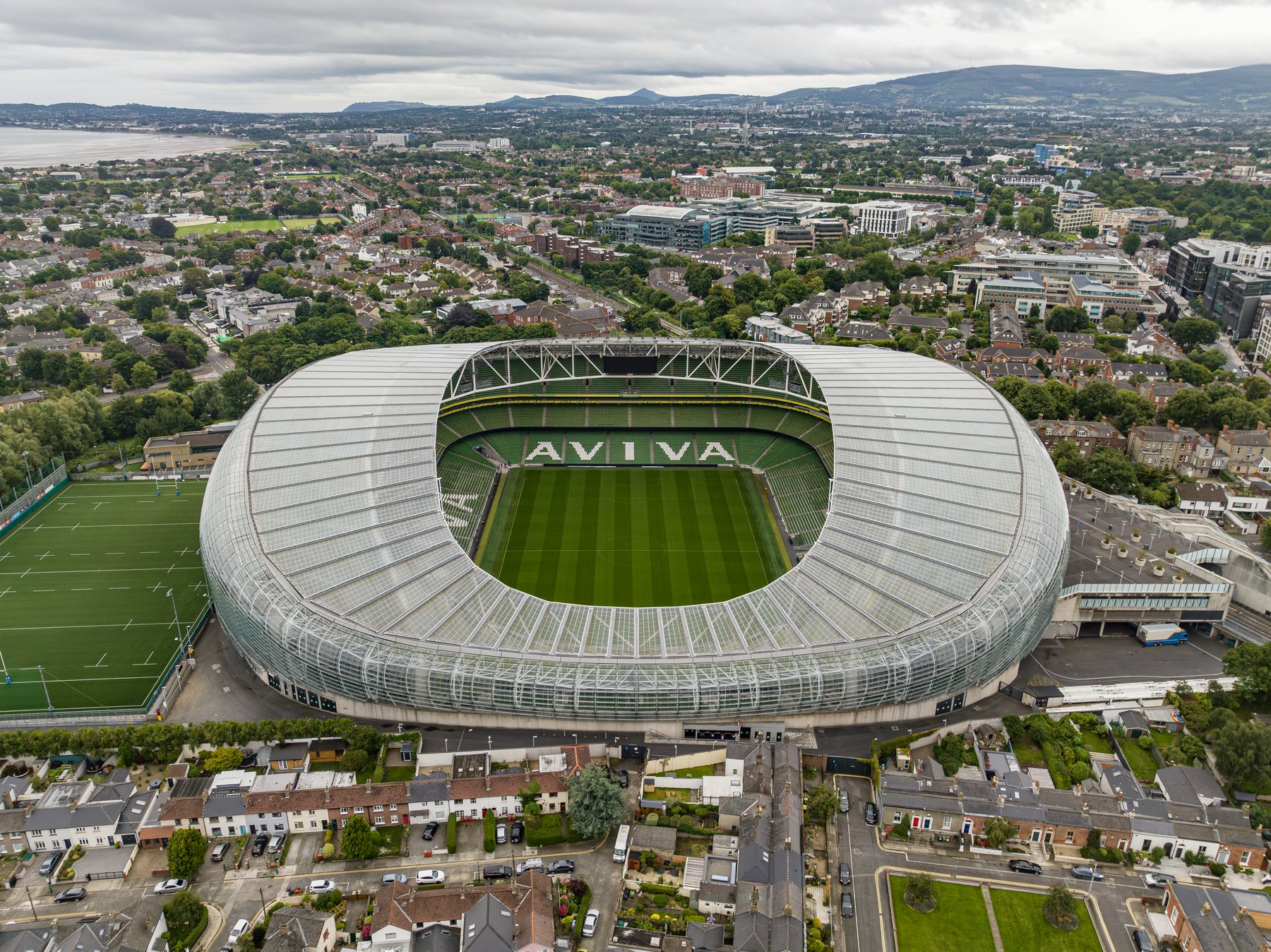
The Men’s Six Nations takes place across February and March, and Ireland plays some fixtures at the Aviva Stadium in Dublin. Check the official Irish Rugby fixture list for home matches. An Ireland match in Rome or Cardiff does not mean Dublin is hosting that game.
A home fixture is a reason to compare hotel prices across adjacent nights before booking. If you’re attending, arrange accommodation alongside the match ticket. If you aren’t, another set of dates may suit your budget better, but there is no fixed saving to assume.
Schools also have a February midterm break. The timing and length depend on the school system and, for some primary schools, individual arrangements. Families planning attractions together should check the relevant school calendar and reserve any timed entry they particularly want.
The Dublin International Film Festival is another possibility for a February city break. Use the festival’s current program to check dates and screening venues before planning an evening around it; don’t rely on the previous edition’s schedule.
Things to Do in Ireland in February
For a first visit, I would spend three nights in Dublin and two in Kilkenny. Arrival day and departure day are separate from the four full sightseeing days this gives you. That is enough for two days in Dublin, a transfer with time in Kilkenny, and a final day for the castle or Altamont Gardens.
The map shows the three places in this plan. Dublin and Kilkenny are overnight bases; Altamont is an optional garden outing in County Carlow. It is not a third hotel stop or an instruction to visit all three places in one day.
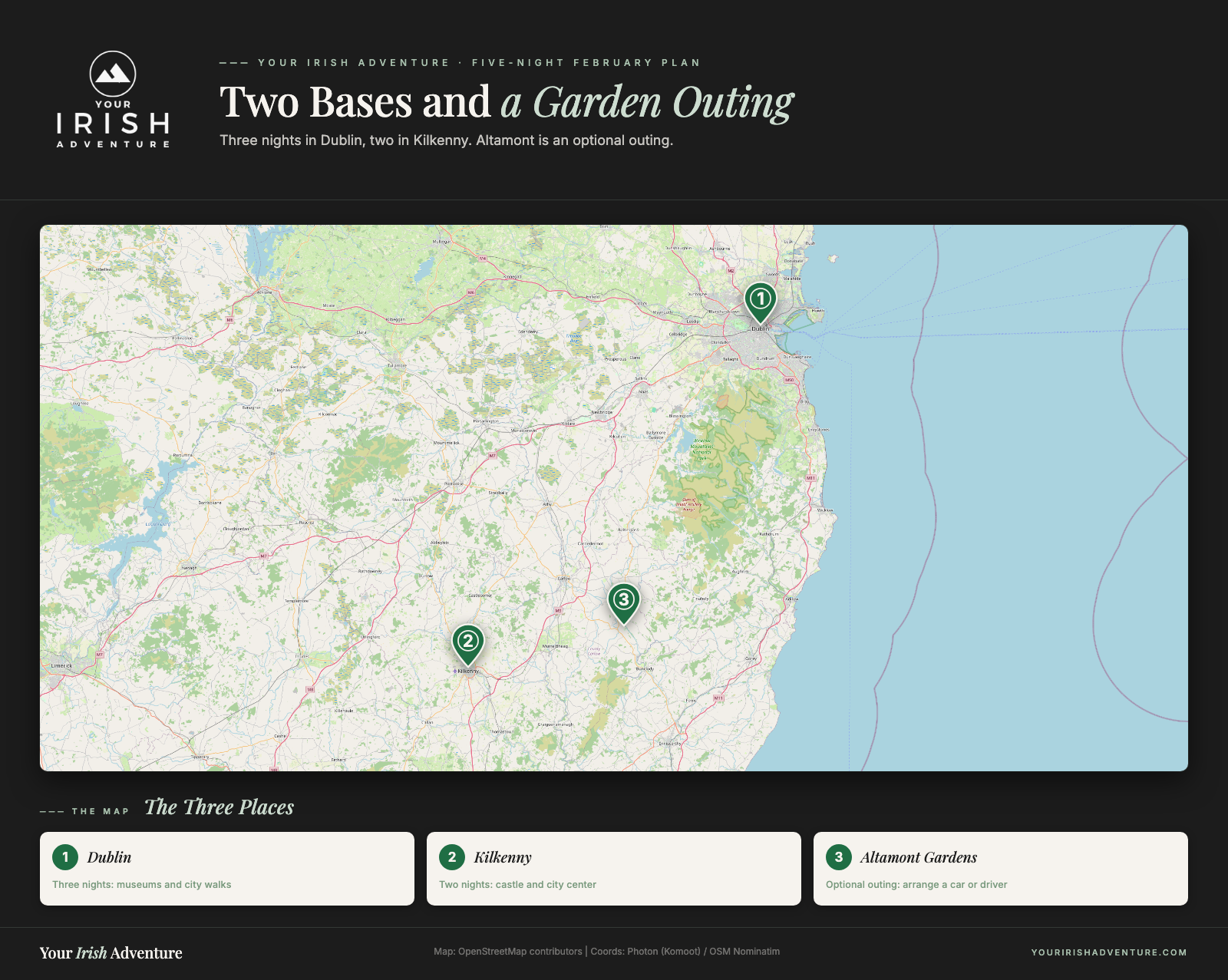
Travel by train if Dublin and Kilkenny are enough for you. Add a car only if you want the rural garden visit and other countryside stops. Altamont needs its own transportation plan, rather than an assumption that the Dublin to Kilkenny train stops at the gate.
With fewer nights, keep Dublin as your base and choose one outing. With more time, add nights before adding distance. A second chance at an outdoor visit is particularly useful in February.
Spend Two Full Days in Dublin
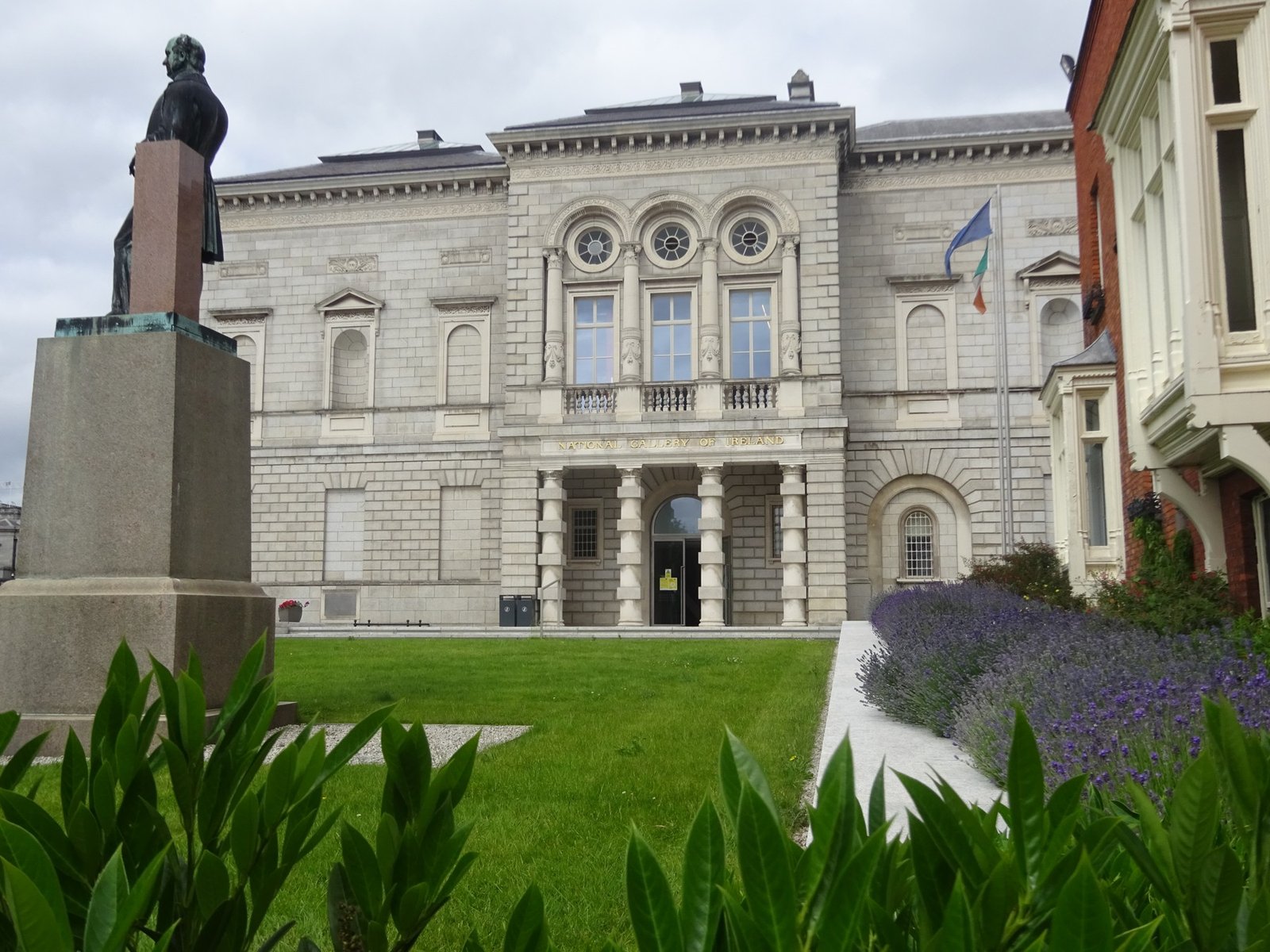
Use one day for the area around Merrion Square and Kildare Street. The National Gallery of Ireland’s permanent collection is free, and the National Museum of Ireland’s Archaeology museum is nearby. They make a practical pair because you can spend longer inside either building if the rain continues.
The gallery normally opens late on Thursdays, which helps keep daylight free for a walk. Check its hours and exhibition ticket rules before you go. The Archaeology museum has later opening on Sundays and Mondays, so don’t arrive expecting a full morning visit on those days.
For your second day, choose one paid indoor attraction that actually interests you, such as the Guinness Storehouse, then leave time for a city walk and lunch. Buying every available ticket won’t make the day better, and it removes your ability to change plans if the forecast improves.
A dry spell is a good opportunity for St. Stephen’s Green or a walk along the River Liffey. I’d keep a coastal outing optional rather than making it the only plan for the last day. Urban parks and museums give you easier alternatives when wind makes the coast unappealing.
Visit Kilkenny Castle and Stay in the City
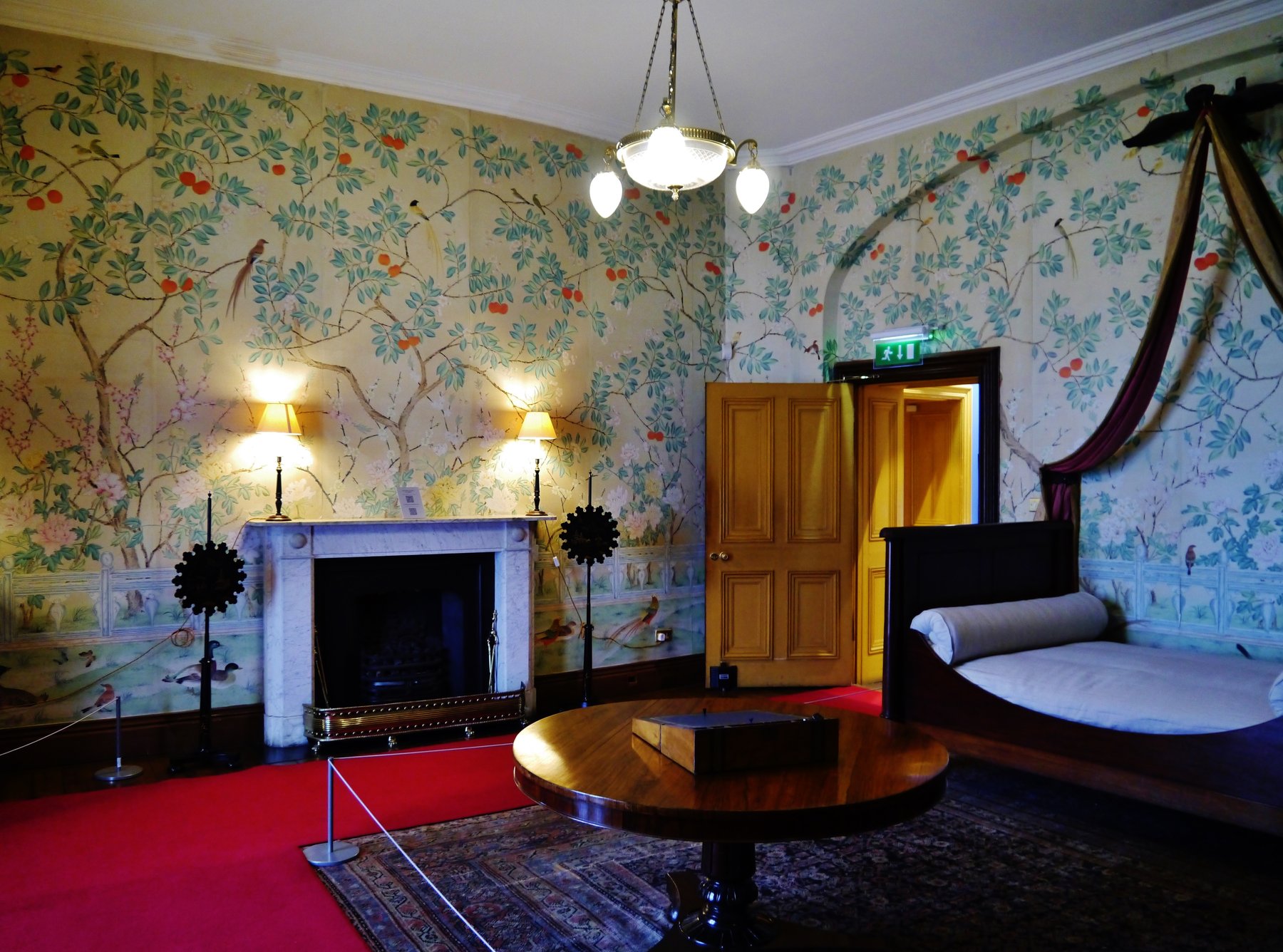
Kilkenny gives this trip a smaller city and a castle interior without requiring a long coastal drive. Stay within walking distance of the center, then spend time around the castle, the streets beside it, and the River Nore when conditions suit.
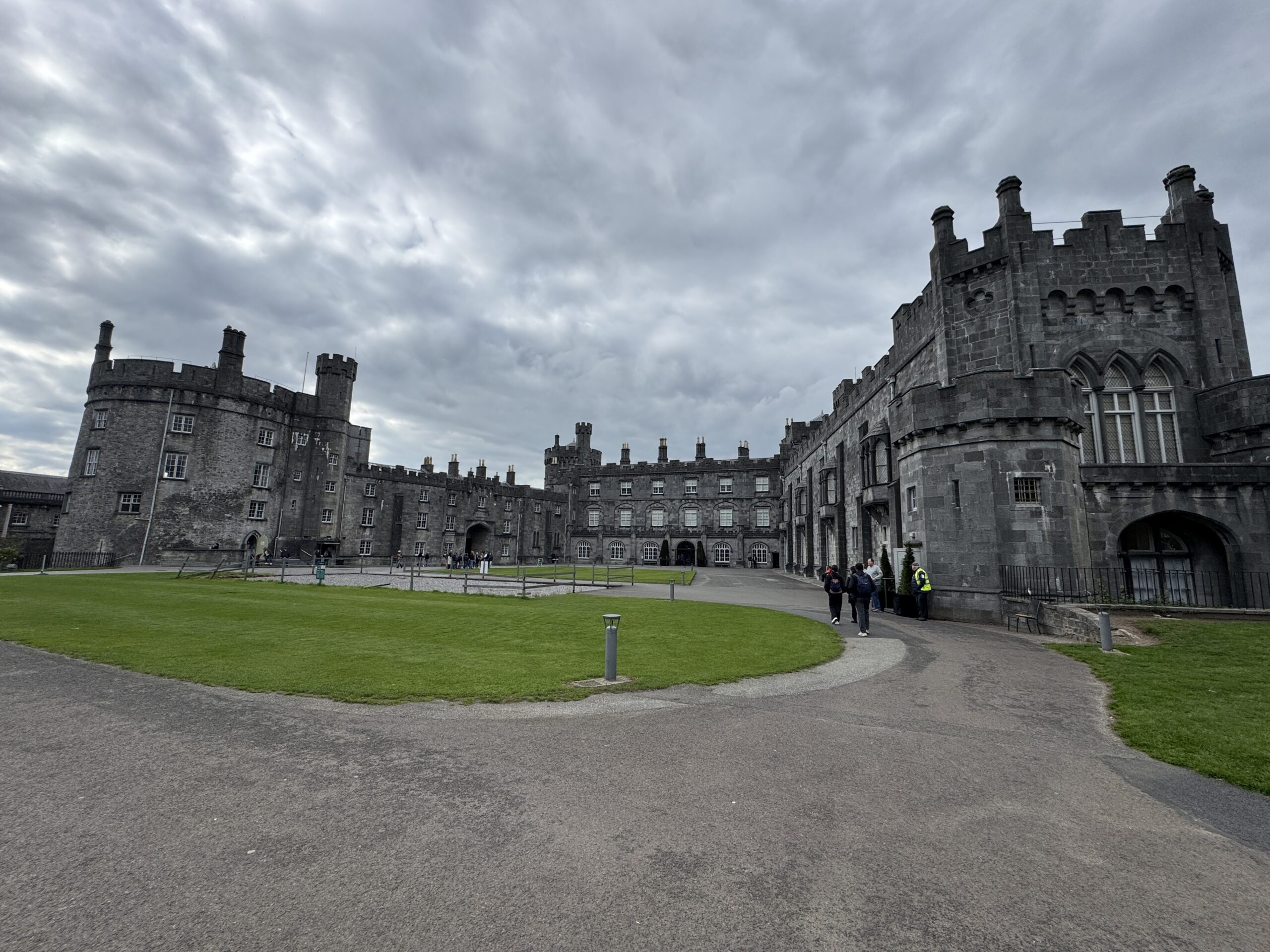
Kilkenny Castle is open throughout the year. Its winter schedule currently runs from 9:30 a.m. to 5 p.m., with last admission at 4:30 p.m. The park has its own hours, so check both if you want to combine the rooms with a walk.
The furnished rooms and Picture Gallery make the castle useful on a wet February day. Adult self-guided admission is currently €8. Buy from the official OPW booking link: the castle explicitly says third-party ticket sellers are not authorized.
I would visit the interior before the final admission window, rather than squeeze it in after a countryside outing. Two nights here let you give the castle proper time and move a garden visit if the weather changes. Choose a restaurant for dinner before heading out, especially on a public-holiday weekend.
See Altamont Gardens’ February Snowdrops
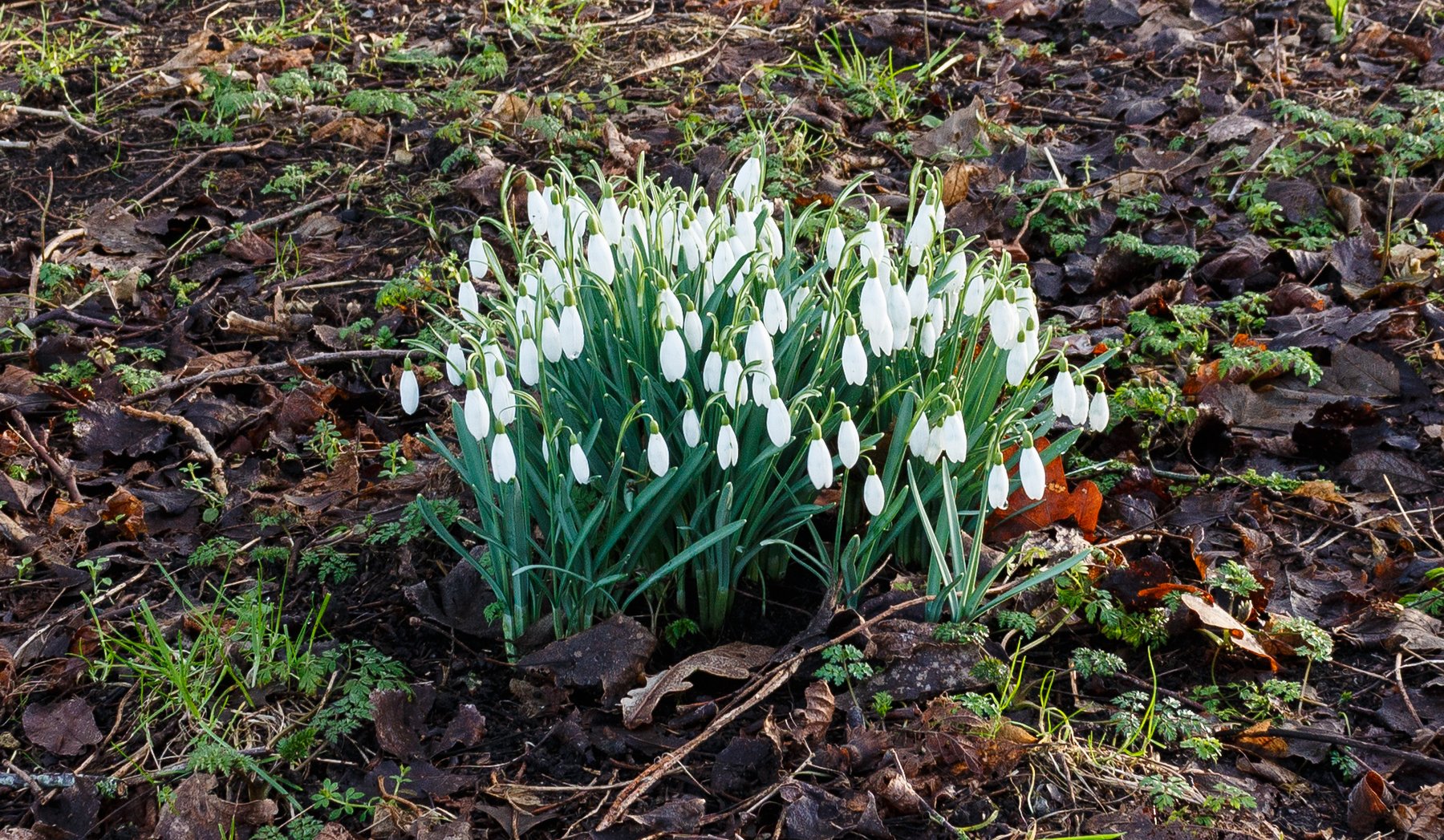
Altamont Gardens near Tullow in County Carlow is my garden choice for this month. The OPW lists February snowdrop walks, and these early flowers give you a specific reason to go before the main growing season. The exact flowering stage varies with weather, so check with the garden before traveling just for the display.
The snowdrop photograph here was taken in the Netherlands and illustrates the flower, rather than Altamont’s display.
Allow one to two hours for the garden, which is the OPW’s suggested visiting time. February opening is currently 9 a.m. to 4:30 p.m., with last entry half an hour before closing. Admission is free and the parking lot costs €2.
The garden can close during severe weather. Call ahead before setting off after a storm, and wear shoes that can cope with wet, uneven ground. You can appreciate the planting without attempting every path down toward the river.
Altamont is easier with a car or a prearranged driver. Confirm both outward and return transportation before leaving Kilkenny; a rural attraction’s postal address doesn’t tell you whether a convenient bus serves its entrance.
Don’t combine this outing with a long list of additional stops. Return to Kilkenny with time for dinner, or visit the castle instead if the garden closes. The snowdrops are a February opportunity, not a reason to ignore the weather.
Driving and Public Transportation in February

Dublin and Kilkenny can be combined without a rental car. Use Iarnród Éireann’s journey planner for Dublin Heuston to Kilkenny MacDonagh, checking your actual date and return options. Planned engineering works can change the service, so recheck shortly before traveling.
Heuston is a different station from Connolly. Allow time to reach the correct departure station, especially if you’re coming from the airport or crossing Dublin with luggage.
Renting a car makes sense for Altamont and a wider countryside trip. I would collect it when leaving Dublin, after the city portion of the visit. Compare the full rental terms, including insurance, the deposit, and parking at your accommodation.
More Help Getting Around
- How To Get From Dublin Airport to Dublin City Centre
- The Definitive Guide To Driving in Ireland For Tourists
- Where To Stay in Dublin: Best Areas and Accommodations
On rural roads, allow extra time for rain, standing water, and possible ice. Keep the route on suitable main roads when the forecast is poor, and avoid adding an unfamiliar mountain road as a scenic shortcut. Check official weather warnings and local road information before leaving.
A west-coast trip is possible, but I’d give it a separate plan with multiple nights in each base. Check winter opening dates and transport departures individually. Ferries and weather-dependent tours need a replacement activity that you would still enjoy if the original outing is canceled.
Where to Stay for This February Trip
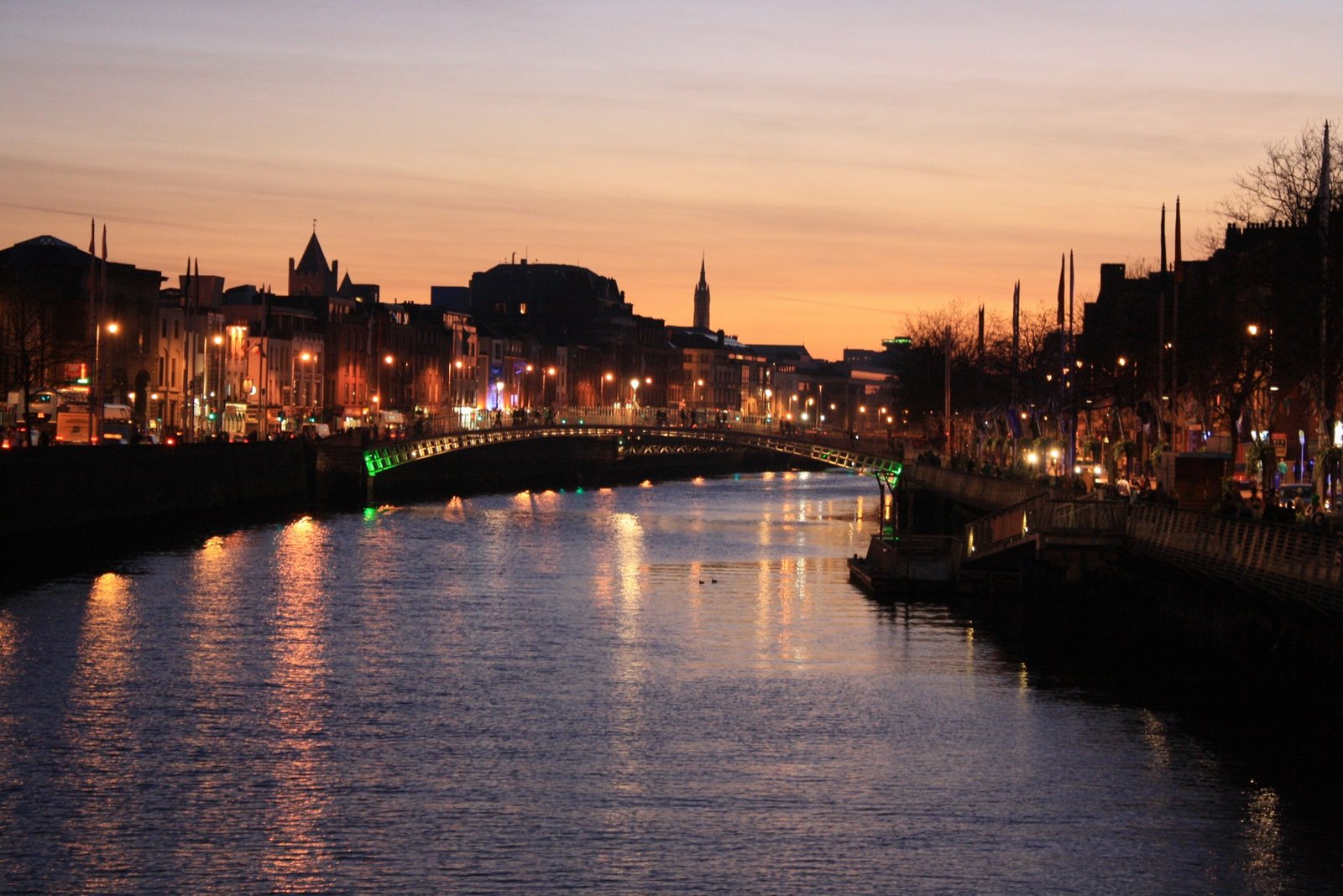
For the Dublin nights, prioritize the location you will use after dark. A room that lets you walk to dinner and the next morning’s attraction can be more useful than a cheaper rate followed by repeated taxi journeys.
The Dublin options below are individual properties to compare, with different distances from the center. Check the map, room type, cancellation terms, and your complete stay price on Booking.com. These are booking options, not claims that every room is available on your dates.
2 Mikes Homestay offers a stay in a residential terraced house, while Henrietta Suites occupies a Georgian building on Henrietta Street.
The Merrion is a five-star hotel opposite Government Buildings, with a pool and several dining options. I’d compare the first two for a smaller property, and The Merrion if having more facilities at the hotel matters to you.
Compare These Dublin Stays
In Kilkenny, I would choose accommodation within walking distance of the castle and city-center restaurants. If you have a car, ask about parking before you reserve; a central address does not guarantee a space.
Sandbury Town House offers room-only accommodation near Kilkenny’s main shopping street. Butler House is the castle’s former dower house, with a walled garden behind it.
Pembroke is a four-star hotel on Patrick Street with Stathams restaurant. These differences matter more than a small change in distance: decide whether you want a room for sleeping, a historic house, or a hotel with its own restaurant.
Reserve the Dublin part first if it overlaps with a home rugby fixture or a festival event you want to attend. Then compare the two Kilkenny nights. For a weather-sensitive February plan, cancellation terms deserve as much attention as the headline price.
Compare These Kilkenny Stays
What to Pack for Ireland in February
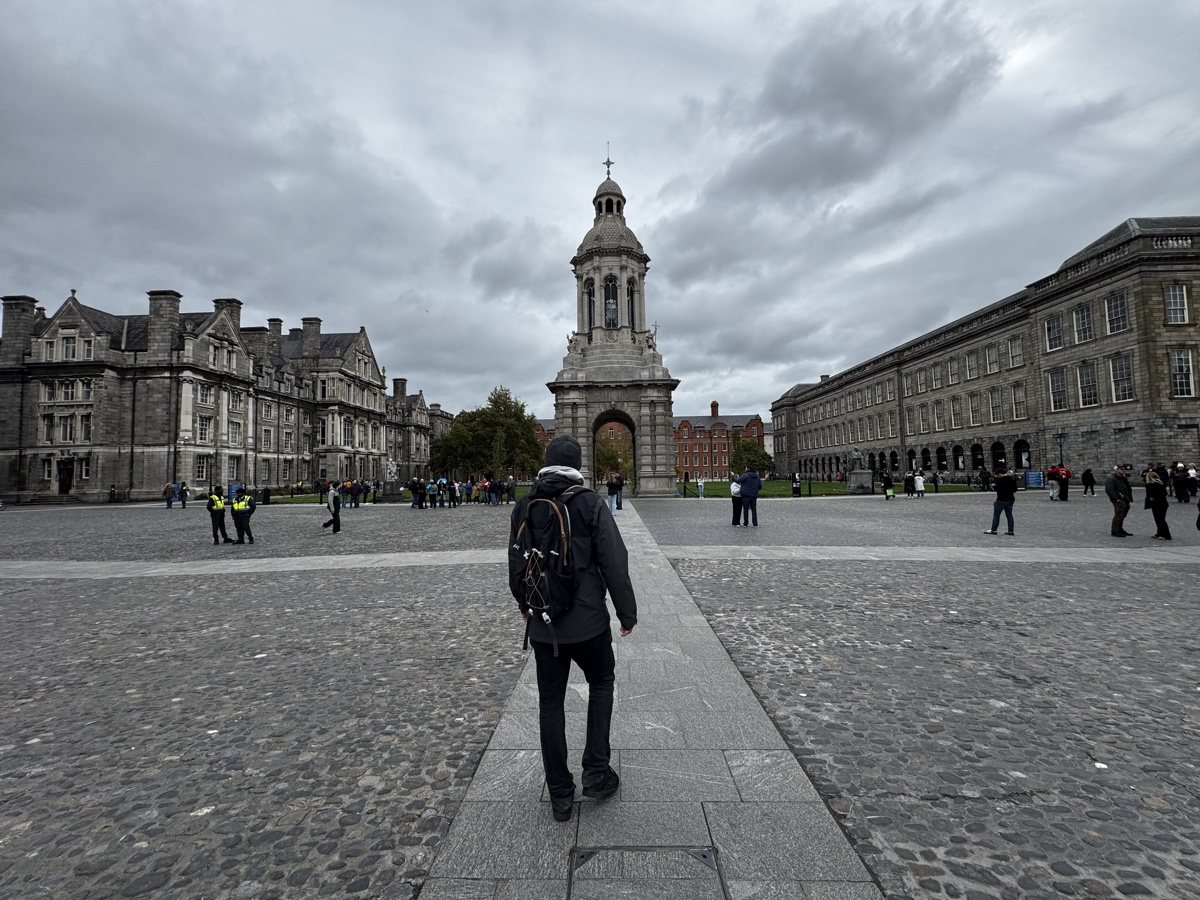
Pack for rain and cold air rather than deep snow. A waterproof outer layer with a hood, a warm middle layer, and comfortable shoes with grip are the useful basics. You’ll also want clothing that is comfortable once you are inside a heated museum or restaurant.
I prefer several layers to one very heavy coat for a trip mixing walks with indoor visits. You can remove a layer on the train and put it back on for a garden without carrying a second outfit.
Bring a hat, gloves, spare socks, and a way to keep your phone and important documents dry. A compact umbrella can help around town, but it is awkward in strong wind, so it shouldn’t be your only protection from rain.
For Altamont or another garden, waterproof footwear is more useful than dress shoes. Keep a dry pair for the evening if luggage space allows. Check that you can hang wet outerwear somewhere in your accommodation rather than leaving it in a pile overnight.
Carry a charged phone and download the route before a countryside drive. February’s shorter day also makes a flashlight useful, though it should be backup equipment rather than a reason to finish a walk after dark.
February Compared with January and March
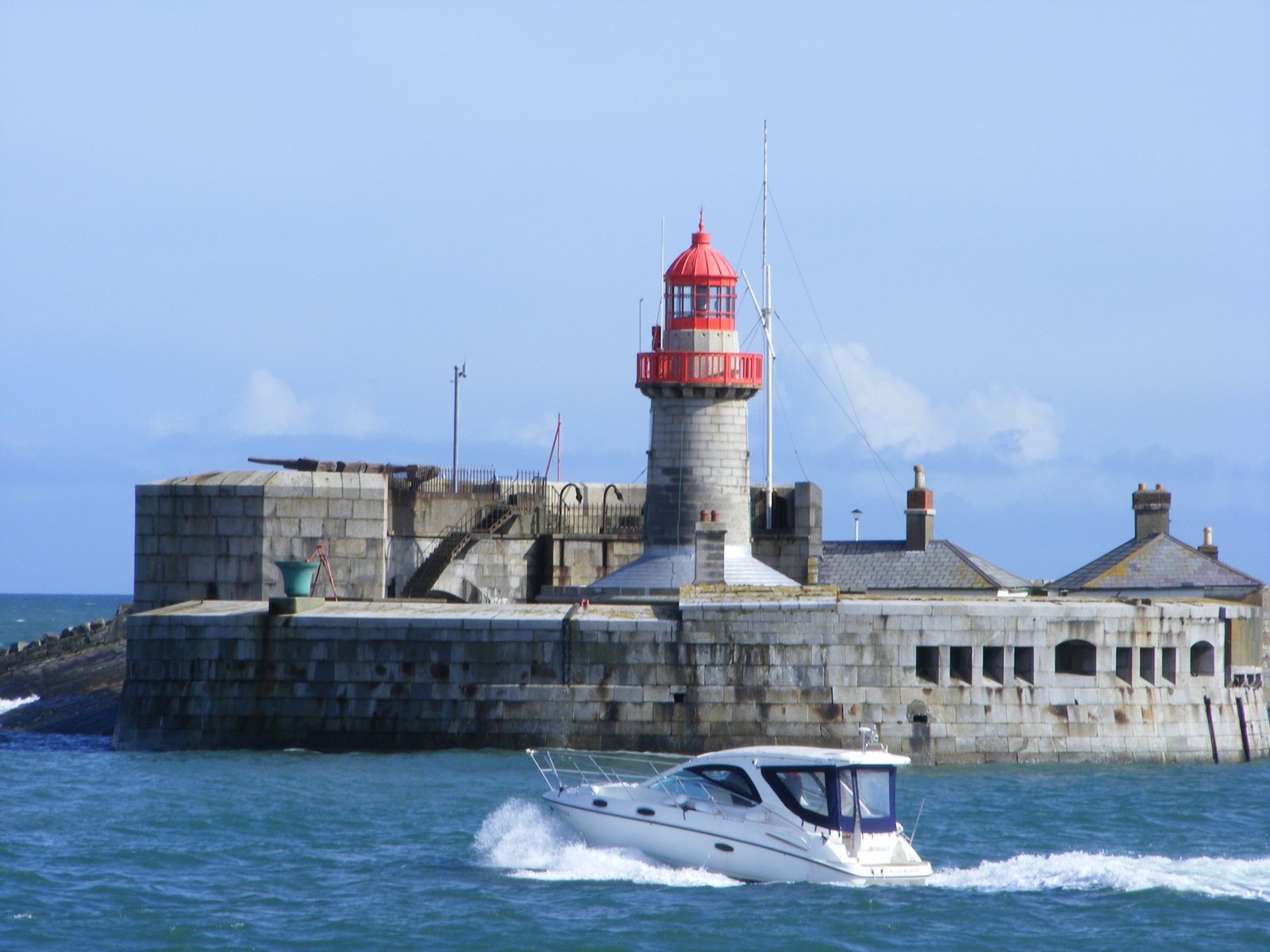
Ireland in January has shorter days, so February gives you more flexibility for outdoor sightseeing as the month progresses. The weather doesn’t improve neatly at the start of the new month, and frost or a storm can still change the plan.
Ireland in March gives you more daylight again, along with St. Patrick’s Day celebrations. Choose March if that event is part of your reason for traveling. Choose February if Brigid events, snowdrops, or particular rugby and film dates interest you more.
If your dates are flexible and you mainly want long walks, I’d wait beyond February. If you want a castle, museums, a garden in its early flowering season, and evenings in town, February can make a very enjoyable shorter trip.
Compare Other Places and Seasons
- Best Time to Visit Dublin: Month-by-Month Guide
- Best Time to Visit Cork: Month-by-Month Guide
- 22 Best Things To Do in Dublin
FAQs About Visiting Ireland in February
Is February a good month to visit Ireland?
Yes, if you enjoy museums, castles, meals out, and shorter walks. February suits a compact trip with indoor alternatives and time to move an outdoor outing. It is less suitable for a first visit built around long coastal walks and distant viewpoints.
How cold is Ireland in February?
Dublin Airport’s long-term February averages are a daily high of 8.5°C and a low of 2.2°C. Cork Airport averages the same high and a low of 3.2°C. Individual days vary, and frost, snow, rain, and strong winds are possible.
How many hours of daylight does Ireland have in February?
Dublin has roughly nine hours between sunrise and sunset at the start of February, increasing to about ten hours and forty-five minutes by the end. Check the times for your destination. Daylight is different from sunshine, and attractions may close before sunset.
Can you visit Ireland in February without a car?
Yes. Dublin and Kilkenny can form a trip using the train and local transportation. Check the service from Dublin Heuston to Kilkenny MacDonagh for your date. Altamont Gardens needs separate transportation, such as a rental car or a prearranged driver.
Are Kilkenny Castle and Altamont Gardens open in February?
Both normally open in February. Kilkenny Castle has winter hours and a separate last admission time. Altamont Gardens also has a winter closing time and can close in severe weather. Check the official pages again shortly before visiting.
What should you pack for Ireland in February?
Bring a waterproof hooded jacket, warm layers, shoes with grip, a hat, gloves, and spare socks. Waterproof footwear is useful for gardens. Keep your phone and travel documents dry, and pack clothing that is comfortable inside heated museums and restaurants.
In short
- Spend three nights in Dublin and two in Kilkenny for four full sightseeing days.
- Keep Altamont Gardens flexible and arrange its transportation separately.
- Check home rugby fixtures, the public holiday, and event programs before reserving rooms.
- Use the local forecast and attraction hours to plan each outdoor day.
Final Thoughts
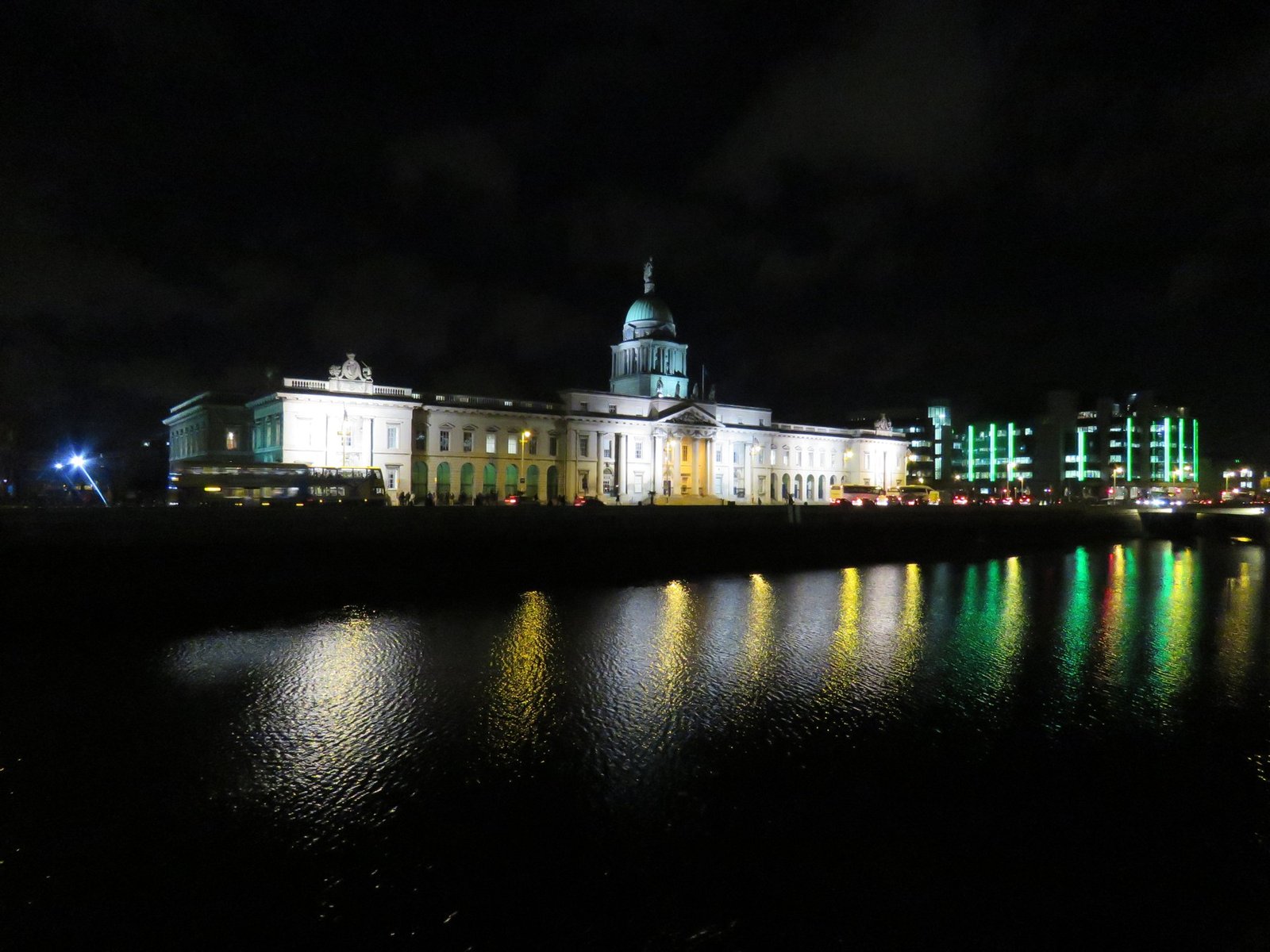
I would book February around a few things you can enjoy in cold weather, then keep one day available for the forecast. Dublin and Kilkenny give you that flexibility, and Altamont adds a seasonal outing if the conditions suit.
Before paying, check the rugby calendar, public-holiday arrangements, and any festival program you want to attend. Then check attraction hours again close to departure. That is a better start than arriving with a summer itinerary and trying to fit it into a February day.
Photo: Pinterest image 2, Andrew Mcmillan: Spectator Sport, CC BY 3.0. Cropped and overlaid with text by Your Irish Adventure.
Like it? Pin it!
Save this guide for later