Slieve League drops almost 600 meters straight into the Atlantic, nearly three times the height of the Cliffs of Moher, and most tour buses never make it this far north to see it. That’s Donegal in a nutshell, and it’s exactly why the things to do in Donegal are some of the most underrated in the country.
This is the wild northwest corner of Ireland, skipped by half the people doing the Wild Atlantic Way. You’ve got Malin Head, the actual northernmost point of the mainland, the mountains of Glenveagh National Park, and Fanad Head Lighthouse out on its own little peninsula.
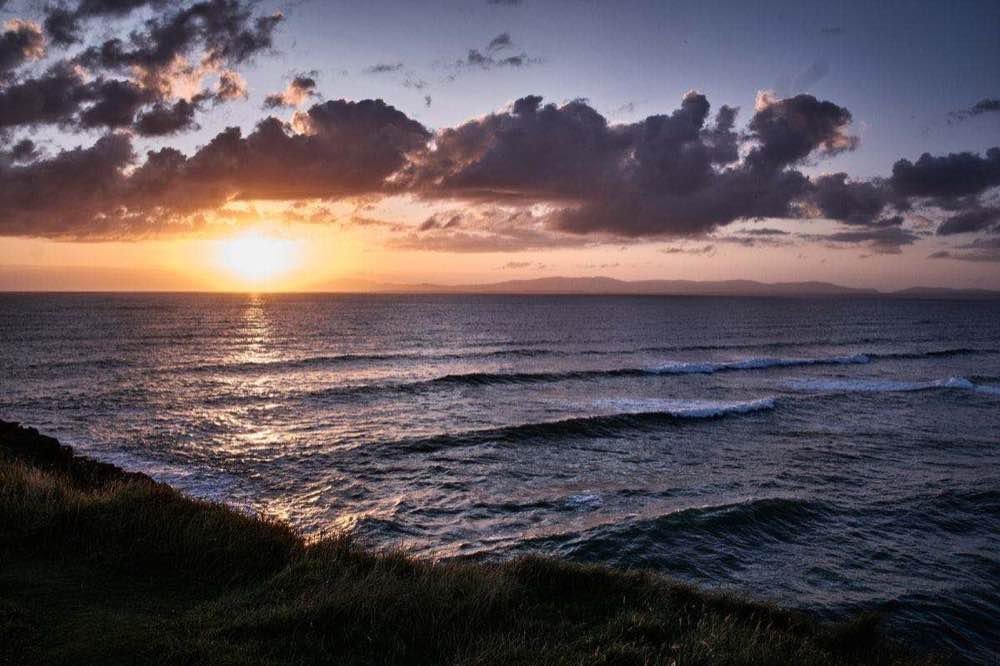
There are surf beaches at Bundoran that draw people from all over Europe, and big chunks of the county are Gaeltacht, so you’ll hear Irish spoken as a first language here.
It’s not as polished or as busy as Kerry or Galway, and that’s the point. Fewer crowds, wilder scenery, and a lot more room to yourself. Here’s what’s worth your time.
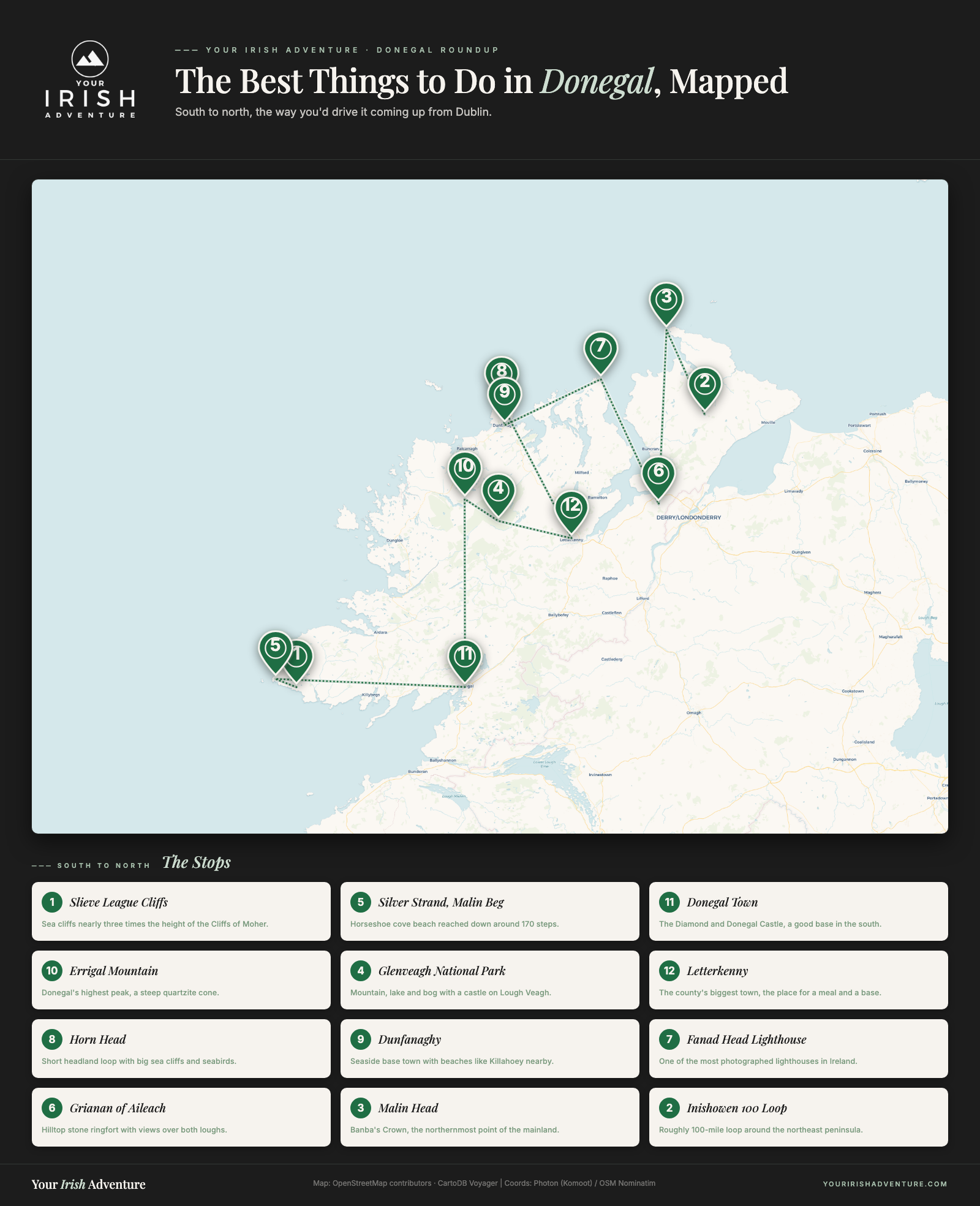
The best things to do in Donegal sit along its wild Atlantic coast: walk the Slieve League cliffs, drive the Inishowen 100 loop, stand at Malin Head on the top of the mainland, and hike Glenveagh National Park. Give yourself three days minimum, rent a car, and base yourself near Letterkenny to reach them all.
More Wild Atlantic Way and Northwest Ireland Guides
- Wild Atlantic Way Itinerary – Ireland’s Most Epic Road Trip
- Wild Atlantic Way Hotels With A Touch Of Luxury
- The Most Beautiful Seaside Towns in Northern Ireland
- Lakes in Northern Ireland You NEED to Visit
The Best Things to Do in Donegal
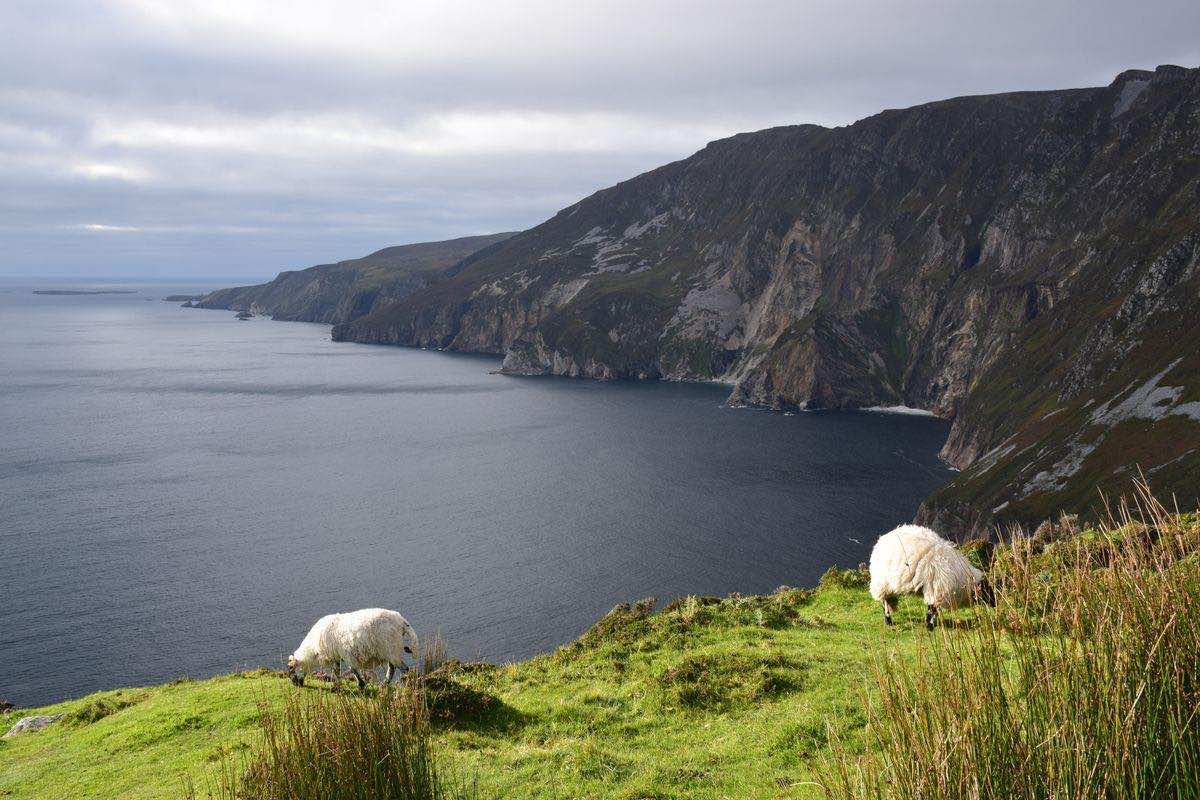
Donegal isn’t a tick-box kind of place. The best of it is spread out across headlands, mountains, and tiny beaches you have to work to reach. Here’s what’s actually worth your time, roughly in the order you’d hit them coming up from the south.
Walk the Slieve League Cliffs
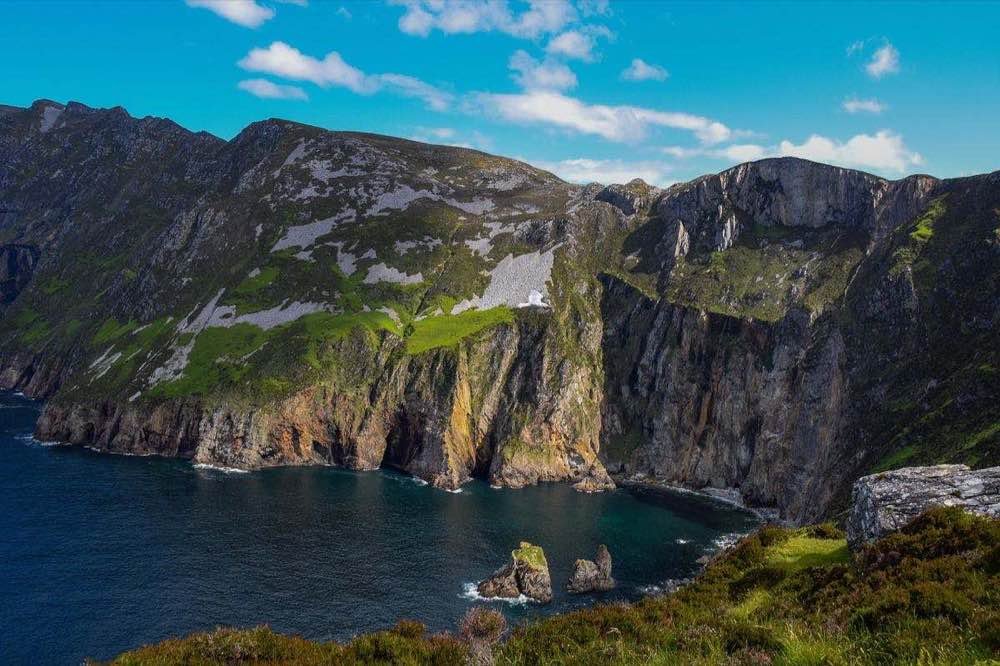
You can drive up to the lower car park and walk the rest, or get the gate opened and drive to the upper one. Either way you end up at a viewing platform with the whole cliff face in front of you.
If you’re steady on your feet, keep going along the ridge toward One Man’s Pass. It’s a narrow spine with a drop on both sides, so skip it if it’s windy or wet. The view from the platform alone is worth the drive.
Drive the Inishowen 100
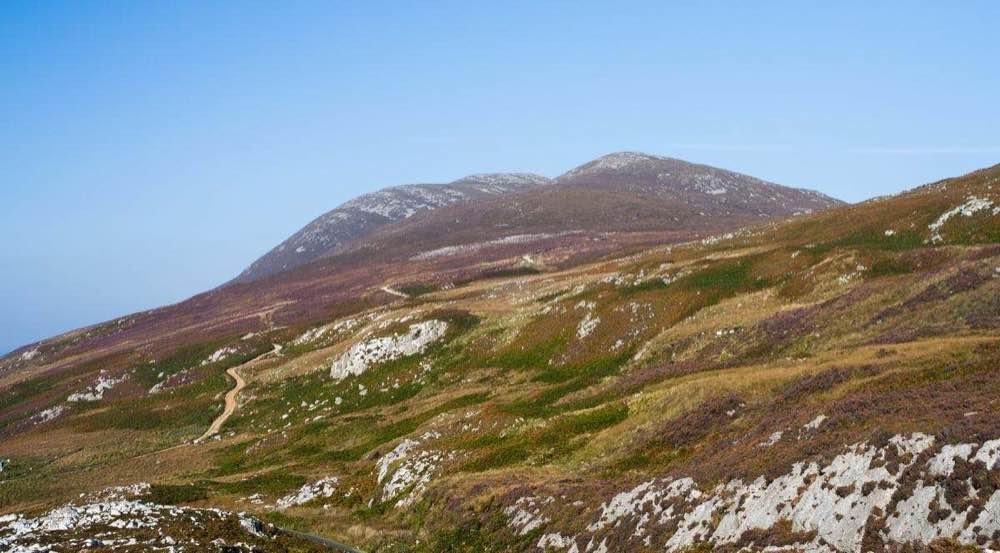
This is a roughly 100-mile loop around the Inishowen Peninsula, the big lump of land in Donegal’s northeast. You can knock it out in a long day, but it’s better over two if you want to actually stop.
It strings together beaches, the Mamore Gap, and a string of small towns. The Mamore Gap road climbs steeply and the views back over the coast are some of the best on the route.
Stand at Malin Head
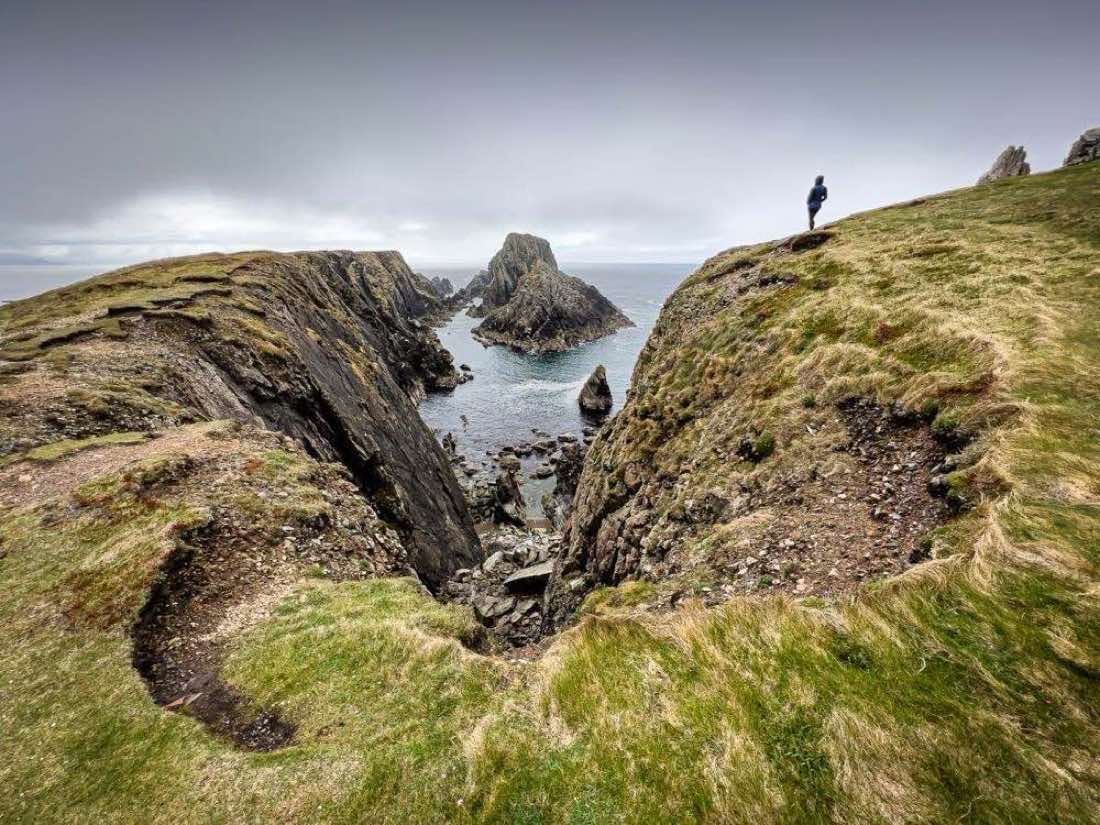
The very tip is called Banba’s Crown, marked by an old signal tower and a path out to the rocks. The cliffs and sea stacks here turned up in a Star Wars film, and it’s easy to see why they picked it.
Bring a jacket. It’s the most exposed spot in the country and the wind off the Atlantic doesn’t let up.
Explore Glenveagh National Park and Castle
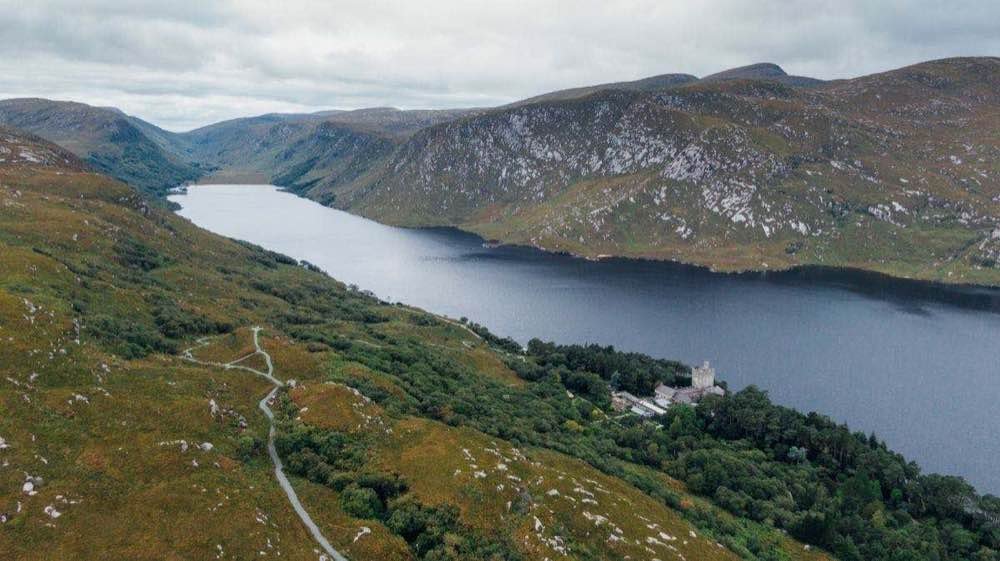
Glenveagh is a big stretch of mountain, lake, and bog, with a castle sitting right on the shore of Lough Veagh. You park at the visitor center and either walk the few miles in or take the shuttle bus.
The castle gardens are the surprise here, planted right up against some seriously rugged country. Red deer roam the hills, and there are walking trails of every length running off from the castle.
Relax on Silver Strand at Malin Beg
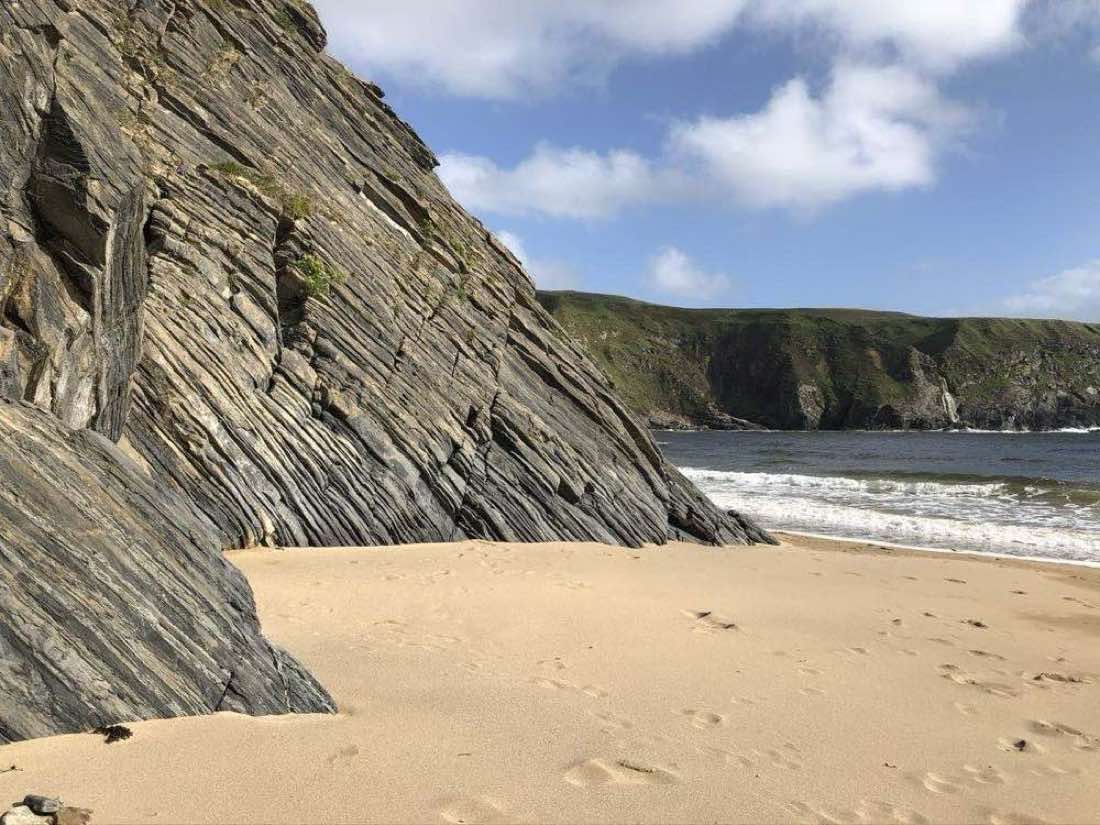
Silver Strand sits in a horseshoe cove near Malin Beg, and you reach the sand down a steep flight of around 170 steps. The walk back up is the price of admission.
Because of those steps it never gets packed, even in summer. On a calm day it’s one of the best beaches in the whole northwest.
Climb to the Grianan of Aileach
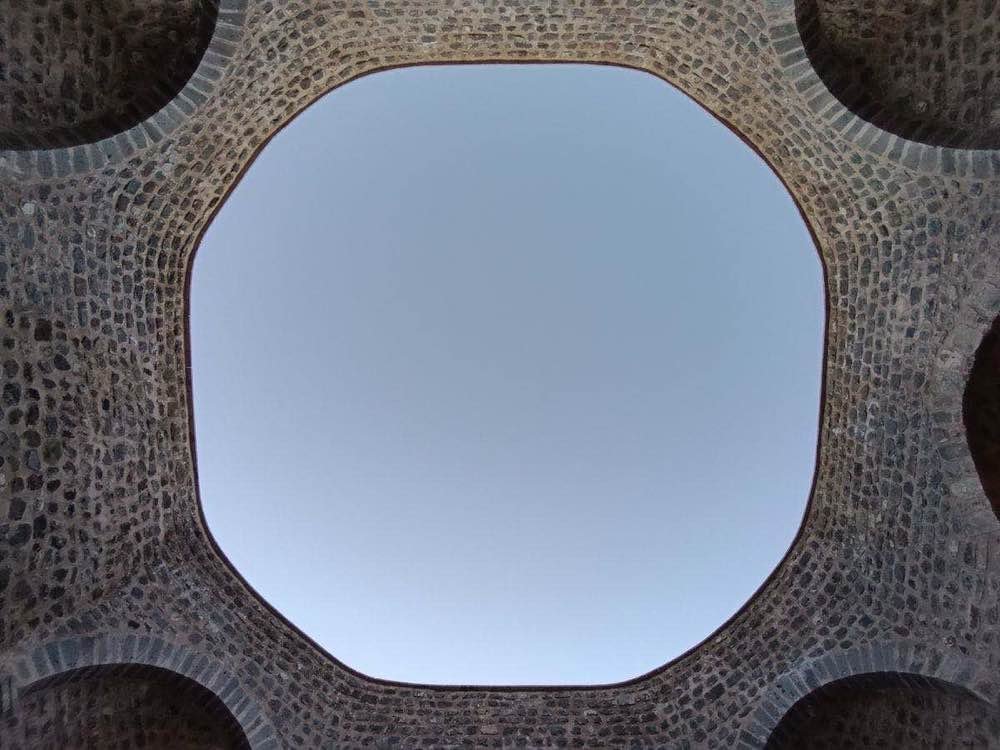
This is a stone ringfort sitting on top of a hill near Burt, and parts of it go back well over a thousand years. The drive up is short and the fort itself is small, so it’s an easy stop.
The reason to come is the view. From the top you can see Lough Swilly and Lough Foyle spreading out on either side, with the whole of Inishowen laid out in front of you.
Visit Fanad Head Lighthouse
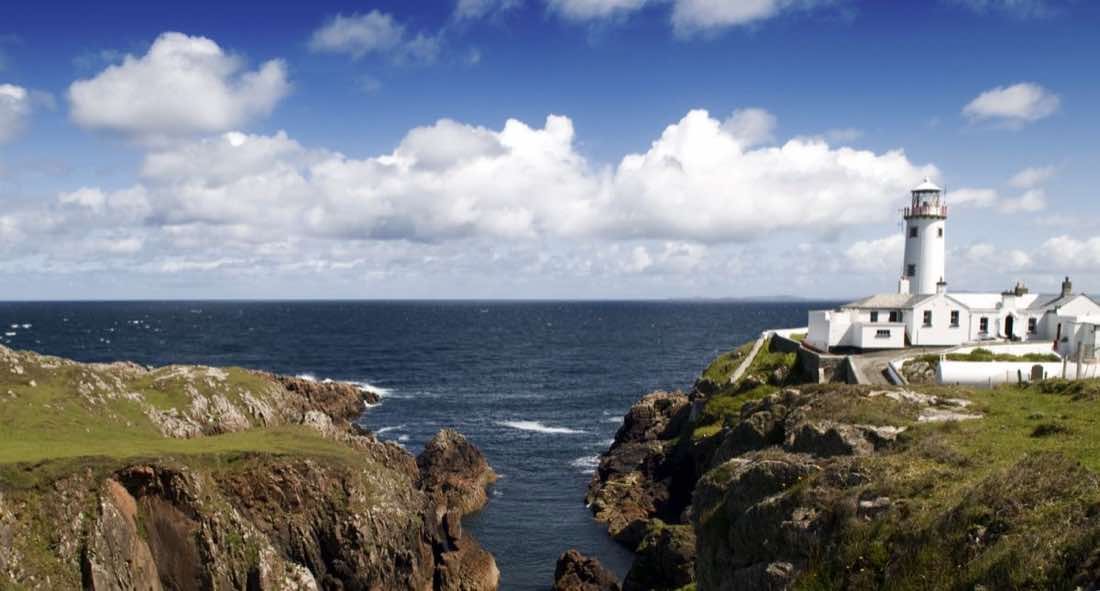
Fanad is one of the most photographed lighthouses in Ireland, and it photographs that well for good reason, sitting white against the rock with the sea wrapped around it. The drive out the Fanad Peninsula to get there is half the fun.
You can tour it, and you can even stay the night in the old keeper’s cottages if you book ahead. Pair it with Ballymastocker Beach on the way out.
Drive Horn Head
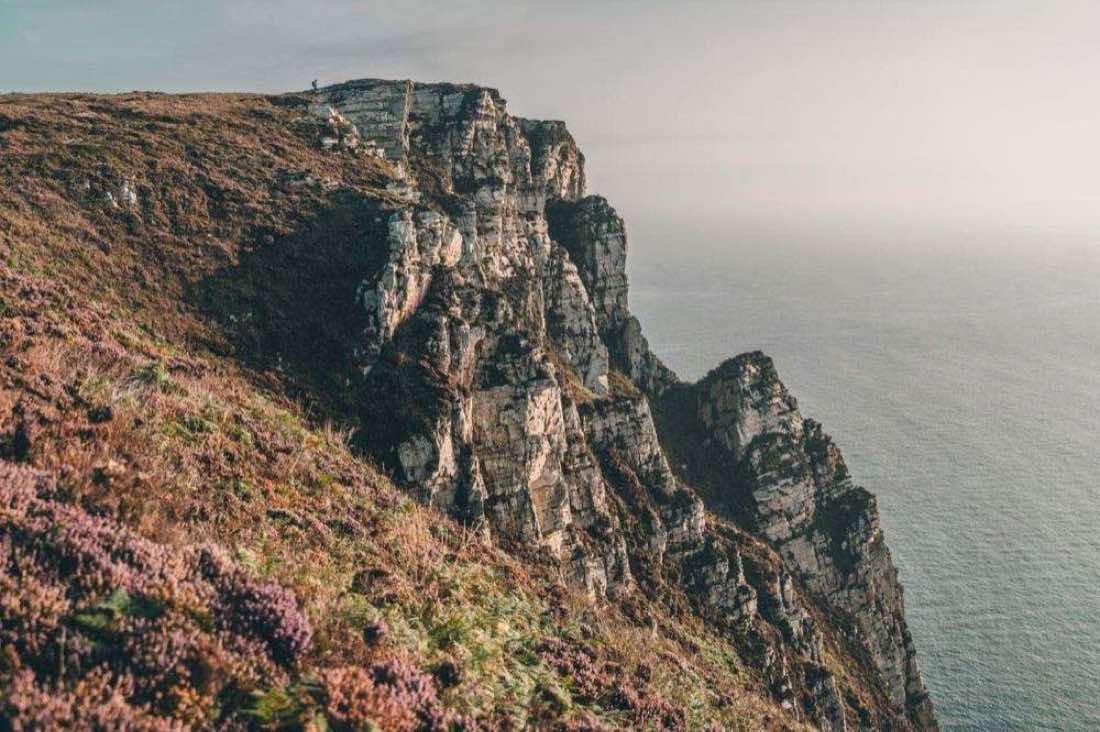
Just outside Dunfanaghy, the Horn Head loop is a short headland drive with big sea cliffs and seabirds everywhere in nesting season. Pull in at the top and walk out toward the edge for the full view back along the coast.
Spend a Day in Dunfanaghy
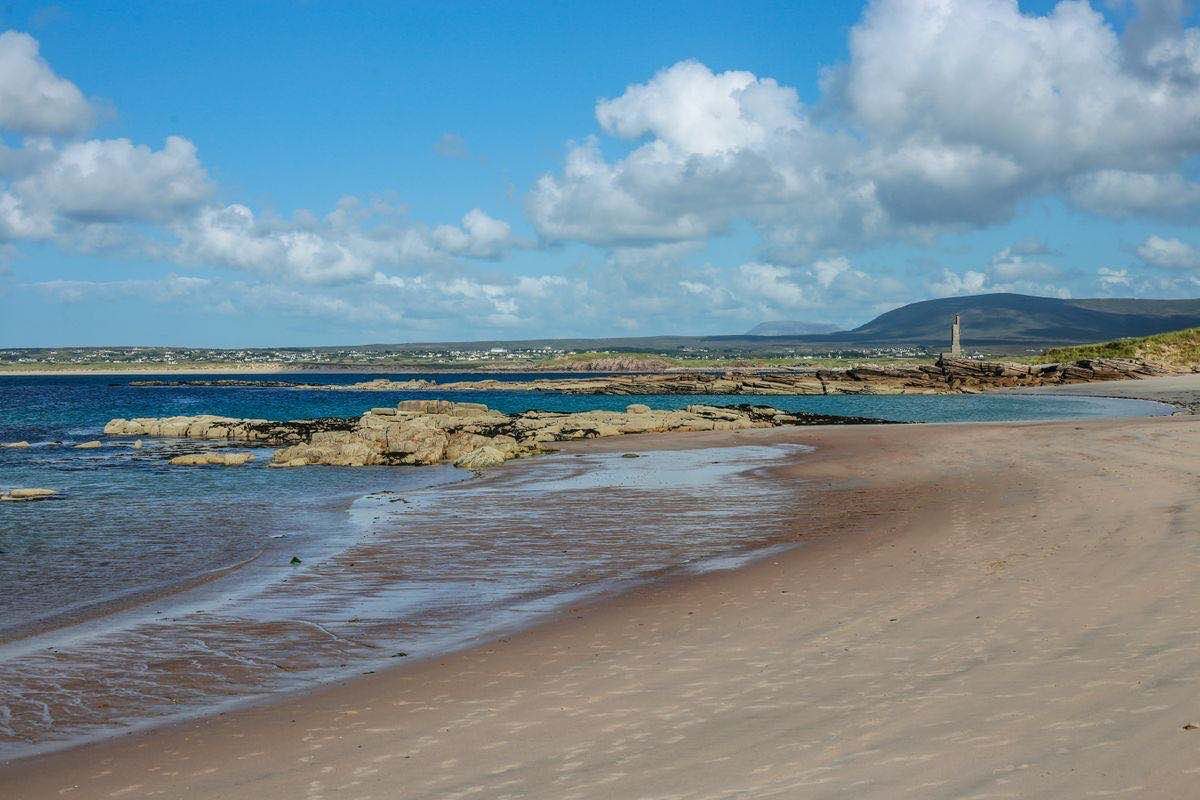
Dunfanaghy is a small seaside town that makes a good base for this part of the coast. There are decent places to eat, a few good beaches like Killahoey nearby, and Ards Forest Park just down the road for a walk in the trees.
Where to Stay in Dunfanaghy
Hike Errigal Mountain
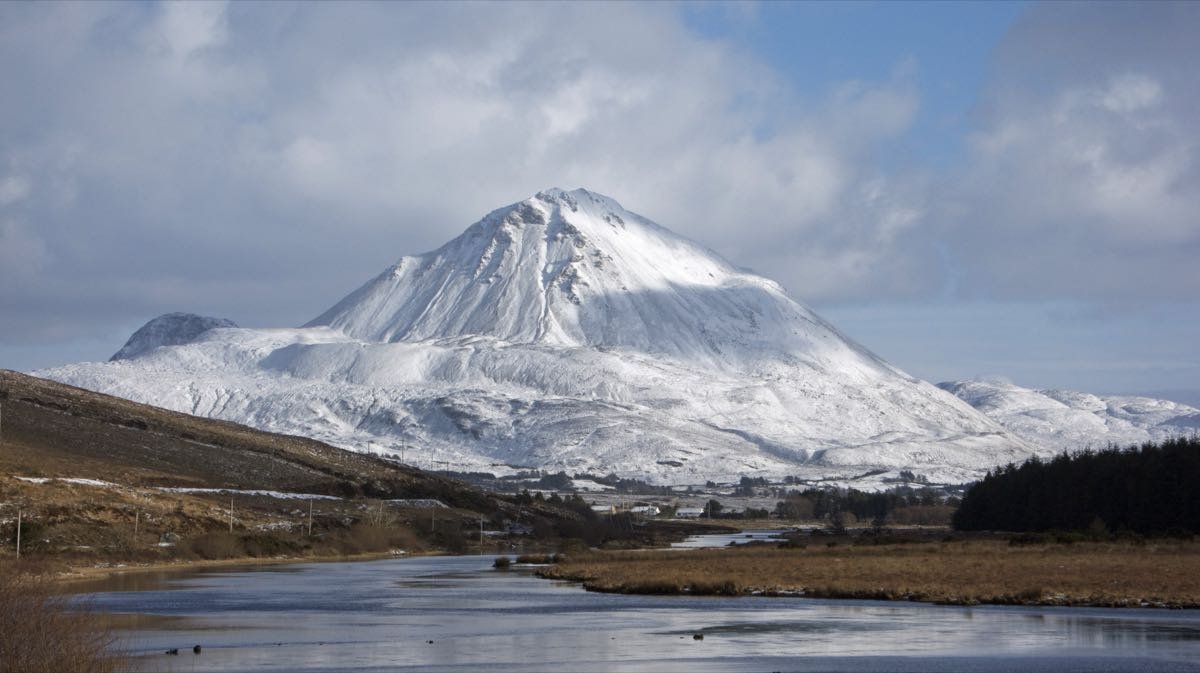
Errigal is the highest mountain in Donegal at about 751 meters, a steep quartzite cone you can spot from miles away. The standard route up and back takes about two to three hours.
The last push is loose scree and the final ridge is narrow, so save it for clear, dry weather. On a good day the view from the top runs right out to the coast.
Wander Donegal Town
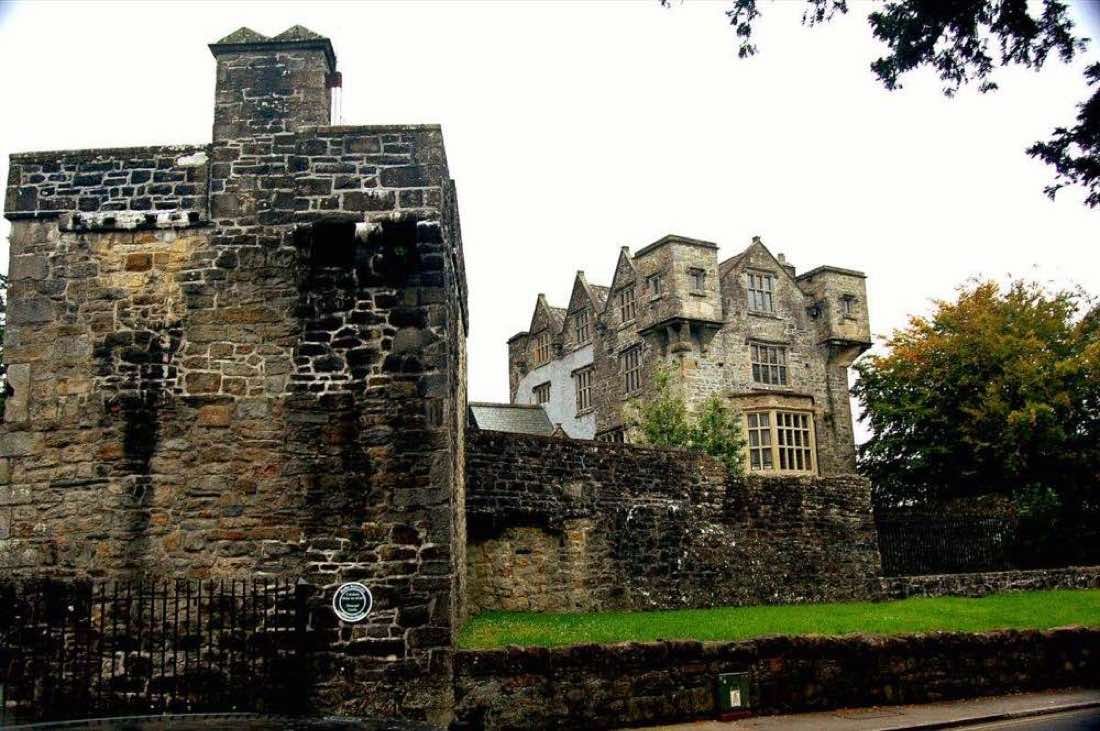
Donegal Town is built around a triangular square called the Diamond, with Donegal Castle right in the center. It’s compact and walkable, and a good spot to eat and refuel.
It’s worth a few hours even if you’re just passing through on your way up the coast.
Where to Stay in Donegal Town
Eat and Explore in Letterkenny
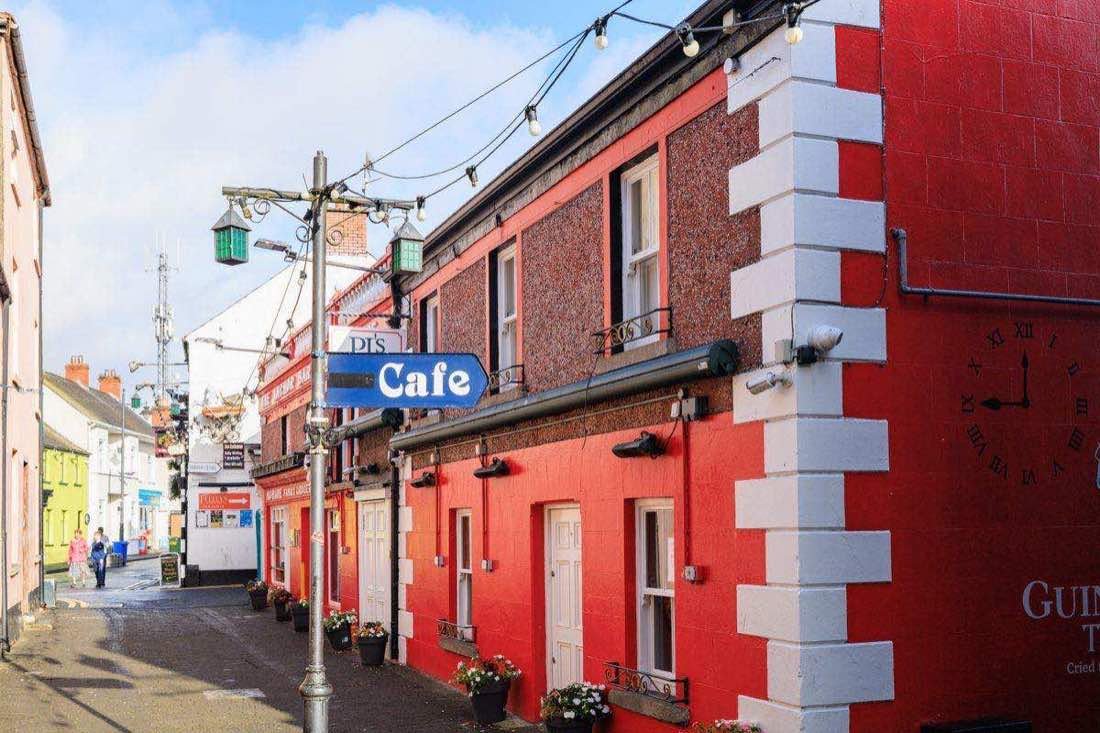
Letterkenny is the biggest town in the county and the place to come for a proper meal and a night out. It’s not a sightseeing town, so treat it as a base rather than a destination.
Stock up here, fill the tank, and use it as your jumping-off point for Glenveagh, Fanad, and the Inishowen loop.
Getting to and Around Donegal
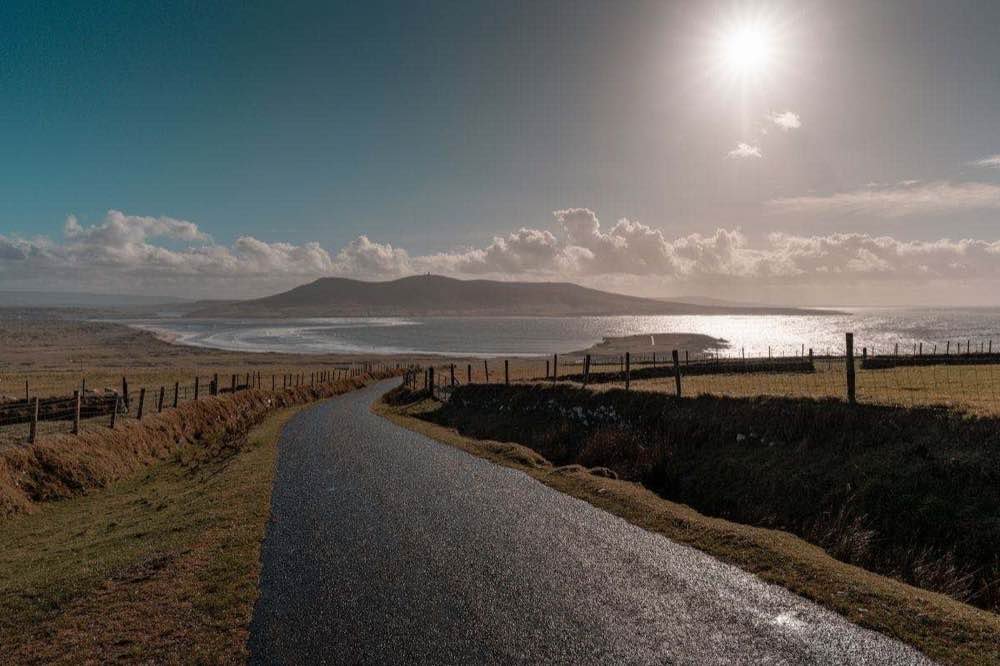
Donegal is the hardest county in Ireland to reach by public transport, and that’s a big part of why it stays quiet. There’s no train line into the county at all, and most of the things to do in Donegal sit at the end of single-track roads. If you want to do this properly, you need your own wheels.
The usual move is to fly into Dublin and drive up. Plan on about 3 to 3.5 hours to Donegal Town, and closer to 4 to reach the far northern peninsulas. Belfast is actually the quicker option for the north of the county, roughly 2 hours to Letterkenny.
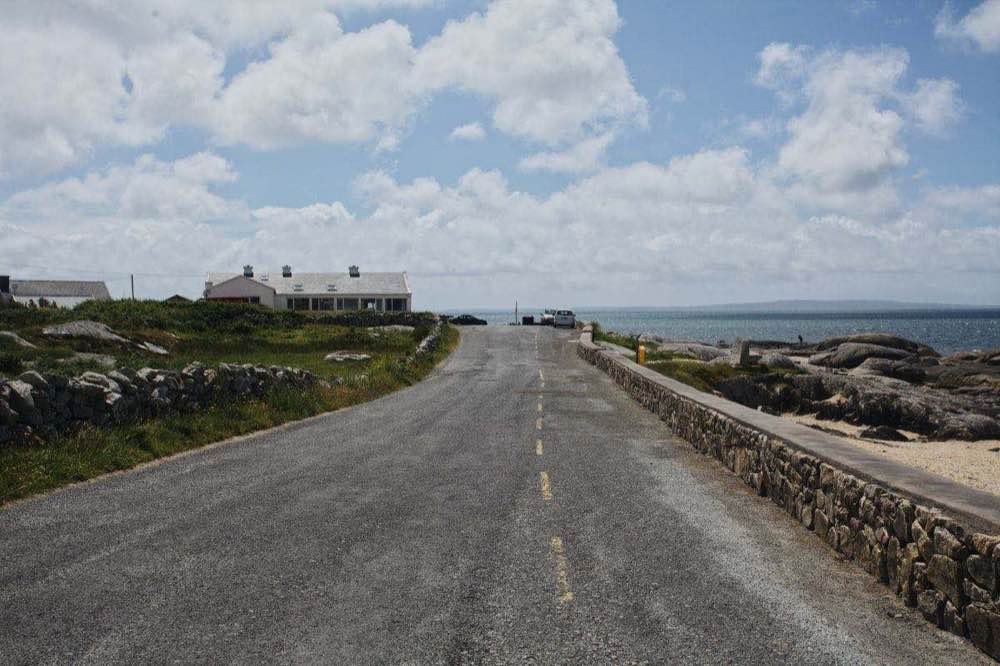
The closest airport is City of Derry, just over the border in Northern Ireland, which is handy if the flights line up. There’s also tiny Donegal Airport out at Carrickfinn, with a short hop from Dublin and one of the best runway approaches you’ll ever land on.
Rent a car
A car isn’t a nice-to-have here, it’s the whole plan. Almost everything good in Donegal is a headland, a beach, or a mountain at the end of a single-track road, and the buses don’t go there.
Pick the rental up at Dublin or Belfast airport and drive in. It’s worth taking a minute to compare car hire deals on Discover Cars before you book, since prices for the same car swing a lot between suppliers. If you book a car in the Republic and want to cross into Derry, just check the rental covers Northern Ireland, as some policies treat it as a separate country.
The roads up here are narrow, twisty, and slow, especially on the peninsulas. Knock your daily mileage expectations down and give yourself more time than the map says.
Public transport
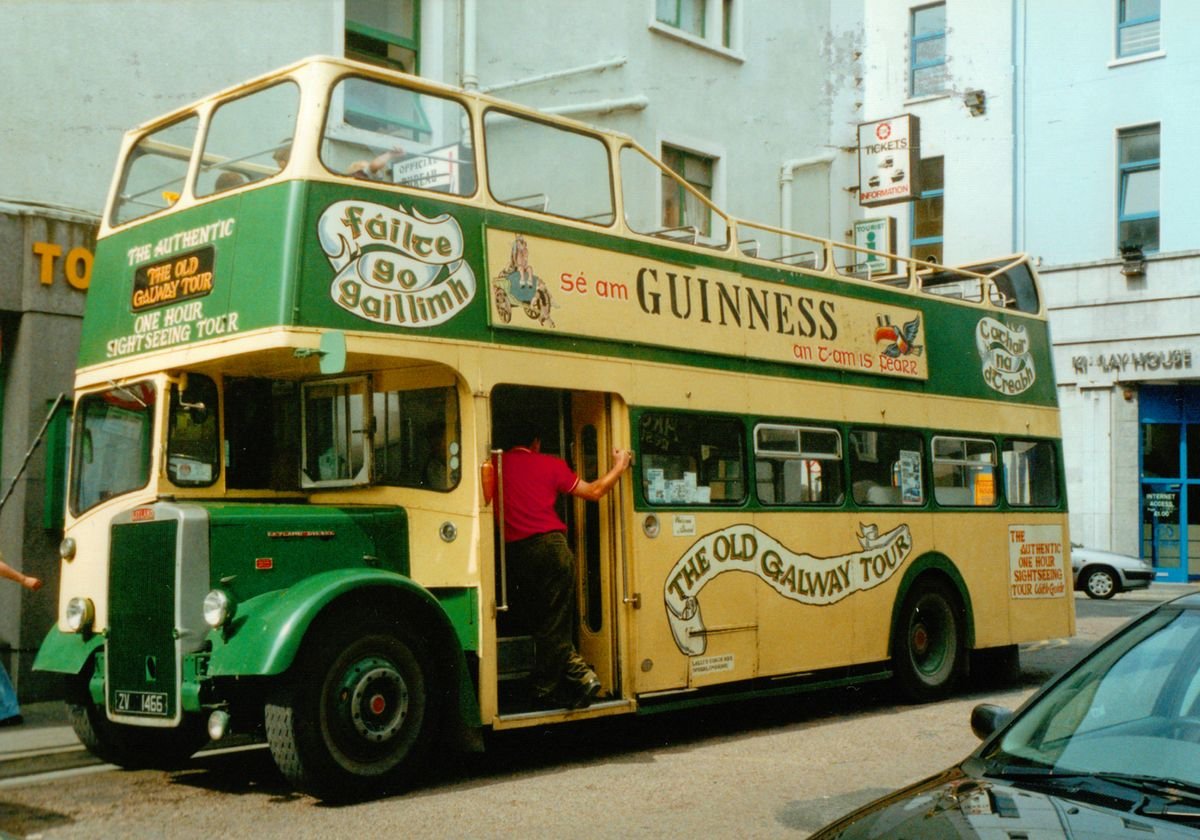
Bus Éireann and the local Donegal operators connect the main towns like Letterkenny, Donegal Town, and Bundoran, and there are coaches up from Dublin and across from Belfast. That gets you between hubs, and not much further.
You won’t reach Slieve League, Fanad Head, or Malin Head on a timetable. If a car really isn’t an option, base yourself in one town and book day tours to fill the gaps.
Things to Do in Other Towns Around Ireland
- 22 Best Things To Do in Dublin
- 33 Best Things To Do in Galway, Ireland
- Best Things To Do In Cork (City & Day Trips)
- 20 Best Things To Do in Dingle, Ireland
- 21 Unique Things To Do in Kerry, Ireland – The Kingdom County
Best Time to Visit Donegal
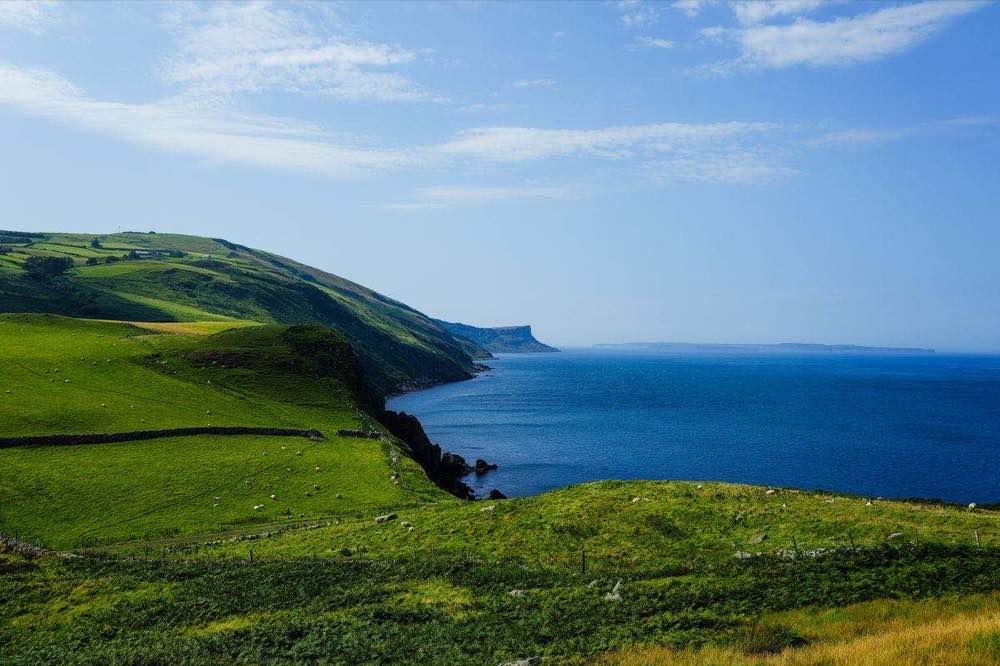
Donegal is far enough north that the weather runs the show, so the honest answer is summer if you want your best shot at decent conditions. June through August gives you the longest days, the warmest sea, and the most reliable stretches of dry weather.
Up here in midsummer it stays light past 10pm, which matters more than you’d think. A clear evening at Malin Head or out on the Fanad Peninsula with the sun still up is the kind of thing you build a trip around.

The catch is that even in peak season Donegal never feels crowded the way Kerry or Galway can. So you get the better weather without the crush, which is a rare combination on the Wild Atlantic Way.
Shoulder season: May and September
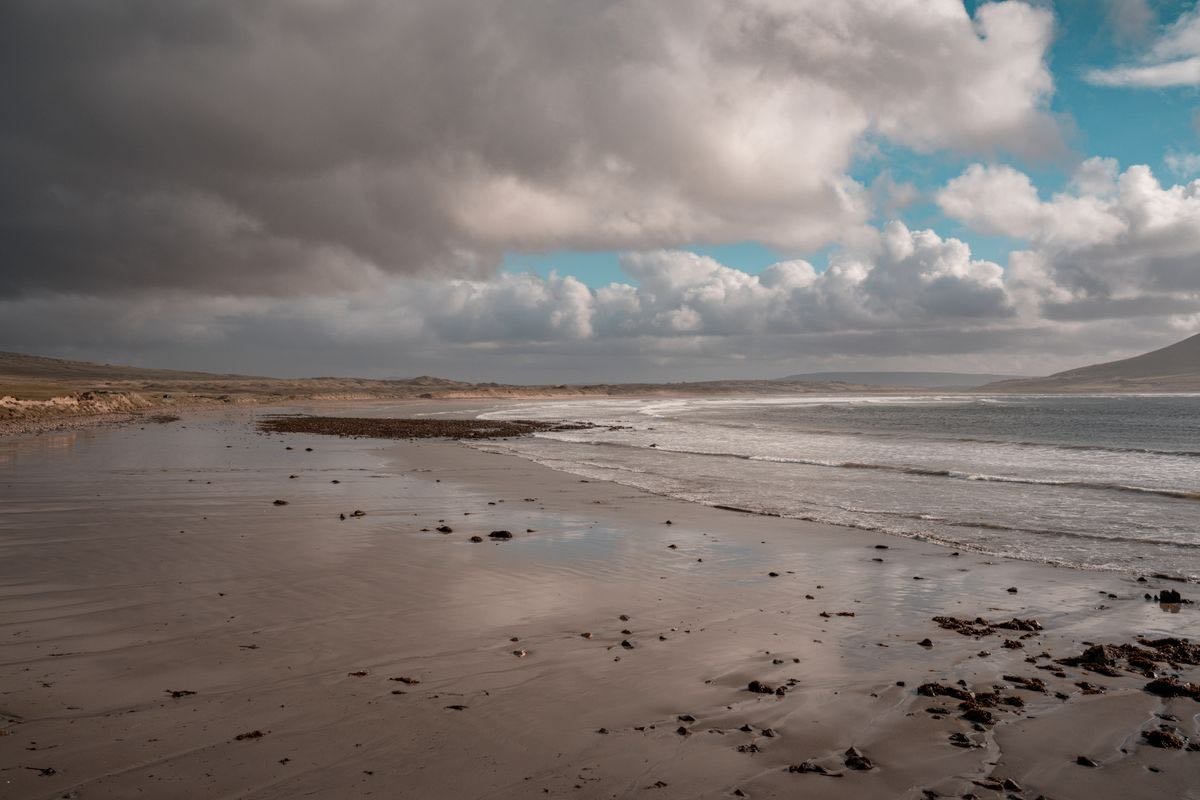
If I had to pick, I’d come in late May or September. You still get long days and a fair chance of dry weather, but fewer people on the beaches and easier accommodation to book.
September is a good call for the coast. The sea has had all summer to warm up, so it’s actually at its least freezing for a swim, and the light gets lower and better for photos out on the headlands.
Winter
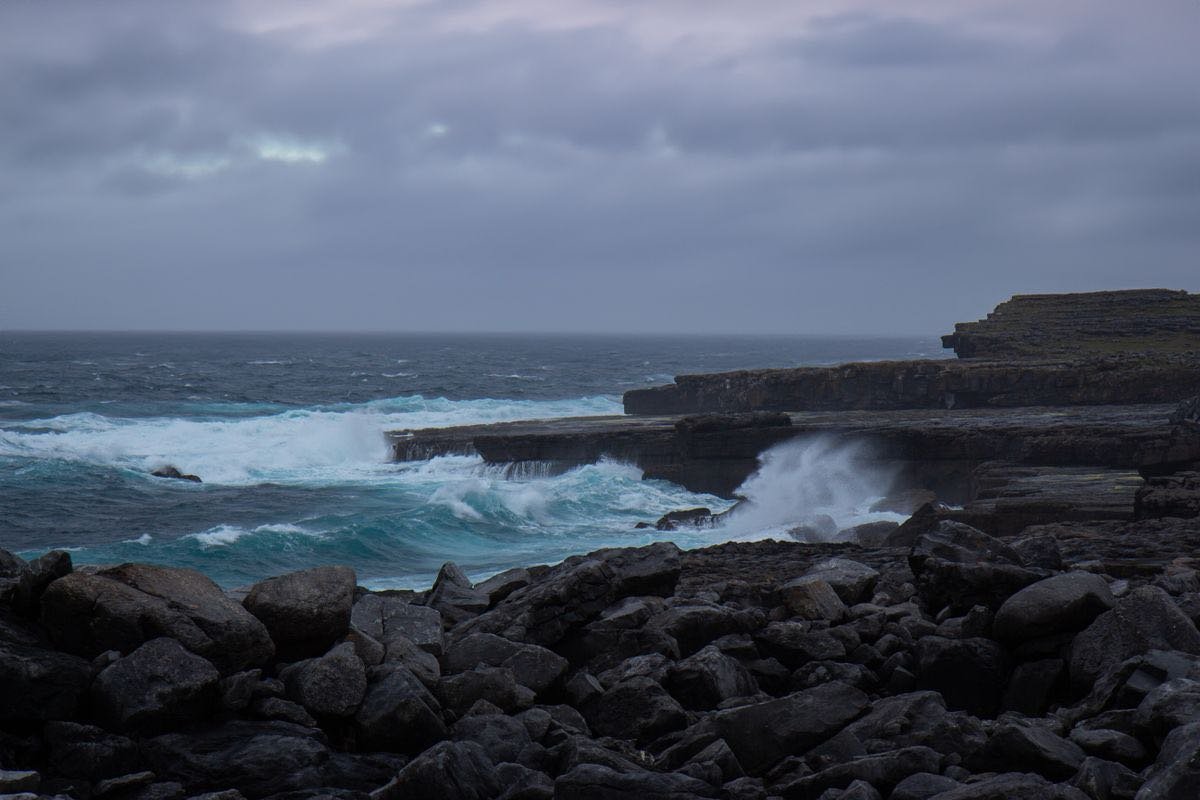
Winter in Donegal is wild and often closed. The scenery is at its most dramatic when an Atlantic storm rolls in, but the days are short, a lot of the smaller spots shut down, and the exposed roads on the peninsulas can be miserable.
Come in winter if you want the cliffs to yourself and you don’t mind gambling on the weather. For a first visit, stick to the warmer months.
Pack for all four seasons regardless

Whenever you come, this is the northwest corner of Ireland sticking out into the Atlantic, and the weather changes by the hour. You can get sun, wind, and a hard shower inside a single afternoon at Slieve League.
Bring a waterproof jacket and layers no matter the month. Plan your outdoor days around the forecast rather than the calendar, and keep a backup indoor option for the days the Atlantic decides otherwise.
A 3-Day Donegal Itinerary
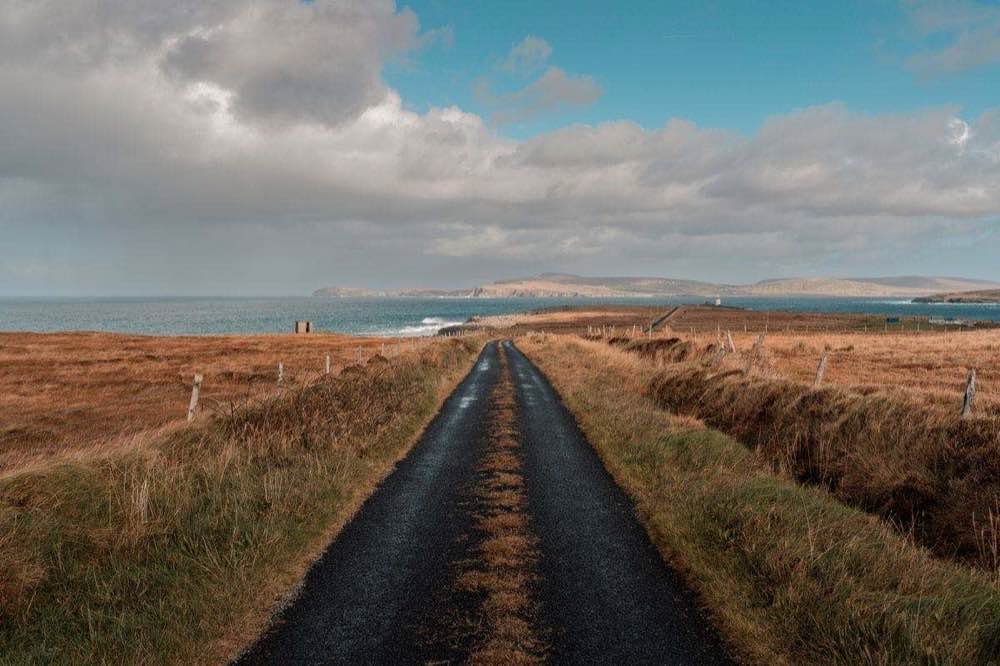
Three days is enough to string the best things to do in Donegal together without driving yourself into the ground. The trick is to not over-plan, because the roads are slow and you’ll want time to actually stop. This loop runs south to north, the way you’d come up from Dublin.
Day 1: South Donegal and the Slieve League cliffs
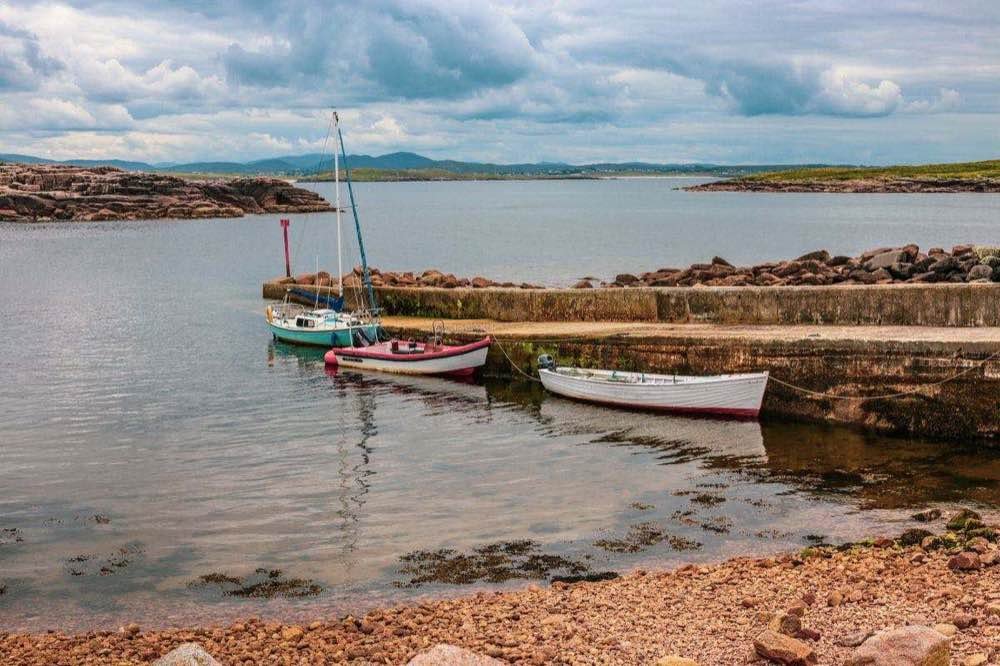
Start in Donegal Town, walk the Diamond, and grab an early lunch before you head west. From there it’s about an hour out to Slieve League, with the road getting narrower the closer you get.
Give the cliffs a couple of hours, then drop down to Silver Strand at Malin Beg for those steps and an empty beach. Base yourself around Donegal Town or Killybegs for the night, and you can check availability at Fitzgeralds Hotel on Booking.com if you want a central spot in town.
Day 2: The mountains and the northwest coast
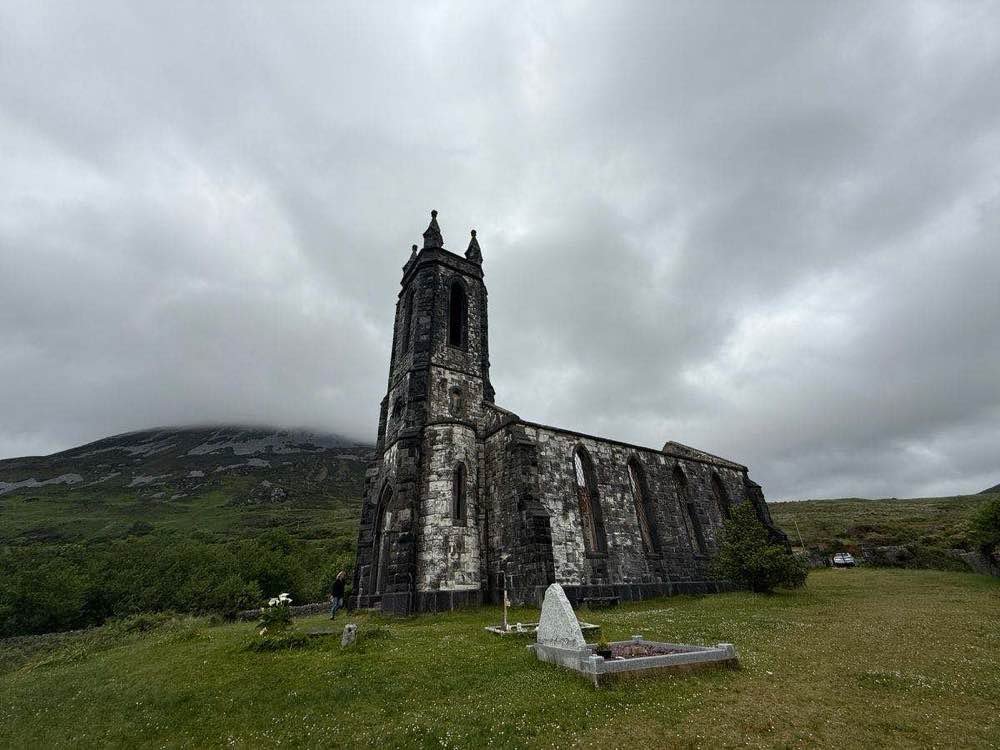
Head north toward Errigal and Glenveagh. If the weather’s clear and you’re up for it, climb Errigal in the morning, then walk into Glenveagh in the afternoon. If it’s wet, skip the summit and give Glenveagh the whole day.
From there carry on to Dunfanaghy and tack on the Horn Head loop before dinner. Stay in Dunfanaghy, where you can check availability at The Mill in Dunfanaghy on Booking.com, or push on to Letterkenny so you’re set up for the far north.
Day 3: Inishowen and Malin Head
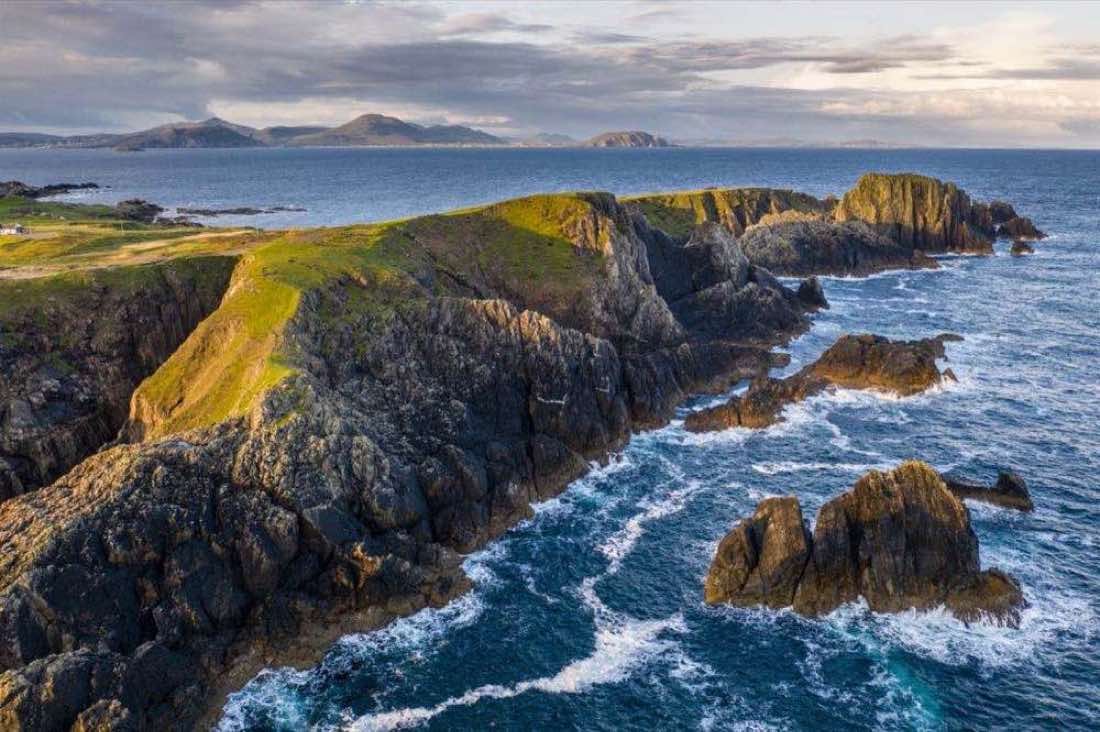
Your last day is the Inishowen Peninsula. Hit the Grianan of Aileach early for the view over both loughs, then drive the Inishowen 100 up to Malin Head and the very top of the mainland.
This is a long day of driving, so don’t try to cram Fanad in as well. Save Fanad Head for a fourth day if you have one, or swap it in for Inishowen if lighthouses are more your thing than the northernmost point.
If you’ve only got a weekend, cut day two down to just Glenveagh and run the rest as a tight two-day loop. You’ll be busy, but you’ll see the headline stuff.
More Ireland Itineraries and Road Trips
- 14 Days in Ireland: The Ultimate 2-Week Itinerary
- 3 Days in Ireland: The Perfect Itinerary
- A Photographer’s Definitive Ireland Road Trip
In short
- Slieve League cliffs drop nearly 600 meters, almost three times the height of the Cliffs of Moher.
- Malin Head is the most northerly point of mainland Ireland and featured in a Star Wars film.
- You need a car: there is no train and buses only link the main towns.
- Give it three days minimum to cover Slieve League, Glenveagh National Park and Malin Head.
- Big parts of Donegal are Gaeltacht, so Irish is spoken here as a first language.
Frequently Asked Questions
How many days do you need in Donegal?
Three days is the sweet spot for the headline stuff: the Slieve League cliffs, Glenveagh, and Malin Head. A weekend works if you cut it tight, but the roads are slow, so give yourself a fourth or fifth day if you can to add Fanad and the beaches without rushing.
Is Donegal worth visiting?
Yes, and it’s one of the most underrated counties in the country. You get cliffs taller than the Cliffs of Moher, empty beaches, real mountains, and a fraction of the crowds you’ll hit in Kerry or Galway. If you don’t mind driving, it’s worth the trip up.
Do you need a car in Donegal?
Pretty much, yes. There’s no train into the county and the buses only link the main towns. Slieve League, Fanad Head, and Malin Head all sit at the end of single-track roads with no public transport, so a rental car is the whole plan.
What is Donegal famous for?
The Slieve League cliffs, Malin Head at the northern tip of the mainland, and being one of the wildest stretches of the Wild Atlantic Way. It’s also a Gaeltacht county, so Irish is spoken as a first language across big parts of it, and it’s known for Donegal tweed.
Is Slieve League better than the Cliffs of Moher?
They’re different. Slieve League is far taller, almost three times the height, and you’ll share it with a tiny fraction of the people. The Cliffs of Moher are more accessible and have the polished visitor setup. For wild and quiet, Slieve League wins.
What’s the closest airport to Donegal?
City of Derry Airport, just over the border in Northern Ireland, is the closest for the north of the county. There’s also tiny Donegal Airport at Carrickfinn with a short hop from Dublin. Belfast is the quicker run to Letterkenny at about 2 hours.
Final Thoughts on Visiting Donegal
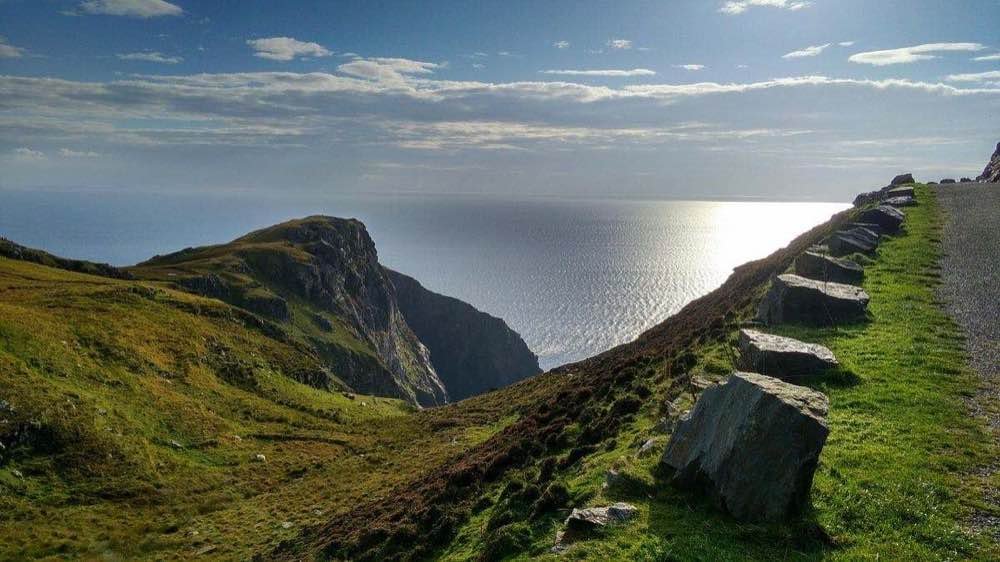
Donegal makes you work for it, and that’s exactly why it’s worth the drive. The roads are slow, the public transport barely exists, and the best spots sit at the end of single-track lanes that rarely see a tour bus.
What you get for the effort is the wild northwest without the queues. Cliffs that beat the Cliffs of Moher for height, beaches you climb 170 steps down to, real mountains like Errigal, and the actual top of the mainland at Malin Head, all with a fraction of the crowds you’ll fight in Kerry or Galway.
So rent a car, give yourself a day or two more than you think you need, and plan your outdoor days around the forecast instead of the map. The Atlantic will throw sun, wind, and a hard shower at you in one afternoon, and that’s part of the deal up here.
Do that and Donegal is hard to beat. It’s one of the most underrated counties in the country, and honestly that’s its best feature.
Like it? Pin it!
Save this guide for later