Ireland has more places tied to old gods, warrior queens, and Otherworld doorways than just about anywhere in Europe, and the best irish mythology sites are the ones you can stand on, not just read about. These are passage tombs older than the pyramids, hills where the whole island was once ruled, and cairns you have to climb to reach.
We spent about two weeks driving Ireland on our last trip, in shoulder season, and a lot of the route runs straight past this stuff. It’s easy to zip between the famous castles and miss the burial mounds and stone circles sitting a few miles off the road.
We did it by campervan, but a rental car works exactly the same on this route and is the easier call for a first trip. A few of these are famous, like Newgrange and the Giant’s Causeway. A few you’ll probably have never heard of, and those are often the ones worth the detour.
Here’s the list, from the big names everyone knows down to the cairns and hills we’d actually send you to instead, plus the best time to go and how to string them into one road trip without doubling back.
More Ancient Ireland and Castle Guides
Quick Answer:
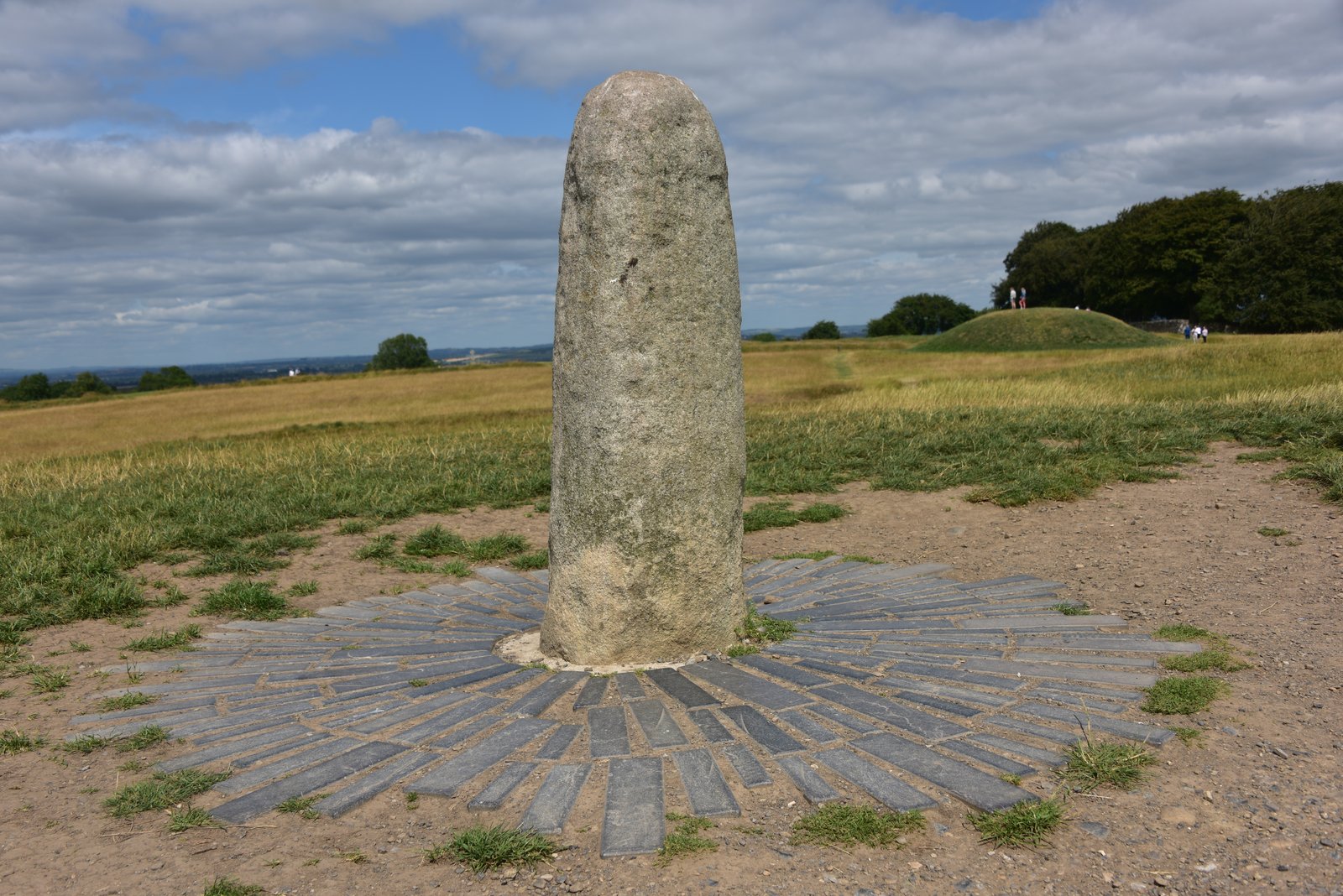
The best irish mythology sites are real places you can stand on today. Newgrange is a 5,000-year-old passage tomb aligned to the winter solstice sunrise. The Hill of Tara was the seat of the High Kings, and Uisneach marks the mythical centre of Ireland. Most sit in the Boyne Valley and the west, and many are free to visit.
The Hill of Tara
The Hill of Tara sits in County Meath, about 40 minutes north of Dublin in the Boyne Valley, and for a place this important it looks almost like nothing from the road. It’s a low green hill with some grassy bumps and ridges on top. That’s the trick of Tara, and why so many people drive straight past it.
This was the seat of the High Kings of Ireland, the spot where the whole island was ruled from for centuries. In the old stories it’s Teamhair na Rí, and the gods, the druids, and the coronation of kings all run through it. There’s no big castle to photograph, so you have to know what you’re standing on.
It’s free, it’s open all year, and you can walk the whole thing in under an hour. That combination makes it one of the easiest irish mythology sites to add to a Boyne Valley day with Newgrange.
What to See at Tara
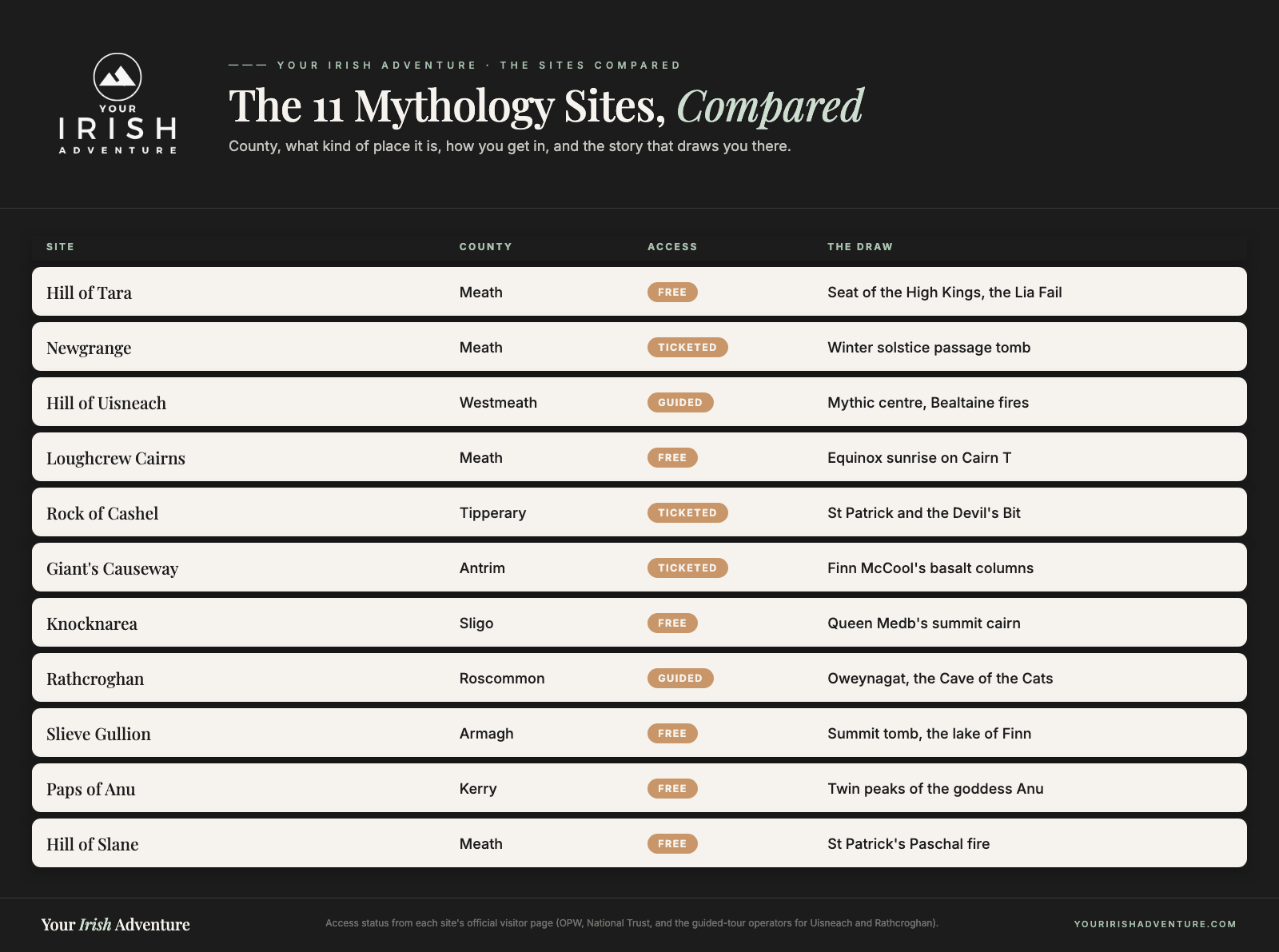
The star is the Lia Fáil, the Stone of Destiny, a plain standing stone in the middle of the hilltop. The legend says it roared out loud when the rightful king of Ireland touched it. Now it just stands there in the wind, and you can walk right up and put your hand on it.
Next to it is the Mound of the Hostages, a small passage tomb built around 3,000 BC, which makes it older than the kingship stories by a long way. The passage lines up with the sunrise around Samhain in early November, the same festival that became Halloween.
Most of the other bumps have names and old stories attached: the Fort of the Kings ring enclosing the site, the Royal Seat, and the long earthwork they call the Banqueting Hall. There’s an information point in the old church by the entrance that explains which lump is which, and it’s worth five minutes before you walk up.
The real payoff is the view. On a clear day you can see across several counties from the top, and it’s obvious why the kings picked this hill. Wear proper shoes, because the grass turns to mud fast and there’s no shelter up there when the rain comes in.
Newgrange and Bru na Boinne
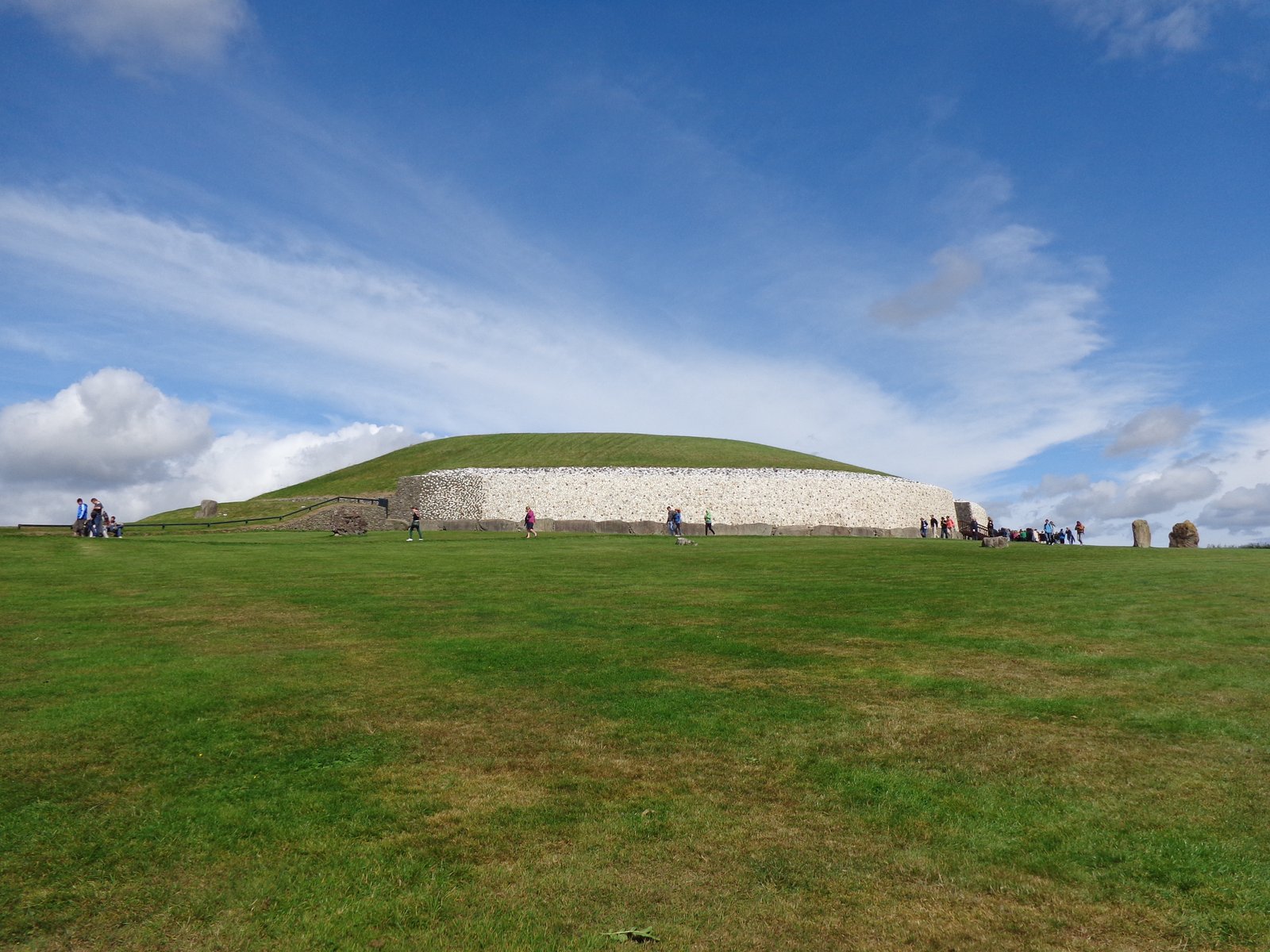
If you only visit one of the irish mythology sites on this whole list, make it this one. Newgrange is a giant passage tomb in the Boyne Valley, County Meath, built around 3,200 BC. That makes it older than Stonehenge and older than the pyramids at Giza by a few centuries.
It sits inside Bru na Boinne, a UNESCO complex that also holds two other big mounds, Knowth and Dowth. Newgrange is the famous one, a grass-covered dome about 85 meters across with a bright white quartz wall around the front. The carved spiral kerbstone at the entrance shows up on half the postcards in Ireland.
In the old stories this was a home of the Tuatha De Danann, the god-race that ruled Ireland before people. It belonged to the Dagda and then his son Aengus, and the mound was treated as a doorway into the Otherworld. So you’re not just looking at a tomb, you’re looking at what the myths call a house of the gods.
You can’t just drive up and wander in. Everything runs through the Bru na Boinne Visitor Centre near Donore, where you park, watch the exhibit, and get a shuttle bus out to the mound with a guide. Check current ticket prices and book ahead on the OPW site, because the tours sell out, especially in summer. If you’re staying in the capital and don’t want to drive, you can book a Boyne Valley and Newgrange day tour from Dublin on GetYourGuide that handles the entry and the transport for you.
The Winter Solstice Alignment
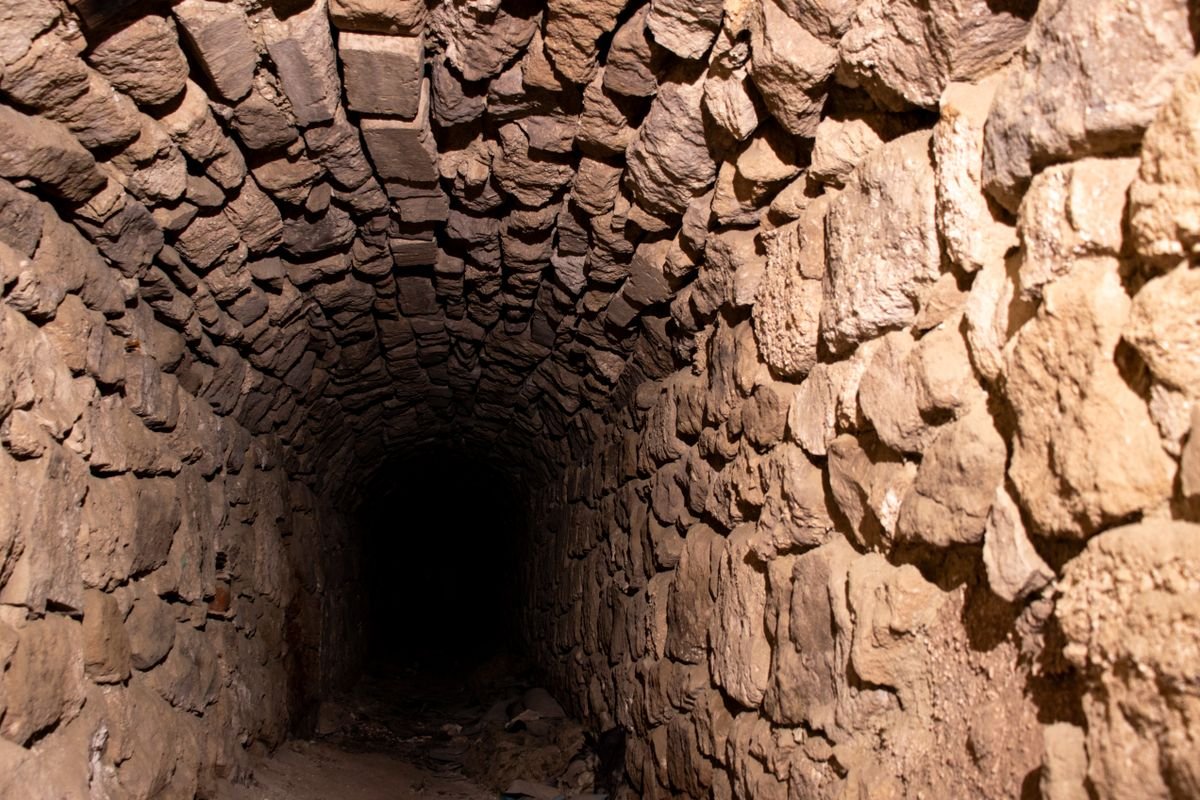
Here’s the part that makes Newgrange more than an old pile of stones. The whole thing is a clock. For a few mornings around the winter solstice in late December, the rising sun lines up perfectly with the passage and lights the inner chamber.
There’s a slot above the entrance called the roof-box. As the sun clears the horizon, a beam runs through that slot, down the 19-meter passage, and reaches the floor of the chamber deep inside the mound. It holds for about 17 minutes, then fades.
People built this to catch one sunrise a year, five thousand years ago, and it still works. That’s the thing that gets me about it.
Getting inside for the actual solstice sunrise is a lottery. Thousands enter every year and only a handful of names get pulled for a spot in the chamber. You don’t need to win it, though. The standard daytime tour walks you into the same passage and runs a simulated light, so you see what happens minus the crowd and the 4 AM alarm.
Where to Stay near the Boyne Valley
The Hill of Uisneach
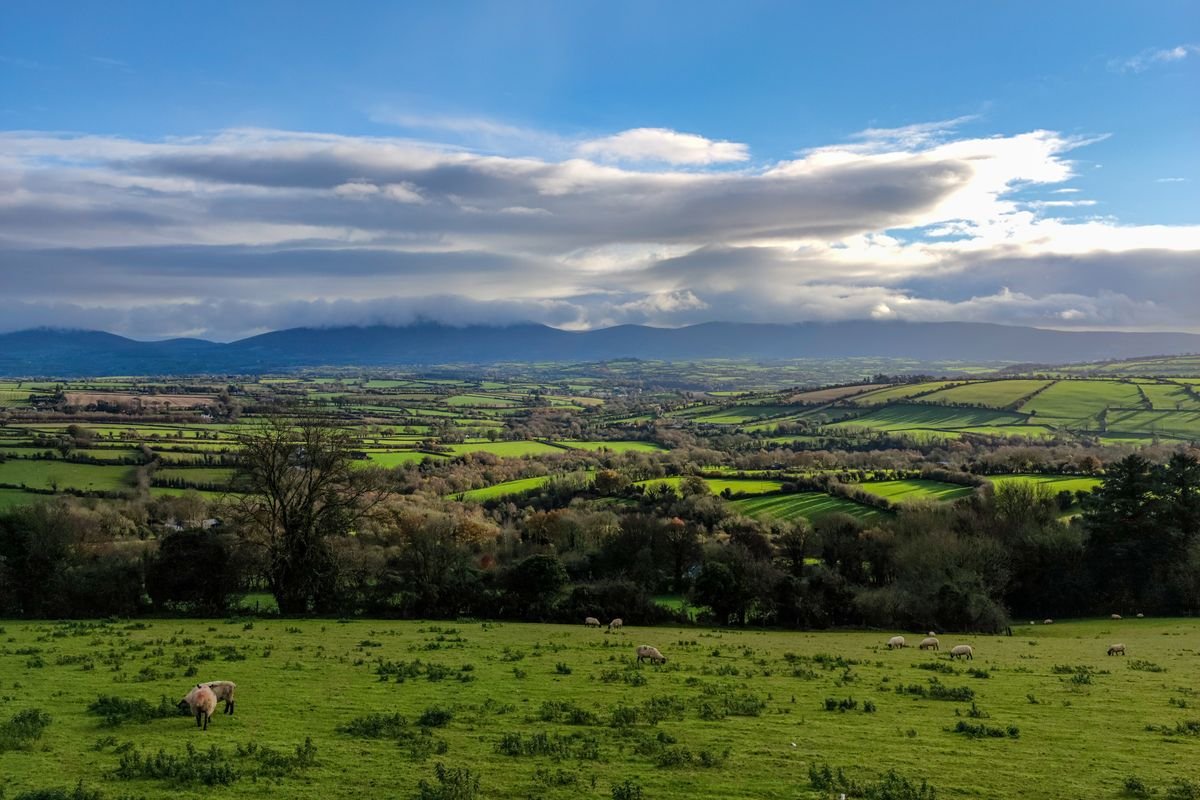
The Hill of Uisneach sits in County Westmeath, right in the middle of the country, about 90 minutes west of Dublin. In the old stories it’s the sacred center of Ireland, where the five ancient provinces met. If Tara was where the High Kings ruled, Uisneach was the spiritual heart, and one of the least-visited irish mythology sites.
Almost nobody has heard of it, and that’s exactly why it’s worth the detour. There’s no visitor center parking lot full of tour buses here. It’s a working hill on private farmland, so you can only go up with a guide, and you’ll often have the place to yourselves.
The Catstone and the Bealtaine Fires
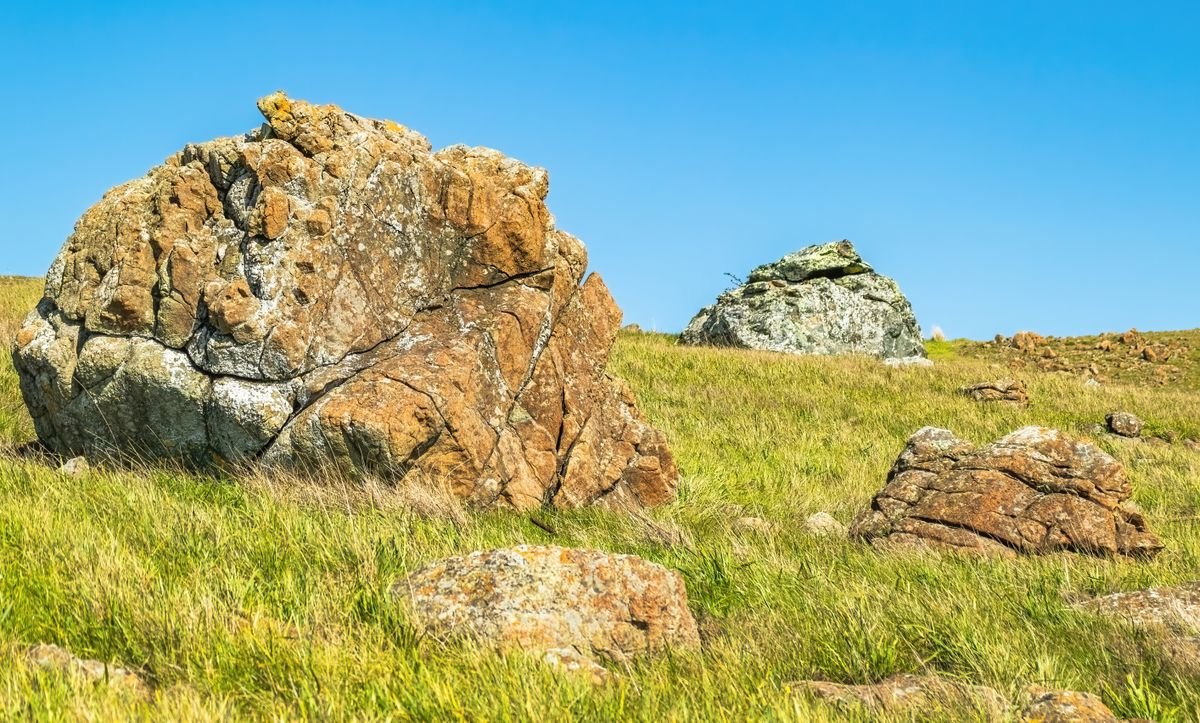
The centerpiece is the Catstone, a huge split boulder they call Ail na Míreann, the Stone of Divisions. The story says the goddess Ériu is buried under it, and Ireland takes its name, Éire, from her. So you’re standing at the stone that named the country.
Uisneach was also the great fire hill. Every year at Bealtaine, the start of summer on May 1, a huge fire was lit up here, and the legend says the flames could be seen across a big chunk of Ireland, with other hills lighting their own in answer.
It’s the fire festival that later became May Day, and a modern Bealtaine gathering still lights the hill each spring.
The view from the top does the rest of the work. On a clear day you can see across a big spread of counties, and the guides reckon you can pick out landmarks in a large share of the country, which is the whole reason this hill mattered.
You have to book the guided walk ahead, so check the tour times and current prices before you drive out, and wear boots because it’s a real farm field. It’s roughly a two-hour walk, and it’s the one on this list where the myth still feels like the main event.
Loughcrew Cairns
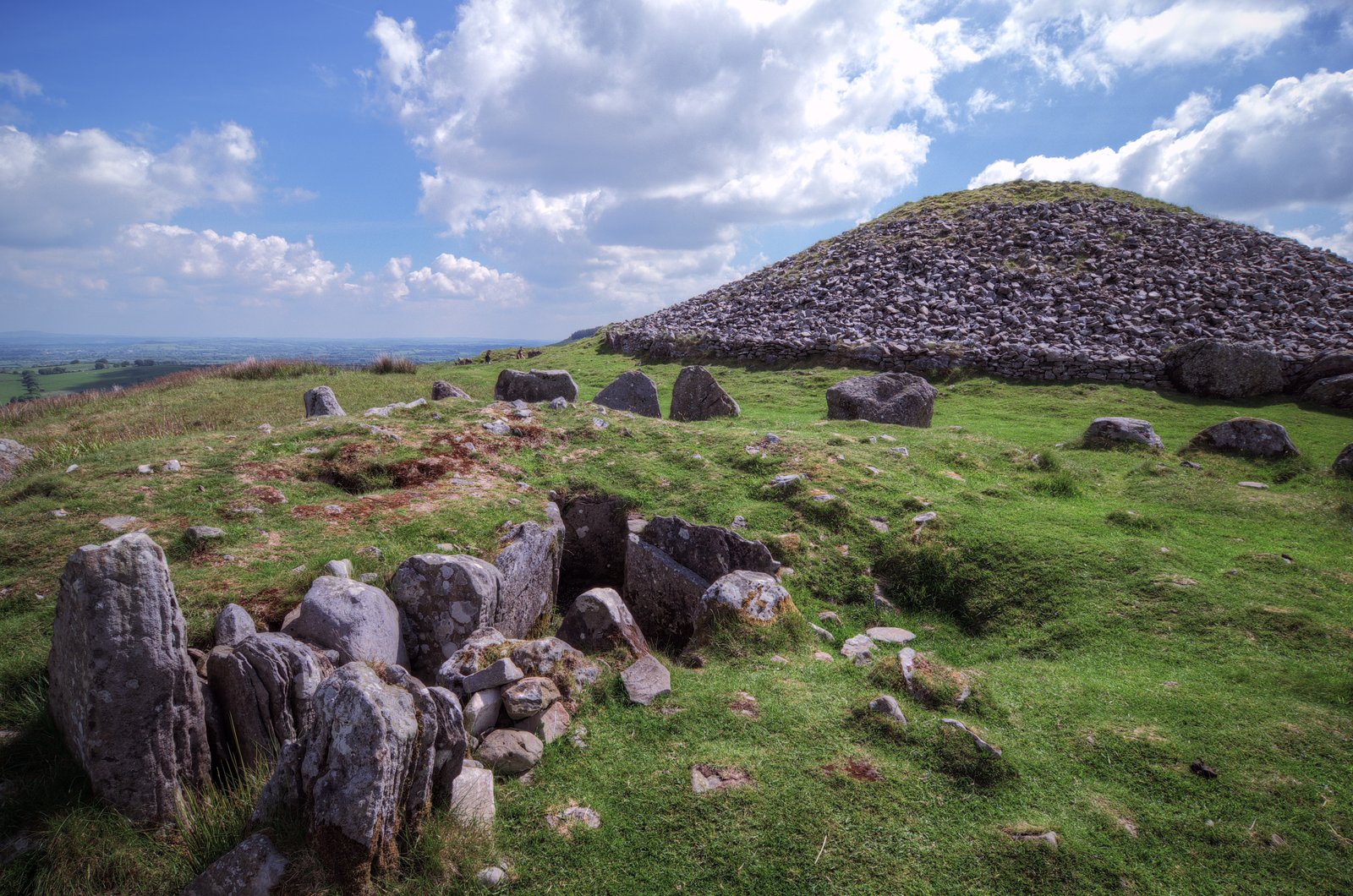
Loughcrew is what you visit when you want a passage tomb you can climb to and largely have to yourself. It sits on a run of hilltops near Oldcastle in County Meath, about an hour and a half from Dublin, and the old name is Slieve na Calliagh, the Hill of the Hag.
These cairns date to roughly 3,200 BC, the same rough age as Newgrange, but the whole experience is the opposite. There’s no visitor center, no shuttle bus, and no timed tour. You park at the bottom and walk up a real hill to reach them.
The legend gives it its name. The Cailleach, a witch or hag figure from the old stories, was said to have dropped stones from her apron as she leaped from hill to hill, and the cairns are what fell out. It’s one of the few irish mythology sites where the myth is basically an explanation for the rocks in front of you.
Cairn T and the Hag’s Chair
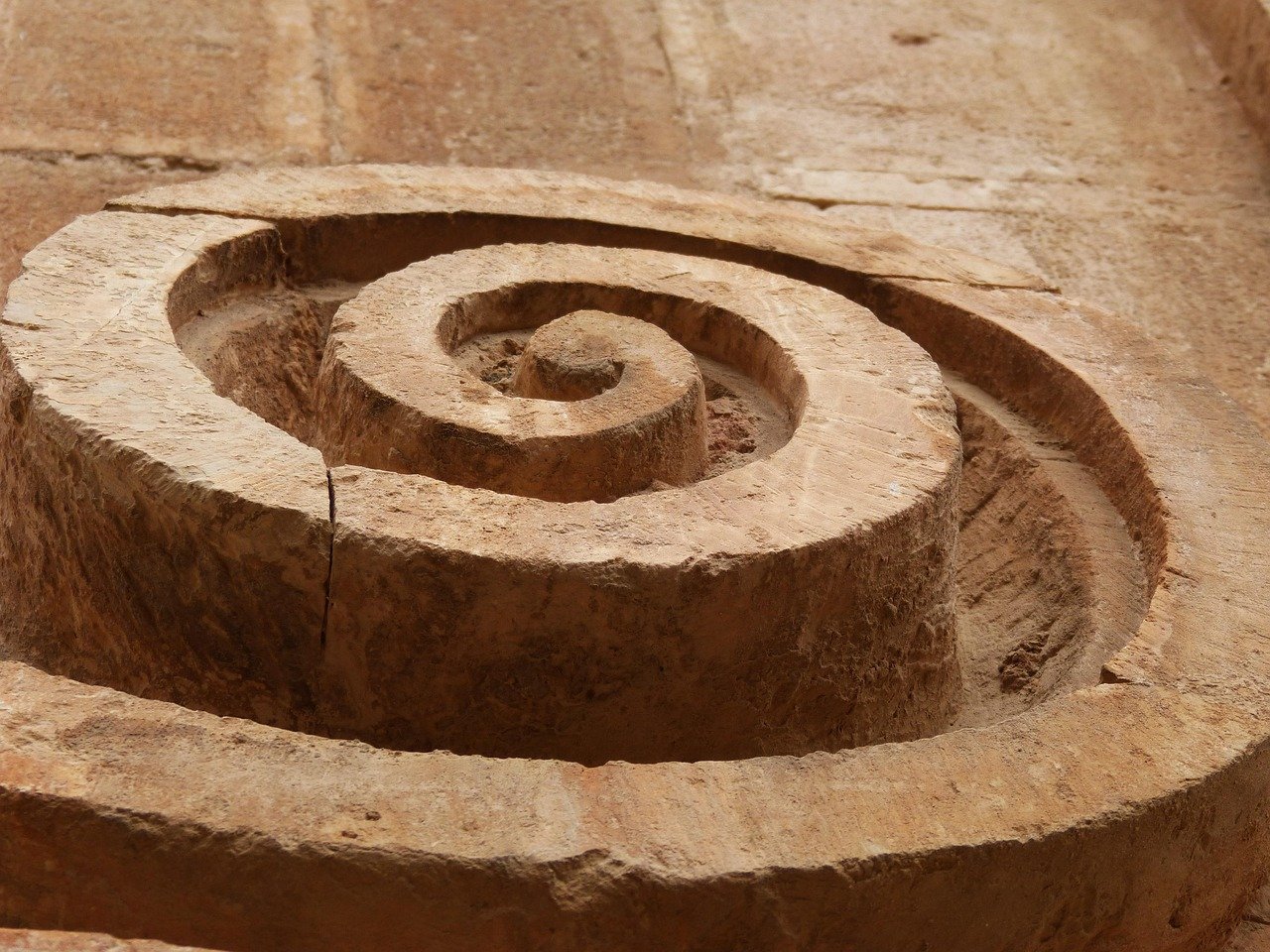
The main one is Cairn T, the big mound at the top of Carnbane East. Inside it there’s a cross-shaped chamber covered in carved stones, spirals and suns and shapes cut into the rock five thousand years ago. Access to the chamber has changed over the years, so check current opening arrangements before you drive out.
Like Newgrange, Cairn T is a sun clock, but it catches a different moment. Around the spring and autumn equinoxes the rising sun runs down the passage and lights up the carvings on the back stone. Two sunrises a year instead of one.
Just outside the cairn is the Hag’s Chair, a huge kerbstone shaped like a seat where the Cailleach is said to have sat looking out over the country. You can sit in it. The view from up here runs across a big spread of the midlands, and on a clear day it’s the reason to make the climb even if the chamber is locked.
It’s free, and the walk up takes maybe 15 to 20 minutes at a steady pace, steep enough that you’ll feel it. Go on a weekday and you’ll likely share the hilltop with a handful of people at most, which is not something you can say about the Boyne Valley in summer.
The Rock of Cashel
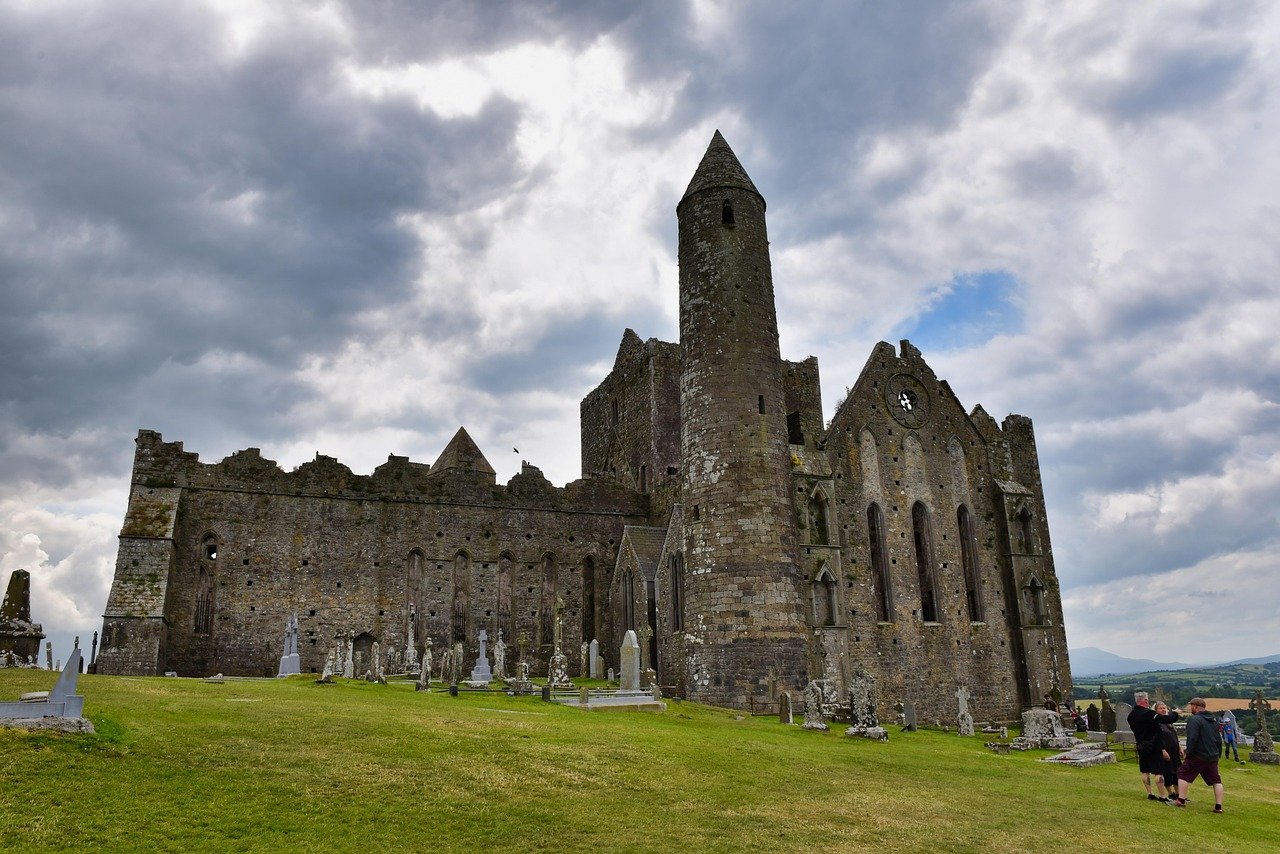
The Rock of Cashel is the one on this list you can see coming from miles away. It’s a huge outcrop rising straight out of the flat plains of County Tipperary, about two hours southwest of Dublin, with a cluster of medieval buildings crowning the top. This is the postcard shot of inland Ireland.
For centuries it was the seat of the Kings of Munster, the power base of one of Ireland’s great provinces, long before the buildings you see now went up. Brian Boru, the high king who broke the Vikings, was crowned here around the year 1000. So like Tara, this is a real seat of old power, not just a pretty ruin.
It’s a paid site run by the OPW, open all year, and it’s one of the busier stops here, so check current ticket prices and go early to beat the tour buses. Give it a couple of hours to walk the buildings and the graveyard properly.
The Devil’s Bit and St. Patrick
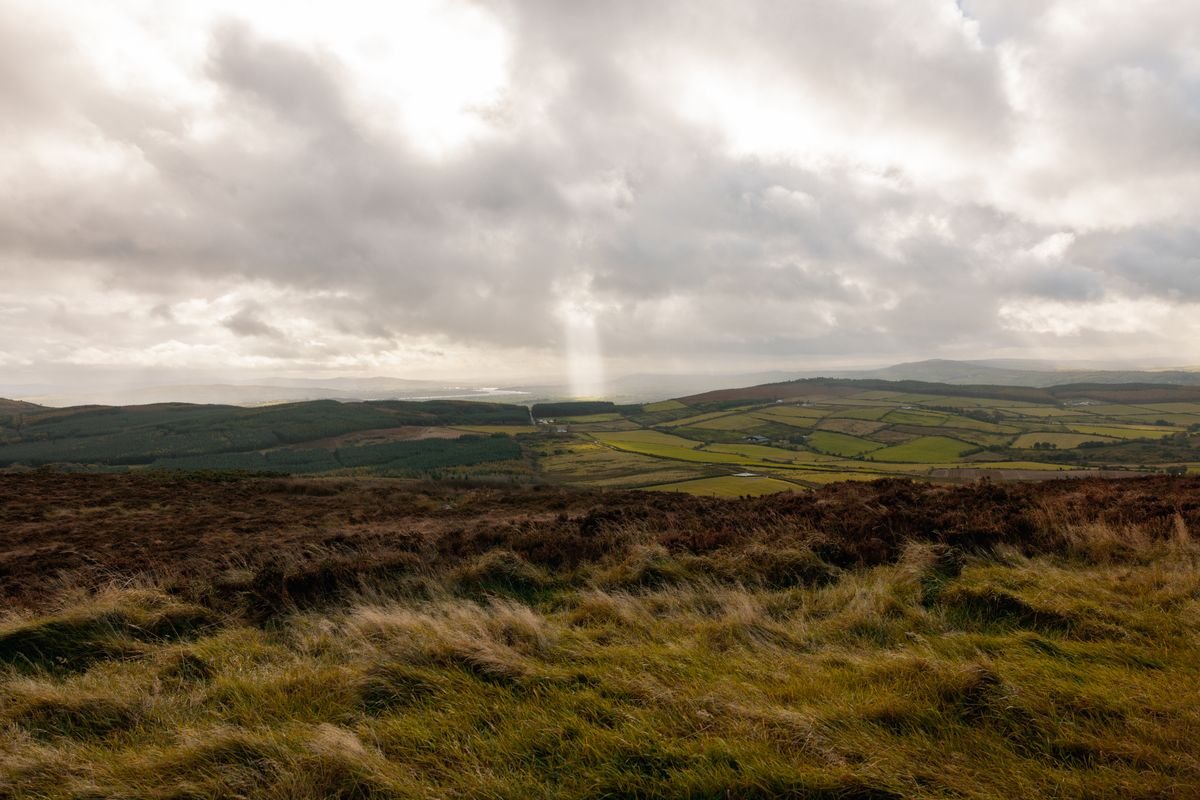
The myth is how the Rock got there. The story says the Devil took a huge bite out of a mountain a few miles north, then spat the chunk out here, and that’s the Rock of Cashel. There’s a real mountain up the road with a gap in its ridge, and it’s still called the Devil’s Bit, so the legend has a landmark to point at.
The other big story is St. Patrick. He’s said to have baptized the King of Munster here, and while doing it he drove the point of his sharp crozier straight through the king’s foot by accident. The king said nothing, thinking it was part of the ritual. The old stories love a detail like that.
On the ground the real draw is Cormac’s Chapel, a small stone church from the 1120s with faded medieval paintings still on the walls inside. There’s a round tower, a roofless Gothic cathedral, and a copy of St. Patrick’s Cross out in the open, with the weathered original kept indoors.
It’s the most complete set of medieval buildings on this whole list, and worth the detour if you’re heading between Dublin and Cork.
The Giant’s Causeway
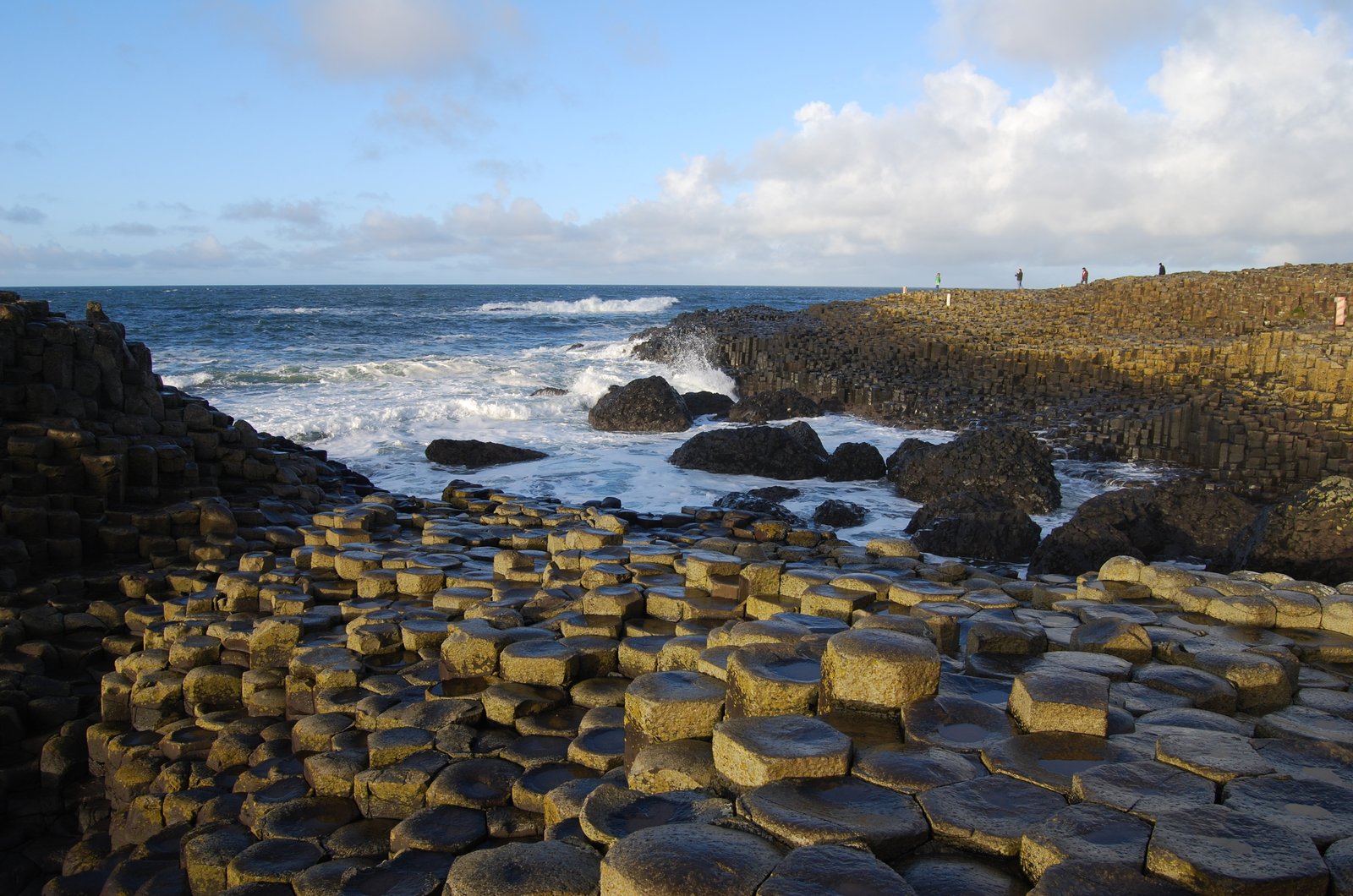
The Giant’s Causeway is the big one up north, on the Antrim coast in Northern Ireland, about an hour from Belfast. It’s around 40,000 hexagonal basalt columns packed together at the edge of the sea, stepping down into the water like a set of stone stairs someone built and then abandoned.
The dull explanation is a volcanic eruption about 60 million years ago, where cooling lava cracked into these near-perfect six-sided columns. It’s a UNESCO World Heritage Site and the most-visited spot in Northern Ireland, so it earns its place on any list of irish mythology sites twice over, for the geology and the legend.
Finn McCool and the Scottish Giant
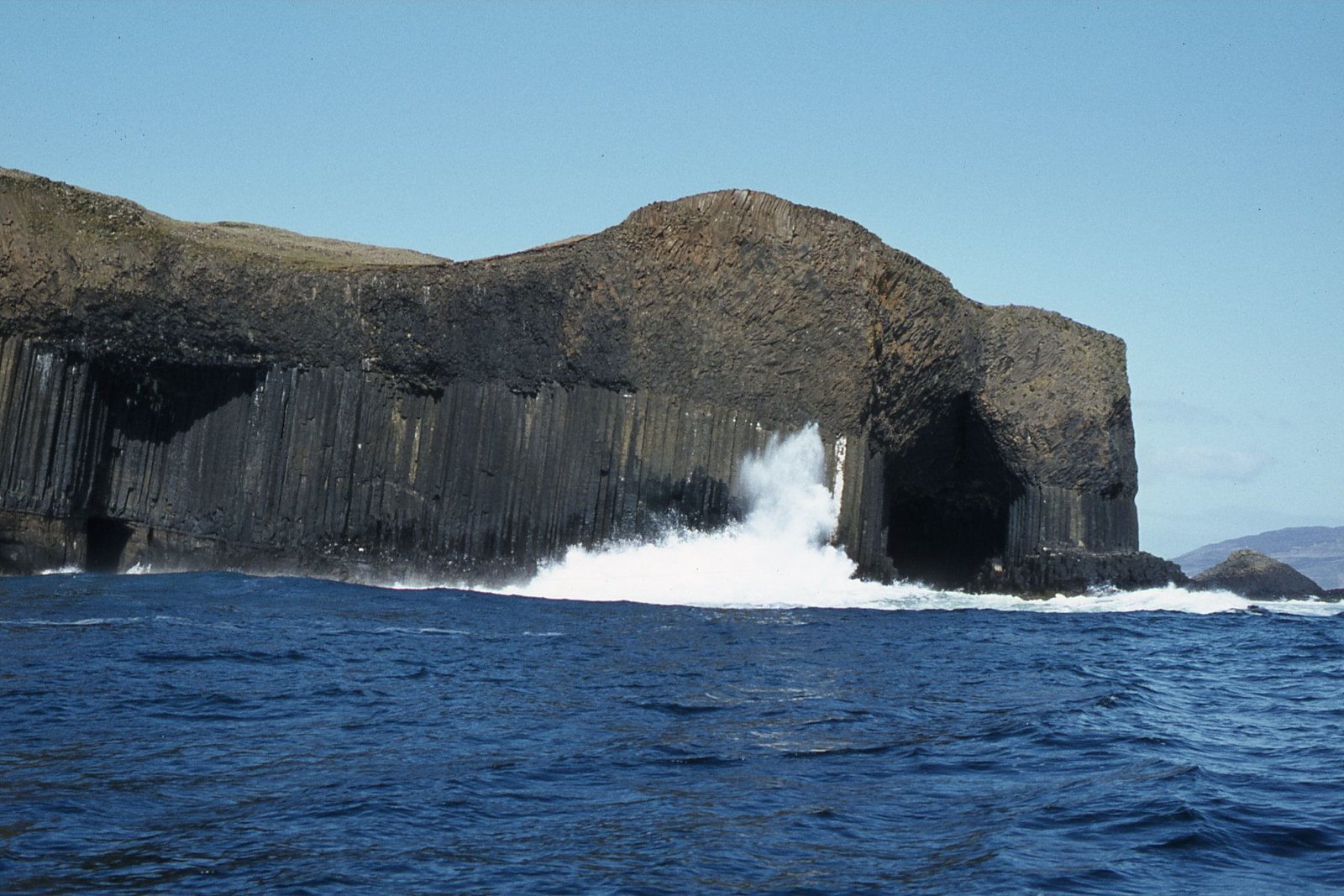
The old story is better than the science. The giant Fionn mac Cumhaill, Finn McCool, built the causeway as a bridge across the sea to Scotland so he could go and fight a rival giant called Benandonner.
When Finn got a look at the size of the Scottish giant, he legged it home and had his wife Oonagh dress him up as a baby. Benandonner crossed over, saw the enormous “baby” in the crib, and figured the father must be a monster. He fled back to Scotland, ripping up the causeway behind him so Finn couldn’t follow.
The clever part is that the legend has proof on both ends. There’s a matching set of basalt columns at Fingal’s Cave on the Scottish island of Staffa, the far end of the same bridge. The story was people looking at two identical rock formations across the sea and working out how they got there.
Visiting the Causeway
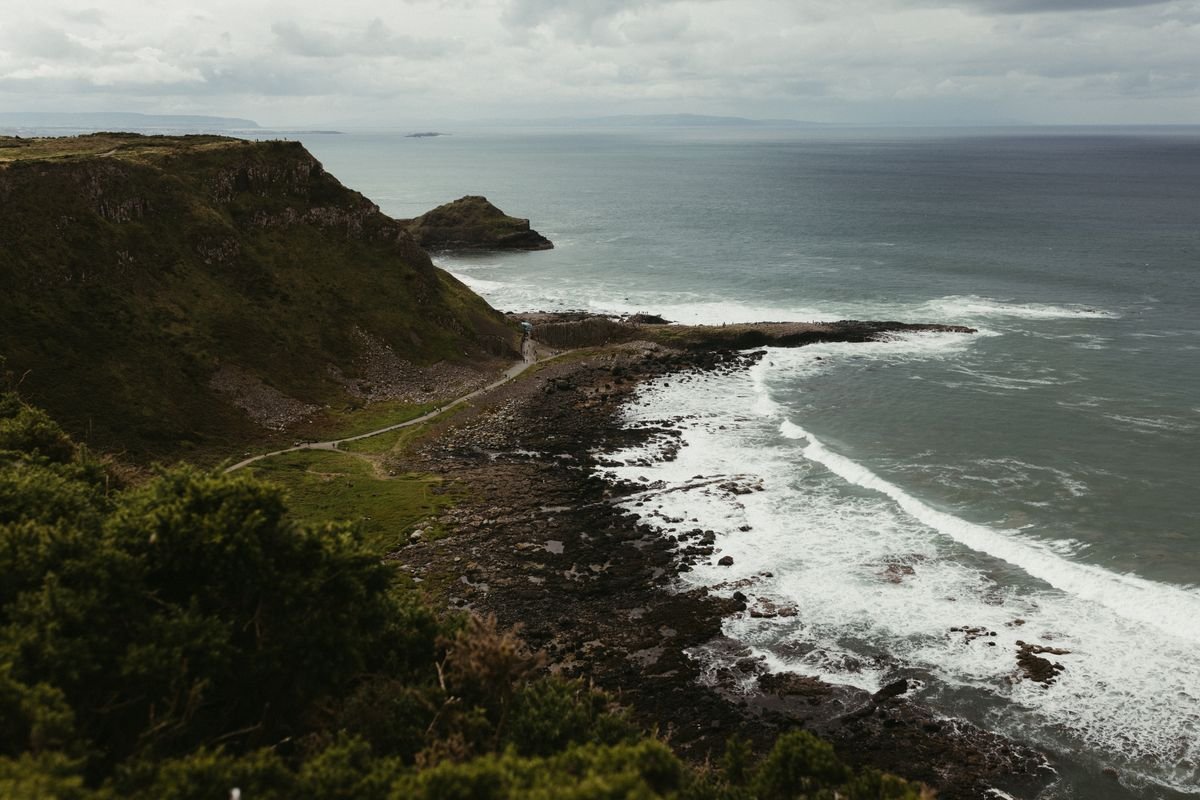
Here’s the thing that trips people up. Walking down to the stones themselves is free, and always has been. The path along the cliffs is a public right of way, so you can park elsewhere nearby and walk in without paying a penny.
What you pay for is the National Trust visitor center, which covers the parking lot, the exhibit, and the audio guide. Check current prices on the National Trust site, and go early or late in the day, because the buses roll in mid-morning and the stones get packed.
Wear grippy shoes, because wet basalt is slick and the columns are uneven. Give yourself two or three hours, and if you’ve got the time, string it in with the Carrick-a-Rede rope bridge and the Dark Hedges, which are both a short drive along the same coast. If you’re based in Belfast without a car, you can book a Giant’s Causeway day tour from Belfast on GetYourGuide that rolls the Causeway, the Dark Hedges, and the coast into one trip.
Knocknarea and Queen Medb’s Cairn
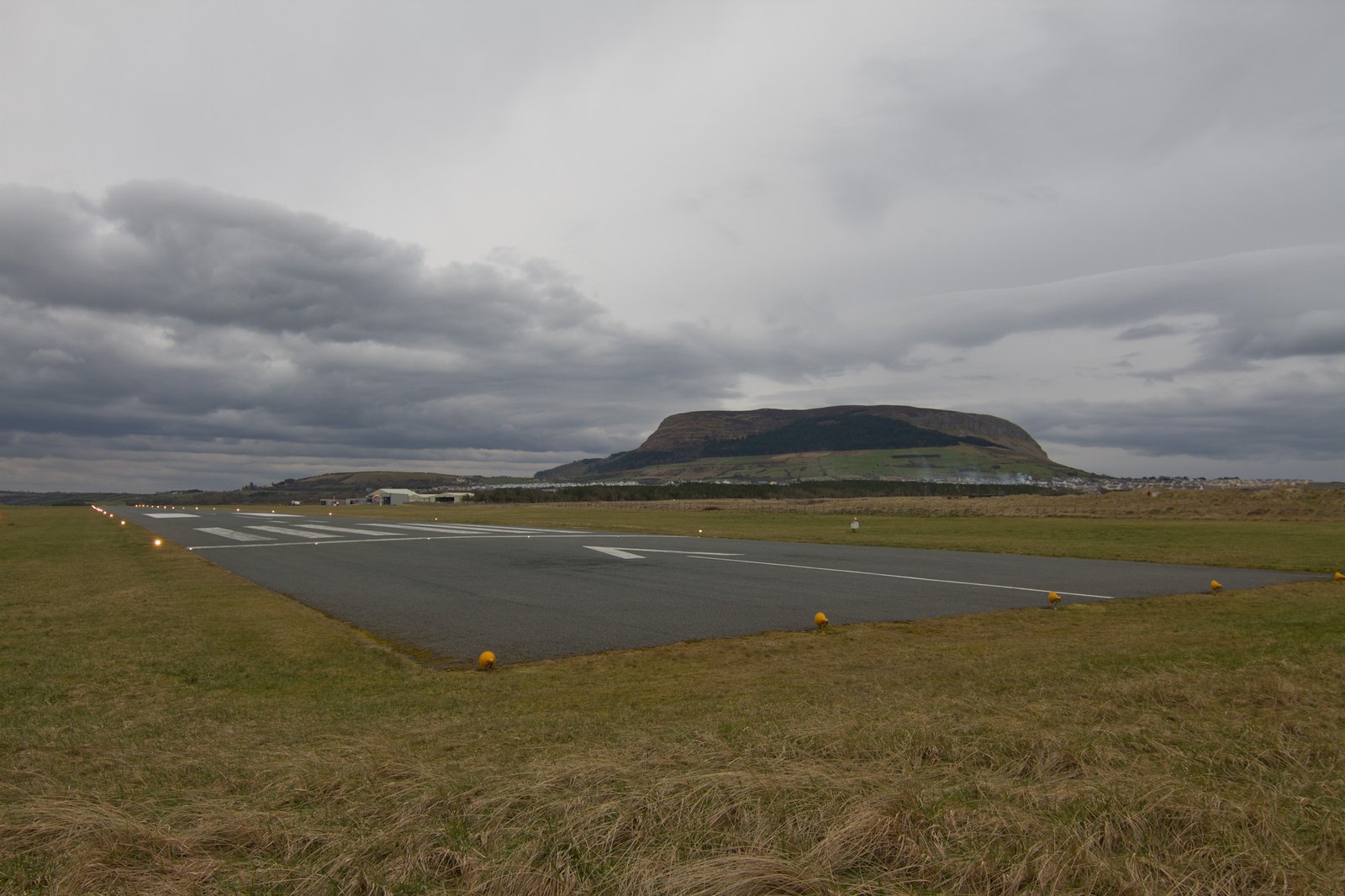
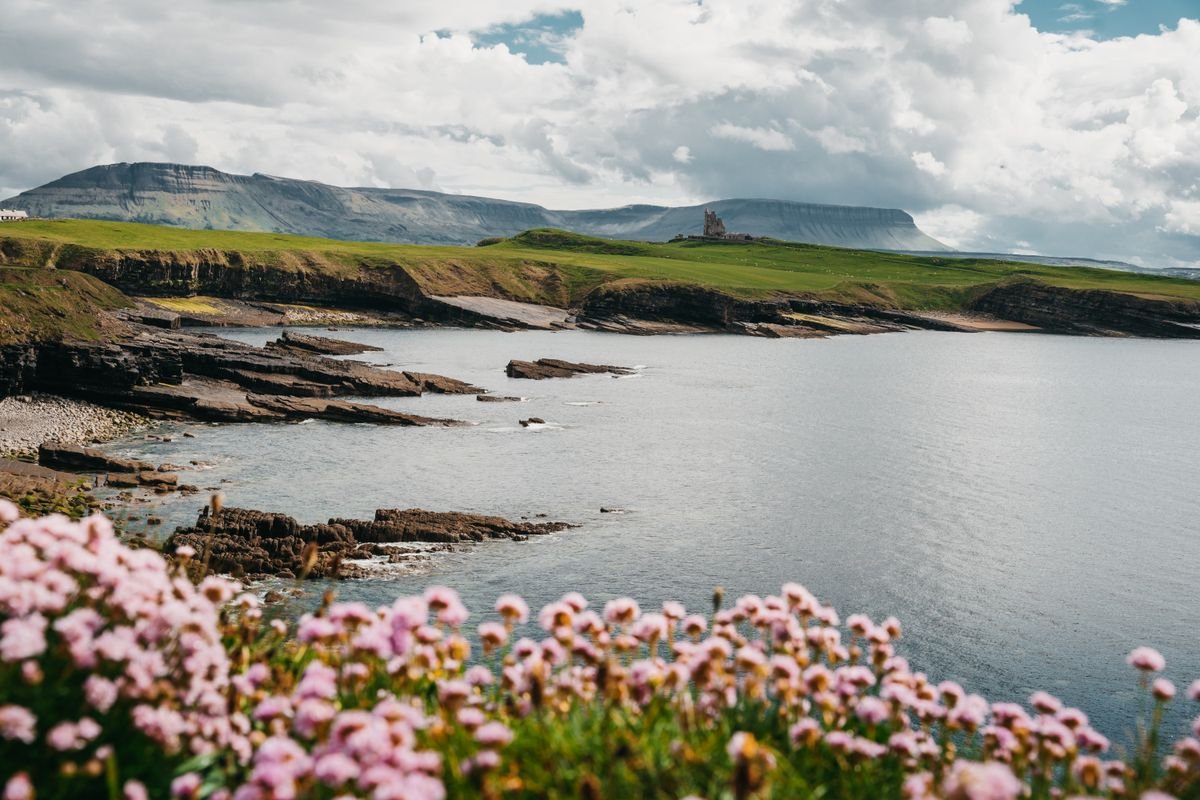
Knocknarea is a flat-topped hill in County Sligo, in the northwest, with the Atlantic and Sligo Bay spread out below it. On top sits a giant stone cairn you can see from most of the county, a pile of loose rock about 55 meters across and 10 high. It’s one of the biggest cairns in Ireland, and it has never been dug into.
The mound is Neolithic, roughly 5,000 years old, so it was built long before the queen it’s named for. But the story is the reason people climb it. This is said to be the grave of Medb, or Maeve, the warrior queen of Connacht.
Medb is the one who kicks off the Táin Bó Cúailnge, the great cattle raid, sending her whole army into Ulster to steal a prize bull and running headlong into the young hero Cú Chulainn. She’s one of the biggest figures in the old Irish stories, and she gets one of the biggest tombs.
The Queen Buried Standing Up
The detail that sticks is how she’s meant to be buried. The legend says Medb was laid inside the cairn standing upright, in full armor, facing north toward her old enemies in Ulster. Even in death she’s squared up for a fight.
Nobody knows if there’s anything in there at all, because the cairn has never been excavated, and there’s a strong local feeling it should stay that way. So the story sits undisturbed, which is rare for a site this famous.
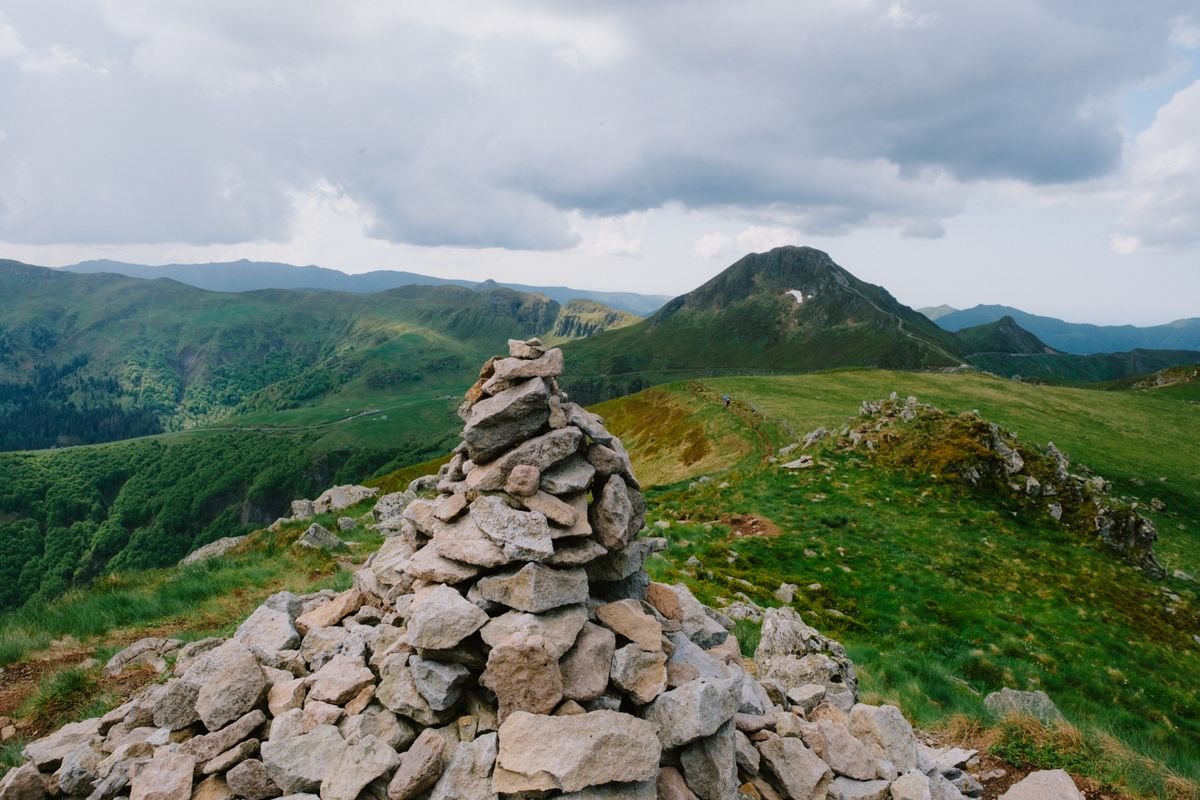
There’s an old tradition to bring a stone up with you and add it to the pile, and to never take one away. Whether you buy into it or not, it’s why the cairn keeps its size, and it’s a nice thing to do on the way up.
Walking Up Knocknarea
It’s free, and it’s a proper walk rather than a stroll. From the trailhead parking lot the climb to the top takes about 30 to 40 minutes, up a well-worn trail that gets steep near the end, so you’ll feel it in your legs.
The payoff is the view. From beside the cairn you can see across Sligo Bay, out to the Atlantic, and over to the flat-topped bulk of Benbulben, the mountain Yeats wrote about. On a clear day it’s one of the best coastal views in the northwest.
Wear boots and bring a layer, because it’s exposed up top and the wind coming off the sea has nothing to slow it down. Sligo town is only about 15 minutes away, so it’s an easy half-day if you’re already up in the northwest, and worth the detour to stand next to the biggest grave in Irish legend.
Where to Stay in Sligo
Rathcroghan
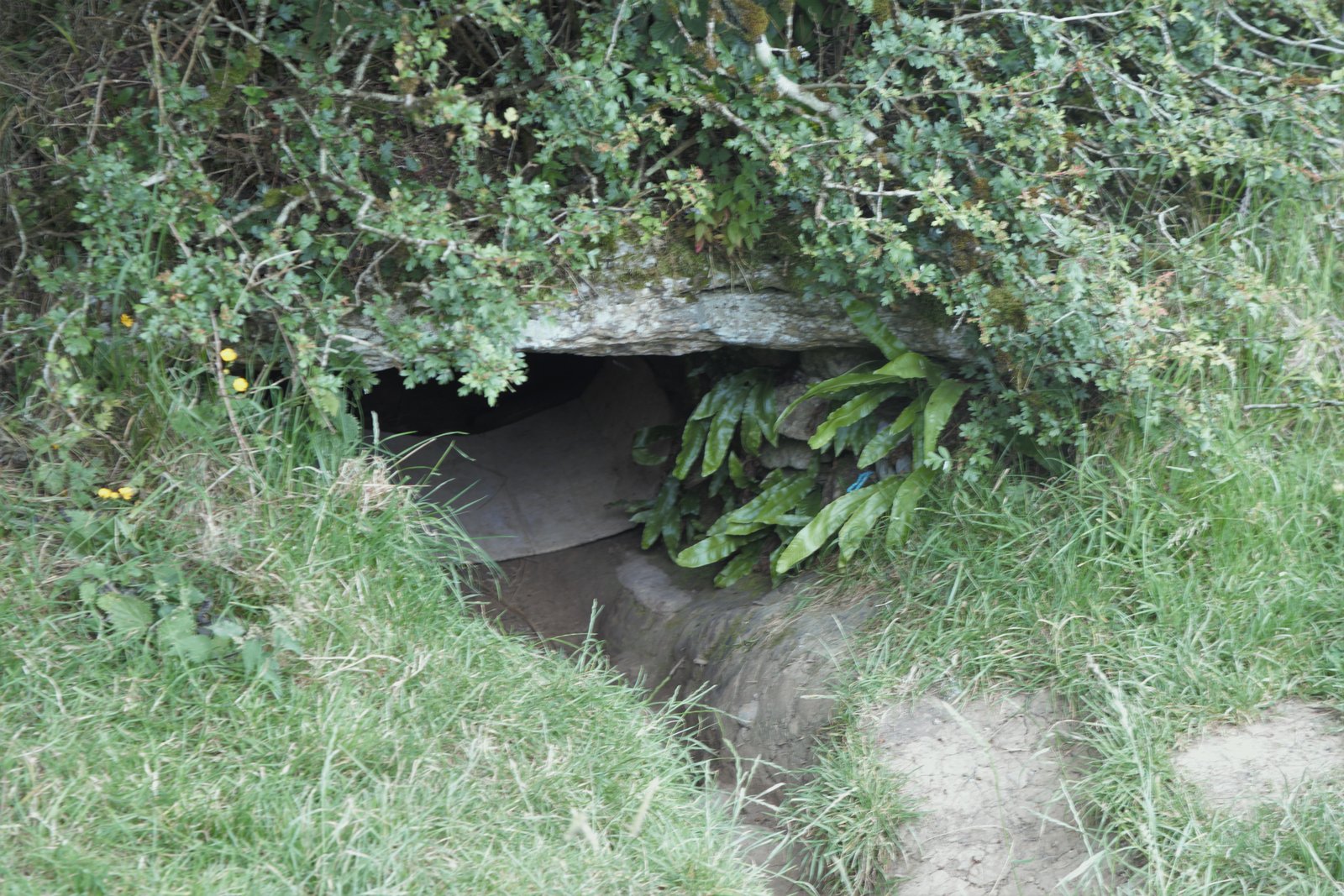
Rathcroghan is the one almost nobody stops for, and it might be the biggest of the lot. It’s a spread of more than 60 ancient monuments across the fields of County Roscommon, near the village of Tulsk, roughly two hours west of Dublin in the middle of the country.
This was Cruachan, the royal seat of Connacht and the home base of Queen Medb, the same warrior queen buried under the cairn on Knocknarea. If Knocknarea is where the stories say she ended up, Rathcroghan is where she ruled from. It’s where the great cattle raid, the Táin Bó Cúailnge, kicks off.
The catch is that it barely looks like anything. The main mound, Rathcroghan Mound, is a big flat-topped grassy hump in a field, and the rest is low banks and ring forts scattered across the farmland. This is one of the irish mythology sites where you really do need the story, or a guide, to see what you’re standing on.
Oweynagat, the Cave of the Cats
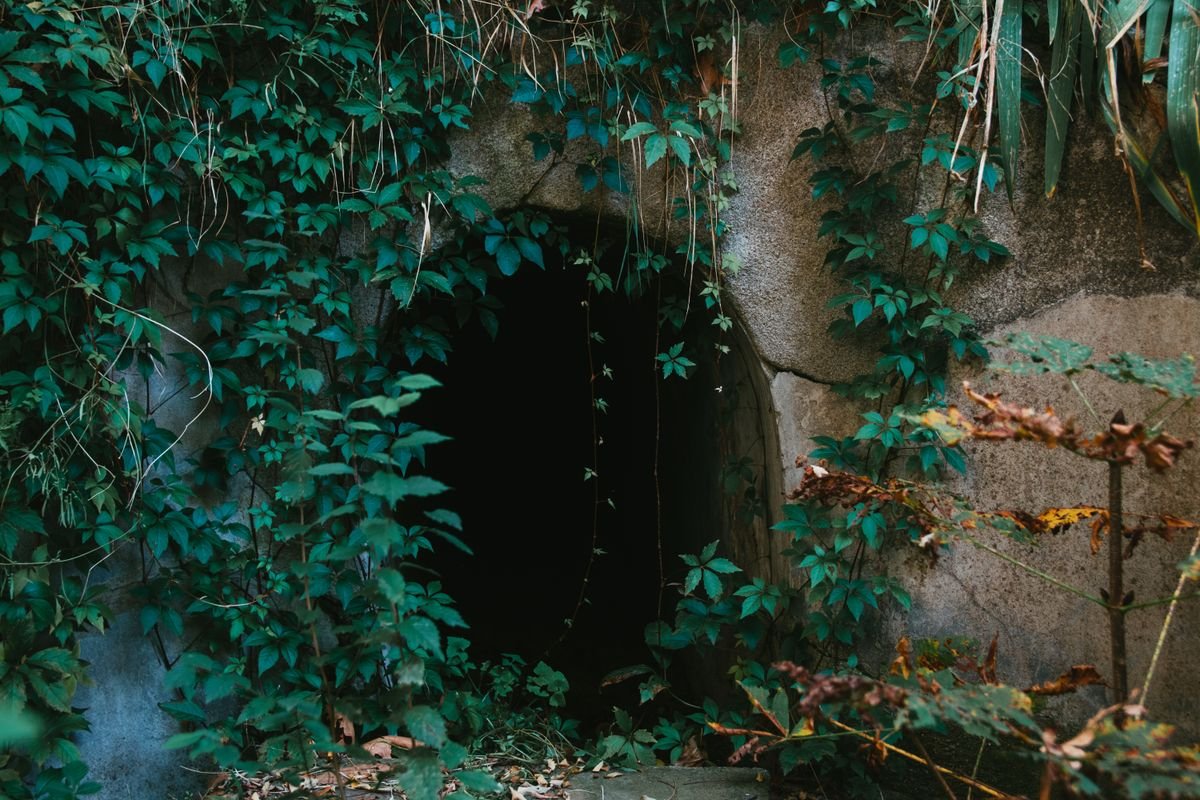
The reason to make the detour is a low, dark slot in the ground called Oweynagat, the Cave of the Cats. In the old stories this is a doorway to the Otherworld, and the spot the Irish called the gate of hell. It’s about as far from a polished tourist attraction as you can get.
The legend says all sorts of things poured out of this cave at Samhain, the festival that became Halloween: a herd of otherworldly pigs, a three-headed monster, and the Morrígan, the war goddess, riding out in her chariot. Rathcroghan has a real claim to being one of the birthplaces of Halloween.
The cave itself is a tight, muddy crawl with an old carved stone at the entrance, not a walkway with handrails. Don’t go poking around in there on your own without knowing what you’re doing.
Start at the Rathcroghan Visitor Centre in Tulsk, which lays out the whole site and runs guided tours that take you out to the mound and the cave. Check current tour times and prices before you drive out, because the field monuments make a lot more sense with someone explaining them, and the cave in particular is one you want a guide for.
Slieve Gullion
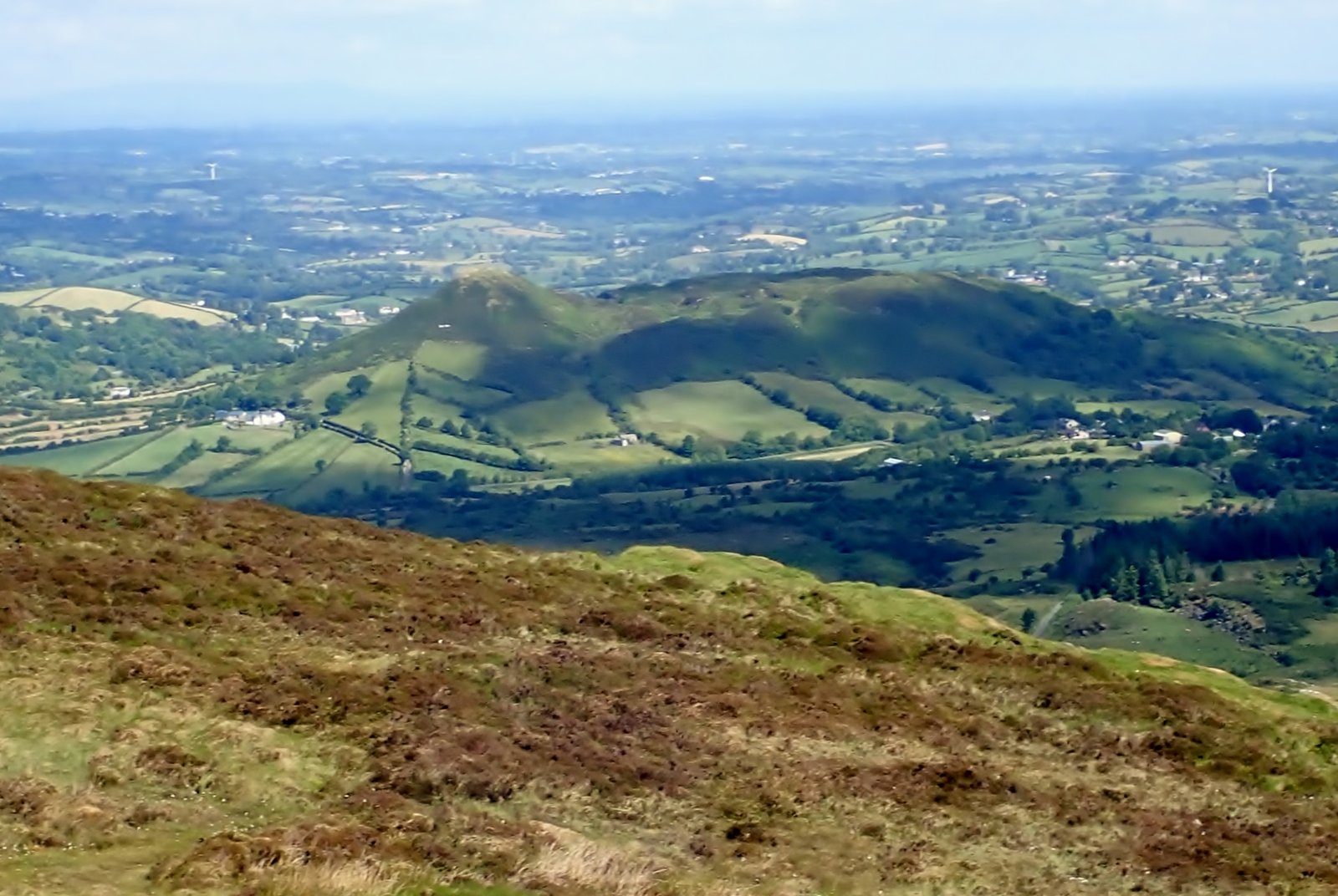
Slieve Gullion is a mountain in County Armagh, up in Northern Ireland near Newry, about an hour and a half north of Dublin. It’s the highest point in the county, and sitting right on the summit is the highest passage tomb in all of Ireland, higher up than anything at Newgrange or Loughcrew.
The whole mountain is ringed by a circle of smaller hills called the Ring of Gullion, an ancient volcanic formation. Like Newgrange, the summit tomb is a sun clock, lined up to catch the sunset around the winter solstice in late December rather than the sunrise.
There’s a small lake up top next to the cairn, and that lake is where the legend lives. It’s one of the irish mythology sites where the story is tied to a spot you can walk right up to.
The Lake That Aged Finn McCool
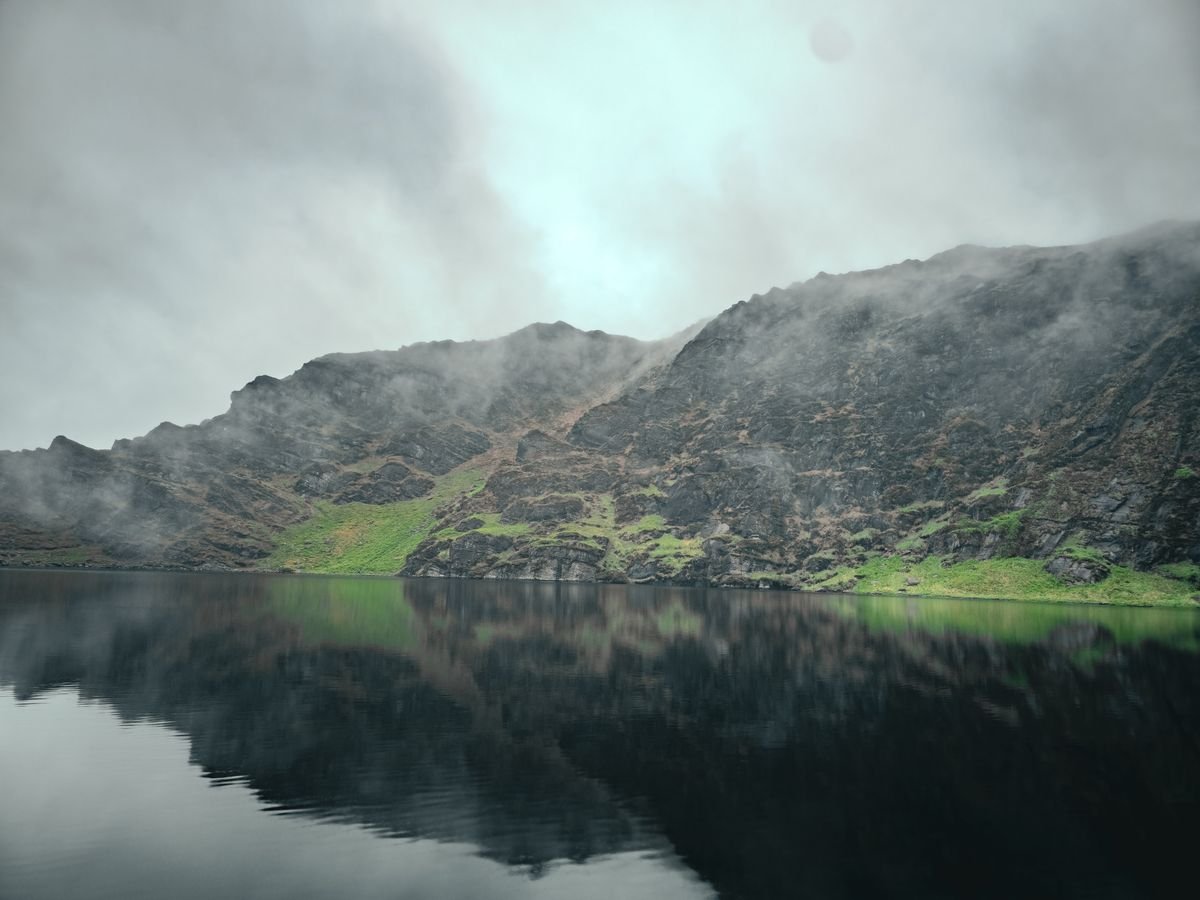
The witch here is the Cailleach again, this time in her Calliagh Berra form, and the man she gets is Fionn mac Cumhaill, the same giant hero from the Giant’s Causeway story. She tricked him into swimming out into the summit lake to fetch a ring for her.
When Finn climbed back out, he was a frail old man with white hair, aged decades in the space of one swim. His warriors, the Fianna, hunted the hag down and forced her to undo it. She gave him his youth and his strength back, but his hair stayed grey for the rest of his life.
People still call the water up there Calliagh Berra’s Lough, and the old tale is why. That’s the fun of this one, you get the highest ancient tomb in the country and the lake that turned the great warrior into an old man, both on the same summit.
Climbing Slieve Gullion
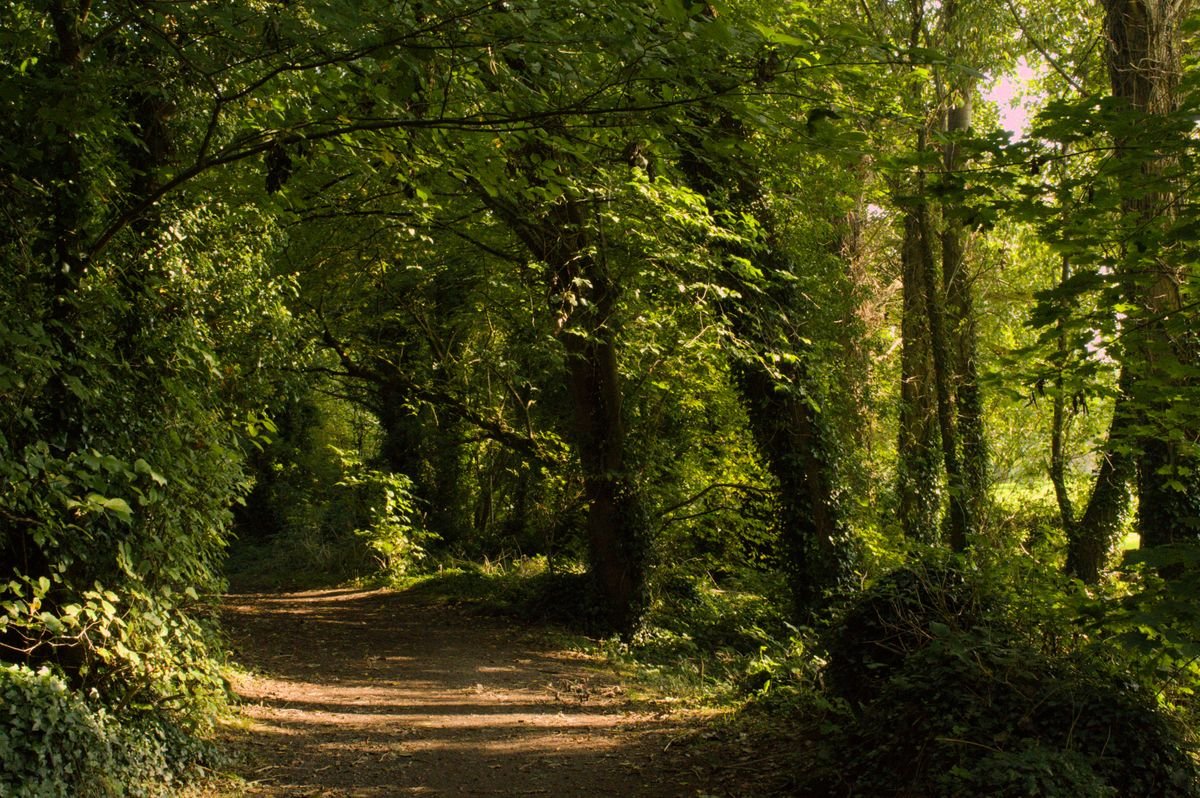
The base of the mountain is Slieve Gullion Forest Park, which is free to enter and has a scenic drive that loops up the lower slopes with parking and views out over the Ring of Gullion. That’s where the walk starts.
Getting to the actual summit tomb is a real hill walk, not a stroll from the car. Plan on a couple of hours up and back over open, exposed ground, so wear proper boots and bring a layer, because the wind at the top has nothing to slow it down.
If you’re heading between Dublin and Belfast anyway, it’s an easy detour, and it’s a lot quieter than the big-name stops further south. Check the forest park opening times before you drive out, since the scenic drive gates close in the evening.
The Paps of Anu
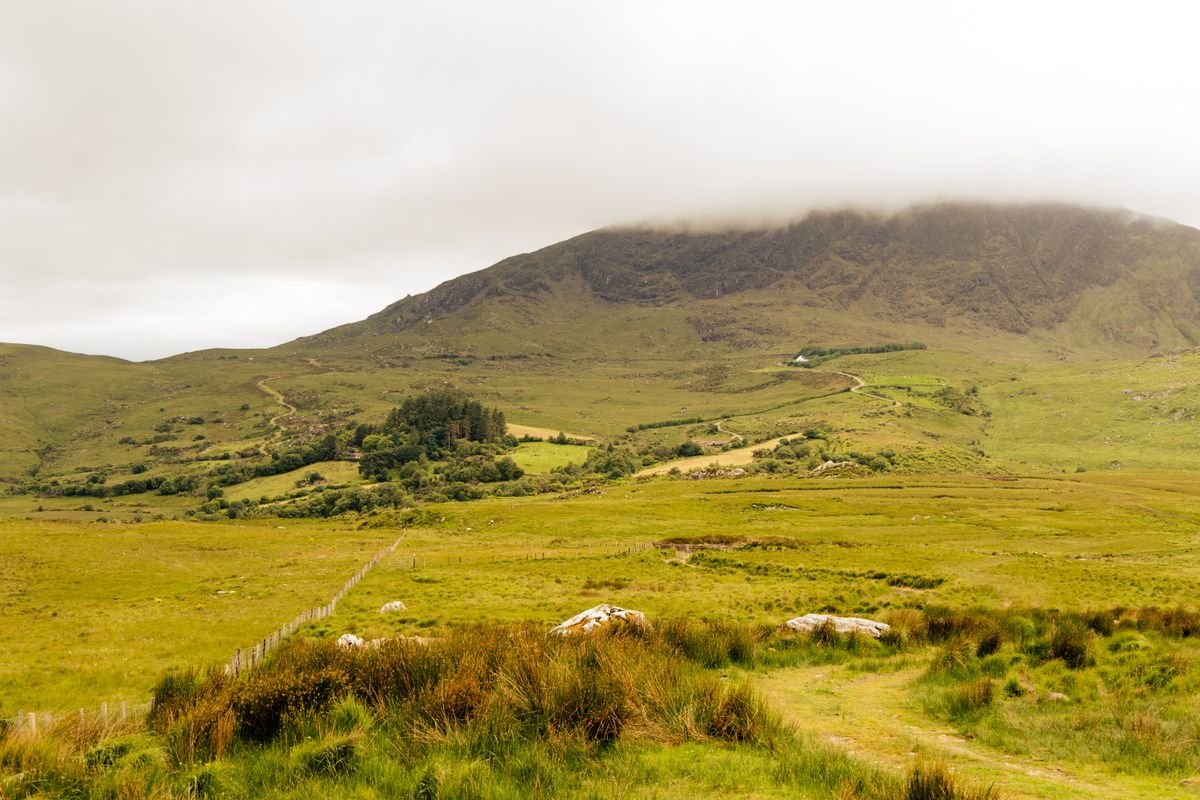
The Paps of Anu are two matching mountains in County Kerry, southeast of Killarney near the village of Rathmore, close to the Cork border and about 90 minutes northwest of Cork city. They rise side by side, both around 690 meters, and from a distance they look almost identical.
The name gives away what people saw in them. “Da Chích Anann” means the two breasts of Anu, and the shape is no accident. On top of each rounded summit sits a Bronze Age cairn, and those two piles of stone read like nipples from the valley floor. It’s one of the irish mythology sites where the landform itself is the myth.
Anu, also called Danu, is the mother goddess of the Tuatha De Danann, the same god-race tied to Newgrange. So this is the land shaped into a goddess, a fertility figure laid across the Kerry hills, and the ancient builders leaned into it by capping each peak with a cairn.
The City and Climbing the Paps
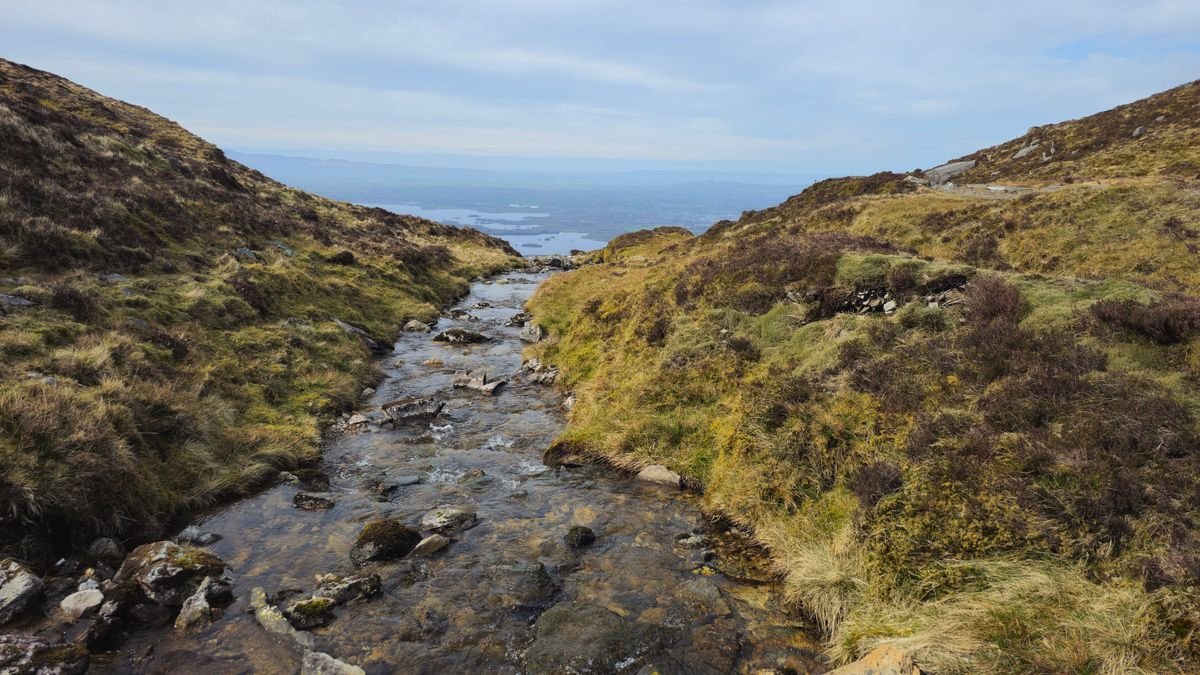
At the base of the mountains is a ritual site called The City, in Irish An Chathair, a low horseshoe-shaped stone enclosure that people still walk on May Day. That’s Bealtaine again, the summer fire festival, and this spot has kept its pilgrimage going for a very long time.
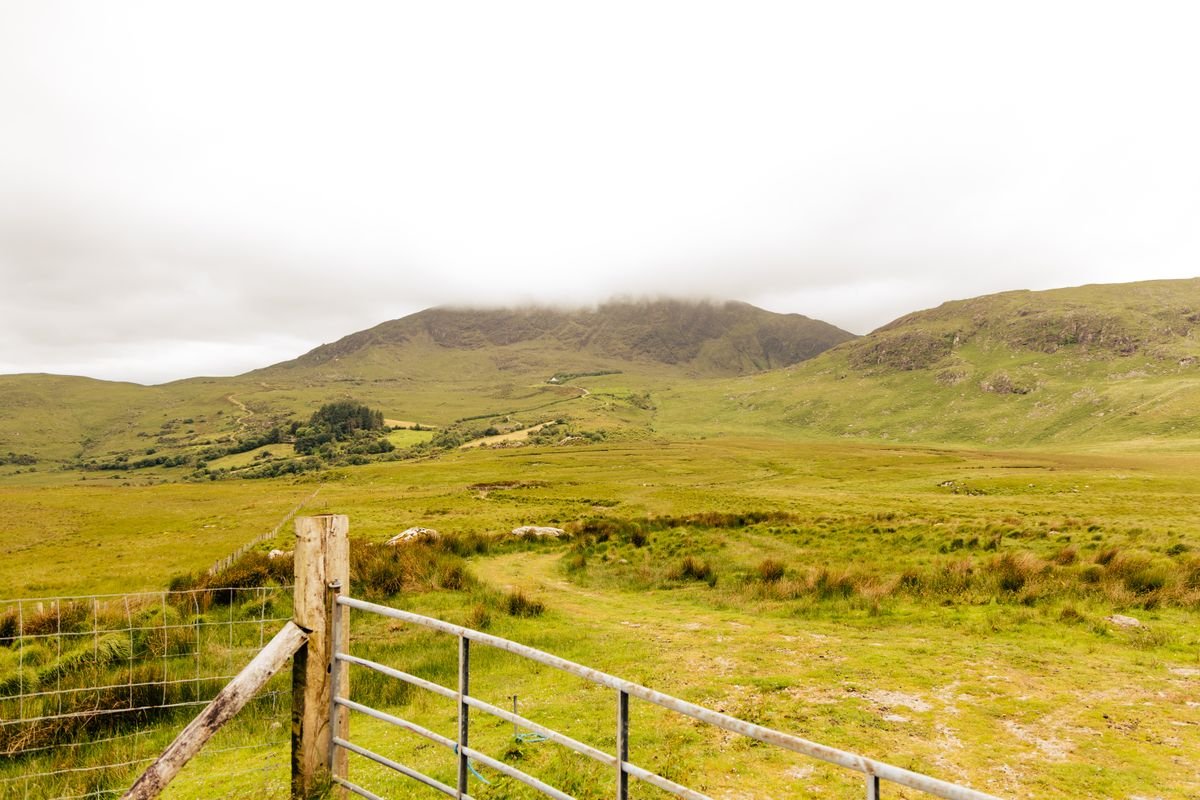
Climbing the Paps is a proper mountain day. The ground is rough and boggy, there’s no marked path to the summits, and it’s steep enough that you’ll feel it in your legs. In low cloud it’s easy to lose your line up there, so pick a clear day, wear proper boots, and only head up if you’re comfortable on open hills.
It’s free and it’s quiet, well off the tourist run compared to nearby Killarney. If you’d rather just see the shape and skip the climb, you can get the full effect from the road, and that view of two goddess-breast peaks capped with stone is the whole point.
Where to Stay in Killarney
The Hill of Slane
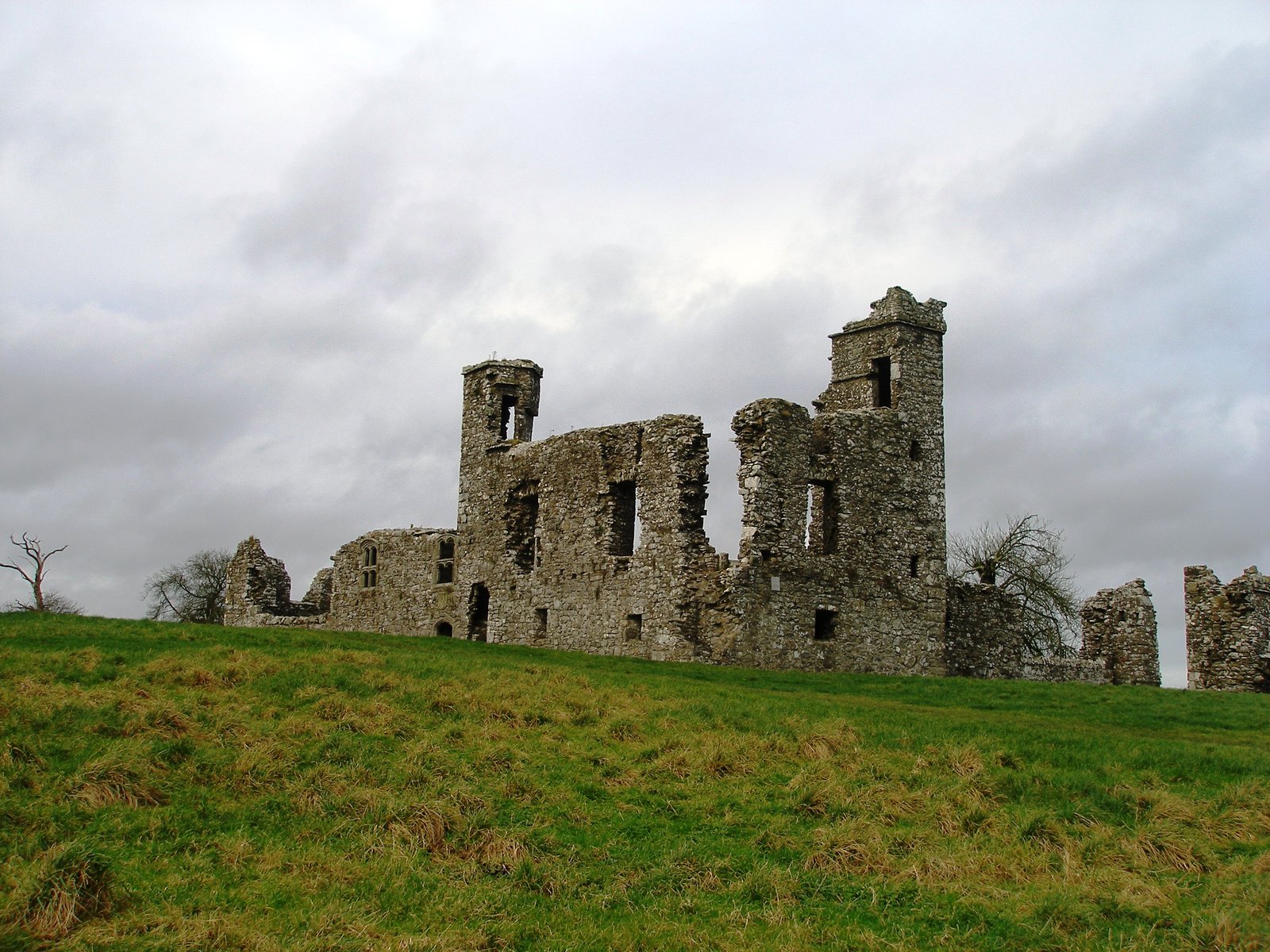
The Hill of Slane sits in County Meath as well, on the north side of the Boyne Valley near the village of Slane, about 45 minutes from Dublin and a short hop from Newgrange. Like Tara it’s a low green hill with a scatter of ruins on top, and like Tara the whole point of it is the view.
From up here you can see clear across the valley to the Hill of Tara, and that line of sight is the entire reason this place matters. The two hills stare straight at each other, and the most famous story in the whole valley is a fire showdown between them.
St. Patrick’s Fire
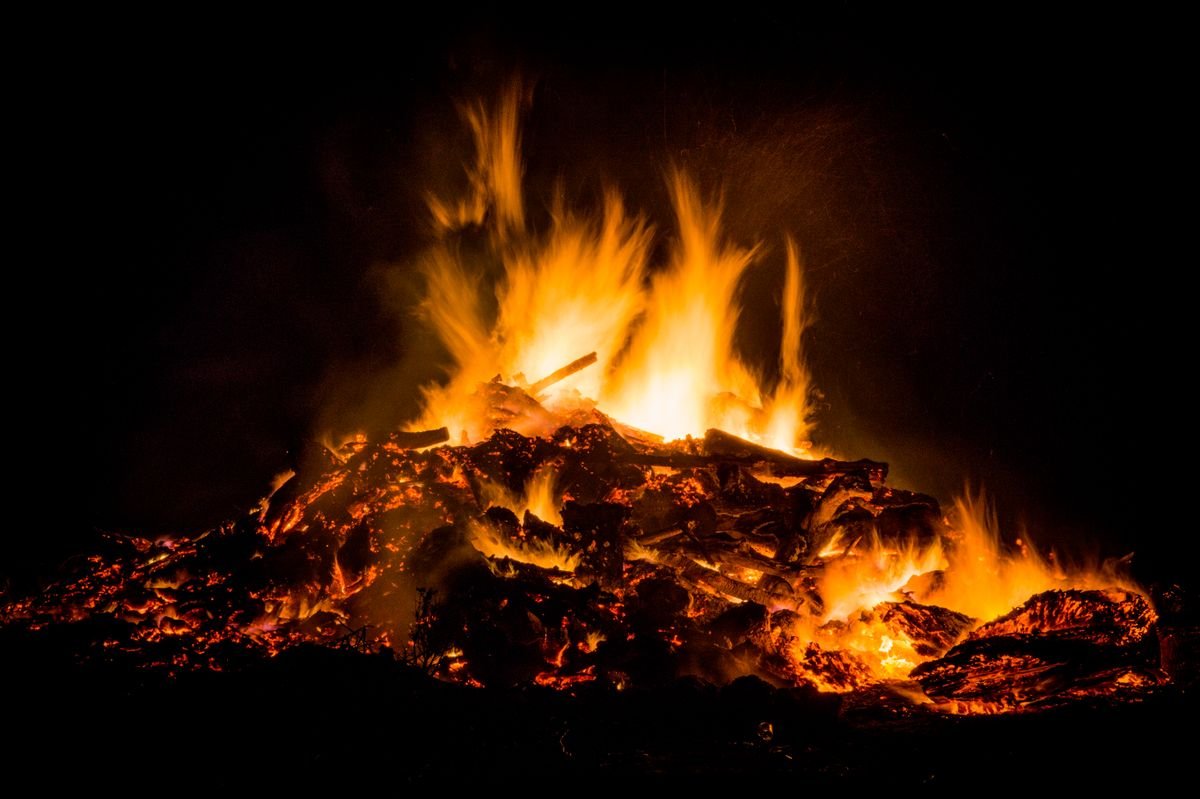
The old law said no fire could be lit on the eve of the spring festival until the High King’s fire blazed first at Tara. It was the king’s right, and everyone waited on it. So St. Patrick climbed this hill and lit a Paschal fire in full view of Tara before the royal fire went up.
The story goes that King Laoghaire’s druids saw the flames across the valley and warned him. If that fire wasn’t put out the same night, they said, it would burn in Ireland forever. He sent men to stamp it out and they couldn’t do it.
It’s told as the moment the new faith outmuscled the old gods, staged as two rival fires facing off across the Boyne Valley. Whether you take it as history or legend, it’s a clever piece of theater, and it only works because you really can see one hill from the other.
What to See at Slane
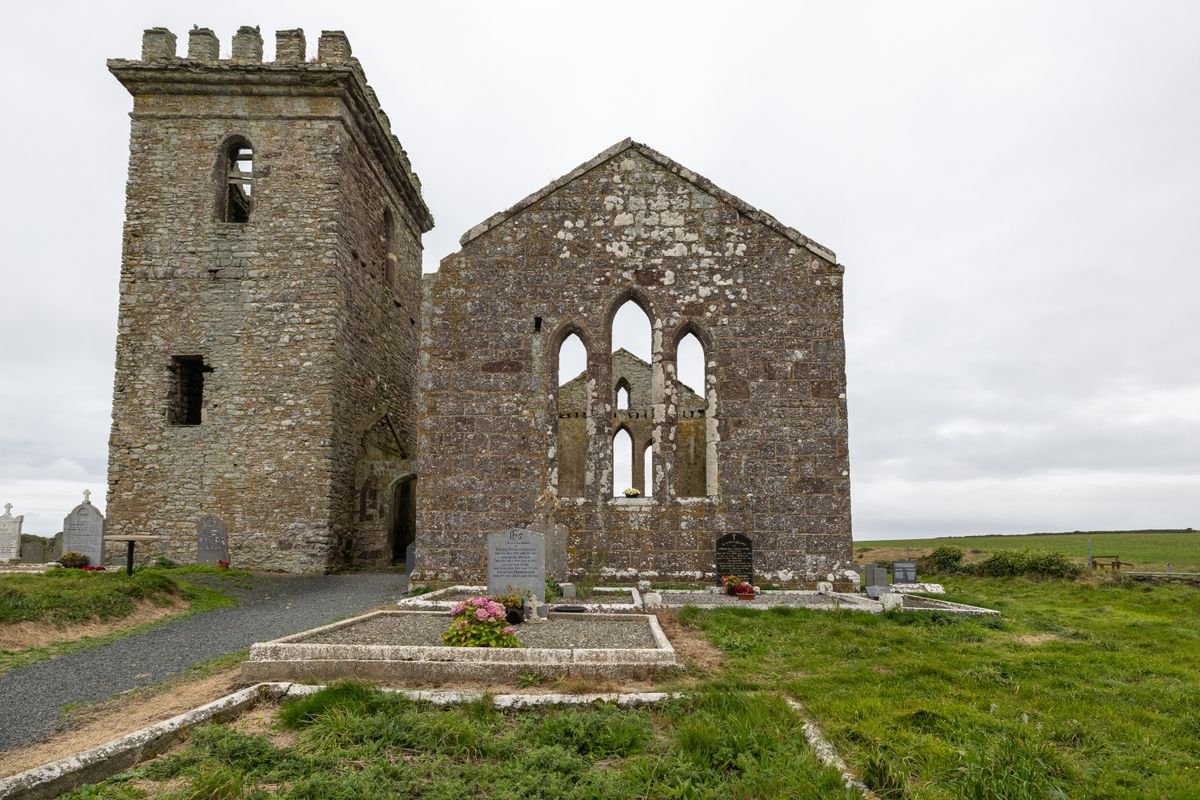
The ruins on top are much younger than the story. There’s a 16th-century friary church and a college building, both roofless now, run up by the Franciscans long after Patrick’s time. The pull is the tower, and you can climb the narrow spiral stairs inside for the best view in the valley.
It’s free, it’s open access all year, and you can walk the whole site in half an hour. Wear decent shoes, because the ground gets muddy and the tower stairs are steep and tight.
String it in with Tara and Newgrange and you can knock out all three in one Boyne Valley day, which is the easiest cluster of irish mythology sites in the country to do without a lot of driving between them.
Things to Do in Towns Near These Sites
- Best Things To Do In Cork (City & Day Trips)
- 33 Best Things To Do in Galway, Ireland
- 21 Unique Things To Do in Kerry, Ireland – The Kingdom County
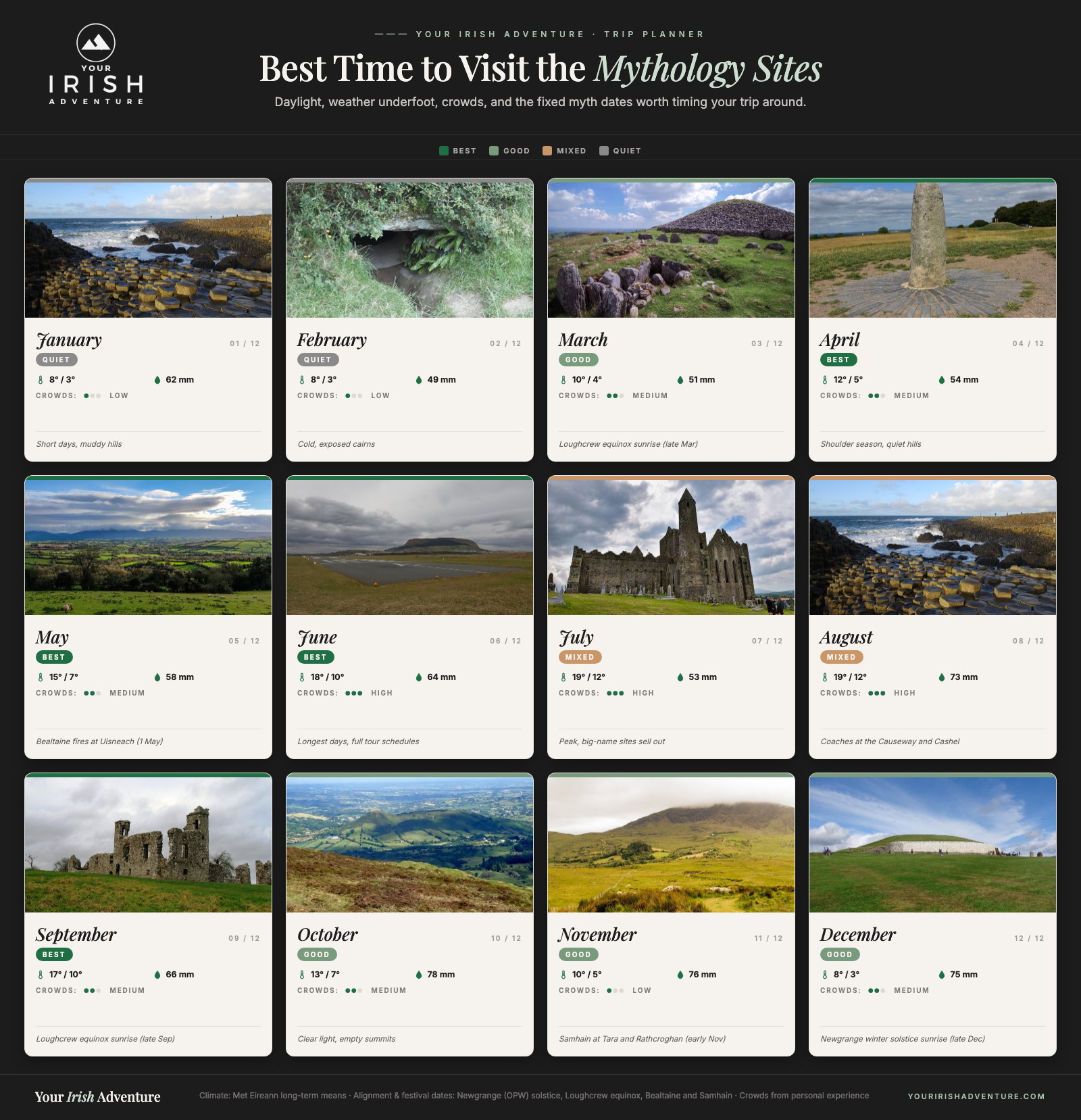
Best Time to Visit the Mythology Sites
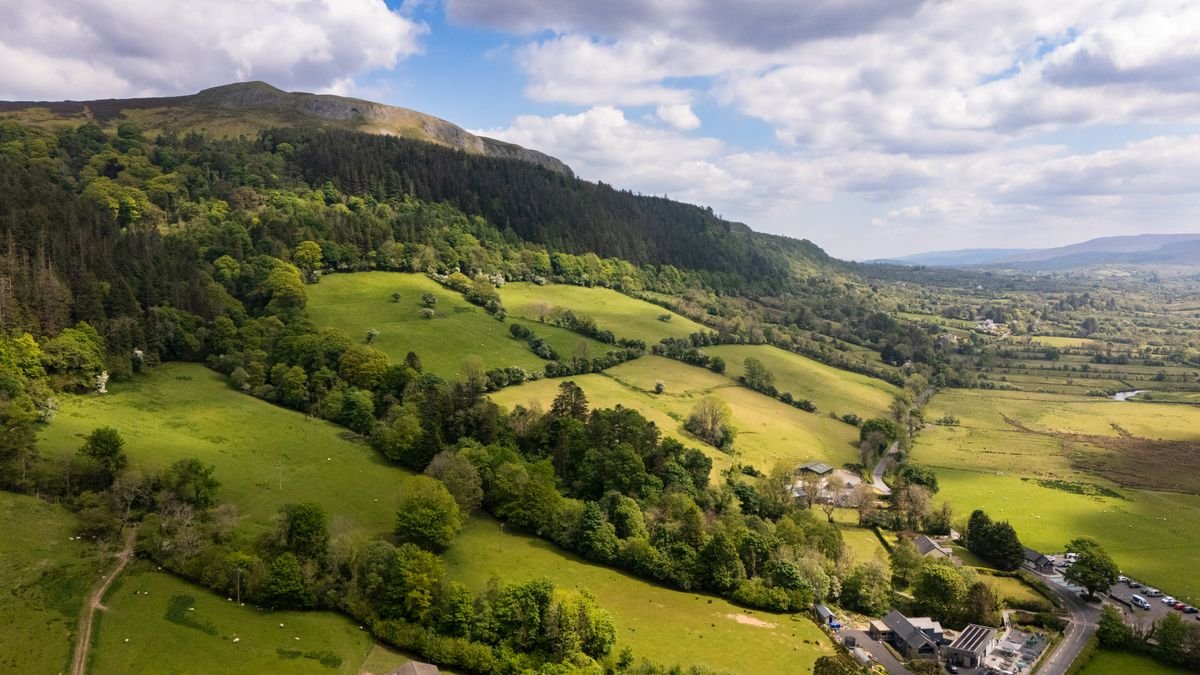
There’s no single right answer here, because these places split into two camps. Most of them you can visit any day of the year, and a handful only do their one special trick on a fixed morning. So the best time depends on whether you’re chasing the sun alignments or just want the hills to yourself.
For general visiting, late spring through early autumn is the easy window. The days are long, the ground is drier underfoot, and the guided sites like Uisneach and Rathcroghan are running their full tour schedules. Winter cuts the daylight hard and turns the hilltop walks to mud, so plan around it.
Timing the Sun Alignments
A few of these irish mythology sites are built to catch one specific sunrise or sunset, and if that’s the draw, the date is fixed for you. Here’s who does what and when:
- Newgrange lines up with the sunrise for a few mornings around the winter solstice in late December.
- Loughcrew’s Cairn T catches the sunrise around the spring and autumn equinoxes, in late March and late September.
- Slieve Gullion’s summit tomb catches the sunset around the winter solstice, not the sunrise.
You don’t have to hit those exact dates. Newgrange runs a simulated light on the standard daytime tour all year, and the equinox and solstice windows are notoriously cloudy anyway, so plenty of people who show up on the day see nothing but grey sky.
The Festival Dates
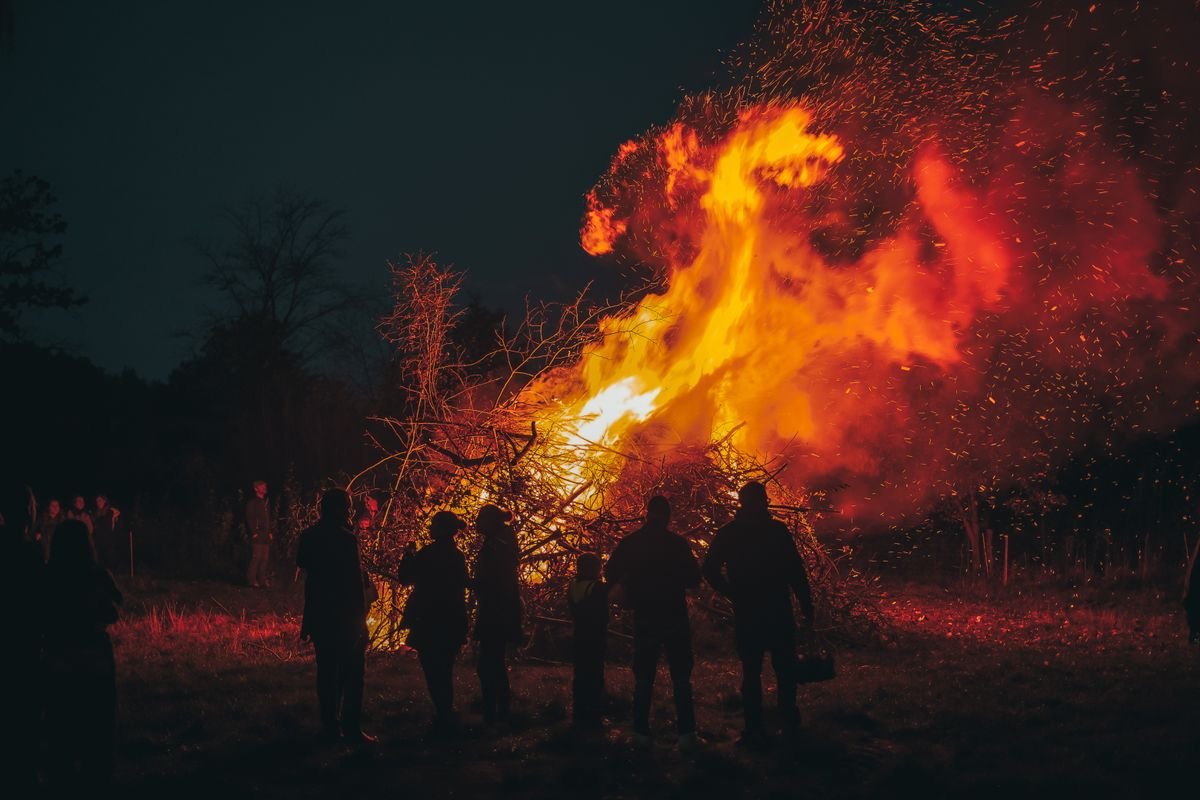
The old calendar still shapes a couple of these places. Bealtaine, the start of summer on May 1, is when the modern fire gathering lights the Hill of Uisneach, and it’s the same date people still walk The City below the Paps of Anu.
Samhain in early November is the other one, the festival that became Halloween. It’s tied to the Mound of the Hostages at Tara and to Oweynagat at Rathcroghan, the Cave of the Cats, so late autumn is the fitting time to visit those if you want the story at full strength.
Crowds, Weather, and Opening Hours
Summer is peak, and the paid, big-name stops feel it. Newgrange tours sell out, the Rock of Cashel fills with tour buses by mid-morning, and the Giant’s Causeway gets packed once the coaches arrive. Book those ahead and go early or late in the day to dodge the worst of it.
Shoulder season, roughly April to May and September to October, is the sweet spot. You still get workable weather and long enough days, with a fraction of the crowds, and on the free hilltop sites like Loughcrew and Knocknarea you’ll often have the top to yourself, especially on a weekday.
Two practical notes whatever month you pick. The guided-only sites, Uisneach and Rathcroghan, run fewer tours in the off-season, so check their times before you drive out. And the free open hills have no shelter at the top, so an exposed cairn in an Irish wind is cold in any season, layers and proper boots regardless.
Planning a Mythology Road Trip Across Ireland
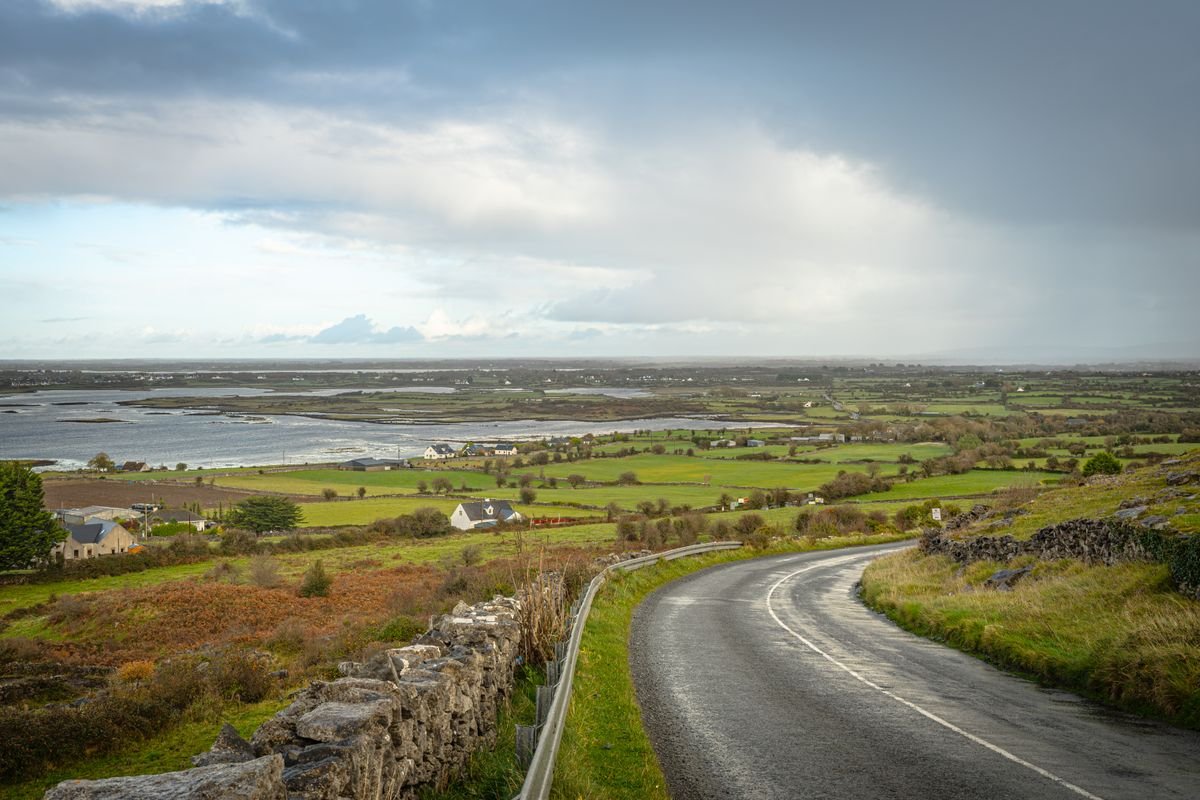
You’ll never do all twelve of these in one trip unless you’ve got a couple of weeks and a lot of patience for farm gates. The good news is they cluster. Group them by region and you can knock out three or four in a day without spending your whole holiday behind the wheel.
A rental car makes the most sense for this, since half the list sits on back roads with no bus anywhere near them. It’s worth taking a minute to compare car hire deals on Discover Cars before you lock anything in, because the rates swing a lot depending on where you pick up. Base yourself somewhere central for a night or two, do the loop, then move on to the next cluster rather than driving back to Dublin every evening.
The Boyne Valley in a Day
This is the easiest cluster in the country. Tara, Newgrange, and the Hill of Slane all sit within about half an hour of each other in County Meath, and Loughcrew is another 40 minutes west of them. You can do the first three in a single day out of Dublin.
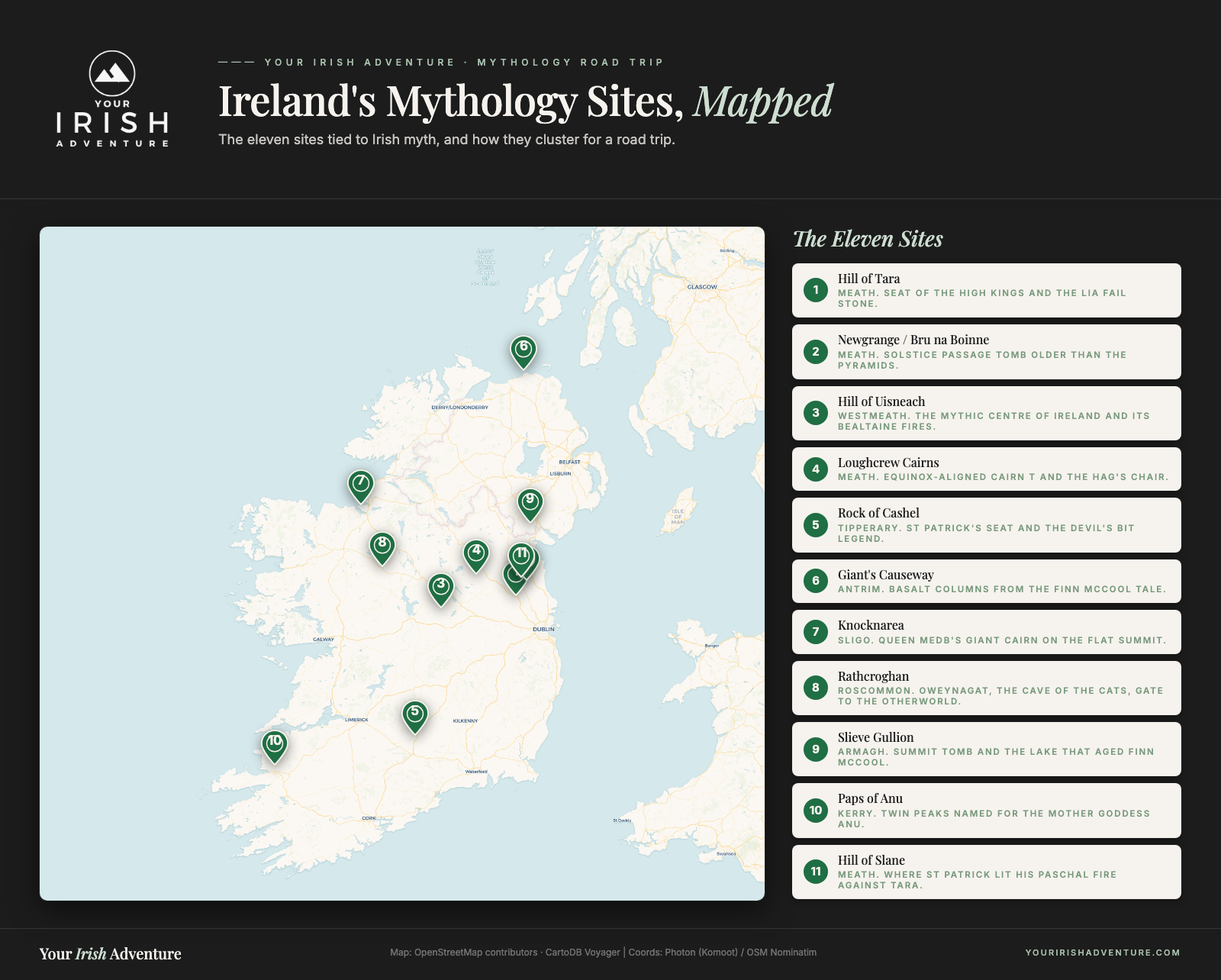
The one fixed point is Newgrange, because you can’t just turn up. Book the Bru na Boinne tour first, build the rest of the day around your slot, and fill the gaps with Tara and Slane, which are both free and open access. Add Loughcrew if you want a proper hill walk and fewer people.
The Northern Run
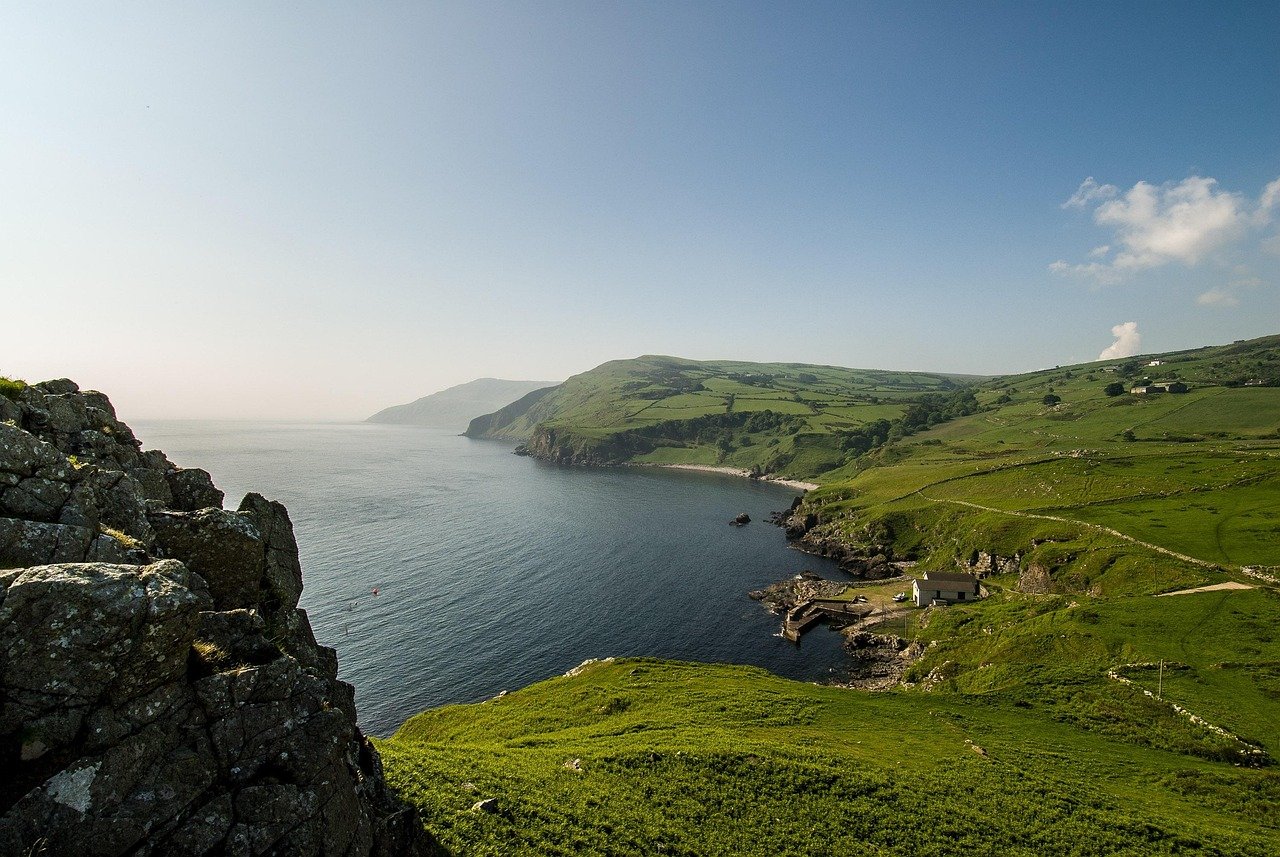
If you’re heading up toward Belfast, two of these fall right on the way. Slieve Gullion in County Armagh is about an hour and a half north of Dublin, an easy stop to break the drive. The Giant’s Causeway is further on, up on the Antrim coast past Belfast.
Give the Causeway most of a day and pair it with the Carrick-a-Rede rope bridge and the Dark Hedges, which sit along the same coast road. That coast is worth an overnight in itself rather than a rushed there-and-back from Dublin.
The Middle and the West
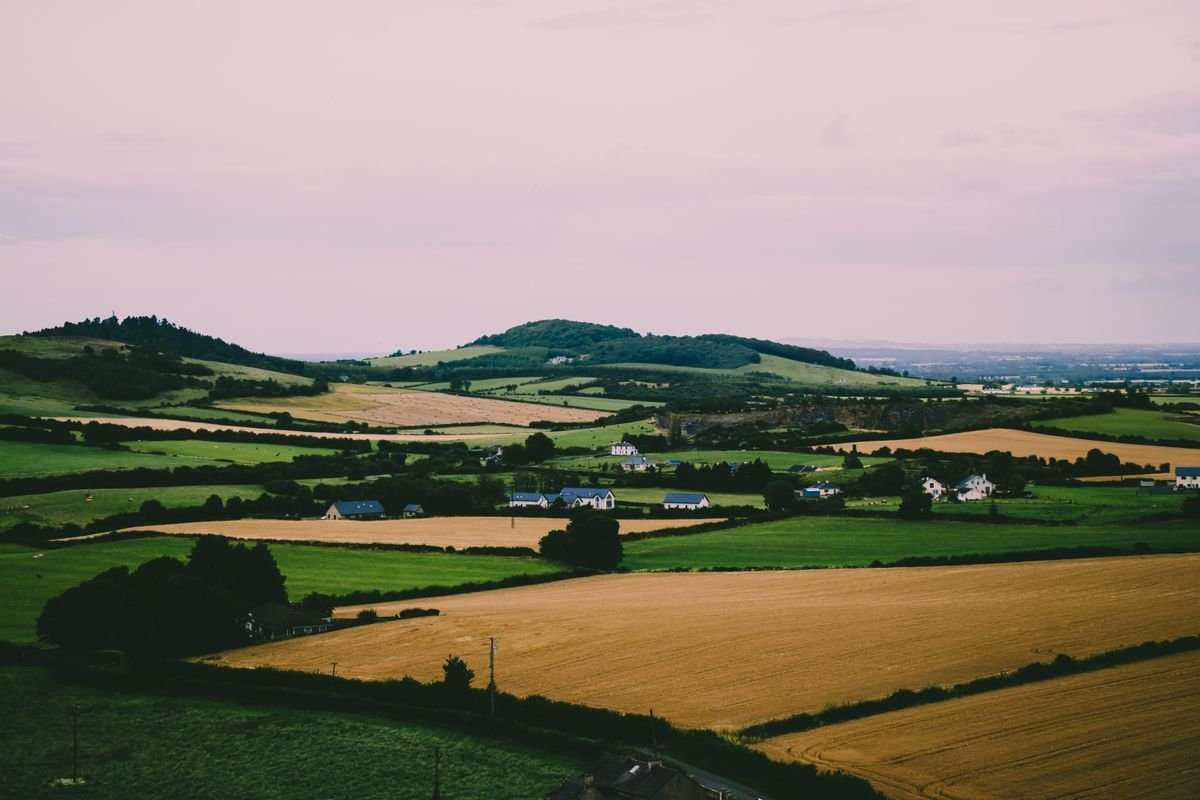
The Hill of Uisneach in Westmeath and Rathcroghan in Roscommon are the two guided-only sites, and they line up neatly if you’re crossing the country from Dublin toward Galway or Sligo. Both need booking ahead, so lock in your tour times first and route the drive around them.
Push on northwest and Knocknarea near Sligo town closes out the Queen Medb story that Rathcroghan starts, which makes them a natural pair even though a good chunk of road sits between them. Do Rathcroghan on the way up and climb Knocknarea once you reach the coast.
The Southern Detour
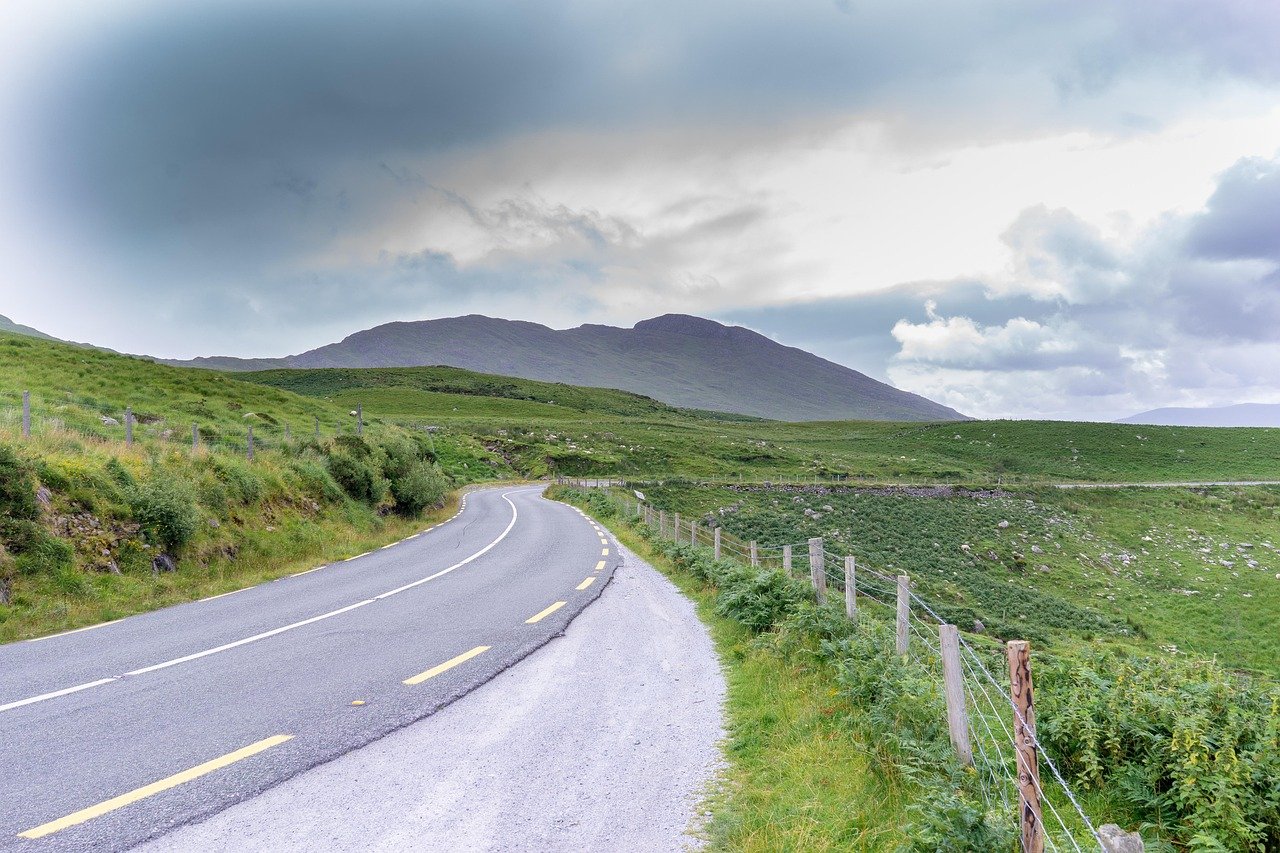
The last two sit down south and suit anyone driving between Dublin and Cork or Kerry. The Rock of Cashel in Tipperary is right off the main road and hard to miss, a clean two-hour stop. The Paps of Anu are deeper into Kerry near Killarney, and they’re a real mountain day, not a quick photo.
If you only want the shape of the Paps, you get the full effect from the road and can skip the climb entirely. That lets you fold Cashel and the Paps into a run down to the southwest without losing a full day to either.
How to Tie It Together
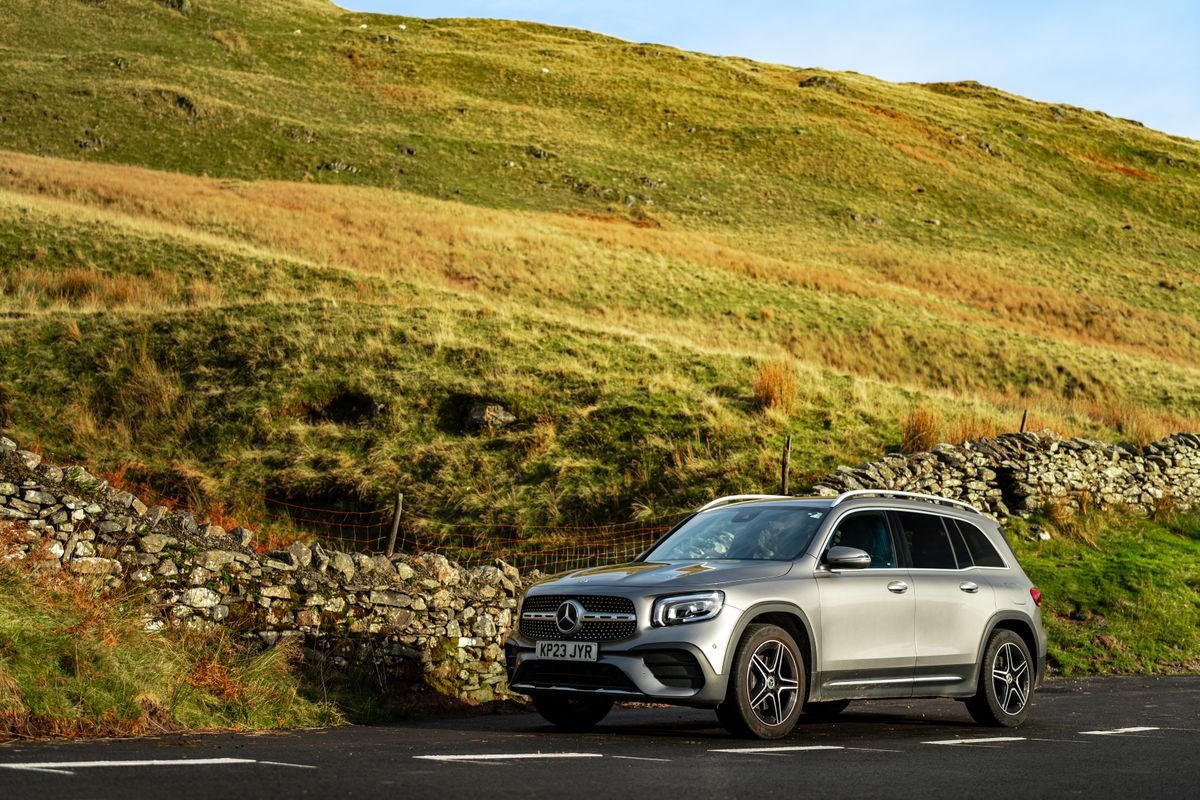
You don’t need to chase every one. Pick the cluster that fits where you’re already going, do that region properly, and let the rest wait for another trip. The Boyne Valley alone gives you passage tombs older than the pyramids, a coronation stone, and two rival fire hills in a single day.
Book the guided and ticketed sites ahead, keep the free hills as your flexible filler, and check tour times before you commit to a route. Do that and you can build a week around old gods and warrior queens without ever doubling back on yourself.
More Ireland Itineraries and Road Trips
- A Photographer’s Definitive Ireland Road Trip
- 14 Days in Ireland: The Ultimate 2-Week Itinerary
- Wild Atlantic Way Itinerary – Ireland’s Most Epic Road Trip
In short
- Newgrange predates the pyramids and lights up at the winter solstice sunrise.
- The Hill of Tara was the seat of Ireland’s High Kings.
- The Hill of Uisneach marks the mythical centre where the five provinces meet.
- Most sites are free, though Newgrange and the Rock of Cashel charge entry.
- A hire car beats public transport for linking the Boyne Valley to the west.
Frequently Asked Questions
What is the oldest of the Irish mythology sites?
Newgrange, at around 3,200 BC, is the famous one, and it’s older than Stonehenge and the pyramids at Giza. The Mound of the Hostages at Tara and the Loughcrew cairns are roughly the same age. So the tombs tied to the god-race stories are all about 5,000 years old, built long before the myths that grew up around them.
Are these sites free to visit?
Most of them, yes. Tara, Slane, Loughcrew, Knocknarea, and the Paps of Anu are all free and open access, and even the Giant’s Causeway stones are free to walk down to. The ones you pay for are Newgrange, the Rock of Cashel, and the guided-only hills like Uisneach and Rathcroghan. Check current prices before you drive out.
If I can only visit one, which should it be?
Newgrange. It’s the oldest, the most complete, and it’s the one place where the myth and the engineering both hit at once. Book the Bru na Boinne tour ahead, because it sells out, especially in summer, and you can’t just turn up at the gate.
Do I need a car to see them?
For most of the list, yes. Half of these sit on back roads with no bus anywhere near them, so a rental car is the easy call. The Boyne Valley cluster is doable on a tour out of Dublin, but if you want the cairns and the guided hills, you’ll want your own wheels.
Which one is best for the actual sunrise alignment?
Newgrange for the winter solstice sunrise, Loughcrew’s Cairn T for the spring and autumn equinoxes, and Slieve Gullion for the winter solstice sunset. Getting inside Newgrange for the real solstice is a lottery, but the standard daytime tour runs a simulated light all year, so you see what happens without the 4 AM alarm.
Are these real history or just legend?
Both, and that’s the fun of it. The tombs and hills are real, ancient, and datable, and places like Tara and Cashel were true seats of power. The gods, giants, and warrior queens are the stories people later hung on them. You’re standing on real stone with a myth attached, not one or the other.
Final Thoughts
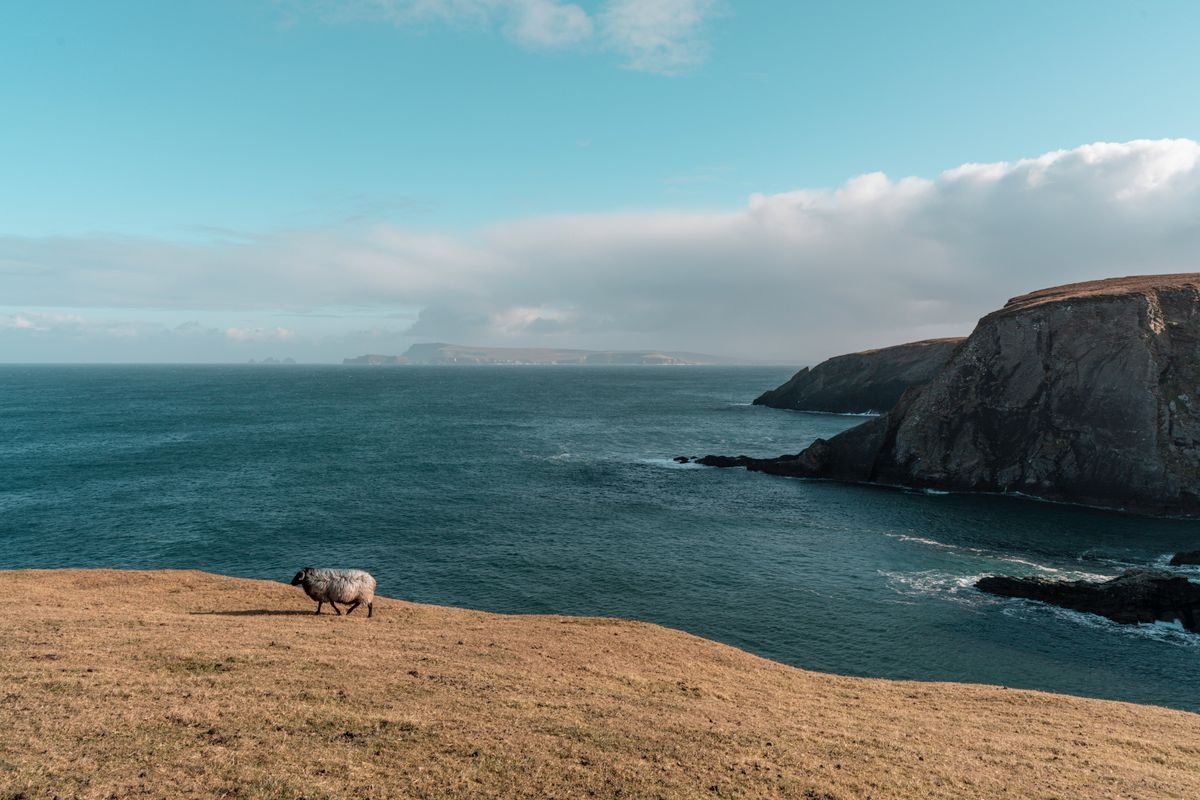
What makes the irish mythology sites worth chasing is that the myths aren’t kept behind glass. You stand on the actual hill, put your hand on the actual stone, and climb the actual cairn the stories are about.
The famous ones earn their spot. Newgrange is the one to see if you see only one, and the Giant’s Causeway lives up to the hype if you dodge the mid-morning buses.
But the ones that stick are the cairns and hills you have to work for. Loughcrew, Knocknarea, Uisneach, and Rathcroghan give you the myth and the view with a handful of people at most, and they’re free or close to it.
Don’t try to bag all twelve in one go. Pick the cluster that fits your route, book the guided and ticketed stops ahead, keep the free hills as your flexible filler, and check tour times before you commit. Wear proper boots, bring a layer for the exposed tops, and go in shoulder season if you can.
Do that and you get a road trip built on old gods and warrior queens, standing on stone that’s five thousand years old. That’s a better way to see Ireland than another castle parking lot.
Like it? Pin it!
Save this guide for later