This county cork travel guide covers Ireland’s biggest county, and it’s the one we most wish we’d given more time. We drove through on our last trip on the way back toward Dublin, a storm ate a chunk of our days, and Cork still won us over. Blarney surprised us, and Cobh became one of the trip’s better afternoons.
Cork sits in the southwest, running from Cork City out along a big stretch of the Wild Atlantic Way. That’s the split you plan around. The city is compact and easy, and the west is peninsulas, mountain passes, and small harbor towns you need a car to reach.
Go for the range. You get a proper second city with a great food scene, a famous castle that’s better than its reputation, and some of the emptiest, most dramatic coast in the country once you get past Kinsale.
Below I’ll break down how to get around, the best things to do across the county, when to go, and where to eat and stay, plus what I’d tell a first-timer to prioritize.
More County Cork Travel Guides
- Best Places to Visit in Cork City: Local’s Guide
- Where to Stay in County Cork: Cork City vs West Cork
- 5 Top Castles To Visit in Cork (+Castle Accommodation)
- Blarney Castle From Cork: Every Way to Get There
Quick Answer:
This County Cork travel guide splits the county in two. Cork City, Blarney, Cobh, and Kinsale are short drives you can do without a car. West Cork, the Beara Peninsula, Mizen Head, and Gougane Barra need one. Plan three to four days, base yourself in Cork City first, and go in May or September to skip the peak crowds.
Getting to and Around County Cork
Cork has its own airport just south of the city, with flights from the UK and mainland Europe. Most visitors from further afield fly into Dublin and drive down instead. It’s about three hours on the M8, and it’s an easy, dual-carriage stretch the whole way.
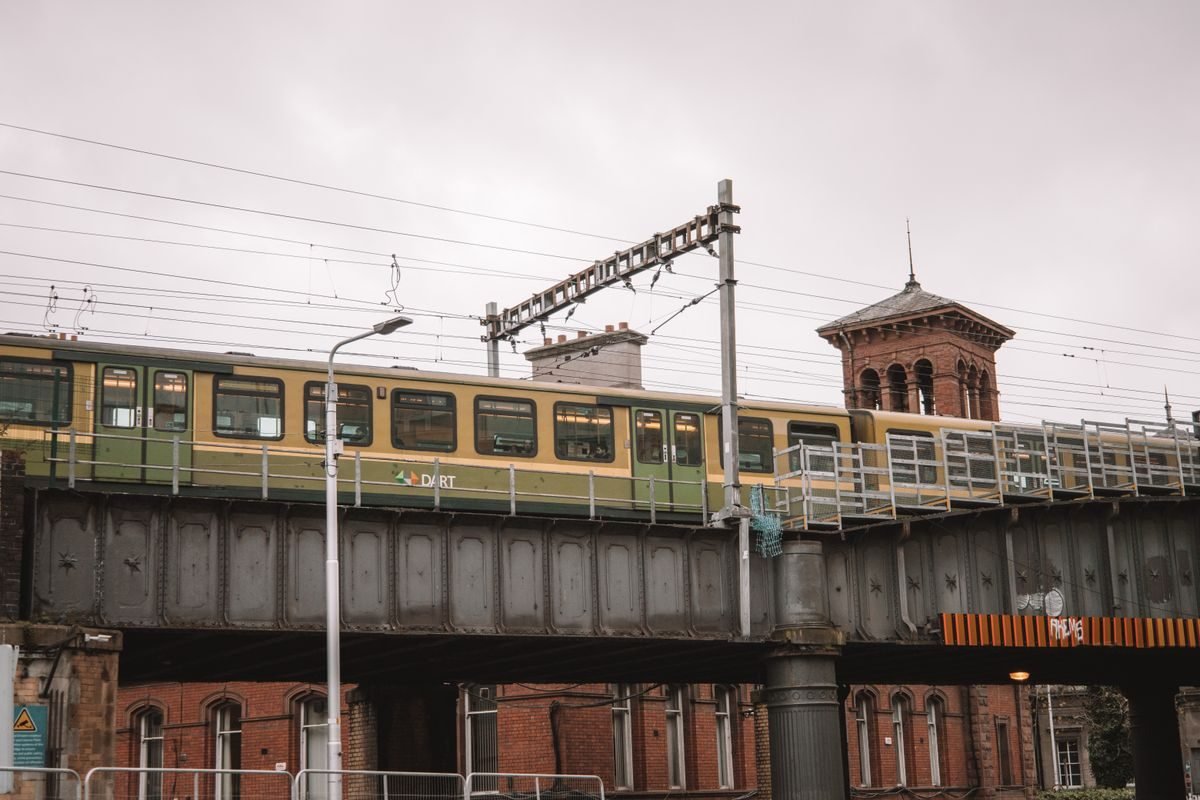
The train works well if you’re sticking to the cities. Irish Rail runs Dublin to Cork Kent station in about two and a half hours, and there’s a handy local line out to Cobh that takes around 25 minutes. We took that harbor line and it drops you right in the middle of town.
Buses cover the main towns too, with Bus Éireann and Aircoach linking Cork City to Dublin, the airport, and Killarney. Fine for getting between hubs, less fine for the coast.
Here’s the thing you plan around: to see West Cork, you need a car. The Beara Peninsula, Mizen Head, and Gougane Barra have little or no public transport, and the good stuff is spread out down narrow roads. We drove the whole trip and it’s the only sensible way to reach the peninsulas.
In Cork City itself, park once and walk. The center is small and the streets are tight, so a car is more hassle than help there. Save it for the day trips.
One driving note: rural Cork roads are narrow, hedged, and slow. Plan on an hour or two for distances that look like 30 minutes on a map, and don’t schedule your day too tightly.
Rent your car at the airport or in the city and go for the smallest one you’re comfortable with. The West Cork lanes are tight, with grass down the middle in places, and a big vehicle turns every passing spot into a negotiation. We felt that in the campervan more than once. It’s worth taking a minute to compare car hire deals on Discover Cars before you land.
Best Things to Do in County Cork
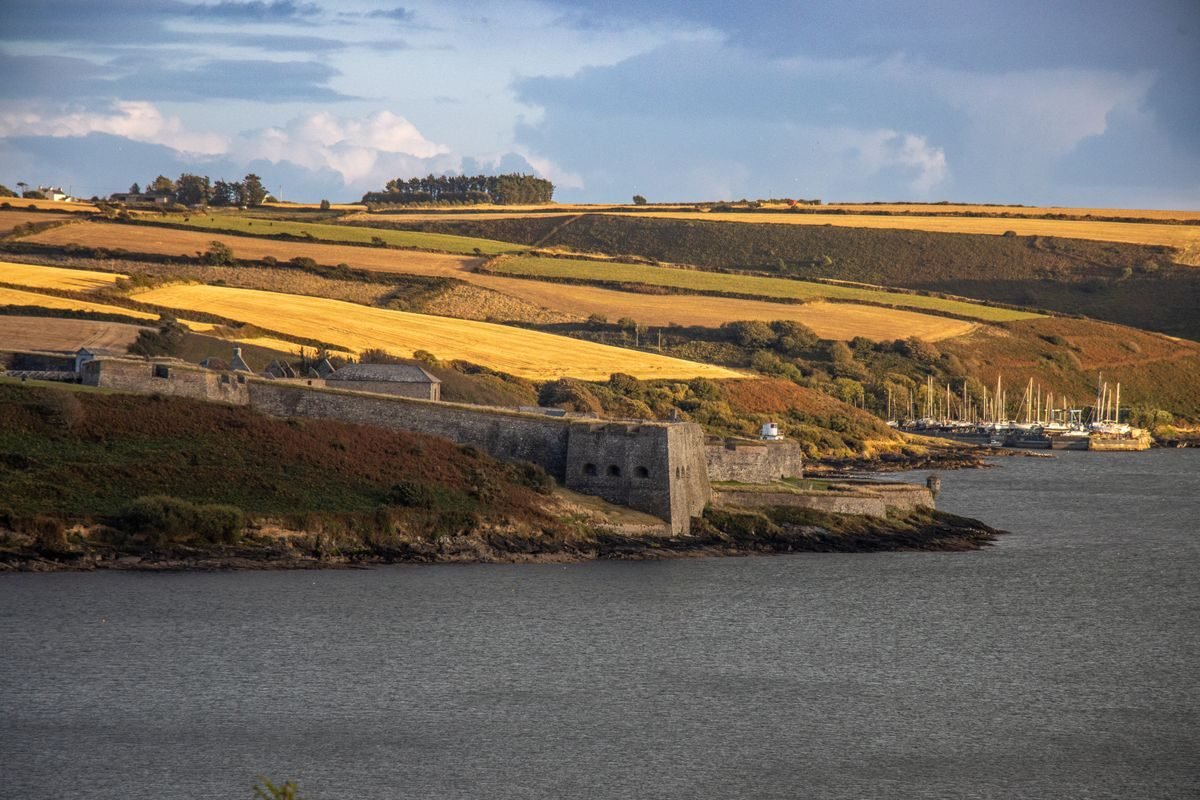
Cork splits into two kinds of days. There’s the easy stuff near the city, like Blarney, Cobh, and Kinsale, all short drives you can do without much planning. Then there’s the west, where you’re committing to a full day on the road for the peninsulas and headlands. If you’d rather not drive the easy stuff yourself, you can book the Blarney and Kinsale day trip on GetYourGuide and knock out two of the big sights in one go. Here’s what we did and what I’d tell a first-timer to check out.
Visit Blarney Castle
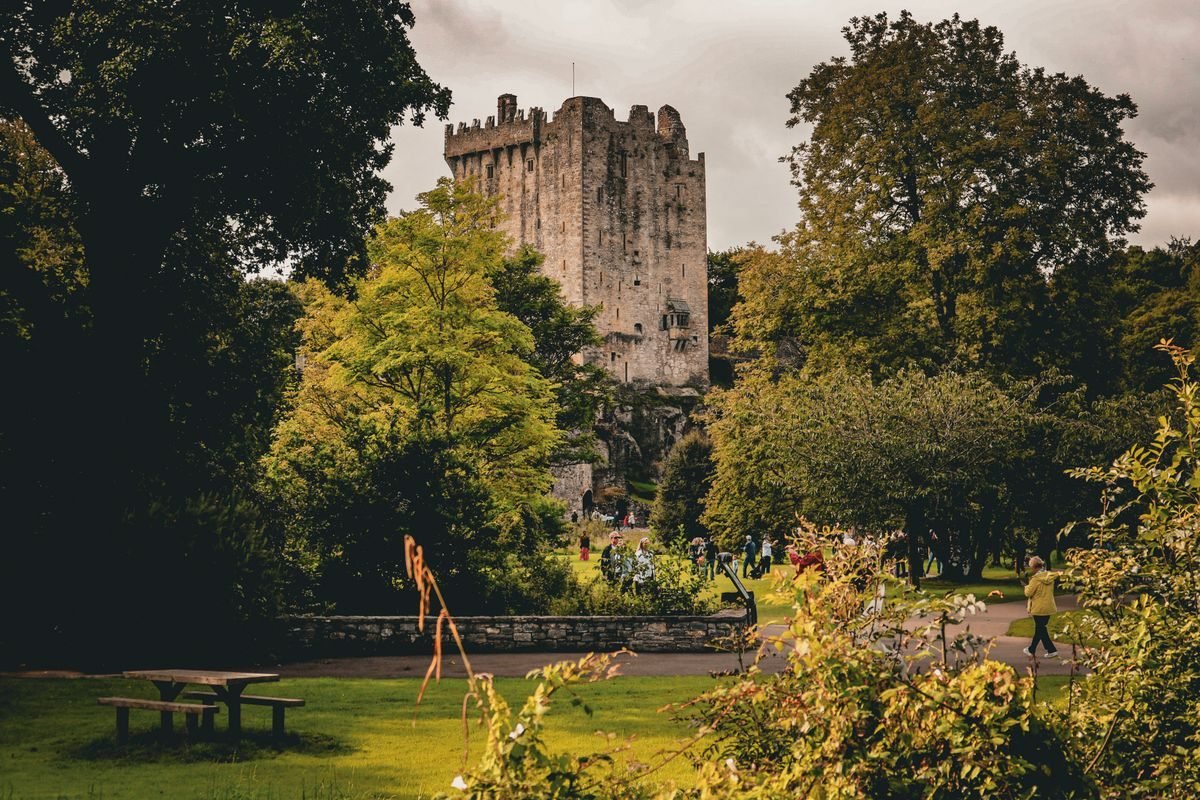
We went in expecting a tourist trap and left won over. The main event is the Blarney Stone, up at the top of the castle. You lie back over the parapet, hold the iron bars, and kiss it. It’s touristy, but the tower itself is a real medieval keep and worth the climb.
The grounds are what surprised us most. The gardens are beautifully kept, and the Fern Garden and River Bank Walk are worth an hour on their own. There’s also Blarney House, a Victorian mansion on the estate, that’s an easy bonus. We ended up spending a good chunk of the afternoon here.

It’s about 15 minutes northwest of Cork City on the R617, with a big parking lot that handles large vehicles. Buy tickets ahead online in summer to skip the line. Give it two to three hours, not the 20-minute stone-kiss you might be planning for.
Explore Cork City
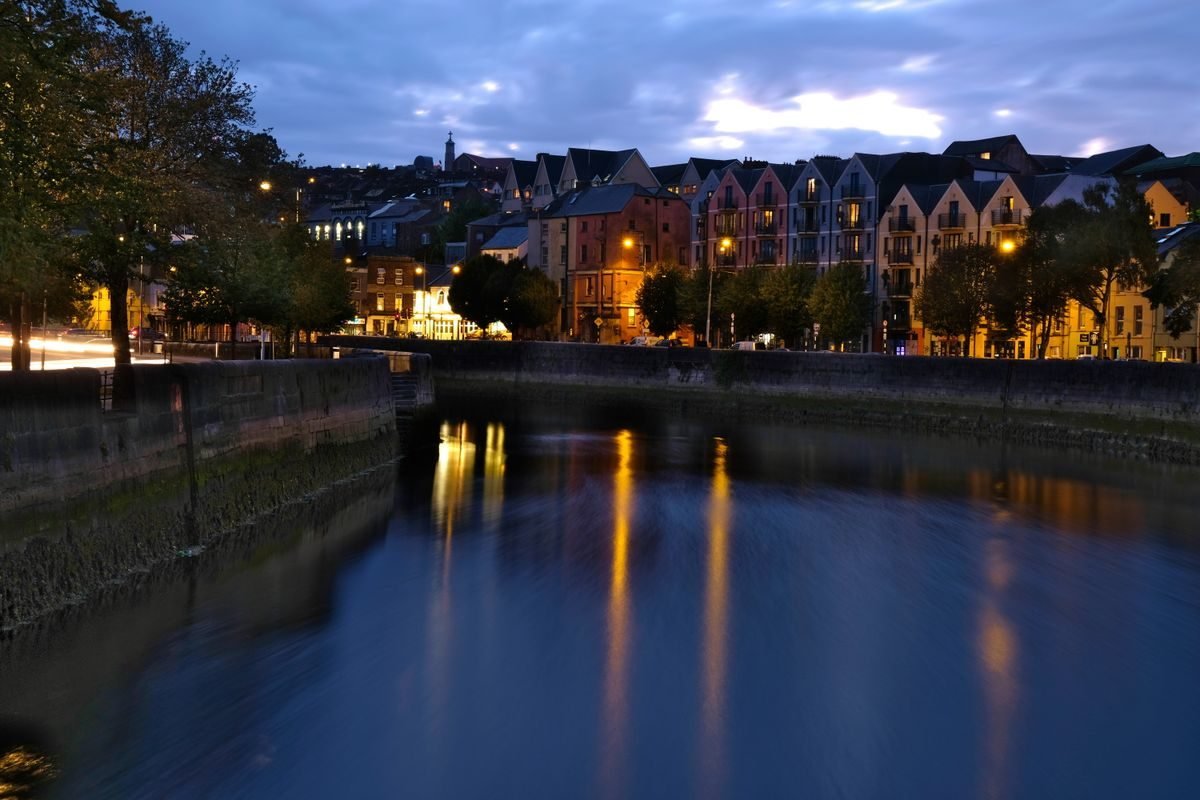
Cork is Ireland’s second city, and everyone who spends time here loves it. We only passed through because a storm ate our schedule, and it’s the stop I most regret rushing. It’s built on an island in the River Lee, so the center is a compact grid of bridges, quays, and narrow shopping streets.
Start at the English Market, a covered food hall running since 1788, and one of the best in Ireland for a wander and a lunch. From there it’s a short walk up to Shandon and St. Anne’s Church, where you can climb the tower and ring the Shandon Bells yourself.
Then it’s the pubs. Cork has a serious pub and restaurant scene, and the Leeside crawl is high on our list for next time. Le Bon Crubeen near Beresford Lane is a popular spot worth booking ahead. Give the city a full day, ideally two.
Take a Day Trip to Kinsale
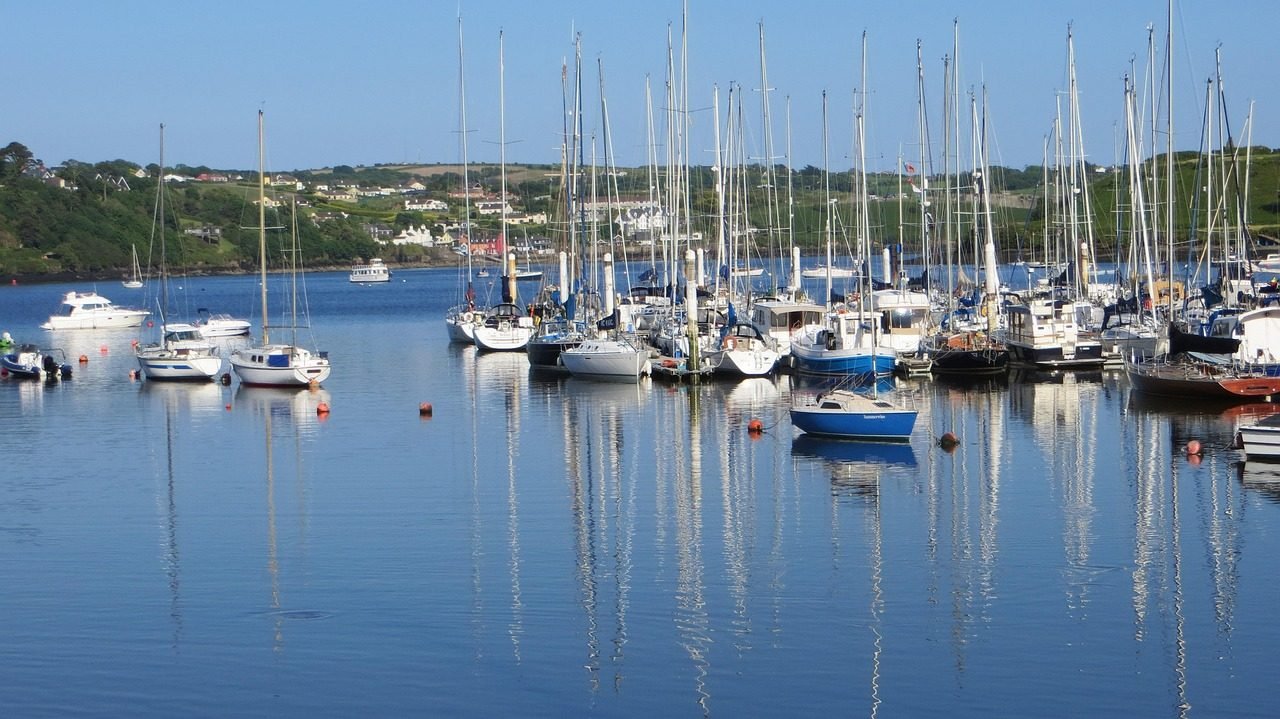
Kinsale is the harbor town everyone tells you to visit, about 30 minutes south of Cork City. It’s a tight cluster of painted shopfronts wrapped around a working marina, and it’s earned its reputation as the food capital of the region.
The main draw beyond the harbor is Charles Fort, a huge star-shaped fort from the 1600s sitting out on the water at Summercove. You can walk the ramparts and take in the whole harbor from up top. It’s a pleasant coastal walk out from town if the weather’s with you.
The food is the real reason to come. Kinsale is packed with seafood restaurants, and it’s small enough to wander until something looks good. It makes an easy half-day or full-day trip, and you can pair it with the drive down to the coast.
See Cobh and the Titanic Story
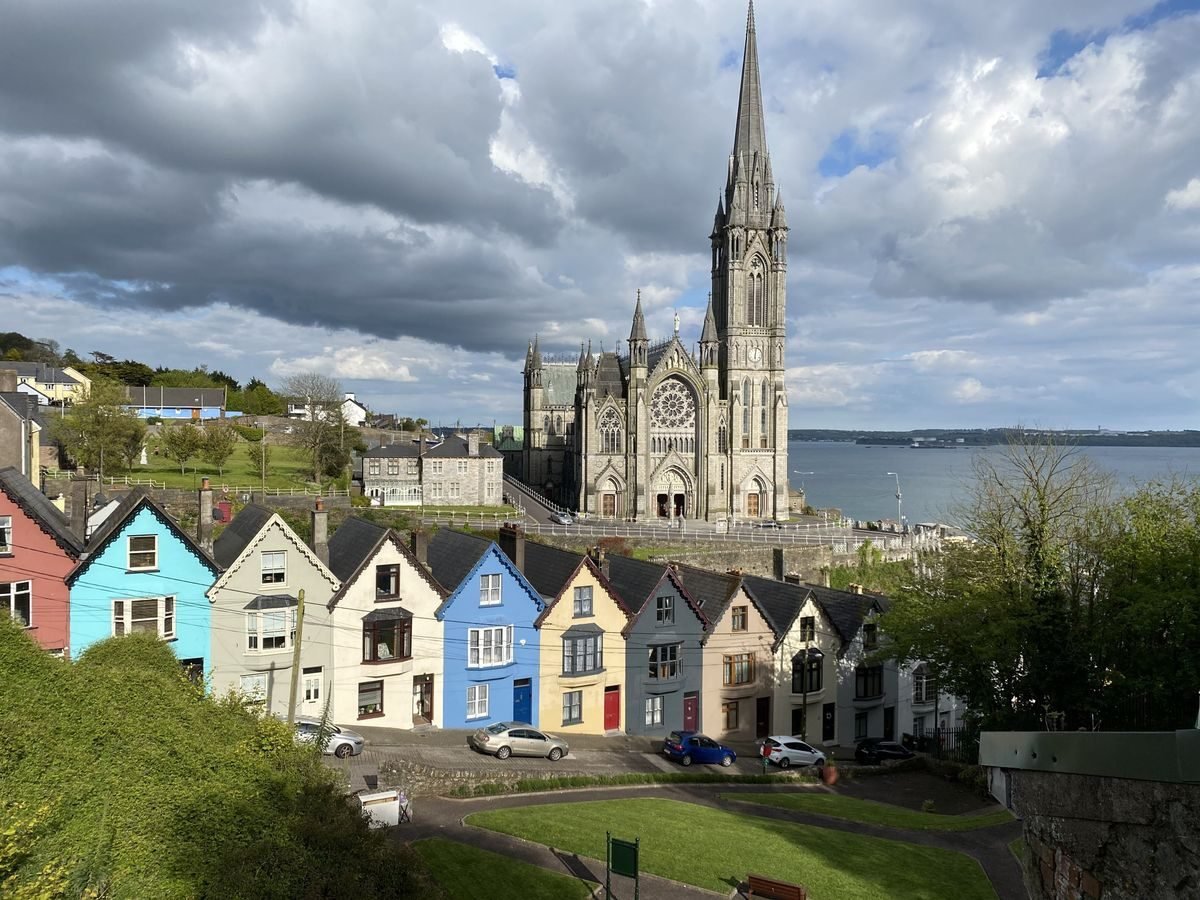
Cobh was the Titanic’s last port of call, and it’s one of the better afternoons we had in Ireland. An Atlantic storm rolled in the same time we did, so we sat in the van watching the sailboats rock in the harbor. At 4pm the clouds parted and we got blue sky, and the town changed completely.
Walk up to Spy Hill first for the famous view: the row of tall painted terraces they call the Deck of Cards, with the Gothic spire of St. Colman’s Cathedral rising behind them. It’s the postcard shot of Cork for a reason. Then walk the steep streets back down.
For a drink, Kelly’s Bar is a good local spot, and Ryan’s is close by. The Titanic Experience and the Cobh Heritage Centre cover the emigration history if you want it. It’s a 25-minute train from Cork City, or a short drive.
Drive the Beara Peninsula
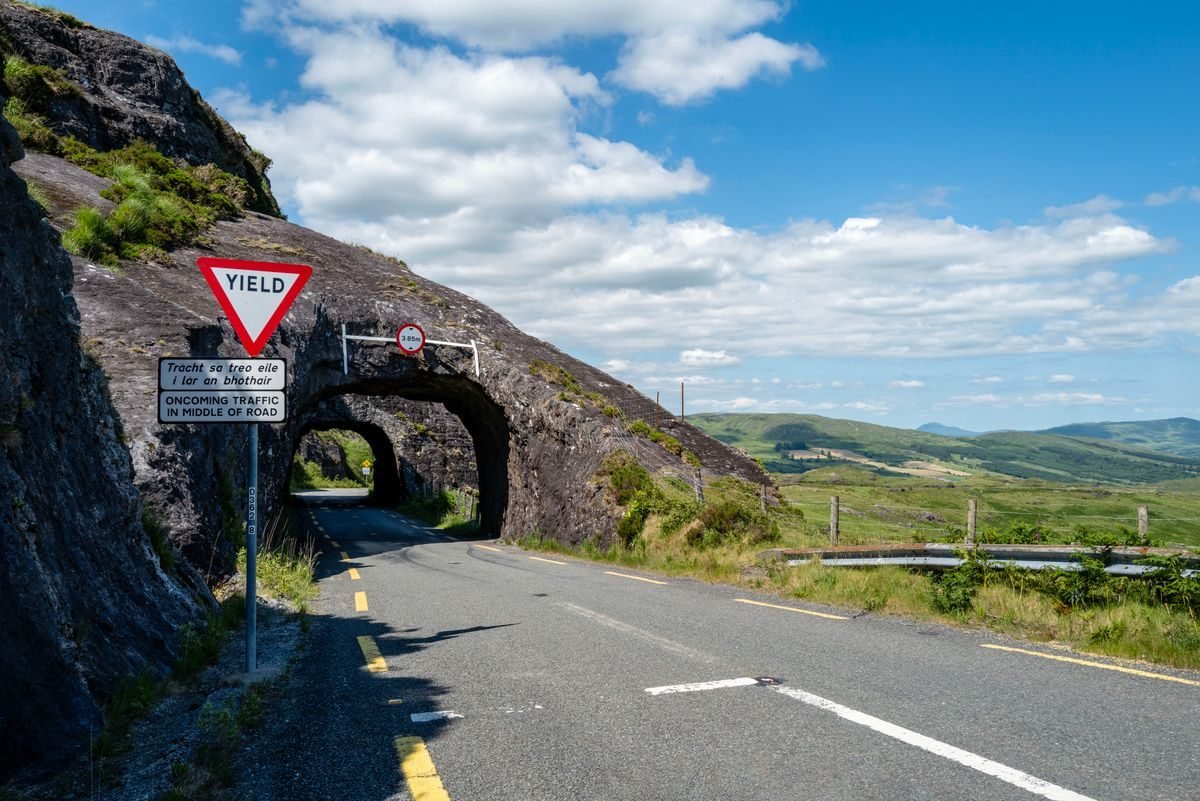
Beara is West Cork at its wildest and least busy. The Ring of Beara is the loop drive that gets passed over in favor of the Ring of Kerry next door, which is exactly why it’s better. Fewer tour buses, more empty coast, and the same mountain-and-sea scenery.
The loop runs from around Glengarriff out to Castletownbere and back, with the Caha Mountains on one side and the Atlantic on the other. Out at the tip is Ireland’s only cable car, a rattly little box that crosses to Dursey Island over the water. It’s an odd little thrill and a highlight.
The Healy Pass road over the mountains is the drive to make time for, a set of switchbacks with views across both counties. Plan on a full day, drive slowly, and fuel up before you go. Services are thin out here.
Stand at Mizen Head
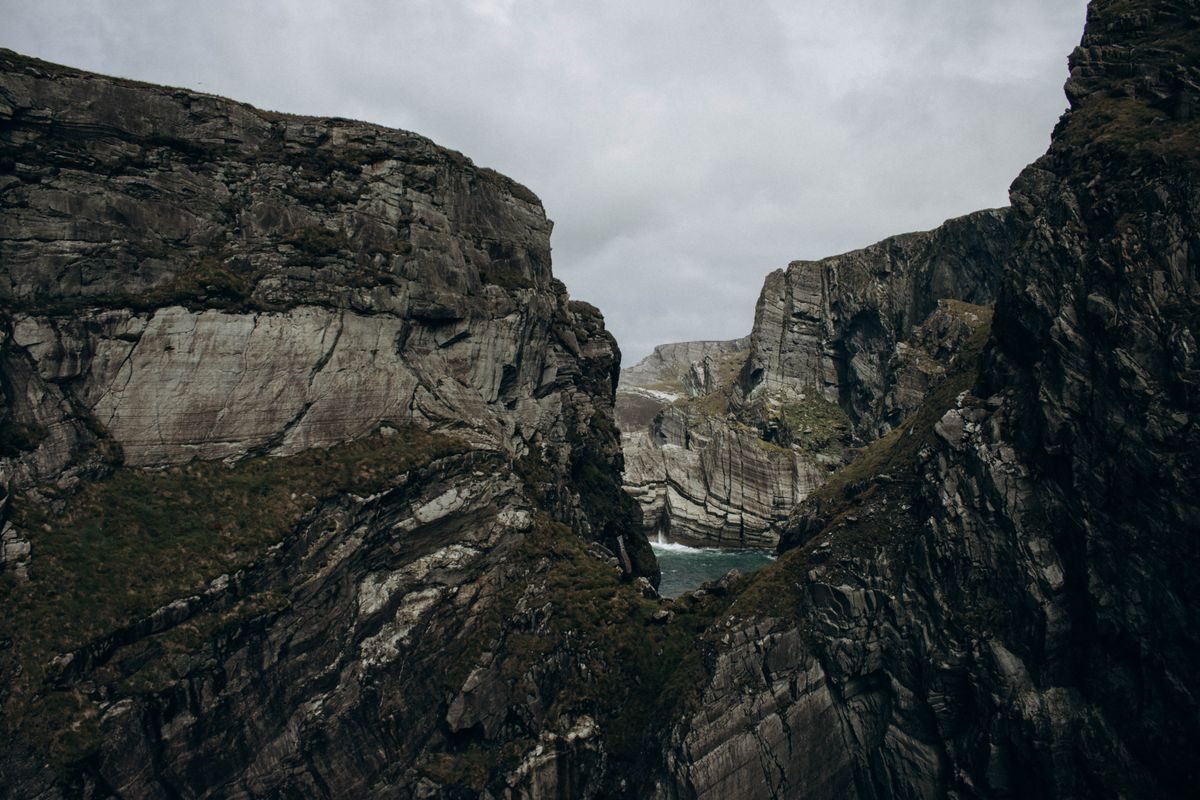
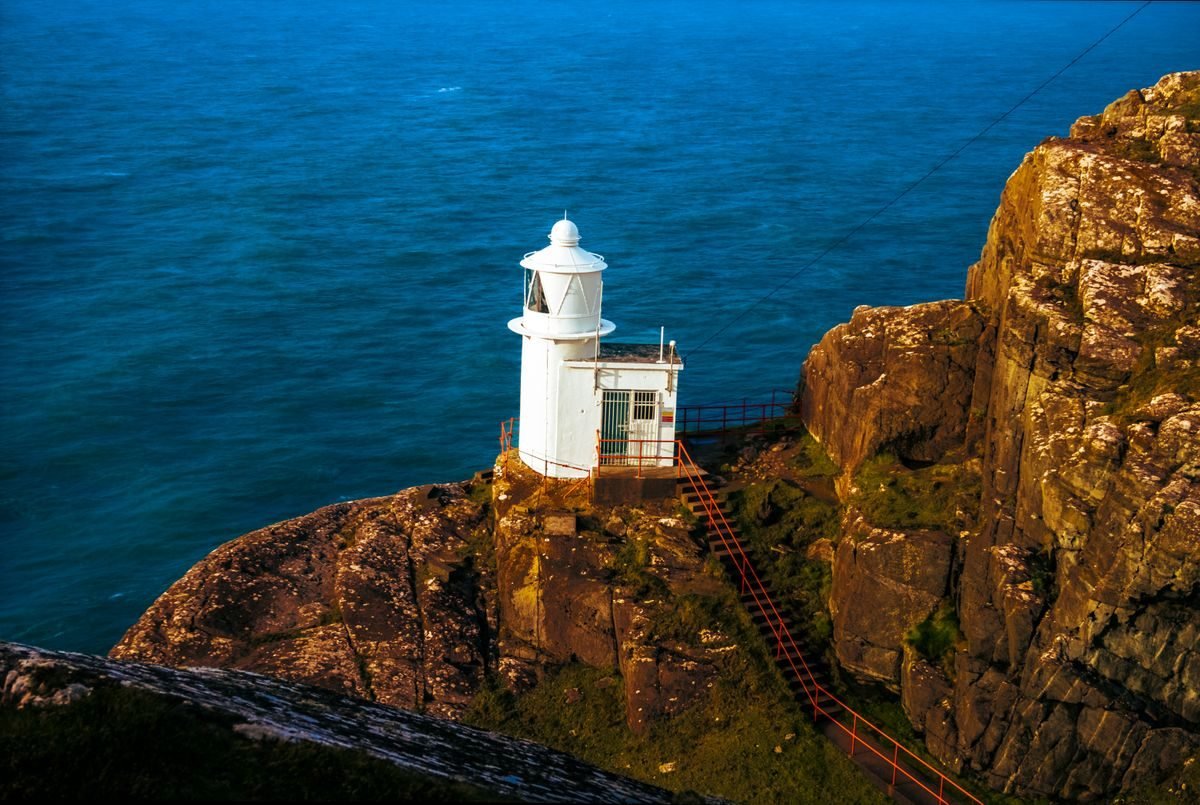
Mizen Head is Ireland’s most southwesterly point, the last scrap of land before the open Atlantic. You cross a footbridge slung over a chasm to reach the old signal station on the far side, with the sea churning through the gap far below.
The signal station is now a small visitor center covering the shipping and lighthouse history, but the reason to come is the cliffs and the bridge itself. On a clear day you can watch the swells roll in and the seabirds work the rock faces. It’s dramatic in a way photos undersell.
It’s a long drive out to the tip of the Mizen Peninsula, so pair it with the coast around Schull and Barleycove Beach nearby. Check the visitor center hours before you go, as they change with the season.
Walk Around Gougane Barra
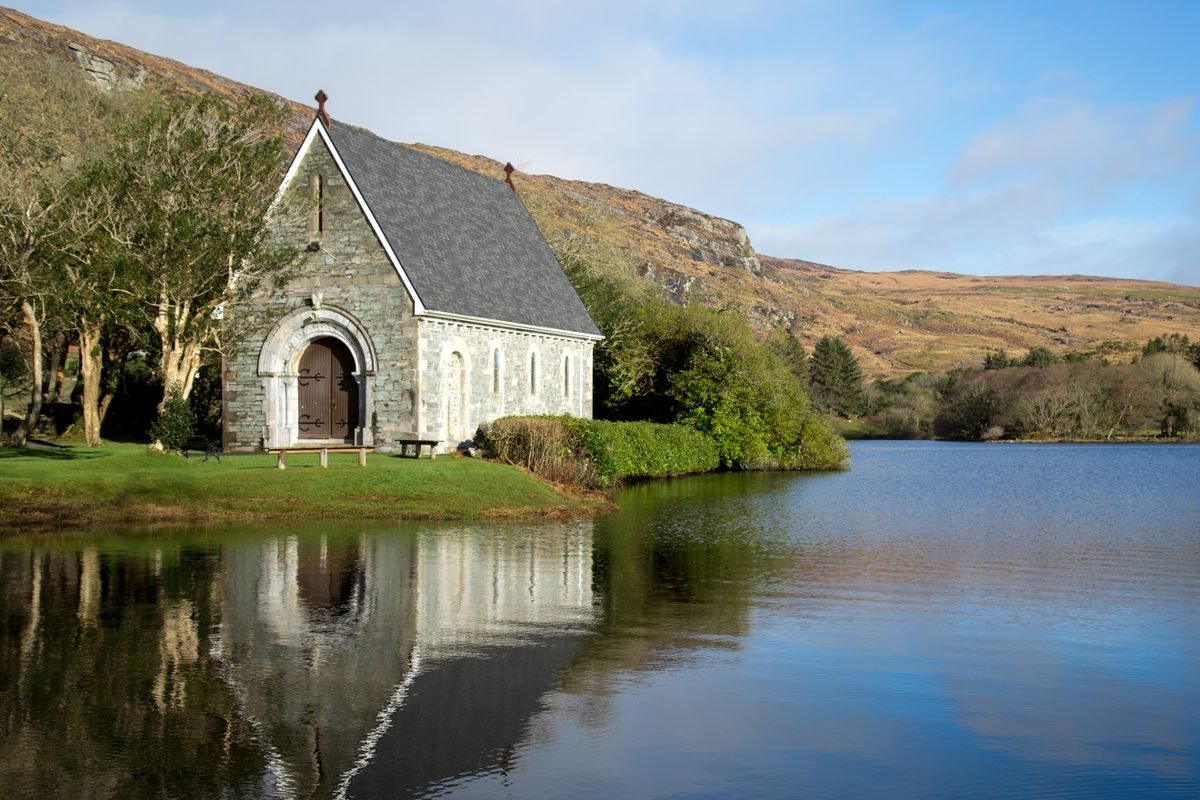
Gougane Barra is the quieter, inland side of Cork, a still lake ringed by mountains at the head of a valley. On a tiny island in the lake sits a small stone oratory, reached by a short causeway, and it’s one of the most photographed little churches in the country.
The site sits inside a forest park with marked walking trails, from short loops around the water to longer climbs up into the hills. There’s a scenic drive through the park too if you’d rather stay in the car. It’s peaceful and rarely crowded midweek.
It’s tucked in the mountains northwest of Bantry, an easy add-on if you’re driving between West Cork and Killarney. Give it an hour or two for the lake and the oratory.
Planning a Kinsale Day Trip? Read These Next
- 7 Best Pubs in Kinsale, Ireland
- Where to Stay in Kinsale: Best Areas & Hotels
- 10 Epic Day Trips From Cork (Chosen By a Cork Local)
Best Time to Visit County Cork
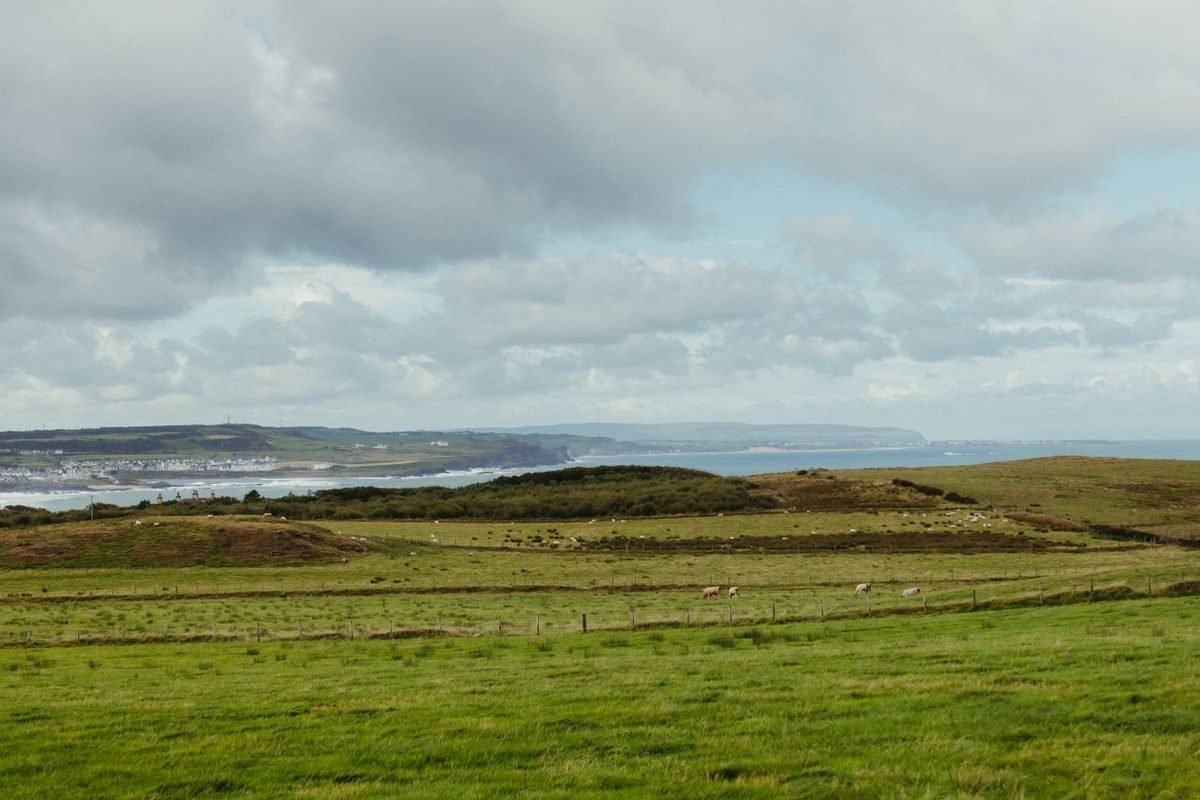
The best time to visit Cork is late spring through early fall, roughly May to September, when the days are long and the coast is at its best. If I had to pick, I’d go in May or September to dodge the peak crowds and still get decent weather.
Summer, June through August, is the warmest and busiest. Expect the most daylight, the best odds of a dry day for the peninsulas, and the highest prices. Book accommodation ahead, especially in Kinsale and along the coast.
Spring and fall are the sweet spots. We were there in early October, well into shoulder season, and had places like Blarney’s grounds and Cobh’s streets with room to breathe. The trade-off is weather. An Atlantic storm pinned us in Cobh for half a day.

Winter is quiet and cheap, but many rural attractions and West Cork spots cut their hours or close, and the short days limit what you can drive in a day. Cork City stays lively year-round if you’re happy to base yourself there.
Whenever you go, pack layers and a rain jacket. Cork weather turns fast, and the coast can be sunny and blowing sideways within the same hour.
Explore More of Ireland’s Southwest
- 21 Unique Things To Do in Kerry, Ireland – The Kingdom County
- Best Places to Visit in Kerry, Ireland: A Road-Trip Guide
- The Best Beaches in Kerry: 10 Worth the Drive
Where to Eat in County Cork
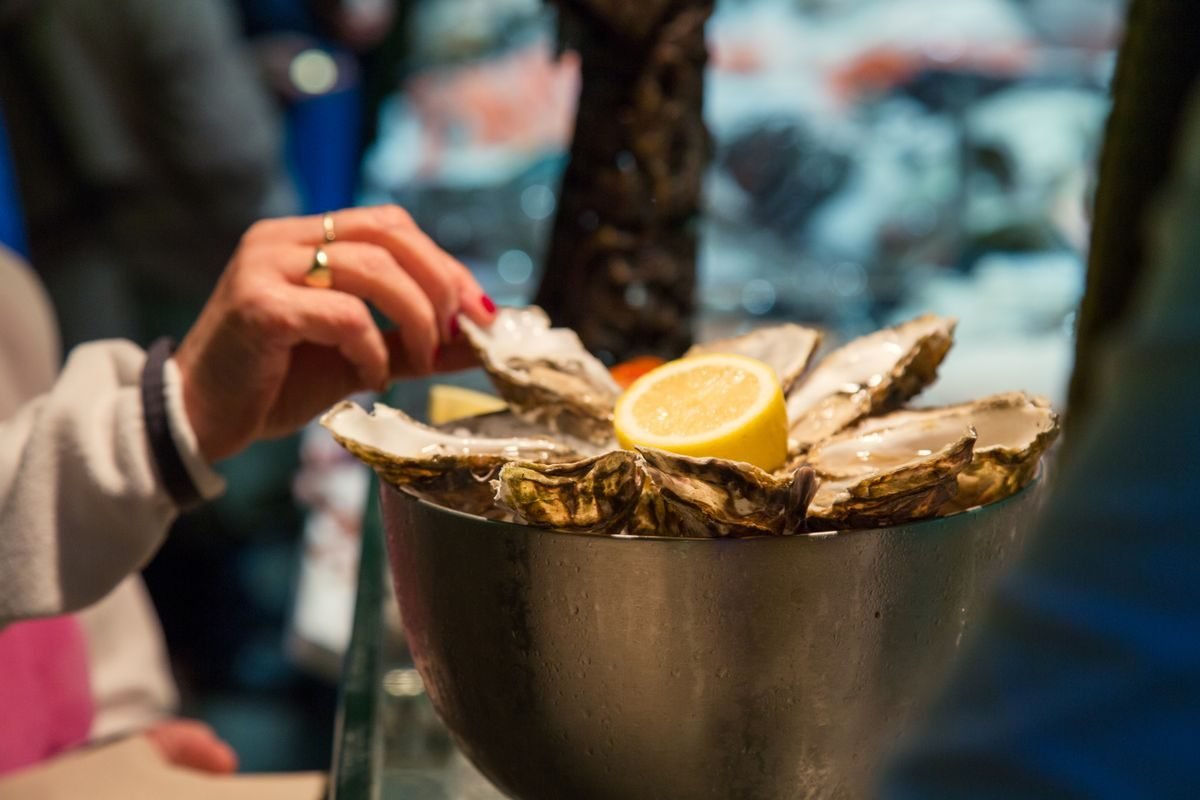
Cork takes its food seriously, more than most of Ireland, and it’s one of the best reasons to spend real time here. The county calls itself the food capital of the country, and after a few meals you stop arguing with it.
Start in Cork City at the English Market. It’s a covered food hall running since 1788, and you can put together a lunch of local cheese, bread, and fish without spending much. Upstairs, the Farmgate Café cooks with what’s sold on the stalls below.
For a proper sit-down meal in the city, Le Bon Crubeen near Beresford Lane is a popular spot worth booking ahead. Cork City has a deep restaurant and pub scene beyond that, so it pays to wander and see what looks good.
Out of the city, Kinsale is the name everyone drops for seafood. The town is packed with restaurants working the day’s catch, and it’s small enough to walk until something appeals. West Cork towns like Clonakilty are also worth a stop, and Clonakilty black pudding is a local staple you’ll see on breakfast menus everywhere.
One thing to plan for out west: restaurant options thin out on the peninsulas, and places keep shorter hours in shoulder season. We hit that in Cobh, where a storm had half the town shut. Eat your bigger meals in the towns and carry snacks for the coastal drives.
Where to Stay in Cork
Where you base yourself in Cork depends on the kind of trip you want. The simple split is Cork City for ease and nightlife, or a West Cork town if the coast and peninsulas are your priority.
Cork City is the easy choice for a first visit. You’ll find everything from budget guesthouses to mid-range hotels within walking distance of the English Market and the pubs, and it’s a good jumping-off point for day trips to Blarney, Cobh, and Kinsale. Stay central so you can park up and walk.
Kinsale is the most popular coastal base, with plenty of harbor-front guesthouses and small hotels, though it books up fast and runs pricey in summer. It’s a good compromise if you want the coast but still want restaurants on your doorstep.
For West Cork proper, look at towns like Clonakilty, Bantry, or Glengarriff. These put you within reach of the Beara Peninsula, Mizen Head, and Gougane Barra, and the pace slows right down. Expect more B&Bs and self-catering cottages than big hotels out here.
If you’re driving the whole county, splitting your nights between the city and one western base saves you a lot of backtracking on those slow rural roads. Wherever you base yourself, it’s worth booking ahead in summer, so check availability on Booking.com once you know your route. Here are three Cork City places worth booking early.
Blackrock Carole Ville Guesthouse

Blackrock Carole Ville Guesthouse is the highest-scored guesthouse near the city, out in Blackrock about 3 km from the centre, and the breakfast spread is the thing people rave about in the reviews.
Rooms are simple and modern with newly finished bathrooms, and you’re a short drive or a walk along the water into town. Good pick if you want a B&B feel without paying city-hotel prices.
👉 View Blackrock Carole Ville Guesthouse Availability and Pricing
Woodview House Bed and Breakfast
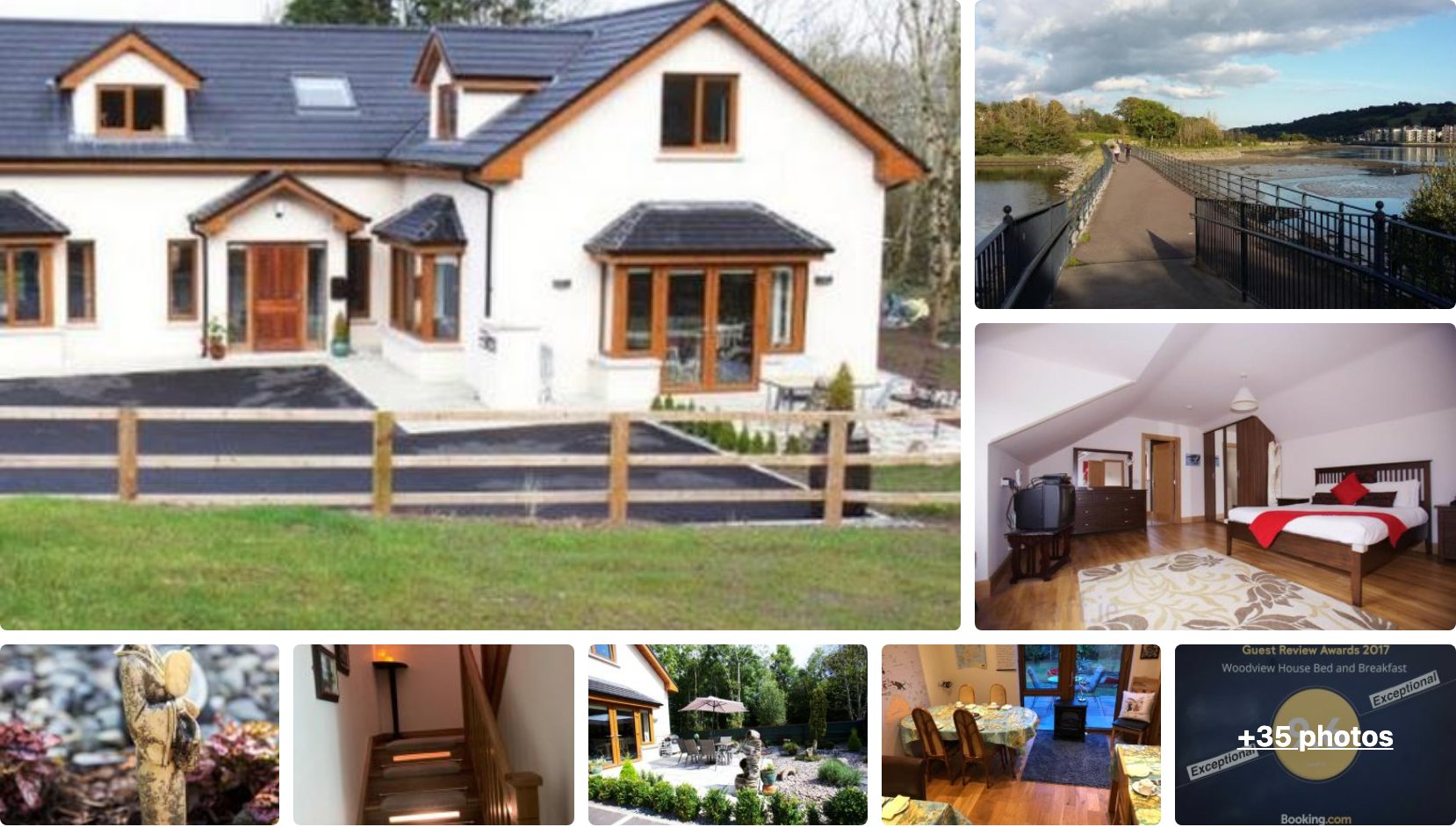
Woodview House Bed and Breakfast sits out in Rochestown on the south side, near the water and a short drive from the centre, and it has held an Exceptional guest score across hundreds of reviews.
It’s a family-run house with a garden and a proper cooked breakfast, and it’s handy for the drive out to Cobh or the airport. A solid budget base if you don’t mind being a little out of town.
👉 View Woodview House Bed and Breakfast Availability and Pricing
Hayfield Manor

Hayfield Manor is the splurge in the city, an ivy-covered five-star just off College Road and about 1.4 km from the centre, with a spa, an indoor pool, and its own walled garden.
It’s the kind of place you book for an anniversary or the last night of a trip. You’re a short walk from University College Cork and a taxi from the English Market and the pubs.
👉 View Hayfield Manor Availability and Pricing
Best Tours in County Cork
You don’t need a tour to enjoy Cork, but a few are worth it, especially if you’re not renting a car or you want the history filled in by someone who knows it.
The most popular option is a Blarney Castle day trip from Cork City, which usually pairs the castle and gardens with a stop in Cobh or Kinsale. It’s an easy way to knock out the big-name sights in a day without doing the driving yourself.
In Cork City, walking and food tours run through the English Market and the older streets, and they’re a good way to get your bearings and eat well on a first afternoon. Cobh has small-group tours that cover the Titanic and emigration history down by the harbor.
For West Cork, look at full-day coastal tours that take in the Beara or Mizen route, since these save you a long drive on narrow roads. A driver who knows the Healy Pass and the back roads is worth it if you’d rather look out the window than white-knuckle the switchbacks.
If you are driving yourself, you can skip almost all of these. But a food tour in the city and a coastal day out west are the two I’d actually pay for. If you want to get your bearings on a first afternoon, you can book a Cork City walking tour on GetYourGuide. I’ve pulled together a few of the better-rated options below.
Kinsale, Blarney Castle and Cobh Half-Day Tour
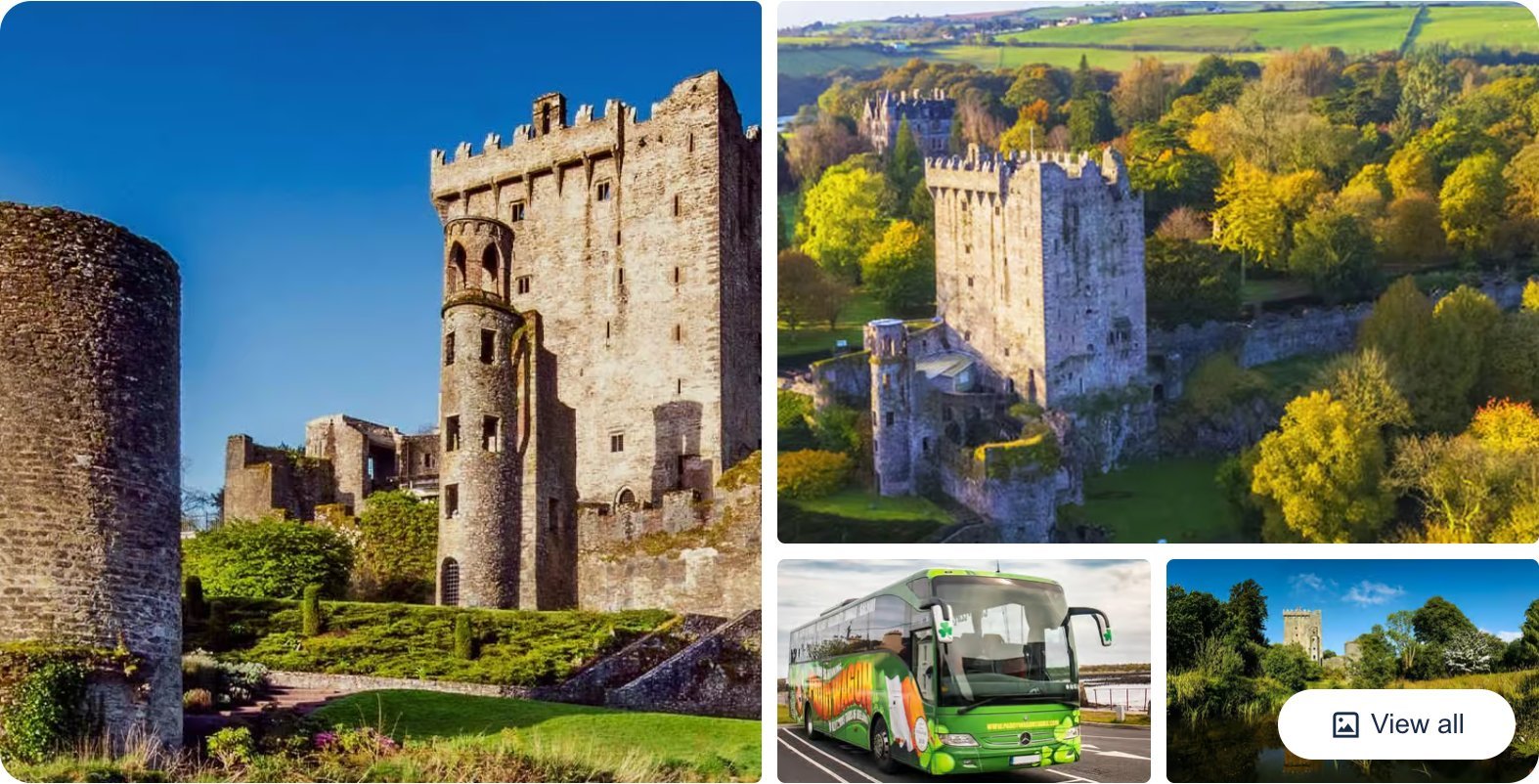
This half-day trip from Cork City strings together the three big-name sights, Blarney Castle and its gardens, the painted harbor town of Kinsale, and Cobh’s waterfront, without you touching the wheel. It runs about five hours with a driver-guide, so it’s the easiest way to knock out the county’s headline stops in one morning.
👉 Check Kinsale, Blarney Castle and Cobh Half-Day Tour Availability and Reviews
Cork Harbour Scenic Cruise
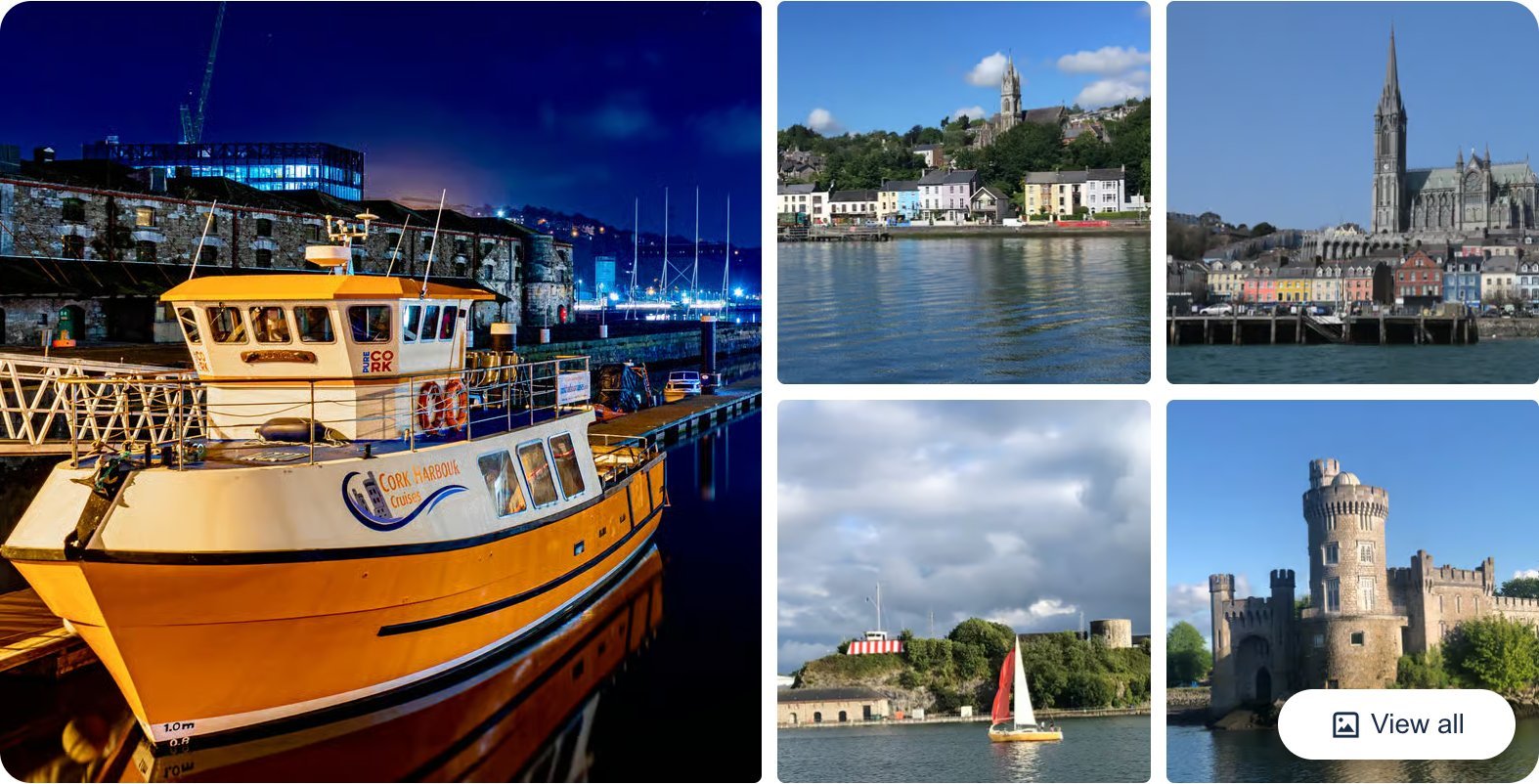
This two-hour guided cruise takes you out onto Cork Harbour, one of the largest natural harbors in the world, past Cobh’s waterfront, St. Colman’s Cathedral, and the old harbor forts. It’s a slower, from-the-water look at the emigration history, and a good pairing with an afternoon in Cobh itself.
👉 See what’s included on the Cork Harbour Scenic Cruise
West Cork to Mizen Head Full-Day Tour
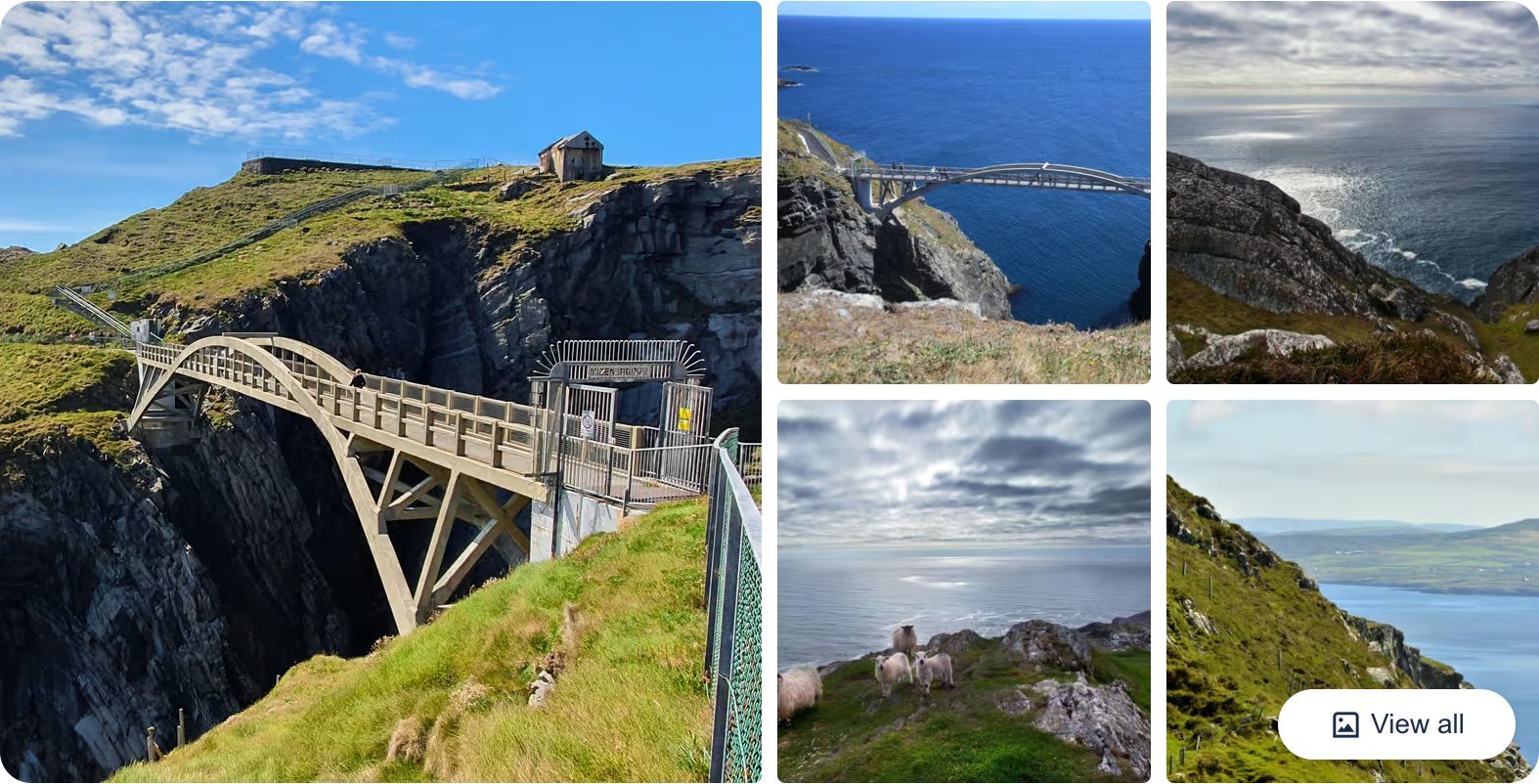
This full-day tour from Cork City runs out along the West Cork coast to Mizen Head, Ireland’s most southwesterly point, with its footbridge slung over the chasm and the old signal station on the far side. Letting a driver handle the narrow peninsula roads is the whole point here, so you can watch the coast instead of the hedges.
👉 Check dates and prices for the West Cork to Mizen Head Full-Day Tour
Ring of Kerry Day Tour from Cork
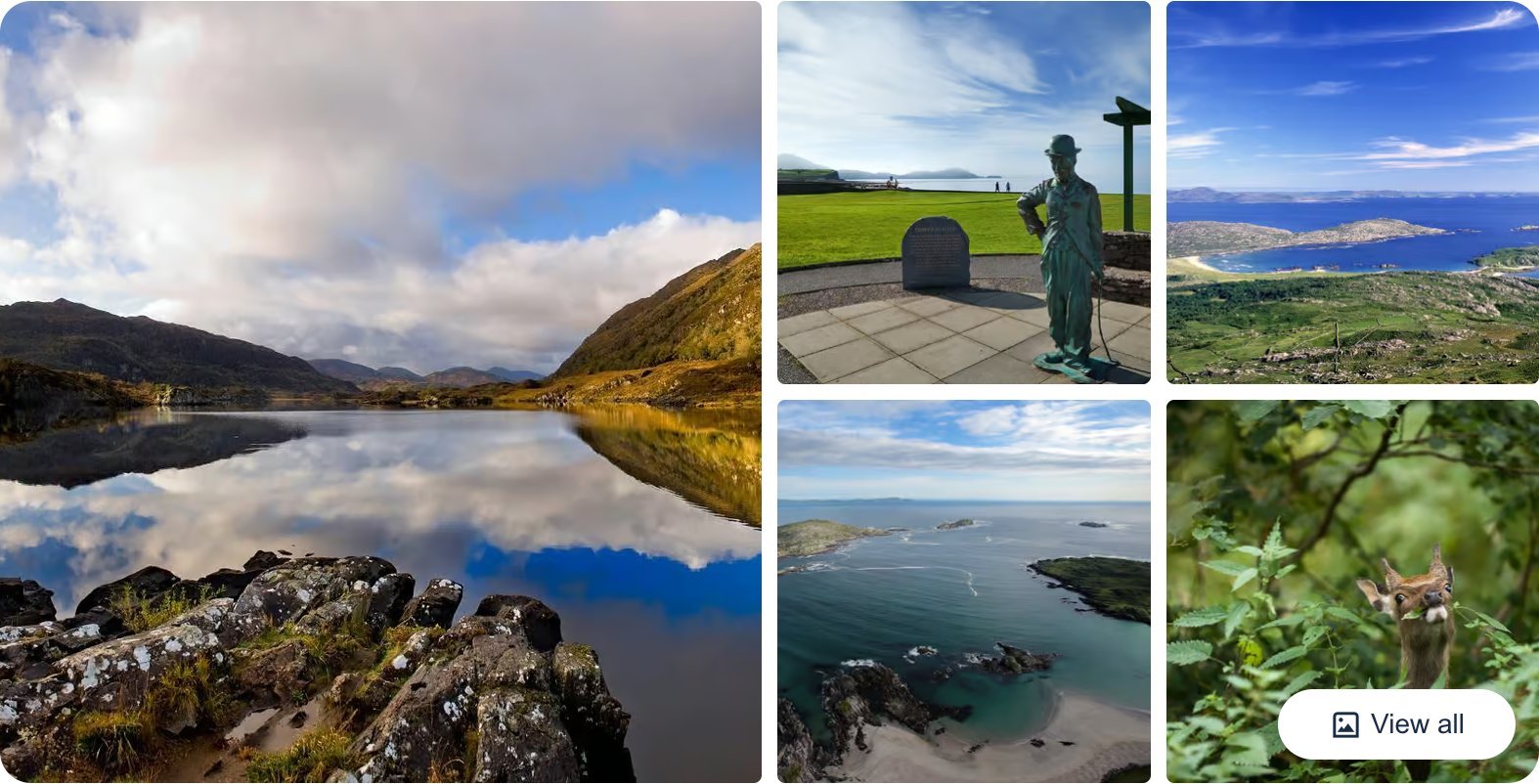
If you want to cross the county line for a day, this full-day trip loops the Ring of Kerry from Cork City, taking in the mountain lakes, the Waterville coast, and the panoramas over the Iveragh Peninsula. It’s a long day on the bus, but it saves you the driving and covers a lot of Kerry’s best scenery in one go.
👉 Check availability for the Ring of Kerry Day Tour from Cork
Operators to Book These Cork Tours With
- Cork Harbour Scenic Cruise
- West Cork to Mizen Head Full-Day Tour from Cork City
- Ring of Kerry Day Tour from Cork
In short
- Plan three to four days: one or two near the city, two for West Cork.
- Cork City, Blarney, Cobh, and Kinsale are easy without a car; West Cork needs one.
- Blarney Castle rewards two to three hours for the tower and gardens.
- Base in Cork City first, then add Kinsale or a West Cork town like Clonakilty.
- Go in May or September for fewer crowds and decent coastal weather.
FAQ About Visiting County Cork
How many days do you need in County Cork?
Plan on three to four days. One or two for the city, Blarney, Cobh, and Kinsale, and another two to properly drive West Cork and the peninsulas. You could see the highlights in two days, but the west rewards not rushing.
Do you need a car in County Cork?
For the city and nearby sights, no, since the train and buses cover Cobh, and tours cover Blarney. For West Cork, the Beara Peninsula, Mizen Head, and Gougane Barra, yes. Public transport barely reaches them, so a rental car is the way to go.
What’s the best base for a Cork trip?
Cork City for a first visit, since it’s central and well connected. If the coast is your focus, split your nights and add Kinsale or a West Cork town like Clonakilty or Bantry.
Is Blarney Castle worth it?
Yes. We expected a tourist trap and left won over. The stone is touristy, but the tower and the gardens make it a half-day in their own right.
What is the best time to visit County Cork?
Late spring through early fall, roughly May to September. If you want fewer crowds with decent weather, go in May or September. Summer is warmest and busiest, and winter closes a lot of rural West Cork.
Is Cork City worth visiting?
Yes. Cork is Ireland’s second city and a serious food town, with the English Market, the Shandon Bells, and a deep pub scene. Give it a full day, ideally two.
Plan Your Wild Atlantic Way Road Trip
- 9 Best Places On The Wild Atlantic Way Route
- Wild Atlantic Way 5 Day Itinerary: Kinsale to Doolin
- Wild Atlantic Way Itinerary – Ireland’s Most Epic Road Trip
- A Photographer’s Definitive Ireland Road Trip
Conclusion
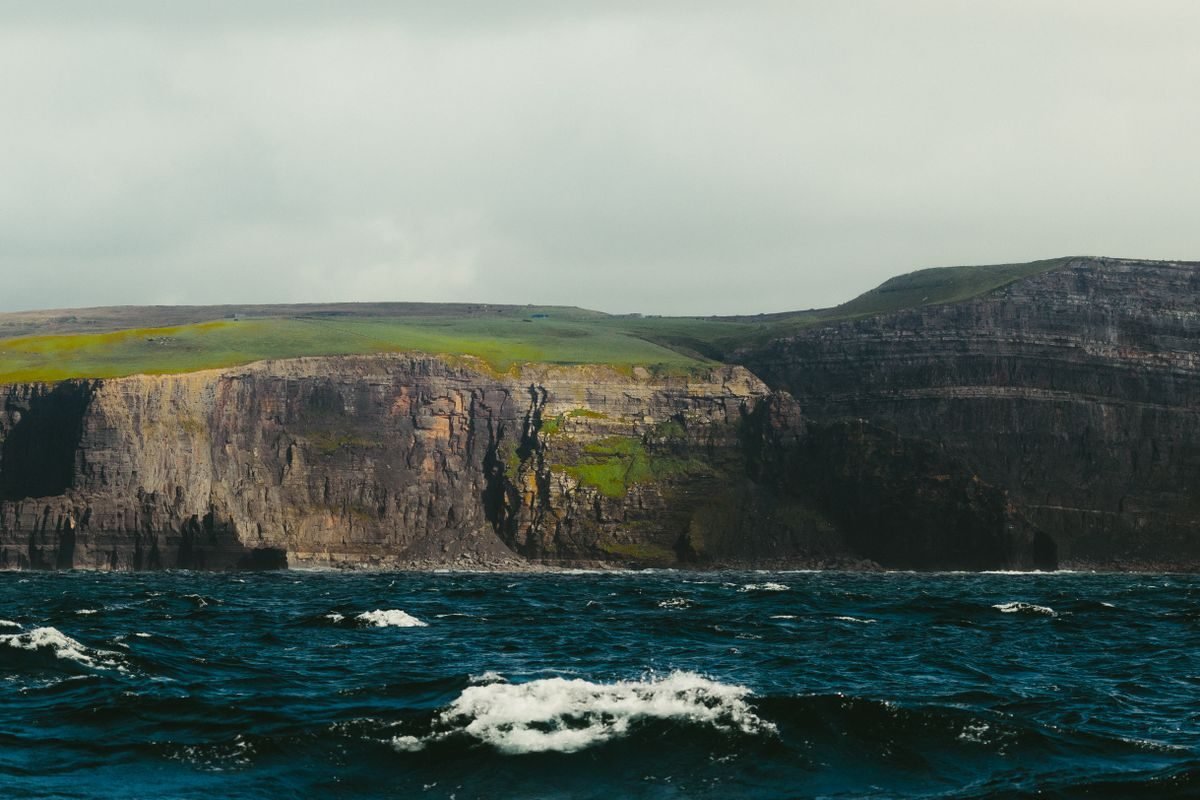
County Cork is worth the trip for the range alone. You get a proper food city, a castle that beat our low expectations, and a stretch of Atlantic coast that stays empty long after Kerry fills up.
If you’re short on time, do Blarney and Cobh from the city, eat your way through Kinsale, and give yourself at least one full day for the Beara Peninsula or Mizen Head. That mix is the best of the county.
We rushed Cork and regret it, so learn from us and build in more time than you think you need. It’s the one corner of Ireland we’re most keen to go back to.
Like it? Pin it!
Save this guide for later