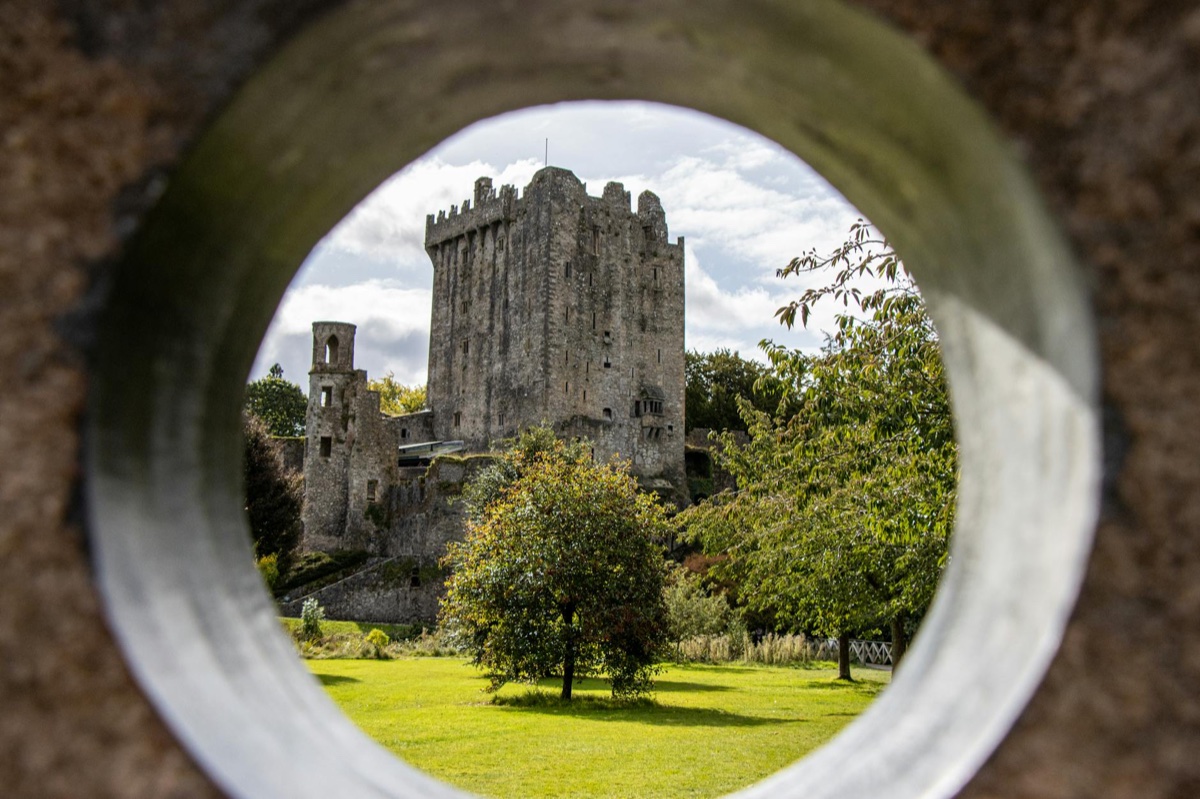
Blarney Castle is one of Ireland’s most visited attractions, and it deserves the reputation. Visitors flock here to kiss the legendary Blarney Stone, a tradition said to bestow the gift of eloquence on those who do. The castle’s rich history and stunning grounds make it a must-see destination.
We went in expecting a tourist trap and came out impressed, both by the castle itself and by how much there is to explore in the grounds once you’ve kissed the Stone.
Also on YourIrishAdventure:
- 10 Epic Day Trips From Cork
- The Best Castles in Ireland
- Weekend in Cork: The Perfect 2-Day Itinerary
- Where to Stay in County Cork
- The Ring of Kerry Drive: Itinerary, Highlights & Tips
Visiting Blarney Castle
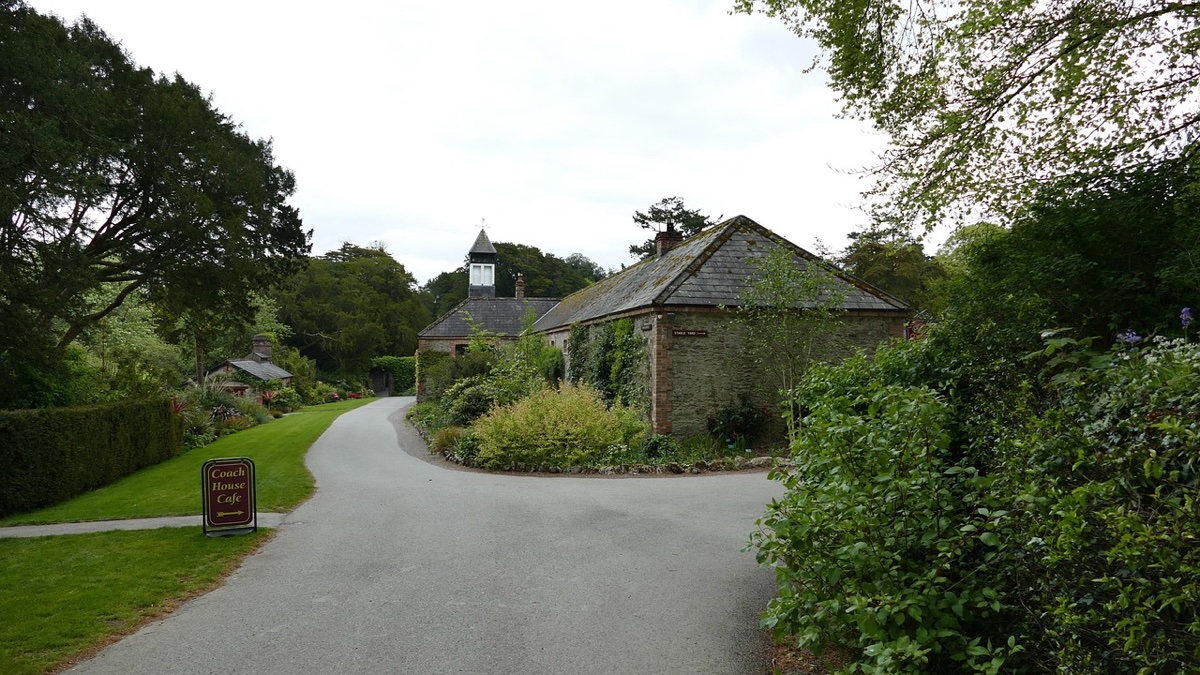
Before you head to Blarney, it’s worth knowing a few practical details.
The grounds are bigger than most people expect, and a little planning goes a long way. If you’d rather skip the queue and let someone else handle the logistics, a skip-the-line Blarney Castle tour from Cork is worth considering.
Location
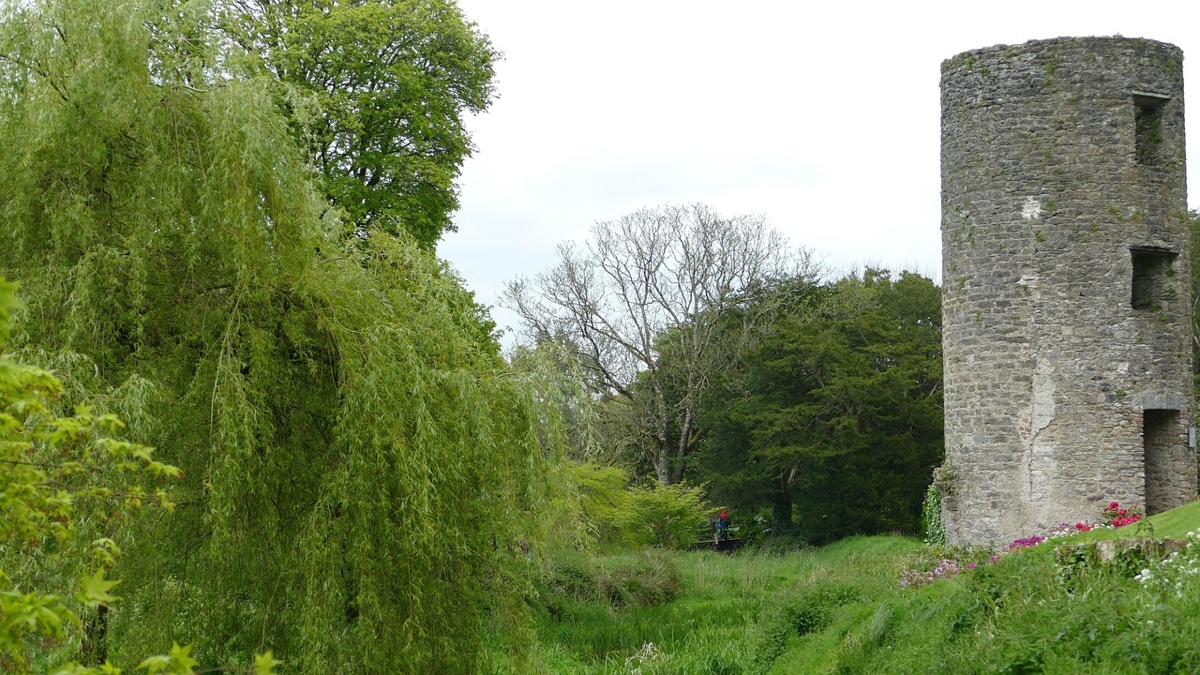
Blarney Castle is in the village of Blarney, County Cork, about 8km northwest of Cork City.
If you’re coming from Cork City, you’re looking at a 15-minute drive or a short bus ride.
We visited from Cobh, which added a bit more time, roughly 32km and about 45 minutes via the N25 and R617, but an easy enough run.
Parking at the site is straightforward.
There’s a large dedicated car park right at the entrance with plenty of space, including room for bigger vehicles, so you won’t be circling the village looking for a spot.
Opening Hours
Blarney Castle is open daily year-round, with hours that shift depending on the season.
Summer (June to August): 9am to 7pm. Shoulder months (May and September): 9am to 6:30pm.
Winter (October to April): 9am to 5:30pm, with Sunday closing at dusk.
Last admission is one hour before closing, so don’t cut it too fine if you want to reach the top of the castle.
Hours do change seasonally, so check the official Blarney Castle website before you go to confirm current times.
By mid-morning in summer, the queue for the Blarney Stone can get long.
We visited in October and had no real wait, but if you’re going in peak season, arriving right at opening is worth it.
Admission and Tickets
Adult tickets are €18, with concessions at €14 for students and seniors.
Children aged 8 to 14 pay €8, and under-8s get in free.
A family ticket is available if you’re visiting with kids.
You can buy tickets at the door, but the queue builds fast in summer, especially July and August.
Booking online in advance is the smarter move, full stop.
If you’re coming from Dublin, the easiest option is a guided day trip that takes care of all the logistics for you. Click here to book a highly-rated guided tour to Blarney Castle from Dublin.
Allow at least 2 to 3 hours minimum, and that’s if you move at a decent pace through the castle tower, kiss the Stone, and take a proper walk through the gardens.
We went in expecting a quick tick-box stop and ended up staying far longer than planned.
The Fern Garden and the River Bank Walk alone are worth an extra hour if you’re not rushing.
If you want to do it properly, a half day is the right answer.
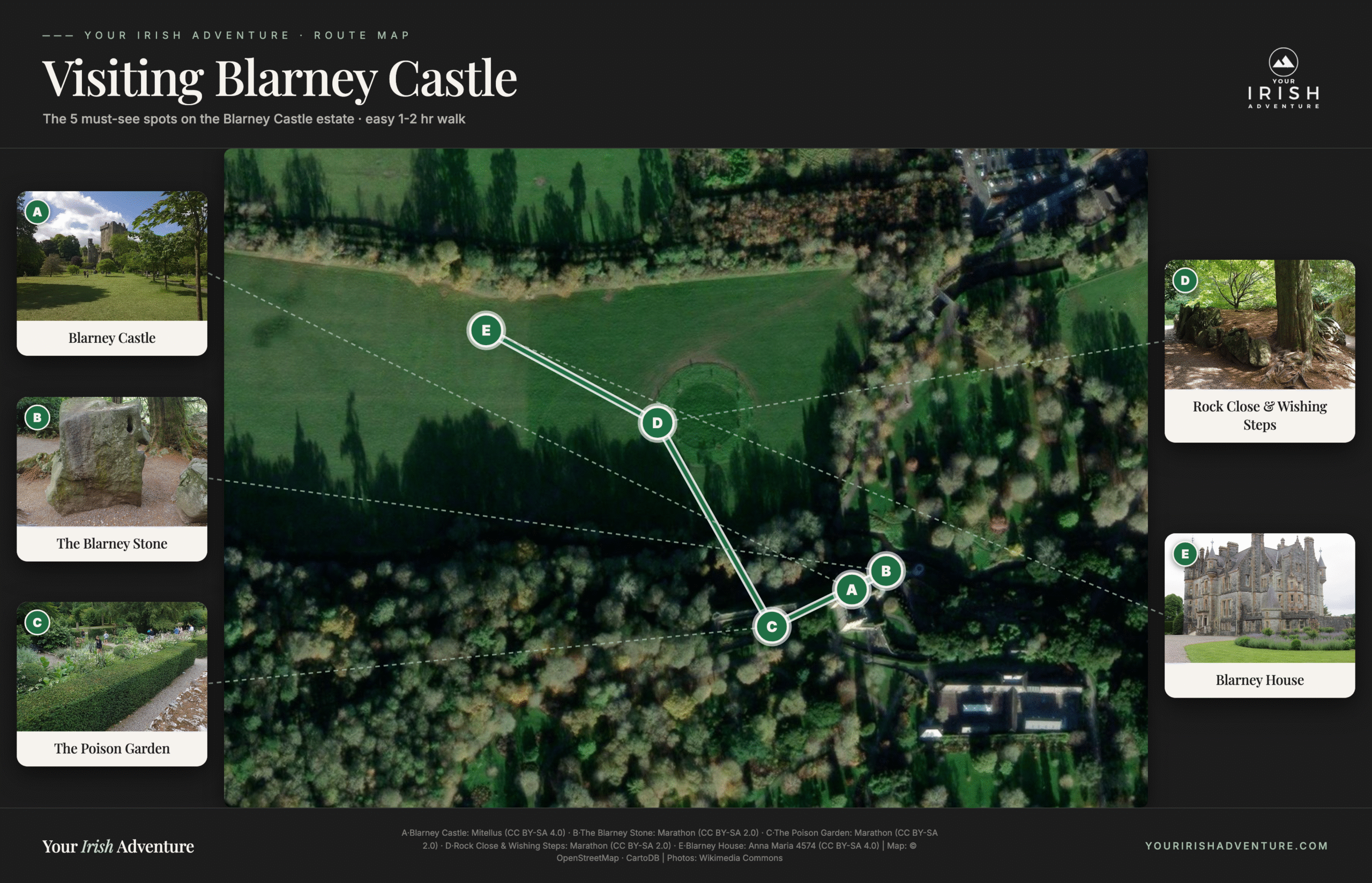
The grounds are bigger than they look on a map, Blarney House is worth a wander, and the gardens are well worth your time beyond the Stone itself.
The History of Blarney Castle
I know you’re not here for a history lesson, so I’ll make this quick, but the backstory here is actually worth knowing before you visit.
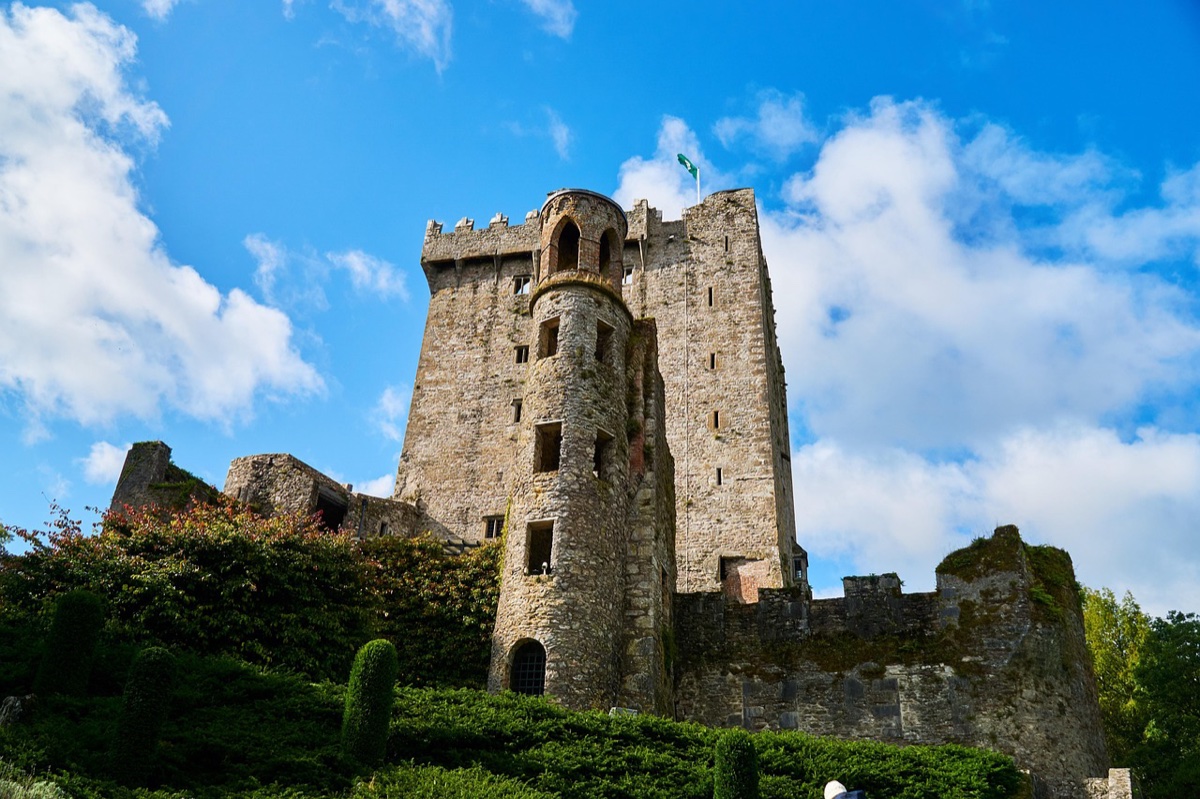
Blarney Castle was built in 1446 by Cormac Laidir MacCarthy, one of the most powerful chieftains in Munster.
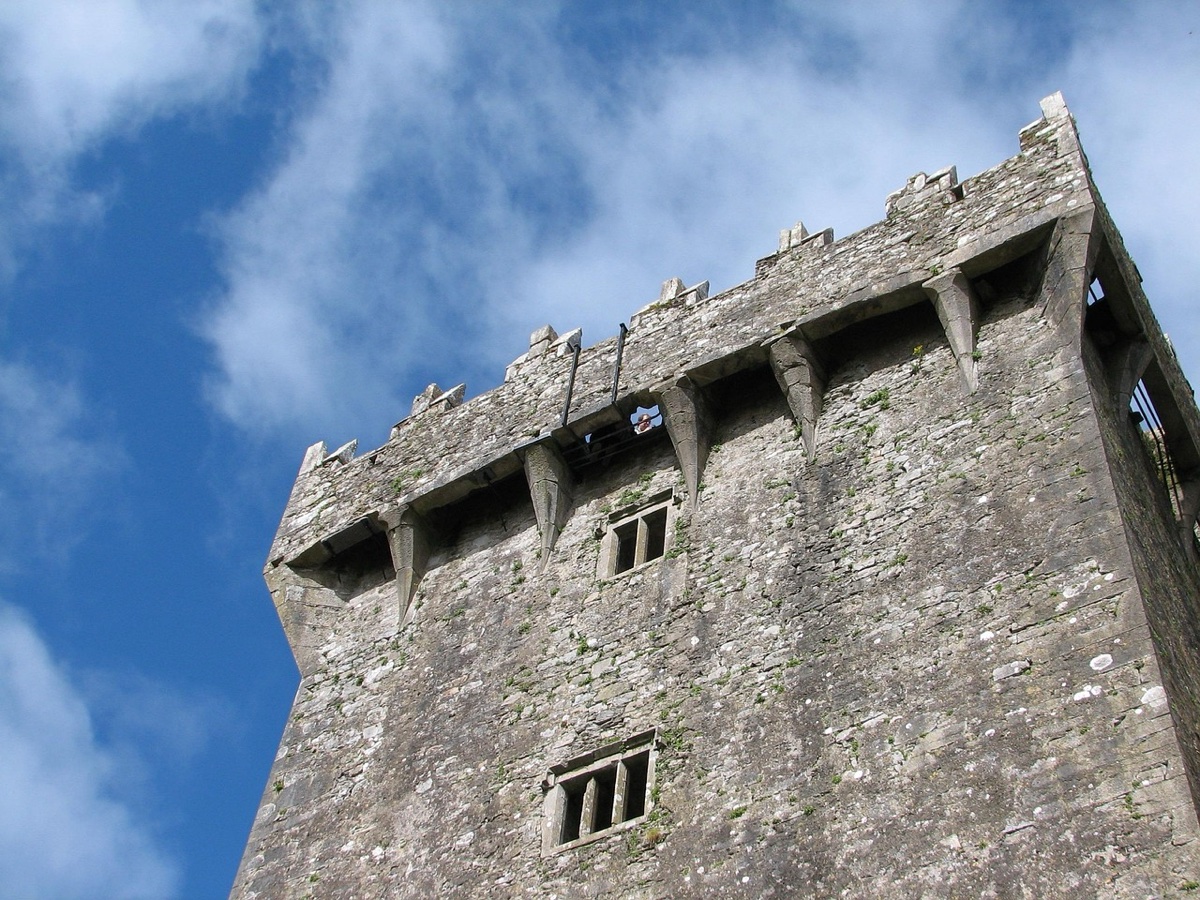
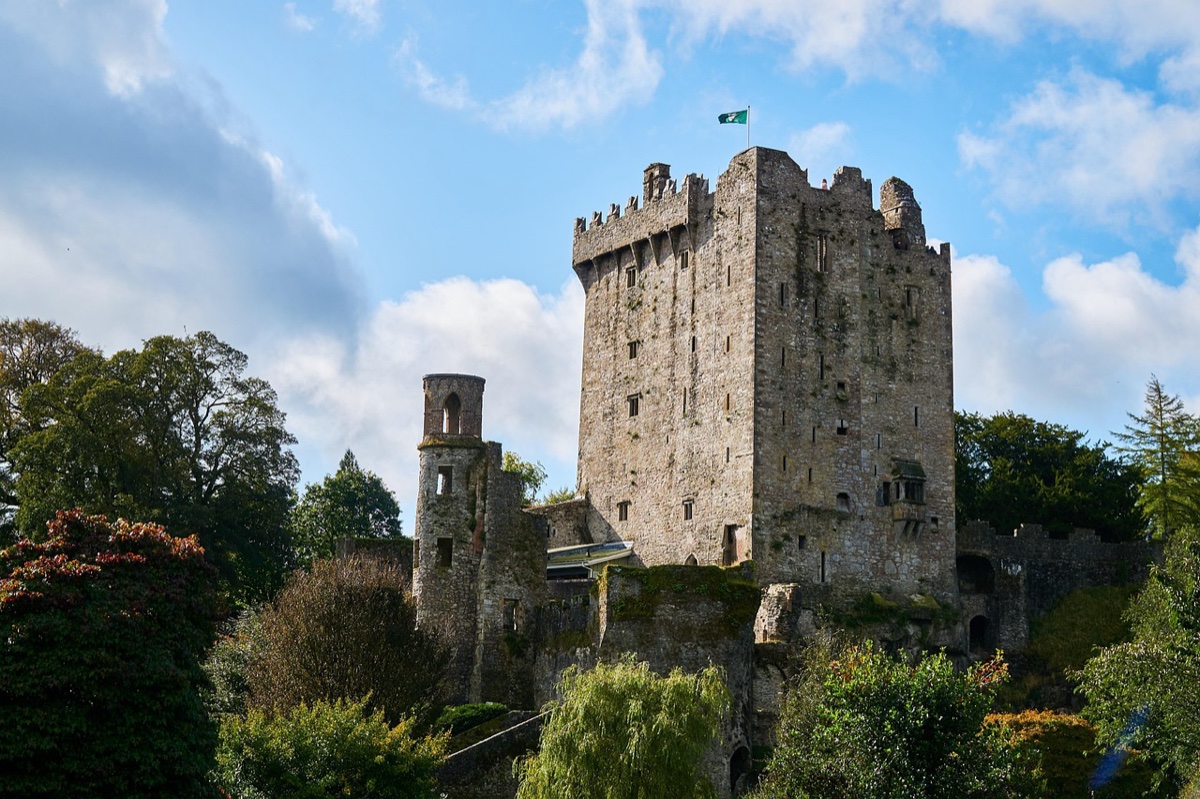
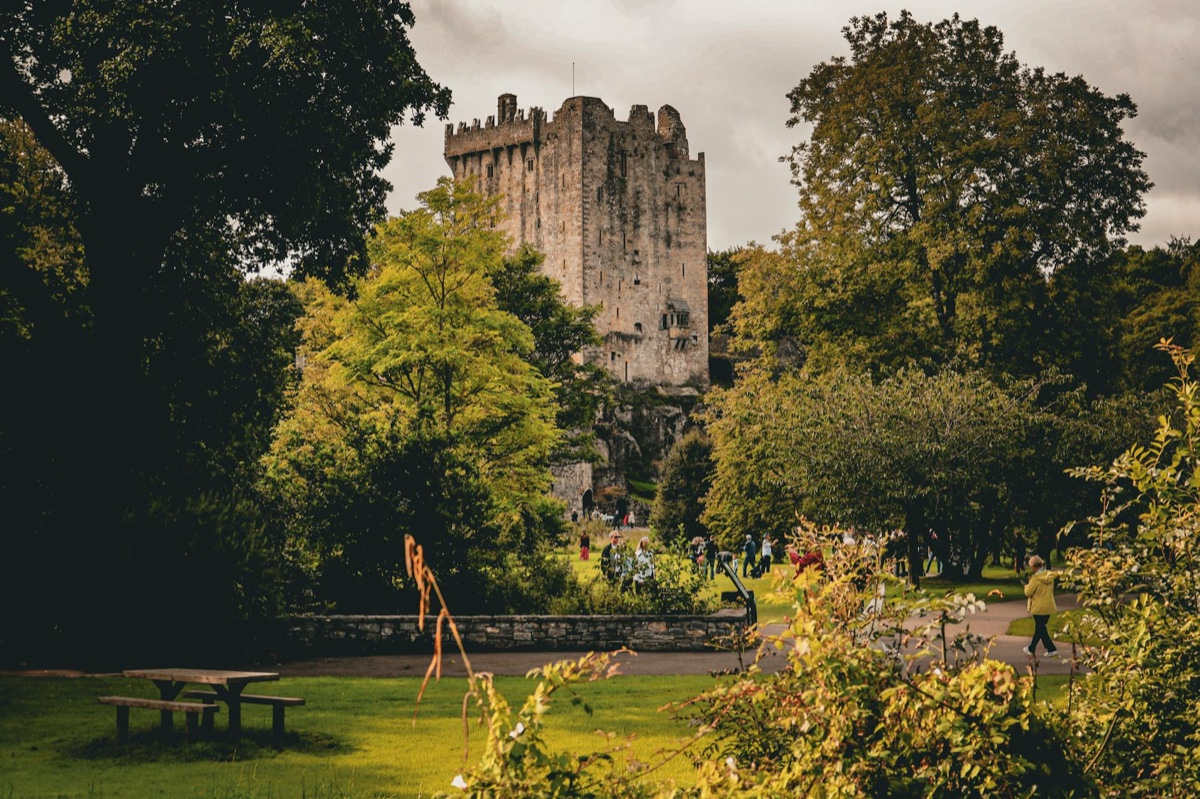
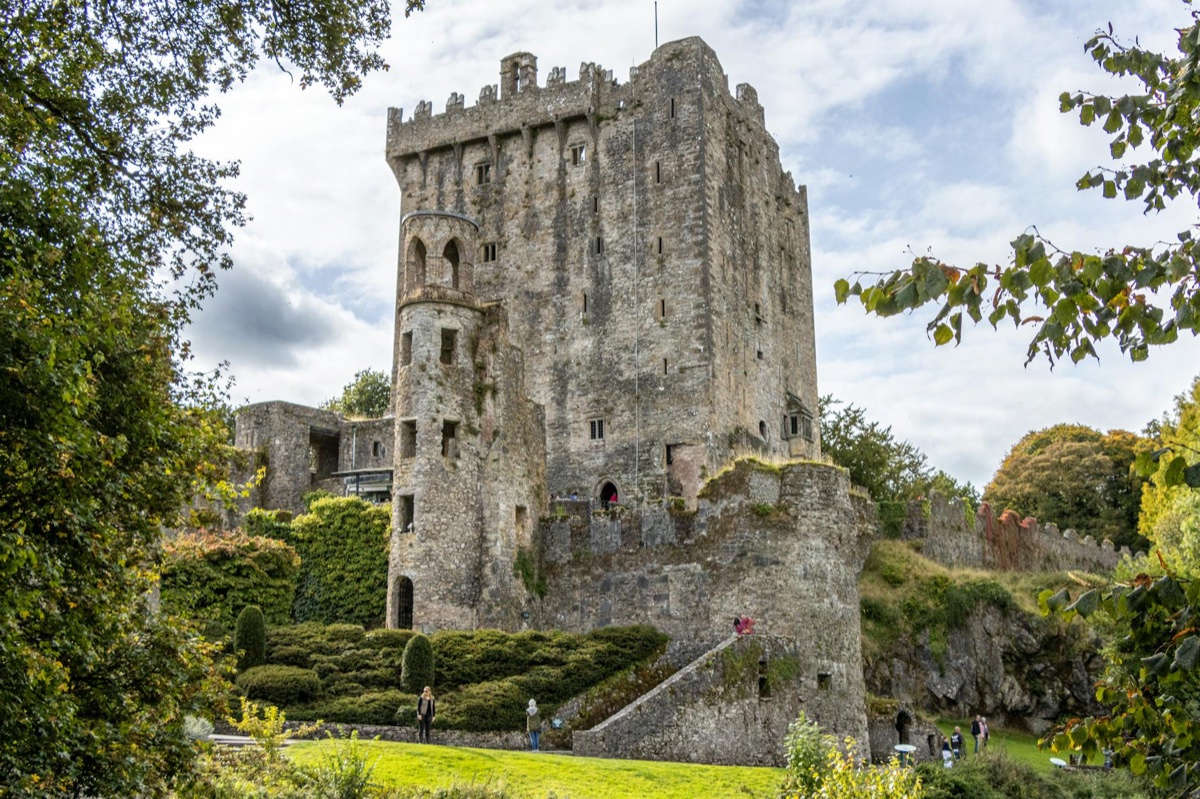
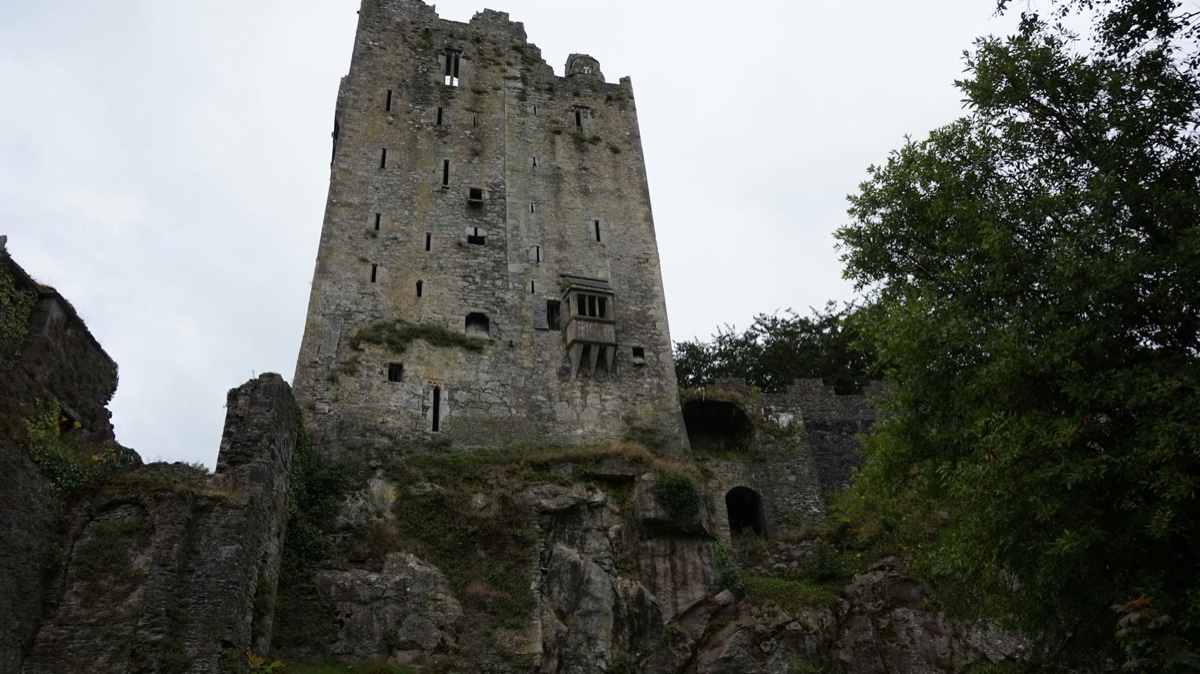
The tower you climb today is the third castle to stand on this site, and at over 25 metres tall, it held up remarkably well for something pushing 600 years old.
Cormac Láidir’s Masterstroke
The castle standing today is actually the third structure to occupy this site.
A wooden fortification went up around 1210, followed by a stone tower around 1310, and then in 1446, Cormac Láidir MacCarthy decided to do it properly.
Cormac Láidir (the name roughly translates to “Strong Cormac,” which tells you something about the man) was one of the most dominant chieftains in Munster at the time.
The keep he built stands 26 metres tall, with walls so thick and a position so commanding that it was considered near-impregnable by the standards of the day.
What’s striking when you’re inside is how that reputation makes sense.
The staircase narrows as you climb, the corridors are deliberately cramped, and the whole structure feels designed to make life very difficult for anyone who wasn’t supposed to be there.
You can read more about the MacCarthy dynasty and the full documented history of Blarney Castle if you want to go deeper, but standing inside the thing is the better history lesson.
Siege and Seizure
The MacCarthys held Blarney Castle for over two centuries, but nothing lasts forever, especially not in 17th-century Ireland.
Cromwellian forces seized the castle in 1646, and control passed to a series of English settlers who saw the estate as a strategic and commercial prize rather than a home.
The Jefferyes family acquired it in the early 18th century, and it’s their influence that shaped much of what you see today.
The formal grounds, the estate layout, the sense of a managed landscape rather than a raw military outpost. That shift begins with the Jefferyes era.
It’s worth understanding how common this pattern was across Munster.
A Gaelic stronghold built for power and defence, taken by force, passed between English hands, and gradually converted into something that looked more like an English country estate.
The castle tower survived all of it, which is why you can still climb it today.
From Judges to Governors
The Jefferyes family held the estate through the 18th century, and it’s their successors, the St John Colthurst family, who pushed it into the Victorian era and gave Blarney much of its current character.
Blarney House, the Scottish Baronial mansion that sits on the grounds today, was built in 1874.
The landscaped gardens followed, and by the time the 19th century was in full swing, the estate had completed its transformation from a medieval military stronghold into something closer to a managed heritage property.
What’s interesting is that visitors were already coming for the Stone by this point.
The legend was well established before the tourism infrastructure existed to support it, which means the modern visitor experience you get today is built on top of something that was already drawing curious travellers well over a century ago.
With that history in the background, here’s everything worth doing once you actually get through the gates.
Things to Do At Blarney Castle and Gardens
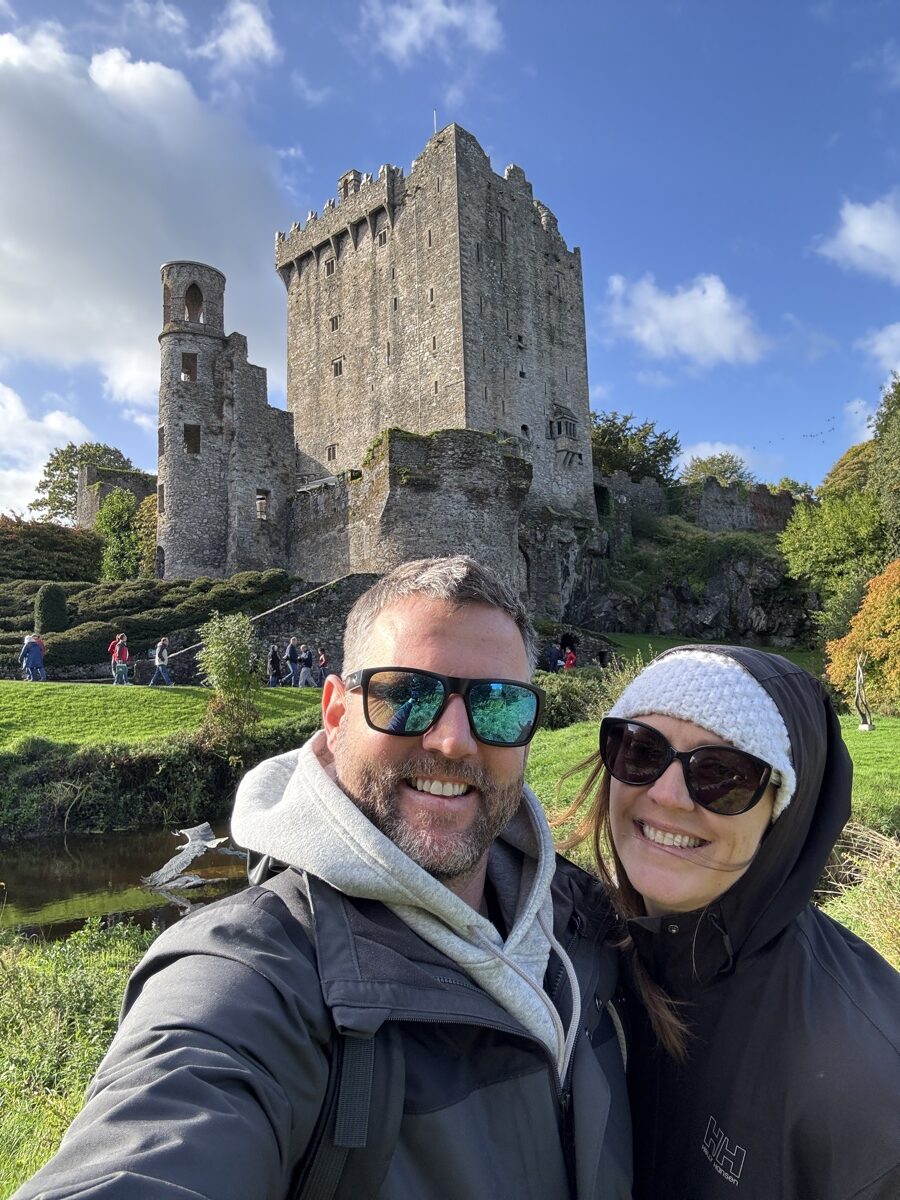
We went to Blarney Castle expecting a tourist trap and left impressed by how much there is to do beyond kissing the Stone.
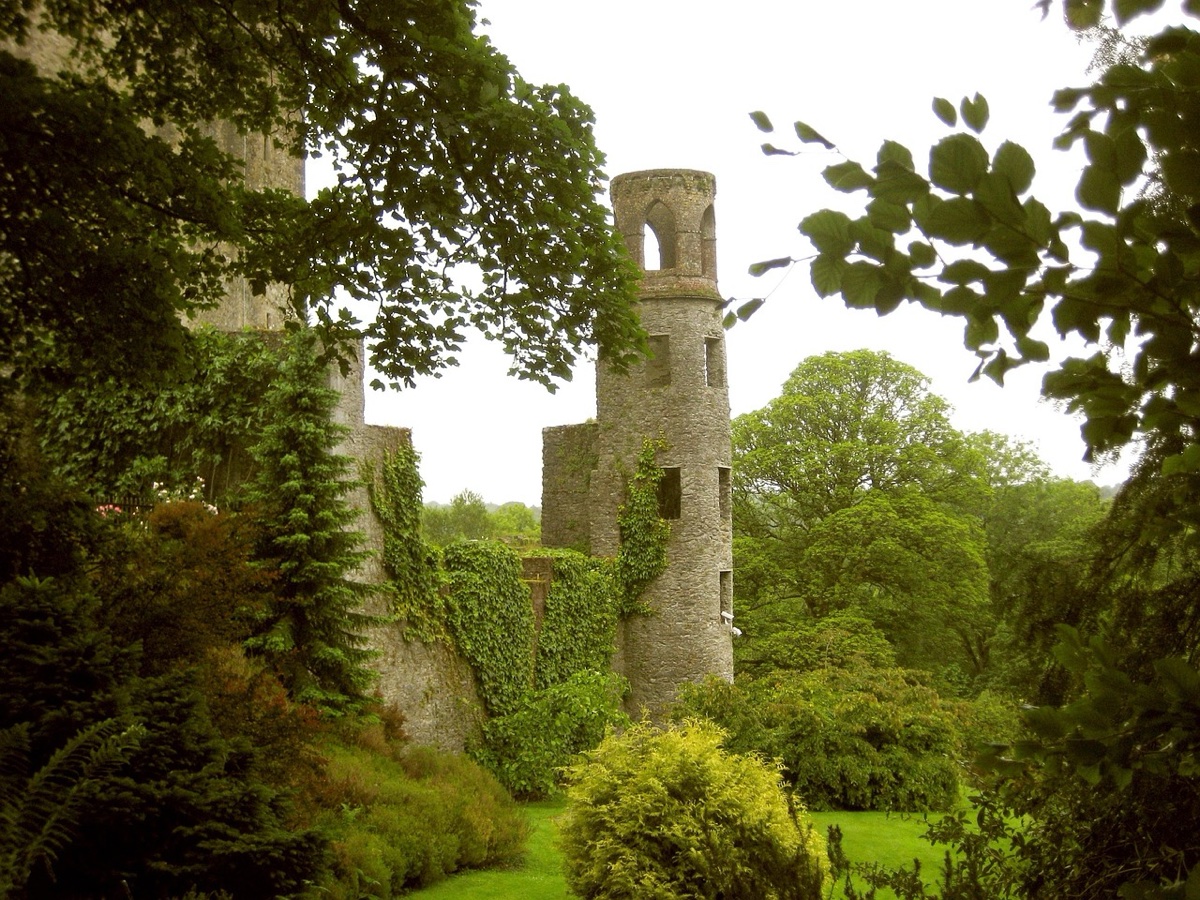
The castle tower itself, the Fern Garden, the River Bank Walk, Blarney House, and the Witch’s Kitchen all deserve time.
You’ll want a good two to three hours to do the grounds justice.
The Castle
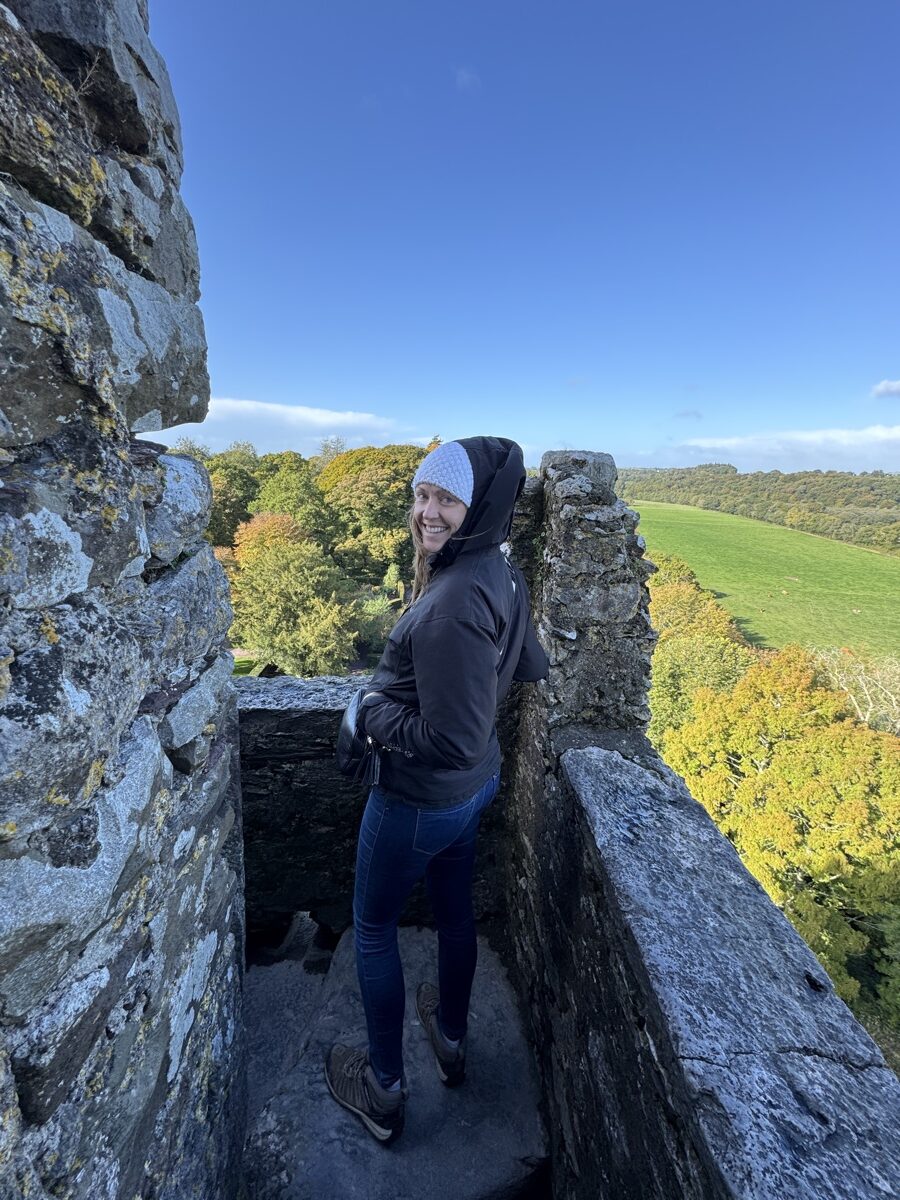
The castle tower is the centrepiece of the whole site, and it’s a real medieval fortress, not just a backdrop for photos.
The keep stands 26 metres tall, and getting to the top means climbing a narrow spiral staircase that winds through several floors on the way up.
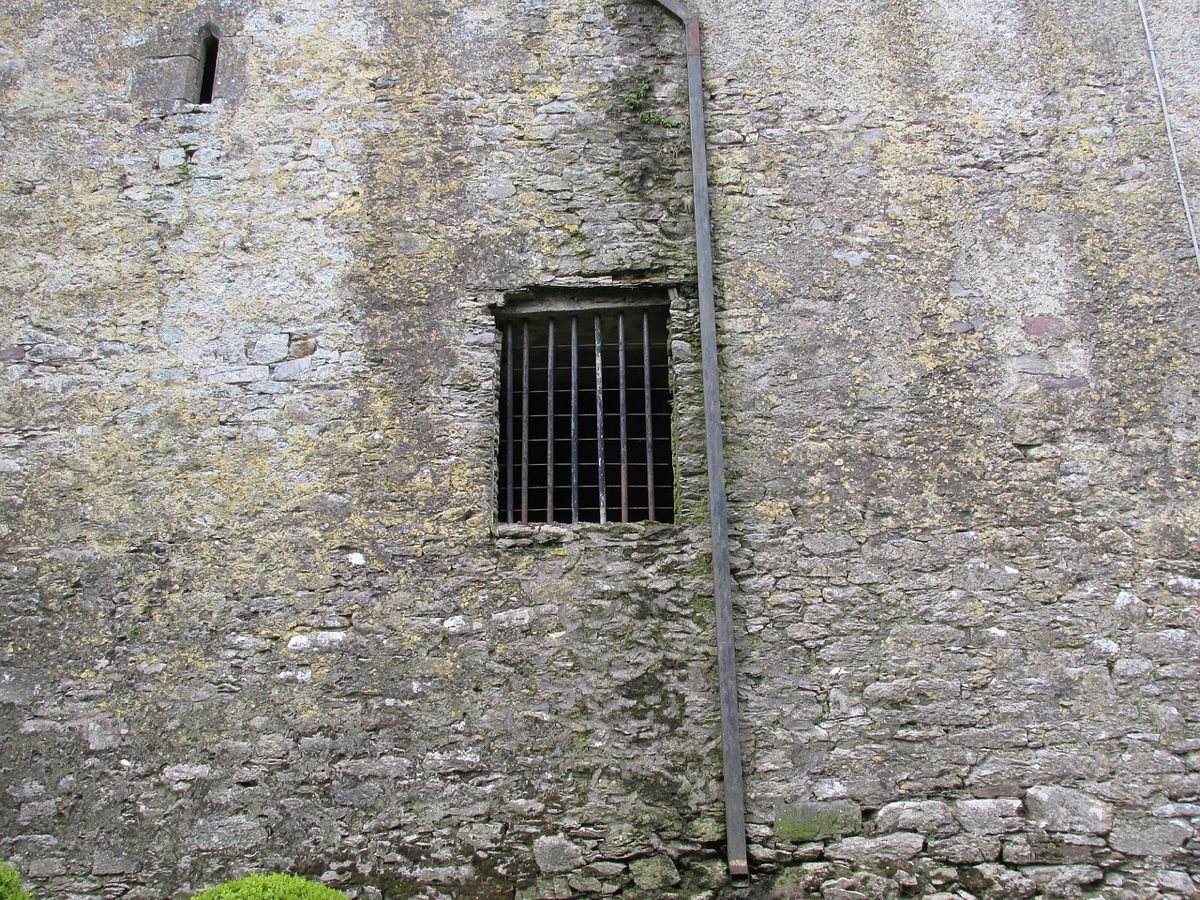
You’ll pass through the Great Hall and can peer down into the dungeon below ground level, both of which are worth a moment before you continue climbing.
The stairs themselves are steep and tight, the kind where you’re pressing your back against the stone wall to let someone coming down squeeze past.
It’s part of the experience, but worth knowing in advance if anyone in your group has mobility issues or isn’t comfortable in confined spaces.
When you reach the battlements at the top, the views over the estate and the Cork countryside are worth the climb on their own.
The Blarney Stone is located here at the top, but I’ll cover the full experience of actually kissing it in the next section.
Blarney House
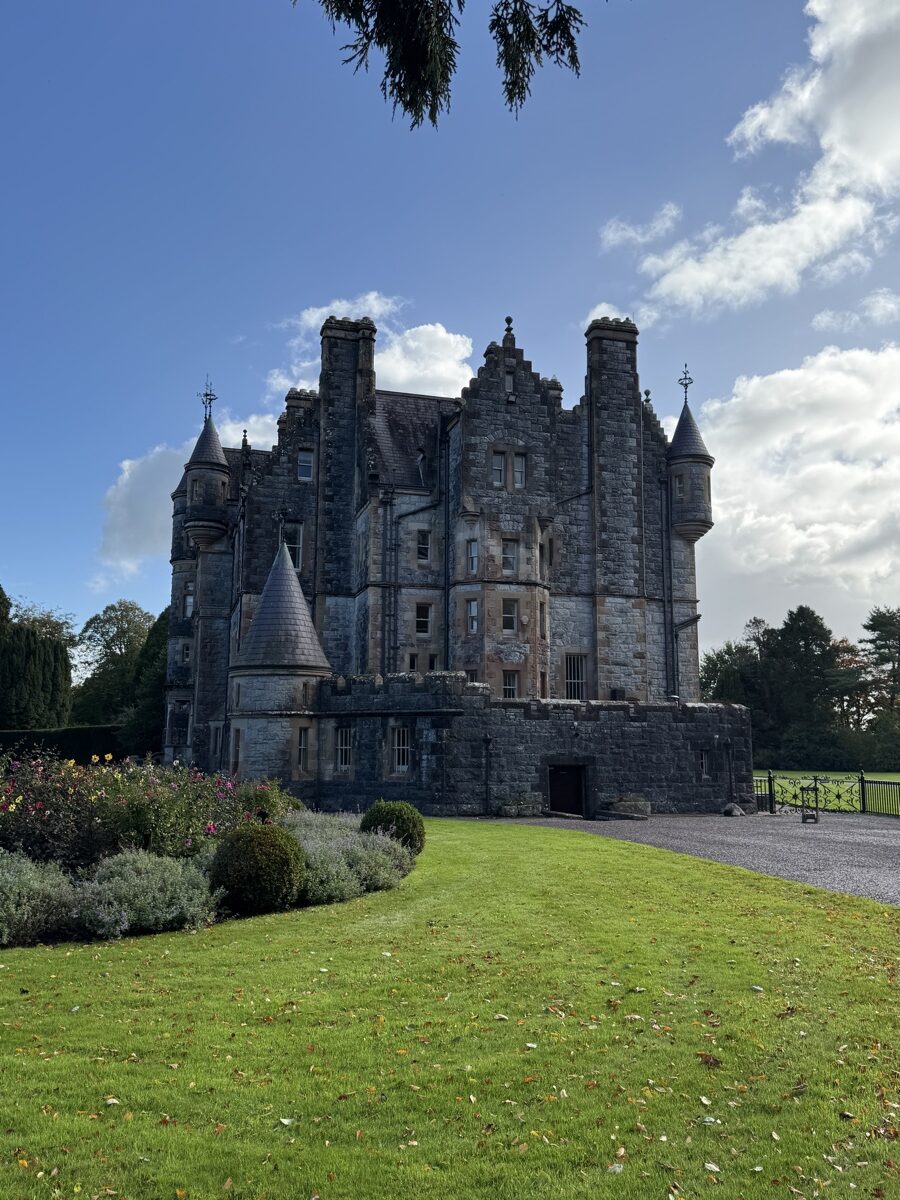
Most visitors walk straight past Blarney House on their way to the castle, which is a shame, because the Victorian mansion sitting on the estate grounds is a genuine highlight in its own right.
Built in 1874, the architecture alone is worth stopping for, even from the outside.
Inside, when it’s open, you get period rooms, family portraits, and antique furniture that give you a real sense of the estate’s history beyond the famous stone at the top of the tower.
We wandered the grounds around Blarney House and found it a pleasant bonus that most people simply walked past without a second glance.
The mansion looks particularly striking against the backdrop of the older castle, and it’s the kind of thing that makes you glad you weren’t in a rush.
The catch is the limited opening season – it runs June to August, Monday to Saturday only.
If visiting outside those months, you won’t get inside, so check the dates before making it a centrepiece of your plans.
The Witch’s Yew Tree
Near the base of the castle, among the jumble of mossy limestone formations known as the Witch’s Kitchen, stands an ancient yew tree said to be the home of the Witch of Blarney.
The legend goes that the witch was captured by Cormac McCarthy and, in exchange for her freedom, revealed the secret of the Blarney Stone to him.
The gnarled old yew is the supposed centrepiece of her domain, surrounded by rock formations that have the kind of atmosphere that makes the story easy to believe.
It’s a small detail in the context of the full estate, but it’s the kind of thing that adds a bit of texture to the visit.
Worth a look as you make your way around the base of the castle.
The Gardens and Grounds
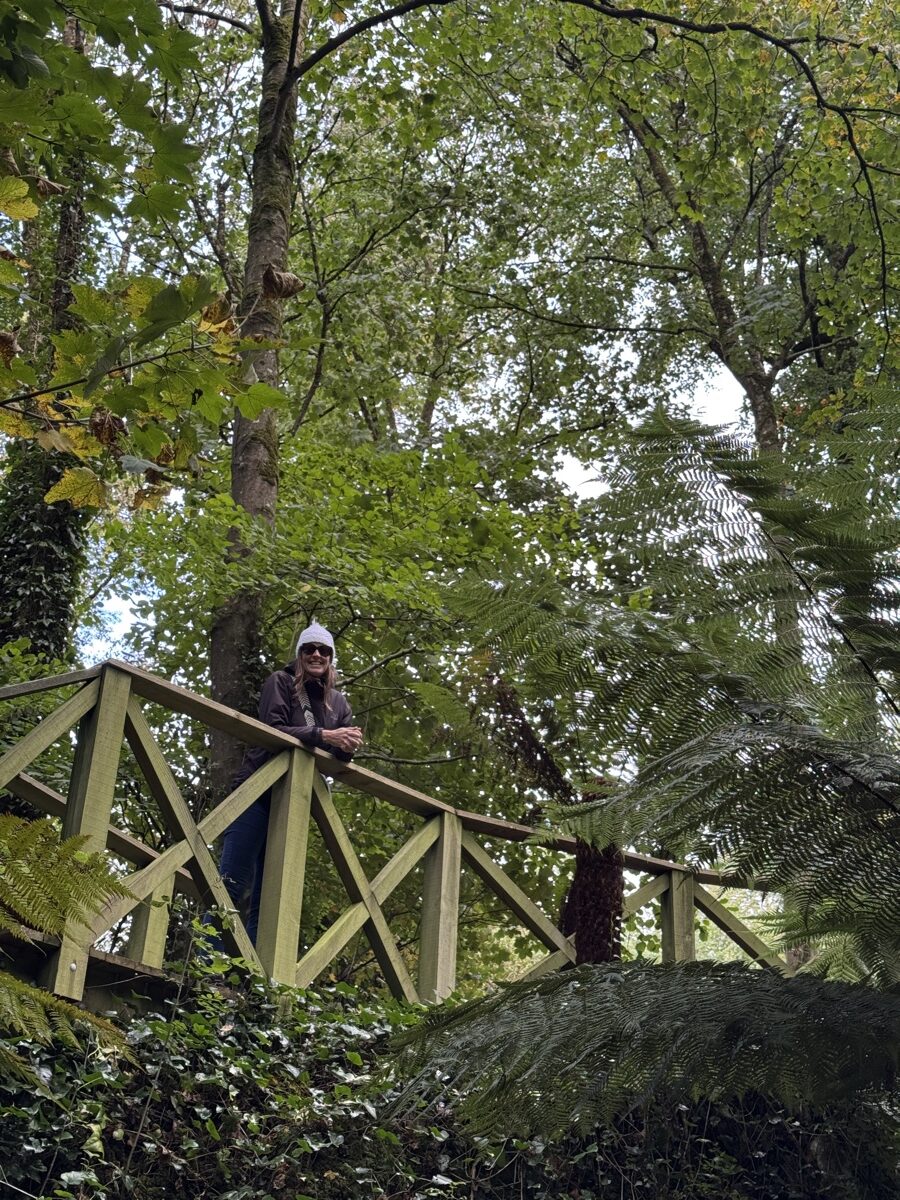
Most people treat the grounds as the bit between the car park and the Stone. That’s a mistake.
The gardens at Blarney are beautiful and worth an hour on their own, separate from anything you do inside the castle tower.
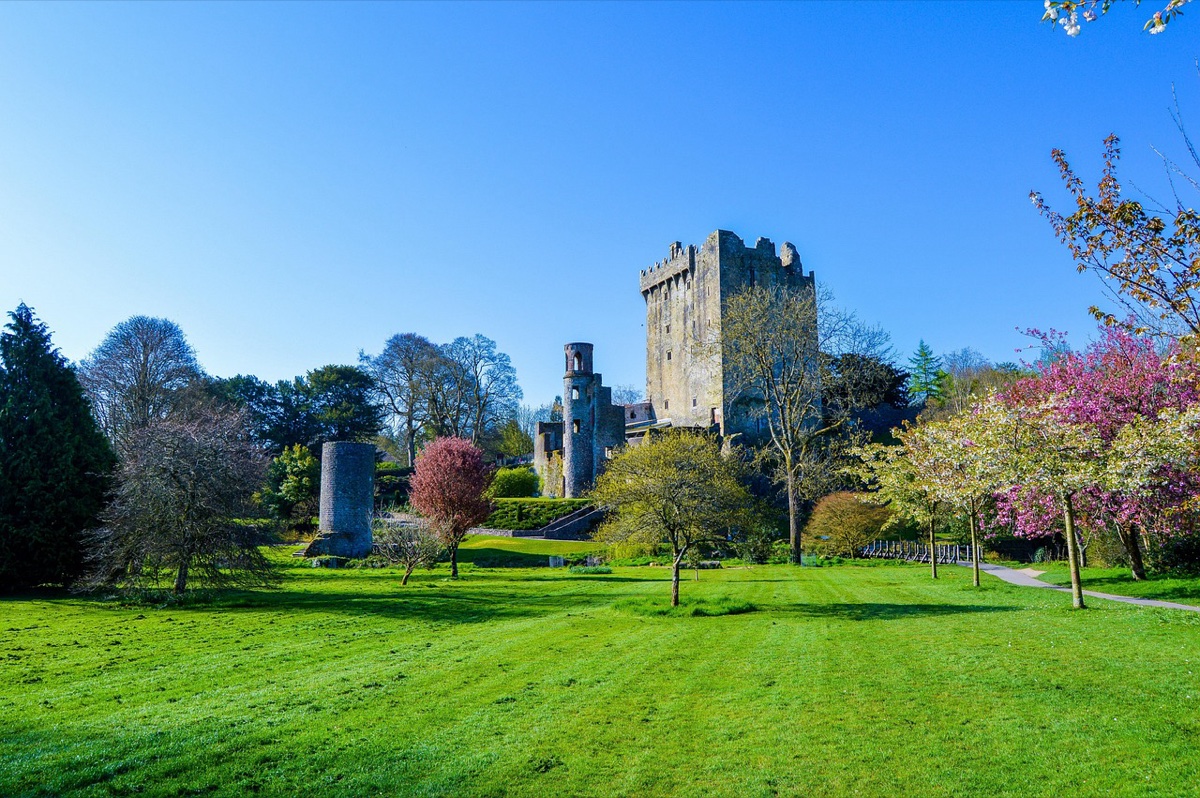
We were expecting a tourist attraction with a lawn. What we found was closer to a proper Victorian estate, carefully maintained and full of corners worth exploring.
The Fern Garden is the standout. It’s shaded, lush, and has a completely different atmosphere from the open grounds around the castle, the kind of place that feels like it belongs in a different climate entirely.
The Rock Close is worth seeking out too: a collection of ancient standing stones and dolmens set among old trees, with enough folklore attached to it (druids, ancient rituals, a wishing stone) that even confirmed sceptics tend to slow down and look around properly.
The River Bank Walk follows the Blarney River through the lower grounds and is the best way to decompress after the queue at the top of the tower.
The Poison Garden is exactly what it sounds like, a fenced-off section of plants that will kill you, with helpful signs explaining how. The Arboretum adds yet another texture to the grounds with its collection of mature specimen trees.
The grounds are extensive. You can cover the highlights in an hour, but if you try to rush through everything before or after the castle visit, you’ll leave things out.
This is why two to three hours minimum is the right way to plan the day.
The Wishing Steps
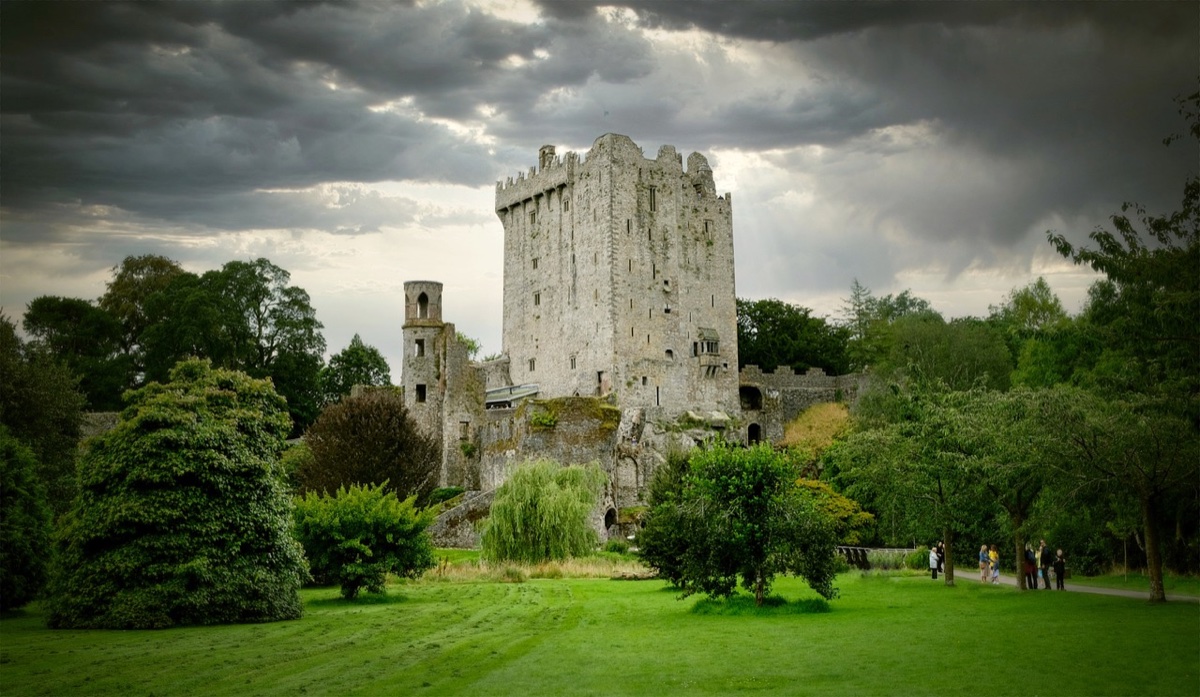
The Wishing Steps sit in the Rock Close section of the gardens, a short set of mossy stone steps cut into a steep rock face, worn smooth and green with age.
The legend is simple: walk down, then back up, with your eyes closed and your wish fixed clearly in your mind, and it will come true within a year.
We gave it a go. Whether it works is between you and the steps.
It takes about thirty seconds and costs nothing.
The setting, damp moss, ancient rock, the general atmosphere of the Rock Close around you, makes it feel oddly convincing.
Worth doing, even if you consider yourself a confirmed sceptic.
The Blarney Stone
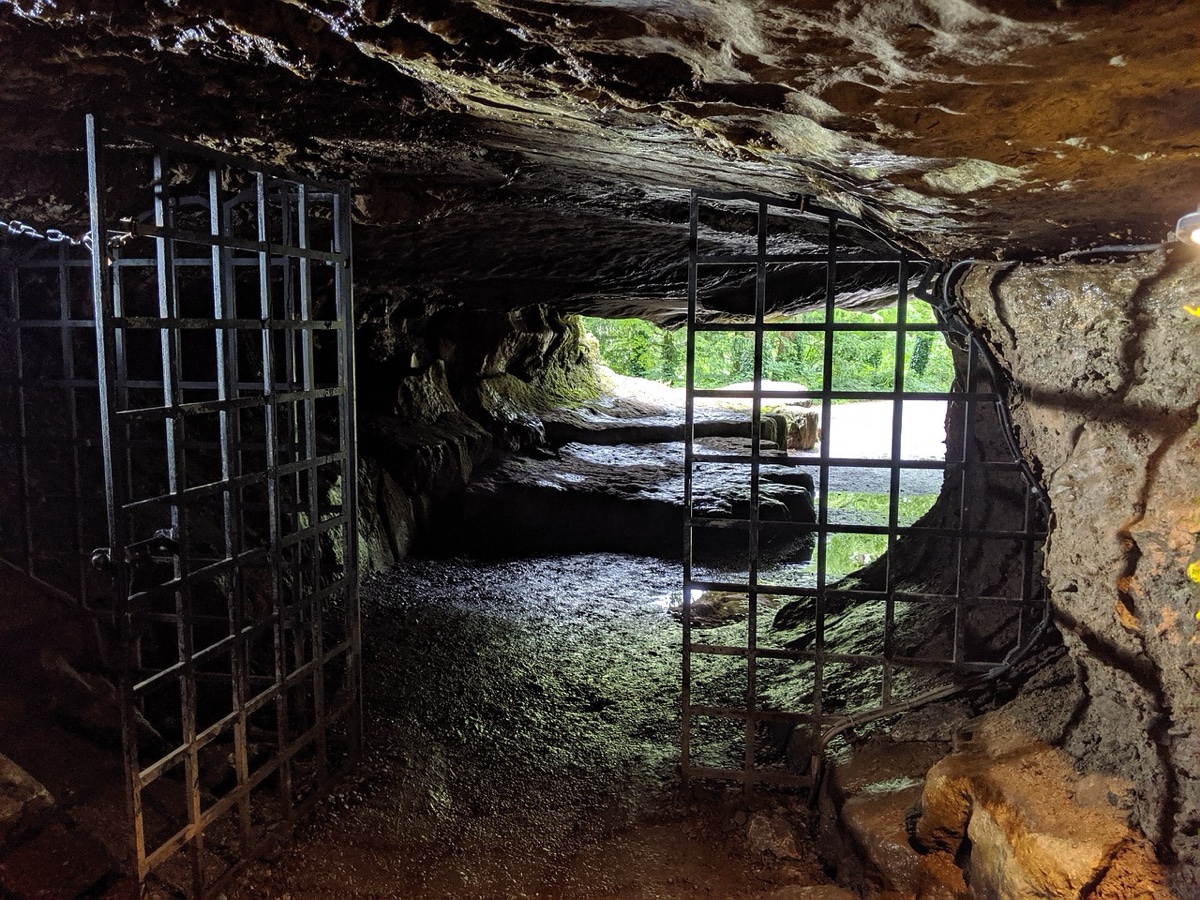
The Stone is the reason most people come to Blarney, and it delivers.
The legend around it is just as interesting as the act itself.
Kissing it is said to grant the Gift of the Gab, the ability to speak with charm and persuasion, a tradition that dates back centuries and shows no sign of losing its appeal.
If you’re heading out from the capital, a Blarney Castle day tour from Dublin is the easiest way to do it without the logistics headache.
Kissing the Blarney Stone
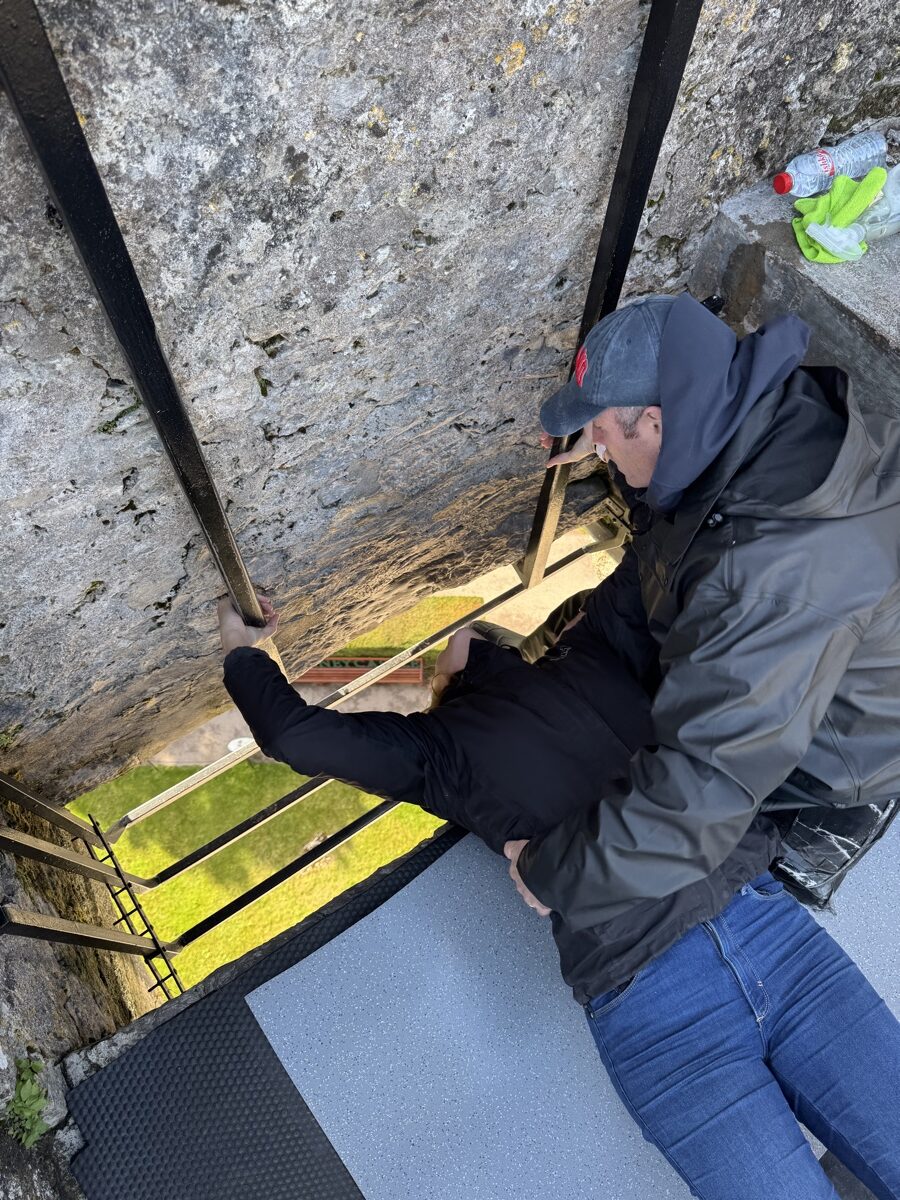
The Stone is set into the battlements parapet near the top of the castle tower, and actually kissing it is more of a physical exercise than you might expect.
You lie flat on your back, grip the iron safety bars on either side, and lean back over a gap in the parapet to reach the Stone below.
There’s an attendant right there to guide you through it, which helps.
We did it, and yes, it’s touristy. But it’s also a genuine moment.
Hanging back over the edge of a medieval castle with Cork’s countryside spread out below you is hard to dismiss, even with a queue of visitors waiting their turn behind you.
One caveat: if heights or tight spaces bother you, this one might not be for you. The safety bars are solid and the attendant knows what they’re doing, but you are leaning backwards over a gap in the battlements at the top of a castle tower.
It’s not for everyone.
Queue times can stretch significantly at peak hours, especially mid-morning to early afternoon in summer. Going early is the move, so get there when the gates open and you’ll walk straight up.
The Stone of Eloquence and the Gift of the Gab
Nobody agrees on where the Blarney Stone actually came from, and that’s part of what makes it interesting. The competing origin theories of the Blarney Stone range from the plausible to the very strange.
One theory holds that it’s half of the Stone of Scone, the ancient coronation stone of Scottish kings. Another says it was gifted to Cormac MacCarthy by Robert the Bruce after the Battle of Bannockburn in 1314, as thanks for sending Irish soldiers to fight alongside the Scots.
There are even biblical connections claimed. Some say it’s the pillow stone Jacob used at Bethel, or a piece of the rock Moses struck to bring forth water.
The legend itself is straightforward: kiss the stone and you receive the Gift of the Gab, the ability to speak with eloquence and persuasion. The word “blarney” actually entered the English language because of this place.
Queen Elizabeth I repeatedly demanded that Lord Blarney submit his castle to the Crown. He responded each time with such elaborate, charming, endlessly delaying letters that her exasperated advisors eventually started using “blarney” as a word for flattery and soft talk.
Whether the stone is ancient relic or clever myth, that etymology alone makes it worth knowing about before you climb the tower.
How To Get To Blarney Castle
Blarney Castle is 8km from Cork City centre, well signposted, and takes about 15 minutes by car.
If you’re coming from Cobh, it’s roughly 32km via the N25 and R617 – allow around 45 minutes.
There’s a large on-site car park with plenty of space, including room for bigger vehicles.
Parking is easy and it’s right at the entrance, so no hunting around once you arrive.
If you’re not driving, Bus Éireann route 215 runs regularly from Cork Bus Station to Blarney village, and it’s a short walk from the stop to the castle gates.
There’s no train connection, so it’s either bus or car.
Driving is the easier option if you have access to a car.
The bus works fine, but it ties you to the timetable – and if you want to take your time in the gardens or wait out a rain shower before heading up the tower, having a car gives you that flexibility.
If you’re based in Dublin and don’t want to deal with any of it, a guided day tour from Dublin takes care of the logistics entirely.
Best Time To Visit Blarney Castle
The answer is shoulder season, and specifically May, September, or October.
We visited on October 4 and the grounds were striking. The autumn colour through the Fern Garden and along the River Bank Walk made the whole place feel worth the trip on its own, before you’ve even looked at the castle itself.
Crowds were manageable, the queue for the Stone was short, and ticket prices are lower than peak summer rates.
July and August are busy. The castle draws big numbers in summer and the Stone queue in particular can get long.
If you’re going in peak season, book a timed slot in advance and get there early.
It’s still worth it, just go in with realistic expectations.
Winter is quieter, but opening hours are shorter and the gardens lose some of their appeal. For most visitors, it’s not the ideal window unless you’re already in Cork and want a half-day trip without the crowds.
One thing worth repeating regardless of when you go: Ireland’s weather is unpredictable in every season.
You’re climbing a stone tower and walking outdoor garden paths. Bring a waterproof layer, full stop.
Even a bright October morning can turn on you fast.
Things To Do Nearby
Blarney is only 8km from Cork City, which makes it easy to pair the castle with a longer day exploring east Cork or the coast.
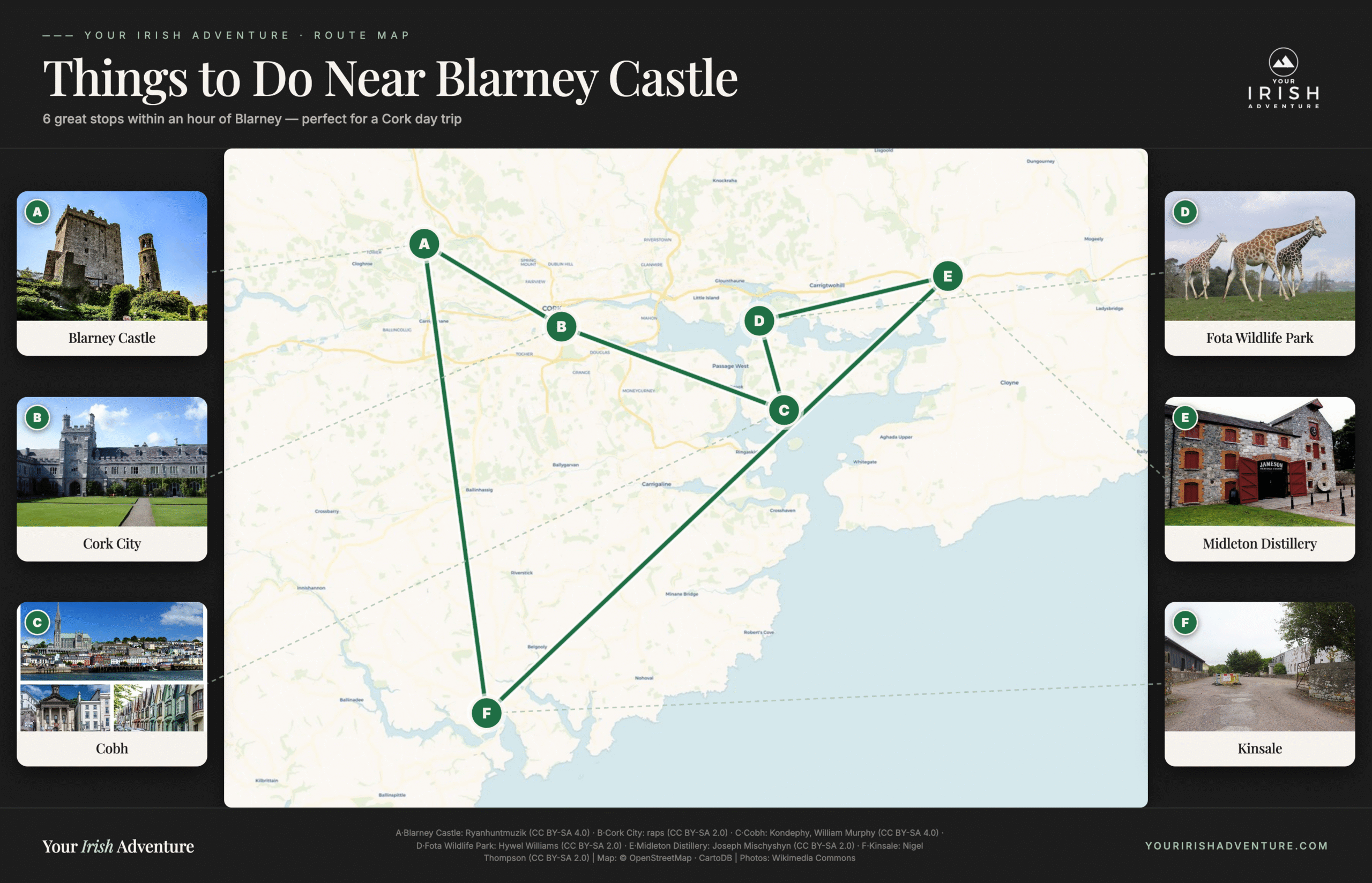
Here are the five stops we’d pair with Blarney to turn it into a proper day out — listed roughly in the order they make sense to drive, depending on which direction you’re heading.
Cork City
Cork is worth at least a half day on its own. The English Market is one of the best covered food markets in Ireland — a proper working market with local producers, great cheese, fresh fish, and some of the best charcuterie you’ll find in the country.
From there, it’s a short walk to St Fin Barre’s Cathedral, a striking Gothic building that most people drive past without stopping. The Lee River quays are worth a wander too, especially in the evening when the city loosens up a bit.
For food in Cork City specifically, Le Bon Crubeen on Grand Parade is worth knowing about — we stopped there before heading out to the castle and it held up well. Good food, relaxed atmosphere, solid value.
Fota Wildlife Park
About 20 minutes east of Blarney on the way to Cobh, Fota Wildlife Park is one of the more unusual stops in Cork. It’s not a traditional zoo — most of the animals roam freely in large open enclosures, and you walk among them on a circular path through about 70 acres.
Cheetahs, kangaroos, giraffes, monkeys, and a few rarer species you wouldn’t expect to see in Ireland. Worth a couple of hours, and easy to combine with Cobh since they’re on the same island.
Cobh
If you’re driving and want a second stop, Cobh is 32km east of Cork — about 45 minutes from Blarney. The Titanic connection is well documented (it was the last port of call before the ship went down), and the Cobh Heritage Centre tells the story well.
But the town itself is the attraction — painted row houses stacked up the hillside above the harbour, a cathedral that dominates the skyline, and a pace that feels completely removed from the rest of Cork. It’s a natural pairing if you’re already making a day of it.
Midleton Distillery
The Jameson Experience at Midleton is about 30km east of Blarney (around 40 minutes), and it’s the original home of Jameson whiskey — production moved here from Dublin in 1975.
The tour walks you through the old distillery buildings (which haven’t changed much since the 1800s), explains the triple-distillation process that defines Irish whiskey, and ends with a guided tasting that compares Irish, Scotch, and American styles side by side. It’s a more thorough tour than the Dublin Jameson visitor centre, and the setting feels more authentic.
Kinsale
Kinsale is another option if you’re heading south — a good-looking harbour town with a reputation for food that it largely lives up to. It’s about 40 minutes from Blarney by car.
The town itself is worth a wander — narrow streets, colourful shopfronts, harbour walks — but the food is the main draw. Fishy Fishy is the famous one, but smaller spots like Bastion or Max’s are worth knowing about too.
If you’d rather not drive the whole circuit yourself, there’s a Blarney, Cork City & Jameson small-group tour that covers the castle, the city, and the distillery in one go — useful if you want someone else handling the logistics.
Best Tours of Blarney Castle
If you’d rather skip the planning, several guided tours run directly to Blarney Castle from Cork and Dublin.
Easy Access: The Blarney Stone & Castle Gardens Tour
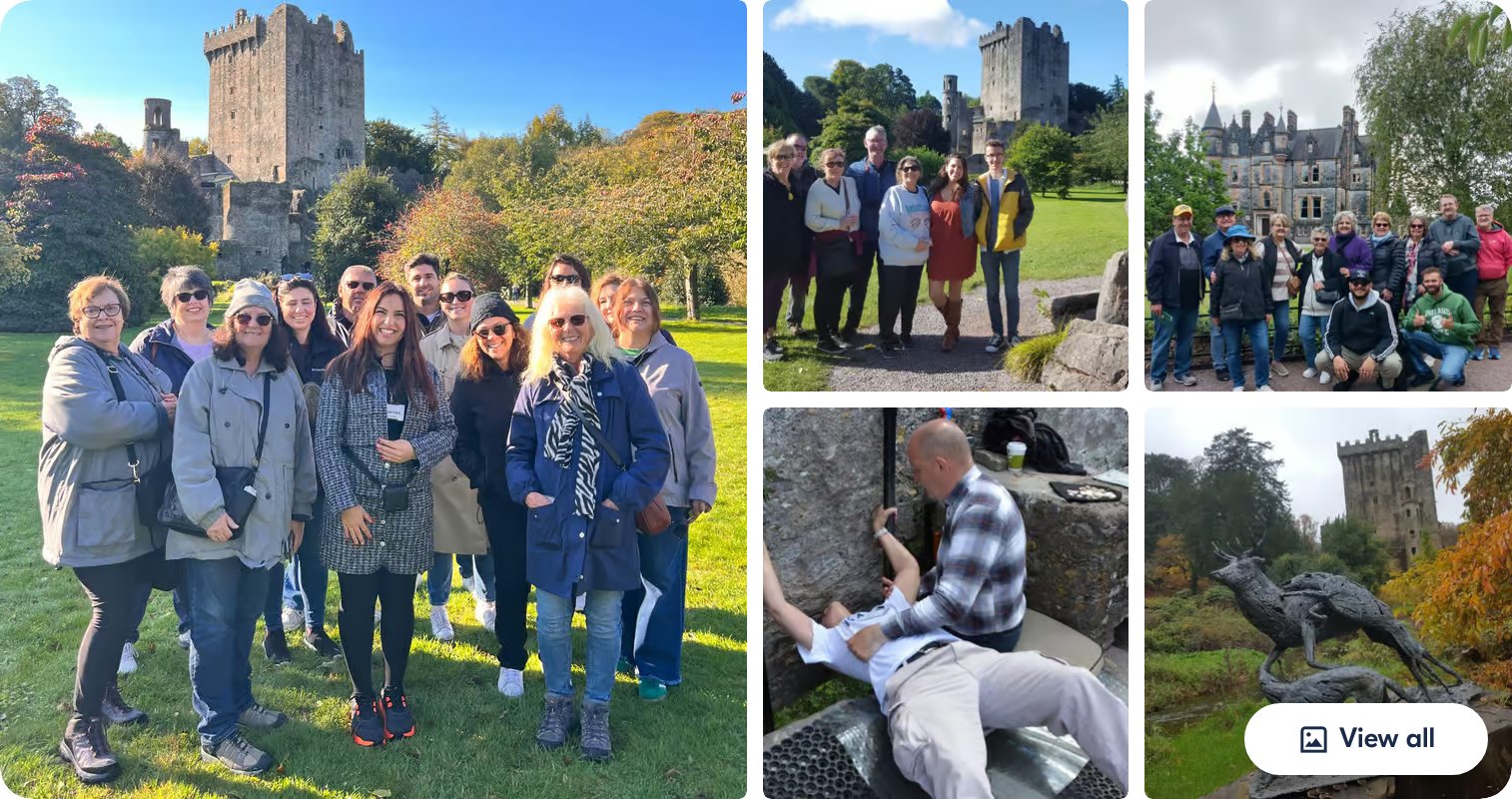
Leaves from Cork City and gets you into the castle and gardens with skip-the-line access. Around 2.5 hours total, return transport included.
👉 Check out this tour on GetYourGuide
Blarney Castle Full-Day Tour from Dublin
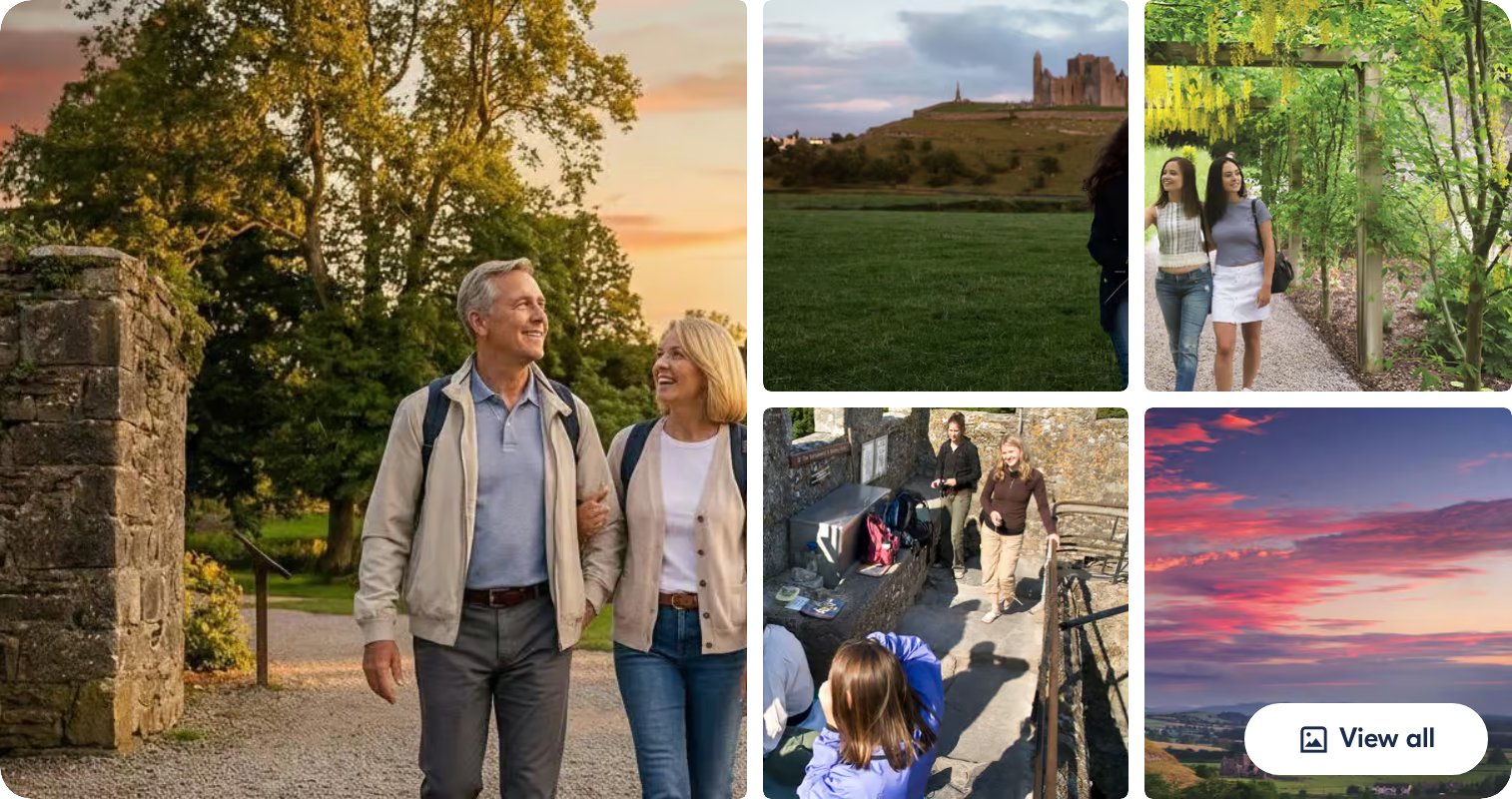
A guided day trip from Dublin covering Blarney Castle, with all transport included. Long day on the road, but the right option if you’re based in Dublin and don’t want to drive.
👉 See this tour on GetYourGuide
Dublin: Blarney Castle, Rock of Cashel & Cahir Castle
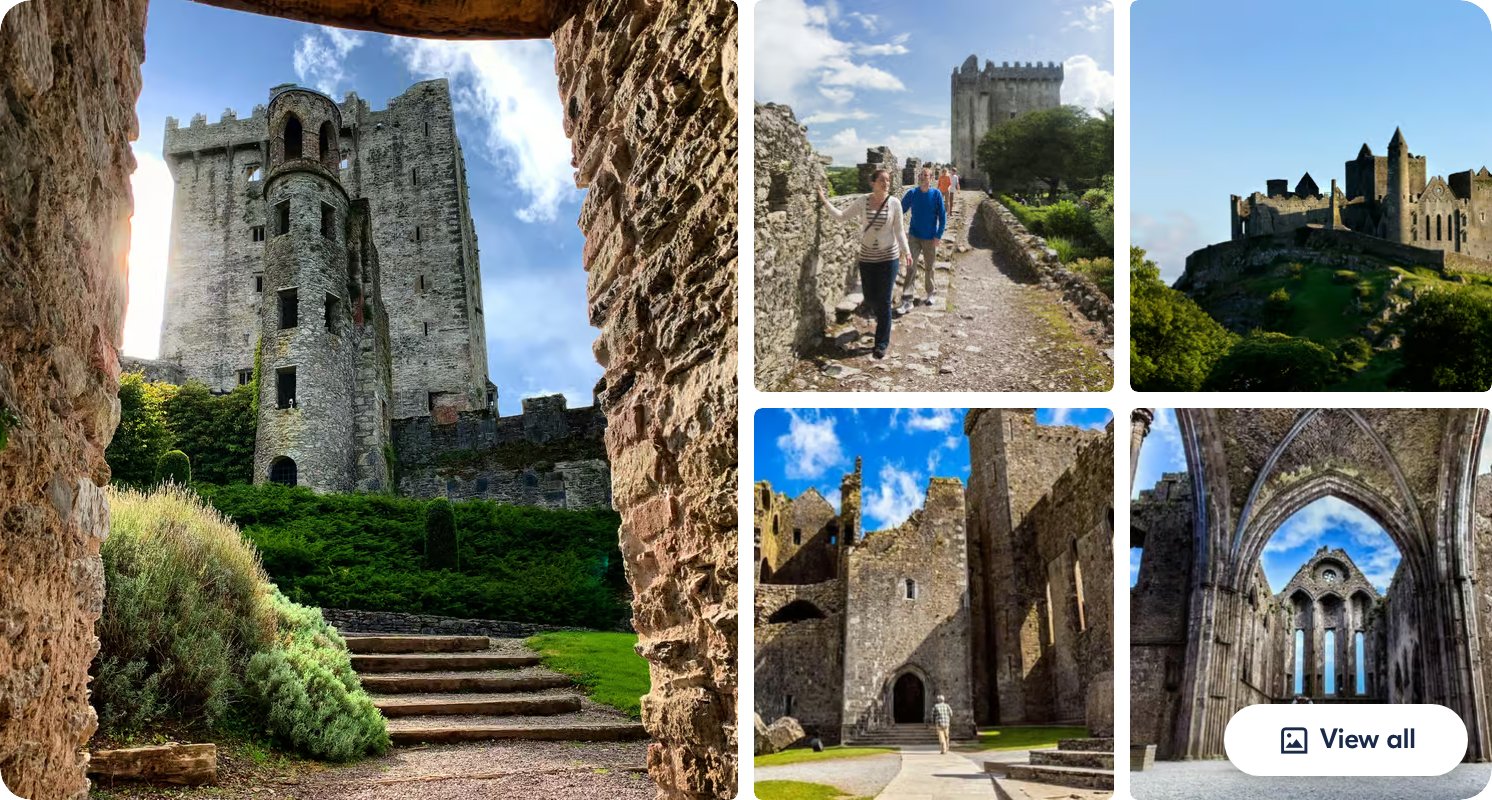
Covers three of the south’s best castle sites in one day from Dublin: Blarney, Rock of Cashel, and Cahir. Good value if you want to tick off multiple historic sites in one trip.
Where To Stay Near Blarney Castle
Most visitors base themselves in Cork City, about 8km from Blarney, which gives you more options for food and evening activities than staying in the village itself.
Cork International Hotel
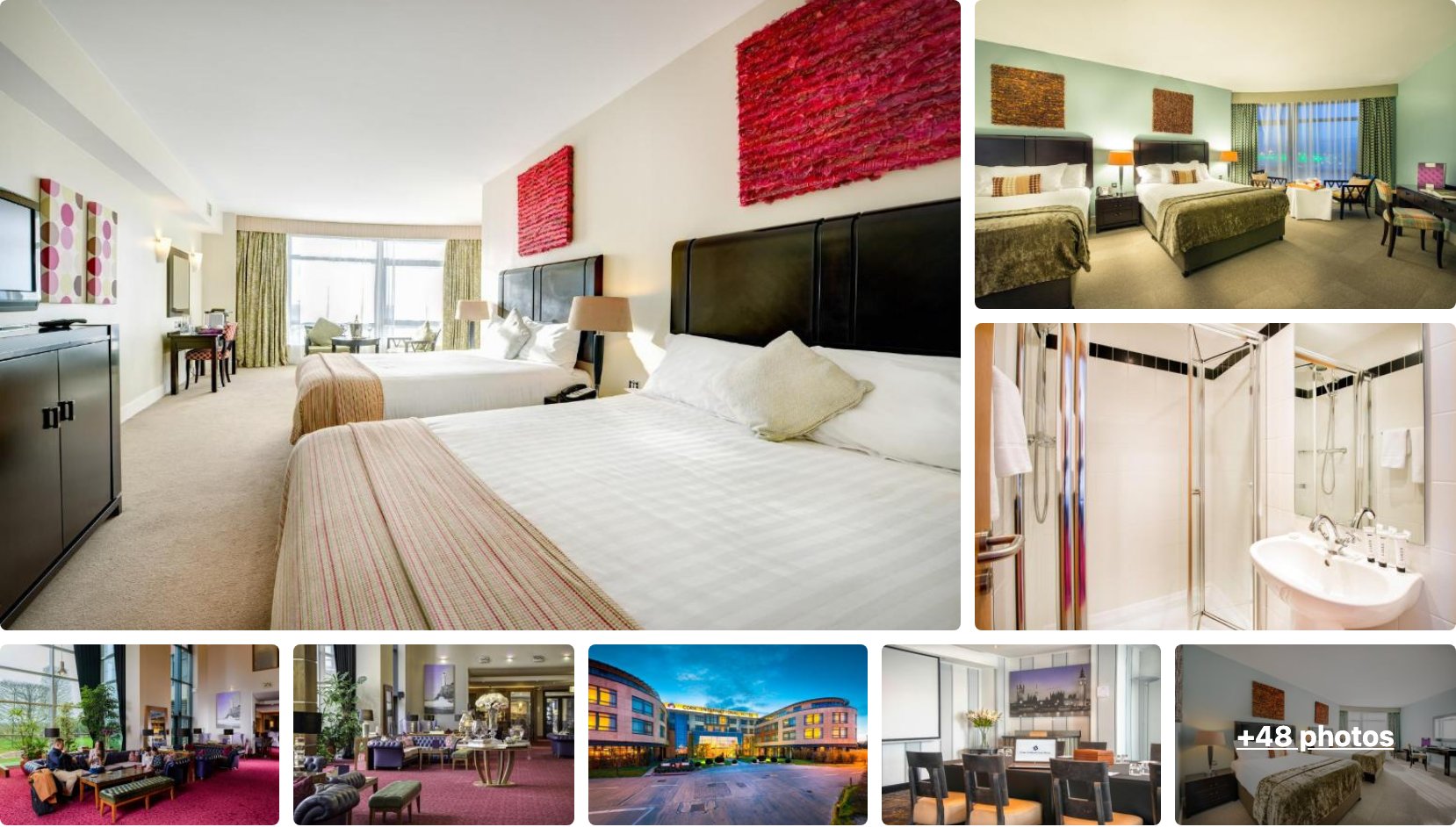
The Cork International Hotel is a mid-range hotel on the N20 corridor, which puts you on the right side of Cork for the drive out to Blarney.
Good option if you’re arriving by car and want to avoid city-centre parking.
👉 View Cork International Hotel Availability and Pricing
Leonardo Hotel Cork
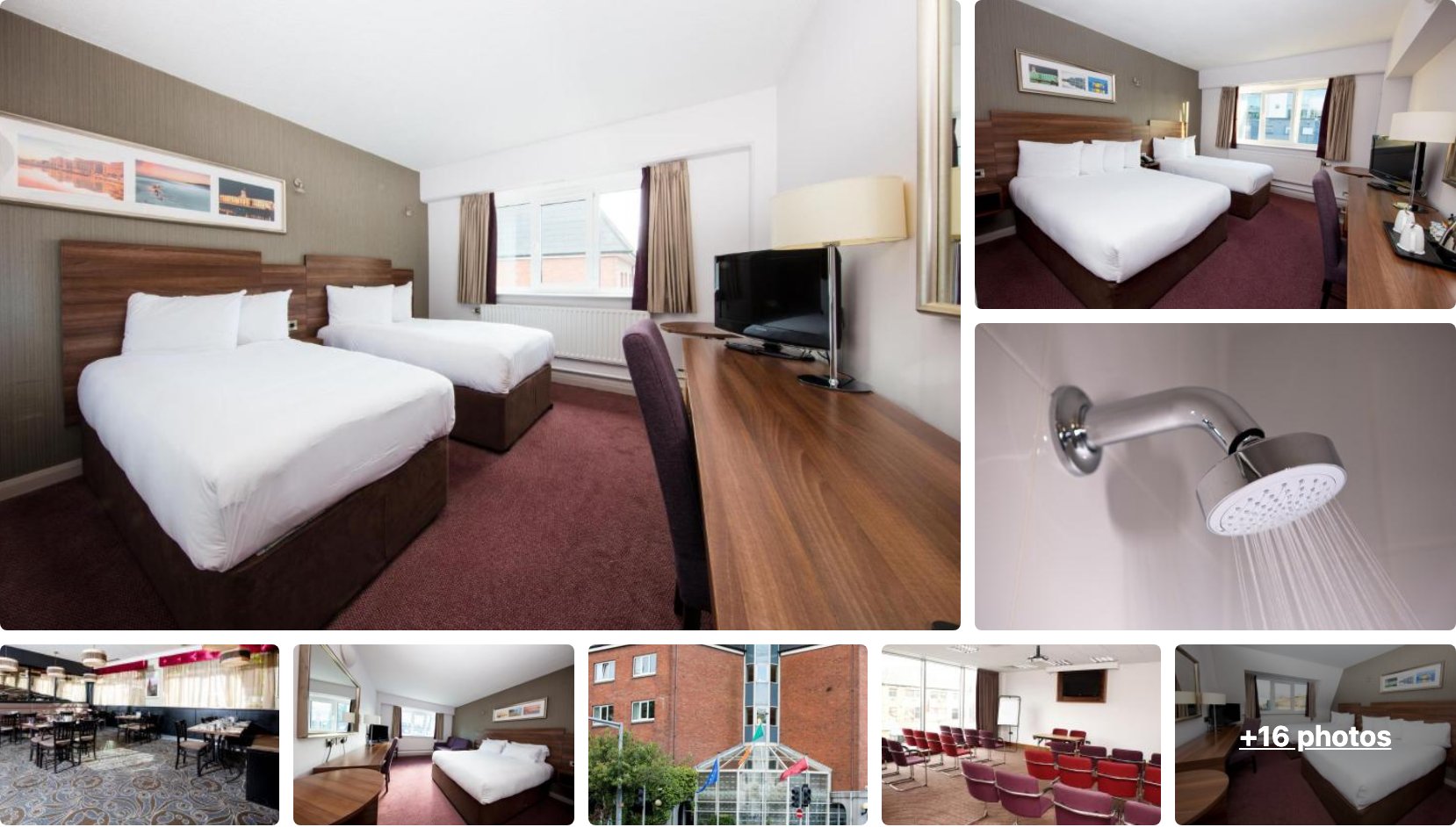
Leonardo Hotel Cork is a city-centre hotel a short walk from the main shopping streets and the bus station for the Blarney service.
The right choice if you’re combining Blarney with a full day exploring Cork city.
👉 View Leonardo Hotel Cork Availability and Pricing
Moxy Cork
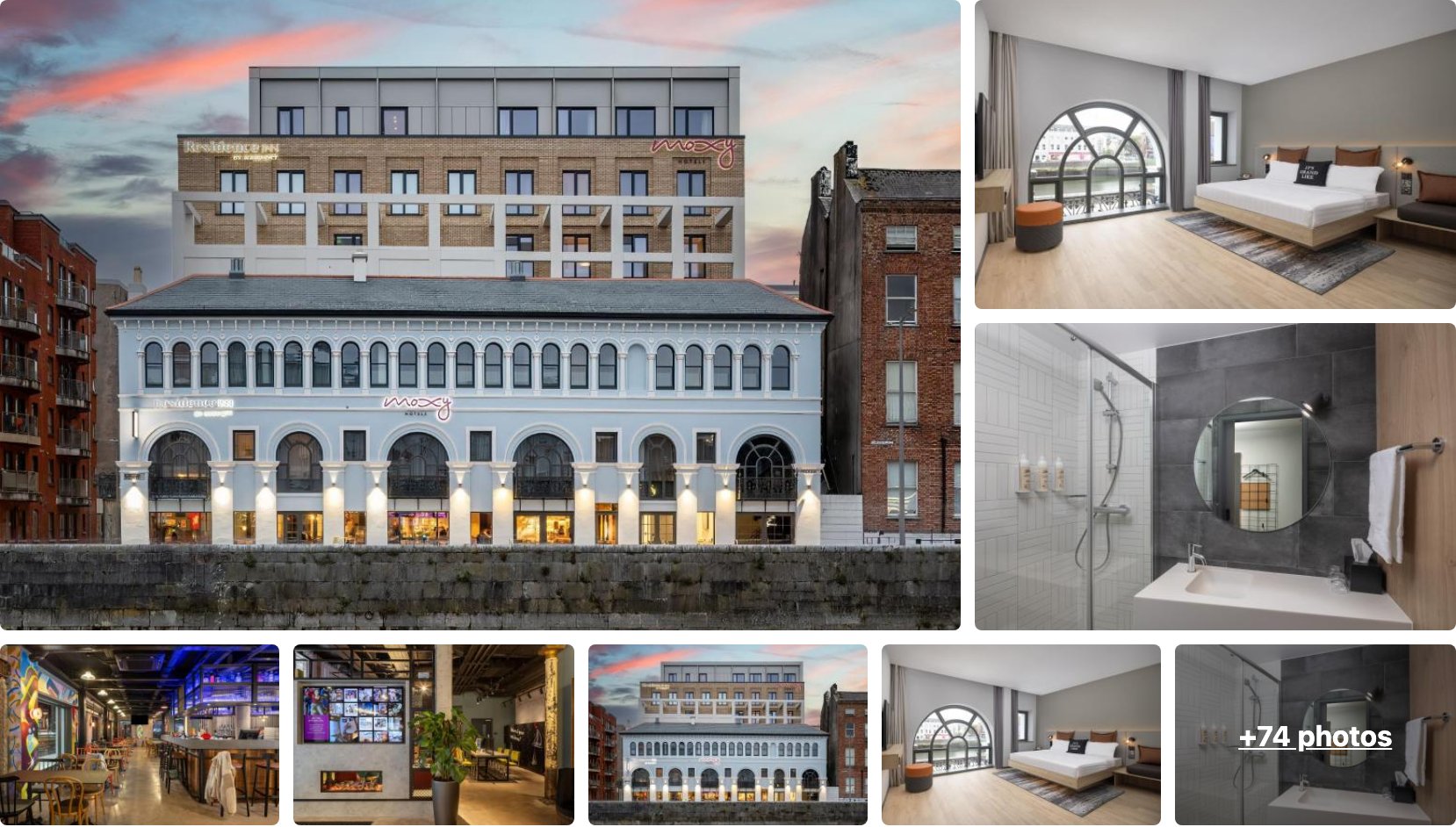
Moxy Cork is a contemporary, well-designed hotel priced below most city-centre options in Cork.
Good value for solo travellers and couples who want a central base without the premium.
👉 View Moxy Cork Availability and Pricing
More Must-See Sights in Ireland:
- 5 Top Castles To Visit in Cork (+Castle Accommodation)
- Hiking Doolin to The Cliffs of Moher (Doolin Cliff Walk)
- How To Visit The Cliffs Of Moher (Complete Guide)
- 10 Best Castles in Dublin, Ireland
- Newgrange and Boyne Valley: Best Day Tours From Dublin
- Visiting Malahide Castle, Dublin: One Of Ireland’s Oldest Castles
- The Aran Islands: A Complete Travel Guide
- How Many Castles Are In Ireland?
Things to Do in Cork:
FAQ about Blarney Castle
Here are the practical questions most visitors have about Blarney Castle, from ticket prices and travel times to what kissing the Stone actually involves.
How long does it take to visit Blarney Castle?
Most visitors spend between 2 to 3 hours exploring Blarney Castle, including time to kiss the Blarney Stone, walk the castle grounds, and stroll through the famous gardens. If you plan to explore all the gardens and woodland trails thoroughly, budget up to 4 hours for a complete visit.
Is it really worth kissing the Blarney Stone?
Kissing the Blarney Stone is a quintessential Irish experience that most visitors find memorable, though the queue can take 30 to 60 minutes during peak season. You’ll need to lie on your back and lean over a parapet at the top of the castle, assisted by a staff member, so skip it if you have a fear of heights or mobility issues.
How much does it cost to get into Blarney Castle?
Adult admission to Blarney Castle is €18, with discounted rates for students, seniors, and children, and family tickets also available. It’s strongly recommended to book tickets online in advance, especially in summer, as the site can sell out and online booking sometimes offers a small discount.
How do I get to Blarney Castle from Cork city?
Blarney Castle is located just 8 km northwest of Cork city centre and is easily reached by Bus Éireann route 215, which runs regularly from Cork Bus Station with a journey time of about 30 minutes. Driving takes roughly 15 minutes via the N20, and there is a paid car park located directly beside the castle entrance.
What is the best time of year to visit Blarney Castle?
The shoulder seasons of April to May and September to October offer the best experience at Blarney Castle, with smaller crowds and pleasant weather compared to the busy summer months of July and August. Arriving early in the morning when the gates open is the best strategy year-round to avoid long queues for the Blarney Stone.
Final Thoughts
We went to Blarney Castle expecting a tourist trap and came away impressed.
The Stone is the headline, yes, and the queue for it can be long.
But the castle tower itself is substantial, the Fern Garden and River Bank Walk are beautifully maintained, and the grounds around Blarney House give you far more to explore than you’d expect from a day trip from Cork.
If you have 2 to 3 hours and you’re already in Cork, it’s worth every minute.
Go early or visit in shoulder season to keep the Stone queue manageable, and you’ll leave with far more than a photo at the top of a tower.
Like it? Pin it!
Save this guide for later