
I recommend visiting Ireland in the off-season when museums, food, and time in a city matter more to you than a long list of coastal stops. November through March can work well for that trip, provided you check opening days and leave room for the weather.
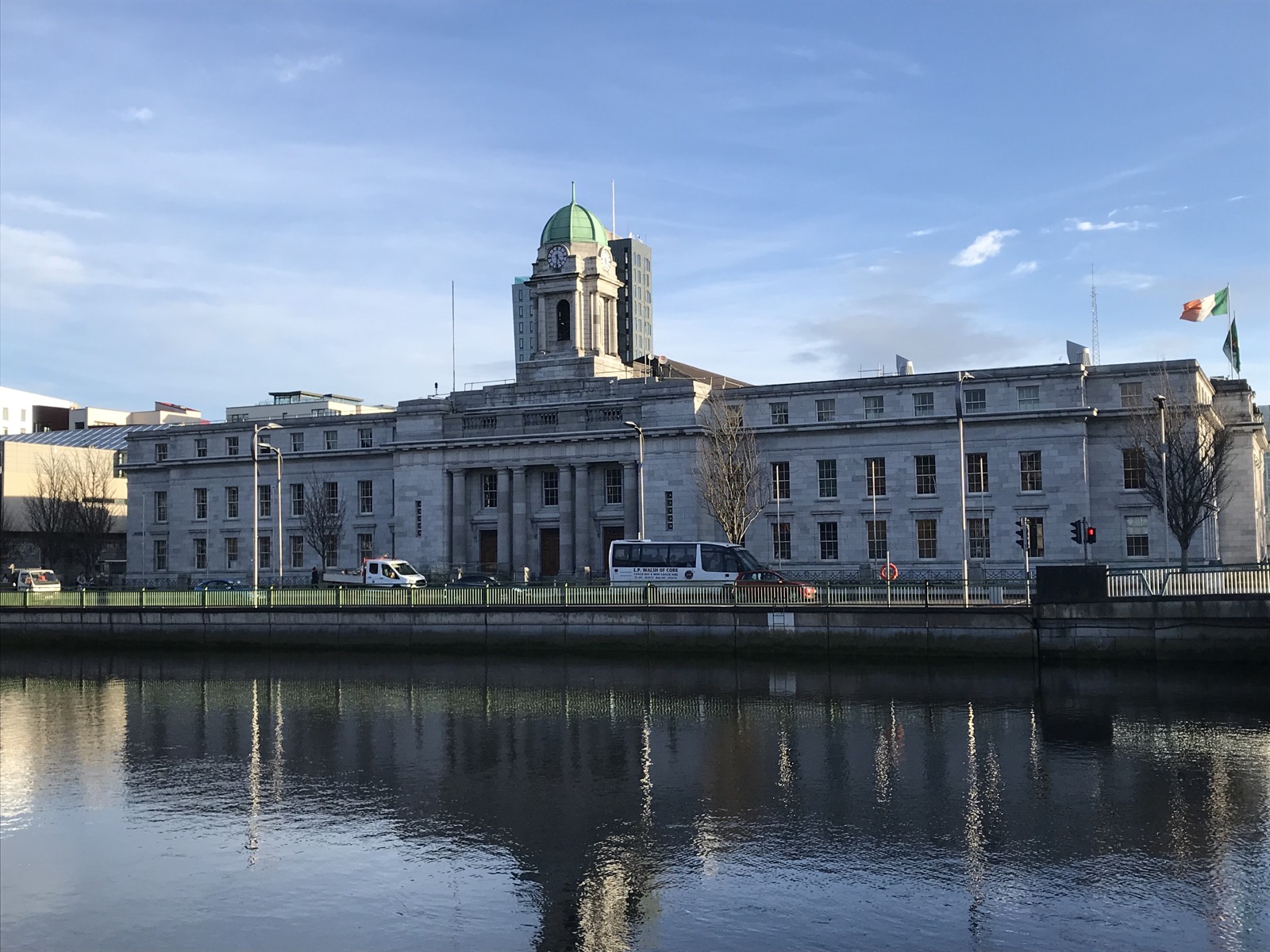
As an Irish native, I would choose a central base with places to go indoors, then use suitable days for short outings. Dublin and Cork are my suggestions here. You can enjoy either on its own, or connect them by train when your flights allow it.
For a comparison with the rest of the year, start with the best time to visit Ireland. This guide deals with the decisions that make a winter visit practical, including the weeks when the usual off-season advice needs changing.
Quick Answer:
Ireland in the off-season usually means November through March, excluding busy holiday and event dates. Base a short trip in Dublin or Cork, book the indoor visits you most want, and use the train between cities. Winter is less suitable when remote drives, island landings, or long outdoor days are the main reason for traveling.
When Is Ireland’s Off-Season?
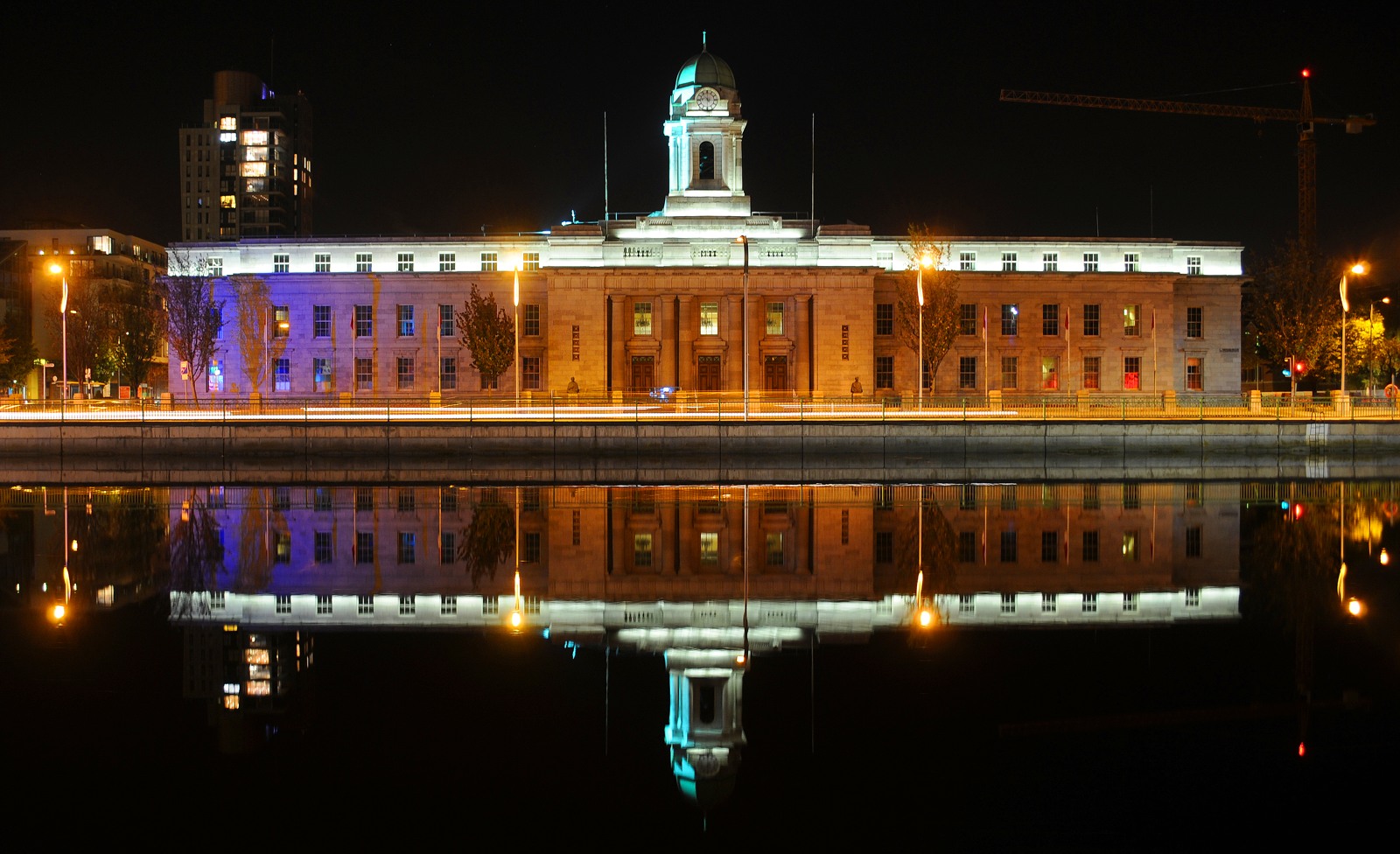
For trip planning, treat November through March as Ireland’s off-season, with exceptions for Christmas, New Year, public holidays, and major events. These months include some very different trips. An ordinary January weekday and a St. Patrick’s Festival weekend need different expectations and bookings.
November suits a city visit before the main Christmas period, while December is better for travelers who specifically want festive events. January gives you a reason to concentrate on indoor visits. February and March allow more time outdoors as the days lengthen, but winter conditions can continue.
I would pick a week in February for a museum-focused first trip, after checking school breaks and local events. There is more daylight than around midwinter, and you can still keep the trip centered on Dublin or Cork. Choose March for a longer outdoor day, while checking whether your dates overlap with St. Patrick’s celebrations.
December needs a separate plan. New Year’s Festival Dublin has its own program, and a Christmas market operates on its advertised dates rather than throughout winter. Book accommodation and any event you want before arranging the rest of the trip. A room being available does not mean its restaurant serves dinner on Christmas Day.
The cheapest time to visit Ireland depends on the complete price of your trip. Compare flights, rooms, breakfast, transport, and cancellation terms for your actual dates. A lower room rate outside town can lose its advantage when you add taxis each evening. I would also compare a refundable rate before committing to a remote stay.
Choose shoulder season instead if your main priorities are long coastal drives, gardens, and several outdoor outings each day. Winter can suit those activities occasionally, but I would not book a short trip that depends on all of them working.
More Ideas for a Winter Ireland Visit
- Best Things to Do in Ireland in Winter (2026 Guide)
- Christmas In Dublin: 10 Things To See and Do
- Best Festivals in Ireland in November: Your Irish Festival Guide
Plan for Short Days and Changeable Weather
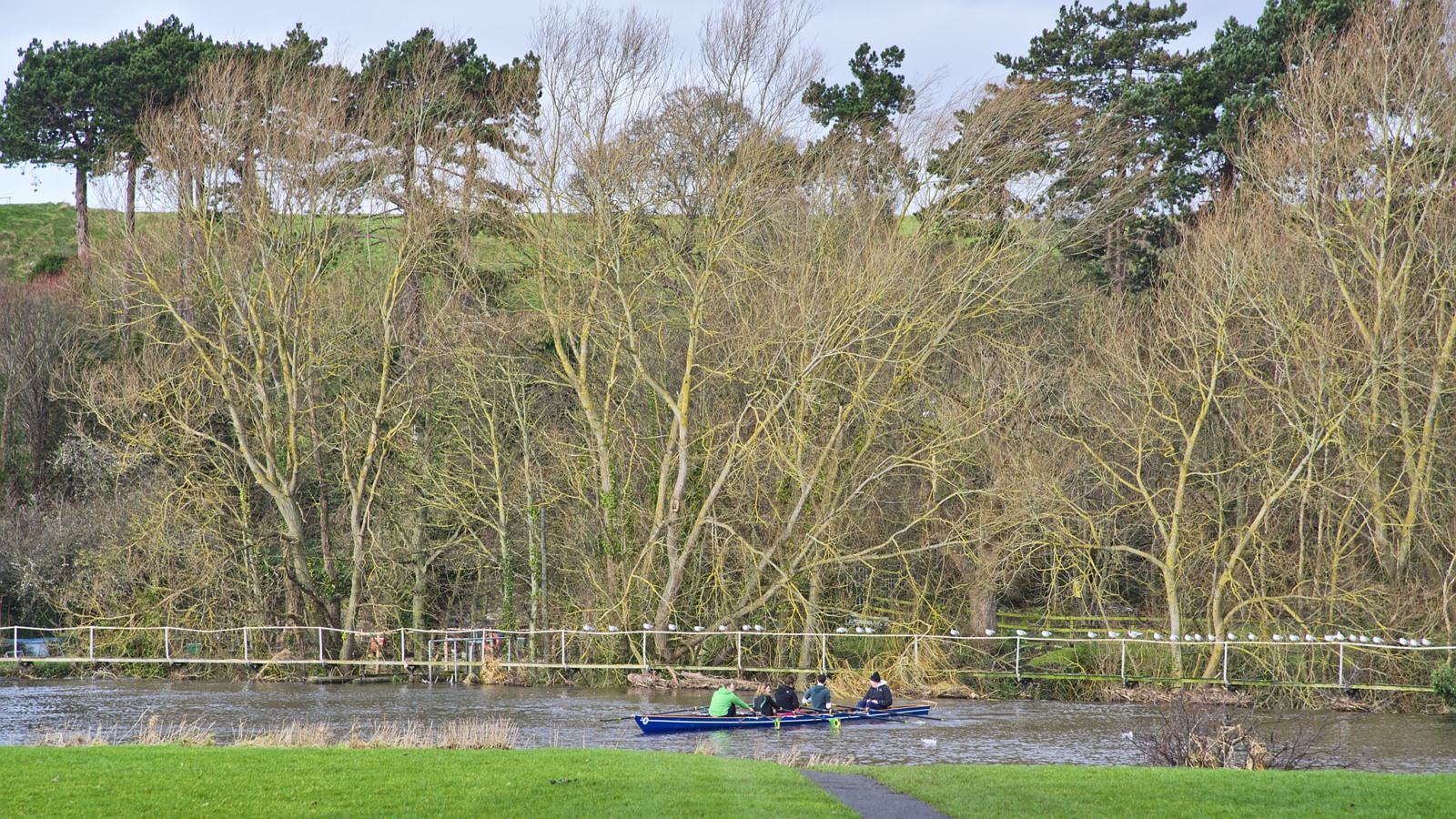
Short daylight is the main reason to keep winter travel days modest. Check sunrise and sunset for your base and dates, then put outdoor visits in the middle of the day. A late breakfast, a long transfer, and a stop for lunch can leave little time for the place you drove to see.
Met Éireann‘s Dublin Airport averages put January’s daytime high at 8°C (46°F) and nighttime low at 2.3°C (36°F). March averages are higher, at 10.1°C (50°F) and 3°C (37°F). These are long-term averages for one station, so they cannot tell you what a particular week or an exposed coast will feel like.
Rain, wind, and occasional frost are reasons to keep an indoor option beside each outdoor plan. I would reserve a morning for a short walk and put a museum visit later, rather than promising myself two distant viewpoints. Check Met Éireann weather warnings and the attraction’s own updates before leaving.

Take a waterproof outer layer, warm layers underneath, and footwear with grip. A spare pair of socks is useful when you come back to the hotel between outings. Ask about drying wet clothes before choosing a small guesthouse, and carry a compact bag so you can keep valuables dry on the way.
You do not need to spend every wet hour indoors. Short city walks are easy to interrupt for a museum or lunch. Exposed cliff paths and mountain routes require a different decision; choose a suitable alternative when the forecast or local closure notices make the outing a poor choice.
What Stays Open Through Winter?
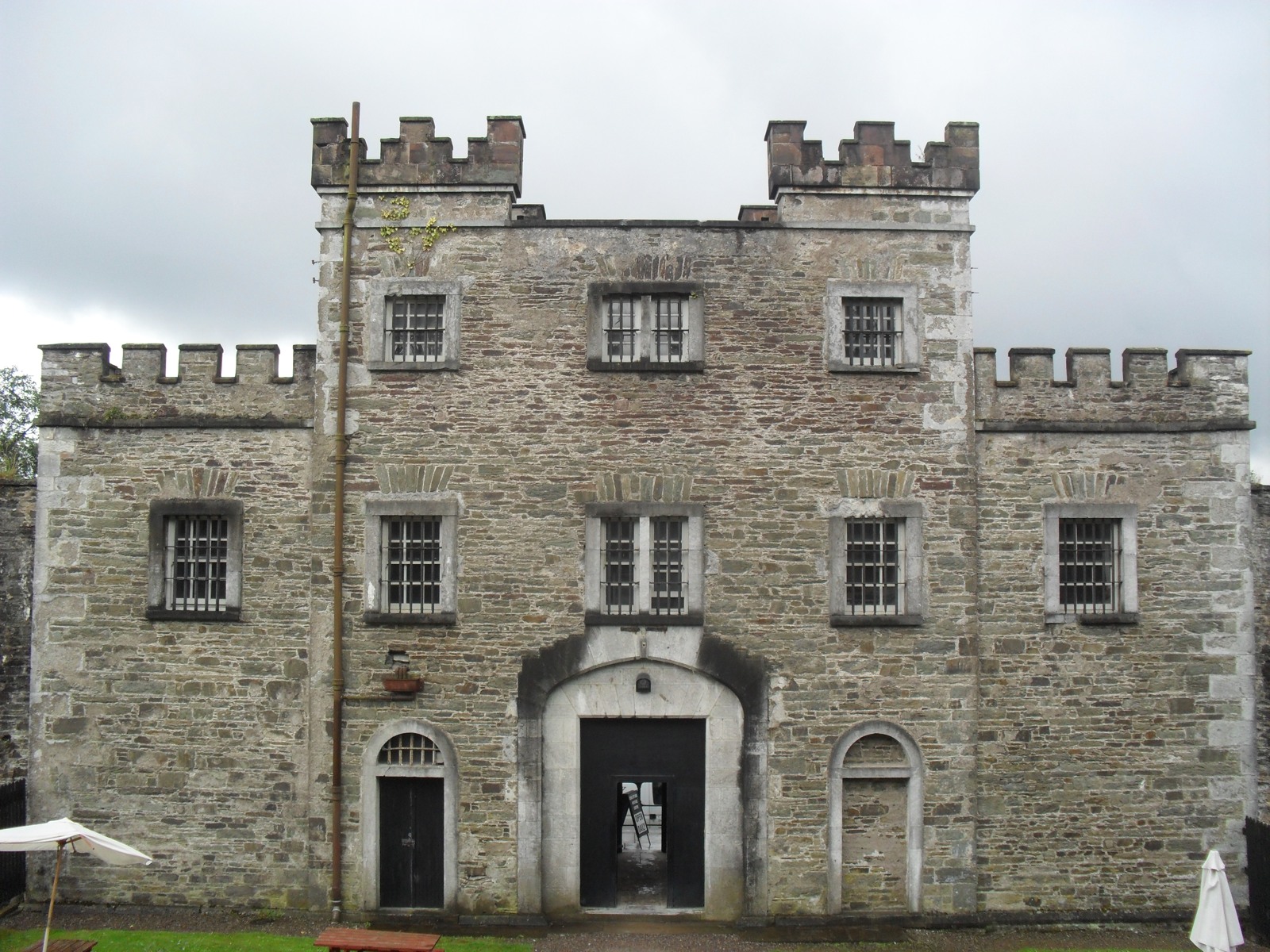
Many major indoor attractions operate through winter, but their weekly hours and holiday closures still matter. Start with two or three places you would be disappointed to miss, check their official pages, and give those visits actual days in your plan before booking optional excursions.
The National Museum of Ireland at Collins Barracks is a useful Dublin example. Admission is free, but Sunday and Monday opening begins in the afternoon. It also lists Christmas closures. A Monday morning museum plan therefore needs a different stop, even though the museum operates during winter.
Cork City Gaol lists daily opening from 10am to 4pm between November and February, extending to 5pm from March. It closes for several days around Christmas. I would visit earlier in the day, leaving time for the journey back into the center before dinner.
Check the exact part of an attraction you want to visit. Muckross Traditional Farms has a seasonal calendar separate from Muckross House, and Skellig Michael monastery landings have a restricted season outside winter. Check the house and farm calendars separately before choosing your date.
The islands do not all become inaccessible. Aran Island Ferries operates year-round from Rossaveel to all three Aran Islands, while its Galway city service is seasonal. A winter island stay needs confirmed outward and return sailings, accommodation, and food arrangements, with enough flexibility for a weather cancellation.
I would leave an island excursion out of a short Dublin and Cork trip. It adds another region and a weather-dependent connection. Travelers whose main reason for visiting is an island should give that area more time and avoid relying on a ferry return immediately before an international departure.
Choose Dublin or Cork as Your Base
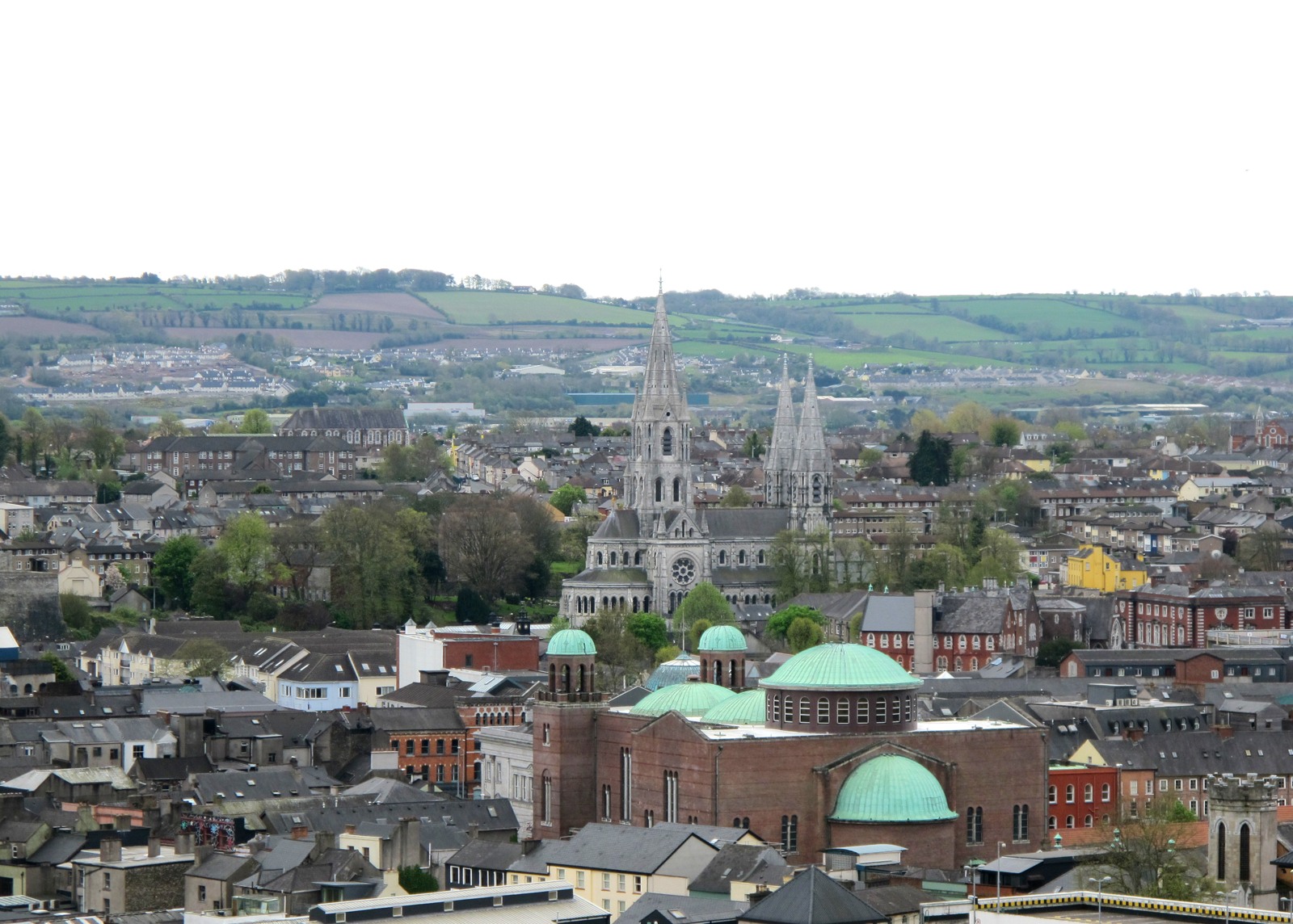
Dublin is my first choice for a short winter visit with several museums on the list. Cork suits a smaller city stay with the English Market, Cork City Gaol, and a possible rail trip to Cobh. Neither requires you to rent a car for the city itself.
For three or four nights, choose one. Changing cities uses time for packing, reaching the station, traveling, and checking in. Staying put gives you another chance to take a local outing if the first day’s weather is poor.
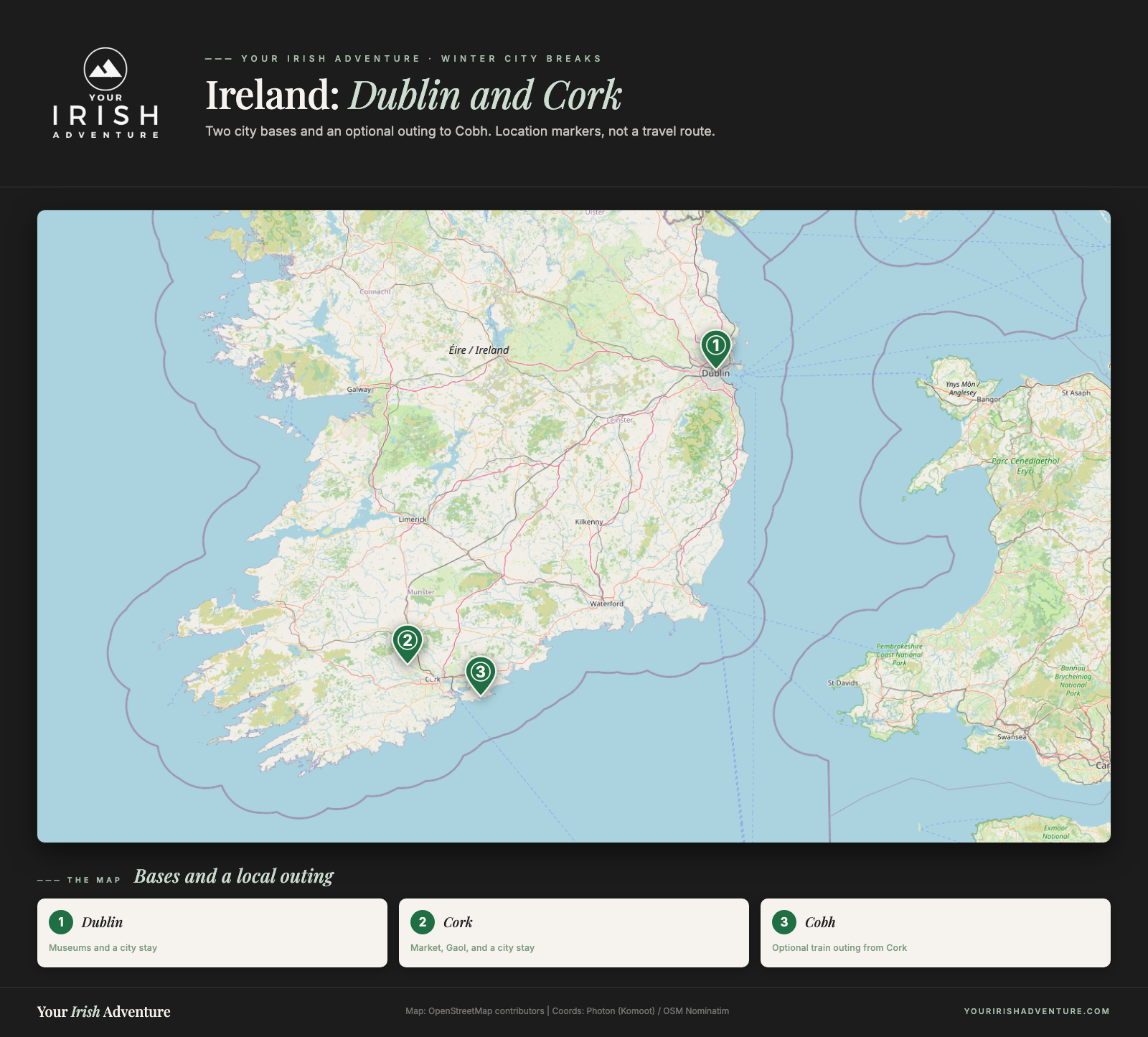
The map shows the two city bases and Cobh, the optional outing from Cork. It marks locations rather than a driving route. Galway and the Aran Islands are alternatives for a different trip, not extra stops in this short city plan.
Look at the position of your hotel before paying. A central address near the places you intend to visit makes it easier to return for dry clothes or a rest. Check steps and hills as well as distance when mobility or luggage matters.
Dublin for Museums and Short Outings
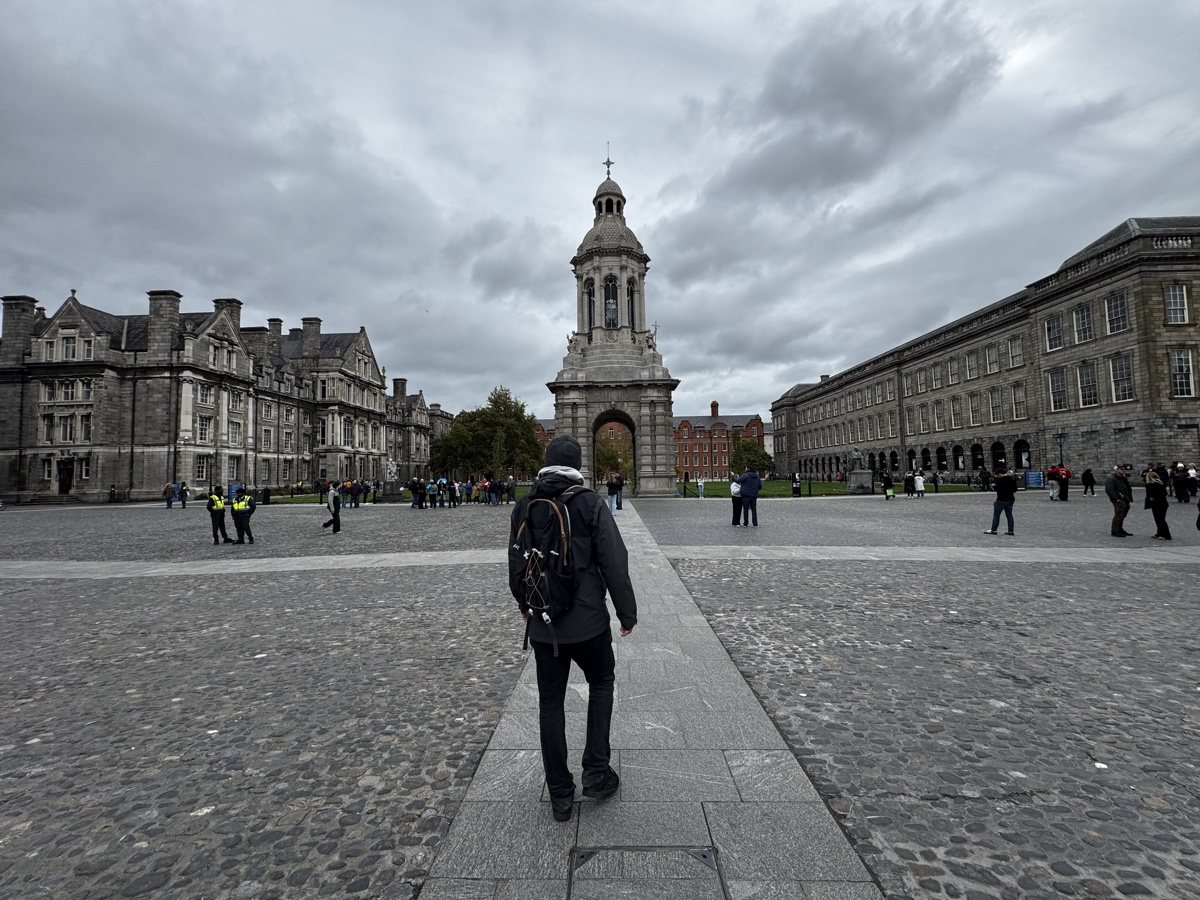
In Dublin, combine one substantial indoor visit with time on foot nearby. Collins Barracks gives you decorative arts and history, while the National Gallery of Ireland offers a separate art-focused visit. Check each venue’s current opening hours, temporary closures, and ticket requirements for special exhibitions.
Use a better-weather day for a city park or a short trip along the coast, and keep the return journey simple. You can enjoy Dublin without promising yourself a full-day countryside excursion every morning. I would book a timed attraction first and leave the walking route flexible.
Evening plans also deserve attention in winter. Check a theater’s program or a music venue’s schedule before you travel. A named performance gives you something specific to look forward to after dark, without needing another long journey.
Build Your Dublin Stay
- 7 Things To Do In Dublin When It Rains
- Top 5 Music Venues in Dublin, Ireland
- How To Get From Dublin Airport to Dublin City Centre
Cork for the Market, the Gaol, and Cobh
In Cork, visit the English Market on a day it is open. Its normal schedule is Monday through Saturday, with closures on Sundays and public holidays. Put it before your Sunday departure or choose another day for a visit.
Cork City Gaol is another indoor choice, but it is outside the central shopping streets. Allow time to get there and back. Crawford Art Gallery is currently closed for redevelopment, so I would use the Gaol for the main indoor visit and check Crawford’s own reopening updates before planning a future visit.
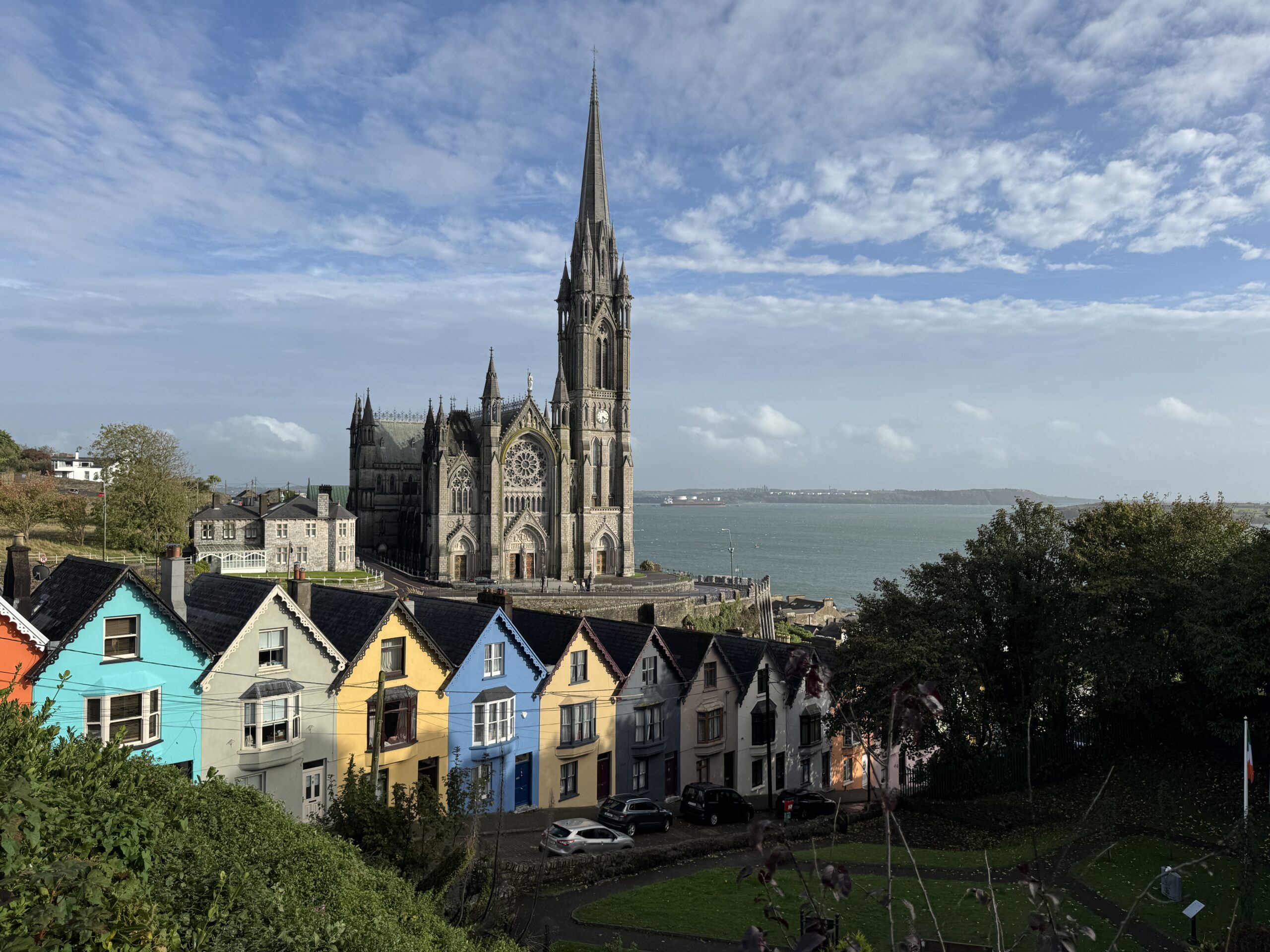
On a suitable day, take the train from Cork Kent to Cobh for the waterfront and the town. The streets rise steeply above the harbor, so decide how much uphill walking you want. Return to Cork for your overnight stay instead of moving hotels for a single day out.
Plan Your Days in Cork
- Weekend in Cork: The Perfect 2 Day Itinerary
- 10 Epic Day Trips From Cork (Chosen By a Cork Local)
- Where To Stay in Cork: Best Areas and Accommodations
Take the Train or Rent a Car?
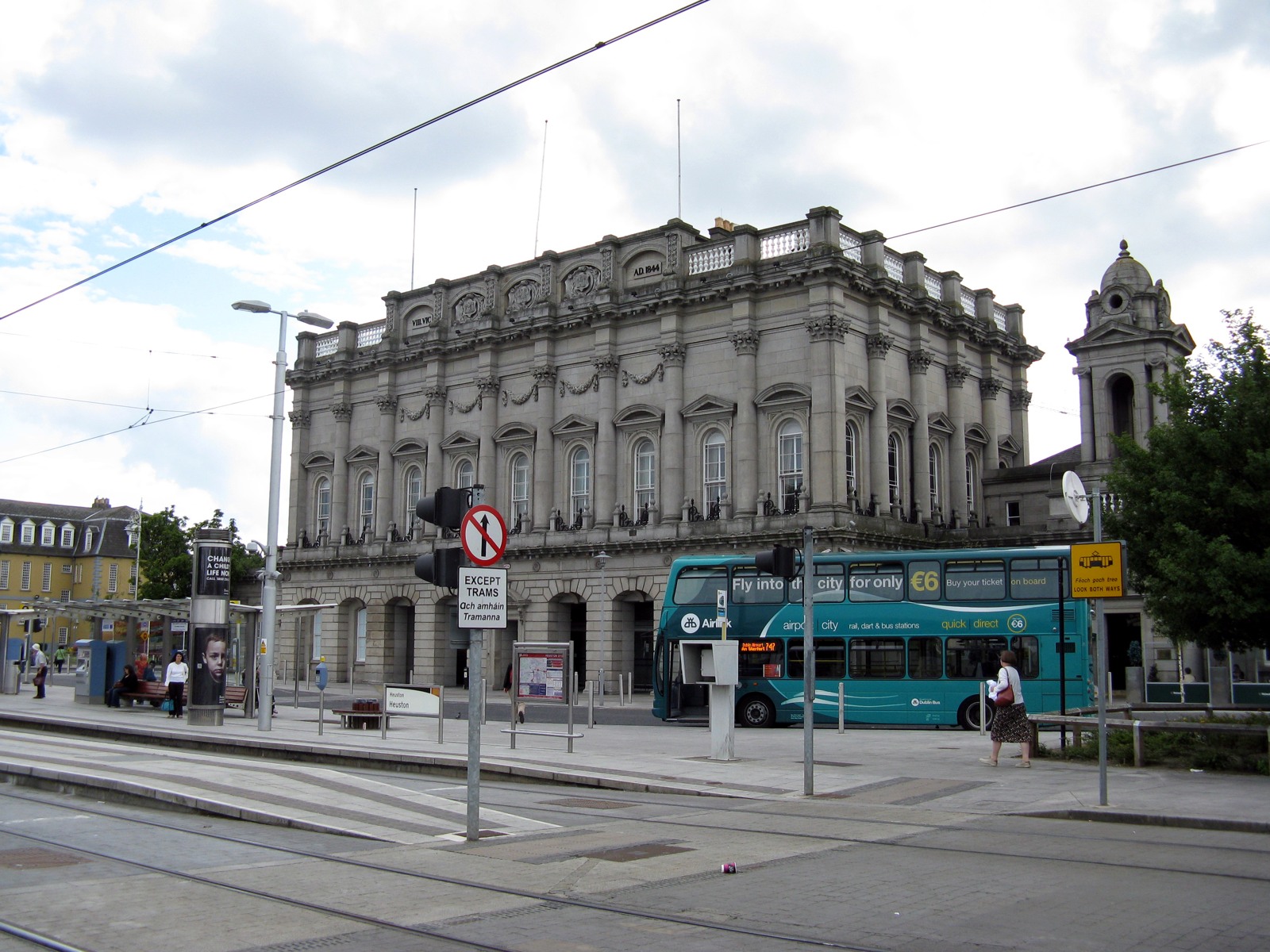
For Dublin and Cork, I would take the train and spend the rental budget elsewhere. Irish Rail runs the intercity connection between Dublin Heuston and Cork Kent. Check the actual departure, fare conditions, and any engineering work before buying.
Allow time on both sides of the train journey. Heuston is not Dublin Airport, and Kent is not Cork Airport. Your airport connection, luggage, and check-in deadline belong in the plan too. I would stay near my departure city the night before an international flight.
Holiday transport is a separate check. Transport for Ireland’s published Christmas schedule has included no trains on Christmas Day or St. Stephen’s Day, with other services using altered timetables. Confirm the current year’s arrangements before booking your transfer. Reserve meals and an overnight base for any day you plan to stay put.
A rental car makes more sense for a rural cottage or several countryside stops. Check the total price, coverage, parking, pickup hours, and how comfortable you are driving on the left in rain and darkness. Book a car for the rural part if that reduces unnecessary city parking days.
Keep a winter driving day short enough to reach your accommodation in daylight. Follow weather warnings and road closures, and be prepared to cancel a scenic detour. A remote booking with no nearby dinner option can be a poor saving when conditions make another drive unappealing.
A Six-Night Dublin and Cork Trip
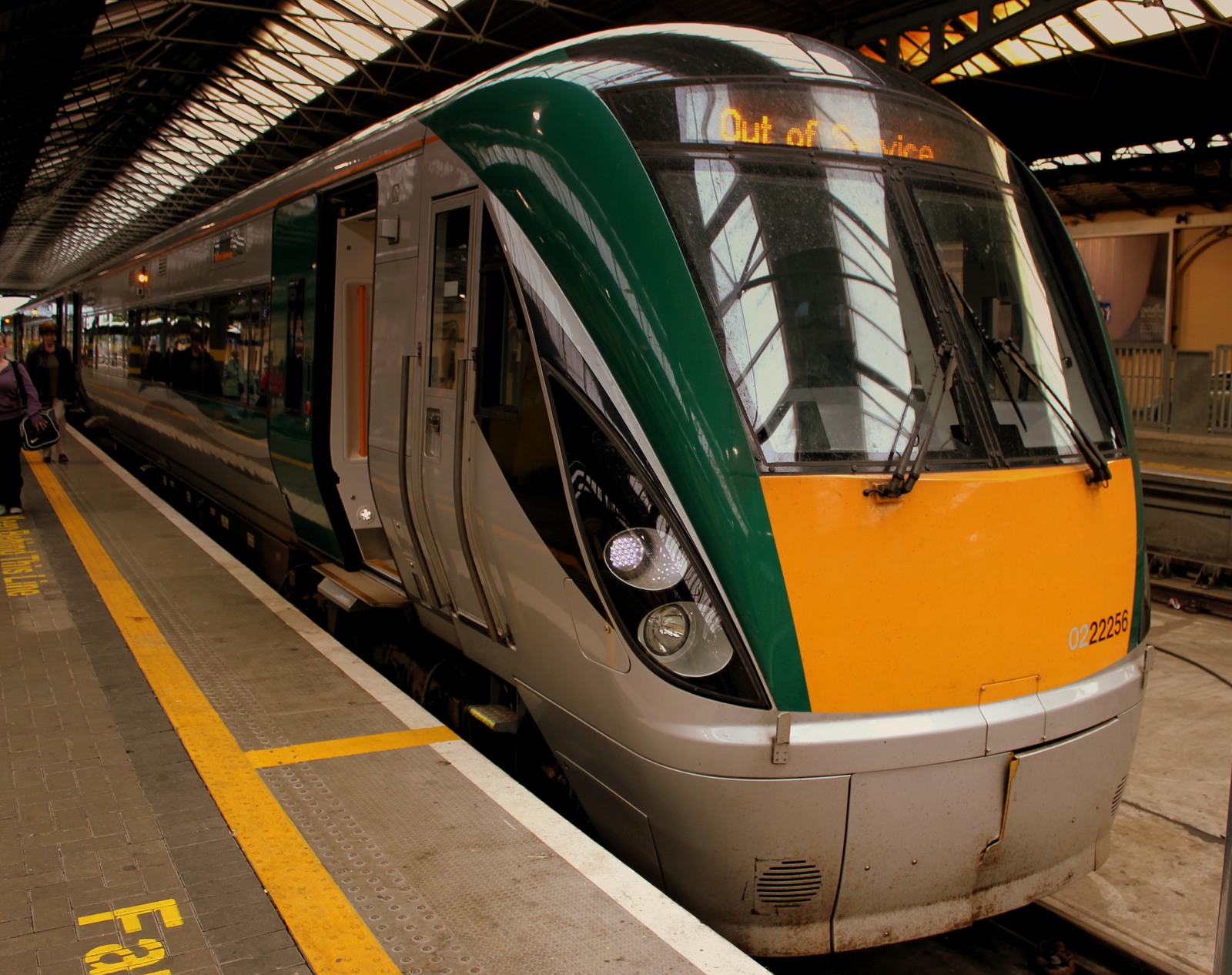
This example works best when you arrive in Dublin and depart from Cork. Spend three nights in each city, with the intercity train between them. Confirm that those flights exist on your dates before treating the route as settled.
In Dublin, use your arrival day for a short walk and an early meal. Reserve one full day for the museum or timed attraction you care about most, and leave the other for the gallery, a park, or a nearby outing. Move those two days around opening hours and the forecast.
Travel to Cork on the fourth day. Leave the main sightseeing for the following days, so a delayed train does not cost you an important booking. After checking in, a walk along the central streets and a booked dinner are enough for the afternoon and evening.
Use one full Cork day for the English Market and the Gaol, allowing for the journey between them. Give the other to Cobh if conditions suit, or stay in Cork and choose another indoor visit. Swap the days when necessary, especially if Sunday would otherwise be your market day.
With return flights from Dublin, add a seventh night there after Cork. If six nights is your limit, reduce Cork to two nights and spend the final night in Dublin. I would make that change before cutting the return transfer too close to a flight.
For Christmas itself, keep the same overnight base across the holiday and confirm meals and transport directly. The example above assumes ordinary operating days. It should not be copied unchanged onto a week with holiday closures.
Where to Stay for a Winter City Break

Choose accommodation for the trip you have planned. A kitchen can be useful over holiday closures, while an on-site restaurant or pool can improve a stay with more time indoors. Confirm that the facilities you want will be available on your dates.
Dublin
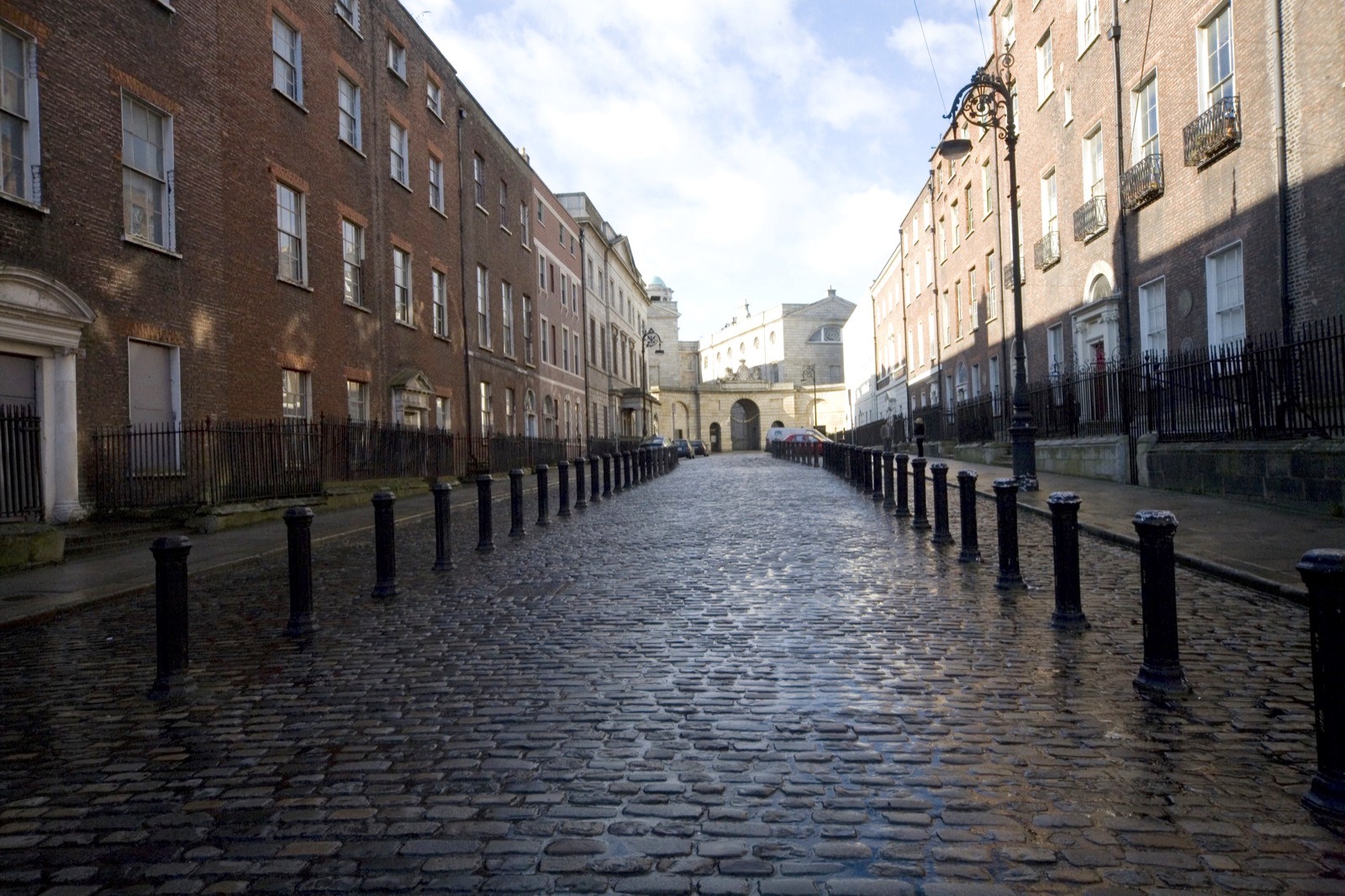
Henrietta Suites offers apartment-style accommodation on Henrietta Street, useful when you want space to spend part of an evening indoors. Check the facilities and access arrangements for the particular suite before booking.
Avoca House is a guesthouse between Glasnevin and Drumcondra with breakfast available. It is outside the central museum area, so include the cost and time of getting into town. The Merrion is the higher-budget alternative near the National Gallery, with a pool and restaurants on site.
Places to Stay in Dublin
Cork
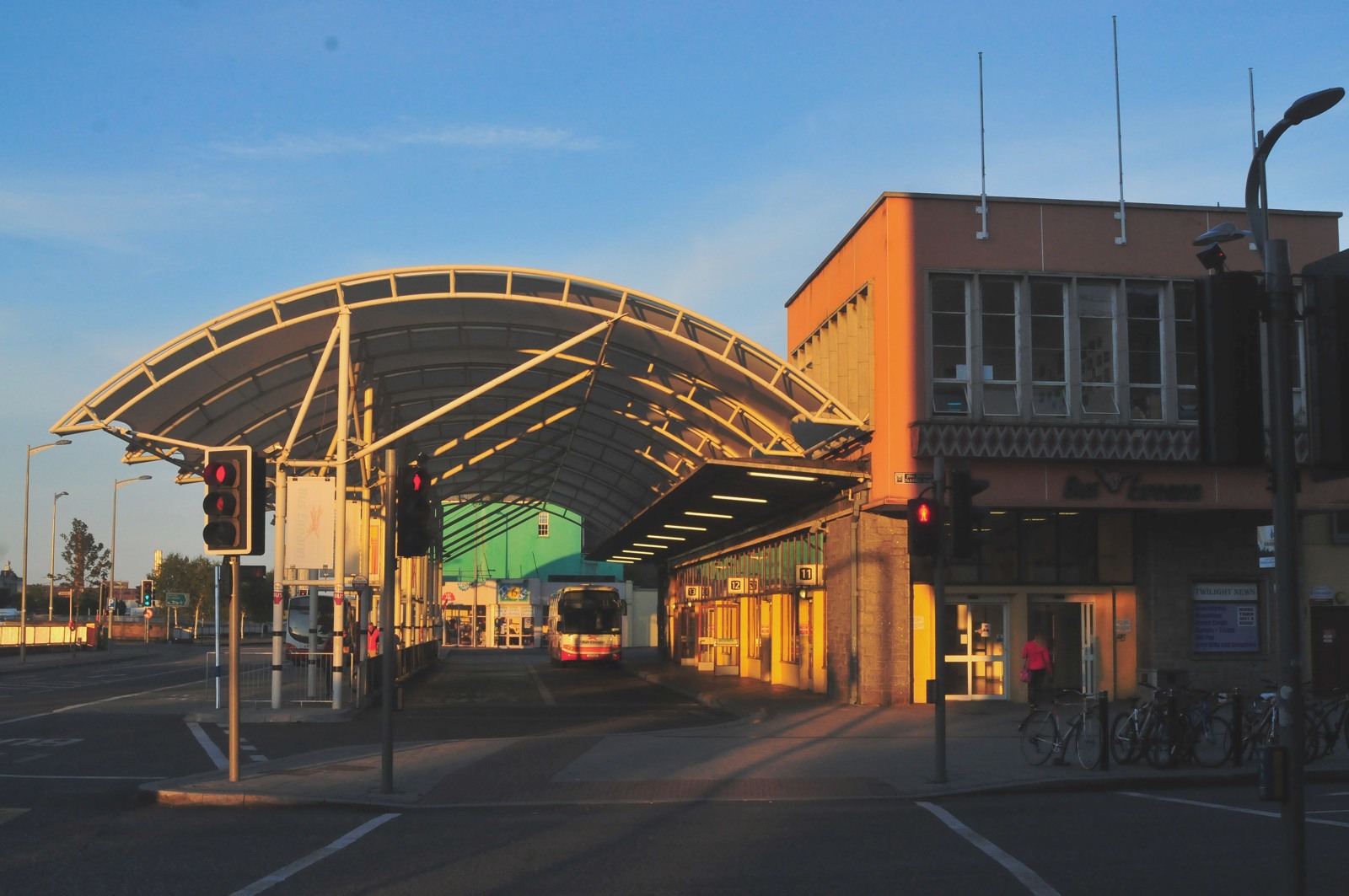
Lancaster Lodge is a guesthouse near the city center with free on-site parking, useful if Cork comes at the end of a driving trip. It serves breakfast rather than dinner, so make an evening meal plan separately.
The Metropole is on MacCurtain Street, convenient for arriving through Kent station or the main bus station. The River Lee is another option west of the center, with a pool for resident guests. Compare the full rates and cancellation terms before choosing between them.
Places to Stay in Cork
Frequently Asked Questions
Is Ireland worth visiting in the off-season?
Yes, especially for museums, food, and city stays. I would choose Dublin or Cork, check winter opening calendars, and keep outdoor outings flexible. A trip centered on long coastal drives or seasonal boat tours is easier at another time of year.
What months are off-season in Ireland?
November through March is a useful planning range, but Christmas, New Year, public holidays, and major events are exceptions. Check the exact week rather than assuming every winter date has lower prices or fewer visitors.
Can you visit Ireland in winter without a car?
Yes. Dublin and Cork work as city bases with an intercity train connection, and Cobh is reachable by train from Cork. Check timetables, engineering work, and holiday changes before booking.
Does everything close in Ireland at Christmas?
No, but many attractions, restaurants, and transport services have closures or changed hours. Confirm accommodation, meals, and every planned transfer for Christmas Day and St. Stephen’s Day rather than relying on an ordinary weekly timetable.
Do ferries to the Aran Islands run in winter?
Aran Island Ferries operates year-round from Rossaveel to all three islands. Its Galway city service is seasonal. Confirm your route and return sailing, and allow flexibility for weather disruption.
Should you book a winter road trip or a city break?
I would choose a city break for a short first visit. A road trip can suit travelers with more time and a specific rural plan, but short daylight, weather, and seasonal closures limit how much you can sensibly fit into each day.
Before You Book
Choose the two or three visits you most want, then check their winter calendars against your dates. Match those days to your flights, reserve a base with practical meal options, and leave at least one outing easy to change.
I would keep a first off-season trip focused on one city or this Dublin and Cork pairing. You will have time to see places properly, return indoors when you need to, and change an afternoon without rearranging every remaining night.
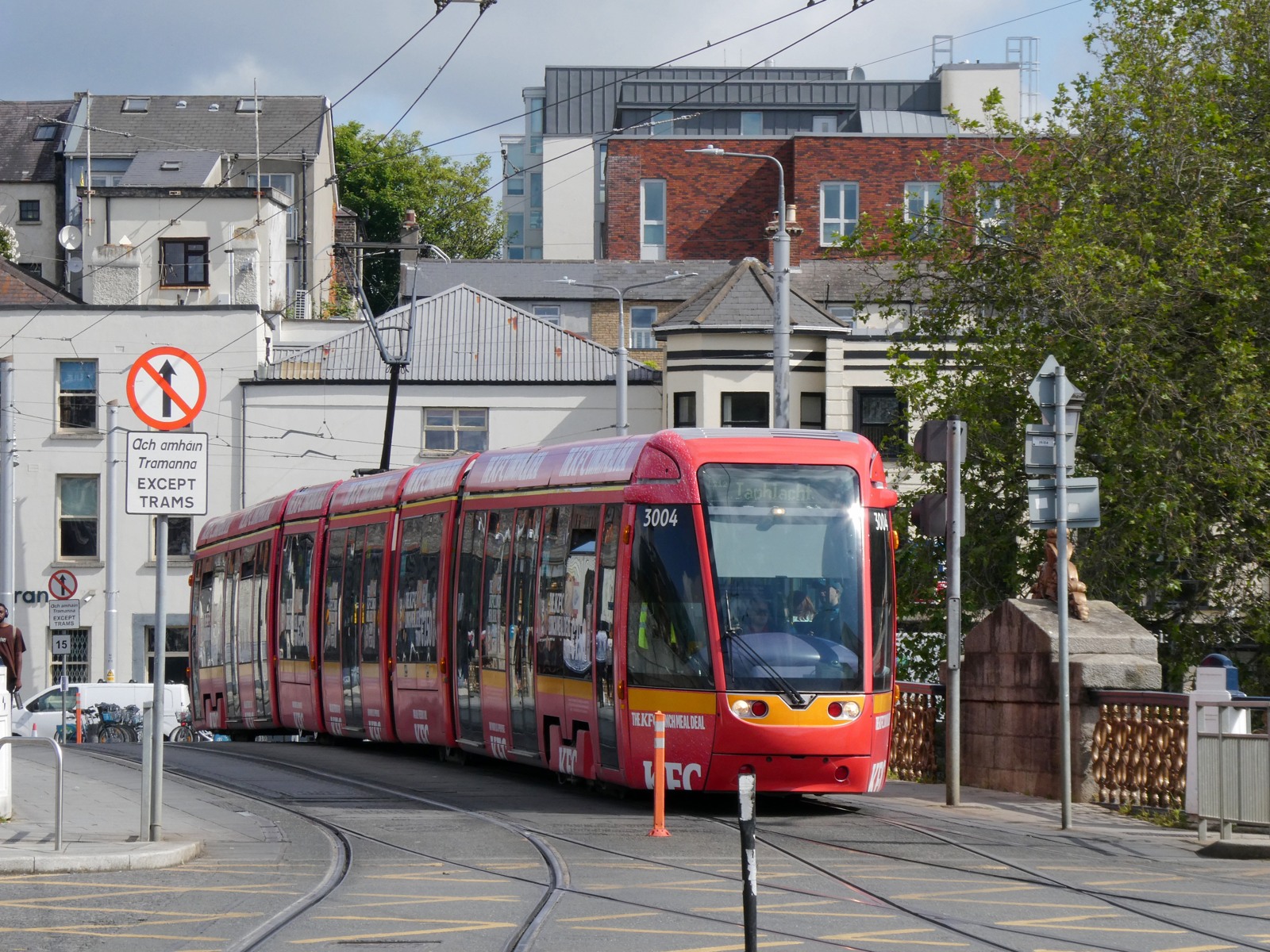
Photo: Pinterest image 1, Dylan / Wikimedia Commons, CC BY-SA 4.0. Cropped with text added; adapted photograph shared under the same license.
Like it? Pin it!
Save this guide for later