Derry, or Londonderry depending on who you ask, is the only fully walled city left in Ireland, set on the River Foyle in the northwest corner of Northern Ireland. It’s a small city with a heavy history, and most of the best things to do in Derry are packed into a square mile inside and around those 400-year-old walls.
You can walk the full circuit of the walls in under an hour, look down over the Bogside, and read the city’s recent history off the murals painted on the gable ends below. That’s the best thing about Derry. So much of what happened here is right out on the streets you’re walking.
It’s also an easy city to underrate. A lot of road trips treat it as a quick stop between the Causeway Coast and Donegal, but a full day here is worth it, and an overnight is better.
Below I’ll run through how to get to Derry, the sights and walks worth your time, the guided tours actually worth booking, where to stay, and the best time of year to go, then wrap up with a straight verdict on the city.
Quick Answer:
The best things to do in Derry are walking the complete 17th-century city walls, seeing the Bogside’s People’s Gallery murals and Free Derry Corner, the Museum of Free Derry, and crossing the Peace Bridge. It’s Ireland’s only fully walled city, and a full day on foot covers the lot.
In short
- Derry is Ireland’s only fully walled city; walk the complete 400-year-old circuit in under an hour.
- From Dublin it’s about 3.5 hours and 235km via the M1 and A6.
- From Belfast, the upgraded A6 reaches Derry in roughly 1.5 hours.
- The Giant’s Causeway sits about an hour east; Letterkenny is 40 minutes away.
- Park at Foyleside or Quayside shopping centre, then see the old city on foot.
More Northern Ireland Travel Guides
- Game of Thrones Filming Locations in Northern Ireland Map
- Giant’s Causeway From Belfast: All Day Trip Options
- The Most Beautiful Seaside Towns in Northern Ireland
- Lakes in Northern Ireland You NEED to Visit
How to Get to Derry
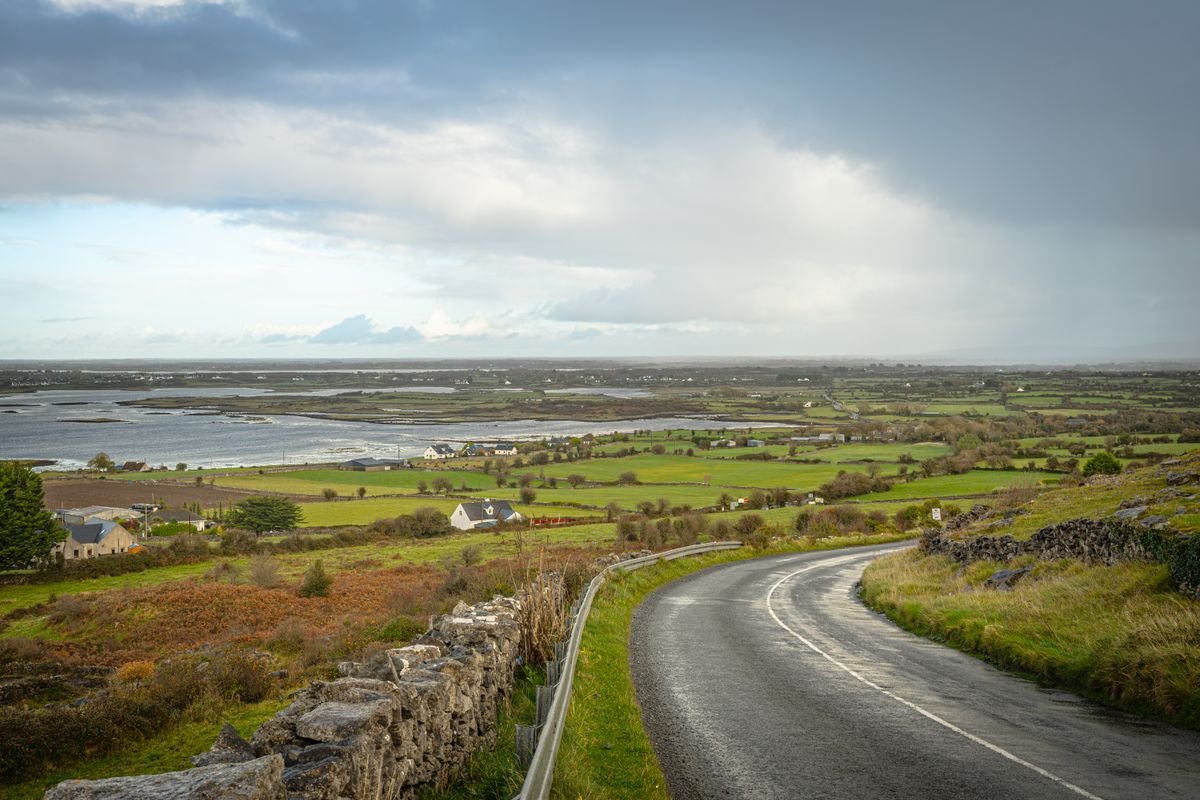
Derry sits in the far northwest of Northern Ireland, so it’s a little off the main Dublin to Belfast spine. That said, it’s an easy place to reach, and you’ll likely get here by car as part of a bigger Northern Ireland or Wild Atlantic Way loop.
Driving to Derry
From Dublin it’s about 3.5 hours up the M1 and A6, roughly 235km. From Belfast you’re looking at about 1.5 hours on the A6, which has been upgraded and moves quickly now.
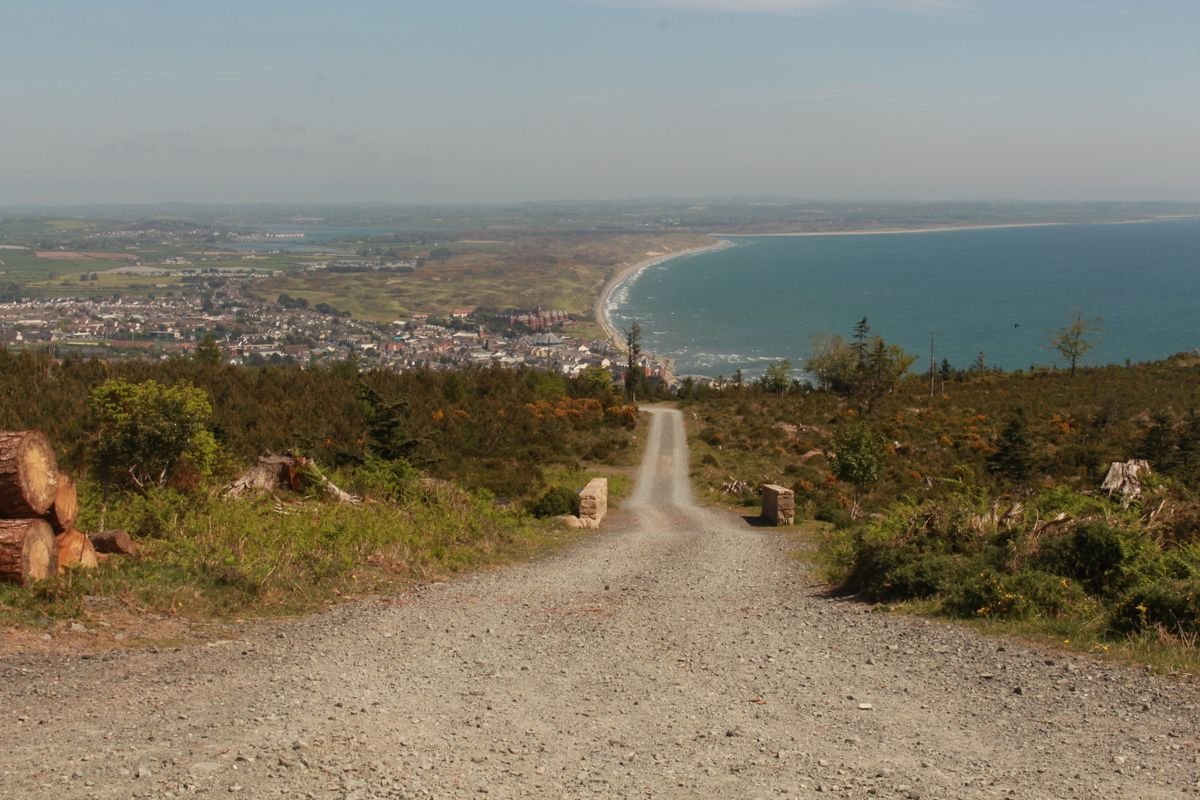
If you’re coming off the Causeway Coast, Derry is only about an hour west of the Giant’s Causeway, which is why it slots in so neatly at the end of that drive. From the Donegal side, Letterkenny is about 40 minutes away.
If you’re driving in from the Republic, you’ll cross the border with no checkpoint and no stop, but you switch from euros to pounds and your phone may flip networks. Check your roaming so you don’t get stung. If you still need wheels for the trip, you can compare car hire deals on Discover Cars before you set off.
For parking, leave the car at Foyleside or Quayside shopping centre, or one of the council car parks near the walls. The old city is small and flat, so you’ll do everything on foot once you’ve parked up.
By bus or train
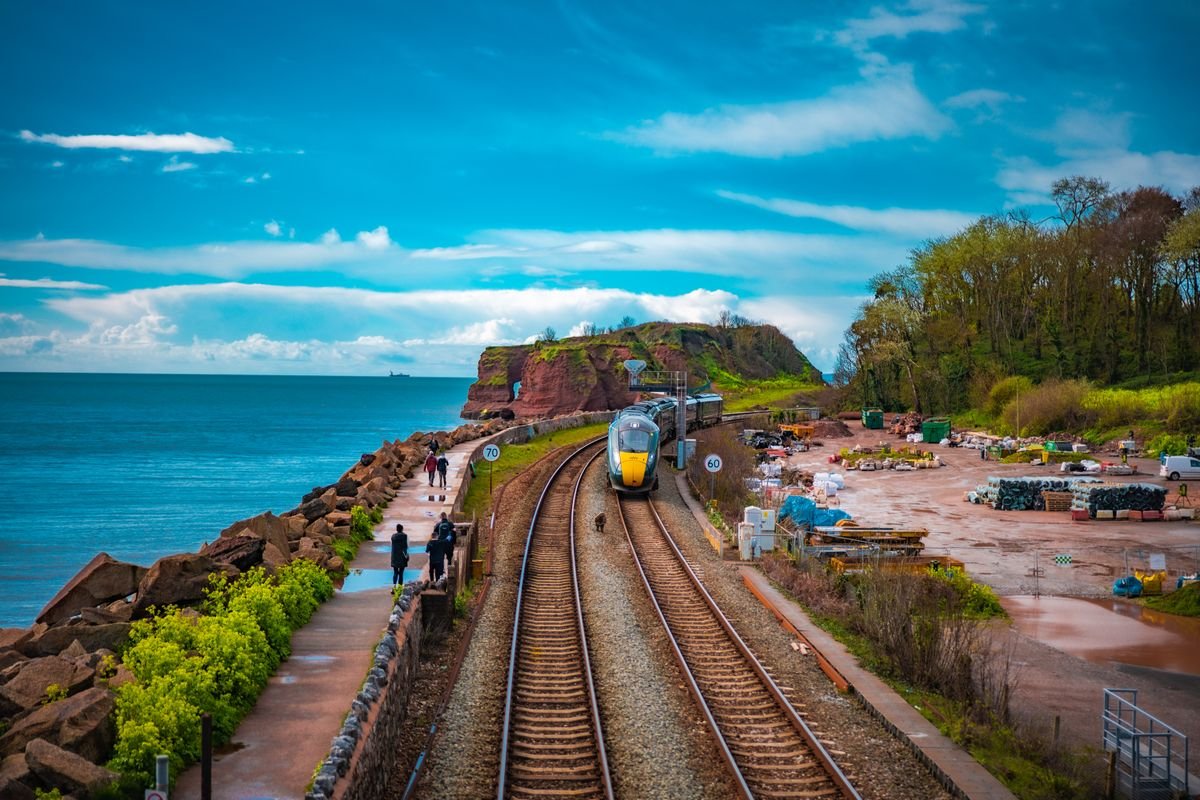
Translink runs regular buses and trains from Belfast, and the train in particular is a good one. The last stretch along the coast and the Foyle estuary is one of the better rail journeys in the country.
From Dublin, the cross-border bus is the cheapest option and drops you near the city centre. It’s slower than driving, but you don’t have to think about anything, which counts for a lot after a few days on the road.
By air
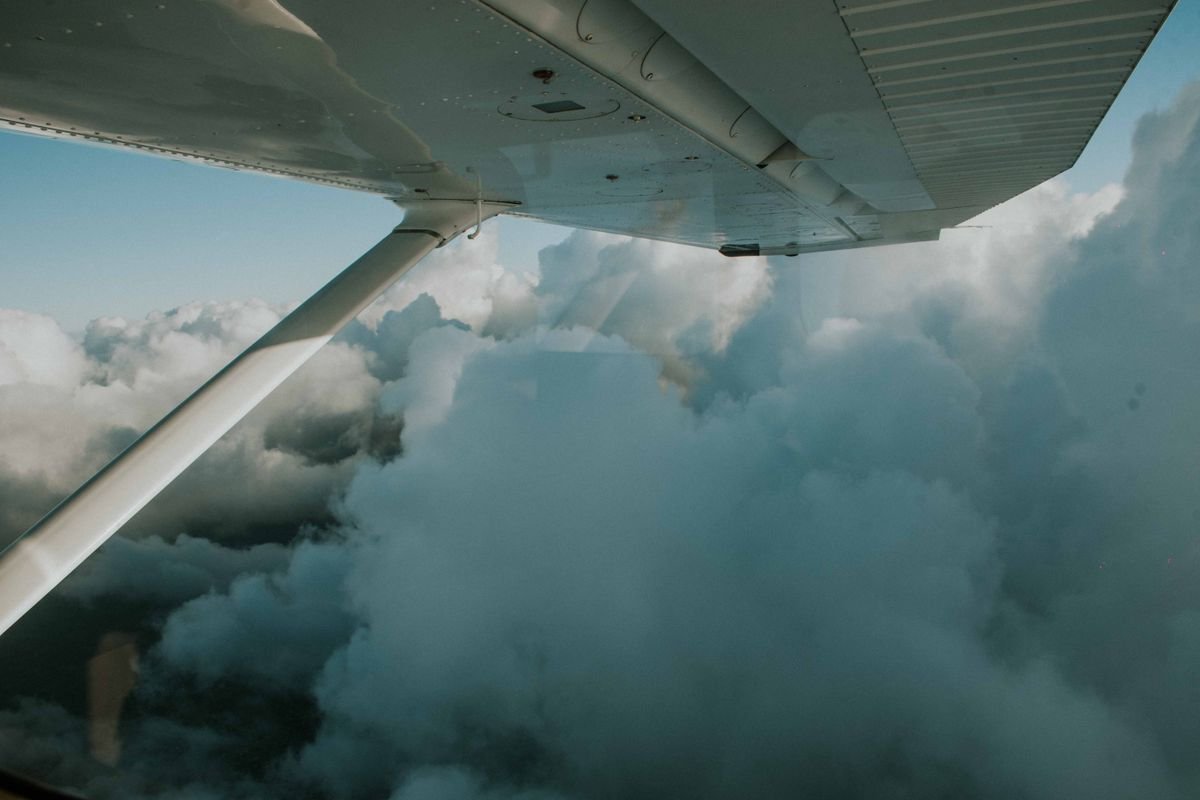
City of Derry Airport is about 15 minutes from the centre and handles a handful of UK routes, including London. For most visitors, though, you’ll fly into Dublin or Belfast and drive or bus the rest of the way, since those airports have far more connections.
Best Things to Do in Derry
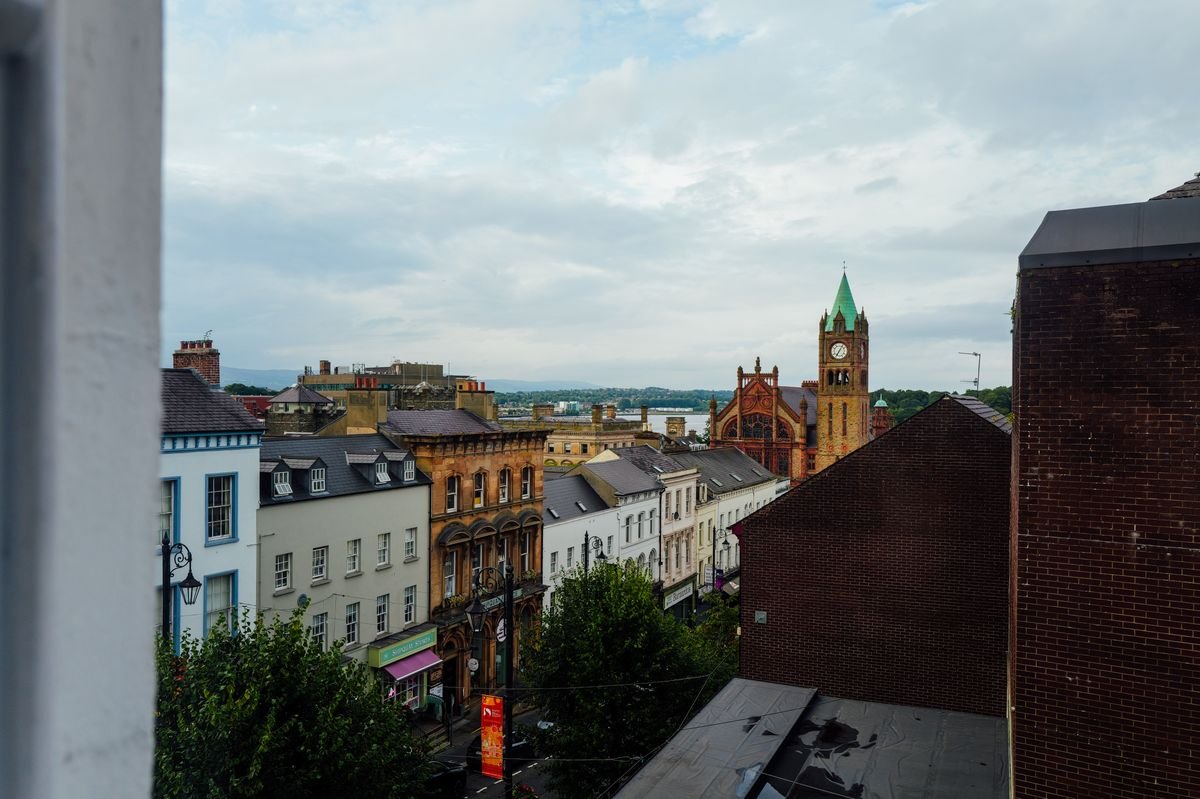
Derry isn’t a city for big-ticket attractions, and that’s not a knock. The pull here is the history, packed tight inside a small center you can cover on foot. Most of what’s worth your time sits within a 15-minute walk of the walls, so you can string the whole list together in a day.
Here’s what I’d point a first-timer toward.
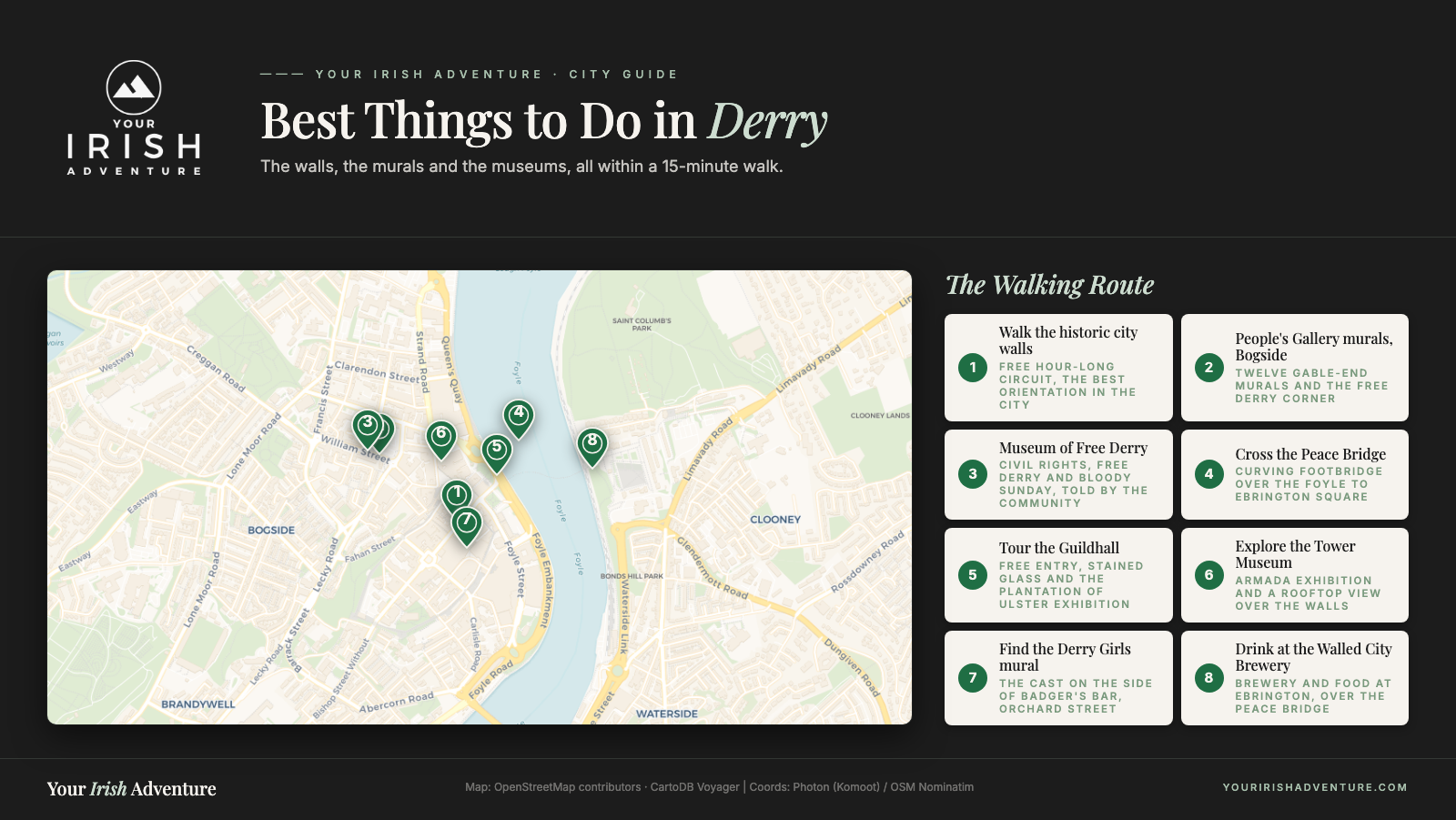
Walk the historic city walls
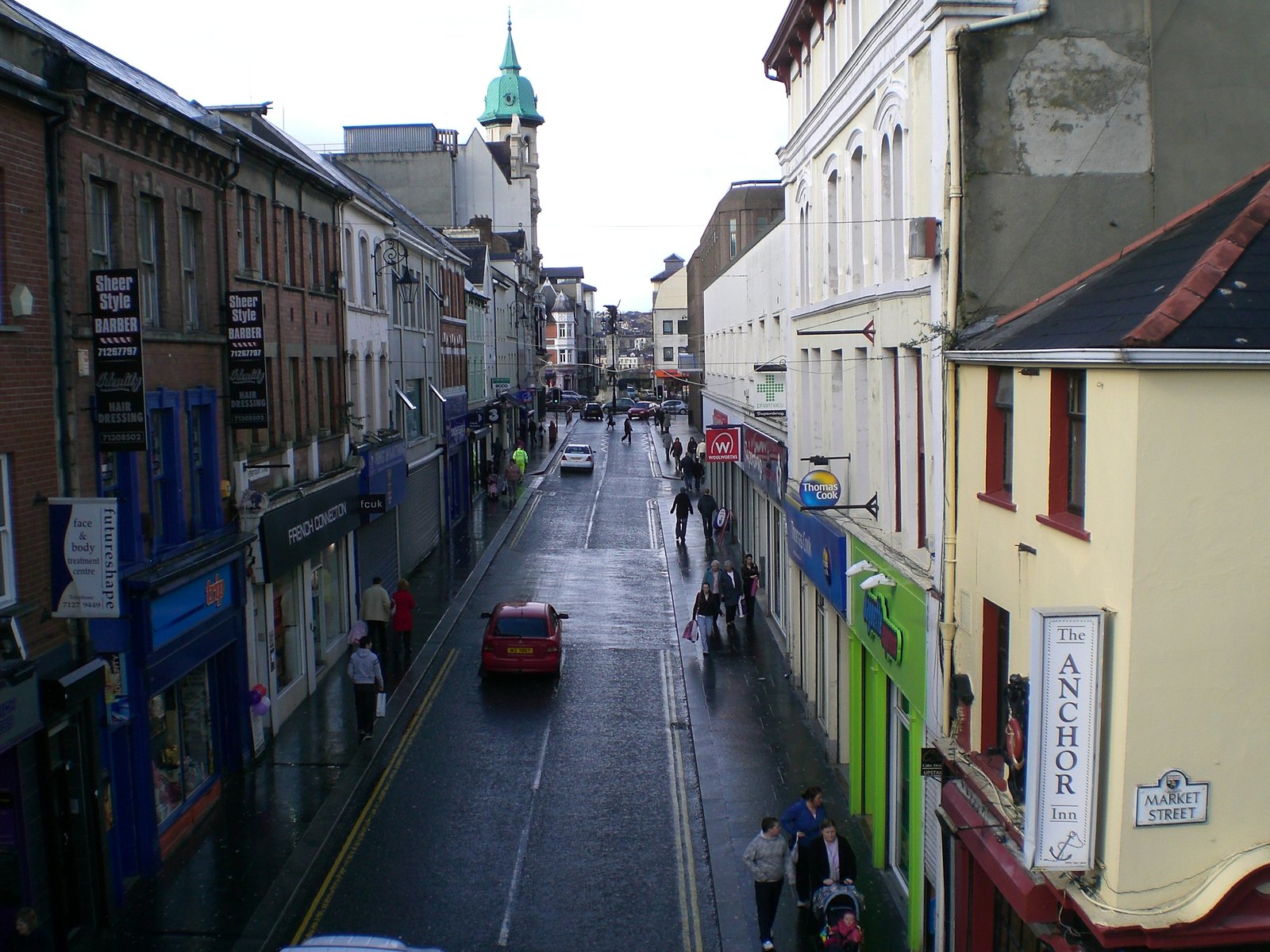
Start here. The walls are the reason Derry is the only fully walled city left in Ireland, built between 1613 and 1619 and never breached, which is where the nickname “the Maiden City” comes from.
The full loop is about a mile and takes under an hour if you don’t stop, though you will. From the ramparts you look straight down into the Bogside, across to the cathedral, and out over the old cannons still sitting on the walls.
It’s free, it’s open all the time, and it’s the best orientation you can give yourself before doing anything else.
See the People’s Gallery murals on the Bogside
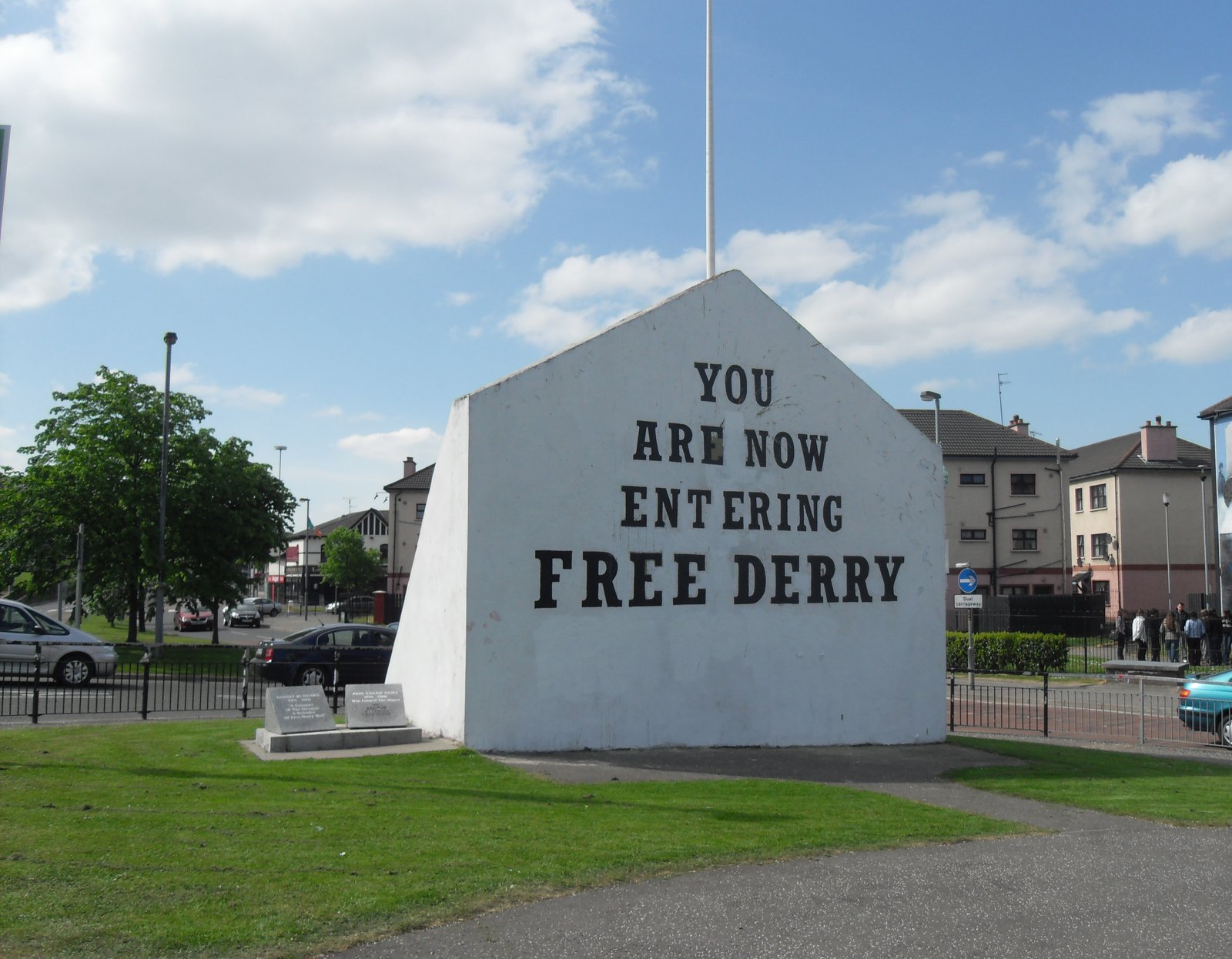
Below the walls in the Bogside, twelve large murals painted on the gable ends tell the story of the Troubles and Bloody Sunday from the people who lived through it. The artists, the Bogside Artists, grew up on these streets, and it shows in the detail.
You can see them from up on the walls, but go down and walk among them. You’ll also find the Free Derry Corner, the white gable end that reads “You Are Now Entering Free Derry.” It’s a heavy 20 minutes and worth every one of them.
Visit the Museum of Free Derry
Right in the Bogside, this small museum covers the civil rights movement, Free Derry, and Bloody Sunday in 1972, when British soldiers shot 26 unarmed civilians. It doesn’t pretend to be neutral, and that’s the point. This is the story told from the community it happened to.
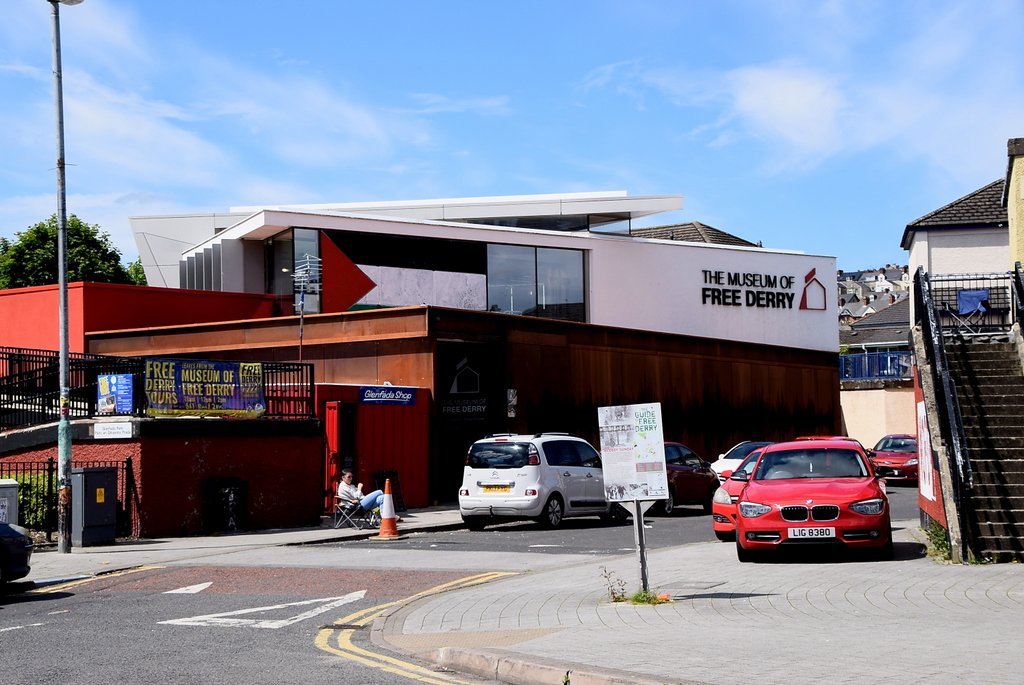
It’s compact and you can do it in an hour or so. Pair it with the murals just outside and you’ve got the fullest picture of recent Derry you’ll find anywhere in the city.
Cross the Peace Bridge
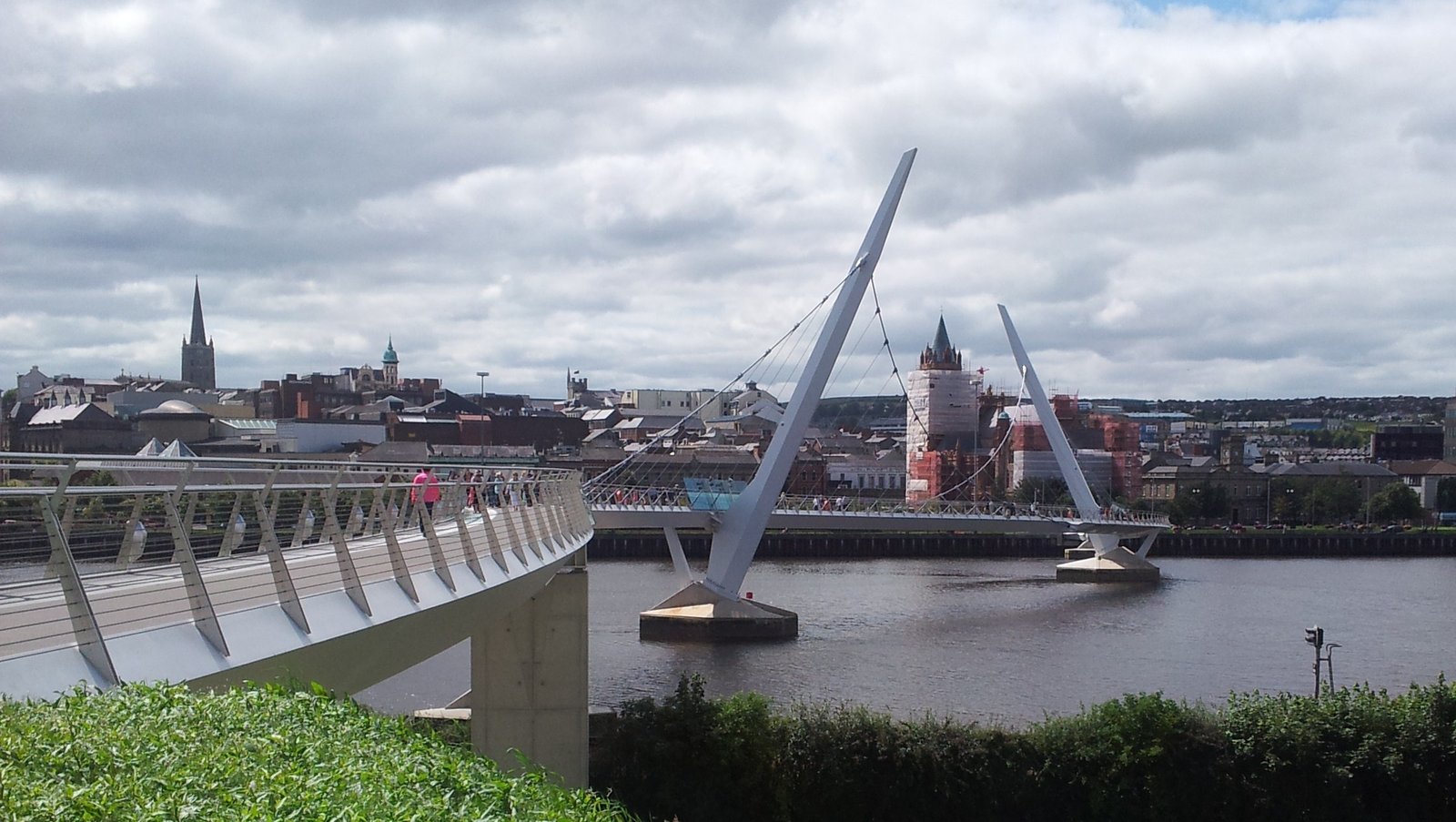
The Peace Bridge is a curving footbridge that opened in 2011, linking the mostly nationalist cityside with the mostly unionist Waterside across the River Foyle. The shape is deliberate, two structures reaching toward each other from opposite banks.
Walk across to Ebrington Square, a former British Army barracks that’s now an open public space with bars and event venues. It’s a five-minute stroll and a good leg-stretch between museums.
Tour the Guildhall
The Guildhall is the red-brick, clock-towered building near the quay, easy to spot. Inside, the stained glass windows and the main hall are worth a look, and entry is free.
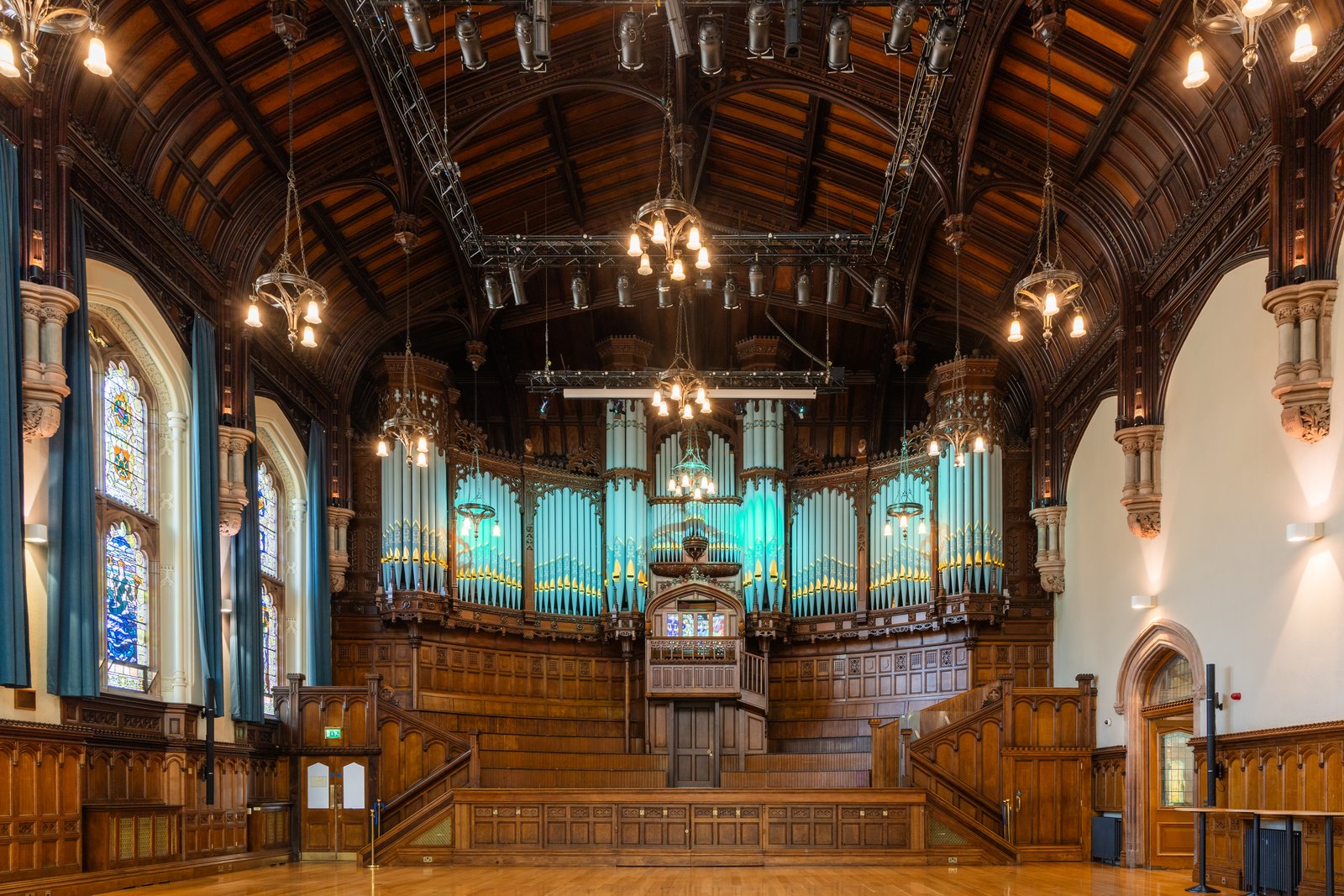
There’s a good exhibition downstairs on the Plantation of Ulster, which is the 1600s history that explains a lot about why the city is the way it is. If you want the deeper backstory behind the walls and the two names, this is where to get it.
Explore the Tower Museum
Tucked just inside the walls near Magazine Gate, the Tower Museum runs through the story of Derry from its origins to today. The standout is the Armada exhibition, built around La Trinidad Valencera, a Spanish Armada ship that sank off Donegal in 1588 and was rediscovered by local divers.
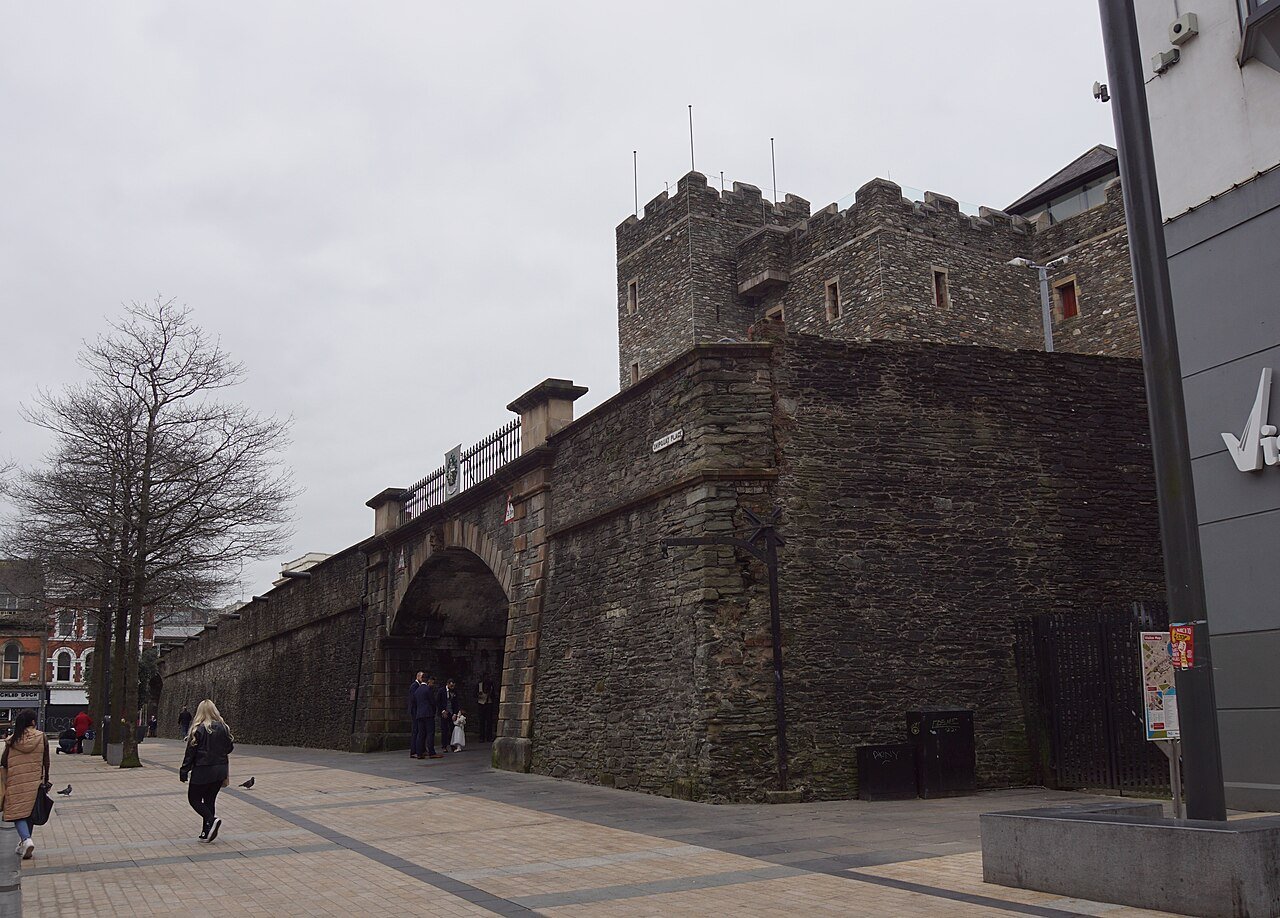
There’s a rooftop viewing platform too, which gives you another angle over the walls and the Foyle. Budget an hour or two.
Find the Derry Girls mural
If you’ve watched the show, this one’s a quick stop you’ll want. The huge mural of the five Derry Girls is on the side of Badger’s Bar on Orchard Street, just off the city center.
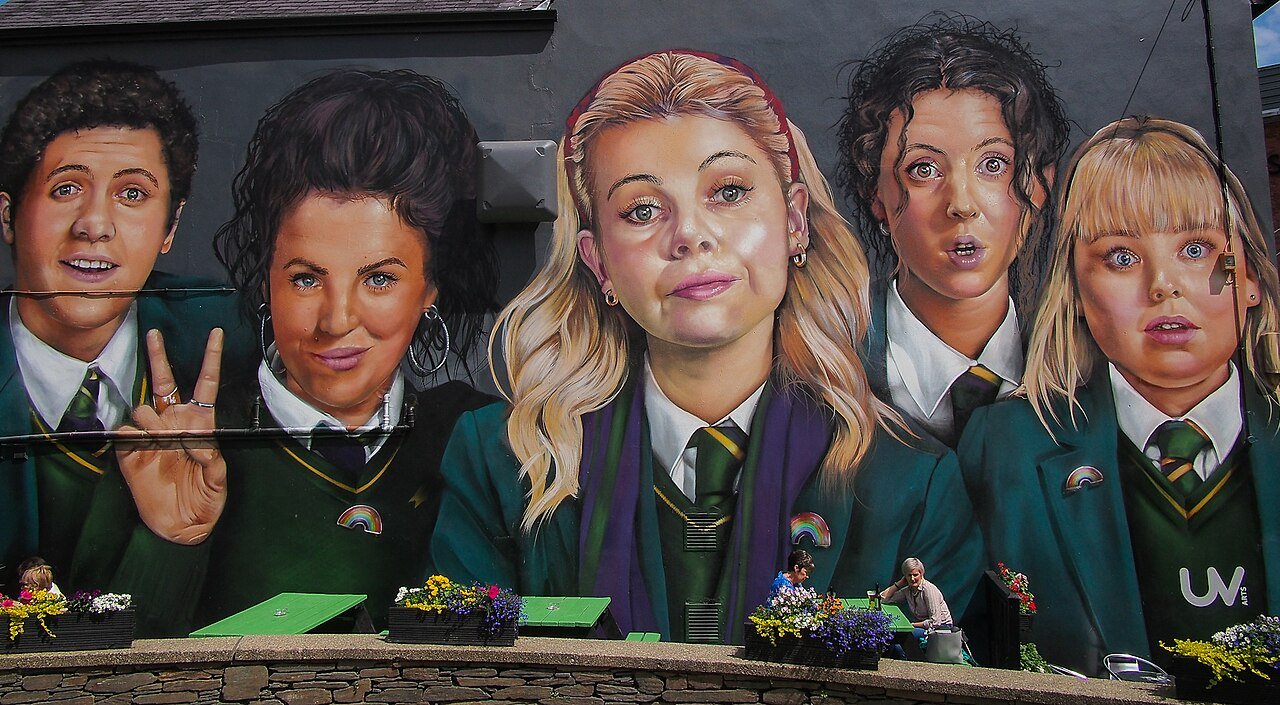
It takes two minutes, but the show did a lot for how outsiders see the city, swapping the news footage for something warmer and funnier. Snap your photo and carry on.
Drink at the Walled City Brewery and local pubs

The Walled City Brewery sits over in Ebrington, brewing its own beer with food to match, and it’s an easy add-on after you’ve crossed the Peace Bridge. Book ahead on weekends, it fills up.
For traditional pubs, Peadar O’Donnell’s is the one everyone names, with trad sessions most nights and a properly old-school feel, and the Gweedore Bar next door runs into the same building. Both are right by the walls.
Derry’s nightlife is friendly and unpretentious, and the music is the real draw. Find a session, get a pint in, and you’ll see why people who only planned an afternoon end up staying the night.
Things to Do in Other Towns Around Ireland
- Unique Things To Do in Donegal Town in Ireland’s Northwest
- 17 Fun Things To Do in Sligo – Ireland’s Underrated Adventure Capital
- 15 Fun Things To Do in Killarney, Ireland
Best Tours in Derry
Derry is one of those places where a guide changes the whole visit. You can read the murals and walk the walls on your own, but the history here is recent, complicated, and personal, and hearing it from someone who lived near it does more than any plaque ever could.
If you only book one thing in Derry, make it a walking tour. Here are the ones worth your money.
A walking tour of the city walls
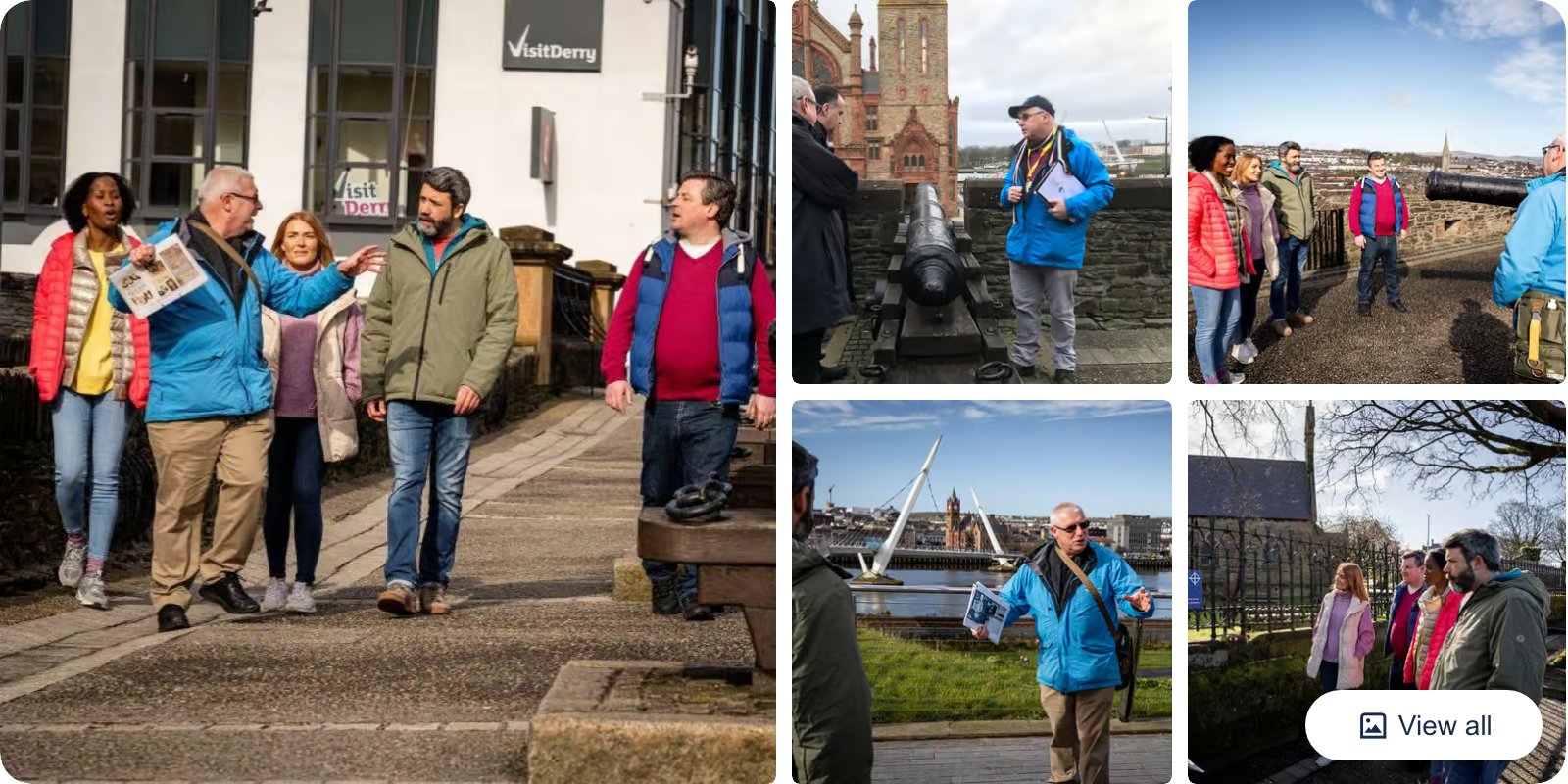
Martin McCrossan City Tours is the name you’ll get pointed to again and again, and for good reason. The guides walk you around the full circuit of the walls in about an hour and tie the 1600s history to what you’re looking at down in the Bogside.
It’s an easy add-on because the route is the same one you’d walk anyway, except now someone’s explaining why the two names, the siege, and the gates all matter. It’s a few pounds to join, and it’s the fastest way to make sense of the city. You can book a guided city walls walking tour on GetYourGuide to lock in a spot ahead of time.
A Bogside and Free Derry tour
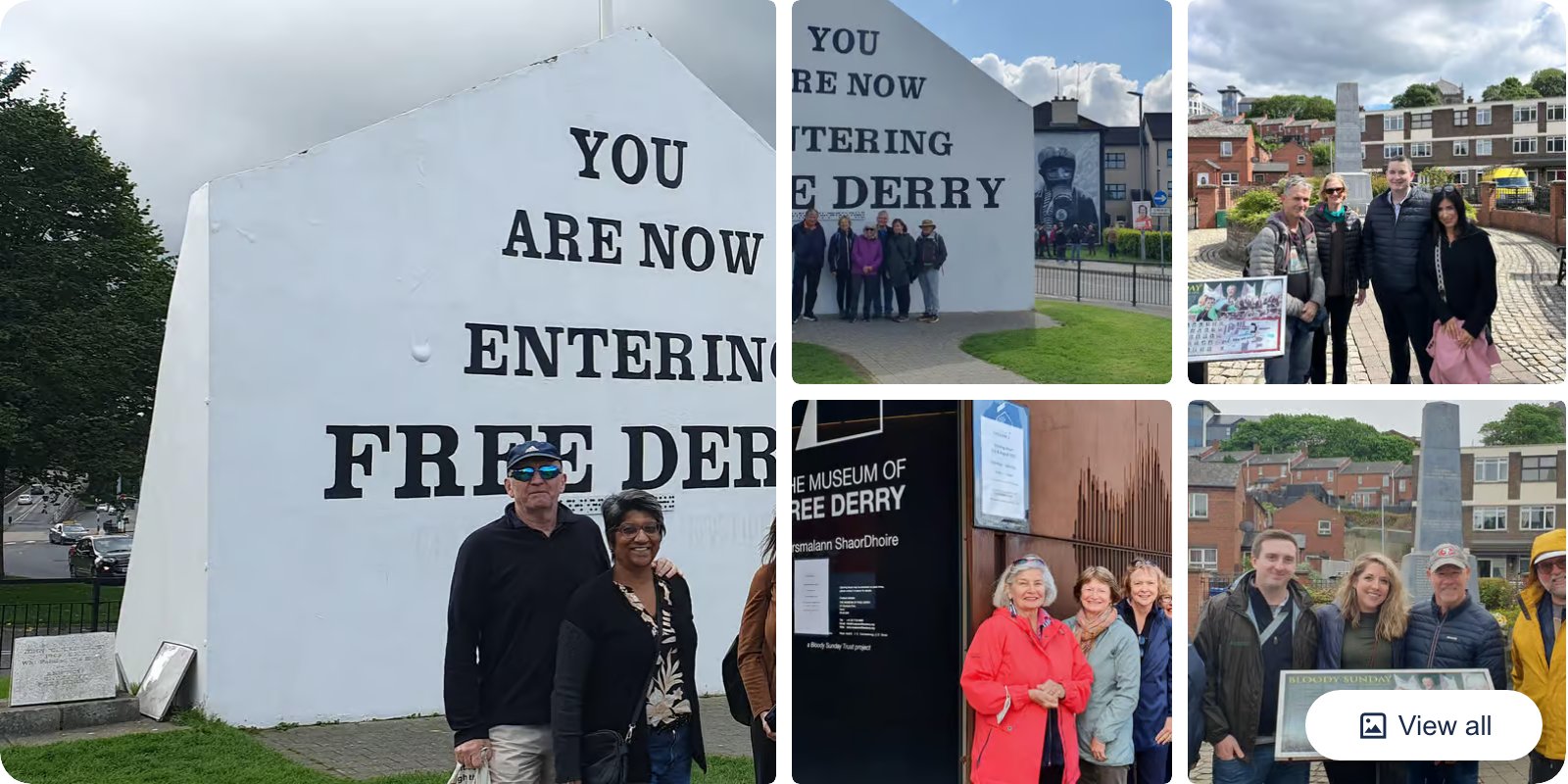
This is the one I’d push hardest. Tours run by people from the Bogside take you through the murals, the Free Derry Corner, and the story of Bloody Sunday from the community it happened to.
Some are led by guides with a direct family connection to the events of 1972, and you feel it. It’s not a comfortable hour, but it’s the most honest account of recent Derry you’ll get, and it sits right alongside the Museum of Free Derry. If you want to be sure of a place, book the Bogside and Troubles walking tour on GetYourGuide.
A Derry Girls tour
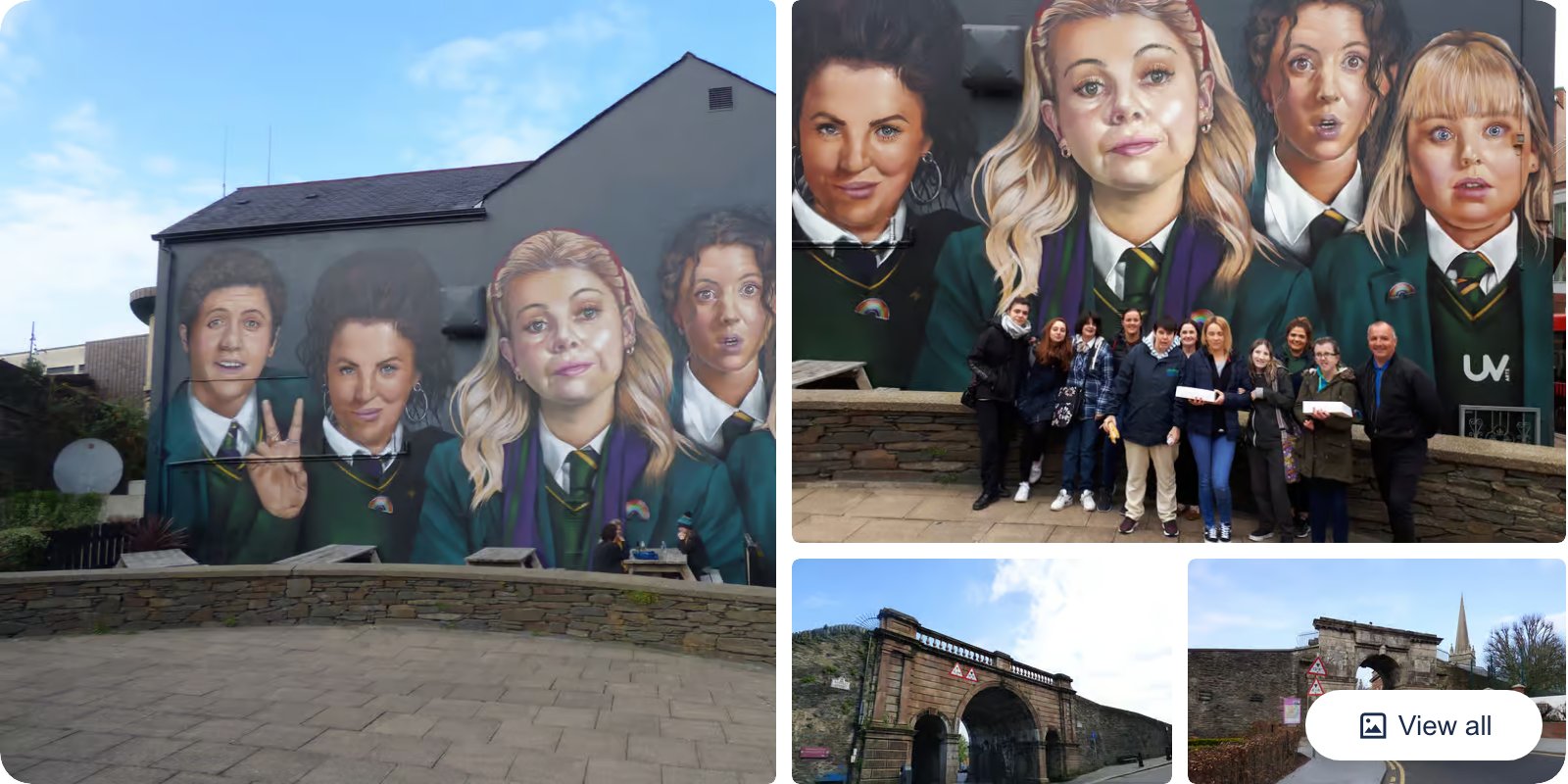
If the show is half the reason you came, there are tours built around it that hit the filming spots and the mural on Badger’s Bar, with plenty of the real city woven in.
It’s lighter than the history walks, but the good ones still slip in the actual story of growing up here in the 90s, which is the whole point of the show. A fun option if you’re traveling with anyone who quotes it, and you can book a Derry Girls filming locations tour on GetYourGuide.
Day trips to the Causeway Coast
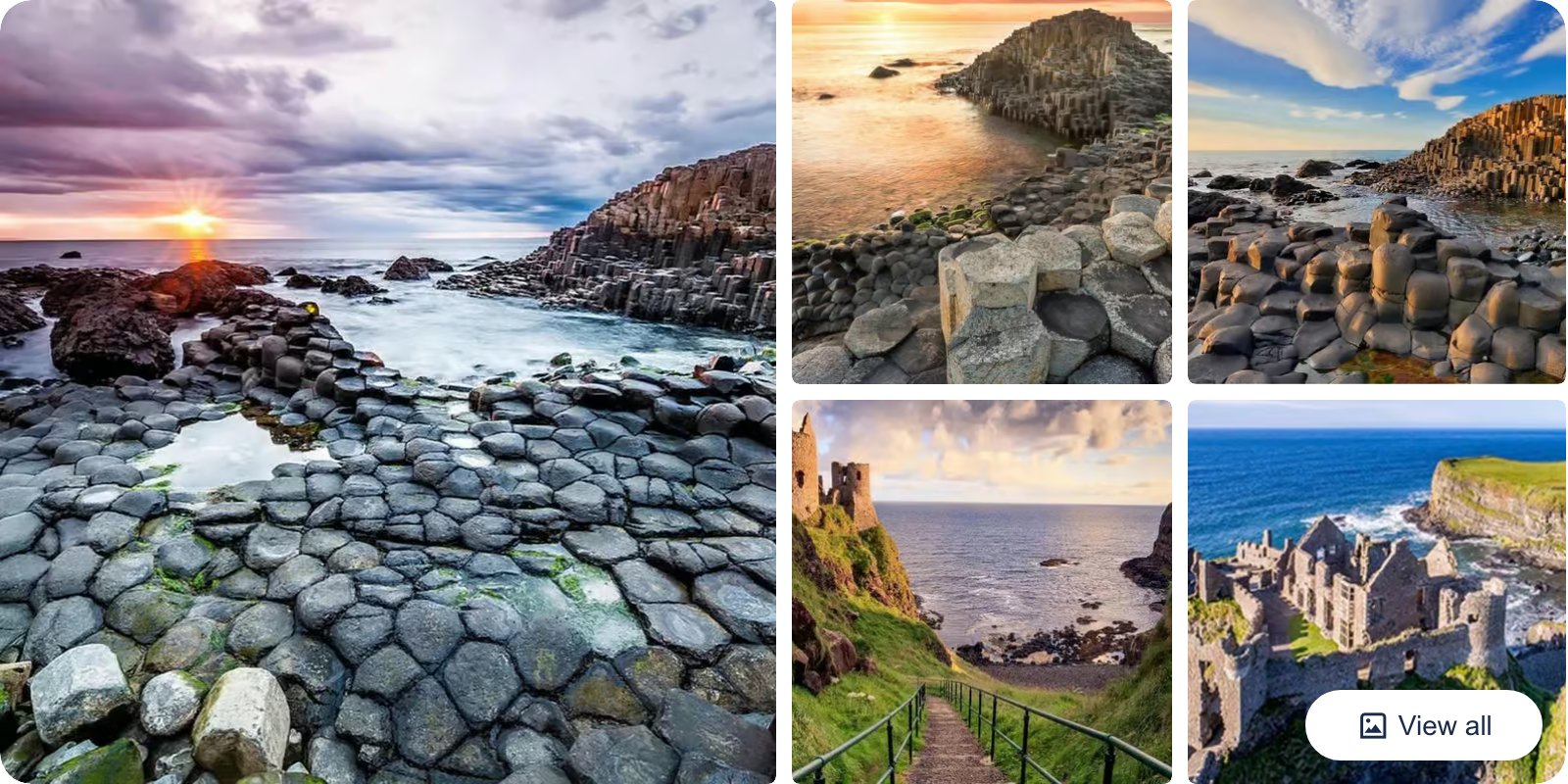
Derry makes a good base for the Causeway Coast, and if you’re not driving, a few day tours run from here out to the Giant’s Causeway, the Carrick-a-Rede rope bridge, and the Dark Hedges from Game of Thrones.
You’re looking at a full day, but it’s the easy way to see the big coastal sights without a car, and you can book a Causeway Coast day tour on GetYourGuide in advance. If you’ve already driven the Causeway Coast to get here, skip it and spend the day in the city instead.
Where to Stay in Derry

Derry is small enough that location isn’t a hard call. The old city inside and around the walls is where you want to be, so you can roll out of bed and onto the ramparts, into the pubs, and across the Peace Bridge without ever touching the car.
An overnight makes the trip much better than a day stop, mostly because of the pubs. Stay central, leave the car parked, and you can wander to a trad session and back on foot.
This is the cityside, the historic core where most visitors stay. Everything on the things-to-do list is a few minutes’ walk, and you’re surrounded by restaurants and pubs. Here are three central picks, from a splurge to a cheaper option.
Bishop’s Gate Hotel
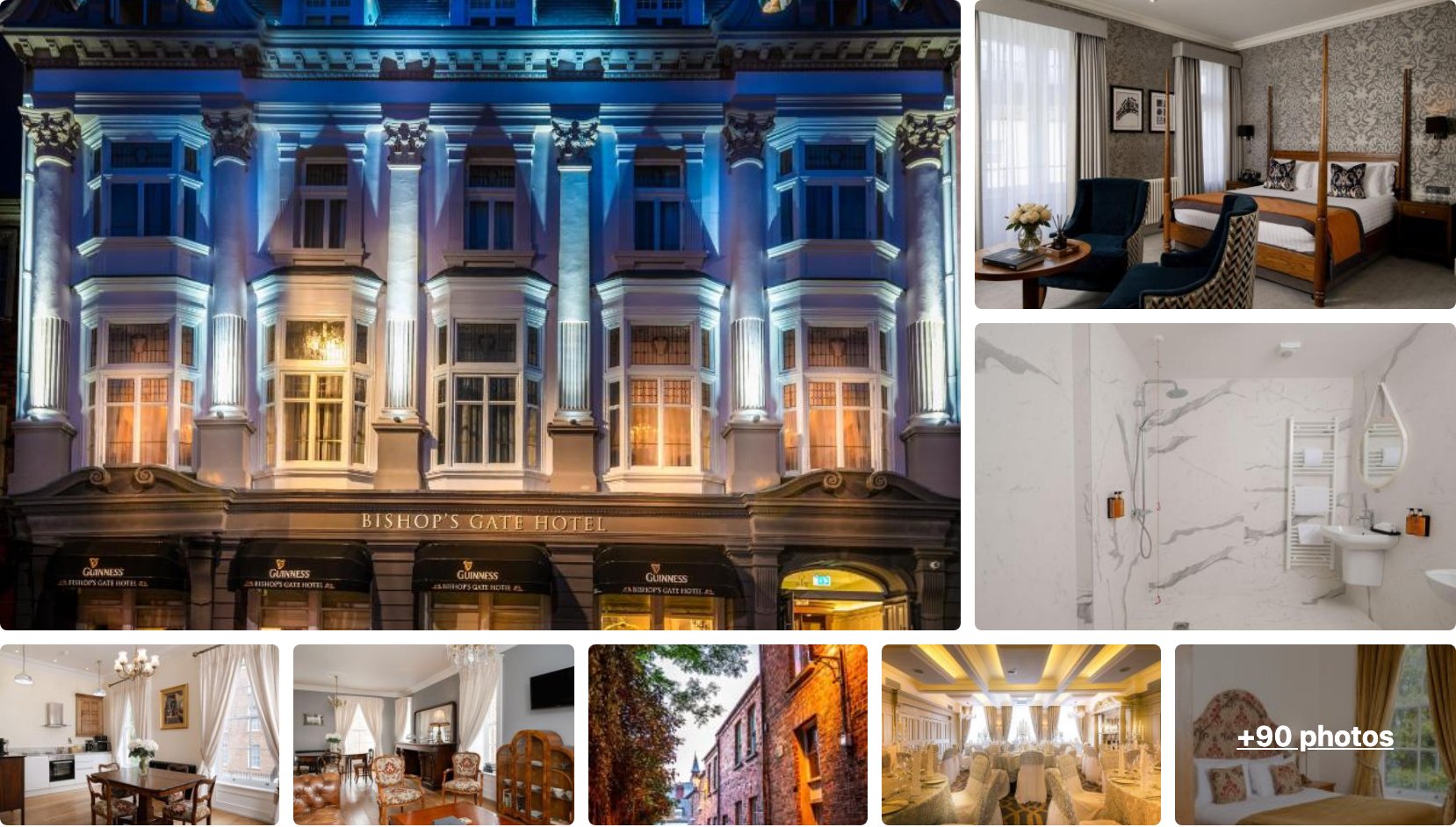
Bishop’s Gate Hotel is the standout, a converted Edwardian building right by one of the original gates, with a good bar and restaurant downstairs.
👉 View Bishop’s Gate Hotel Availability and Pricing
Shipquay Boutique Hotel
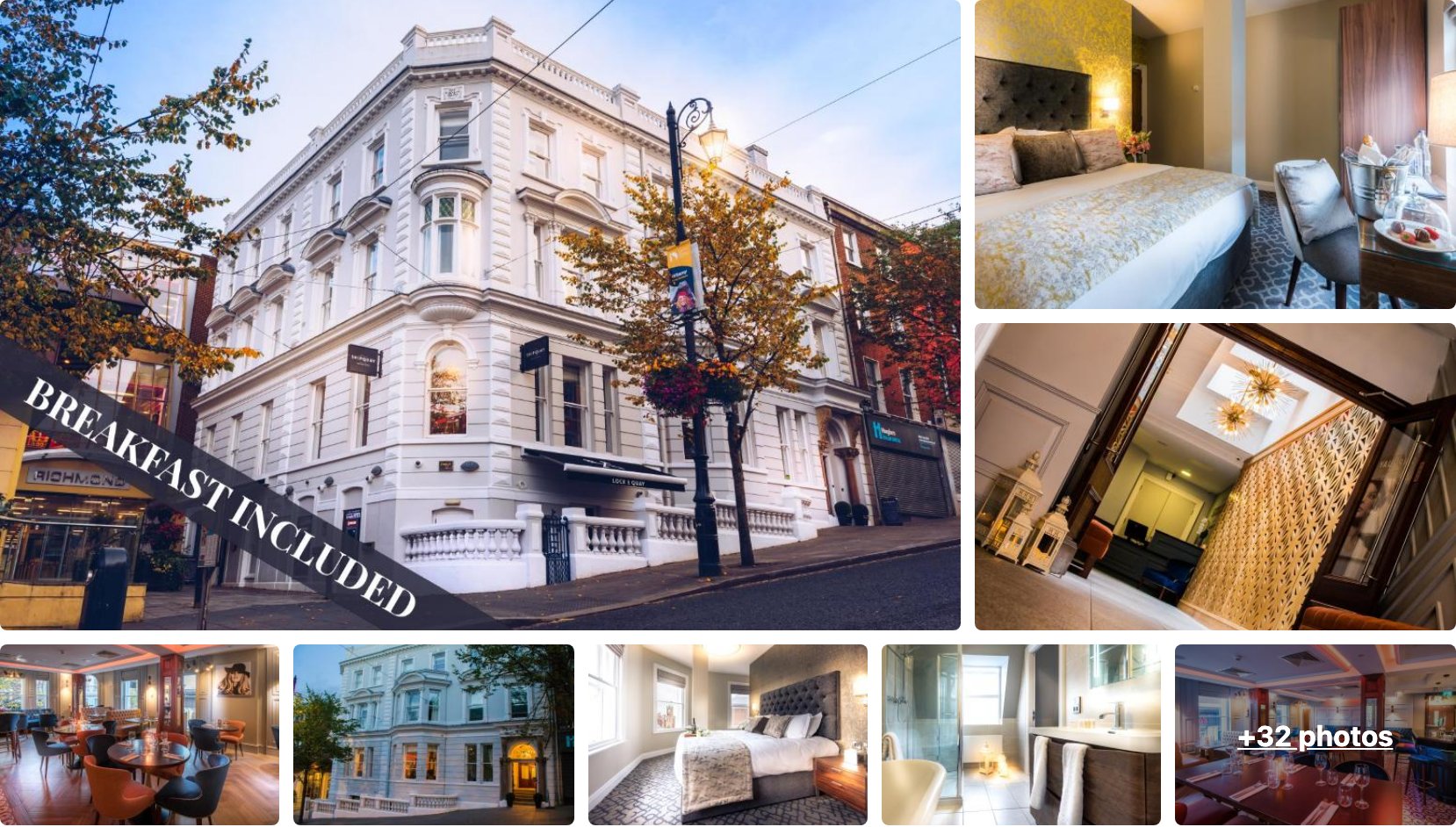
The Shipquay Boutique Hotel is another central pick, smaller and on a steep street inside the walls.
👉 View Shipquay Boutique Hotel Availability and Pricing
City Hotel

For something cheaper, the City Hotel sits on the quay by the Guildhall with river views, and there are guesthouses and B&Bs just outside the walls that won’t dent the budget.
👉 View City Hotel Availability and Pricing
The Waterside and Ebrington
Across the river on the Waterside, you’re a short walk over the Peace Bridge from the old city, often for a bit less money. The area around Ebrington Square has come up a lot, with the Walled City Brewery right there.
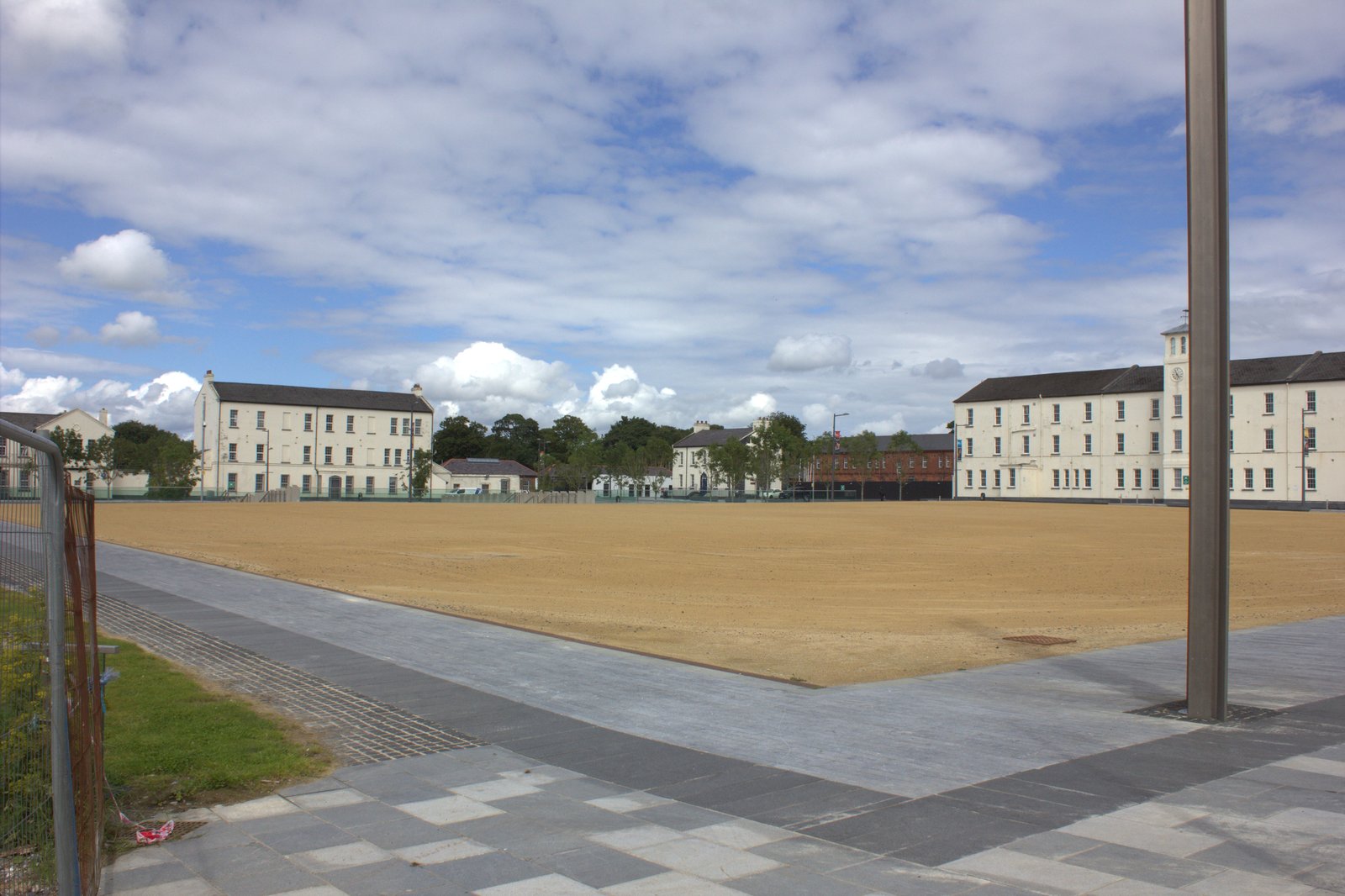
This side suits anyone who wants a quieter base but still wants to walk into the action in ten minutes. The bridge is lit up at night and the stroll back is part of the fun.
A quick word on price
Derry is good value next to Dublin or the Causeway Coast towns, and you’ll find mid-range hotels and B&Bs without much trouble most of the year. The exception is when a big event is on, so check before you book.

If you’re here in late October for the Halloween festival, book months ahead and expect to pay a premium. It’s the busiest week in the city by a distance, and rooms go early.
Where to Stay Elsewhere in Northern Ireland and Beyond
- Where to Stay in Belfast: Best Areas & Hotels
- Is This The Best Bed and Breakfast In Northern Ireland?
- Where to Stay in County Cork: Cork City vs West Cork
Best Time to Visit Derry
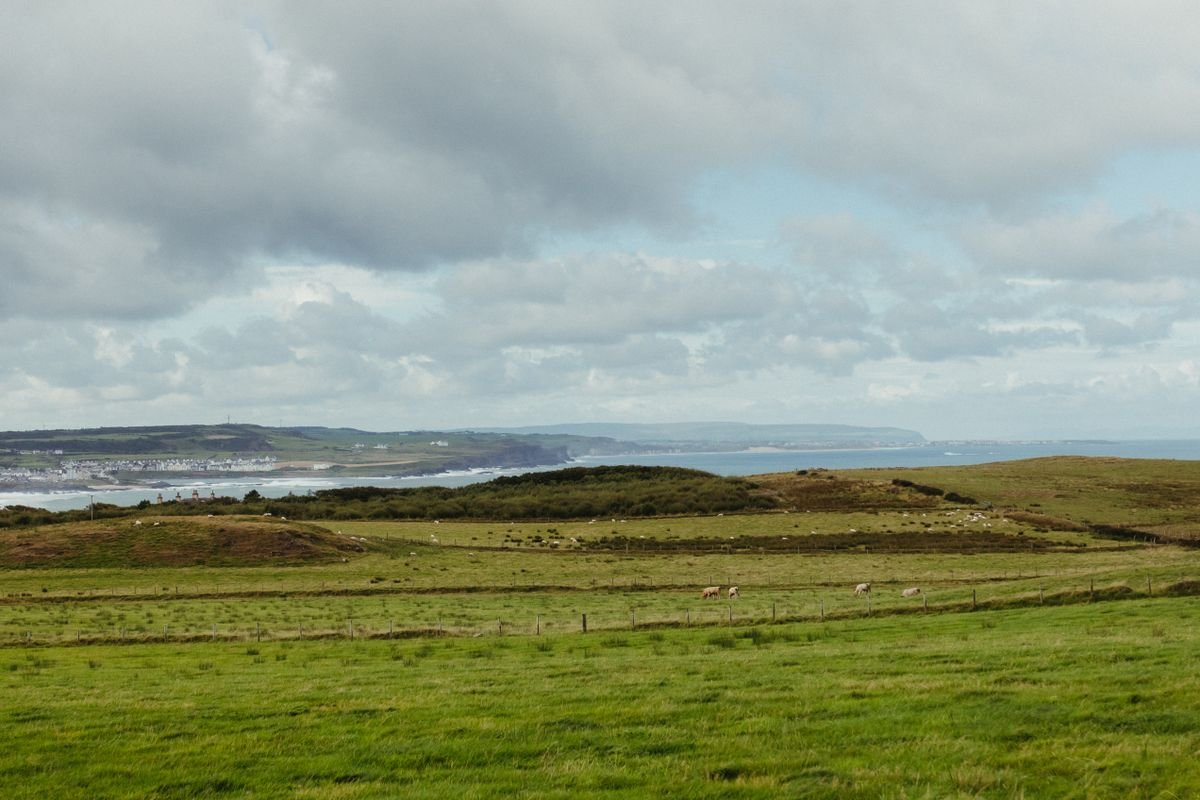
Derry is a year-round city break, mostly because the main sights are the walls, the murals, and the museums, and none of them care what the weather’s doing. You can do the whole list in a day in February as easily as in July.
That said, the time of year does change the trip, so here’s how the seasons stack up.

Summer (June to August)
Summer gives you the longest days and the best odds on dry weather, which matters if you’re tacking on the Causeway Coast. The walls and the Bogside are at their busiest, but Derry never gets overrun the way Dublin or the coastal hotspots do.
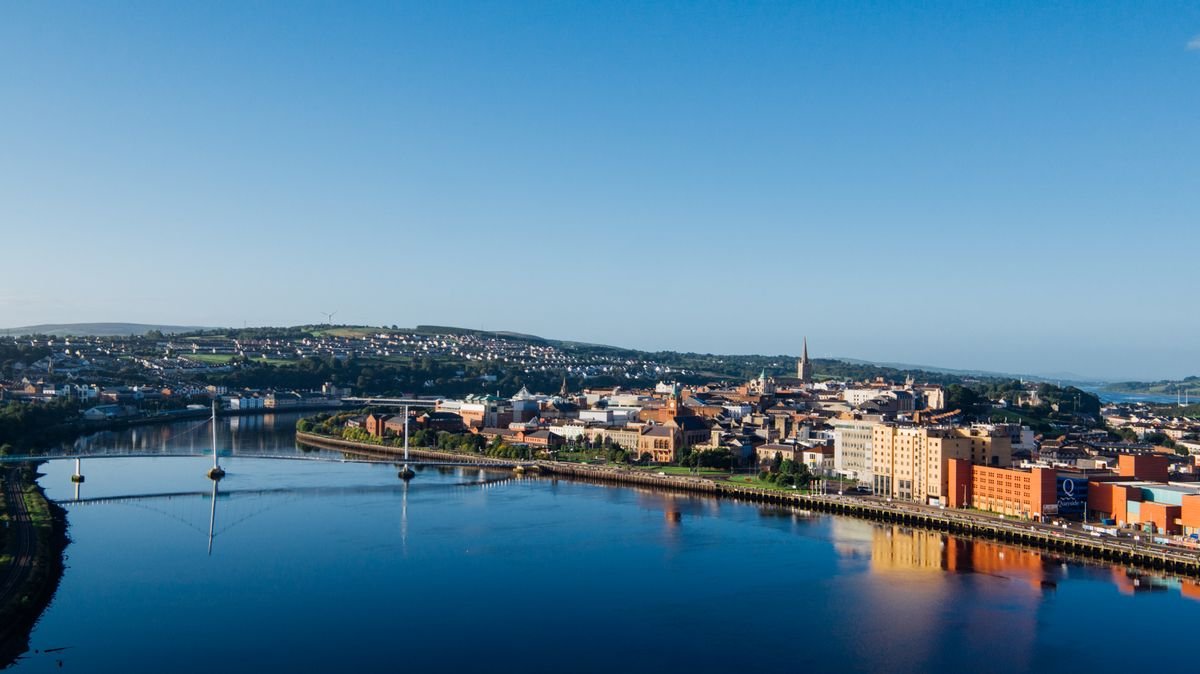
This is also festival season, with the Foyle Maritime Festival and the City of Derry Jazz Festival drawing crowds. If you want long evenings for the pubs and the river, summer is the safe pick.
Spring and autumn shoulder season
April, May, and September are the value sweet spot. Hotels are easier to book, the streets are quieter, and the weather is usually fine enough to walk the full circuit of the walls without getting soaked.
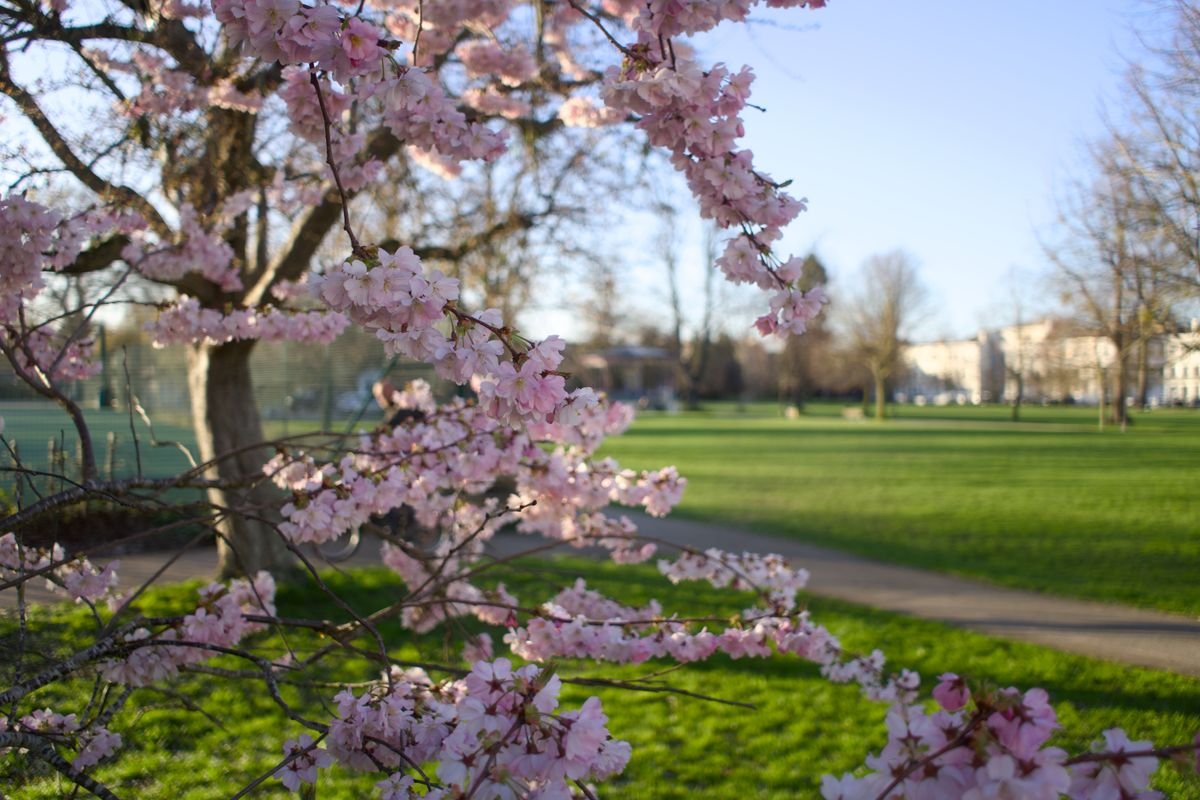
For a history-led city trip like this one, shoulder season is what I’d recommend. You get the museums and the murals with fewer people and lower room rates, which is the best of both.
Late October for Halloween
If you can only go once and you want the city at full tilt, aim for the Halloween festival. Derry runs one of the biggest Halloween celebrations in Europe, with a costume parade through the old city, fireworks over the Foyle, and tens of thousands of people in fancy dress.

It’s a different trip entirely, more party than history walk, and the whole city leans into it. Just remember the rooms go fast and the prices climb, so lock it in well ahead.
Winter
Winter is cold, wet, and dark by late afternoon, but it’s the cheapest time to come and the pubs are at their coziest with the trad sessions in full swing. The indoor sights carry the daytime, and an early dark just pushes you into a warm bar sooner.
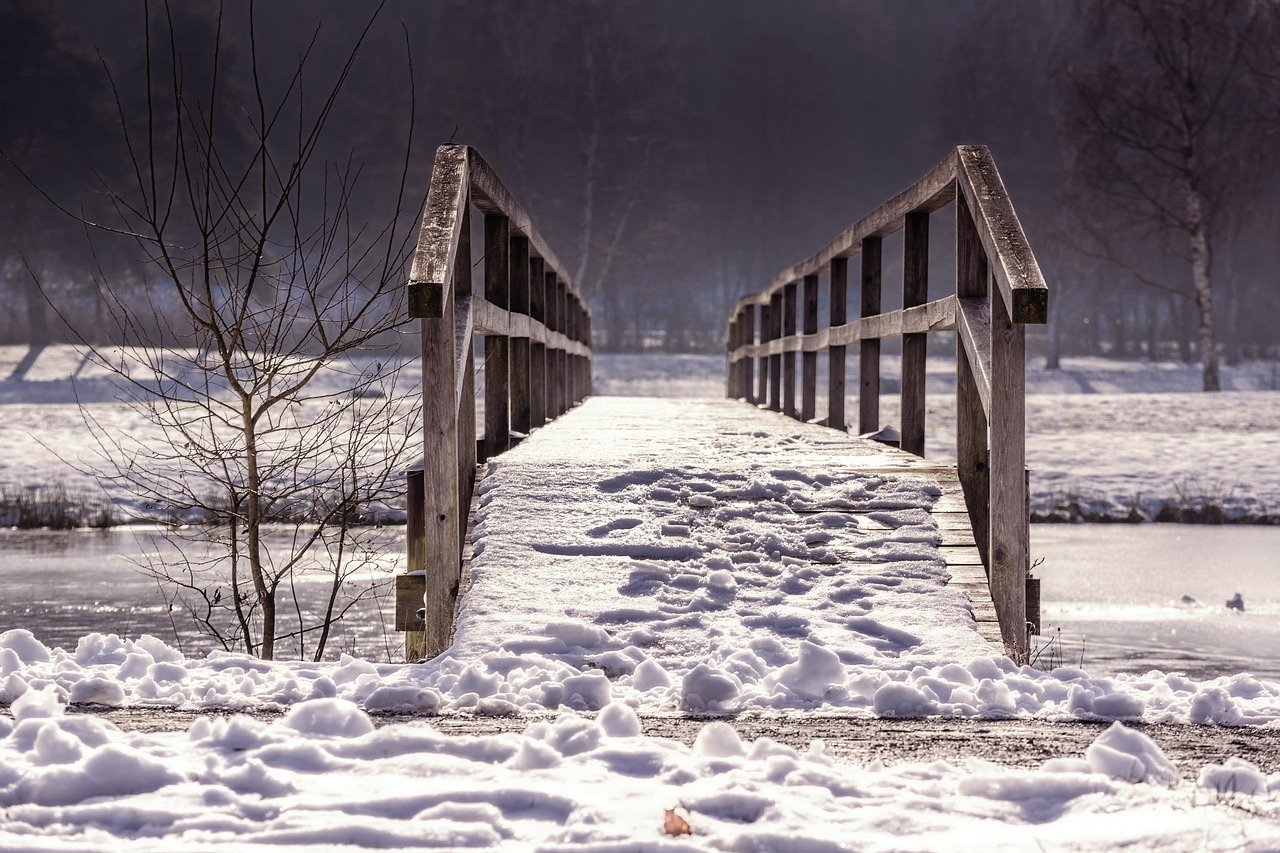
If you don’t mind the weather and you want the city to yourself, a winter overnight is a quiet, cheap way to see Derry.
Frequently Asked Questions
A few things first-timers always ask before a trip to Derry, answered straight.
Is it Derry or Londonderry?
Both, and the name you use tends to signal where you stand. Most nationalists say Derry, most unionists say Londonderry, and you’ll see the road signs and the city itself flip between the two. “Derry” is the everyday name you’ll hear most, and locals often split the difference and just call it the Maiden City.
How long do you need in Derry?
A full day covers the main things to do in Derry, the walls, the Bogside murals, the Museum of Free Derry, the Guildhall, and a wander across the Peace Bridge. An overnight is better, mostly so you can catch a trad session and not have to rush the history.
Is Derry safe to visit?
Yes. Derry is a normal, friendly small city, and the Troubles are history that’s told to visitors now, not something you’ll feel walking around. You can walk the walls and the Bogside day or night without worry, same as any city, just use common sense after the pubs close.
Do I need euros or pounds in Derry?
Pounds. Derry is in Northern Ireland, so it’s pounds sterling, not euros. If you’re crossing from Donegal or the Republic, you’ll switch currency at the border even though there’s no checkpoint, so have some pounds or a card ready.
Can you visit Derry as a day trip?
Easily. Derry works as a day trip from Belfast, about 1.5 hours away, or as a stop at the end of the Causeway Coast, only an hour from the Giant’s Causeway. It’s also a short hop from Letterkenny on the Donegal side. Just know a day trip means skipping the pubs at night, which is half the reason to stay over.
Is Derry worth visiting?
It is, and it’s underrated next to the bigger Northern Ireland names. The walls, the murals, and the recent history packed into one small center make it one of the most interesting cities in the country to walk. Don’t treat it as a quick stop between the coast and Donegal. Give it a proper day.
More Ireland Itineraries and Road Trips
- A Photographer’s Definitive Ireland Road Trip
- Wild Atlantic Way Itinerary – Ireland’s Most Epic Road Trip
- The Most Beautiful Towns In Ireland You Need To Visit
Final Thoughts
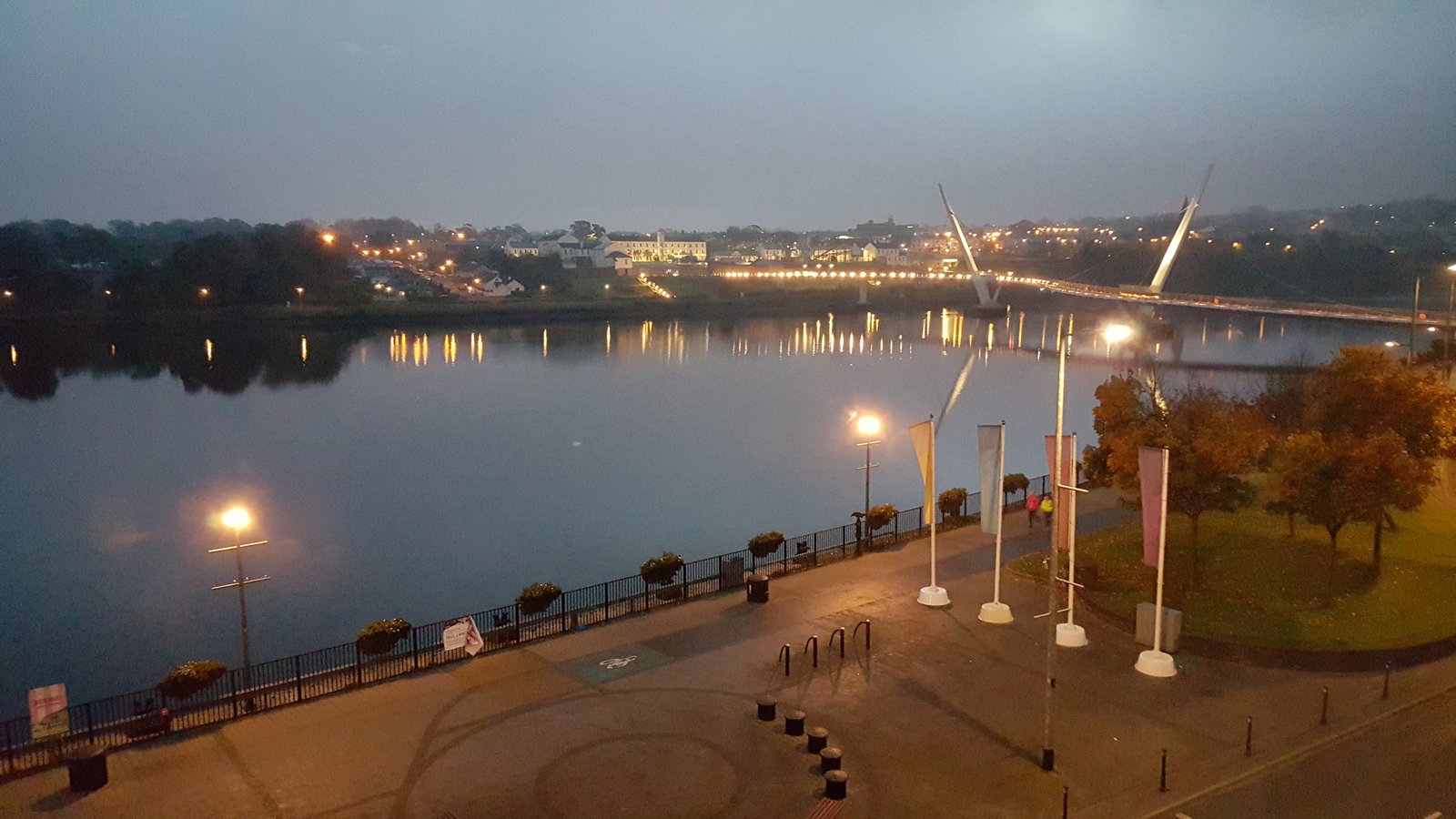
Derry is a small city with a heavy history, and that’s exactly what makes it stick with you. Most of that history is right out on the streets, painted across the gable ends of the Bogside and built into the 400-year-old ramparts you can walk in under an hour.
That’s the case for going. The walls, the Bogside murals, the Free Derry story, and the Guildhall all sit within a few minutes’ walk of each other, and you can finish the day on a trad session.
So here’s the straight verdict. Derry is one of the most interesting cities in Ireland to spend a day in, north or south, and it’s better value than most. Book a guide for the Bogside, leave the car parked, and stay the night if you can swing it.
The one mistake to avoid is treating it as a 30-minute photo stop on the way from the Causeway Coast to Donegal. Give it the day it deserves and you’ll get far more out of it than the people racing through.
Like it? Pin it!
Save this guide for later