The Giant’s Causeway from Belfast is one of the easiest big day trips you can do in Northern Ireland. It’s about an hour and 15 minutes up the coast, it’s free to walk the stones themselves, and you can knock it out in a single day without rushing. The whole thing works by tour bus, rental car, or public transport.
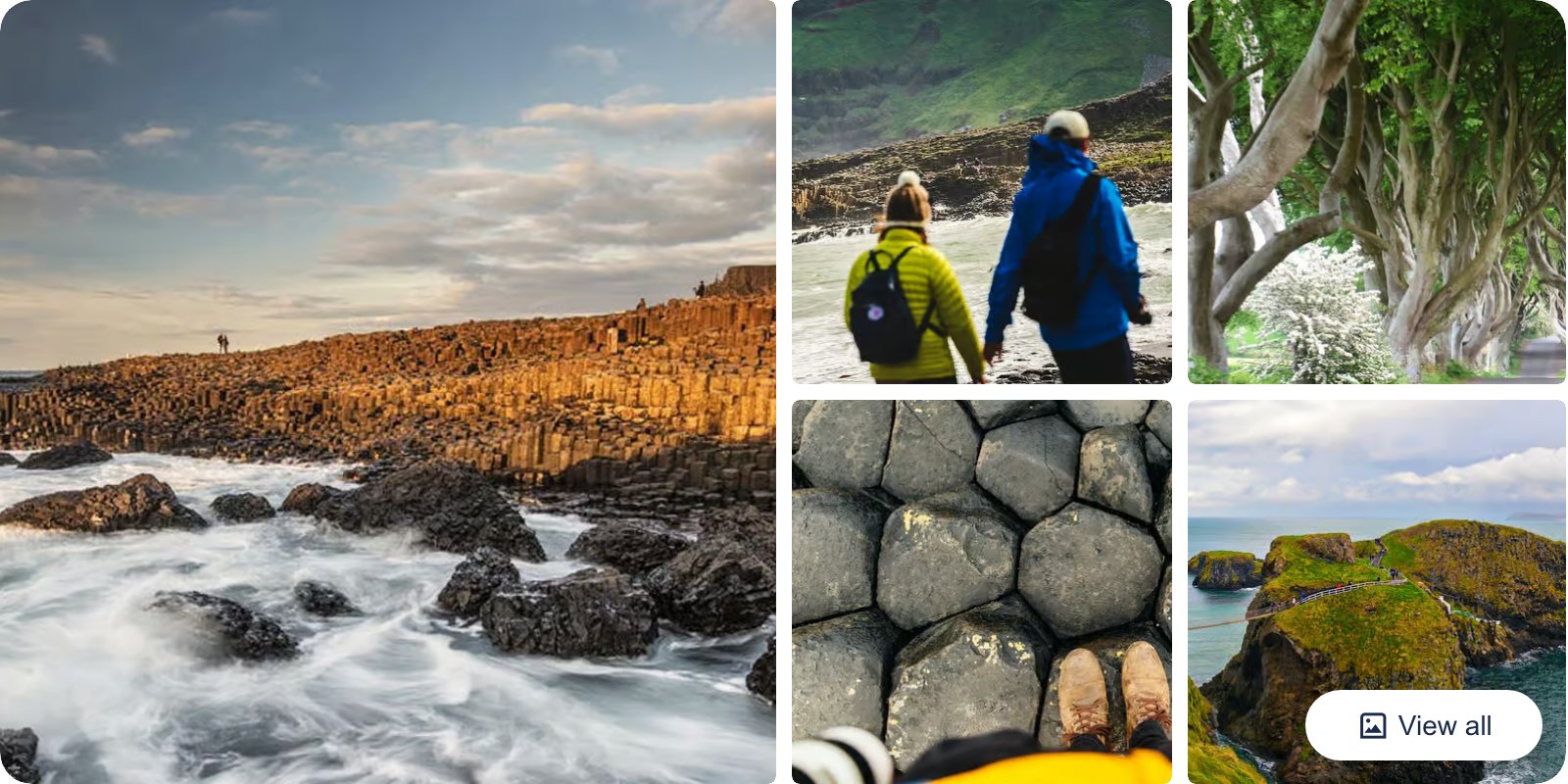
It’s the most visited attraction in Northern Ireland, and the geology is the real draw: around 40,000 interlocking basalt columns dropping into the Atlantic, formed by volcanic activity roughly 60 million years ago. It’s worth pairing with a couple of other Causeway Coast stops on the way, which is where the day really earns its time.
Guided tour or your own wheels? Take the tour if you’d rather not drive narrow coastal roads on the wrong side, because someone else handles the parking, the timing, and the bonus stops. Rent a car if you’d rather linger at the columns and pull over wherever the coast looks good. I’d take the car every time.
Below I’ll run through how to get there, what a Belfast day tour usually throws in, what to actually see when you arrive, plus the opening times, tickets, parking, the best time to go, and where to stay if you’d rather not rush it.
Explore More of the Causeway Coast
- Game of Thrones Filming Locations in Northern Ireland Map
- The Most Beautiful Seaside Towns in Northern Ireland
- Lakes in Northern Ireland You NEED to Visit
Quick Answer:
The Giant’s Causeway from Belfast is a 60-mile, hour-and-15 drive each way, easy as a day trip. Walking the basalt columns is free and open 24 hours; you only pay for the Visitor Experience ticket. Go by guided tour, rental car, or train and bus, and pair it with Carrick-a-Rede and Dunluce Castle.
How to Get to the Giant’s Causeway From Belfast
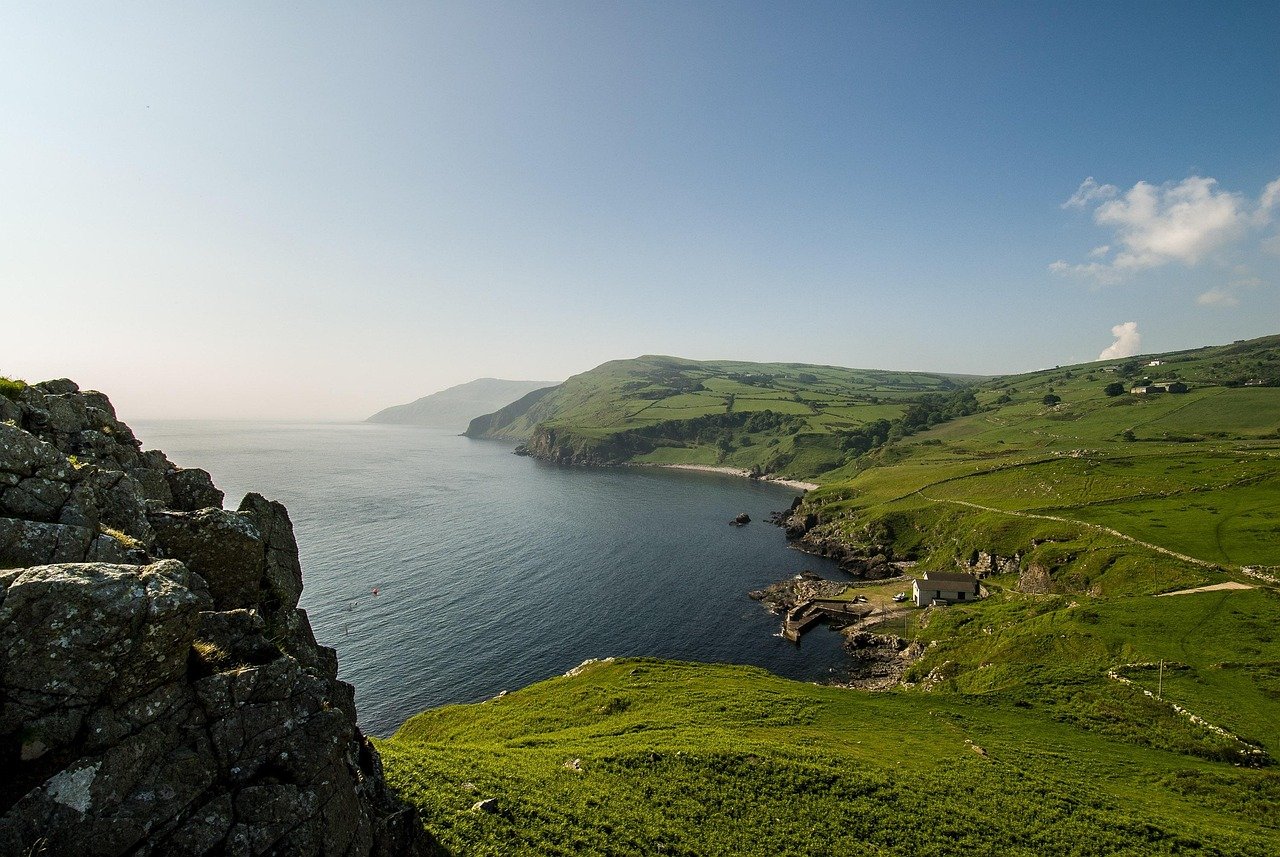
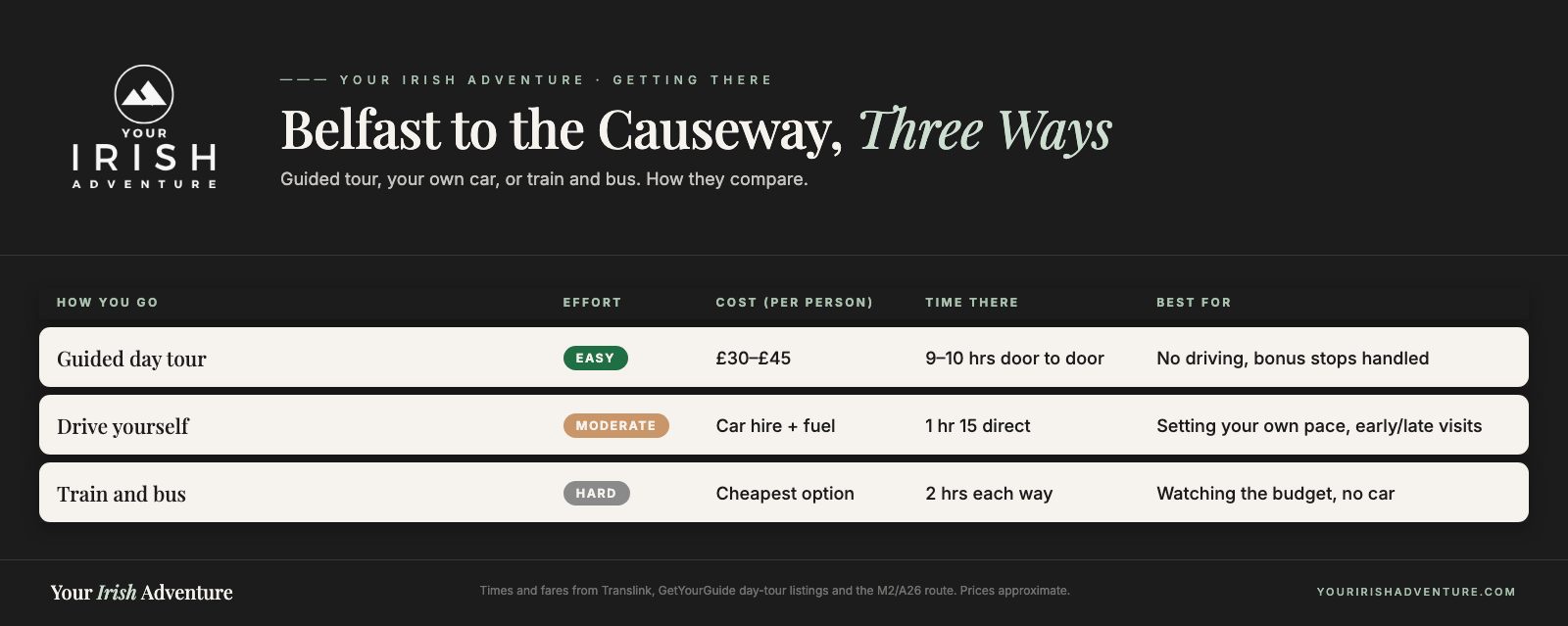
The Causeway sits about 60 miles north of Belfast, right on the Antrim coast. You’ve got three ways to do it: a guided day tour, your own rental car, or public transport with a train and a connecting bus. All three get you there in a day. They just trade money for hassle in different amounts.
Here’s the quick version. Tour if you don’t want to think about anything. Car if you want to set your own pace and see more of the coast. Train and bus if you’re watching the budget and don’t mind a longer day. Below is how each one actually works.
Take a Guided Day Tour From Belfast
A guided tour is the easy button. Most leave from central Belfast around 9am, run 9 to 10 hours, and drop you back in the city by early evening. You pay one price, climb on the bus, and someone else handles the driving, the parking, and the timing.
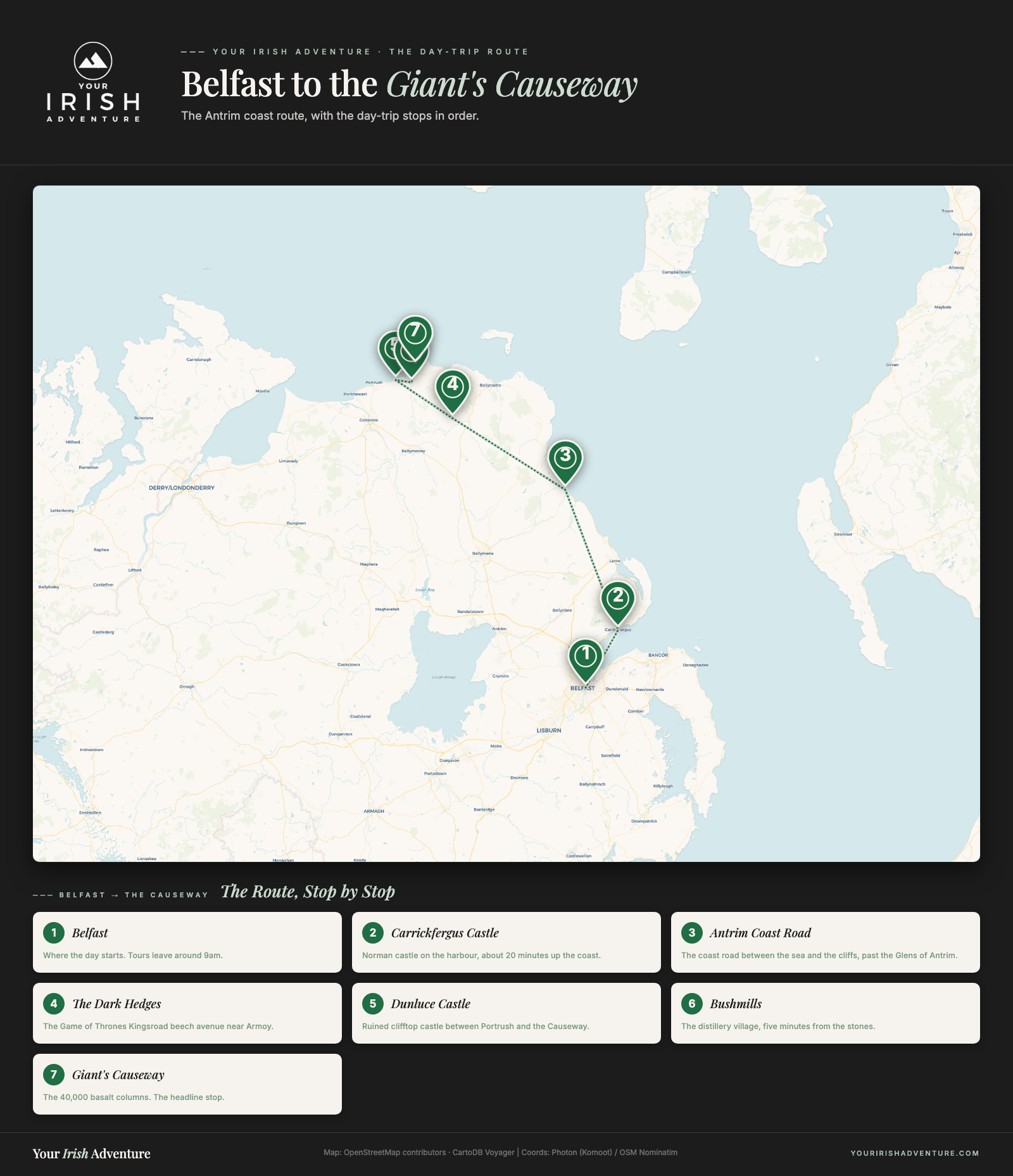
The real value is the bonus stops. A typical Causeway Coast day tour bundles in the Carrick-a-Rede rope bridge, Dunluce Castle, the Dark Hedges from Game of Thrones, and a stop near the Bushmills distillery. Doing all of that yourself takes planning. On a tour it’s just the day.
Expect to pay somewhere around £30 to £45 per person, and check whether the Causeway visitor experience ticket is included or extra before you book. A full-day option that bundles the castles and the coast stops is the one to go for, and you can book a guided Causeway day tour on GetYourGuide. The catch is pace. You’re on the group’s clock, so you might get 90 minutes at the stones when you’d happily spend three hours.
Drive Yourself From Belfast
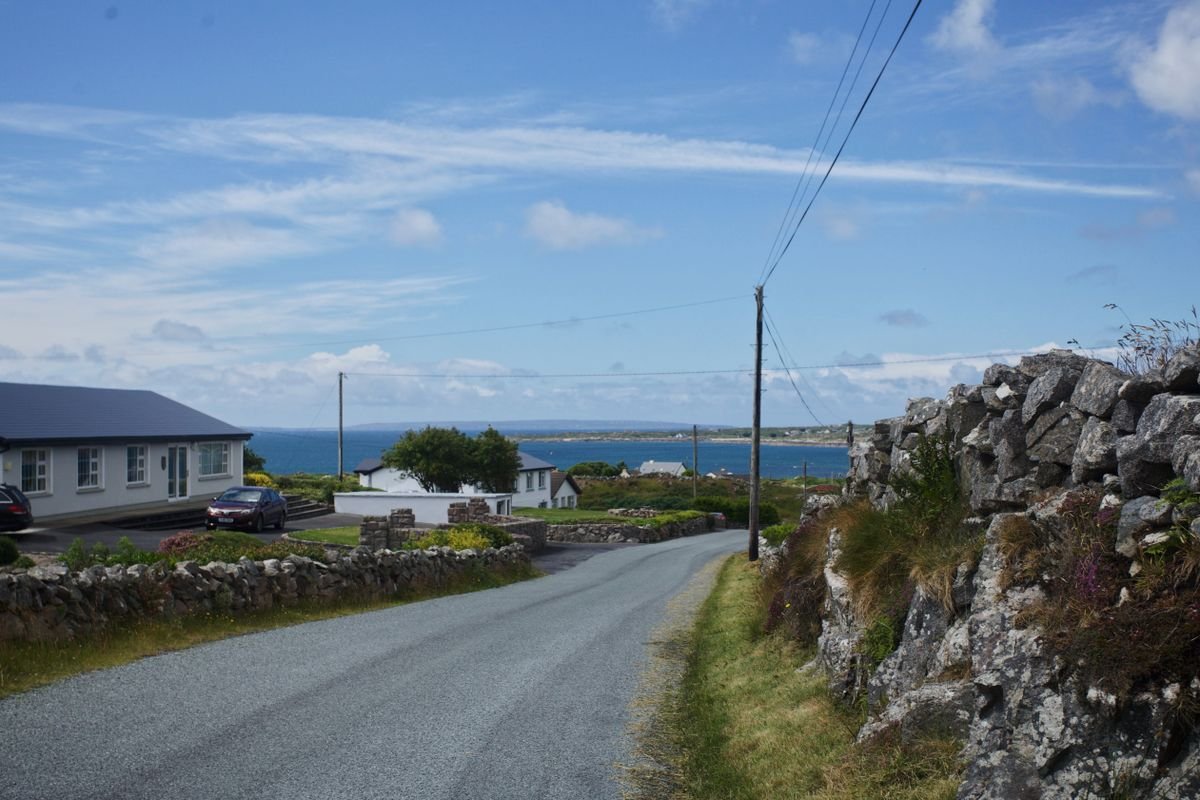
Renting a car is what I’d do. It’s worth a few minutes to compare car hire deals on Discover Cars before you go, since Belfast pickups are usually cheap. From Belfast you take the M2 then the A26 up toward Ballymoney and Ballycastle, and the whole drive runs about an hour and 15 to an hour and 20 if you go direct. The roads are good and well signed the whole way.
The better move is to skip the fast route and join the Causeway Coastal Route at Larne or Carrickfergus, then follow the coast north. It adds time, but you pass the Glens of Antrim, Carrick-a-Rede, and Dunluce Castle, and you stop wherever the view is worth it. That’s the day right there.
Park at the visitor centre when you arrive. Parking is tied to the visitor experience ticket, so the parking and the centre come together as one cost, and the stones themselves are still free to walk. A car also means you linger at the columns for as long as you want, which the tour buses can’t give you.
Go by Train and Bus
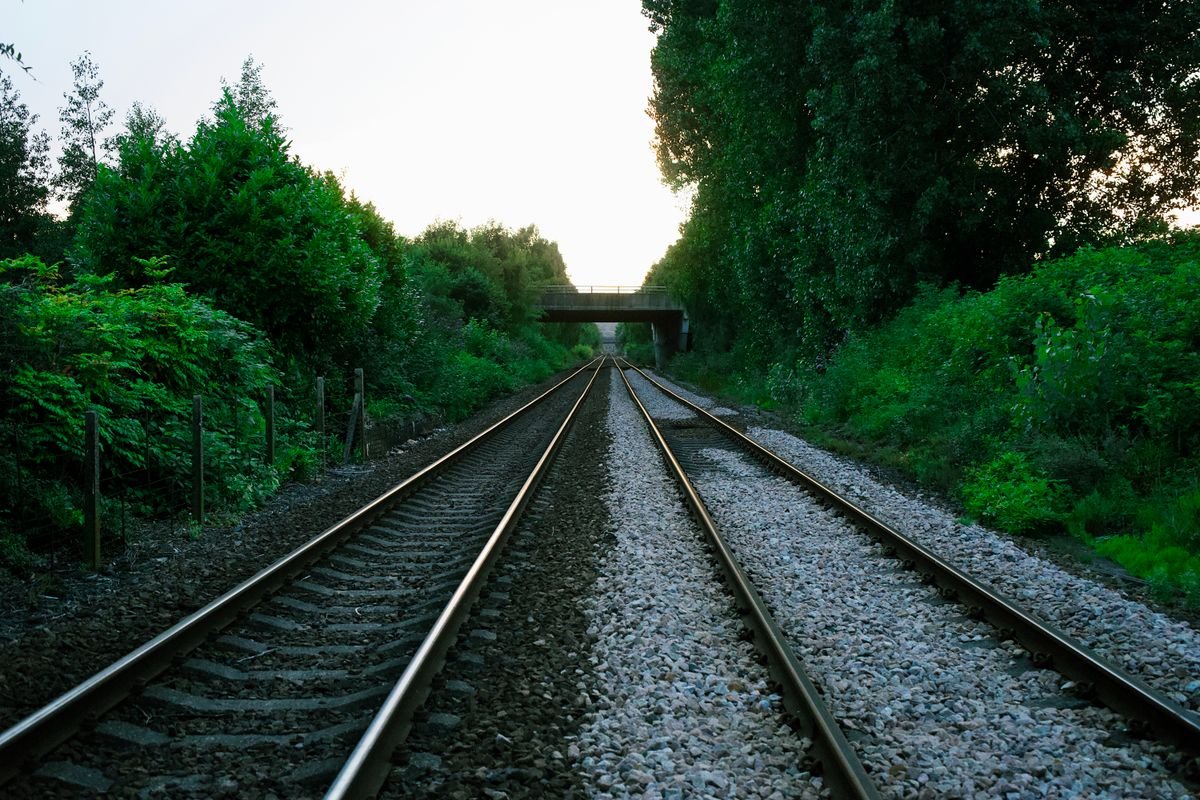
No car and not into a tour? Public transport gets you there, it just takes longer. The route runs on Translink: take the train from Belfast’s Lanyon Place or Great Victoria Street up to Coleraine, which is roughly an hour and a half, then switch to a connecting bus for the last stretch to the Causeway.
From Coleraine you’ve got two options. The Causeway Rambler bus runs along the coast and stops right at the visitor centre, or you change at Coleraine for the service toward Bushmills and the stones. In summer the Rambler is more frequent, so check current Translink times before you set off.
This is the cheapest way to do it, and a single combined ticket can cover the train and the bus. The trade-off is the clock. Plan on half your day spent getting there and back, so go early, check the last bus and train times, and don’t cut your visit too fine.
What a Belfast Day Tour Usually Includes
The Causeway is the headline, but it’s rarely the only stop. Most full-day tours from Belfast string together four or five sights along the Antrim coast, so you get a lot more than 40,000 basalt columns for your money. Here’s what tends to be on the list and whether each one is worth the stop.
Carrickfergus Castle
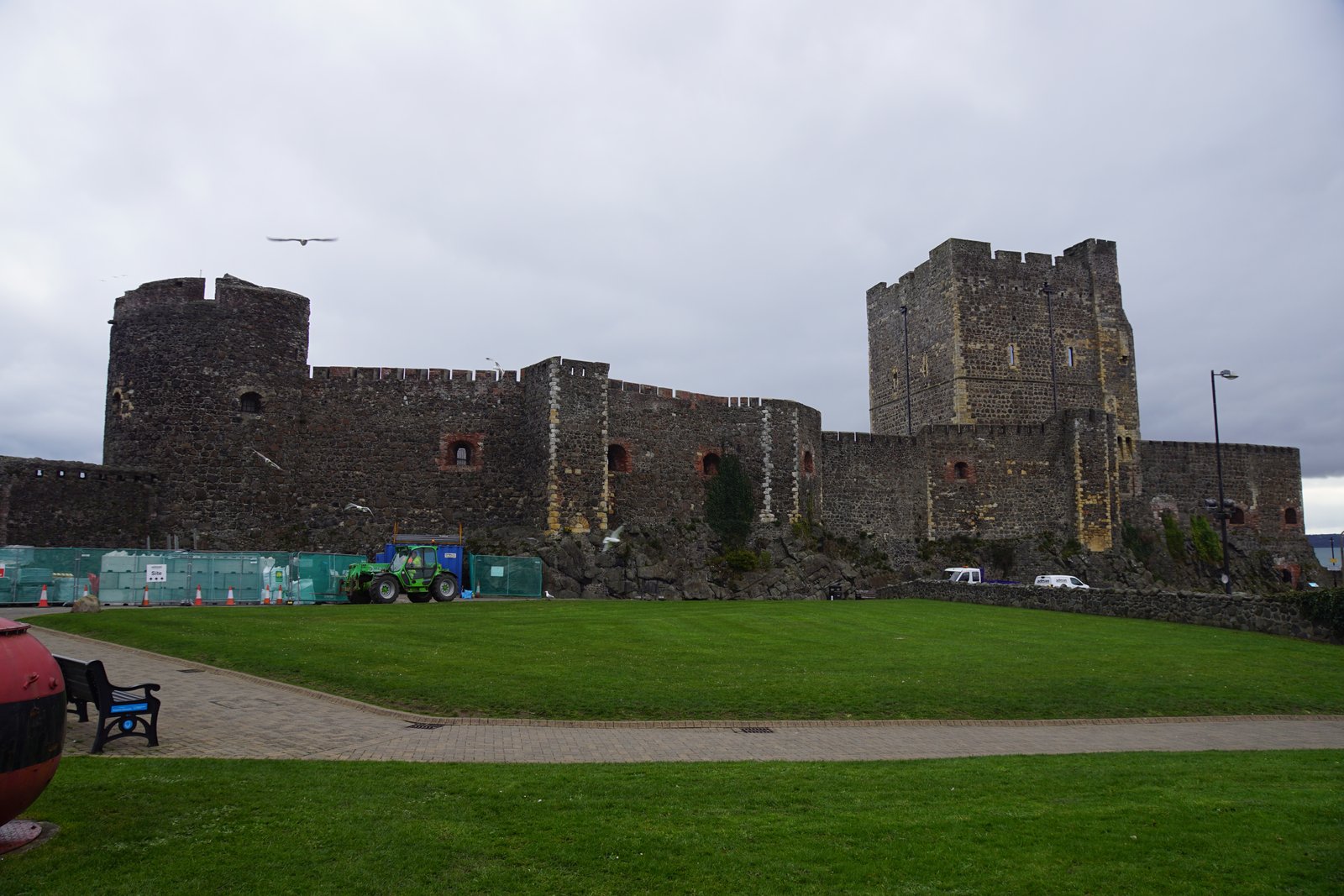
Carrickfergus is usually the first stop out of Belfast, about 20 minutes up the coast. The Norman castle sits right on the edge of the harbor and dates back to around 1177, which makes it one of the best-preserved medieval castles in Northern Ireland.
Not every tour stops here, and some only slow down for a photo from the bus. If yours does pull in, it’s worth the 30 minutes for the walls and the harbor view. If it doesn’t, you’re not missing the day’s main event.
The Antrim Coast Road
This is the part that makes the tour. The Antrim Coast Road runs between the sea and the cliffs for miles, past the Glens of Antrim and a string of fishing villages, and it’s one of the best coastal drives in the country.
On a tour you get to stare out the window instead of at the road, which is the one clear win over driving yourself. The driver usually points out the glens and the spots where various films and shows were shot along the way.
The Dark Hedges
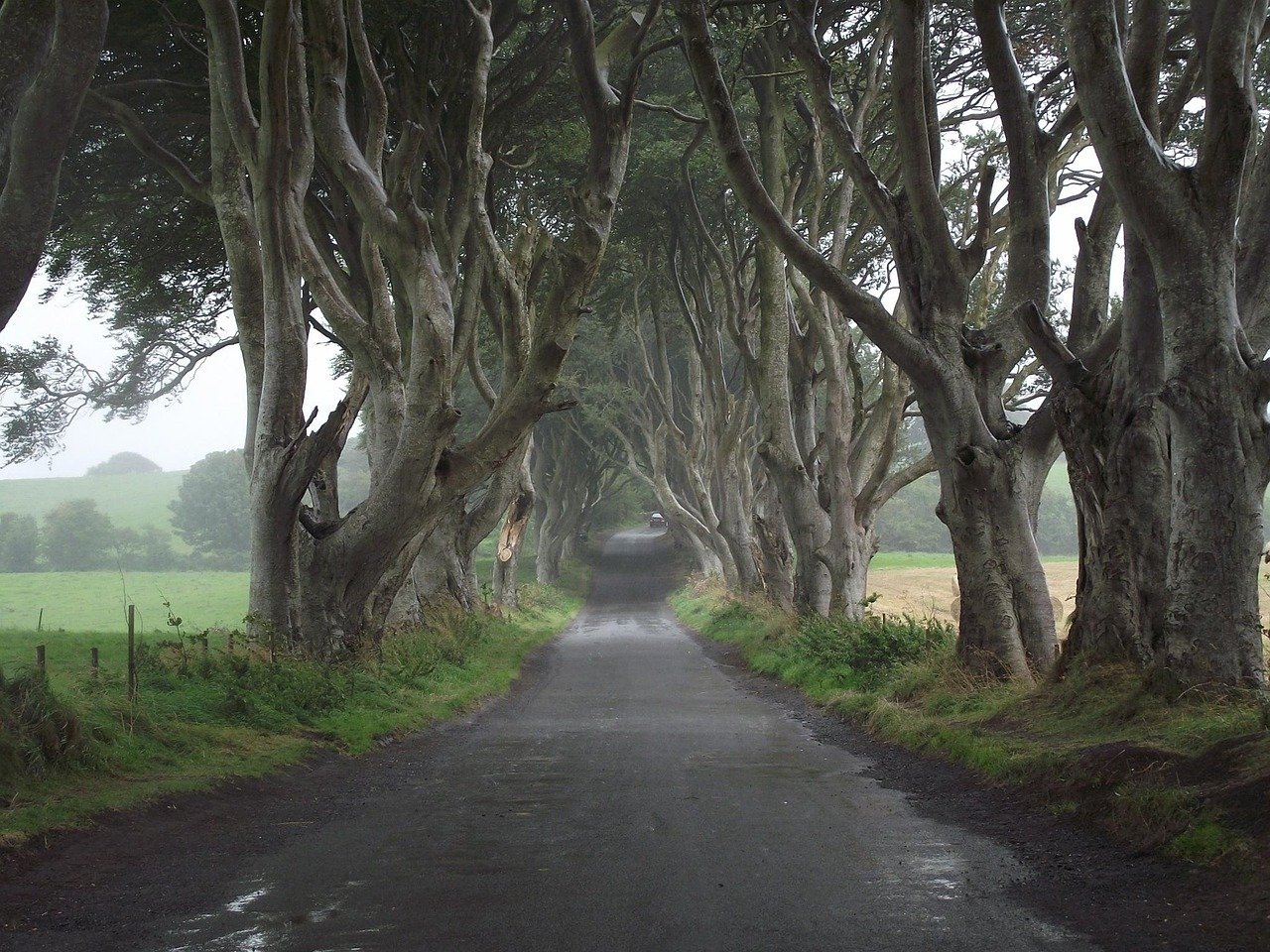
The Dark Hedges is a row of beech trees planted in the 1700s, their branches grown together over a country lane near Armoy. It got famous as the Kingsroad in Game of Thrones, and now it’s one of the most photographed spots in Northern Ireland.
Be honest with yourself about it. It’s a short stop and it can get crowded, so the magic depends on the light and how many other buses turned up. Fans of the show will love it. Everyone else gets a nice 15-minute leg stretch and a good photo.
Dunluce Castle
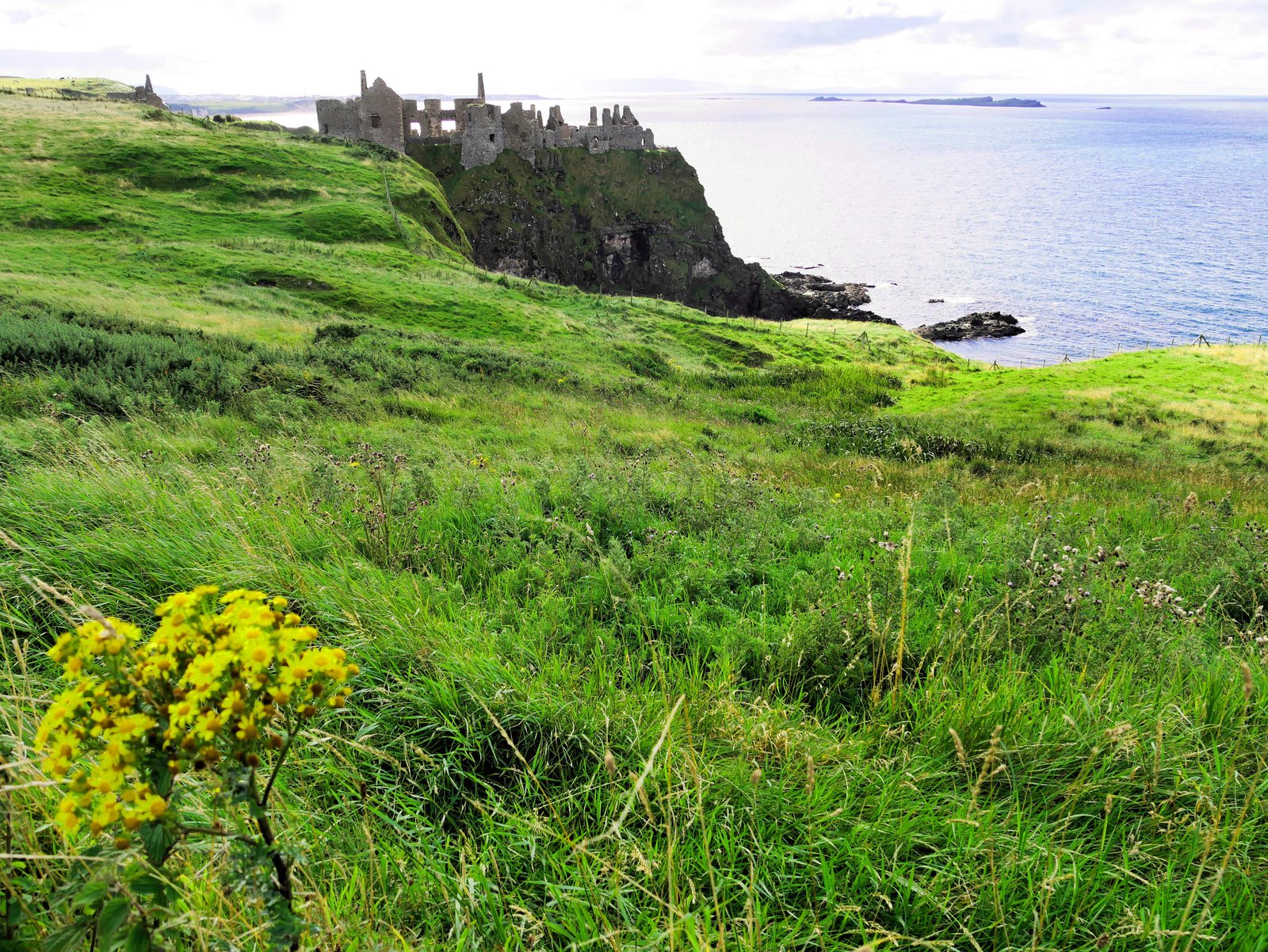
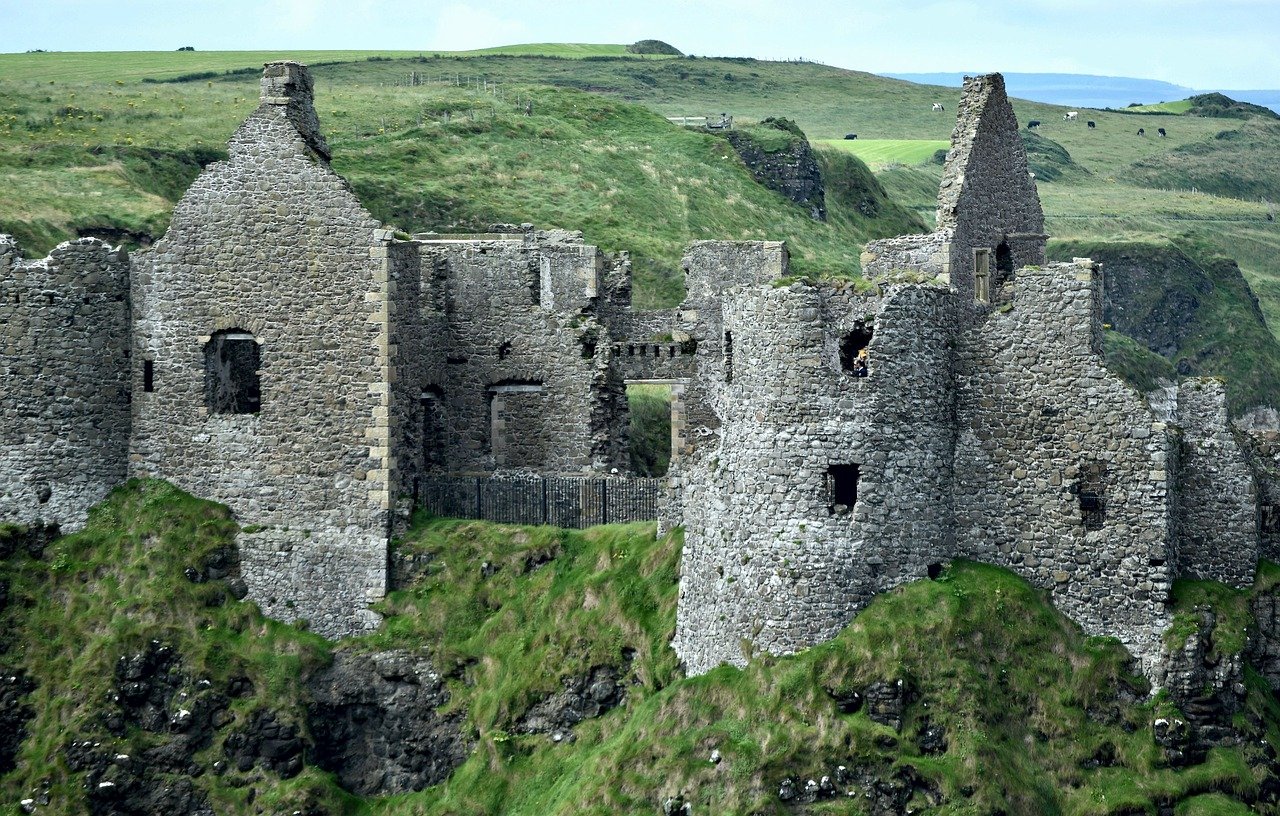
Dunluce is the ruined castle perched on a cliff edge between the Causeway and Portrush, and it’s one of the better stops on the whole route. Parts of it date to the 1500s, and a chunk of the kitchen reportedly collapsed into the sea back in the 1600s.
Most tours stop for photos from the road, where you get the full clifftop view for free. If you want to actually walk the ruins there’s a separate admission, usually around £6, so check whether your tour builds in time to go in or just pauses for the shot.
Planning Your Belfast Trip
- Where to Stay in Belfast: Best Areas & Hotels
- 27 Fun Things To Do in Belfast, Ireland
- Best Belfast City Tours For First-Time Visitors
What to See at the Giant’s Causeway
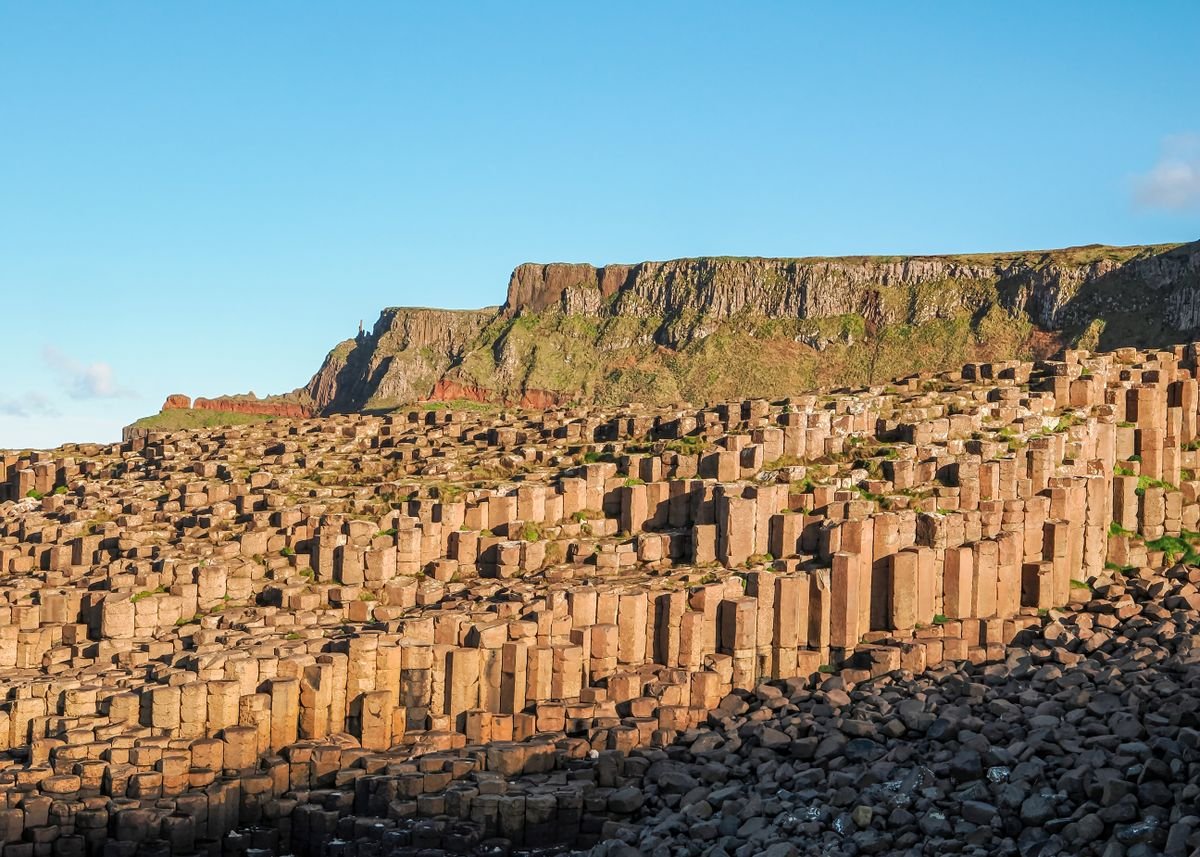
The stones are the reason you came, and the good news is that the main attraction is also the easiest part to reach. From the visitor centre it’s about a 10 to 15 minute walk downhill to the columns, or you can take the shuttle bus for around £1 each way if you’d rather save your legs for the climb back up.
Crowds tend to clump together at the famous flat section right by the water, which is fine, but the better stuff is spread out. The named rock formations, the clifftop views, and the quieter stretches are all worth the extra walking, and the trails are how you get to them.
Walking the Causeway Trails
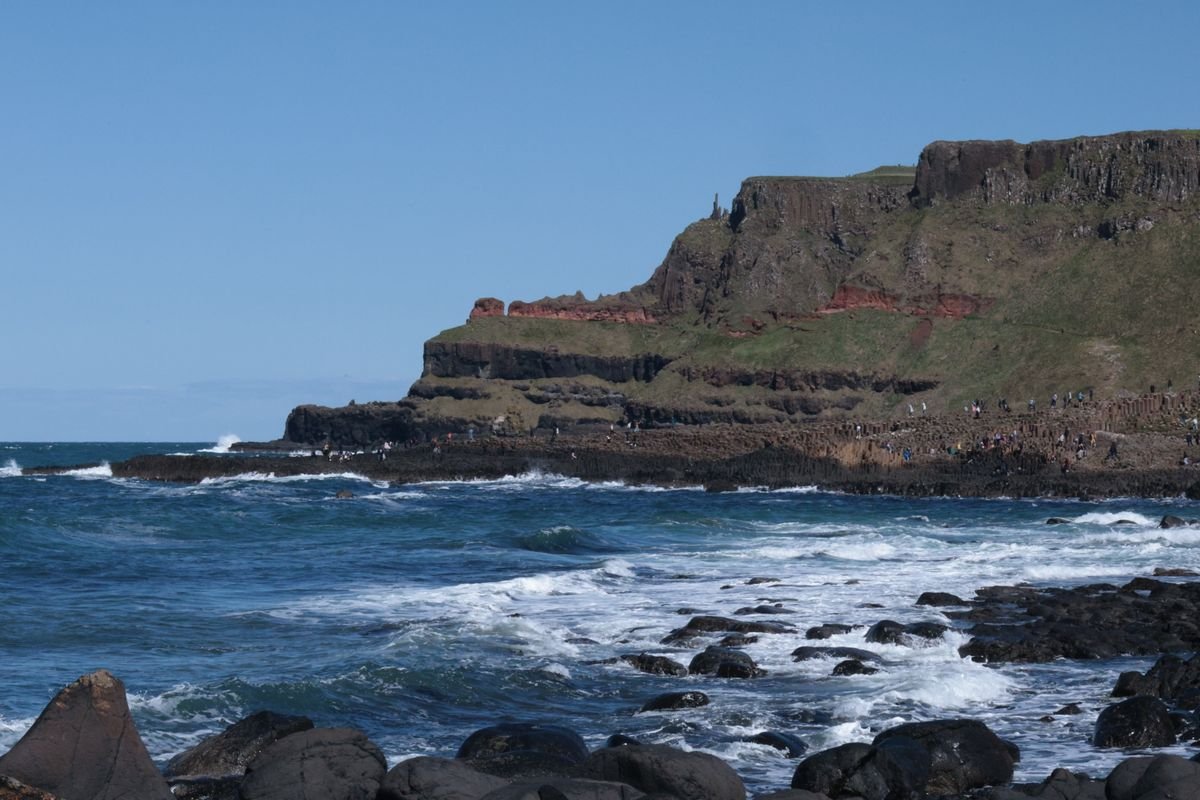
There are a handful of marked trails fanning out from the visitor centre, color coded by difficulty. The Blue Trail is the main one, a flat, easy path down to the columns and along the shore. It’s the route almost everyone does, and it’s the one that gets you onto the stones themselves.
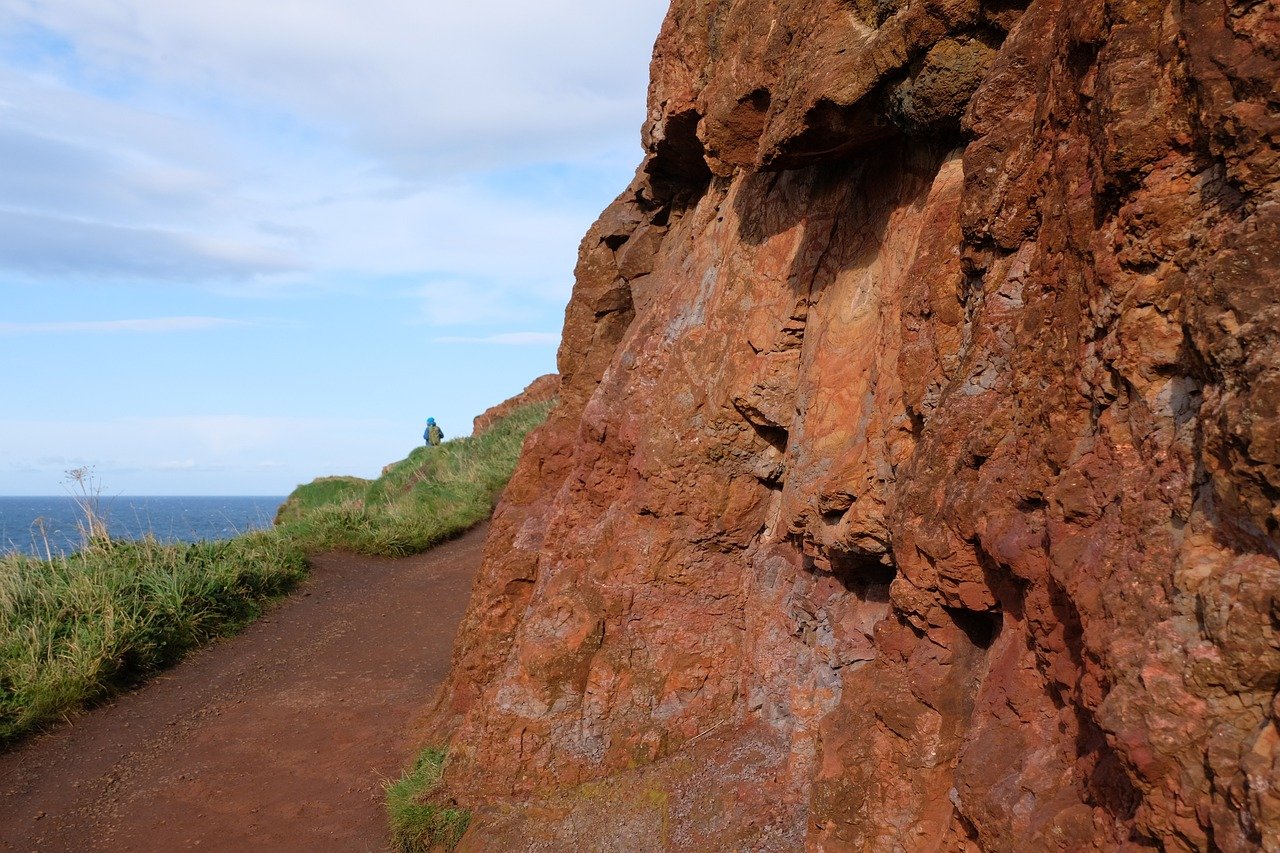
For more than a quick look, take the Red Trail along the clifftop. You climb the Shepherd’s Steps, a steep set of 162 stairs cut into the cliff, and follow the high path back with the whole bay and the columns laid out below you. It’s the best view on the site, and a lot of day-trippers never bother with it.
Wear proper shoes. The basalt is uneven and gets slick when it’s wet, which on this coast is often, and people roll ankles on it every day. Plan on a couple of hours to walk it properly, more if you want to sit on the rocks and watch the Atlantic do its thing.
The Named Rock Formations
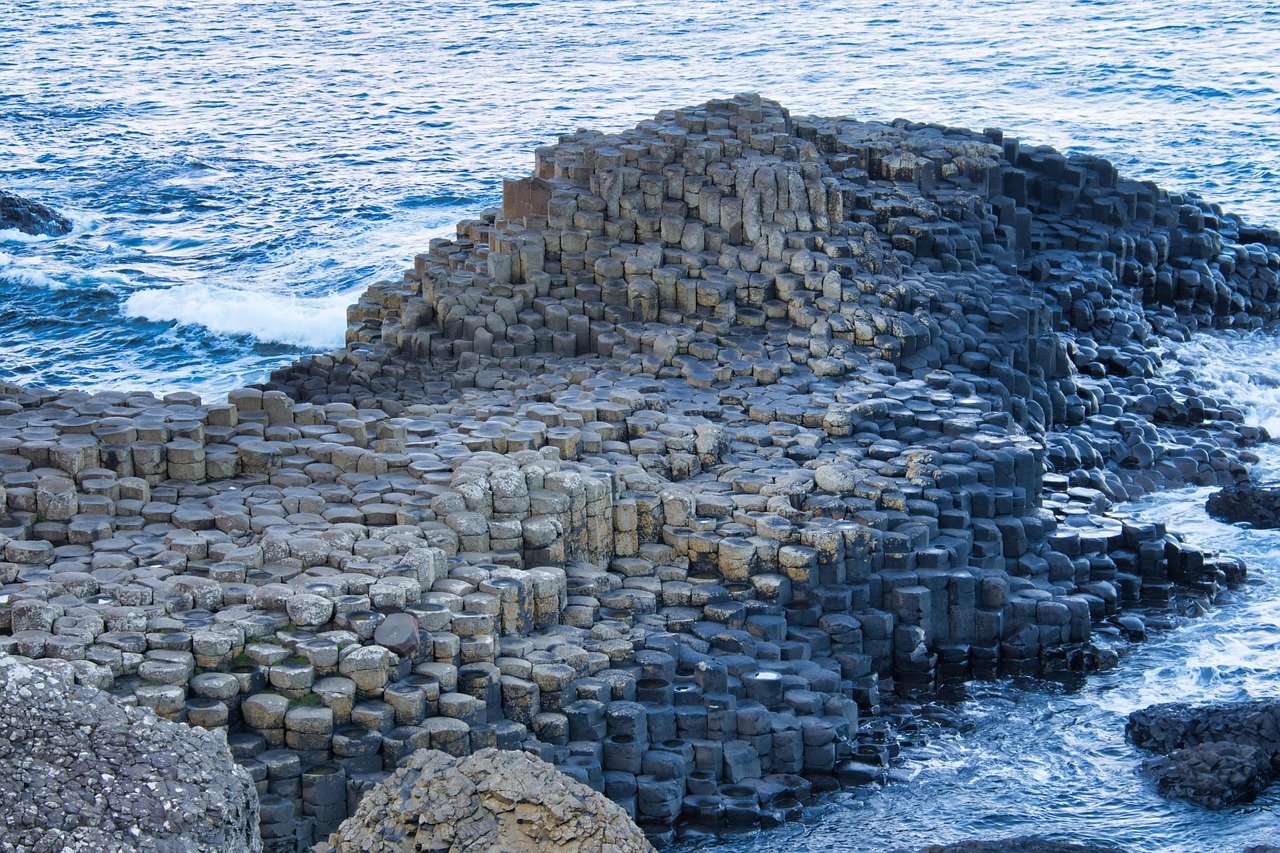
Half the fun is hunting down the formations that picked up names over the years. The Giant’s Boot is a lump of basalt shaped like a giant’s discarded boot, sitting near the water at the start of the columns. It’s an easy first find and a popular photo spot.
Further along you’ll find the Organ, a wall of tall vertical columns that look like the pipes of a church organ, set into the cliff. The Camel, the Wishing Chair, and the Chimney Stacks are all dotted around too, and the visitor centre map or the audio guide points you to each one.
The legend ties it all together. The story goes that the giant Finn McCool built the causeway across the sea to fight a rival in Scotland, and the matching rock formations on the Scottish island of Staffa are the other end of it. The geology is the real answer, but the giant version is more fun to tell.
Opening Times, Tickets and Parking
Here’s the part that trips people up. The stones themselves are free and open all the time, but the visitor centre, the parking, and the audio guide are a paid bundle. Sort out which one you actually need before you go and you’ll save both money and a headache at the gate.
Opening Times
The Causeway stones are open 24 hours a day, every day, and they cost nothing to walk. You can rock up at 6am or after dark and nobody stops you. That’s the bit a lot of people don’t realize.
The visitor centre is the thing with set hours. It opens around 9am and closes anywhere from 5pm in winter to 7pm in midsummer, so check the National Trust site for the current day before you drive up. If you arrive after it shuts, you can still walk the stones for free.
Tickets
The Giant’s Causeway Visitor Experience ticket runs about £16 per adult, and it covers the visitor centre exhibition, the audio guide, and your parking. The shuttle down to the stones is separate and isn’t included. Kids are cheaper, and a family ticket brings the per-head cost down.
National Trust members get in and park for free, so dig out your card if you have one. Book the ticket online ahead of time too. It’s a bit cheaper than buying at the desk, and in summer the timed slots can sell out.
If you only want to see the stones and skip the centre, you can. Just know that the parking is tied to the ticket, so going free means sorting out where to leave the car yourself.
Parking
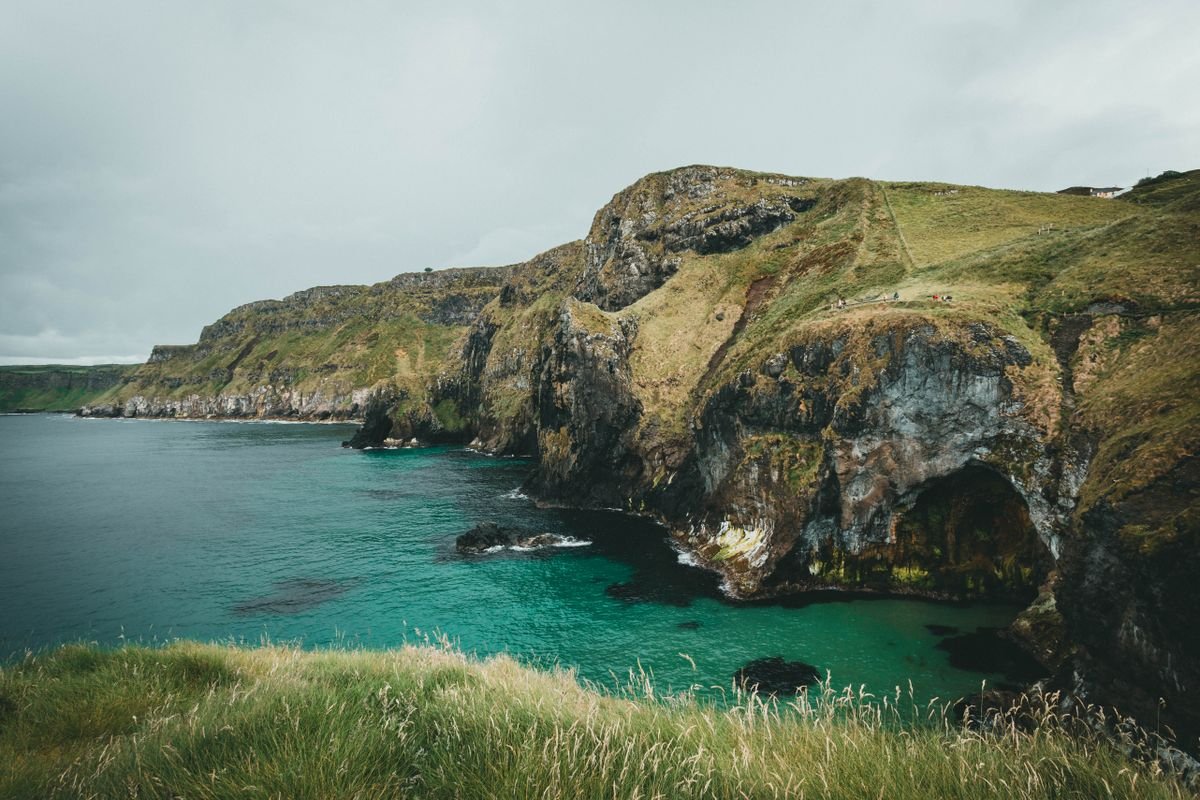
The main parking lot sits right at the visitor centre, and it’s bundled into that Visitor Experience ticket, so there’s no separate parking fee to pay. It’s the easiest option and it puts you steps from the trailhead.
Want to dodge the ticket? Some people park at the Causeway Hotel next door or in Bushmills and walk in, but spaces are limited and the walk adds time. For most day-trippers the visitor centre lot is worth the cost for how simple it makes the whole arrival.
More to Do Around Belfast
- 10 Best Bars In Belfast, Northern Ireland
- The Top Belfast Festivals And Events For You This Summer
- Is This The Best Bed and Breakfast In Northern Ireland?
Best Time to Visit the Giant’s Causeway
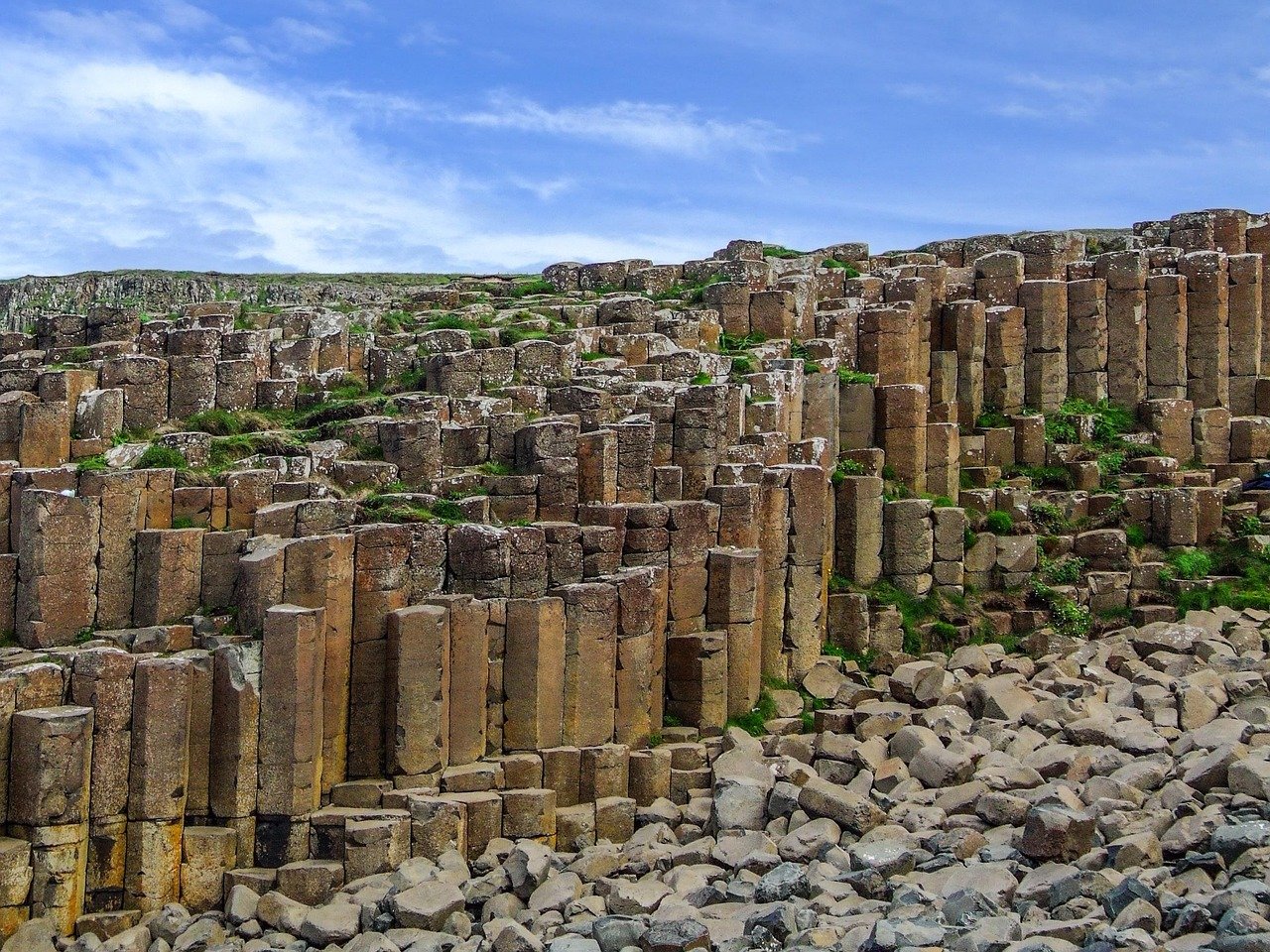
The short answer: go early or go late, and don’t sweat the weather too much. The Causeway is busy from late morning through mid-afternoon in summer, and the columns get downright crowded right by the water. Beat the buses and you get the place a lot closer to yourself.
Best Time of Year
Summer, roughly June through August, gives you the longest days and the best odds of dry weather, but it’s also when the tour buses and the families turn up in force. Expect the visitor centre to be at its busiest and the timed tickets to sell out.
Shoulder season is the sweet spot. May and September give you decent daylight, milder crowds, and prices that aren’t at peak. Spring brings green cliffs, and autumn brings big Atlantic swells crashing into the rocks, which is a show in itself.
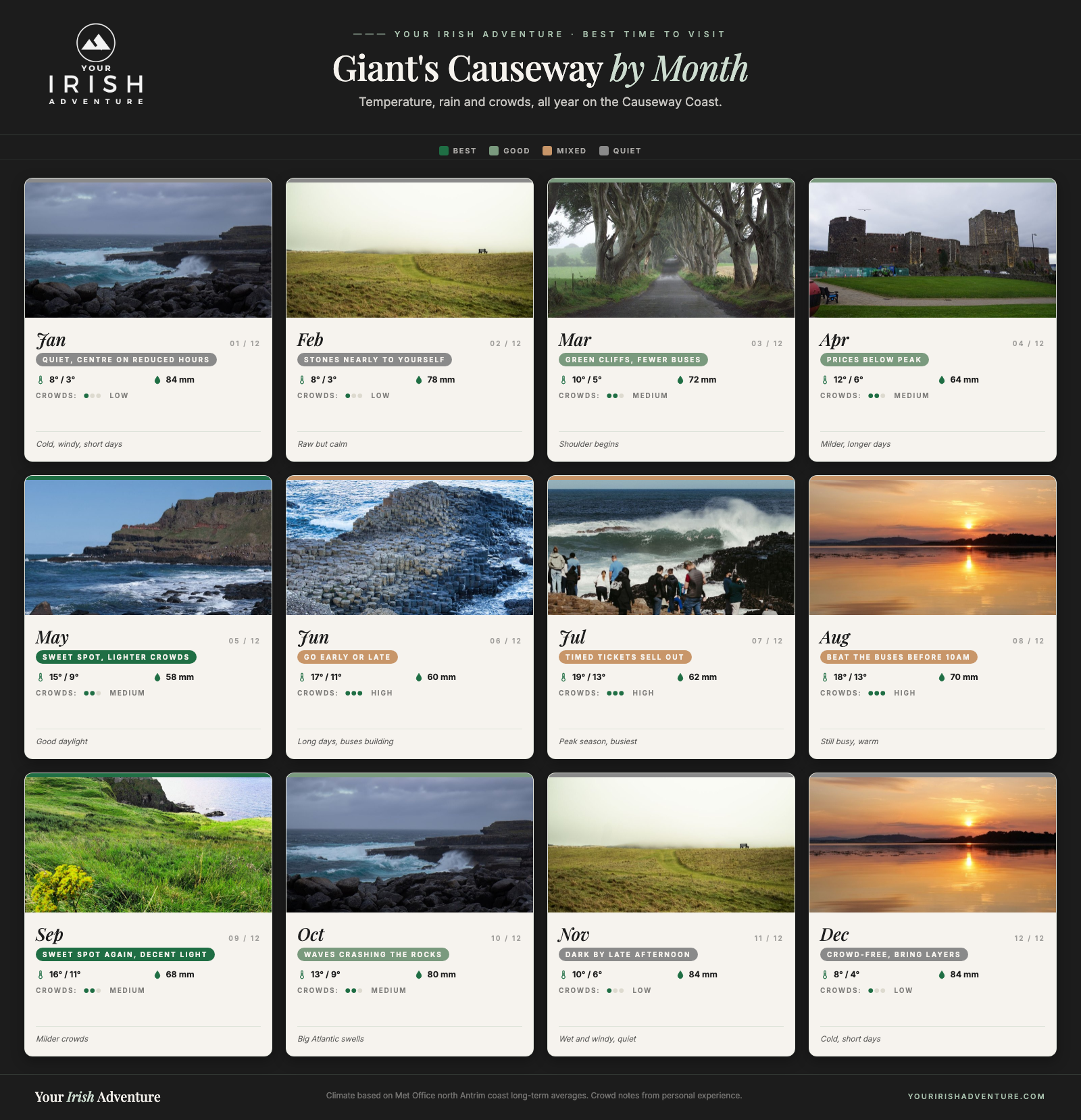
Winter is quiet and free of crowds, but the days are short and the wind off the sea is brutal. The visitor centre runs reduced hours too. If you don’t mind the cold and you want the stones nearly to yourself, it’s a fair trade.
Best Time of Day
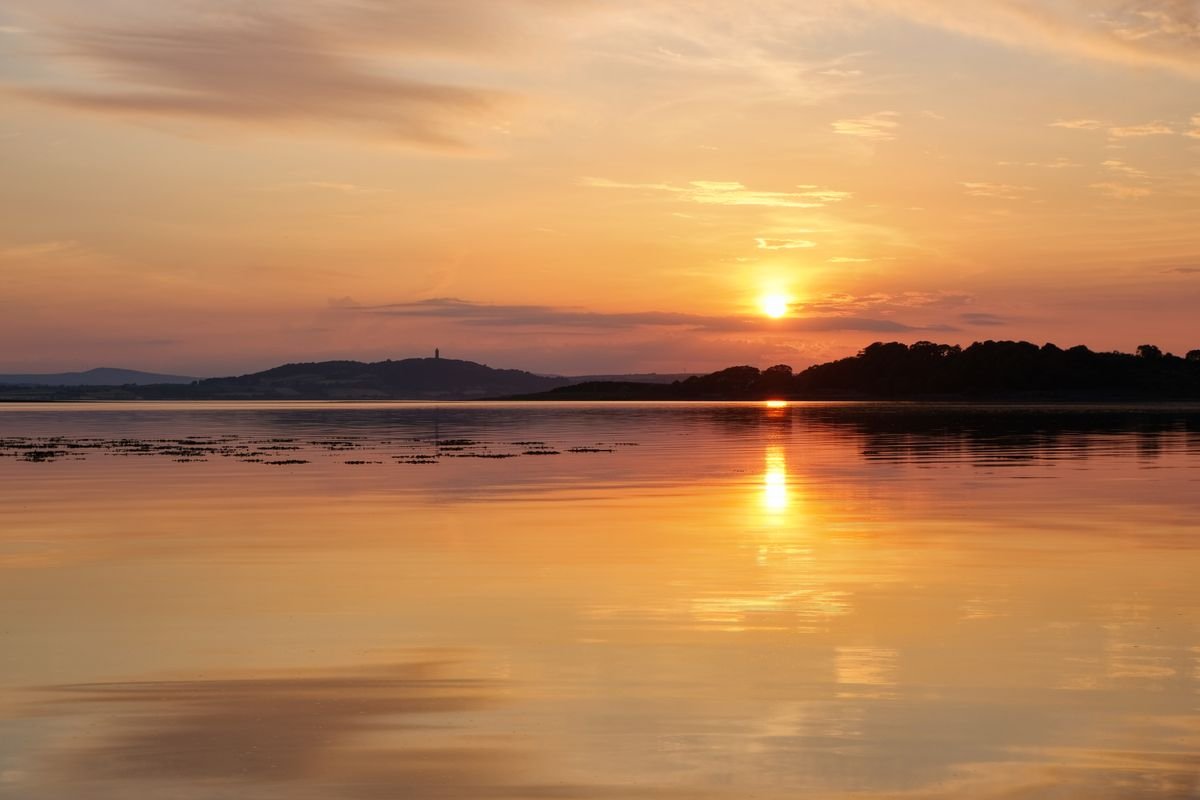
Get there before 10am or after 4pm. The tour buses from Belfast tend to roll in mid-morning and clear out by late afternoon, so the early and late windows are when the columns thin out and the light is better for photos anyway.
Because the stones are free and open around the clock, sunrise and sunset are both on the table if you’re driving yourself. A tour locks you into the middle of the day, which is the busiest stretch. One more reason the car wins if you care about the crowds.
What About the Weather?
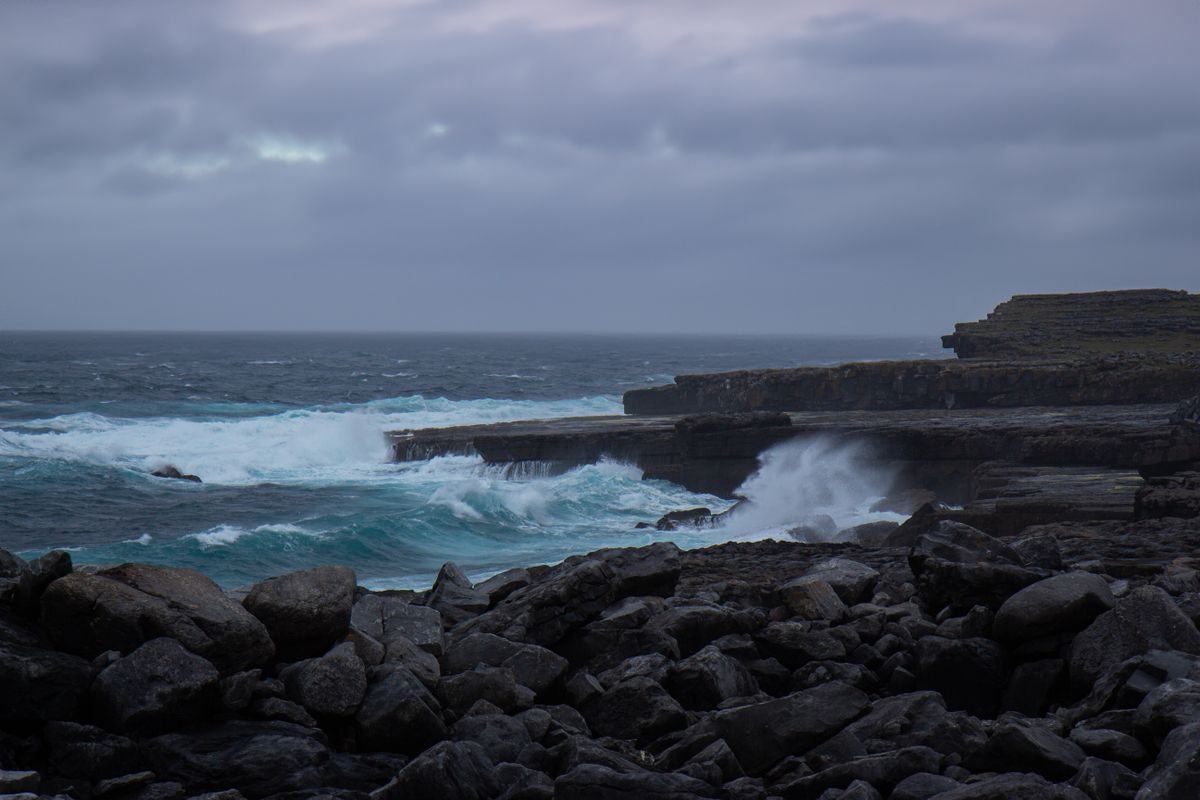
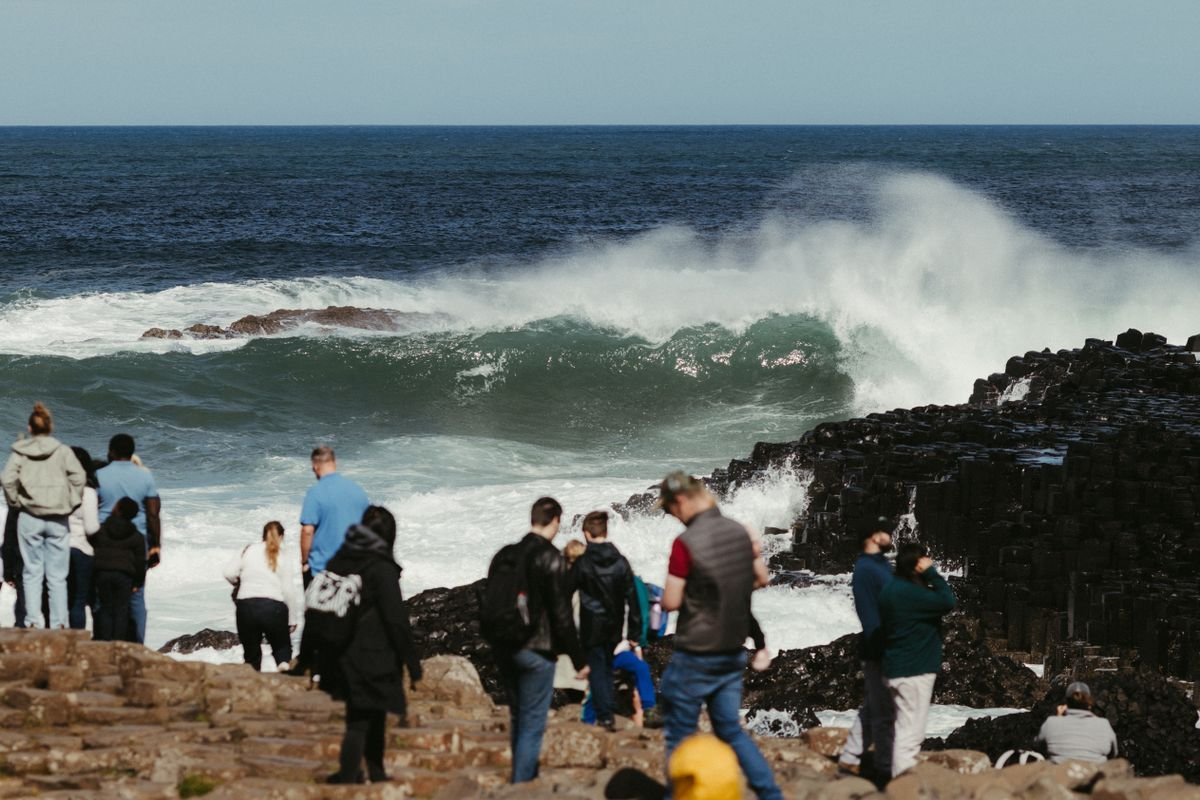
This is the north Atlantic coast, so rain is part of the deal in any month, and the forecast changes by the hour. Don’t cancel over a gray sky. The columns look just as good wet, and a moody sea behind them often beats flat blue.
Pack a waterproof jacket, expect wind, and wear shoes with grip, because wet basalt is slick. Layer up whatever the season, since it’s always cooler and breezier out on the rocks than it is back at the parking lot.
Best Tours of the Giant’s Causeway From Belfast
If you’d rather skip the driving and let a guide handle the route, these are the day tours from Belfast worth booking. Each one pairs the Causeway with the best of the Antrim coast.
From Belfast: Giant's Causeway and Game of Thrones Day Tour
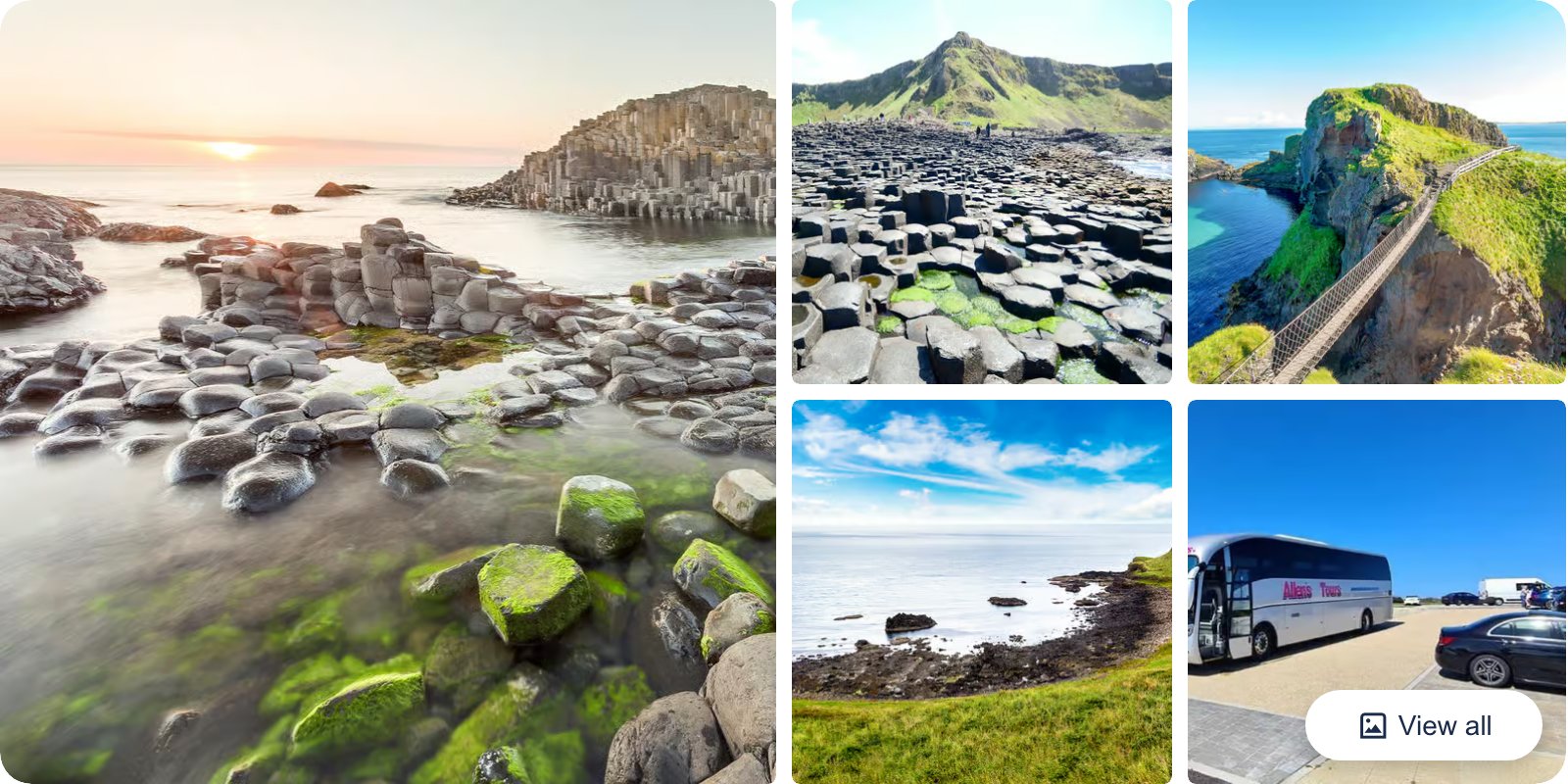
This full-day run from central Belfast pairs the Causeway with the Dark Hedges and a string of Game of Thrones filming spots along the Antrim coast, plus stops like the Carrick-a-Rede rope bridge. Figure on a 9 to 10 hour day with the driving handled for you.
👉 Check From Belfast: Giant's Causeway and Game of Thrones Day Tour Availability and Reviews
From Belfast: Giant's Causeway Guided Day Tour with Castles
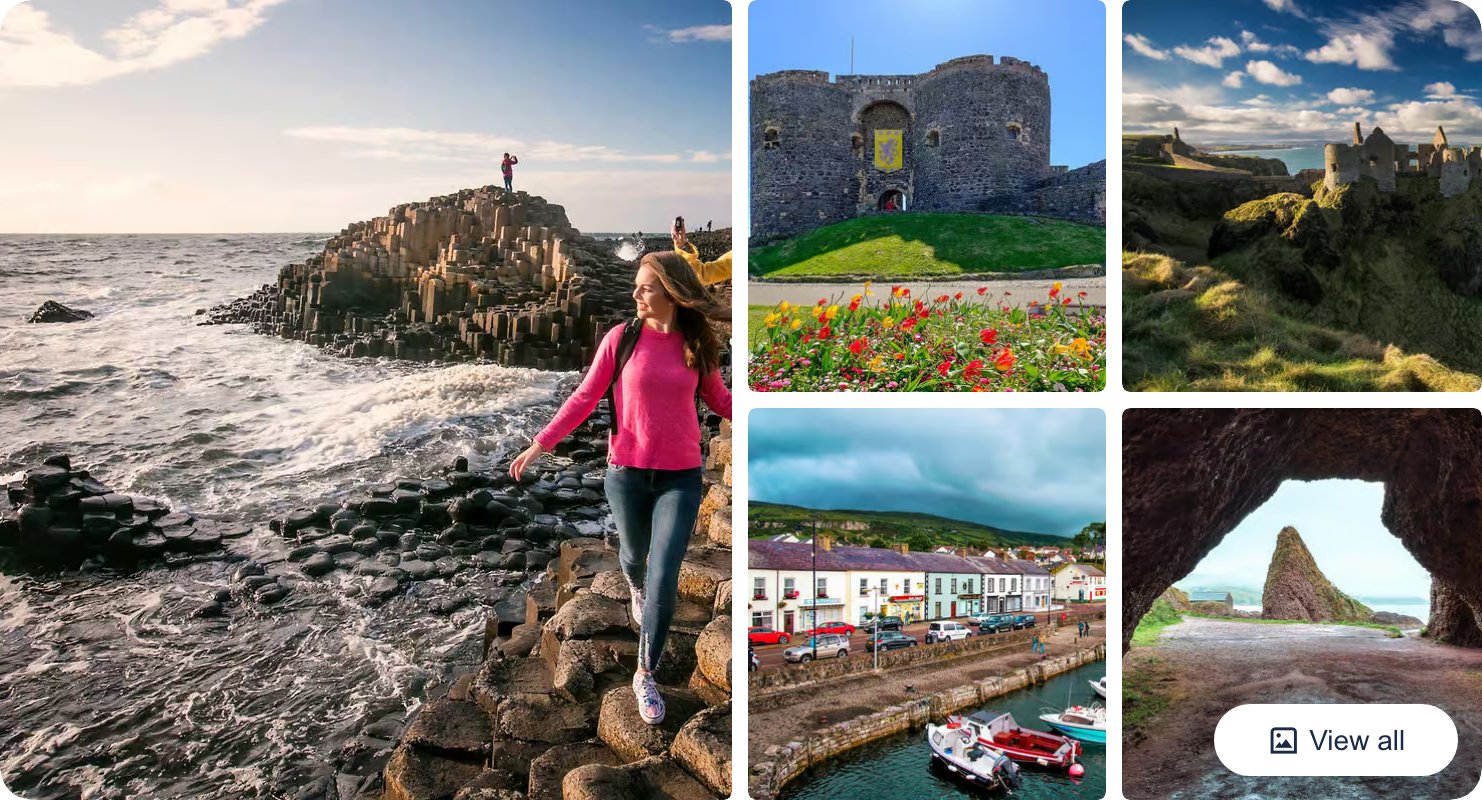
This guided day tour bundles two castles with the stones, Carrickfergus on the way out of Belfast and the cliff-edge ruin at Dunluce, alongside the Antrim Coast Road. It is the pick if you want the castles without renting a car.
👉 See what is included on the Causeway and Castles Day Tour
From Belfast: Giant's Causeway Day Trip with Extra Legroom
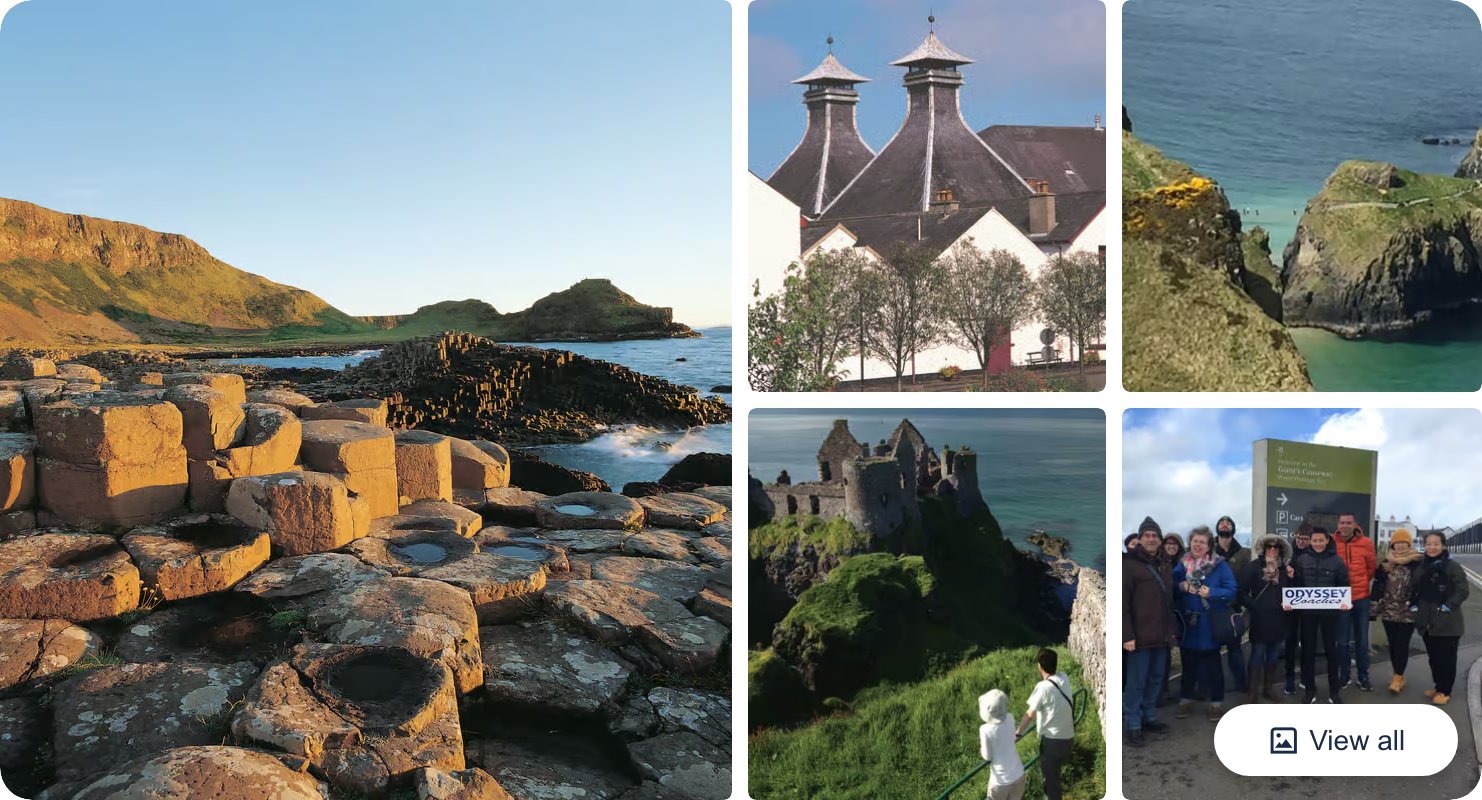
This small-group day trip caps the numbers and runs an extra-legroom coach, so you get more room and a less rushed pace than the big buses. It still covers the Causeway and the main Antrim coast highlights in a full day from Belfast.
👉 Check dates and prices for the Small-Group Causeway Day Trip
Morning Giant's Causeway Half-Day Tour from Belfast
Short on time? This morning half-day tour gets you to the Causeway and back to Belfast by early afternoon, so you keep the rest of the day free. It is the fastest way to see the stones without your own car.
👉 Check availability for the Morning Half-Day Causeway Tour
Where to Stay Near the Giant’s Causeway
You can do the Causeway as a day trip from Belfast, and it’s an easy one. But if you’d rather take your time, stay the night up here and you get the stones early or late, when the buses aren’t around. There’s a good spread of towns within 15 minutes of the columns, so you can pick by budget and vibe.
Here’s the quick rundown. Bushmills is the closest village. Portrush and Portstewart are the lively seaside towns. Ballycastle is the quiet end. And if you want to wake up next to the stones, there’s one hotel that does exactly that.
Bushmills

Bushmills is the obvious base. It’s a small village about five minutes’ drive from the Causeway, home to the Bushmills distillery, and it has a handful of hotels, B&Bs, and self-catering cottages. Stay here and you’re first in the door at the stones in the morning.
It’s quiet at night, which is the point. You get the distillery, a few pubs, and an easy run to the coast. If your day is built around the Causeway and a dram, this is where I’d put you, so check availability on Booking.com.
Portrush and Portstewart
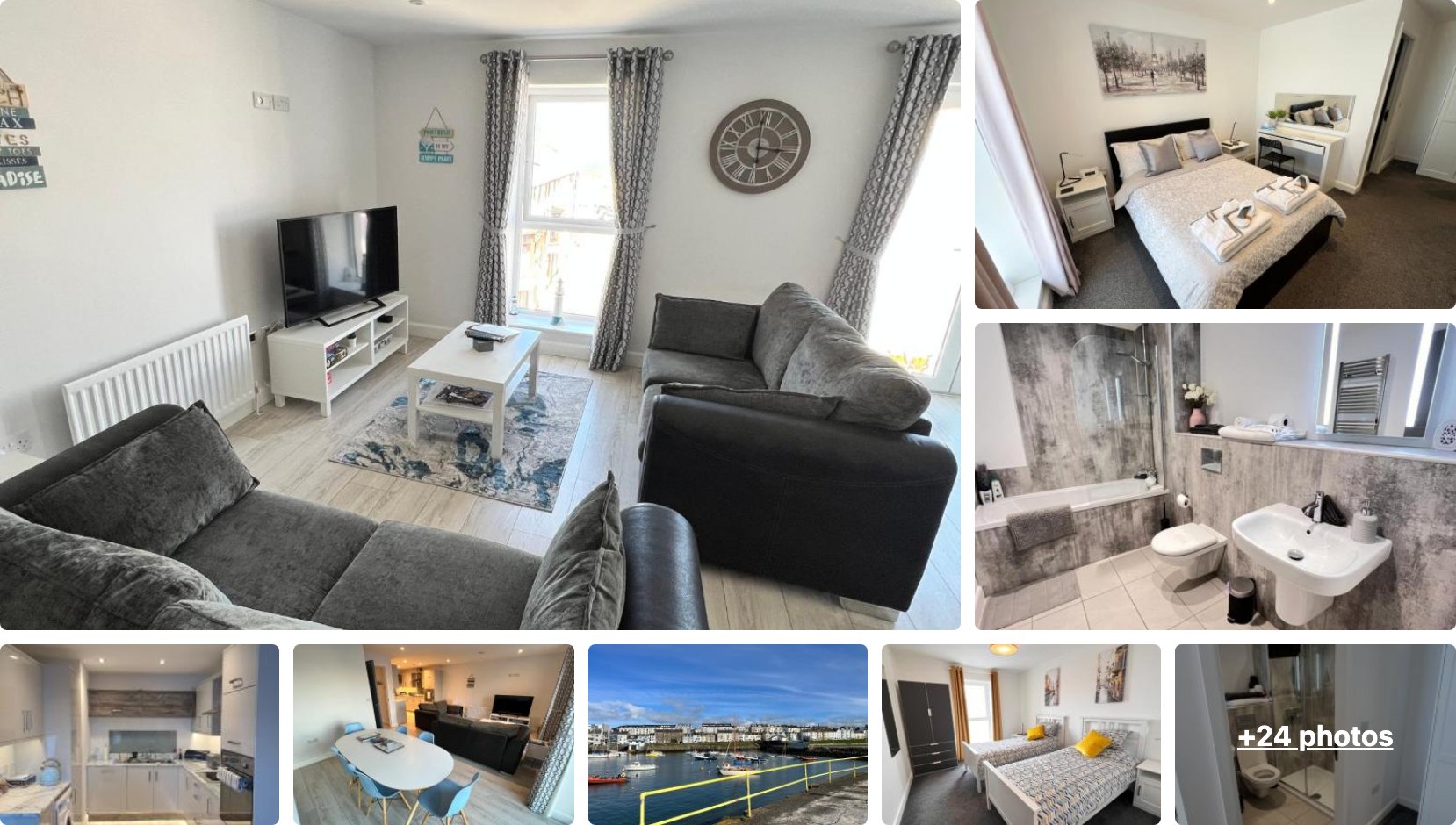
Portrush is the seaside resort town about 10 minutes west of the Causeway, with long beaches, a busy strip of restaurants and bars, and the most places to sleep on this stretch of coast. It’s the spot if you want some life in the evening after a day on the rocks.
Portstewart, its quieter neighbor, has a nice promenade and a famous beach you can drive your car onto. Both work well as a base, and both put you close to Dunluce Castle and the Bushmills distillery. Portrush for energy, Portstewart for calm, and you can find a place to stay on Booking.com.
Ballycastle

Ballycastle sits on the eastern side, about 20 minutes from the Causeway, and it’s the quieter, more local-feeling town of the bunch. It’s the jumping-off point for the Rathlin Island ferry and it’s close to the Carrick-a-Rede rope bridge, so it suits people doing the wider coast rather than just the stones.
Prices here tend to run a bit gentler than Portrush, and the harbor and beach are good for a slow evening. If you’re working your way along the whole Causeway Coast, it’s a smart middle base, so book a stay on Booking.com.
Right at the Causeway
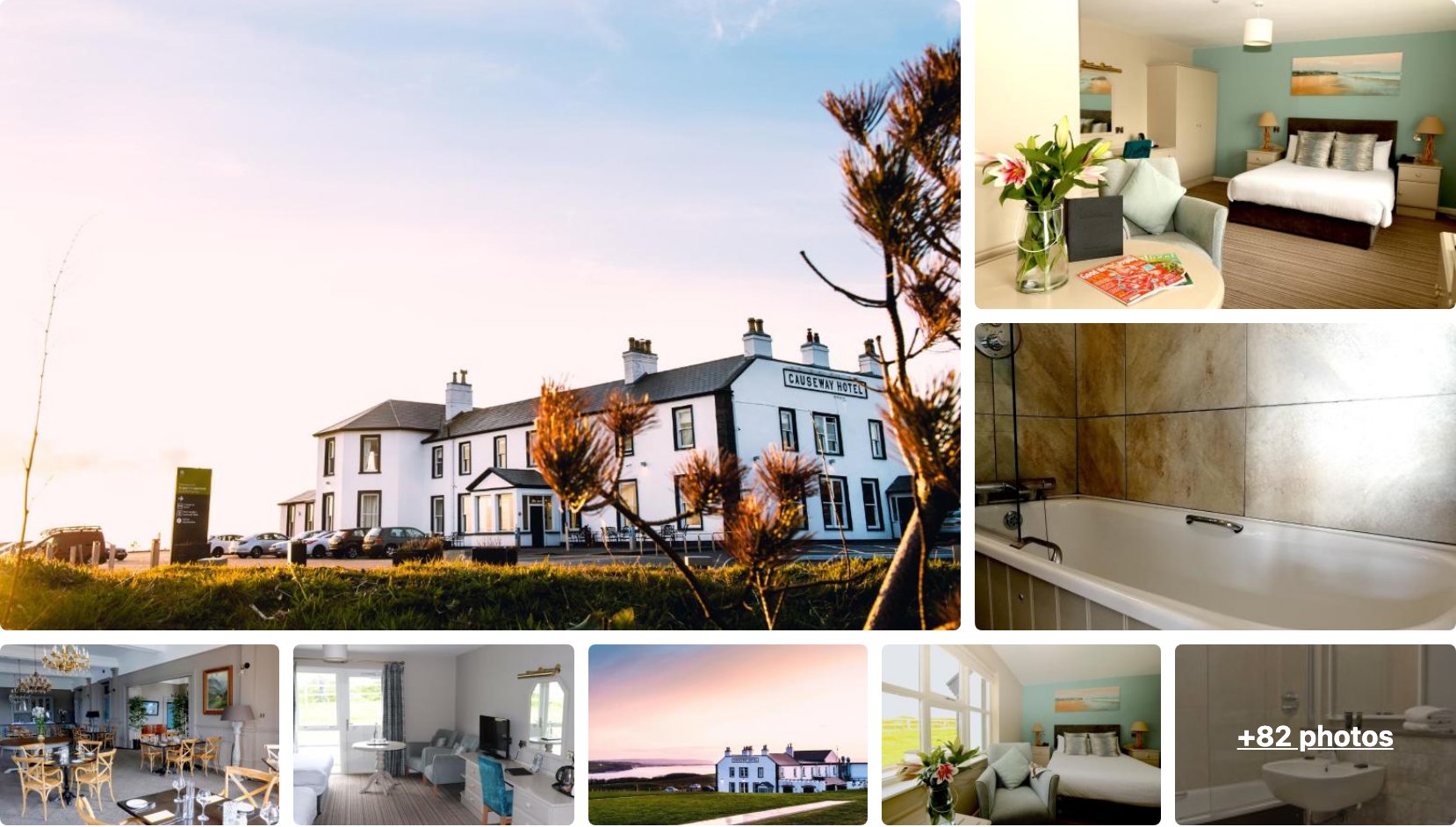
If you want to be as close as it gets, the Causeway Hotel sits right next to the visitor centre, a short walk from the stones. It’s a National Trust property, so guests get easy access, and you can wander down to the columns at sunrise before a single tour bus has left Belfast.
It’s not cheap and it books up fast in summer, so reserve well ahead. But for one night, having the most visited site in Northern Ireland to yourself first thing in the morning is worth the splurge.
More Northern Ireland Guides
- 7 Best Northern Ireland Golf Courses
- All You Need To Know About Mountain Biking In Northern Ireland
- Royal Portrush Golf Club: A Guide To The Courses
In short
- The Causeway sits 60 miles north of Belfast, about an hour and 15 minutes each way.
- Walking the basalt columns is free and open 24 hours; you pay only for the Visitor Experience ticket.
- Guided tours leave central Belfast around 9am, run 9 to 10 hours, and cost £30 to £45.
- Tours bundle in Carrick-a-Rede rope bridge, Dunluce Castle, the Dark Hedges, and Bushmills distillery.
- Pair the Causeway with Carrick-a-Rede and Dunluce Castle on the Causeway Coast.
Frequently Asked Questions
Is the Giant’s Causeway worth visiting from Belfast?
Yes. It’s the most visited attraction in Northern Ireland for a reason, and the drive up the Antrim coast is half the fun. Pair the stones with a couple of stops along the way and it’s an easy day well spent.
How long do you need at the Giant’s Causeway?
Plan on two to three hours to walk it properly. An hour gets you down to the famous columns and back, but the clifftop trail and the named formations need more time, and they’re the part most day-trippers skip.
Can you visit the Giant’s Causeway for free?
The stones are free and open 24 hours a day. What you pay for is the Visitor Experience ticket, which bundles the parking, the centre exhibition, and the audio guide. Walk in on foot or sort your own parking and you skip the cost entirely.
Is it better to drive or take a tour?
Drive if you want to set your own pace and catch the stones early or late, before the buses arrive. Take the tour if you’d rather not drive the coastal roads and you want the bonus stops handled for you. I’d take the car every time.
How far is the Giant’s Causeway from Belfast?
About 60 miles, or an hour and 15 to an hour and 20 by car if you go direct. Take the scenic Causeway Coastal Route instead and it’s longer, but you get the Glens of Antrim and a string of coast stops on the way.
Can you do the Giant’s Causeway and Carrick-a-Rede in one day?
Easily. They’re about 15 minutes apart on the same coast, and most day tours bundle both. If you’re driving, do the rope bridge first thing, then the stones, and you’ve still got time for Dunluce Castle on the way back.
Final Thoughts on Visiting From Belfast
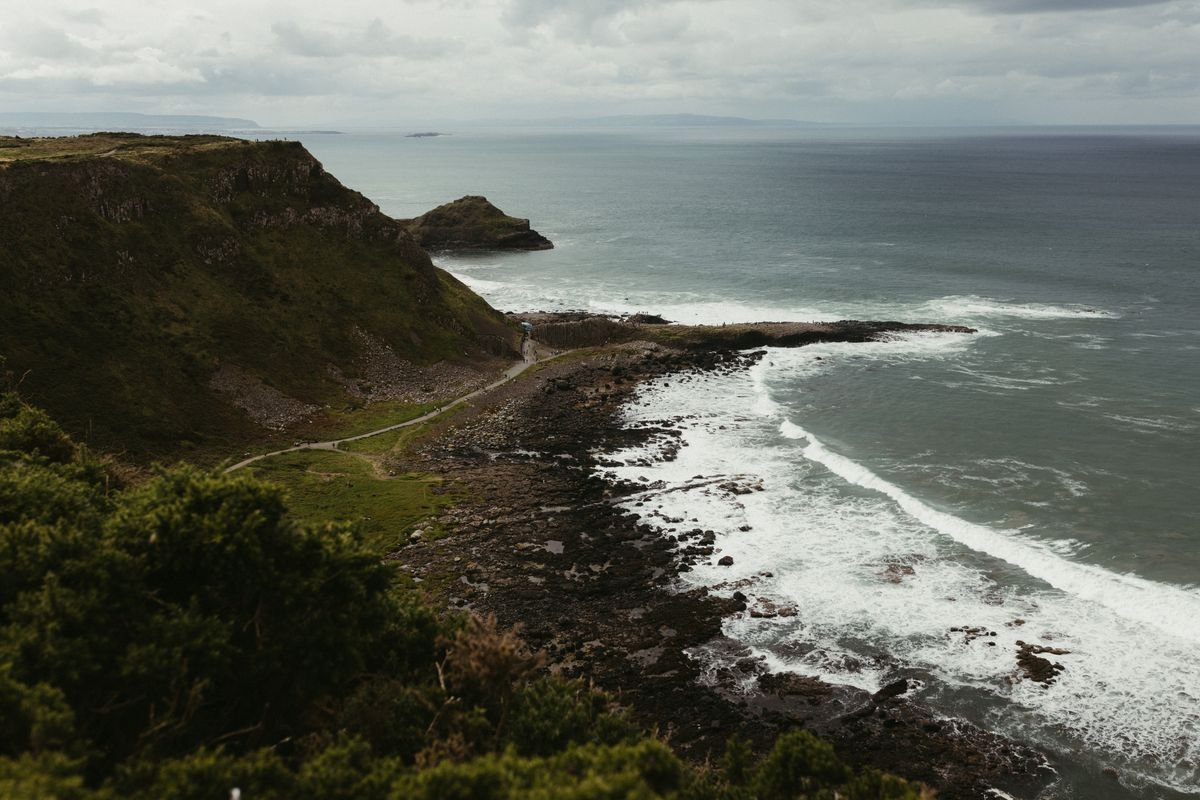
The Giant’s Causeway is an easy win out of Belfast. An hour and 15 up the coast, free to walk the stones, and doable in a single day no matter how you get there. It earns its spot as the most visited attraction in Northern Ireland.
If you take one thing from all of the above, make it this: the day is as much about the coast as the columns. The Antrim Coast Road, Dunluce Castle, and Carrick-a-Rede turn a single sight into a proper day out, whether a tour strings them together for you or you drive it yourself.
My honest take is to rent a car if you can swing it. You get the stones early or late before the buses roll in, you set your own pace on the trails, and you pull over wherever the coast looks worth it. The tour is the easy button, and it’s a fair call if you’d rather not drive the wrong side of narrow roads.
Either way, wear shoes with grip, pack a waterproof, and walk past the crowded flat section to the clifftop path. Do that and you’ll see why people drive up here from all over the country. It’s worth the trip.
Like it? Pin it!
Save this guide for later