County Kerry is the corner of Ireland everyone tells you to see, and after two weeks driving the country on our last trip, I’d say the hype is earned. We hit most of these spots ourselves, so this run through the best places to visit in Kerry comes from actually being on the ground, not from a map.
We did it by campervan in shoulder season, but a rental car works exactly the same on this route and is the easier choice for a first trip. Kerry packs an absurd amount into a small space: the Ring of Kerry, the Dingle Peninsula, and mountains you can actually climb.
Some of it is famous for good reason. Some of it, like Staigue Fort up a boreen off the Ring of Kerry, almost nobody turns off for, and it was one of our favorite stops of the whole drive.
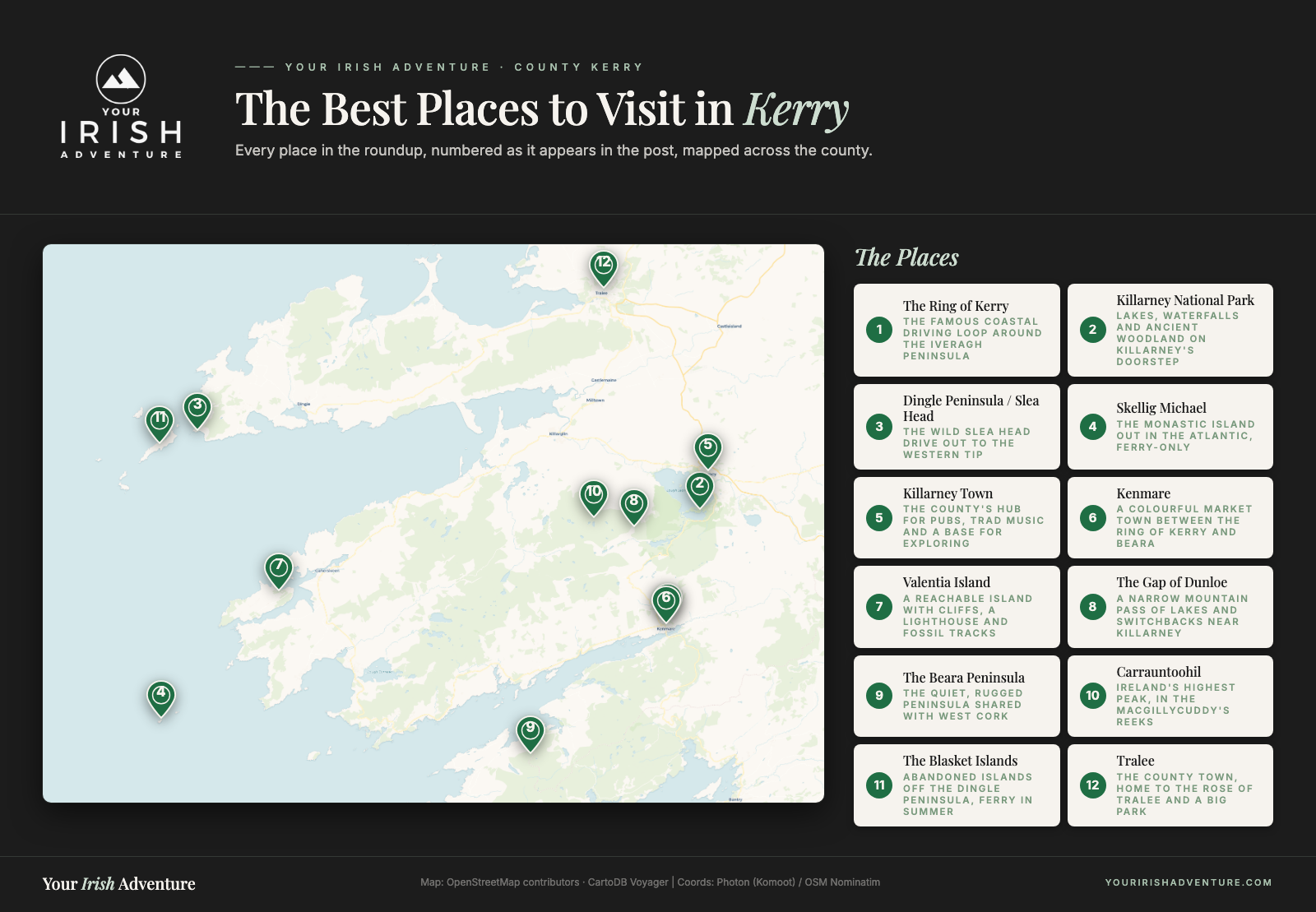
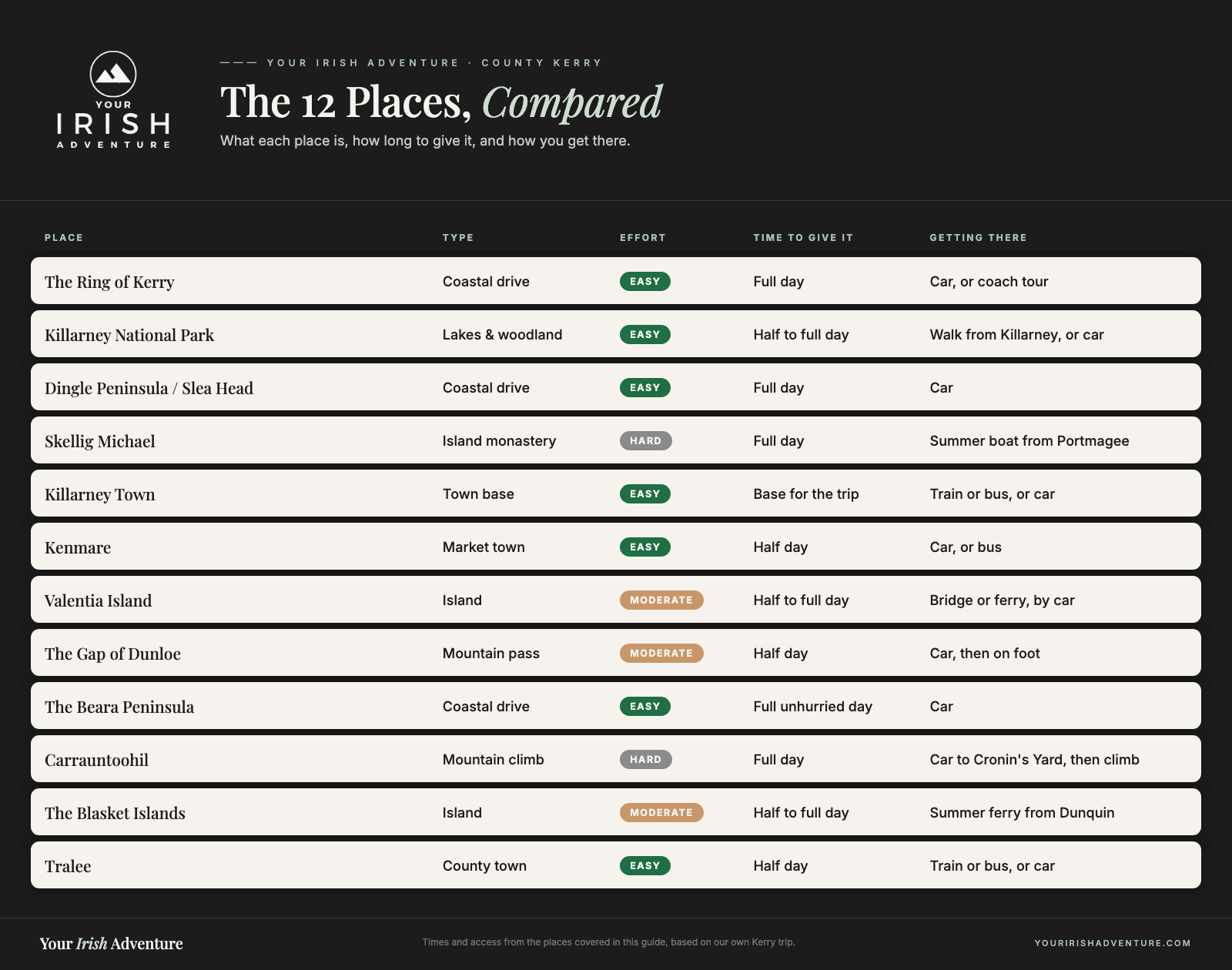
Below is the full list, from the big-name drives and national park down to the small stops we’d point you toward instead, plus how to get around, when to go, and where to base yourself.
More Kerry Travel Guides
- 21 Unique Things To Do in Kerry, Ireland – The Kingdom County
- The Best Beaches in Kerry: 10 Worth the Drive
- Weekend in Killarney: The Perfect 2 Day Itinerary
Quick Answer:
The best places to visit in Kerry are the Ring of Kerry, the Dingle Peninsula and Slea Head Drive, Killarney National Park, and Skellig Michael. Add Kenmare, Valentia Island, the Gap of Dunloe, and the Beara Peninsula if you have four or five days to drive it.
The Ring of Kerry
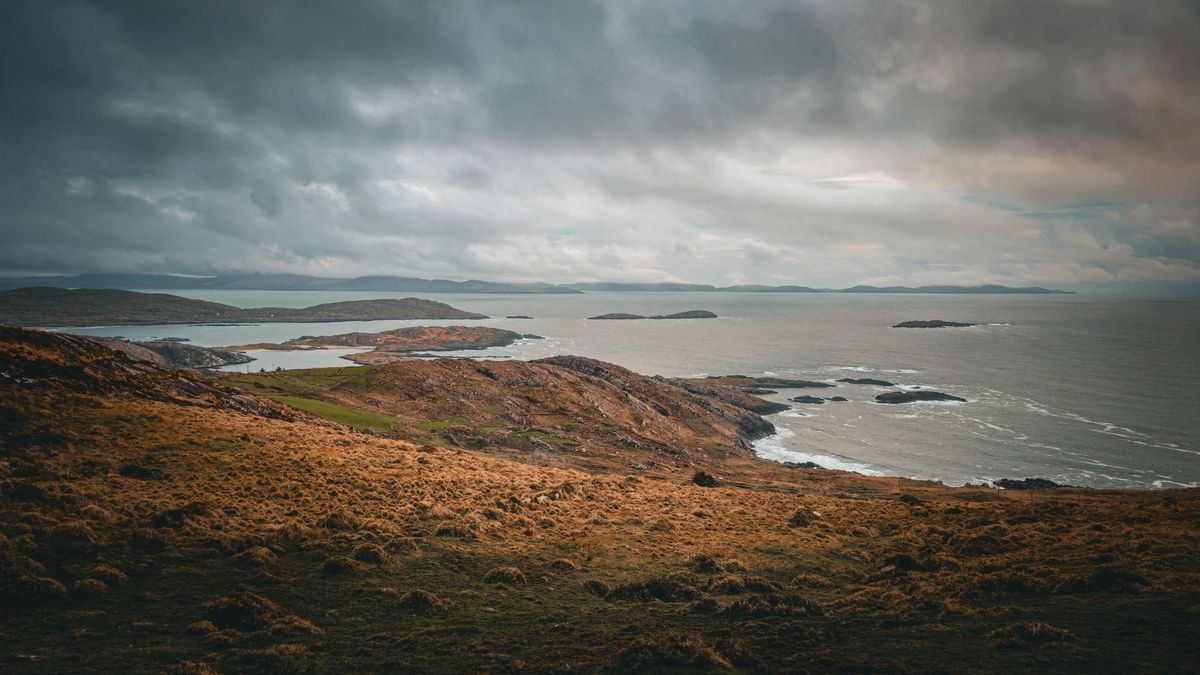
The Ring of Kerry is the drive everyone means when they talk about Kerry, a 111-mile loop of the Iveragh Peninsula on the N70. We based ourselves in Killarney and did the whole ring in a day, driving it clockwise, which is the standard direction because it keeps you from meeting tour buses head-on on the narrow bits.
We drove it on a Wednesday in early October, well into shoulder season, and got low cloud sitting on the coast the whole way. A named storm was rolling in behind us, so we pushed through instead of lingering. The viewpoints that everyone photographs weren’t at their best for us.
So take this as the tip we wish we’d had: the Ring of Kerry is spectacular in good weather and just fine in bad. If you get sun, don’t rush it. Stop at every pull-in, walk out to the edges, and give yourself the full day rather than treating it as a box to tick.
Even under cloud the coastal road itself is dramatic, and we broke the loop up with a stop in Kenmare, a colorful little town near the bottom of the peninsula that’s a good spot to stretch your legs and grab a coffee. The road is wide enough for a car or a campervan, so don’t let the size of your vehicle put you off. If you’d rather not drive it yourself, you can book a Ring of Kerry day tour from Killarney on GetYourGuide and let a driver take the narrow bits.
Would I put the Ring of Kerry at the top of the best places to visit in Kerry? Only if the forecast plays along. If it’s socked in with cloud like it was for us, the Dingle Peninsula gives you more for a wet day, and I’d flip the two.
Killarney National Park
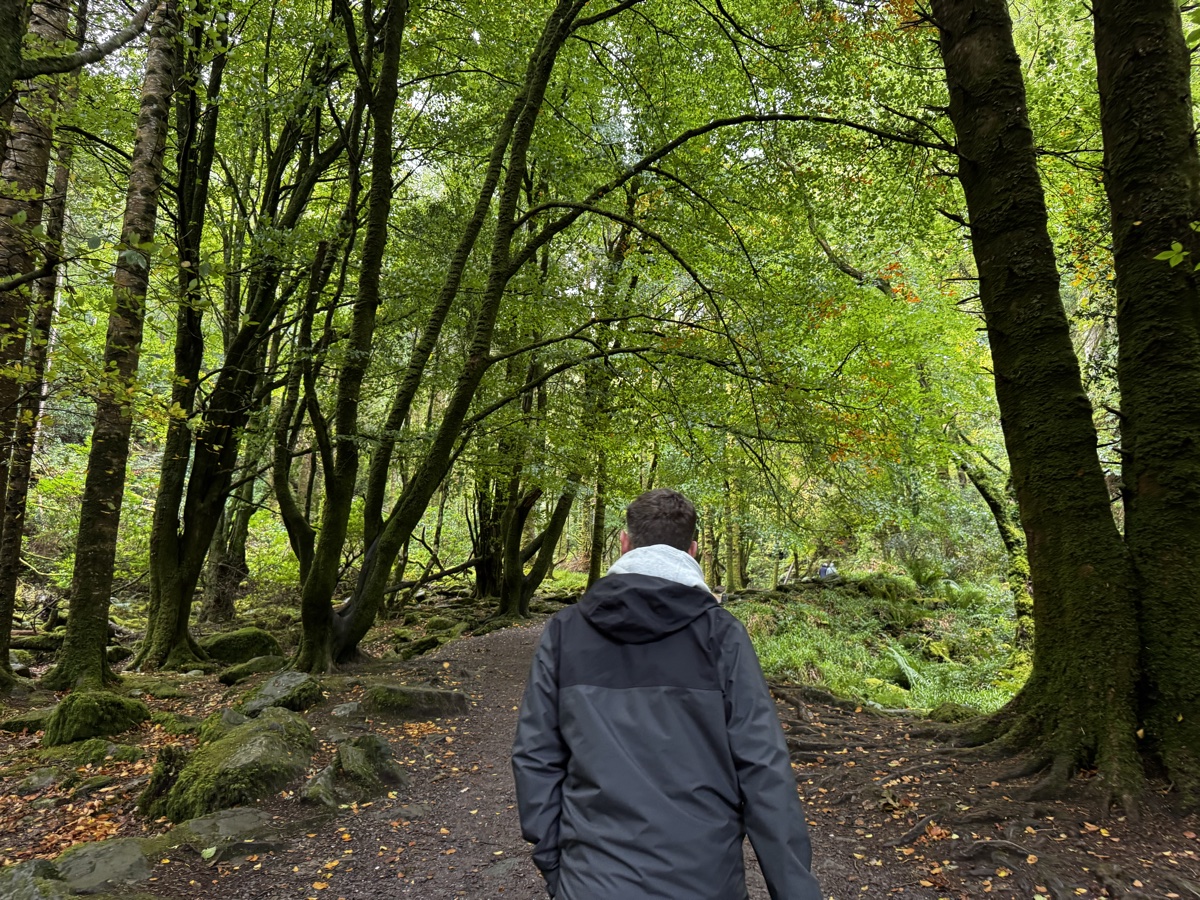
Killarney town gets a touristy reputation, and some of that is fair, but the national park on its doorstep is the real thing. It’s the reason I’d tell anyone to base here for a couple of nights.
We camped at Fleming’s White Bridge Caravan and Camping Park on the Muckross Road and had the place almost to ourselves in early October, with a lovely owner who pointed us at everything worth doing.
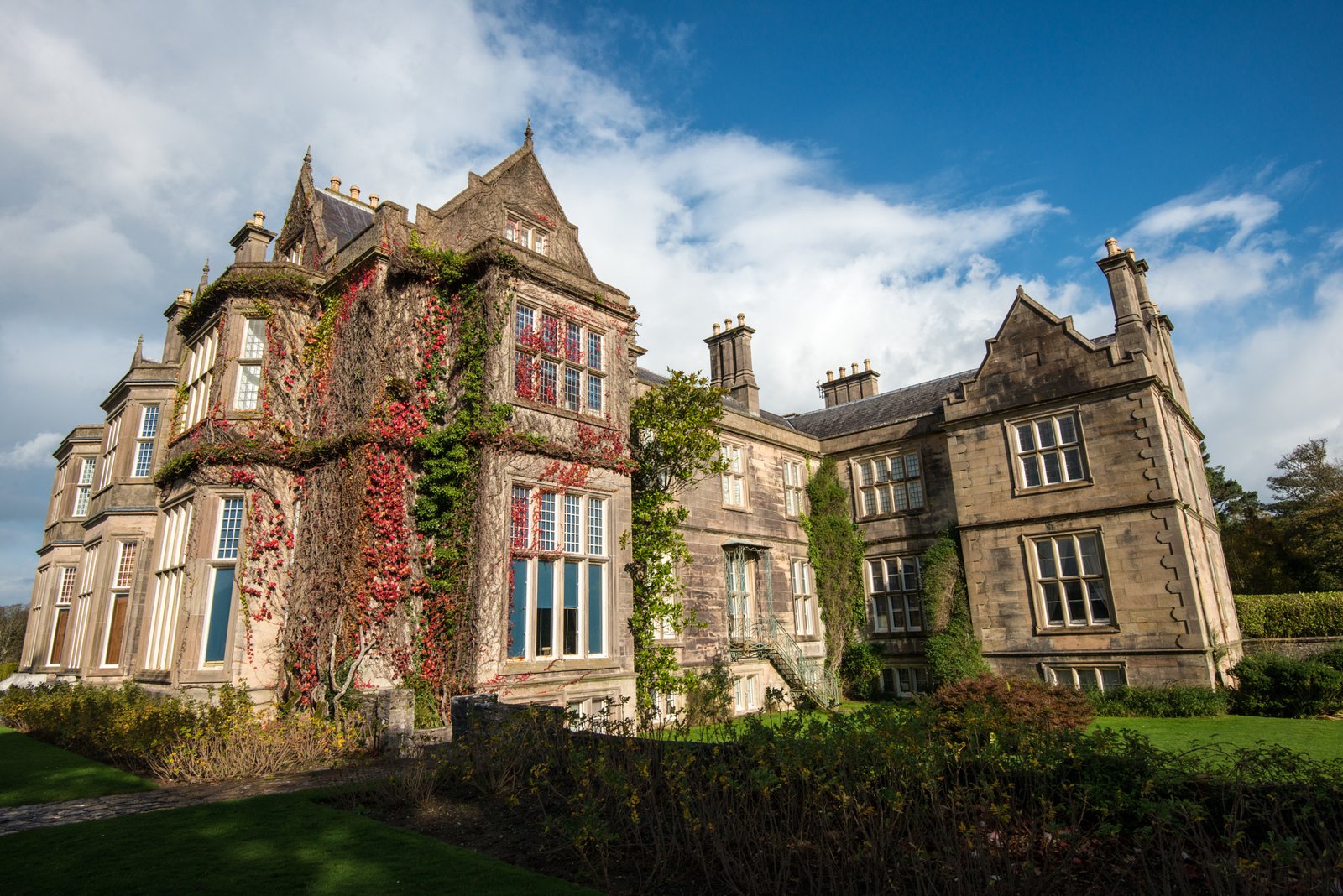
We explored the Muckross Estate in heavy rain and still loved it, which tells you something. The Muckross House Victorian manor sits at the middle of it, and the woodland walks run out from there through the park.
The stop I’d send you to first is Muckross Abbey, a 15th-century Franciscan friary you can walk right into. It’s free, and in the mist it was one of the most atmospheric ruins we saw in the whole country. Torc Waterfall is a short walk off the road nearby and worth the five minutes it takes to reach it.
When the rain got the better of us we dried out over afternoon tea at Monk’s Lounge in the Muckross Hotel, which I’d recommend even if the sun is out. Parking a big vehicle in Killarney town is awkward, so we taxied in for dinner each evening rather than fighting for a space.
The one thing we ran out of time for was a jaunting car ride through the park, the horse-drawn carriages you’ll see lined up near the entrances. You can book a jaunting car tour through the park on GetYourGuide if you want to lock one in ahead of time. Give Killarney National Park two or three nights if you can, because we filled two days easily and could have used a third.
The Dingle Peninsula and Slea Head Drive
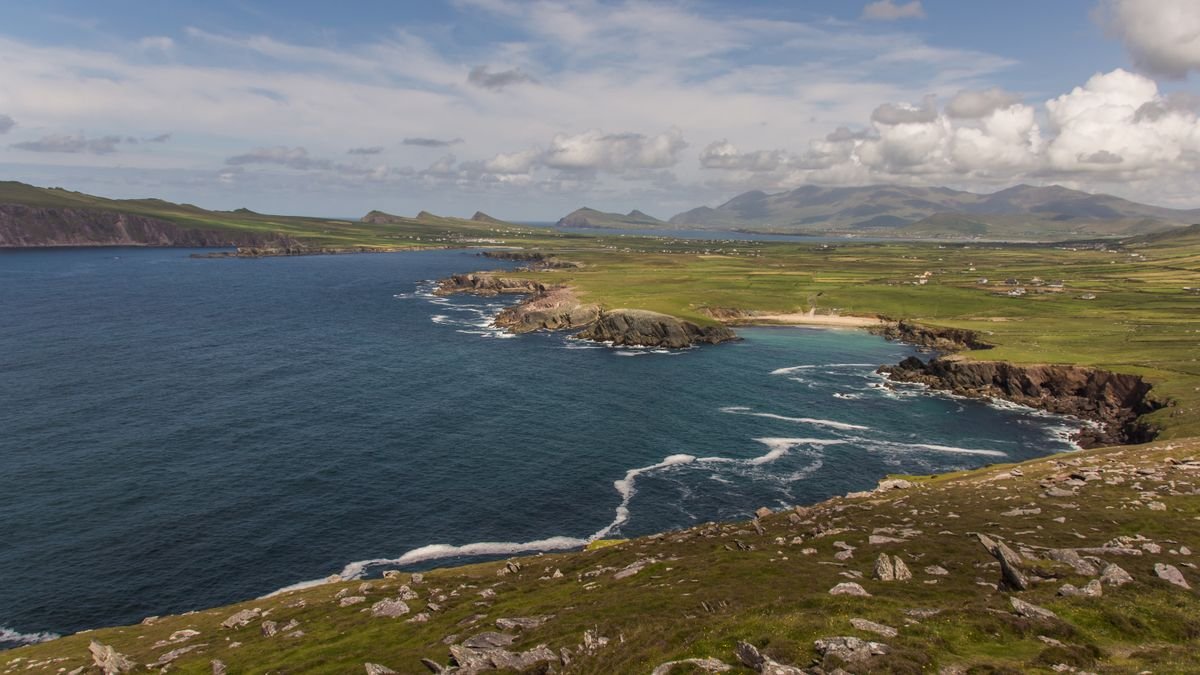
The Dingle Peninsula is the one I’d flip to the top of the list on a wet day. It’s north of the Ring of Kerry and, to my eye, a bit wilder and more compact, which makes it easier to enjoy when the coast is socked in with cloud.
Our own time there didn’t go to plan. We drove over from Doolin, about two hours with a lunch stop in Adare for shepherd’s pie and a Guinness, and we rolled into Dingle in heavy rain with work still to do. We only ever saw the town at night. That’s the biggest regret of our whole Ireland trip.
So learn from us: Dingle deserves at least two nights. The Slea Head Drive loops around the tip of the peninsula past beehive huts, old stone forts, and the beaches, and I can’t tell you how it looks in daylight because we drove it in the dark. Do it properly, in the morning, with time to stop. If you’re based in Killarney and don’t want to drive the peninsula yourself, you can book a Dingle and Slea Head day tour on GetYourGuide.
What I can tell you about is the evening, and the pub that made the night worth it. Foxy John’s is a working hardware shop by day, shelves of screws and tools out front, with a small bar at the back. We walked in out of the rain to a trad session going, a guitar and tin whistle duo, and pints being poured next to the hardware.
We had a couple more at The Dingle Pub after that, and even seen only at night, the town has real character. We parked the campervan at the Rainbow Hostel just outside town and taxied the ten minutes in, which is what I’d do again so you can have a few pints without worrying about the drive.
If you’re building a Kerry trip, give Dingle the days we didn’t. Foxy John’s is worth it whenever you turn up, but the peninsula itself needs daylight to earn its spot near the top of the best places to visit in Kerry.
Where to Stay in Dingle
Skellig Michael and the Skellig Ring
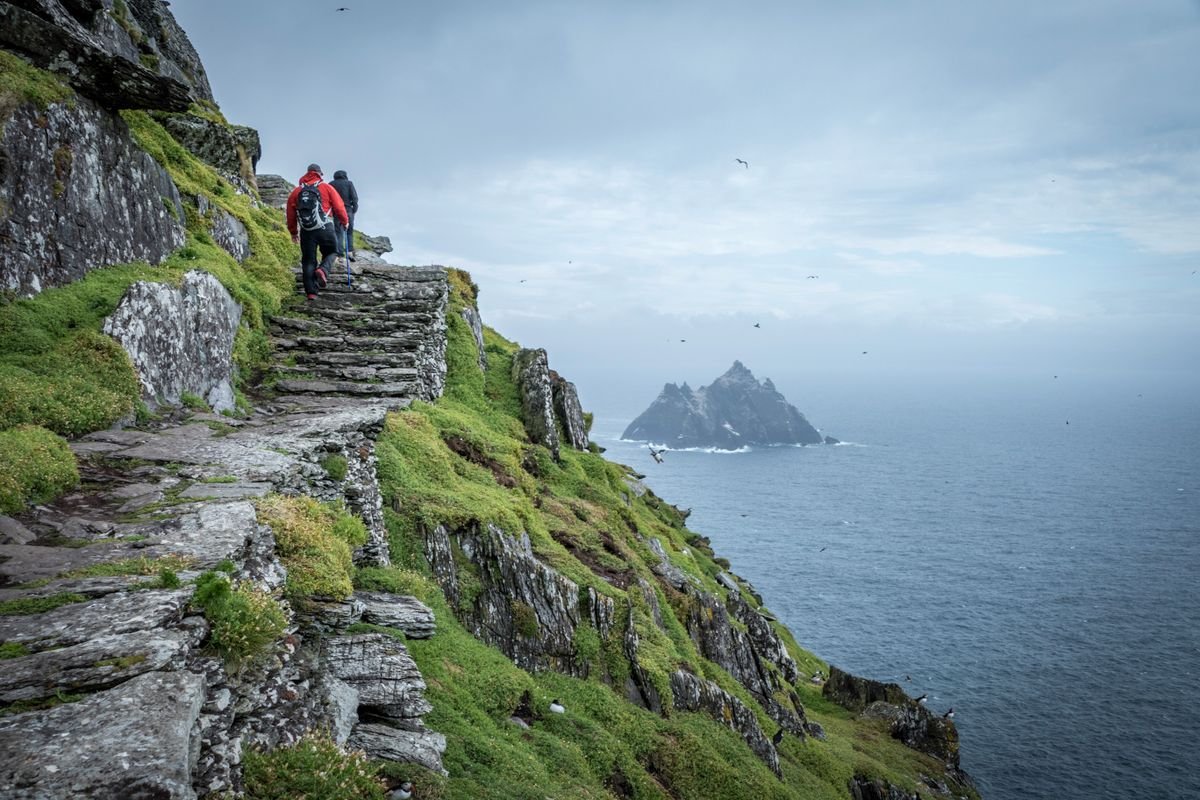
Skellig Michael is the jagged rock you’ve seen even if you don’t know the name. It’s the island monastery in The Last Jedi, sitting about eight miles off the Iveragh coast, and getting out to it is a proper effort.
Monks built a settlement up there in the 6th century, and the beehive stone huts still stand near the summit. You climb roughly 600 stone steps to reach them, with a long drop and no railing, so it isn’t a stop for anyone shaky on their feet.
Landing boats run from Portmagee and a couple of nearby piers, and only in the warmer months, usually May through September. Numbers are capped, the crossing is weather-dependent, and trips get canceled when the sea is up. We drove Kerry in autumn, and by then the boats had all but stopped for the year.
So if a landing is the reason you’re coming to Kerry, plan around it. The tours sell out months in advance and they aren’t cheap, so book early and check current pricing before you build the rest of your trip. You can book a Skellig Michael boat tour from Portmagee on GetYourGuide to see the crossing options. If the landing boats are full, non-landing eco cruises circle the island and still get you close to the puffins in season.
The Skellig Ring
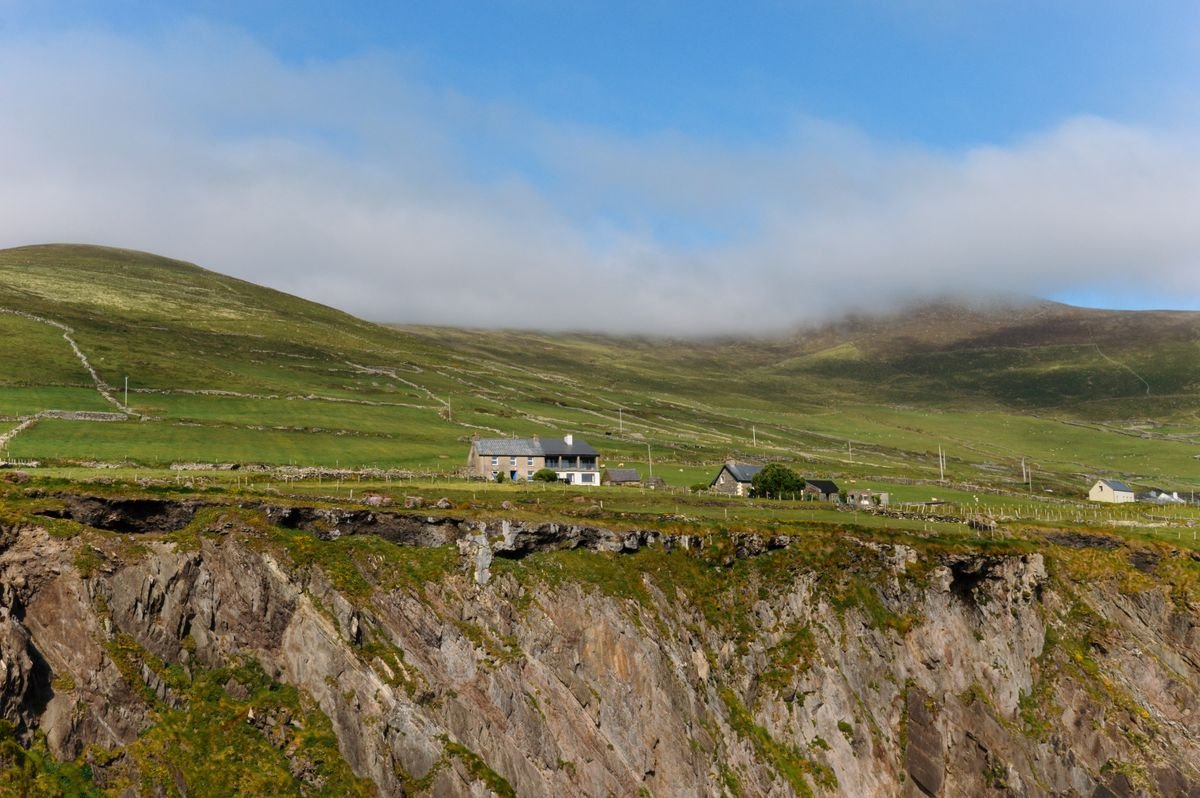
Even if you never set foot on the island, there’s a way to see it, and it’s the reason I’d add the Skellig Ring to your Kerry list. It’s a small loop that branches off the main Ring of Kerry near Waterville and Cahersiveen, on much narrower road, so tour buses can’t fit and most of them don’t try.
The road climbs over the Coomanaspig Pass, one of the highest points you can reach by car in Ireland, then drops down to St Finian’s Bay and Ballinskelligs. The Kerry Cliffs sit along here too, a viewpoint with the Skelligs out on the water and a charge to walk out to the edge, so check the current price before you go.
If you’re already doing the Ring of Kerry, the Skellig Ring is a short add-on that gives you the wildest coastline of the two. Tack it on and you get the view of Skellig Michael without needing the boat to cooperate. Without your own car, you can book a Skellig Ring tour from Killarney on GetYourGuide that covers this stretch of coast.
Killarney Town
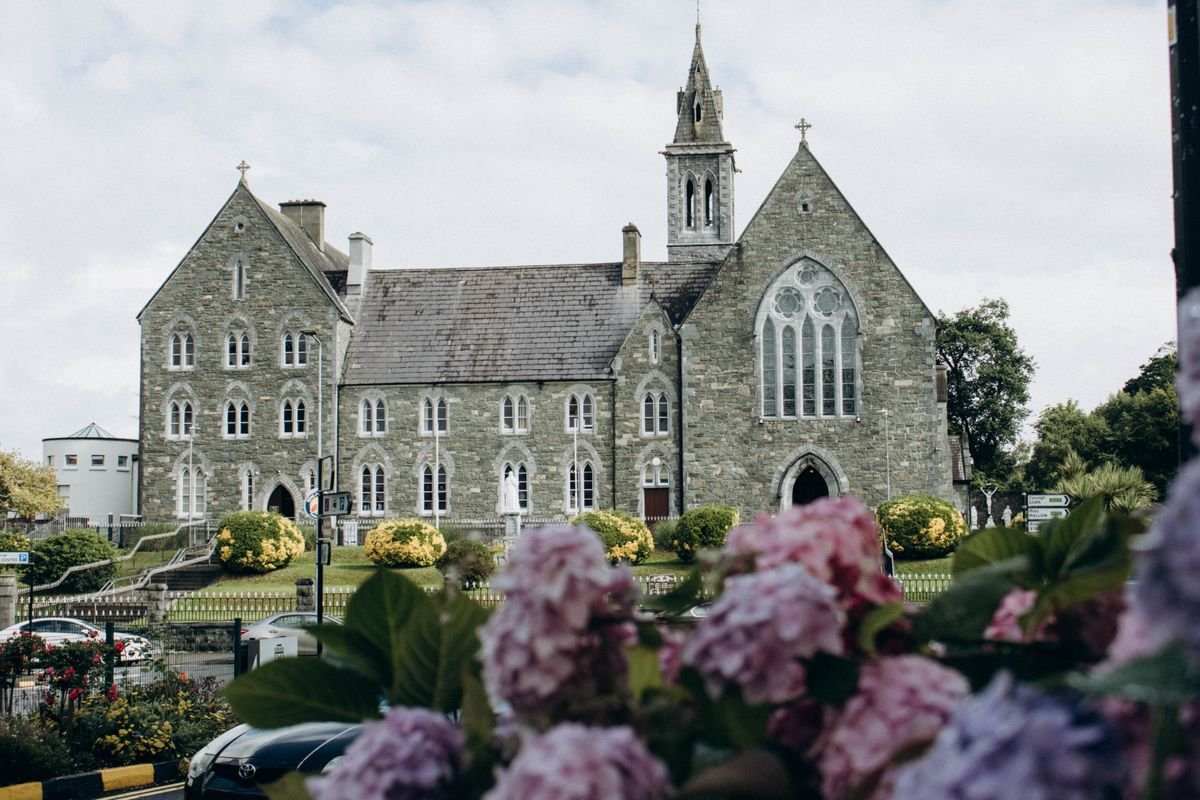
The park is the reason to base in Killarney, but the town itself is where you’ll eat and drink at the end of each day, and it earns its keep. It has the touristy edges you’d expect, and the food and music more than make up for them.
The music scene was the surprise for us. We caught a live band at the Killarney Grand Hotel that was flat-out incredible, the kind of night that runs longer than you planned, and we had more trad at The Grand pub and O’Connor Pub on other evenings. You don’t have to hunt for a session here. You just walk in.
On the food, we did well too. We ate salmon and a roast dinner at Cronin’s Restaurant, and had another roast plus a bowl of Irish stew at Murphy’s, both solid. One night we broke from the Irish food entirely and had a good curry at Bombay Palace, a nice change of pace if two weeks of pub grub has caught up with you.
So don’t write Killarney town off as a tourist trap and eat at your hotel. Walk in, follow the music, and eat well. Paired with the national park on its doorstep, it’s the easiest place in the county to base yourself for a couple of nights.
Where to Stay in Killarney
Kenmare
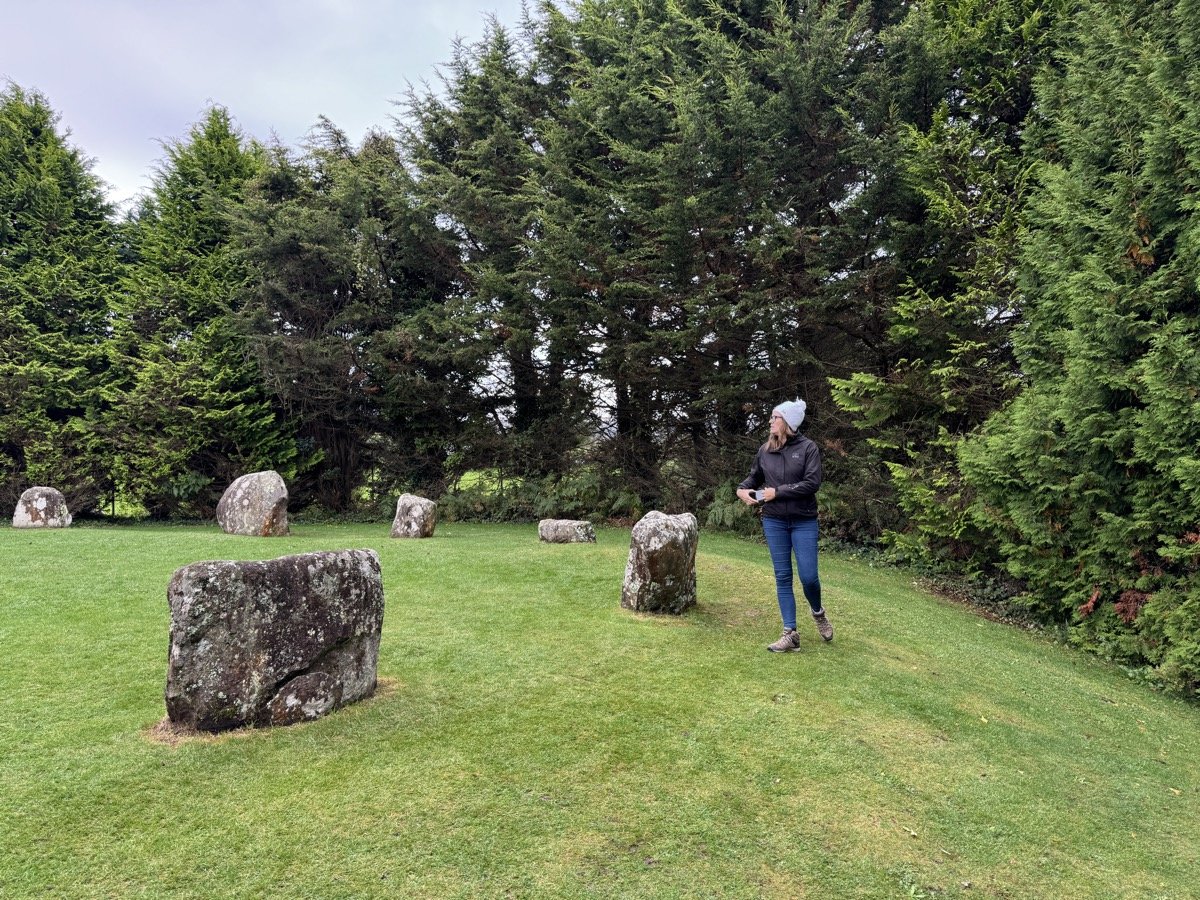
We stopped in Kenmare on our loop of the Ring of Kerry, and it’s an easy one to reach either on the N70 or straight down the N71 from Killarney. We only gave it an hour, which turned out to be about right for what we wanted from it.
The reason to pull in is the Kenmare Stone Circle, a ring of Bronze Age standing stones sitting just off the main street. It’s free, it’s ancient, and it’s an easy turn to drive straight past without noticing. We had it to ourselves on a Wednesday in early October.
I’ll be straight about the rest of the town. Some of the painted shopfronts on the main street tip into gimmicky tourist stuff, and it felt a bit touristy in parts. It’s pleasant enough for a wander, but the stones are the real reason to stop.
We had a drink at O’Connor’s and another at The Coachman’s, both fine spots to sit for a bit before getting back on the road. If you’re driving the Ring of Kerry, Kenmare is worth an hour: see the stone circle, grab a pint, and carry on.
Where to Stay in Kenmare
Valentia Island
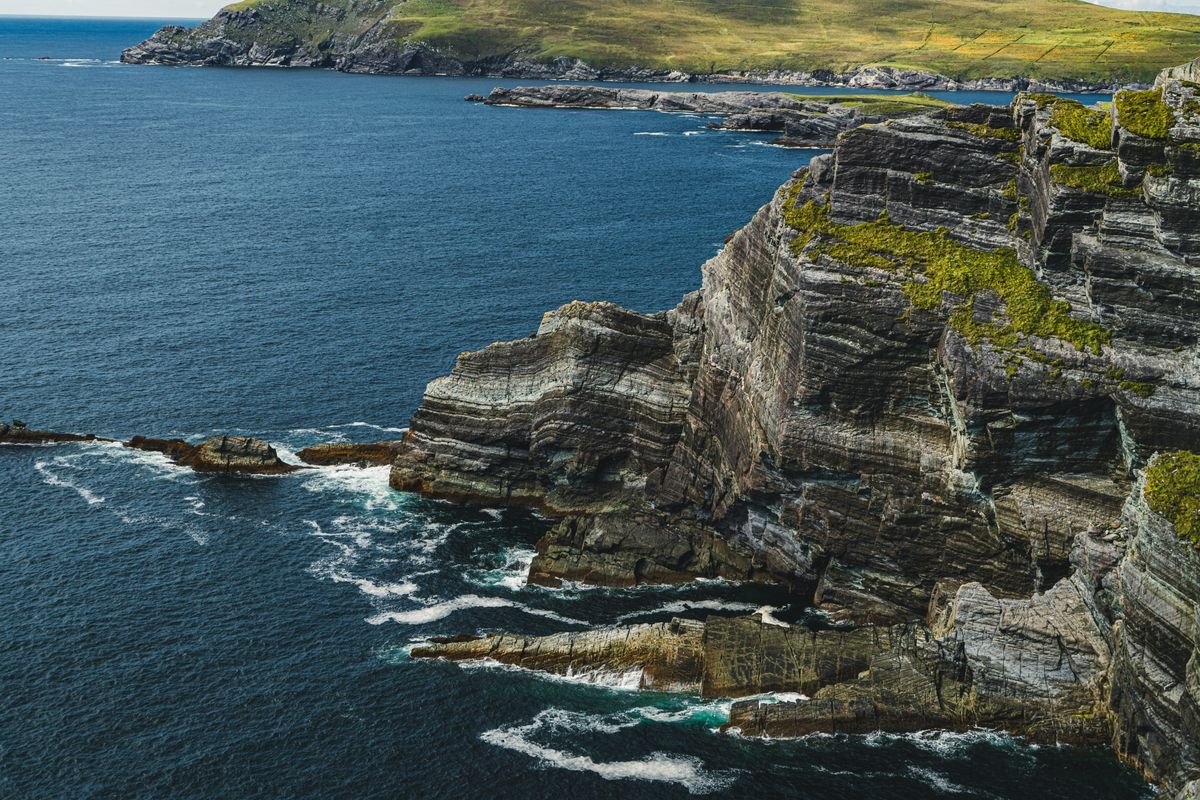
Valentia Island sits off the end of the Iveragh Peninsula, right in the same corner as the Skellig Ring, and it’s one of the easier islands in Ireland to reach. A bridge crosses from Portmagee at one end, and a short car ferry runs from Renard Point to Knightstown at the other, so you can drive on one way and off the other.
For an island this small, it packs in a lot. Geokaun Mountain is the high point, with a road most of the way up and views over the Skelligs, the Blasket Islands, and the coast in every direction. There’s a charge to drive to the top, so check the current price before you go.
The oddest thing here is the Tetrapod Trackway, a set of fossil footprints pressed into the rock by one of the first creatures to walk out of the water, around 385 million years ago. It’s free, it’s right on the shore, and it’s one of only a handful of sites like it in the world.
History runs deep here in another way too. The first working transatlantic telegraph cable came ashore on Valentia in 1866, connecting Europe and North America for the first time. The Skellig Experience visitor centre near the bridge is also the spot to fill in the story of the islands if the boats aren’t running.
If you’re already looping the Skellig Ring, Valentia is a natural add-on rather than a separate trip. It won’t top your list of the best places to visit in Kerry on its own, but paired with that stretch of coast it rounds out one of the wildest days you can have in the county.
The Gap of Dunloe
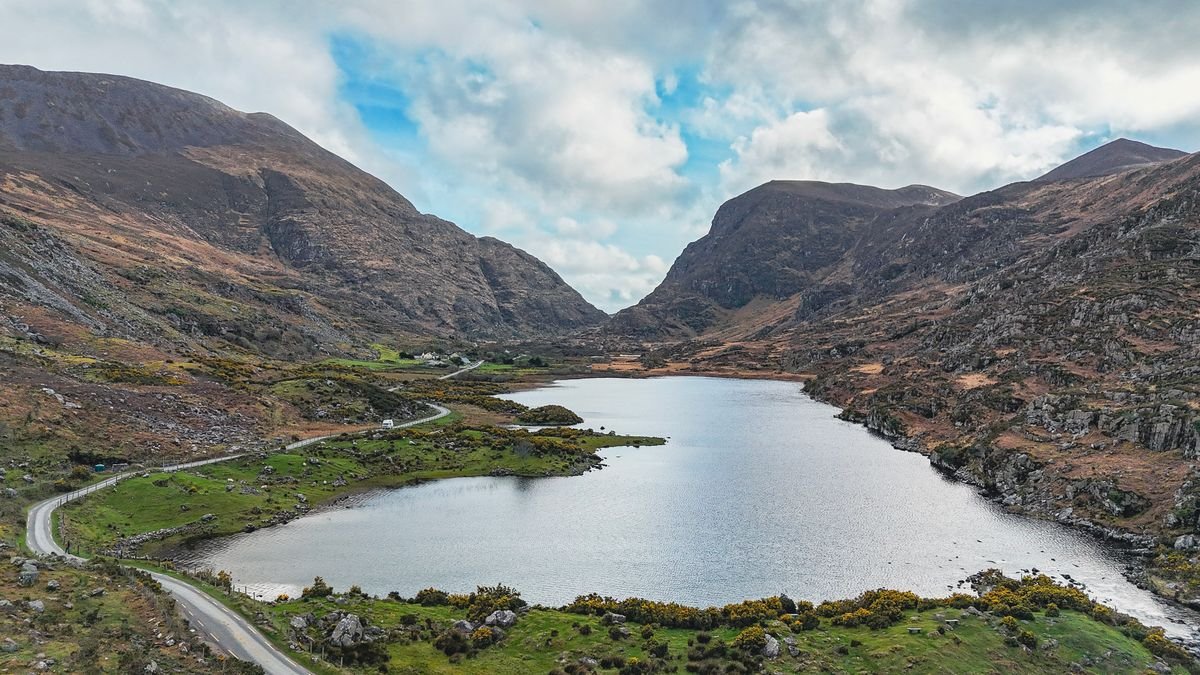
The Gap of Dunloe is a narrow mountain pass just west of Killarney, cut between the MacGillycuddy’s Reeks and Purple Mountain. It’s a single-track road that winds up past a string of small lakes, and it’s one of the best half-days you can have out of Killarney town.
The road starts at Kate Kearney’s Cottage, a pub and cafe that’s the traditional jumping-off point. From there the pass is really made for walking, cycling, or a horse-and-trap rather than a car, and in the busy months you’re better off leaving the vehicle at the bottom and going up on foot.
The classic way to do it is the full loop. You take a boat from Ross Castle through the Lakes of Killarney to Lord Brandon’s Cottage, then walk or ride a trap back over the Gap to Kate Kearney’s, where a bus or taxi runs you into town. It’s a full day on the move, but you get the park from the water and the mountains in one go.
This is one we didn’t fit in, so I can’t give you my own verdict on the pass itself. It was on our list and the weather and our schedule beat us to it, which is exactly why I’d tell you to give Killarney the extra day we didn’t have.
If you’re basing in Killarney anyway, the Gap of Dunloe is the obvious way to spend a day out of the town on foot instead of behind the wheel. You can book the Gap of Dunloe boat and trap loop on GetYourGuide, and check current pricing when you do, since the combined trips vary by season.
The Beara Peninsula
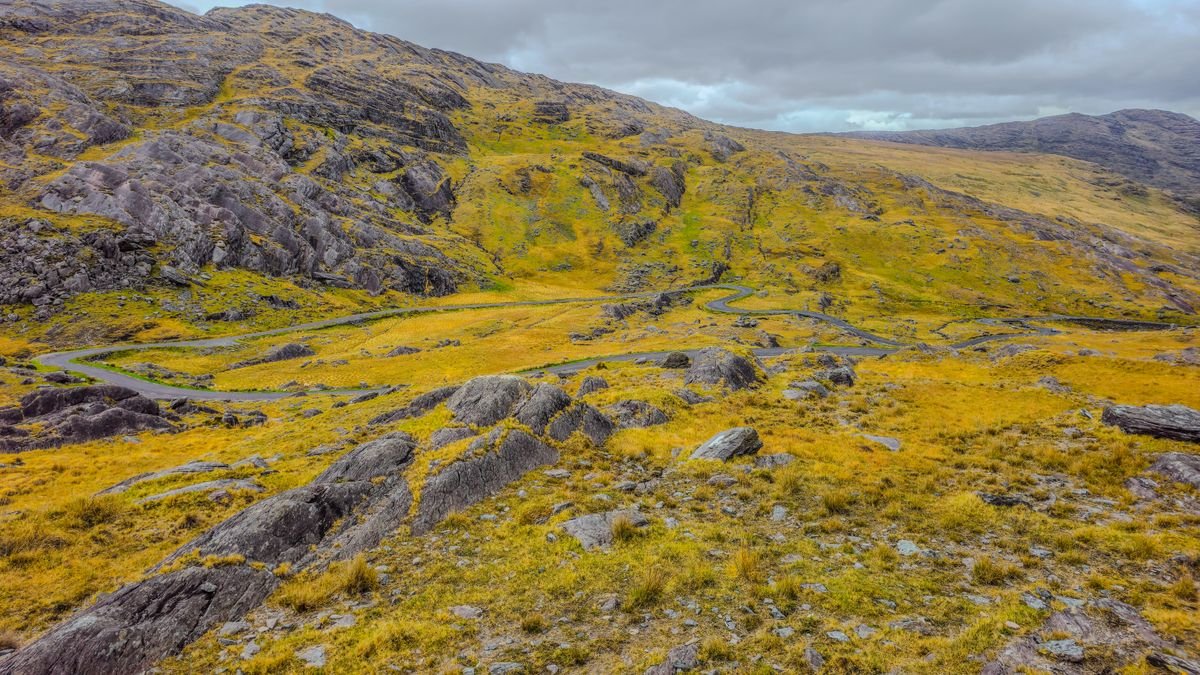
Kerry has three big peninsulas, and the Beara is the one most trips leave out. It sits south of the Ring of Kerry, straddling the Kerry and Cork border, and it sees a fraction of the traffic the other two get. If you want the wild coast without the tour buses, this is where I’d point you.
The main drive is the Ring of Beara, a loop of about 85 miles on roads far narrower than the N70. That’s the trade-off: slower going, but you get the coast largely to yourself. Give it a full unhurried day.
The standout is the Healy Pass, a switchback mountain road that climbs over the Caha Mountains between Adrigole and Lauragh. It’s one of the best short drives in the country, and it splits the peninsula down the middle if you don’t have time for the whole ring.
Out at the tip is Dursey Island, reached by Ireland’s only cable car, a small box strung across the sound that carries a handful of people and, traditionally, the odd sheep. It’s an odd little crossing and worth the detour if the timetable lines up.
The other stop I’d make is Allihies, a village of painted houses above the old copper mines, with a beach below and walking trails through the mining ruins. Gleninchaquin Park nearby has a big waterfall and marked hikes if you want to stretch your legs on foot.
The Beara won’t top most lists of the best places to visit in Kerry, and that’s exactly the point. It’s for the second or third trip, or for anyone who wants the emptier coast. If your schedule only fits the Ring of Kerry and Dingle, save this one for next time.
Carrauntoohil and the Kerry Mountains
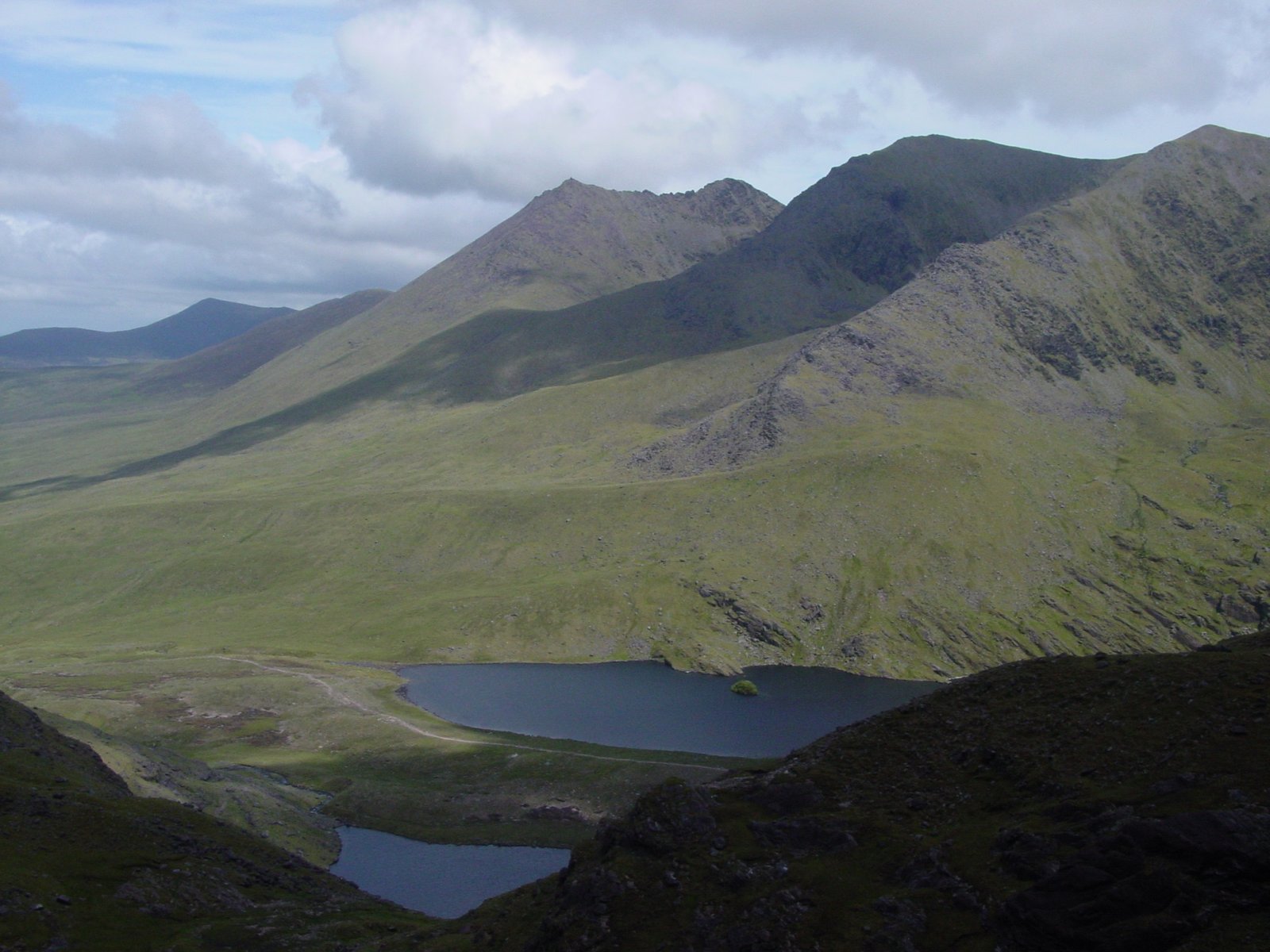
Kerry isn’t all coast. Run inland and you hit the MacGillycuddy’s Reeks, the highest mountain range in Ireland, with Carrauntoohil at the top of it. At 3,406 feet it’s the highest point in the country, and on a clear day you can see three of Kerry’s peninsulas from the summit.
The usual way up starts from Cronin’s Yard or Lisleibane, both a short drive west of Killarney, where you can park and pick up the trail into Hag’s Glen. From there the classic route climbs the Devil’s Ladder, a steep, loose gully that’s the most direct line to the ridge.
This is a real mountain, not a boardwalk stroll. Plan on five to seven hours round trip, and the weather turns fast up there, so you want proper boots, layers, food, and the ability to navigate when cloud drops onto the top. In poor visibility, or if you’re not confident on your own, a local guide is money well spent.
I’ll be straight: we didn’t climb it. Between the driving days and a named storm chasing us around the coast, the big hike never fit, so I can’t hand you a summit verdict from the top. That’s on the list for a return trip.
You don’t need to summit anything to enjoy the mountains. The Reeks fill the view for most of the drive west of Killarney, and the Gap of Dunloe cuts through the edge of them if you want the scenery without the climb.
For fit hikers, Carrauntoohil is the one to save a full day for, and it belongs on any full list of the best places to visit in Kerry.
The Blasket Islands
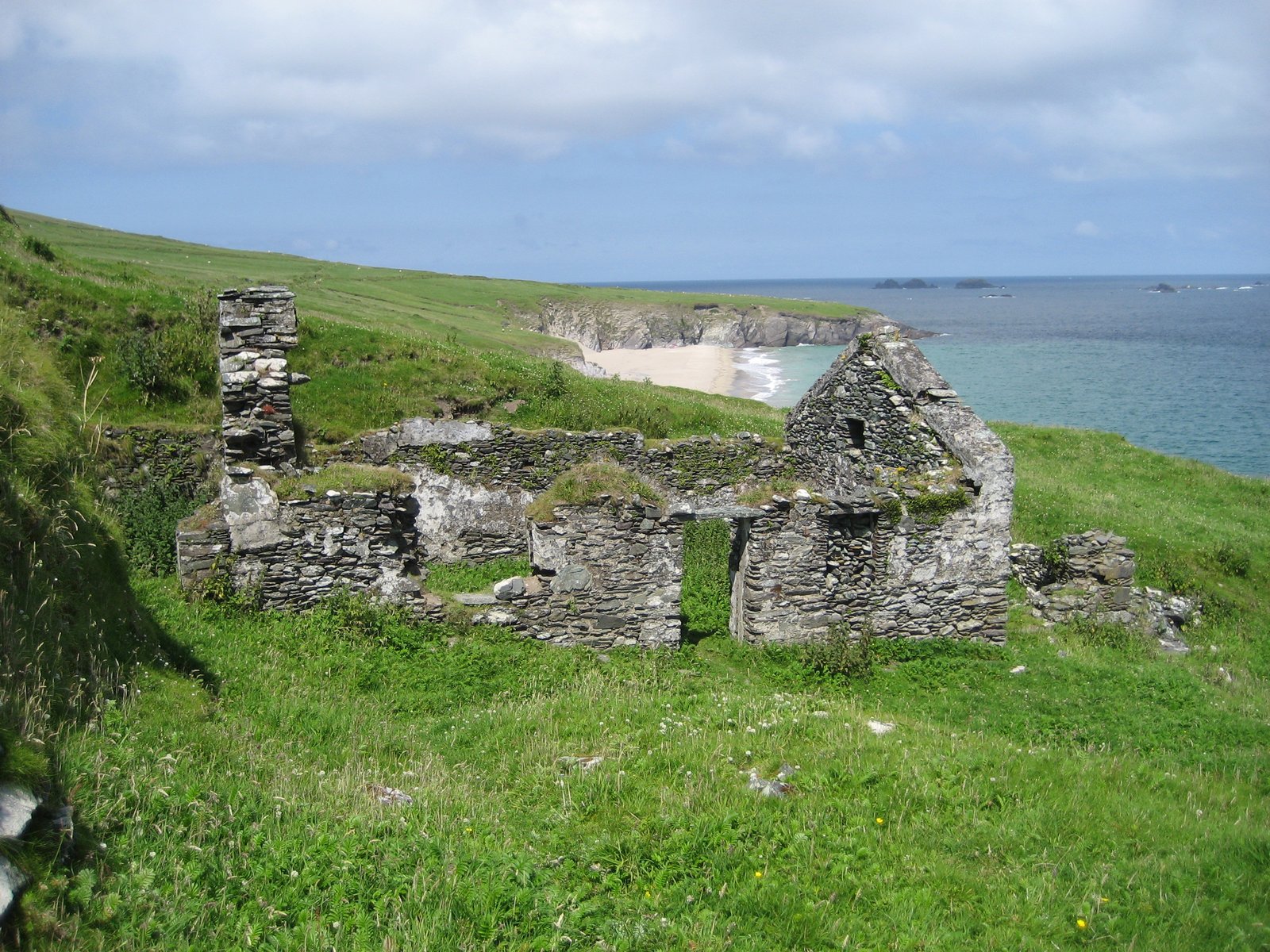
The Blasket Islands sit off the tip of the Dingle Peninsula, a scatter of six islands in the Atlantic that you’ll see from the Slea Head Drive long before you set foot on one. The Great Blasket is the big one, and for a small island it carries an outsized story.
People lived out here until 1953, when the last islanders were moved to the mainland because the community had shrunk too far to keep going. What they left behind is a run of abandoned stone cottages above the beach and a body of Irish-language writing that’s studied to this day.
For its size, this tiny place produced a remarkable number of memoirs in Irish, books like “The Islandman” and “Twenty Years A-Growing” that recorded a way of life right as it was ending.
Ferries run out to the Great Blasket from Dunquin pier in the warmer months, roughly Easter through September, and the crossing depends on the sea behaving. Once you land you can walk the old village, follow the trails over the island, and watch the gray seals hauled out on the White Strand below.
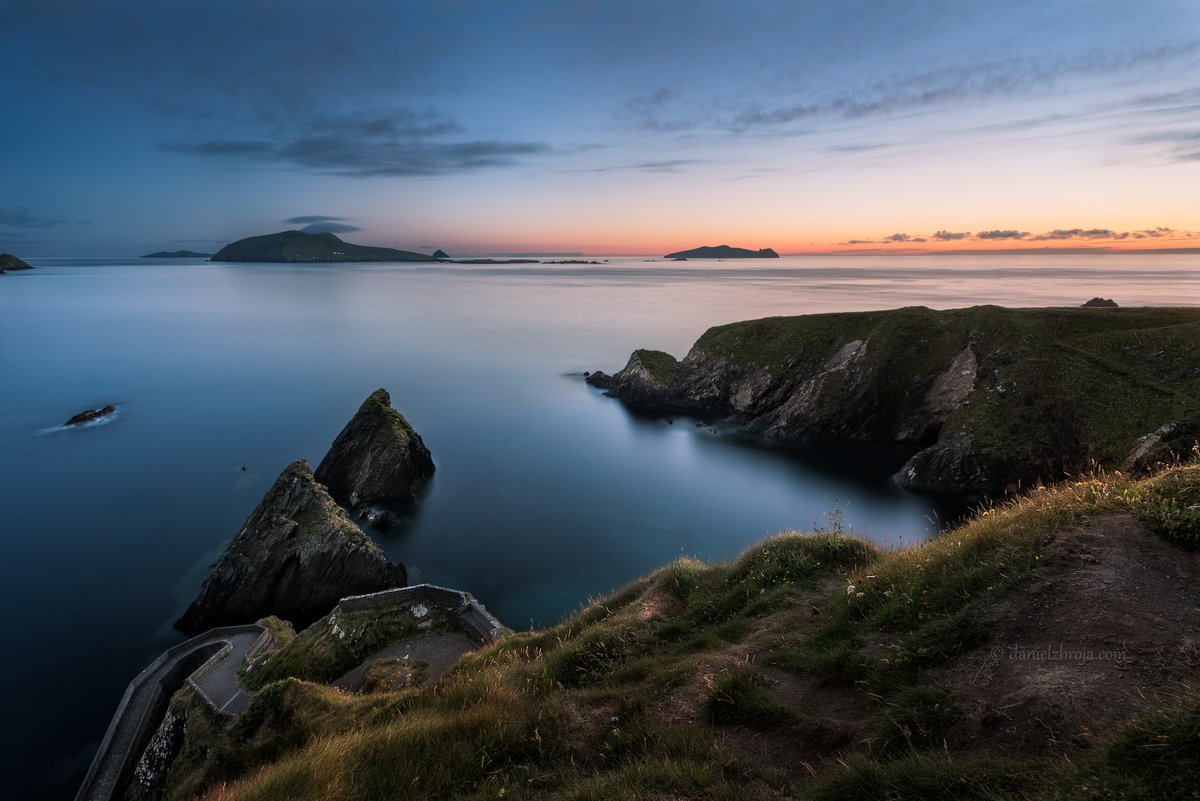
Some operators run eco tours around the islands too, circling for seals, seabirds, and dolphins without landing, which is the fallback when the swell is up. Book ahead and check current pricing and sailing times, since both move with the season.
I can’t give you a first-hand verdict on the crossing, because our own Dingle plans fell apart in the rain and we never made it out. If you’re giving Dingle the days it deserves, though, a run out to the Great Blasket is one of the better ways to spend one of them.
Before you drive off, the Blasket Centre back on the mainland at Dunquin tells the whole story of the islands and their writers, and it’s the right stop if the boats aren’t running the day you’re there.
Tralee
Tralee is the county town of Kerry, the biggest place in the county and the one a lot of trips pass through on the way to Dingle rather than stop in. It’s a working town more than a postcard one, but it earns a stop, especially if you’ve got kids or a wet afternoon to fill.
The name it’s best known for is the Rose of Tralee, the big festival that takes over the town for a week in late August. If you’re here then, expect crowds, music, and every bed booked out. If you’re not, the town is a good deal quieter the rest of the year.
The stop I’d make first is the Kerry County Museum, which walks you through the county’s history and has a recreated medieval street you can walk down. It sits in the Ashe Memorial Hall right by the town park, so it’s an easy one to pair with a stroll.
Just outside town is the Blennerville Windmill, the largest working windmill in Ireland and hard to miss with its white sails standing over the bay. Closer to the center, the Tralee Bay Wetlands Centre has boat trips and a viewing tower over the reserve.
And if the rain sets in and you’ve got kids climbing the walls, the Aqua Dome is the indoor water park to know about.
Tralee won’t top your list of the best places to visit in Kerry, and it doesn’t need to. Treat it as the practical base it is: a spot to stock up, break a driving day, or duck out of the weather before you push on to the Dingle Peninsula.
More Killarney and Dingle Guides
- The Best Pubs in Killarney: 10 Locals’ Favorites
- The Best Restaurants in Killarney: 11 Local Favourites
- The Best Pubs in Dingle
- 7 Best Places to Stay in Dingle, Ireland
How to Get Around Kerry
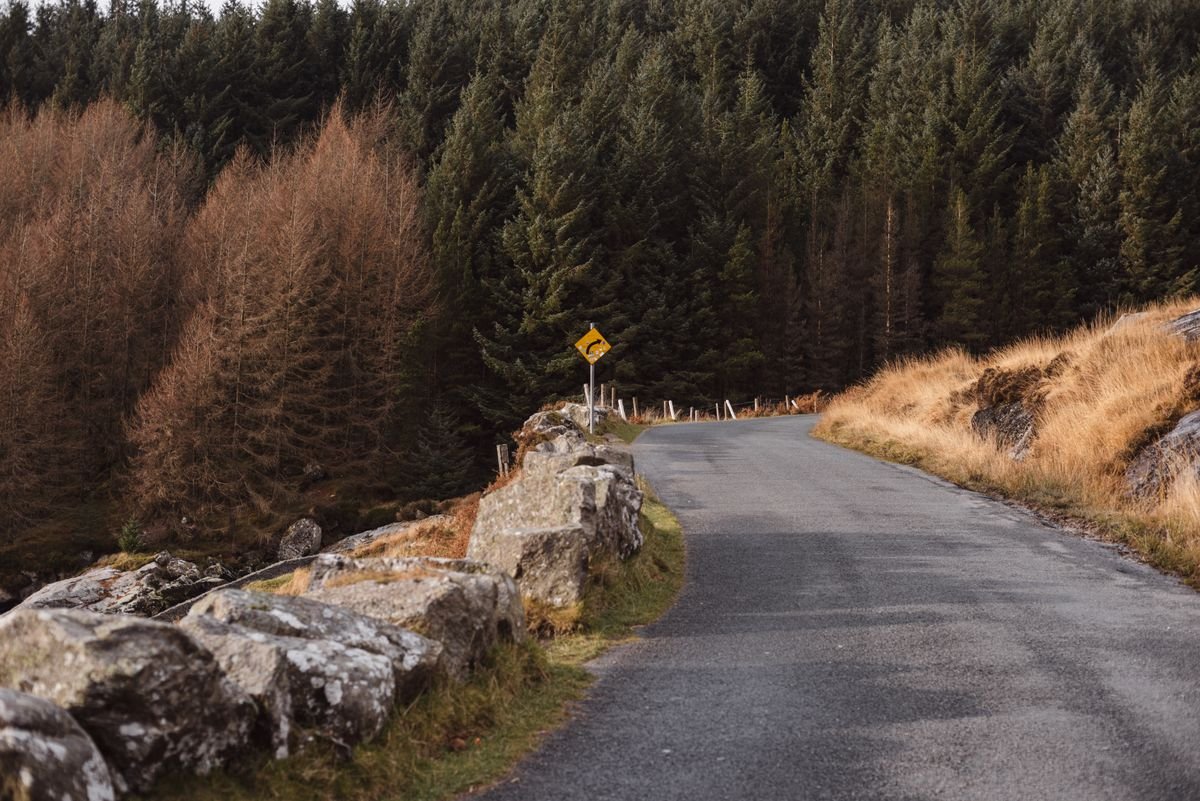
The short version is you want your own wheels. Kerry is spread out, the best of it is on small coastal roads, and the freedom to stop when a viewpoint or a pub grabs you is the whole point. We did the county by campervan, but a rental car does everything the same and is the easier call for a first trip.
Pick the car up in Dublin, Cork, or Kerry Airport near Killarney, and remember you’re driving on the left. The main roads like the N70 around the Ring of Kerry are wide enough for any vehicle, but the peninsulas thin out fast into single-track lanes with grass up the middle and the odd sheep in the road. Take those slow.
A couple of practical notes from our drive. Book the rental car early, since it’s one of the first things that sells out in summer, and it’s worth taking a minute to compare car hire deals on Discover Cars before you lock one in. And parking a big vehicle in Killarney or Dingle town is a pain, so we based on the edge and taxied in for dinner, which meant nobody had to skip the pints.
If you’re not driving, you’re not stuck, but you’ll work harder. Buses run between the bigger towns like Killarney, Tralee, and Kenmare, and thin out or vanish once you’re out on the coast. To see the Ring of Kerry or the Skellig Ring without a car, the simplest fix is a day tour out of Killarney.
So the plan you’ll probably land on is the right one: base in Killarney, hire a car, and use guided tours only for the drives you’d rather not do yourself. Get the wheels sorted and the rest of the county is yours to explore at your own pace.
Best Time to Visit Kerry
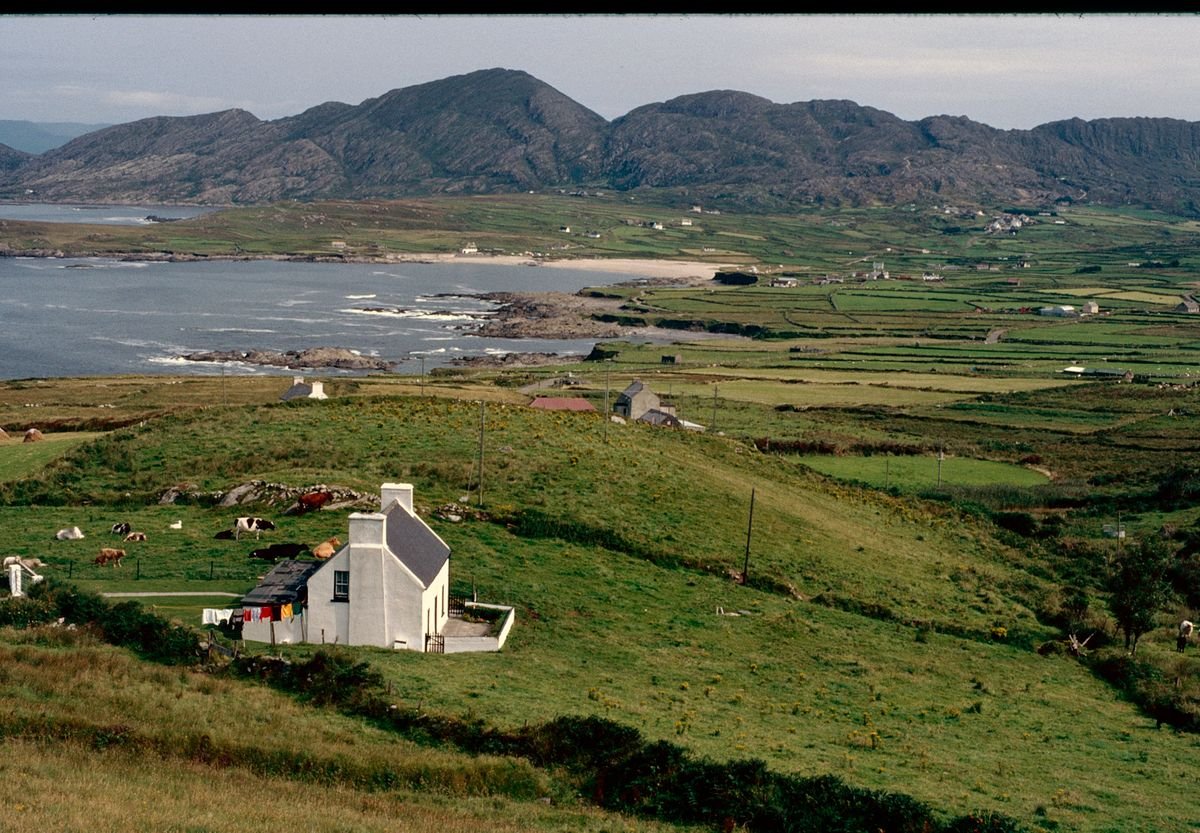
There’s no perfect month for Kerry, only trade-offs, and it comes down to what you’re chasing. Long days and open boats pull one way, empty roads and lower prices pull the other, and the weather does whatever it wants regardless.
Summer, roughly June through August, gives you the most daylight and the best odds of a dry day, which matters a lot on the coast. It’s also when the Skellig Michael landings and the Blasket ferries run, so if either is why you’re coming, this is your window.
The catch is crowds and prices. The Ring of Kerry fills with tour buses, and beds in Killarney and Dingle book out well ahead.

We drove Kerry in shoulder season, in early October, and it’s the window I’d point you at: the months either side of summer, May and September into early October. The roads are quieter and the towns calmer, and you can still find a trad session any night of the week.
Be honest with yourself about the weather trade, though. We got low cloud sitting on the coast for the Ring of Kerry and a named storm chasing us around, so a few of the big viewpoints never showed themselves. By October the Skellig and Blasket boats had all but stopped for the year, so a landing was off the table before we arrived.
Winter is the quiet extreme. Prices drop, you’ll have the national park to yourself, and a wet day in Killarney still gives you Muckross Abbey in the mist and a warm pub full of music. But the light is short, the boats don’t run, and some smaller places close up, so plan around the towns rather than the islands.
So here’s the plan I’d give a first-timer: aim for late May, June, or September if you can. You get most of summer’s daylight and open boats without the full peak crush. And whenever you come, pack for rain, because Kerry will hand you a shower on the finest forecast, and build your days so the weather can’t ruin them.
Things to Do in Other Towns Around Ireland
- Best Things To Do In Cork (City & Day Trips)
- 33 Best Things To Do in Galway, Ireland
- 22 Best Things To Do in Dublin
Where to Stay in Kerry
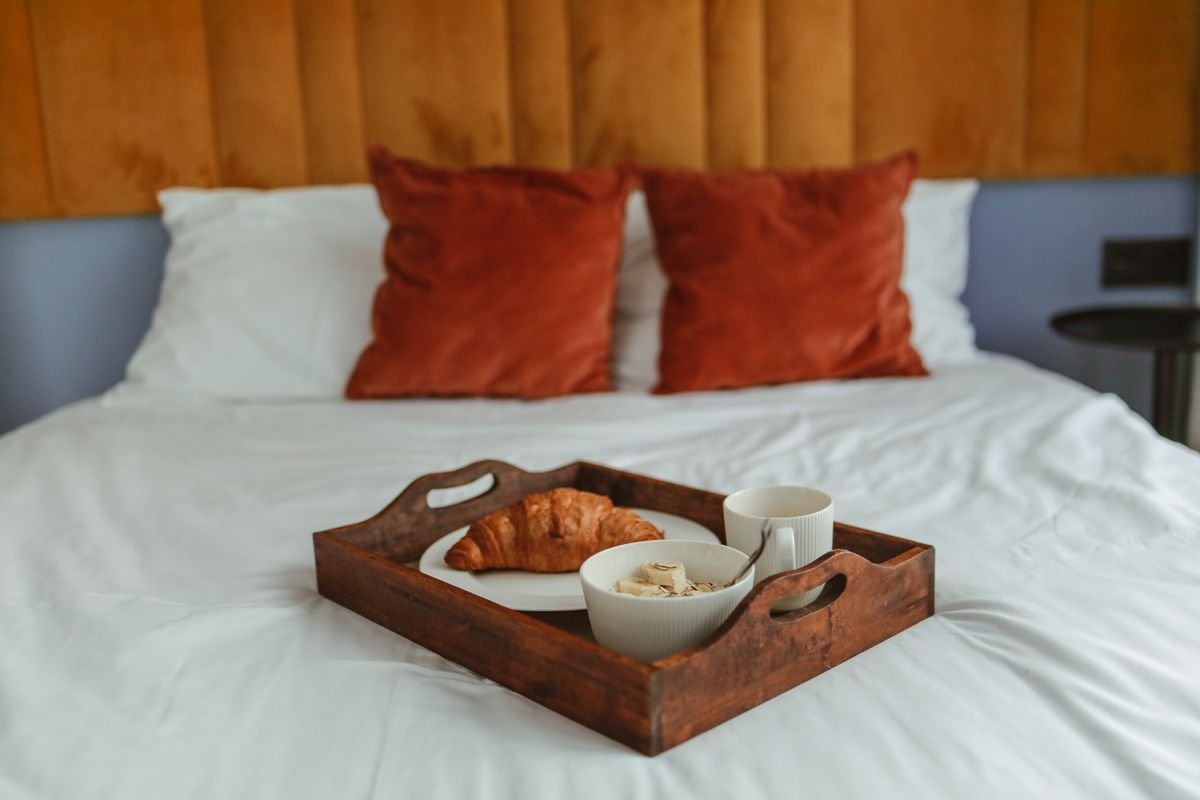
For most Kerry trips you only need one base, and that base is Killarney. It sits within a day’s drive of the Ring of Kerry, the Gap of Dunloe, and the Kerry mountains, and it has the national park on its doorstep, so you can unpack once and still reach the big-name stuff without moving hotels every night.
Killarney has the widest choice of beds in the county too, from hotels in the town center to B&Bs and guesthouses on the roads out toward Muckross. You can check availability in Killarney on Booking.com to see what’s open for your dates. If you’re driving in summer, book ahead, because it’s the first place to fill up when the tour buses arrive.
Add a second base for Dingle
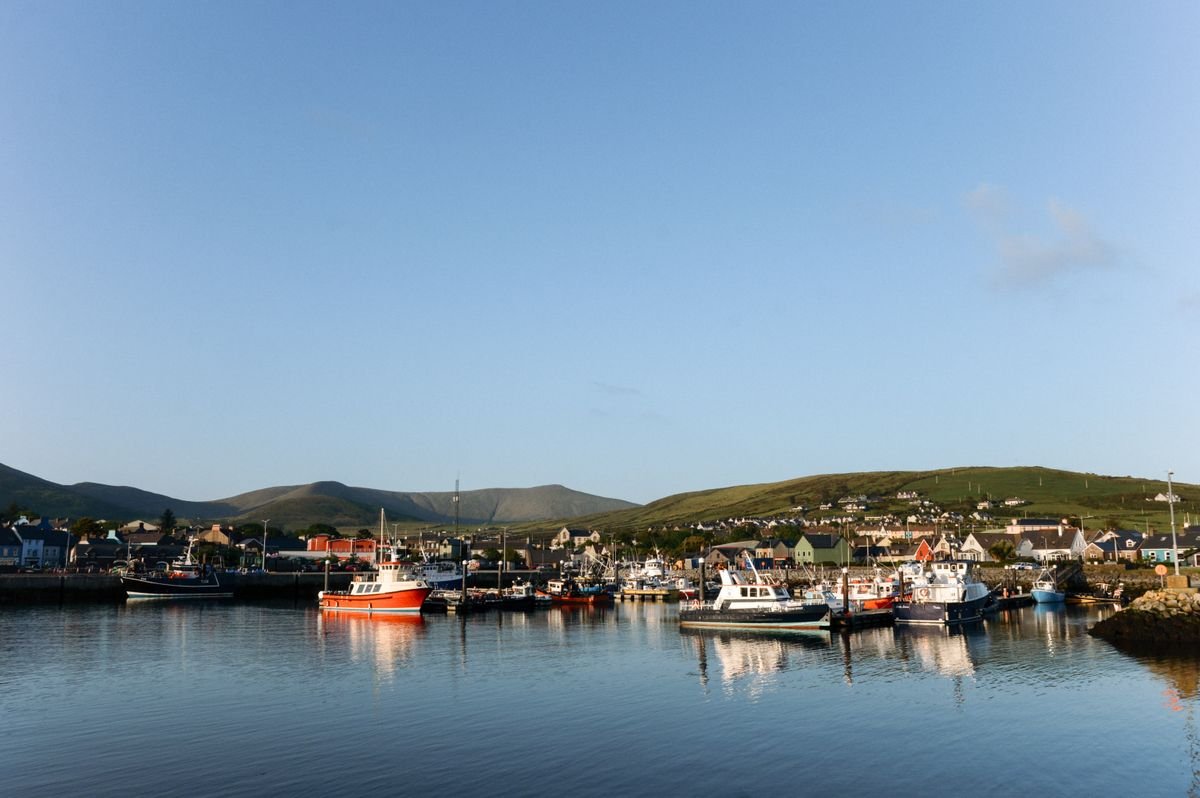
The one place I’d split off for is the Dingle Peninsula. It’s far enough west that day-tripping from Killarney eats your daylight, and Dingle town itself is worth a couple of nights to walk in the day and drink in the evening. Guesthouses and B&Bs in and around the town are the easy pick for a car trip.
If you’re pushing on to the Skellig coast or the Beara, small towns like Portmagee, Kenmare, or Cahersiveen have places to stay and put you closer to the wilder edges, so you’re not backtracking to Killarney at the end of a long driving day.
A note for campervans
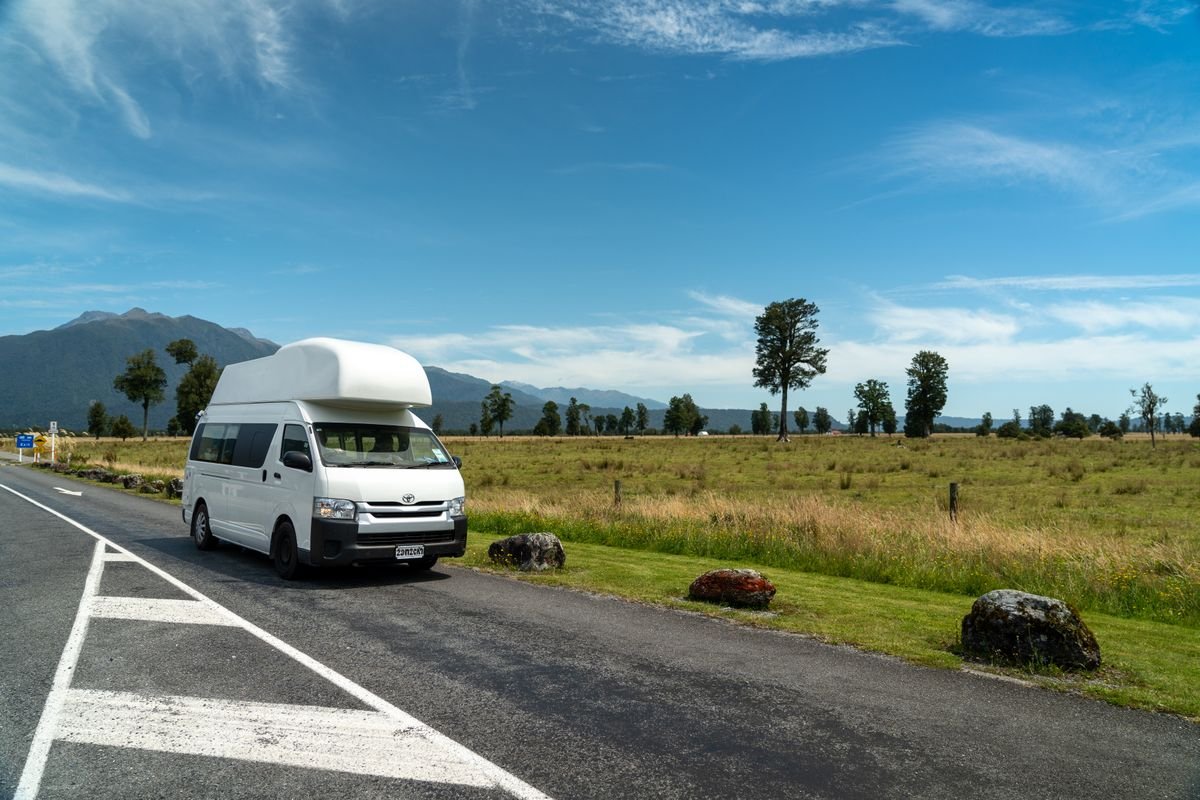
We did the county in a van, so a quick word if you’re doing the same. Book proper campsites rather than winging it, since the coastal spots don’t take kindly to overnighting, and base a little outside the towns where a big vehicle is easier to park.
That’s exactly what we did in both Killarney and Dingle, and taxiing the last few minutes in meant nobody had to skip the pints.
More Ireland Itineraries and Road Trips
- Wild Atlantic Way Itinerary – Ireland’s Most Epic Road Trip
- A Photographer’s Definitive Ireland Road Trip
- 14 Days in Ireland: The Ultimate 2-Week Itinerary
In short
- Four or five days covers the Ring of Kerry, Killarney National Park, and the Dingle Peninsula without rushing.
- The Ring of Kerry wins on a clear day; Dingle is the better pick in bad weather.
- Book Skellig Michael landings months ahead, since the boats sell out and only run in calm seas.
- A rental car opens up the coast and the smaller peninsulas that buses do not reach.
- Base in Killarney for the park and nightlife, then add a second night out on Dingle.
FAQs About Visiting Kerry
How many days do you need in Kerry?
Give it four or five days if you can. That’s enough for the Ring of Kerry, a couple of nights in Killarney for the national park, and two nights out on Dingle. Three days is doable but rushed, and a week lets you add the Beara or a mountain day.
Is the Ring of Kerry or the Dingle Peninsula better?
Do both if you have the time, because they’re close together and different enough to earn their own days. If you’re forced to pick, the Ring of Kerry wins on a clear day and Dingle wins in bad weather, since it’s more compact and easier to enjoy under cloud.
What is County Kerry known for?
The big drives, mainly: the Ring of Kerry and the Slea Head Drive. Beyond those it’s Killarney National Park, Carrauntoohil and the MacGillycuddy’s Reeks, Skellig Michael off the coast, and a trad music scene you can walk into any night in Killarney or Dingle.
Can you visit Kerry without a car?
You can, but it takes more planning. Base in Killarney, which has bus links to Tralee and Kenmare, and book day tours for the Ring of Kerry and the Skellig Ring. The coast and the smaller peninsulas are tough to reach on public transport, so tours fill that gap.
Is Kerry worth visiting?
Yes. We drove two weeks around Ireland on our last trip, and Kerry packed in more of what we came for than anywhere else: the coastal drives, the national park, the mountains, and the pubs. Even with a named storm chasing us, it was still one of our favorite stretches of the whole country.
So, What Are the Best Places to Visit in Kerry?
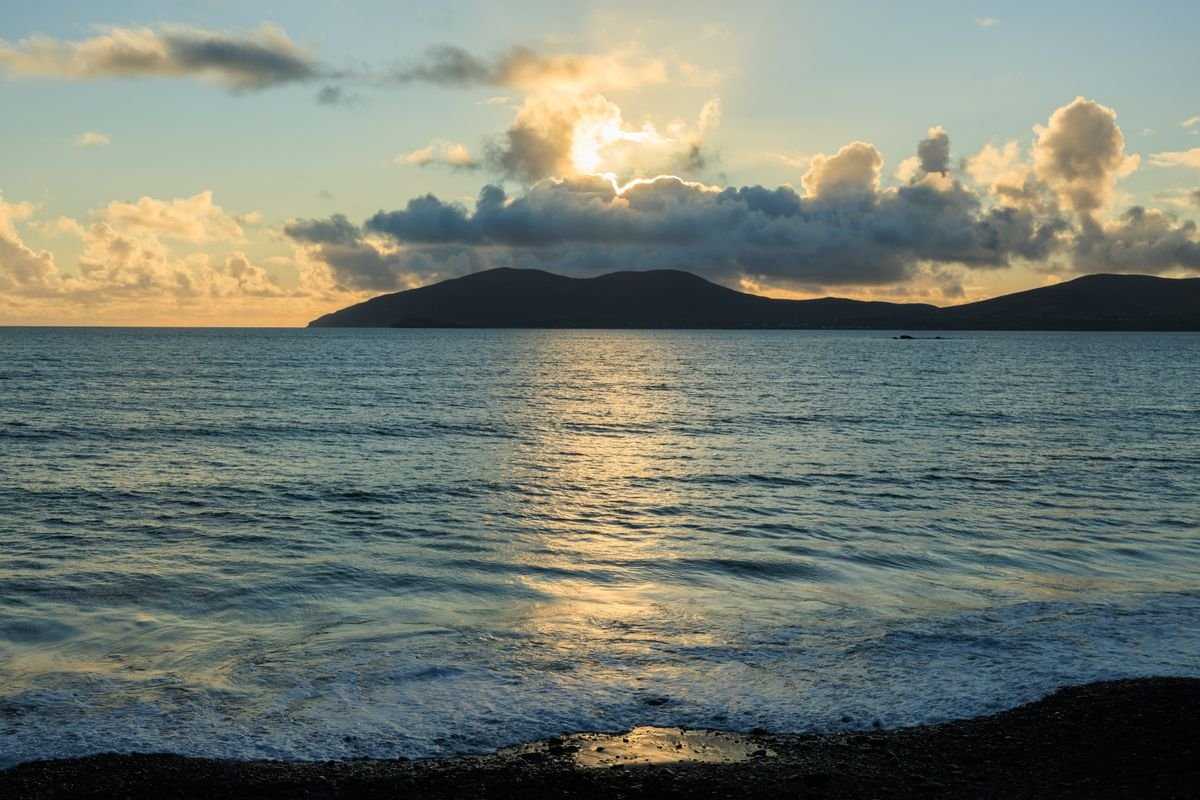
That’s the county as we found it, warts and weather included. If you only have a few days, keep it simple: base in Killarney, do the Ring of Kerry on the best-forecast day you get, and give Dingle a couple of nights so you don’t make our mistake of only seeing it in the dark.
If you’ve got longer, that’s when the good stuff opens up. The Skellig Ring for the wildest coast, Carrauntoohil for a proper mountain day, and the Beara for the empty roads the tour buses never reach.
My one honest steer: don’t try to cram it all in. We drove it fast with a storm on our heels and still ran out of time for the Gap of Dunloe and the climb. Kerry rewards slowing down, so pick a handful of these and do them right.
So which one goes at the top of your list, the big-name Ring of Kerry drive, a pint at Foxy John’s, or a boat out to the Skelligs? Whatever you pick, get the car booked early and let the weather decide the order.
Like it? Pin it!
Save this guide for later