
We spent a couple of nights parked up at O’Hallorans Caravan Park in Salthill, just outside Galway and right on the edge of Galway Bay. Salthill’s seafront flies a Blue Flag, and waking up that close to the water is what got me looking into the best Blue Flag beaches in Ireland in the first place.
If you haven’t come across it before, the Blue Flag is an international award that a beach earns for clean water, safety, good facilities, and proper environmental management. It’s not handed out lightly, and Ireland has a long list of them scattered all the way around the coast.
One honest warning before you pack the swimsuit: this is the Atlantic, not the Mediterranean. The water is cold most of the year, even in summer. But the sand is real, the beaches are clean, and on a good day they’re as good as anywhere I’ve swum.
More Irish Beaches & Coastal Guides
- 6 Best Beaches Dublin Has To Offer
- 9 Best Places On The Wild Atlantic Way Route
- Wild Atlantic Way Itinerary – Ireland’s Most Epic Road Trip
Quick Answer:
Ireland has more than 80 Blue Flag beaches, and the best blue flag beaches in Ireland are spread right around the coast. Inch in Kerry and Keem Bay on Achill Island lead the west, Curracloe and Brittas Bay cover the east, and Salthill sits in Galway city. All have clean, tested bathing water and lifeguards through summer.
The Best Blue Flag Beaches in Ireland
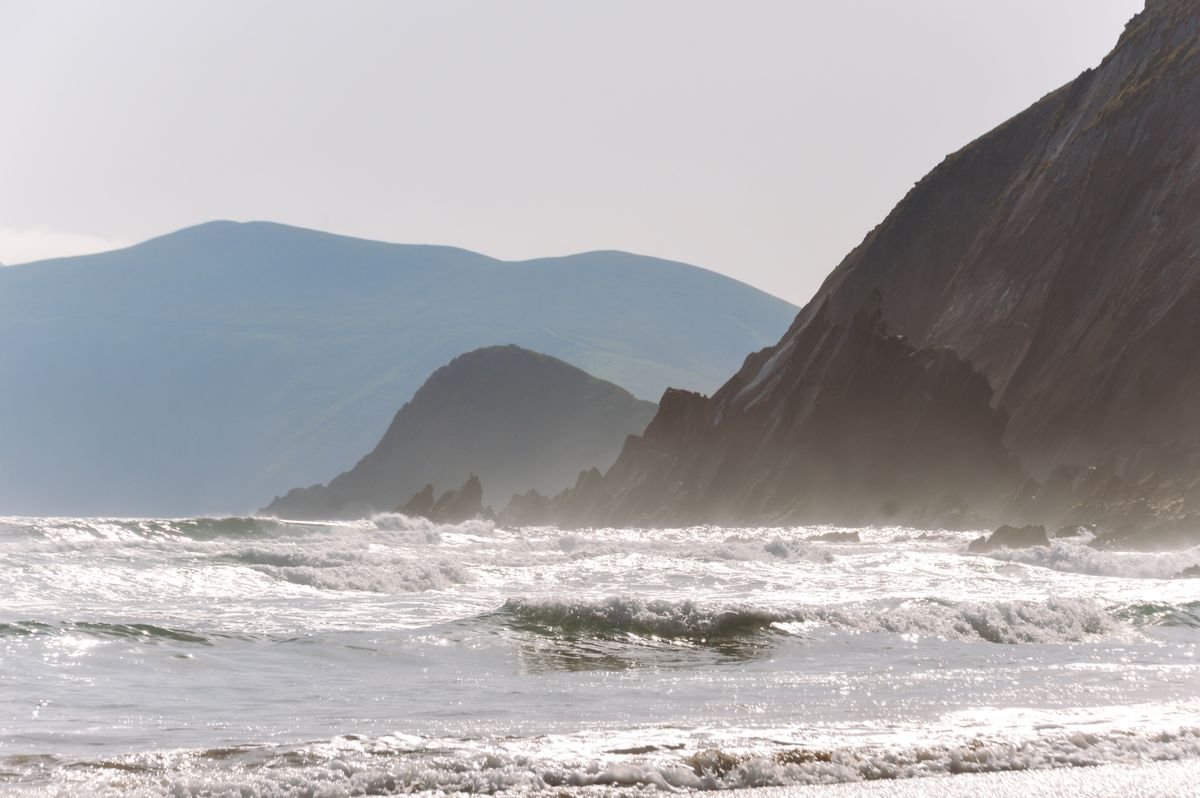
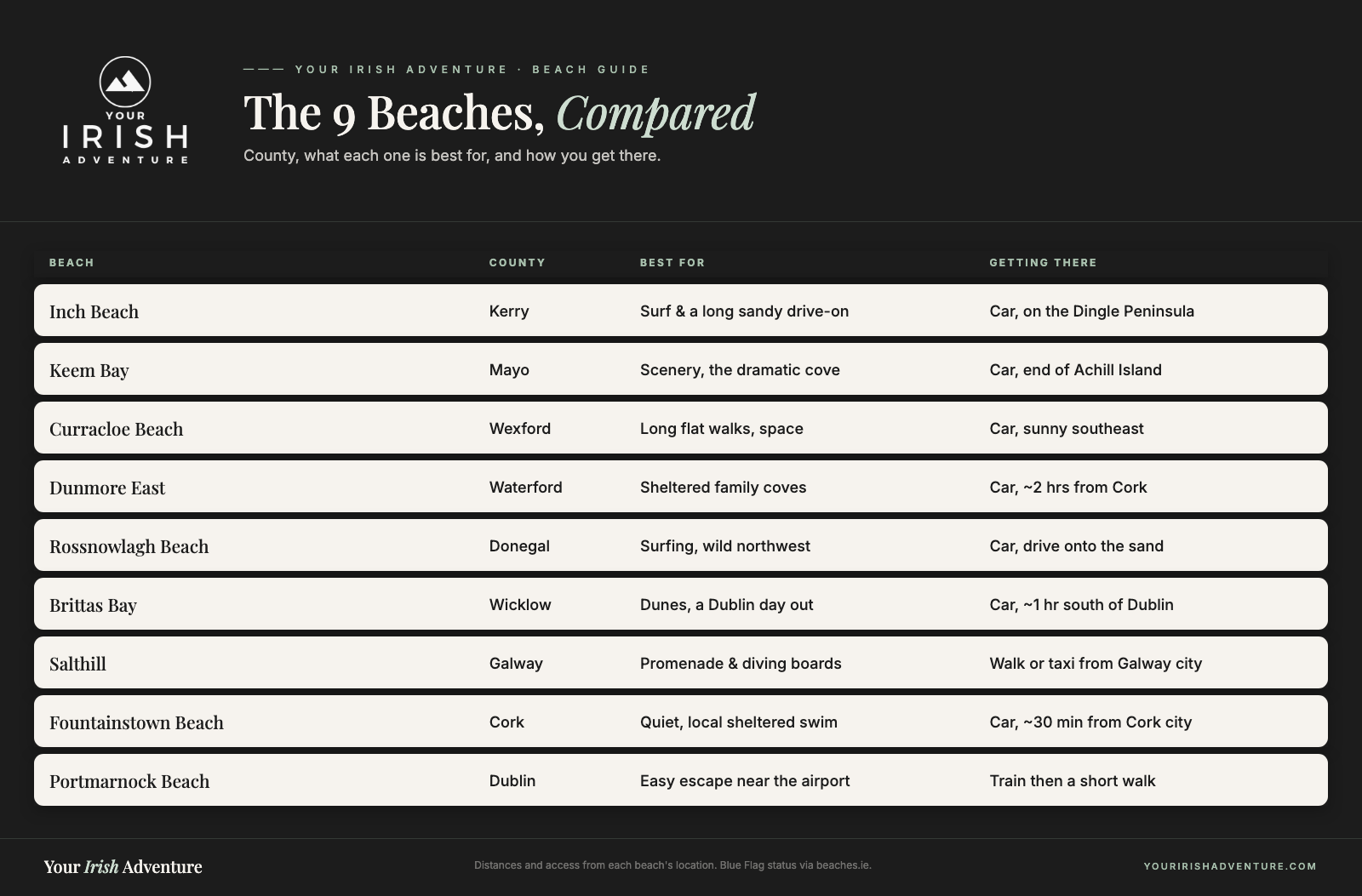
Here are the ones worth planning a trip around. They’re spread right around the coast, so you’re rarely far from a good one, and I’ve ordered them roughly by how much they stand out rather than by county.
Inch Beach, County Kerry
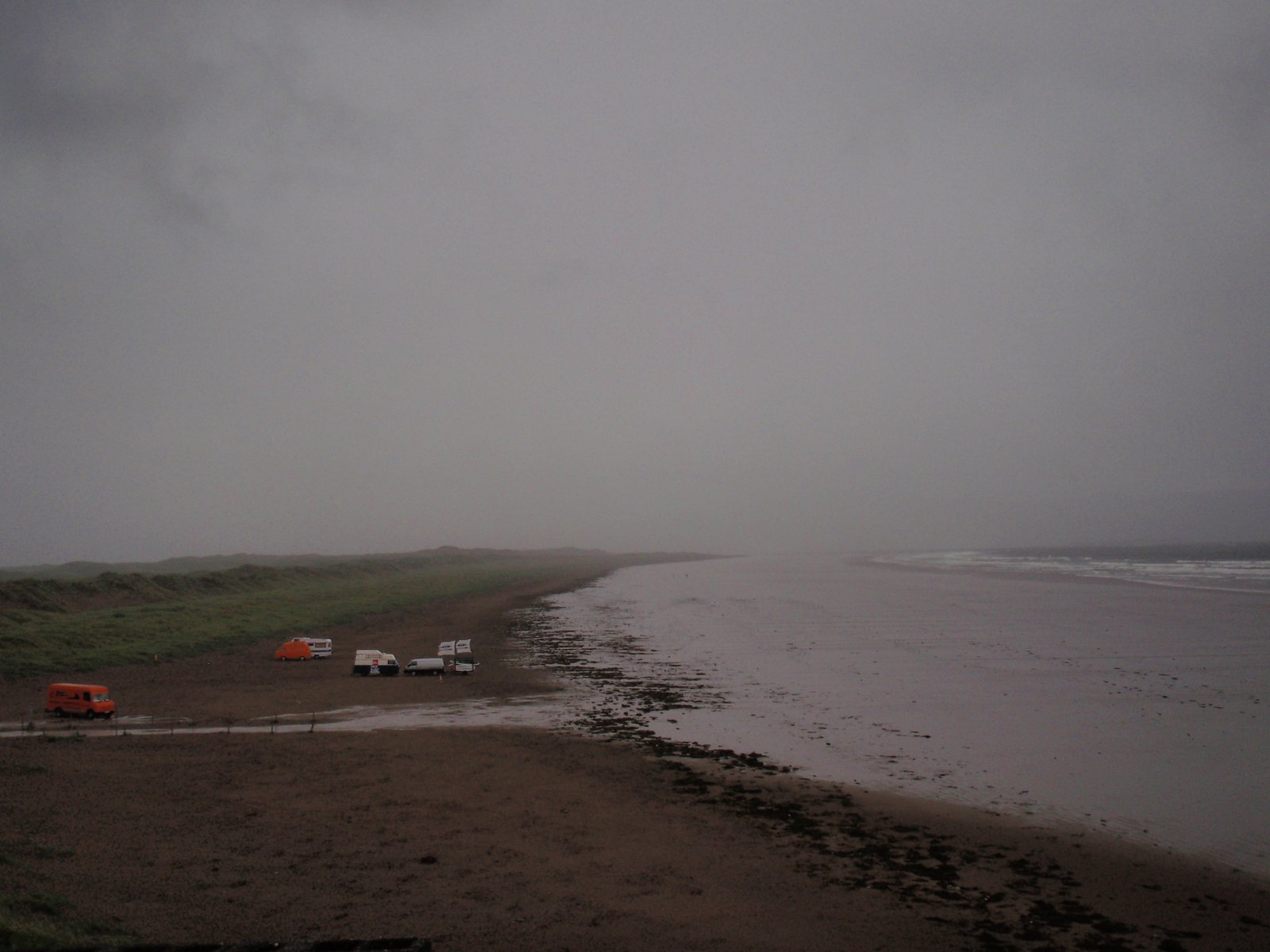
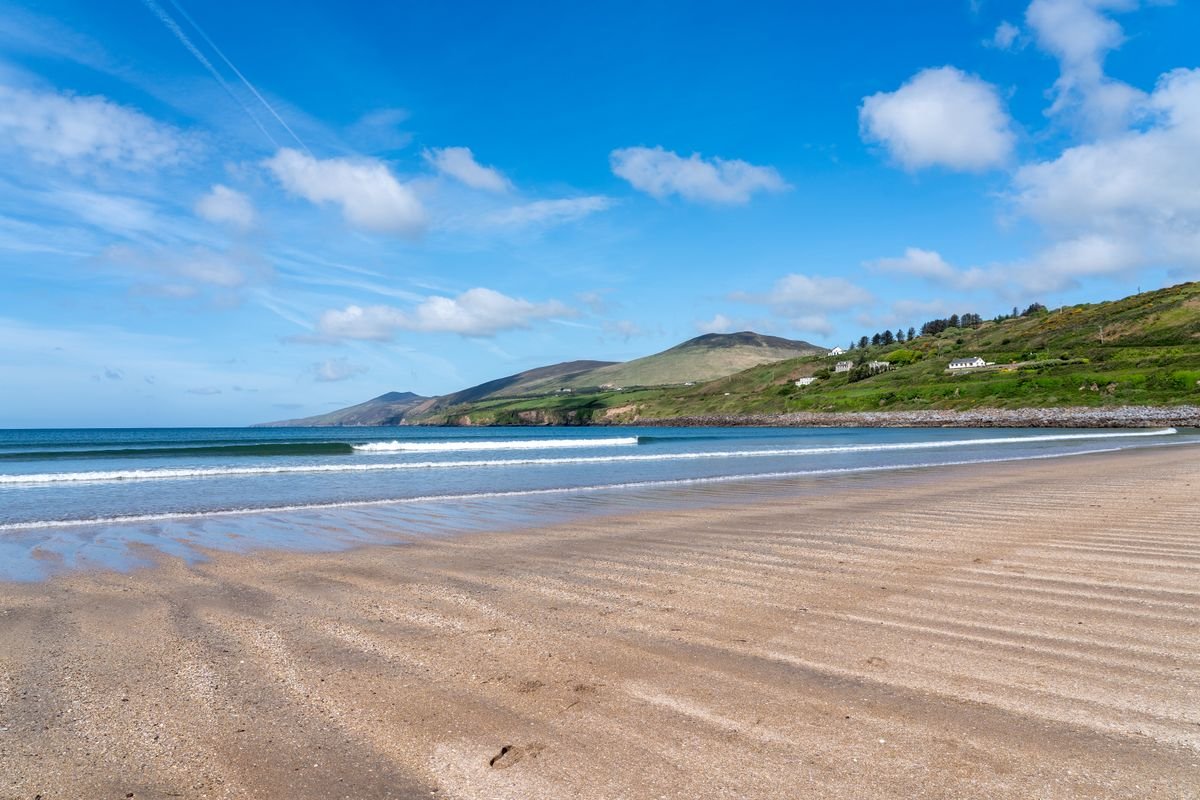
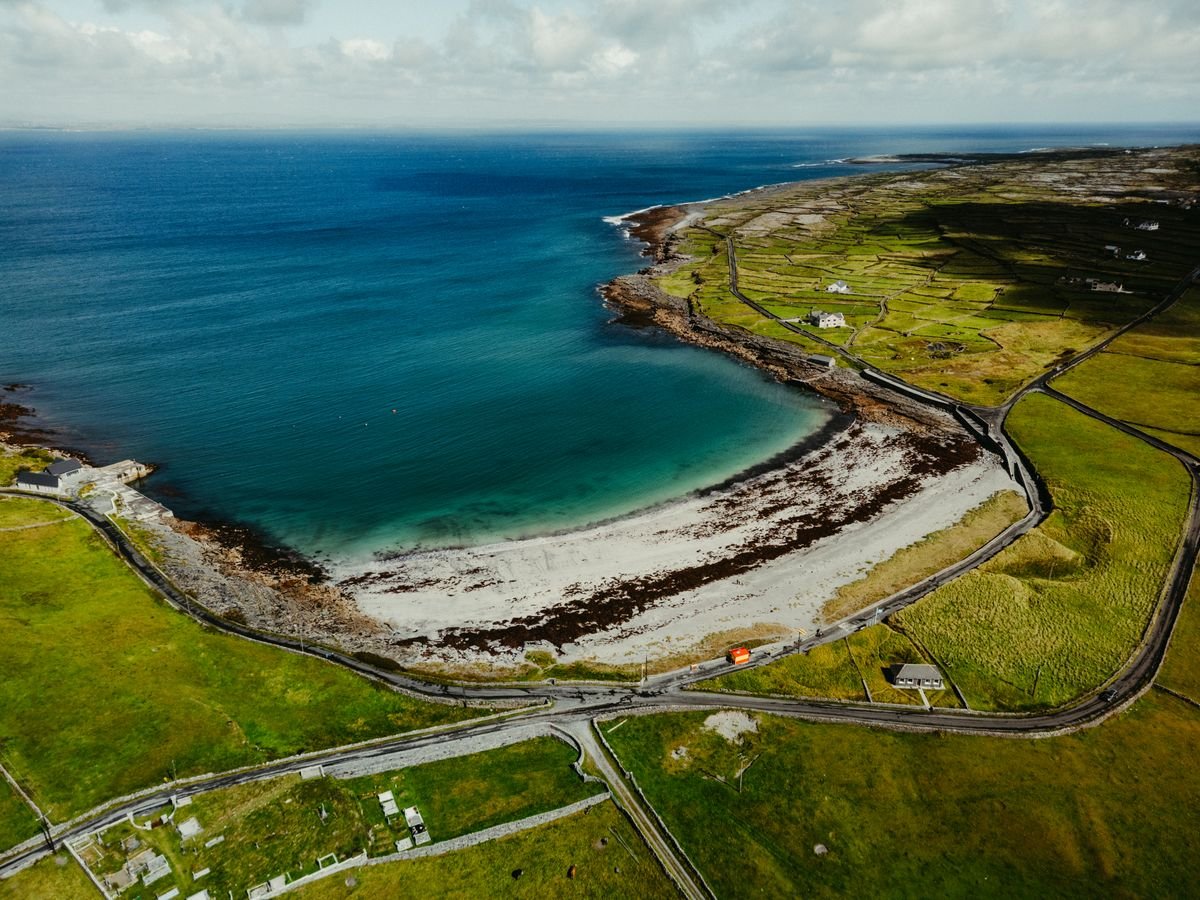
Inch is a long sand spit that juts out into Dingle Bay on the way onto the Dingle Peninsula. It runs for about 5km, with the mountains of the Iveragh Peninsula sitting right across the water.
It’s a popular spot for beginner surfers, and you can drive right onto the firm sand and park up. There’s a cafe at the entrance for when the Atlantic does what the Atlantic does. If you’re driving the Dingle Peninsula, it’s an easy stop and one of the best beaches in the whole southwest.
Where to Stay near Inch Beach (Dingle)
Keem Bay, County Mayo
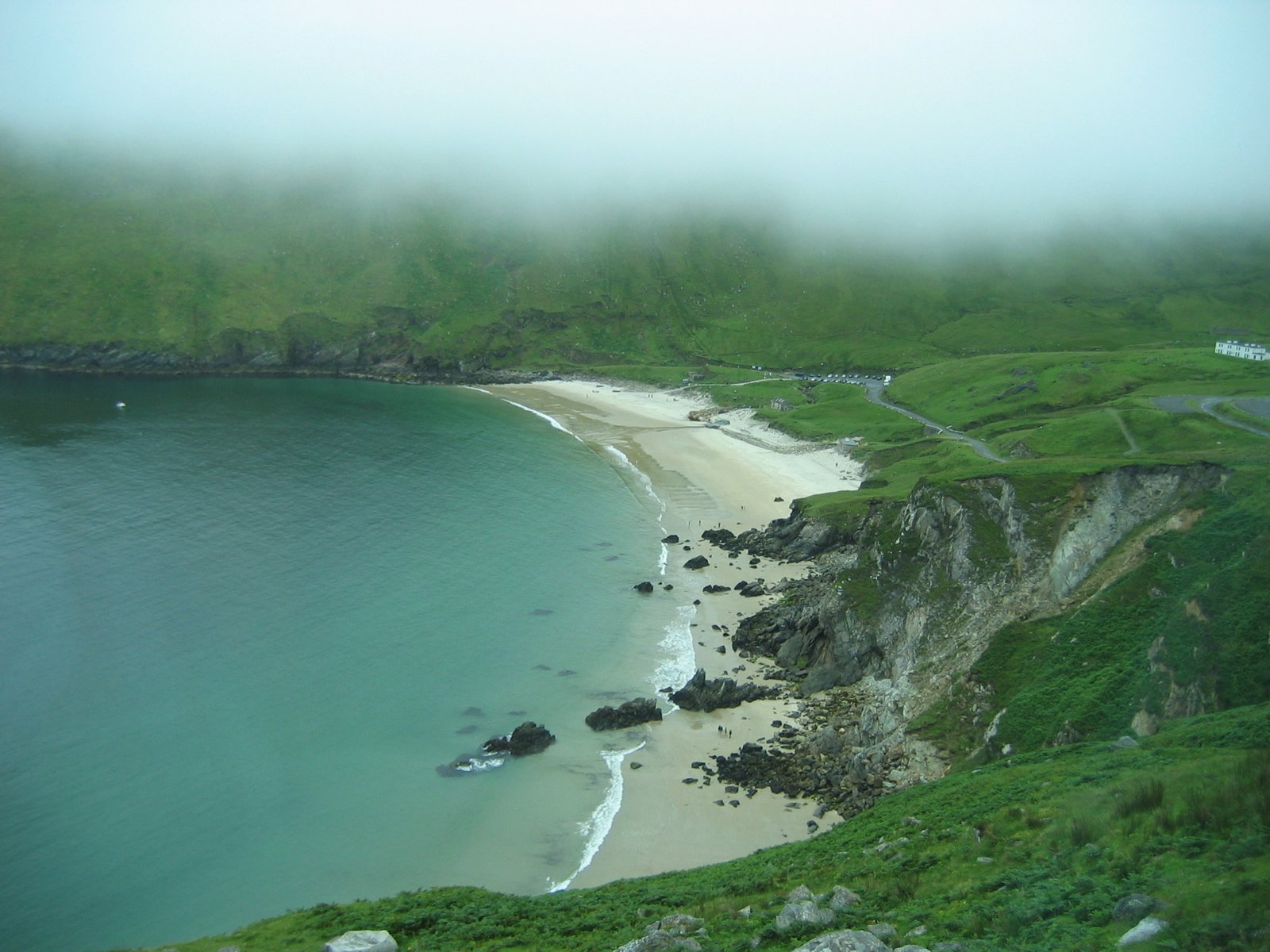
Keem Bay sits at the very end of Achill Island, at the bottom of a steep road that hugs the cliffs the whole way down. It’s a small horseshoe cove of white sand backed by green hills, and the water turns a clear blue-green on a sunny day.
You might recognize it from The Banshees of Inisherin. Getting there is a drive, but Achill Island and the Atlantic Drive make the whole detour worth it.
Where to Stay near Keem Bay (Achill Island)
Curracloe Beach, County Wexford
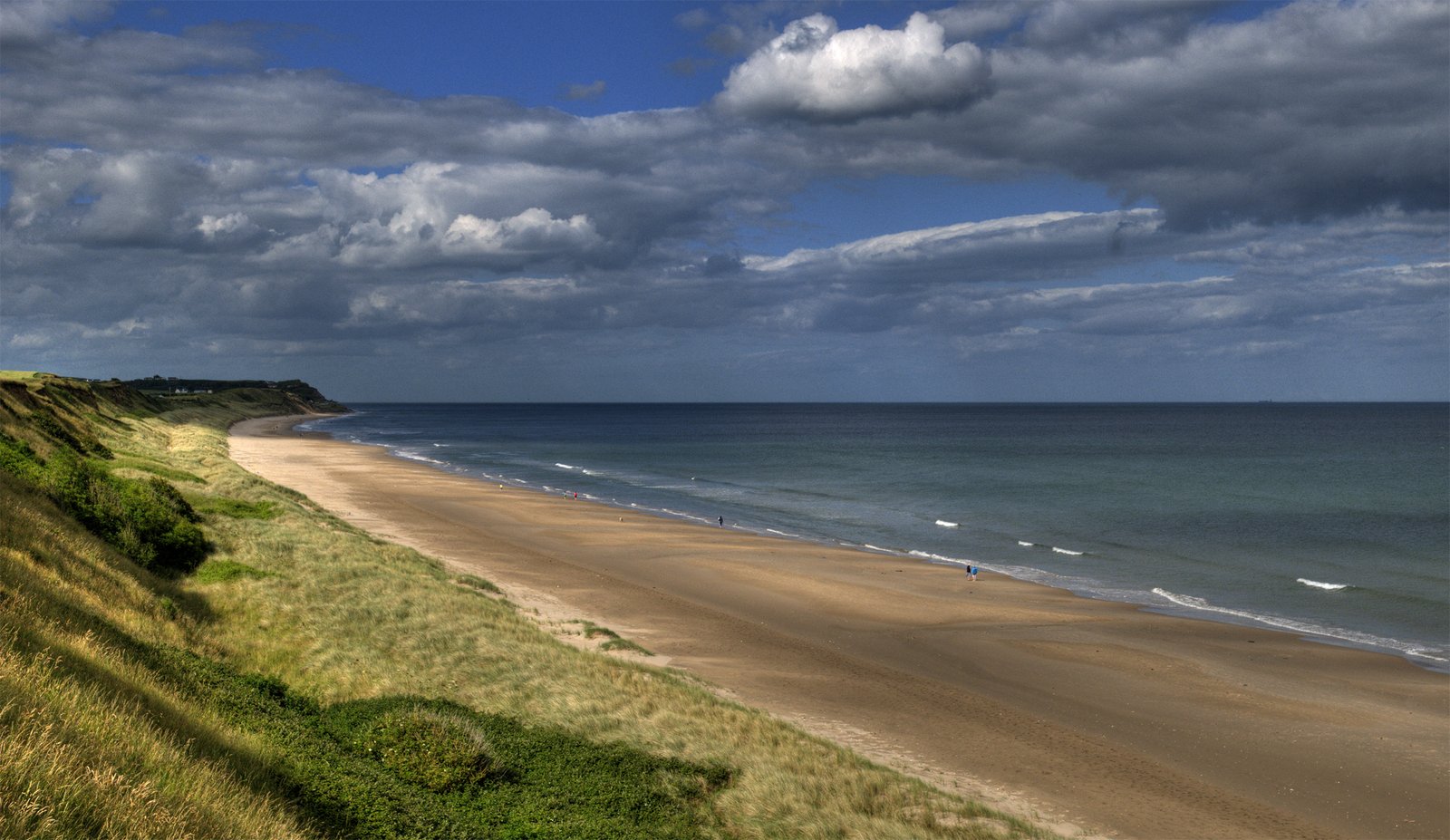
Curracloe is a flat, wide beach that stretches for about 11km along the Wexford coast, backed by dunes and pine. The D-Day landing scene in Saving Private Ryan was filmed here, standing in for Normandy.
Because it’s so long, it never feels packed even on a warm weekend. It’s an easy one if you’re down in the sunny southeast.
Things to Do in the Coastal Towns
- 21 Amazing Things To Do in West Cork This Summer
- 15 Unique Things To Do in Waterford: A Local’s Guide
- 12 Of The Best Day Trips From Galway
Dunmore East, County Waterford
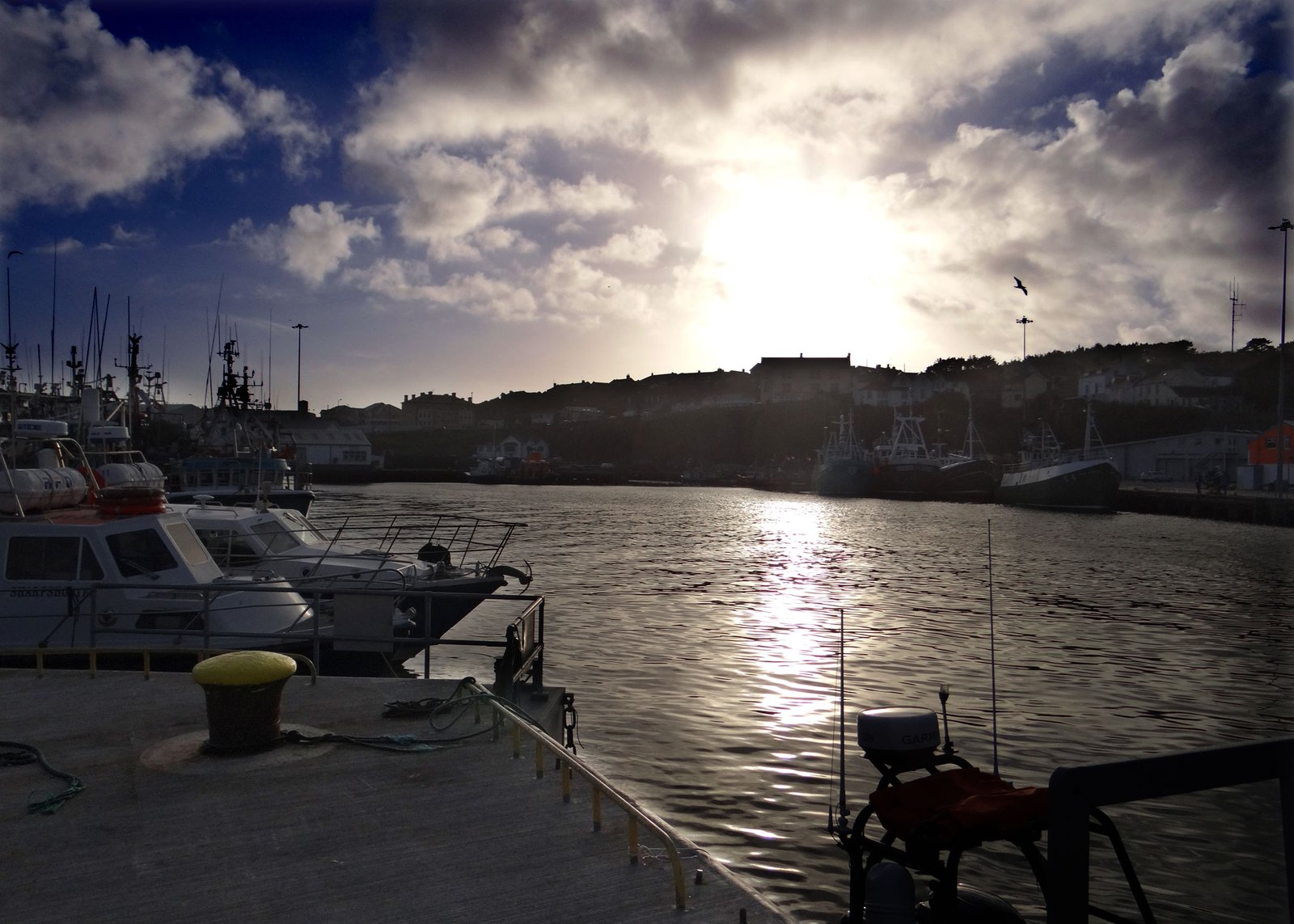
Dunmore East is a working fishing village with a string of small coves rather than one big beach. Counsellor’s Strand and Lawlor’s Strand are the swimming spots, both sheltered and good for kids.
The harbor, the thatched cottages, and the pubs make it a proper day out, not just a beach. It’s about 2 hours from Cork, so it pairs well with a southeast road trip.
Where to Stay in Dunmore East
Rossnowlagh Beach, County Donegal
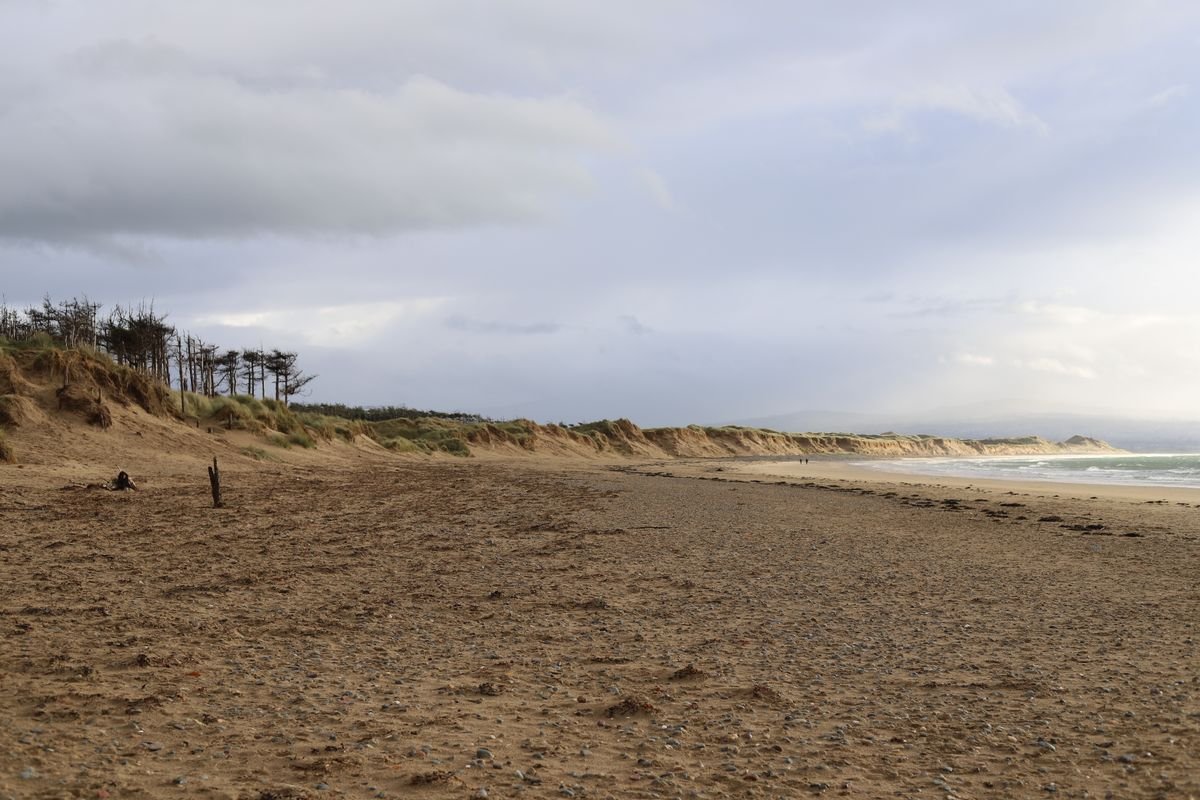
Rossnowlagh is a 3km stretch of flat golden sand in the far northwest, and one of Ireland’s best-known surf beaches. You can drive straight onto it, which makes loading up boards and gear easy.
Donegal is wild and underrated, and Rossnowlagh is a good reason to make the trip north.
Where to Stay near Rossnowlagh
Brittas Bay, County Wicklow
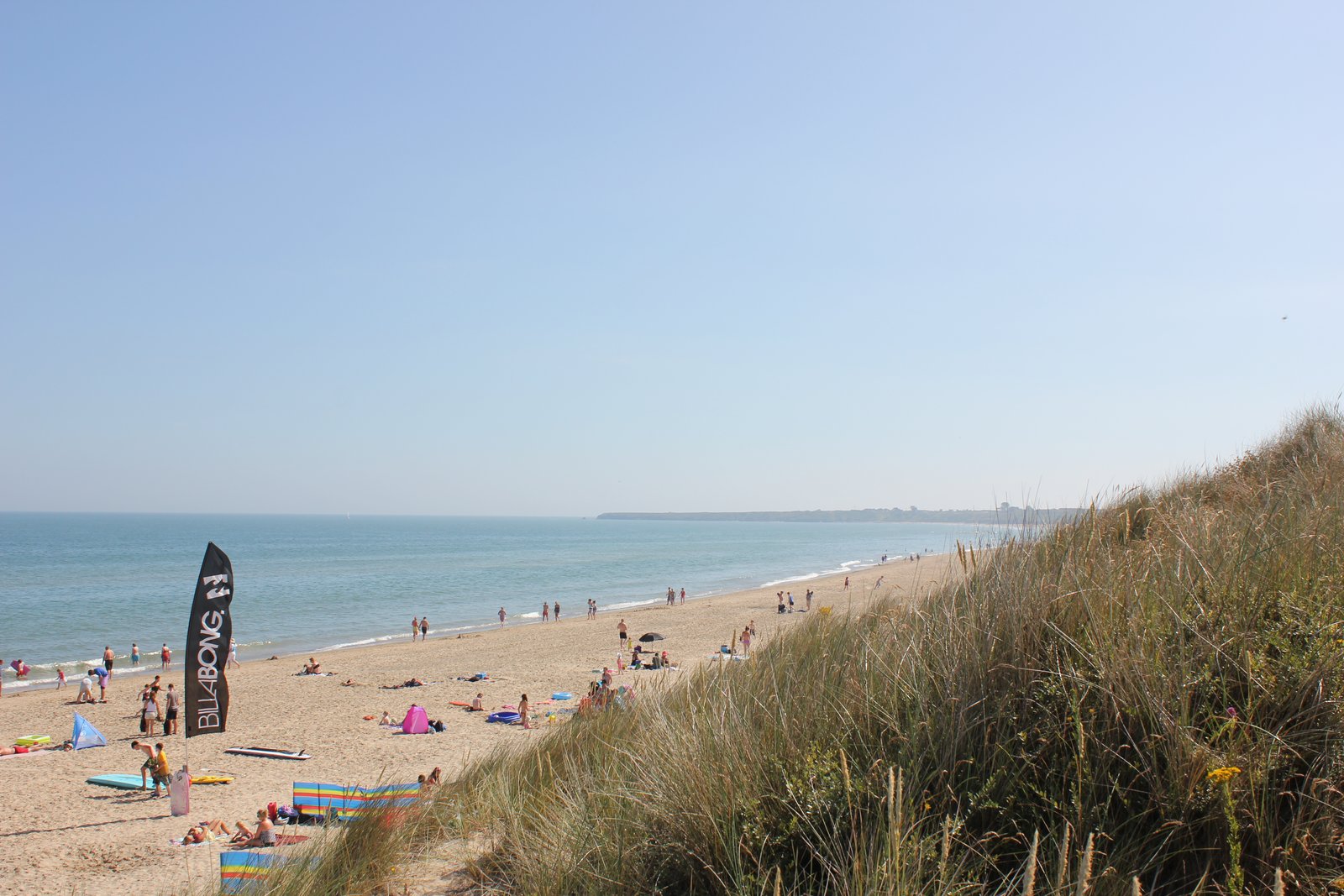
Brittas Bay is the go-to beach for Dubliners, about an hour south of the city. It’s 5km of pale sand behind a big system of dunes that you walk through to reach the water.
On a hot day it gets busy, so go early or on a weekday if you want space. There are paid car parks at the north and south ends.
Where to Stay Around the Coast
- Best Places to Stay in Galway, Ireland
- Where to Stay in County Cork: Cork City vs West Cork
- 7 Best Places to Stay in Dingle, Ireland
Salthill, County Galway
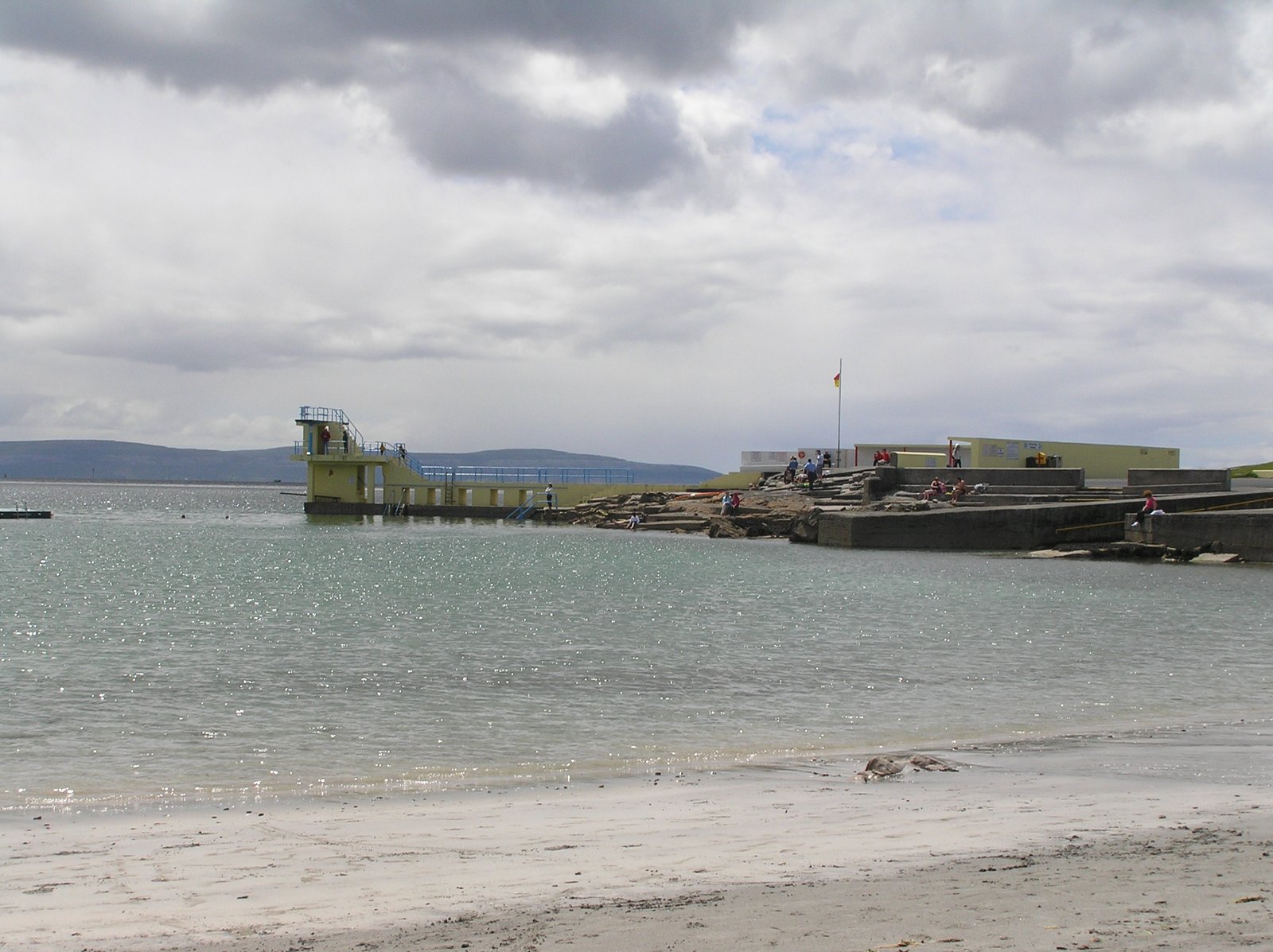
Salthill is the one on this list I’ve actually spent time at, and it’s a different kind of beach. It’s a seafront suburb of Galway with a long promenade, a few sandy and rocky swimming spots, and the diving boards down at Blackrock where locals jump in year-round.
There’s a tradition of “kicking the wall” at the far end of the prom before you turn back. We based ourselves out here and taxied into Galway city in the evenings using the FreeNow app, which works well if you don’t want to park a car in town.
Where to Stay in Salthill
Fountainstown Beach, County Cork
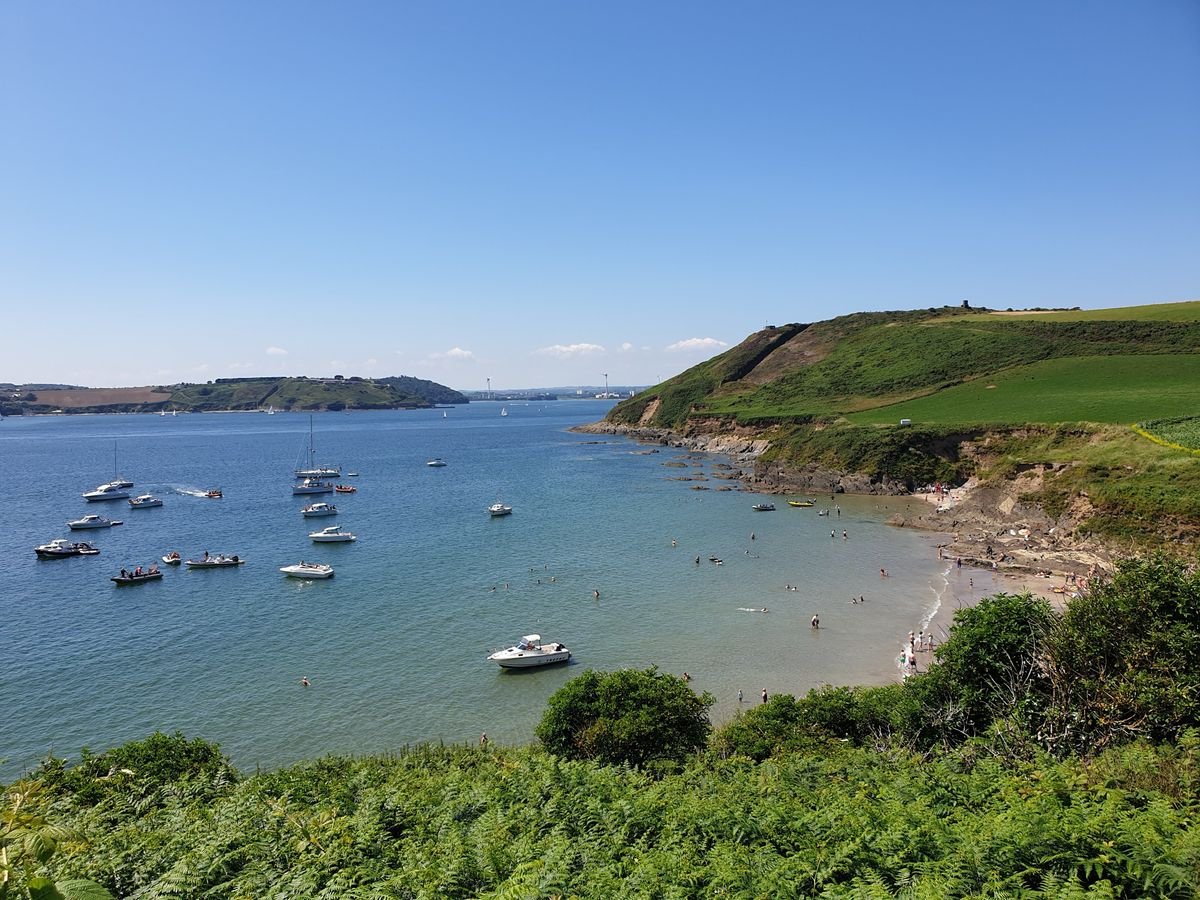
Fountainstown is a sheltered sandy beach near Crosshaven, about a 30-minute drive from Cork city. It’s a quieter, local sort of beach rather than a big tourist name, which is part of why I like the look of it.
We barely scratched the surface of Cork on our trip, and beaches like this are exactly why the county deserves more time than we gave it.
Portmarnock Beach, County Dublin
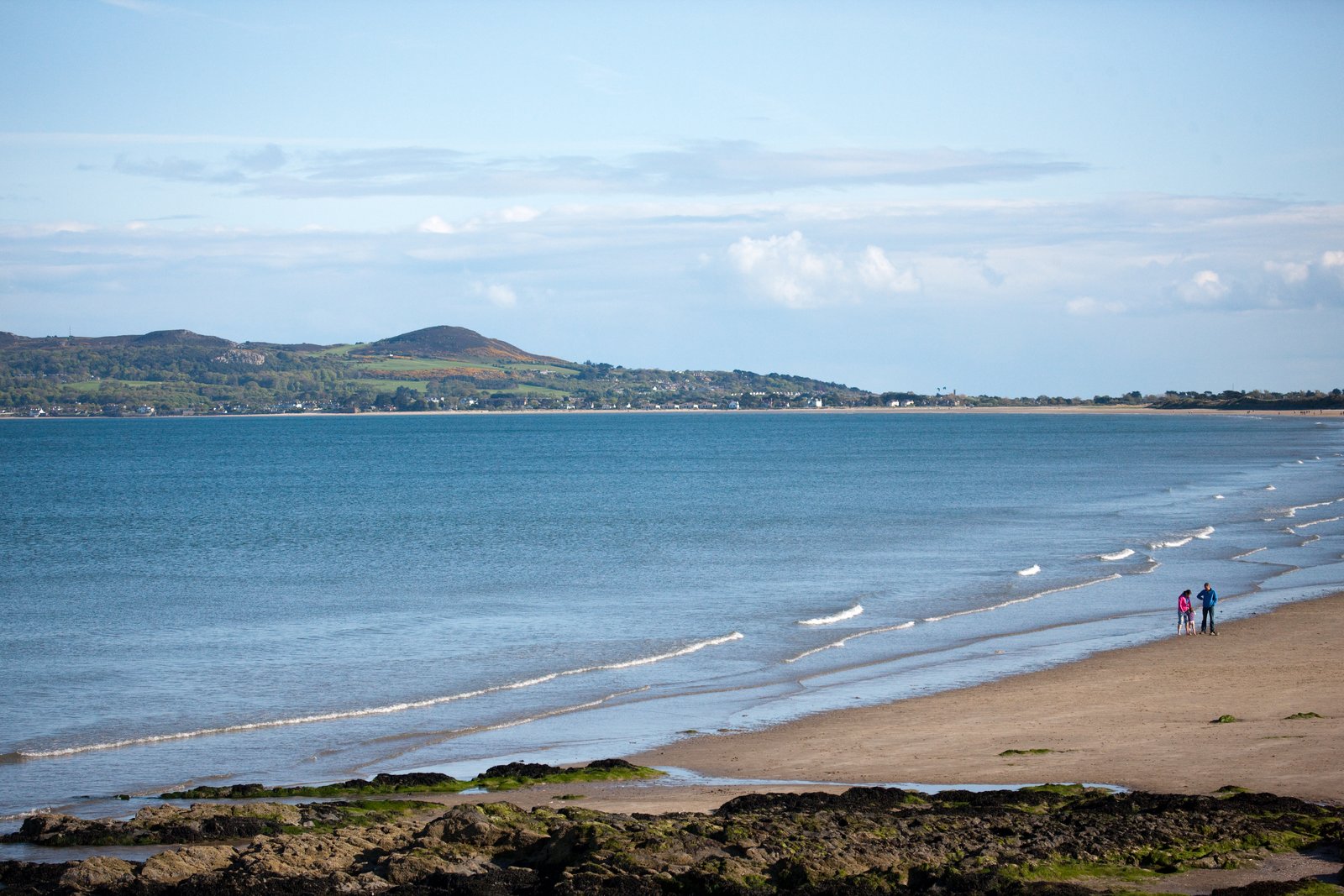
Portmarnock, known as the Velvet Strand, is a long flat beach just north of Dublin and only about 20 minutes from the airport. It runs for around 5km and is an easy escape if you’re city-based without a car, since you can reach it by train and a short walk.
It’s a great option for your first or last day in Ireland when you’re flying in or out of Dublin and want a bit of sand and sea before the airport.
Where to Stay near Portmarnock
Best Time to Visit Ireland’s Beaches
The honest answer is summer, June through August. That’s when you get the longest days, the warmest water, and the best odds of actual sunshine. Lifeguards are on duty at the bigger Blue Flag beaches in these months too, which matters if you’ve got kids in the water.
July and August are also when the beaches are busiest. On a rare hot weekend a place like Brittas Bay or Portmarnock fills up fast, so go early or pick a weekday if you want room to spread out.
We did our Ireland trip from late September into early October, well into shoulder season, and the beaches were close to empty. The trade-off is the weather. Days are shorter, you’ll get more rain, and the Atlantic is properly cold by then.
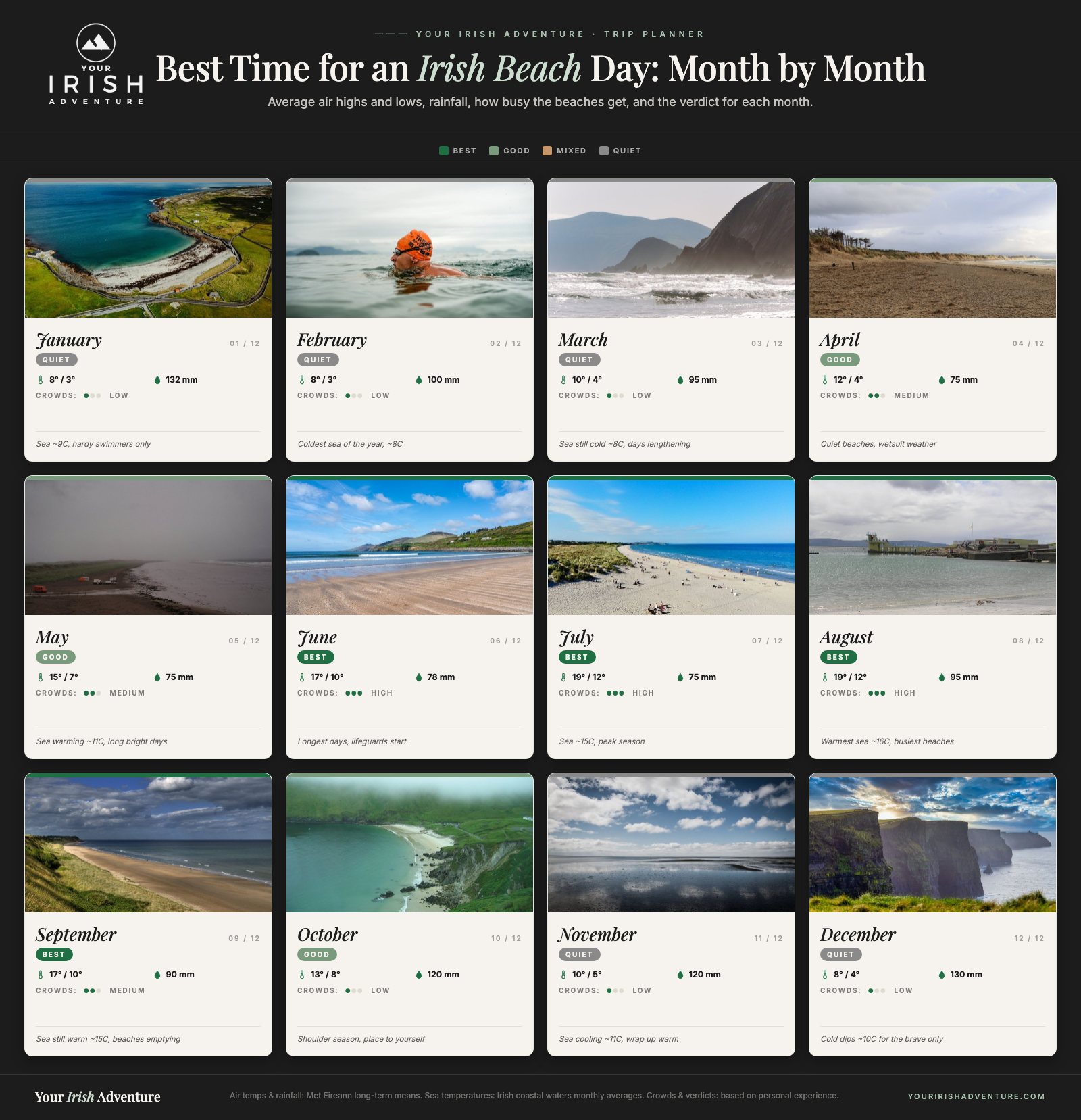
None of that ruled out a beach stop for us. A walk along the sand with the place to yourself is its own thing, and plenty of locals swim year-round, like the crowd at the Blackrock diving boards in Salthill. If you want to swim without a wetsuit though, aim for July or August.
One thing to plan around: Irish weather changes by the hour. Don’t write off a day because the morning looks grim. Pack layers, keep an eye on the forecast, and grab the beach when the sun shows up.
Sea Swimming Safety and Water Quality
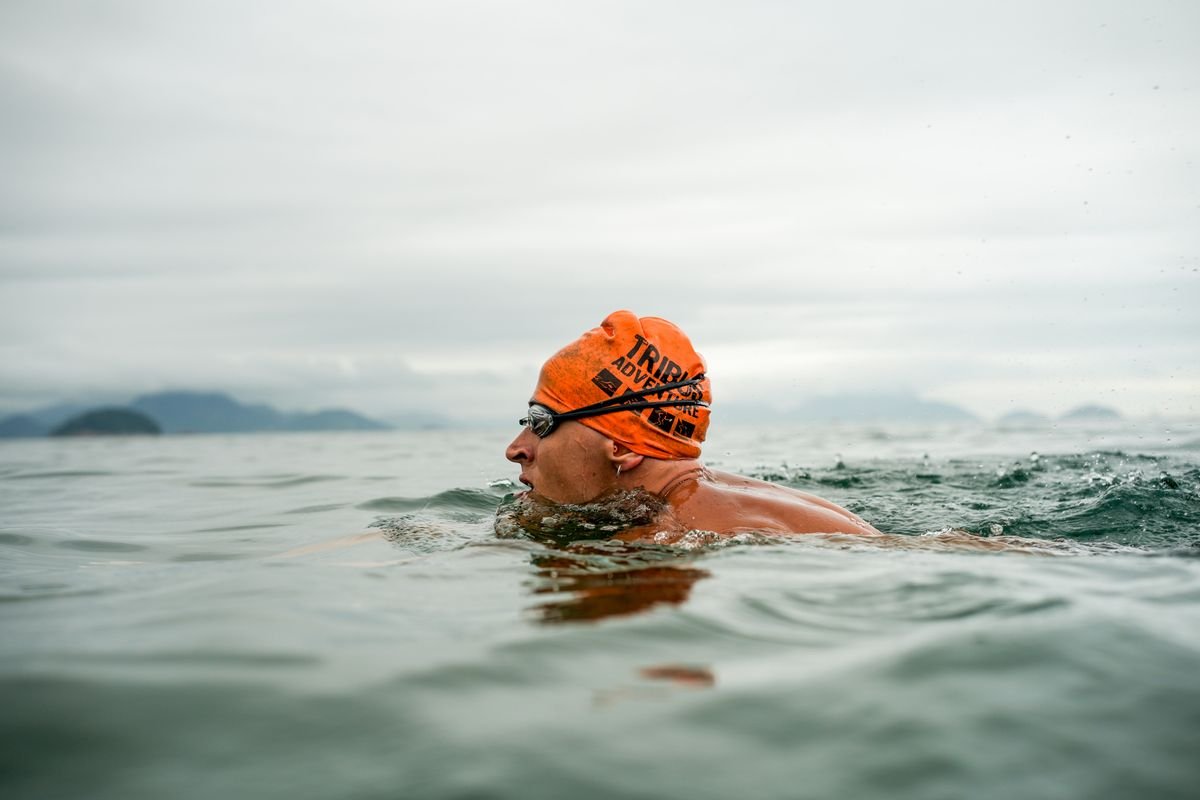
The Blue Flag itself tells you the water is tested and clean, which is half the safety question sorted before you arrive. Beaches earn it partly on water quality, sampled regularly through the bathing season, and you can check the latest results for any Irish beach at beaches.ie.
One thing to factor in: after heavy rain, water quality can dip for a day or two at some beaches when runoff washes in. Given how often it rains in Ireland, do a quick check on the site if you’re unsure about a particular spot.
The bigger safety point is the Atlantic itself. At the main Blue Flag beaches, lifeguards are on duty through July and August, and they set out red and yellow flags marking the safe area to swim. Stay between them.
Rip currents are the real hazard on the open Atlantic beaches, the surf spots especially. If you get caught in one, don’t fight it back toward shore. Swim parallel to the beach until you’re out of the pull, then come in.
Then there’s the cold. The water is cold most of the year, and cold-water shock is a real thing, that first gasp when you go in too fast. Get in slowly, let your body adjust, and don’t go far out on your first dip.
Outside July and August a wetsuit makes the whole thing a lot more enjoyable. Plenty of locals swim all winter without one, but they’ve built up to it. If you’re visiting, ease into it and keep your swims short when the water’s properly cold.
Map of Ireland’s Blue Flag Beaches
The beaches on this list are spread right around the coast, from Donegal in the far northwest to Wexford in the southeast. The map below plots the ones I’ve covered so you can see how they line up with wherever you’re heading.
It’s a useful way to plan, because a lot of these slot straight into a bigger route. Inch sits on the Dingle Peninsula, Keem Bay is the end point of the Achill Island drive, and Salthill is right on the edge of Galway, so you’re often passing one without going far out of your way. Most of these beaches really need a car to reach, so if you’re flying in it’s worth a quick look to compare car hire deals on Discover Cars before you go.
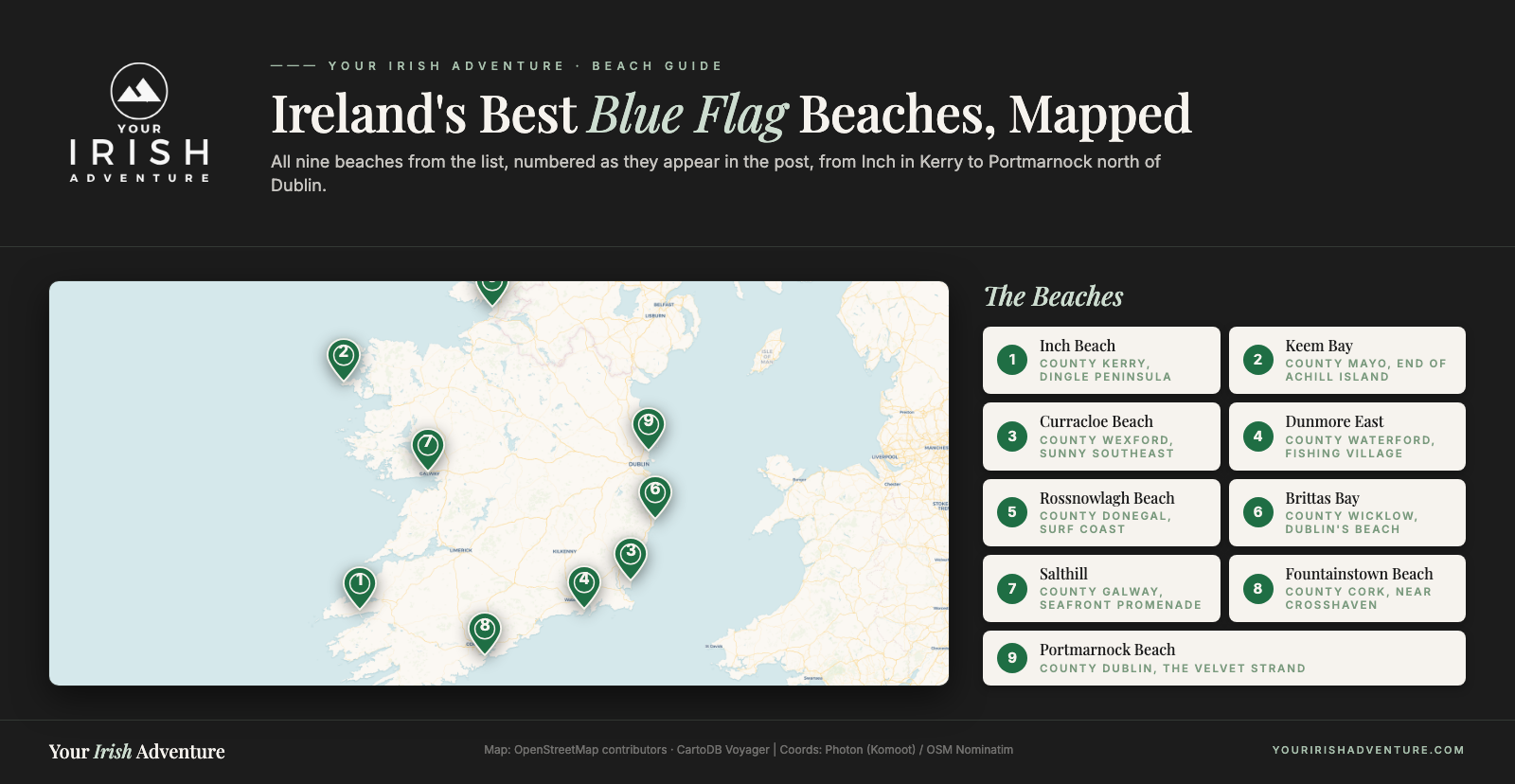
If you want the full picture, beaches.ie keeps an official map of every Blue Flag beach in the country, with far more than the ones I’ve picked out here. Cross-check it against your route and you’ll almost always find a good one nearby.
Tips for a Day at an Irish Beach
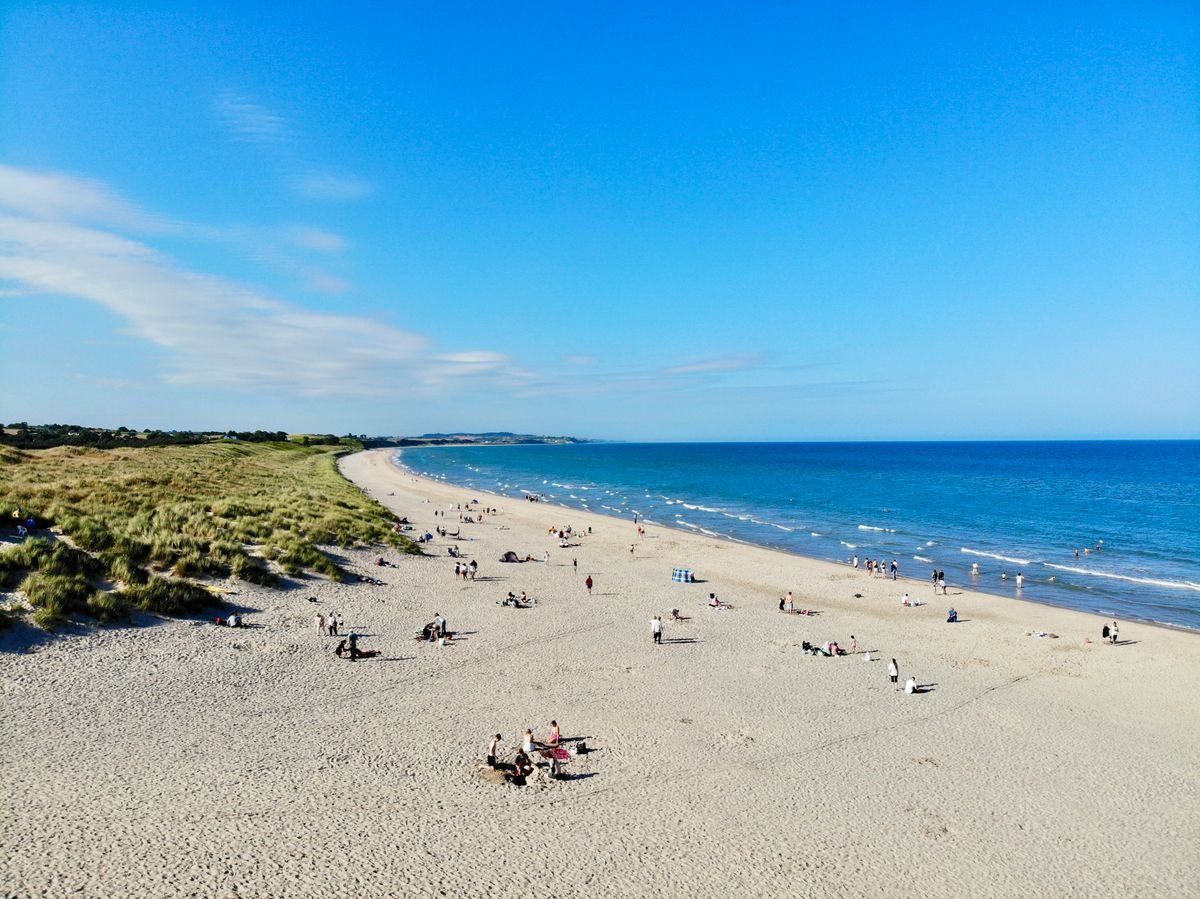
A day at an Irish beach runs a bit differently than one on the Med, so a few practical things are worth getting right before you go.
The big one is layers. The weather turns fast, and a warm morning can be windy and gray by lunch. Bring a jacket even if the forecast looks good, and a towel and a change of clothes if anyone’s going in the water.
Don’t skip the sunscreen either. It sounds odd for a place this cold, but the wind hides the sun and you can burn on a bright day without feeling hot. I’d pack it the same as I would anywhere.
A few more things worth throwing in the bag:
- A windbreak or beach tent, since most Irish beaches have no natural shade or shelter.
- A flask of tea or coffee for when the wind picks up.
- Water shoes if you’re swimming off a rocky spot like Salthill’s Blackrock.
- A bag for your trash, as smaller beaches often have no bins.
Check the tide before you go. On the long flat beaches like Curracloe or Portmarnock the water goes out a long way, and a low tide means a big walk to swim. Tide times are easy to find online for any named beach.
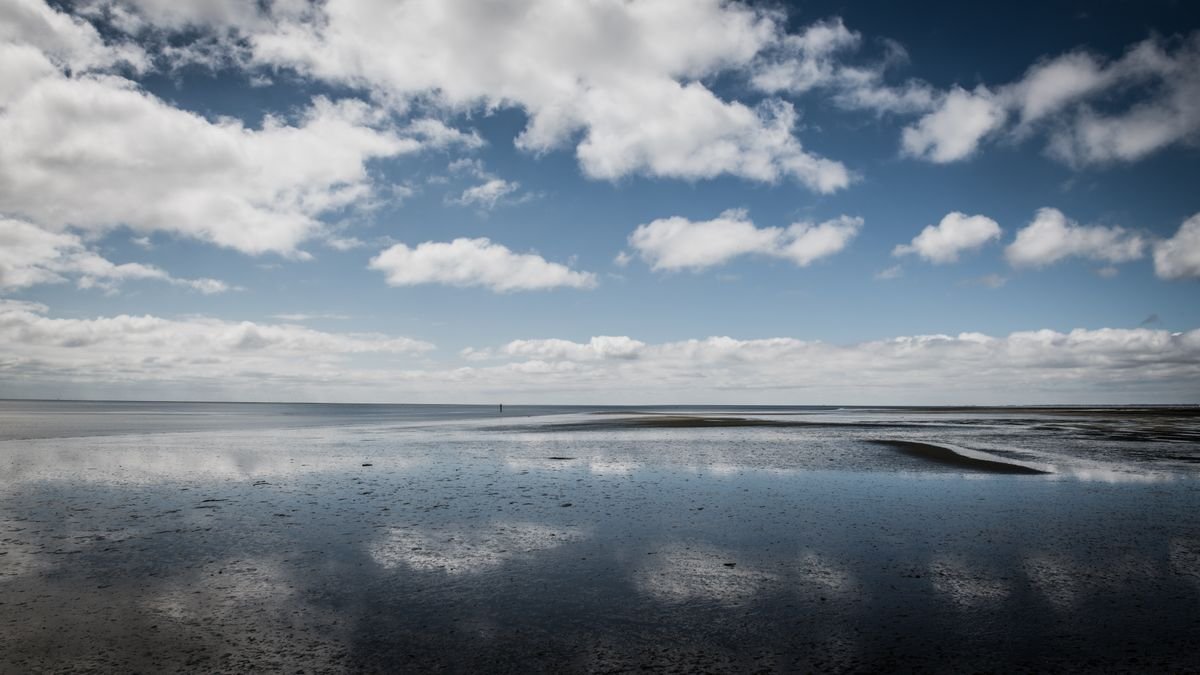
If you’re driving onto the sand, as you can at Inch or Rossnowlagh, stick to the firm packed sand and don’t park near the soft stuff or the incoming tide. People get stuck every summer, and the sea doesn’t wait.
Bring cash for parking. The busier Blue Flag beaches charge for the car park in summer, and not all of them take cards. A few coins saves you the hassle.
Last thing: get there early on a rare hot weekend. The good days are few enough that half the country has the same idea, and the car parks fill by mid-morning. Grab the sun while it’s out, because in Ireland you never know how long it’ll stick around.
Frequently Asked Questions
How many Blue Flag beaches are there in Ireland?
Ireland has more than 80 Blue Flag beaches, and the exact number shifts a little each year as beaches earn or lose the award. The list I’ve picked out here is just the standout ones, so check beaches.ie for the full count and the current map.
Is the water warm enough to swim at Irish beaches?
This is the Atlantic, so the water is cold most of the year. July and August are your best bet for swimming without a wetsuit, when the sea is at its warmest. Outside those months a wetsuit makes a big difference, and plenty of locals swim year-round without one once they’re used to it.
What’s the best Blue Flag beach in Ireland?
It depends what you’re after, but Keem Bay on Achill Island and Inch on the Dingle Peninsula are the two I’d point a first-timer to. Both sit on incredible stretches of coast, so the beach is only half the reason to go.
Do you have to pay for parking at Irish beaches?
At the busier Blue Flag beaches you usually pay for the car park in summer, and not all of them take cards, so bring a few coins. Smaller, more local beaches are often free, but parking is tighter and fills up fast on a hot day.
Can you visit Irish beaches outside of summer?
Yes, and they’re far quieter. We went in late September into early October and had most beaches close to ourselves. You trade the warm water and long days for that space, and there are no lifeguards out of season, so take more care in the water.
Plan the Bigger Road Trip
- 14 Days in Ireland: The Ultimate 2-Week Itinerary
- 10 Days in Ireland: The Ultimate Itinerary
- The Ring Of Kerry Drive: Itinerary, Highlights & Tips
In short
- Inch Beach runs 5km and you can drive and park on the firm sand at low tide.
- The D-Day landing scene in Saving Private Ryan was filmed at Curracloe Beach in County Wexford.
- Keem Bay on Achill Island appeared in The Banshees of Inisherin and is reached via a cliff road.
- Salthill seafront in Galway holds a Blue Flag and sits right on Galway Bay.
- Ireland’s Atlantic water is cold even in summer, so expect it regardless of the time of year.
Final Thoughts
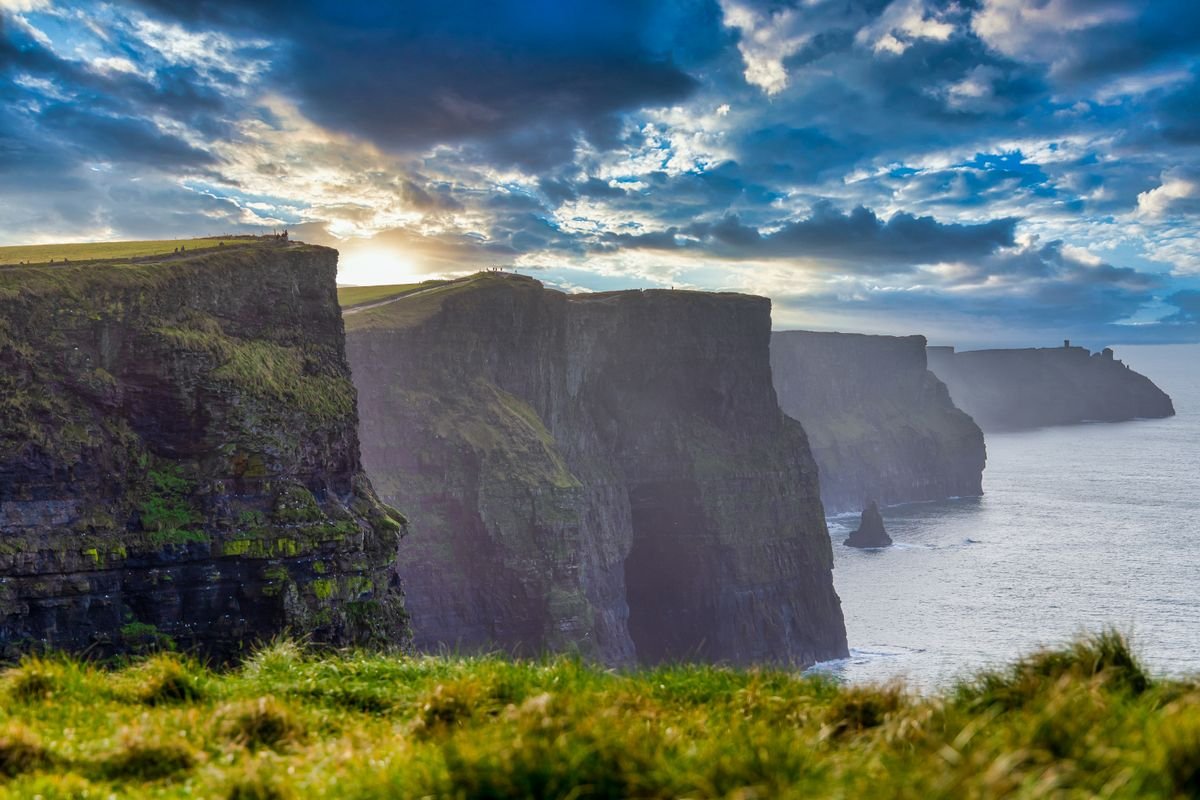
Ireland’s beaches aren’t where you go for guaranteed sun and warm water. What you get instead is real sand, clean tested water, and on the good ones, a stretch of coast you’ll remember longer than the swim itself.
The thing I’d tell a first-timer is not to plan a trip around the beaches alone. The best of them, like Keem Bay and Inch, are the payoff at the end of a drive that’s worth doing anyway. Slot them into a bigger route and they earn their place.
Pick the right window if you can. July and August give you the warmest water and the lifeguards, late September gives you the place to yourself. Both are good, just for different reasons.
Pack layers, check the tide, bring coins for parking, and grab a good day when it shows up. Do that and an Irish beach will surprise you, cold water and all.
Like it? Pin it!
Save this guide for later