
We spent about two weeks driving Ireland on our last trip, a lot of it along the dark, empty coast of the west. If you want to know where to see the northern lights in Ireland, that far-north and northwest coastline is the answer.
We camped in a field behind a pub in Tipperary with the whole sky over us, and slept with the van facing the Atlantic at Clifden. Those are the kinds of dark, wide-open spots where the aurora shows up when the sun cooperates.
Now for the reality check. Ireland sits at the far southern edge of aurora country. You will not get Iceland-level curtains of light every night. What you get is a green or pink glow low on the northern horizon a handful of times a year, usually stronger on camera than to your naked eye.
Below we break down exactly how the aurora works over Ireland, the best time of year, the darkest counties to stand in, how to read a forecast, and where to stay so you can step outside the moment it fires.
More Guides to Ireland’s Northwest
- Unique Things To Do in Donegal Town in Ireland’s Northwest
- Strandhill Beach, Sligo: A Visitor’s Guide
- 9 Best Places On The Wild Atlantic Way Route
Quick Answer:
The best place to see the Northern Lights in Ireland is the far north and northwest coast, above all County Donegal and Malin Head, the most northerly point of the mainland. Head there between September and March on a dark, clear night when the Kp index hits 5 or higher, face north over open sea, and get well away from town lights.
How to See the Northern Lights in Ireland
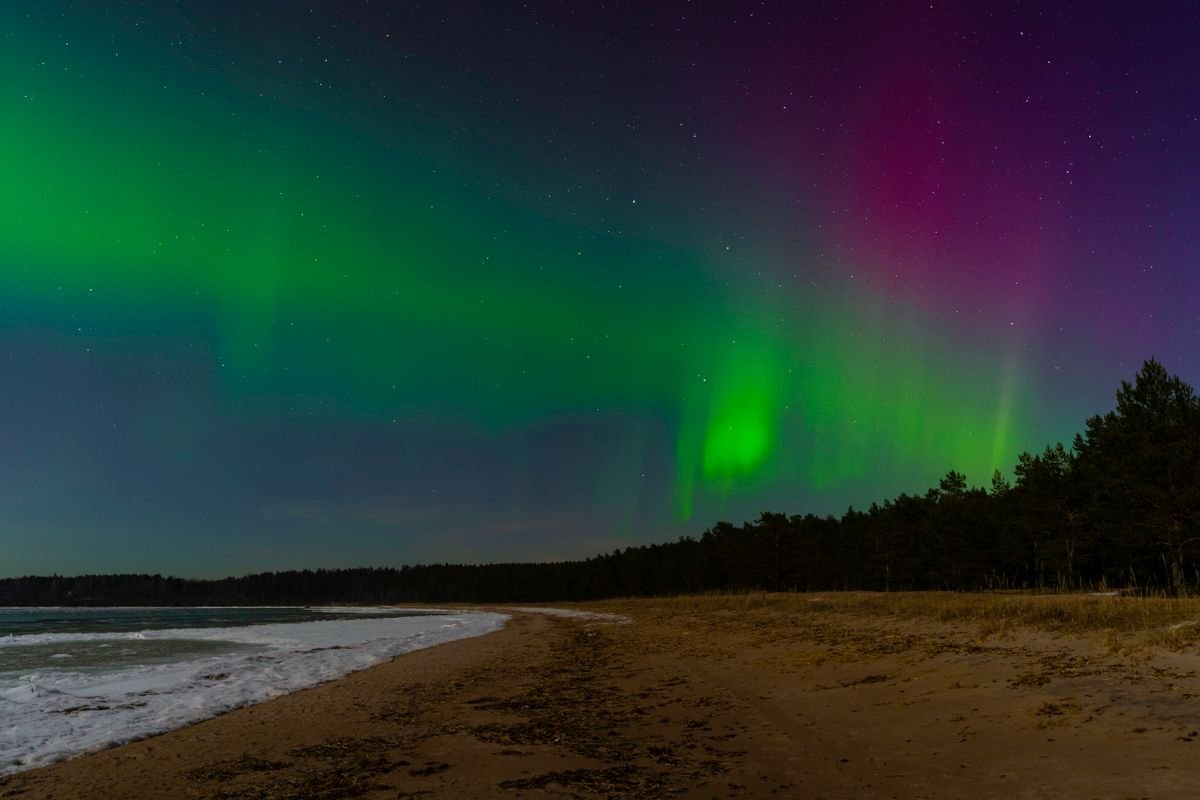
Seeing the aurora in Ireland comes down to three things lining up on the same night: a strong solar storm pushing energy toward Earth, a dark sky with a clear view to the north, and no cloud in the way. Miss any one of them and you see nothing. The good nights usually happen late, often after midnight, when the sky is at its darkest.
How the Northern Lights Form
The aurora is the sun’s fault. The sun throws out streams of charged particles, and when a solar flare or a coronal mass ejection sends a big wave of them toward Earth, they slam into our atmosphere. Earth’s magnetic field funnels those particles toward the poles, which is why the lights sit over the far north and far south of the planet.
When the particles hit gas high in the atmosphere, that gas glows. Oxygen gives you the greens and reds, nitrogen gives you the purples and pinks. The stronger the solar storm, the further from the pole the glow reaches, and that is the only reason Ireland gets a look at all.
On the biggest storms the band pushes far enough south to light up the Irish horizon.
The Best Time to See Them
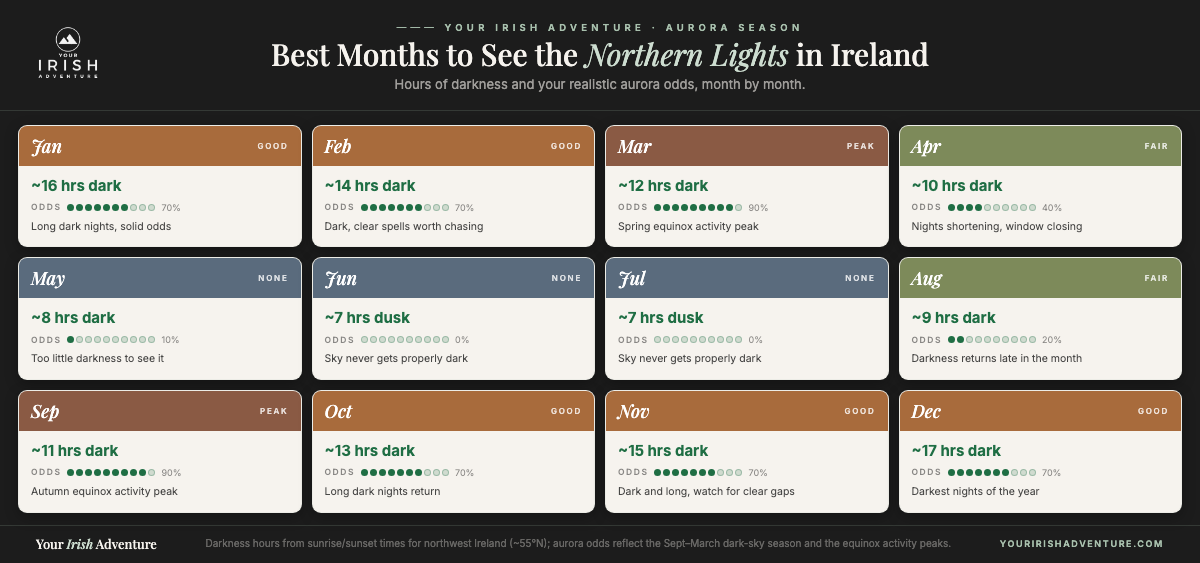
Autumn through winter is your window, roughly September to March. The reason is simple: Ireland has long, dark nights in those months, and you need real darkness for a faint glow to show. In midsummer the sky never gets properly dark this far north, so even a strong storm goes to waste.
The equinoxes help too. The weeks around late September and late March tend to bring more geomagnetic activity, so those shoulder-season months are a good bet. We were driving the west coast in autumn and the nights were already long and black by nine or ten.
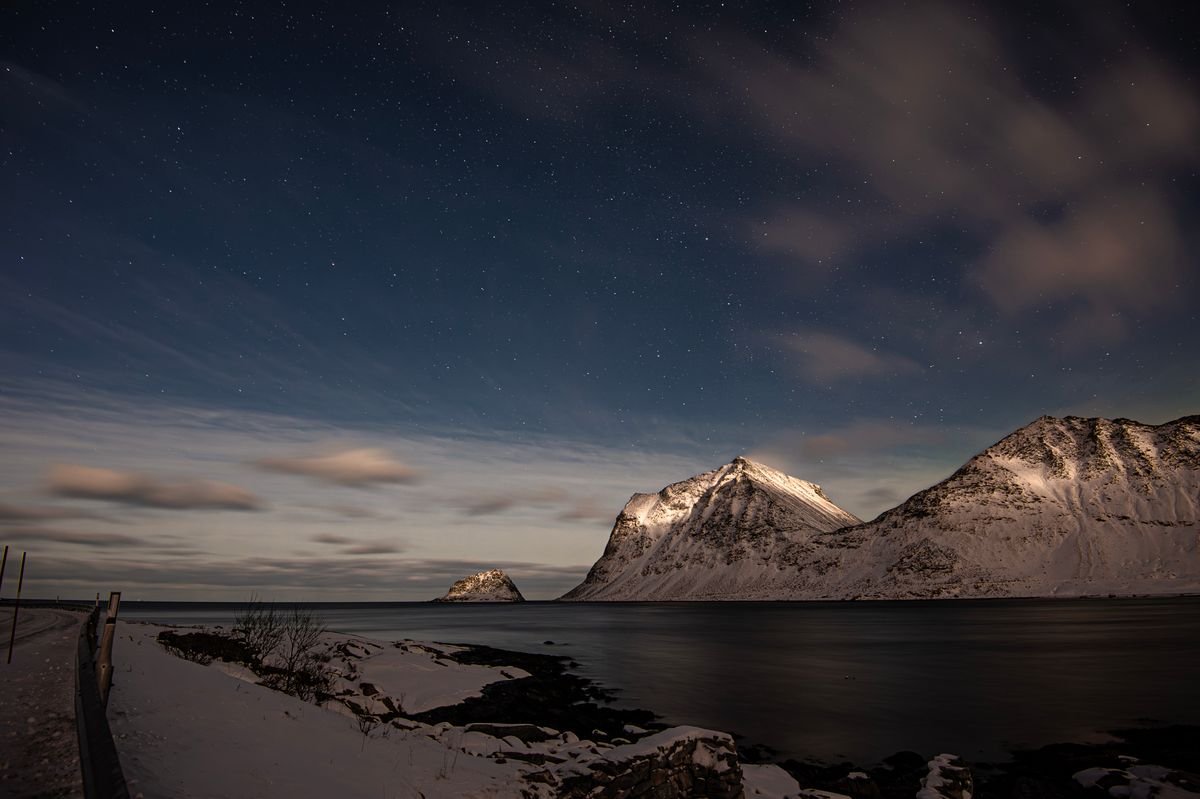
Aim for a moonless night if you can, because a bright moon washes out a weak aurora almost as badly as cloud does.
Where the Best Viewing Spots Are
You want the north and northwest coasts, and you want to be looking out over open water to the north. Donegal is the standout because it is Ireland’s most northerly county and its coast is properly dark. Mayo, Sligo, and the north coast of Northern Ireland all work for the same reasons, far from city light and facing the open Atlantic.
The rule is dark sky plus a clean view north. A headland, a north-facing beach, or a clifftop with nothing between you and the sea is ideal. Anywhere with a town glowing on your northern horizon is working against you.
Monitoring the Aurora Forecast
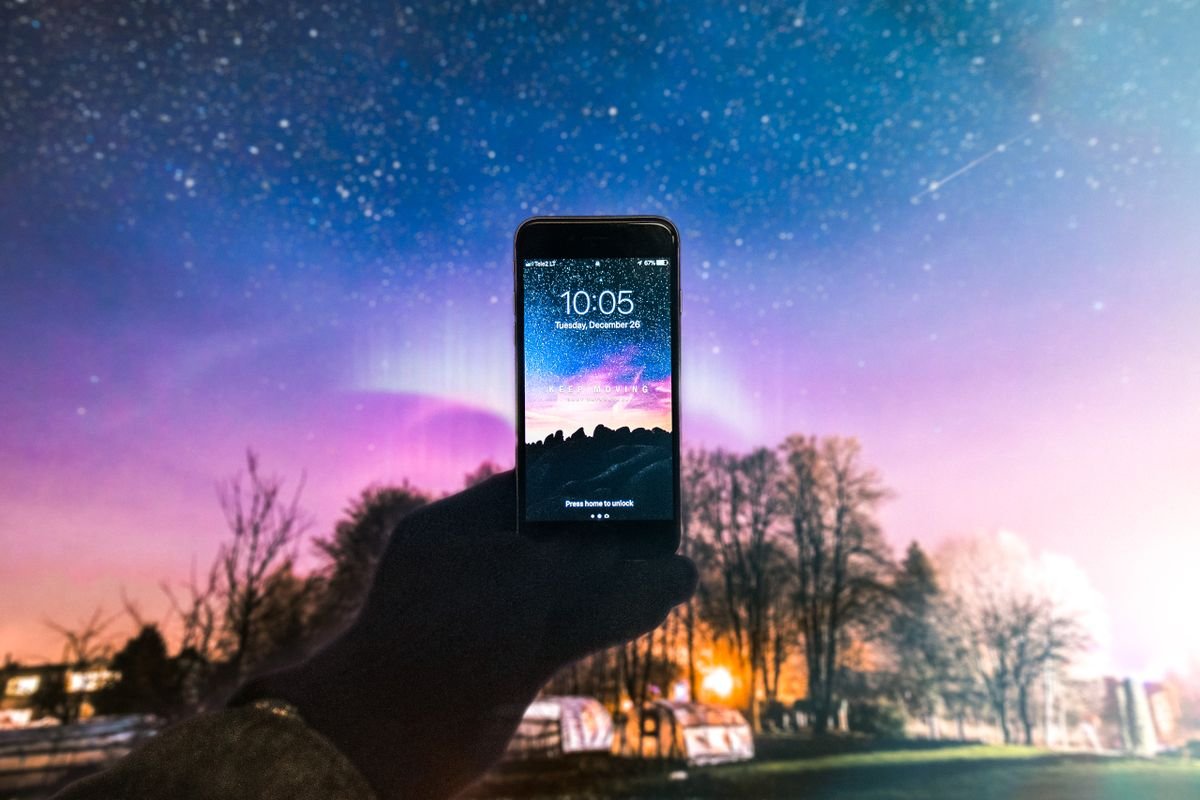
You do not just wander out and hope. Track it. The number to watch is the Kp index, a 0 to 9 scale of geomagnetic activity, and for Ireland you want it climbing toward 5 or higher. AuroraWatch UK and the NOAA space-weather forecasts both publish it, and there are free apps that push you an alert when it spikes.
Pair the Kp reading with a cloud forecast for wherever you plan to stand. A big storm under total cloud gets you nothing, and clear skies with a flat Kp get you nothing either. You need both, so check both before you drive anywhere.
How to Know When the Aurora Is Visible
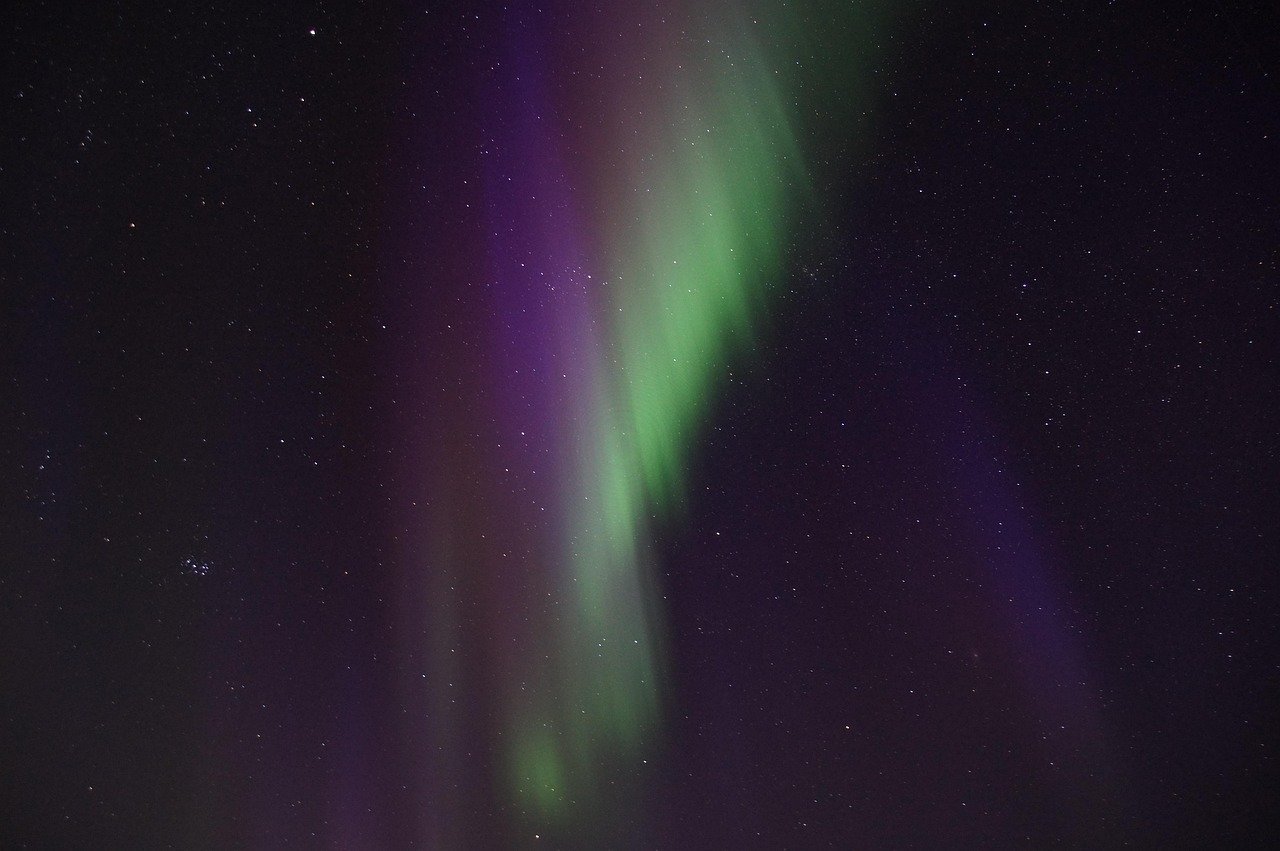
The aurora is worth chasing when three boxes tick at once: the Kp index is high, the sky above your spot is clear, and you are somewhere dark with a view north, ideally after midnight. If any one of those is missing, save your night and go to bed. Here is what each of them means in practice.
The Solar Conditions You Need
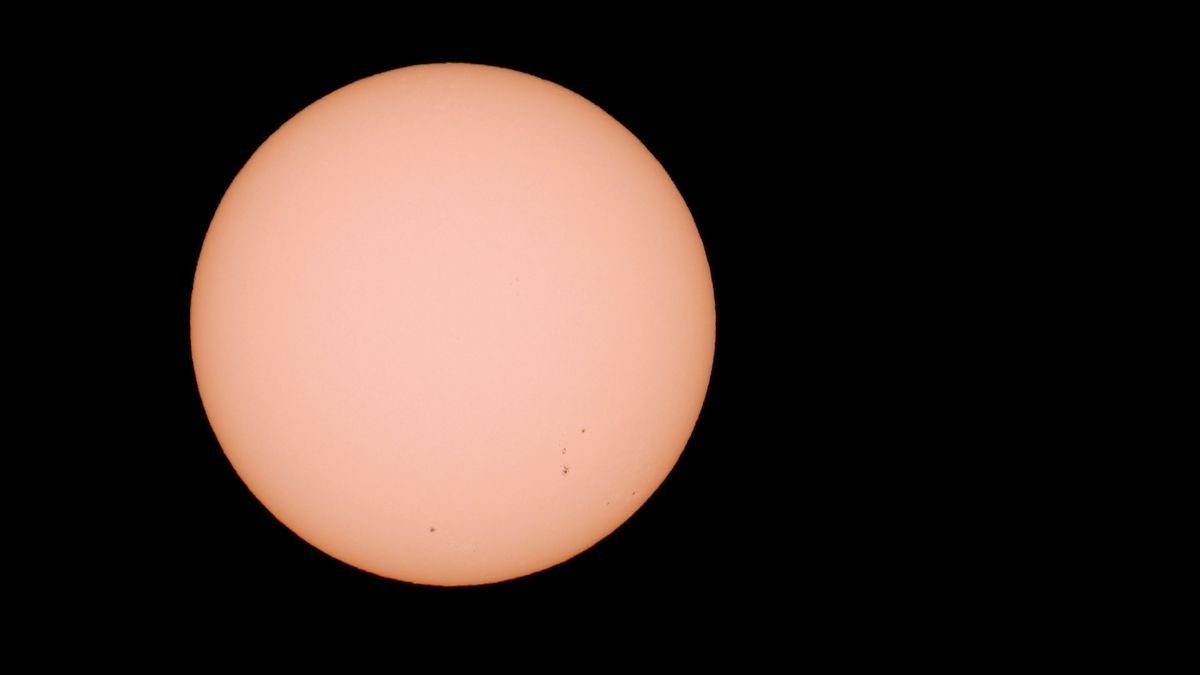
For Ireland, a Kp index of 5 or higher is roughly the line where you have a real shot. Kp 5 is a minor geomagnetic storm, and at that level the aurora can dip far enough south to glow on the northern Irish horizon. Below 5 you are usually wasting a drive unless you are right up at the northern tip of Donegal.
The higher the number climbs, the further south the lights reach and the more of the sky they fill. A Kp 7 or 8 is when people as far down as the Irish midlands start getting a look. Those big storms are rare, so when the forecast shows one, it is worth rearranging your night.
Why Clear Skies Matter
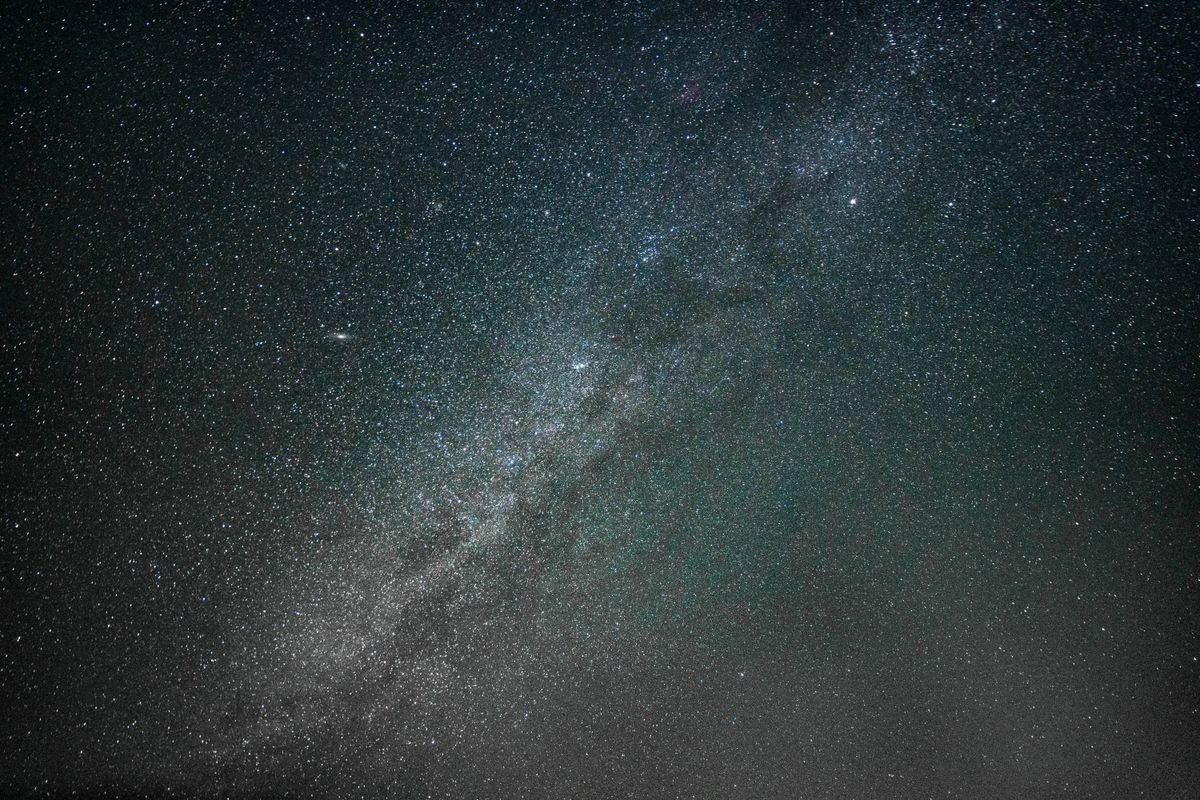
Cloud is the aurora killer in Ireland, and Ireland has a lot of cloud. The lights sit high in the atmosphere, well above the clouds, so a single layer of gray between you and them blocks the show completely. It does not matter how strong the storm is if you cannot see the sky.
Check a proper cloud forecast for your exact spot before you commit, not just the general weather. Conditions on the coast can shift fast, and a gap in the cloud that lasts twenty minutes is sometimes all you get. If your first spot is socked in, being willing to drive to a clearer patch nearby is often what makes the difference.
Getting Away From Light Pollution
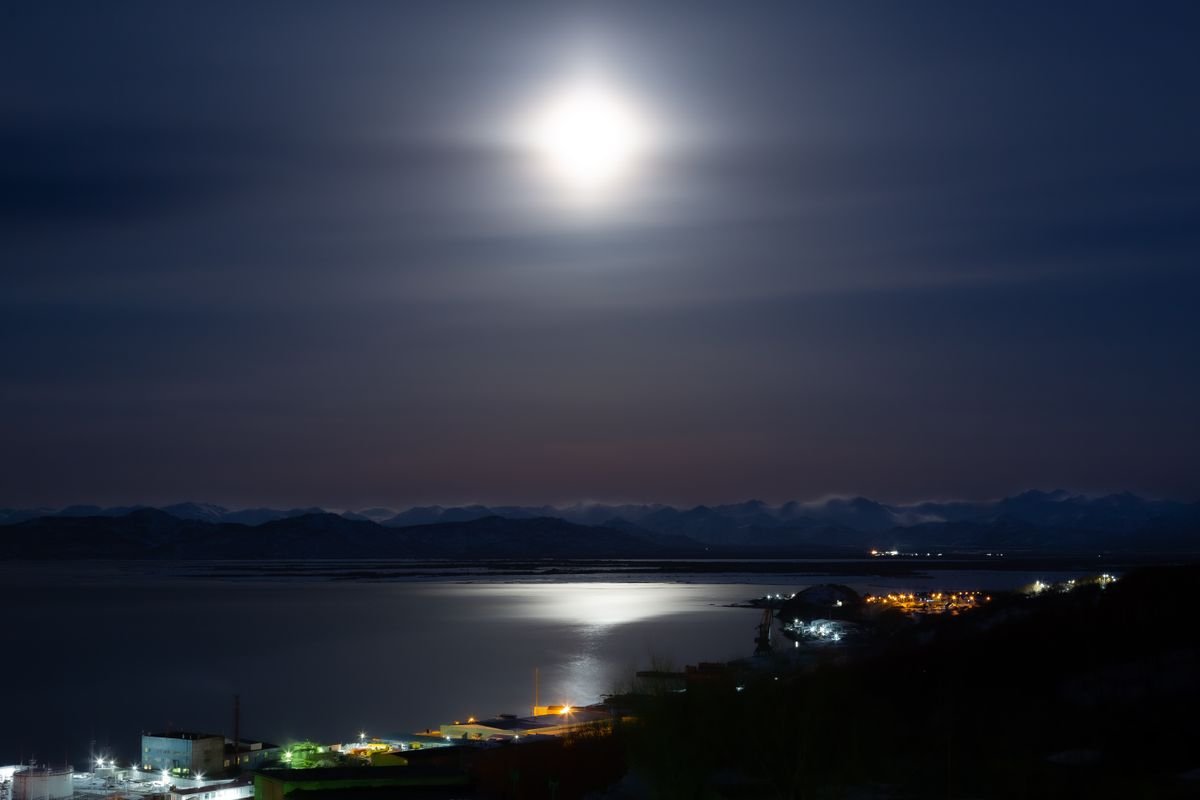
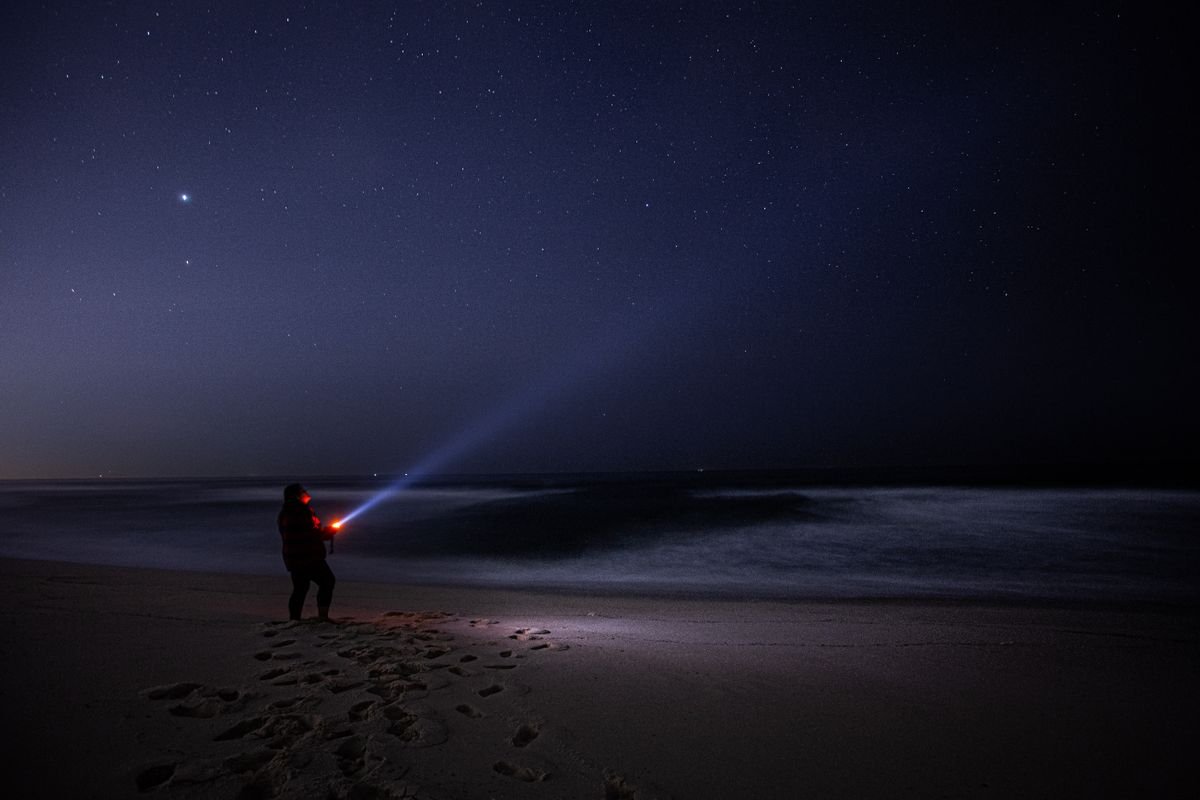
A faint aurora cannot compete with town lights, so you need to get away from them. Head for a dark-sky area, point yourself north, and give your eyes twenty minutes or so to adjust before you decide there is nothing there. The glow is often weak enough that streetlights half a mile away will hide it entirely.
The far coasts of Donegal, Mayo, and Sligo are dark enough that on a good night you barely need to try. We camped in a field behind a pub in Lorrha, out in rural Tipperary, and the sky over the campfire was black and full of stars, the kind of dark you almost never get near a town. That is the level of dark you are looking for.
Using an Alert Service

You are not going to sit refreshing a website every night, so let an app do it. Free aurora-alert apps and AuroraWatch UK will push you a notification the moment geomagnetic activity spikes, which buys you time to grab a jacket and get somewhere dark.
Set the alert threshold to something like Kp 5 so your phone only buzzes when it actually matters. When it does go off, check your local cloud cover, and if it is clear, get out the door fast. These displays can come and go inside an hour.
Explore Ireland’s Northern Coast
- 15 Best Things To Do in Derry, Ireland
- Giant’s Causeway From Belfast: All Day Trip Options
- The Dark Hedges (Game of Thrones): A Visitor’s Guide
Best Places to See the Northern Lights in Ireland
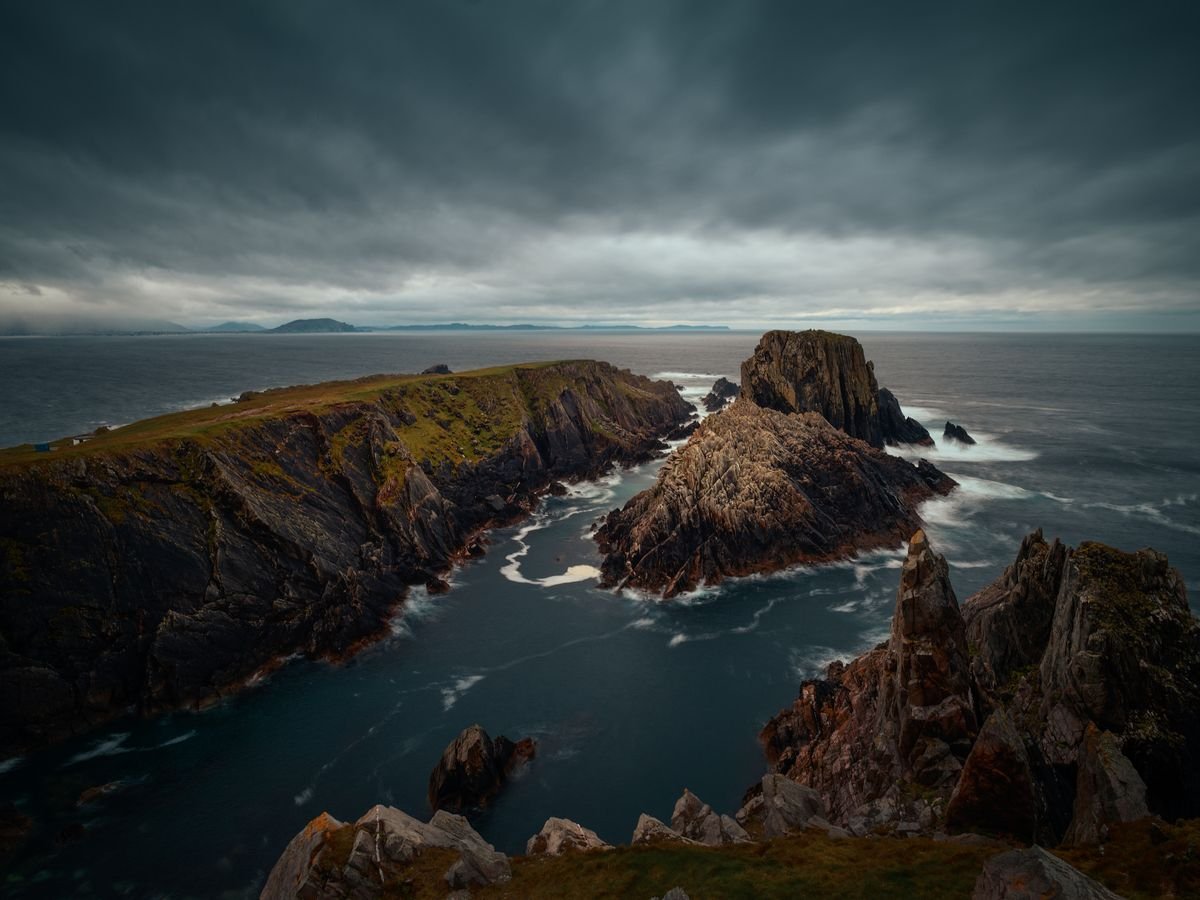
The best places to see the aurora in Ireland are all up the north and northwest: Donegal first, then Mayo and Sligo, the Causeway Coast and Antrim in Northern Ireland, and on the very biggest storms even the dark edges of north Dublin. What they share is a dark sky and a clean view north over the sea. Here is where we would point you.
County Donegal
Donegal is the best place in the whole country for this, no contest. It is Ireland’s most northerly county, its coast is some of the darkest ground in the country, and the whole northern edge looks straight out over the ocean toward where the aurora appears.
Malin Head is the top pick. It is the northernmost point of the Irish mainland, it is a designated dark-sky spot, and there is nothing but ocean between you and the Arctic. Fanad Head, with its lighthouse out on the peninsula, is another one, and the beaches around the north coast give you wide flat horizons.
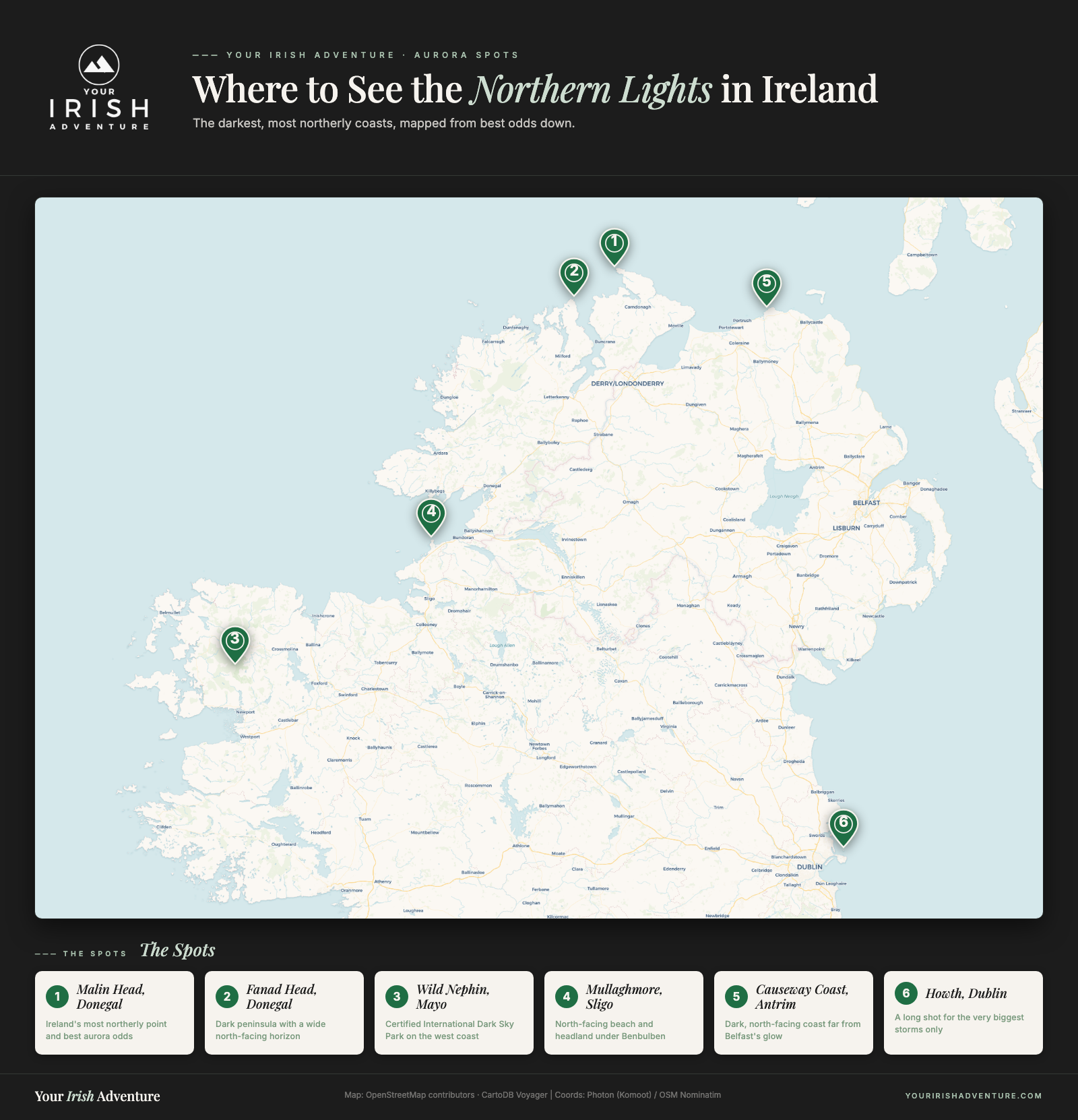
If you only have one aurora night in Ireland, spend it in Donegal. It catches displays on nights that are too weak to reach anywhere else, simply because it is that much further north and that much darker.
County Mayo
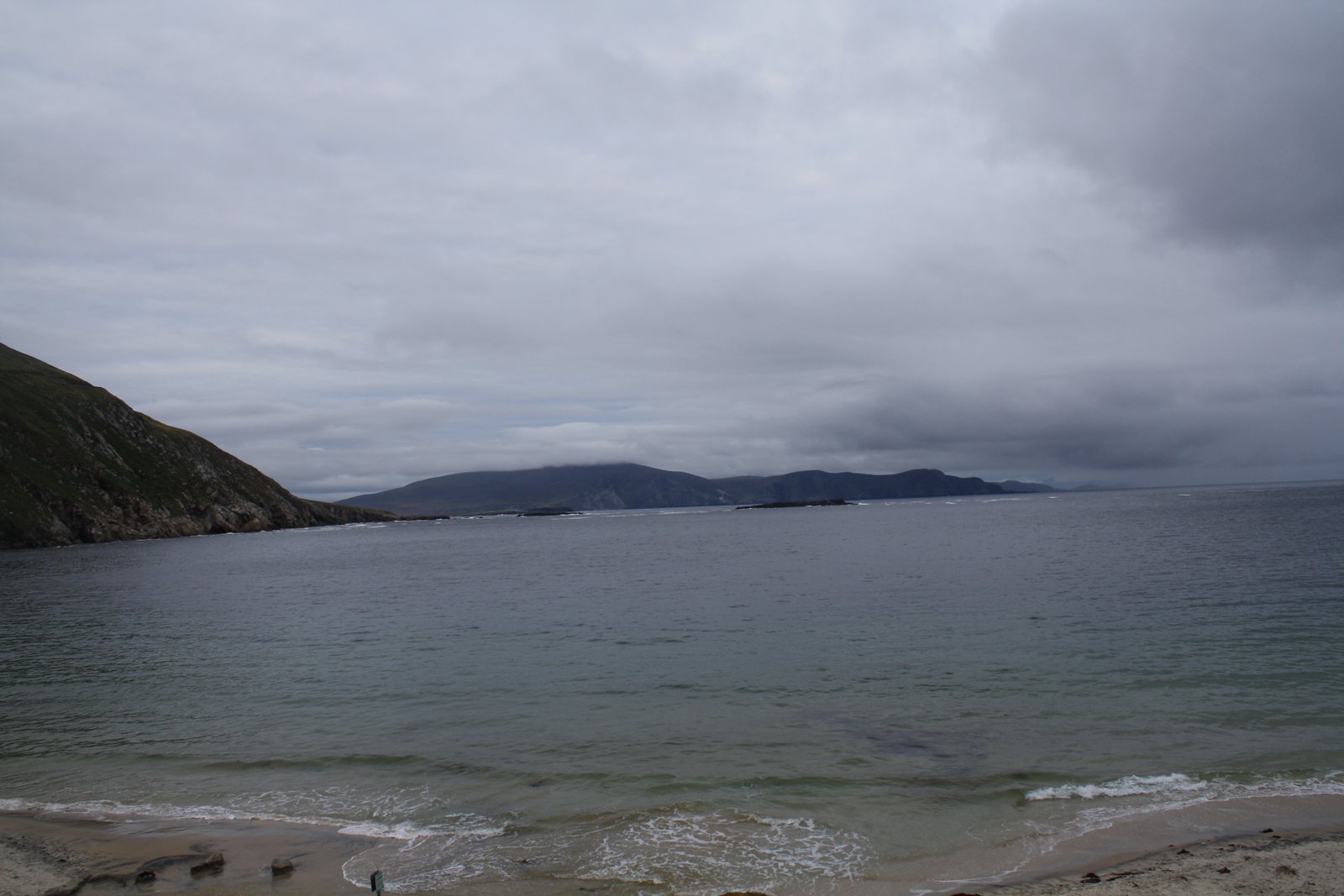
Mayo is your dark-sky county. The Wild Nephin National Park area holds one of only a few certified International Dark Sky Parks in Ireland, which means the darkness there is measured and protected, not just remote by accident.
The wider Mayo coast backs that up. Places like the Mullet Peninsula and the ground around Ballycroy are far from any real town glow, with long stretches of empty coast facing north. On a strong night the combination of certified-dark skies and an open Atlantic horizon is about as good as Ireland gets outside Donegal.
County Sligo
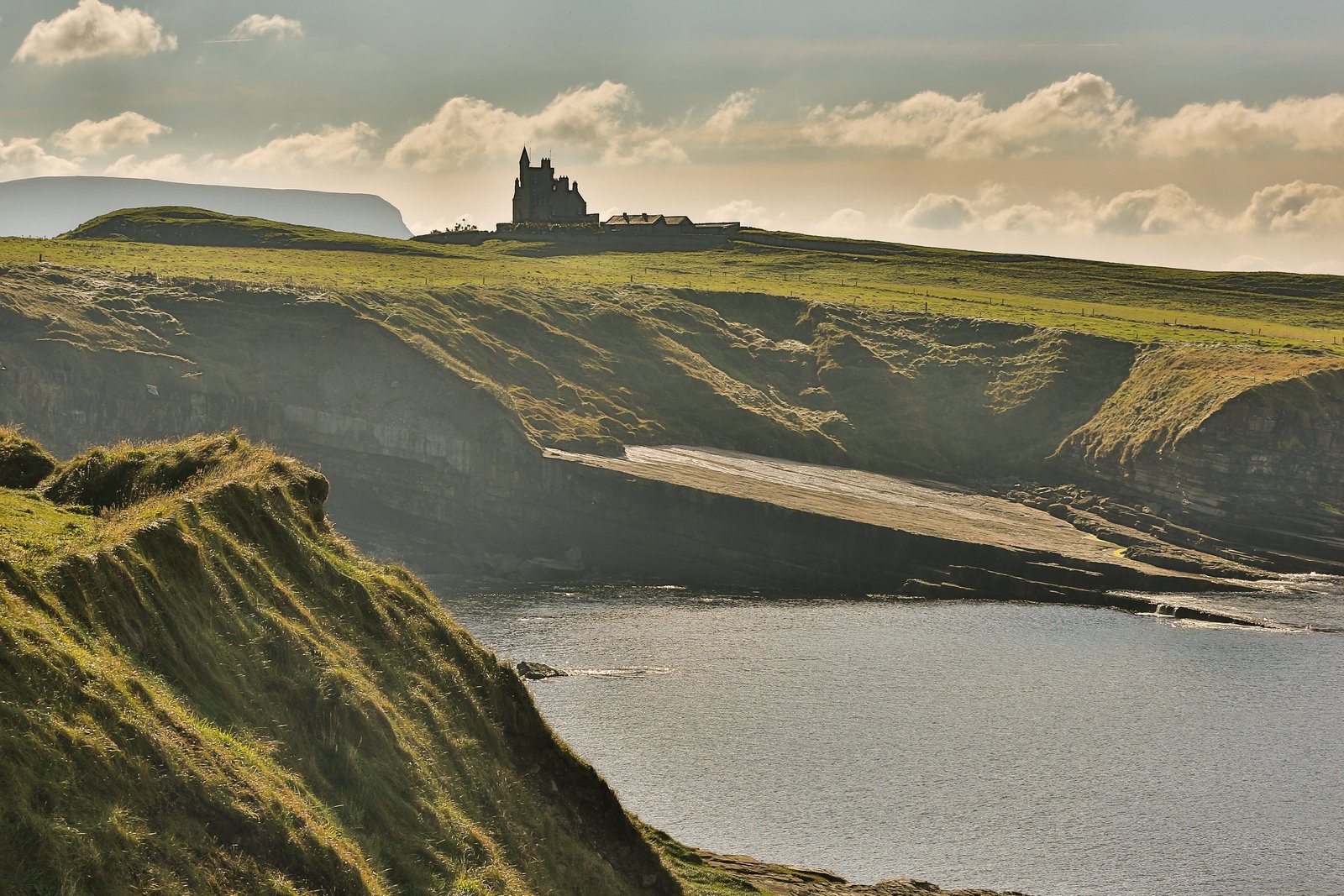
Sligo earns its spot on the strength of its north-facing beaches. Streedagh and Mullaghmore both look straight out over open ocean, which is exactly the angle you want, and they are easy to reach and easy to stand on for a couple of hours.
Mullaghmore Head in particular gives you a wide sweep of horizon with Benbulben looming behind you, so even a quiet aurora night is a good night out under the stars. Get well away from Sligo town itself for the darkest sky, and face the water.
Northern Ireland
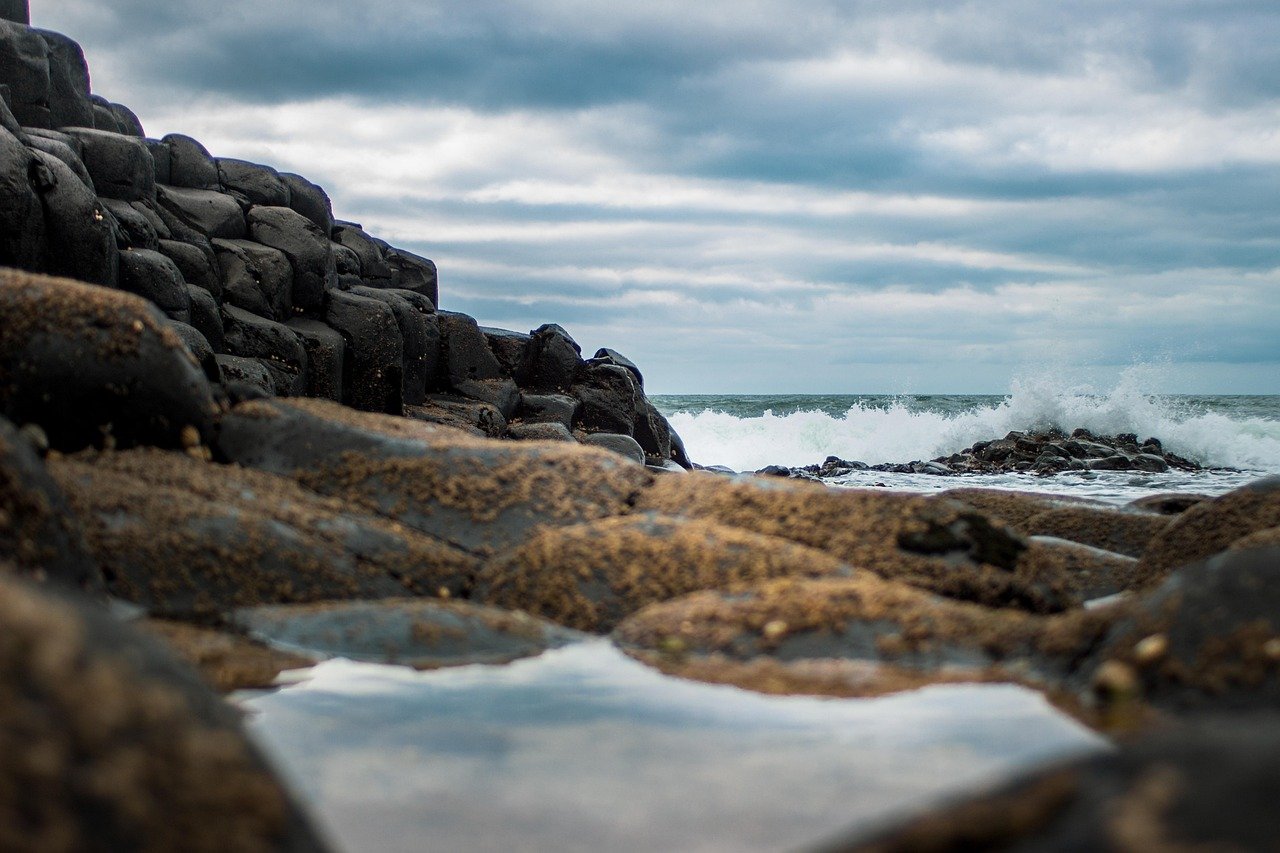
The north coast of Northern Ireland is right in the running, and on strong nights it puts on a real show. The Causeway Coast, including the ground around the Giant’s Causeway itself, faces north over the sea and sits far enough from Belfast’s light to stay dark.
The Antrim headlands and the Binevenagh area behind the coast are both known aurora spots, and Downhill Beach gives you a long open strand to work with. The whole Causeway Coast is set up for it: dark, north-facing, and dramatic even before the lights show up.
👉 Read our full guide to the Giant’s Causeway.
County Dublin
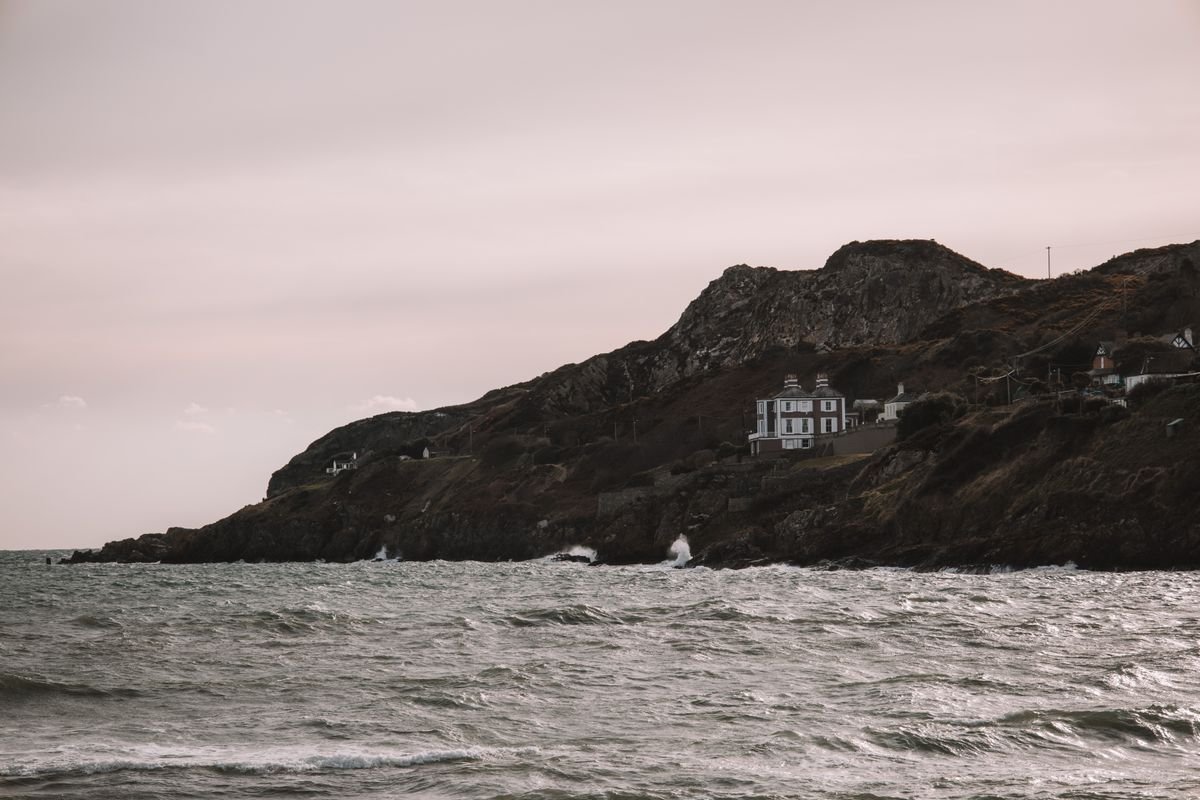
Dublin is a long shot, but it is not impossible. On the rare monster storms, when the Kp index is pushing 7 or higher, people have caught the aurora from the dark edges of the county.
Your best bet is somewhere on the northern fringe with a view over the sea and away from the city glow, like the coast up around Howth or out toward Skerries. Do not plan a Dublin trip around it, but if a huge storm lines up while you happen to be in the city, it is worth heading for the darkest coast you can reach.
Plan Your Wild Atlantic Way Road Trip
- Wild Atlantic Way Itinerary – Ireland’s Most Epic Road Trip
- A Photographer’s Definitive Ireland Road Trip
- Wild Atlantic Way Hotels With A Touch Of Luxury
Where to Stay for the Northern Lights
The trick with where to stay is to sleep close to a dark coast so you can watch the forecast, and when it spikes at one in the morning, step outside instead of starting a long drive. That means basing yourself up in Donegal, Mayo, or Sligo, on or near the north-facing coast, rather than in a city with a hotel two hours from any dark sky. Here are three bookable bases, one in each county.
The Cliffe at the Quay (Donegal)

The Cliffe at the Quay sits in Donegal, within reach of the peninsulas up near Malin Head and Fanad, so a proper dark headland is minutes away. The rooms are modern, there is a hot tub on the terrace, and it scores 9.8 across more than 200 reviews.
👉 View The Cliffe at the Quay Availability and Pricing
Mulranny House (Mayo)
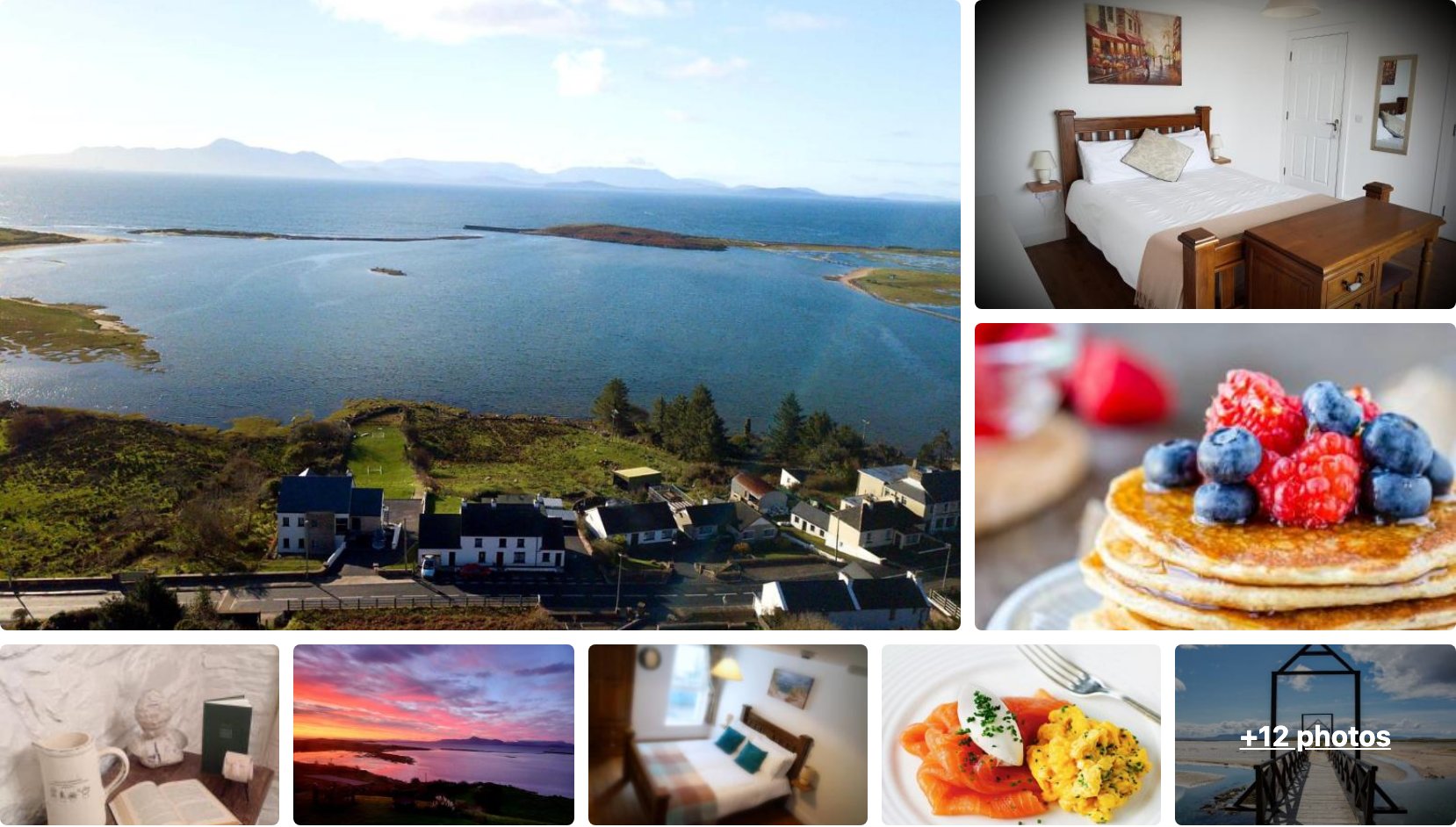
Mulranny House puts you in Mulranny, out toward the Mullet and close to the Wild Nephin dark-sky area. It is a B&B looking over Clew Bay, does a big breakfast, and scores 9.6 across more than 200 reviews.
👉 View Mulranny House Availability and Pricing
Seacrest Guesthouse (Sligo)
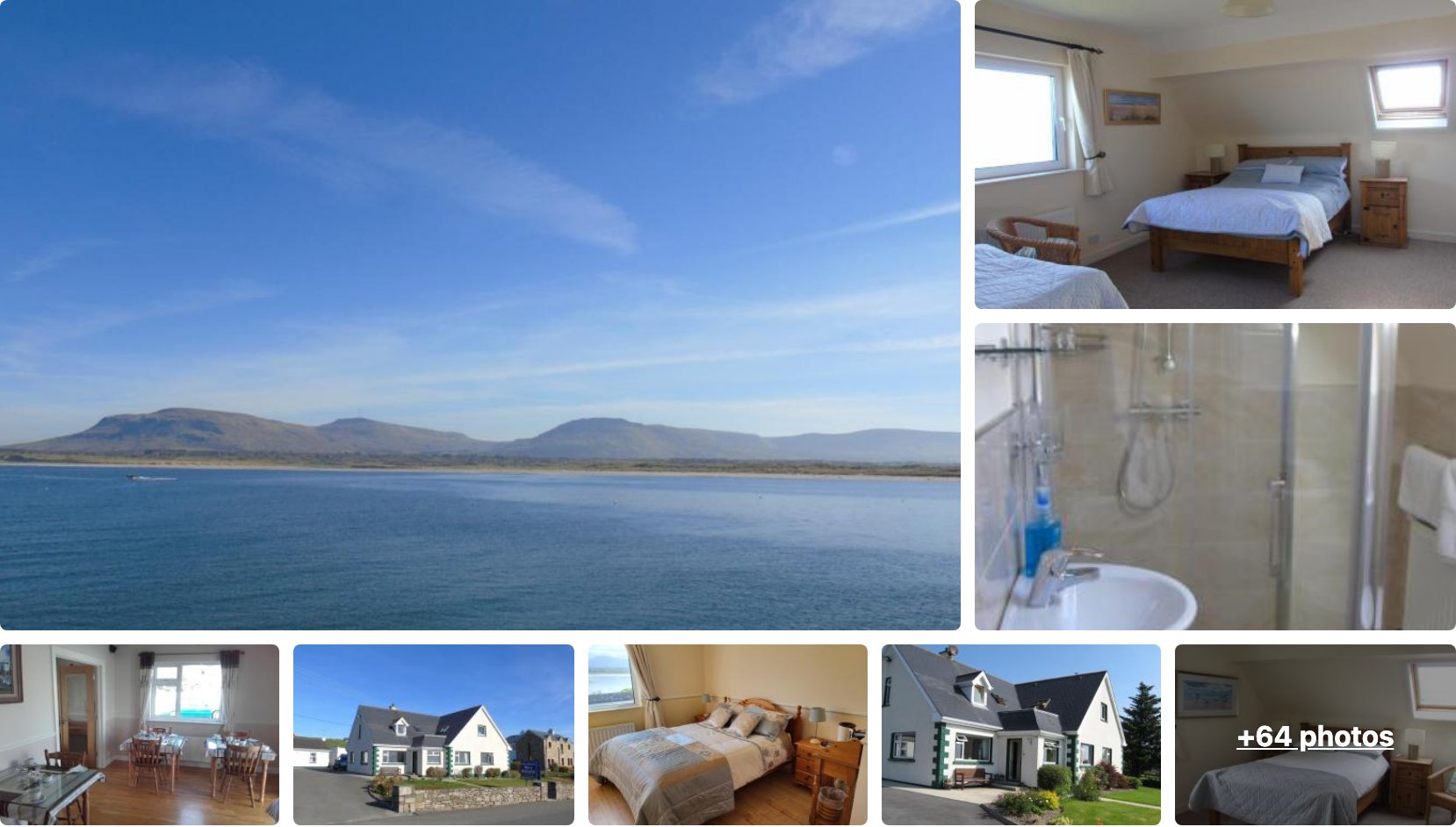
Seacrest Guesthouse sits at Mullaghmore in Sligo, so the beach and the dark stretch out toward Streedagh are a short hop away. It looks across the bay to Benbulben, and it scores 9.8 across more than 270 reviews.
👉 View Seacrest Guesthouse Availability and Pricing
We did most of our Ireland trip by campervan, which is the ideal setup for this, because you park somewhere dark and the moment the sky lights up you just open the door. If you are renting a car instead, pick a place a short walk or drive from a north-facing shore, and you get the same payoff.
Northern Lights and Stargazing Tours in Ireland
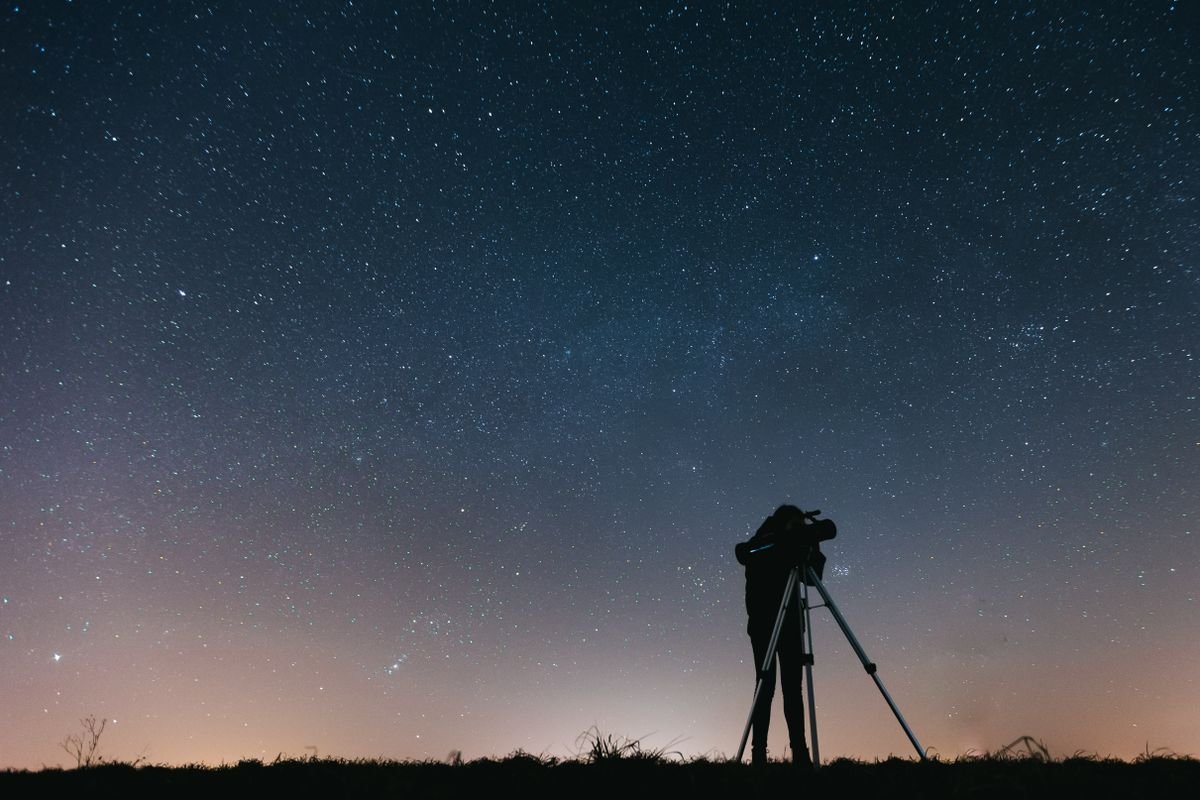
If you would rather not gamble on your own reading of a Kp chart, a guided tour is a smart way to go. The guides who run these trips track the space-weather forecast every night, know the darkest local spots, and will only head out when conditions are actually worth it, which saves you a lot of cold nights staring at cloud.
Donegal and Mayo are the two counties where you will find the most of them, usually run as dark-sky or stargazing tours that flip to aurora-chasing when a storm shows up. A good guide also knows how to set a camera for it, which matters, because at Irish latitudes the aurora often reads as a stronger glow through a lens than to your eye.

Even on a night with no aurora, a dark-sky tour in a certified park like Wild Nephin is a solid night out. You still get the Milky Way, real constellations, and a sky you rarely see from anywhere near a town, and if the lights do fire while you are out there, you are already in the perfect spot for it.
More Things to Do Around Ireland
- 33 Best Things To Do in Galway, Ireland
- 20 Best Things To Do in Dingle, Ireland
- 21 Unique Things To Do in Kerry, Ireland – The Kingdom County
In short
- County Donegal, especially Malin Head, gives Ireland the best odds of seeing the aurora.
- Go between September and March on long, dark, moonless nights, usually after midnight.
- You need a Kp index of 5 or higher, clear skies and a view north.
- Mayo, Sligo and the Causeway Coast in Northern Ireland are the next best spots.
- Track the Kp index with a free aurora-alert app and check local cloud cover.
Frequently Asked Questions
Quick answers on where, when and how likely you are to see the Northern Lights in Ireland.
Can you actually see the northern lights in Ireland?
Yes, but not often and not everywhere. Ireland sits at the far southern edge of aurora country, so you get a handful of visible displays a year, mostly along the dark north and northwest coasts on nights when a strong solar storm lines up with clear skies. Donegal, at the far north, gets the best odds.
When is the best time to see the aurora in Ireland?
Between September and March, on long, dark, clear nights, usually after midnight. The weeks around the autumn and spring equinoxes tend to bring more geomagnetic activity, so those are worth targeting. A moonless night gives a weak display the best chance to show.
Where is the best place in Ireland to see the northern lights?
County Donegal, and specifically Malin Head, the most northerly point of the Irish mainland. It is dark, it faces straight out over the ocean, and it catches displays too weak to reach the rest of the country. Mayo, Sligo, and the Causeway Coast in Northern Ireland are the next best.
Do I need a camera to see the northern lights in Ireland?
You do not need one, but it helps. At Irish latitudes the aurora is often faint to the naked eye, showing as a pale glow on the northern horizon, while a camera on a long exposure picks up the green and pink much more clearly. A phone on night mode or a proper camera on a tripod will often show color your eyes cannot.
What is the Kp index and what number do I need?
The Kp index is a 0 to 9 scale of geomagnetic activity. For Ireland you generally want it at 5 or higher for a real chance, and the higher it climbs, the further south the lights reach. At Kp 7 or above, even the midlands and the dark edges of Dublin can get a look.
Final Thoughts
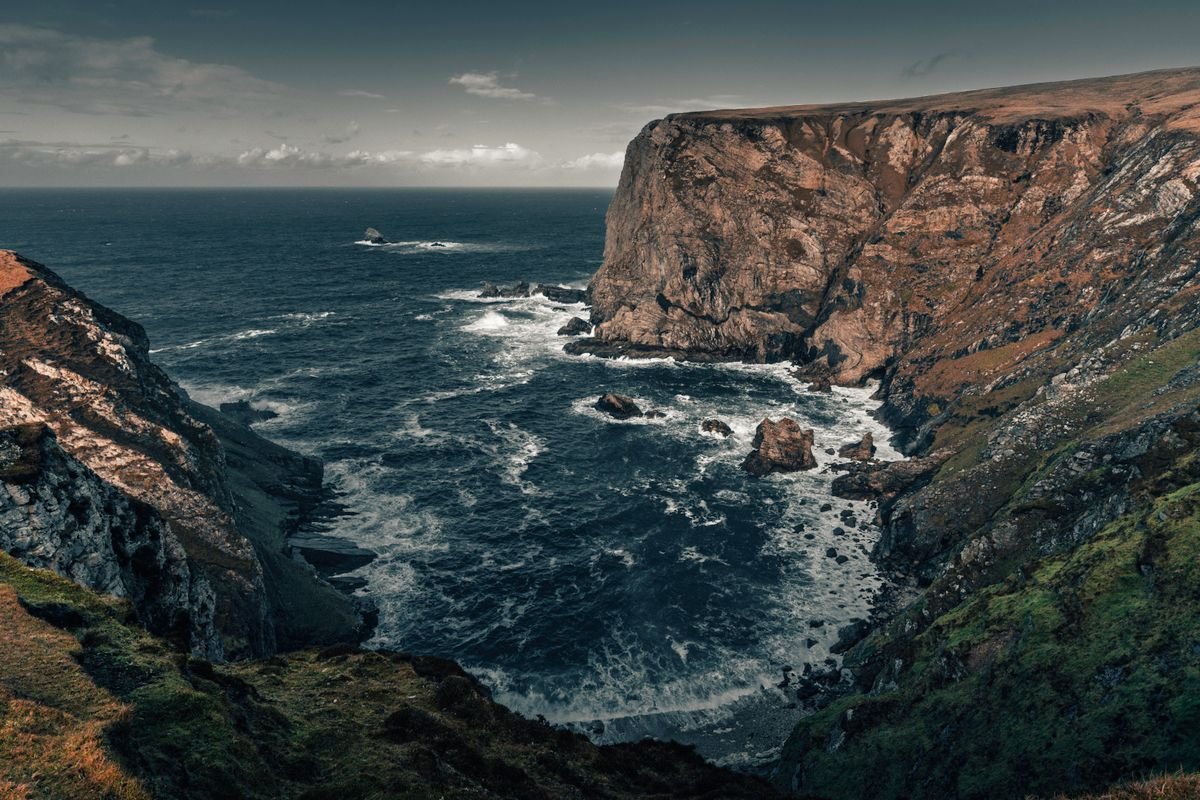
Seeing the northern lights in Ireland takes a bit of luck and a bit of planning. You cannot make the sun cooperate, but you can stack the odds by being up on the north or northwest coast, watching the Kp index, and having a dark, clear, north-facing spot ready to go.
Start with Donegal if you can, because Malin Head gives you the best chance in the country. And even on the nights the aurora never shows, standing out on a dark Irish coast under a full spread of stars is worth the trip on its own. Watch the forecast, keep your jacket by the door, and when it spikes, get out there.
Like it? Pin it!
Save this guide for later