
The Rock of Cashel is one of the most impressive medieval sites in all of Ireland, a tight cluster of stone buildings on a limestone outcrop that rises straight out of the flat green fields of County Tipperary. You can see it from miles away, and that first sight does most of the work before you’ve even parked the car.
This was the seat of the Kings of Munster for hundreds of years before it was handed to the church in the 1100s. What’s left today is a walled complex of a round tower, a roofless Gothic cathedral, a chapel with real medieval frescoes, and a graveyard full of high crosses, all packed onto one hilltop.
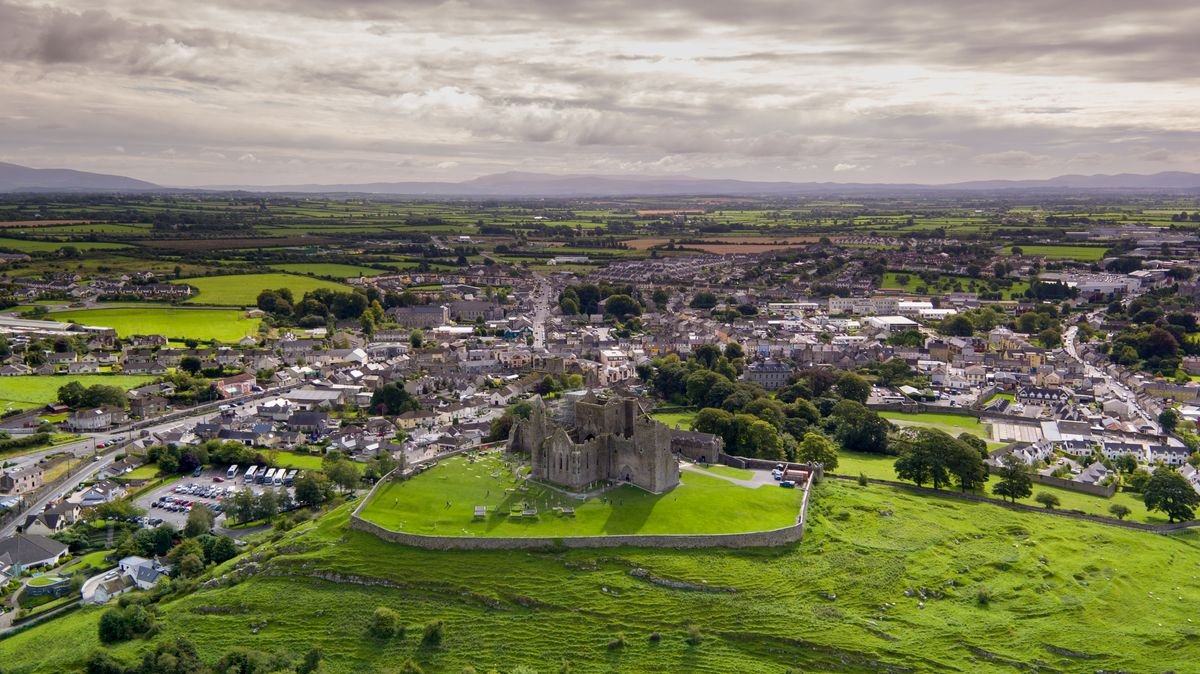
Yes, it’s one of the busier stops on the tourist trail, and it can get packed with tour buses in summer. It’s still absolutely worth the visit, and it’s easy to fit in on the drive between Dublin and Cork or the southwest coast.
Below I’ll cover the history, what you’ll actually see inside the walls, tickets and opening times, how to get there, the best tours, a few good stops nearby, where to stay, and the practical tips that make the visit go smoothly.
Quick Answer:
The Rock of Cashel is a medieval complex in County Tipperary with a round tower, a roofless Gothic cathedral, Cormac’s Chapel and a high-cross graveyard on one hilltop. It is open year round, adult admission is around 8 euro with a guided tour included, and most visitors spend 90 minutes to two hours here.
More Irish Castles and Historic Sites to Visit
- The Best Medieval Castles in Ireland
- The Best Ruined Castles in Ireland: 12 to Visit
- Bunratty Castle: The Complete Visitor’s Guide
- UNESCO World Heritage Sites in Ireland: Full List
The History of the Rock of Cashel
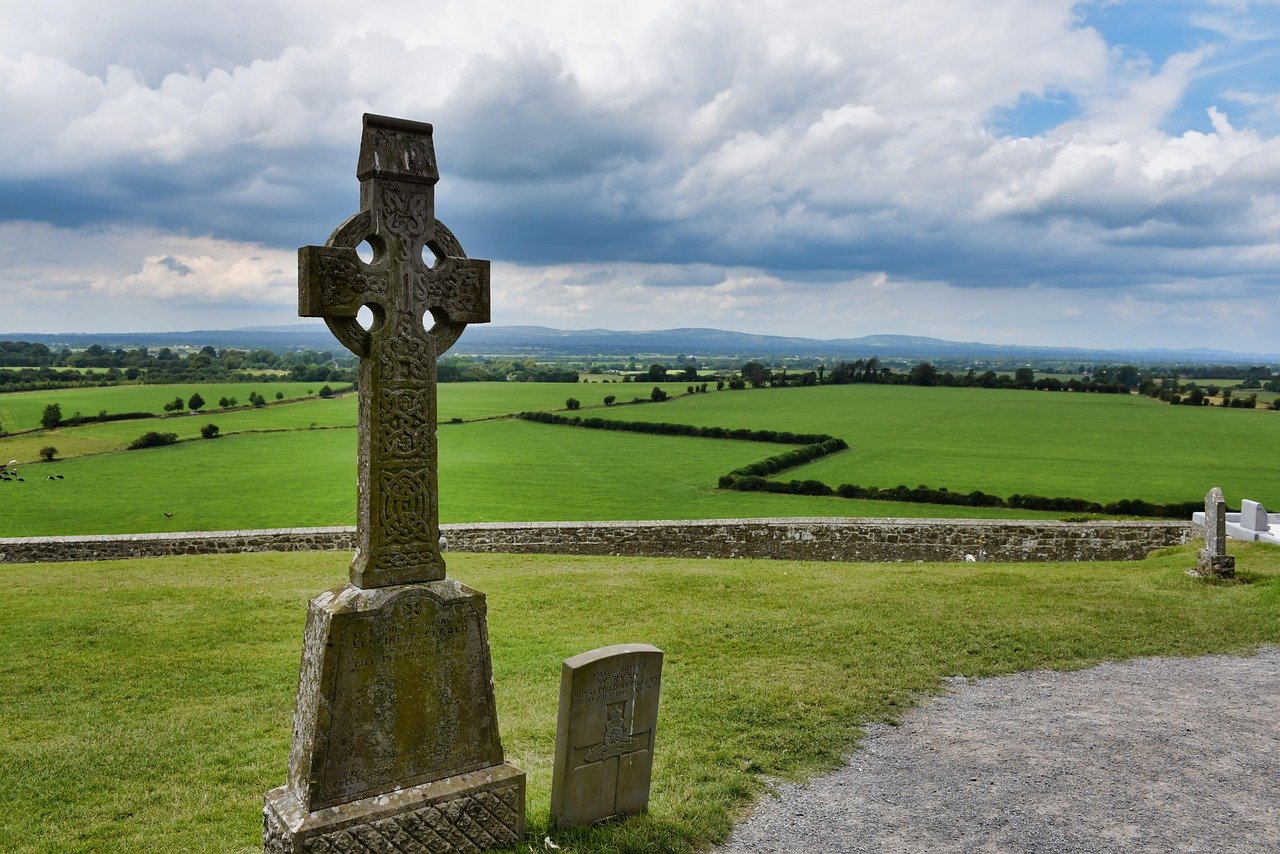
For about 400 years this was the power base of the Kings of Munster, one of the old ruling dynasties of southern Ireland. The name comes from the Irish “Caiseal,” meaning fortress, and that’s exactly what it started as: a fortified royal seat on a rock you could see any enemy coming from.
The big turning point came in 1101, when King Muirchertach Ua Briain handed the whole site over to the church. It was a smart political move as much as a religious one, and it kept the Rock out of rival kings’ hands for good. Most of the buildings you see today went up after that.
The round tower is the oldest surviving structure, dating to around the early 1100s. Cormac’s Chapel, one of the best examples of Romanesque architecture in the country, was consecrated in 1134. The large Gothic cathedral came later, built through the 1200s, and the whole complex kept growing for centuries after.
Things went badly wrong in 1647, during the Irish Confederate Wars. English Parliamentarian forces under Murrough O’Brien sacked Cashel and killed hundreds of people who had taken shelter inside, soldiers and townspeople alike. The cathedral was left roofless not long after, and it has stayed that way ever since.
St Patrick and the Legends of the Rock
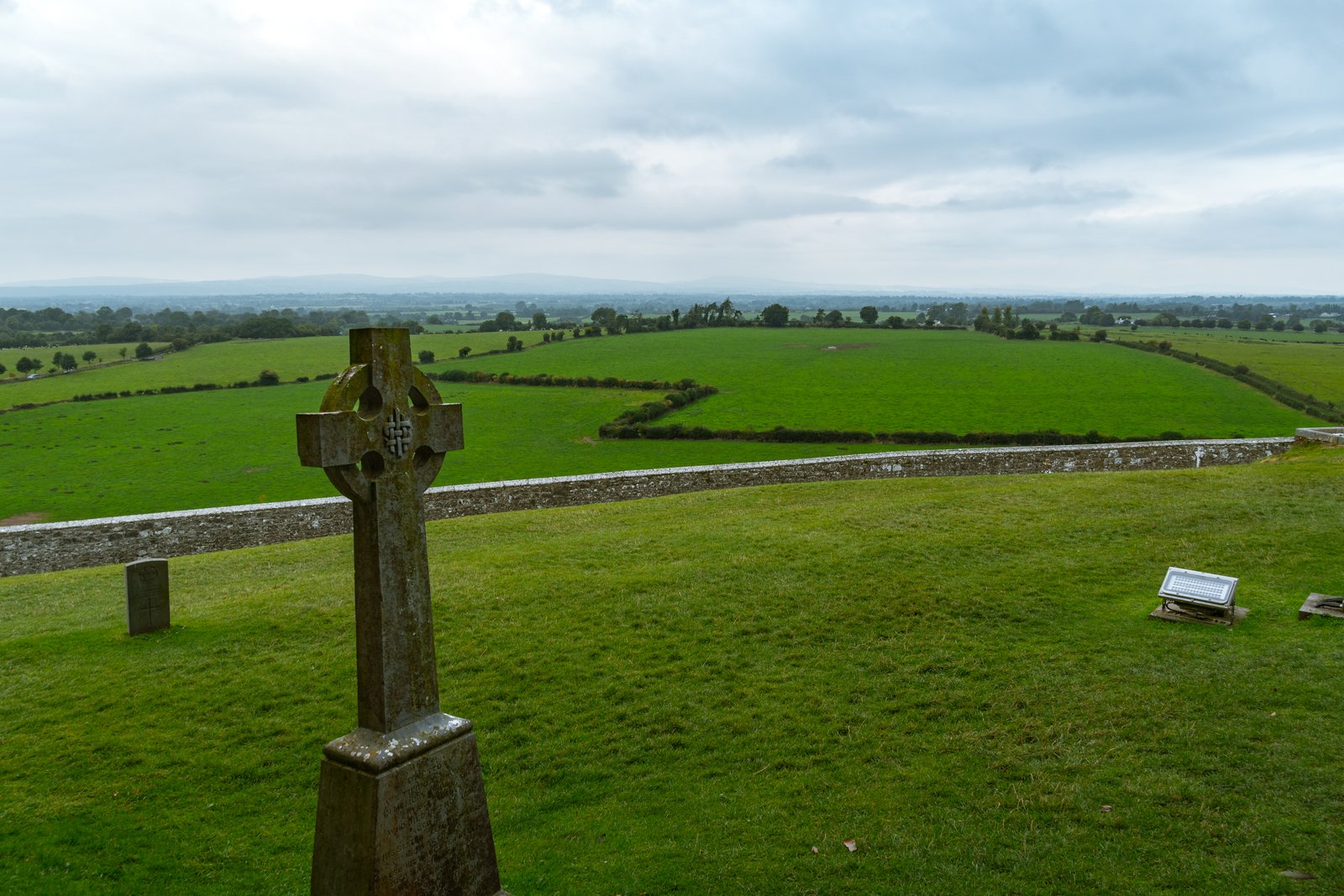
The most famous story here is St Patrick baptizing King Aengus, the Munster king, on this spot in the 5th century. As the tale goes, Patrick drove the point of his crozier through the king’s foot during the ceremony. The king never flinched, because he thought it was part of the ritual. It’s a good story, and the guides love telling it.
There’s also the legend of how the Rock got here in the first place. The story says the Devil took a bite out of a nearby mountain and spat it out, and the chunk landed here in the plain. The gap he bit is a real hill called the Devil’s Bit, about 20 miles north, so the locals had the geography to back up the tale.
You’ll hear these stories on any guided tour, and the guides tell them well. Take them as folklore rather than fact, but they’re a big part of why the place has held its grip on people for so long.
What You’ll See on the Rock
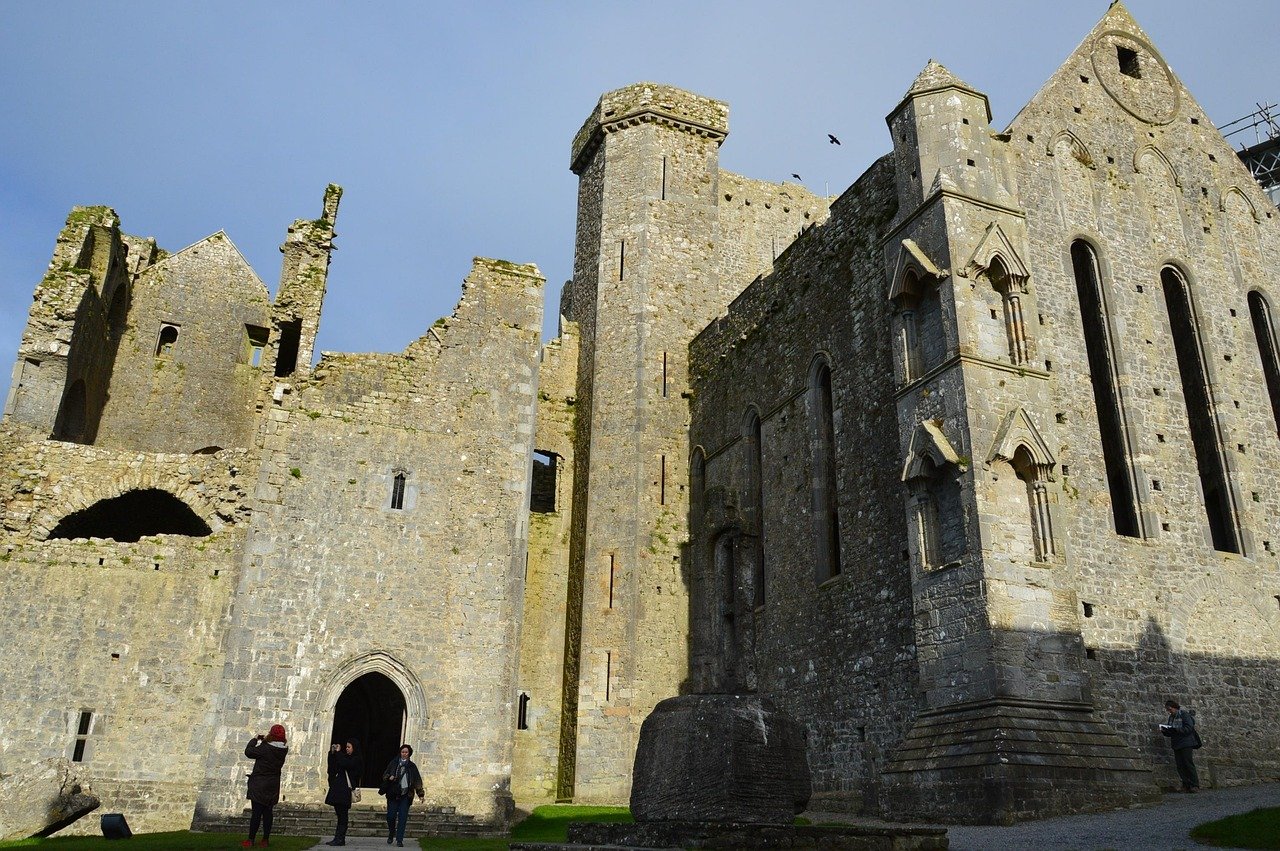
The whole site is compact, walled, and packed tight, so you’re never walking far between buildings. That’s part of what makes it work. Five main things are worth your attention inside the walls, and here’s what each one actually is.
Cormac’s Chapel
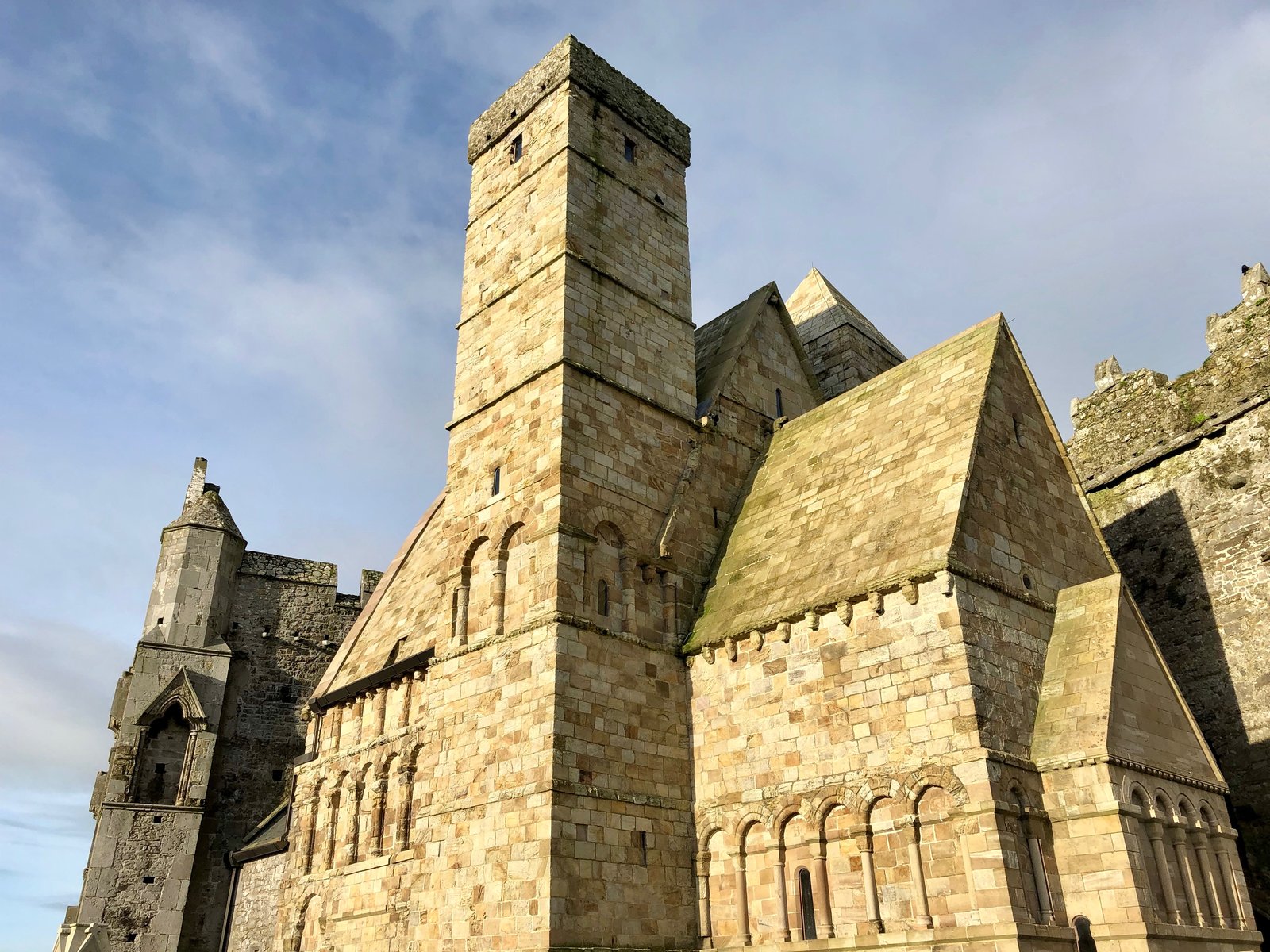
This is the one to see. Cormac’s Chapel is one of the finest Romanesque buildings in Ireland, consecrated in 1134 and covered in carved stone detail, blind arcading, and a pair of square towers that look almost German rather than Irish.
Inside are the real reason to go: some of the oldest surviving medieval frescoes in the country. They’re faded and fragile, and the chapel is kept climate-controlled to protect them, so access is sometimes limited or guide-only. If you can get in, don’t rush it.
The Round Tower
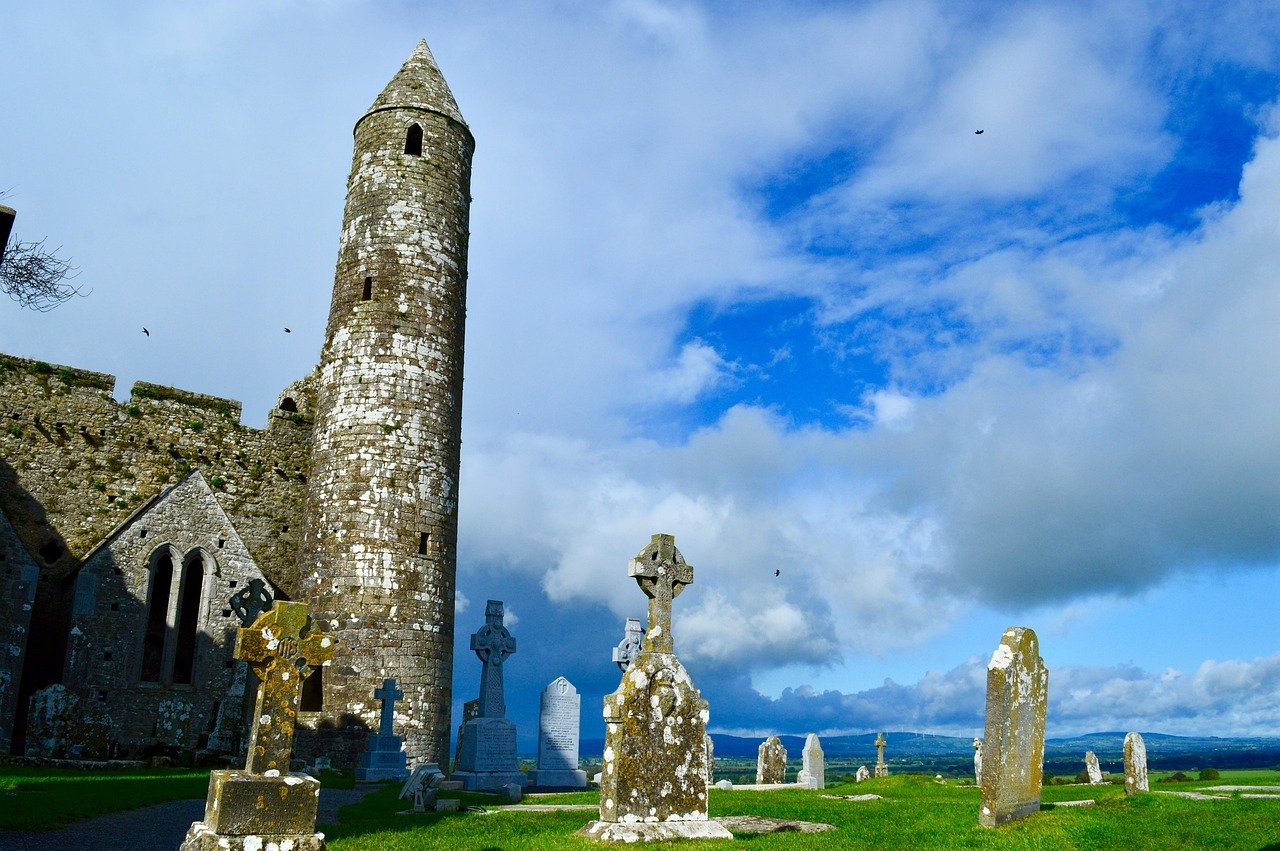
The round tower is the oldest thing standing on the Rock, dating to around the early 1100s. It’s about 28 meters tall, built from sandstone, with its doorway set high off the ground, the way these towers usually were.
You can’t climb it, but it’s the tallest structure on the site and it’s the shape you’ll recognize from every photo of Cashel. It has stood there for more than 900 years, which is worth thinking about while you’re standing next to it.
The Cathedral
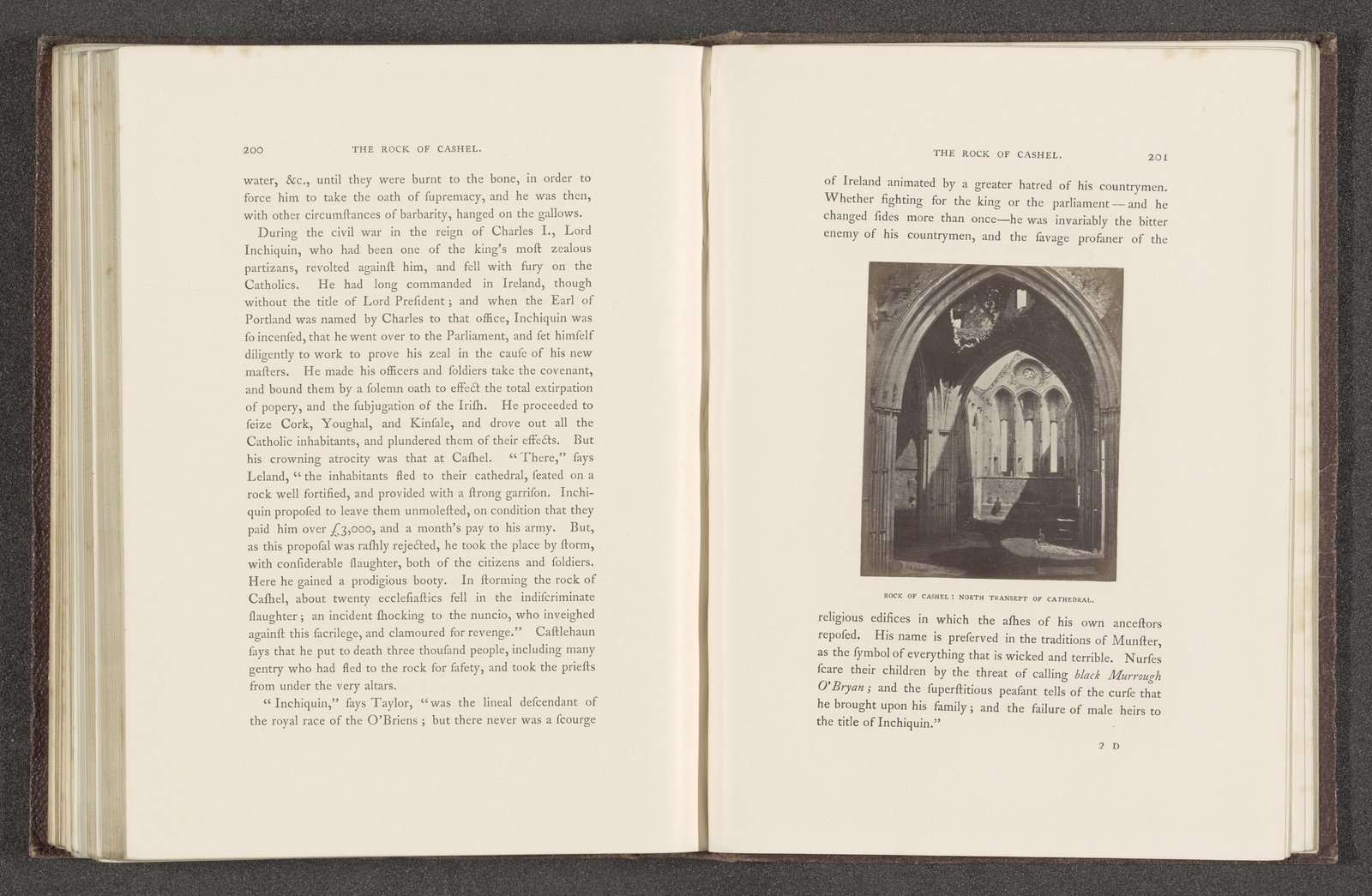
The Gothic cathedral is the big one, the roofless building that takes up most of the site. It was built through the 1200s in a cross shape, with a central tower and tall lancet windows that now open straight to the sky.
Walking through the empty nave and looking up at the bare stone walls is the main event. There are old tombs and carved wall monuments tucked around the edges, so give yourself time to look properly rather than just walking through.
The Hall of the Vicars Choral
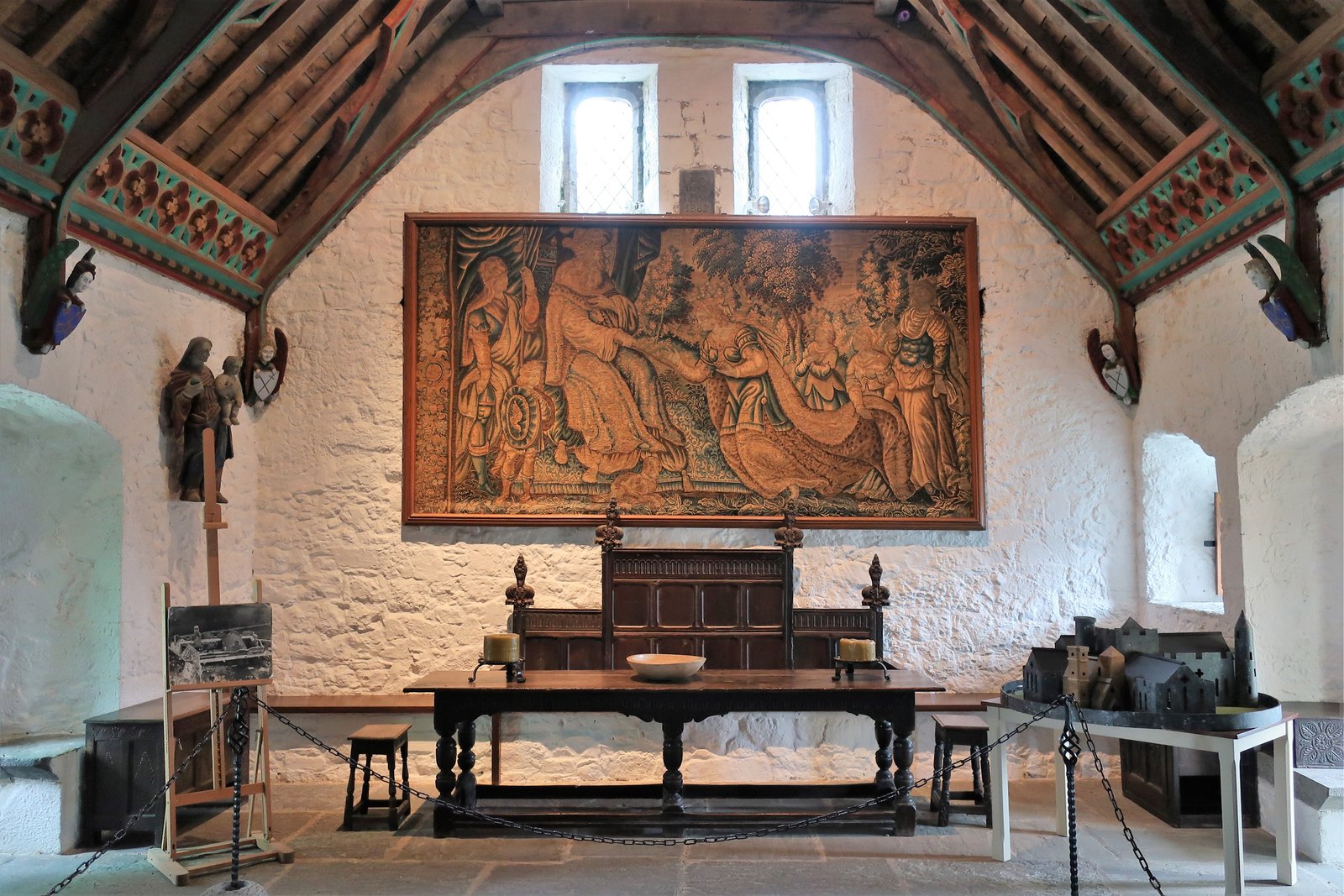
This 15th-century building sits at the entrance and is where you’ll usually start. The vicars choral were the laymen who sang the cathedral services, and this was their residence. It’s the most complete building on the site, with a restored upstairs hall and furniture.
It also houses a short exhibition and a film that sets up the history before you head out to the ruins. Worth watching first, so the rest of the site makes more sense.
St Patrick’s Cross
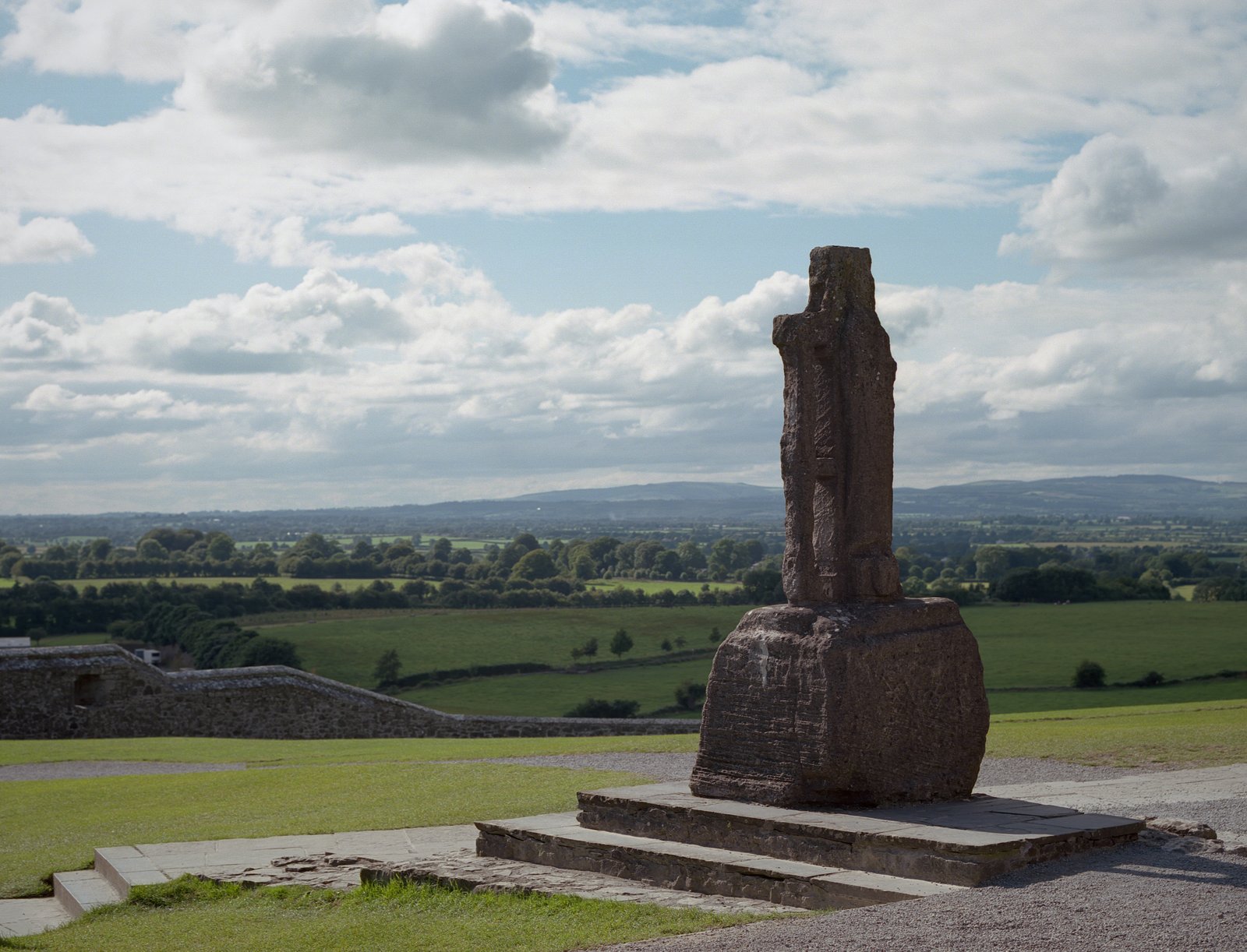
The original St Patrick’s Cross is a 12th-century high cross, and it’s now kept indoors in the Hall of the Vicars Choral to protect it from the weather. A replica stands outside where the original once was, so you get to see both.
The cross is unusual because it once had supports on either side rather than the ring you see on most Irish high crosses. One face shows a figure of Christ, the other a bishop thought to be St Patrick himself.
Rock of Cashel Tickets and Opening Times
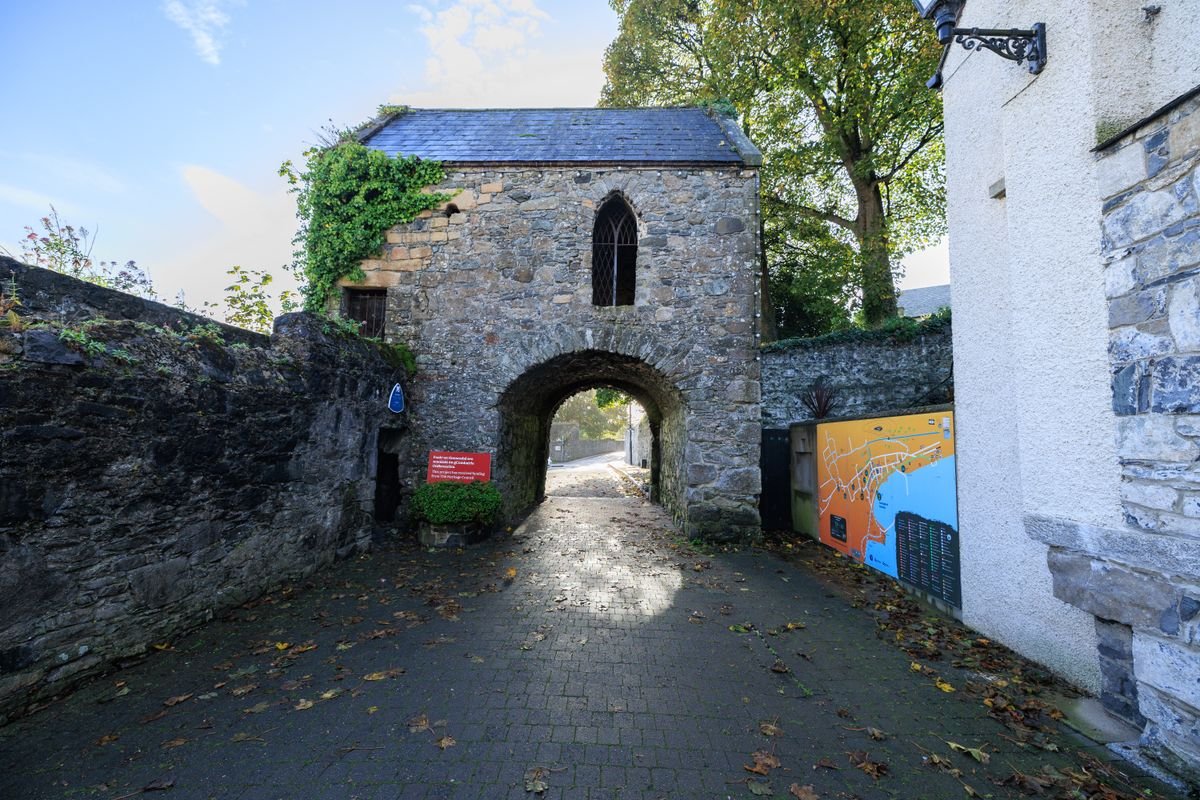
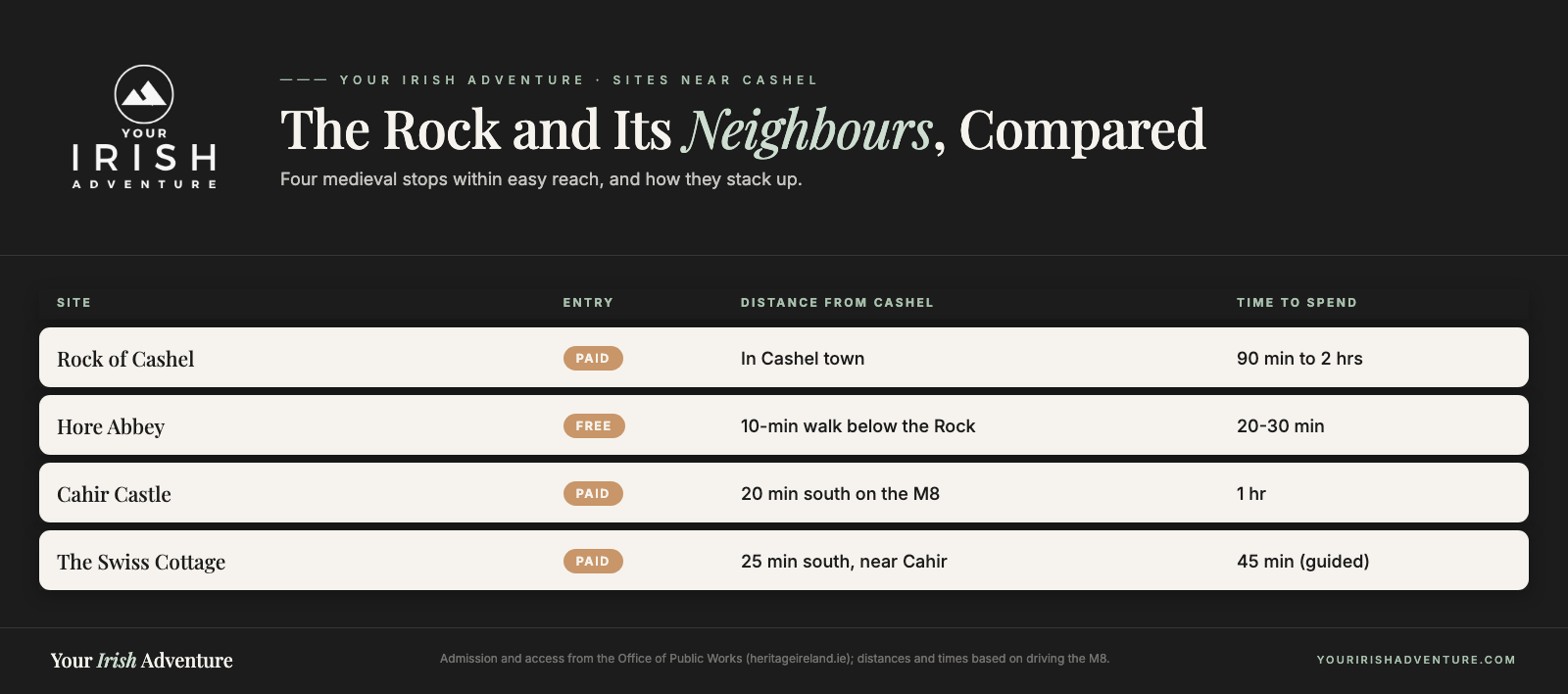
The Rock of Cashel is an Office of Public Works heritage site, so it’s run by the state and the ticket prices are reasonable. Adult admission is around €8, with cheaper rates for seniors, students, and children, and a family ticket that works out well if there are a few of you.
Prices do creep up over time, so check the official OPW website for the current rate before you go. The good news is the guided tour is included in the ticket, which is unusual and makes the price better value than it first looks.
If you’re doing a bigger Ireland trip and hitting several of these sites, the OPW Heritage Card is worth a look. It’s a flat annual fee that gets you into all the state-run heritage sites, and it pays for itself fast if you’re visiting a handful of them.
Opening Hours
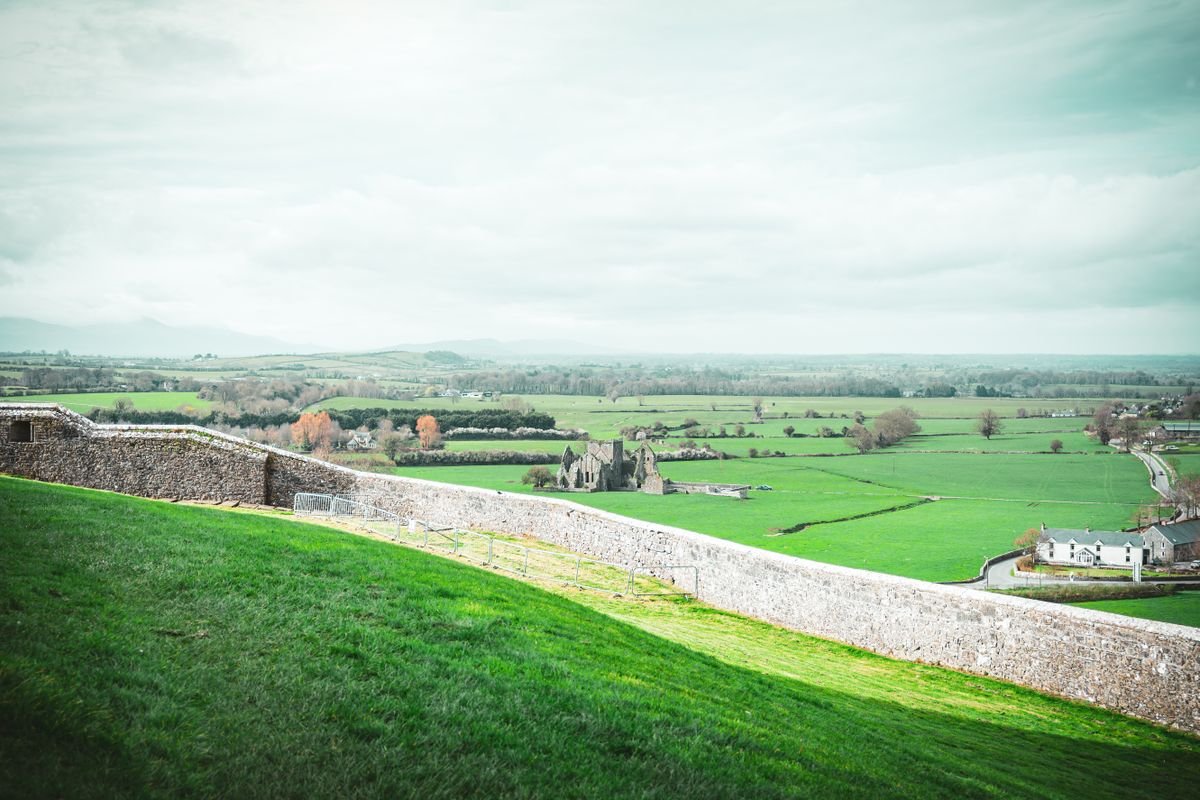
The site is open year-round, seven days a week, and only closes over the Christmas period. Hours change with the season, so roughly 9am to 5:30pm in the quieter months, stretching later into the evening through the summer.
Last admission is usually 45 minutes before closing, and they mean it, so don’t roll up at the gate ten minutes before the doors shut expecting to get around. Give yourself at least an hour and a half on site, more if you want to catch a guided tour.
One thing to plan around: access to Cormac’s Chapel is limited to protect the frescoes, and it’s often guide-only. If seeing the chapel matters to you, aim for the first tour of the day and ask about it when you buy your ticket.
How to Get to the Rock of Cashel
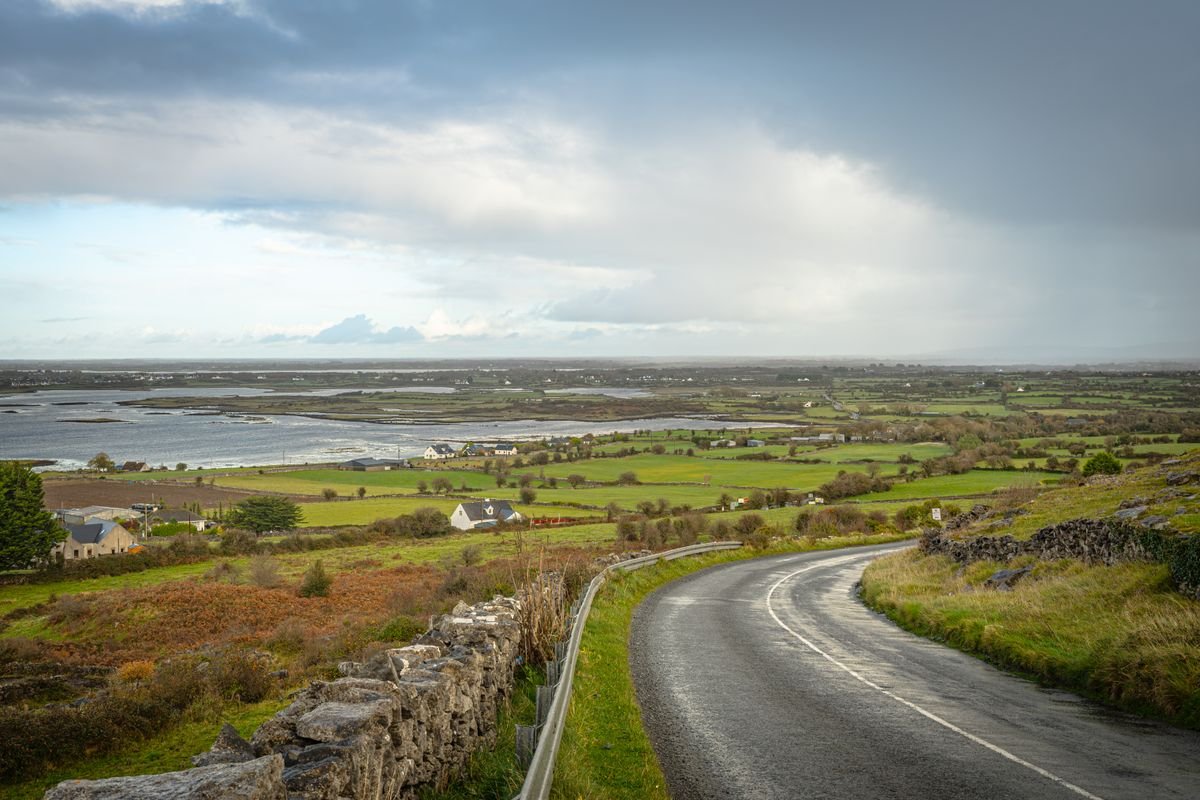
Cashel sits in County Tipperary, pretty much dead center in the south of Ireland. It’s right off the M8 motorway, which is the main road between Dublin and Cork, so it’s one of the easier big sights to work into a road trip without going out of your way.
The Rock is on the edge of Cashel town itself, so you’re not hunting for it once you arrive. You’ll see it long before you get there.
Driving to Cashel
Driving is the easy way to do it, and it’s how a lot of people get here. A car also lets you tack on the nearby stops without waiting on a bus timetable, and you can compare car hire deals on Discover Cars before you set off. Rough drive times to plan around:
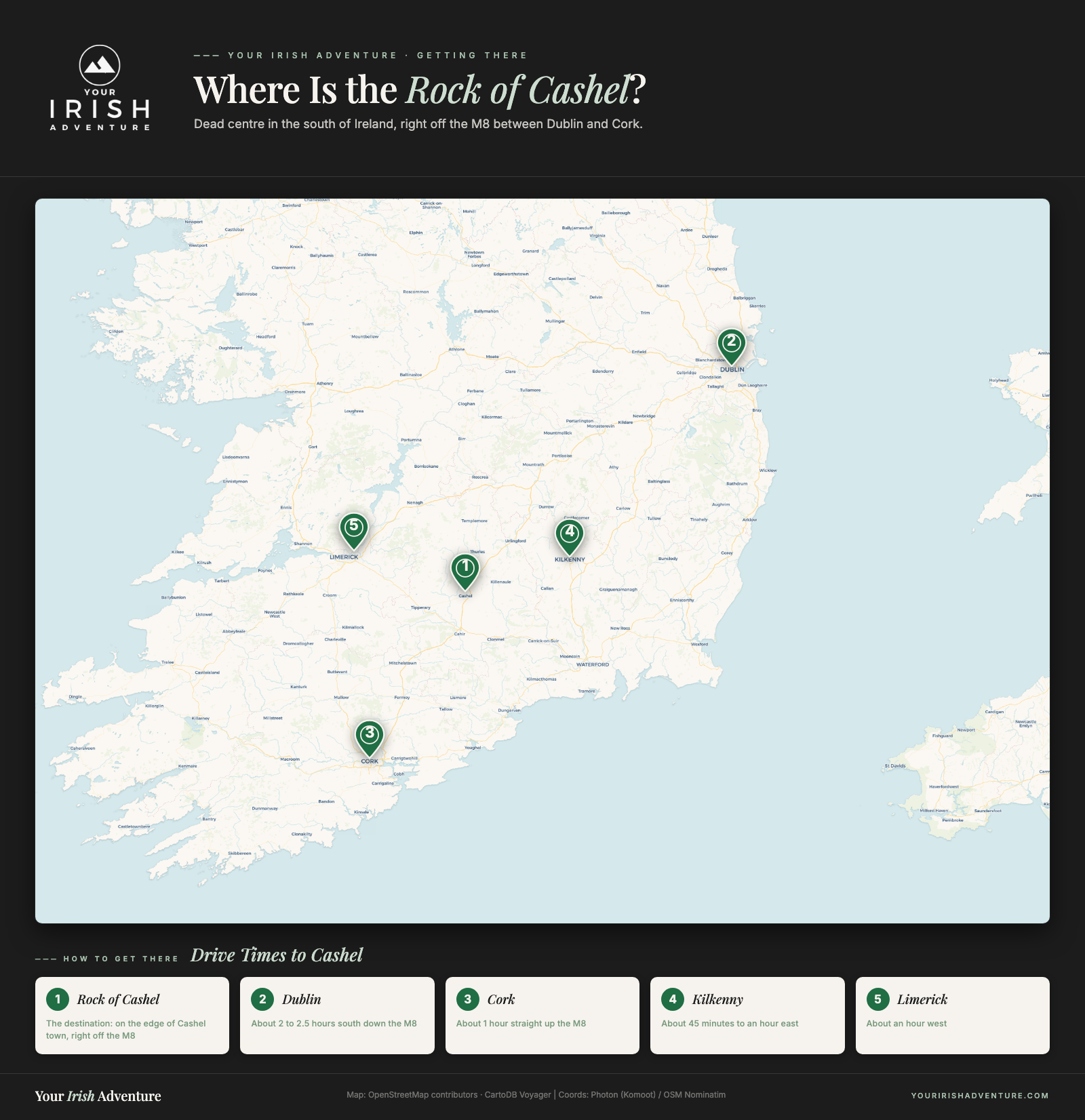
- From Dublin: about 2 hours to 2.5 hours down the M8
- From Cork: about 1 hour, straight up the M8
- From Kilkenny: about 45 minutes to an hour
- From Limerick: about an hour
There’s a paid parking lot right at the site, plus parking down in the town if that’s full. From the town center it’s a short uphill walk to the entrance, so wear something you don’t mind walking in.
By Bus or Public Transport

You can get to Cashel without a car, but it takes more planning. Bus Éireann runs services through the town on the Dublin to Cork route, and the stop is a short walk from the Rock. Check current times before you commit, as they’re less frequent than you’d hope.
There’s no train station in Cashel itself. The nearest rail stop is Thurles, about 20 minutes away by road, and you’d still need a bus or taxi from there. If you don’t have a car, an organized day tour from Dublin or Cork is the simpler option.
If Cashel is a single stop on a bigger loop, the drive is the way to do it. It slots neatly into a Dublin to the southwest run, and you can be back on the motorway 20 minutes after you walk out the gate.
Best Tours to the Rock of Cashel
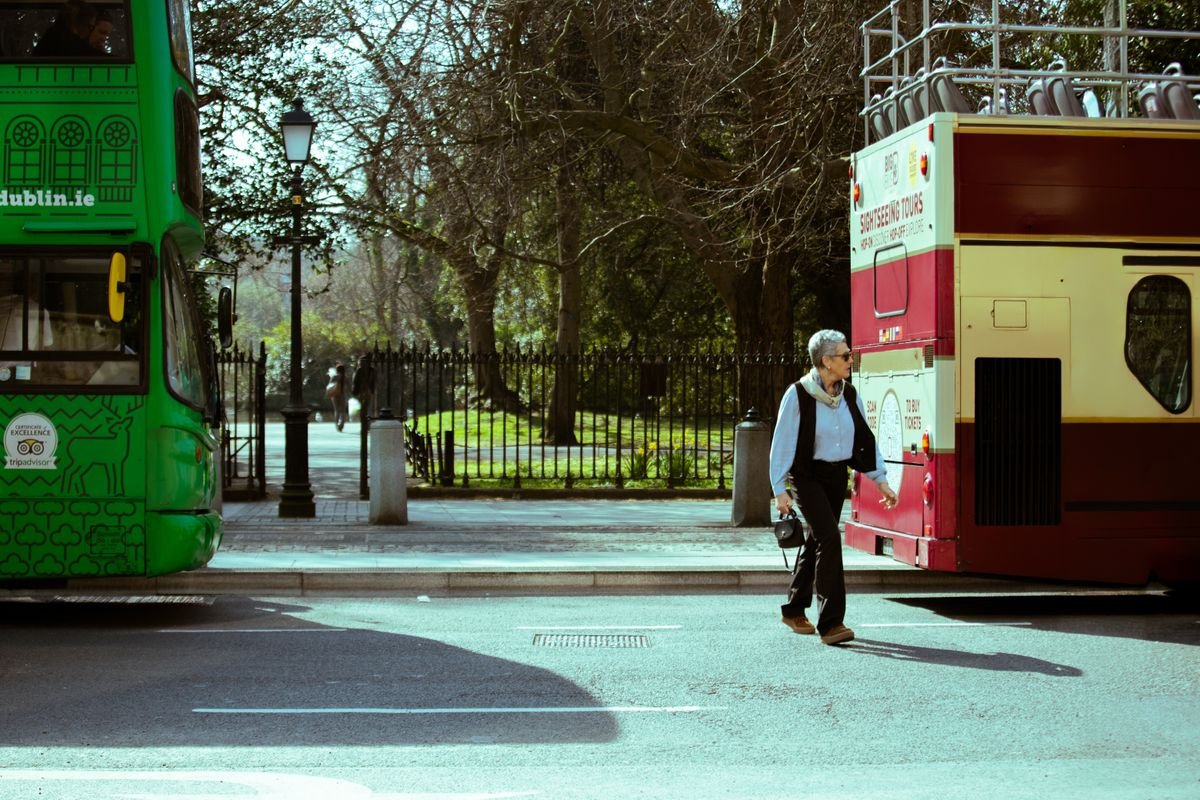
There are two kinds of tour to think about here, and they solve different problems. There’s the guided tour on the Rock itself, and there’s the organized day tour that gets you to Cashel in the first place if you don’t have a car.
Start with the on-site tour, because it’s the easy call. It’s included in your ticket, it runs several times a day, and it lasts about 45 minutes. The guides know the site inside out and tell the St Patrick and Devil’s Bit stories far better than any info board.
The other reason to catch it is Cormac’s Chapel. Access to the chapel is often guide-only, so the tour is sometimes your best shot at getting in to see the frescoes. Aim for the first one of the day and ask at the ticket desk.
Day Tours from Dublin
If you’re based in Dublin without a car, a day tour is the simplest way to see Cashel. Most of them pair the Rock with other stops in the south, so you get a full day out rather than a two-hour bus ride each way for one site.
Common pairings are the Rock of Cashel with Blarney Castle and Cork, or with Kilkenny on the way back. It’s a long day, usually 10 to 12 hours door to door, but you cover a lot of ground and someone else handles the driving. If that’s the plan, you can book the Blarney Castle and Cork day tour from Dublin on GetYourGuide.
Day Tours from Cork and Kilkenny
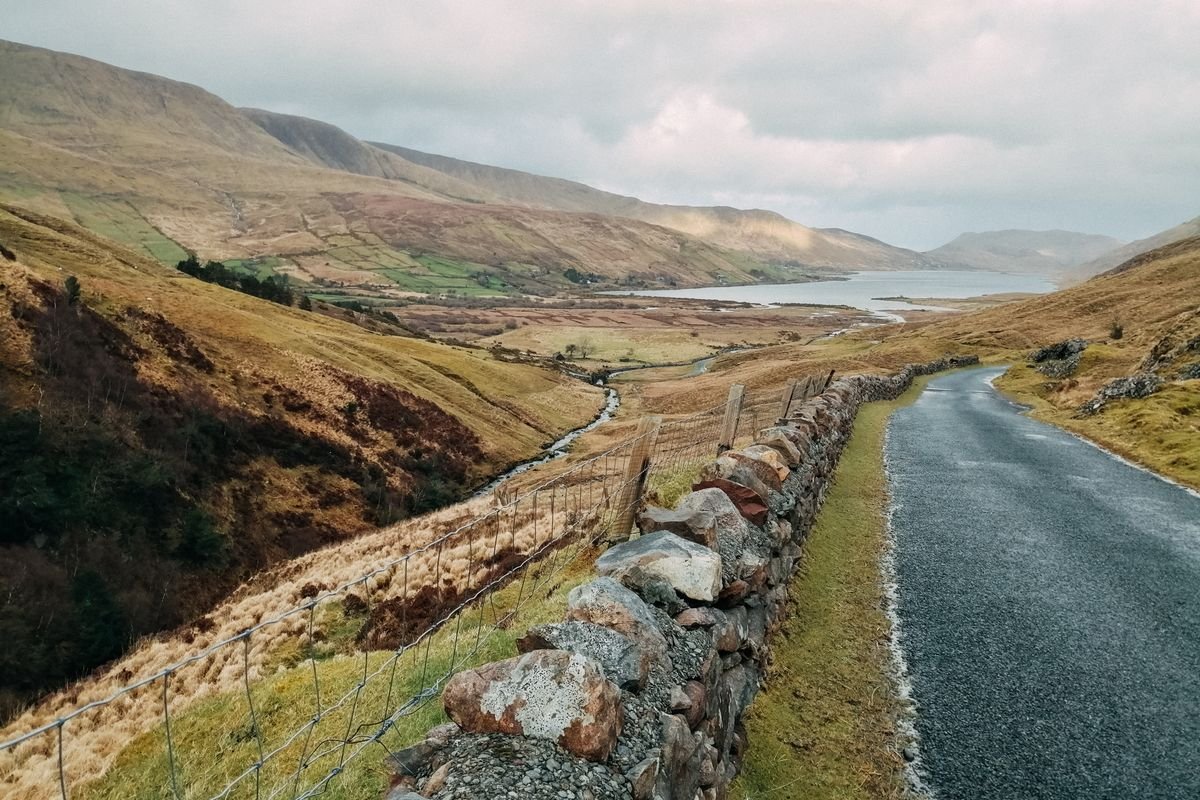
Cork is only about an hour from Cashel, so tours from there are shorter and often loop in Blarney or the Tipperary countryside. Kilkenny is closer still, and a few tours combine the two medieval sites into one easy day.
Whatever you book, check exactly how long you get on the Rock itself. Some tours give you a rushed hour, which isn’t enough to catch the guided tour and see the chapel properly. Look for one that allows at least 90 minutes on site.
One more thing though: if you’ve got a car, skip the organized day tour and drive yourself. You’ll spend less, you won’t be on anyone’s clock, and you can add the nearby stops at your own pace. The day tours are for car-free travelers, not a first choice.
Blarney Castle, Rock of Cashel and Cahir Castle Day Tour from Dublin
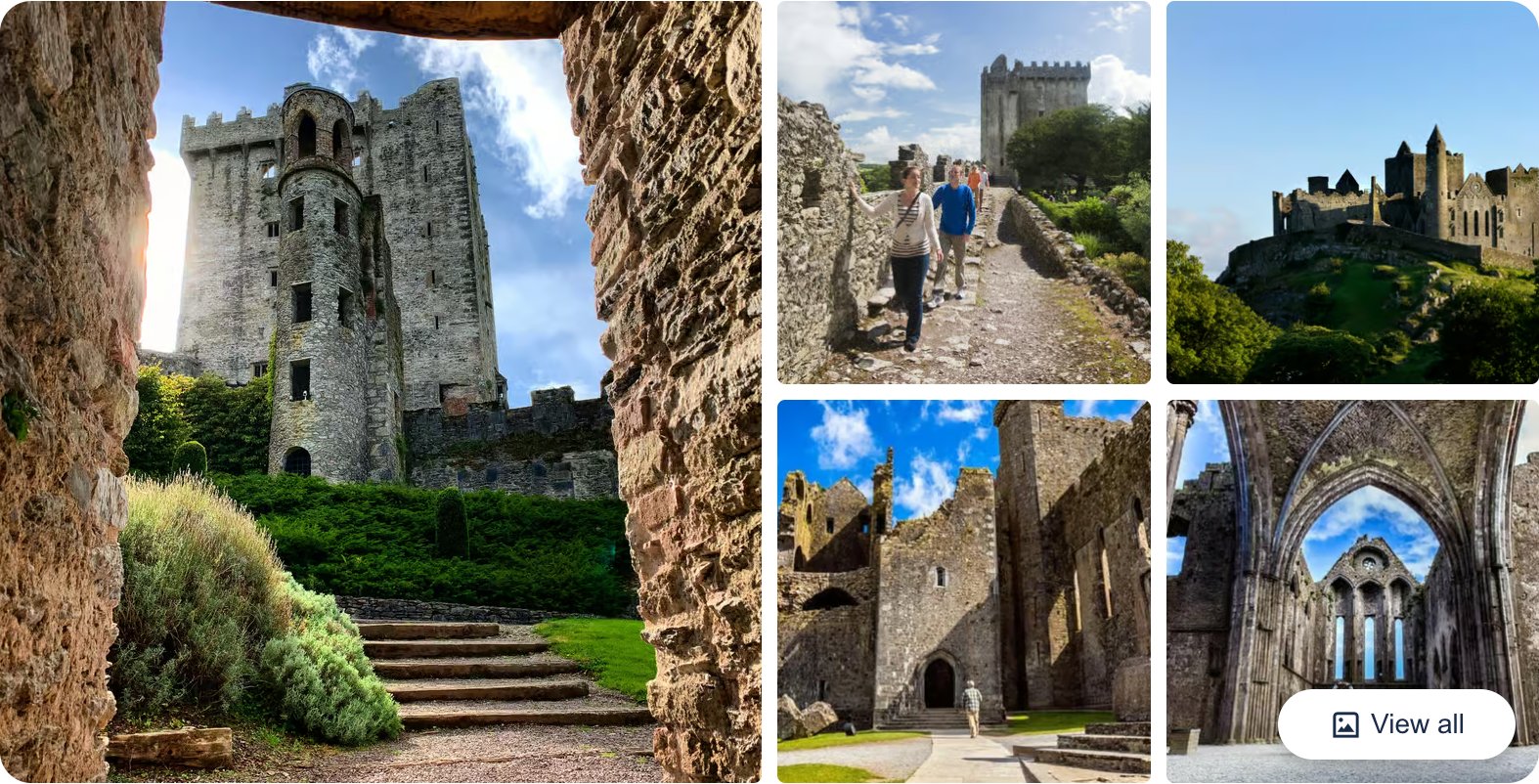
This is the day tour that actually stops at the Rock, so it’s the one to book if you’re car-free in Dublin. It’s a full day out, roughly 10 to 12 hours, and it pairs the Rock of Cashel with Blarney Castle and Cahir Castle, with a coach and driver-guide handling all the motorway miles.
👉 Check dates and prices for the Blarney Castle, Rock of Cashel and Cahir Castle day tour
Things to Do Near the Rock of Cashel
- Fifteen Unmissable Things to do in Limerick
- 10 Epic Day Trips From Cork (Chosen By a Cork Local)
- A Perfect Weekend in Kilkenny: A Local’s Guide
- Best Places to Visit in Cork City: Local’s Guide
Things to See Near the Rock of Cashel
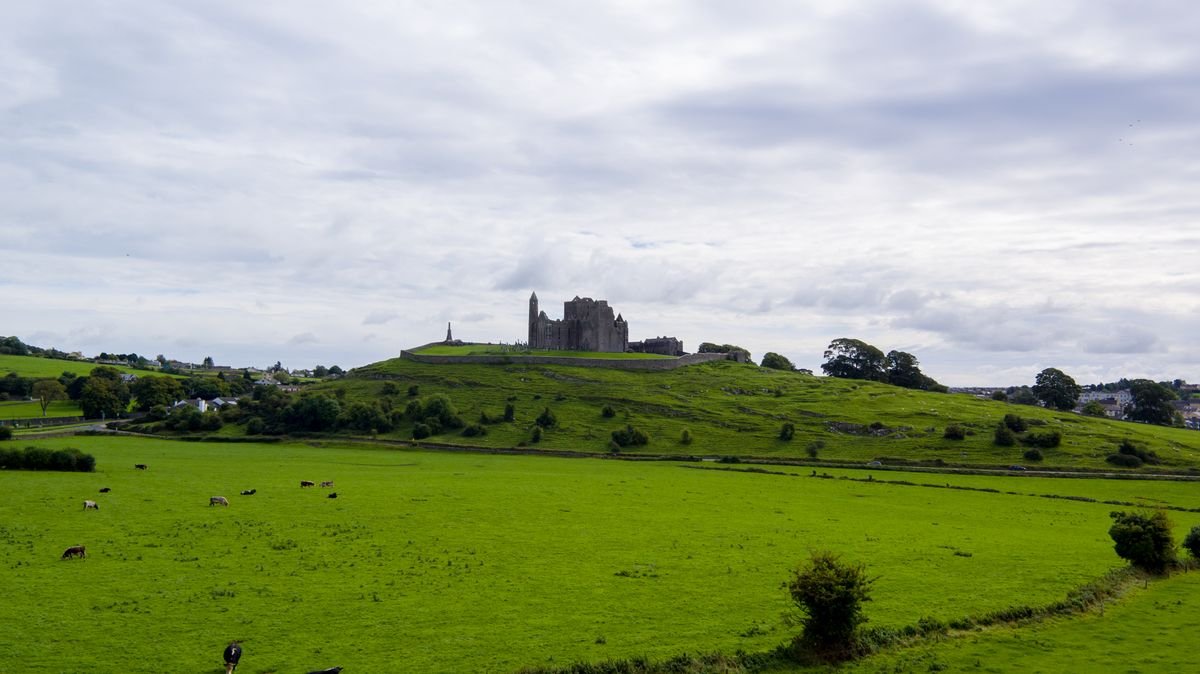
Cashel isn’t a place you need to build a whole day around, but there are a few good stops within easy reach that round it out. If you’ve come this far off the motorway, it’s worth adding one or two of these before you drive on. Here are the three I’d point a first-timer toward.
Hore Abbey
Hore Abbey sits in the fields right below the Rock, about a ten-minute walk down from the main site. It’s a ruined Cistercian monastery from the 1200s, roofless and free to wander, and there’s usually nobody there.
The reason to walk down is the view back up. From the abbey you get the classic shot of the Rock of Cashel rising on its hill, and it’s the angle most of the good photos are taken from. No ticket, no gate, so it’s an easy add-on.
Cahir Castle
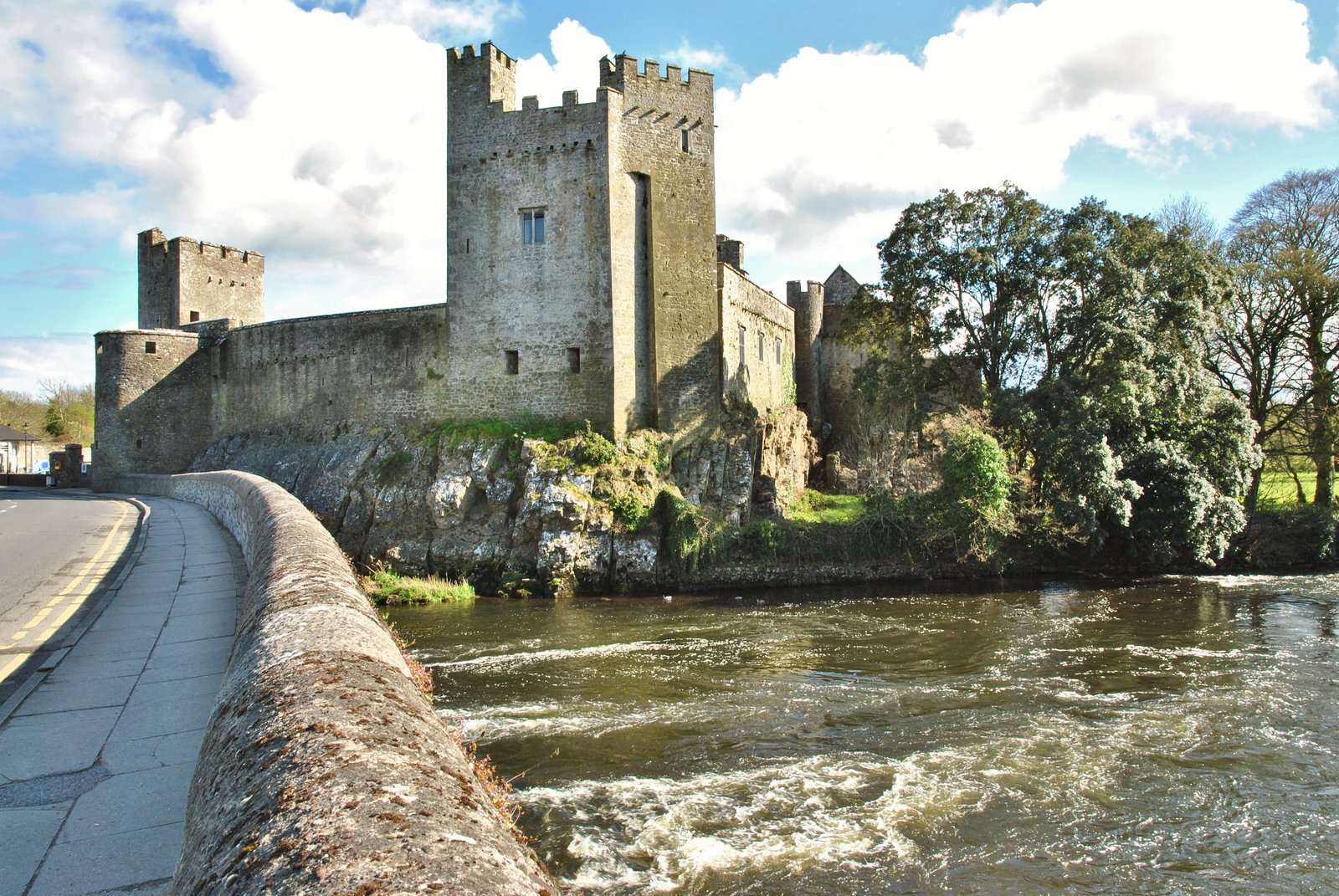
Cahir Castle is about 20 minutes south down the M8, in the town of Cahir. It’s one of the largest and best-preserved castles in Ireland, built on a rocky island in the River Suir, with intact towers, a working portcullis, and defensive walls you can actually walk.
It’s another OPW site, so if you’ve got the Heritage Card it’s already covered. Film buffs might recognize it, as it’s been used in a few productions over the years. Give it an hour if you stop in.
The Swiss Cottage
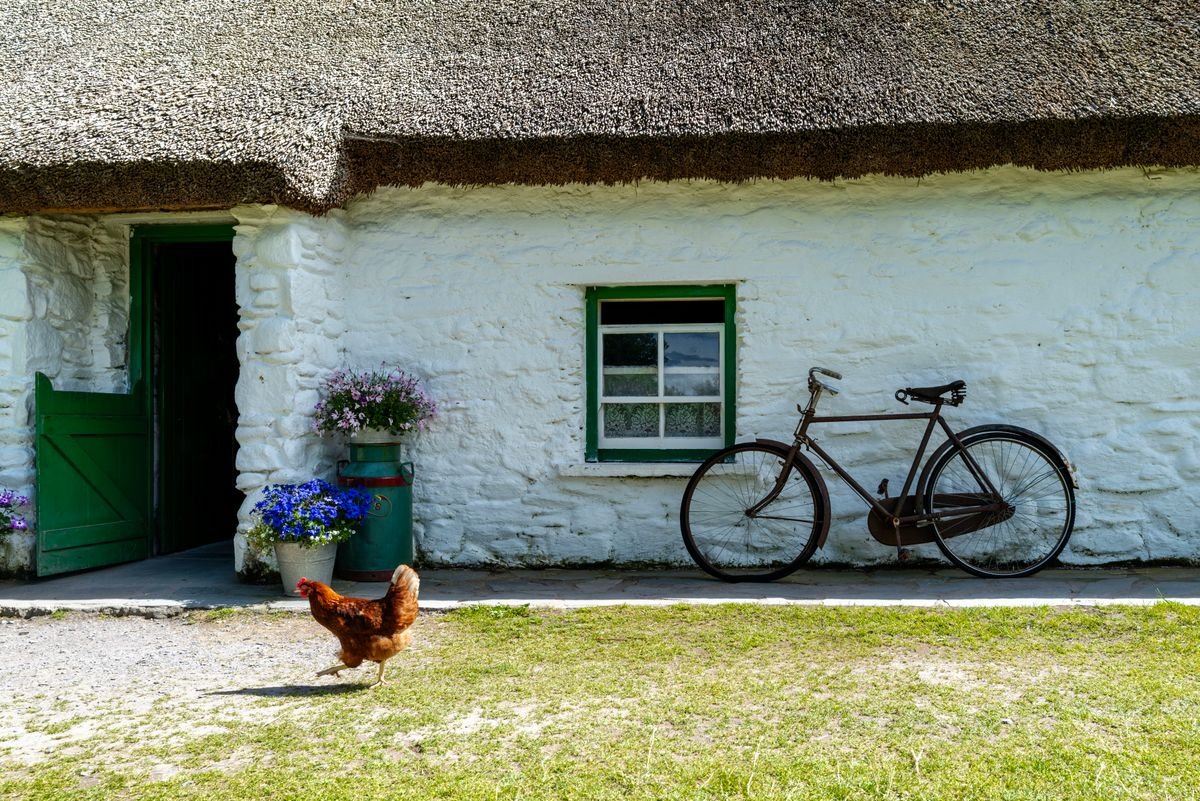
Just outside Cahir, about a mile from the castle, is the Swiss Cottage. It’s a thatched cottage orné built in the early 1800s as a rich family’s rustic retreat, all curved timber, decorative woodwork, and a roof designed to look deliberately quirky.
Inside is only accessible by guided tour, and it runs on set times with limited numbers, so check ahead if you want to see the painted wallpaper and the decorated rooms. It pairs naturally with Cahir Castle, since they’re a short drive apart and both make sense as one stop.
Where to Stay Near the Rock of Cashel
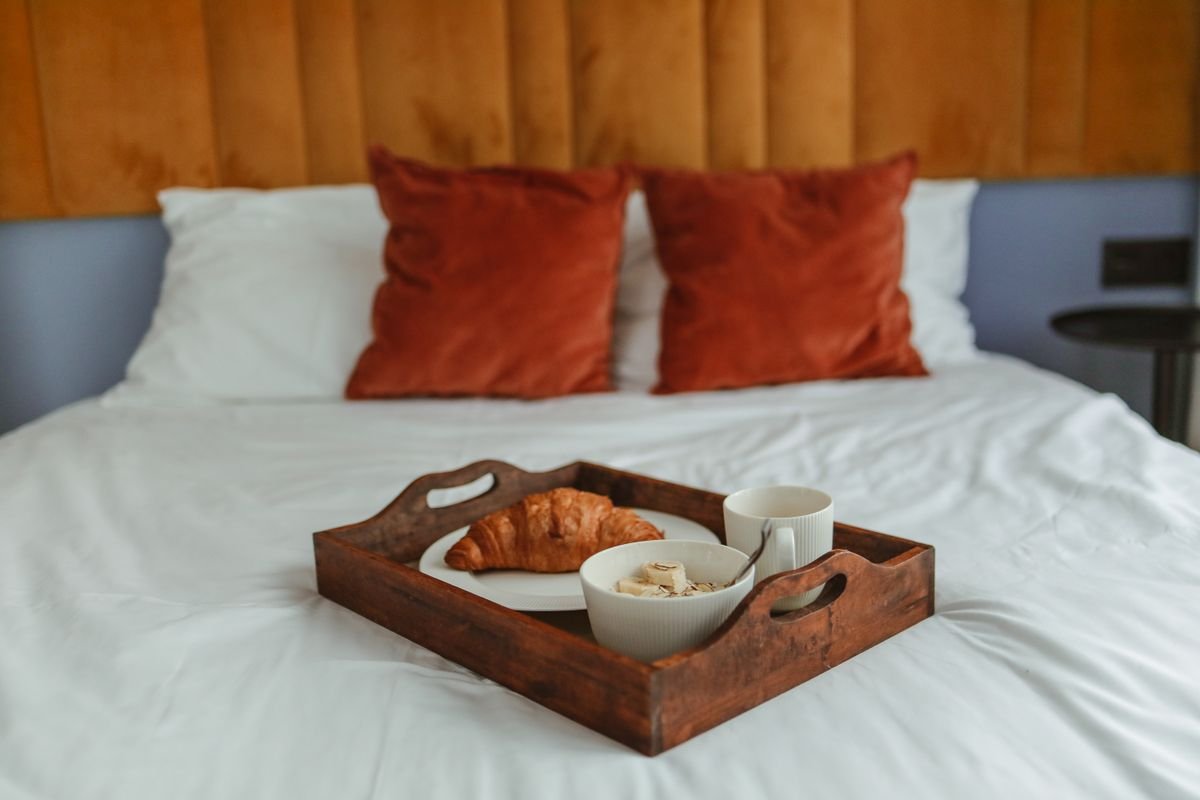
A lot of visitors don’t stay in Cashel at all. They see the Rock, grab lunch in town, and drive on to Cork, Kilkenny, or the southwest. That’s a perfectly good plan, and for a lot of trips it’s the right one.
But Cashel town is worth a night if you want to see the Rock lit up in the evening or get on the first tour before the buses arrive. It’s a small, walkable town with enough pubs and food to fill a night, and there’s a decent range of places to sleep.
Staying in Cashel Town

The town has a couple of proper hotels, a stack of B&Bs, and some guesthouses, most of them within a short walk of the Rock. Prices are reasonable compared to Dublin or the tourist-heavy coast, and you can usually find a good double without paying a fortune.
The big draw of staying in town is timing. Book a central spot like Ashmore House on Booking.com and you can be first through the gate in the morning, which is the single best way to beat the tour buses and get a shot at Cormac’s Chapel before it fills up.
If you want the view, a few B&Bs and guesthouses look straight out at the Rock. Waking up to that is the reason to pick Cashel over a bland motorway hotel somewhere else.
Where to Stay in Cashel
If you want to see exactly what you’re booking, here are three well-rated places in and around town, each with its own character.
Cashel Regency Townhouse
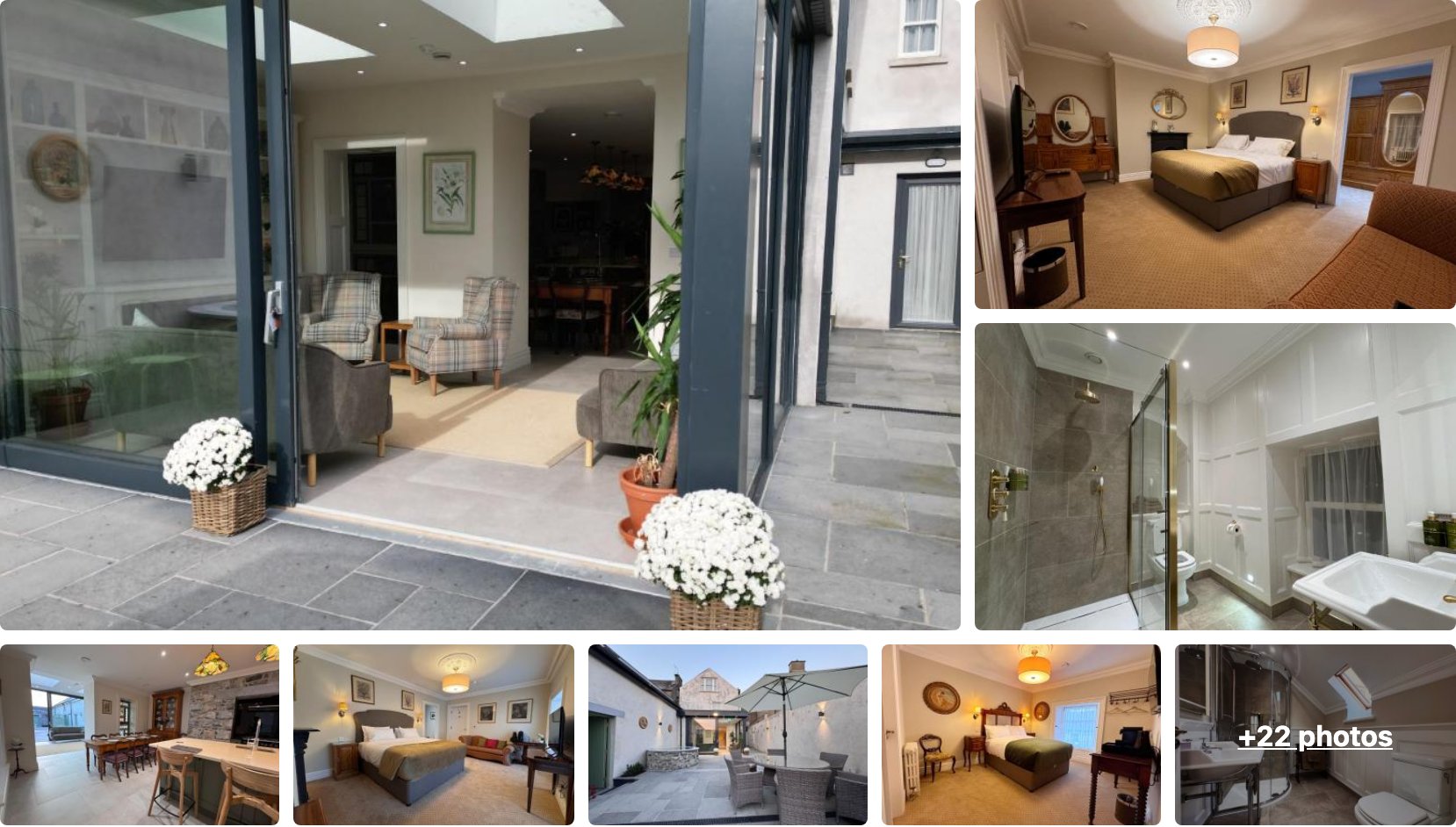
Cashel Regency Townhouse sits about 150 metres from the middle of town, so the Rock and the pubs are both a short walk away. It’s a smart bed-and-breakfast with proper rooms and a good breakfast, and it scores 9.4 across 63 reviews.
This is the pick if you want to leave the car and do the whole evening on foot, then be up the hill early the next morning.
👉 View Cashel Regency Townhouse Availability and Pricing
Hill House Lodge
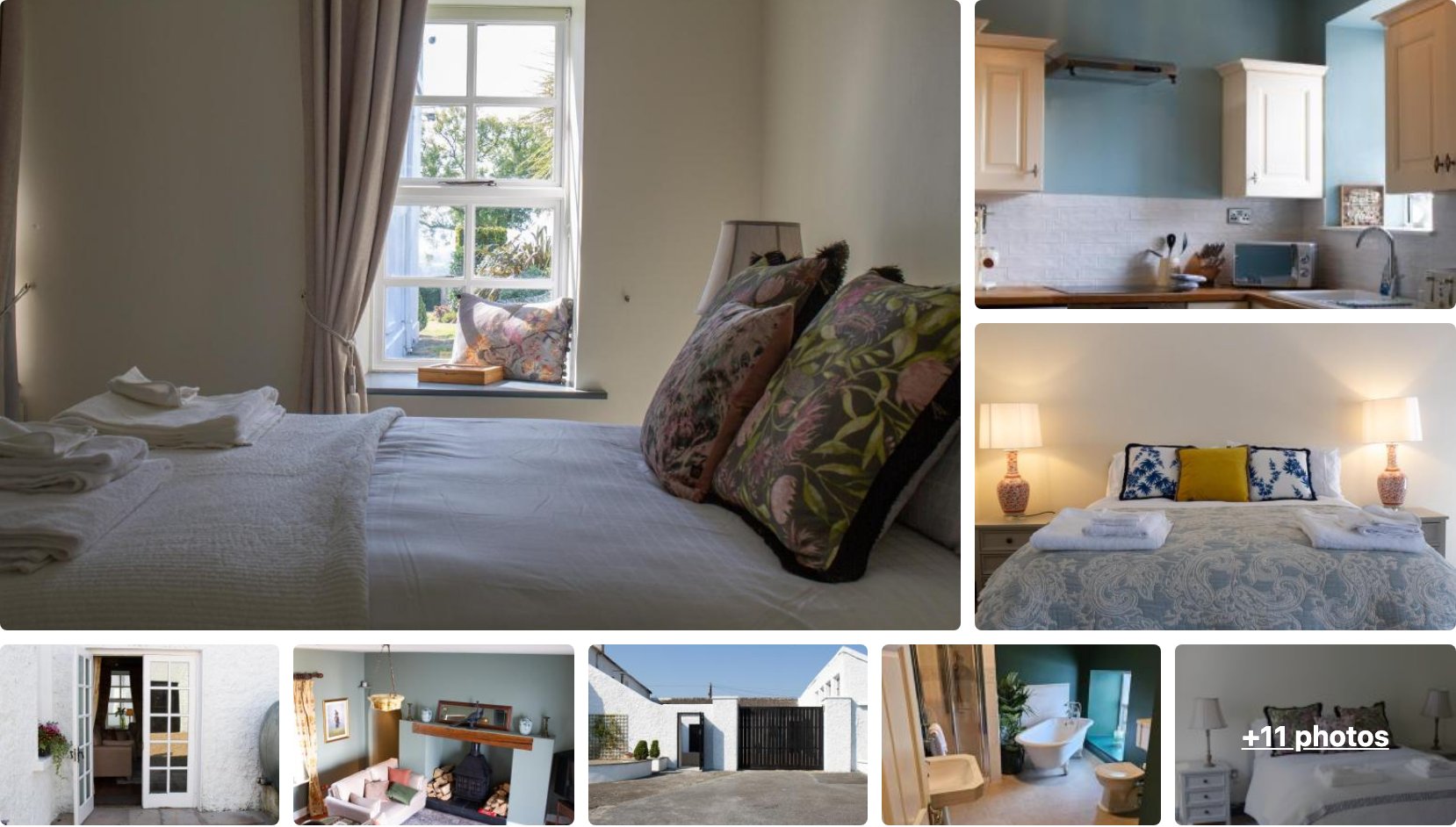
Hill House Lodge is a self-catering house about 700 metres from the centre that sleeps up to six, with its own kitchen and living room. It rates 9.4 across 80 reviews.
Go for this one if you’re travelling as a family or a group and want your own space and a kitchen rather than a hotel room.
👉 View Hill House Lodge Availability and Pricing
Tir Na Nog B&B
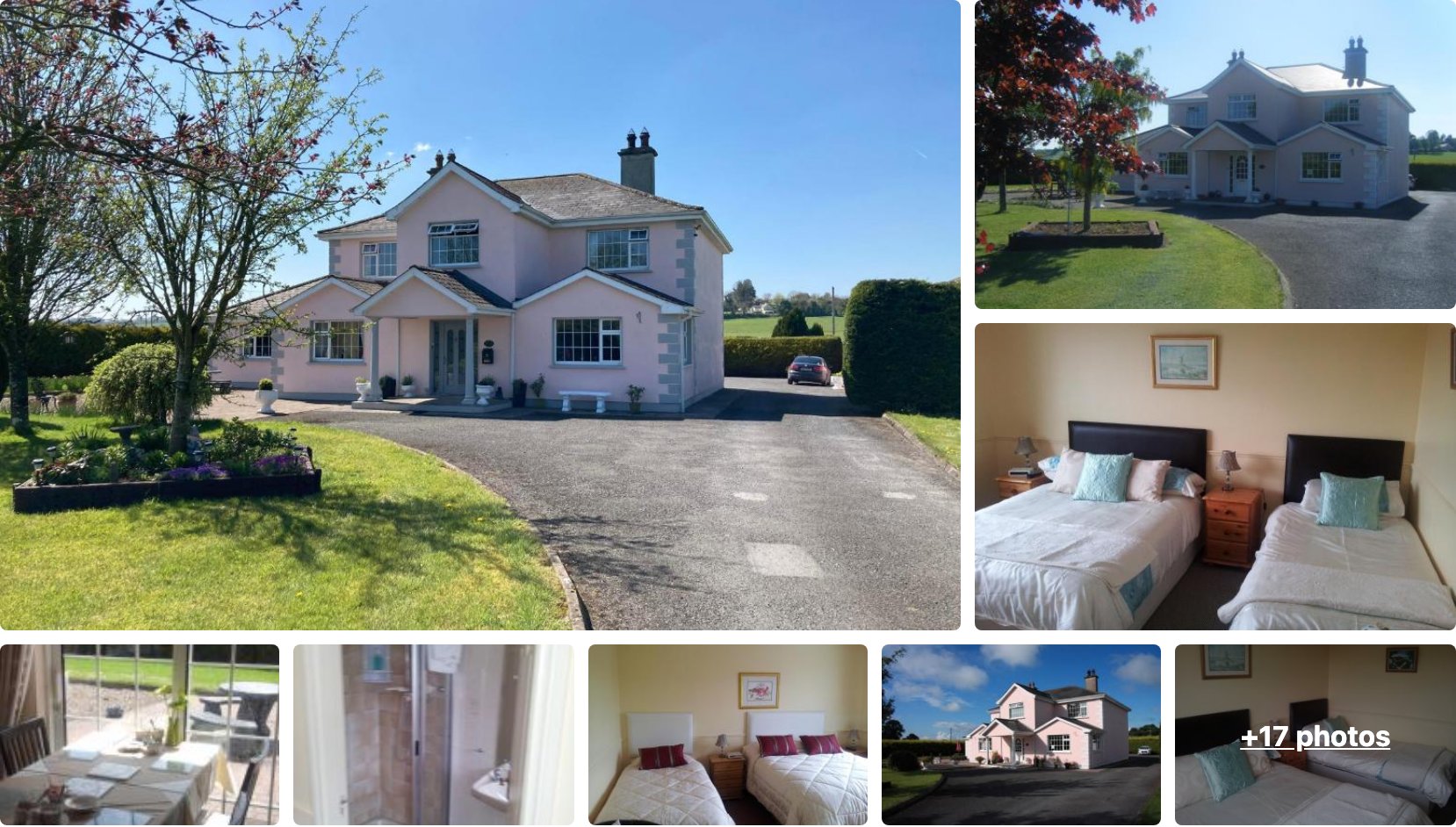
Tir Na Nog B&B is a family-run guesthouse a few minutes’ drive out at Dualla, with a big garden and a full Irish breakfast. It’s the most reviewed of the three at 9.4 across 298 reviews, so you know what you’re getting.
Pick this if you have a car and don’t mind a short drive in for a quieter, countryside stay with a long track record.
👉 View Tir Na Nog B&B Availability and Pricing
Using a Bigger Town as a Base
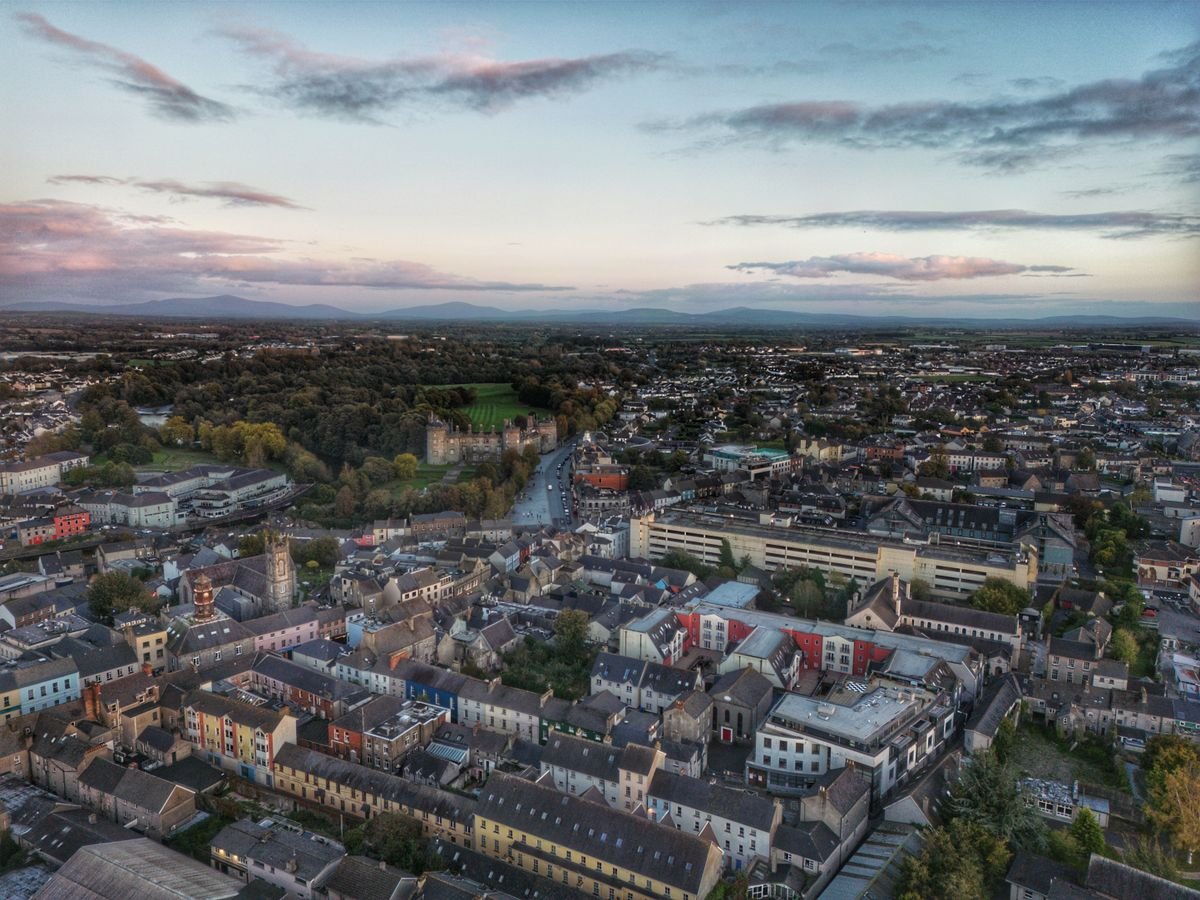
If you’d rather stay somewhere with more going on, use a bigger town as your base and treat Cashel as a stop. A few options within easy reach:
- Kilkenny, about 45 minutes away, with a castle, a medieval center, and plenty of pubs
- Cork, about an hour south, if you’re heading that way anyway
- Limerick, about an hour west, handy for reaching the west coast next
Of these, Kilkenny is the one I’d point a first-timer toward. It has far more to do in the evening than Cashel, it’s a short drive, and you can hit the Rock on your way in or out without any backtracking.
Whichever way you go, don’t overthink it. A night in Cashel gets you the early start and the evening view, and a bigger base gets you more to do after dark. Both work, so pick the one that fits the rest of your route.
Tips for Visiting the Rock of Cashel
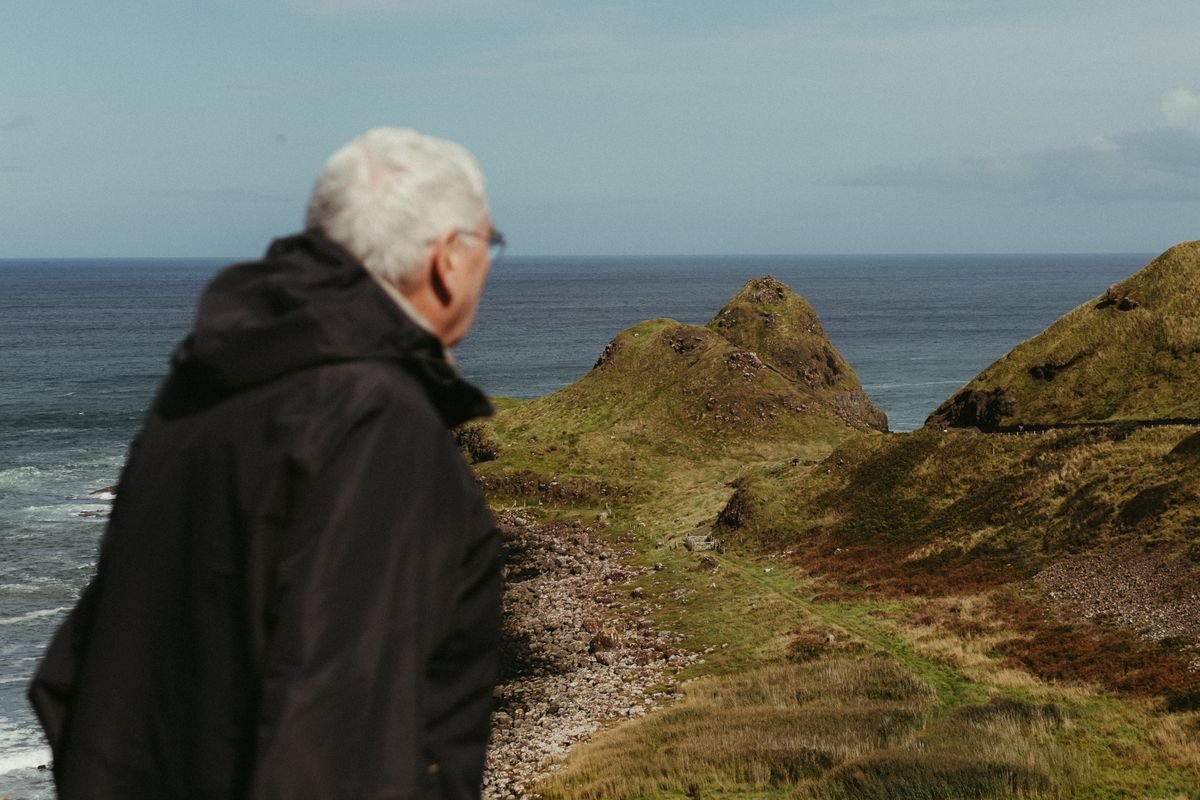
None of these are complicated, but they’re the little things that make the difference between a smooth visit and a rushed, soggy one. Here’s what I’d tell a first-timer before they head up the hill.
First, the Rock is completely exposed. It sits on top of a hill with the wind coming straight across the Tipperary plain, and the cathedral has no roof to shelter under. Bring a rain jacket even if the morning looks fine, because there’s nowhere to hide once you’re out among the ruins.
The ground underfoot is old, uneven, and worn smooth in places, with grass, gravel, and worn stone throughout. Wear something with a bit of grip. The walk up from the town is short but steep, so it’s not one for smooth-soled shoes on a wet day.
How Long to Spend and When to Go
Budget at least 90 minutes on site, and closer to two hours if you want to watch the film, catch a guided tour, and walk down to Hore Abbey for the photo. It’s a compact site, but rushing it is a waste when you’ve come this far off the motorway.

For fewer crowds, aim for a weekday outside the July and August peak. A morning in spring or autumn gets you the site before the tour buses roll in, and the low light is better for photos anyway. Midday in high summer is the busy window to avoid if you can.
A Few Practical Odds and Ends
A handful of small things to sort out before you go:
- Cards are accepted at the ticket desk, so you don’t need to hunt down cash first.
- There’s no café on site, but Cashel town has plenty of pubs and cafés a short walk down the hill for lunch after.
- The site is only partly accessible for wheelchairs and strollers, as the ground is rough and the town approach is steep. Call ahead if that matters to you.
- Photography is fine outdoors, but the frescoes in Cormac’s Chapel are protected, so follow whatever the guide tells you inside.
Last one, and it’s the most common mistake: don’t try to squeeze it in on the way to somewhere else with only 30 minutes to spare. Give it the time it deserves and it’s one of the best stops in the whole south of Ireland. Rush it and you’ll wonder what all the fuss was about.
In short
- The Rock of Cashel sits above Cashel town in County Tipperary, off the M8 about 90 minutes from Dublin and Cork.
- Adult admission is around 8 euro, open year round with seasonal hours, and the guided tour is included.
- Give it 90 minutes to two hours to see the round tower, cathedral, Cormac’s Chapel and Hore Abbey below.
- Cormac’s Chapel is the oldest Romanesque church in Ireland and its frescoes are only seen on a guided tour.
- Arrive early on a weekday outside summer to beat the tour buses, and check ahead as the site can close in high winds.
Frequently Asked Questions
How long do you need at the Rock of Cashel?
Plan on 90 minutes to two hours. That gives you time to watch the film, catch a guided tour, walk the cathedral properly, and get down to Hore Abbey for the photo. It’s a compact site, but rushing it is a waste when you’ve driven off the motorway to get here.
Is the Rock of Cashel worth visiting?
Yes. It’s one of the best medieval sites in the south of Ireland, and it slots easily into the drive between Dublin and Cork. It does get busy with tour buses in summer, but a weekday morning outside peak season gets you the site before the crowds.
How much does it cost to get in?
Adult admission is around €8, with cheaper rates for seniors, students, children, and families. The guided tour is included, which makes it good value. Check the official OPW website for the current price, and consider the Heritage Card if you’re visiting several state-run sites on your trip.
Can you go inside Cormac’s Chapel?
Sometimes, but access is limited to protect the medieval frescoes, and it’s often guide-only. If seeing the chapel matters to you, aim for the first tour of the day and ask at the ticket desk when you arrive.
Can you climb the round tower?
No. The round tower is closed to visitors, so you can only see it from the outside. It’s still the tallest structure on the site at about 28 meters, and it’s the shape you’ll recognize from every photo of Cashel.
How do you get to the Rock of Cashel without a car?
Bus Éireann runs through Cashel on the Dublin to Cork route, and the stop is a short walk from the Rock. There’s no train station in town. If you’re car-free, an organized day tour from Dublin or Cork is usually the simpler option.
What else is worth seeing nearby?
Hore Abbey sits in the fields right below the Rock and is free to wander. Cahir Castle and the Swiss Cottage are about 20 minutes south down the M8 and pair well as one stop. Any of the three rounds out the visit before you drive on.
Plan Your Ireland Road Trip and Itinerary
- A Photographer’s Definitive Ireland Road Trip
- 10 Days in Ireland: The Ultimate Itinerary
- 14 Days in Ireland: The Ultimate 2-Week Itinerary
- Wild Atlantic Way Itinerary – Ireland’s Most Epic Road Trip
Final Thoughts on Visiting the Rock of Cashel
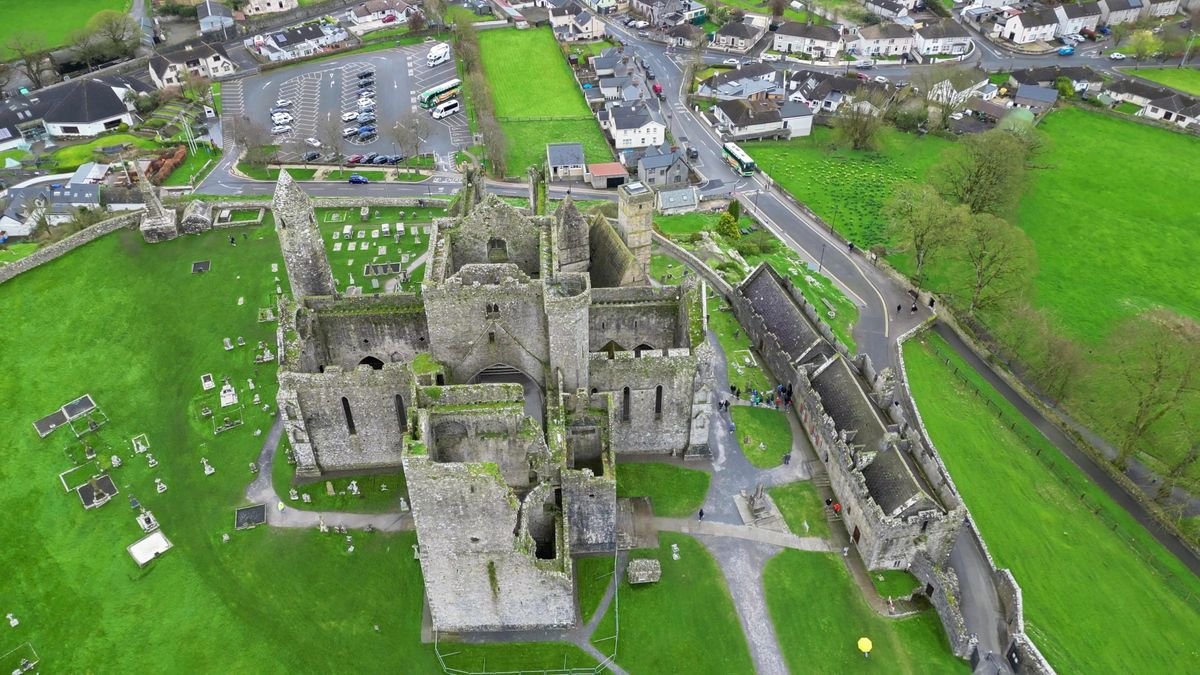
The Rock of Cashel is one of those stops that lives up to the photos, which isn’t something you can say about every famous site in Ireland. A round tower, a roofless Gothic cathedral, and one of the country’s best Romanesque chapels, all packed onto a single limestone hill in the middle of Tipperary. There isn’t much else like it.
It’s popular for a reason, and yes, it gets busy. But get there on a weekday morning outside high summer and you’ll have the ruins to yourself for a while before the coaches arrive. That’s the version of the visit you want.
The main thing is not to treat it as a quick photo stop. Give it the couple of hours it deserves, walk down to see it from below, and catch a guided tour if you can. Do that and it’s easily one of the best medieval sites in the south of the country.
Whether you’re driving Dublin to Cork, looping through Kilkenny, or heading for the southwest coast, Cashel slots into the route without any real detour. Build it in, take your time, and it’s a stop you’ll be glad you didn’t skip.
Like it? Pin it!
Save this guide for later