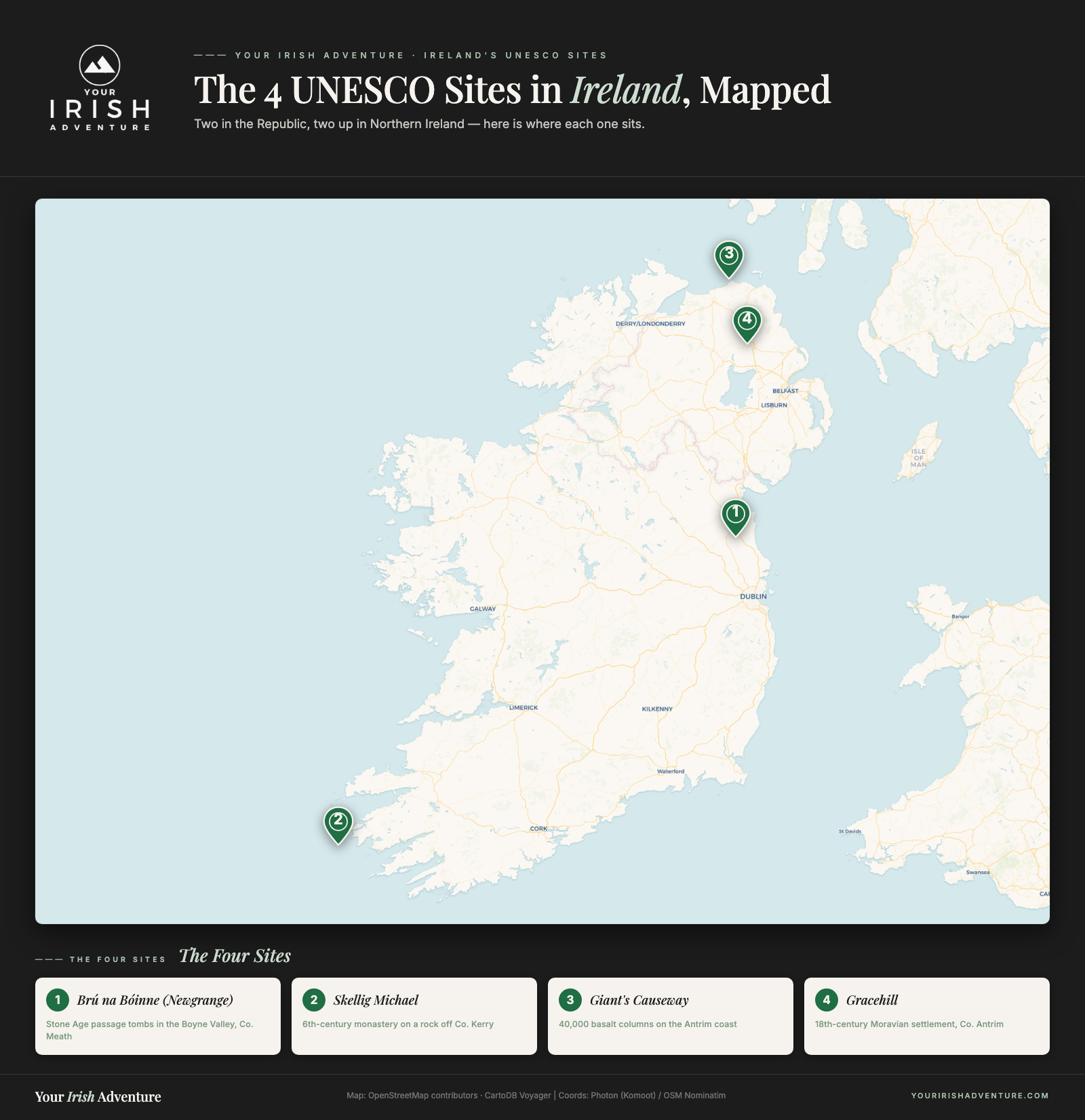
Ireland has four UNESCO World Heritage Sites, and they could not be more different from each other. The four UNESCO World Heritage Sites in Ireland run from a 5,000-year-old passage tomb to a monastery clinging to a rock in the Atlantic, 40,000 columns of volcanic stone, and a tidy little church village in County Antrim.
Here is the full list, what earned each one its spot, and how to actually go see them.
More Guides to Ireland’s UNESCO Sites
- 17 Unique Things To Do In Meath, Ireland – The Royal County
- Skellig Michael Puffins – Best Wildlife Experience in Ireland
- Giant’s Causeway From Belfast: All Day Trip Options
Quick Answer:
The four UNESCO World Heritage Sites in Ireland are Bru na Boinne in the Boyne Valley, Skellig Michael off County Kerry, the Giant’s Causeway in County Antrim, and the Moravian settlement at Gracehill. Two sit in the Republic and two in Northern Ireland, spanning a 5,000-year-old tomb to a volcanic coast.
What Is a UNESCO World Heritage Site?
A UNESCO World Heritage Site is a place that a UN body has decided matters to the whole world, not just to the country it sits in. UNESCO stands for the United Nations Educational, Scientific and Cultural Organization, and it keeps a protected list of sites judged to have what it calls outstanding universal value.
Getting on that list is a slow process. A country first puts a place on its own tentative list, then builds a full case for it, and a committee votes. Sites are inscribed as cultural, natural, or a mix of both.
The label is more than a bragging point. Inscription comes with a real obligation to protect and manage the site, so it tends to bring funding, tighter conservation rules, and a lot more visitors. For a traveler, it is a reliable shortcut: if a place made this list, it is worth your time.
The UNESCO World Heritage Sites in Ireland
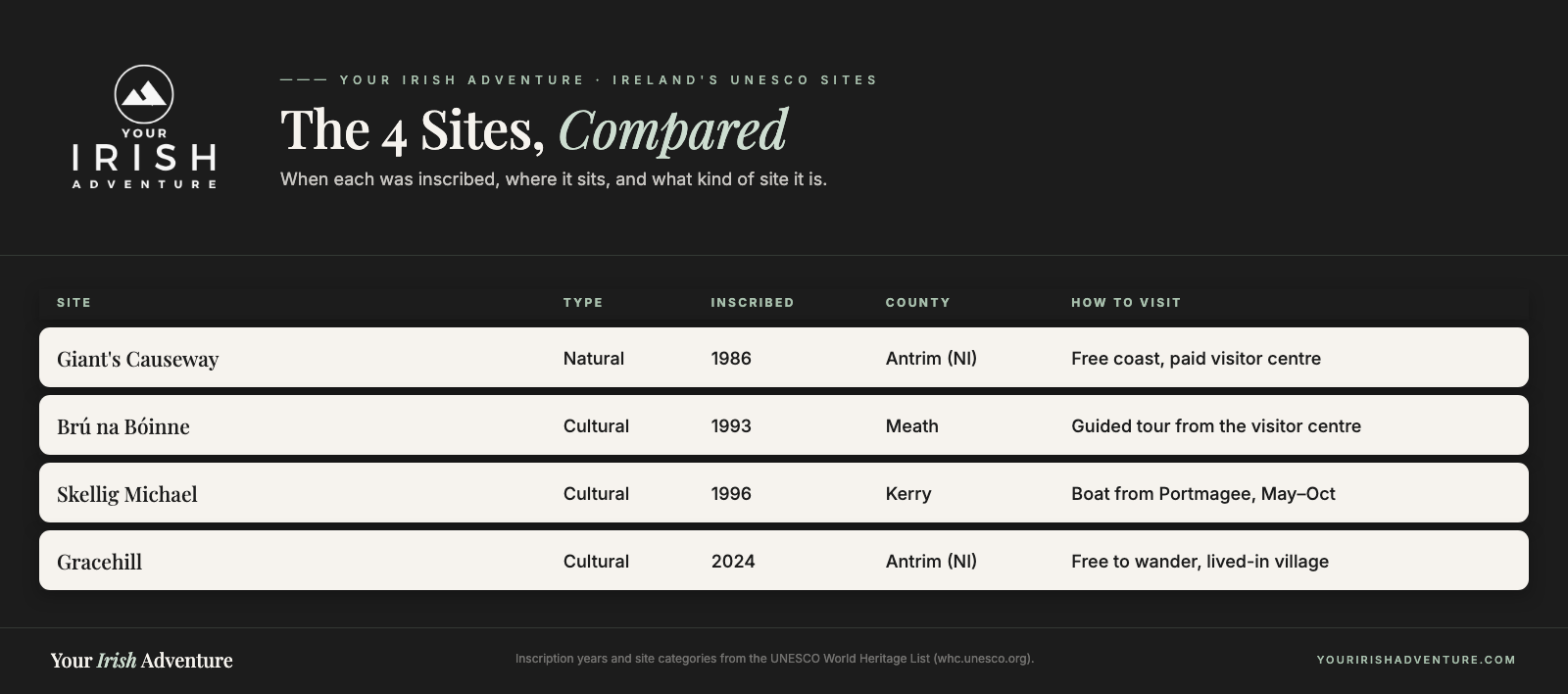
There are four inscribed sites across the island of Ireland, and they split neatly between the Republic and Northern Ireland. Two sit in the south: Brú na Bóinne in the Boyne Valley and Skellig Michael off the Kerry coast. Two sit up north in County Antrim: the Giant’s Causeway and the Moravian settlement at Gracehill.
Between them they cover an enormous span of time and a wild range of subject matter. You go from Stone Age tomb builders, to early Christian monks, to a volcanic coastline, to an 18th-century religious community. No two are alike, which is what makes ticking off all four such a good trip to build.
Brú na Bóinne (Newgrange, Knowth and Dowth)
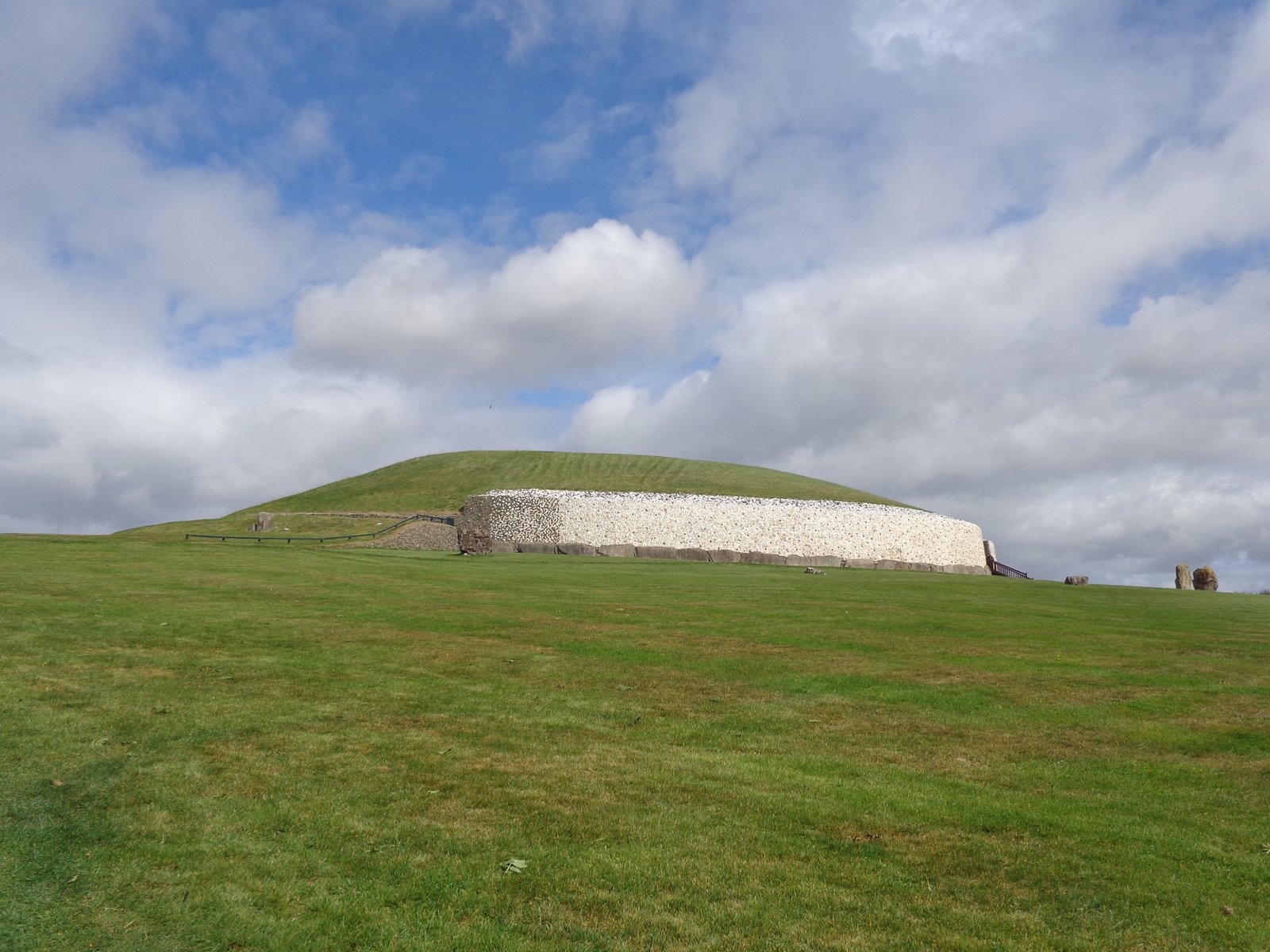
Brú na Bóinne is a Stone Age complex in a bend of the River Boyne in County Meath, and it is the oldest of Ireland’s four sites. It was inscribed in 1993 and holds three great passage tombs, Newgrange, Knowth and Dowth, along with dozens of smaller monuments across the same stretch of farmland.
The headline fact does most of the work here. Newgrange was built around 3,200 BC, which makes it older than the Egyptian pyramids and older than Stonehenge. The whole thing is a huge mound of stone and earth about 280 feet across, with a stone passage running into the middle.
The reason people lose their minds over Newgrange is the winter solstice. The passage is aligned so that on the shortest days of the year, the rising sun shines straight down the tunnel and lights up the burial chamber at the center. The people who built it worked all of this out with no metal tools and no writing.
Knowth is the other big draw. It holds the largest collection of megalithic art in Western Europe, carved onto the kerbstones ringing the mound, all spirals, lozenges and shapes nobody has fully cracked. Dowth is the least excavated of the three and is usually closed to the public.
You cannot just drive up to the tombs. Access is by guided tour from the Brú na Bóinne Visitor Centre, and the solstice sunrise itself is a lottery you enter for a tiny number of spots. Even without that, walking into a 5,000-year-old chamber is one of the best hours you can spend in Ireland. Coming from the capital without a car, you can book the Boyne Valley and Newgrange day tour from Dublin on GetYourGuide, which sorts the transport and the site entry in one go.
👉 Read our full guide to Newgrange tours from Dublin.
Skellig Michael
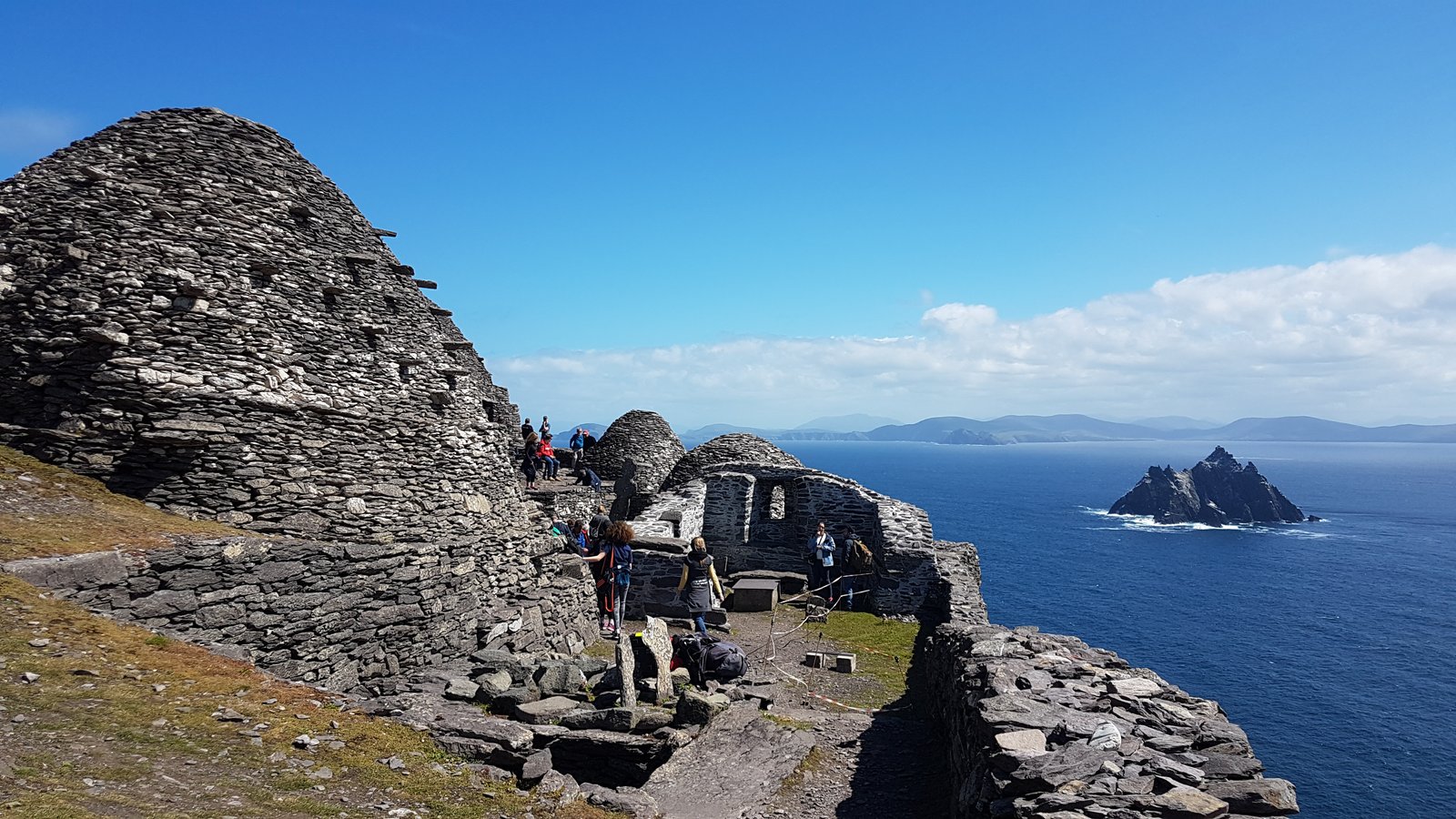
Skellig Michael, or Sceilg Mhichíl, is a jagged rock in the Atlantic about eight miles off the coast of County Kerry. Monks built a monastery on it in roughly the 6th century, and it was inscribed as a World Heritage Site in 1996. It is the most dramatic of Ireland’s four sites and the hardest to reach.
The story is a little insane when you sit with it. A group of early Christian monks chose one of the most exposed spots in the North Atlantic, rowed out to it, and built a cluster of dry-stone beehive huts near the summit. They lived up there for around 600 years, growing vegetables and catching fish and seabirds.
To reach the huts you climb roughly 600 stone steps the monks cut into the cliff, with no handrail and a long drop on one side. At the top you get the huts, the old oratories, and puffins nesting all around you in season. The scale of the effort involved is the thing that stays with people.
A lot of visitors know it as the island from Star Wars. The final scene of The Force Awakens and big chunks of The Last Jedi were filmed here, and it brought a whole new crowd out to the boats. The island held up fine, mostly because access is capped so tightly.
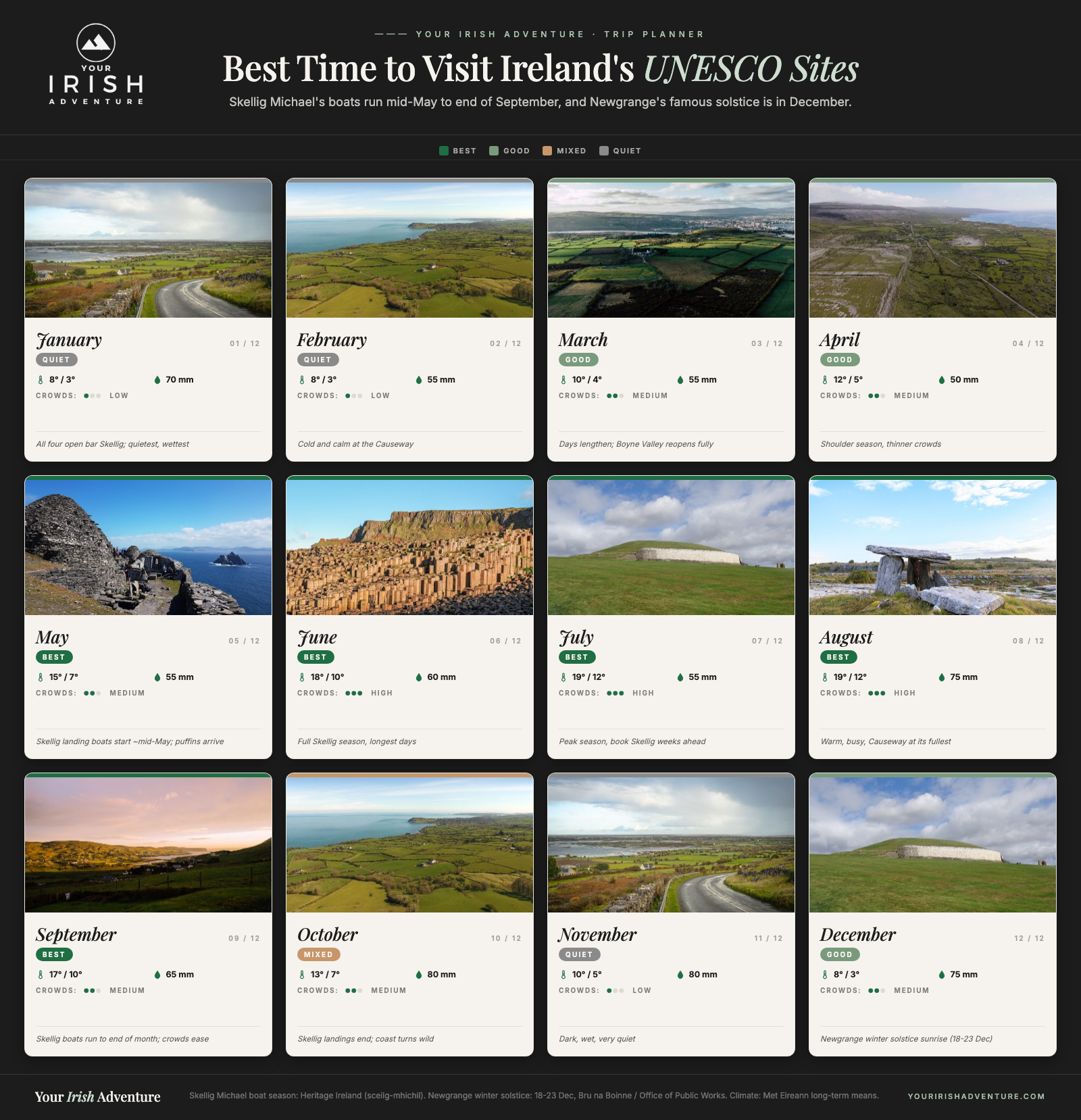
Getting there is the catch. Boats run from Portmagee and a few nearby harbors only from around May to early October, weather permitting, and landing spots are strictly limited each day. Trips sell out weeks ahead, so book early. When the sea is rough, they cancel, and no amount of planning changes that. If landings are full, you can still book a Skellig Michael boat tour on GetYourGuide that circles the island for the views.
👉 See our full guide to the Skellig Islands.
Giant’s Causeway and Causeway Coast
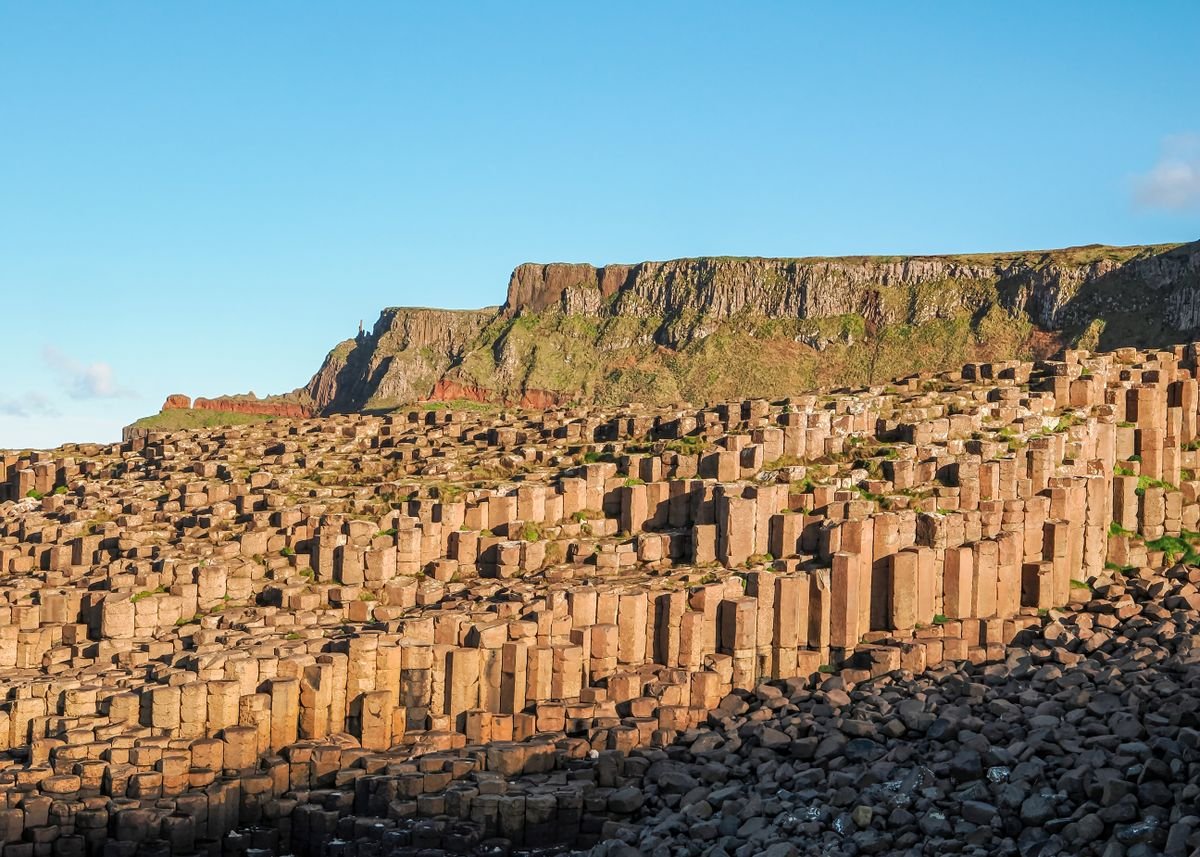
The Giant’s Causeway is on the north coast of County Antrim, and it was the first place in Ireland to get World Heritage status, inscribed in 1986. It is about 40,000 interlocking basalt columns, most of them hexagonal, packed together and stepping down into the sea like a giant honeycomb.
The columns formed around 60 million years ago, when molten lava cooled and cracked into these near-perfect shapes. The result looks so deliberate that people spent centuries assuming it was man-made. Standing on the flat tops of the columns, it is easy to see why.
The old legend is more fun than the geology. The story goes that the giant Fionn mac Cumhaill built the causeway to cross the sea and fight a Scottish rival, then tore it up on the way back. There is real basalt of the same kind across the water at Fingal’s Cave in Scotland, which is how the tale got its geography.
It is the most visited of Ireland’s four sites, and on a summer weekend it shows. There is a large visitor center run by the National Trust, plenty of parking, and a shuttle down to the stones if you would rather not walk. The walk down the road is short and easy, and clifftop trails climb above the crowds if you want them.
The real move is to treat it as one stop on the wider Causeway Coast. Carrick-a-Rede rope bridge, the ruins of Dunluce Castle, and the Dark Hedges are all within a short drive, and the coastal road between them is one of the best in the north. Give yourself a full day up here. Without a car, you can book a Giant’s Causeway day tour from Belfast on GetYourGuide that strings the coast’s castles and stops together.
👉 Check out our full Giant’s Causeway visitor guide.
More of Ancient and Historic Ireland
- The Best Castles in Ireland
- The Best Medieval Castles in Ireland
- The Best Ruined Castles in Ireland: 12 to Visit
Moravian Church Settlements (Gracehill)
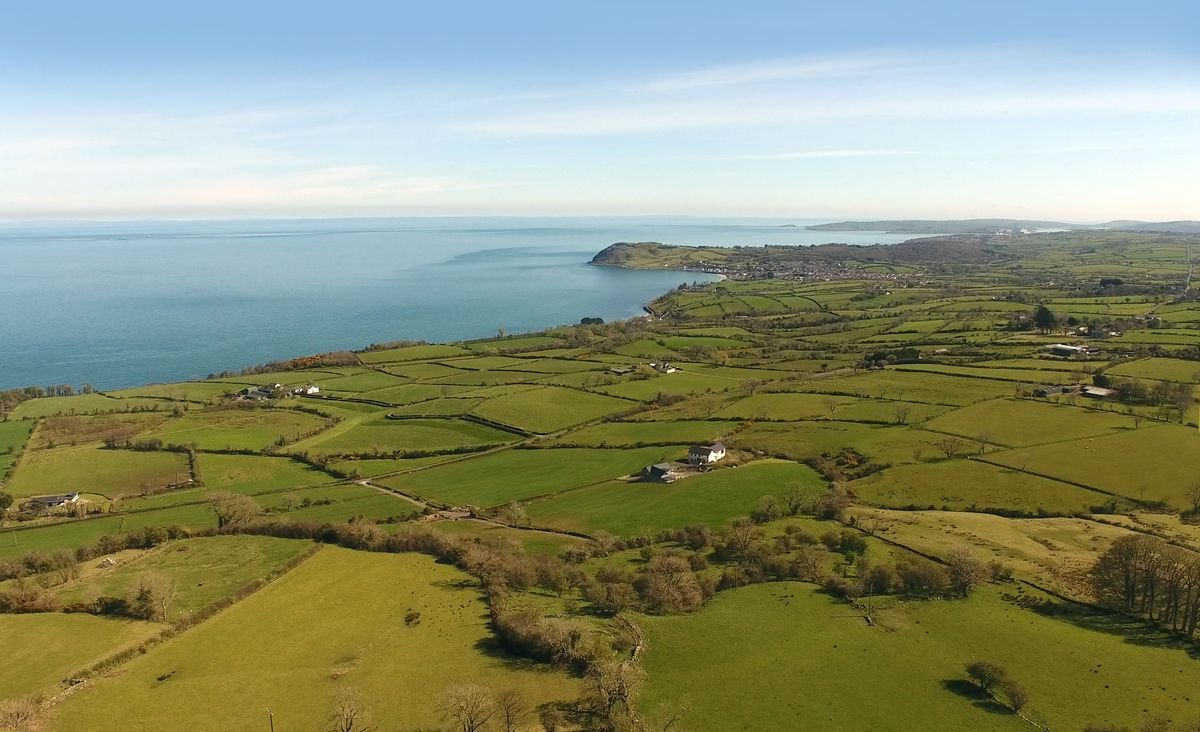
Gracehill is a small planned village in County Antrim, and it is Ireland’s newest World Heritage Site, added in 2024. It did not join the list on its own. It is part of a transnational site covering Moravian Church settlements in several countries, with Gracehill as the Irish entry.
The Moravians were a Protestant church with roots in what is now the Czech Republic, and they laid out their communities to a strict, shared plan. Gracehill was founded in 1759 and still follows that design: a central square, matching Georgian buildings, and separate houses that once split the community by age, sex and marital status.
What earned it the nod is how complete and intact the layout still is. The church sits on the square, the old graveyard, called God’s Acre, is laid out in neat rows with flat identical stones to show that everyone is equal in death, and the whole village reads like a working model of how these people chose to live.
Of the four sites, this is the low-key one, and the least set up for tourists. It is a real, lived-in village near Ballymena, not a ticketed attraction. That is a lot of its appeal. If you are already doing the Causeway Coast, it is an easy add-on, and you will likely have the square more or less to yourself.
More of Ireland’s Coast and Countryside
- The Best Coastal Walks in Ireland: 10 Cliff & Sea Trails
- 9 Best Places On The Wild Atlantic Way Route
- The Ring Of Kerry Drive: Itinerary, Highlights & Tips
Ireland’s Tentative List Sites
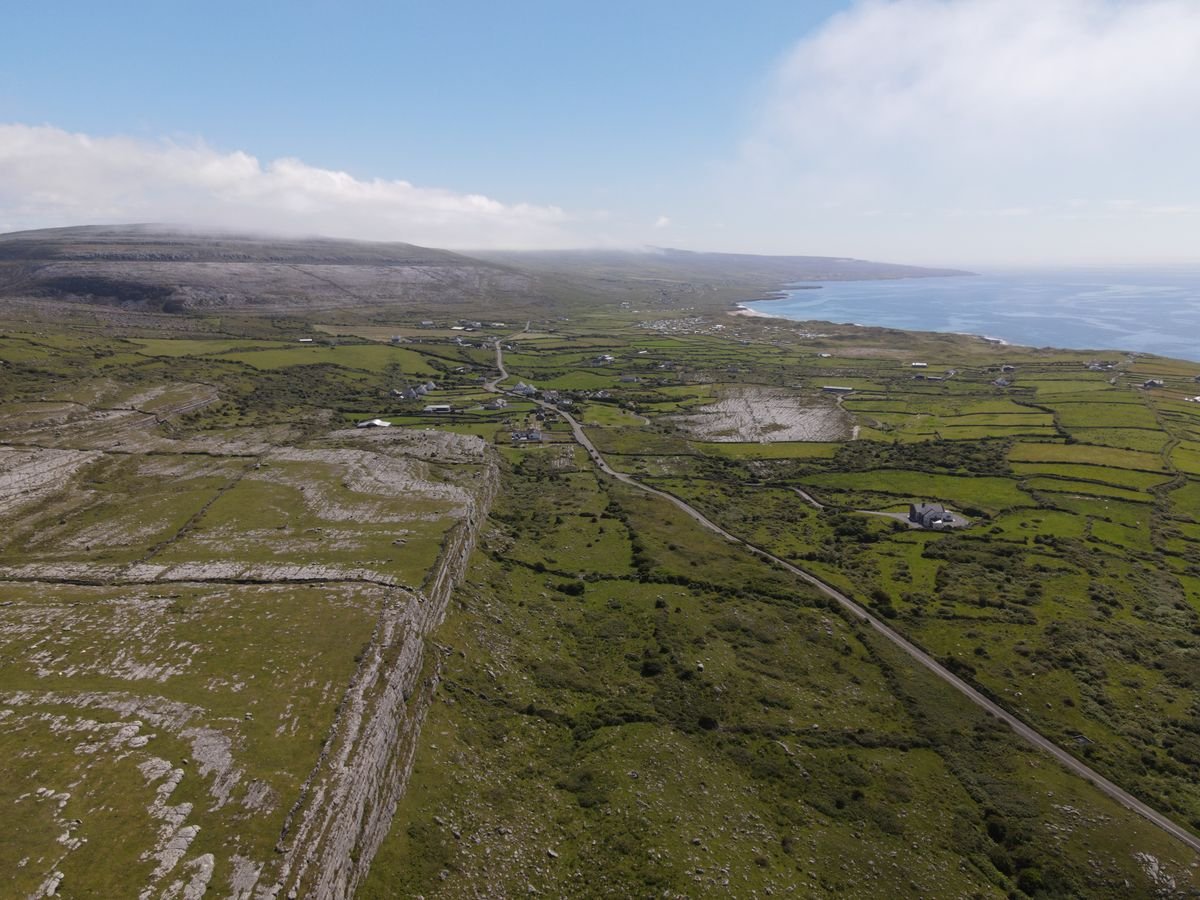
Four is not the end of the story. Ireland keeps a tentative list of places it is putting forward for future inscription, and some of them are as good as anything already on the main list. A spot here is the first real step toward becoming a full World Heritage Site.
The Royal Sites of Ireland are the big grouped bid, covering the ancient seats of Irish kings: the Hill of Tara in County Meath, the Rock of Cashel, Rathcroghan, Dún Ailinne, and the Hill of Uisneach. Tara alone, with its Iron Age ceremonial ground, would carry the case.
The Burren in County Clare is on there too, a strange gray karst limestone landscape with rare plants growing out of the cracks. So is Clonmacnoise, the great early monastic city on the River Shannon, with its round towers and high crosses.
The list also includes the Céide Fields in County Mayo, a 6,000-year-old field system buried under bog and only found in the last century, along with the Western Stone Forts and the historic city of Dublin. If even a couple of these get through, Ireland’s tally jumps well past four.
How to Visit Ireland’s UNESCO Sites
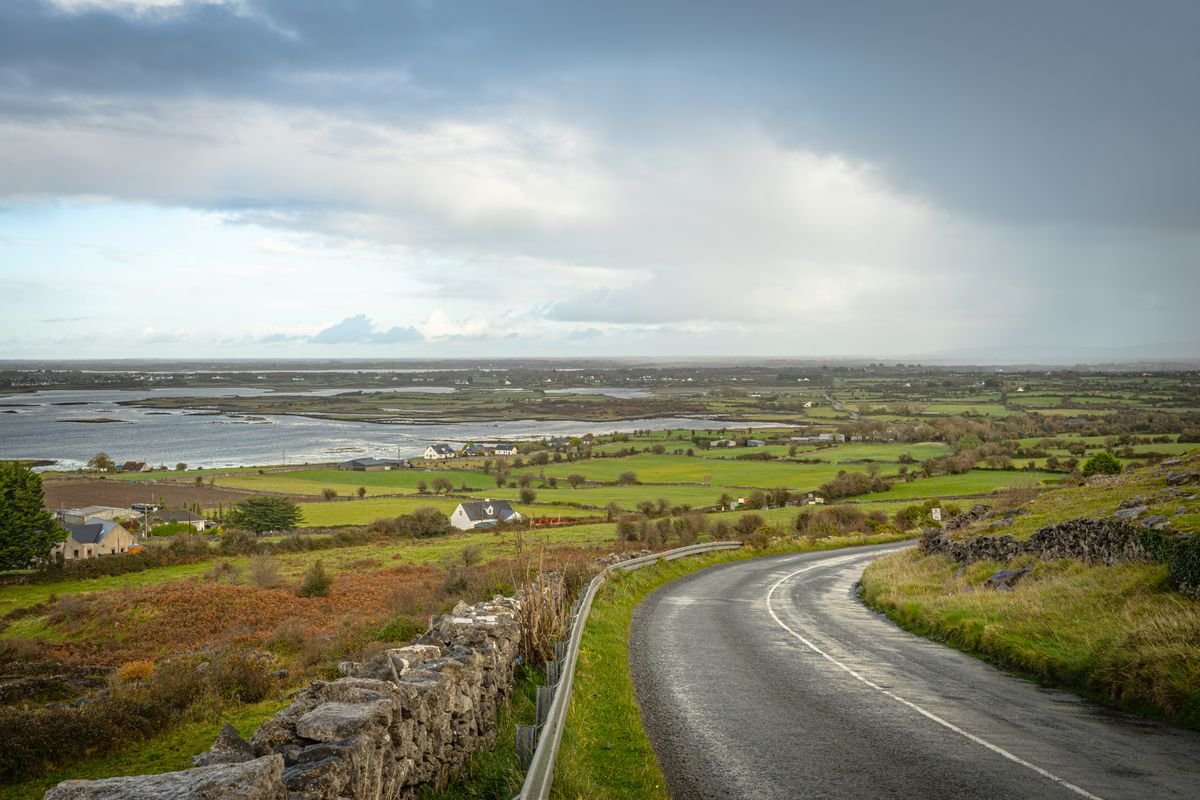
The four sites do not line up on one neat loop, so plan them in two blocks. The Boyne Valley and Kerry sit in the Republic, and the two Antrim sites sit up in Northern Ireland, which means most trips pair the south together and handle the north as its own run.
Brú na Bóinne is the easy one. It is under an hour from Dublin, and you buy tickets for a timed guided tour from the visitor center that includes the bus out to Newgrange and Knowth. Book online ahead in summer, because same-day tickets sell out and there is no self-guided access to the tombs.
Skellig Michael is the one to sort first, because it is the one that can fall through. Landing boats run out of Portmagee from around May to early October, spots are capped, and rough weather cancels crossings with no warning. Book weeks ahead and build in a spare day in Kerry in case the sea has other plans.
The Giant’s Causeway and Gracehill are both in County Antrim, an easy drive from Belfast, and you can pair them with the wider Causeway Coast in a single day. Renting a car is the simplest way to link all four, and it makes the north far easier than trying to string it together on buses. It is worth it to compare car hire deals on Discover Cars before you lock anything in.
Plan the Rest of Your Ireland Trip
- Wild Atlantic Way Itinerary – Ireland’s Most Epic Road Trip
- 14 Days in Ireland: The Ultimate 2-Week Itinerary
- 10 Days in Ireland: The Ultimate Itinerary
Best Tours for Ireland’s UNESCO Sites
Three of the four sites are far easier to reach on a guided tour than under your own steam, especially without a car. These are the tours we would book to sort the transport and access in one go.
Boyne Valley Day Tour with Newgrange and Knowth from Dublin
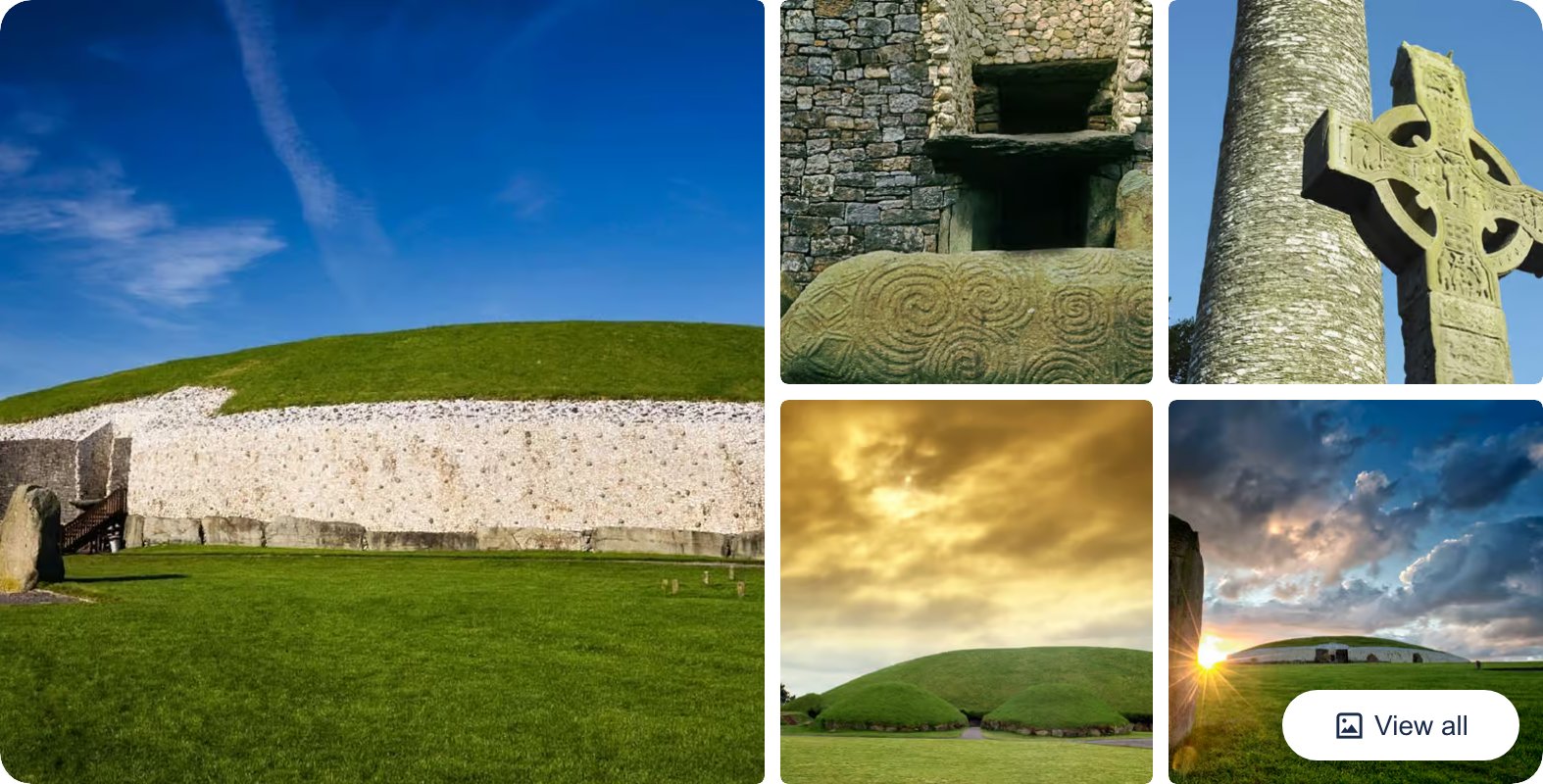
This full-day trip runs from Dublin out to the Boyne Valley and includes entry to the Brú na Bóinne visitor centre with the guided tour to Newgrange and Knowth, which you cannot reach on your own. It handles the transport and the timed site tickets in one booking.
👉 Check Boyne Valley Day Tour Availability and Reviews
Skellig Michael Panoramic Boat Tour from Portmagee
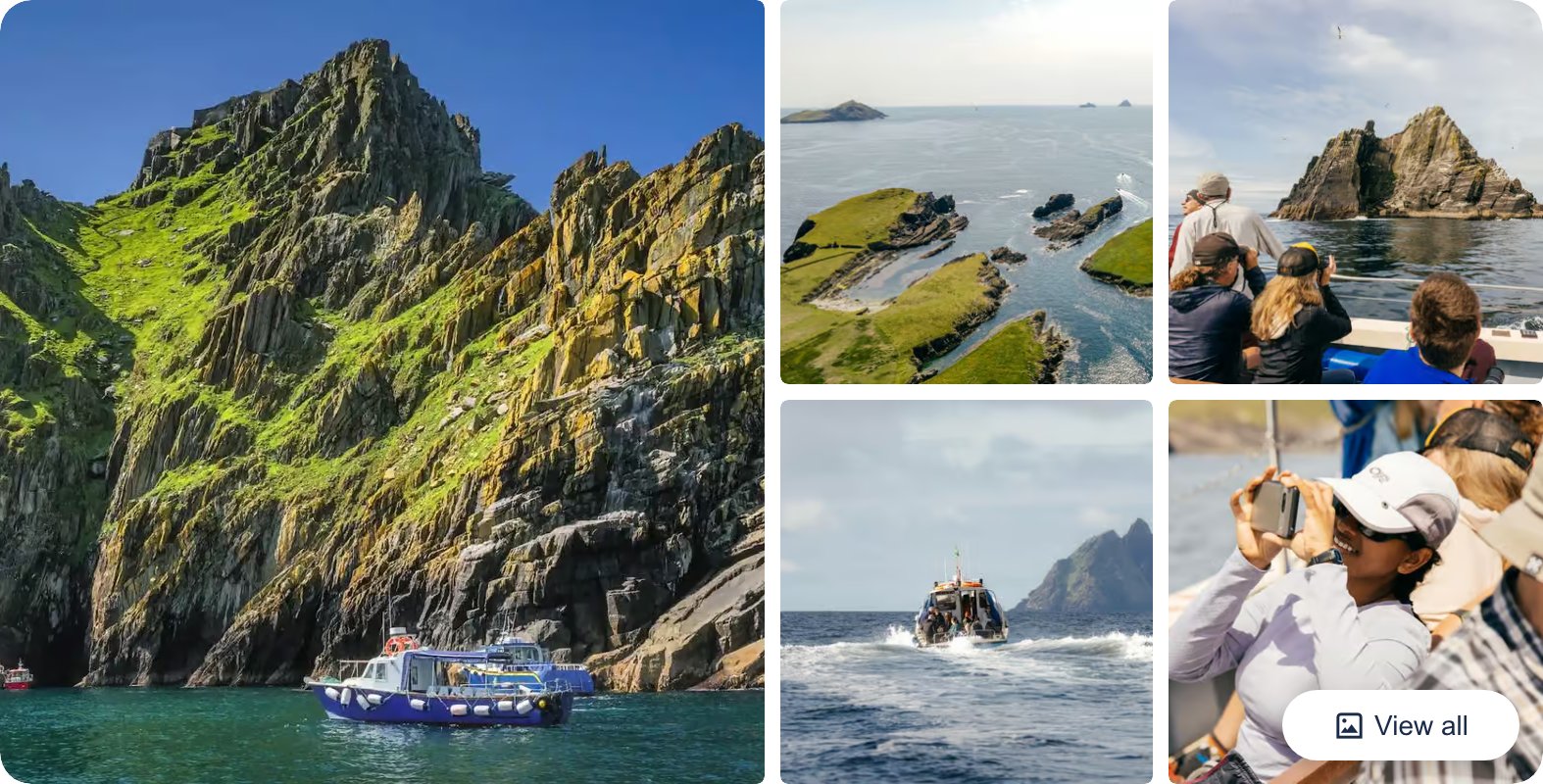
This boat leaves Portmagee and circles Skellig Michael and Little Skellig for close-up views of the monastery rock and the seabird colonies, without a landing. It is the option to take when the capped landing spots are sold out or the sea is too rough to put people ashore.
👉 Check dates and prices for the Skellig Michael boat tour
Giant’s Causeway Guided Day Tour with Castles from Belfast
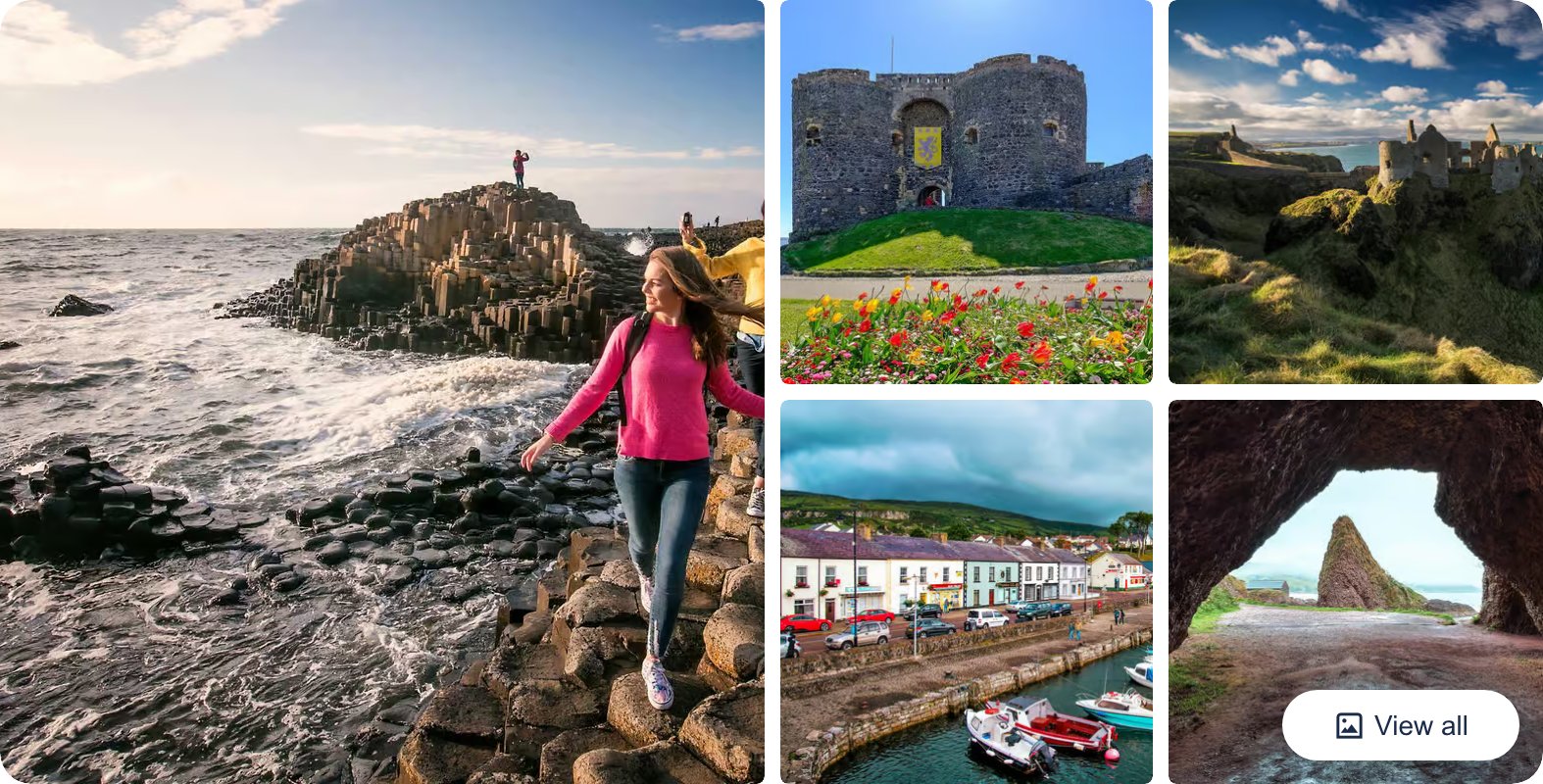
This day tour runs the Causeway Coast out of Belfast, stringing the Giant’s Causeway together with the coastal castles and stops along the way so you cover the whole run in one go. It saves you piecing the north together on buses.
👉 See what’s included on the Giant’s Causeway day tour
Where to Stay near Ireland’s UNESCO Sites
The three sites are spread across the country, so there is no single base that covers all of them. Pick your base by the site you care about most: Dublin for Brú na Bóinne in the Boyne Valley, Portmagee for the Skellig Michael boats, and Bushmills for the Giant’s Causeway. Here is a solid, well-rated option in each.
Henrietta Suites City Centre (Dublin, for Brú na Bóinne)
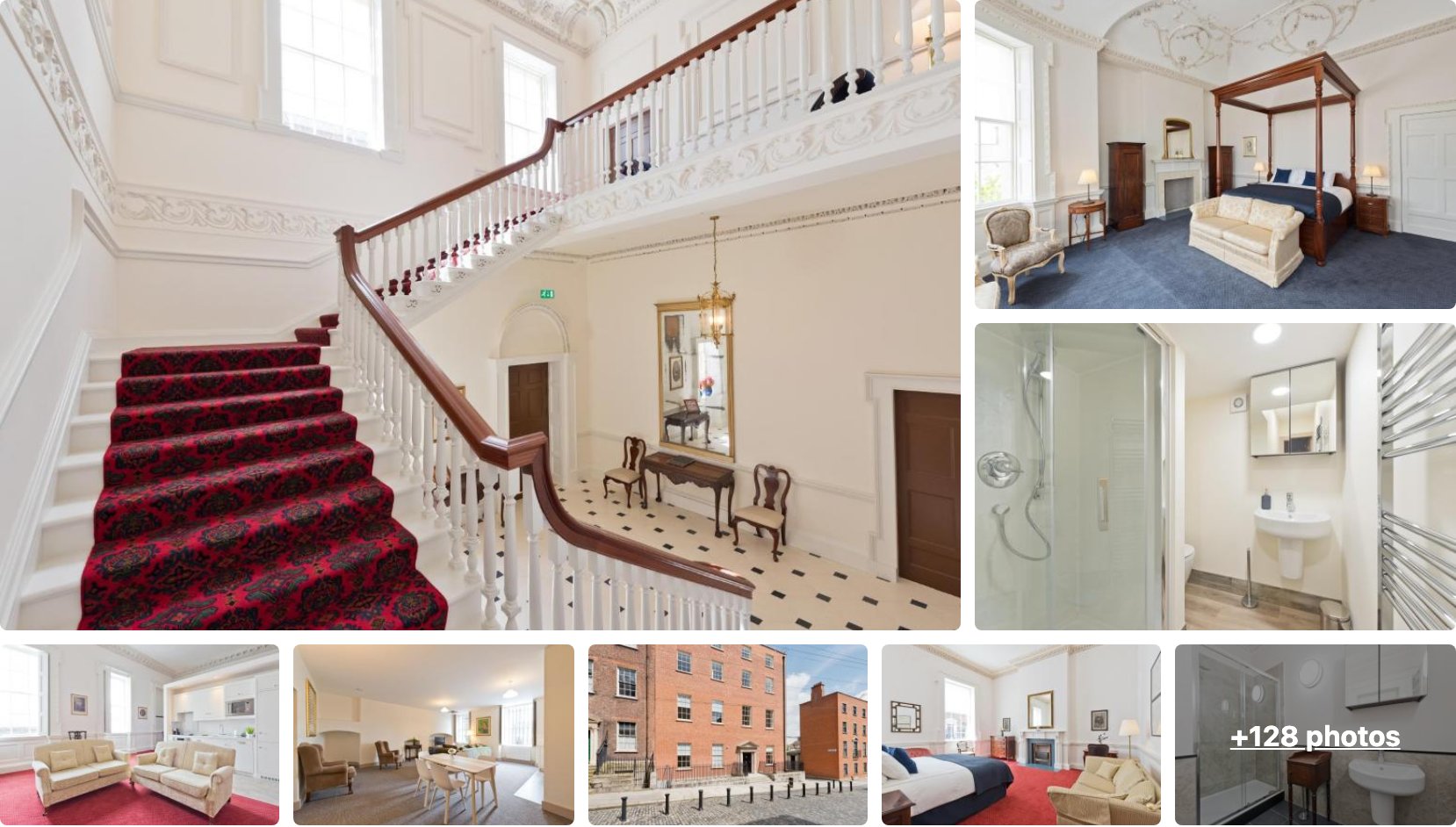
Henrietta Suites City Centre puts you in a restored Georgian townhouse on Henrietta Street, one of the oldest streets in the city, with Dublin’s tour pickups for the Boyne Valley on your doorstep. The apartments keep the period staircase and high ceilings, and it scores 9.5 across more than 1,100 reviews.
Brú na Bóinne is about a 45-minute drive north, and the guided day tours to Newgrange leave from the city, so you can stay put in Dublin and still tick off the site.
👉 View Henrietta Suites City Centre Availability and Pricing
Watermark Luxury Accommodation (Portmagee, for Skellig Michael)
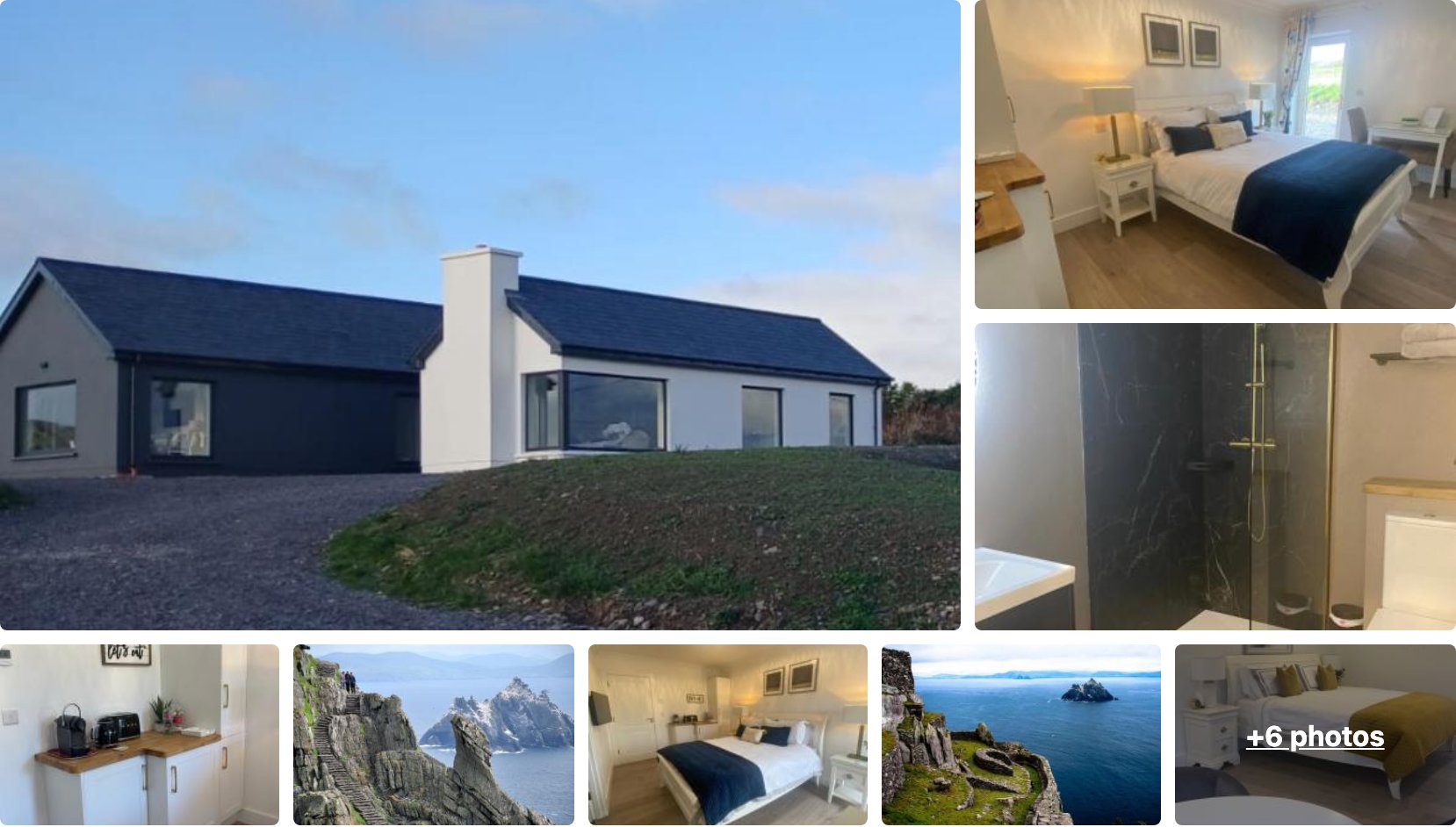
Watermark Luxury Accommodation sits on Valentia Island right across the water from Portmagee, where the Skellig Michael boats leave from. It scores 9.7 across 222 reviews, with rooms that look out over the Kerry coast.
The Skellig boats only run in the summer and book out fast, so staying this close to the harbour means you are minutes from the pier if the sailing goes ahead on a changeable morning.
👉 View Watermark Luxury Accommodation Availability and Pricing
Carnbore House BnB (Bushmills, for the Giant’s Causeway)

Carnbore House BnB is a country B&B just outside Bushmills, the village that sits closest to the Giant’s Causeway. It scores 9.8 across 276 reviews, which is about as high as ratings go on the Causeway Coast.
Bushmills is a few minutes from the Causeway itself, so you can be at the stones early before the coaches arrive, and the same base covers the rest of the Causeway Coast run.
👉 View Carnbore House BnB Availability and Pricing
In short
- Ireland has four inscribed UNESCO World Heritage Sites, split two in the Republic and two in Northern Ireland.
- Bru na Boinne is the oldest: Newgrange dates to around 3,200 BC, older than the pyramids.
- Skellig Michael is reachable only by boat, roughly mid-May to late September, weather permitting.
- The Giant’s Causeway, 40,000 basalt columns, is the most visited of the four.
- Gracehill in County Antrim is the newest, inscribed in 2024.
Frequently Asked Questions
A few quick answers on the UNESCO World Heritage Sites in Ireland, from how many there are to how you actually get to each one.
How many UNESCO World Heritage Sites does Ireland have?
Ireland has four inscribed UNESCO World Heritage Sites: Brú na Bóinne, Skellig Michael, the Giant’s Causeway, and the Moravian settlement at Gracehill. Two are in the Republic and two are in Northern Ireland.
Which is the most visited UNESCO site in Ireland?
The Giant’s Causeway is by far the most visited, pulling in the biggest crowds of the four. It has a large visitor center and is easy to reach from Belfast, which makes it a popular day trip.
What is the oldest UNESCO site in Ireland?
Brú na Bóinne is the oldest by a wide margin. Newgrange dates to around 3,200 BC, which makes it older than both Stonehenge and the pyramids at Giza.
Can you visit Skellig Michael?
Yes, but only by boat and only in season, roughly mid-May to the end of September, weather permitting. Landing tours are limited and sell out, so book well ahead.
Is the Giant’s Causeway a UNESCO World Heritage Site?
Yes. The Giant’s Causeway and Causeway Coast in County Antrim was inscribed in 1986 for its 40,000 basalt columns formed by ancient volcanic activity.
What is Ireland’s newest UNESCO World Heritage Site?
Gracehill, a Moravian church settlement in County Antrim, is the newest. It was inscribed in 2024 as part of the transnational Moravian Church Settlements listing.
Final Thoughts
Four sites, and not one of them feels like a box to tick. You get the oldest solar-aligned tomb in the world, monks who chose a rock in the Atlantic, a coastline that looks built by hand, and a village that kept its 18th-century plan intact.
Pair the two southern sites on one trip and the two northern ones on another, book Skellig Michael and Brú na Bóinne well ahead, and you have the backbone of an Ireland route worth every mile.
Like it? Pin it!
Save this guide for later