County Dublin is where almost every Ireland trip starts, and it packs a lot into a small area: the capital city, a working coastline, castles, and enough day trips to fill a week. We’ve flown into Dublin more than once, and this county dublin travel guide is the version I wish someone had handed me on arrival.
A lot of visitors give Dublin one night before they escape west, and that’s a mistake. It’s worth at least two nights on each end of a road trip.
On our last trip we landed midweek, took the airport bus into the center, dropped our bags at Fitzsimons Hotel in Temple Bar, and walked into Darkey Kelly’s for a first pint. Temple Bar is touristy, but it’s still a fun first night. The Jameson Distillery on Bow Street and the free grounds of Trinity College earned the rest of our time.
Below I’ll cover where County Dublin actually is, the best things to do, how to get here, the day trips worth taking, when to come, where to stay, and the tours we’d point a first-timer toward.
More Dublin Travel Guides
- Dublin Travel Guide: Where to Stay, Eat and Explore
- 22 Best Things To Do in Dublin
- 29 Free Things To Do in Dublin: A Local’s Guide
- 7 Best Day Trips From Dublin, Ireland
Quick Answer:
County Dublin covers Ireland’s capital and its coastline, and two days is enough for the city. See the Guinness Storehouse, the Book of Kells at Trinity College, and Kilmainham Gaol, then ride the DART out to Howth or Dalkey for a cliff walk. Add a night on each end of your trip and use it as a base for day trips.
Where Is County Dublin?
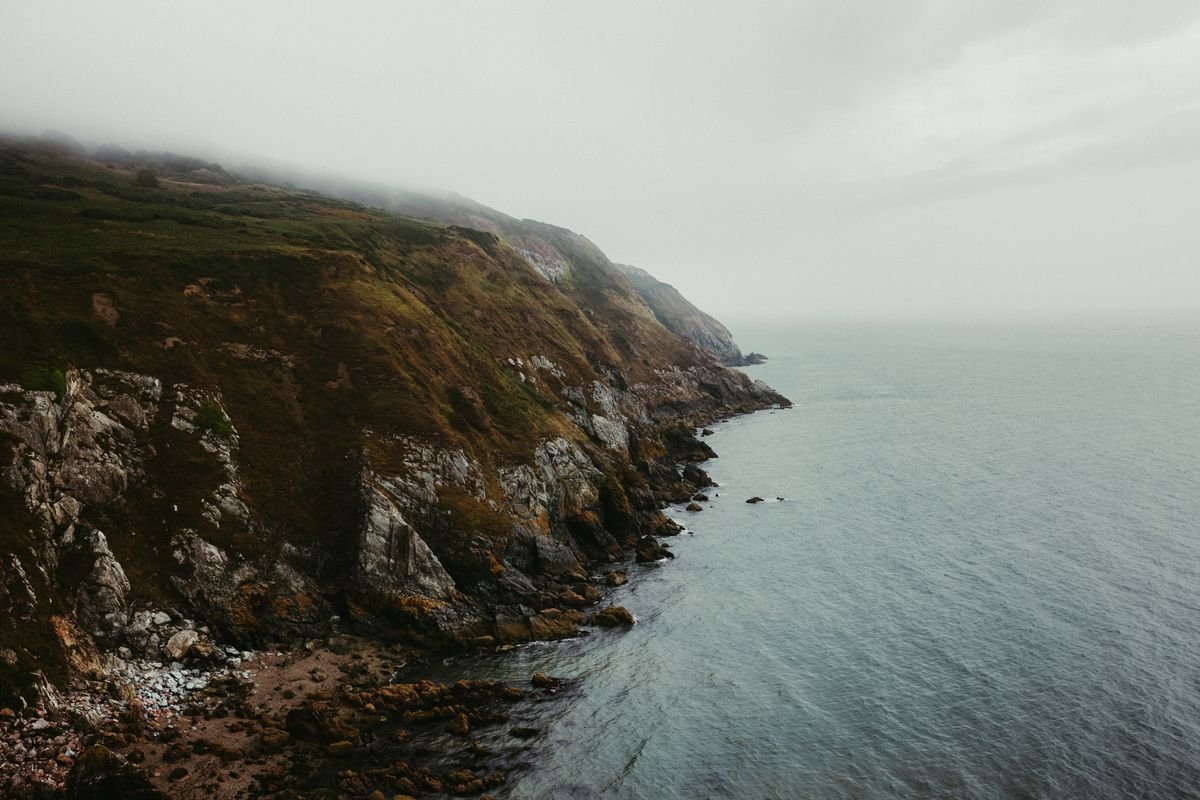
County Dublin sits on the east coast of Ireland, in the province of Leinster, right where the River Liffey empties into the Irish Sea. It’s one of the smallest counties in the country, and you can drive from one side to the other in well under an hour.
The Liffey splits the county into a Northside and a Southside, and the locals will tell you the two halves have their own personalities. Dublin city sits in the middle, with a working coastline running north to Howth and south to Dalkey.
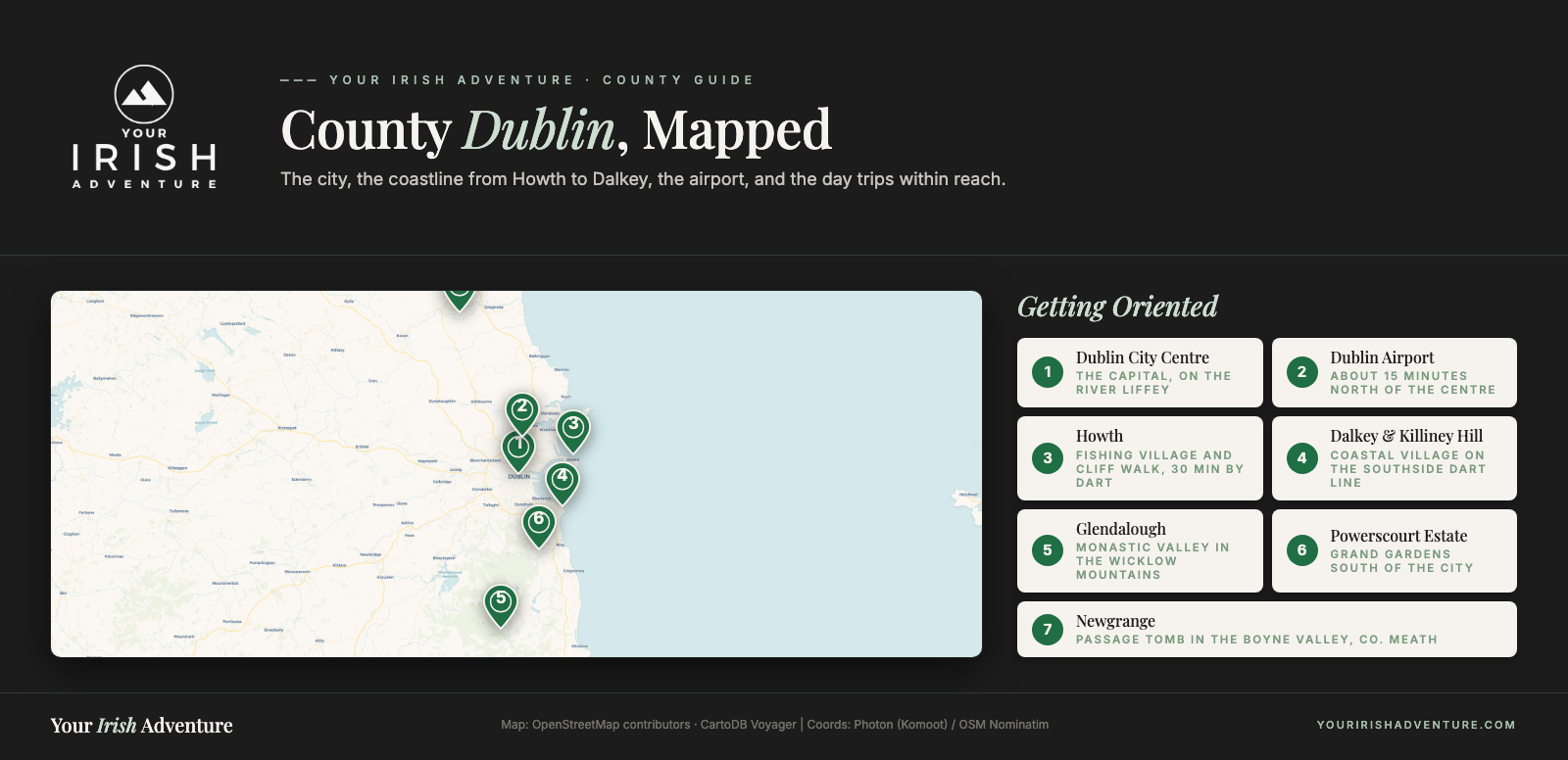
It borders County Meath to the north, Kildare to the west, and Wicklow to the south, so the mountains, the Boyne Valley, and the coast are all within an easy drive. That compact size is the whole appeal: you can base yourself in one spot and reach a lot.
Getting oriented is simple once you land. We flew in on Ryanair and picked up our campervan from a depot just north of the city, and within about half an hour we were out past the ring road. Most visitors grab a rental car at the airport instead, which works the same way and is the easier call for a first trip.
Best Things to Do in County Dublin
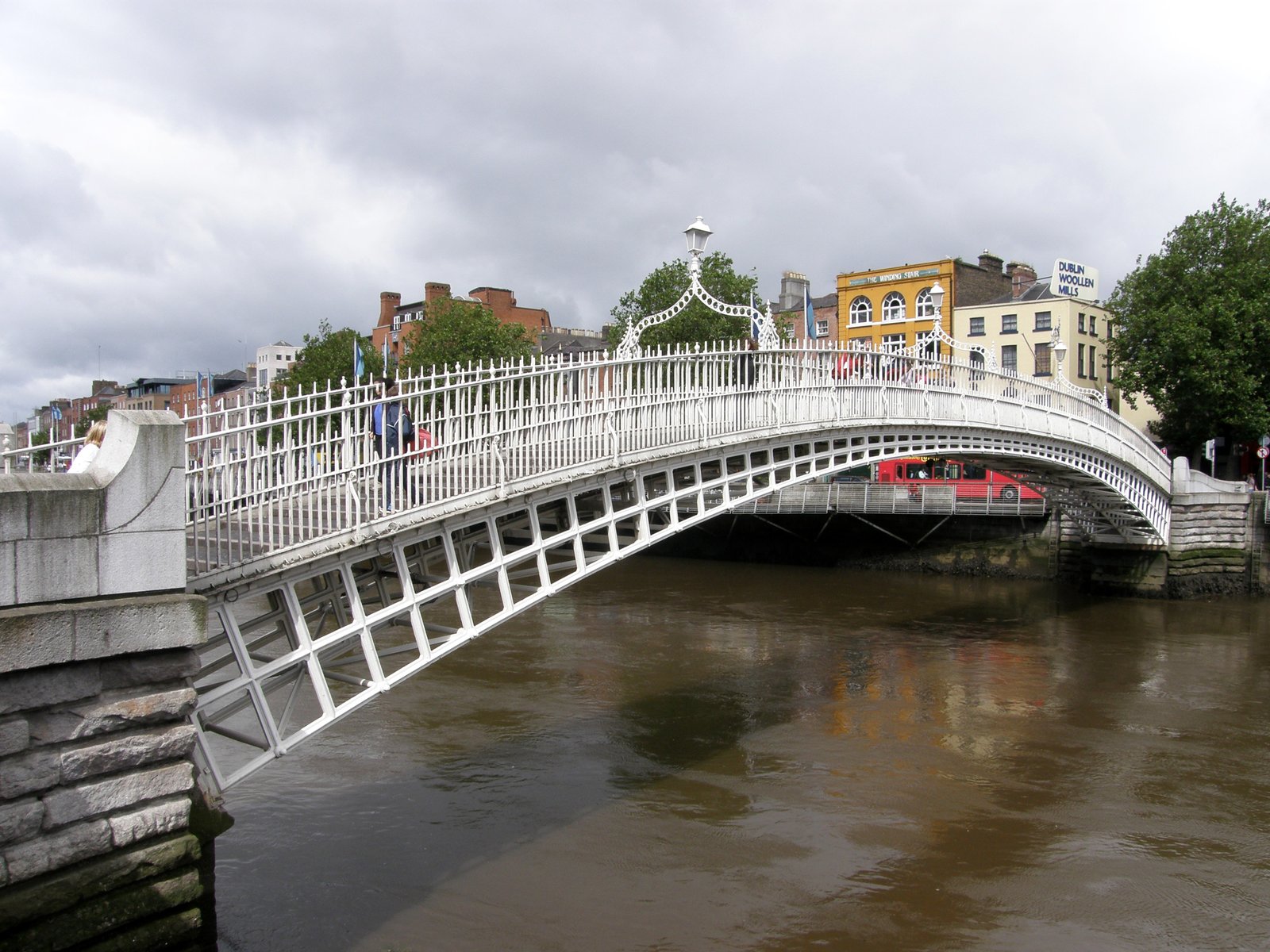
Dublin isn’t really a city for big monuments. Most of what’s good here is close together, and you cover it on foot between pints and museums. A couple of the best days out sit just outside the center, a short train ride up or down the coast.
Here’s what we’d point a first-timer toward, from the famous stops to a couple of coastal walks worth the train fare.
Tour the Guinness Storehouse
The Storehouse is Dublin’s most-visited attraction for a reason. It runs seven floors up through the story of the beer and ends at the Gravity Bar, a glass room with a full 360 view over the city and your included pint in hand.
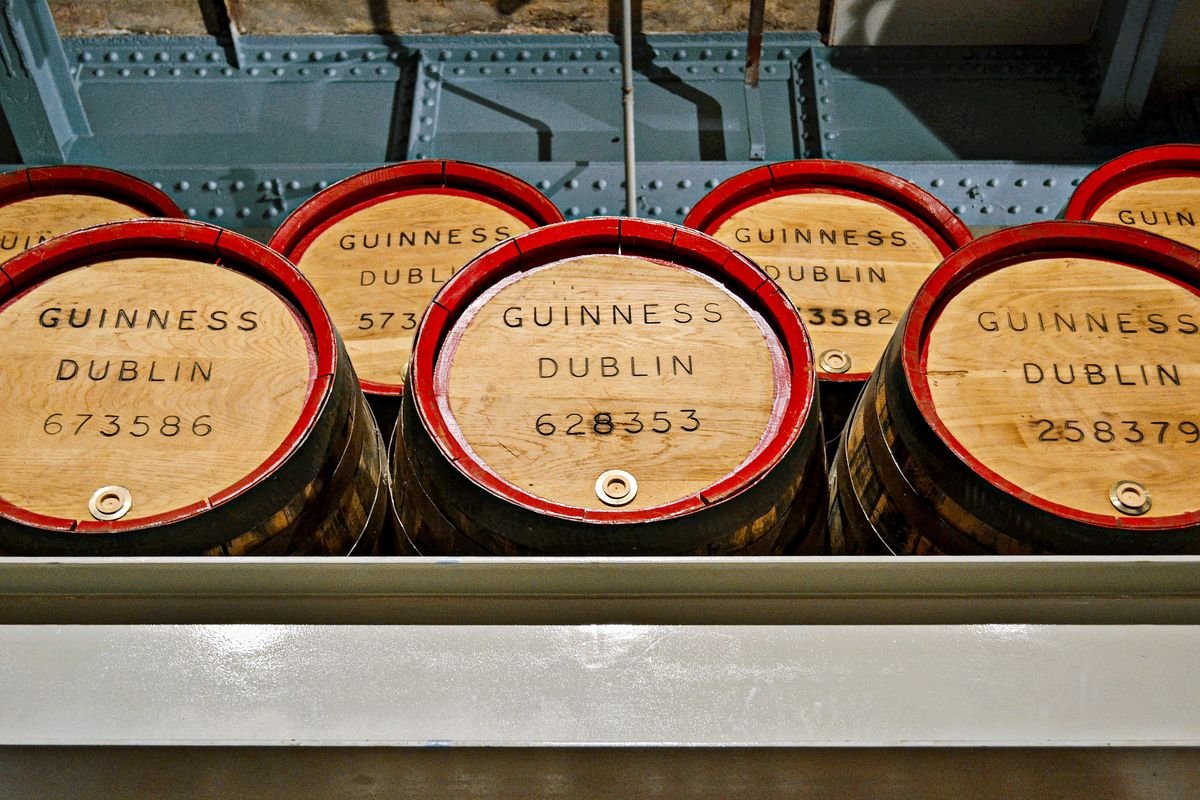
Tickets run around €30, and they’re cheaper booked online ahead than at the door. You can book the Guinness Storehouse tour with a free pint on GetYourGuide to skip the door queue. It’s touristy and it’s busy, but the pour and the view earn it.
We save our own Guinness ritual for a slow pint in the airport bar before we fly, which is a tradition we won’t skip. Do both if you can.
See the Book of Kells at Trinity College
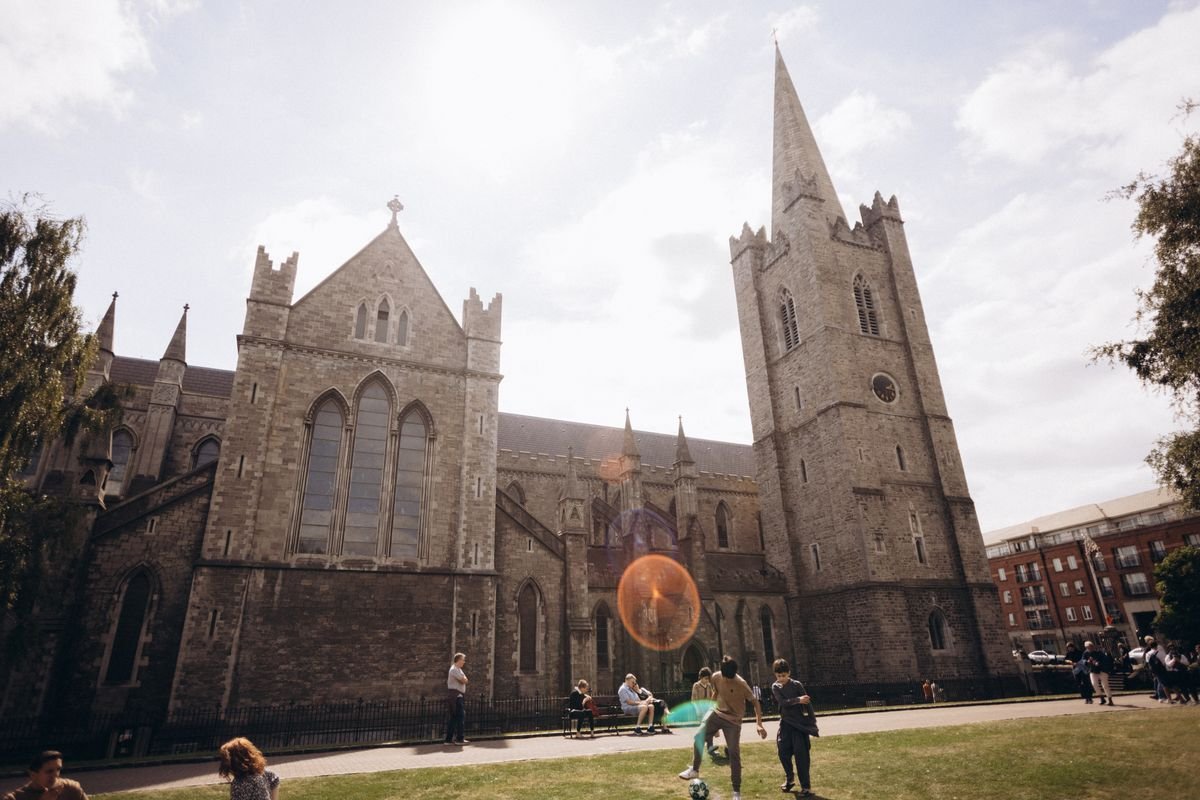
The Trinity College grounds are free and underrated. We walked through Parliament Square past the Campanile and the Sphere Within Sphere sculpture, and you can do the whole campus loop without paying a cent.
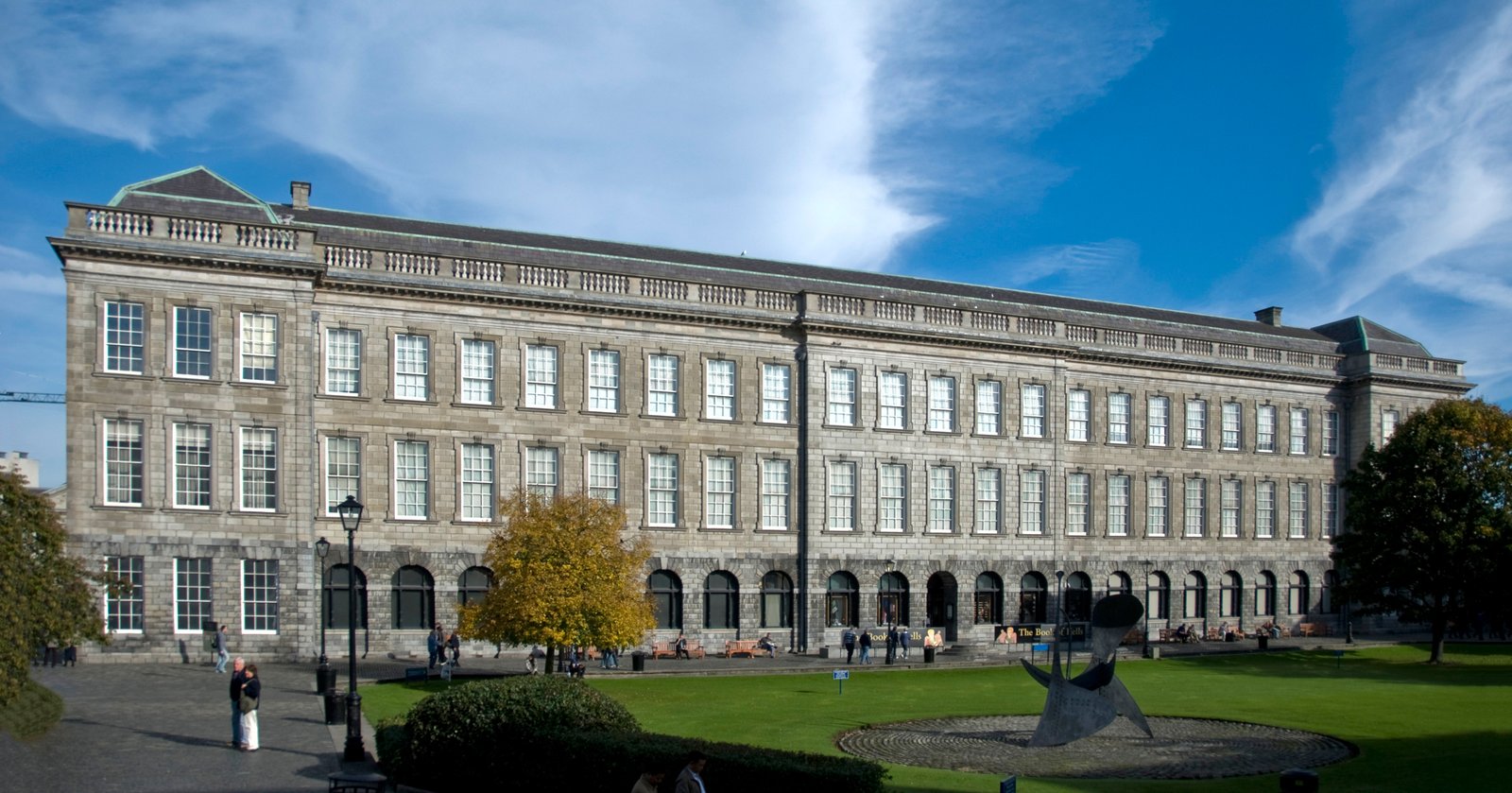
The Book of Kells is the paid part, a 1,200-year-old illustrated gospel kept in the Old Library. The book itself is small, but the Long Room above it, two stories of dark oak shelves and old busts, is the real draw. Book a timed slot online so you’re not stuck in the walk-up line.
Visit Kilmainham Gaol
Kilmainham Gaol is the old prison where many of the leaders of the 1916 Easter Rising were held and executed. You can only go in on a guided tour, and it’s the best hour of history in the city.
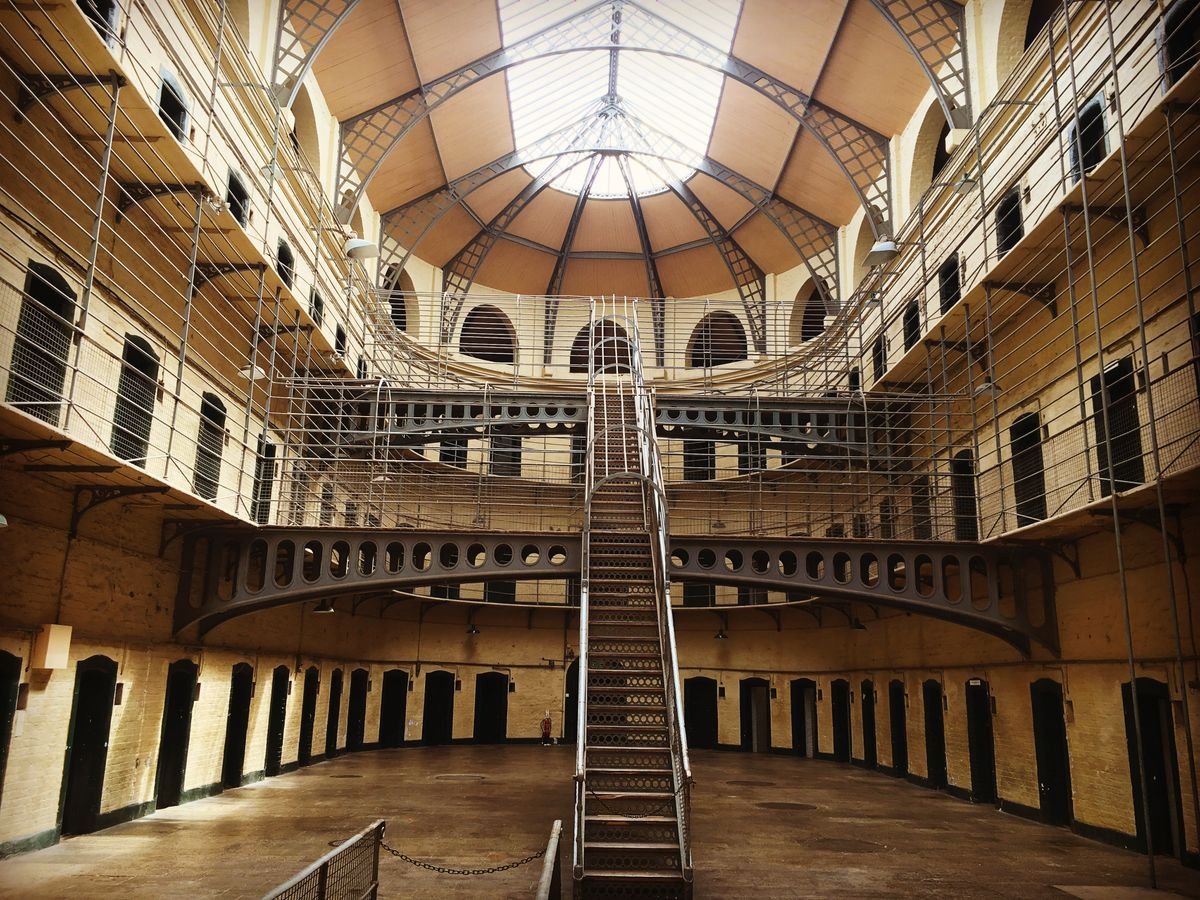
Tickets are cheap, around €8, but the tours sell out days and sometimes weeks ahead. Book online the moment you know your dates. This is the one thing in Dublin people most often miss out on because they left it too late.
Walk Around Dublin Castle and Christ Church
Dublin Castle sits right in the center and mixes an old medieval tower with grand Georgian state rooms. You can walk the courtyards for free and pay a small ticket only if you want inside the State Apartments.
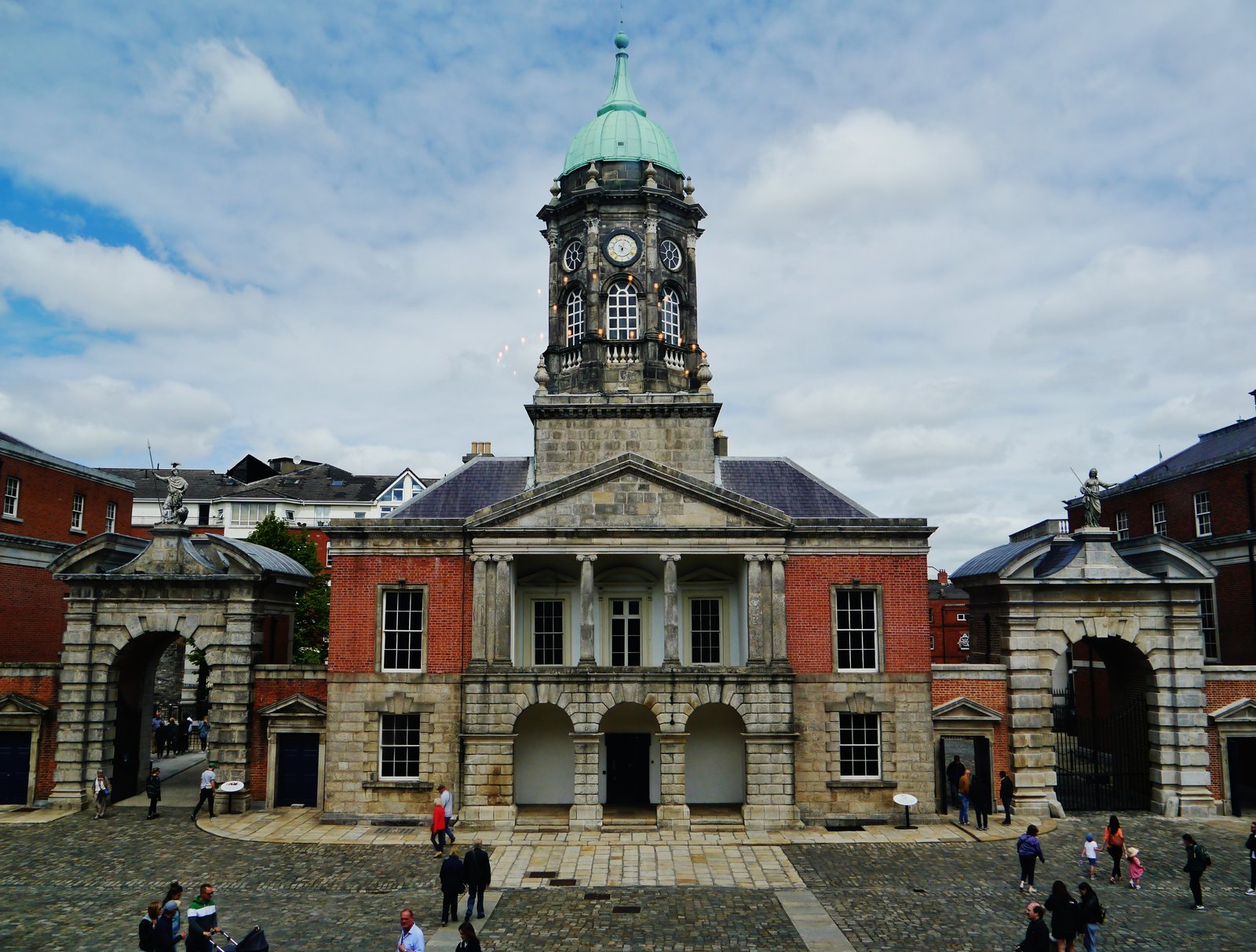
A couple of minutes away is Christ Church Cathedral, the oldest building in the city still in use, with a huge stone crypt underneath. The two are an easy pair on foot, and the streets around them are some of the oldest in Dublin.
Hear Live Trad Music in Temple Bar
Trad music runs most nights in Temple Bar, and you don’t book anything. You wander in, find a session already going, and stay for a couple. On our first night we worked our way through Napper Tandy and The Hairy Lemon and let the music decide where we stopped.

The one honest warning: pints in this district cost more than anywhere else in the city, often a few euro more each. Have the first round here for the atmosphere, then drift a few streets out toward Merrion Row where the locals actually drink.
Walk the Howth Cliff Path
Howth is a fishing village on a headland at the north end of the county, about 30 minutes from the center on the DART train. The cliff path loops around the peninsula with the Irish Sea on one side the whole way, and there are shorter and longer versions depending on your legs.
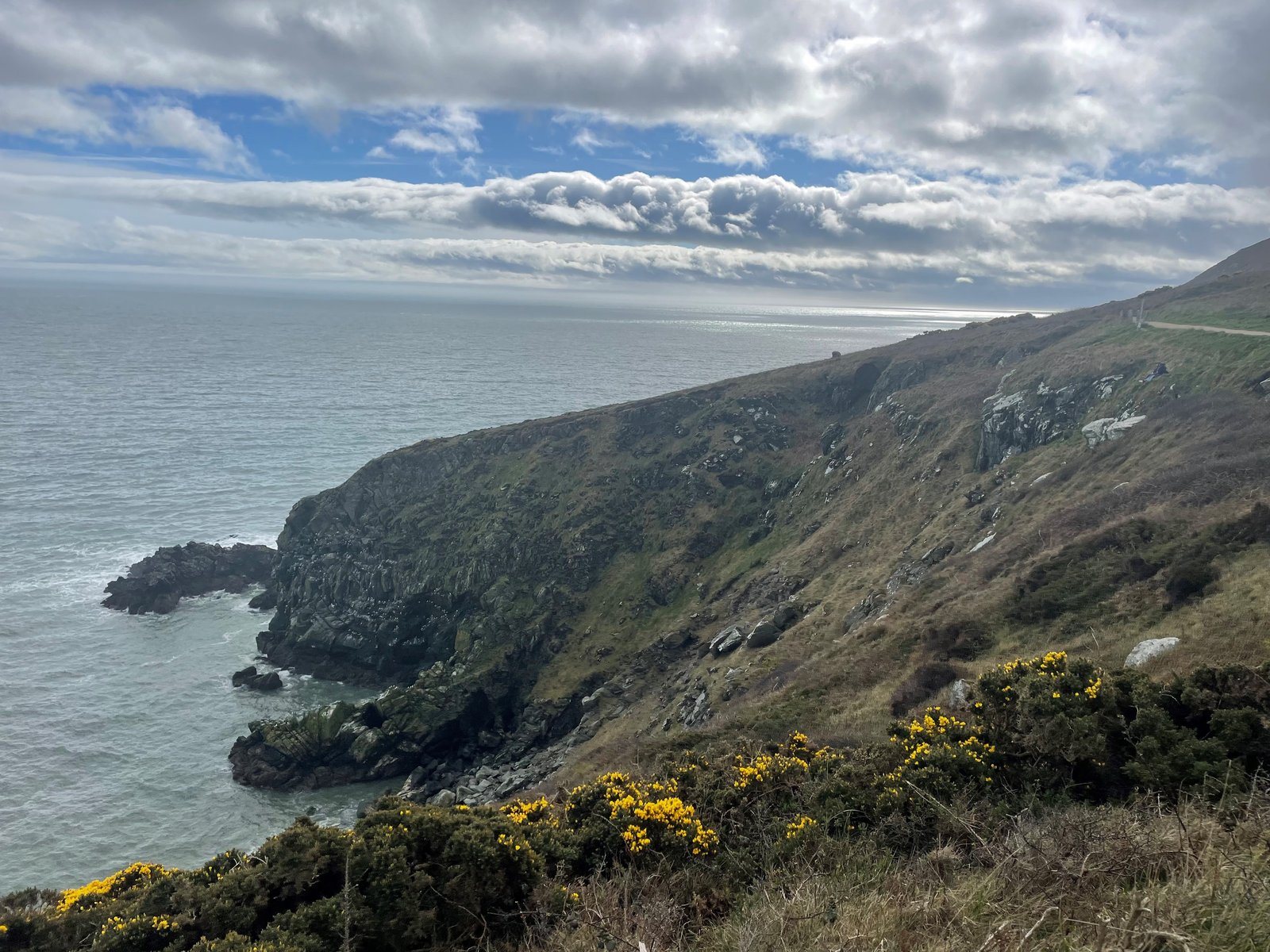
Plan on an hour or two for the walk, then eat seafood at the harbor before you catch the train back. It’s the easiest half-day escape from the city, and the train fare is a couple of euro.
Stroll Dalkey and Killiney Hill
Dalkey is the Southside version of Howth, a coastal village down the DART line with a little medieval castle on the main street and a lot of quiet money in the hills behind it. It’s where a lot of Dublin’s famous names live.
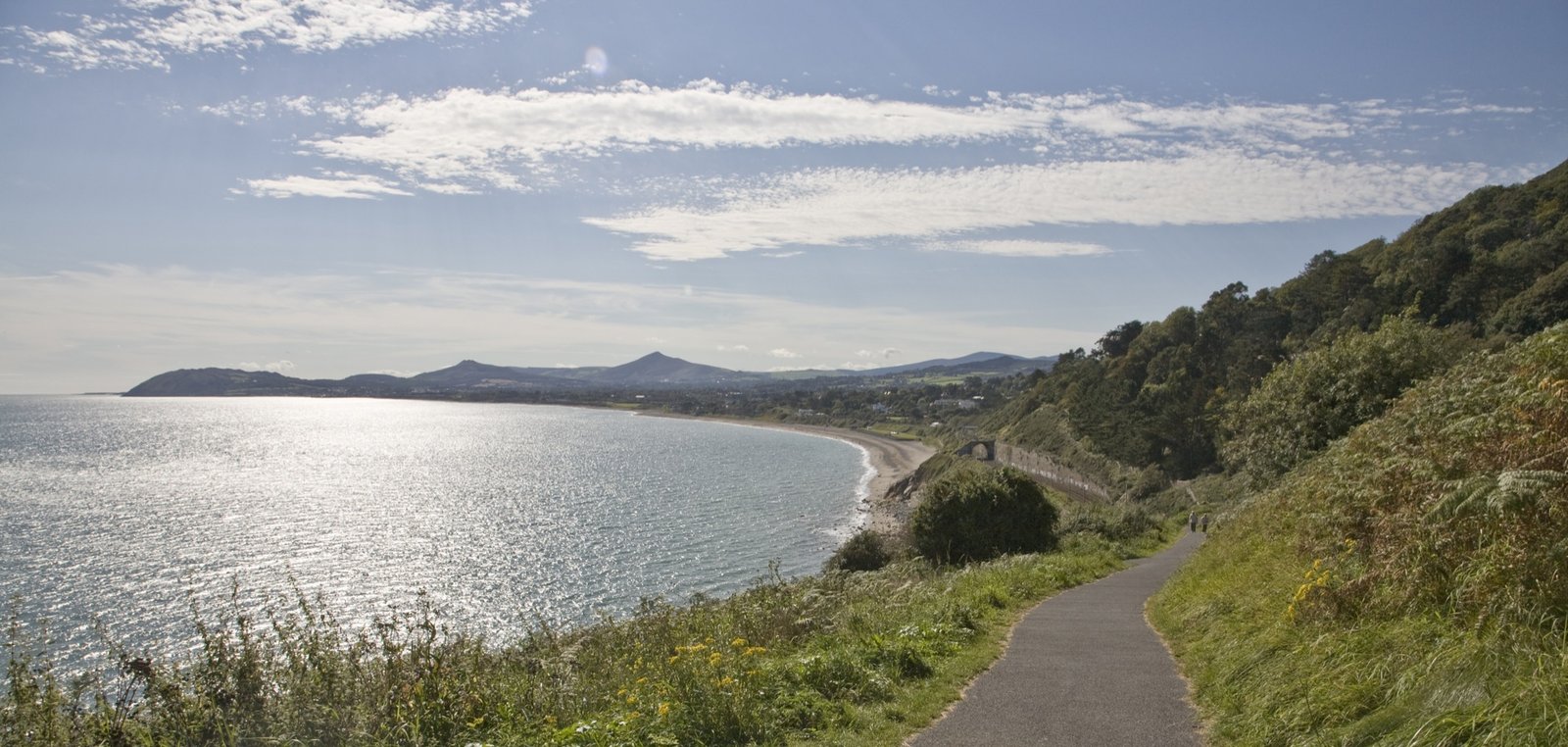
Walk up Killiney Hill for the view back over the bay, which people compare to the Bay of Naples in Italy. Between the village, the hill, and the seafront, it’s an easy afternoon and a calmer counterpart to a night in Temple Bar.
How to Get to County Dublin

Getting here is the easy part. Dublin is the main gateway into all of Ireland, so a lot of visitors arrive without even planning it. Every time we’ve come to Ireland, we’ve flown into Dublin Airport, about 15 minutes north of the city center.
Dublin Airport has two terminals and direct flights from across Europe and North America. Ryanair and Aer Lingus run the bulk of the European routes, and fares from the UK or mainland Europe are often cheap if you book ahead.
From the Airport Into the City
There’s no train or tram from the airport, which surprises a lot of first-timers. You have three real options: a bus, a taxi, or your own rental car.
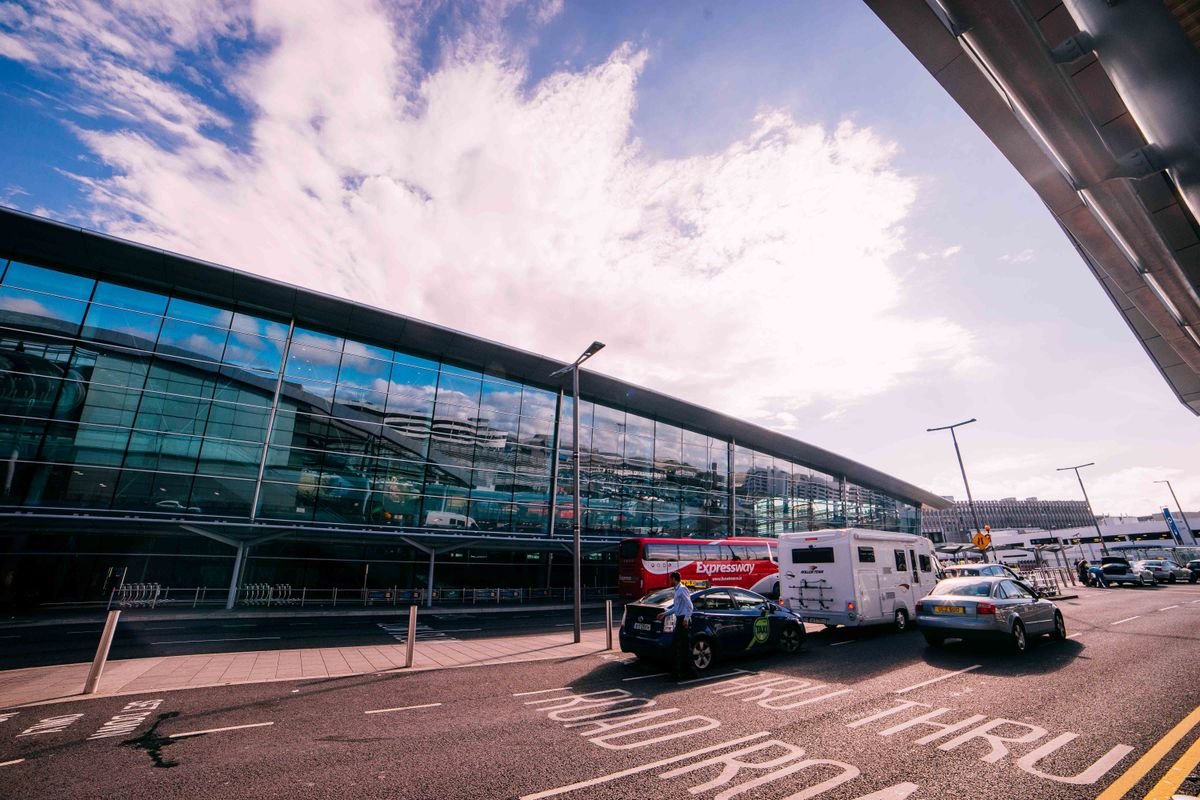
Airlink and the Dublin Express coaches run to the center every few minutes and cost around €8 to €12. A taxi is roughly €25 to €35 depending on traffic and where you’re headed.
If you’re renting a car for a wider Ireland trip, pick it up at the airport and skip the city center entirely on day one. It’s worth taking a minute to compare car hire deals on Discover Cars before you land so a car is waiting. Dublin traffic and paid parking are a headache you don’t need while jet-lagged.
Arriving by Ferry
You can also come in by sea. Ferries run from Holyhead in Wales to Dublin Port in around three and a half hours, and from Cherbourg in France on a longer overnight crossing. This is the move if you want to bring your own car over.
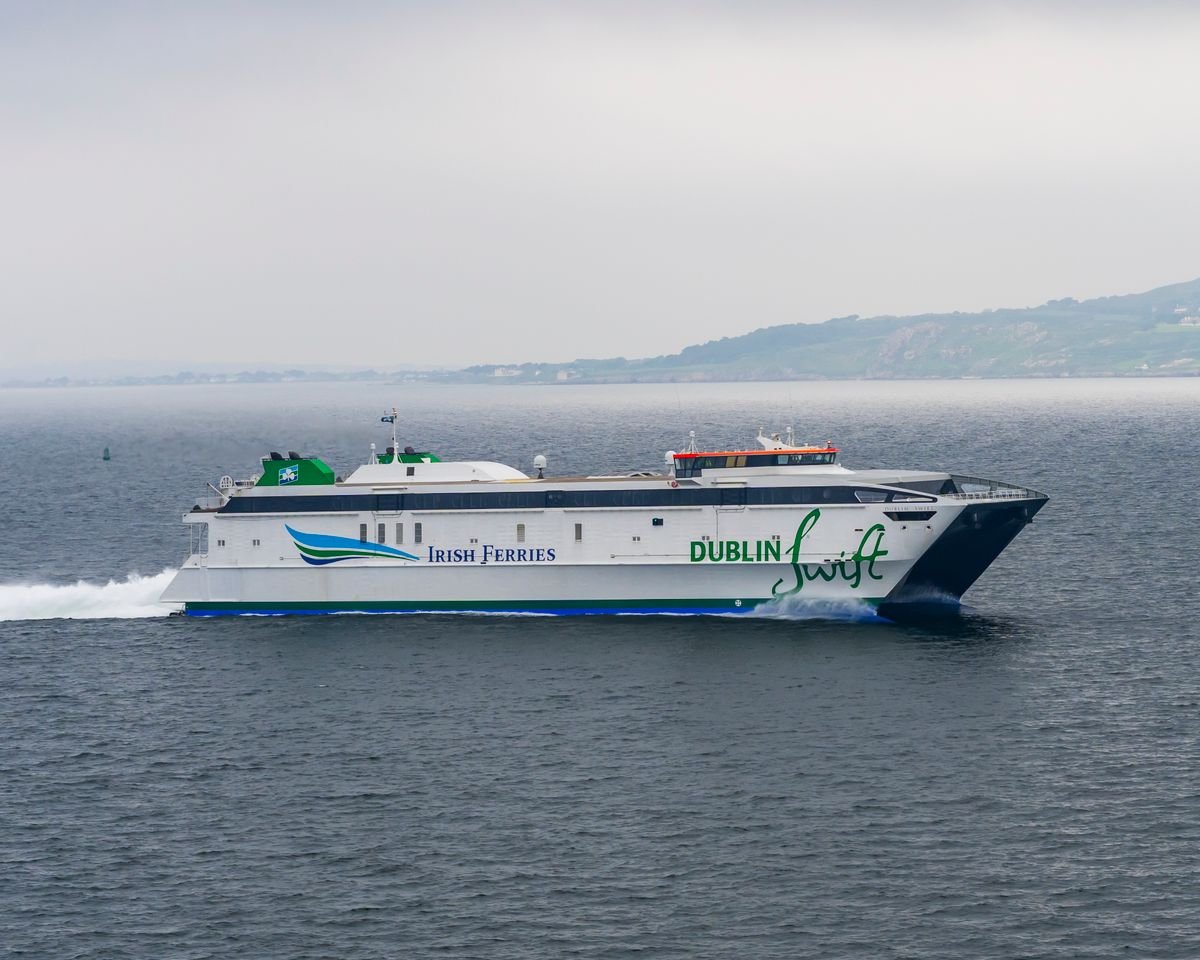
Dublin Port sits just east of the city center, a short taxi or bus ride from Temple Bar. Irish Ferries and Stena Line both run the Welsh route, and prices swing a lot with the season.
From Elsewhere in Ireland
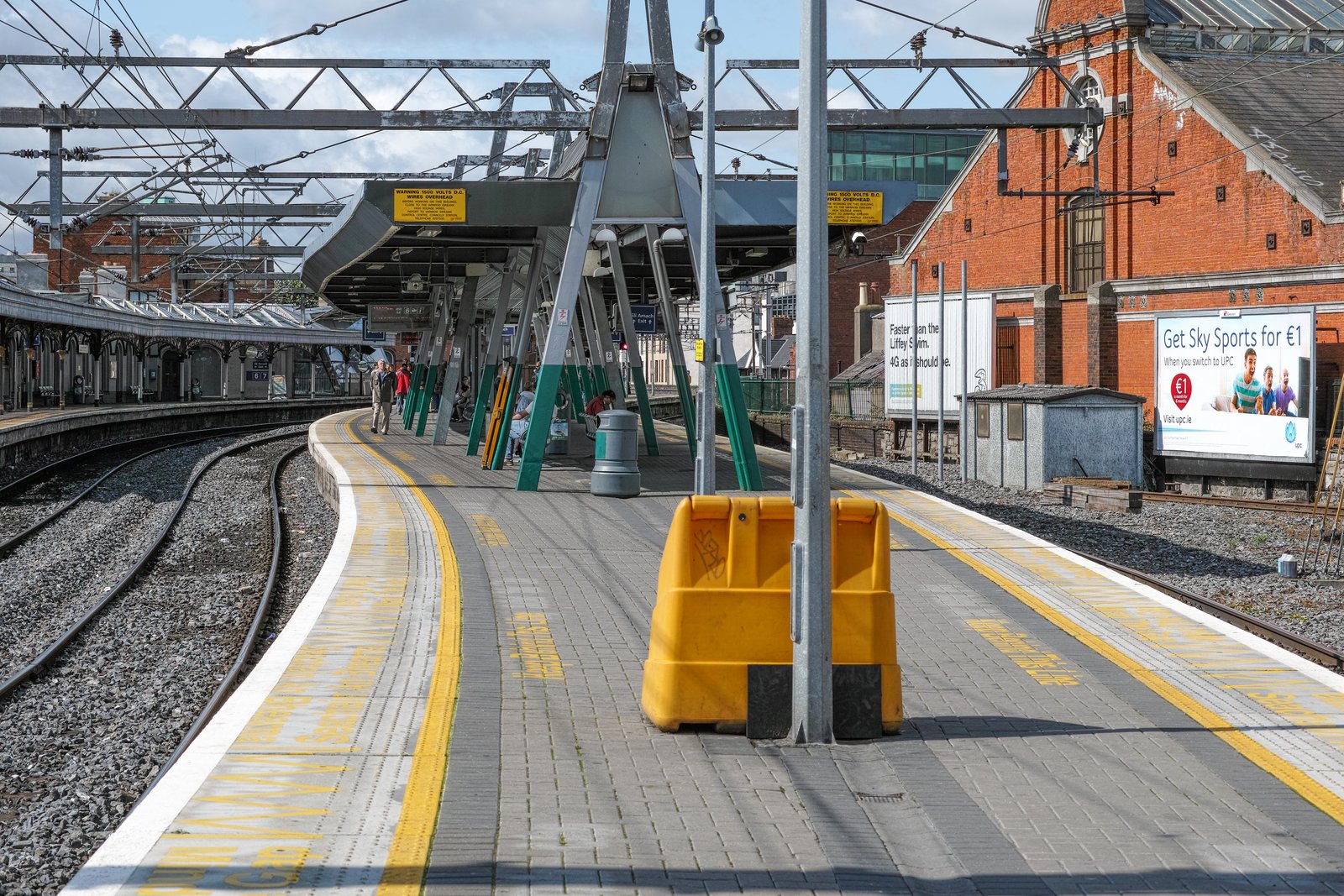
If you’re already in the country, all roads lead back to Dublin. Intercity trains run from Cork, Galway, and Belfast into Heuston and Connolly stations, and the bus network is even cheaper.
Driving in from the west or south, you’ll hit the M50 ring road around the city. It’s the fastest way around Dublin, but avoid it at rush hour when it backs up badly.
Best Day Trips from Dublin
Because the county is so small, Dublin is the best base in the country for day trips. We stayed in the city on each end of our road trip, and from here you can reach the mountains, a Stone Age tomb, or a different coastline inside an hour or two. Most are easy self-drives, and guided tours cover every one if you’d rather not drive.
Glendalough and the Wicklow Mountains
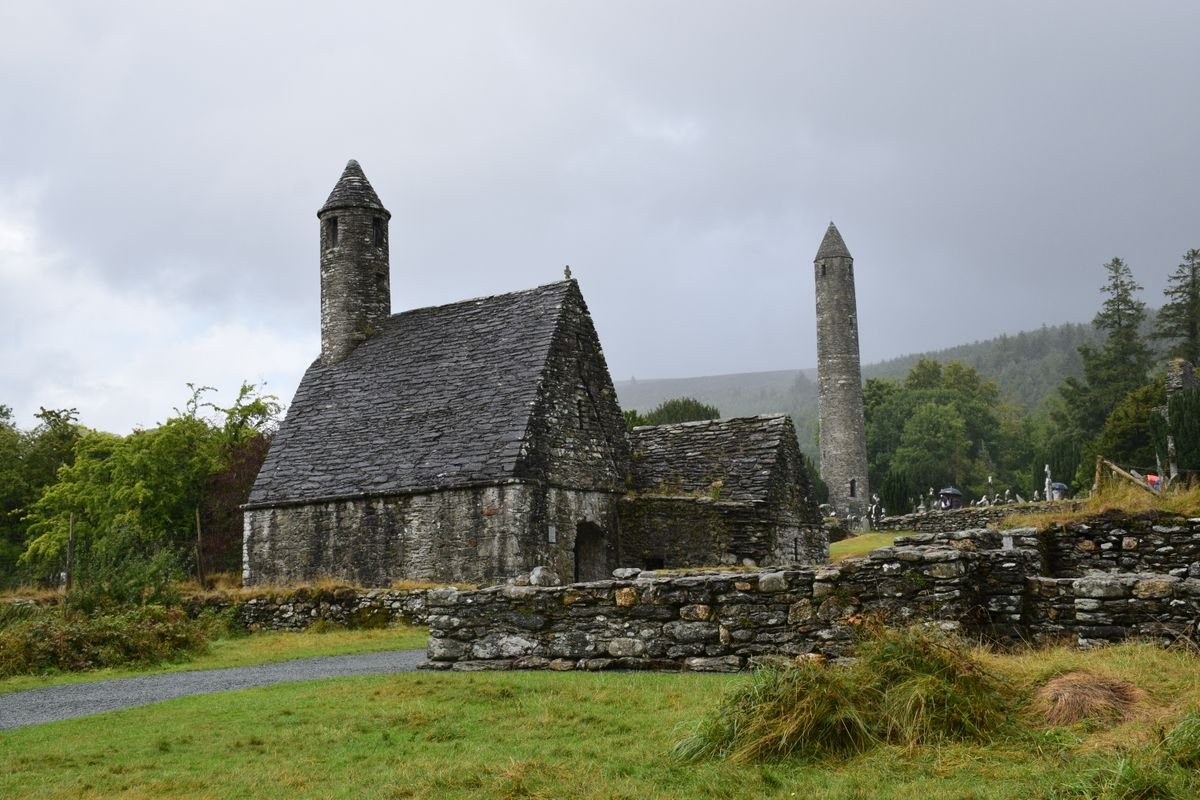
Glendalough is the standout, an early Christian monastery set in a glacial valley with two dark lakes and a round tower still standing. It’s about an hour south into County Wicklow, and the drive over the Sally Gap through the mountains is half the point.
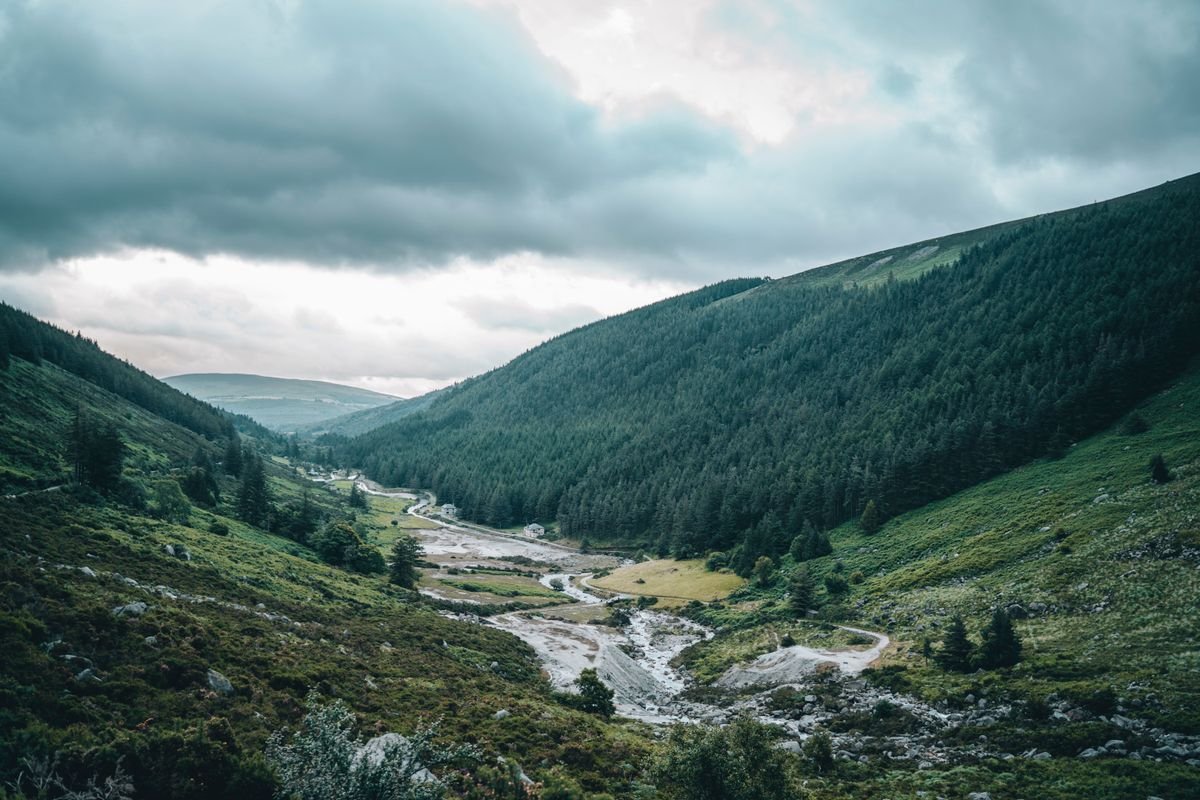
The walking trails around the lakes are free and range from a flat 20-minute loop to a few hours up the ridge. If you only take one day trip out of Dublin, make it this one.
Newgrange and the Boyne Valley
Head north into County Meath instead and you hit Newgrange, a passage tomb that’s older than the pyramids at Giza. You can only go inside on a guided tour booked through the Brú na Bóinne visitor center, so reserve ahead in summer.
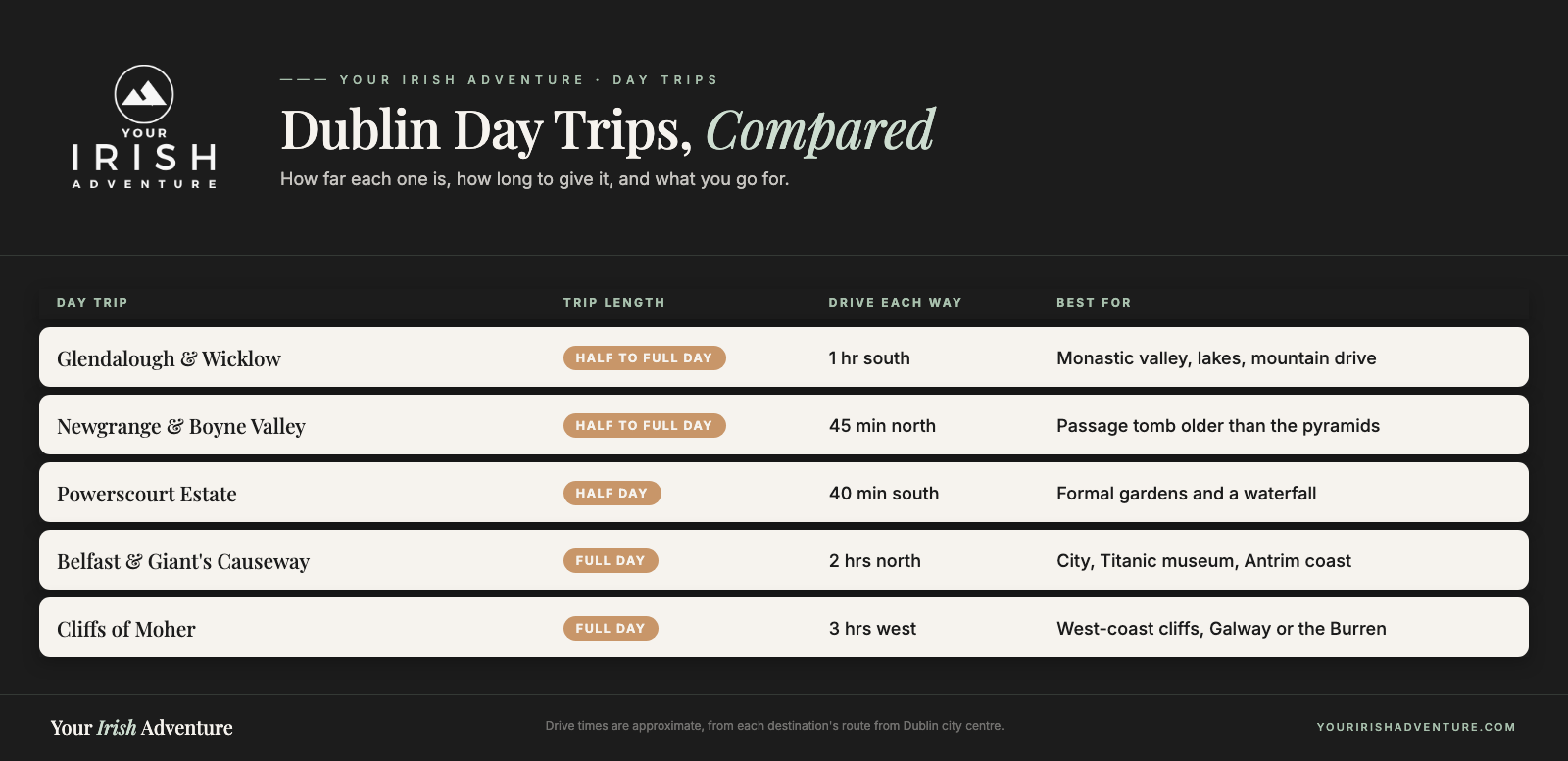
It’s about 45 minutes from the city, and the same valley holds the Hill of Tara and Trim Castle if you want a full day of old Ireland.
Powerscourt Estate and Gardens
Powerscourt is a grand country estate about 40 minutes south, with formal gardens laid out below a big house and a view straight to the Sugar Loaf mountain. Entry to the gardens runs around €13.
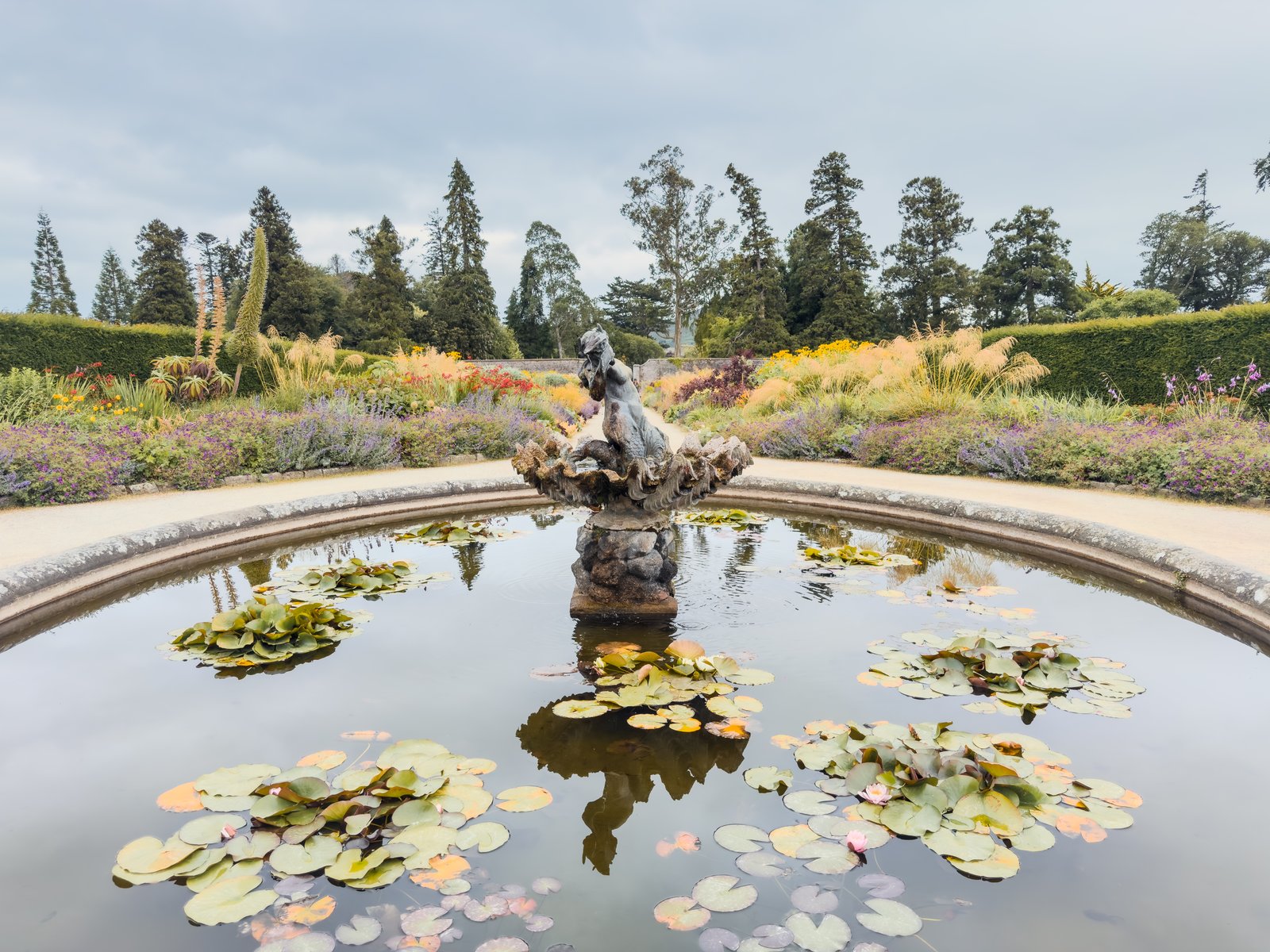
A few miles on is Powerscourt Waterfall, the highest in Wicklow at 121 metres, which is a separate ticket and an easy add-on. It pairs well with Glendalough since both sit in the same corner of Wicklow.
Belfast and the Giant’s Causeway
You can reach Belfast in about two hours by train or car, crossing into Northern Ireland and a different currency. From there the Giant’s Causeway, the Titanic museum, and the Antrim coast are all in reach.
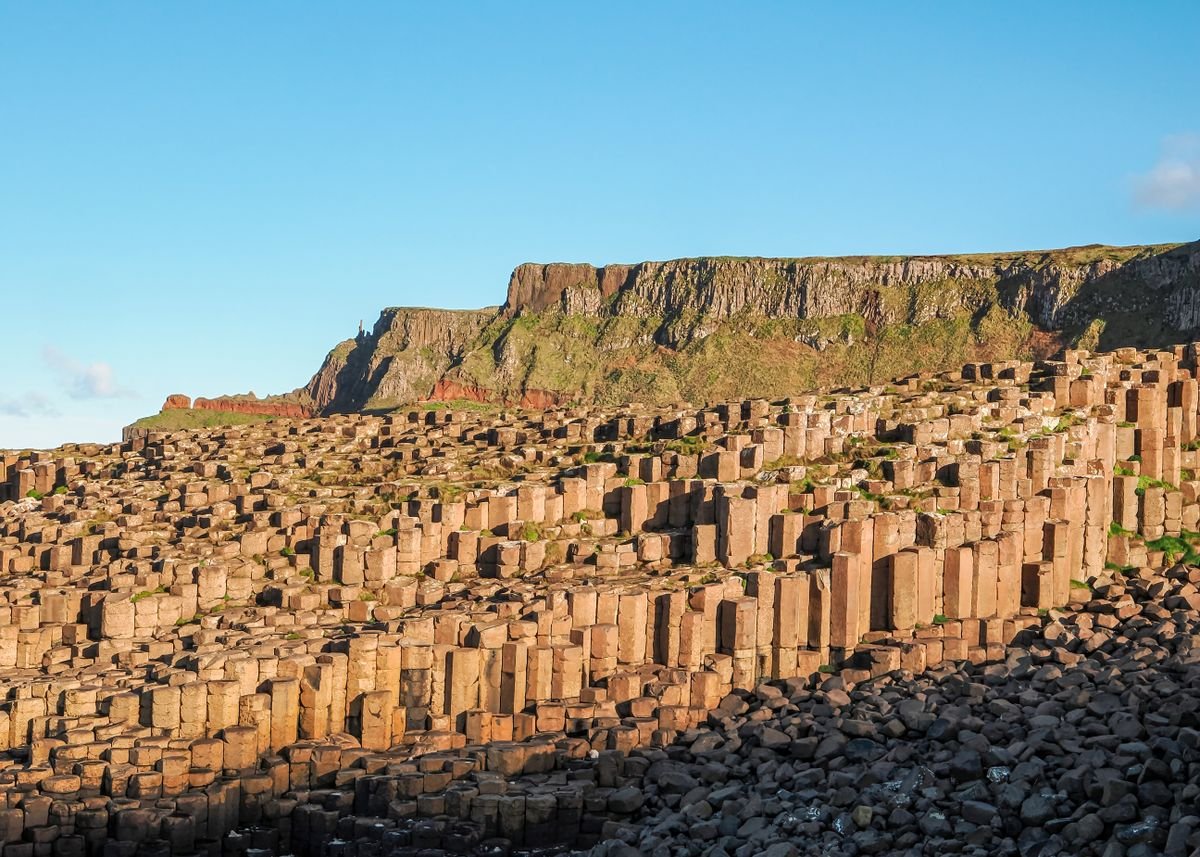
It’s a long day if you try to do the city and the Causeway together, so a guided full-day tour that handles the driving is the sensible way to do it from Dublin.
The Cliffs of Moher
The Cliffs of Moher sit all the way over on the west coast, roughly three hours each way, so this one is a full day and only worth it if you won’t reach the west on your own route. If you’re driving the whole country, save the cliffs for when you’re actually in County Clare instead.
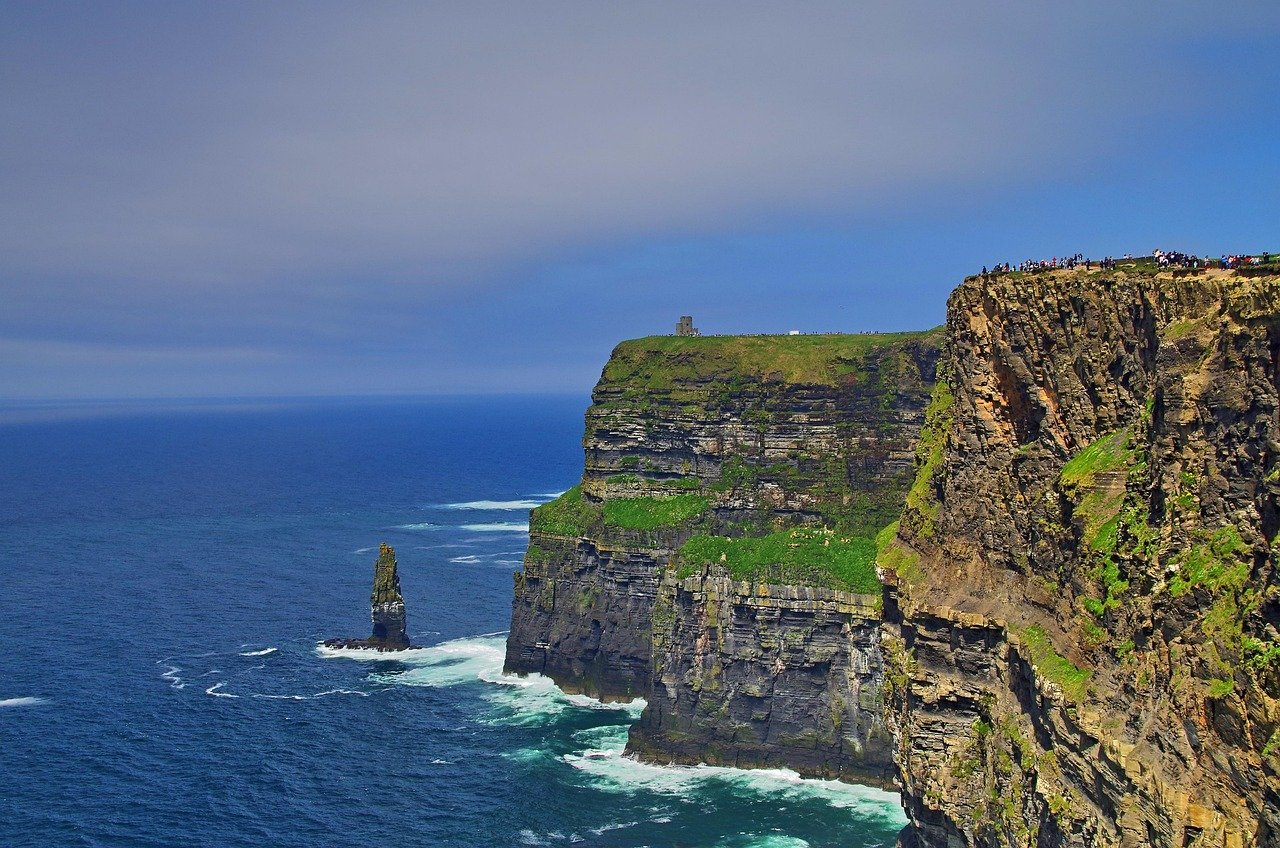
If Dublin is your only stop, a guided day tour makes it doable and usually throws in Galway or the Burren on the way. You can book the Cliffs of Moher day tour on GetYourGuide and let the driver handle the long haul both ways.
More Ireland Itineraries and Road Trips
- The Best Ireland Itineraries From Dublin Airport
- A Photographer’s Definitive Ireland Road Trip
- Wild Atlantic Way Itinerary – Ireland’s Most Epic Road Trip
Best Time to Visit Dublin
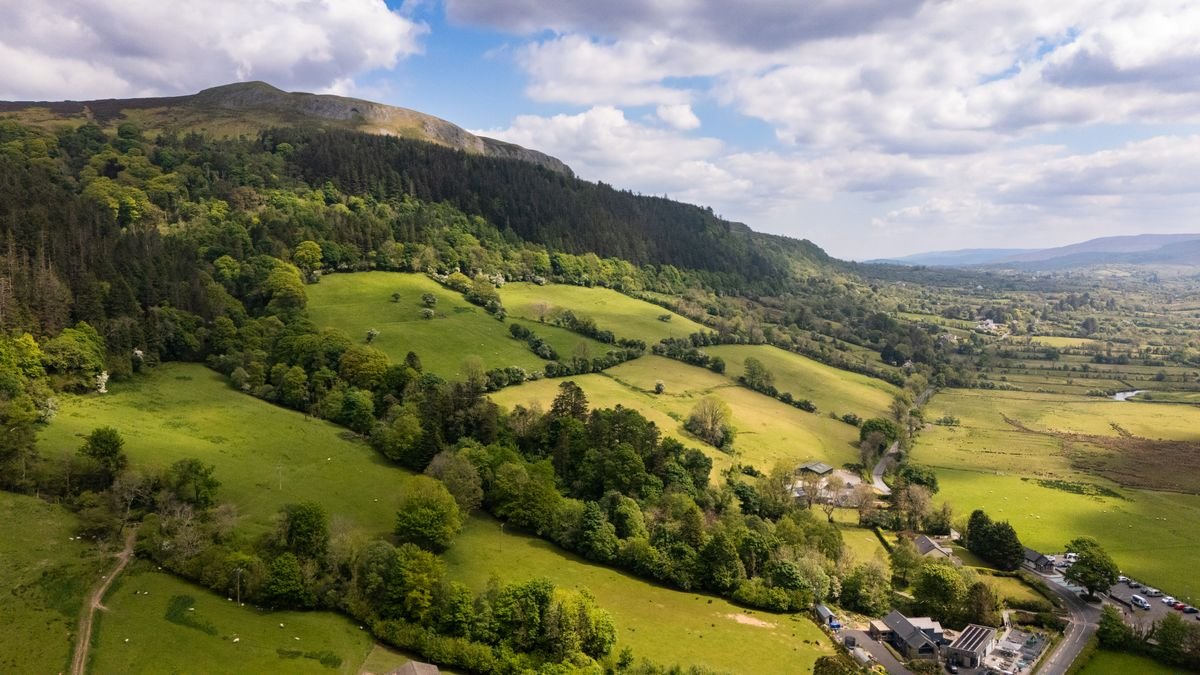
There’s no bad time to land in Dublin, only trade-offs between crowds, price, and daylight. The city runs on its pubs and museums, so a bit of rain never really ruins a day here. Pack a rain jacket whenever you come and you’re covered.

Our pick is the shoulder season, roughly late spring or early fall. We came through Dublin on both ends of our last trip, in late September, and the timing was close to perfect: mild days, thinner lines at the big attractions, and prices off their summer peak.
Summer (June to August)
Summer is the busiest and most expensive stretch, but you get the longest days by a mile. Sunset drags out past 9:30pm in June, which gives you huge evenings for the coast walks up in Howth or down in Dalkey.
The catch is that hotel rates climb and the popular tickets go fast. If you’re set on summer, book Kilmainham Gaol and the Book of Kells weeks ahead or you’ll miss out.
Shoulder Season (April to May, September to October)
This is when we’d tell a first-timer to come. We landed midweek in late September, well into shoulder season, and the difference from peak summer showed everywhere: shorter waits, easier tables, and room rates that hadn’t been jacked up.

On our return swing through the city we had a slow wine bar evening and dinner at Yamamori without a reservation, the kind of thing that’s much harder in July. You still get plenty of daylight in spring and early fall, and the pubs are full of locals rather than only tour groups.
Winter (November to March)
Winter is cheap, quiet, and dark. Daylight is short, with the sun down by around 4:30pm in December, so you plan your outdoor bits for the middle of the day and lean into the indoor stuff after.
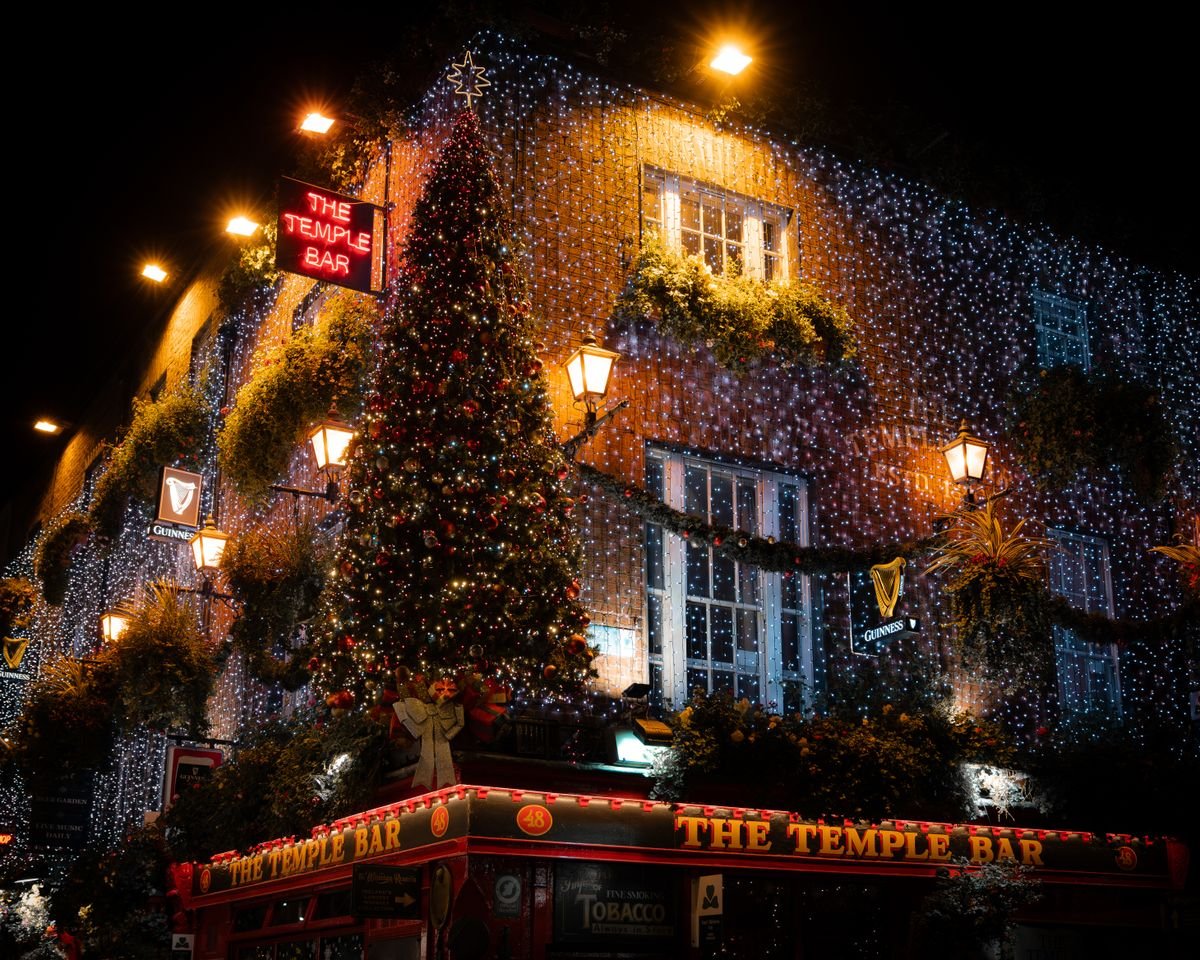
The upside is real: the lowest hotel prices of the year, no lines, and pubs at their coziest with a fire going. Dublin around Christmas and St. Patrick’s Day in March is its own event, just expect those two windows to spike prices right back up.
Where to Stay in Dublin
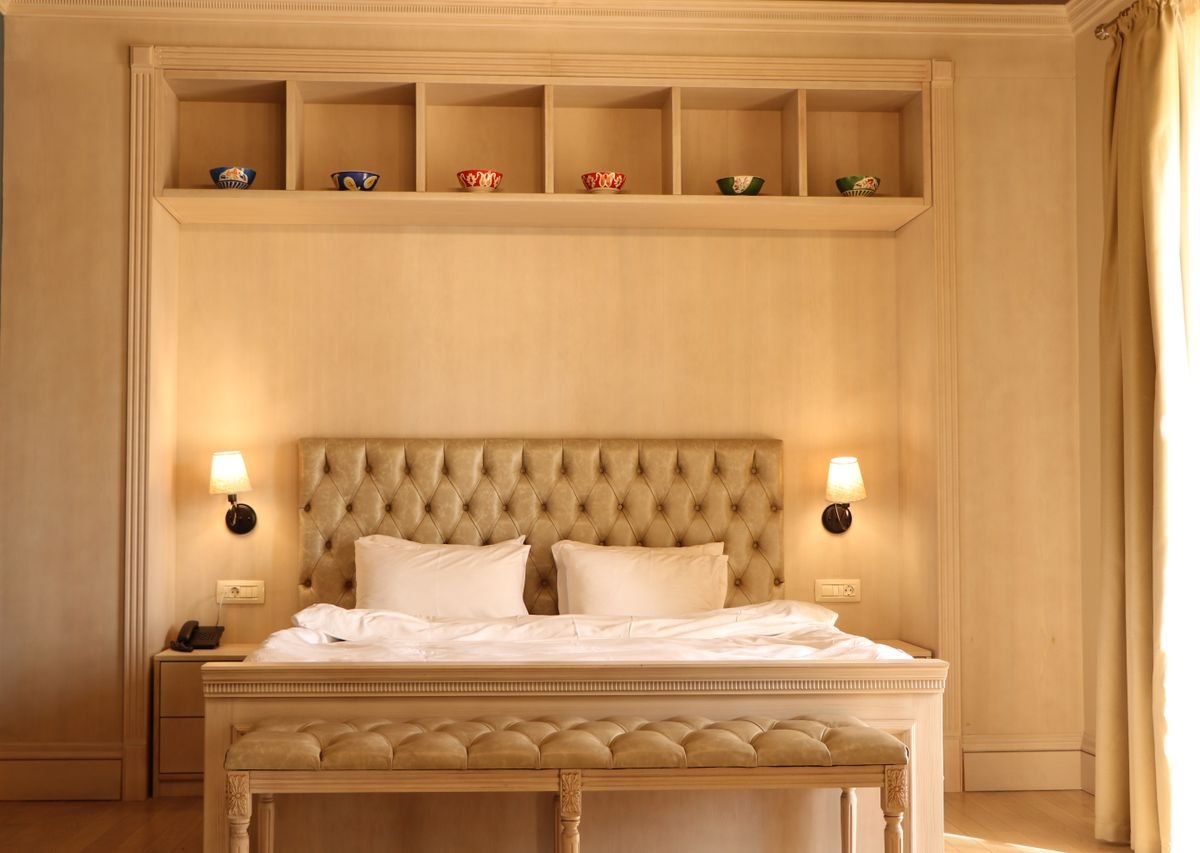
Where you sleep in Dublin comes down to what you want out of the night. Everything in the center is walkable, so you’re really choosing between being in the noise or a few streets back from it.
We split our two Dublin stays on purpose. We took Temple Bar for the loud first night off the plane, then moved to a quieter city center spot for the calmer evening on our way home. If you’re only in town once, pick the vibe that fits your trip, then check availability on Booking.com for that patch of the city.
Temple Bar and the City Center
Temple Bar puts you in the middle of everything, steps from the trad sessions and a short walk to Trinity and the castle. The trade-off is noise. The music and the crowds run late, so light sleepers should ask for a room off the street.
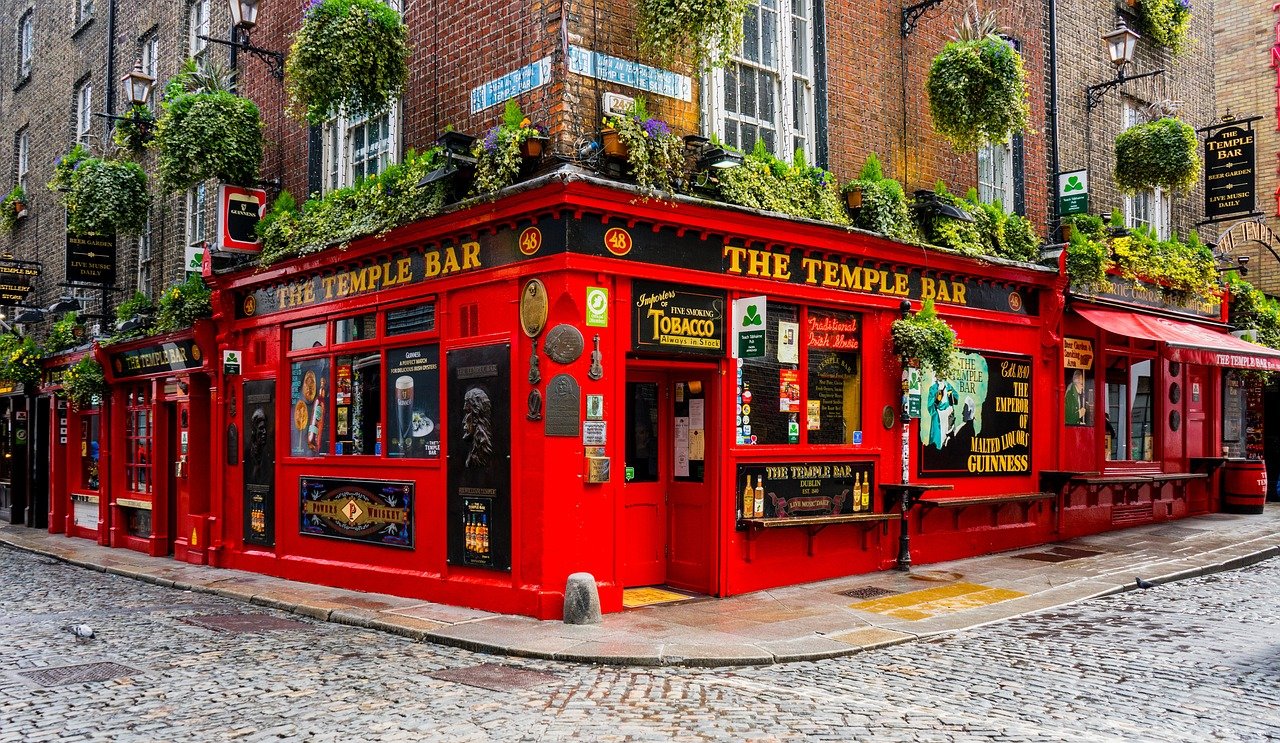
It’s also the priciest patch of the city. Expect to pay a premium for the location, and book early because these rooms go first.
Around St. Stephen’s Green
A few streets south, the area around St. Stephen’s Green and Grafton Street is where we’d send most first-timers. It’s still an easy walk to everything, but the evenings are calmer and the streets feel more like the real city.
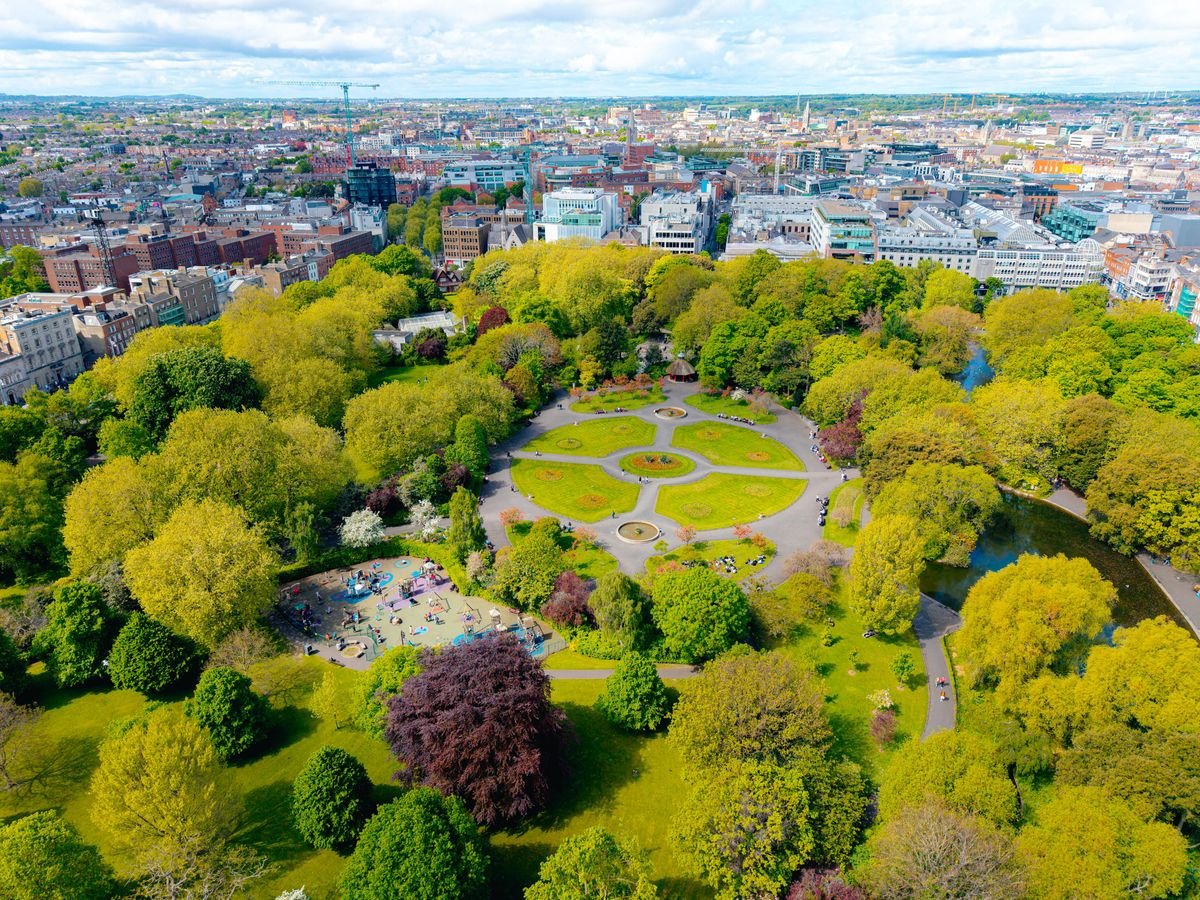
This is a good middle ground on price too, with a wide range from smart hotels to guesthouses. You get the central location without paying the full Temple Bar markup.
The Northside and Docklands
Cross the Liffey to the Northside and rooms get cheaper the further you go from O’Connell Street. The Docklands area to the east is newer and quieter, popular with business travelers and handy for the ferry port.
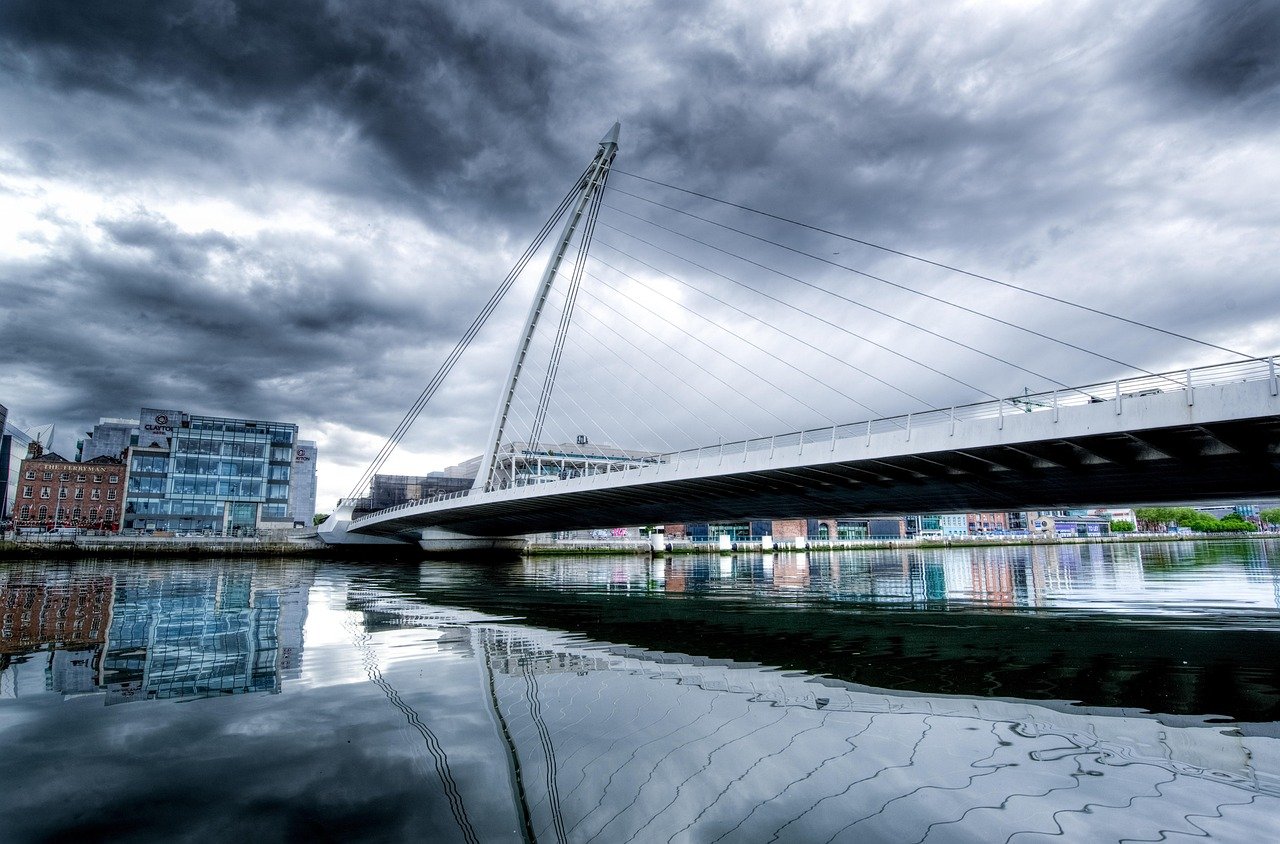
It’s a solid pick if you want more room for your money and don’t mind a 10 or 15 minute walk into the action.
Near the Airport
If you land late or fly out early, a hotel near Dublin Airport saves you the hassle of dragging bags across the city twice. Most run a free shuttle and sit a short ride from the terminals.
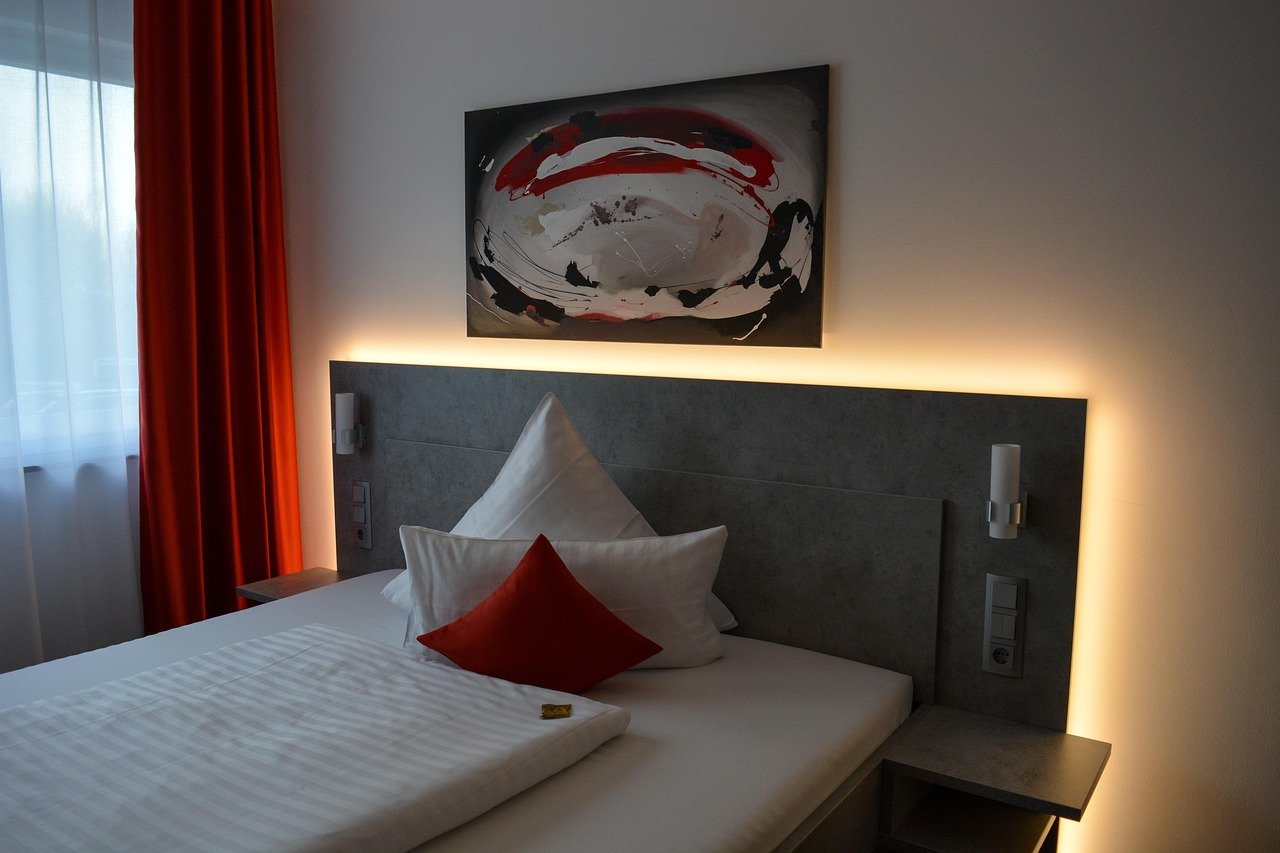
It’s not where you want to base a whole trip, but for the first or last night of a road trip it just works. That’s the call to make if you’re picking up a rental car and heading straight out anyway.
Here are three central places we’d book ourselves, one for a splurge, one for the sweet spot, and one that stretches your money the furthest.
The Merrion Hotel
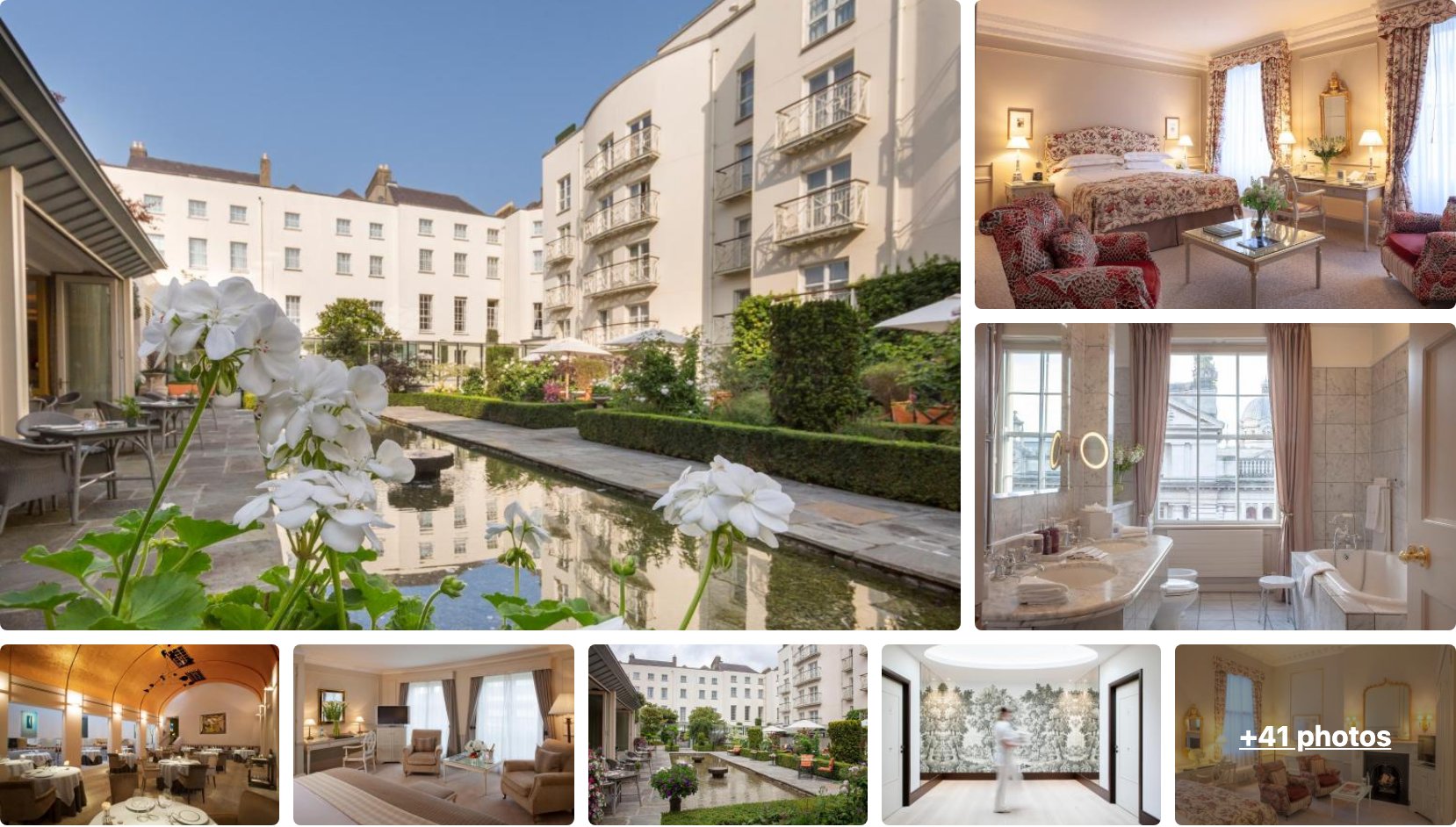
The Merrion Hotel is the splurge, a five-star set across four Georgian townhouses on Merrion Square with a walled garden out back and the Dail a two-minute walk away. It scores 9.5 on Booking with over 560 reviews.
You’re paying for the location and the quiet. Trinity, the castle, and Grafton Street are all a short walk, and the rooms sit back from the street noise that comes with Temple Bar.
👉 View The Merrion Hotel Availability and Pricing
Number 31
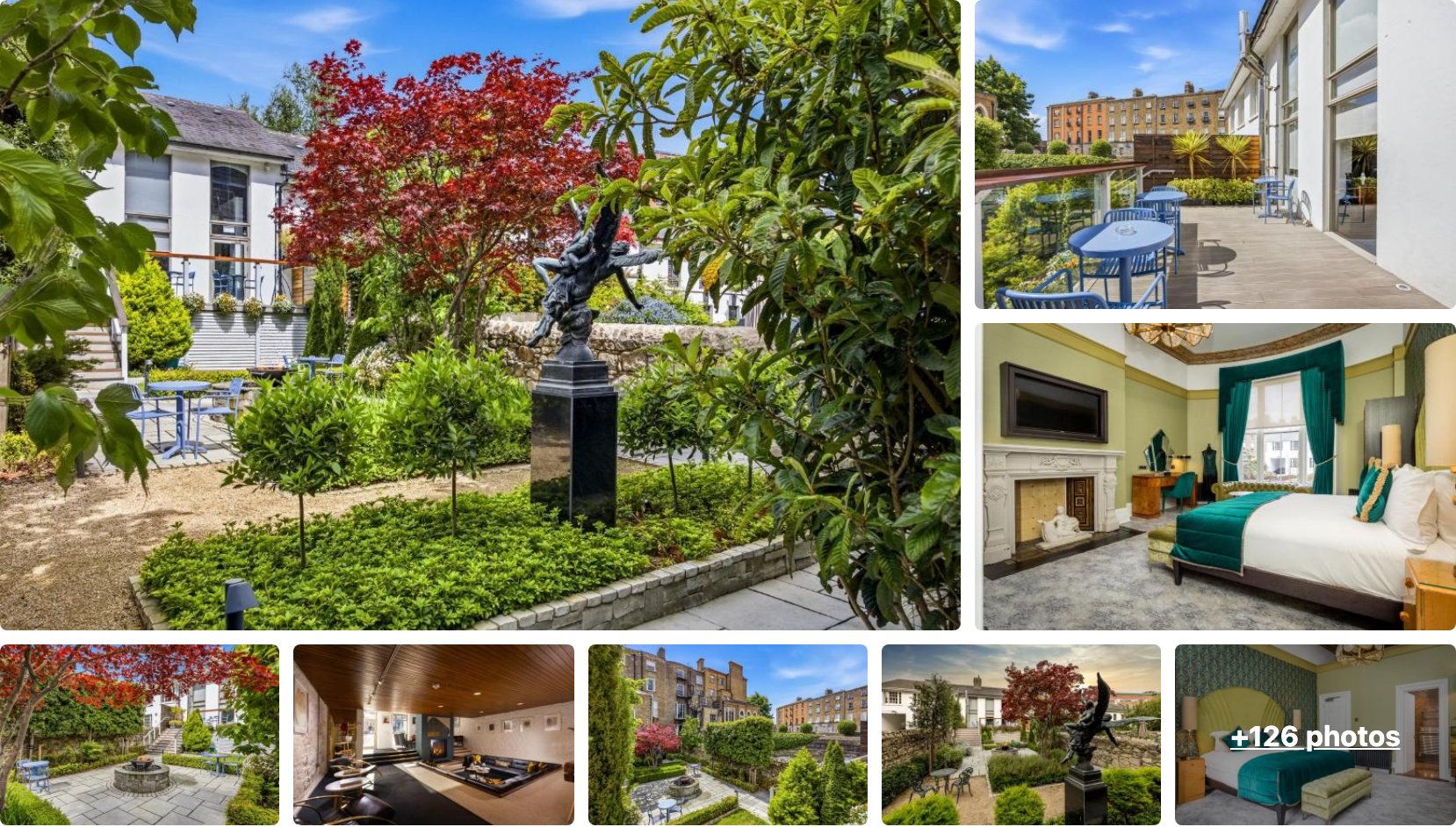
Number 31 is the sweet spot, a boutique guesthouse tucked down a quiet close off Leeson Street, a few minutes from St. Stephen’s Green. It scores 9.2 on Booking across more than 700 reviews.
The breakfast has a following of its own and the sunken garden is a quiet spot to sit. This is the calmer, more residential side of the city center we’d point most first-timers toward.
👉 View Number 31 Availability and Pricing
Henrietta Suites City Centre
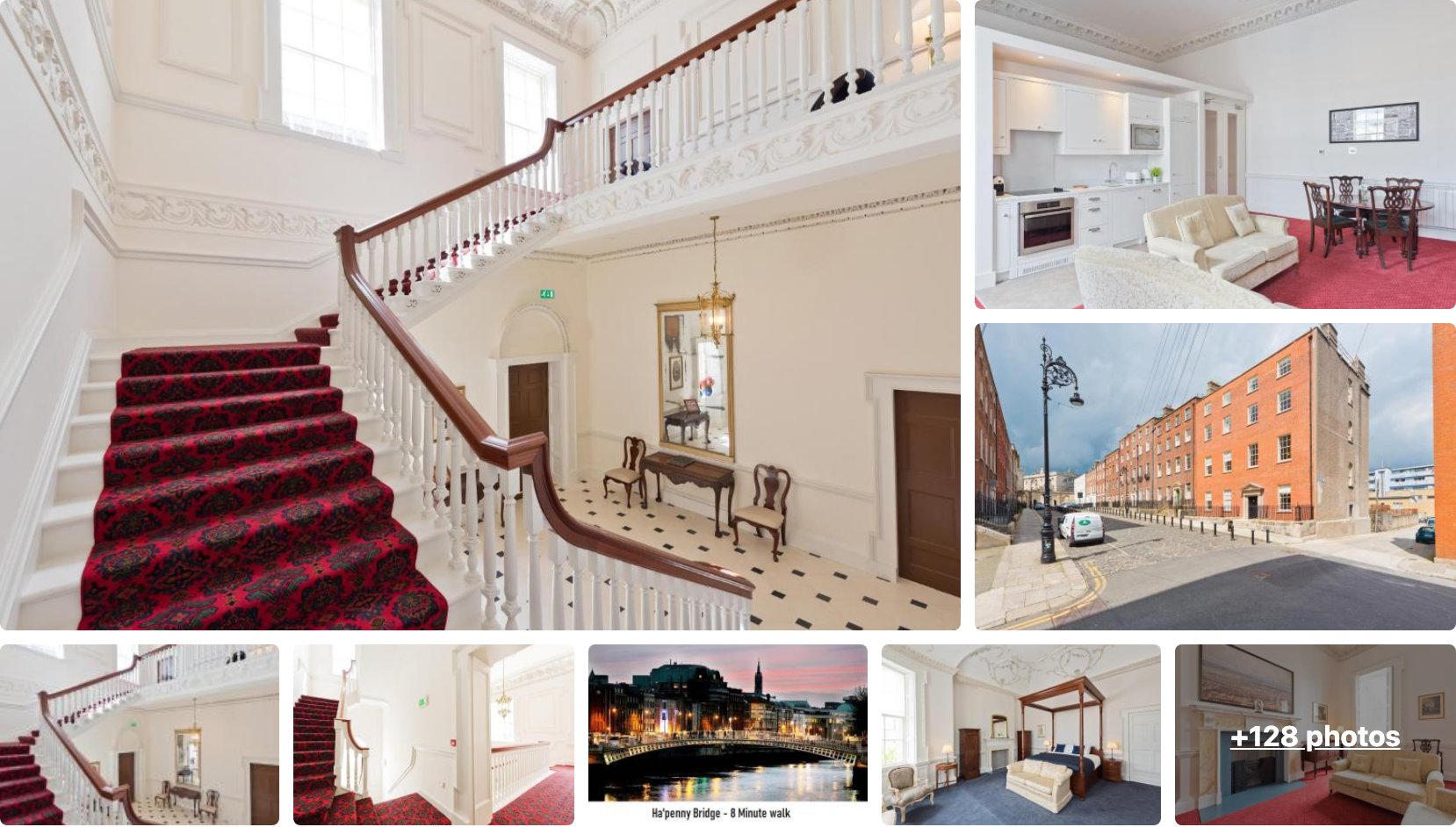
Henrietta Suites City Centre stretches your money the furthest, self-catering apartments in a restored Georgian house on Dublin’s oldest street, a short walk from the Ha’penny Bridge. It scores 9.5 on Booking with over 1,100 reviews.
The kitchen and extra space make it a good pick for families or a longer stay, and you’re across the Liffey from O’Connell Street. It’s the value play that still keeps you walking distance from everything.
👉 View Henrietta Suites City Centre Availability and Pricing
Best Tours in County Dublin
Dublin is compact and flat, so we covered most of it on our own two feet, wandering the Liffey Boardwalk along the river between museums and pubs. You don’t need a guide to see the city.
Where a tour earns its money is the stuff you can’t easily do yourself: real history from someone who knows it, a day out of the city without driving, or a night led by people who actually play the music. Here are the ones we’d book.
Traditional Irish Musical Pub Crawl
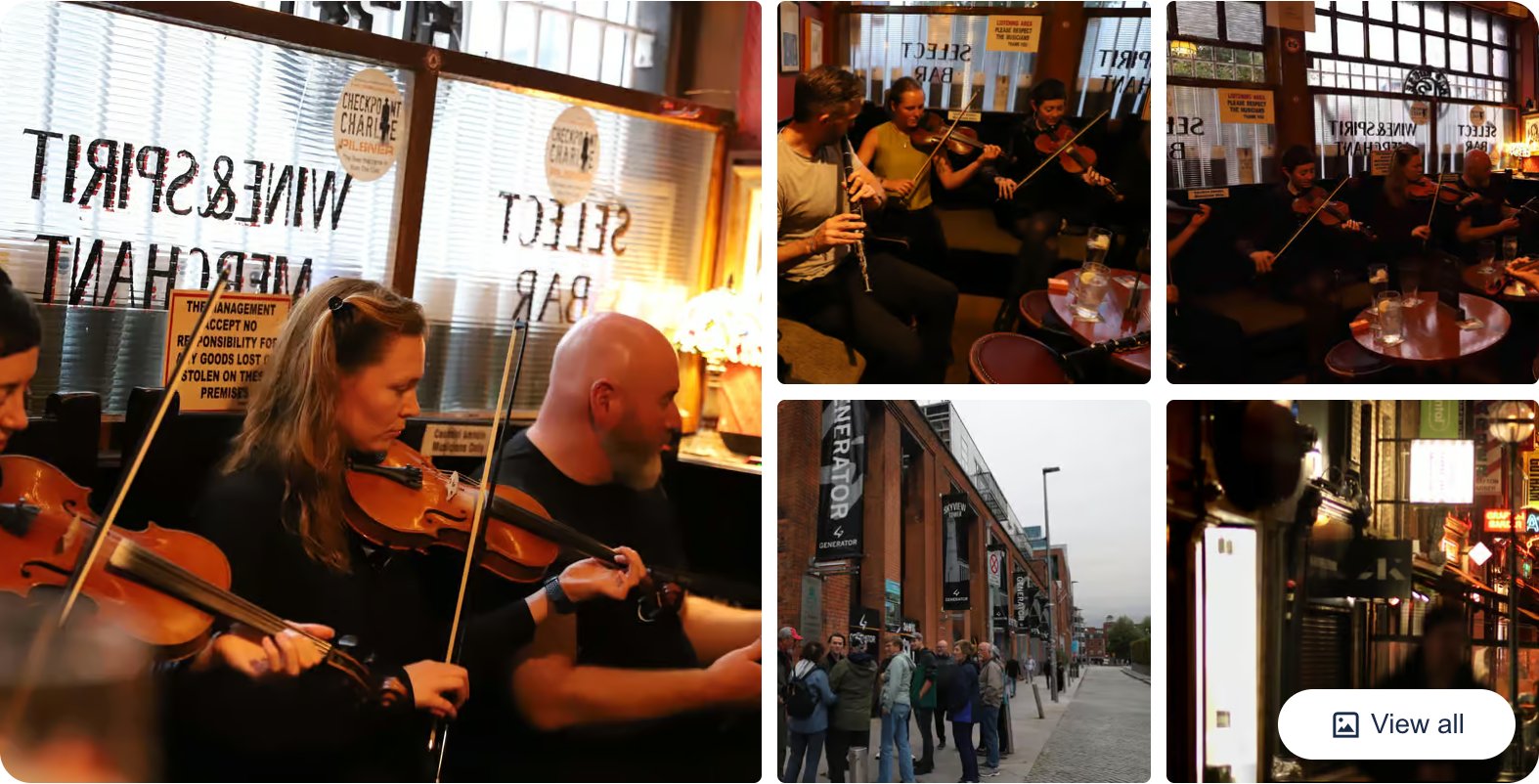
We found our own trad sessions the first night, which is easy to do. But the guided musical pub crawl is different: two working musicians walk you between pubs, play live, and explain what you’re actually hearing and why it matters.
It runs most evenings from around Temple Bar and costs roughly €20 to €25. Good pick for a first night if you want the music with the context, not just the noise.
👉 Check the Traditional Music Pub Tour dates and reviews
Historical Walking Tour
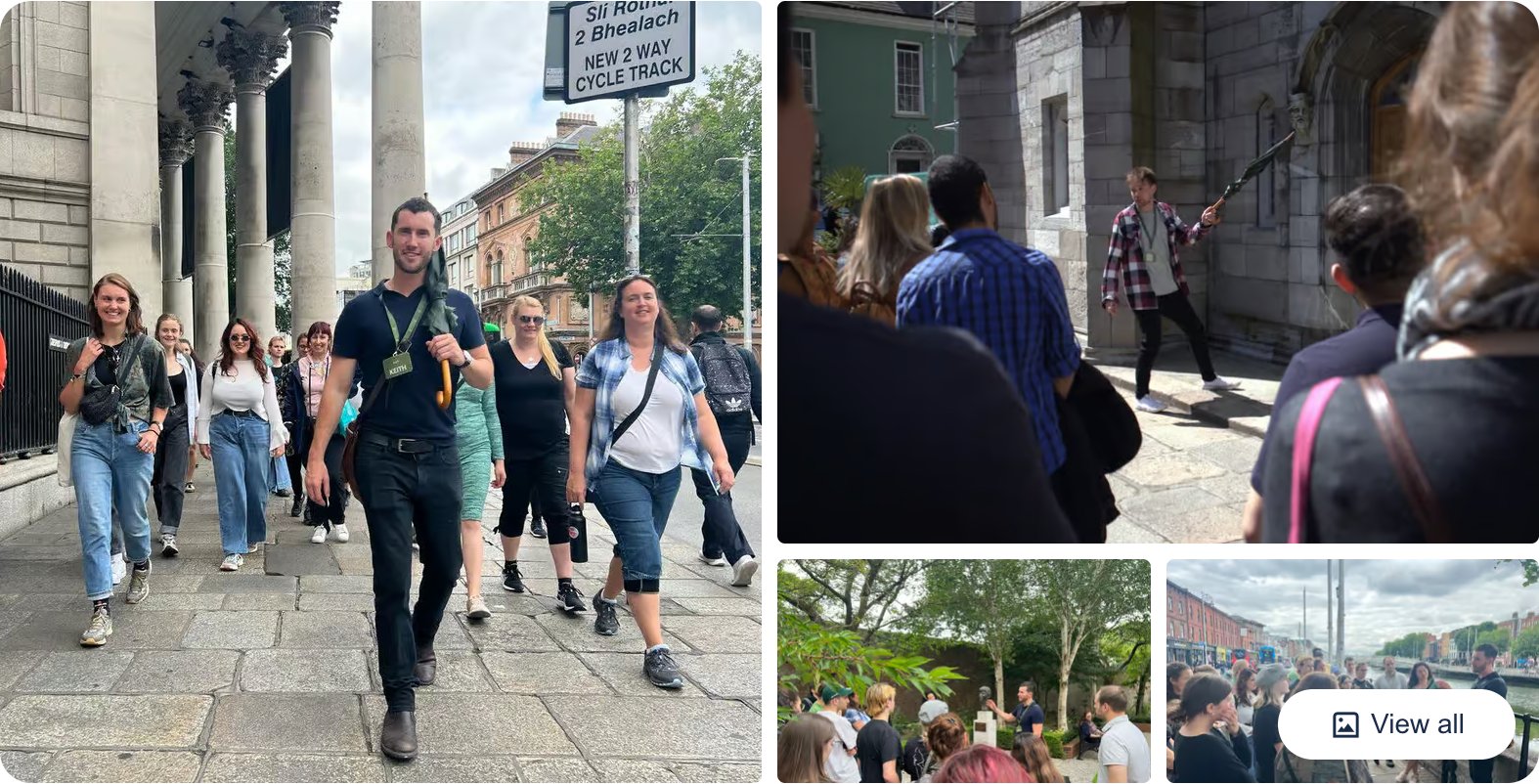
A walking tour is the fastest way to make sense of the center. A local guide ties the castle, Trinity, and the 1916 Rising sites together into one story as you cover them on foot, which beats reading plaques on your own.
Plenty run on a tip-what-you-want basis, and the paid history-focused ones sit around €15 to €20 for a couple of hours. Do this early in your stay and the rest of the city clicks into place.
👉 See what’s covered on the Dublin Highlights and Hidden Gems walk
Hop-On Hop-Off Bus
The hop-on hop-off bus is the lazy but sensible option, especially if you’re short on time or your legs are done. One ticket, around €30 for the day, loops every major stop from the Guinness Storehouse to Kilmainham with commentary between them.
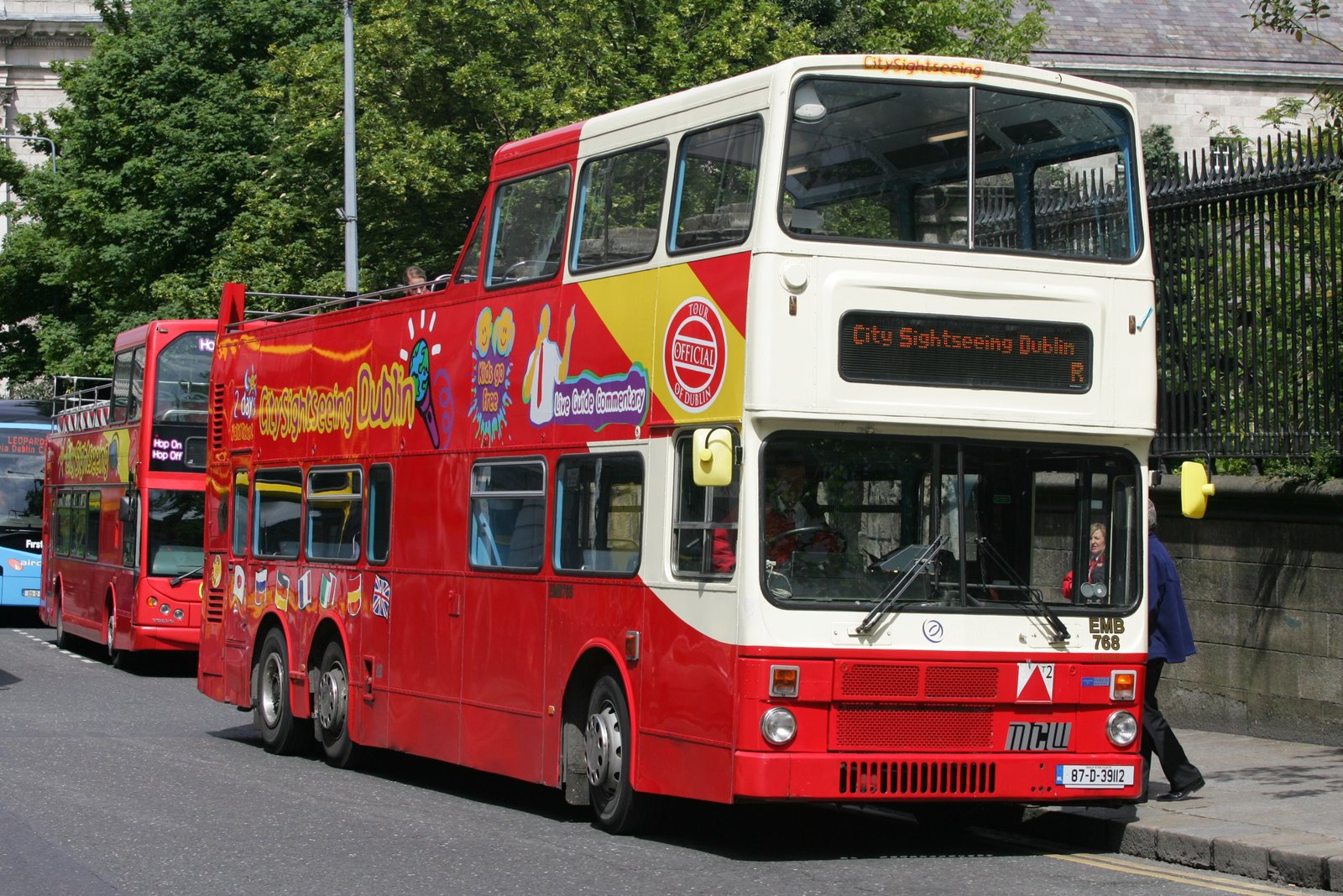
It’s not the coolest way to see Dublin, but it saves the walk out to the attractions on the edge of the center and drops you right at the door.
Guided Day Trips
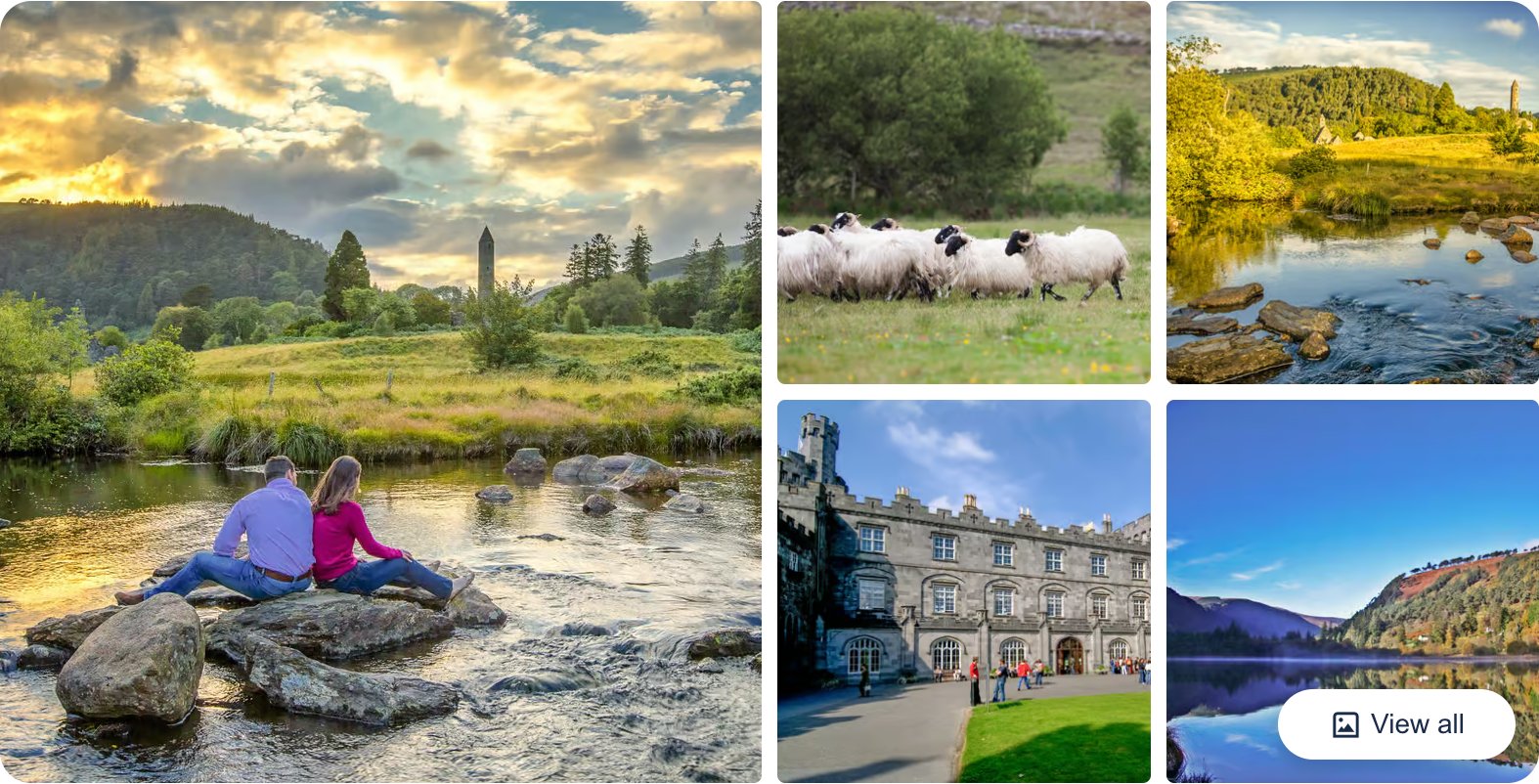
If you’re not driving, a guided day tour is how you reach the good stuff outside the county. Full-day trips run from Dublin to Glendalough and Wicklow, up to Newgrange and the Boyne Valley, and all the way west to the Cliffs of Moher.
Prices sit around €40 to €70 depending on distance, and the long ones handle all the driving so you don’t. You can book a guided day trip on GetYourGuide, and it’s worth reserving ahead in summer since the popular routes fill.
👉 Check dates and prices for the Wicklow, Glendalough and Kilkenny day tour
Explore More of Ireland by County
- County Antrim: The Complete Travel Guide
- Wicklow Travel: A Complete Guide For Visitors
- Best Places to Visit in Kerry, Ireland: A Road-Trip Guide
In short
- Two days covers Dublin city; add a night on each end of your trip
- The DART train reaches Howth and Dalkey for a few euro, no car needed
- Book Kilmainham Gaol ahead; entry is around 8 euro
- Trinity’s grounds are free; the Book of Kells is the ticketed part
- Shoulder season is cheaper and quieter than summer in the center
County Dublin Travel Guide FAQ
These are the questions visitors ask most before a trip to County Dublin, from how long to stay to whether you need a car. Short, practical answers below.
How many days do you need in County Dublin?
Two full days covers the city itself without rushing. We spent three nights here in total, split across the two ends of our last trip, and that felt about right for the center plus one coastal walk.
Do you need a car in County Dublin?
Not for the city. Dublin is flat and walkable, and the DART train handles the coast out to Howth and Dalkey for a couple of euro. A car in the center is more hassle than help, between the traffic and the paid parking.
Is Dublin expensive to visit?
It’s the priciest part of Ireland, no way around it. Pints in Temple Bar run a few euro more than elsewhere, and hotel rates in the center climb fast in summer.
What is County Dublin known for?
The pubs and trad music first, then the history: Trinity College, the Book of Kells, Kilmainham Gaol, and the Guinness Storehouse. It’s also the gateway into the rest of the country, so almost every Ireland trip runs through it.
Is County Dublin worth visiting?
Yes, and it’s worth more than the single night it usually gets. Give it a couple of nights on each end of your trip and you get the city, the coast, and a base for day trips all in one compact county.
Final Thoughts on Visiting County Dublin
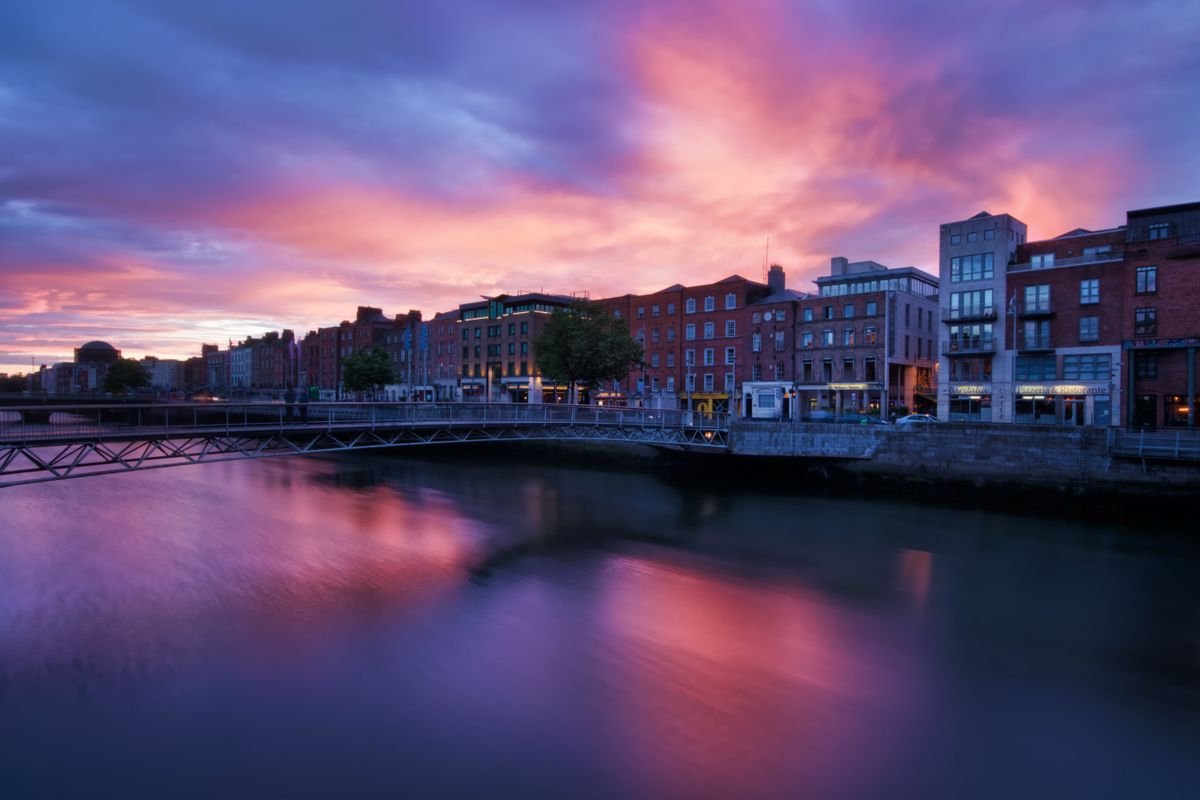
County Dublin is the county visitors tend to rush through, and it’s the one I’d tell you to slow down for. It’s small enough to see the city, the coast, and a couple of day trips without ever unpacking twice.
We gave it three nights across the two ends of our last trip, and that split worked well: a loud first night off the plane, then a slower one on the way home. Both fit the same short walk from the river.
If I had to boil it down, Dublin is a city for pubs, history, and walking, not for big sights. Come in shoulder season, book Kilmainham Gaol early, and drink a few streets back from Temple Bar and you’ll get the best of it.
Give the county two nights on each end of your Ireland trip instead of the usual one. It’s the gateway to everywhere else, and it’s worth a proper look on its own.
Like it? Pin it!
Save this guide for later