
As we stood in the main yard at Kilmainham Gaol and neither of us said much for a while. The silence made sense when I thought about what happened here – this is where the leaders of the 1916 Easter Rising were executed, one by one, in the weeks after the rebellion failed.
Ireland’s independence was won at enormous cost, and you feel it standing in that yard in a way you don’t from reading about it.
If you’re planning a visit, here’s everything you need to know: how to book (you’ll need to reserve in advance), what the guided tour actually covers, opening hours, and how to get there from the city centre.
More guides for your Ireland trip:
- Wicklow Travel: A Complete Guide For Visitors
- Golfing At Holywood Golf Course: A Complete Guide
- The Cheapest Pint In Dublin: A Local’s Guide
- 15 Best Hikes in Ireland: A Local’s Trail Guide
- 15 Unique Things To Do in Waterford: A Local’s Guide
- 29 Free Things To Do in Dublin: A Local’s Guide
- The Aran Islands: A Complete Travel Guide
- A Perfect Weekend in Kilkenny: A Local’s Guide
- Howth Cliff Walk: Complete Howth Hiking Guide
- How To Visit The Cliffs Of Moher (Complete Guide)
Kilmainham Gaol History
Kilmainham Gaol was built in 1796, replacing an older city gaol that had long since fallen into disrepair.
From the moment it opened, it was put to heavy use.
Within two years, it was holding rebels captured during the 1798 United Irishmen Rebellion, including Wolfe Tone’s brother Matthew, who died here in custody.
That set a pattern that would define Kilmainham Gaol history for the next 125 years.
During the Great Famine in the 1840s, conditions inside became almost unimaginable.
People were so desperate that many committed minor crimes just to get a prison cell and a guaranteed meal.
At its peak, the gaol was holding over 9,000 prisoners a year, including entire families, women, and children as young as seven.
There’s a wing inside the museum where you can still see the tiny cells they were packed into, and standing in one of them makes the numbers feel very real.
But it’s the events of April and May 1916 that cemented Kilmainham’s place at the centre of the Irish national story.
After the Easter Rising failed and the British authorities moved to suppress it, the fourteen leaders of the rebellion were executed here by firing squad in the Stonebreaker’s Yard between 3rd and 12th May 1916.
Patrick Pearse, James Connolly, and Thomas Clarke were among them.
Connolly, badly wounded during the fighting, was tied to a chair to be shot because he couldn’t stand.
Those executions turned public opinion in Ireland almost overnight, transforming men who had been widely unpopular into martyrs, and giving the independence movement a momentum it had lacked before.
The gaol held its last prisoners in 1924, two years after the Irish Free State was established.
It then sat abandoned for decades, falling into serious disrepair.
What makes the restoration story almost as remarkable as the history itself is that it was driven almost entirely by volunteers.
A group of dedicated people spent years restoring the building by hand, and in 1966, exactly fifty years after the Rising, Kilmainham Gaol reopened as a museum.
If you’re putting together a weekend in Dublin, this should be close to the top of your list, and the guided tour is genuinely one of the best ways to understand why 1916 matters so much to the Irish identity.
You can also find it listed among the top things to do in Dublin, though the tour itself does require a ticket.
👉 Book Kilmainham Gaol on Viator
Kilmainham Gaol Opening Hours
Kilmainham Gaol opening hours shift depending on the time of year, so it’s worth checking before you plan your day.
In summer (roughly June to August), the gaol is typically open from 9:00am to 6:00pm.
The last tour in summer starts around 5:15pm.
In winter (October to May), hours are usually 9:30am to 5:30pm, with the last tour starting around 4:45pm.
Hours can change around Irish public holidays, so always check the official Kilmainham Gaol website before you go, especially if you’re visiting around Christmas or Easter.
The gaol is typically closed on Christmas Day and a handful of other public holidays each year.
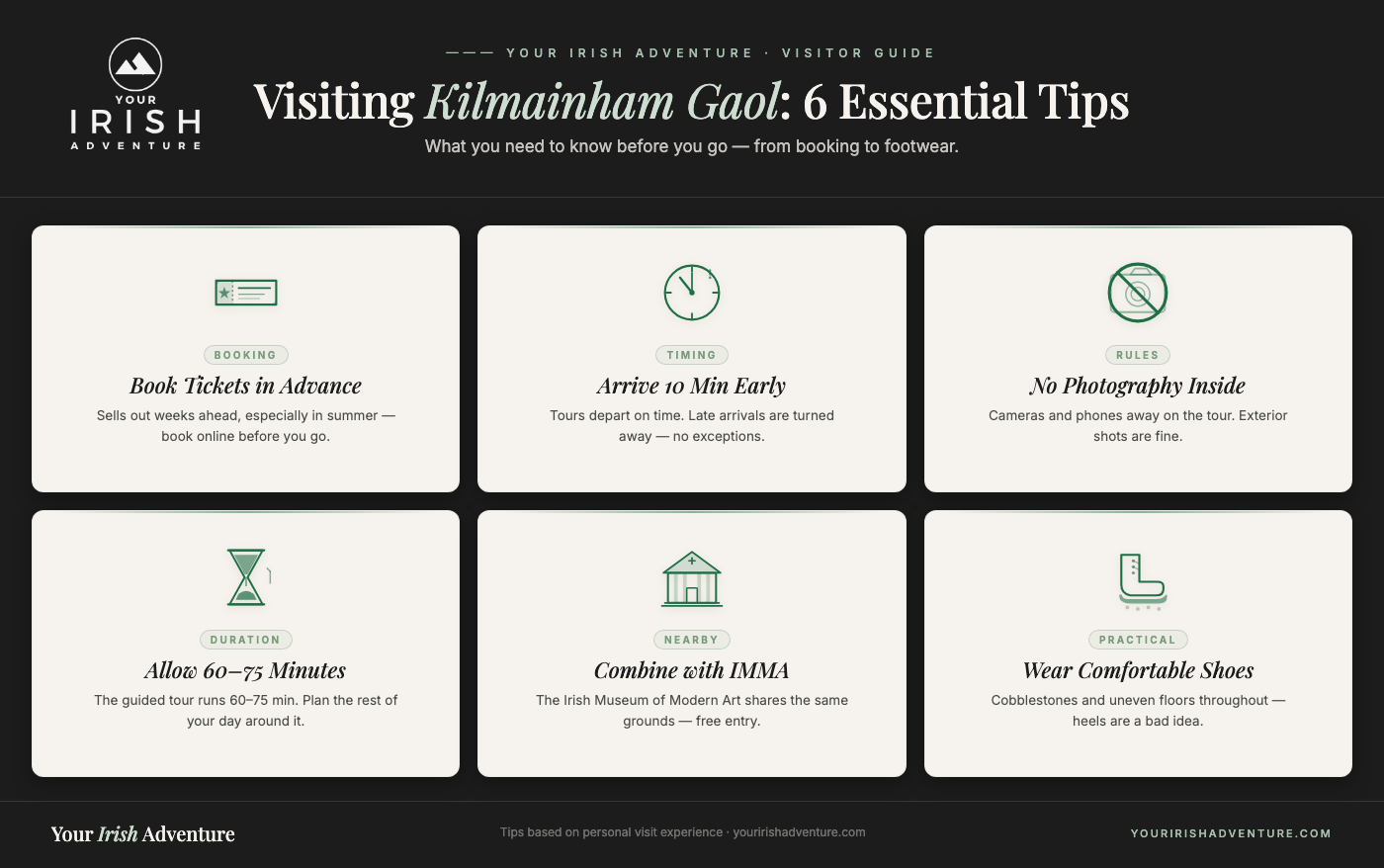
Now, the most important thing to know: Kilmainham Gaol tickets need to be booked in advance.
Walk-ups are rarely possible, and in summer, slots fill up weeks ahead.
This is one of the most visited sites in all of Dublin, and the tour capacity is deliberately limited to keep the experience worthwhile.
Last-minute plans just don’t work here.
If you’re building out a weekend in Dublin, sort your Kilmainham Gaol tickets the moment you know your dates.
Your Visit
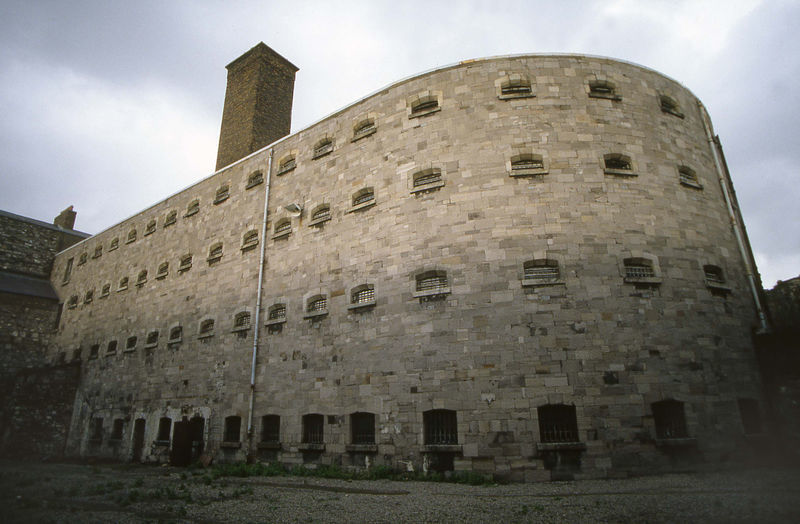
The Kilmainham Gaol tour is the only way to get inside.
This is not a site you can wander around on your own.
Tours run regularly throughout the day and last roughly one hour.
You’re placed into a group, assigned a guide, and taken through the jail in a set sequence.
It starts in the Victorian West Wing, moves through the 1916 corridor, and ends in the stone-breakers’ yard where the leaders of the Easter Rising were executed.
That yard is where the tour hits hardest.
Fourteen men were shot here over ten days in May 1916, including James Connolly, who was so badly wounded he had to be tied to a chair before he was shot.
Standing in that yard, looking at the wall, it stops being a history lesson pretty quickly.
Before reaching the yard, your group gathers in the old chapel for a short audiovisual presentation.
It covers the jail’s history and the events of 1916, and it’s genuinely well done.
Not the kind of dry museum video you’d fast-forward through at home.
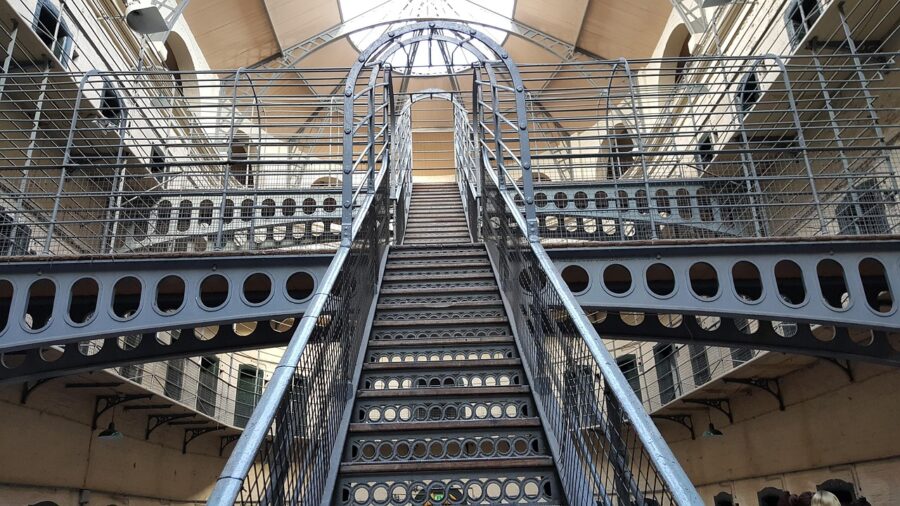
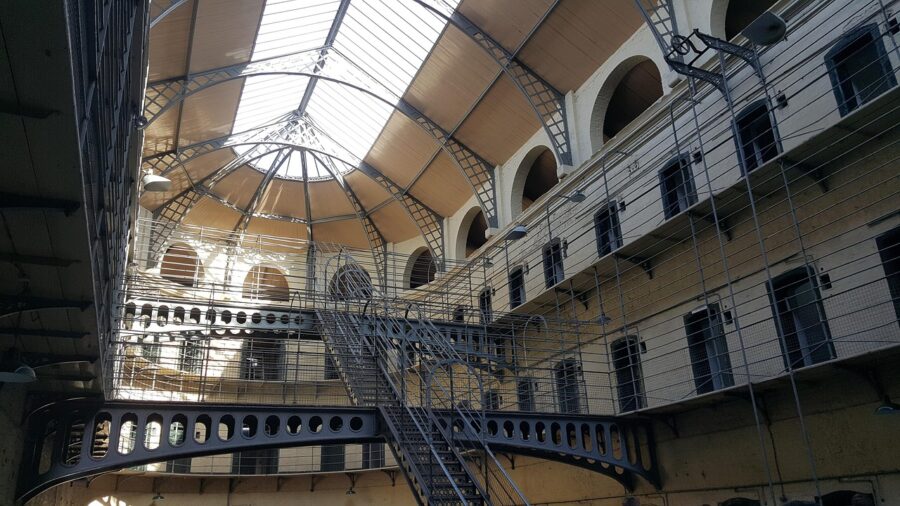
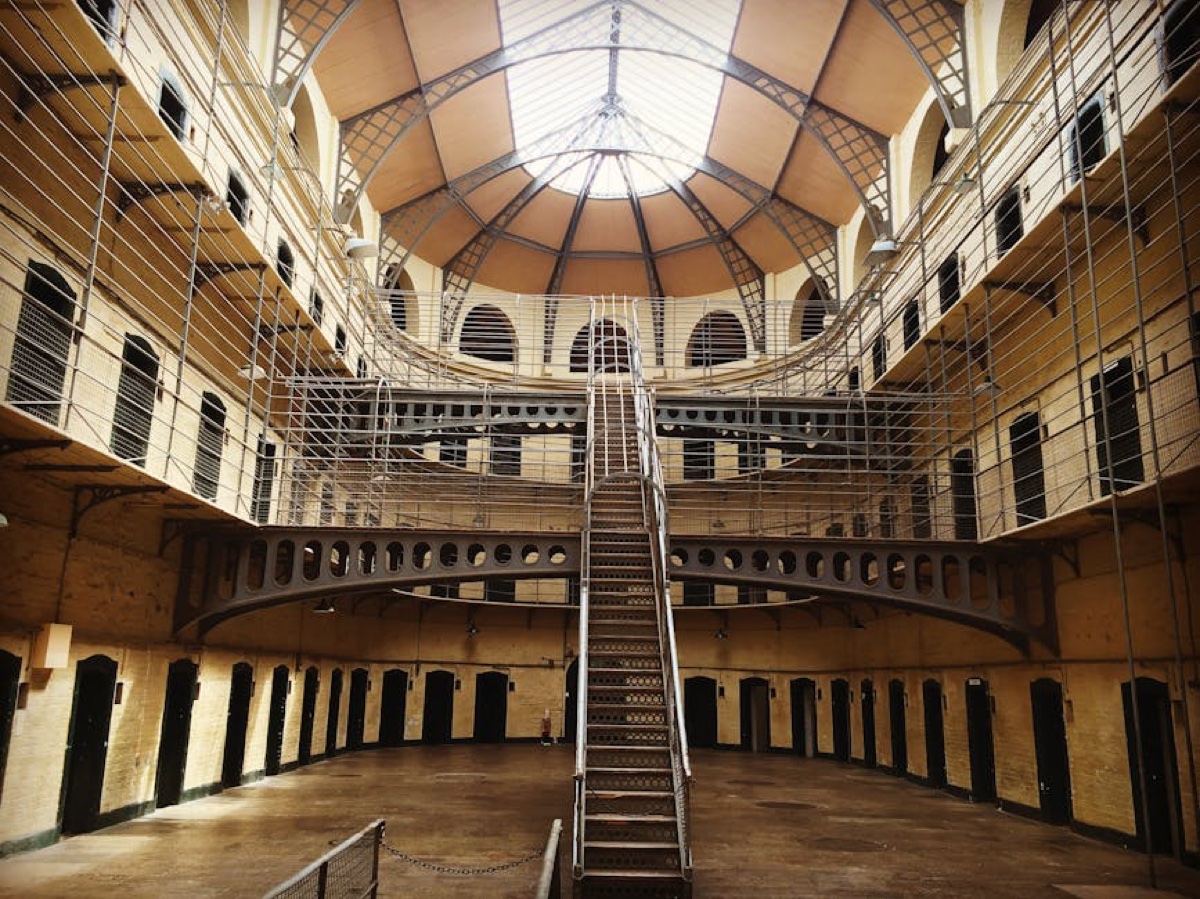
The West Wing itself is worth the visit alone: a soaring Victorian cell block with landings stacked four stories high, ironwork railings, and a roof skylight that floods the space with light.
It looks the way a 19th-century prison is supposed to look, and it’s one of the most photogenic interiors in Dublin.
For a weekend in Dublin, this is one of those experiences that actually stays with you after you’ve moved on to the next thing on the list.
Here’s what Kilmainham Gaol tickets currently cost, based on the OPW official site:
- Adult: €8
- Child (under 12): €4
- Concession (student, senior): €4
- Family (2 adults + 2 children): €20
You book through the OPW portal online, and that’s really the only way to guarantee a slot.
In summer, tours can fill up weeks in advance, so don’t leave it until you’re already in Dublin.
One honest caveat: the tour moves at a fixed pace with a fairly large group, and it can feel rushed in places.
If you’re someone who likes to linger and read every panel, you’ll find yourself having to move on before you’re ready.
The guide keeps things moving and there’s no option to double back.
It doesn’t ruin the experience, but it’s worth knowing going in.
Facilities
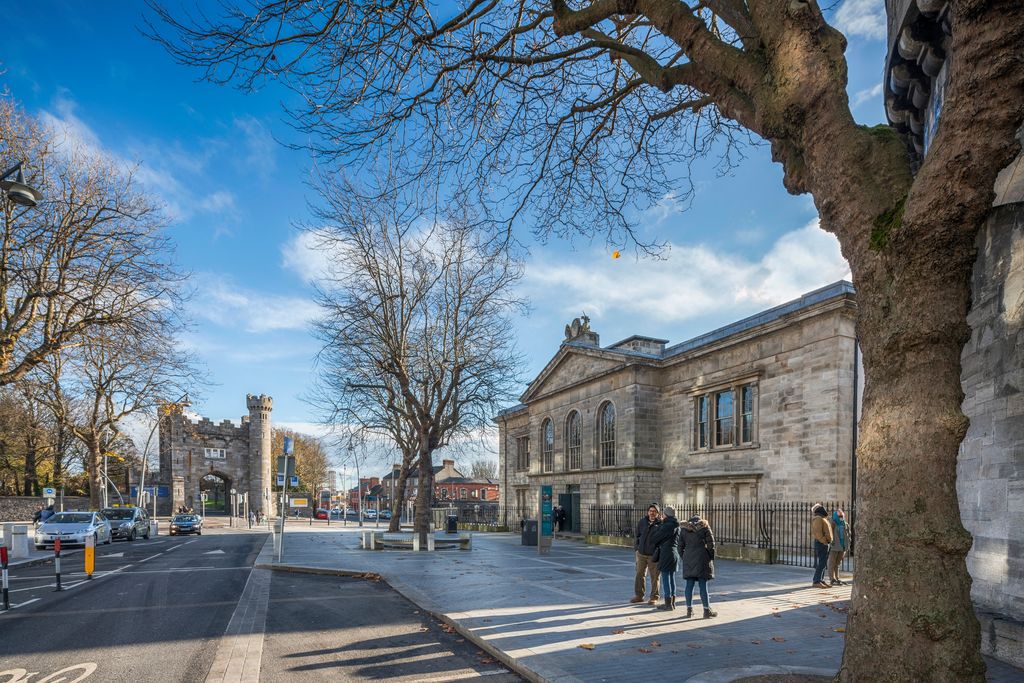
The gaol has more on offer than just the tour itself.
There’s a small but genuinely good museum and exhibition space on site, which covers the history of Irish nationalism and the 1916 Rising in real depth.
It’s worth building in extra time for this if you can.
A gift shop sells the usual range of books, prints, and souvenirs, and it’s one of the better ones I’ve come across at a heritage site in Ireland.
There’s a café on site, but it’s limited – think tea, coffee, and light snacks rather than anything substantial.
I’d suggest eating before you arrive or heading out afterwards to Kilmainham or Inchicore, both of which have decent cafés and restaurants within easy walking distance.
On accessibility: the gaol does its best, but this is a 19th-century prison building, and there are real physical limitations.
Some areas are not wheelchair accessible, and the terrain inside can be uneven in places.
It’s worth contacting the OPW directly before your visit if mobility is a concern, so you know exactly what to expect.
There’s no large bag storage or locker facility on site, so travel light if you can.
Getting to Kilmainham Gaol
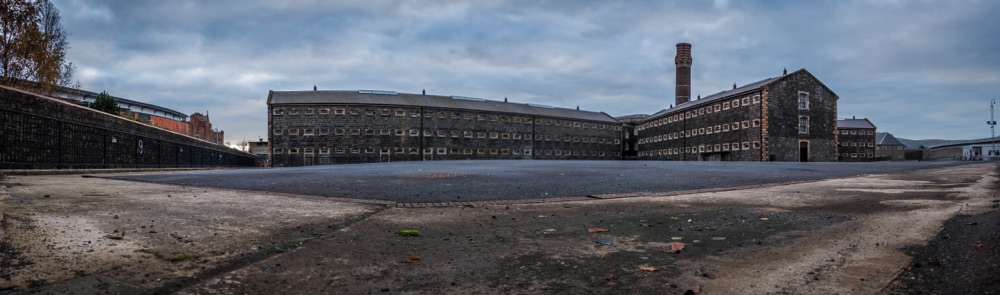
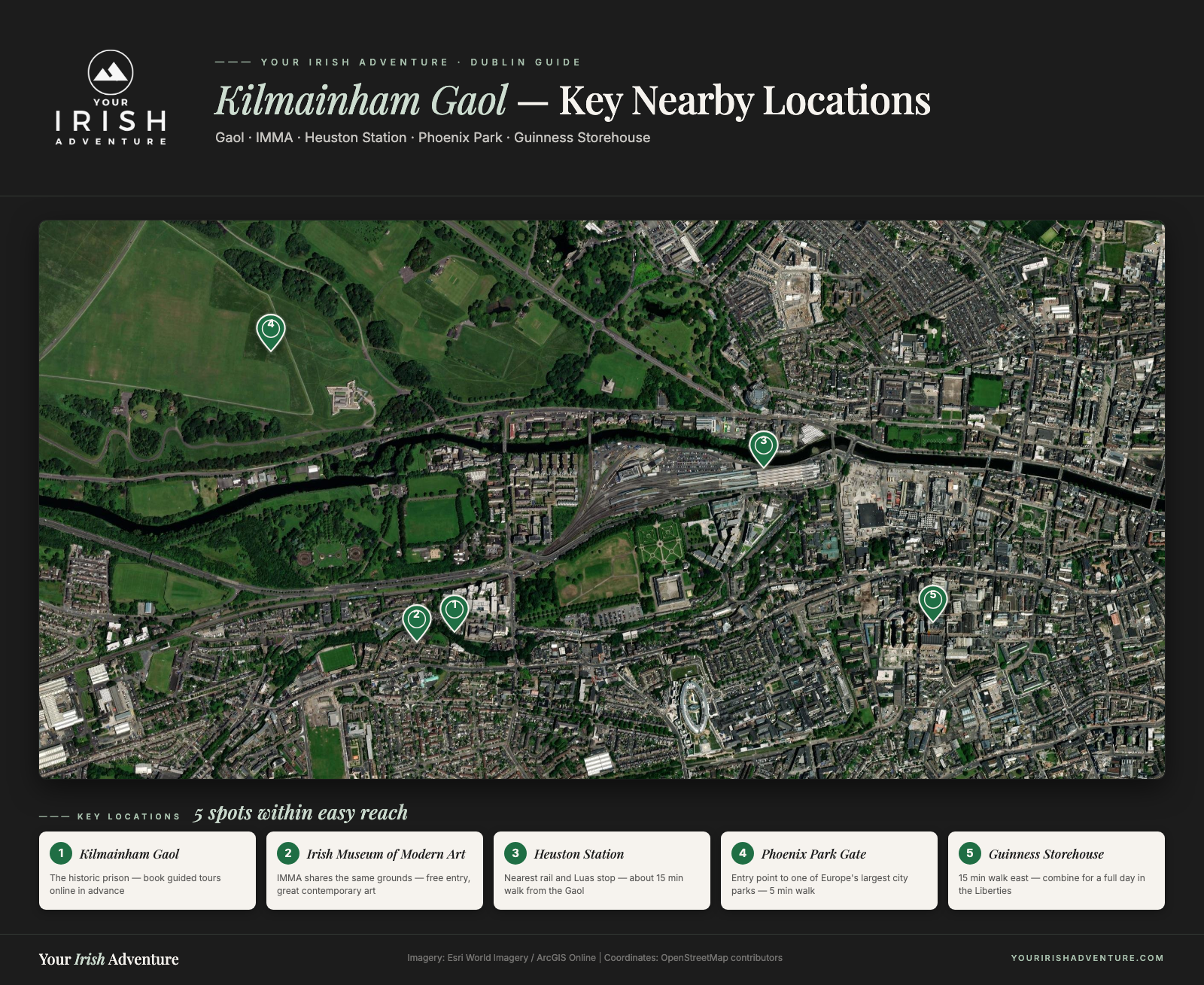
Kilmainham Gaol sits about 3 kilometres west of Dublin city centre, which puts it just outside the main tourist corridor around Temple Bar and Trinity College.
It’s not a difficult journey from the city, but it’s worth knowing your options before you head out.
The address for sat-nav is Inchicore Road, Kilmainham, Dublin 8.
The bus is probably the easiest option for most visitors.
The 13, 40, and 123 routes all stop near the gaol, and you can pick them up from various points in the city centre, including O’Connell Street and Dame Street.
Check the Transdev or Dublin Bus app for live departure times before you leave, as frequencies vary depending on the time of day.
If you’re on the Luas Red Line, the nearest stop is Suir Road.
From there it’s roughly a 10 to 12 minute walk to the gaol, so factor that in if you’re working around a timed tour slot.
A taxi or rideshare from central Dublin is a solid option if you’re travelling with kids, have luggage, or just want to keep things simple.
From Temple Bar or Dame Street you’re looking at around €8 to €12 and a journey time of 10 to 15 minutes, depending on traffic.
Dublin traffic can be unpredictable in the middle of the day, so if you have a booked tour time, leave a little buffer.
You can walk from the city centre if you’re staying somewhere like the Liberties or the Portobello area, and it takes roughly 30 minutes on foot from Temple Bar.
It’s not an unpleasant walk, but I wouldn’t go out of your way for it – the route along the quays isn’t particularly scenic and the final stretch along Inchicore Road is pretty unremarkable.
If you’re driving, there is a small car park on site, but it fills up fast, especially during peak visiting hours in summer.
I’d honestly recommend leaving the car at the hotel and taking public transport instead – parking stress is the last thing you want before a two-hour guided tour.
If you’re still figuring out the logistics of getting around Dublin more broadly, our guide to driving in Ireland is worth a read before you arrive, and our post on getting from Dublin Airport to the city centre covers your first transfer in detail.
And if you’d rather skip the planning altogether and just show up, you can book this on Viator and have the logistics sorted in advance.
The honest bottom line: getting to Kilmainham Gaol is straightforward, but public transport or a taxi is the smarter call for most visitors.
The gaol is just far enough from the main tourist strip that walking from the likes of O’Connell Street adds unnecessary time to your day.
More guides for your Ireland trip:
- Portmarnock Golf Club Review: A Guide To The Course
- Ballyliffin Golf Club: A Guide To The Course
- The Royal County Down Golf Club: A Guide To The Course
- Royal Portrush Golf Club: A Guide To The Courses
- The Best Time To Visit Ireland: A Guide For Travellers
- Guide To a Guinness Brewery Tour in Dublin
- A Photographer’s Definitive Ireland Road Trip
- Tayto Park: A Visit to Ireland’s Only Theme Park
- A Weekend in Dublin, Ireland: The Perfect 2 Day Itinerary
- 10 Epic Day Trips From Cork (Chosen By a Cork Local)
Filming and Photography
Regular visitors are free to take photos inside Kilmainham Gaol for personal use, and there are a few spots inside that genuinely reward the effort.
The Victorian wing is the standout for photography.
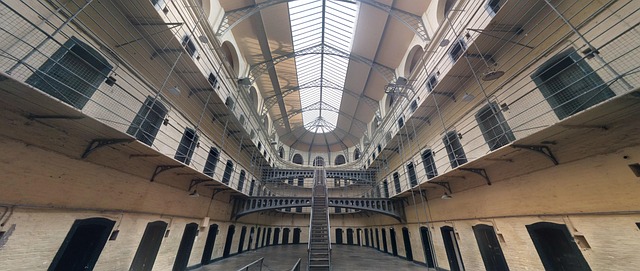
The tiered landings, iron railings, and the skylight roof create one of the most striking interiors you’ll find anywhere in Dublin.
The execution yard is worth a few frames too, though it’s a smaller, more austere space than some visitors expect.
Commercial filming and photography are a different matter.
You’ll need prior written permission from the Office of Public Works (OPW) before bringing a production crew anywhere near the site.
The gaol has been used for some high-profile productions over the years, including the 2015 film Stonewall and the ITV drama Victoria, so the OPW takes commercial use seriously.
If you’re in Dublin planning a broader shoot or looking for creative ways to experience the city, our guide to activities in Dublin has plenty of ideas beyond the obvious tourist circuit.
Tours of Kilmainham Gaol
Booking a guided tour is the best way to get the most out of Kilmainham Gaol – the guides bring the history to life in a way that self-guided visits simply can’t match.
Dublin: IRA History Tour with Skip-the-Line GPO Museum Ticket

Explore the story of the IRA and Ireland’s struggle for independence, including visits to sites connected to Kilmainham Gaol and the leaders executed there. A 3-4 hour guided tour with skip-the-line GPO Museum entry.
Book the IRA History Tour on Viator
Dublin: The Original Hop-on Hop-off Bus Tour
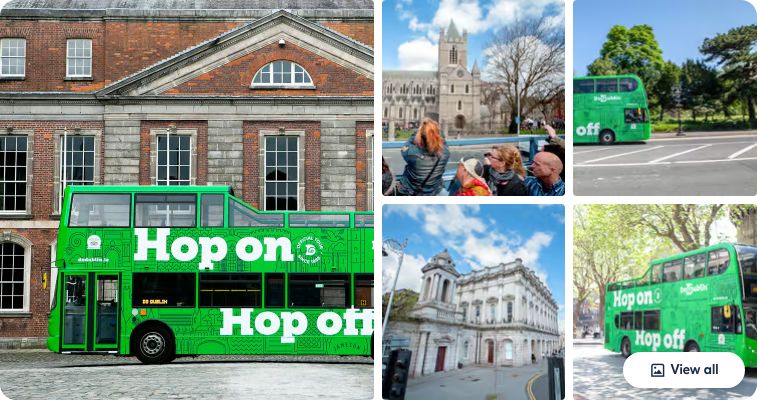
The most popular way to see Dublin, with a stop at Kilmainham Gaol on the route. Hop off to explore the gaol at your own pace, then hop back on to continue through the city’s top attractions.
Dublin: Big Bus Hop-On, Hop-Off Tour with Live Guides

A live-guided open-top bus tour with a stop at Kilmainham Gaol. Knowledgeable guides share the history of the gaol and Dublin’s revolutionary past as you pass through the city.
Where to Stay Near Kilmainham Gaol
Dublin has a great range of accommodation options within easy reach of Kilmainham Gaol. Here are three top picks for different budgets.
Maldron Hotel Kevin Street
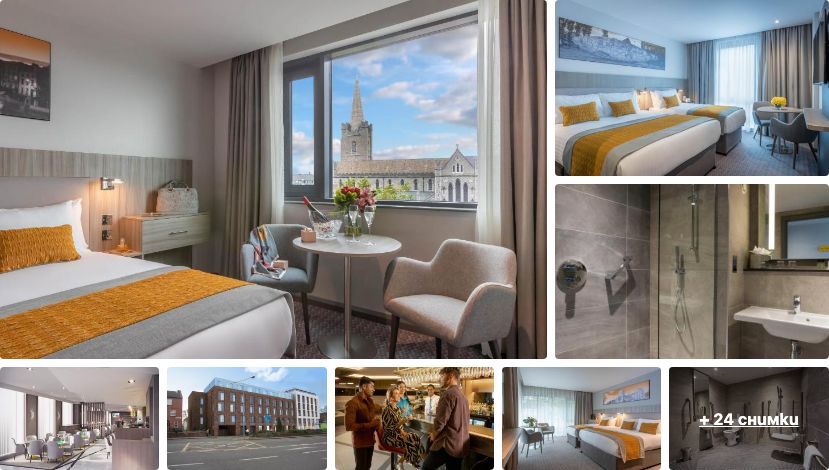
A well-located mid-range hotel in Dublin city centre, just a short bus or taxi ride from Kilmainham Gaol. Modern rooms, friendly staff, and great access to the city’s top attractions.
Check latest prices and availability
Clayton Hotel Cardiff Lane
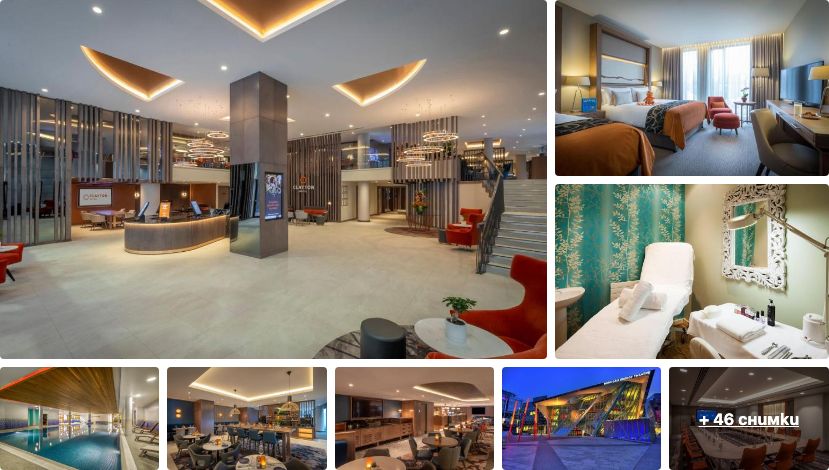
A stylish hotel on the banks of the River Liffey, offering spacious rooms and easy access to Dublin’s cultural quarter. A comfortable base for exploring Kilmainham and beyond.
Check latest prices and availability
The Hendrick Smithfield
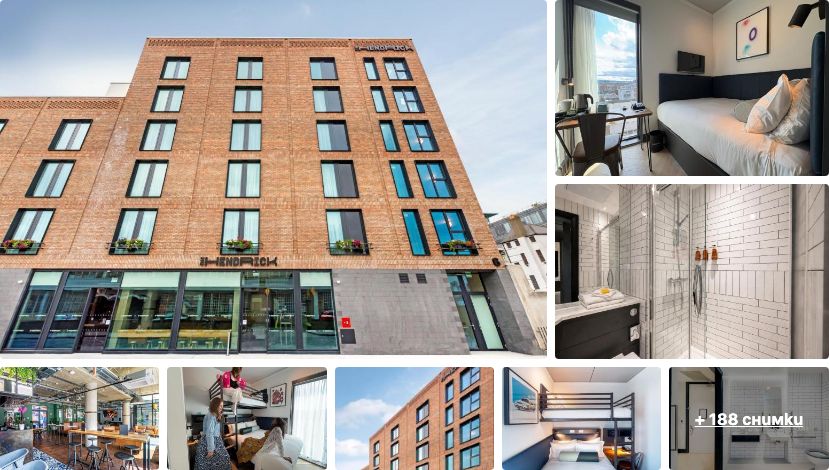
Located in Smithfield, one of Dublin’s most vibrant neighbourhoods, this hotel puts you within easy reach of Kilmainham Gaol, the Irish Museum of Modern Art, and Guinness Storehouse.
Check latest prices and availability
Frequently Asked Questions
Can you visit Kilmainham Gaol without a tour?
No, you can’t wander in independently.
How far in advance should I book Kilmainham Gaol tickets?
Book as early as you possibly can, ideally weeks ahead if you’re visiting between June and August.
How long does the Kilmainham Gaol tour take?
The standard guided tour runs about 60 minutes, sometimes a little longer depending on your guide and group size.
Is Kilmainham Gaol suitable for children?
It depends on the age and temperament of the child.
Is the site wheelchair accessible?
Partially, but not fully.
Are guided tours available in languages other than English?
The standard tours are conducted in English only.
Can I visit Kilmainham Gaol and the Irish Museum of Modern Art on the same day?
Yes, and it’s a genuinely good combination.
Final Thoughts on Kilmainham Gaol
Kilmainham Gaol is one of Dublin’s most important historical sites. It is the physical record of Ireland’s path to independence, from the 1798 United Irishmen rebellion through to the executions of the 1916 Easter Rising leaders in the prison yard. If you have any interest in Irish history, the gaol is not optional.
The experience suits travellers who want substance over spectacle. The guided tour is genuinely informative, the restored east wing is striking, and the execution yard carries a weight that sticks with you. If you are visiting Dublin primarily for pubs and shopping, this will still move you, but the depth of it rewards people who arrive knowing at least the basics of what happened here.
Tickets sell out weeks in advance, particularly in summer. Book as early as possible through the OPW website. If Kilmainham Gaol is on your list alongside other attractions, our guide to things to do in Dublin covers how to structure a full day in the city around it.
Allow a minimum of 90 minutes, including the pre-tour exhibition. Most people need closer to two hours to move through everything properly. Book early, arrive on time, and do not skip the exhibition rooms before the tour starts.
Like it? Pin it!
Save this guide for later