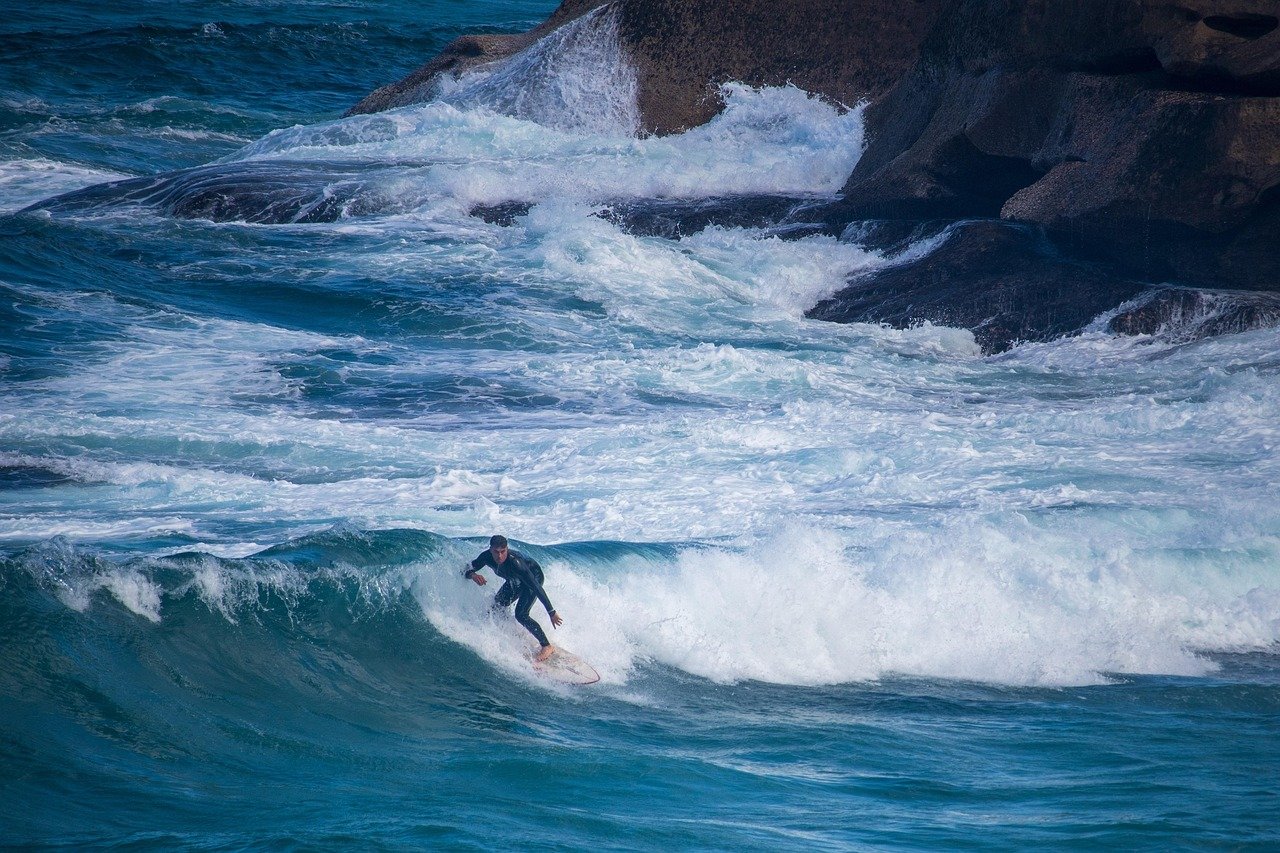
Ireland is one of the best cold-water surf destinations in Europe, and surfing in Ireland has grown from a fringe hobby into a proper scene along the whole Atlantic coast.
The swell comes straight off the North Atlantic, hits a coastline of reefs, points, and beach breaks, and gives you waves for every level, from your first whitewater on a sandy bay to some of the heaviest big-wave slabs on the planet.
The catch is the water is cold and the weather does whatever it wants. You’ll want a good wetsuit, a bit of flexibility with your plans, and a willingness to drive. Get those sorted and the west coast has waves you wouldn’t associate with Ireland at all.
We drove the west coast on our last trip through Ireland, from Galway down to Cork, and the surf towns stack up one after another.
Below I’ll run through where to actually surf, the big-wave spots that pull in pros, when to go, how cold the water really is and what to wear, where to learn as a beginner, and which towns are worth basing yourself in.
More of Ireland’s Best Surf Coast Beaches
- The Best Beaches in Ireland: 20 Picks for Every Part of the Country
- The Best Beaches in Northern Ireland
- Best Blue Flag Beaches in Ireland: 9 Top Swim Spots
Quick Answer:
Surfing in Ireland is world-class, with cold, powerful Atlantic swell hitting reefs, points, and beach breaks along the whole west coast. Beginners learn on gentle sandy bays like Lahinch and Inch Beach, while experts chase big-wave slabs at Mullaghmore. You will need a wetsuit year-round, but the waves are worth it.
A Short History of Surfing in Ireland
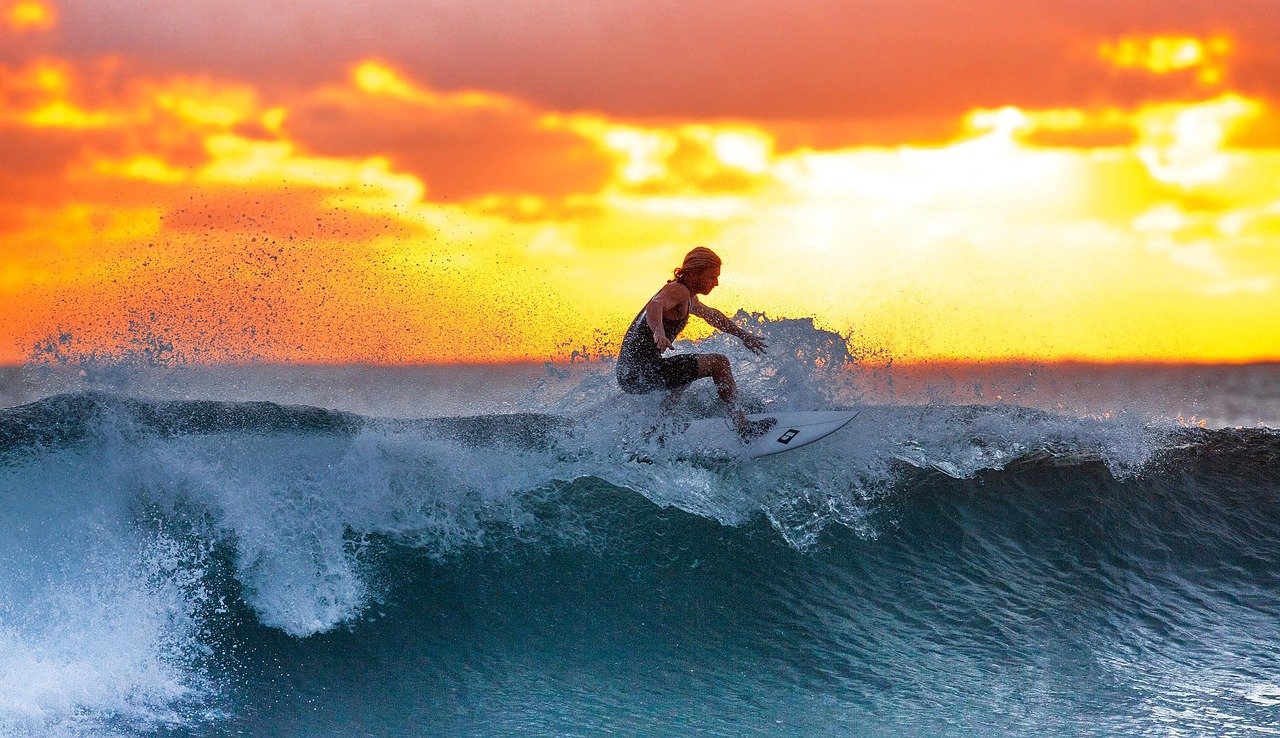
Surfing showed up in Ireland in the 1960s. That’s later than California or Australia, but earlier than you’d guess for a cold, gray corner of the North Atlantic.
A Bray man named Kevin Cavey is usually credited with getting it going. He was riding waves and building a club scene in the mid-60s, back when almost nobody in the country had seen a surfboard in the water.
The Irish Surfing Association was founded in 1970, and Rossnowlagh in County Donegal became the early home of the sport. That mellow beach break went on to host the European Surfing Championships.
The first generation had it rough. No modern wetsuits, heavy longboards, and wool sweaters to take the edge off water that sits in the low 50s Fahrenheit even in summer.
For a few decades Ireland stayed a small, local beach-break scene that the wider surf world mostly ignored. That flipped in the 2000s.
Around 2005 and 2006 a handful of surfers started taking on the giant reef slabs at Mullaghmore Head in Sligo and Aileens, the wave that breaks right under the Cliffs of Moher. Photos of those sessions went everywhere.
That’s what put Ireland on the map as a serious cold-water destination. What started with one guy and a club in Bray is now a full Atlantic surf coast, from beginner bays to some of the heaviest waves the sport has.
Where to Surf in Ireland
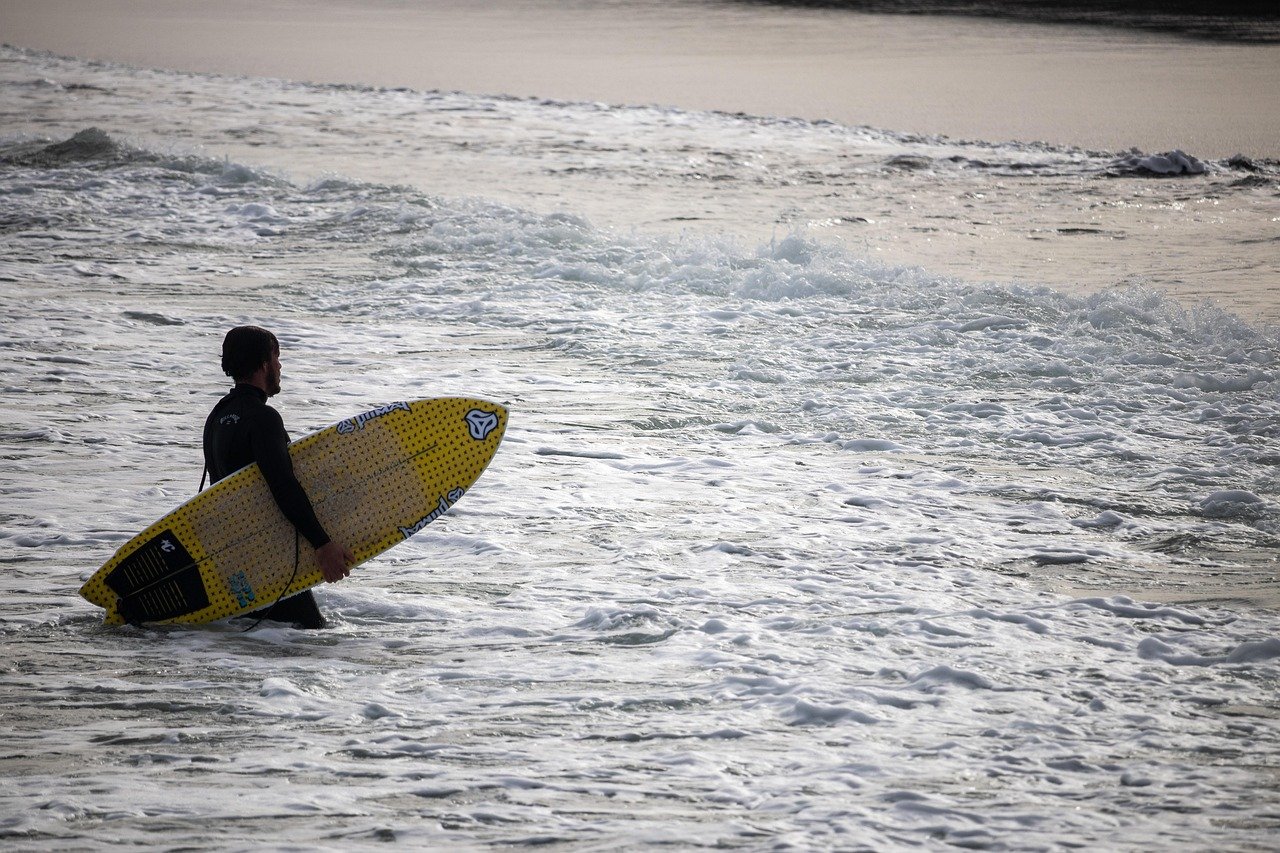
Almost all of the surf sits on the west and north coasts, where the Atlantic swell arrives with nothing in its way. Here’s how it breaks down by region, roughly north to south, with the towns worth aiming for in each.
The West Coast (Clare, Galway and Mayo)
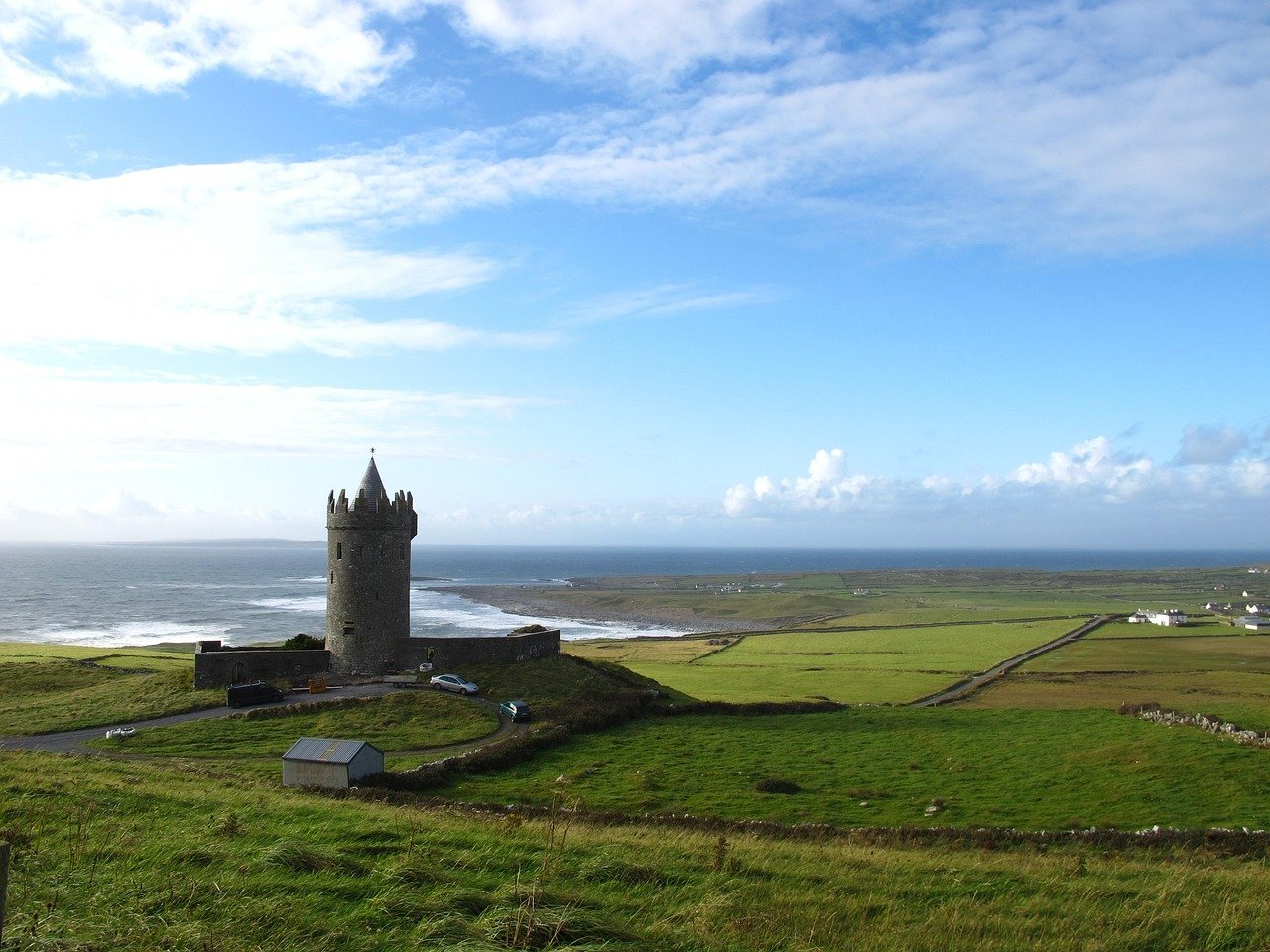
County Clare is the surf heart of the west. Lahinch is the main town, a proper beach break in a horseshoe bay with a promenade, board rental, and a handful of surf schools right on the sand.
Just up the road you’ve got Fanore and Doughmore, and down south Spanish Point, so you can usually find something working whatever the wind is doing.
Galway city itself is tucked inside a sheltered bay, so it isn’t a surf spot, but it makes a solid base for the Clare breaks about an hour south. We stayed at O’Hallorans Caravan Park in Salthill, just outside the city, which put us in easy reach of both.
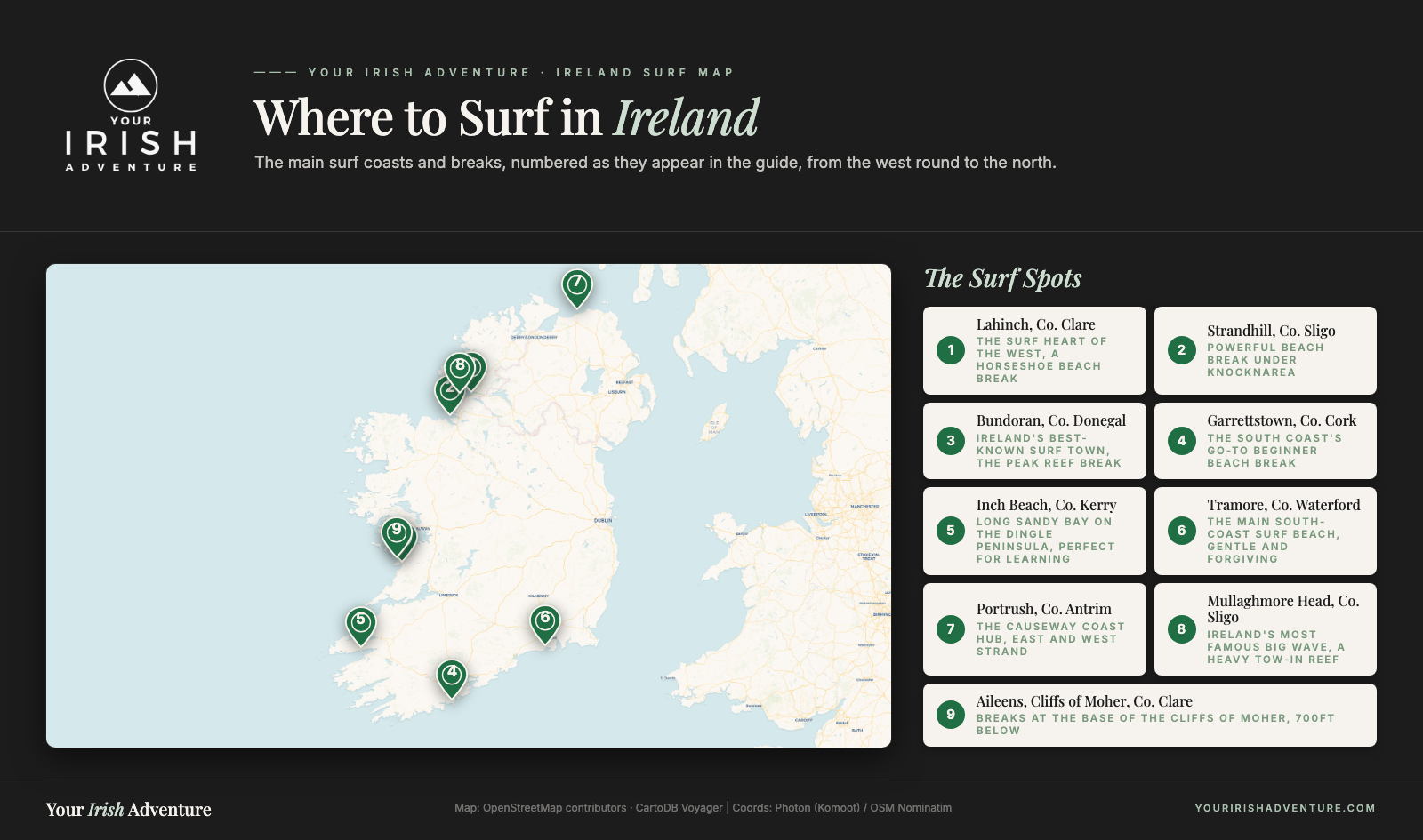
Further north in Mayo, Achill Island has Keel beach and some serious reef setups, and Carrowniskey near Louisburgh picks up plenty of swell. This stretch is wilder and emptier, so you’ll want your own transport and a bit of local knowledge. It’s worth sorting a rental car if you’re chasing waves up here, and you can compare car hire deals on Discover Cars before you go.
The Northwest Coast (Sligo and Donegal)
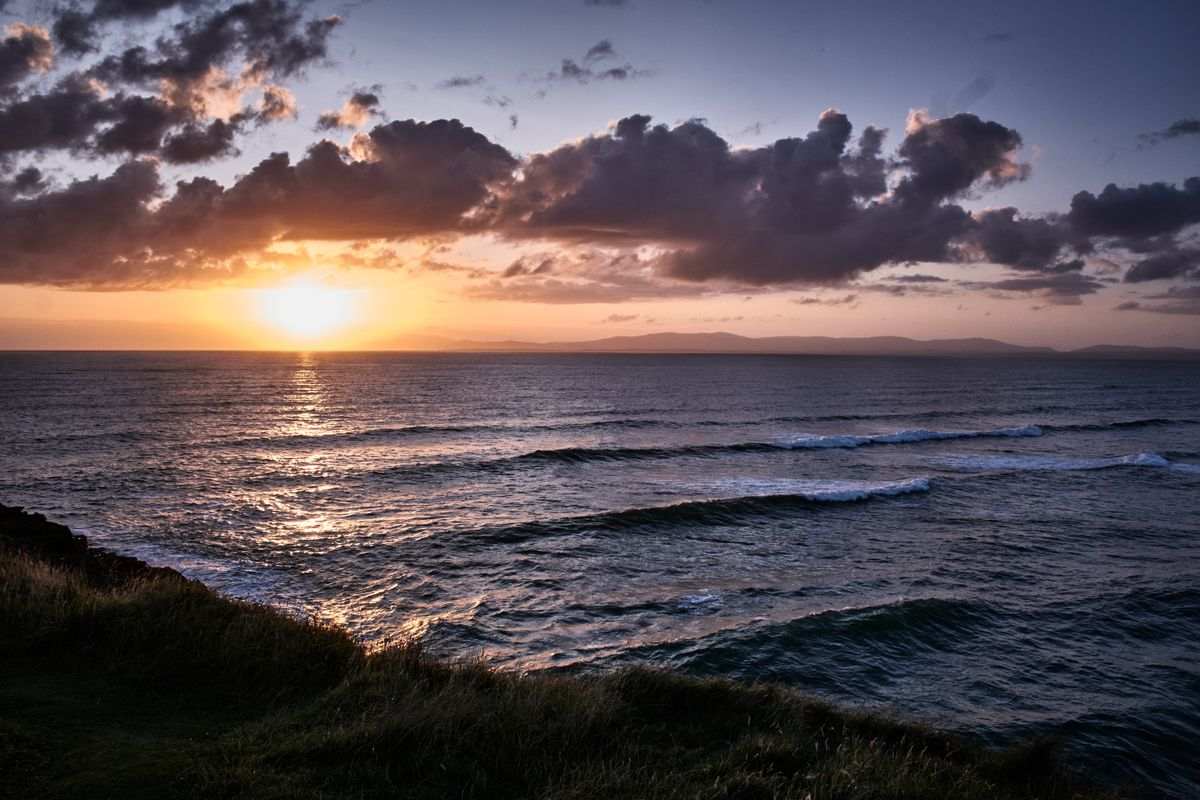
If you only surf one region in Ireland, make it the northwest. Sligo and Donegal have the most consistent, highest-quality waves in the country, and it’s where the big-wave crews are based.
Strandhill in Sligo is a powerful beach break at the foot of Knocknarea mountain, better suited to intermediates once it gets going. Easkey nearby is a famous reef point that draws better surfers when the swell is up.
Bundoran in Donegal is Ireland’s best-known surf town. It has a reef break called the Peak right in front of town, beginner-friendly beaches at Tullan Strand, surf shops, hostels, and a real surf-town feel year round.
The South and Southwest Coast (Cork, Kerry and Waterford)
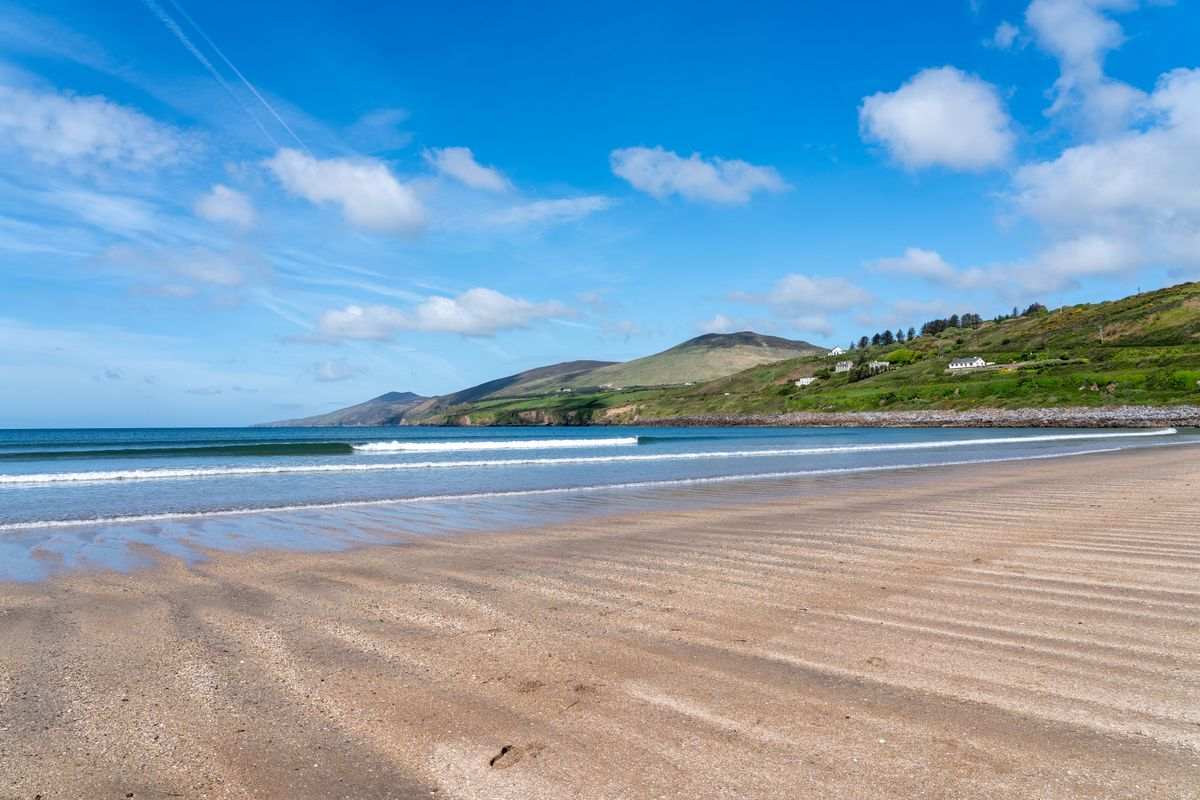
The south picks up less swell than the west, so the surf is more forgiving and the crowds thinner. That makes it good beginner and intermediate territory.
In Cork, Garrettstown near Kinsale is the go-to beach break, with Inchydoney and Long Strand further west. We only passed through Cork on the drive back, and a storm rolling in off the Atlantic pinned us in Cobh instead, so we grabbed a bite at one of the harbourfront spots rather than getting to the beaches. That weather is exactly what feeds the surf down here.
Kerry has some of the best waves in the south. Inch Beach on the Dingle Peninsula is a long sandy bay perfect for learning, and Brandon Bay near Castlegregory is a huge stretch that works in a range of conditions.
Over in Waterford, Tramore is the main surf beach and a popular spot for lessons, with a wide beach break and schools running through the season.
The North Coast (County Antrim)

Up in Northern Ireland, the Causeway Coast has a small but committed surf scene. Portrush is the hub, with East Strand and West Strand either side of town and surf schools running lessons through the warmer months.
White Rocks between Portrush and the Giant’s Causeway is a scenic beach break, and Castlerock just over the border in County Derry picks up decent swell too. Pair a session up here with the Causeway and the Antrim coast road and it’s a great day out.
Explore the Towns Behind the Surf Breaks
- Unique Things To Do in Donegal Town in Ireland’s Northwest
- Castles in Clare That Would Be Great On Your itinerary
- 12 Of The Best Day Trips From Galway
Big Wave Surfing in Ireland
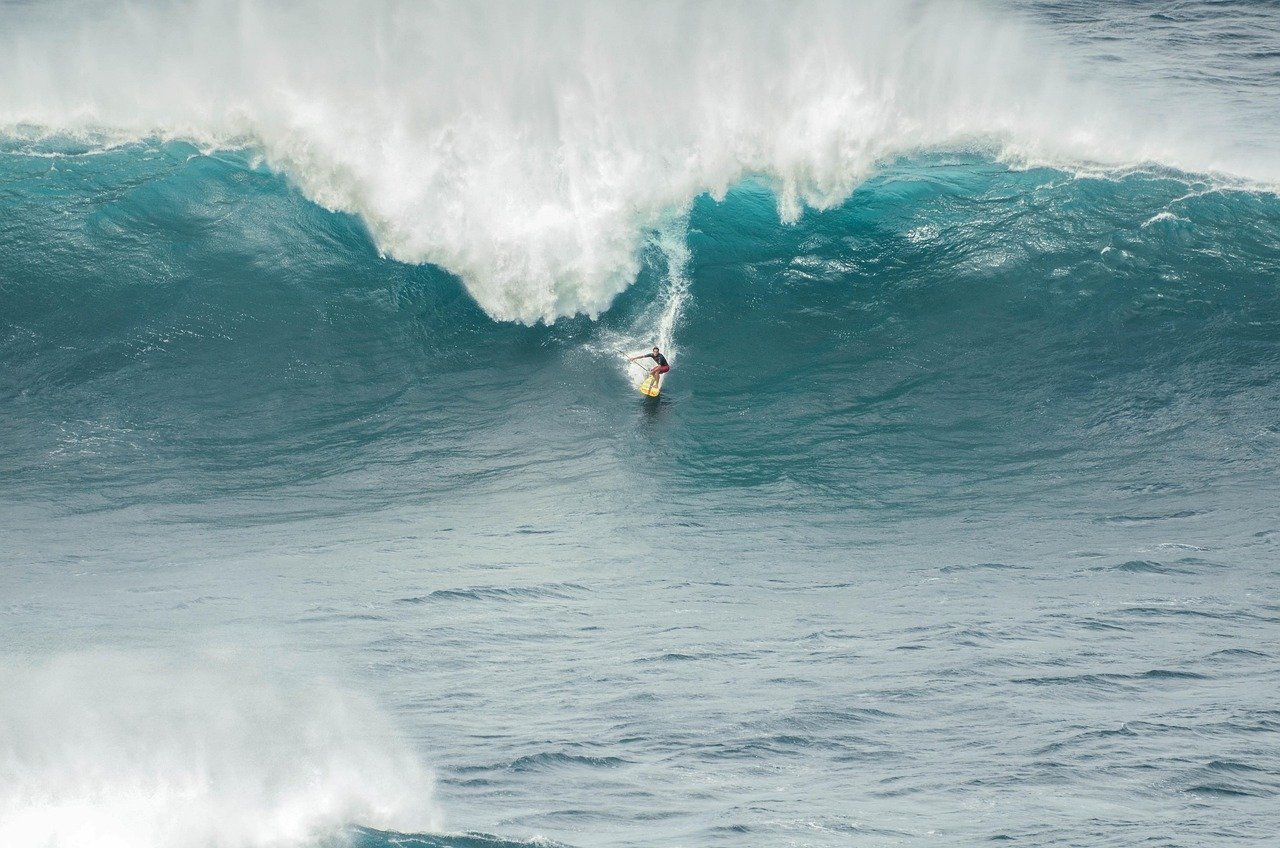
This is the stuff that put Ireland on the surf map, and it is not for you or me. These are giant, heavy reef waves ridden by a small crew of pros and hardened locals, usually towed in behind a jet ski when the swell gets too big to paddle.
They break in winter, when the North Atlantic is throwing everything at the coast. If you’re not one of the people riding them, they’re a serious spectator sport.
Mullaghmore Head, County Sligo
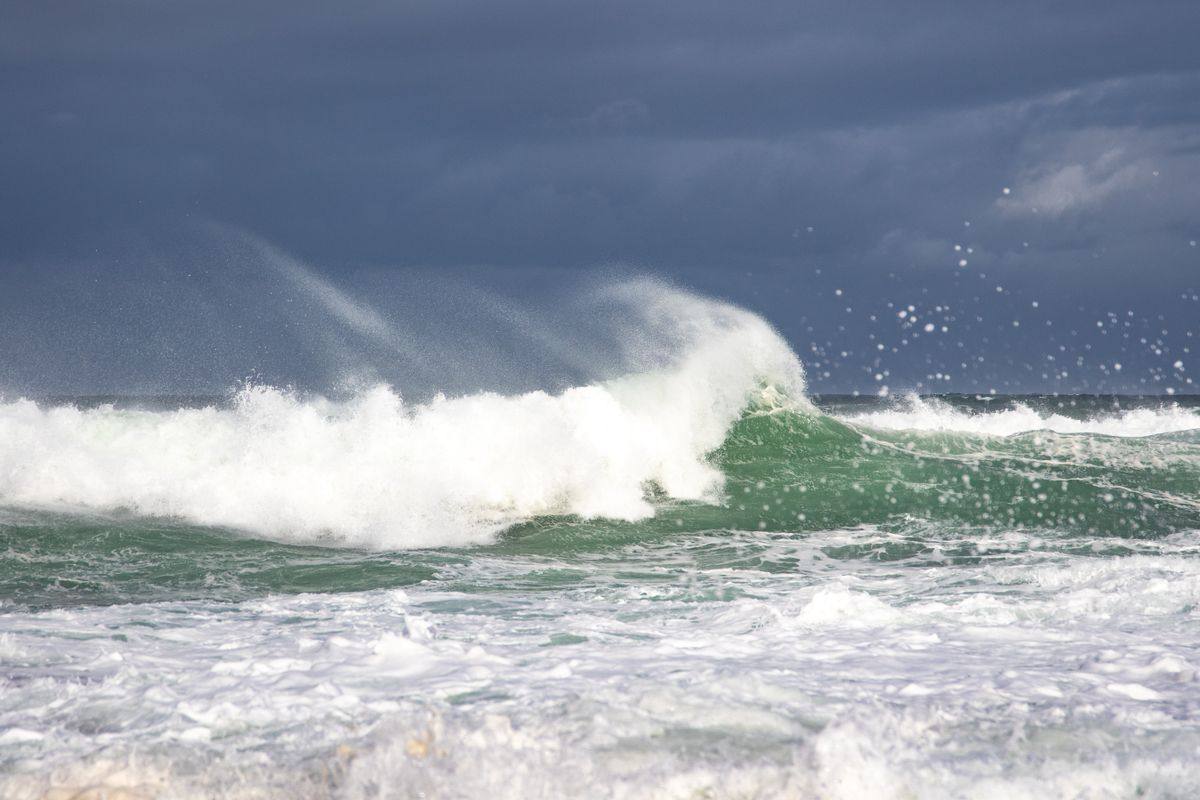
Mullaghmore is the most famous big wave in Ireland, and one of the heaviest waves in the world. On a big day it breaks over a shallow reef and throws a thick, cold barrel that has drawn the best big-wave surfers on the planet.
The good news for the rest of us is that it’s easy to watch. There’s a headland with a clear view, and when a proper swell lines up with the right forecast, the cars and camera lenses show up along with the surfers.
Aileens, County Clare
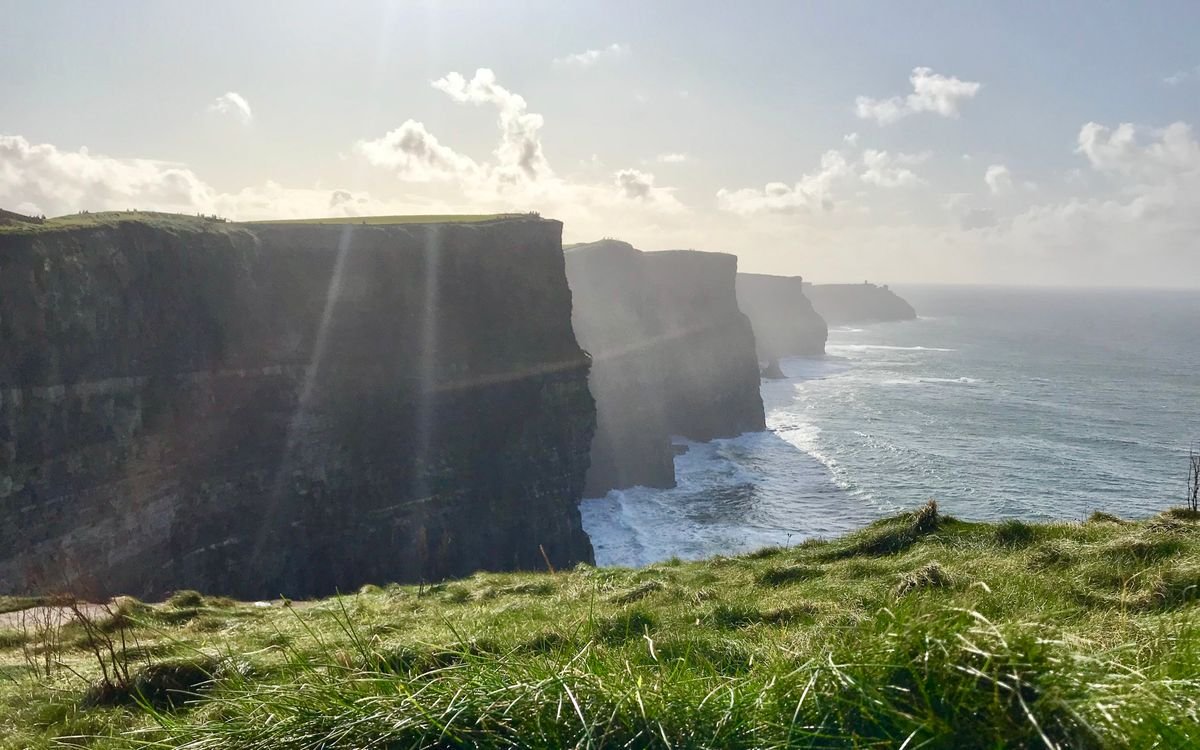
Aileens breaks right at the base of the Cliffs of Moher, with 700 feet of cliff towering over the lineup. It’s one of the most dramatic settings for a wave anywhere, and one of the hardest to get to.
There’s no easy access. Surfers either take a long boat ride around from Doolin or hike down a steep path with their boards. We walked the cliff path above it on our last trip, and looking down at where those guys paddle out gives you a real sense of the scale.
Riley’s and Other Slabs
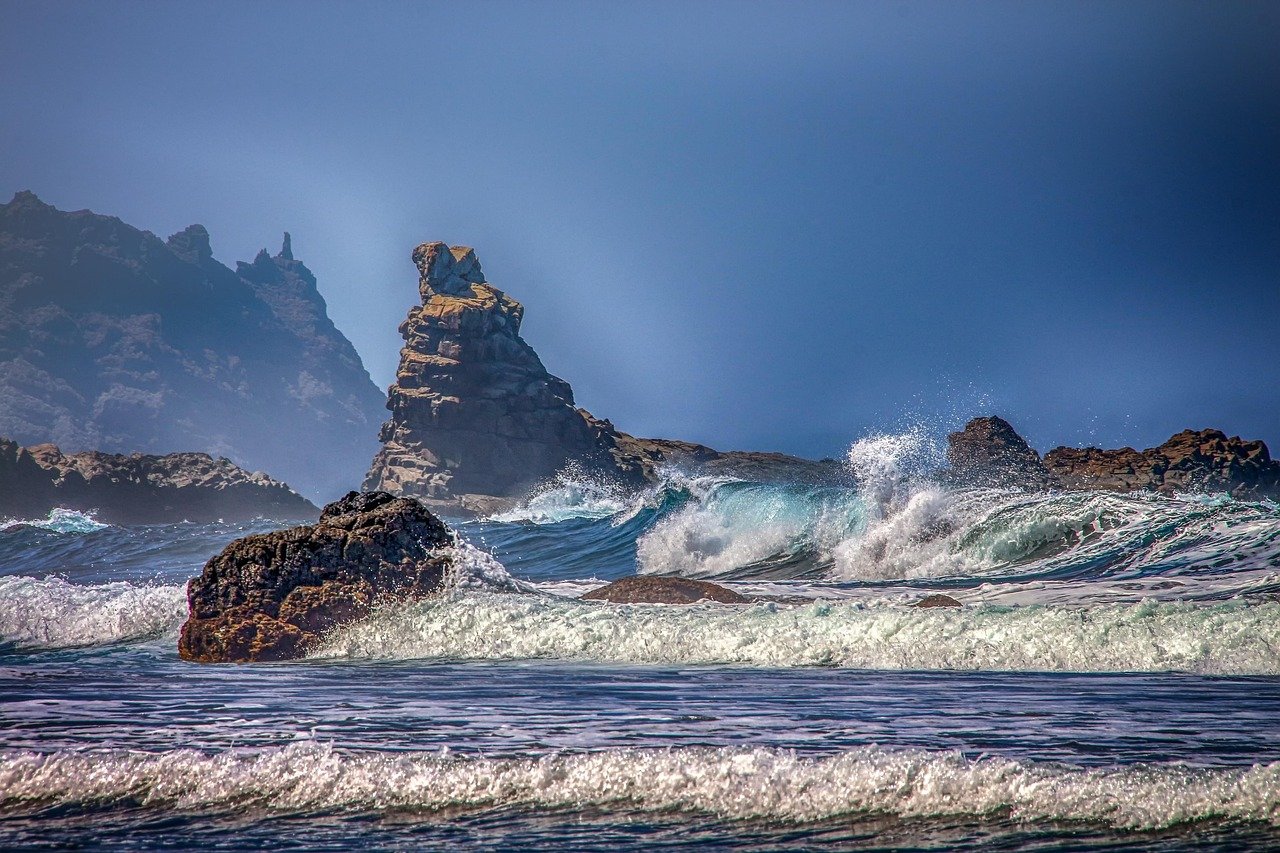
Clare has a cluster of other heavy reef slabs, with Riley’s near Lahinch the best known. These are shallow, fast, and unforgiving, the kind of waves that reward local knowledge and punish everyone else.
If you want to see big-wave surfing in person, watch the forecasts and the Irish surf social media accounts in the winter months. When a swell is coming, word gets around, and the headlands at Mullaghmore and the cliffs above Aileens are where to be.
For everyone who isn’t a professional, these waves are worth respecting from dry land. Even watching from the clifftop, you’ll understand why it took until the 2000s for anyone to take them on.
Best Time of Year to Surf in Ireland
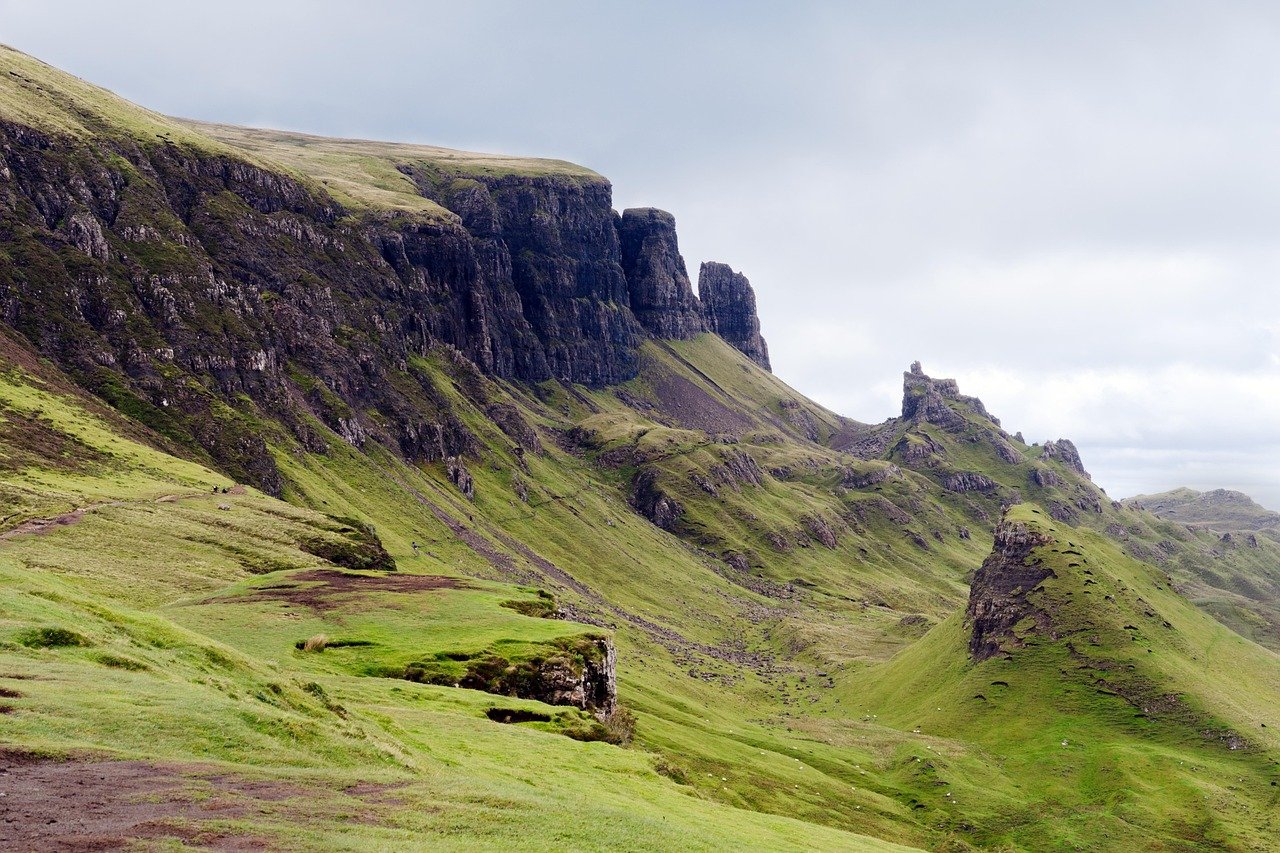
The honest answer is you can surf Ireland year round. There’s swell hitting the west coast in every month. What changes is the size of the waves, the temperature of the water, and how many other people are out there.
The trade-off is simple. The bigger and better the waves get, the colder and rougher it is to go and ride them.
Autumn (September to November)
If you want one window, make it autumn. The Atlantic starts firing consistent swell, the water is still holding some of its summer warmth, and the summer crowds have gone home.
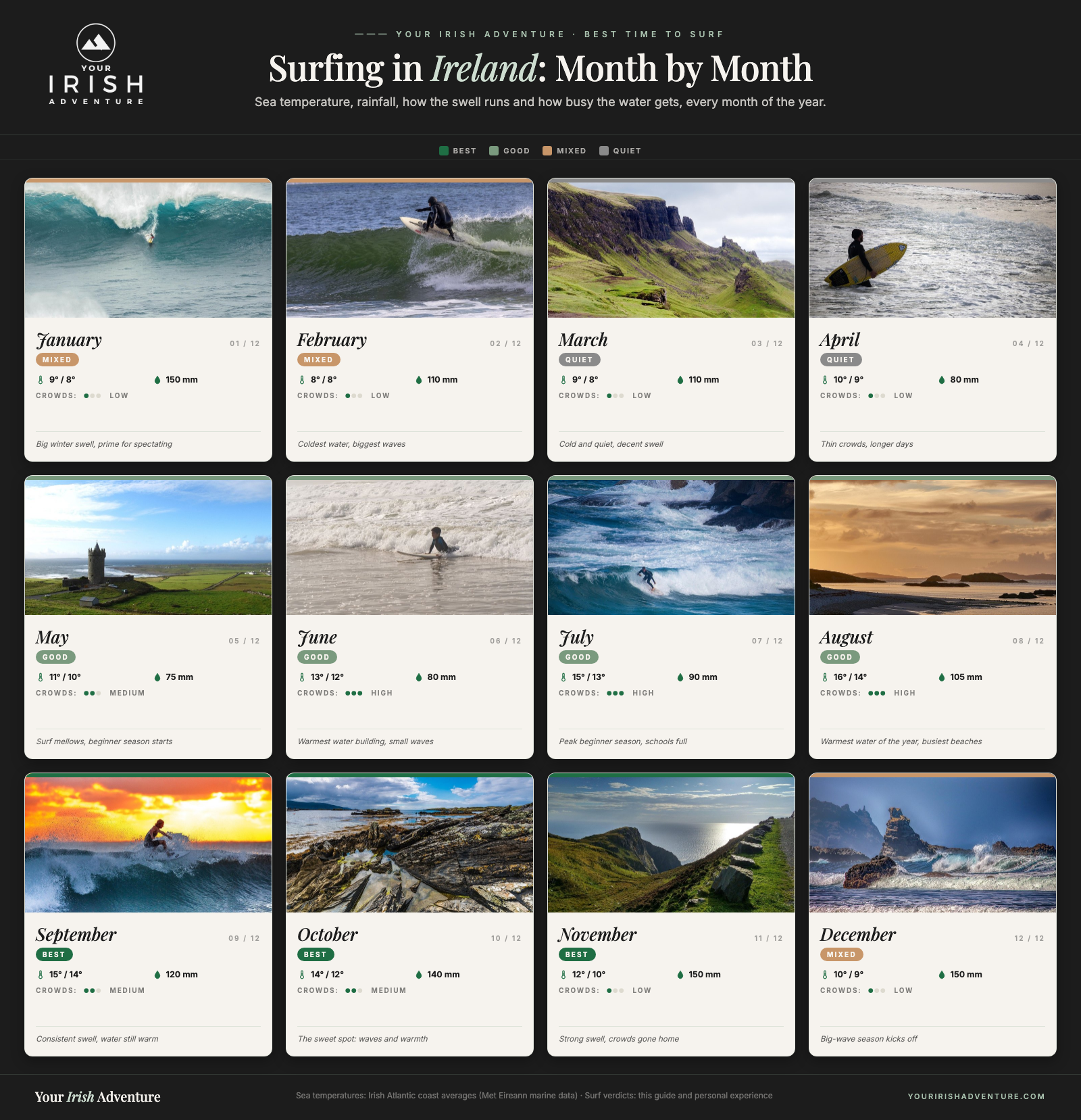
We drove the coast in autumn, well into shoulder season, and the beaches were quiet without being dead. The weather turns wet and windy, but that same weather is what stacks the waves up in the first place.
Winter (December to February)
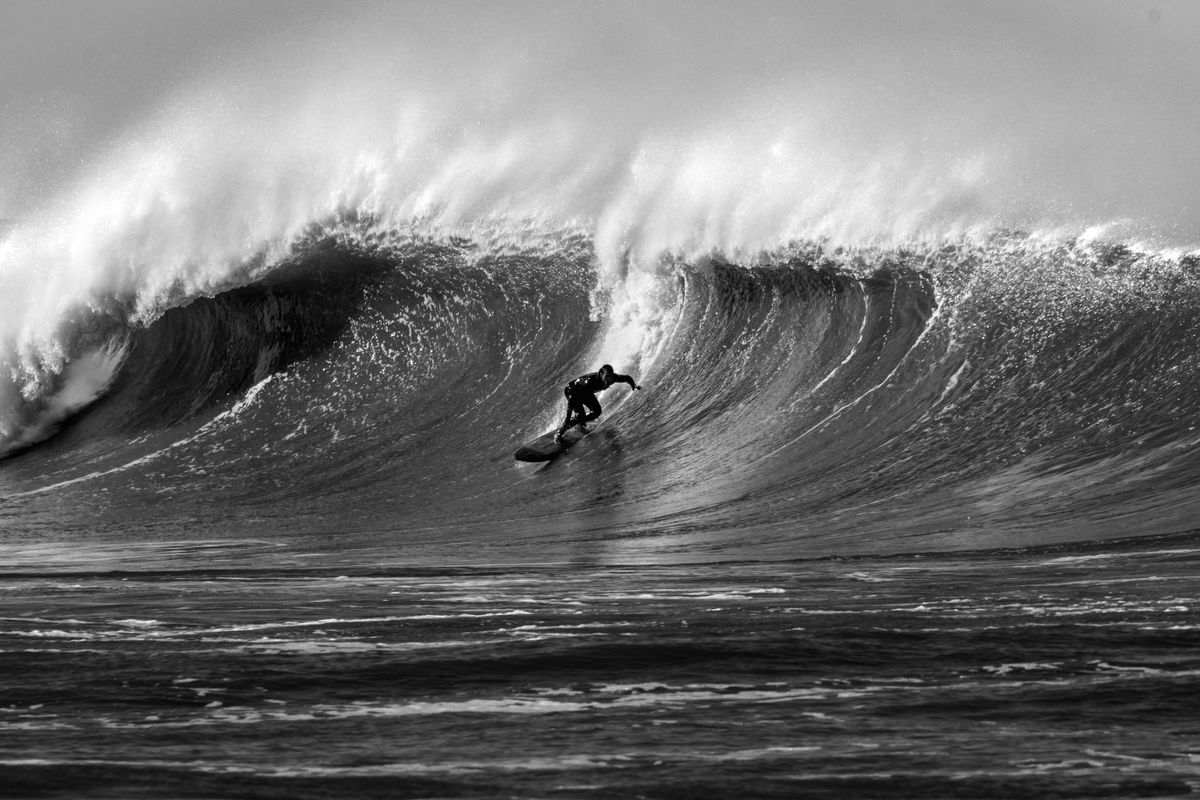
Winter is prime time for anyone chasing size. This is when the big-wave spots at Mullaghmore and Aileens come alive, and when the west coast sees its most powerful swell of the year.
It’s also brutal. Water drops toward the mid-40s Fahrenheit, daylight is short, and the storms can be relentless. You’ll need a thick wetsuit, boots, gloves, and a hood, plus the experience to read heavy conditions. Great for spectating, hard for surfing.
Spring (March to May)
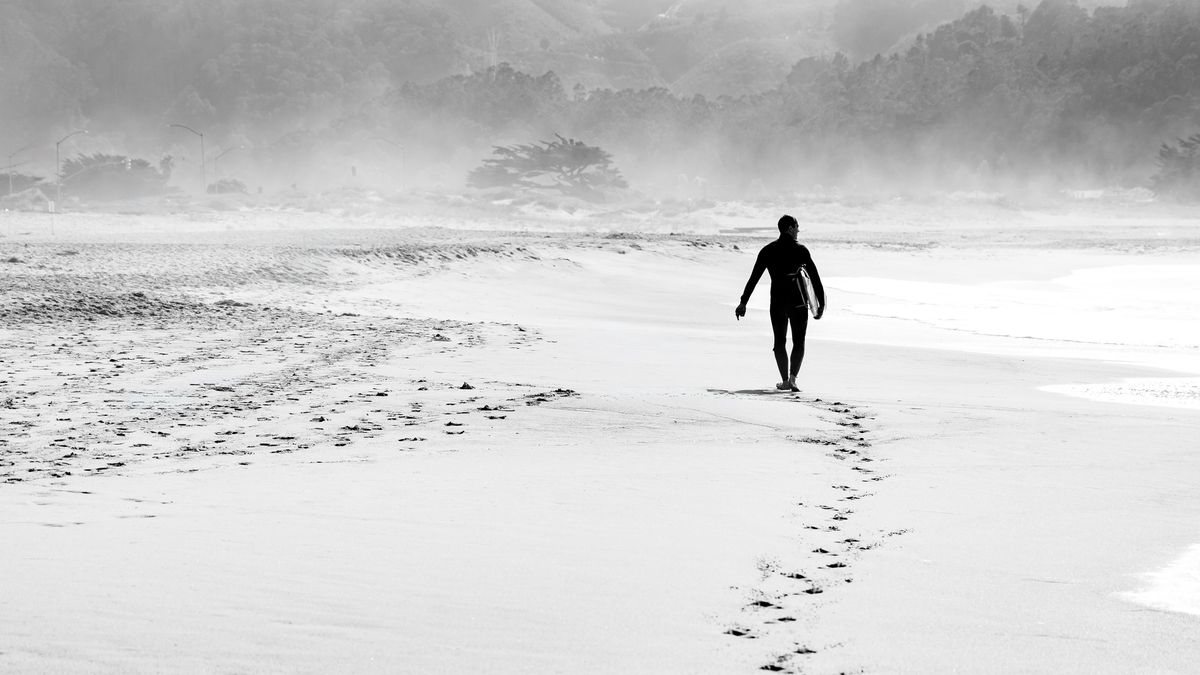
Spring is the quiet sleeper. The swell is still decent, the crowds are thin, and the days are getting longer, but the water is at its coldest of the whole year after a winter of cooling.
Wrap up as warm as you would in winter and you’ll score uncrowded waves. By late spring the surf mellows out and it starts tipping toward beginner season.
Summer (June to August)
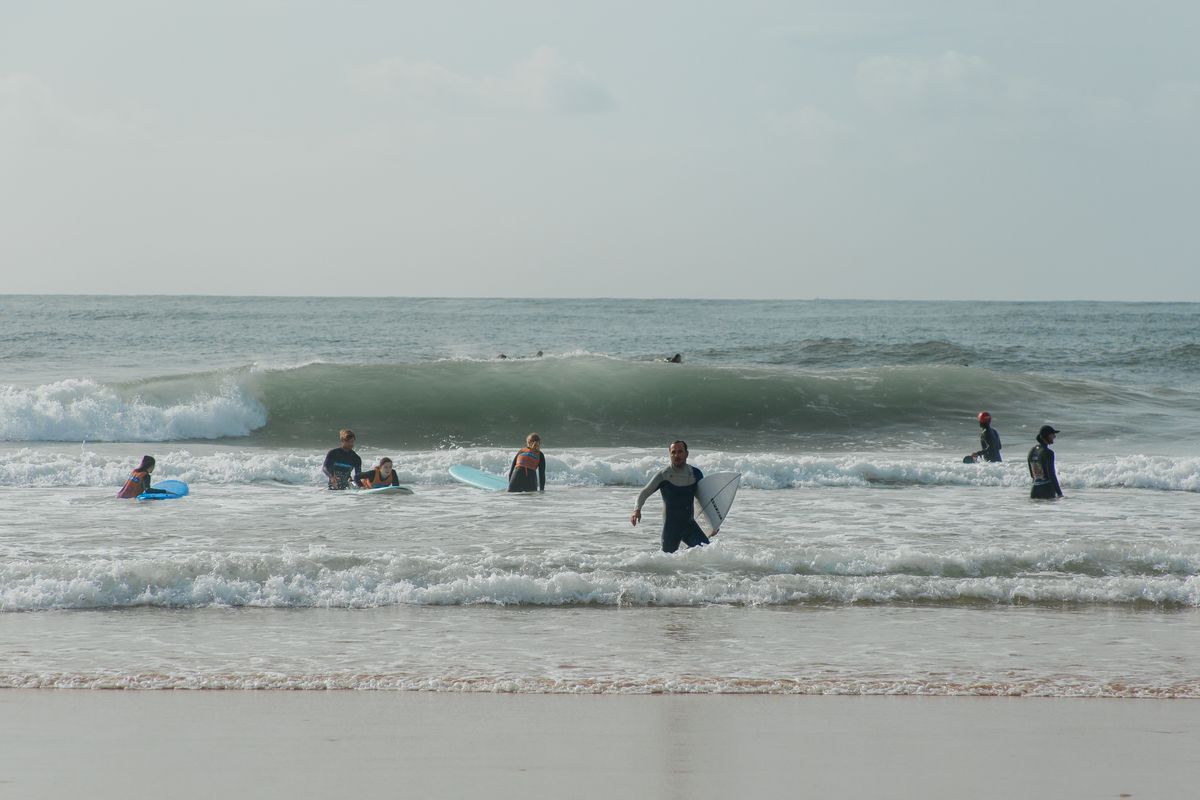
Summer is beginner season, and that’s not a knock. The swell is smaller and more forgiving, the water climbs to the low 60s Fahrenheit, and the surf schools are all running full timetables.
If it’s your first time on a board, this is when to come. The catch is that experienced surfers will find a lot of small, flat days, and the popular beaches like Lahinch and Bundoran get busy in the warmer months.
So pick your season by what you’re after. Learning, come in summer. Chasing real waves without the winter cold, come in autumn. And if you want to watch the giants, that’s a winter job.
How Cold Is the Water and What to Wear
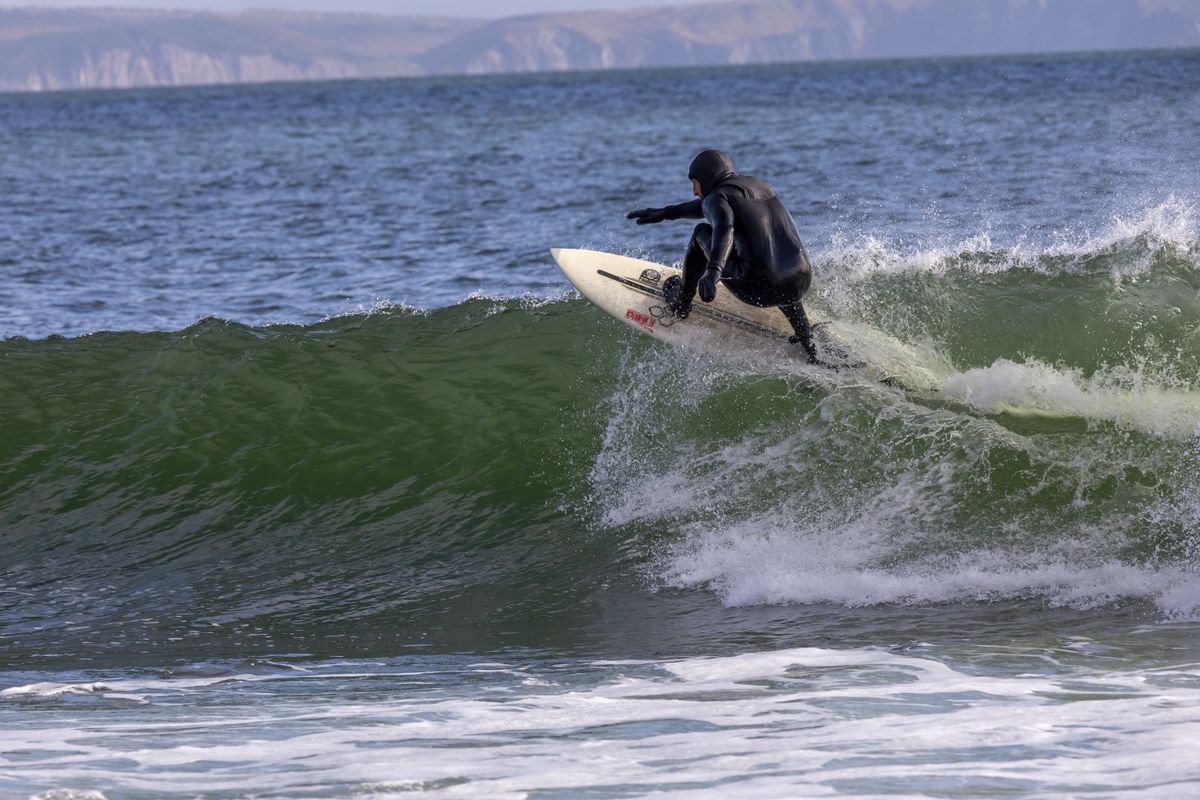
Cold. There’s no way around it. Irish water sits somewhere in the low 60s Fahrenheit at its warmest in late summer and drops to the mid-40s in the depths of winter. Even a “warm” day in Ireland is colder than you’d expect.
The trick to enjoying it is having the right rubber on. A good wetsuit turns a session that would have you shivering after ten minutes into a couple of hours in the water without thinking about the cold at all.
Cheap out on the wetsuit and Ireland will be miserable. Get it right and you’ll wonder why cold water ever put you off.
What Wetsuit You Actually Need
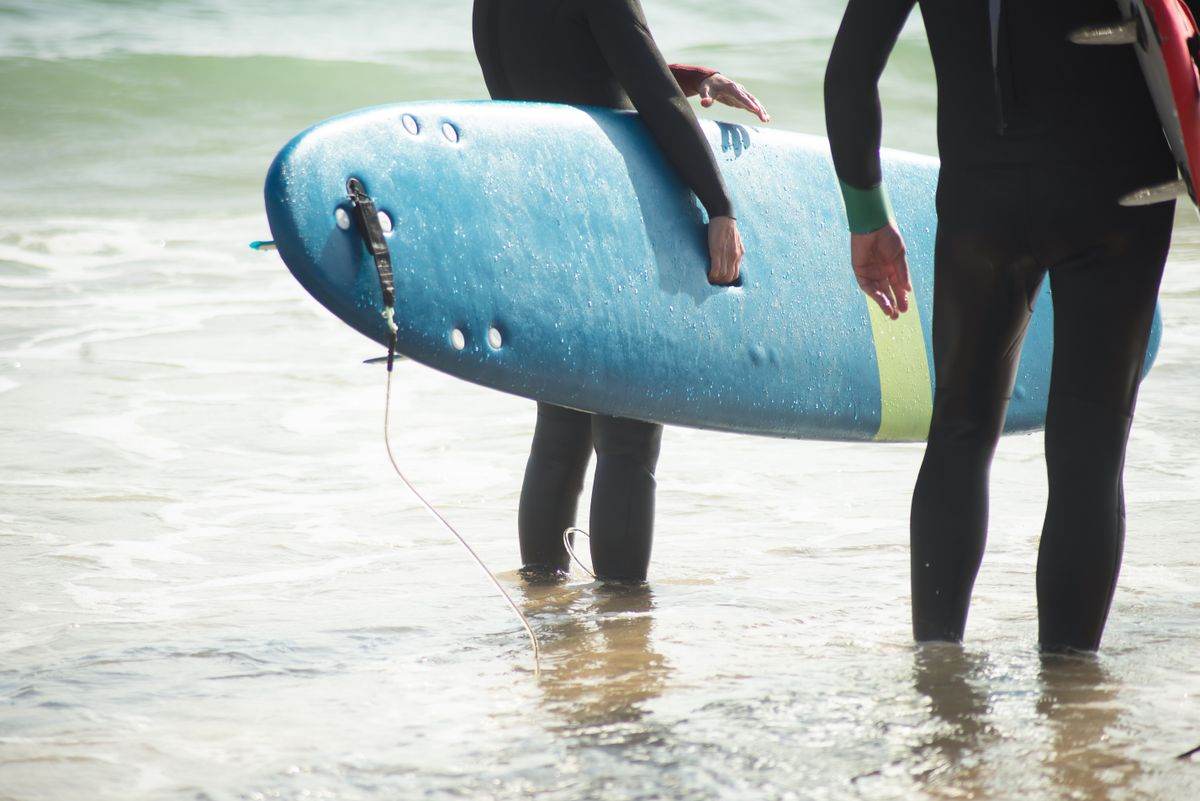
Wetsuits are measured by thickness in millimeters, written as two numbers like 5/4. The first is the thickness around your core, the second is the arms and legs. Thicker is warmer but less flexible.
Here’s roughly what you want by season:
- Summer (June to August): a 4/3 full suit is plenty, and some surfers push it with a 3/2 on the warmest days.
- Autumn and spring: a 5/4 full suit, plus boots. This is the real workhorse for most of the year.
- Winter (December to February): a 5/4 or 6/5 hooded suit, with boots, gloves, and a hood. All of it, every time.
The boots, gloves, and hood matter more than you’d think. Your hands and feet lose heat fastest, and a bare head in mid-40s water gives you an ice-cream headache within a minute. Cover them and you’ll last far longer.
Rent Before You Buy
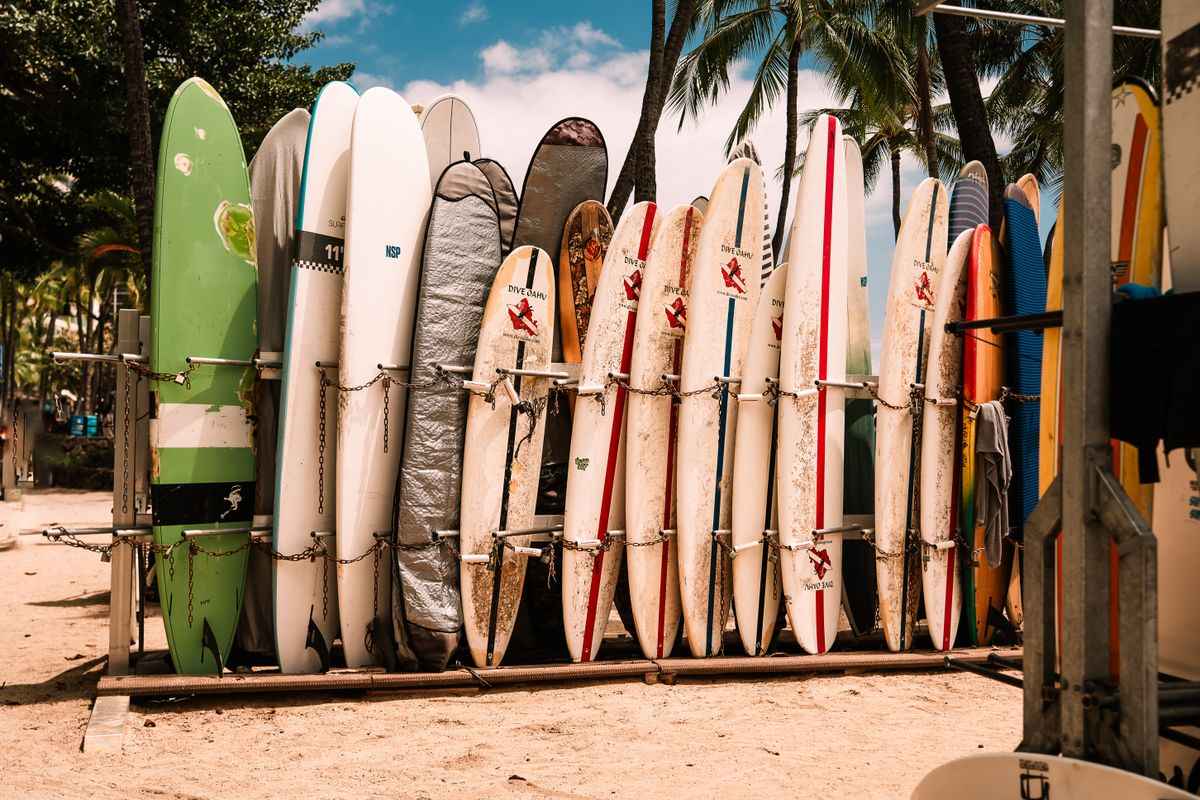
If you’re visiting rather than living here, don’t bother hauling a winter wetsuit across the Atlantic. Every surf town on the west coast has shops that rent suits and boards by the hour or the day, and the surf schools include all the gear in the price of a lesson.
Rental gear in Ireland is built for Irish water, so you’ll get a proper thick suit rather than something too thin for the conditions. Sort out a lesson or a rental in Lahinch or Bundoran and the cold is handled for you.
Surf Schools and Lessons for Beginners
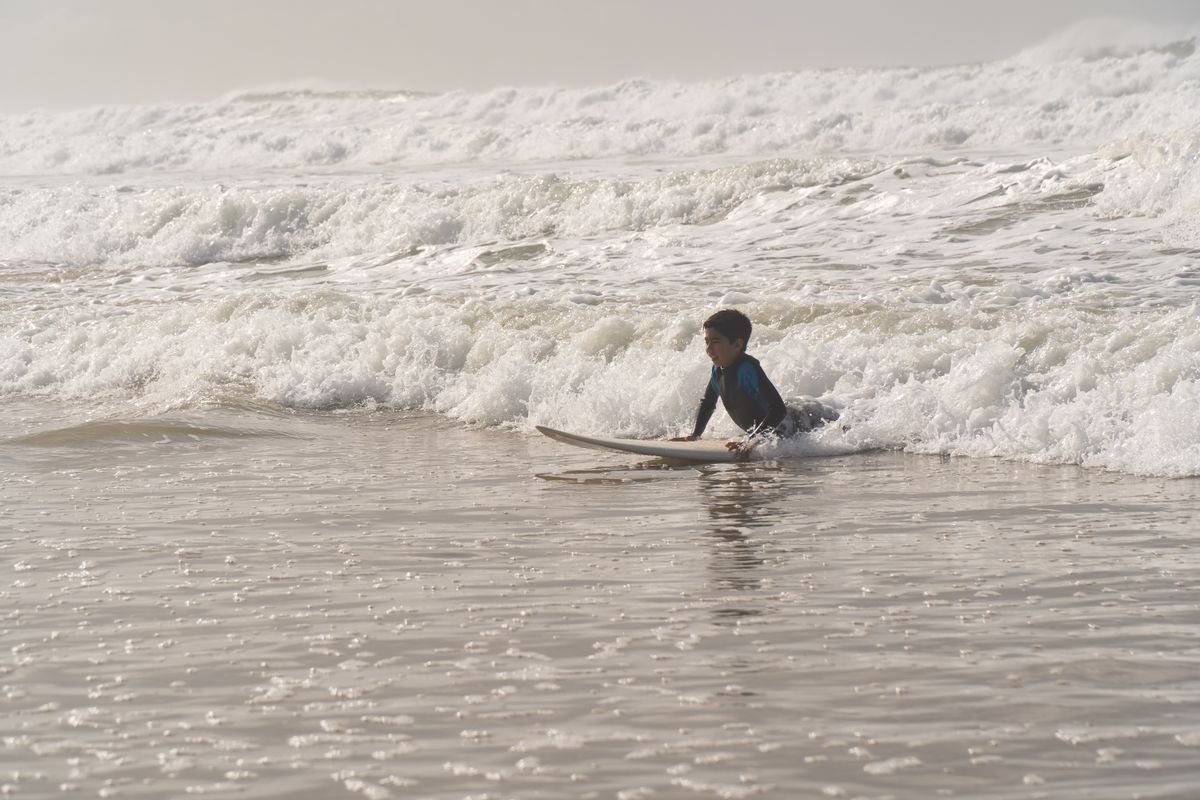
Ireland is a great place to learn to surf. The beginner beaches are long and sandy, the surf schools are cheap and everywhere, and the whitewater on a mellow bay is as forgiving a place to stand up for the first time as you’ll find.
You do not need to bring anything. A lesson comes with the board, the wetsuit, and an instructor who knows exactly which beach is working that day. Turn up in your swimmers and they sort the rest.
What a Lesson Actually Costs
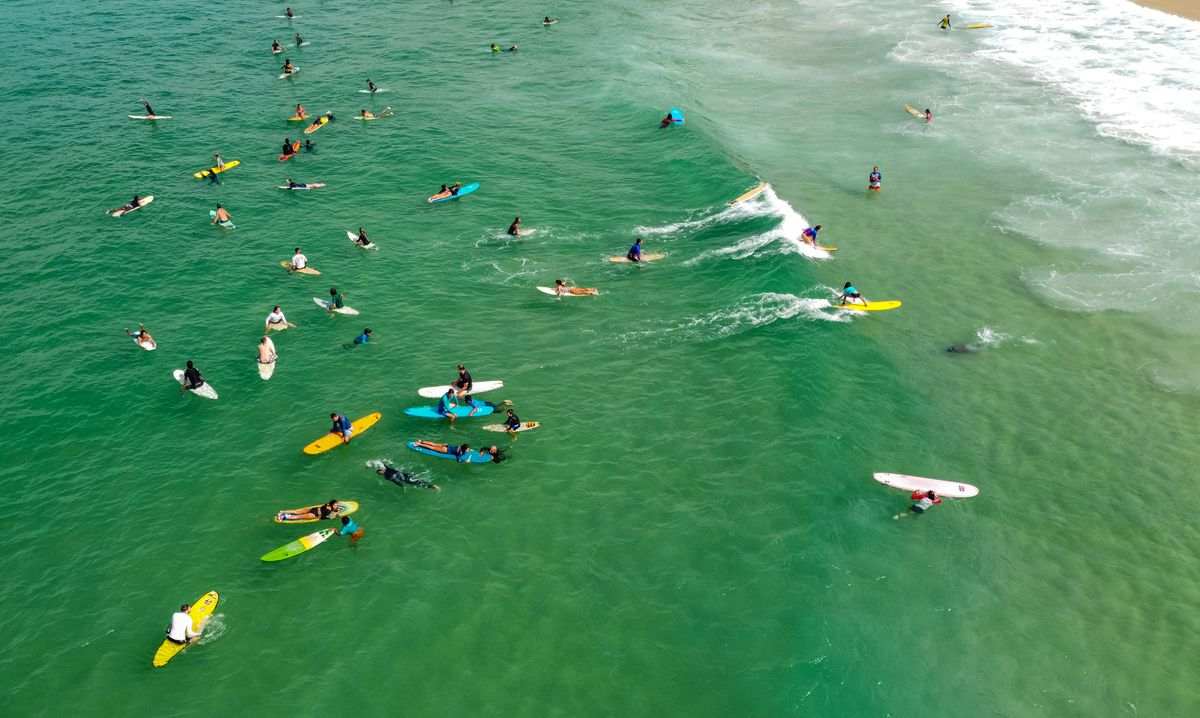
A group lesson runs somewhere around €35 to €45 for two hours, gear included. Private lessons cost more, and most schools do multi-day beginner packages if you want to actually progress rather than just try it once.
Two hours is about right for a first go. You’ll spend the first stretch on the sand learning to pop up, then the rest catching whitewater, and you’ll likely be standing on the board by the end of it.
Where to Take Your First Lesson
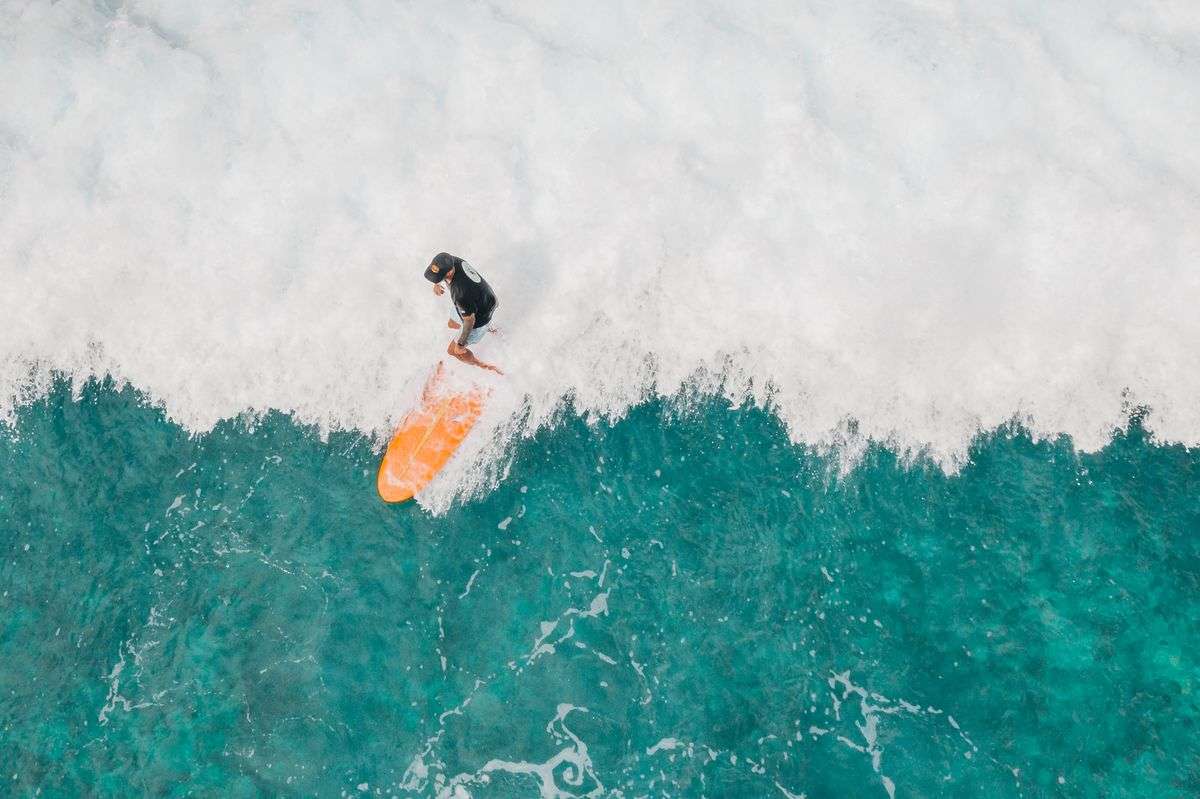
The best beginner towns are the ones with a gentle beach break and schools right on the sand, so you’re not driving around hunting for a wave.
- Lahinch, County Clare: the classic learner spot, with several schools on the beach and a horseshoe bay that catches swell year round.
- Bundoran, County Donegal: a real surf town with beginner beaches at Tullan Strand and plenty of schools, though the waves get more serious as you move up.
- Inch Beach, County Kerry: a long, flat sandy bay that’s about as easy an introduction as Ireland has.
- Tramore, County Waterford: a wide, forgiving beach on the south coast with schools running through the season.
Book ahead in summer. The schools run full timetables from June to August and the popular ones fill up, especially on a rare sunny weekend.
A Few Honest Tips Before You Book
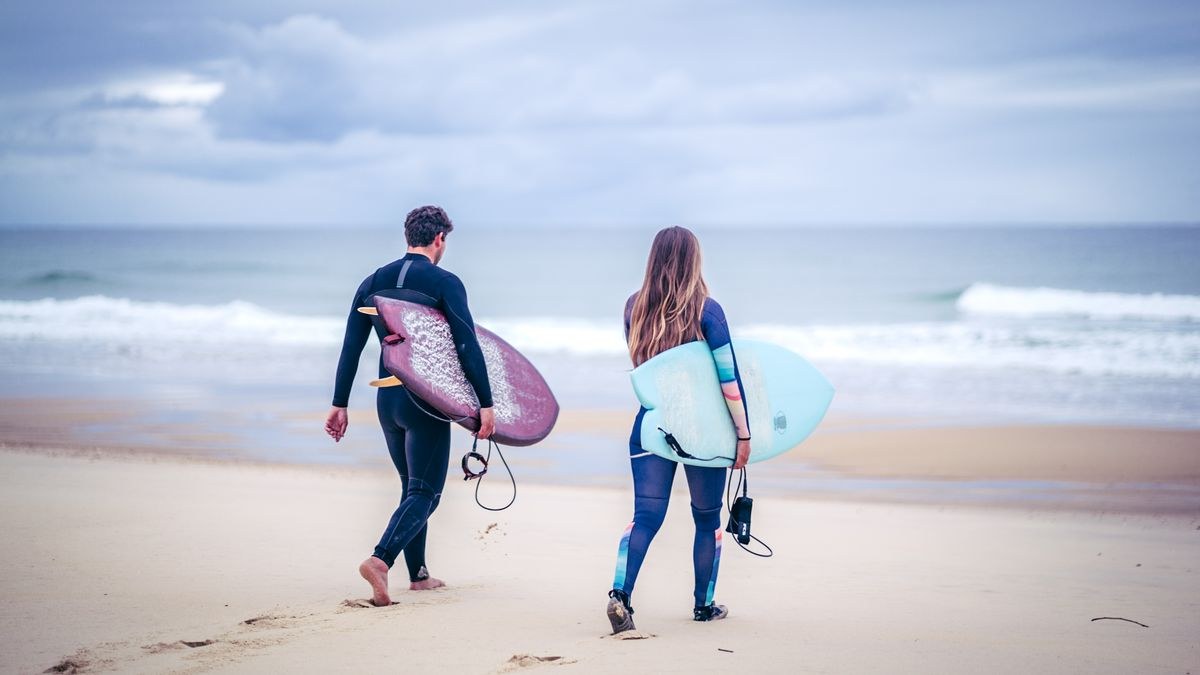
Go with a proper school rather than a mate who surfs. A good instructor reads the beach, keeps you out of the rips, and gets you standing far faster than trial and error will.
Book for the shoulder of the day if you can. Early lessons often get the cleaner conditions before the wind picks up, which it usually does by the afternoon.
And keep your expectations sane. Learning to surf is cold, tiring, and you’ll swallow some seawater, but standing up on your first wave is worth every bit of it. Do a couple of lessons back to back and it clicks a lot quicker than one and done.
Best Surf Towns to Base Yourself In
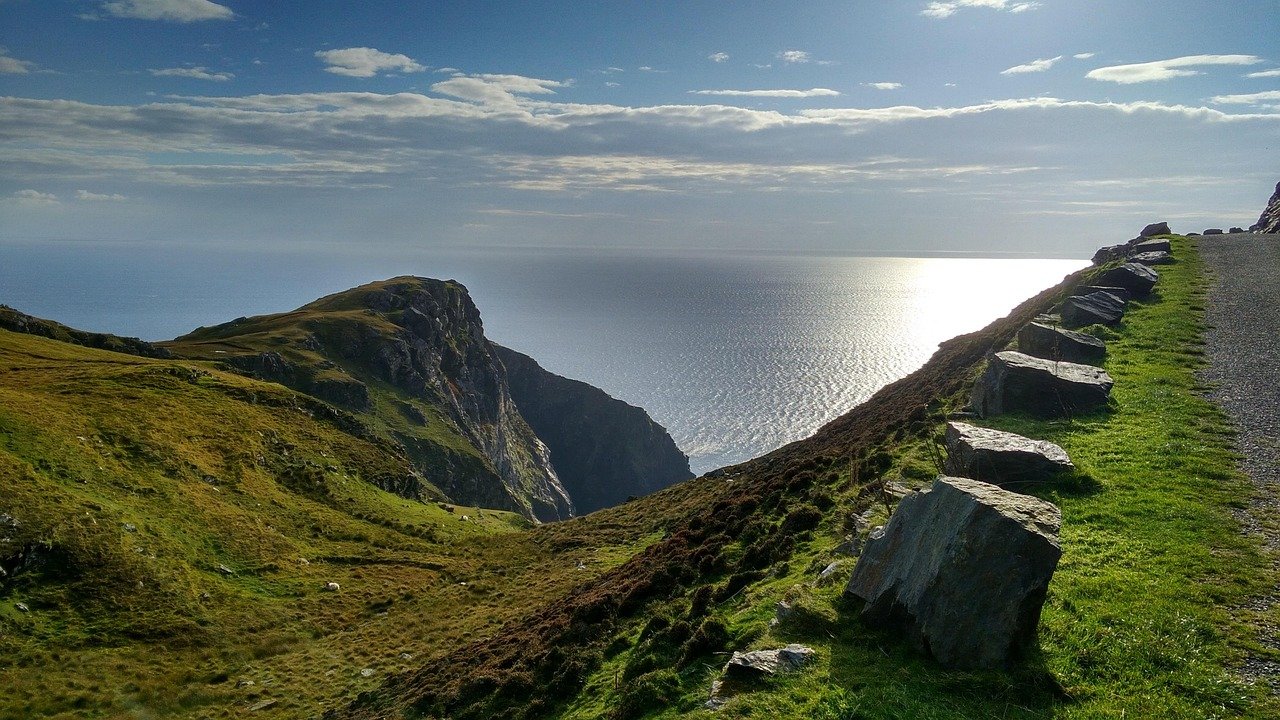
You don’t need to move every night to surf Ireland. Pick one or two towns with waves out front, gear to rent, and a pub to warm up in after, and you can post up for a few days and let the swell come to you.
Here are the four I’d point a first-timer toward, roughly in order of how much they revolve around surf.
Bundoran, County Donegal
Bundoran is the closest thing Ireland has to a dedicated surf town. There’s a reef break in front of town, beginner sand at Tullan Strand, surf shops, hostels, and a crowd that’s there for the water year round.
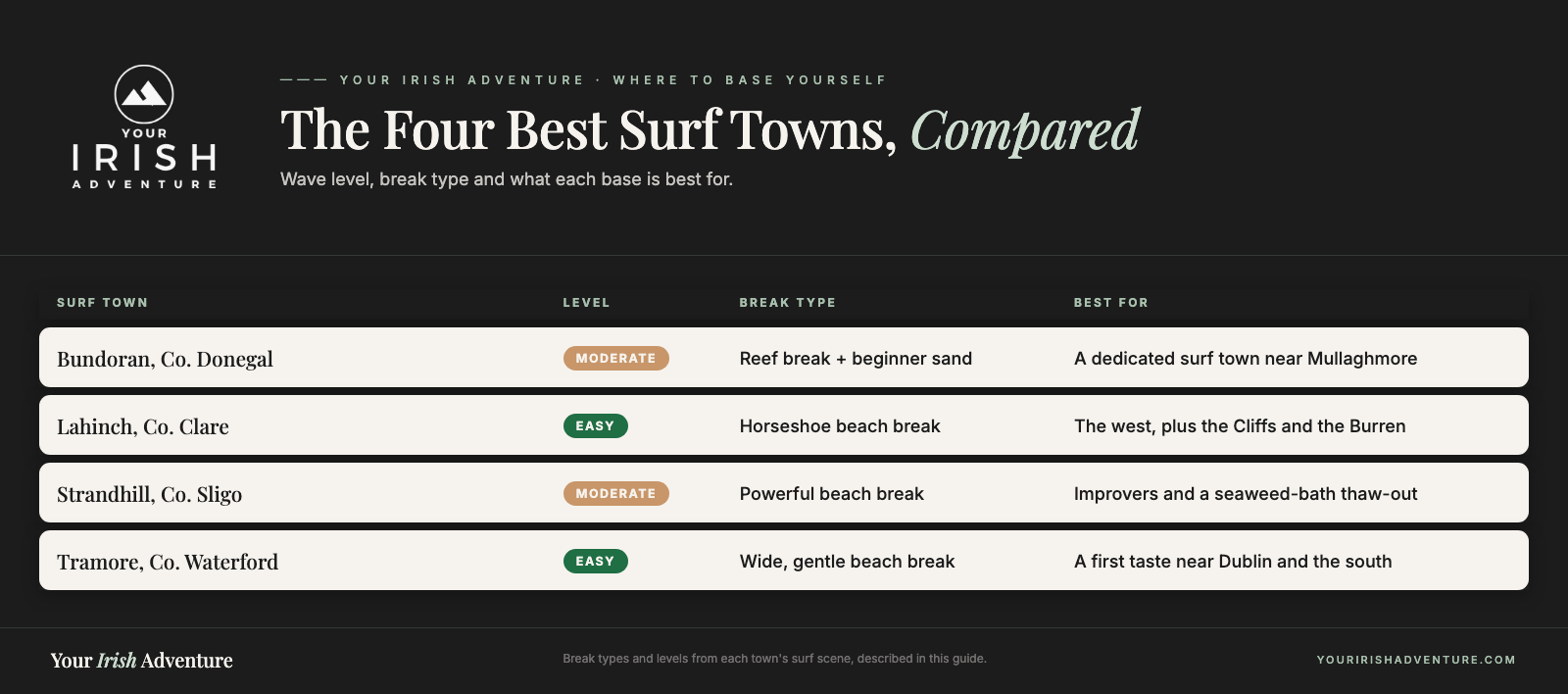
It also puts you a short drive from Mullaghmore and the Sligo breaks, so it’s the natural base if the northwest is your target. If you only pick one surf town, this is the safe bet.
Lahinch, County Clare
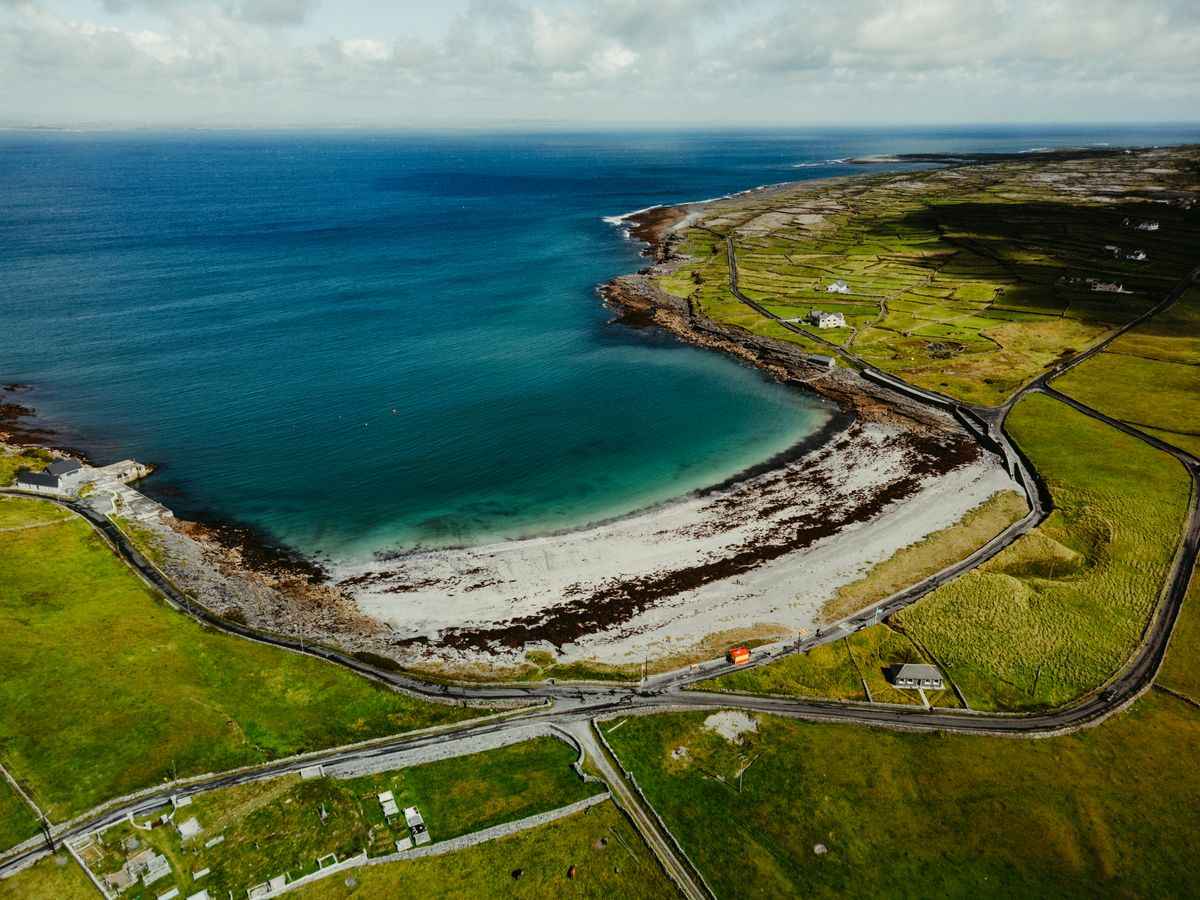
Lahinch is my pick for the west. It’s a small town wrapped around a horseshoe bay, with schools and rental right on the sand and waves that work most of the year. For a base close to the beach, Crag Shore is a highly rated spot just outside town, and you can check availability on Booking.com.
It’s also a good base for more than surfing. You’re minutes from the Cliffs of Moher, the Burren is right there, and Doolin with its trad pubs is up the road. On our drive down the coast, this stretch had the most going on outside the water.
Strandhill, County Sligo
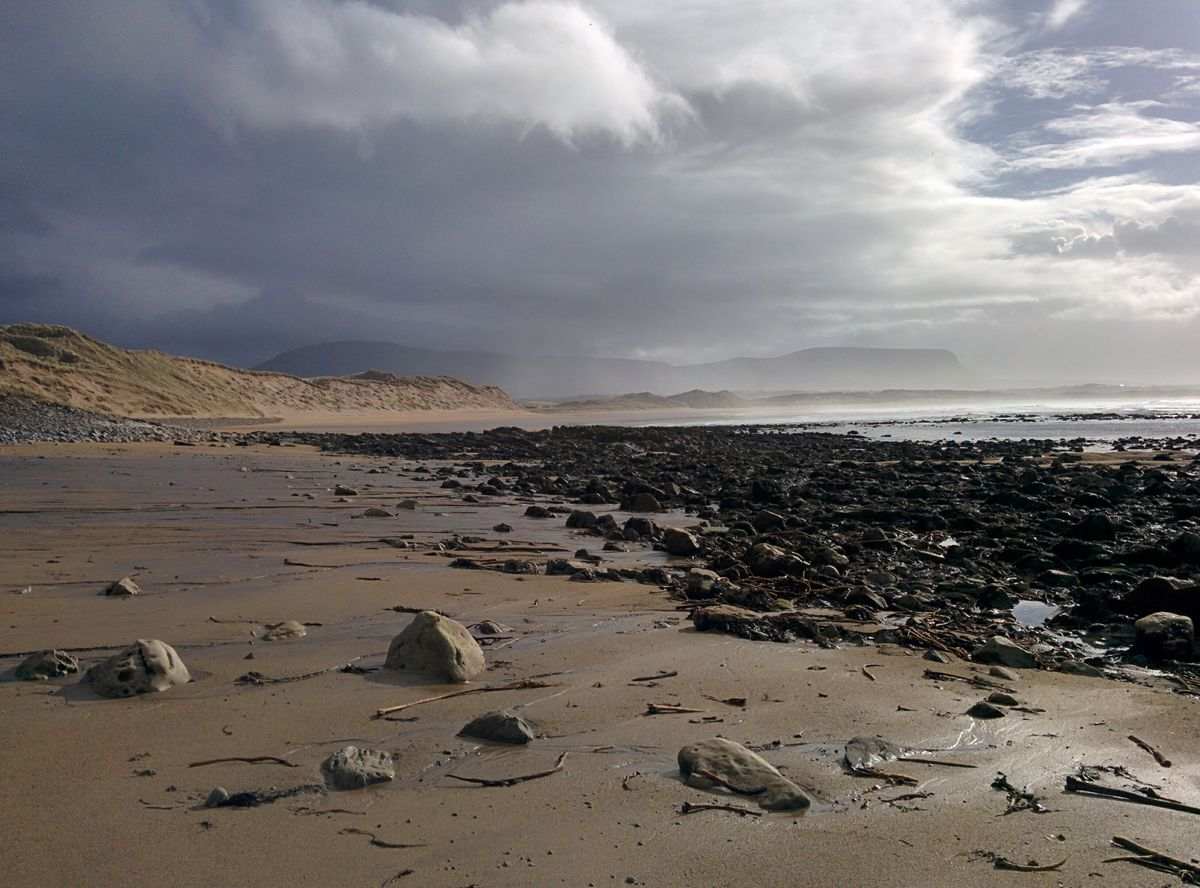
Strandhill is smaller and more low-key, a village strung along a powerful beach break under Knocknarea mountain. The wave here has a bit more punch, so it suits improvers more than total beginners.
What it does have is a proper post-surf setup: a seaweed bathhouse to thaw out in, a couple of good cafes, and Sligo town ten minutes away. Base here and you’re in the middle of the best surf region in the country.
Tramore, County Waterford
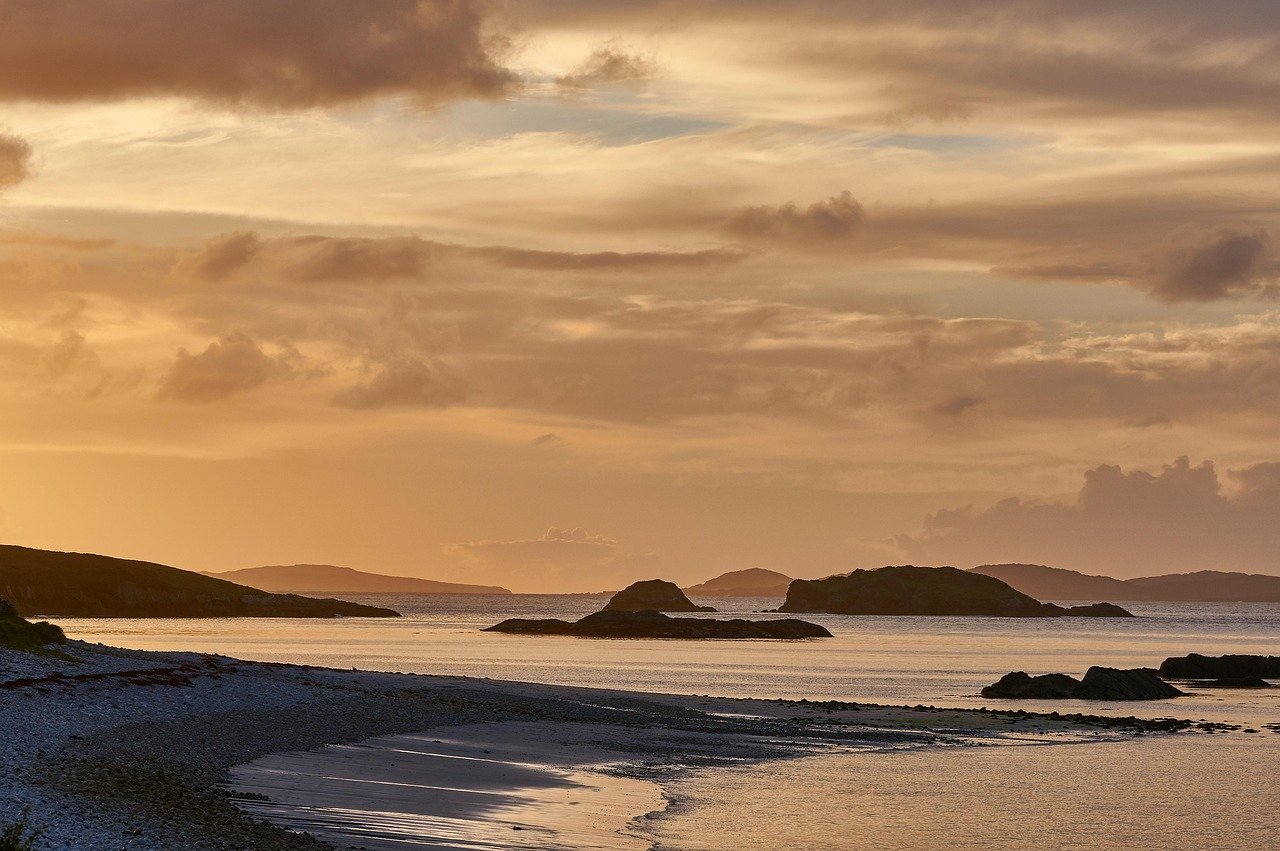
Tramore is the pick if you’re coming from the south or Dublin side and don’t want the full haul west. It’s a wide, forgiving beach break with schools through the season, and the swell is gentler than the Atlantic coast.
It’s a busy seaside town in its own right, so there’s plenty to do on the flat days. As a first taste of Irish surf without driving the length of the country, it does the job.
Whichever one you pick, book your stay early on Booking.com along with your lessons in summer, and give yourself a few days in one spot rather than one night in four. The swell doesn’t run to a schedule, and staying put is how you catch the good day when it lands.
Where to Stay in Bundoran
- 5 Ellesmere Avenue
- The Hideaway
- Padua House Holiday Home in the Centre of Bundoran and 2 mins walk to the beach
Where to Stay in Lahinch
Lahinch is the west-coast base I’d point most surfers toward, so here are three well-rated places to stay within a few minutes of the beach, from a glamping stay to a proper hotel.
Castledarcy Glamping
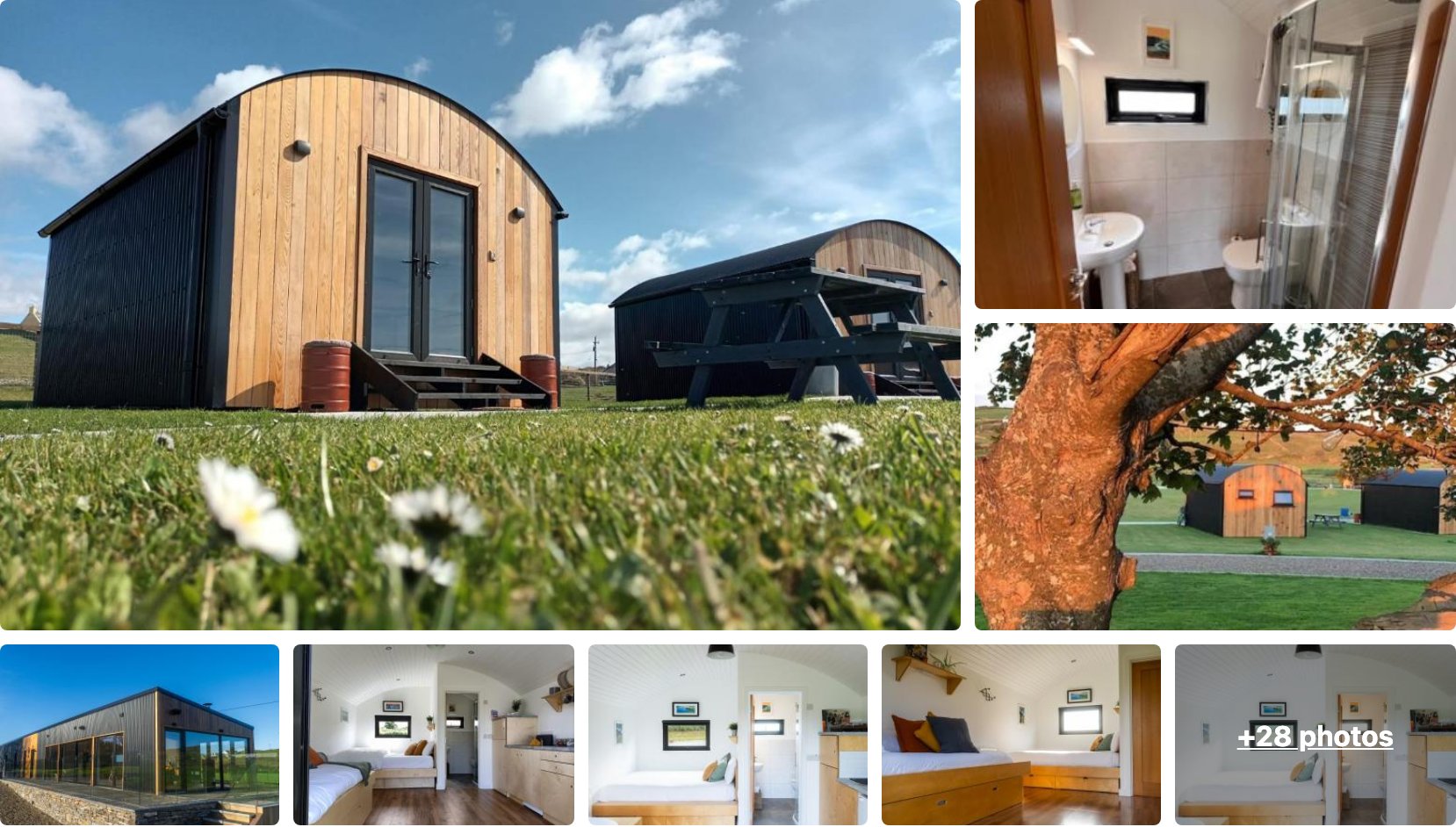
Castledarcy Glamping sits about two kilometres from the centre of Lahinch, in a cluster of timber-and-black cabins looking out over the fields. It’s the highest-rated stay in town, with a 9.8 guest score across more than 360 reviews, which for a surf trip is a lot of people telling you it delivers.
The cabins are compact but properly kitted out, with a bathroom and beds inside rather than a tent-and-torch setup, so you can dry off and warm up after a cold session. It’s an easy drive to the beach and the Cliffs of Moher are right there too.
👉 View Castledarcy Glamping Availability and Pricing
Sunny Hill View
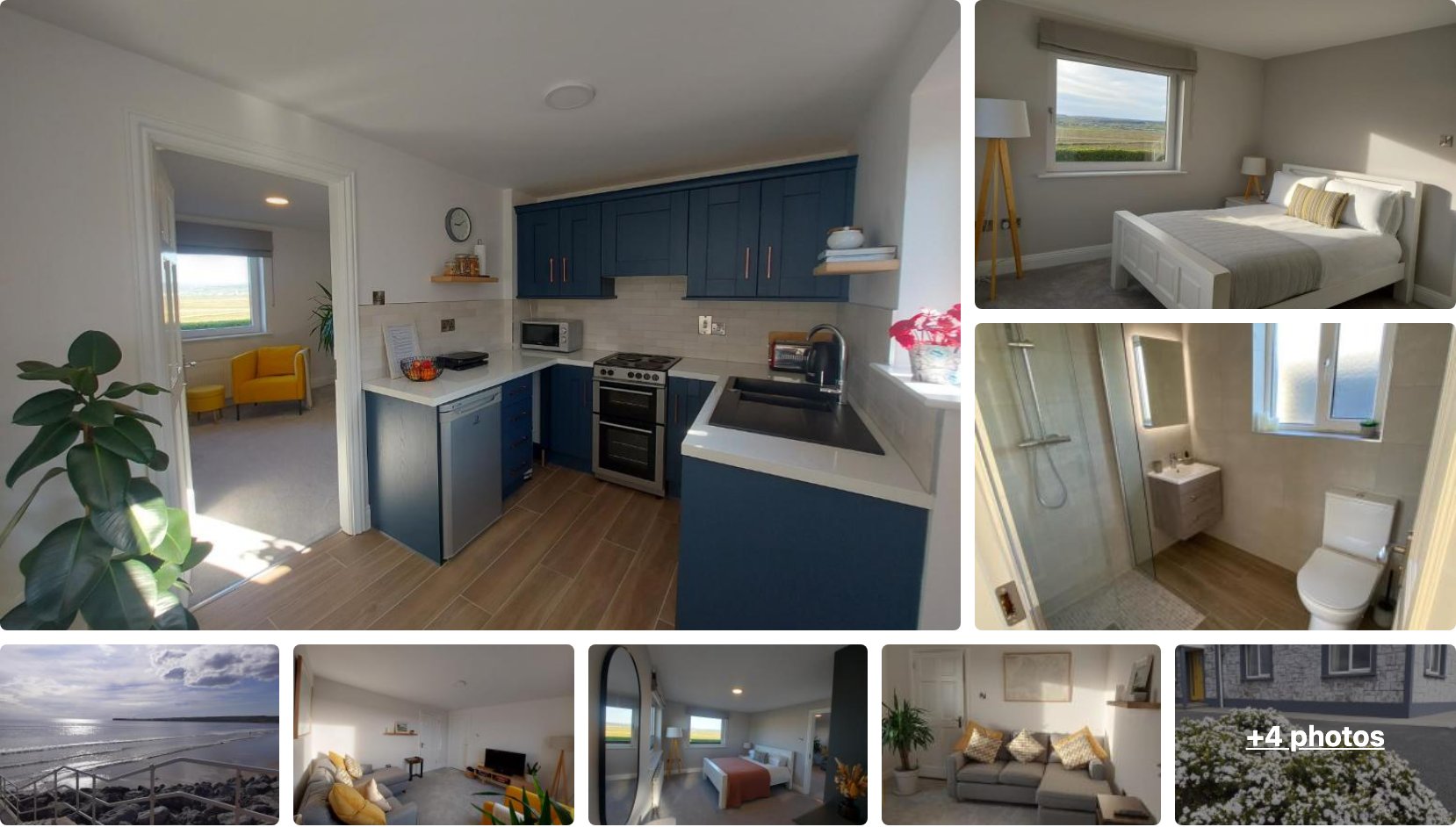
Sunny Hill View is a self-catering apartment on the Ennistymon Road, under a kilometre from the middle of Lahinch. It holds a 9.7 score from 87 reviews, which puts it right at the top of the town’s list.
You get your own kitchen, a separate bedroom, and countryside views out the window, which is handy if you’re on a longer trip and want to cook rather than eat out every night. It’s a short hop to the beach and the surf schools on the sand.
👉 View Sunny Hill View Availability and Pricing
Vaughan Lodge Hotel
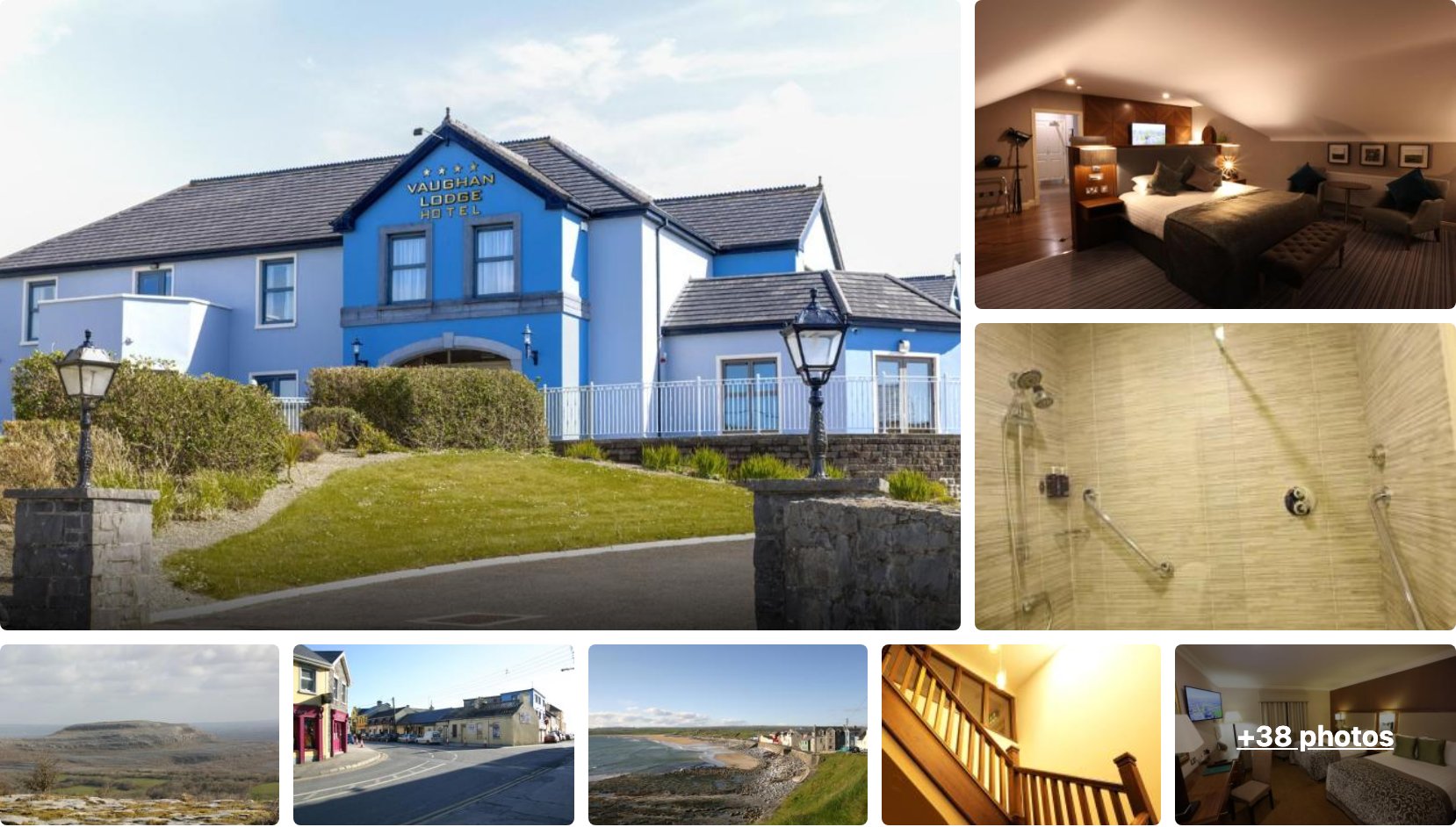
Vaughan Lodge Hotel is the option if you want a proper hotel rather than self-catering. It’s a short walk from the centre of Lahinch and carries a 9.3 score from more than 440 reviews, the biggest review count in town.
Rooms are a step up in comfort, and having a bar and restaurant on site is worth a lot when you come in off the water cold and don’t fancy driving anywhere. It’s an easy base for the beach, the Cliffs of Moher, and the Burren.
👉 View Vaughan Lodge Hotel Availability and Pricing
Plan the Wider Atlantic Coast Road Trip
- Wild Atlantic Way Itinerary – Ireland’s Most Epic Road Trip
- 9 Best Places On The Wild Atlantic Way Route
- A Photographer’s Definitive Ireland Road Trip
In short
- Ireland is one of Europe’s best cold-water surf destinations, with waves for every level.
- The best surf spots are Lahinch (Clare), Bundoran and Rossnowlagh (Donegal), Strandhill (Sligo), and Inch Beach (Kerry).
- Autumn and winter bring the biggest, most consistent swell, but summer is best for beginners.
- A wetsuit is essential year-round: a 4/3 in summer and a hooded 5/4 or 6/5 in winter.
- Mullaghmore and Aileens are world-famous big-wave spots for experienced surfers only.
Frequently Asked Questions About Surfing in Ireland
A few of the questions people ask most often before they book a surf trip to Ireland.
Can you surf in Ireland as a complete beginner?
Yes, and it is one of the best places to start. Book a lesson at a gentle sandy beach like Lahinch, Inch Beach, or Tramore, come in summer for the smallest waves and warmest water, and the school hands you the board and wetsuit.
Is surfing in Ireland safe?
For beginners on a supervised, lifeguarded beach it is about as safe as surfing gets, since the learner bays are sandy with no reef. The cold is handled by the right wetsuit and the rip currents by a good instructor. Big-wave reef slabs like Mullaghmore are for hardened pros only.
Do you need a full wetsuit to surf in Ireland?
Yes, all year. A 4/3 full suit works in summer, a 5/4 with boots from autumn, and a hooded 5/4 or 6/5 with boots and gloves in winter. Surf schools include the wetsuit in the lesson, so visitors do not need to buy one.
Where are the best surf spots in Ireland?
Lahinch in County Clare, Bundoran and Rossnowlagh in Donegal, Strandhill in Sligo, and Inch Beach in Kerry are the standout spots. Bundoran is often called the surf capital of Ireland for its consistent reef and beach breaks.
How cold is the water for surfing in Ireland?
Sea temperatures run from around the low 60s Fahrenheit in late summer down to the mid 40s in winter. It never gets warm enough for boardshorts, so a wetsuit is essential every month of the year.
Final Thoughts on Surfing in Ireland
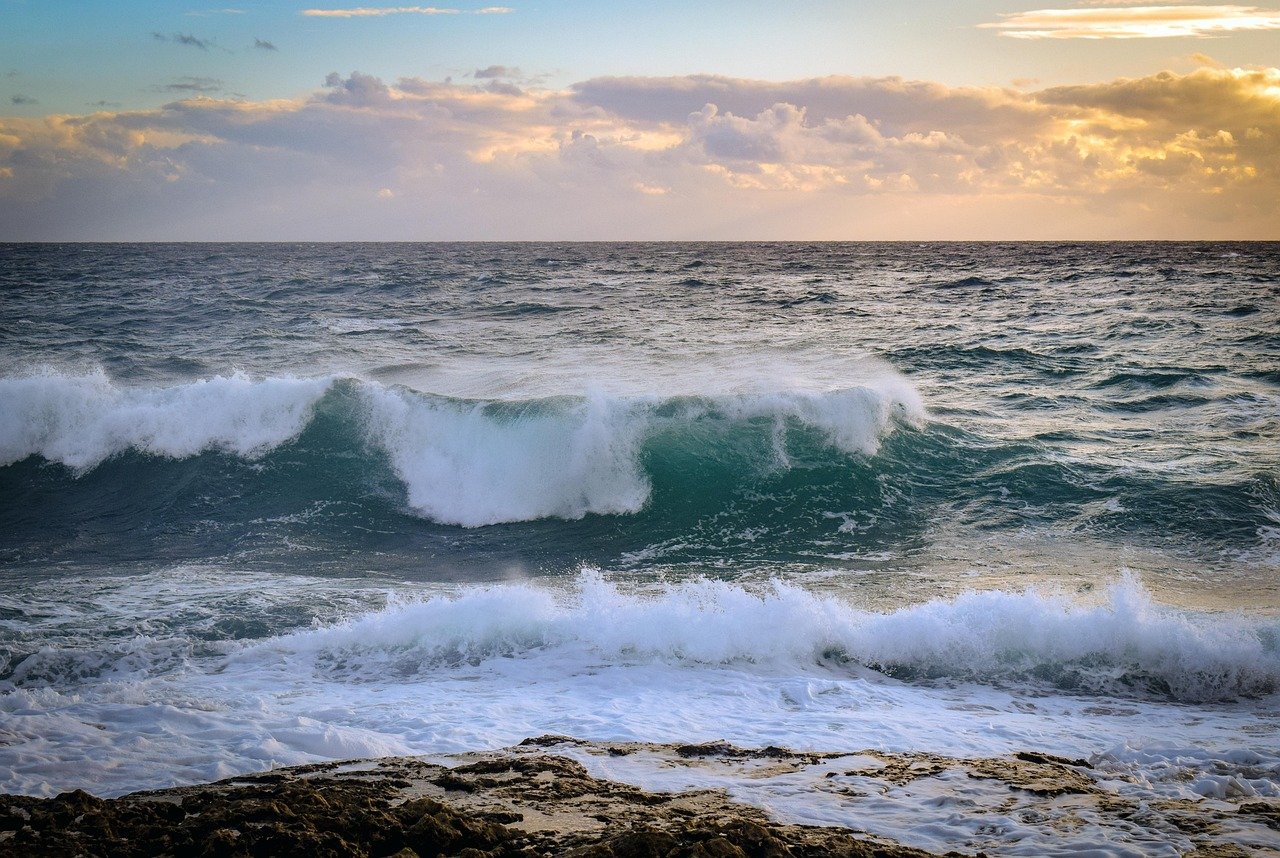
Ireland is a far better surf destination than it gets credit for. Nobody flies here for a beach holiday, and that’s exactly why the surf is as good as it is: cold, empty, and pointed straight into the Atlantic.
If you’re learning, none of the scary stuff applies. Book a summer lesson at Lahinch, Inch Beach, or Tramore, let the school handle the wetsuit and the beach, and you’ll be standing up on whitewater the same afternoon.
If you already surf, come in autumn for the best mix of waves and manageable cold, base yourself in Bundoran or the west, and give yourself enough days to catch the swell when it shows.
And if you just want to see it, that’s a winter job. Watch the forecasts, drive out to Mullaghmore when a big one lines up, and stand on the headland while the pros take on waves the rest of us have no business near.
Get the wetsuit right and stay flexible with your plans, and Ireland gives you a coastline of surf you’d never expect from a gray corner of the North Atlantic. That’s the whole trick. Come ready for the cold and it stops being the thing that holds you back.
Like it? Pin it!
Save this guide for later