March 17 is the one day a year the whole country throws a party, and if you want to spend St. Patrick’s Day in Ireland, Dublin is where it goes biggest. The parade, the packed pubs, the green everywhere, the city basically shuts down to celebrate the national saint.
We’ve spent time in Dublin on our last trip, drinking pints in Temple Bar and getting to know the pub scene around Fishamble Street, so we know how the city handles a crowd. Multiply that by ten and you’ve got the festival weekend.
The thing to know is it’s not just one parade and done. There’s a multi-day festival, traditions worth understanding, and a string of other cities and towns that do it differently from the capital.
So here’s the full rundown: the Dublin parade and what else to do in the city, where to celebrate beyond Dublin, the traditions and the real history behind the day, and the practical tips you’ll want before you book.
Quick Answer:
St. Patrick’s Day in Ireland is March 17, biggest in Dublin where a free parade steps off from Parnell Square at noon and draws half a million people. The festival runs about four days, with trad sessions, pubs, and family events. Cork and Galway hold their own celebrations too.
More Dublin Travel Guides
- 29 Free Things To Do in Dublin: A Local’s Guide
- 13 Unique Pubs In Dublin To Grab A Drink
- Guinness Storehouse Tickets Skip the Line: All Options
- A Weekend in Dublin, Ireland: The Perfect 2 Day Itinerary
The Dublin St. Patrick’s Day Parade
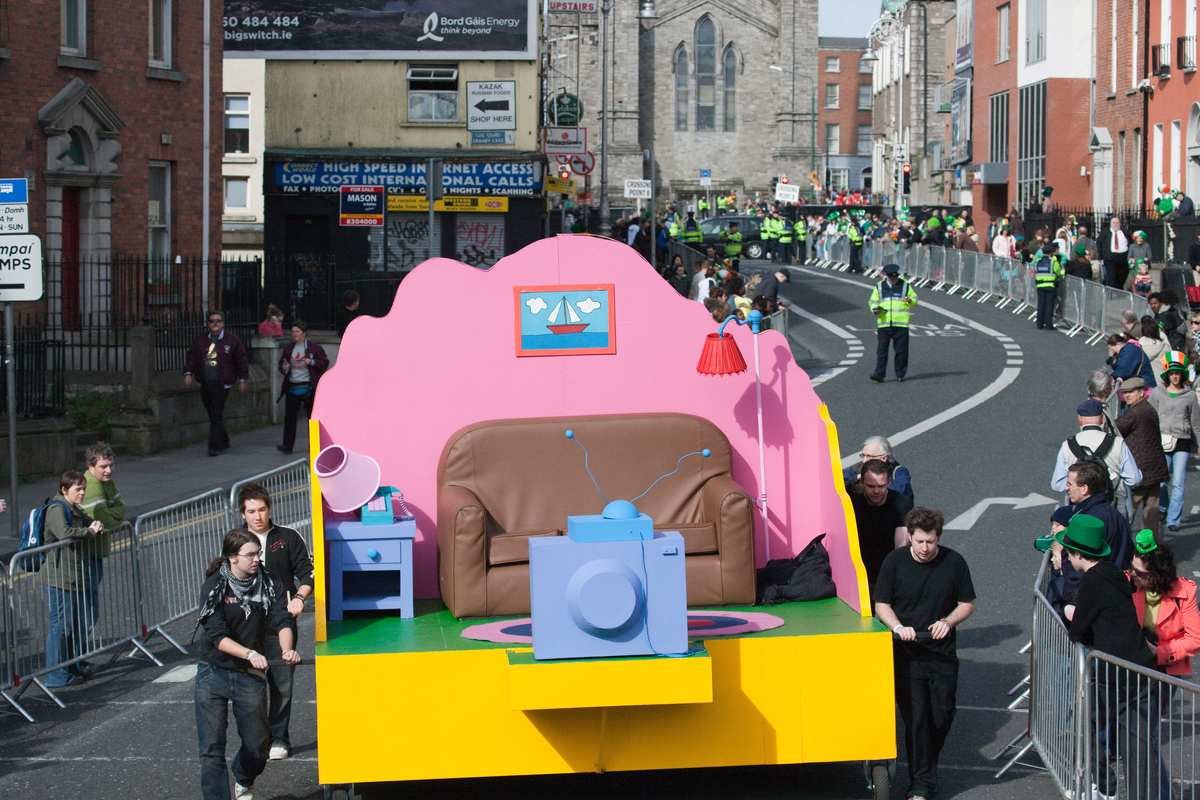
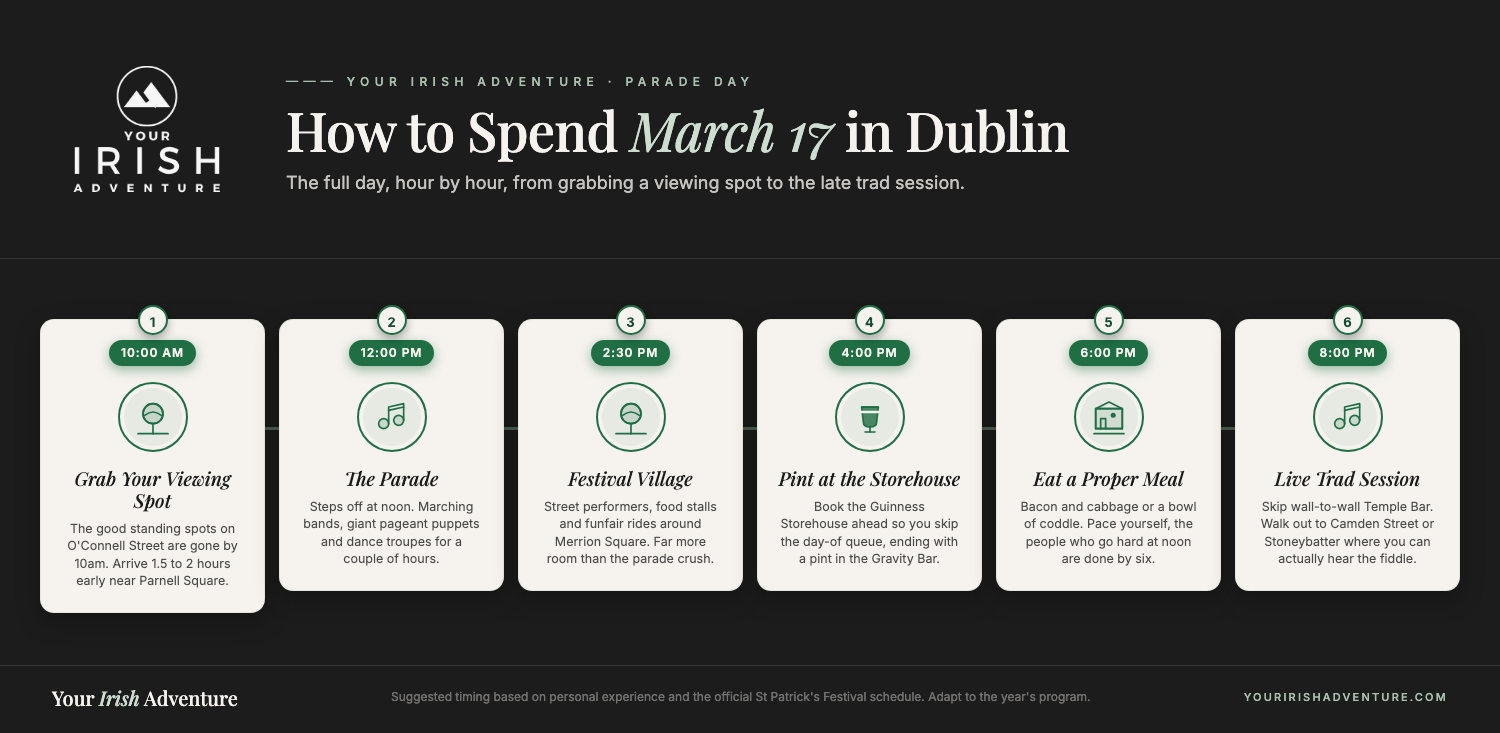
The parade is the centerpiece of the whole day. It steps off from Parnell Square around noon, runs the length of O’Connell Street, crosses the Liffey, and heads down Dame Street before finishing near St. Patrick’s Cathedral. Figure on around half a million people lining that route.
It’s not a military march. It’s marching bands flown in from the US, giant pageant puppets, dance troupes, and street performers, and it runs for a couple of hours. Loud, packed, and a lot of fun if you’ve got the patience for the crowds.
On our last trip we walked a big chunk of this exact route in reverse, the Liffey Boardwalk and across O’Connell Bridge, on a normal weekday in shoulder season. It was busy then. On March 17 every inch of that pavement has someone standing on it, so where you plant yourself matters.
Best Parade Viewing Spots
The single biggest tip: get there early. The parade starts at noon and the good standing spots along O’Connell Street are gone by 10am. Plan on arriving an hour and a half to two hours ahead if you want a clear line of sight and not the back of someone’s head.
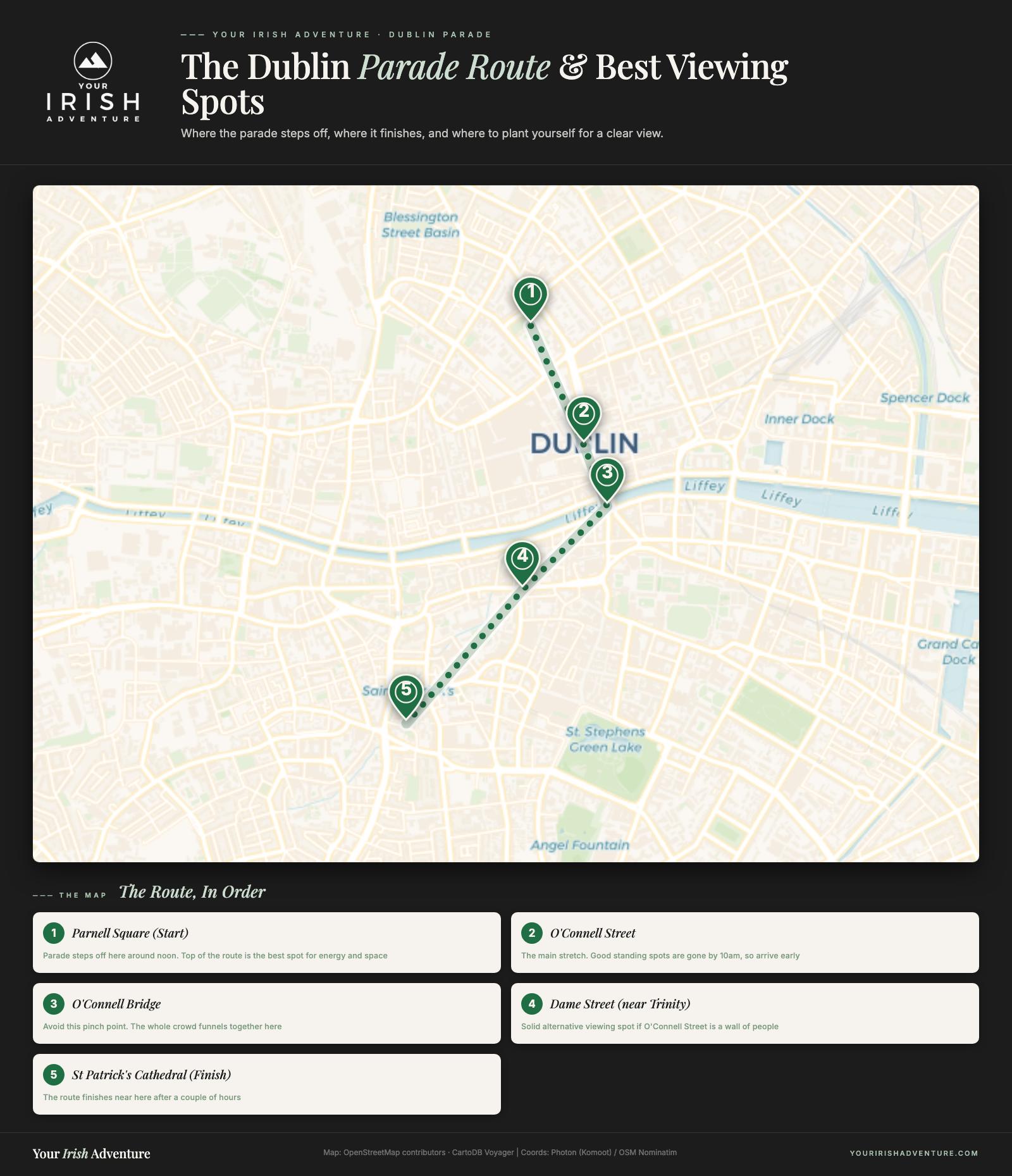
The top end of the route, up near Parnell Square where it kicks off, is your best bet for energy and space. The performers are fresh and the crowd thins a little compared to the middle stretch.
Avoid O’Connell Bridge and the immediate corners around it. That’s the pinch point where the whole crowd funnels together, and we found it tight even on an ordinary day. Dame Street, closer to Trinity College, is a solid alternative if O’Connell Street is already a wall of people.
A few practical things. Bring a rain jacket, March in Dublin does what March in Dublin does. Tall folks and kids should aim for a curb edge or a step up. And eat before you go, because the food trucks along the route have lines out the door by mid-morning.
Grandstand Seats
If you don’t fancy standing for hours, the St. Patrick’s Festival sells ticketed grandstand seats along the parade route. You get a guaranteed seat, a clear elevated view, and you skip the dawn scramble for a standing spot.
They sell out, so book them through the official St. Patrick’s Festival website well in advance, not on the day. Prices change year to year, so check the current rate when you book rather than trusting an old number.
Worth it for families with young kids, anyone who can’t stand for two hours, or if you just want the day to be relaxed instead of a battle for position. If you’re young, mobile, and happy to arrive early, the free standing spots are perfectly fine and put you right in the thick of it.
What Else to Do in the City Over the Festival
The parade is over by mid-afternoon, but the festival runs for the better part of a week around March 17. Dublin fills up with music, street events, and a few things that have nothing to do with green hats. Here’s how to spend the rest of the day and the days either side of it.
Pubs and Live Trad Music
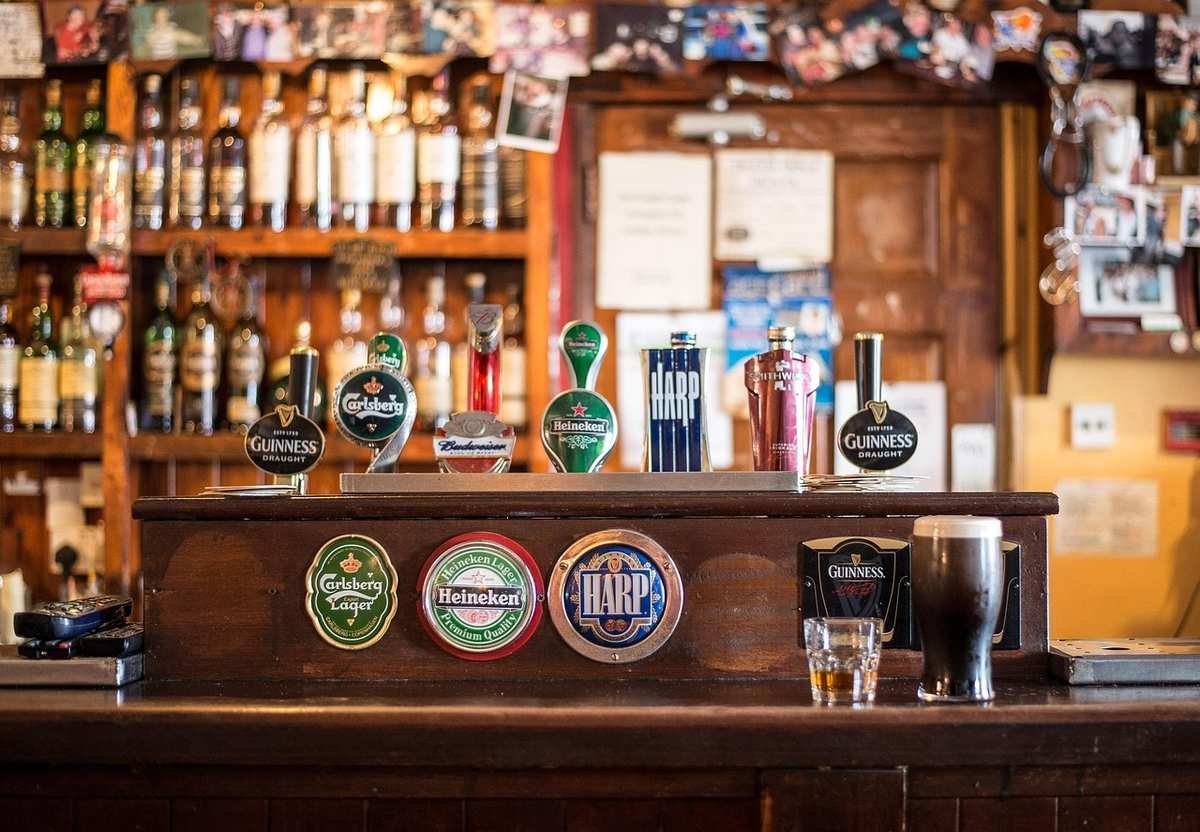
This is the part most visitors come for, and on March 17 the pubs are the city. Every bar with a few square feet of floor space puts on live trad, and the singing spills out onto the street.
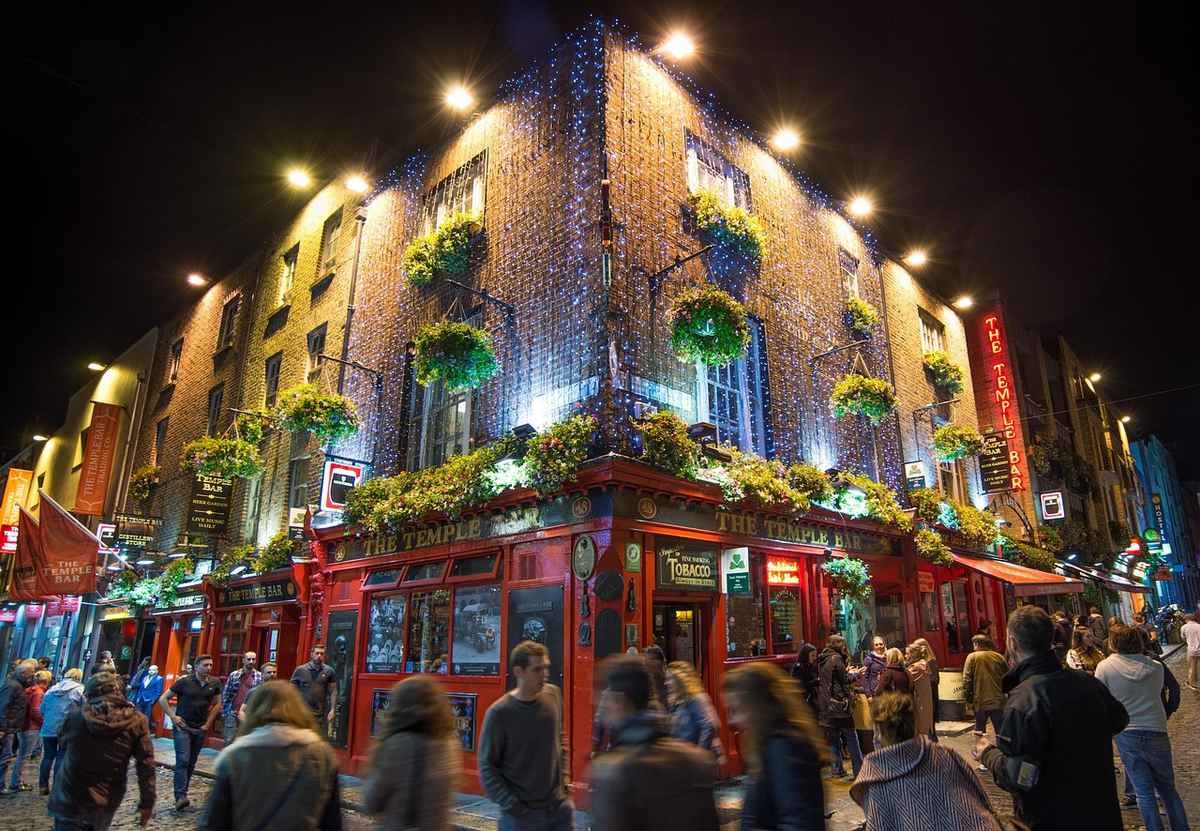
On our last trip we did a slow crawl through the city, from the Temple Bar lanes out to the smaller spots around Merrion Row, and even on an ordinary night the trad was loud and the bar staff were three deep. On St. Patrick’s Day, expect that everywhere, all day.
One real tip: the famous Temple Bar pubs are wall-to-wall and the pints cost a lot more. If you want a session where you can actually hear the fiddle, walk ten minutes out to the pubs around Camden Street or Stoneybatter, where it’s more locals and less stag party.
And get to a pub early to grab a table, because by 5pm on the 17th you won’t be sitting down anywhere.
If you want the pint with a side of the story behind it, the Guinness Storehouse is the obvious stop, and you can book the Guinness Storehouse tour on GetYourGuide ahead so you’re not queuing on the busiest day of the year.
Family-Friendly Events and Festival Villages
The St. Patrick’s Festival is built for more than drinkers. Across the weekend the city runs free family events, with a festival village setup that usually lands around Merrion Square and the National Museum area.
Think street performers, food stalls, funfair rides, and live music on outdoor stages. There’s often a Festival Quarter with workshops, light shows, and family gigs in the evenings, ticketed and free events mixed together.
The exact lineup and locations change each year, so check the official St. Patrick’s Festival website for the current program before you go. It’s the one place that lists what’s actually on and what needs a ticket.
If you’re bringing kids, the festival village beats the parade crush. Same green energy, far more room to move, and nobody standing on a curb edge for two hours.
Museums and Cultural Things to Do
If the crowds get to be too much, Dublin has plenty to do indoors, and the days around the festival are a good time to slot it in. A few of our favorites are an easy walk from the parade route.
The Jameson Distillery on Bow Street is worth the ticket. We did the full tour with a four-glass tasting flight, and the bar under the glass ceiling is one of the better-looking rooms in the city. Book ahead over the festival, because it fills up.
👉 Read our full guide to the Jameson Distillery tour before you book.
The grounds of Trinity College are free to walk and underrated. We wandered through Parliament Square past the Campanile on our return stay, and it’s a calm break from the noise outside the gates. The Book of Kells exhibition is right there if you want to pay in. If you’d rather have it walked for you, you can book the Book of Kells and Dublin Castle tour on GetYourGuide, which ties it together with Dublin Castle and Christ Church.
The National Museum and the National Gallery are both free and both close to the festival village, so they’re easy to pair with the outdoor events. On a wet March afternoon, and March in Dublin is often wet, an hour indoors is no bad thing.
Best Tours in Dublin Over the Festival
The two things you actually want booked before March 17 are the Guinness Storehouse and a walk around the big city landmarks, because both turn into a scrum on the day. Lock these in ahead and you skip the queue while everyone else stands in the rain.
Guinness Storehouse Self-Guided Tour with Free Pint
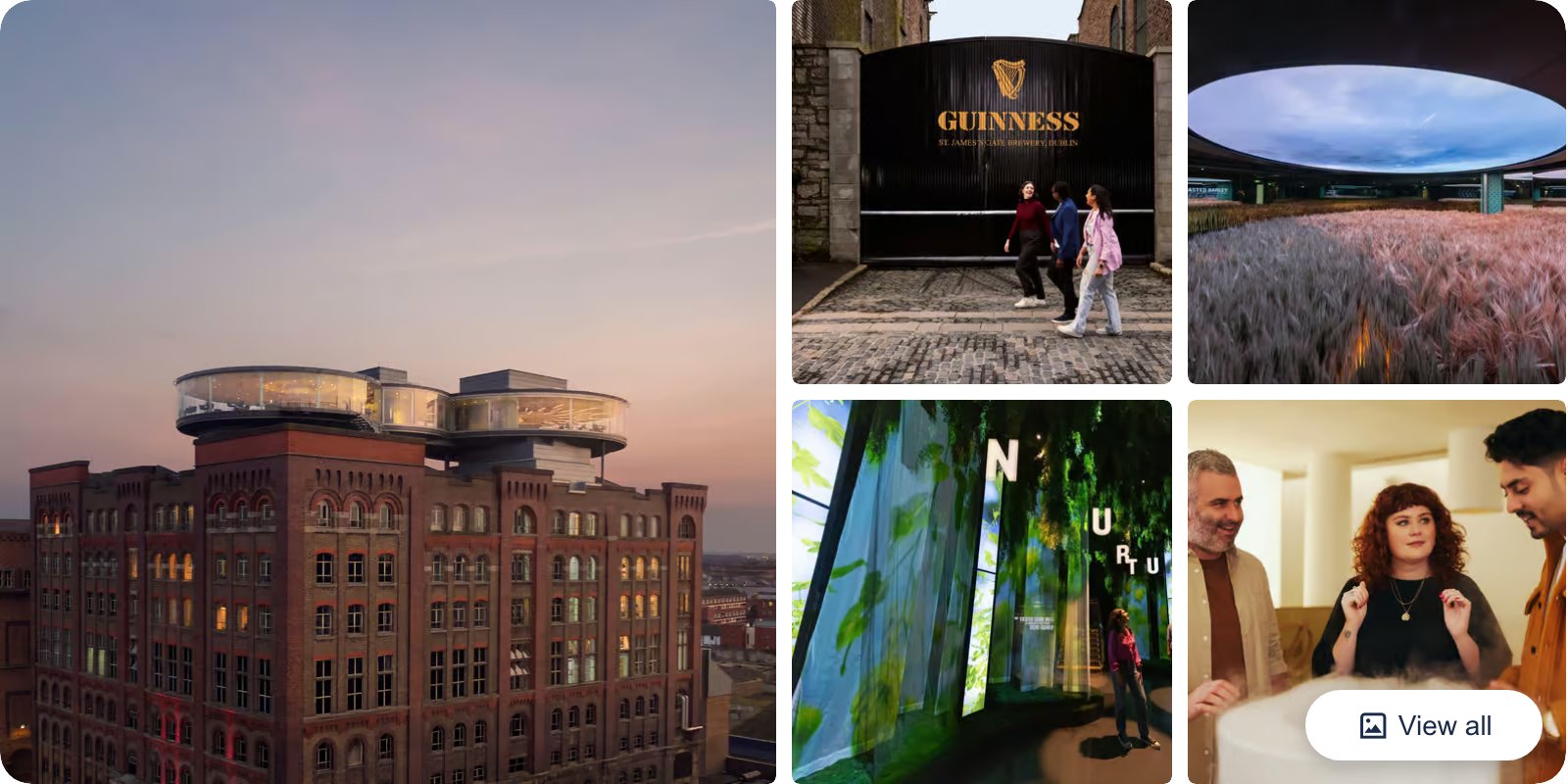
This is a self-guided run through the seven floors at St. James’s Gate at your own pace, ending with a free pint up in the Gravity Bar with its 360-degree view over the city. Your ticket gets you in with a set entry time, so you walk straight past the day-of queue.
👉 Check Guinness Storehouse Self-Guided Tour Availability and Reviews
Book of Kells, Dublin Castle and Christ Church Tour
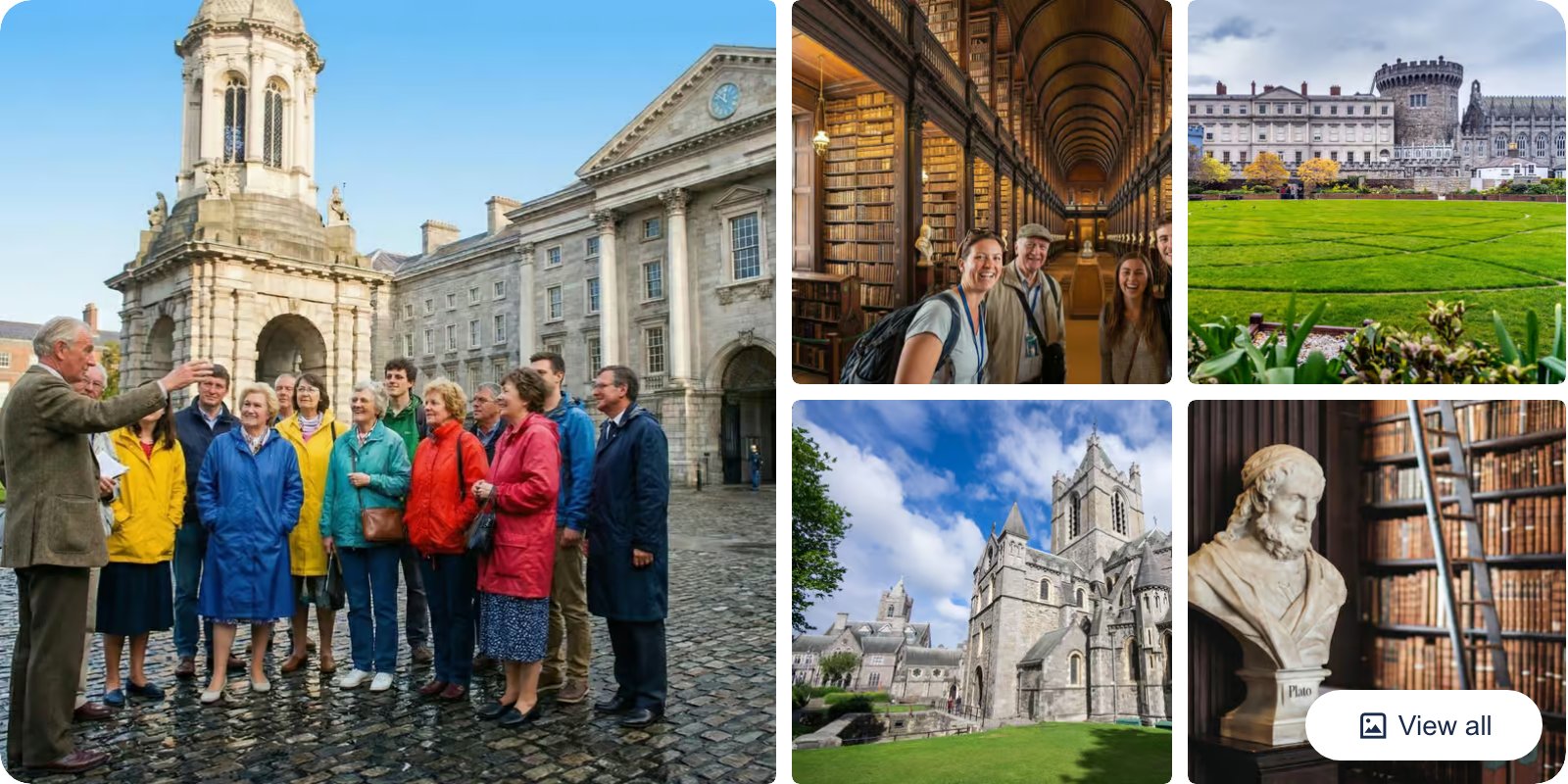
A guided walk that ties together three of the city’s biggest sights, the Book of Kells and the Long Room at Trinity College, Dublin Castle, and Christ Church Cathedral, with a guide handling the history and the entry along the way. It’s the calmer-day pick for the days either side of the parade.
👉 See what’s included on the Book of Kells and Dublin Castle Tour
Cities and Towns to Celebrate Beyond Dublin
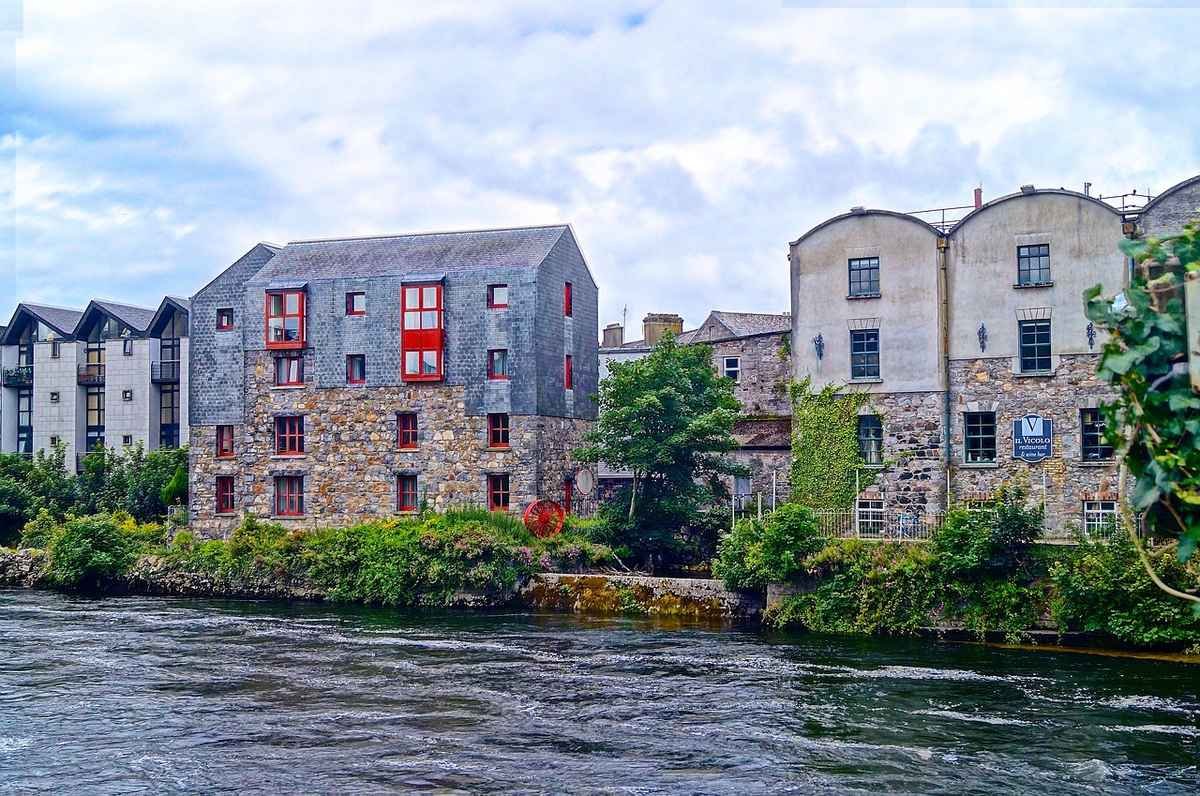
Dublin does the biggest version of St. Patrick’s Day in Ireland, and that’s where we’ve spent our time on our last trip, drinking around the city and learning how it handles a crowd. But March 17 is a national party, and a few other cities do it just as well with a fraction of the chaos.
If the half-million-strong Dublin crush sounds like too much, here’s where else to point yourself.
Cork
Cork runs the second-biggest parade in the country, winding through the city center along streets like St. Patrick’s Street and Grand Parade. It’s a proper event, marching bands and community groups and big crowds, but the scale is manageable in a way Dublin isn’t.
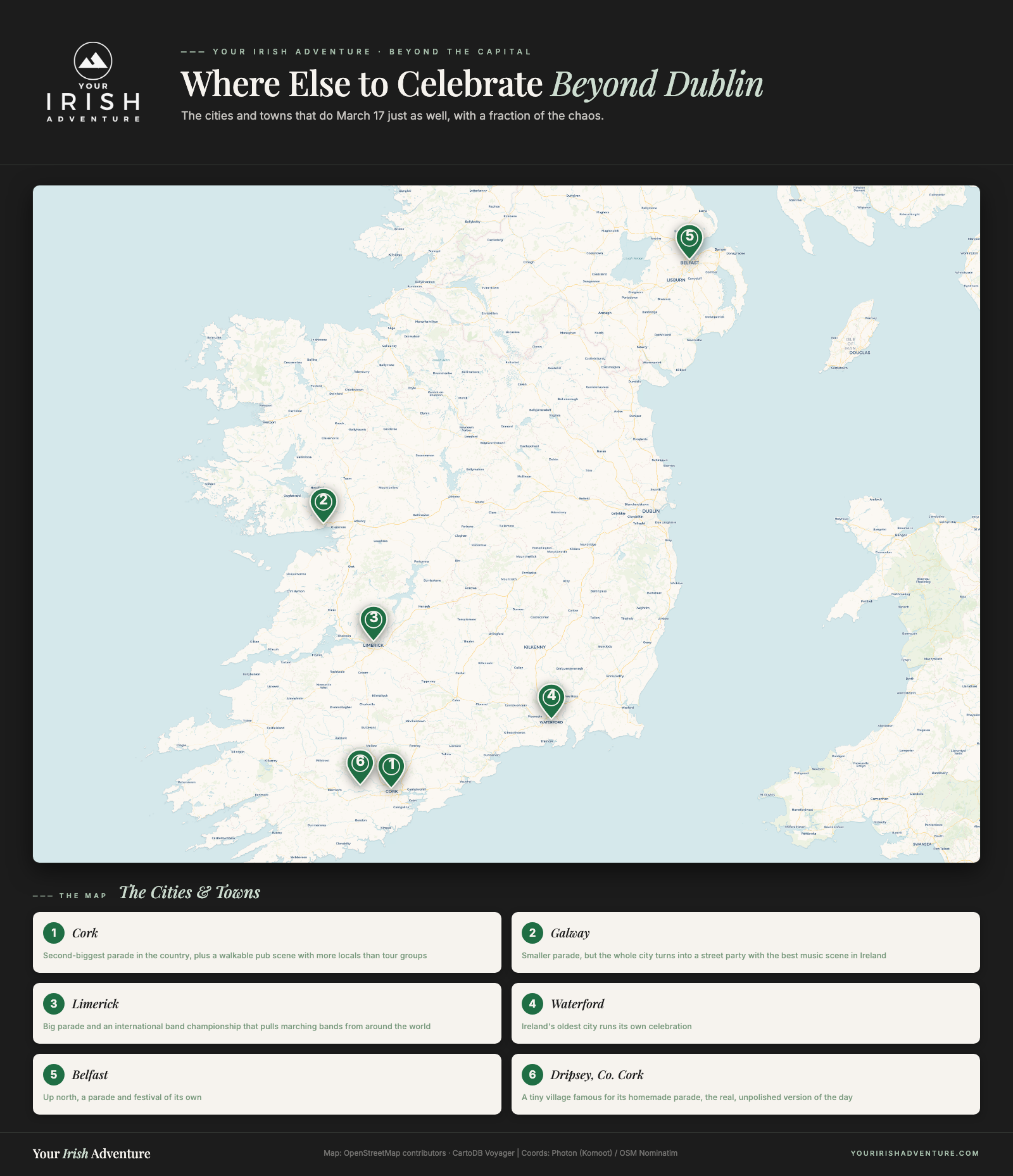
The pub scene afterward is the draw. Cork‘s bars are walkable and close together, the trad is everywhere, and you’re drinking with more locals than tour groups. For a city with real energy and less of a battle, it’s a strong pick.
Galway
Galway is the one a lot of people will tell you is the most fun on the day, and it’s hard to argue. The parade is smaller, but the whole city turns into a street party, and the music scene there is the best in the country on an ordinary week, let alone March 17.
Pubs around the Latin Quarter and Shop Street put on session after session, and the crowd spills out onto the cobbles. If your priority is live trad and a packed, friendly atmosphere over a big formal parade, Galway is where I’d send you.
Limerick and Other Cities
Limerick puts on a big parade and an international band championship that pulls marching bands from around the world over the weekend. Waterford, Ireland’s oldest city, runs its own celebration, and Belfast up north does a parade and festival of its own.
Any of these gives you the parade, the pubs, and the green without Dublin’s numbers. Smaller crowds, easier to find a seat, and you still get the full day.
Small Towns and Villages
For something different, the small-town parades are worth seeking out. Villages all over the country put on their own short, homemade processions, and they’re a world away from the city versions.
Dripsey in County Cork built a reputation around its parade, and tiny spots everywhere field tractors, local clubs, and a few hundred people who all know each other. If you want the real, unpolished version of the day rather than the tourist one, this is it.
Other Times of Year to Visit Ireland
- Visiting Ireland in Spring: The Complete Guide
- Best Things to Do in Ireland in Summer (Without the Crowds)
- Best Things to Do in Ireland in Winter (2026 Guide)
- Cool Festivals to Check Out In Ireland In August
St. Patrick’s Day Traditions in Ireland
A lot of what you see on St. Patrick’s Day in Ireland has a real story behind it, and it pays to understand it before you go. The green, the shamrock, the pints, the parade, none of it is random. Here’s where the traditions come from and which ones the Irish actually do.
The Real History of St. Patrick
St. Patrick is the patron saint of Ireland, and March 17 marks the day he’s said to have died, back in the fifth century. He wasn’t even Irish. He was born in Roman Britain, taken to Ireland as a slave at sixteen, escaped, and came back as a missionary to spread Christianity.
The famous story that he drove the snakes out of Ireland is a myth. Ireland never had snakes to begin with. Most historians read the snakes as a stand-in for the old pagan beliefs he helped push out.
Here’s the twist a lot of people don’t expect: the big modern parade is an American invention. Irish immigrants in cities like New York and Boston built the day into a street celebration, and Ireland imported that version back home much later.
The Shamrock and Wearing Green
The shamrock is the one tradition that ties straight back to Patrick himself. The story goes that he used the three-leaf clover to explain the Holy Trinity, three parts, one plant, and it stuck as the symbol of both the saint and the country.
Wearing green is the other big one, and you’ll see every shade of it on the day. People pin a sprig of real shamrock to their coat, and kids get sent to school in green. The whole country leans into it.
Plenty of landmarks join in too. Buildings around Dublin and famous sites across the world get lit up green for the night, from the Cliffs of Moher to bridges and towers on other continents.
👉 See our full guide to the Cliffs of Moher if you want to add them to your trip.
Drowning the Shamrock and a Day at Mass
There’s an old custom called “drowning the shamrock.” Once the night winds down you drop your sprig of shamrock into the last pint, make a toast, drink it down, and throw the leaf over your shoulder for luck. Not everyone does it now, but the older crowd still will.
It’s easy to forget the day started as a religious one. March 17 is a holy day in Ireland, and for a long time the pubs were actually shut. Many people still go to Mass in the morning before any of the green stuff kicks off.
That older, slower version still runs underneath the party. The trad music, the family gatherings, the food, a roast or a bit of bacon and cabbage on the table, that’s the home side of the day, away from the parade and the crowds.
The History of St. Patrick’s Day
The day started as a religious feast for the patron saint and only became the green street party much later, which is the story we ran through above. What gets less attention is the food and drink side of it, and that part is worth understanding before you sit down anywhere on March 17.
For a long time this was a fast day on the church calendar that broke for one big meal. That’s where a lot of the traditional dishes come from, the hearty, slow-cooked food meant to feed a family after Mass.
Food and Drink to Try
The classic St. Patrick’s Day plate in Ireland is bacon and cabbage with potatoes, not the corned beef and cabbage you’ll find in America. Corned beef was an Irish-immigrant swap in the US, where it was cheaper than bacon, and it never really came home.
Beyond that, look for Irish stew, lamb or mutton cooked down with potatoes and onions, and colcannon, which is mashed potato folded through with kale or cabbage and butter. Soda bread turns up on nearly every table, and in Dublin you’ll find coddle, a sausage and rasher stew that’s about as local as it gets.
On the drink side, this is Guinness’s biggest day of the year, and a properly poured pint with the two-part settle is the thing to order. Irish whiskey is the other pour, neat or in an Irish coffee, and if you want to taste your way through a few, a distillery tasting flight is a good way to do it.
One honest warning: green beer is an American invention you won’t see many locals drinking, so skip it and order the real thing. And the first pint of any Ireland trip is a ritual of its own. Ours was a Guinness at the airport before we’d even cleared the terminal, which is a tradition I’d tell you not to skip.
Tips for Visiting Ireland on St. Patrick’s Day
This is the busiest travel week of the year in Ireland, so a bit of planning saves you a lot of grief. Here’s what we’d tell a first-timer to sort out before you go.
Book Accommodation Way in Advance
Dublin hotels fill up months ahead for the festival weekend, and the prices jump hard. If you want a bed anywhere near the city center on March 17, book it as far out as you can, not a few weeks before. It’s worth it to check Dublin accommodation prices on Booking.com early, while there’s still something central left to grab.
If the Dublin rates have gone silly by the time you look, that’s another argument for basing yourself in Cork or Galway, where the same money goes further and you’re still in the thick of the day.
Getting Around on the Day
March 17 is a public holiday, so public transport runs on a Sunday or holiday schedule, and roads around the parade route shut down for hours. Don’t plan on driving into the middle of any city center that morning, because you won’t get near it.
From the airport, the airport bus into the city is easy and drops you central. We used it on our last trip and it beats sitting in holiday traffic in a taxi. Once you’re in town, walk everywhere or take the Luas and accept it’ll be packed.
A car is the wrong call for parade day itself, but if you’re building in calmer days either side to get out of the city, it’s the easiest way to do it. Compare car hire deals on Discover Cars and pick it up after the 17th once the road closures have lifted.
Dress for March Weather
March in Ireland is cold, wet, and windy more often than not, and you’ll be standing outside for hours. A proper rain jacket and layers matter more than a costume, and waterproof shoes will save your day.
Wear the green if you want, everyone does, just put something warm under it. Nobody’s impressed by a soaked person in a foam leprechaun hat shivering through the parade.
Staying Safe and Pacing Yourself
Dublin on St. Patrick’s Day is safe enough, but it’s a long drinking day and the crowds get heavy by evening, especially around Temple Bar. Keep your phone and wallet in a front pocket, and the usual big-crowd sense applies.
The real tip is pace. People who go hard at noon are done by six. Eat a proper meal, mix in water, and you’ll still be standing for the late session when the trad is at its best.
Build in Days Either Side
Don’t fly in for the 17th and straight back out. The festival runs the better part of a week, the city is calmer the day before and after, and you’ll want time to see Dublin without half a million people in the way.
Give yourself a few days at minimum. Use the calmer days for the distillery, Trinity, and a real dinner, and save the parade day for the chaos it is.
Planning Your Trip to Ireland
- 3 Days in Ireland: The Perfect Itinerary
- 5 Day Ireland Itinerary: Dublin, Cork & the West Coast
- A Photographer’s Definitive Ireland Road Trip
- 7 Best Day Trips From Dublin, Ireland
Where to Stay in Dublin
Beds near the city center sell out months ahead of March 17, so book the moment you’ve settled on dates. These three are all a short walk from the parade route, picked on guest scores and spread across price so there’s something whether you want a self-catering base or a proper splurge.
Henrietta Suites City Centre
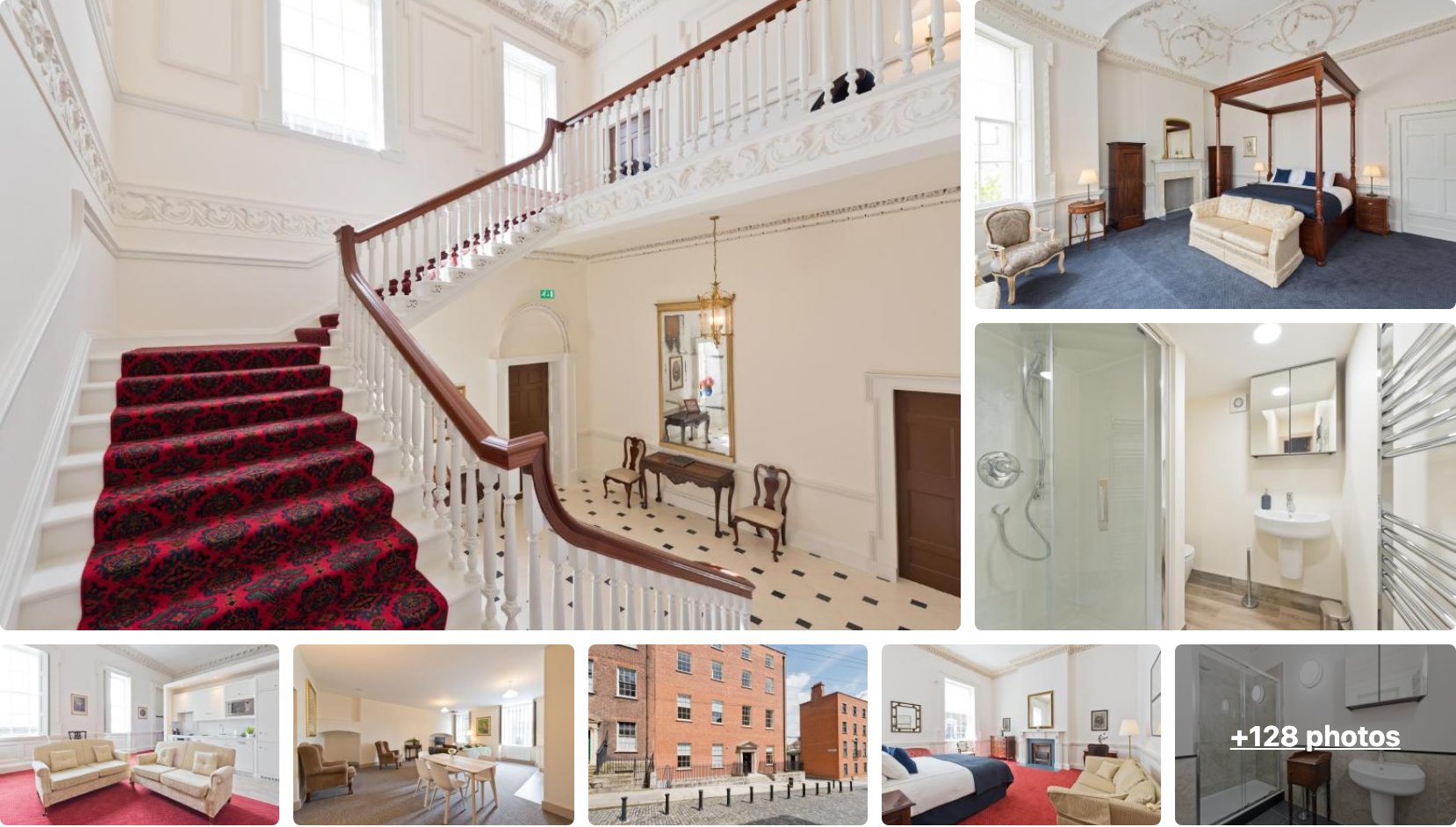
Henrietta Suites City Centre scores 9.5 across more than 1,100 reviews, and it sits on a restored Georgian street about a ten-minute walk from the top of the parade route at Parnell Square. The apartment-style rooms come with a kitchen, which is handy when the restaurants are slammed on the 17th.
👉 View Henrietta Suites City Centre Availability and Pricing
The Green
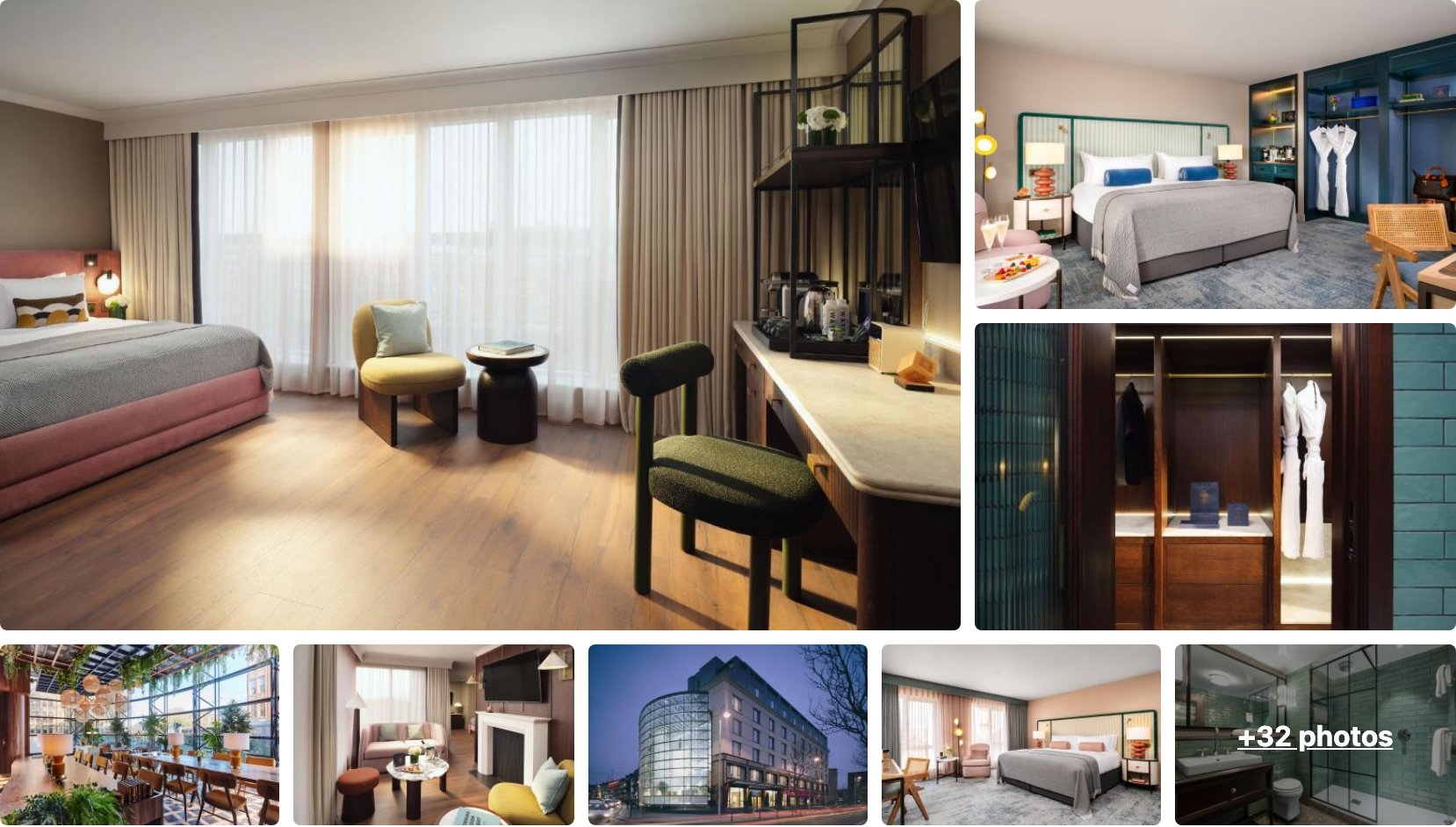
The Green holds a 9.2 from more than 1,300 reviews, the highest review count of any central hotel on this list. It’s right on St Stephen’s Green at the bottom of the parade route, so you can watch the city, then be back at the bar in minutes. A solid mid-range pick in the thick of it.
👉 View The Green Availability and Pricing
The Merrion Hotel
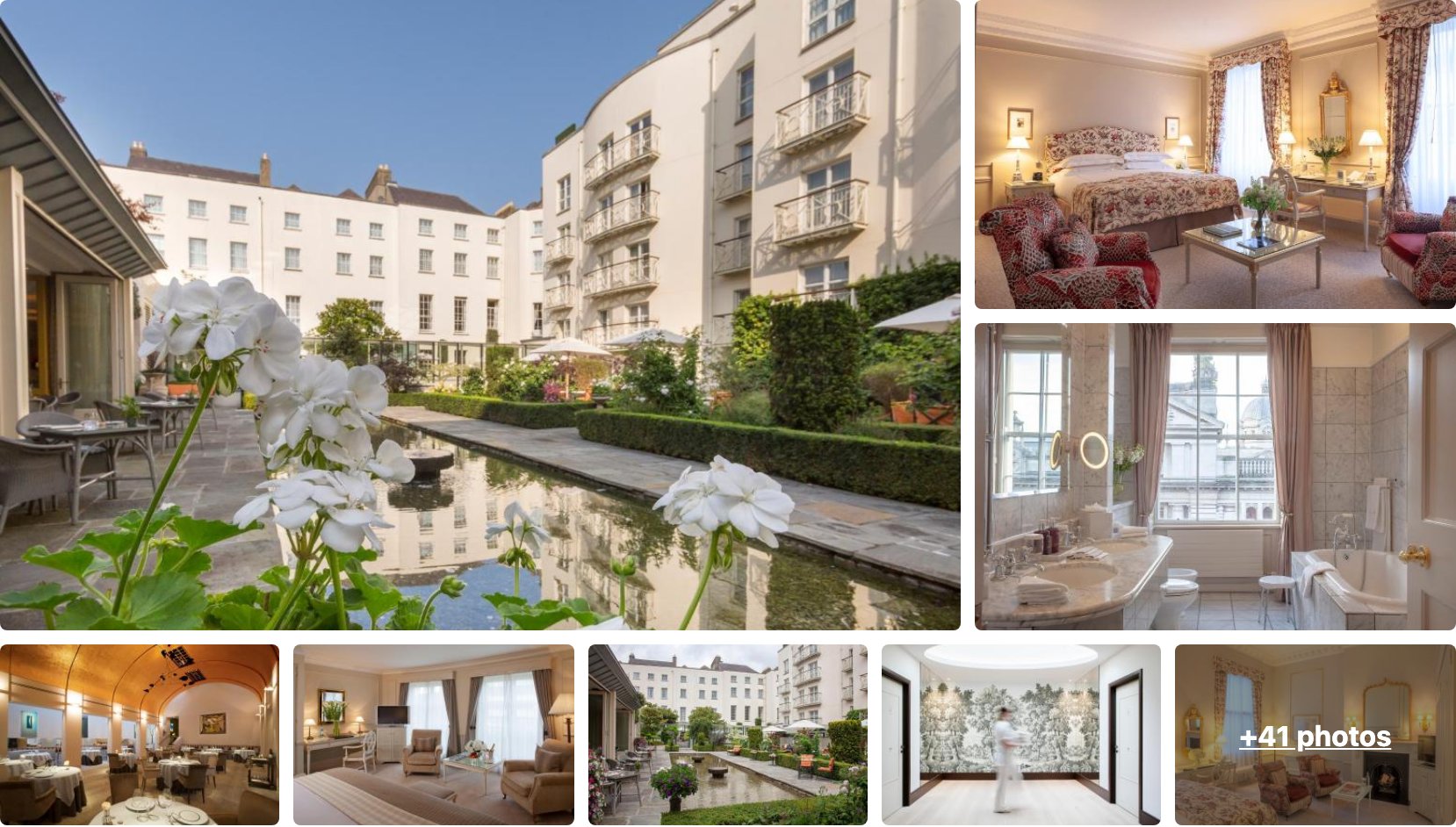
The Merrion Hotel is the splurge, a 9.4-rated five-star spread across four restored Georgian townhouses on Merrion Square, a few minutes from Trinity College and the festival village. Garden courtyard, an art collection on the walls, and one of the best afternoon teas in the city if you want to escape the crowds.
👉 View The Merrion Hotel Availability and Pricing
Frequently Asked Questions
When is St. Patrick’s Day?
It’s March 17 every year, no matter what day of the week that lands on. In Ireland it’s a public holiday, so banks, schools, and most offices close, and the whole country shifts into festival mode.
Is St. Patrick’s Day a good time to visit Ireland?
If you want the parade, the pubs, and the full party, it’s the best time there is. If you’re after quiet countryside and cheap hotels, it’s the worst week of the year for both. It really depends on what you’re coming for.
What’s the best city for St. Patrick’s Day in Ireland?
Dublin for the biggest parade and the most going on. Galway if your priority is live trad and a street-party feel over a formal parade. Cork for a strong middle ground, a big parade with far less crush.
Are shops and restaurants open on March 17?
Pubs and most restaurants are open and busy, since this is their biggest day. Some shops and all banks close because it’s a public holiday, and supermarkets often run shorter hours.
Do you need a ticket to watch the Dublin parade?
No. The standing spots along the route are free, you just have to turn up early to get a good one. Tickets only come in if you want a reserved grandstand seat, which you book ahead through the official festival site.
How many days do you need for St. Patrick’s Day in Ireland?
Three to four days at a minimum. That covers the parade day plus a calmer day either side to see the city and recover. The festival itself runs the better part of a week if you want to stretch it out.
In short
- The Dublin parade steps off from Parnell Square around noon, ending near St. Patrick’s Cathedral
- Half a million people line the route, and O’Connell Street spots are gone by 10am
- Arrive 90 minutes to two hours early for a clear line of sight
- Watch from the top end near Parnell Square for more energy and space
- Skip the O’Connell Bridge pinch point; Dame Street by Trinity College works as a backup
Final Thoughts
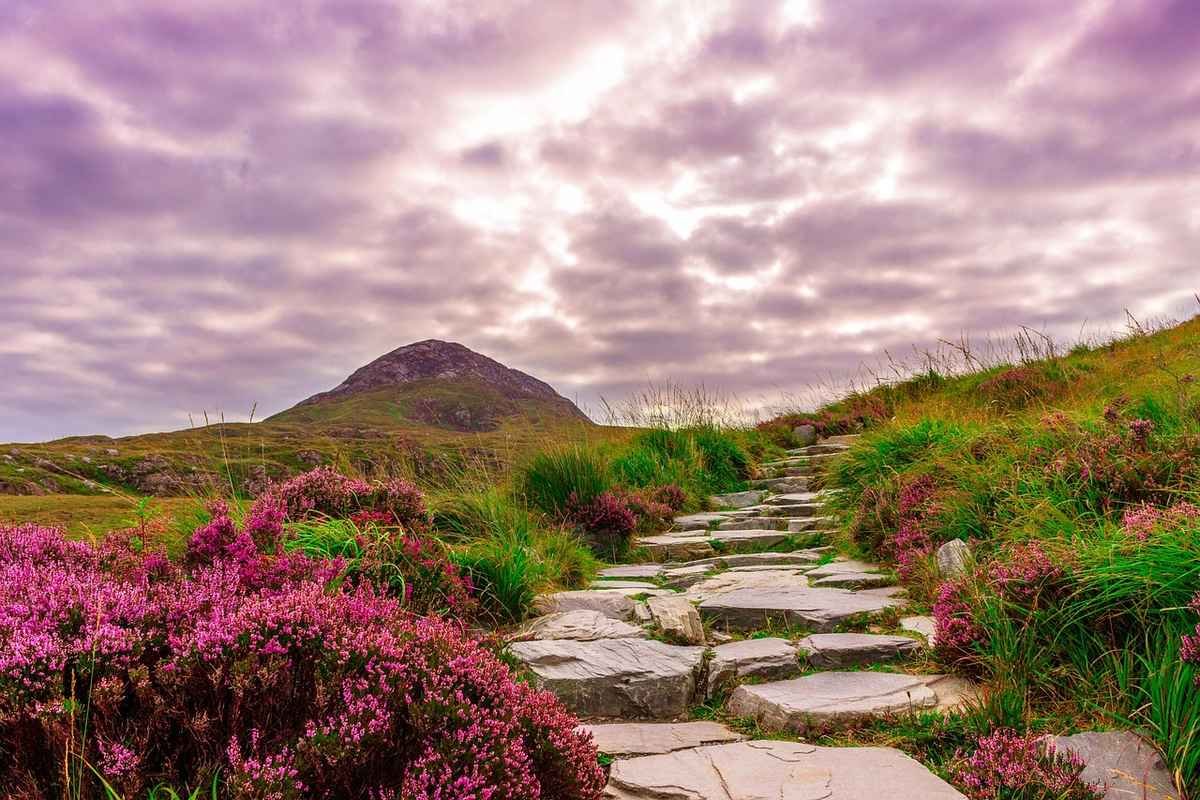
If you’ve ever wanted to see Ireland throw its biggest party, March 17 is the day. The parade, the trad spilling out of every pub, half the country dressed in green, there’s nothing else quite like it on the calendar.
Just go in knowing what it is. It’s busy, it’s expensive, and the weather will likely be wet. Book your bed early, pack a real rain jacket, and pace yourself, and the day takes care of itself.
My one piece of advice, the same thing I’d tell any first-timer: don’t fly in for the 17th and straight back out. Build in calmer days either side so you get the real Ireland and not just the green chaos. The quiet morning at Trinity and a proper pint somewhere local is half of what makes the trip.
Pick Dublin for the spectacle, Galway or Cork if you want the same energy with room to breathe. Either way, you’re getting a day you won’t find anywhere else. Go and enjoy it.
Like it? Pin it!
Save this guide for later